1/6
Interior designer Charu Gandhi's reveals her 7 rules on choosing rugs for interior design
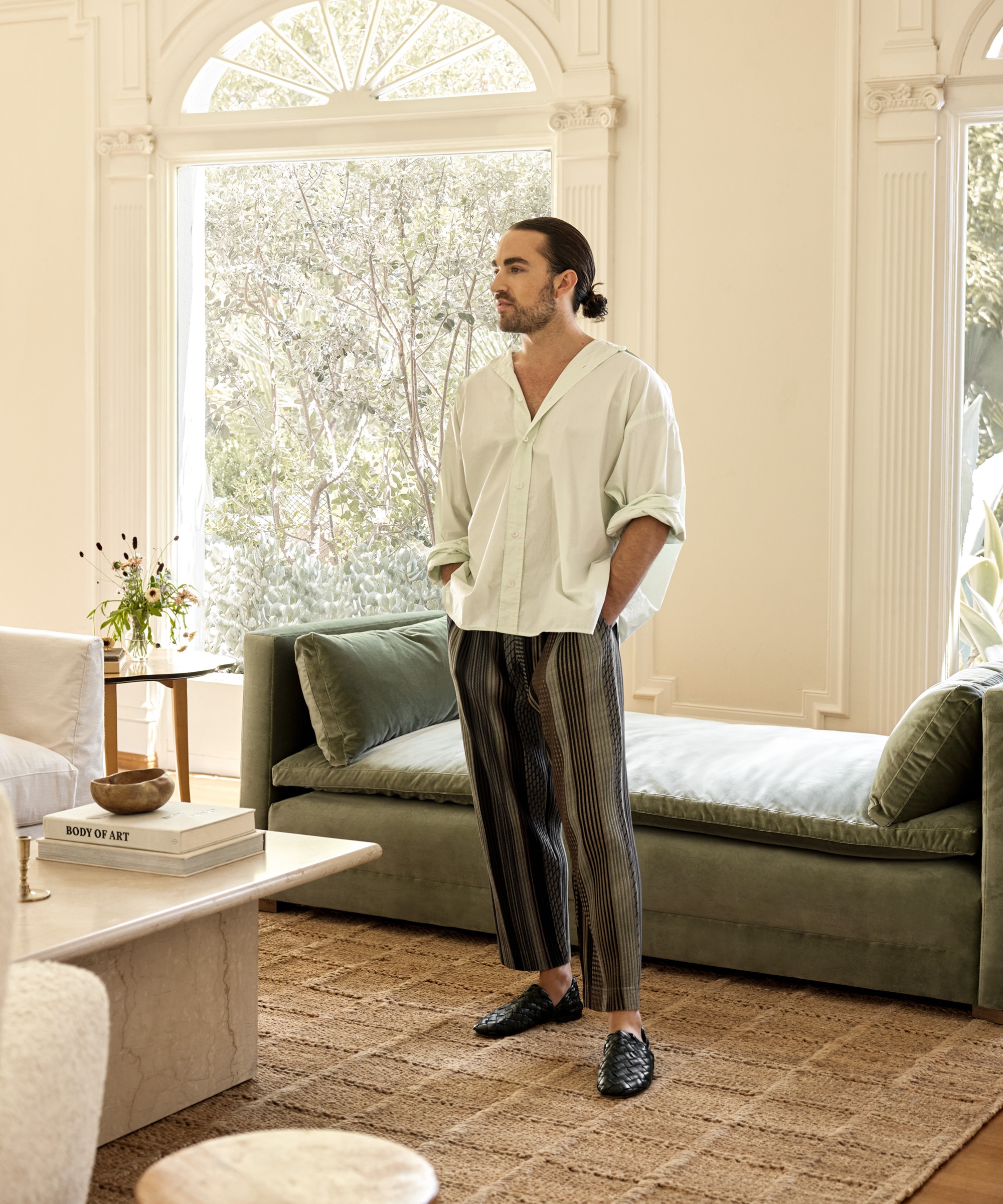
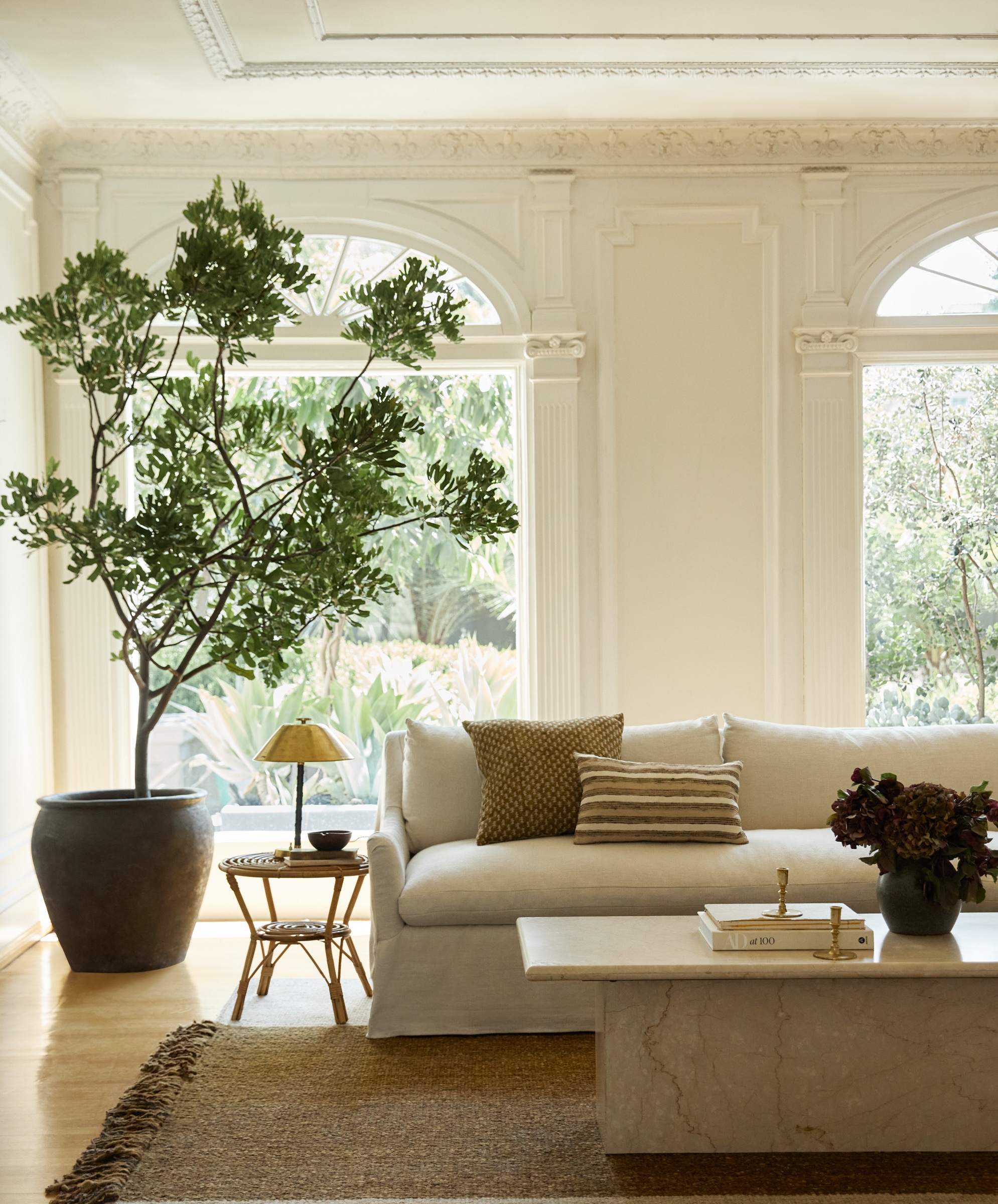
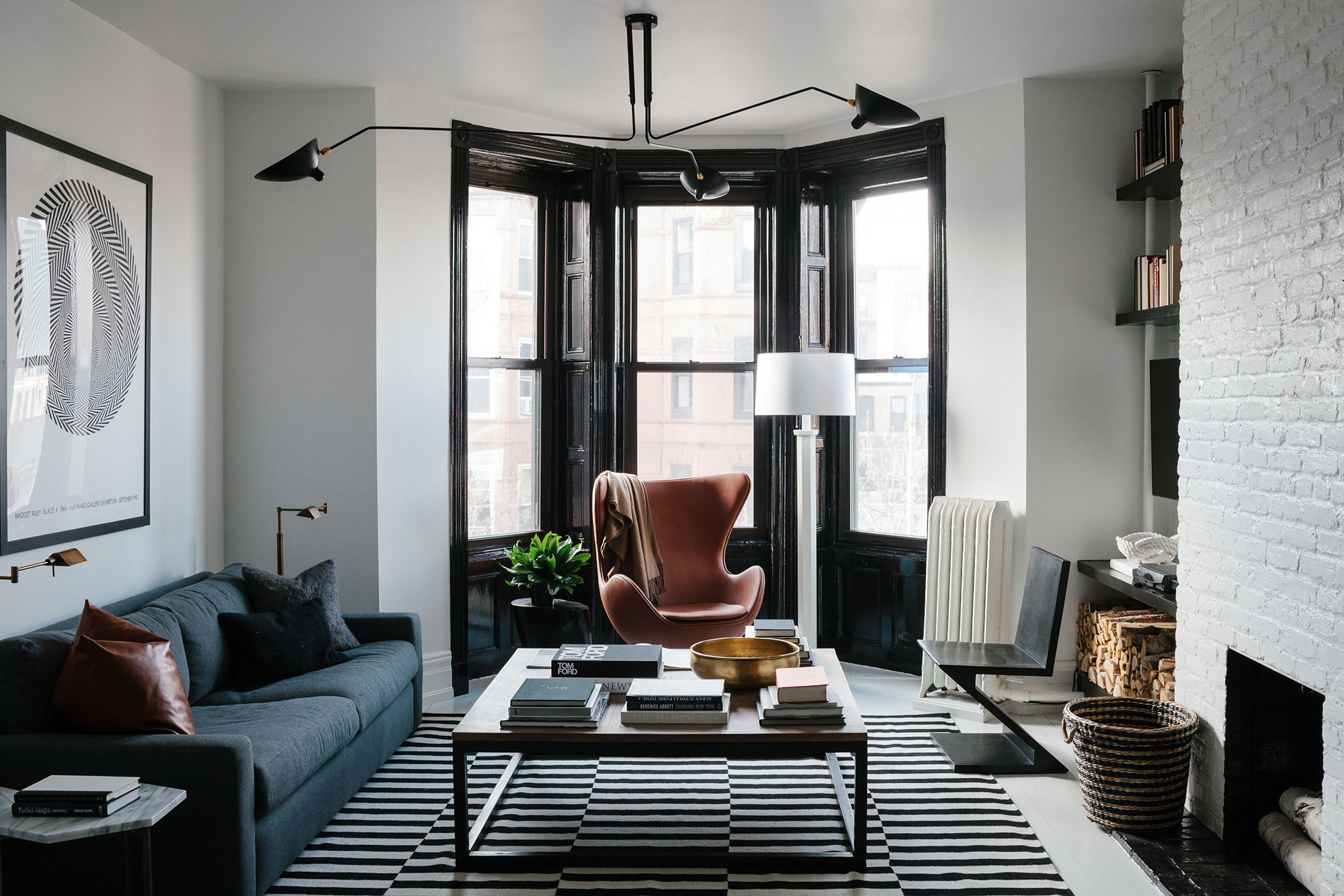
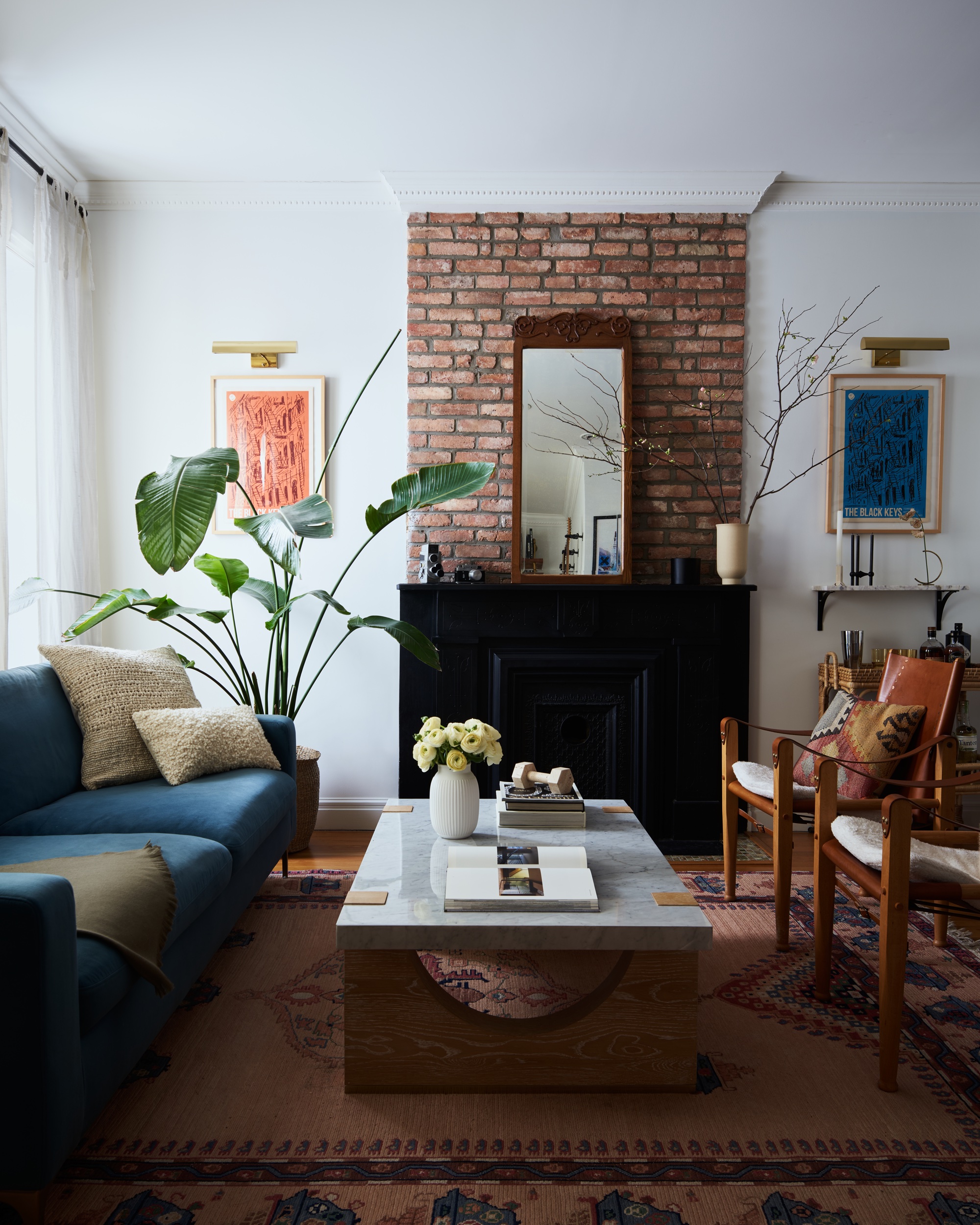
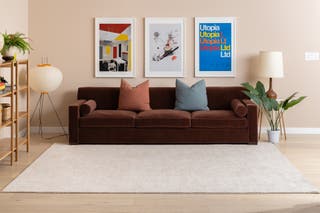
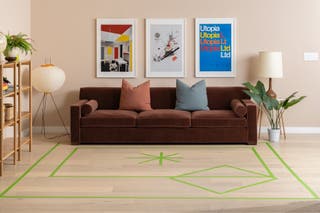
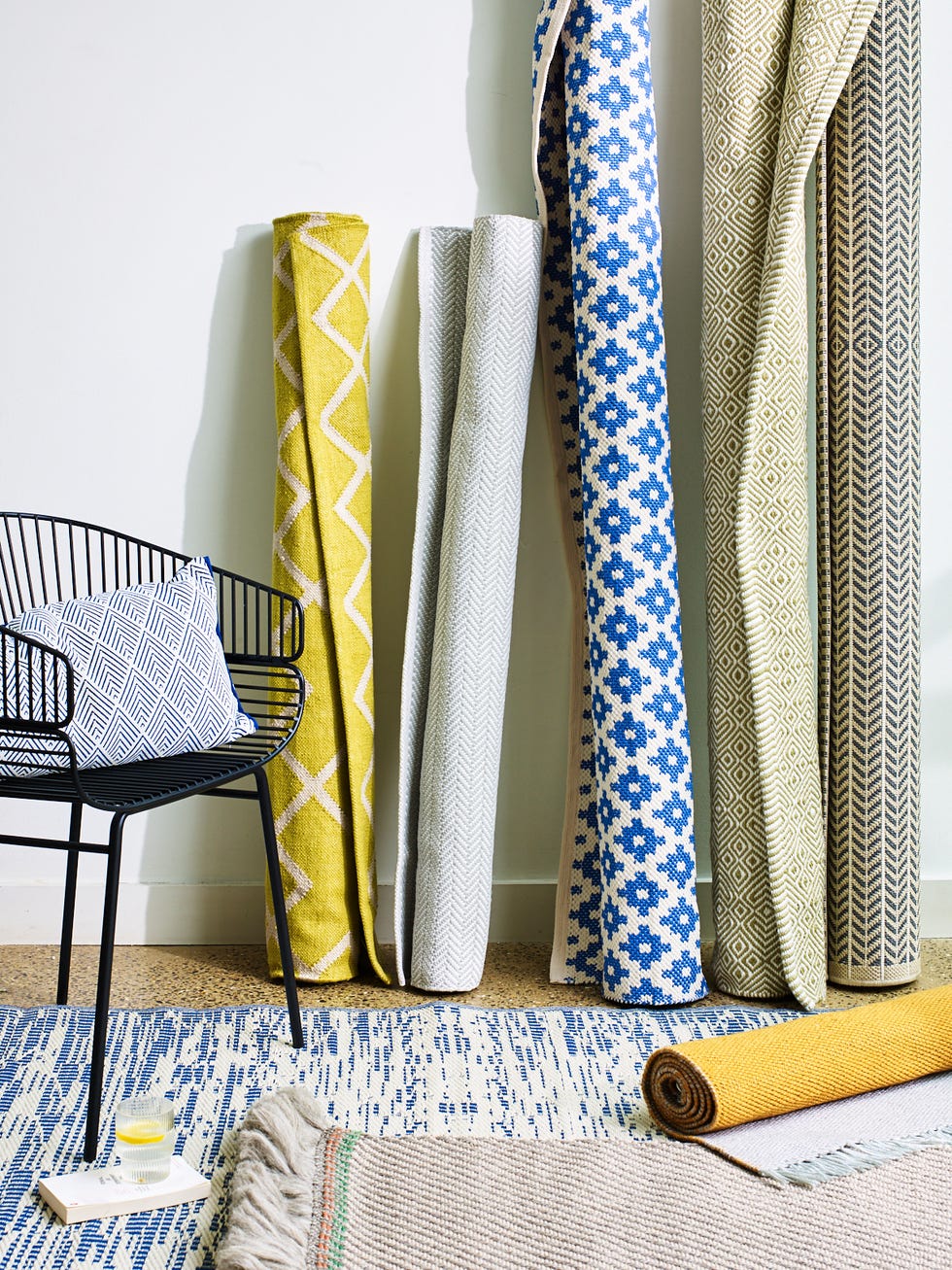
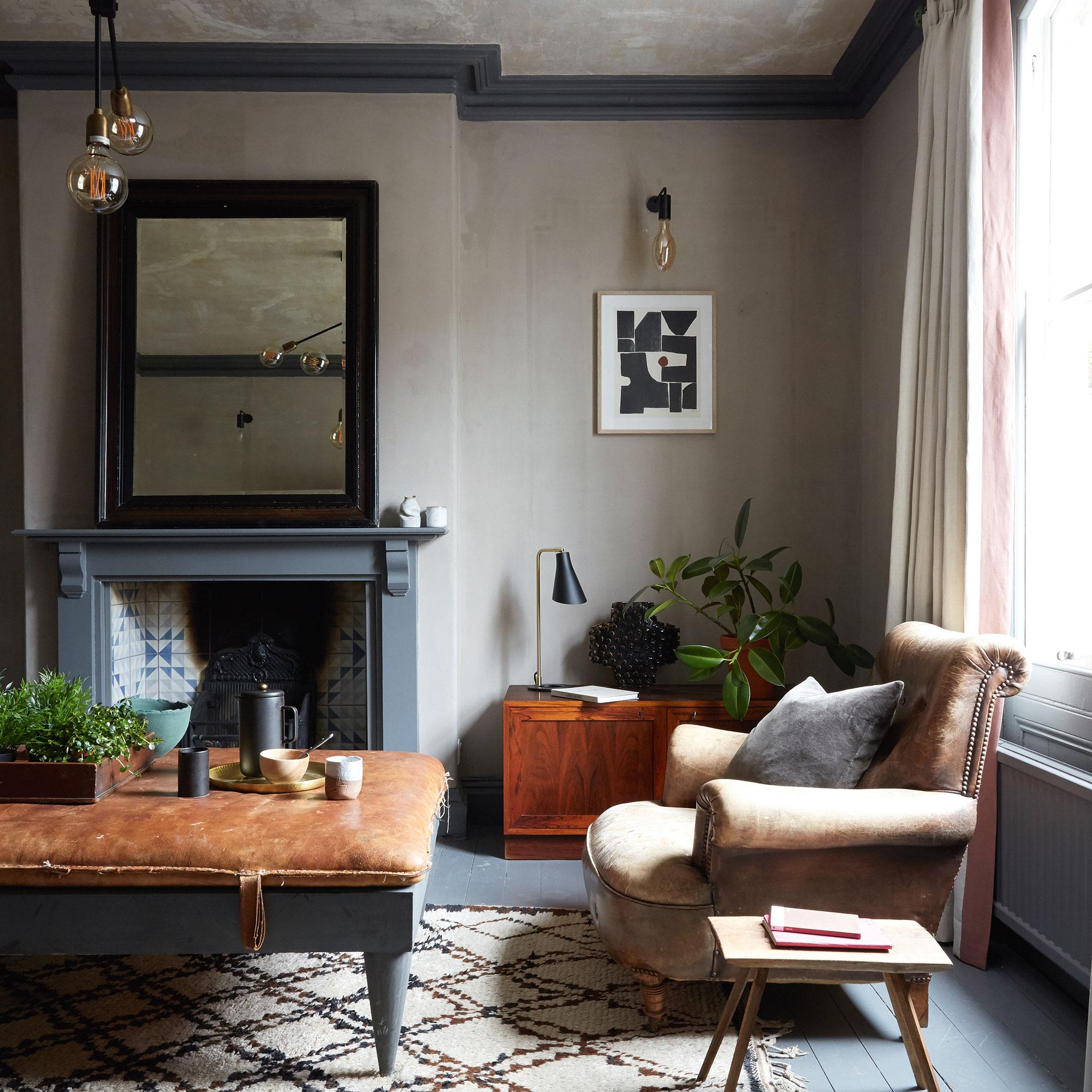
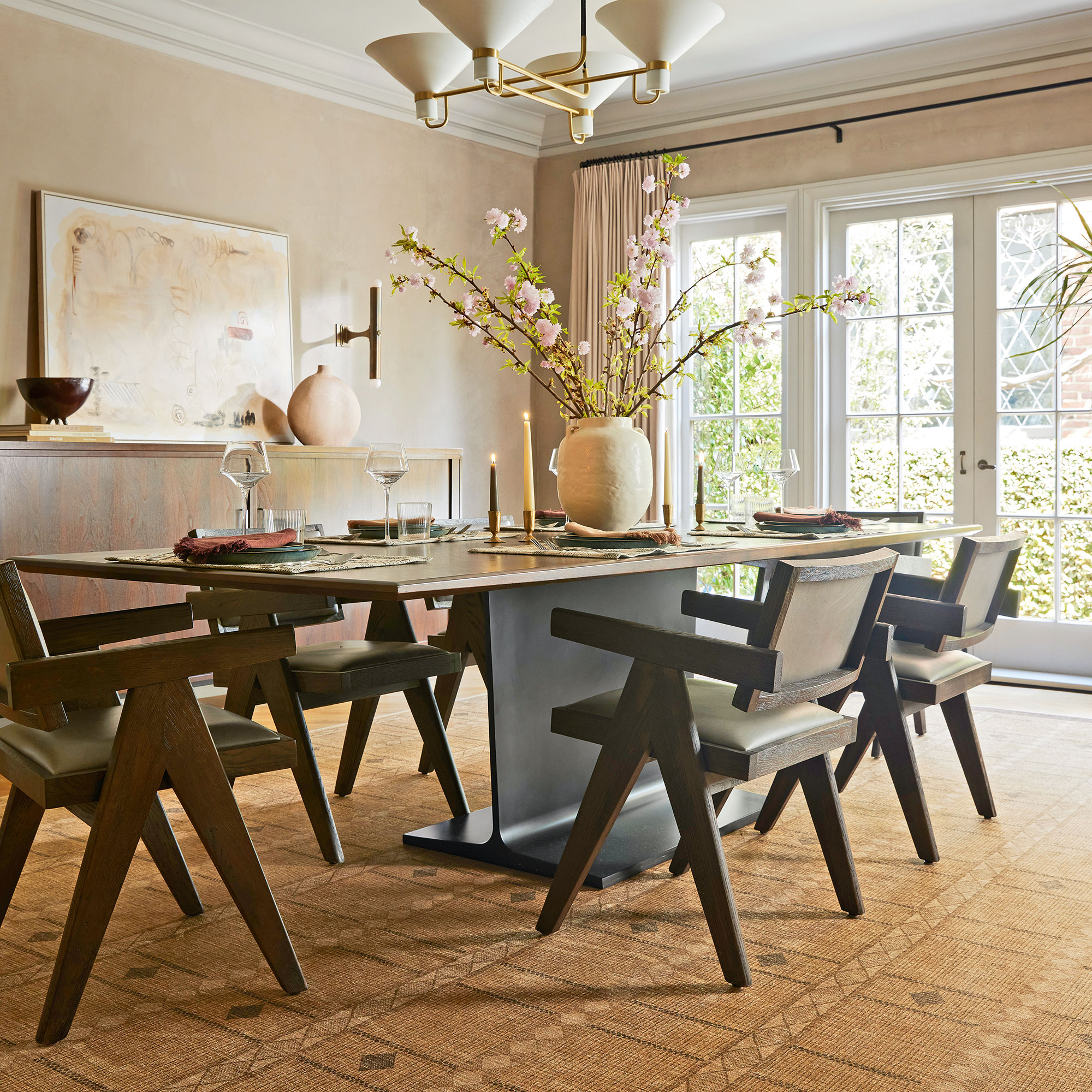
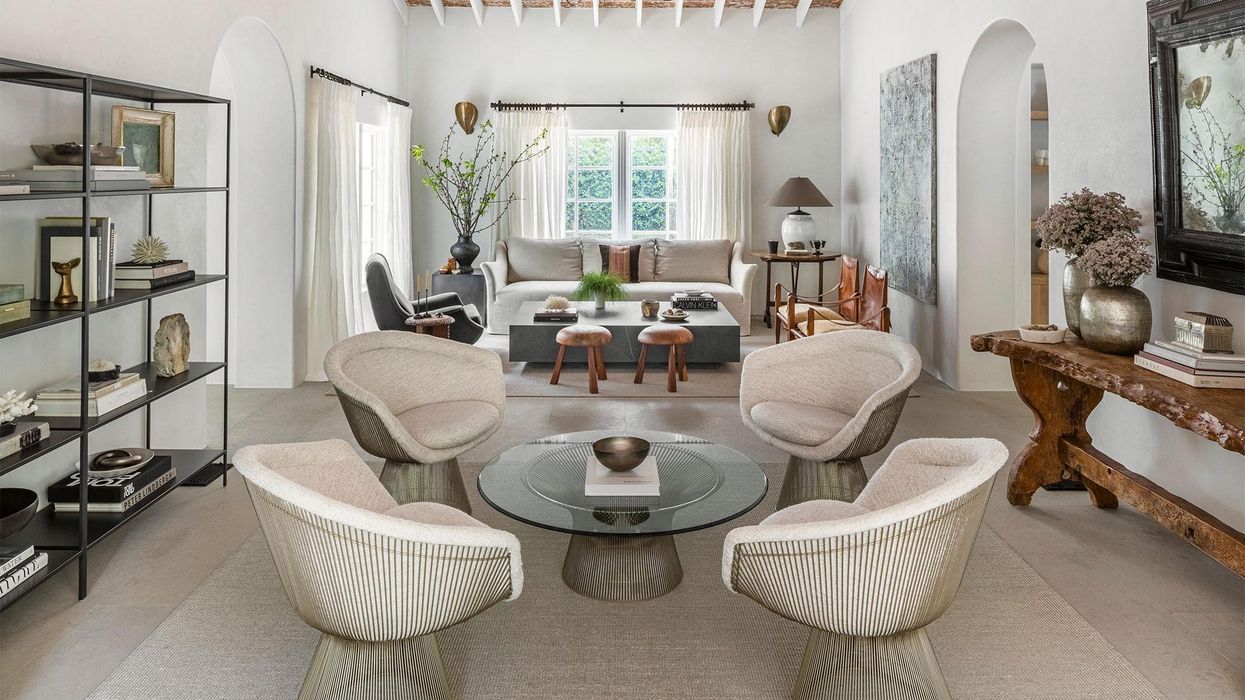
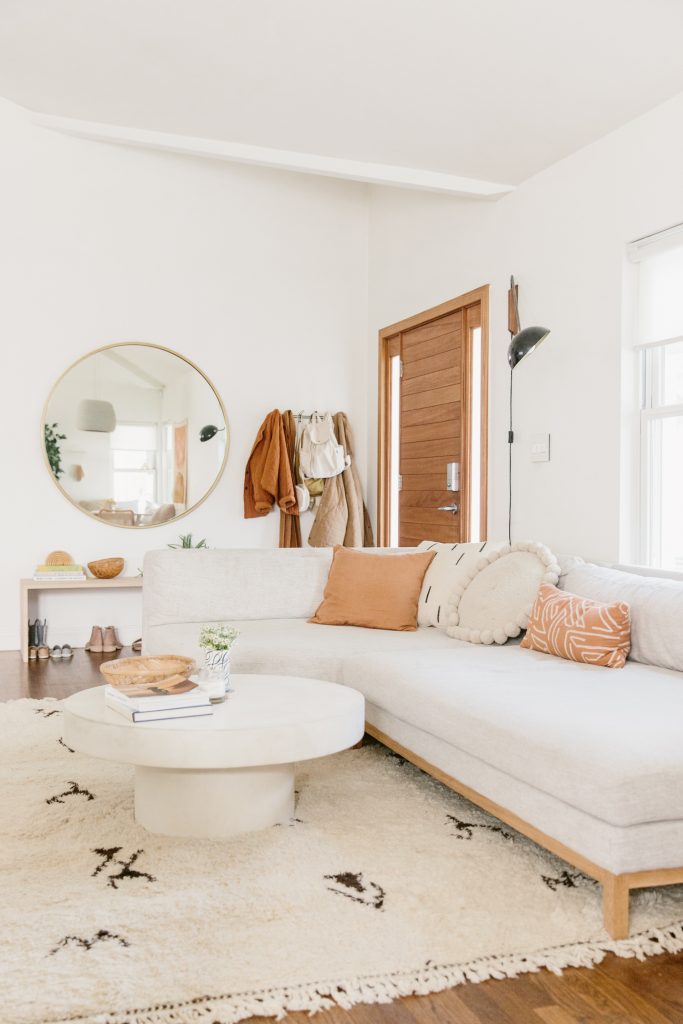
Rugs are often considered an afterthought in interior design, but according to Charu Gandhi, Founder and Director at Elicyon, this approach can lead to design missteps. Gandhi emphasizes that rugs are integral to a design vision and should be considered early in the planning process, as they can either anchor furniture or create distinct zones in larger spaces. The selection of a rug is deeply intertwined with the architectural context of the space, taking into account factors like the room's purpose, expected traffic levels, and overall size. For instance, high-traffic areas necessitate more robust materials, while expansive hardwood floors benefit from larger rugs to enhance acoustic comfort and domestic scale.
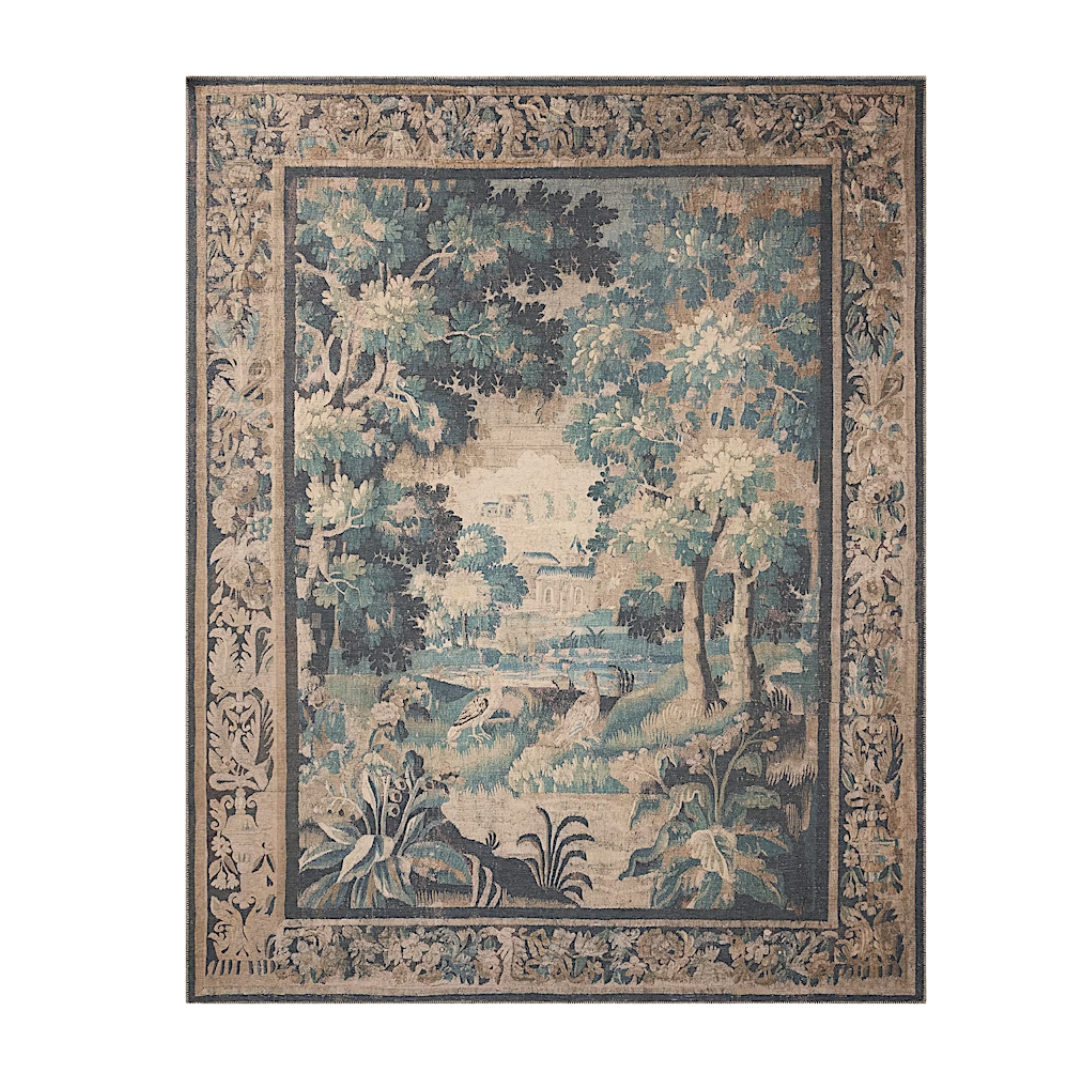
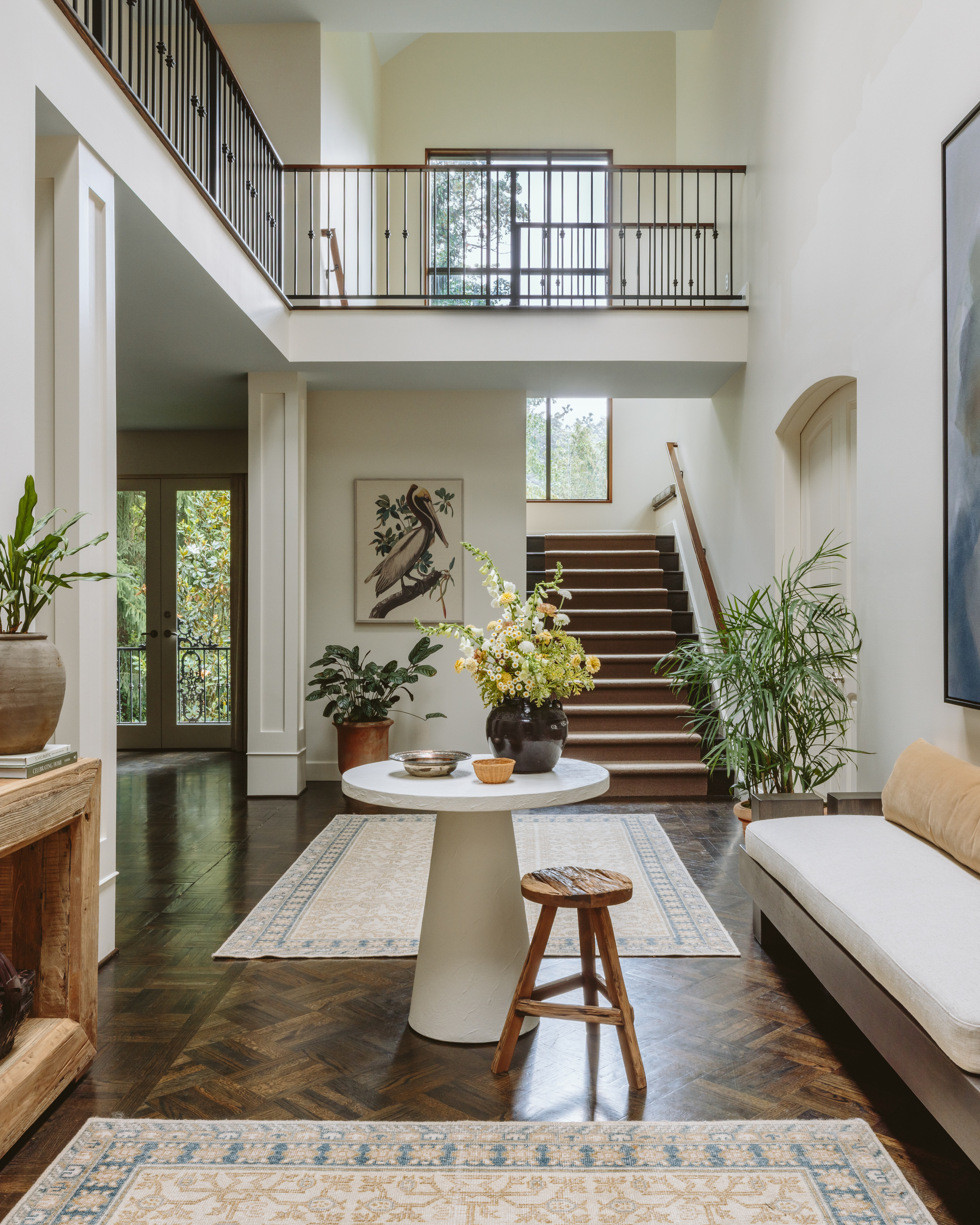
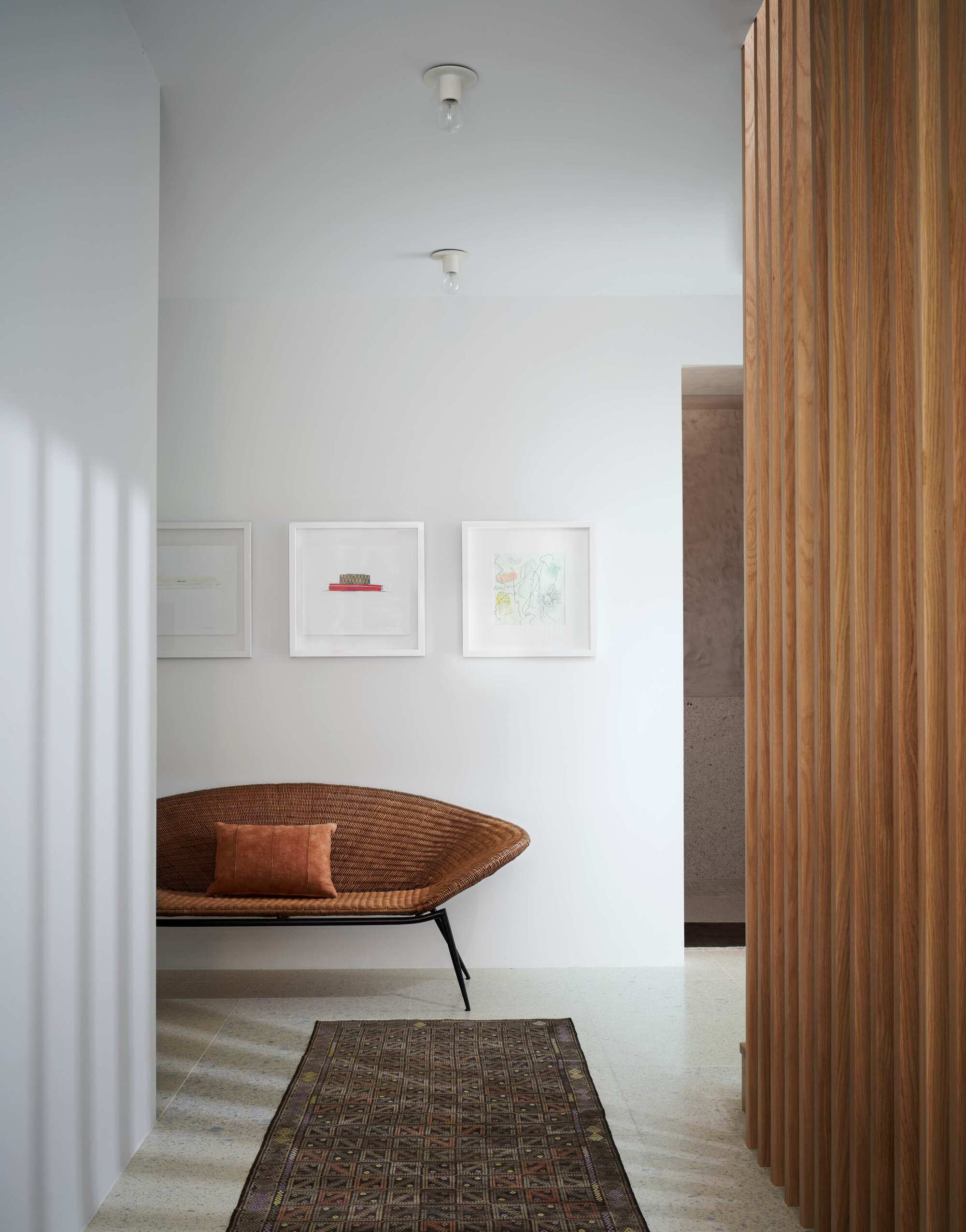
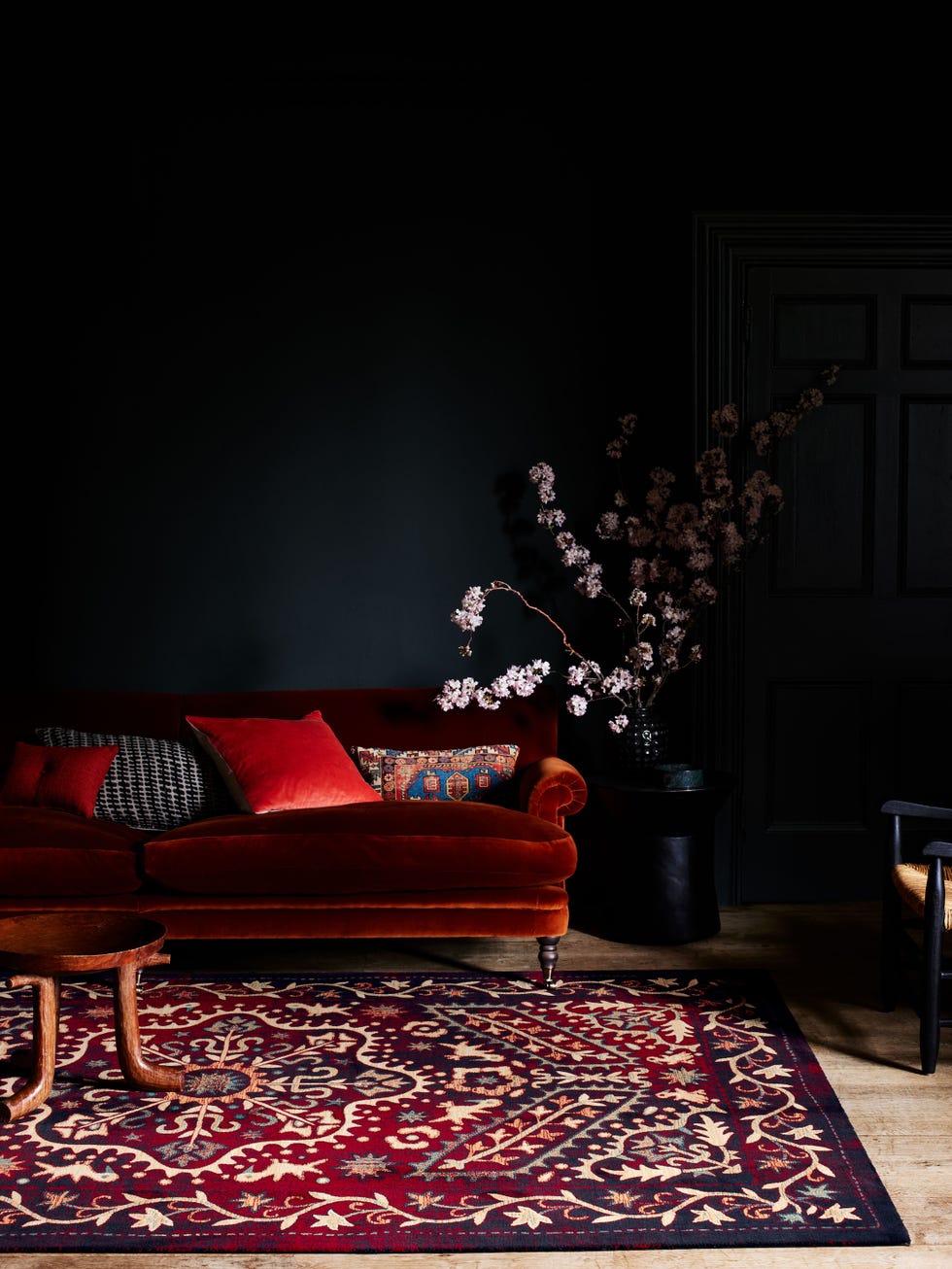
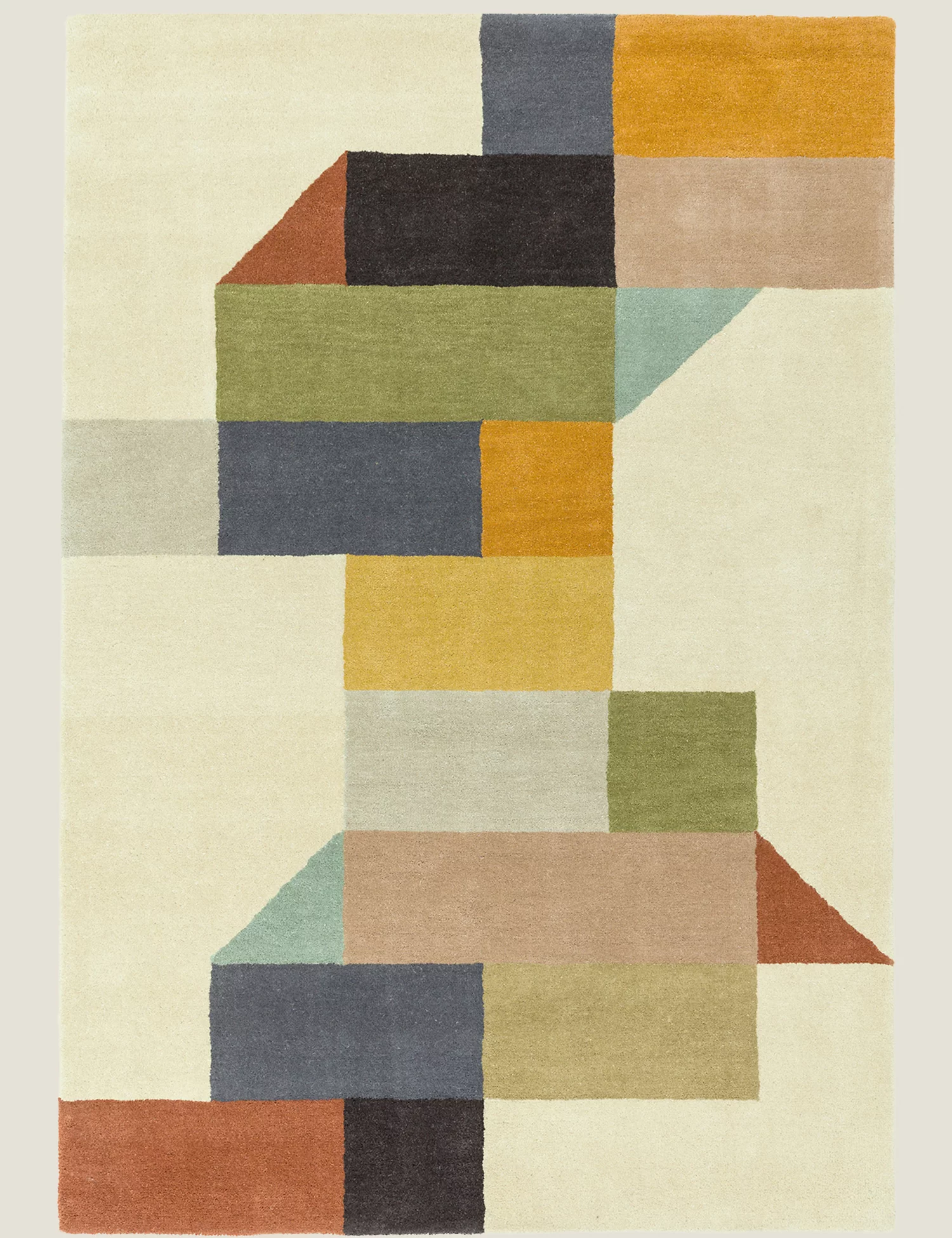
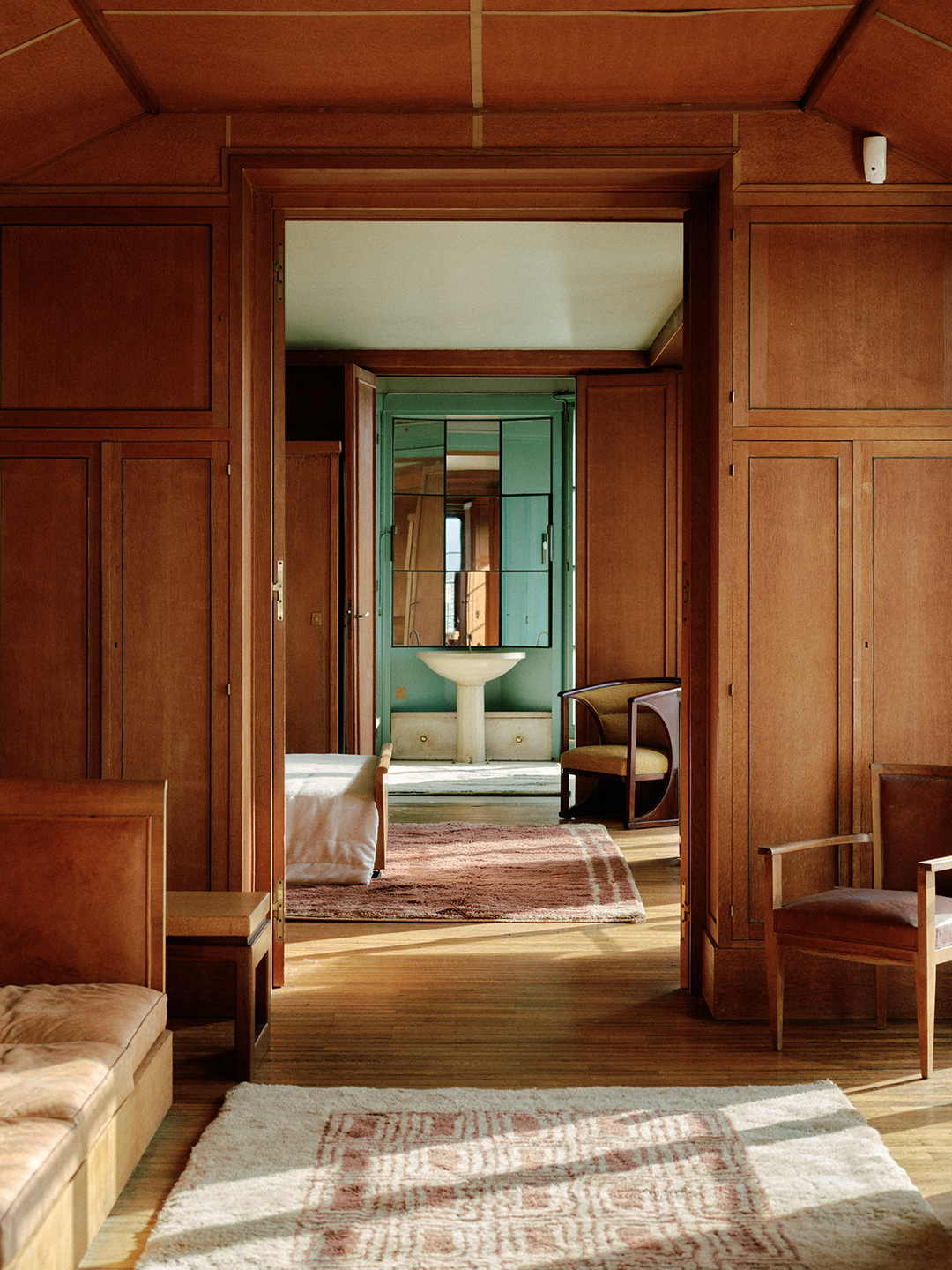
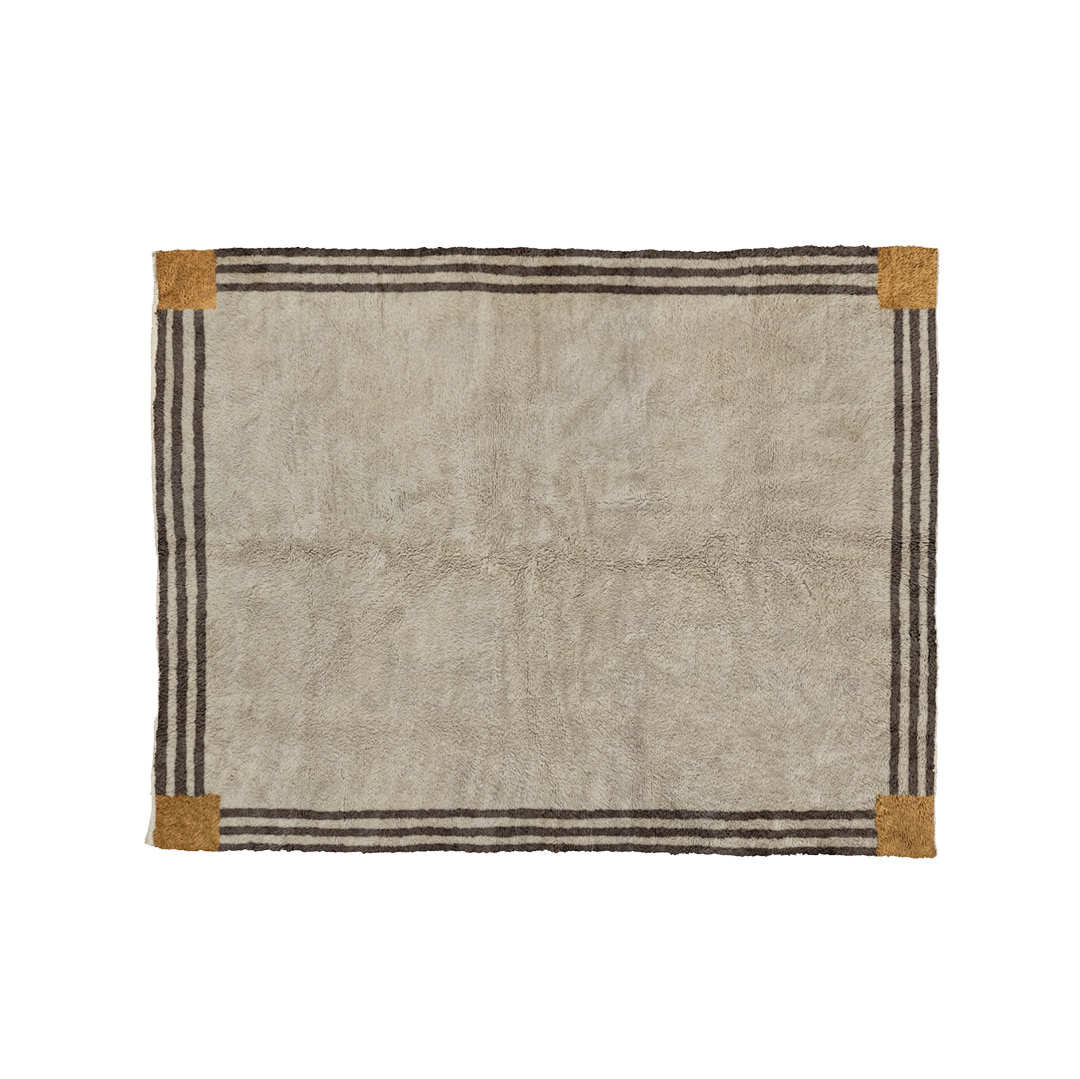
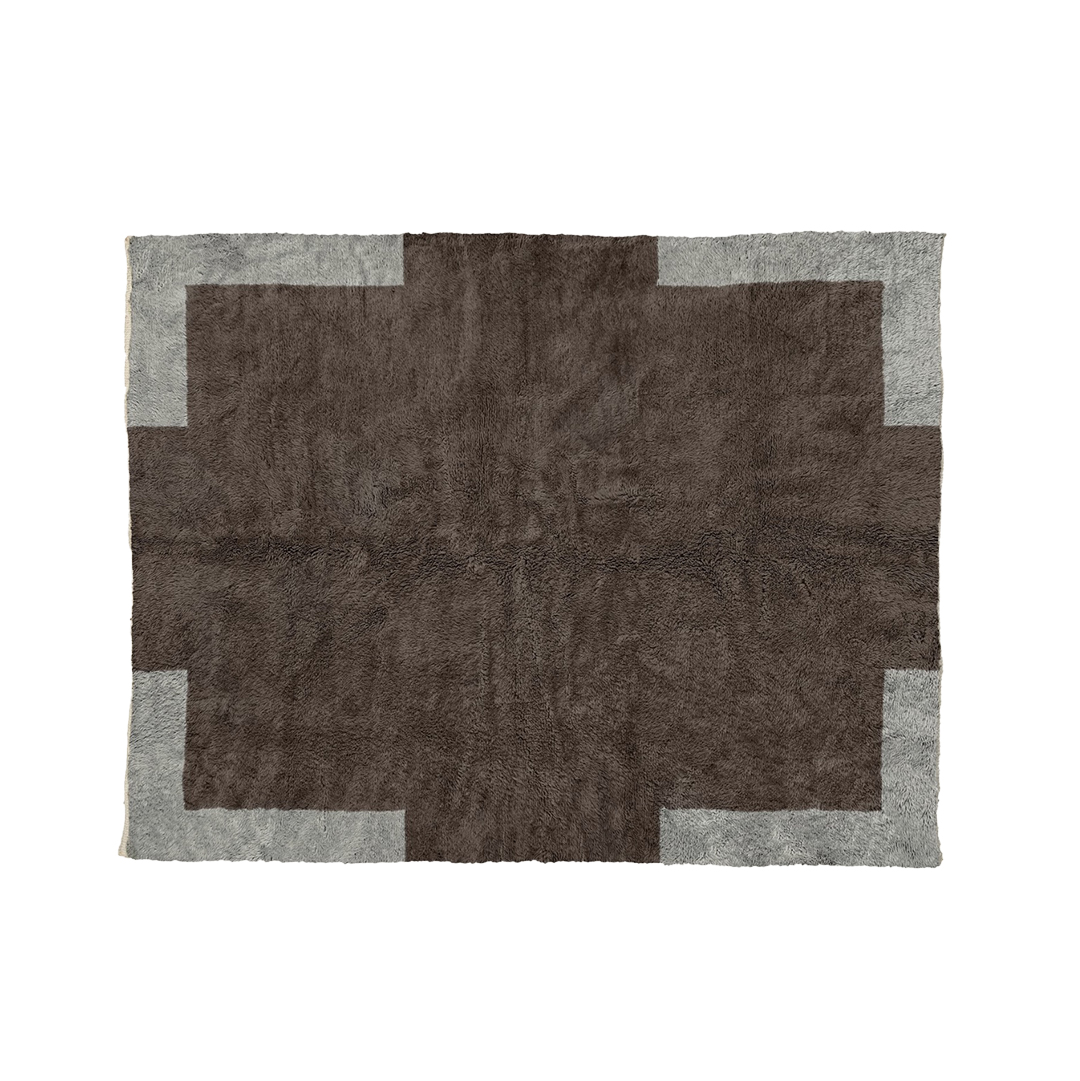
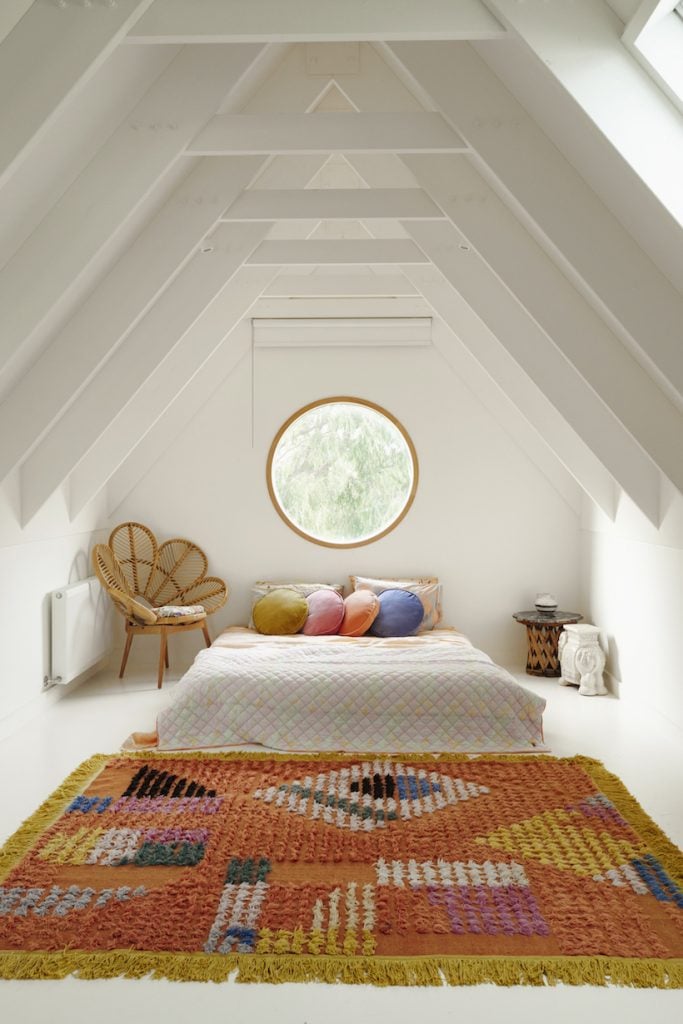
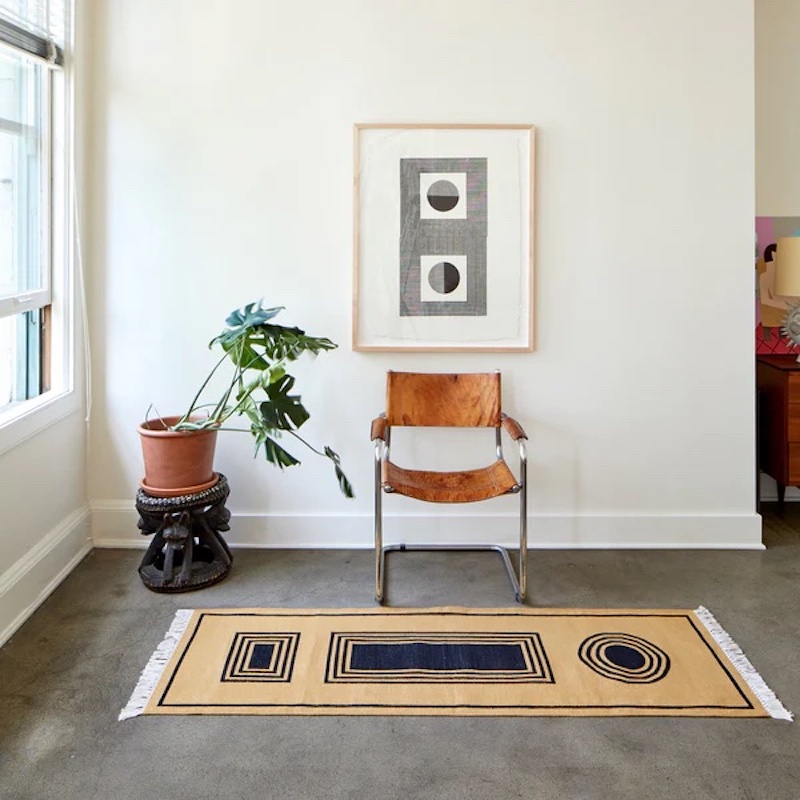
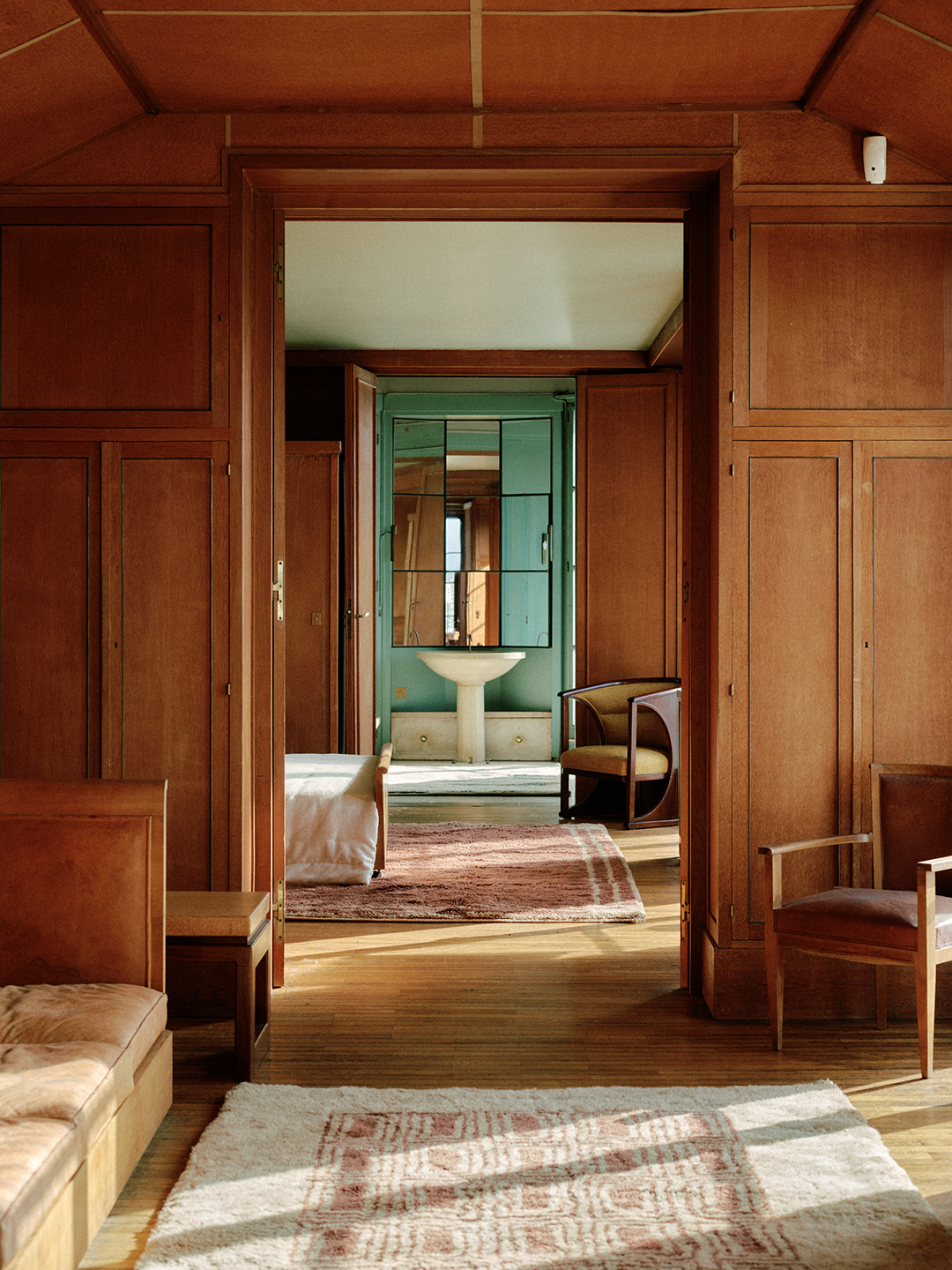
Gandhi suggests viewing rugs as artworks, either as extensions of wall art or as subtle components of the furniture arrangement. When walls feature graphic patterns, the rug should be more subdued to avoid visual conflict. Conversely, a plain wall can accommodate a more decorative rug. There is no universal rule for rug shape; it depends on the specific design intent. Careful consideration of rug placement is crucial, especially in bedrooms. Rugs in bedrooms should align perfectly with or extend beyond bedside tables to ensure maximum visibility of the rug and its pattern. Since beds cover a significant portion of a rug, any central pattern would be lost; therefore, the focus should be on the exposed areas, such as the border, when choosing a bedroom rug.
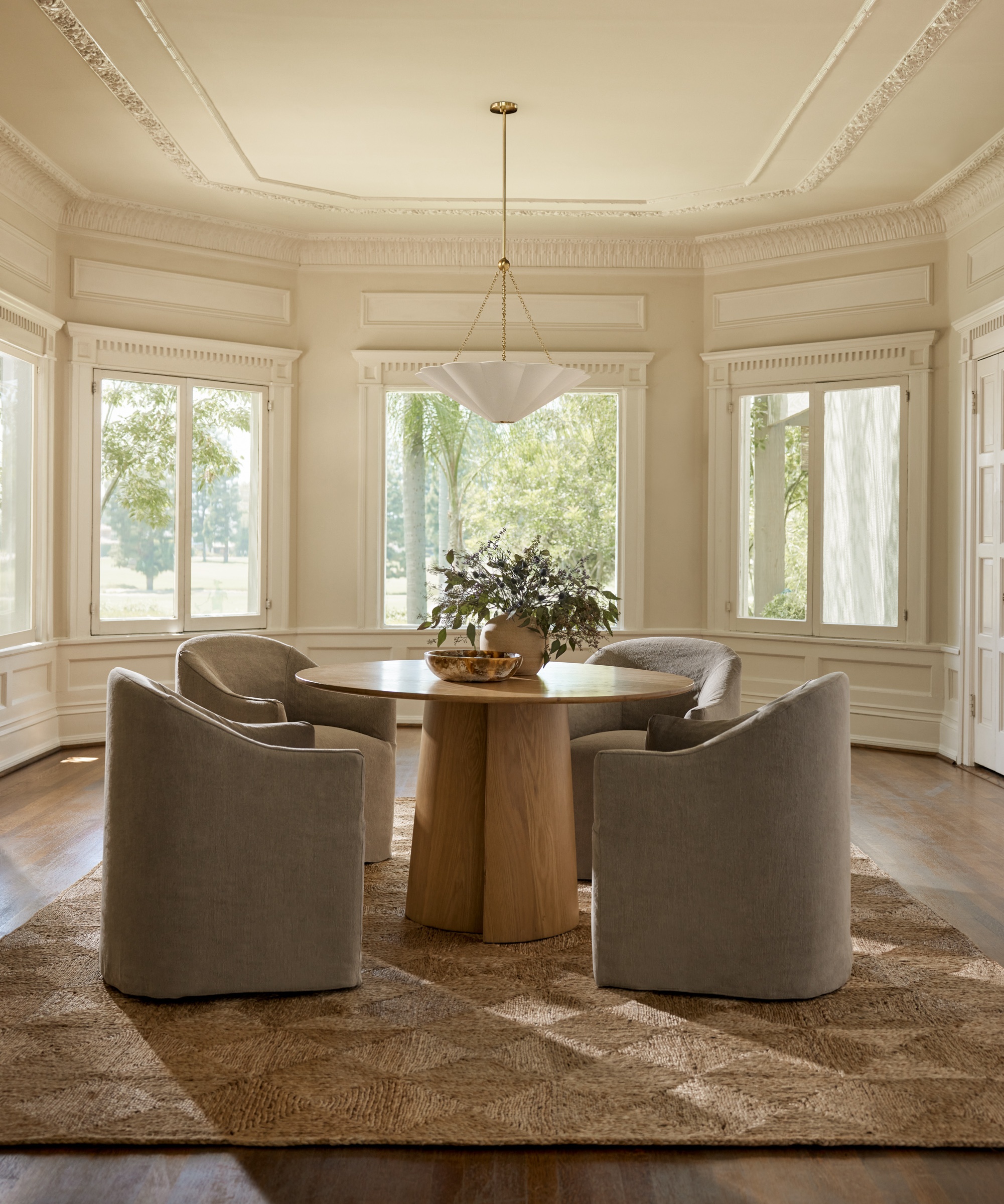
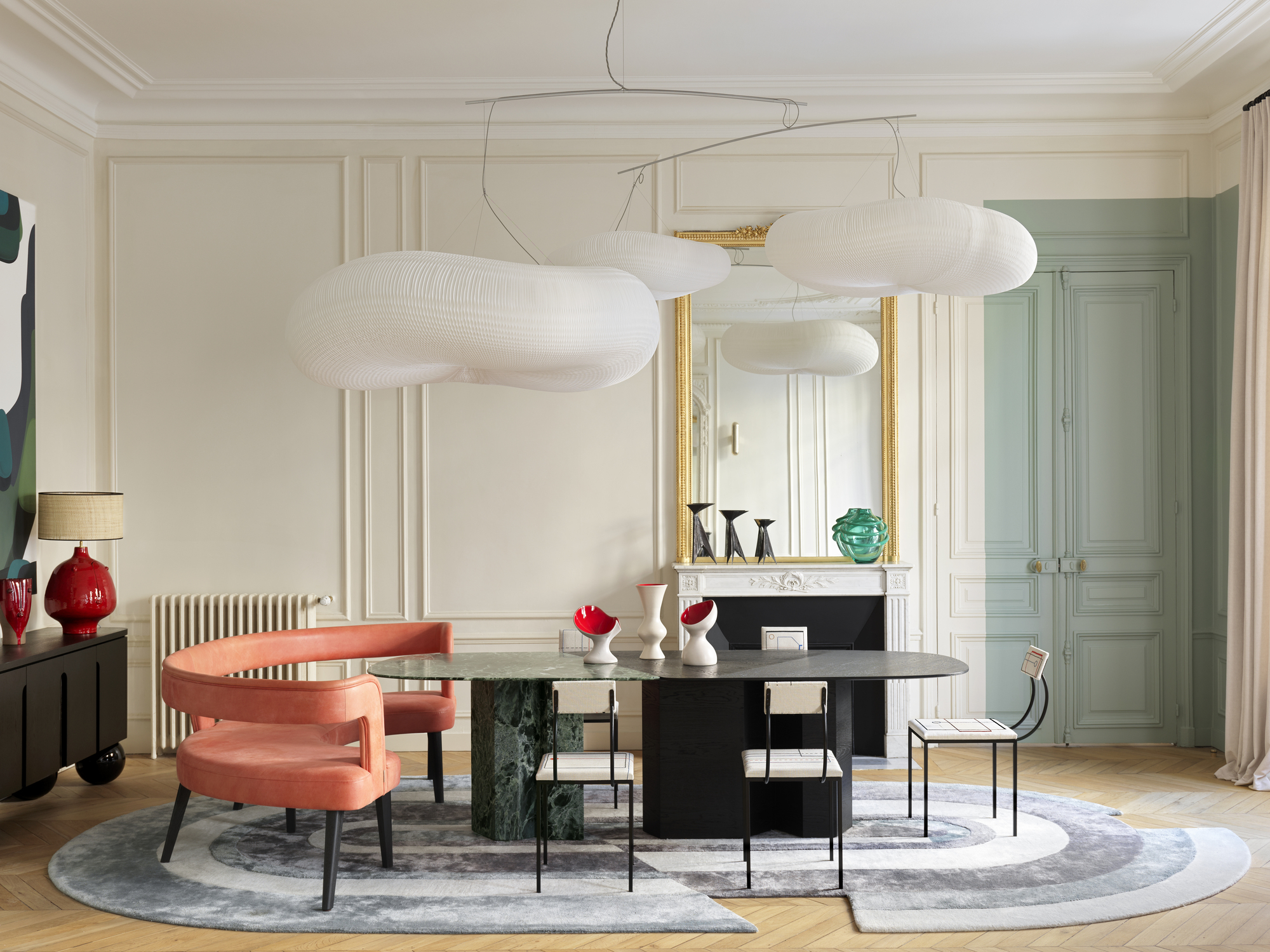
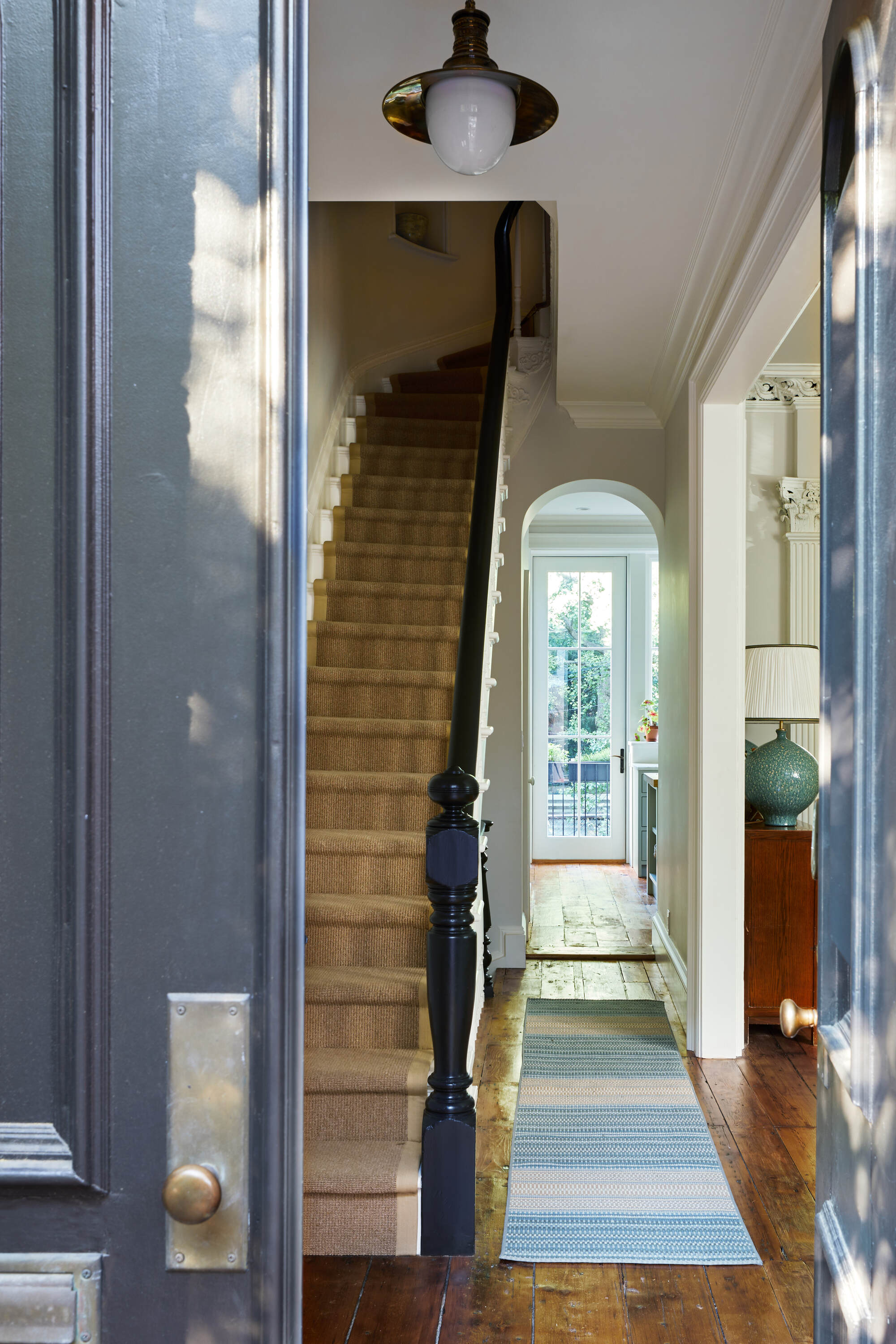
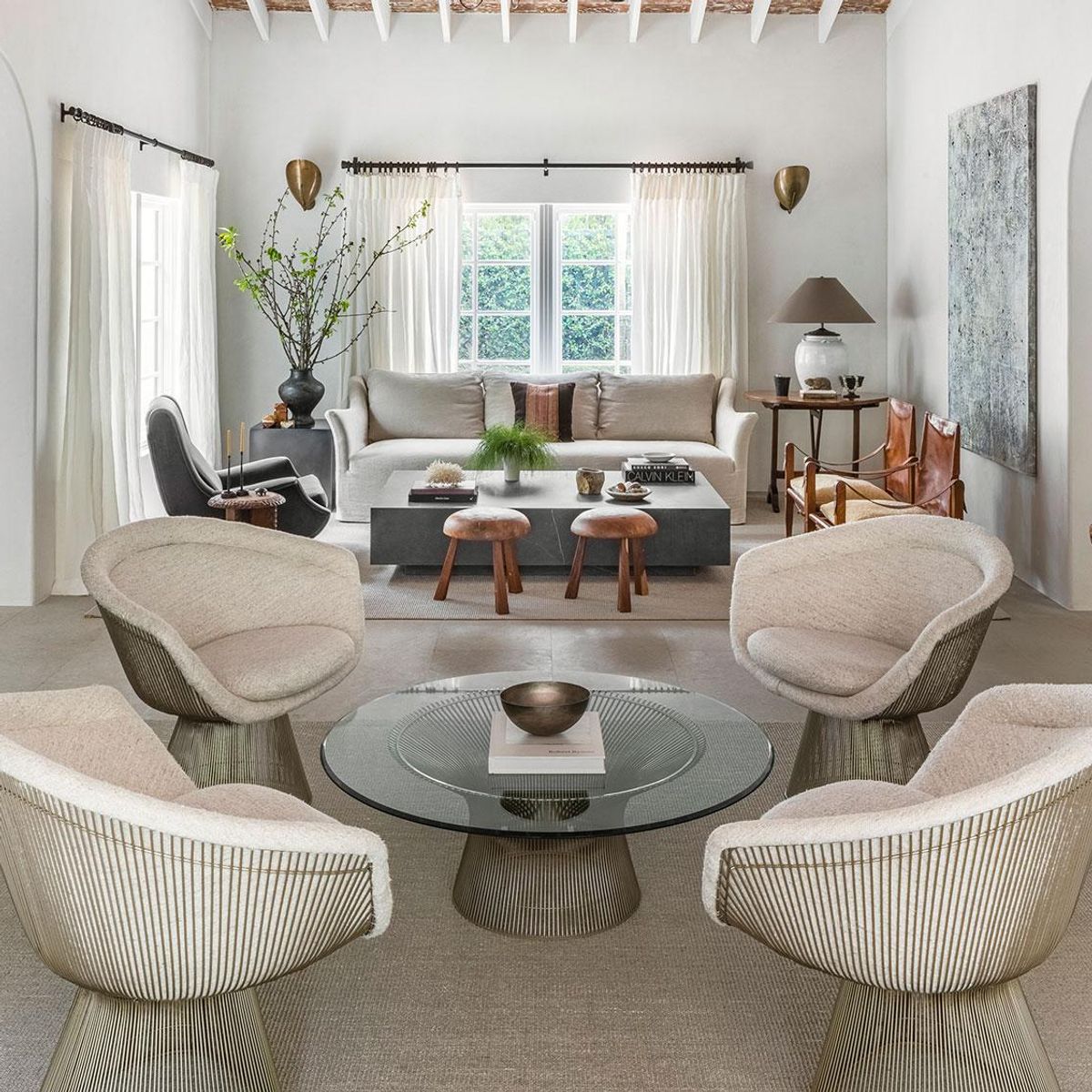
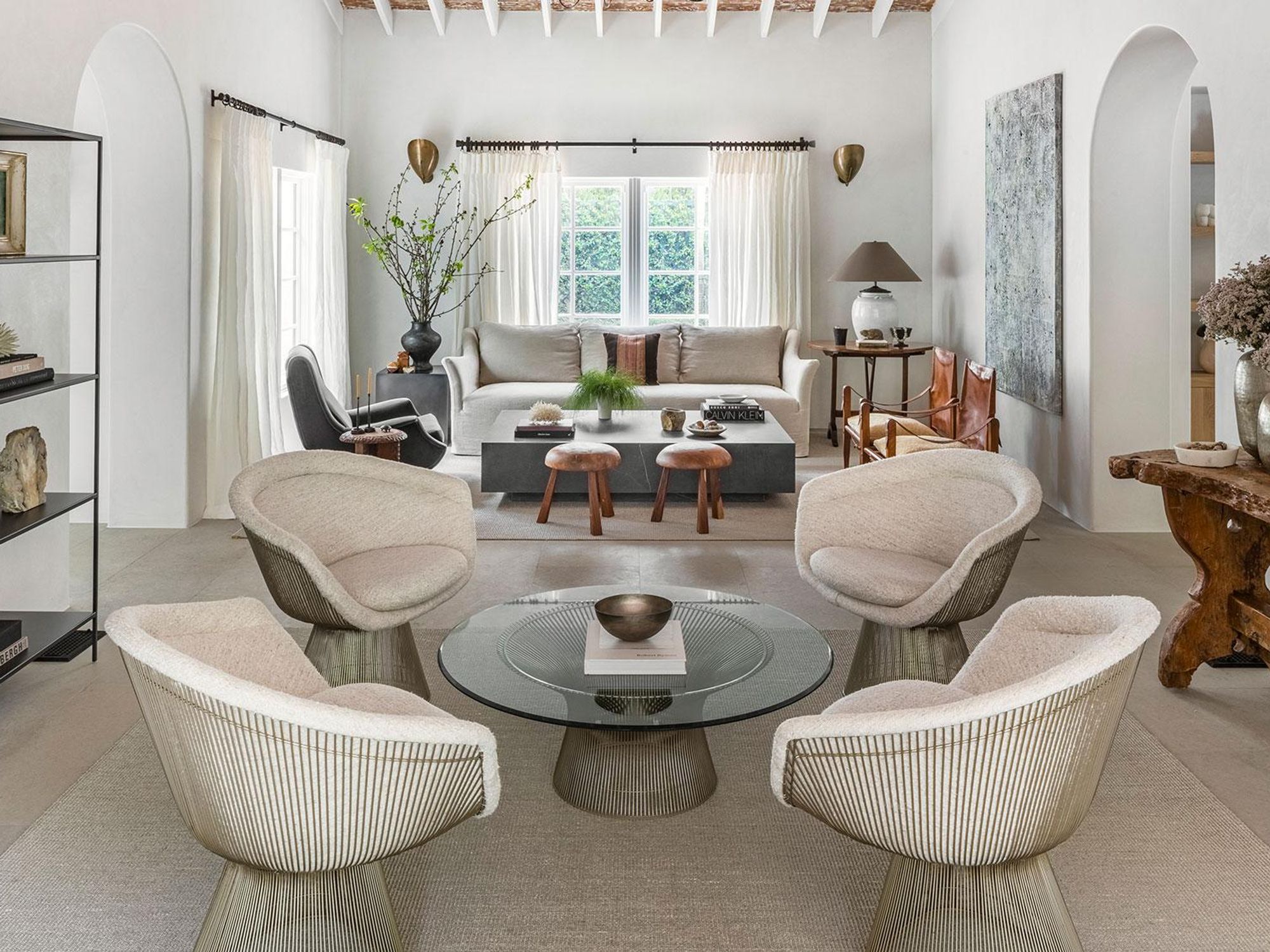
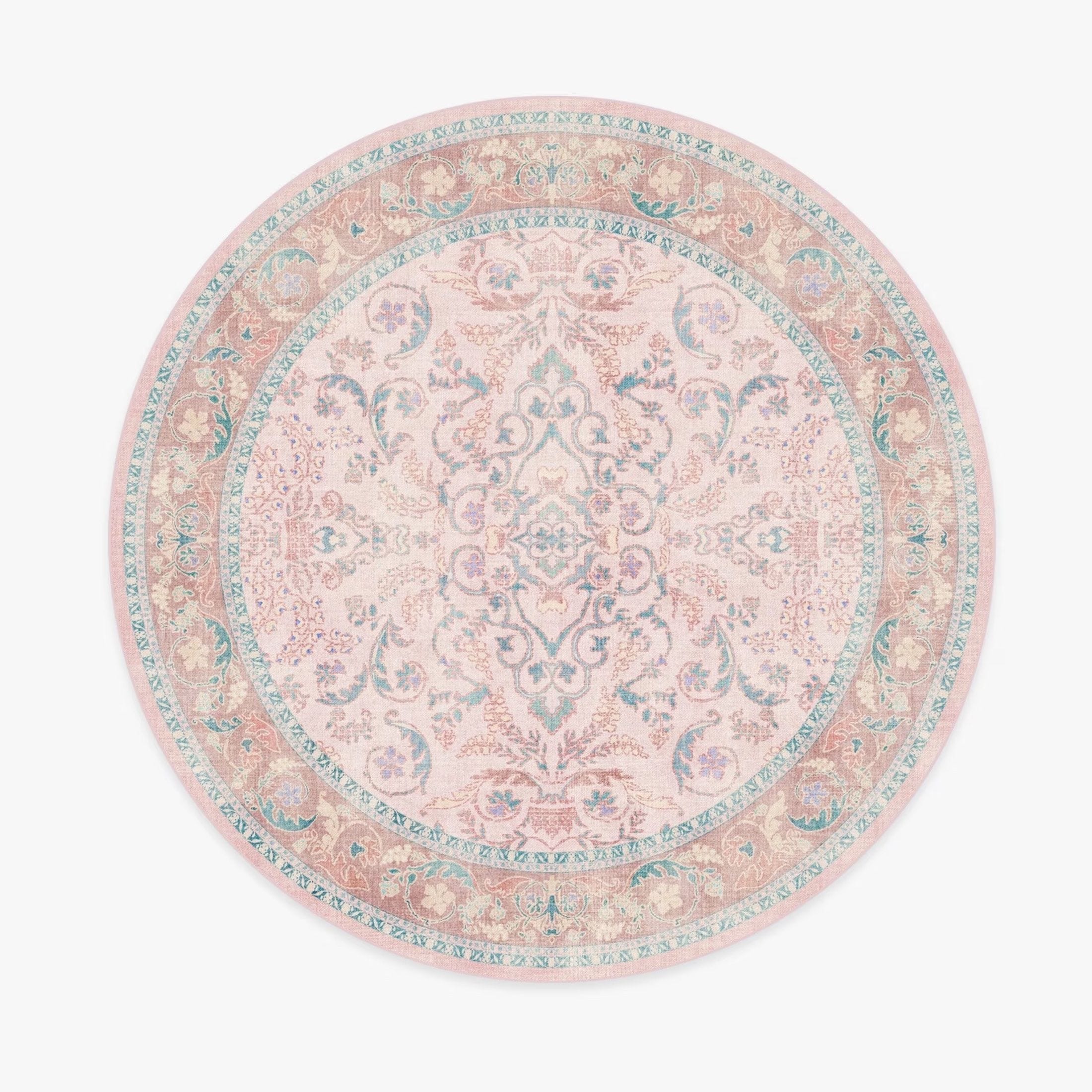
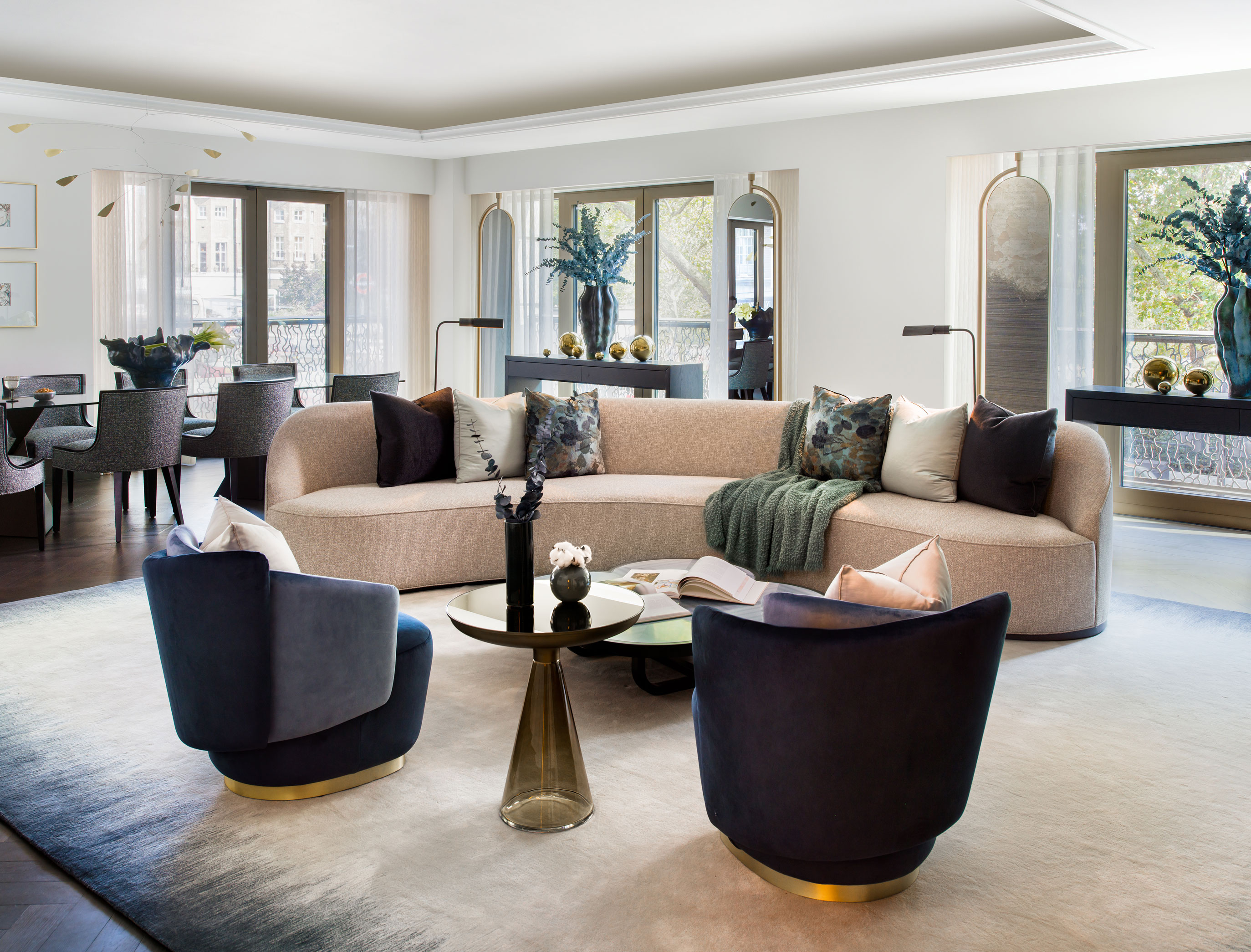
An emerging design technique involves using ombre patterns in rugs to subtly connect different color palettes or transition between spaces, creating a visually interesting flow. Gandhi cites an example of a staircase where the carpet transitioned from deep pink to pale pink. Rugs are also effective tools for zoning spaces, helping to define areas and guide movement within a room. In multi-functional spaces, rugs can delineate distinct zones. For example, circular rugs beneath round dining tables or coffee tables establish clear zones, ensuring that furniture remains within the rug's perimeter. Gandhi advises against positioning furniture halfway on and halfway off a rug.
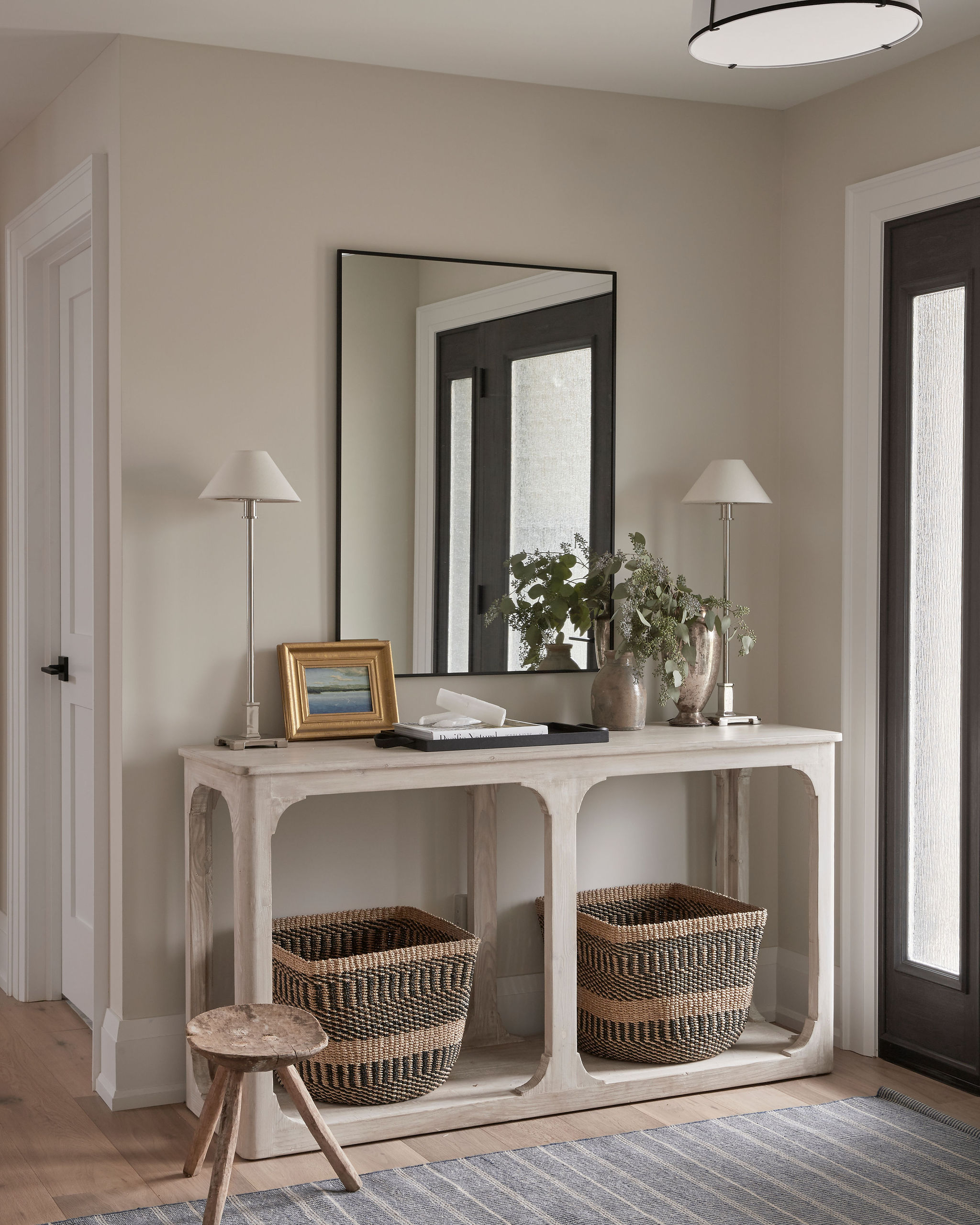
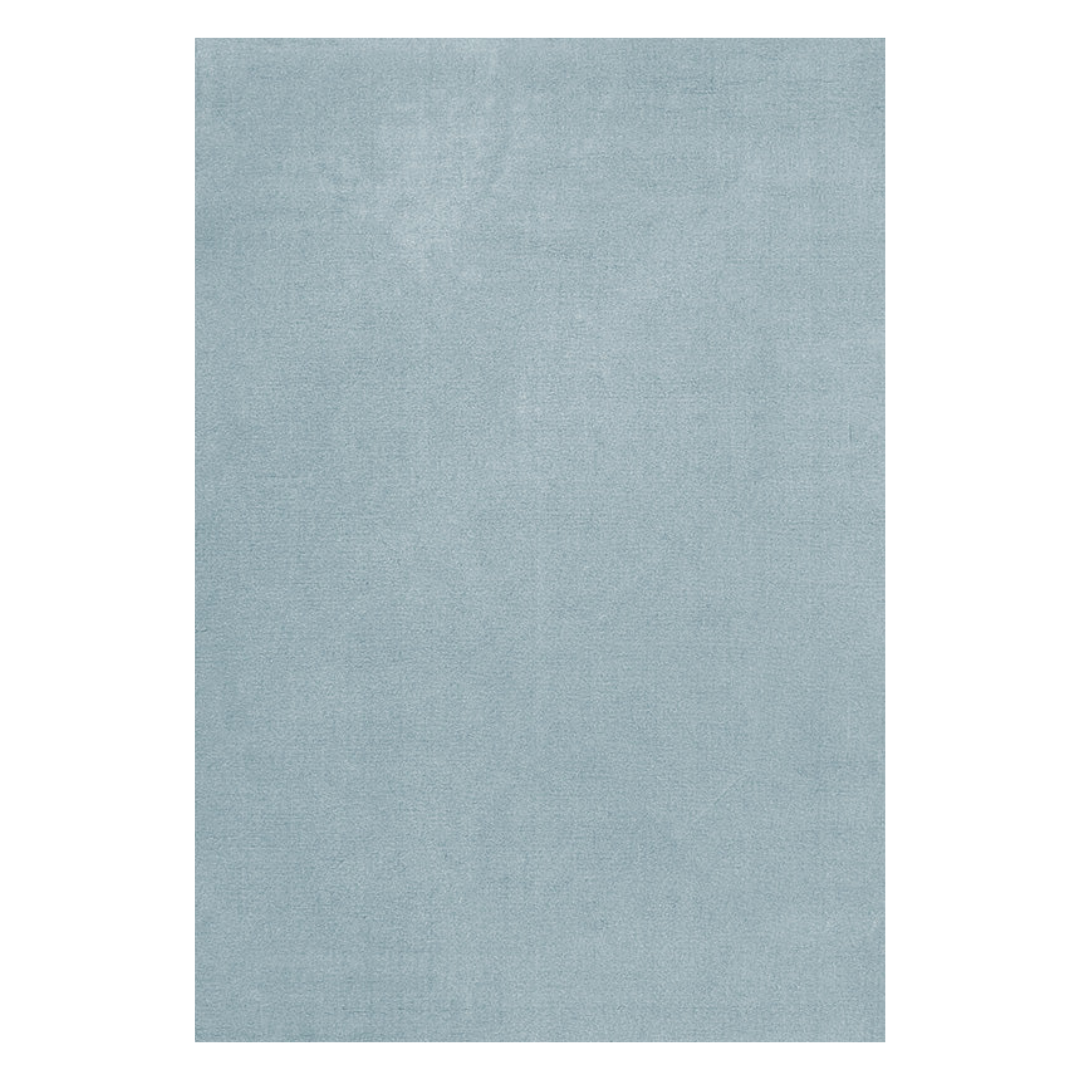
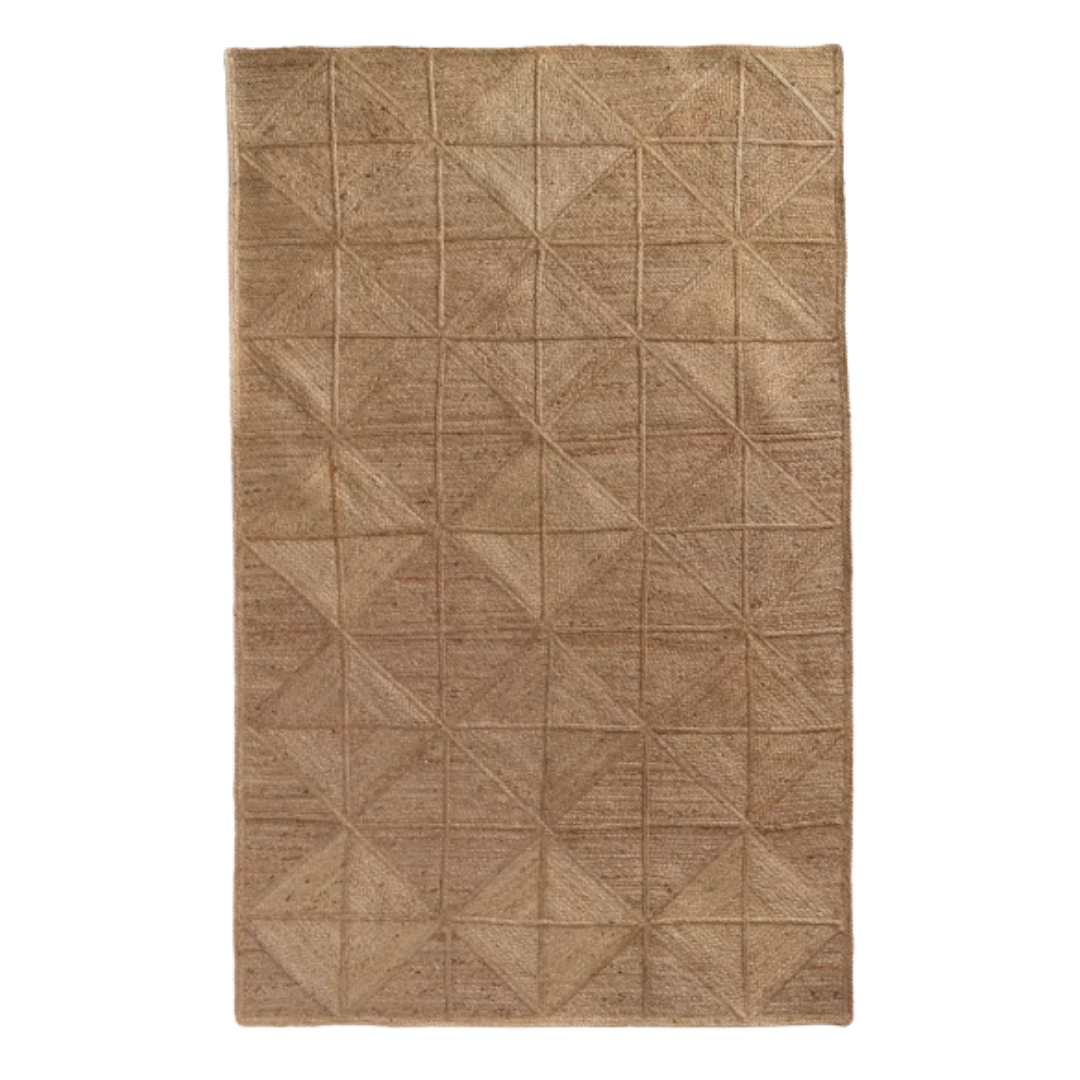
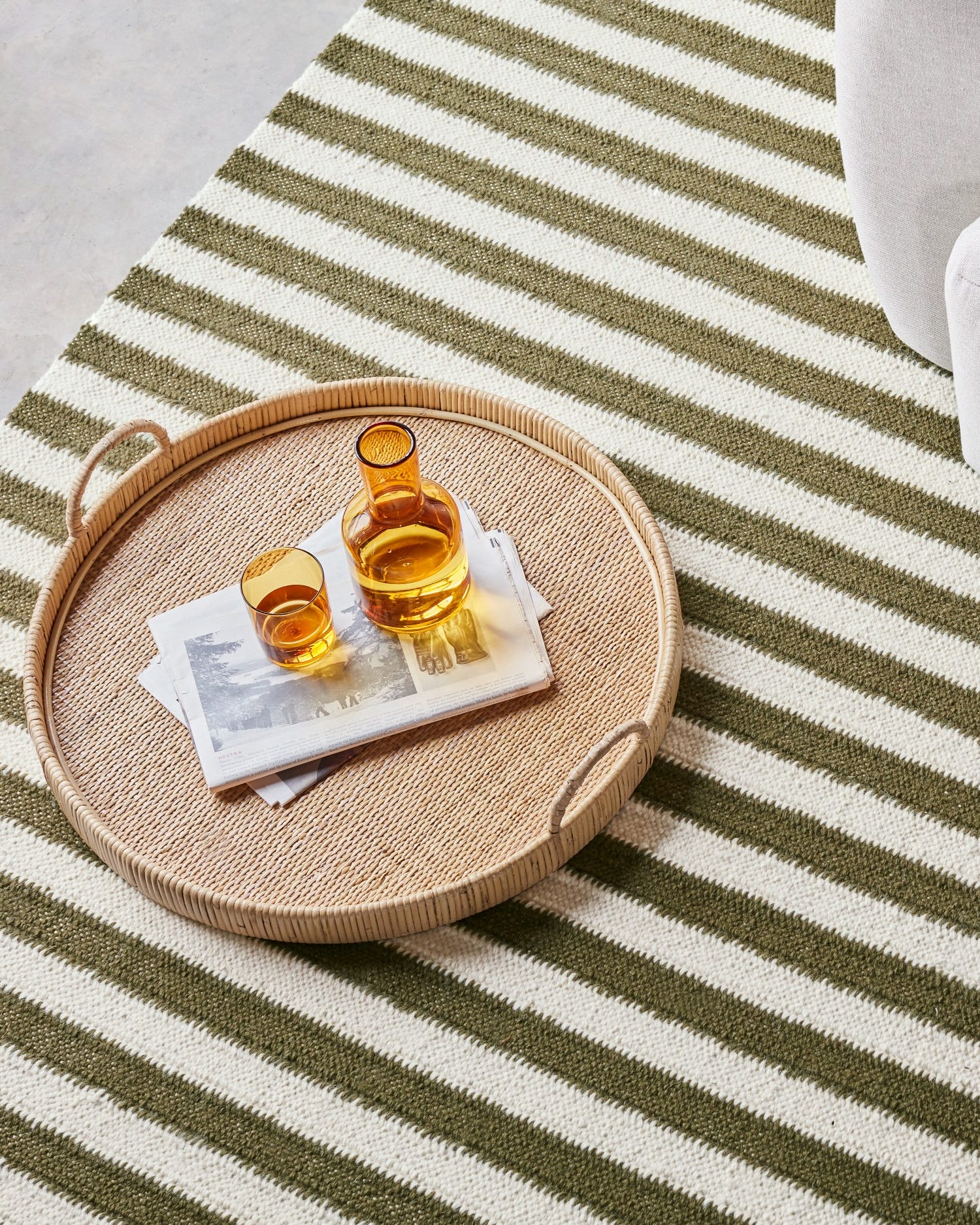
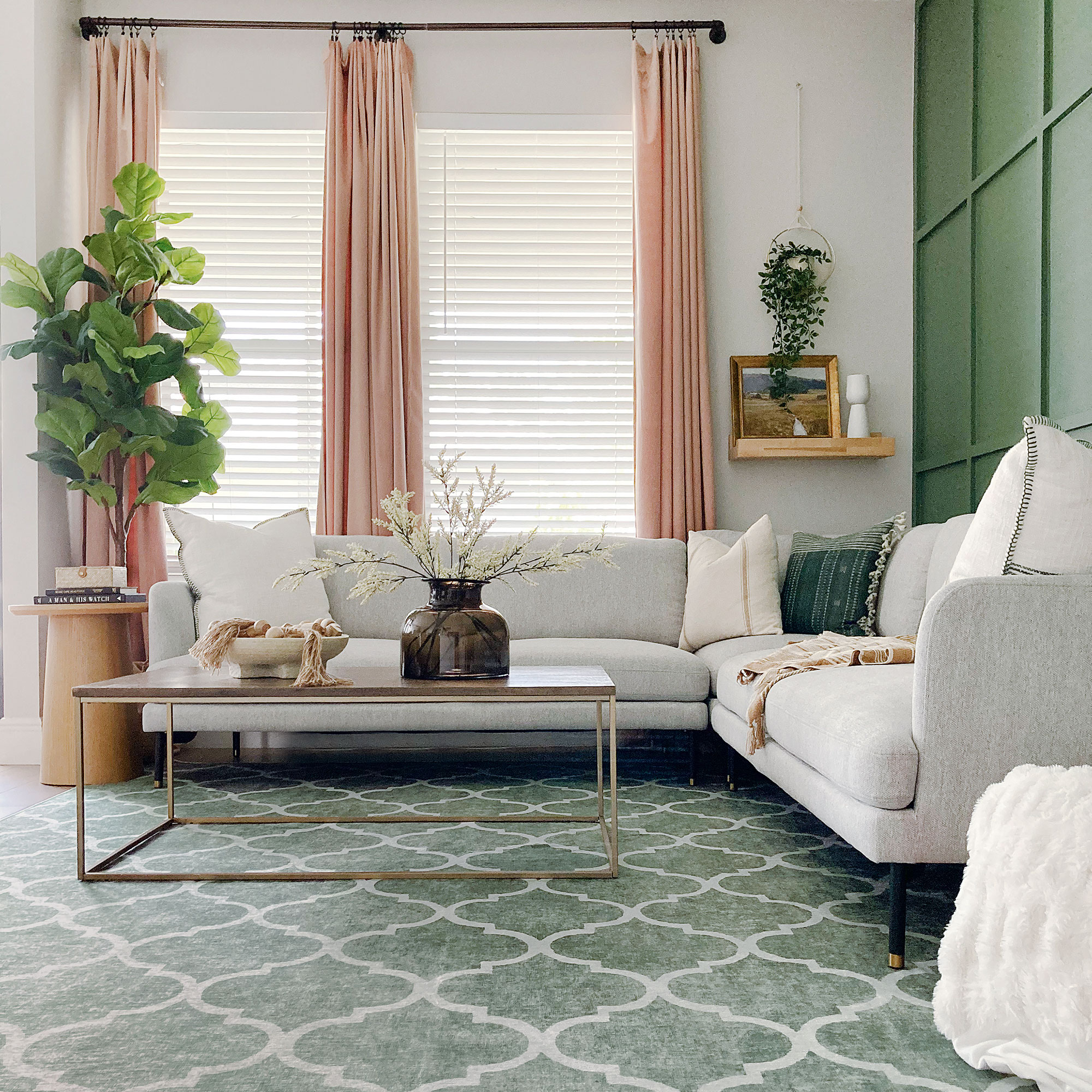
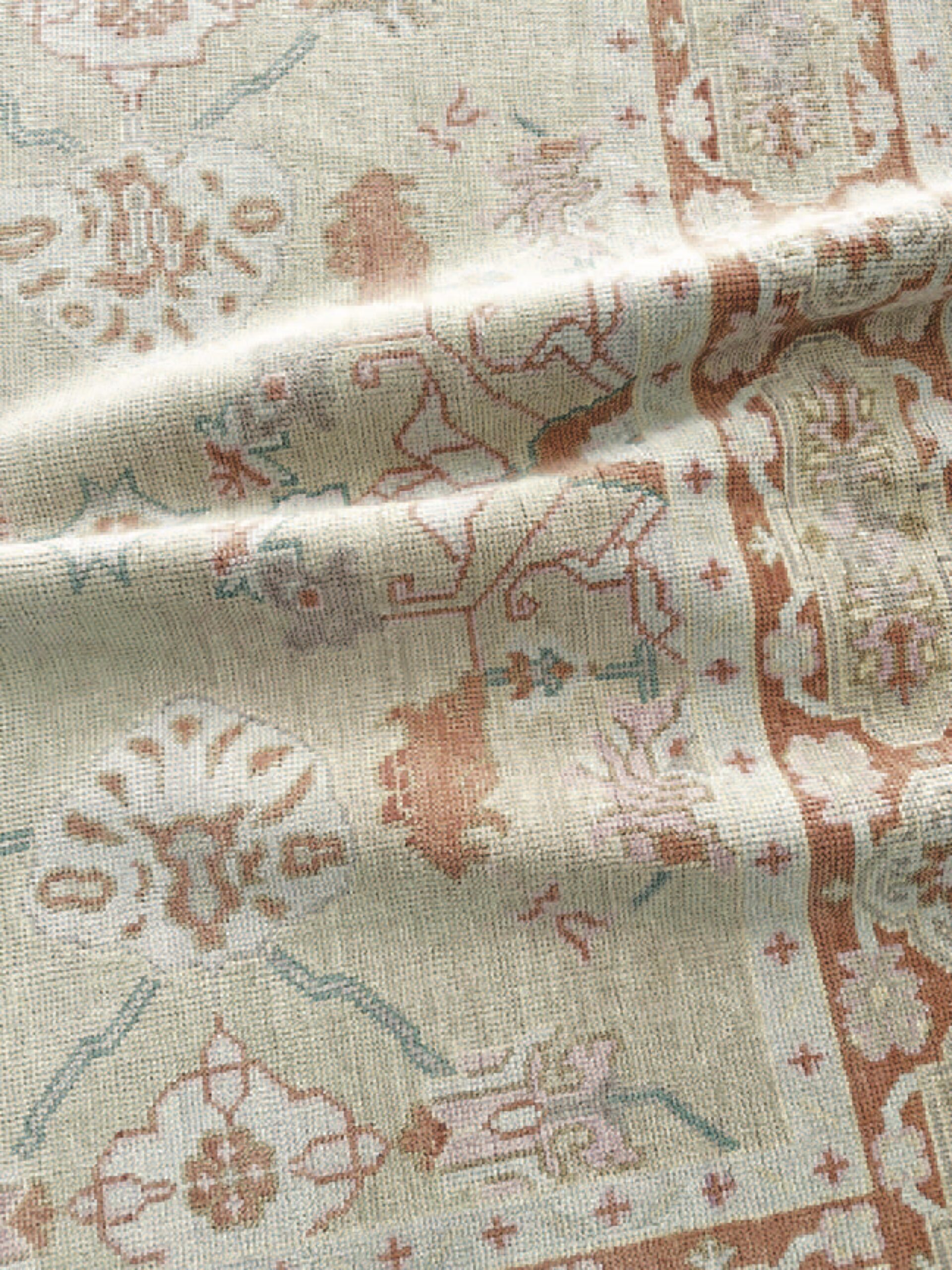
For homes needing to unify spaces, a single large rug can create a cohesive feel. Conversely, in very large rooms, several smaller, uniquely shaped rugs can introduce separate focal points and moments of interest. Sometimes, a 'fractured' edge on a rug can be employed to blur the boundary between the rug and the floor, adding a dynamic element. The material composition of a rug is paramount and should be chosen based on the area's usage. Jute and hessian are recommended for high-traffic zones due to their durability. The interaction of a rug's material with natural light throughout the day is also an important consideration; silk rugs, for instance, exhibit color changes with varying light conditions. Therefore, it is advisable to test a rug in the intended space before making a final decision. Wool is highlighted for its ability to maintain shape and its hard-wearing properties, making it suitable for pronounced patterns or carved designs. Modern rug materials include cotton silk blends, bamboo silk, and faux silk, which offer sheen without the high cost. Additionally, interesting borders made from materials like suede and leather are gaining popularity.
#InteriorDesign #Rugs #HomeDecor #DesignTips #CharuGandhi #Elicyon #SpaceZoning #MaterialSelection #InteriorDesign #Rugs #HomeDecor #DesignTips #CharuGandhi #Elicyon #SpaceZoning #MaterialSelection
0 ความคิดเห็นรวม
 ยังไม่มีความคิดเห็น
คุณอาจจะชอบอีกด้วย
This is the single biggest rug mistake you can make, says Jake Arnold – and what to do instead

Room Feel Snug? It Might Be Your Rug. | Reviews by Wirecutter
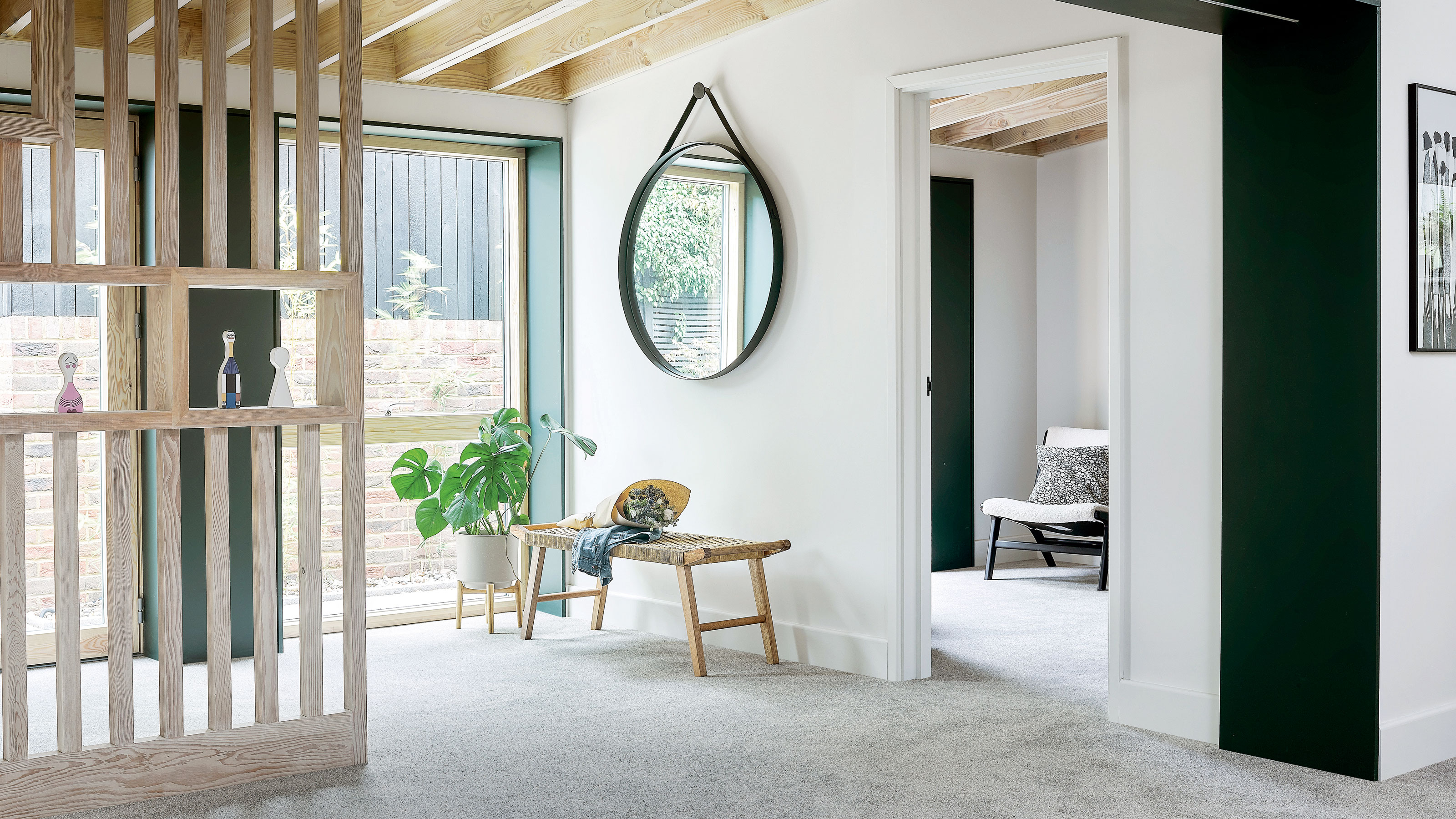
Three design experts share their secrets for finding a new rug and carpet
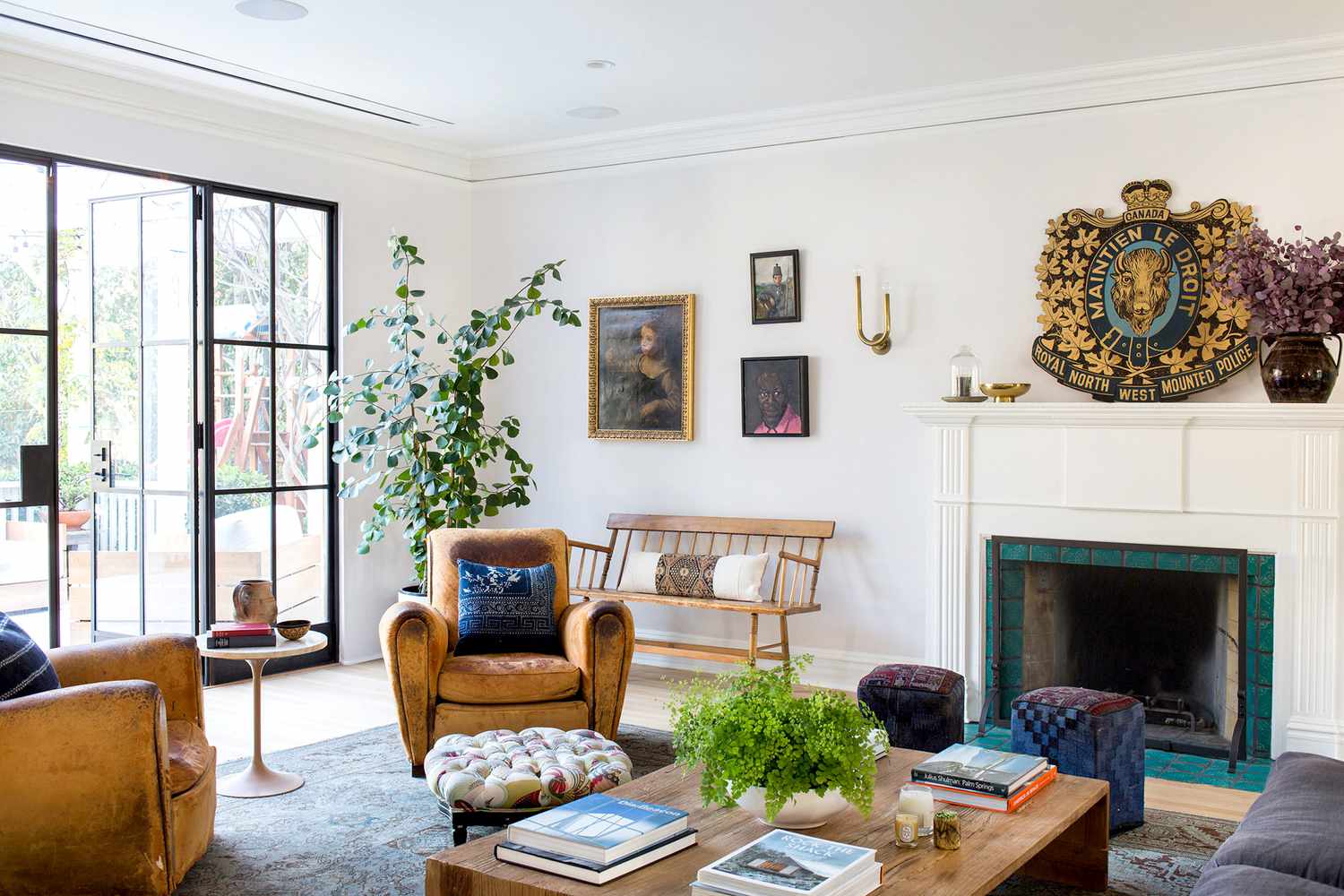
How to Decorate a Living Room From Start to Finish, According to Interior Designers

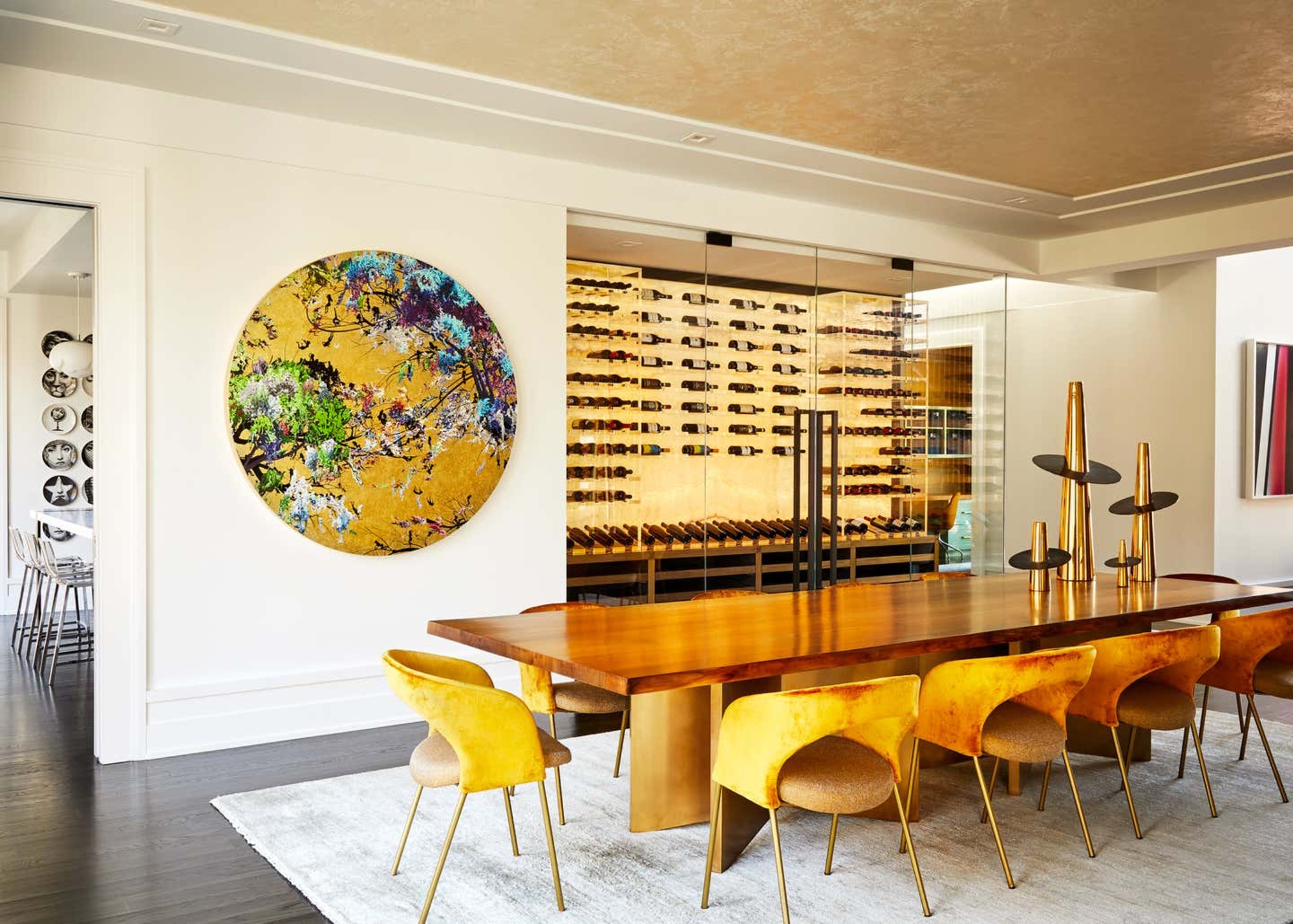
5 rug colors to avoid – the hues designers think you should veer away from on floors, plus how to make them work

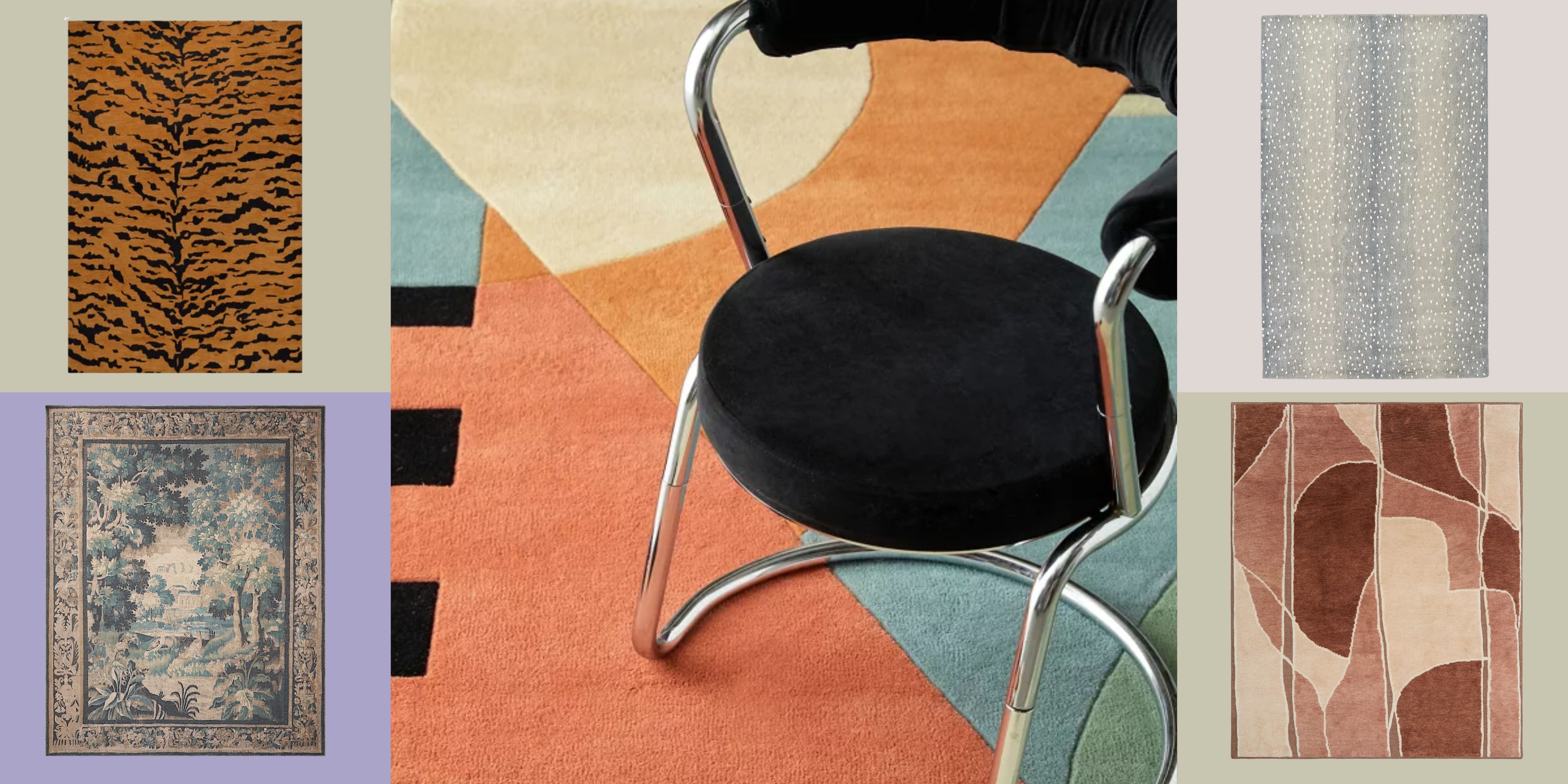
Step On It — The 12 Best Rugs Are the Style Zeitgeist (Underfoot)

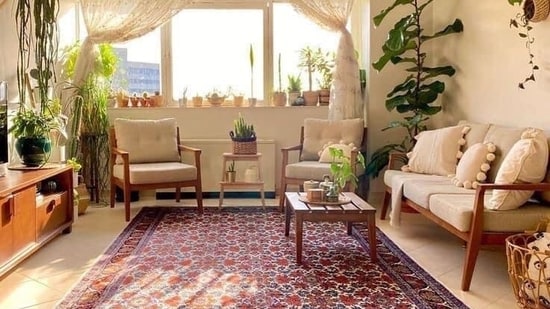
Home decor tips to choose perfect rug for your room's centerpiece | Hindustan Times

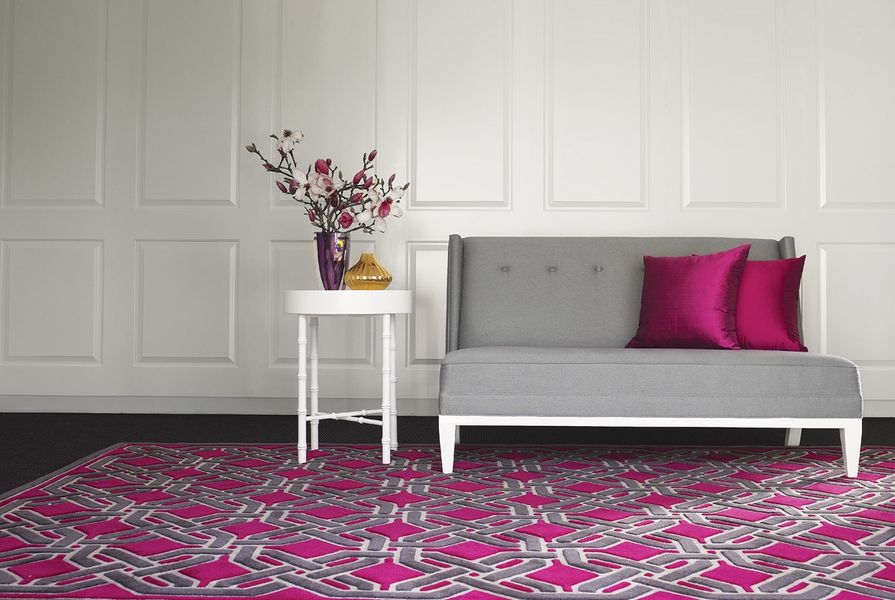
Studio: Greg Natale

How Much Should You Spend on an Area Rug?

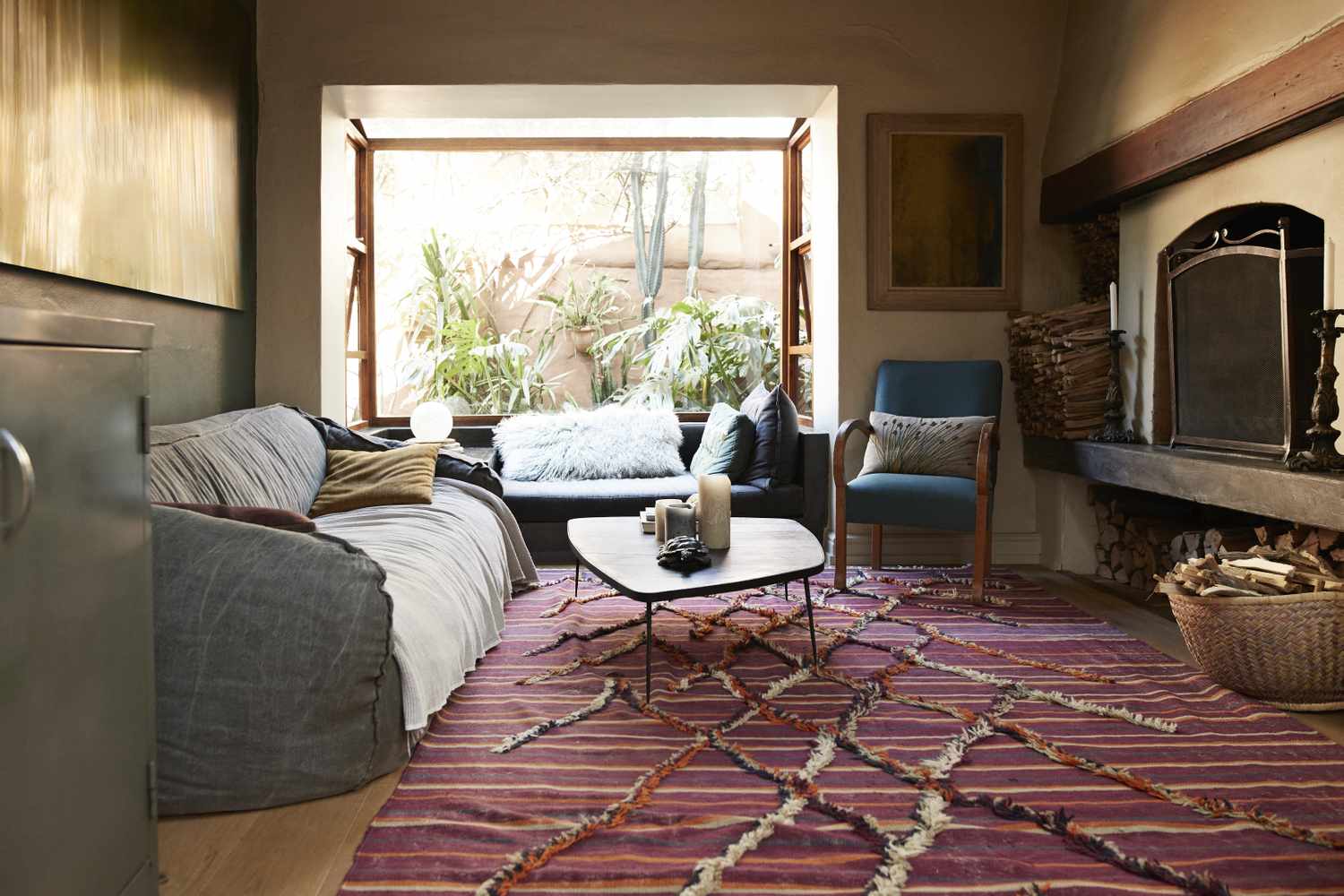
The Designer Trick for Choosing the Right Living Room Rug Color

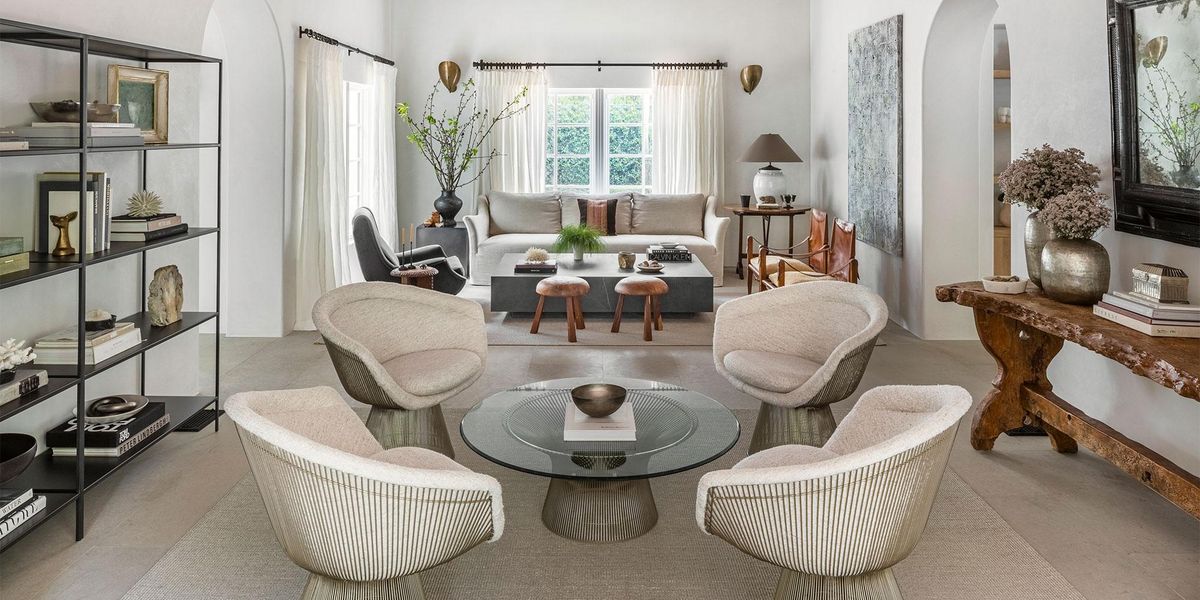
Found: A Creative New Way to Utilize Rugs
The Edgy Detail We’re Spotting on the Best New Rugs Makes Them Borderline Art

DFW Textile Sourcing Shares Their Top Five Tips For Choosing the Best Rug — From Lifestyle to Vintage Versus New

9 Entryway Rug Ideas That Prove How You Use One Can Make or Break Your Space

These are the best carpet designs of the year

If You’re Going to Buy One New Thing for Your Home This Season, Make It This
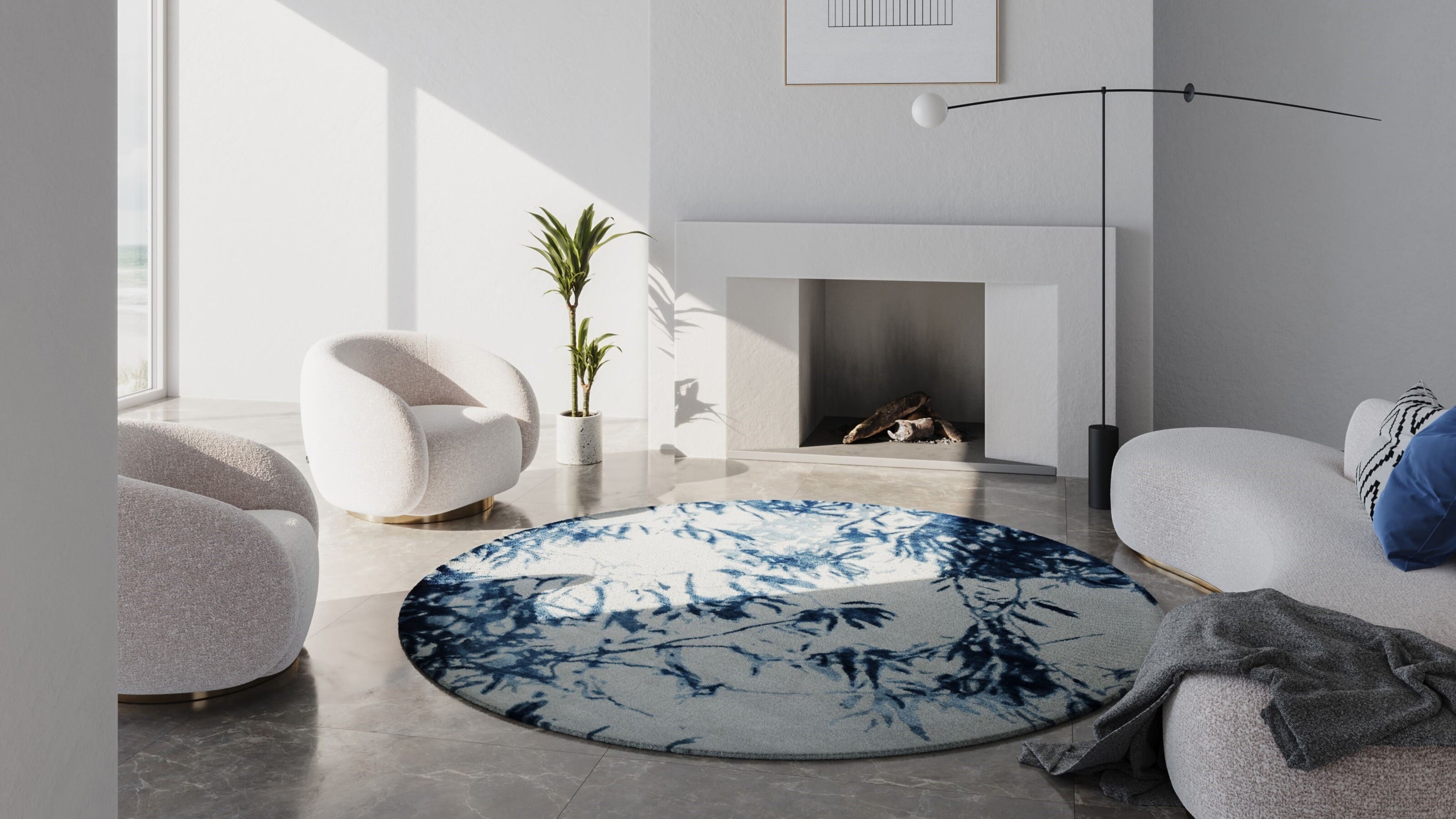
'They're not for every room' – designers say they'll never use a round rug in these 5 spaces, and neither should you
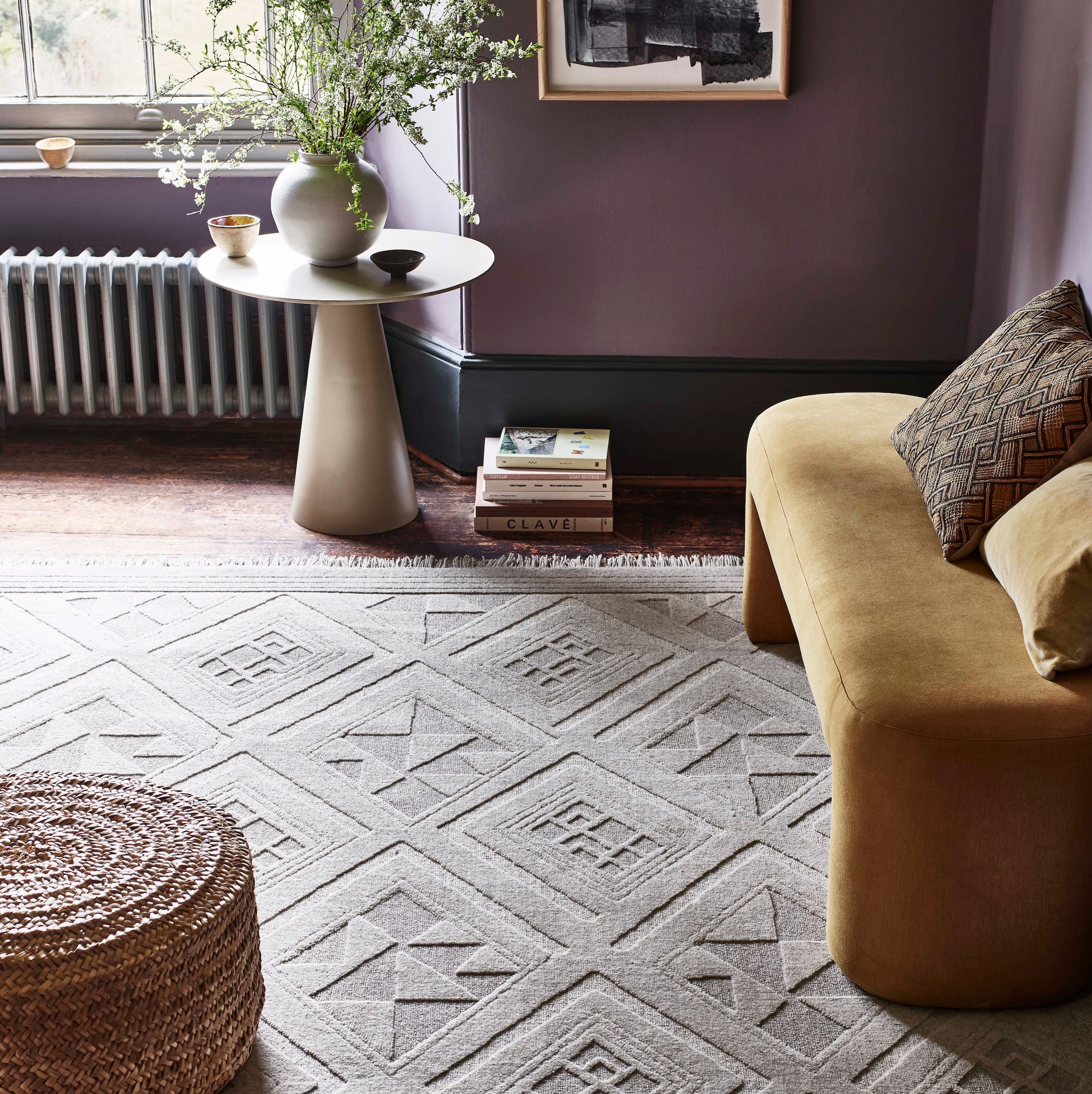
Top 7 Rug Trends Dominating 2025, As Predicted By Design Experts
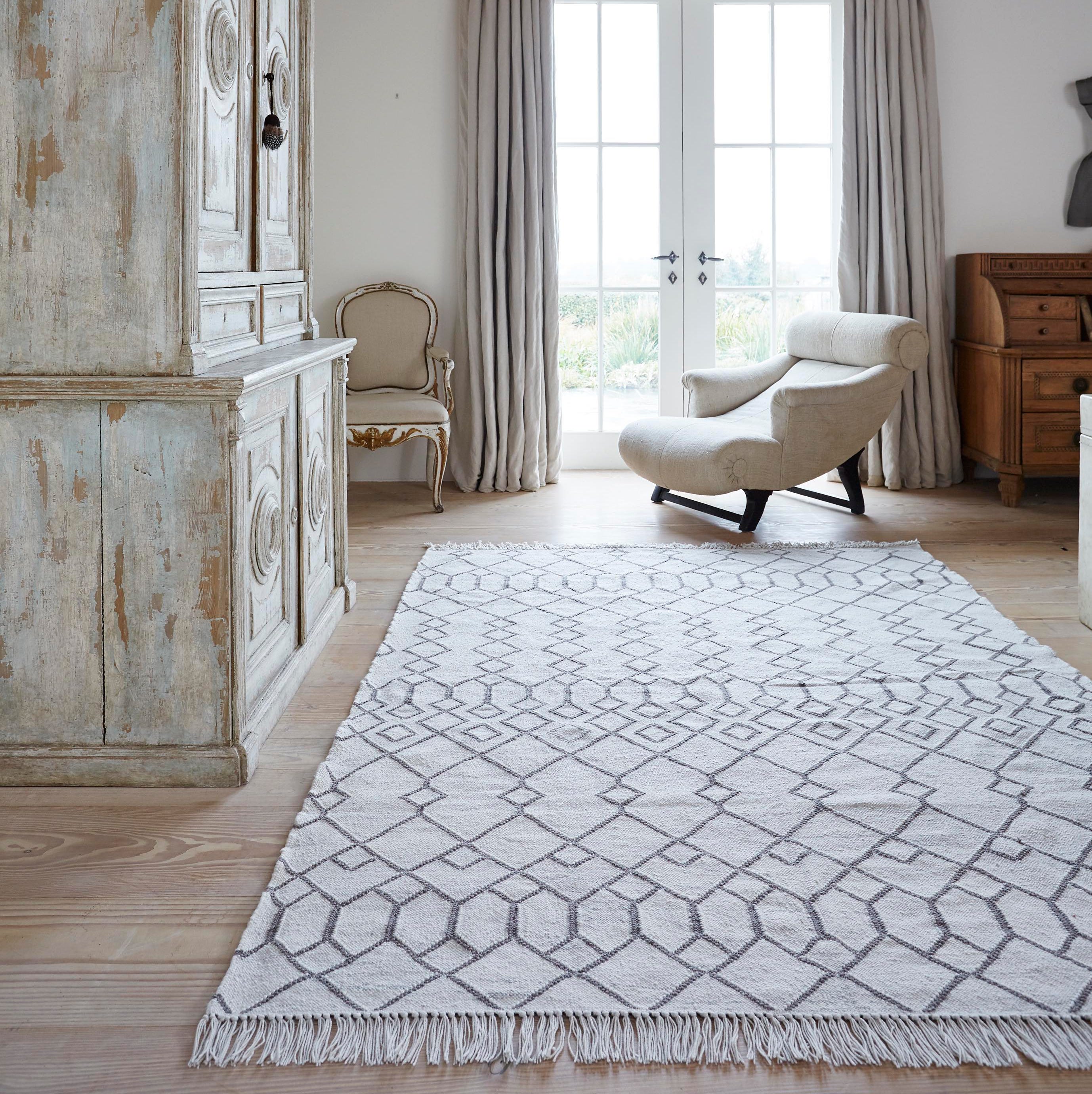
Our homes editor's favourite rugs to update any space

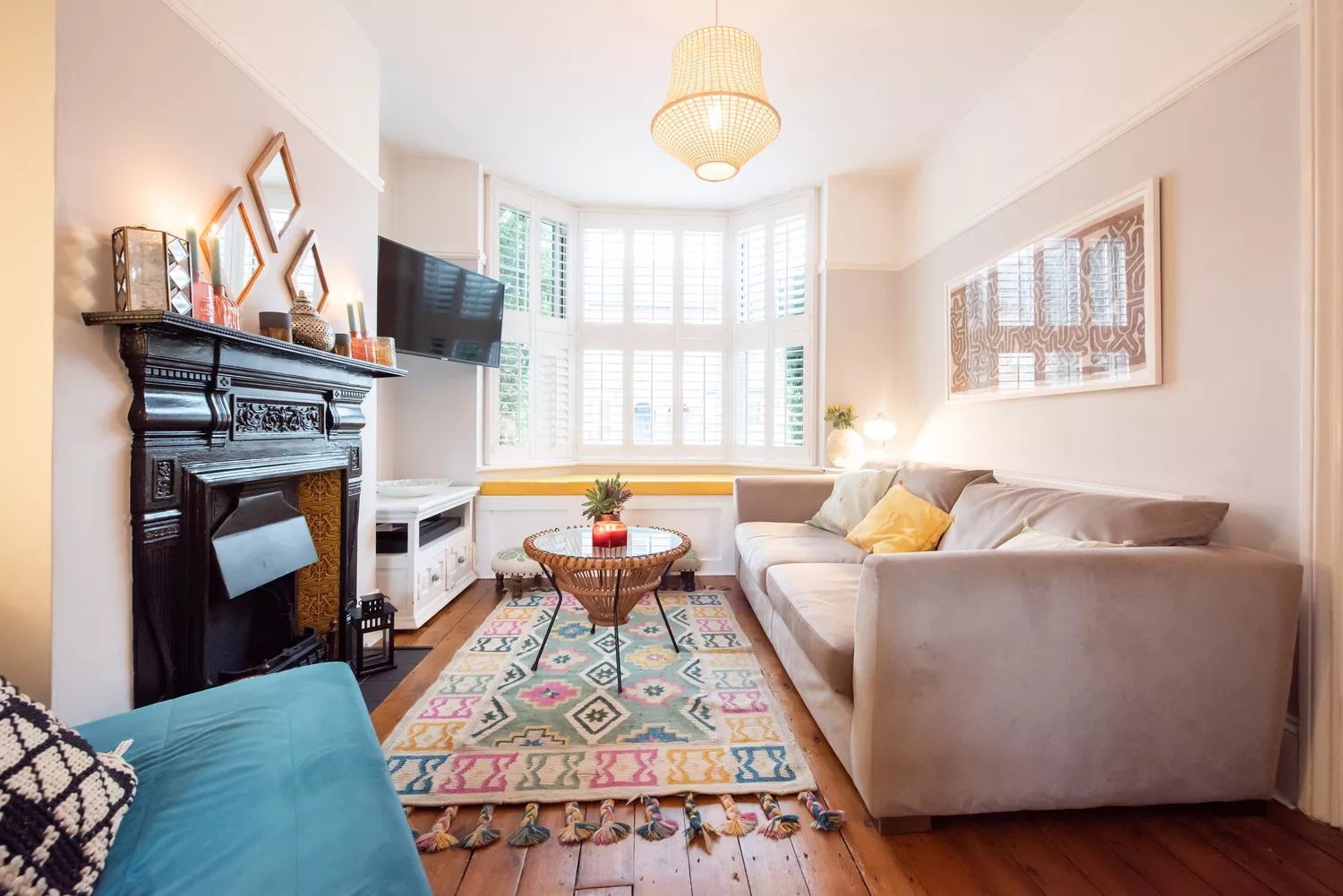
6 Things in Your Living Room That Instantly Give Designers the Ick