1/10
Designers Share 6 Ways to Rid Your Home of Hidden Toxins
The home environment plays a critical role in overall health, encompassing physical, emotional, and spiritual well-being. Despite this, many homes harbor hidden toxins that can negatively impact daily health, often without residents' awareness. These toxins, ranging from chemically treated furniture to subpar air quality, are prevalent in our surroundings. While this reality can be concerning, individuals have the ability to mitigate these threats by increasing their awareness and implementing strategic changes.
Experts in design and wellness, such as Kristin Bartone of Bartone Interiors and Lauren Sullivan of Well x Design, emphasize the importance of maintaining perspective and understanding that even small, sustainable home upgrades can significantly enhance health. Given that individuals spend approximately 90% of their lives indoors, transforming a home into a healthy sanctuary is a crucial endeavor. Several key hidden toxins are commonly found in home décor, often due to manufacturing processes aimed at enhancing product durability or appearance. These culprits are often invisible and include flame retardants, formaldehyde, stain-guard and water-repellants, and trichloroethylene.
Flame retardants, frequently added to foam and upholstered furniture, including mattresses, contain endocrine disruptors linked to various health concerns. These chemicals release volatile organic compounds (VOCs) into the air, which can be absorbed through breathing or skin contact. Research indicates that these flame retardants are not only toxic but also ineffective against fires. Formaldehyde, another VOC, is used in the binding glues of furniture, particularly in mass-produced items made from engineered woods like particle board, plywood, or medium-density fiberboard (MDF). High temperatures used in treating engineered woods can increase formaldehyde emissions. Stain-guard and water-repellants, designed to protect furniture from spills, often contain perfluorinated chemicals (PFCs), which have been associated with reproductive issues and immune system suppression. Trichloroethylene, a VOC found in cleaning products and some finished wood furniture, is used to remove oils and grime.
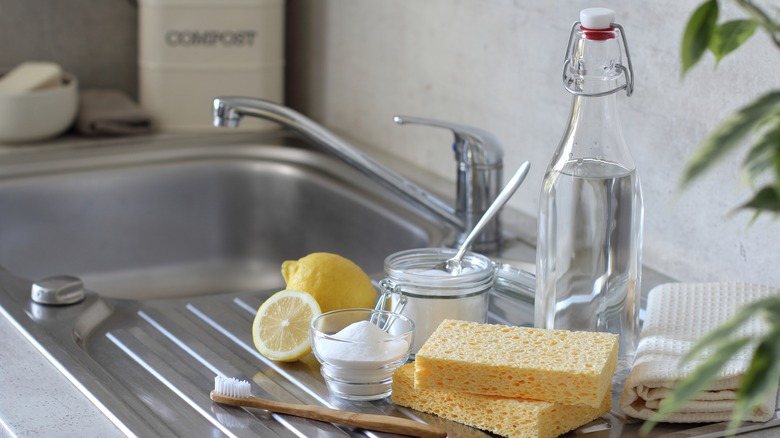
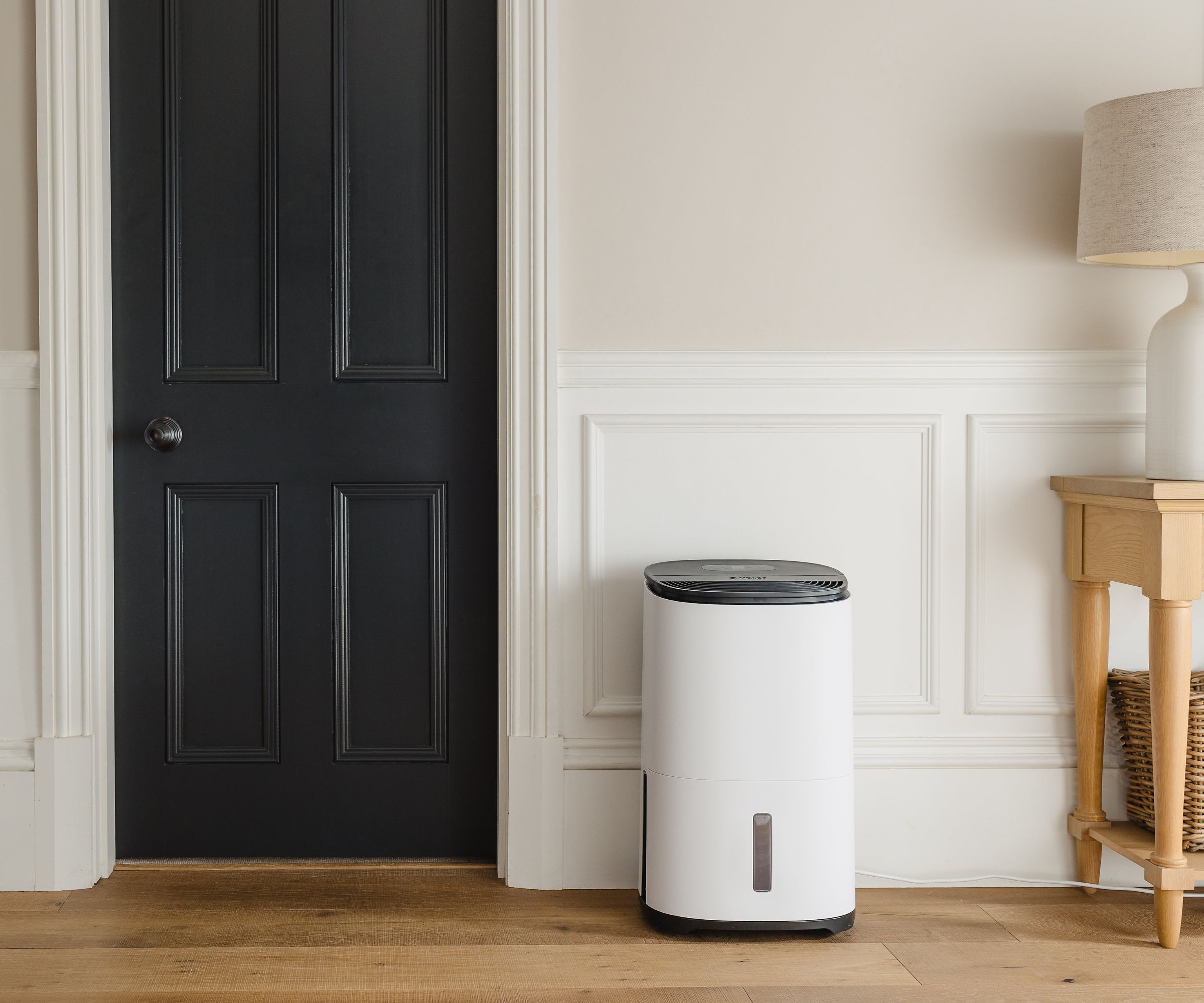
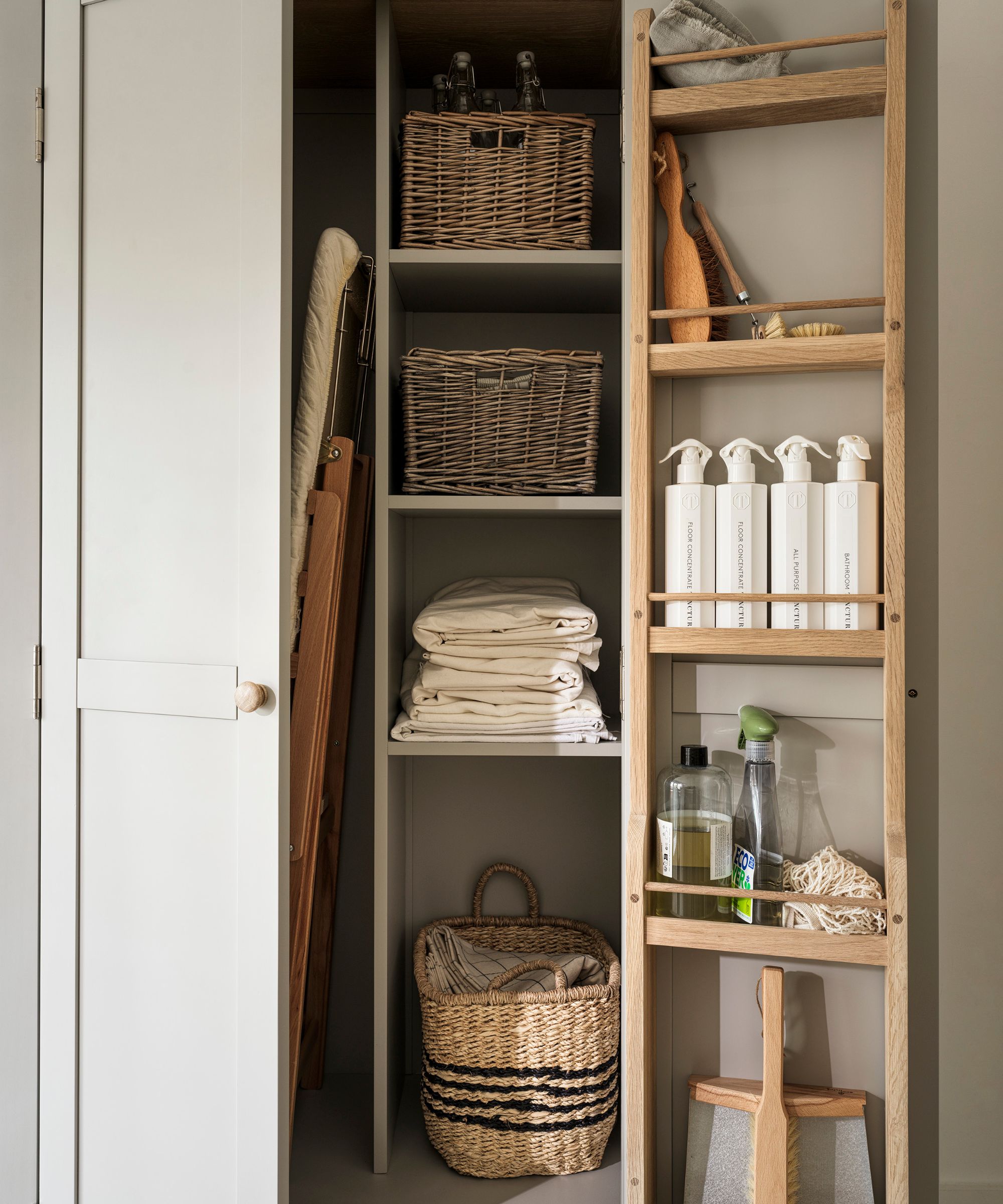
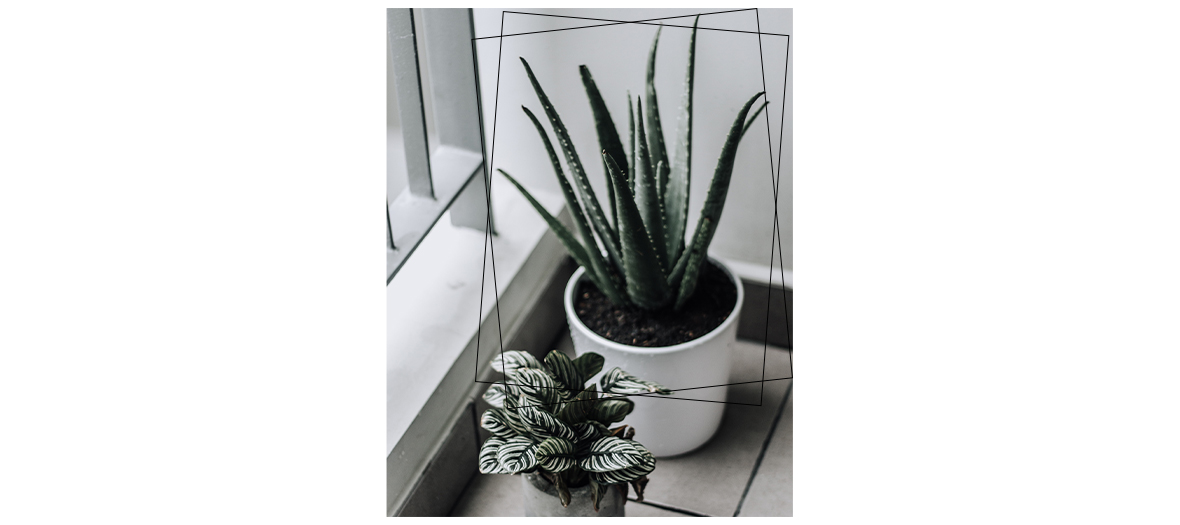
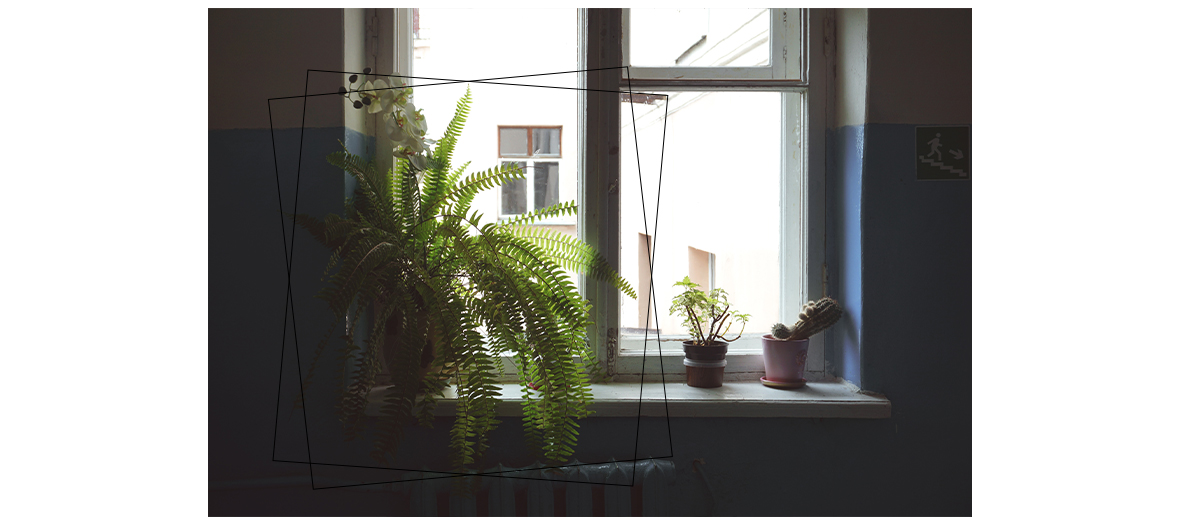
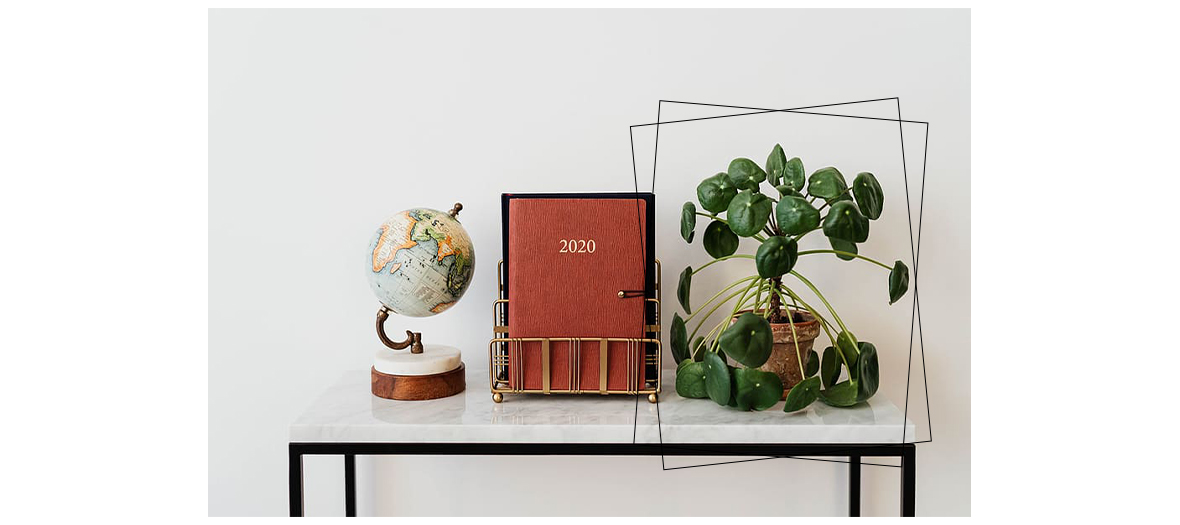
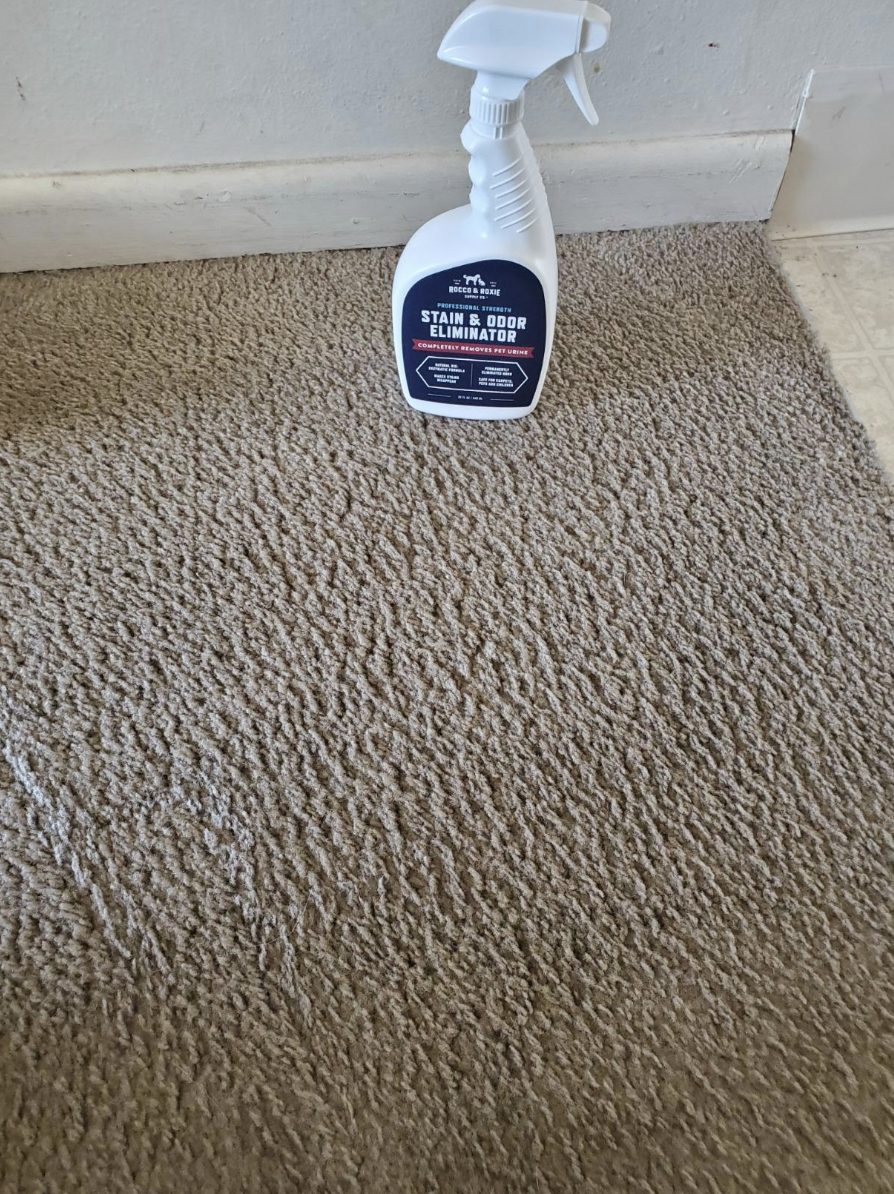
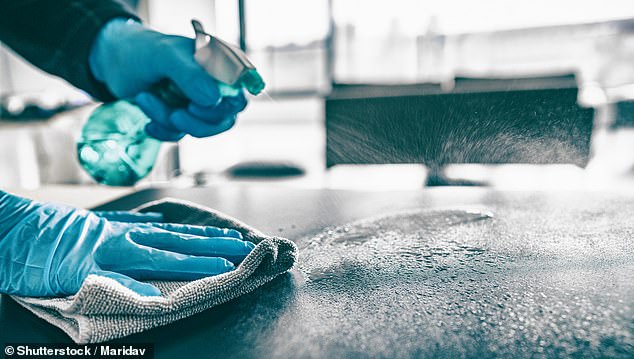
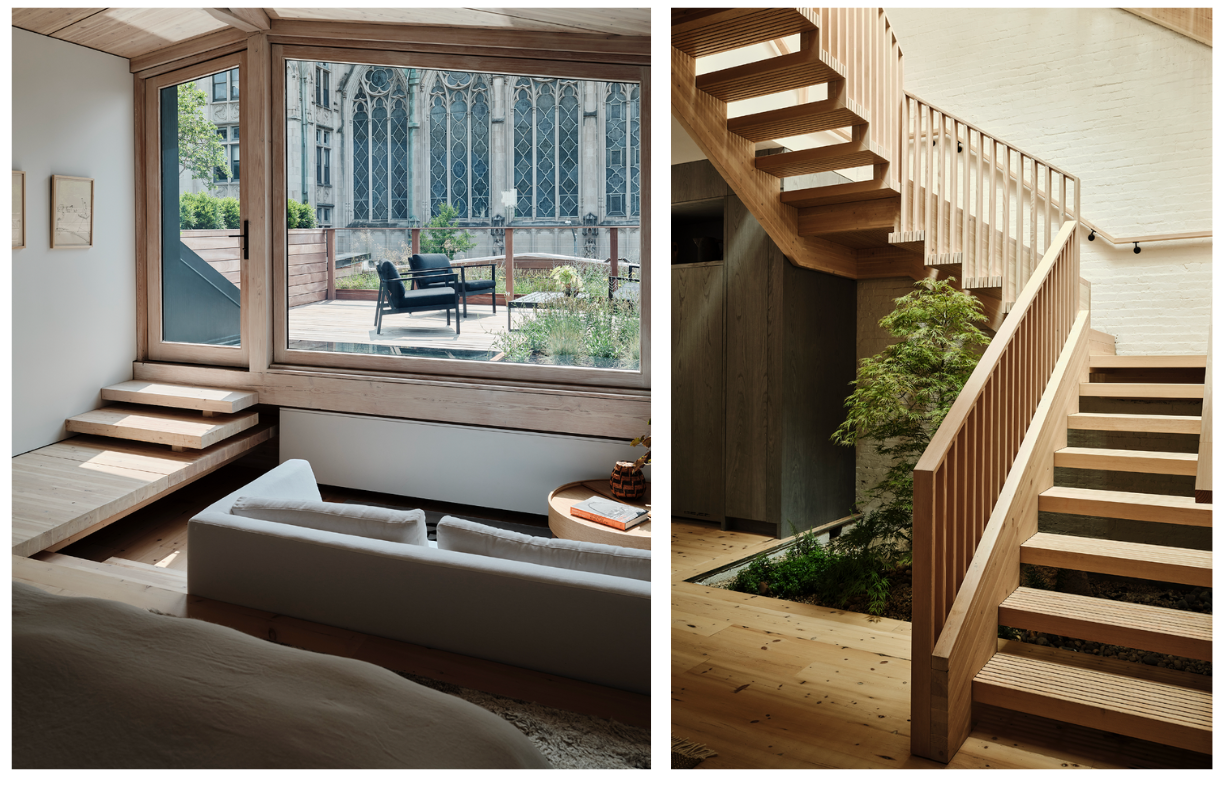
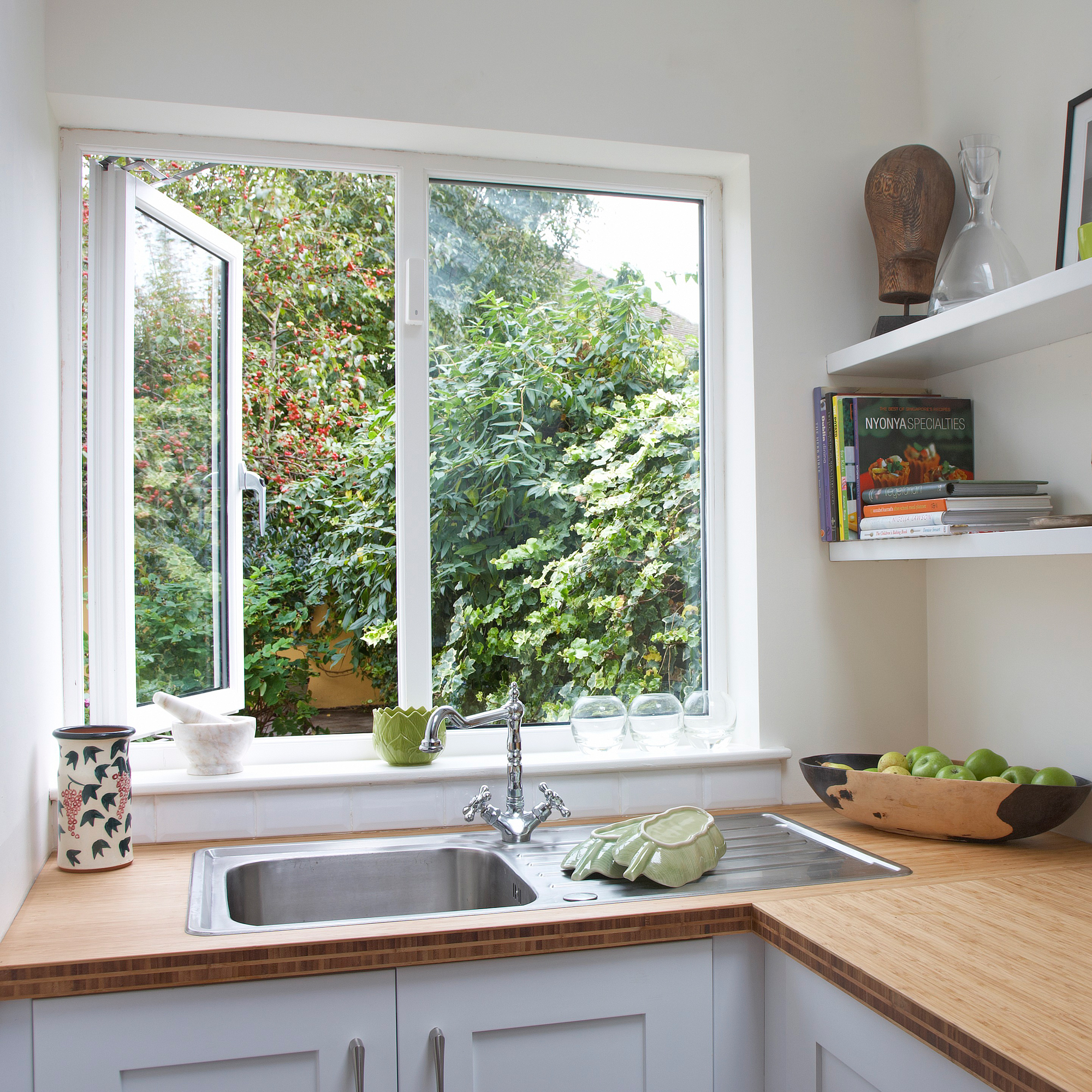
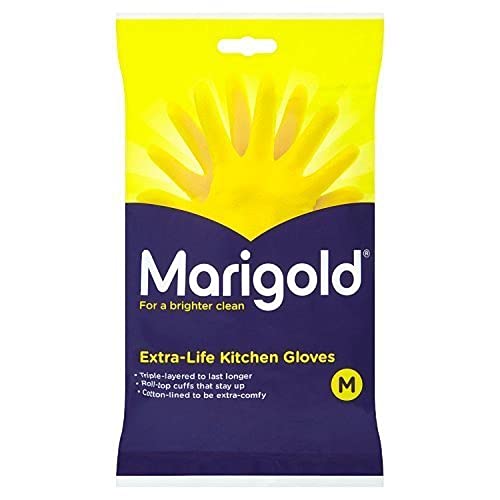
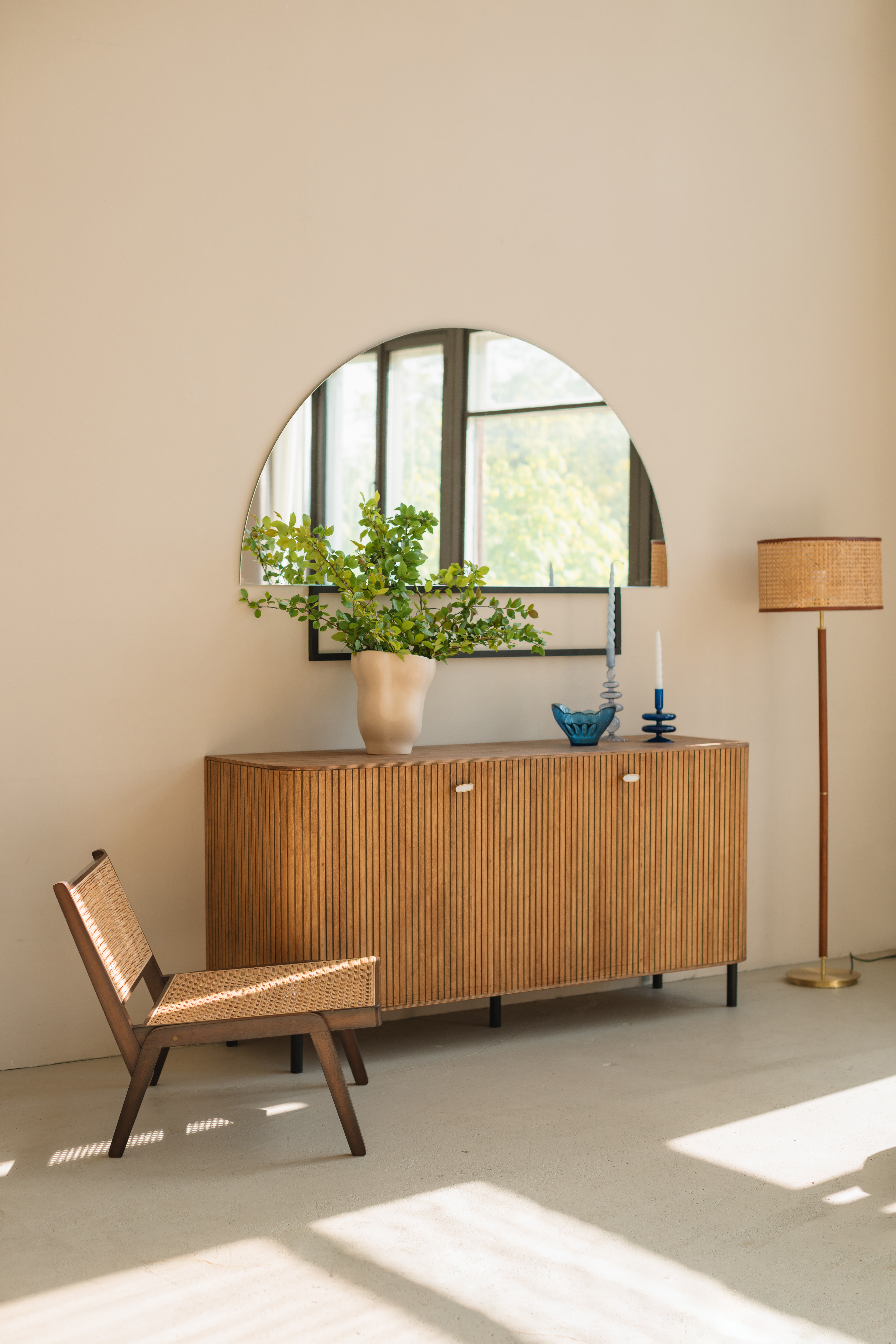
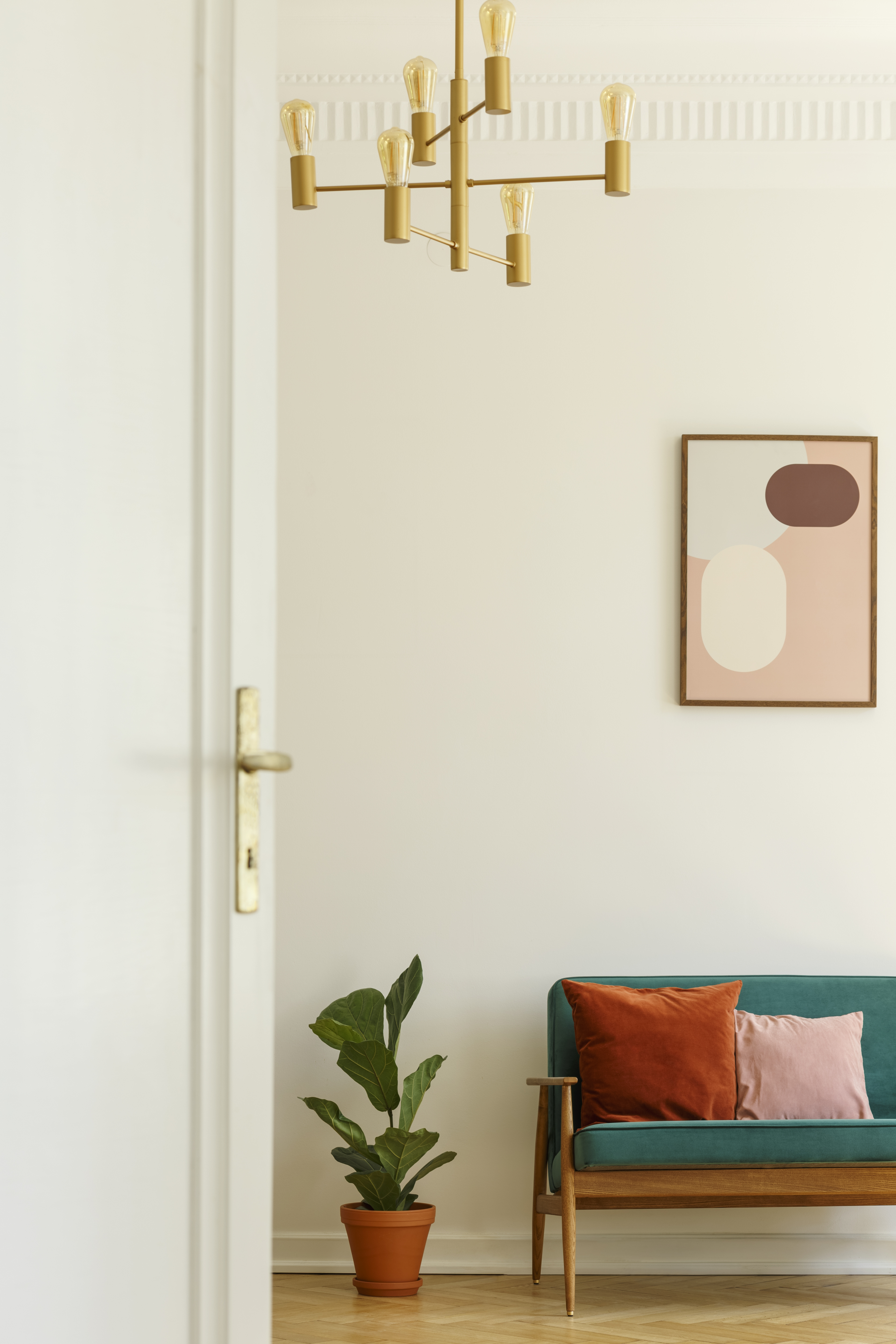
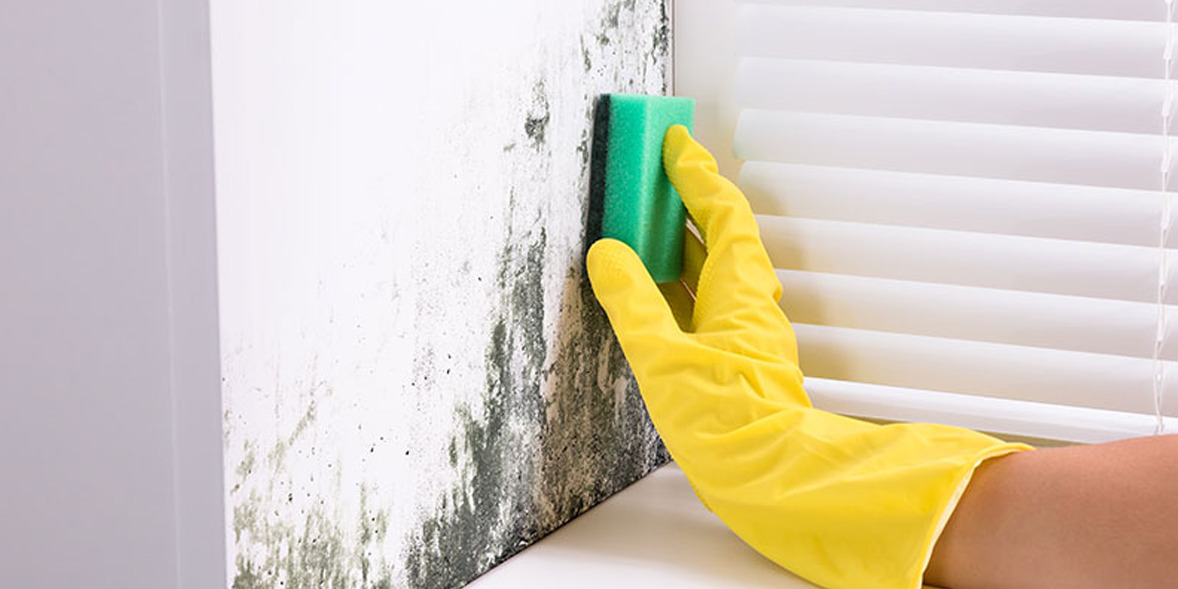
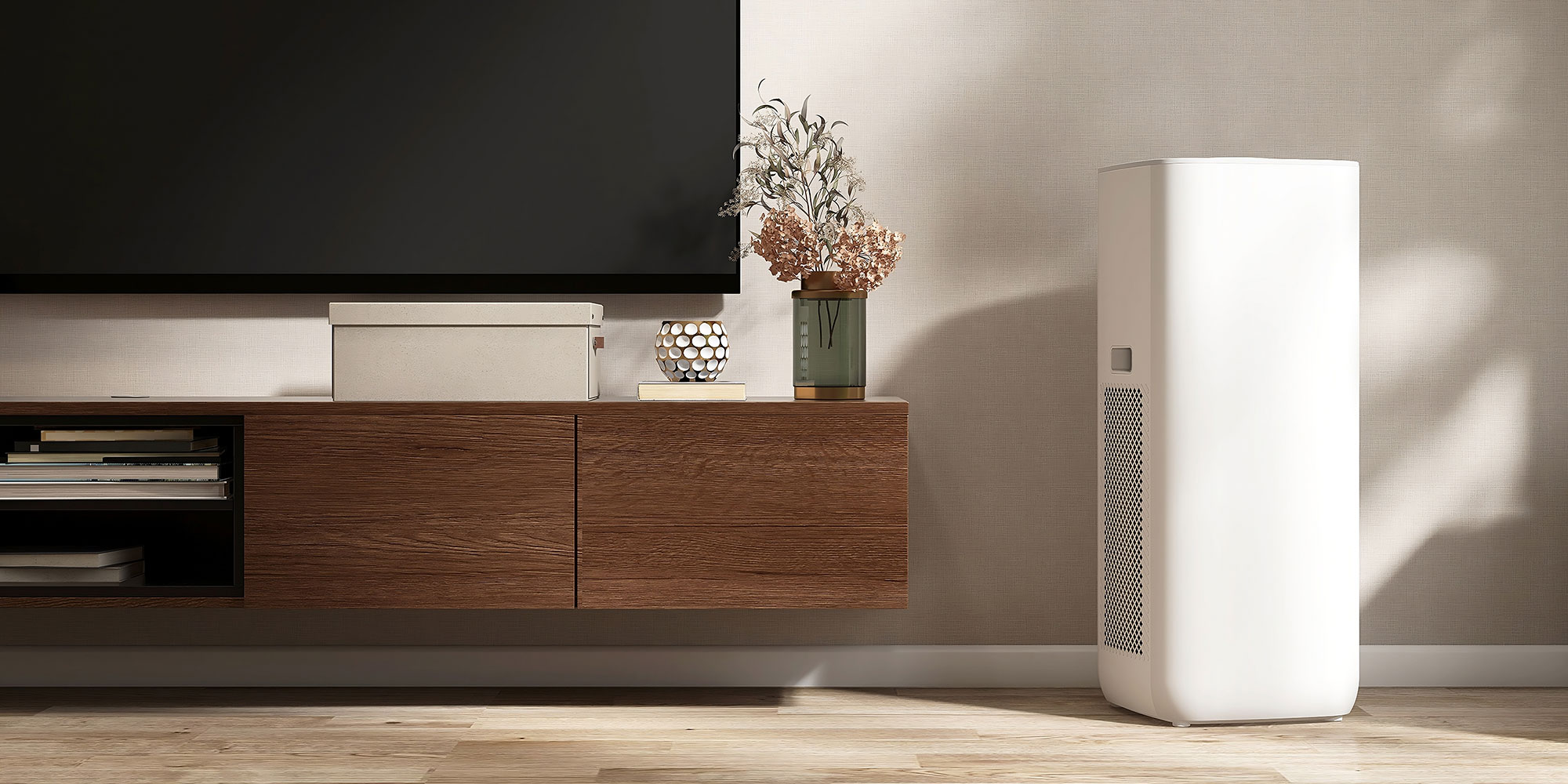
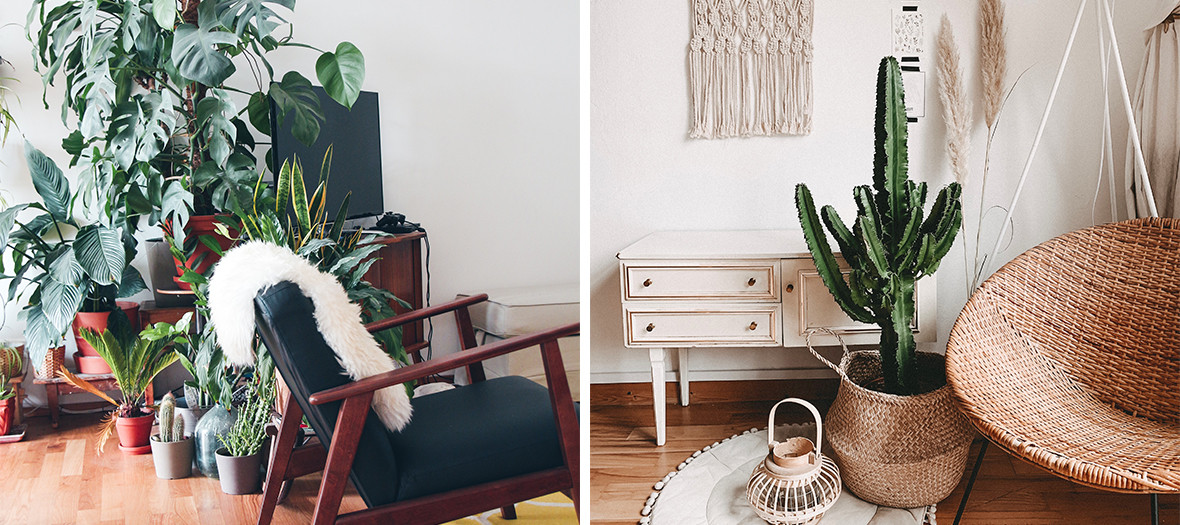
To counteract these hidden toxins, several actionable steps can be taken. Installing an indoor air monitor is a recommended first step to identify specific toxins present in the home, such as dust, VOCs, mold, and mildew. Incorporating houseplants, such as Snake Plants, Golden Pothos, and Gerbera Daisies, can naturally absorb toxins from the air, as supported by NASA studies. Opting for organic mattresses made from pure materials like wool and organic cotton avoids the flame retardants and VOCs found in conventional options. Choosing furniture made of real wood, rather than engineered woods, and avoiding pieces with excessive glues and stains, can reduce formaldehyde exposure. Sourcing real materials for home goods, including organic cotton, linen, wool, glass, and steel, offers safer alternatives. Lastly, vetting cleaning products and switching to non-toxic, eco-friendly alternatives is essential, as many conventional cleaners contain harmful petrochemicals and harsh additives. Beyond specific products, connecting with nature by maximizing natural light and creating outdoor seating areas can also significantly contribute to a healthier and more calming living environment.
#HomeToxins #HealthyHome #NonToxicLiving #InteriorDesign #Wellness #AirQuality #OrganicMaterials #SustainableDesign #HomeToxins #HealthyHome #NonToxicLiving #InteriorDesign #Wellness #AirQuality #OrganicMaterials #SustainableDesign
0 ความคิดเห็นรวม
 ยังไม่มีความคิดเห็น
คุณอาจจะชอบอีกด้วย
5 things people with clean home storage always do to protect belongings, curb hidden mold, and prevent pests


The 10 Best Hacks To Control Gross Smells In Your Home

23 Things To Help You Keep Your Home Free From Pet Odors
Eliminate Unwanted Kitchen Smells With These 6 Range Hoods


Experts say these 6 products will get rid of dog odor in your house
What is biophilic decluttering? This 'return to nature mandate' will transform chaos to calm at home

If Your House Smells Weird, It Might Be Due to One of These Common Problem Areas


Do You Have a Musty-Smelling House? 6 Worrying Causes — And What You Should Do to Get Rid of Them

Your home stinks. Here's how to fix it, according to experts
8 Home Design Fixes That Keep Pests Out and Look Great
Wonderfully simple money-saving tips from Great British Bake Off winner NANCY BIRTWHISTLE include a magic spray to remove wine stains, wet wipes from old T-shirts and even a sponge made of bread to mop up broken glass
The 6 Best Shower Filters to Banish Harsh Chemicals From Your Water

The 6 best odor eliminators to rid your home of bad smells for good
7 toxic basement items to deal with now

Newsletter #50: 🏡 Place as medicine: How our homes can create health or disease
How to get rid of mould
Biophilic Decluttering — What to Take Out of Your Home (and What to Put in) for a More Natural Home
7 plants to detoxify your apartment

How to get rid of mould on walls – 7 home treatments tried and tested by the experts
Master odor removal with a little help from science