1/8
Color Pallets Saving Buildings from Demolition
This article explores the significant role that architectural color palettes, even those not strictly historically accurate, have played in preserving roadside architecture and historic districts in American cities. It highlights two case studies: the Columbus Storefront Restoration Project in Indiana and the Pastel Palette of South Beach, Miami. The article originates from a 2018 symposium titled "Are We There Yet? Preserving Roadside Architecture and Attractions."
The concept of architectural color palettes in America dates back to 1842 when Andrew Jackson Downing proposed six exterior colors for cottages and villas, offering detailed guidance on their use. Over time, paint manufacturers popularized more color palettes through advertisements, a practice that continues today with numerous color collections, including "Historic Color Palettes" claiming to represent various architectural styles and periods. While some historic color palettes, like those used in Colonial Williamsburg, are based on extensive architectural paint research and historical documents, others emerged from creative imagination and still profoundly impacted the aesthetic quality and preservation efforts of their respective areas.
The Columbus Storefront Restoration Project, initiated in 1961, aimed to beautify storefronts along Washington Street in downtown Columbus, Indiana. Designer Alexander Girard created a palette of twenty-six colors, which he believed were historically appropriate for the Victorian commercial buildings. His approach focused on using color to accentuate architectural details and create a unified streetscape in conjunction with new signage and lighting. Girard's palette, which drew inspiration from Victorian house colors, was not based on scientific paint analysis but rather a mid-20th-century interpretation of early 20th-century color schemes. Despite this, it successfully transformed the appearance of the street, making the old buildings more appealing and fostering community involvement in their preservation. The project became a national model for street transformation, attracting visitors and promoting Columbus as an "archi-tourism" center.
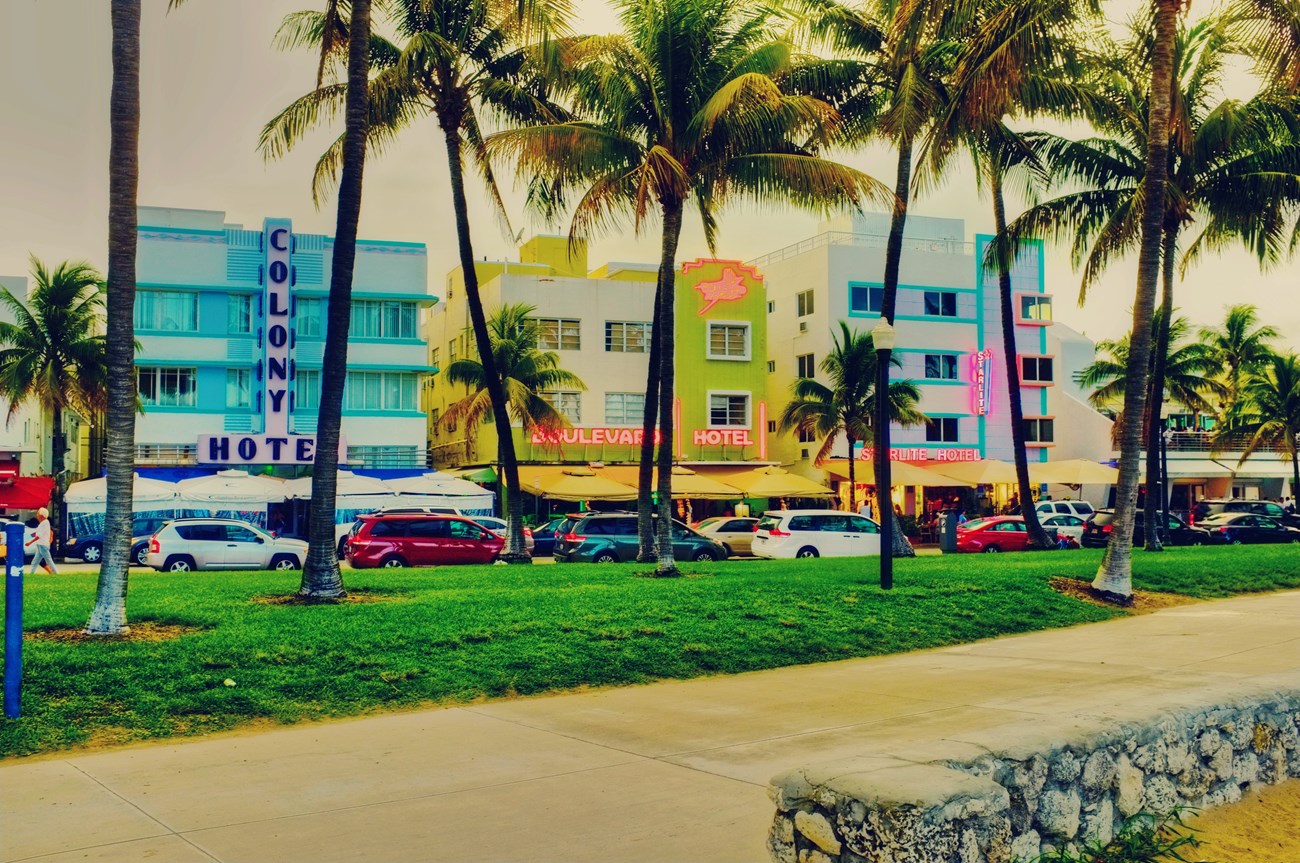
The Pastel Palette of South Beach, Miami, is another compelling example. In the 1970s, the Art Deco Historic District faced neglect and demolition threats despite being listed on the National Register of Historic Places in 1979. Interior designer Leonard Horowitz, a member of the Miami Design Preservation League, developed a pastel color palette to highlight the intricate Art Deco features of the buildings and create a sense of continuity. His palette, inspired by the natural surroundings of Miami—the sun, sky, sand, and ocean—transformed the dull, dilapidated buildings into vibrant structures, attracting public attention and eventually saving many hotels from demolition. This new aesthetic, which became iconic, played a crucial role in the revitalization of South Beach and led to current regulations in the historic district mandating the use of light pastel colors.
Both the Columbus and South Beach color palettes, while not always historically accurate, proved to be inexpensive, easy-to-apply tools for preservation. They demonstrated how creative and aesthetically pleasing interventions could generate appreciation for historic buildings, prevent their demolition, and contribute to the economic and cultural revitalization of their respective areas. These initiatives effectively created new aesthetics that, in turn, became recognized as historic, highlighting the value of historic buildings to local communities and serving as accessible tools for historic preservation.
#ColorPalettes #HistoricPreservation #ArchitecturalConservator #ArtDeco #RoadsideArchitecture #MiamiDesignPreservationLeague #AlexanderGirard #LeonardHorowitz #SouthBeach #ColumbusIndiana #NationalRegisterOfHistoricPlaces #ColorPalettes #HistoricPreservation #ArchitecturalConservator #ArtDeco #RoadsideArchitecture #MiamiDesignPreservationLeague #AlexanderGirard #LeonardHorowitz #SouthBeach #ColumbusIndiana #NationalRegisterOfHistoricPlaces
0 ความคิดเห็นรวม
 ยังไม่มีความคิดเห็น
คุณอาจจะชอบอีกด้วย

abeer seikaly weaves shelters for disaster relief using patterned fabric

Building Materials - Building Supplies

Sustainable Concrete Panel Construction | Spotlight on Nexii and Vero Building Systems

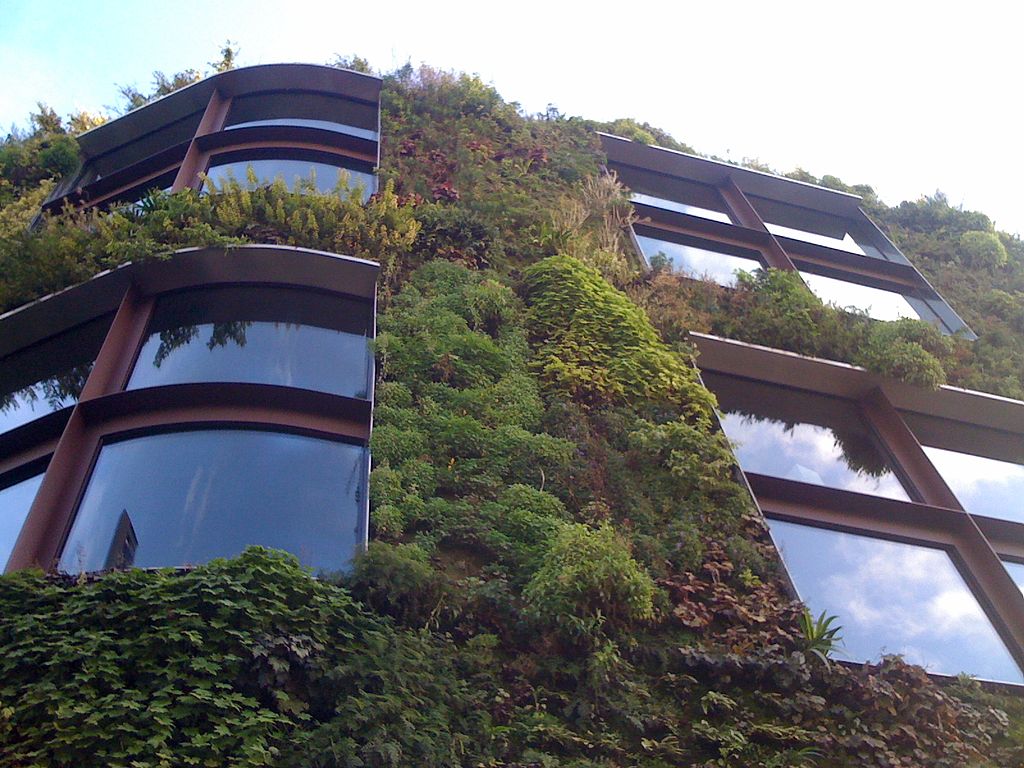
Living green walls are having a moment but face a steep challenge

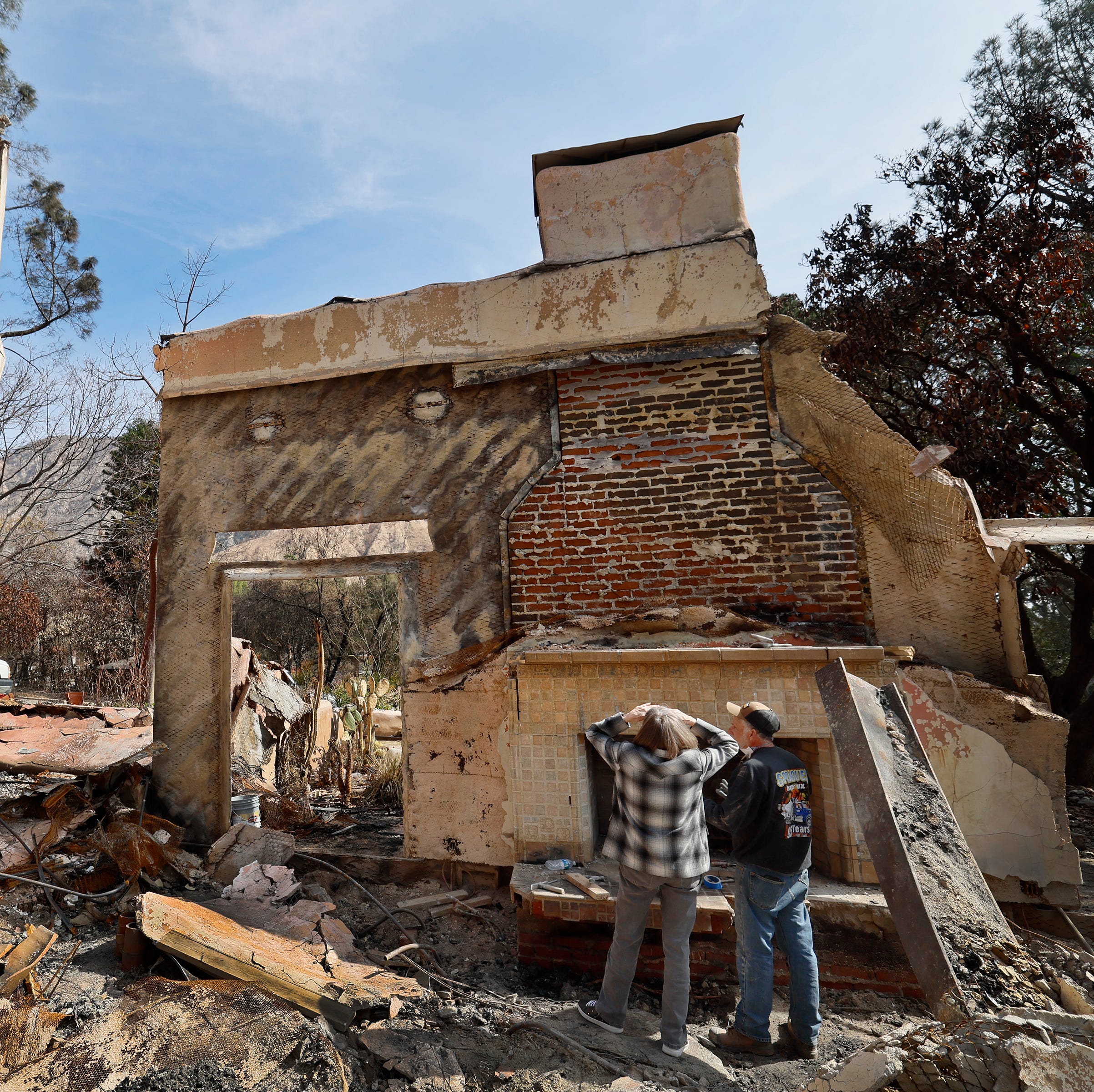
These Volunteers Are Saving Altadena, One Antique Tile at a Time

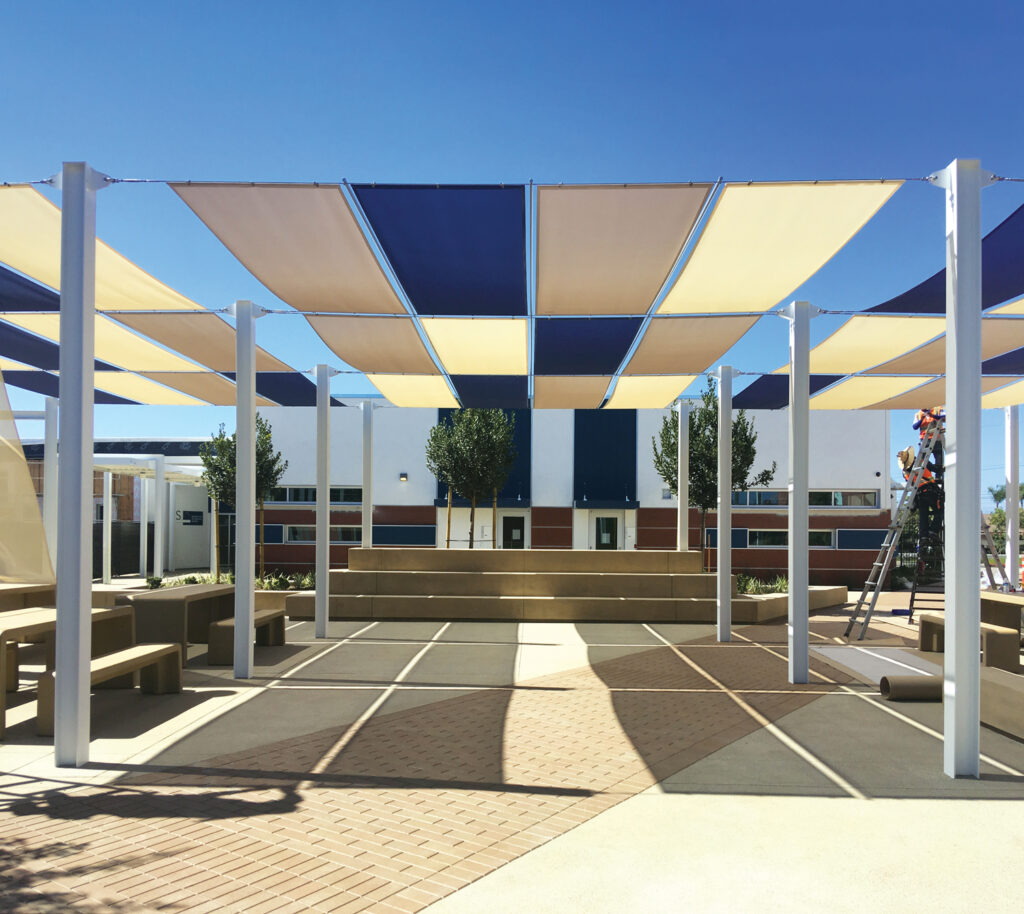
Outdoor shade and screens ride the storms out

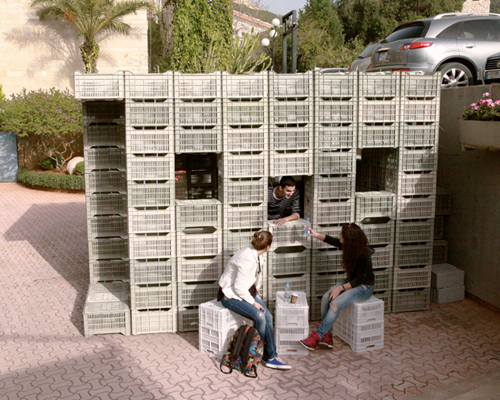
LAU architecture students assemble emergency shelter with plastic crates + ties
Vintage view: How old stone and brick walls can benefit from lime render

Armourcoat creates durable clay wall covering as "ecological alternative to paint"

Students use eggs as inspiration for inflatable concrete shelters
6 Best Hurricane Shutters to Protect Your Home During Storm Season

More Practical Than Plaster and Cement: This Material Is on Our Reno Radar
Black and white might help blue wall
Ten Innovations in North America’s Green Roof and Wall Industry
Golden resin highlights cracks in the floor of TANK's Xchange Apartment
Inside and out
Armourcoat launches Limewash paints for "environmentally conscious" interiors

Meet Cody Clark
How Can Architecture Combat Flooding? 9 Practical Solutions

Retaining walls: Helping overcome a multitude of obstacles