1/2
Ask the Builder: What to do about peeling and flaking deck sealers
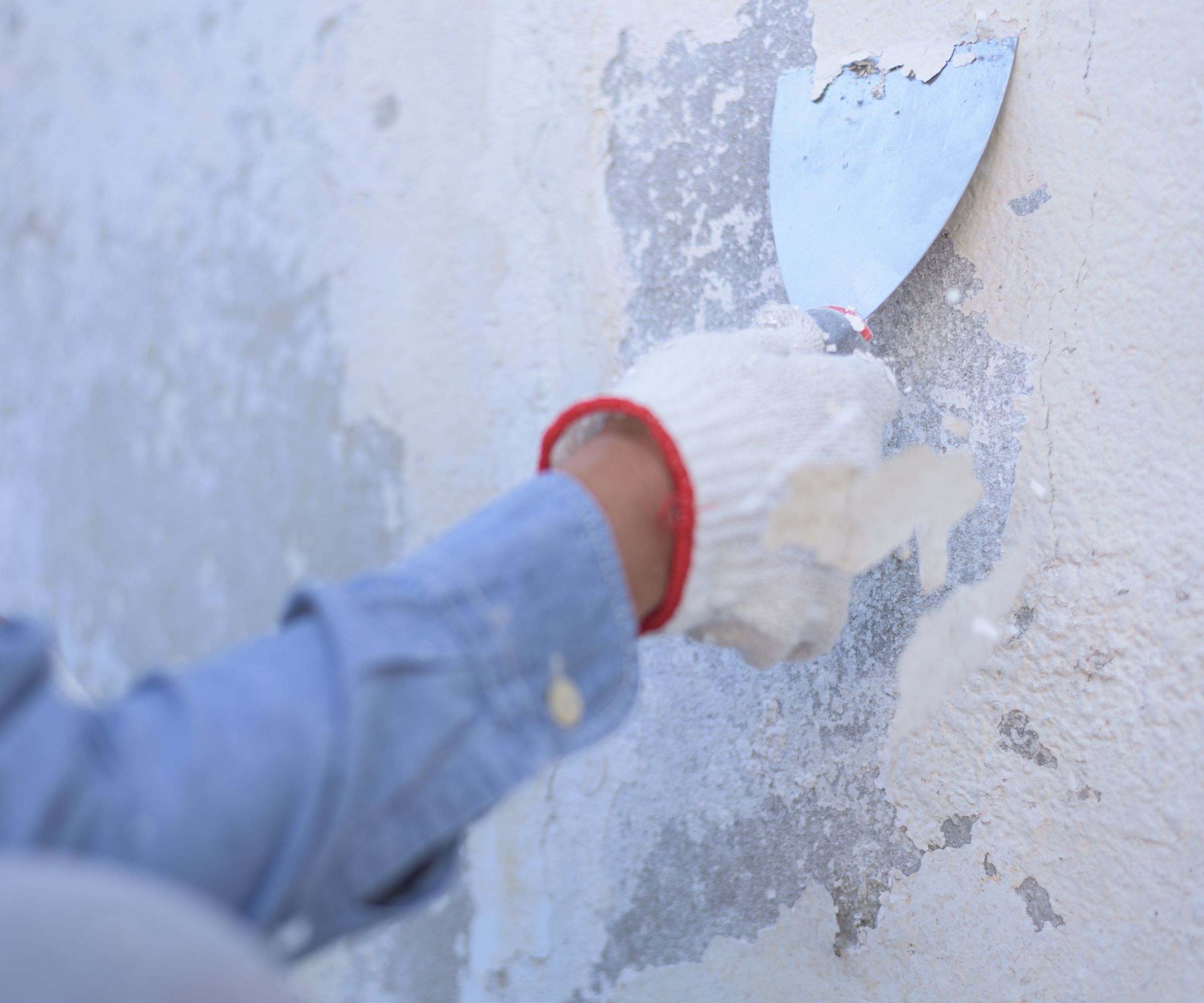
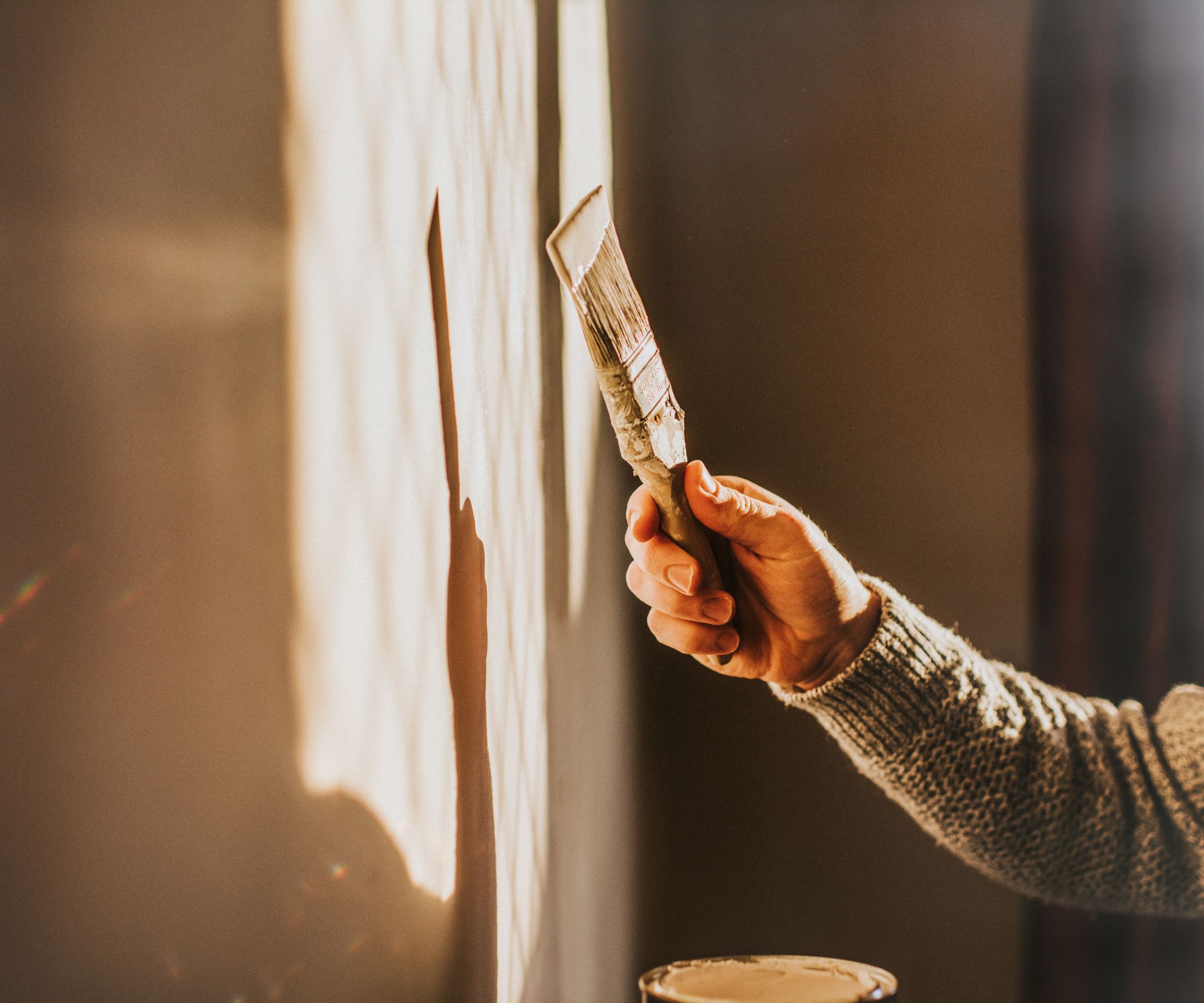
Many homeowners experience frustration each spring when their outdoor deck sealers begin to peel and flake, necessitating frequent and labor-intensive reapplication. This common issue is becoming more prevalent, leading to speculation about the quality and longevity of modern sealing products. Historically, many outdoor wood stains and sealers were designed to penetrate the wood fibers, leaving minimal surface residue. These penetrating products typically faded gracefully over time without peeling. However, a significant number of contemporary deck sealers function as film-forming products, similar to urethanes or varnishes. These products create a protective layer on the wood surface, but when they fail, they do so by peeling and flaking.
The failure of these film-forming sealers is often attributed to several factors. The sun's harsh ultraviolet (UV) rays are particularly destructive, breaking down the chemical bonds within the sealer film. Additionally, wood itself is a hygroscopic material, meaning it absorbs and releases moisture, causing it to swell and shrink. This movement puts stress on surface coatings, leading to cracking and peeling. A comparison can be drawn to the reported issues with asphalt shingles, where premature failure suggests a potential shift in manufacturing practices towards less durable products.
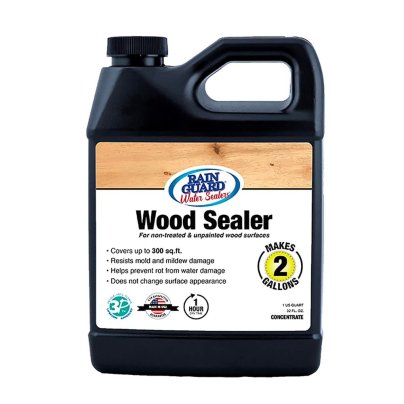
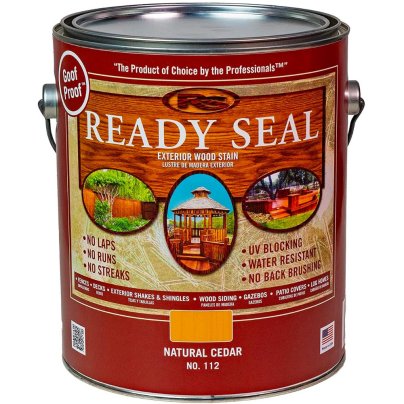
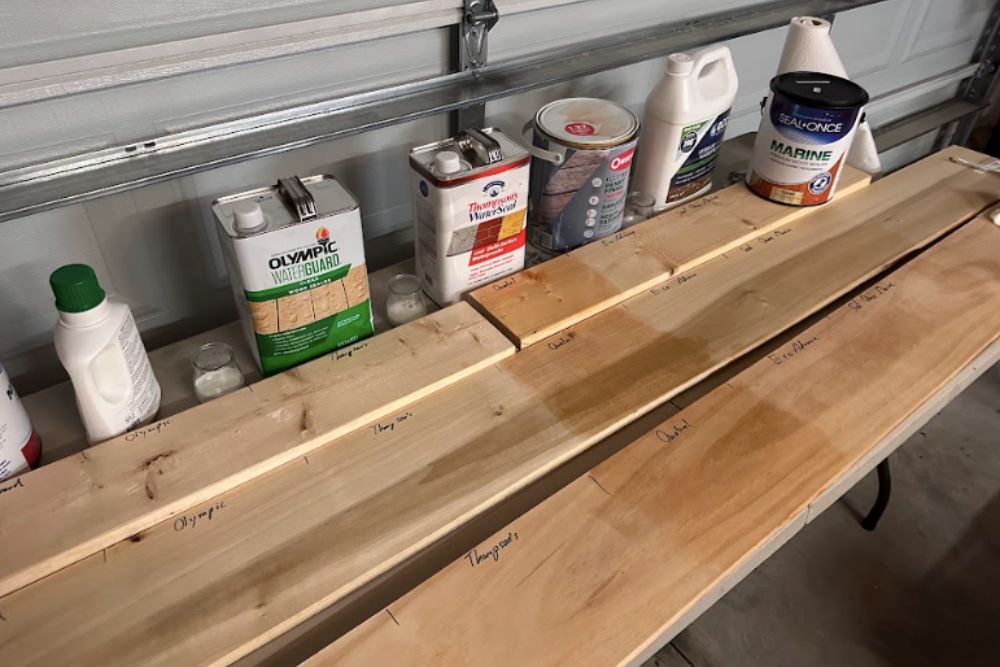
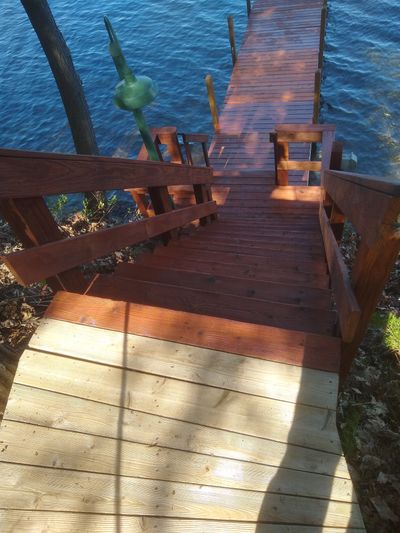
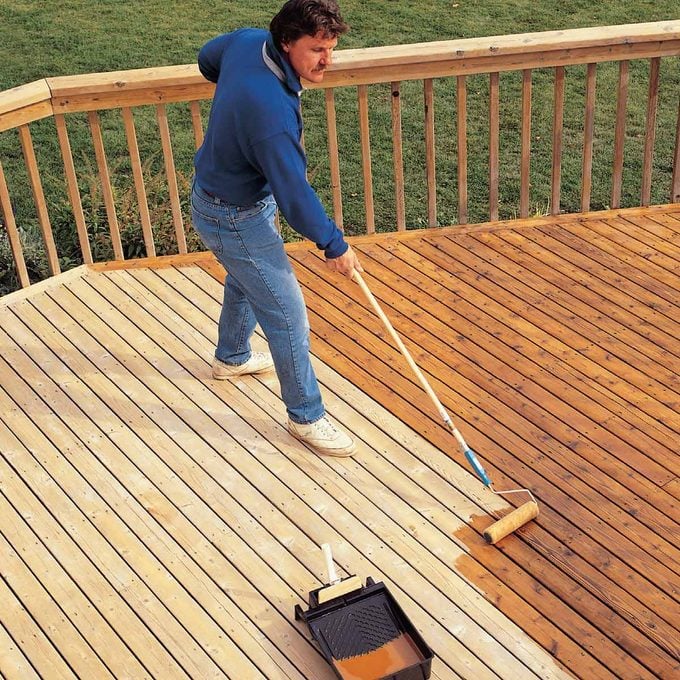
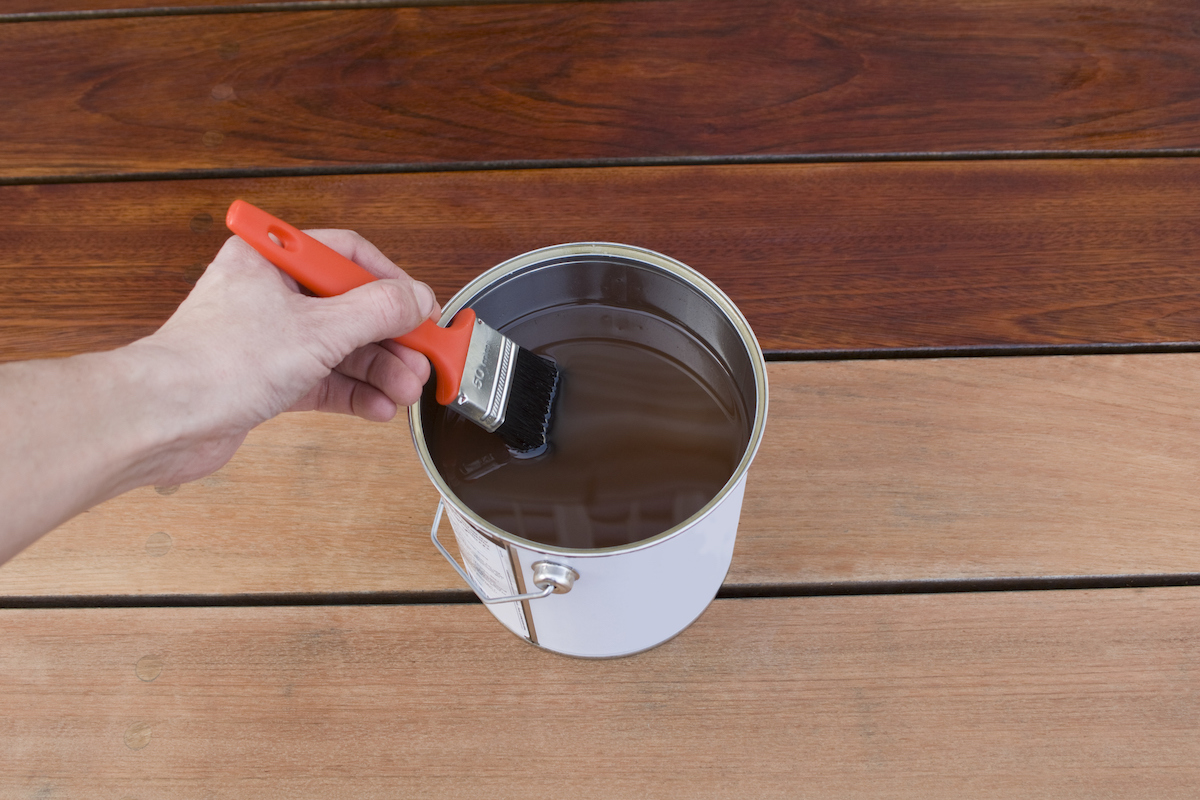
For those seeking a more durable solution, penetrating wood sealers are recommended. These products soak into the wood rather than sitting on the surface, making them less susceptible to peeling and flaking. The author recently began testing a penetrating wood sealer stain on boat dock panels and stairs, noting its ability to absorb into both treated lumber and cedar. While the tested product contains oils (linseed, tung, and long-oil alkyds) that could potentially foster mold and mildew, the manufacturer likely includes chemical additives to counteract this. After one month, no such growth has been observed.
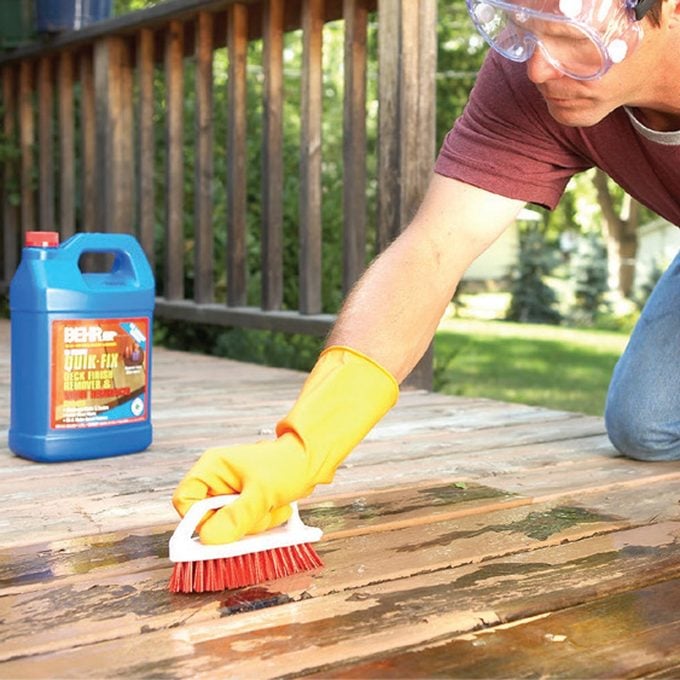
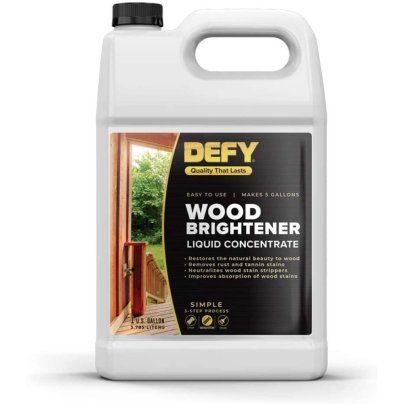
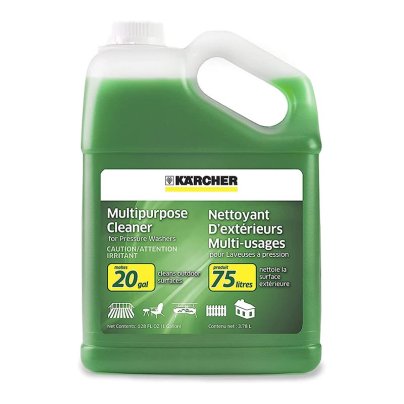
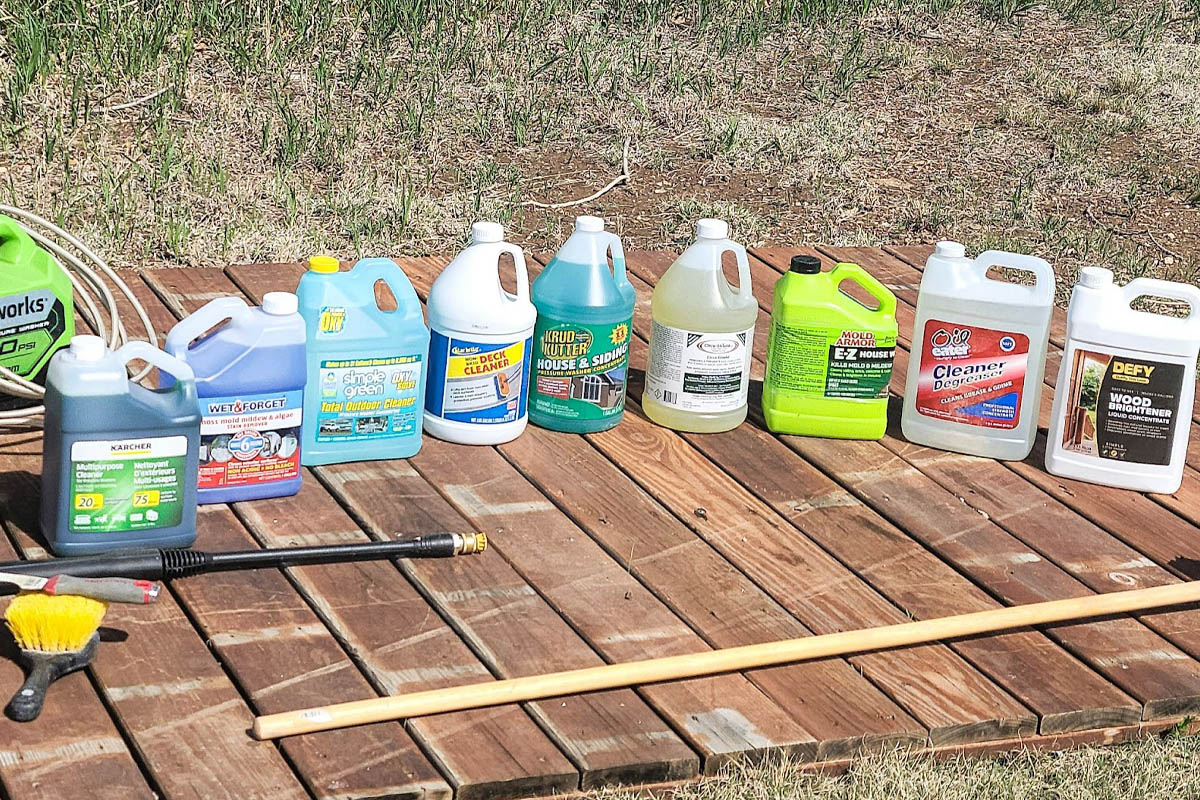
Optimal protection for wood comes from sealers with a high concentration of dark pigment. This pigment acts as a natural sunscreen, absorbing UV radiation and shielding the wood fibers from damage. Evidence of UV damage can often be seen as "peach fuzz" on cleaned, dried wood, which represents sun-damaged fibers. When cleaning outdoor wood, it is crucial to avoid pressure or power washing. These methods are highly destructive, eroding the softer springwood and leaving the denser summerwood exposed, making new wood appear aged. Instead, certified organic oxygen bleach cleaners dissolved in water are recommended. These cleaners should be applied in the shade to dry wood to allow deep penetration. Chlorine bleach (sodium hypochlorite) should be avoided as it can strip the wood's natural color and degrade lignin, the substance that binds wood fibers.
To minimize ongoing maintenance, it is advisable to recoat penetrating sealers before they completely fail, perhaps every two years, with a thin maintenance coat. This proactive approach can reduce the need for intensive cleaning. An experiment is currently underway where scrap cedar pieces, sealed with the same product used on the dock, are stored indoors and will be exposed to the elements next spring to monitor sealer wear and determine the optimal recoating schedule. This method allows for a precise assessment of the sealer's durability and maintenance requirements.
#DeckMaintenance #WoodSealer #HomeImprovement #OutdoorWoodCare #PeelingSealer #UVProtection #WoodCleaning #PenetratingSealer #DIYHome #DeckMaintenance #WoodSealer #HomeImprovement #OutdoorWoodCare #PeelingSealer #UVProtection #WoodCleaning #PenetratingSealer #DIYHome
0 ความคิดเห็นรวม
 ยังไม่มีความคิดเห็น
คุณอาจจะชอบอีกด้วย
We Put the 7 Best Deck Sealers to the Test. Here's How They Performed—and Which You Should Choose

Best Caulk & Sealant Guide: Popular Types of Caulk and How To Choose

Giving Your Deck a New Life Doesn’t Have to be a Chore Thanks to This Product

Here’s how to treat and maintain your wood deck and balcony

7 signs you need to replace your wooden deck – the red flags to look out for in your garden
Sealants

Ask the Builder: Water loss causes shrinkage
Oct 2018: Refinishing pressure-treated wood a losing battle

How To Keep Outdoor Wood Beautiful Year-Round: Best Sealers for the Job
The Two Best Caulks for Small Home Projects

Decorator’s Caulk
How to stain a deck – 3 easy steps to a fresh new look

How to Choose the Best Deck Finish
In Depth: Caulks, Sealants & Adhesives

Is It Better to Repair or Replace a Damaged Deck? 4 Ways to Tell

Roof & Gutter Sealants

How to fix peeling paint in 4 steps – and reasons why your paint is crumbling
How to Stain a Wood Deck: Instructions and Materials List