1/12
Are these the ultimate fantasy homes?
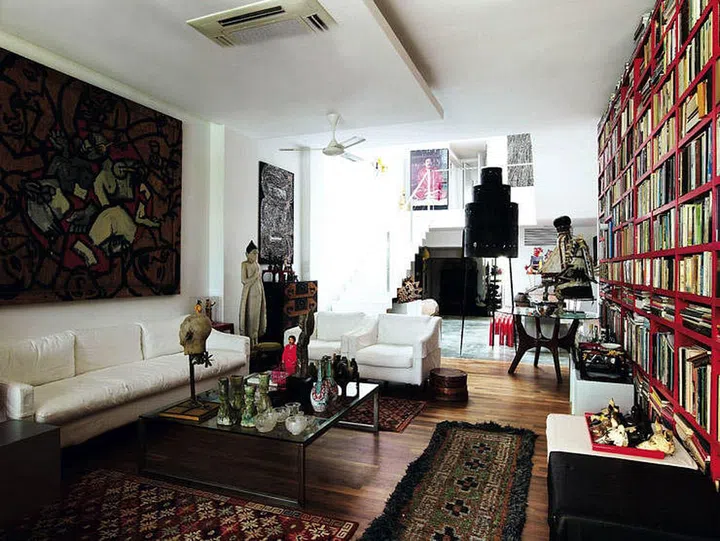
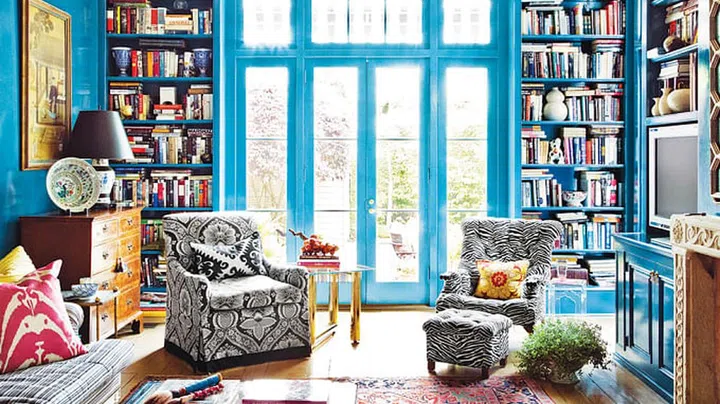
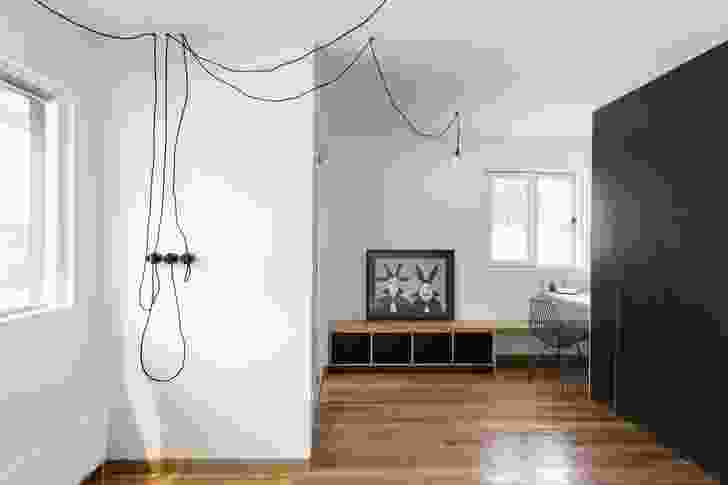
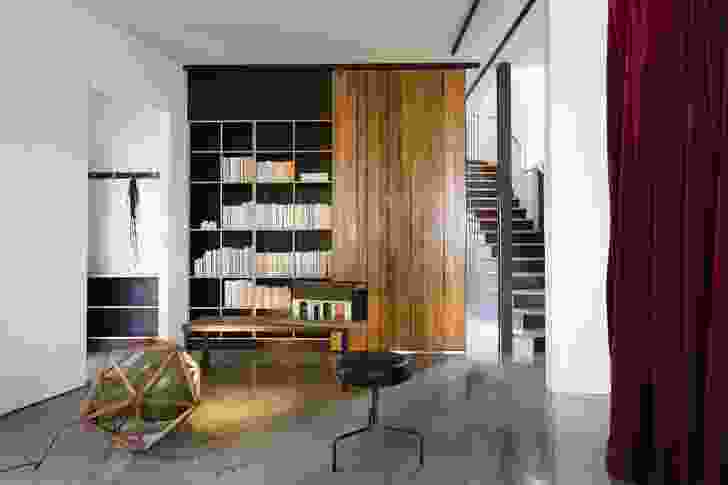
This article explores the concept of 'iconic' homes and interiors, drawing insights from Dominic Bradbury's book 'The Iconic Interior' and the Vitra Design Museum's exhibition 'Home Stories: 100 Years, 20 Visionary Interiors.' The discussion begins by questioning the definition of 'iconic' in design, noting that true iconic status is often achieved organically over time, influencing design beyond a project's initial ambition. The book and exhibition collectively span 20th and 21st-century domestic interiors, featuring approximately 600 images of remarkable houses.
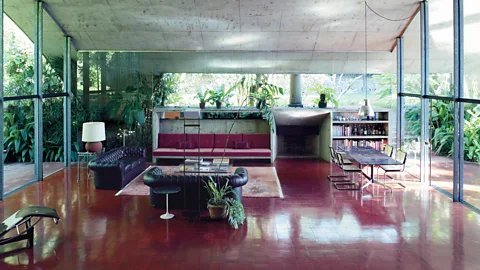
The article highlights various notable designers and architectural styles. It introduces Brazilian architect Lina Bo Bardi's 1951 Casa de Vidro and Danish architect Finn Juhl's 1941 interior, both celebrated for their modern aesthetics. A significant aspect explored is the historical gender bias in design, where interior decoration was often relegated to women as an amateur pursuit, contrasting with architecture as a male-dominated profession. Figures like US interior designer Elsie de Wolfe, known for her uncluttered style, and British cousins Rhoda and Agnes Garrett, recognized for their elegant and utilitarian interiors, are presented as examples of influential women in the field.
Beyond individual homes, the article examines the impact of social and technological changes on interior design. It discusses the 'New Frankfurt' social housing project from 1926, which addressed housing shortages through efficient design principles. Austrian architect Margarete Schütte-Lihotsky's contribution of the prototype for a built-in kitchen, based on Taylorist principles for labor efficiency, is particularly emphasized. This innovative design led to the installation of around 10,000 'Frankfurt kitchens' in working-class apartments.
In parallel to functional and affordable designs, the article also delves into flamboyant and fantastical interiors. Cecil Beaton's Georgian manor house, Ashcombe, and Tony Duquette's Dawnridge in Los Angeles are cited as examples of highly individualistic spaces that blurred the lines between living areas and theatrical sets. The discussion extends to the rebellious spirit of the 1960s, exemplified by Andy Warhol's Silver Factory, a pioneer of loft-living that profoundly influenced industrial aesthetics. French architect Claude Parent's 'anti-rationalist' apartment, with its eccentric sloping floors challenging traditional Modernist cube-like interiors, is also featured.
The role of publicity in achieving iconic status is noted, with examples such as Lina Bo Bardi's Casa de Vidro, Cecil Beaton's Ashcombe, and Alison and Peter Smithson's House of the Future benefiting from media exposure. The article also touches upon homes designed by high-profile architects for themselves or adventurous clients, and those inhabited by artists who treated their spaces as canvases for creative expression, such as the Bloomsbury Group's Charleston farmhouse. Early examples like Henry van de Velde's Art Nouveau Villa Esche and Adolf Loos's Modernist Steiner House illustrate interiors that were radically unorthodox and ahead of their time, challenging conventional ornamentation.
The evolution of Modernism into a softer, more organic approach in the 1930s is represented by Berthold Lubetkin’s penthouse and Russell Wright's proto-eco house, Dragon Rock, which harmonized with its natural surroundings. The article concludes by discussing the emergence of Postmodernism in the 1960s and 1970s, spearheaded by architects Roberto Venturi and Denise Scott Brown, who questioned Modernist principles and embraced historicism and ornamentation. Their Venturi House exemplifies an eclectic, kitsch, and ironic interior that combined diverse artistic elements, contrasting with earlier minimalist trends. The ultimate impact of books like 'The Iconic Interior' in conferring and solidifying the iconic status of these homes is acknowledged, highlighting how even private spaces can attain mythical recognition through documentation and imagery.
#InteriorDesign #Architecture #IconicHomes #Modernism #Postmodernism #DesignHistory #SocialHousing #ArtNouveau #GenderInDesign #InteriorDesign #Architecture #IconicHomes #Modernism #Postmodernism #DesignHistory #SocialHousing #ArtNouveau #GenderInDesign
0 ความคิดเห็นรวม
 ยังไม่มีความคิดเห็น
คุณอาจจะชอบอีกด้วย
These Homes Are a Cottagecore Dream

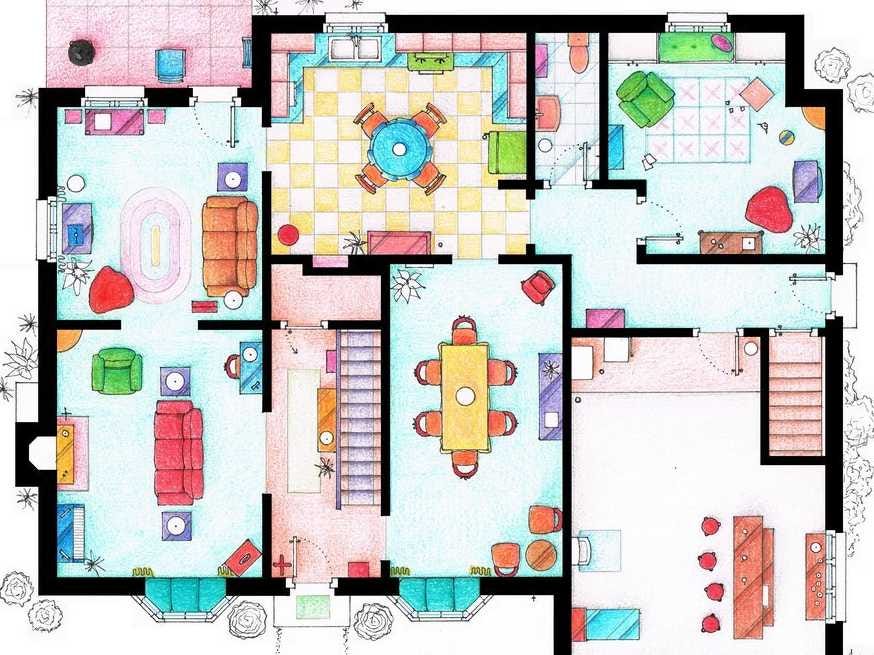
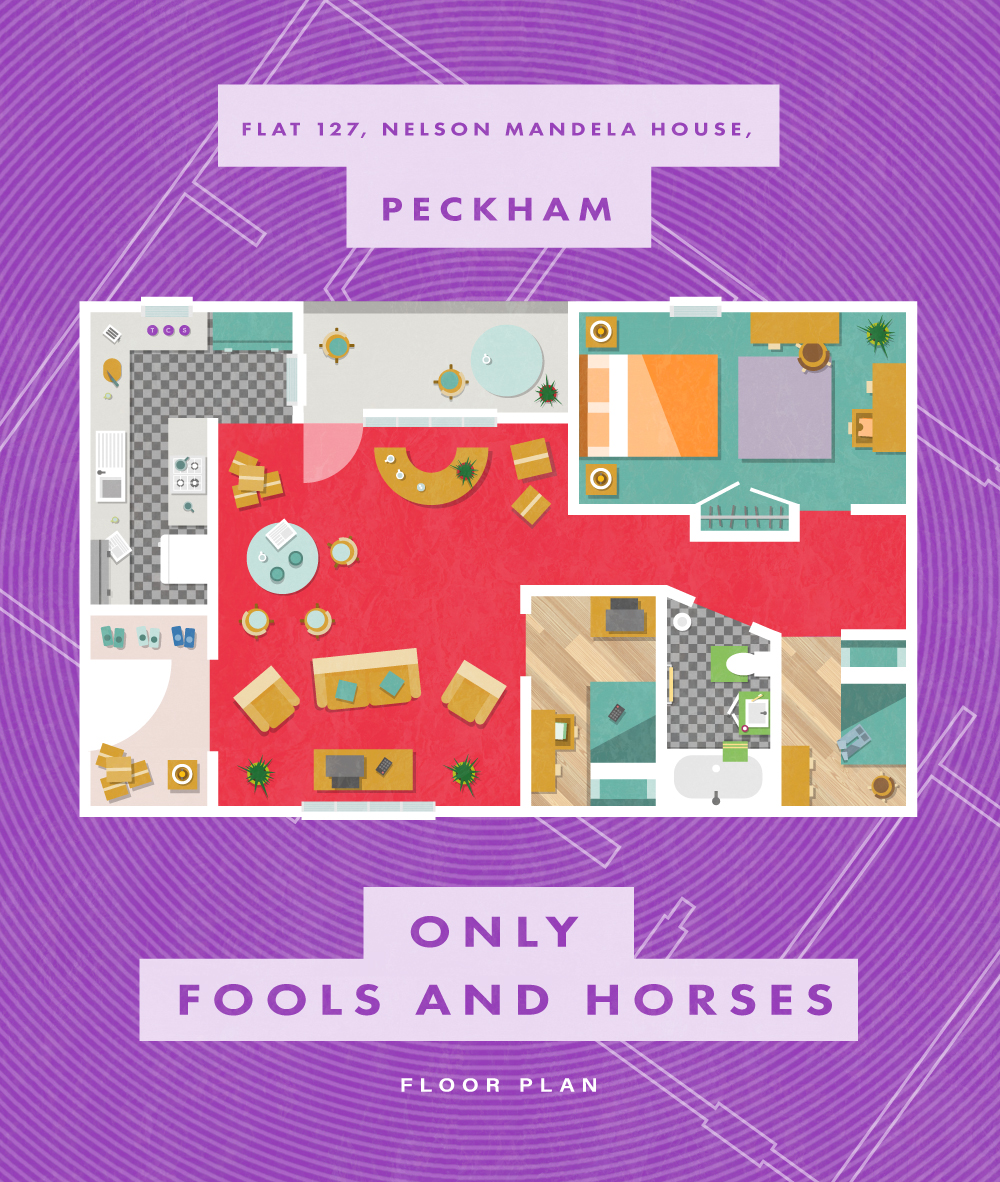
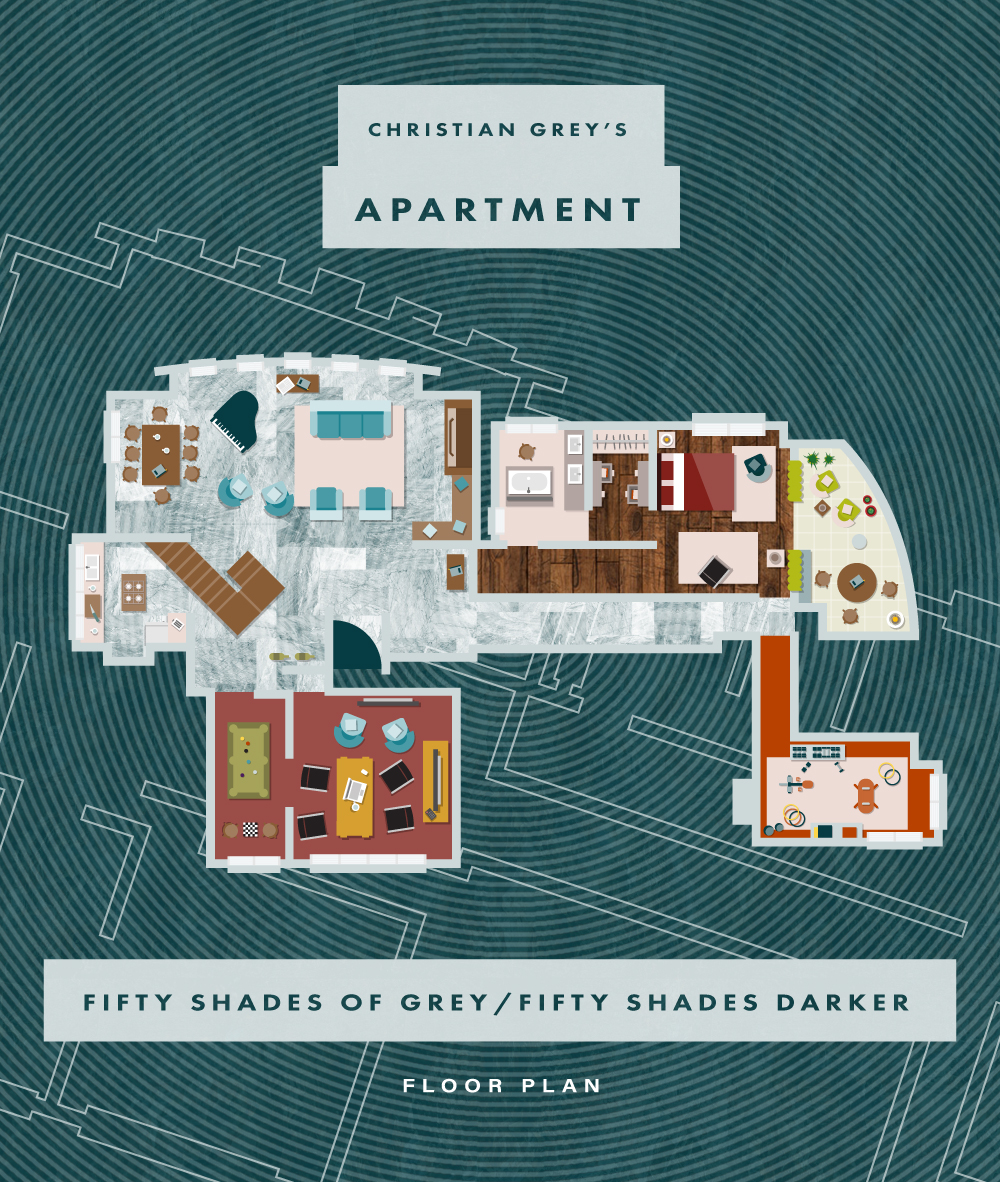
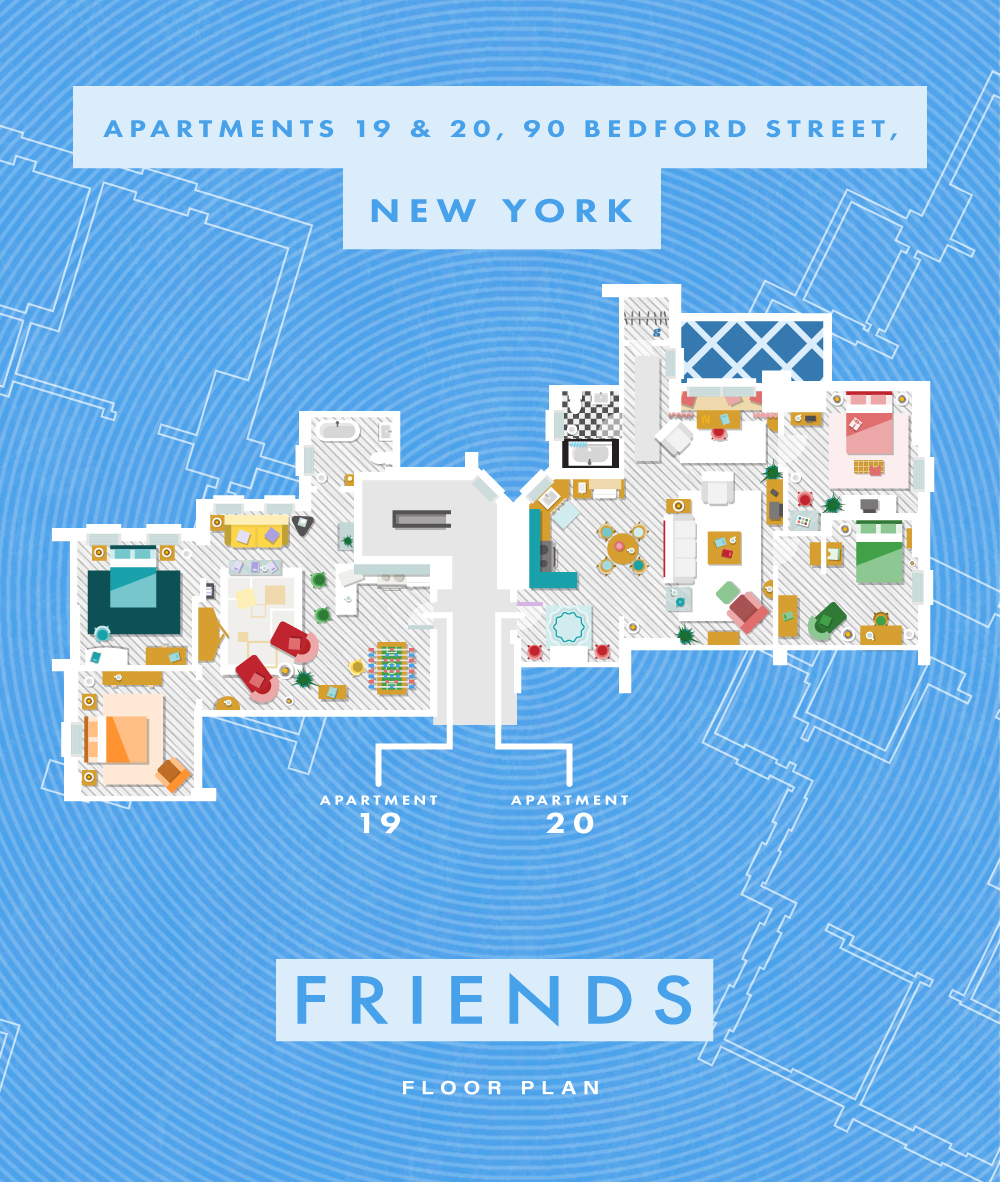
See The Floor Plans From Your Favorite TV Homes

#Houseporn is unrealistic: Tips to style a home you actually live in

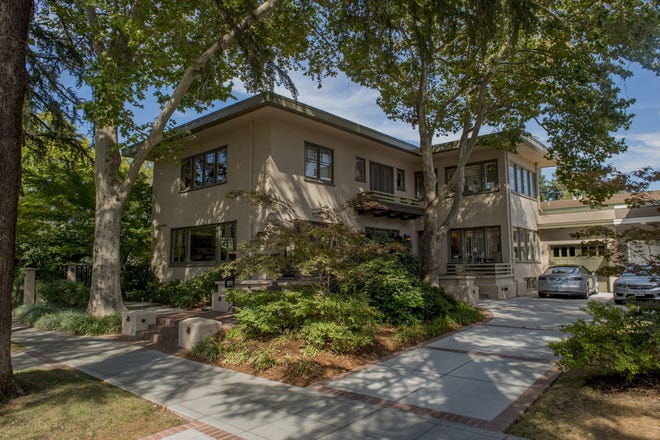
Prairie home is a dream come true
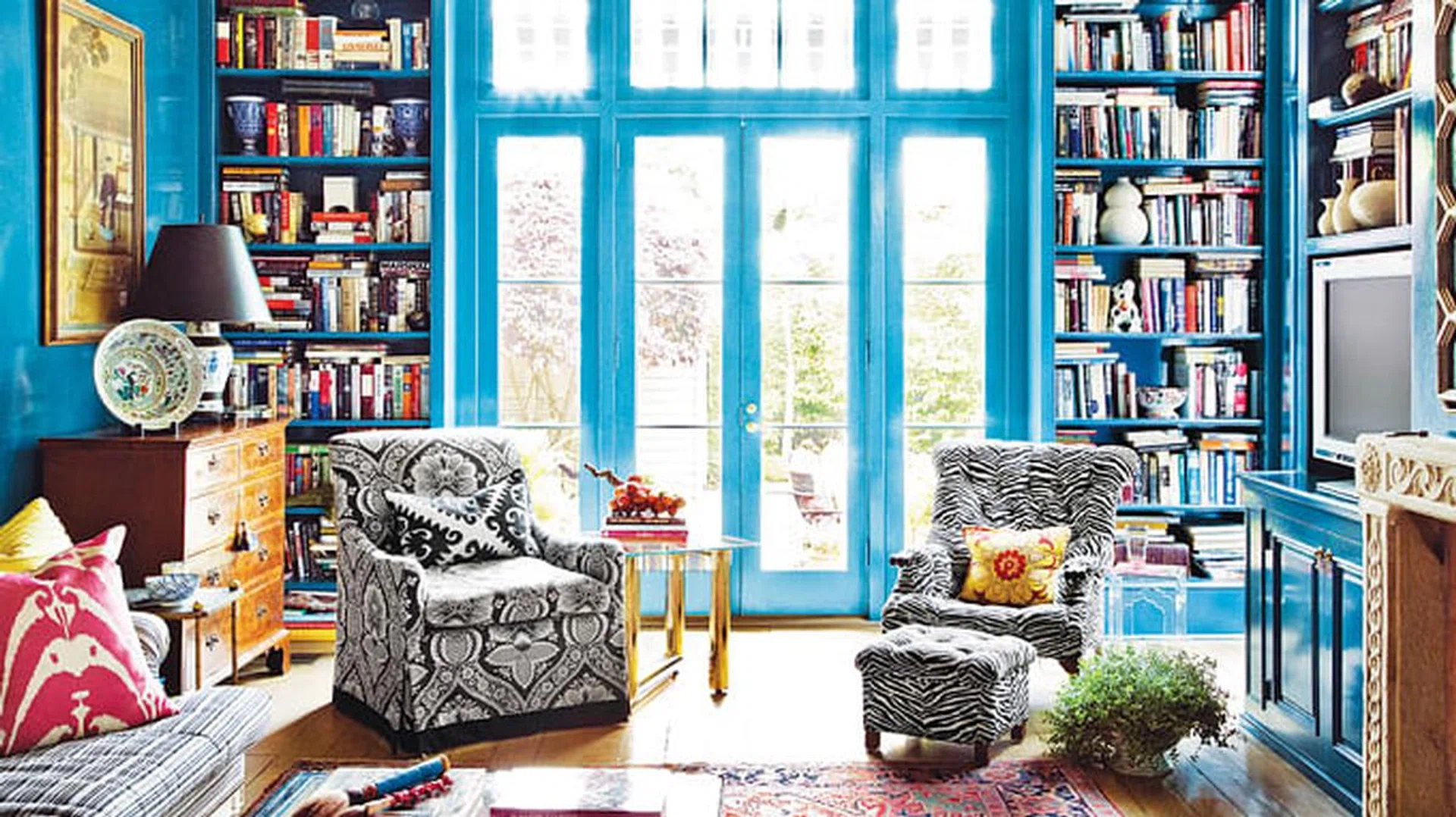
6 homes that showcase maximalism at its best
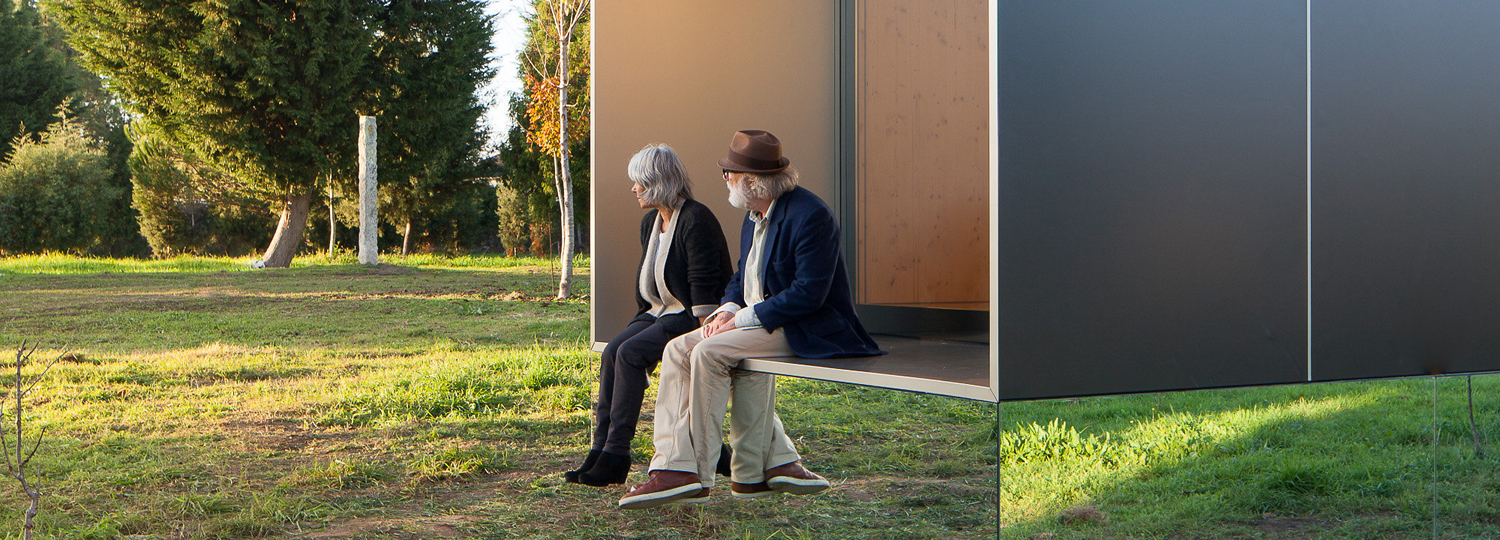
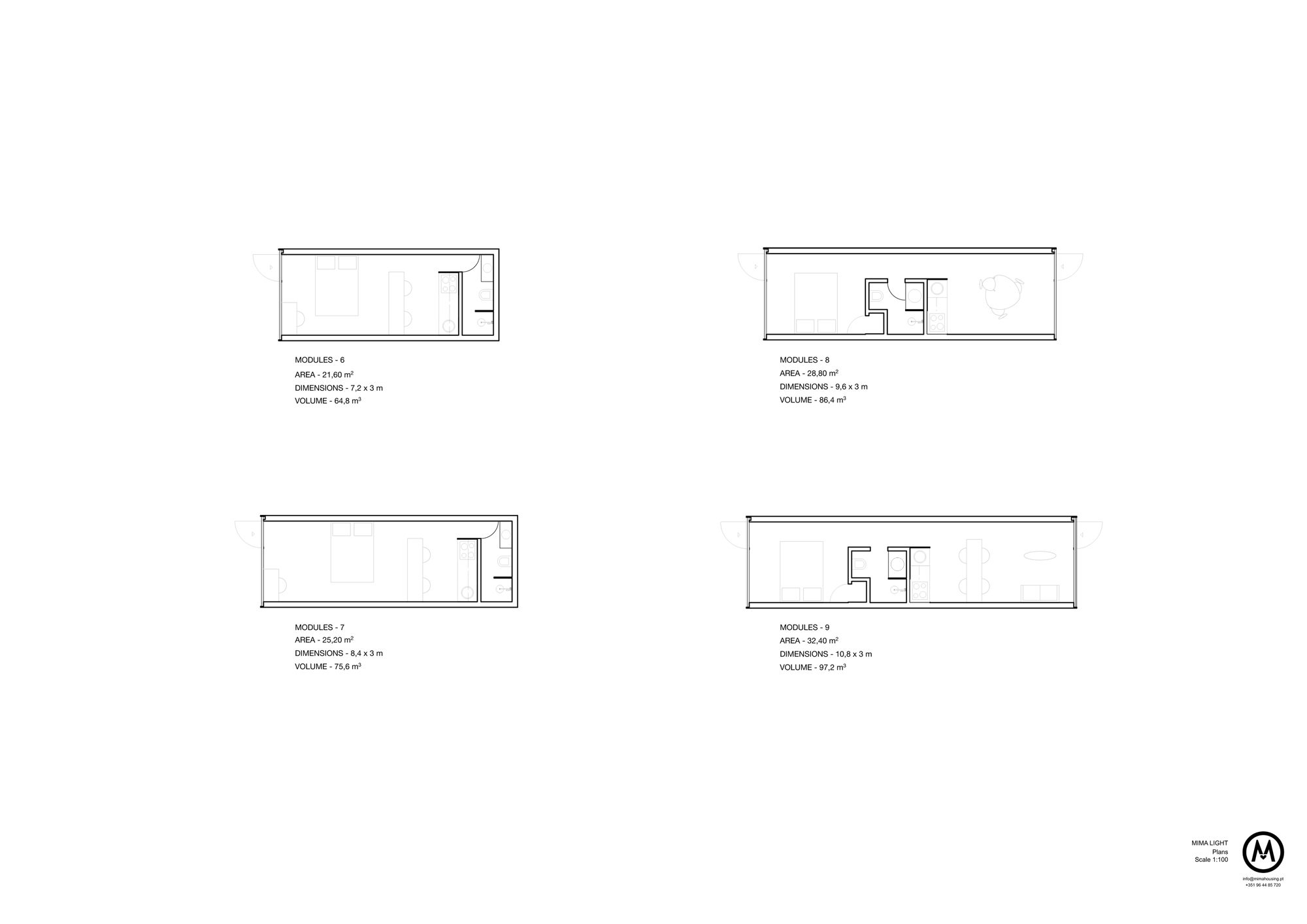
MIMA Light: A sculptural house with a flexible floor plan

Crazy Houses: 7 upside down homes from around the world

Home & Design | Making It Personal
See floor plans of famous fictional homes, from Friends to Sherlock Holmes

How to design your home with real-life size plans

Design-Led Living: Metricon’s Stunning Display Homes at SkyRidge Redefine Modern Family Living

Inside NFL Star Russell Wilson's $25 Million Colorado Mansion


Dream Homes: Omega High-Rise and a Zen Oasis

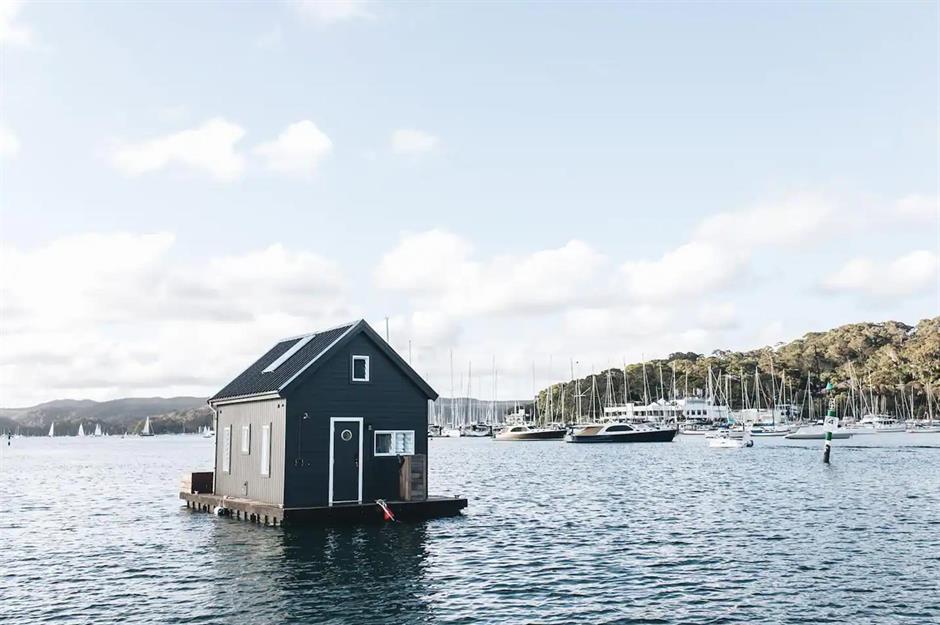
11 fabulous floating homes that you’ve never seen before | loveproperty.com

Home Design: ‘Haven’ on Earth

These Prefab Tiny Homes Can Be Linked to Create Entire Apartment Complexes

Model House
15 Airbnb cottages that are straight out of a fairy-tale
Why do the ultra-rich have tacky interiors?
Dream house: Pargeter