1/10
9 Ways to Decorate with Patterns
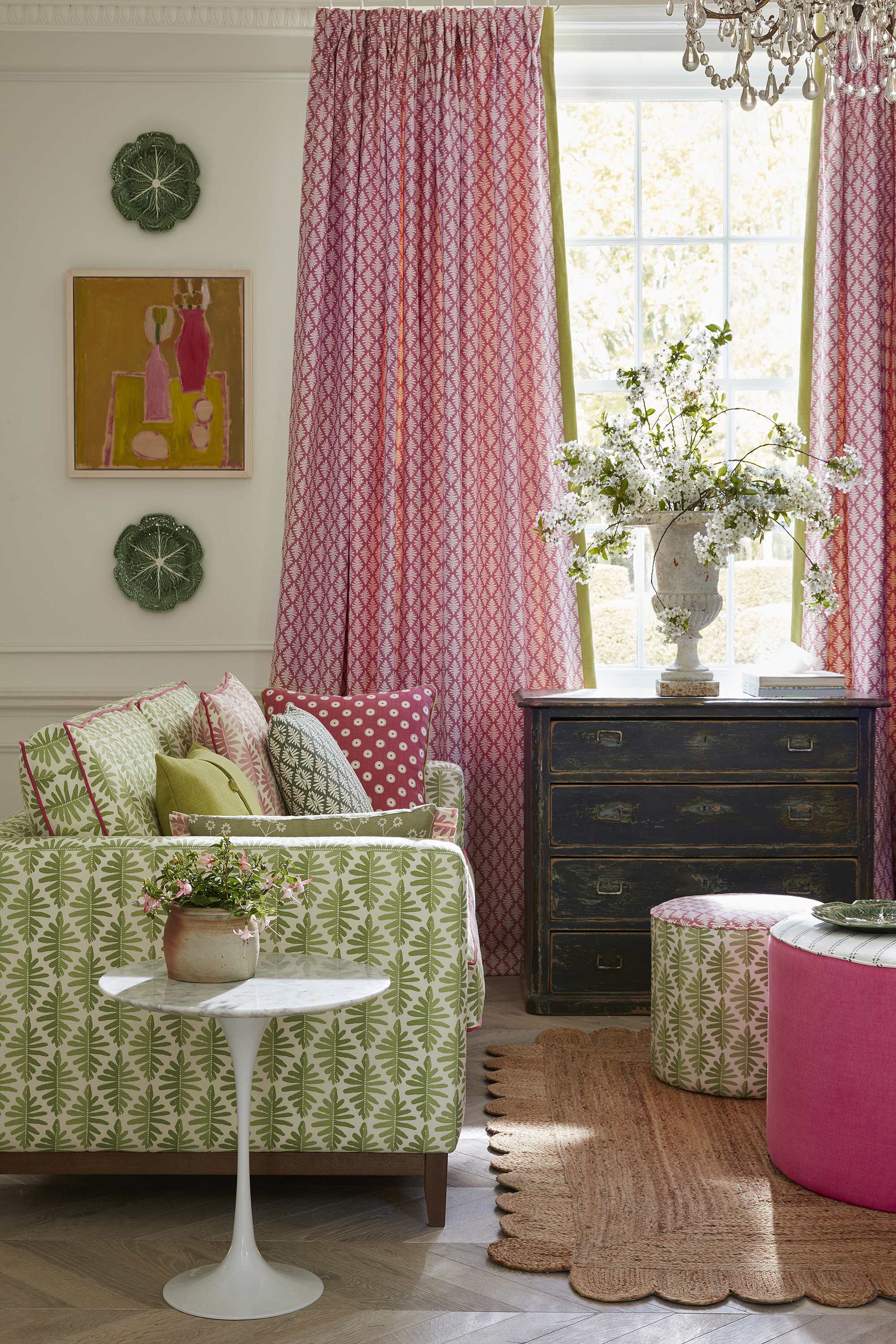
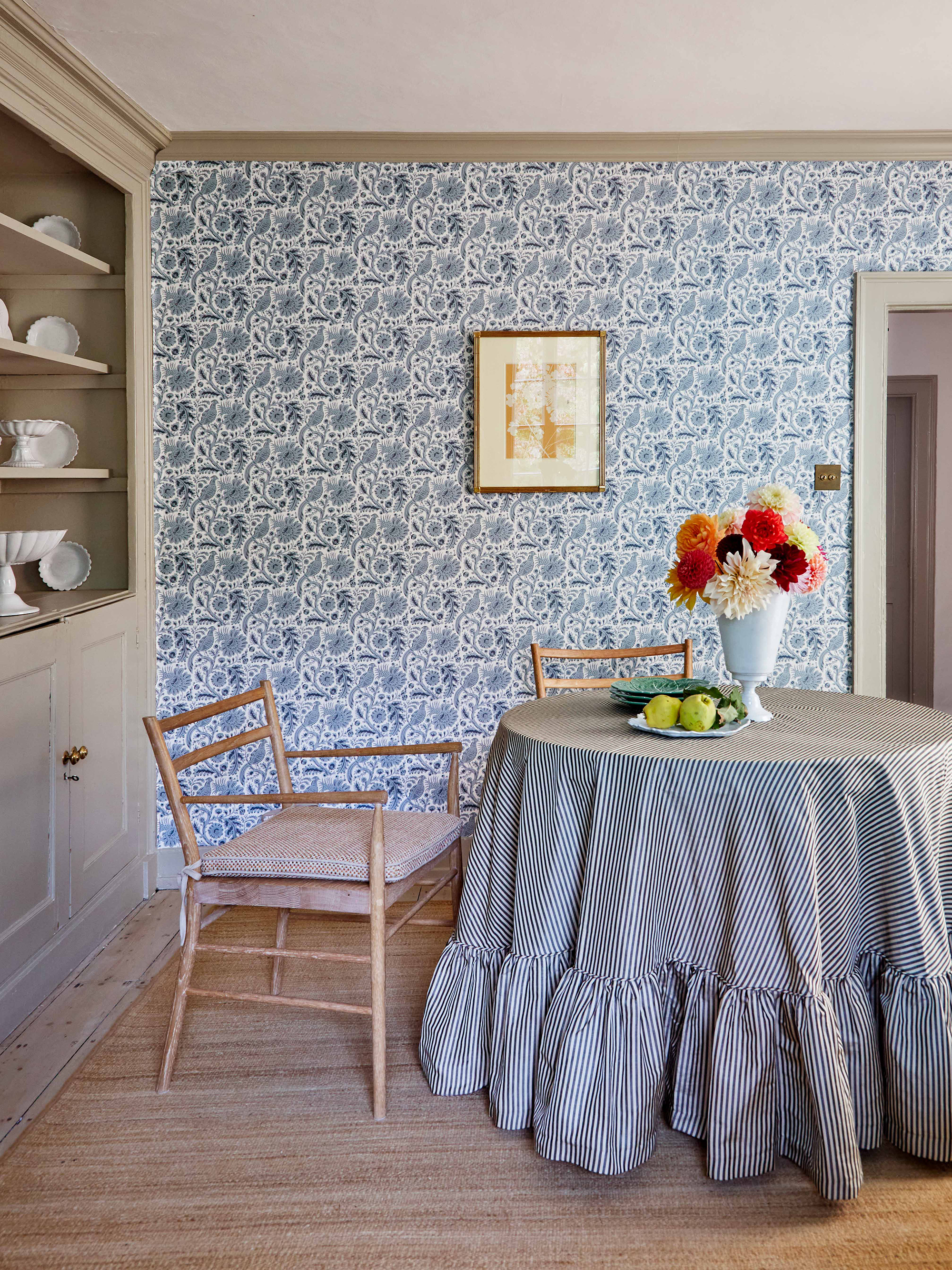
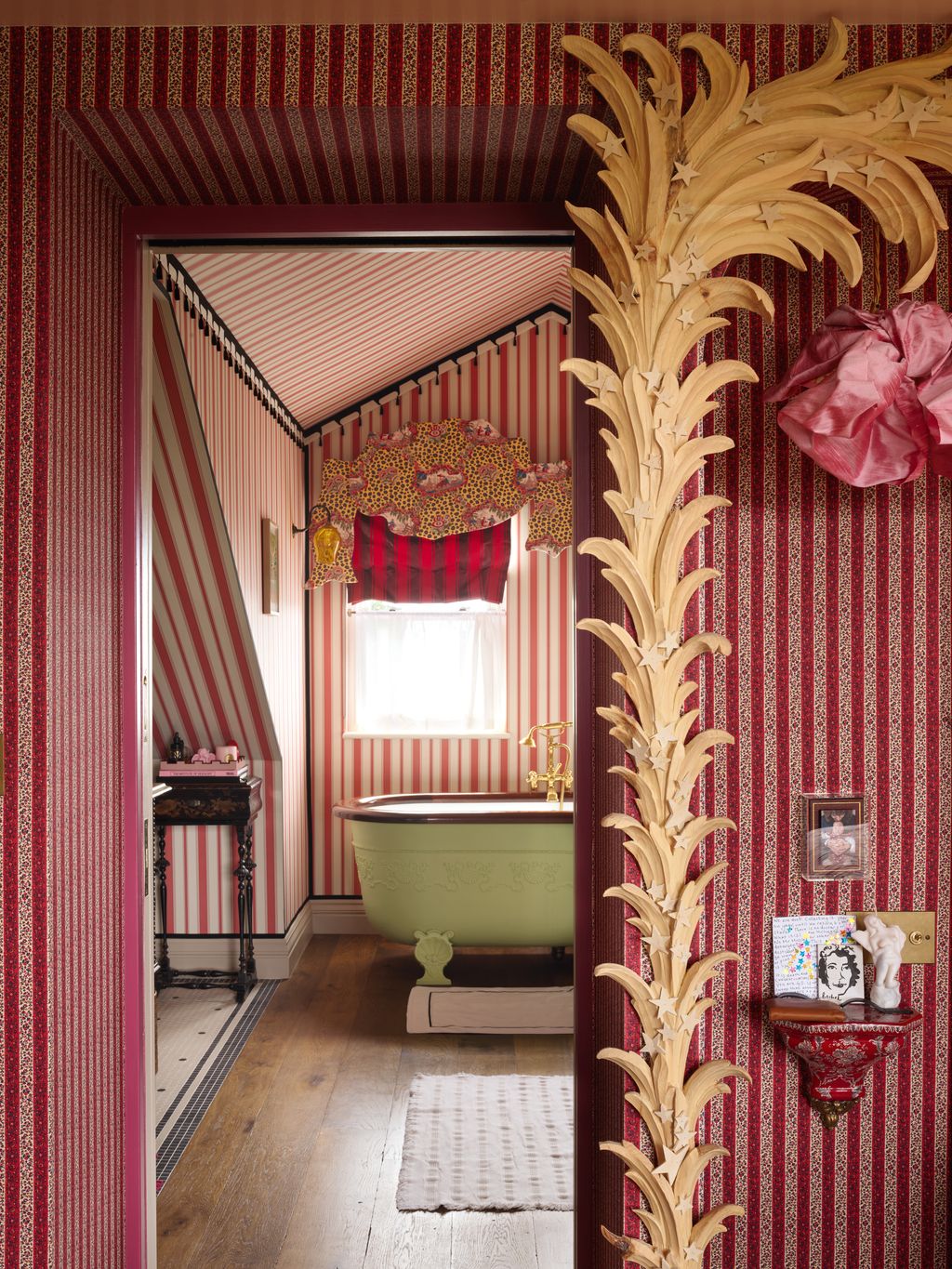
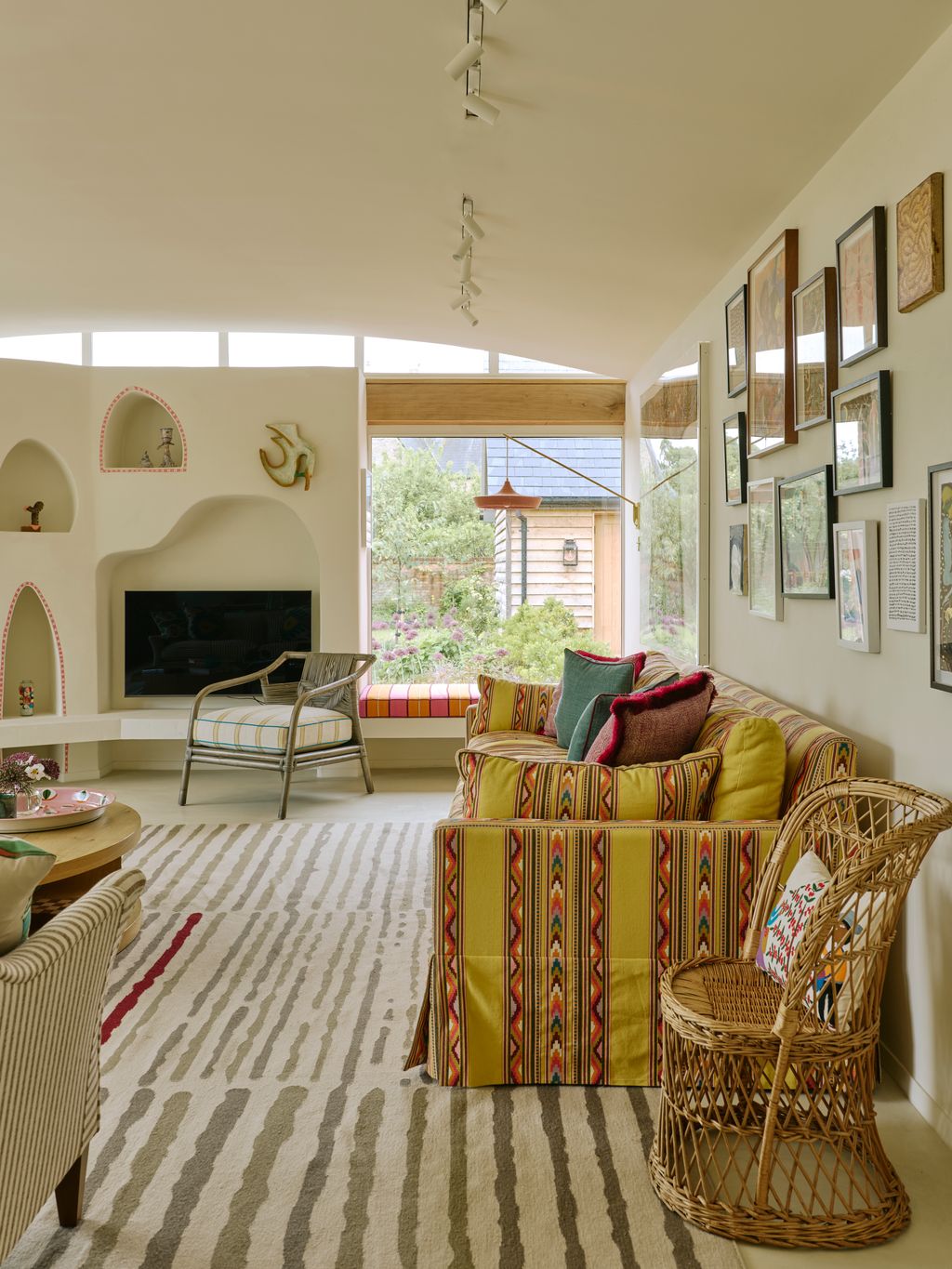
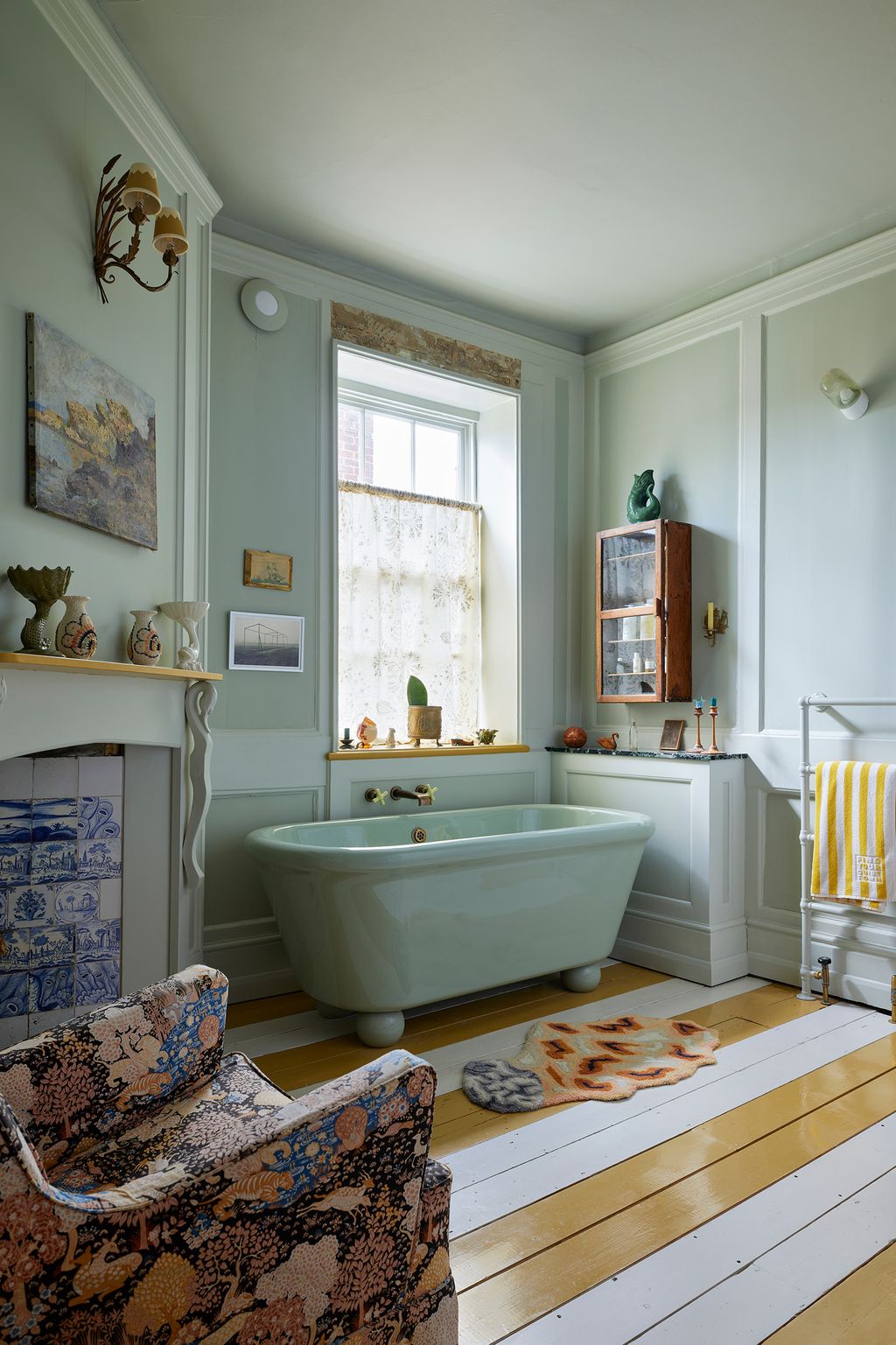
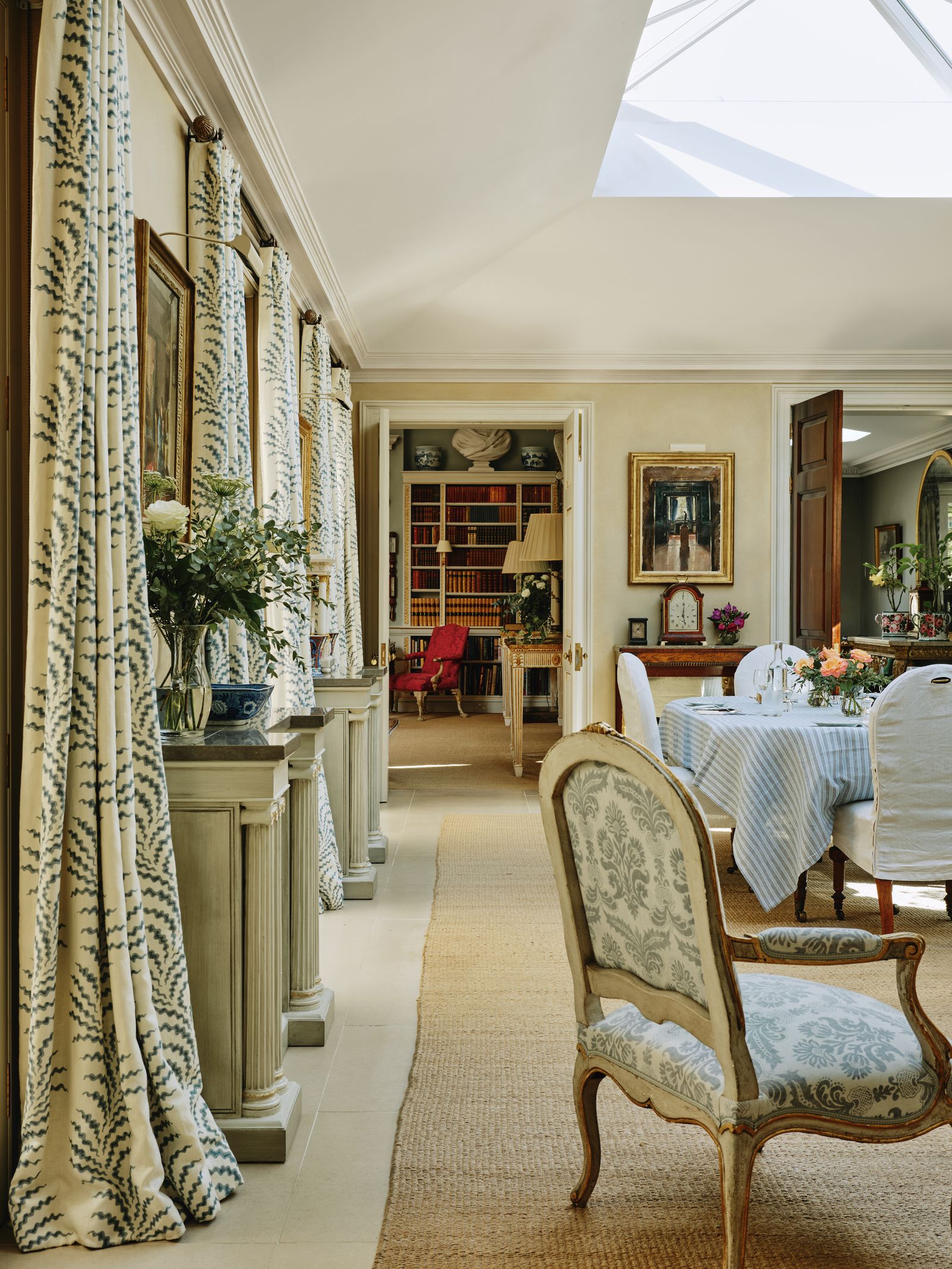
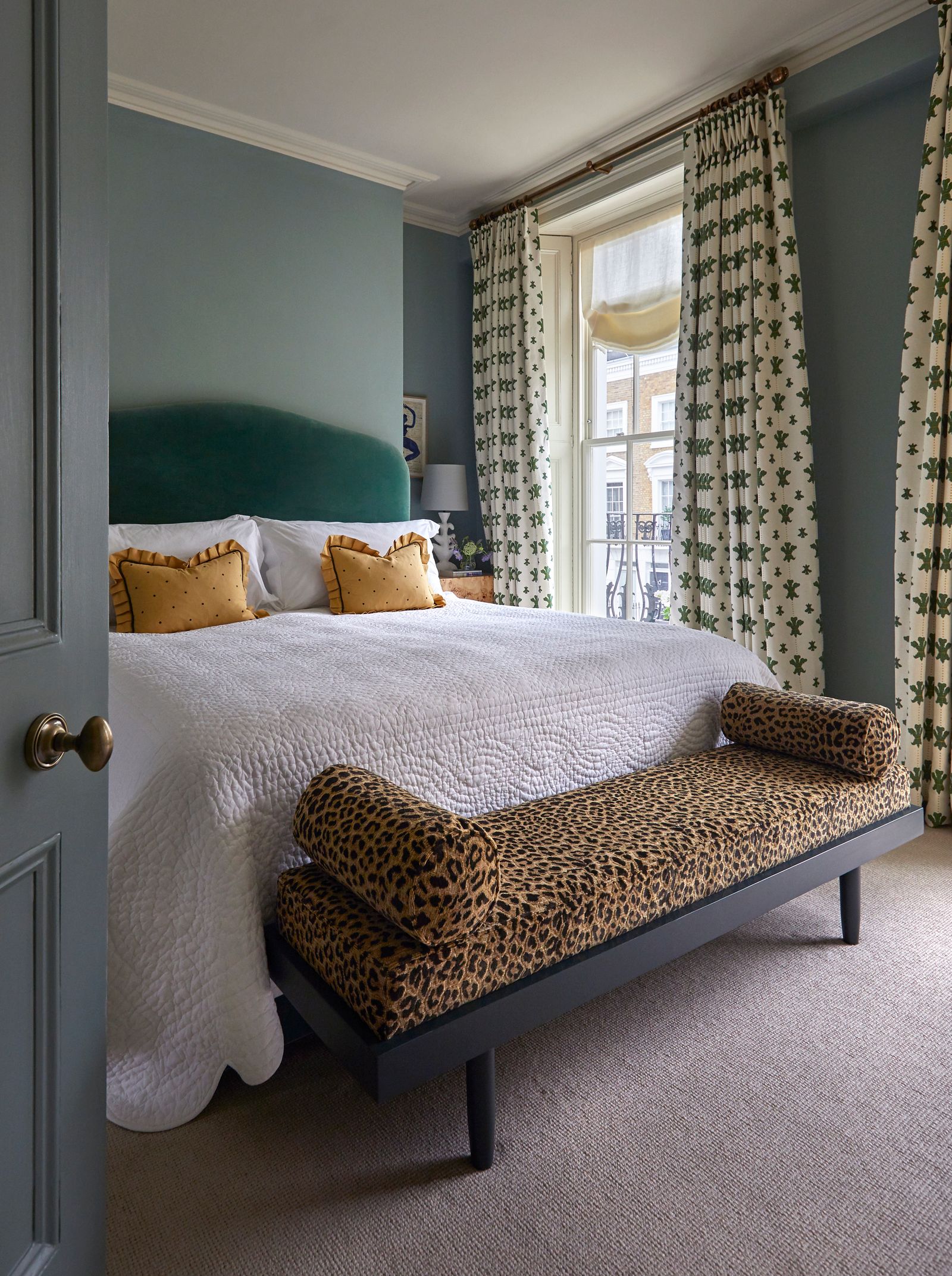
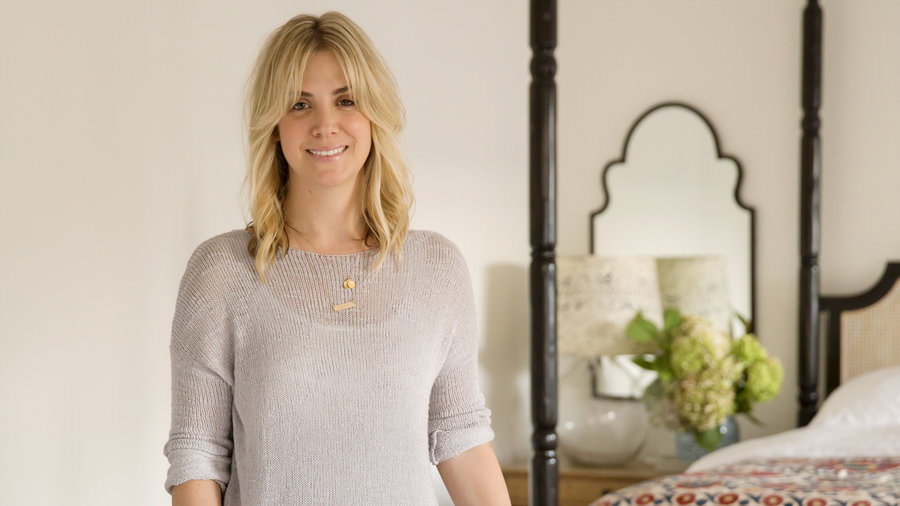
Decorating with patterns offers a dynamic approach to refreshing a home's aesthetic, irrespective of its architectural age or existing style. This guide, featuring insights from L.A. designer Amber Lewis, demonstrates how to effectively integrate multiple patterns, often ethnic textiles, to achieve a cohesive and character-rich interior. Lewis emphasizes that a strategic combination of diverse prints can create a room that appears effortlessly curated rather than chaotic.
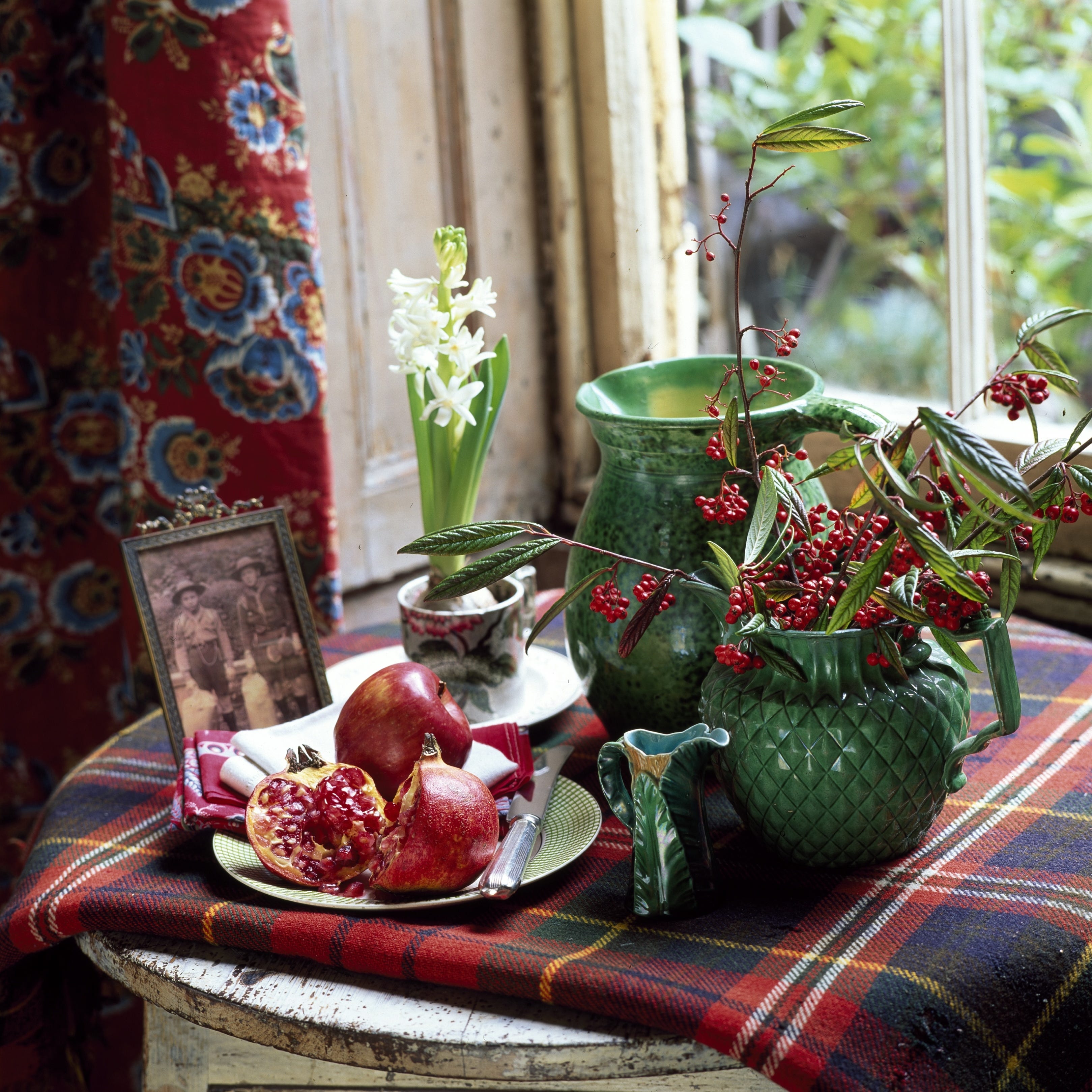
The core principle for successful pattern mixing lies in color coordination. While the patterns themselves can vary significantly, matching or complementary tones are crucial for harmony. A practical method involves gathering all prospective fabrics and pillows to assess their collective appearance, removing any elements that disrupt the overall color balance. This ensures that even with numerous patterns, the visual impact remains unified and pleasing.
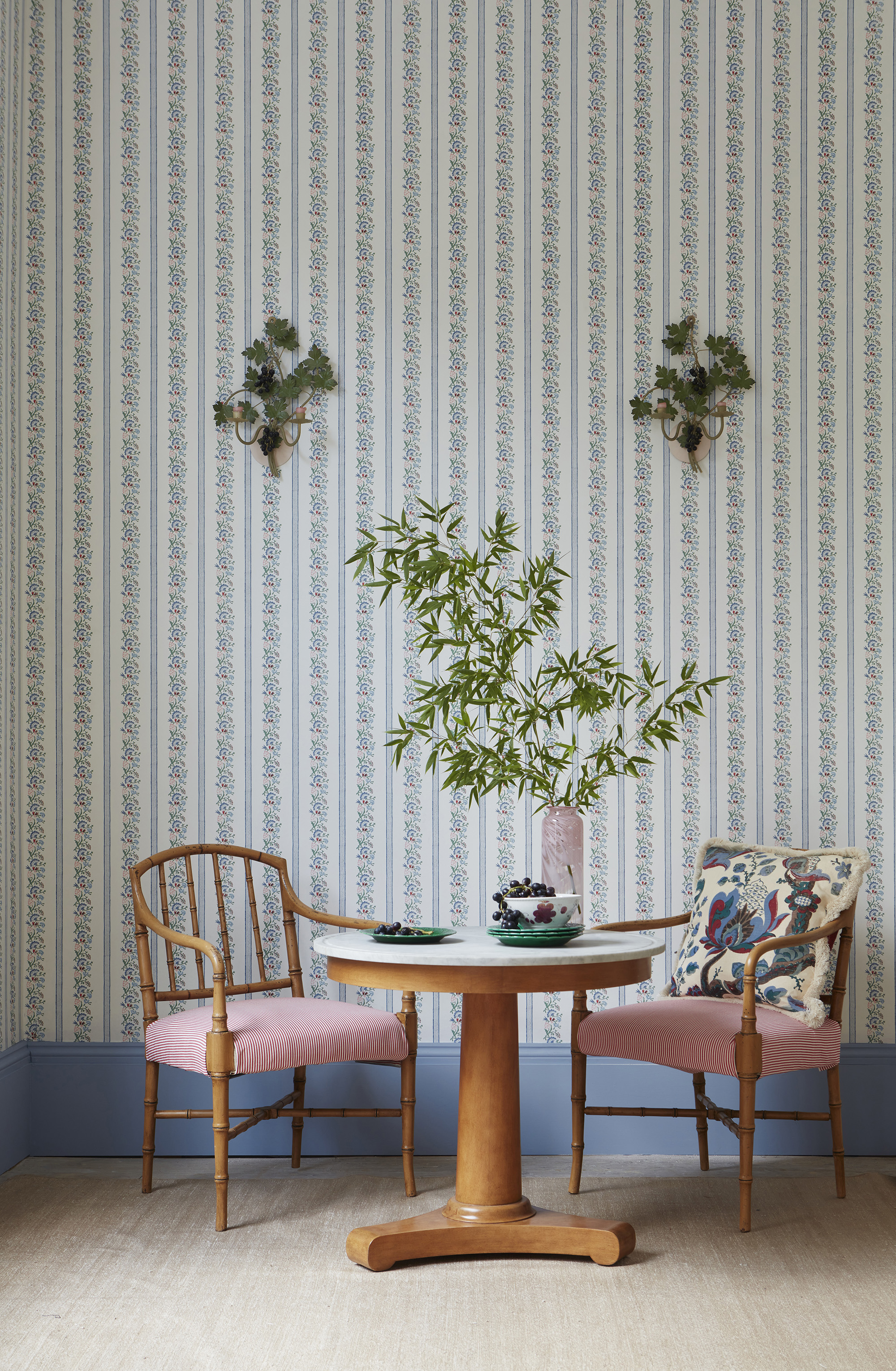
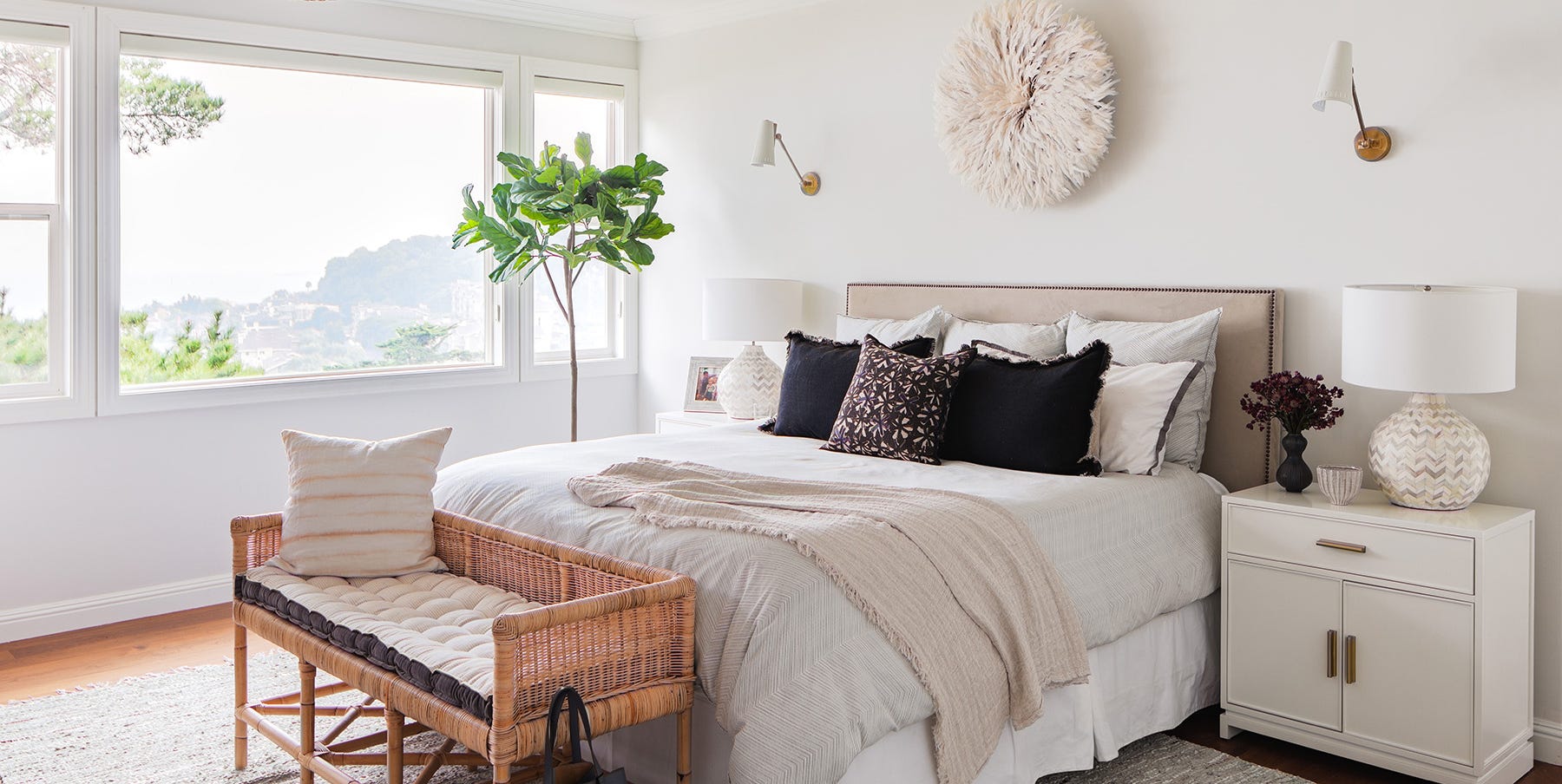
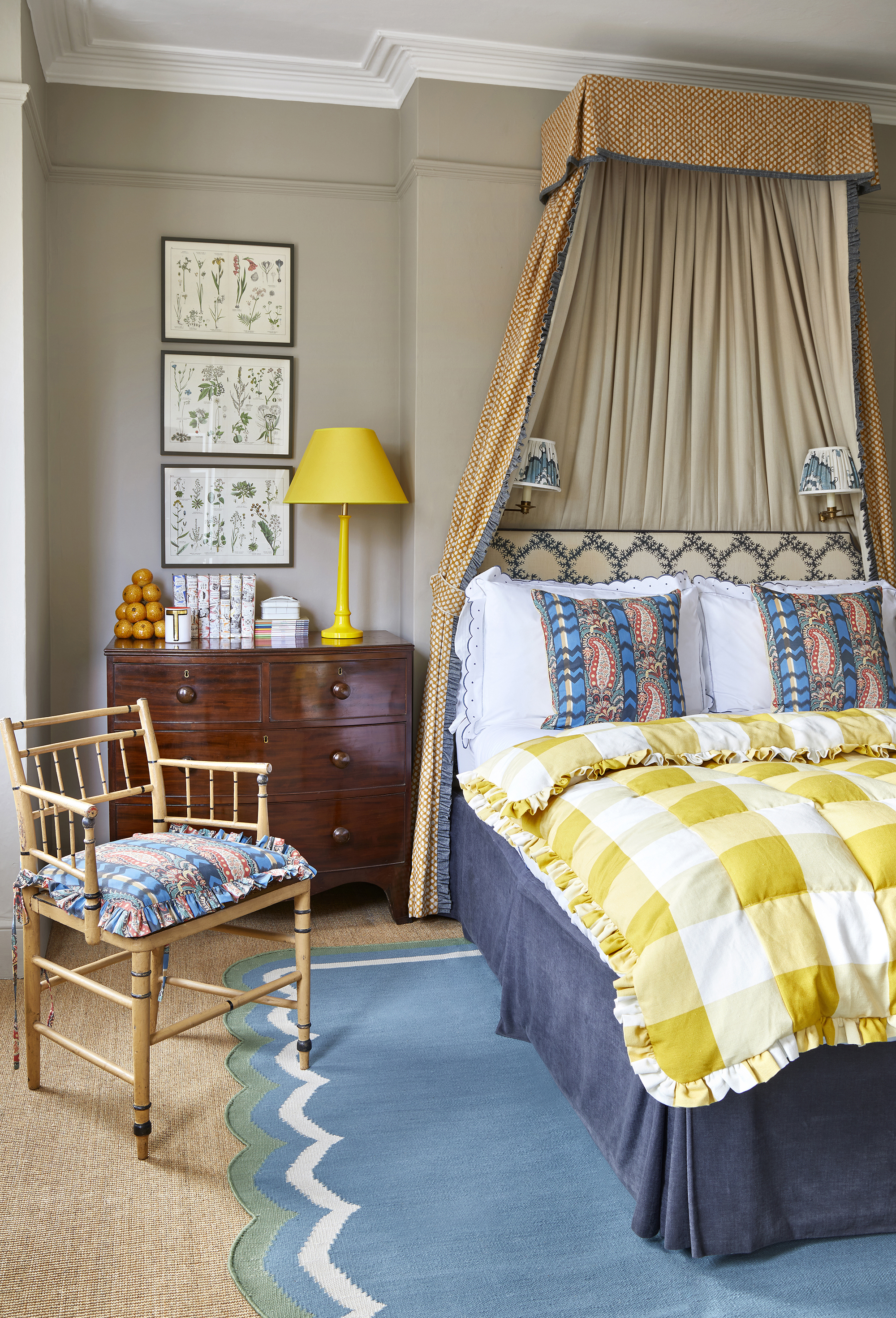
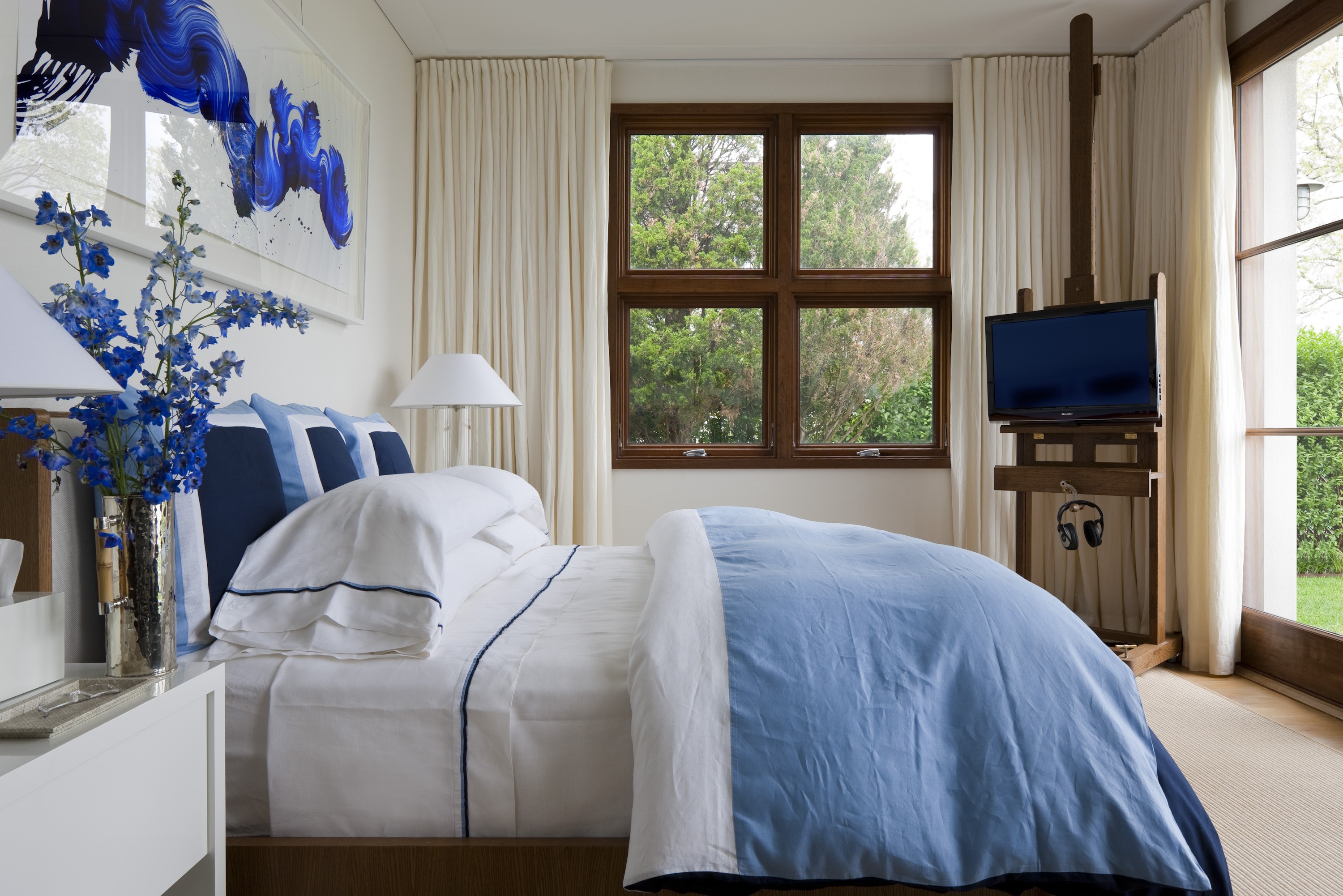
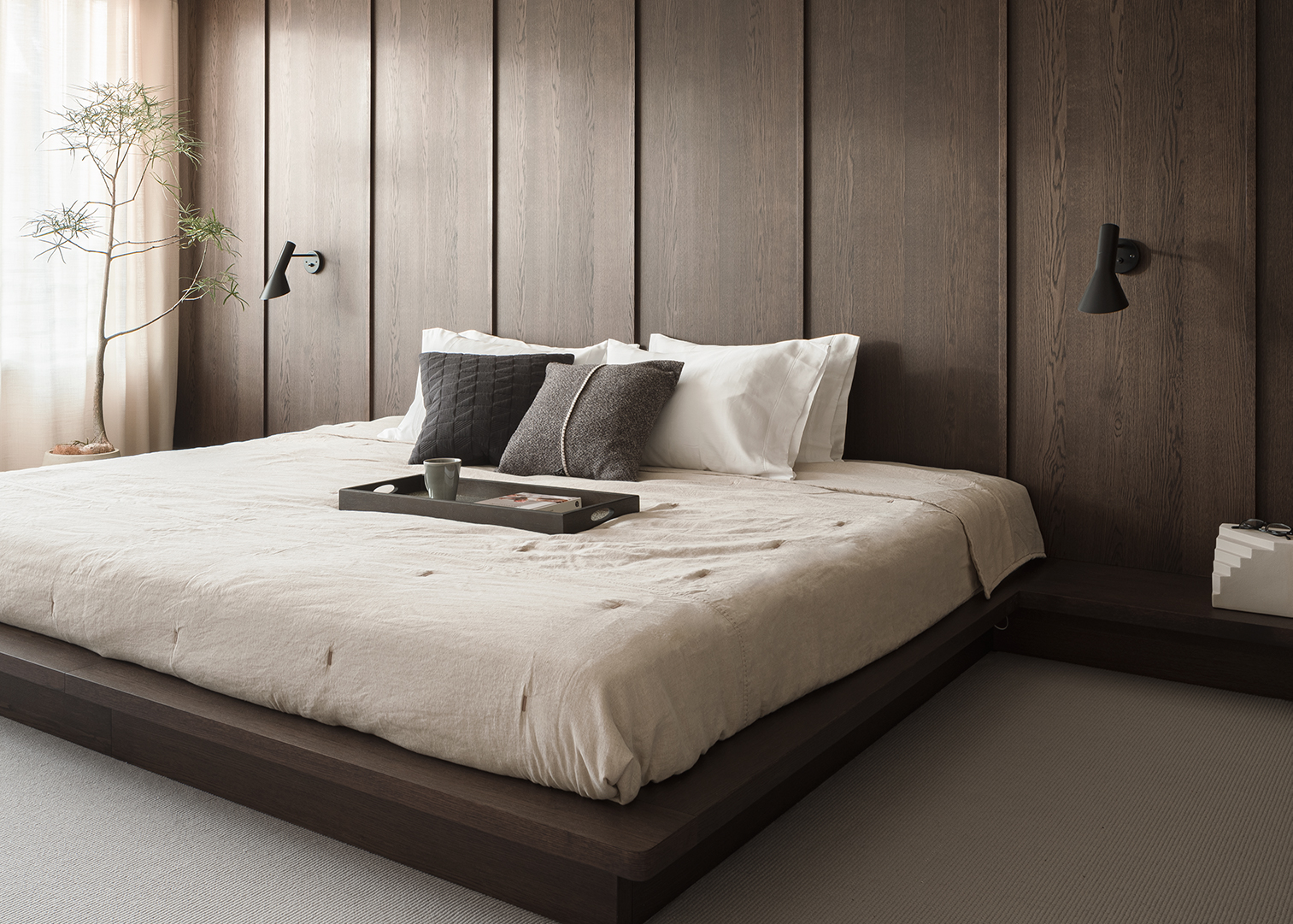
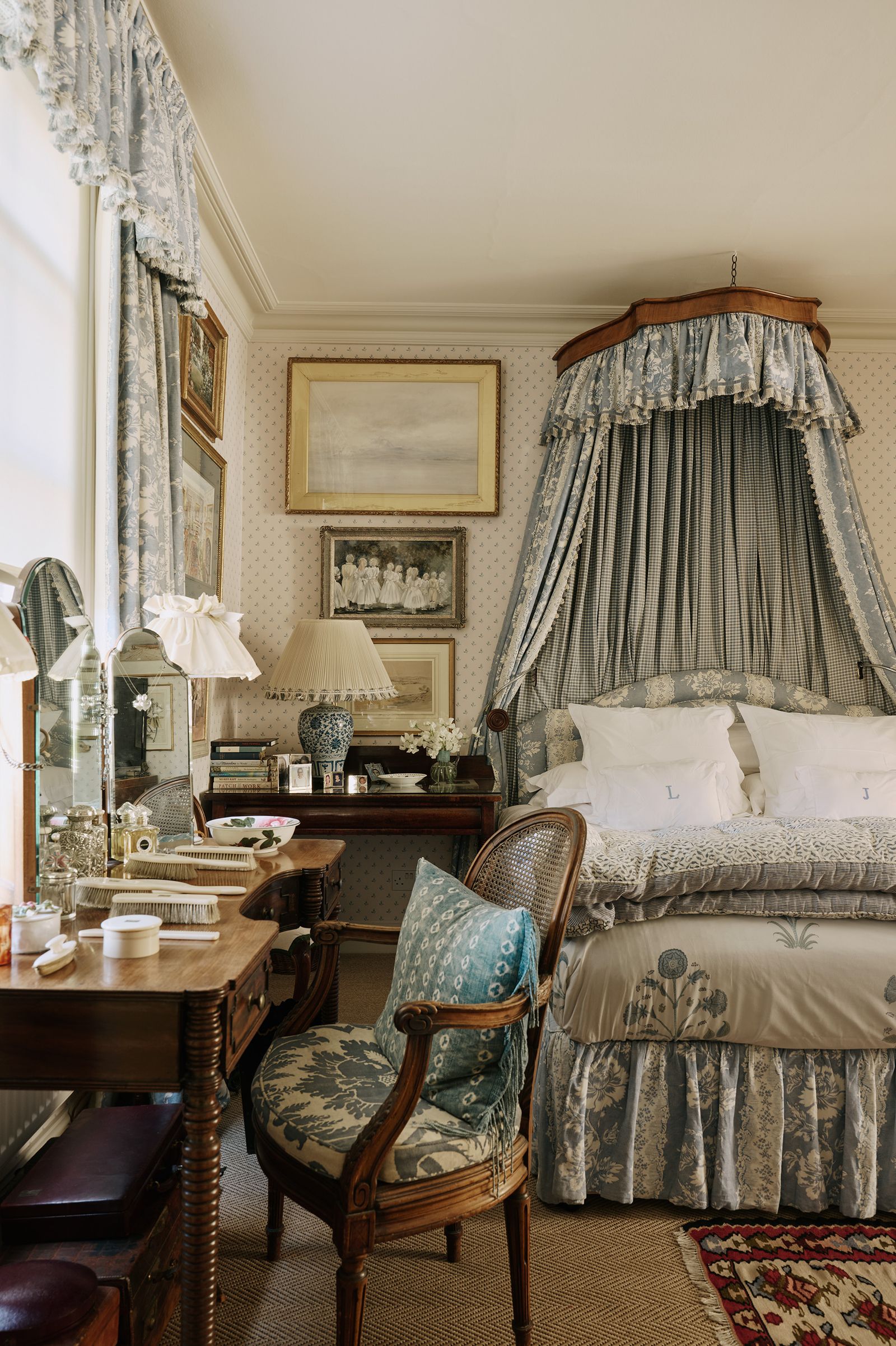
Establishing a neutral base is fundamental to allowing patterns to shine without overwhelming the space. Elements such as white wainscoting, light-colored walls, or natural fiber rugs provide a calm backdrop, offering 'breathing room' for an array of prints. This neutral foundation liberates the decorator to experiment with various patterns without feeling restricted by the existing structural or decorative elements of the room. For instance, a bedroom with a quiet foundation can accommodate diverse prints, including drapes in Kashmir Paisley, without appearing cluttered.
When decorating smaller rooms, it is advisable to limit the color palette of the textiles. While patterns can be abundant, restricting the hues to two or three complementary colors, such as purple and navy, prevents the space from feeling visually noisy or cramped. This approach ensures that the patterns enhance the room's character rather than overwhelming its scale.
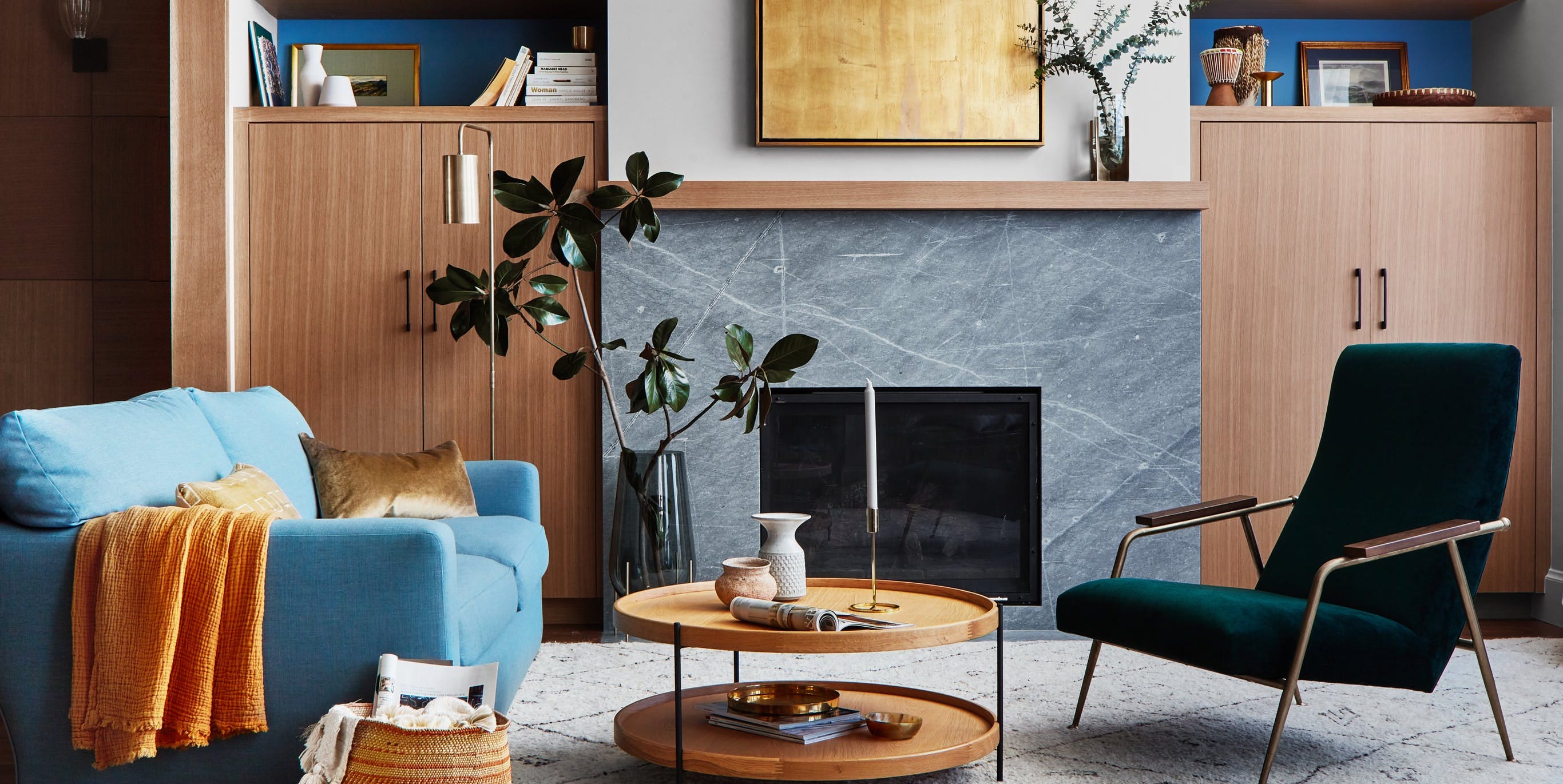
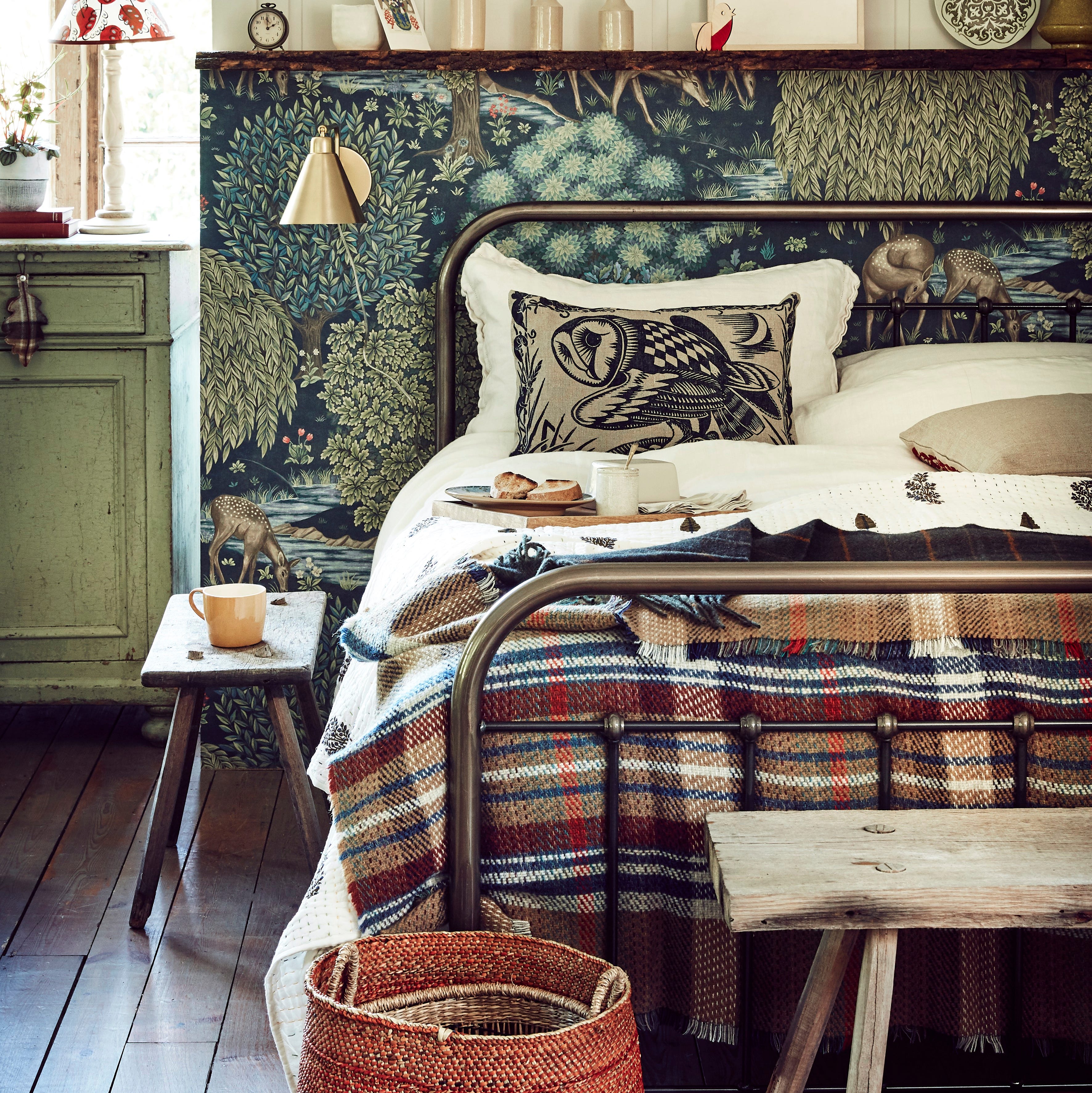
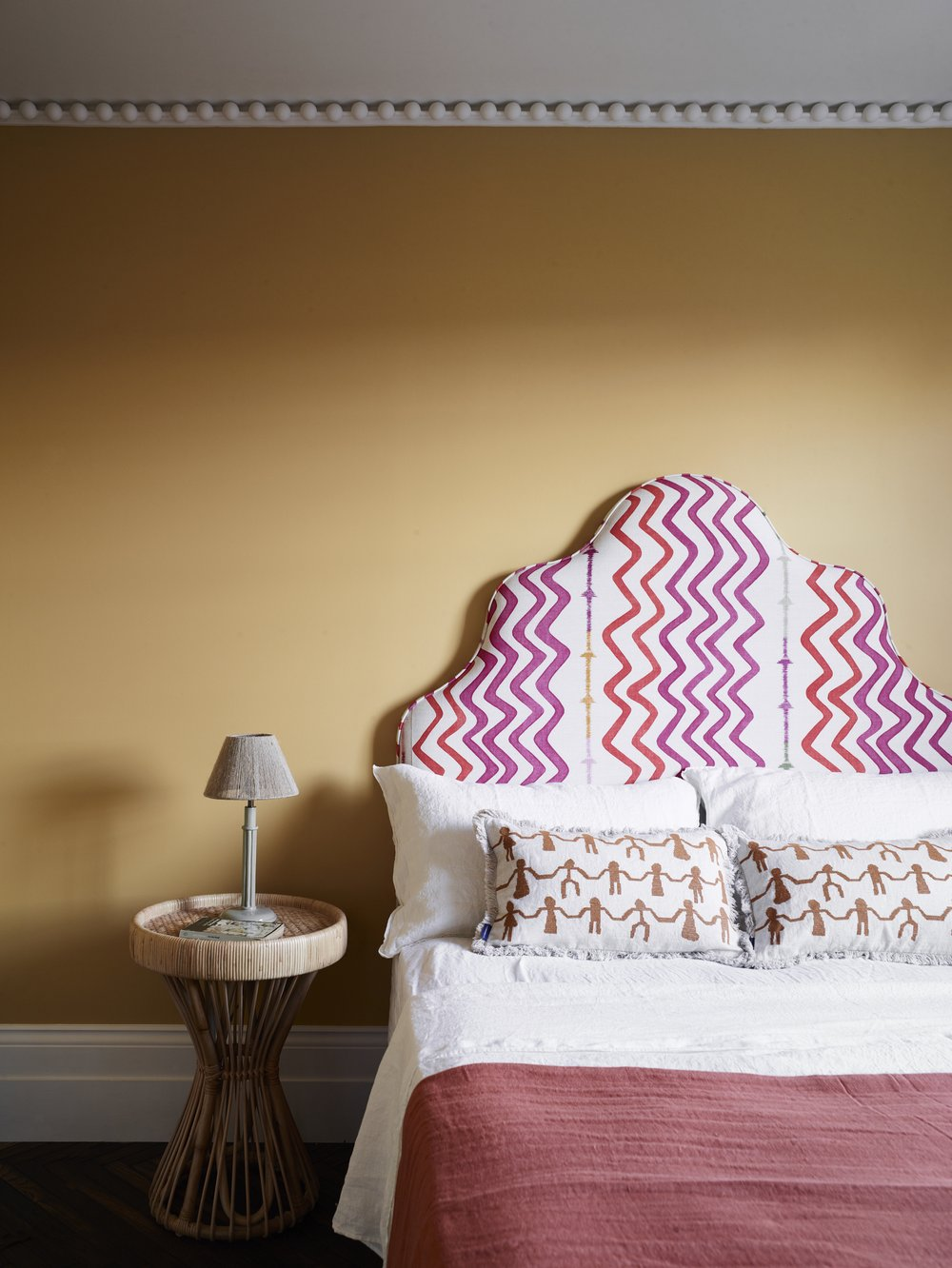
Making a statement with a prominent pattern, particularly on upholstered pieces like a headboard, can create a focal point. Selecting a print that is sufficiently large allows it to stand out and define a specific area within the room. Additionally, playing up features with metallic accents, such as a blanket with sequins or metallic thread, can reflect light and add a subtle layer of visual interest to patterned textiles.
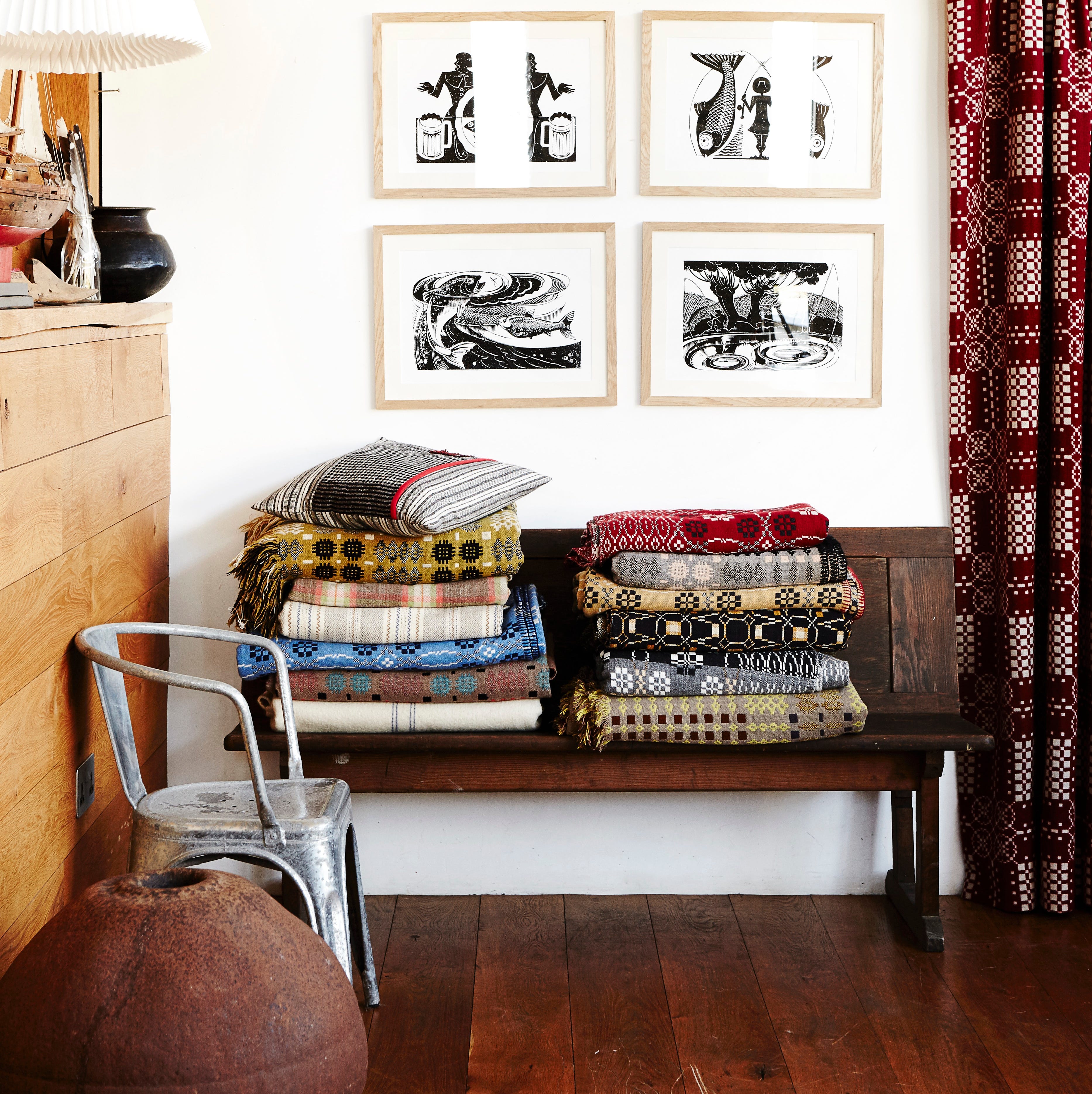
To simplify the pattern selection process, choosing one key fabric as a guide can be highly effective. This anchor piece, such as a suzani lumbar pillow, dictates the color scheme, prompting the decorator to select other textiles that incorporate its various hues. This method ensures a deliberate and harmonious integration of colors across different patterns. The repetition of colors throughout a room, drawing from the foundational pattern, helps to connect disparate elements and create a cohesive design. For example, if a Chinese indigo denim blanket is a beloved item, incorporating blue elements into other textiles like bedspreads and pillows will integrate it seamlessly into the overall scheme.
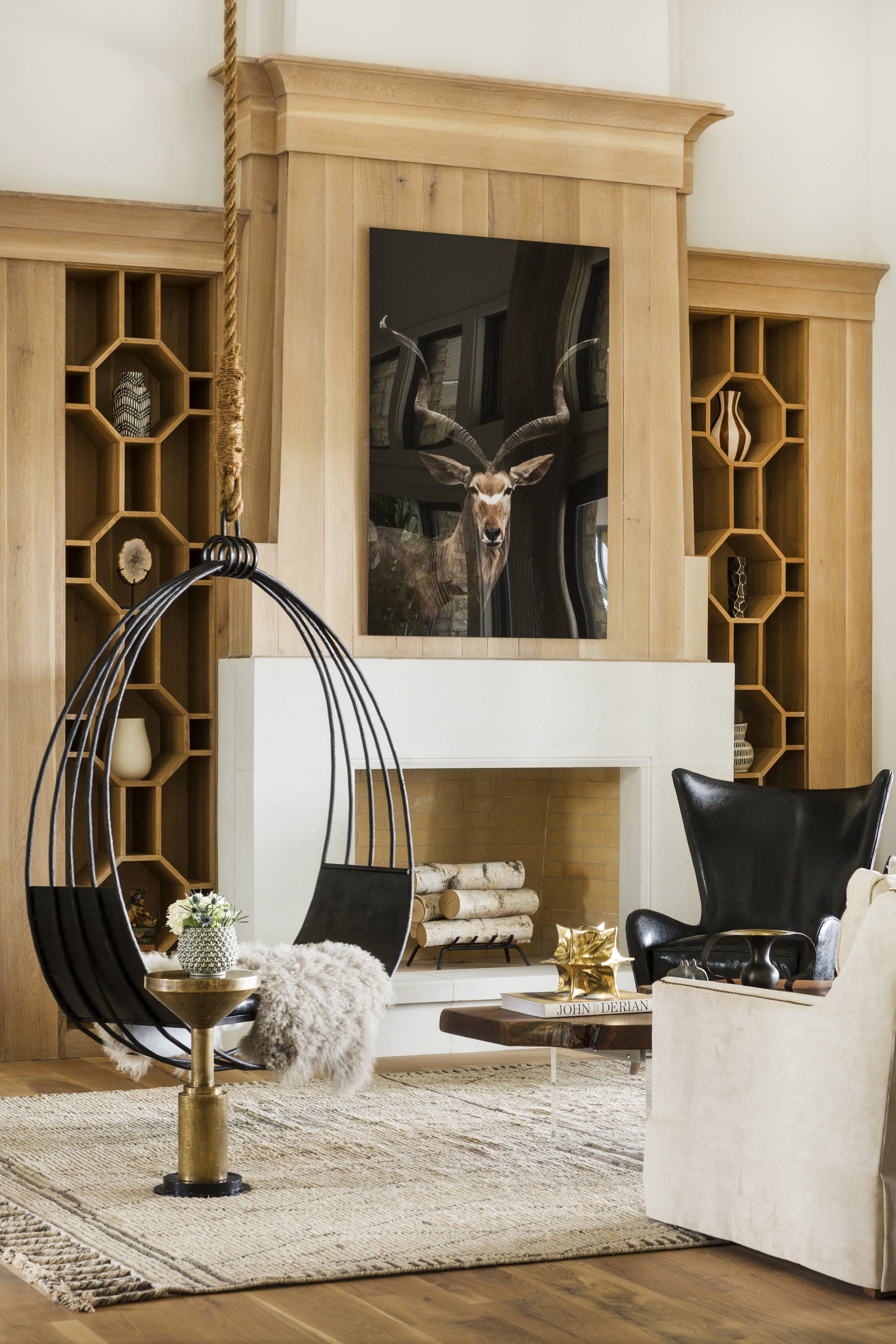
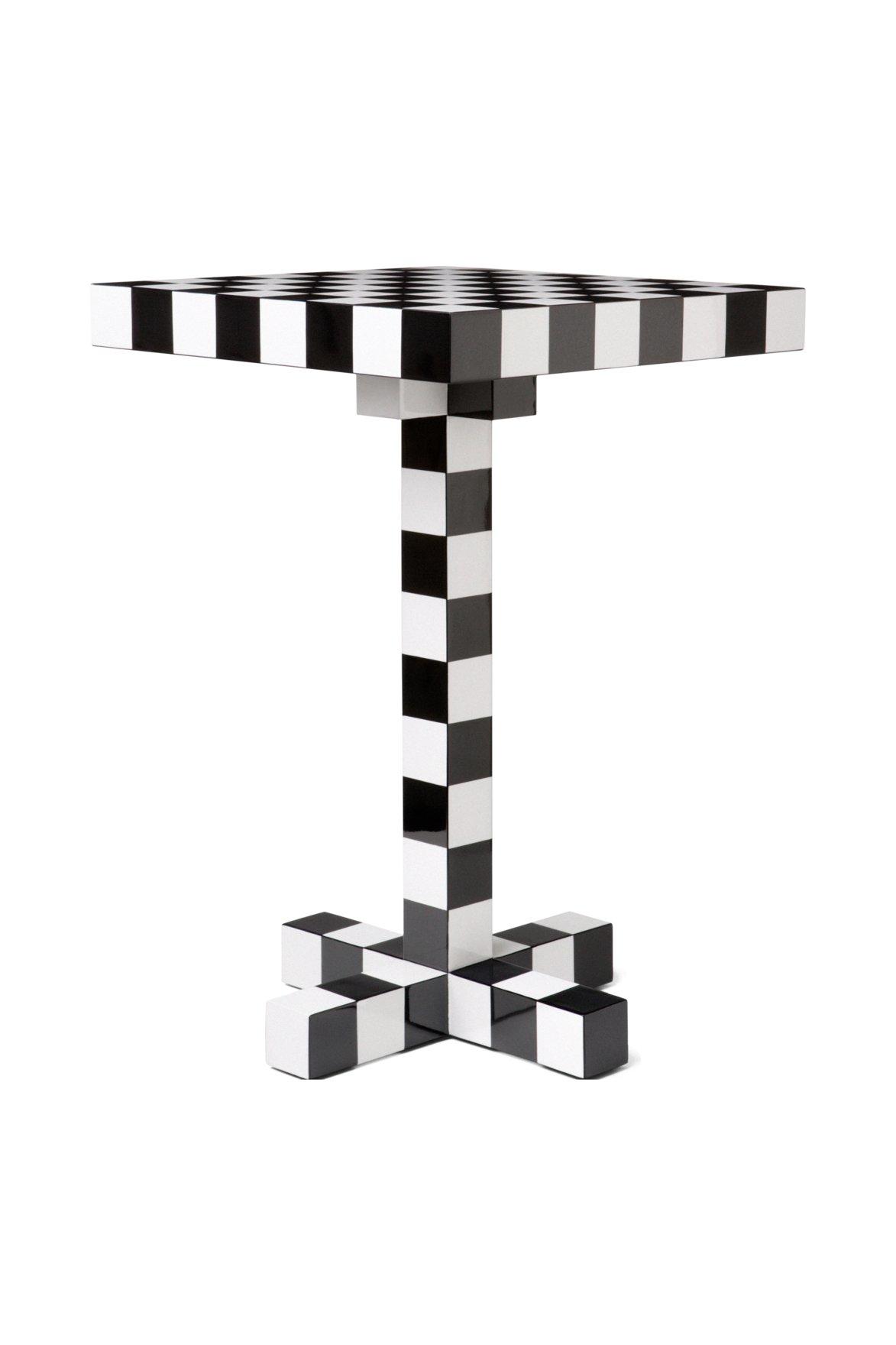
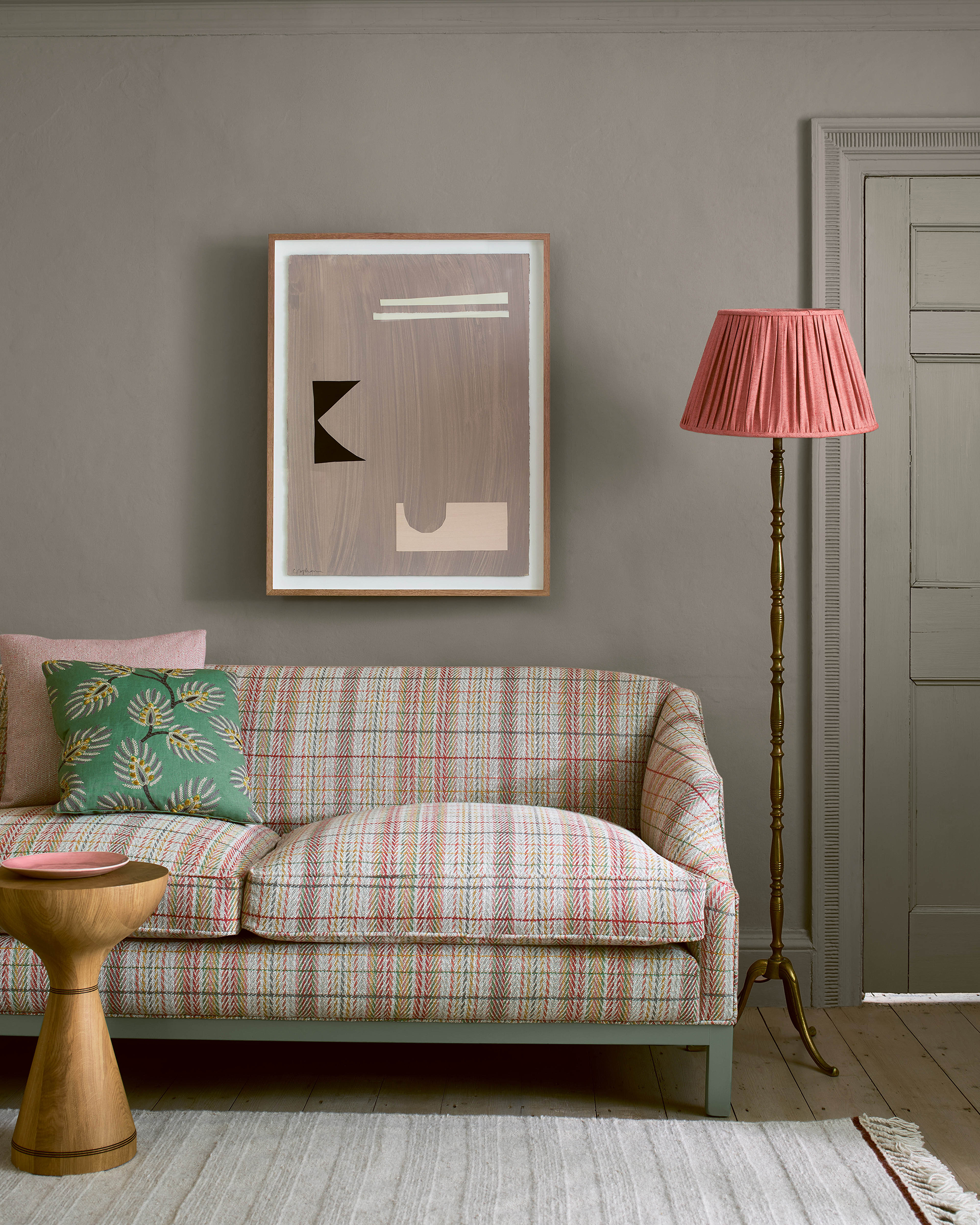
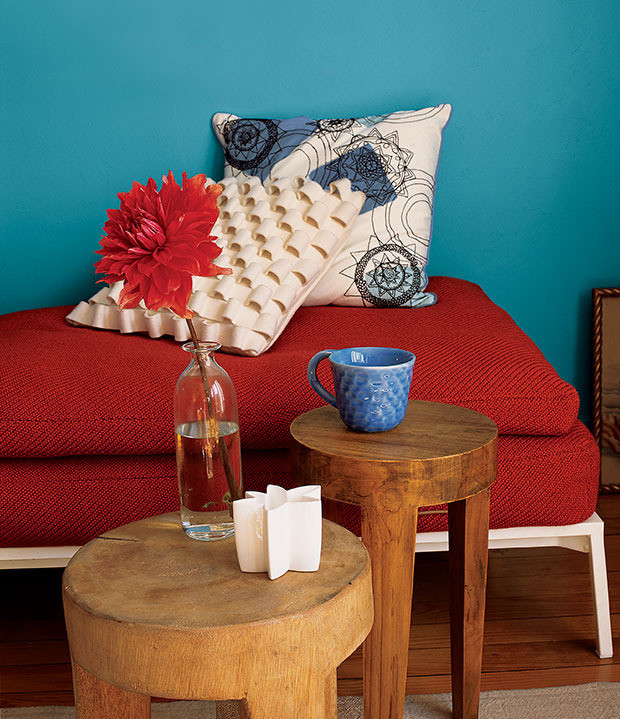
Pattern integration can extend beyond fabrics to include art and furniture. Utilizing items like bone inlay side tables or modern abstract artwork can introduce contrasting patterns and shapes, adding depth and complexity to the decor. These non-fabric patterns can complement the textiles, especially if their colors align with the earth tones present in the fabrics. Finally, incorporating small-scale patterns in unexpected places, such as lampshades, provides subtle and delightful surprises, contributing to the room's layered and eclectic feel.
#HomeDecorating #PatternMixing #InteriorDesign #EthnicTextiles #ColorCoordination #NeutralBase #SmallRoomDecor #StatementPieces #TextileArt #HomeDecorating #PatternMixing #InteriorDesign #EthnicTextiles #ColorCoordination #NeutralBase #SmallRoomDecor #StatementPieces #TextileArt
0 ความคิดเห็นรวม
 ยังไม่มีความคิดเห็น
คุณอาจจะชอบอีกด้วย
Decorating with pattern – 11 ways to embrace print at home

13 ways to decorate with tartan
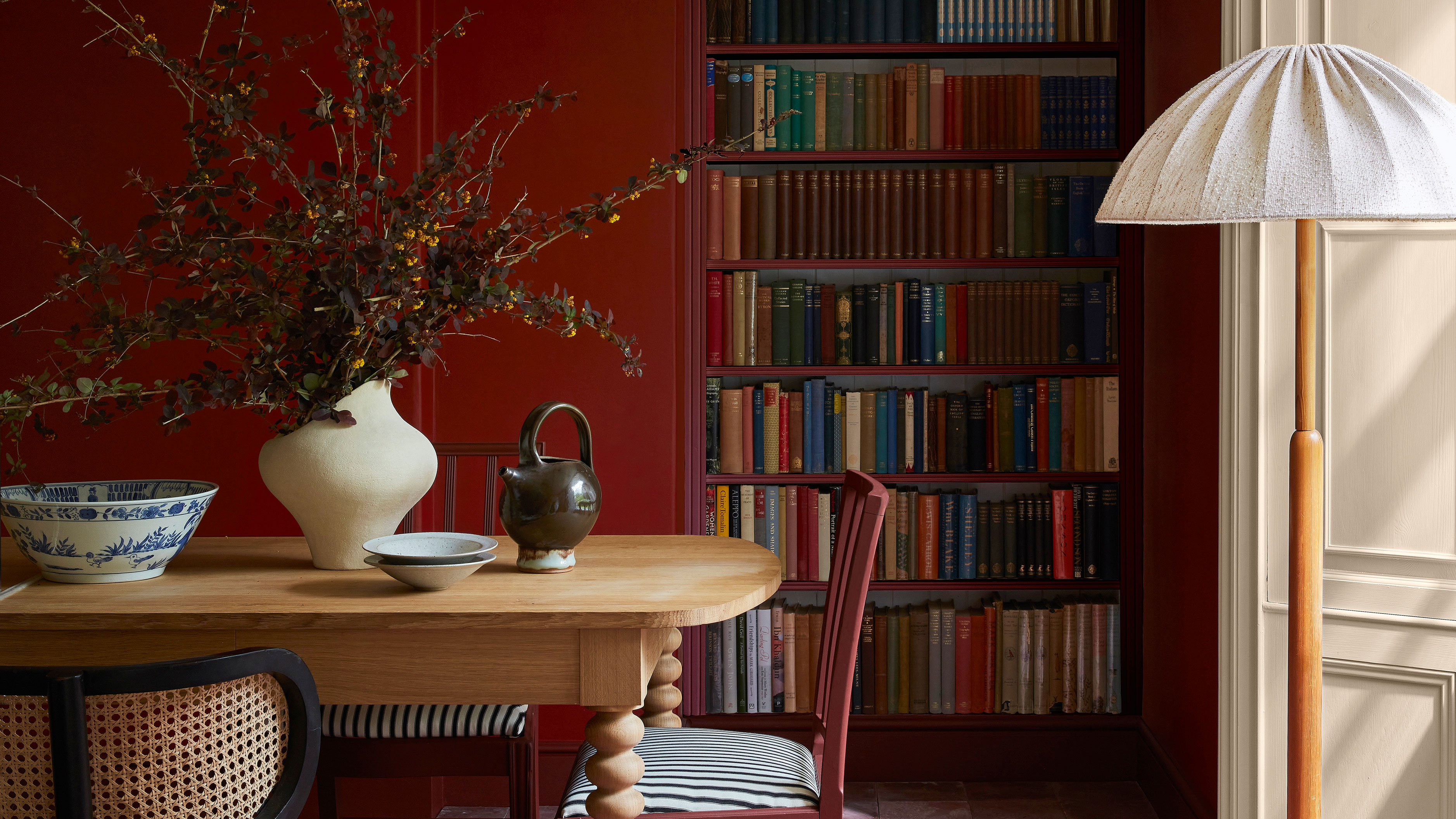
How to decorate with rich colors – 9 ways to add character with an intriguing scheme
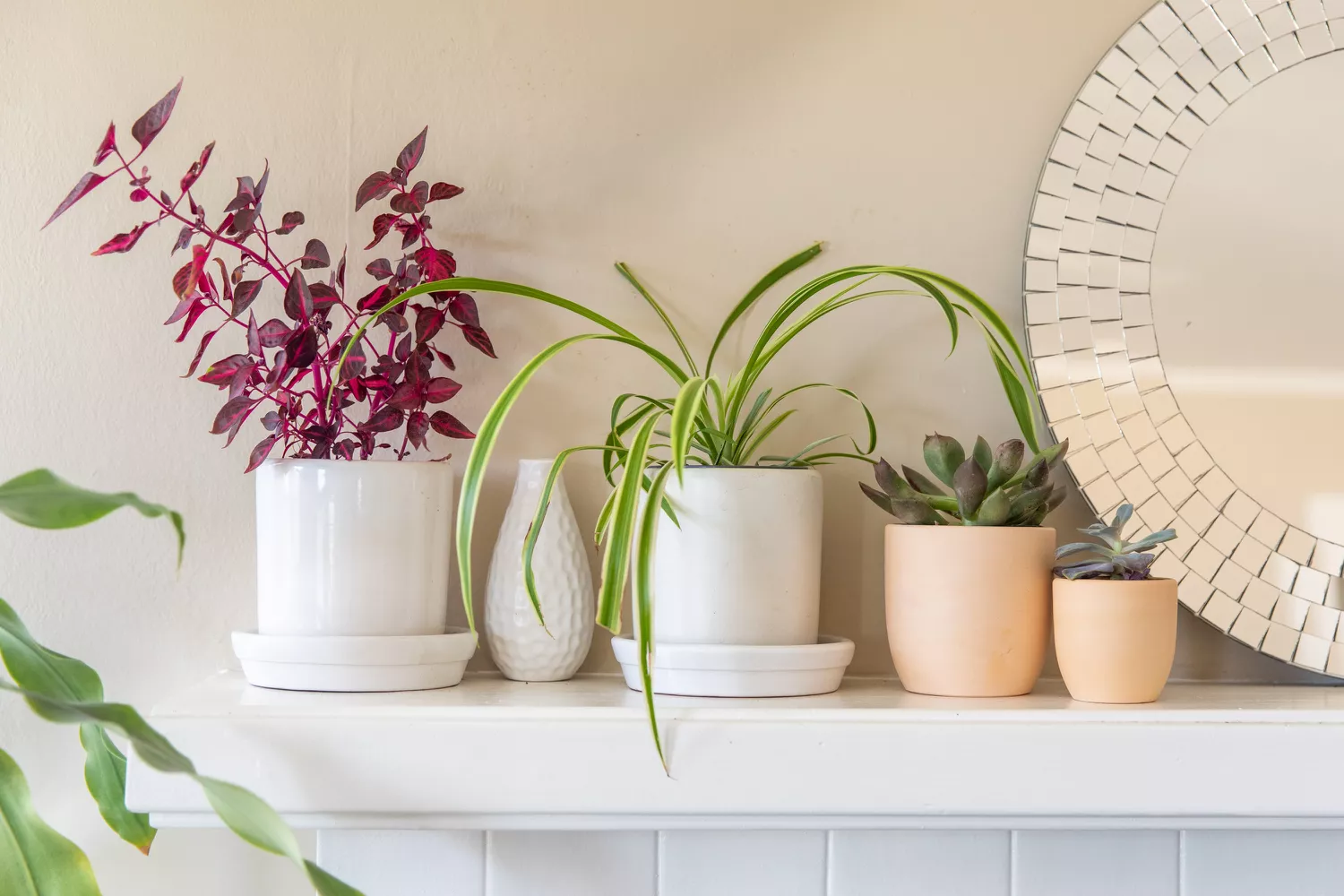
27 Great Ways to Decorate With Plants

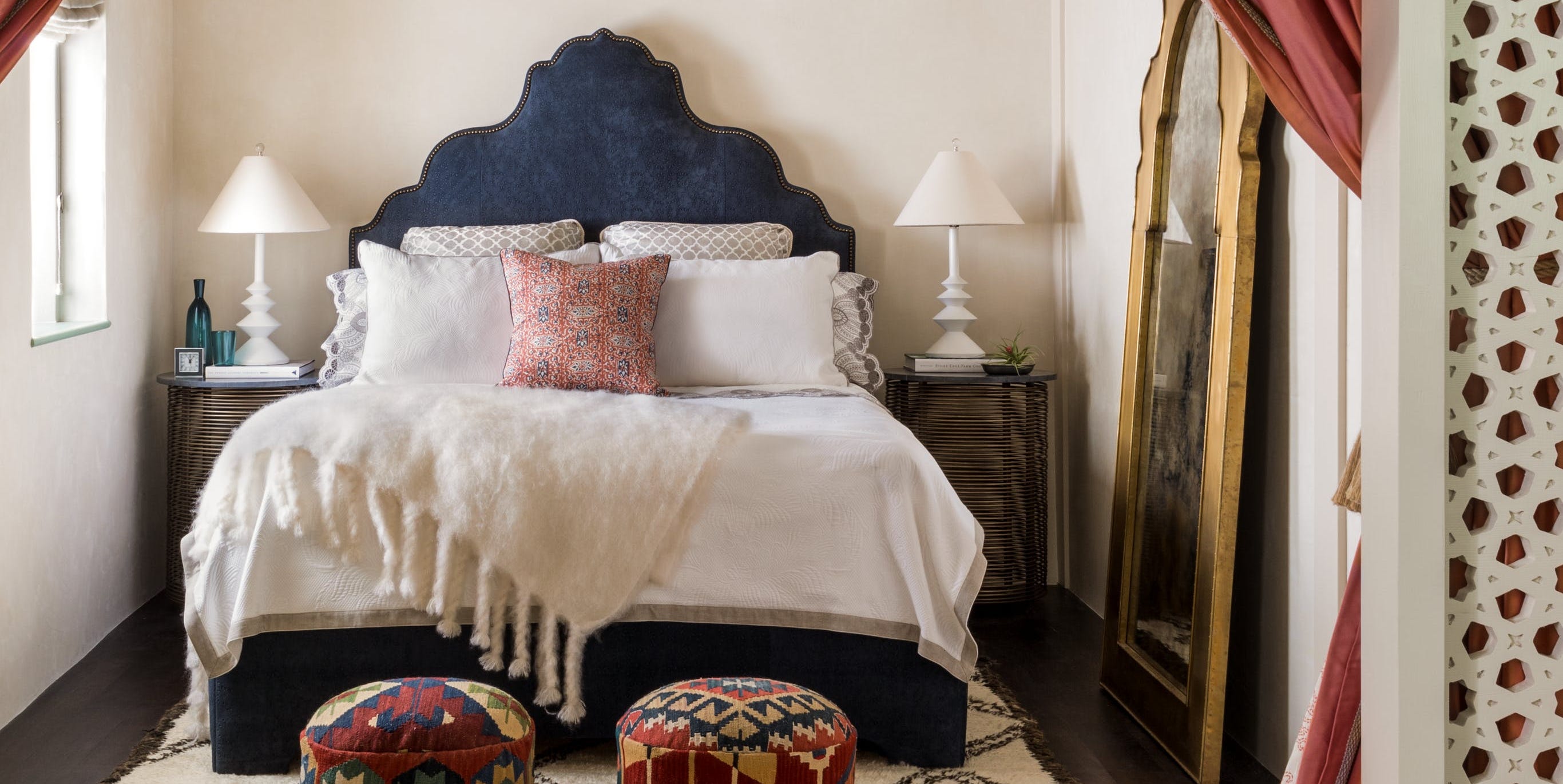
See These Designer-Approved Ways to Decorate with Throws
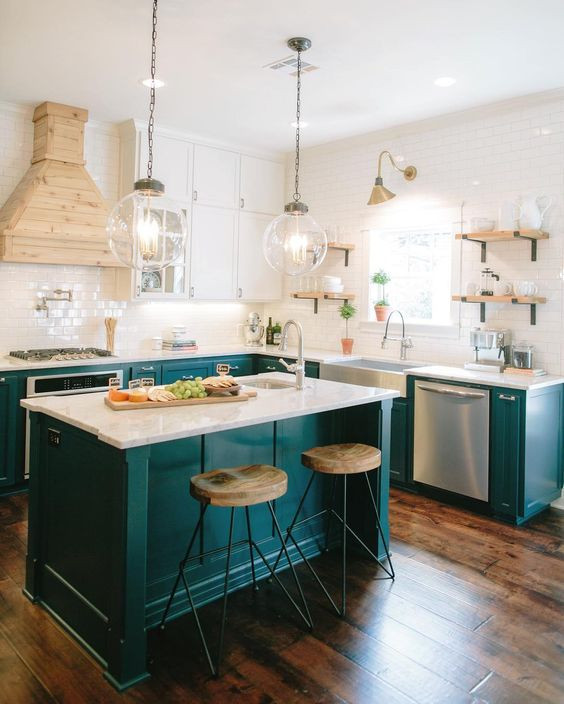
10 Ways To Decorate With The World’s Favorite Color
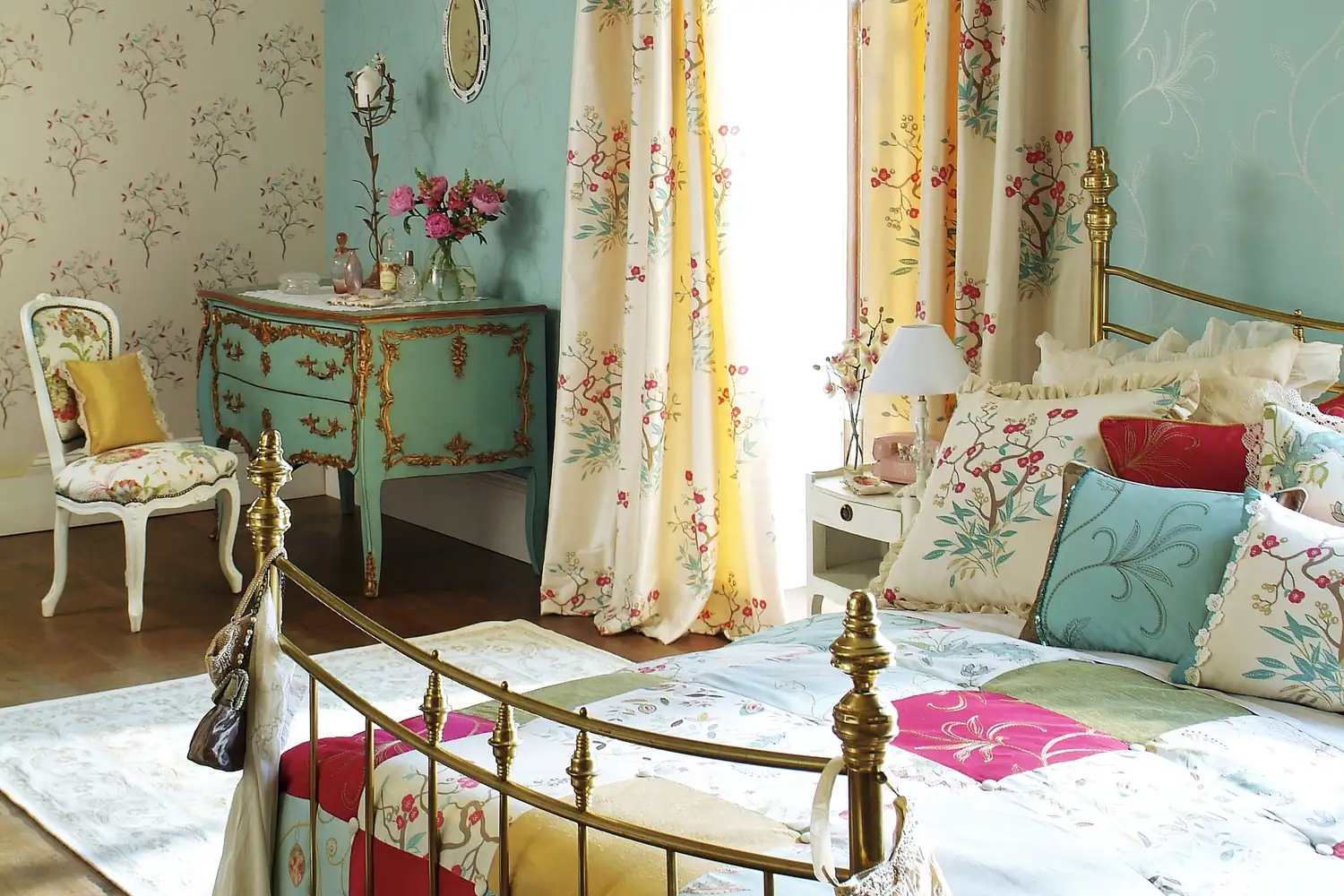
Pattern Drenching Is the Latest Maximalist Approach to Home Decor—Here’s How to Embrace It Without Feeling Overwhelmed

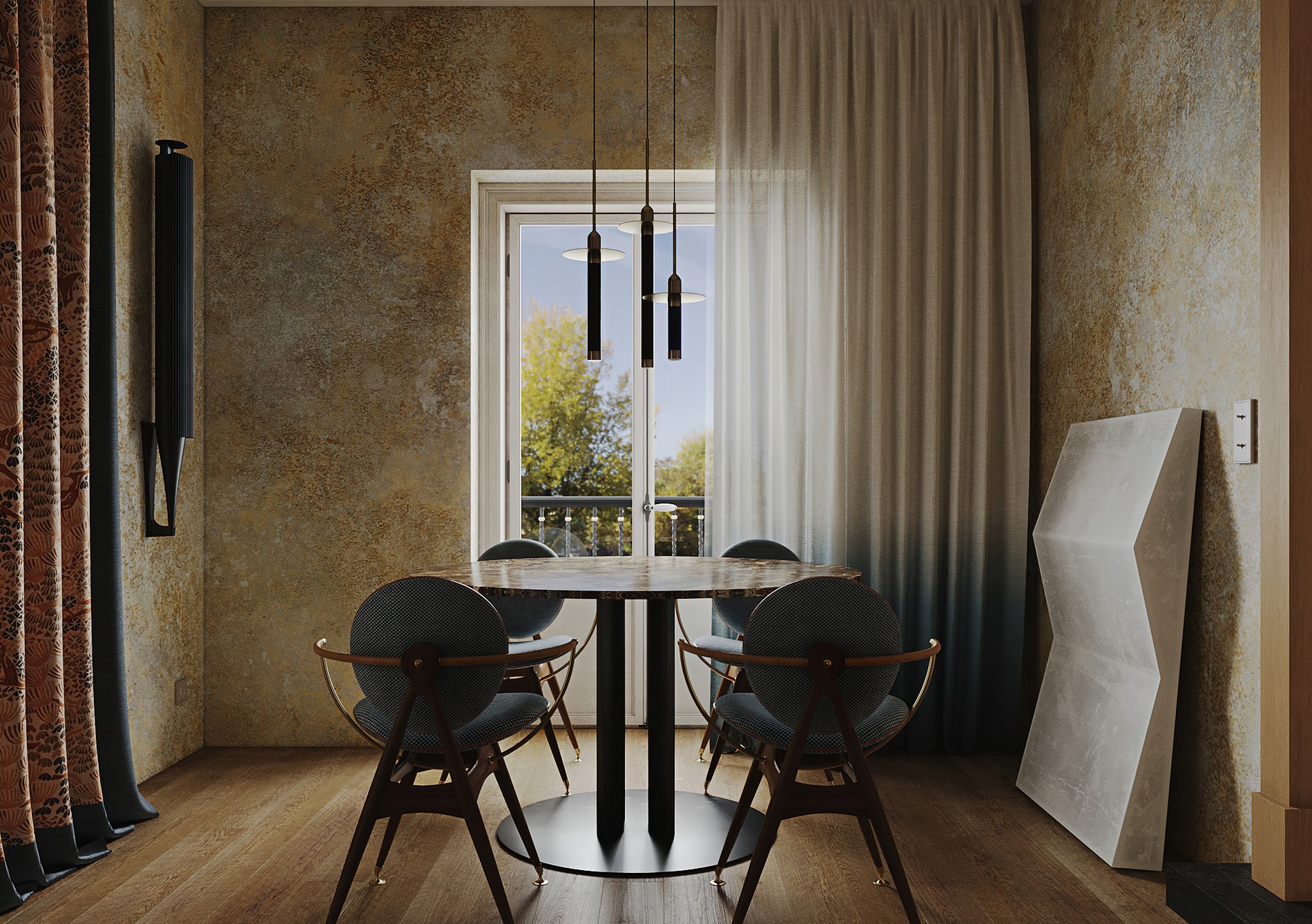
Interior Design Styles — 9 Ways to Decorate Everyone Should Know About


Checkmate: 9 ways to decorate with classic checkerboard patterns
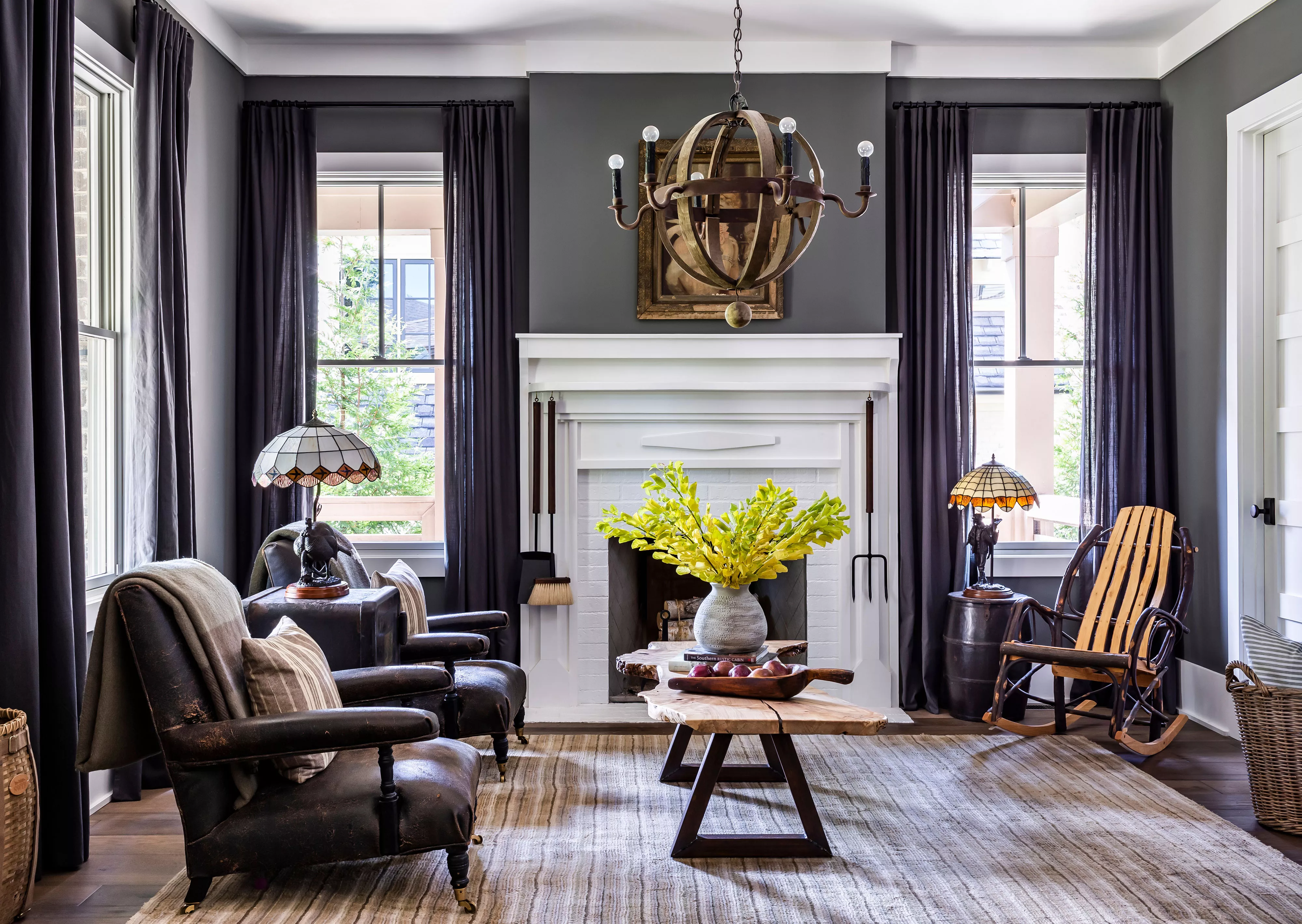
22 Sophisticated Ways to Decorate with Brown

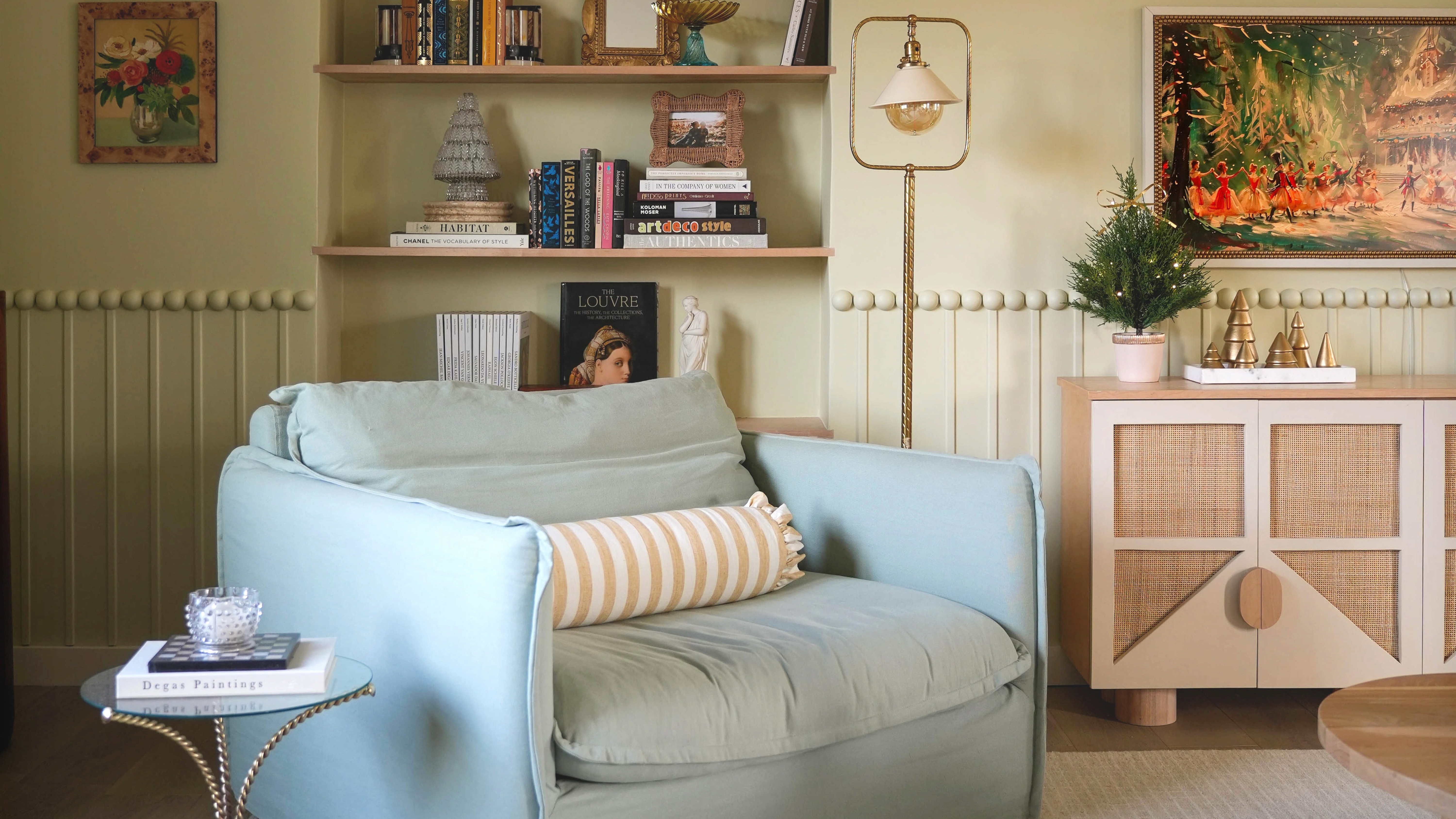
5 Ways to Decorate with Bobbin Details in Your Home — From the Walls to Your Furniture, and Doors, Too
31 brilliant ideas for decorating with stripes
Decorating Tips and Techniques

Here are 9 stunning ways to decorate with the color blue

Stripes Will Never Go out of Style—Here’s the Correct Way to Decorate with Them

An opinionated guide to using small and large scale pattern
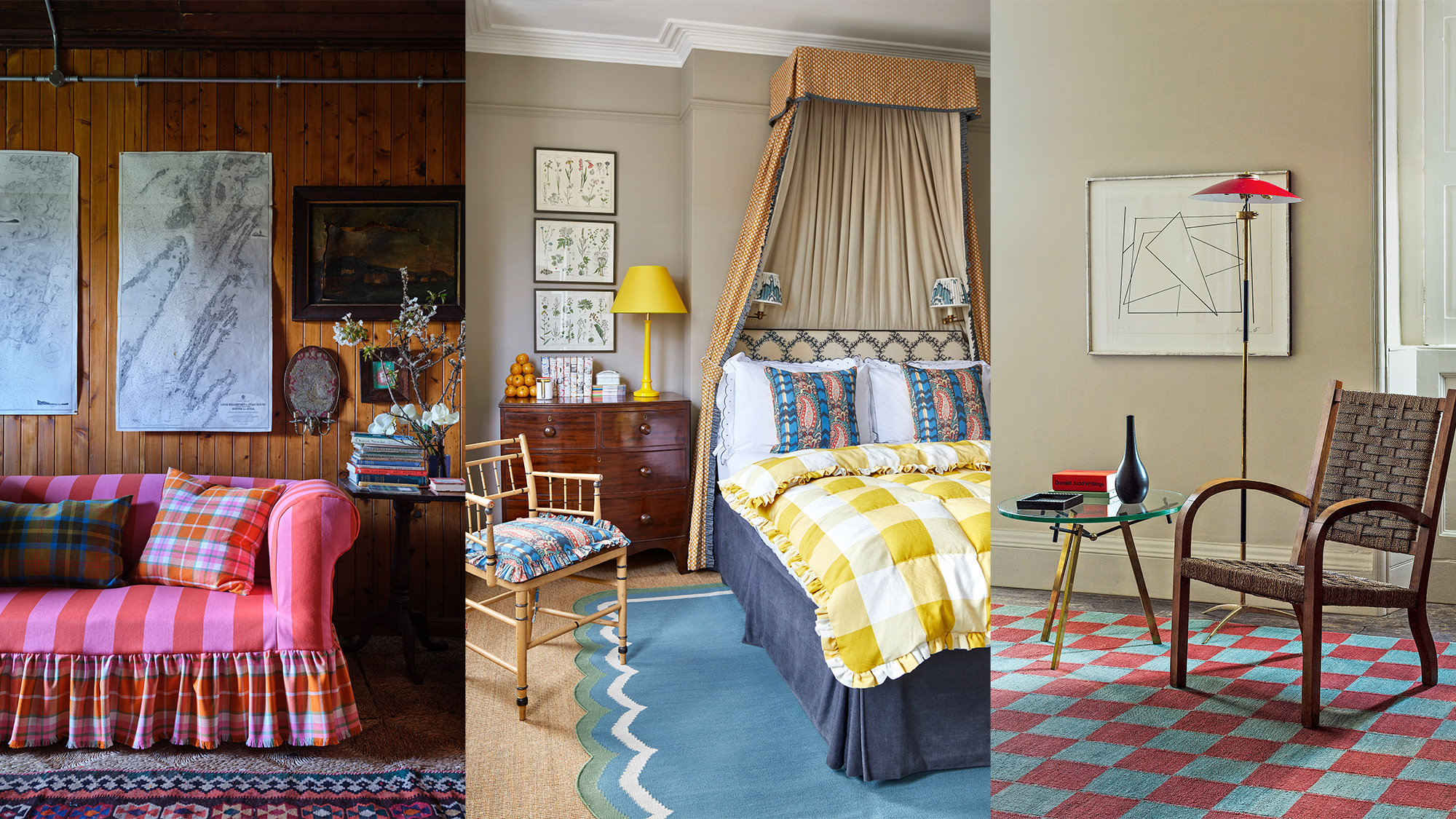
Decorating with checks – 11 ways to embrace this classic pattern
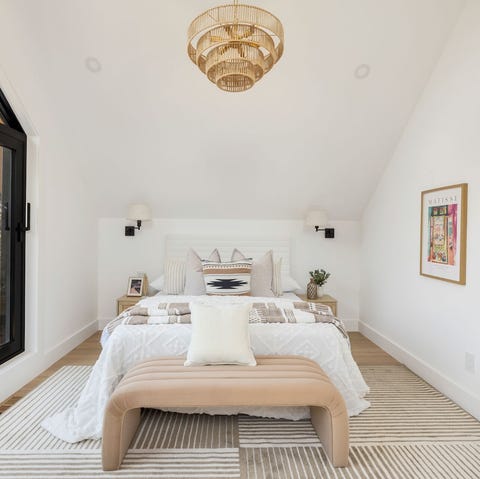
Decorating Ideas - Home Decor Ideas and Tips

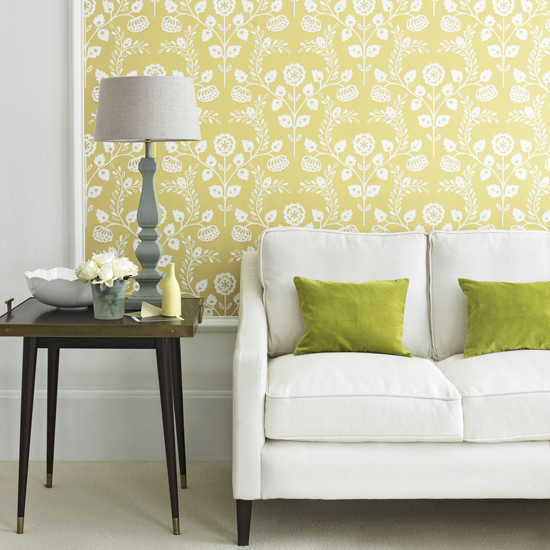
How to decorate with yellow – 10 of the best ideas
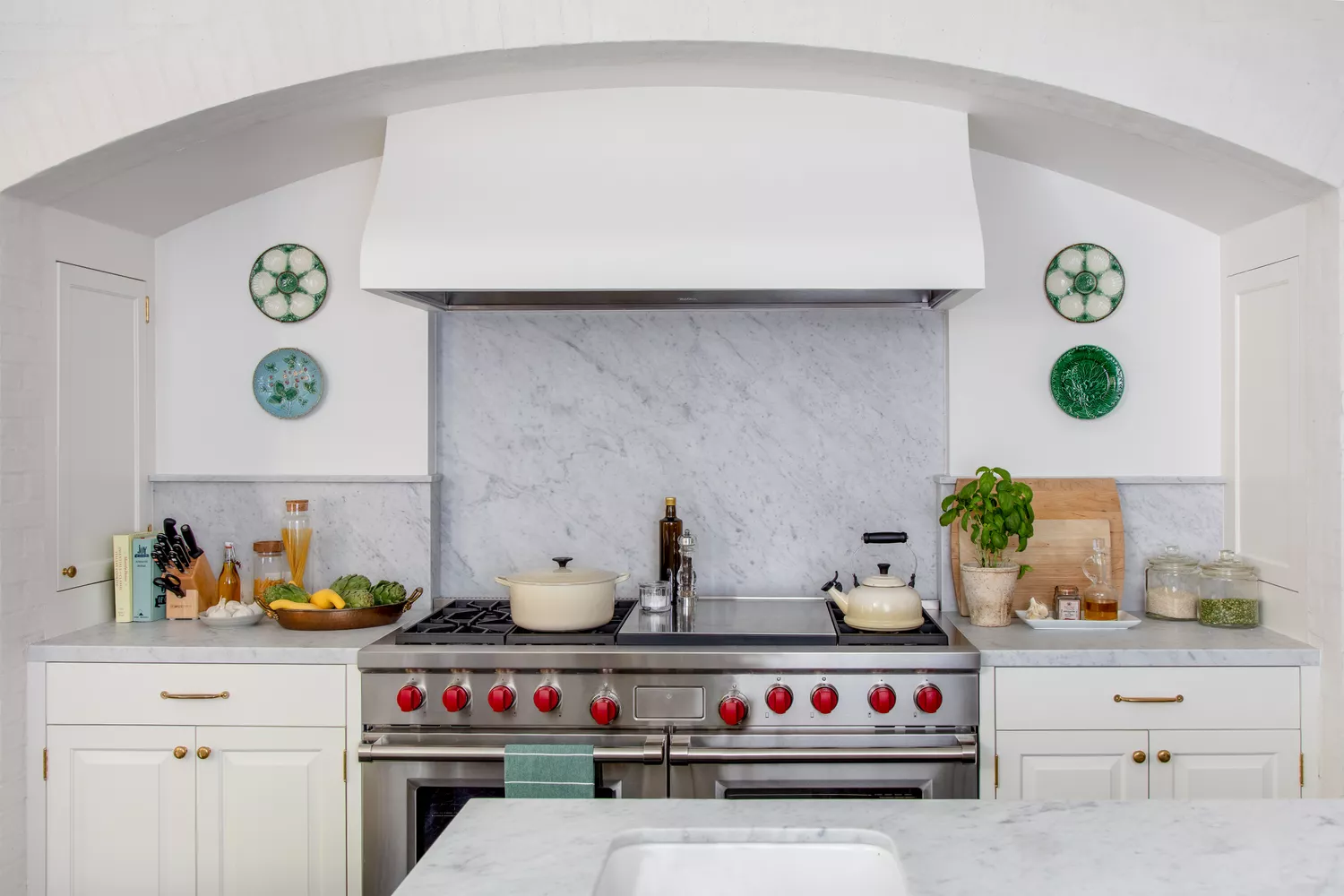
5 Ways To Decorate With Your Favorite China