1/7
The architect whose conversions sparked the loft movement
This article highlights the significant contributions of Joseph Pell Lombardi, a Financial District resident and architect, to urban development through his pioneering work in converting commercial buildings into residential spaces. Lombardi's efforts are credited with initiating the loft movement in downtown New York, profoundly shaping the residential landscape of the city, particularly in areas like Tribeca and the Financial District. His most notable early achievement was the conversion of Liberty Tower at Liberty and Nassau streets into residential co-op apartments in 1978. This project, undertaken almost five decades ago, marked the first major residential conversion of an office building in the Financial District and was initially met with bafflement from the real estate industry.
The article emphasizes that Lombardi's vision, though initially considered radical, has since become a widely accepted and imitated practice in urban planning and architecture. Kent Barwick, former chairman of the New York City Landmarks Preservation Commission, is quoted as stating that Lombardi's work was groundbreaking and changed how cities perceive the utility of old buildings. Lombardi's interest in preservation, which was initially unpopular among his architectural peers, is now considered a leading approach.
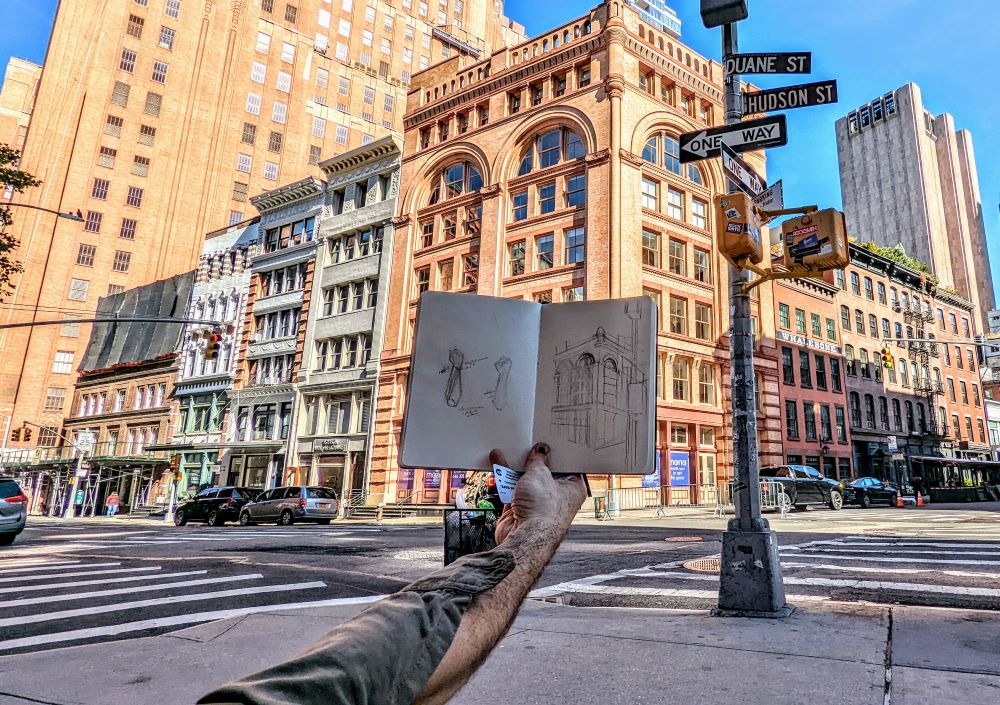
The impact of Lombardi's work extends to numerous buildings across New York City. The article lists several of his preserved or converted projects in the neighborhood, including 161 Duane (Mohawk), 27 N. Moore (Ice House), 25 N. Moore (Atalanta), 14 Leonard (Juilliard), 79 Laight (Sugar Warehouse), 145 Hudson (Skylofts), 7 Hubert, the National City Bank Building on Canal and Broadway, and the Haughwout Building in Soho. His firm, Joseph Pell Lombardi & Associates, maintains offices on Broadway and Canal, and Lombardi himself continues to reside in an apartment in Liberty Tower.
The article also touches upon the broader context of these conversions, particularly the economic climate of the 1970s. Comments from readers suggest that the fiscal crisis of 1975 likely led to a glut of vacant office spaces, creating an opportune environment for such adaptive reuse projects. Another comment elaborates on the historical trends leading to adaptive reuse, including the Great Depression, suburban flight, and urban renewal efforts that threatened historic buildings. This created a demand for new housing solutions in areas with declining commercial and industrial use. The opposition from city departments and the subsequent Loft Law of the 1980s are mentioned as crucial elements in legalizing and facilitating these conversions, addressing restrictive building codes and zoning resolutions.
Ultimately, Lombardi's enduring legacy lies in his foresight and dedication to preserving architectural heritage while simultaneously innovating urban living. His work demonstrates that even modern office buildings, with appropriate modifications such as dropping shafts for courtyards and light, can be successfully repurposed for residential use. His pioneering efforts laid the groundwork for today's widespread practice of commercial-to-residential conversions and the establishment of preservation departments within architectural firms.
#JosephPellLombardi #Architecture #LoftMovement #UrbanDevelopment #BuildingConversion #HistoricPreservation #FinancialDistrict #Tribeca #NewYorkCityRealEstate #JosephPellLombardi #Architecture #LoftMovement #UrbanDevelopment #BuildingConversion #HistoricPreservation #FinancialDistrict #Tribeca #NewYorkCityRealEstate
0 ความคิดเห็นรวม
 ยังไม่มีความคิดเห็น
คุณอาจจะชอบอีกด้วย
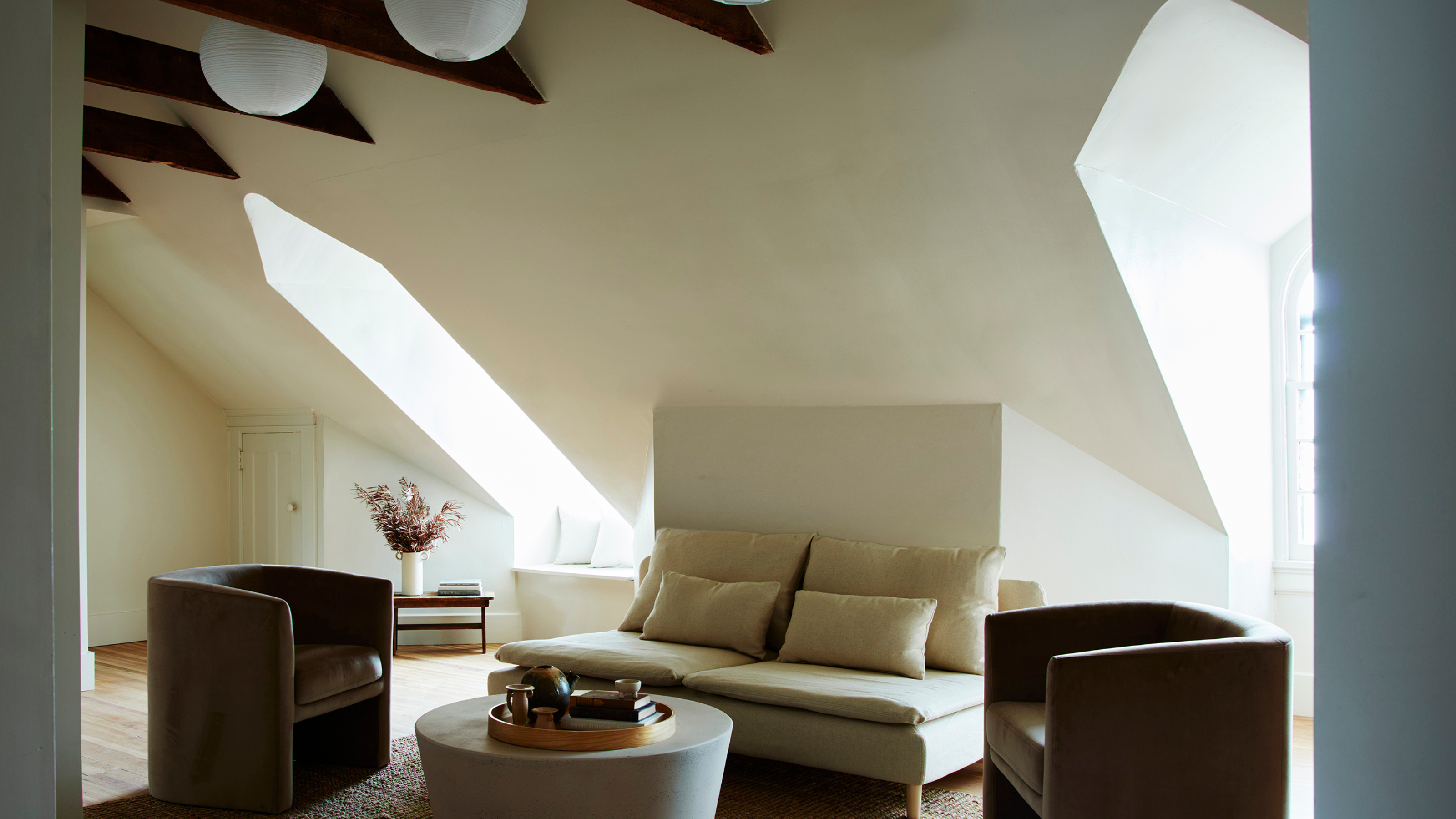
5 Things That Will Make Your Loft Conversion Feel Dated — And What Designers Are Doing Instead

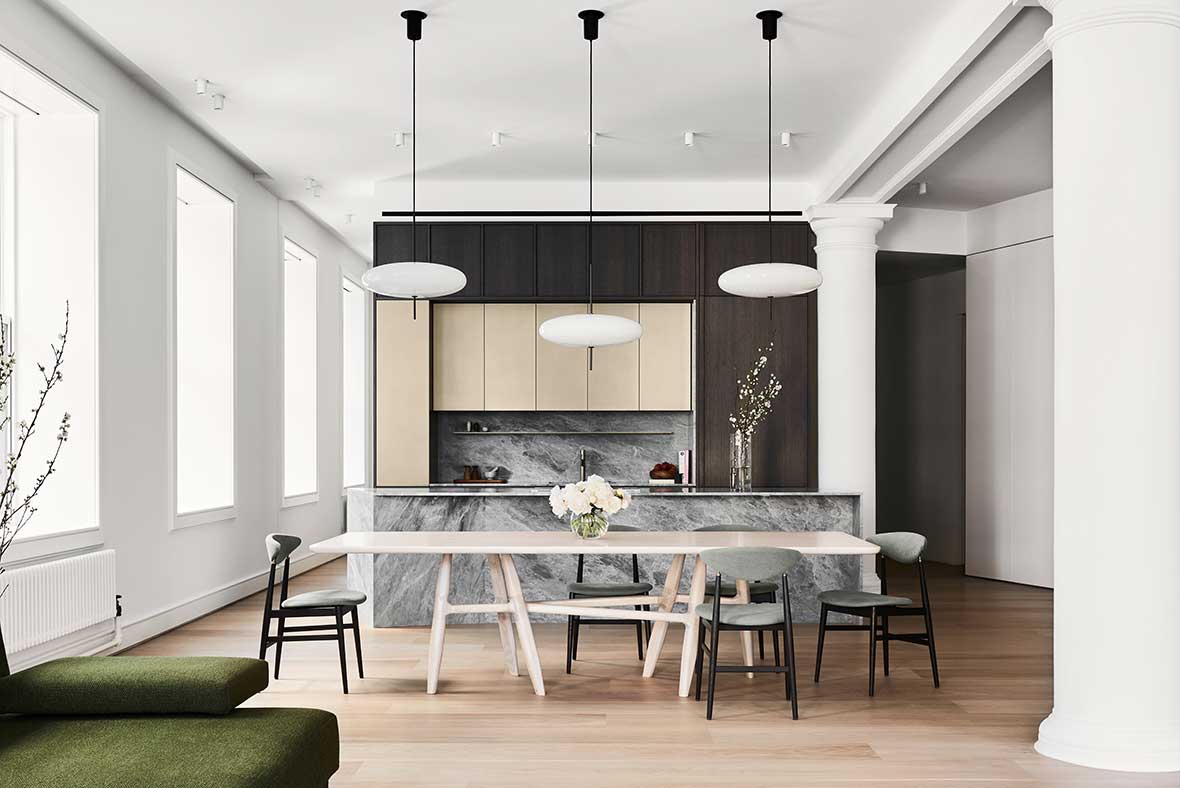
Worrell Yeung + Colony Pair up to Transform Historic New York City Loft
A Renowned Artist’s L.A. Renovation Added a Distinct Facade—and Kicked Off a Much Bigger Project

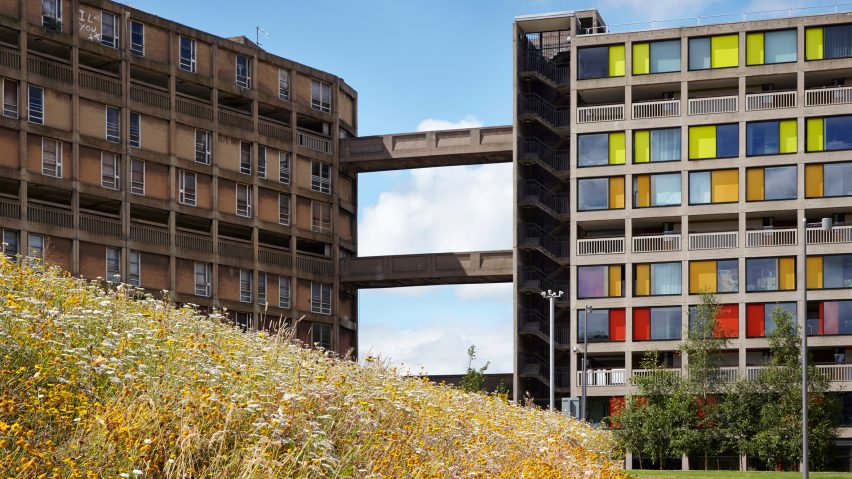
"'Housing for dirty people' is back and I welcome it"
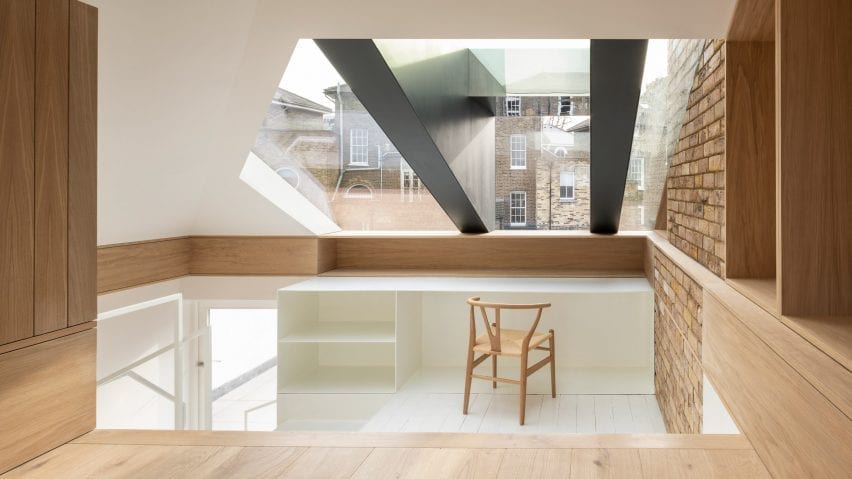
Ten loft conversions by architects that maximise usable space
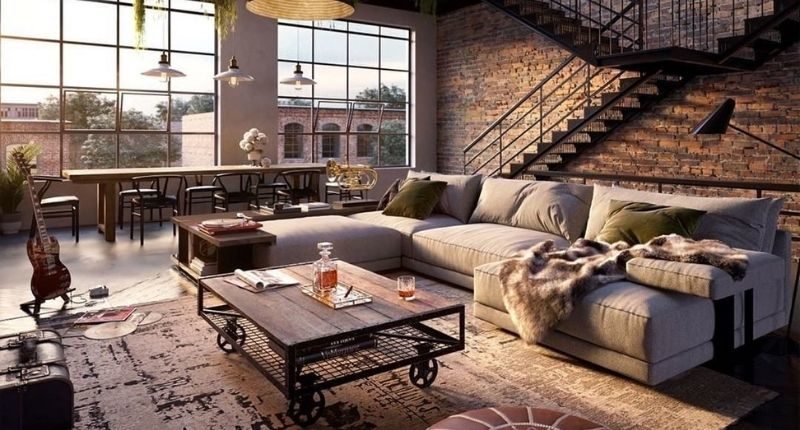
Top 5 loft designs of 2021

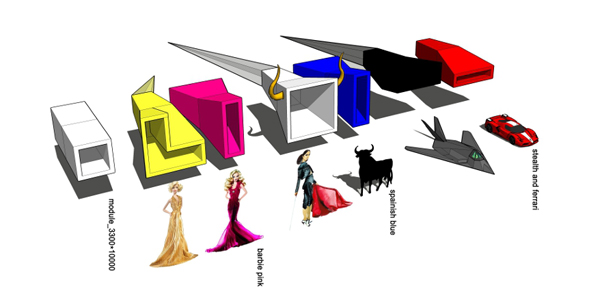
A Guide to Uniting Popular Imagery and Architectural Design

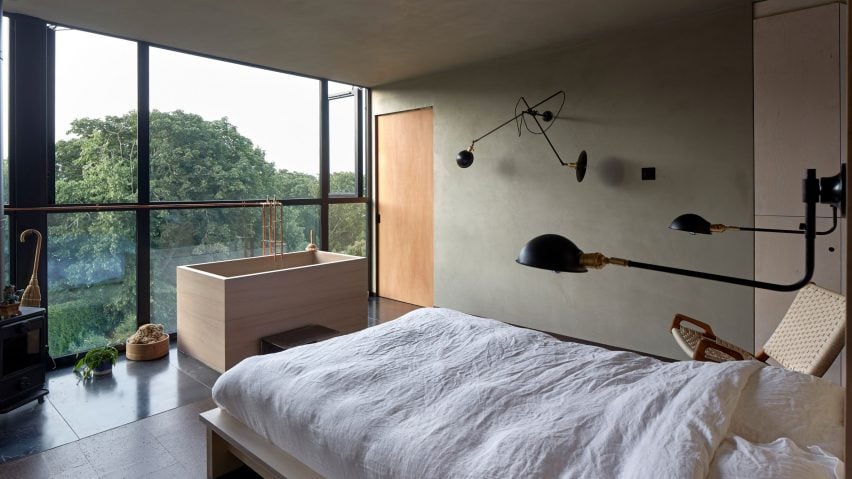
Eight airy and pared-back loft conversions
Consider the ceiling! On the possibilities to be found on the flip side

Everything You Need to Know About Lofts in Homes

This 1872 Loft Survived a Century of Chaos Before Getting a Stunning Makeover

The Insider: Antique Architectural Salvage and Modern Furnishings Transform Williamsburg Loft

The outsider: how a land-based architect brought fresh ideas to 56m Virtuosity


7 Next-Level Lofts in New York City
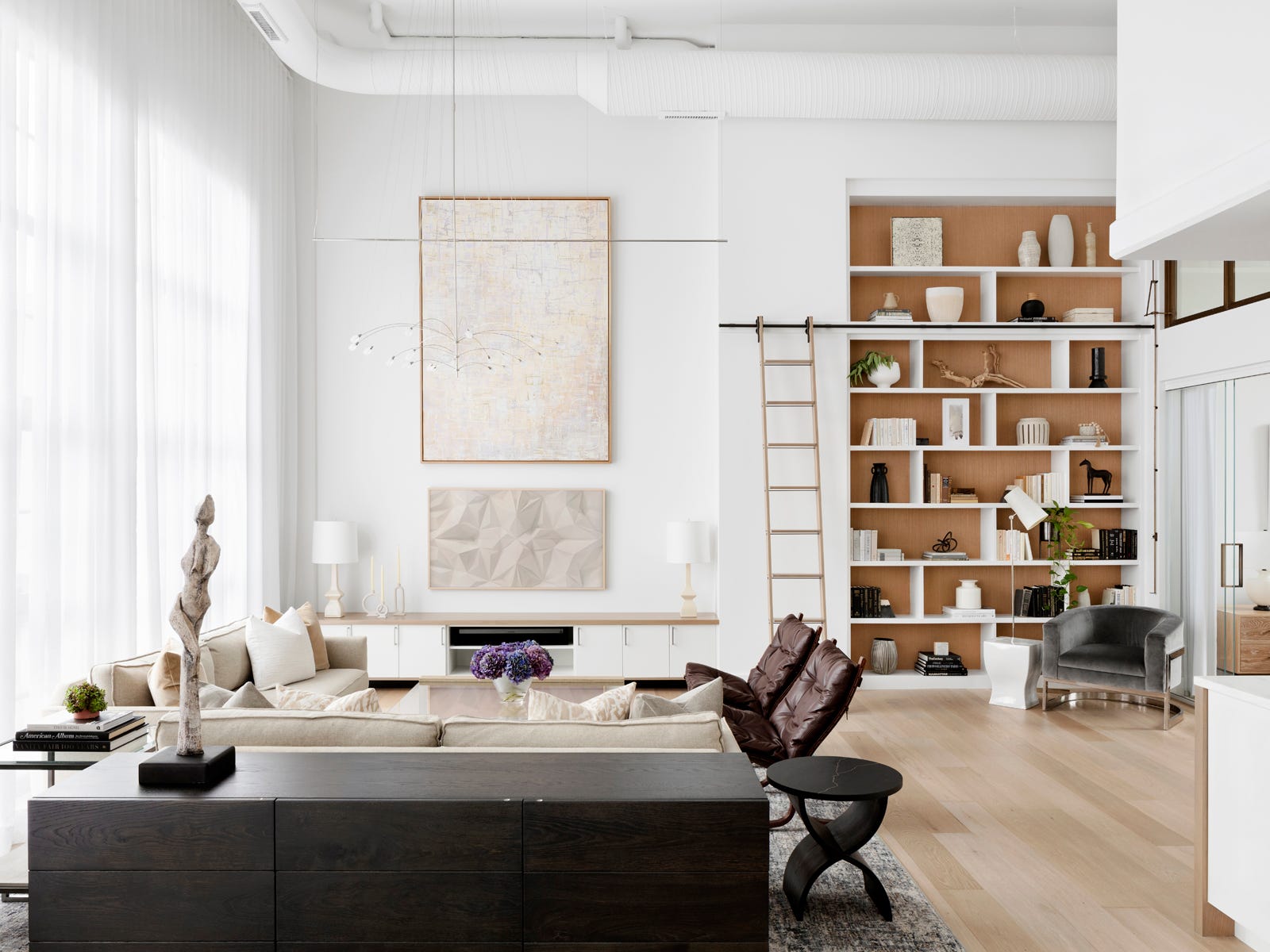
This Once-Industrial Baltimore Loft Has Been Gloriously Transformed
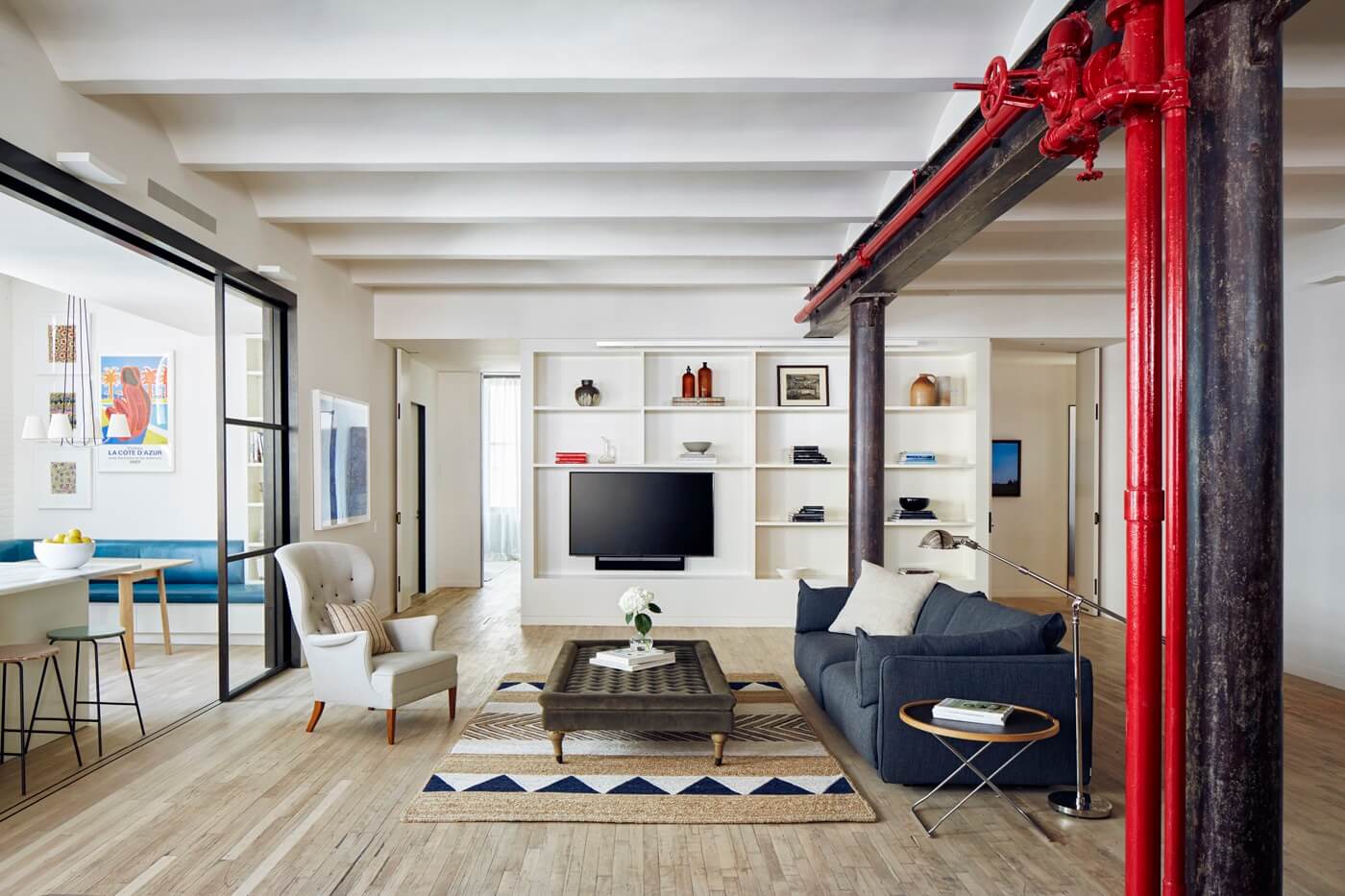
The Insider: Architect Rethinks NoHo Loft to Bring on Light, Openness, Efficiency
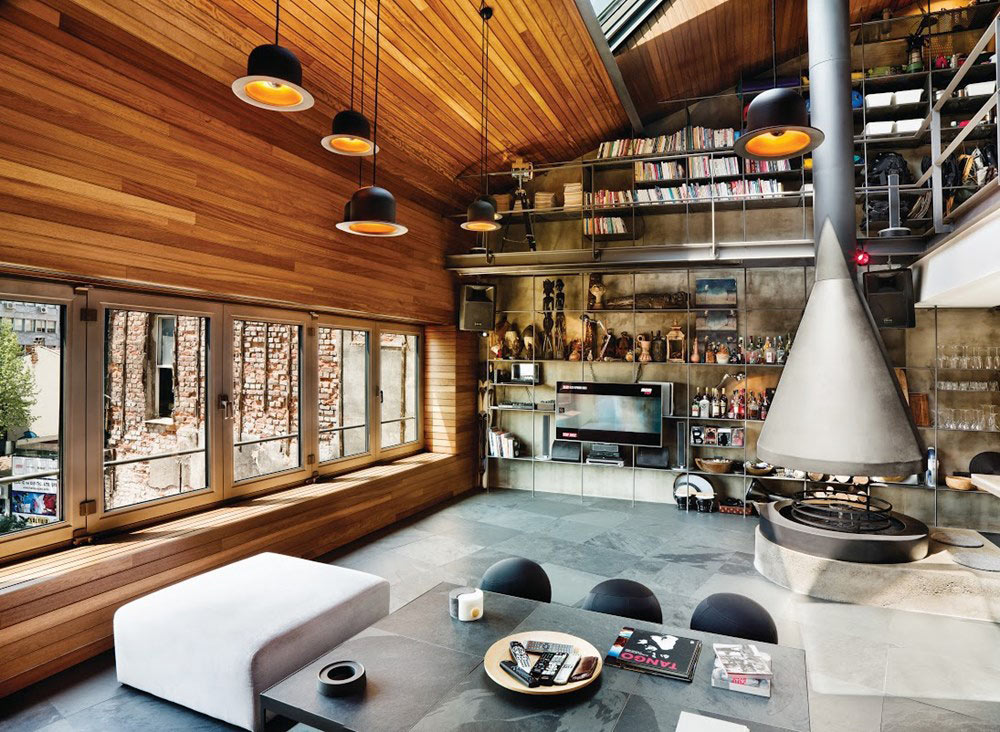
10 Modern Lofts We’d Love to Call Home
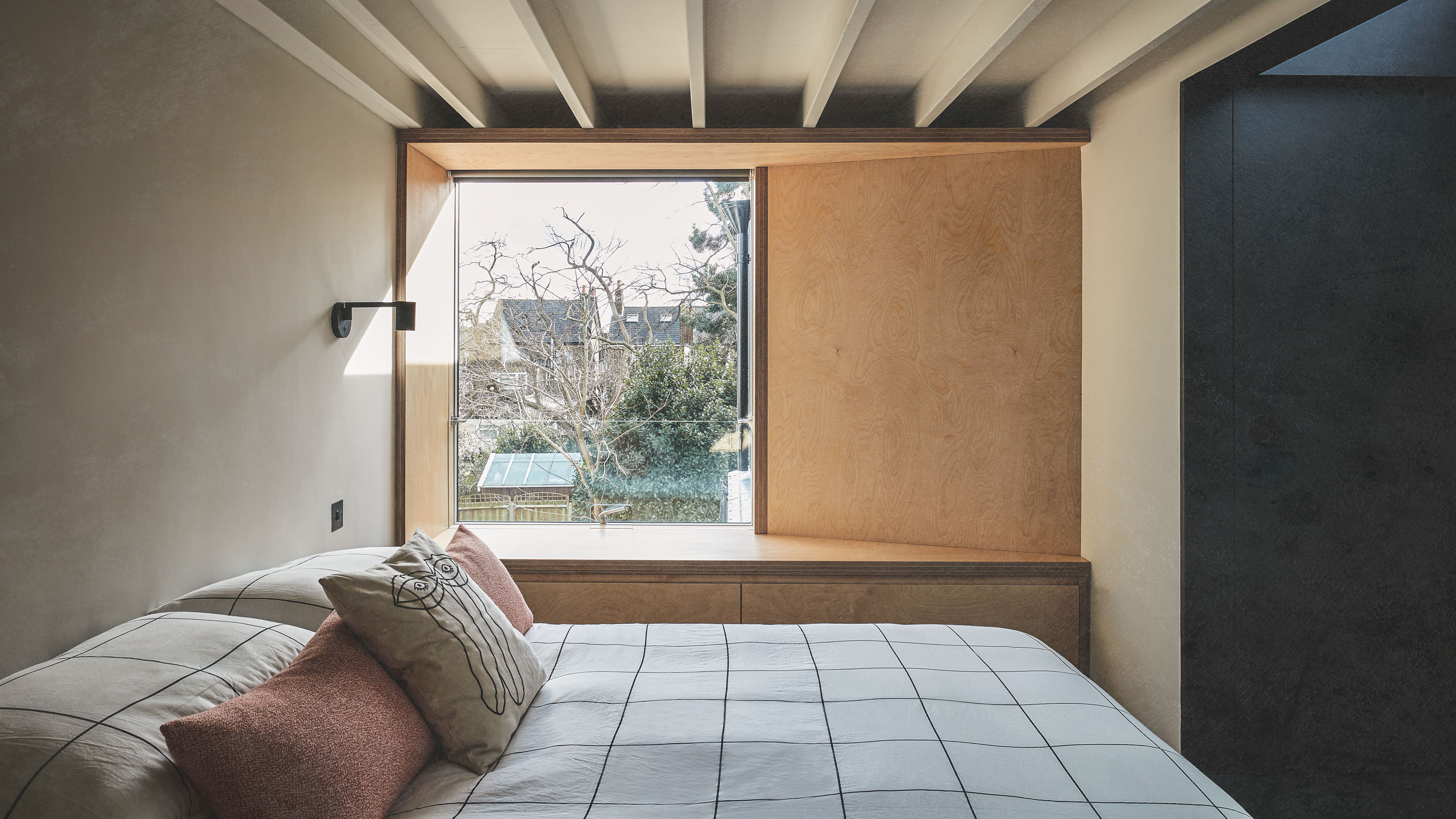
'We built a smart new loft conversion for more space'
How They Pulled It Off: A Massive Sculptural Skylight
!['S' is for soffit, the decorative, protective structure under Lancaster's roofs [Architects' Alphabet column]](https://gstatic.ideal.house/news/images/f5cb5e8c5de04c95829622348e4cde92.jpg)
'S' is for soffit, the decorative, protective structure under Lancaster's roofs [Architects' Alphabet column]