1/15
Meet Palestinian Designer Lameice Abu Aker Who Is Bringing a Playful Edge to Glassblowing
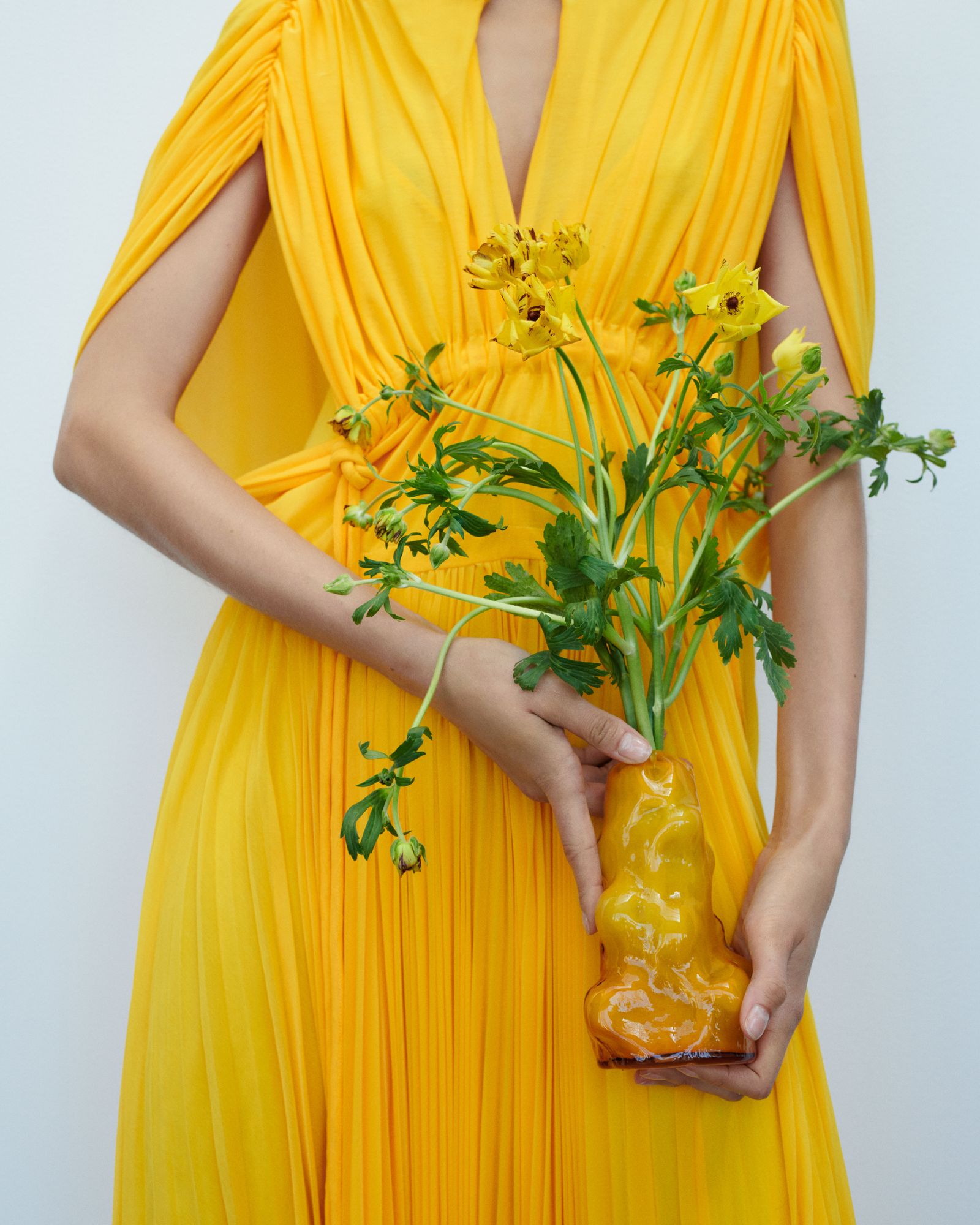
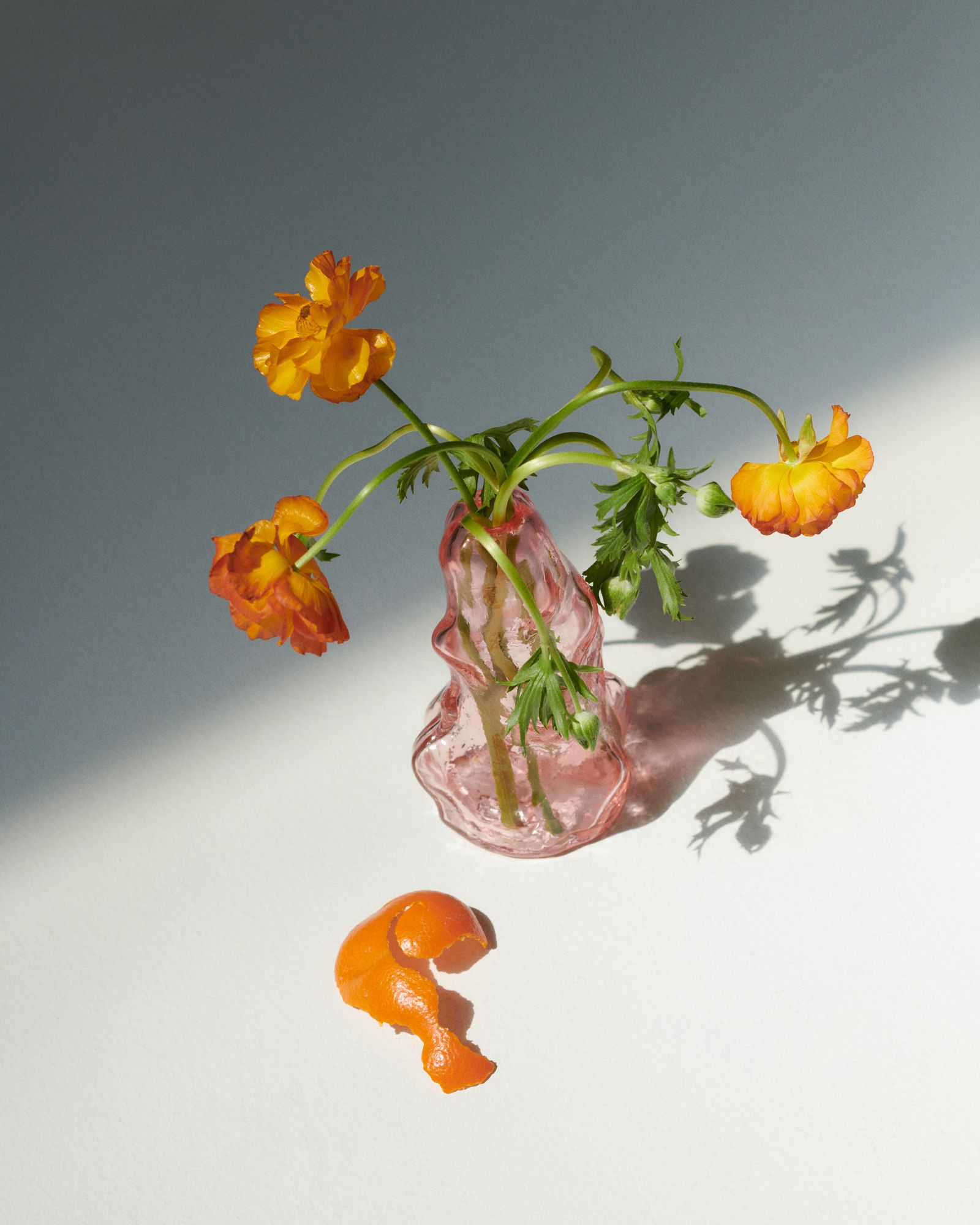
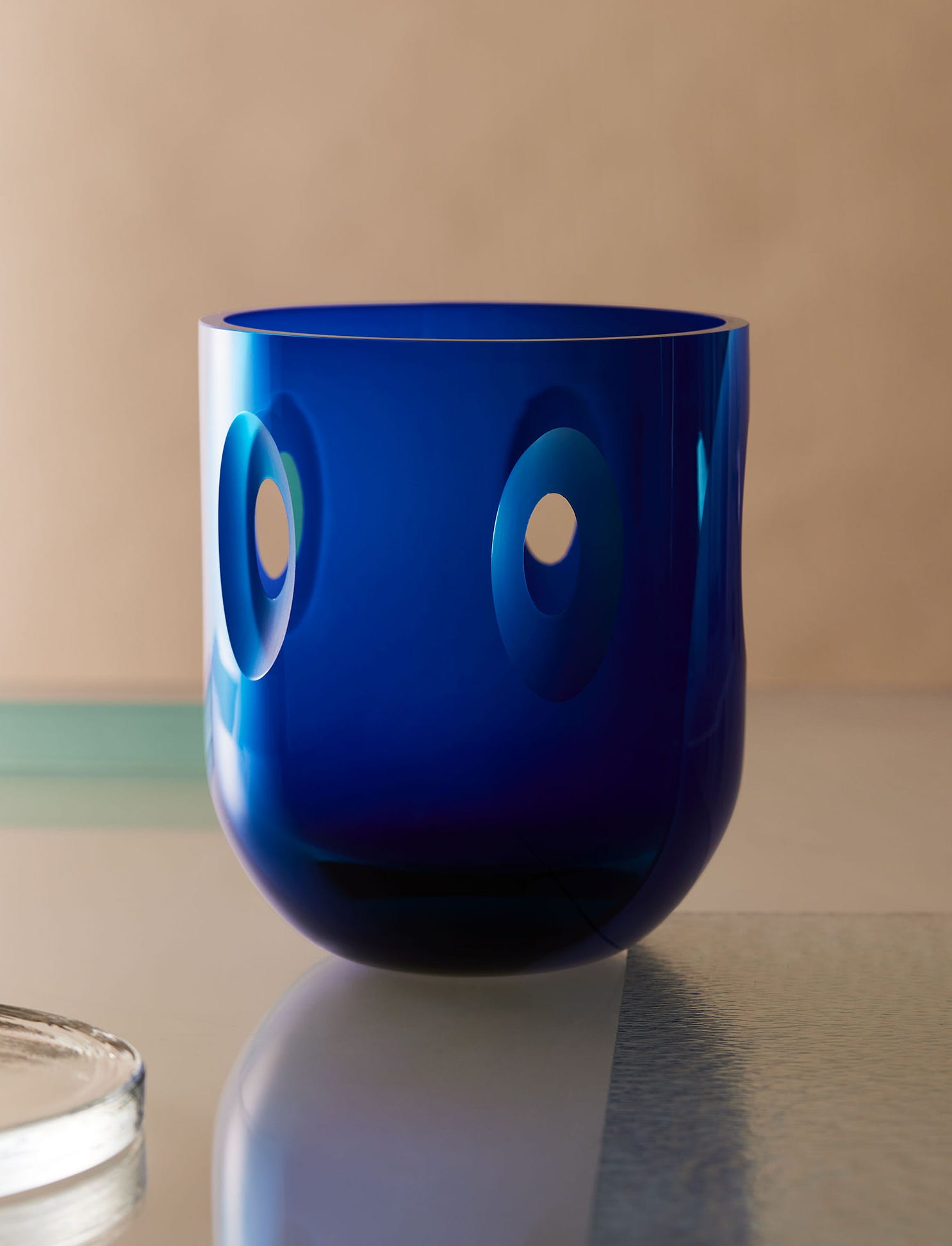
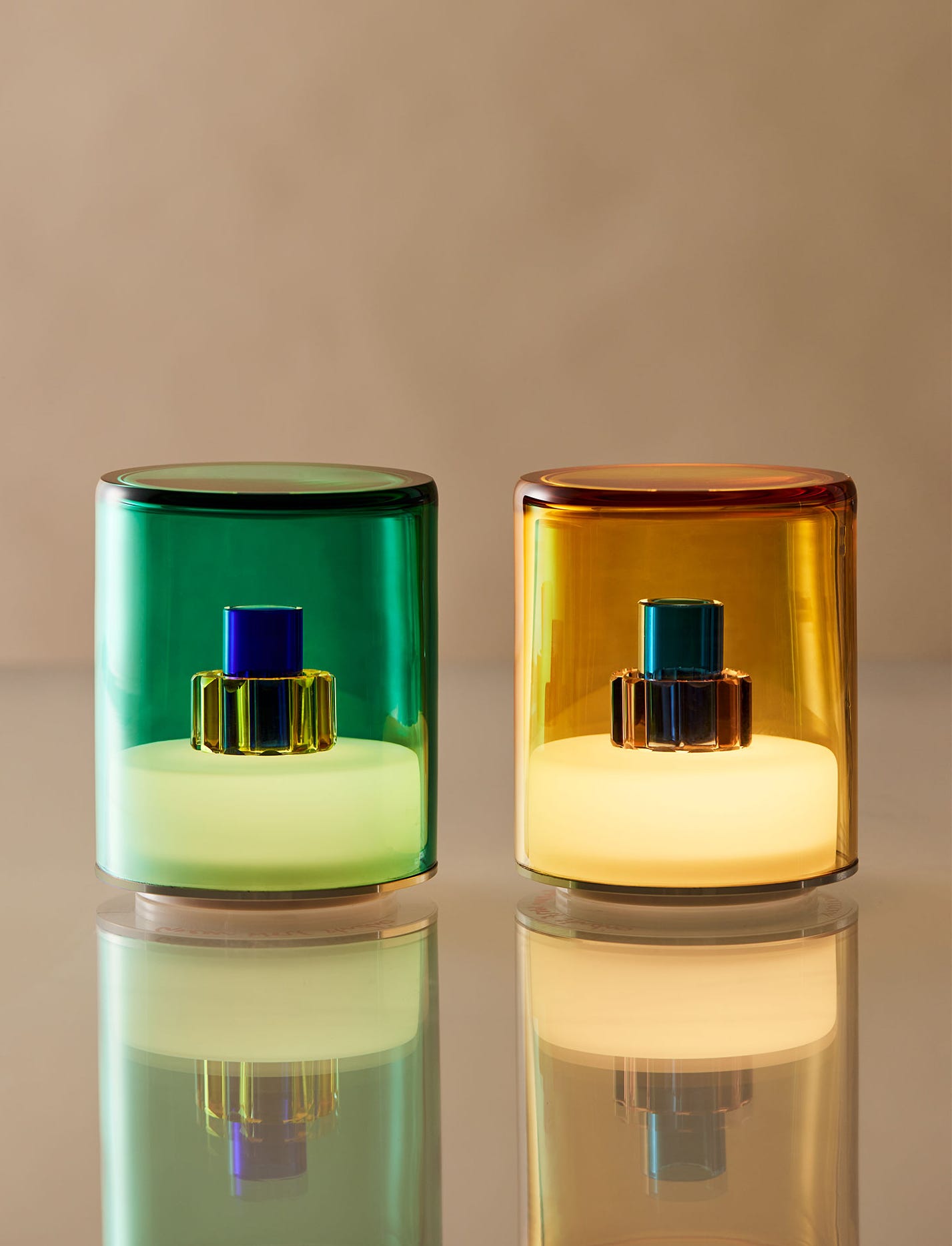
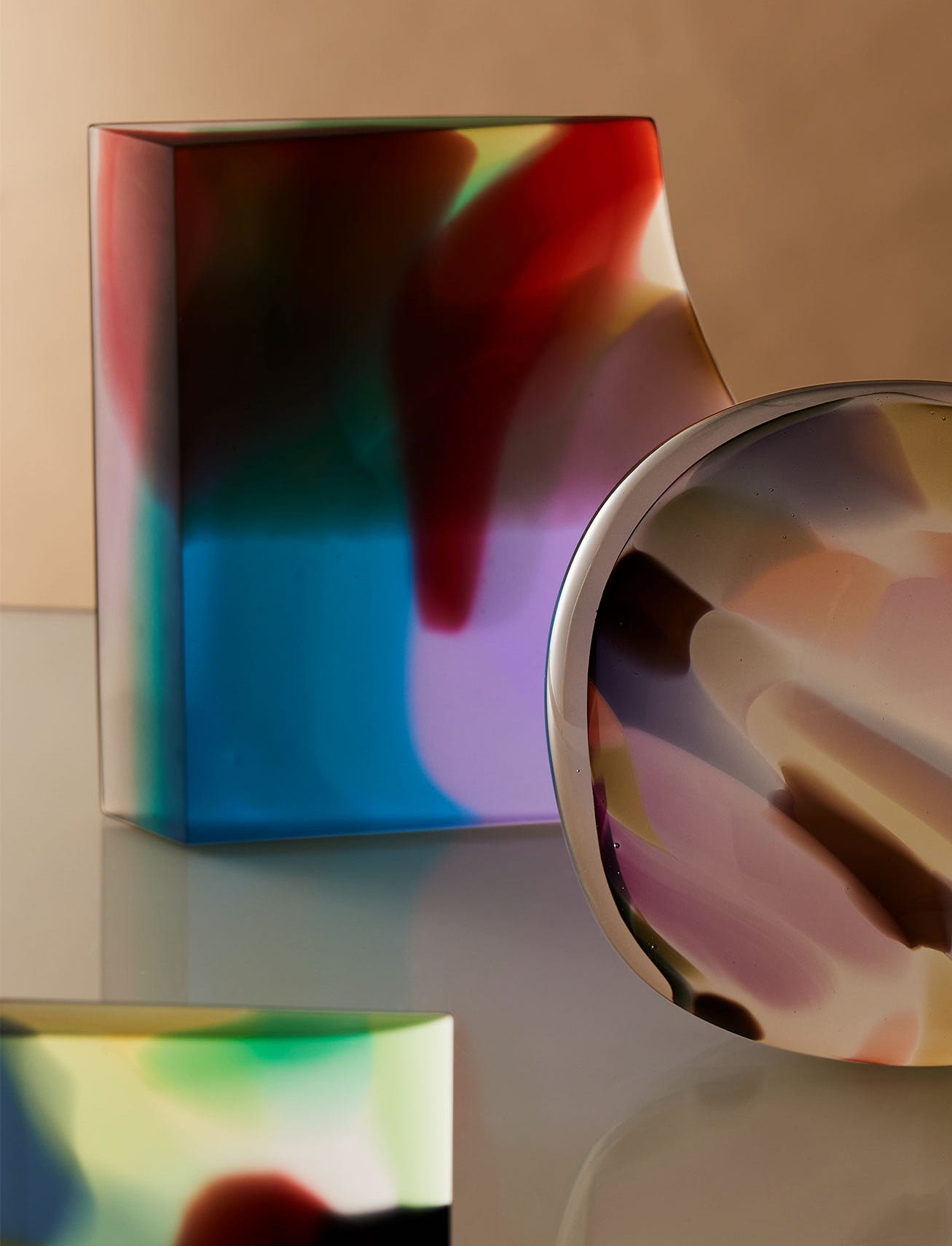
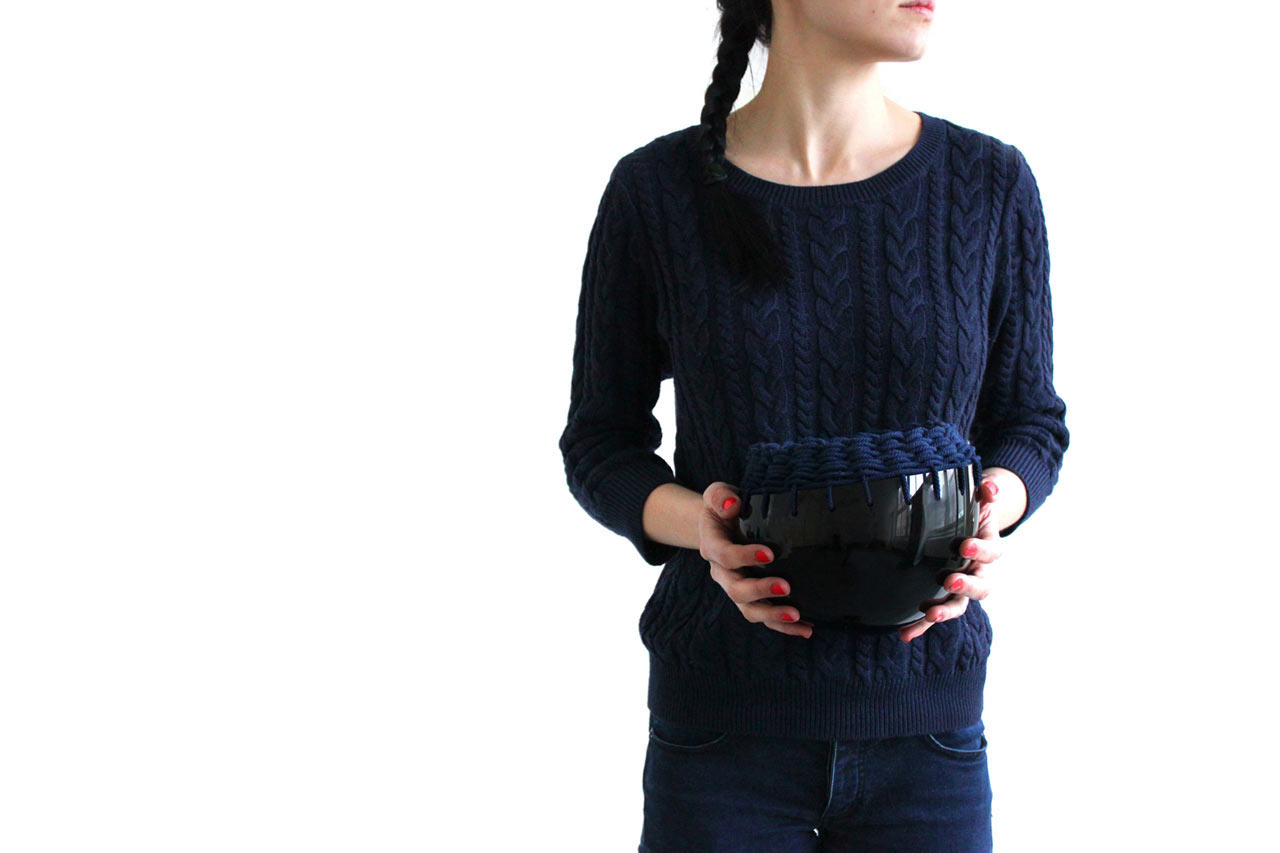
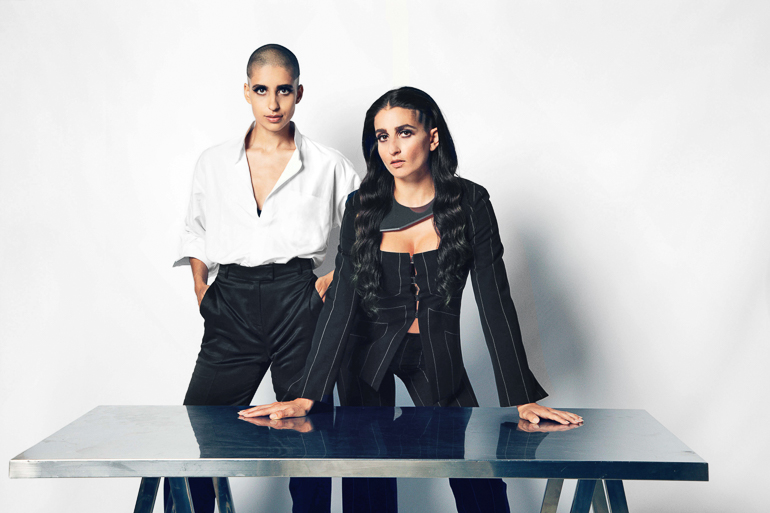
Palestinian designer Lameice Abu Aker, based between Jerusalem and Milan, is revitalizing the centuries-old art of glassblowing from her homeland. Her work aims to infuse hope through vibrant colors, unique forms, and a touch of femininity, while also preserving Palestinian cultural heritage. Abu Aker emphasizes the significance of reclaiming artisanal practices for her people, particularly given the historical roots of glassblowing in the Middle East, with Sidon and Aleppo being early centers, and Hebron in Palestine historically renowned for its glass production.
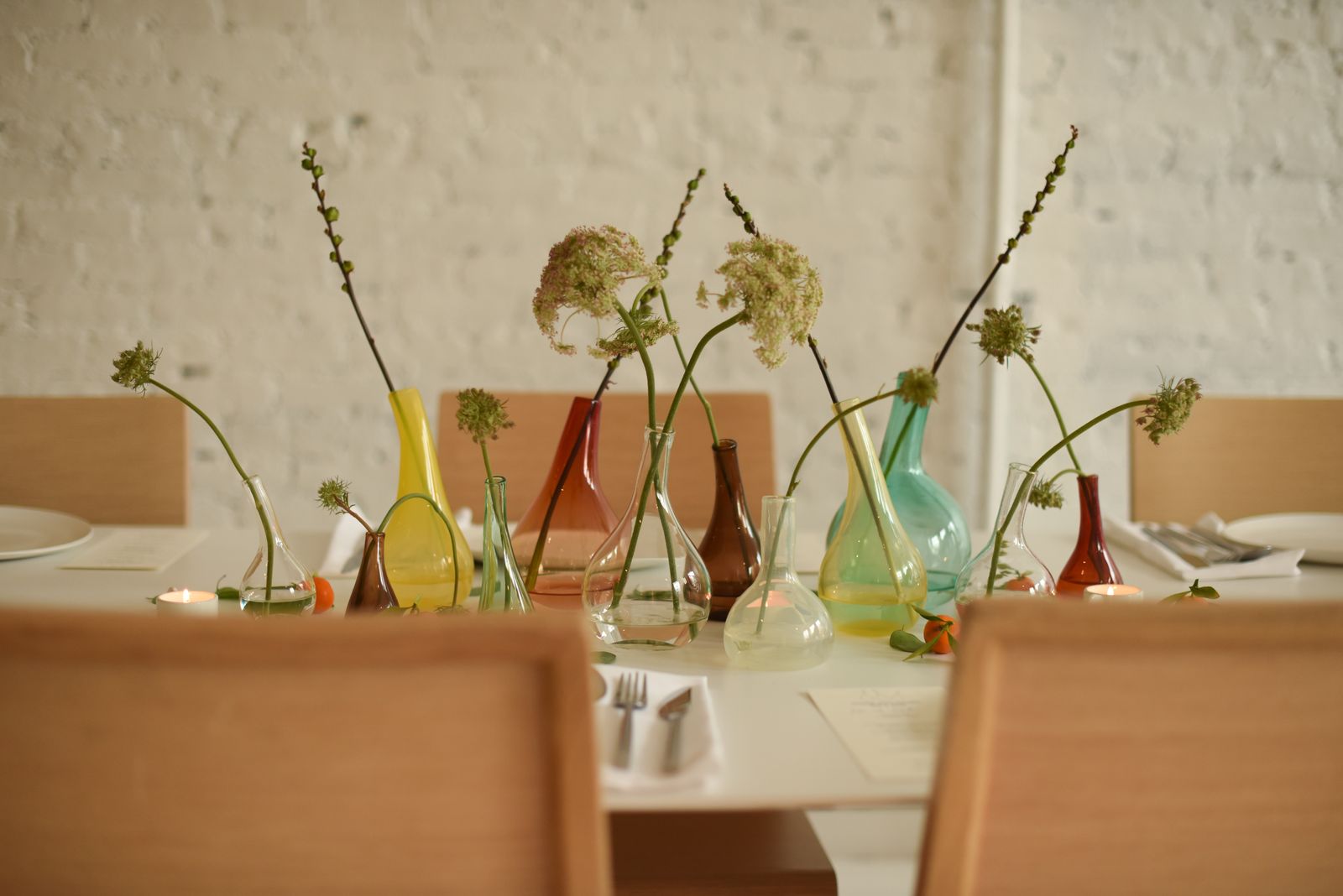
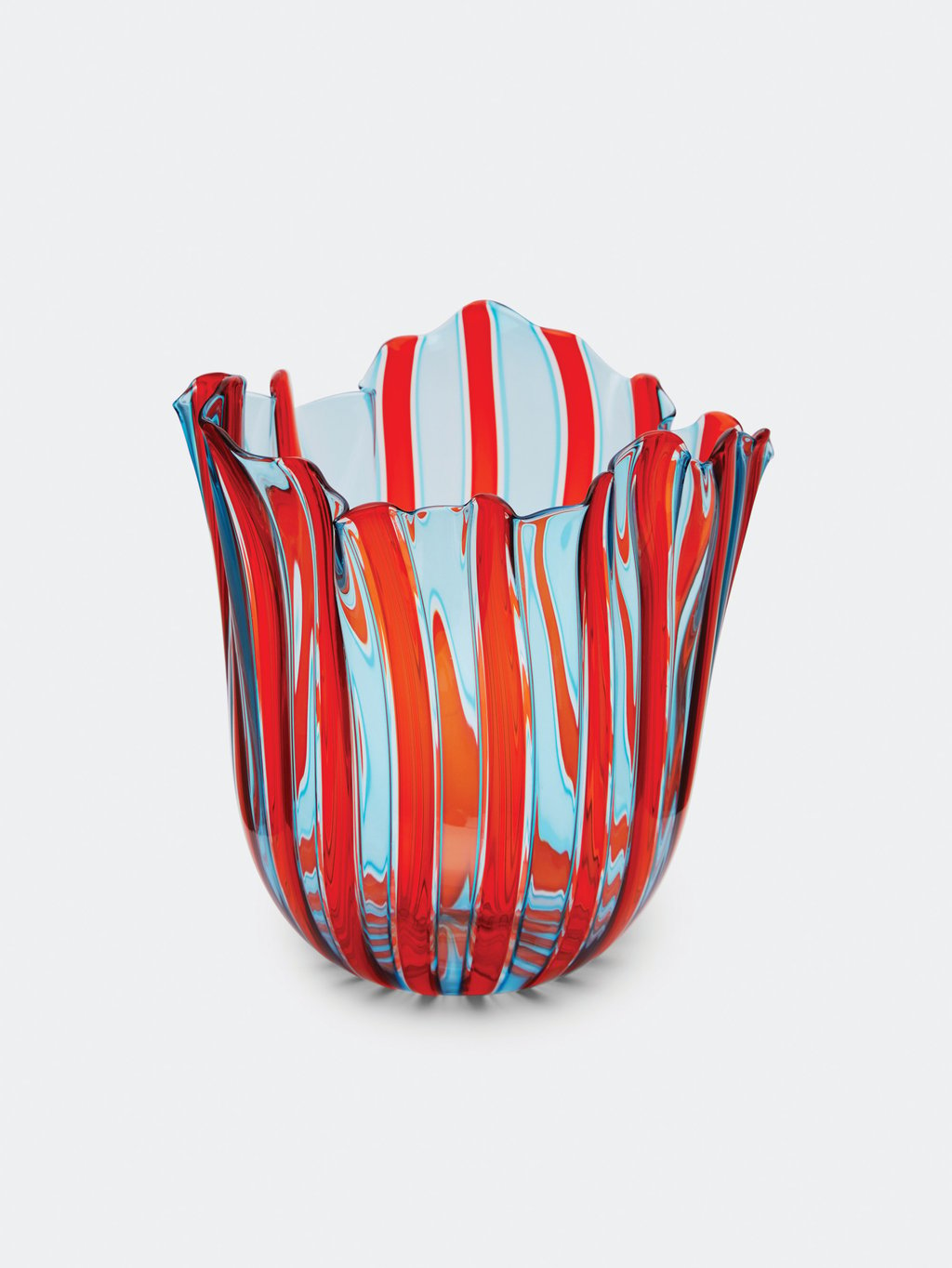
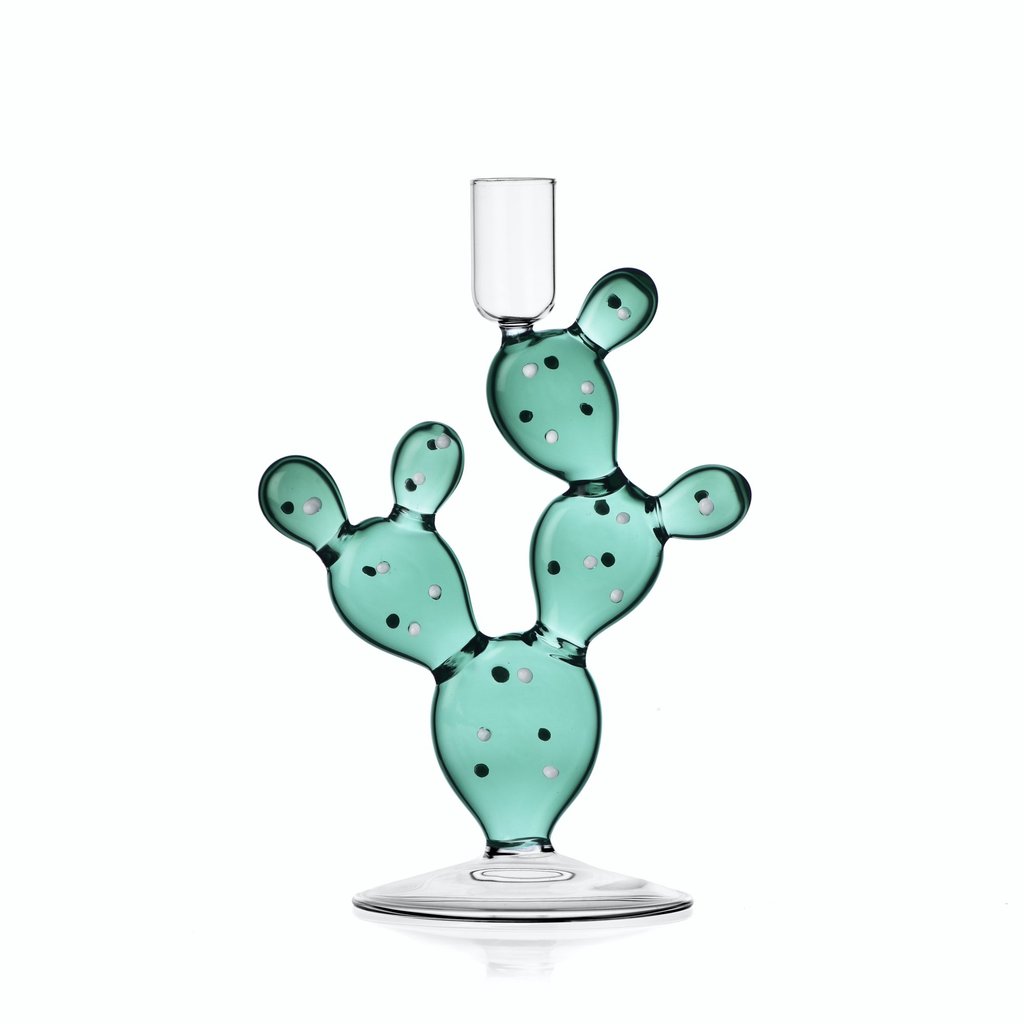
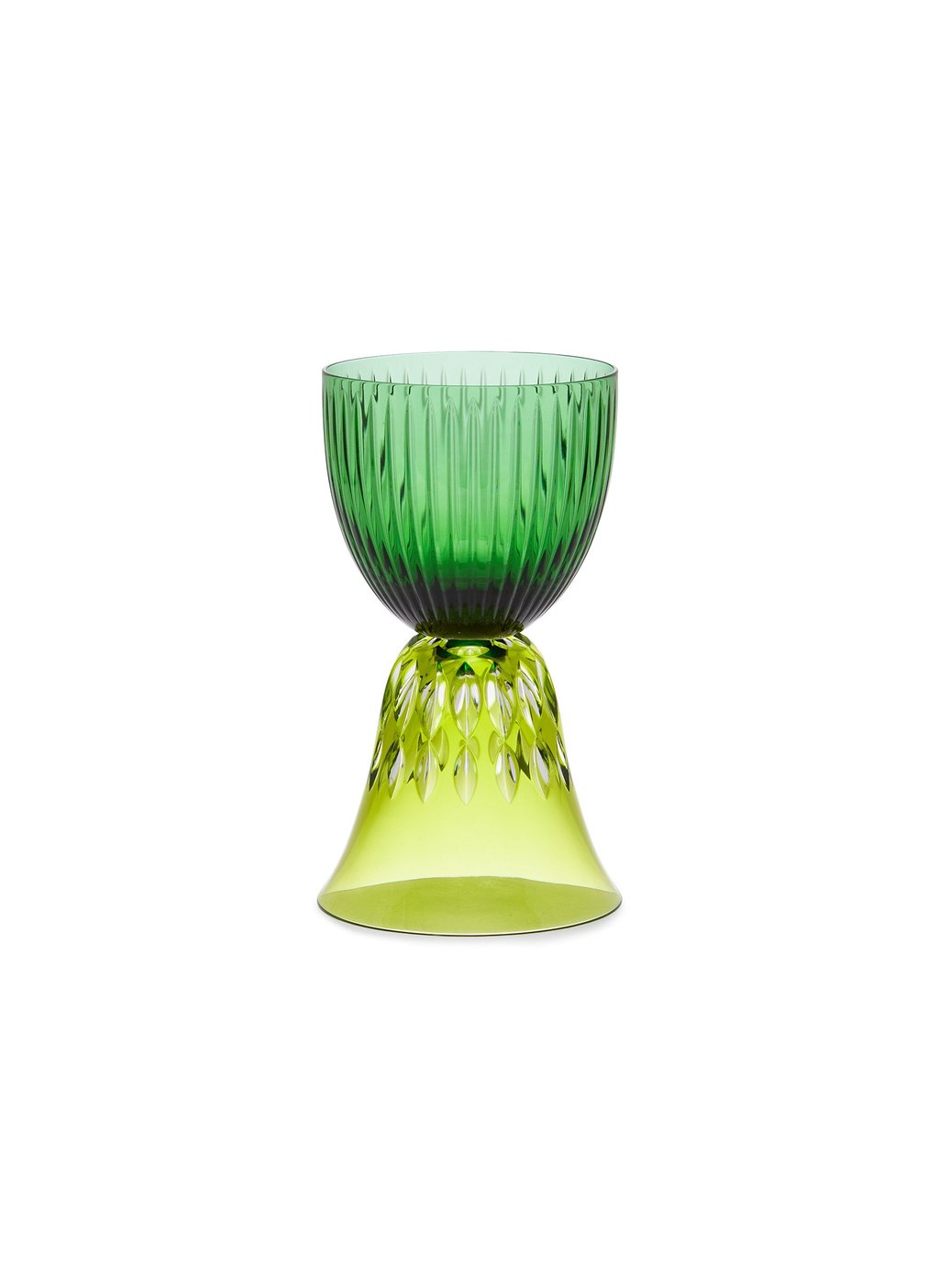
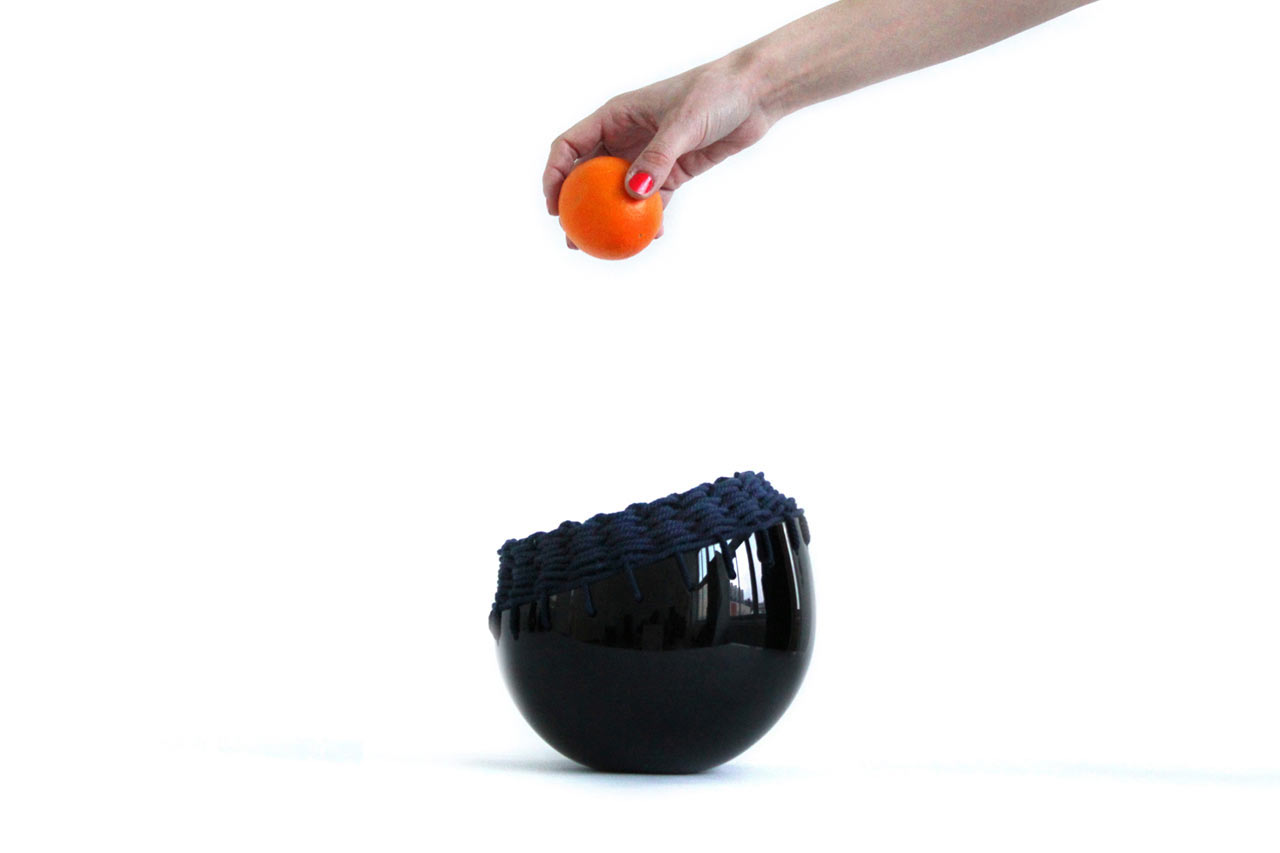
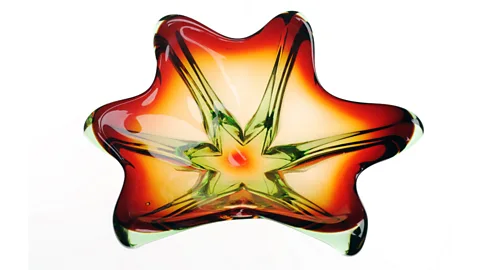
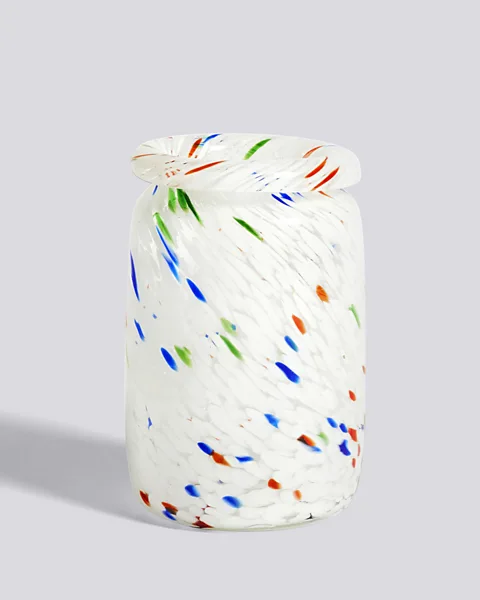
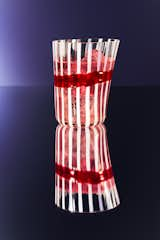
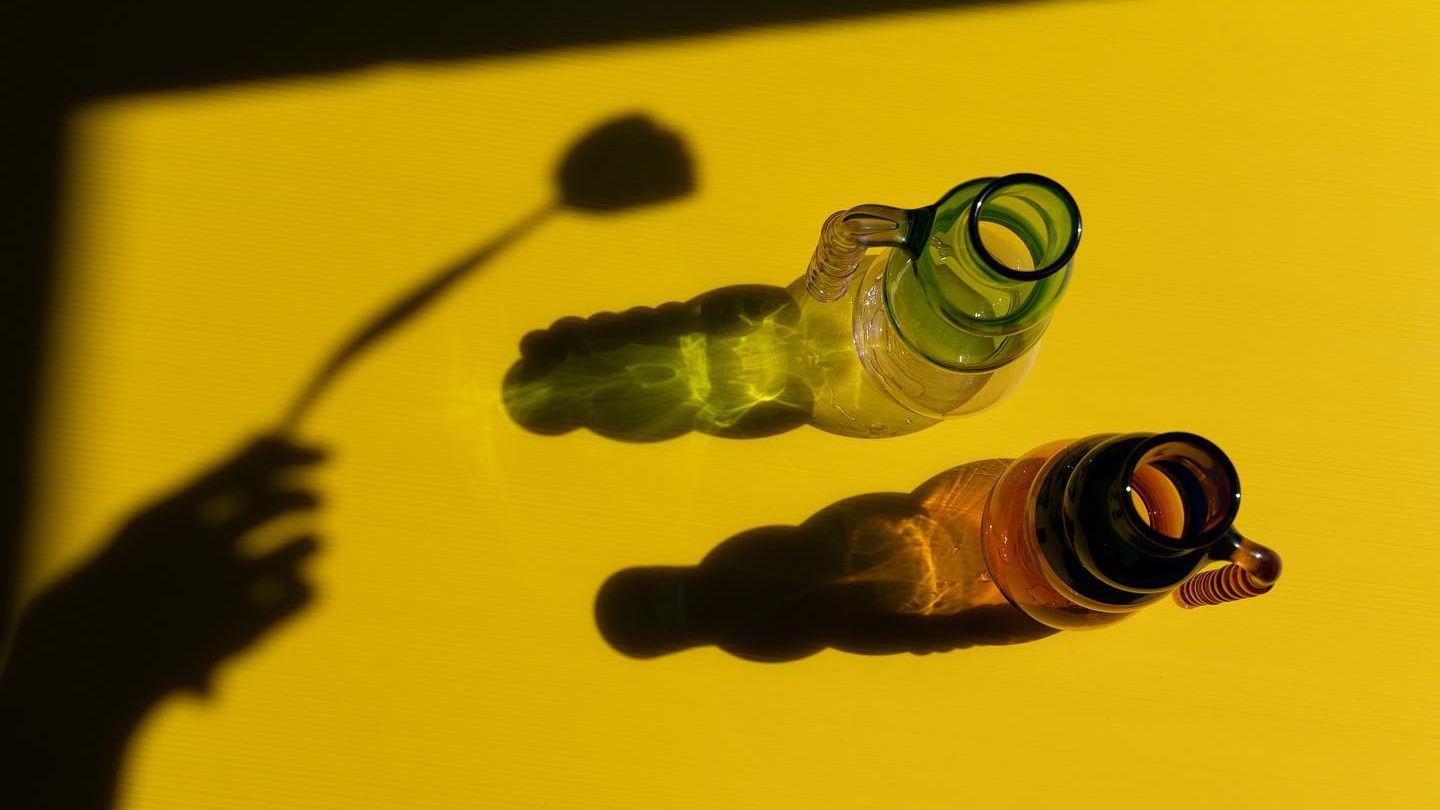
Hebron's glass factories once produced distinctive blue and green jugs, cups, bottles, and beads, a craft passed down through generations. Abu Aker collaborates with skilled Palestinian artisans to create modern glass pieces, including flower vases and drinking cups, breathing new life into this traditional art. Her designs have garnered international recognition, being showcased at prestigious events like Milan Design Week and the Design Doha Biennial.
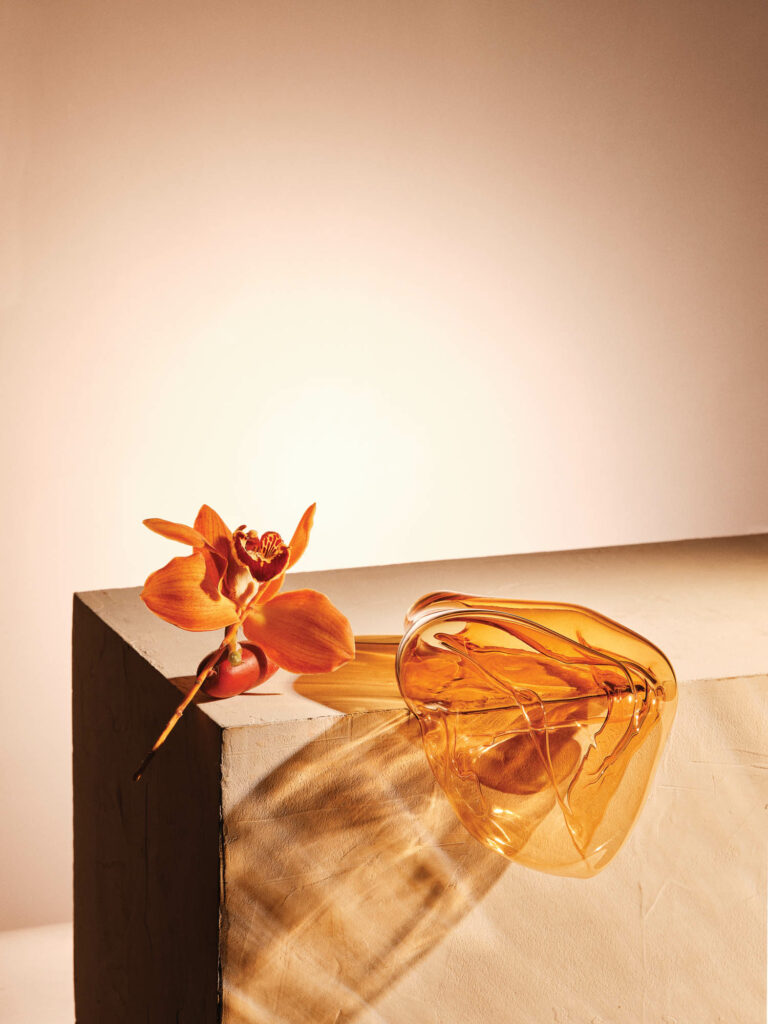
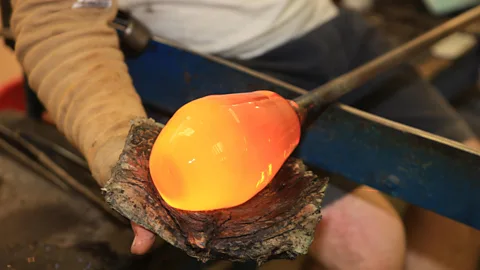
Abu Aker's personal journey into design began in Jerusalem, fueled by a childhood interest in sketching and visual expression. Her move to Milan allowed her to specialize in furniture design and explore various materials, with a strong desire to integrate her Palestinian heritage into contemporary design. She chose glass as her primary medium due to its historical connection to her heritage and its unique artistic qualities. She describes the glassblowing process as challenging yet poetic, dreamy, and romantic, highlighting the material's dynamic and somewhat unpredictable nature, often described by artisans as 'dancing.' Her approach involves a deep respect for the material, avoiding molds and allowing the glass to dictate its own form through extensive experimentation and dedication.
She recognizes the global challenge of declining craftsmanship, noting that in Palestine, this issue is exacerbated by various external pressures. Abu Aker views her work as a crucial effort to remind people of the value of artisanal traditions and to support craft communities that are often overlooked in a fast-paced, consumer-driven world. The establishment of her atelier, Ornamental by Lameice, was a deliberate step during the COVID-19 pandemic, providing an opportunity to align her artistic passion with a meaningful objective of cultural preservation.
The aesthetic of her colorful pieces is characterized by lightness, fluidity, and an organic feel. Abu Aker aims for designs that provoke conversation, evoke emotions, and express a balance of strength and femininity, contrasting with harsh or edgy forms. Her inspirations are diverse, ranging from music and poetry to natural forms, acknowledging that the creative process often leads to unexpected outcomes. She collaborates with the Twam family, a multi-generational glassblowing family from Jaba’, whose inclusive and collaborative approach to their craft deeply moved her. She highlights the inherent challenges of glassblowing, such as working with extreme heat and the delicate nature of the material, which demand intense focus, intricacy, and patience. Through her work, especially amidst the current climate in Palestine, Lameice Abu Aker aims to assert Palestinian identity and demonstrate the community's unique capabilities and high-skilled craftsmanship, viewing activism through the lens of artistic creation.
#LameiceAbuAker #PalestinianDesign #Glassblowing #CulturalPreservation #Craftsmanship #MiddleEasternArt #DesignDoha #MilanDesignWeek #HeritageCrafts #LameiceAbuAker #PalestinianDesign #Glassblowing #CulturalPreservation #Craftsmanship #MiddleEasternArt #DesignDoha #MilanDesignWeek #HeritageCrafts
0 ความคิดเห็นรวม
 ยังไม่มีความคิดเห็น
คุณอาจจะชอบอีกด้วย
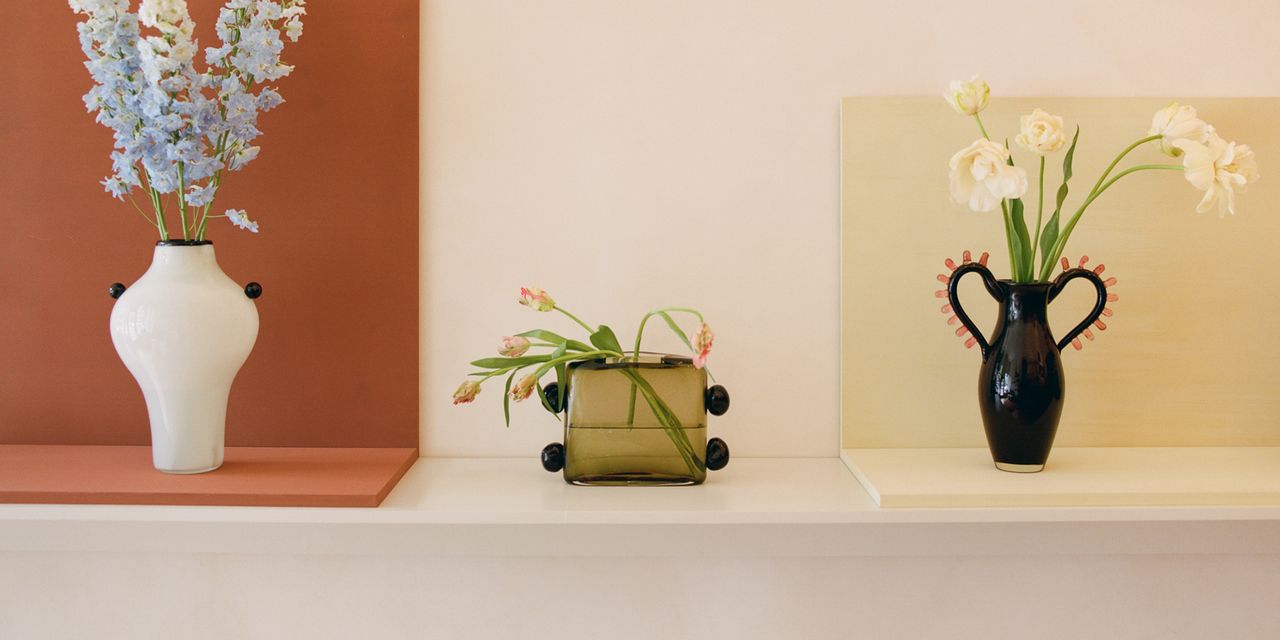
Glass Is Red-Hot: Here Are 6 New Collections to Know

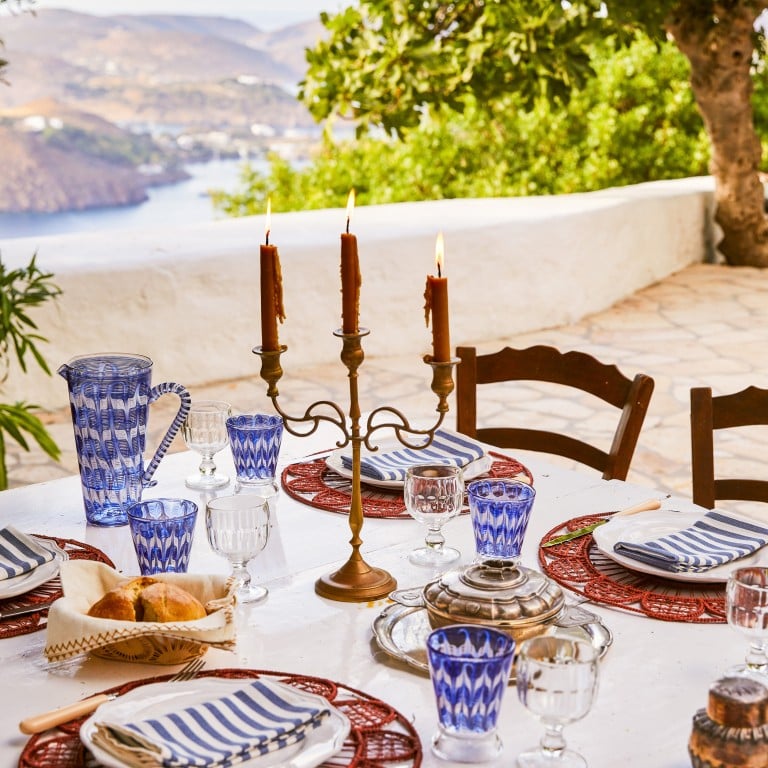
How modern designers are transforming glassware with creative touches

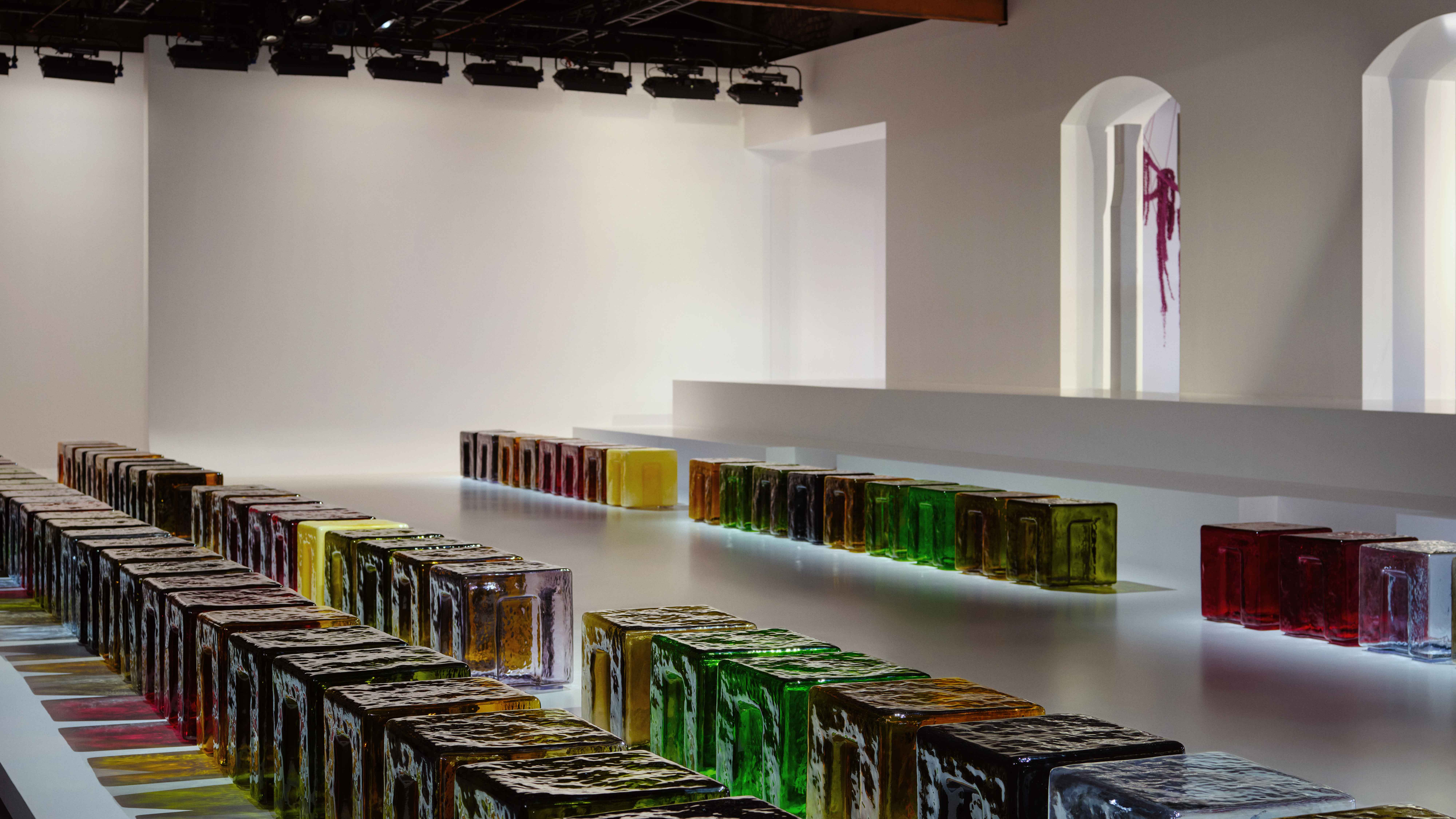
This is the design studio behind those insane glass seats at the Bottega Veneta S/S 2026 show

Meet The Lebanese-British Designer Famed For Her Eclectic Mix Of Pop Arts
glass art and design Archives
These Glassware Pieces Are Mind-Blowing
karim+elias give desert sand new form with luminous wall lamps and sculptural vases

Glassware Traditions We Love From Around the World—and Their Modern Interpretations

Material Innovation At Its Best: Explore Design Standouts

manipulate glass with the 'touch-me' vase collection by matteo silverio + stefano bullo
Why glamorous glassware is booming

10 Glass Blowing (& Glass Art) Workshops to try in Singapore
Bay View kiln-formed glass artist etches her niche with new StudioQ
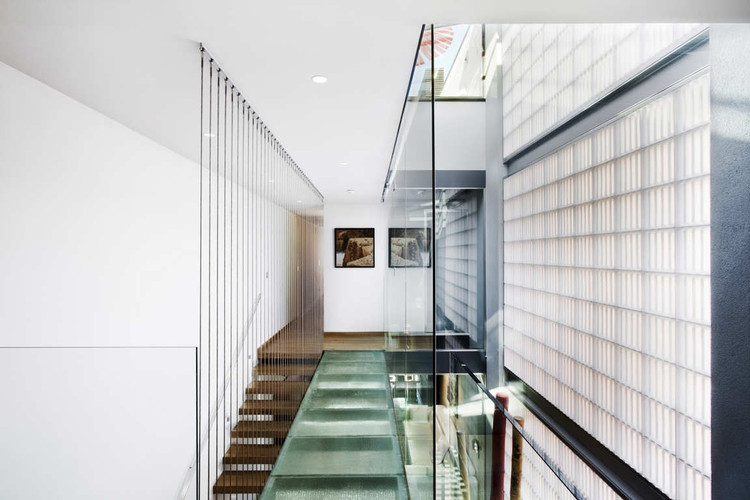
Glamorous Glass Bricks Are Booming – Again

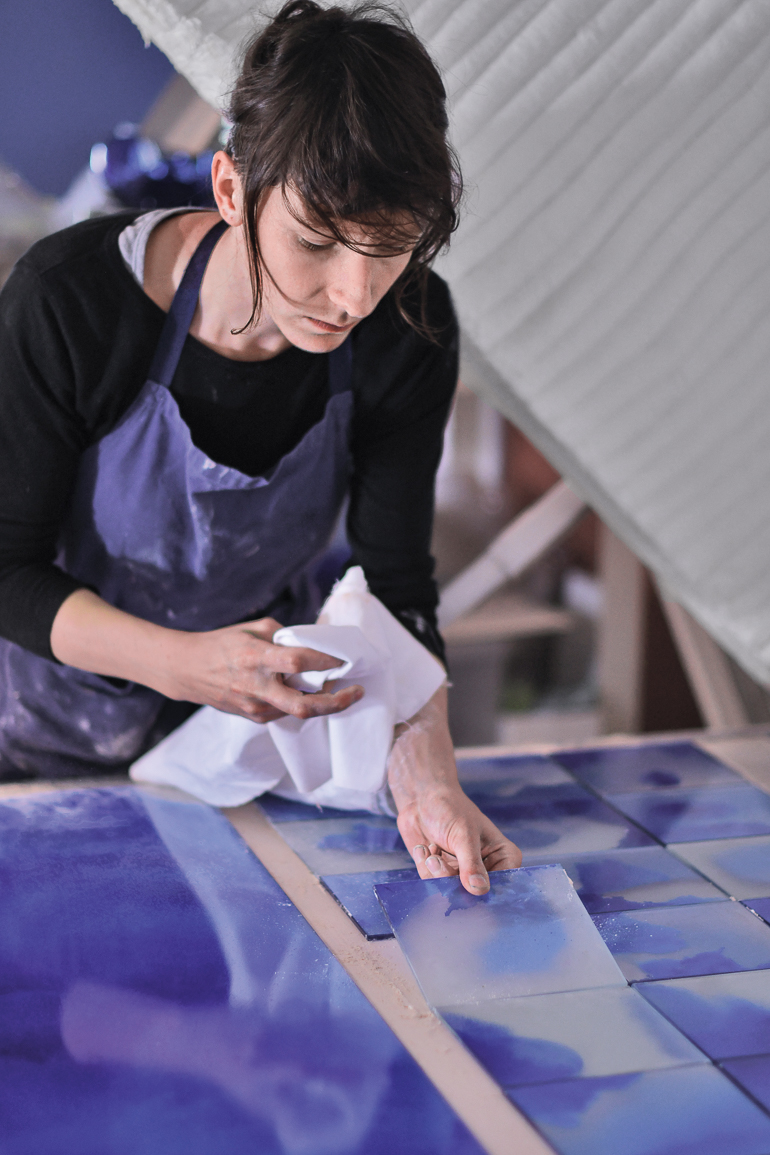
15 Rising Stars of Product Design
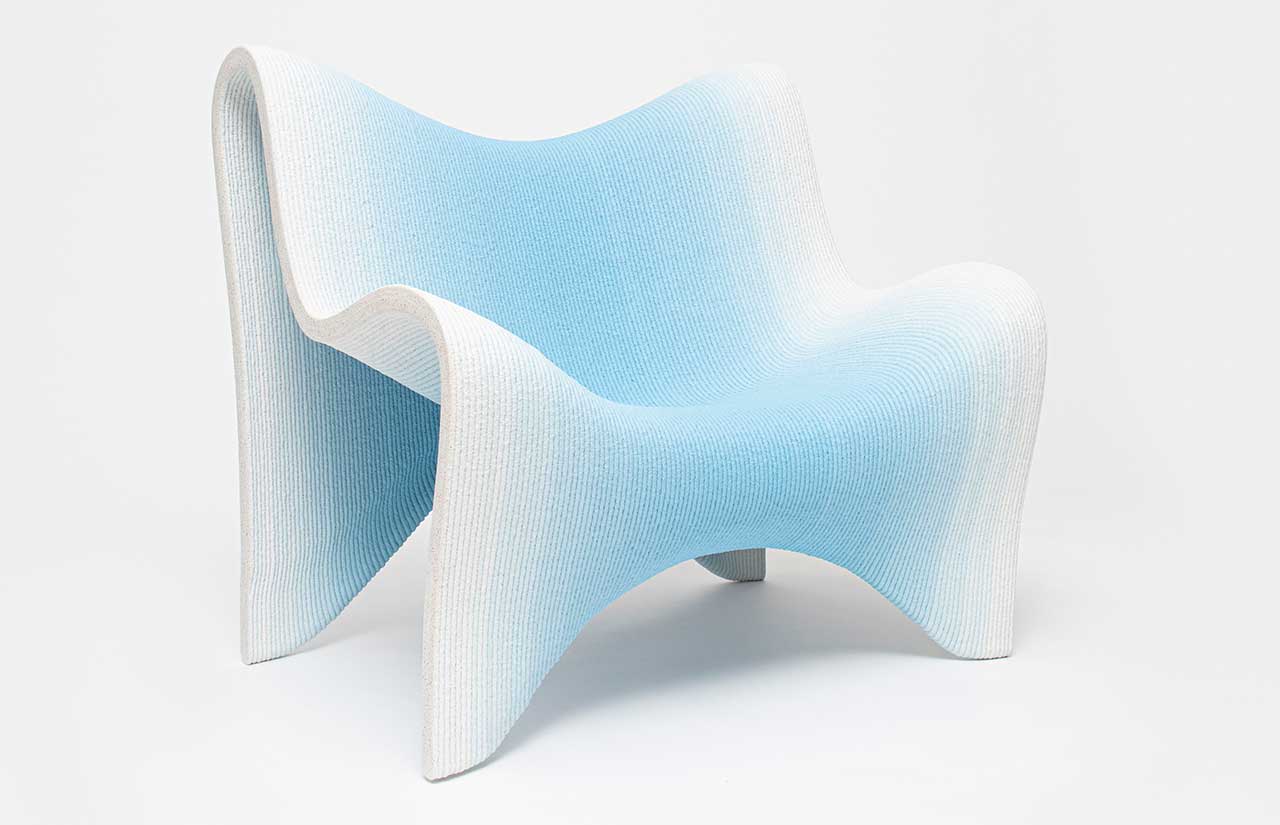
Philipp Aduatz Creates 3D-Printed Concrete Furniture and Vases

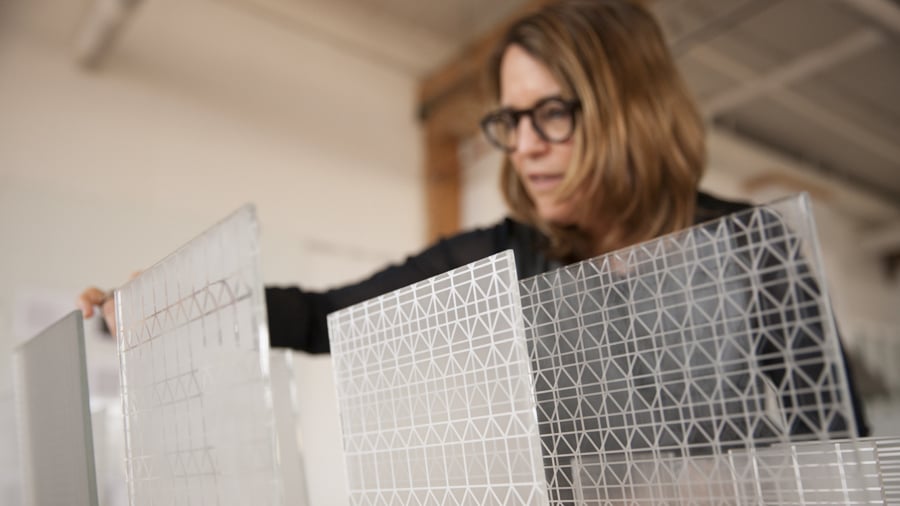
Suzanne Tick Ventures Into Glass for Skyline Collection

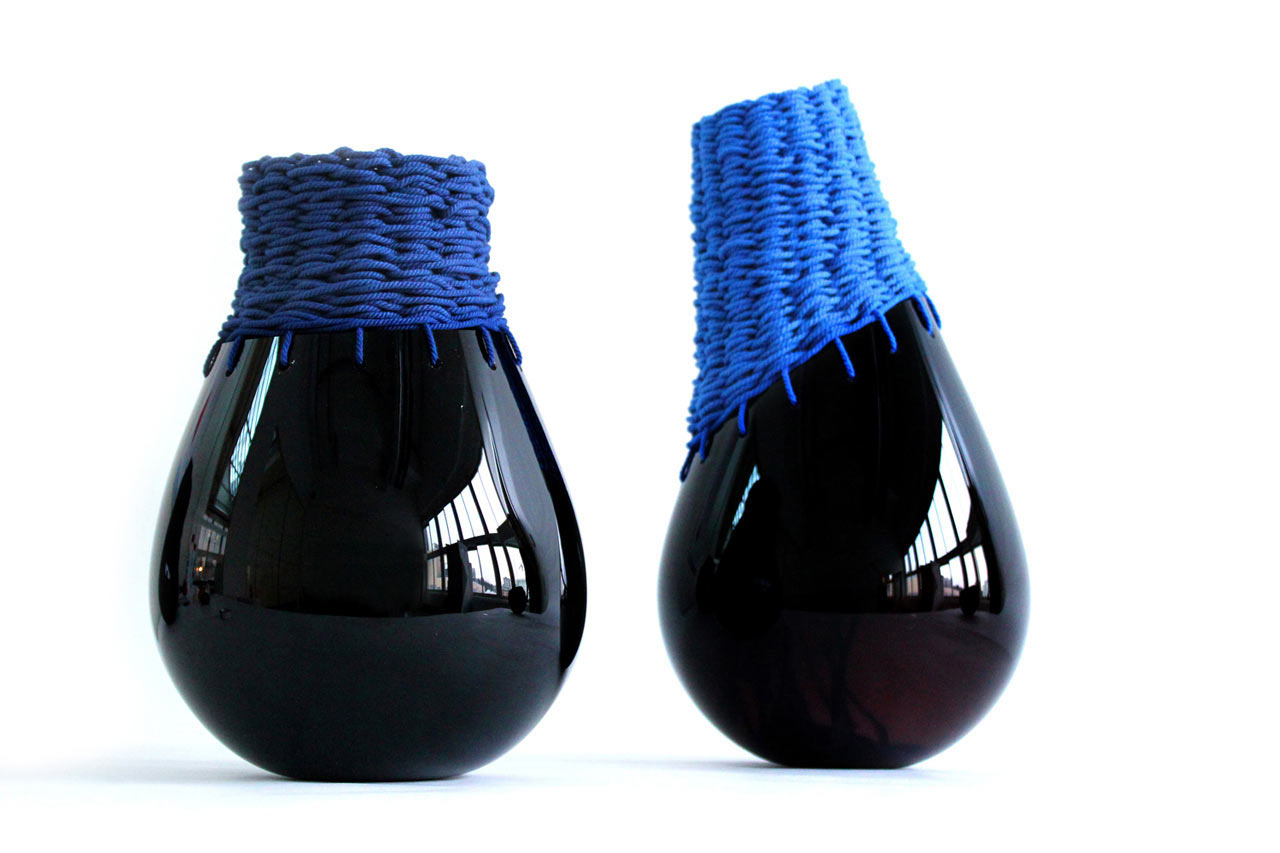
A Tale of Two Materials: Innesti Vases
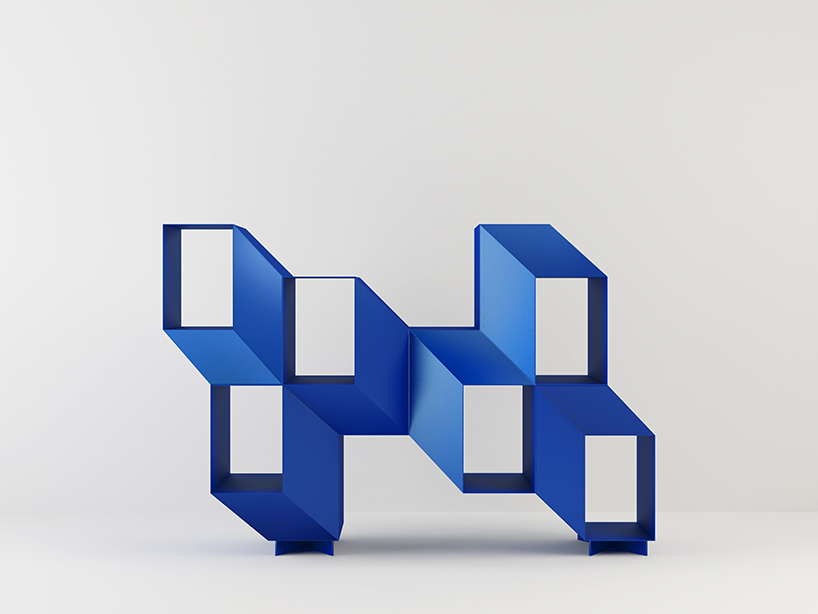
lebanese designer charles kalpakian uses optical illusions to form rocky shelves
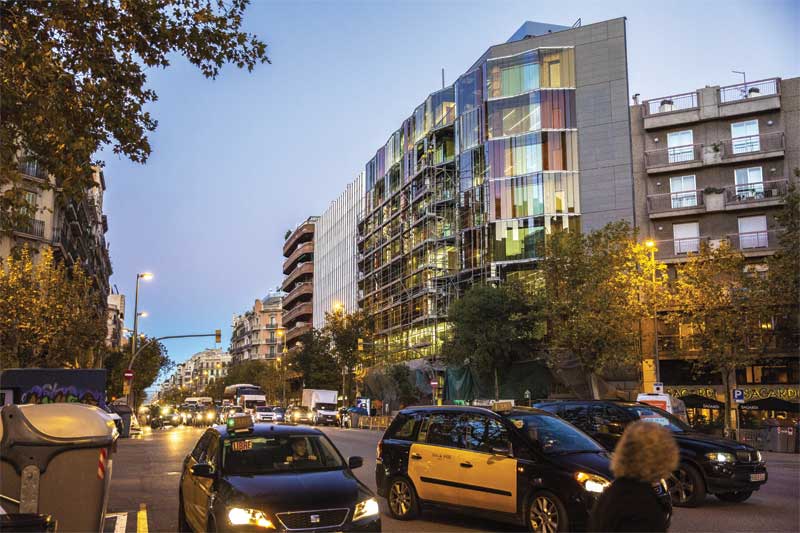
Color play: How to use hues and neutrals in architectural design