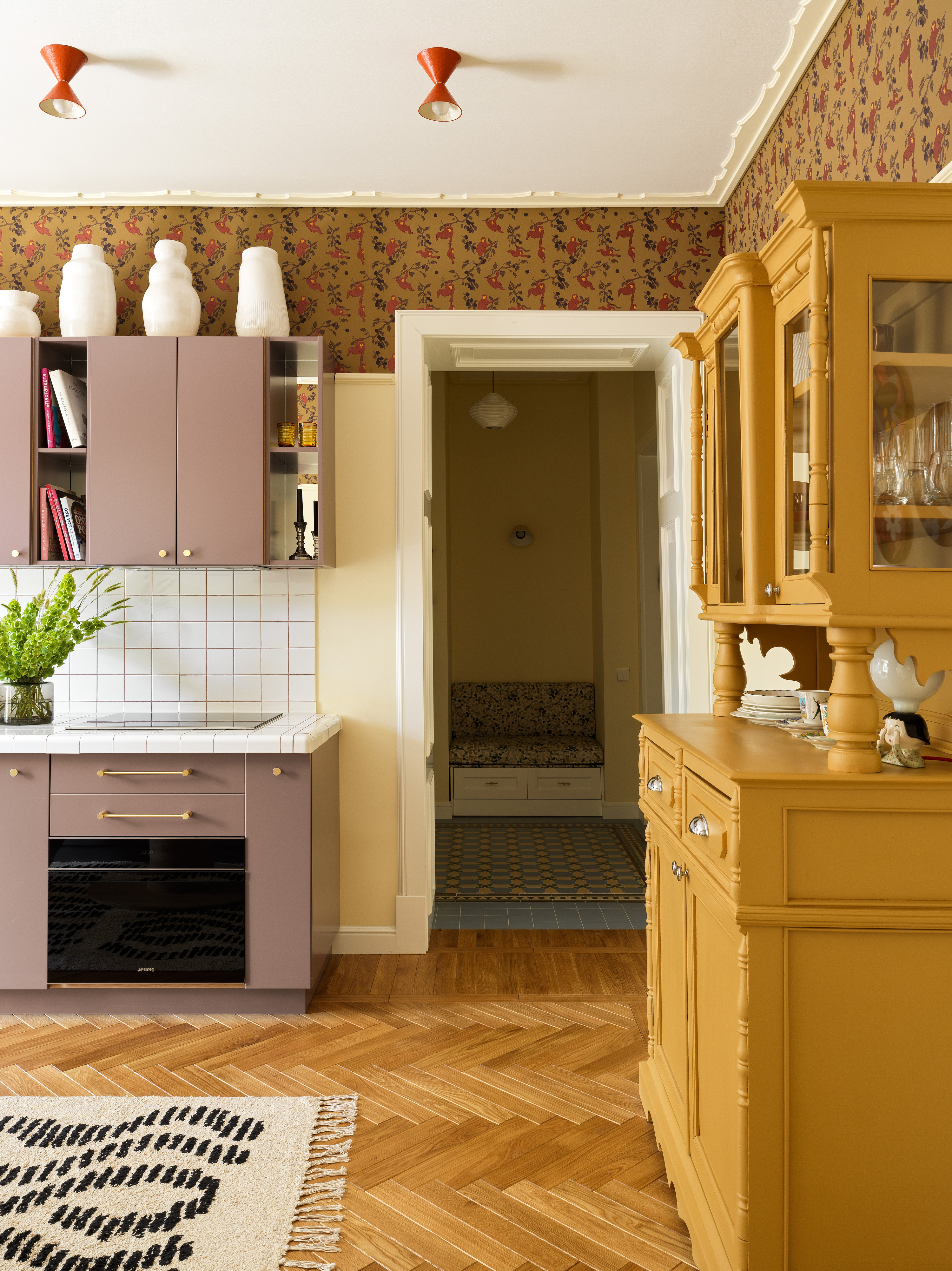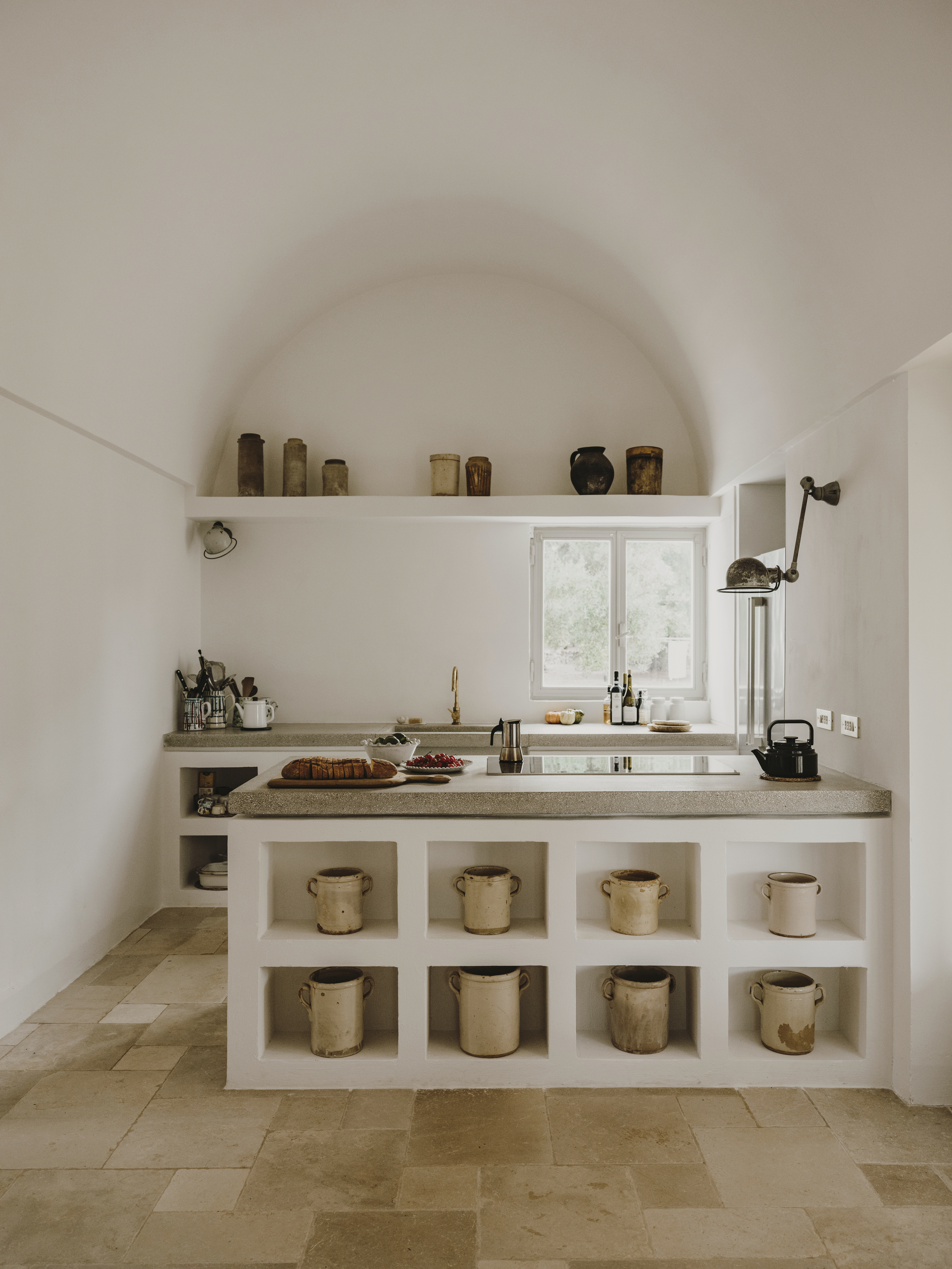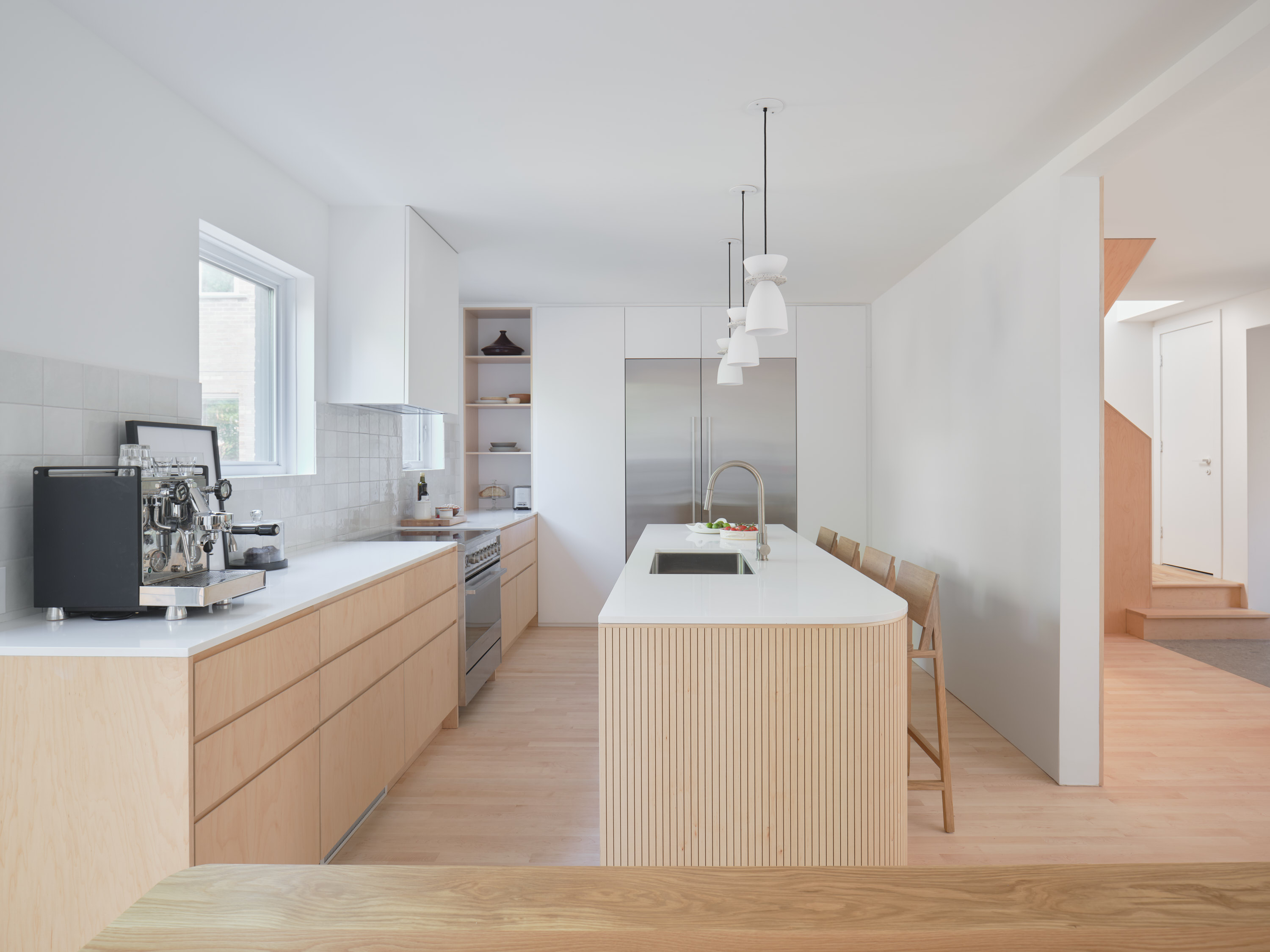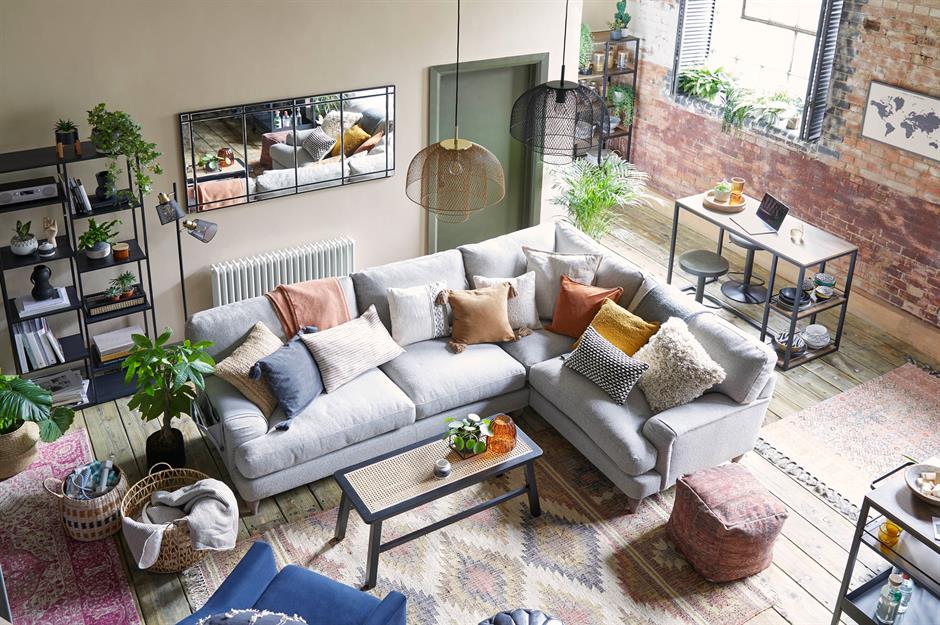
1/17
What is an industrial kitchen? Who needs it? Here are 16 design ideas to copy
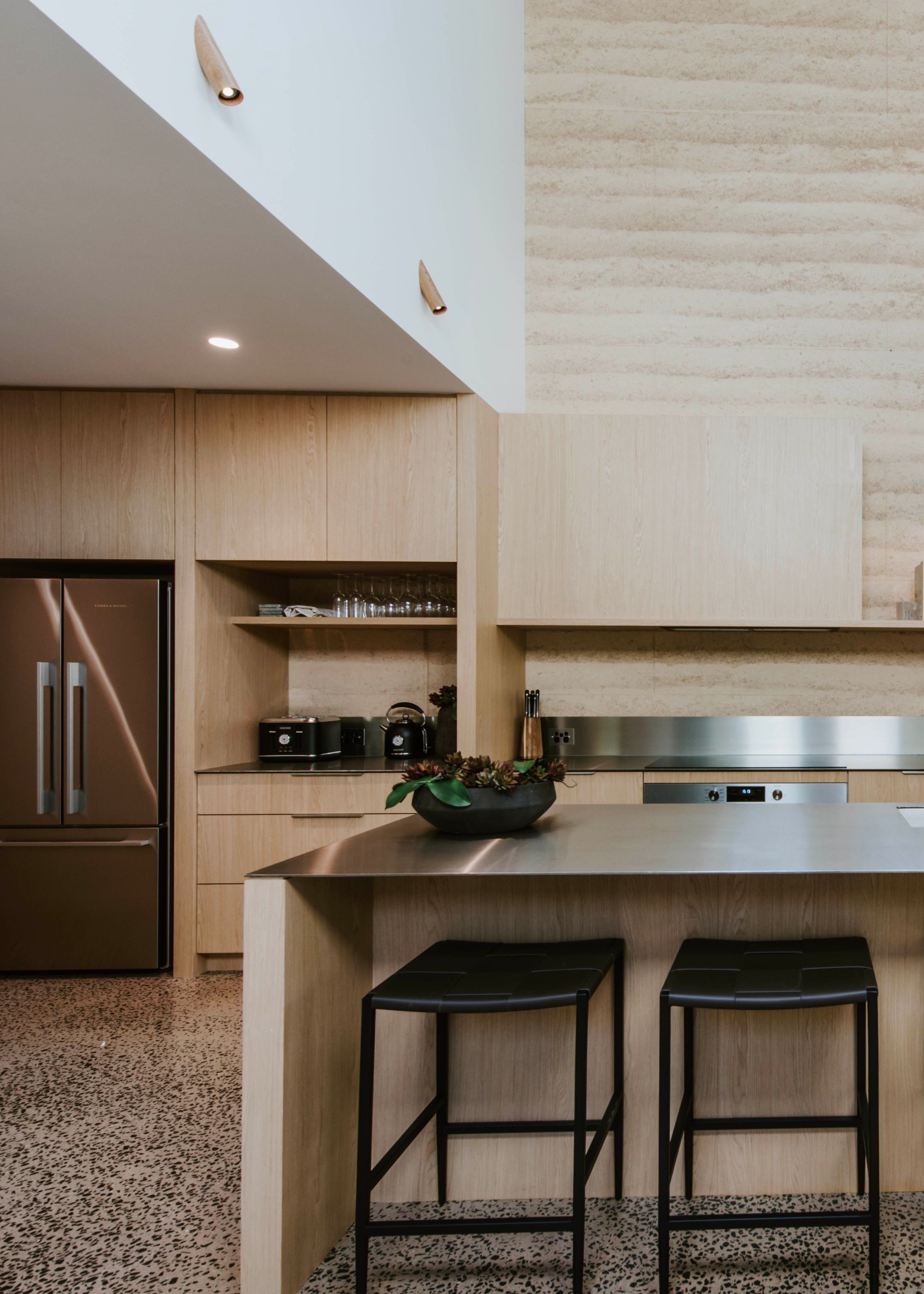
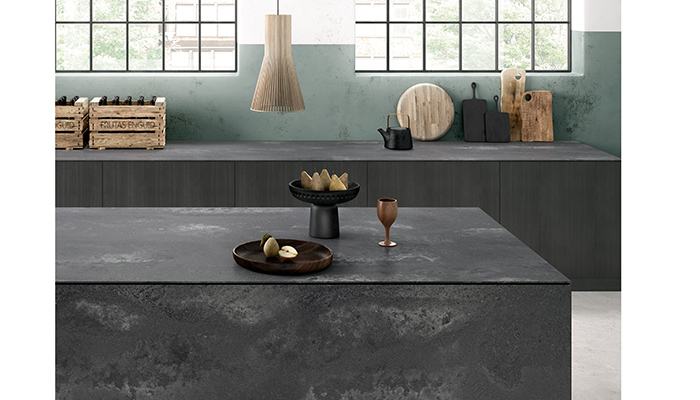
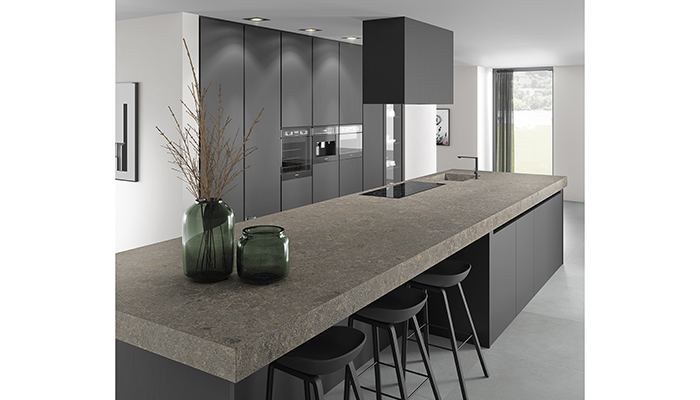
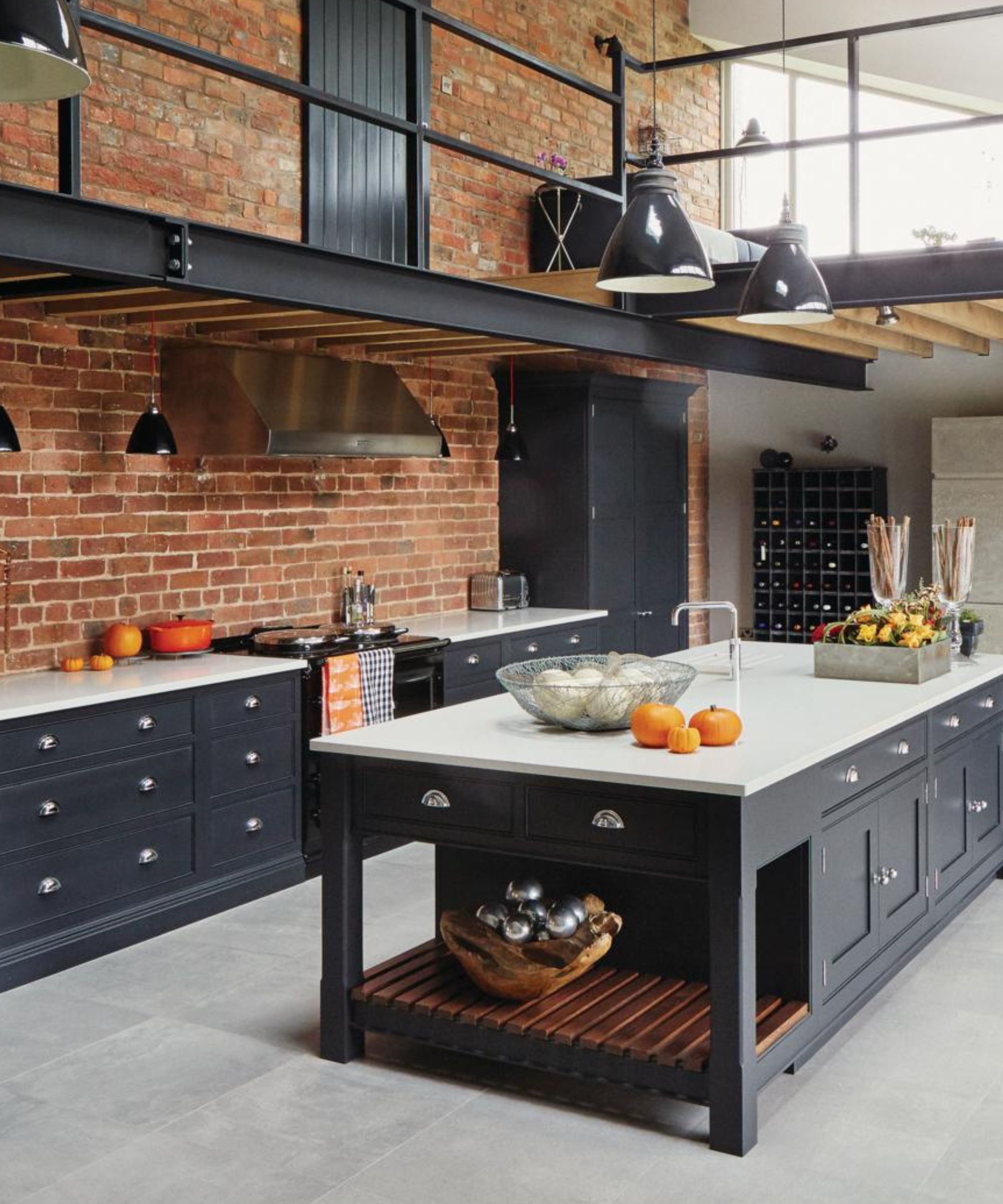
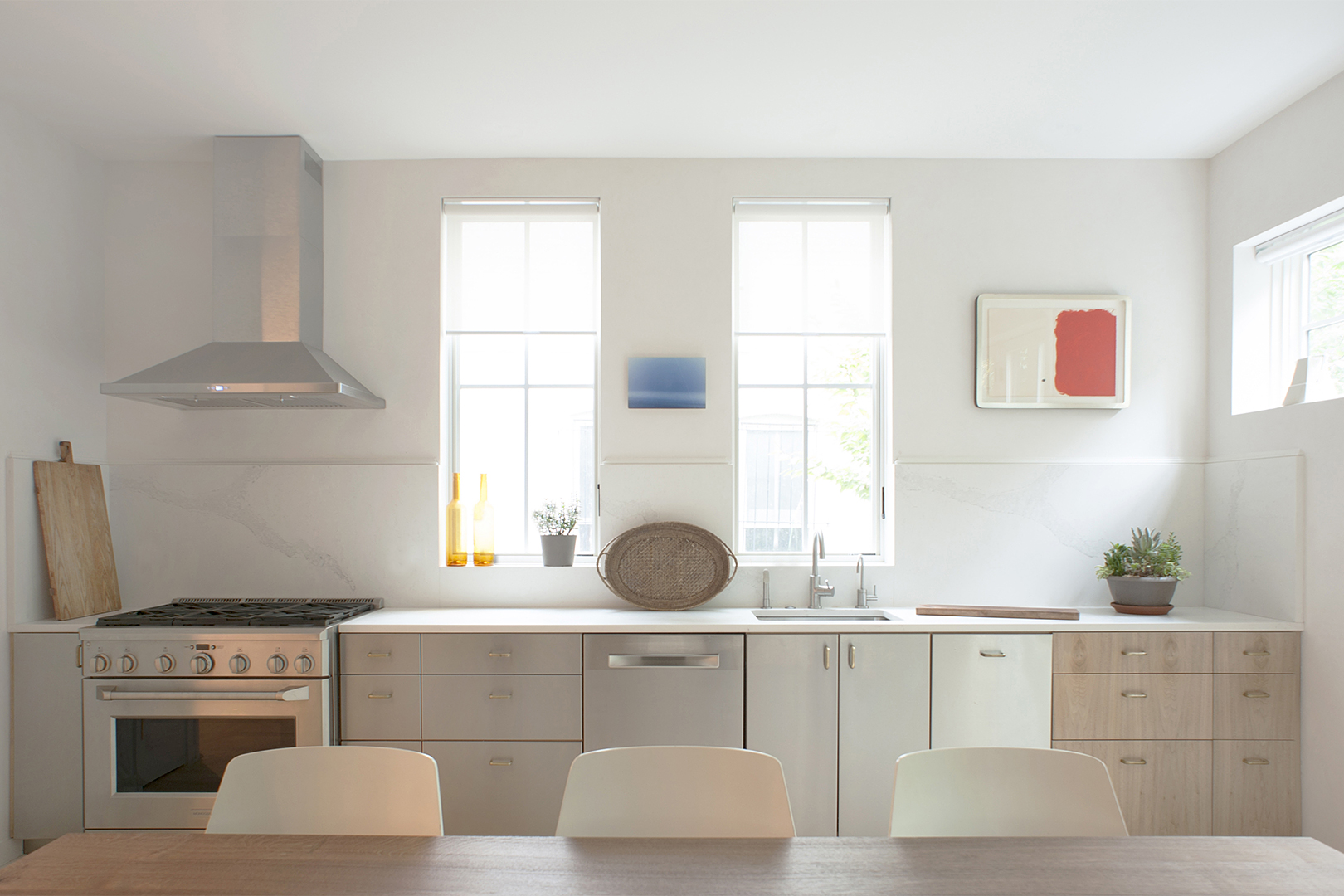
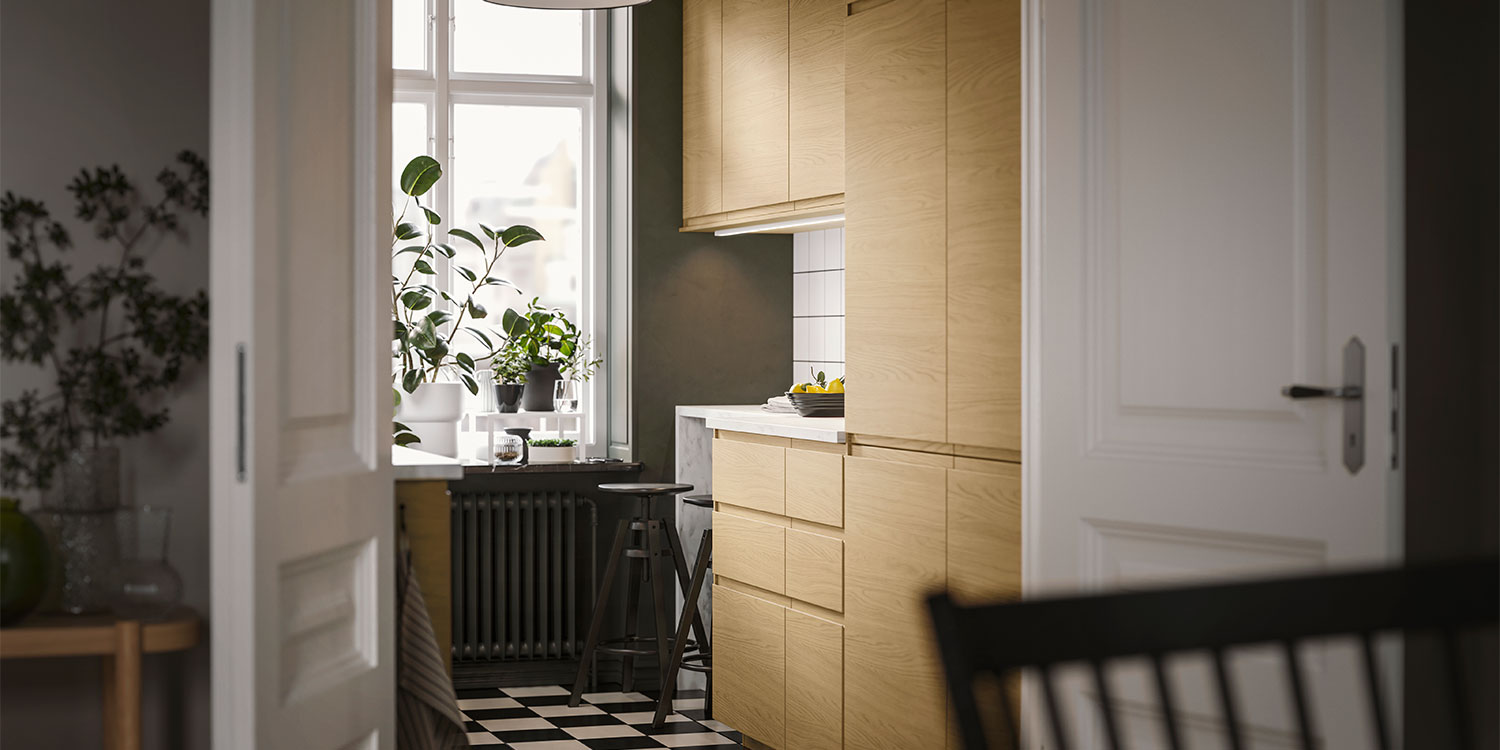
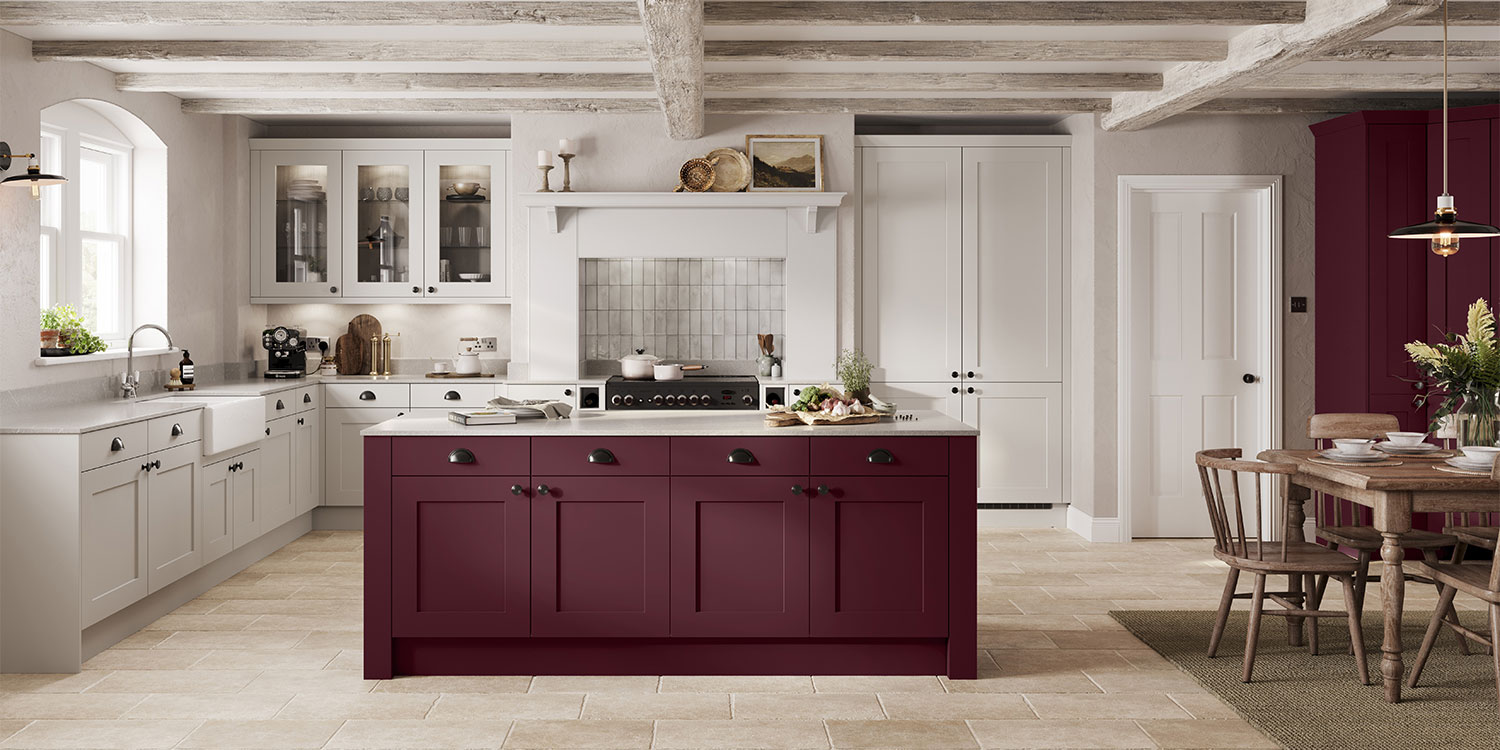
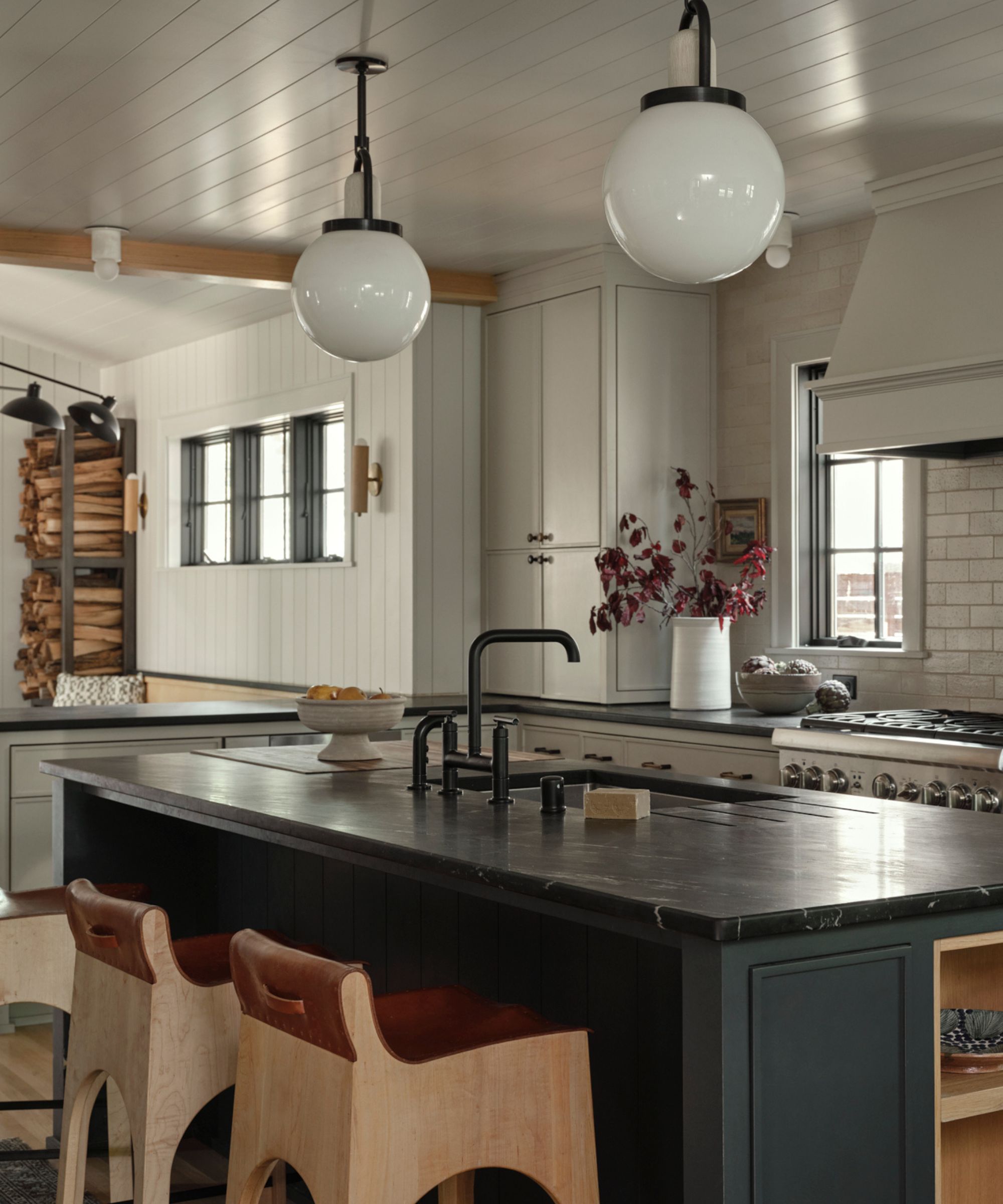
The minimalist aesthetic of industrial kitchens, drawing inspiration from commercial and restaurant settings, is characterized by its emphasis on form and function. Sara Cukerbaum, principal designer at Slic, highlights that this design approach integrates elements from surrounding architecture and materials, adding only essential details. While industrial kitchens typically feature a pared-down look, they do not have to be cold or uninviting. Methods to introduce warmth include incorporating wood accents and maximizing natural light through large windows. This approach is versatile enough to appeal to various design preferences, including those who favor farmhouse kitchens.
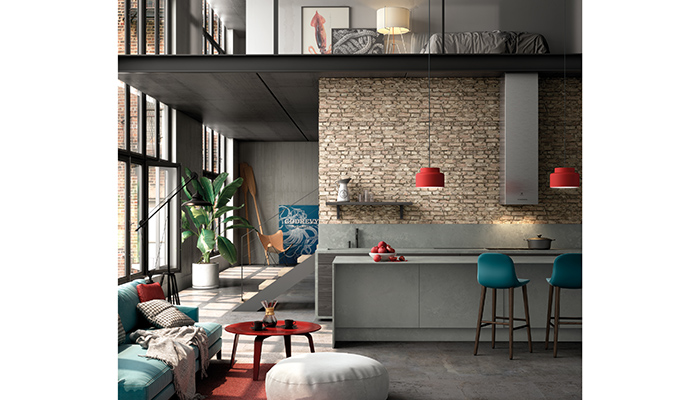
The fundamental design principles for industrial kitchens are rooted in practicality and a raw, edgy vibe, reminiscent of old factory designs with features like oversized windows with steel mullions. Joyce Huston, lead interior designer at Decorilla, emphasizes the importance of balance and instinct in achieving this aesthetic, comparing it to cooking without a recipe. Cukerbaum advises against overthinking the design or fighting existing structural elements. A key aspect of industrial design is the deliberate exposure of appliances, which can sometimes become focal points. Common pitfalls include excessive use of metal, leading to a sterile environment, and neglecting to introduce warming elements. Huston stresses the significance of lighting, suggesting that bold fixtures can greatly impact the space. She also recommends mixing materials, such as exposed brick and weathered wood, and integrating vintage pieces, to create a narrative rather than just a look.
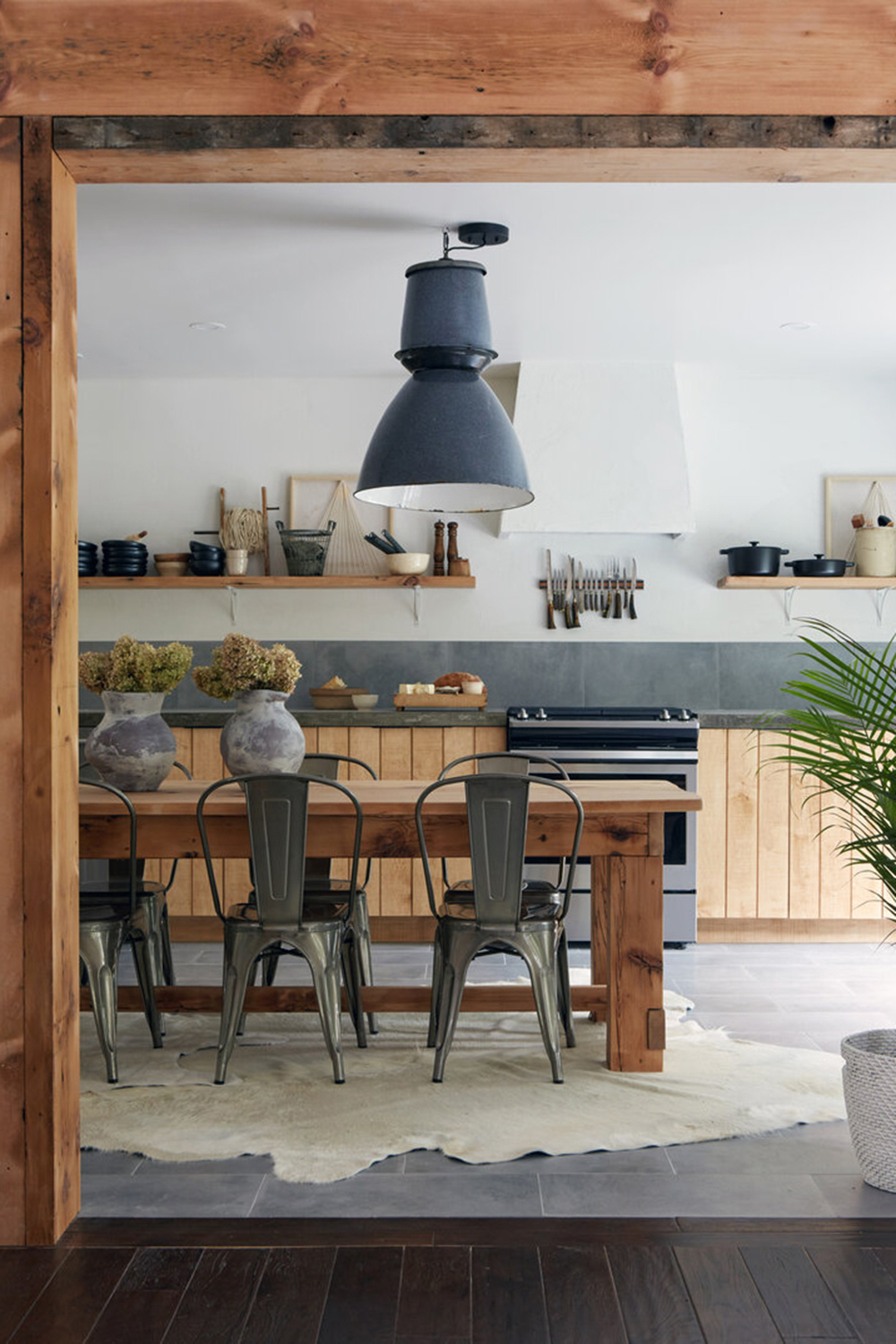
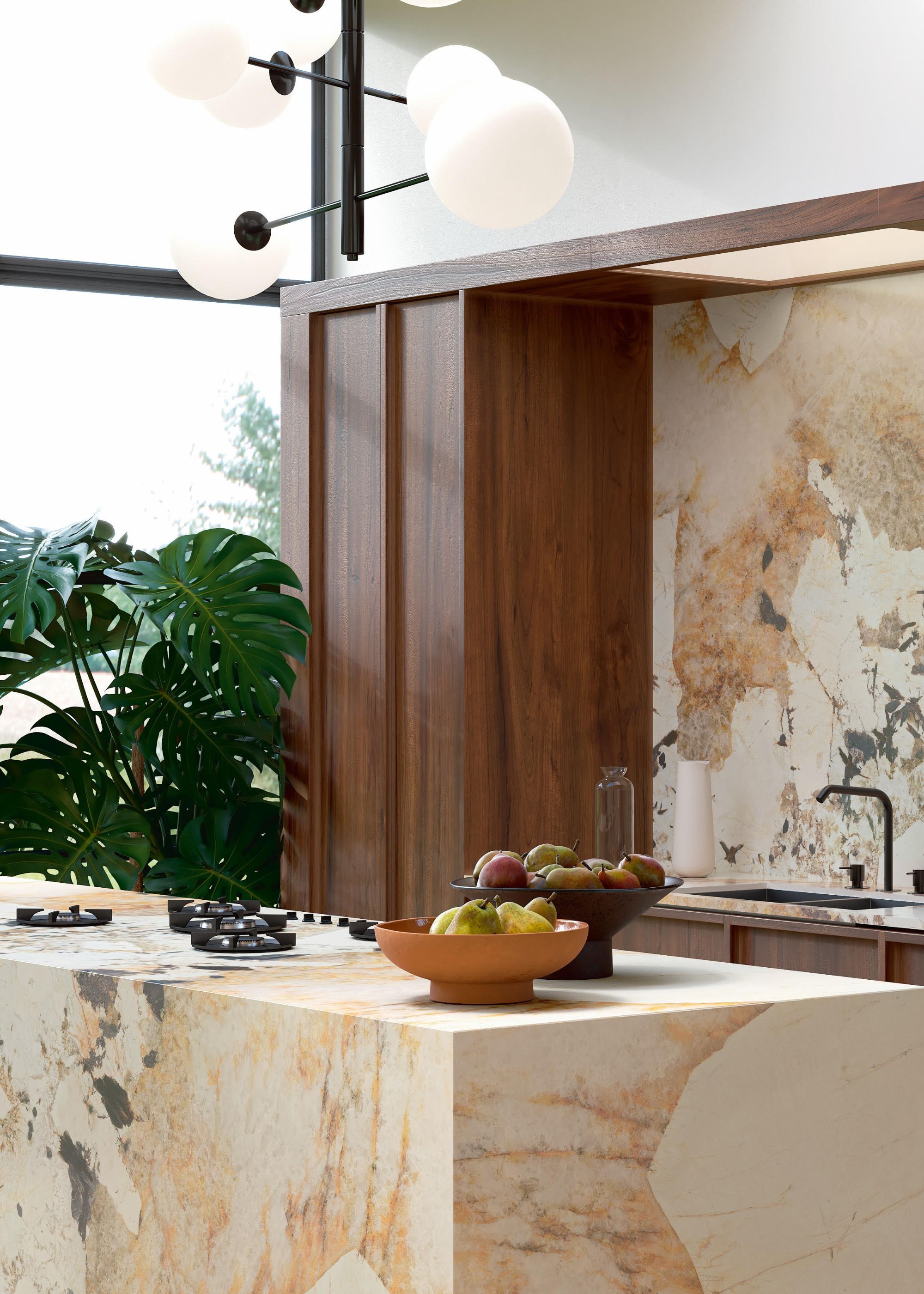
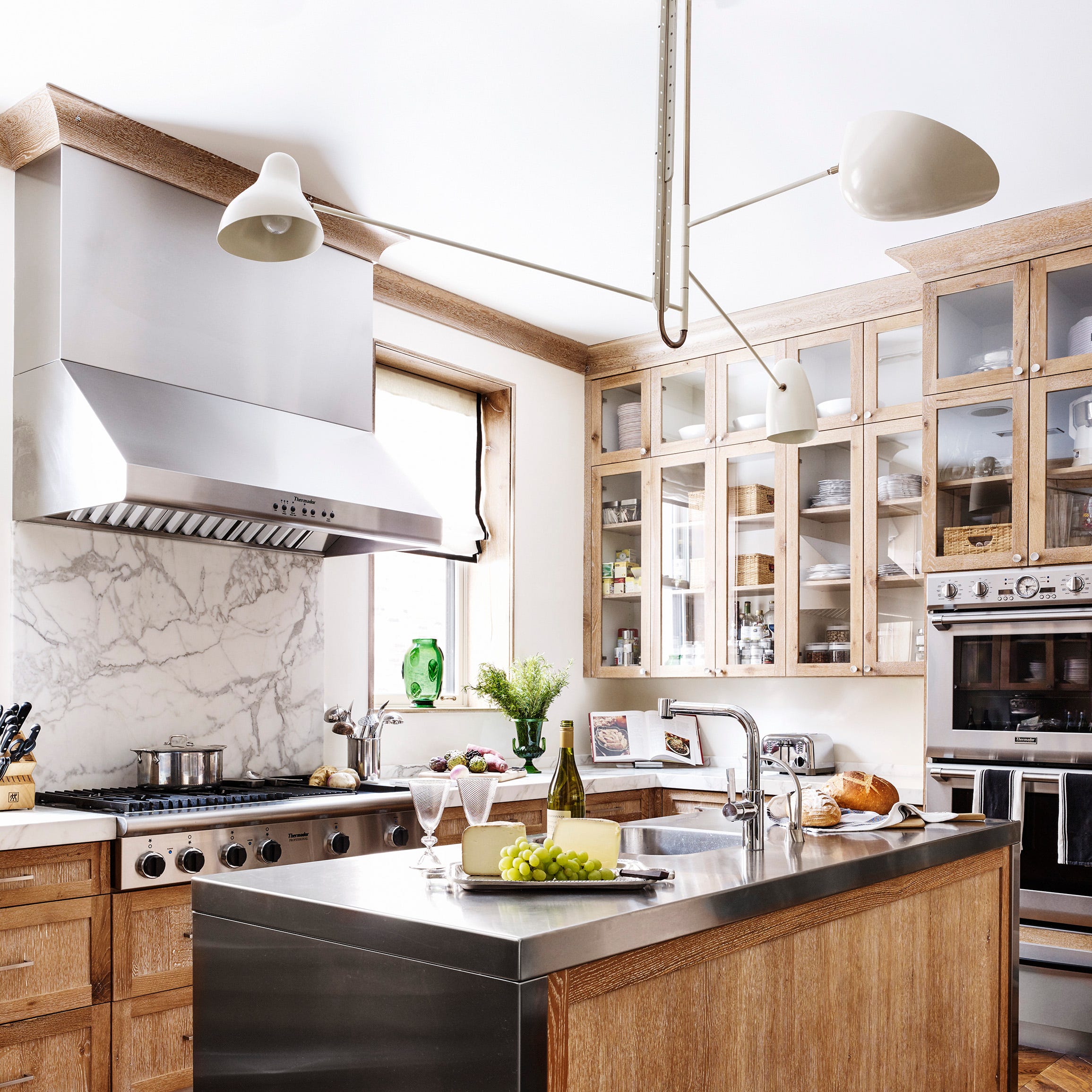
Material selection is crucial for achieving an authentic industrial aesthetic. Andrew Pharis of Vertical Arts Architecture states that the material palette is paramount. He suggests focusing on layering raw, natural materials. For instance, combining rich wood cabinetry with a steel range hood can create a striking contrast. Cukerbaum further explains that the minimalism inherent in industrial kitchens allows the existing material palette, such as wood and brick, to remain the central focus. In terms of cabinetry, less is often more, prioritizing functionality. Understated cabinetry and a reduction in the overall number of cabinets can make the space feel larger and more open, preventing a cluttered appearance. The goal is to select fewer design elements that make a significant impact on the space's aesthetic.
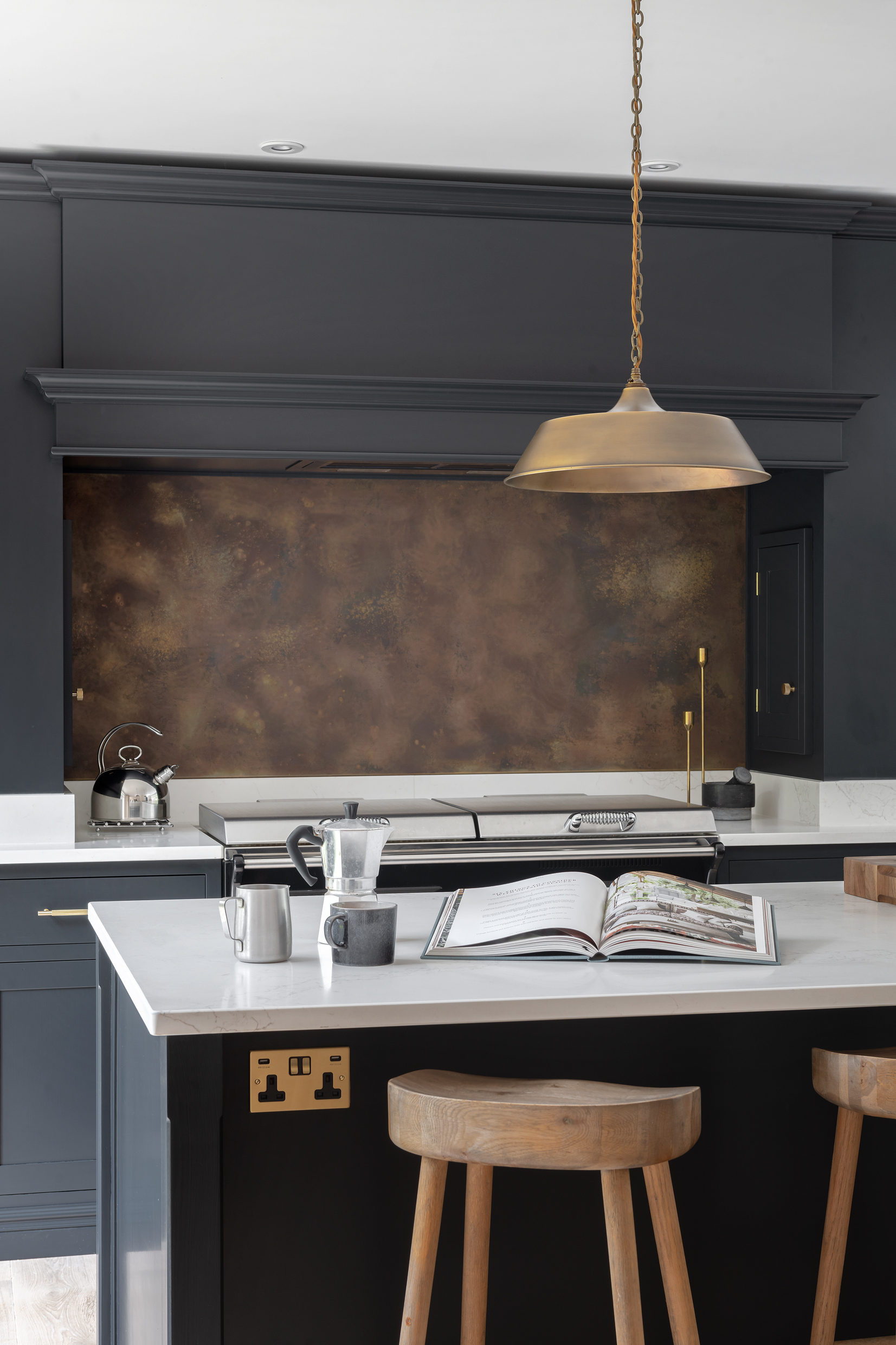
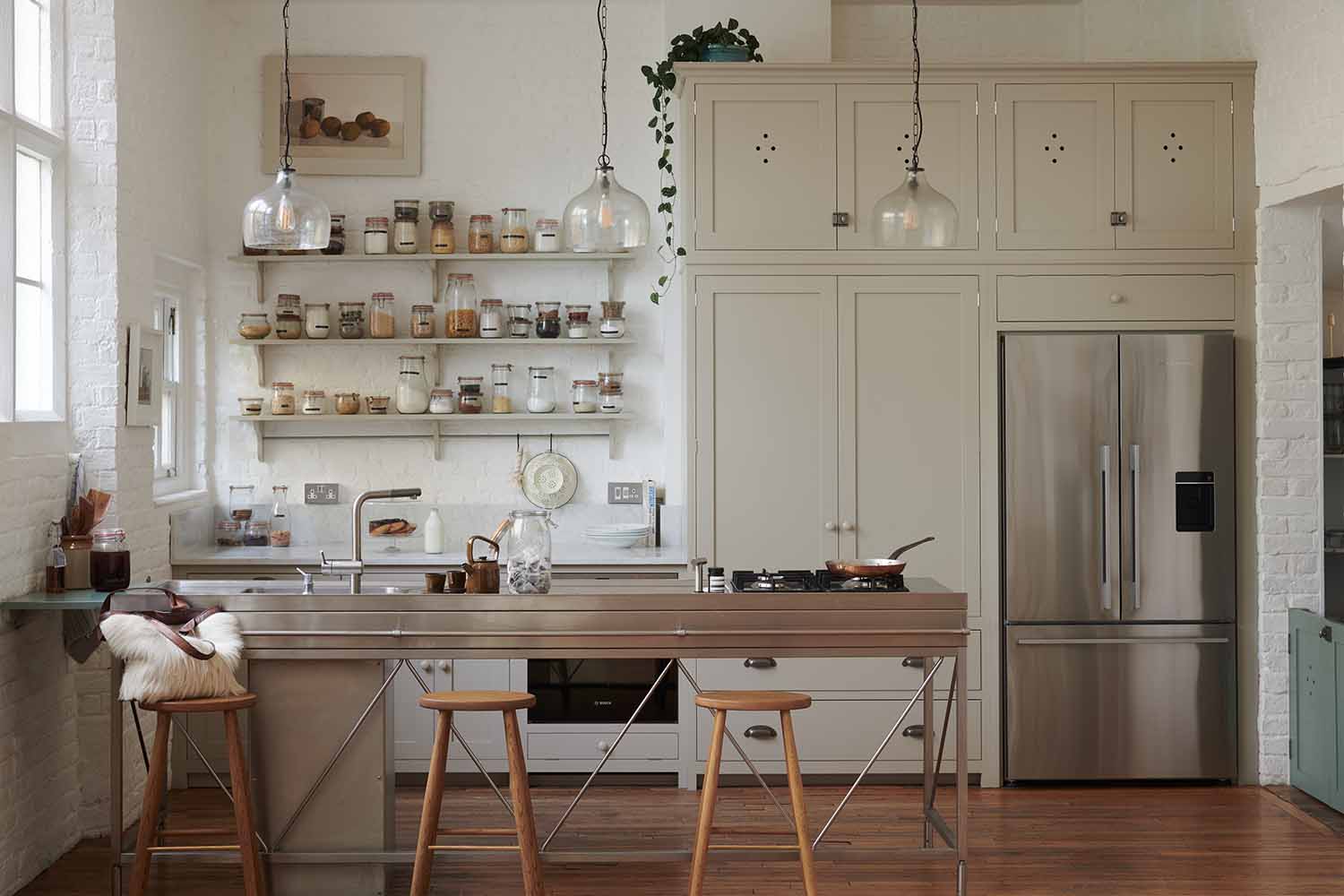
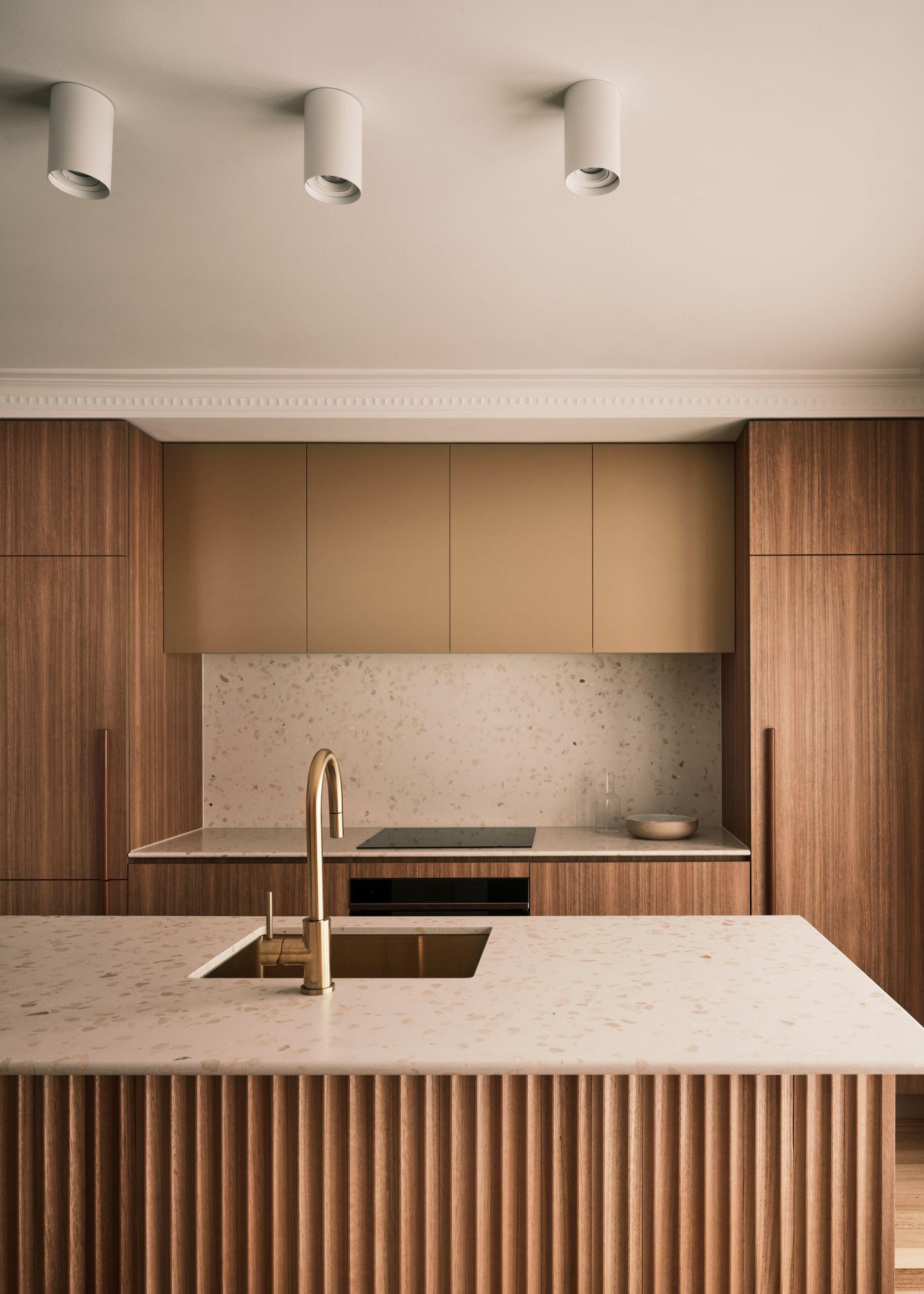
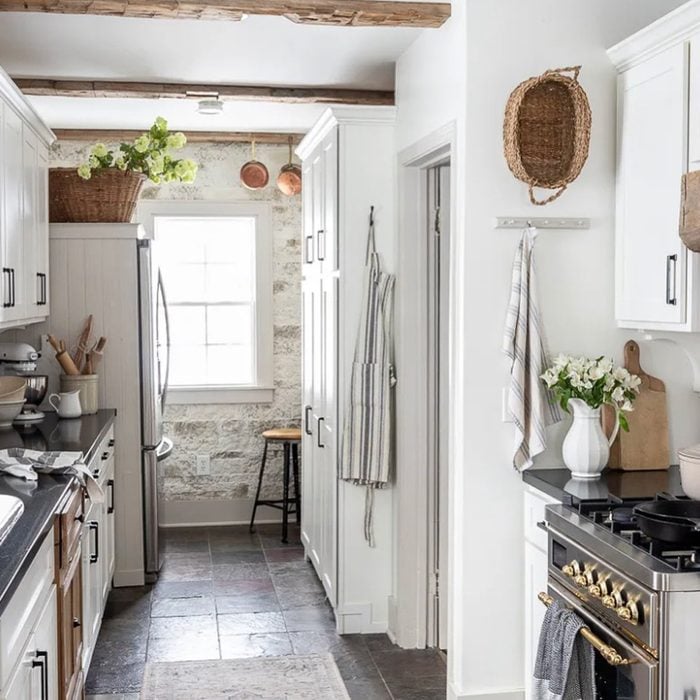
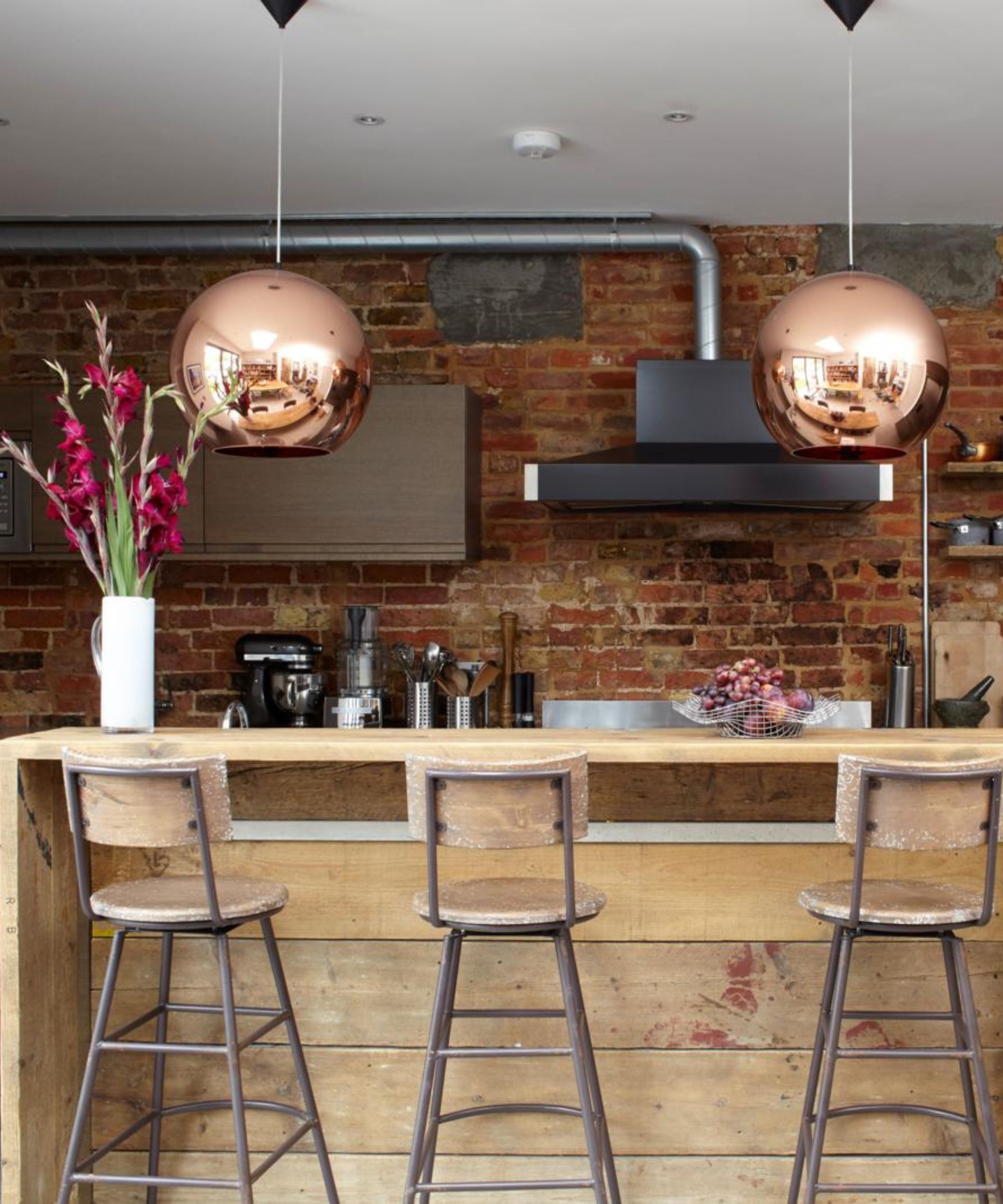
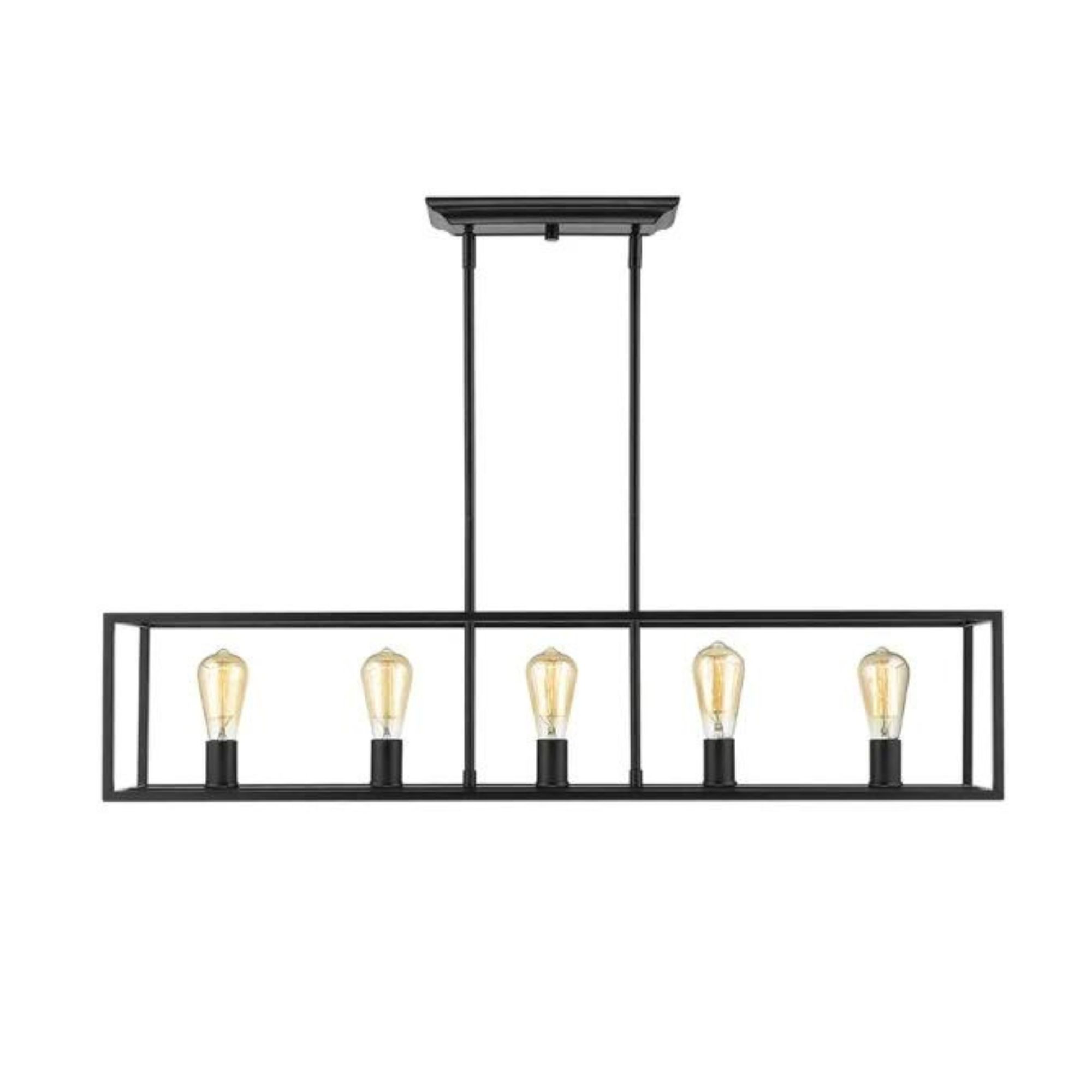
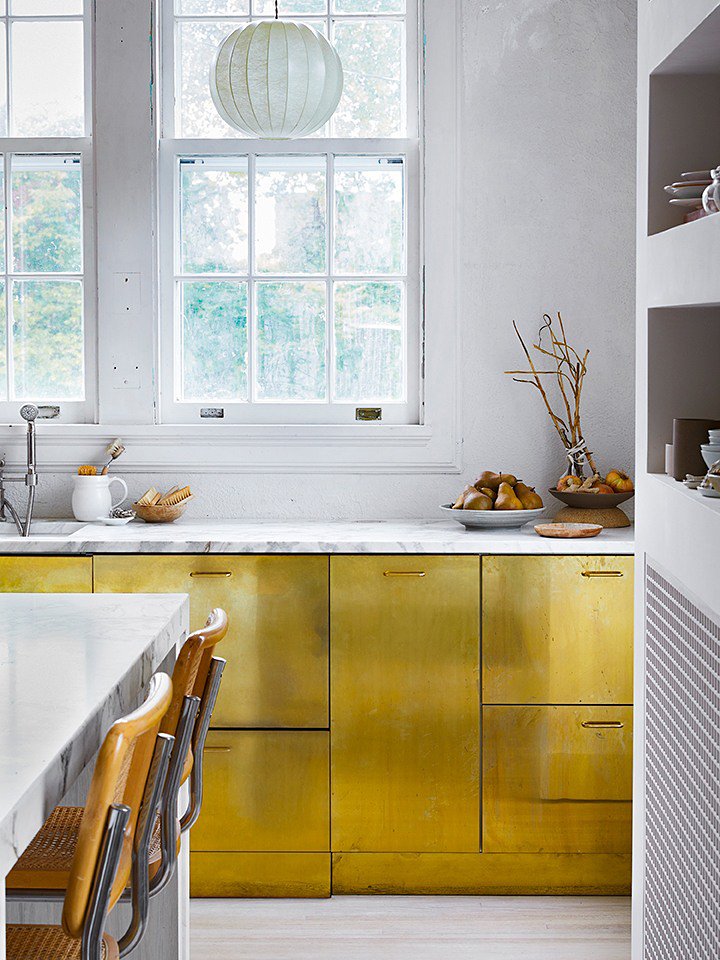
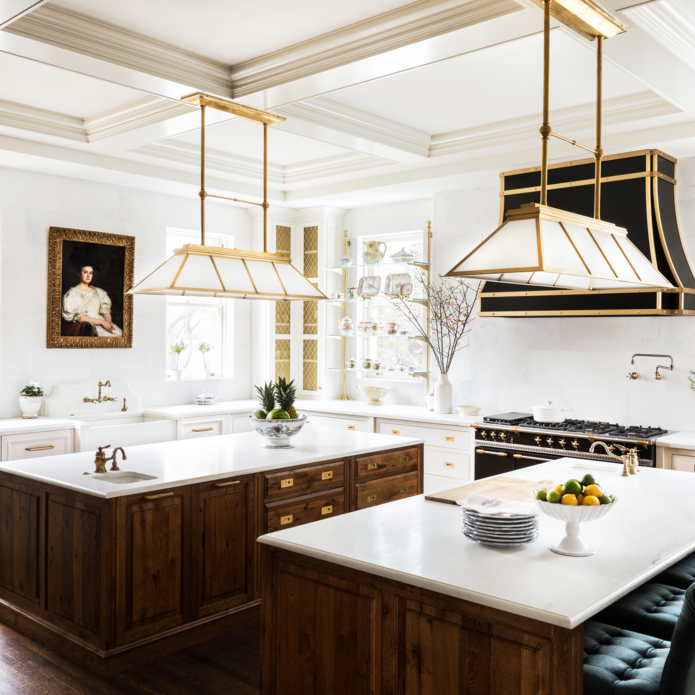
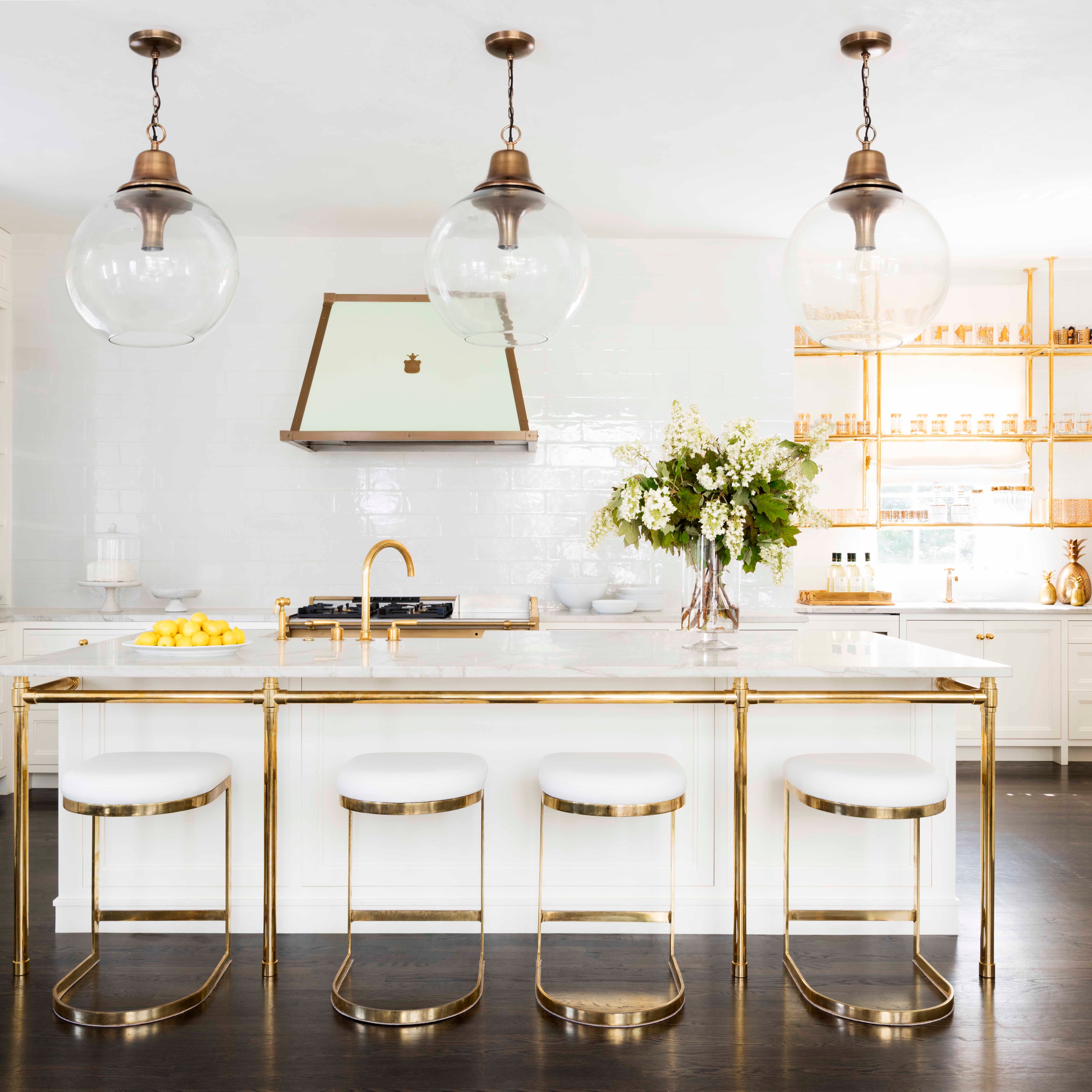
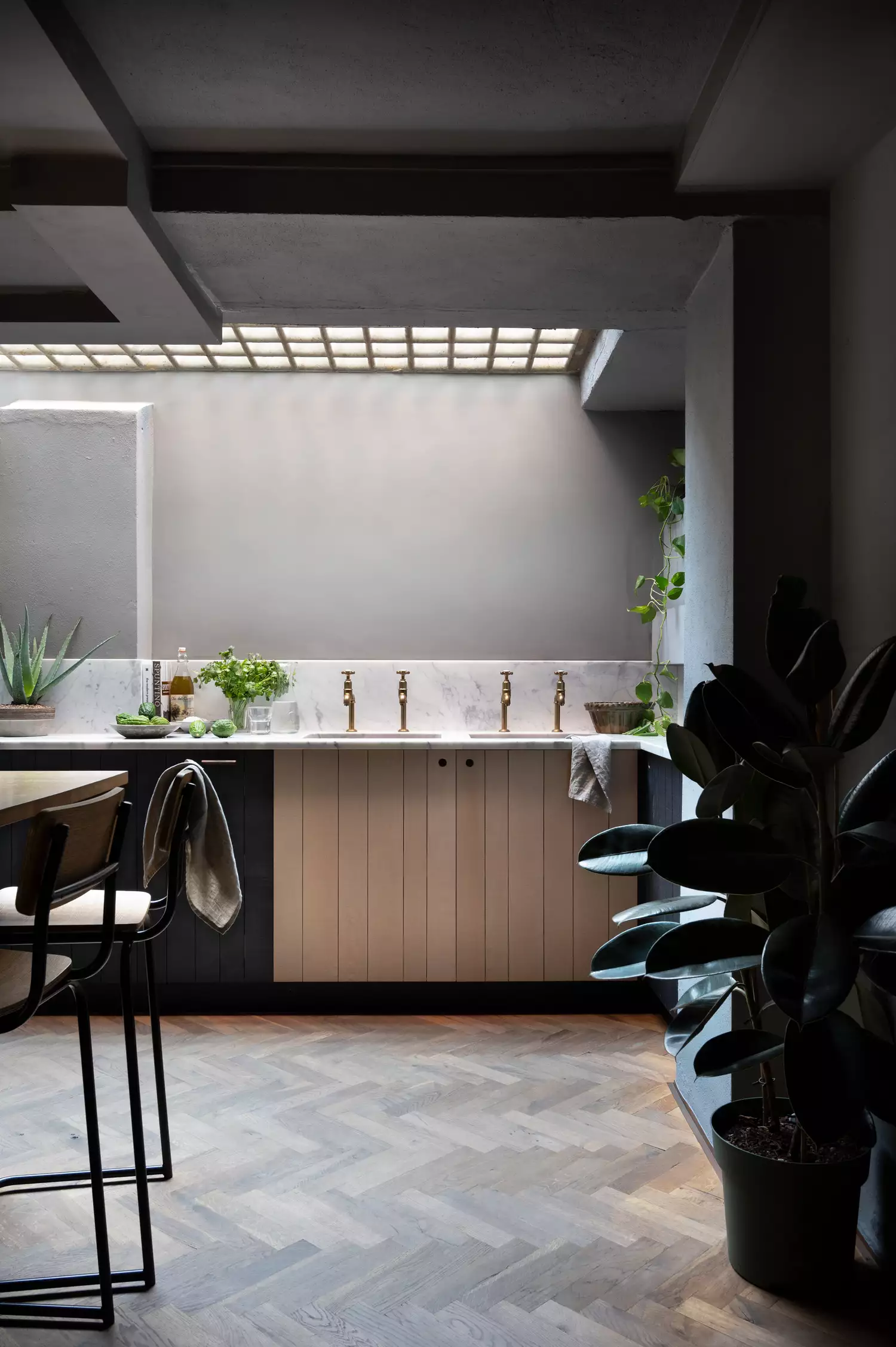
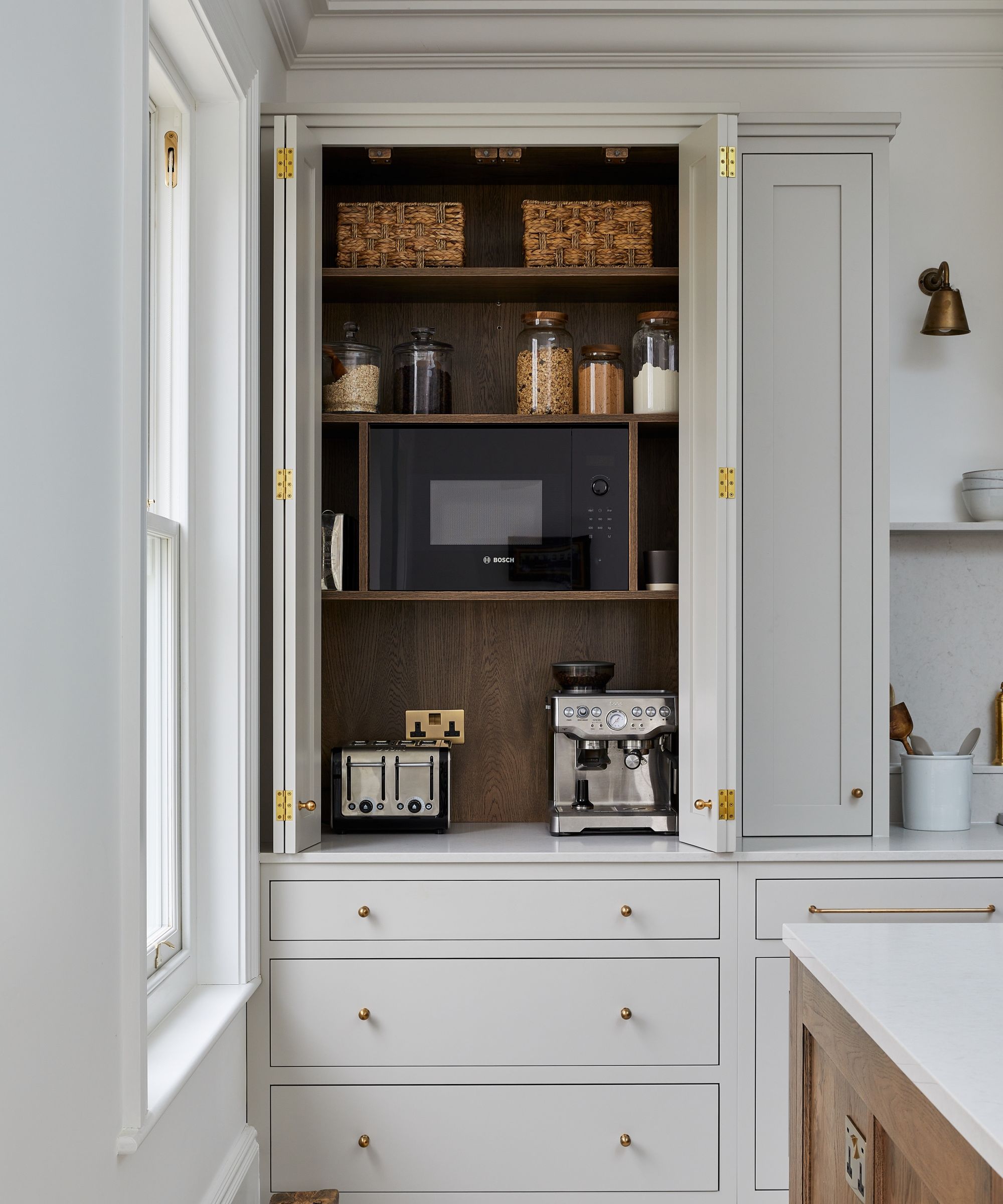
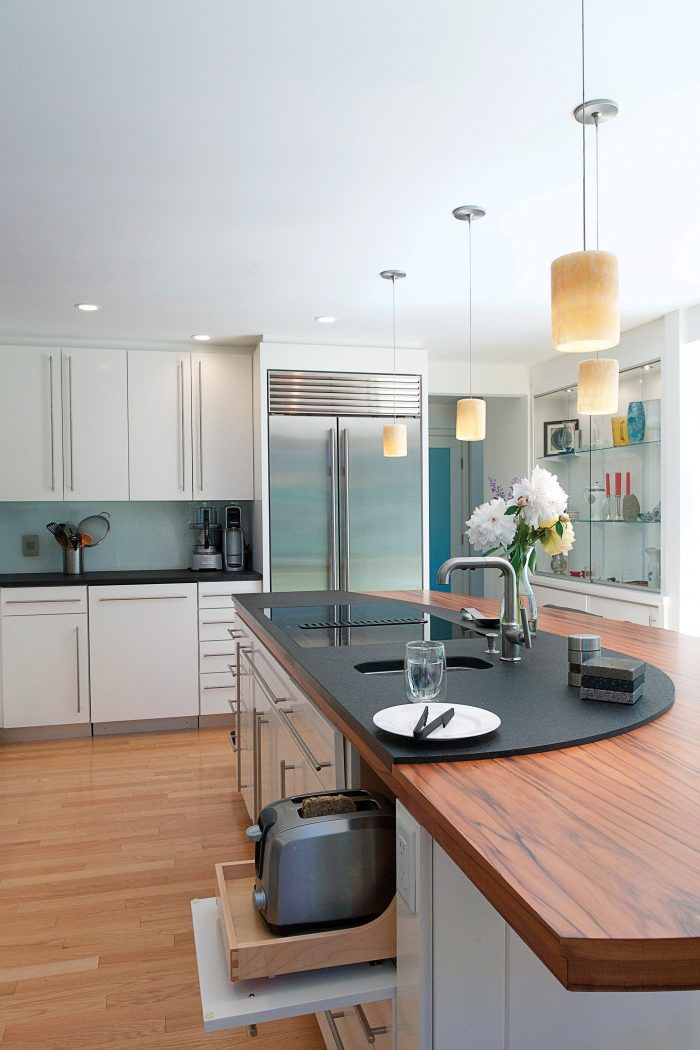
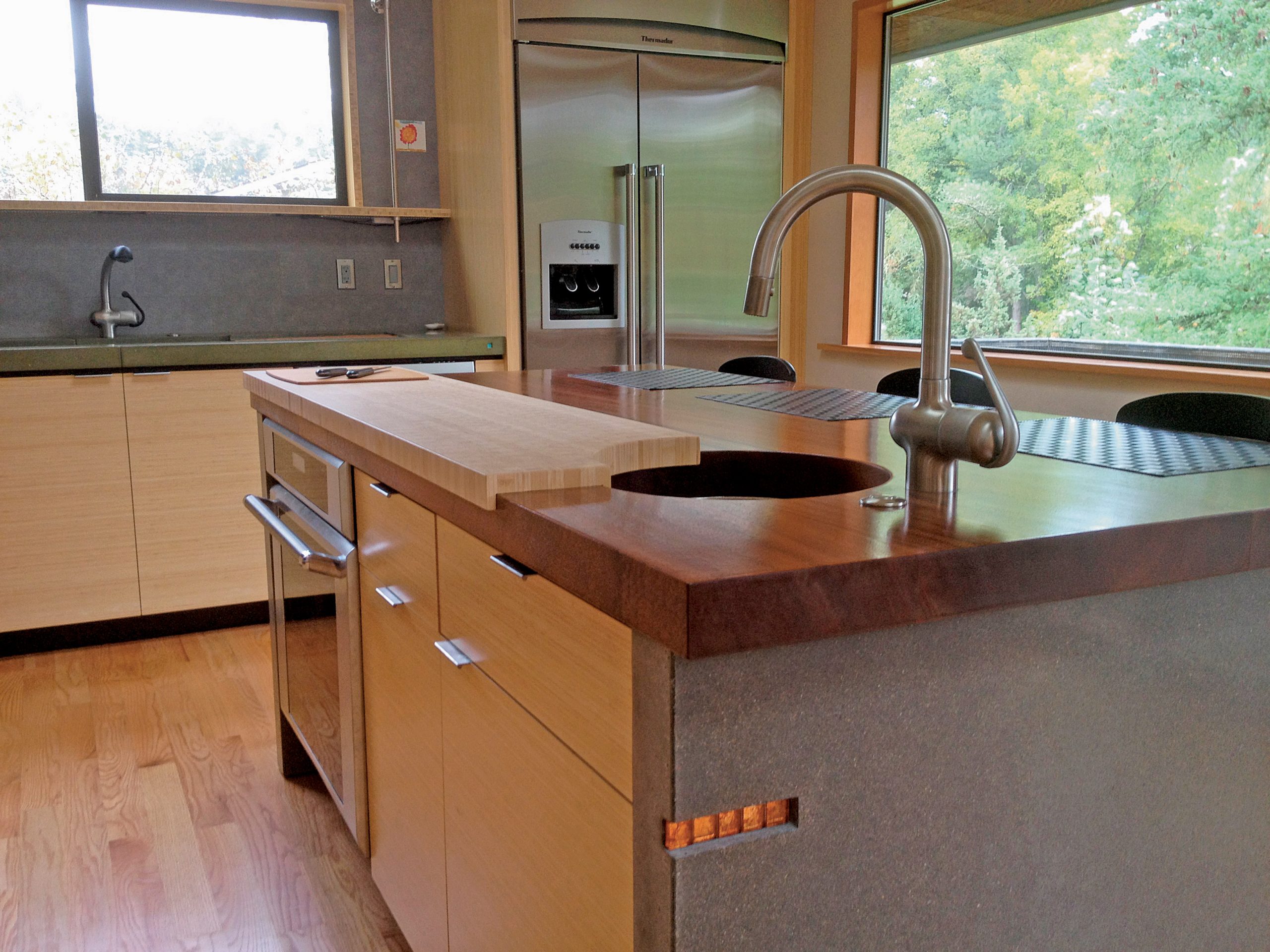
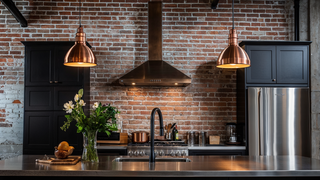
The article provides several specific design ideas for industrial kitchens. These include maximizing natural light with large windows and dark metal mullions to echo factory aesthetics, as demonstrated by David Thompson of Assembledge+. Mixing various metals like copper pendant lights, stainless steel appliances, and matte black hardware, as suggested by Joyce Huston, adds visual depth. Pairing wood with brass elements creates a cozy atmosphere, as noted by Courtney Cole of TileCloud. Hiding or disguising appliances behind streamlined cabinetry, like panelled white oak, helps maintain a clean look, according to Mark Williams of Williams Papadopoulos Design. Incorporating two faucets can enhance functionality, as seen in a design by Erin Sander. Installing a unique feature like a concrete spackle fireplace can add texture and dimension, a technique used by Diana George of DG Design Group Builders. Using unshielded light fixtures and commercial-inspired appliances like pull-down faucets and stainless-steel ranges reinforces the utilitarian appeal.
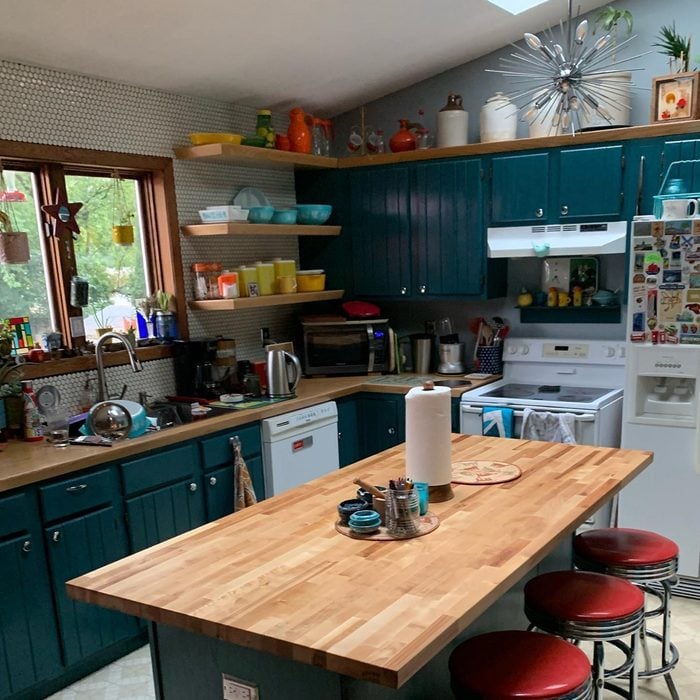
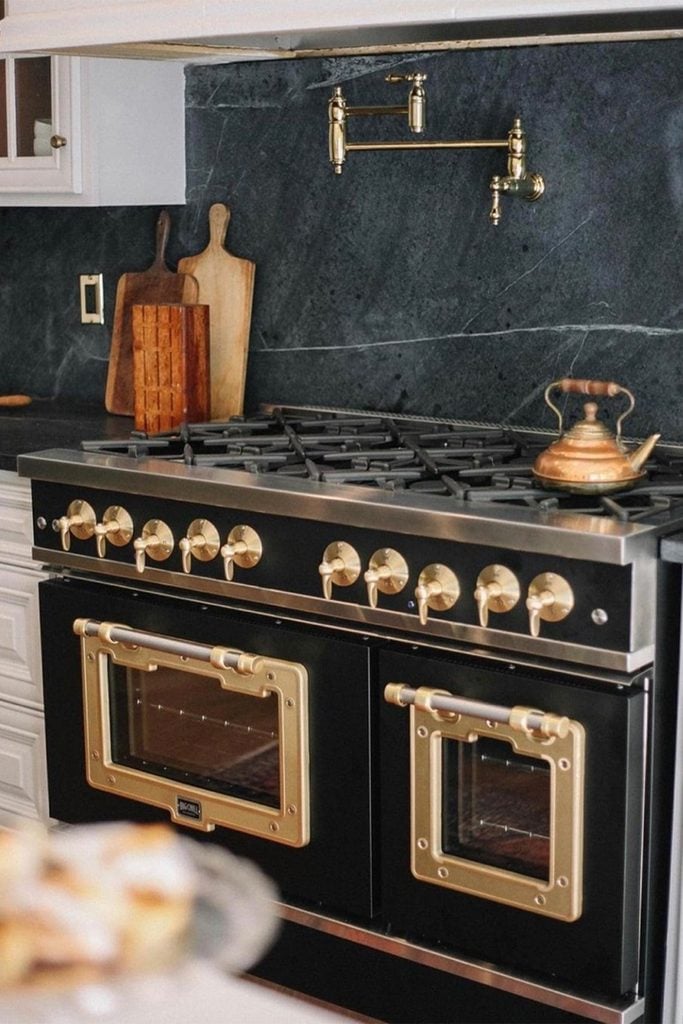
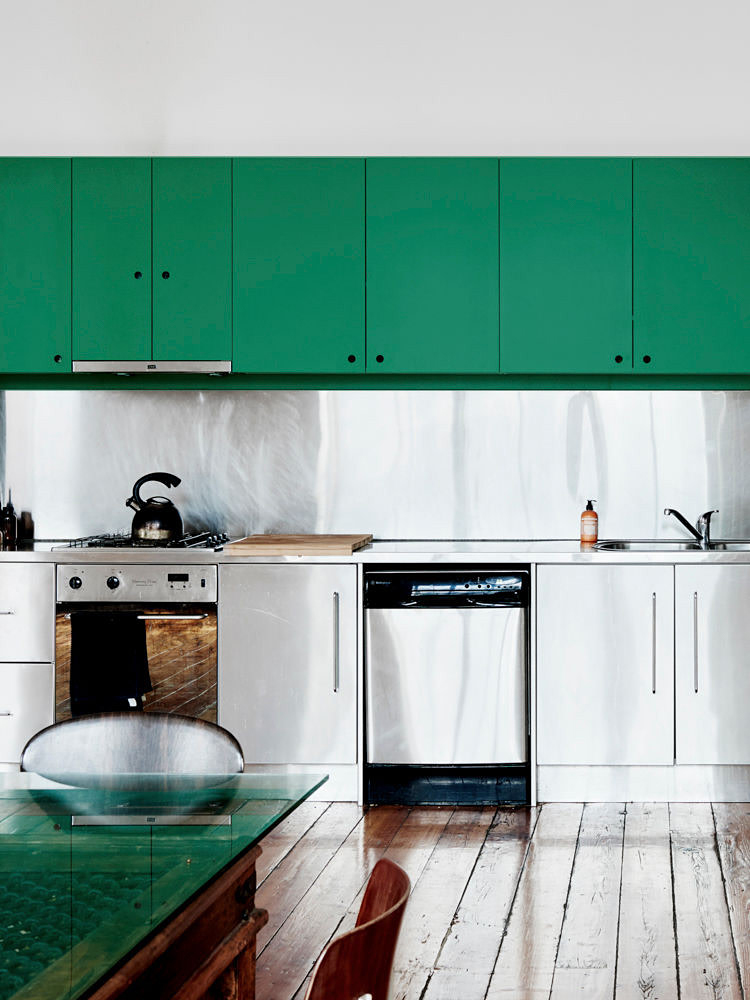
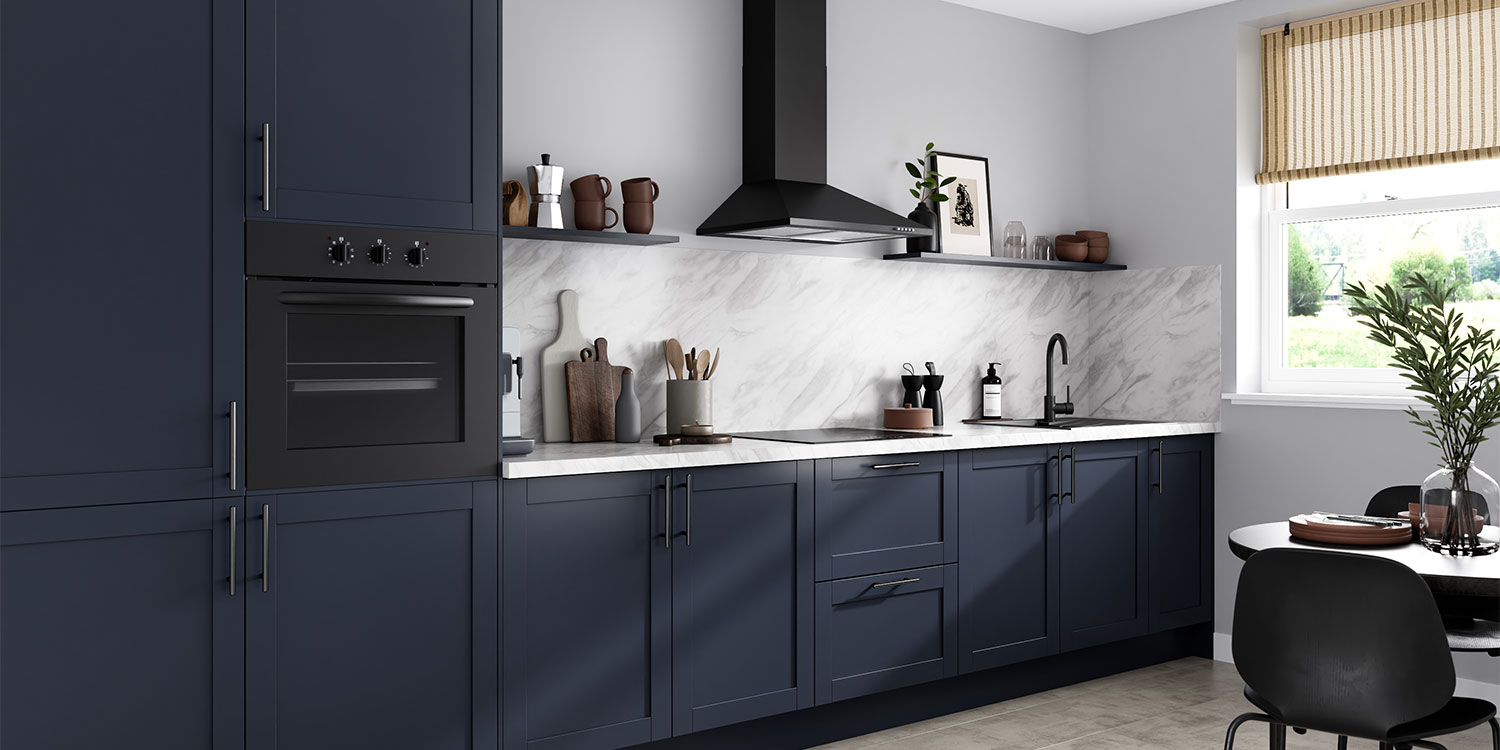
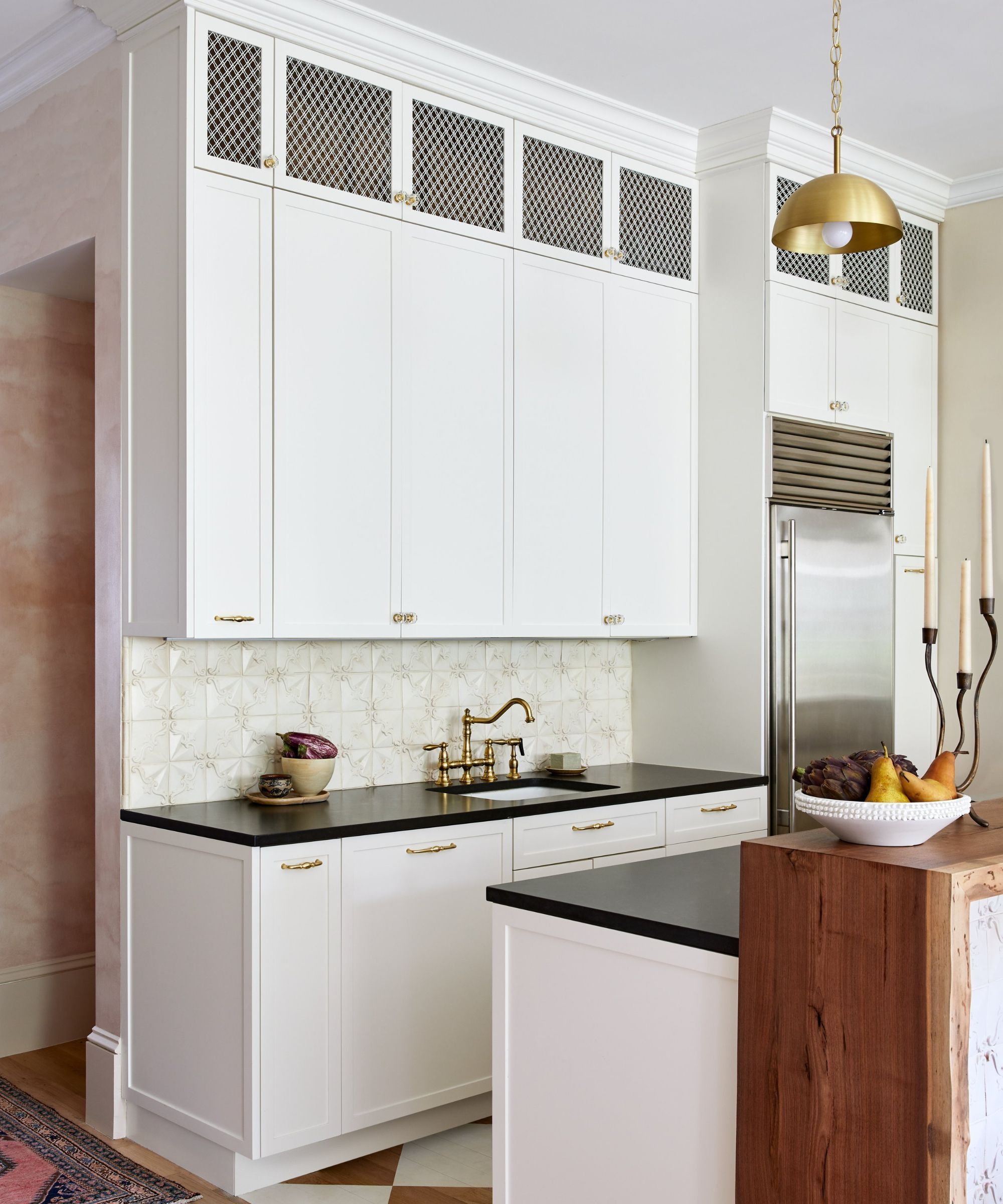
Adding warmth to the industrial setting is vital; Damla Turgut of Otto Tiles & Design suggests using bold accent colors, painting steel elements, mixing cabinet shades, and introducing textures like terrazzo or zellige tiles. Employing more than one cabinet color, such as black cabinets, can enhance functionality and style, as exemplified by Giselle Loor Sugerman of B+G Design. Incorporating floating shelves instead of upper cabinets contributes to a utilitarian feel, and using pendant lights can define gathering spaces. Combining chrome finishes with wood accents softens the industrial look, and recreating exposed brick with tile backsplashes can achieve a similar effect. Integrating black ranges, especially in matte finishes, evokes commercial kitchen aesthetics and blends well with various metals for hardware and lighting, as advised by Susan Serra. Finally, ensuring a seamless flow between the kitchen and adjacent rooms is important for both cooking and relaxation, a principle highlighted by Cukerbaum, who also suggests using midcentury sconces to add definition. Using concrete and cement, particularly for flooring, balances warmer elements like white oak cabinetry, creating an organic and grounded feel, as seen in Maureen Ursino's designs. High ceilings can also provide a striking backdrop for minimalist industrial designs, with exposed timber and steel elements further emphasizing the industrial aesthetic.
#IndustrialKitchen #KitchenDesign #HomeDecor #InteriorDesign #KitchenInspiration #MinimalistDesign #HomeRenovation #MaterialPalette #SpacePlanning #IndustrialKitchen #KitchenDesign #HomeDecor #InteriorDesign #KitchenInspiration #MinimalistDesign #HomeRenovation #MaterialPalette #SpacePlanning
0 ความคิดเห็นรวม
 ยังไม่มีความคิดเห็น
คุณอาจจะชอบอีกด้วย
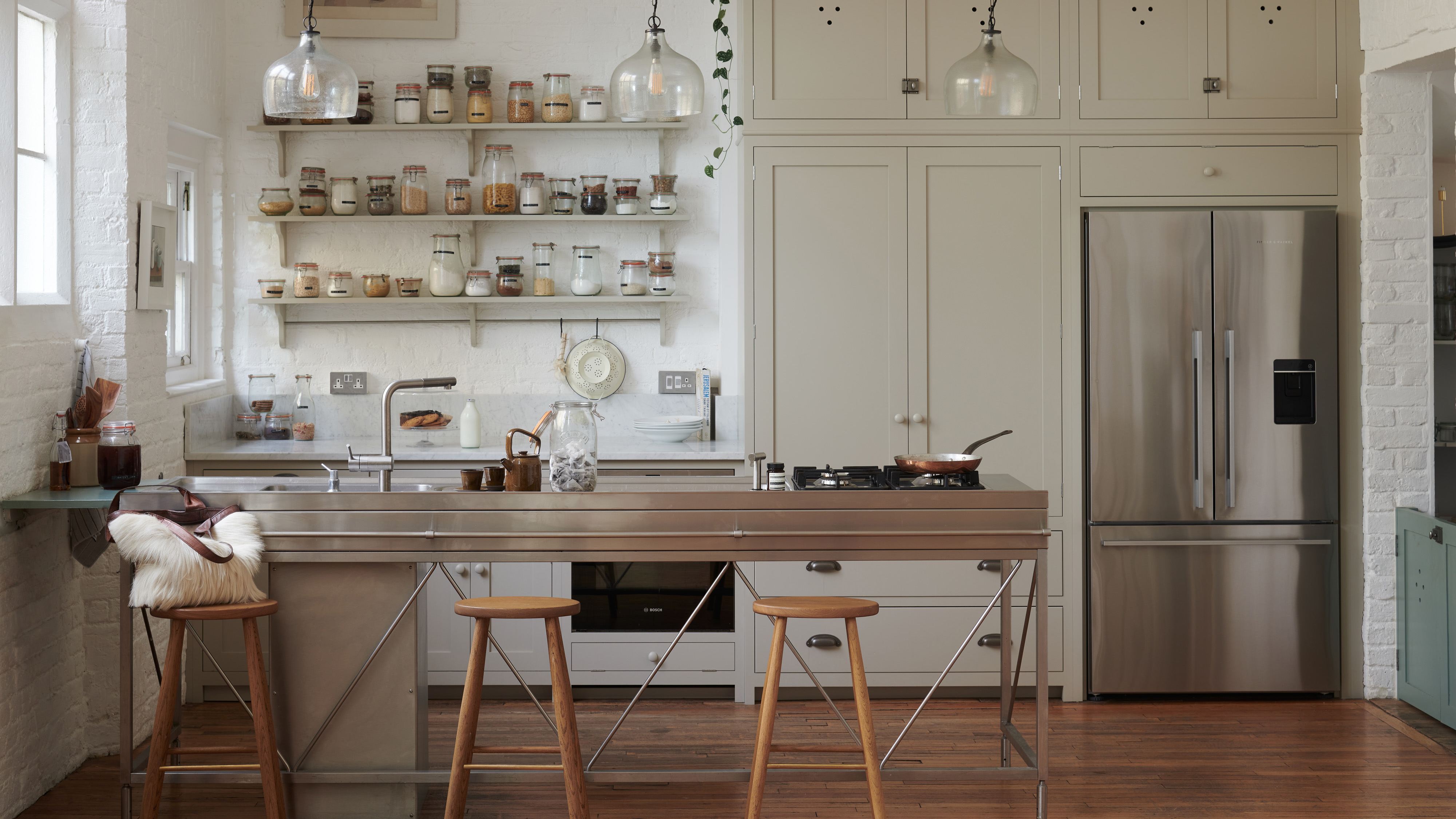
Industrial kitchen ideas – how to incorporate the edgy trend into livable spaces

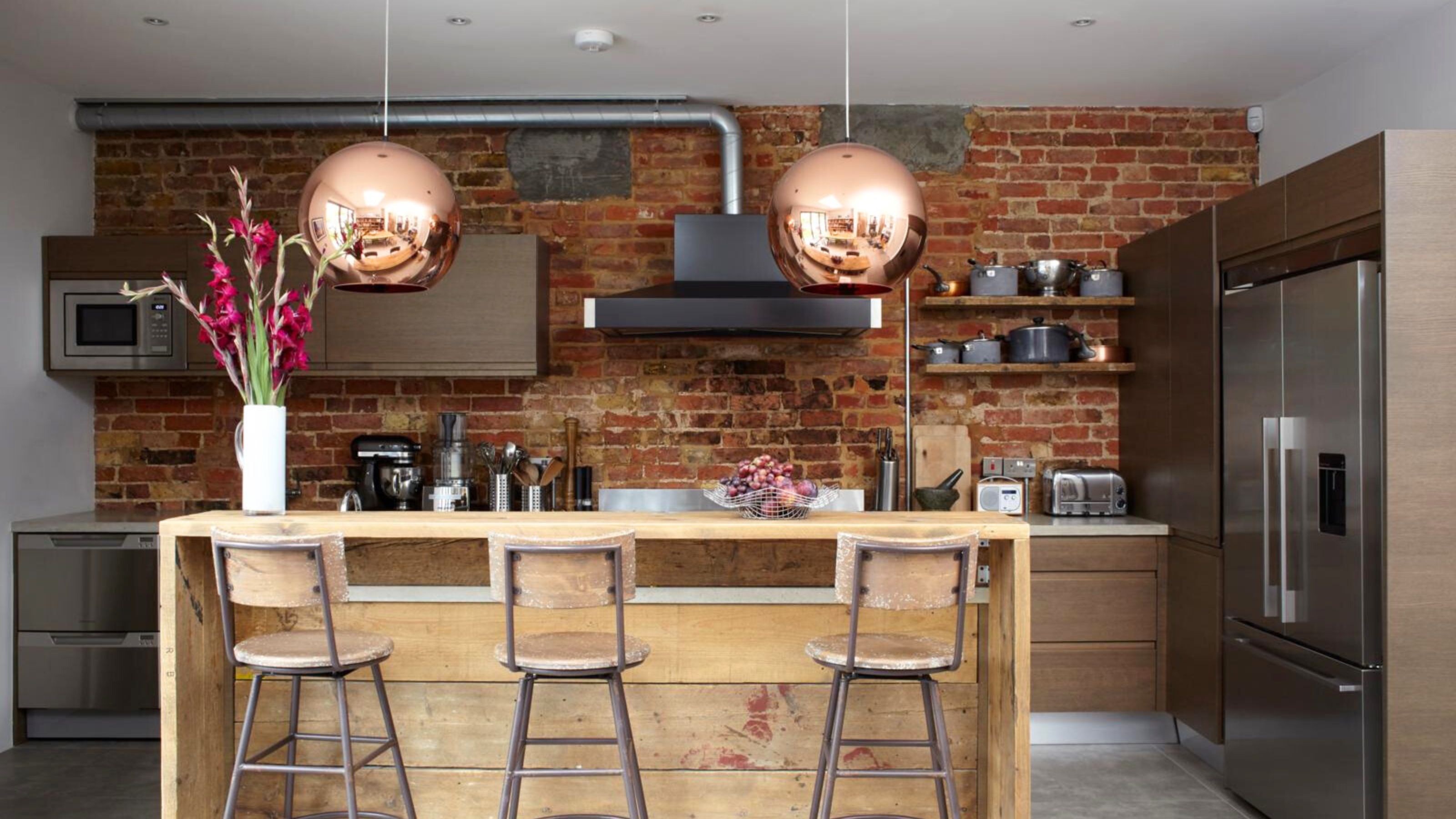
7 industrial kitchen island ideas for a rustic yet refined scheme

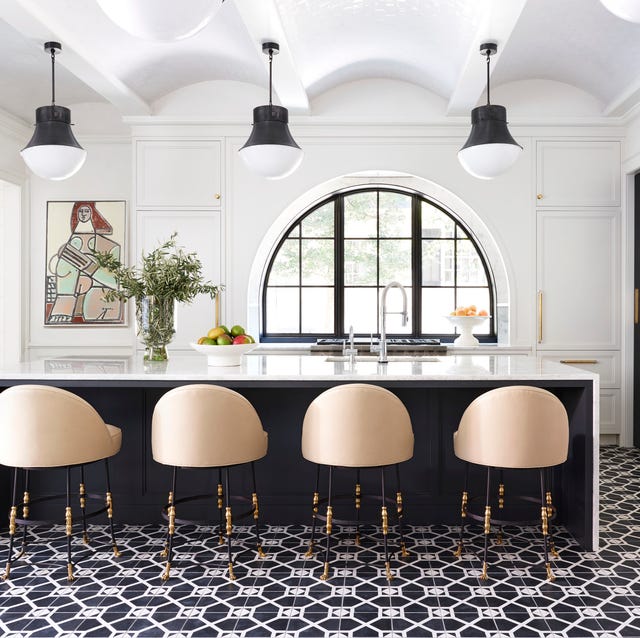
20 Luxury Kitchen Design Ideas to Inspire Your Next Project

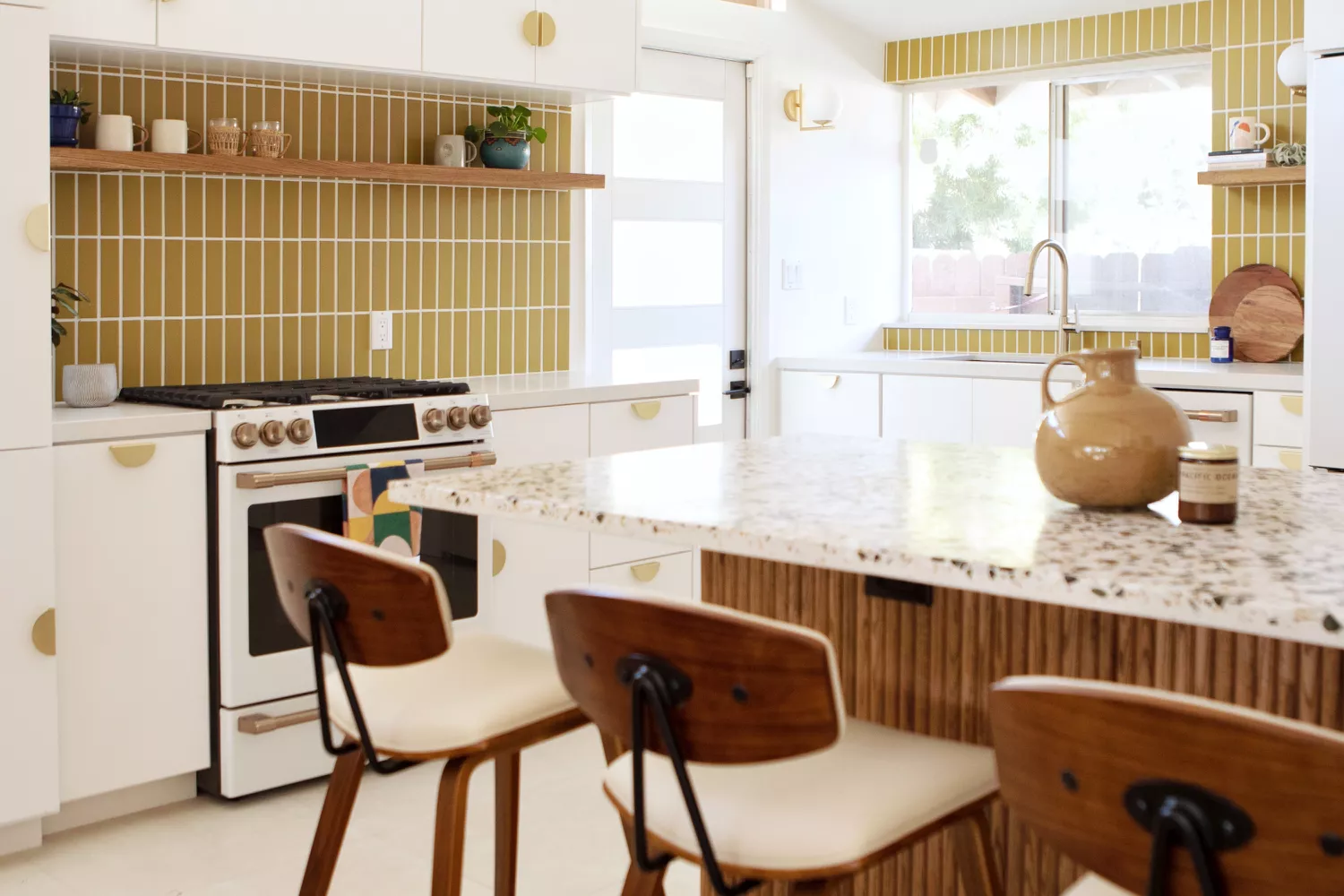
16 Mid-Century Modern Kitchen Ideas to Steal for Your Space

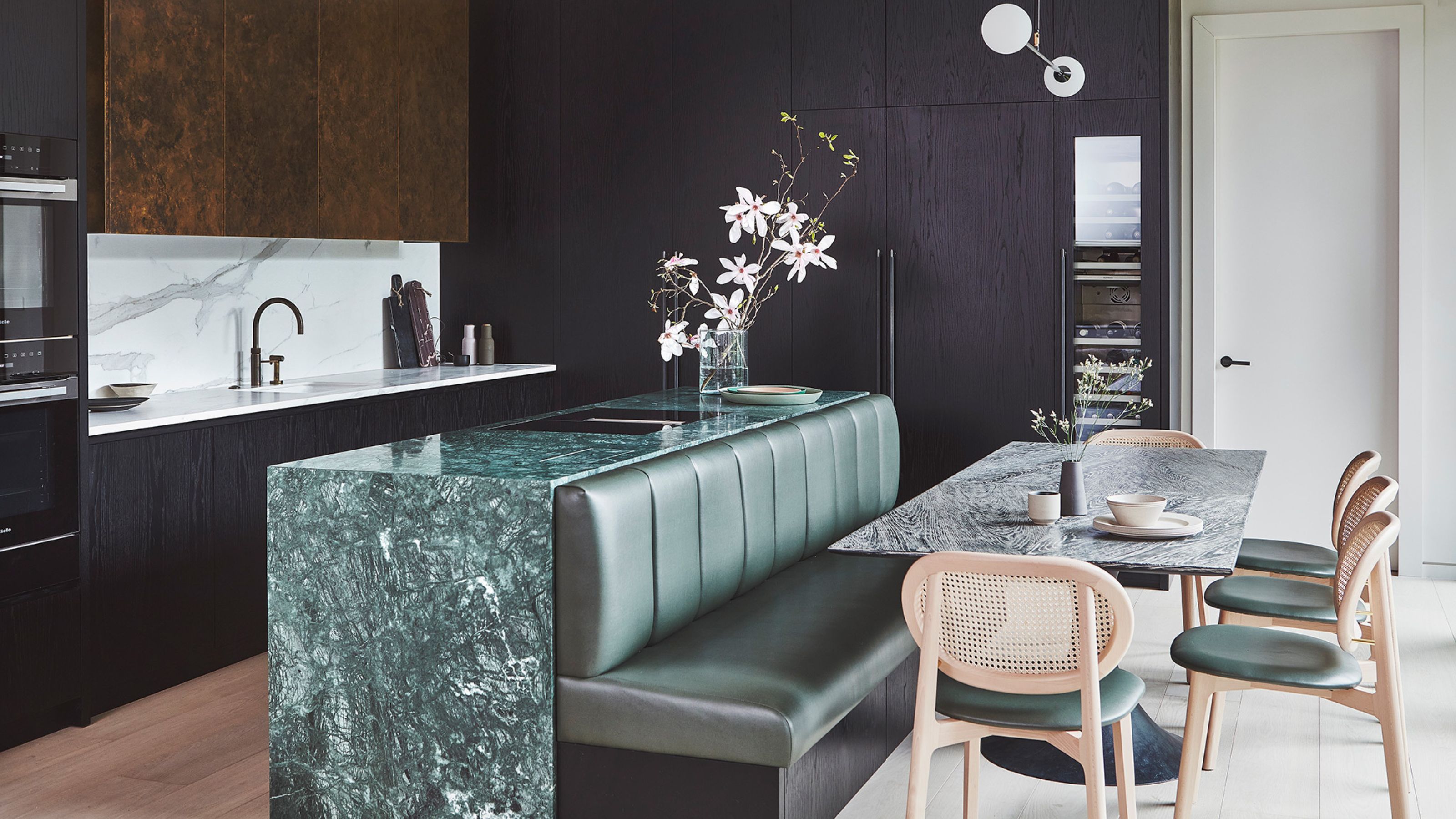
16 Kitchen Island Ideas That Feel Pitch Perfect for 2025 Projects
Kitchen Ideas, Designs and Repair

39 Industrial Kitchens You'll Love for a City-Inspired Makeover

Kitchen Design Solutions

Industrial style: 4 ways to give your client's kitchen an urban edge
10 industrial interior design ideas to inspire

Kitchen planning and layout ideas
Kitchen Storage Ideas — 16 Clever Ways to Find Space for Everything
21 Industrial Kitchen Ideas That Prove Utility Can Be Beautiful
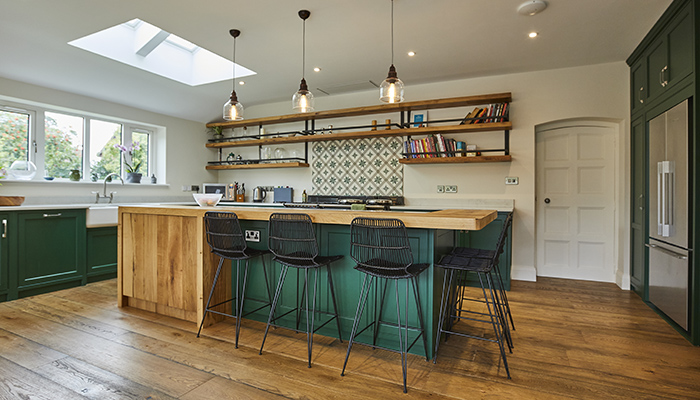
How The Main Company created a rustic kitchen with industrial features

What are your kitchen design must-haves?
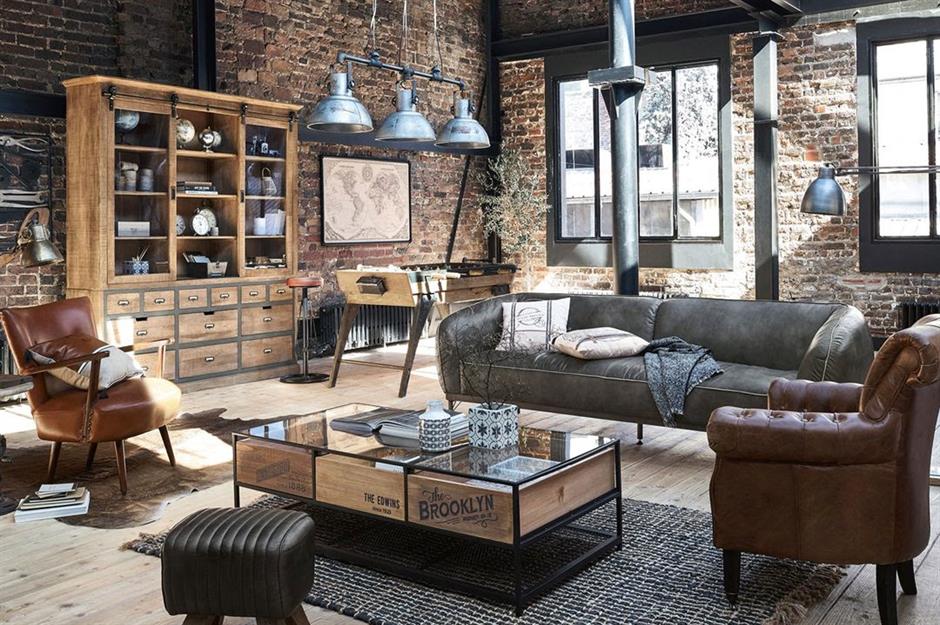
Industrial decorating ideas for every room | loveproperty.com
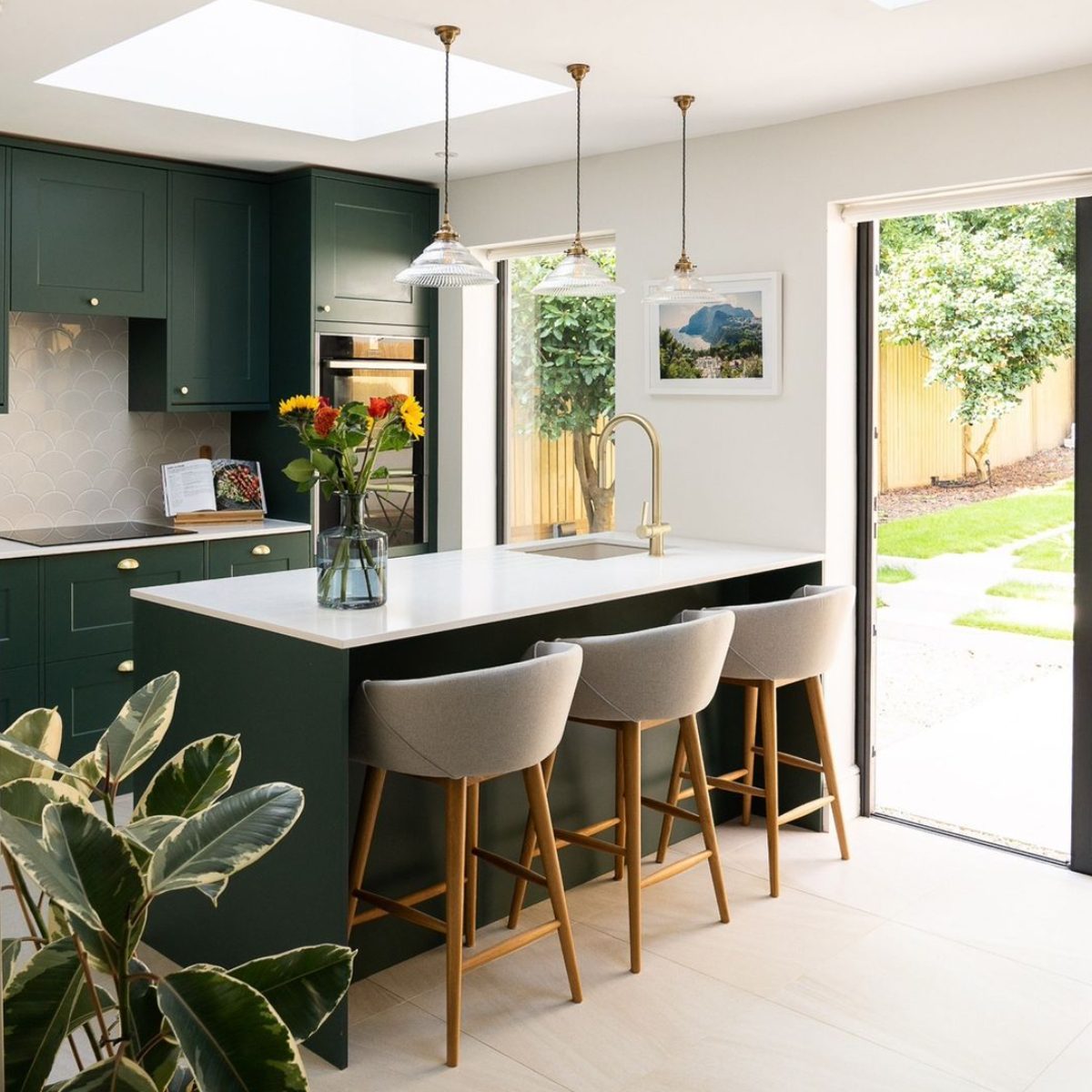
8 Kitchen Design Ideas
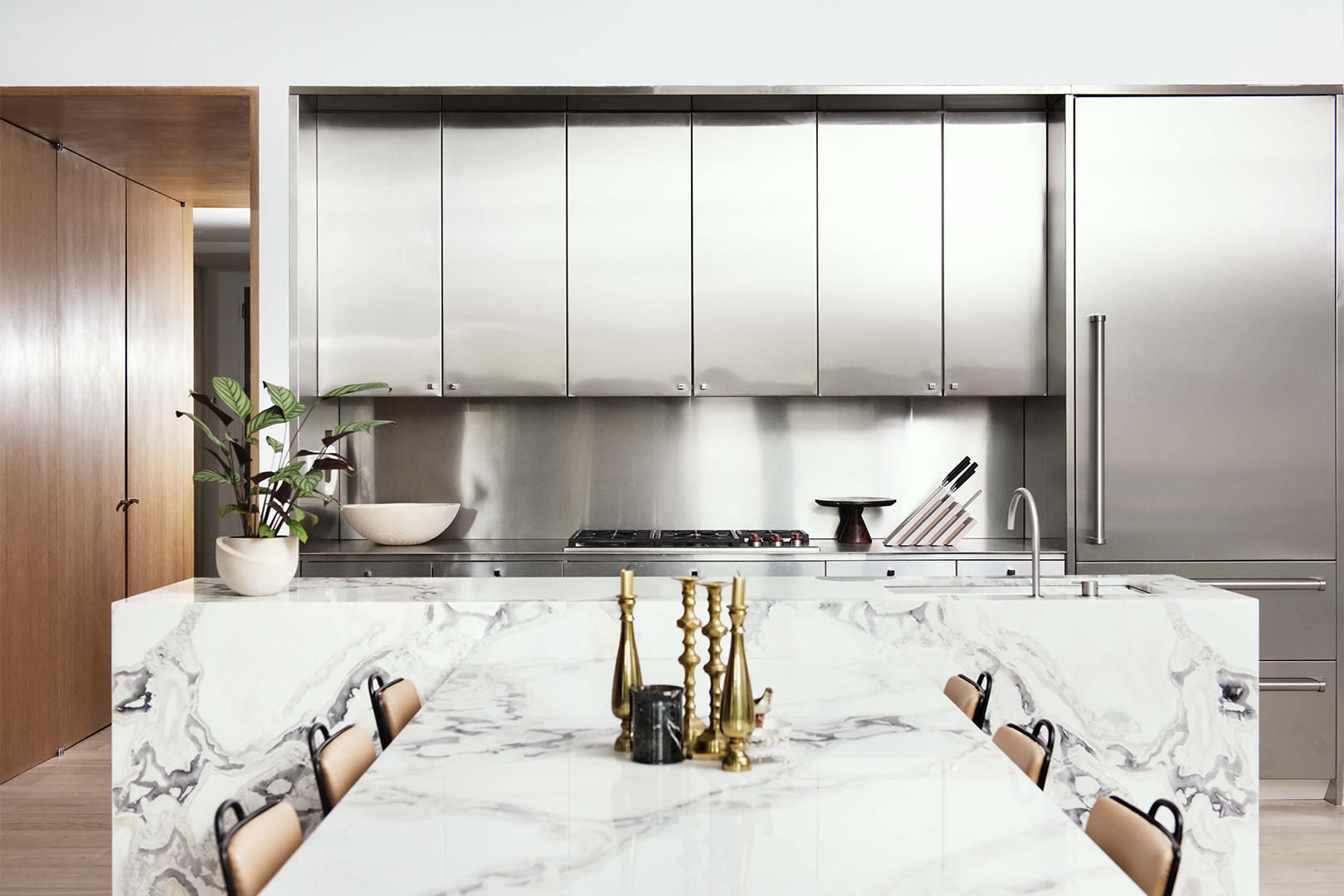
6 Metal Kitchen Cabinets That Prove Industrial Is More Versatile Than You Think

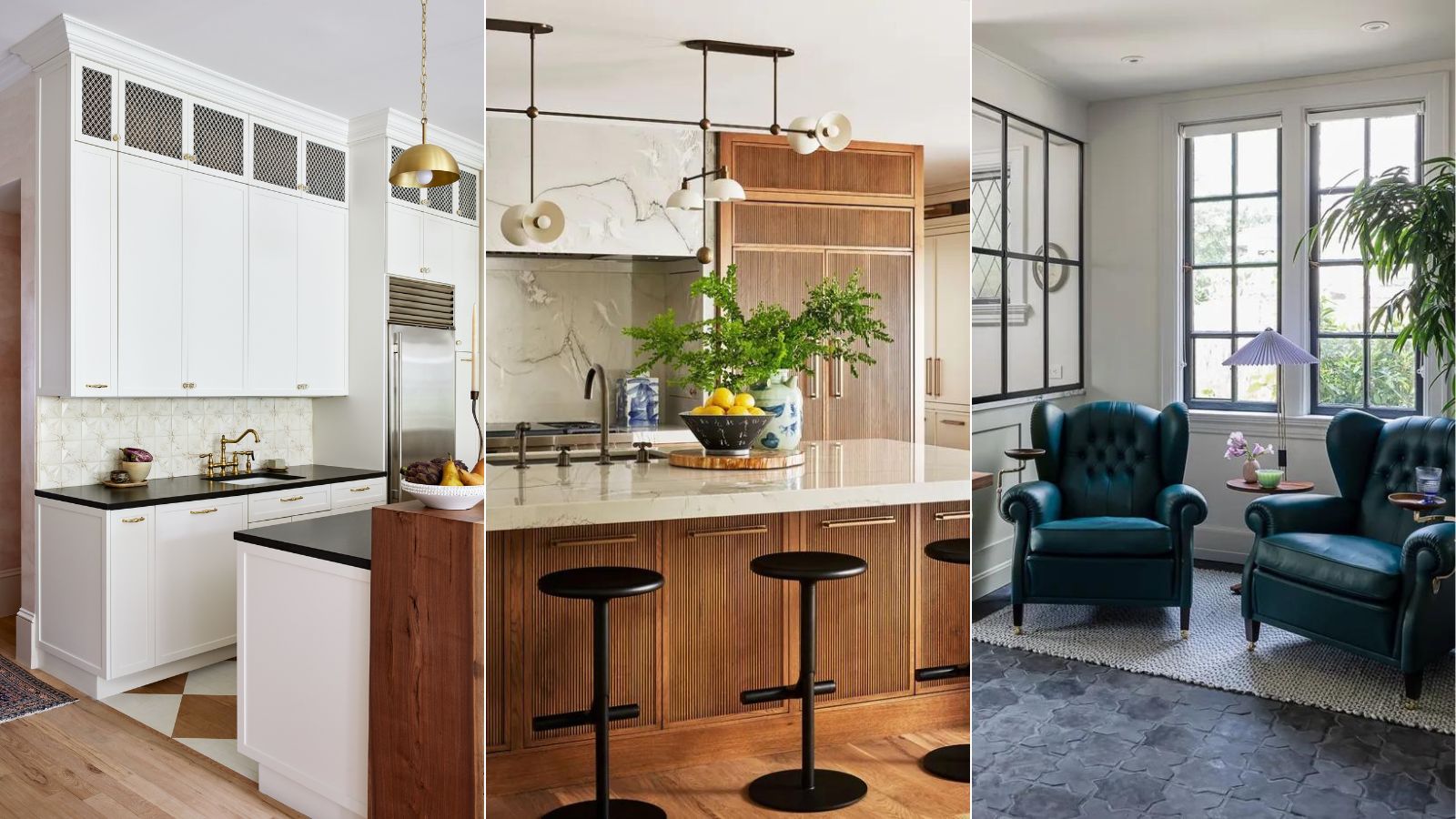
10 things every kitchen needs, according to interior designers

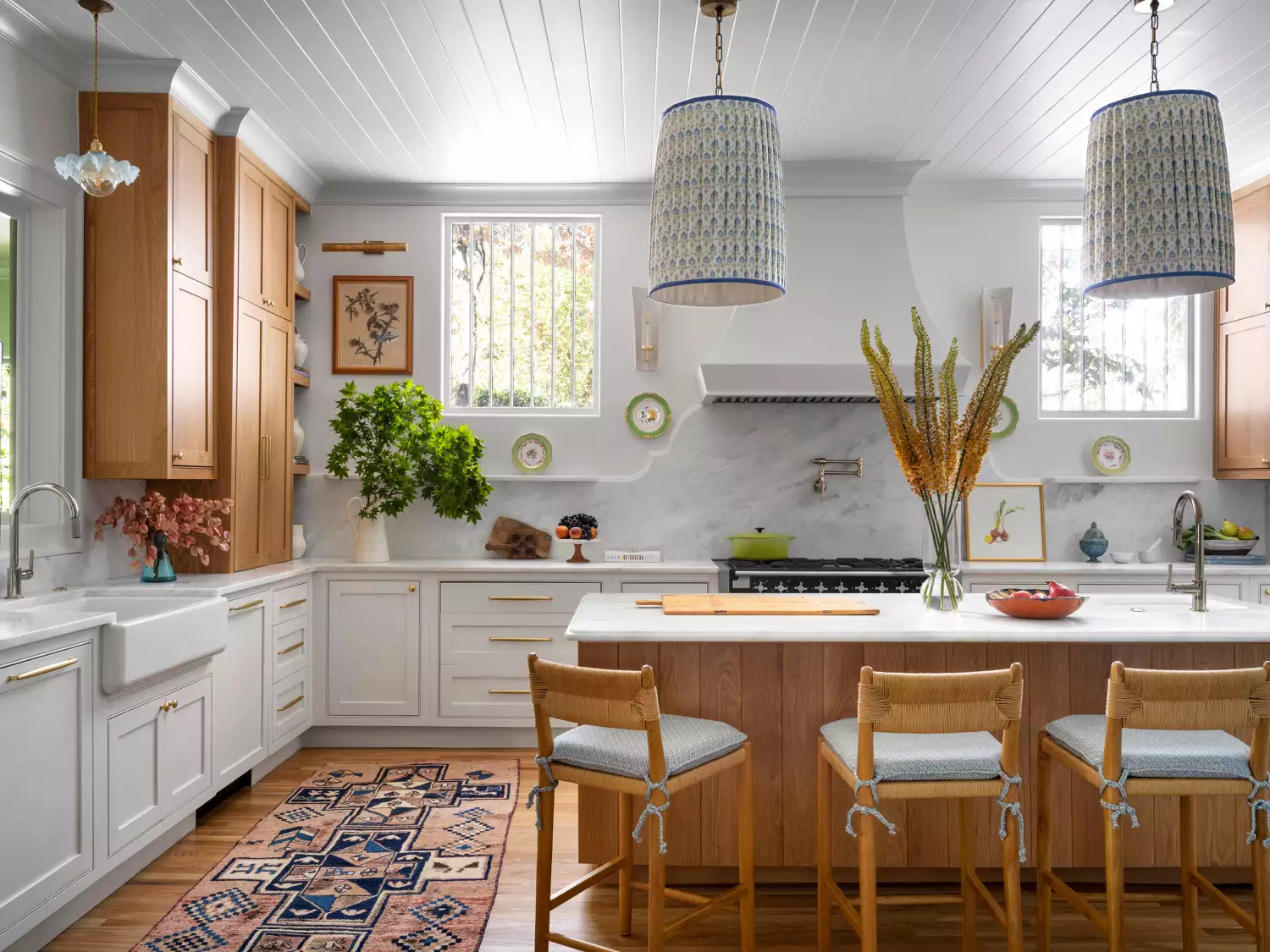
108 Beautiful Kitchen Ideas To Help You Plan Your Dream Space