1/11
10 Genius Ways To Fix Scratches on Any Surface
Scratches and gouges on household surfaces can detract from the appearance of a home, making items look older than they are. Fortunately, various products and techniques can effectively repair or conceal these imperfections, restoring surfaces to their original condition without requiring replacement. This guide outlines ten effective solutions for addressing scratches on a range of materials, including wood, leather, glass, and drywall.
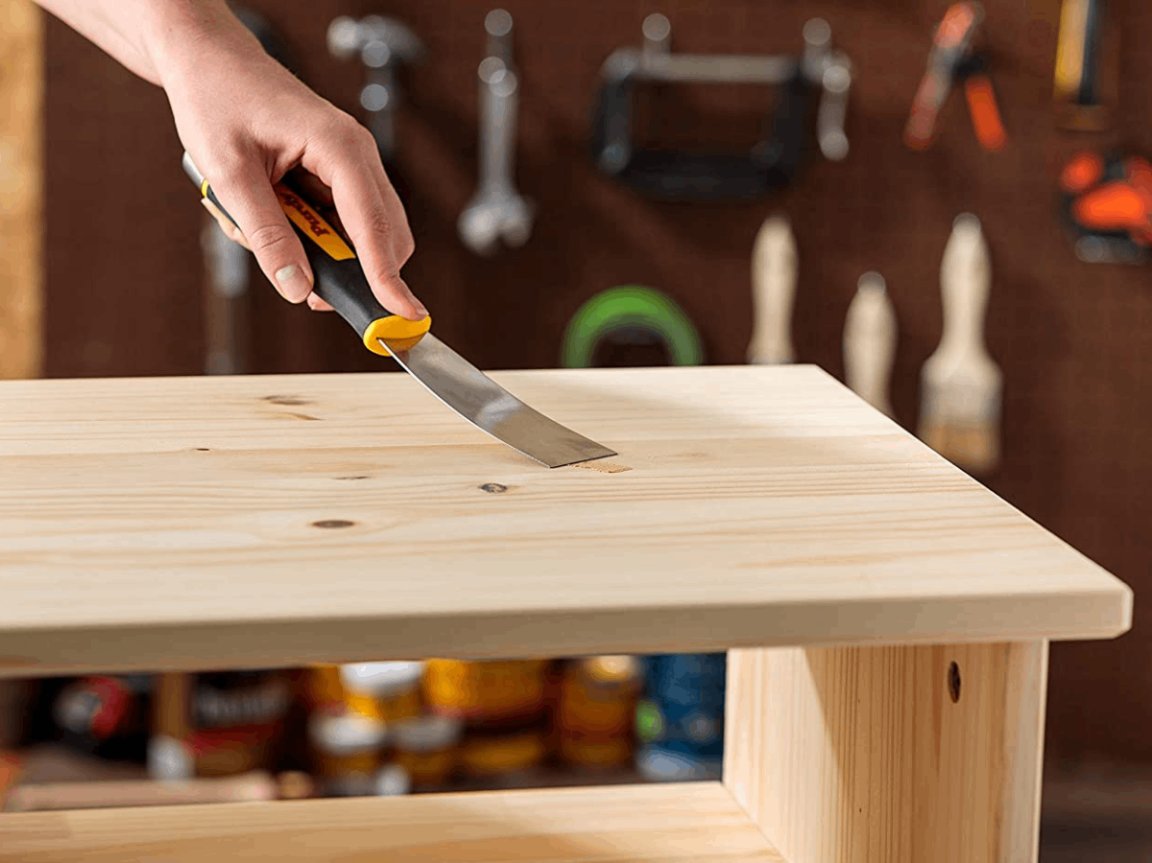
For wooden surfaces, several specialized products offer solutions. Cabinet and furniture restorer, formulated with a polymer base, can rejuvenate wood, Formica, and laminate. This liquid formula fills scratches, enhances shine, and provides UV protection, with a single application offering months of durability. For deeper nicks and gouges, water-based wood filler is an excellent choice. This type of filler resists cracking, shrinking, and sinking, and can be stained or pigmented to match the existing wood, effectively concealing the repair. Additionally, scratch covers designed for wood floors and furniture can not only restore damaged areas but also leave behind a protective shield to prevent future damage. These are available in various wood shades to ensure a seamless match. Stain markers offer a straightforward approach, with kits typically including wax touch-up sticks and markers in different wood tones (oak, maple, cherry, mahogany, walnut, and black). Users can apply a touch-up stick over the scratch and then layer with markers, starting with lighter shades and building up to darker ones for a precise color match.
Beyond wood, other materials also have specific repair methods. For leather and vinyl, a dedicated repair kit is essential. These kits typically contain multiple color compounds, allowing users to match and repair scratches, cracks, rips, tears, burn holes, and peeling surfaces on items like sofas and car seats. For robust repairs on wood and other materials, epoxy putty wood repair sticks are highly effective. This two-part formula, once kneaded and applied, sets within 30 minutes and fully cures in an hour. It can be stained, drilled, or sanded, and will not rot or shrink, making it suitable for fixing dry rot, deep gouges, and large gaps. Drywall imperfections, such as holes or gouges, can be addressed with a drywall repair kit. These kits usually include a self-adhesive patch and a primer-enhanced spackling compound. After application and sanding, the repaired area can be painted to blend seamlessly with the surrounding wall.
Surprisingly, everyday household items can also serve as effective scratch removers. White toothpaste, a common bathroom staple, can work wonders on surface scratches found on phone screens, watch faces, car headlights, and glass. It's crucial to test it on an inconspicuous area first, as toothpaste is best suited for superficial damage rather than deep gouges. Similarly, clear nail polish can be used to fill small scratches and dings in glass. After applying a thin layer and allowing it to cure for about an hour, any excess polish can be gently wiped away with a soft cloth and nail polish remover. Finally, metal polish is not only for metal but can also effectively remove scratches from glass surfaces. Applying a small amount to a clean cloth and rubbing in circular motions can smooth out imperfections, though care must be taken to avoid over-polishing, which could create new scratches. These diverse solutions provide homeowners with a range of options to maintain the aesthetic appeal and longevity of their belongings and living spaces.
#ScratchRepair #HomeMaintenance #DIYFixes #WoodRestoration #SurfaceRepair #FurnitureCare #HouseholdHacks #MaterialSpecificRepair #ScratchRepair #HomeMaintenance #DIYFixes #WoodRestoration #SurfaceRepair #FurnitureCare #HouseholdHacks #MaterialSpecificRepair
 ยังไม่มีความคิดเห็น
7 Beyond Genius Ways To Remove Scratches From Your Ceramic Tile
Ask the Experts: Hard Surfaces 101

How to Get Rid of Scratches on Hardwood Floors So They Shine Like New

How to clean walls – the best ways to get rid of marks and scuffs

14 Ways To Cover Up The Ugly Floors In Your Home