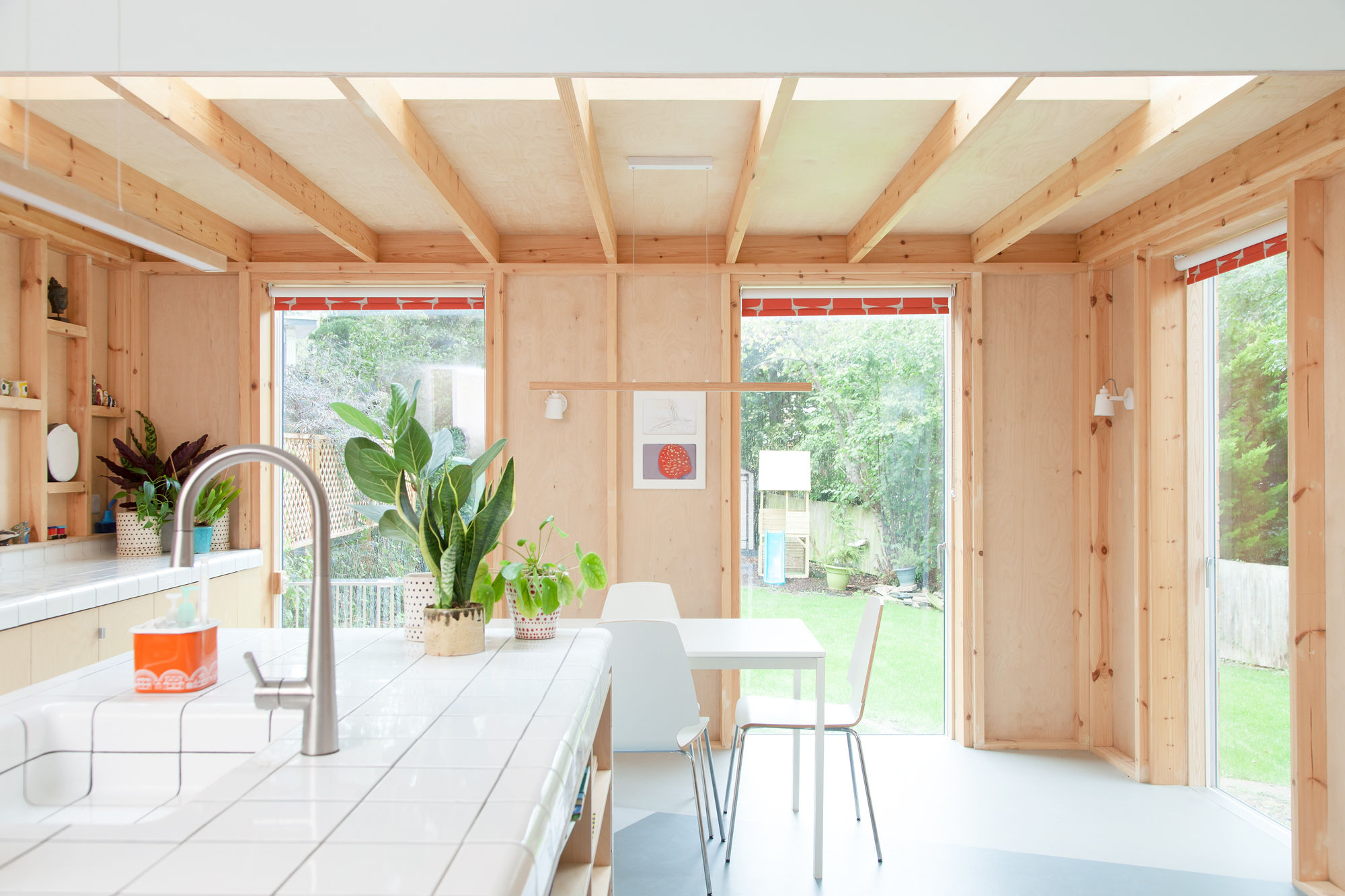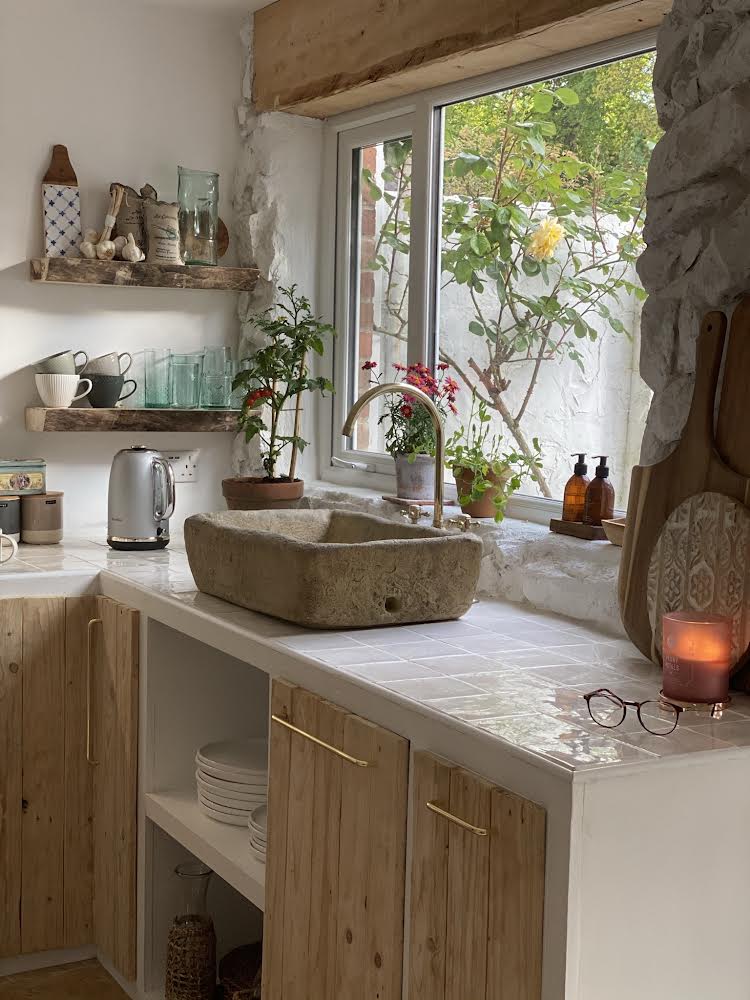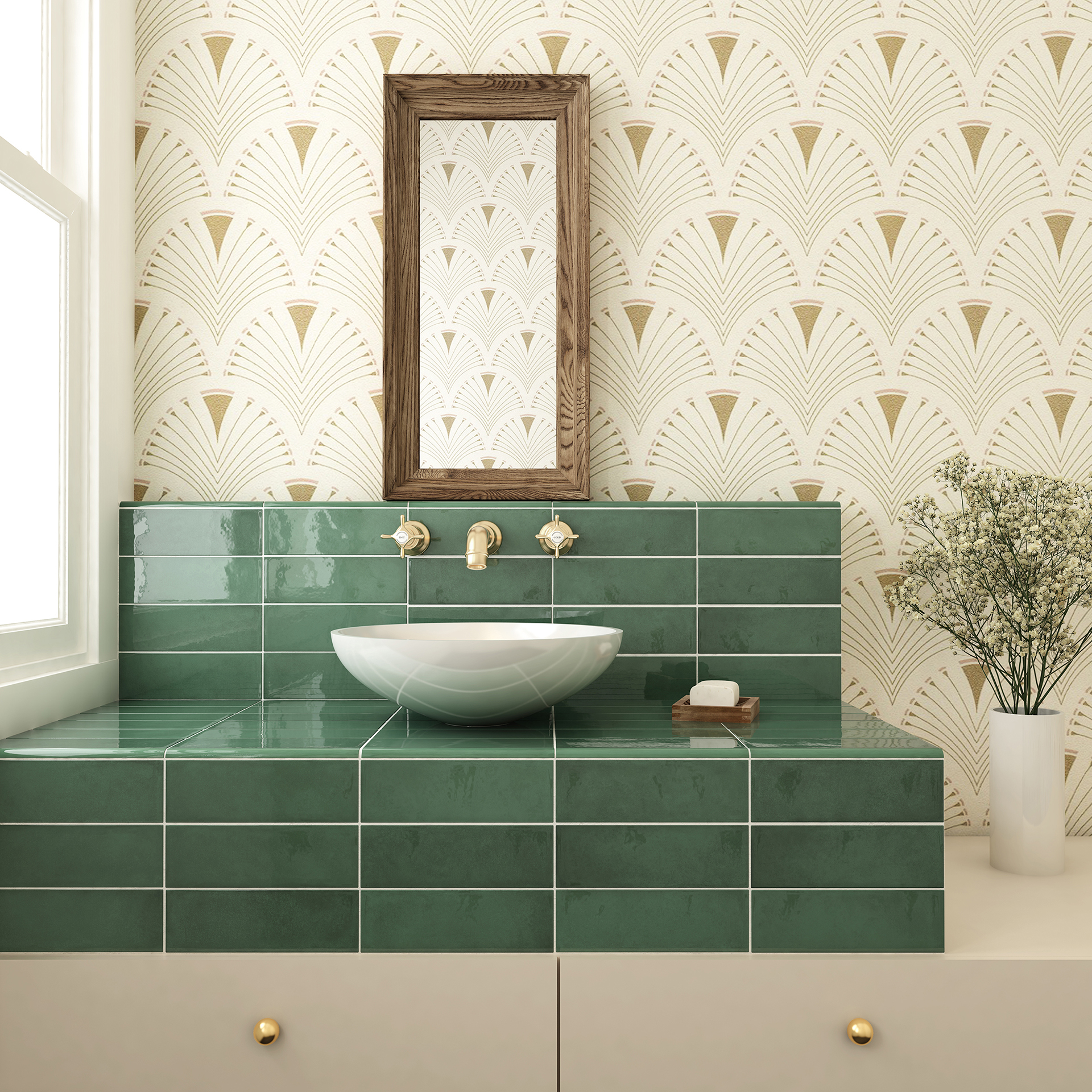
Why You Might Want Porcelain Slab Countertops
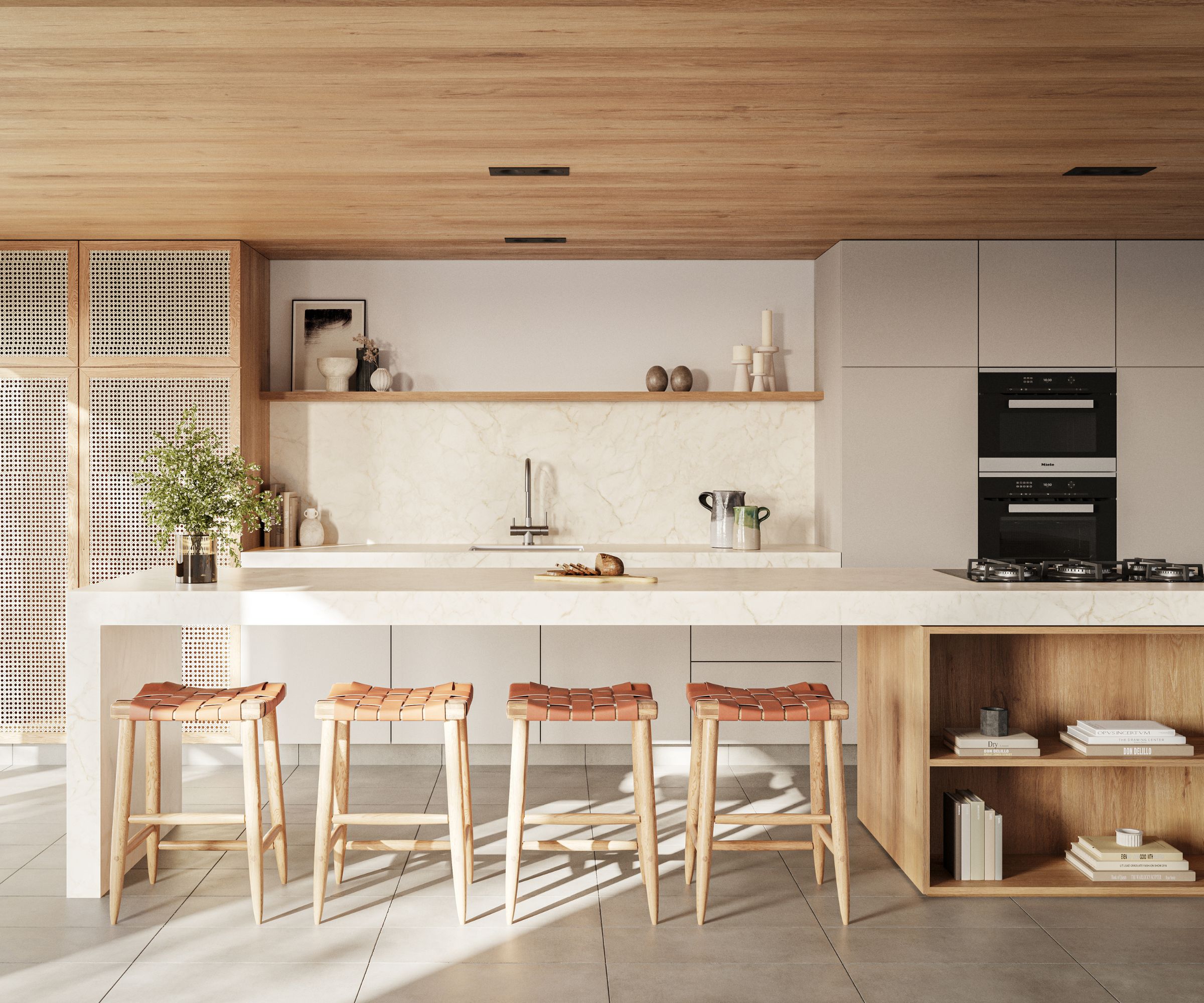
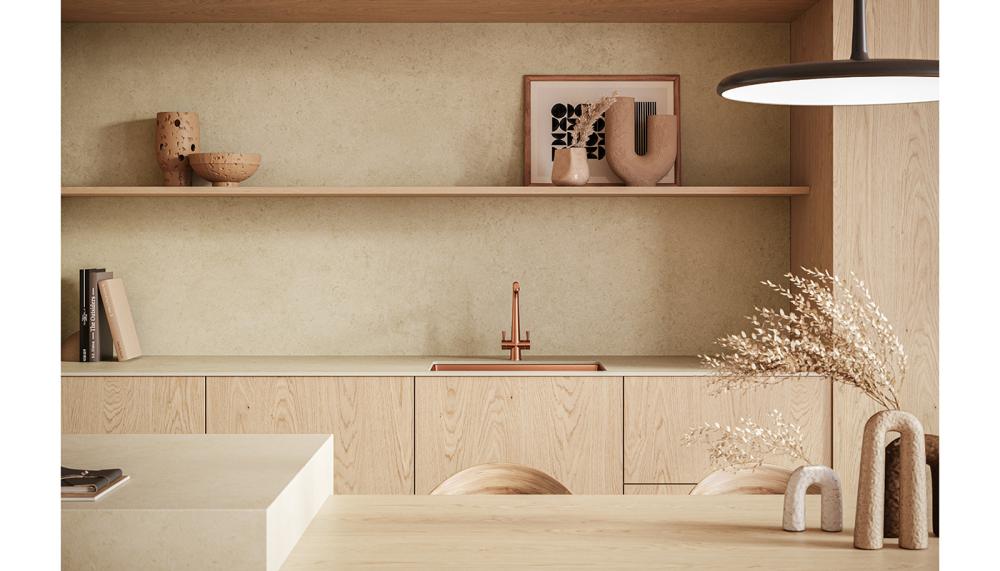
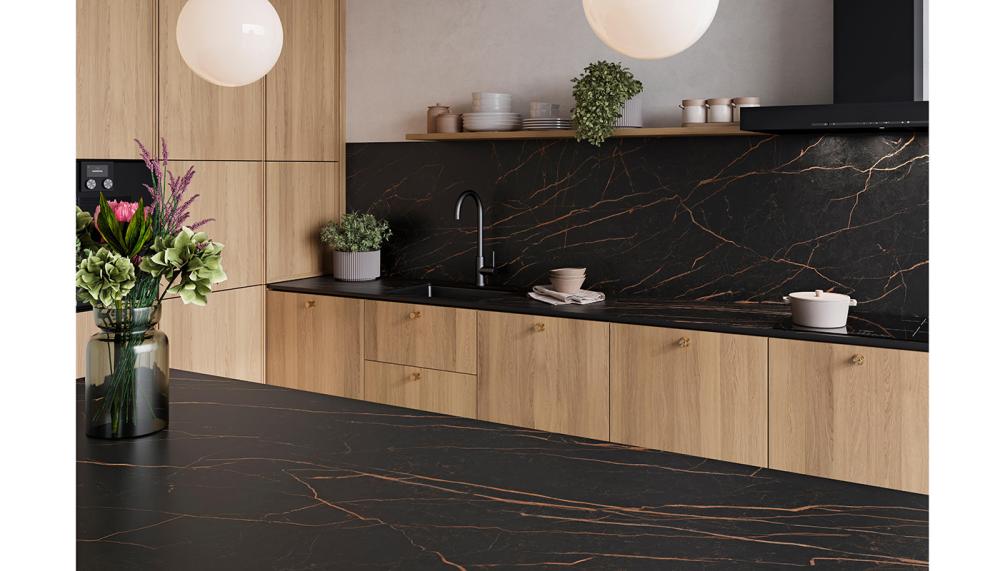
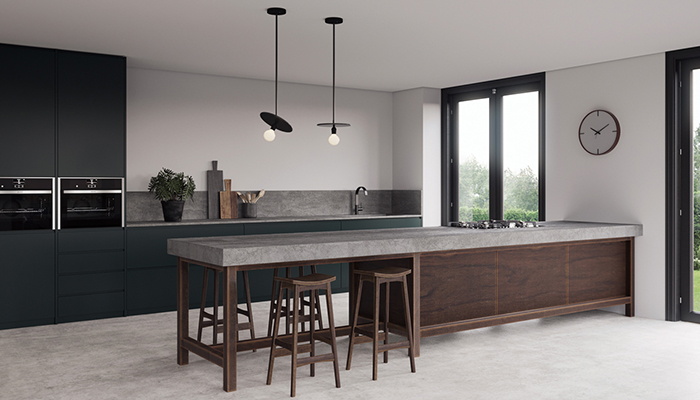
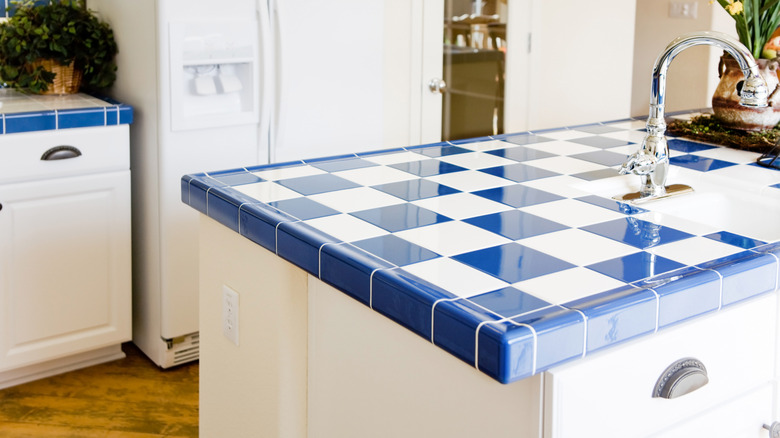
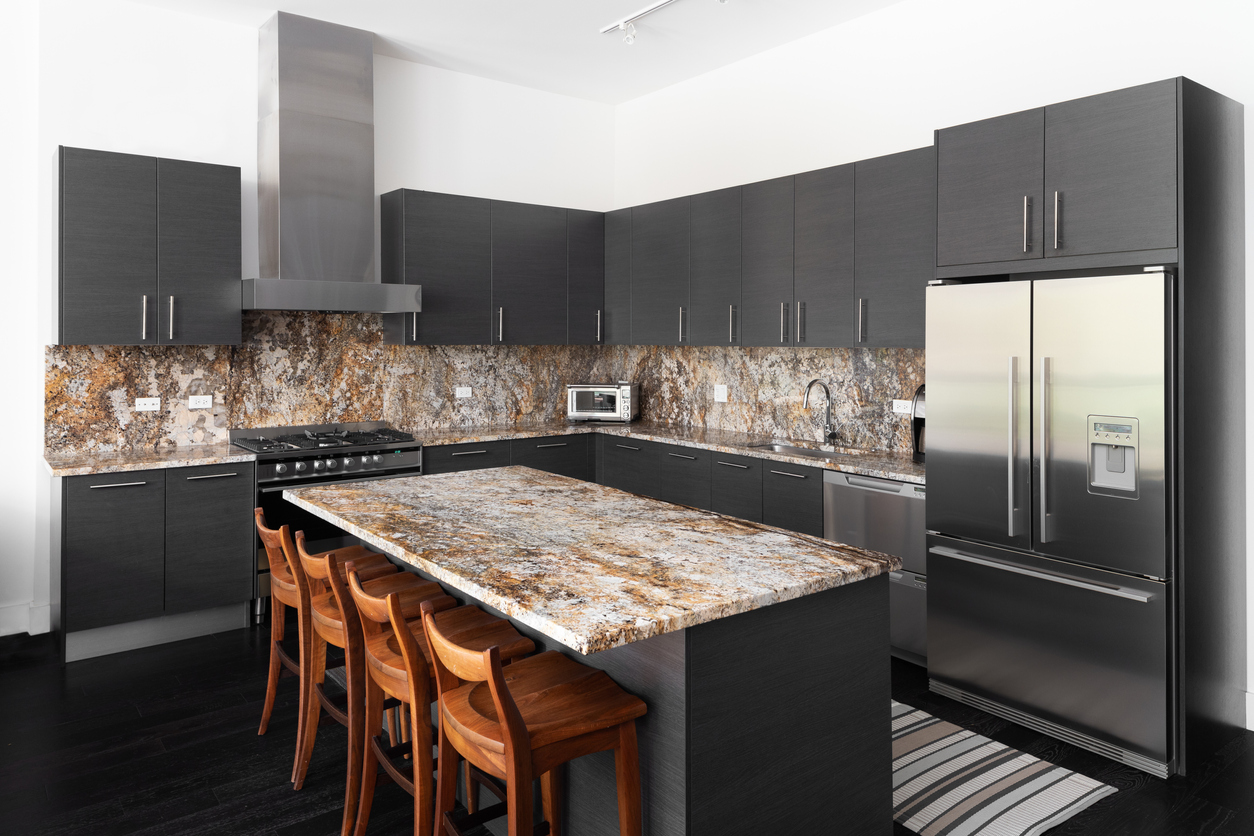
The perception of tile countertops has undergone a significant transformation, moving from the once ubiquitous small, grout-heavy squares to large-format porcelain slabs. Historically, homeowners often replaced these older tile surfaces with materials like granite or engineered stone (quartz) due to cleaning difficulties and aesthetic limitations. However, modern manufacturing advancements, particularly from European and American factories, have introduced oversized porcelain slabs that emulate the appearance of various natural materials such as granite, marble, wood, and linen, while circumventing their common maintenance issues and usage restrictions.
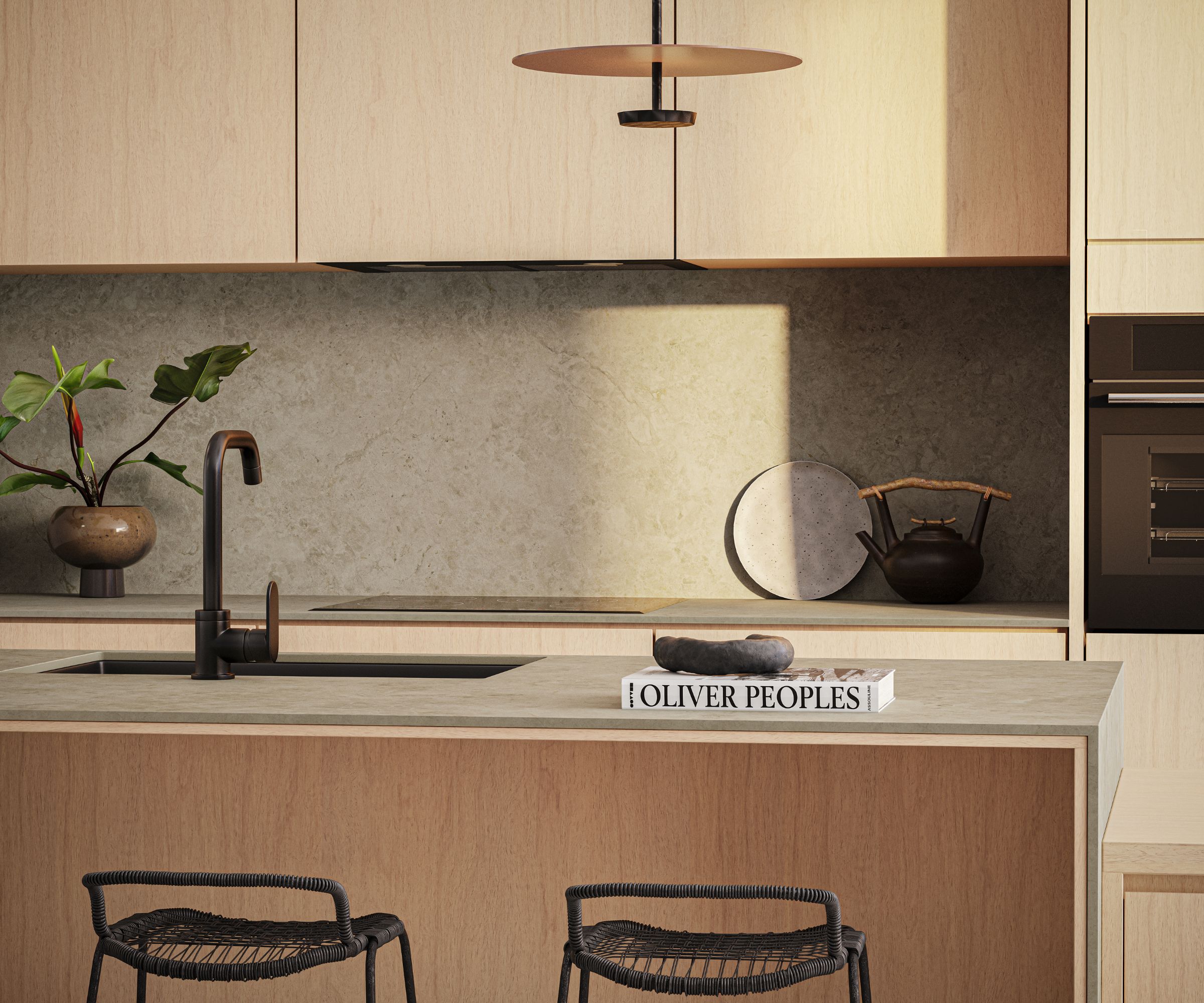
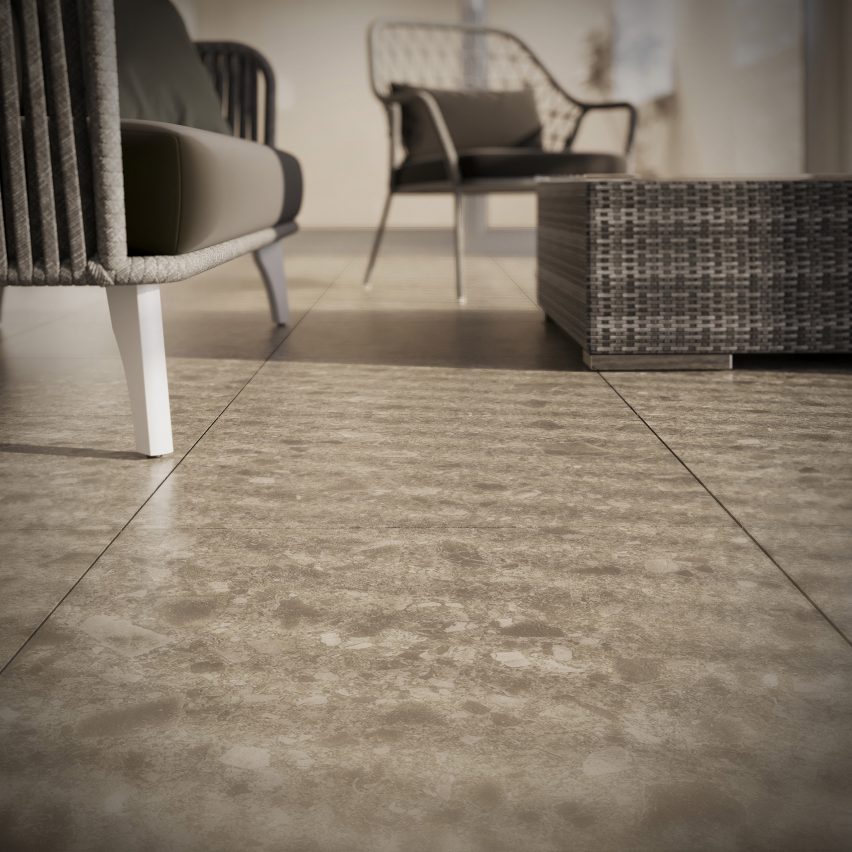
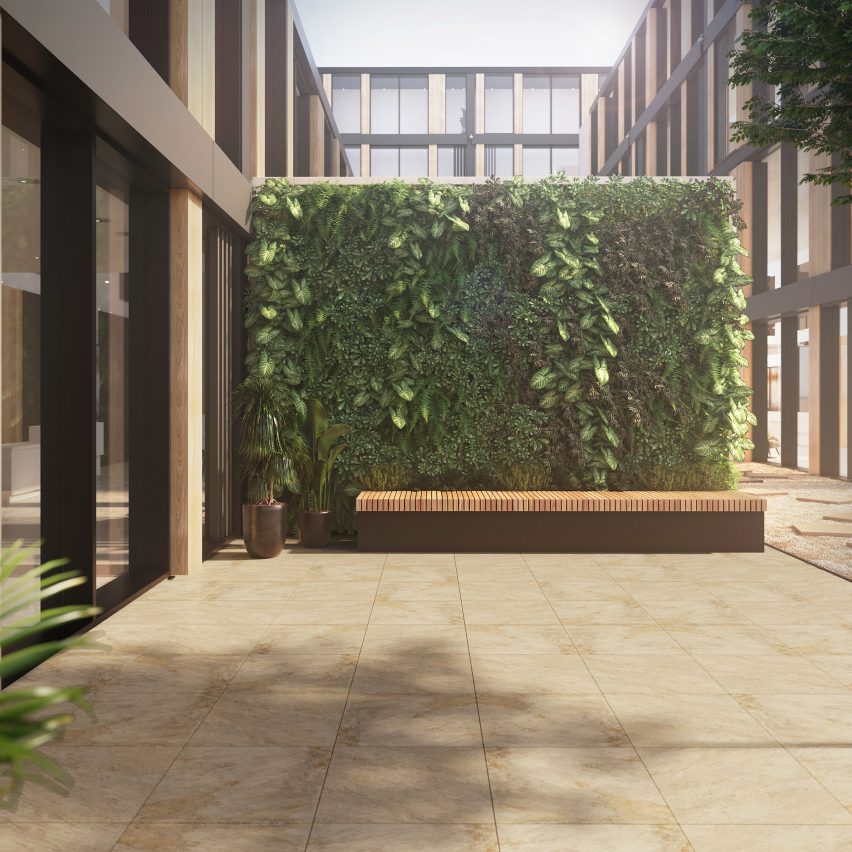
These contemporary porcelain slabs offer numerous practical advantages. Similar to quartz and solid surface materials like Corian, porcelain is nonporous, making it a safe and hygienic choice for food preparation areas. A key differentiator for porcelain is its remarkable versatility, being suitable for both indoor and outdoor installations due to its inherent heat, UV, and frost resistance. This characteristic eliminates concerns about sun damage, which can affect other materials when used outdoors. Design professionals, such as Sacramento-based designer Kerrie Kelly, highlight porcelain's suitability for kitchens and bathrooms given its resistance to stains, heat, and water. The growing popularity of large-format tiles is also noted, with installers increasingly comfortable working with the product.
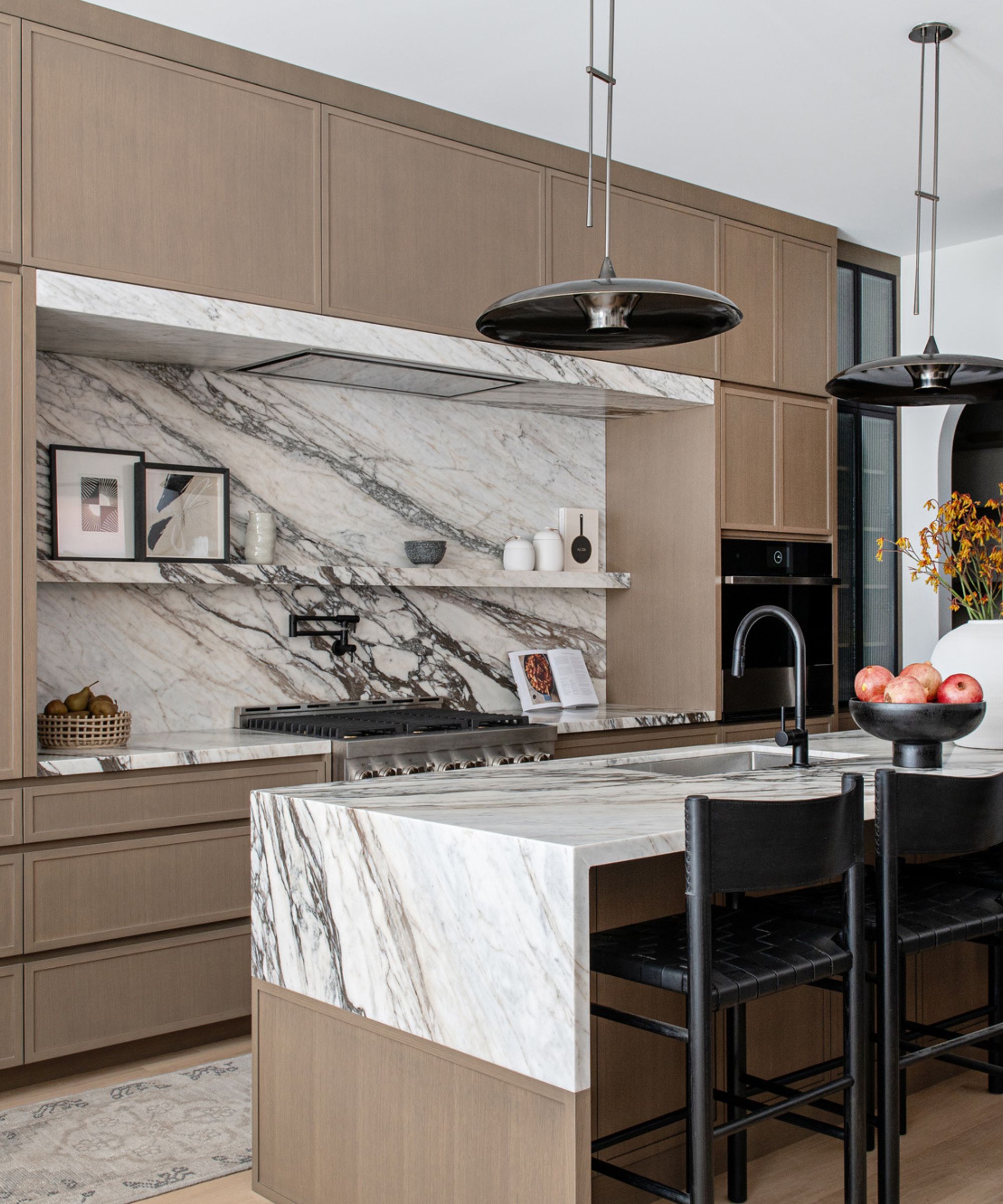
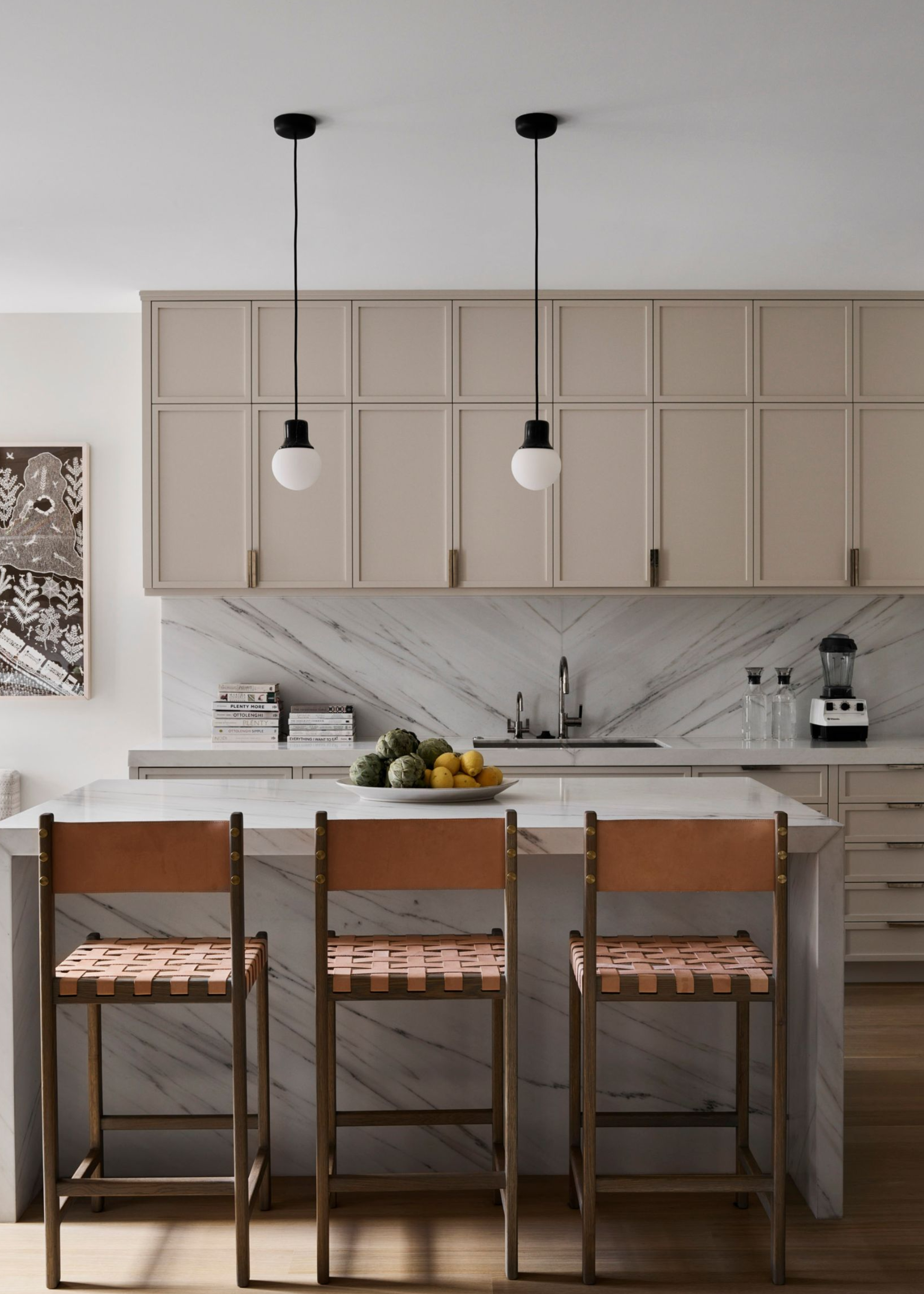
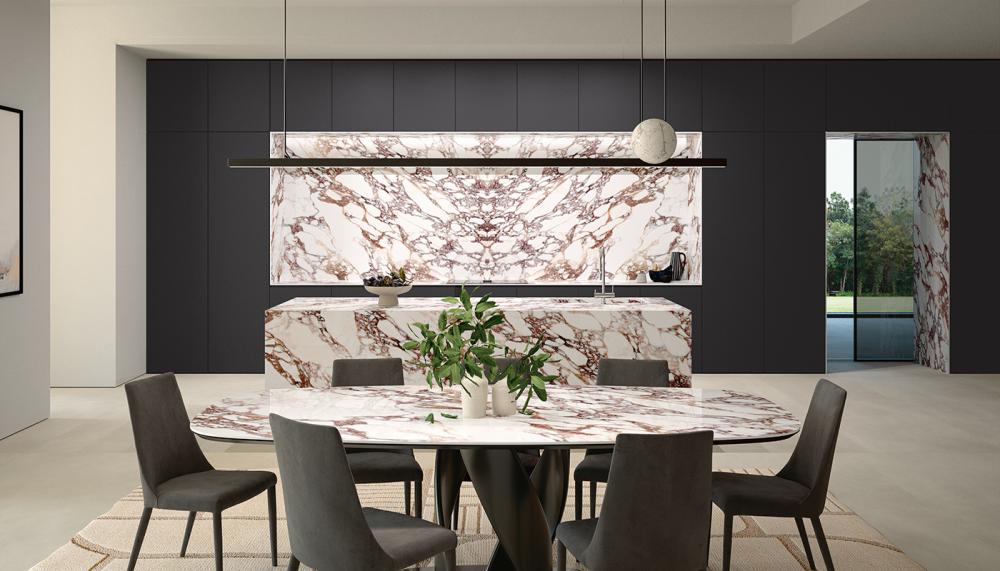
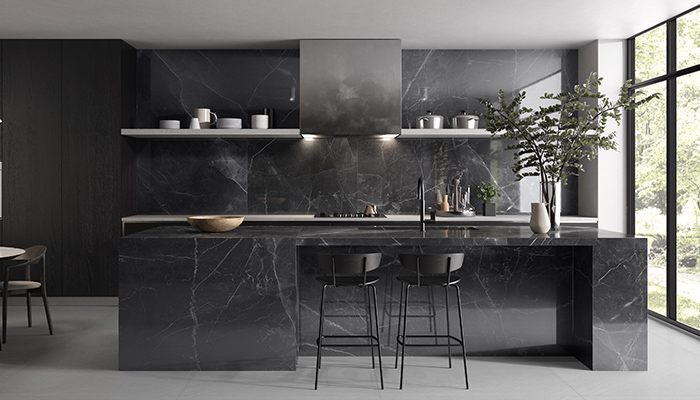
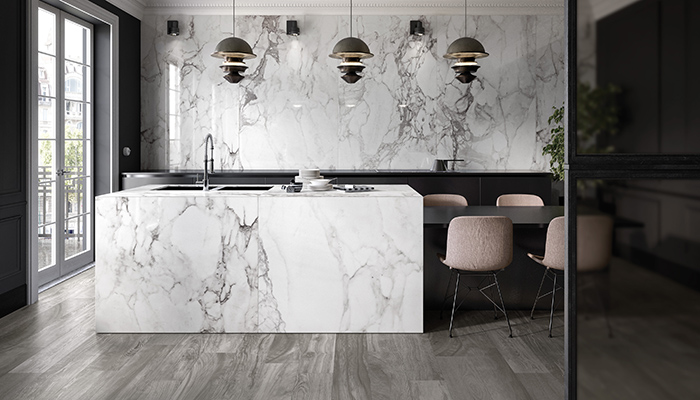
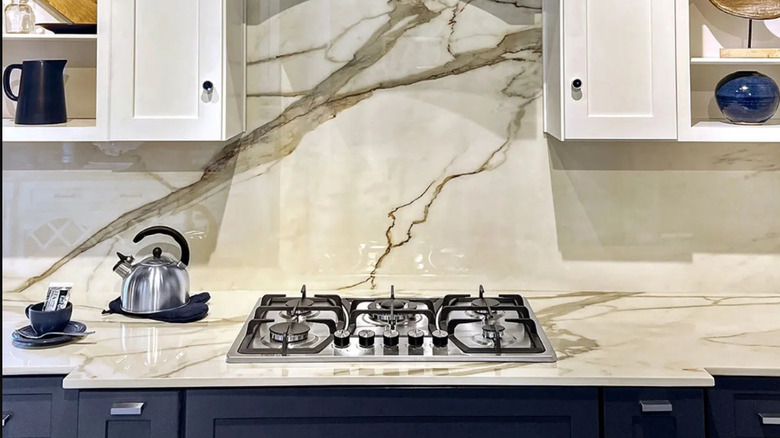
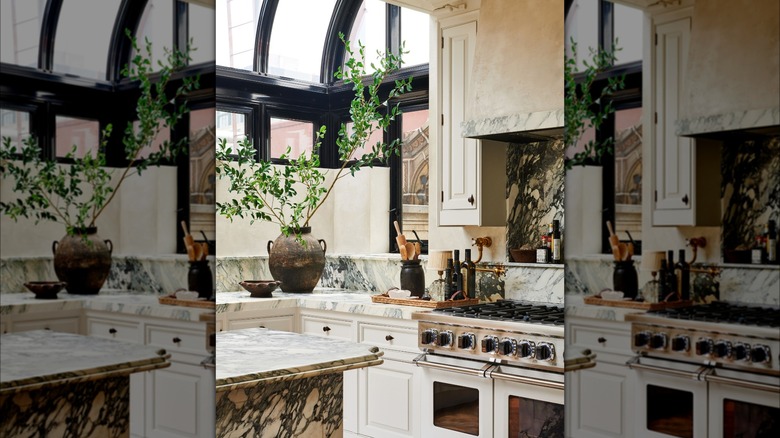
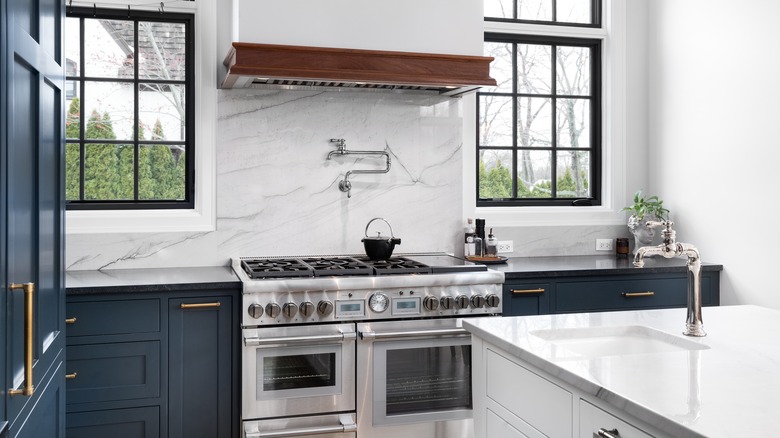
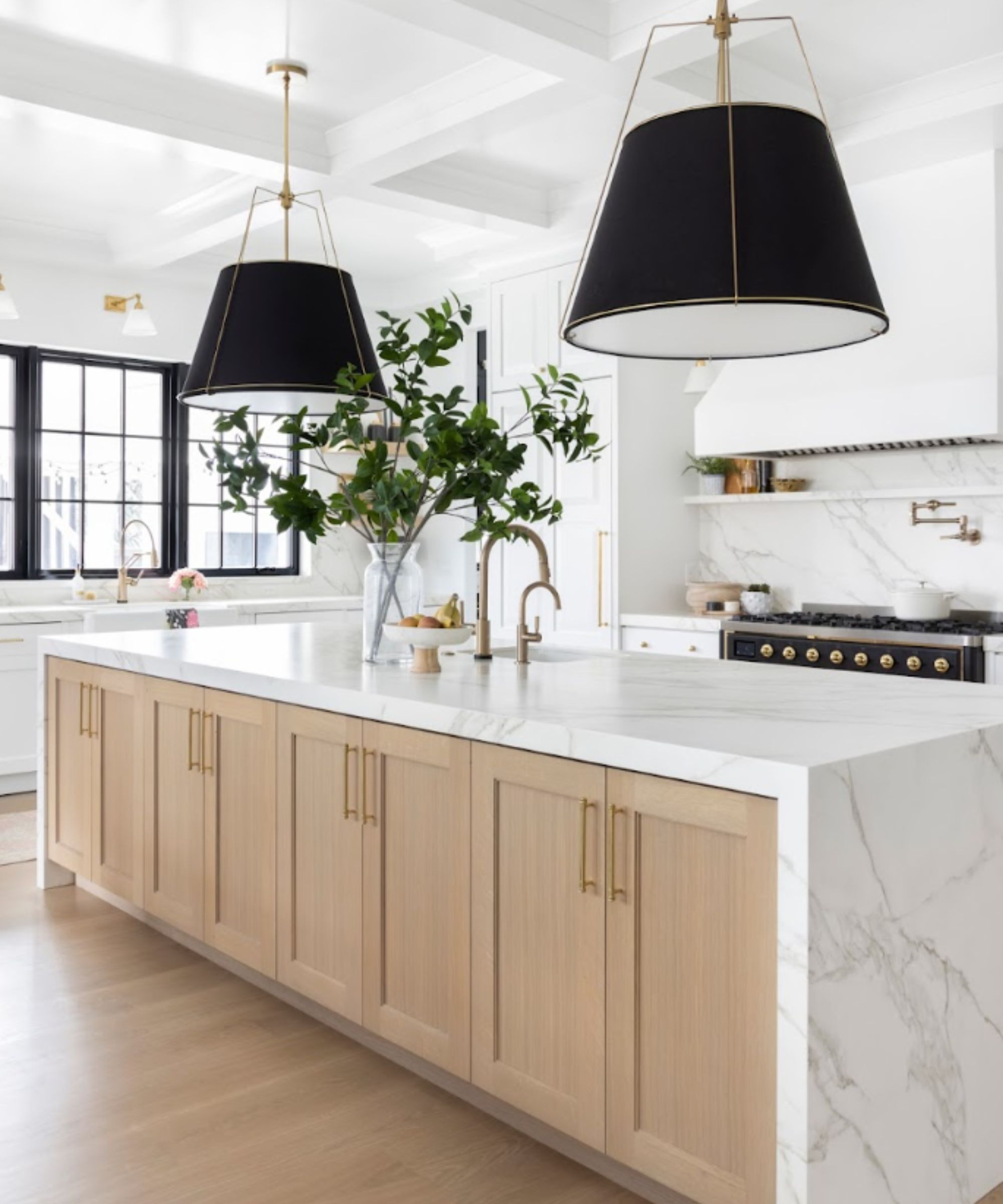
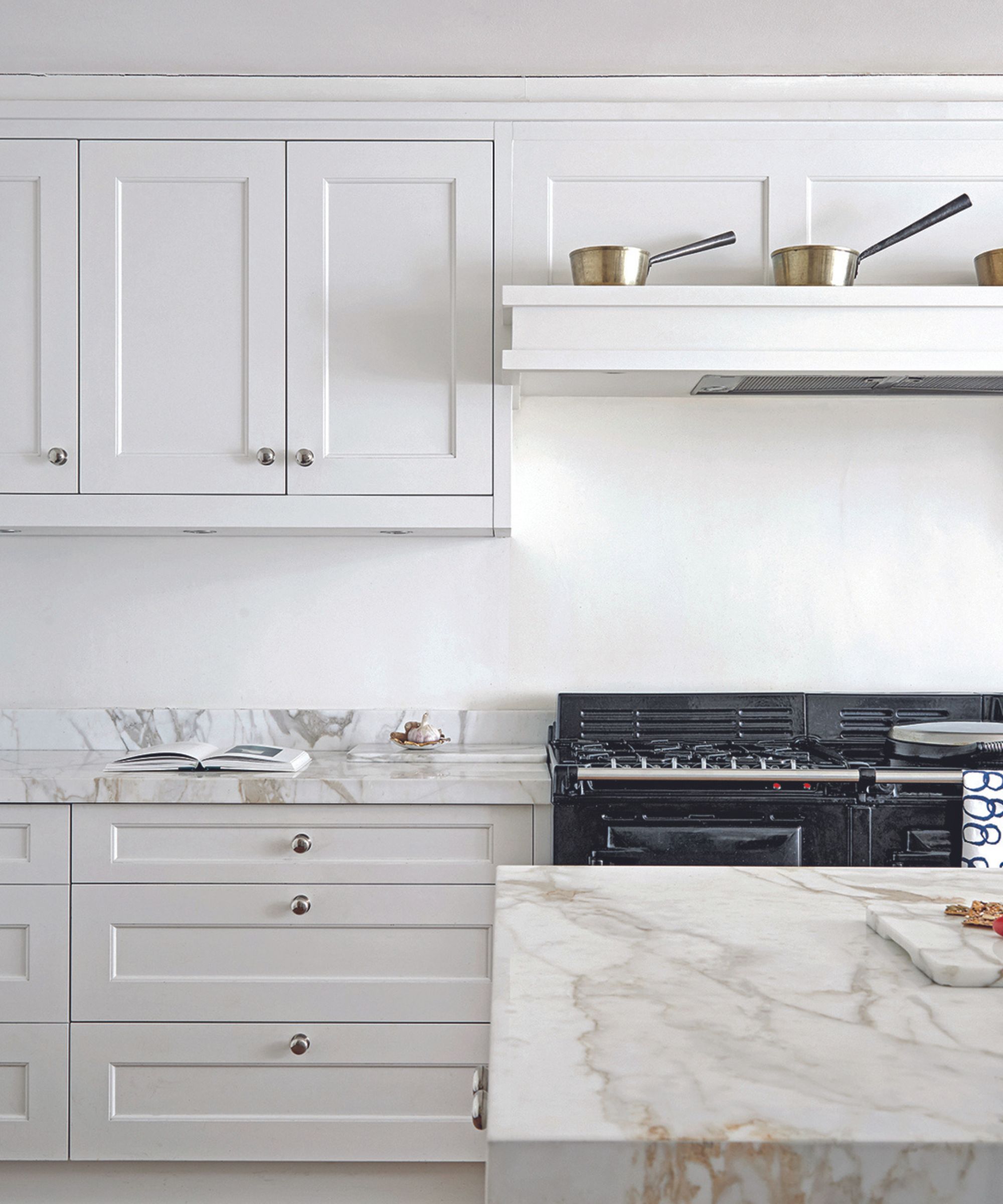
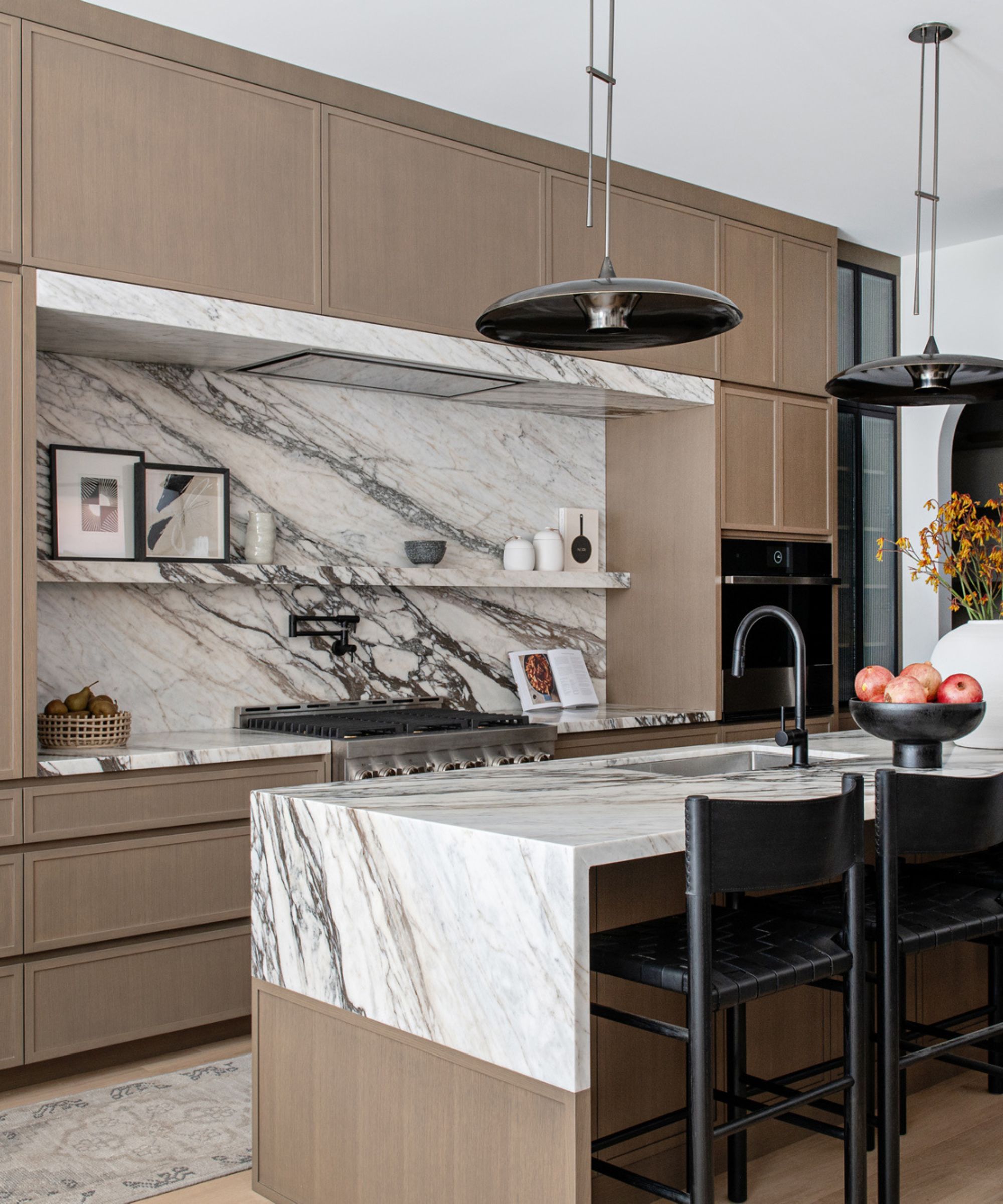
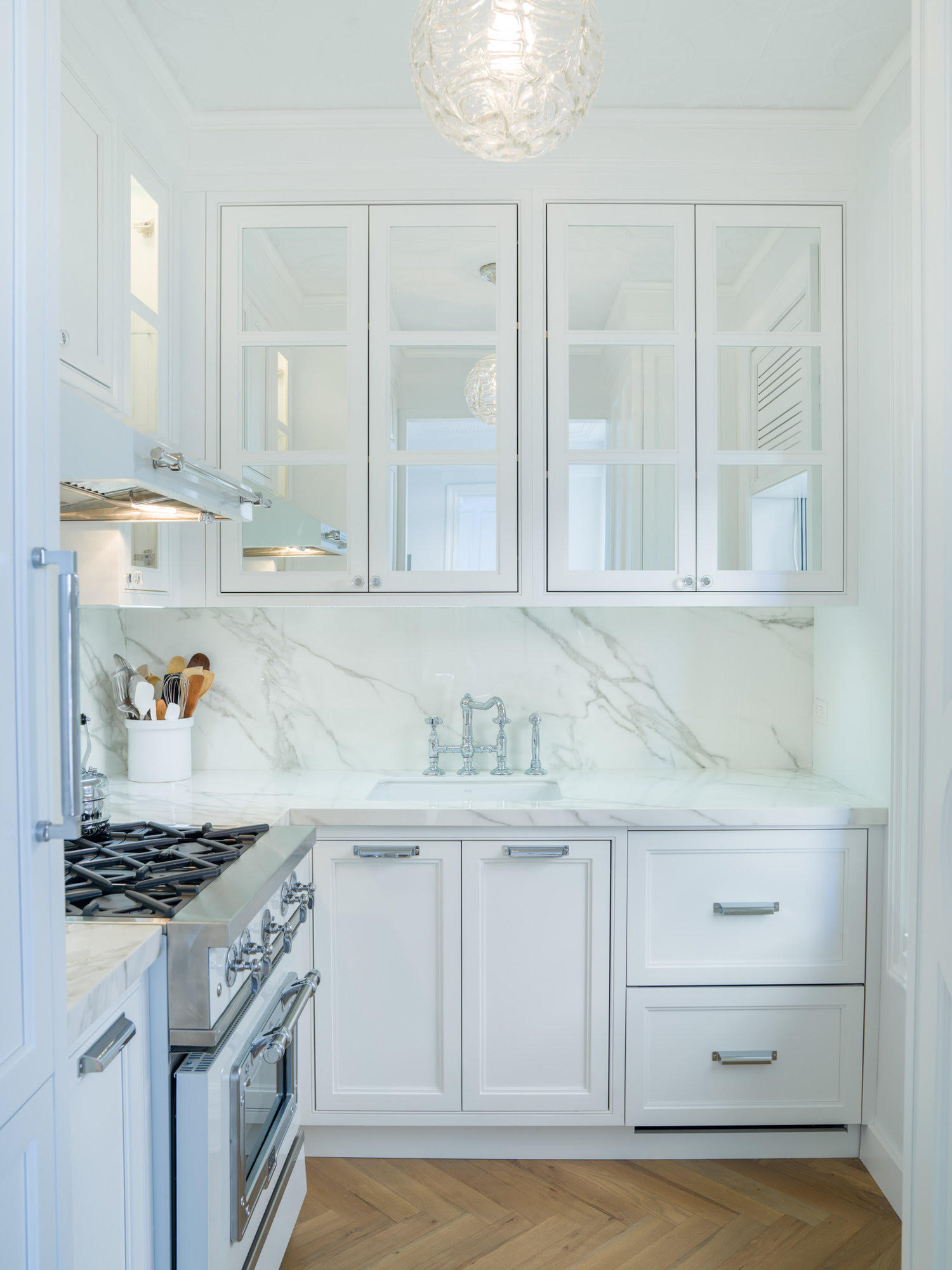
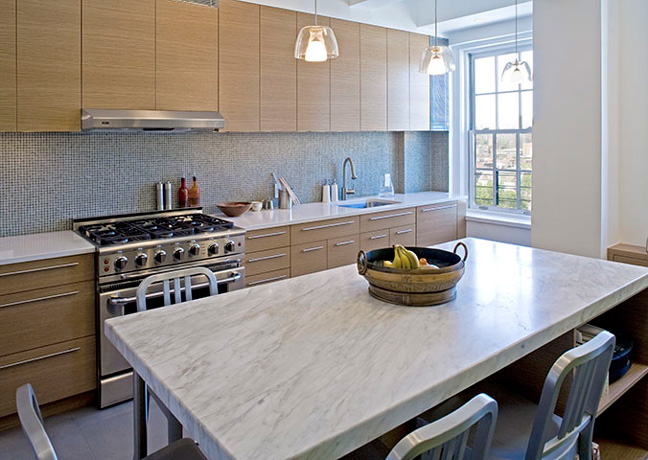
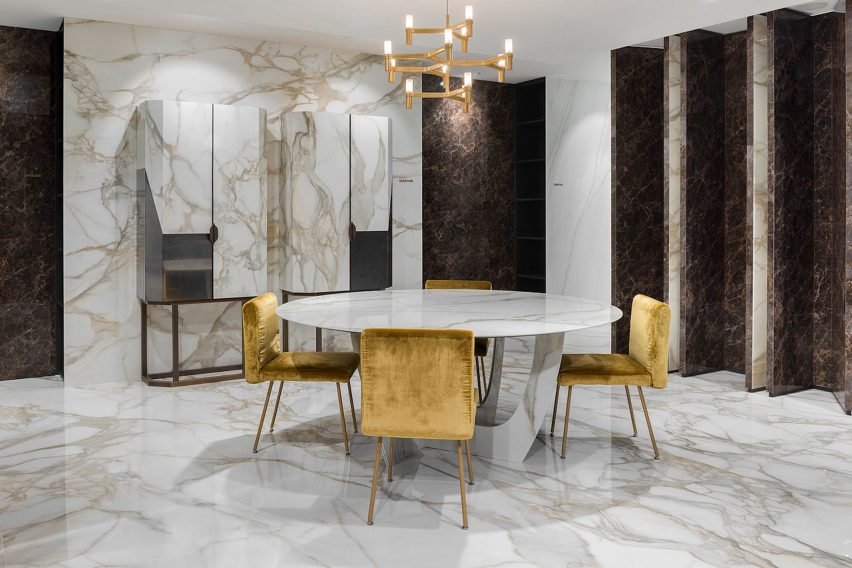
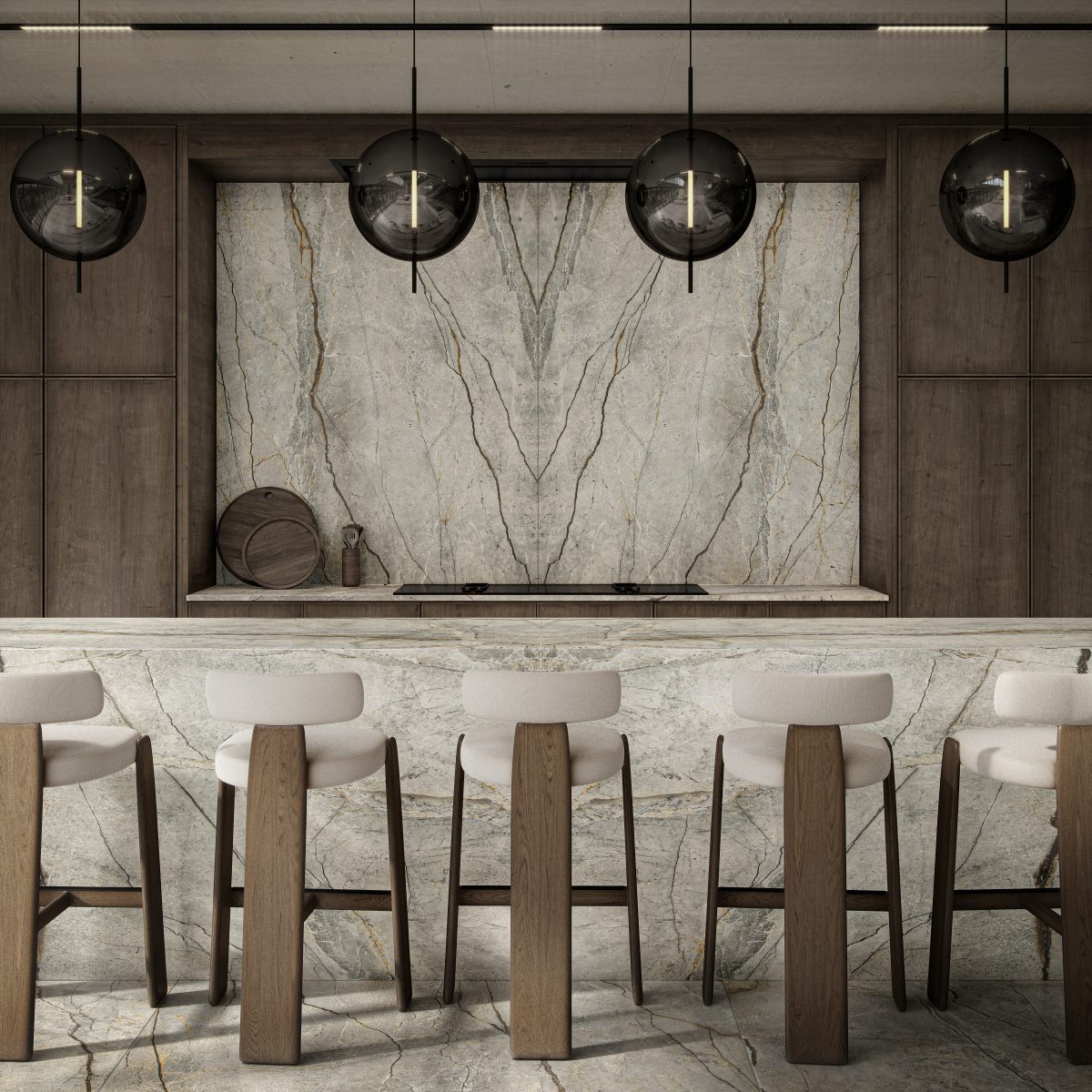
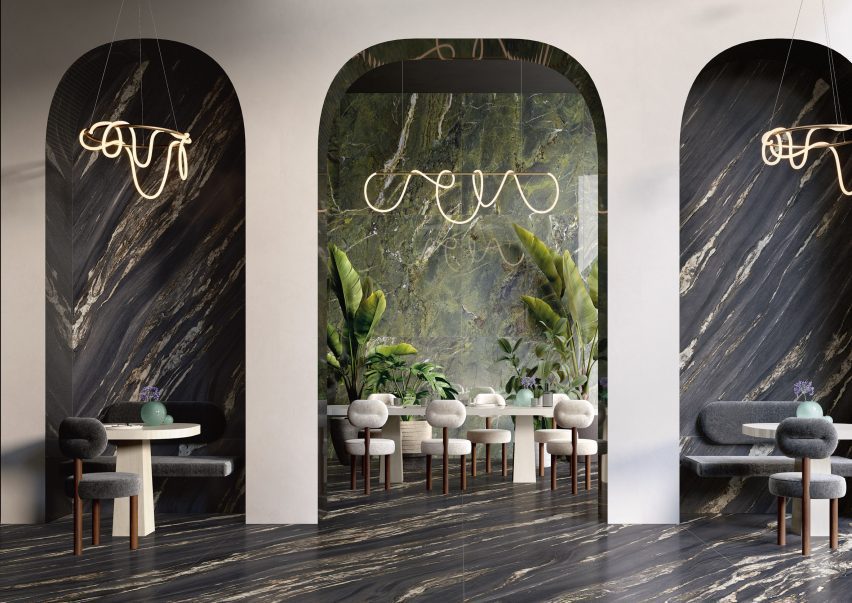
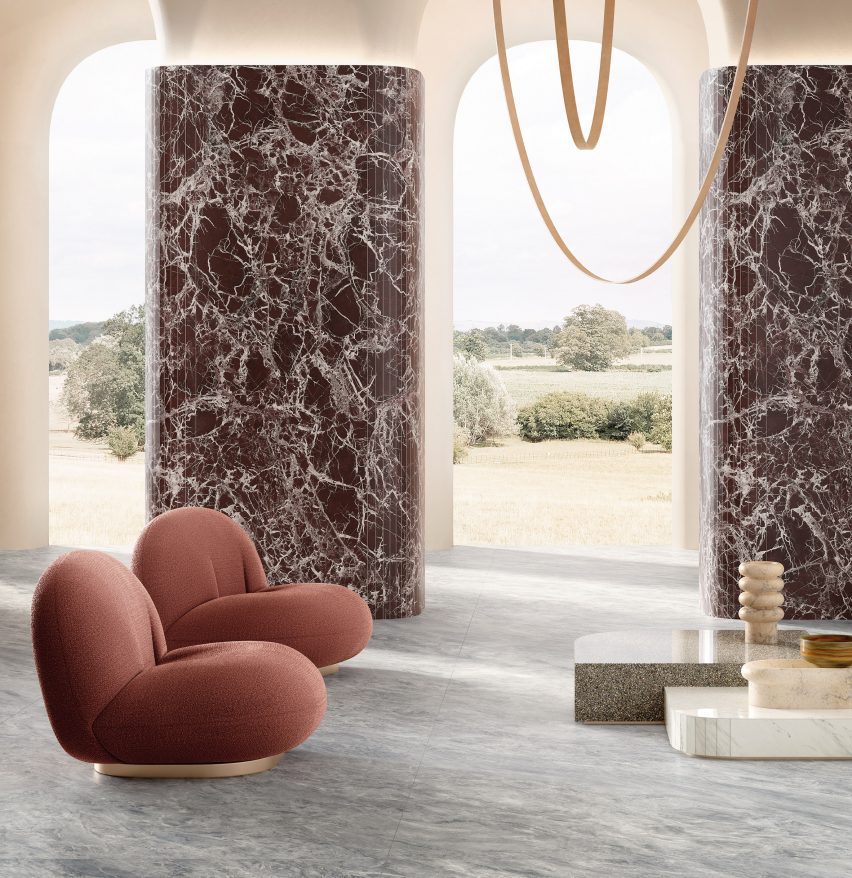
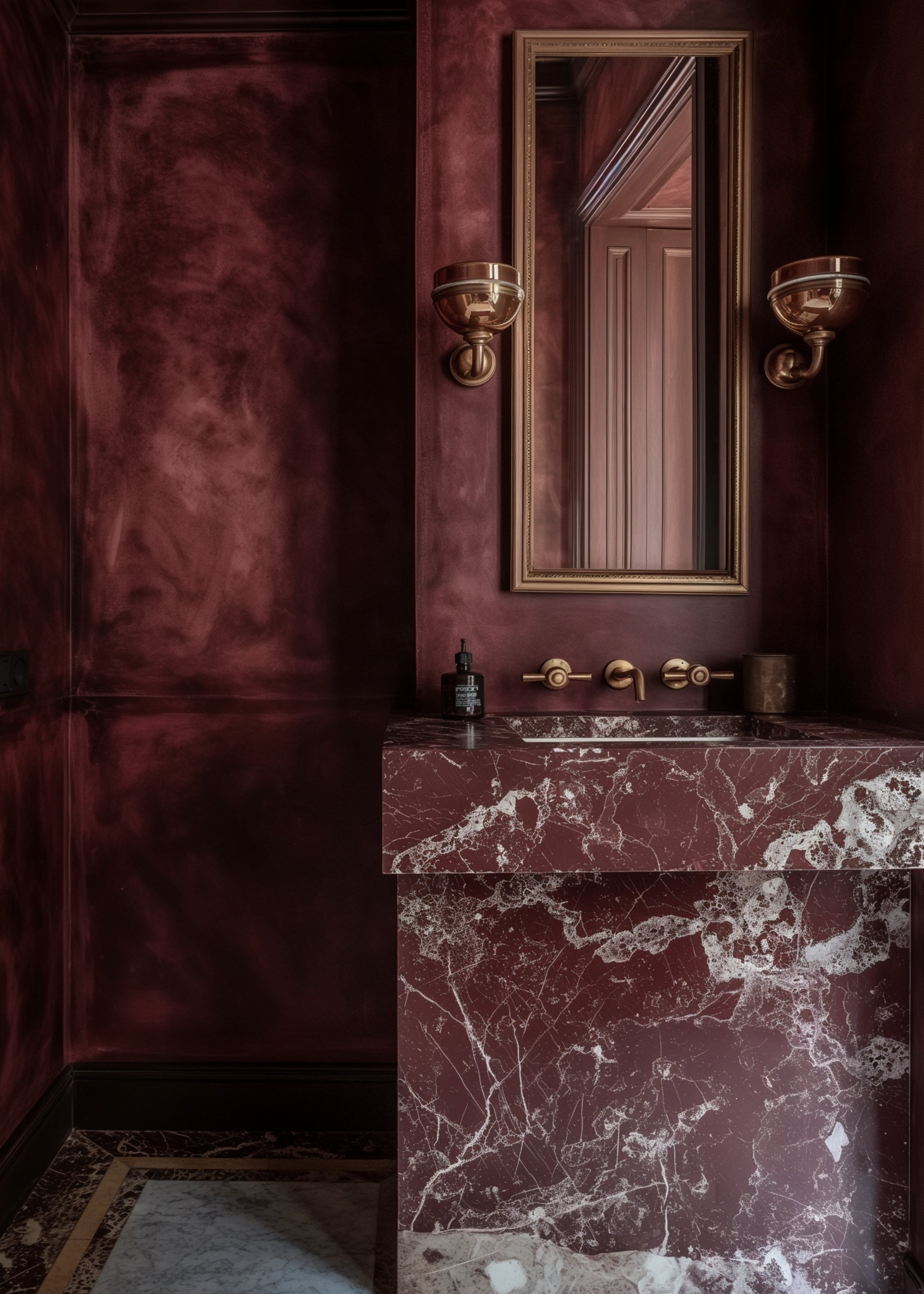
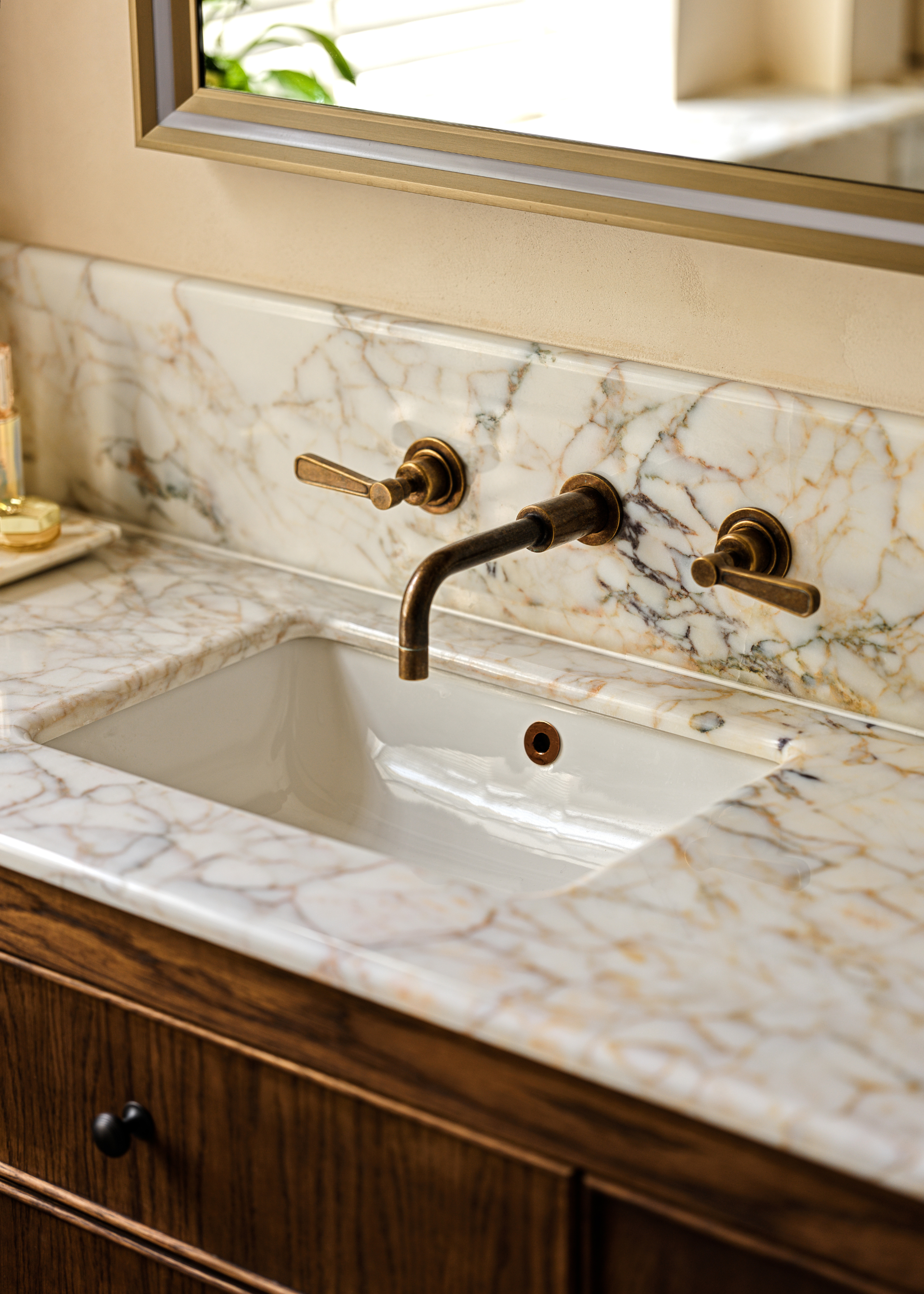
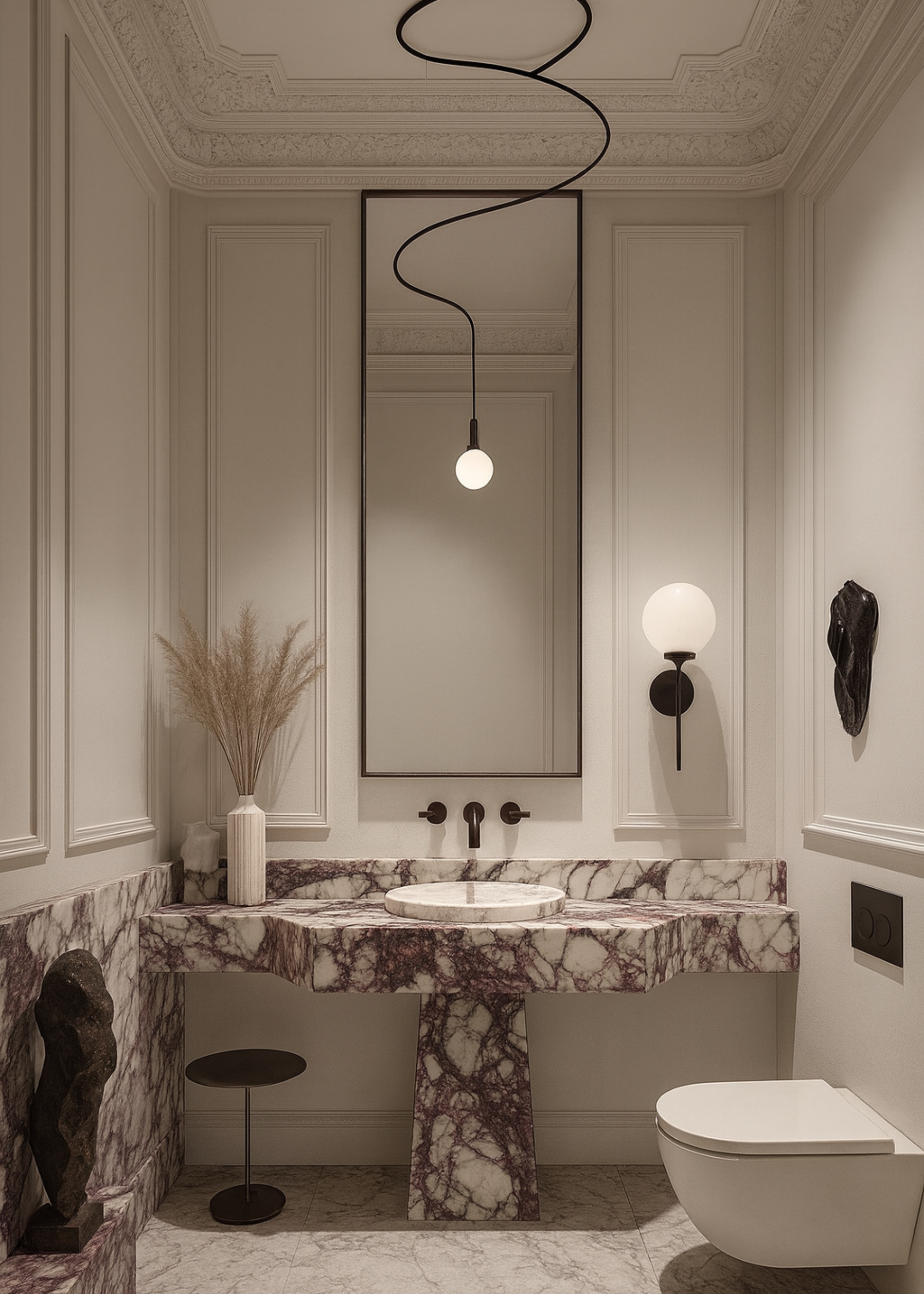
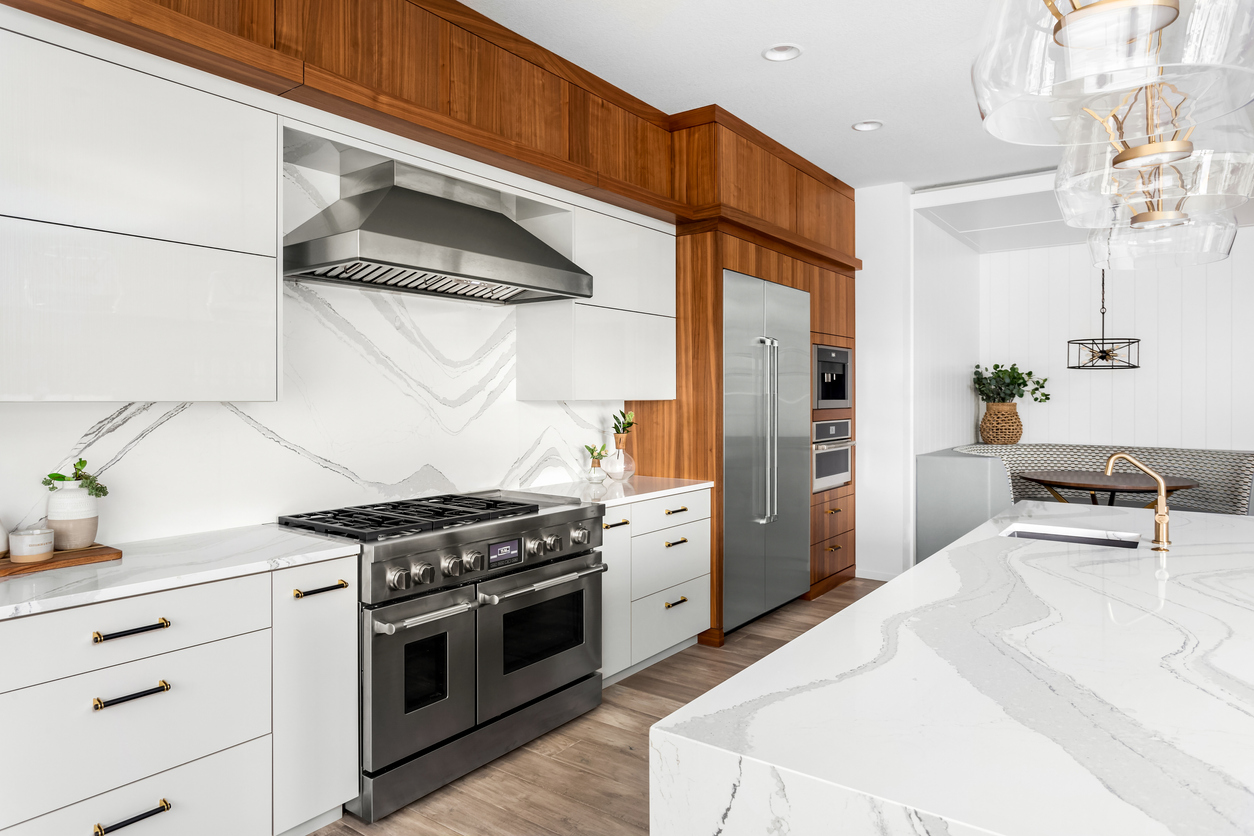
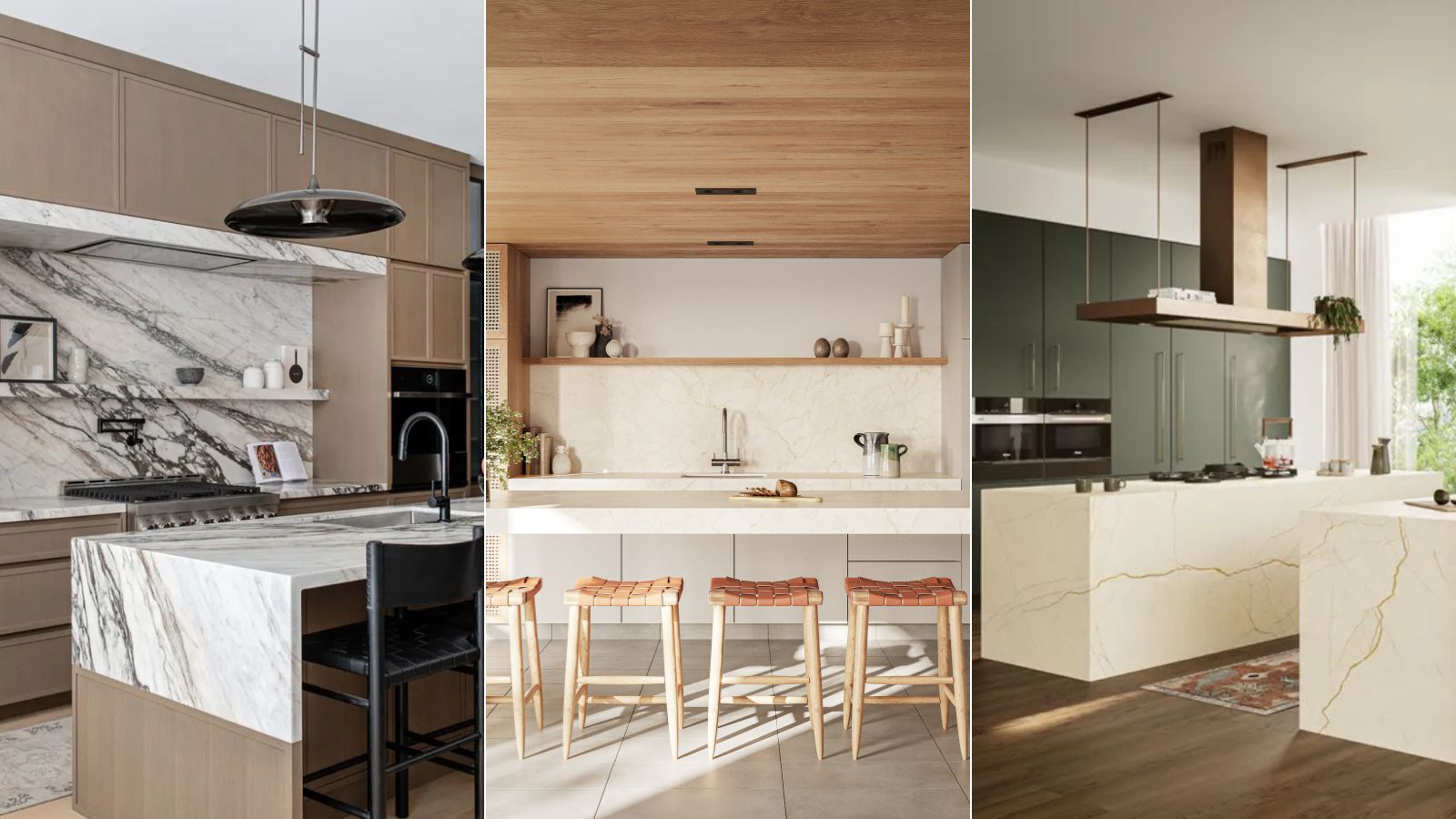
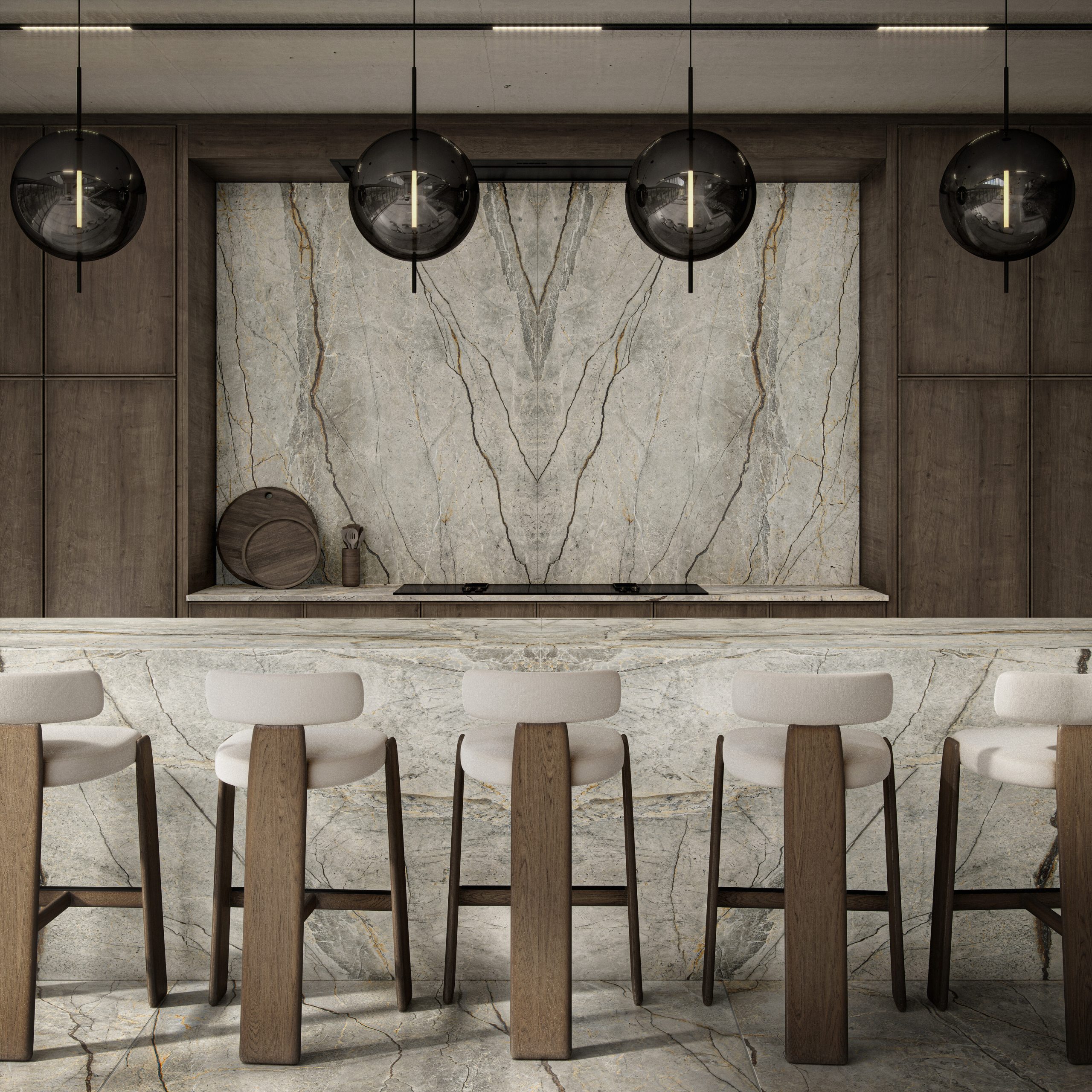
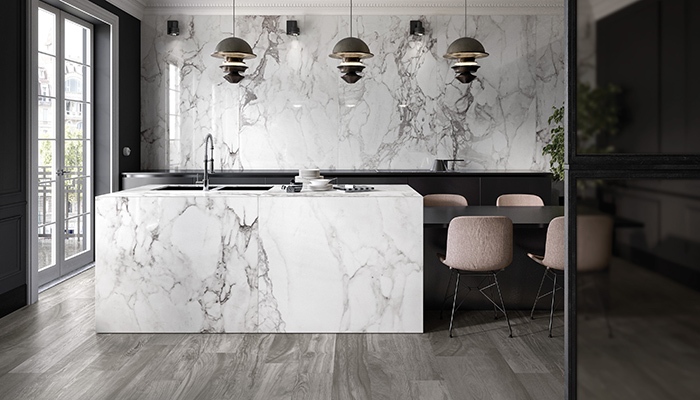
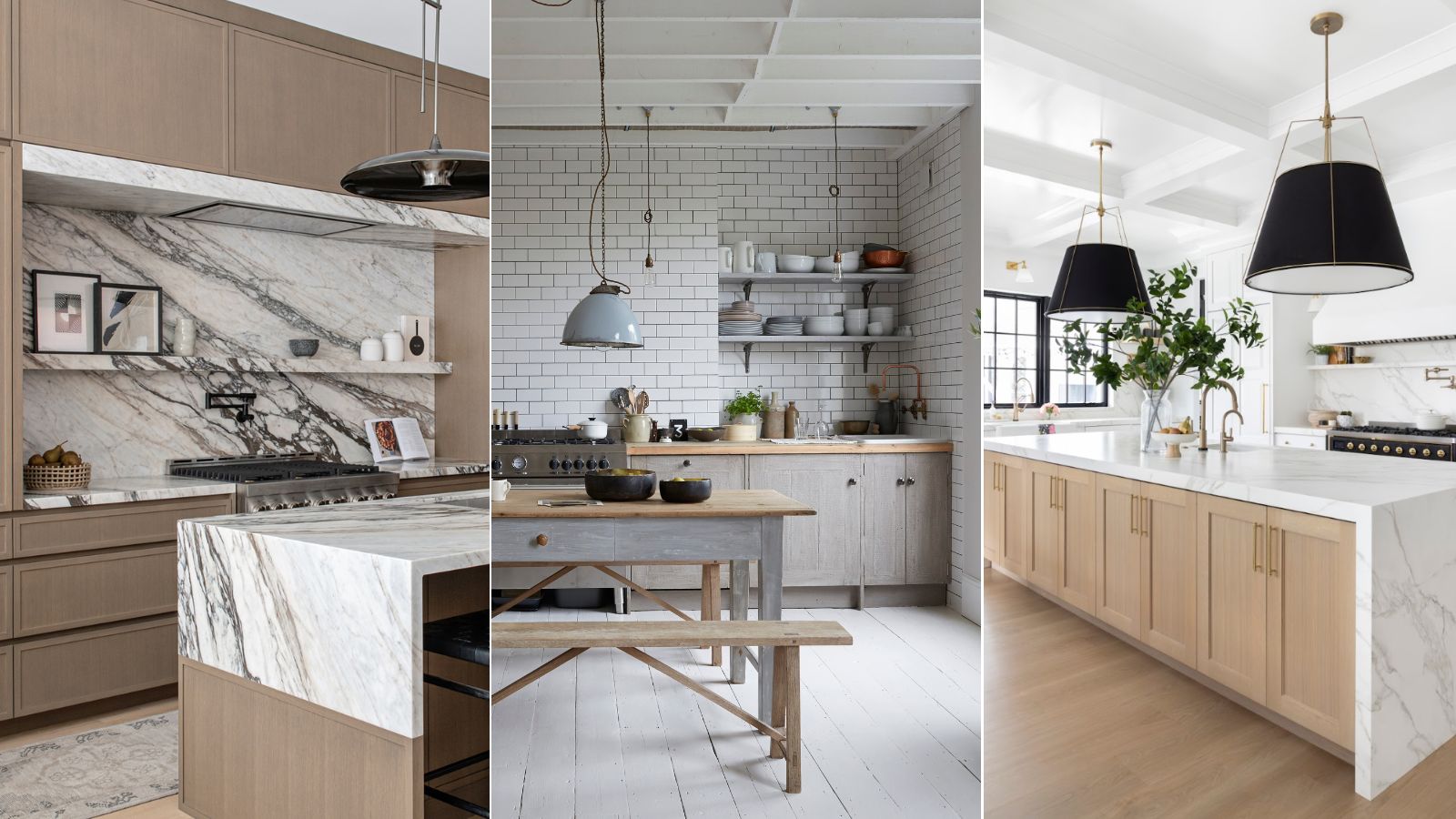
Technological advancements, specifically ink-jet production, enable porcelain to replicate the intricate beauty of natural marble without its susceptibility to etching, staining, or other daily wear and tear. Unlike natural stone, where each slab has unique variations, porcelain slabs offer uniformity, removing the need for customers to personally select individual slabs. For designs aiming for a marble aesthetic, porcelain allows for a seamless continuation of veining across large surfaces or cabinet banks through book-matched slabs, creating a luxurious and traditional appearance.
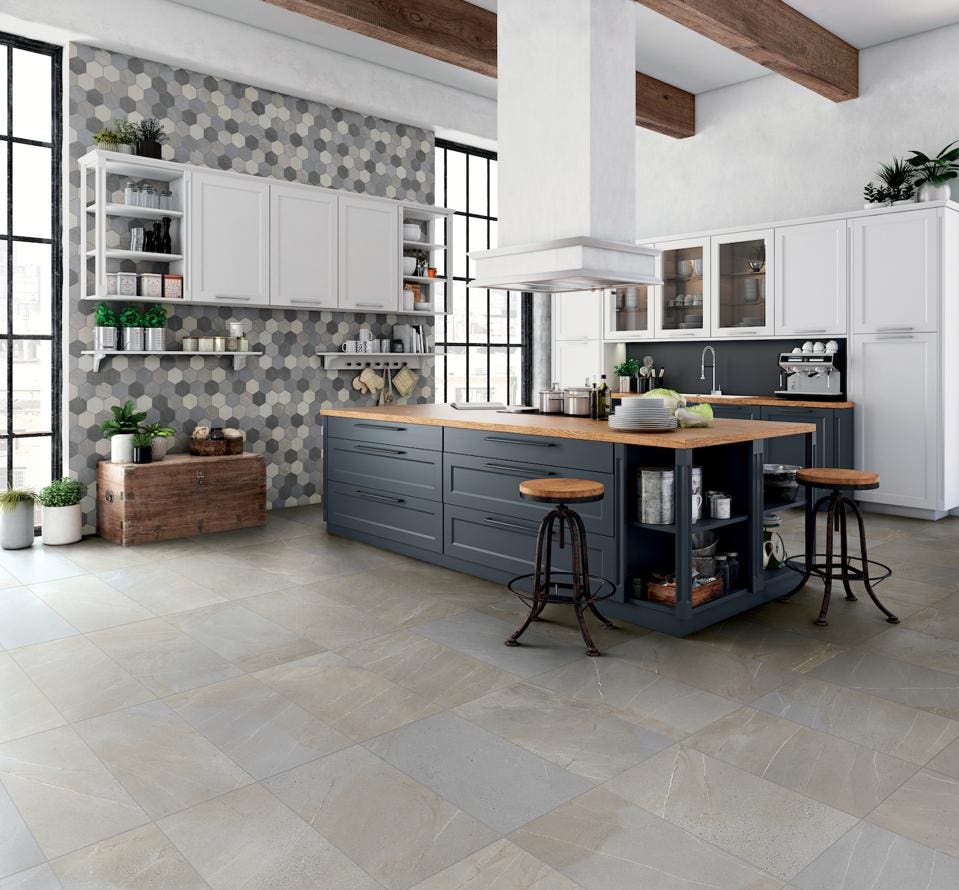
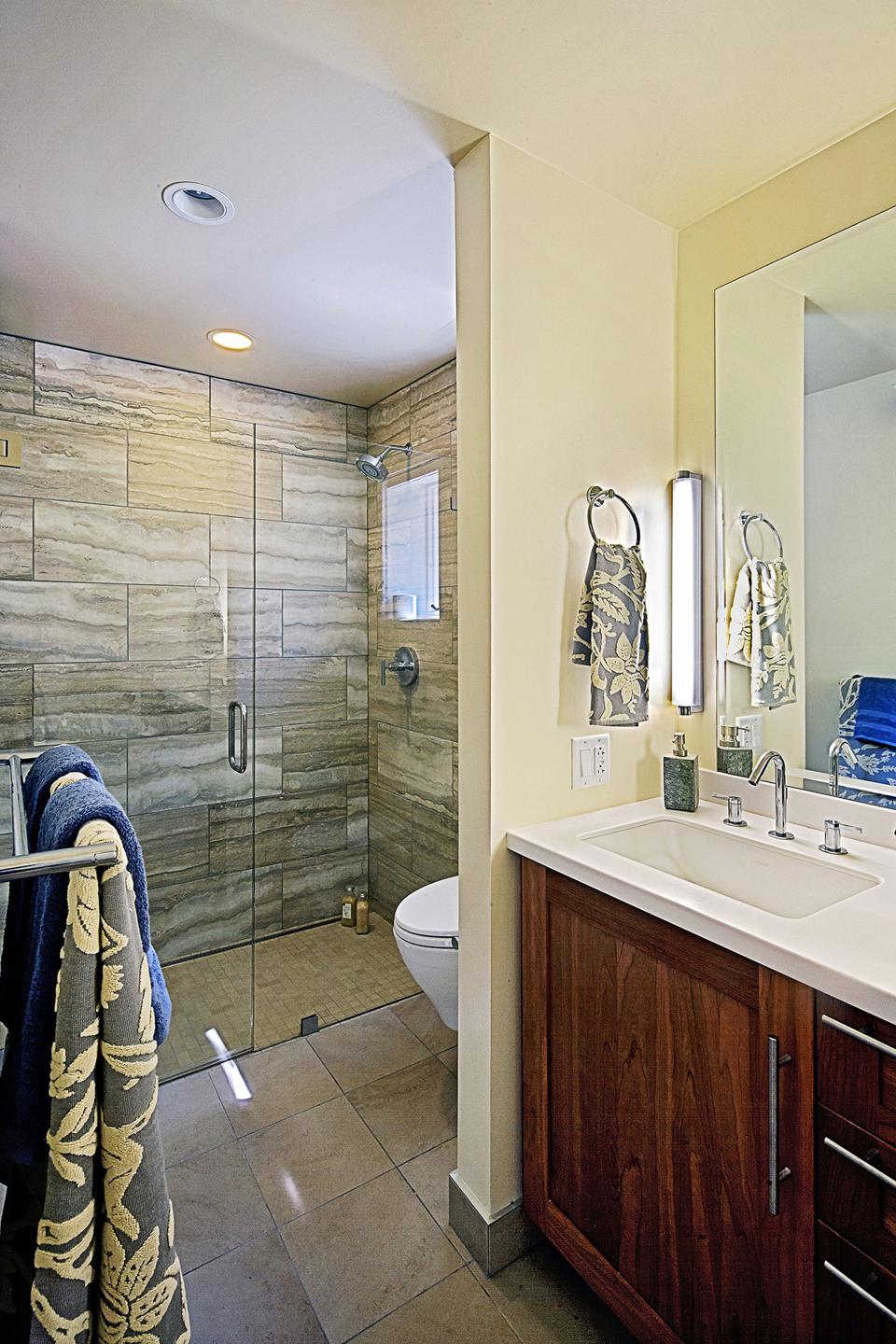
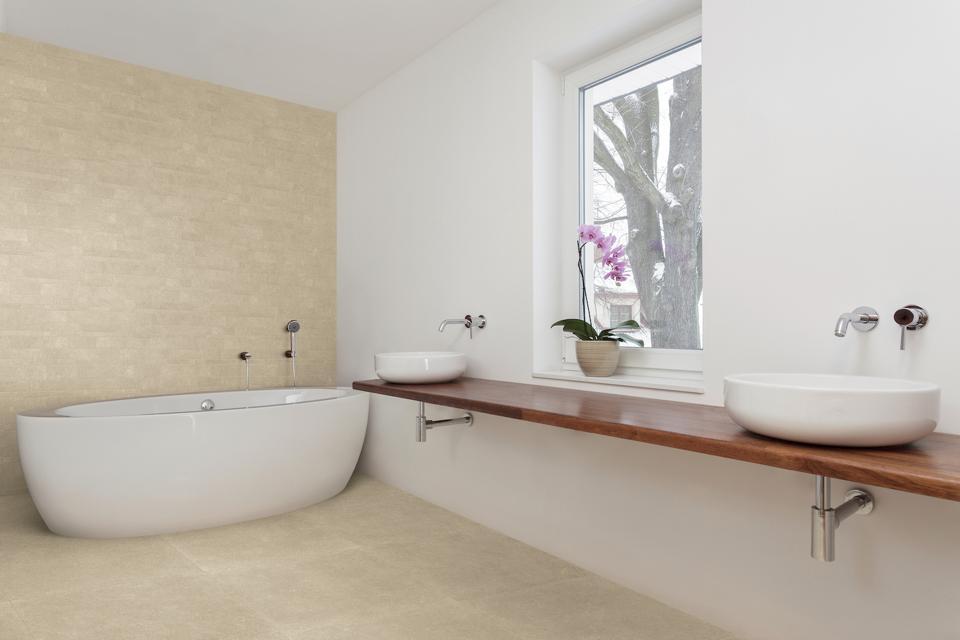
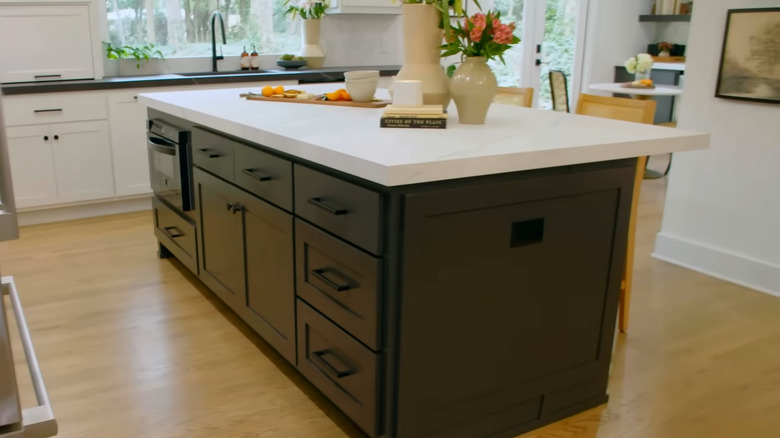
Experts who have observed industry trends, such as Jennifer Quail, editor-in-chief of i+D Magazine, who attended Italy's Cersaie tile expo, have seen extensive applications of thin porcelain tile. These applications include monolithic kitchen islands, spa-like bathrooms with integrated tubs and seamless walls/floors, and even dining tabletops, all crafted from large-format slabs. This demonstrates porcelain's capacity to integrate seamlessly across multiple surfaces within a space.
Regarding cost, porcelain countertops are generally comparable to quartz but can be slightly higher due to their fragile nature during fabrication and the specialized skills required for installation. Prices for special features can range from $60 to $100 per square foot. The relative novelty of porcelain slabs in the U.S. market means that finding experienced fabricators can be a challenge, as the material is durable once installed but prone to chipping or cracking during the fabrication process. However, industry consultants like Ryan Fasan from Tile of Spain anticipate that this skill gap will diminish as more professionals become certified to install stone or manufactured quartz, as the methodology for porcelain is similar. Current limitations include the inability to create complex edge profiles like ogee, with only eased (square) edges being possible. However, future technological advancements are expected to broaden these design options.
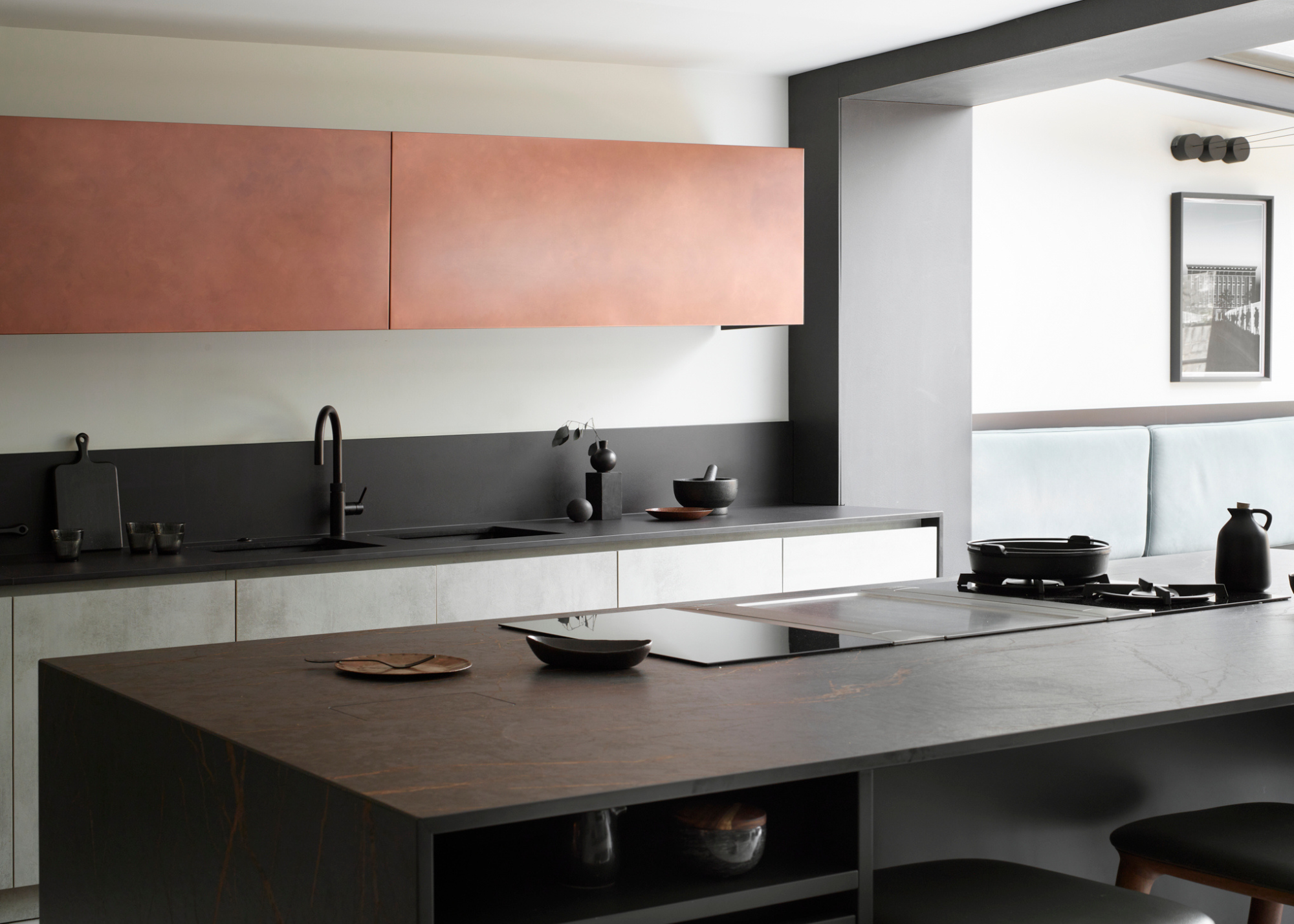
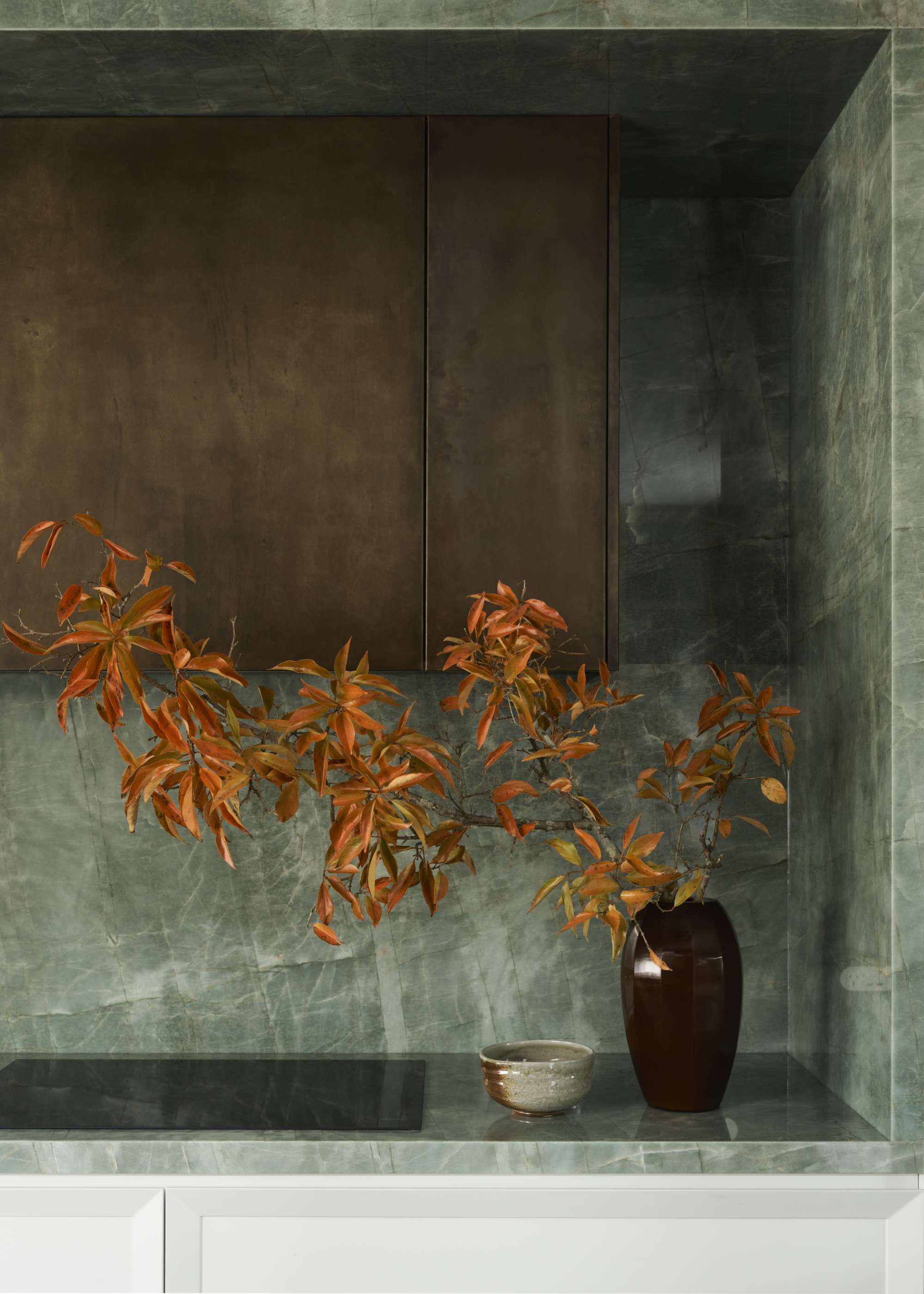
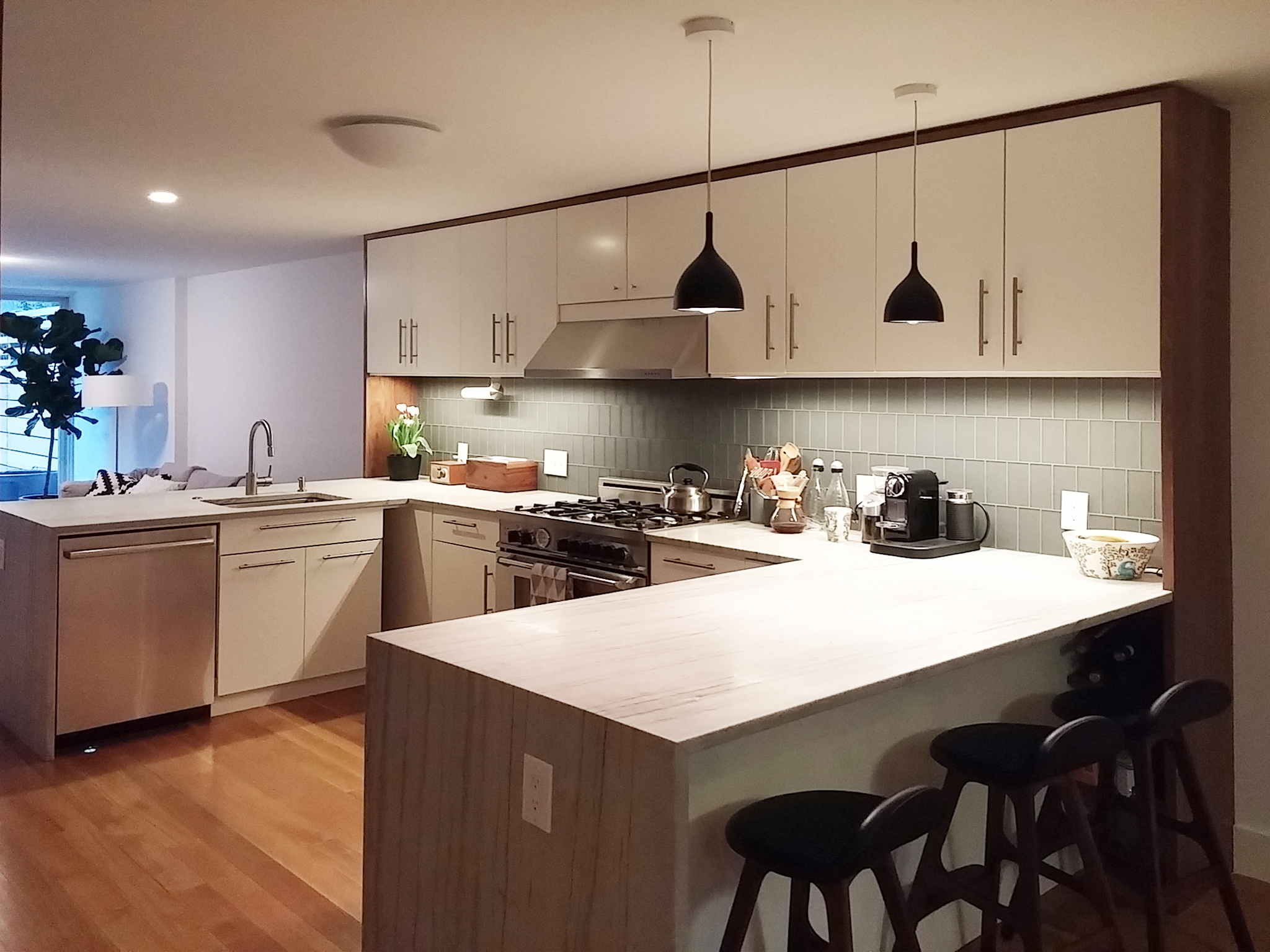
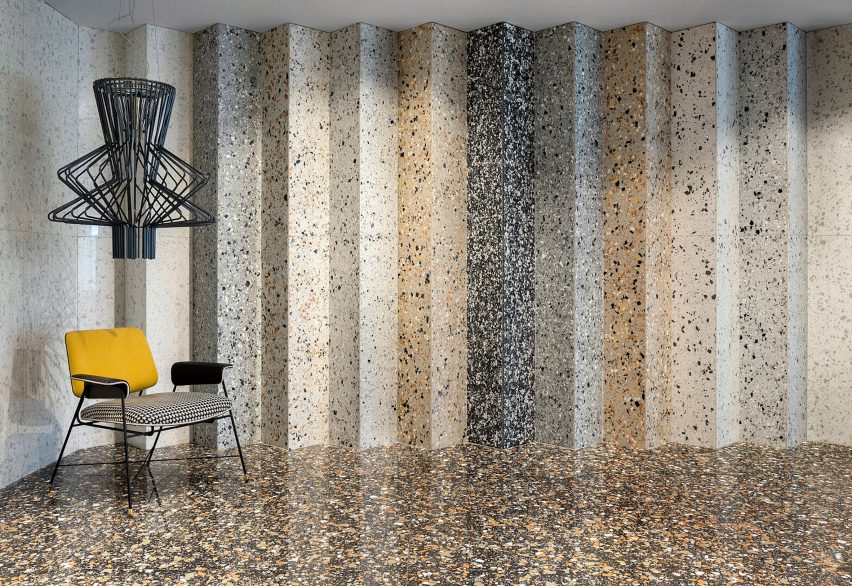
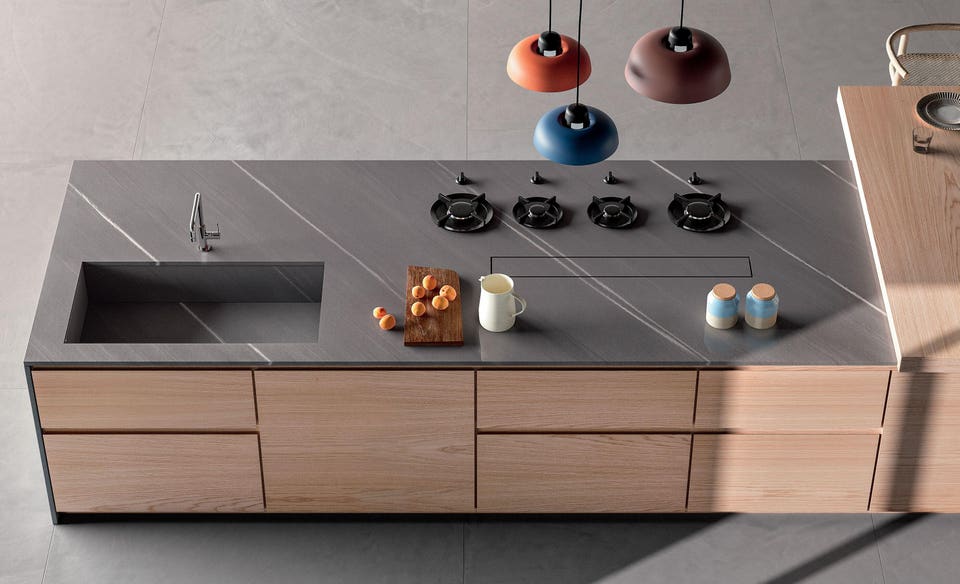
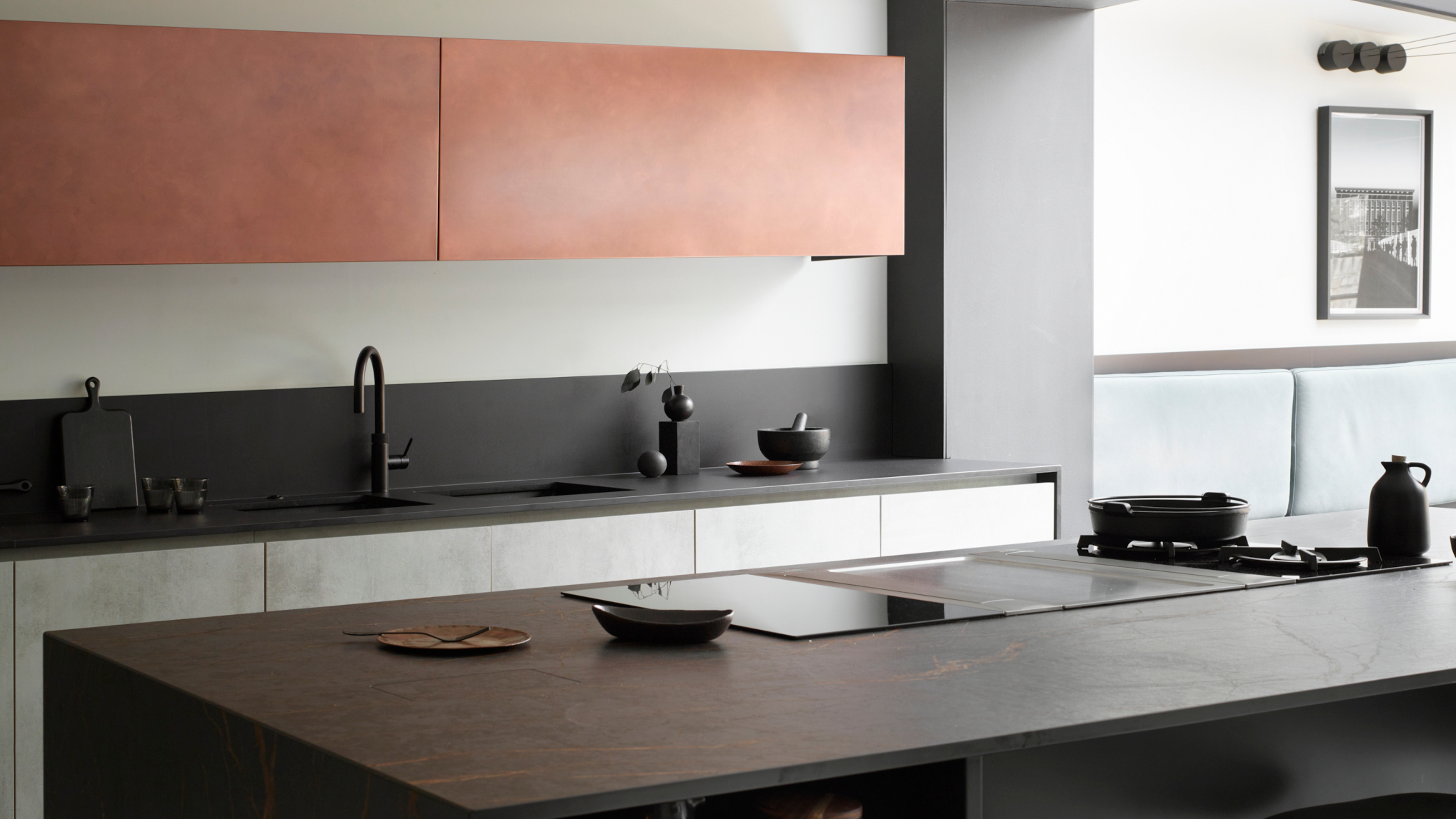
Beyond countertops, porcelain slabs can be used to clad walls, cabinetry, and furniture, extending its aesthetic and practical benefits throughout a space. Integral sinks are also a popular design choice, offering a seamless look and ease of cleaning. A more recent innovation involves integrating induction burners directly into porcelain slab countertops, allowing for custom placement and a sleek, minimalist cooking surface. The low-maintenance aspect of porcelain, particularly the elimination of grout cleaning, is a significant draw for homeowners and designers alike.
#PorcelainCountertops #HomeDesign #KitchenRemodel #BathroomDesign #MaterialInnovation #Durability #NonporousSurfaces #OutdoorApplications #HeatResistant #PorcelainCountertops #HomeDesign #KitchenRemodel #BathroomDesign #MaterialInnovation #Durability #NonporousSurfaces #OutdoorApplications #HeatResistant
0 комментариев всего
 Комментариев пока нет
Вам также может понравиться
Is porcelain the most practical countertop material? Interior designers weigh in on its appeal

Countertop Trends That Will Be Huge In 2025 (And Ones We'd Recommend Avoiding)
Ryno releases porcelain paving designed to combine style and durability
Marble-Look Porcelain Slabs

I'm Calling It, Porcelain Is the Most Underrated Material for Countertops — These Are the Pros and Cons to Know

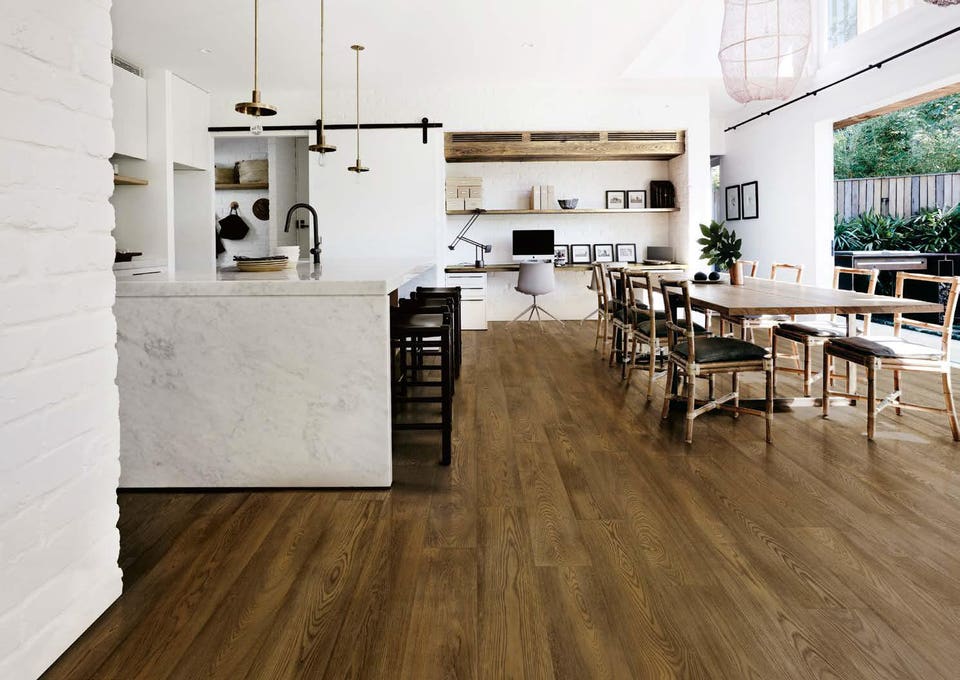
Why Homeowners Should Install High Definition Porcelain Tiles In Their Home
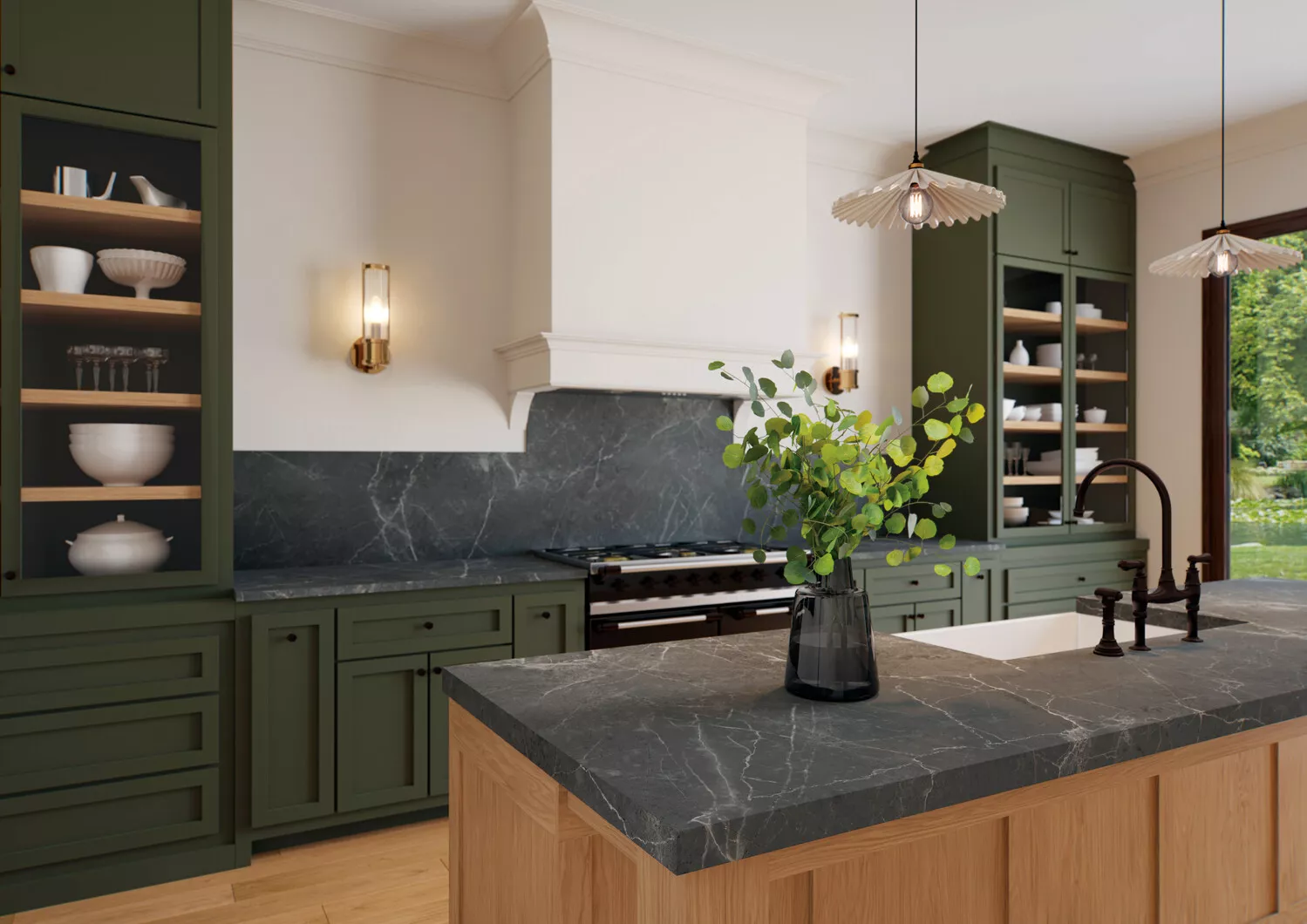
Are Porcelain Countertops Worth It? Here's What to Know Before Your Next Kitchen Reno
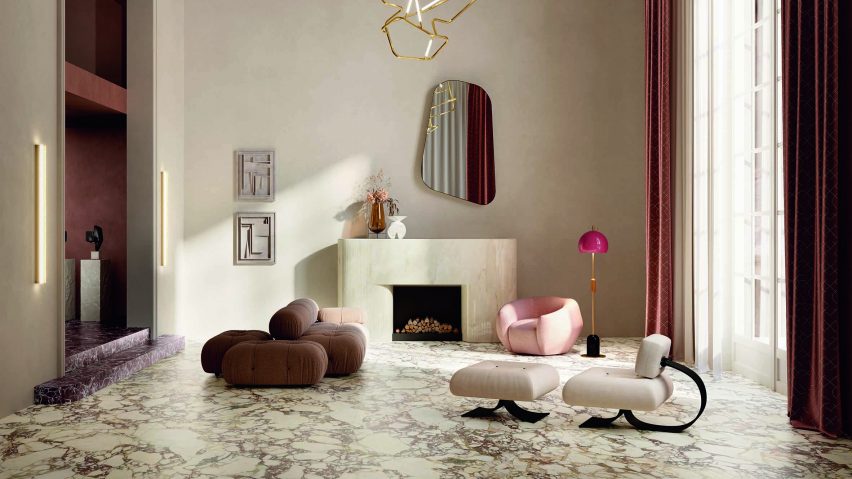
Marmi Maximum tiles by Fiandre Architectural Surfaces
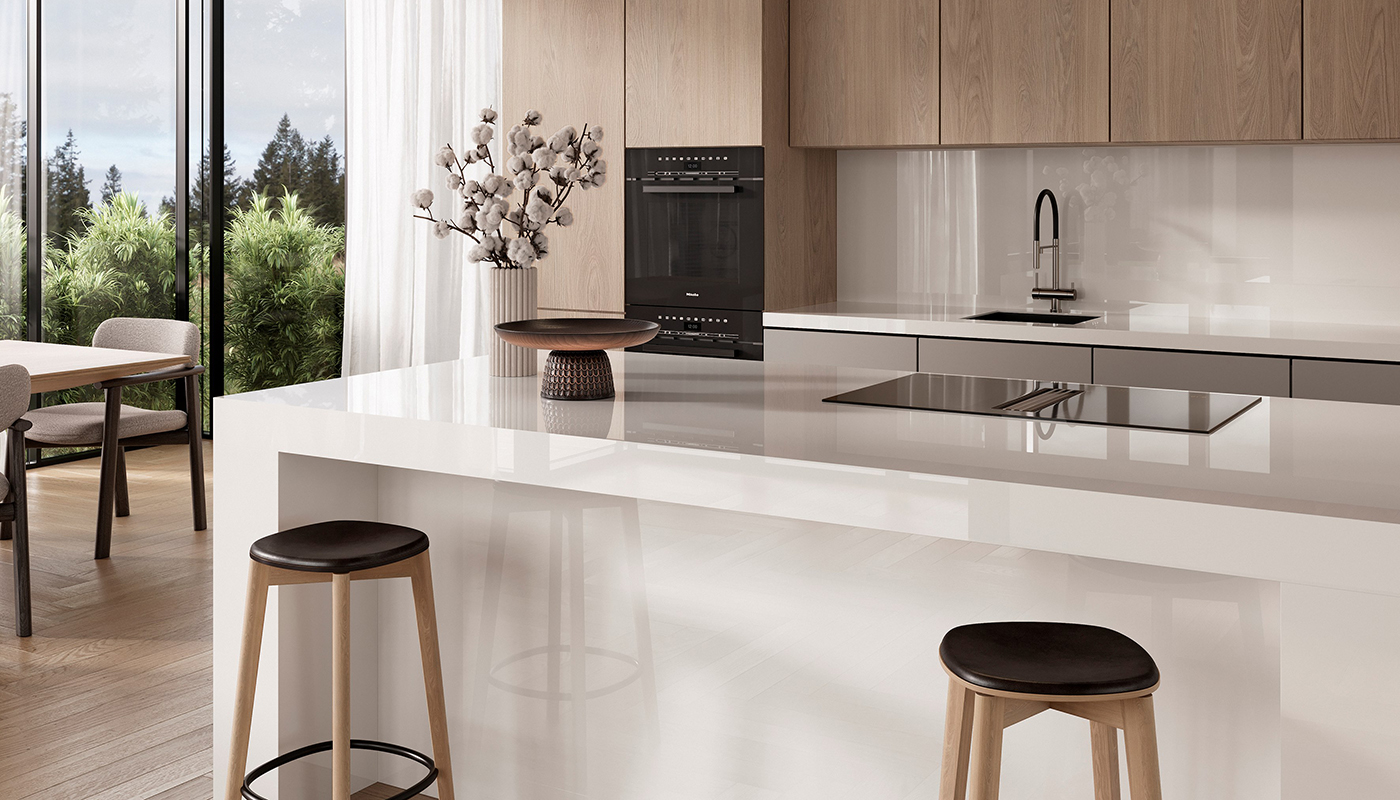
Why top designers are turning to porcelain for contemporary surface solutions
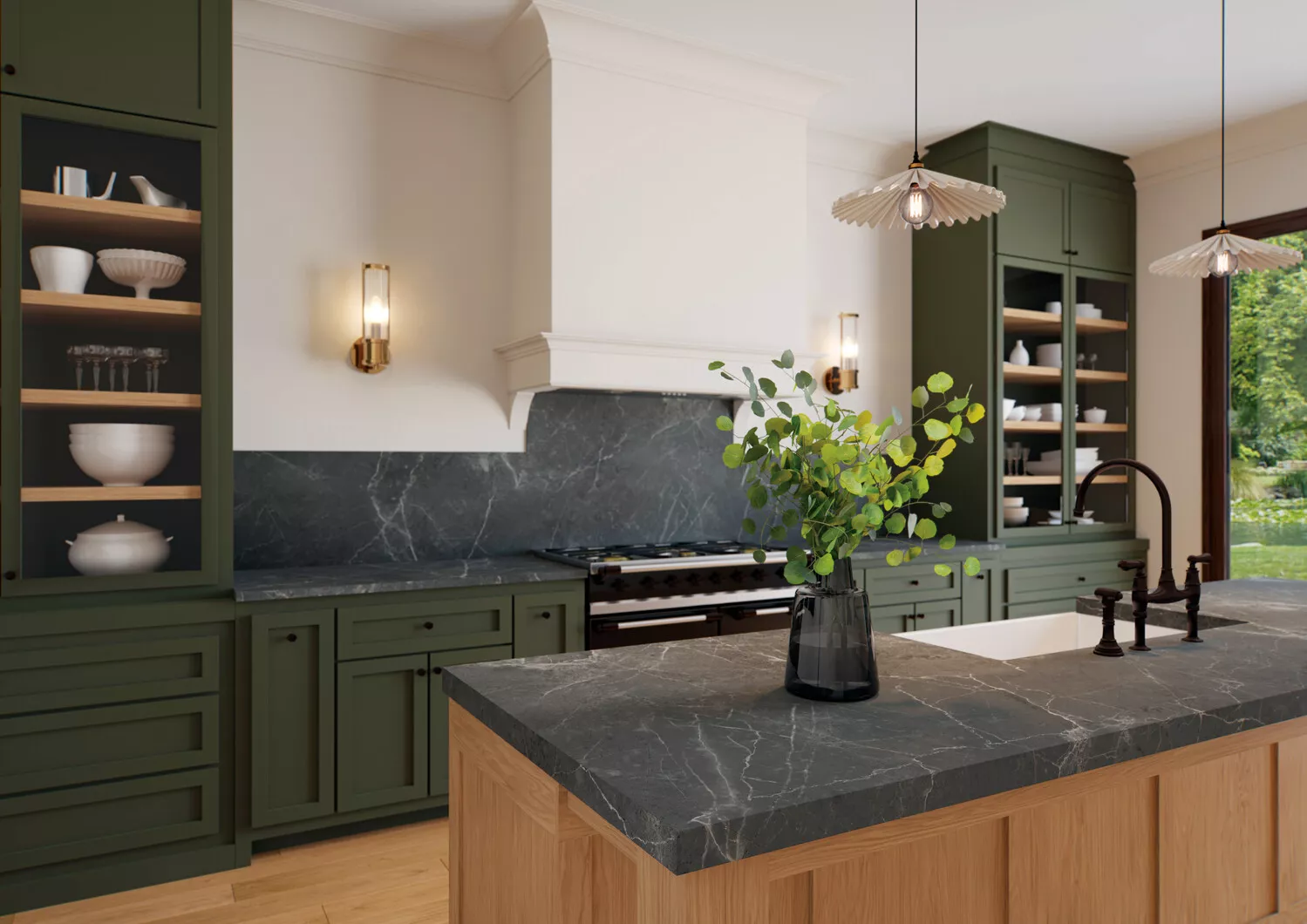
Pros and Cons of Porcelain Countertops to Consider Before Your Next Reno, According to Experts

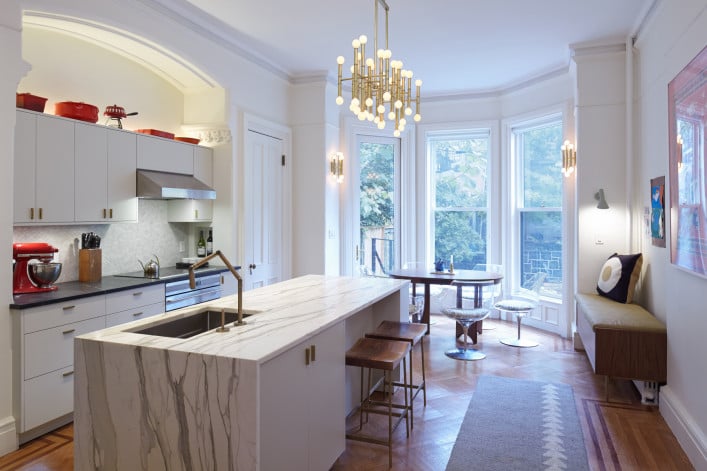
6 great alternatives to marble and granite for your NYC kitchen renovation: quartz, quartzite, porcelain, soapstone & more
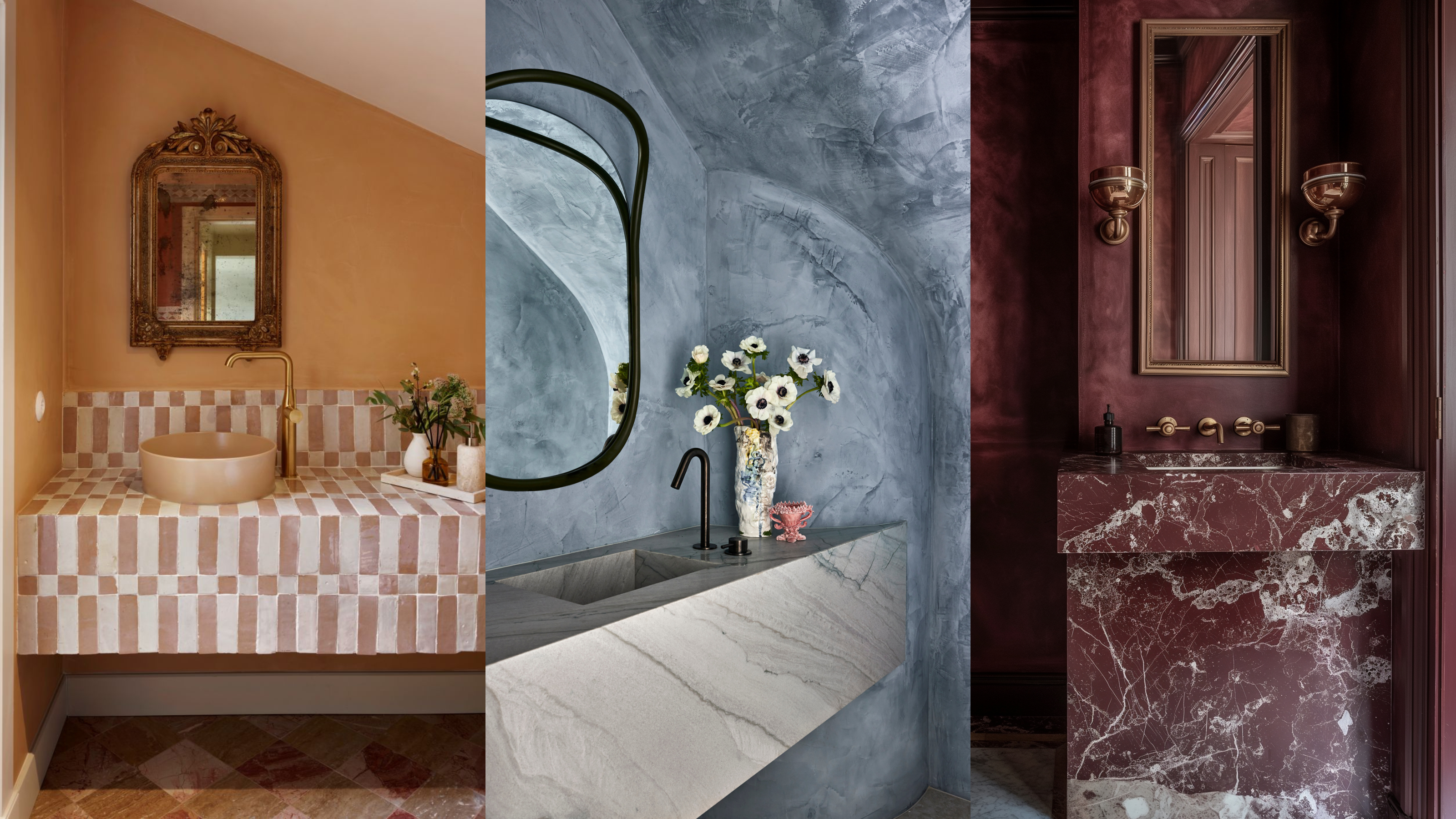
7 Material Options for Your Bathroom Countertops

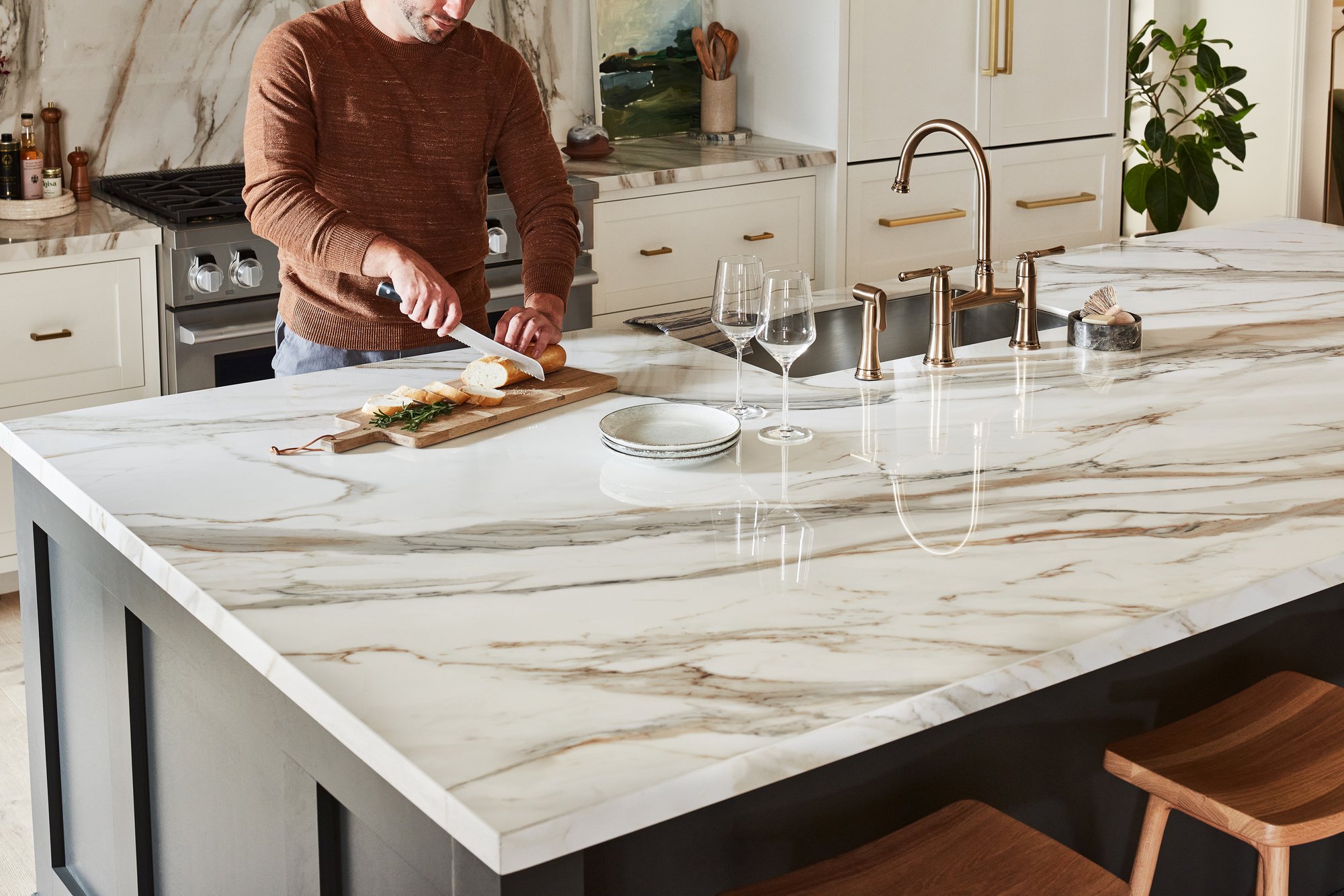
Porcelain Surfaces
Gorgeous Countertop Materials Your Favorite HGTV Stars Swear By
FMG releases collection of tiles that can be applied to any interior surface
The Best Countertop Materials for Every Type of Kitchen

How the latest porcelain surfaces offer both form and functionality
What's replacing granite countertops? These are the materials interior designers want to see more of
Tile countertop ideas – 10 ways to embrace the look
Why You Really Don't Want Marble Countertops In Your Kitchen