1/8
Wait, How Is This Green-on-Green Garden Low Water?
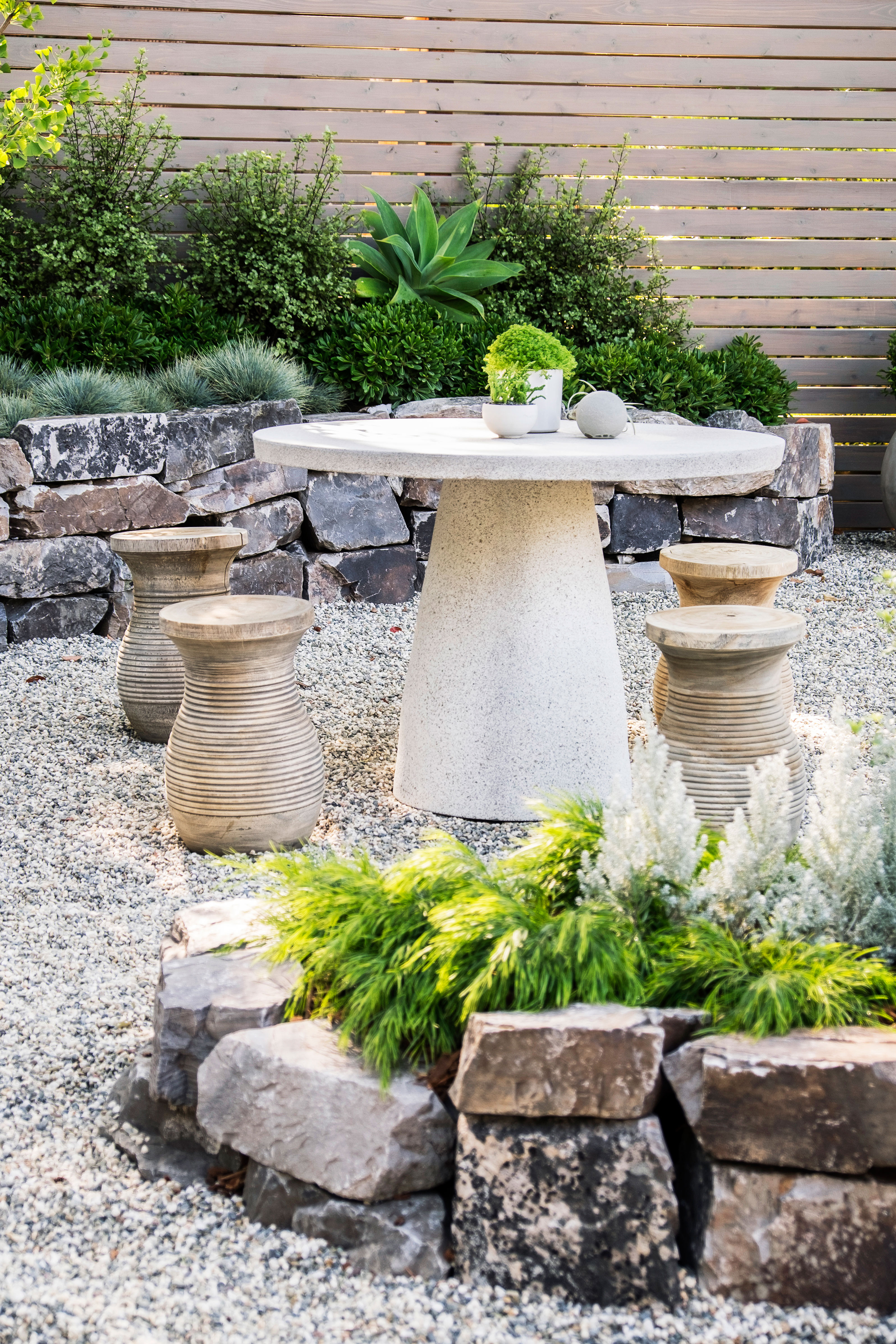
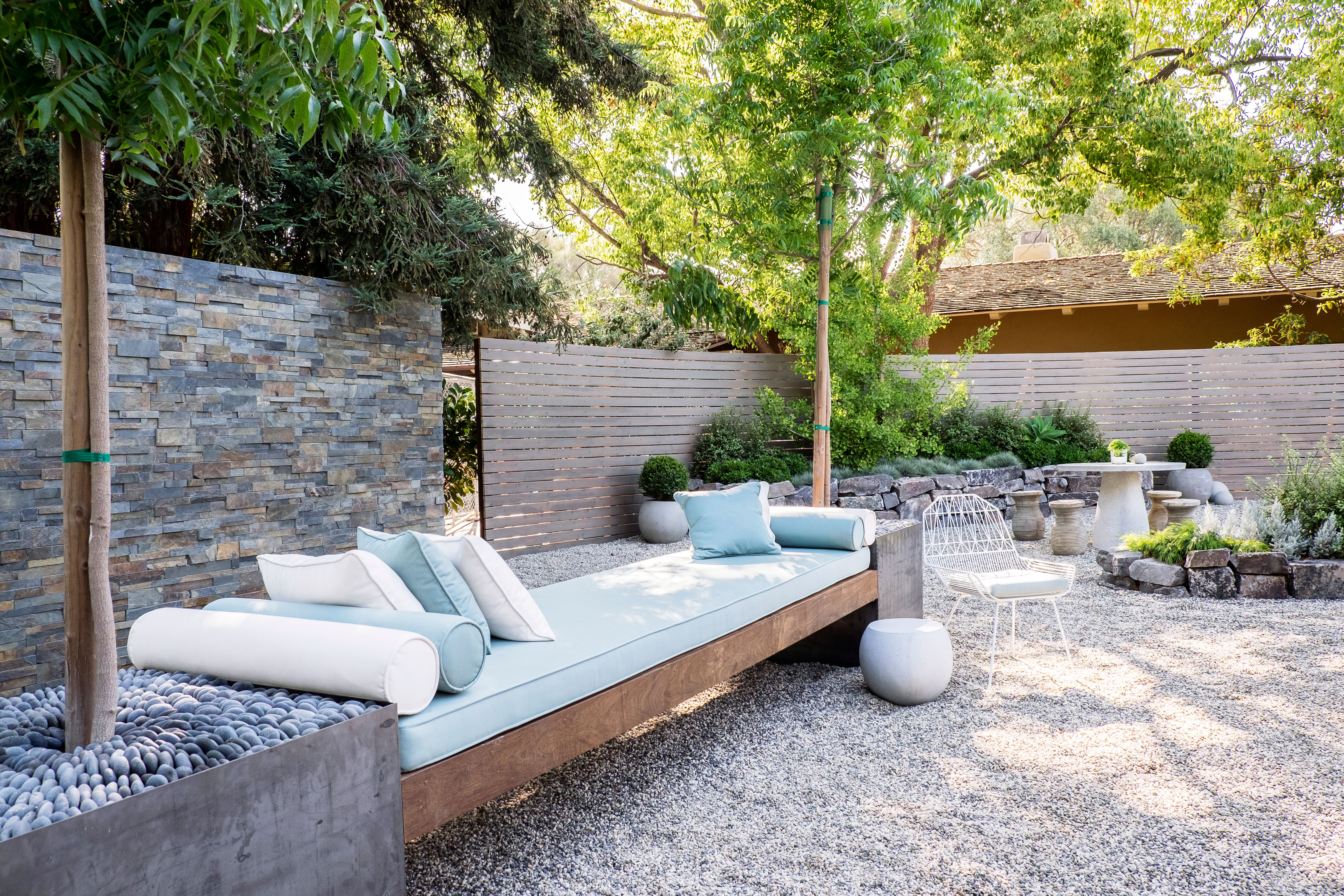
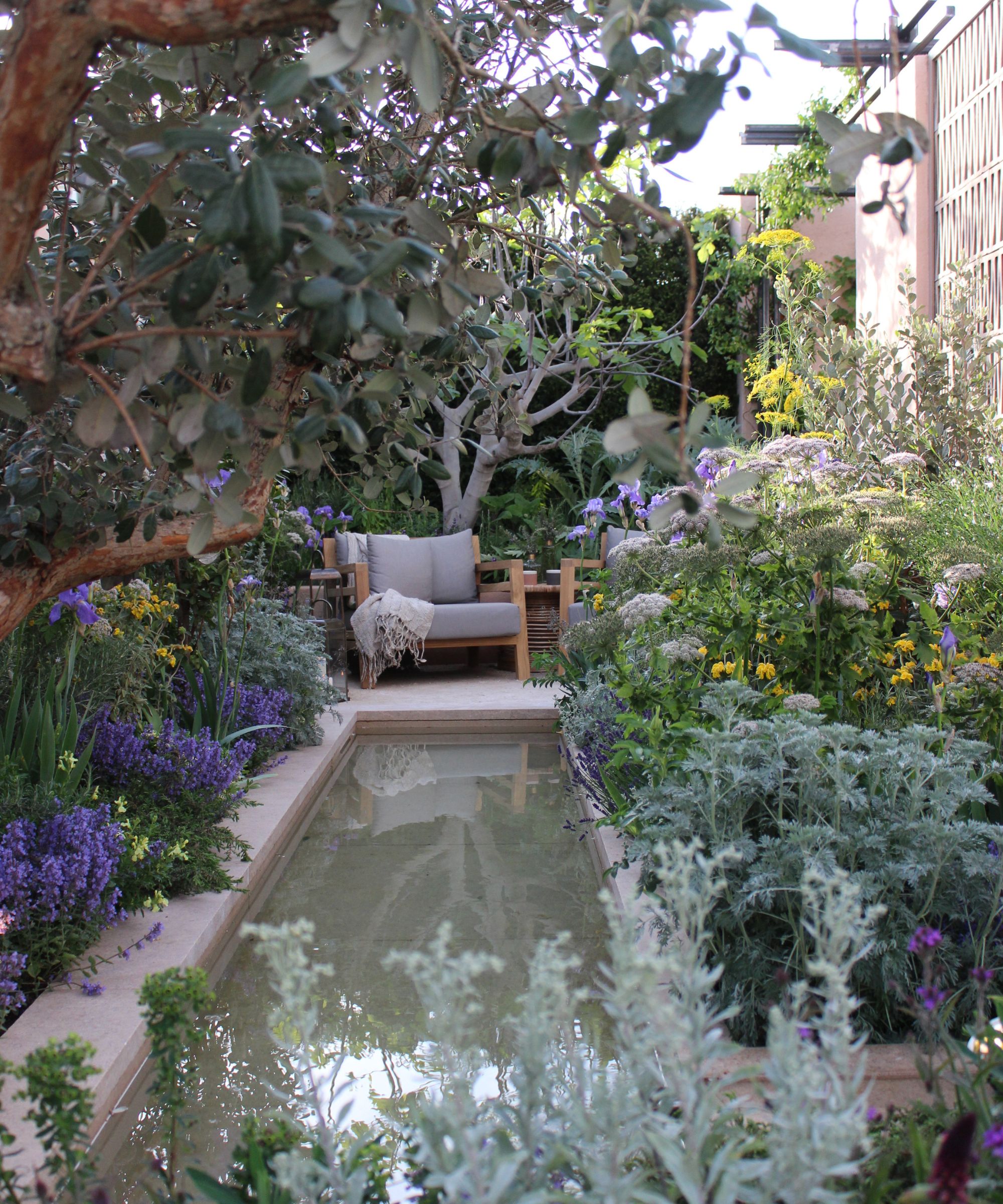
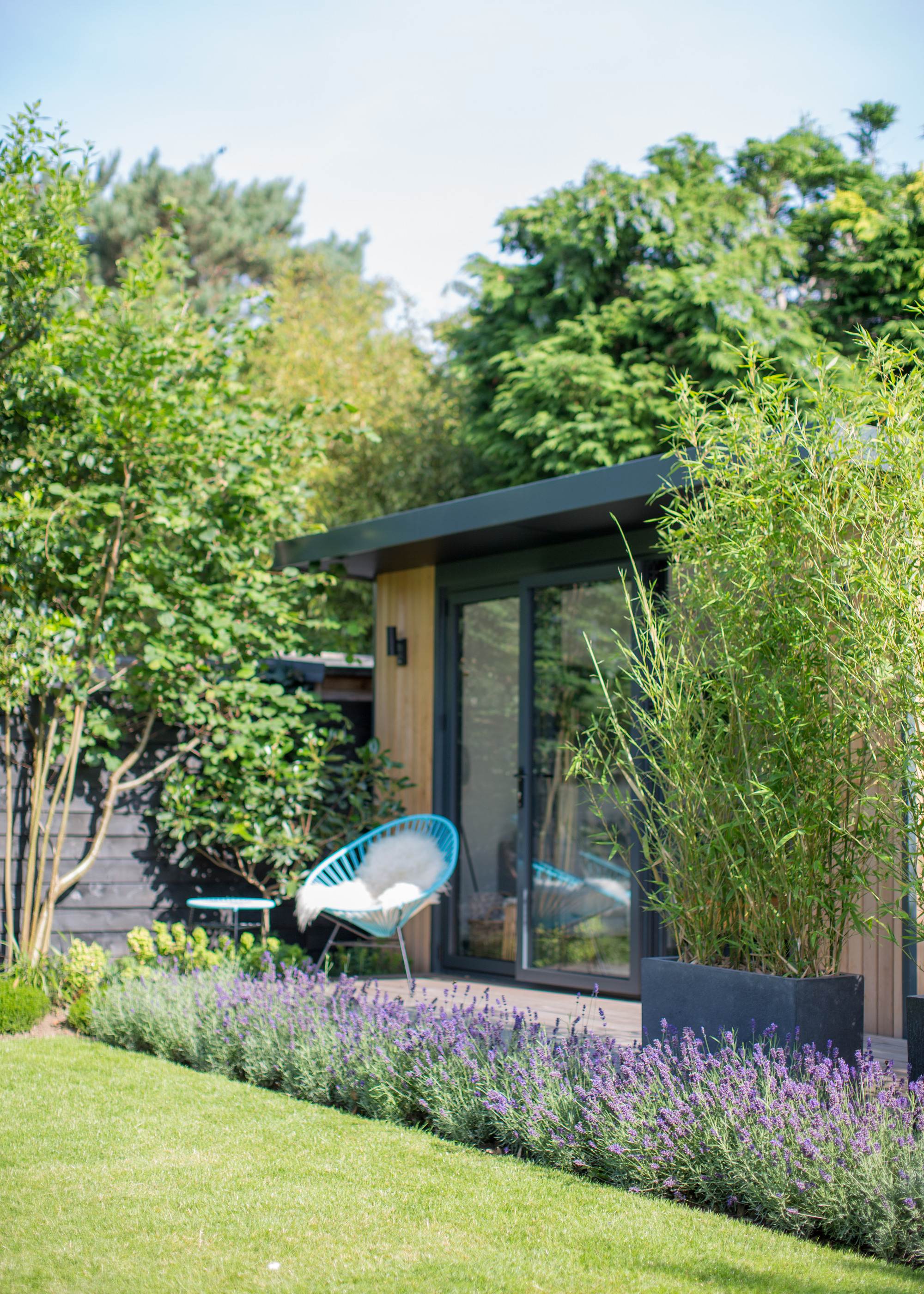
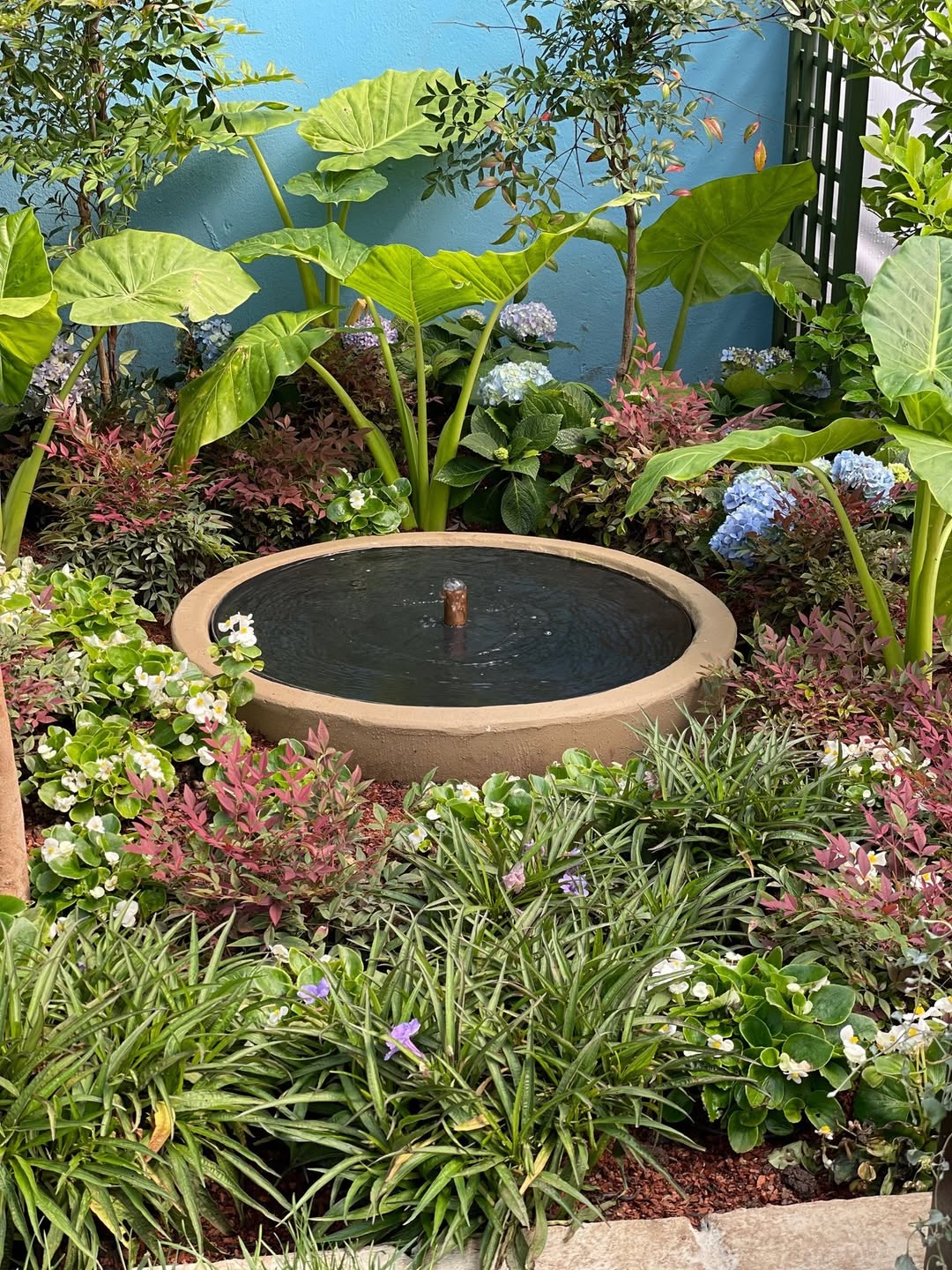
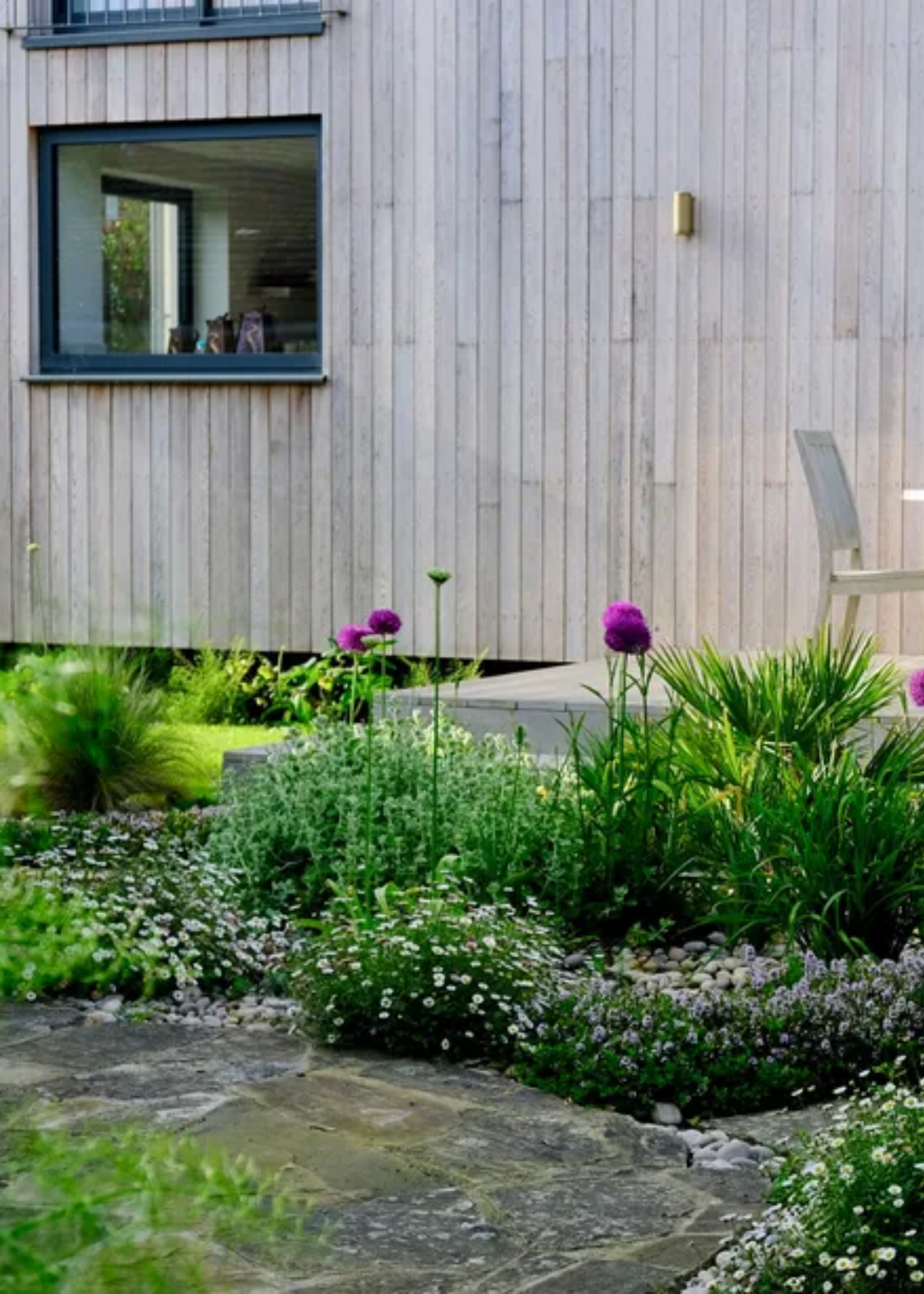
This article details the creation of a stunning, low-water, green-on-green garden by Flora Grubb, co-owner of Flora Grubb Gardens in San Francisco and a wholesale nursery near San Diego. Grubb, a talented landscape designer, offers a tour of her personal garden, which she designed without client constraints, allowing for pure personal expression. The garden showcases a growing trend of using only green tones, without showy flowers, creating a fresh, relaxing oasis. A key feature is the meandering path, lined with plants that elegantly spill over, contributing to the garden's lush appearance.
Despite its verdant look, the garden exclusively uses low-water plants, a seemingly impossible feat that Grubb explains. One of her initial challenges was the lack of privacy, with a large picture window facing the sidewalk. Her solution involved creating a "zone of privacy" by planting a silvery _Acacia cognata_ ‘Cousin Itt’ tree and a _Brahea clara_ palm, effectively blocking the street view with happy trees. When shaping the garden, Grubb emphasizes a hands-on approach, moving plants around like furniture until the proportions and composition are perfect, acknowledging that this involves committing to a significant number of plants. She advises pre-arranging plants at the nursery to visualize combinations and seeking expert advice.
Achieving the green-on-green aesthetic requires careful consideration of green shades and textures. Grubb notes the importance of contrast, explaining that placing two nearly matching shades of green or textures can make the garden appear muddled. Her garden successfully incorporates various shades, from chartreuse to dark green, including silvers, to create depth and interest. She suggests that aspiring gardeners print photos of appealing gardens and consult nursery staff to identify specific plants. For existing gardens, bringing a cutting to the nursery can help in finding complementary plants for expansion.
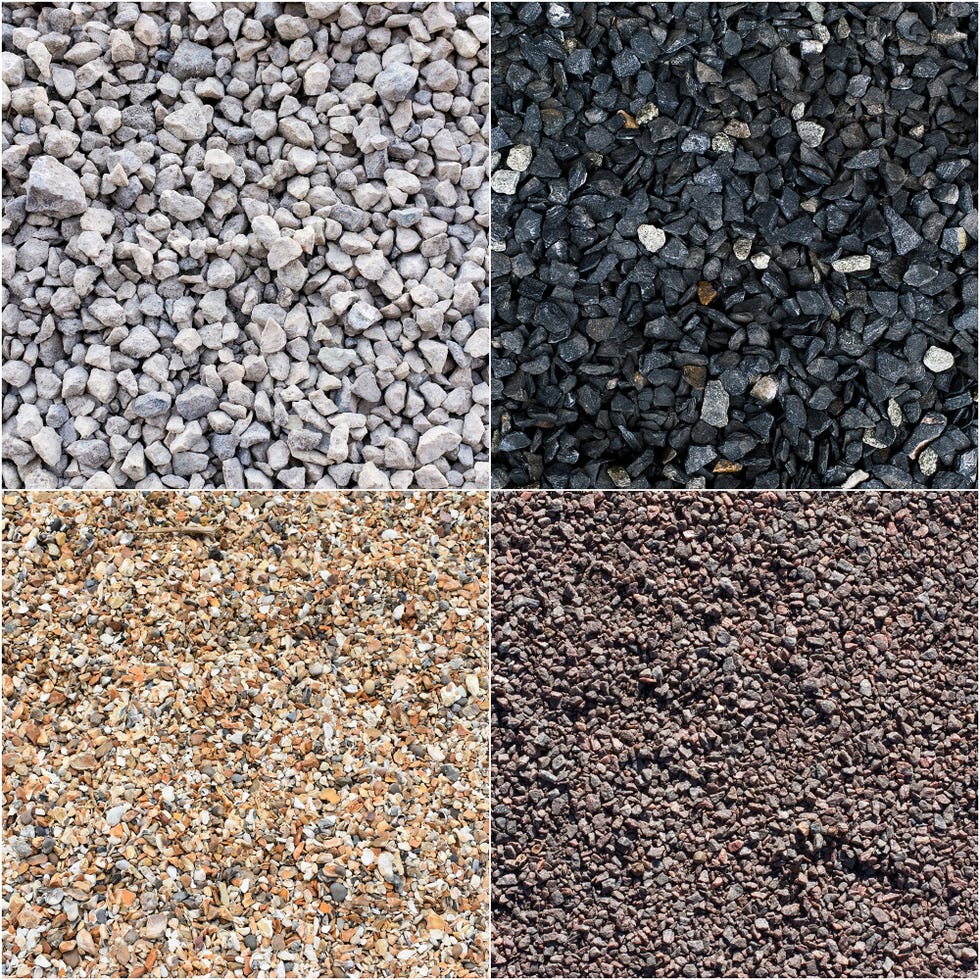
The garden's path, while appearing to be flagstone, is actually made of basalt, a material that can be substituted with pearl gray flagstone for a similar effect. Grubb details the installation process, which involves leveling the area and setting stones in inexpensive pea gravel. The path is intentionally wider than typical, enhancing its inviting nature, and it winds naturalistically rather than directly. Grubb is also willing to reposition the basalt stones if plants grow too large. A central tenet of her design philosophy is the commitment to low-water plants, even those that mimic lush jungle species. She removed her lawn and replaced it with gravel, highlighting that lawns are not sustainable for low-water gardens and that green plants can effectively replace the lost greenery. Her selection of evergreen, unthirsty plants ensures year-round color. Grubb concludes with a playful warning that her type of intensely curated garden is for a "true control freak" and does not accommodate rambunctious activity.
#FloraGrubbGardens #LowWaterGarden #GreenOnGreenDesign #DroughtTolerantPlants #LandscapeDesign #GardenPrivacy #PlantSelection #GardenPath #SustainableLandscaping #FloraGrubbGardens #LowWaterGarden #GreenOnGreenDesign #DroughtTolerantPlants #LandscapeDesign #GardenPrivacy #PlantSelection #GardenPath #SustainableLandscaping
0 комментариев всего
 Комментариев пока нет
Вам также может понравиться
This Stunning Garden with Zen Vibes Uses Shockingly Little Water

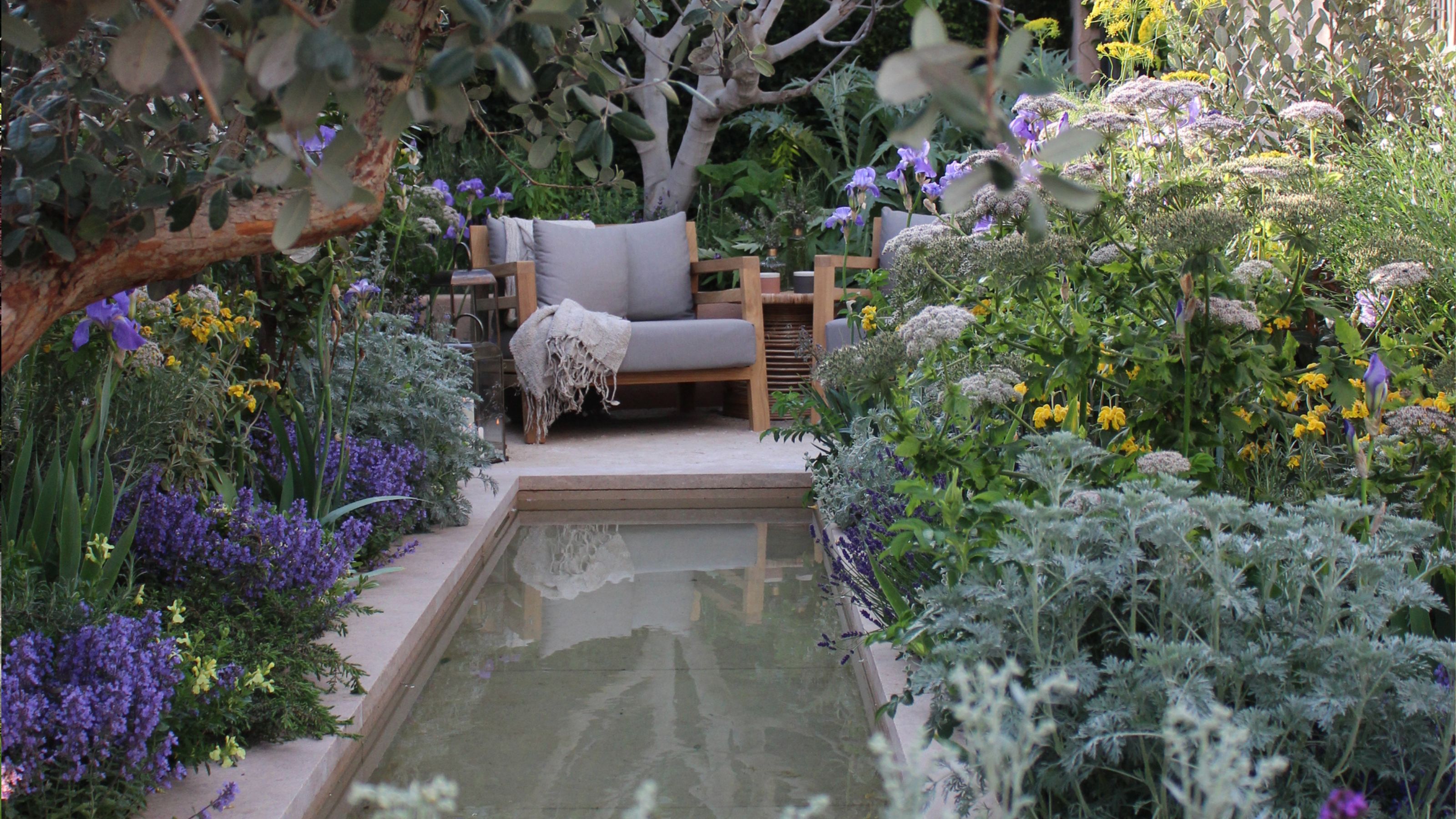
13 Water feature ideas to add a new sense of flow to your garden

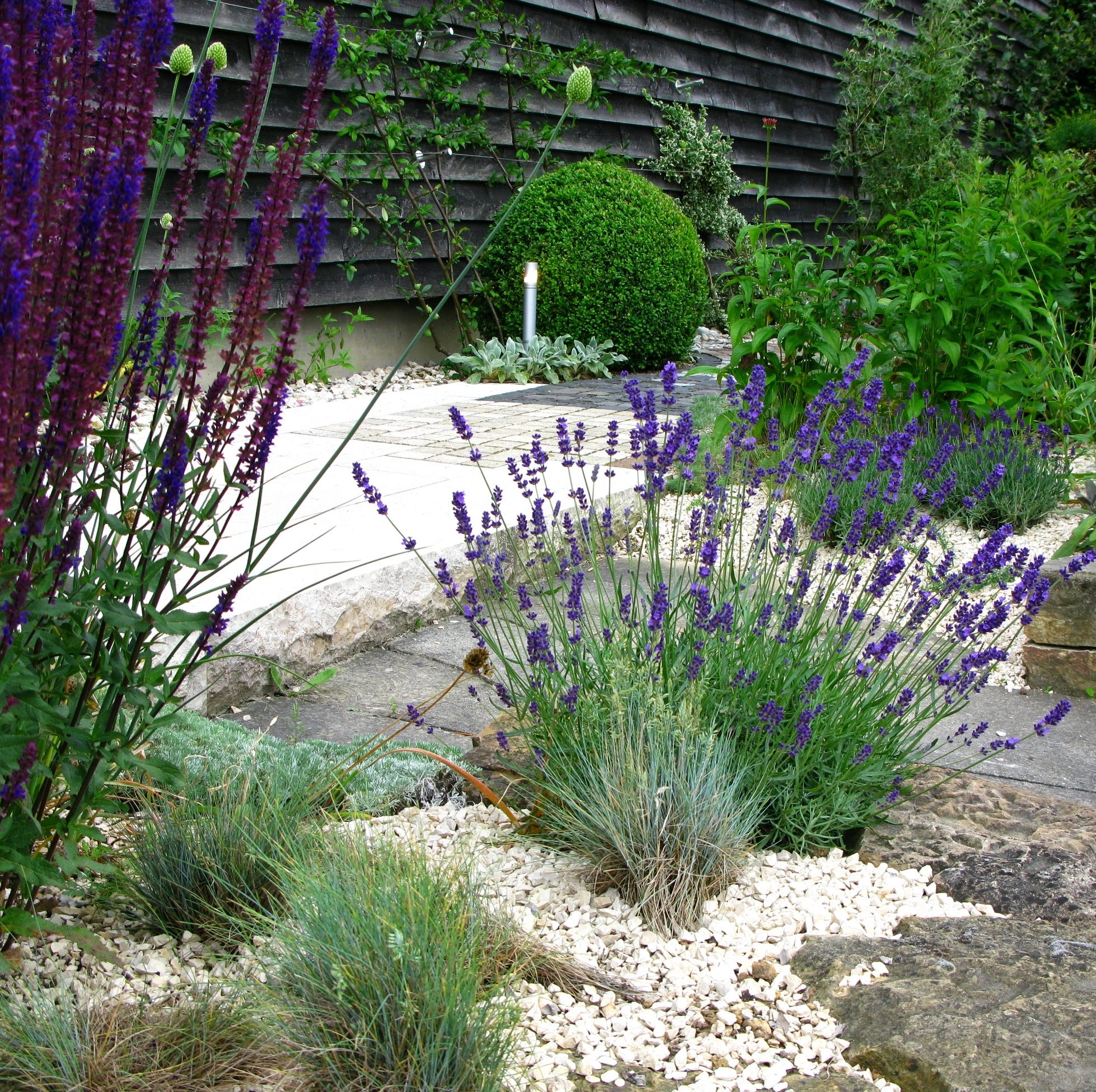
8 low-maintenance gravel garden ideas
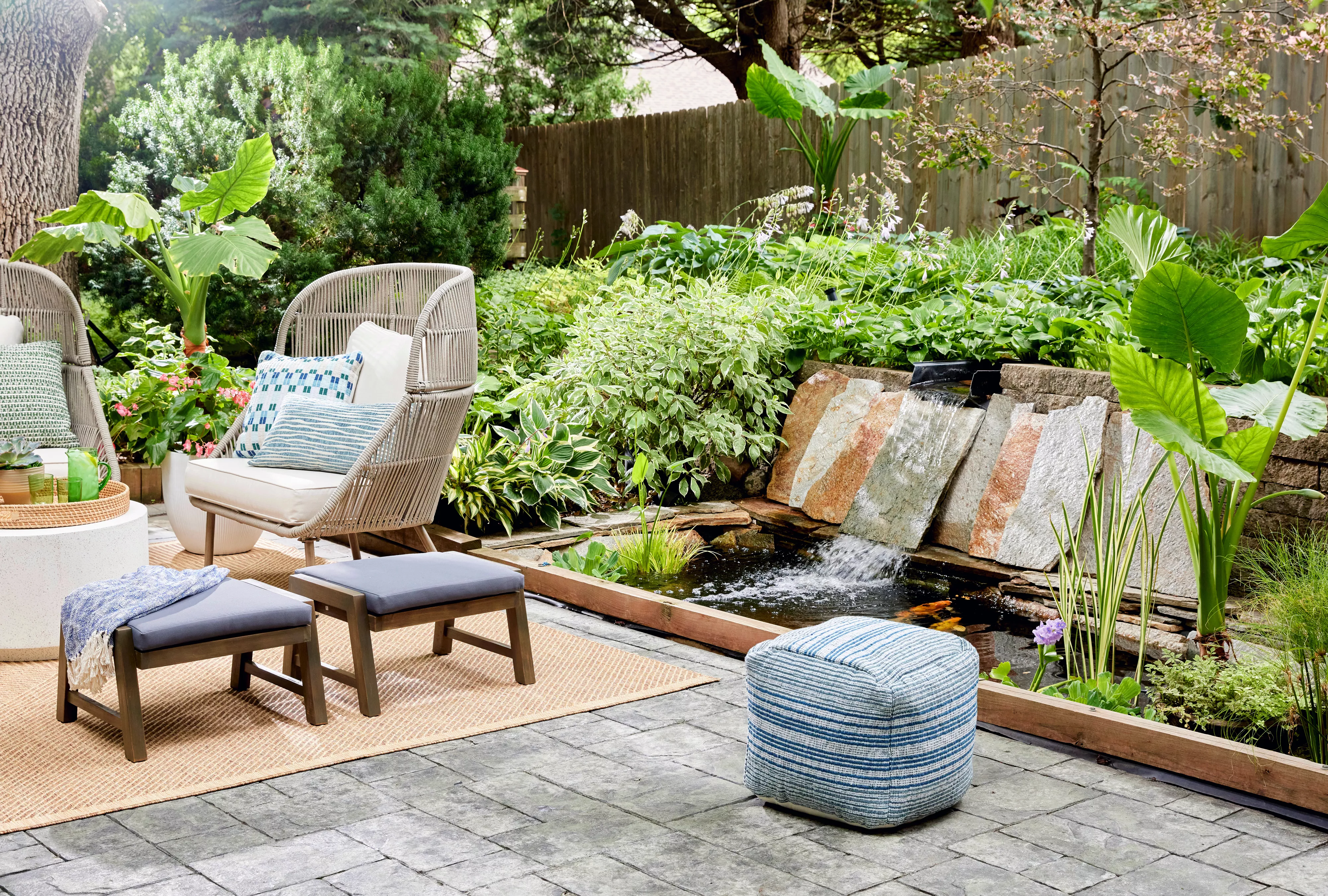
Backyard Ponds Need Seasonal TLC, Too—Here’s How to Keep Yours Thriving

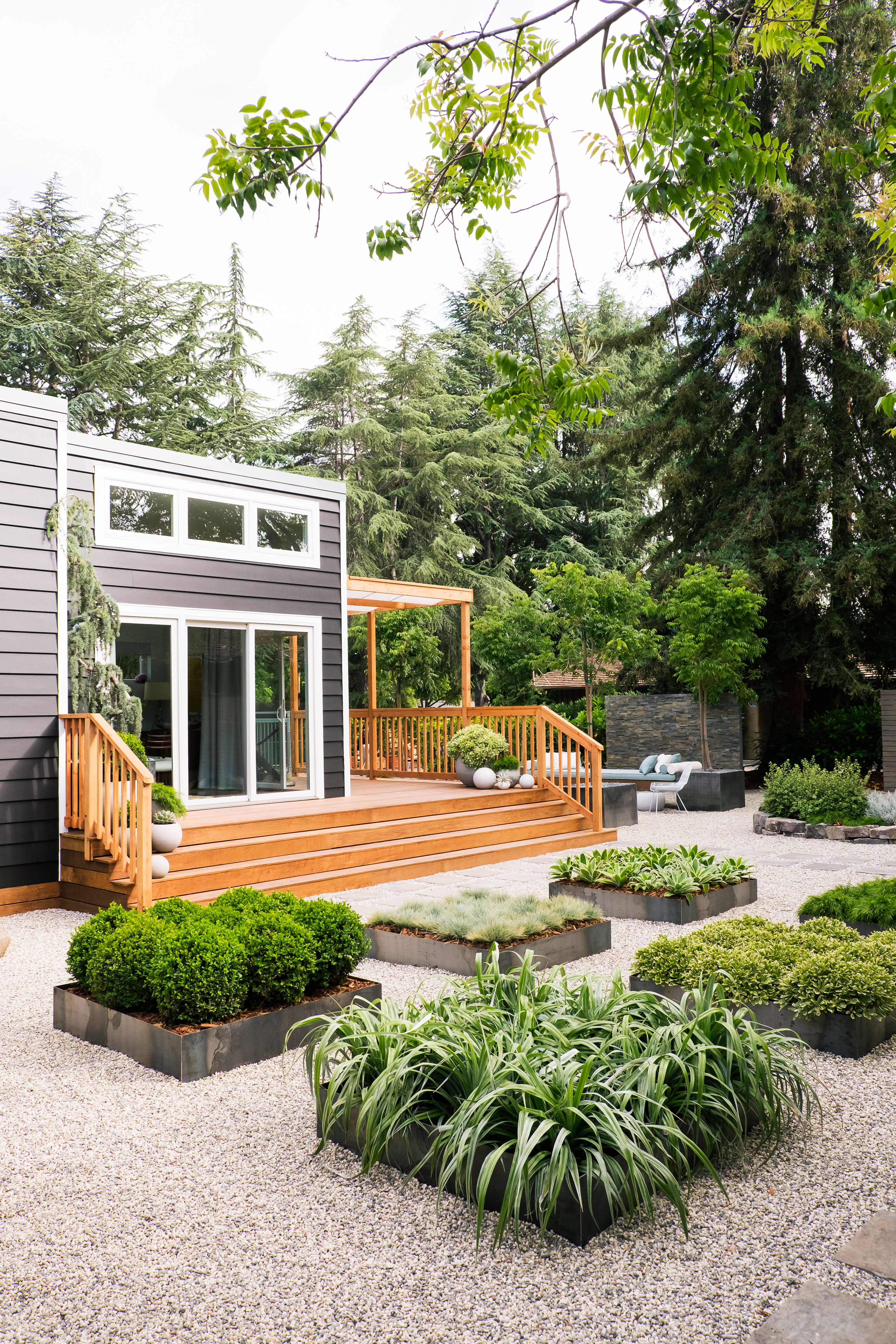
This Stunning Garden with Zen Vibes Uses Shockingly Little Water

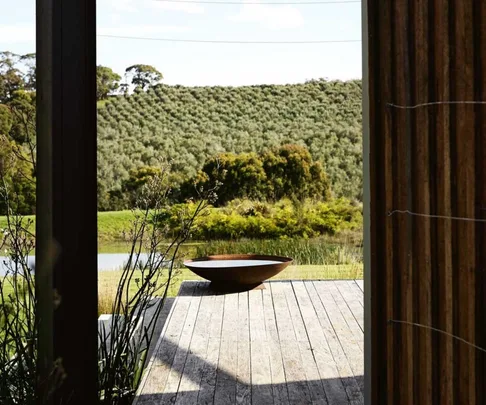
Outdoor water features to turn your garden into a zen oasis

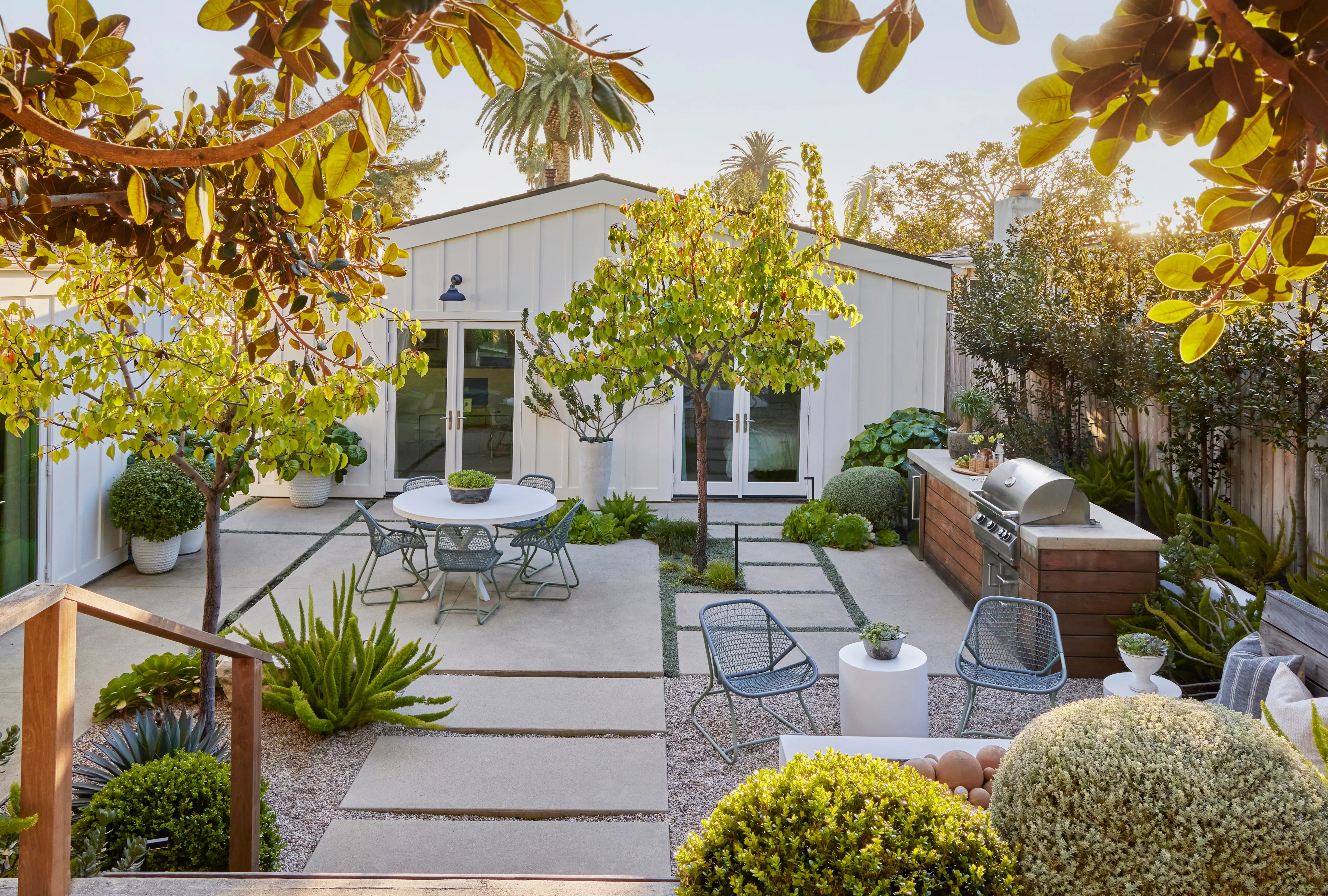
7 Backyard Ideas to Steal from This Stylish, Low-Maintenance Beach House
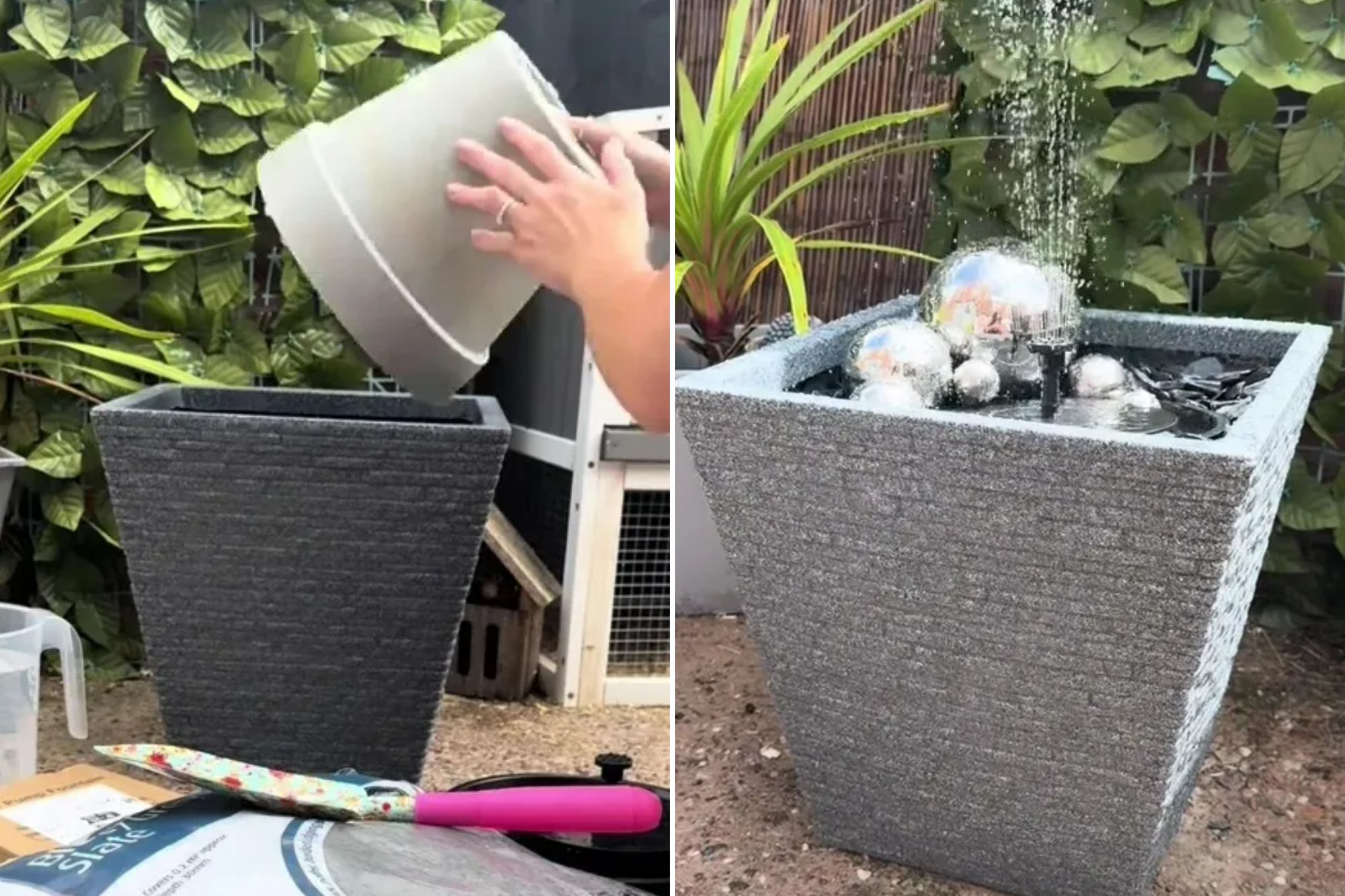
I turned a plant pot into a DIY water feature with Temu bargains - I spent £8.41

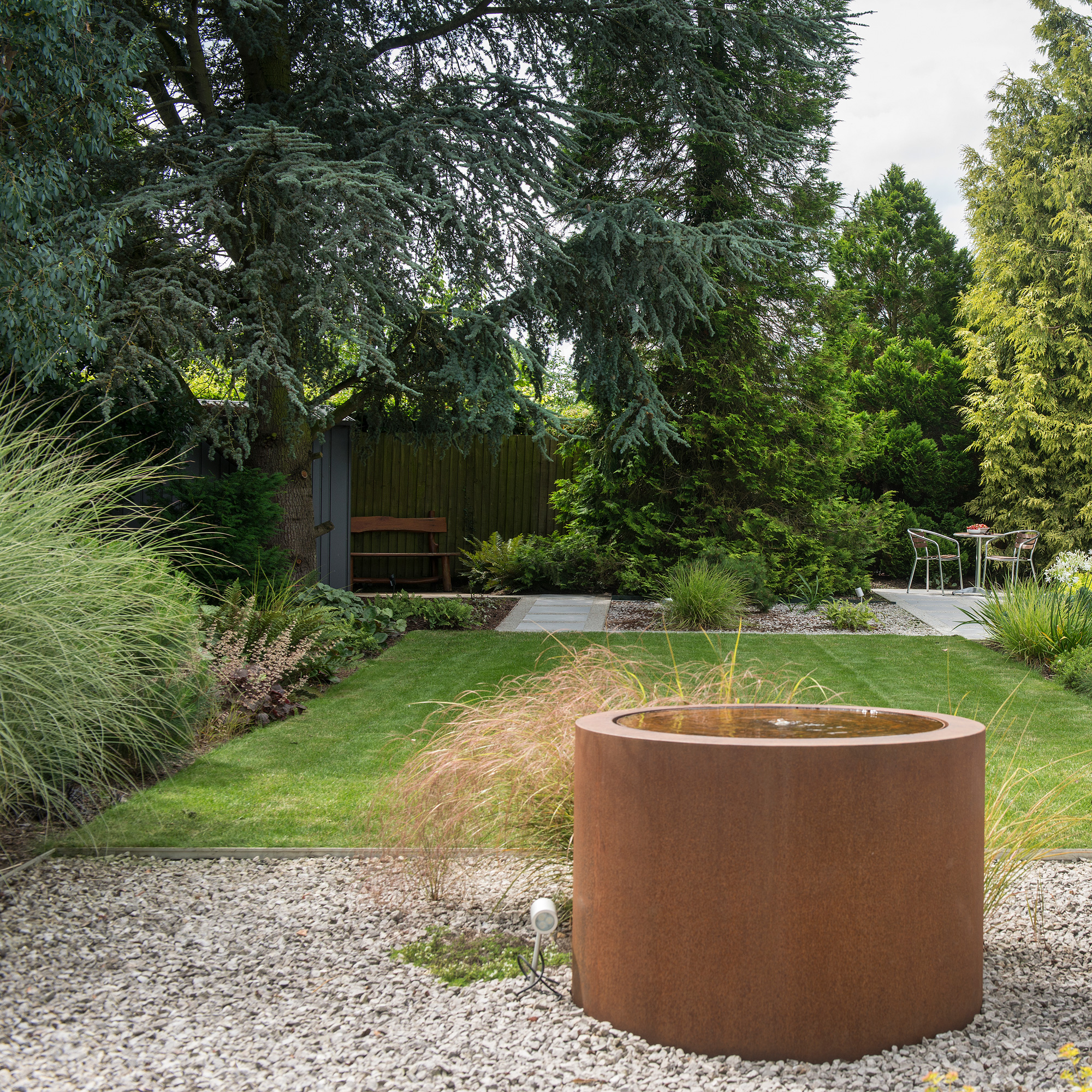
Zen garden ideas on a budget – 5 simple ways to introduce the minimalist concept to your outdoor space

For the Garden | Zen and Now

26 Stupidly Gorgeous Water Feature in the Garden Ideas That’ll Haunt Your Mood Boards

8 low-maintenance gravel garden ideas
25 Refreshing Water Feature Ideas for Your Landscape
5 Mistakes in Your Garden's Design You'll Only Notice When Temperatures Soar in the Summer

What You Need to Know About Watering Houseplants — The Rules for a Healthy Indoor Garden
10 Best Garden Water Features

Zen garden ideas on a budget – 5 simple ways to introduce the minimalist concept to your outdoor space
8 Tranquil Water Garden Ideas That Look Beautiful and Train Your Ear Away From Noisy Outdoor Distractions

5 Genius Tricks for Slow Watering Your Houseplants, so You Can Go on Holiday Without Worrying About Your Indoor Garden
25 Small Ponds With Waterfalls Worth Adding to Your Yard