The Right Way to Clean Painted Walls, From Matte to Gloss Finishes
Maintaining clean painted walls is crucial for preserving their appearance and extending the life of the paint, despite often being overlooked in regular cleaning routines. Walls can accumulate dirt, grease, and fingerprints, especially in high-traffic areas like kitchens or hallways. Regular cleaning prevents this buildup and keeps walls looking fresh. The frequency of cleaning depends on the room and paint color; kitchen walls near cooking areas may require weekly cleaning, while walls in low-traffic zones might only need annual attention. White walls, due to their tendency to show dirt, dust, and pet marks more readily, often require more frequent cleaning intervals.
It is recommended to spot clean walls monthly, addressing immediate marks like handprints, scuffs, scratches, or splashes. A thorough deep clean should be performed once a year. Before applying any cleaning solution, it is essential to remove loose dust and debris from the walls. This can be achieved using a dry dust cloth or a vacuum cleaner equipped with a brush attachment. This initial step is critical for all paint finishes to prevent smearing dirt during the wet cleaning process.
Different paint finishes require specific cleaning approaches due to varying durability. Matte, flat, satin, and eggshell finishes, along with chalk paint, are less durable and susceptible to damage from abrasive cleaners or excessive moisture. For these finishes, a slightly damp cloth should be used to gently dab marks, rather than scrubbing. It's important to test an inconspicuous spot first to ensure the paint does not lift. After dabbing, the area should be wiped dry with a clean cloth.
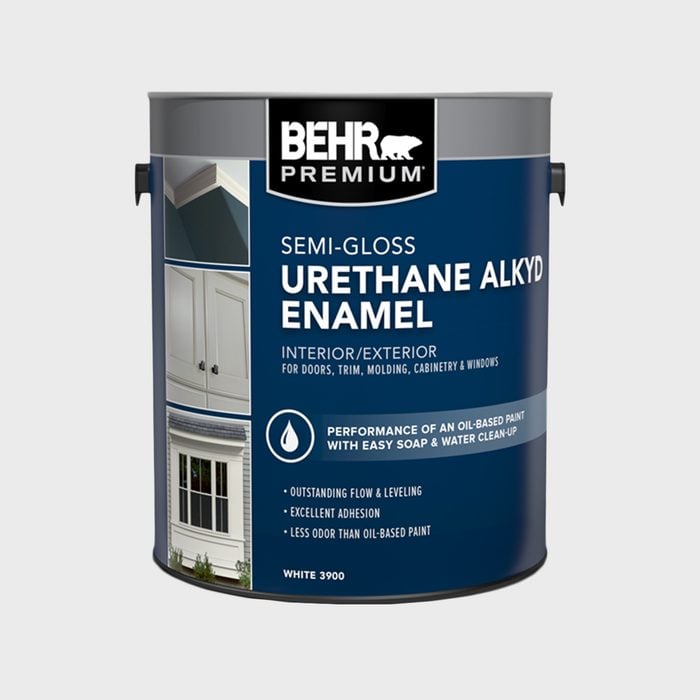
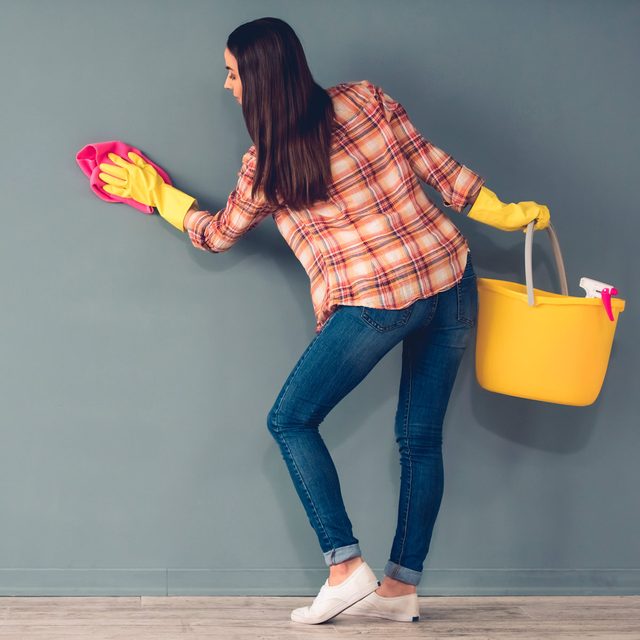
Conversely, gloss and semi-gloss paints, commonly found in kitchens and bathrooms, are more robust. They can withstand cleaning with mild degreasers such as dish soap. The cleaning process involves dusting, followed by gently wiping the walls with a cloth dampened with room-temperature water and a small amount of mild dish soap. Afterwards, the walls should be wiped dry with a clean cloth. Latex and oil-based paints, both known for their durability, can also be effectively cleaned using the same method as gloss finishes: pre-dusting, then wiping with a mild dish soap and water solution, and finally drying.
Removing specific stains requires targeted methods. Dirt stains can be treated with a mixture of white vinegar and lukewarm water, dabbed until the stain lifts, and then patted dry. Oil stains respond well to initial dabbing with white vinegar, followed by a solution of lukewarm water and mild dish soap, and then drying. Crayon marks can be tackled with a thick paste of baking soda and water, gently buffed onto the mark with a cloth, and wiped clean. A magic eraser can also be effective for crayon marks on most painted walls, but always test it in an inconspicuous area first to avoid dulling the finish. For light mold or mildew stains, a solution of one part white vinegar to three parts water should be applied with a cloth, left for 10 minutes, then wiped clean and thoroughly dried.
To maintain wall cleanliness between deep cleans, strategic placement of furniture is advised to prevent scuffs. Regularly wiping walls with a dry cloth helps prevent dust accumulation, contributing to sustained wall cleanliness and a polished home environment.
#WallCleaning #HomeMaintenance #PaintFinishes #StainRemoval #DIYCleaning #InteriorCare #HouseholdTips #WallCleaning #HomeMaintenance #PaintFinishes #StainRemoval #DIYCleaning #InteriorCare #HouseholdTips
0 комментариев всего
 Комментариев пока нет
Вам также может понравиться
11 best washable paints for busy homes

6 painting mistakes that are making your walls look 'dirtier' – and what you should be doing instead

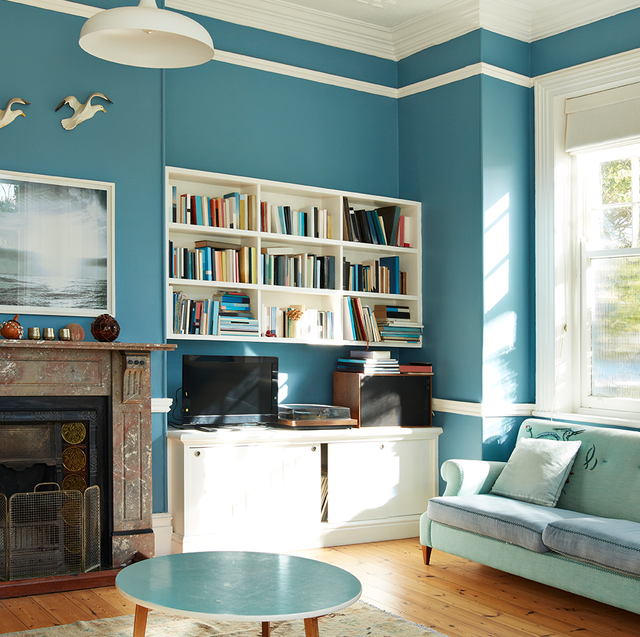
The best paints for streak-free coverage, from Dulux to Farrow & Ball
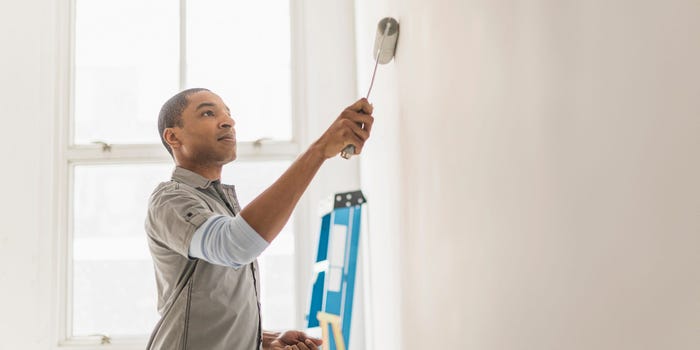
How to paint a room and give it a refresh
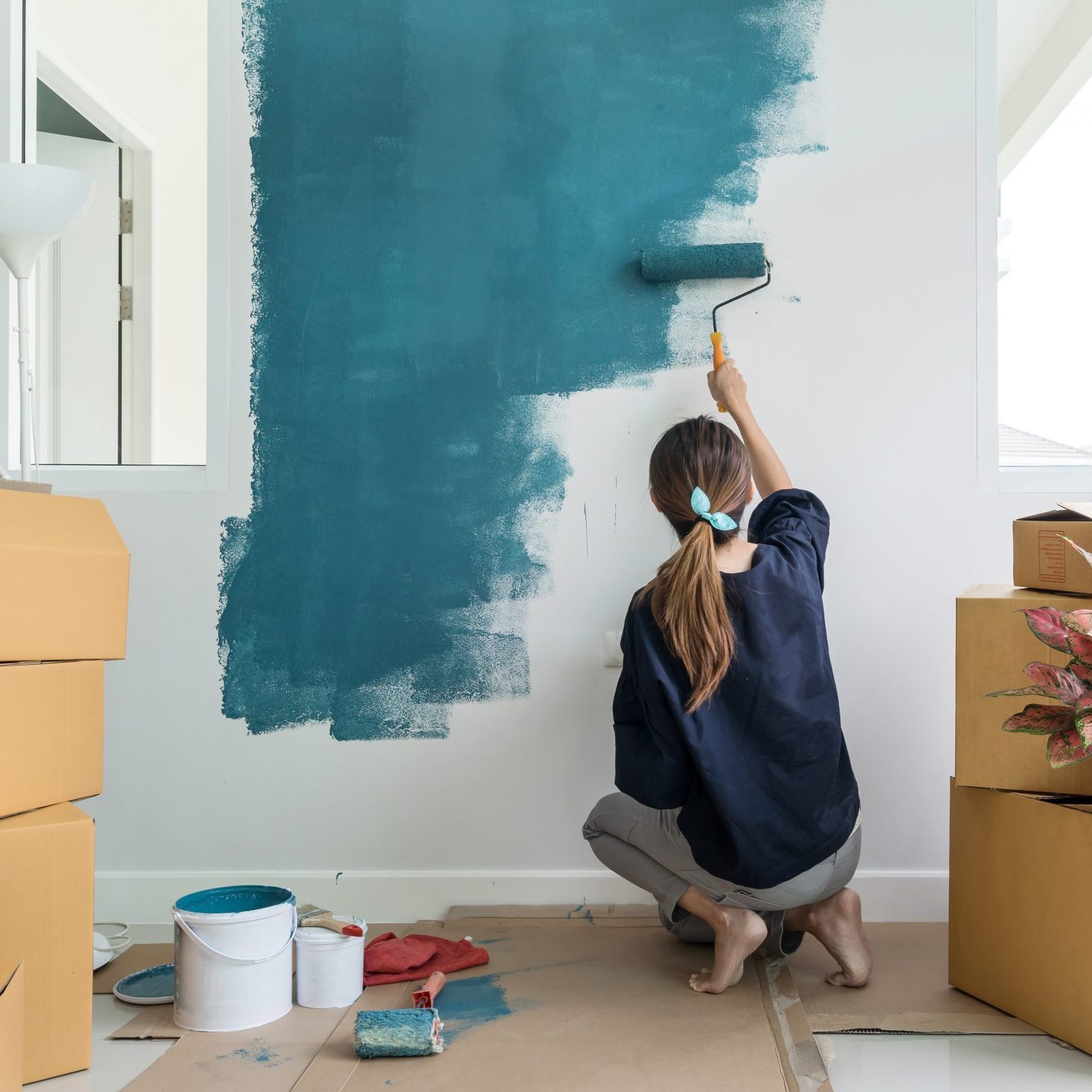
9 Best Paints for Interior Walls

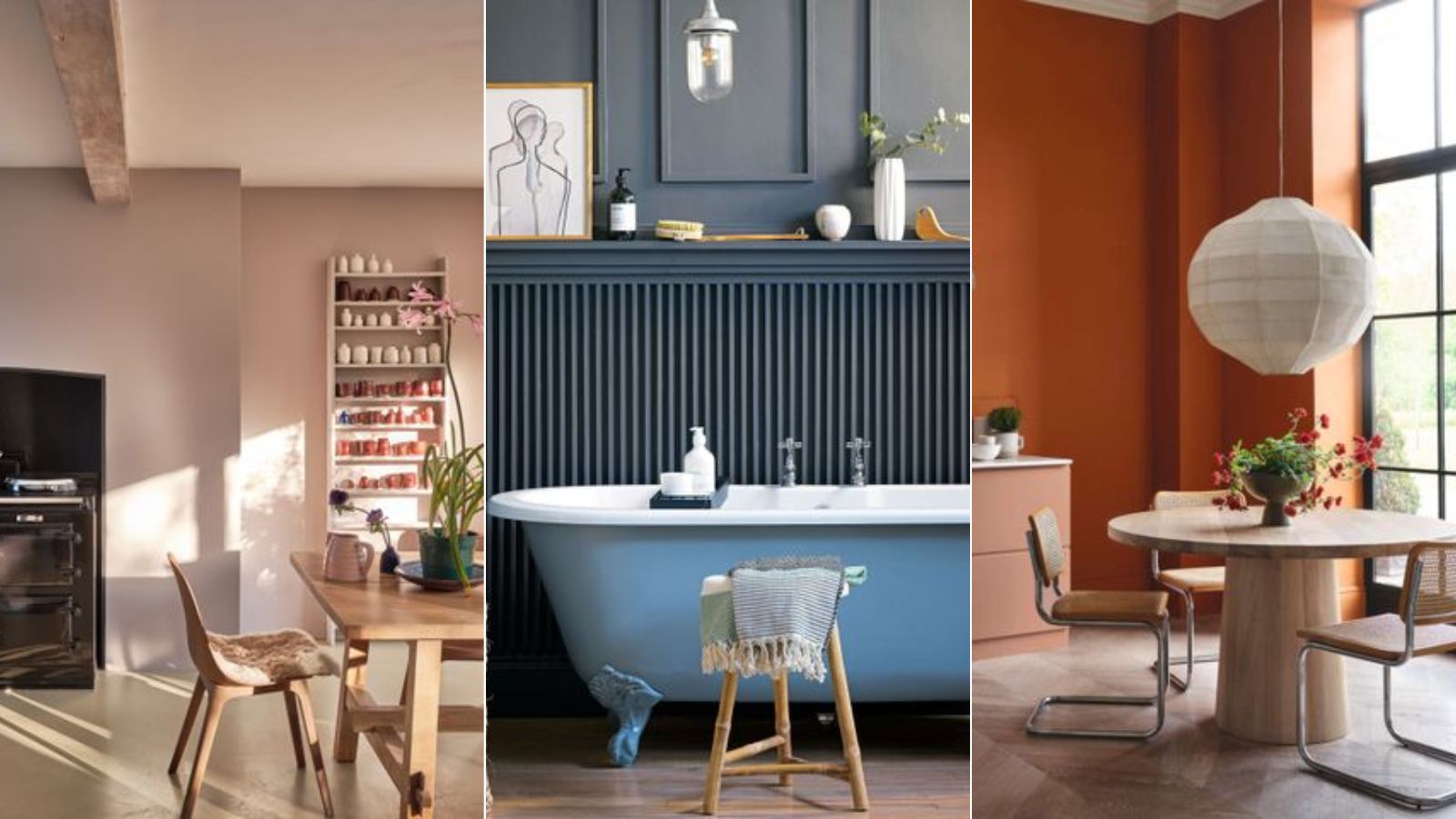
How to prolong the life of your paint job, according to painters and decorators

How to clean walls – the best ways to get rid of marks and scuffs
How to texture a wall – 5 expert methods for intriguing wall textures
Everything You Need to Know About Mural Wall Painting
How to clean walls before painting – expert tips and tricks
What's the Best Paint for Kitchen Walls? The Type, Finish, Color, and Even the Brand Professionals Always Pick
What are the best paint techniques for walls? 11 inventive effects that go beyond basic
How To Clean Painted Walls Without Ruining Them
What paint finish is best for walls and ceilings?
A Stress-Free Way to Remove Wallpaper

How to remove wallpaper - expert-approved steps to prevent damage and ensure a smooth finish
This expert’s ‘BRB’ technique is something I'll forever use when painting wall paneling to avoid drips and paint build-up
Paint finishes – a guide for every room
8 Paint Mistakes That Make Your House Look Dingy (and How to Fix Them)

A guide to wall finishes: wallpaper, plaster, and more