Should You Be Using Washing Soda? What to Know About This Powerful Cleaner
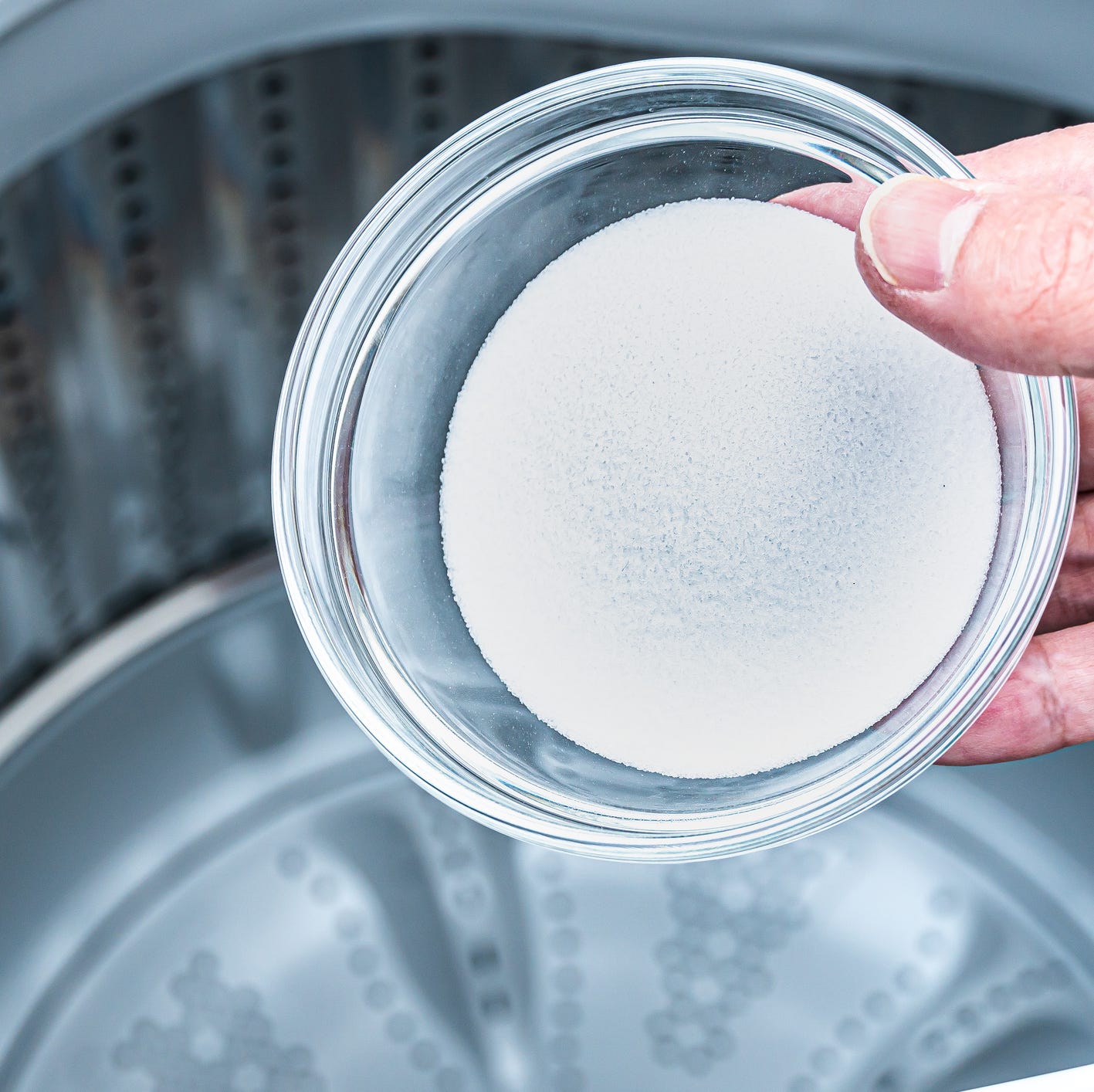
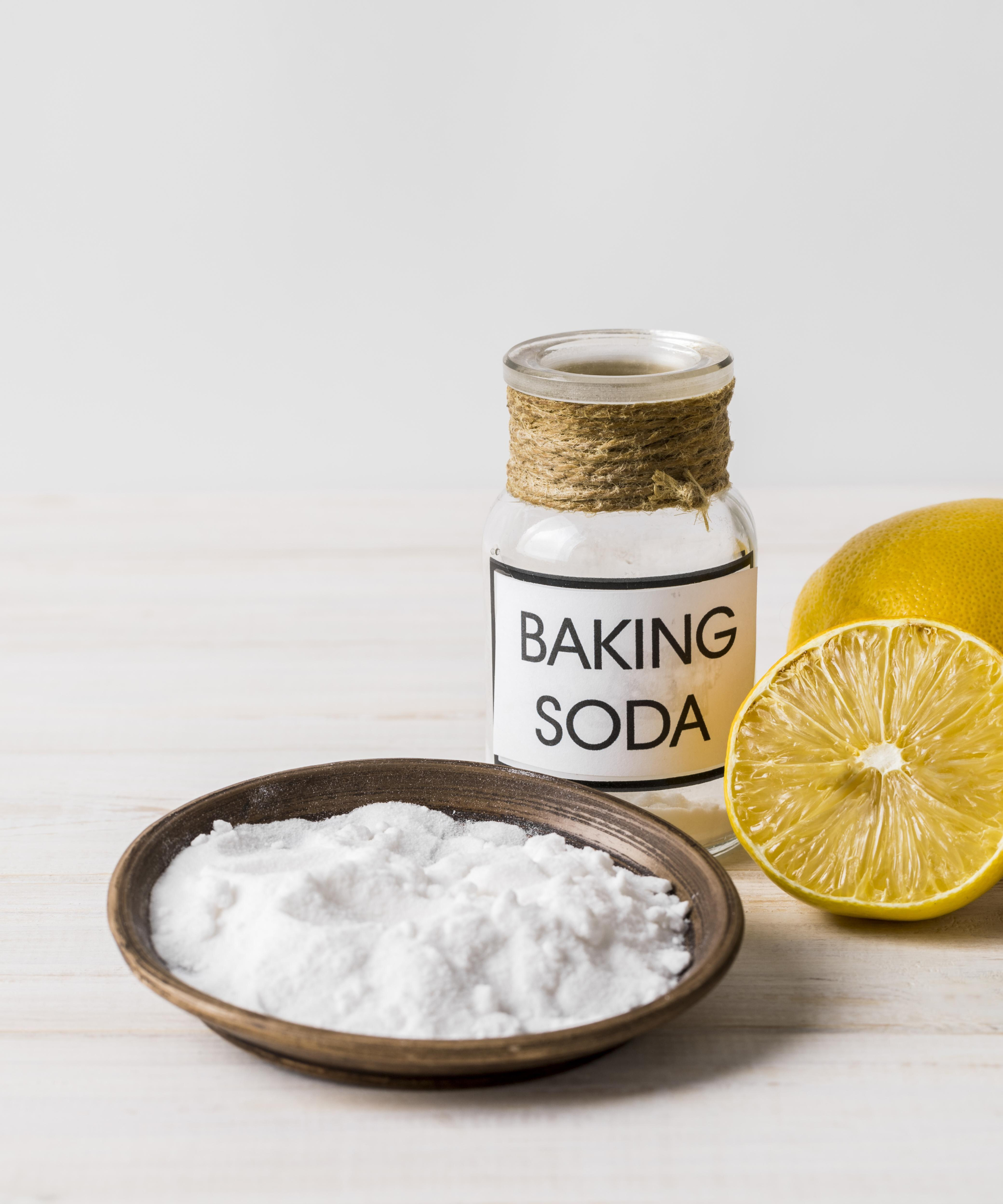
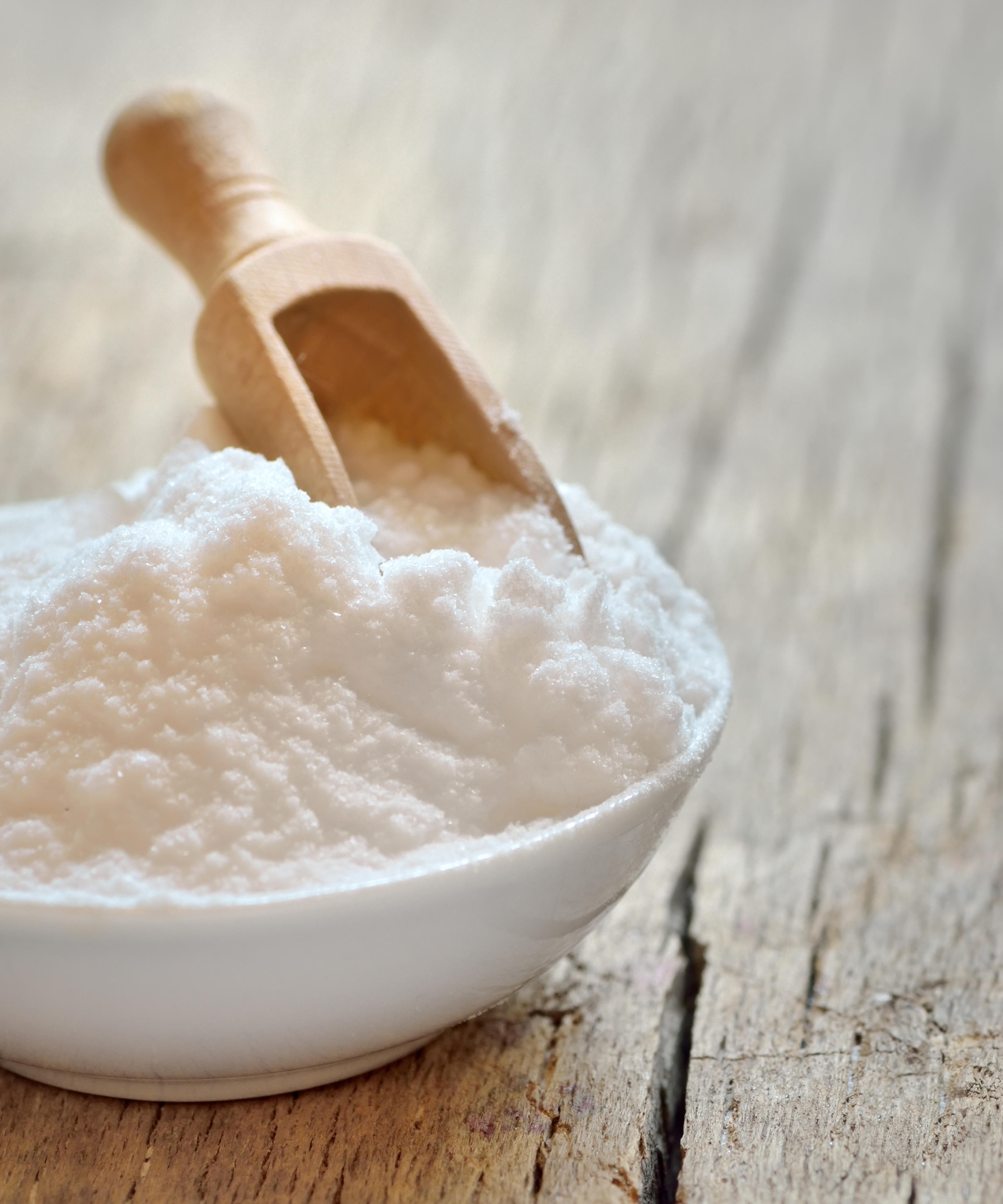
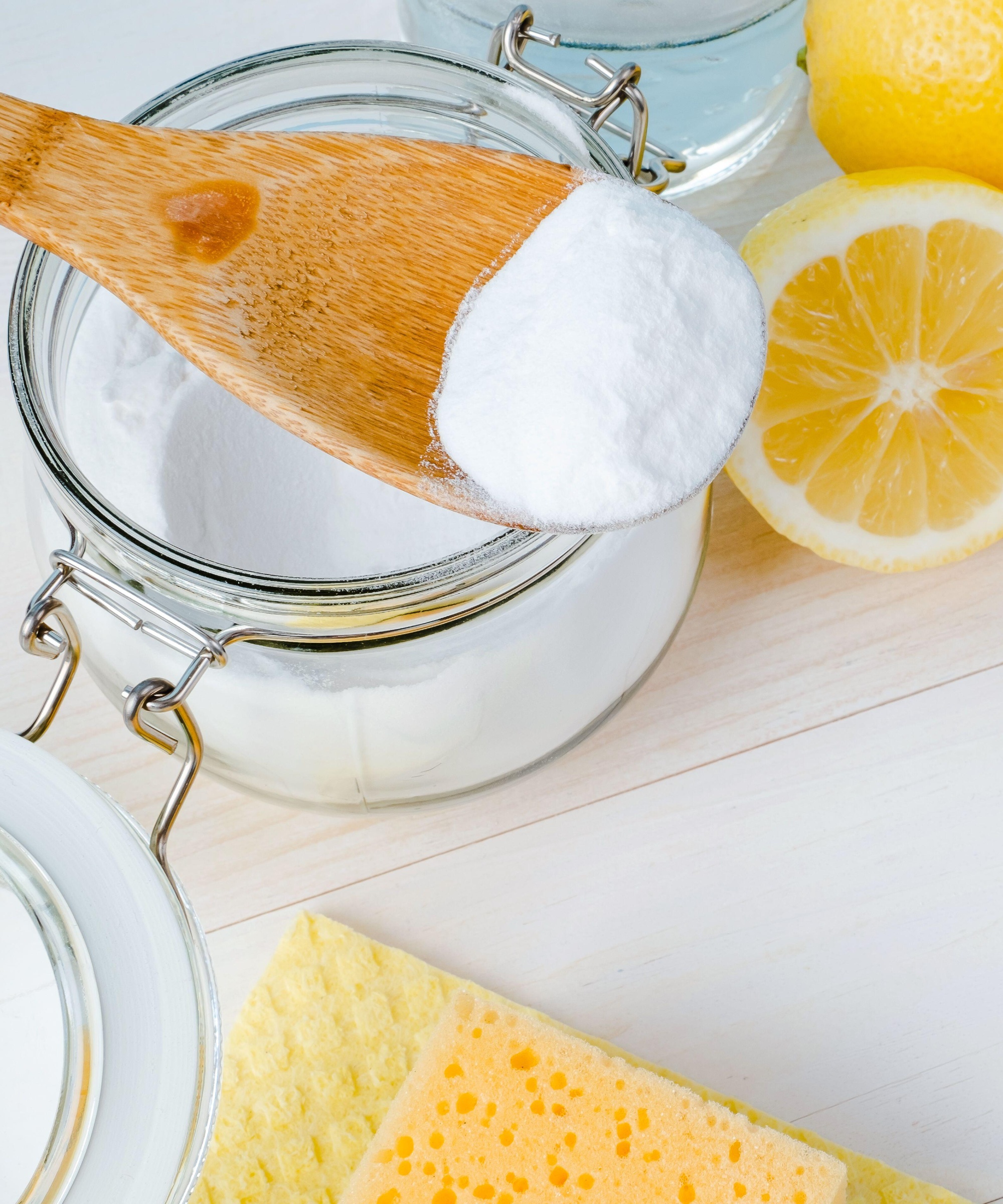
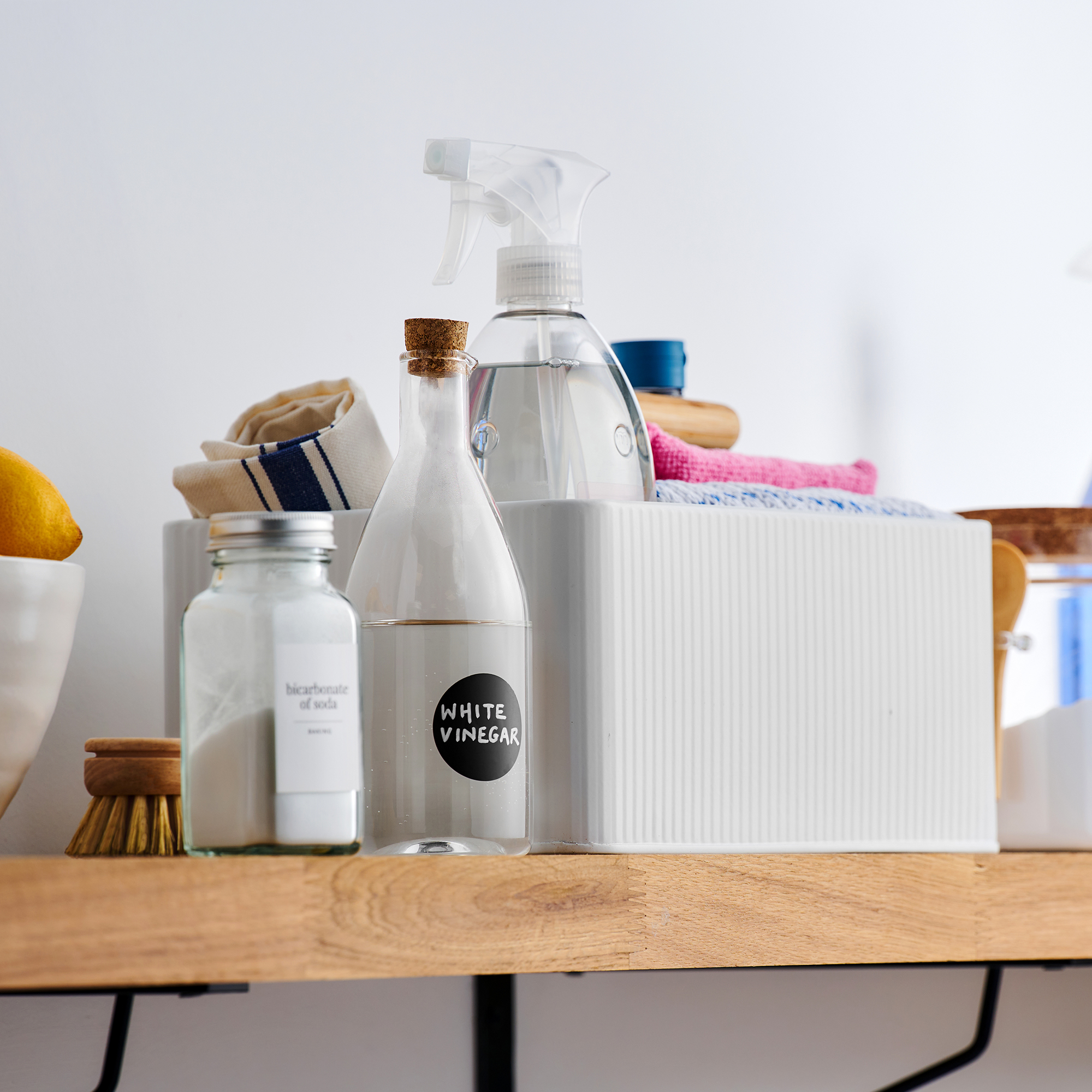
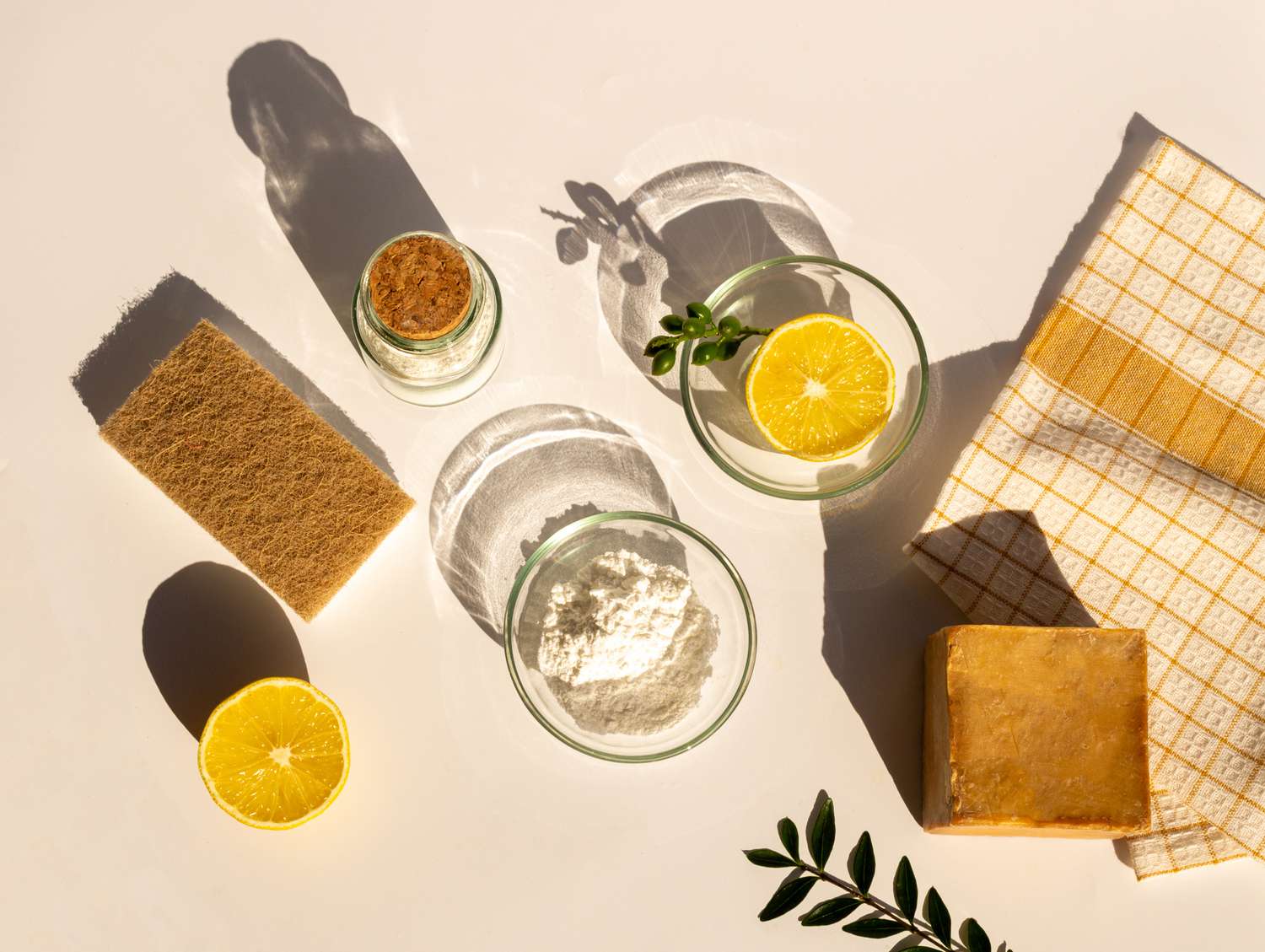
Washing soda, also known as sodium carbonate, is a powerful cleaning agent for household chores, laundry, and degreasing. It is a white powder that can be mixed with water to pretreat laundry stains, remove soap scum, unclog drains, and clean kitchenware. Despite its similarities in name, washing soda is chemically distinct from baking soda. Both are sodium compounds, but washing soda has a higher pH level and is more abrasive, making it a stronger cleaner. Baking soda, in contrast, is milder and more versatile, suitable for various general cleaning and deodorizing tasks.
Washing soda also differs from borax, another commonly used cleaning mineral. While borax is multi-purpose and often used for brightening and whitening laundry, washing soda is considered a heavy-duty cleaner and laundry booster. For those interested in a DIY approach, washing soda can be made at home by heating baking soda in an oven at 400 degrees Fahrenheit for one hour. This process releases carbon dioxide and water, converting the baking soda into washing soda.
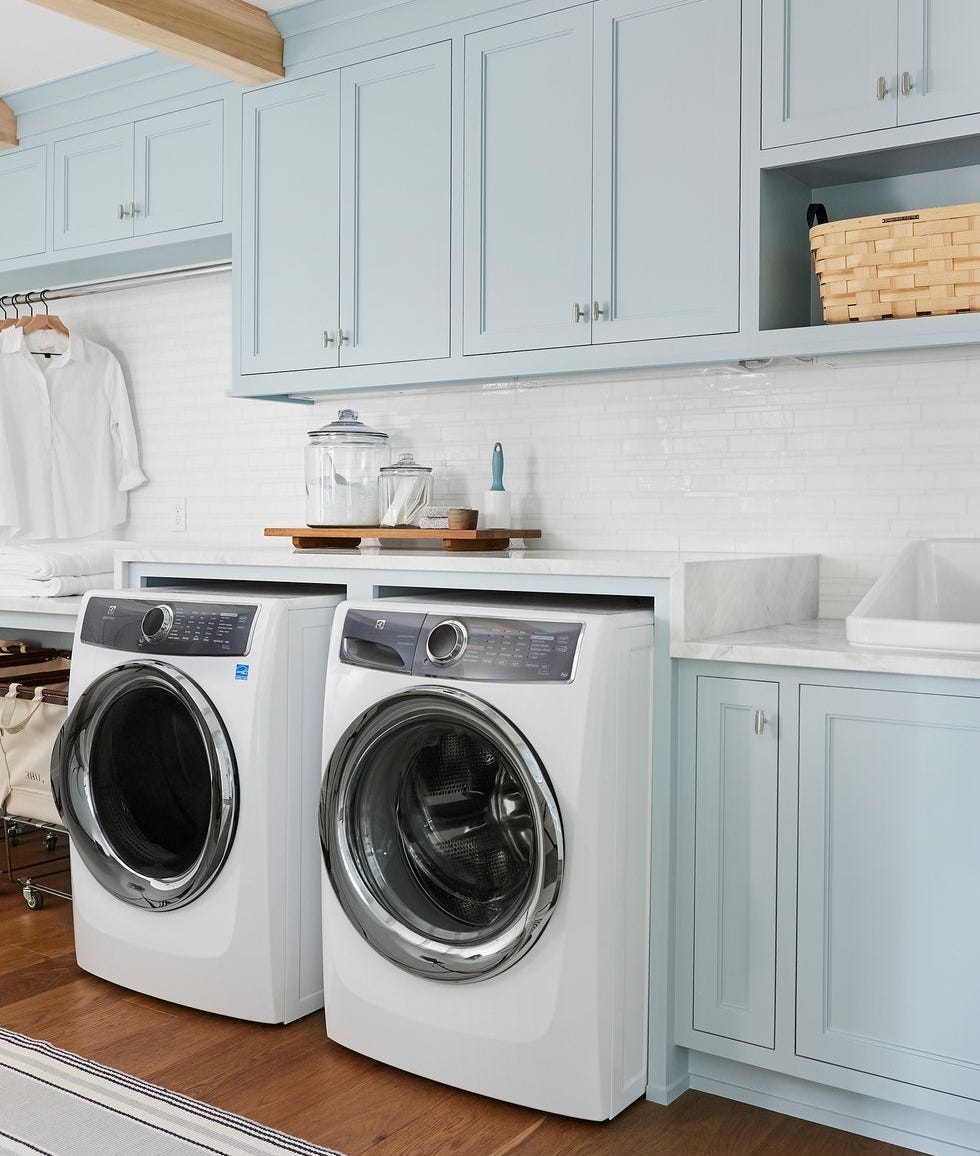
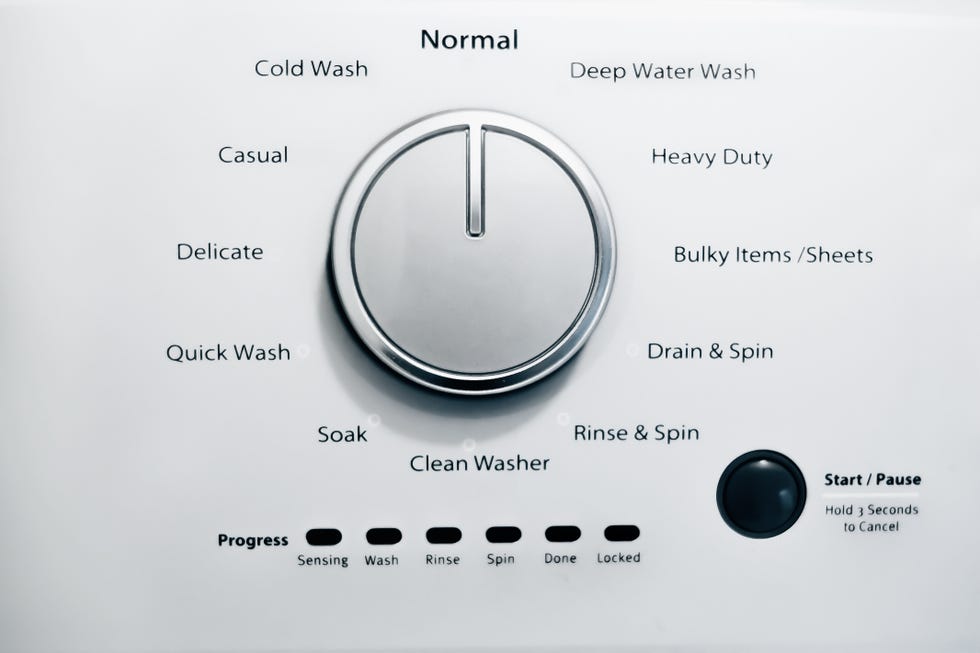
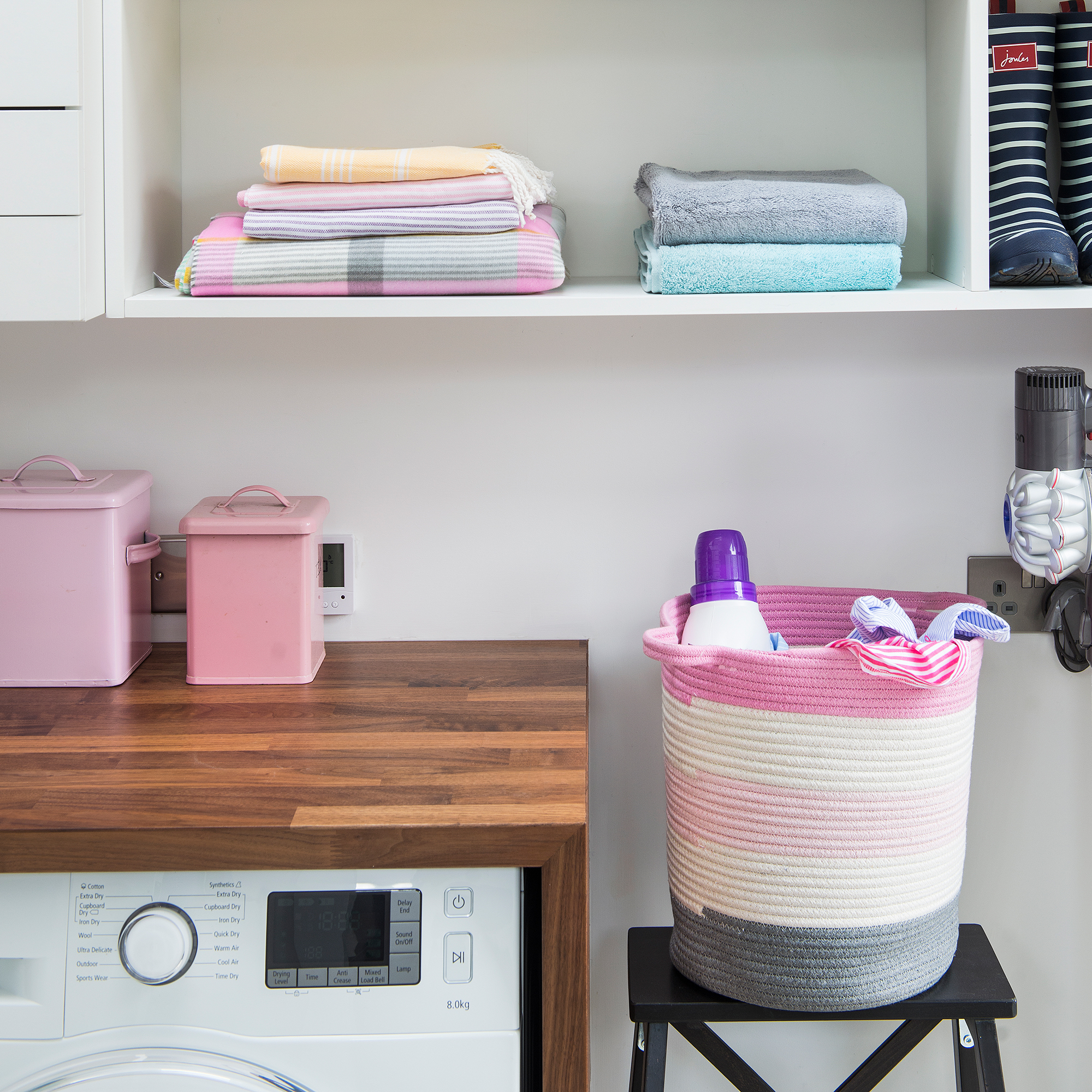
When using washing soda, it is crucial to wear gloves and ensure the area is well-ventilated due to its abrasive nature. In laundry, adding half a cup of washing soda directly to the machine drum alongside detergent can help remove stains, soften water, and enhance cleaning power. However, caution is advised when using it with delicate fabrics like silk or wool, as its high pH can cause damage. For tough stains, a paste made from washing soda and warm water can be applied directly to the fabric, allowed to sit for about five minutes, and then washed as usual.
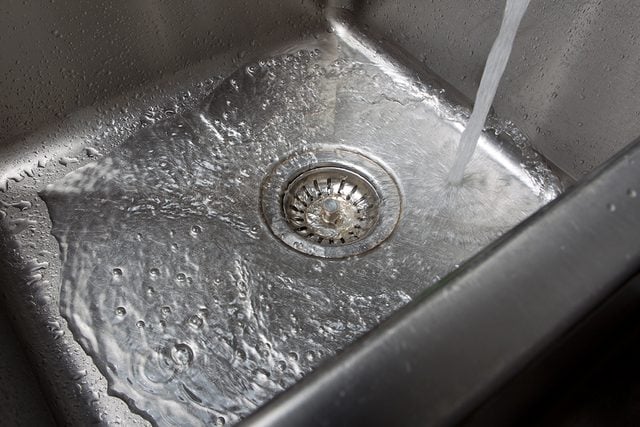
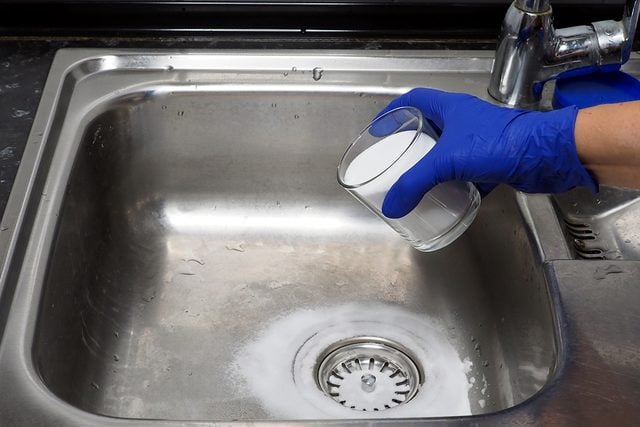
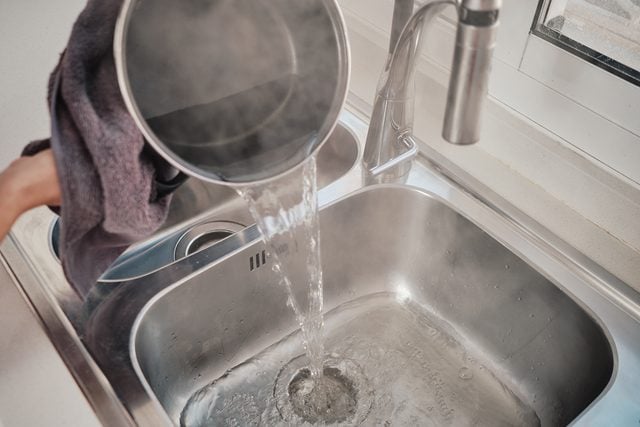
Washing soda is also effective for unclogging drains. For this application, one can pour half to one cup of washing soda into the drain, let it sit for up to 30 minutes, and then follow with boiling water. This process can be repeated if necessary, and once the clog is cleared, cold water should be run to flush the pipes. For grease removal, a paste of washing soda and water can be applied to greasy areas, left for 30 minutes, gently scrubbed, and then rinsed with warm water. It is important to test washing soda on a small, inconspicuous area before widespread use, as it can damage certain surfaces. Specifically, washing soda should not be used on aluminum, fiberglass, or waxed surfaces due to its corrosive properties.
#WashingSoda #CleaningTips #LaundryCare #HouseholdCleaners #DIYCleaning #StainRemoval #DrainUnclogging #GreaseRemoval #WashingSoda #CleaningTips #LaundryCare #HouseholdCleaners #DIYCleaning #StainRemoval #DrainUnclogging #GreaseRemoval
0 комментариев всего
 Комментариев пока нет
Вам также может понравиться
How to clean your washing machine: Experts reveal their top tips
The 10 Best Kitchen Sponges 2025, Tested by an Editor
Nine of My Favorite Products for Cleaning the Kitchen

16 things around your house you should be cleaning with baking soda and vinegar
5 things you should never clean with baking soda – according to professionals

10 best stain removers for clothes, tried and tested on heavy stains


Is Baking Soda the Best Way to Clean Your Couch?

8 Things You Should Never Clean with a Swiffer


9 surprising things you can clean brilliantly with Dawn Powerwash – including garden tools, barbecues, shoes and more
How to Clean Your Whole Kitchen With Dish Soap, From Greasy Counters to Sticky Floors

How To Clean a Drain With Baking Soda and Vinegar

35 Cleaning Products To Keep Your Home And Car Looking Fresh All Fall Long
You Can Clean Almost Every Surface in Your Bathroom With This One Household Product—Here’s How
How to wash towels that smell – expert tips to banish damp and musty odours for good

7 unexpected things you can clean in the dishwasher to easily refresh the hardest-working micro-elements of your home
The Best Bathroom Cleaner for Targeting Hard Water Stains

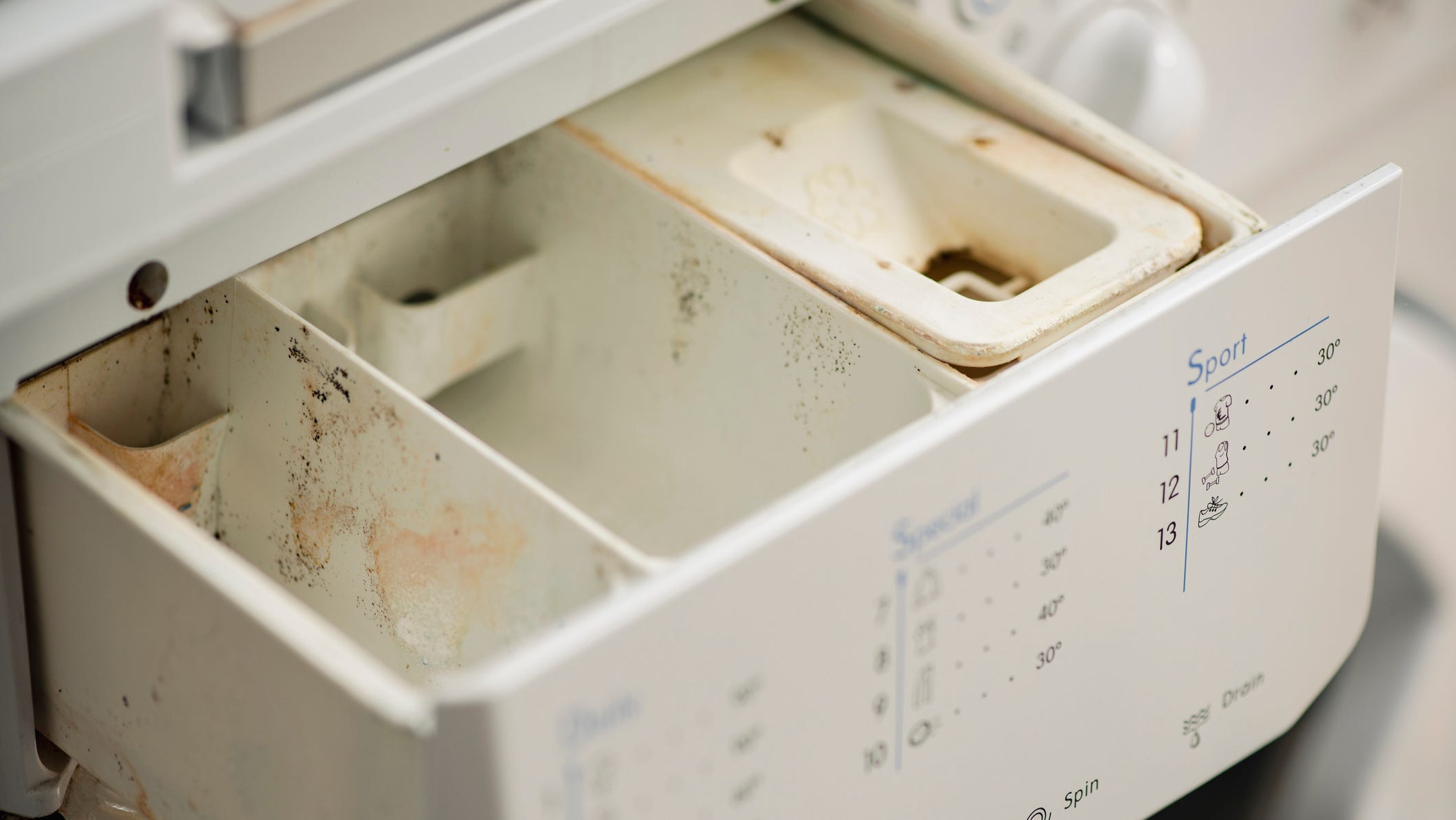
Here’s How Often You Should Clean Your Washer to Stop Mildew

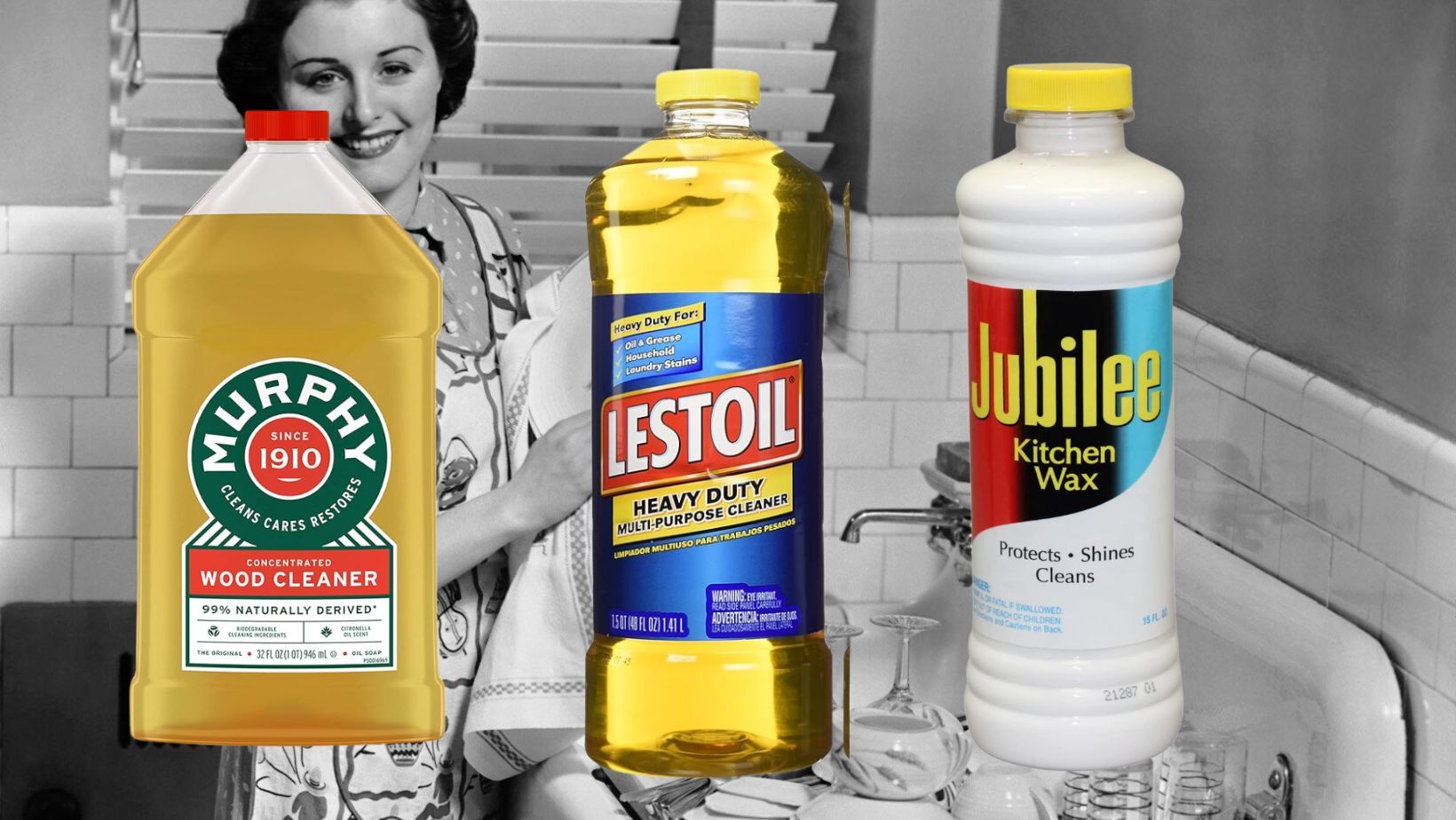
These Old-School Cleaning Products Still Work Like Magic

Have you forgotten about cleaning your oven extractor fan vent? This viral hack may be key to banishing years of grease
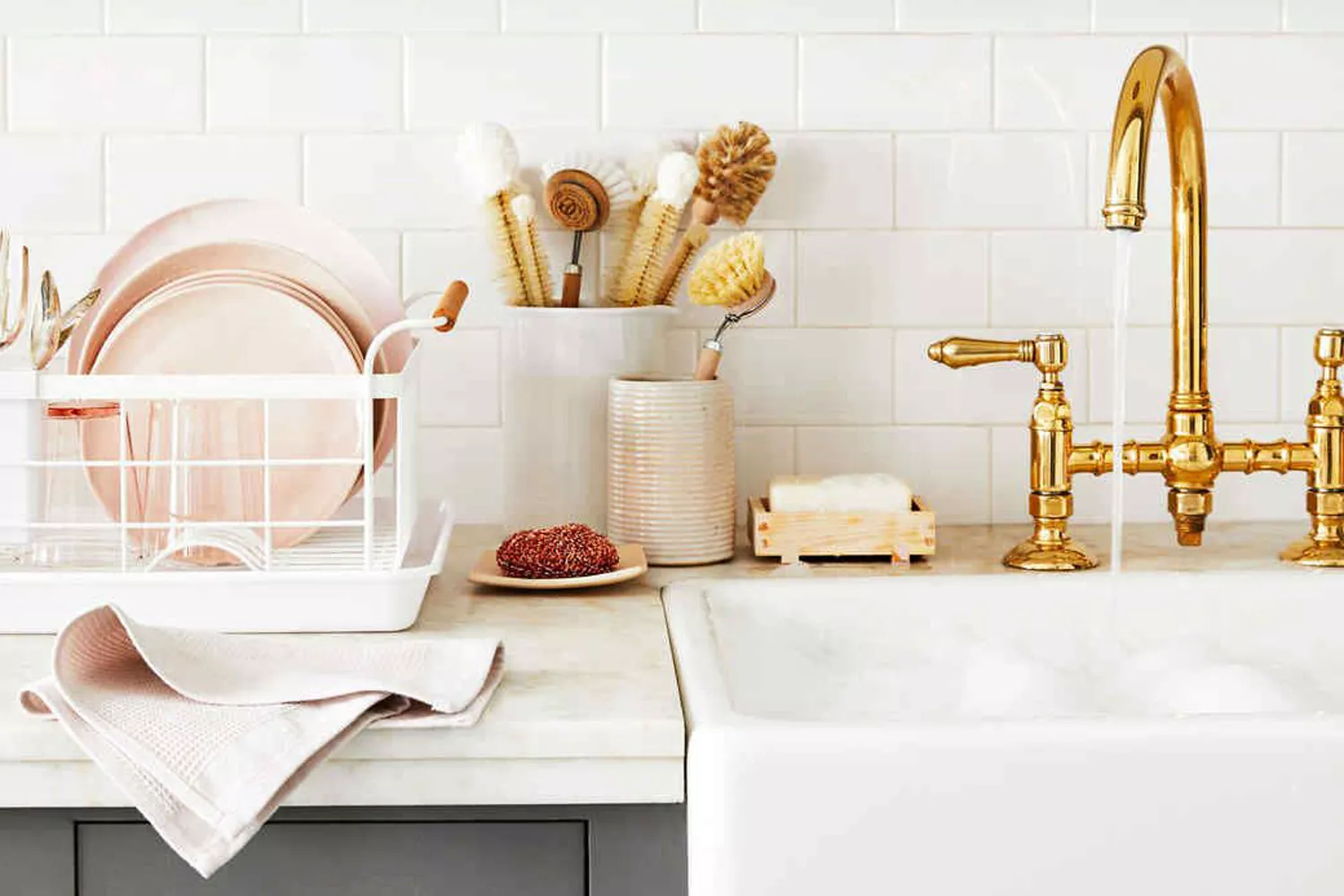
5 DIY Drain Cleaner Recipes That Use Natural Ingredients to Prevent Clogs