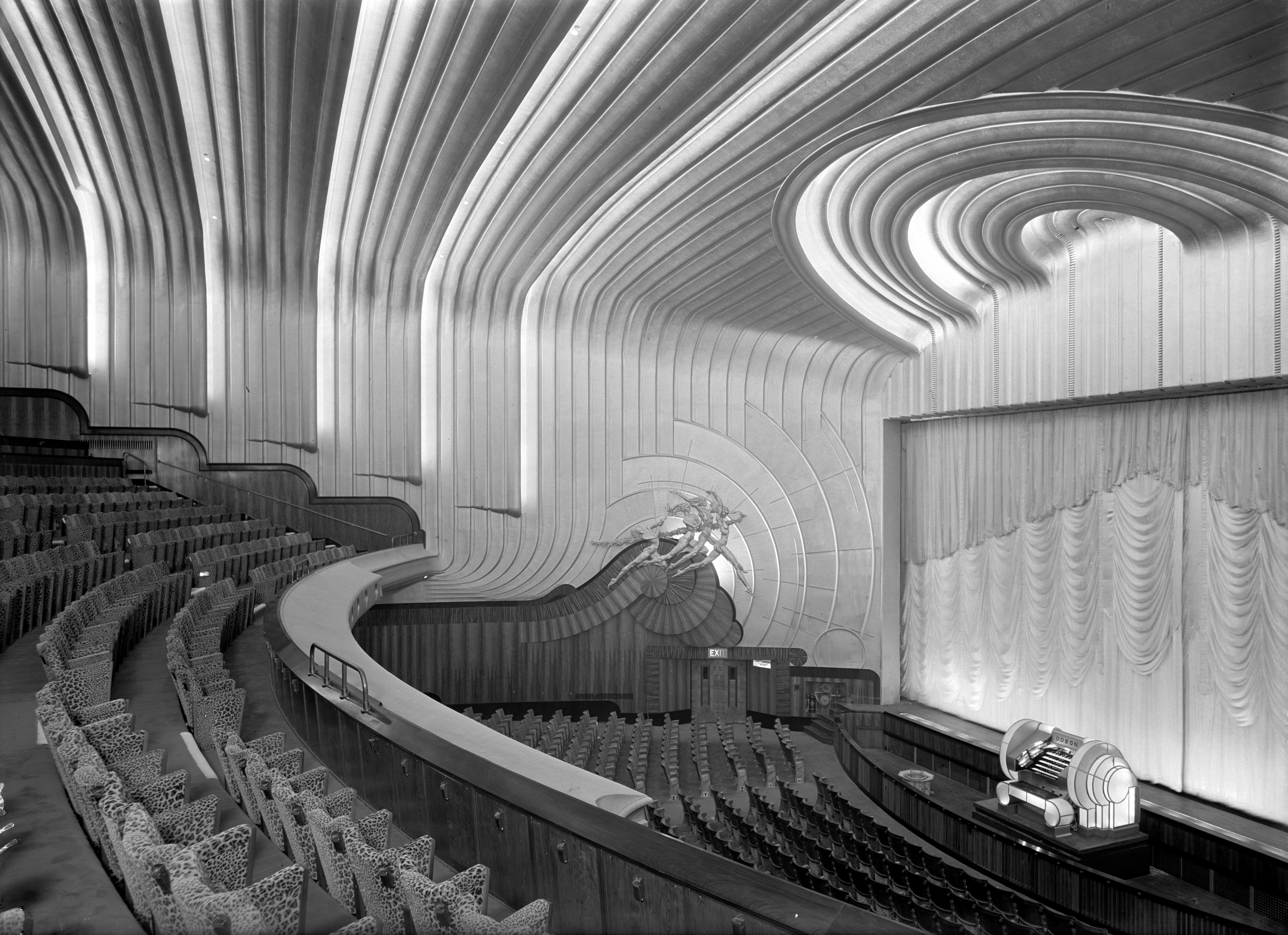
1/11
Seven of the UKs best Art Deco cinemas that help remind us of what we have (wrongly) long stopped expecting from public buildings
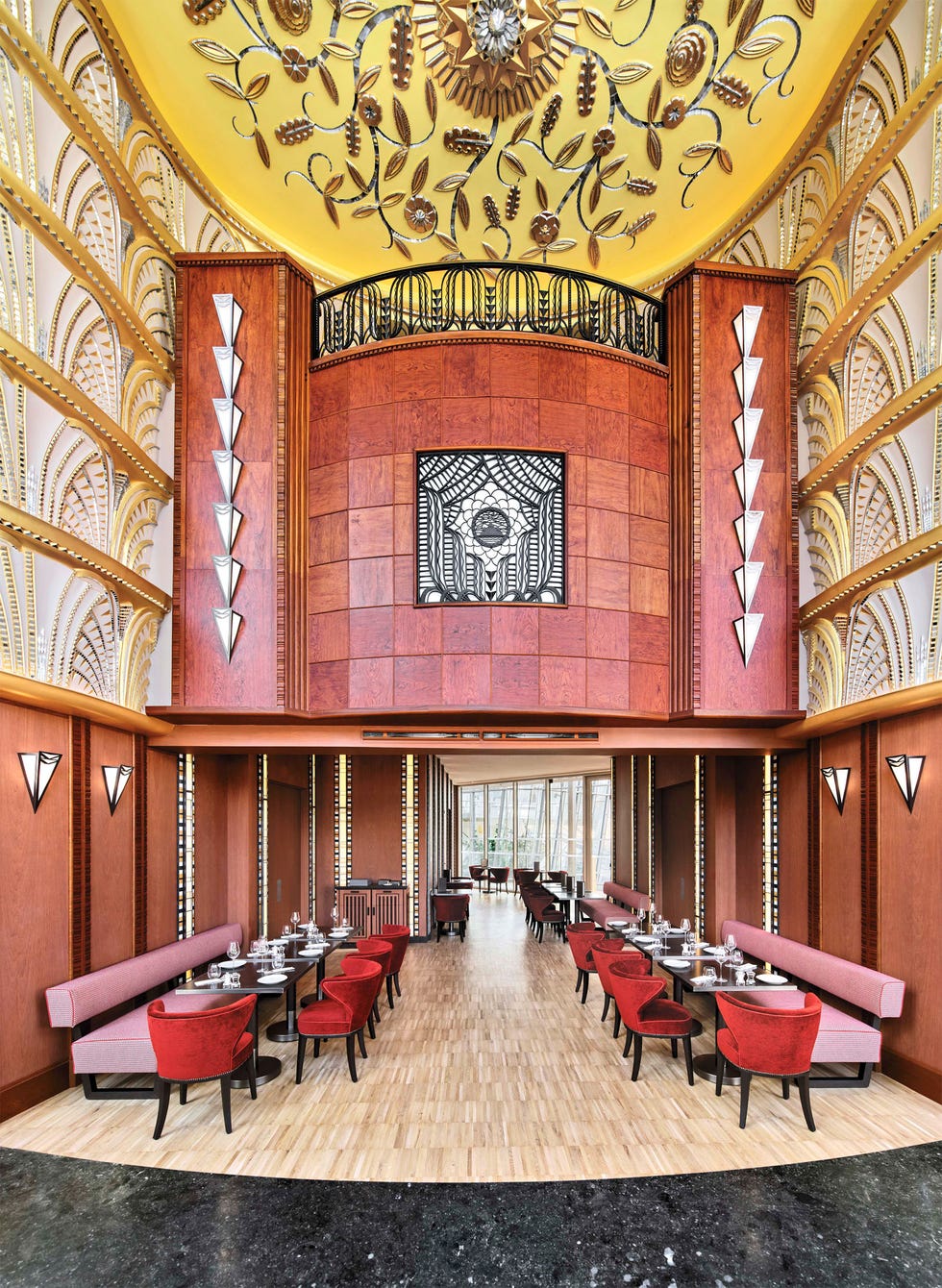
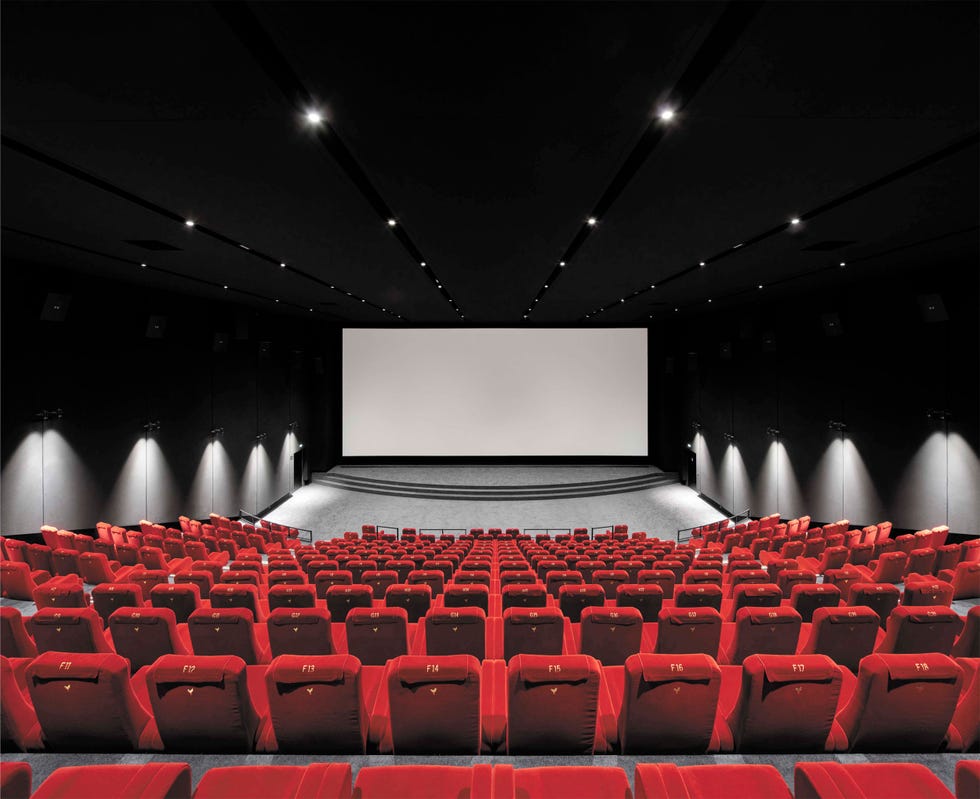
The article explores the enduring legacy and restoration of seven prominent Art Deco cinemas across the UK, highlighting their historical significance and architectural grandeur. The peak of Art Deco design, spanning the 1910s to the early 1930s, coincided with the Golden Age of Hollywood cinema from the 1930s to the 1960s. This convergence led to the creation of visually captivating and opulent cinematic environments that elevated cinema into an attractive and luxurious leisure activity. British entertainment architecture was significantly influenced by the 1925 International Exhibition of Modern Decorative and Industrial Arts in Paris and American Art Deco, adopting modern, streamlined exterior shapes, ornate plasterwork, and intricate interior details. These were complemented by lavish fabrics and a rich color palette featuring monochrome, red, green, and gold.
Art Deco cinemas were designed to be vast, often accommodating thousands of visitors in huge auditoriums equipped with opera pits, balconies, and beautifully decorated proscenium arches. Beyond the screening rooms, these establishments frequently included restaurants, box offices, powder rooms, and shops, all contributing to an immersive experience. Cinemas were envisioned as all-day attractions, with patrons often dressed elegantly, mirroring the dazzling interiors. While many of these architectural marvels have since been demolished or repurposed into spaces like bingo halls or residential flats, a select number have been successfully preserved, refurbished, and revived. Their renewed splendor suggests a potential return to a 'new Golden Age' for cinema.
Among the featured cinemas is The Rex Cinema in Berkhamsted, designed by David Evelyn Nye in 1936 with interiors reminiscent of ocean liners, featuring scallop wall lights and wave motifs. After closing in 1988, it reopened in 2004 with much of its original 1938 decor restored, emphasizing a luxurious and civilized viewing experience. London's Troxy, which opened in 1933 as England's largest cinema, boasted a revolving stage, distinctive turquoise and coral walls, and a floodlit organ. A decade ago, it underwent restoration, revealing its original proscenium arch and a 1930s decorative ceiling, now home to Europe's largest Wurlitzer theatre pipe organ. The Electric Palace in Harwich, dating back to 1911, stands as one of the world’s oldest and least-altered purpose-built cinemas, preserving its original architecture, silent screen, and projection room, and even featured in 'Downton Abbey: A New Era'.
The Castle Electric Theatre in Clapton, London, originally opened in 1913, was revived in 2015 through a community-led campaign after serving various purposes. Its restoration brought back curved ceilings, a proscenium arch, and ornate plasterwork, repainted in the original gold, black, and red. In Belfast, the Strand Arts Centre, established in 1935, is the last of 40 Art Deco picture houses. Its maritime-themed facade and interior, influenced by its proximity to the Harland & Wolff shipyard, are set for a £6.5 million redevelopment. London's Dominion Theatre, opened in 1929, transitioned from musical theatre to cinema, hosting significant premieres and performances by legendary artists. Its Art Deco style has been meticulously preserved and enhanced with bespoke carpets and geometric chandeliers. Finally, the Regent Street Cinema in London, considered the birthplace of British cinema, opened in 1848 and premiered the UK's first motion picture in 1896. Rebuilt in the Art Deco style in 2016 after years as a university lecture hall, it now hosts art-house films, maintaining its historical significance and architectural beauty.
#ArtDecoArchitecture #UKCinemas #ArchitecturalPreservation #HistoricBuildings #CinemaHistory #InteriorDesign #CulturalHeritage #RestorationProjects #ArtDecoArchitecture #UKCinemas #ArchitecturalPreservation #HistoricBuildings #CinemaHistory #InteriorDesign #CulturalHeritage #RestorationProjects
0 комментариев всего
 Комментариев пока нет
Вам также может понравиться
Step Inside 7 Opulent Art Deco–Inspired Homes

From Bed Frames to Mirrors, These Art Deco Touches Will Elevate Your Home
9 Stunning Art Deco Interior Design Styles

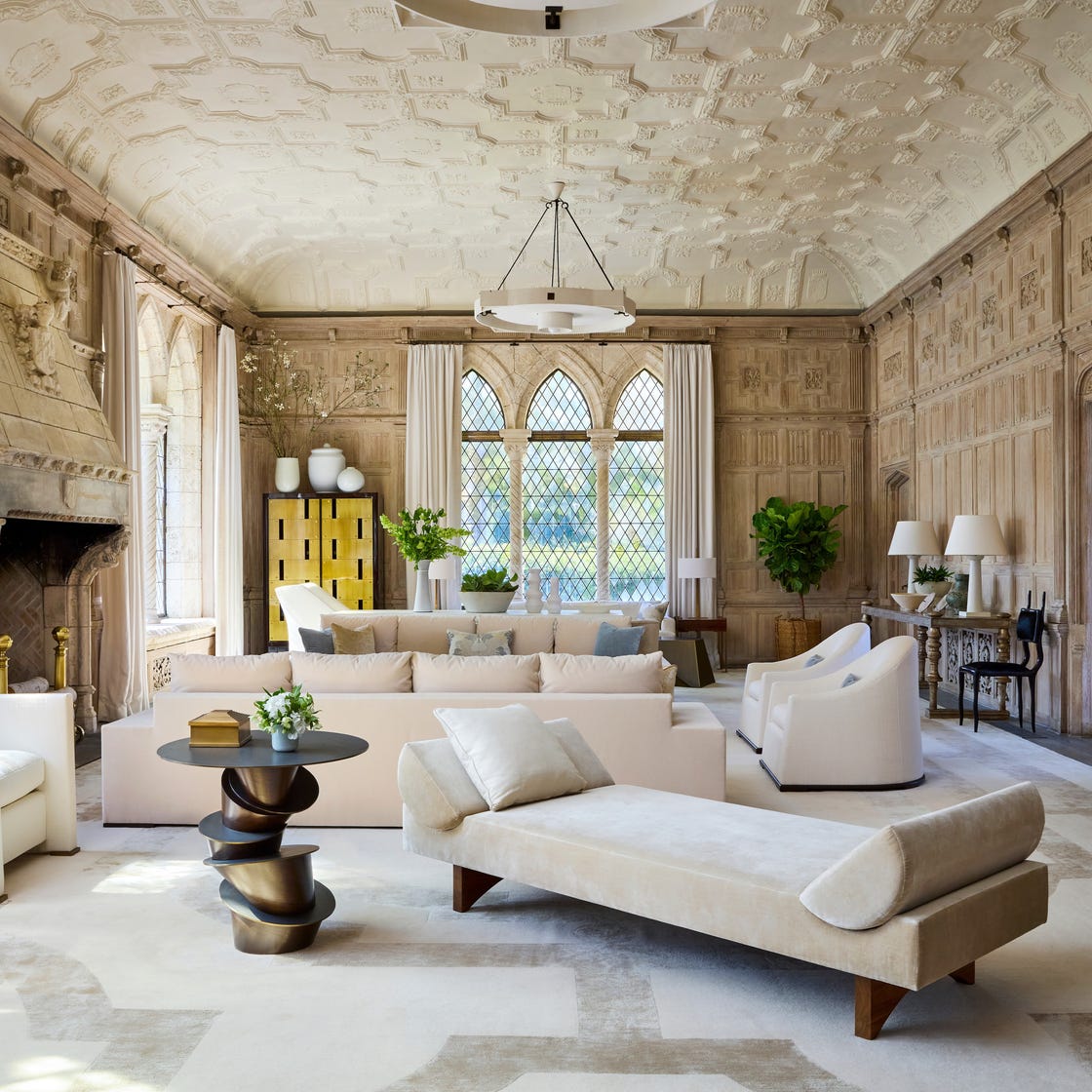
These 12 Art Deco Living Rooms Make a Bold Case for Unapologetic Glamour

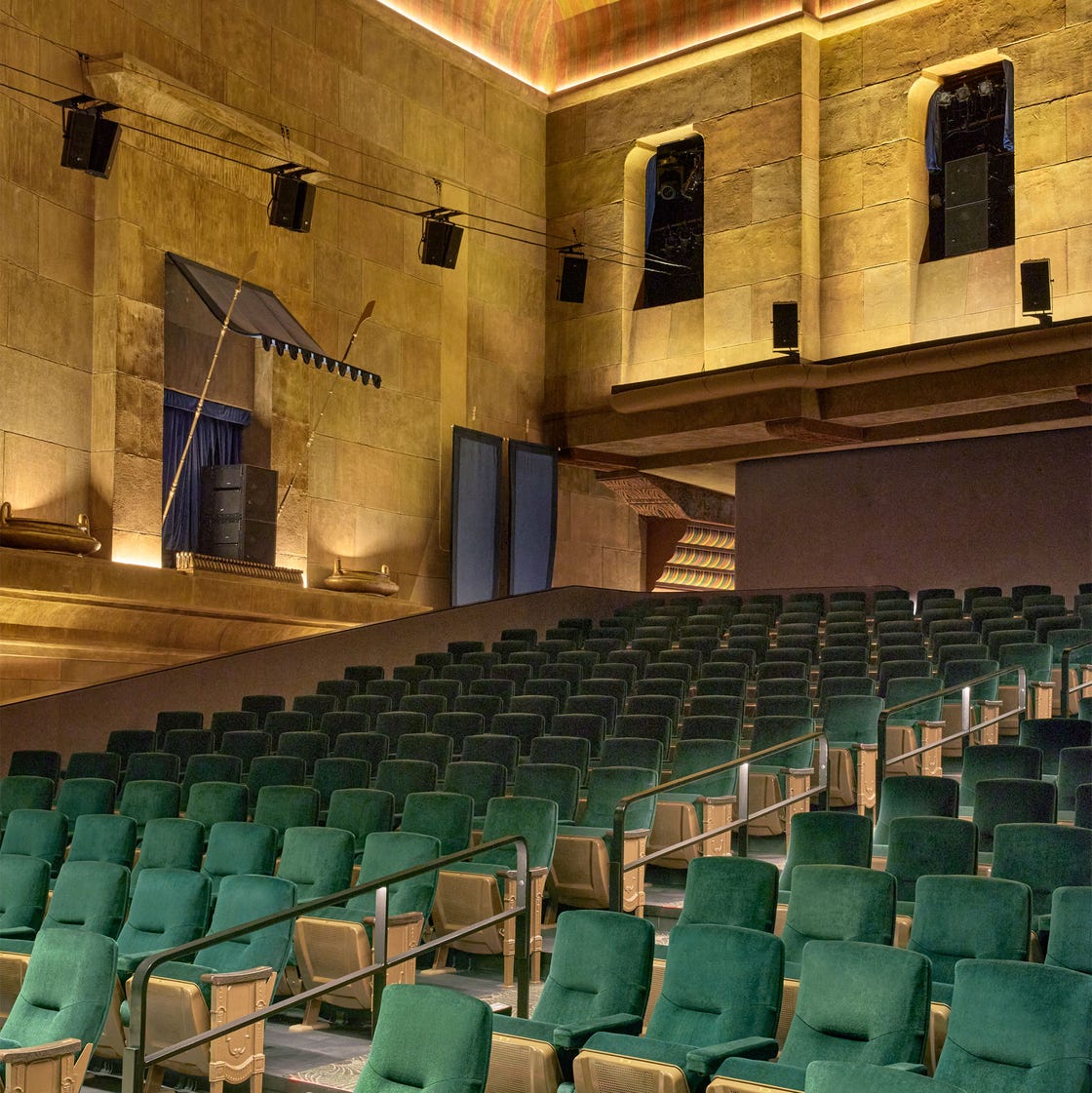
Are Long-Forgotten Movie Palaces Entering a New Golden Age?
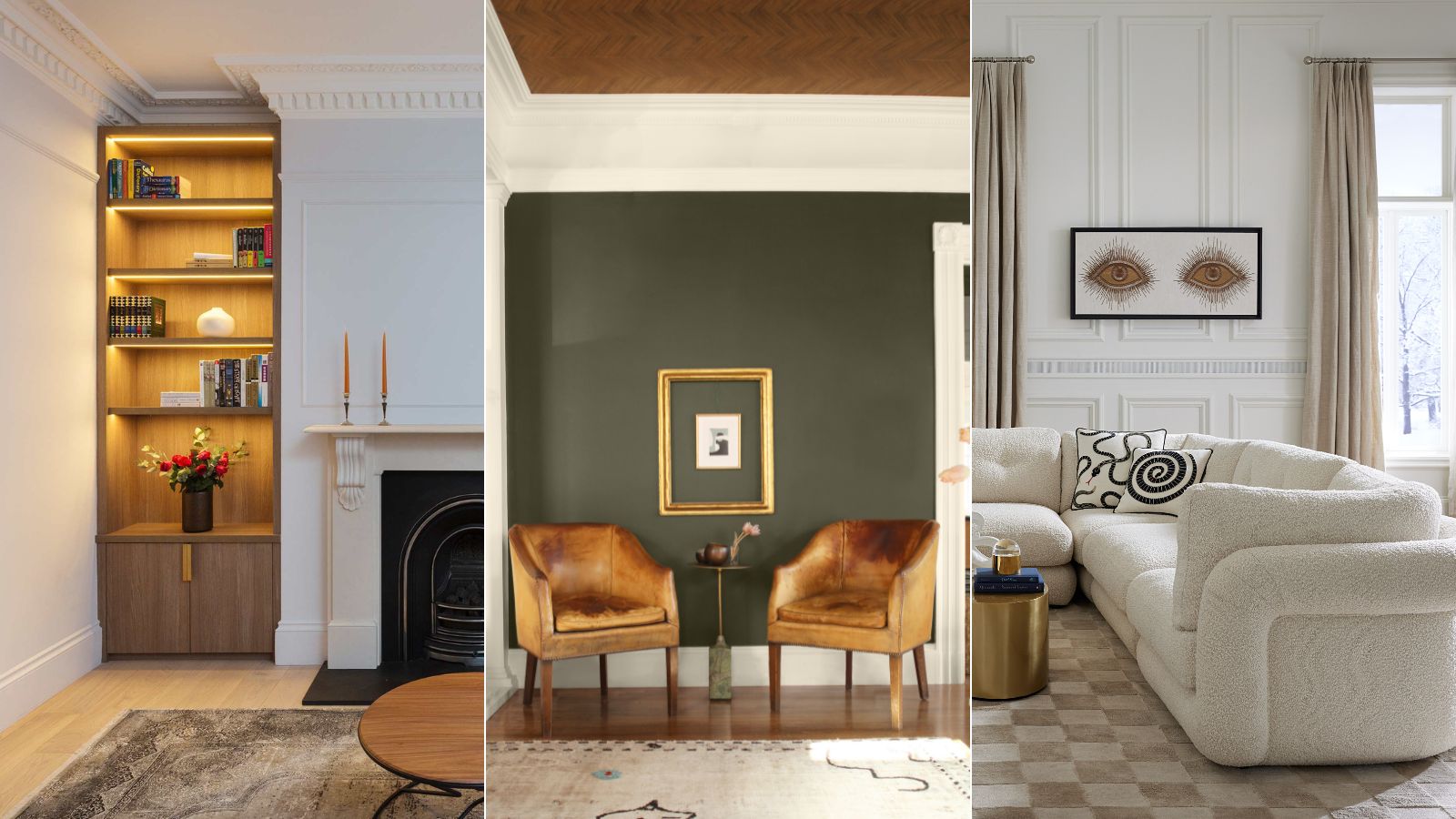
8 Art Deco living room ideas to add classic and glamorous style
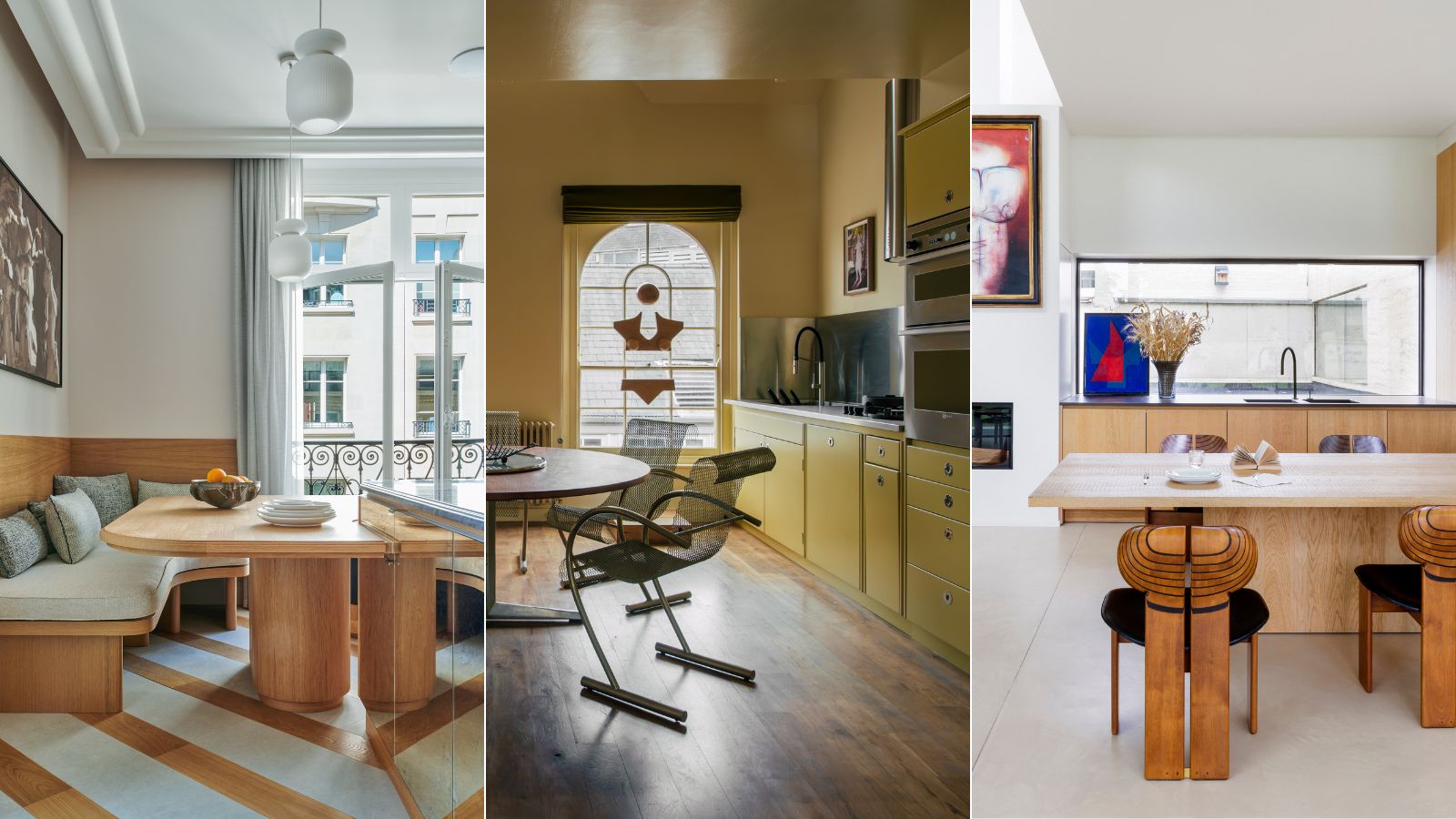
5 Art Deco kitchen ideas: for a nostalgic, glamorous look

Art Deco Interior Design: Everything You Need to Know About This Opulent Style
Inside an art deco gem in London’s Fulham
The Art Deco Glass Design Trend That's Making A Big Comeback