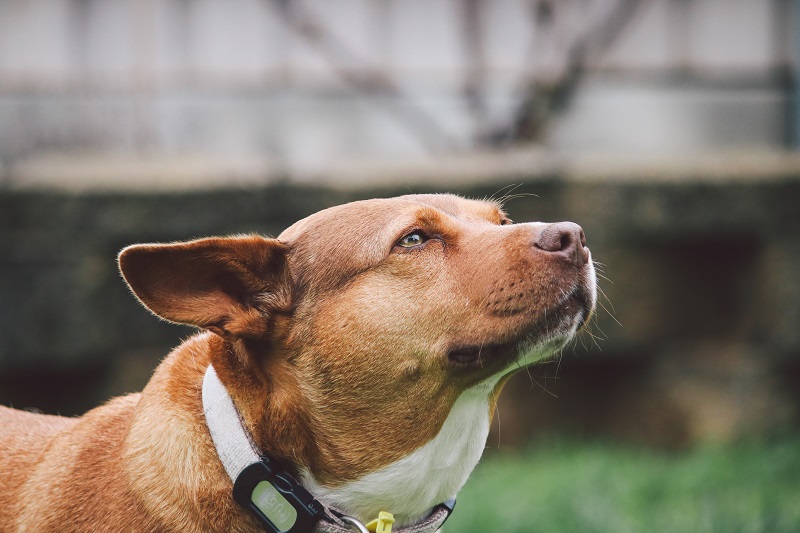
1/6
Satisfy the senses – how sensory gardens can help your dog find their zen
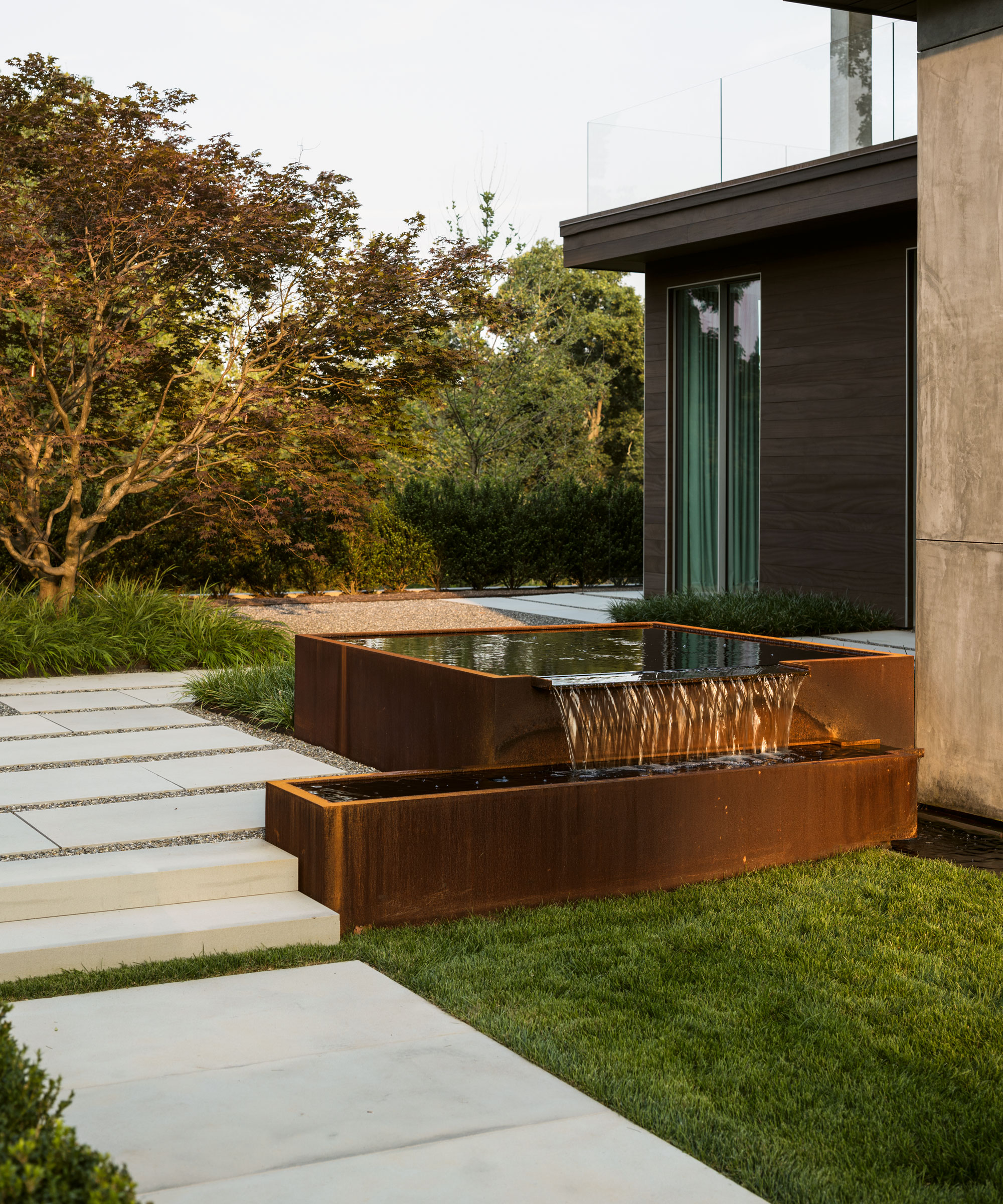
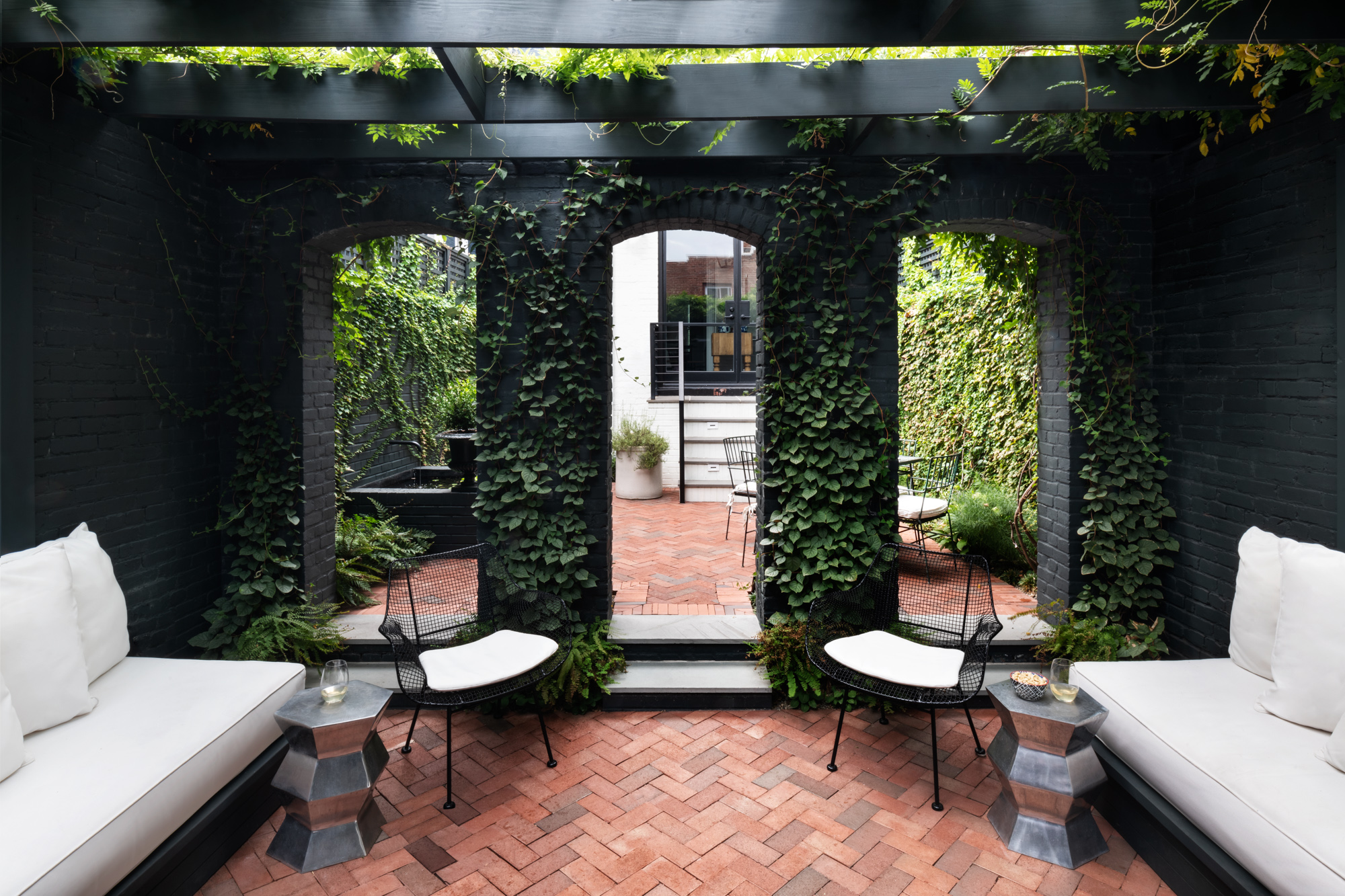
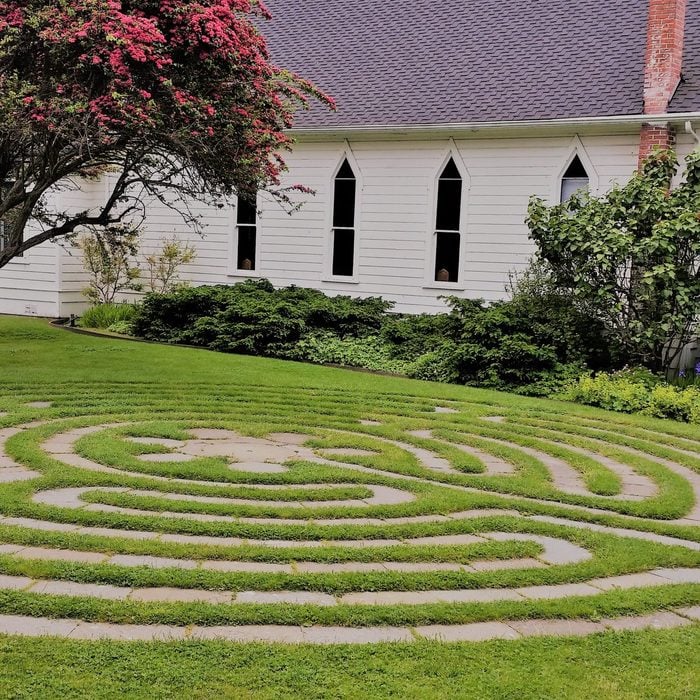
The concept of a sensory garden, traditionally associated with humans, is gaining traction as a beneficial tool for enhancing the mental and physical well-being of dogs. This approach moves beyond the typical focus on a dog's physical appearance and exercise needs, highlighting the critical importance of mental stimulation for a healthy and happy canine. A sensory garden is a specially designed space intended to engage and heighten all five of a dog's senses: smell, sight, sound, touch, and taste, thereby enriching their daily life.
Setting up a sensory garden can be adapted to various sizes, from a small initial setup that can be expanded over time, to larger, more elaborate designs. The size should accommodate the dog's build and movement patterns, with the recommendation to observe the dog's preferences and adjust the garden accordingly. The design can evolve as the dog ages and its interests change, ensuring continued engagement. Flexibility in design allows for customization based on individual canine needs.
Choosing an appropriate location for the sensory garden is important. While an outdoor backyard space is ideal for growing plants and allowing free movement, the garden does not strictly need to be outdoors. A key recommendation is to select an area that can be temporarily inaccessible to the dog, preventing constant availability. This intermittent access helps maintain novelty and interest, with the suggestion that elements within the garden should be regularly changed to keep it stimulating and enriching.
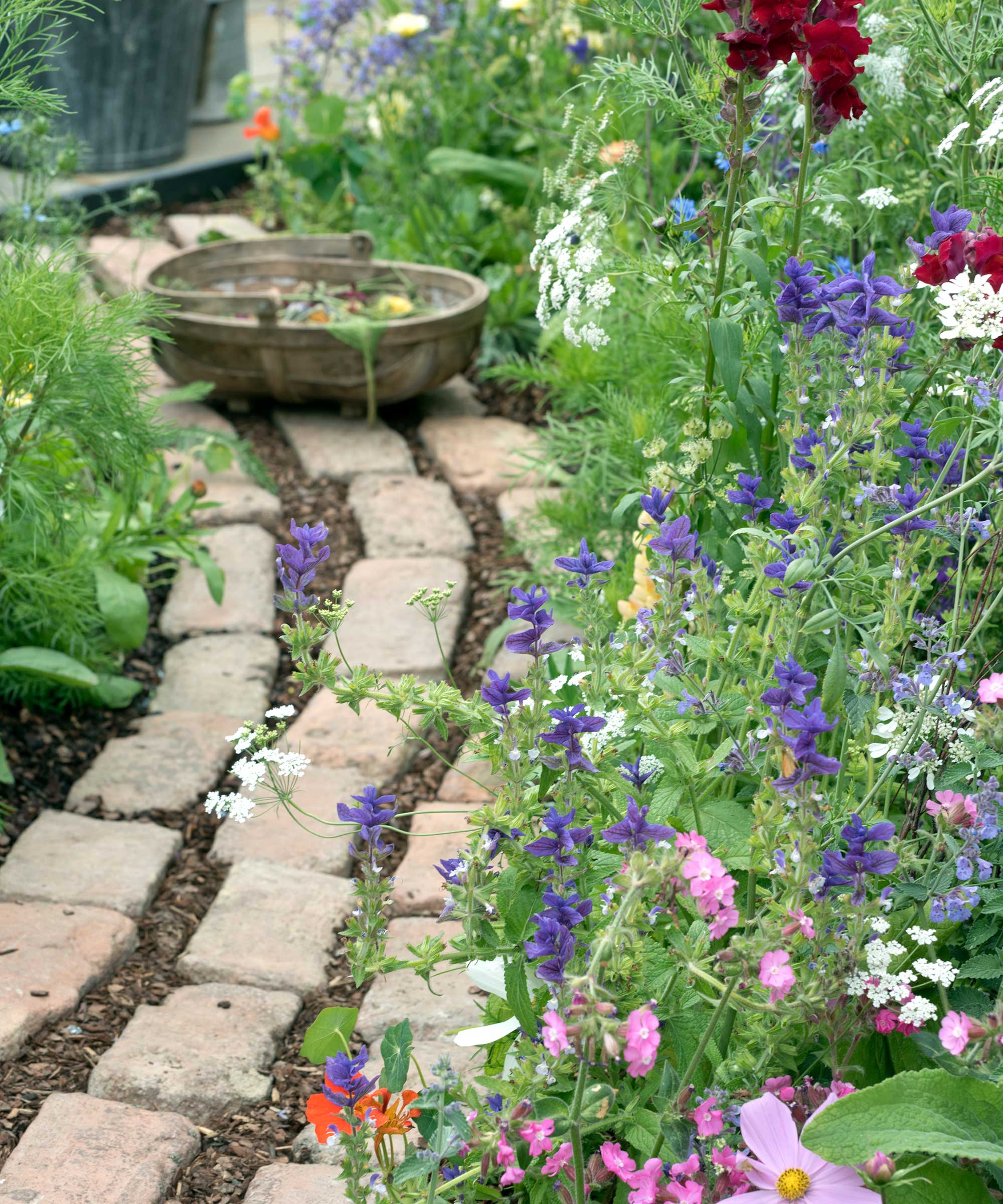
When furnishing the sensory garden, creativity and resourcefulness are encouraged. The aim is to include items that appeal to all of a dog's senses without necessarily incurring high costs. Suggestions include using reclaimed household objects or items found at thrift stores and garage sales. The focus is on creating a variety of textures and surfaces for exploration, such as clam shells for water or digging, pine-cones, bamboo, rocks, logs, and varied paths. Incorporating larger objects can also promote agility and physical exercise, helping dogs expend excess energy.
Integrating greenery is another aspect of a sensory garden, adding both aesthetic appeal and olfactory stimulation. It is crucial to select only pet-friendly plants to ensure the dog's safety. A list of suitable plants is available to guide owners in making safe and beneficial choices. The overall goal of a sensory garden is to provide a relaxing environment that reduces stress, allows dogs to interact with their surroundings at their own pace, and boosts their confidence. By engaging a dog's cognitive functions, these gardens contribute significantly to their overall well-being, allowing them to utilize their brain and explore their curiosity in a safe and stimulating environment. These gardens can also be visually appealing, offering benefits to human owners as well as their pets.
#DogCare #SensoryGarden #MentalStimulation #PetEnrichment #BackyardDesign #PetFriendlyPlants #CanineWellness #DogTraining #DogCare #SensoryGarden #MentalStimulation #PetEnrichment #BackyardDesign #PetFriendlyPlants #CanineWellness #DogTraining
0 комментариев всего
 Комментариев пока нет
Вам также может понравиться
This biophilic designer's secret to a more relaxing backyard will change how you think about your landscaping for good

This is What You Want Your Home to Smell Like for Good Feng Shui — 4 Scents To Boost Positivity at Home
The biggest wellness interior design trends for 2025

Home design is going to the dogs
How to Prep Your Home for a New Pet, According to an Interior Designer


10 Ways to Create a Wellness Yard

Purr-fect Design: Make your furry loved one feel right at home with your décor


What is a zen garden? This Japanese approach to design can turn backyards into calming sanctuaries


Pets play role in shaping luxury home design | Real Estate Millions | Homes

Over the Garden Gate: Zen gardens are therapeutic

Our Homes Have A Lot To Do With Mental Health — This Architect Is Sharing Ways To Make Yours Less Stressful

12 Best Humidifiers for Pet Parents in 2025


A landscaper's advice for making your backyard more peaceful — and the science behind it
Living doggy style: How to design a pet-suitable home?
Design Ideas: Solving Pet Peeves


How to use garden Feng Shui – the dos and don'ts for a relaxing retreat
How to Design a Meditation Room for Moments of Zen


15 Dog Products That are Fun and Functional, Without Sacrificing Style
These Dreamy Garden Rooms Are a Soul-Soothing Feast for the Eyes
Why You Need a Meditation Corner in Your Home—and How to Create One