1/2
‘Obsession’ with mid-century style leads to a Cedarville revelation
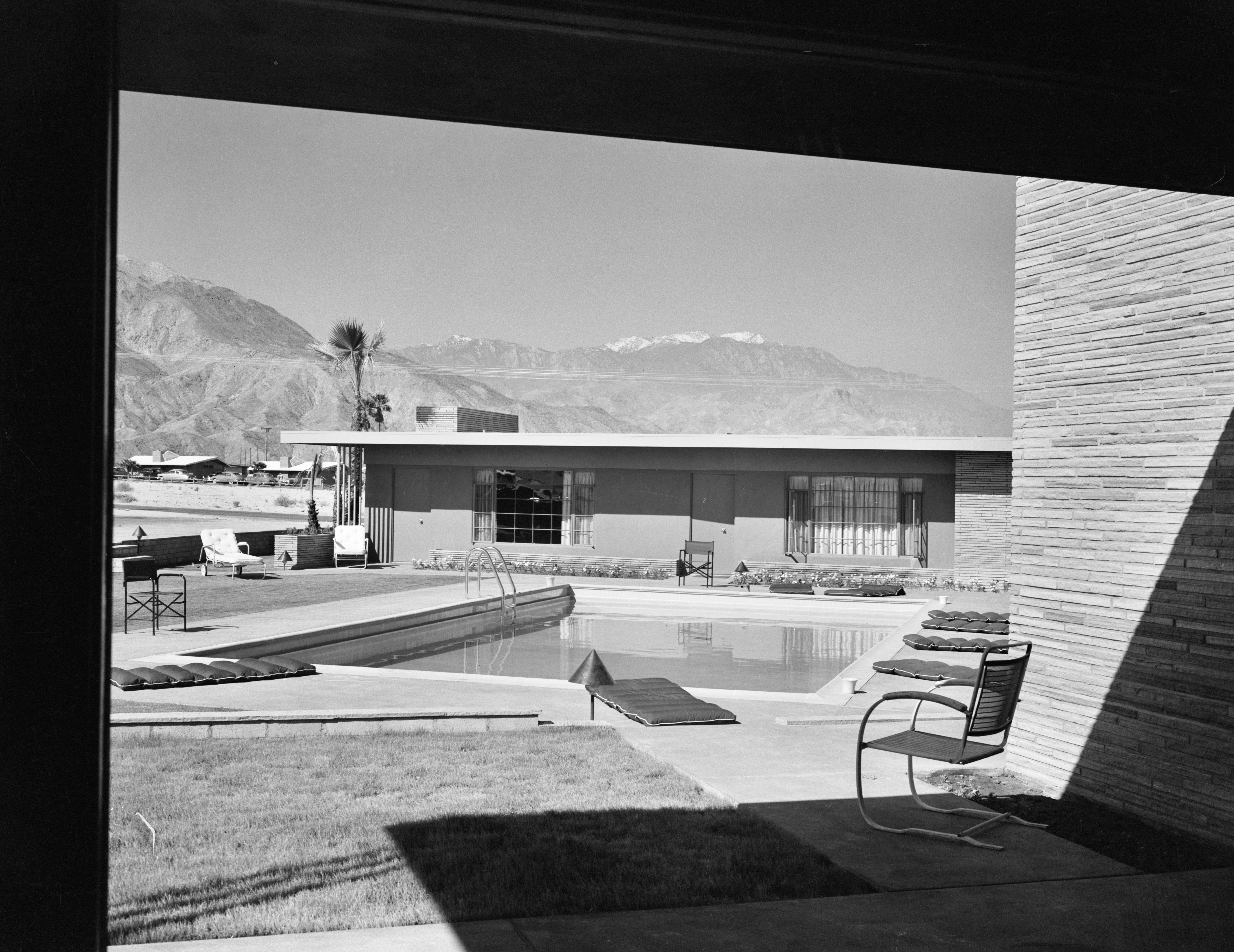
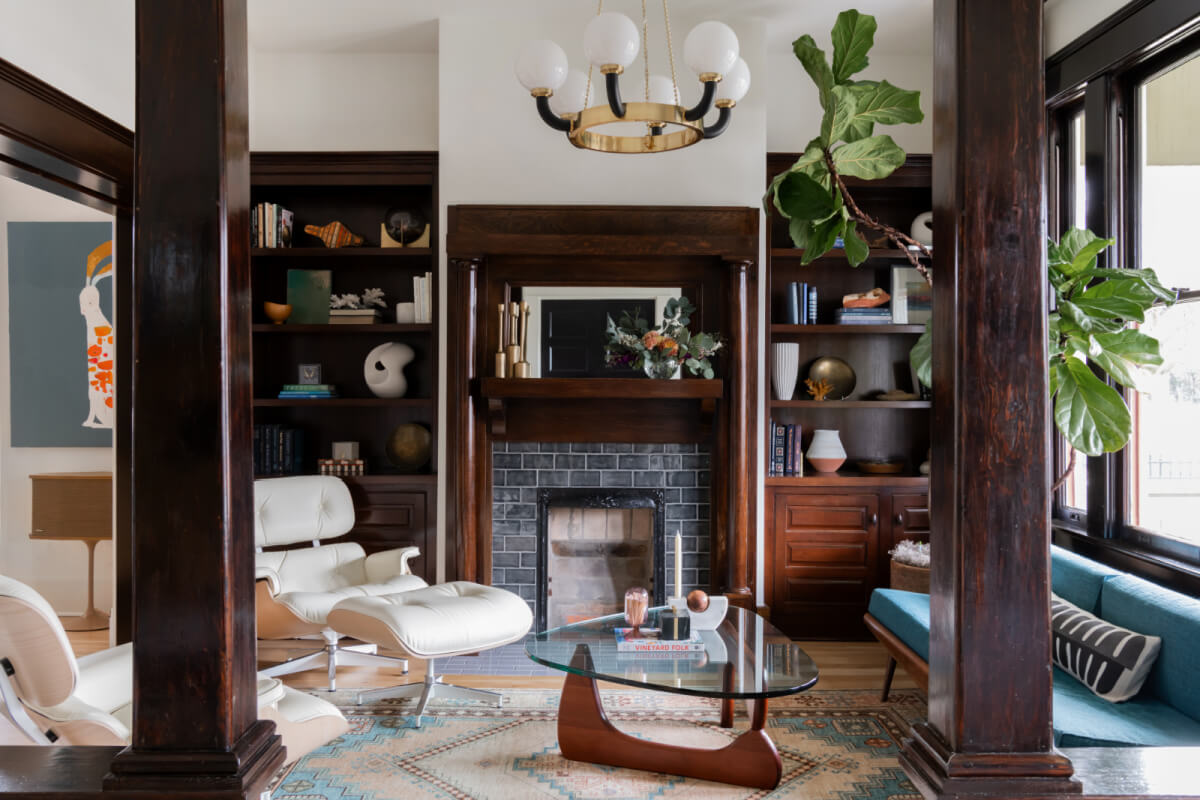
The author reflects on a personal journey of appreciating mid-century modern architecture, a style initially overlooked despite growing up in a home built by his grandfather in this aesthetic. The author's childhood home in North Plymouth, a one-story ranch, featured streamlined kitchen cabinets, a patterned vinyl floor, a pink tiled bathroom, and a birch-paneled living room, embodying typical 1950s mid-century modern interiors. However, the author and his parents did not fully appreciate this style at the time, leading to a remodel in the late 1970s that transformed the house into a Cape style, removing all mid-century modern elements. This remodel included adding a Cape-style roof, two bedrooms, and a bath, along with updating the kitchen with cherry cabinets, orange countertops, and avocado-colored appliances.
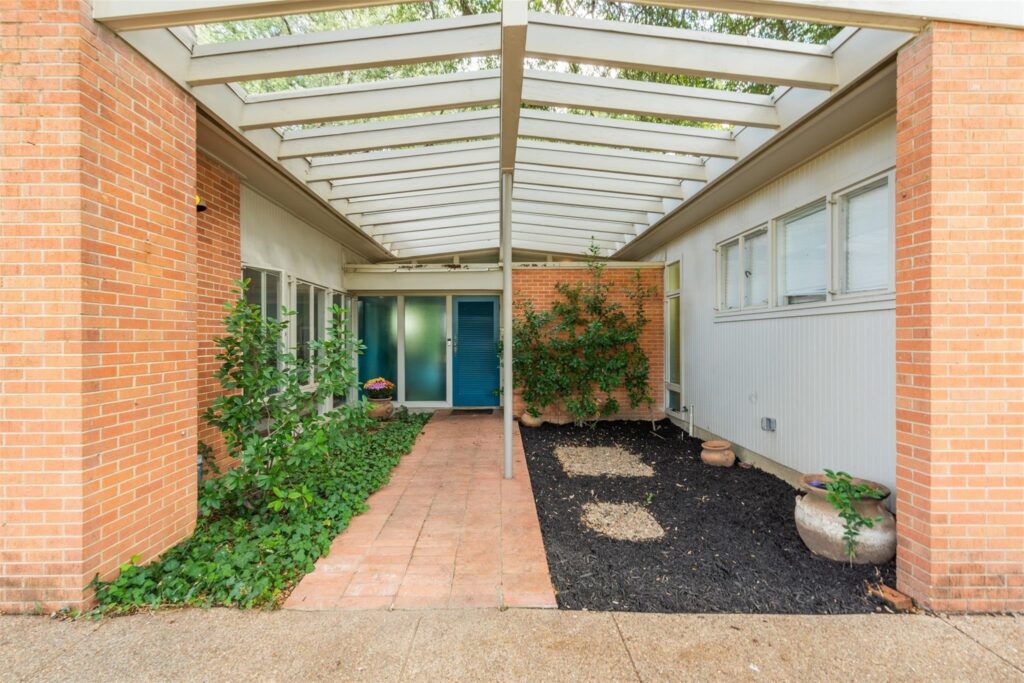
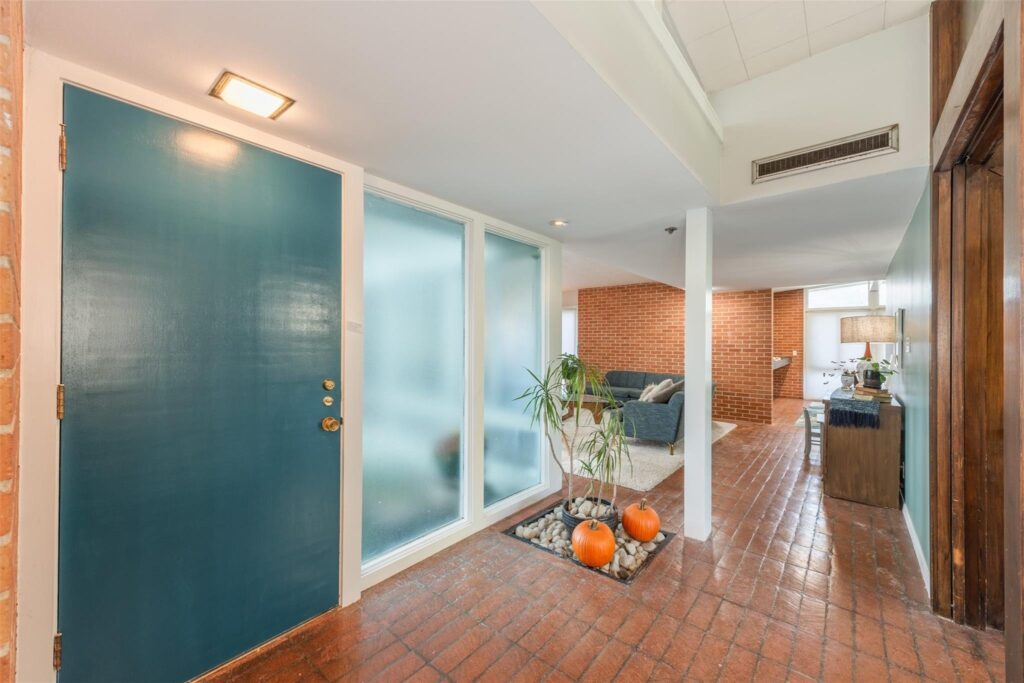
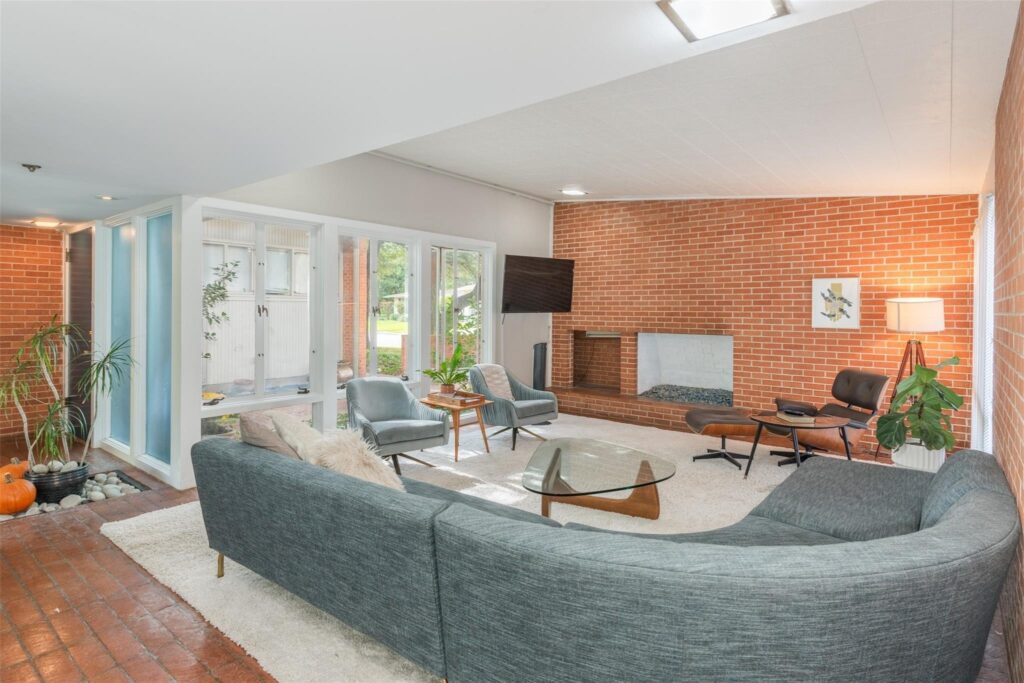
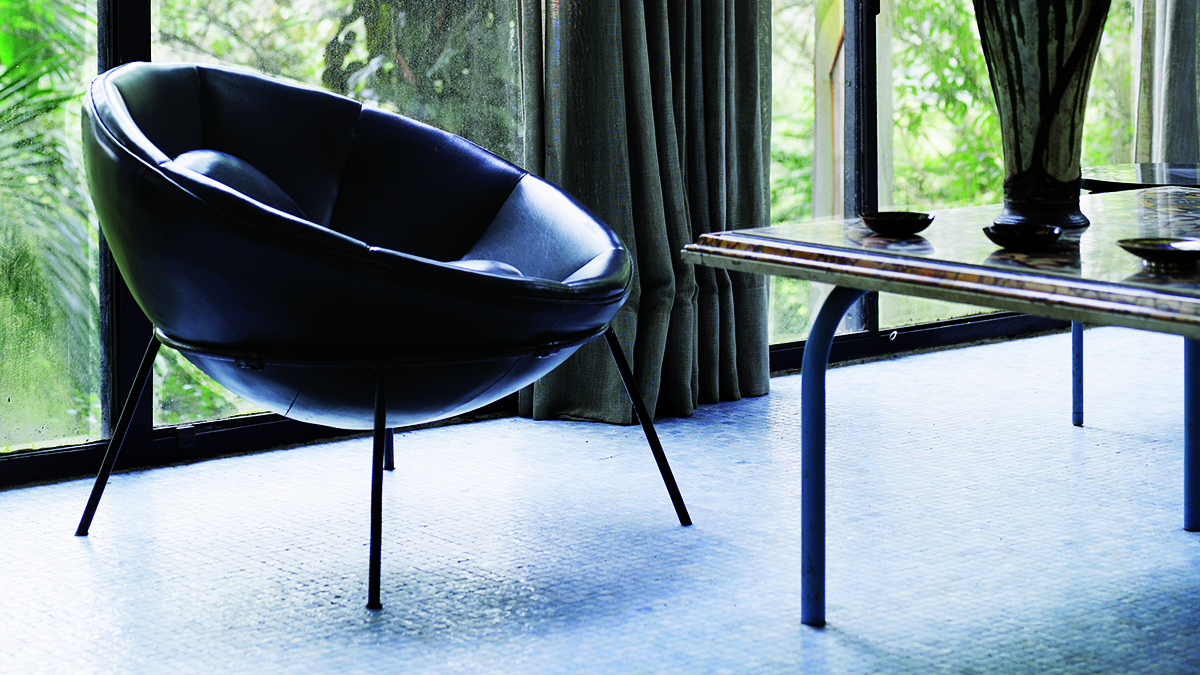
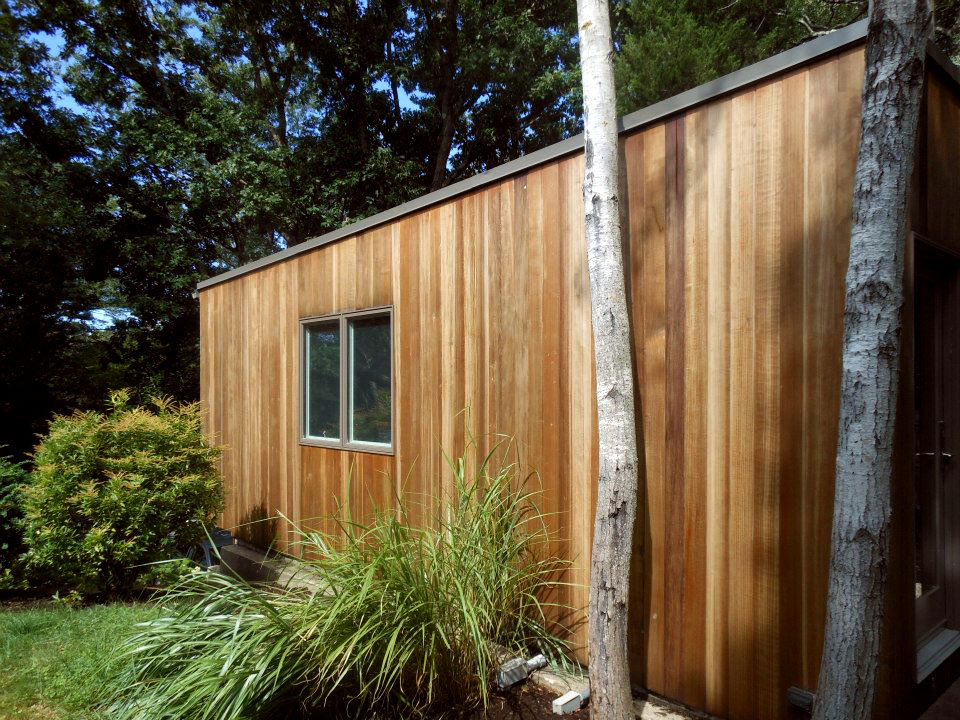
The author's perspective on mid-century modern design began to shift in 2018 when a house in Cedarville, near White Cliffs Country Club, came onto the real estate market. This particular home captivated the author with its distinctive features: a simple rectangular form with a mono-sloped roof, high, thin transom windows on the front, and extensive full-length glass walls at the rear. Inside, it retained original flagstone flooring and turquoise-colored appliances, creating a sense of a preserved time capsule. This discovery ignited an obsession, leading the author to realize that many homes in the Cedarville subdivision were, in fact, mid-century modern.
Prompted by this realization, the author embarked on a quest to uncover the history behind these Cedarville homes, seeking information about their designers, planners, and builders. Initial searches through town records and mid-century modern websites yielded limited success. The breakthrough came from a Facebook post on the "Plymouth Remembering When" group, which garnered over 140 responses and provided crucial details. The land for Cedarville Landing was acquired in 1937 by Louis and Adelina Cavicke from Boston's North End. Development plans were delayed by World War II but resumed in the 1950s, leading to the creation of Cedarville Landing, a subdivision featuring homes designed by a Cambridge architect and offering modern amenities for the time. While the architect's name remains unknown, approximately a dozen homes were built in various styles and sizes, many of which still stand today, some preserved and others remodeled.
The most significant revelation came during a conversation with the author's uncle, who disclosed that the author's grandfather, George Fornaciari, was the original builder of these Cedarville homes for the Cavicke family. This connection brought the author's mid-century modern journey full circle, highlighting the deep personal ties to the architectural style. The article concludes with the author's ongoing fascination with residential architecture, from 18th-century Capes to 20th-century bungalows and mid-century modern ranches, underscoring how age and experience can foster an appreciation for aspects of one's past. The author, Bill Fornaciari, an architect specializing in residential work and historic preservation, continues to advocate for the appreciation of rare mid-century homes in Plymouth.
#MidCenturyModern #ArchitecturalHistory #CedarvilleHomes #PlymouthArchitecture #ResidentialDesign #ArchitecturalStyle #LocalHistory #HomeRenovation #MidCenturyModern #ArchitecturalHistory #CedarvilleHomes #PlymouthArchitecture #ResidentialDesign #ArchitecturalStyle #LocalHistory #HomeRenovation
0 комментариев всего
 Комментариев пока нет
Вам также может понравиться
4 Steps To A Cleveland-Themed Gallery Wall

8 Antique Pieces That'll Increase in Value in 2025, According to Experts

House Confidential: Judge Jason Downer’s Home Restored
The Jazz Age: American Style in the 1920s can inspire a bit of the Roaring 20s in our own homes
"Mid-century modern is classic, it's never going away" says Cara Greenberg
The Daily Heller: Defining Midcentury Modernism, A–Z

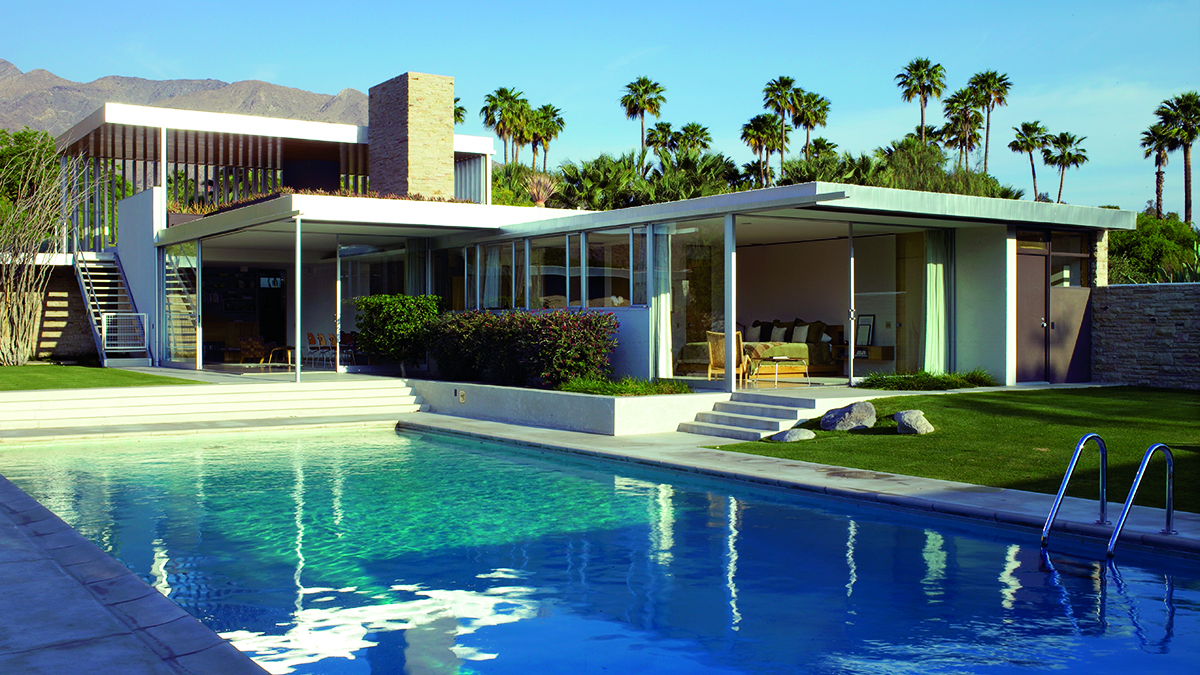
The enduring appeal of Mid-century Modern

Southwest Florida's Most Stylish New Home Shops 2025
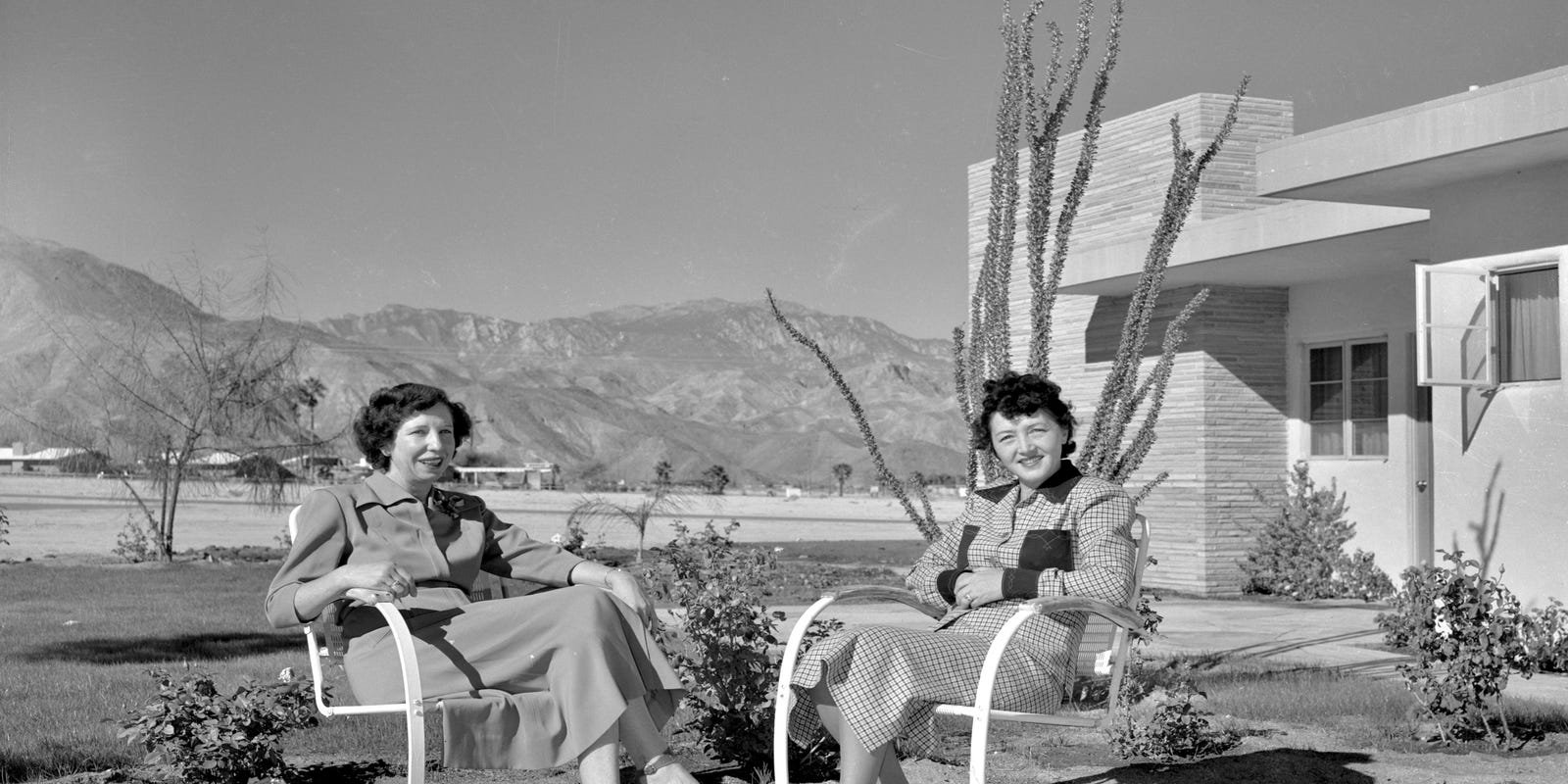
Mid-century modern history in Palm Springs area
My Meet -Cute with Furniture and Interior Designer Robert Marinelli
The Novelty and Excess of American Design During the Jazz Age

"I love mid-century modern but it makes me sad"

Instagram’s Favorite Furniture Style Has an Uncomfortable History
This 1950s Los Angeles House Blends ‘Mad Men’ Style and Modern Functionality
Why Mid-Century Modern Interior Design Continues to Reign Supreme
Decor Goals: This Nashville Home's Green Kitchen Cabinets!

Candace Wheeler (1827–1923)
Don’t Sleep on This Incredible Tanglewood Midcentury Modern With a Case of The Blues

Shop Our Editors’ 13 Favorite Locally Owned Home Decor Shops

A Riverdale Revival