1/8
Kitchen wall tile ideas - designer ways to add extra depth and style to your scheme
This article explores various kitchen wall tile ideas, emphasizing how this finishing touch can significantly impact a kitchen's aesthetic and functionality. It provides expert advice and design tips to help homeowners and designers navigate the vast array of tiling options, balancing style with practical considerations like resistance to splatters, splashes, and heat. The piece highlights that while tiles are traditionally used for functional purposes, such as backsplashes, their potential extends to creating architectural interest across entire walls.
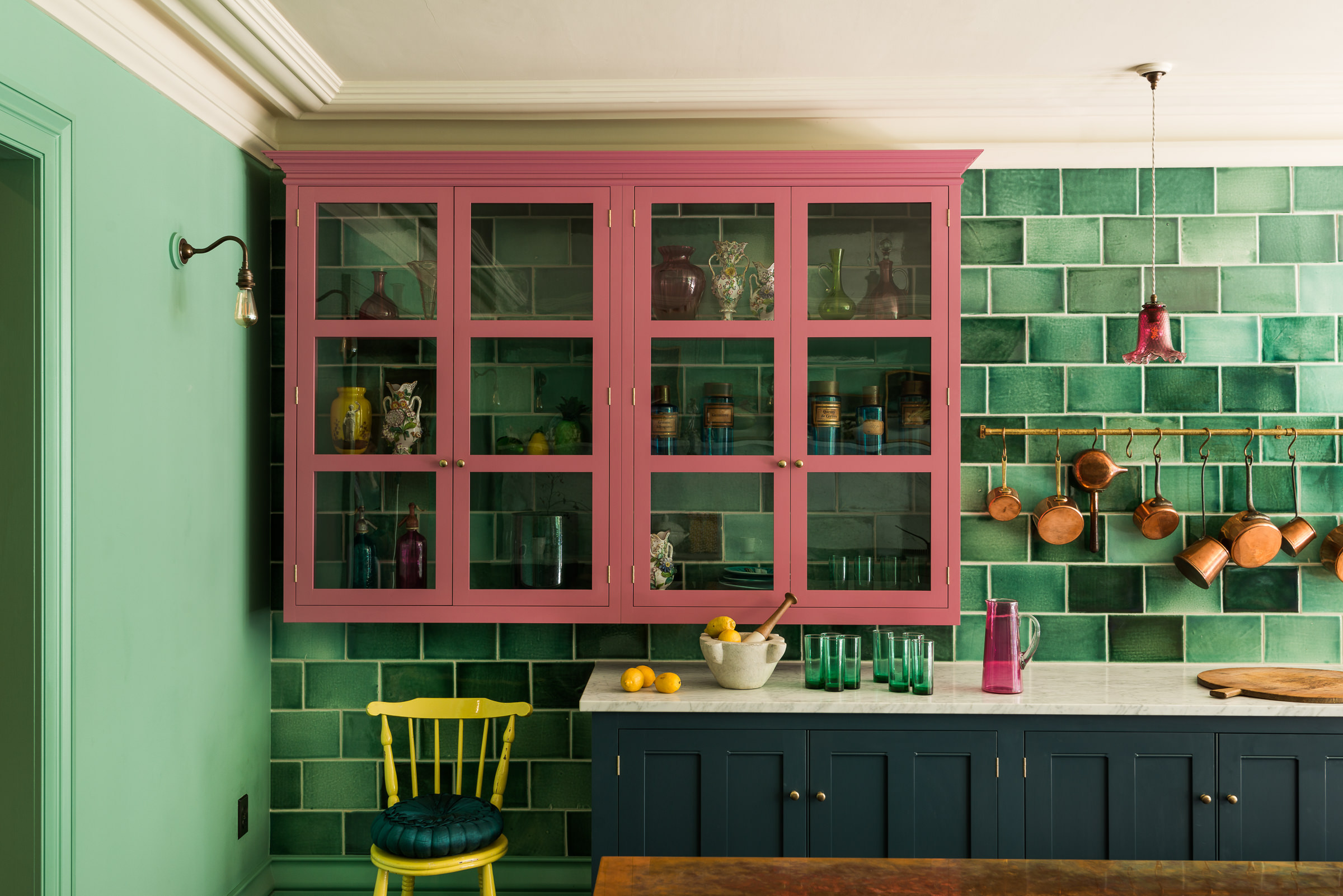
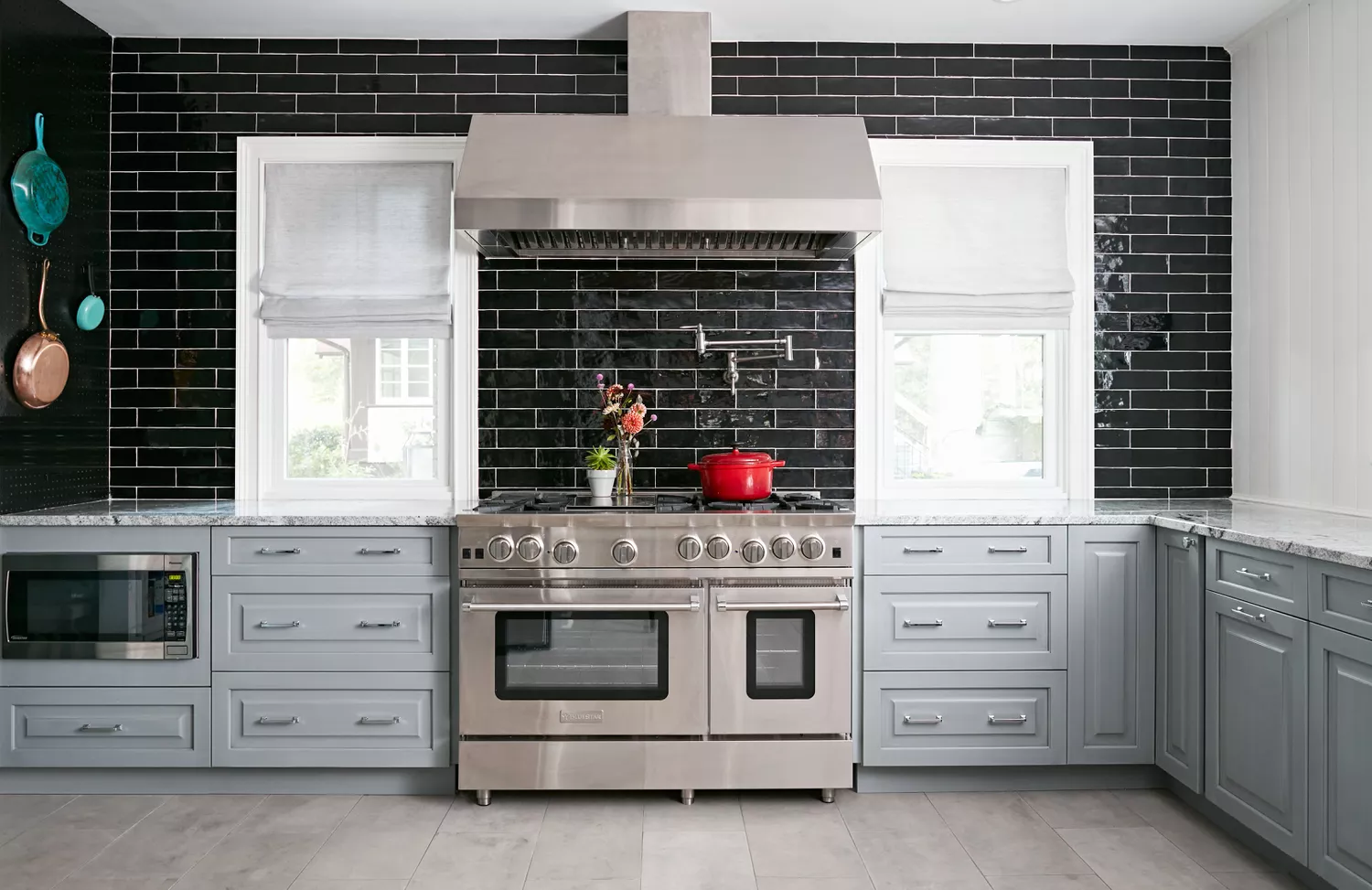
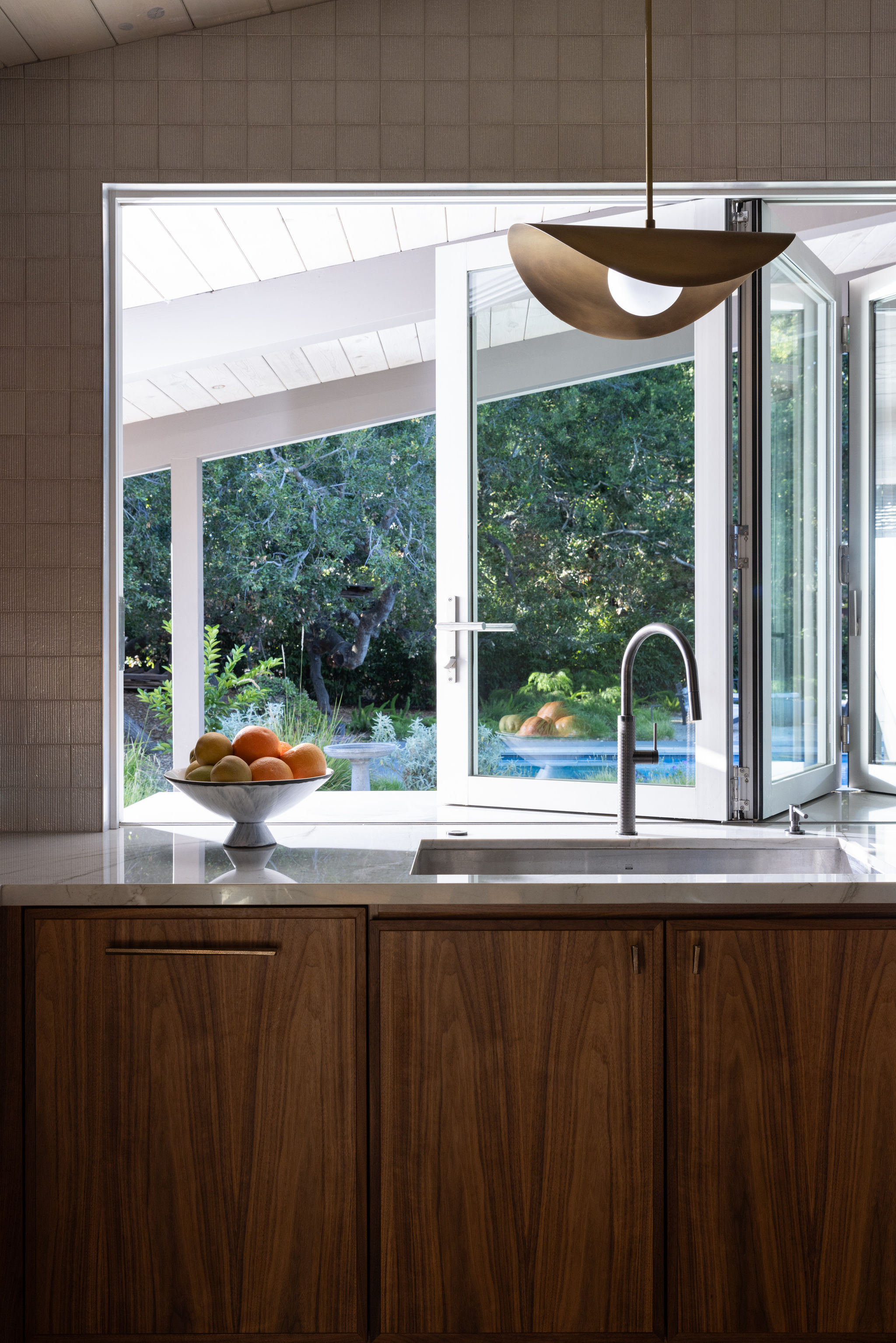
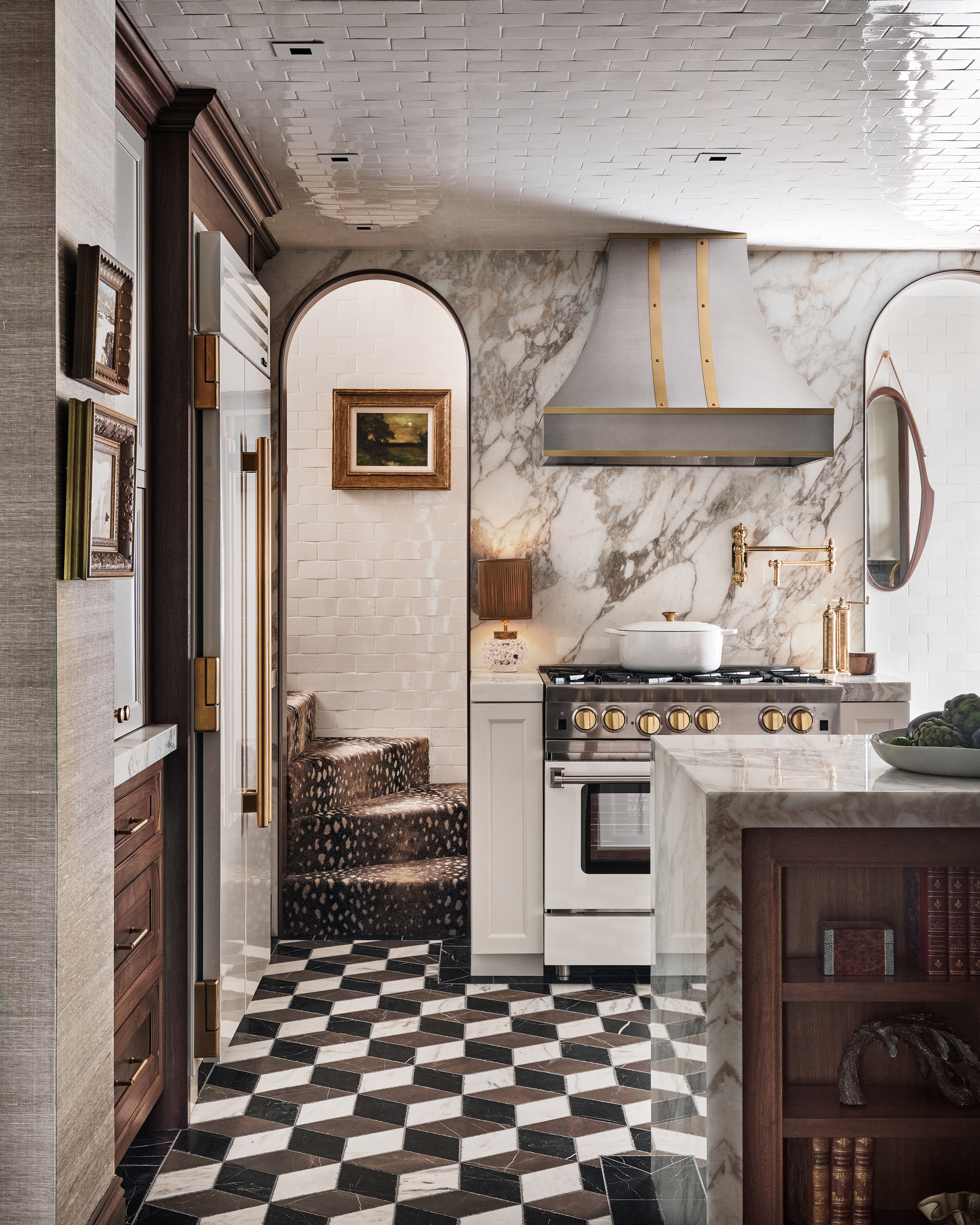
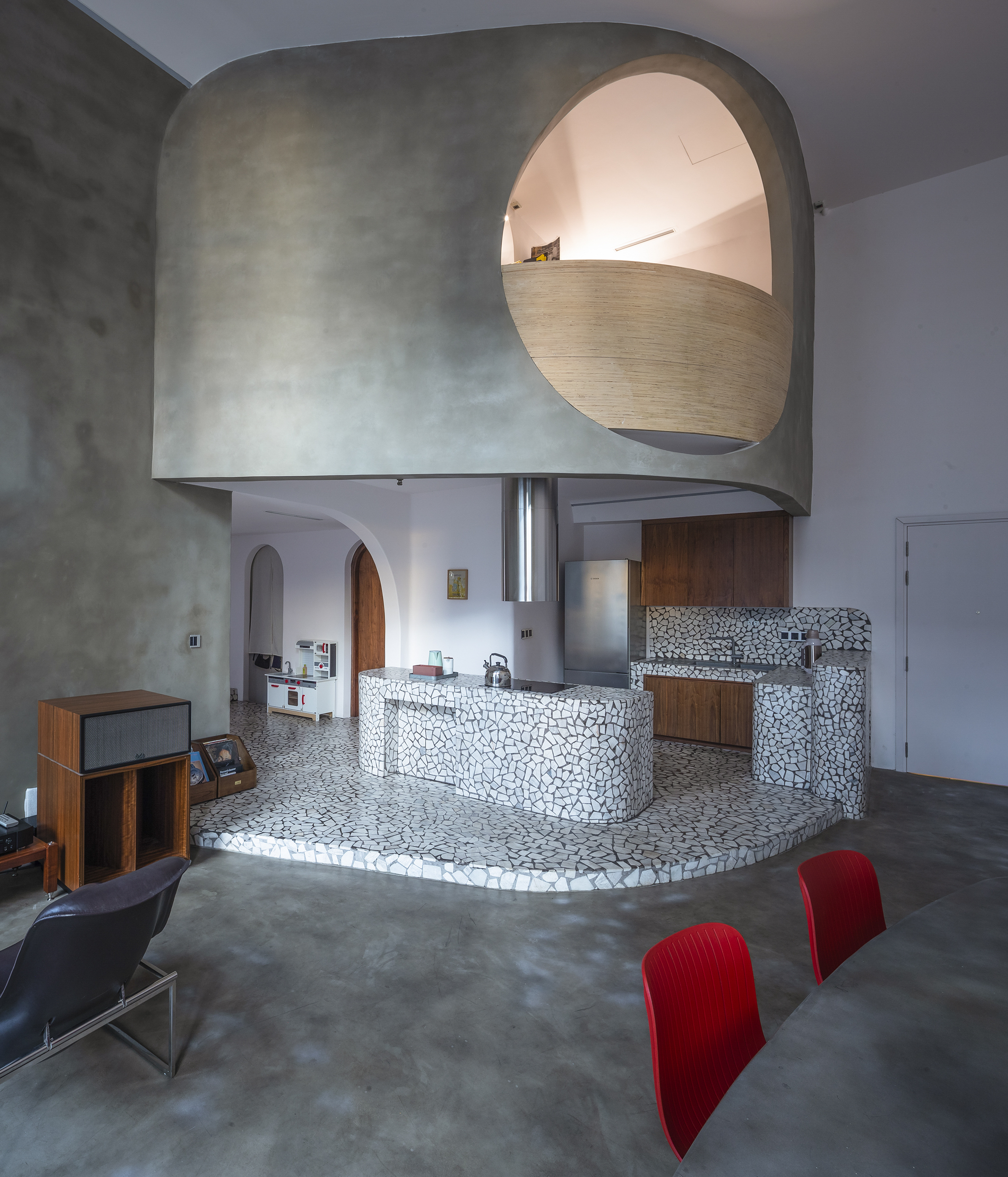
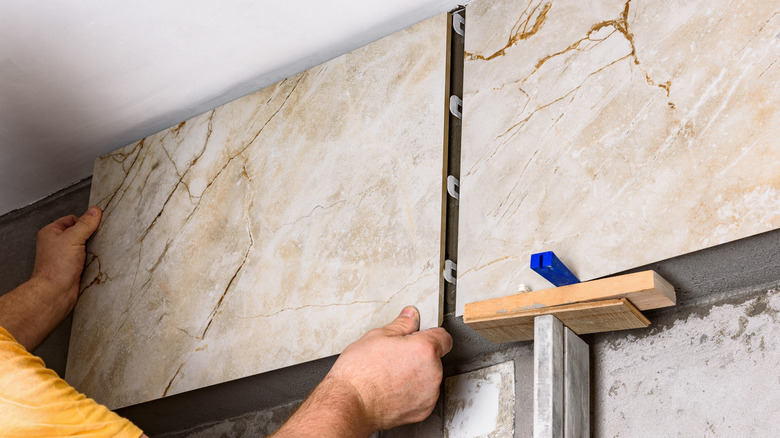
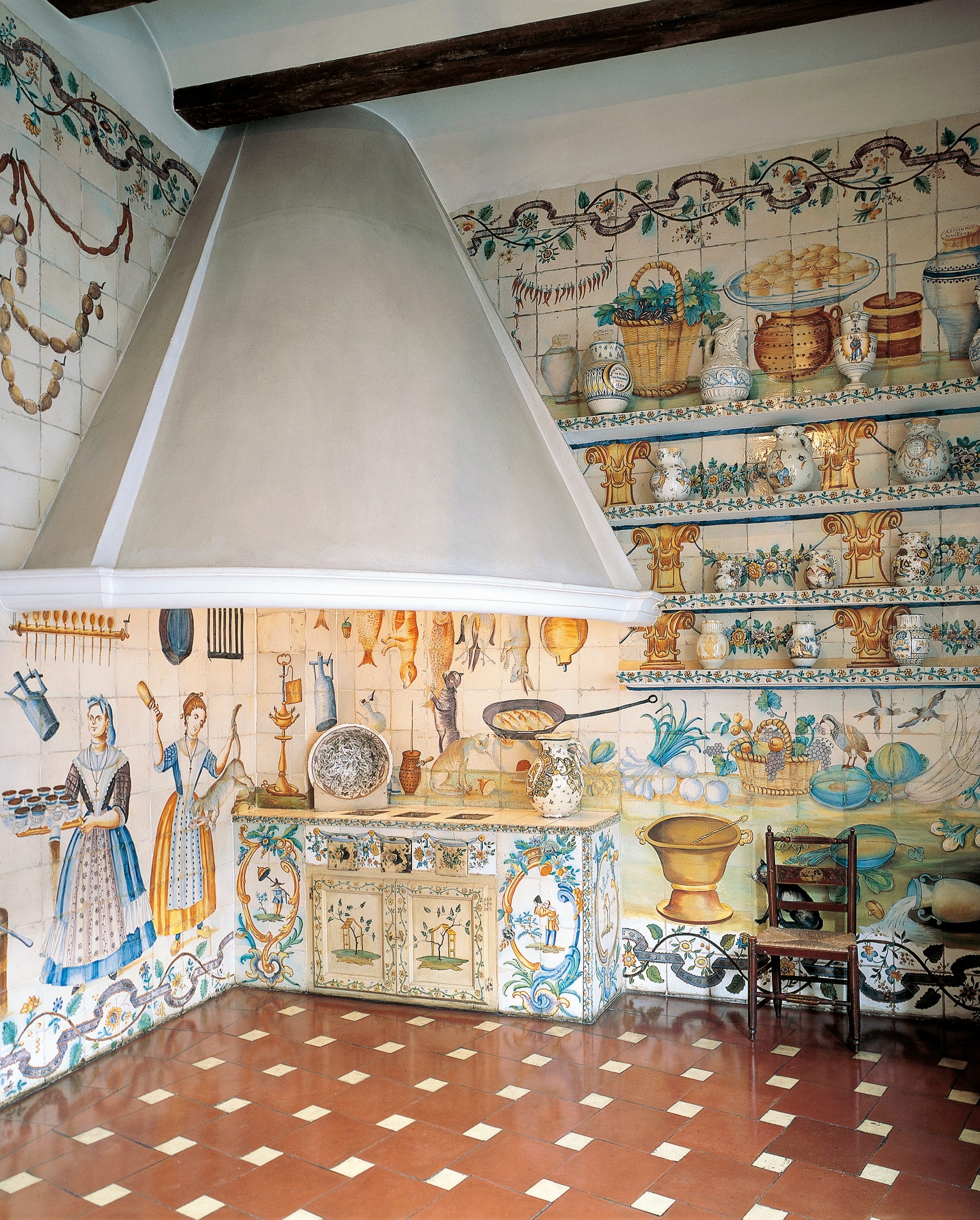
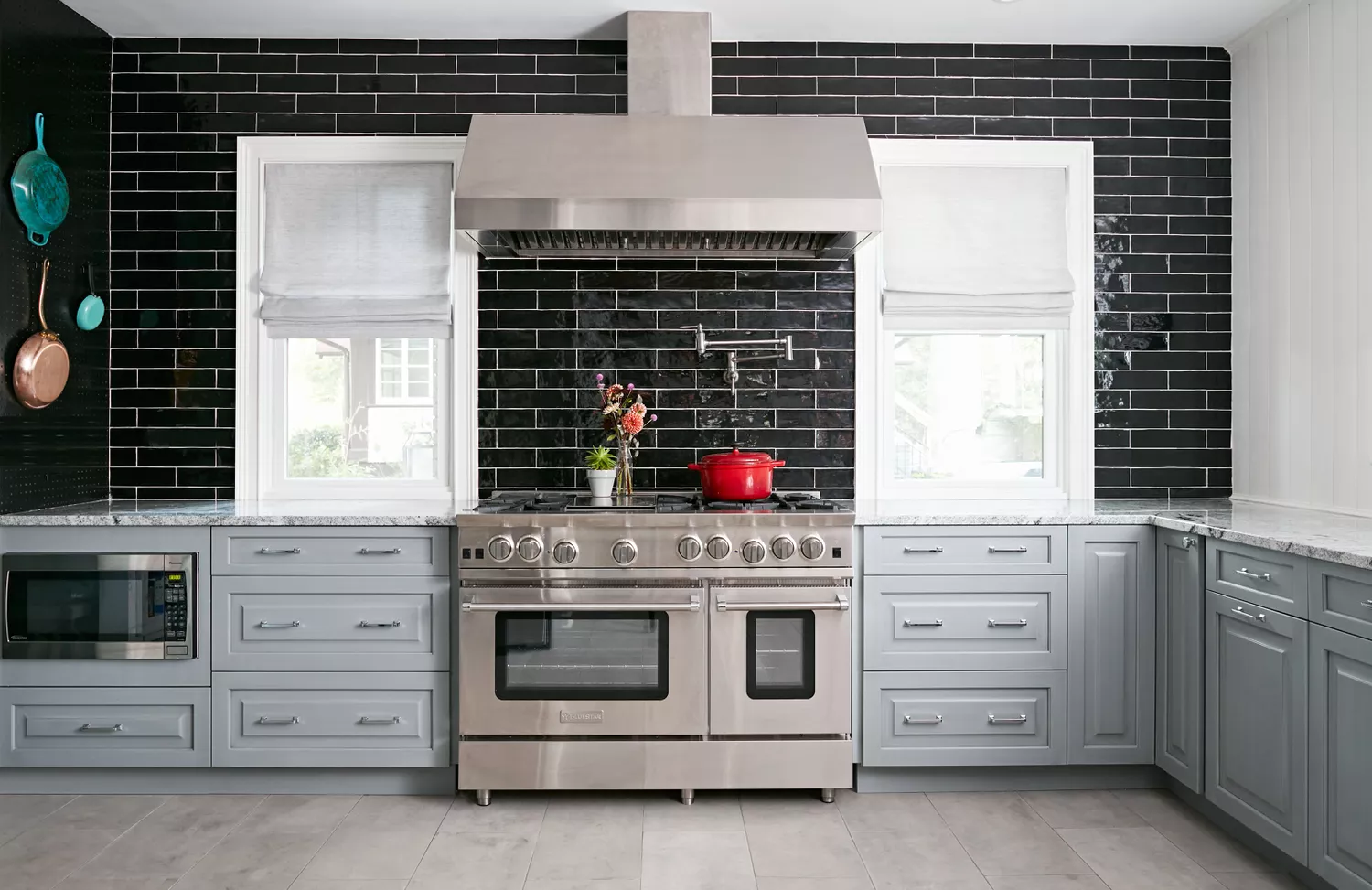
One key design strategy discussed is tiling up to the ceiling. This approach, exemplified by HÁM Interiors, transforms tiles into a prominent design element, creating a striking visual break from painted walls and adding a utilitarian feel. Tiling to the ceiling also has the practical benefit of making a room appear taller and more spacious by drawing the eye upwards, an effect particularly useful in smaller kitchens or those with high ceilings.
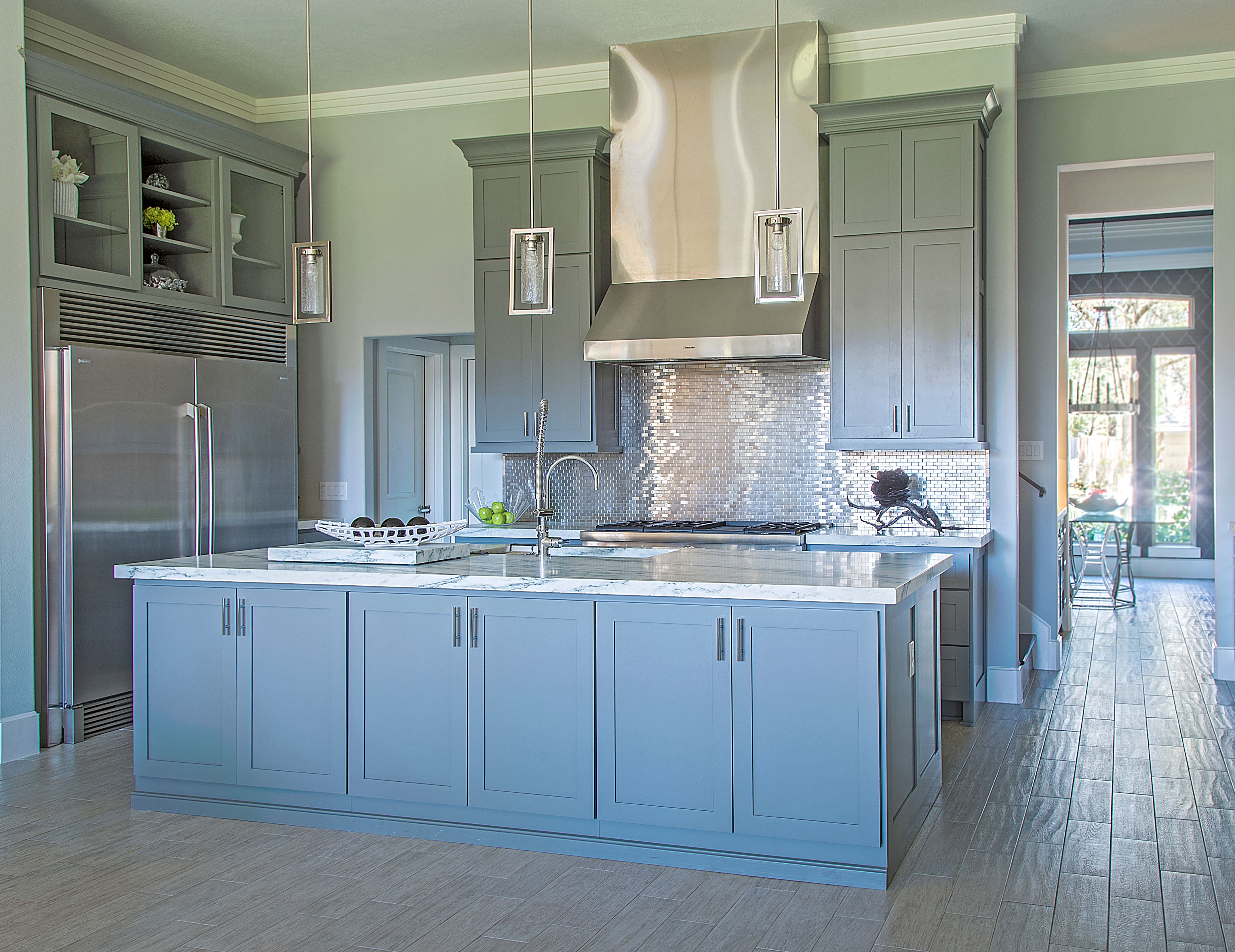
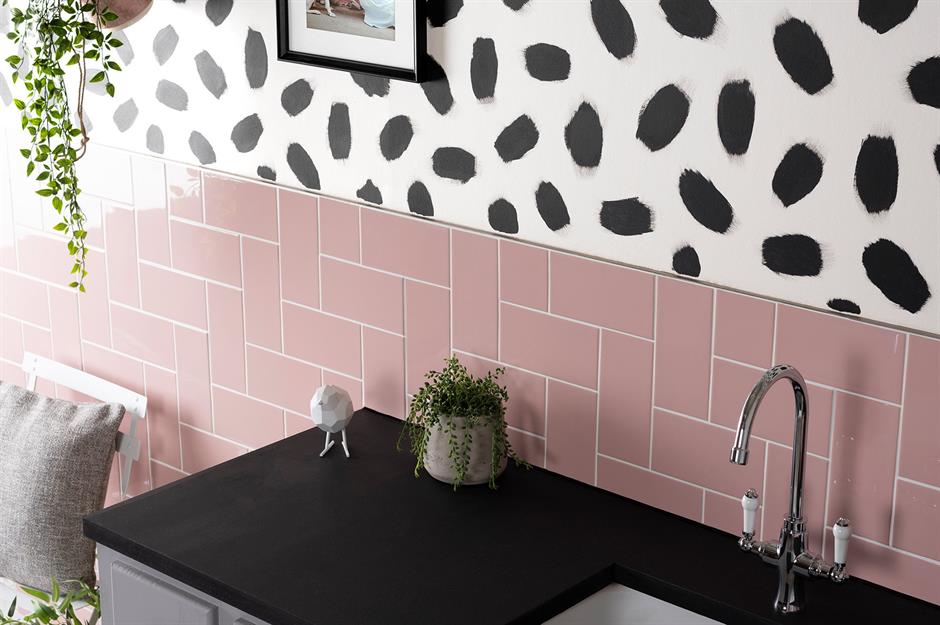
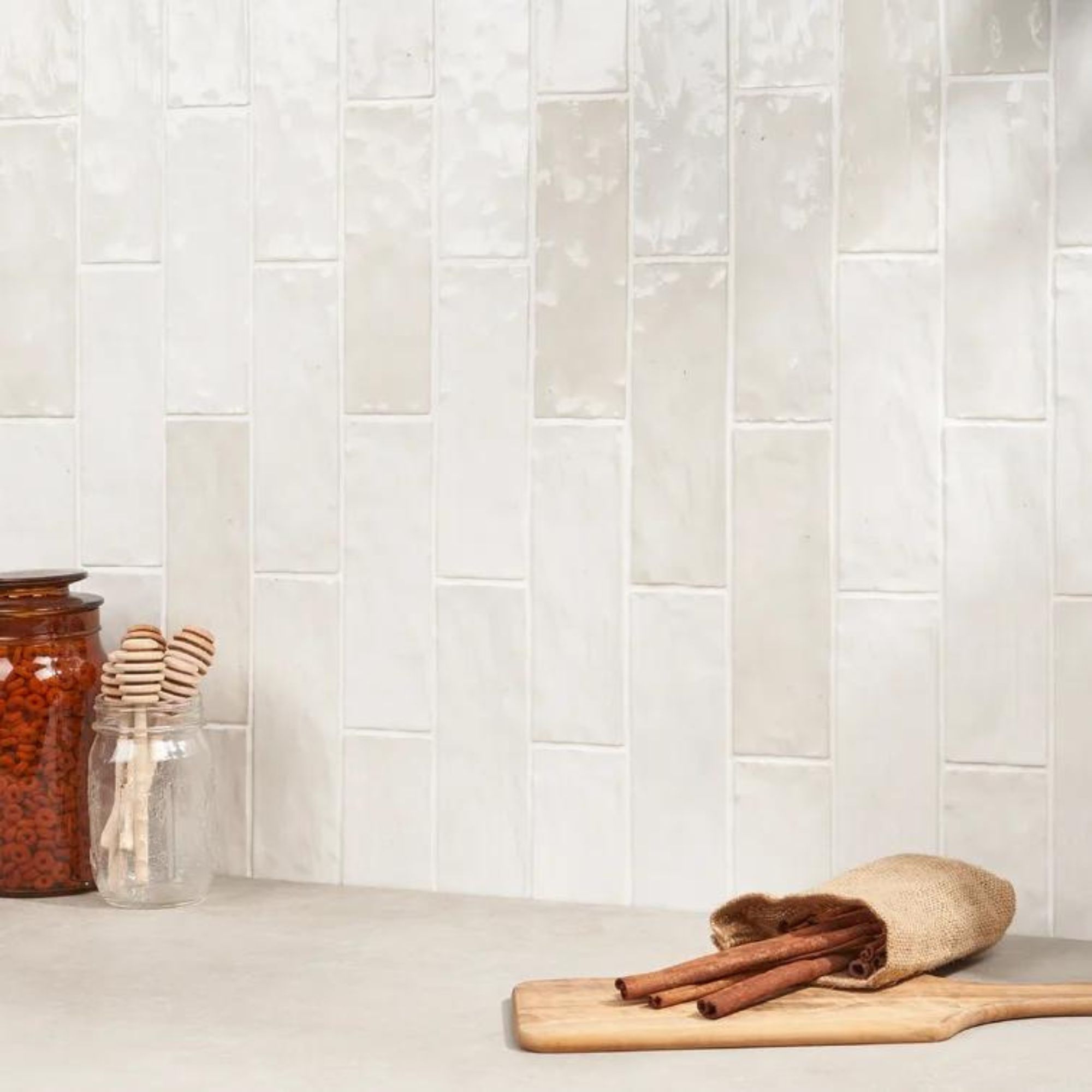
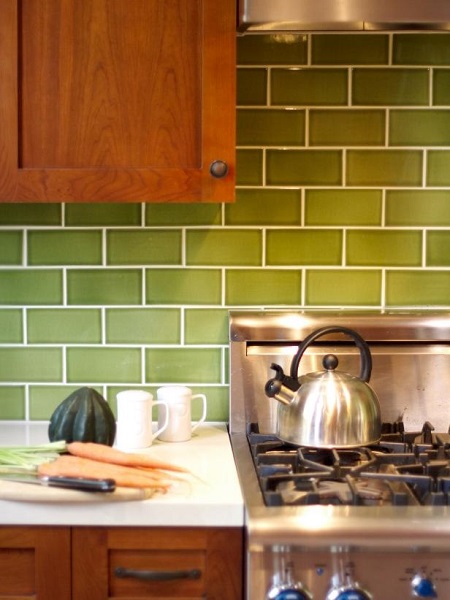
The article also covers integrating tiles around an existing backsplash. For kitchens with high ceilings or slanted walls, extending tiles beyond the traditional backsplash area can fill empty spaces, adding layers of texture and color. Hayley Robson of Day True suggests that the shape of the tile and the laying pattern can significantly influence the room's perception, with vertically stacked subway tiles, for instance, elongating the kitchen's appearance.
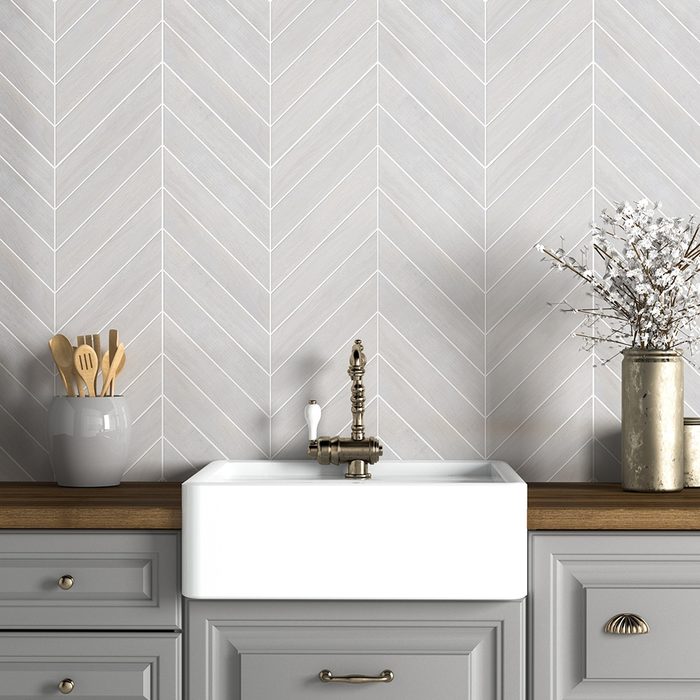
Experimenting with laying patterns is another crucial aspect. Beyond the tile's color, pattern, and material, how tiles are arranged can drastically alter the final look. Laying patterns can be vertical, horizontal, or diagonal, and can be used to highlight specific features, such as an oven. Betsy Kasha of Kasha Paris illustrates this by changing the direction of white tiles and adding cobalt blue accents behind a La Cornue oven, making it a focal point in an otherwise simple kitchen.
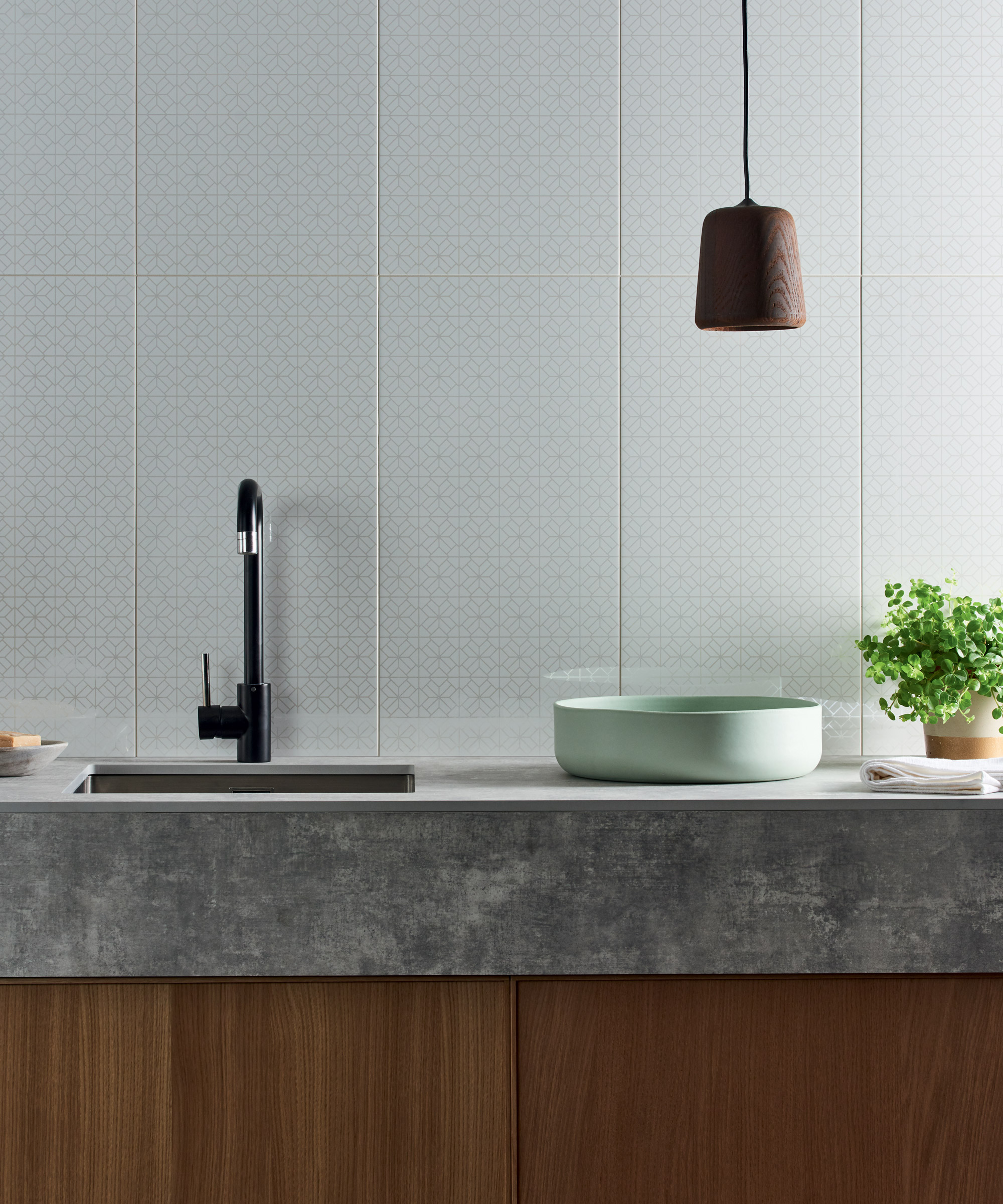
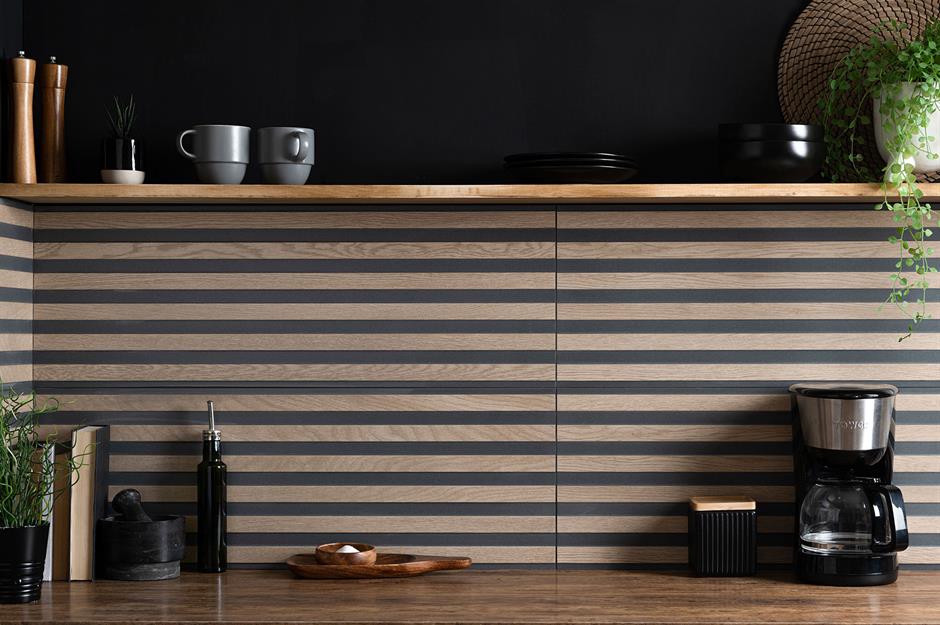
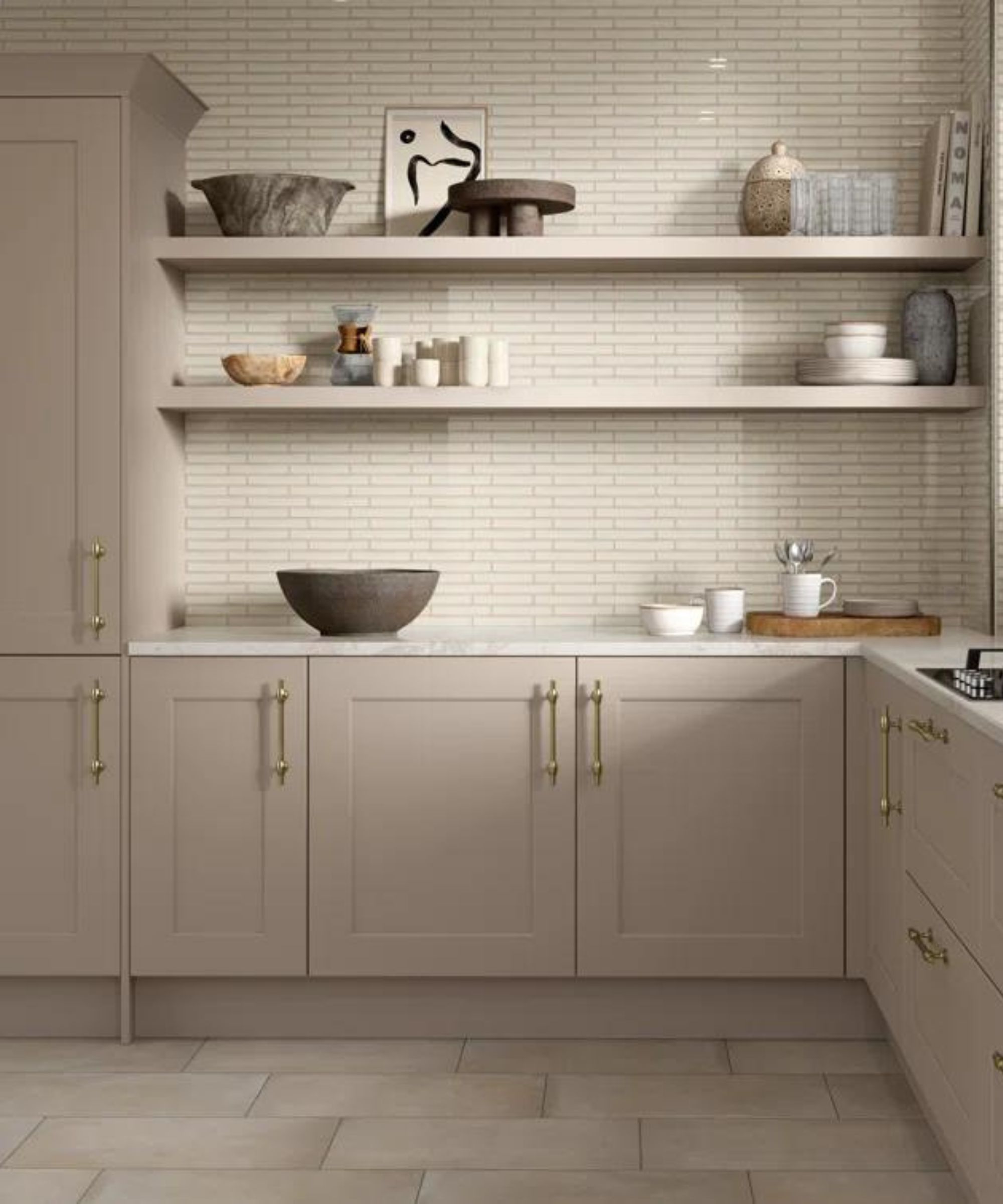
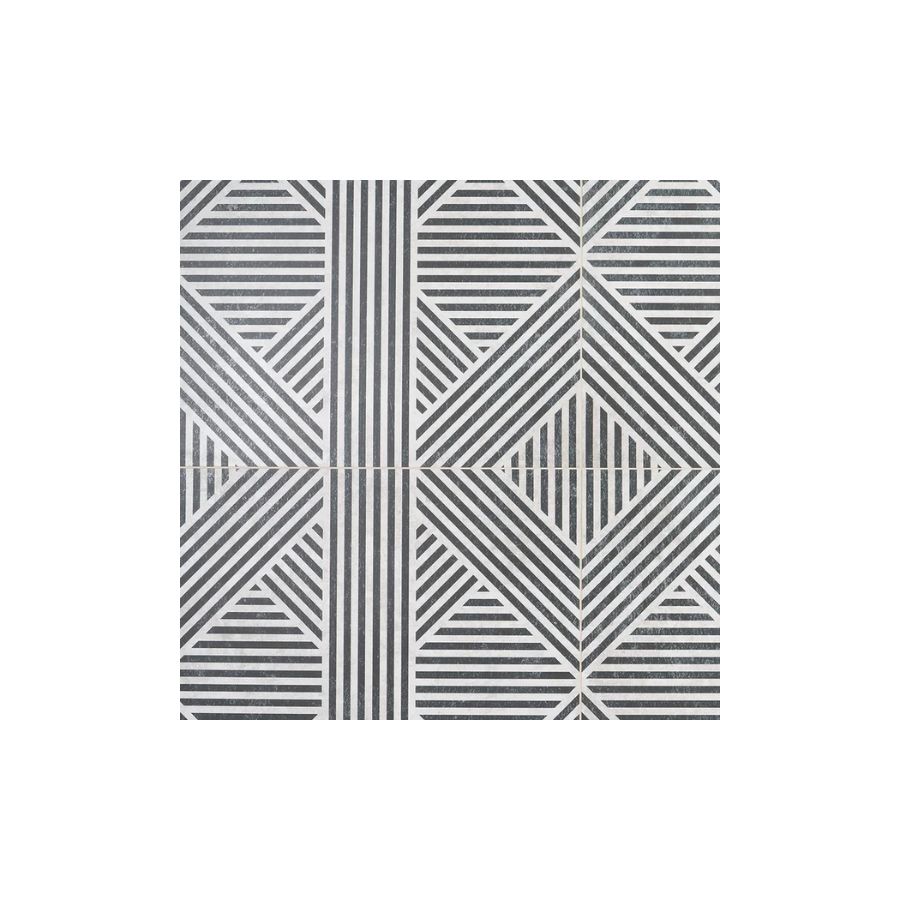
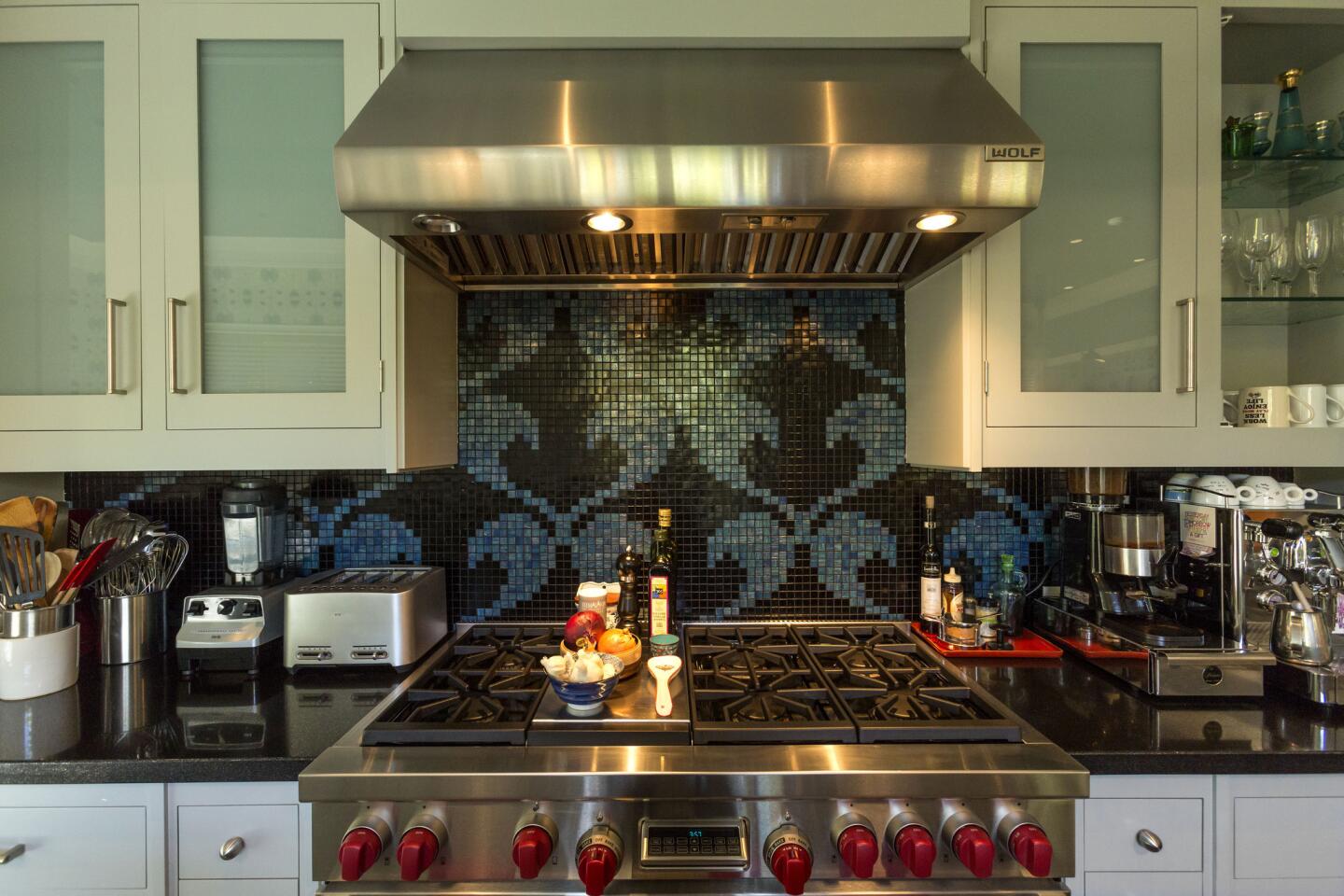
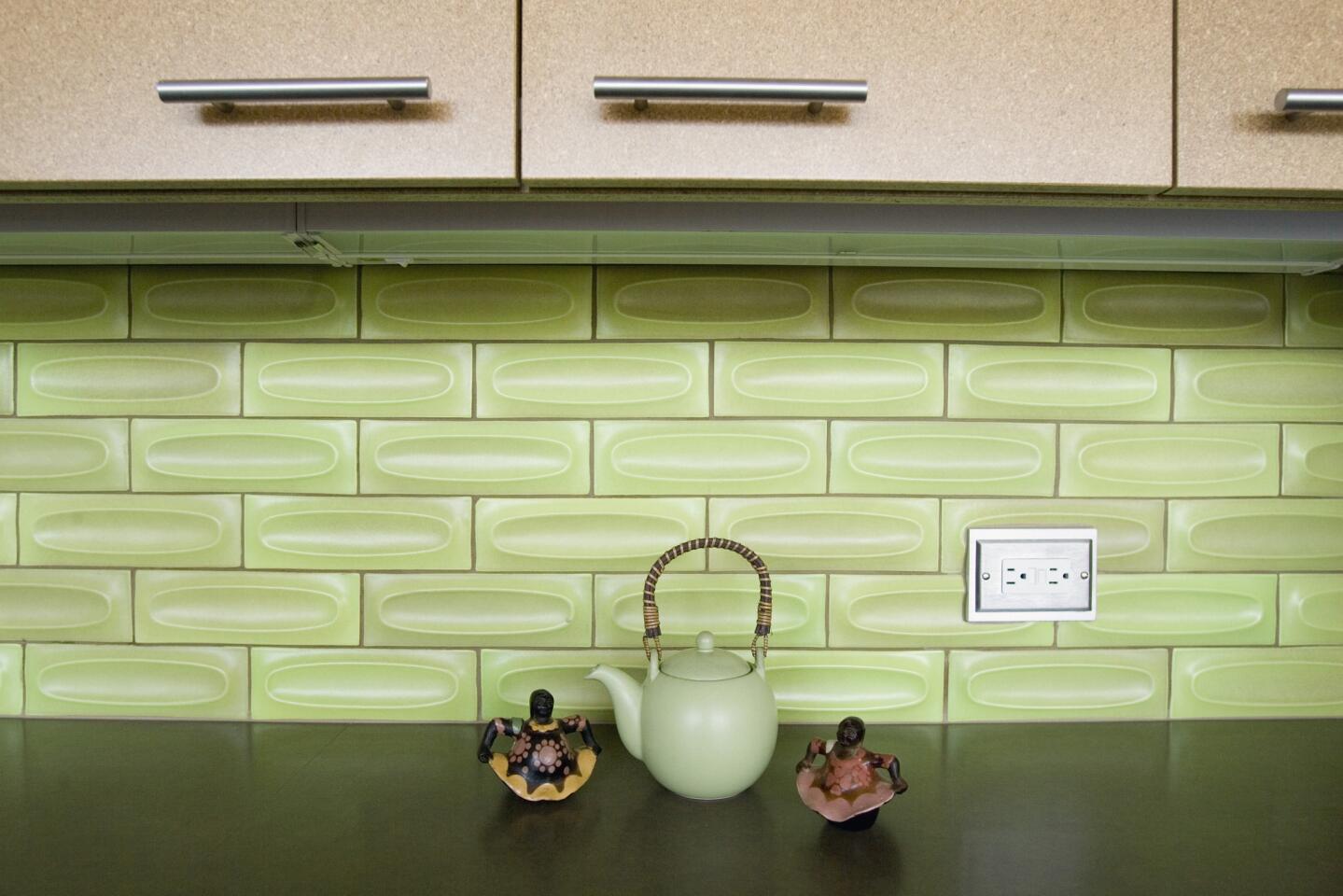
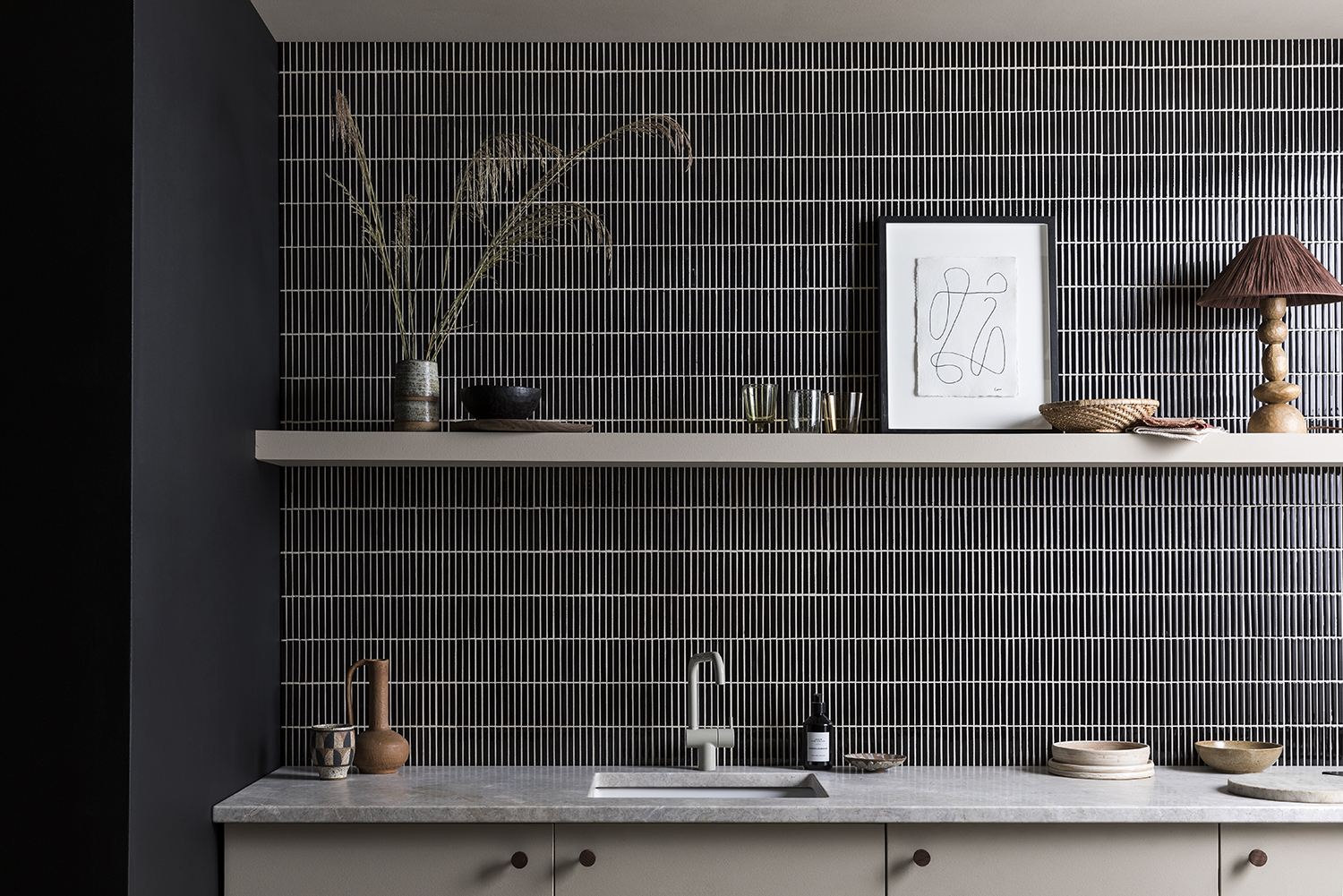
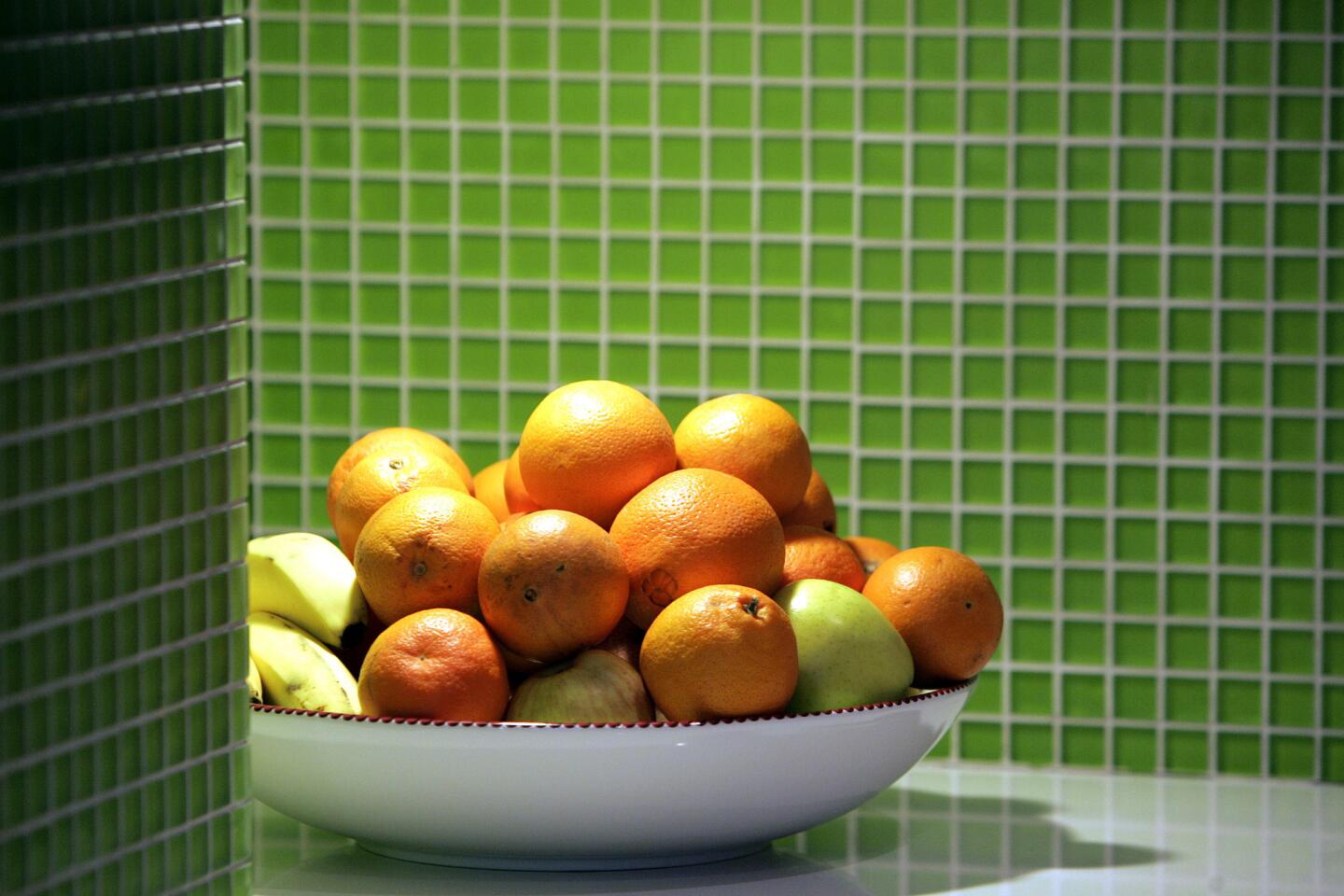
Playing with scale is presented as a method to narrow down tile choices. Both small and large tiles offer distinct advantages; larger tiles can make a space feel more expansive, while smaller tiles add texture and character. The article showcases how narrow, dainty tiles can introduce visual interest and contemporary style to an architecturally simple room, especially when reflective surfaces are used to bounce light.
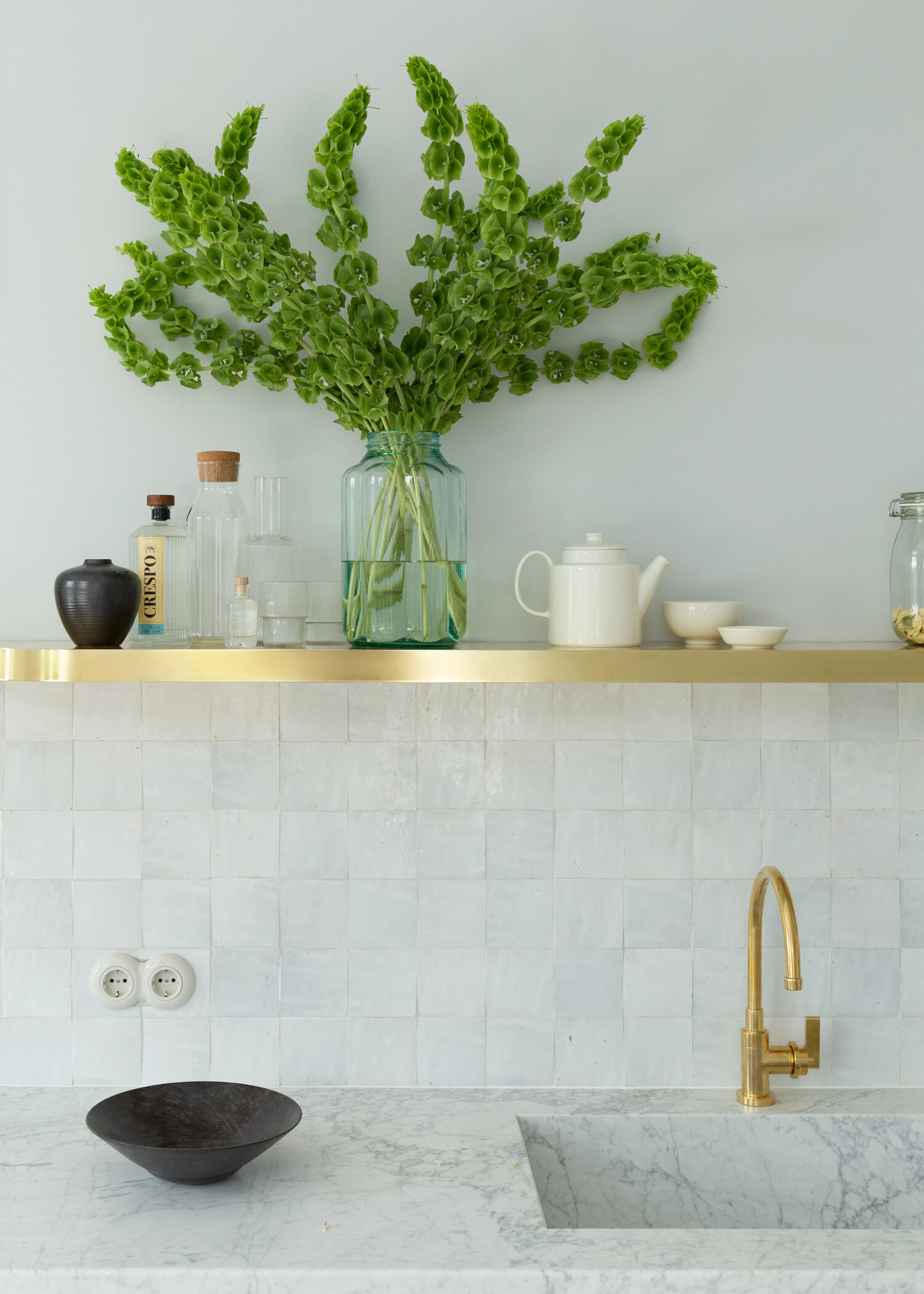
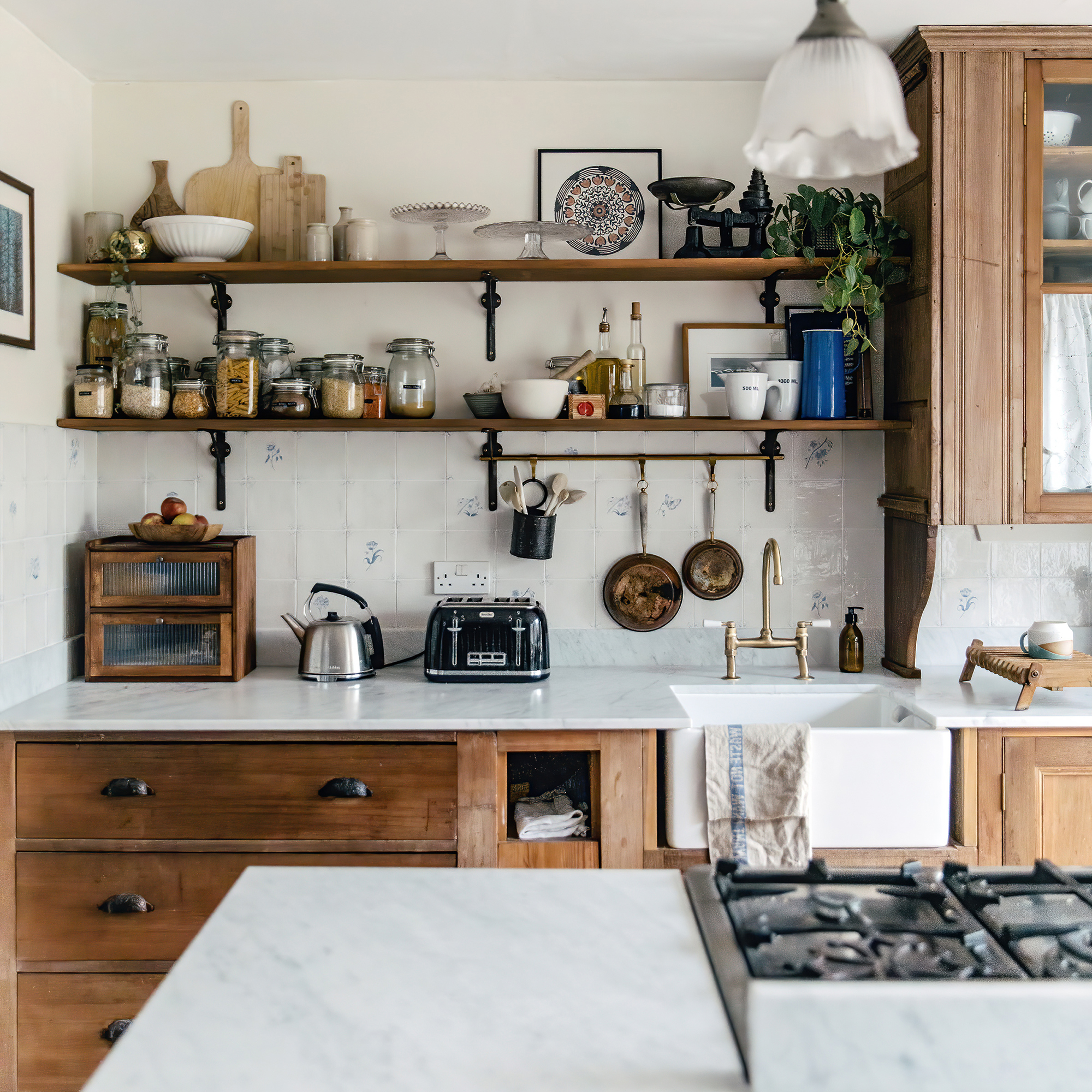
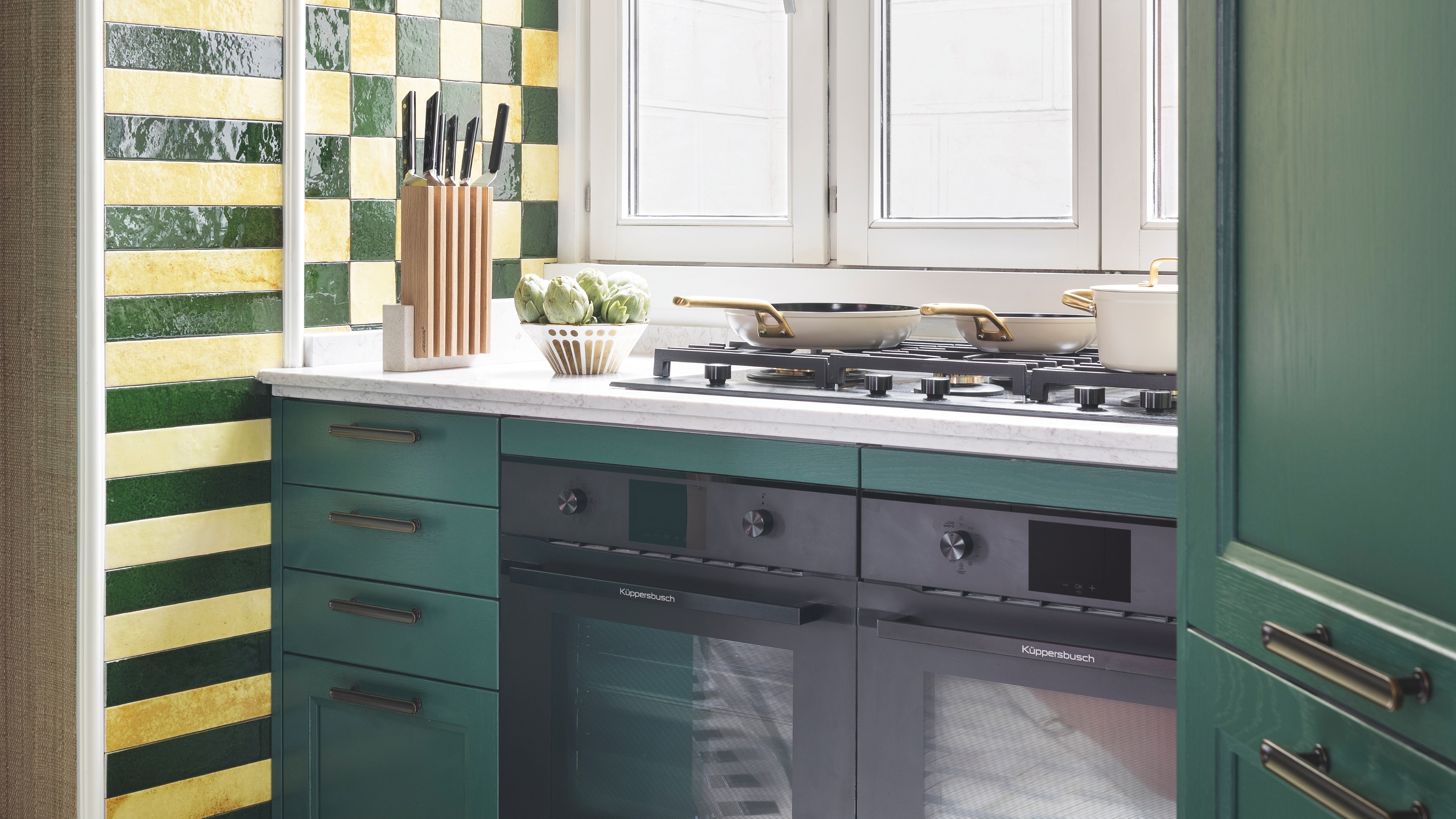
Combining two different tile styles is encouraged for those who wish to be more creative. This method can prevent kitchens from feeling sterile by introducing varied patterns and colors. Rob Whitaker of Claybrook suggests pairing a larger format tile on the lower wall with a smaller, contrasting one above, separated by a display shelf, to achieve a tailored yet fun visual twist. He advises keeping colors within a similar palette to maintain cohesion.
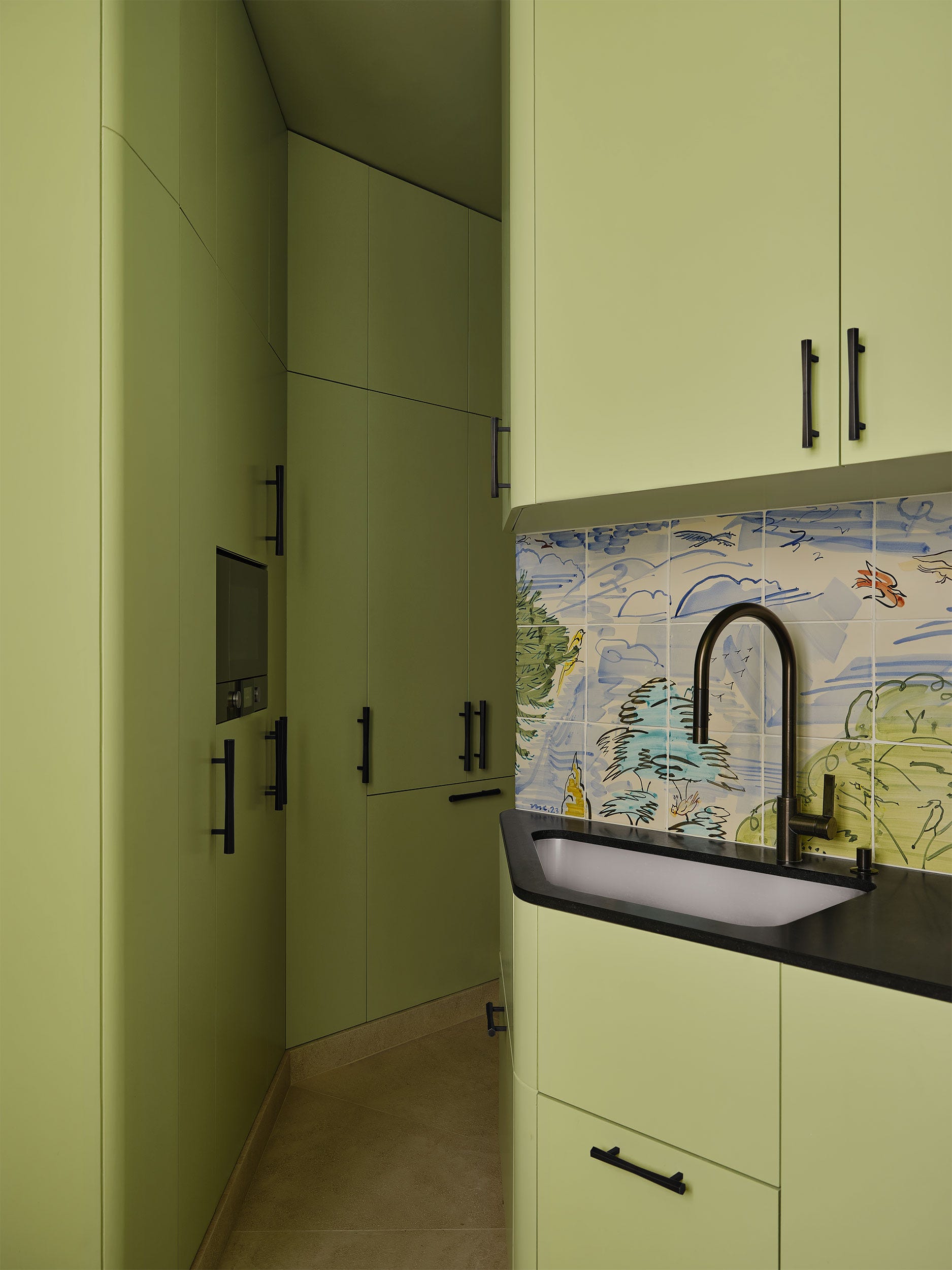
Incorporating paint into the tiling design allows for a cohesive and harmonious look. By selecting paint shades that work tonally with the kitchen's color scheme, or even extending the tiling design with paint, a unique architectural detail can be created. A collaboration between Bert & May and Little Greene is cited as an example, offering color-matched tiles and paints.
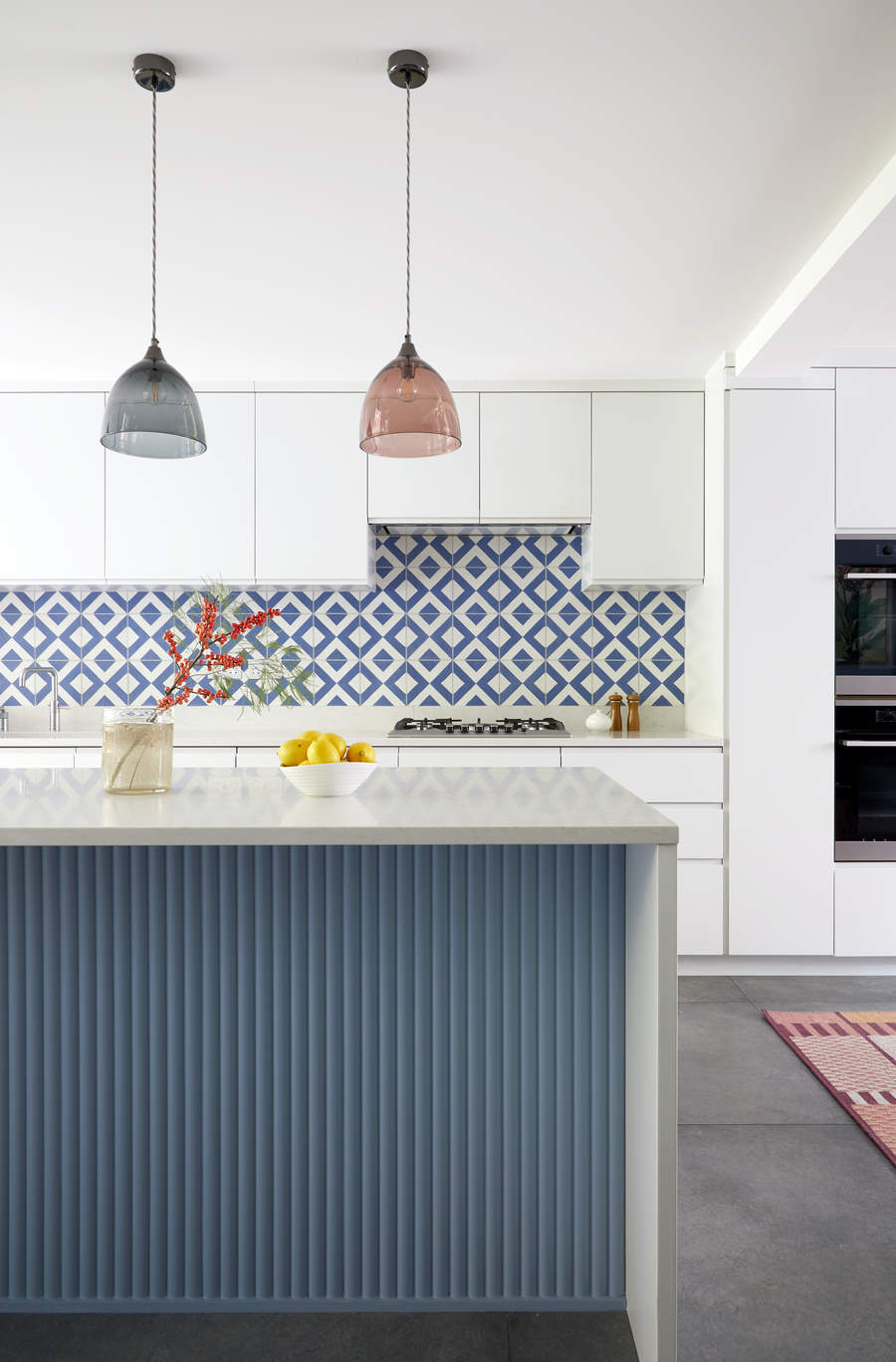
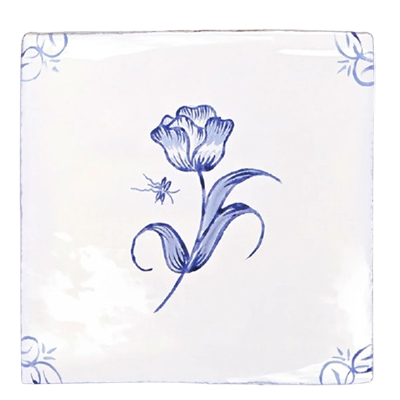
For those preferring a neutral aesthetic, including pops of color can inject personality. Interspersing neutral tiles with a few colored ones of the same design can create subtle yet intriguing interest. The article advises playing with the configuration and frequency of these color pops, noting that random spacing fosters a relaxed feel, while a more regimented design offers structure.
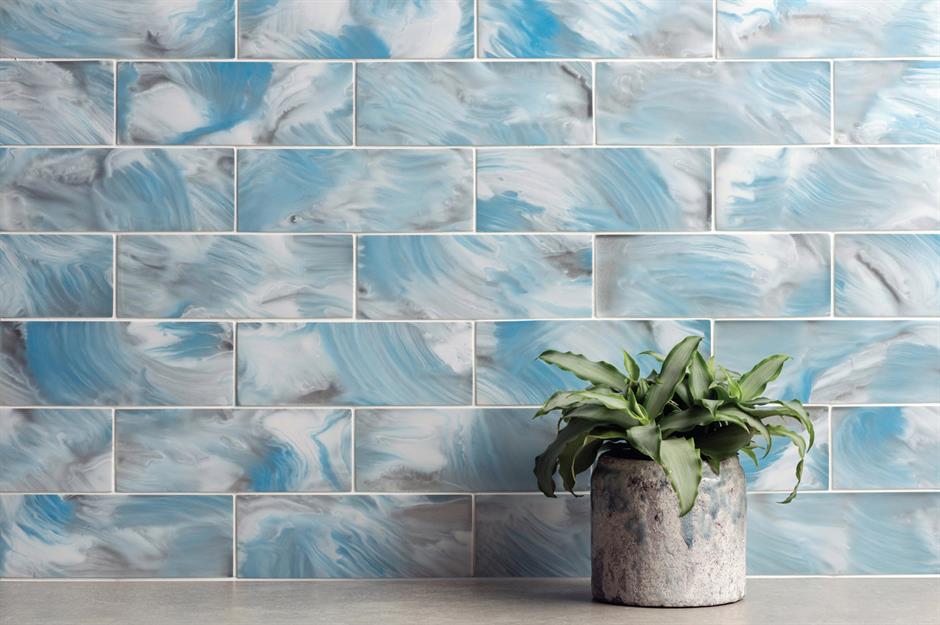
Finally, the concept of gradated color is introduced as a sophisticated alternative to single-color tiles. Using different tones of the same shade can prevent wall tiles from appearing flat, creating a calming yet powerful effect. The article cautions against an overly obvious ombre effect, suggesting a seemingly random distribution of shades for a modern approach.
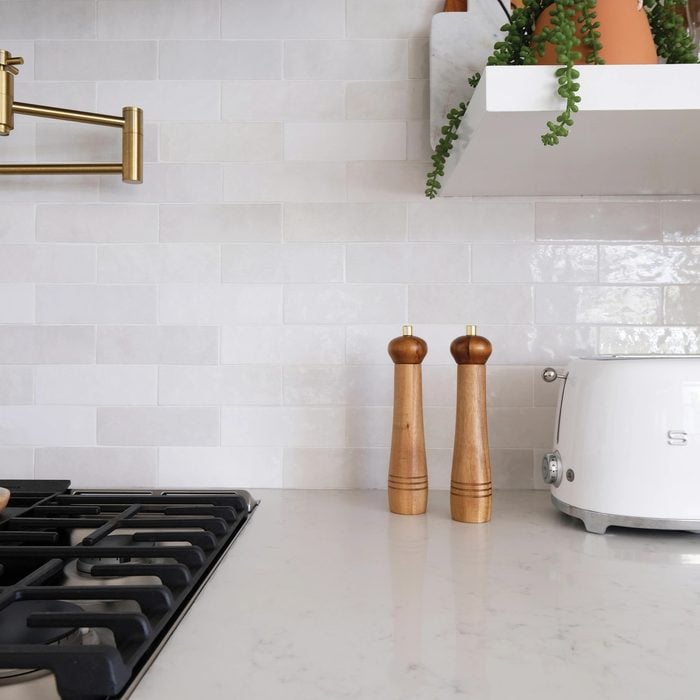
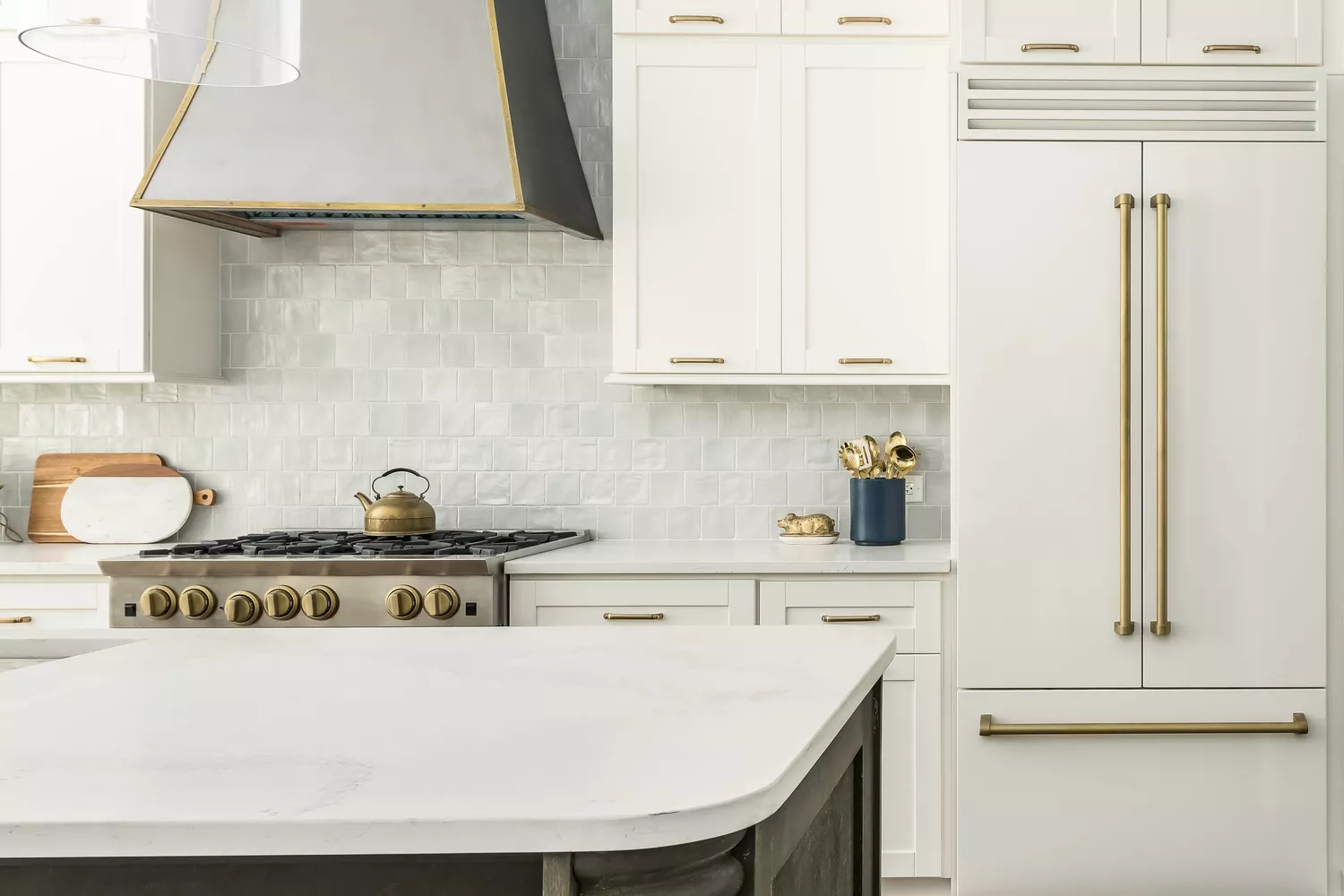
Practical considerations for kitchen tiles are also addressed. Glossy tiles are recommended over matte for their ease of cleaning and light-reflecting properties, which can make a space feel larger. Ceramic or porcelain tiles are highlighted for their durability and low maintenance, particularly their ability to repel stains and cope with water and food debris. For small kitchens, large tiles are suggested to create a sense of expansiveness, and simple patterns are preferred to avoid overwhelming the space. Ultimately, the choice of tile should align with personal preference and complement the kitchen's overall style and color scheme.
#KitchenDesign #WallTiles #InteriorDesign #HomeImprovement #KitchenRenovation #TilePatterns #ColorSchemes #DesignTips #KitchenDesign #WallTiles #InteriorDesign #HomeImprovement #KitchenRenovation #TilePatterns #ColorSchemes #DesignTips
0 комментариев всего
 Комментариев пока нет
Вам также может понравиться
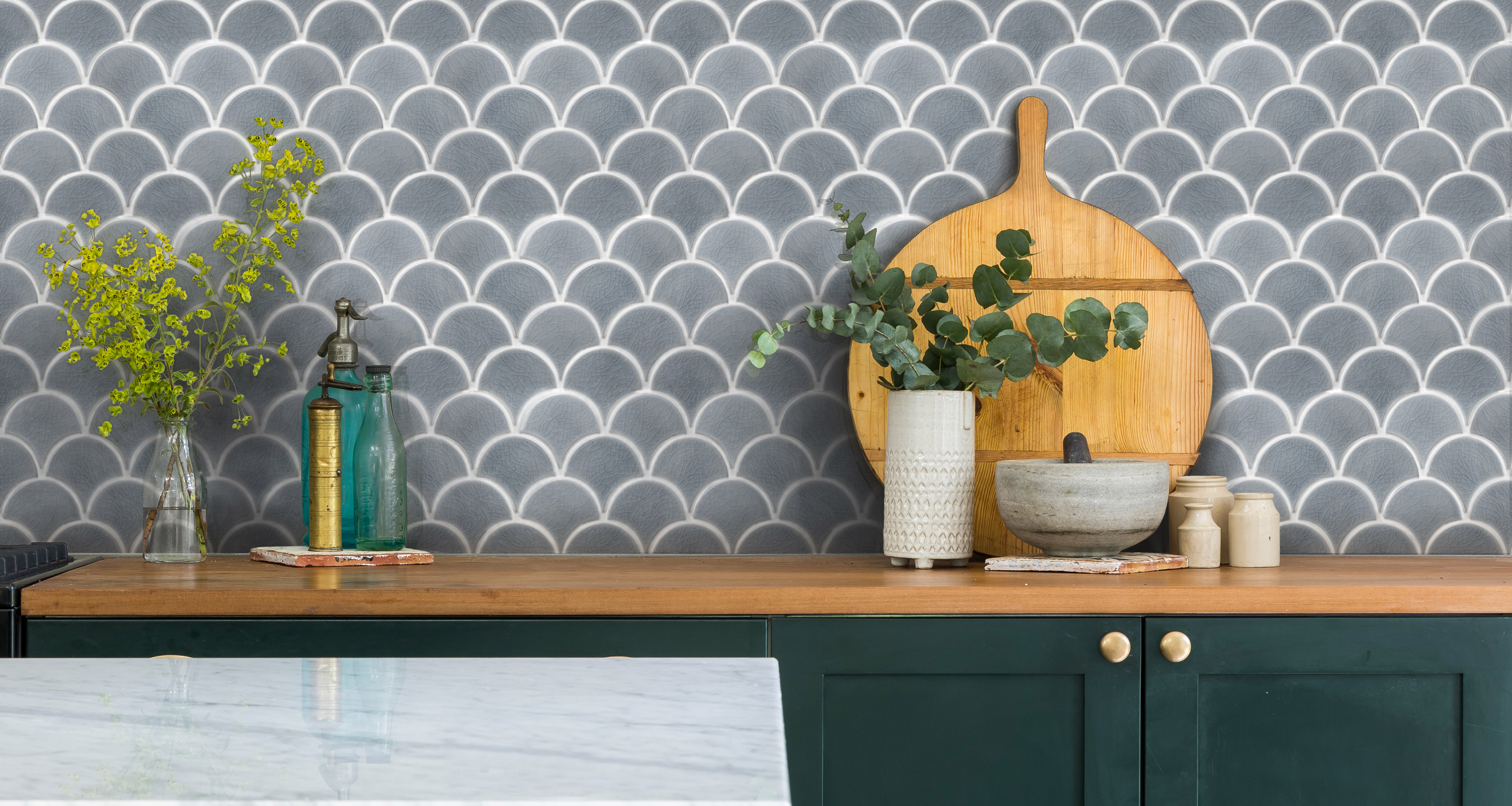
Kitchen wall tile ideas – bring color, pattern and style to vertical surfaces

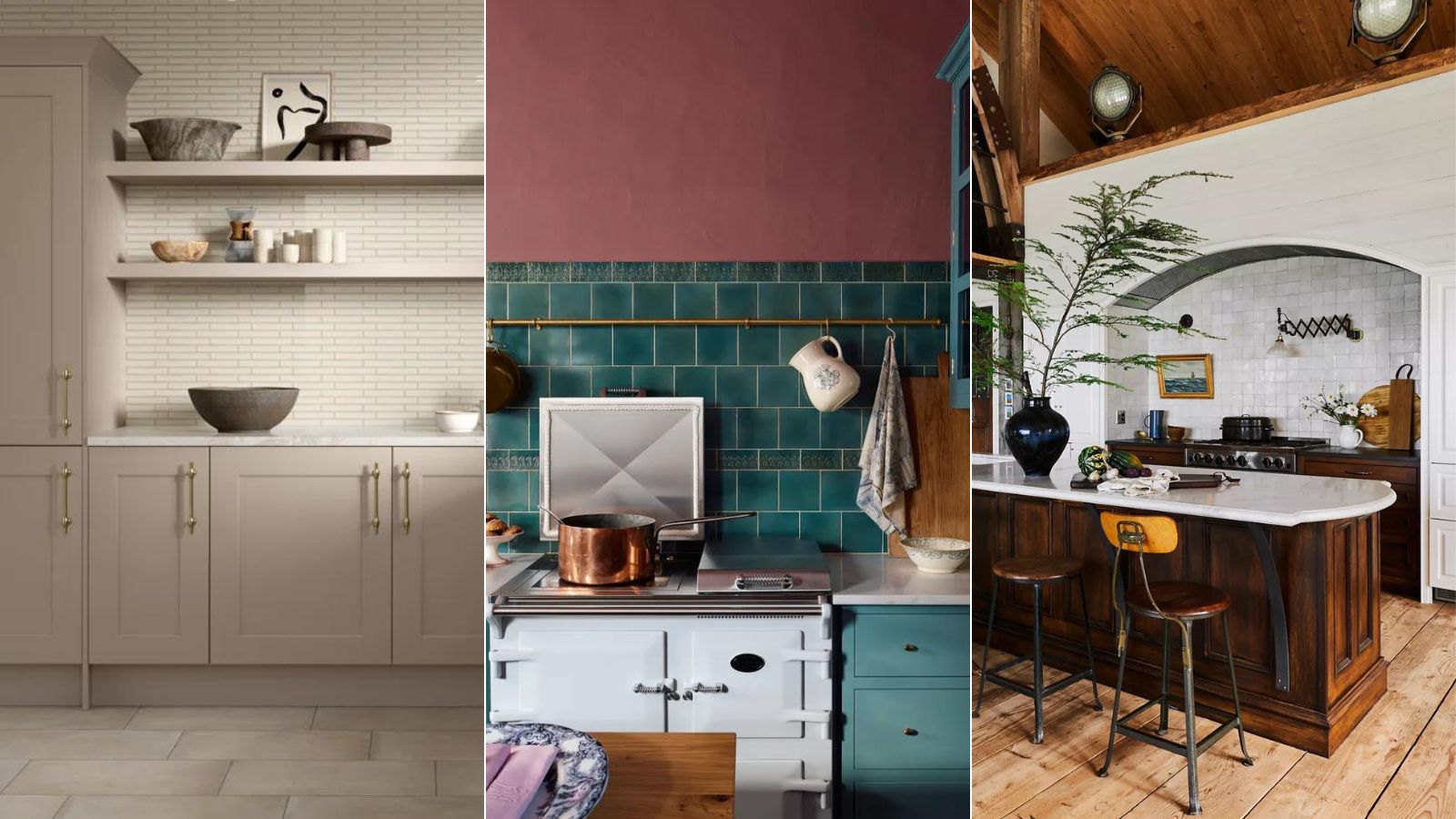
Where's the best place to buy kitchen tiles? The brands creating stylish designs with timeless appeal
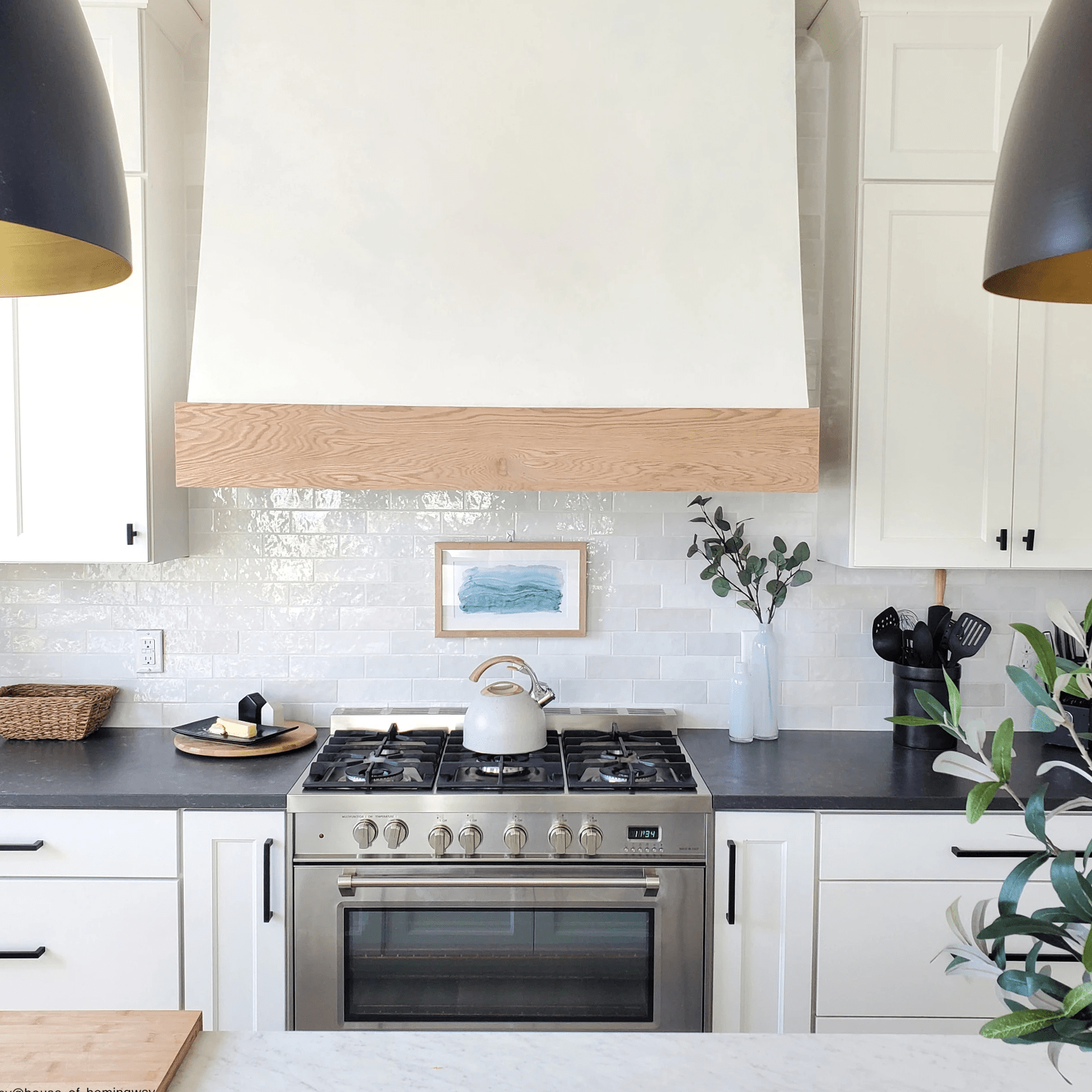
These Are the Best Tile Options for Your Kitchen Backsplash


The Kitchen Tile Trend For 2025 That Gives Any Space A Seamless Look
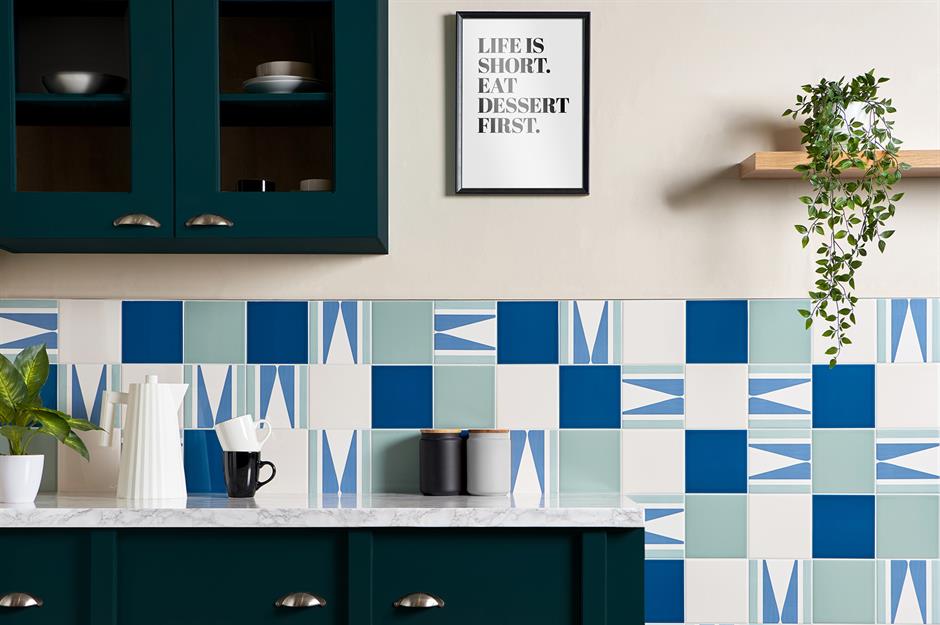
Kitchen wall tiles: Ideas for every style and budget | loveproperty.com
20 Latest Kitchen Tiles Designs With Pictures In 2023

37 Kitchen Floor Tile Ideas for Every Style and Budget

75 Kitchen Tile Backsplash Ideas for the Ultimate Culinary Refresh
Spice Up Your Cooking Space with These Creative Kitchen Wall Decor Ideas

Bring Your Kitchen to Life With a Gorgeous Accent Wall
I look at kitchen tiles day in, day out – these are the 5 best places to buy kitchen tiles for any design scheme
12 colorful kitchen backsplash ideas

11 Beautiful Kitchen Tiling Ideas to Elevate Your Space

10 kitchen wall decor ideas – how to create something unique with paint, paper, prints, and more
From the Classic to the Innovative, These Are the 15 Kitchen Tile Ideas You Need to Know for Project Planning in 2025
Three Interior Designers Discuss the Dynamics of Choosing a Kitchen Backsplash

Kitchen wall decor ideas – 21 stylish looks with paint, tiles and wallpaper
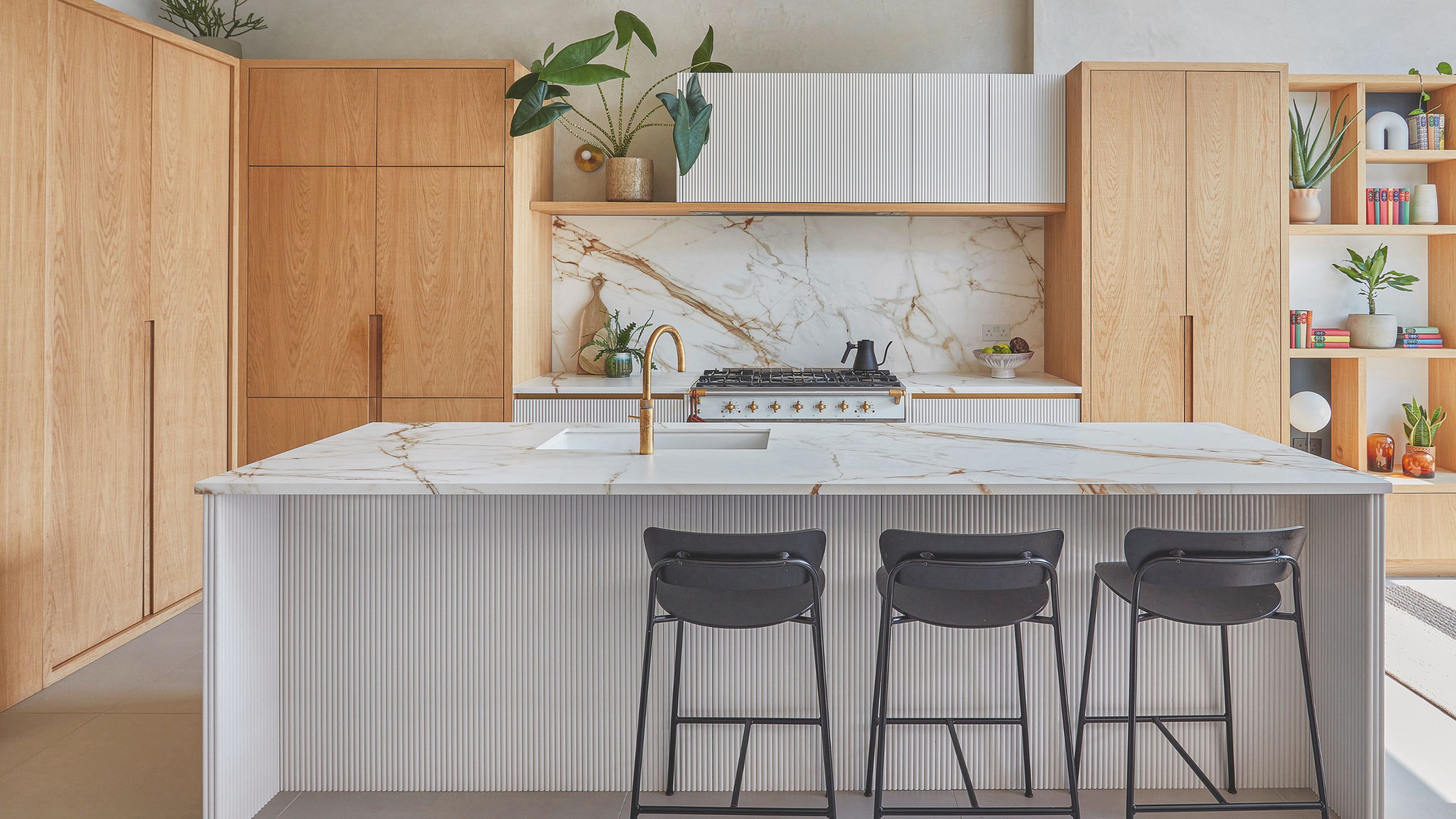
Kitchen Tile Trends for 2025 — 5 Popular New Styles That "Blend Artistry With Function"
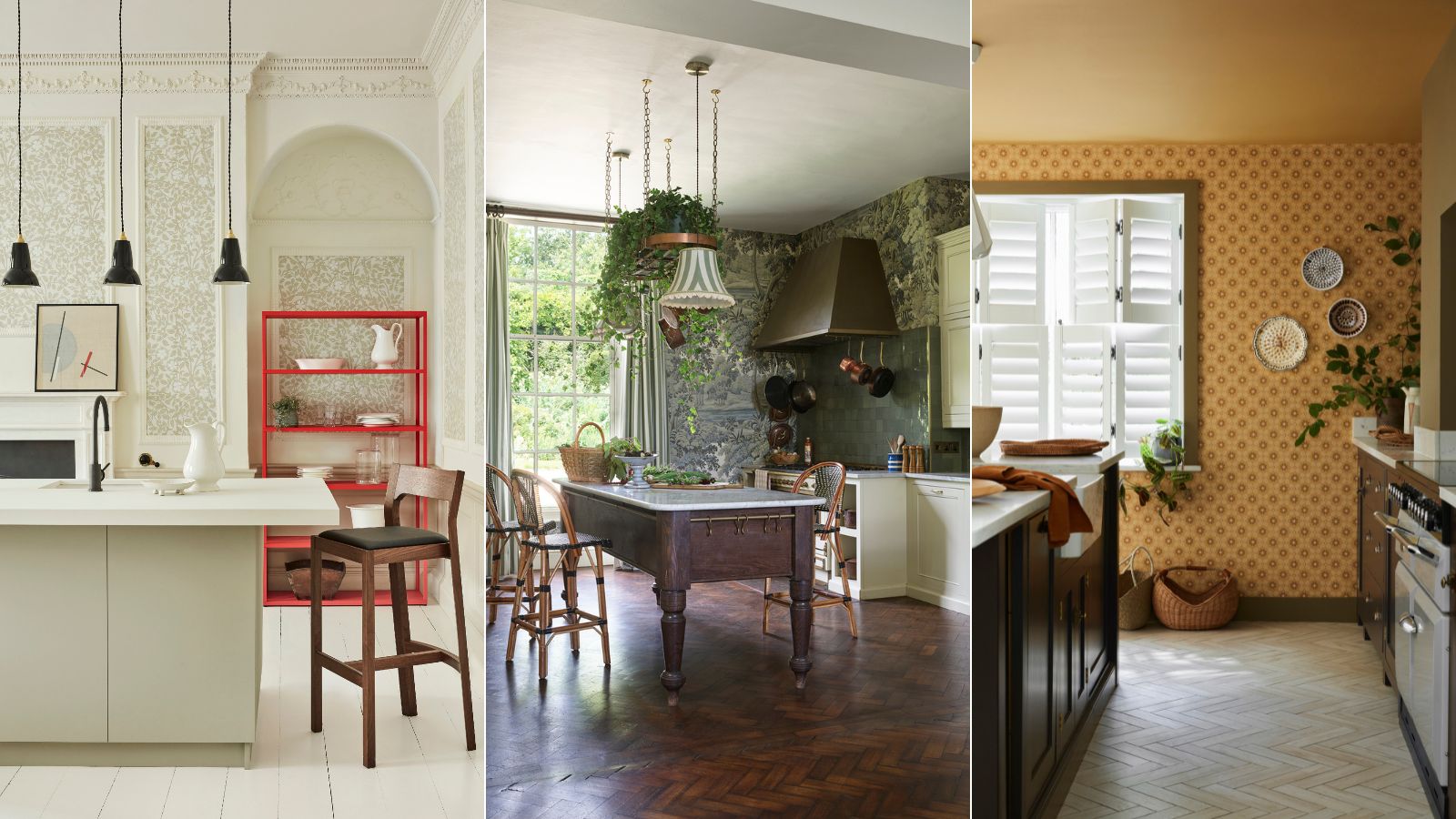
11 kitchen wallpaper ideas to add character to your scheme
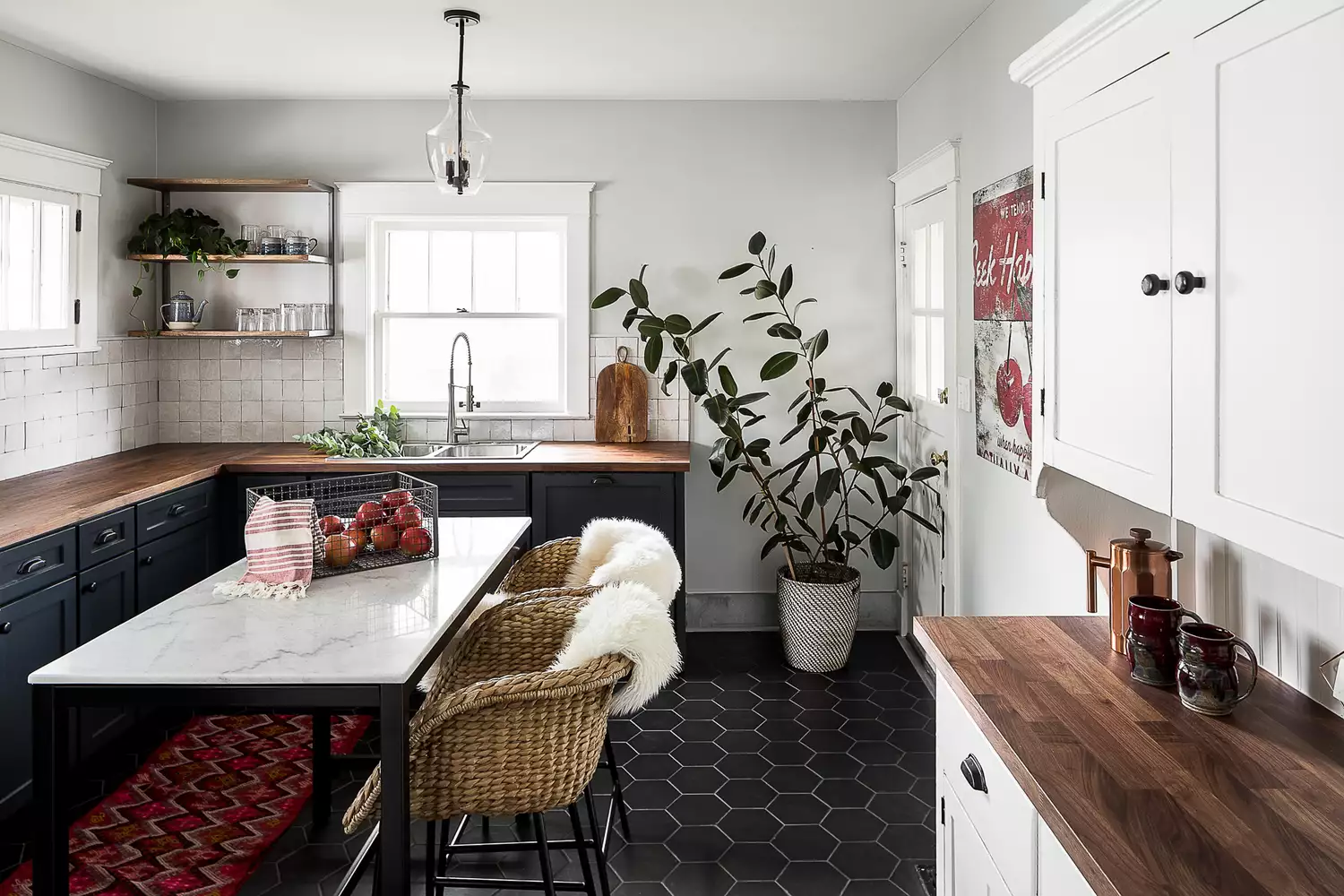
24 Beautiful Kitchen Floor Tile Ideas, From Whimsical Patterns to Bold Colors