1/2
Into the palette: Exploring trends in natural stone
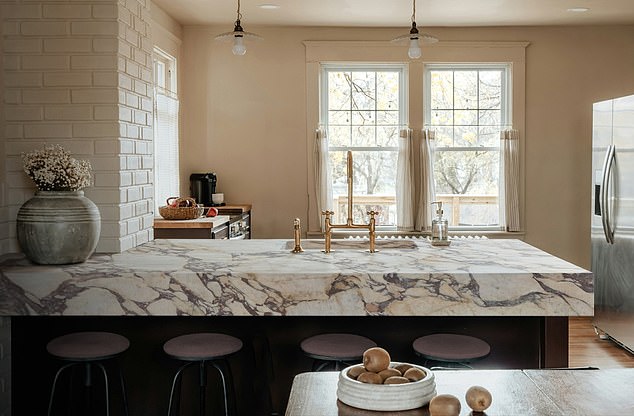
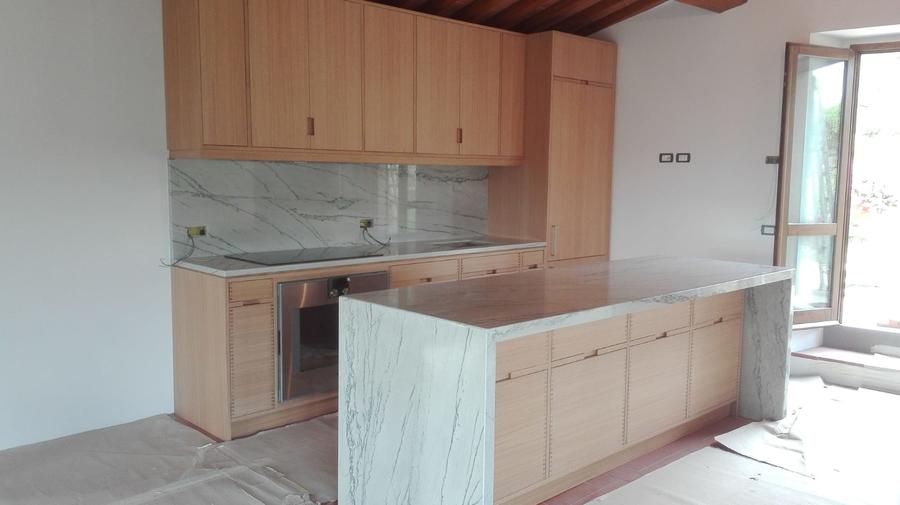
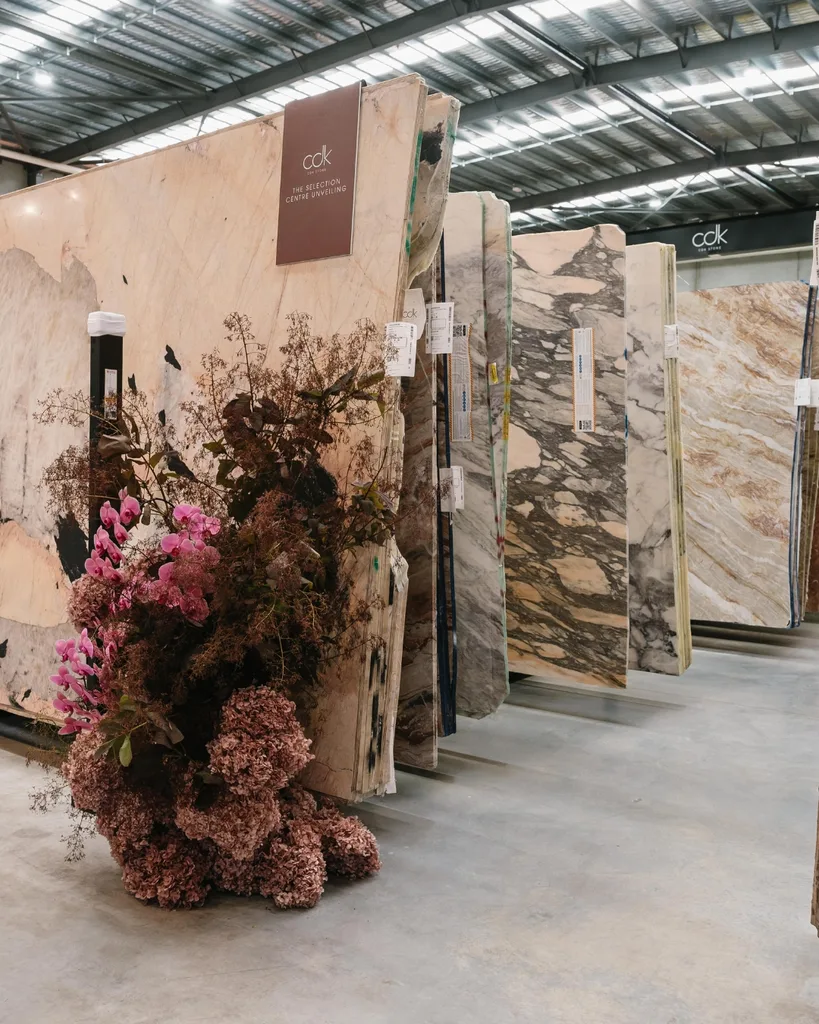
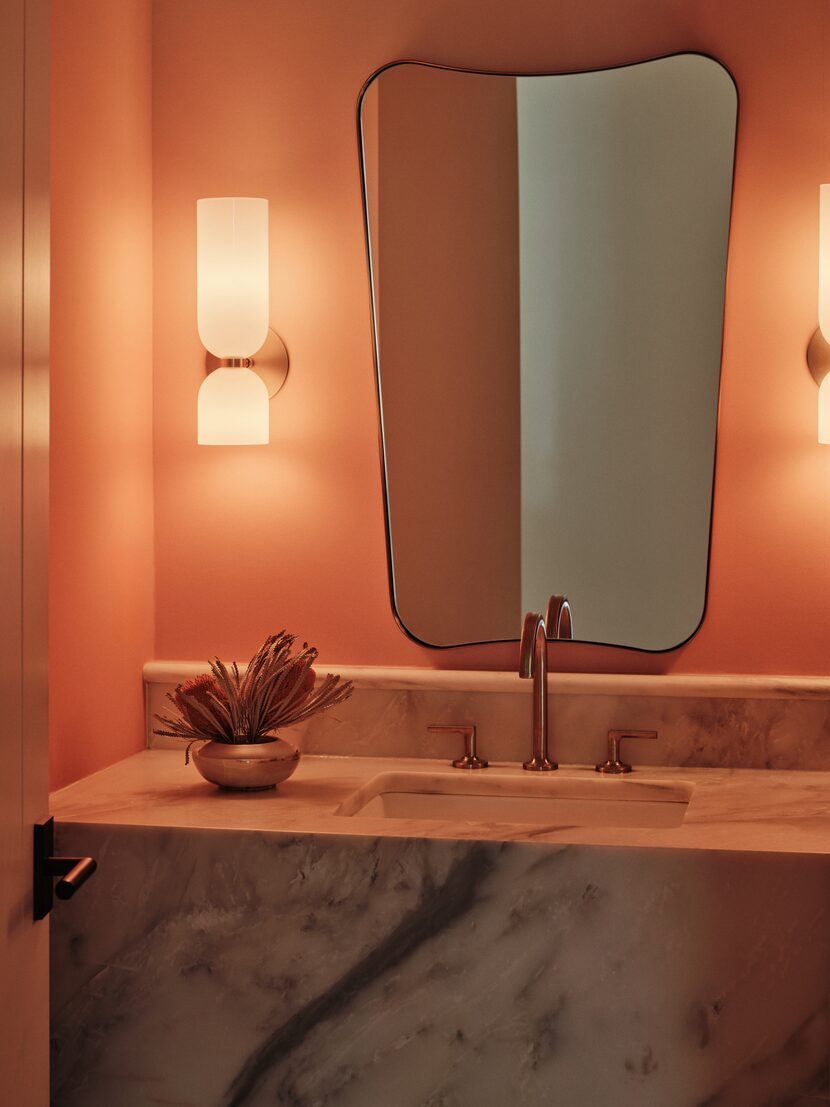
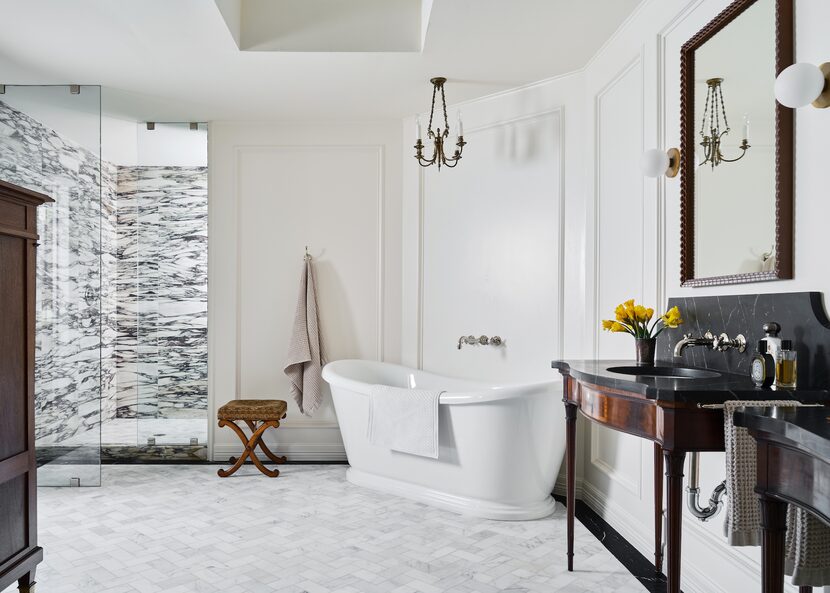
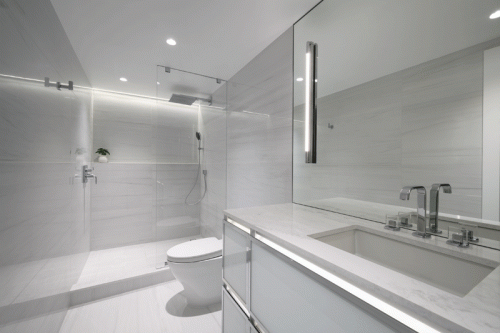
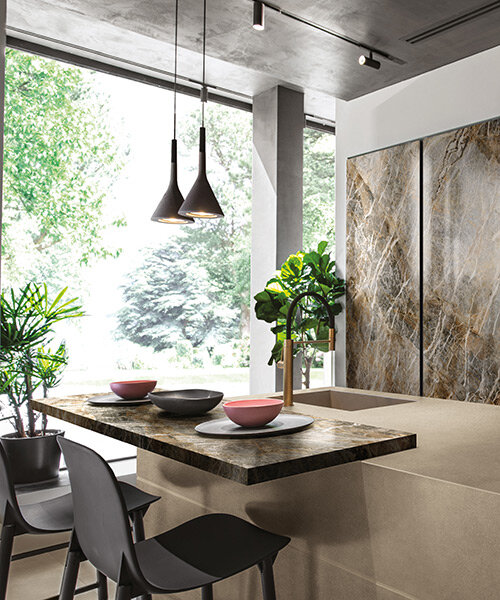
The selection of hard surfaces for residential, hospitality, and commercial projects is undergoing a significant shift, moving away from cooler neutrals towards warmer tones. For several years, gray and white tones dominated the market; however, current trends indicate a preference for warmer neutrals, including cooler grays with subtle "greige" or taupe undertones. This evolution is evident across various materials such as porcelain tile, natural stone, and engineered quartz surfaces, which now offer a diverse array of new warm options and key colors.
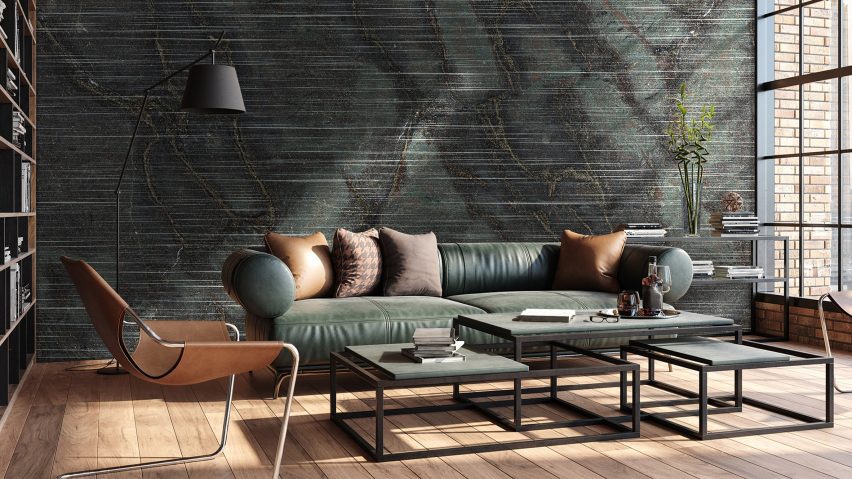
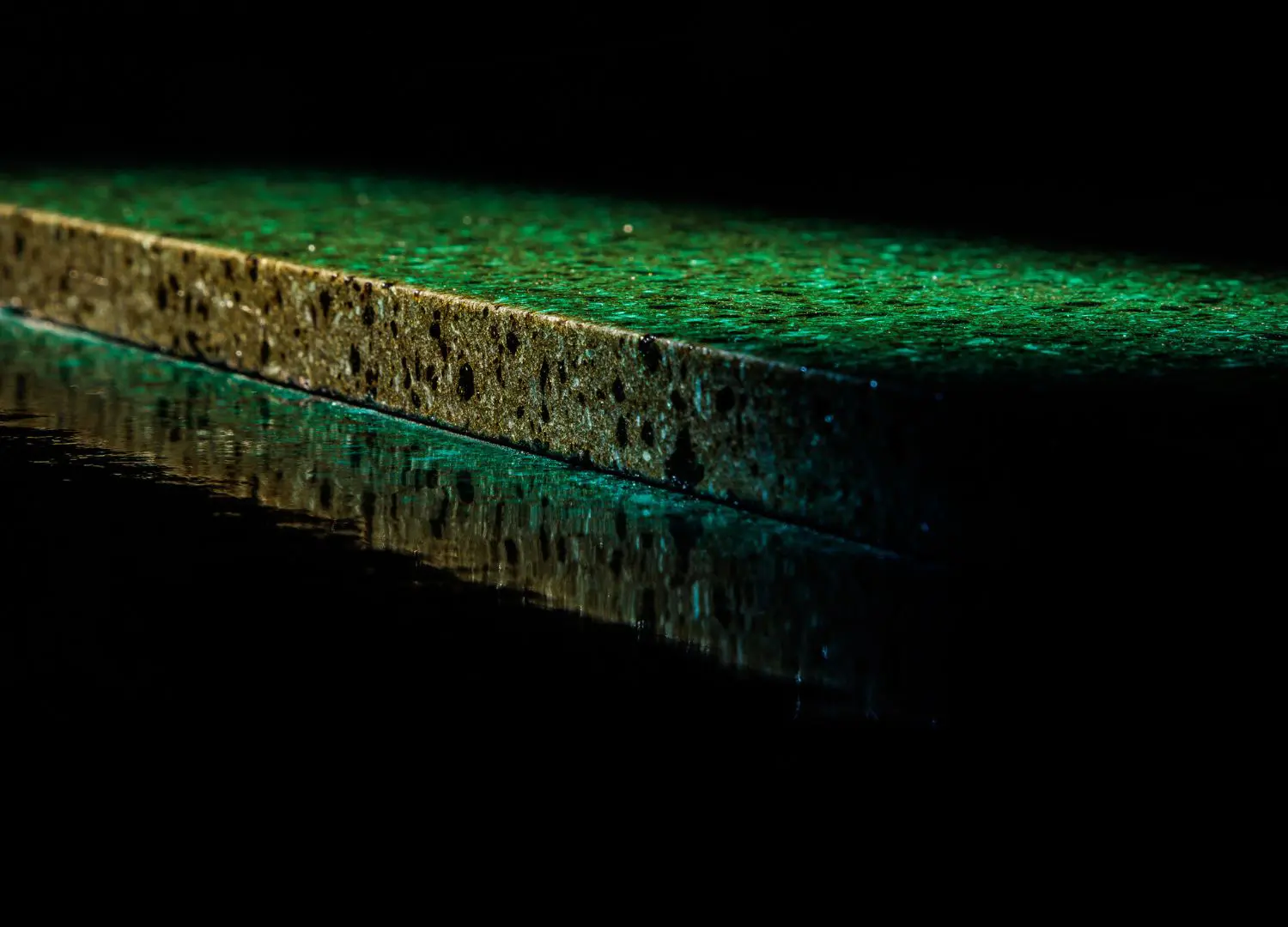
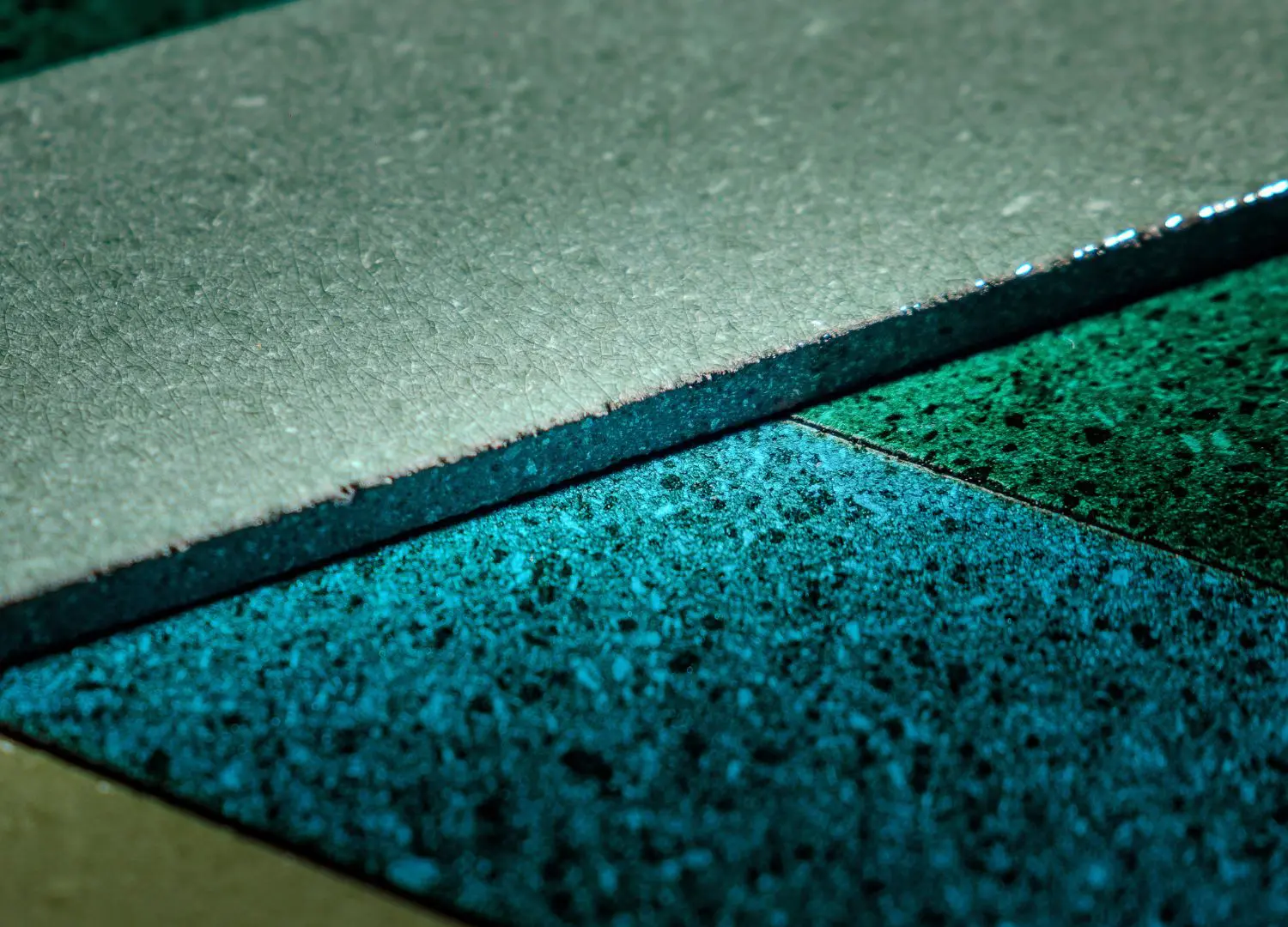
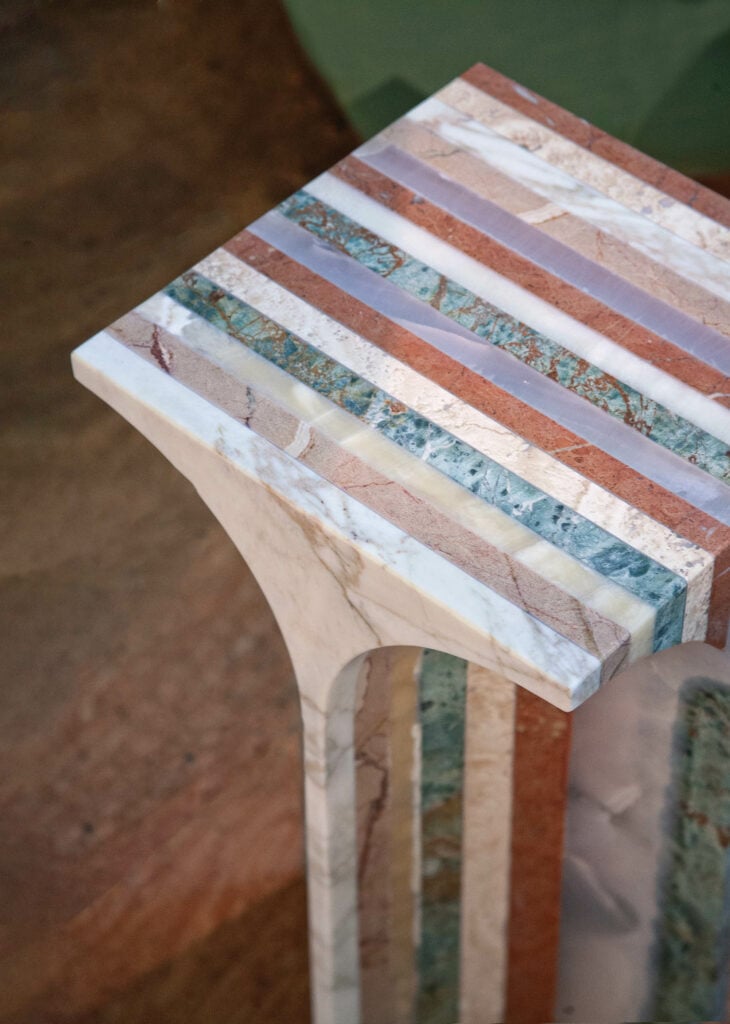
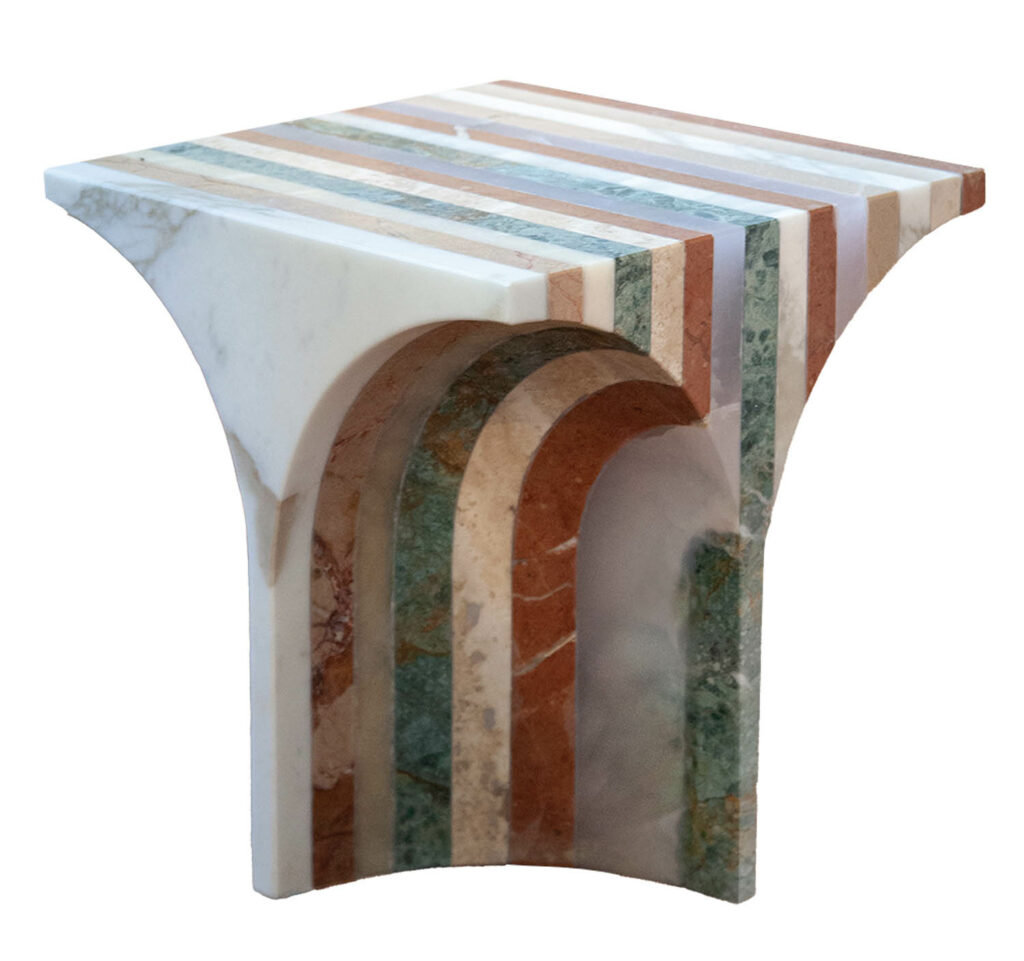
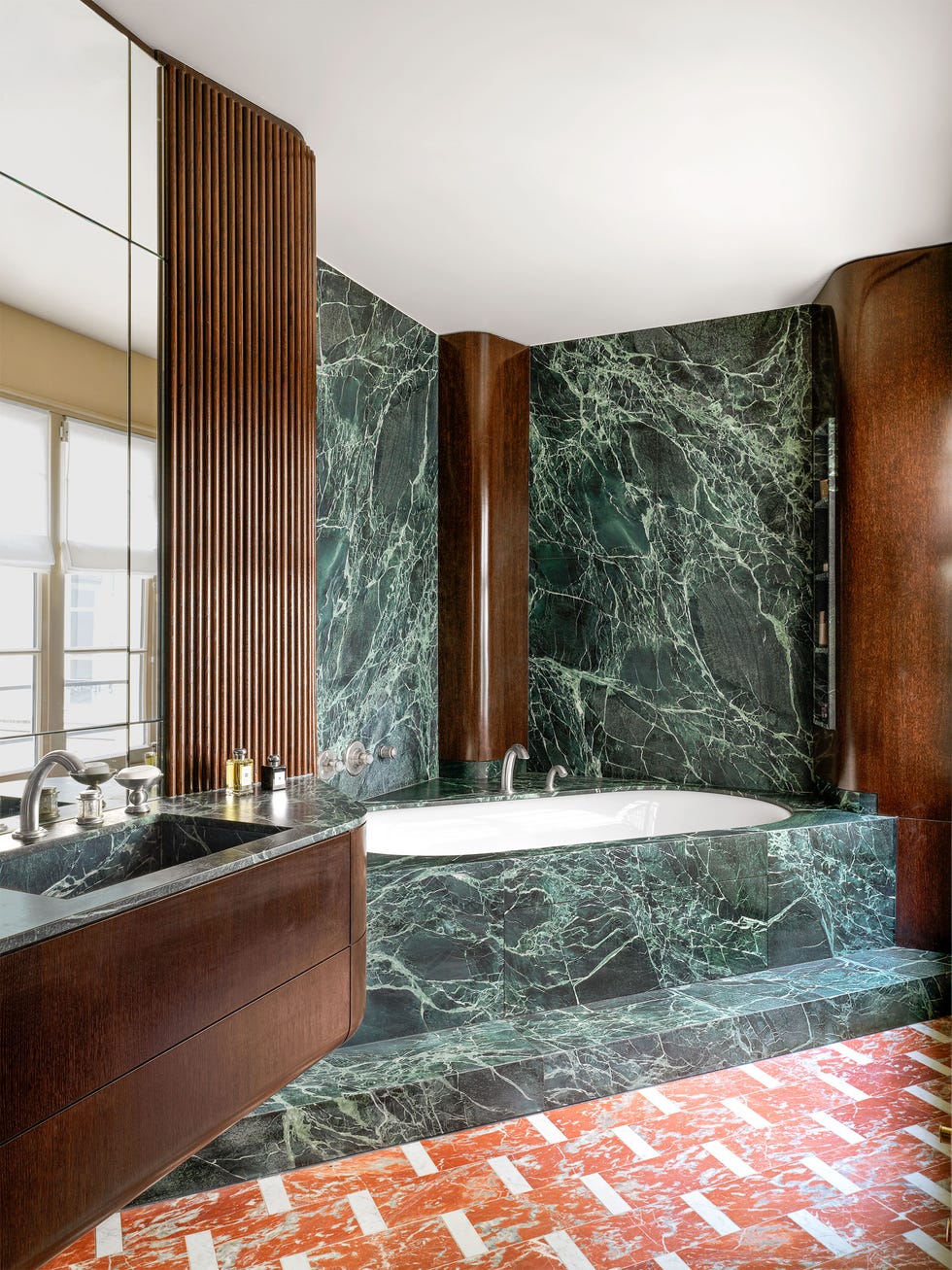
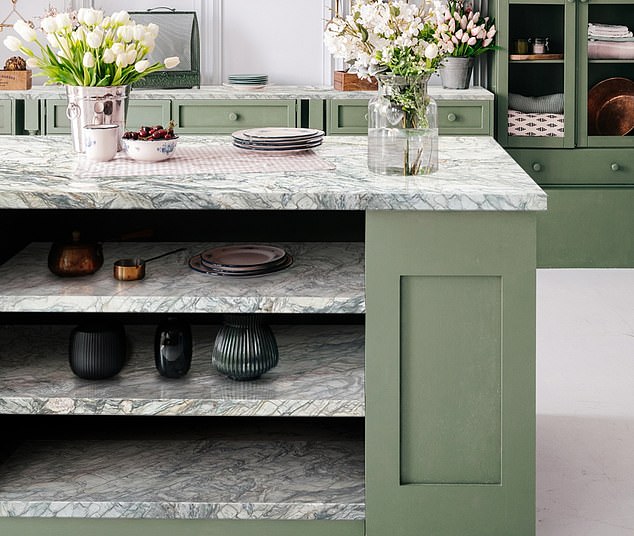
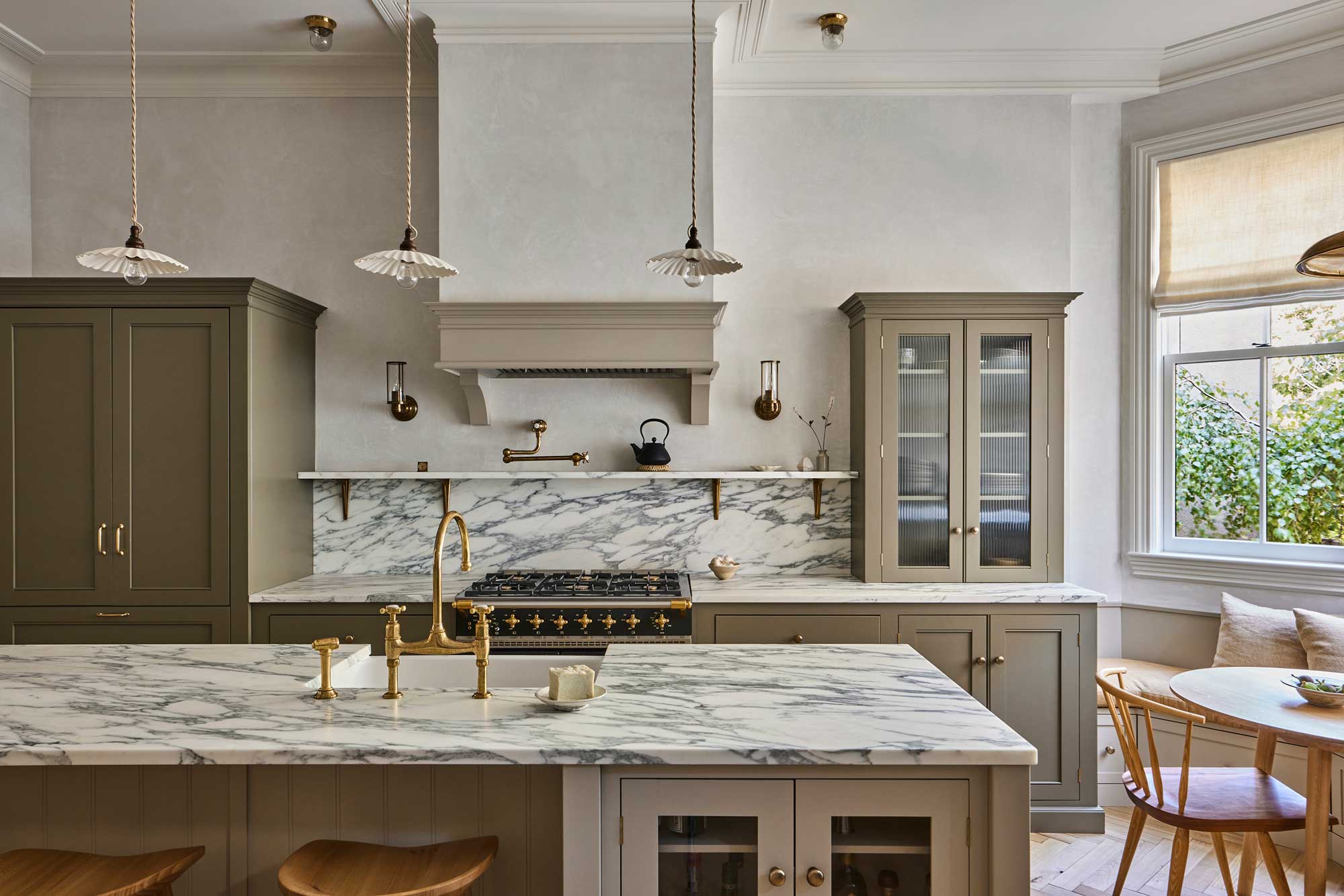
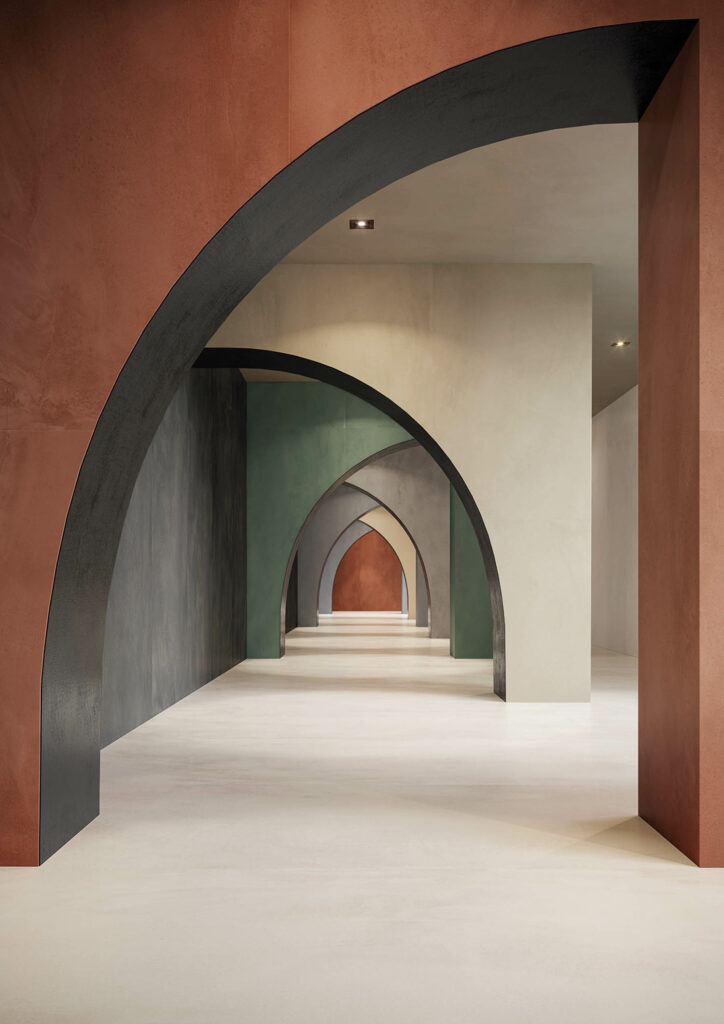
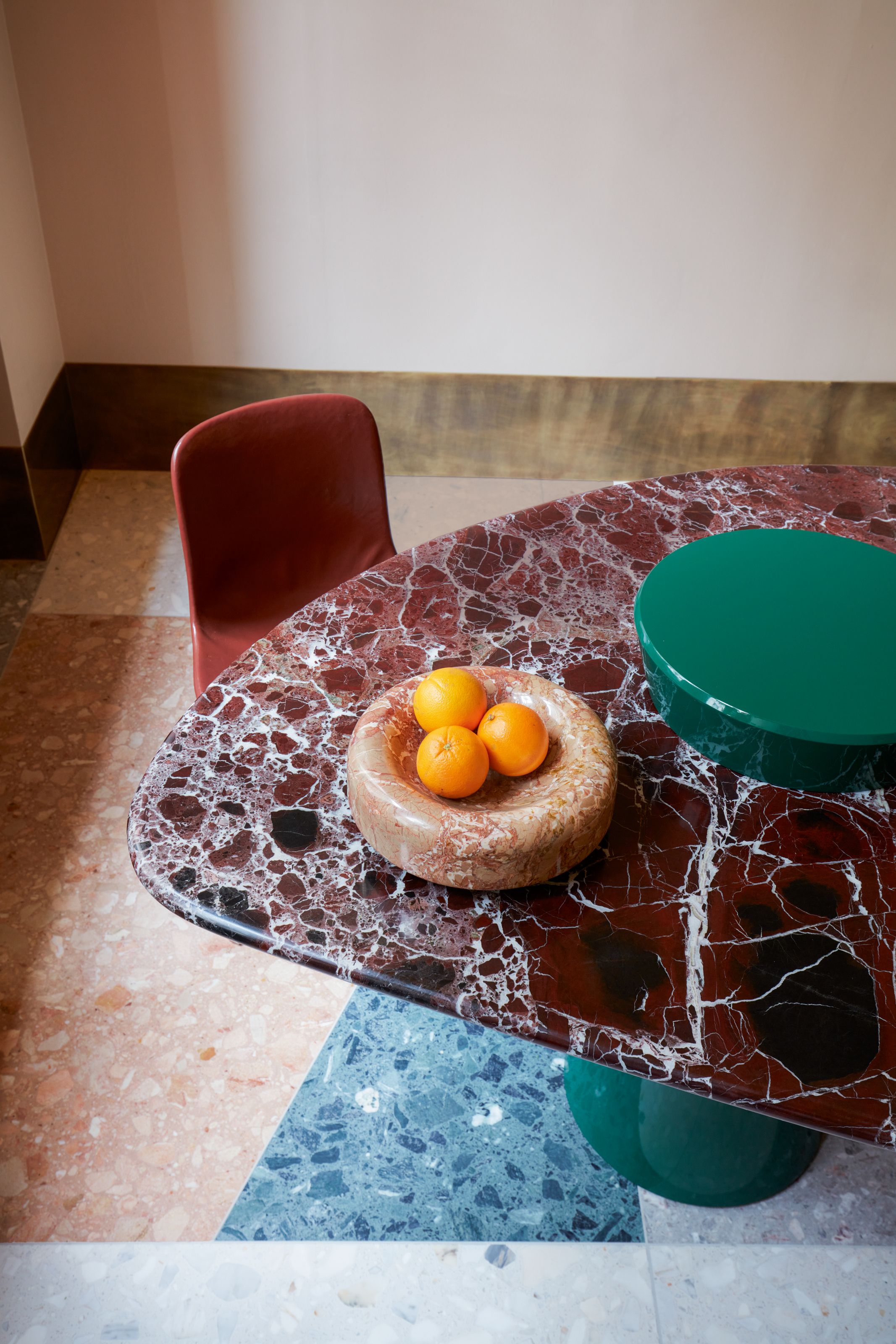
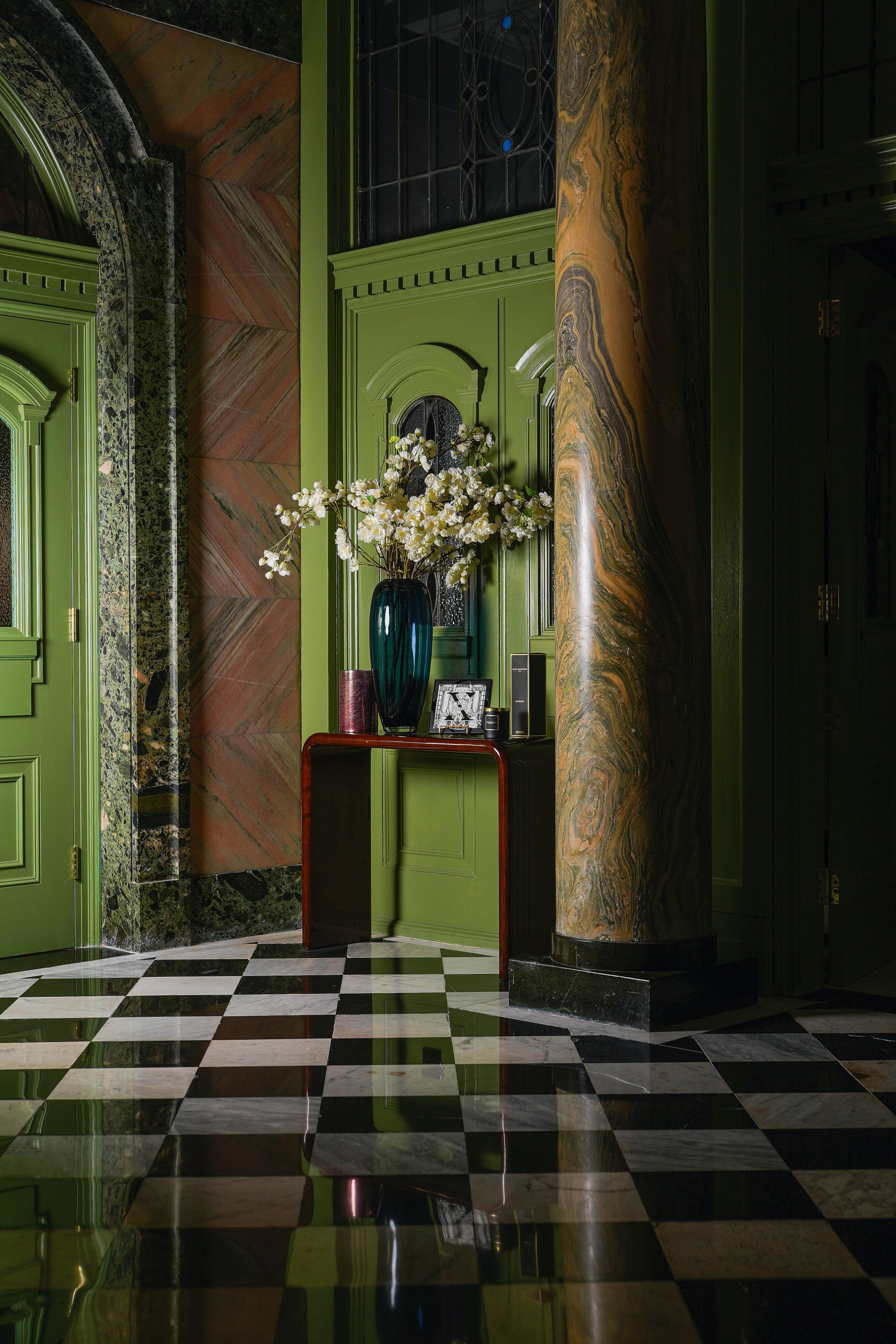
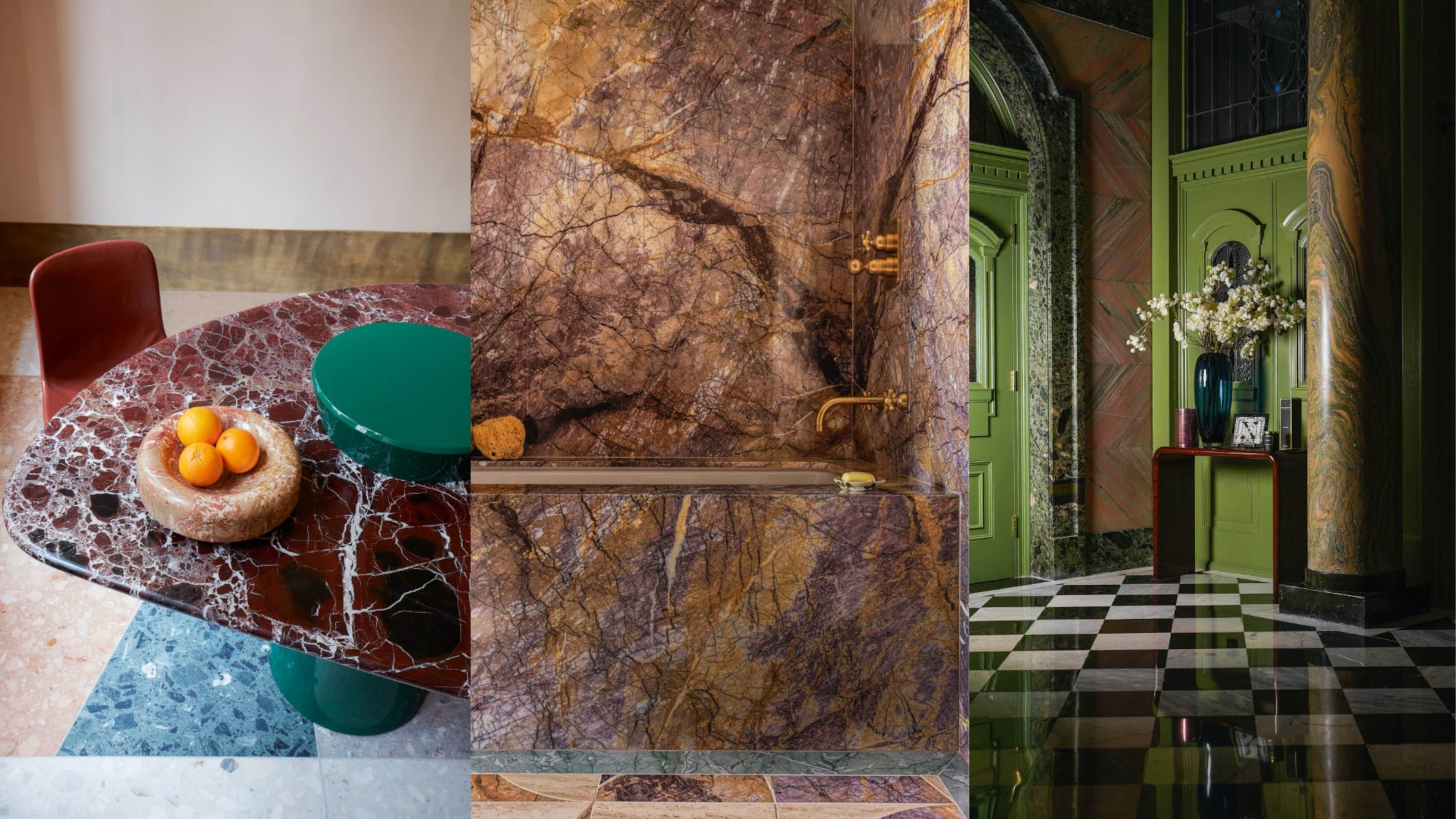
Green has emerged as a predominant color trend in all aspects of design, including surfacing, cladding, textiles, wall coverings, furnishings, and accessories. Shades range from deep emerald to sage, jade, and mint green. This surge in popularity is often attributed to the influence of biophilic design, which emphasizes connecting indoor spaces with nature. While green was historically common in textiles, its recent widespread adoption in hard surfaces marks a significant return. Natural stone now offers numerous green marble and quartzite options, featuring striking or subtle veining. Interior designers are increasingly specifying these stones, recognizing green's enduring appeal, similar to blue, due to its natural association with water and greenery. Engineered quartz slabs and porcelain tiles also feature a variety of soft and dark green choices, expanding beyond traditional glass or mosaic green tile options to include large-format panels and slabs.
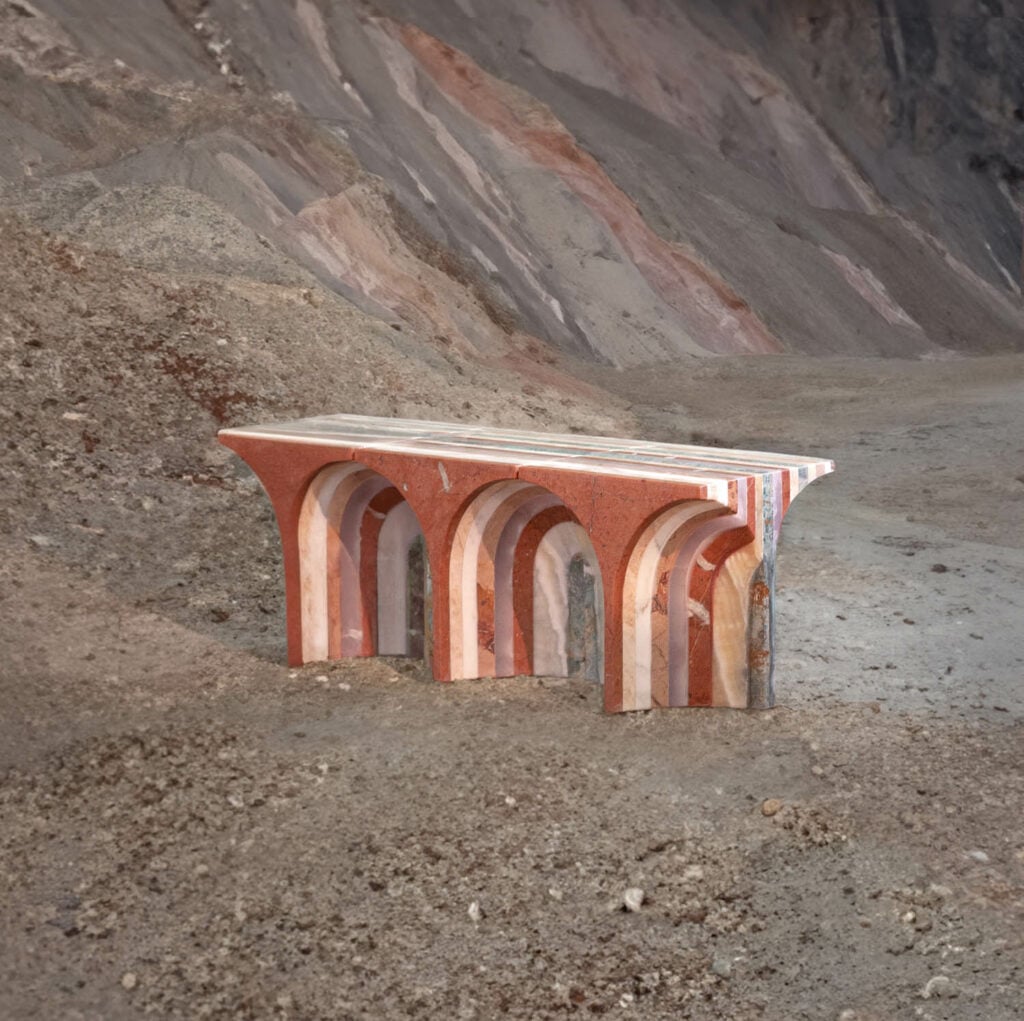
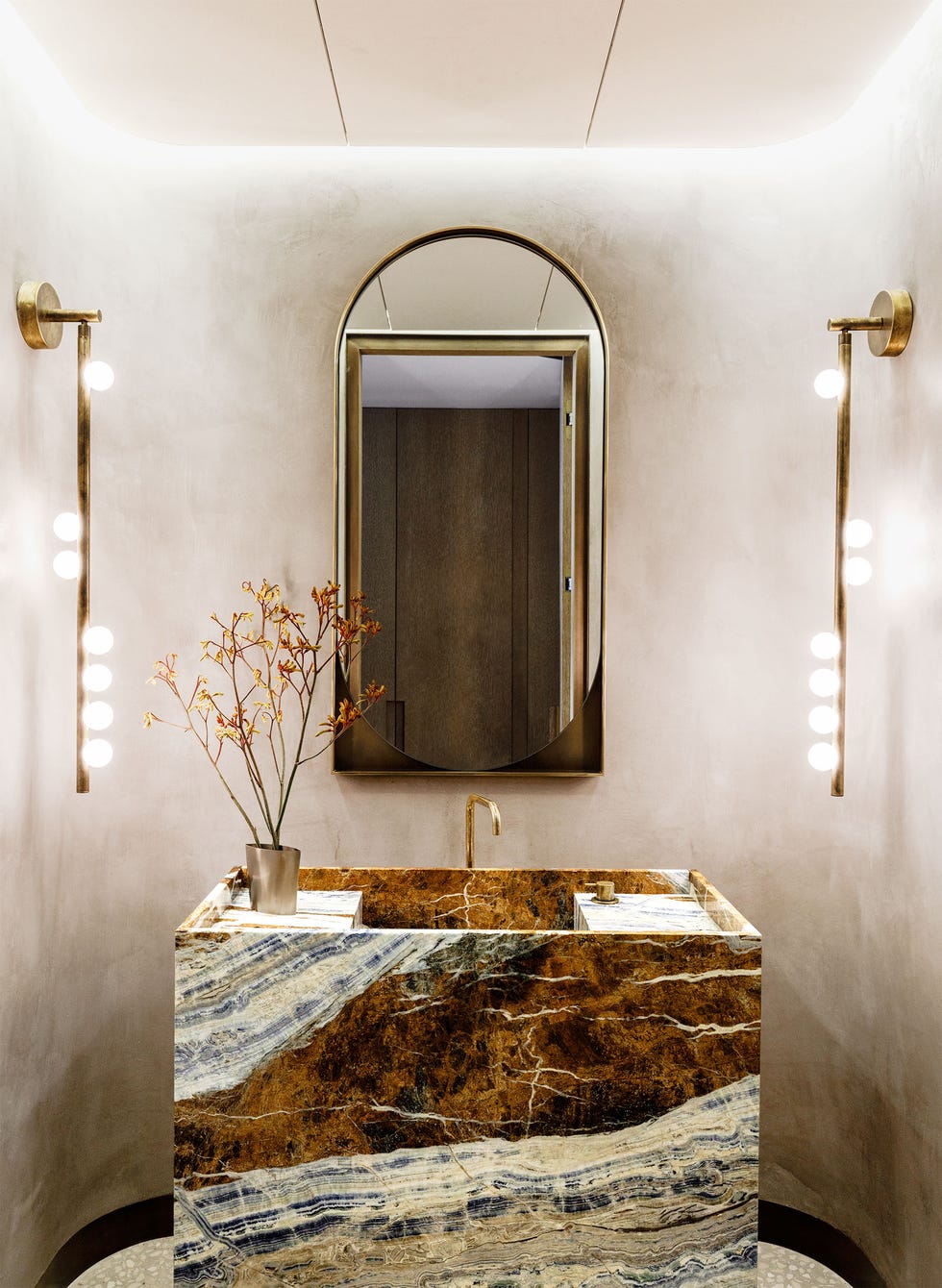
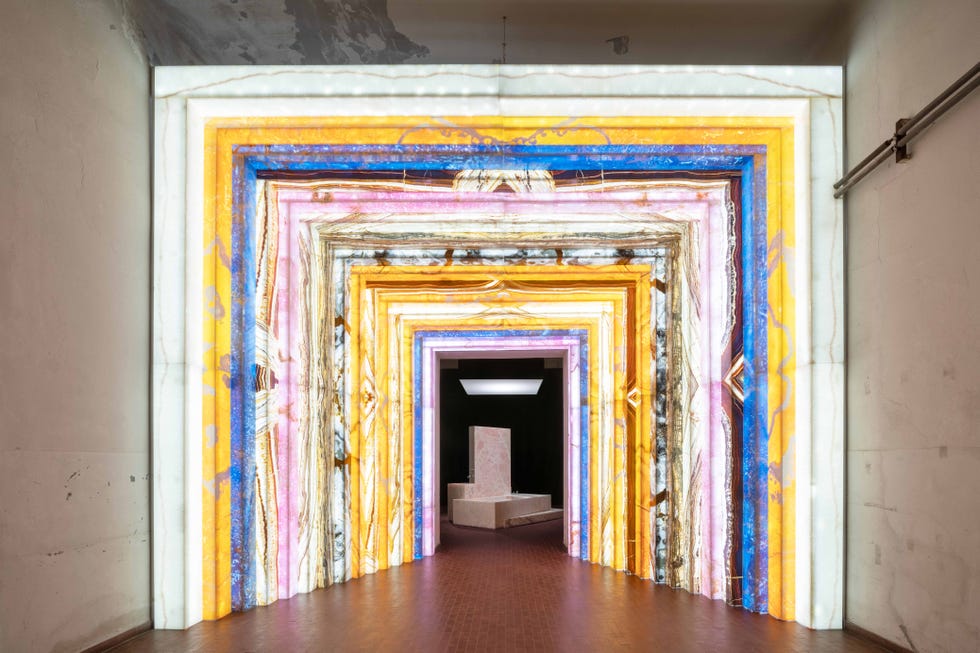
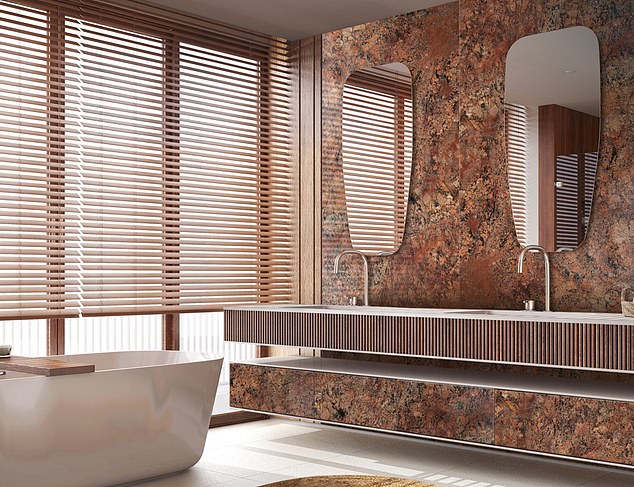
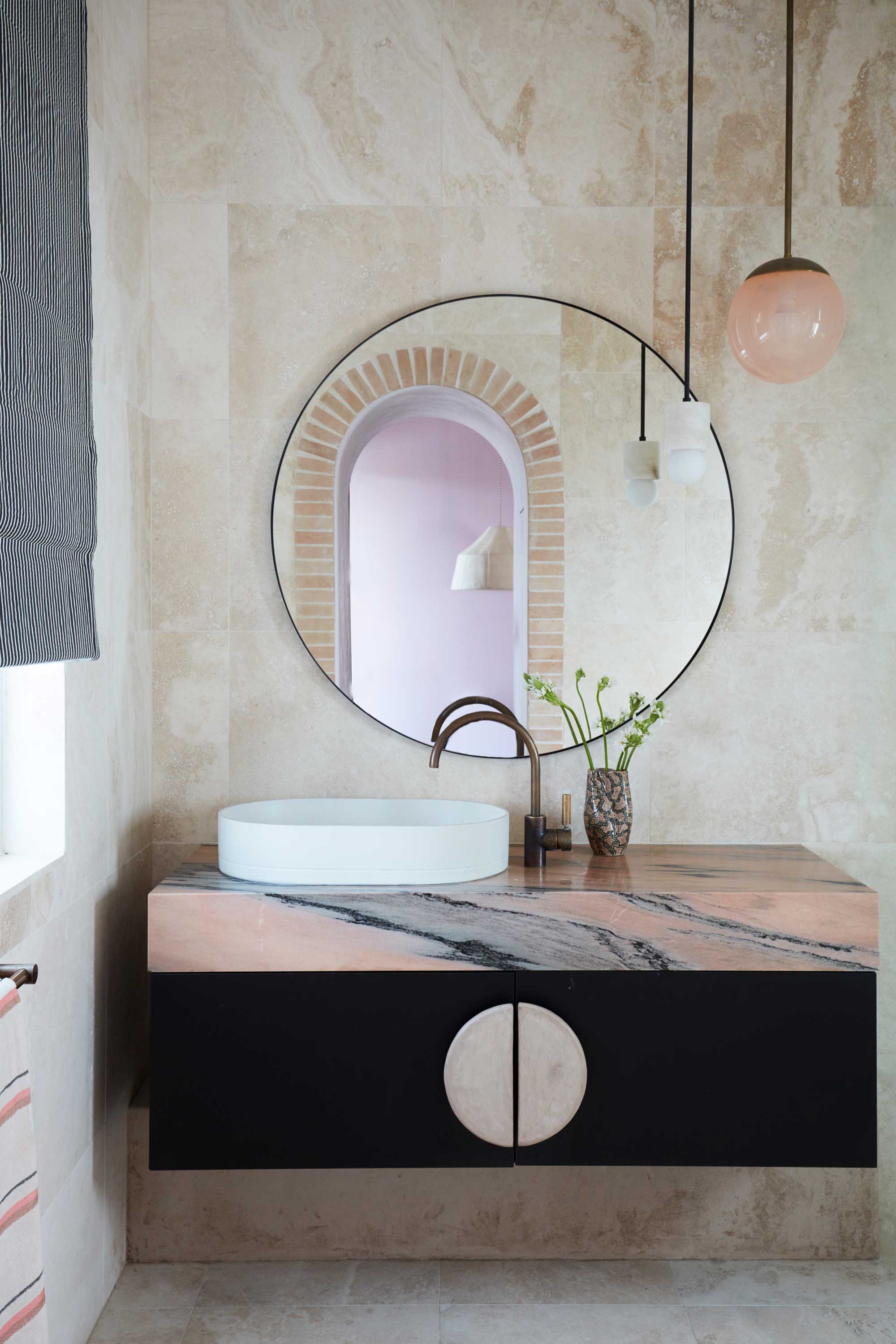
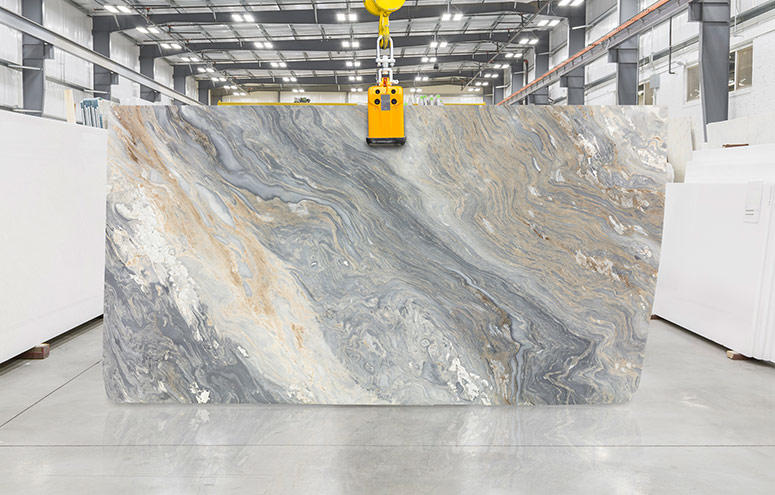
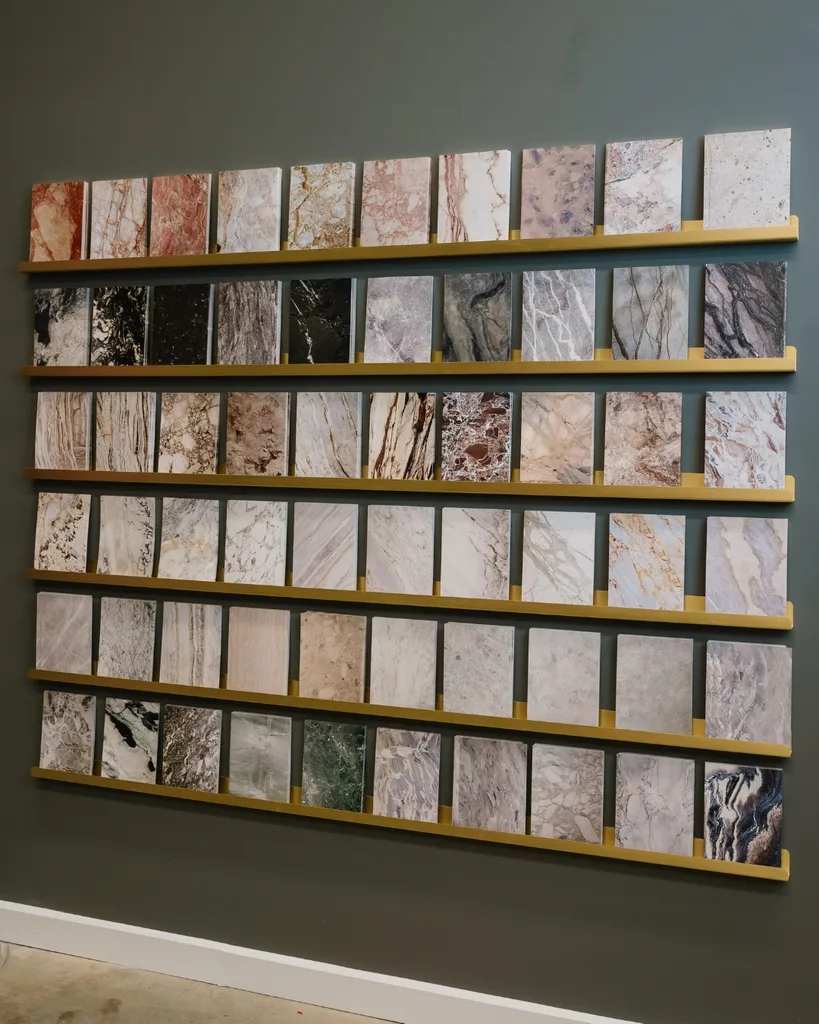
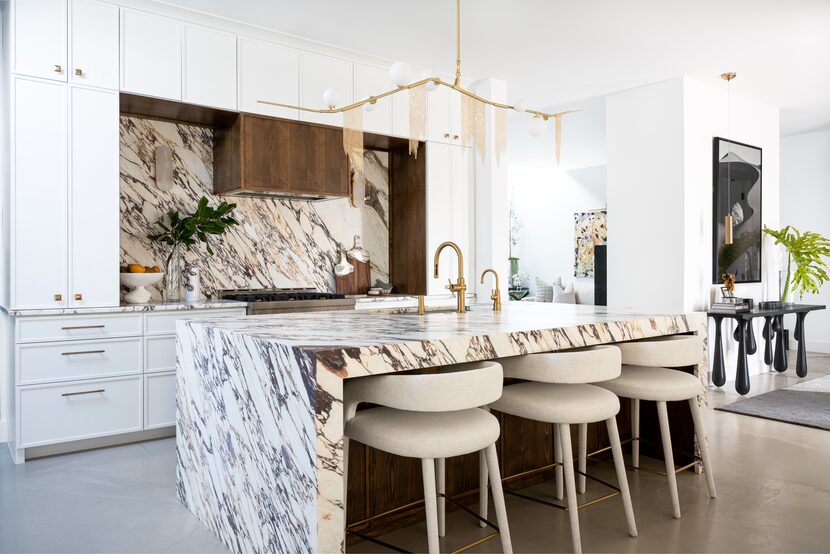
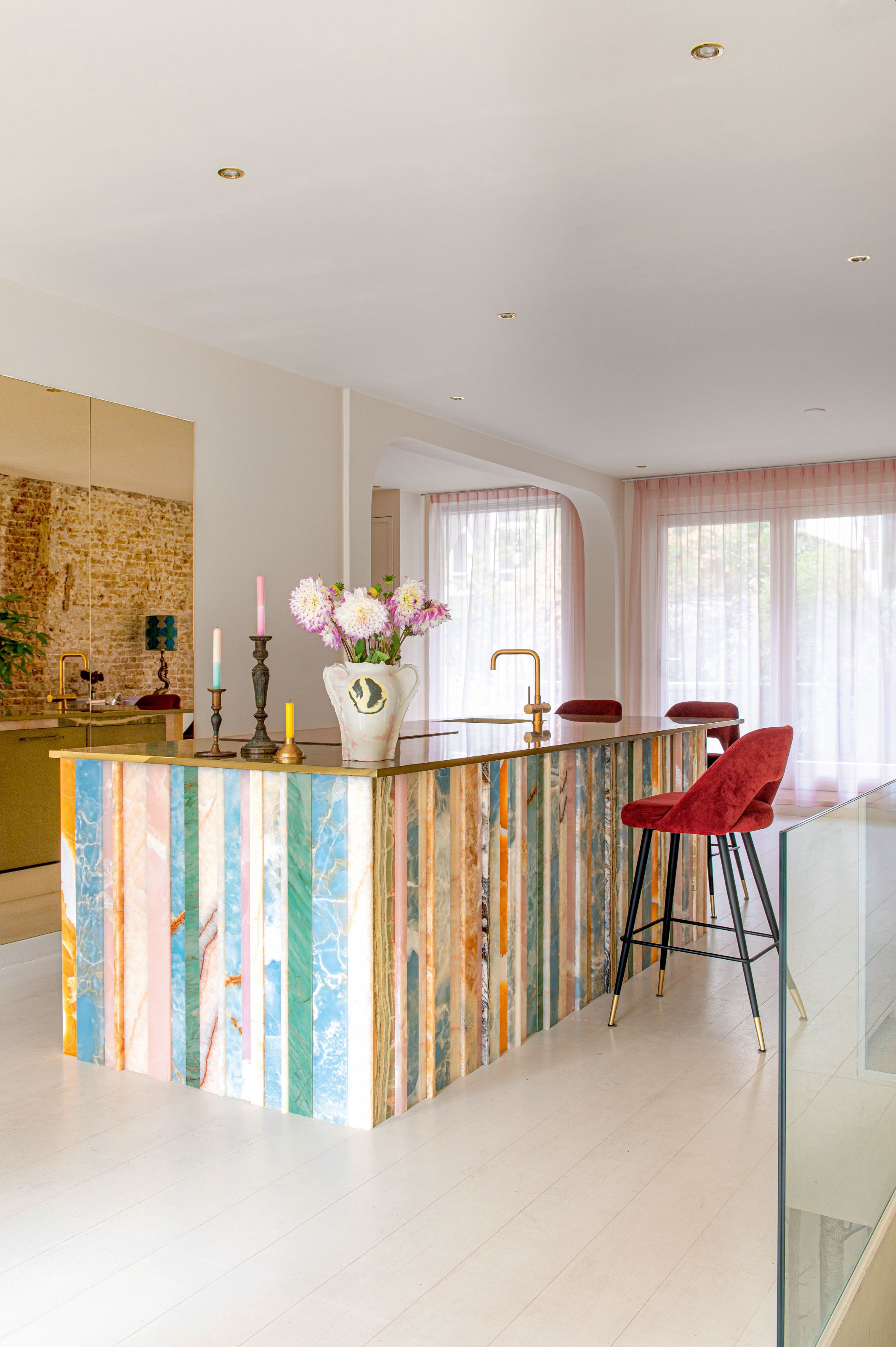
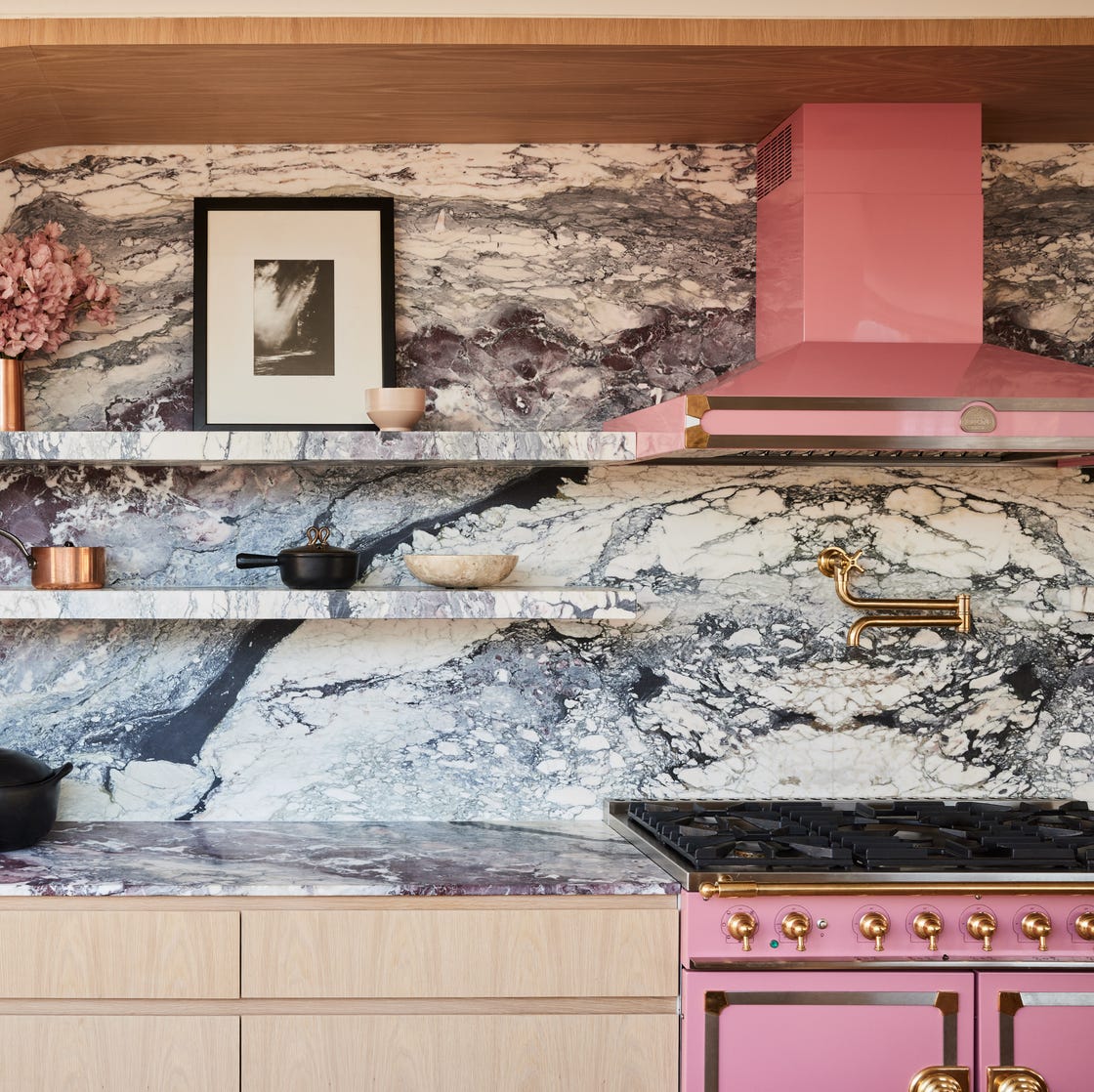
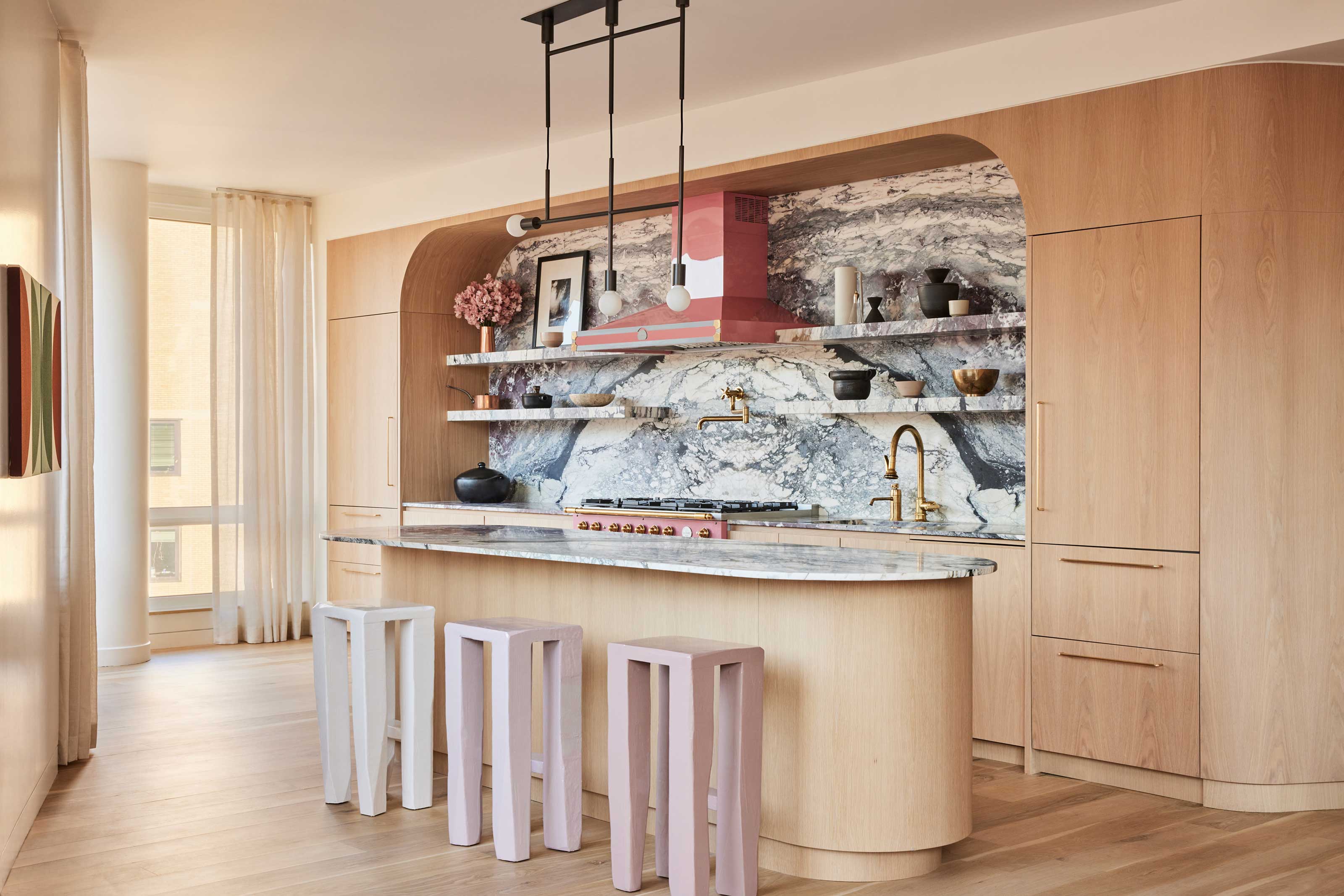
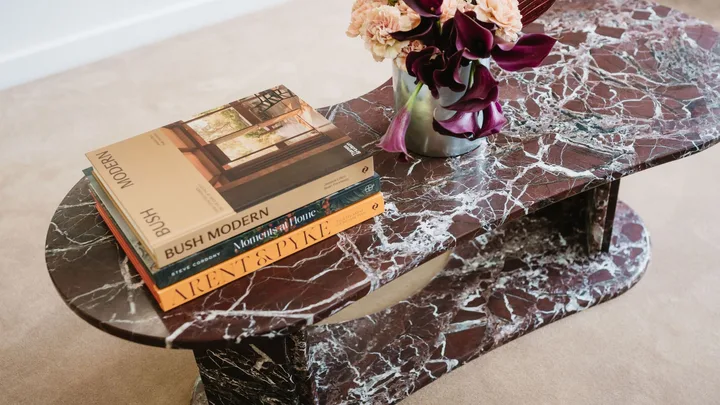
Beyond green, other colors are making a notable impact on surfacing trends. Natural stone is seeing an emergence of deep merlot-toned, rust, soft coral, violet, and deep aubergine slabs. These colors, whether in the veining or the body of the slab, are creating bold statements, reflecting an exciting period for more vibrant surfacing options. Porcelain tiles are also incorporating these hues in solids, patterns, and stone-look designs.
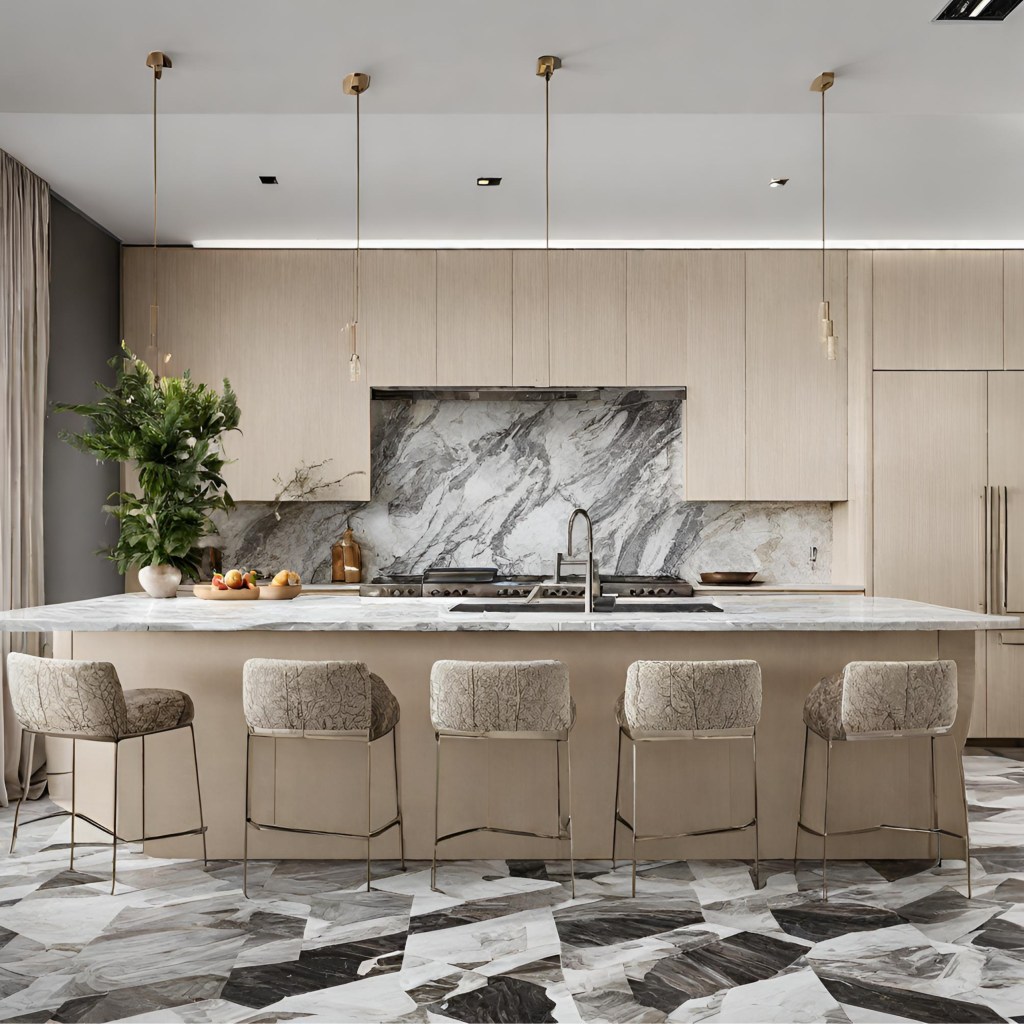
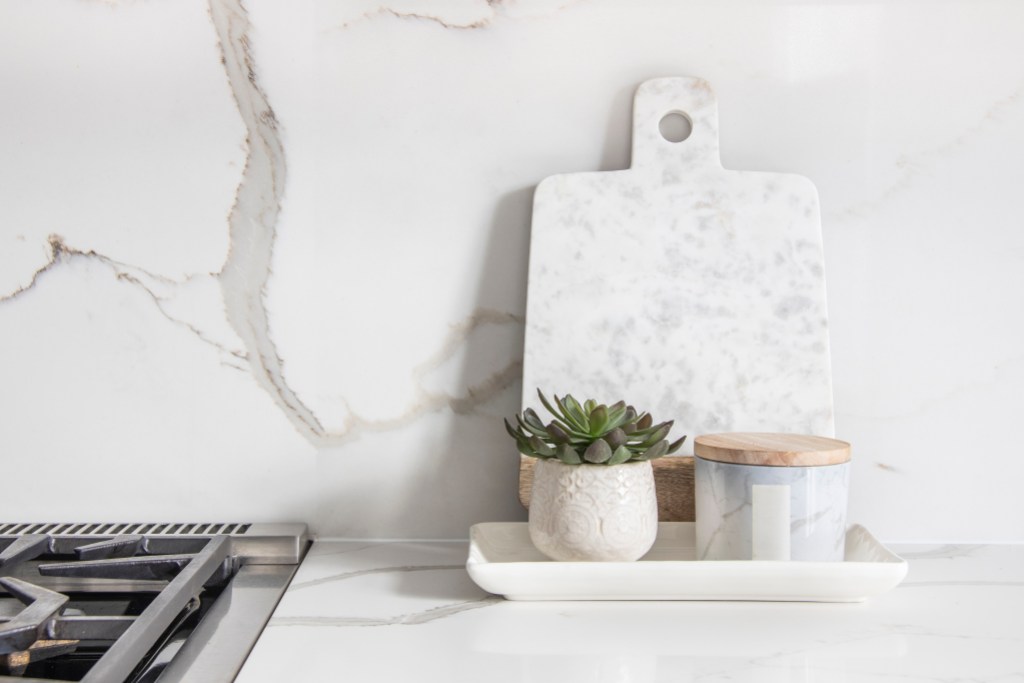

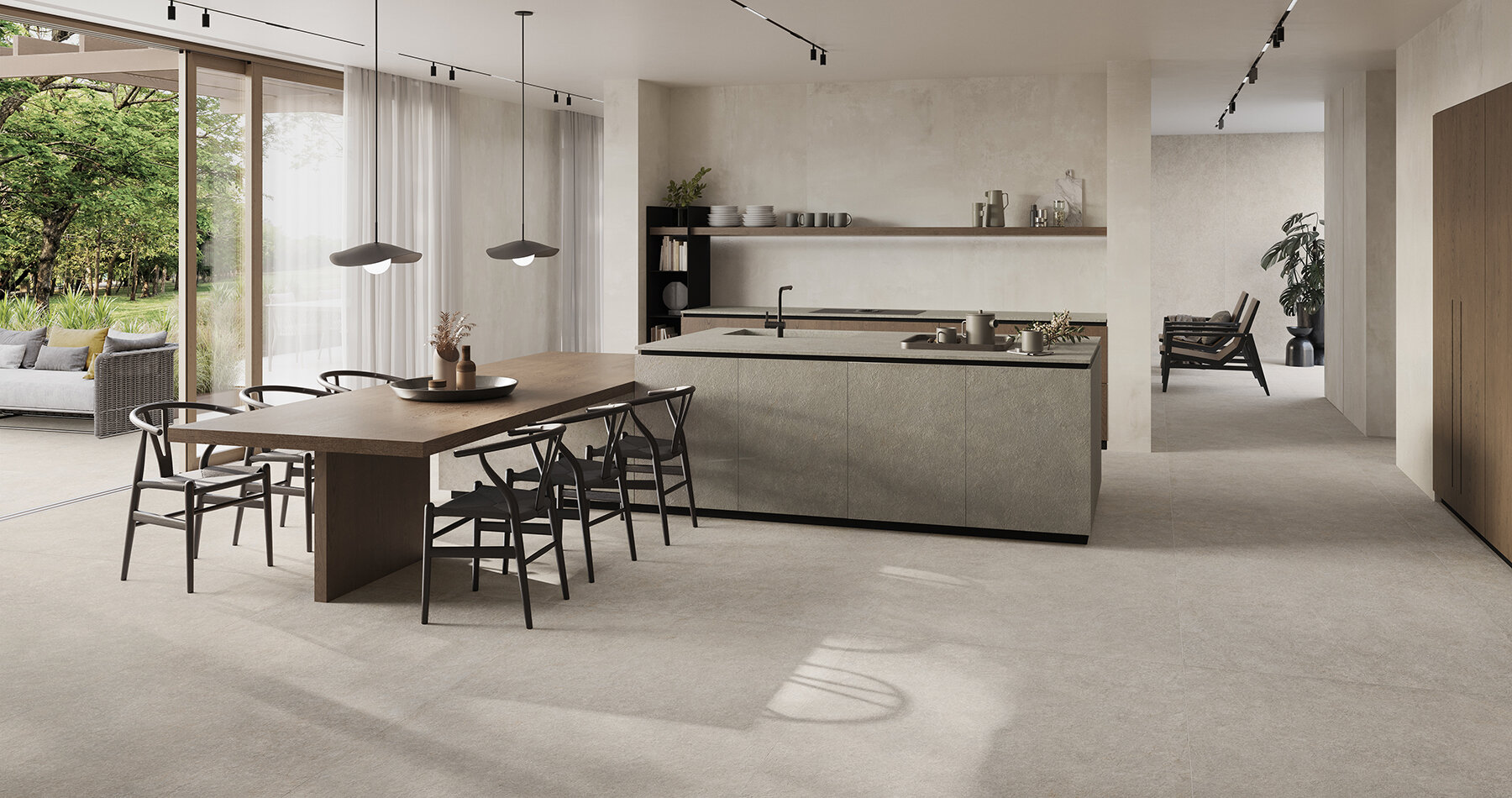
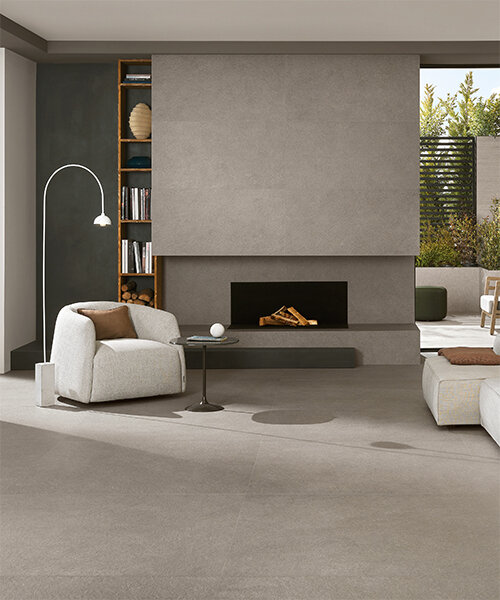
Warm neutrals represent a major trend with significant longevity. There is a strong resurgence in the use of ivory travertine, both in its natural form and in porcelain tile iterations. Vein-cut travertine, including ivory and silver varieties, which blend warm gray tonality with ivory and beige, is particularly popular. Taj Mahal quartzite, a warm beige stone, is widely specified and highly favored for its universal appeal. Cristallo quartzite, known for its soft white tones, warm golden veining, neutral aesthetic, durability, and backlighting capability, also enjoys widespread popularity. Soft beige-toned porcelain tiles, mimicking warm concrete, plaster, and natural stones like travertine, are being used for both indoor and outdoor applications, including porcelain pavers.
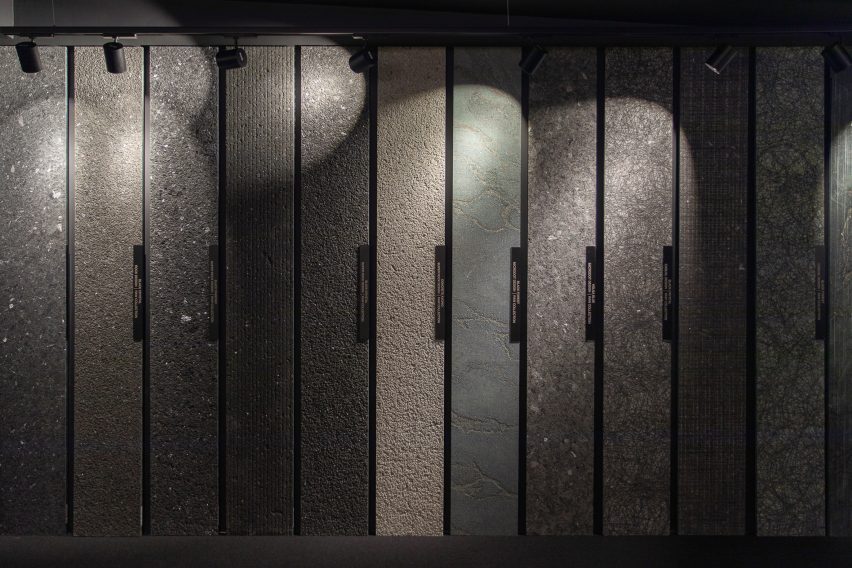
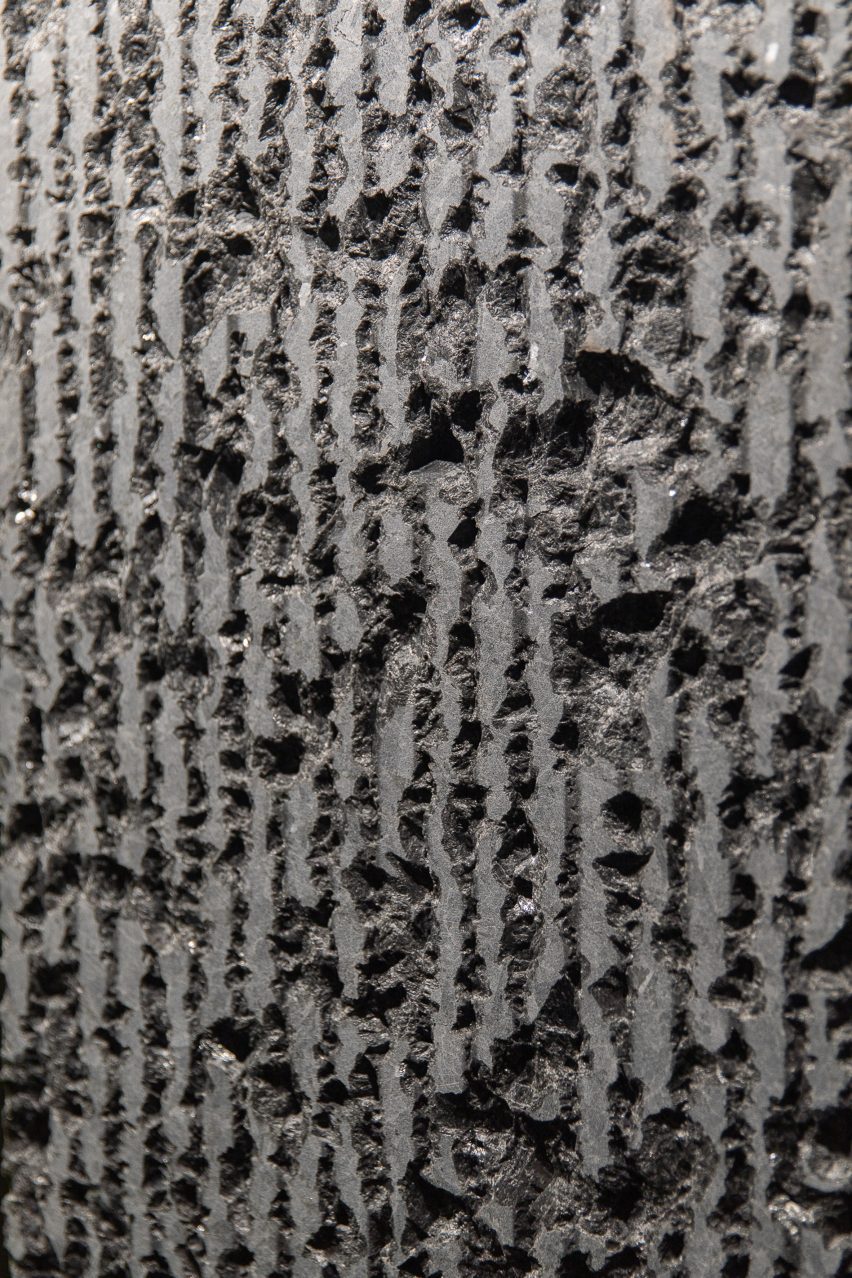
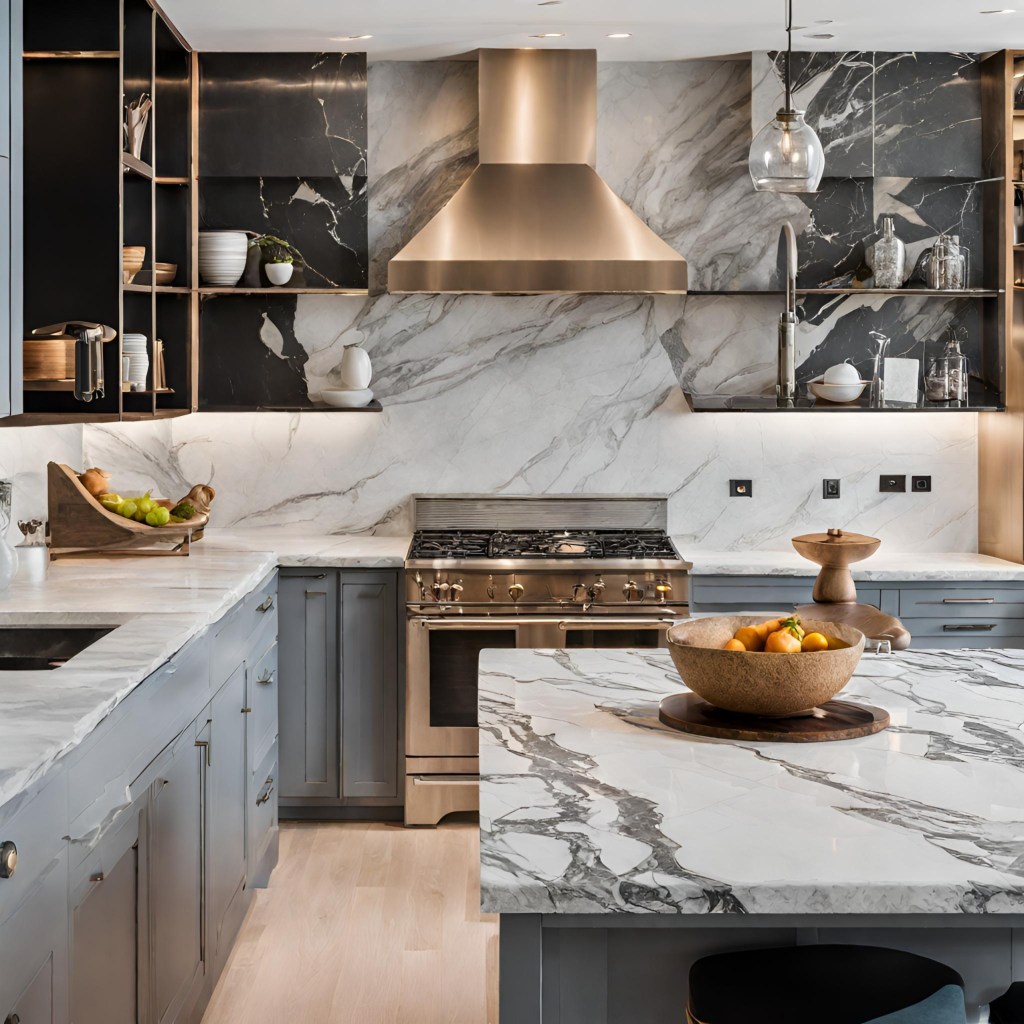
Darker stone looks also constitute a significant trend, providing a contrasting option to the warm, light-toned surfaces. Black, dark brown, and even bronze tones are frequently specified in natural stone. The combination of these dark tones with warmer neutrals has proven to be a successful design strategy. Engineered stone and porcelain tile also offer a wide array of dark options.
Looking ahead, green is expected to maintain its status as a top choice for bolder hues, followed by merlot and warm coral/rust tones. Warm beige, ivory, soft taupes, and greige will continue to be prominent neutral selections. The current era is characterized by a rich and diverse color palette in surfacing and cladding materials, with each year introducing new and exciting trends across all design facets.
#NaturalStone #InteriorDesign #ColorTrends #SurfaceMaterials #GreenDesign #WarmNeutrals #PorcelainTile #Quartzite #NaturalStone #InteriorDesign #ColorTrends #SurfaceMaterials #GreenDesign #WarmNeutrals #PorcelainTile #Quartzite
0 комментариев всего
 Комментариев пока нет
Вам также может понравиться
Piatraonline unveils Raw stone collection that "adds elegance and warmth to a room"
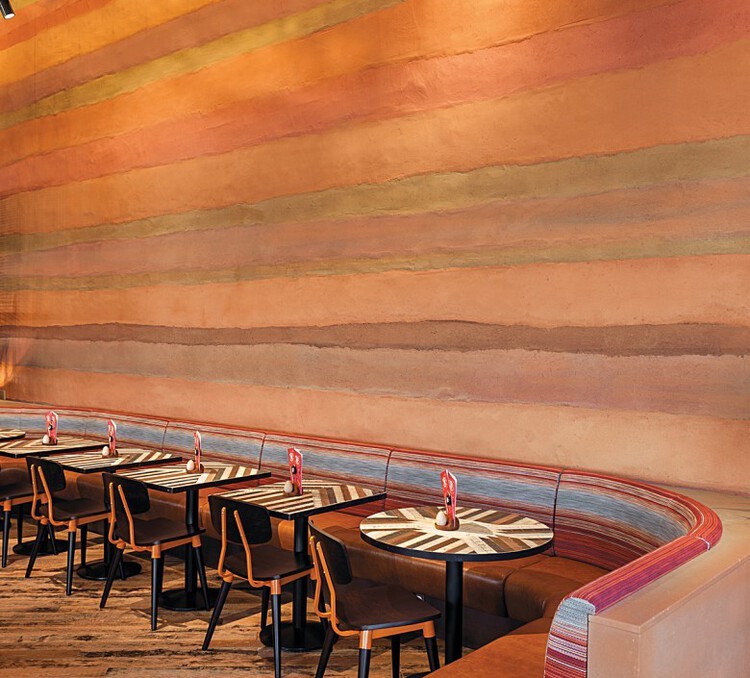
Designing the Appearance of Rammed Earth Walls: The Interplay Between Natural Clay Colors and Pigmentation

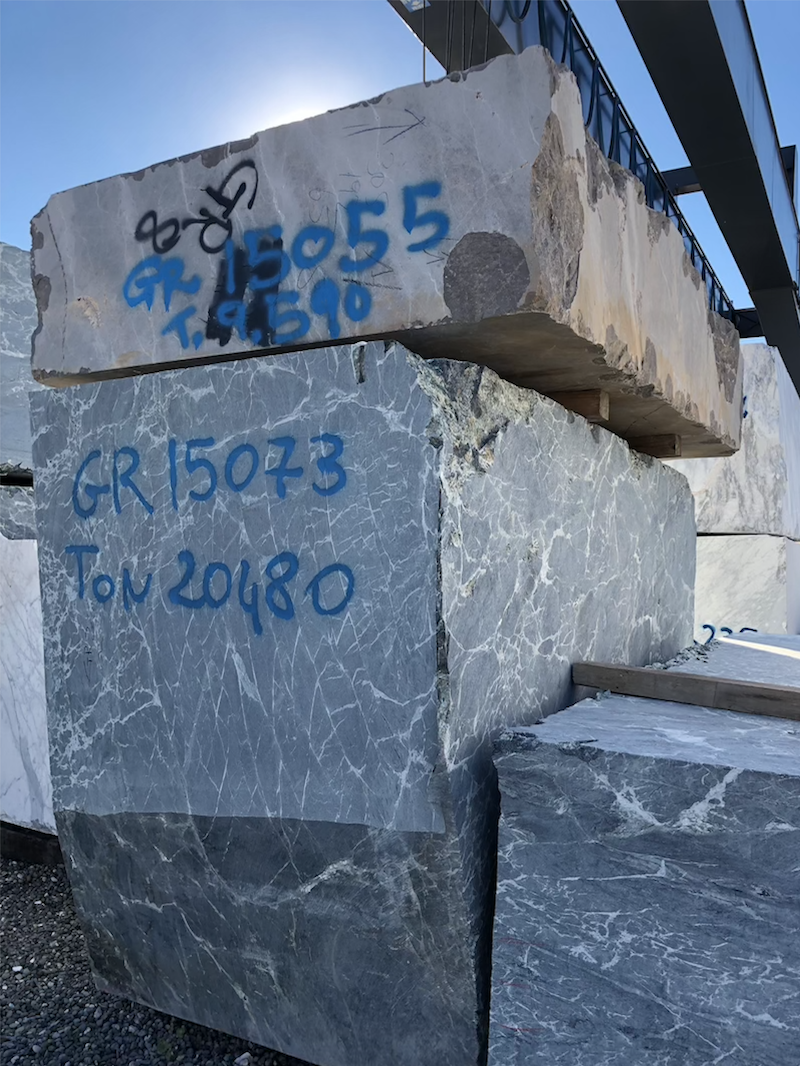
The new rules of marble

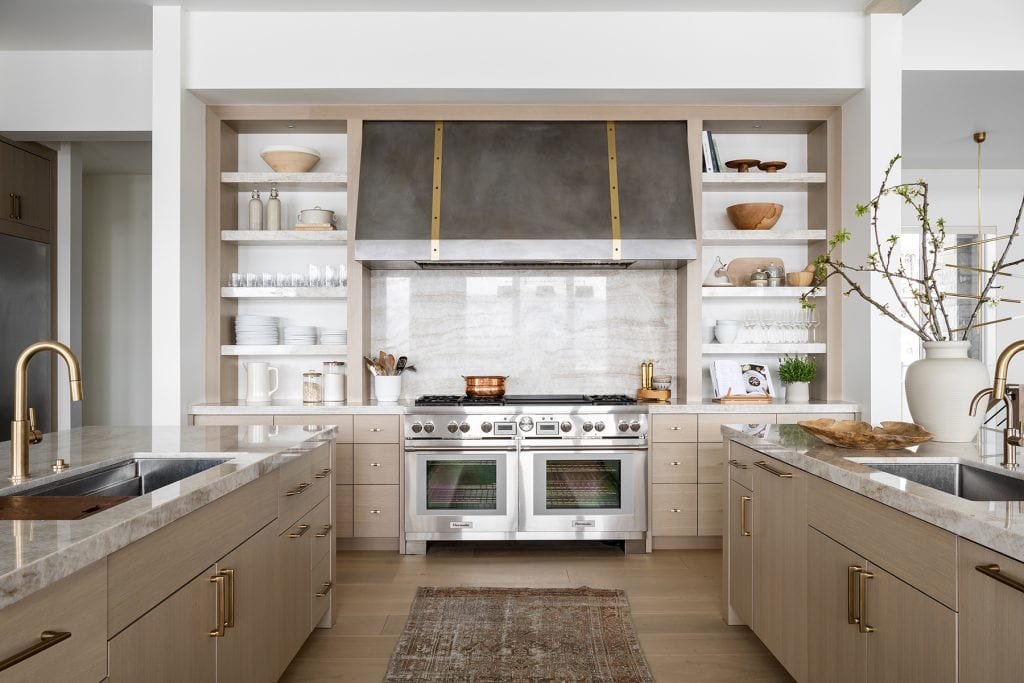
Inside The Trend | Statement Stone
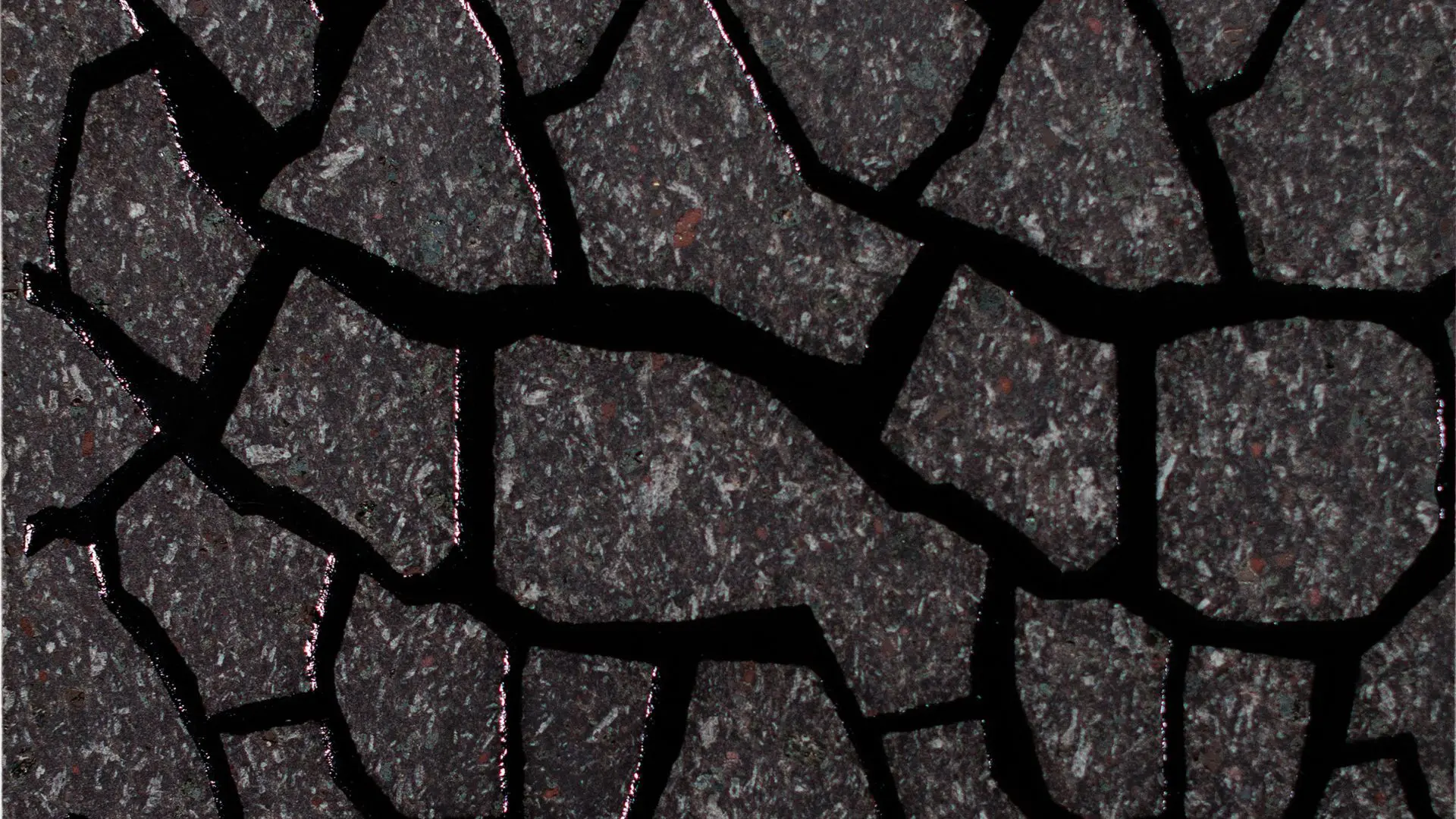
From the purest lava stone to refined collection of tiles and furnishings

Why We’re Seeing Bold, Colorful Marble Everywhere Right Now
atlas concorde harmonizes in & outdoors with sedimentary stone-inspired tiles

Decorative Stones & Gravel

Tips and Tricks with Statement Stone

Use stone to update, add interest to your landscape

5 clever ways to use natural stone in home décor

D-FW designers hone in on bold, colorful marbles for a modern take on a traditional look

Landscape architects love natural stone -- here's why

Luxe look: The interior upgrade that's taking over social media - and it's not what you think
Must-See Tile and Stone Designs From Coverings 2023

Total Interiors Eye Candy — These 6 Rooms Make Mixed Marble the Hero, and I Want to Copy Them All for My Home

This New Table Collection Shows the Richness of Natural Stone
Forget Carrara – these incredible types of marble are what the world's best designers are using instead
Inside CDK Stone's New Adelaide Selection Centre | Belle

FLORIM stone surfaces enhance the indoors with fluid visual transitions