1/5
I'm spending the fall in France – these are the French interior design rules I am now going to live by
The author, Hebe Hatton, Head of Interiors at Homes & Gardens, discusses her long-standing fascination with French fashion and its effortless, chic, and relaxed aesthetic, which she describes as “quiet luxury.” While acknowledging the difficulty of replicating this inherent 'je ne sais quoi' in personal style without being French, she expresses a strong desire to infuse her home with this coveted look. Currently immersed in French culture, interiors, and architecture during a fall trip to France, Hatton is identifying key principles that define French interior design to translate them into her own living space. She notes that French style balances laid-back relaxation with sophistication and elegance, a combination that, despite seeming simple, requires careful execution.
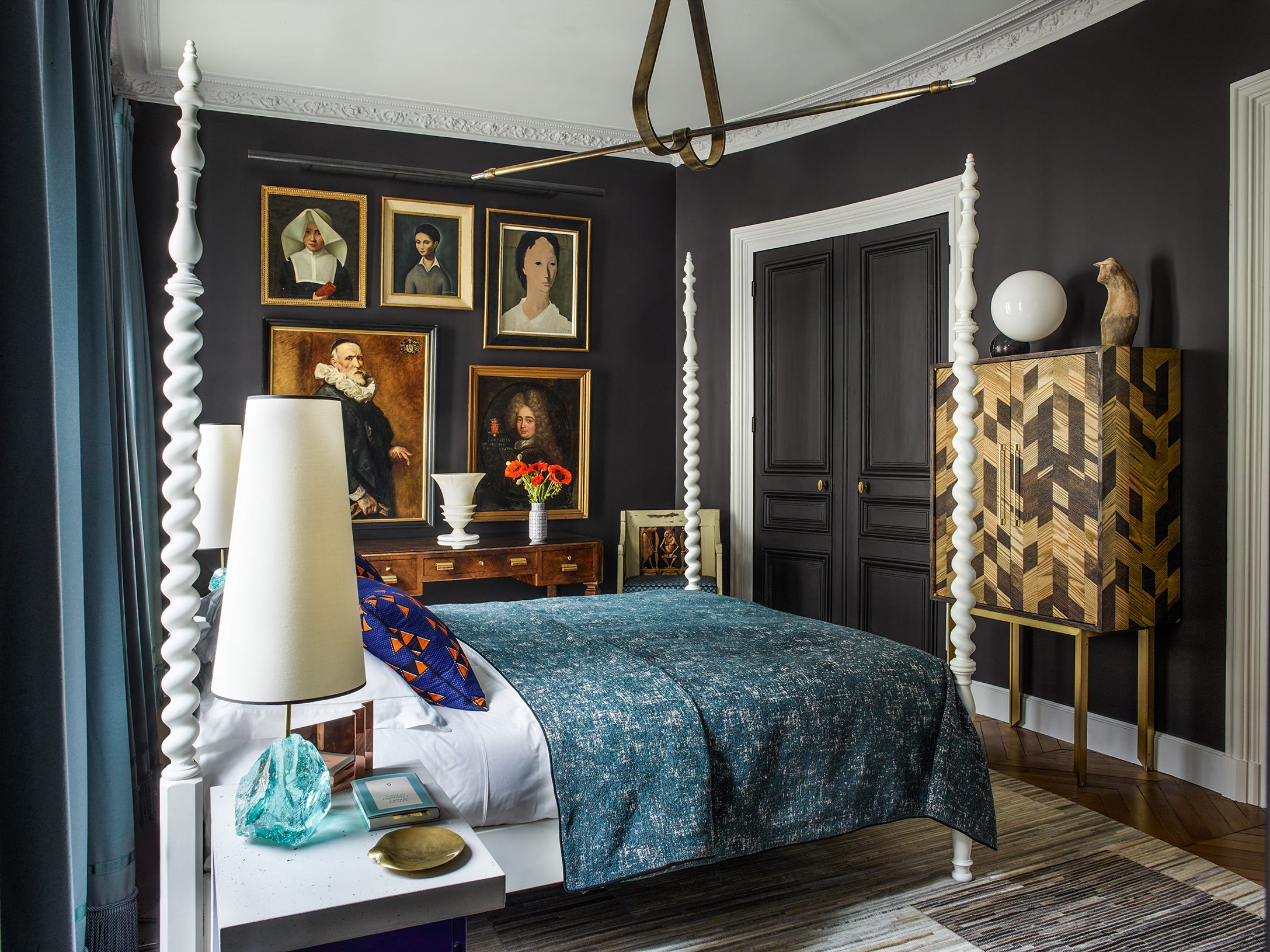
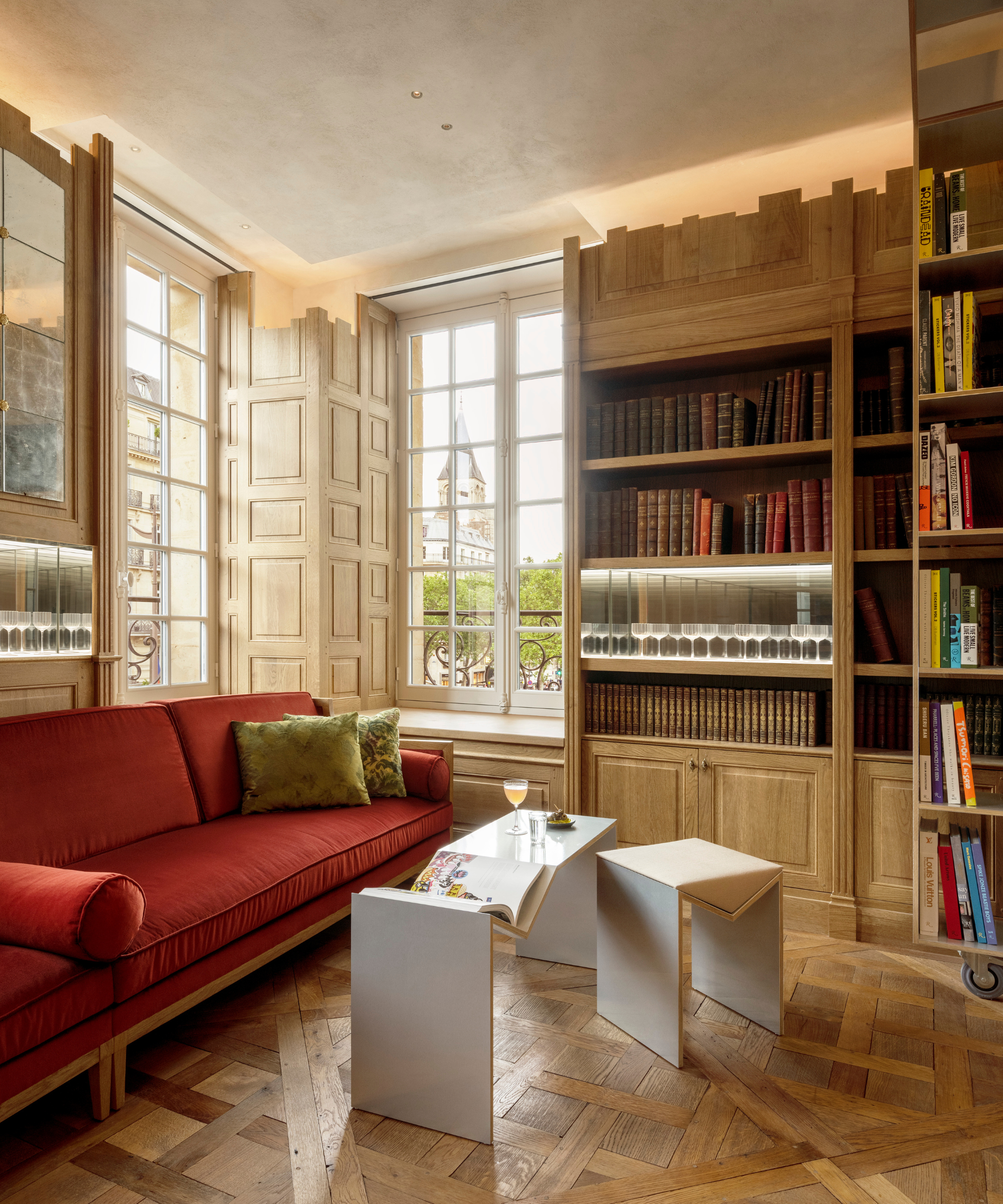
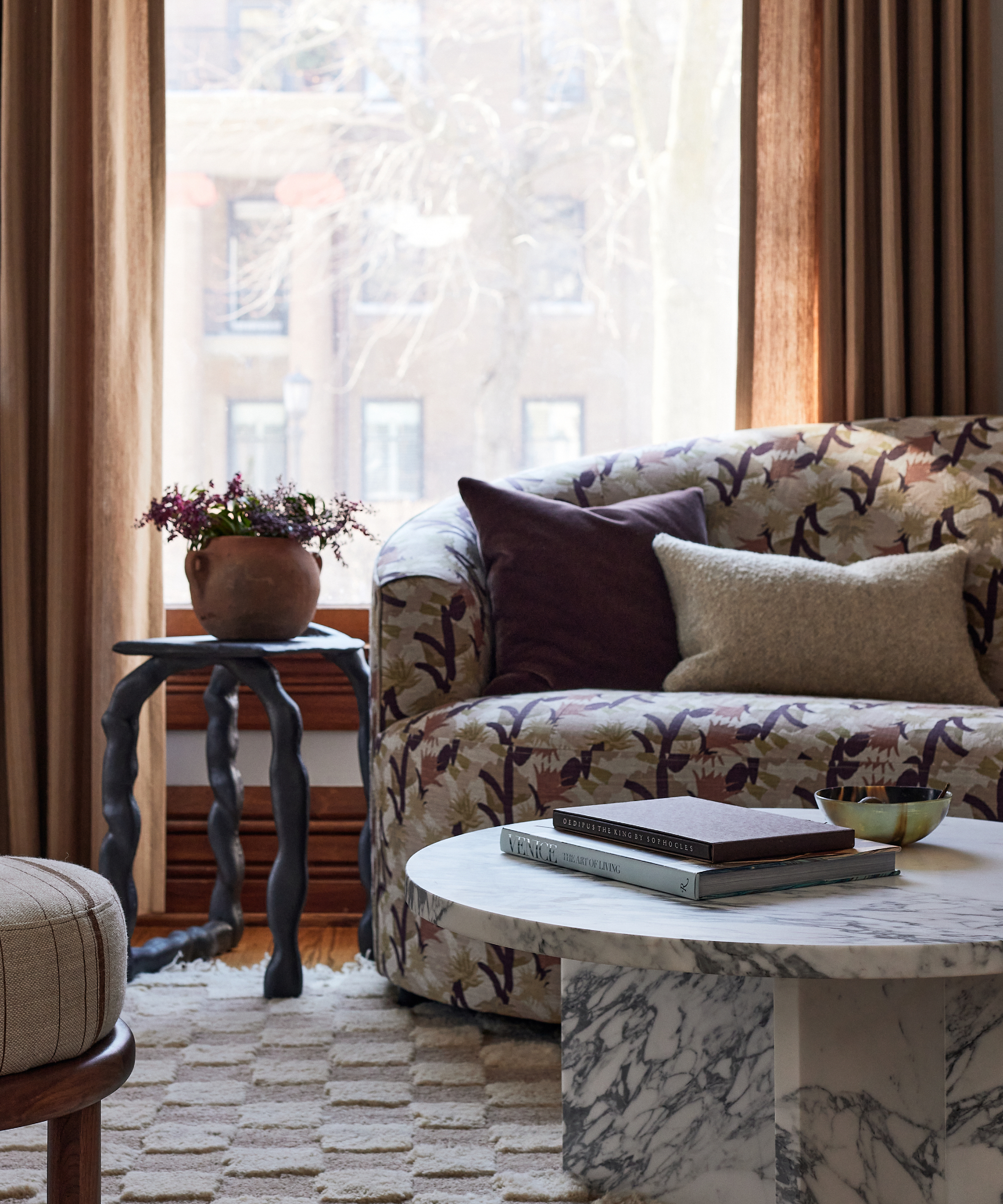
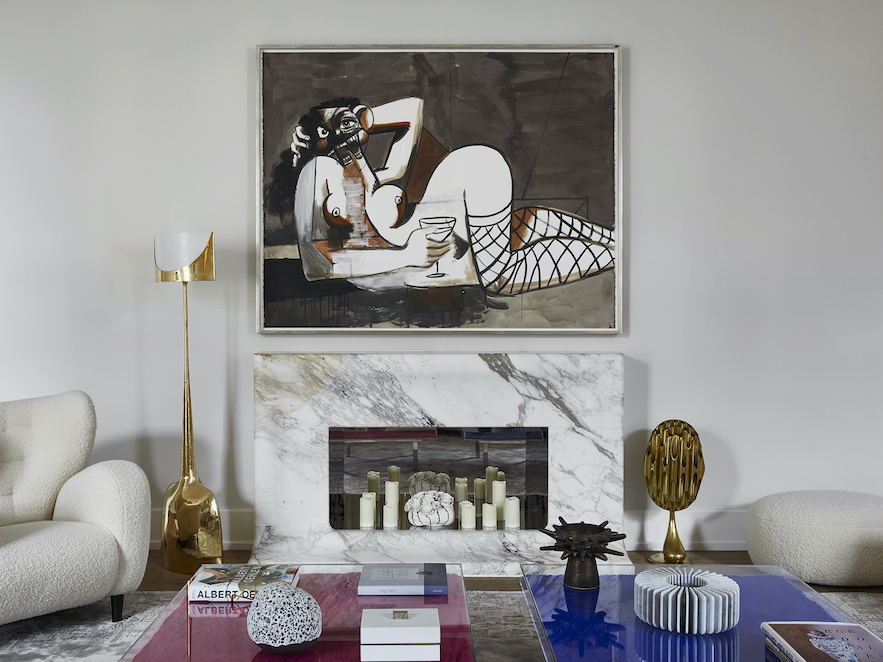
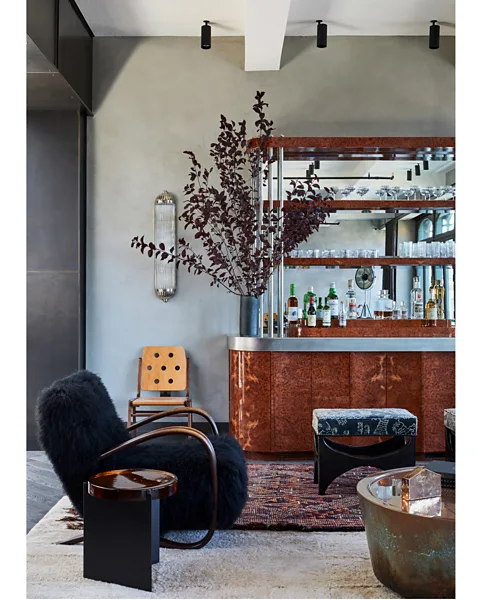
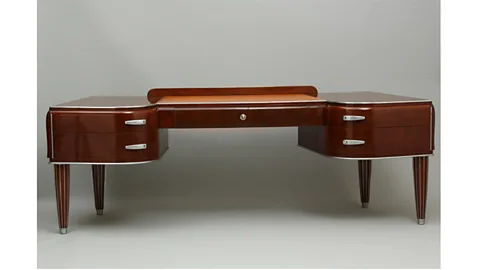
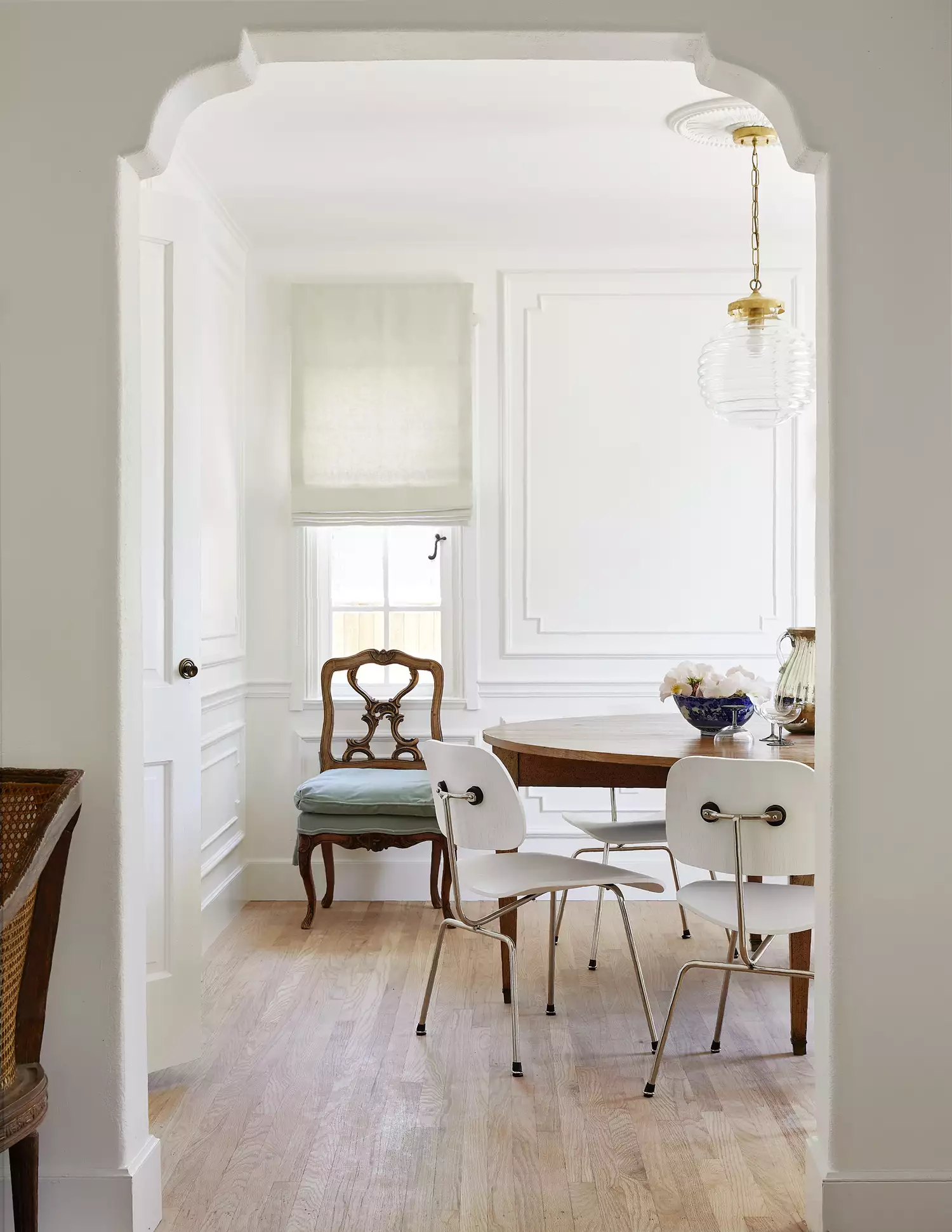
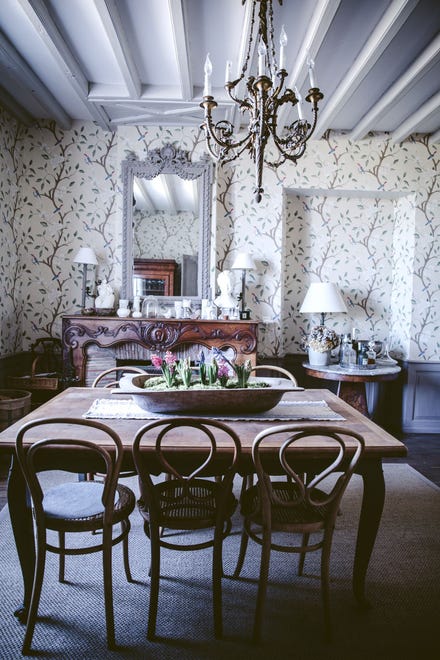
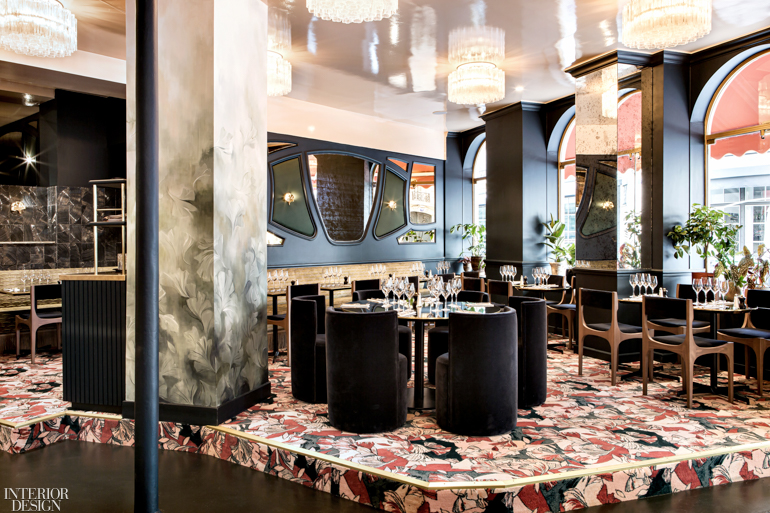
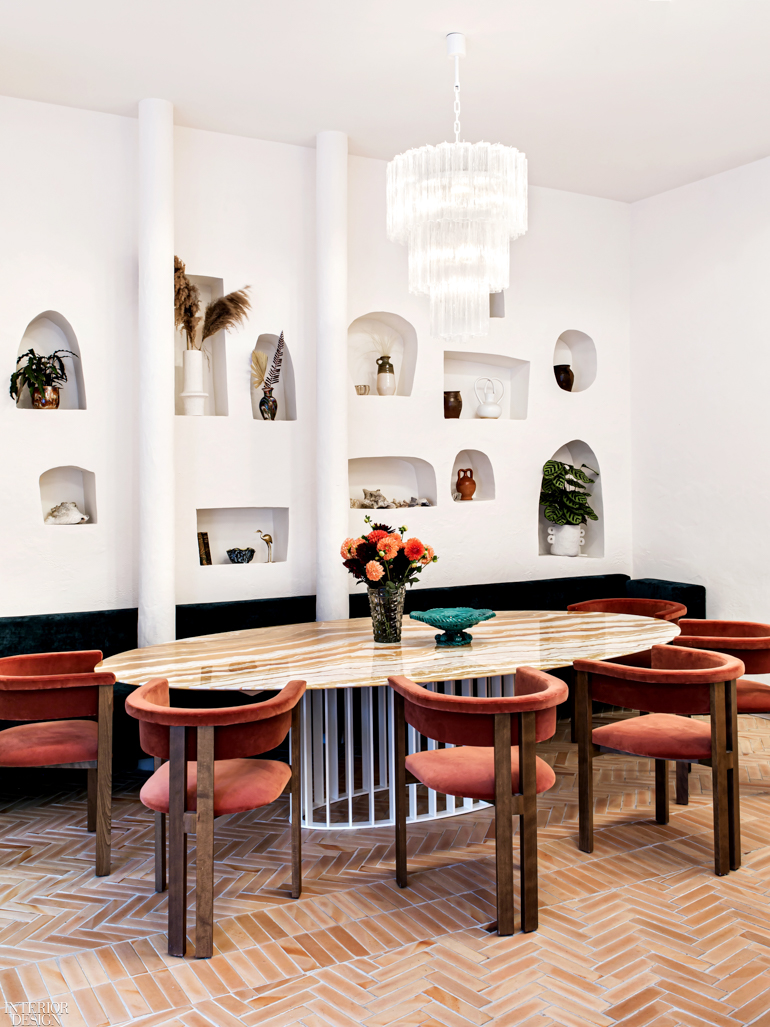
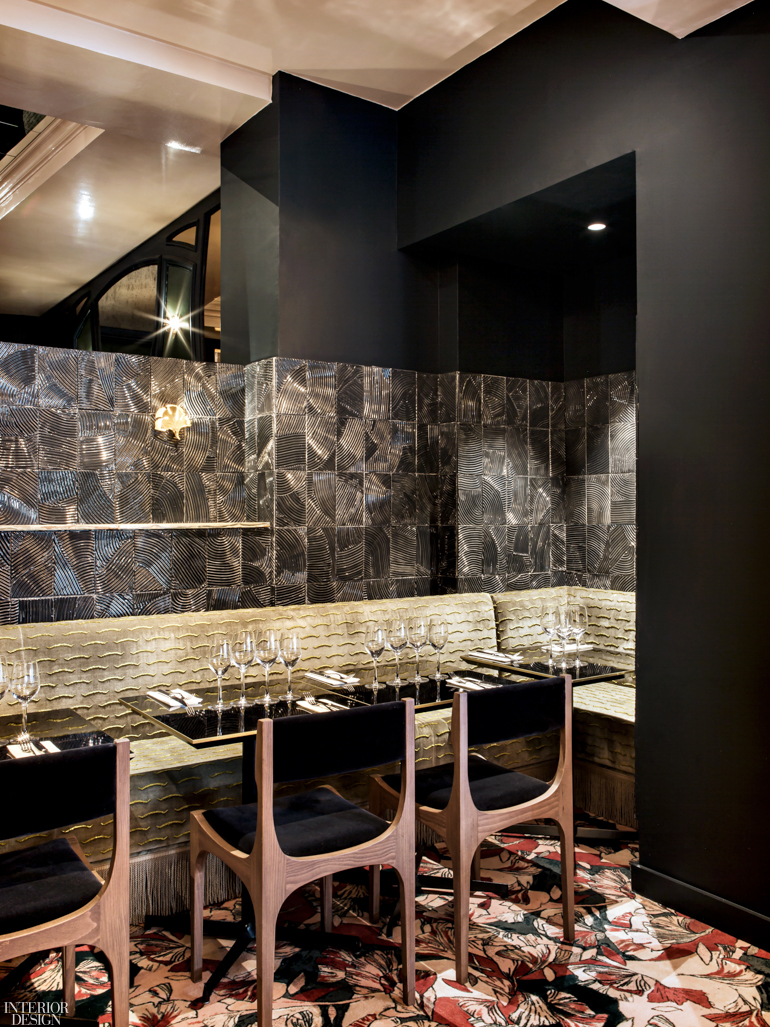
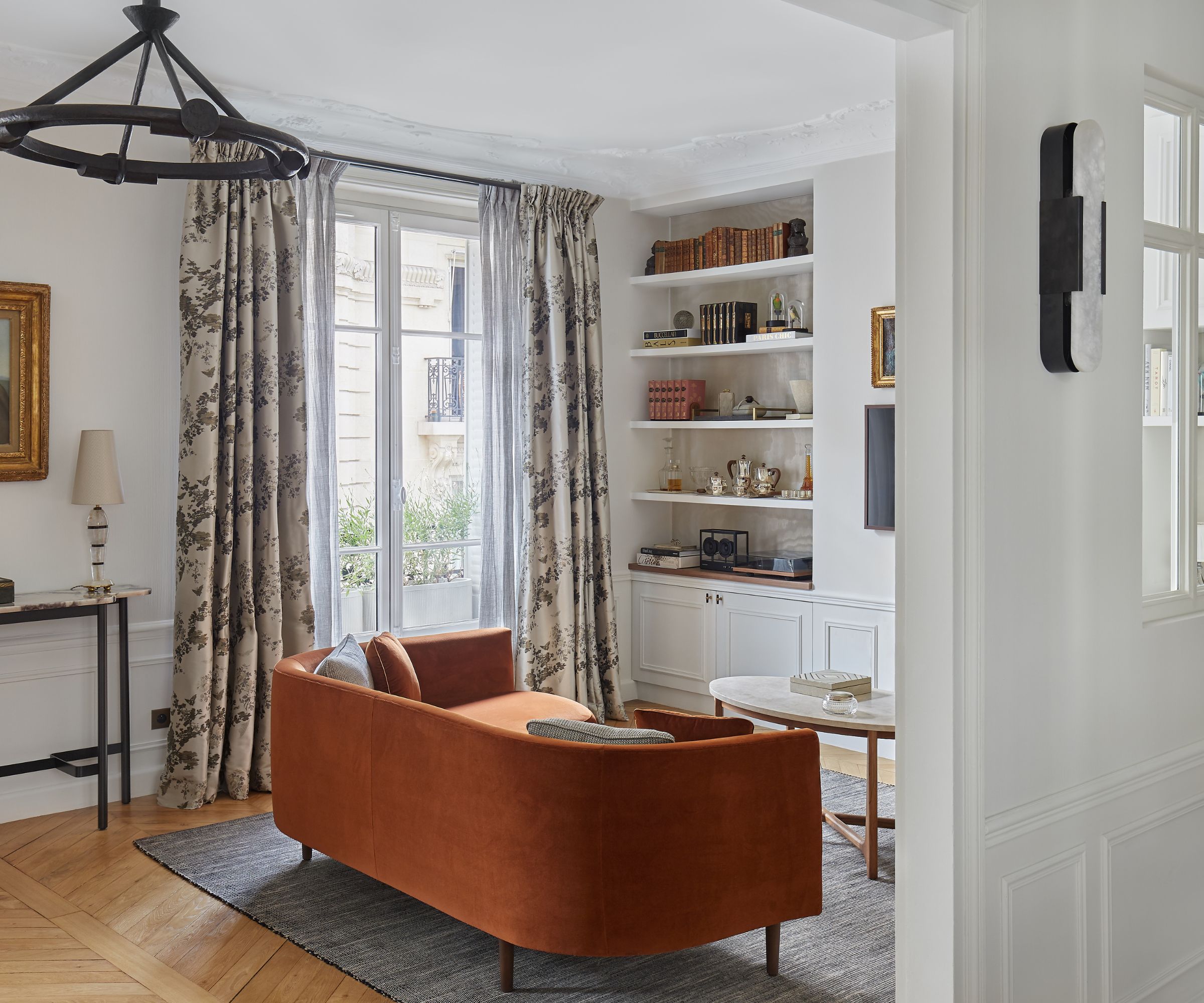
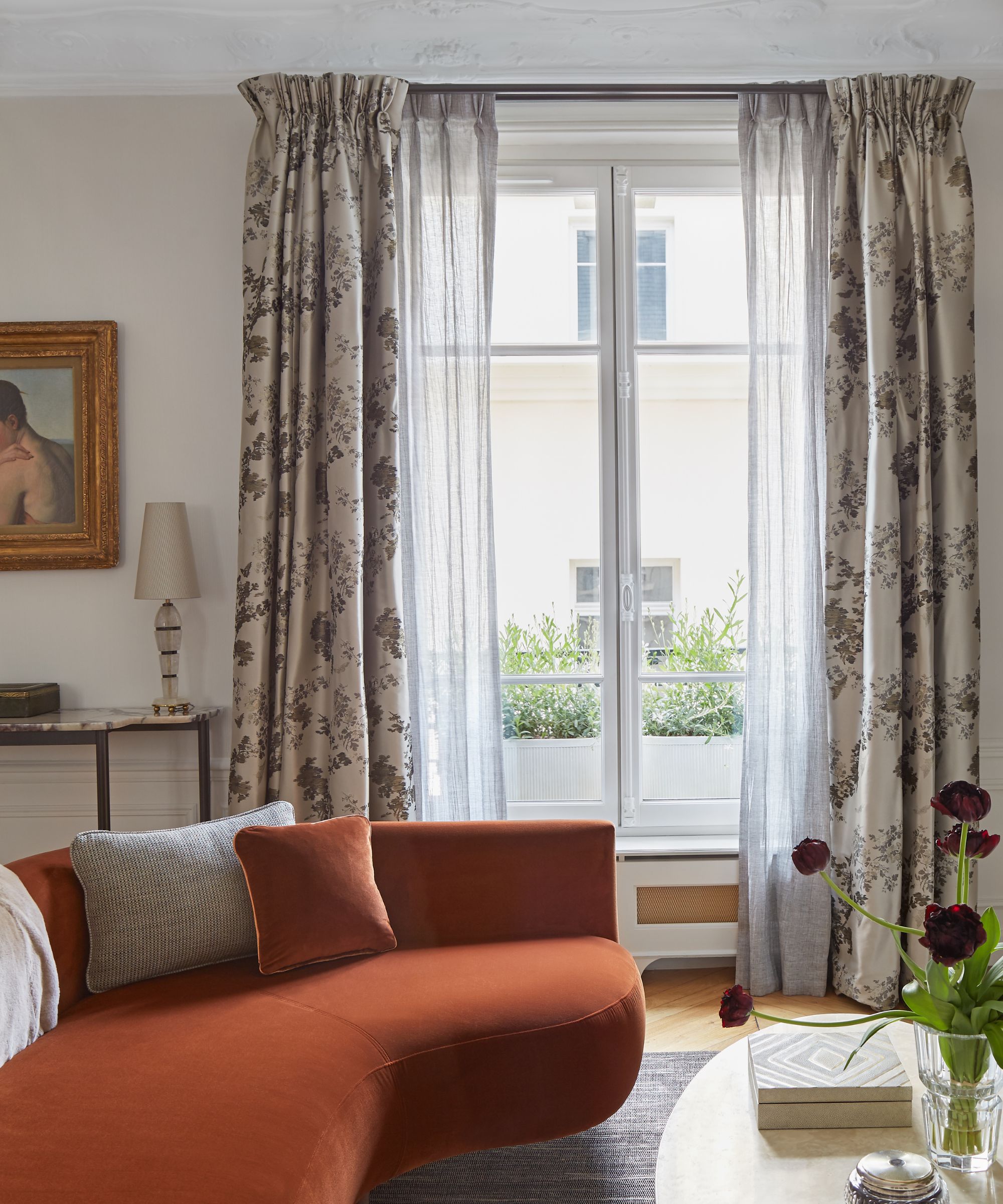
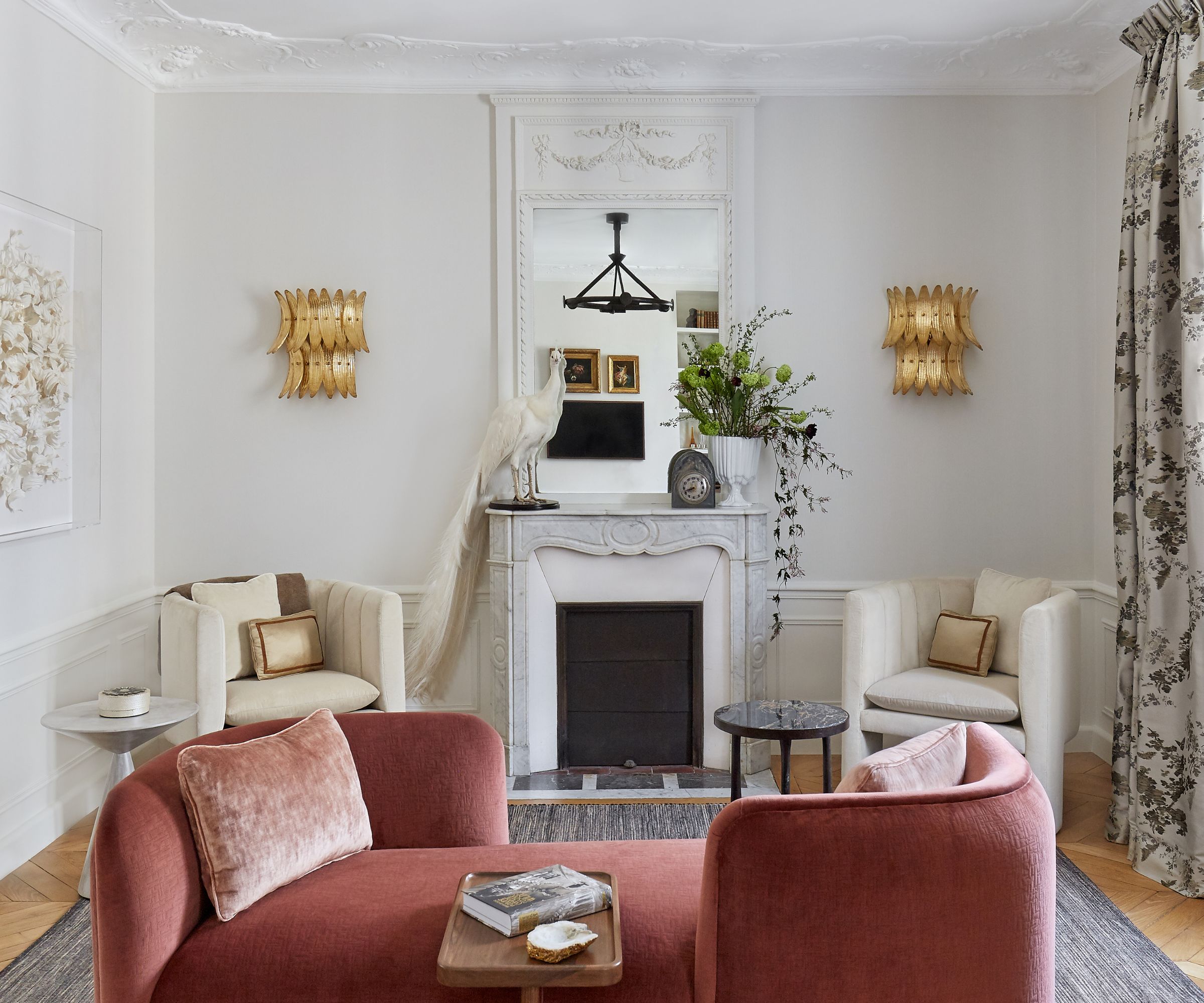
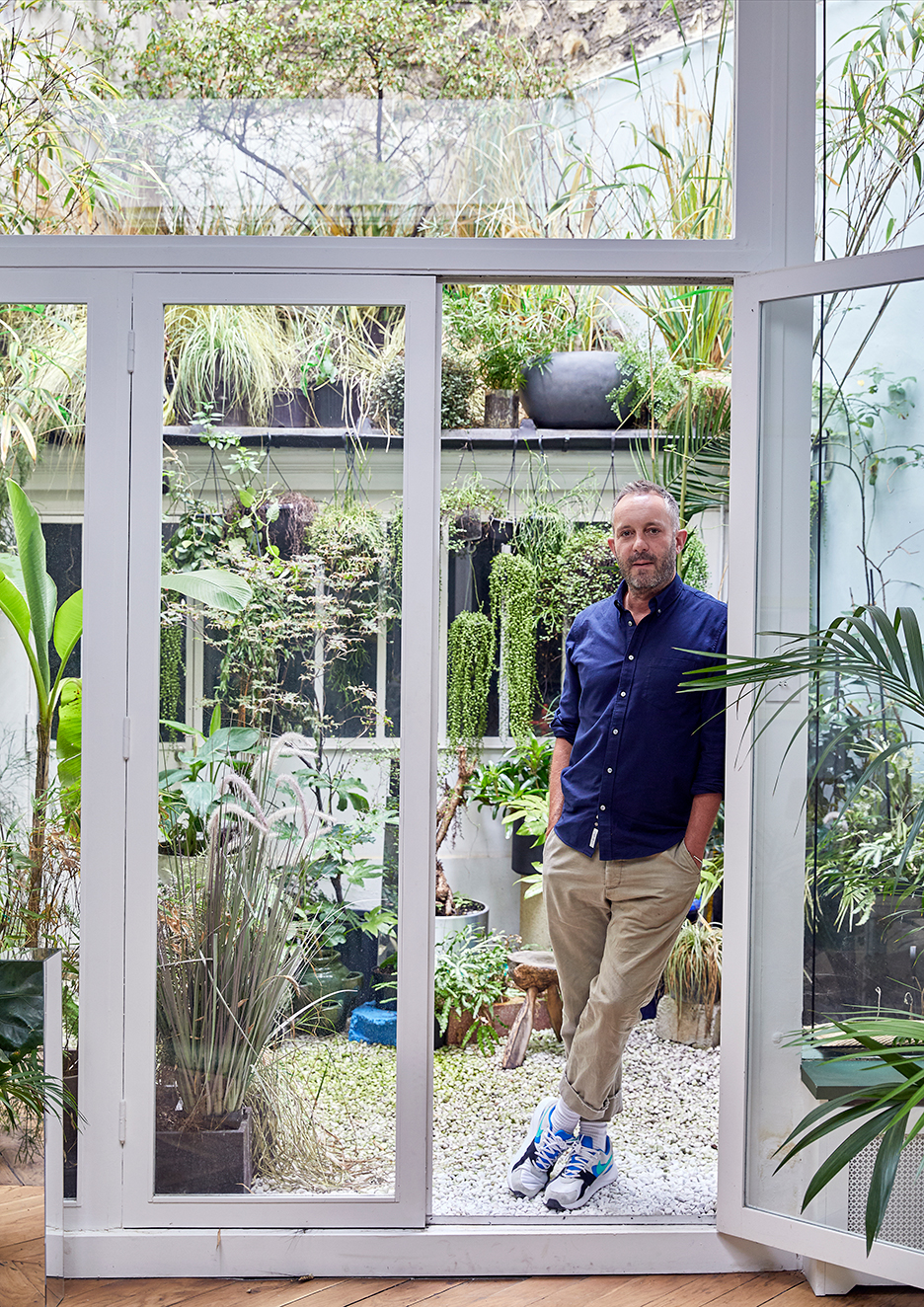
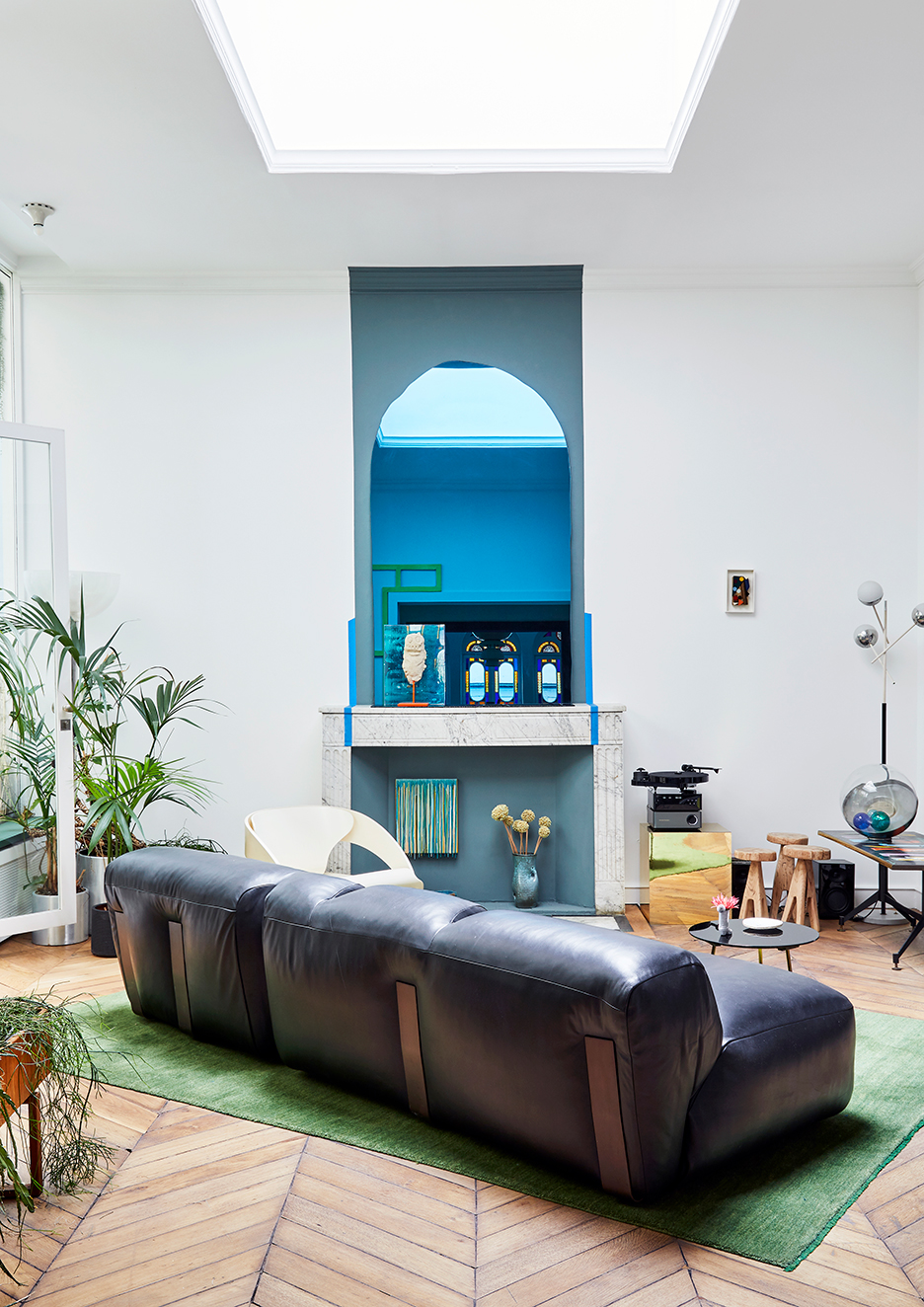
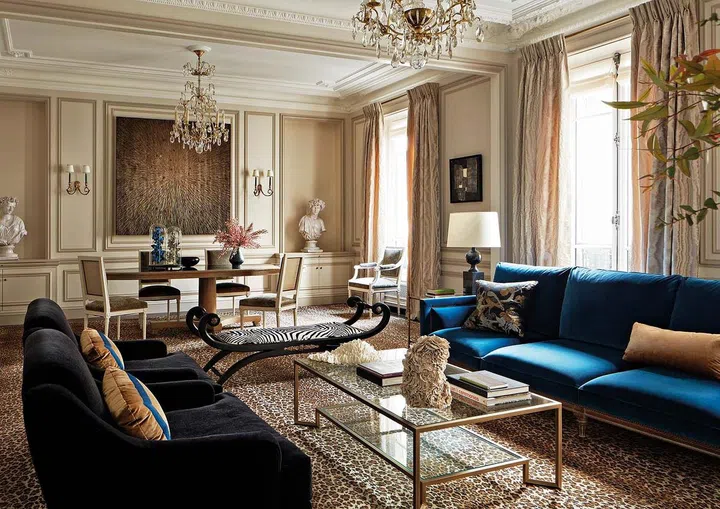
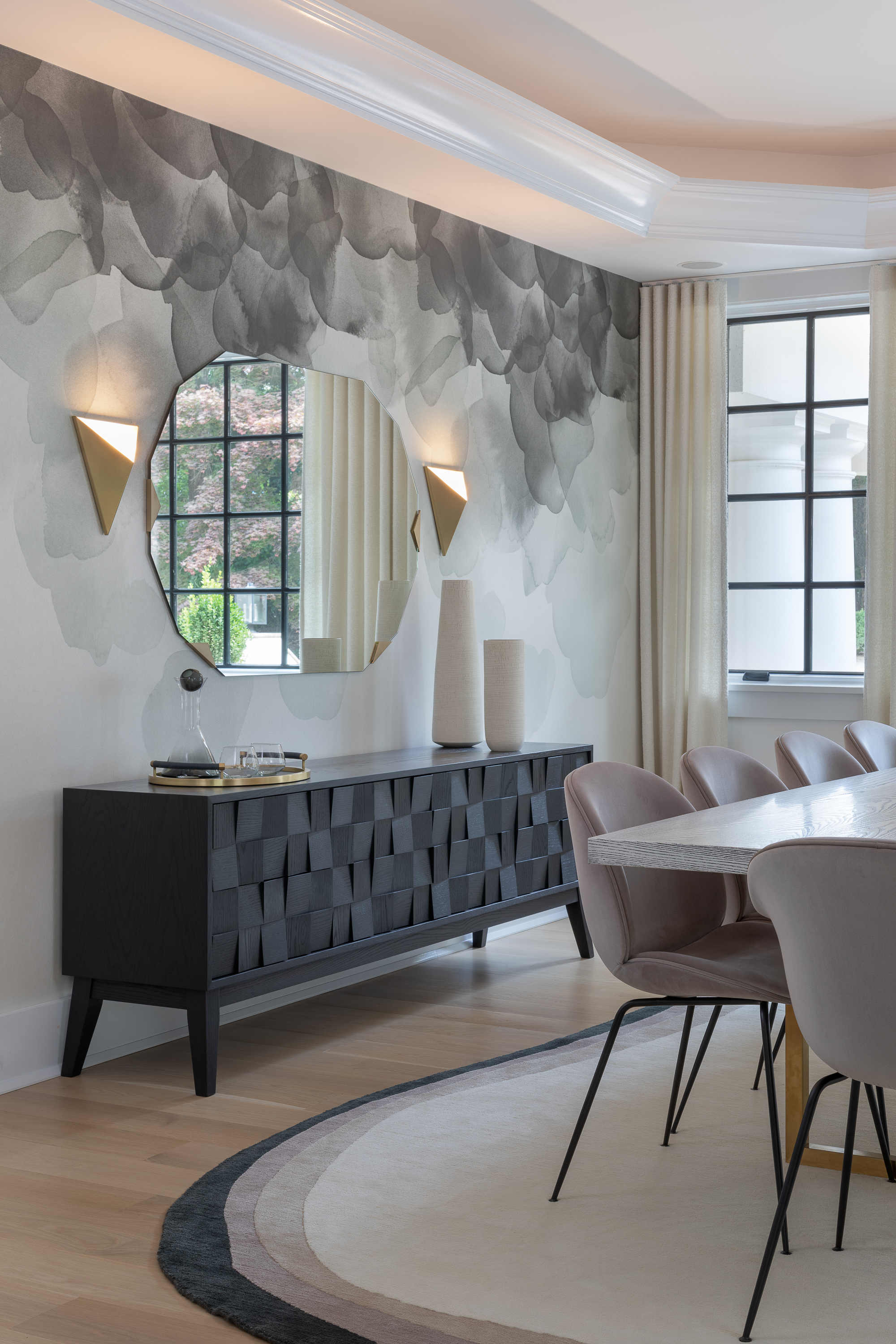
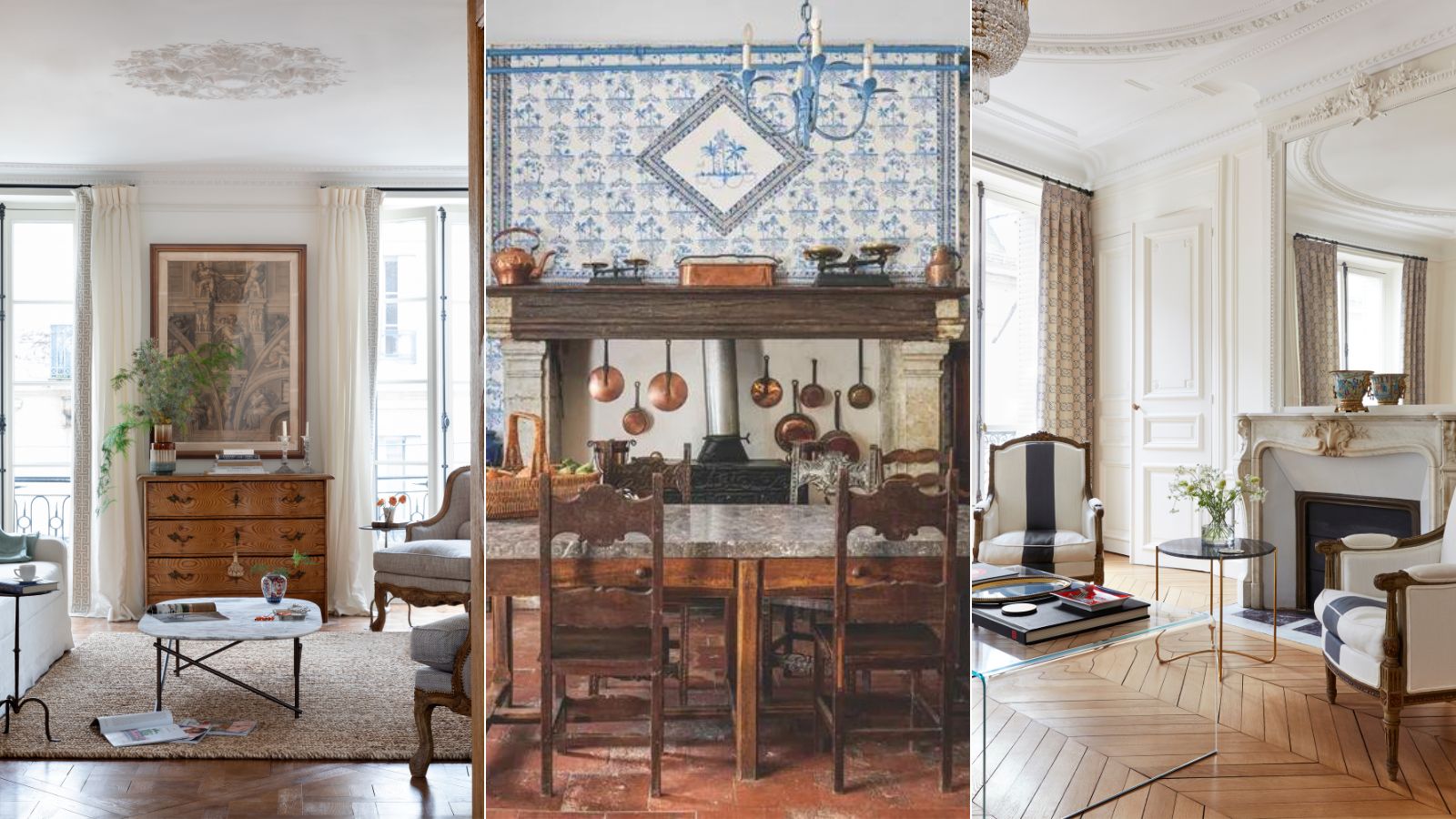
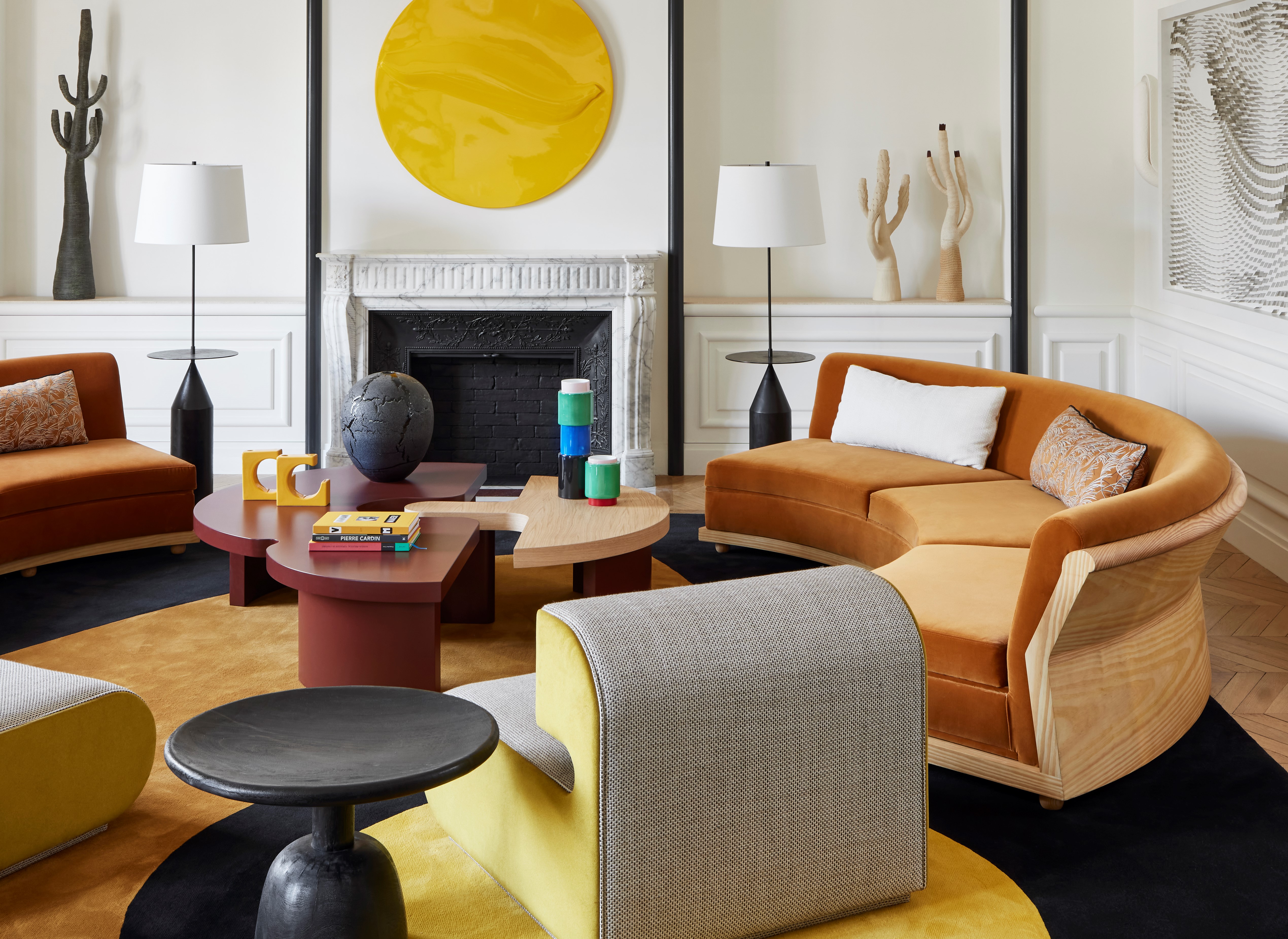
To achieve this aesthetic, Hatton outlines several rules and insights gathered from her observations and discussions with design experts. The first rule emphasizes the mixing of old and new elements, which creates depth and interest in French interiors. Dorothée Meilichzon, founder of CHZON, highlights the French ability to blend classic influences with 20th-century styles, incorporating graphic elements and modern colors. Design consultant Eleanor Taylor-Roberts further elaborates that the French aesthetic involves a strategic juxtaposition of decor from various eras and sources, such as pairing Western antiques with mid-century modern pieces or street art with contemporary decor. Practical suggestions include choosing chandeliers over modern pendants and integrating distressed pieces, gilded mirrors, and vintage rugs without concern for pattern clashes.
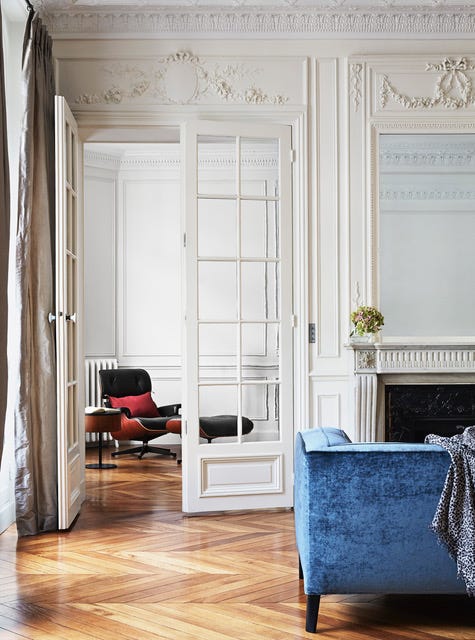
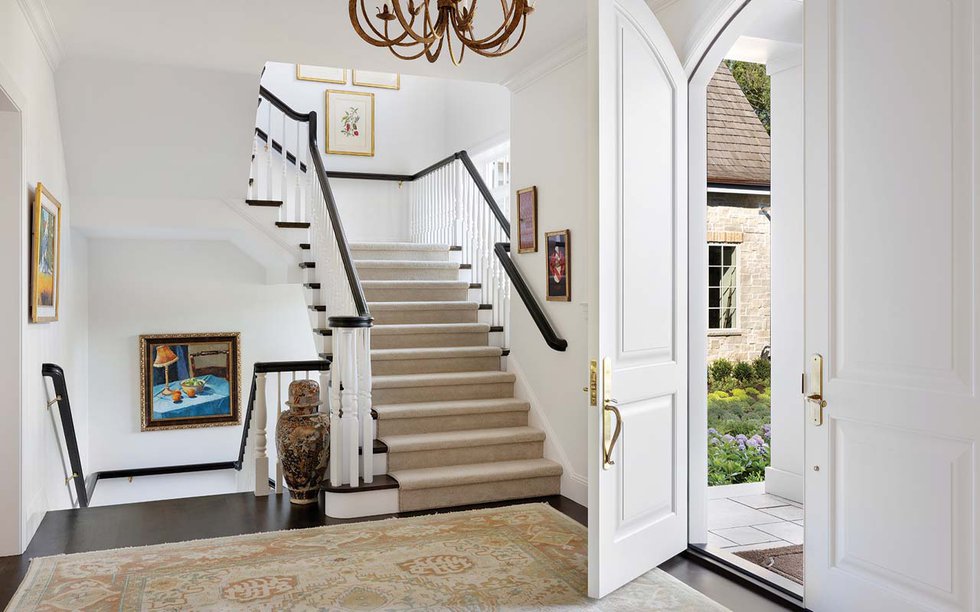
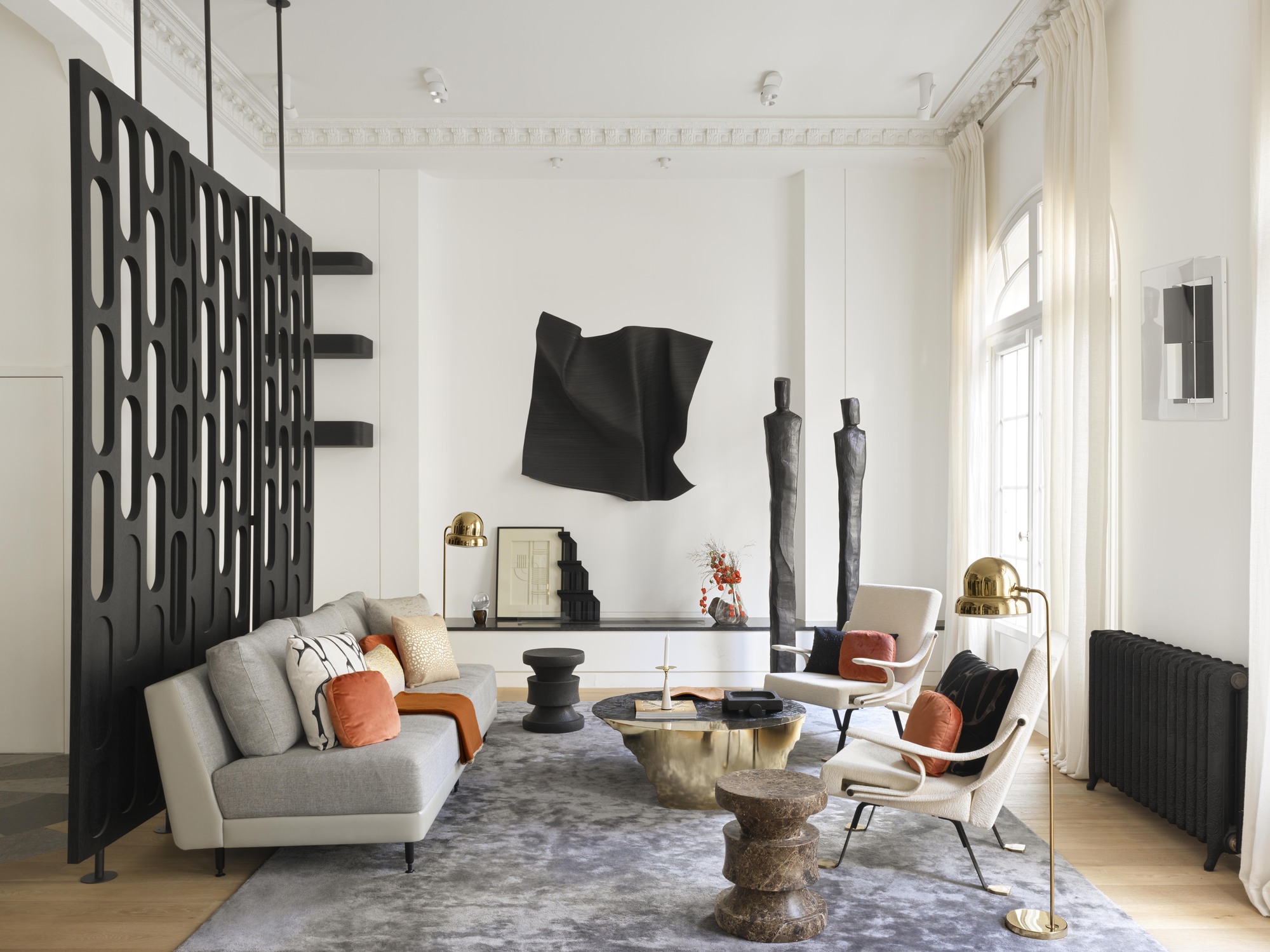
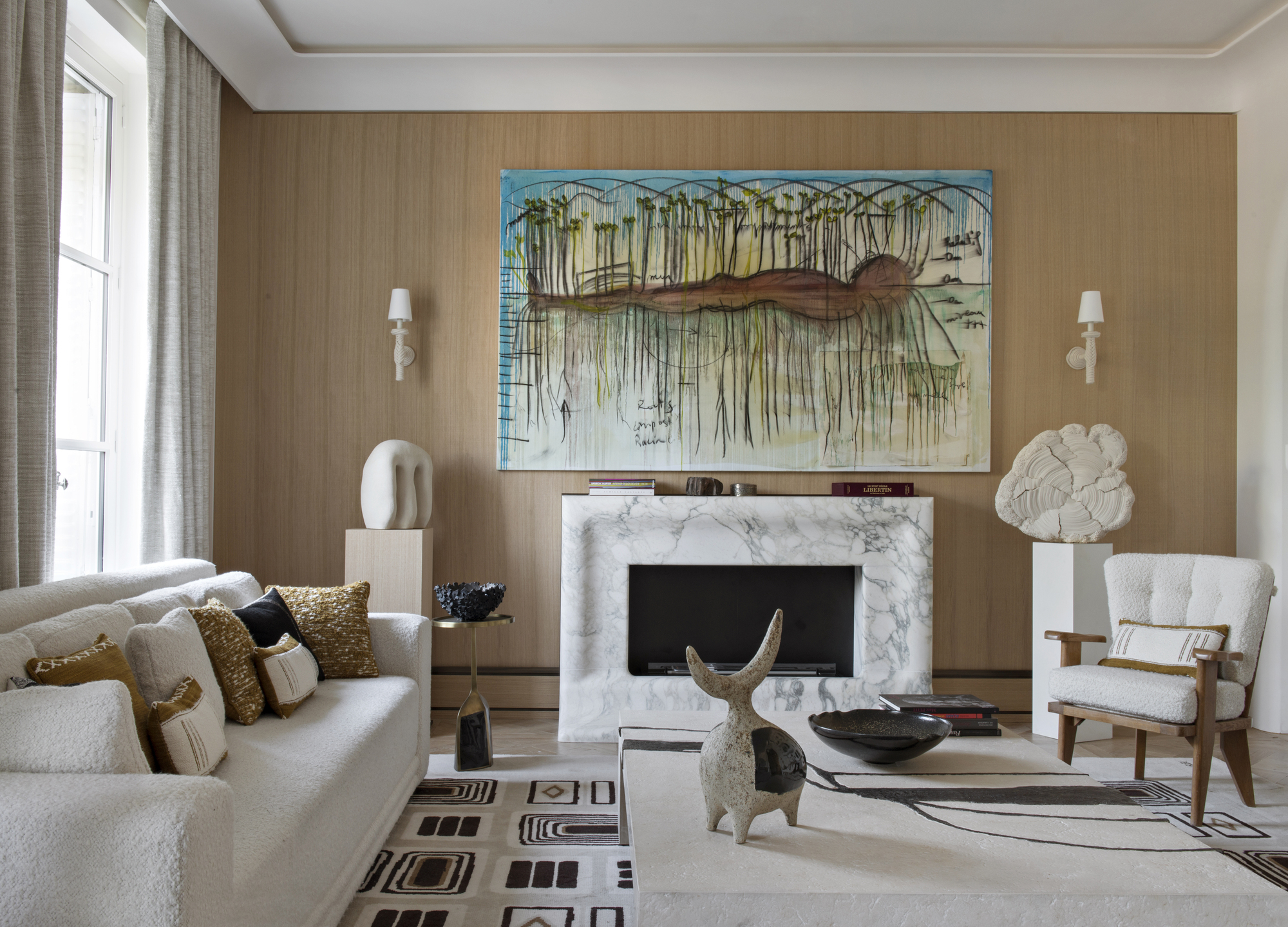
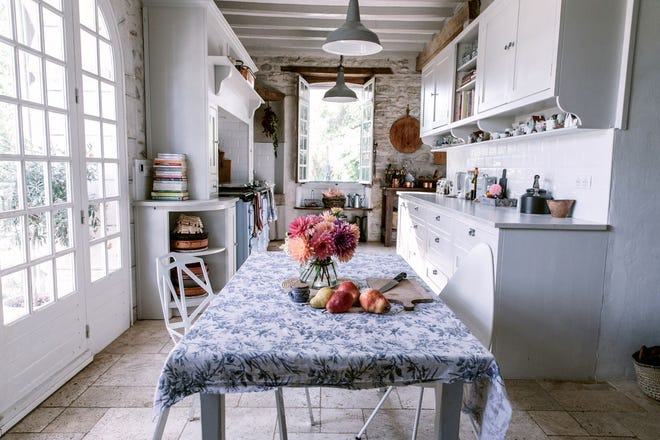
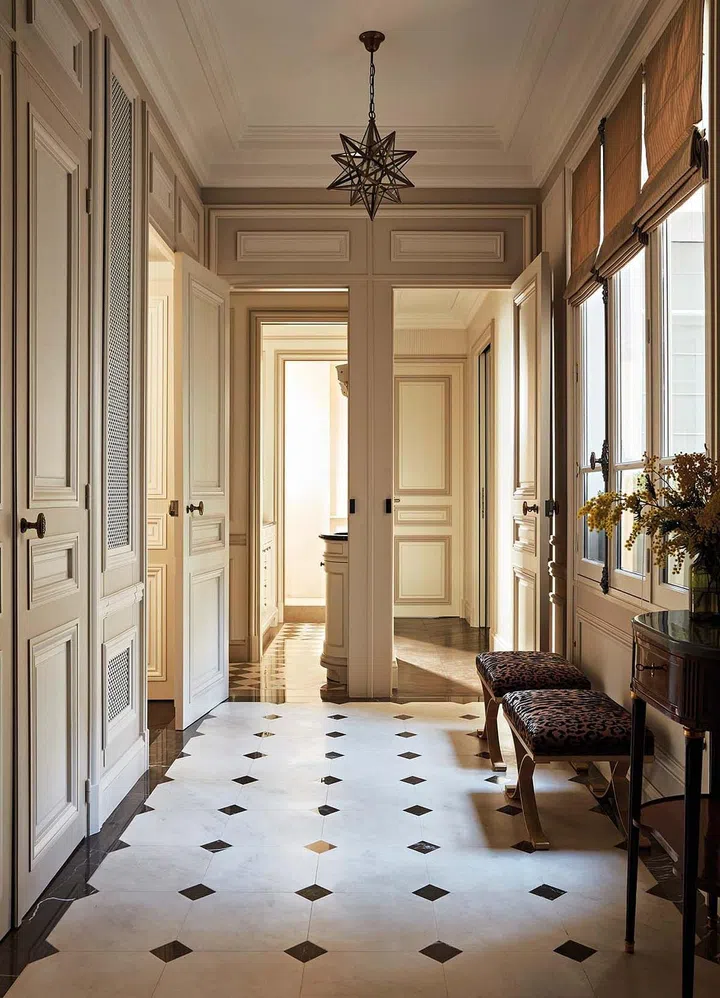
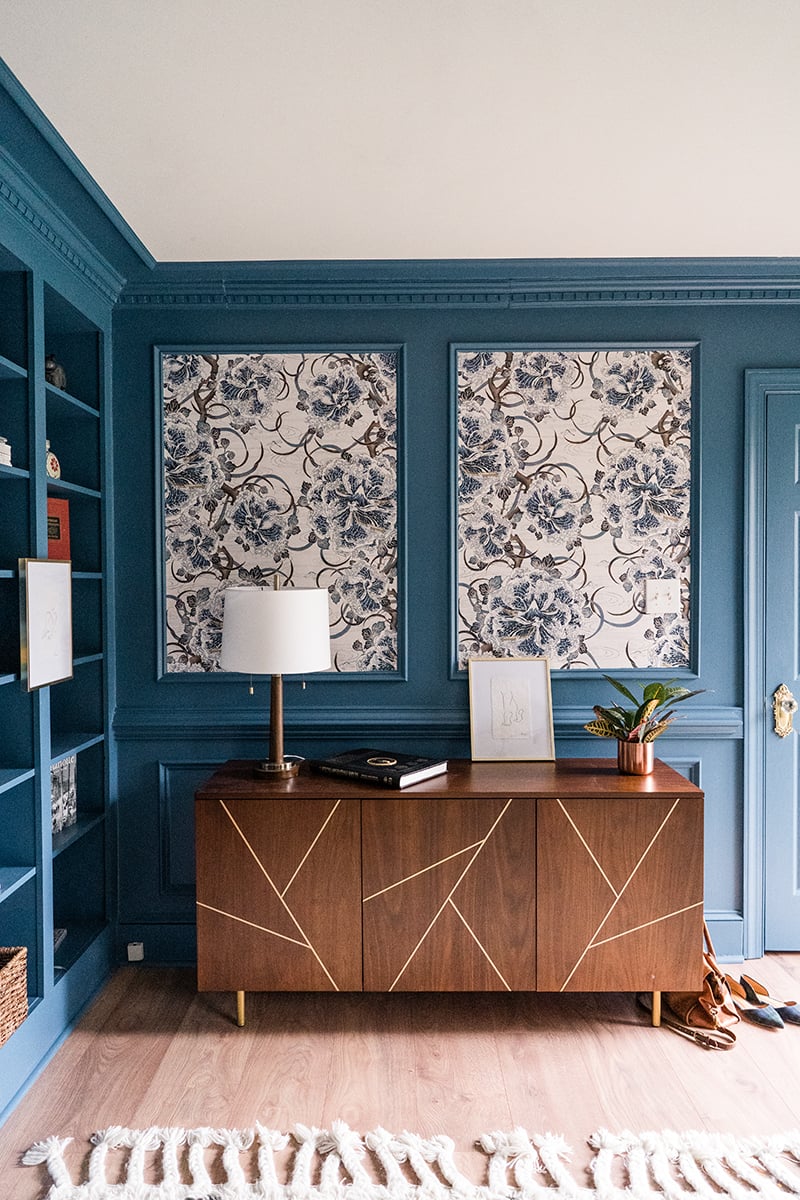
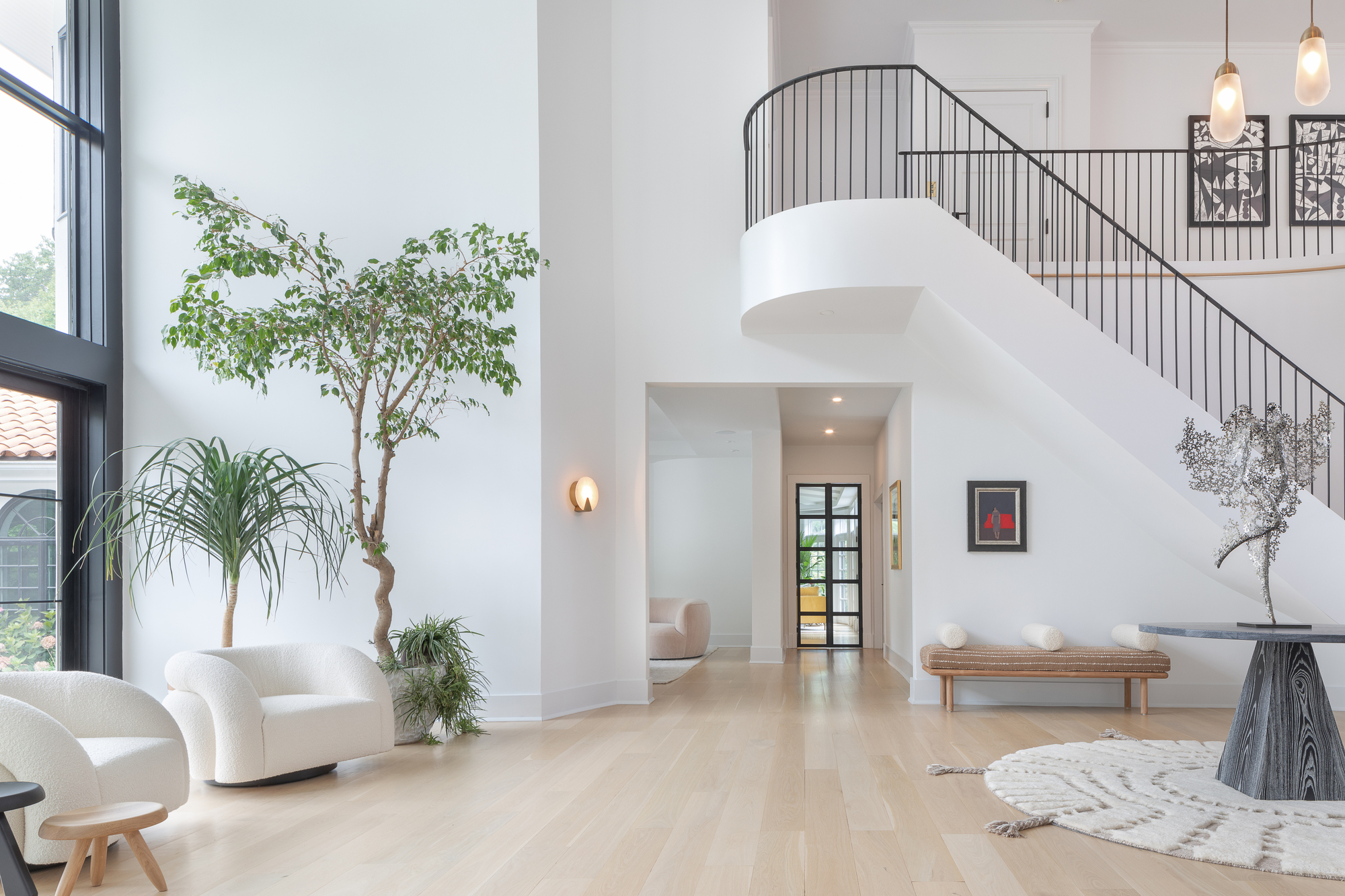
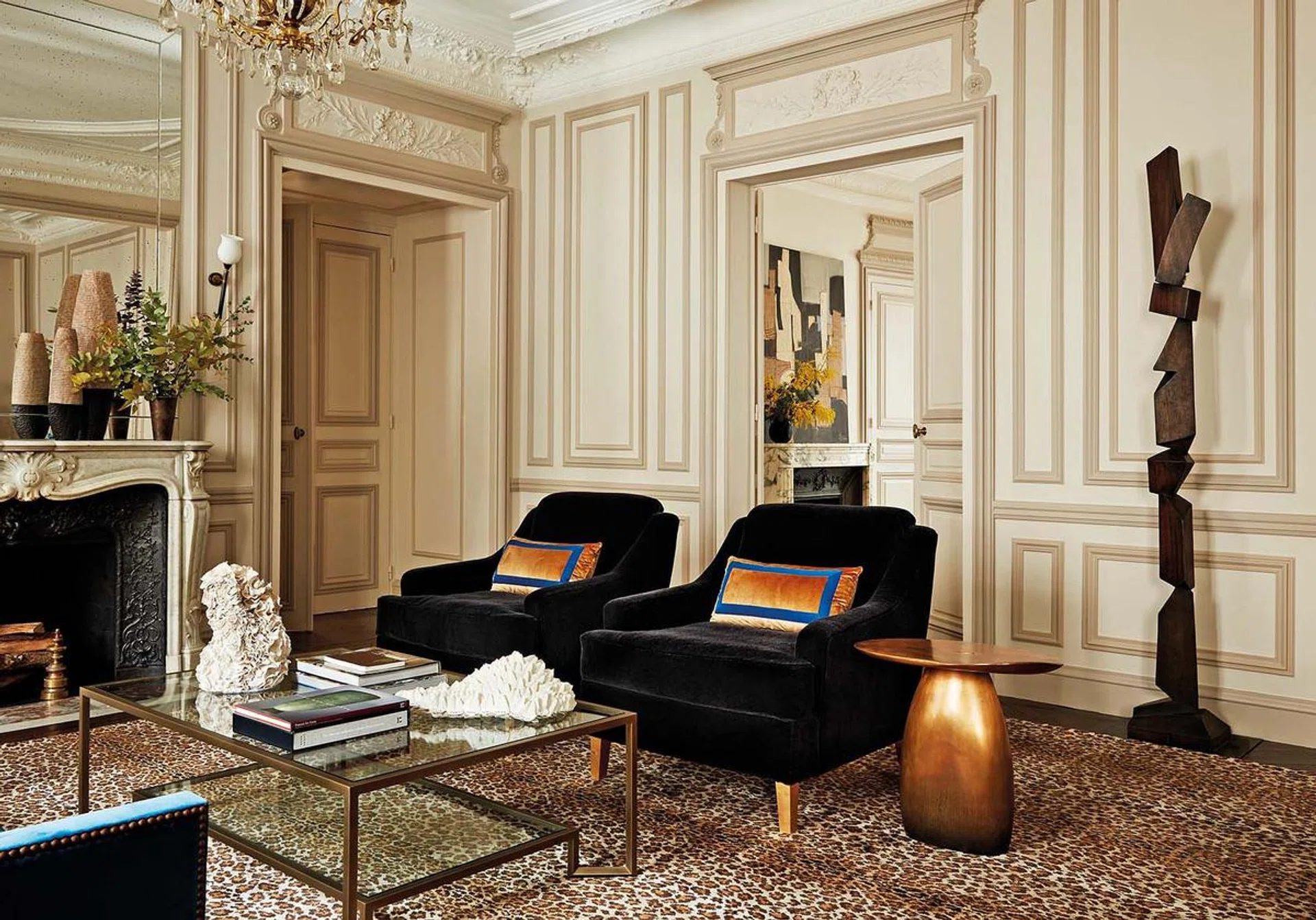
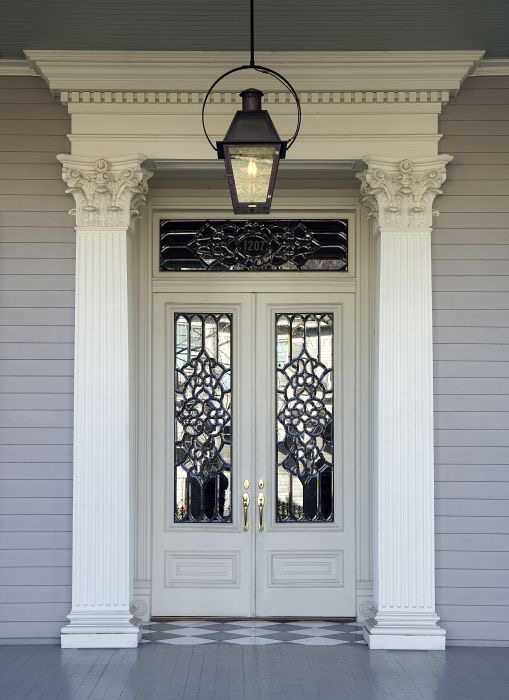
The second principle focuses on drawing inspiration from historical details. French interiors prioritize charm and character, respecting and highlighting original architectural features. The architecture often serves as the foundation, with layers of different styles and eras added over time. Designer Betsy Kasha explains that French interior architecture shows respect for a building's history and aesthetic, allowing contemporary elements to complement rather than dominate original or restored features. Dorothée Meilichzon reiterates that good design begins with the building's inherent characteristics, period, and shape, integrating modern colors, shapes, and textures. Eleanor Taylor-Roberts advises embracing original features to cultivate a Parisian flair, while interior designer Benji Lewis notes the prevalence of historical architectural details like wood paneling, double doors, beamed ceilings, ornate chimneys, and period floors in French interiors.
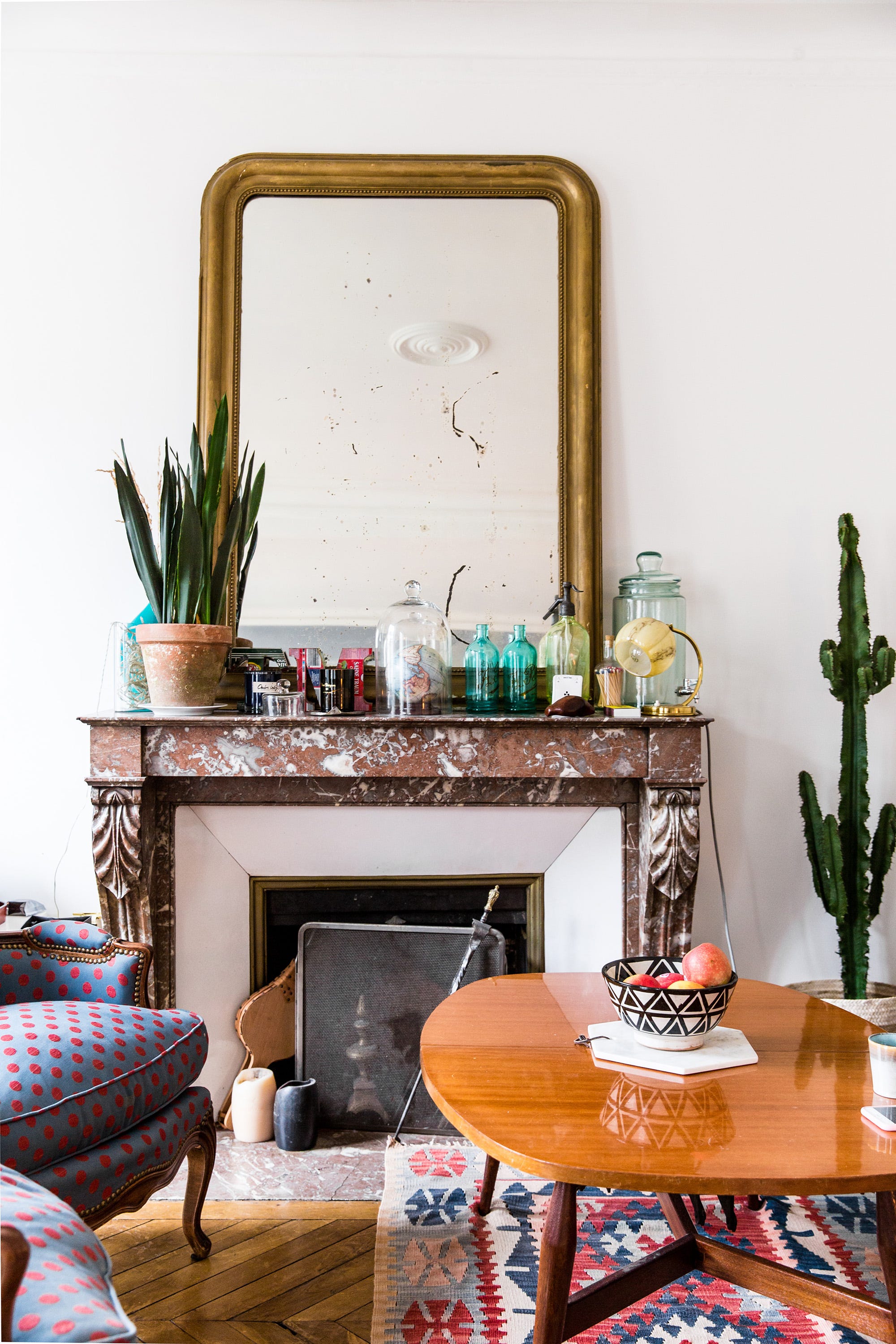
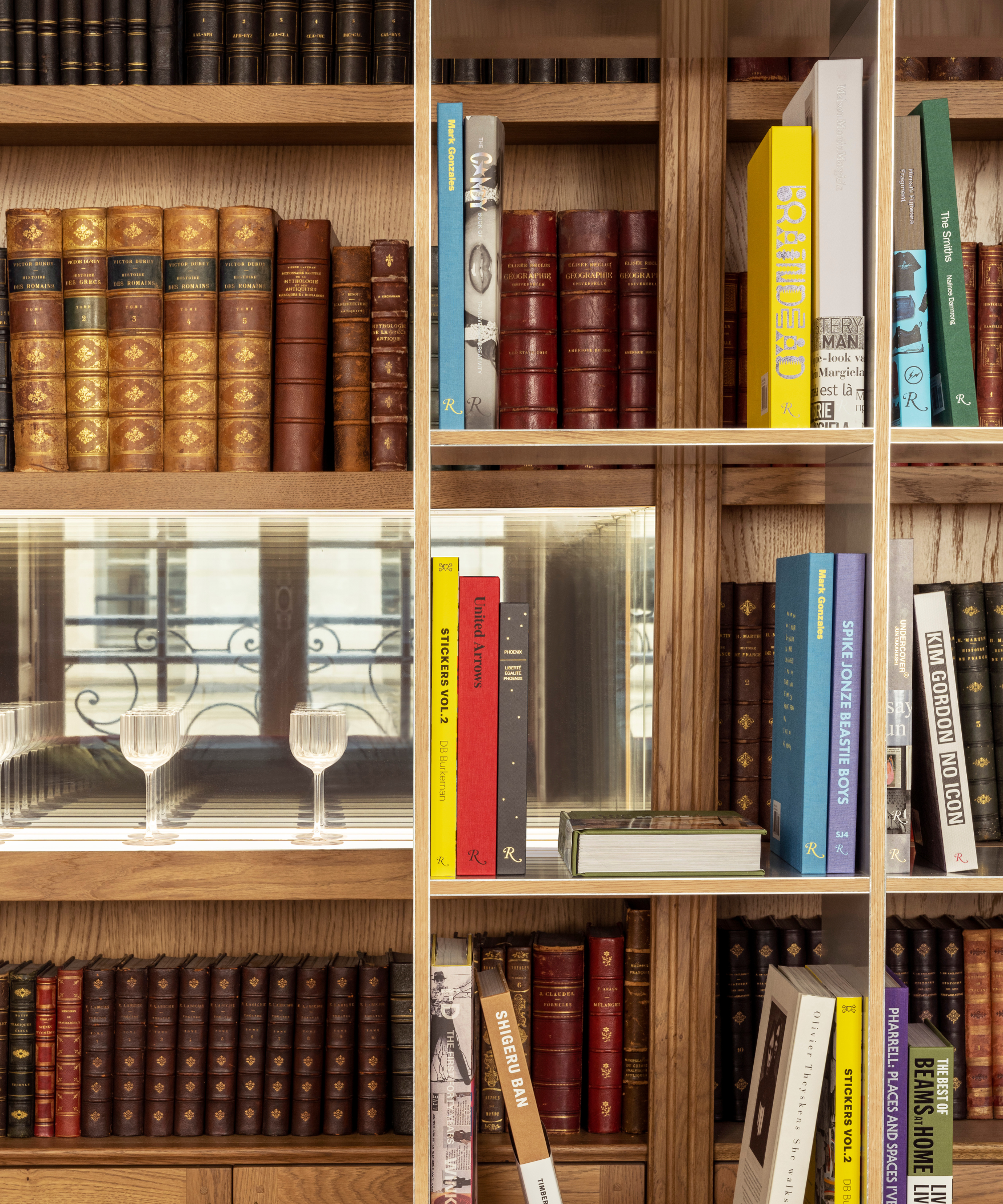
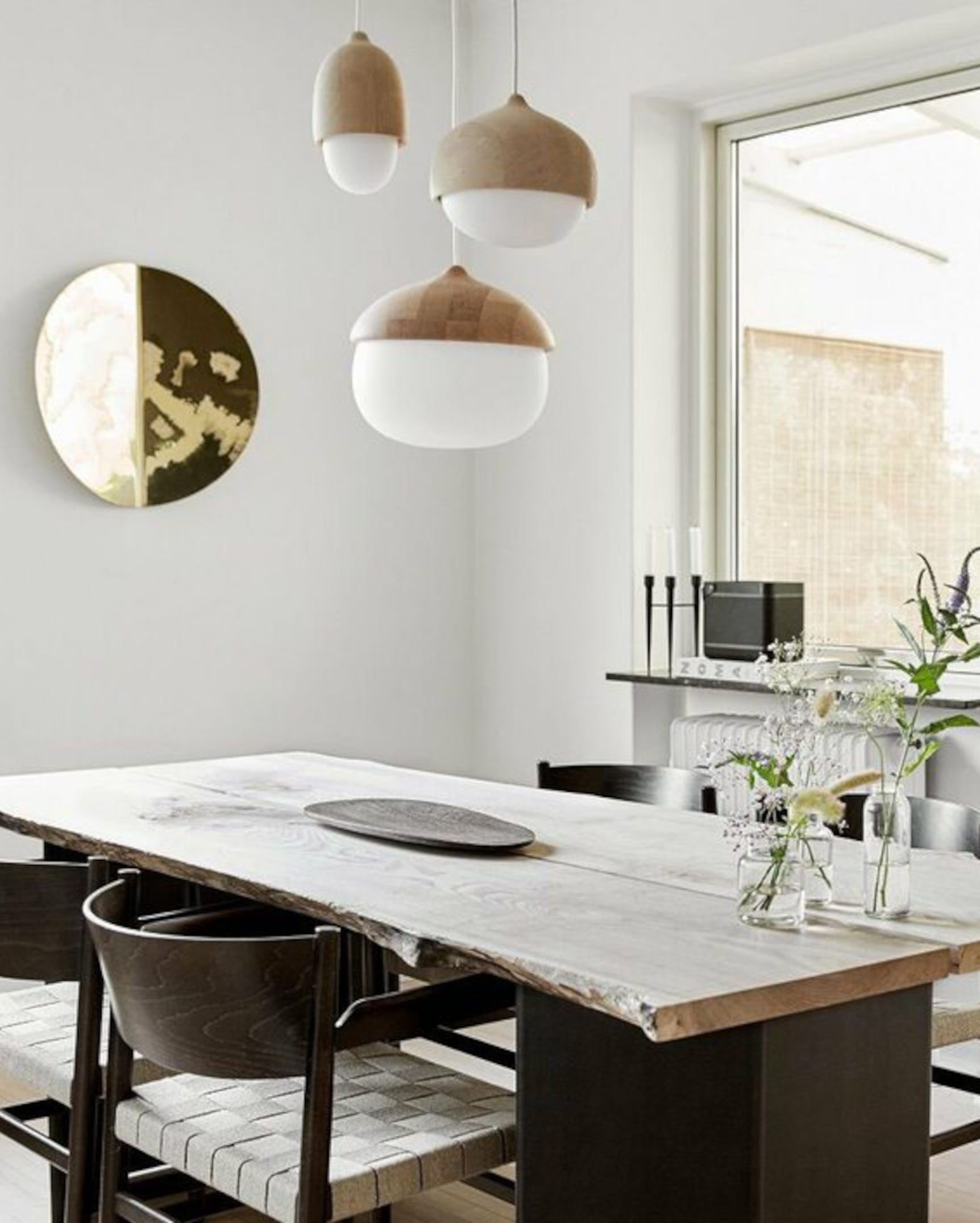
The third rule encourages shopping second-hand for original pieces. Hatton observes the abundance of affordable statement items in French markets and brocantes. Benji Lewis points out the pervasive nature of preloved items in French home decor, from 18th-century fauteuils to mid-century lamps. He suggests exploring flea markets for unique finds like mid-century dinner services or distressed furniture for a rustic vibe, or commodes with ormulu trim and Aubusson hangings for a grander feel. He also highlights the French appreciation for antique linens, recommending embroidered sheets and patterned padded quilts for a rustic bedroom, and incorporating blue and white stripes or checks with plain ivory hemp textiles.
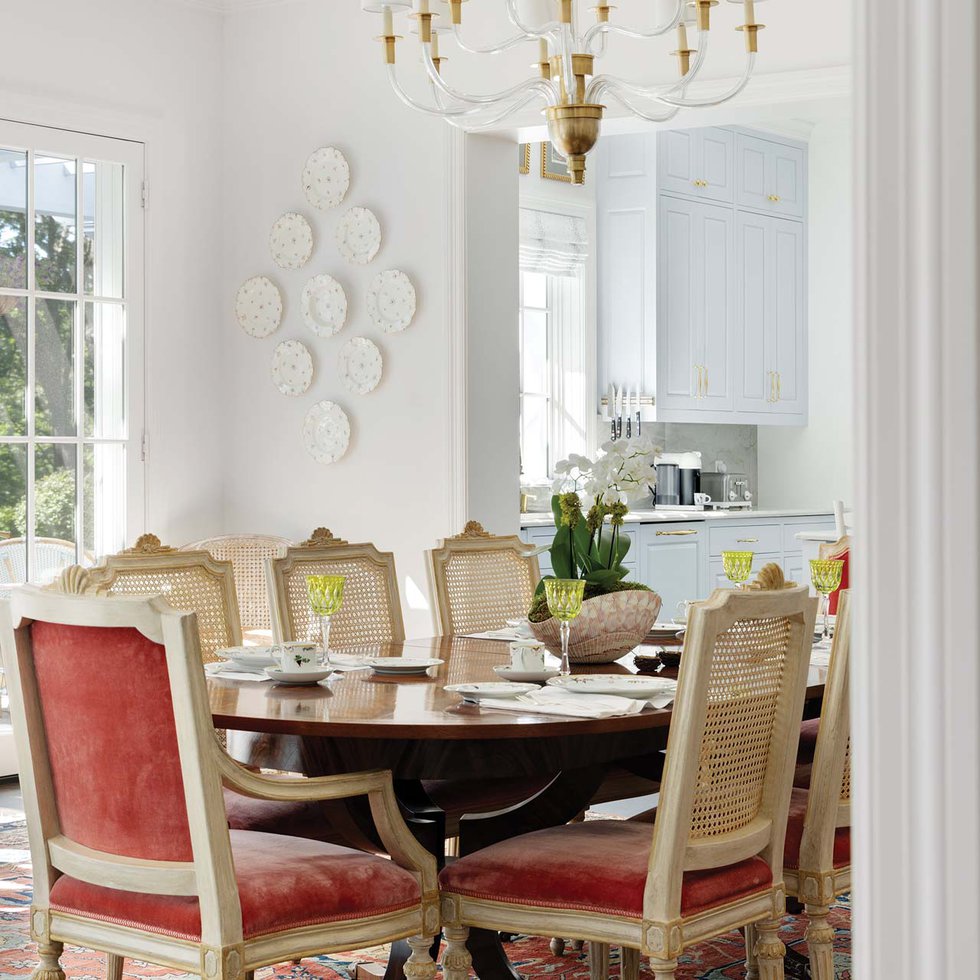
Fourth, the article advises ignoring trends. Hatton notes a distinct lack of visible trends in most French interiors, contrasting with the often-homogenized look of trend-following homes on social media. She finds that French interiors, while effortlessly stylish and classic, are also quirky and full of character. The suggestion is to decorate reflectively of one's personal style, adopting a natural, laid-back approach where nothing feels forced or overly curated. The idea is to trust that if a piece is liked, it will likely integrate well with other chosen items.
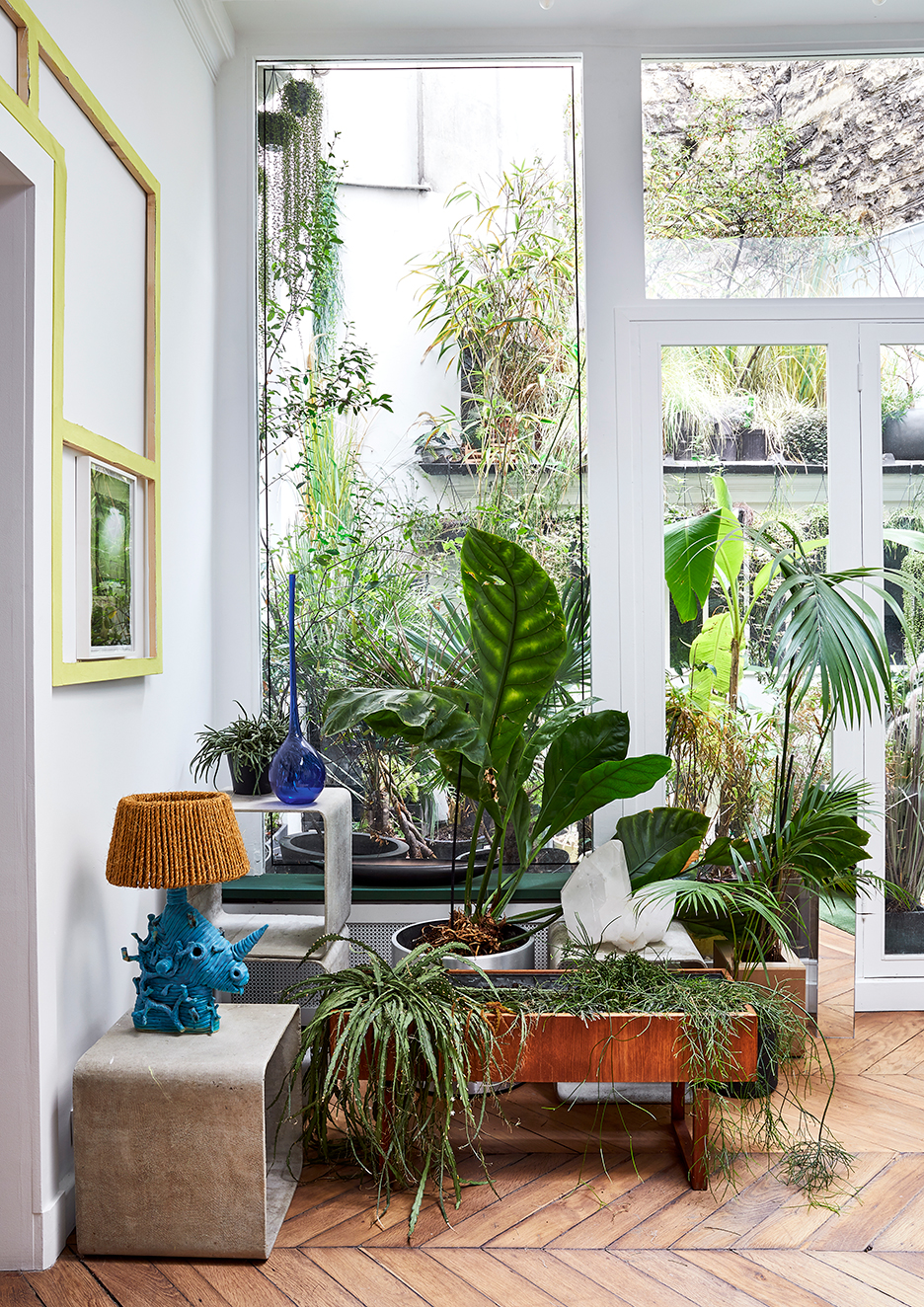
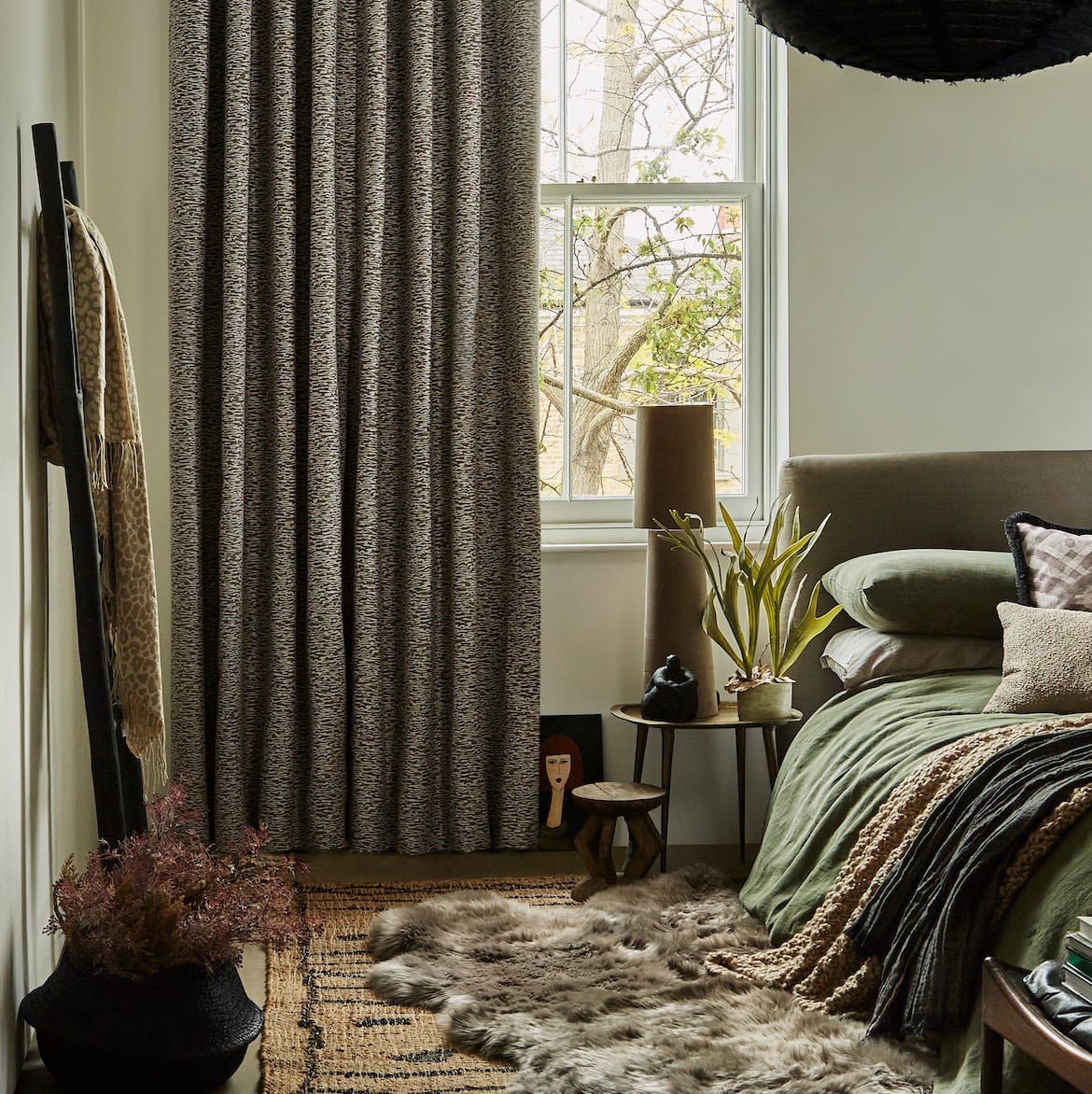
Finally, the fifth rule emphasizes embracing imperfection. Hatton admires the French approach to life and interiors, which finds beauty in imperfection and a charming sloppiness. Despite feeling elegant and elevated, many French homes possess a lived-in quality. This contrasts with the pursuit of immaculate, often characterless rooms seen elsewhere. Hatton shares her intent to incorporate imperfect French country decor pieces and even change her bed-making routine to a more relaxed, layered style with slubby linens, anticipating this 'almost unmade but still chic' look as a future bedroom trend.
#FrenchInteriorDesign #HomeDecor #InteriorStyle #MixingOldAndNew #HistoricalDetails #SecondHandDecor #TimelessDesign #EmbracingImperfection #QuietLuxury #FrenchInteriorDesign #HomeDecor #InteriorStyle #MixingOldAndNew #HistoricalDetails #SecondHandDecor #TimelessDesign #EmbracingImperfection #QuietLuxury
0 комментариев всего
 Комментариев пока нет
Вам также может понравиться
7 French Interior Design Rules To Live By For An "Effortlessly" Chic Lifestyle
Paris Design Week 2024: the highlights


10 Questions With… Friedmann & Versace

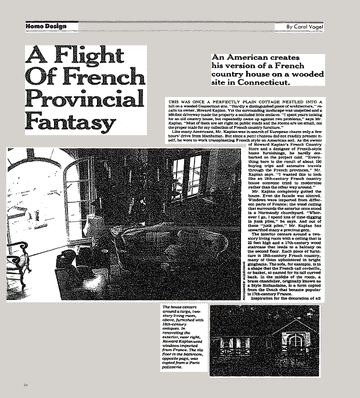
HOME DESIGN; A FLIGHT OF FRENCH PROVINCIAL FANTASY (Published 1984)

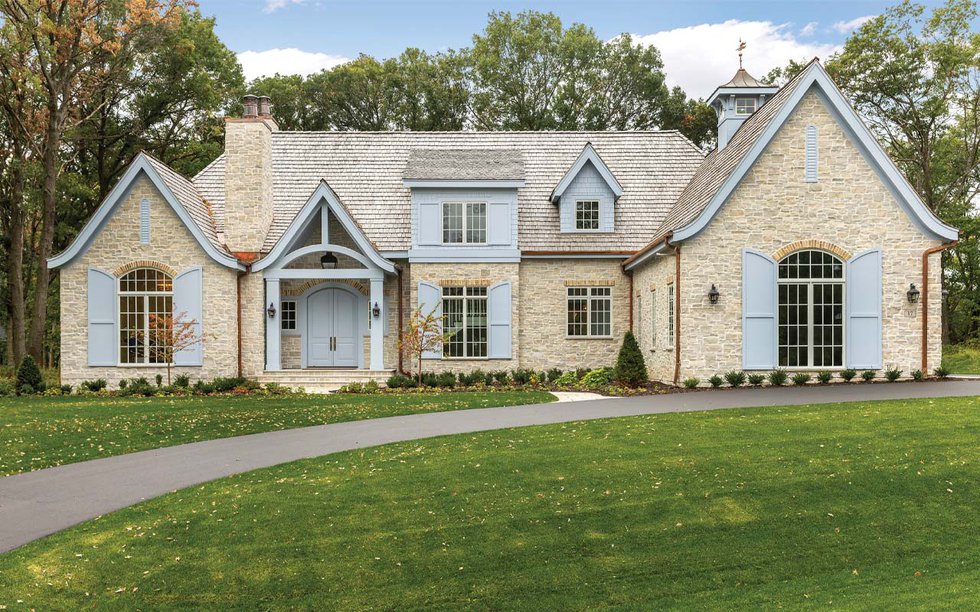
Home & Design | French Connection

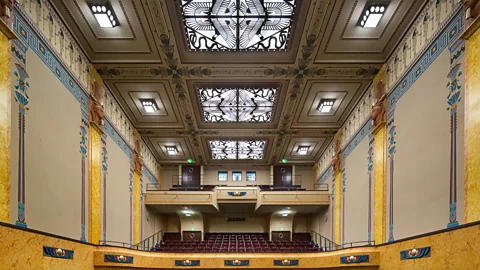
The vintage French style taking interiors by storm

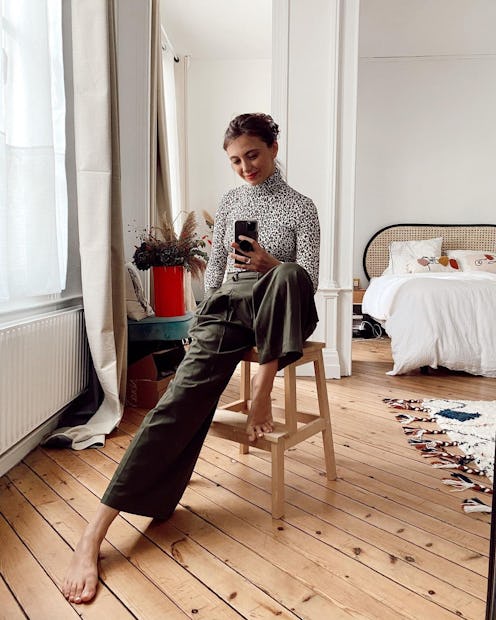
This Is The One Decor Piece All French Girls Have In Their Bedrooms
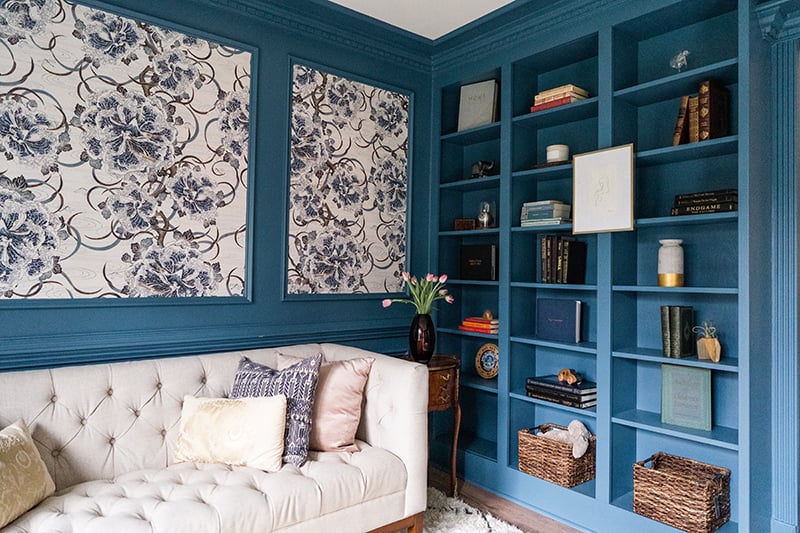
Mixed, Not Matched: Inside a Transformed Fort Mill Home
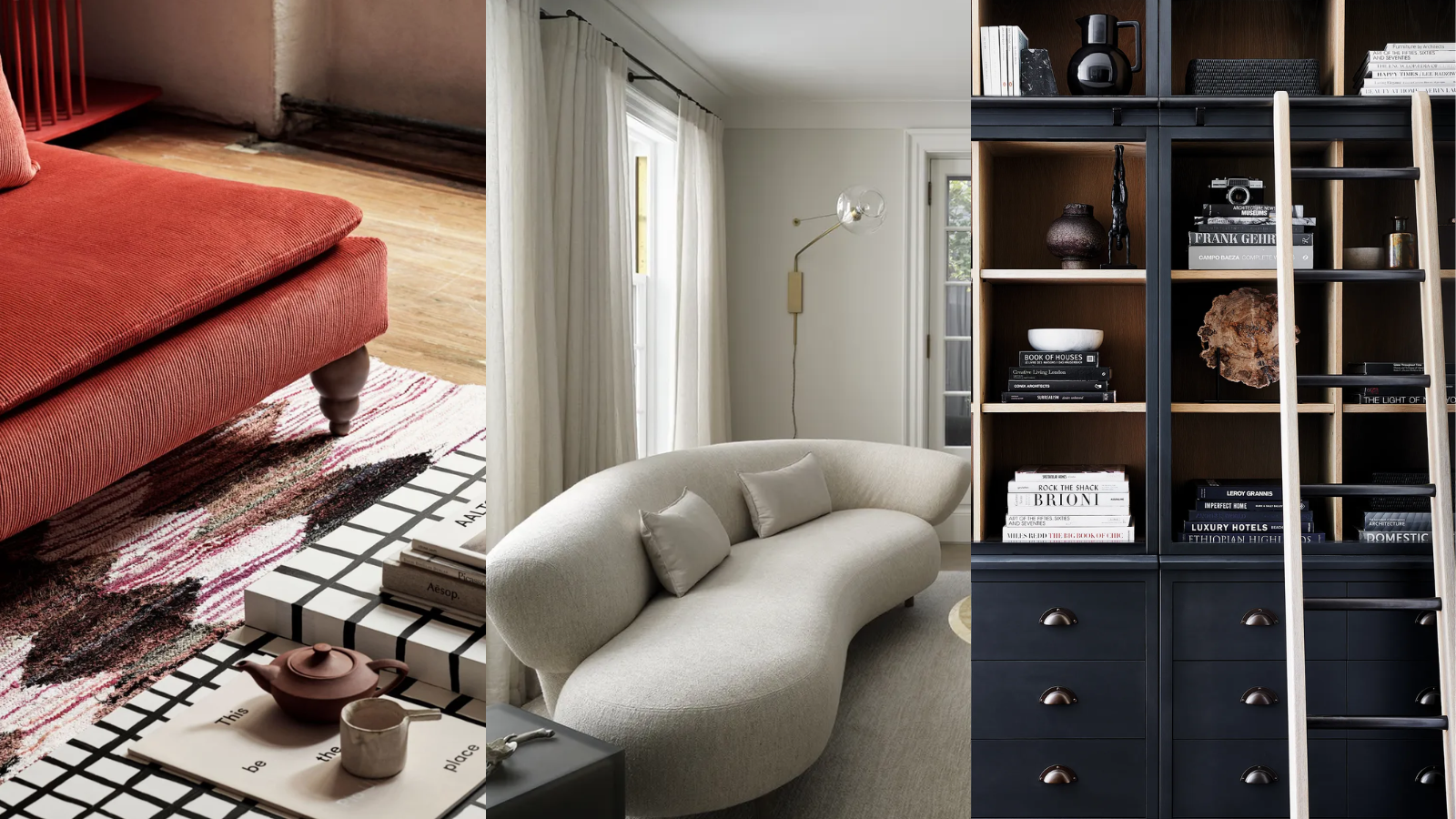
I went to Paris and saw these 4 covetable design trends in the homes, stores, café and restaurants
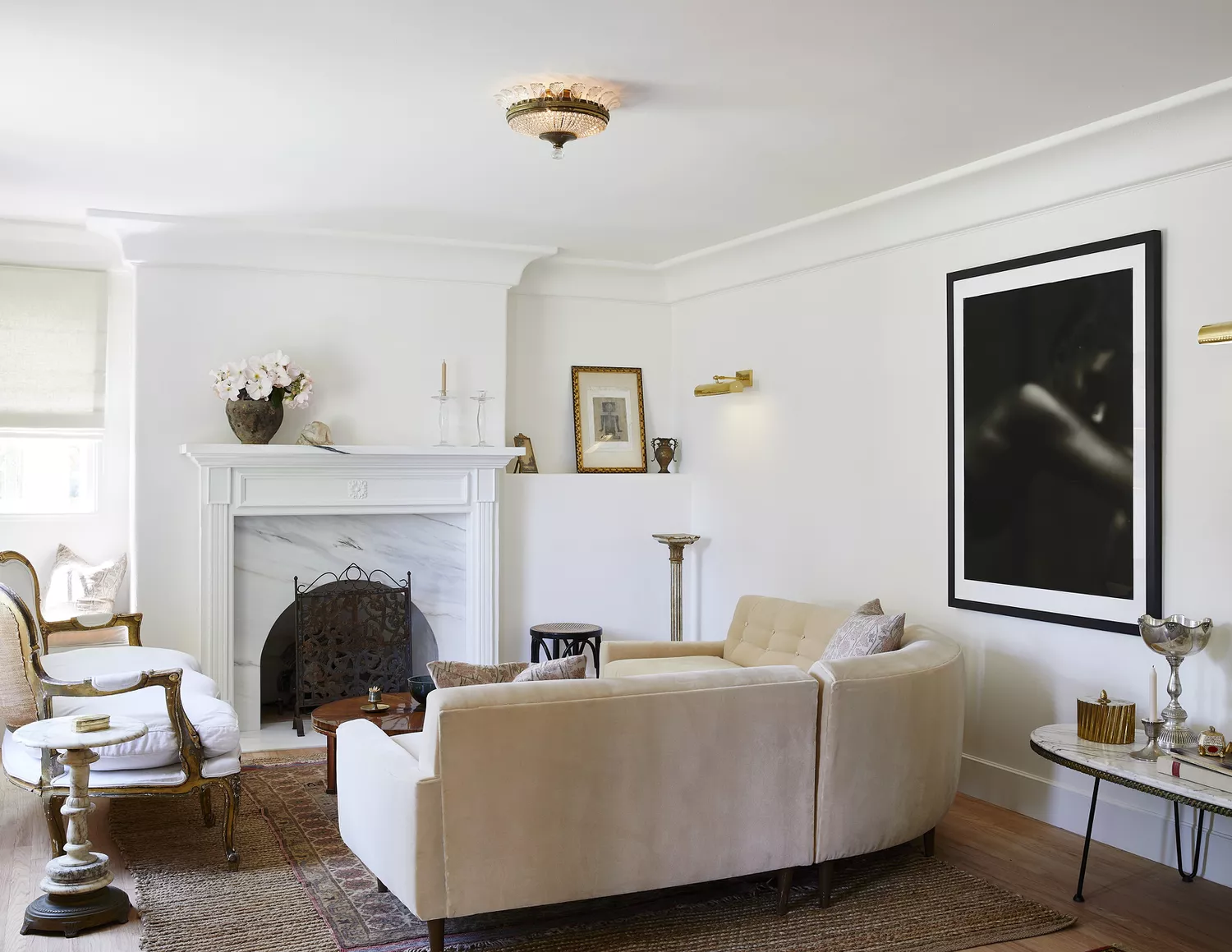
Your Complete Guide to Parisian Interior Design, Straight From Designers

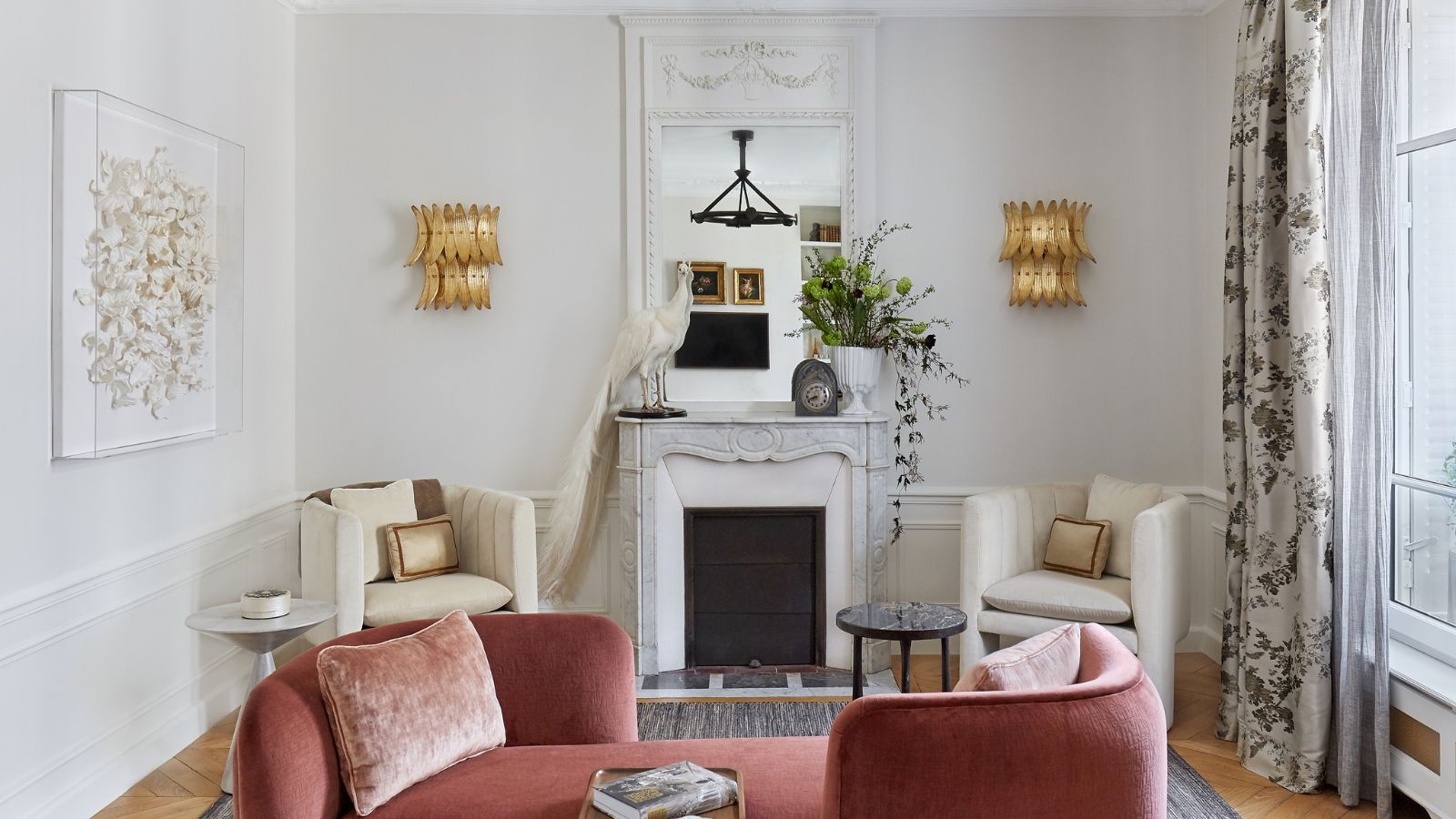
This refined Paris pied-à-terre is a masterclass in small-space planning
5 Lessons From a New York Home That Takes Its Cues From Modern Parisian Design

Dreaming of a French-Inspired Home? Designers Share Everything to Know
From Portugal to Belgium and Germany, explore 9 European design trends that are far from fleeting
A Creative Director Turned Wood From His Demo Into the Kitchen Cabinets

Revealed: the countries inspiring interior design trends the most

8 design rules French-style living rooms always follow that make any space instantly more elevated

Homestyle: "How to French Country"
House Tour: Classical Modern Parisian Pied-à-Terre Apartment Opposite the Louvre
Colour Trends For French Door Designs