How To Store Wine In A Tiny Apartment
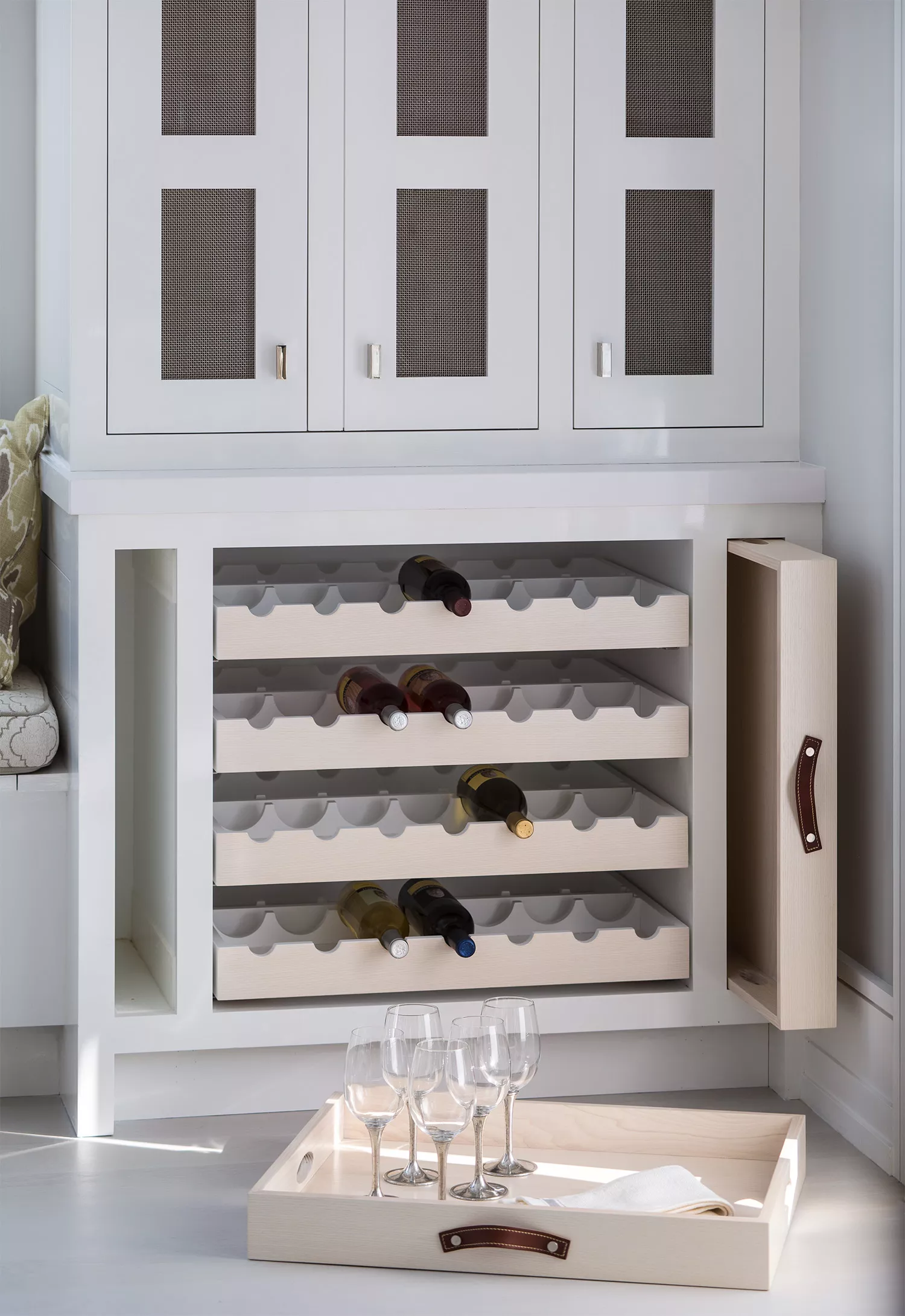
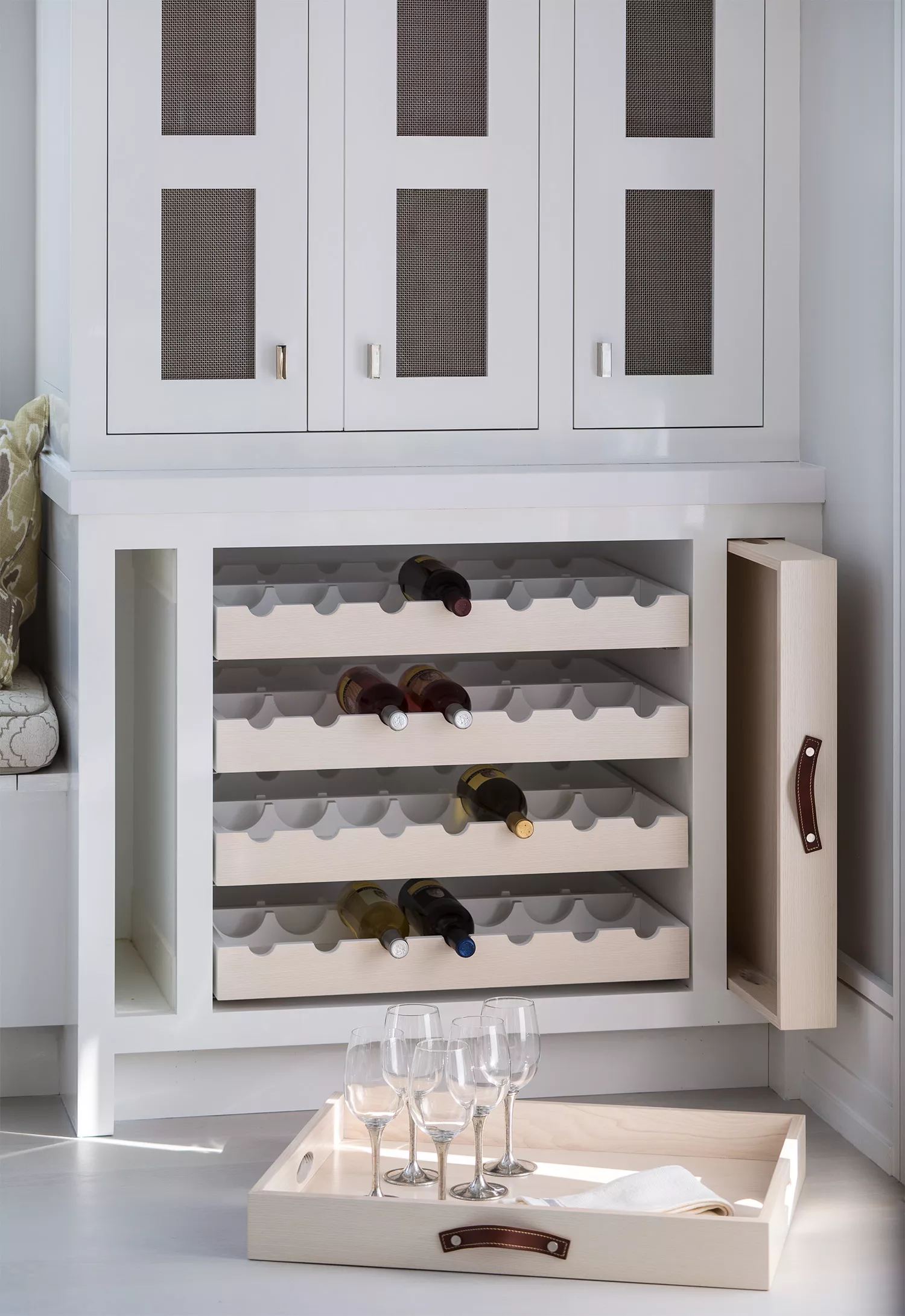
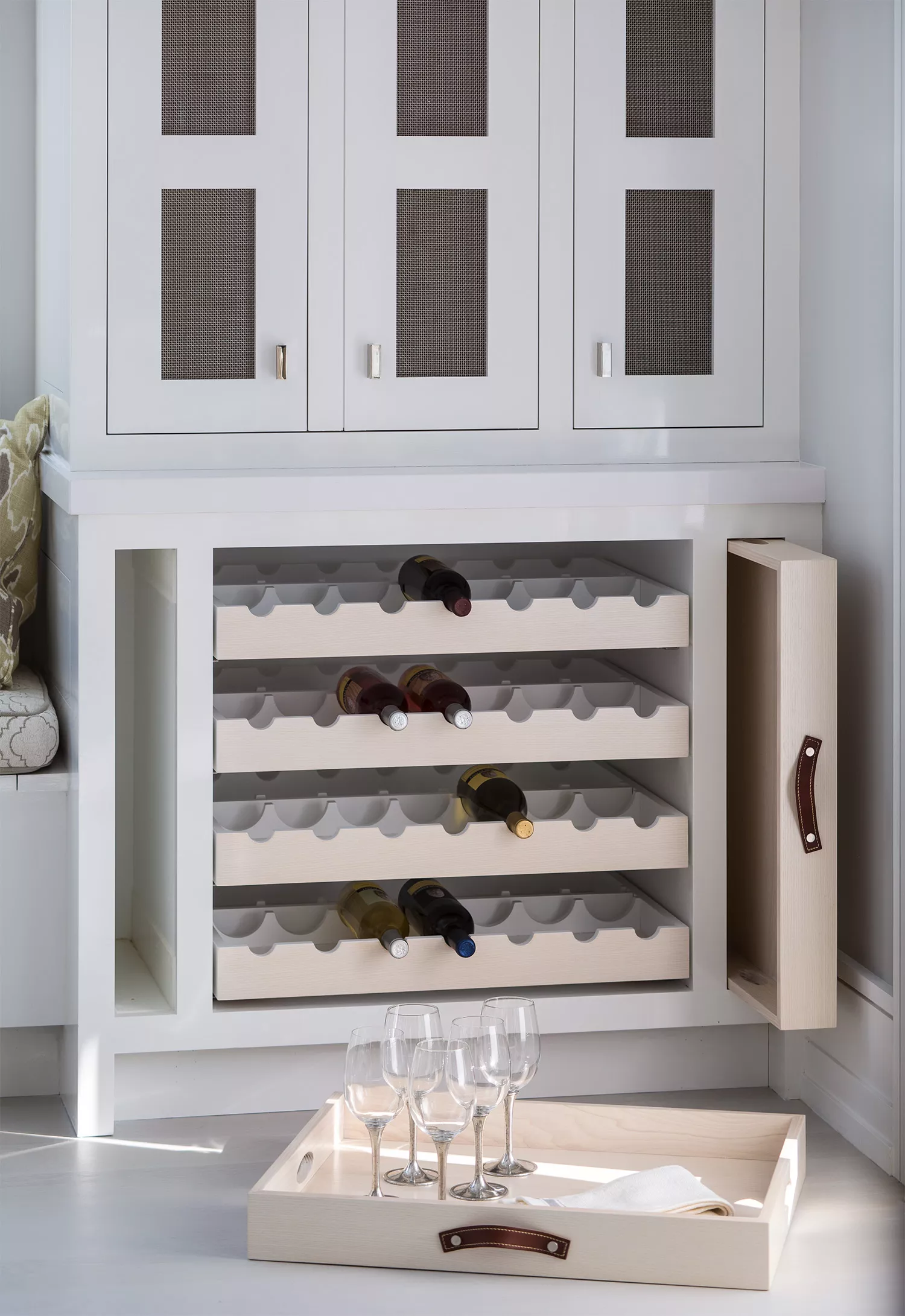
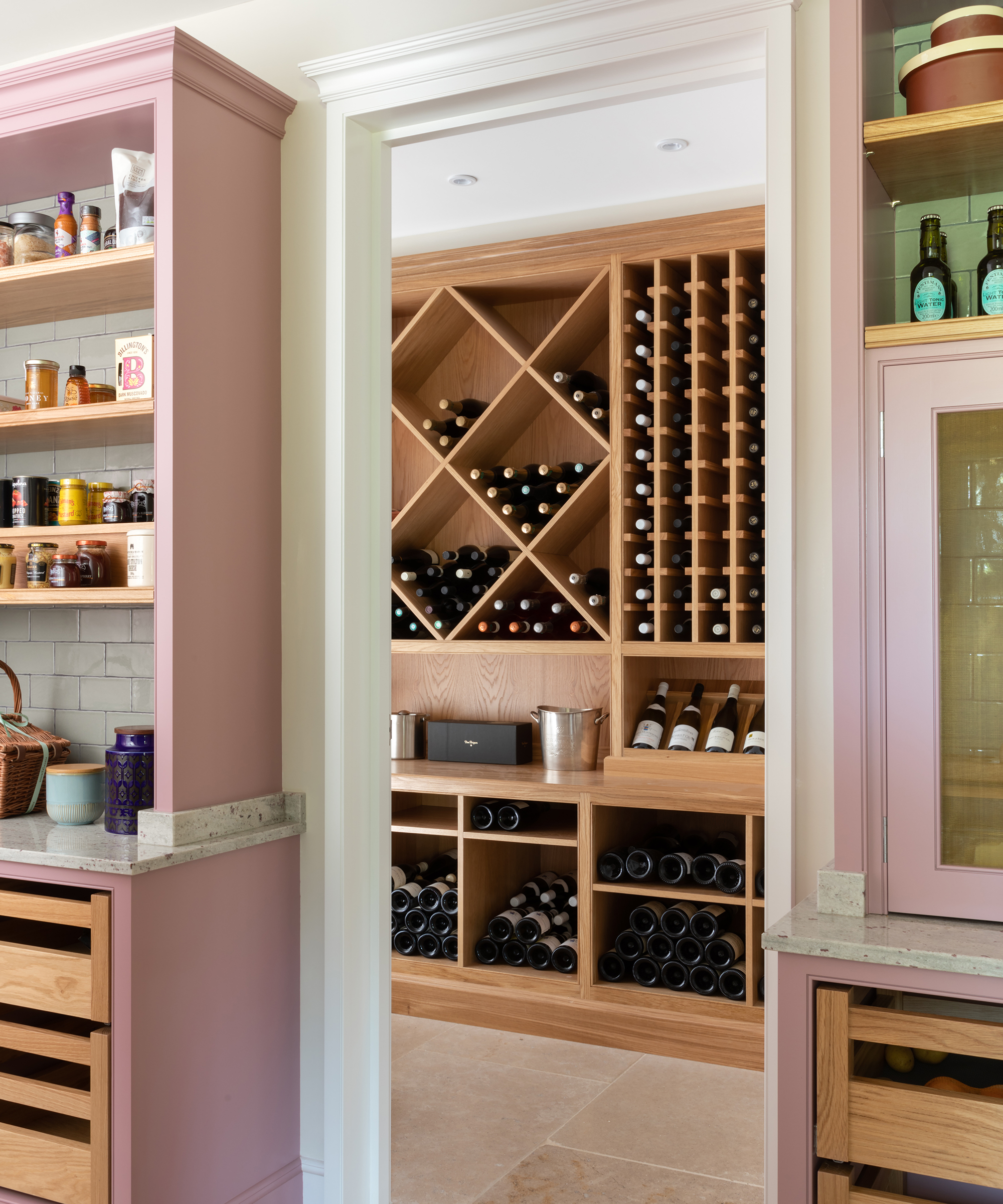
Living in a small apartment does not preclude one from maintaining a compact yet significant wine collection, nor does it hinder the ability to keep these bottles in optimal condition. Patrick Cournot, who is the owner and sommelier of Ruffian, a small wine bar located in New York City, has direct experience with this challenge. Ruffian's establishment is constrained by space, accommodating only a limited number of seats along its bar. Cournot, a resident of Brooklyn where small apartments are common, is proficient in devising innovative storage solutions. He possesses the expertise to creatively manage wine storage within confined areas.
For those interested in collecting wine despite limited living space, Cournot offers several practical recommendations. A primary piece of advice is to avoid storing wine bottles in the kitchen. The kitchen typically experiences the highest temperatures within an apartment, and excessive heat can prematurely cook the wine, leading to a bitter taste. Cournot shared an anecdote about a friend who improperly stored expensive Bordeaux and Rioja Reserve bottles above her stove for three years, resulting in a product that tasted like sweet, heavy prune syrup.
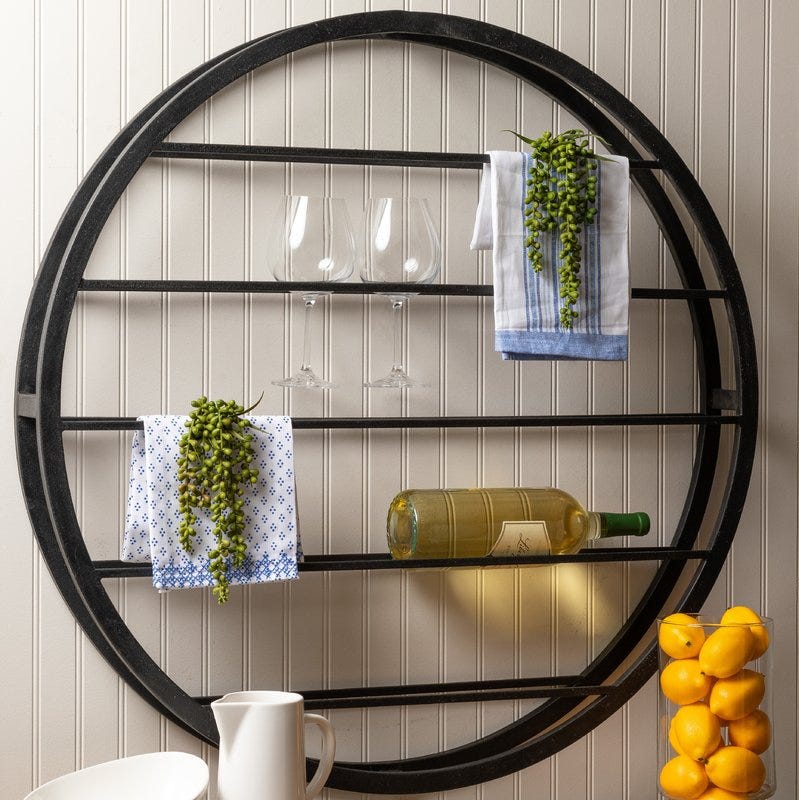
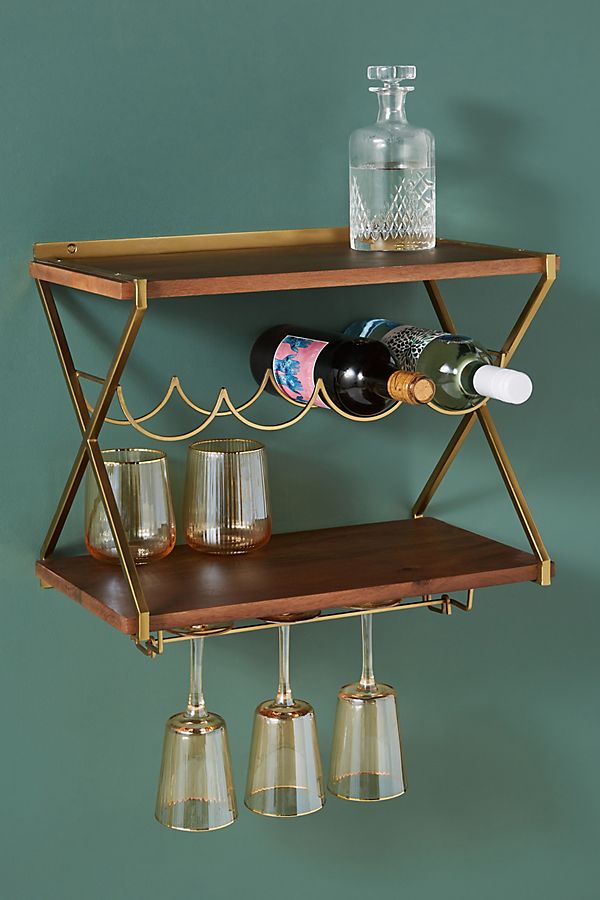
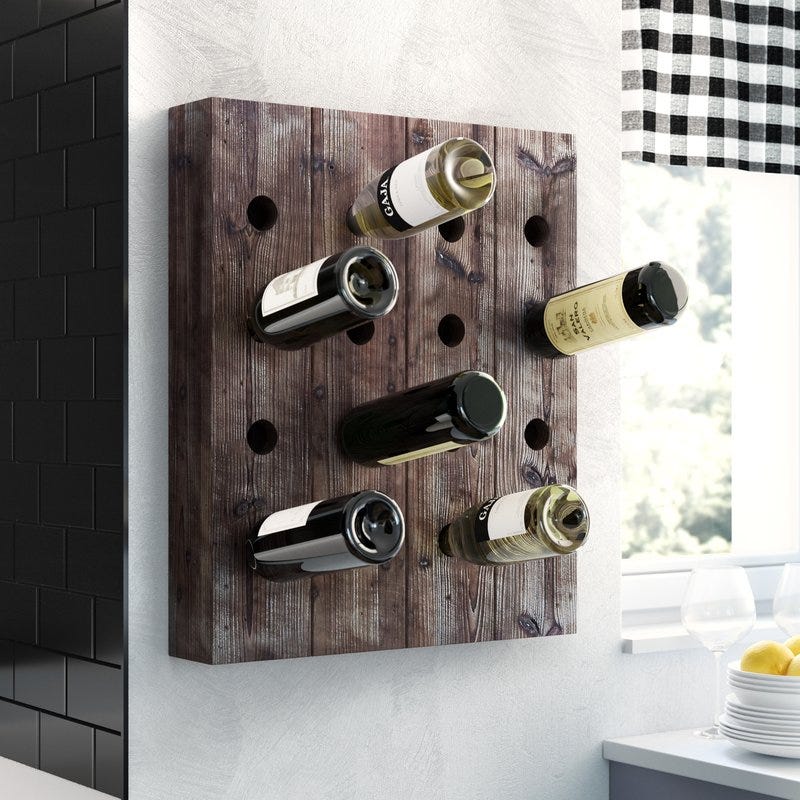
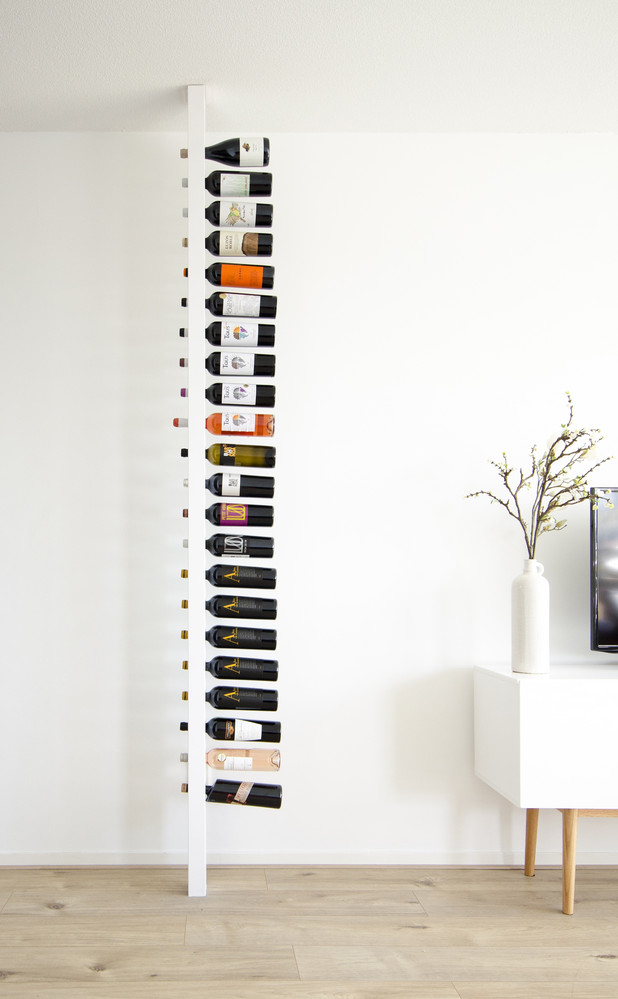
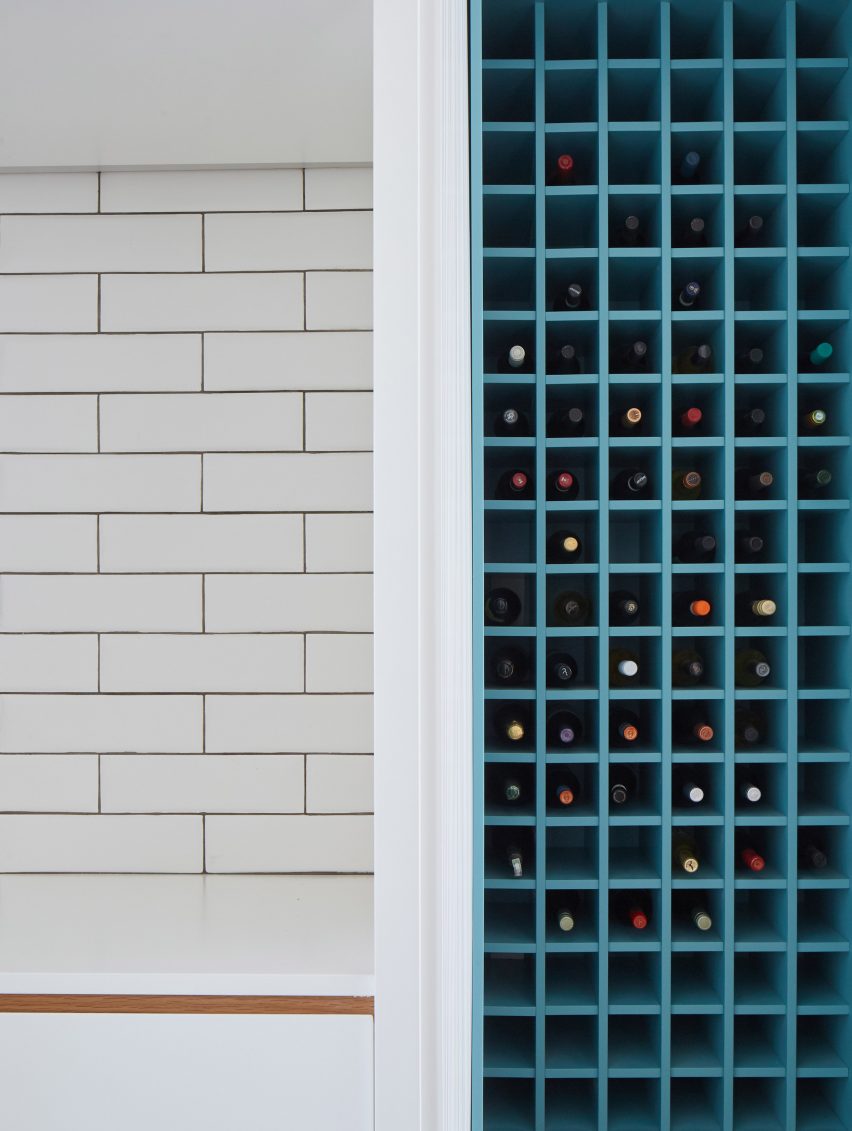
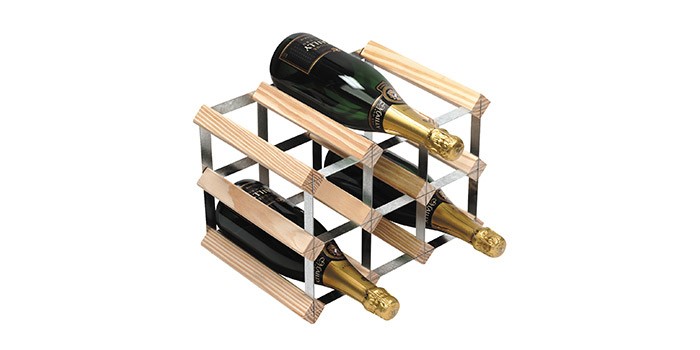
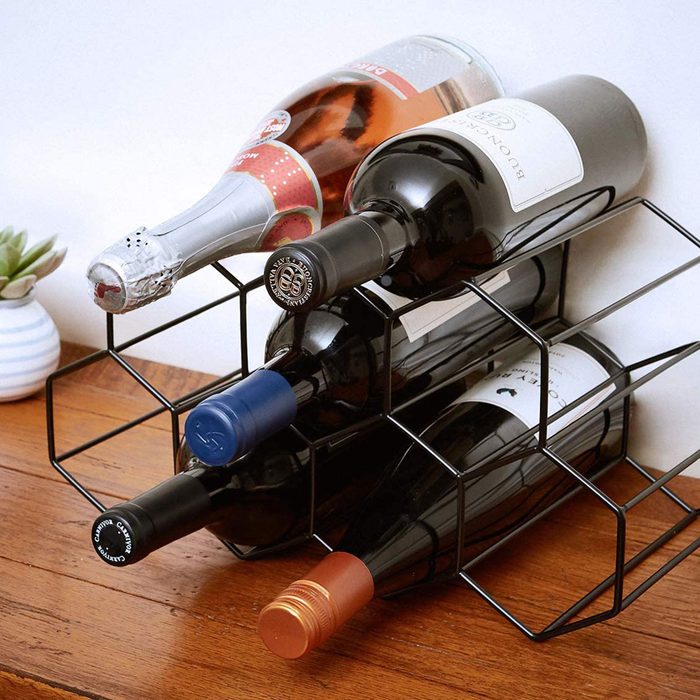
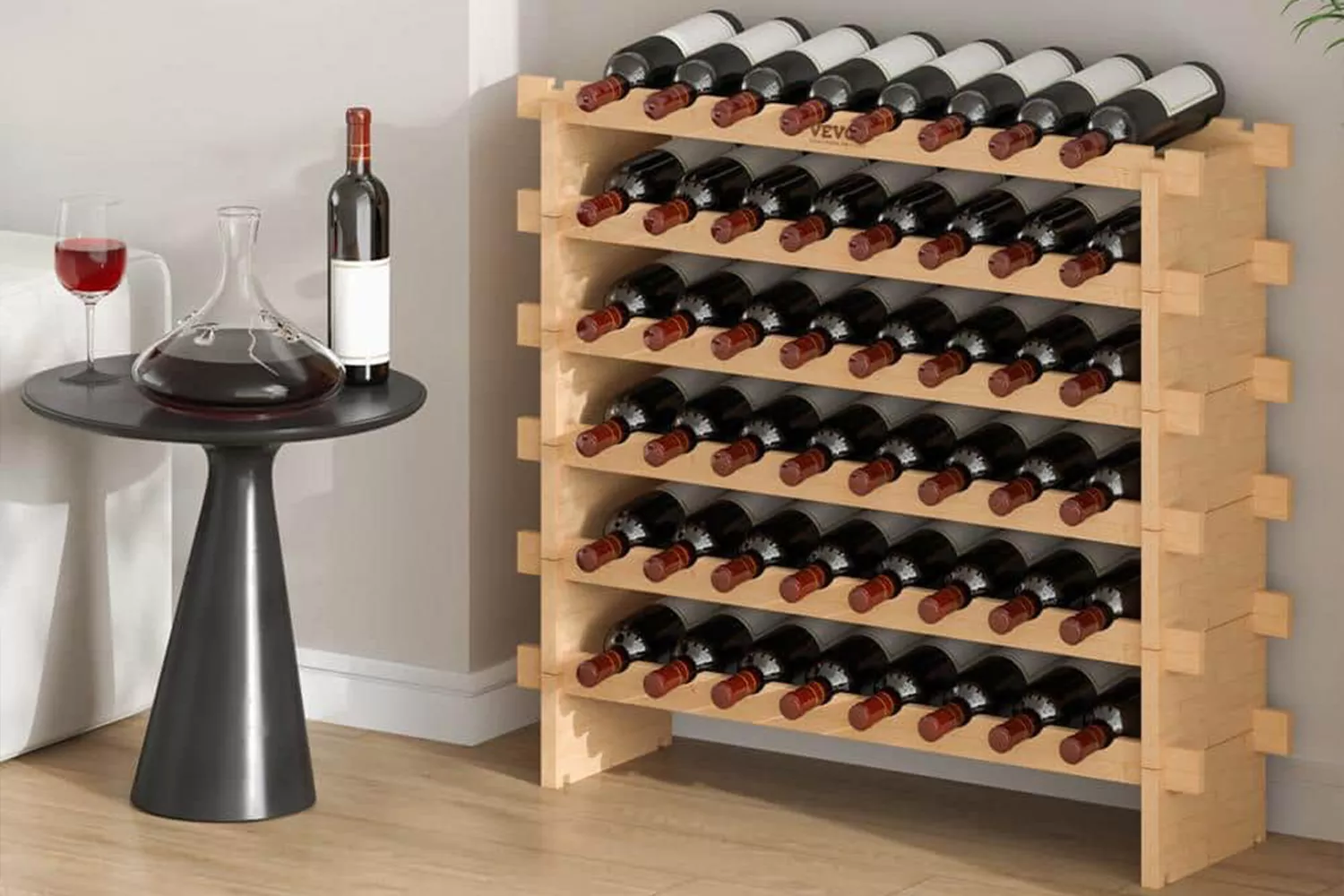
Another crucial tip involves laying wine bottles flat when feasible. This practice ensures that the liquid remains in contact with the cork, preventing it from drying out and shrinking. If a cork shrinks, oxygen can penetrate the bottle, diminishing the wine's flavor and eventually causing it to turn bitter.
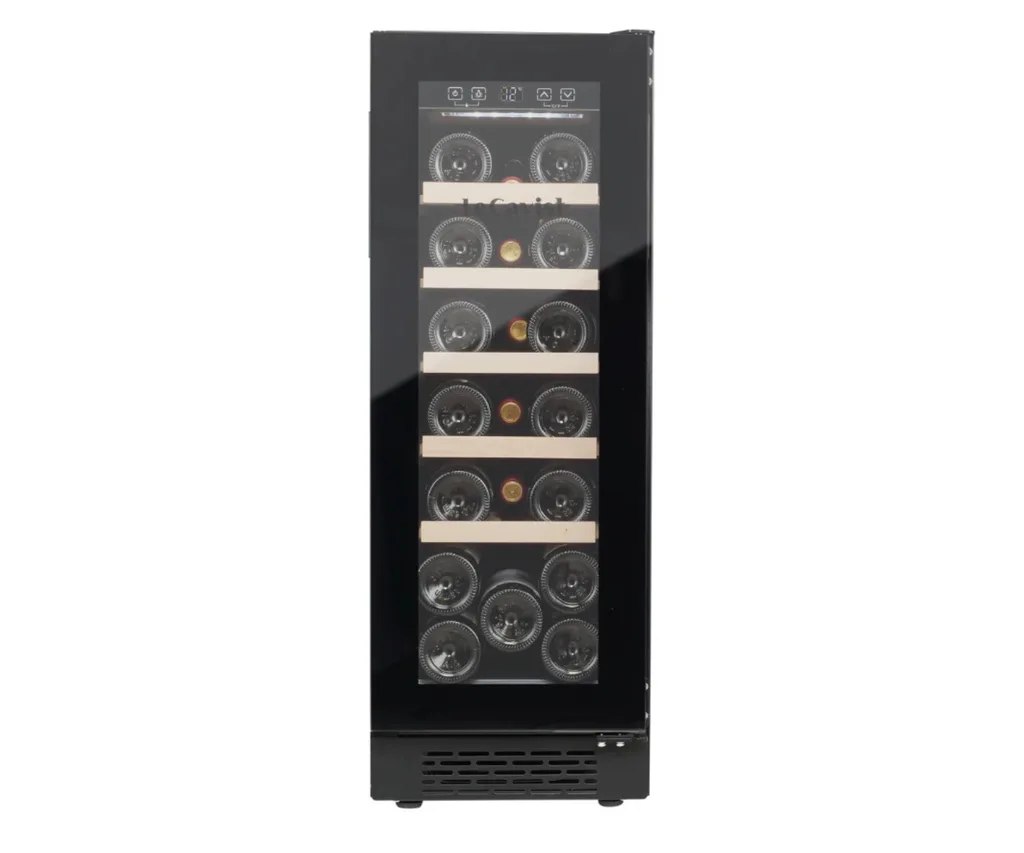
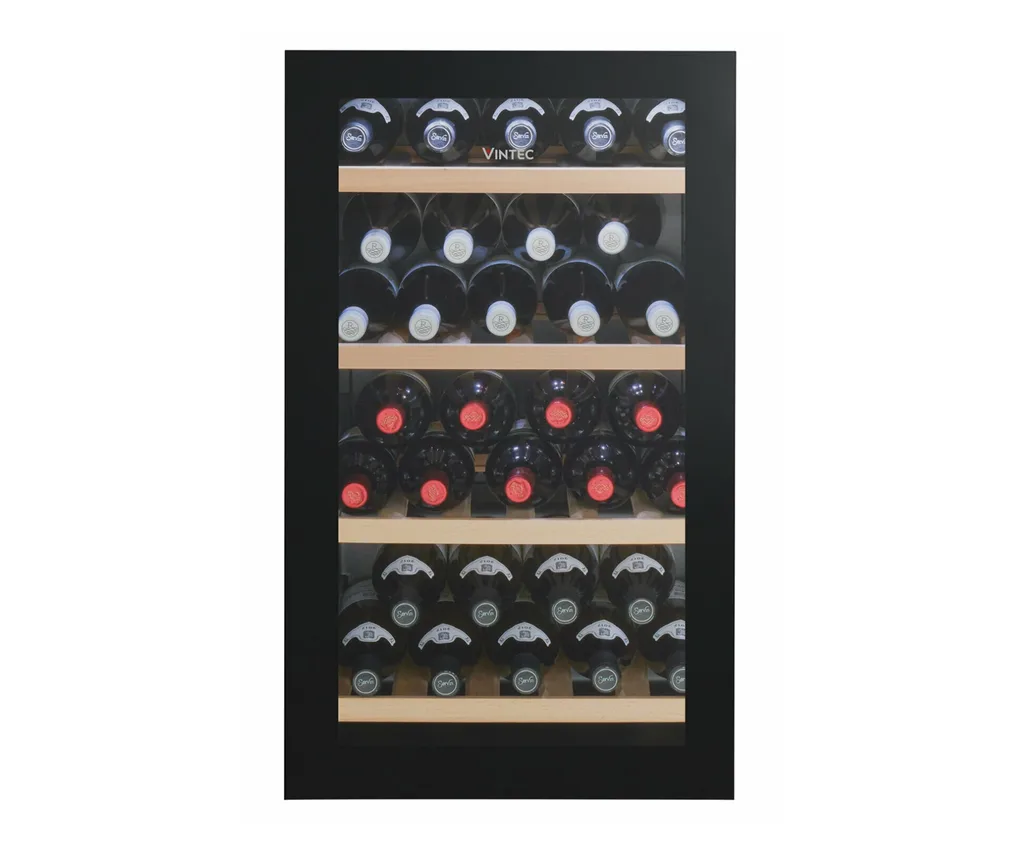
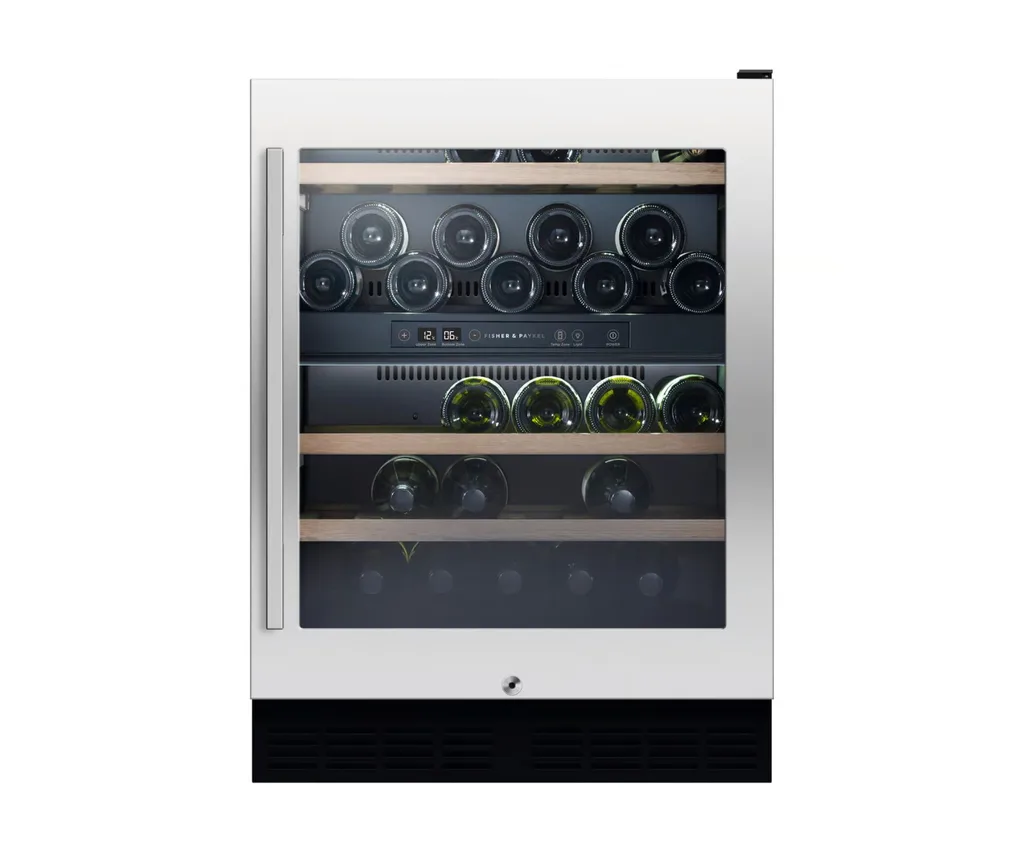
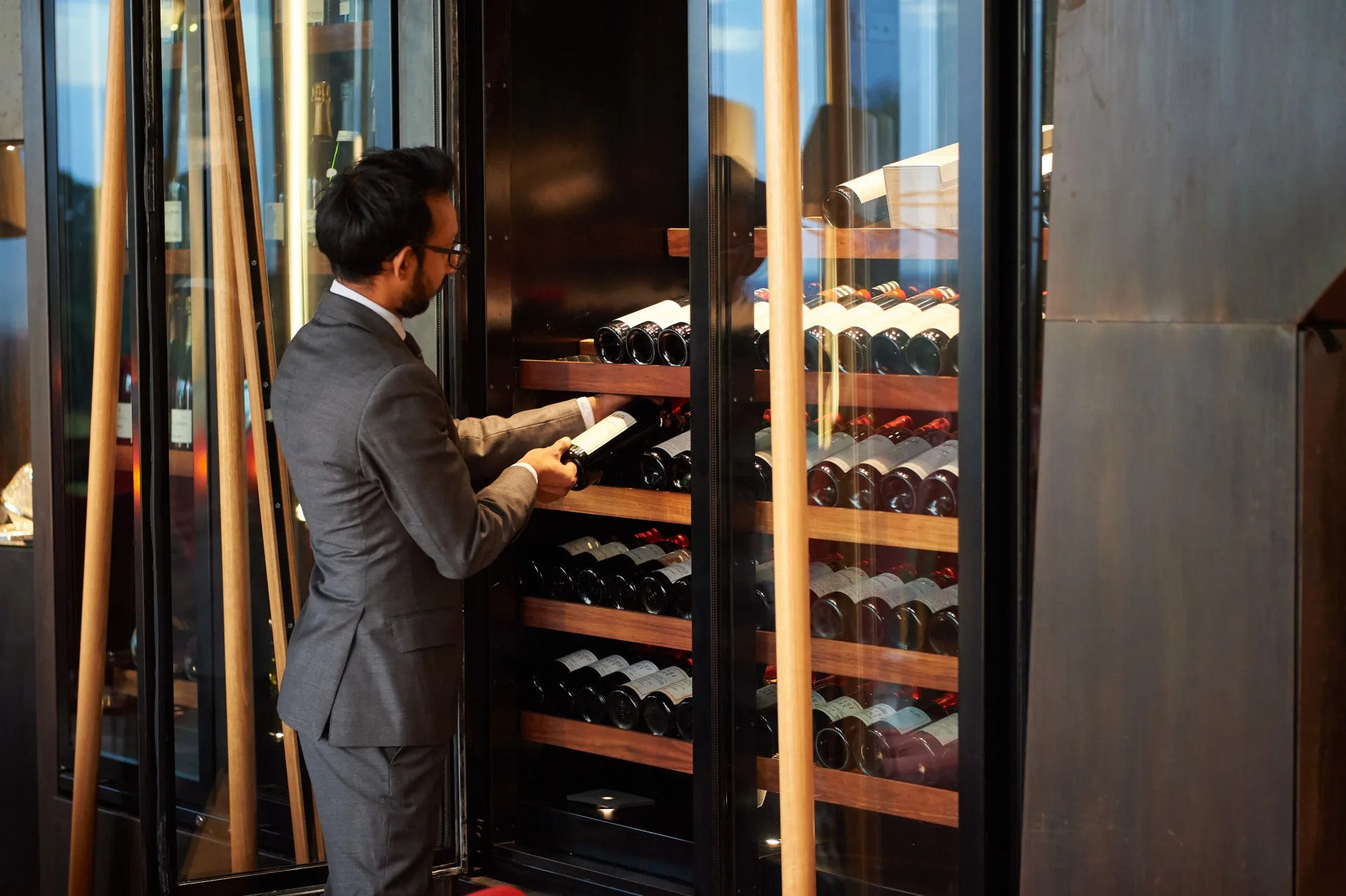
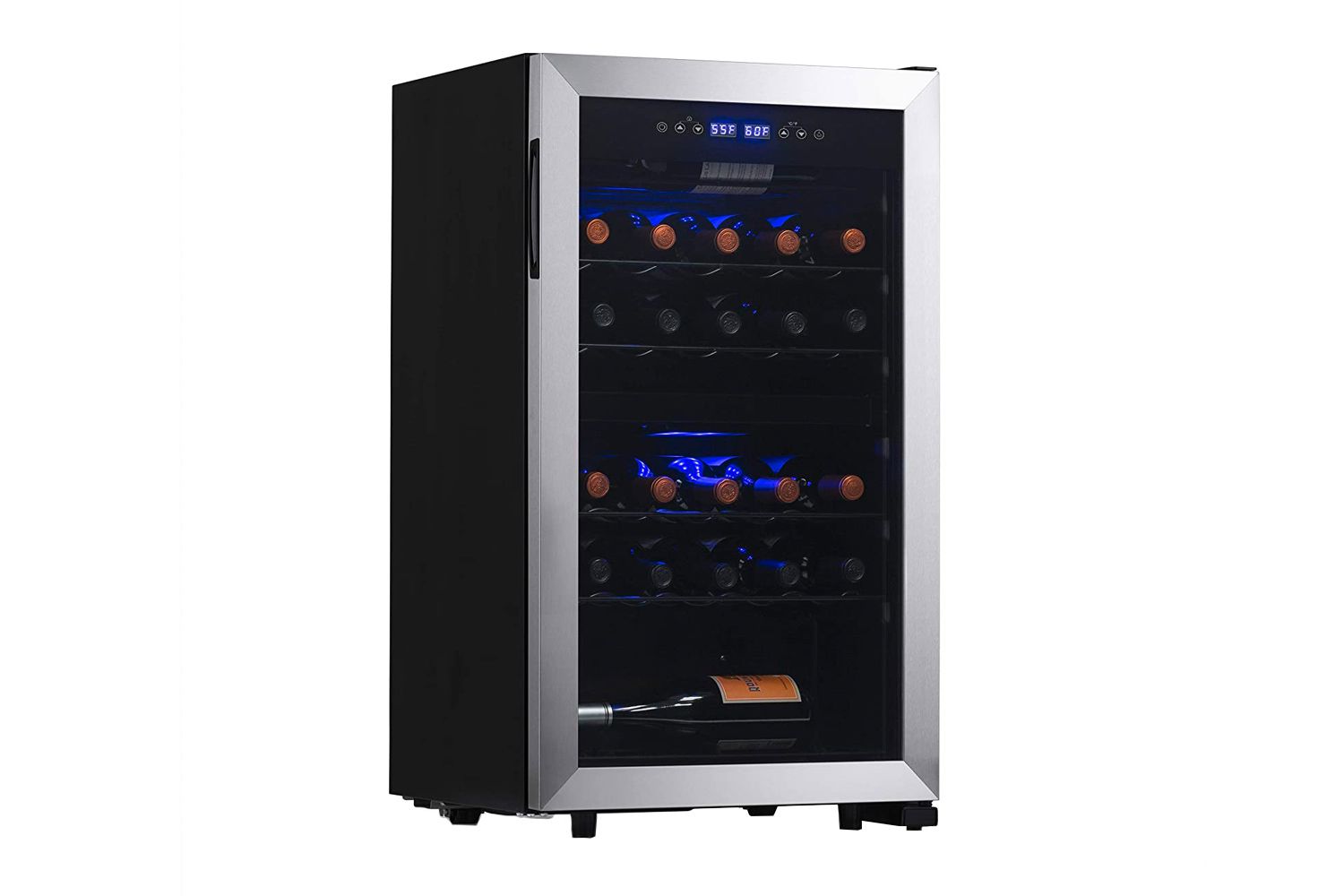
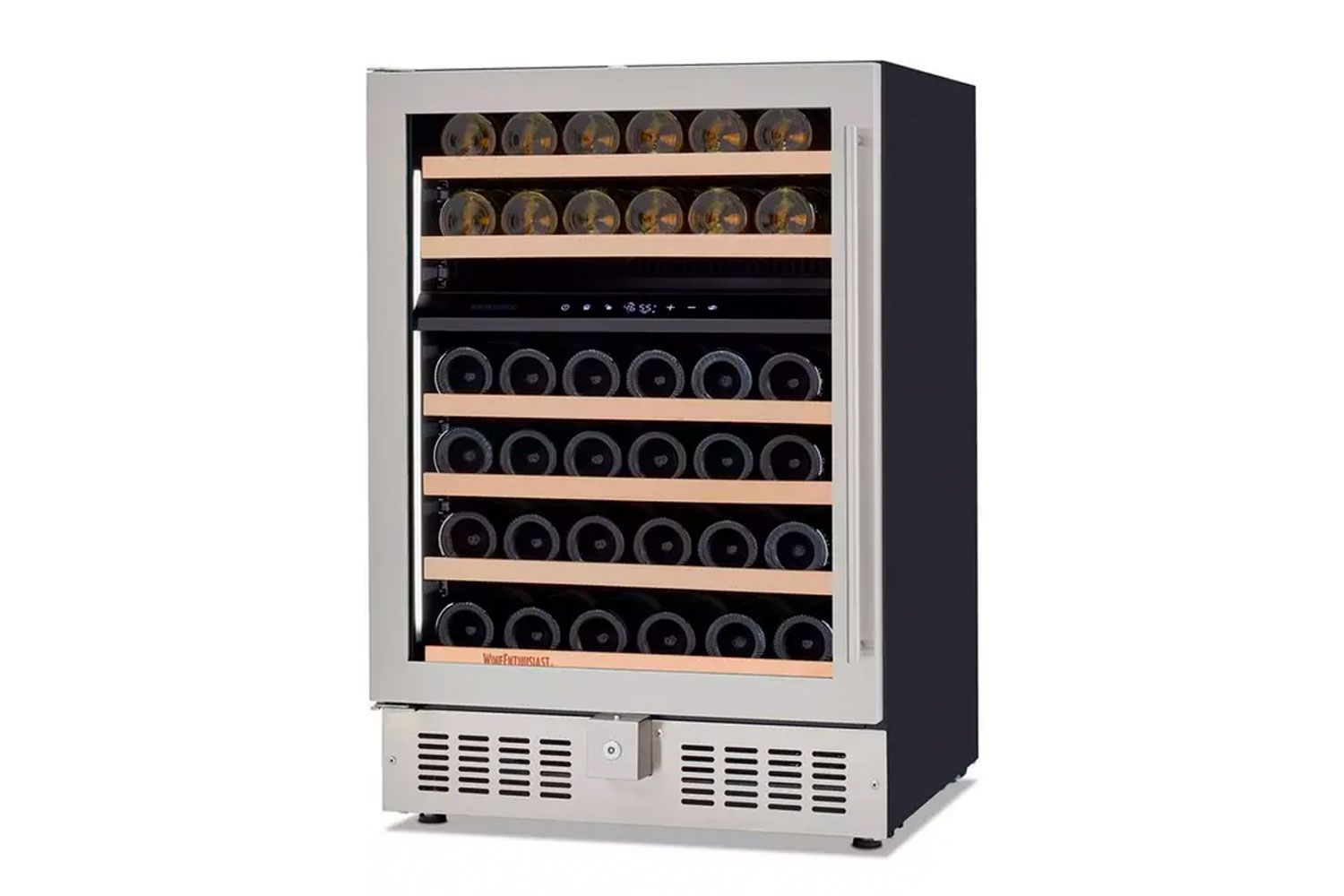
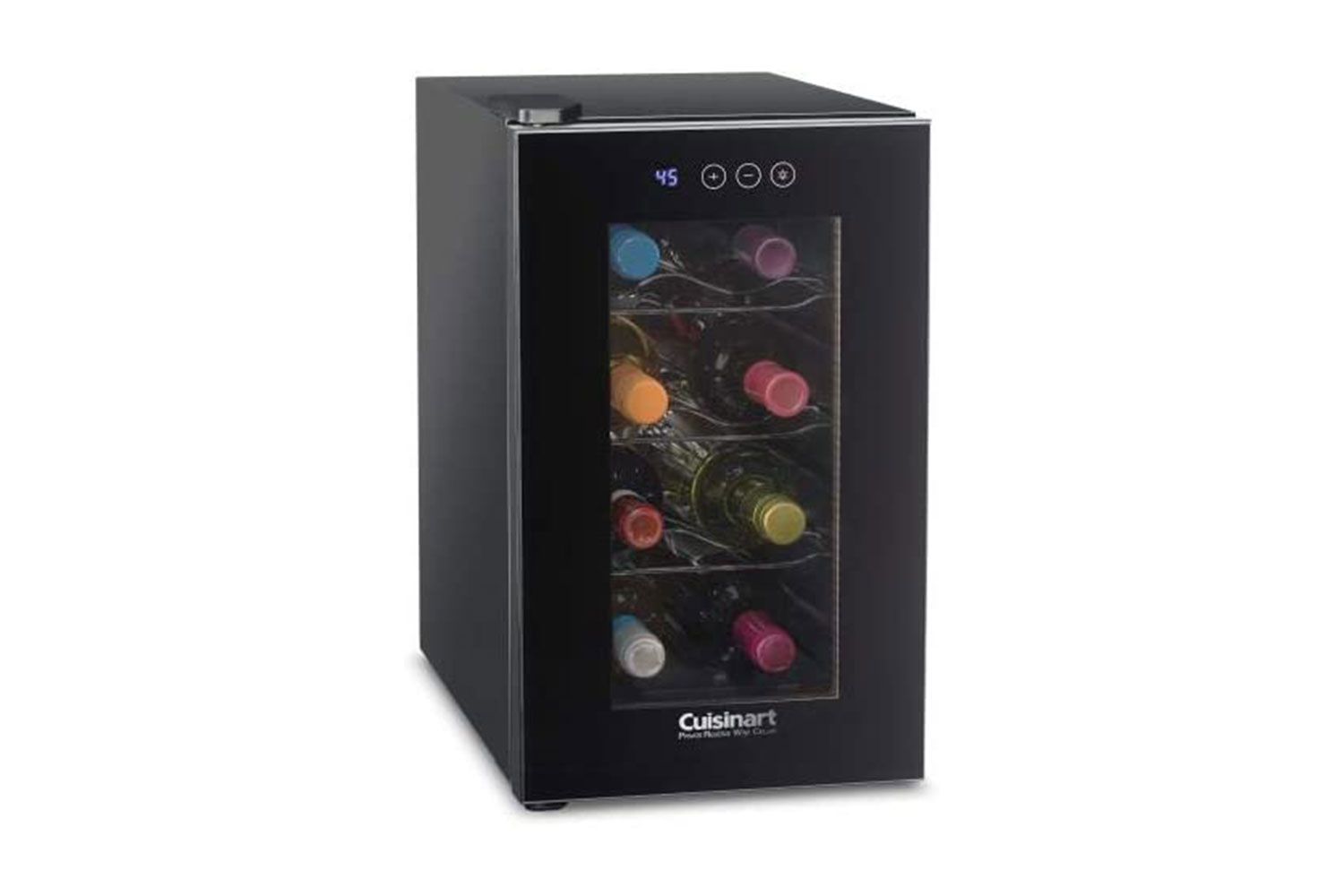
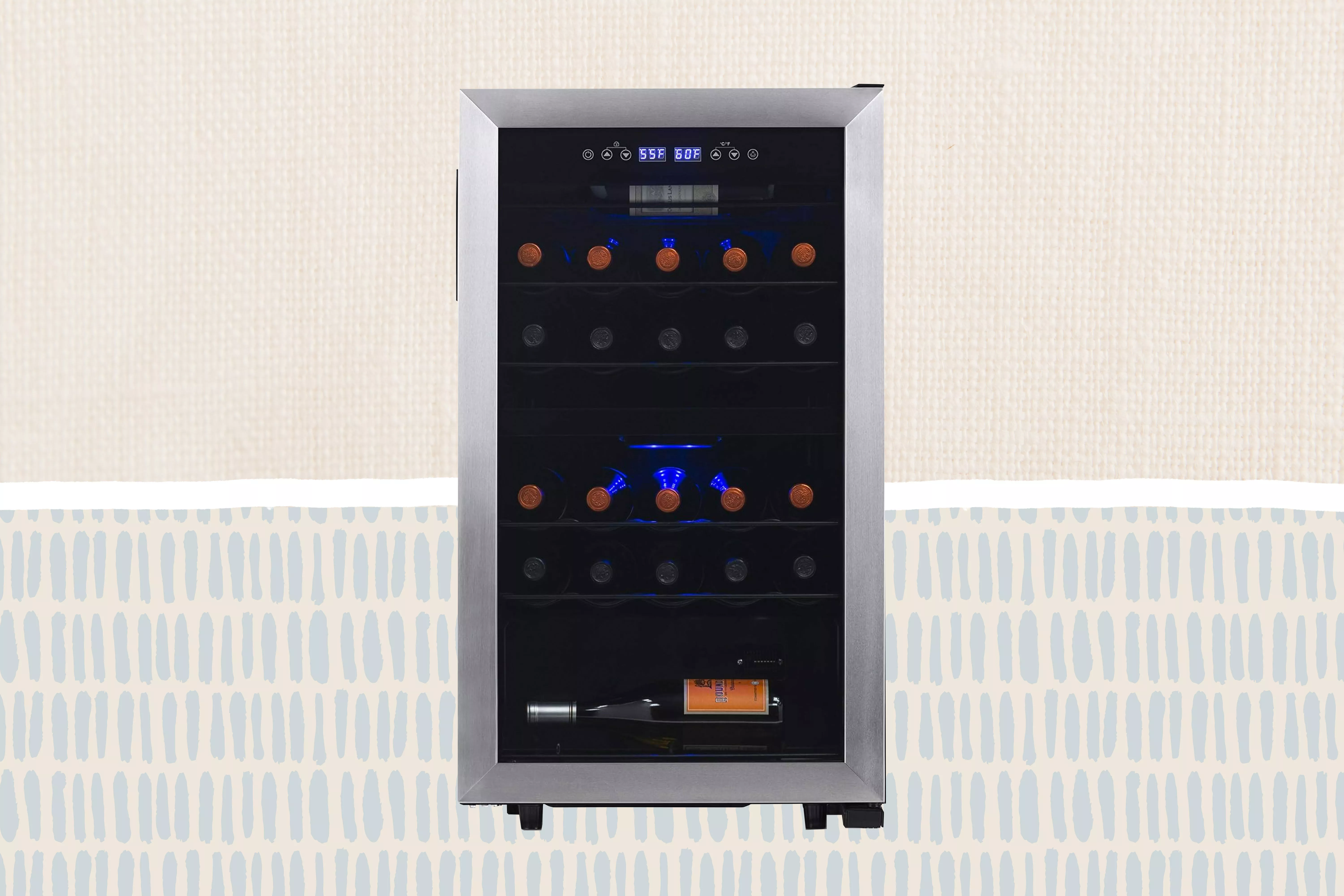
Concerning refrigeration, while short-term storage in a regular refrigerator is acceptable, prolonged storage is ill-advised. A standard refrigerator's dry environment can cause corks to shrink, making it unsuitable for keeping wine for extended periods, such as six months or longer. Instead, investing in a wine refrigerator specifically designed for apartment living and budget-friendly is recommended.
Protection from light is also paramount. Light, particularly UV rays from sunlight, is detrimental to wine and can cause premature aging and spoilage, even if the cork is tightly sealed. Lighter wines in more transparent bottles are particularly vulnerable. Storing wine in a dark location is the ideal solution; if a dark space is unavailable, simply covering the bottles with a towel can suffice.
Finally, Cournot highlights the hallway closet as an excellent storage option. This area is often the most temperature-stable part of an apartment, and the closet door acts as a natural light barrier. A closet with a shelf at eye level is especially beneficial, as easy accessibility encourages more frequent consumption, preventing bottles from being forgotten or neglected for months, a phenomenon Cournot refers to as wines ending up in "Never Never Land."
#WineStorage #SmallApartmentLiving #HomeOrganization #WineCollecting #InteriorDesignTips #RuffianNYC #SommelierAdvice #BeverageCare #WineStorage #SmallApartmentLiving #HomeOrganization #WineCollecting #InteriorDesignTips #RuffianNYC #SommelierAdvice #BeverageCare
0 комментариев всего
 Комментариев пока нет
Вам также может понравиться
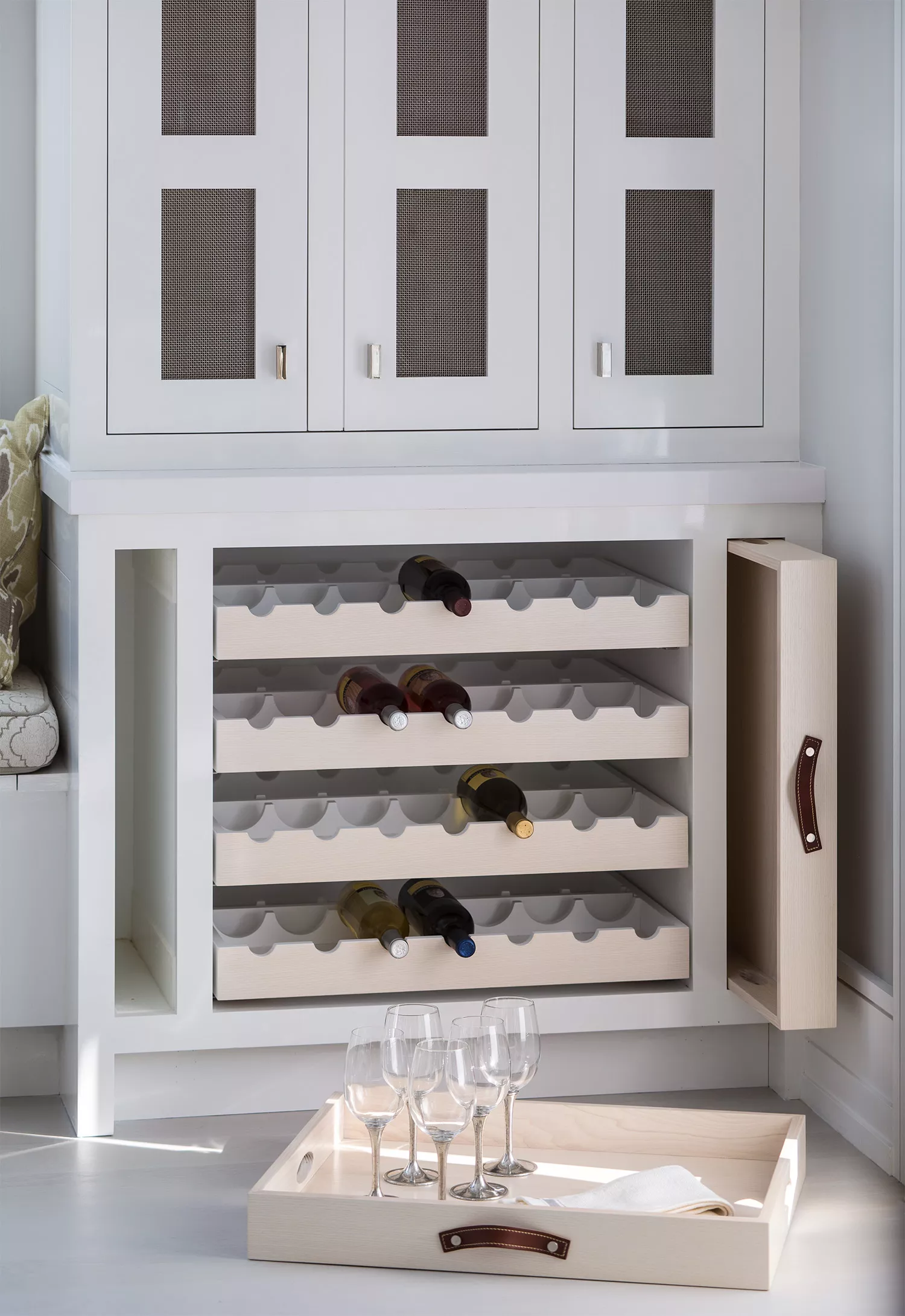
13 Wine Storage Ideas for Any Size Collection

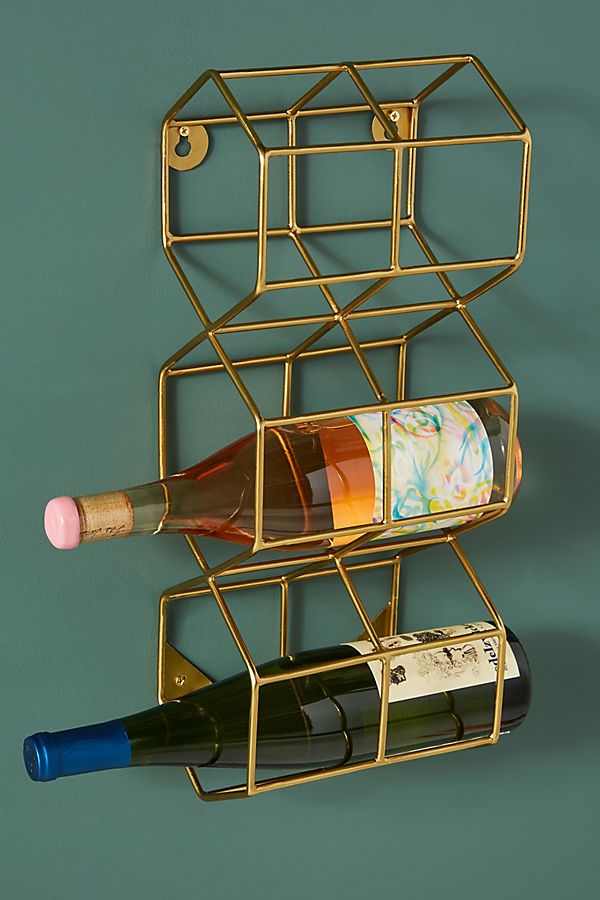
When Bar Carts Won’t Fit, Try This Elevated Storage Hack


Love wine? Here's how to incorporate wine racks, refrigeration walls and taps into your home
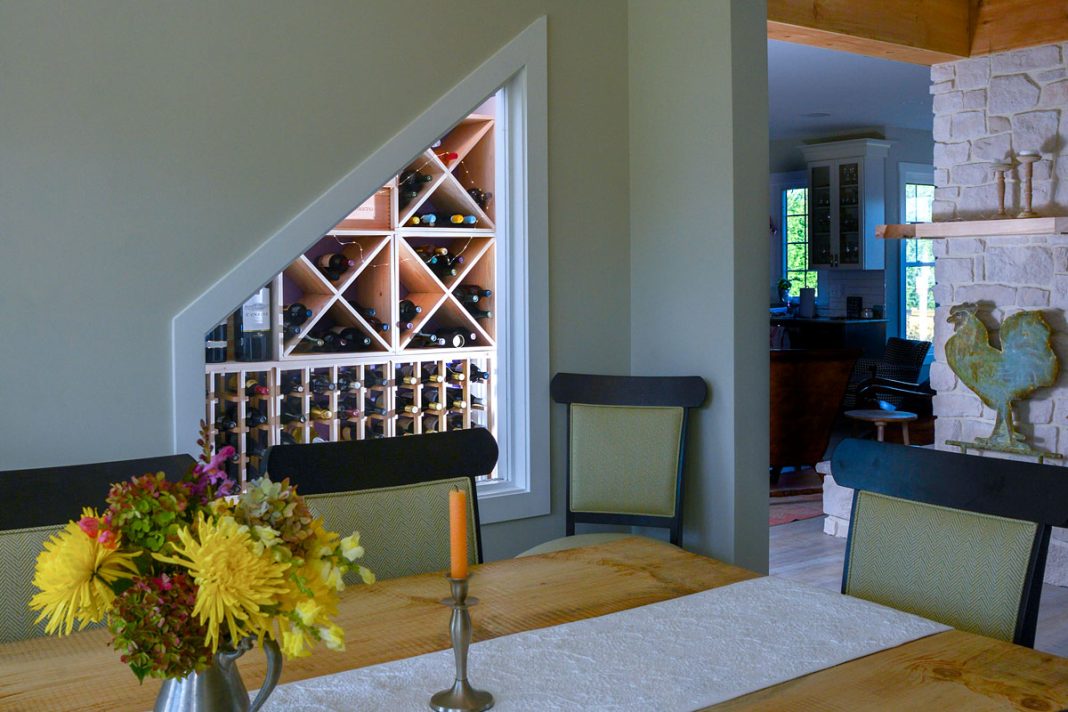
Now This Is How to Upgrade Your Wine Storage at Home
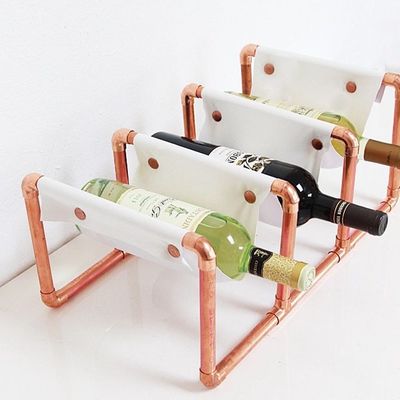
14 Unique Wine Storage Ideas We Can Raise a Glass To

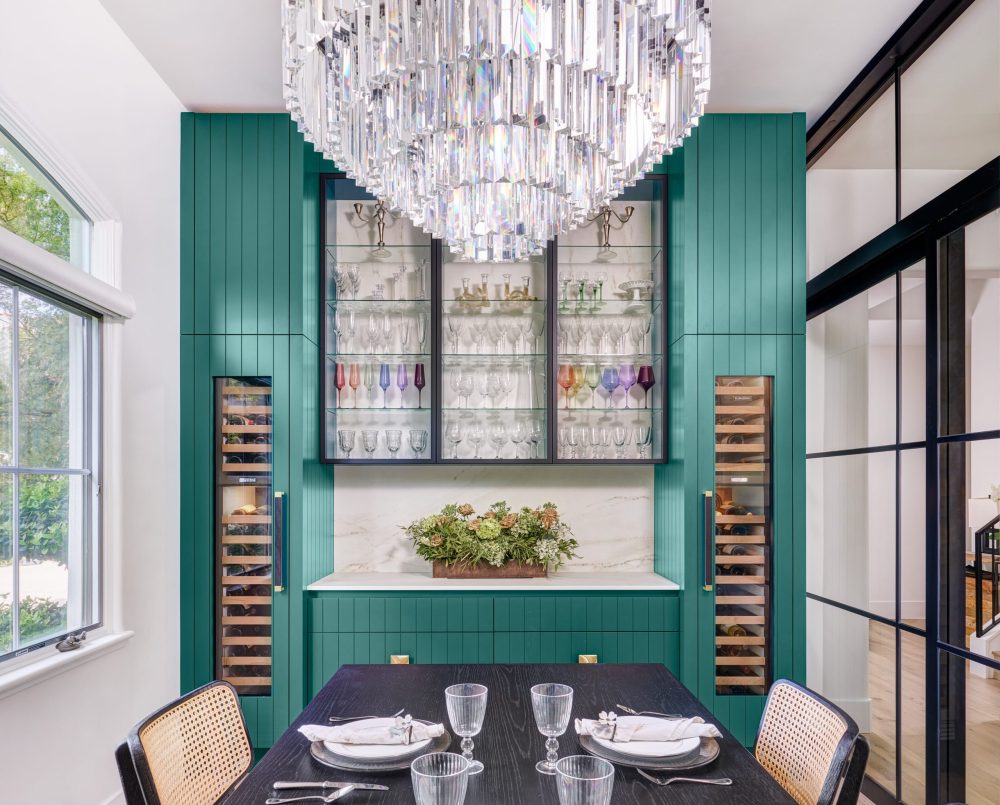
Wine Storage: Tasteful Choices

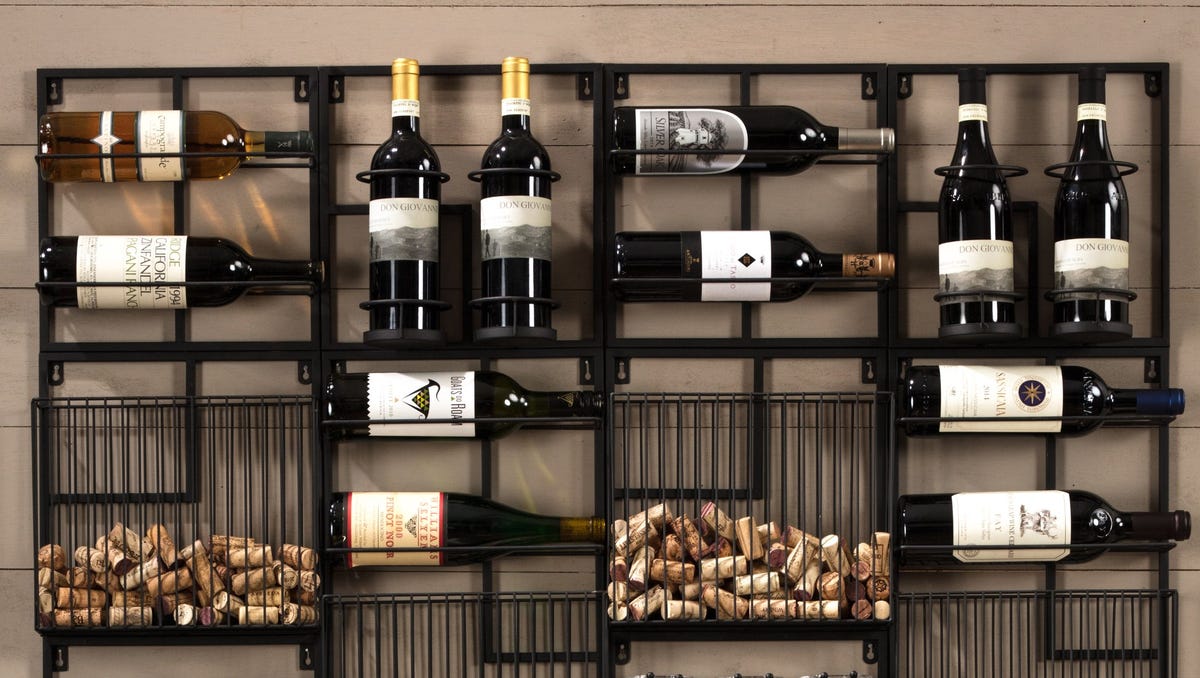
Wine storage and furniture
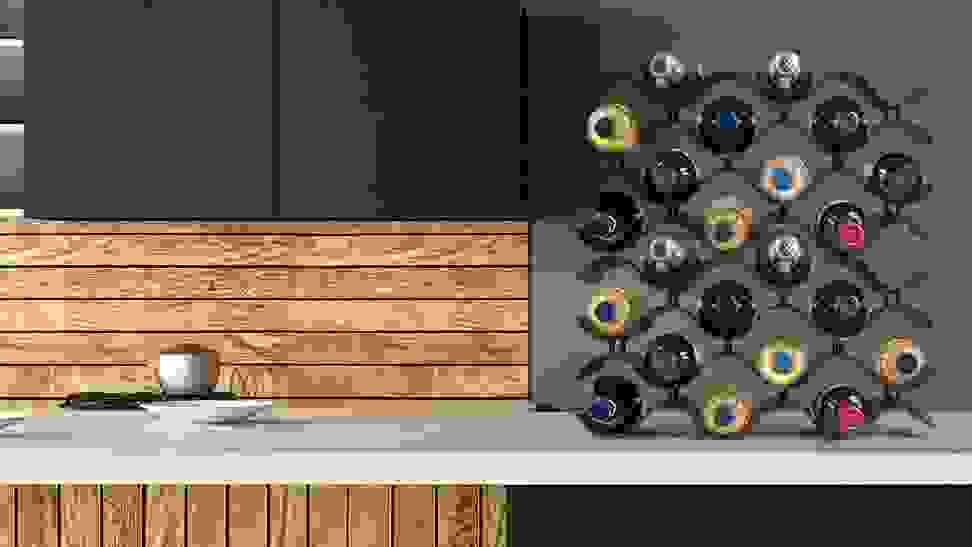
The Best Wine Racks of 2025

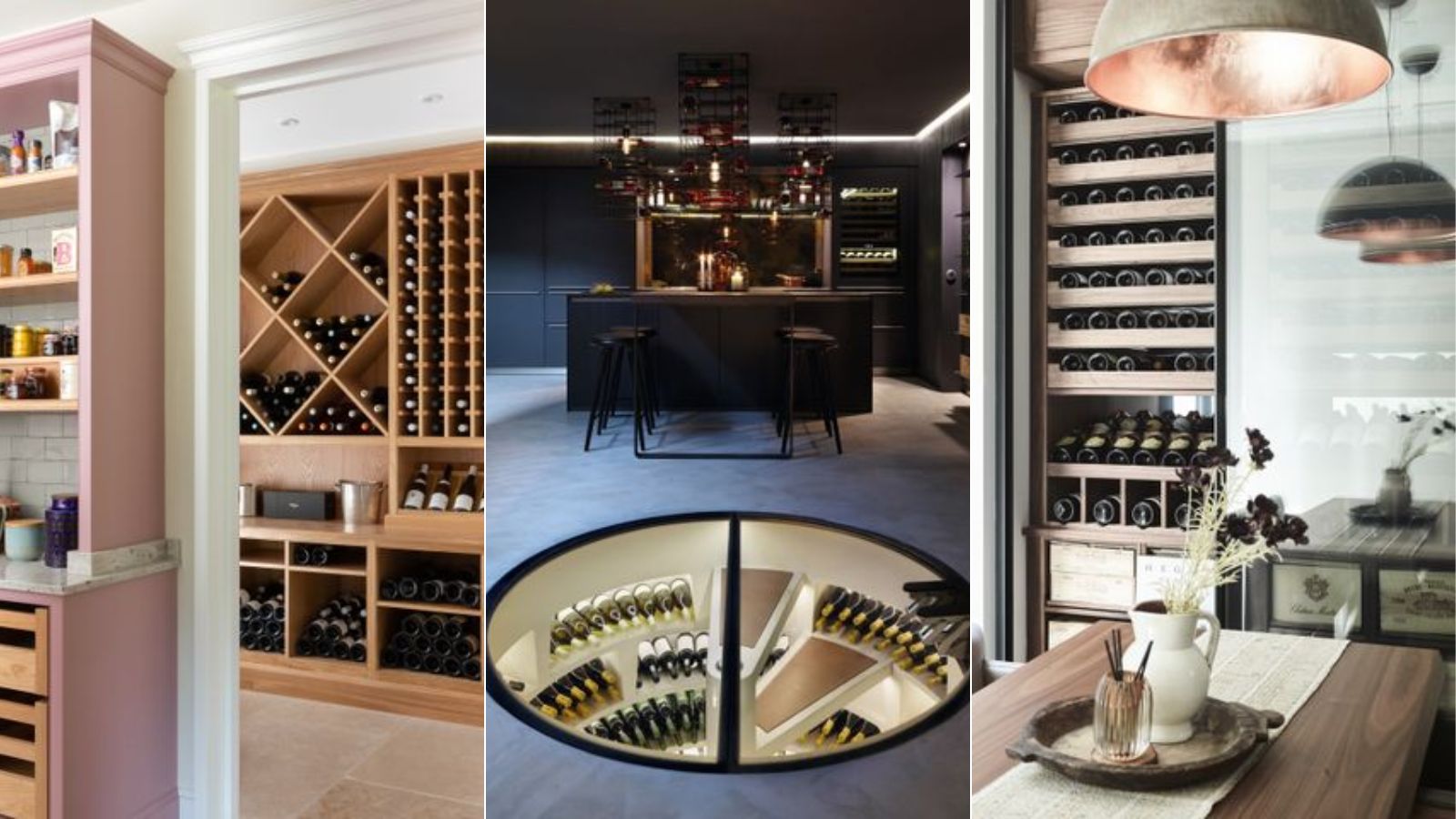
How to store wine in your kitchen – stylish storage solutions with wine preservation in mind

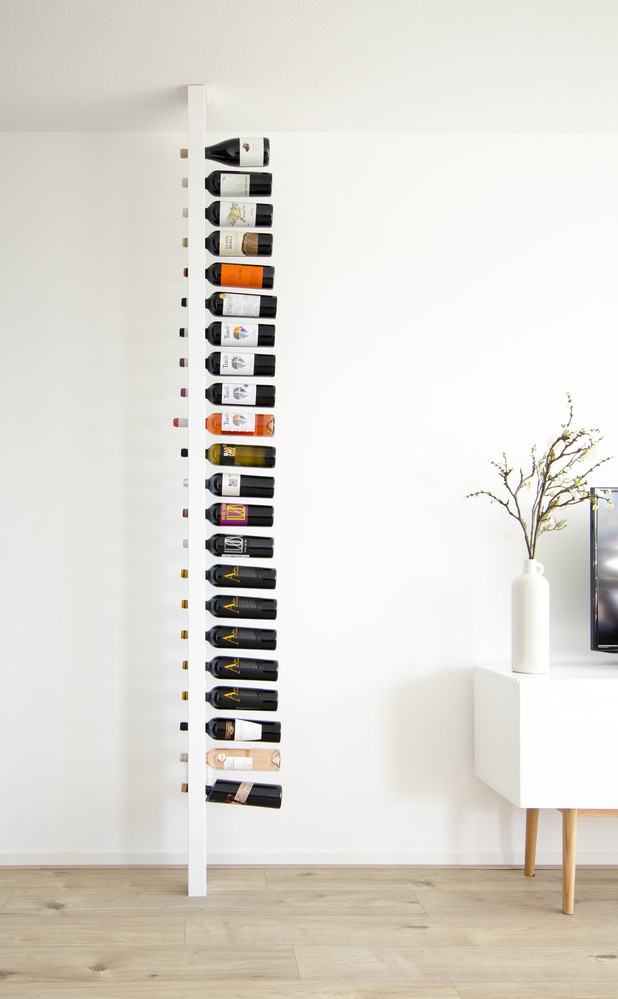
11 Non-Traditional Ways to Store Your Wine
Ten homes featuring clever wine storage solutions
The best wine racks for your bottle collection, reviewed

5 Tips From Patrick Cournot On How to Store Wine In a Small Apartment
Premium wine fridges to hold your finest drops

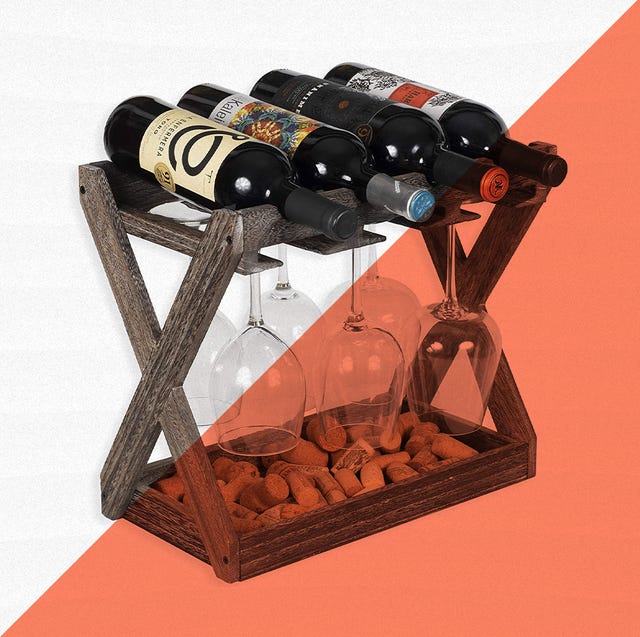
The 10 Best Wine Racks to Store Your Bottles in Style
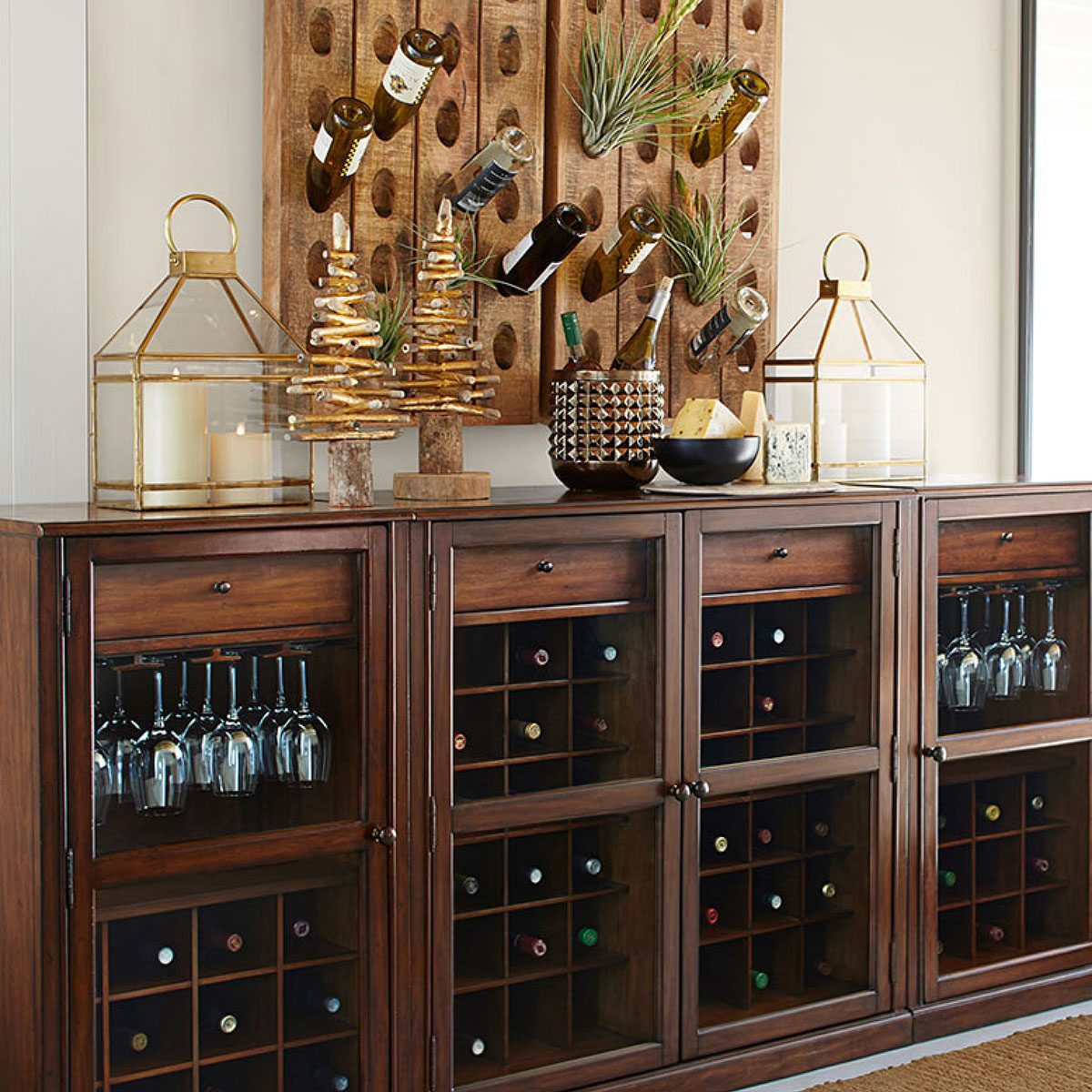
The 9 Best Wine Racks of 2025

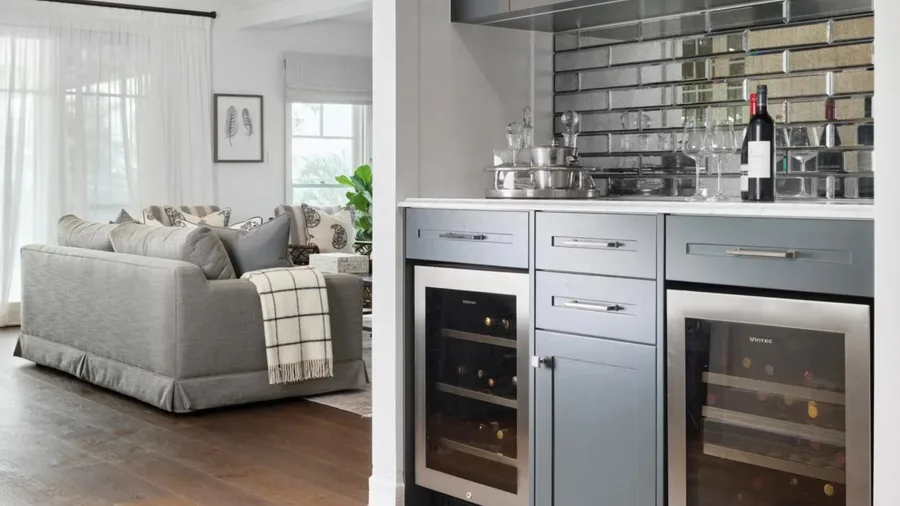
6 small and compact wine fridges for storing your favourite vinos
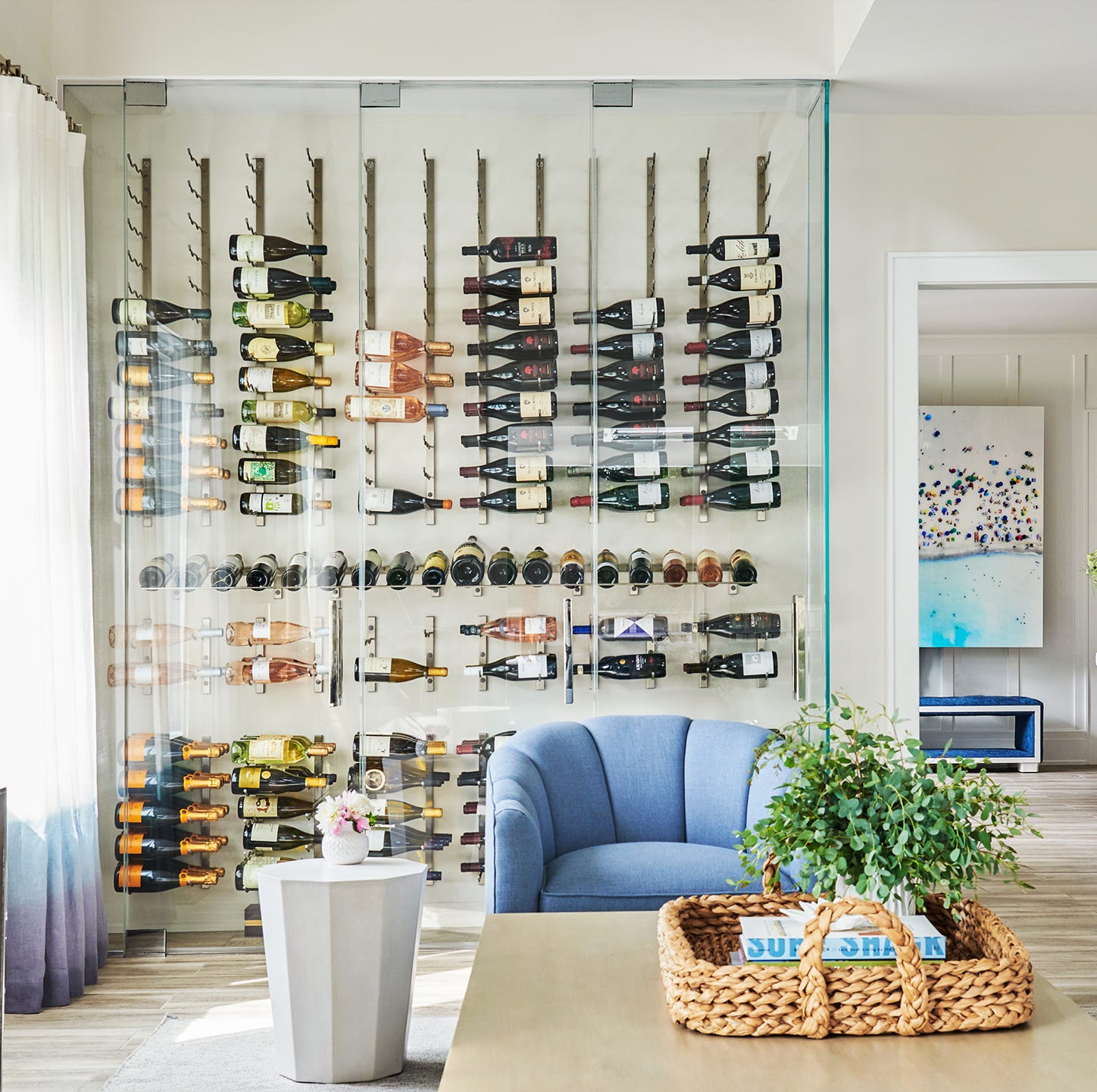
15 Designer-Approved Wine Cellar Ideas
The 3 Best Wine Fridges for Storing All Your Favorite Reds and Whites
This Is the Best Way to Store Your Wine, According to a Sommelier