1/13
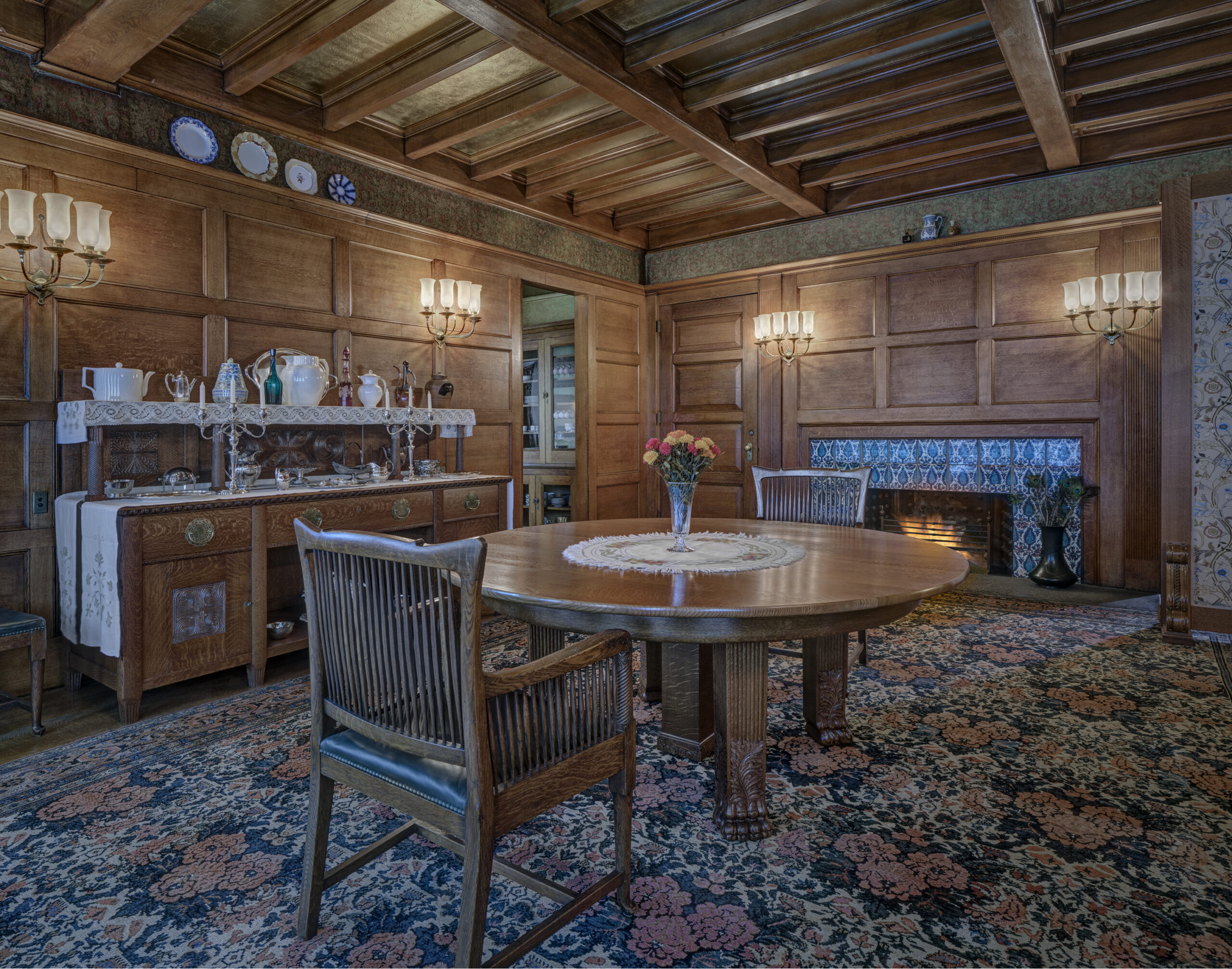
Glessner House dining room furniture recreated
In December 2023, the Glessner House in Chicago received new dining room furniture, including a massive oak sideboard weighing over 400 pounds and a 16-foot extension dining table, meticulously recreated to match the originals from 1887. This replication process aimed to restore the house's dining room to its original elegance, reflecting the Glessners' taste and the architectural vision of Henry Hobson Richardson and Charles Coolidge. The original story began in 1885 when John and Frances Glessner commissioned Richardson, a leading American architect, to design their Prairie Avenue home. Richardson's innovative design, characterized by a south-facing courtyard, was considered unconventional by contemporaries, earning the moniker "fortress" or "jail." Despite the robust exterior of rusticated Braggville granite, the interior was designed to be warm and inviting, fulfilling Frances Glessner's request to maintain a "cozy feeling" within the 17,000-square-foot residence.
Richardson died in April 1886, leaving the completion of the house to Shepley, Rutan & Coolidge. Charles Coolidge, a partner in the successor firm and a close friend of the Glessners, designed the original furniture for the 18-by-27-foot oak-paneled dining room, the largest room in the house. Quartersawn white oak was chosen for the sideboard, dining table, and eighteen chairs, with carvings echoing the Romanesque style favored by Richardson. This furniture hosted numerous elaborate eight-course dinners, attended by prominent artists, architects, musicians, authors, and university presidents, including figures like Ignacy Paderewski, Sergei Rachmaninoff, and Enrico Caruso, reflecting the Glessners' significant support for the Chicago Symphony Orchestra.
The original furniture was crafted by A. H. Davenport and Company, a renowned interior decoration and furniture firm from Boston. Francis Bacon, Davenport's chief designer and a former architect in Richardson's office, was instrumental in executing these designs, including the Glessners' Steinway grand piano and numerous other pieces throughout the house. Davenport's reputation extended to major commissions like the Iolani Palace in Hawaii and furniture for the White House during Theodore Roosevelt's presidency. The Glessners' dining table, originally six feet in diameter, could expand to sixteen feet with ten one-foot leaves, accommodating eighteen guests. Its design featured tapered square legs with acanthus leaves and paw feet, while the chairs blended Colonial Revival spindles with Art Nouveau curves. The sideboard was a notable piece, with its proportions aligning with the oak paneling and an upper shelf for decorative objects. Five unique carved panels adorned its back and cabinet doors.
After John Glessner's death in 1936, the dining room furniture was appraised at a mere $101, reflecting changing tastes and the Great Depression's economic impact. The furniture remained in the house when it was donated to the Armour Institute (now Illinois Tech) in 1938 and later used by the Lithographic Technical Foundation. In 1965, facing demolition plans, the Foundation sold the table, sideboard, and fourteen chairs for $250. The house was saved from demolition in 1966, and two armchairs and two side chairs were later discovered in the attic. For decades, a smaller table and sideboard were used, failing to capture the room's original grandeur. In 2021, a lead gift from docent Allan Vagner and his wife Angie initiated the recreation project. Patrick Burke of Atelier Burke, a skilled woodcarver trained in northern Italy, was commissioned for the task.
The recreation process involved detailed analysis of historical photographs from 1923, and professional photographs of the sideboard panels from 1936. Measurements of the existing Glessner House features, such as oak paneling and linen runners, guided the sizing of the new pieces. Comparisons with similar Davenport furniture in other collections, notably the Schwebel family's dining room table and David Martland's collection, provided insights into Davenport's craftsmanship, joinery, and carving techniques. Molds were made from existing Glessner pieces for further study. The selection of quartersawn oak ensured the correct grain and medullary rays. Scaled drawings and full-size mockups were used for dimensional accuracy. Patrick Burke focused on the intricate carvings, using a variety of chisels, and the table legs were modeled in clay to perfect the acanthus leaves and paw feet. The hardware, both decorative and structural, presented significant challenges. Cast iron brackets unique to Davenport were reproduced, and Joan Parcher, an expert in historic furniture hardware, assisted with this phase. The elaborate brass filigree backplates were hand-cut, replicating the exact color of 19th-century originals. In December 2023, the completed table and sideboard were installed, with eight individuals required to maneuver the heavy sideboard into place. The new furniture was unveiled at events in December 2023 and February 2024. The final phase involves replicating the missing side chairs, expected for delivery in September 2024, after which the dining room will be available for dinner parties, echoing the Glessners' original use of the space.
#GlessnerHouse #HistoricPreservation #FurnitureRecreation #VictorianArchitecture #InteriorDesign #ArchitecturalHistory #ChicagoHistory #Craftsmanship #MuseumExhibition #GlessnerHouse #HistoricPreservation #FurnitureRecreation #VictorianArchitecture #InteriorDesign #ArchitecturalHistory #ChicagoHistory #Craftsmanship #MuseumExhibition
0 комментариев всего
 Комментариев пока нет
Вам также может понравиться
RH dining room ideas – 10 ways to recreate a designer space

10 Easy-to-Make Dining Room Mistakes That Are Killing the Vibe — And How to Fix Them Before Your Next Dinner Party

SEE IT: 1 room, 3 ways: three dining rooms we love in Louisville
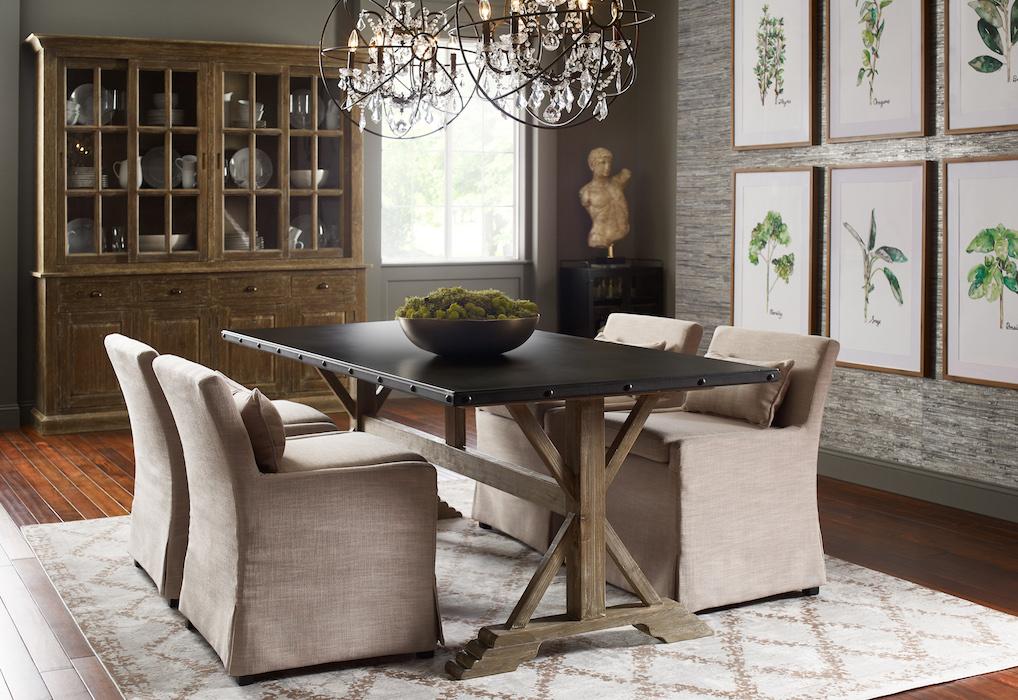
Getting Real About Replica And Lookalike Furniture

Dining room furniture for illuminating suppers
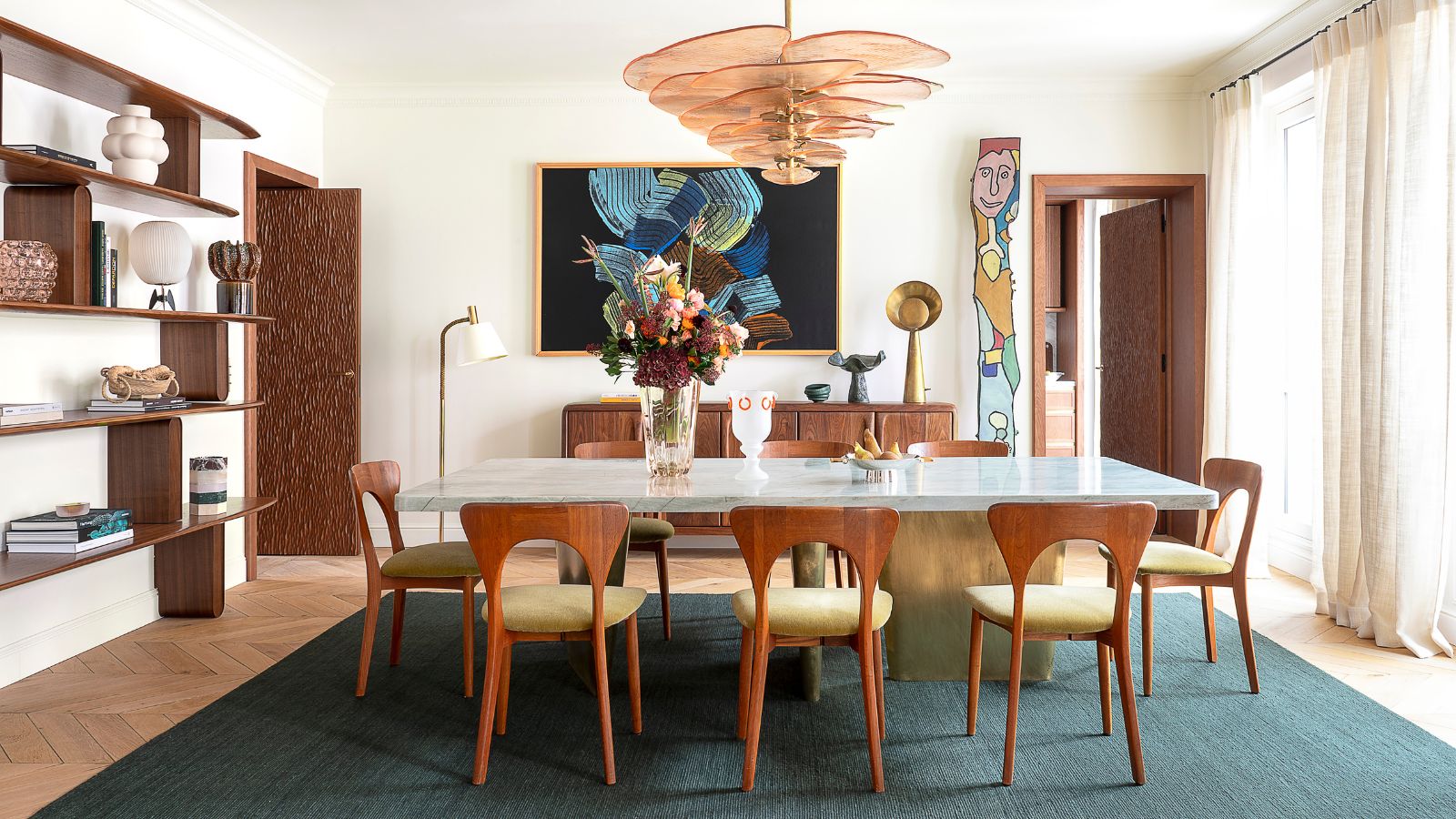
Designers Say These 5 Dining Room Clichés Are Going Out of Style
10 Places to Buy Dining Room Furniture When You Want Stylish, Durable Pieces
Celia Rufey answers your furniture questions

10 fabulous formal dining rooms

6 Classic Pieces From Grandma's Dining Room That Will Never Go Out Of Style
Why the Built-In Banquette Is Becoming a Designer Favorite (Published 2022)
These Designer-Approved Dining Room Ideas Will Elevate ANY Entertaining Space

Room Envy: A retro dining room gets a midcentury remodel
This customizable furniture retailer just added a dining set
Is the Formal Dining Room Over? Designers Share Their Honest Take

7 designer dining rooms to inspire
Don't Buy Dining Room Furniture You’ll Regret — These Are the Stores Design Experts Trust Most

Discover House Beautiful's Stunning New Dining Collection at DFS – Perfect for Every Space

The Inspo for This Dining Room Makeover? A Brown Dining Set from the 2000s

7 Dining Room Layout Mistakes That Ruin the Flow of Your Space, Designers Say