At Home Living: Find the kitchen sink you will never throw out
Selecting a kitchen sink involves navigating numerous options in design and functionality. A practical approach, as suggested by ConsumerReports.org, prioritizes functionality over aesthetics to ensure long-term satisfaction. Before focusing on style, essential factors such as the number of basins and material should be determined.
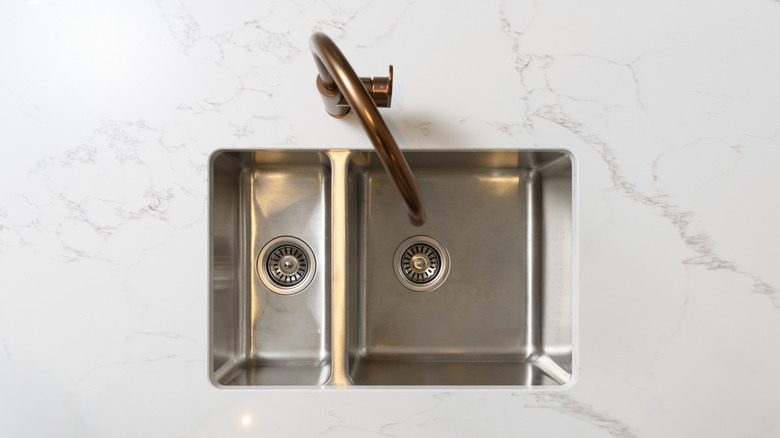
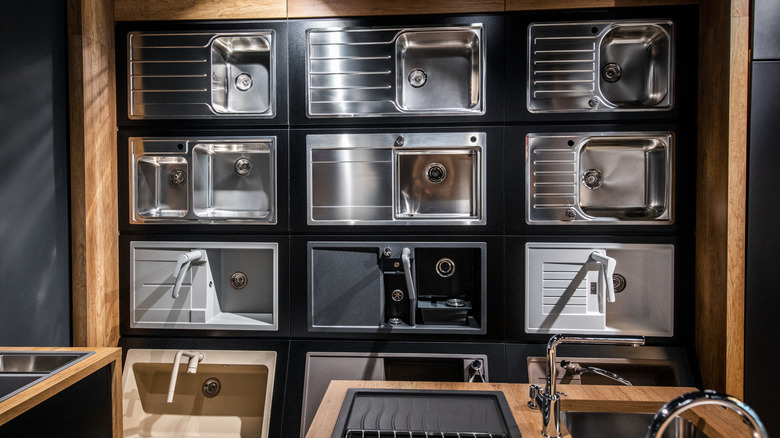
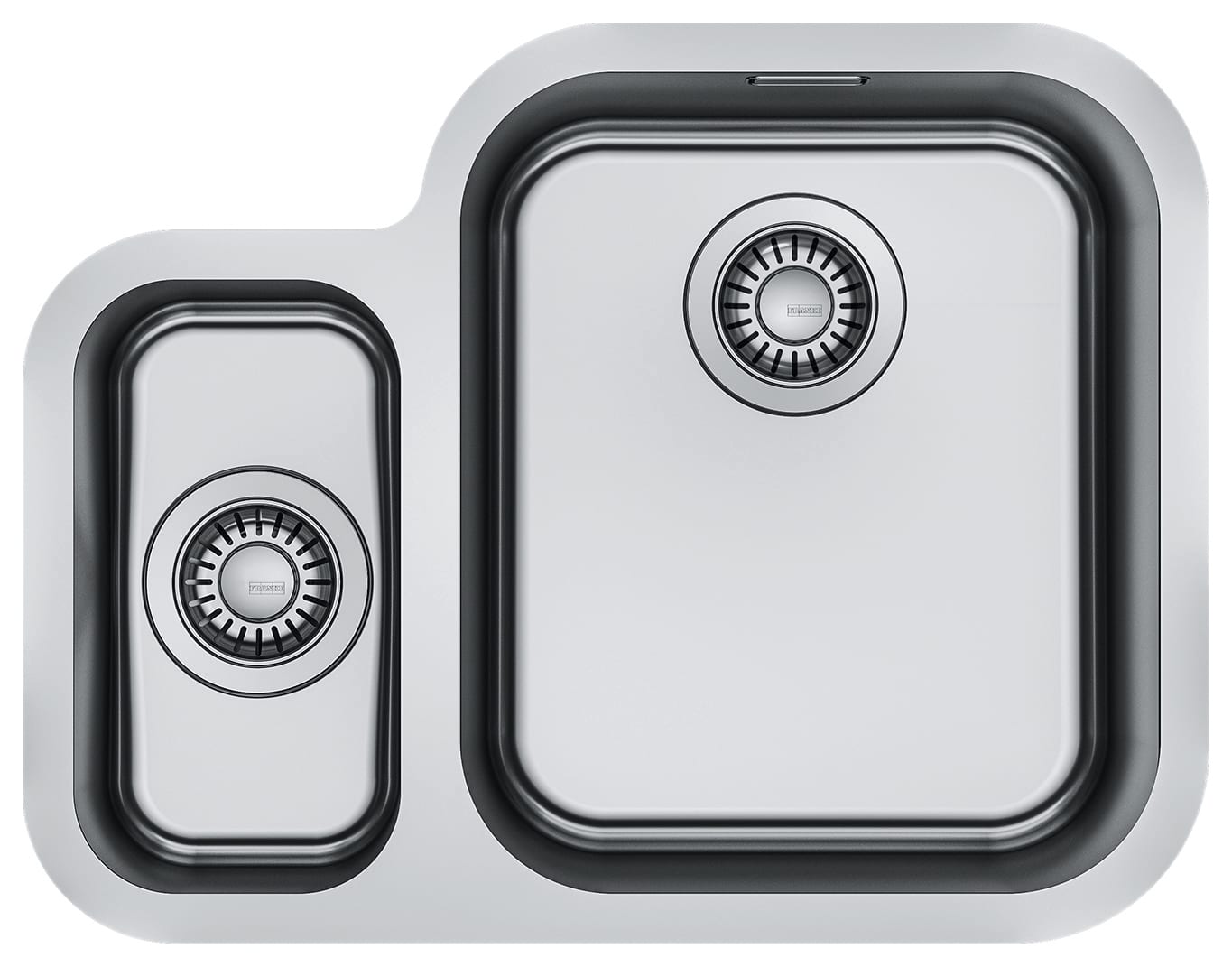
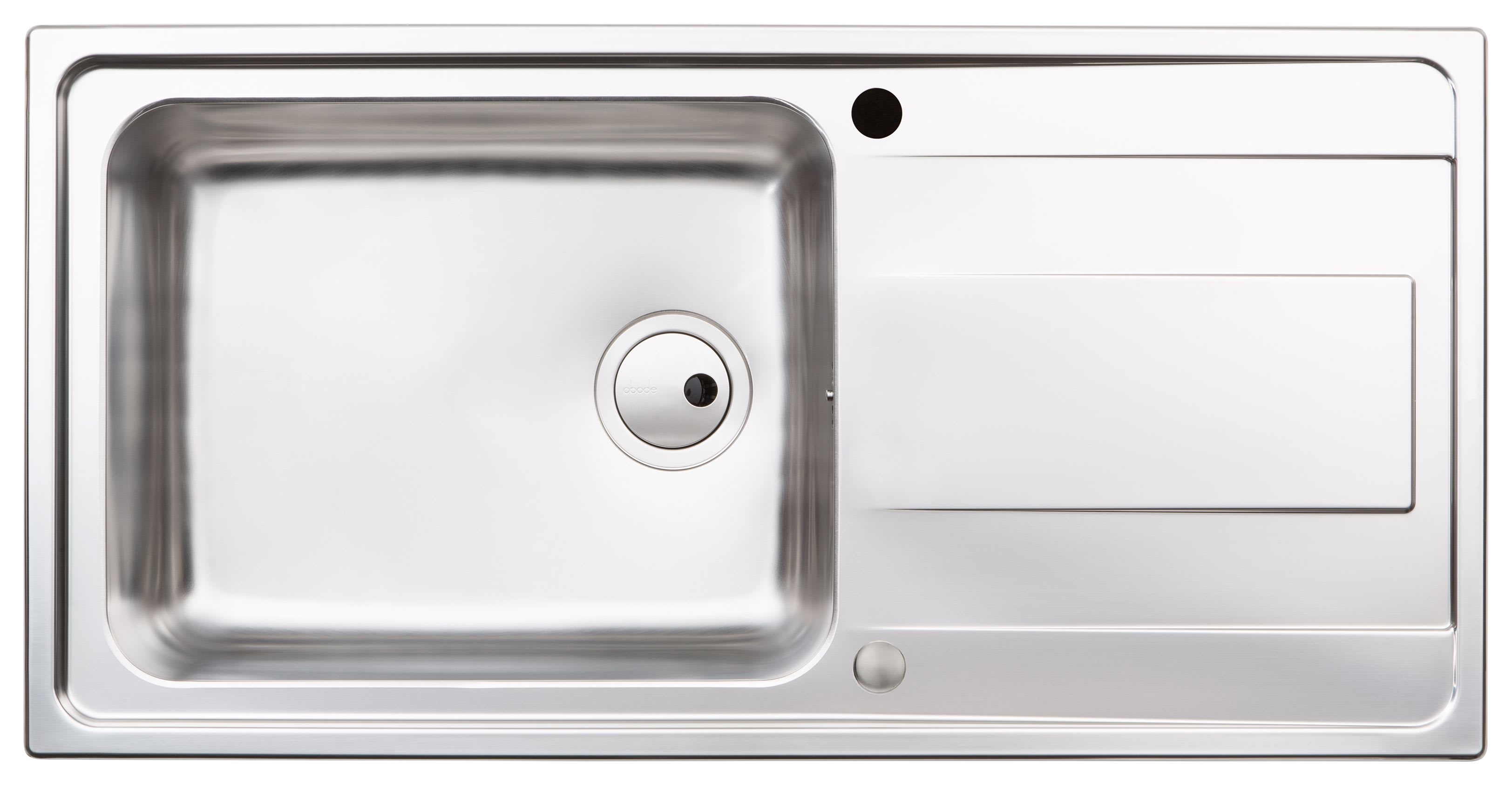
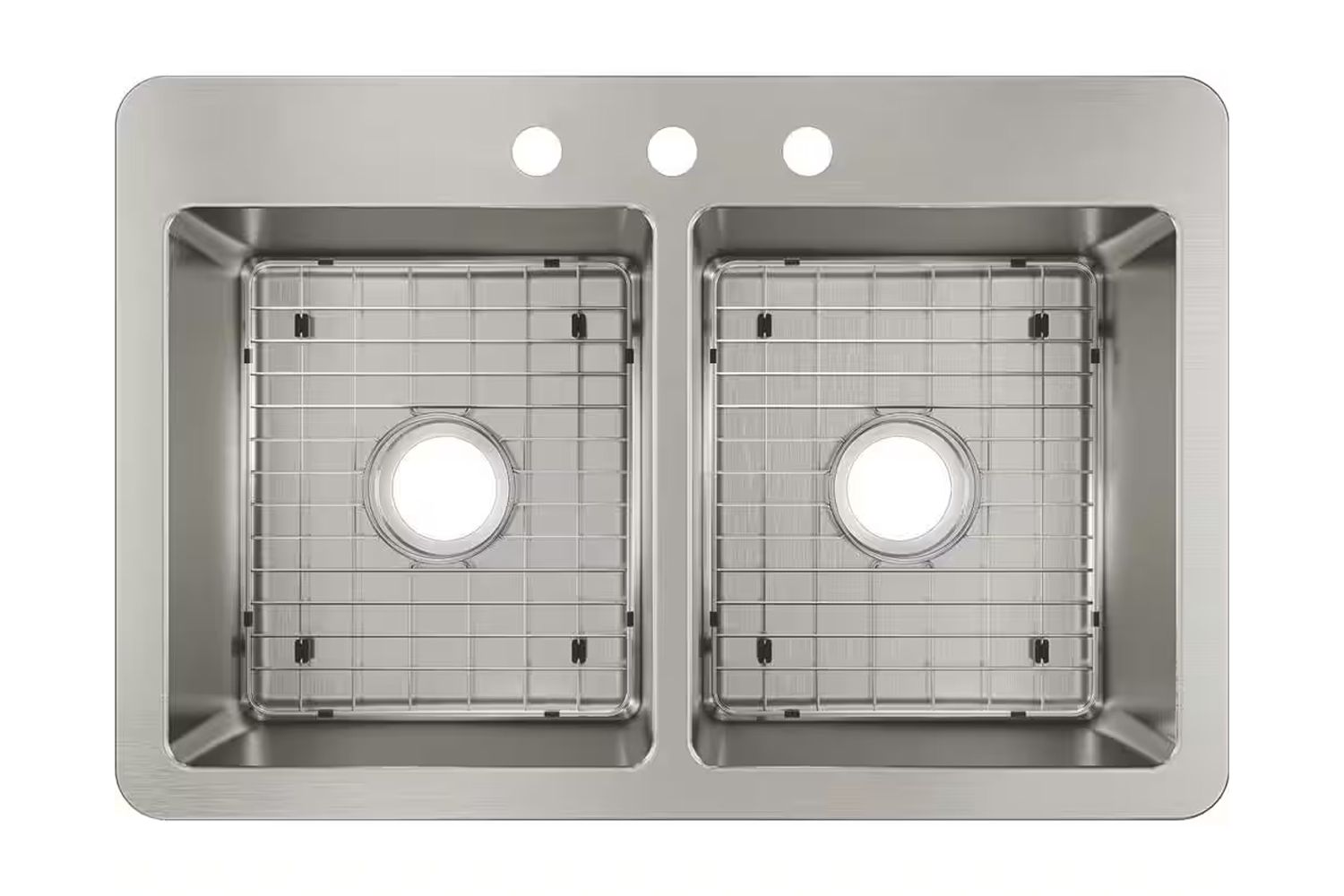
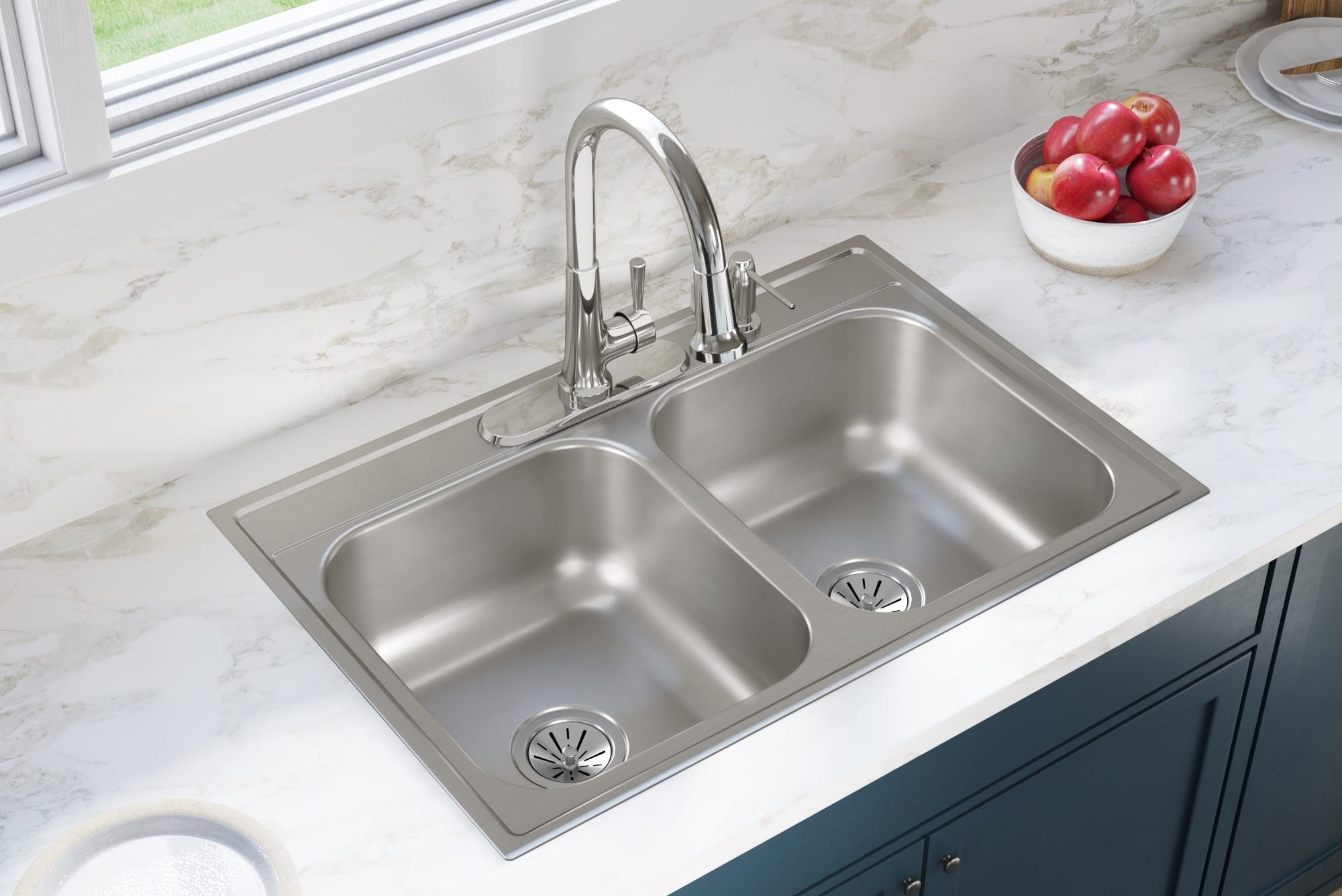
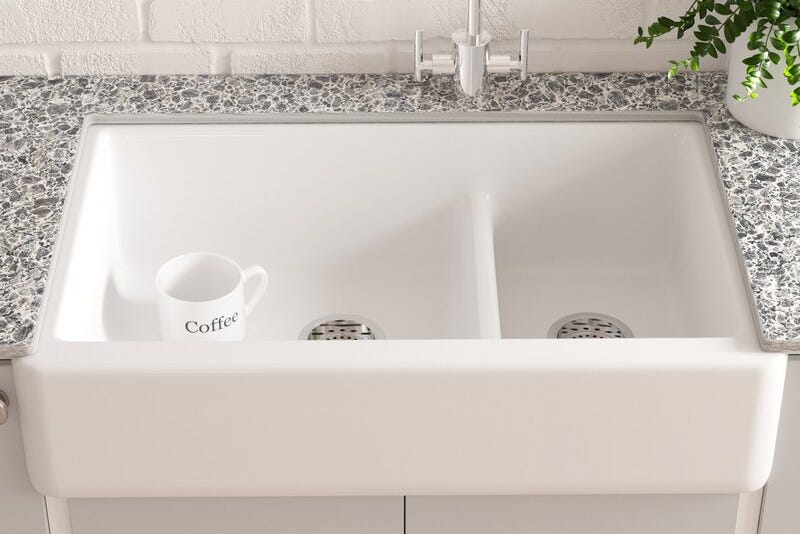
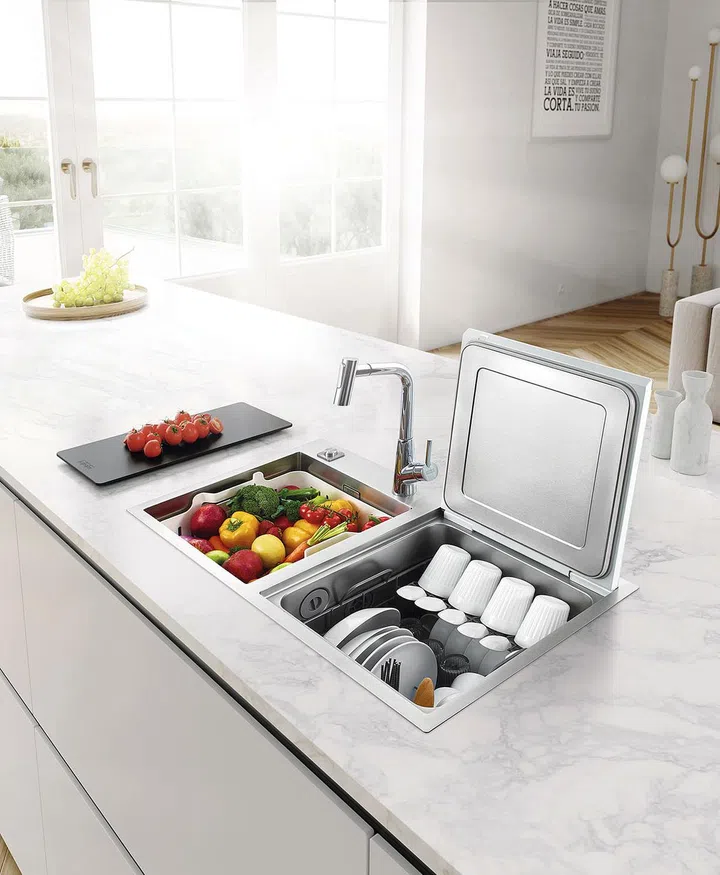
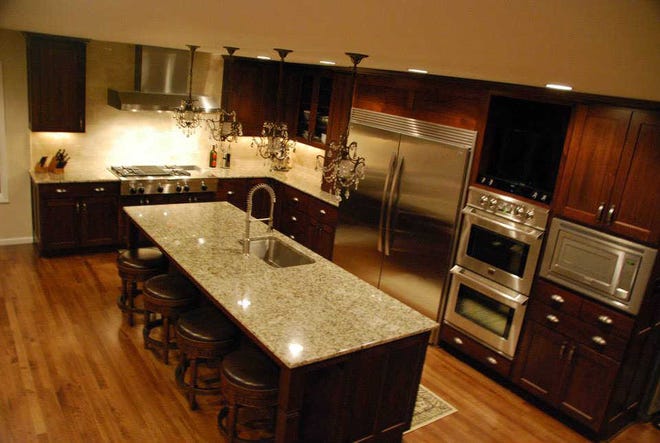
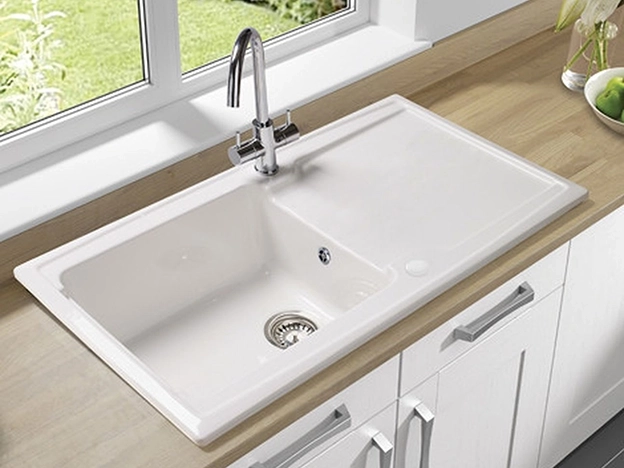
Kitchen sinks are available in single, double, or triple basin configurations. Multiple basins offer increased versatility but necessitate more plumbing and space. Measurement of the available space is crucial, as areas less than 23 inches wide may restrict options to a single basin. A popular choice is the two-basin sink with a low middle divider, which facilitates washing large items like cookie sheets and pizza pans without excessive splashing. The trend away from tall dividers reflects modern household habits where dishwashers handle most cleaning, leaving sinks primarily for rinsing. The decision between one large basin or multiple smaller ones should also consider the use of a garbage disposal, which impacts plumbing and sink requirements.
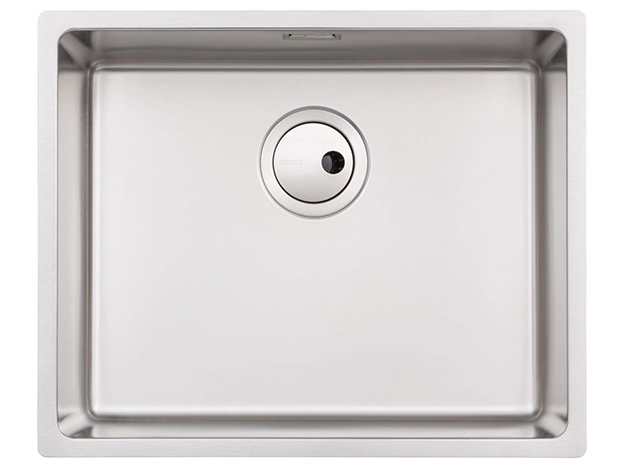
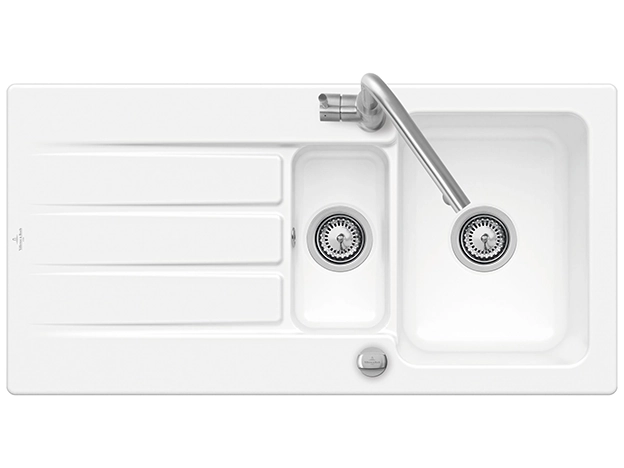
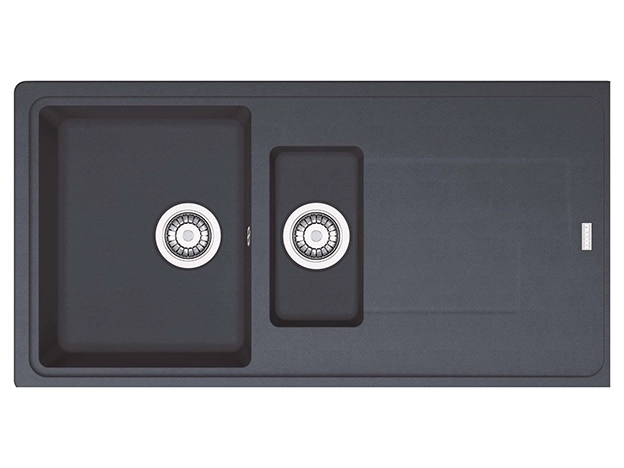
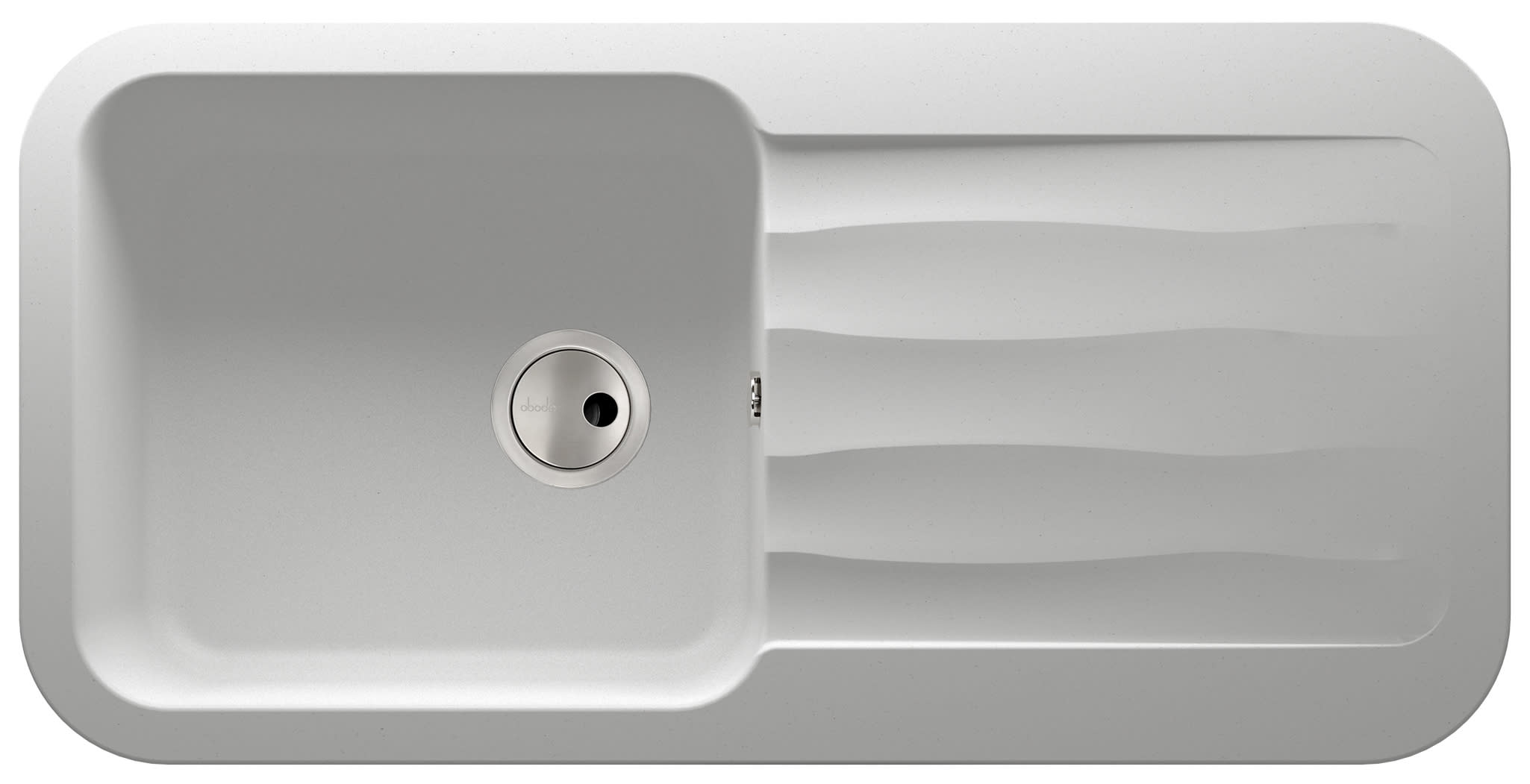
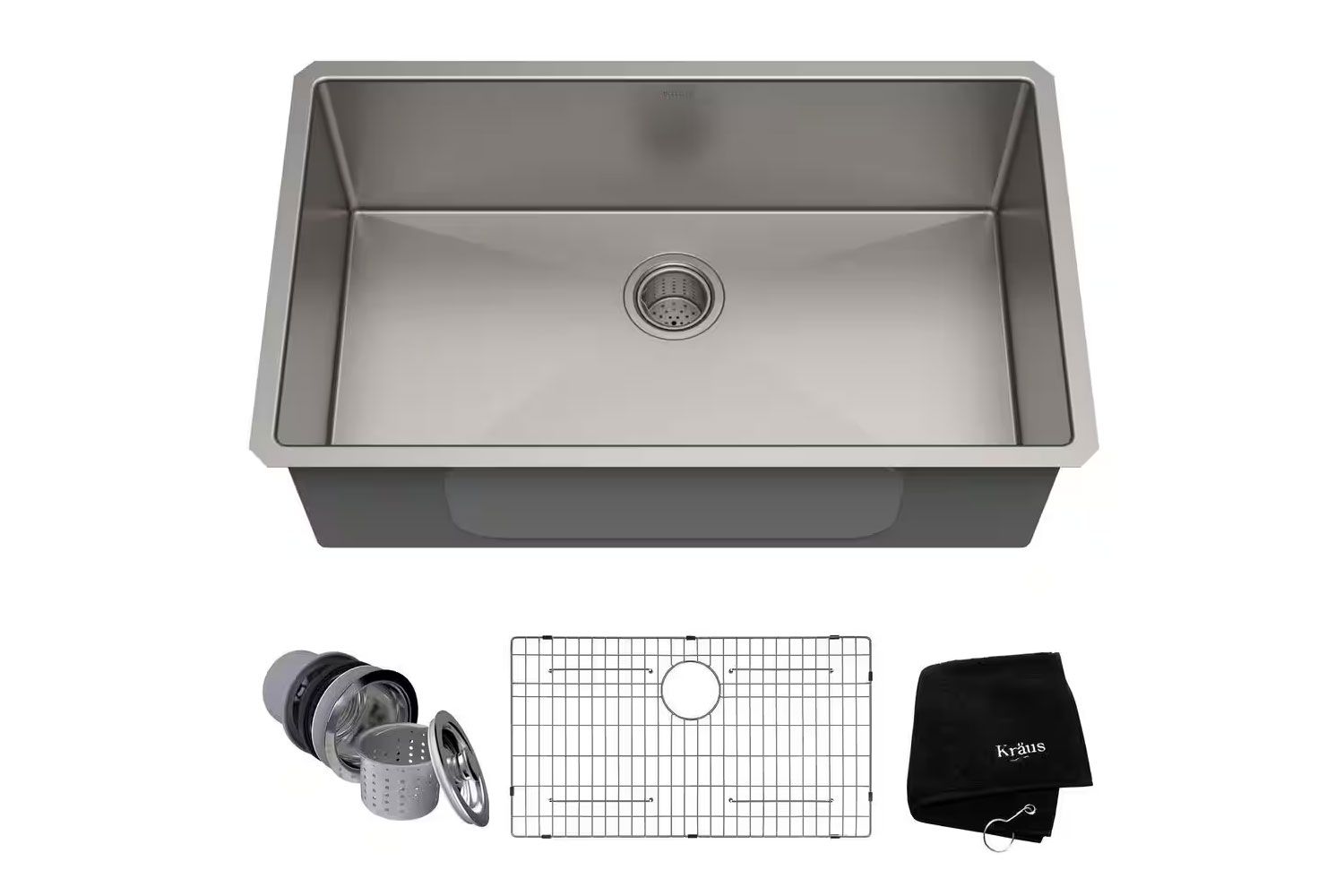
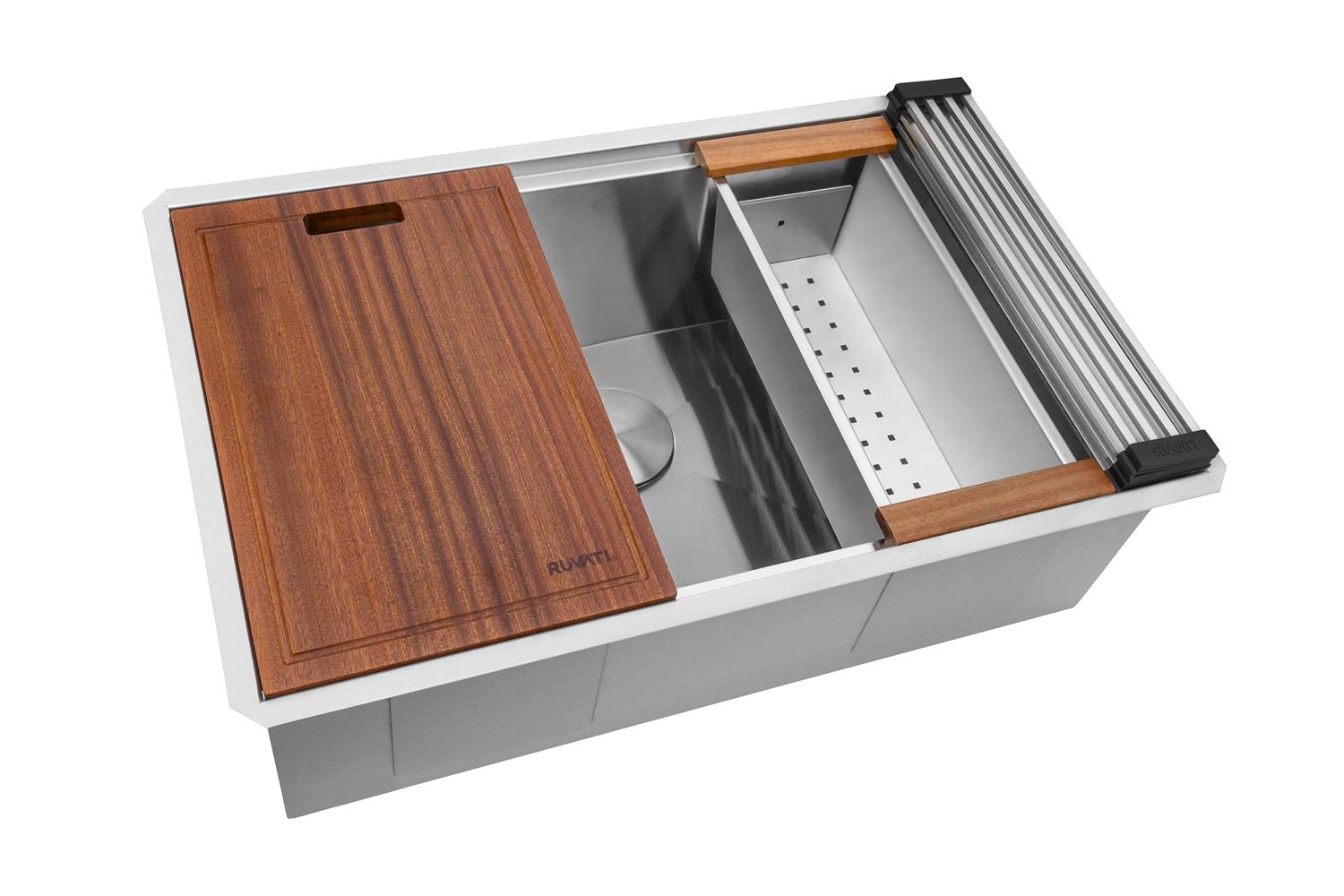
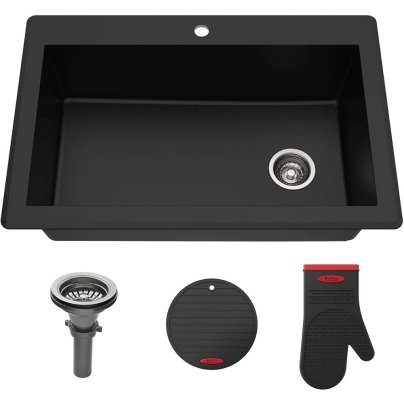
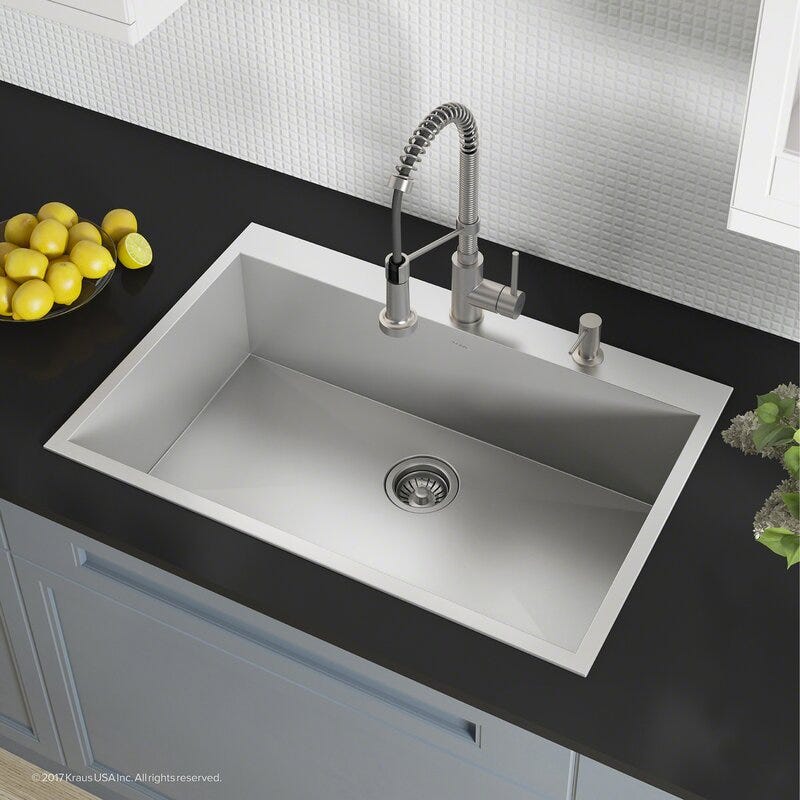
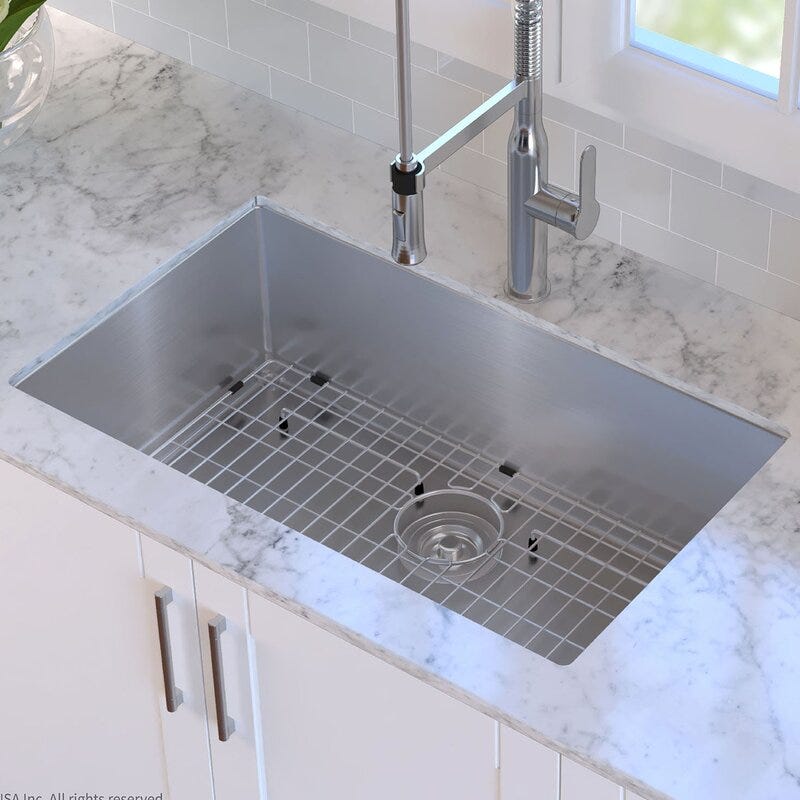
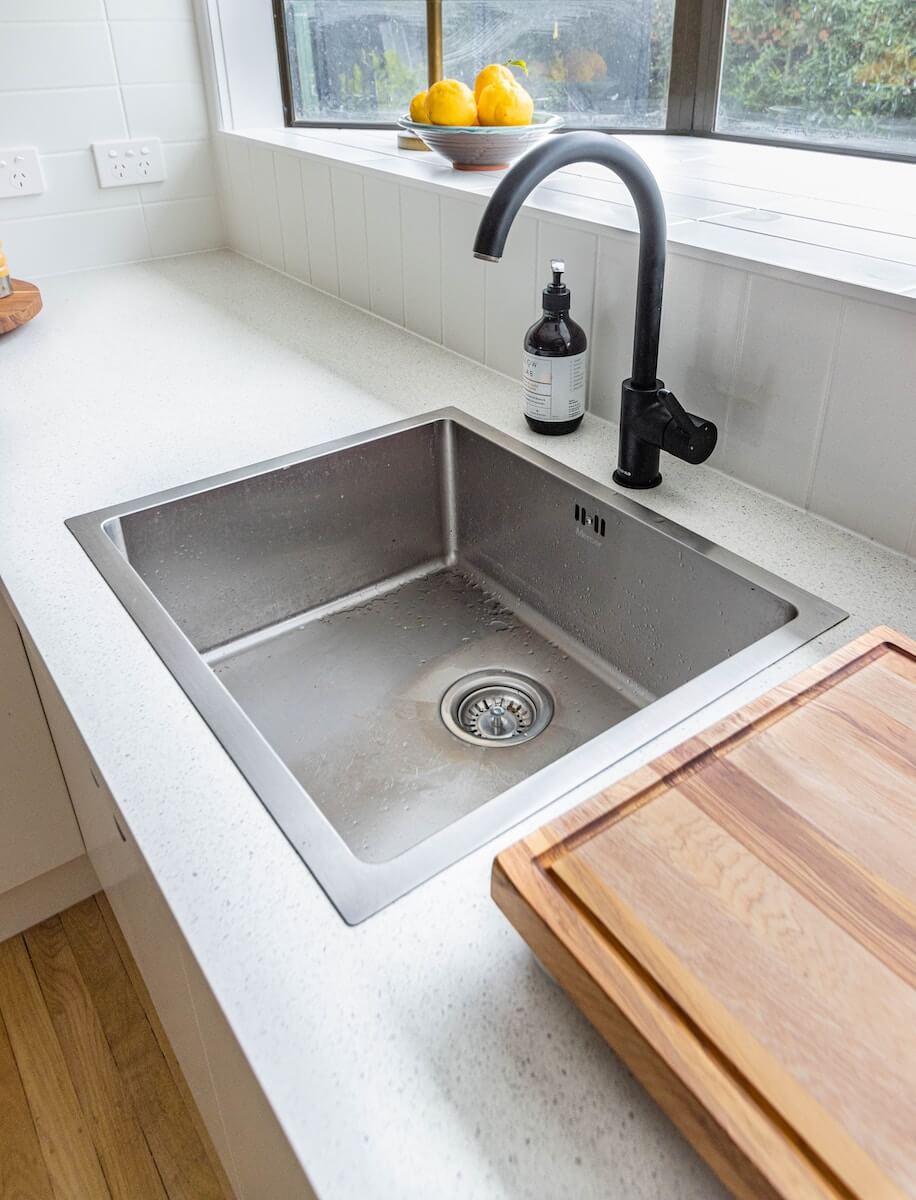
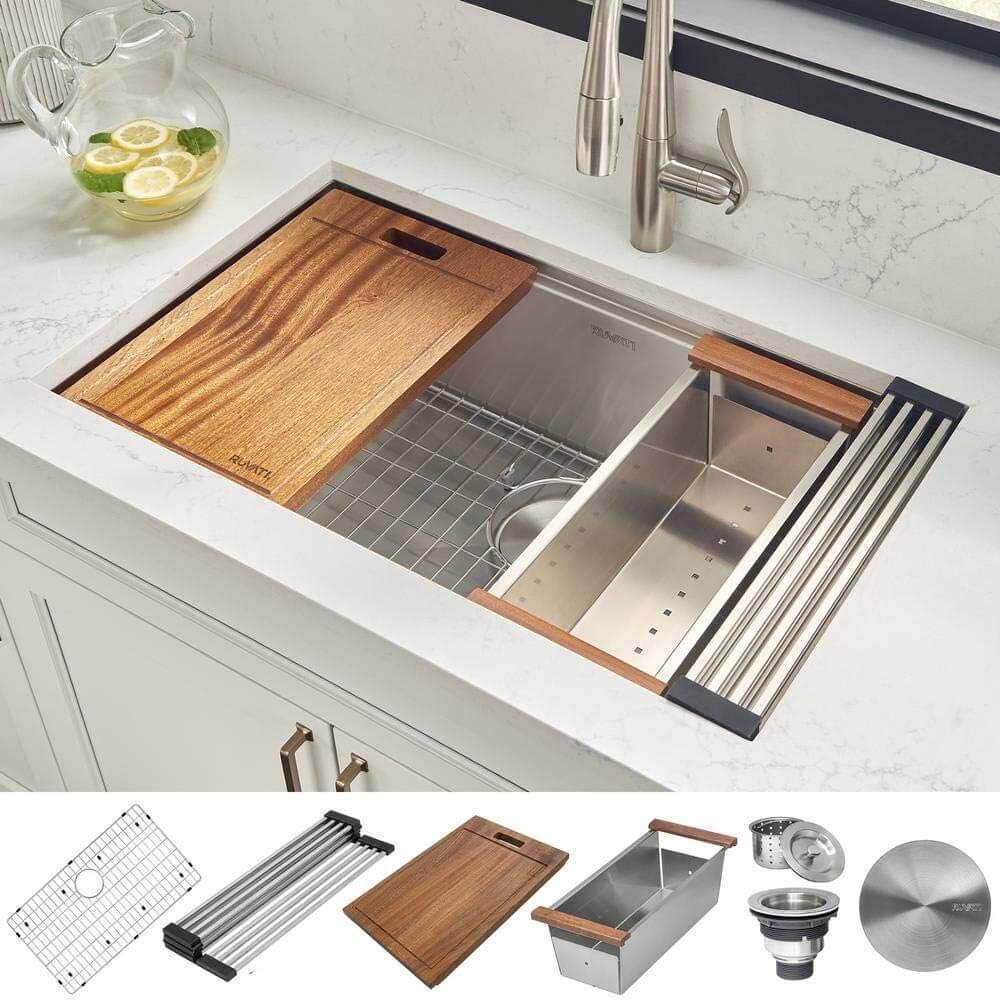
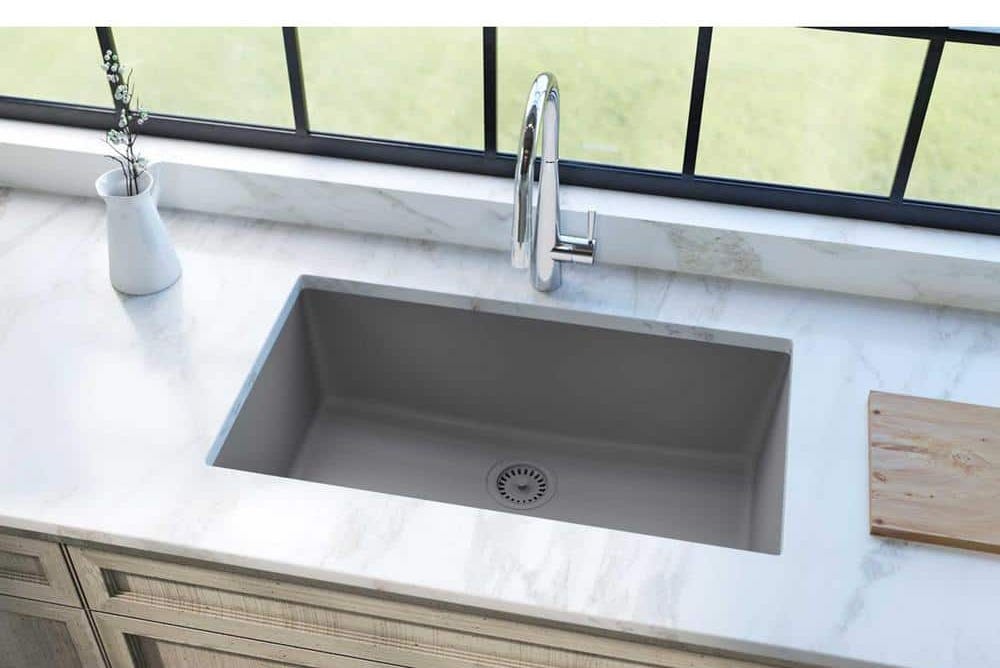
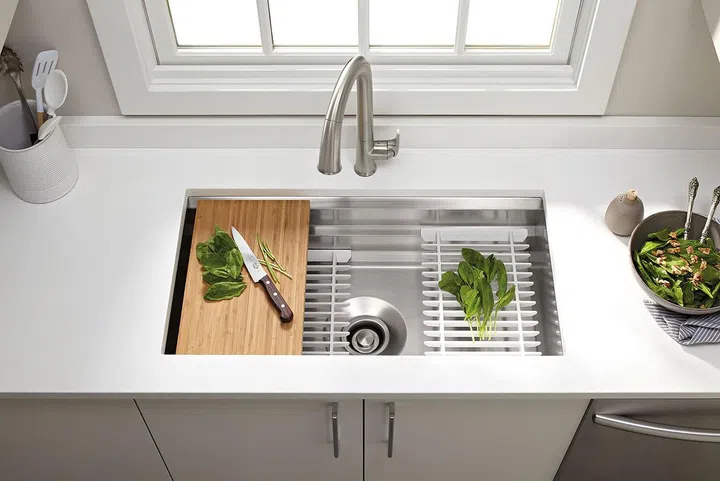
Material choices primarily include stainless steel, granite composite, and cast iron (porcelain and ceramic), all known for their durability. Stainless steel, while generally robust, can be noisy and prone to scratching if not of high quality. Premium stainless steel sinks can range from $700 to $1,000 and can be installed as undermount or top-mount. Composite sinks, made from crushed stone and acrylic resin, and cast-iron sinks are highly resistant to chips, scratches, and heat. Cast-iron sinks are notably heavy and are available in various colors, with color often dictating the price. Vintage porcelain-coated cast-iron sinks are also available, often found in antique stores, and typically sit on top of the counter, requiring adequate countertop support.
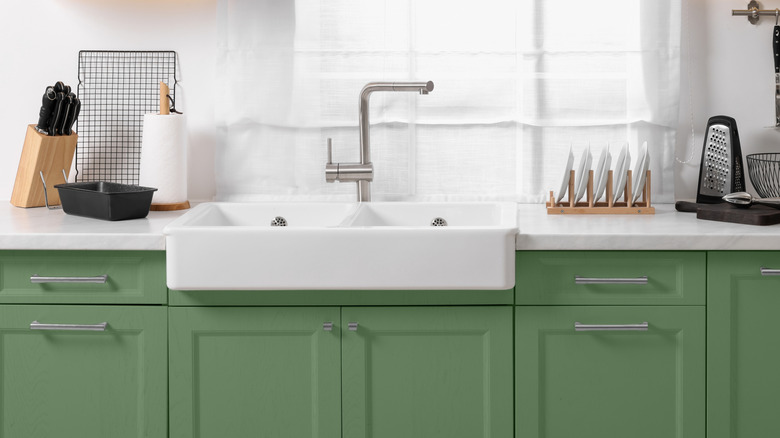
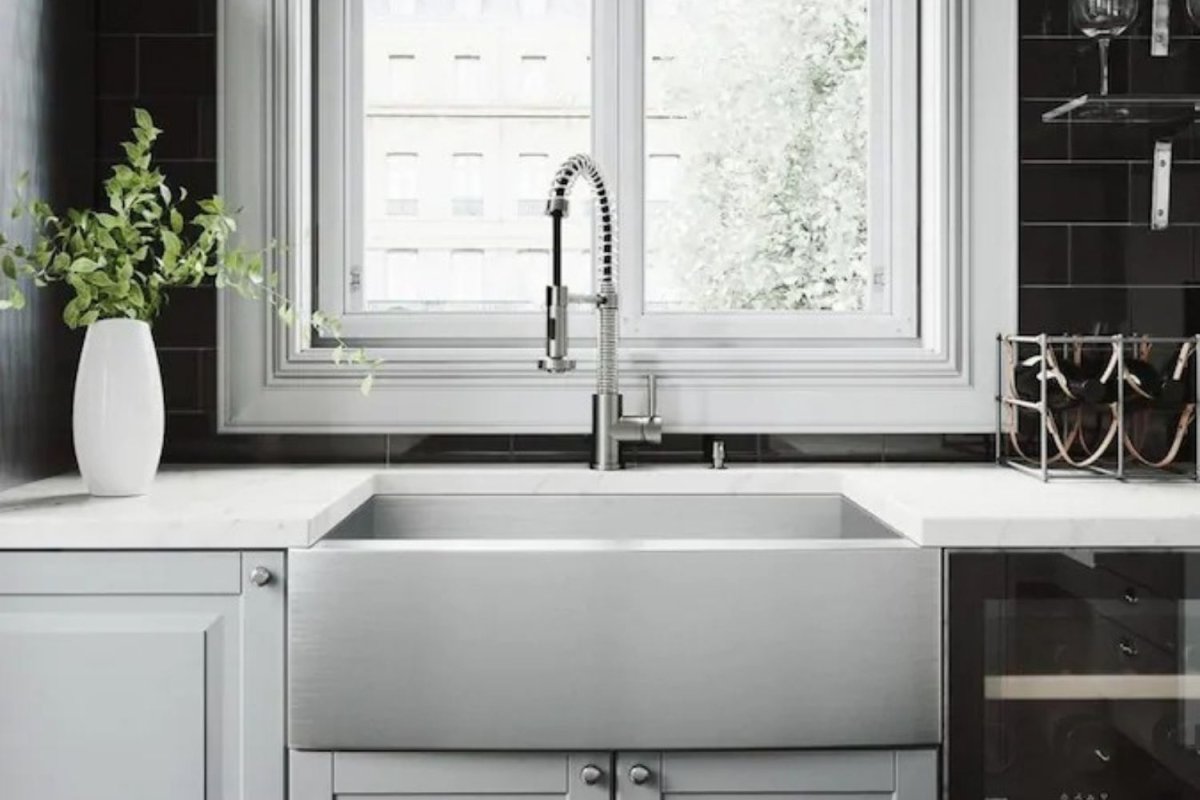
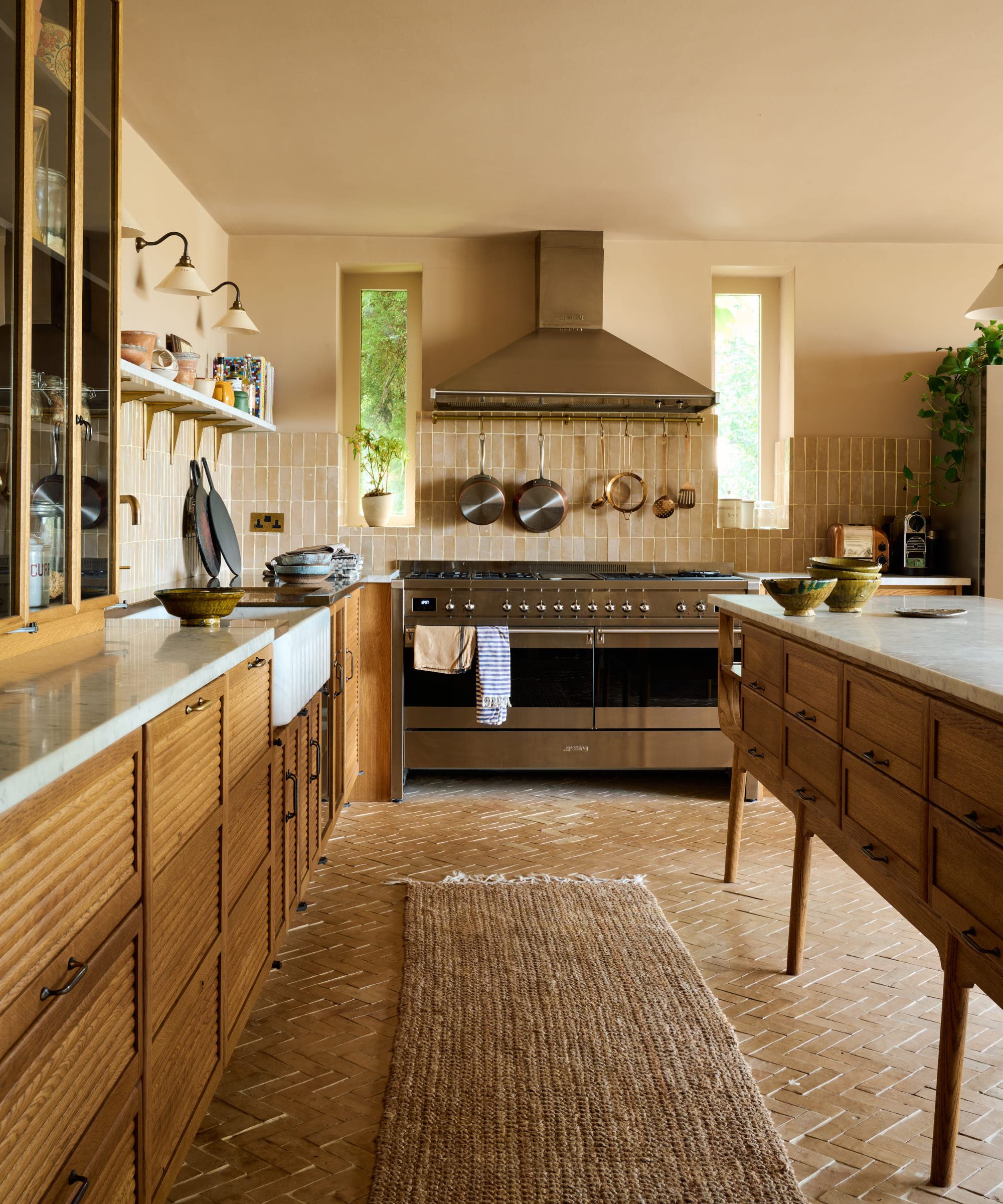
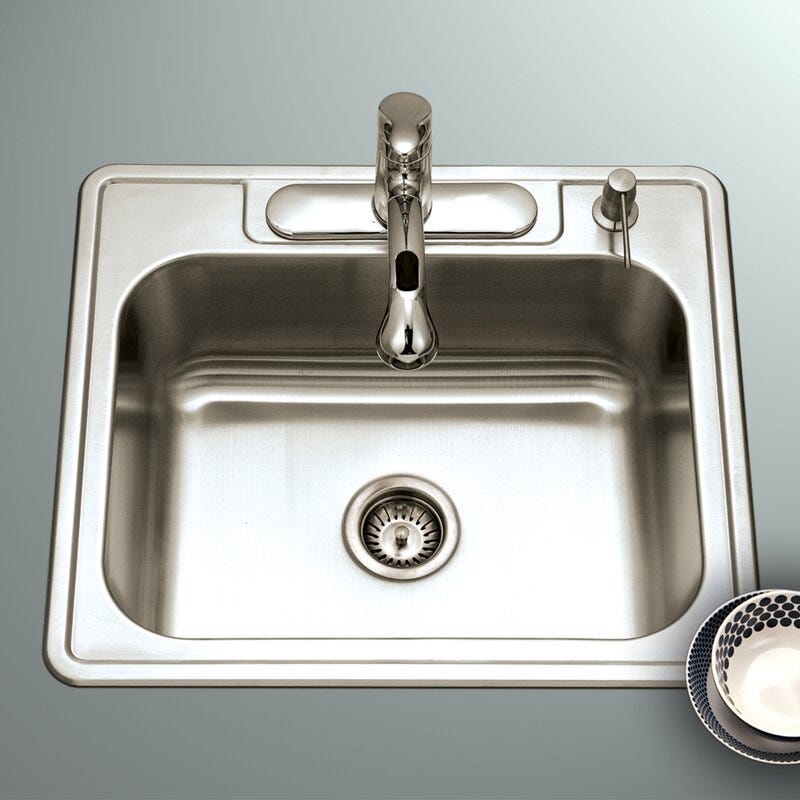
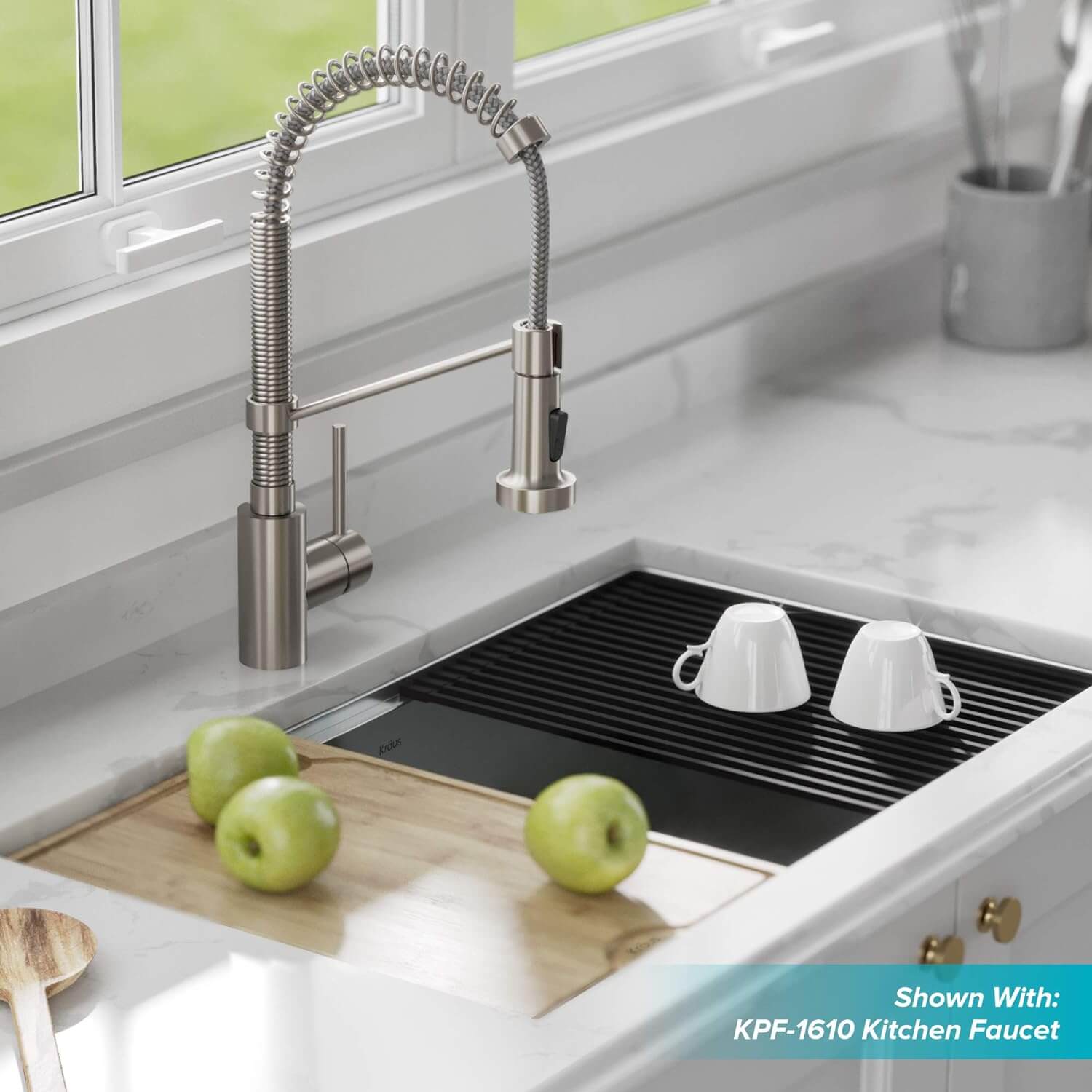
Common sink styles include farmhouse, undermount, and drop-in. Farmhouse, or apron-front, sinks feature an exposed front and a wide, rectangular basin, offering a traditional country aesthetic. Undermount sinks are installed beneath the countertop, creating a seamless look, and are ideal for stone countertops like soapstone, marble, or granite. Drop-in sinks, conversely, have a rim that rests on the countertop, making them easier to install and remove, and are available in various shapes. Regardless of style, ensuring the chosen sink fits the available space and considering plumbing requirements is vital. A low water inlet is preferred for efficient drainage, especially for deeper sinks, or re-plumbing may be necessary.
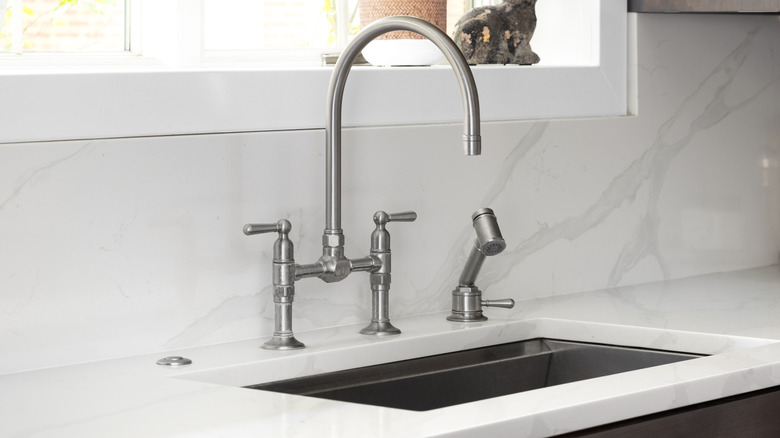
Faucet selection is another crucial aspect. It is advisable to choose the faucet before sink installation to ensure proper drilling of countertop holes. Tall gooseneck faucets are currently popular for their style and functional space. Faucet finishes such as shiny chrome, stainless steel, and oil-rubbed bronze should complement the countertop and cabinet hardware. Darker countertops may pair well with oil-rubbed bronze, while lighter countertops might suit stainless steel. Touchless or sensor faucets are gaining popularity for their convenience, though their sensitivity to movement, such as from pets, should be considered.
#KitchenSink #HomeDesign #SinkMaterials #FaucetStyles #KitchenRemodel #InteriorDesign #HomeImprovement #PlumbingConsiderations #KitchenSink #HomeDesign #SinkMaterials #FaucetStyles #KitchenRemodel #InteriorDesign #HomeImprovement #PlumbingConsiderations
0 комментариев всего
 Комментариев пока нет
Вам также может понравиться
Kitchen Sinks

7 Best Sink Mats and Grids on Amazon

This bacteria-busting kitchen storage solution instantly tidied up my small sink area – it's chic and clever


This Clever Kitchen Organizer Keeps Your Sink Spotless and Stink-Free, and It’s Under $20

The Ultimate Guide To Choosing A Sink For Your Kitchen


8 Things You Should Never Wash Down The Sink

Meet the Most Asked About Item in My Kitchen — and the Smallest

These Top-Rated Sinks Will Instantly Upgrade Your Kitchen

All Kitchen Sinks
Home design for everything plus the kitchen sink

The Most Popular Kitchen Sink Styles to Transform Your Space

10 Best Kitchen Sinks in Singapore: Hansgrohe, IKEA, Franke, Zuhne
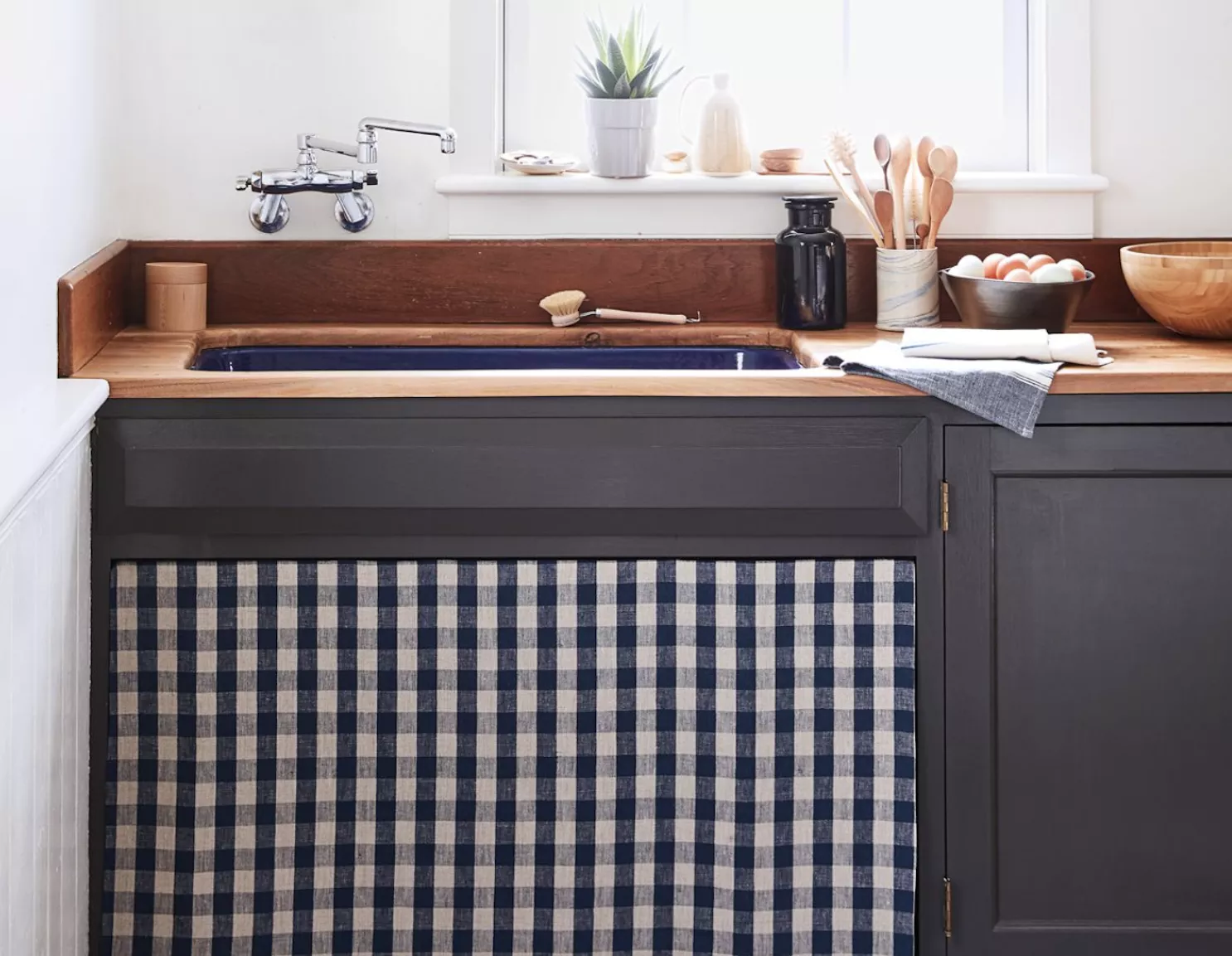
17 Things You Should Never Store Under Your Sink (but Probably Are)

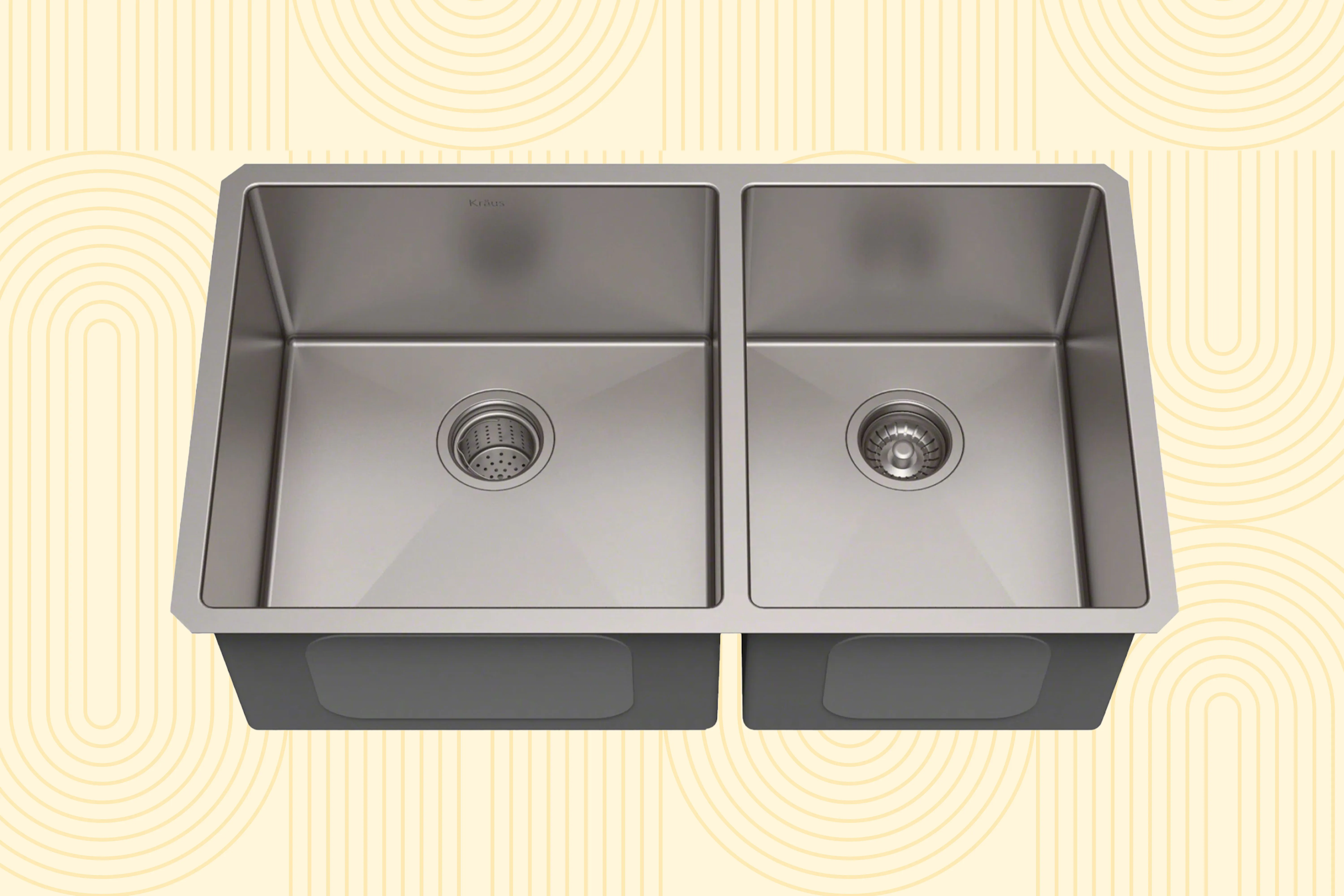
The Best Kitchen Sinks for Your Home, Based on Sink Style

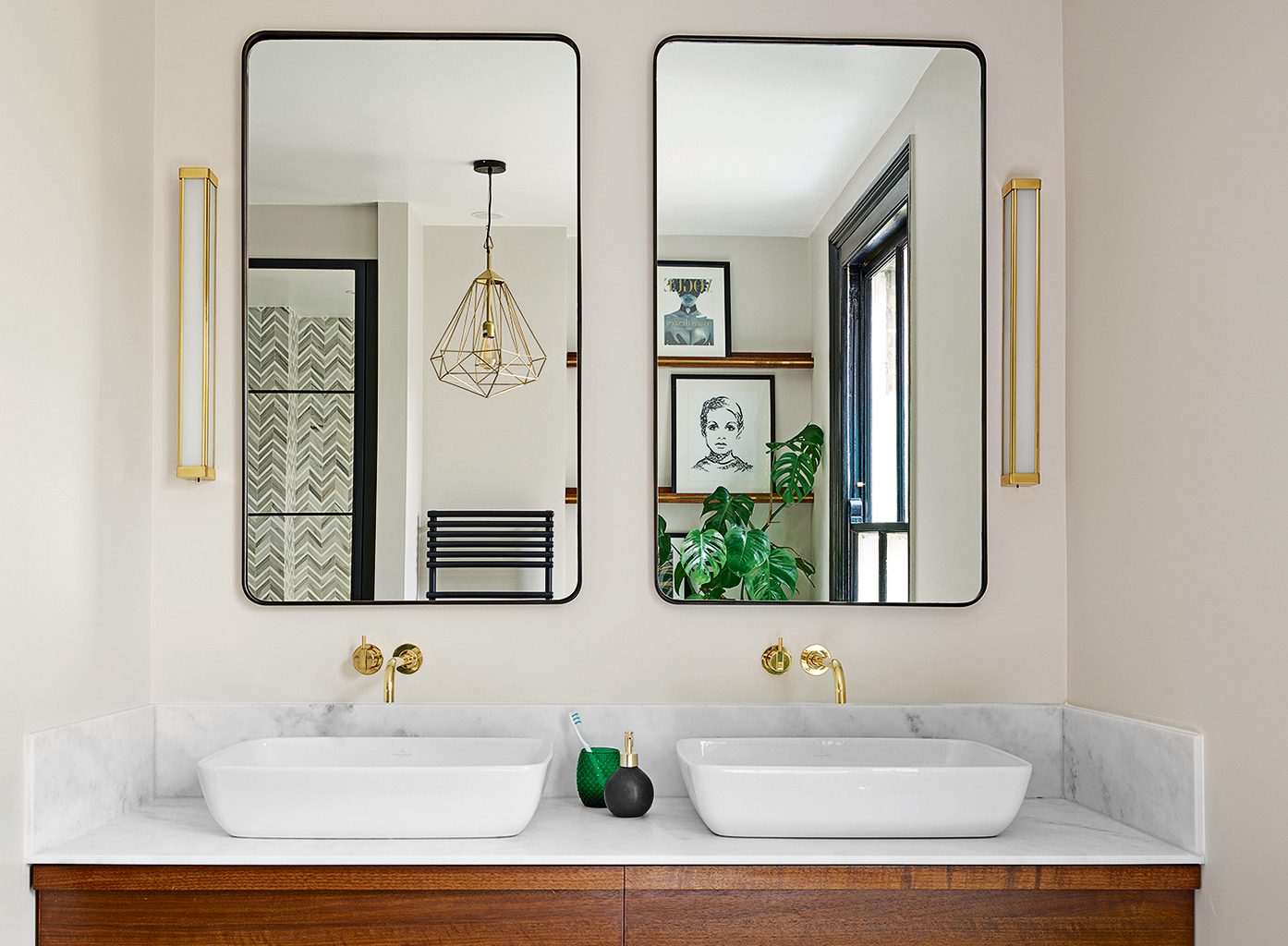
Don't buy a bathroom sink without reading this first - the expert guide to picking the perfect one

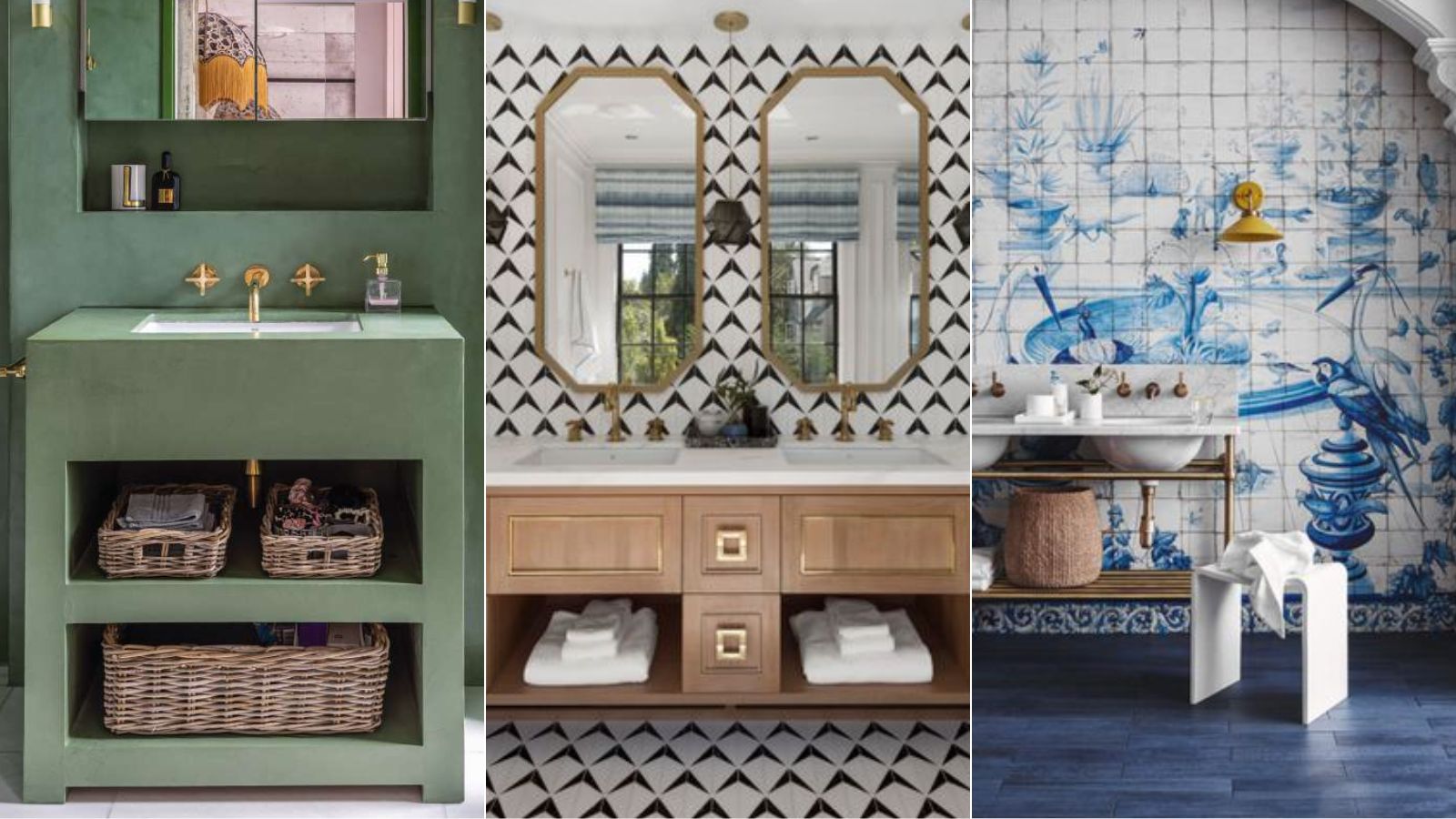
9 items never to store in a bathroom vanity – according to the experts
Your Sink Is Dirtier Than Your Toilet Seat — Keep Your Sponge Clean With These 6 Caddies
Our Favorite Kitchen Sinks Are As Functional As They Are Beautiful

Best Kitchen Sinks: Top 5 Models Most Recommended By Design Experts

7 Things You Should Be Storing Under The Bathroom Sink