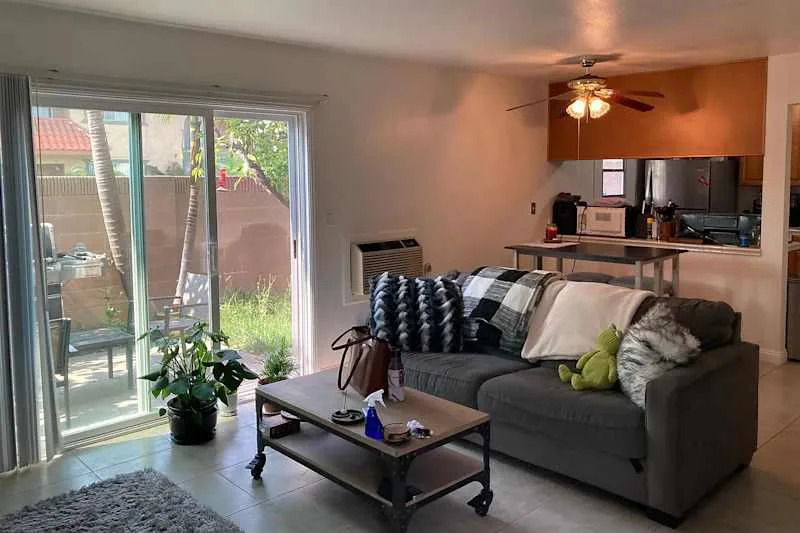
A $540 IKEA Shelf Brilliantly Transforms This 1960s Townhouse’s “Awkward” Layout
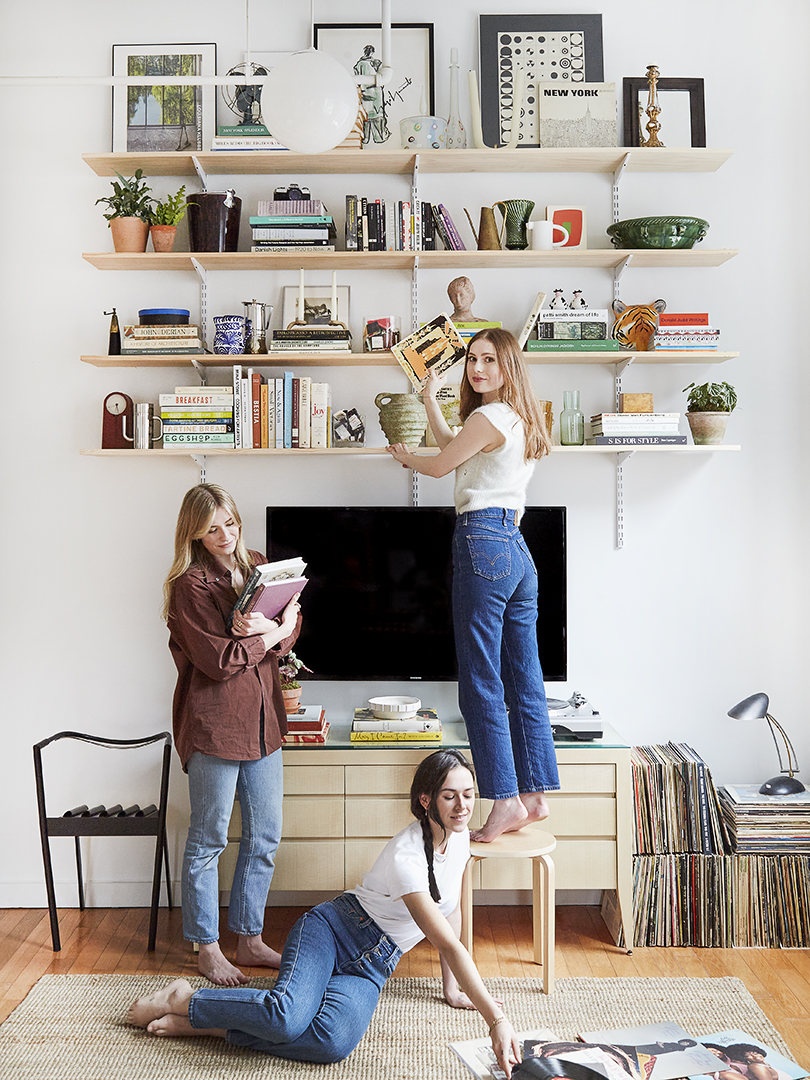
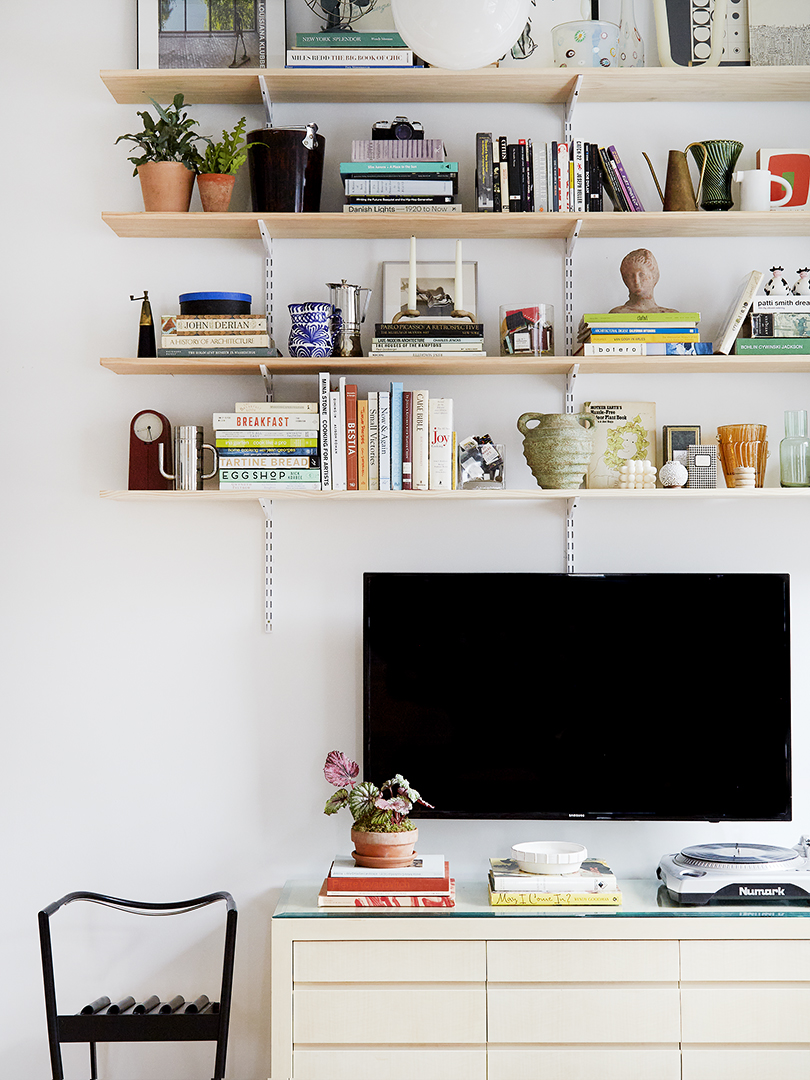
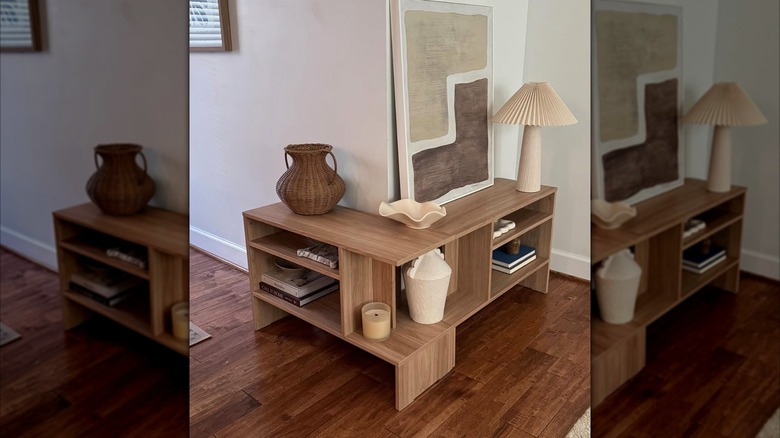
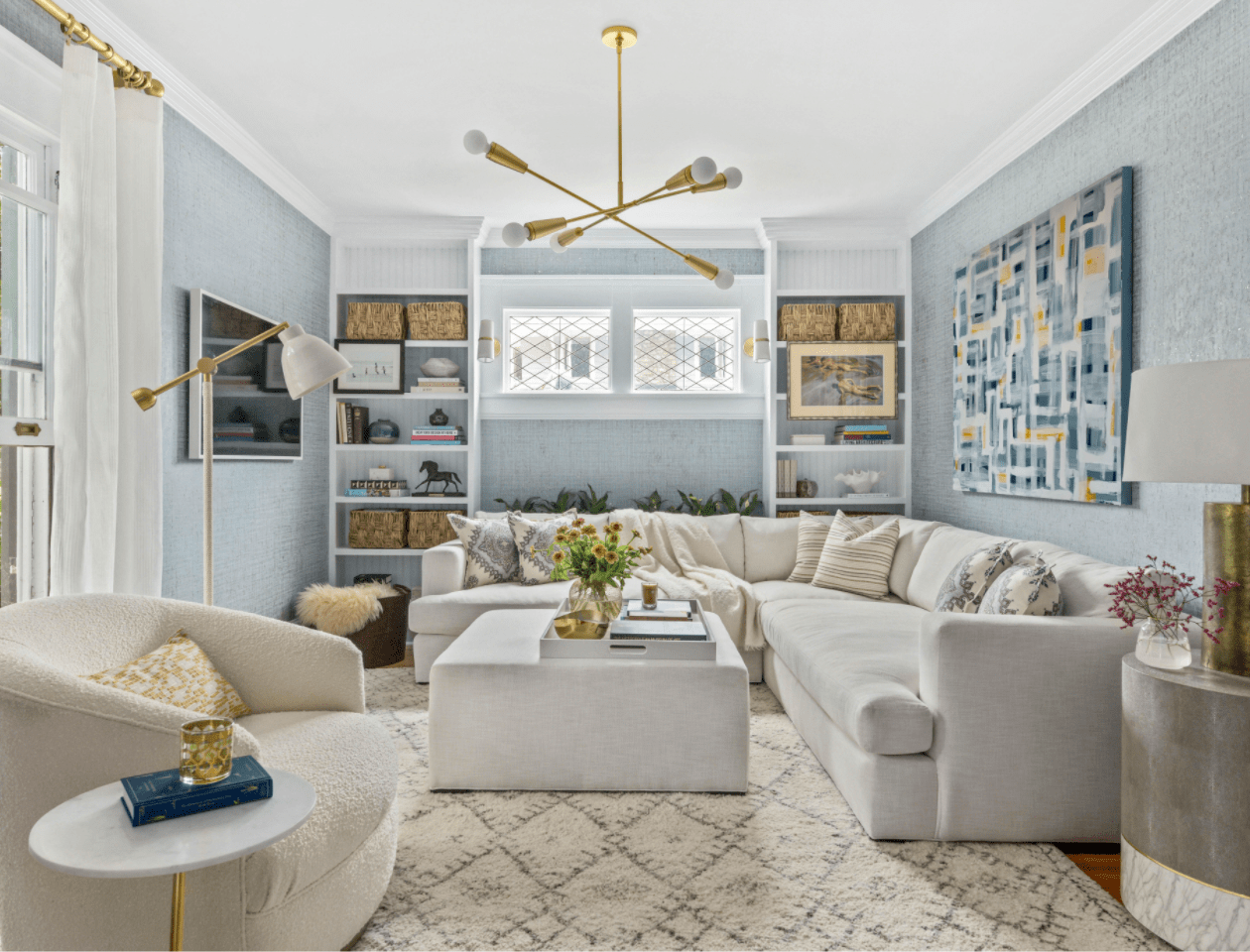
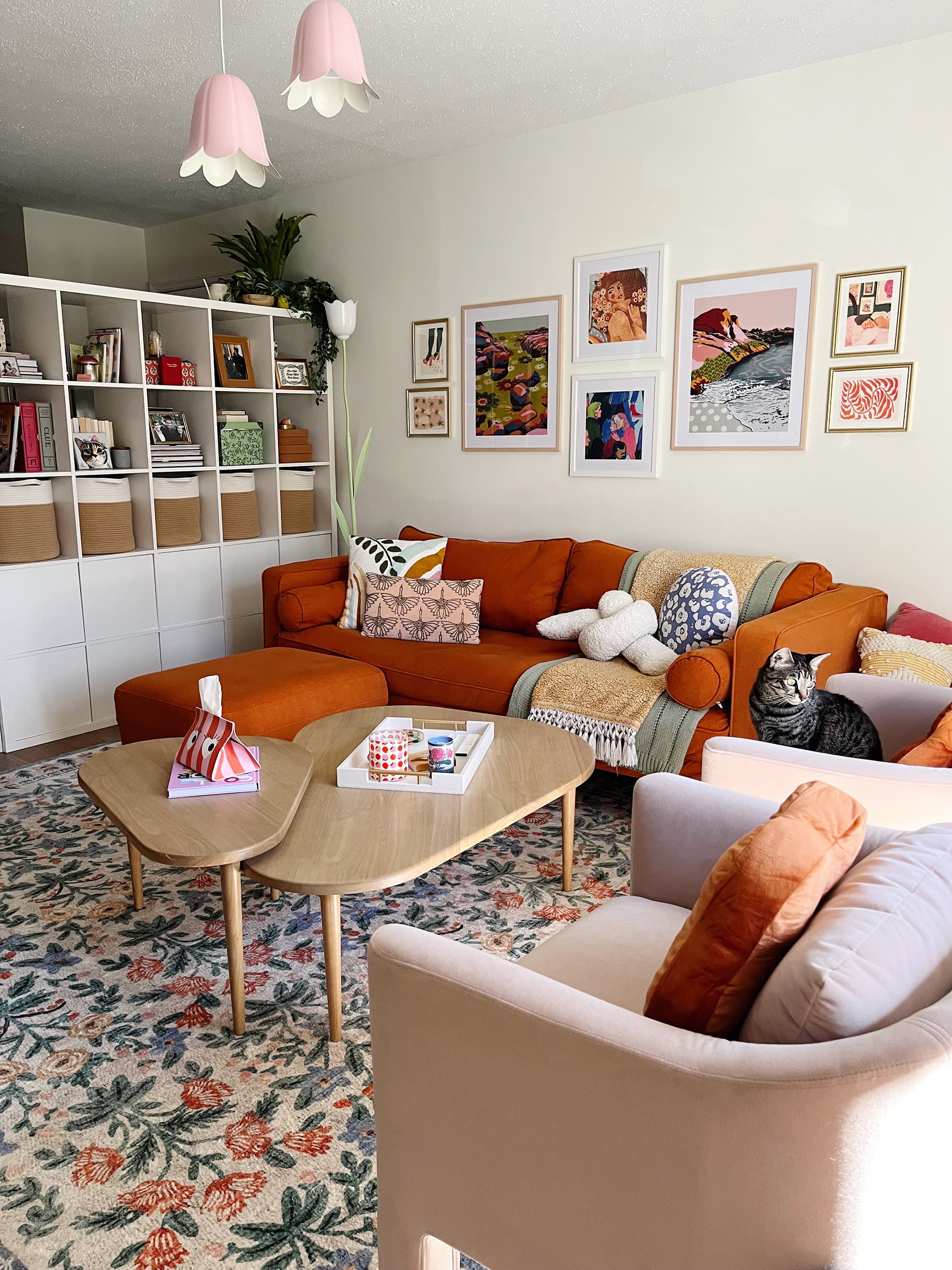
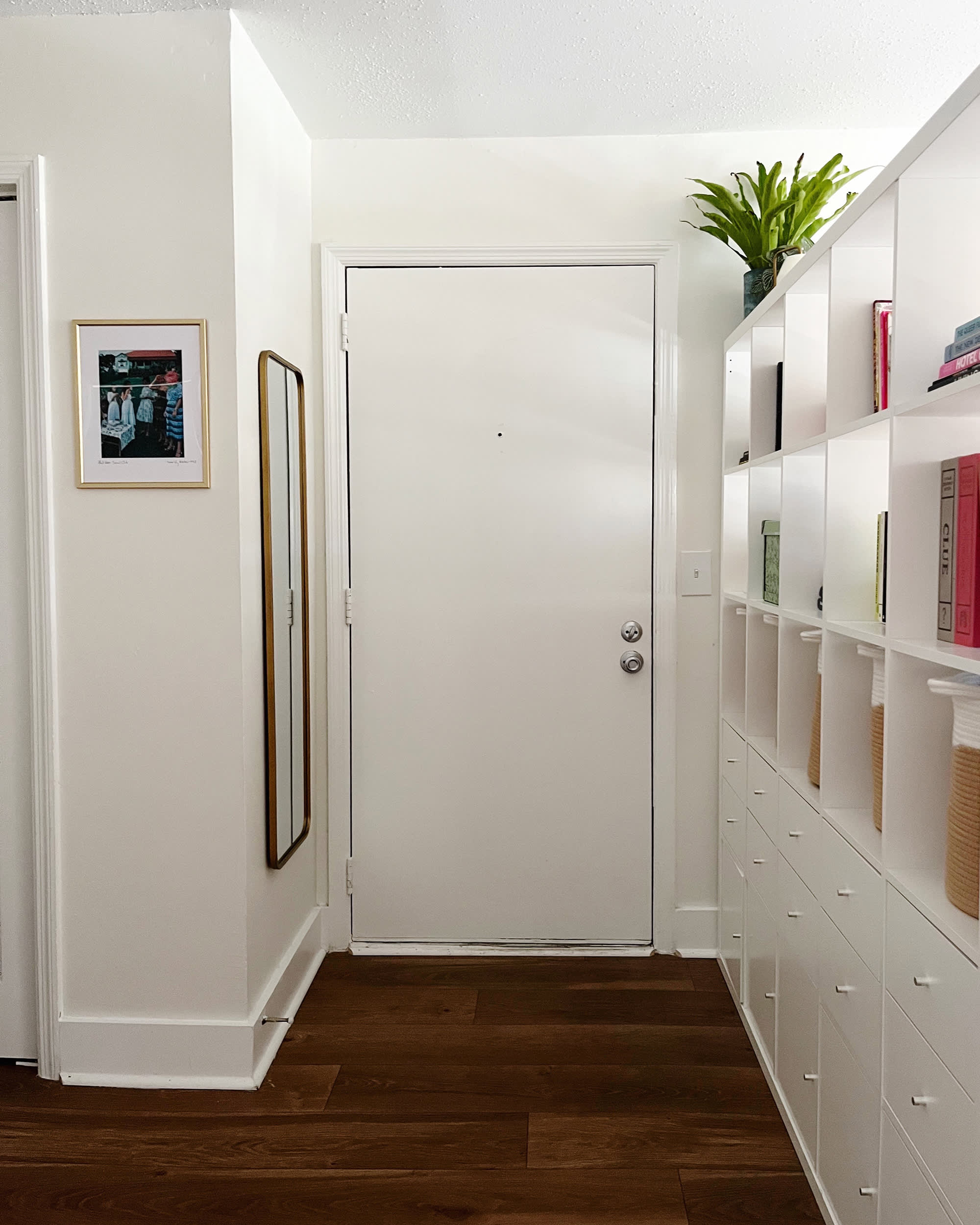
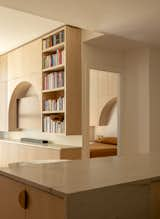
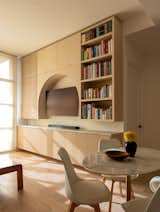
The article discusses how a specific IKEA shelving unit, the ELVARI vertical shelf, was used to ingeniously reconfigure an "awkward" layout in a 1960s townhouse. This case study highlights a practical and affordable solution to common interior design challenges, particularly in smaller or older homes with less flexible architectural designs. The homeowners, Khadijah Drebi, successfully used this $540 IKEA item to create functional zones and improve the flow of their 1,100-square-foot space.
The 1960s townhouse, typical of its era, presented an open-plan layout that, while seemingly spacious, lacked clear delineation between areas, leading to an "awkward" feeling. This is a prevalent issue in many older homes, where contemporary living styles often require more distinct functional spaces without sacrificing an open aesthetic. The article emphasizes that traditional open layouts can sometimes feel unorganized or lack privacy, prompting residents to seek creative partitioning methods.
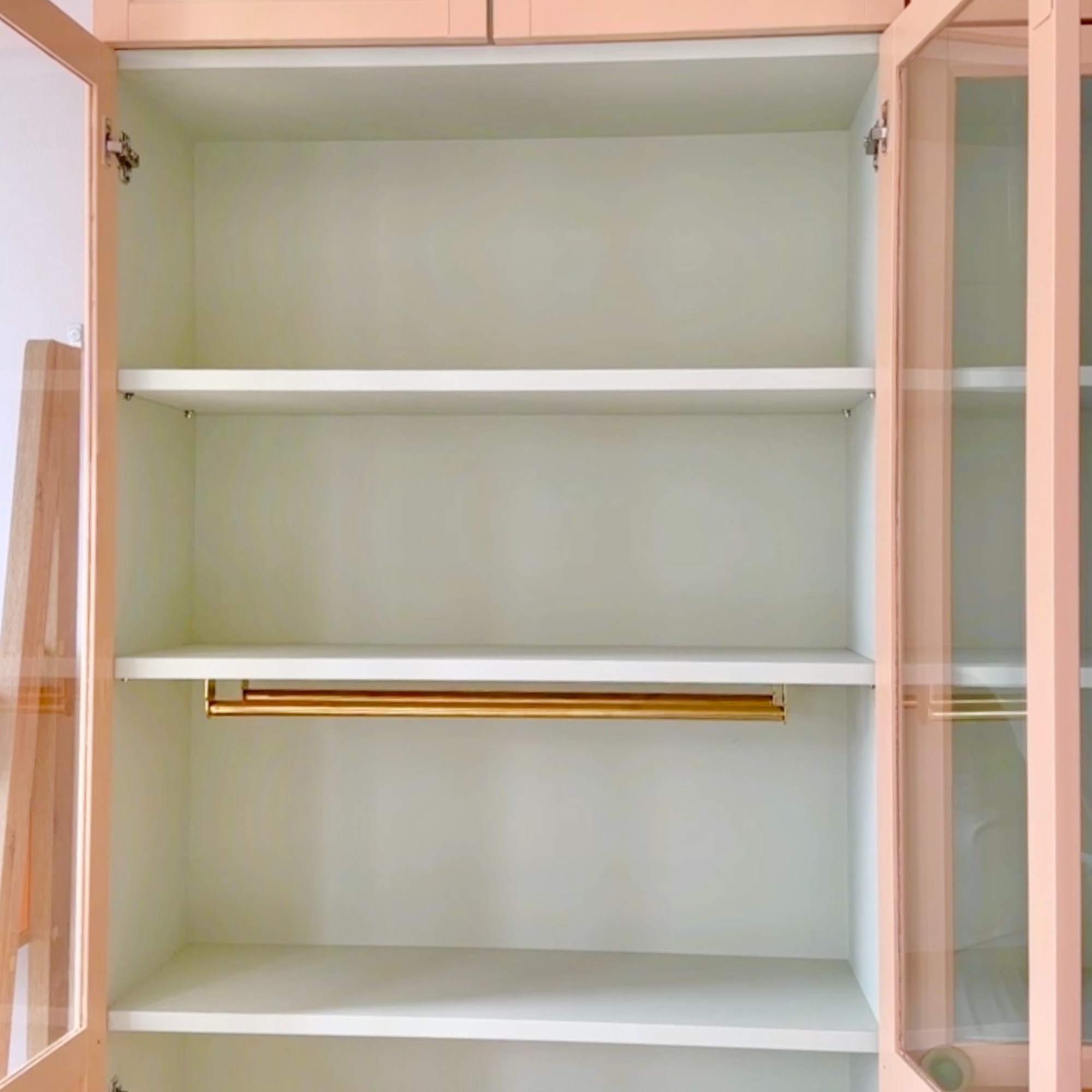
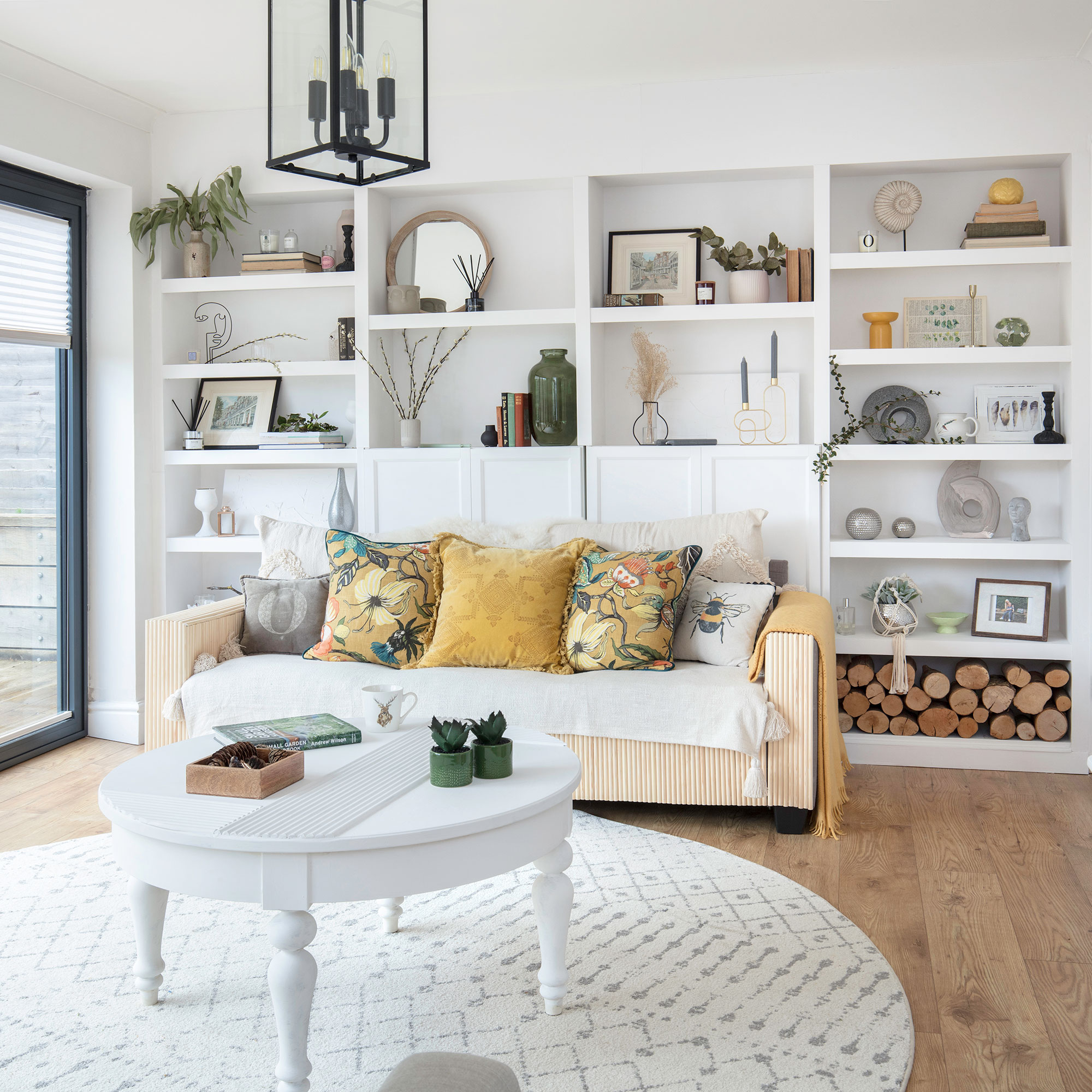
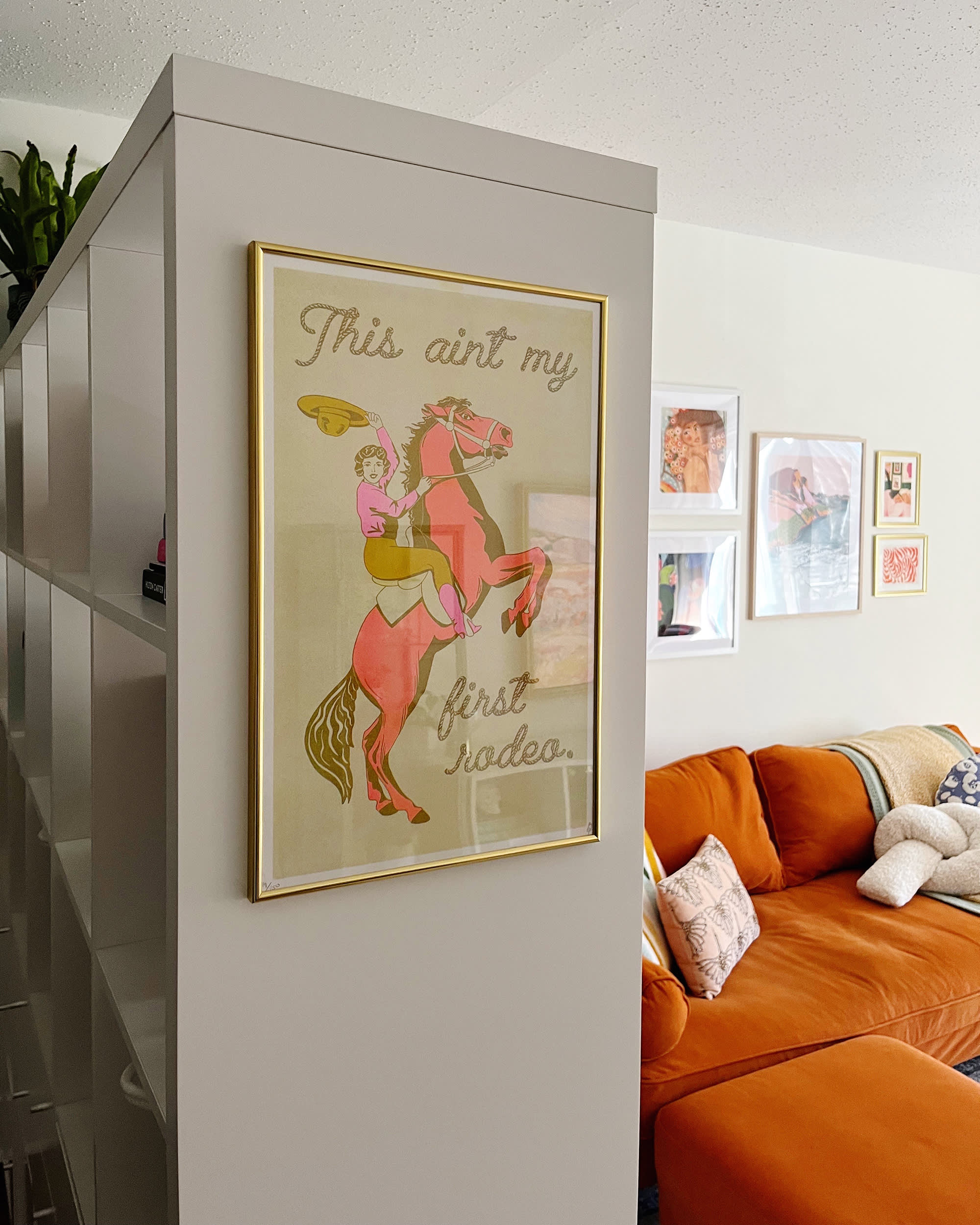
The chosen solution, the IKEA ELVARI vertical shelf, is described as a versatile and easily removable piece of furniture. Its design allowed it to serve multiple purposes: primarily as a room divider and secondly as a strategic placement for a projector. The shelf's ability to divide the space without fully enclosing it is crucial, as it maintains an open feel while introducing necessary structure and definition. This approach prevents the space from feeling cramped, a common pitfall when introducing dividers into smaller areas.
Furthermore, the article notes the shelf's benefit in making the 1,100-square-foot townhouse feel larger. This is achieved by creating visual interest and breaking up a long, uninterrupted view, which can sometimes make a space seem less expansive. By providing a focal point and a sense of progression, the shelf contributes to a perception of increased depth and functionality.
The emphasis on the shelf being easily removable with minimal patchwork is a significant advantage. This aspect caters to renters or homeowners who prefer non-permanent modifications, offering flexibility for future changes or when moving. It also underscores the cost-effectiveness of using modular furniture for significant spatial improvements, presenting a viable alternative to more expensive and disruptive construction work. The article implicitly suggests that innovative use of off-the-shelf furniture can lead to transformative results, making home improvement projects accessible to a wider audience.
#IKEA #KhadijahDrebi #InteriorDesign #HomeRenovation #SpaceTransformation #AffordableDecor #TownhouseDesign #IKEA #KhadijahDrebi #InteriorDesign #HomeRenovation #SpaceTransformation #AffordableDecor #TownhouseDesign
0 комментариев всего
 Комментариев пока нет
Вам также может понравиться
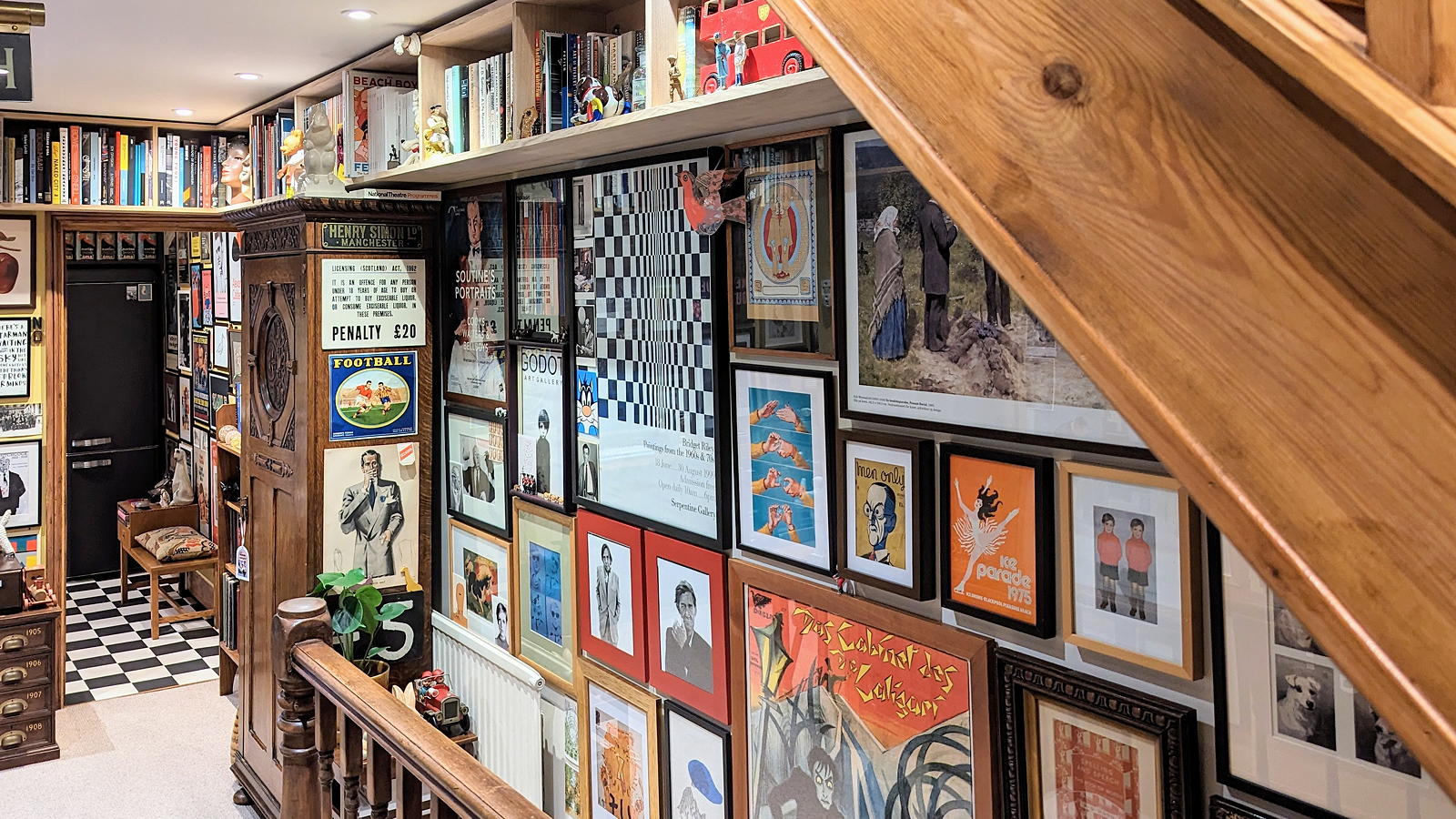
Clever storage solutions turned this retro hallway into a maximalist’s delight
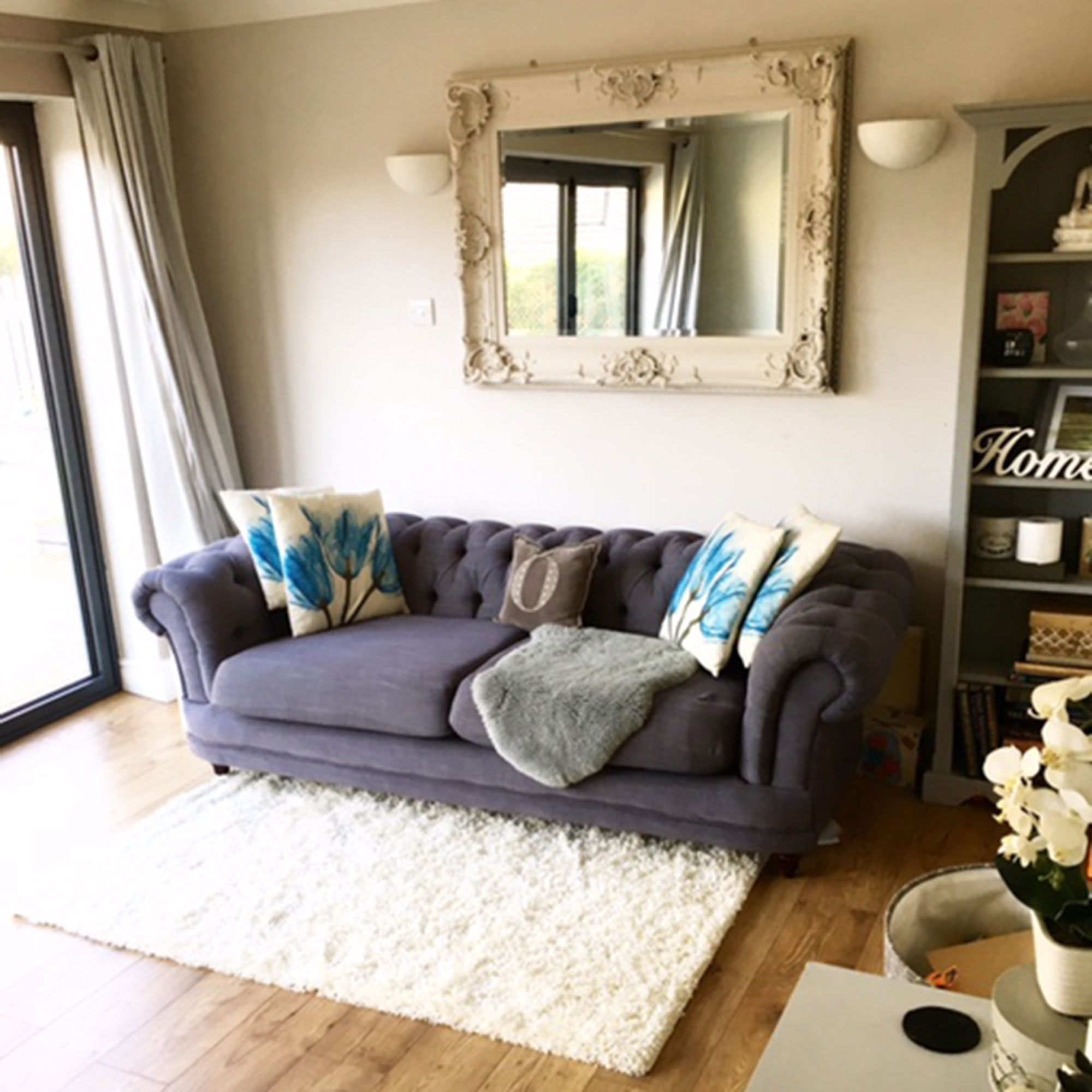
Before & after: see how a savvy IKEA shelving hack totally transformed this living room
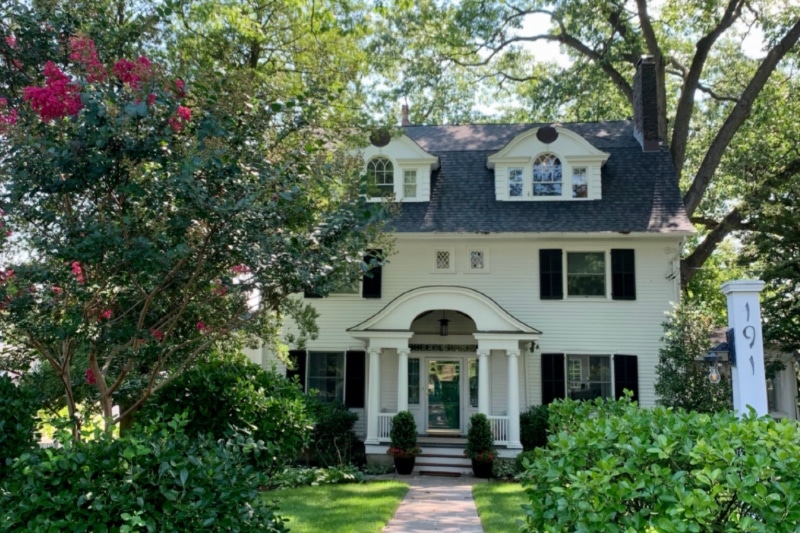
19th Century Montclair Home Undergoes Stunning Makeover

Interior Designers NEVER Overlook This Surprising Space

This $130 Shelving System Is the Focal Point of Our Style Editor’s Living Room
A Pair of Air Jordans Inspired This Tricolor IKEA Shelf Hack
The $7.50 Kmart storage product that turned a cluttered linen cupboard into a stylish space
Ditching the Linen Closet Gained This Home a Showstopping Reading Nook

Home decor designer transforms an IKEA Billy bookcase into a show-stopping display cabinet

IKEA's Dupe For This Trendy West Elm Piece Is A Fraction Of The Price For Double The Storage
This genius hack turns a plain IKEA cabinet into a gorgeous, bespoke storage unit – it's nailing the fluted motif trend
A $45 Hack Turned This IKEA Billy Bookcase Into Family-Friendly Shoe Storage
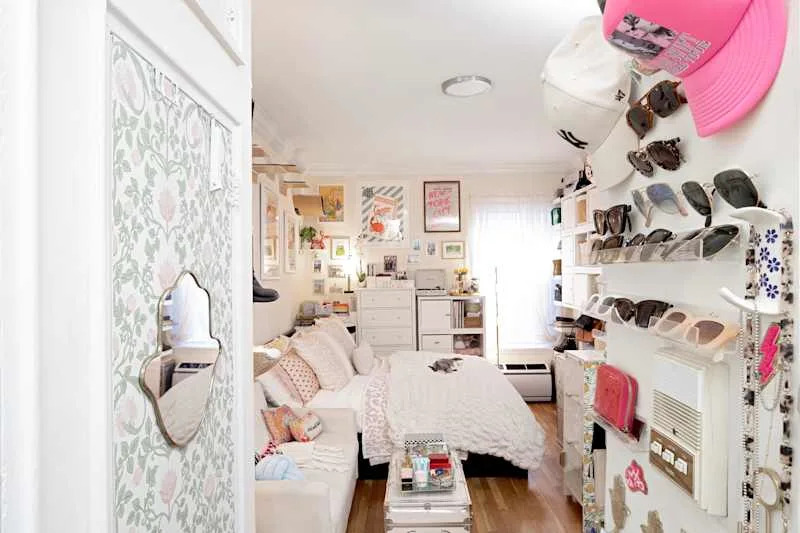
This Unexpected $150 IKEA Kitchen Find Doubled This Bedroom’s Storage
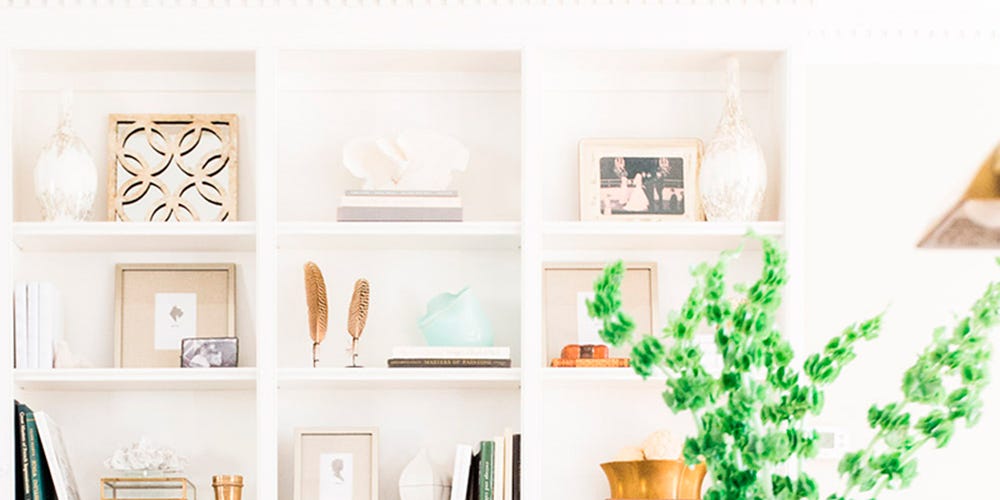
How to style your shelves

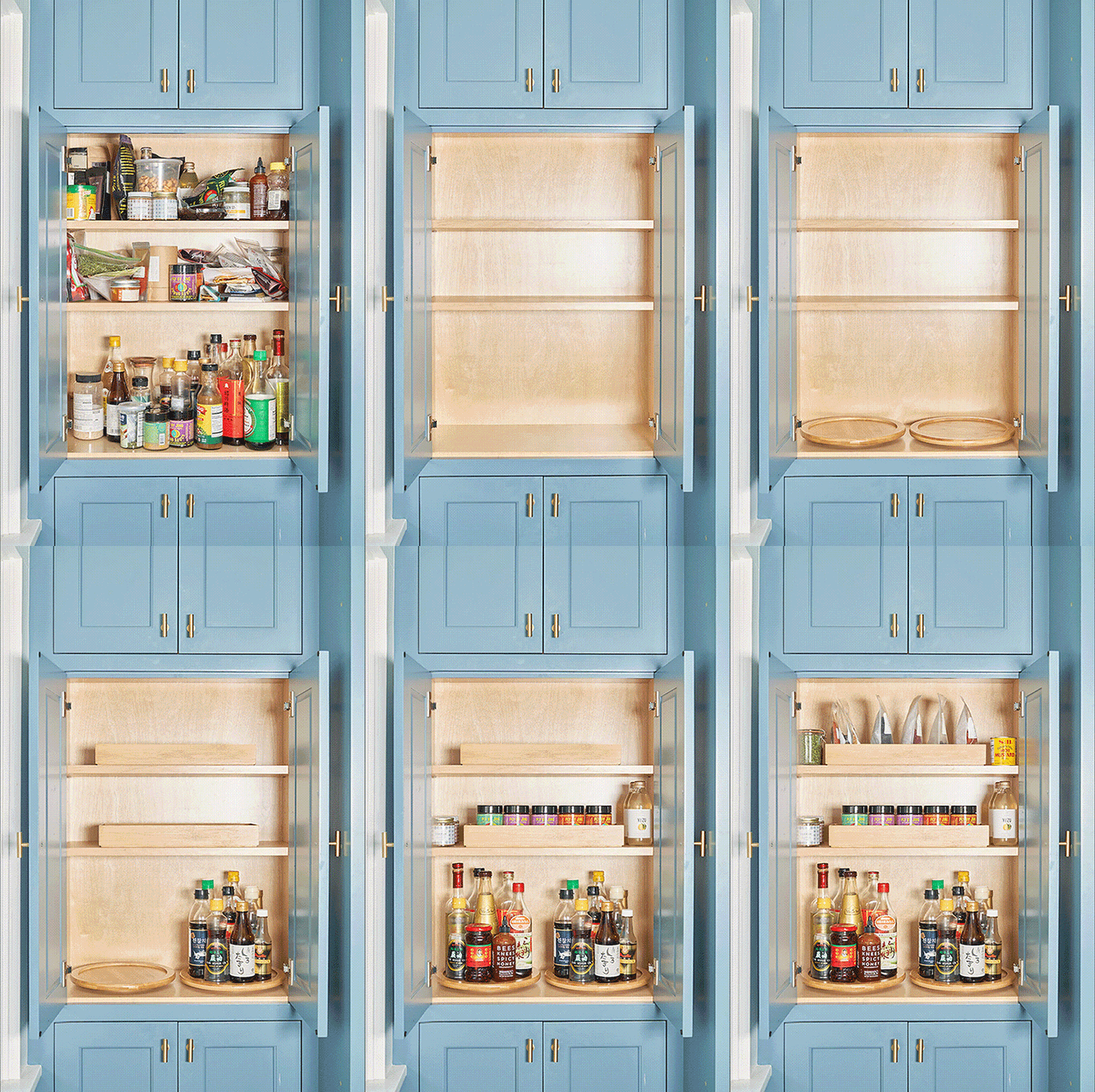
$5 Dividers Worked Magic in Both This Mini Vanity and Pantry Makeover
Budget Breakdown: $49K of Curvy Cabinetry Solved This NYC Couple’s Storage Conundrum

How a Designer Turned This "Modern White Box" Into a Lively—and Functional—Family Home

A $300 Renter-Friendly Makeover Brought 1920s Charm to This Boring White Kitchen
I’m Blown Away by This Sneaky Space-Dividing IKEA Hack (That Only Cost $200!)

Ikea's New $5 Storage Containers Look Straight Out of Grandma's Kitchen