1/4
5 Things to Know About Front-Load Washers
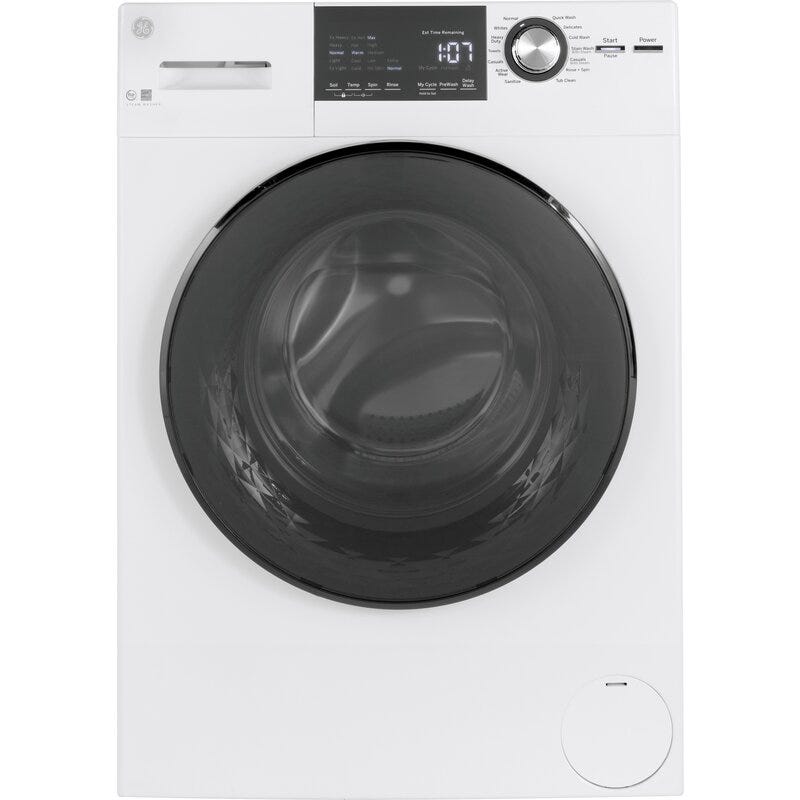
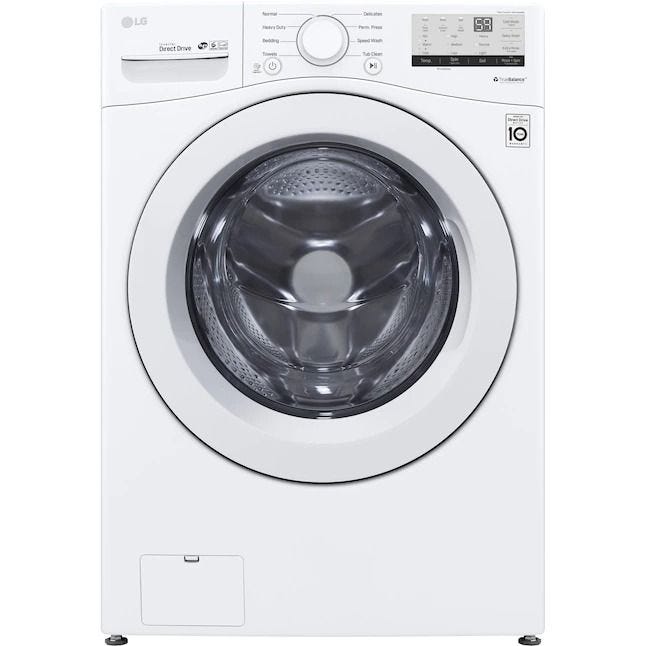
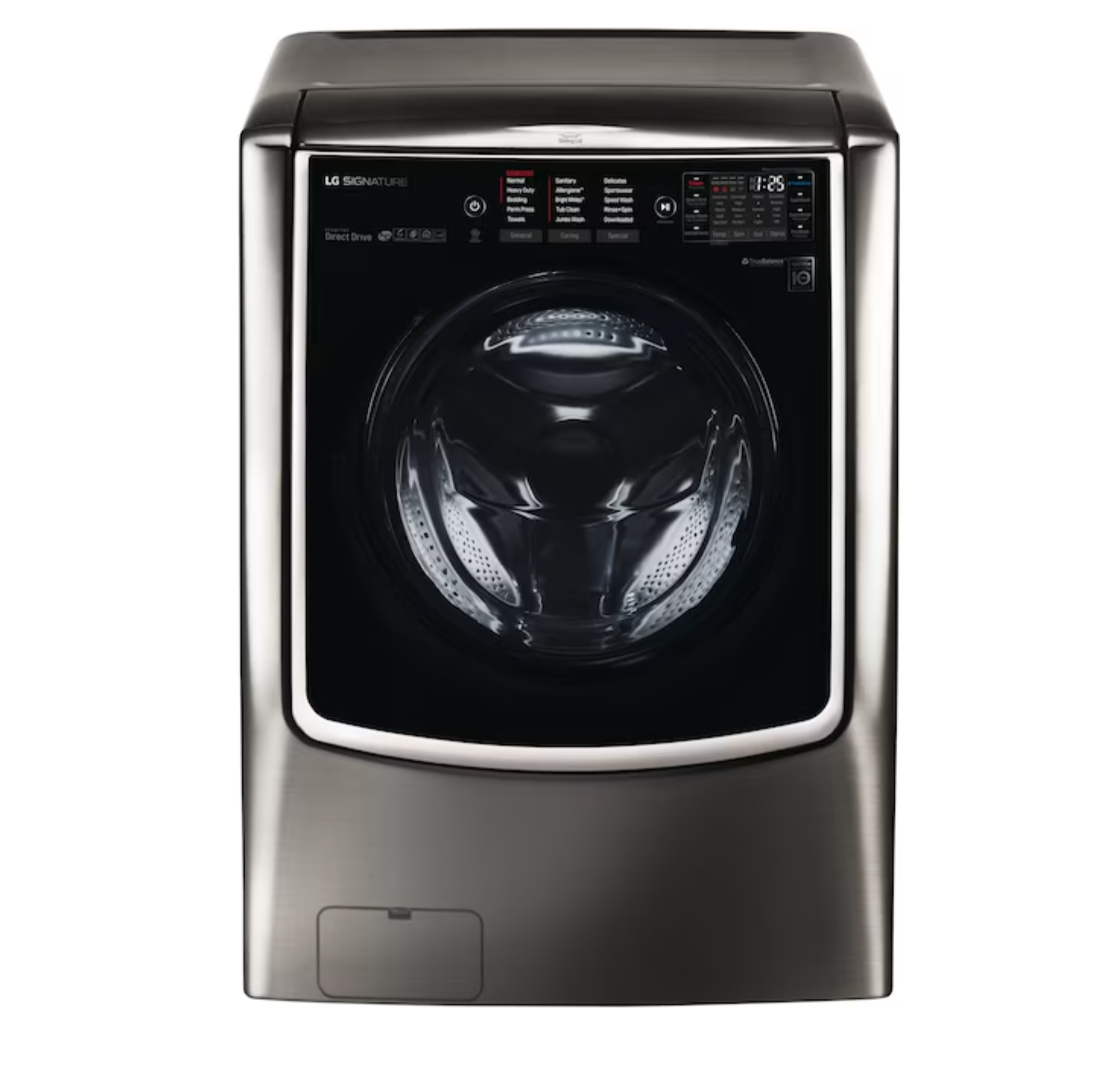
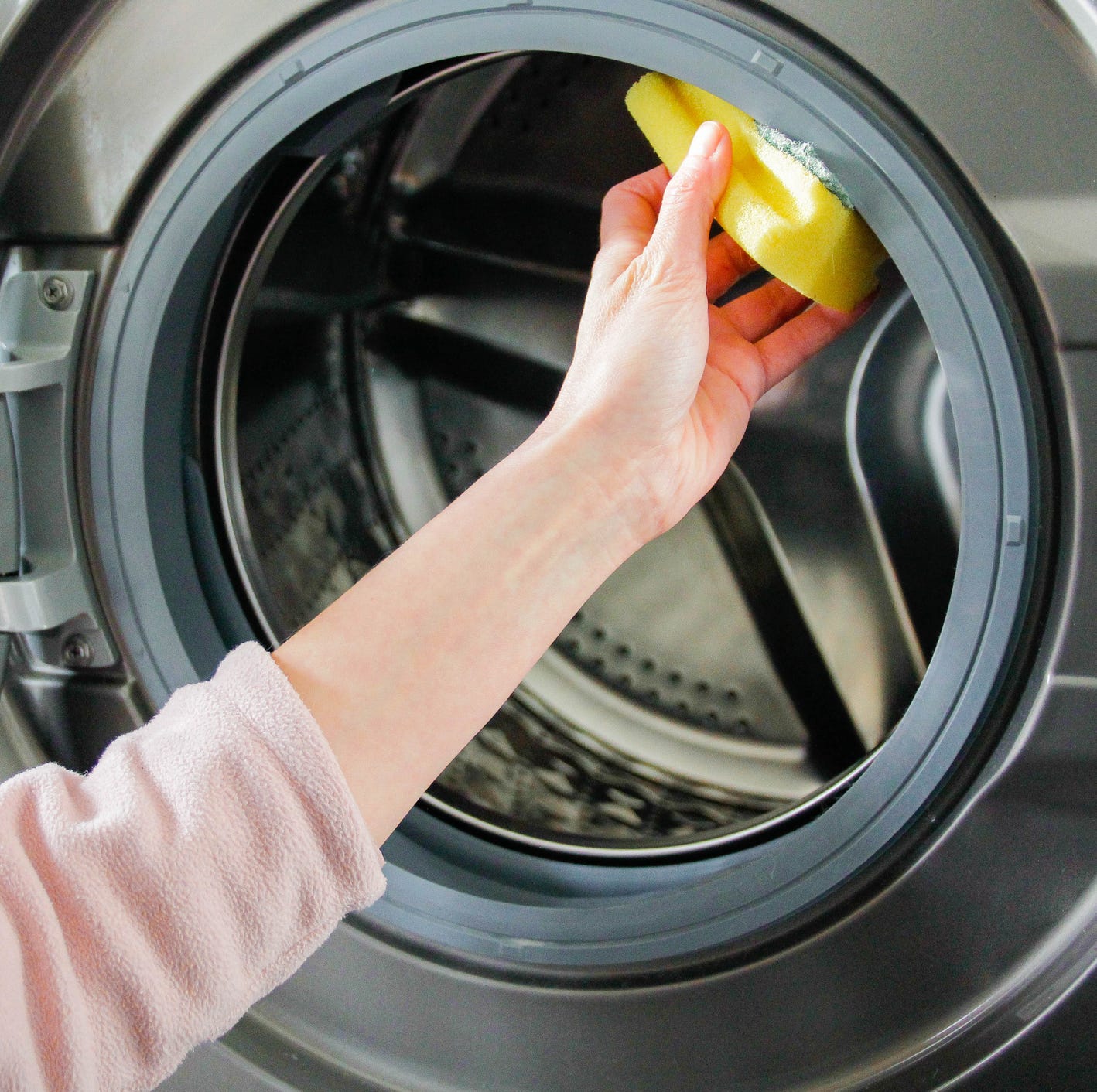
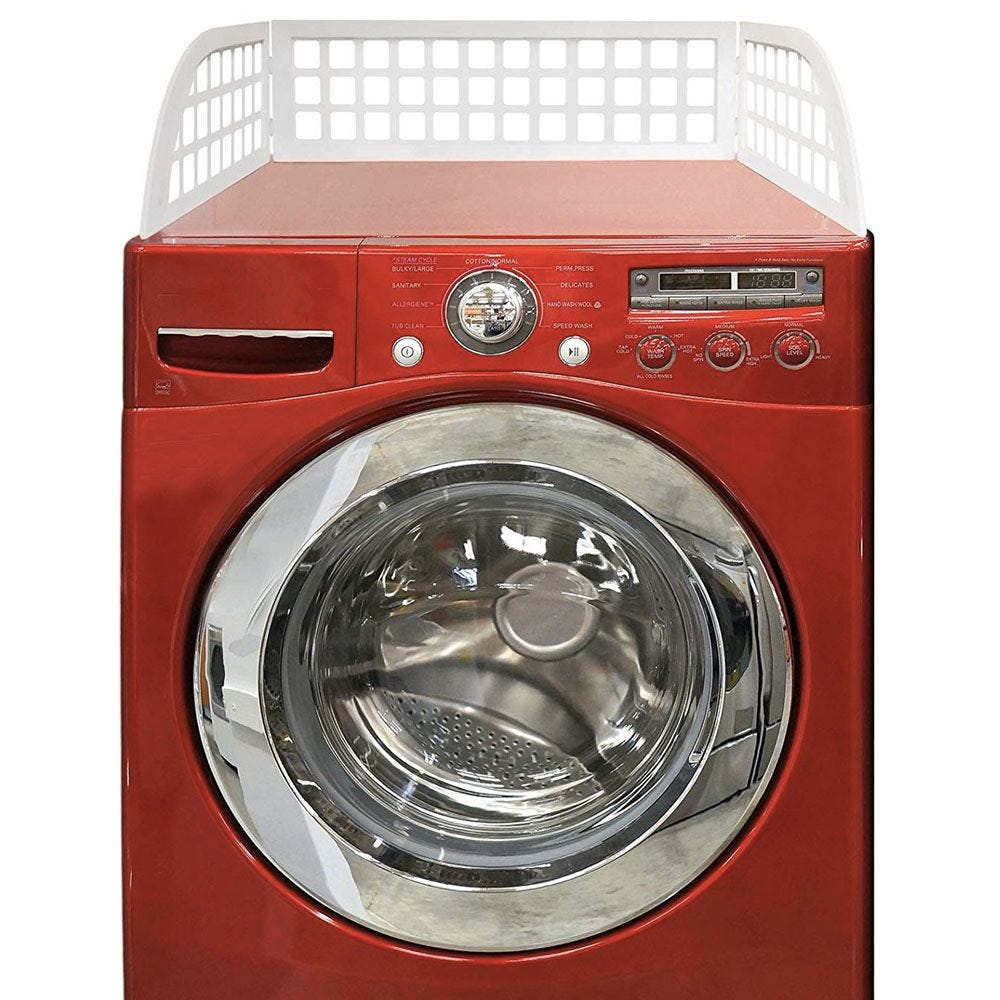
Front-load washing machines, despite their slower cycle times of 70 to 120 minutes, offer superior cleaning performance and significant efficiency benefits. They use less water than other washer types, extract more water during the spin cycle, and are generally gentler on fabrics and quieter in operation. These machines also lead to shorter dryer times and reduced energy consumption. However, their market share has declined from 38 percent in 2009 to 30 percent in 2024, possibly due to a higher price point and a notable drawback: their propensity for mold, mildew, and odor. This issue arises because the rubber gasket around the door traps water, creating a damp environment conducive to microbial growth.
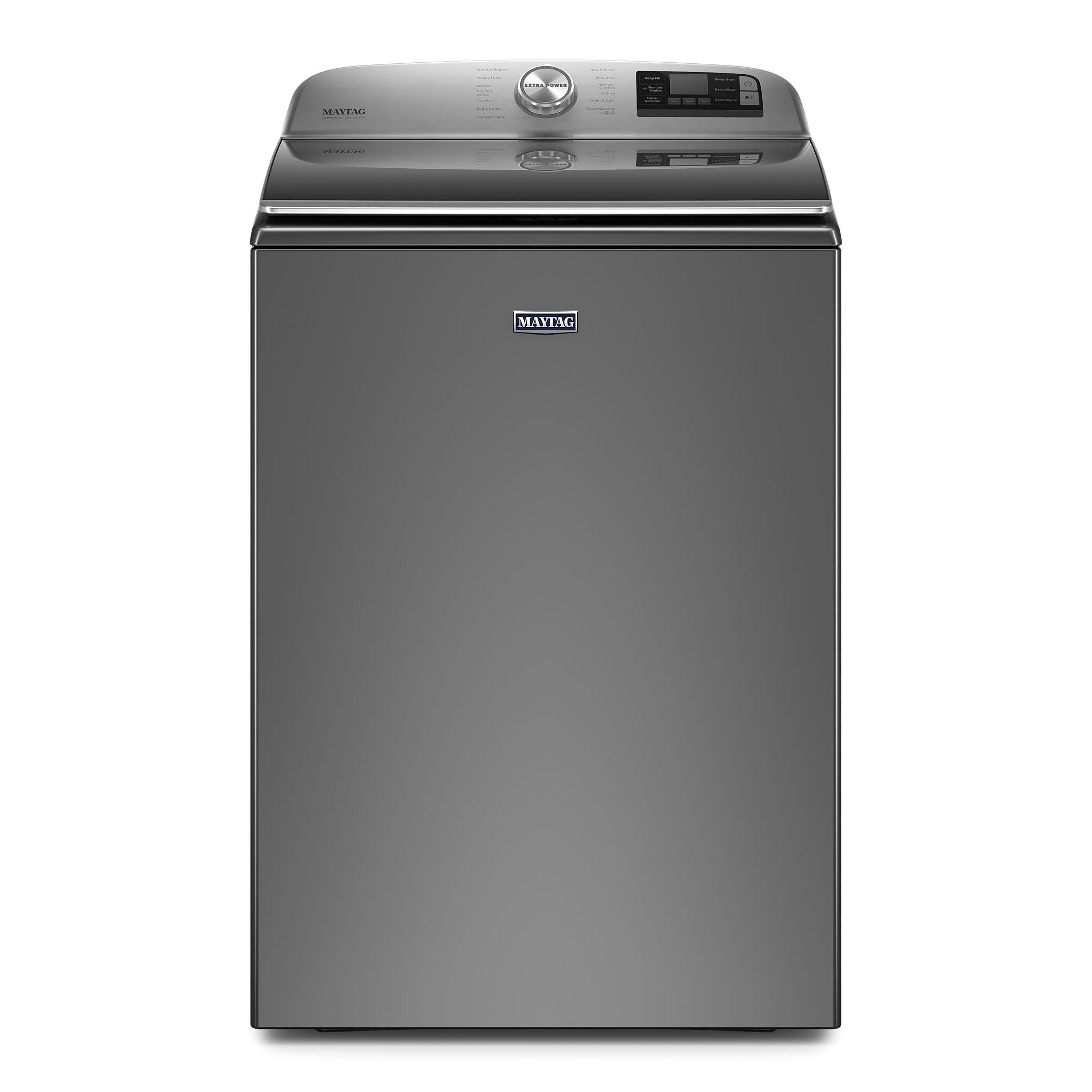
Compared to high-efficiency (HE) top-loaders (median cost $741) and top-load agitators ($687), front-load washers have a median cost of $862. Despite the higher upfront cost, their efficiency can lead to long-term savings on utility bills. Consumers can identify energy-efficient models by looking for the EnergyGuide label and Consumer Reports’ Green Choice designation. Manufacturers have begun offering more affordable front-loaders to compete, with some models priced at $800 or less.
There are five key considerations when purchasing a front-load washer. First, wash times are longer, ranging from 70 to 120 minutes for a normal-wash/heavy-soil setting, compared to 60-80 minutes for HE top-loaders and 35-70 minutes for agitator top-loaders. However, the faster spin cycle of front-loaders offsets this by reducing drying time. Second, front-loaders effectively clean small loads because they do not rely on clothes rubbing against each other, adjusting water levels according to load size. The cleaning mechanism involves lifting and dropping clothes into water, so avoiding overstuffing is crucial.
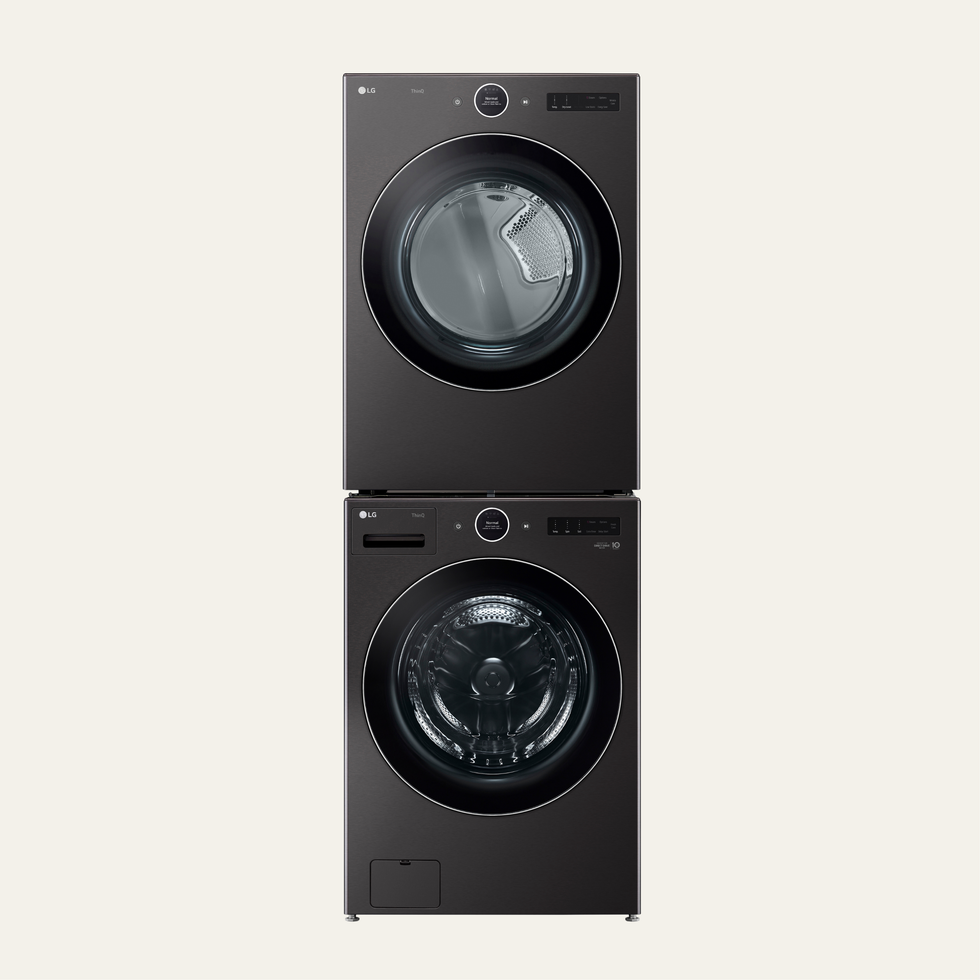
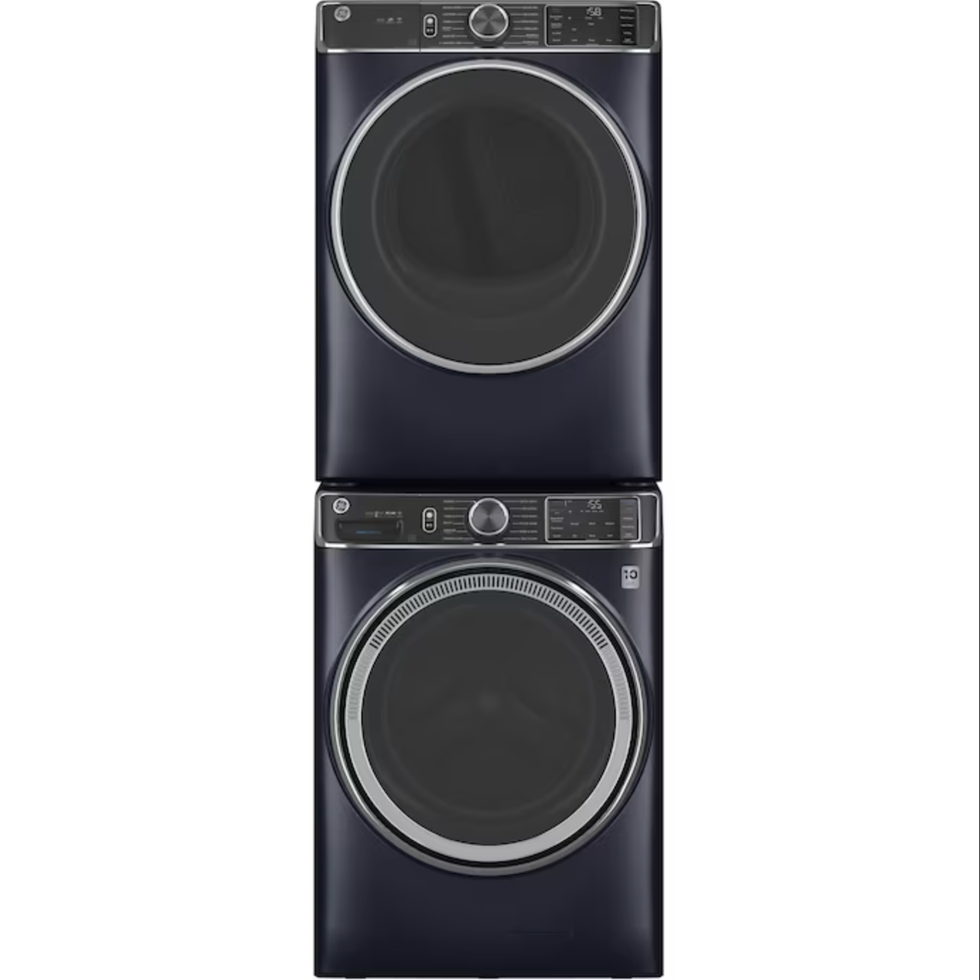
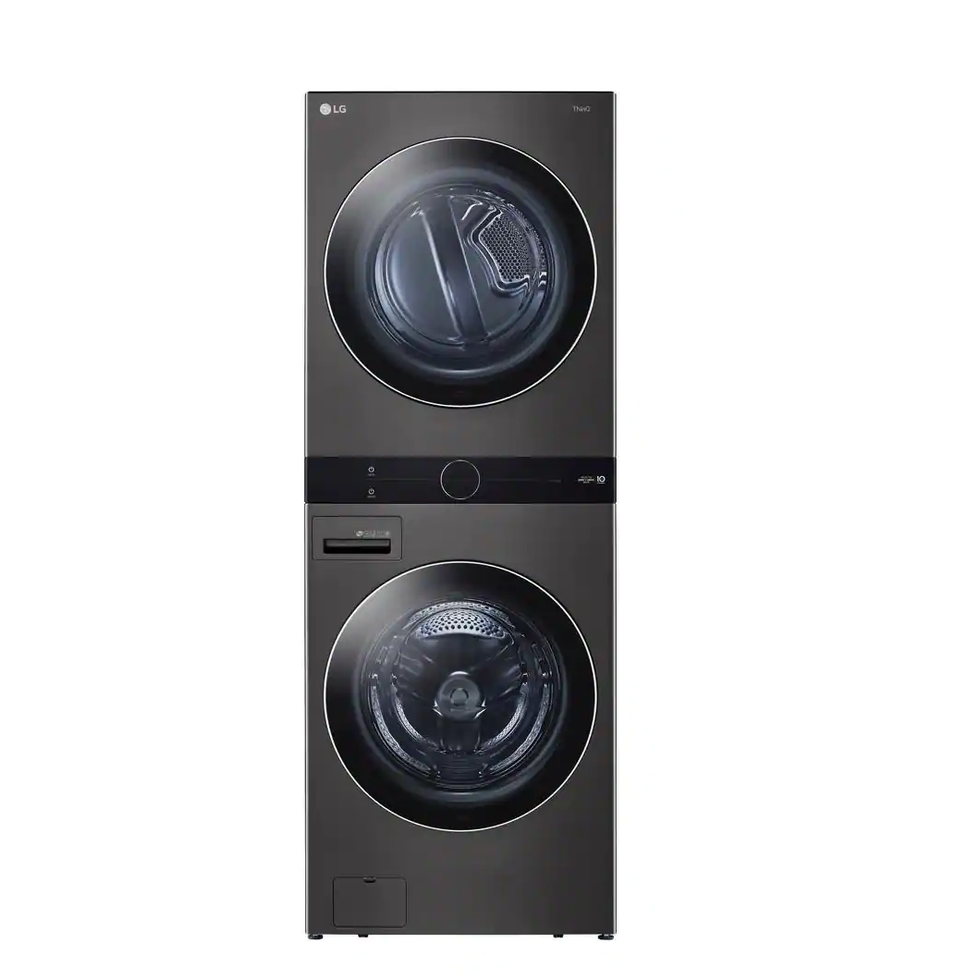
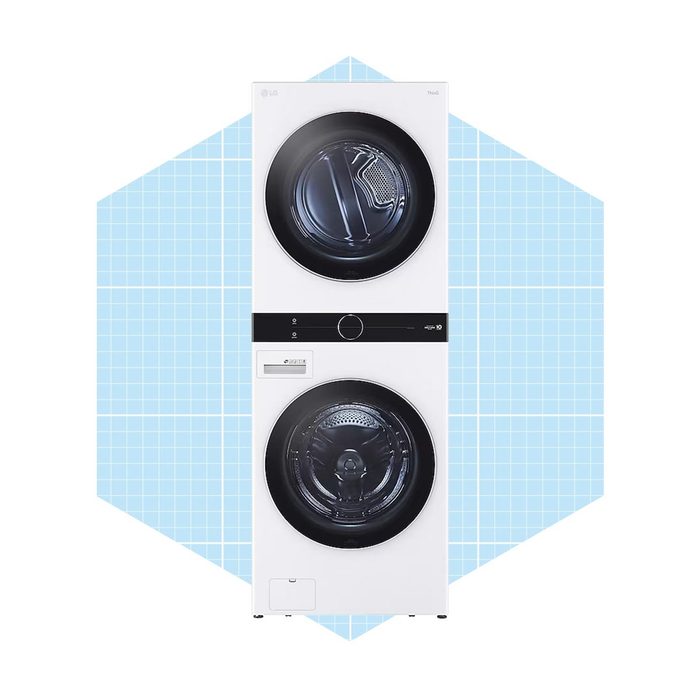
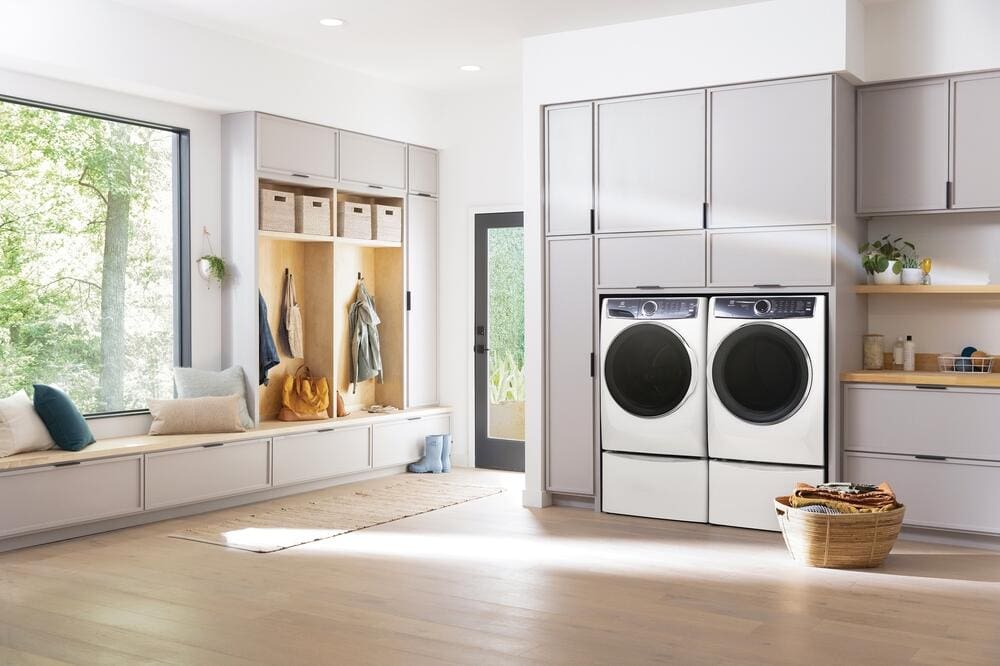
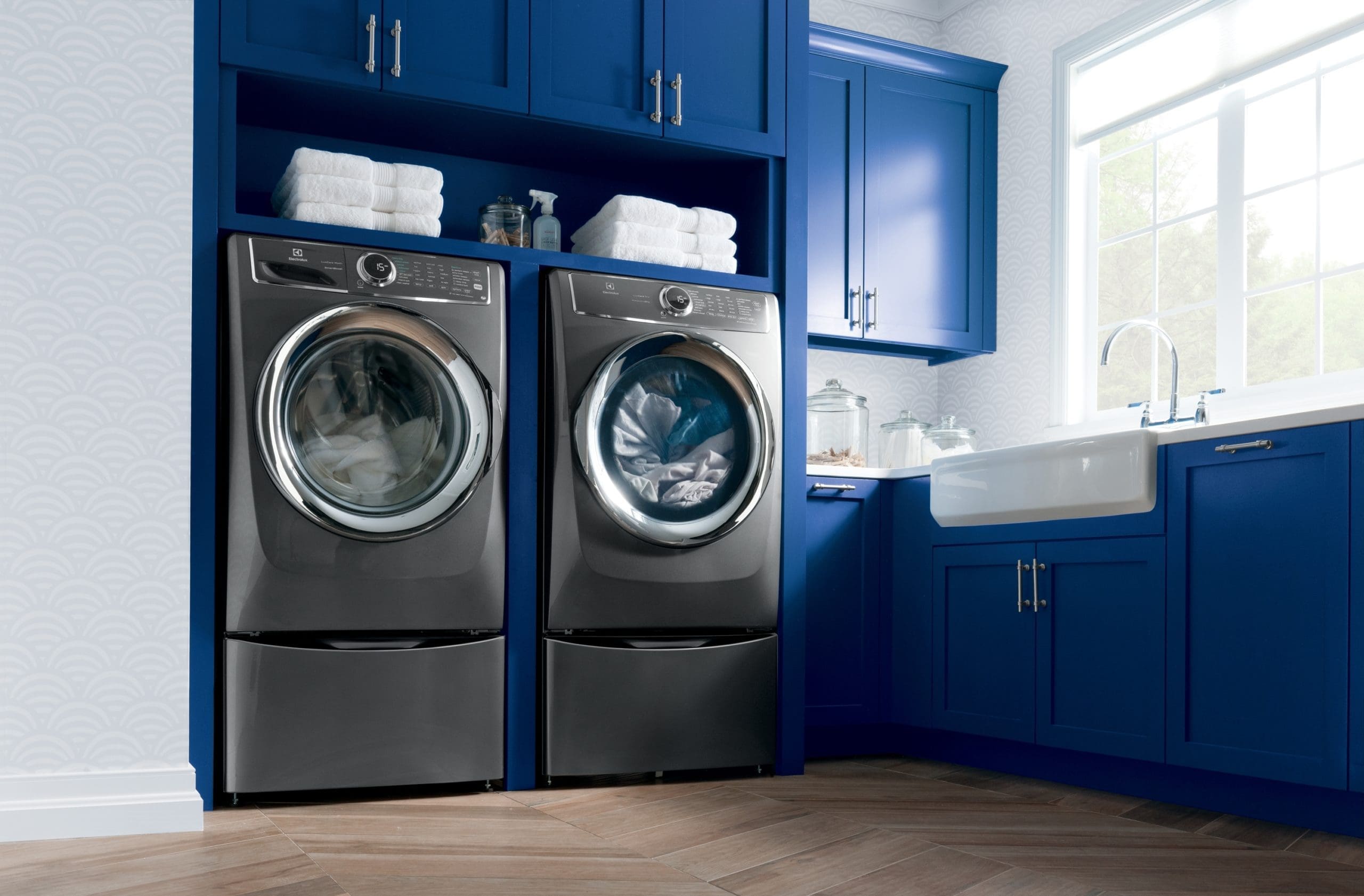
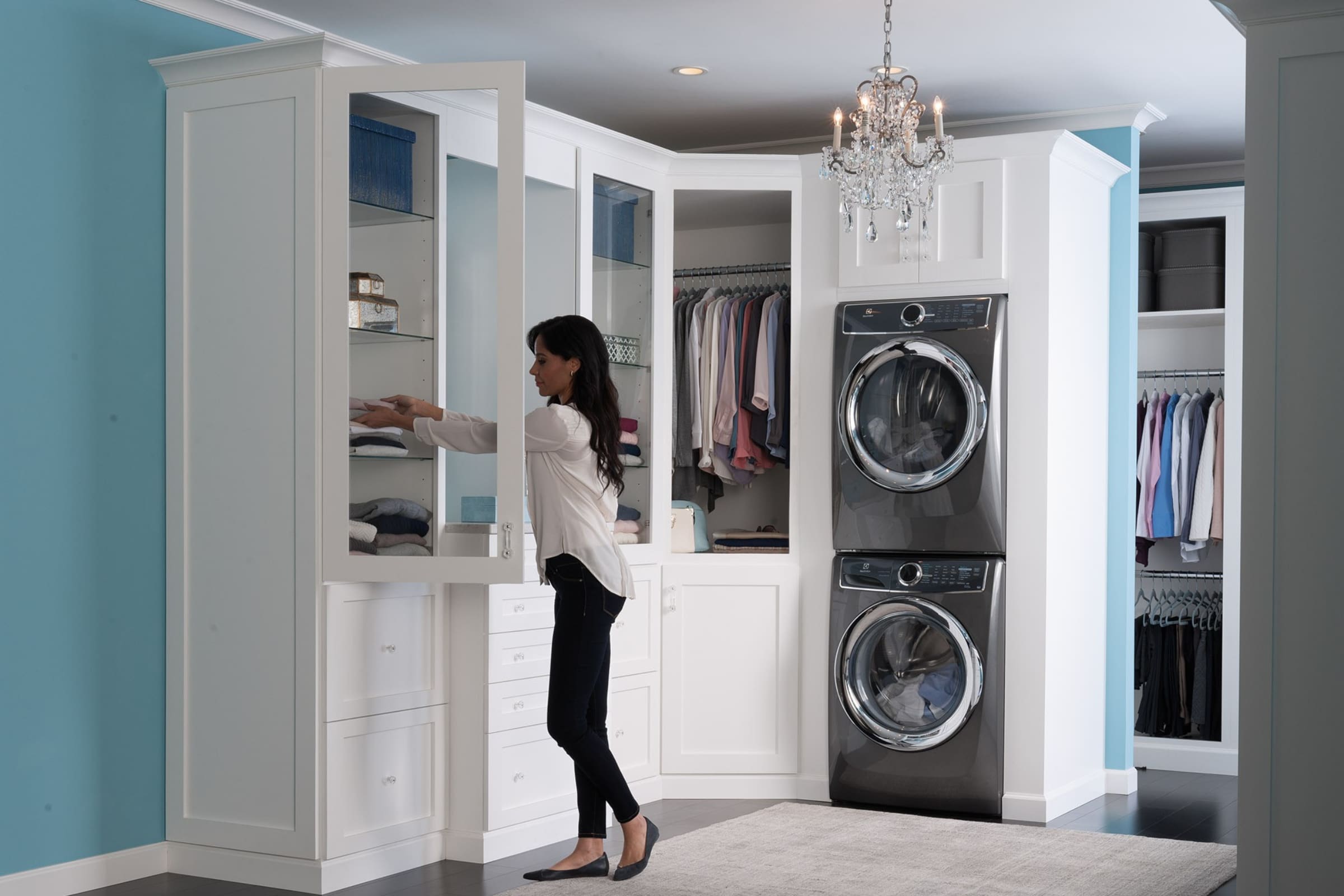
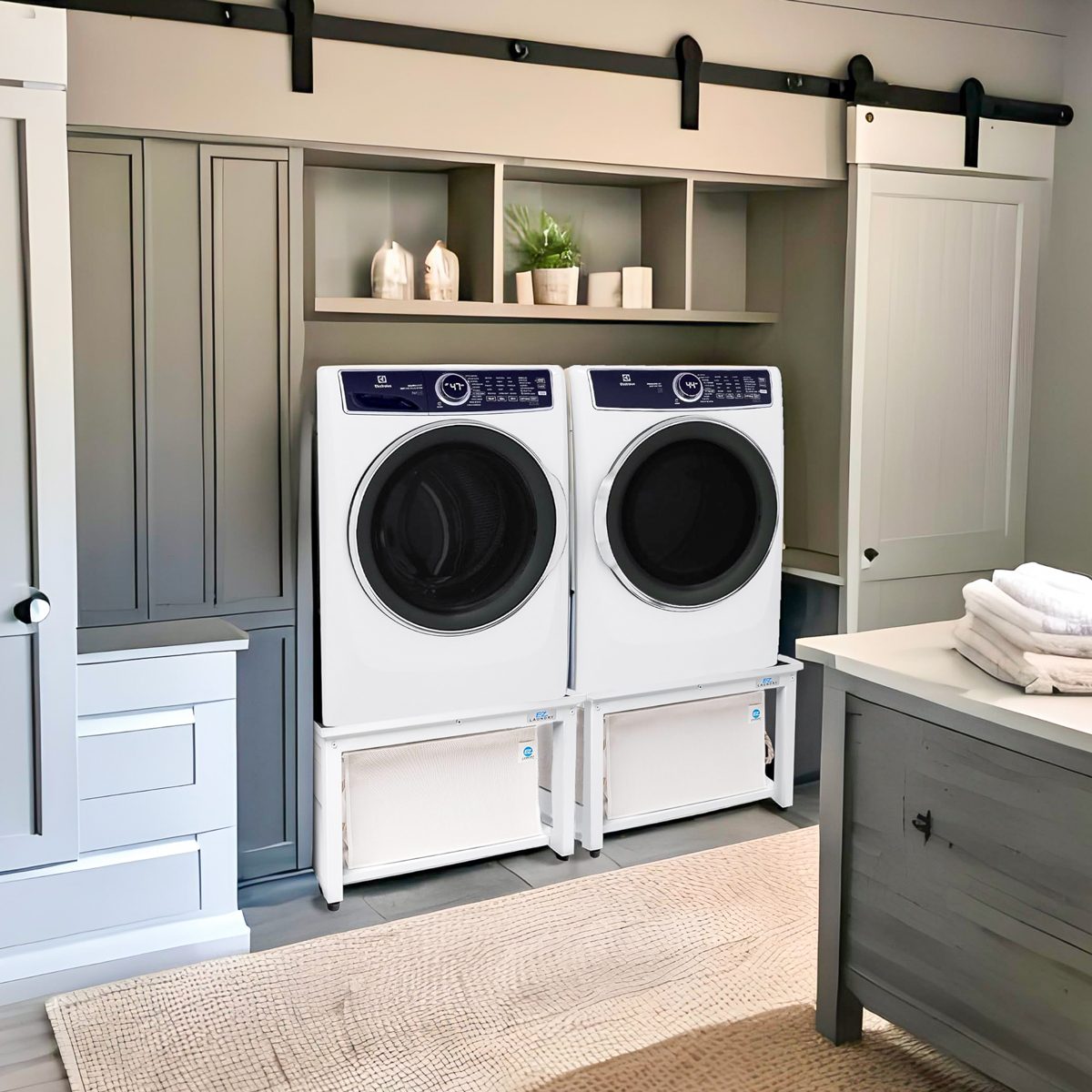
Third, while most front-loaders are stackable with a matching dryer, this is not universally true, and stacking kits might be required. Compatibility issues can arise from detergent dispenser placement or specialized designs, such as Samsung’s FlexWash. Additionally, variations in machine dimensions mean careful measurement of laundry space and entryways is necessary to ensure proper fit. Fourth, front-loaders can vibrate significantly due to their faster spin cycles and horizontal drum rotation. While modern machines incorporate better components to mitigate this, some vibration may still be felt, especially on wood-framed floors. Ensuring the machine is level and all feet are in solid contact with the floor can help.
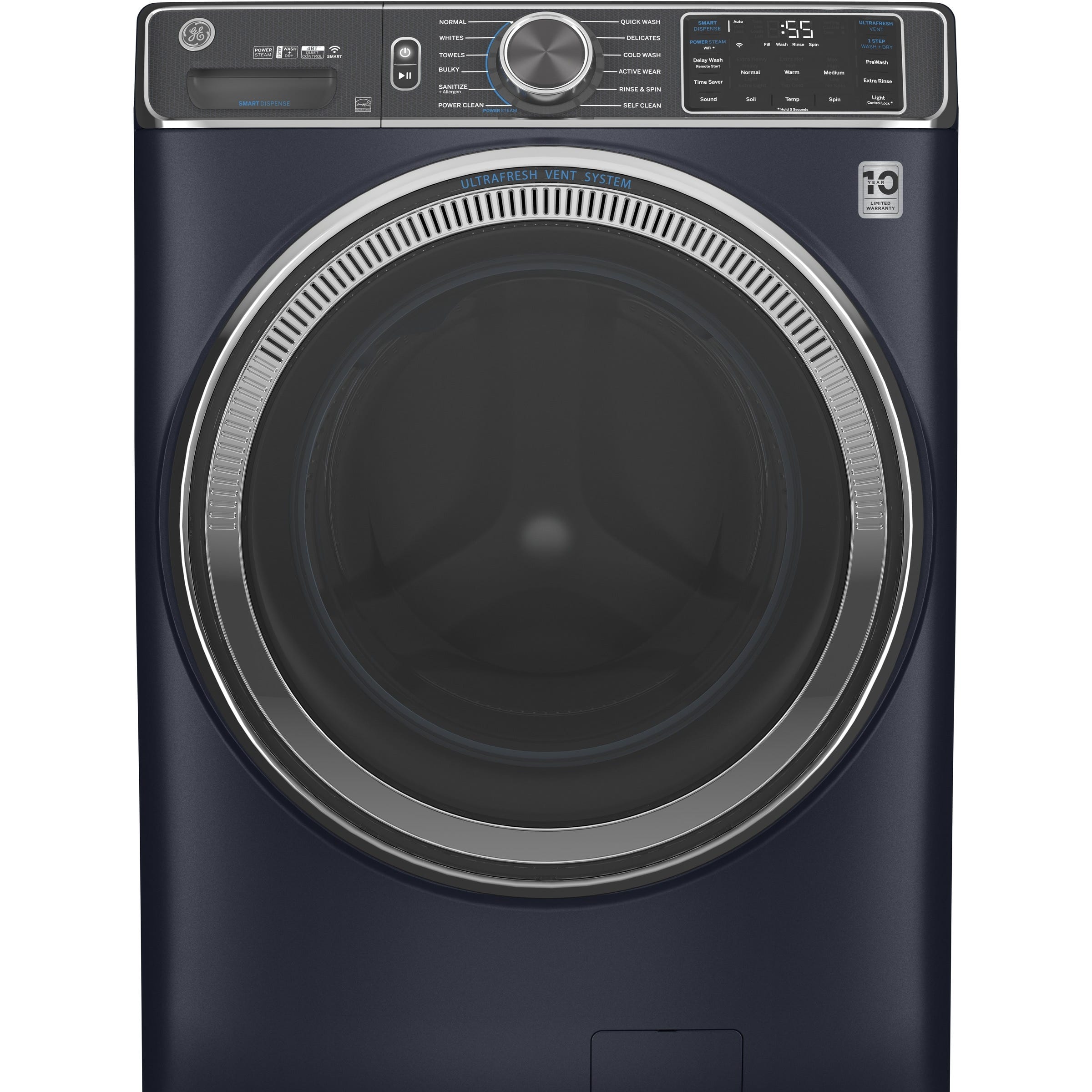
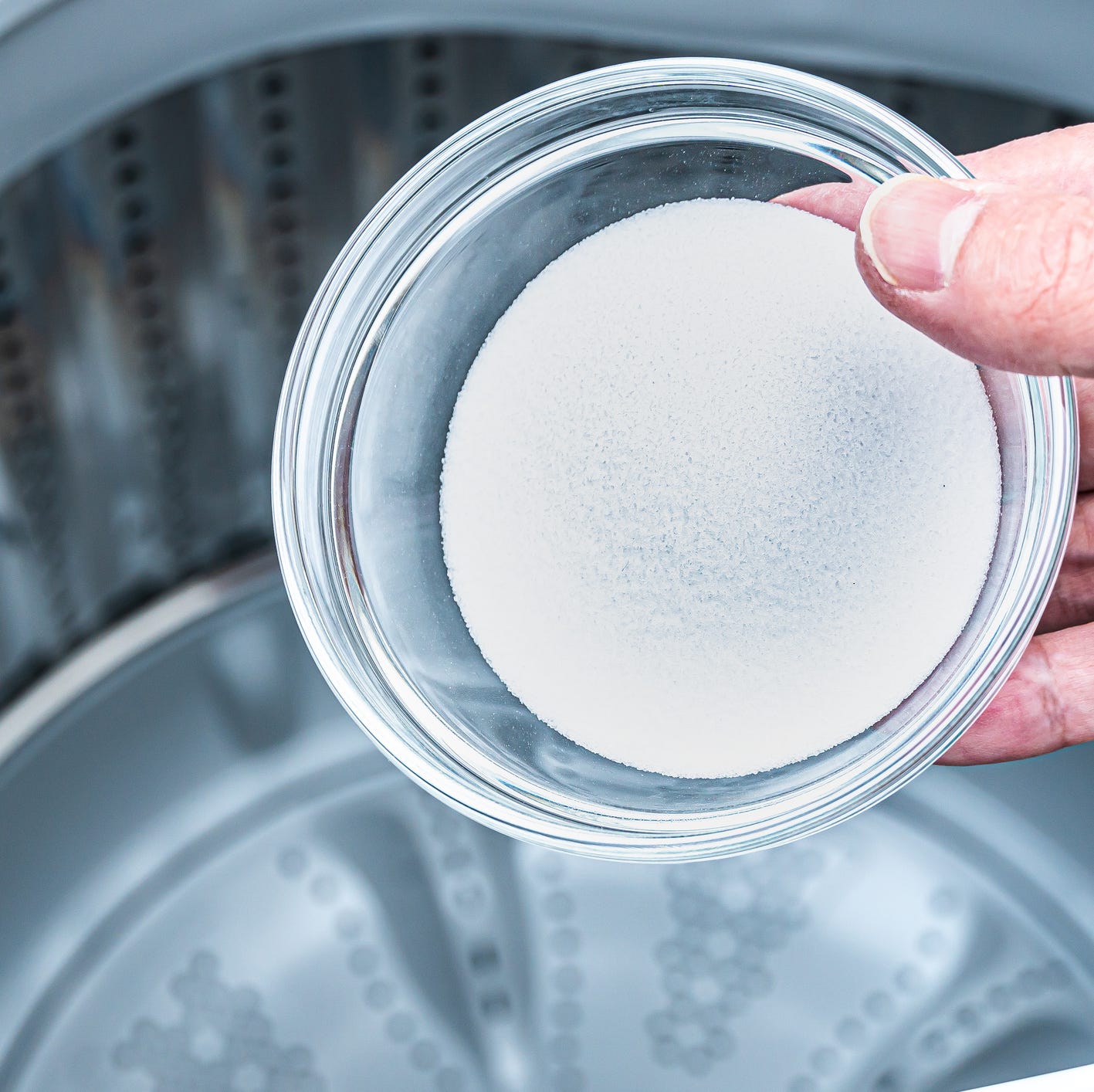
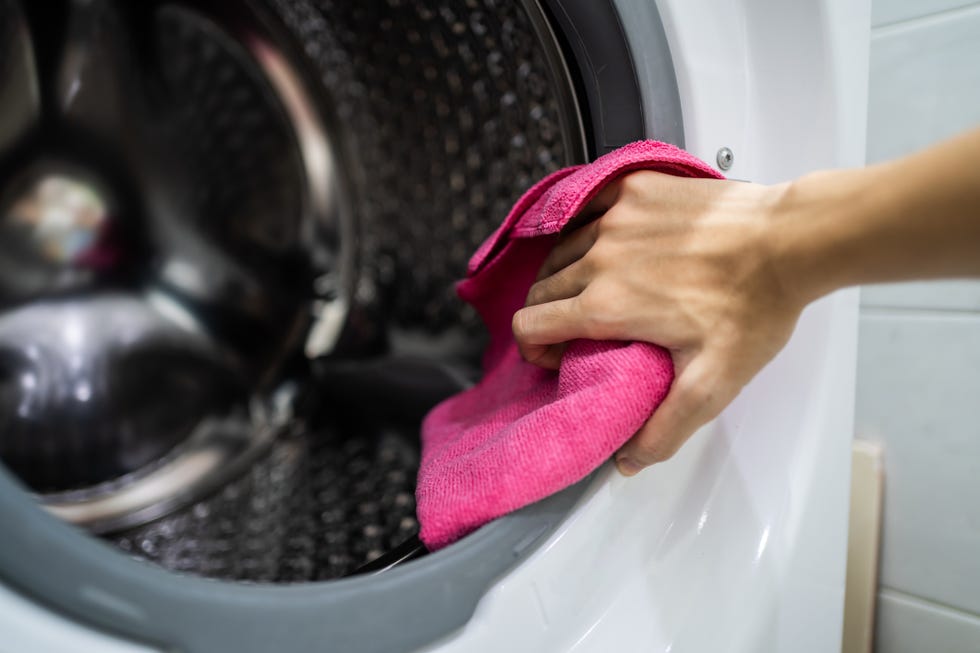
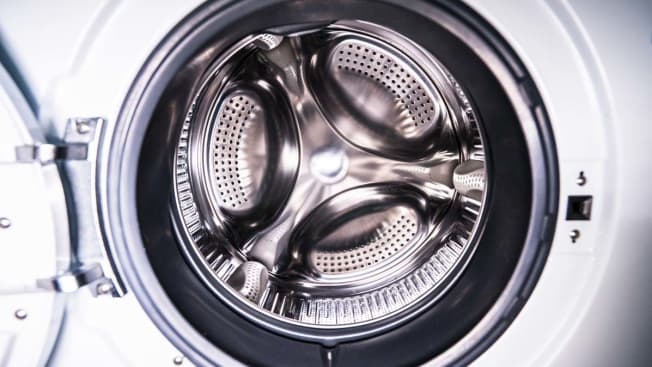
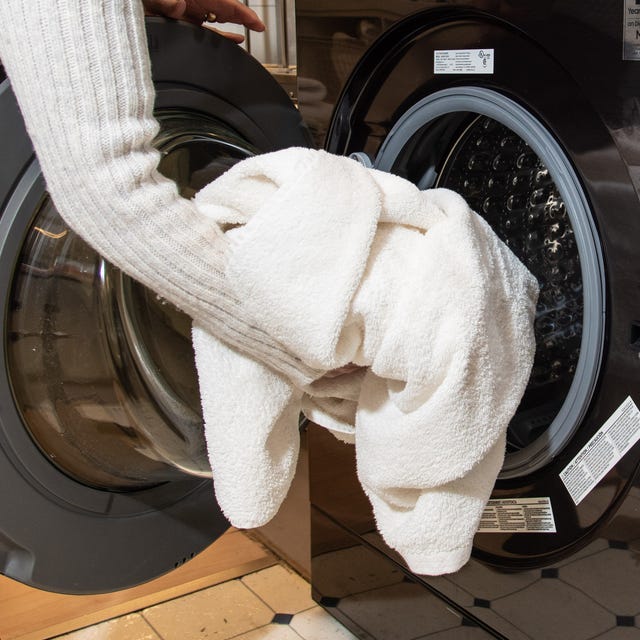
Finally, front-loaders often require extra care to prevent mold and odor. A 2023 survey indicated that 13 percent of front-load washer owners reported mold or mildew, and 14 percent reported odors. To combat this, users should regularly run the tub-clean feature, dry the door and rubber gasket after each use, and keep dispensers open to dry. If children are not present, keeping the washer door ajar between loads helps air circulation. Some newer models, like those from GE with UltraFresh and Whirlpool with FreshFlow Vent System, include features designed to reduce humidity and prevent mold.
#FrontLoadWashers #ApplianceEfficiency #LaundryAppliances #HomeAppliances #MoldPrevention #ConsumerReports #WashingMachineMaintenance #EcoFriendlyAppliances #HomeImprovement #FrontLoadWashers #ApplianceEfficiency #LaundryAppliances #HomeAppliances #MoldPrevention #ConsumerReports #WashingMachineMaintenance #EcoFriendlyAppliances #HomeImprovement
0 комментариев всего
 Комментариев пока нет
Вам также может понравиться
These Front-Load Washers Will Get Your Laundry Clean and Fresh Using Less Water

15 Best Washing Machine Taps Available In 2024

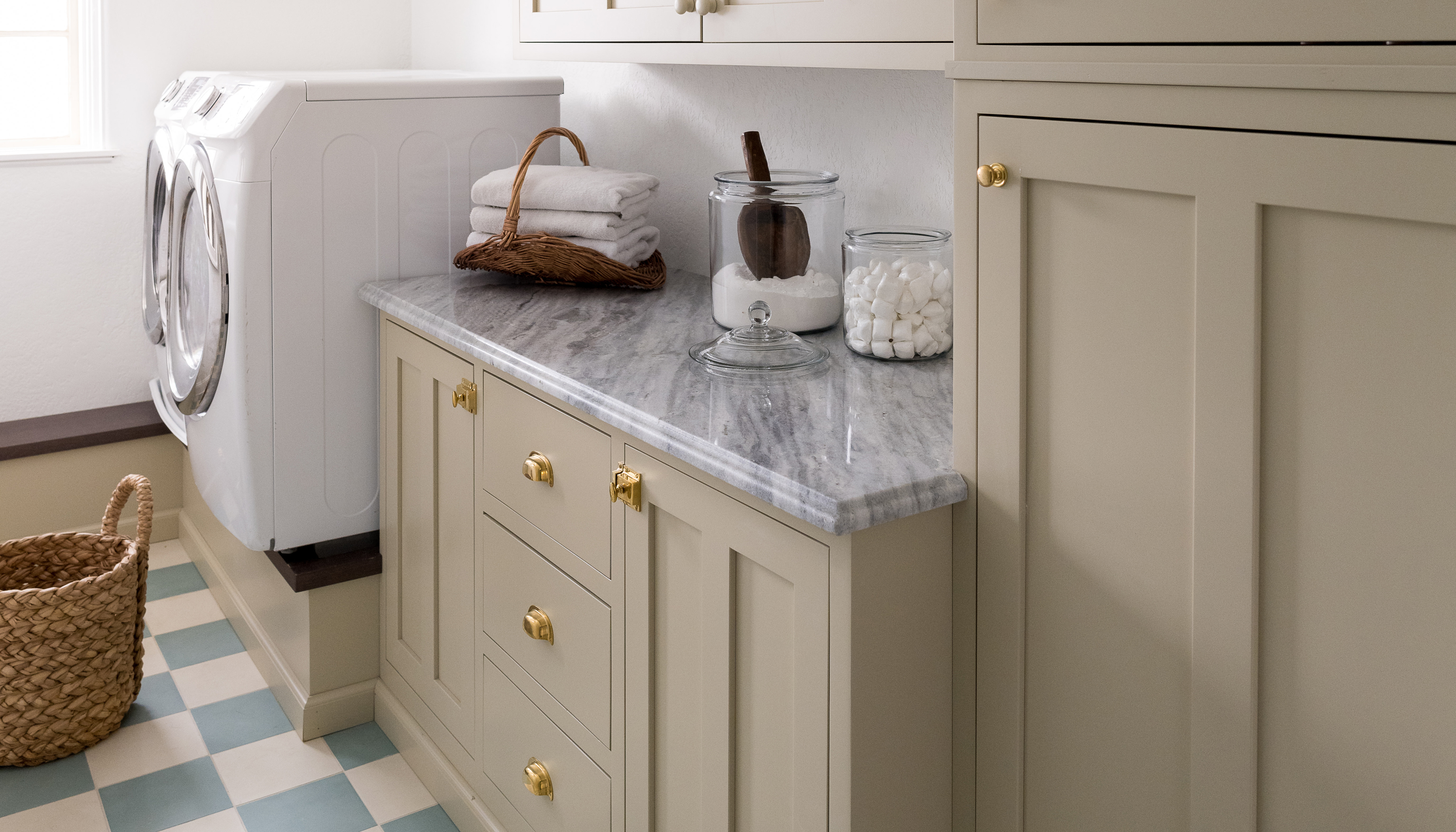
Should I raise my washer and dryer? This is why I wish I'd invested in a laundry pedestal


14 Ways to Make Your Laundry Smell Better

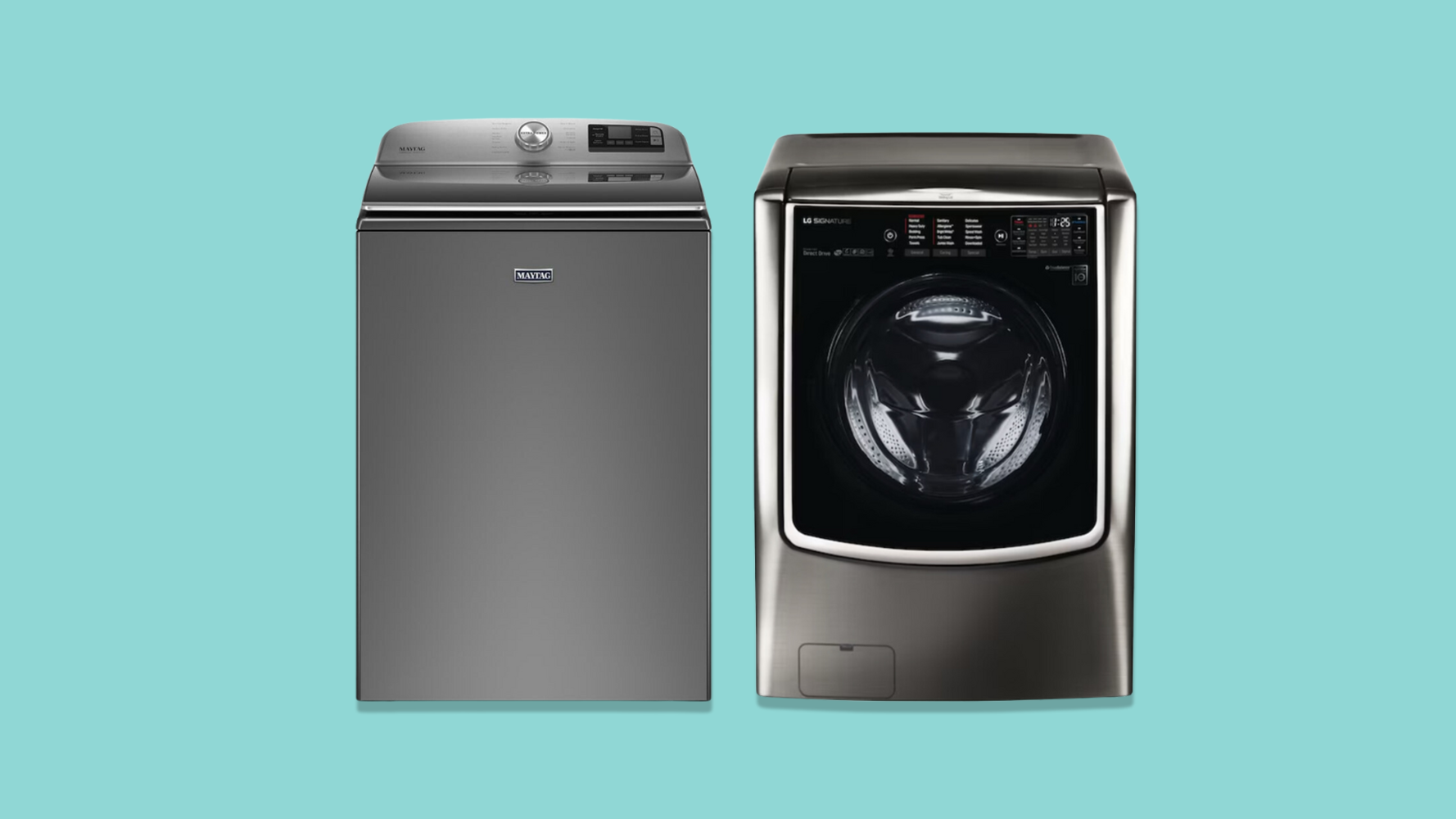
Front-Load vs. Top-Load Washers: Which Is Better?

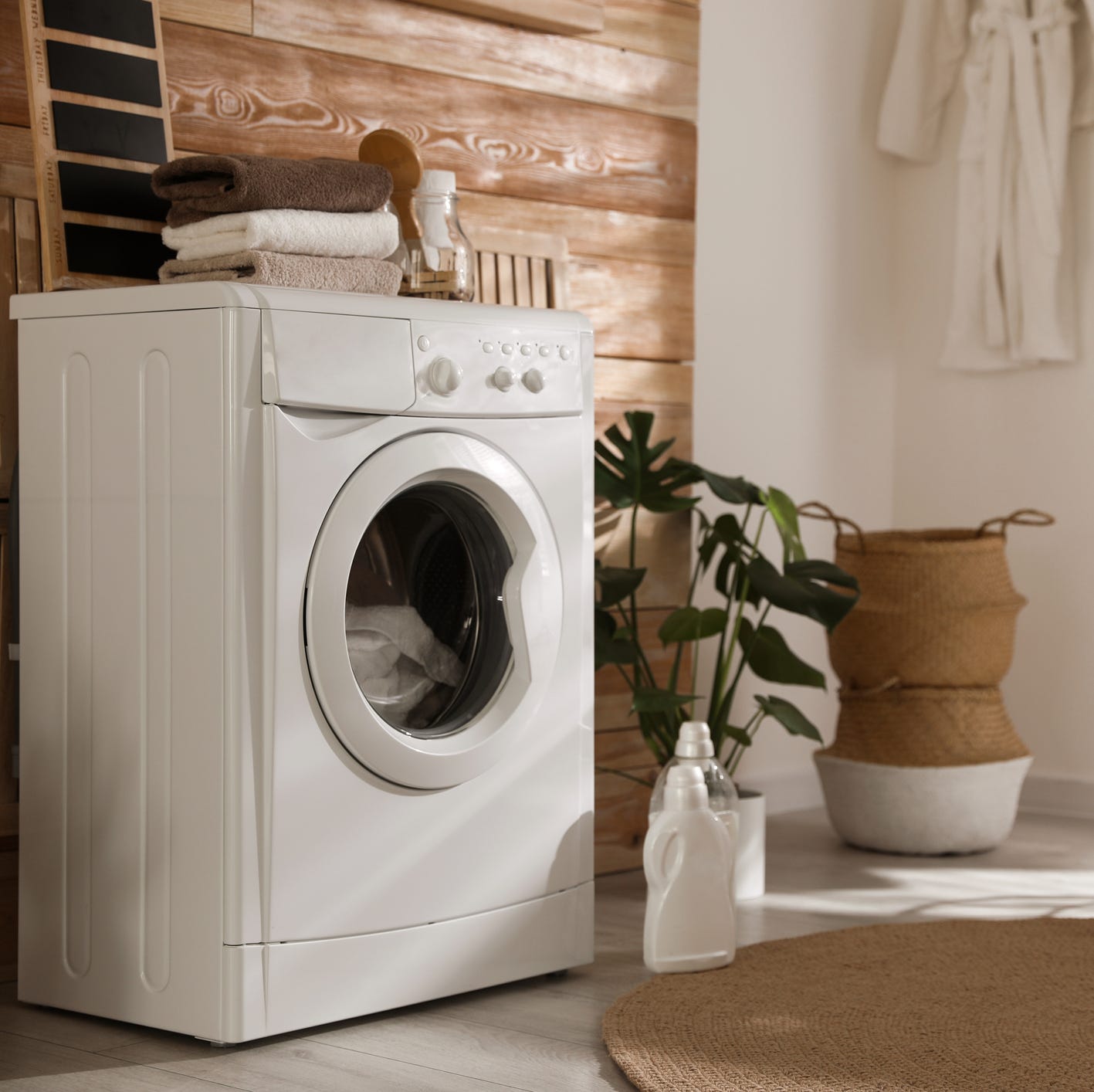
How to clean your washing machine: Experts reveal their top tips
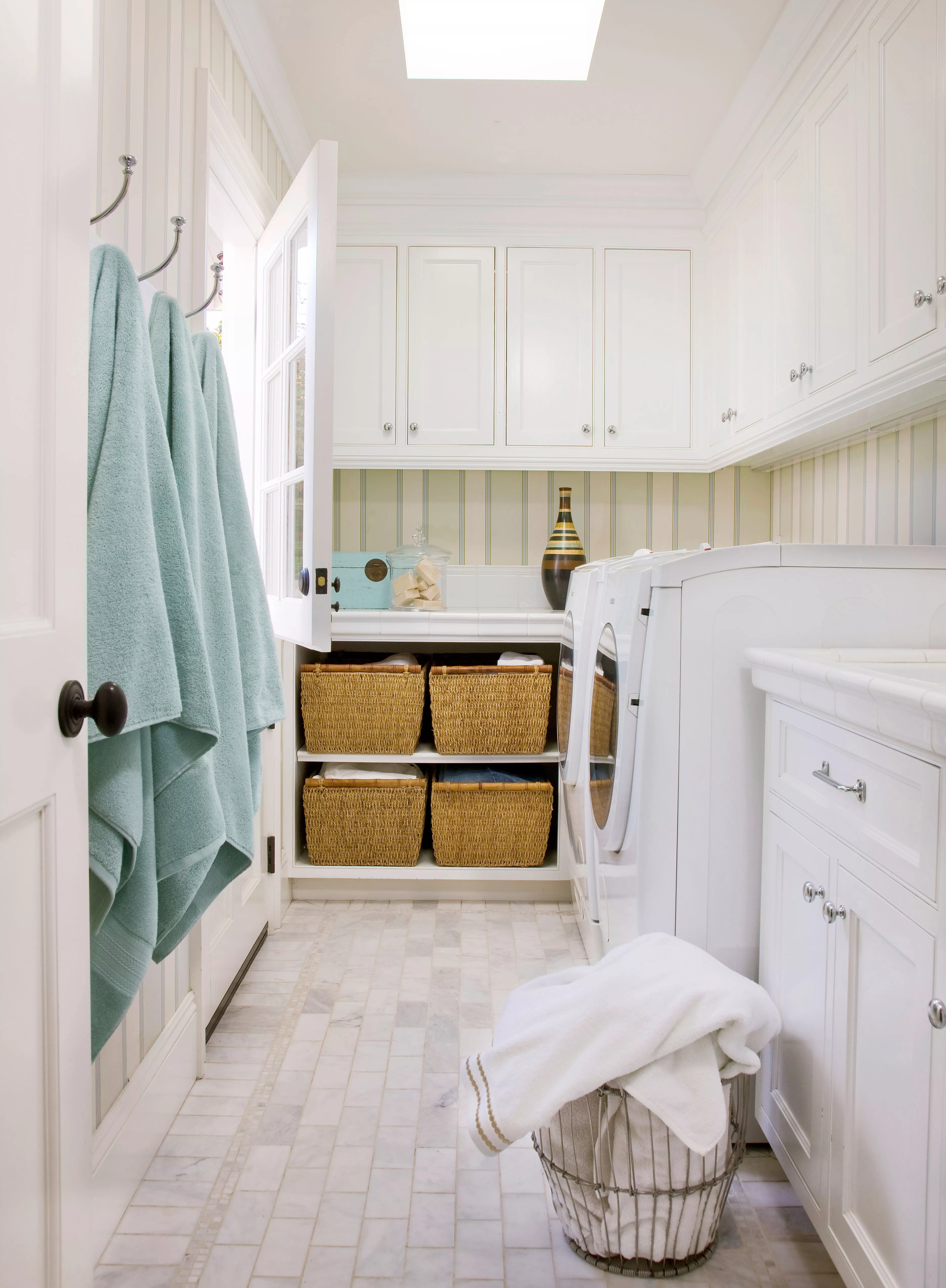
Everything You Need to Know for a Functional Laundry Room

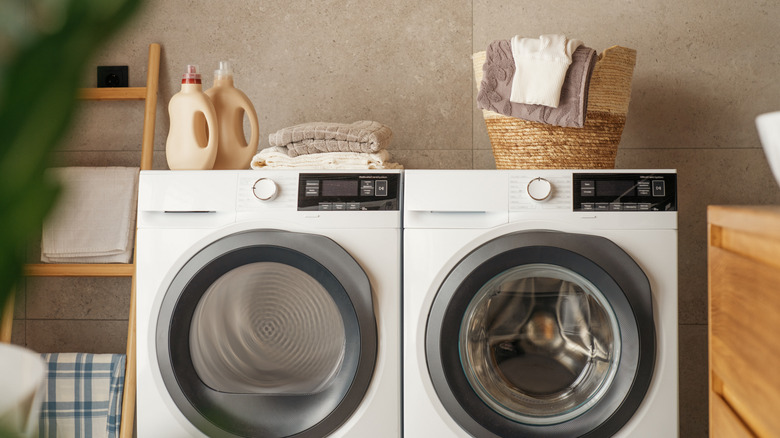
12 Washer And Dryer Countertop Ideas That Are So Simple And Stylish

8 Best Portable Washing Machines

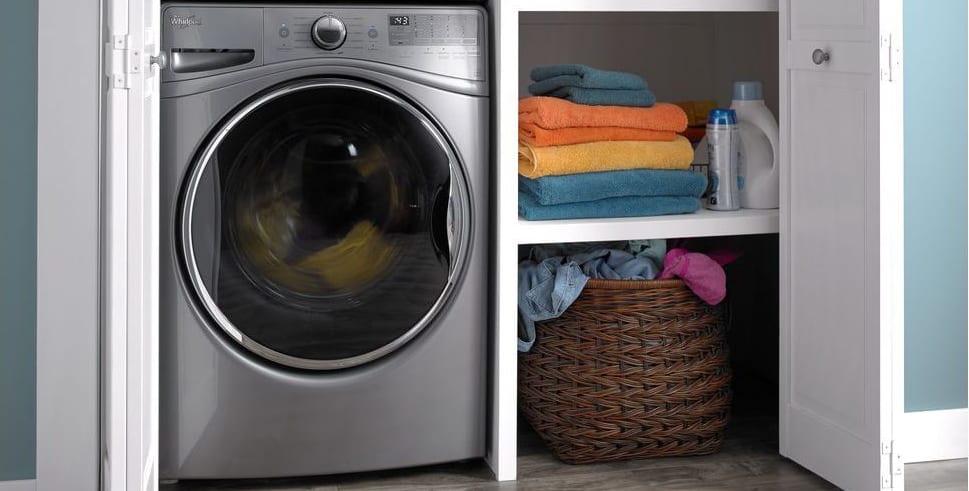
This closet depth washer is still full size, but it can fit in almost any laundry room.


This Genius Organizer From Amazon Will Make Sure You NEVER Lose Socks Again

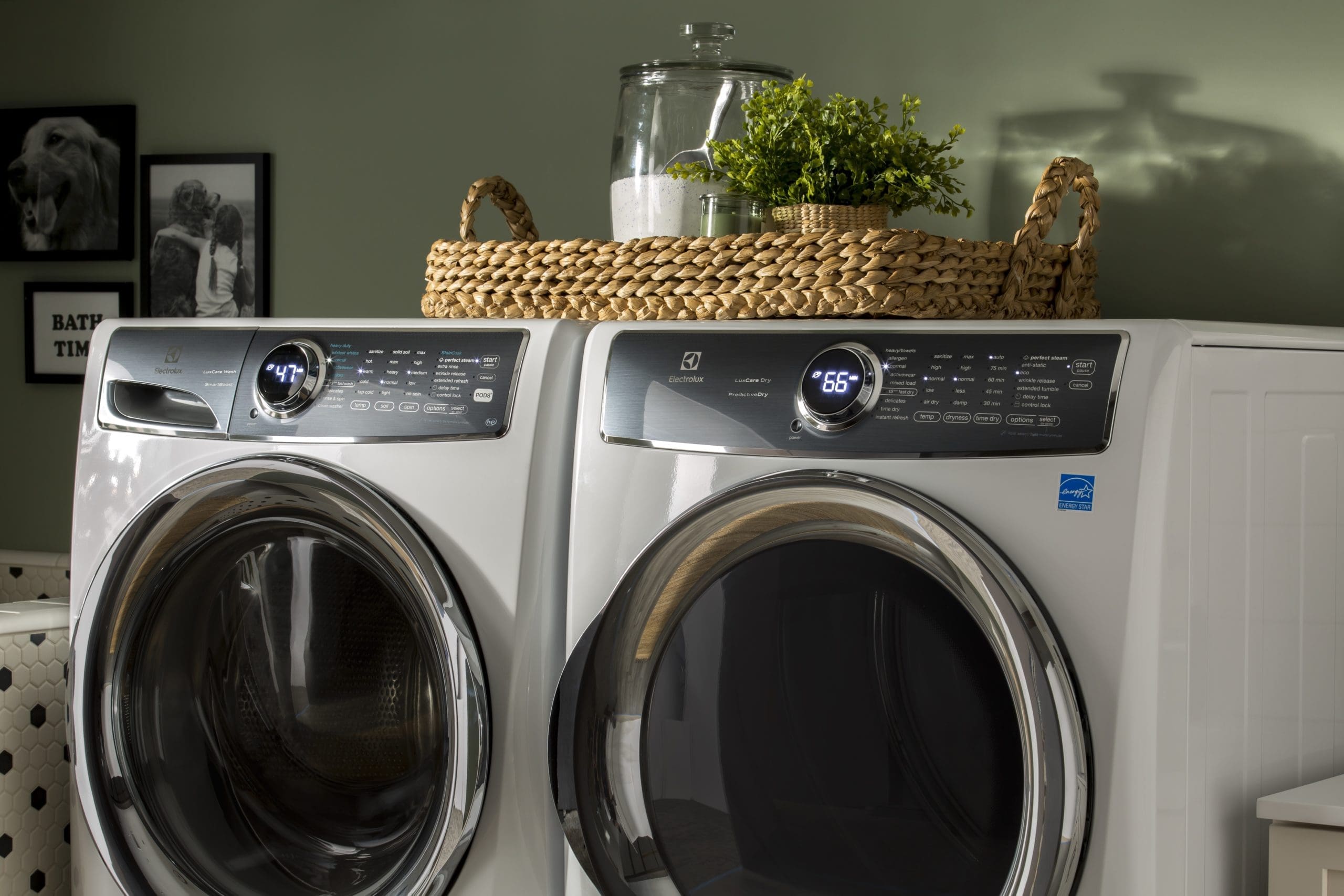
4 Top Trends to Optimize Your Laundry Room

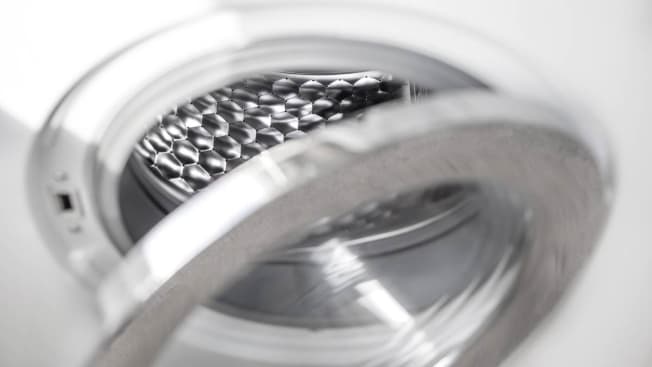
How to Minimize Mold in Your Washing Machine
The Best Stackable Washers and Dryers That Cleaning Experts Trust

The Best Washer and Dryer Pedestals for Your Laundry Room
This washing machine placement mistake could be damaging your appliance – here's where to put it instead

Best places to buy washer dryers
8 Best Washer and Dryers for an Apartment in 2023