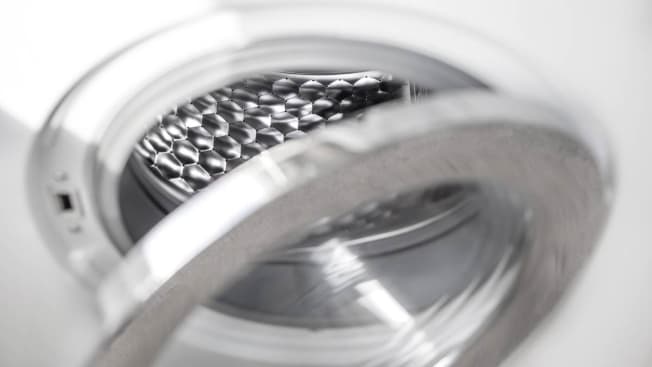
How to Minimize Mold in Your Washing Machine
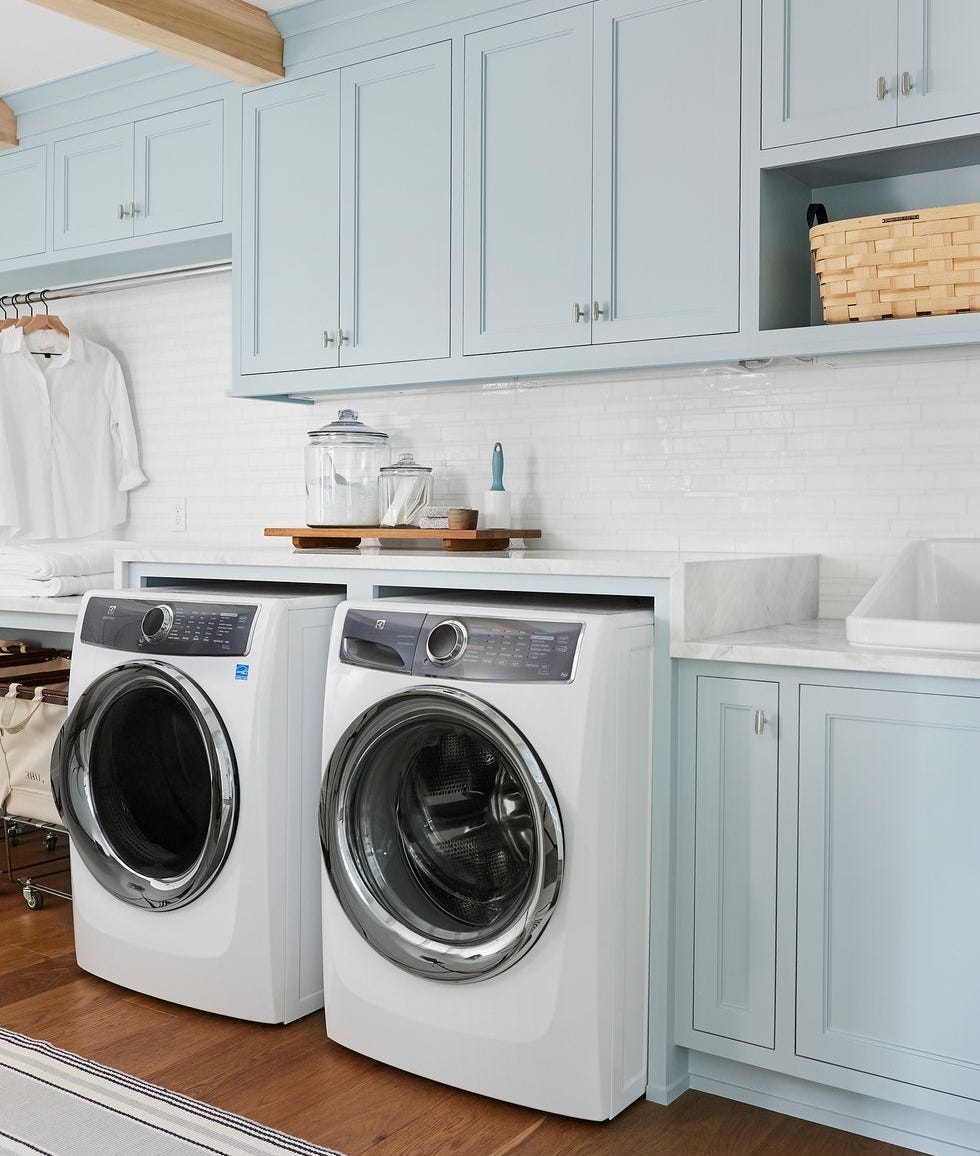
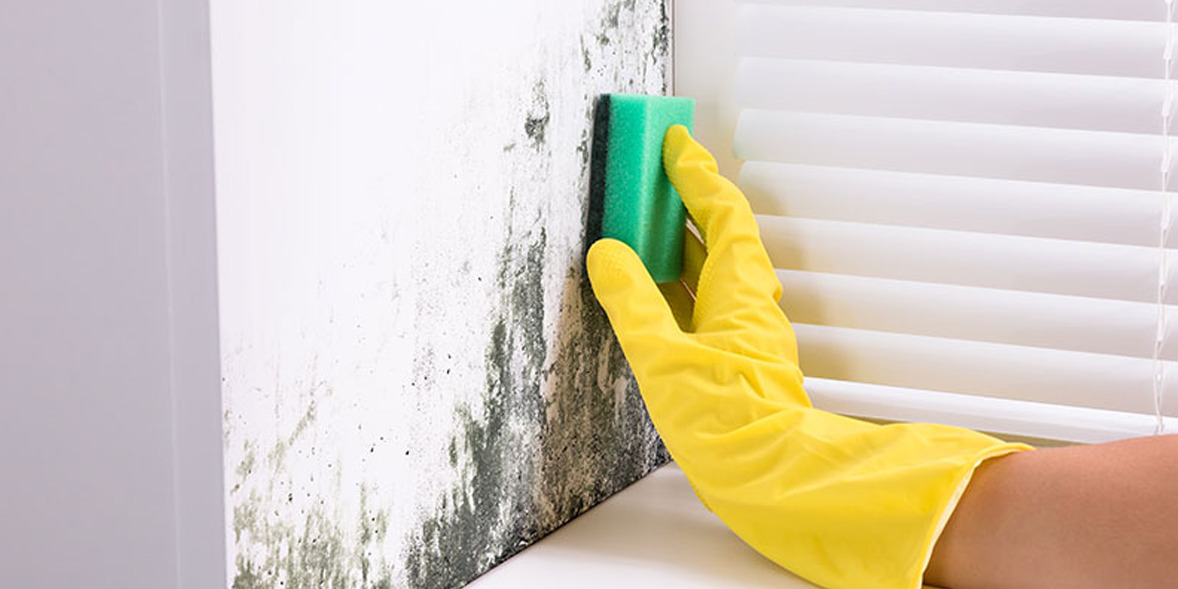
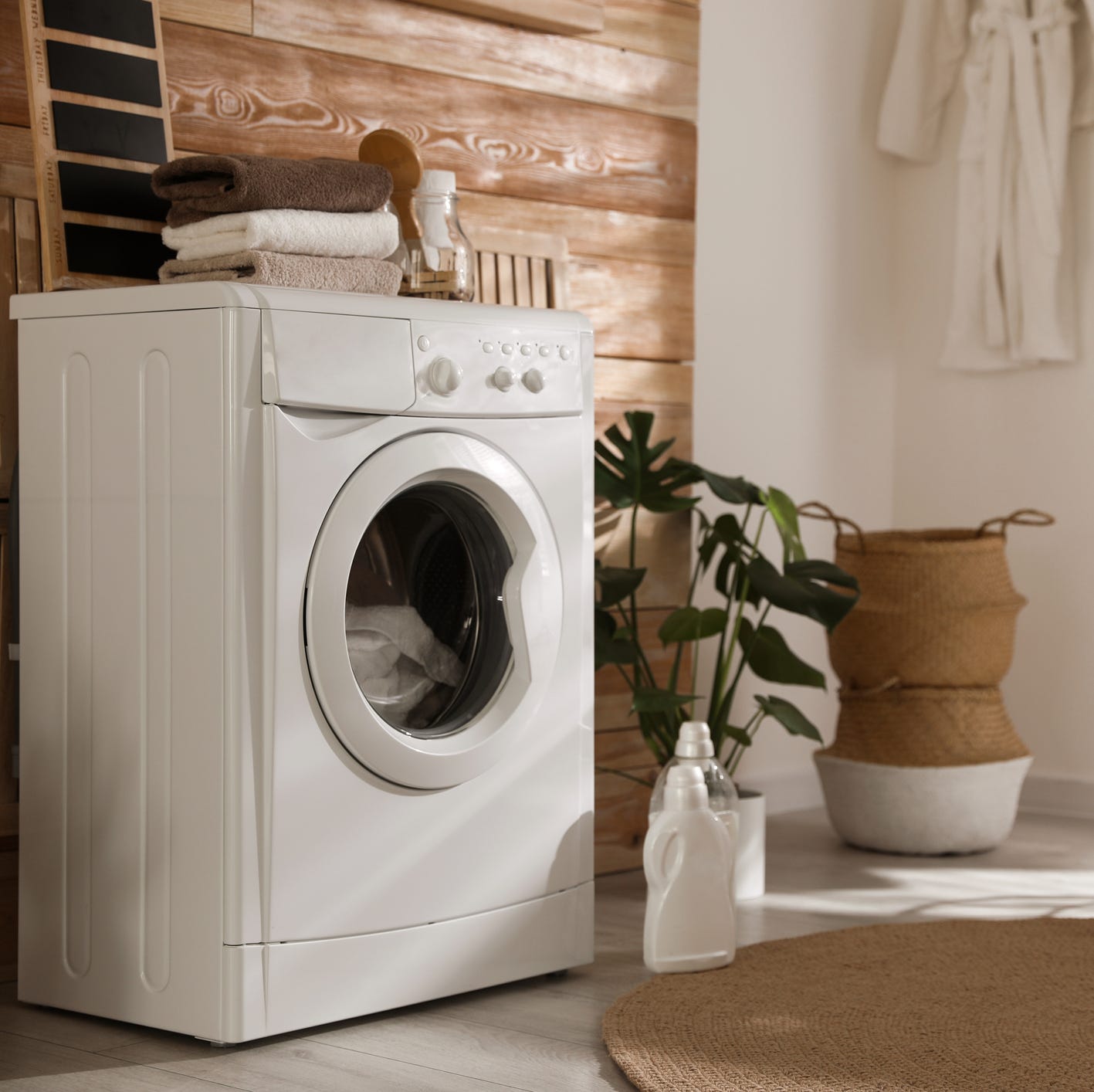
Front-load washing machines, while efficient and effective at cleaning, are susceptible to issues with mold, mildew, and unpleasant odors. Approximately 16% of front-load washer owners experience these problems. These issues can compromise the integrity of rubber gaskets and diminish consumer confidence in these appliances. Despite design enhancements aimed at mitigating these problems, maintaining a mold-free front-loader often requires consistent effort.
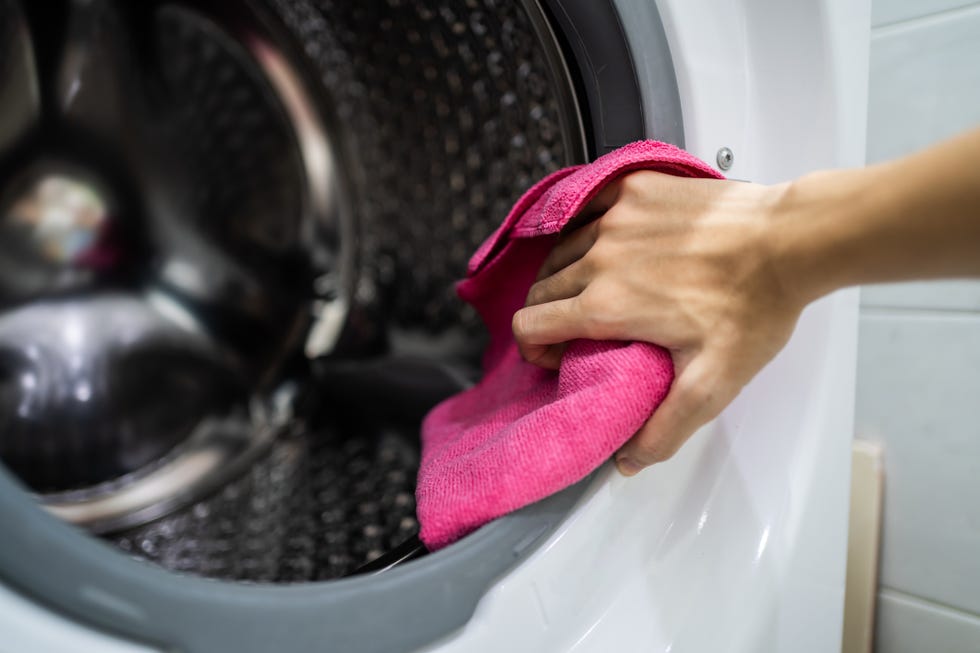
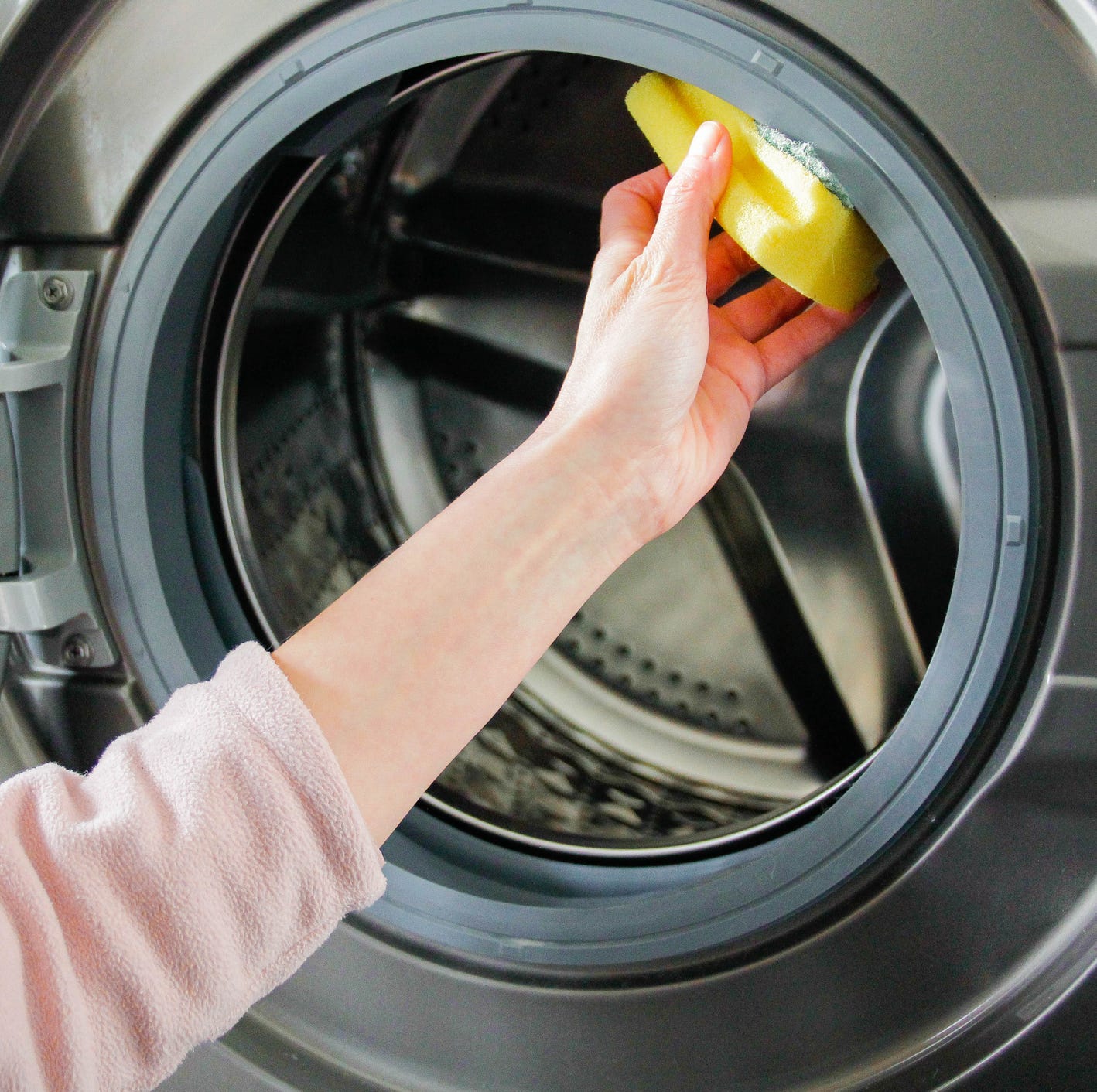
To address this, eight key maintenance tips are recommended. First, it is crucial to combat residue buildup, which feeds mold. This involves avoiding fabric softener, using only high-efficiency (HE) detergents, and ensuring that detergent is not overused, as excess detergent can lead to a film forming in the dispenser drawer. Second, promptly removing clean laundry from the washer prevents moisture from lingering, which is a primary contributor to mold growth. Third, regularly wiping the inside of the door and the rubber gasket is essential. This also includes checking for trapped items like socks that can harbor mold.
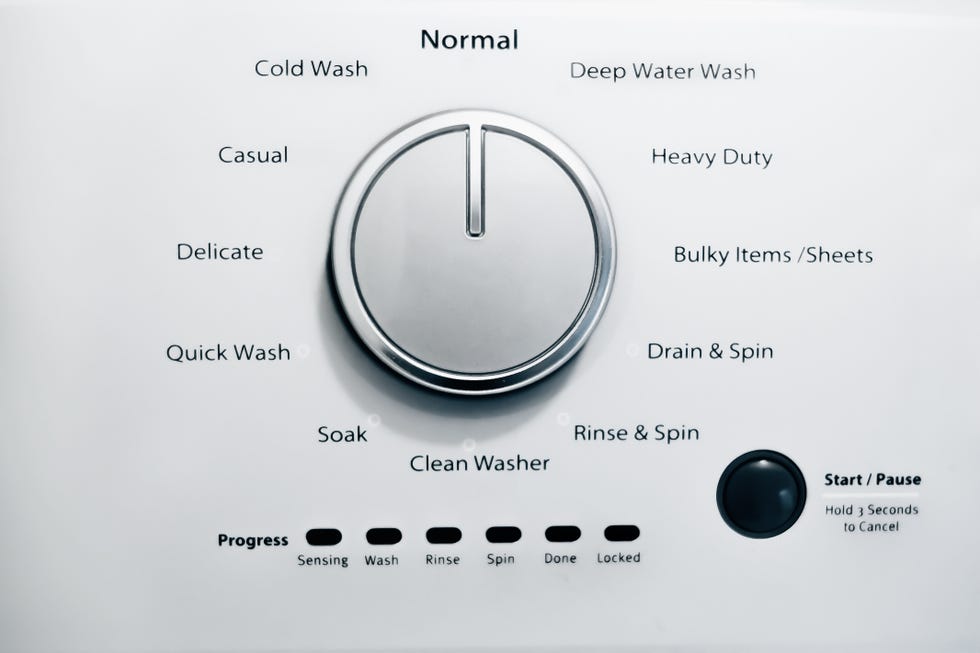
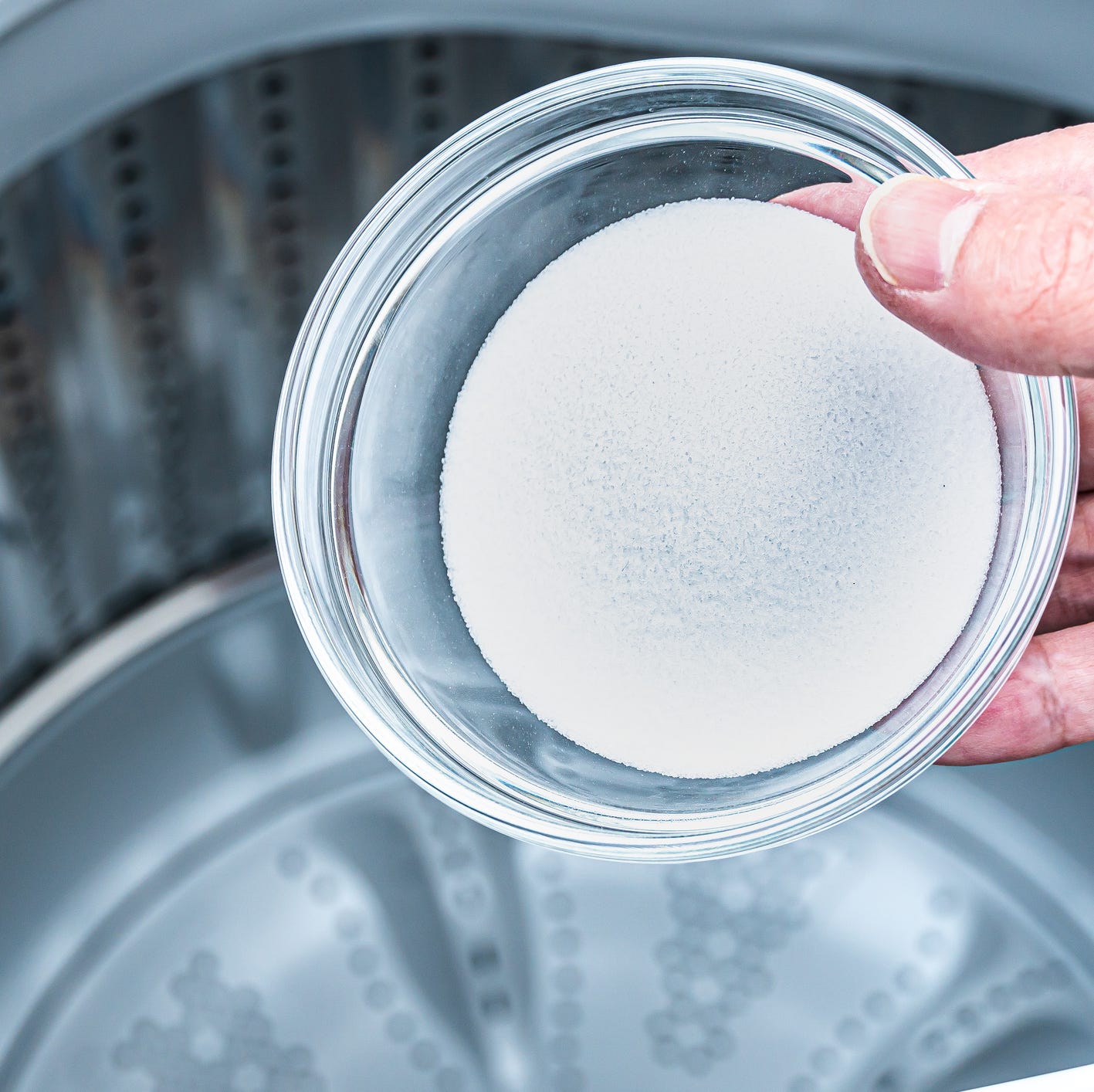
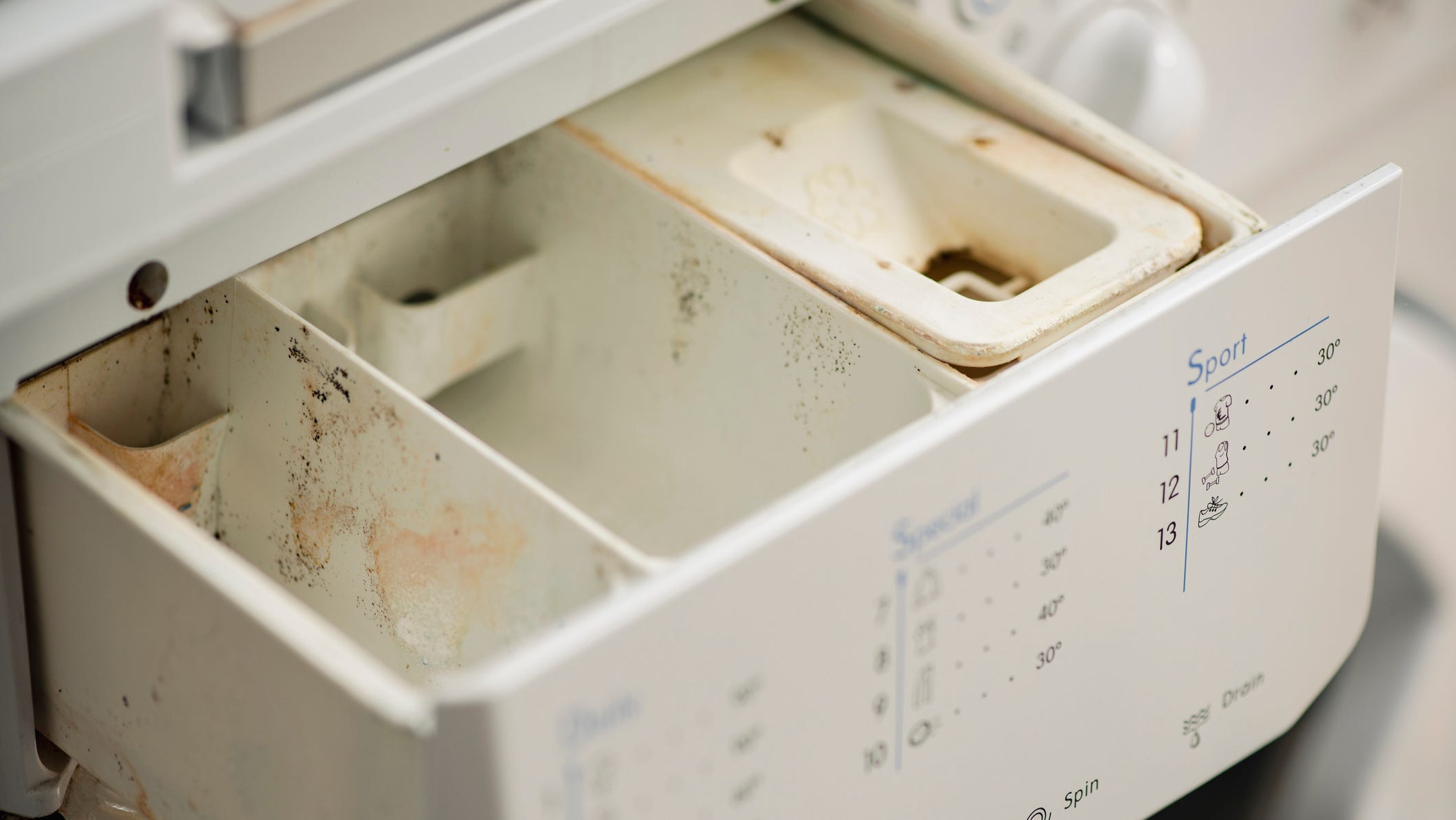
Fourth, leaving the washer door ajar or wide open between cycles allows for proper air circulation and moisture escape. If there are young children in the household, safety measures such as locking the laundry room door should be implemented. Fifth, the detergent drawer needs routine cleaning by removing, rinsing, wiping dry, and allowing it to air out between uses. Sixth, running a tub-clean cycle regularly, or a hot-water cycle with a bleach-based washing machine cleaner, helps sanitize the drum and prevent buildup. Seventh, ensuring the machine is perfectly level is important, as an uneven washer can prevent proper water drainage. This requires occasional checks and adjustments to the machine's feet.
Finally, the drain hose should be correctly positioned, typically 6 to 8 inches into the home’s drain pipe, to prevent foul-smelling water from siphoning back into the washer. For those who prefer a more hands-off approach, some newer front-load models offer specialized mold-fighting features. Consumer Reports has evaluated features like Whirlpool’s FreshFlow Vent system and GE’s UltraFresh technology.
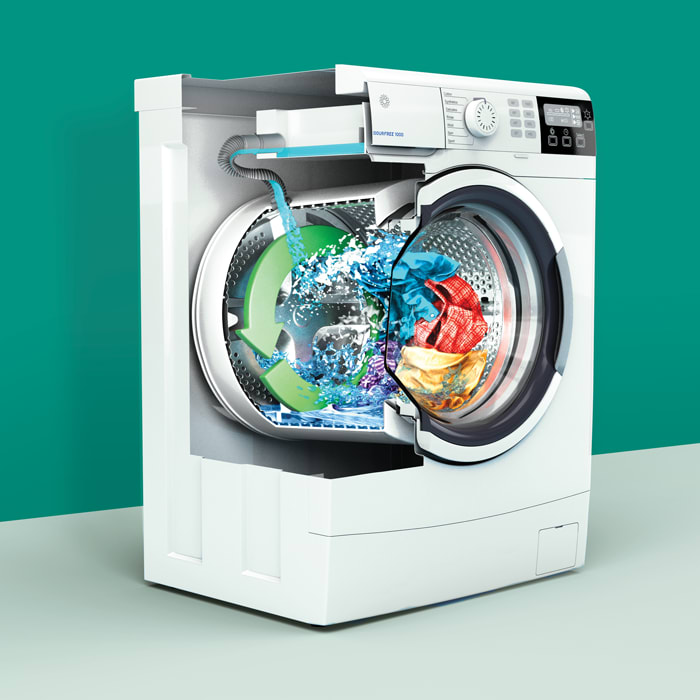
The Whirlpool FreshFlow Vent system incorporates a "Fan Fresh" button that circulates air and tumbles clothes post-cycle, a "Dry Drum" cycle to reduce moisture, and an antimicrobial rubber door seal. Tests showed this system significantly reduces humidity in the drum, gasket, and door areas. Similarly, GE’s UltraFresh technology utilizes fresh-air venting, tumbling, and Microban-treated components to prevent mold. Evaluations of GE UltraFresh washers indicated that this feature effectively lowers humidity inside the drum, aligning with room humidity levels, although it consumes more electricity. These specialized features provide an alternative for consumers seeking to minimize maintenance while still benefiting from front-loader performance.
#WashingMachines #FrontLoadWashers #MoldPrevention #ApplianceMaintenance #HomeAppliances #LaundryTips #ConsumerReports #HomeCare #Efficiency #WashingMachines #FrontLoadWashers #MoldPrevention #ApplianceMaintenance #HomeAppliances #LaundryTips #ConsumerReports #HomeCare #Efficiency
0 comment in total
 No comments yet
You may also like
Here’s How Often You Should Clean Your Washer to Stop Mildew


Experts warn not to hang washing to dry on your bannisters or doors – it can create a 'serious issue'

The free condensation-busting item which comes in the post - but you're binning


Say Goodbye to Moldy Shower Caulk with These 3 Easy Fixes


How to prevent mould in wardrobes - expert-approved tips to protect your furniture and your clothes

5 Things to Know About Front-Load Washers
How Long Should You Really Leave Laundry in the Washer? The Answer Might Gross You Out

How to get rid of mould on walls – 7 home treatments tried and tested by the experts
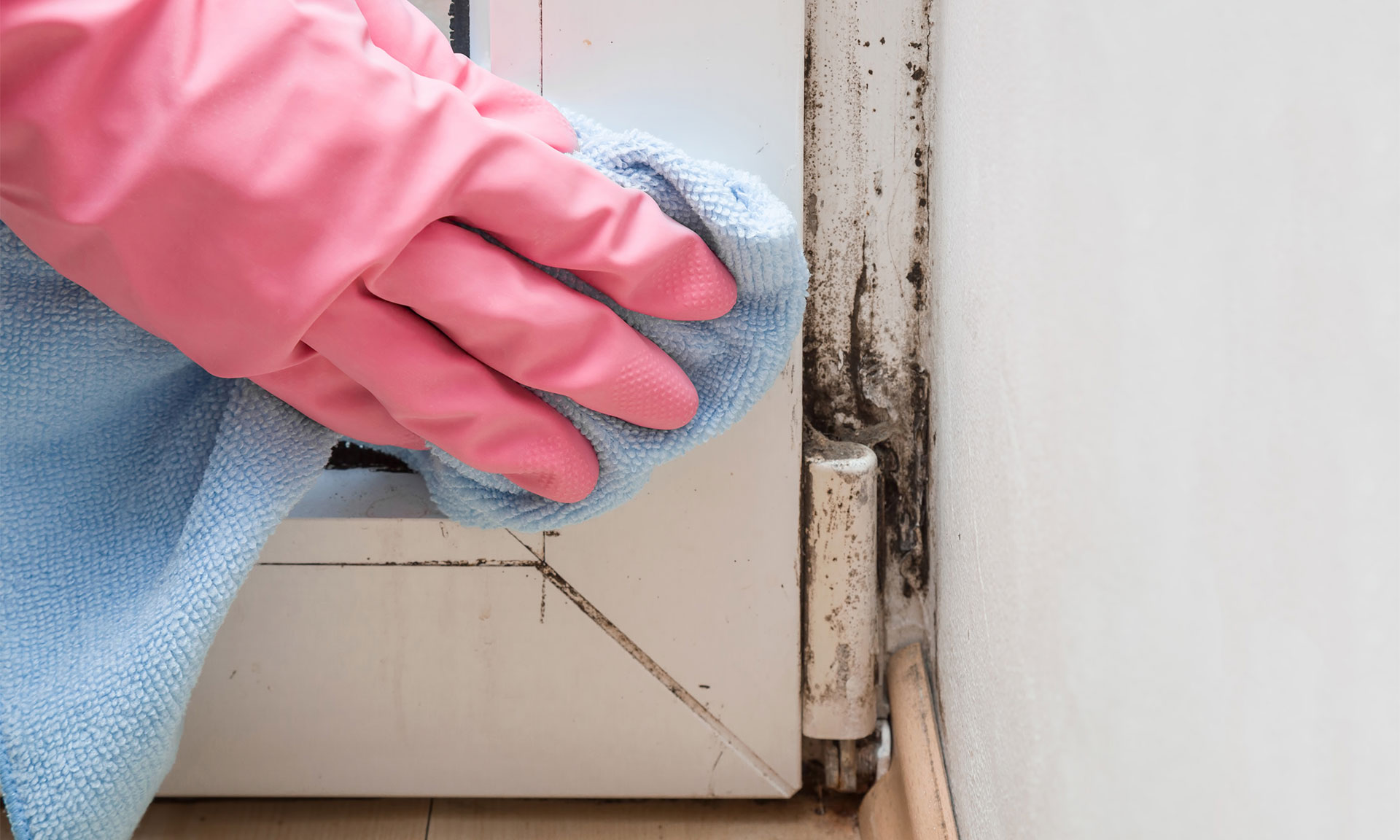
How to get rid of mould

Gross habit we're all doing with our towels is causing mould, according to an expert

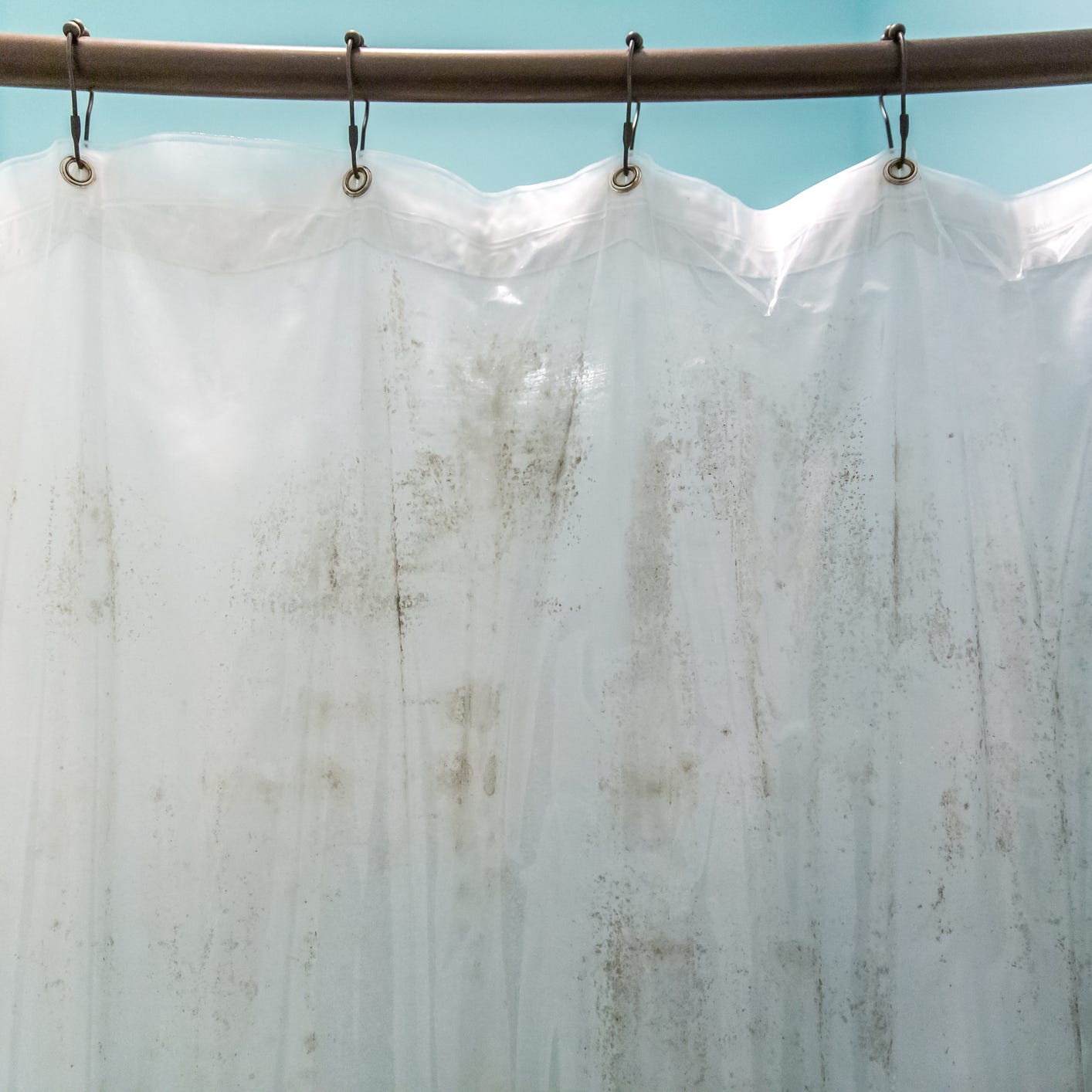
The Best Way to Remove Mildew, According to Experts


How to stop damp in a bedroom - 10 foolproof ways to keep mould at bay
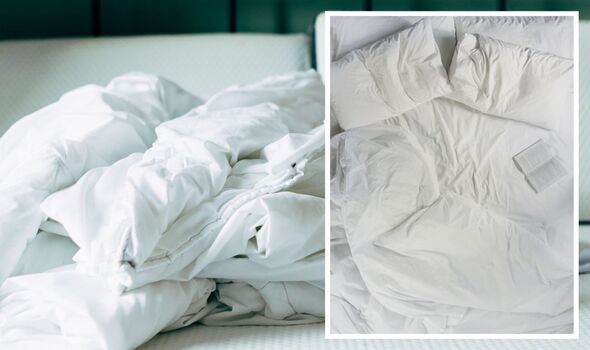
How to store bedding properly to prevent mould and mildew - avoid ‘worst’ room in the home
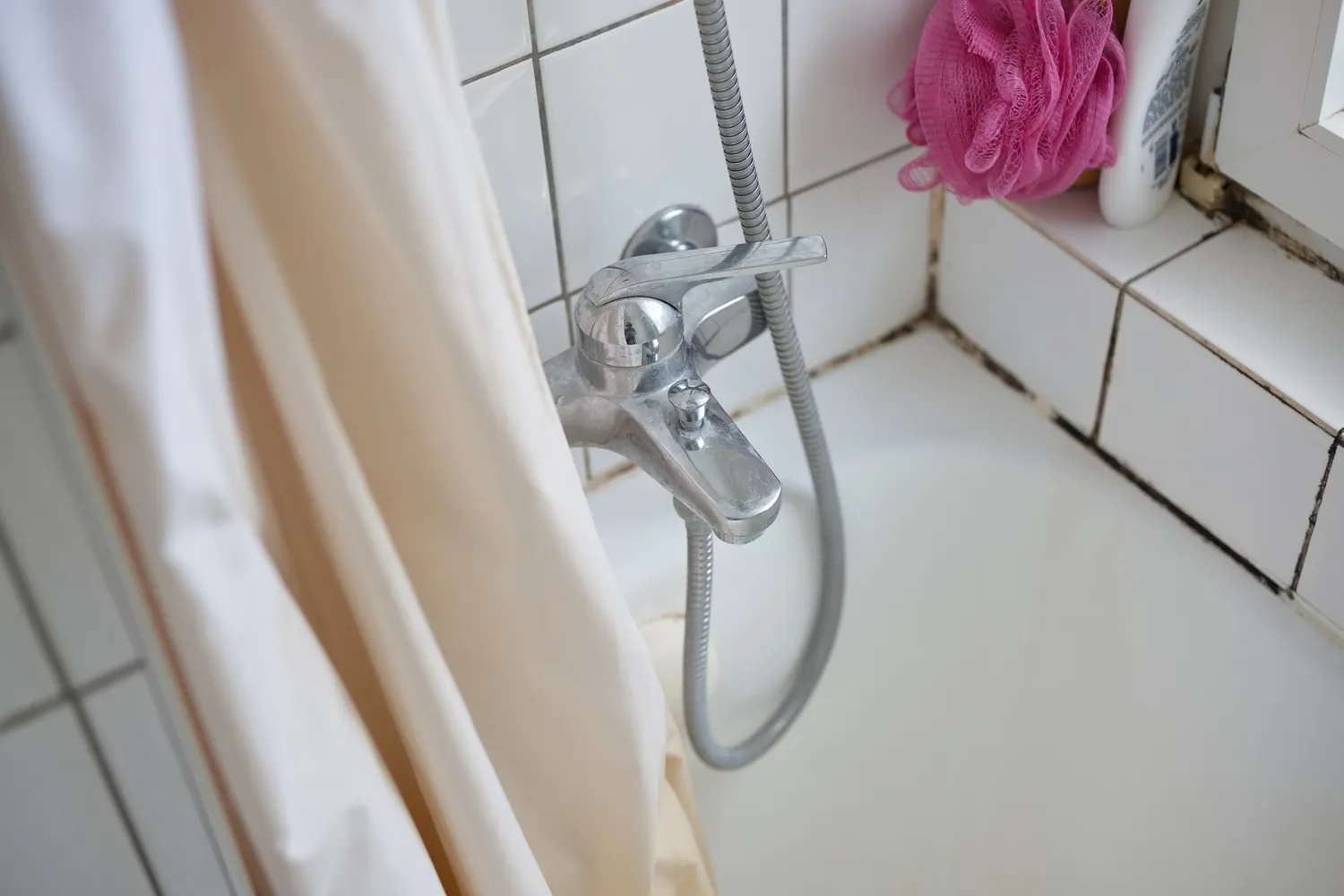
We Asked a Cleaning Pro How to Finally Get Rid of Mold in the Shower—And We're Trying This ASAP


Mold and Mildew Cleaning and Repair


Washing Machine Making Too Much Noise? Here’s a Cheap Hack to Solve That Problem

How to clean your washing machine: Experts reveal their top tips
Looking to wind down on your washing machine usage? These clothes sprays could help


6 bedroom storage mistakes that could be causing mould – and what to do instead
Cleaner’s ‘fantastic’ spray to ‘melt away’ silicone sealant mould in 30 minutes