1/11
10 Kitchen Countertop Trends You'll See Everywhere This Year, According to Experts
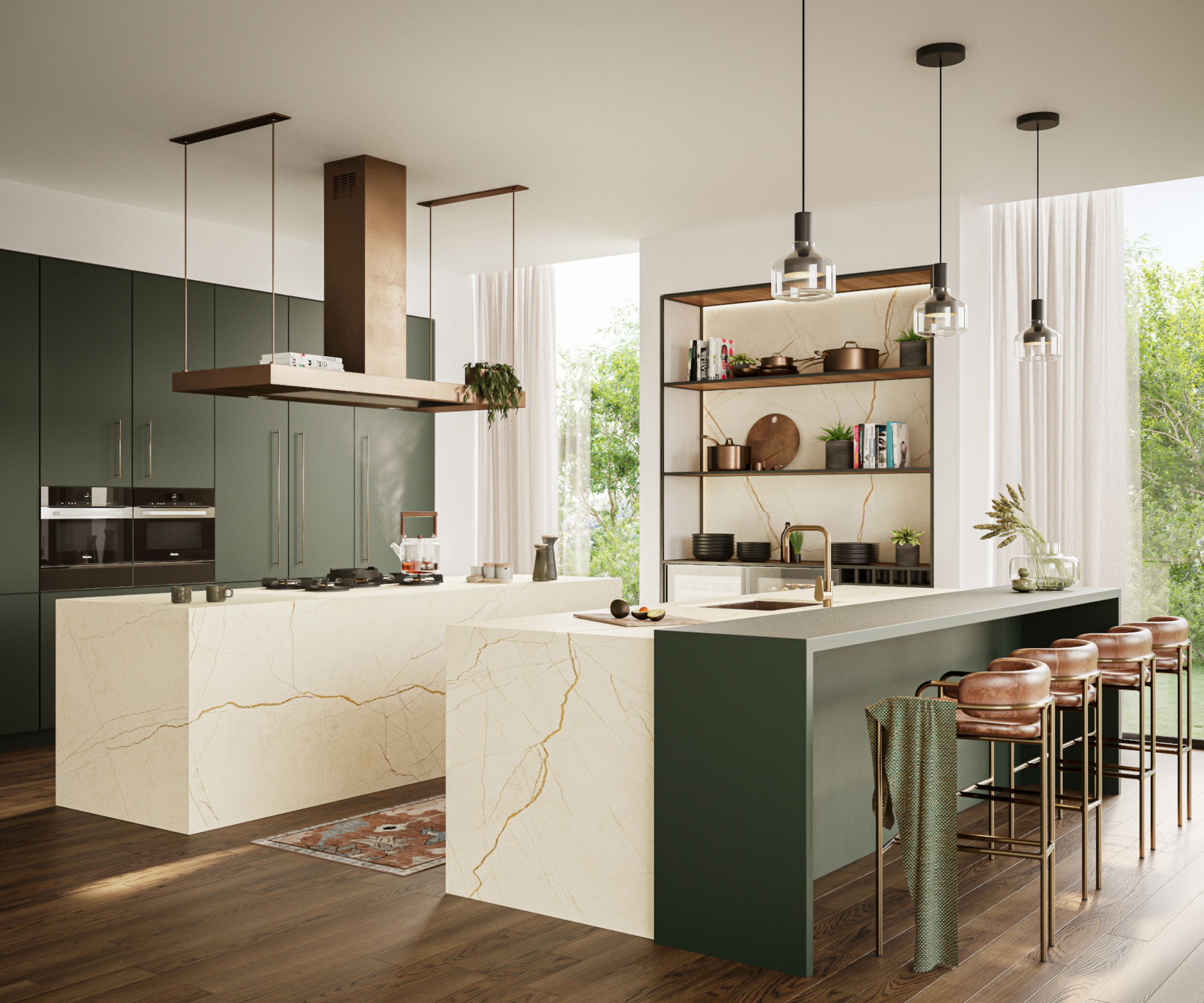
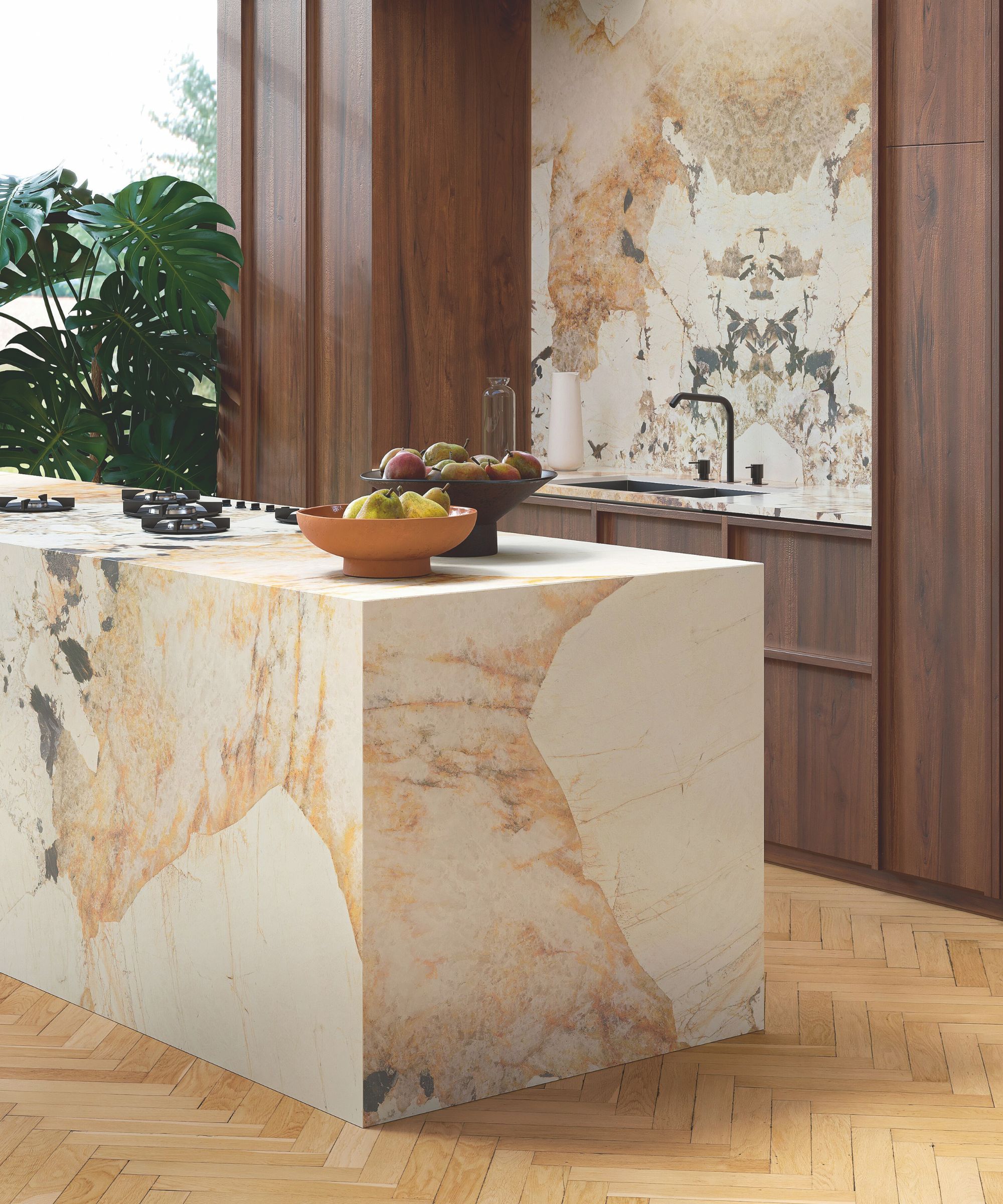
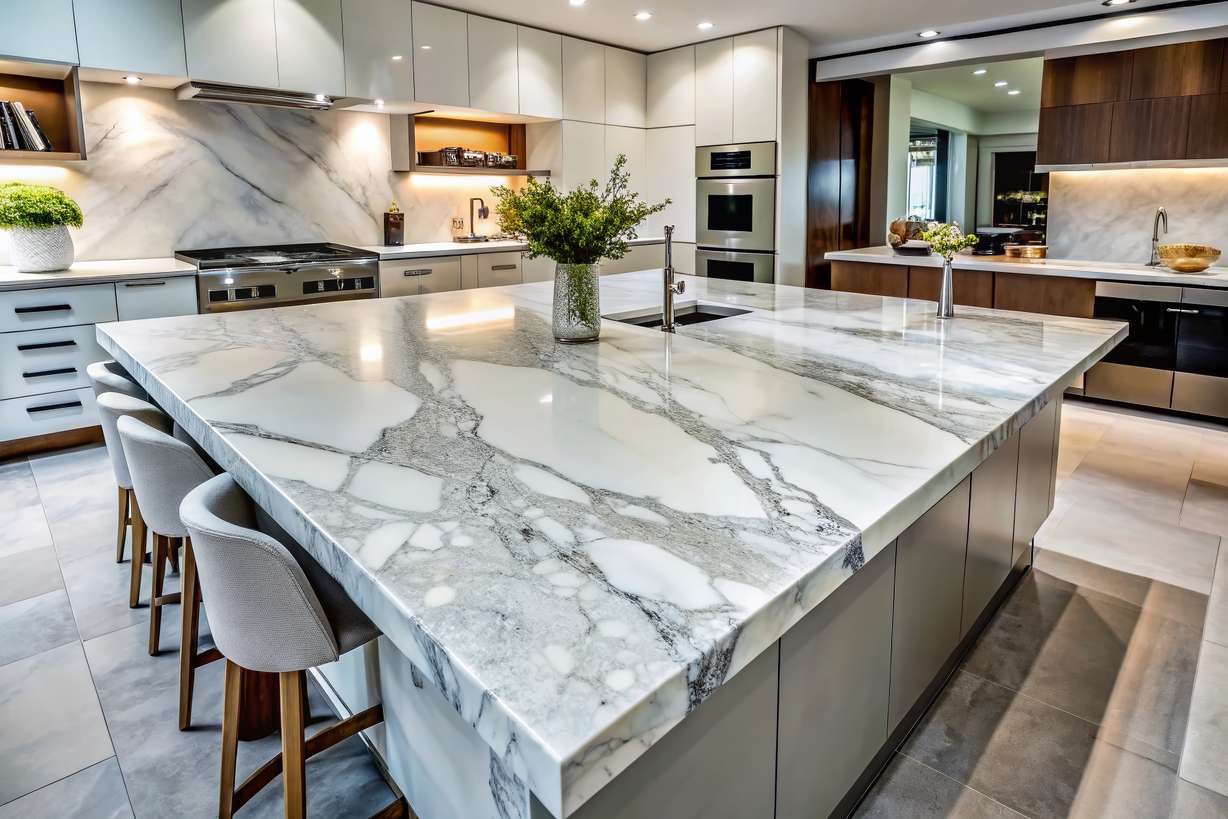
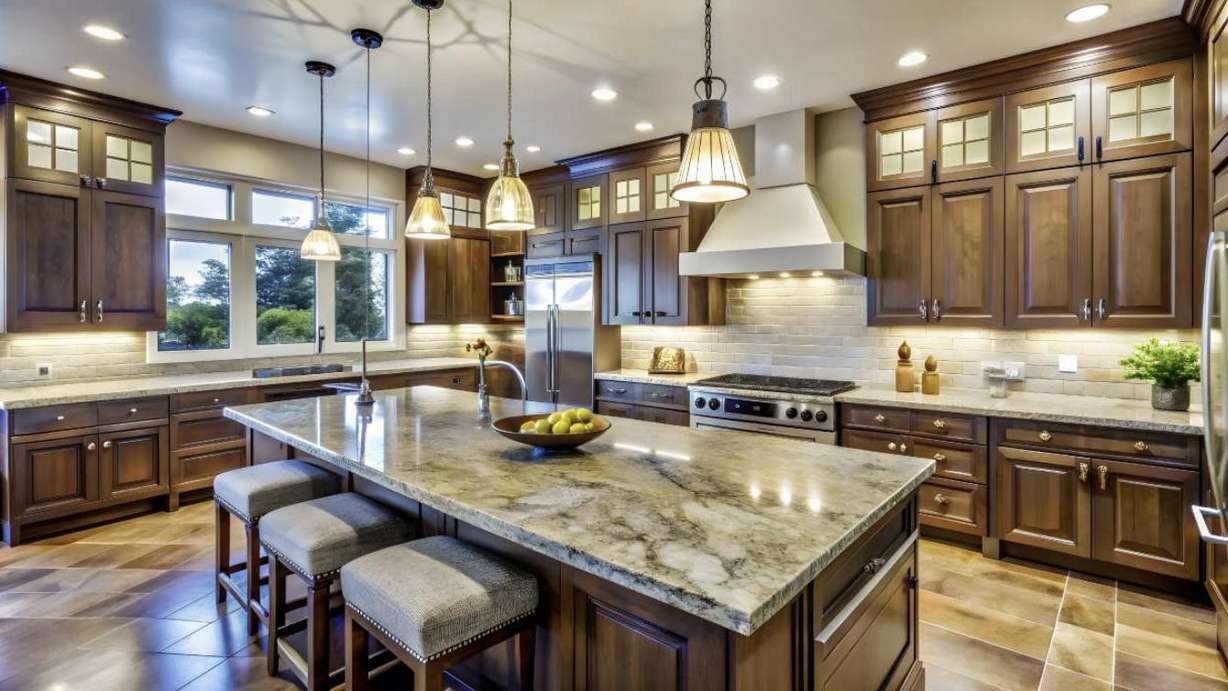
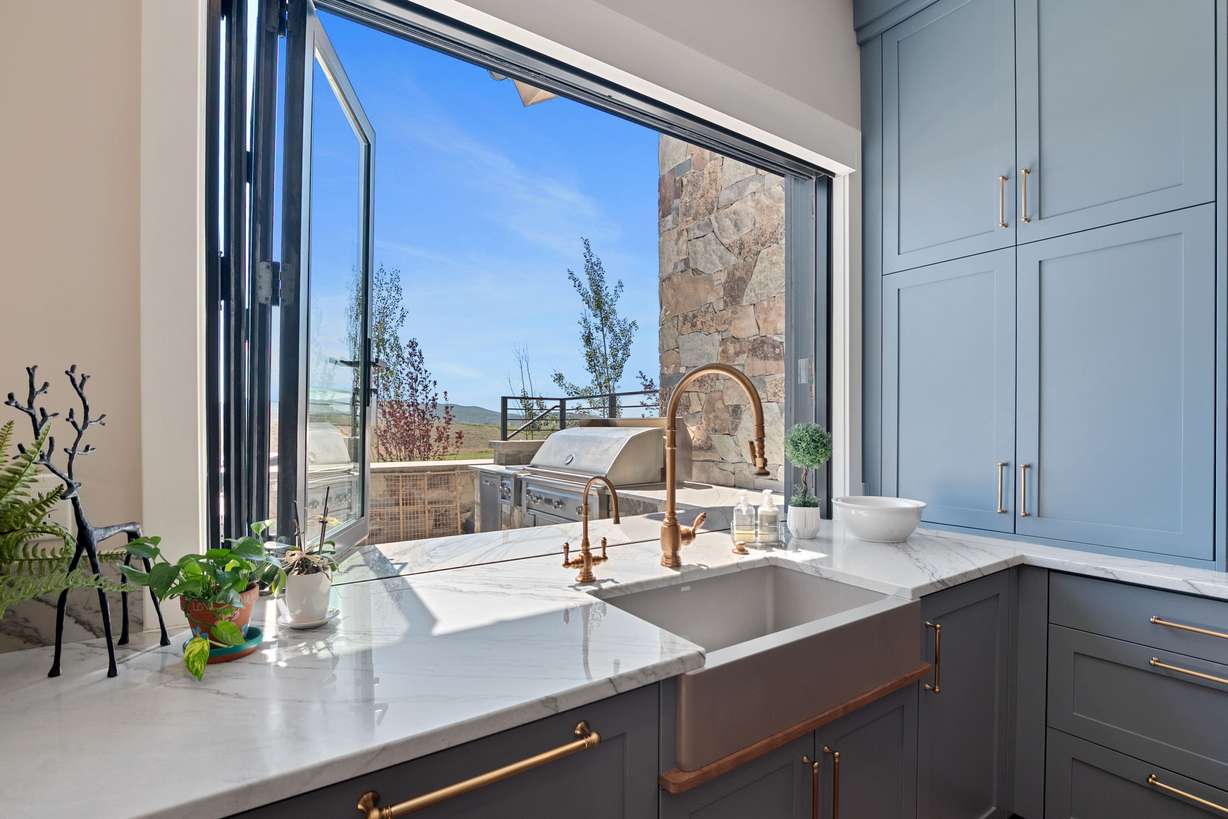
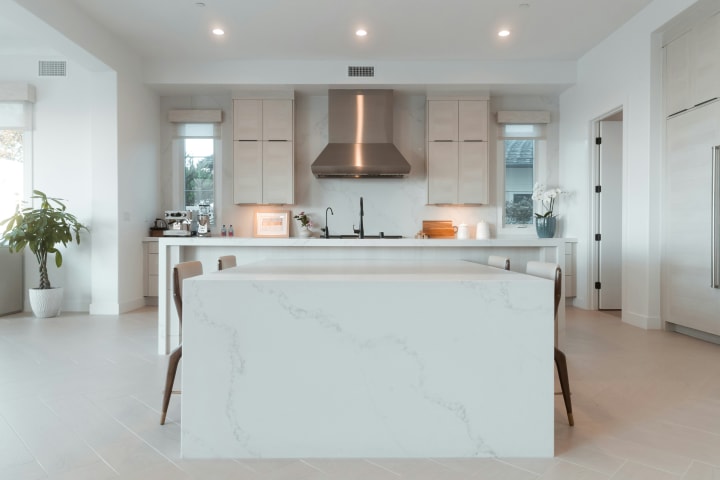
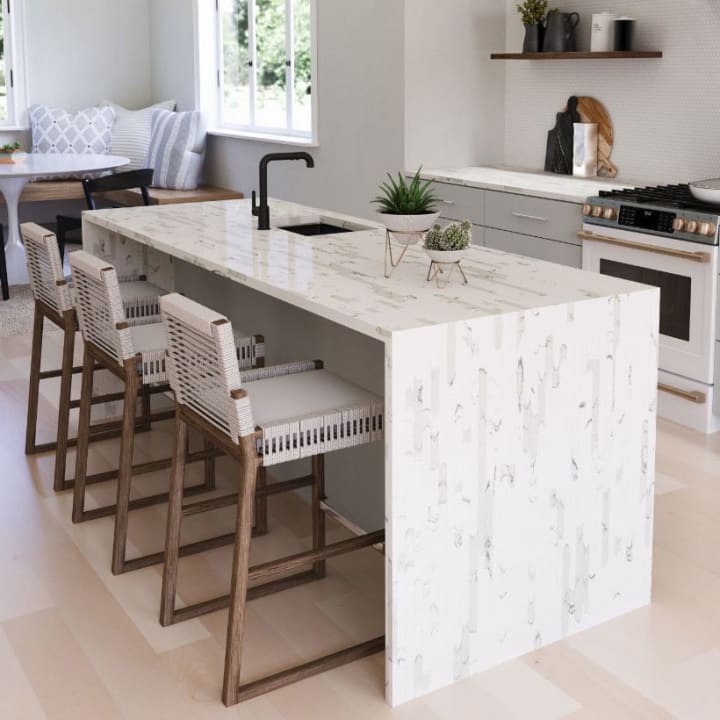
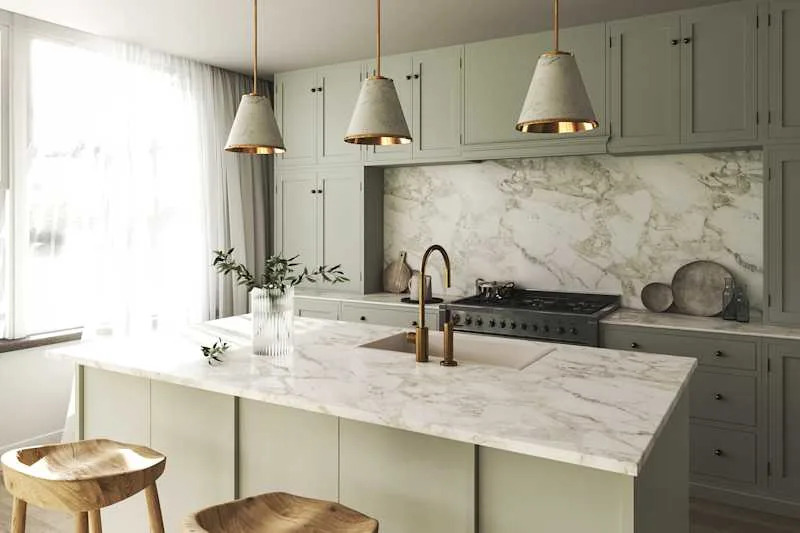
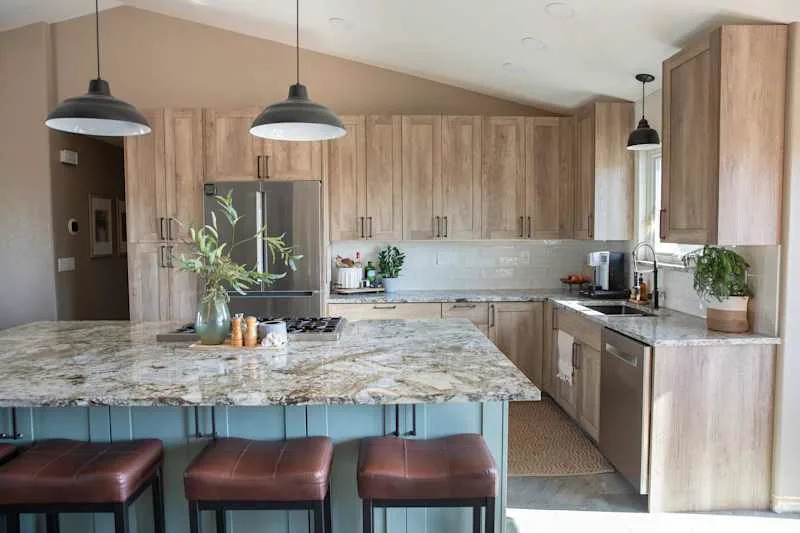
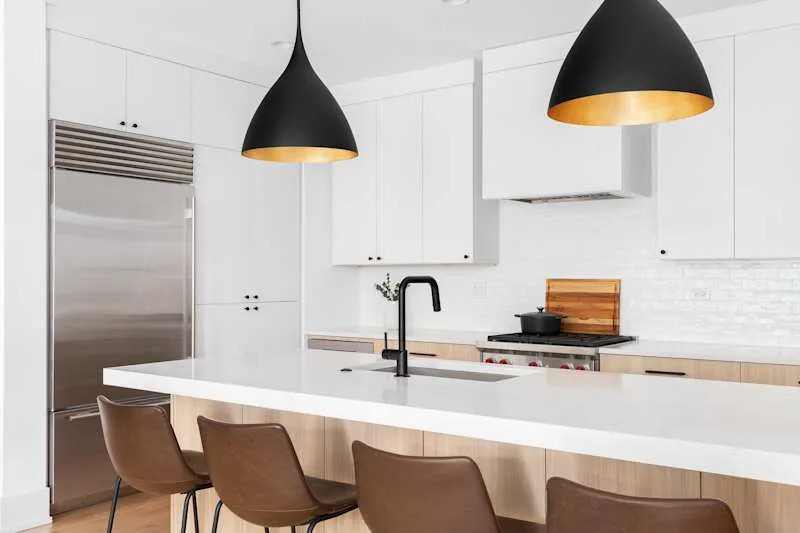
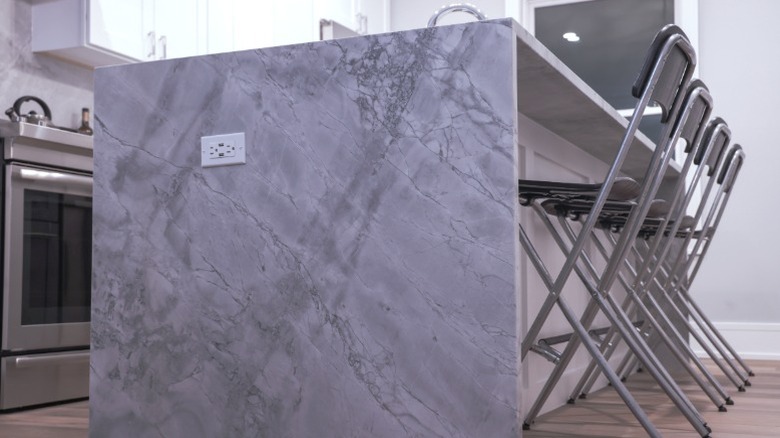
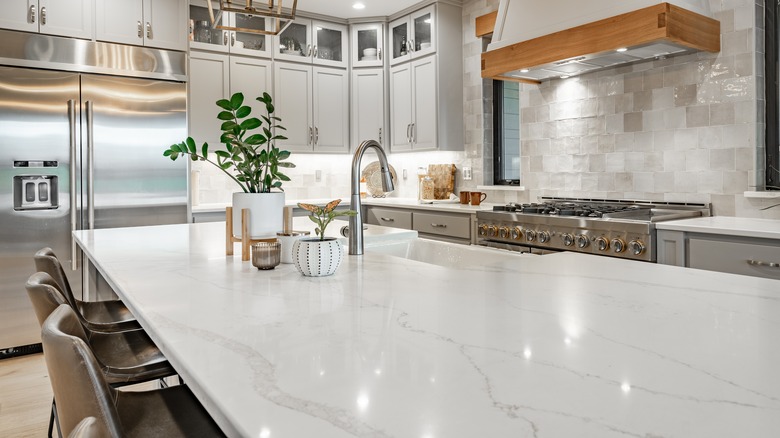
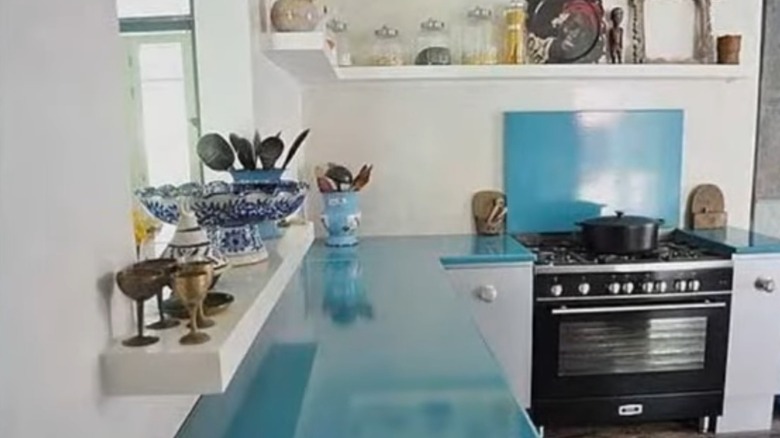
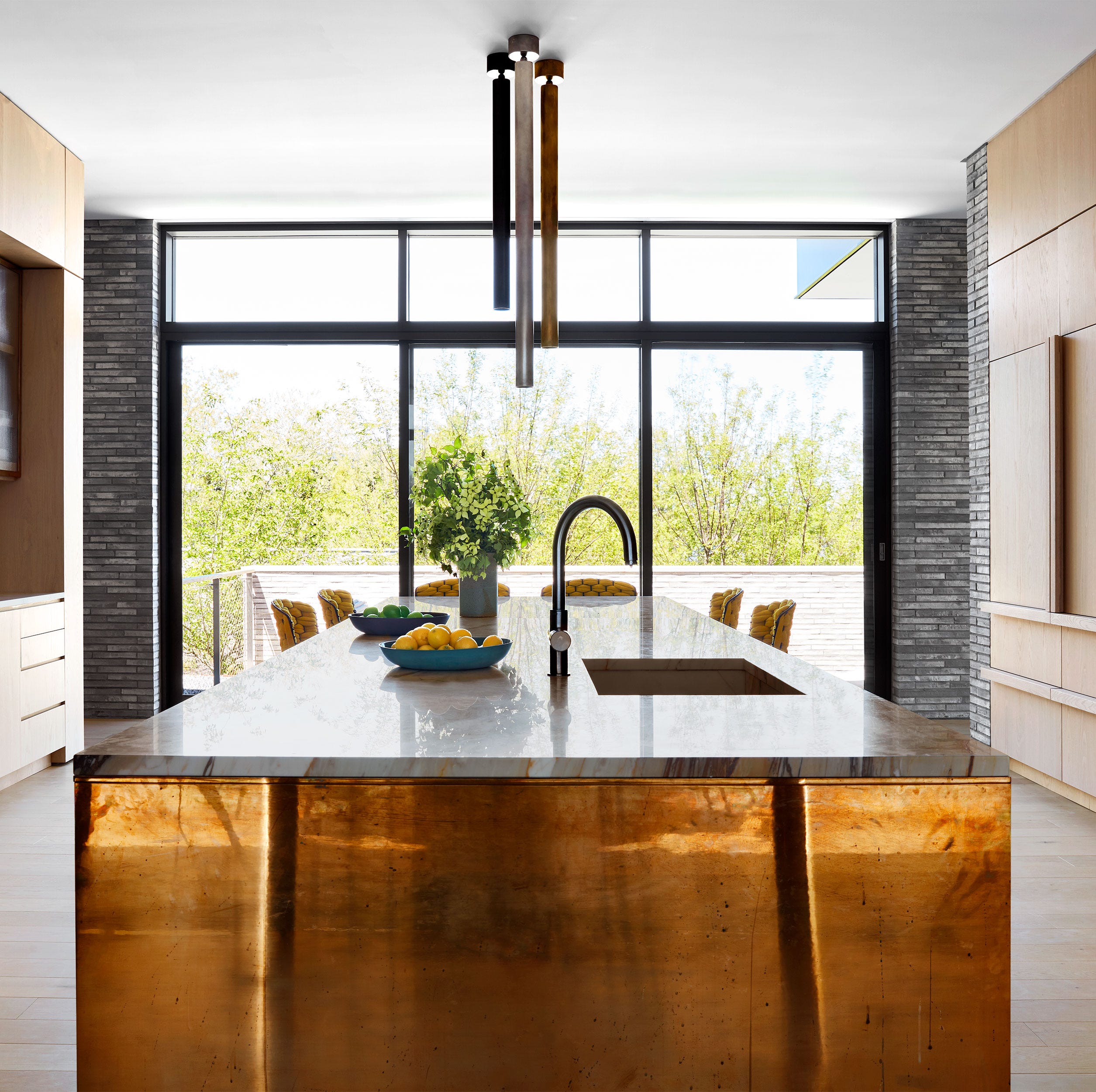
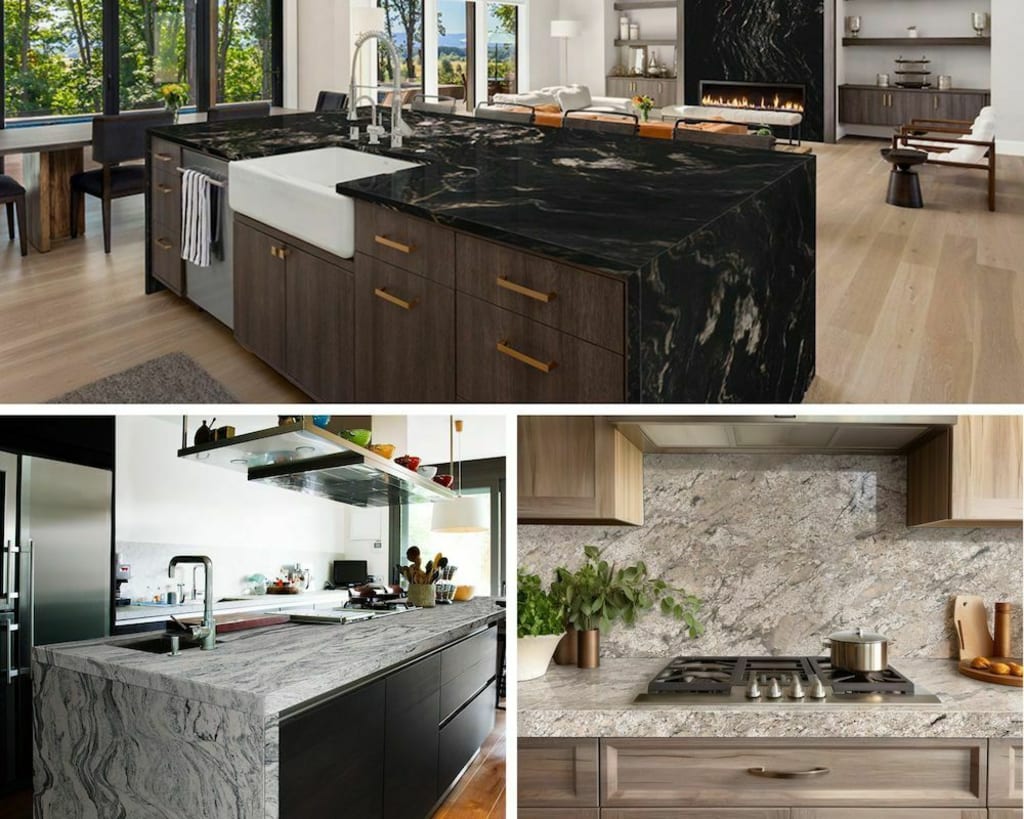
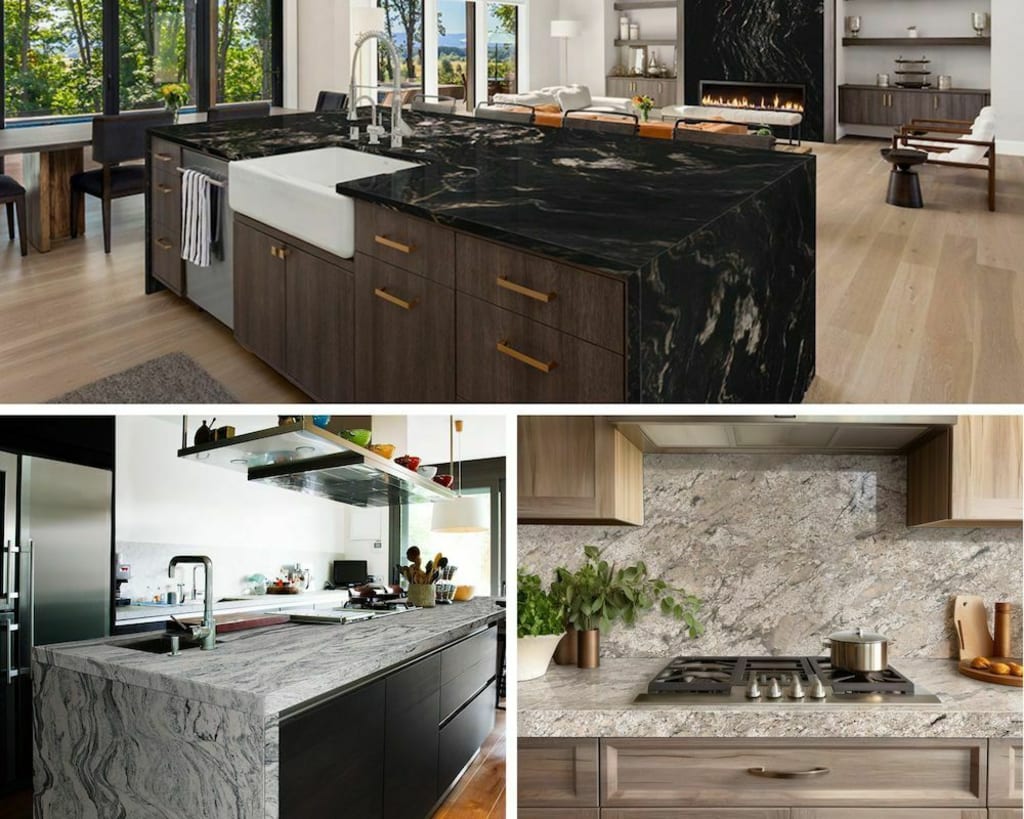
This article explores ten popular kitchen countertop materials, highlighting their aesthetic appeal and functional durability, which are crucial factors for homeowners. The discussion begins by categorizing materials based on their hardness and maintenance requirements, referencing insights from industry experts. Granite, quartz, and marble are identified as the most common choices, each with distinct advantages and disadvantages. For instance, marble, while aesthetically pleasing with its intricate veining, is noted as the least durable among the three, according to April Graves, COO of Aria Stone Gallery. Natural stone options like granite and marble require regular sealing and maintenance, as advised by Zach Epstein of Artistic Tile, with simple soap and water being suitable for daily cleaning, but acidic cleaners should be avoided.
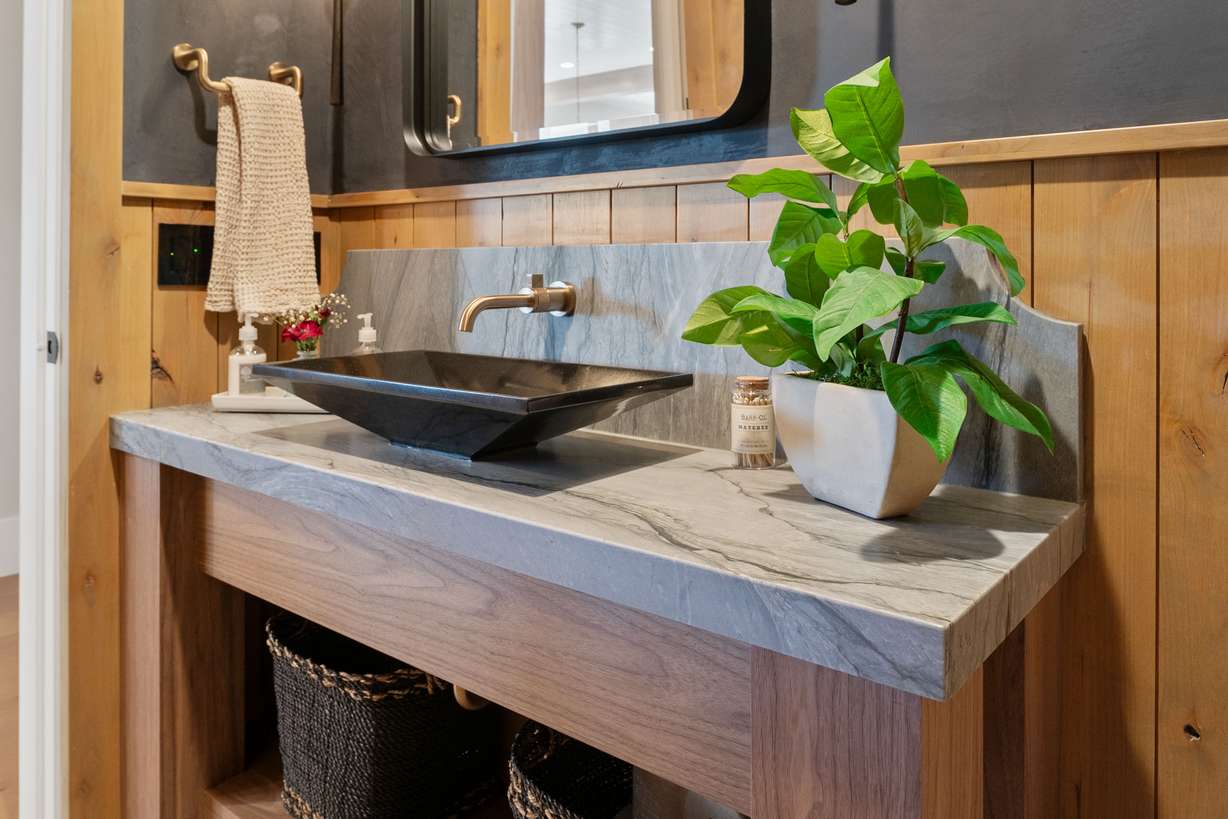
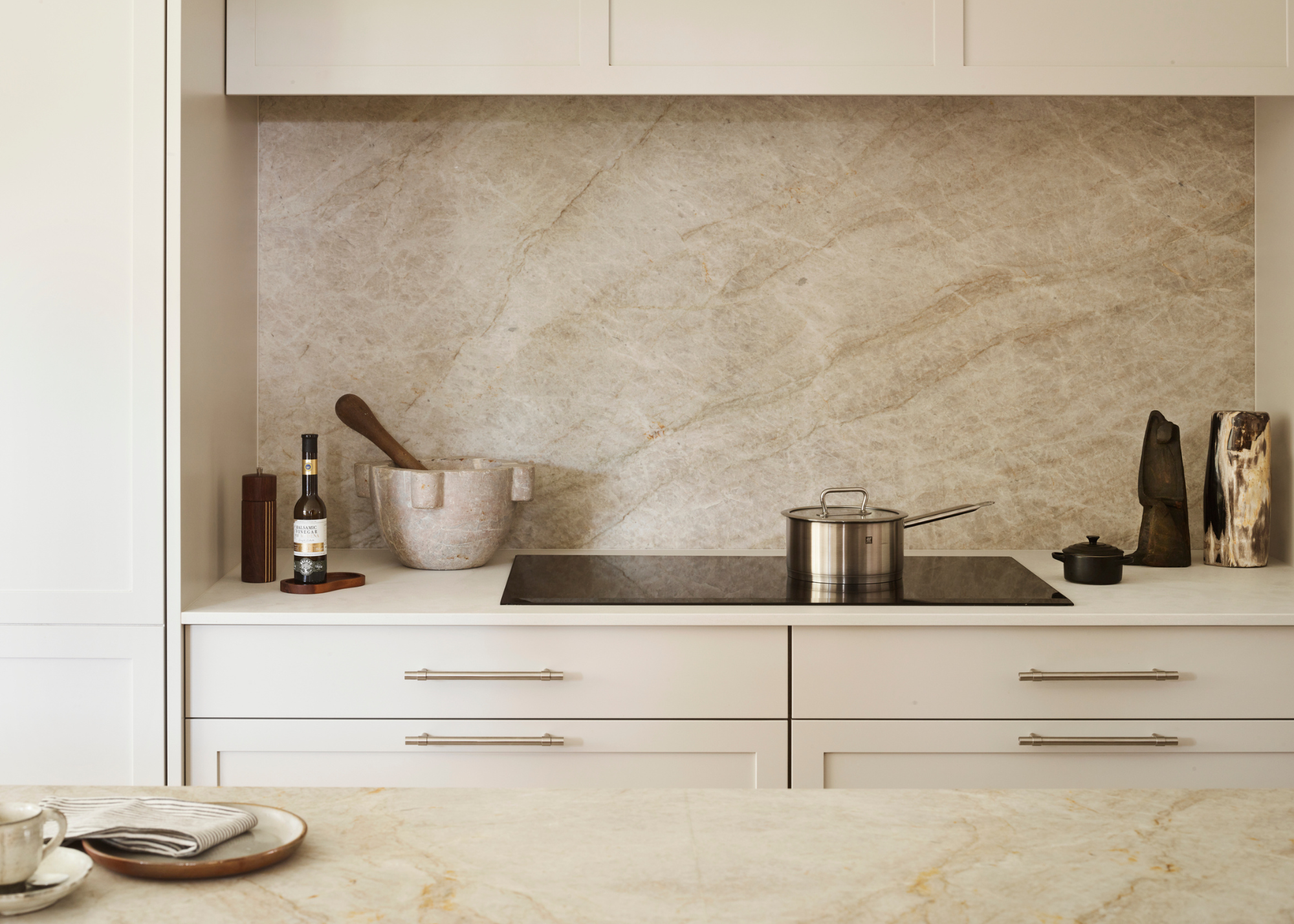
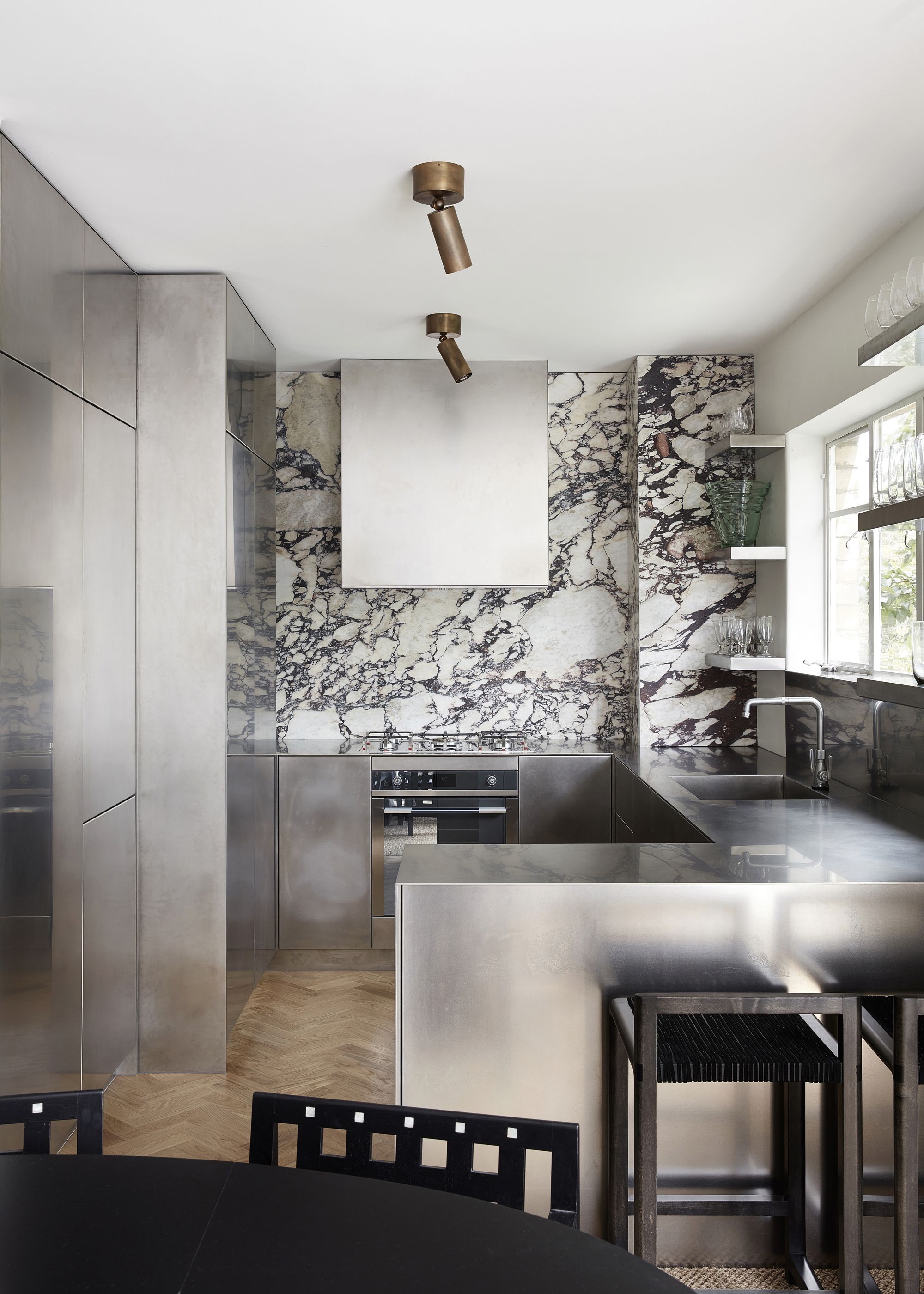
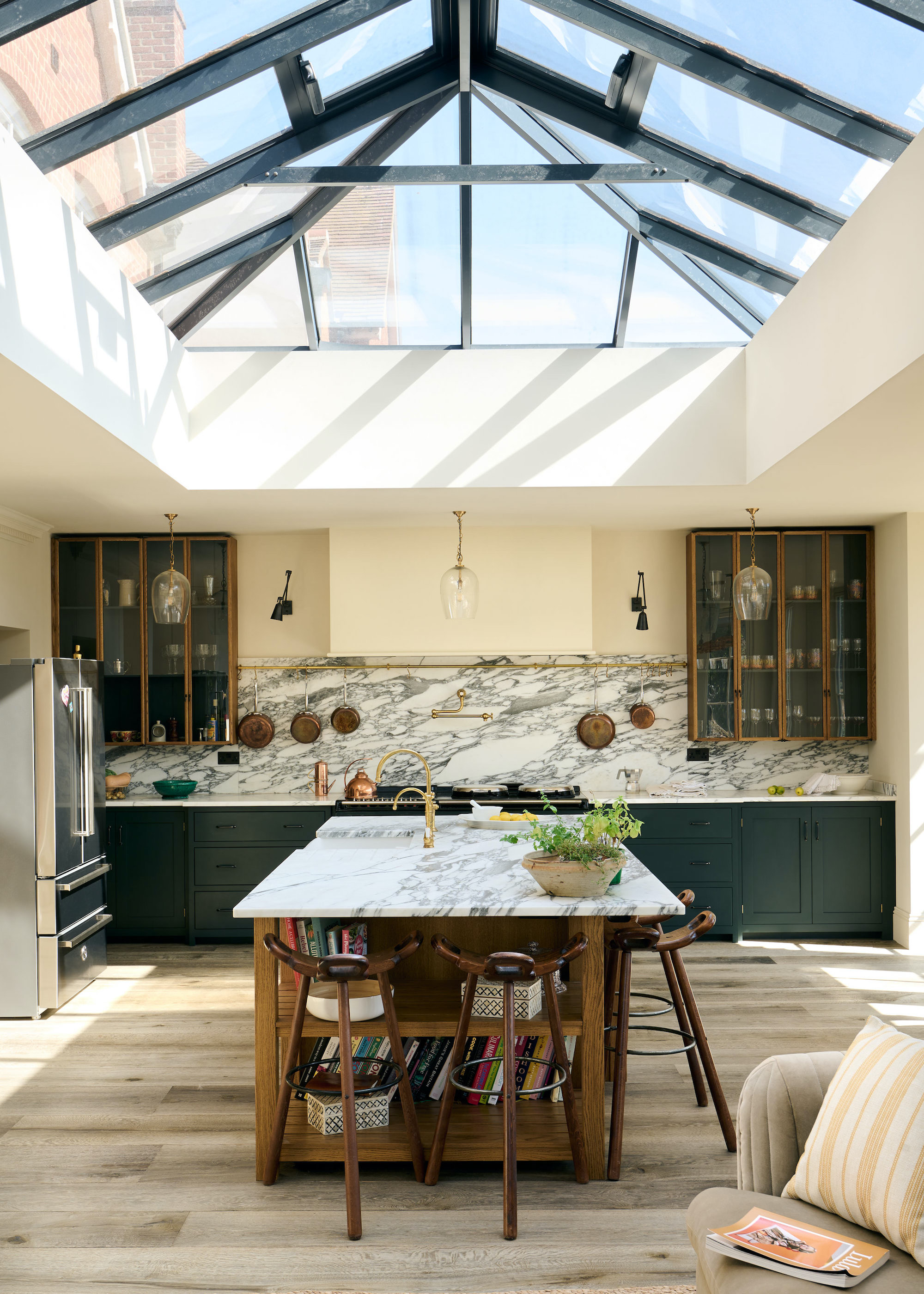
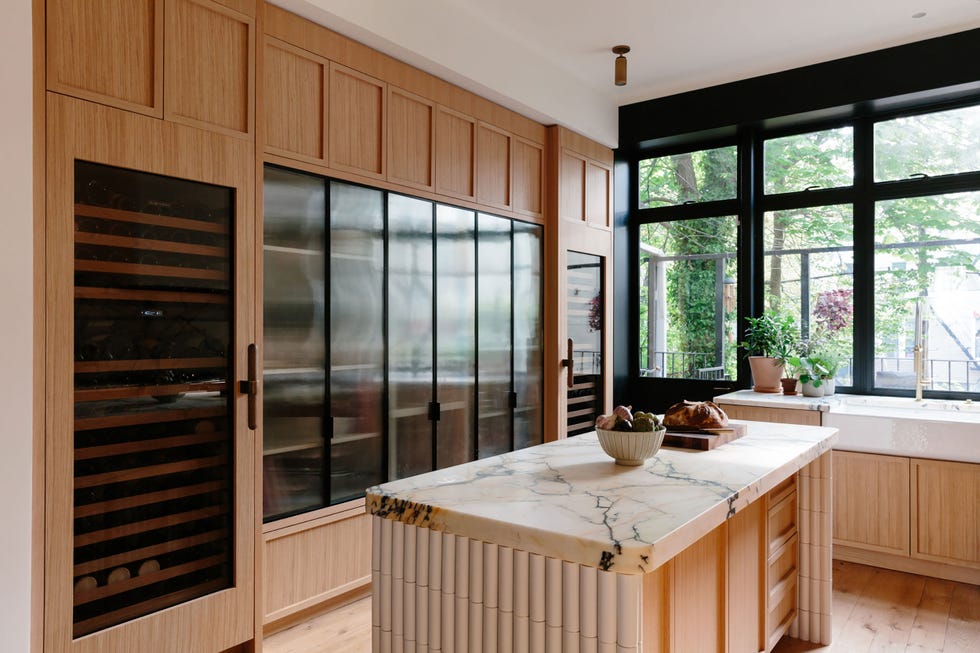
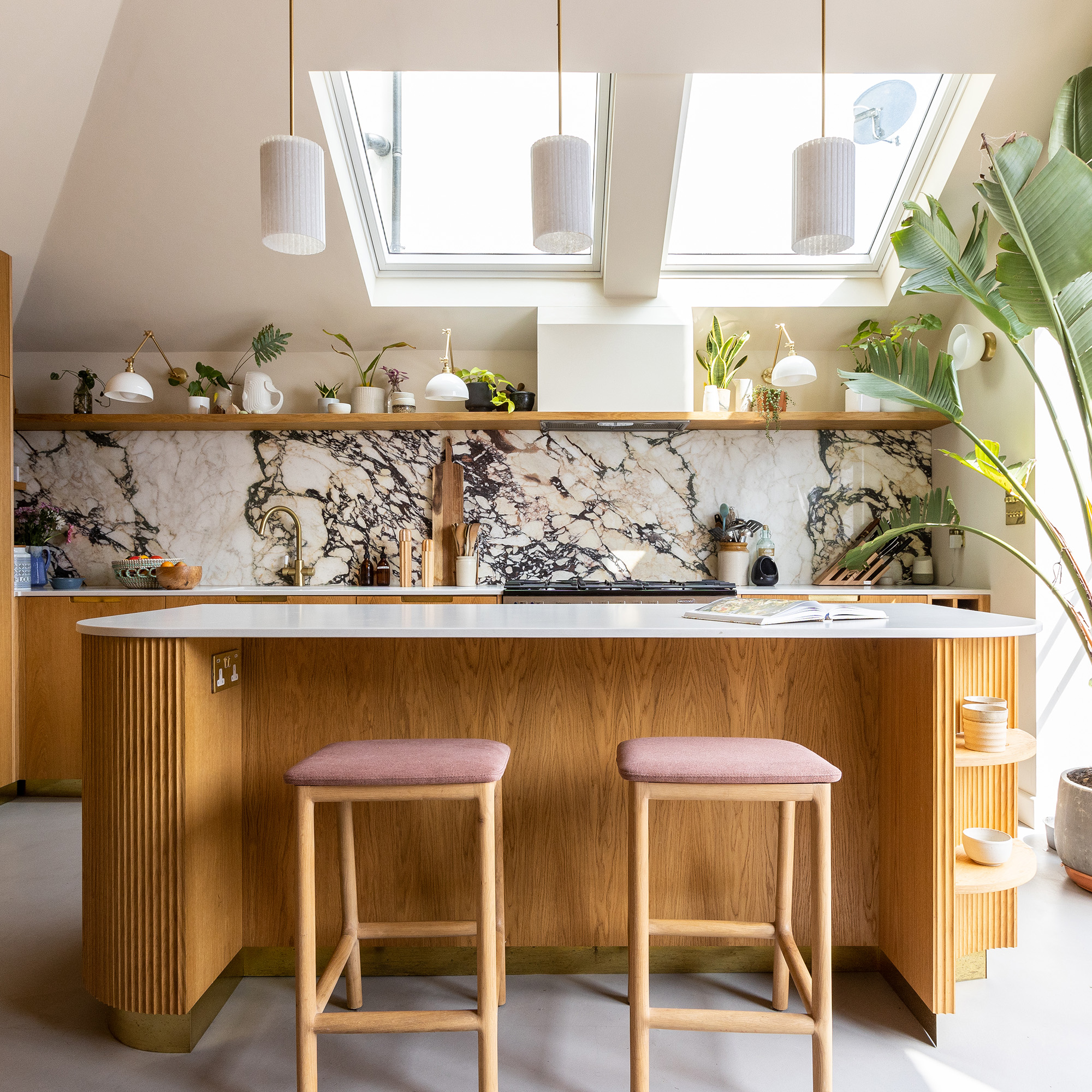
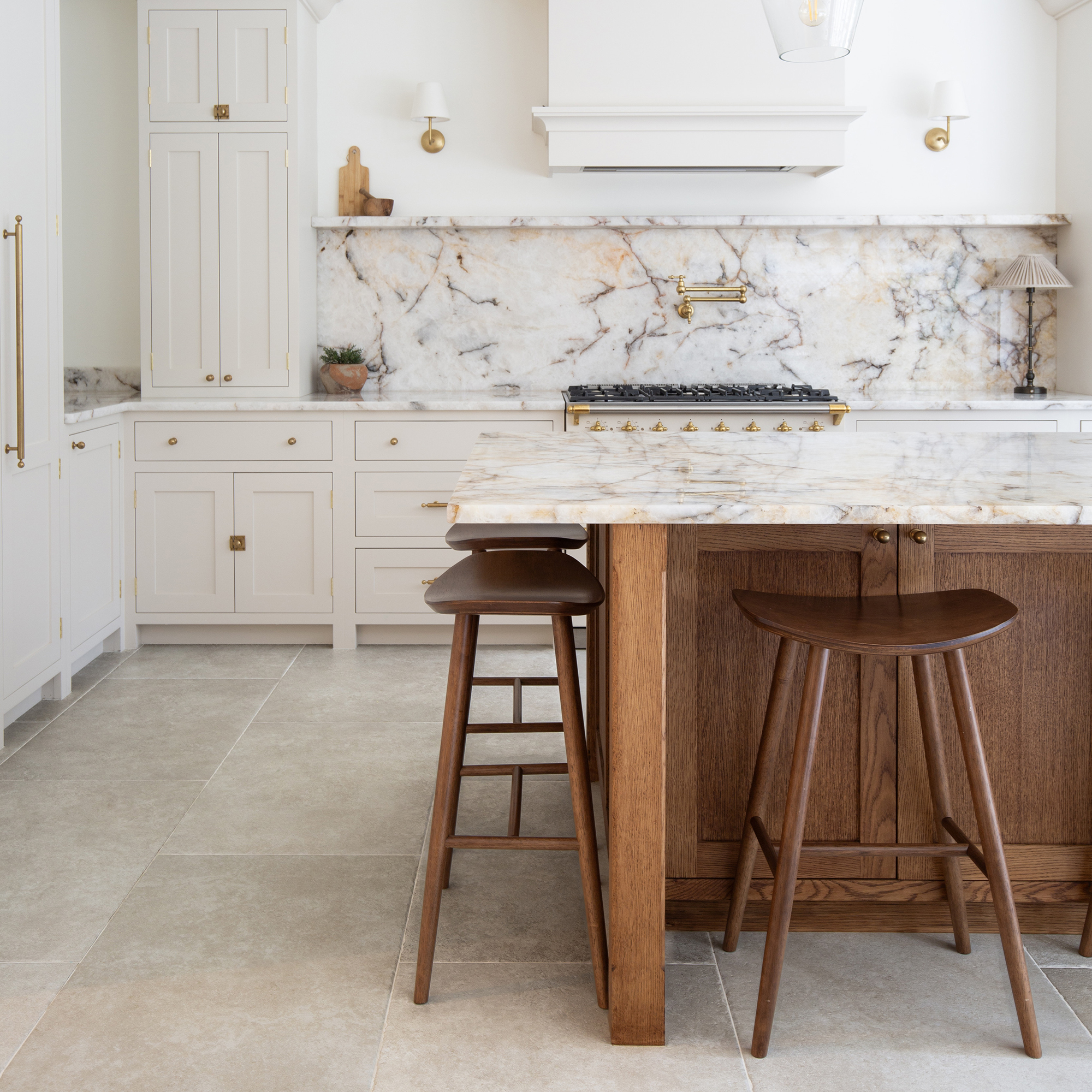
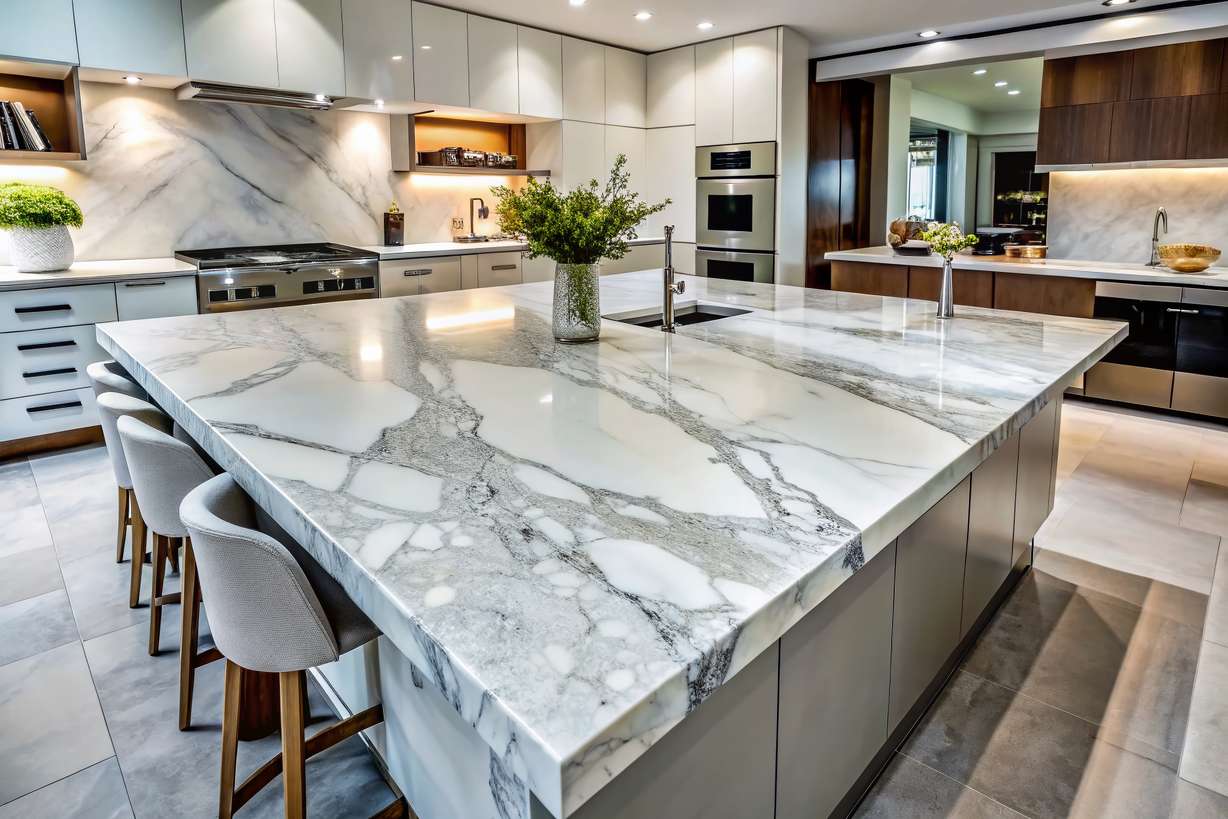
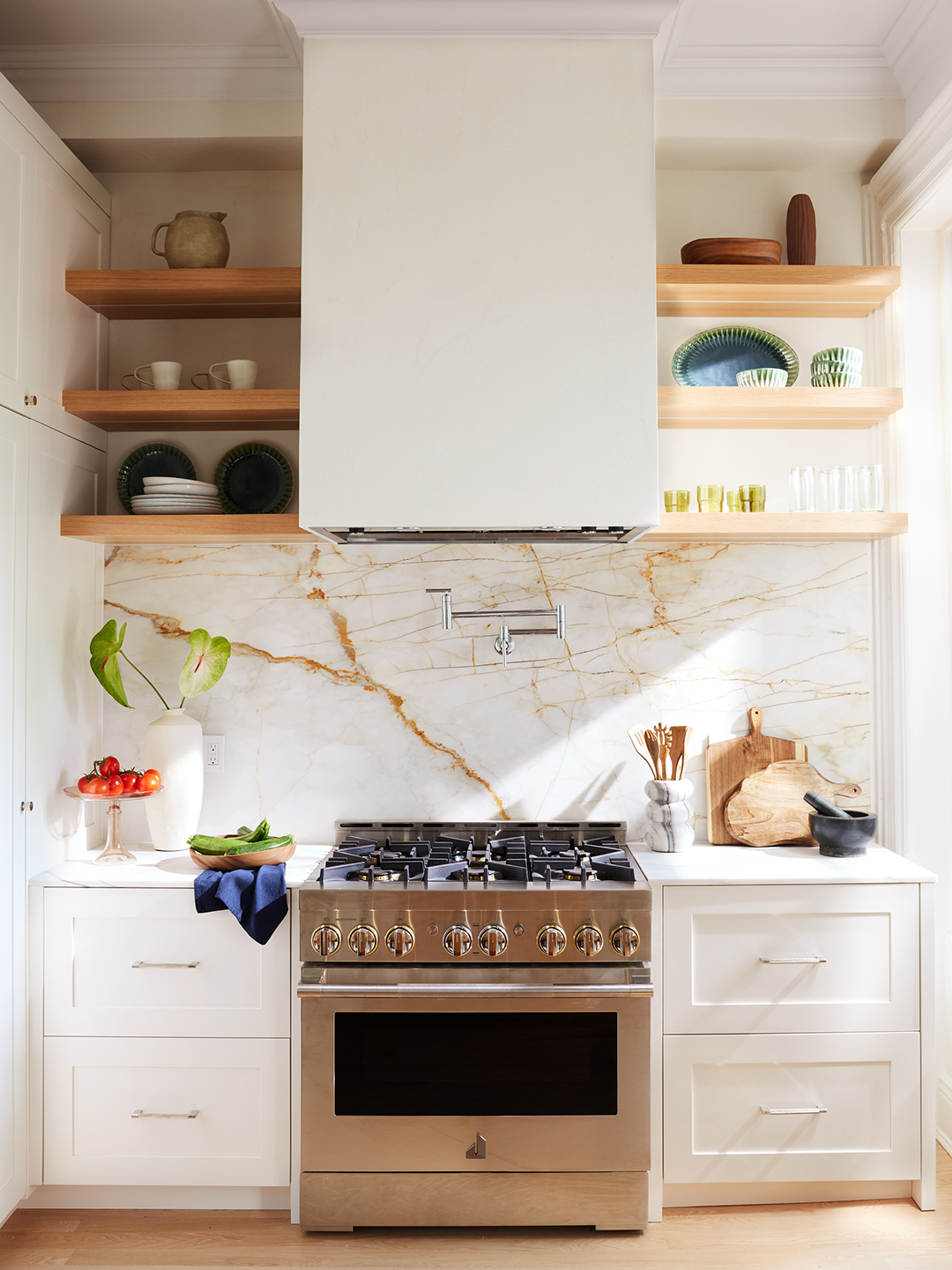
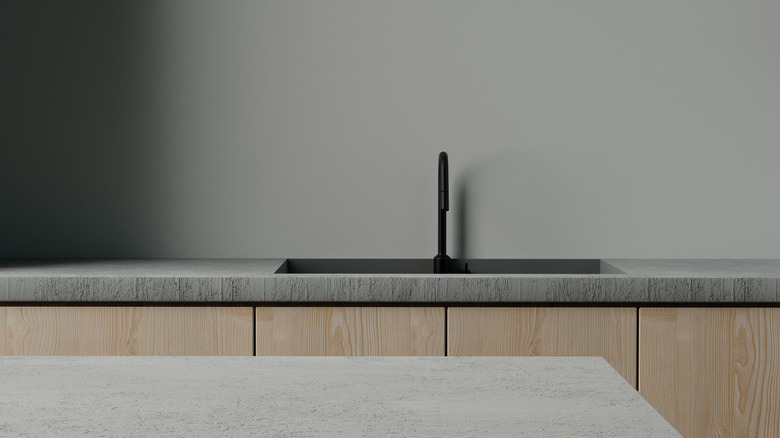
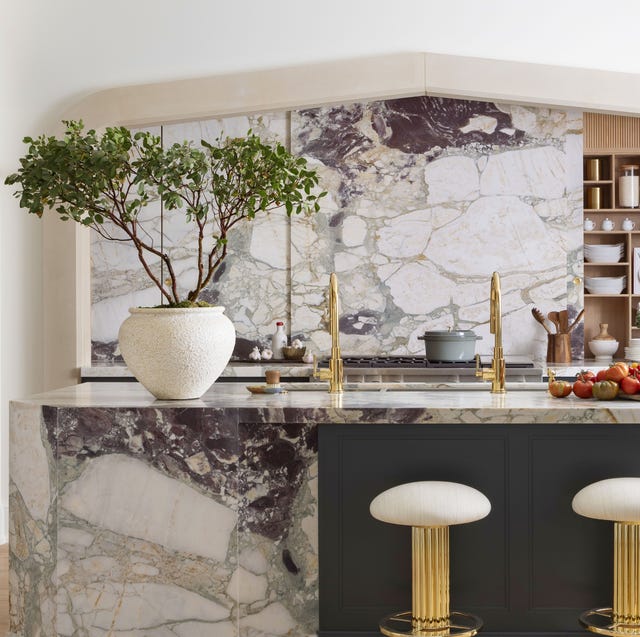
Granite is presented as a durable and cost-effective option available in various grades and colors, capable of complementing diverse kitchen styles. Its ease of maintenance and ability to enhance home value are cited as key benefits. Polished concrete offers an industrial aesthetic but demands regular resealing and is prone to scratches and stains. Quartzite, a natural stone, is nearly as durable as engineered quartz but is more susceptible to staining from acidic substances and requires sealing depending on its porosity. Marble, though prone to etching and scratching, is prized for its unique veining and cool surface, ideal for baking, with costs varying based on grade and rarity.
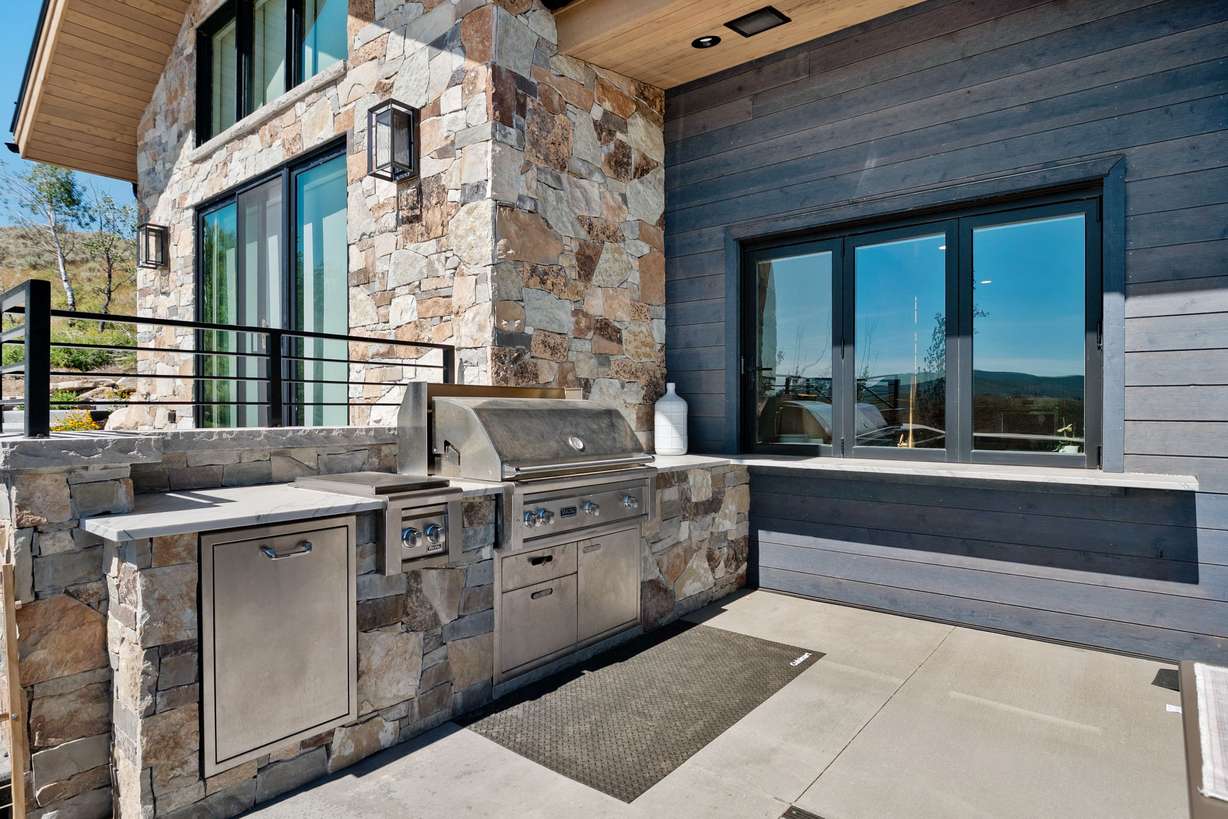
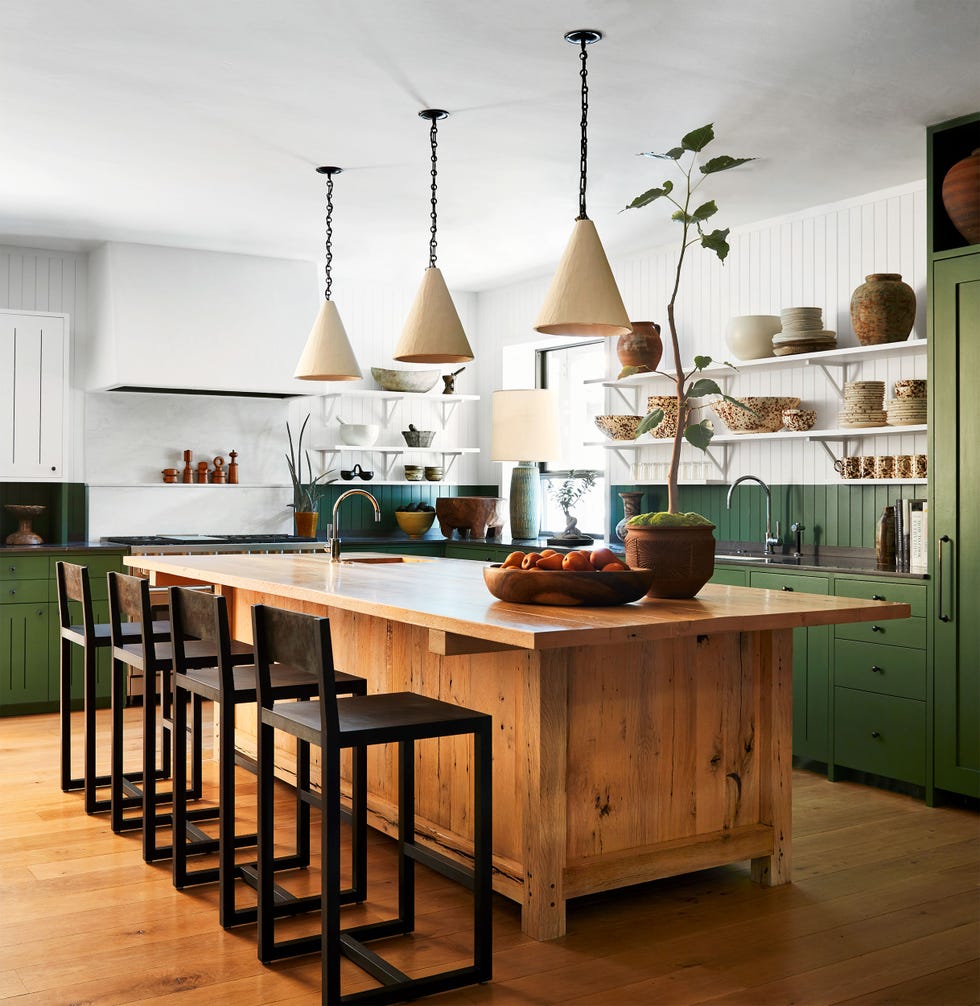
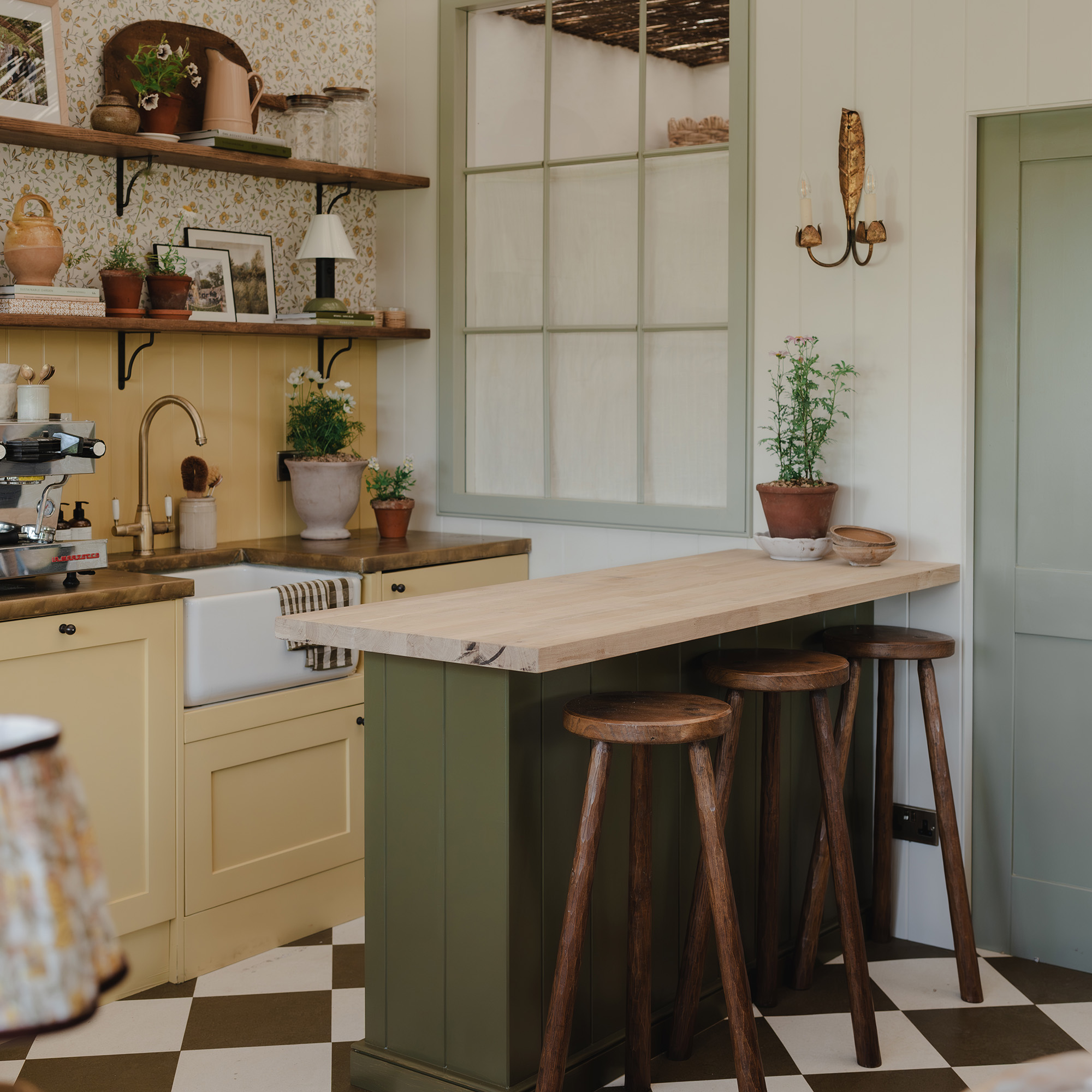
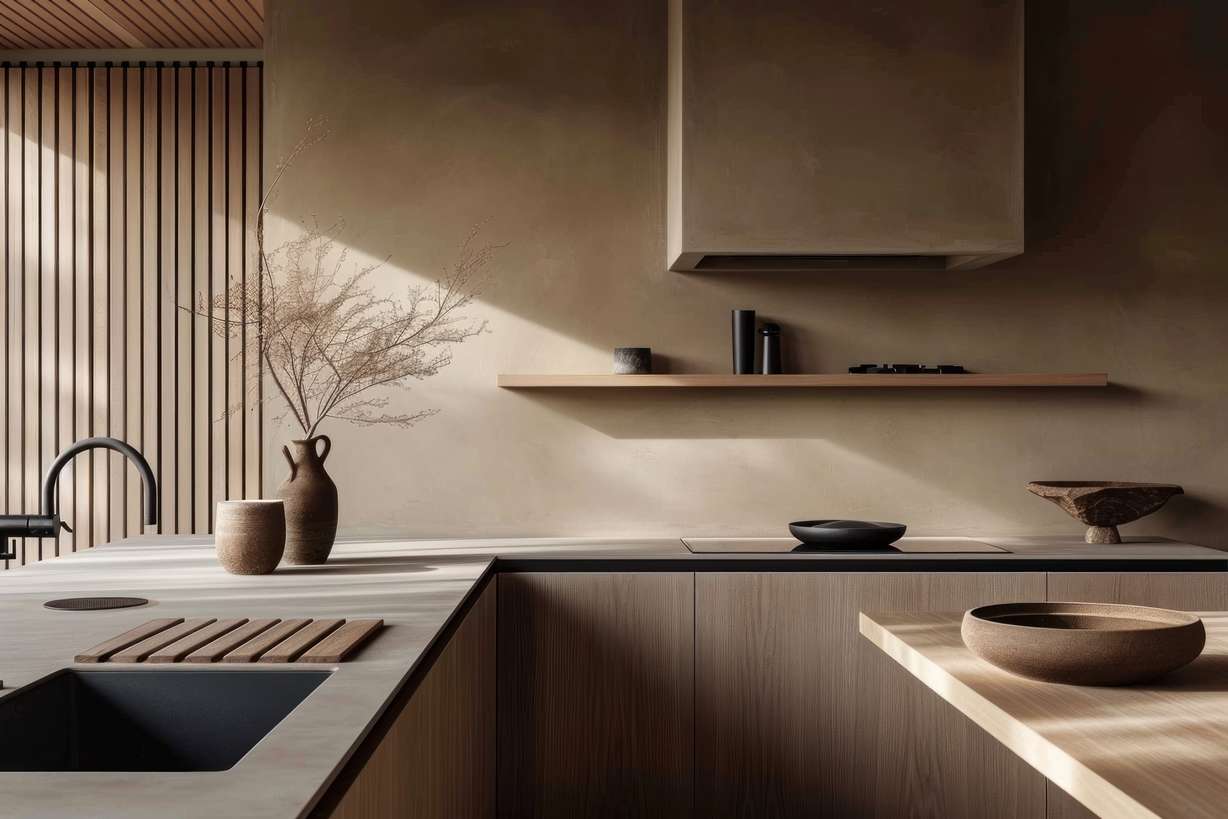
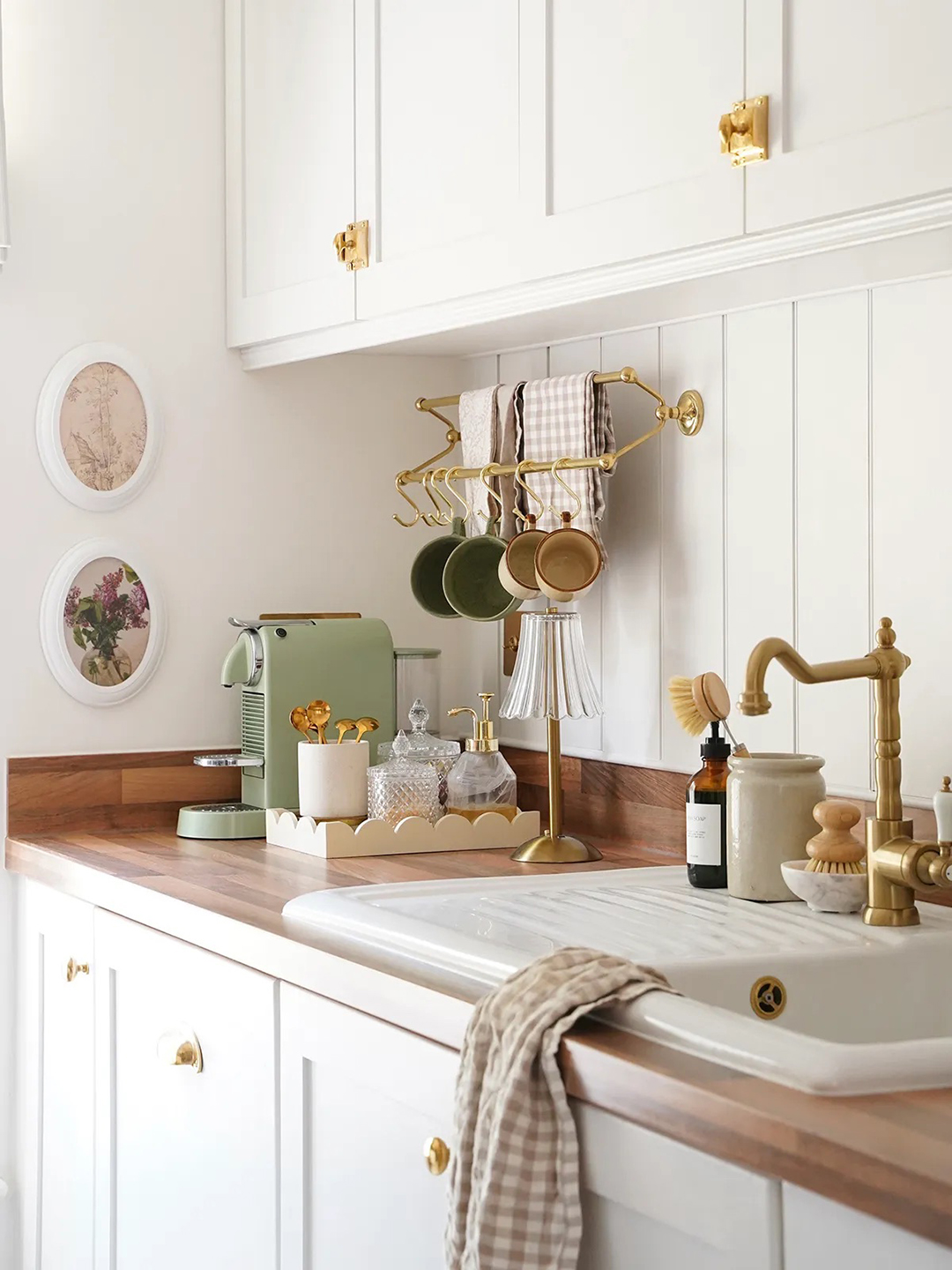
Butcher block countertops provide a natural texture and are highly customizable in terms of wood type and stain. They are affordable and easy to maintain, with different grain constructions offering varying levels of durability and cost. Bluestone, typically found in outdoor settings, is lauded for its striking color, extreme density, and resistance to cracks, chips, and stains, though it has limited color options. Solid surface countertops, being man-made from minerals, acrylic, resin, and pigments, offer high durability, customizability, and a non-porous surface that resists stains, chipping, and scratching, but can be damaged by harsh chemical cleaners.
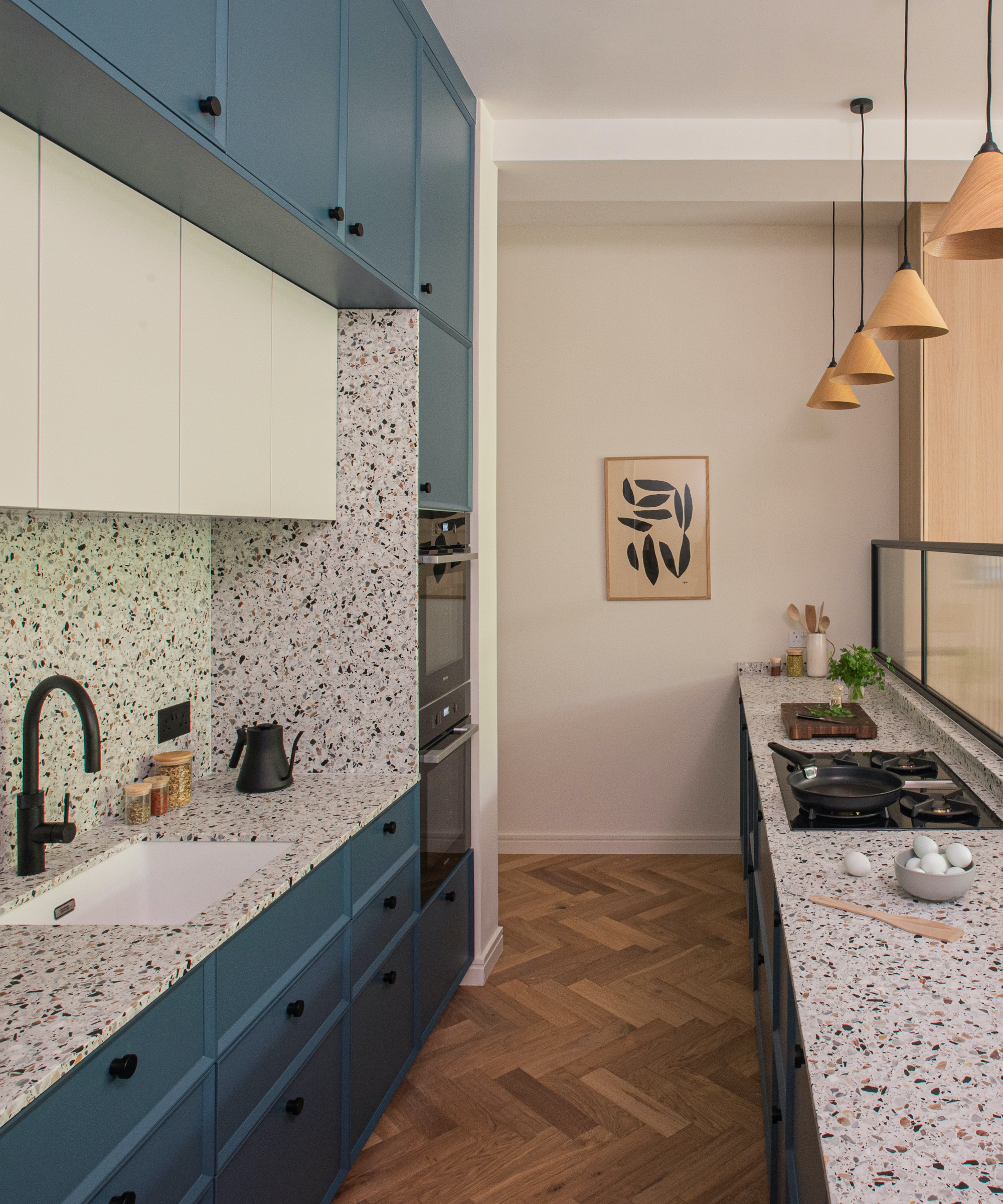
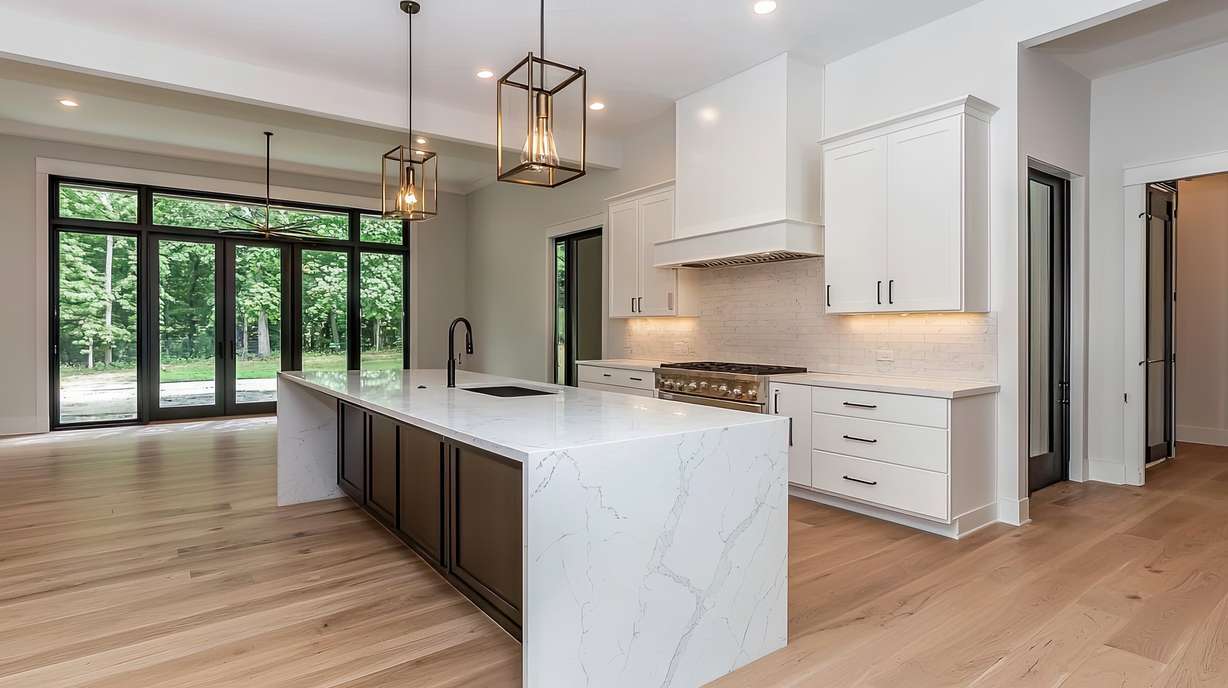
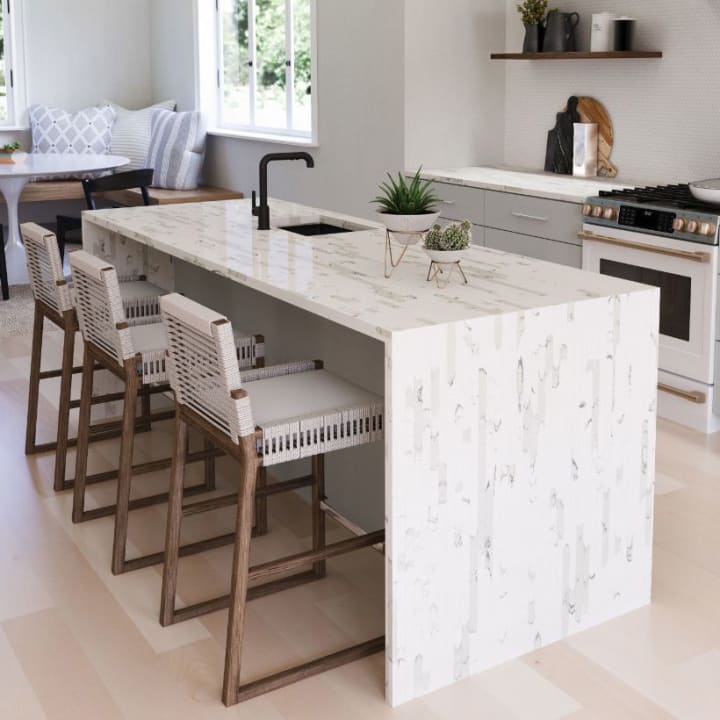
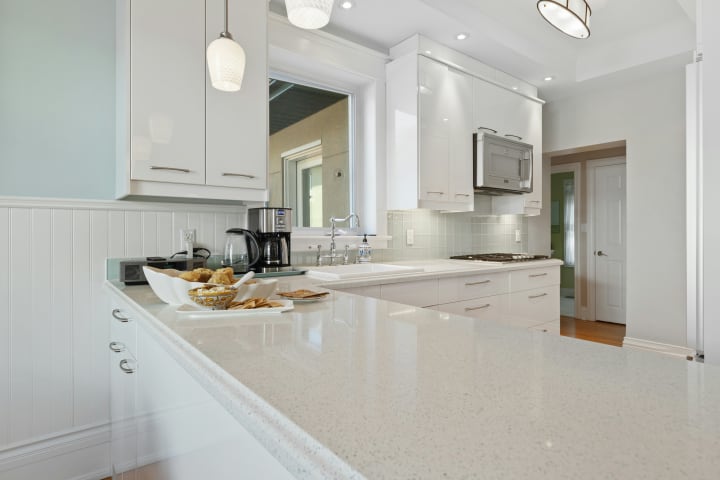
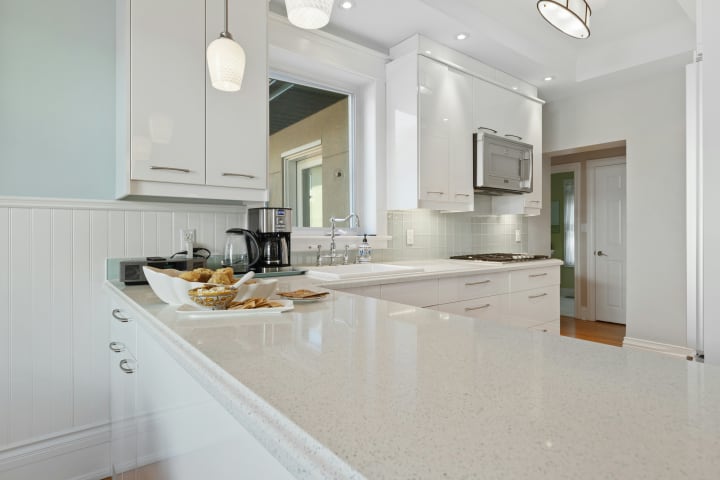
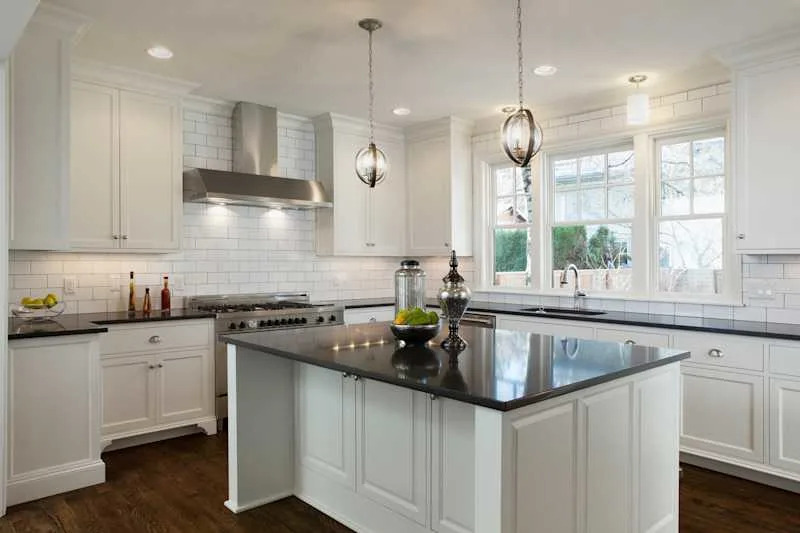
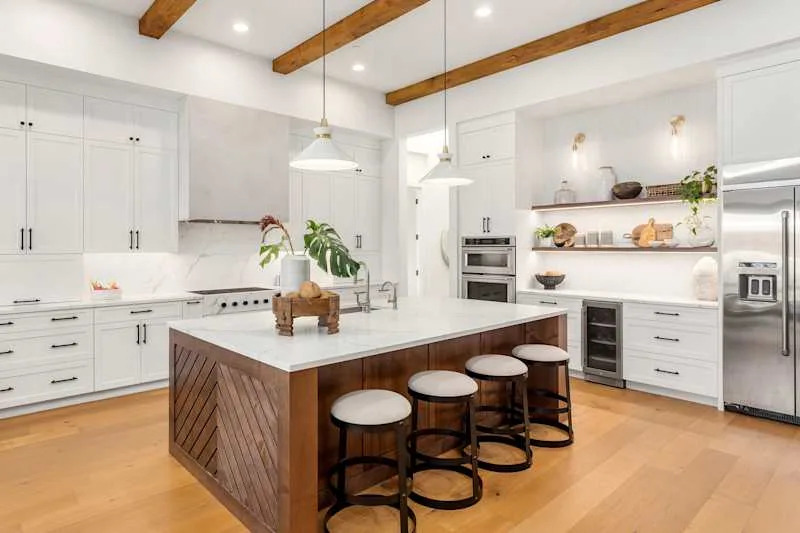
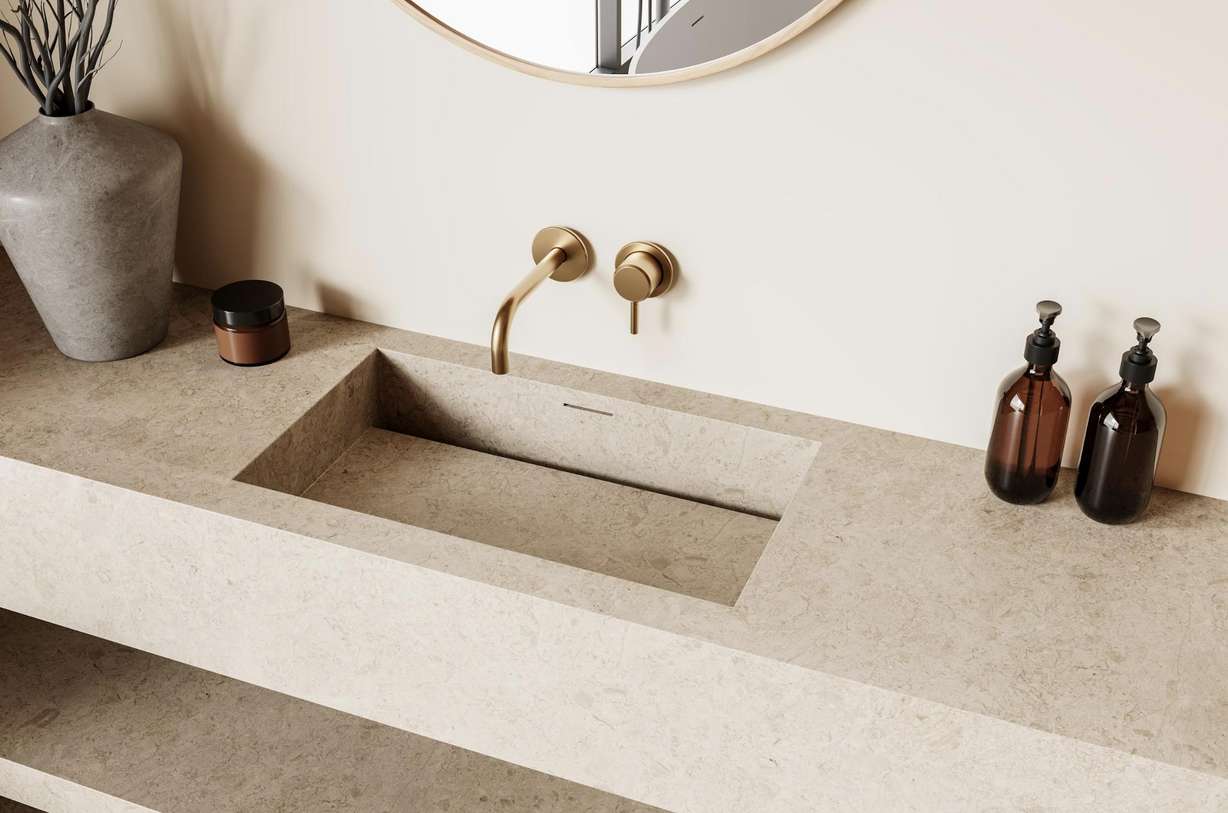
Quartz, an engineered stone made from crushed quartz, resin, and pigments, is a durable and often more affordable alternative to marble, offering consistent color and veining. Soapstone, a natural material with talc, is favored by chefs for its heat resistance and non-reactive properties to acids, and it develops a unique patina over time. Terrazzo, composed of stone, glass, or resin chips in a binder like concrete or epoxy, offers a wide range of colors and patterns. Concrete or stone-based terrazzo is more durable than epoxy versions, which are prone to chipping and scratching, with costs varying based on customization. Each material offers a unique combination of beauty, durability, and maintenance considerations to suit different needs and preferences in kitchen design.
#KitchenCountertops #InteriorDesign #HomeRenovation #MaterialGuide #KitchenDesign #NaturalStone #EngineeredStone #HomeImprovement #Durability #KitchenCountertops #InteriorDesign #HomeRenovation #MaterialGuide #KitchenDesign #NaturalStone #EngineeredStone #HomeImprovement #Durability
0 комментариев всего
 Комментариев пока нет
Вам также может понравиться
11 expert-approved kitchen countertop trends for 2025
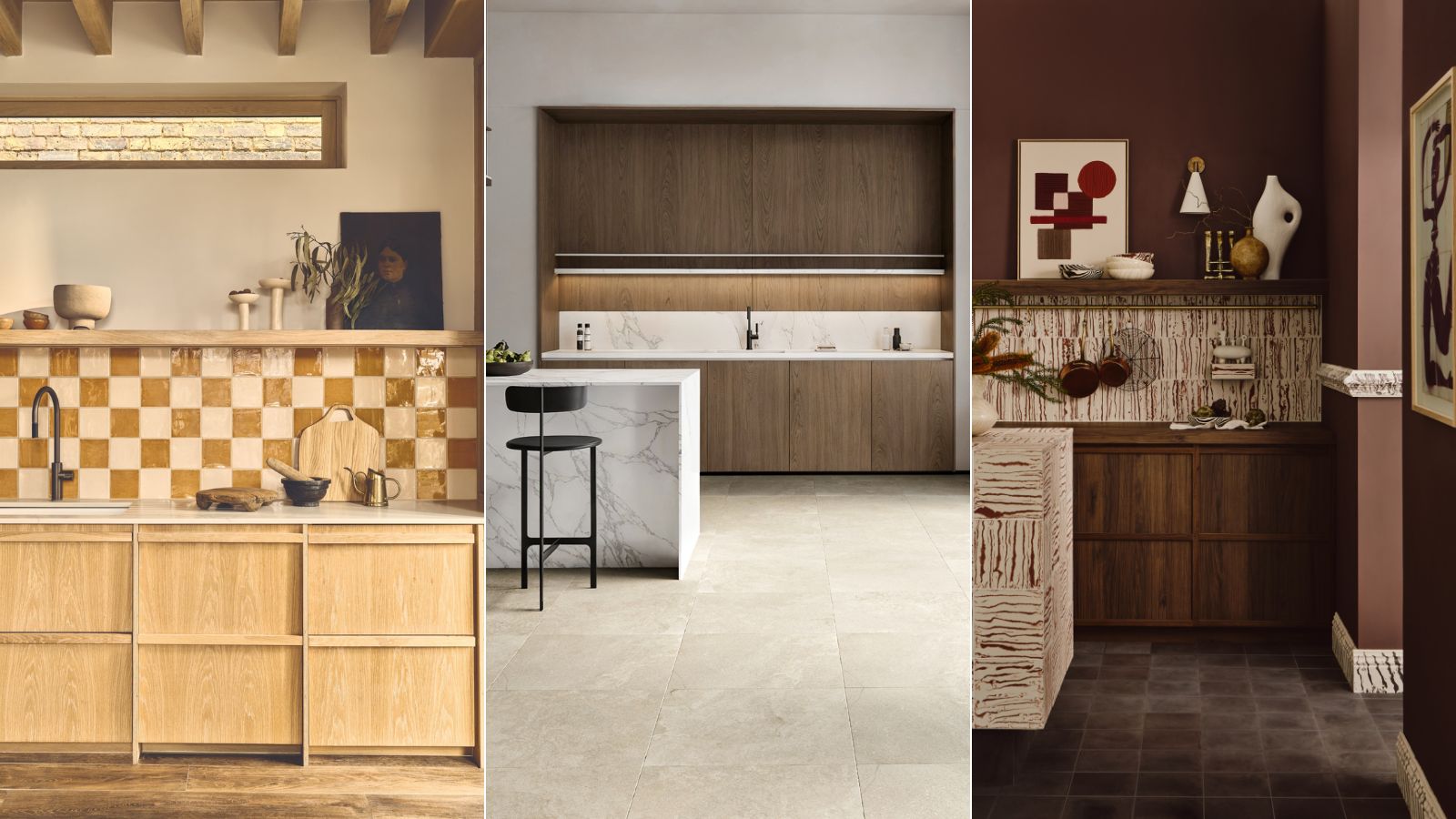
Kitchen tile trends 2025 – 10 looks interior designers say will be everywhere this year

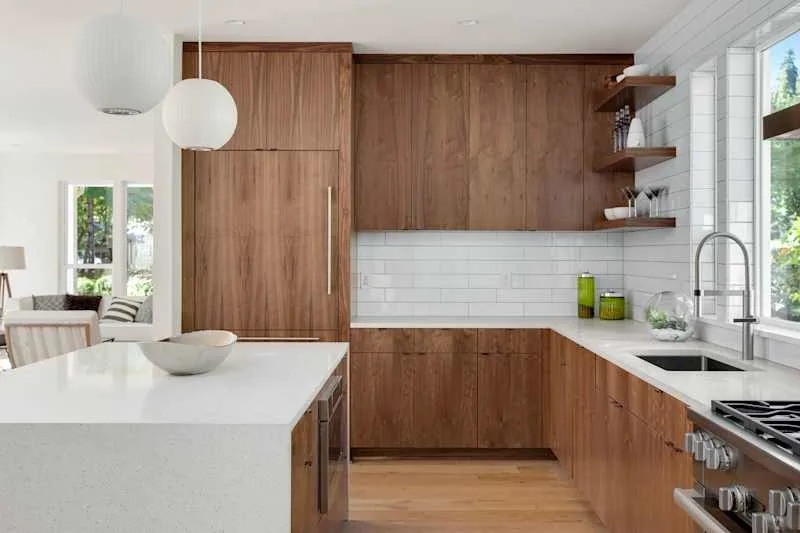
6 Kitchen Countertop Trends That Are on Their Way Out This Year (and What to Do Instead)
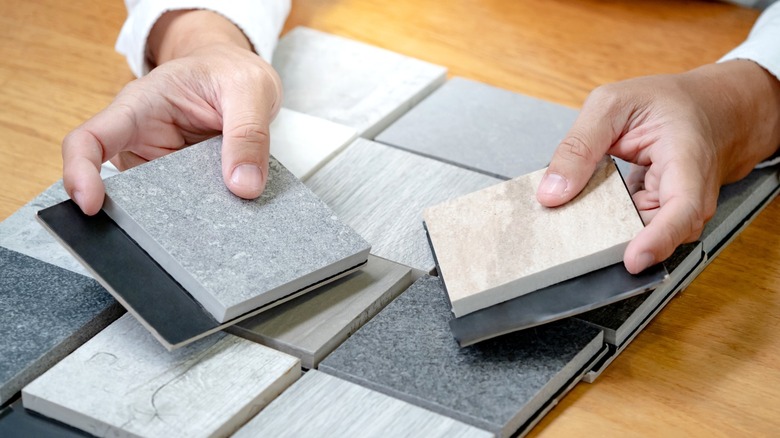
The Kitchen Countertop Trend You'll Start Seeing Everywhere In 2026
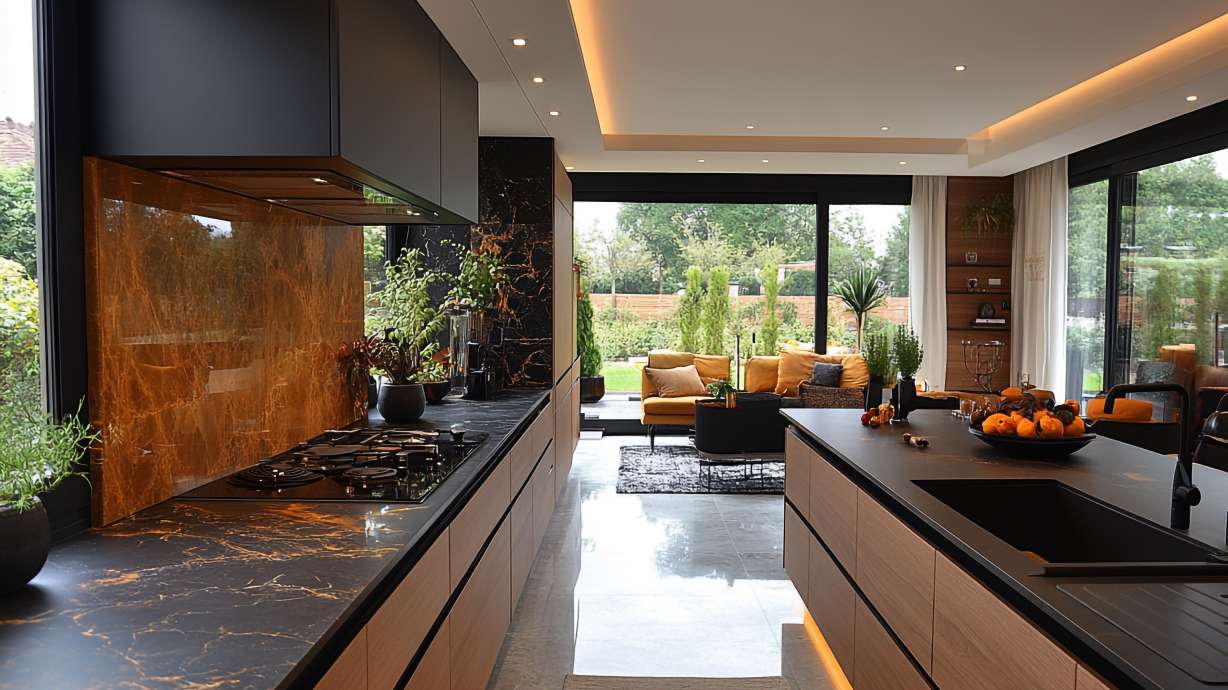
Key emerging trends in kitchen countertop design for 2025

7 Kitchen Trends You’ll Be Seeing Everywhere This Year
6 Kitchen Countertop Trends That Are on Their Way Out This Year (and What to Do Instead)

4 Kitchen Countertop Materials About to Make a Comeback

Key emerging trends in kitchen countertop design for 2025
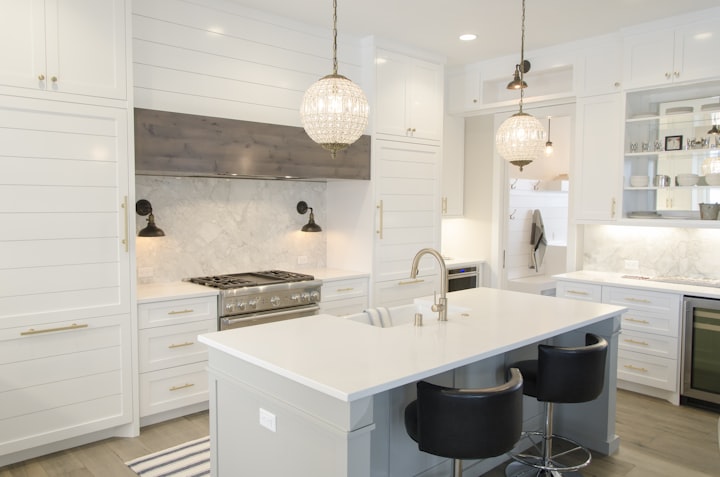
7 Top Kitchen Countertop Trends In 2021

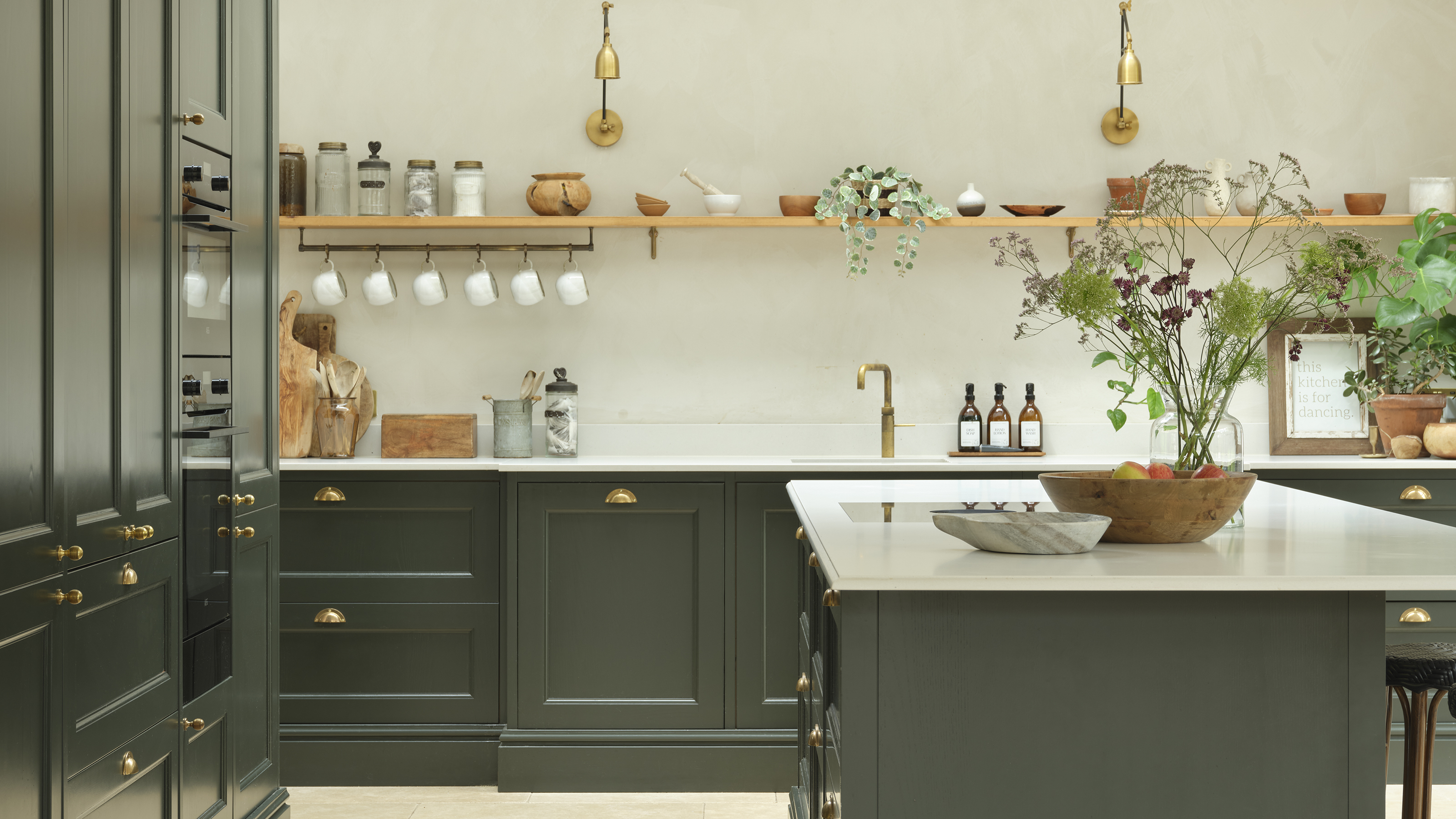
10 kitchen trends we're seeing everywhere in 2025 - create a stylish cooking space with the latest styles
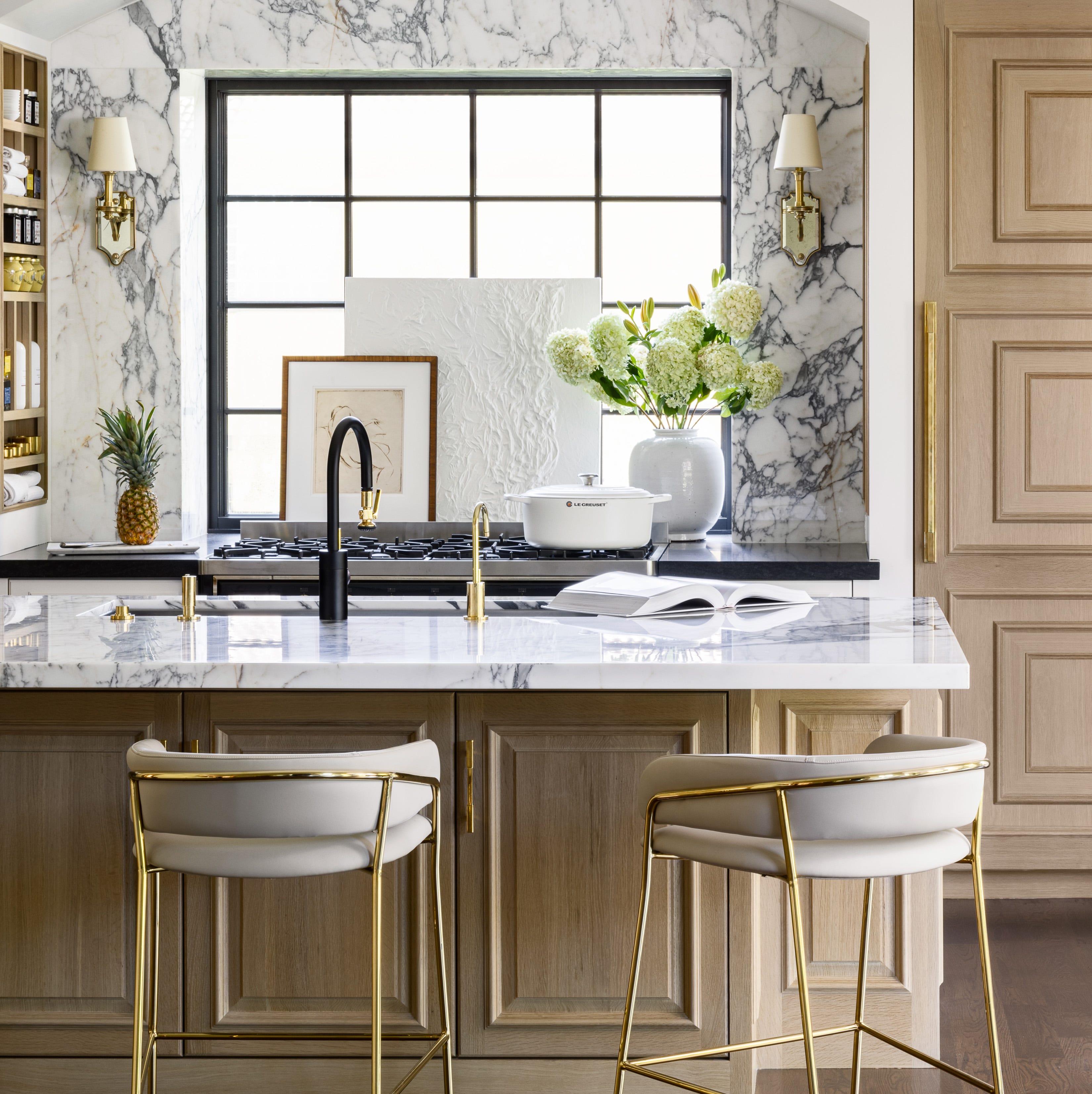
The Top 10 Kitchen Trends of 2024, According to Experts
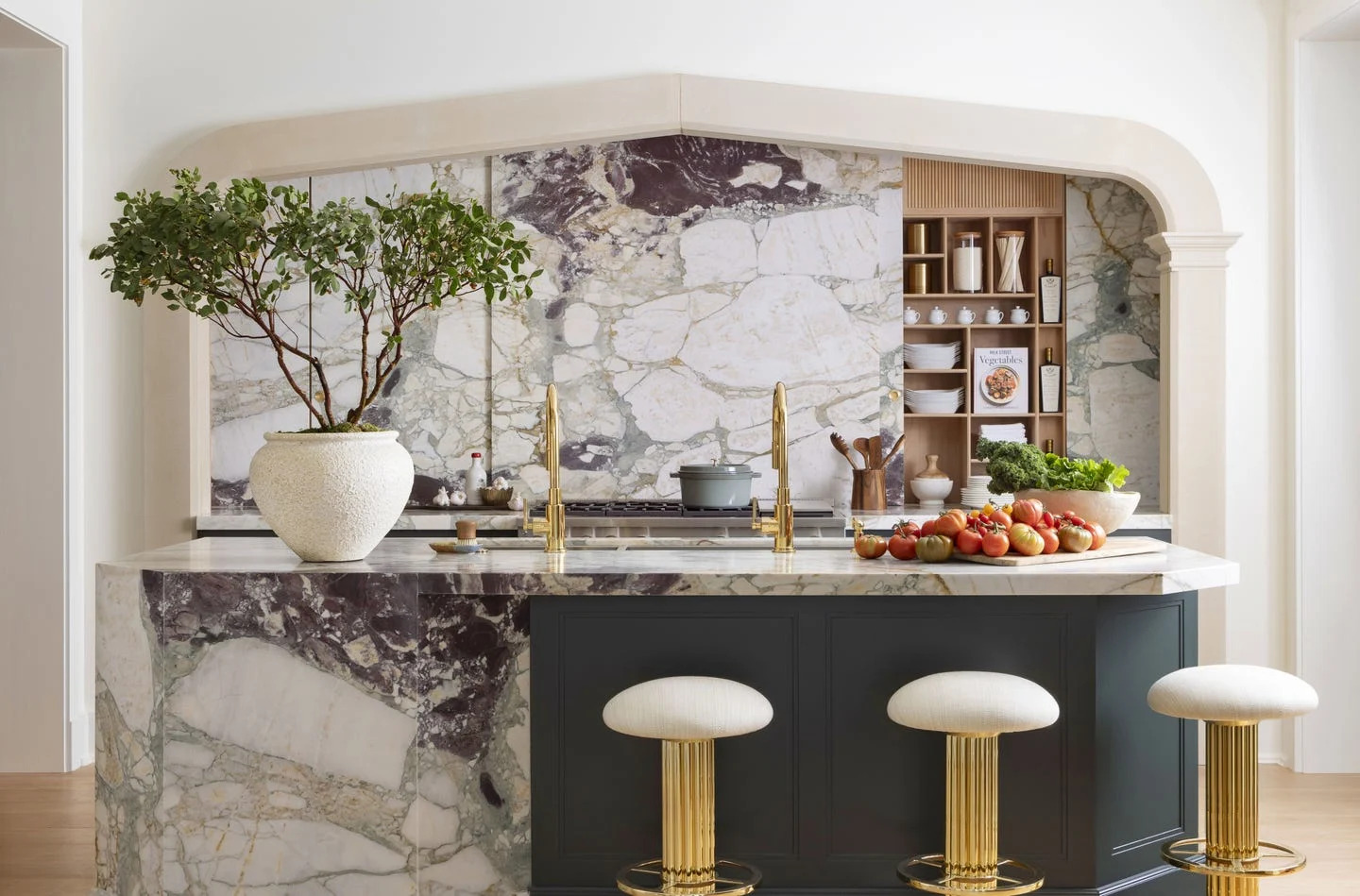
10 Kitchen Countertop Trends You'll See Everywhere This Year, According to Experts

Top 10 Countertop Ideas to Transform Your Kitchen in 2025
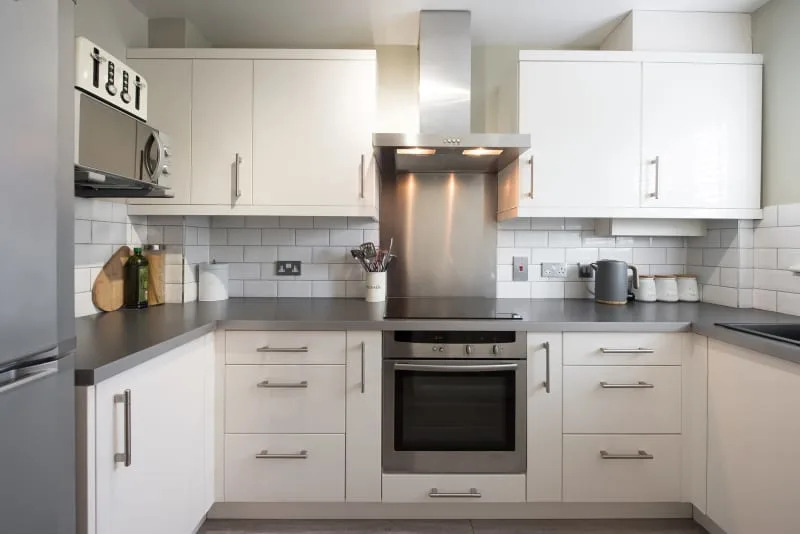
5 Kitchen Countertop Trends on Their Way Out in 2025 (and What’s Replacing Them)
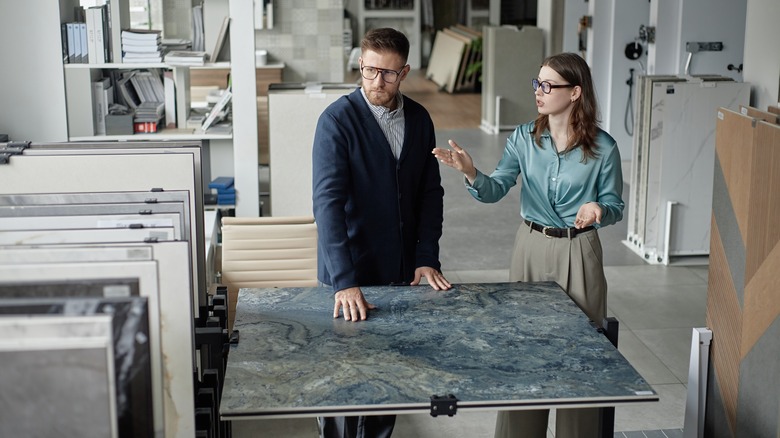
These Will Be The Biggest Kitchen Countertop Trends In 2026
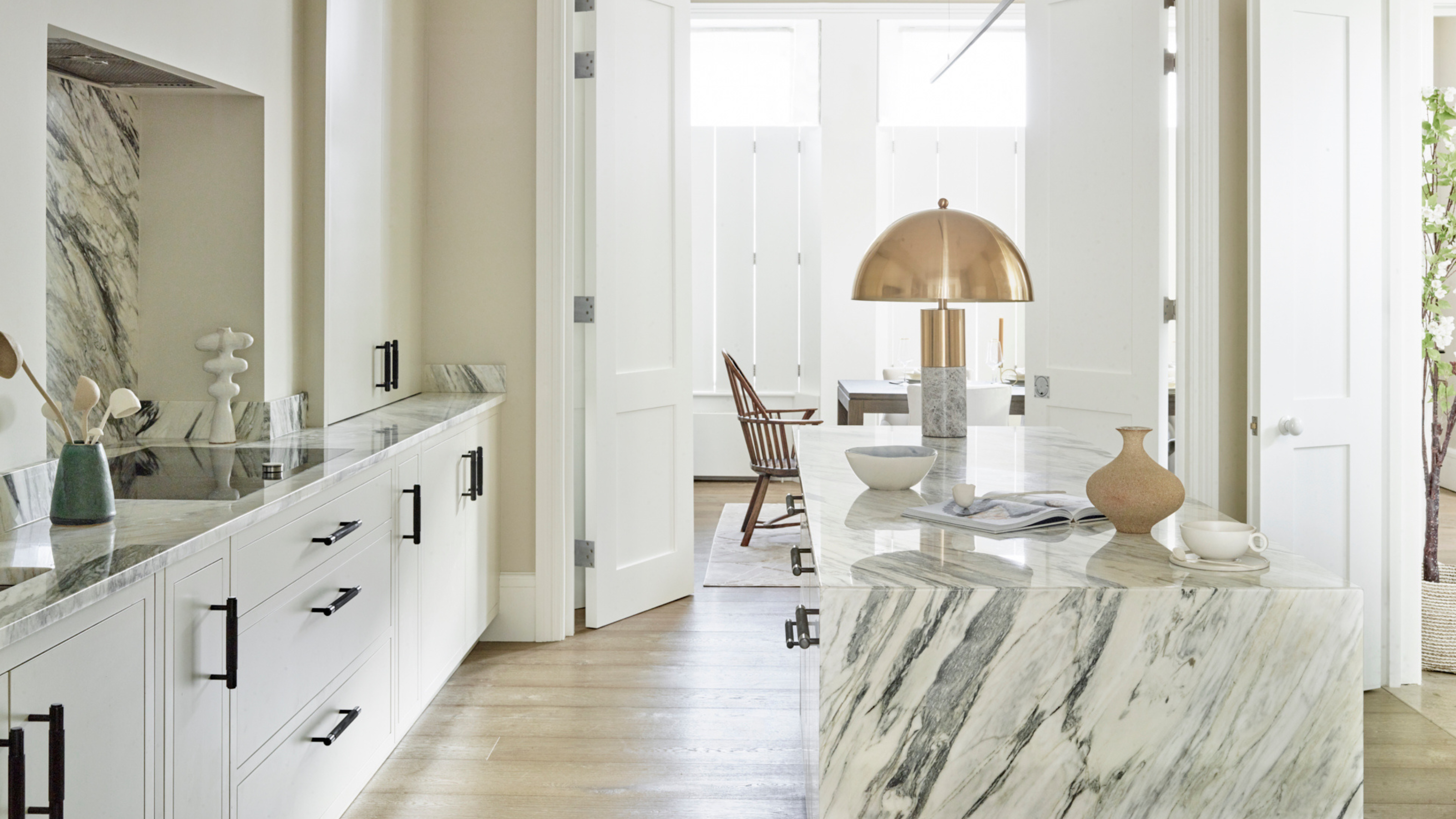
5 Countertop Colors That Are Going Out of Style, and What You Should Choose Instead — According to Kitchen Designers

Top 10 Countertop Ideas to Transform Your Kitchen in 2025
Countertop design trends in 2025 that are sure to impress
We Asked Designers Which Countertop Trend They’re Loving for 2026—And It’s a Bold Change