What’s new in panel processing
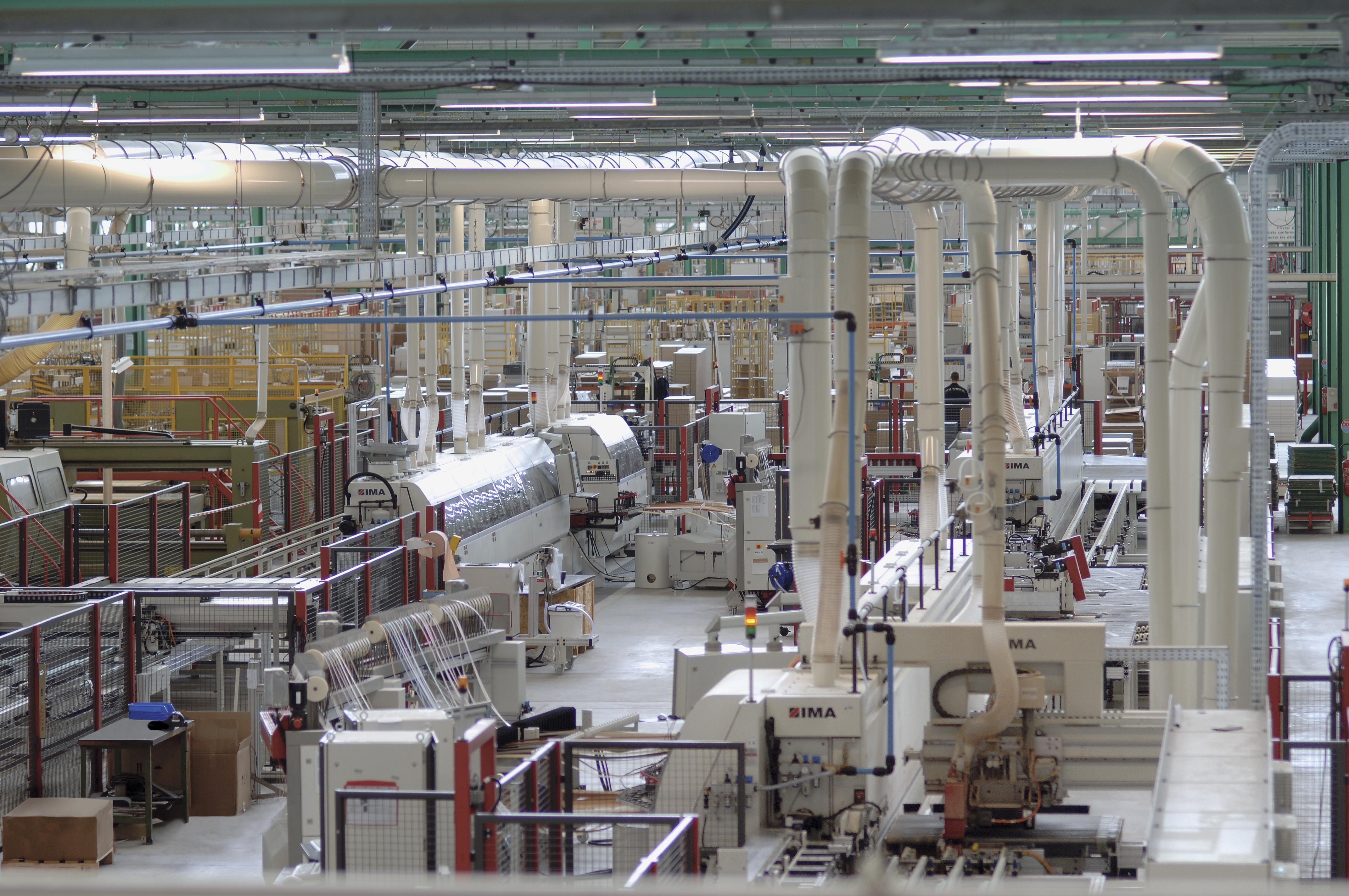
The woodworking industry, particularly in the panel processing sector, is significantly influenced by Industry 4.0, which emphasizes connectivity and transparent data management. Peter Tuenker, managing director at IMA Schelling America, highlights that this evolution is driven by customers seeking greater process transparency and control. Efficient data management in manufacturing allows for better optimization and quicker, more accurate responses to areas needing improvement. This technological integration transforms manufacturing processes by enabling better oversight and analysis of production data.
Panel sizing and optimization are undergoing substantial changes, shifting from large-batch processing to smaller batches or even batch-one production. This shift is particularly relevant for manufacturers with well-defined product catalogs. Rene Fritz, Midwest sales manager, points out that this transition necessitates a reevaluation and reorganization of various stages, including order processing, material ordering, production planning and execution, as well as assembly and shipping planning. Implementing new Manufacturing Execution Software (MES) and tools, acquiring new machinery with advanced features, and establishing robust process control measures on the production floor are essential for manufacturers to adapt efficiently to small-batch production.
Modern panel sizing systems are increasingly incorporating high-speed single-sheet and small-book height processing, often requiring dual feeders to boost parts per minute during cross-cutting. Other sought-after features include material handling devices like turning mechanisms inside the saw for automatic rotation during head cuts, and automated labeling systems for parts. These innovations help maintain a consistent production pace, reduce idle time, and ensure organized and controlled processing. Automated board storage and retrieval systems are also gaining traction, designed to pre-commission small-batch materials and deliver them directly to cutting systems. These systems come in various sizes and offer flexible integration options with other equipment, allowing for indirect or direct material delivery. The primary goal of these storage systems is to ensure 100% inventory accuracy, gentle handling of delicate materials, and efficient delivery to downstream processing, even when combining high-volume and medium-to-low-volume materials.
In edge processing technology, there is a rising demand for high-quality, "make-to-order" edgebanding, often utilizing laser technology or PUR glues. This demand is driven by the growing popularity of high-gloss products for kitchen and vanity cabinets, as well as the need for moisture-resistant adhesion. Seamless or zero-joint edgebanding remains highly popular for these applications due to its aesthetic appeal and practical benefits. IMA Schelling was a pioneer in laser edgebanding technology approximately a decade ago, initially in collaboration with a German high-end kitchen cabinet manufacturer seeking an invisible glue line to mimic the appearance of painted high-gloss MDF doors. This decorative advantage continues to be a major factor in its adoption.
Another significant benefit of laser edgebanding is its moisture resistance, making it ideal for kitchen and vanity cabinets or institutional furniture (such as in healthcare settings) where products are frequently exposed to liquids and moisture. Despite the advantages, the cost of the technology and the specialized dual-extruded edgebanding materials remain challenges. However, the supply chain is improving annually. For manufacturers seeking quick turnaround and a broad variety of colors and designs in laser edgebanding materials, relying solely on this technology can still be challenging, which partly explains the resurgence in PUR glue applications at IMA. A new and more accessible option has emerged in the form of the LED-direct laser system, which offers similar application characteristics to traditional laser edgebanding but at a significantly lower cost—approximately half that of a diode laser system. While it has some limitations, such as slightly slower processing speeds and maximum edgeband height, these are often minor concerns for most companies interested in laser edgebanding. This innovation provides a cost-effective entry point into the market, making laser edgebanding technology more affordable and justifiable for a wider range of customers in North America. IMA's focus on high-end edgebanding applications has led to substantial R&D investments in edge finishing processes to achieve perfect quality for edgebanded products. Tuenker emphasizes that a flawless look extends beyond the glue line to include precise trimming, scraping, and polishing of the applied edgeband, which are crucial for meeting customer expectations for high-end furniture.
#PanelProcessing #Industry4.0 #WoodworkingTechnology #Edgebanding #LaserEdgebanding #BatchOneProduction #ManufacturingEfficiency #AutomatedStorage #PanelProcessing #Industry4.0 #WoodworkingTechnology #Edgebanding #LaserEdgebanding #BatchOneProduction #ManufacturingEfficiency #AutomatedStorage
Há 0 comentários no total
 Ainda não há comentários
Você também pode gostar
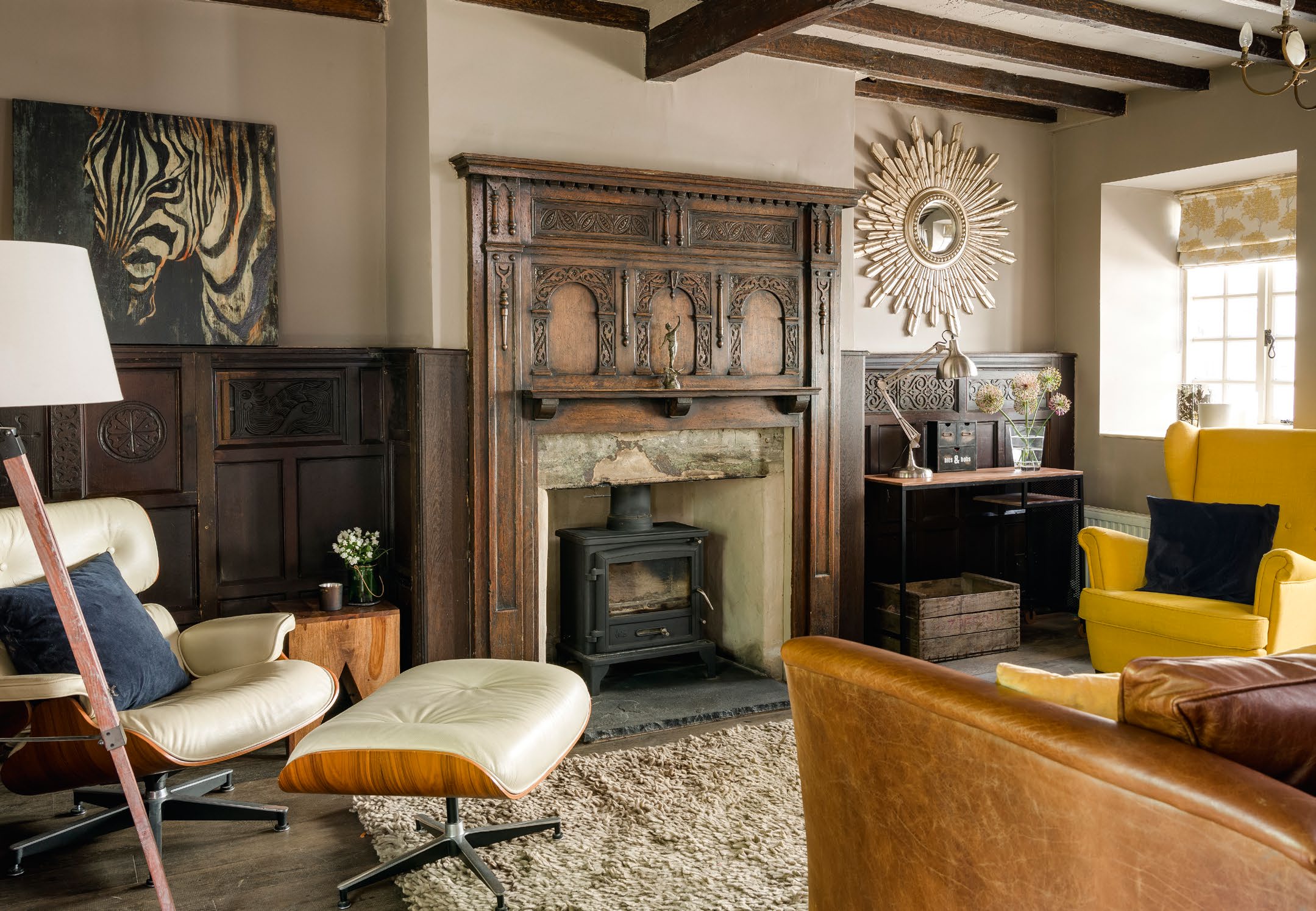
Panelling - 28 Jan 2021 - Period Living Magazine

Multipanel’s Elliott Fairlie – Why bathroom wall panels are an attractive proposition
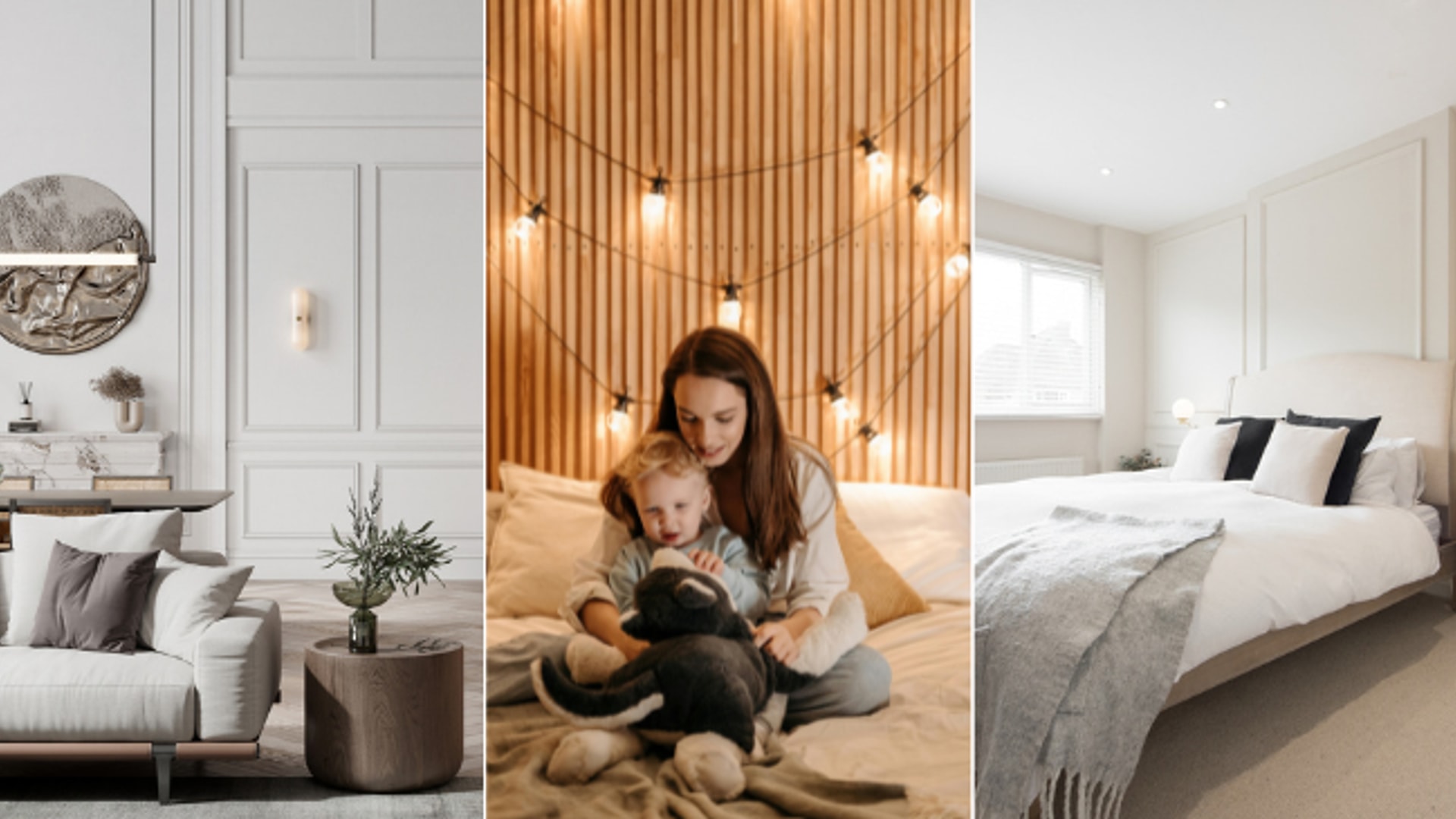
TikTok's 2025 panelling trends and how to ace them

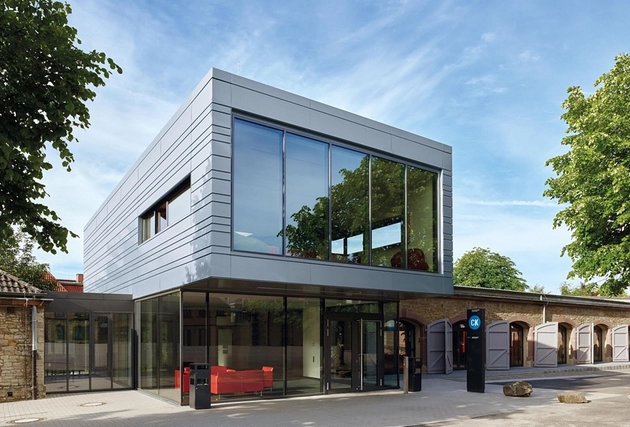
Panel Systems - Horizontal Panel from RHEINZINK

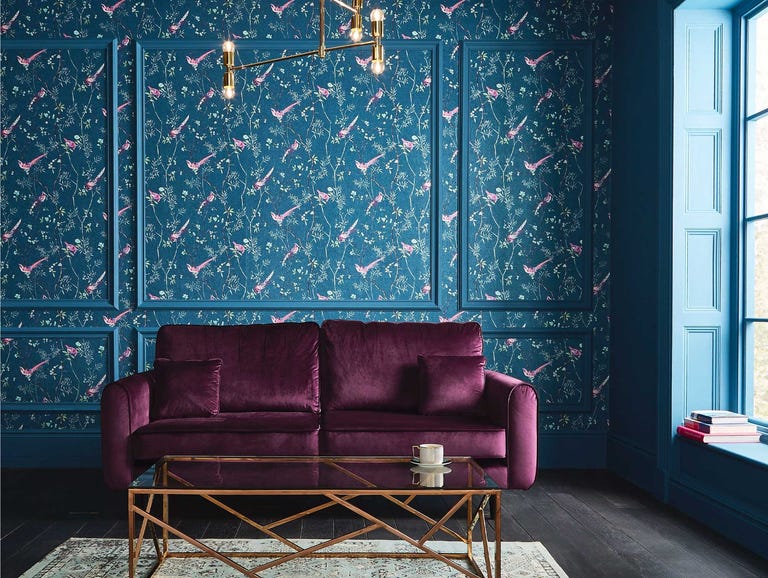
The best wall panelling ideas and trends, according to the experts

The 13 Types of Wall Paneling That Interior Designers Are Using in Their Projects Right Now, Ranked in Order of Style

ON&ON updates shelving system with new modular components
This Once-Dated Wall Paneling is Now Making Homes Look so Elegant and Sophisticated

Is Wood Paneling Coming Back In Style?
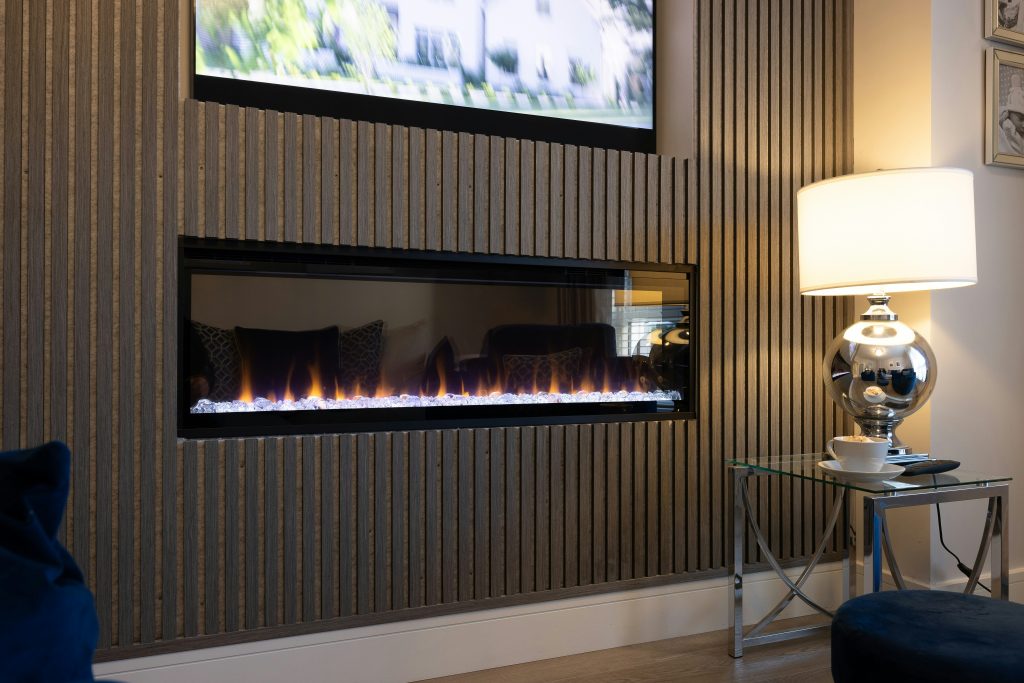
Wall Panelling – the 2024 Home Improvement Trend
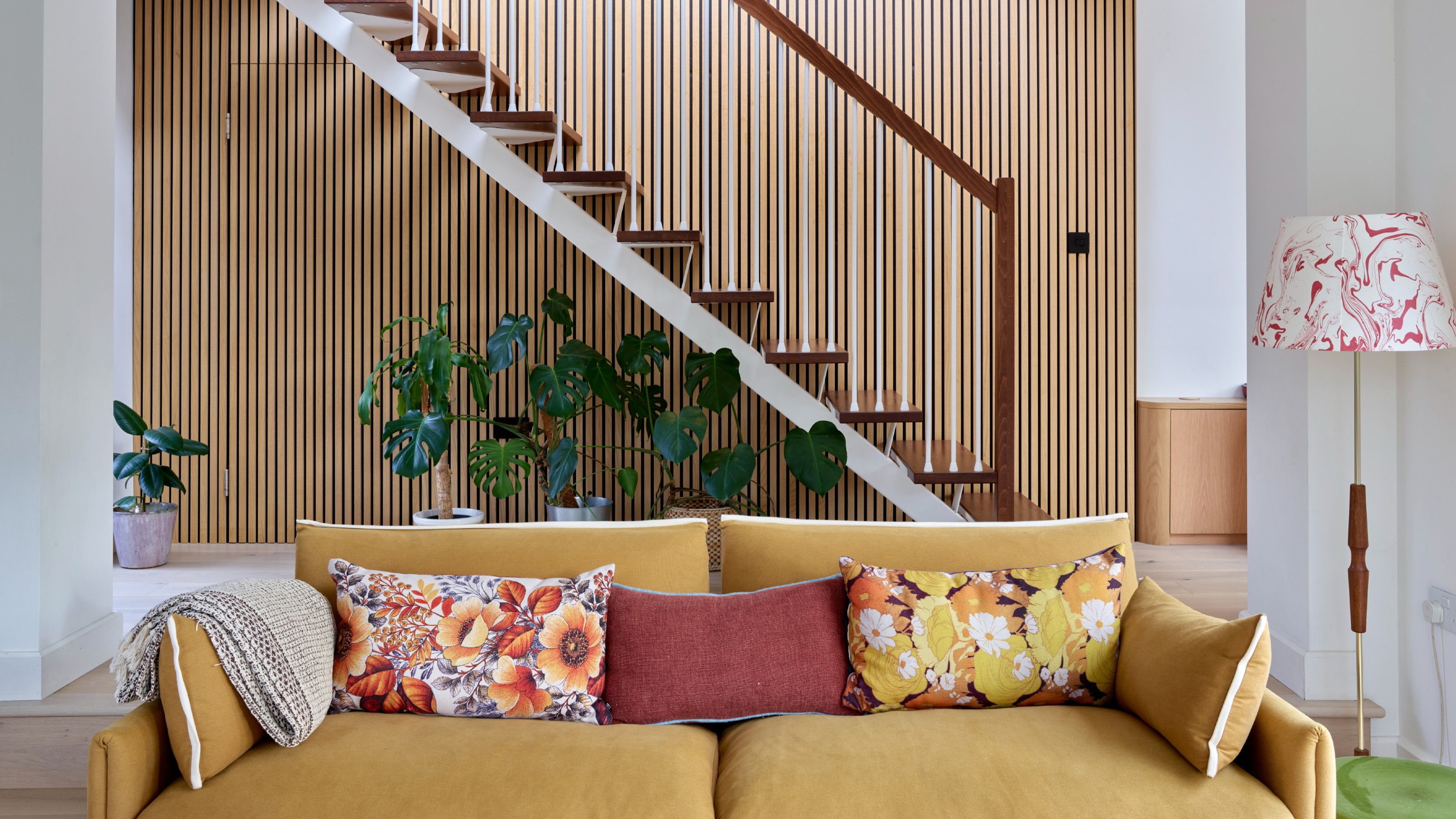
Is wall panelling still on trend in 2025? Yes, but not as you've seen it before with 3 new looks
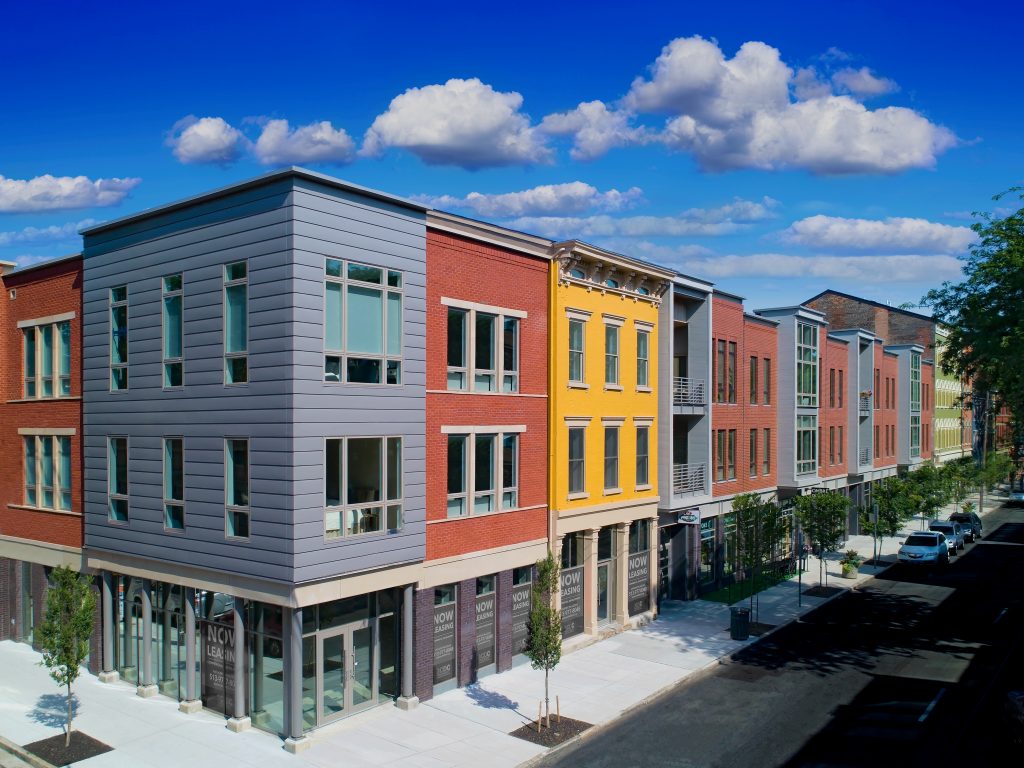
Metal Wall Panel System Enhances a Blend of Old and New...


Wood Paneling Is Back—and Better Than Ever

28 wall panelling ideas to add depth and character to any room in your home
Simulated Divided Lites and Panels