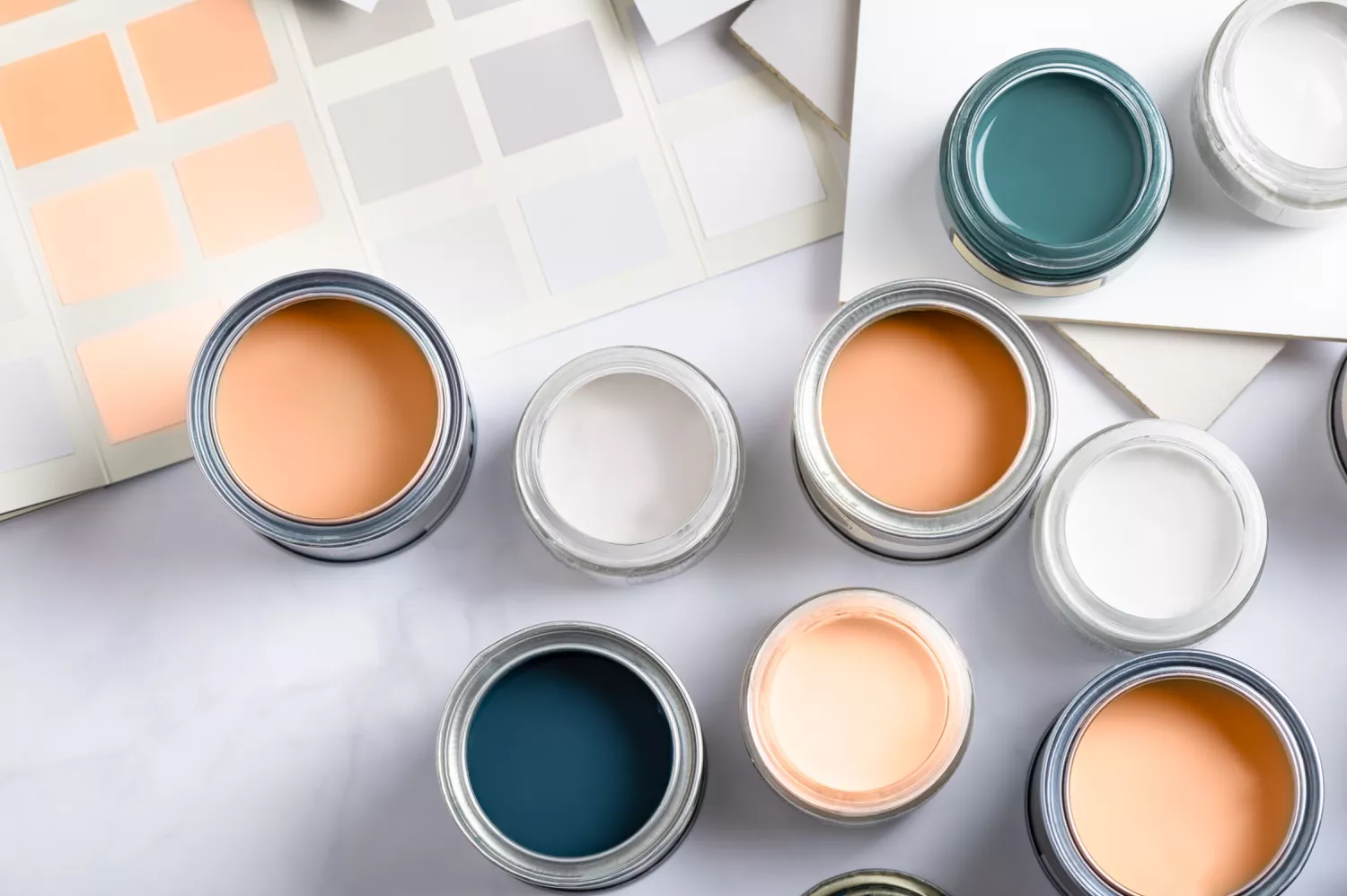
Want to Save Money on Your Heating Bills? Your Paint Color Might Help, Pros Say
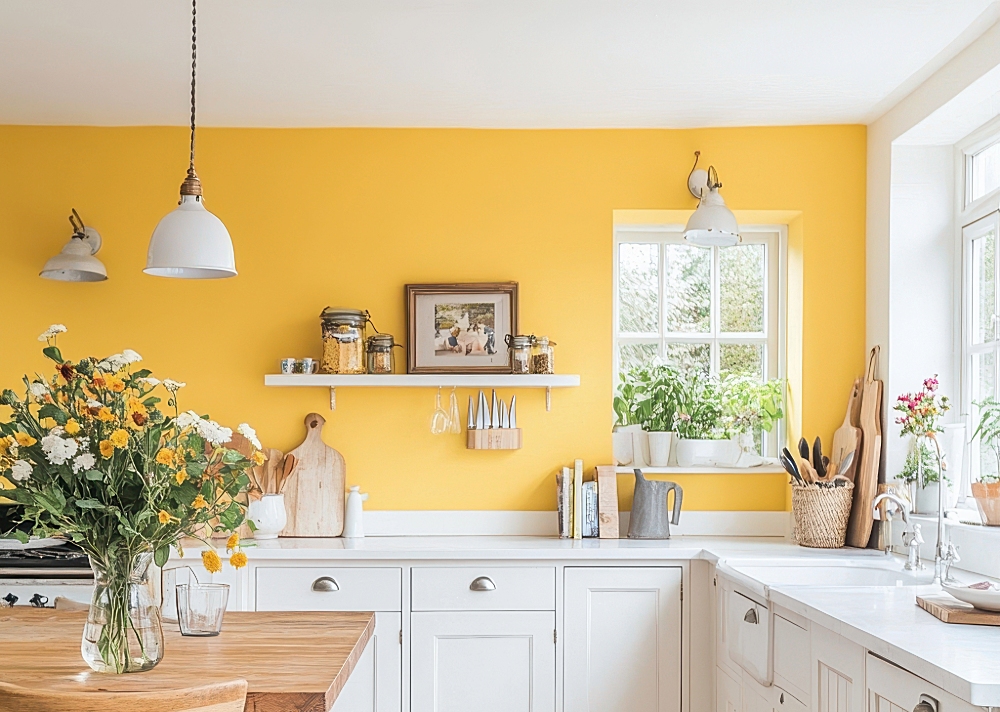
Typically, paint color decisions are driven by aesthetic preferences rather than strategic considerations for home efficiency. However, paint color choices can significantly influence a home's energy consumption, particularly affecting heating and cooling bills. This impact stems from the fundamental principle that darker colors absorb more heat, while lighter colors reflect light, thereby influencing the temperature of a room or an entire home.
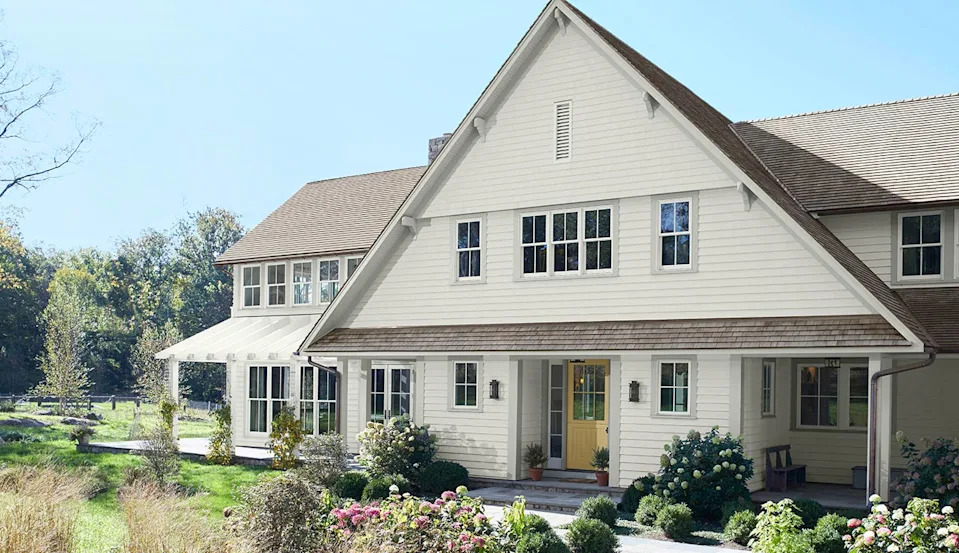
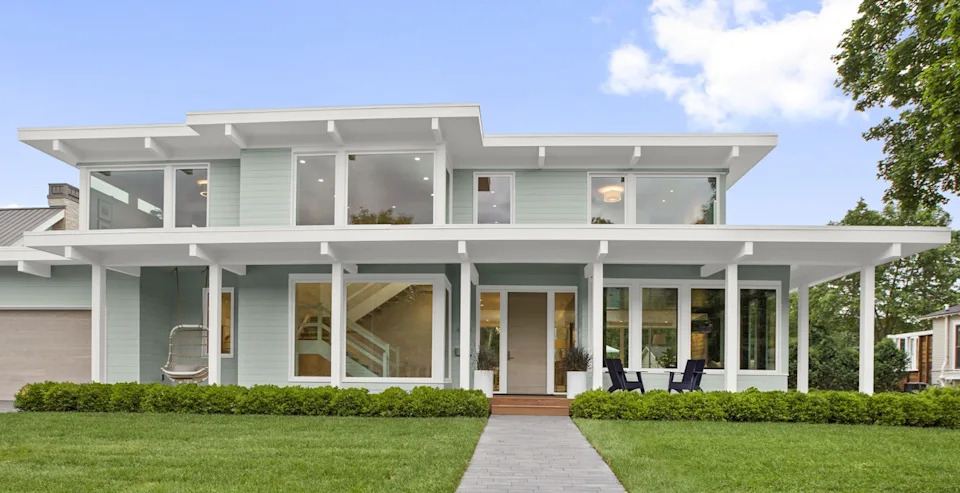
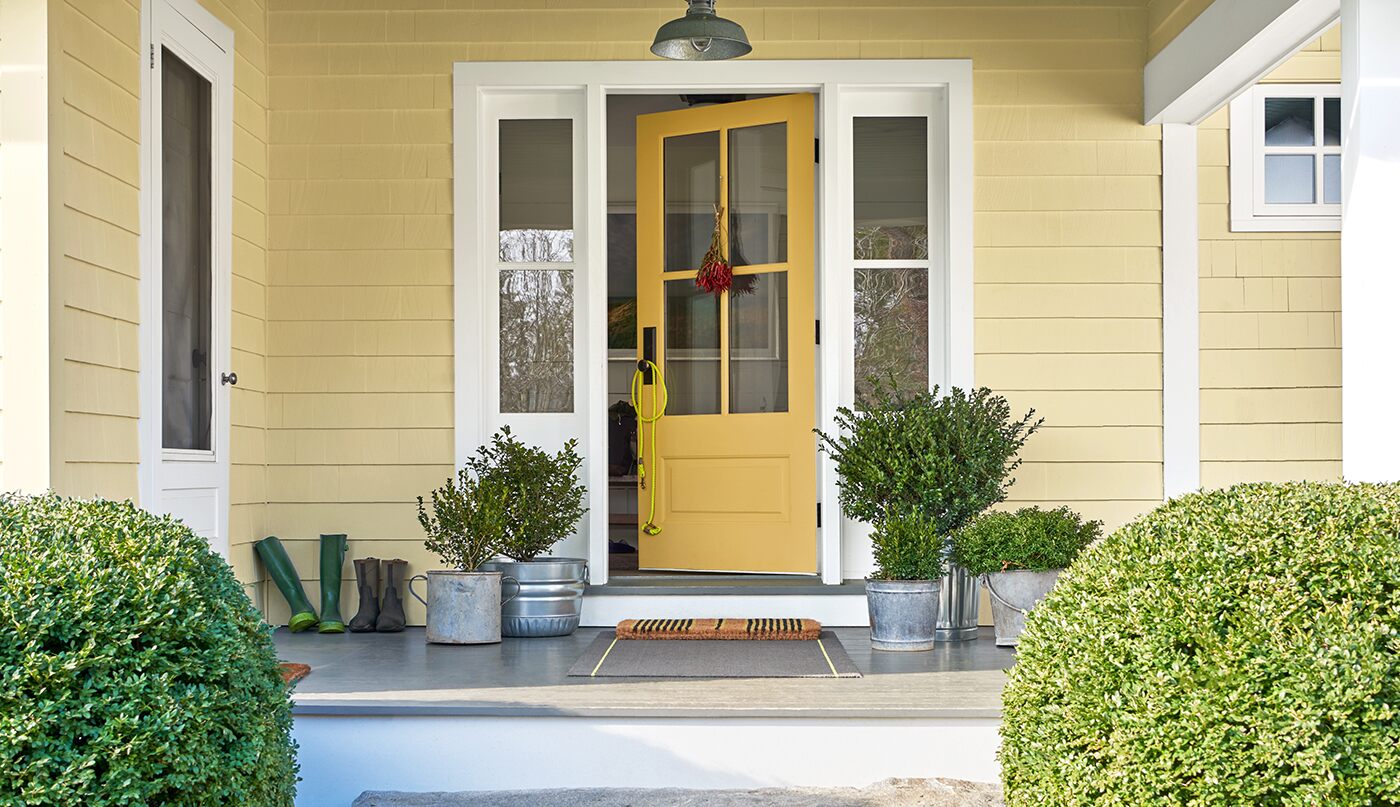
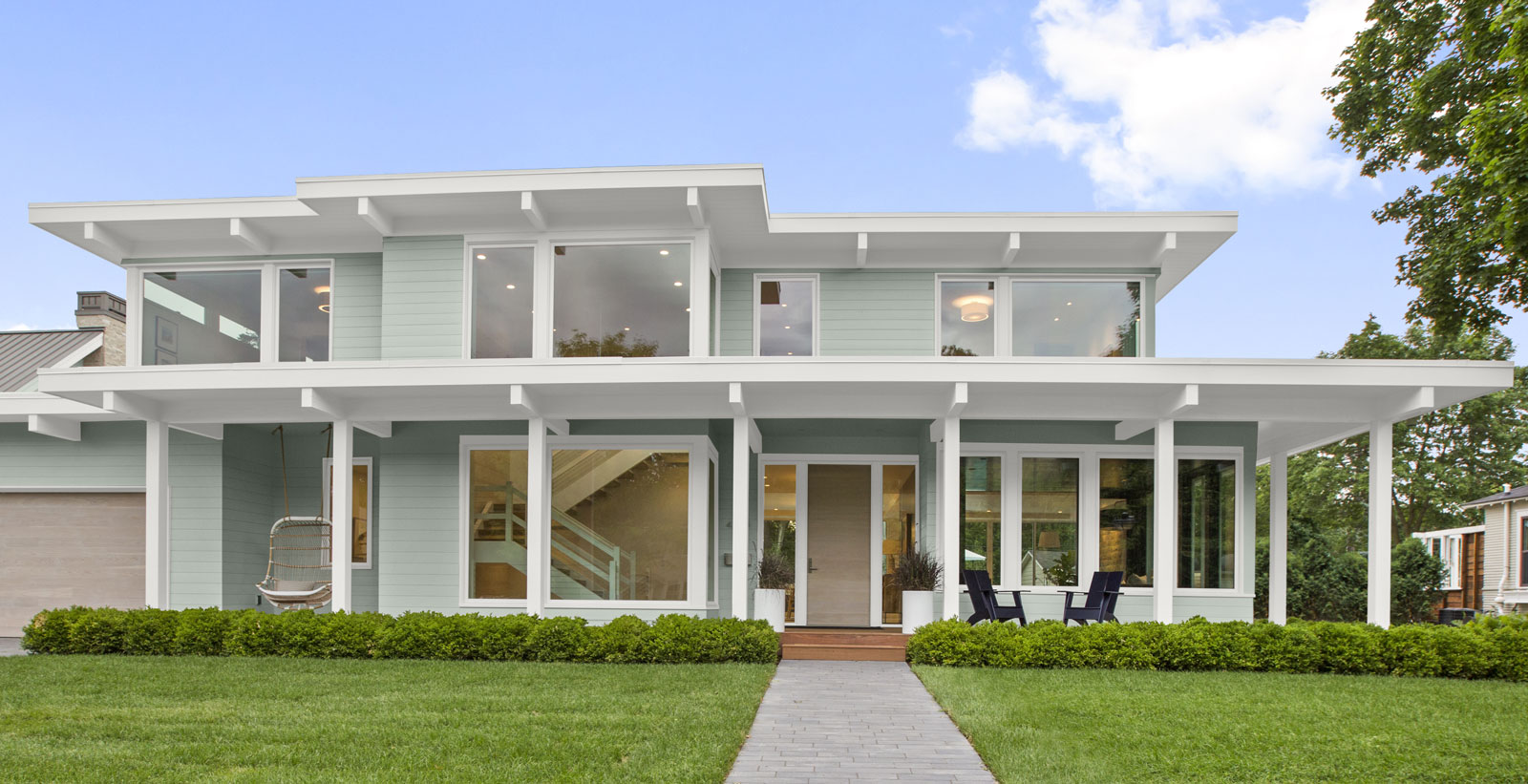
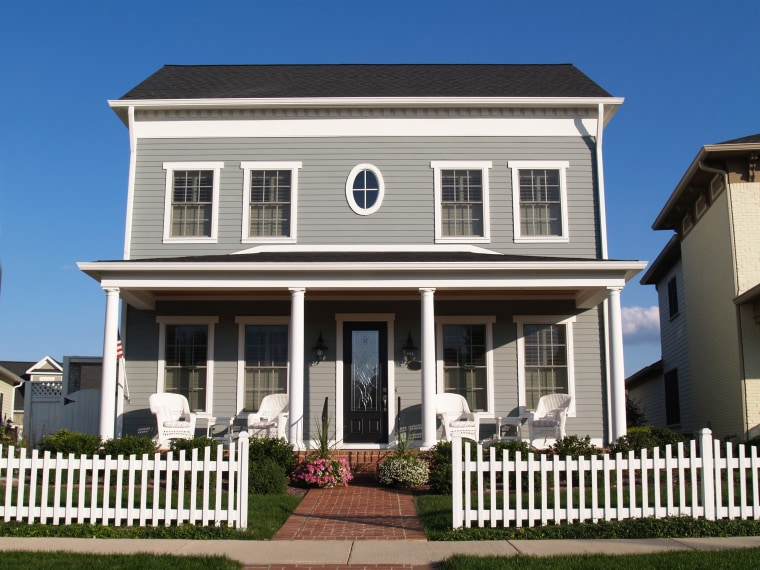
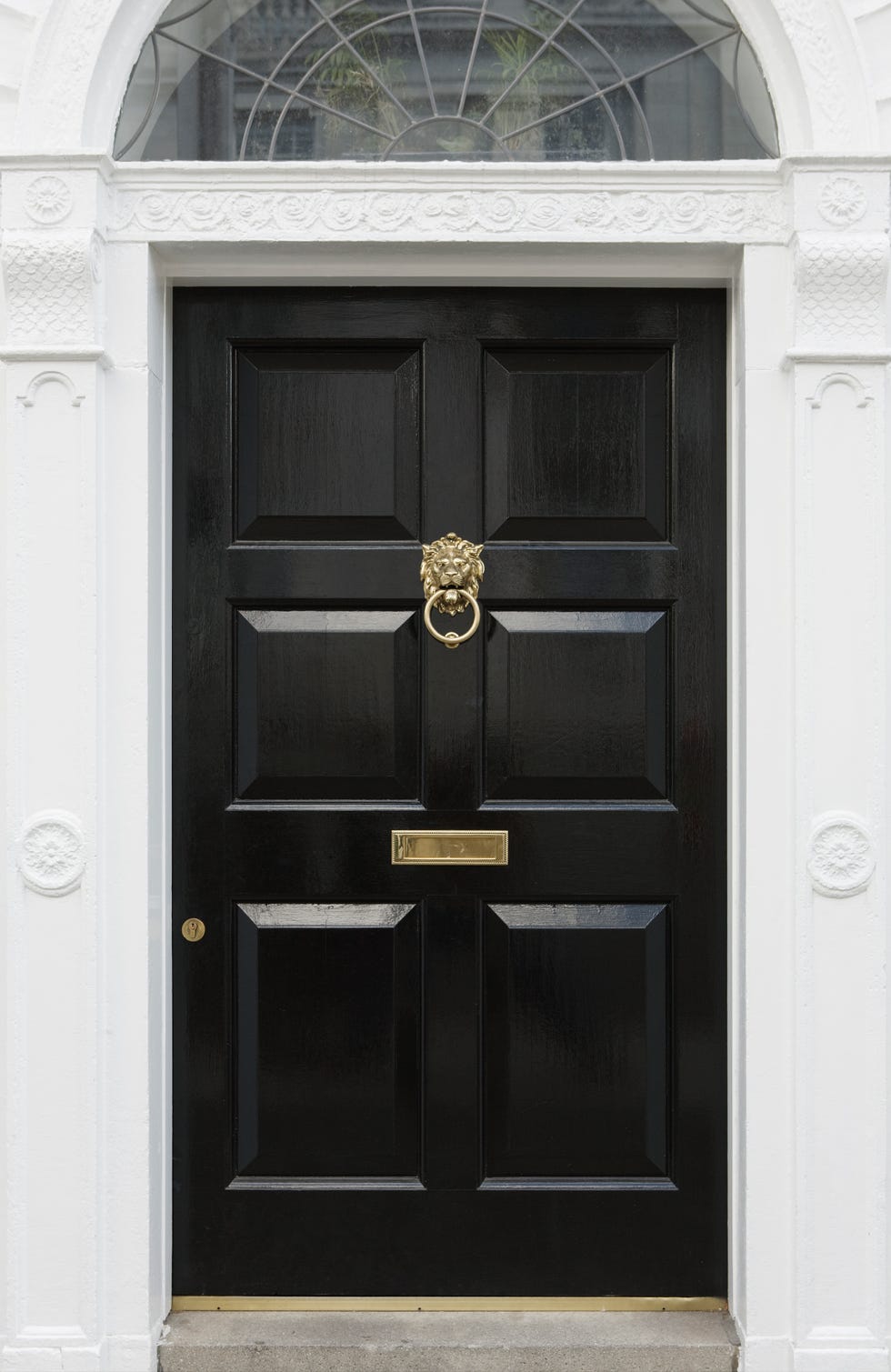
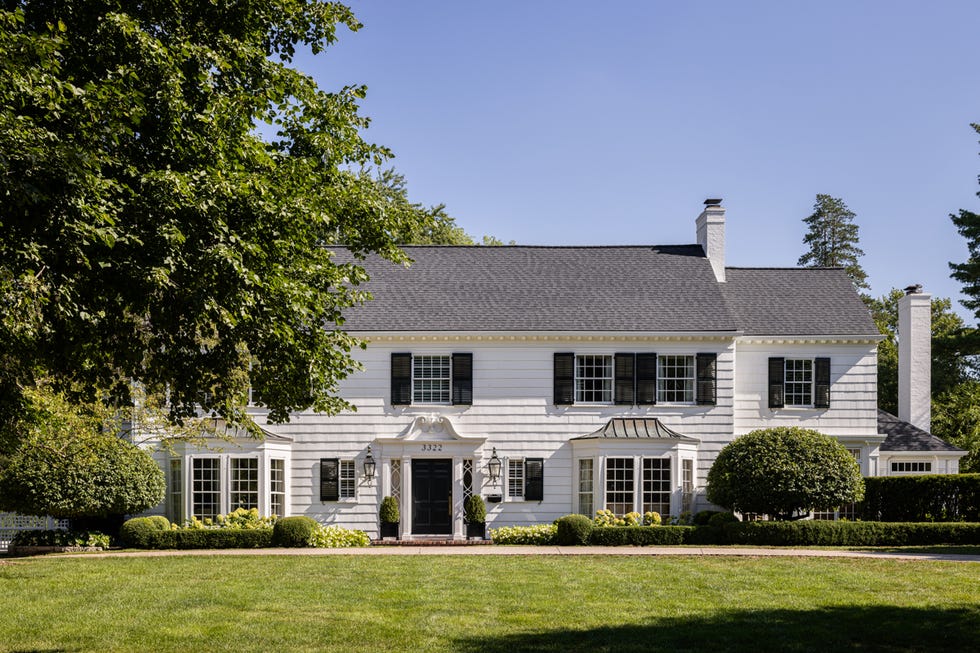
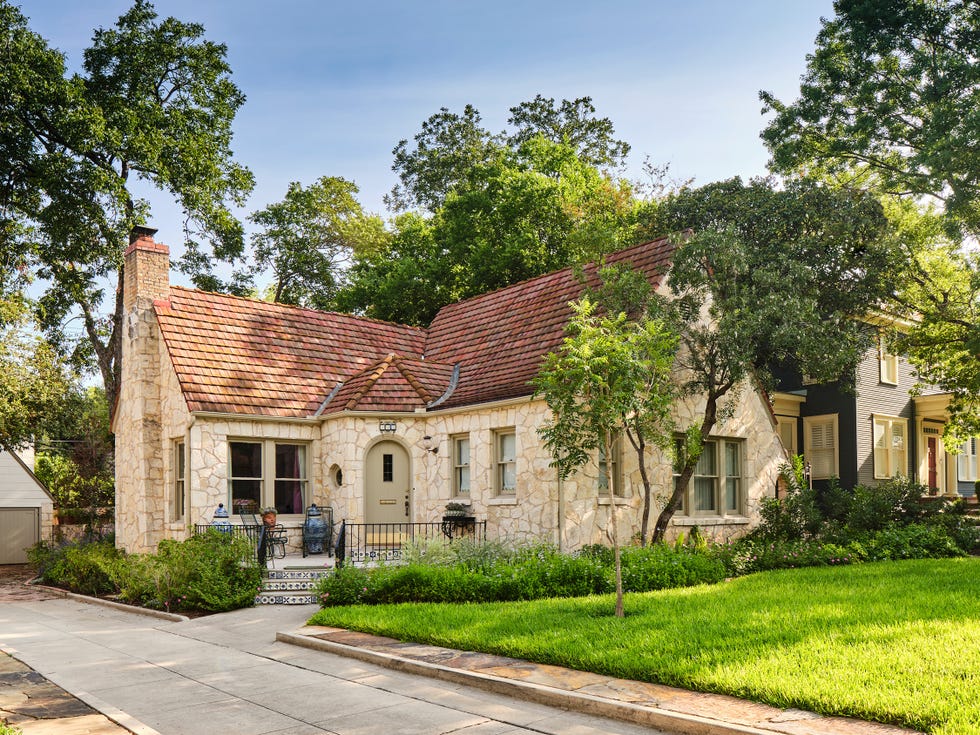
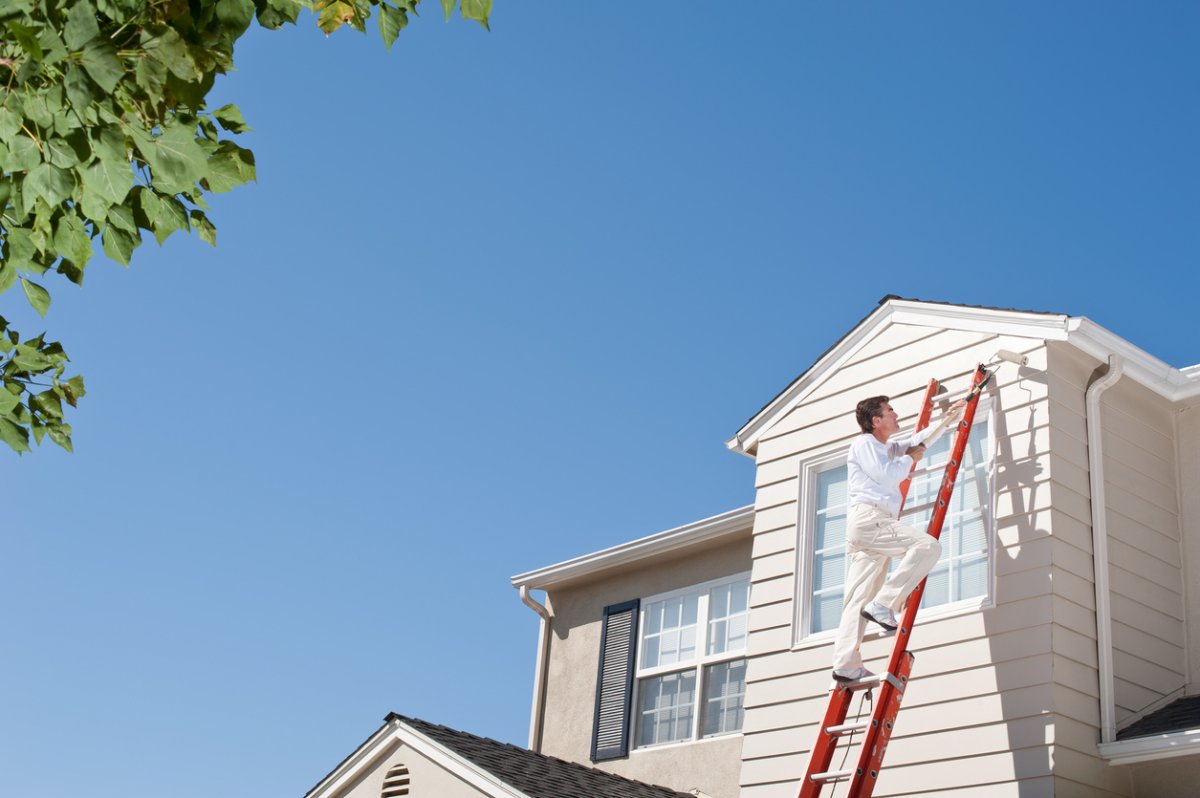
According to the Department of Energy, exterior surfaces with dull, dark colors can absorb 70 to 90 percent of the sun's radiant energy. A portion of this absorbed energy is then converted into heat and transferred into the interior of the home through conduction. This means that homes with darker exteriors are likely to experience higher indoor temperatures. Conversely, lighter exterior colors will reflect more sunlight, leading to cooler interior temperatures and potentially reduced cooling costs.
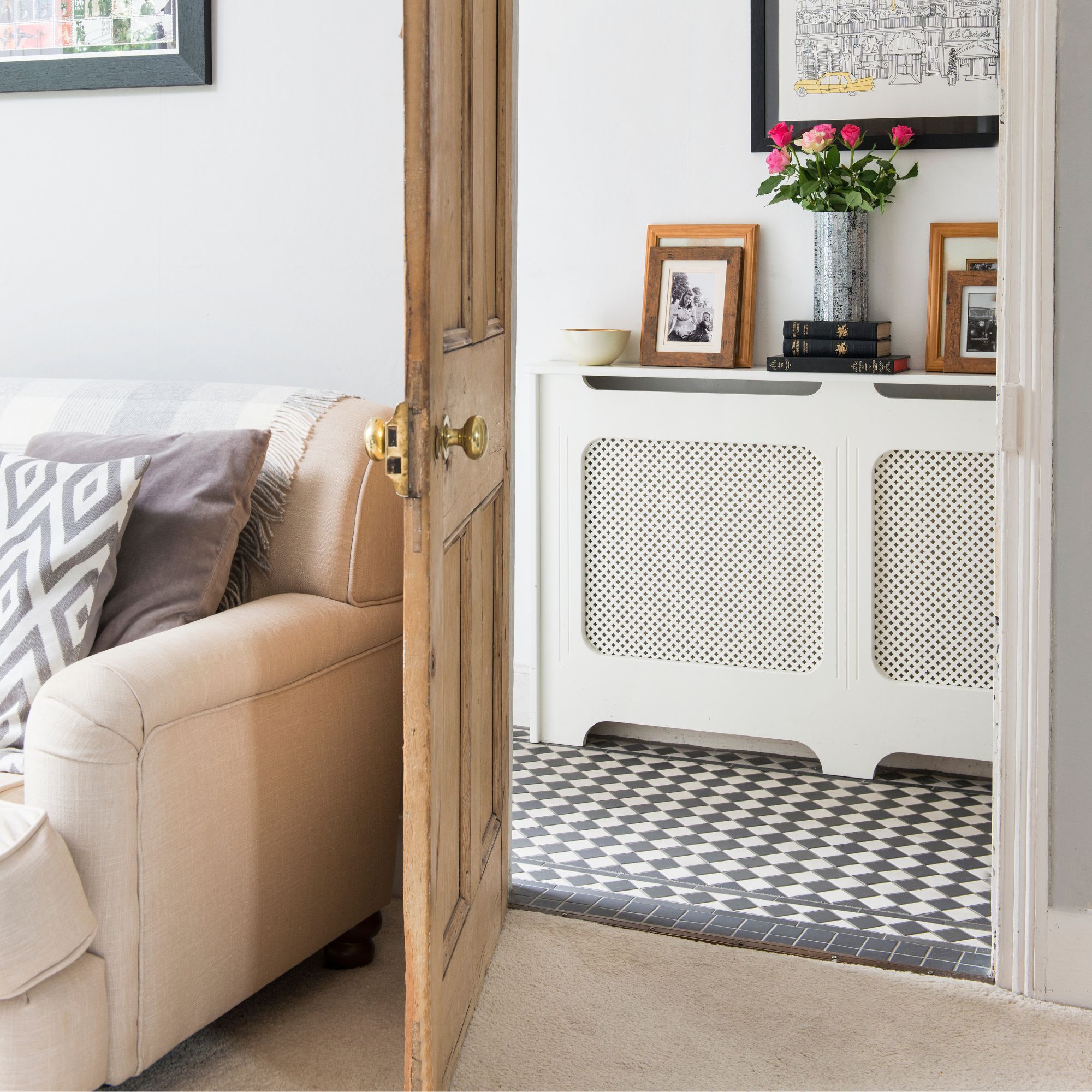
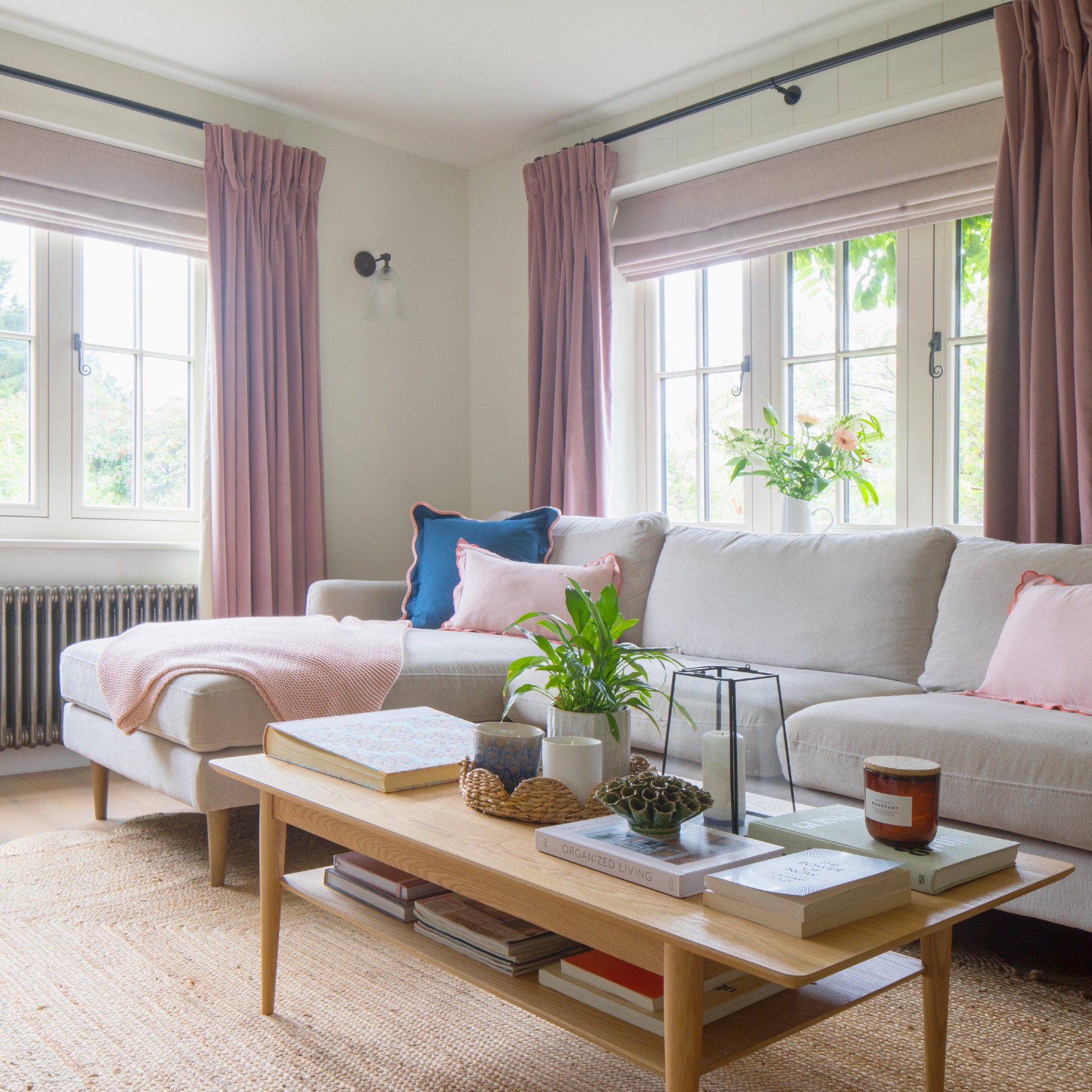
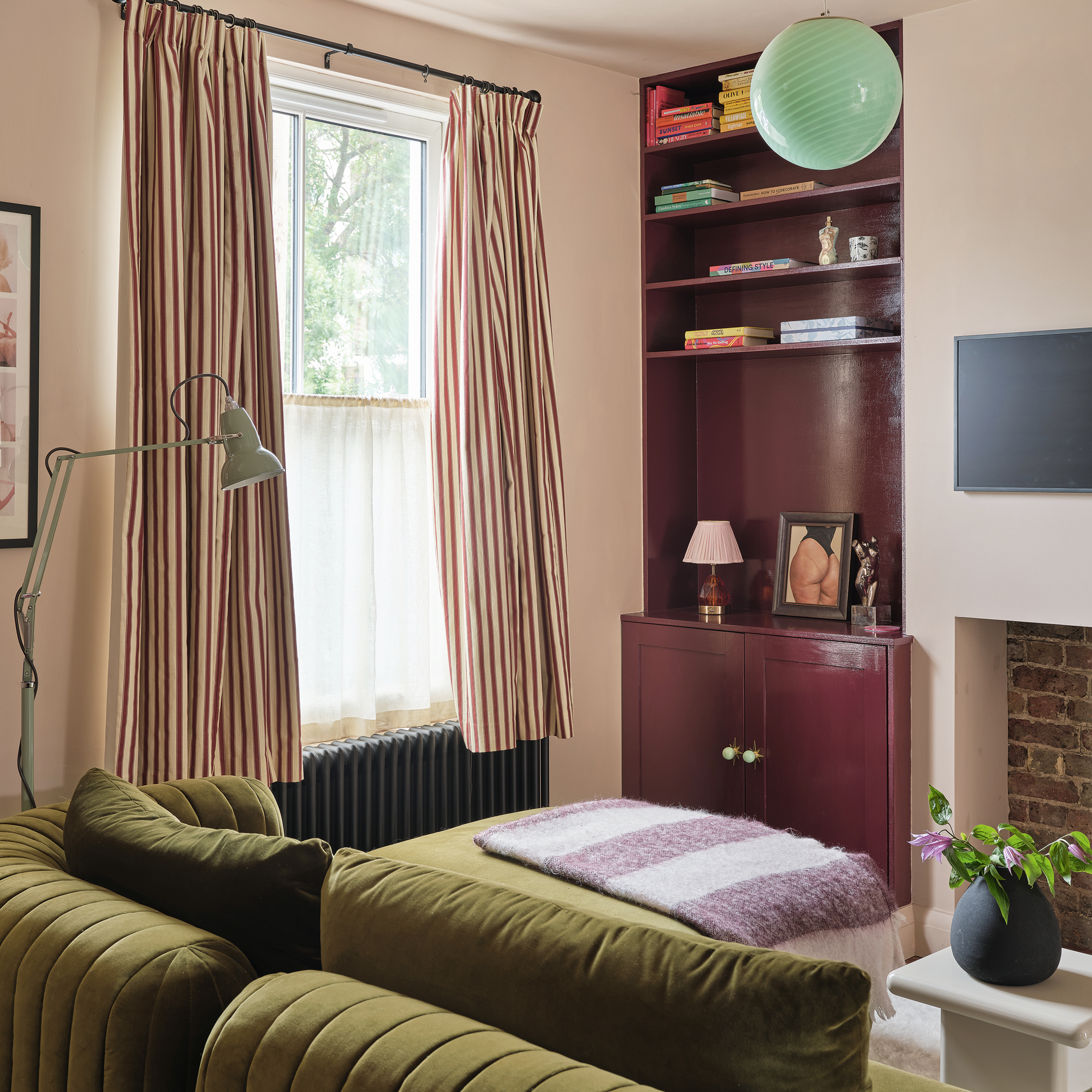
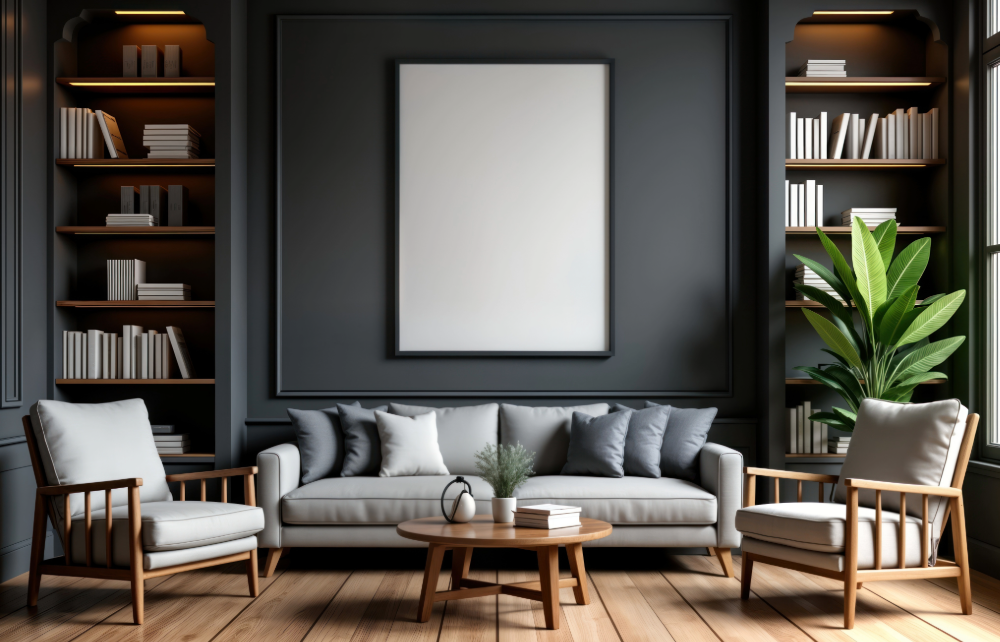
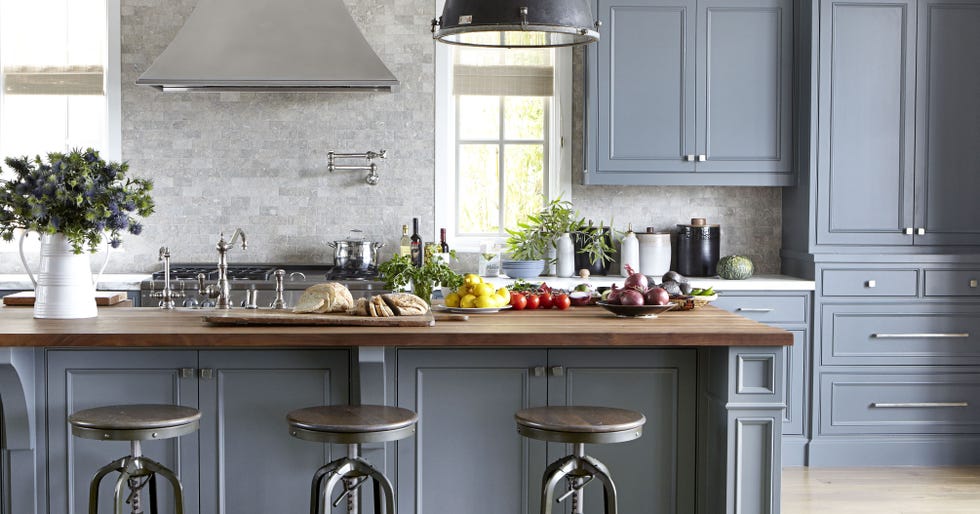
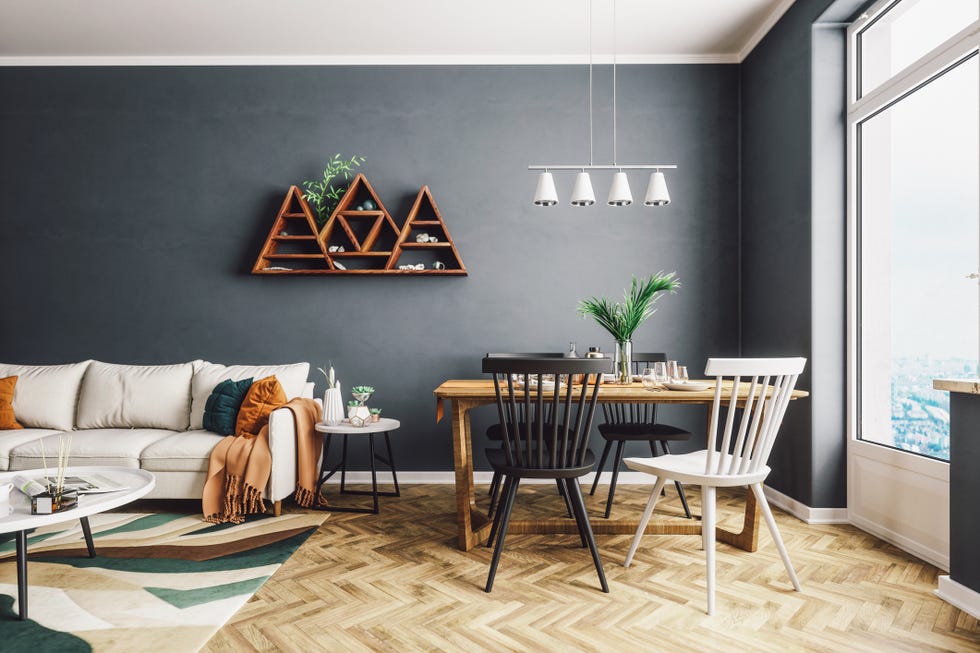
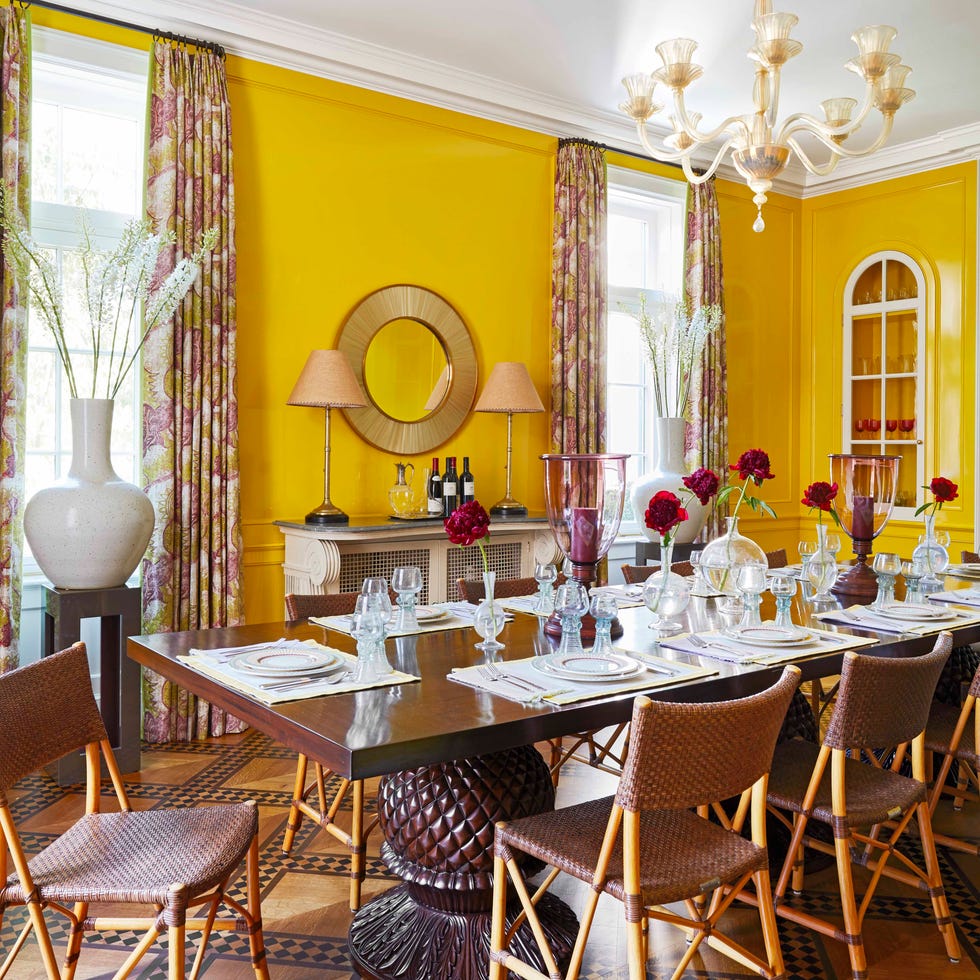
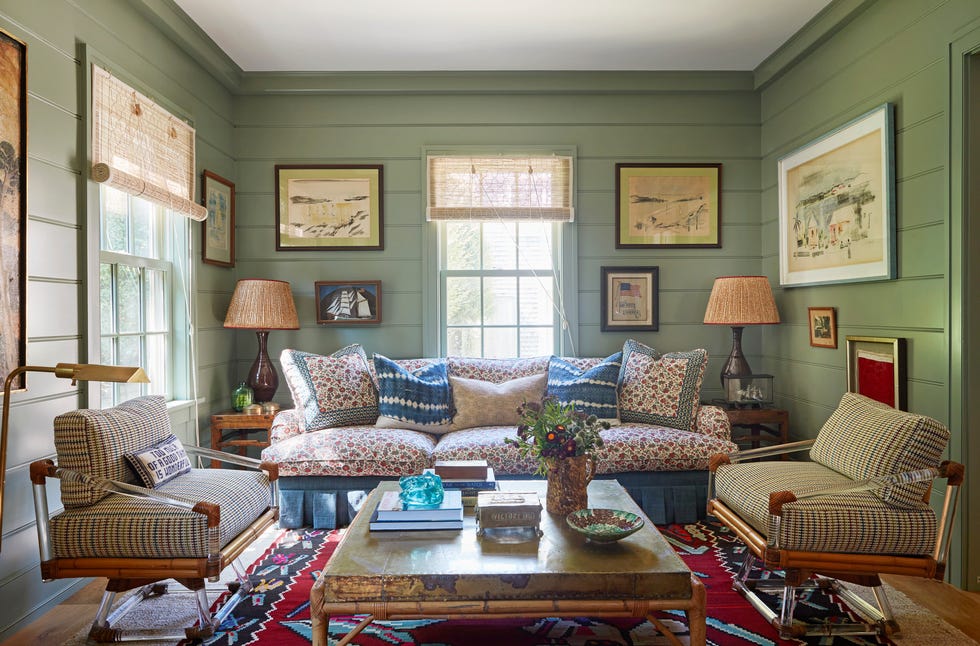
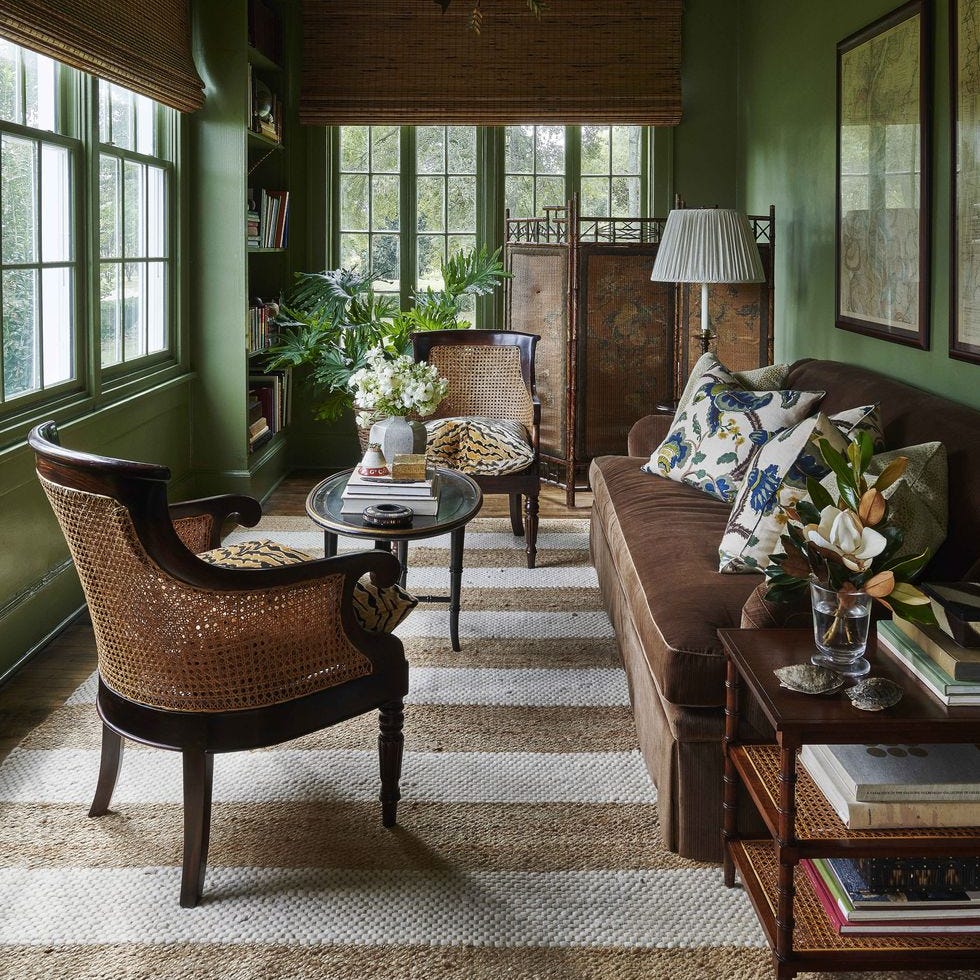
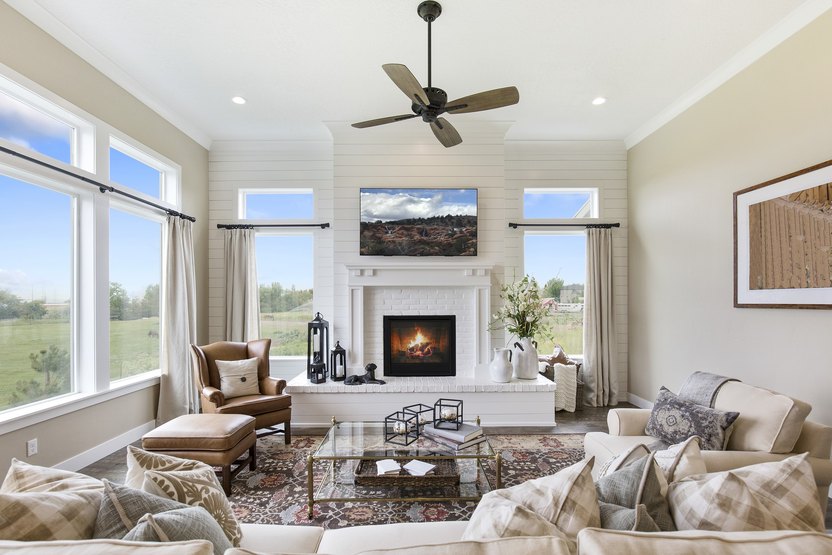
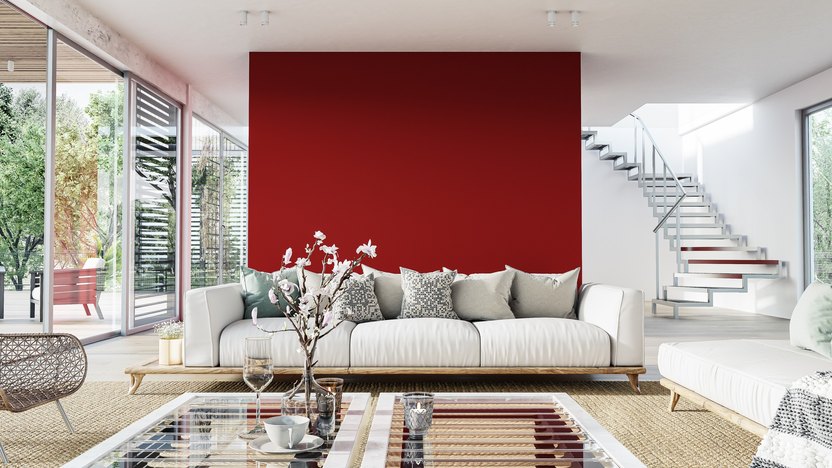
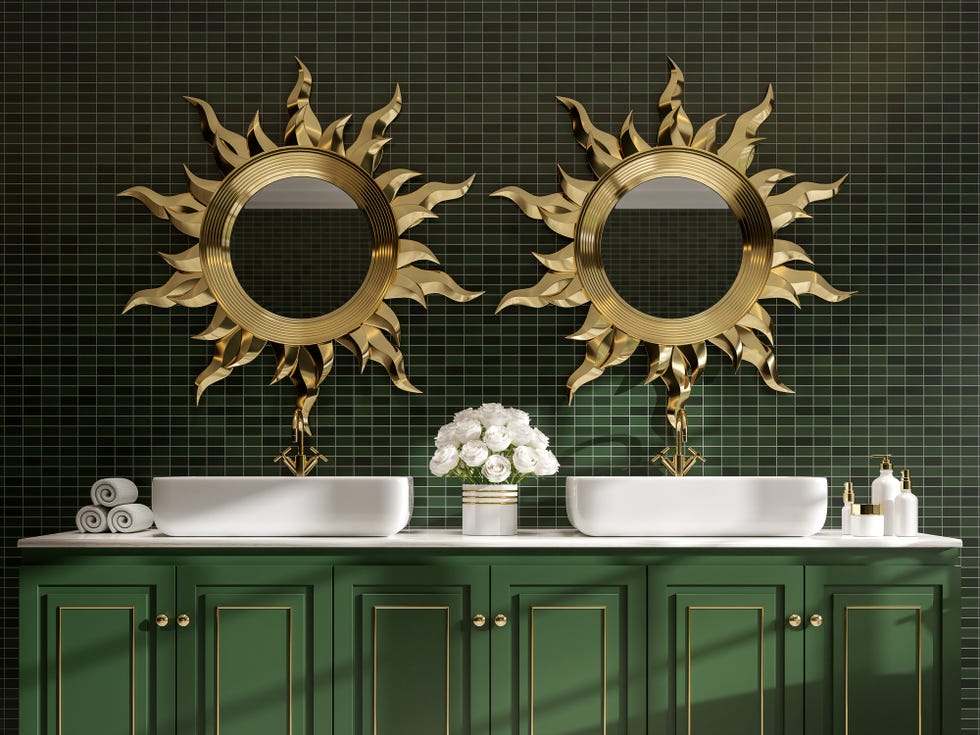
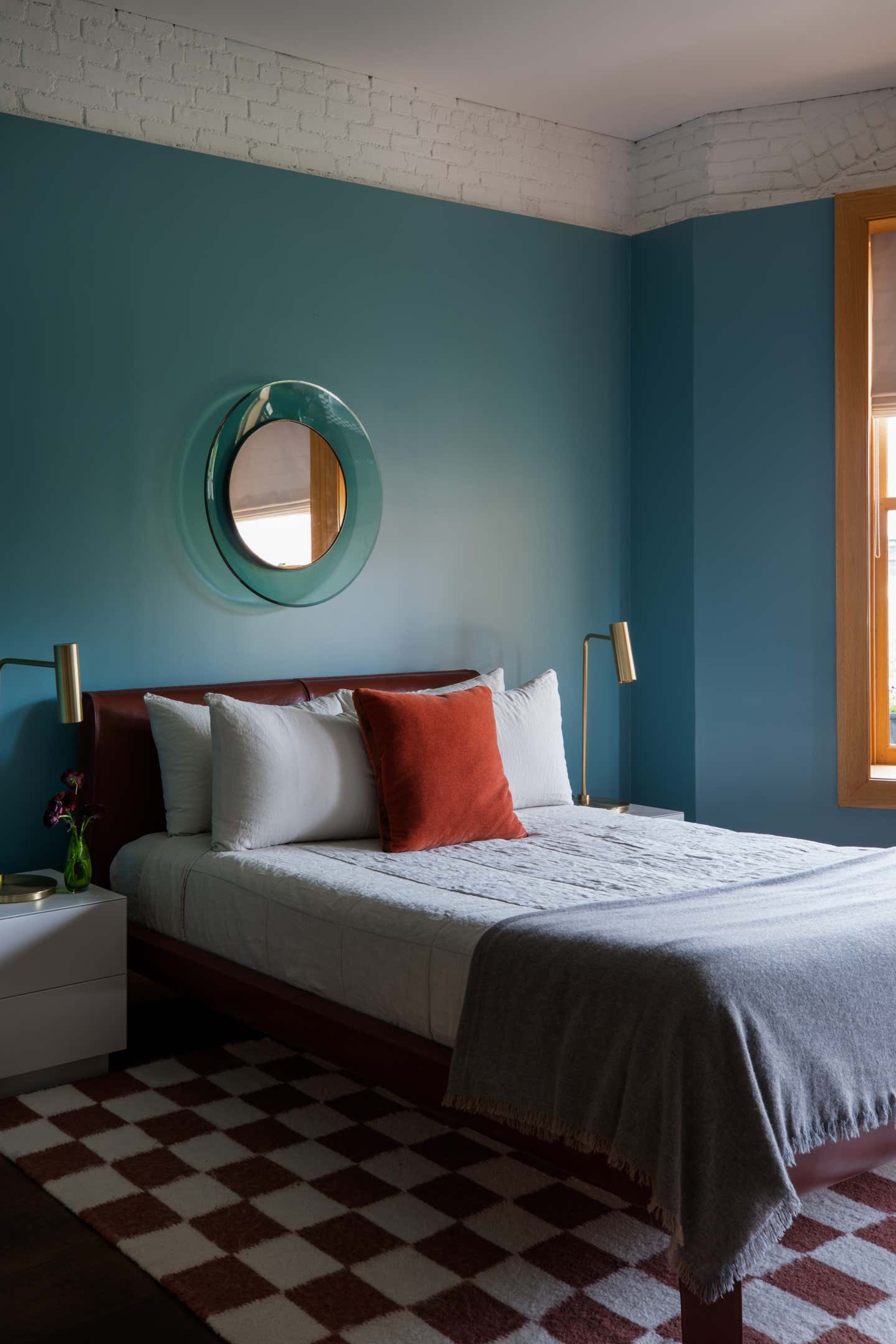
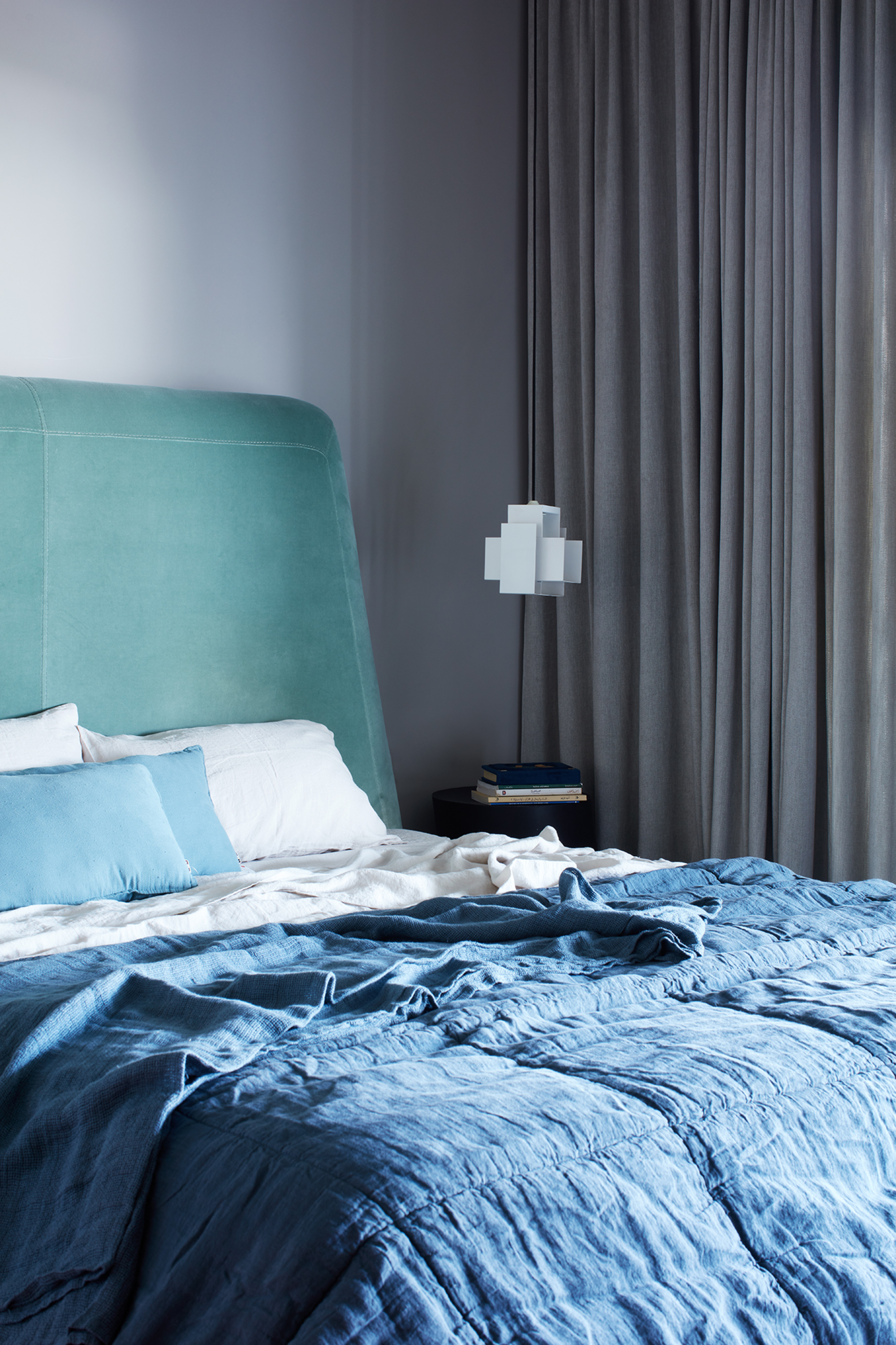
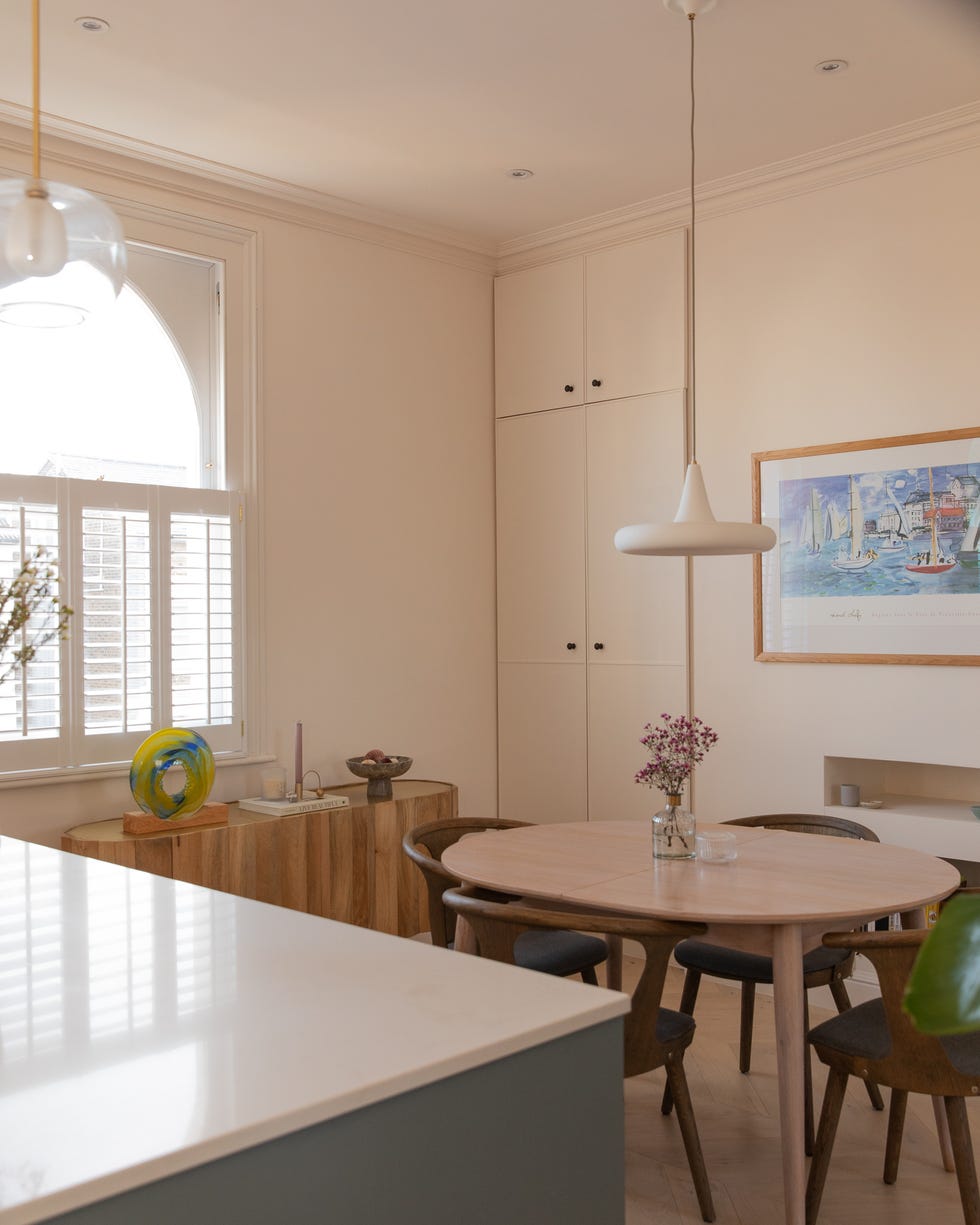
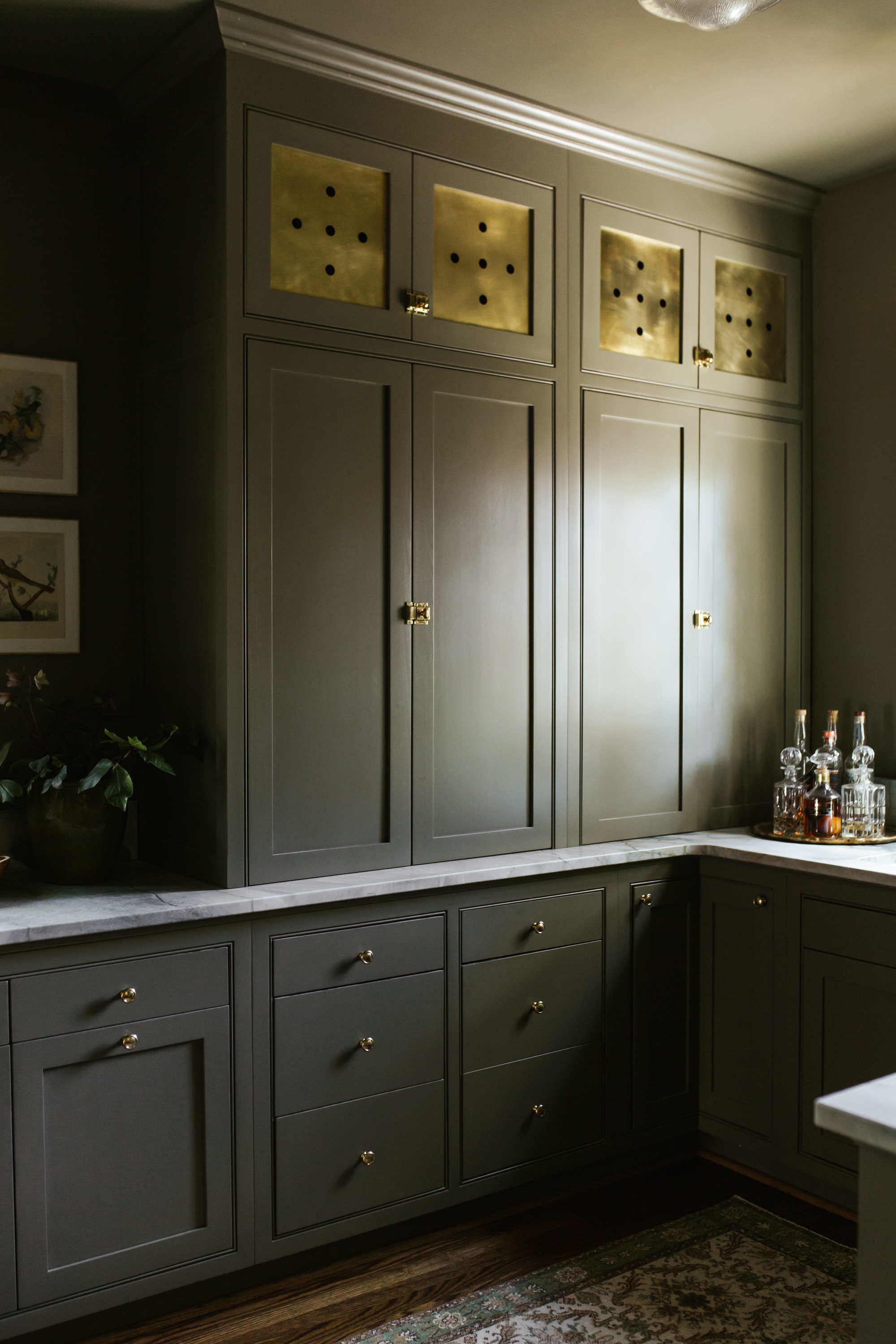
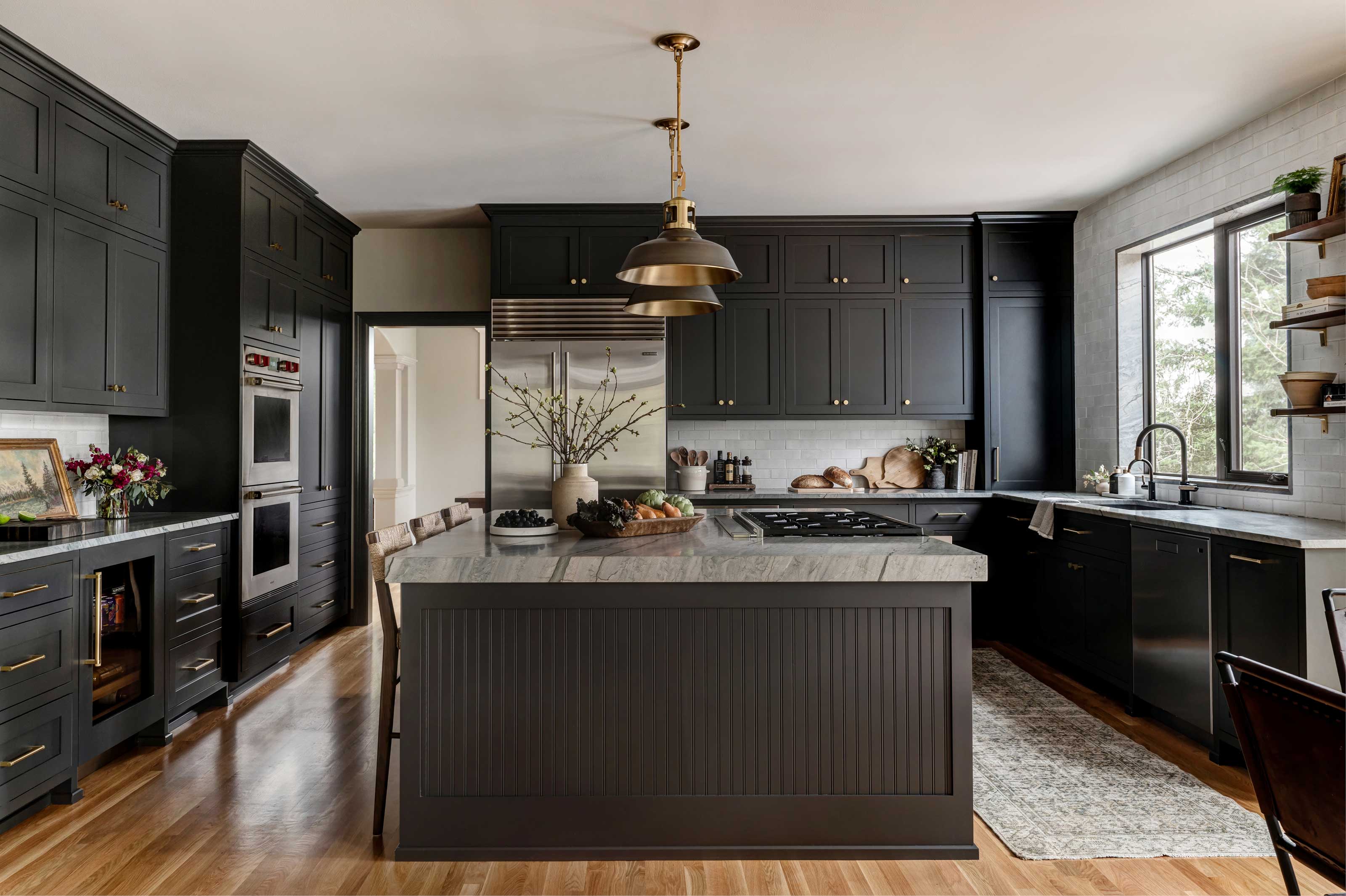
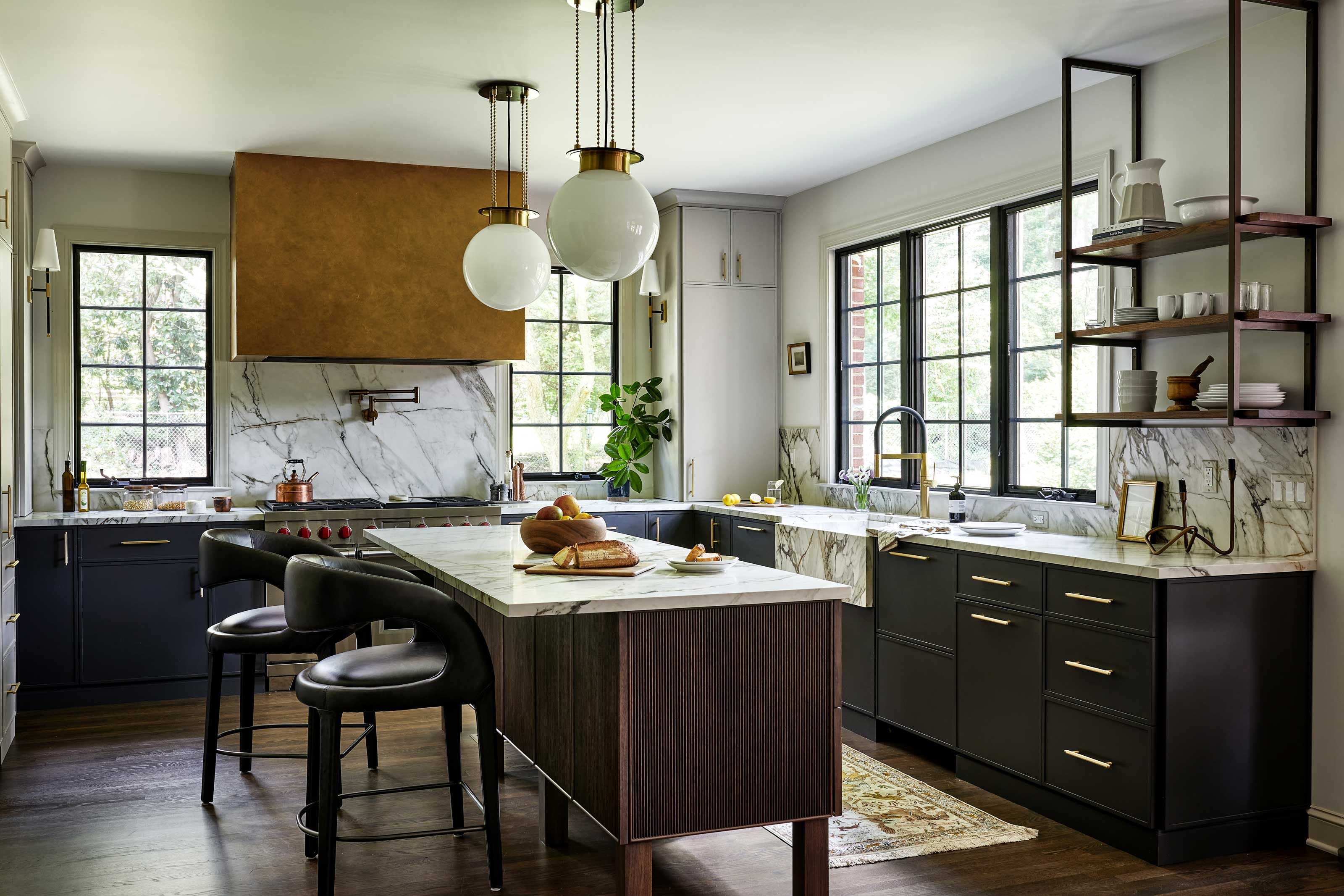
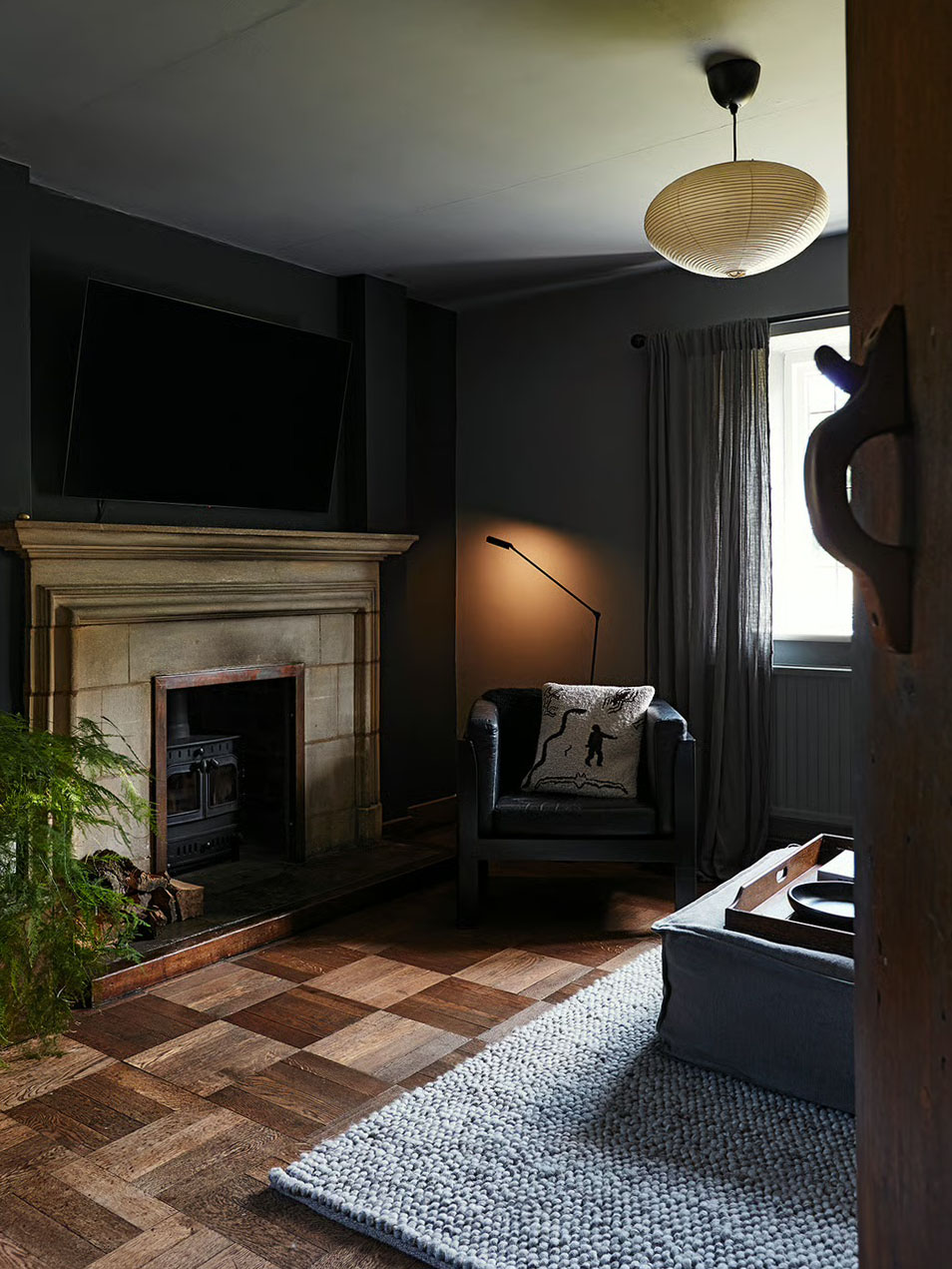
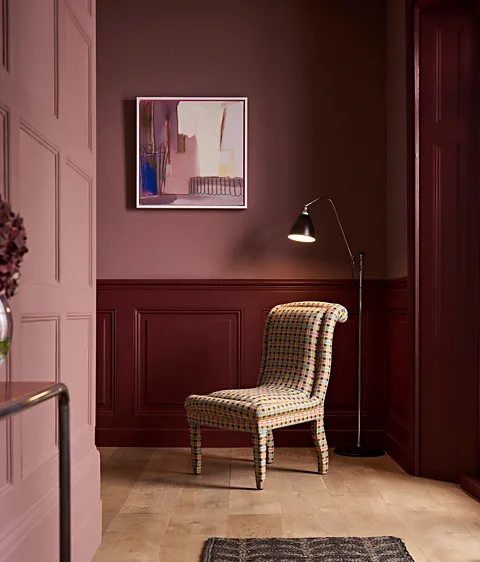
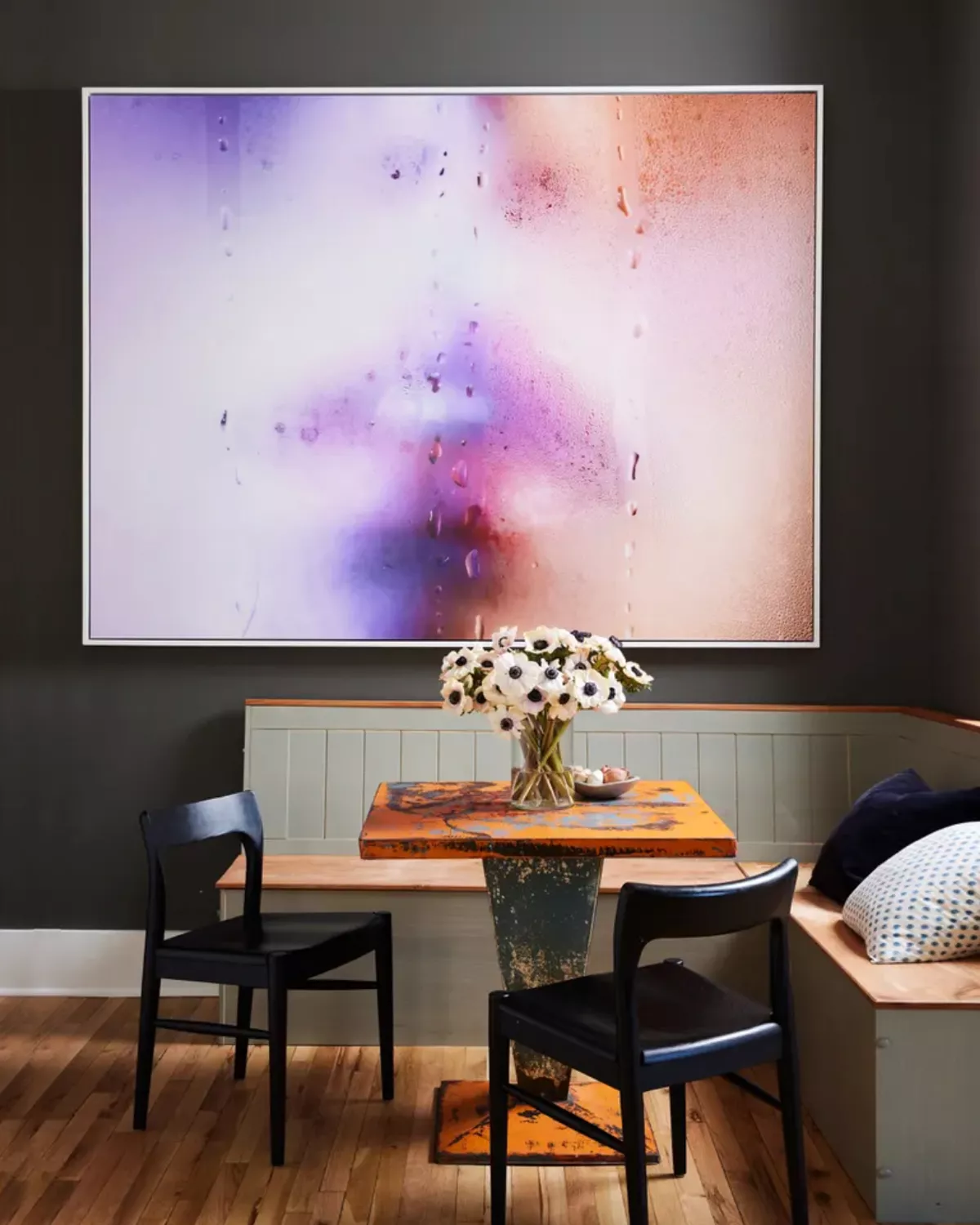
For interior spaces, the same principle applies. A room painted with crisp white, while appearing larger and brighter, may retain less heat during the colder months. This could necessitate more frequent use of heating systems or higher thermostat settings to maintain comfort, ultimately leading to increased heating bills. On the other hand, incorporating darker colors, such as a moody, deep-sea shade in a north-facing room that typically remains chilly in winter, could actually help in retaining warmth and potentially lower heating expenses.
To determine the energy efficiency implications of a specific paint color, homeowners can refer to the Light Reflectivity Value (LRV), a stat usually found on the back of paint swatches. The LRV scale ranges from 0 to 100, where 0 represents true black (maximum heat absorption) and 100 represents true white (maximum light reflection). A lower LRV indicates greater heat absorption, while a higher LRV signifies greater light reflection.
Experts like Steve Revnew, Director of Marketing and Product Development for Sherwin-Williams, note a growing interest in LRV among consumers who are increasingly asking how to use color for energy saving. Drew Smith, a contractor and consultant for Sherwin-Williams, emphasizes the importance of involving a color designer from the early stages of a project to strategically use color to improve the indoor environment and manage energy loads. For example, in colder climates or for homes aiming to retain warmth, darker hues might be preferred, especially for areas like a cozy A-frame home. Conversely, in warm subtropical regions, lighter colors would be more suitable to minimize heat absorption and keep interiors cool.
Ultimately, understanding the thermal properties of paint colors allows for more strategic and energy-conscious design decisions. While individual paint choices in smaller dwellings might have a minimal impact, applying these color theory principles in larger homes or structures can lead to significant long-term savings on energy bills and contribute to a more comfortable living environment.
#PaintColor #EnergyEfficiency #HeatingBills #HomeDesign #InteriorDecorating #LightReflectivityValue #SustainableLiving #HomeImprovement #PaintColor #EnergyEfficiency #HeatingBills #HomeDesign #InteriorDecorating #LightReflectivityValue #SustainableLiving #HomeImprovement
Há 0 comentários no total
 Ainda não há comentários
Você também pode gostar
The Best Exterior House Paint Colors for Hot and Cold Climates
6 Paint Colors That Will Make Your House Sell for More Money

8 Surprising Colors That Will Decrease Your Home's Value, According to Experts

This Paint Color Can Actually Increase Your Home's Value, According to Zillow
The Best Exterior House Paint Colors for Hot and Cold Climates

How Your Home's Paint Colors Can Make You Happier, According to Experts

7 Paint Colors That Make a House Sell for More Money

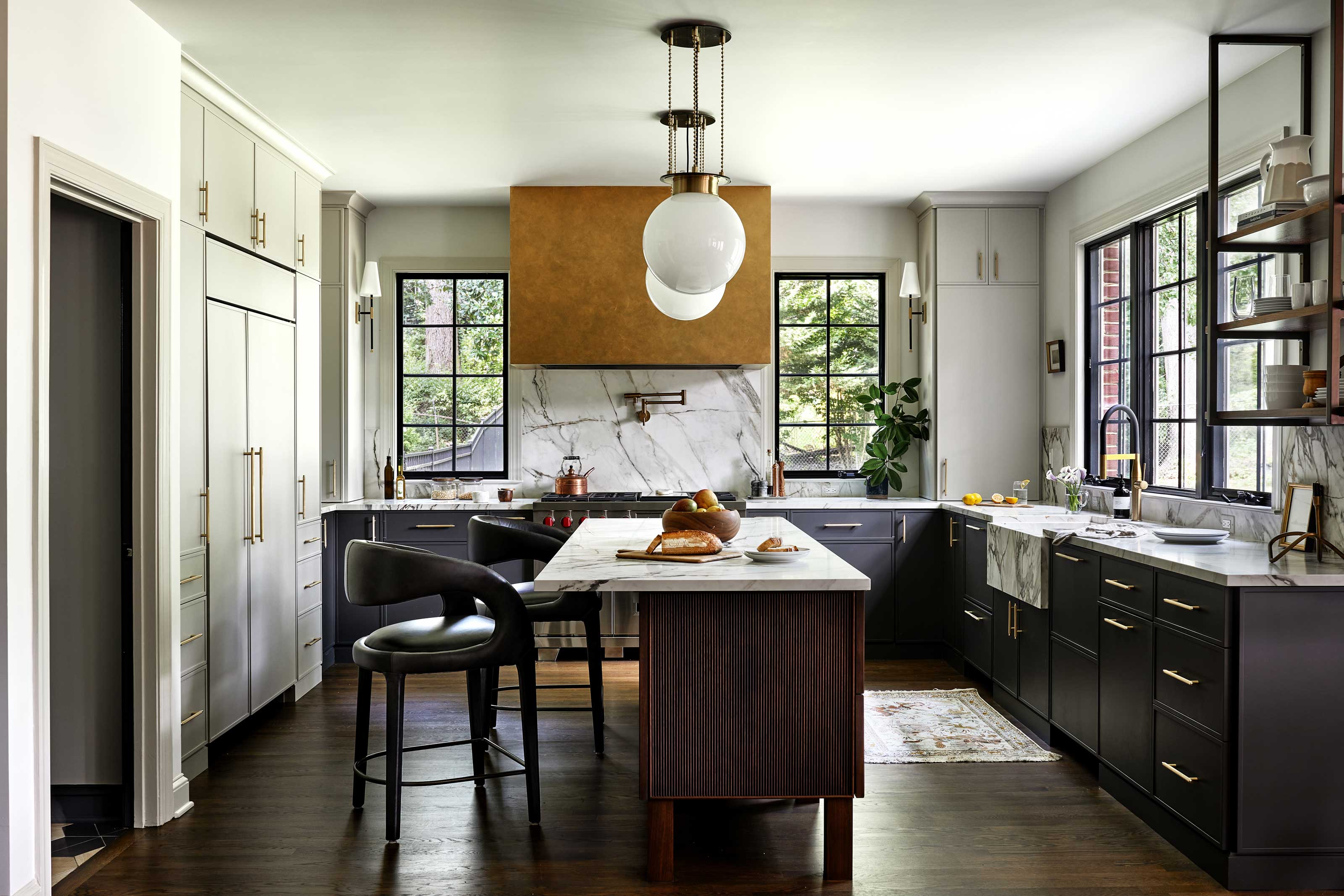
This "trend-defying" kitchen color could make your home sell for thousands of dollars more, say experts

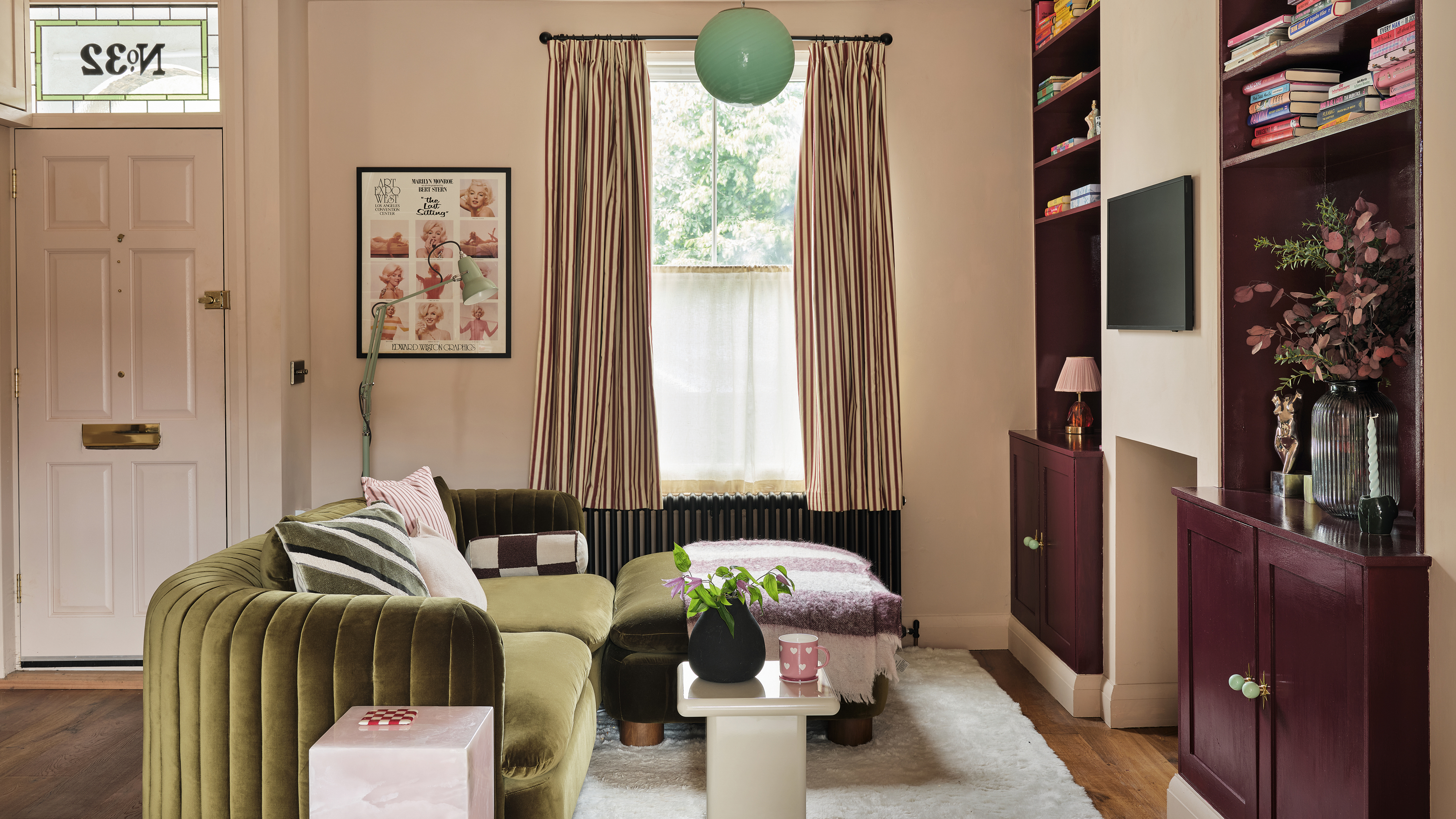
3 home design choices that were increasing my heating bills
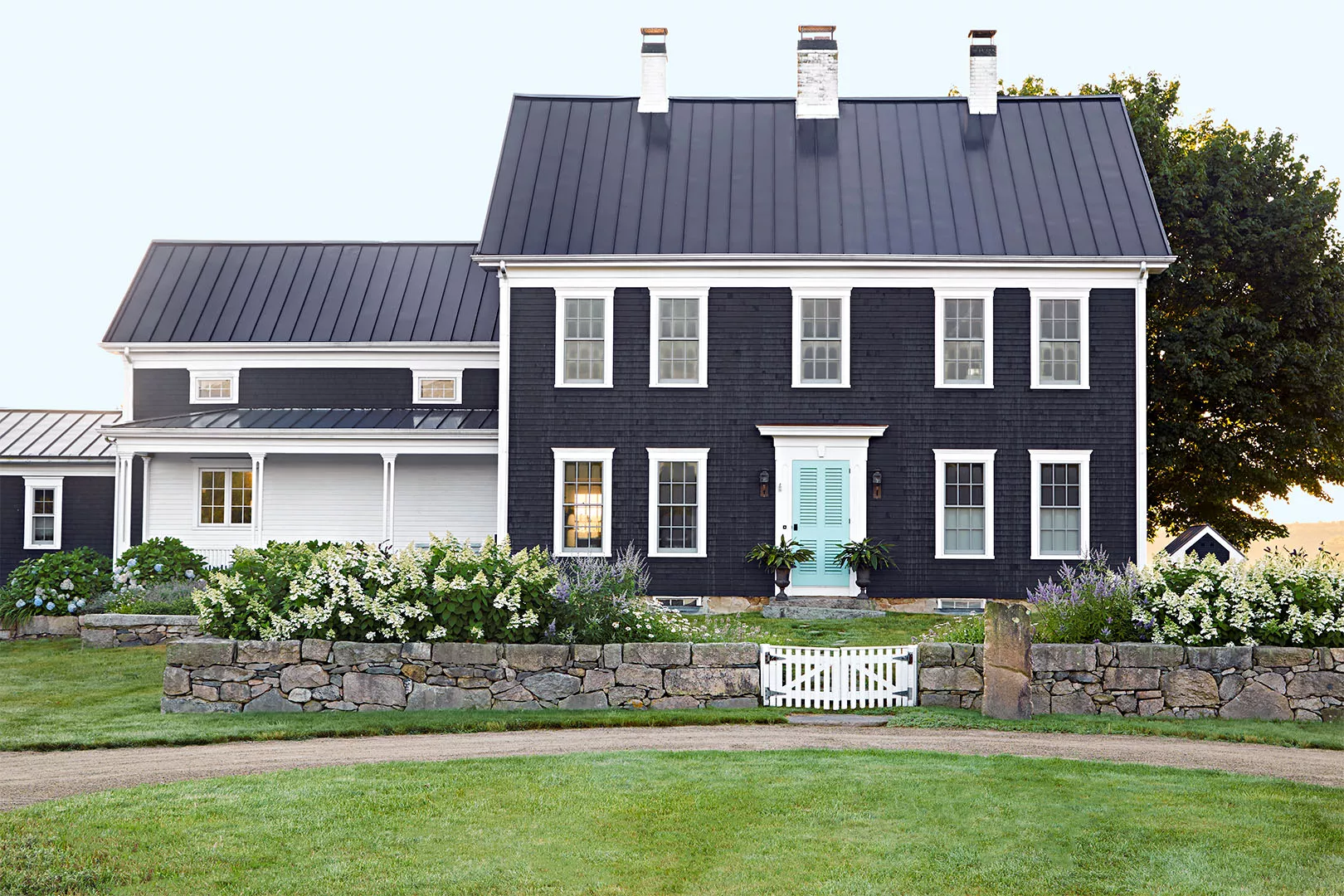
Does Painting Your House a Dark Color Make It Hotter? Here's What Experts Say

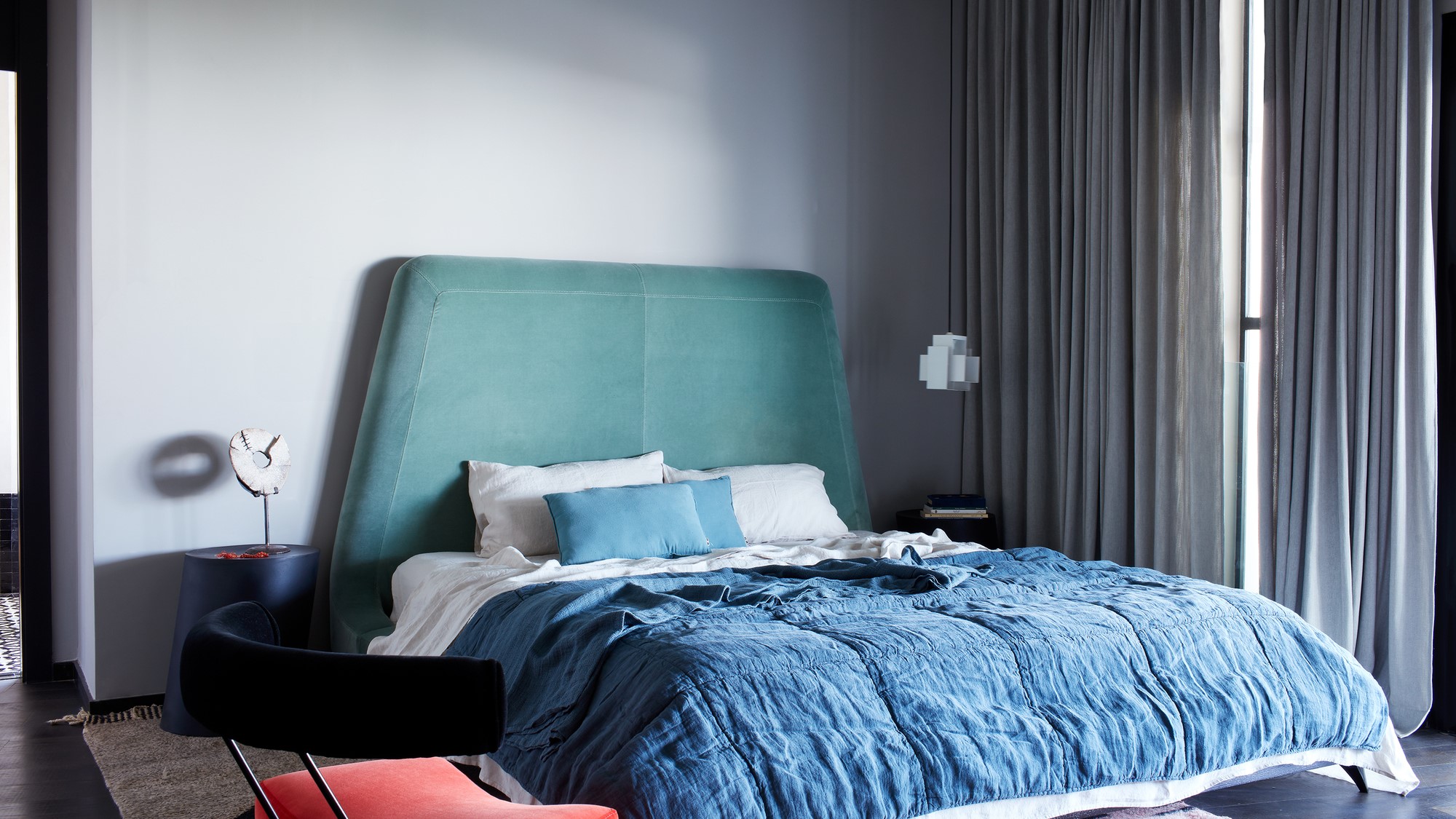
4 paint colors to make your bedroom feel cooler the paint experts swear by (and three to avoid)
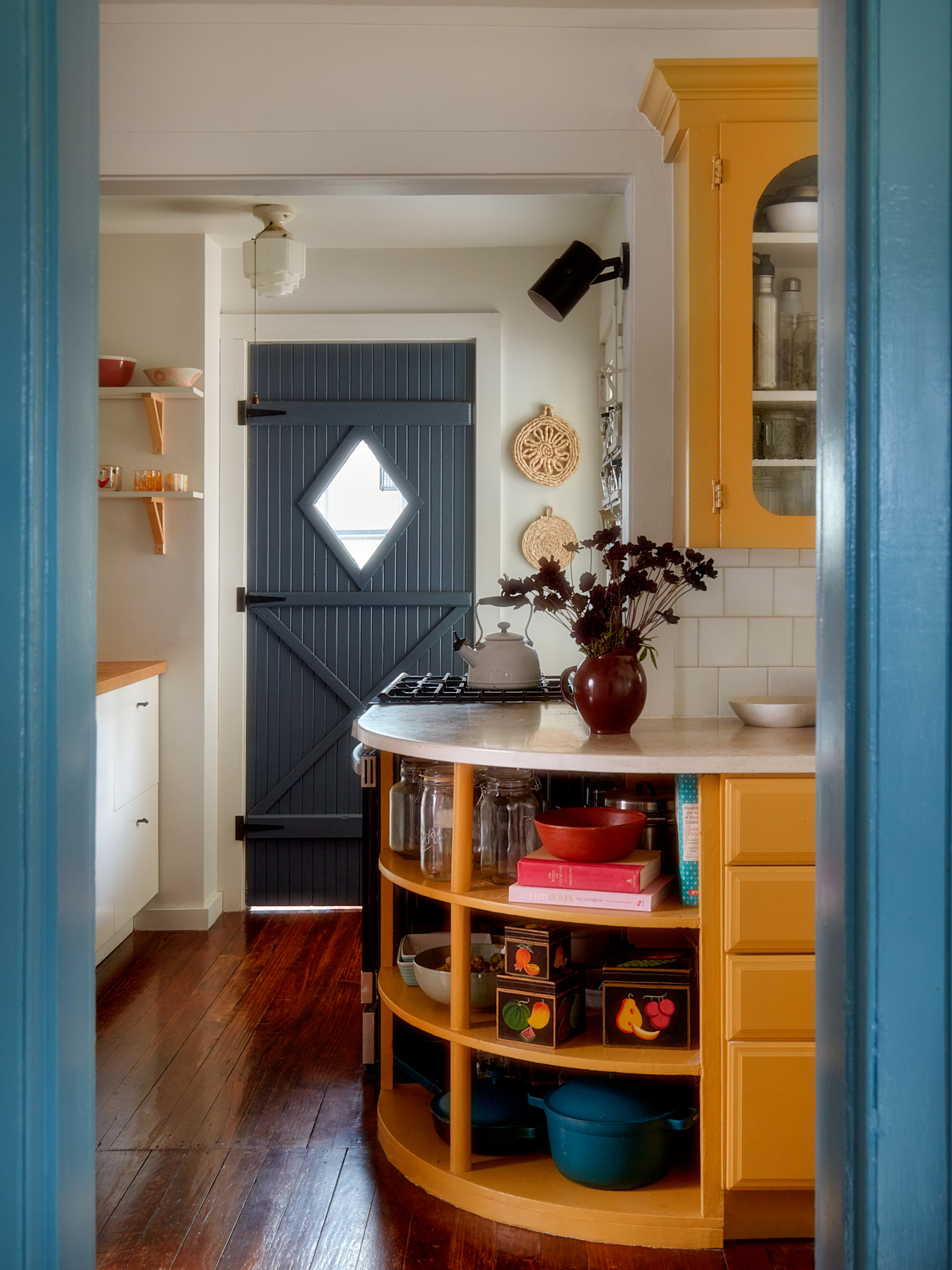
This Cheery Kitchen Color Could Hurt Your Home Value

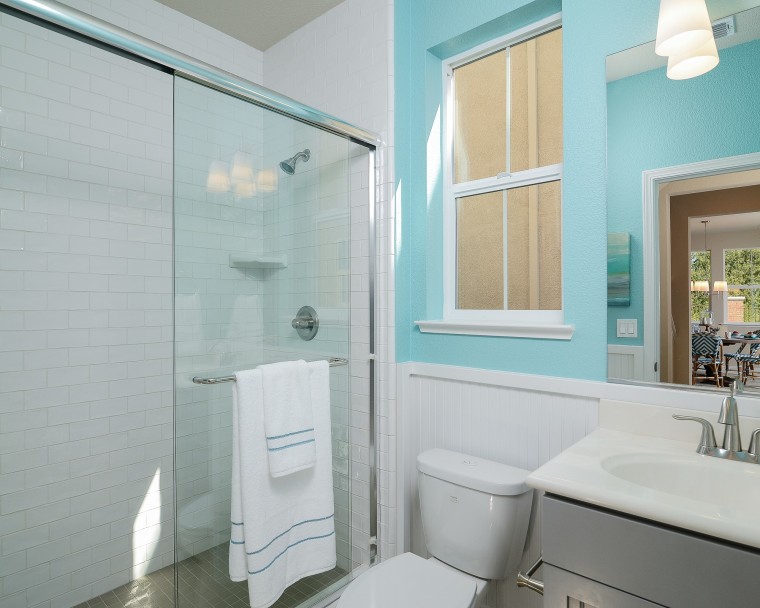
Increase your home's value by choosing the right paint color

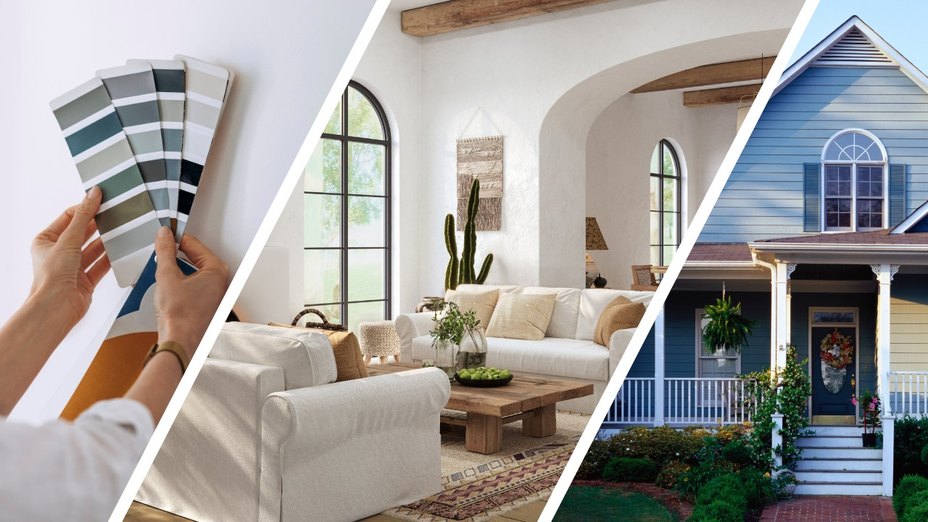
Real Estate Experts Reveal the Paint Colors That Decrease Your Home Value—and Tricks for Finding the Perfect Hue
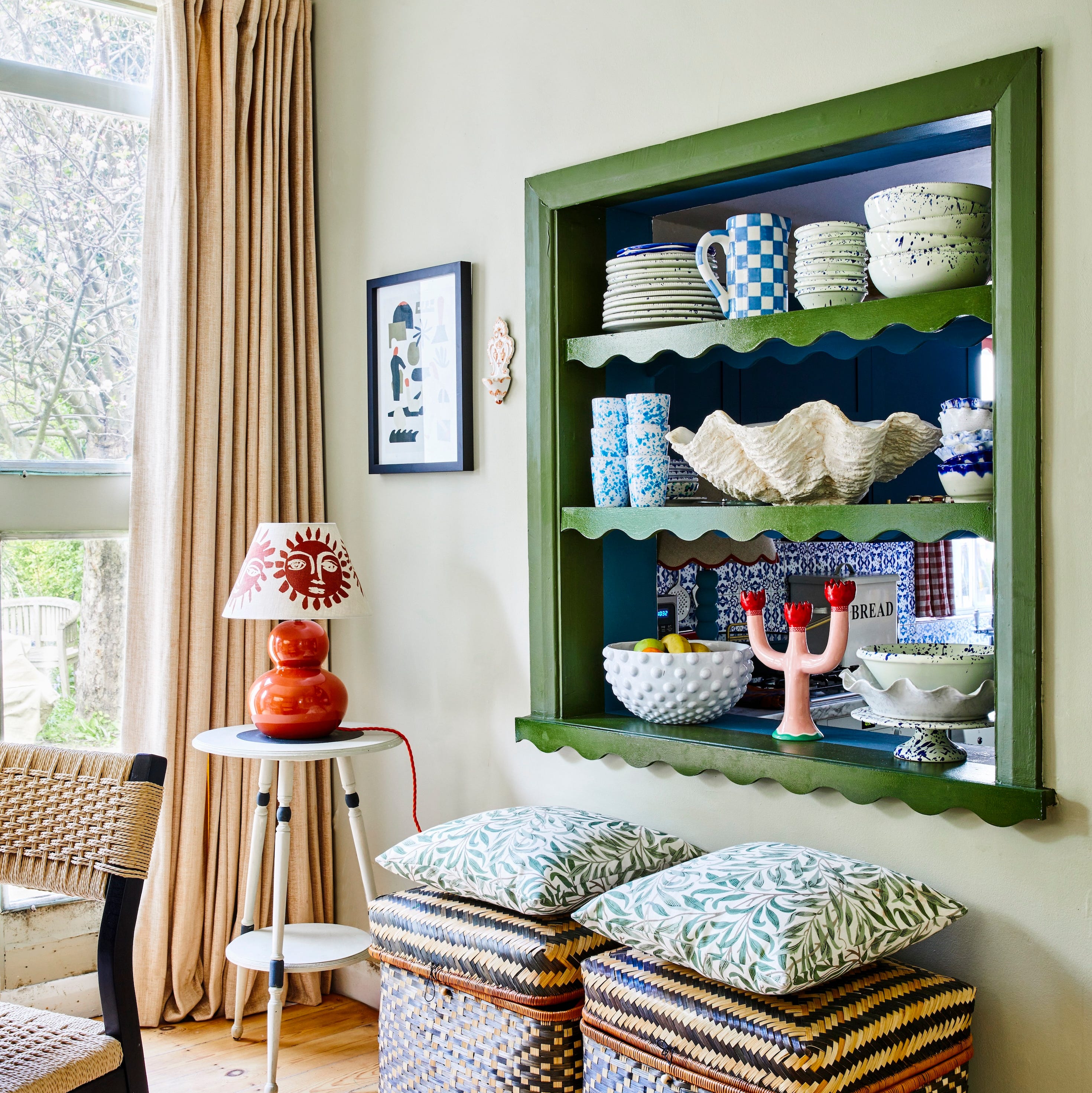
7 Paint Colours That Could Help You Sell Your Home For More
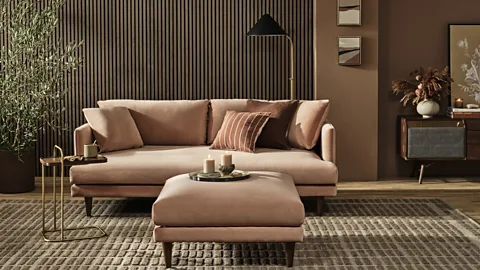
'Mocha mousse' to plum: The nine paint colours that can transform your home
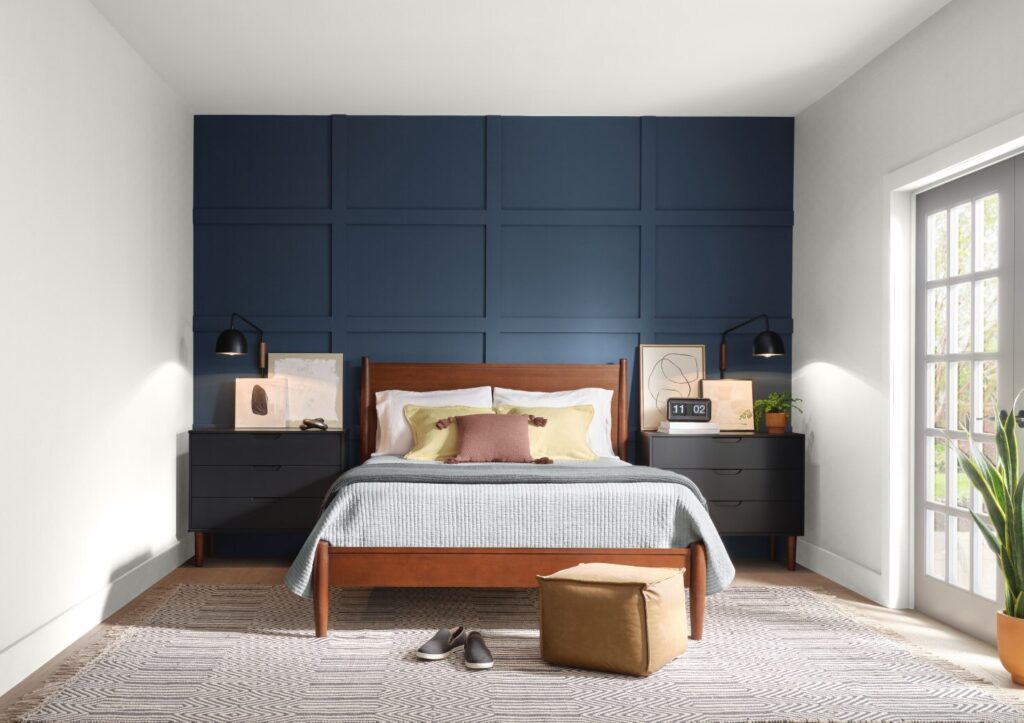
New Zillow Research Says These Paint Colors Can Help Sell Your Home

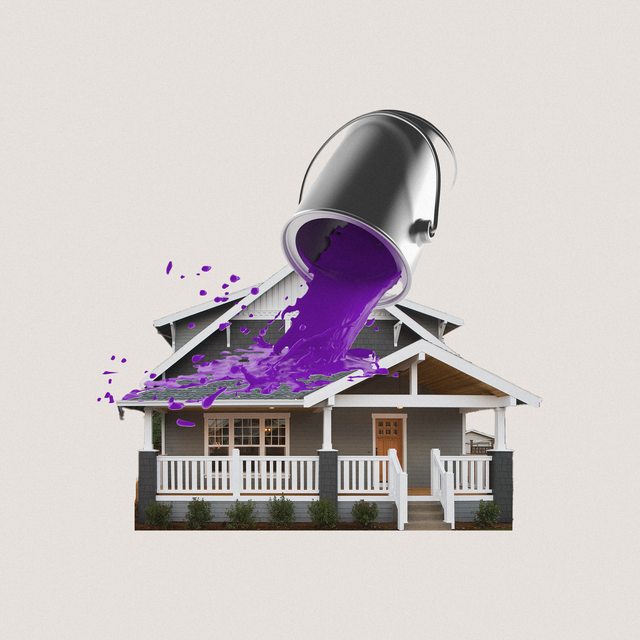
Designers Say These 5 Paint Colors Can Dramatically BOOST Your Resale Value
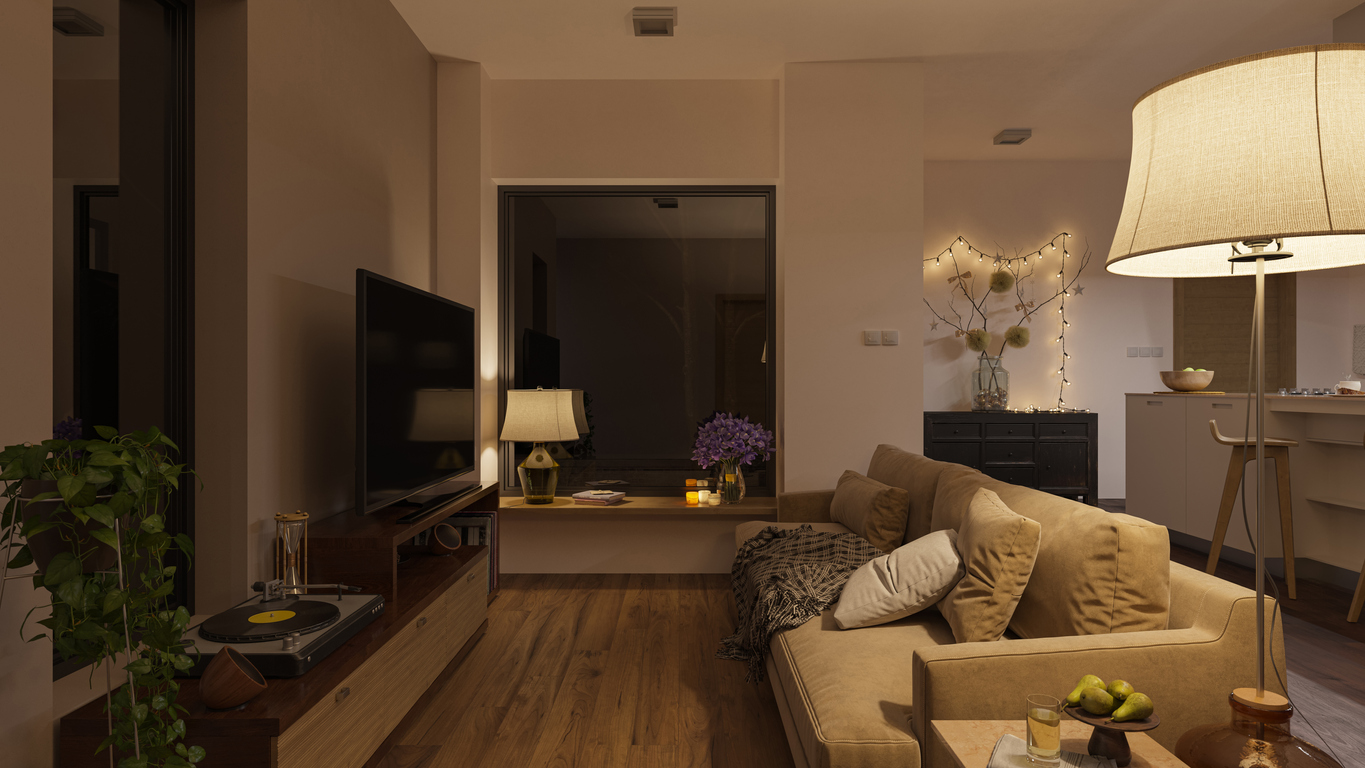
The 13 Best Paint Colors for Low-Light Rooms
The Paint Colors That Might Be Making—Or Breaking—Your Home's Value, According To Zillow