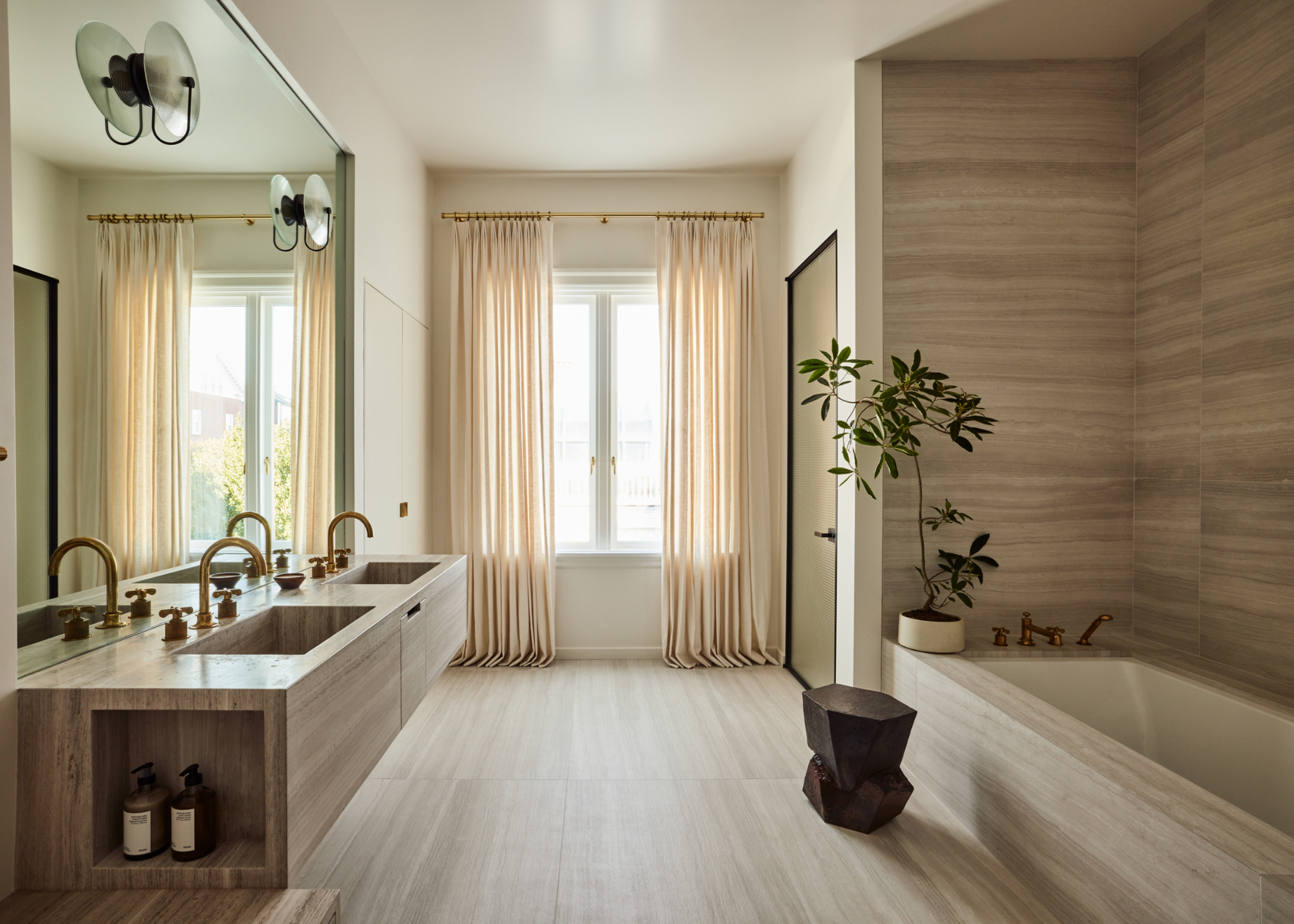
1/4
Travertine Is the Minimalist's Secret Weapon in Design
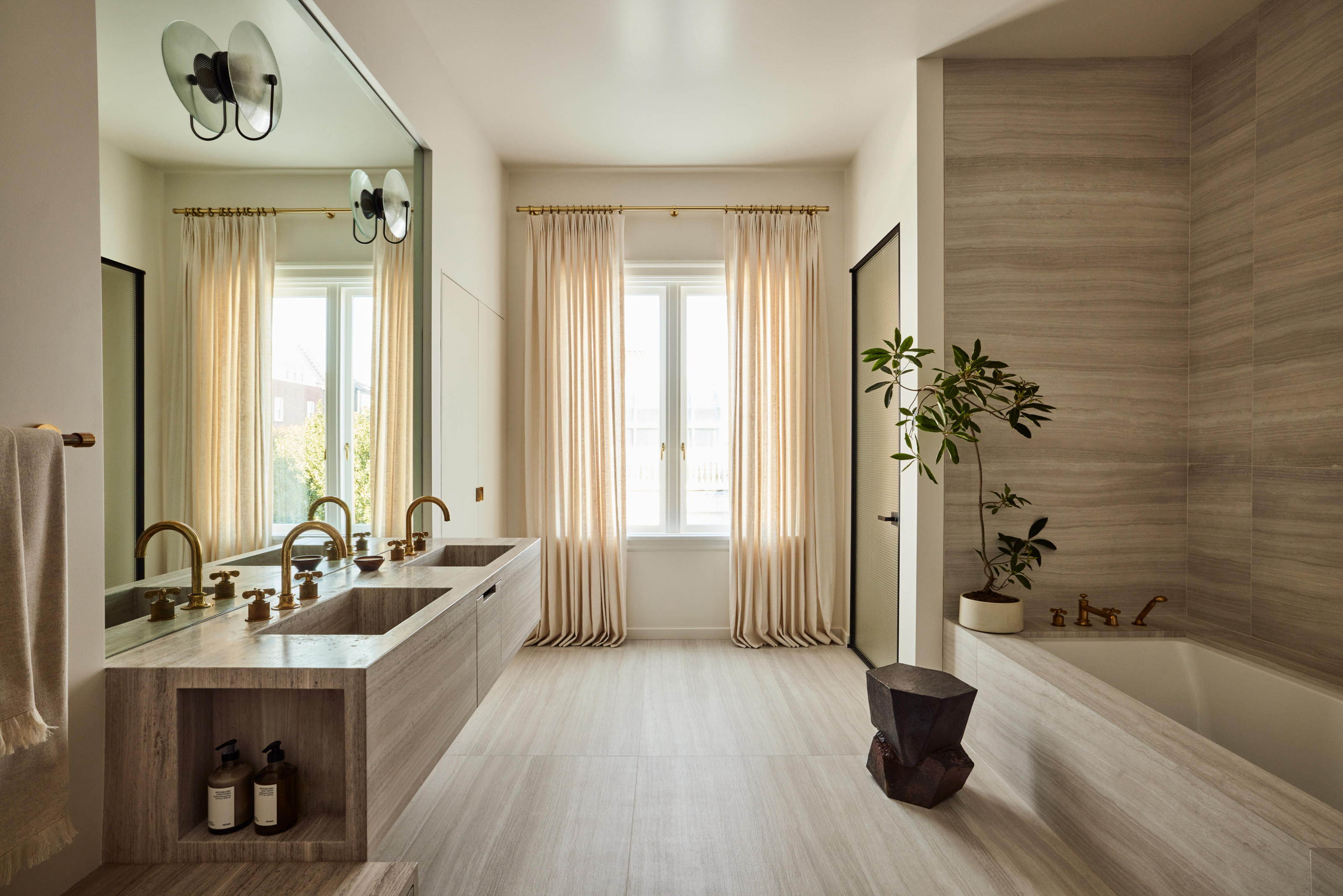
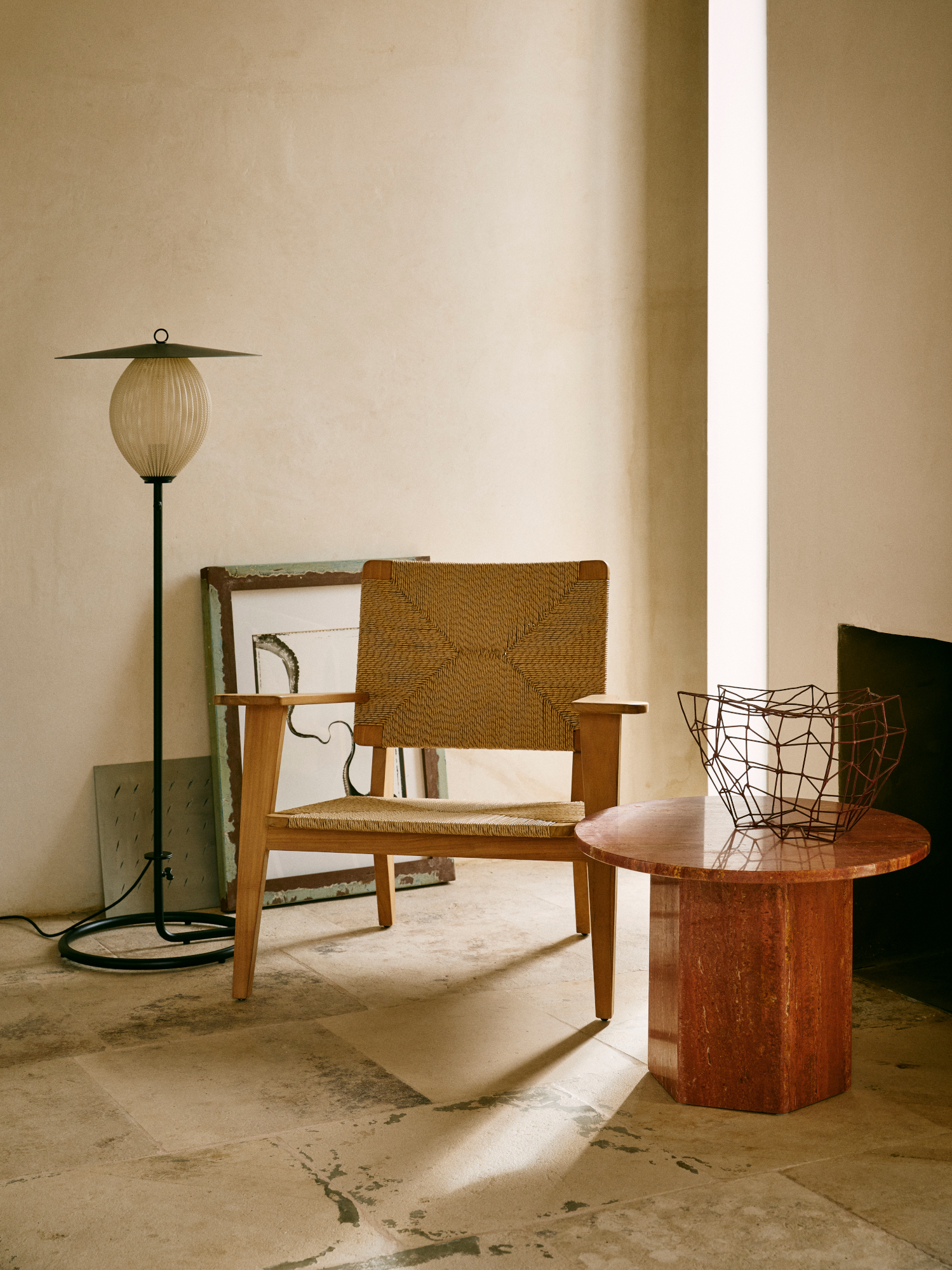
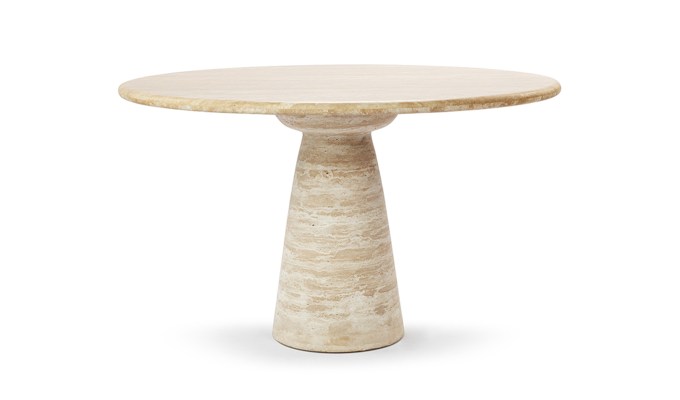
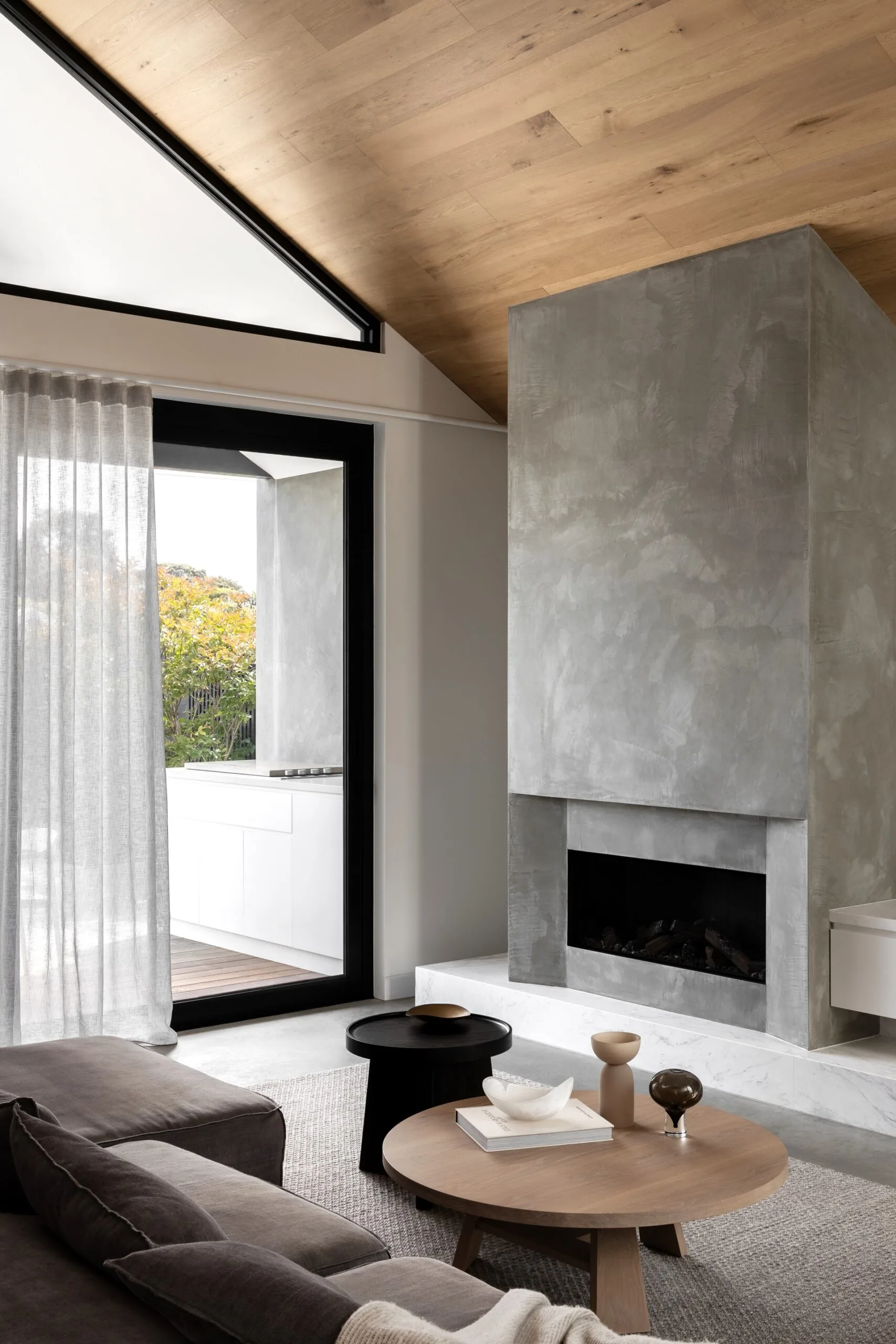
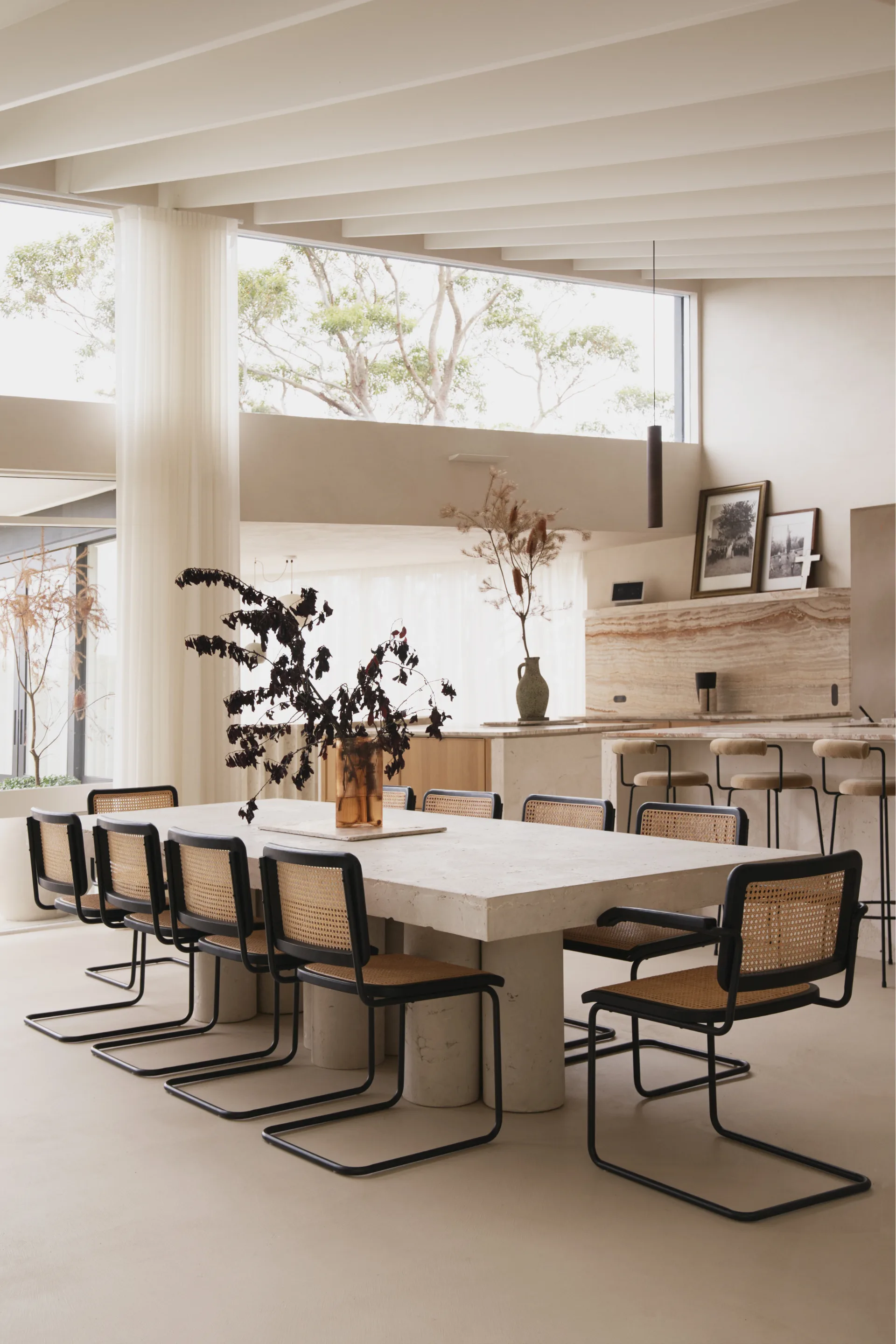
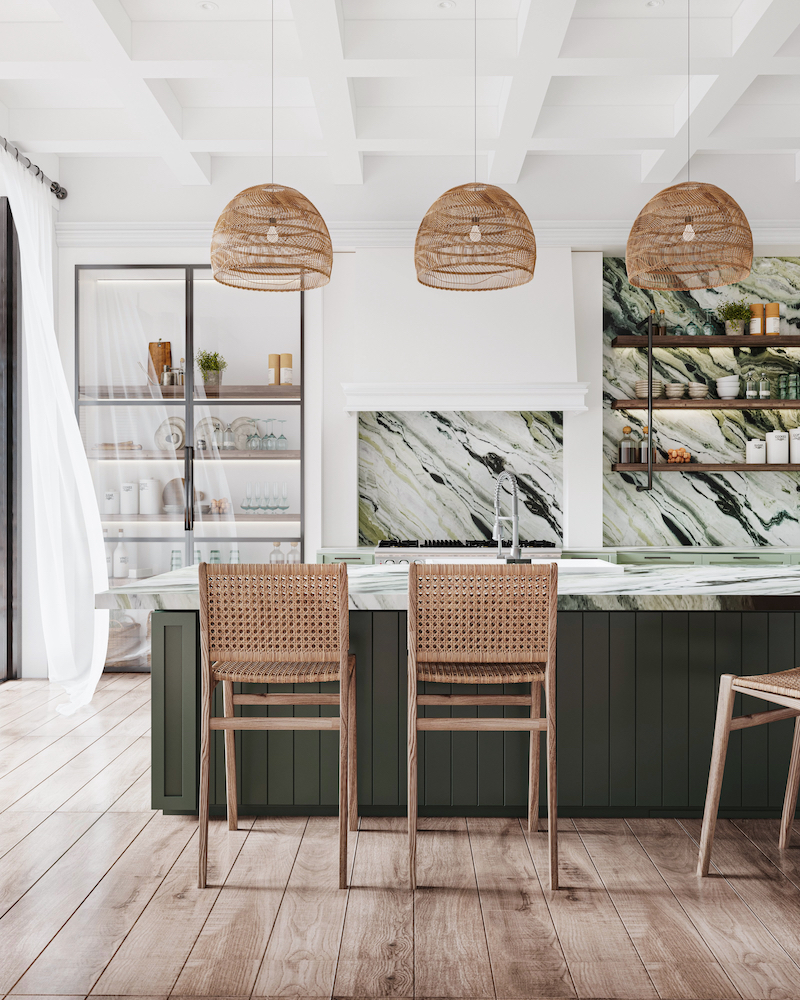
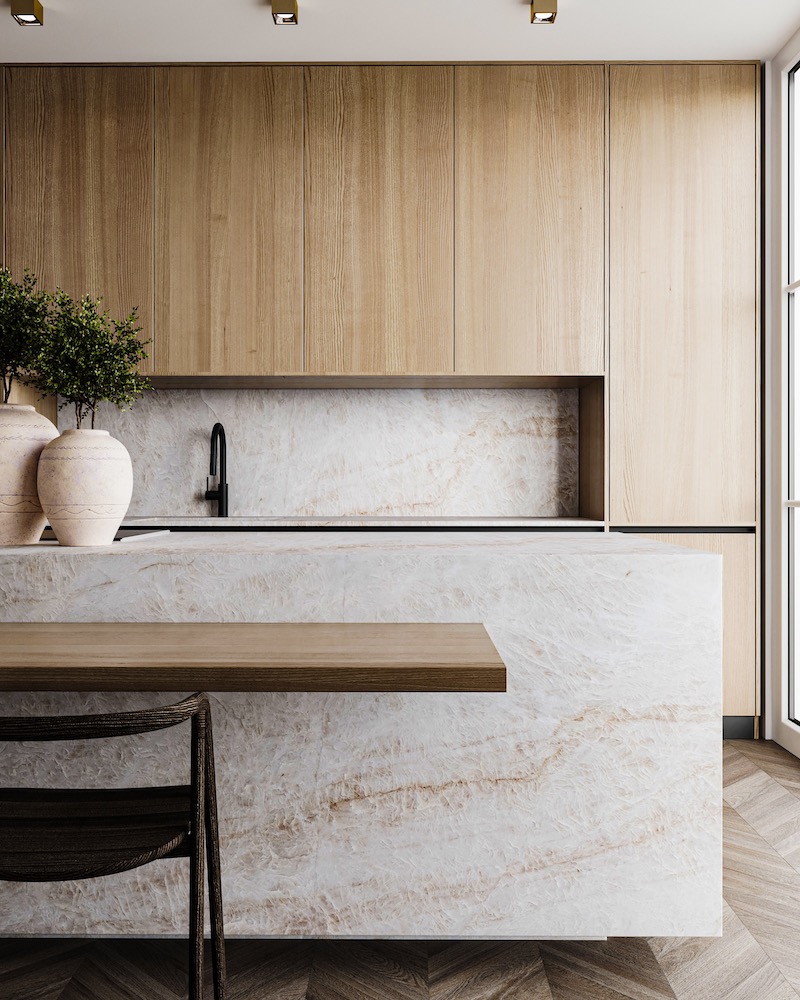
Travertine, a natural stone with ancient roots, is emerging as a preferred material in luxury design for bathrooms and kitchens, offering a refreshing alternative to the prevalent use of marble. While marble has become a predictable choice for its undeniable beauty, travertine distinguishes itself with an organic, textural quality and striking neutrality. Its palette ranges from signature sandy tones to deep reds, injecting warmth and tactility into spaces that other natural materials, including marble, often struggle to achieve.
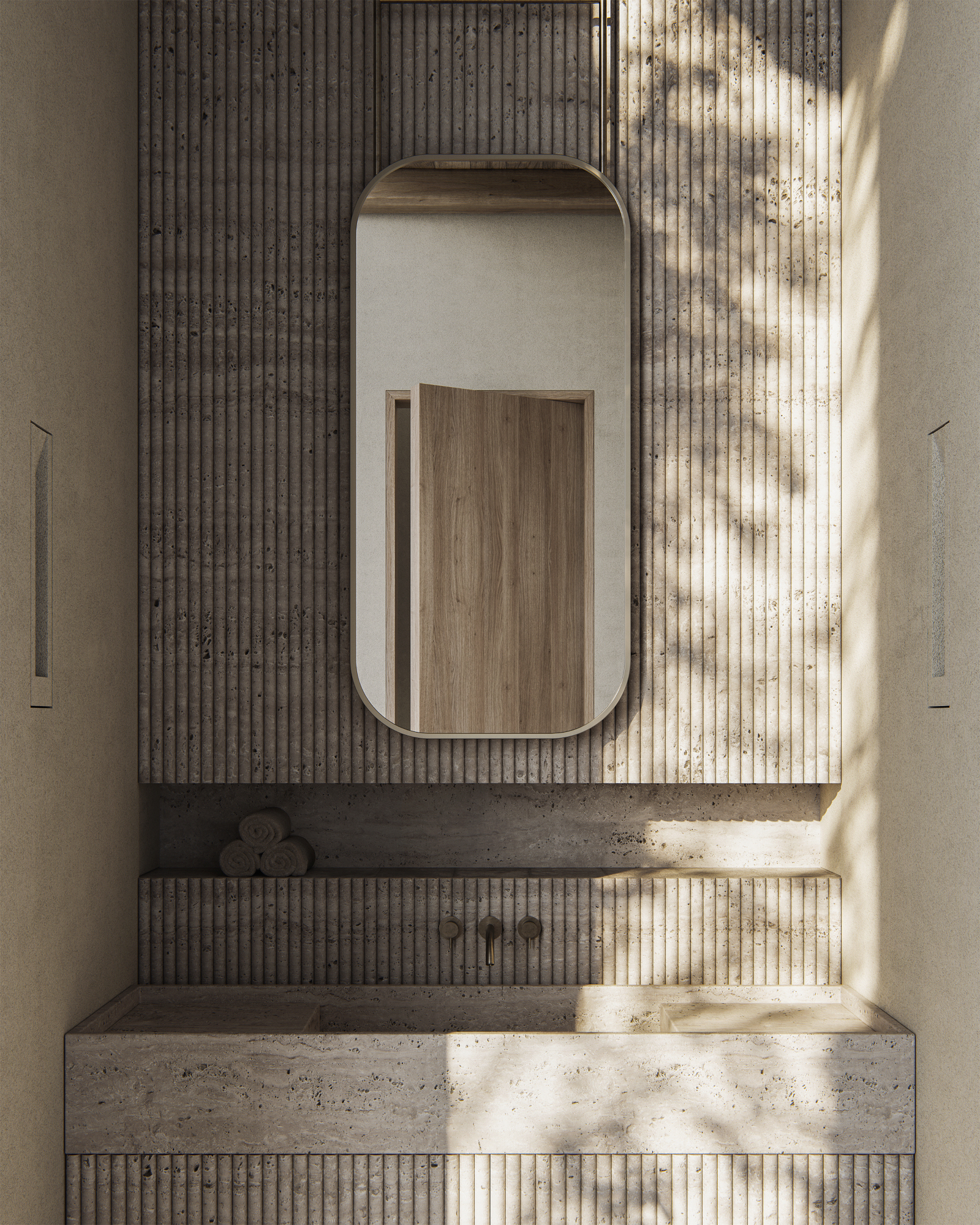
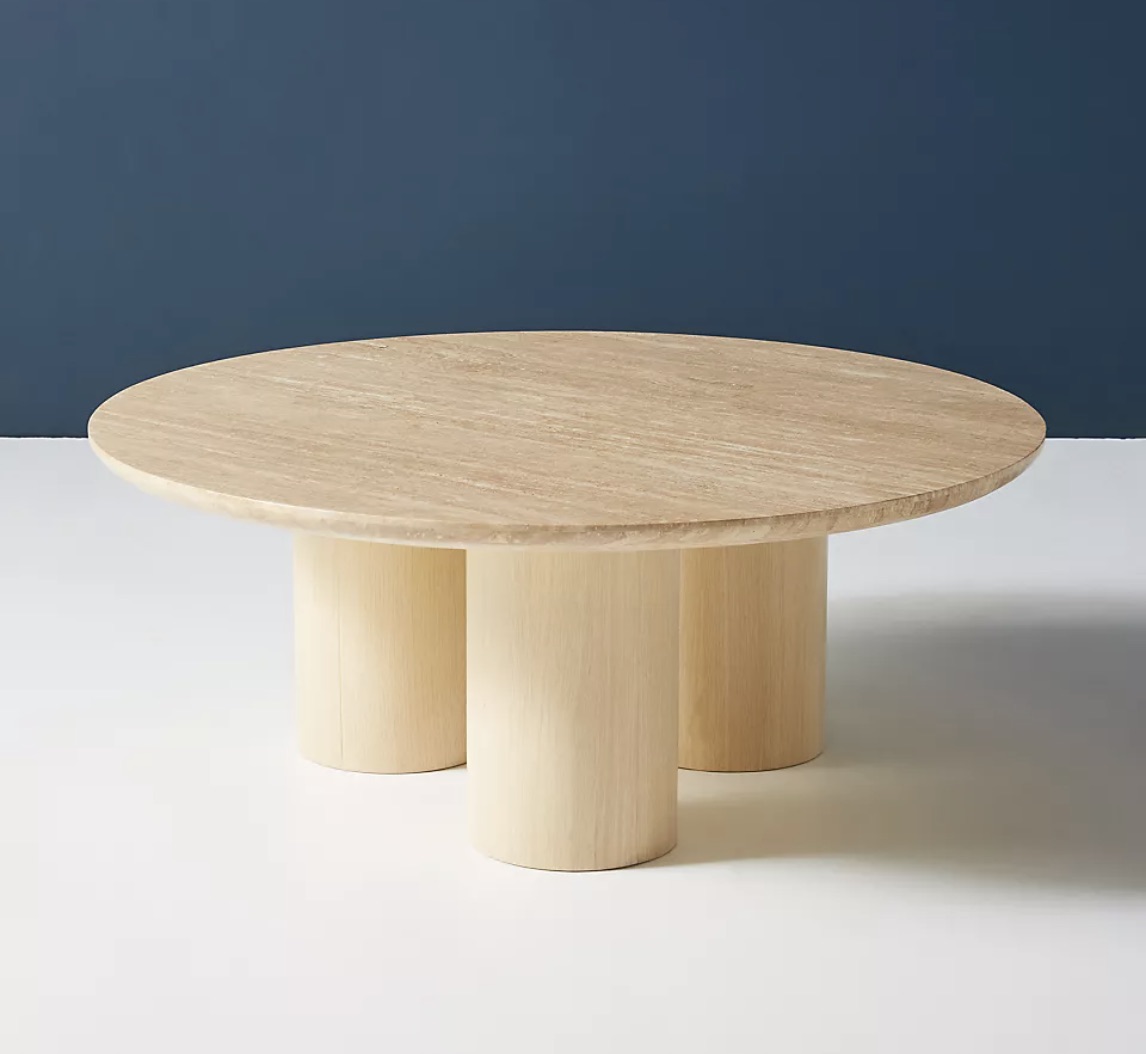
Formed over millennia by mineral deposits from natural springs, travertine is a type of limestone recognized for its warm hues and characteristic organic surface movement. It belongs to a category of limestone that includes oolitic and fossiliferous types, noted for its distinct 'striped' appearance. The stone's appeal also lies in its subtle tonal variation and the natural pits on its surface, which contribute to a soft, organic texture. Despite its current resurgence in popularity, travertine boasts a rich history in architecture, evidenced by its use in iconic structures like the Colosseum, the Trevi Fountain, and the Basilica of the Sacre Coeur. These historical applications underscore travertine's enduring beauty and impressive durability.
However, the stone's durability is not entirely inherent. As a naturally porous material, travertine requires resin or cement filling and sealing to protect it against daily wear and tear, ensuring its longevity and maintaining its visual appeal. Designers are increasingly drawn to travertine as part of a broader revival of classic, timeless stones. It offers a natural texture and a soft, elegant feel that seamlessly integrates into both contemporary and traditional settings. Its ability to be neutral yet characterful makes it a unique material in interior design, aligning with current trends toward warmer, earthy color palettes and an emphasis on natural materials.
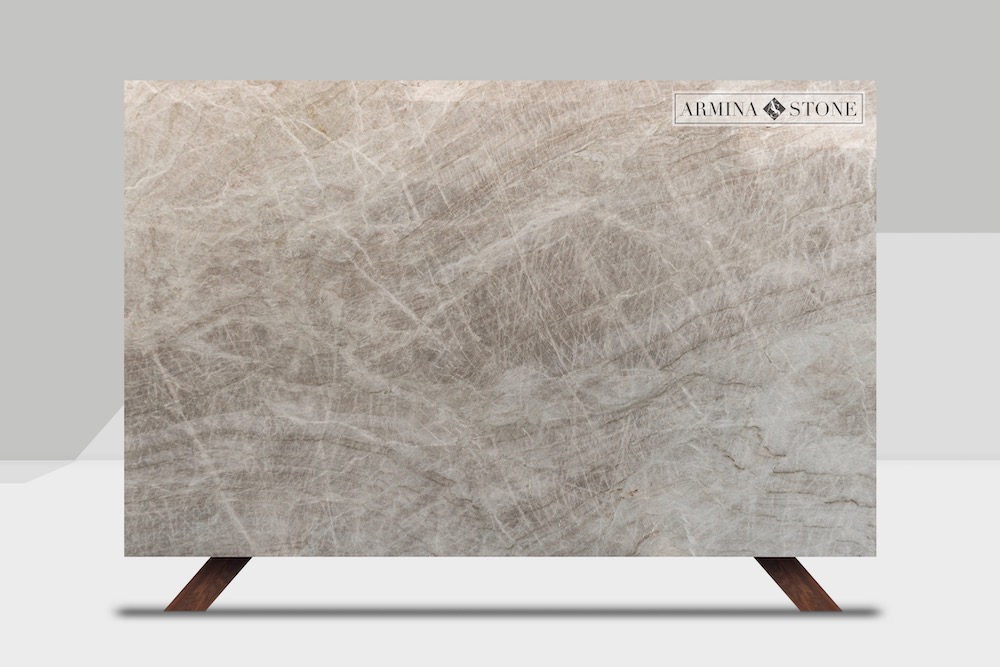
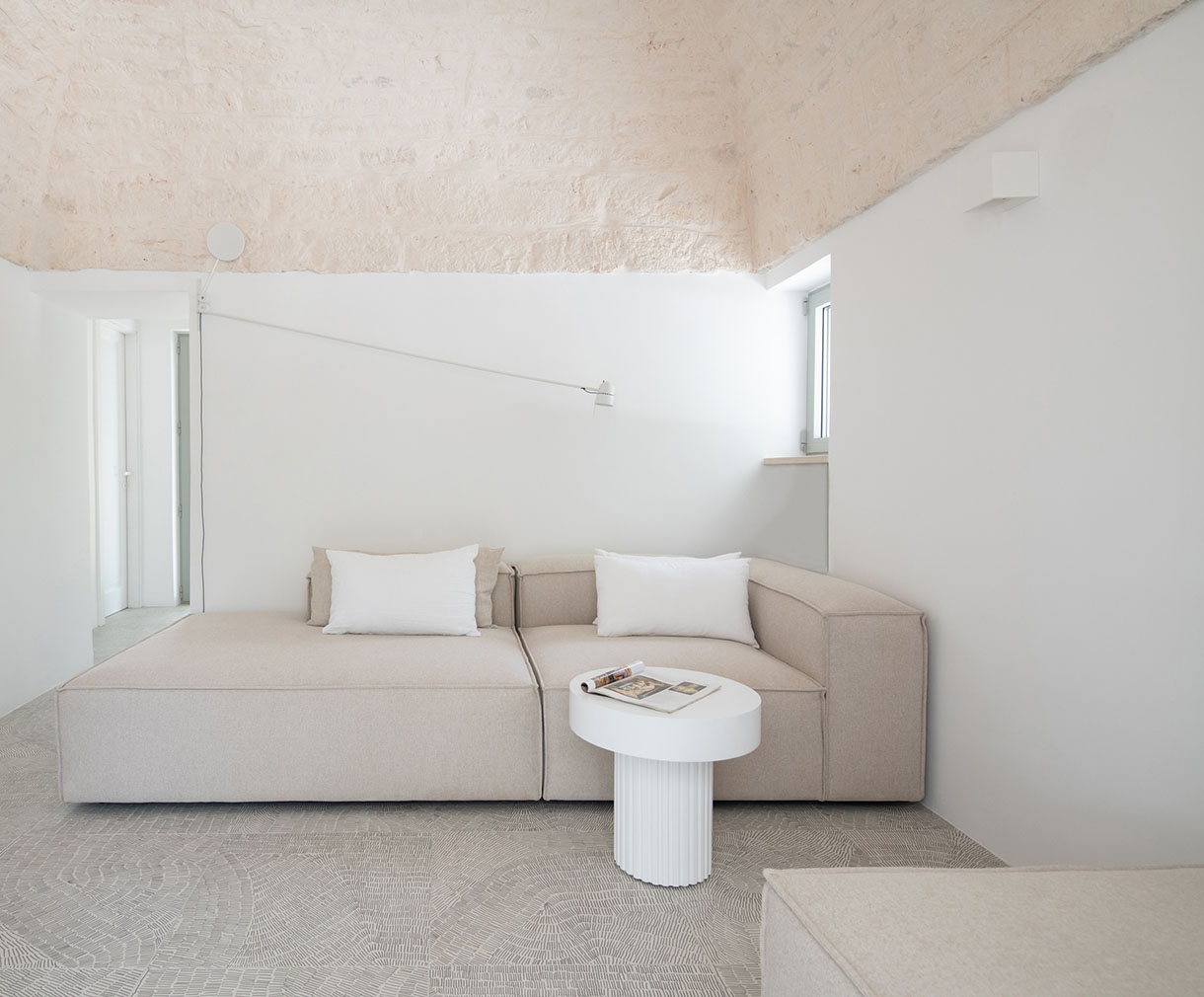
Travertine's soft, chalky tones, encompassing creamy beiges, biscuit hues, and gentle greys, complement the move towards more organic, grounding interior spaces. It eschews an overly polished or flawless appearance, a quality that is becoming increasingly attractive to designers and homeowners alike. This slight imperfection makes a space feel lived-in and comfortable, providing warmth that marble, in contrast, can sometimes lack. Additionally, travertine's more affordable price point compared to other natural stones makes it an accessible option for achieving a high-end, natural look.
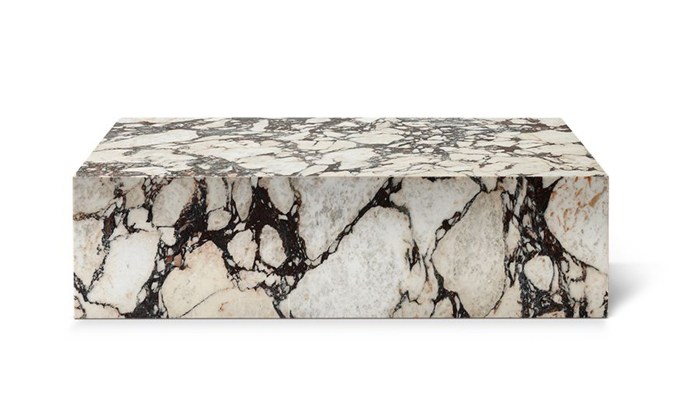
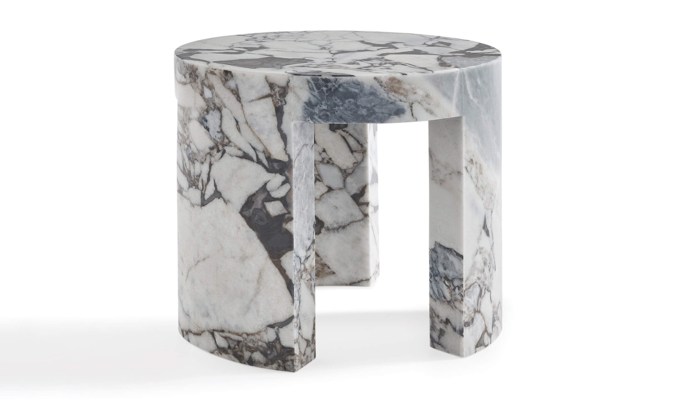
Comparing travertine to marble, travertine offers a softer, more understated luxury, diverging from marble's often dramatic and sleek aesthetic. While both convey luxury, travertine introduces a more relaxed character. It stands apart from marble's often veiny look and limestone's fine grain, offering an open, characterful texture that bridges rustic and refined styles. This distinction allows travertine to bring a visual depth with a lighter, more serene aesthetic, fostering calm and inviting environments. Against granite's visually hard appearance, travertine provides a gentler, warmer, and more textured alternative, proving its versatility across various design styles. The unique sense of depth and movement in travertine, whether vein-cut or cross-cut, and its range of colors from warm neutrals to richer shades, ensures its timeless appeal and suitability for modern bathrooms and living spaces.
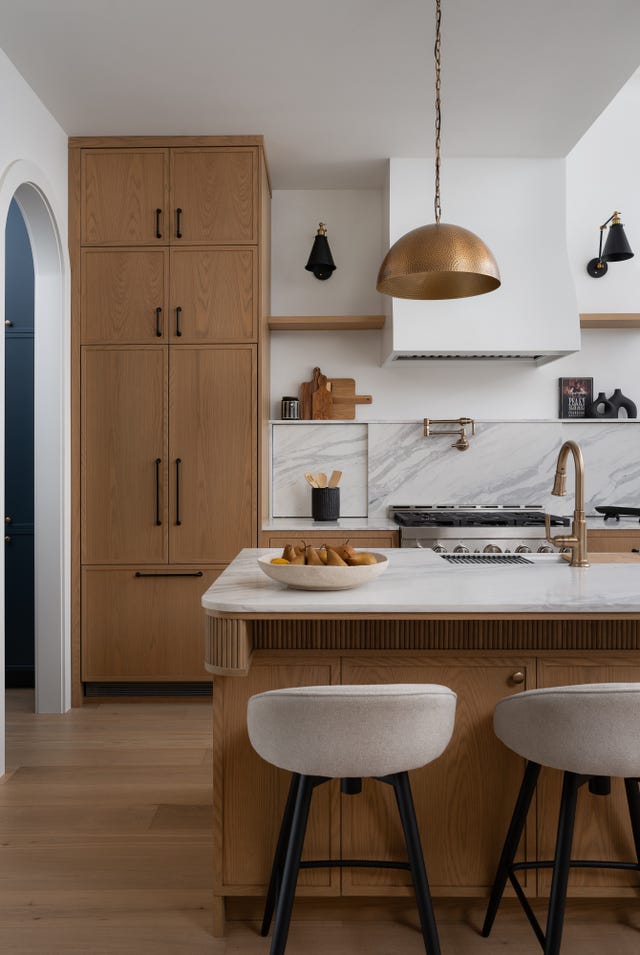
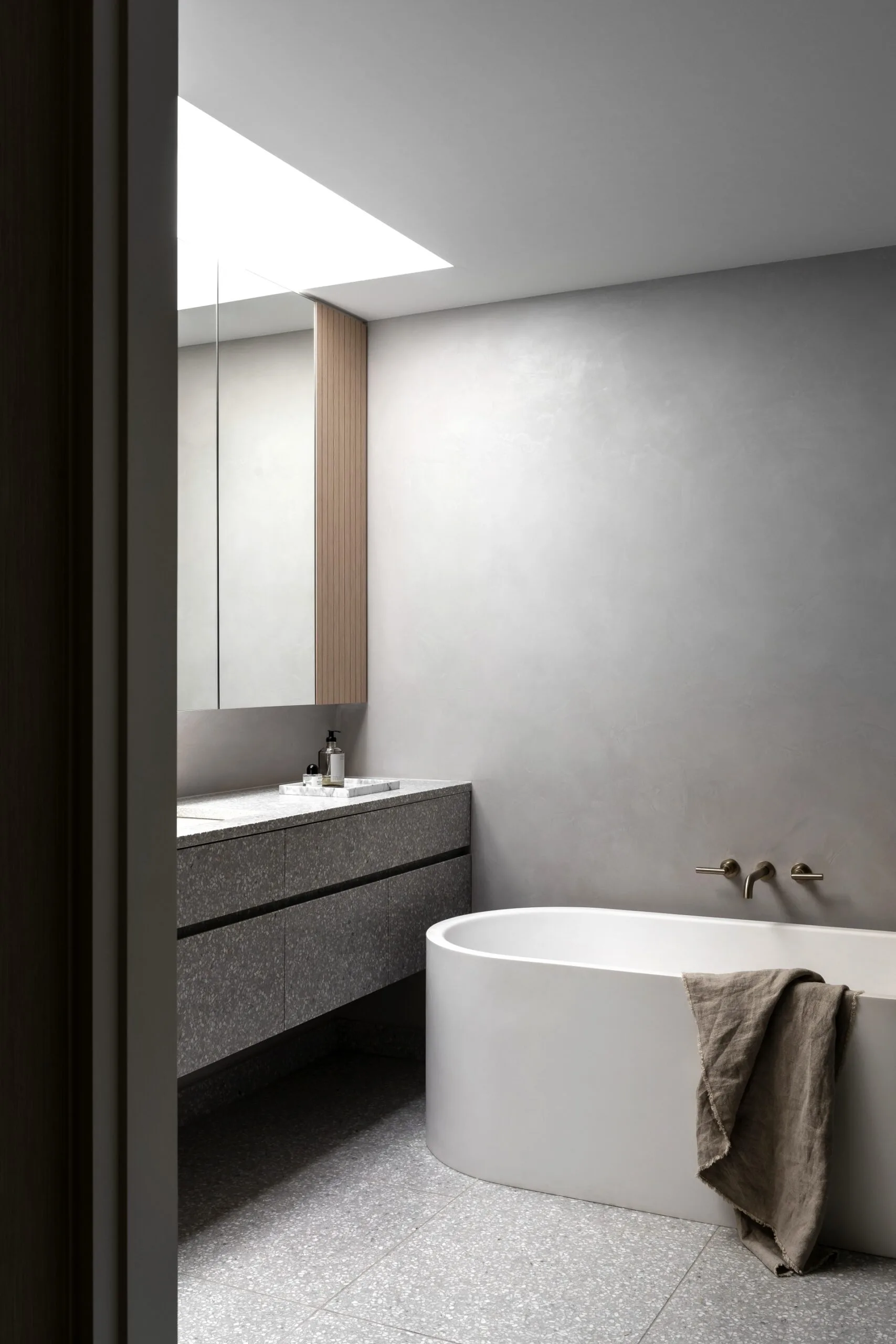
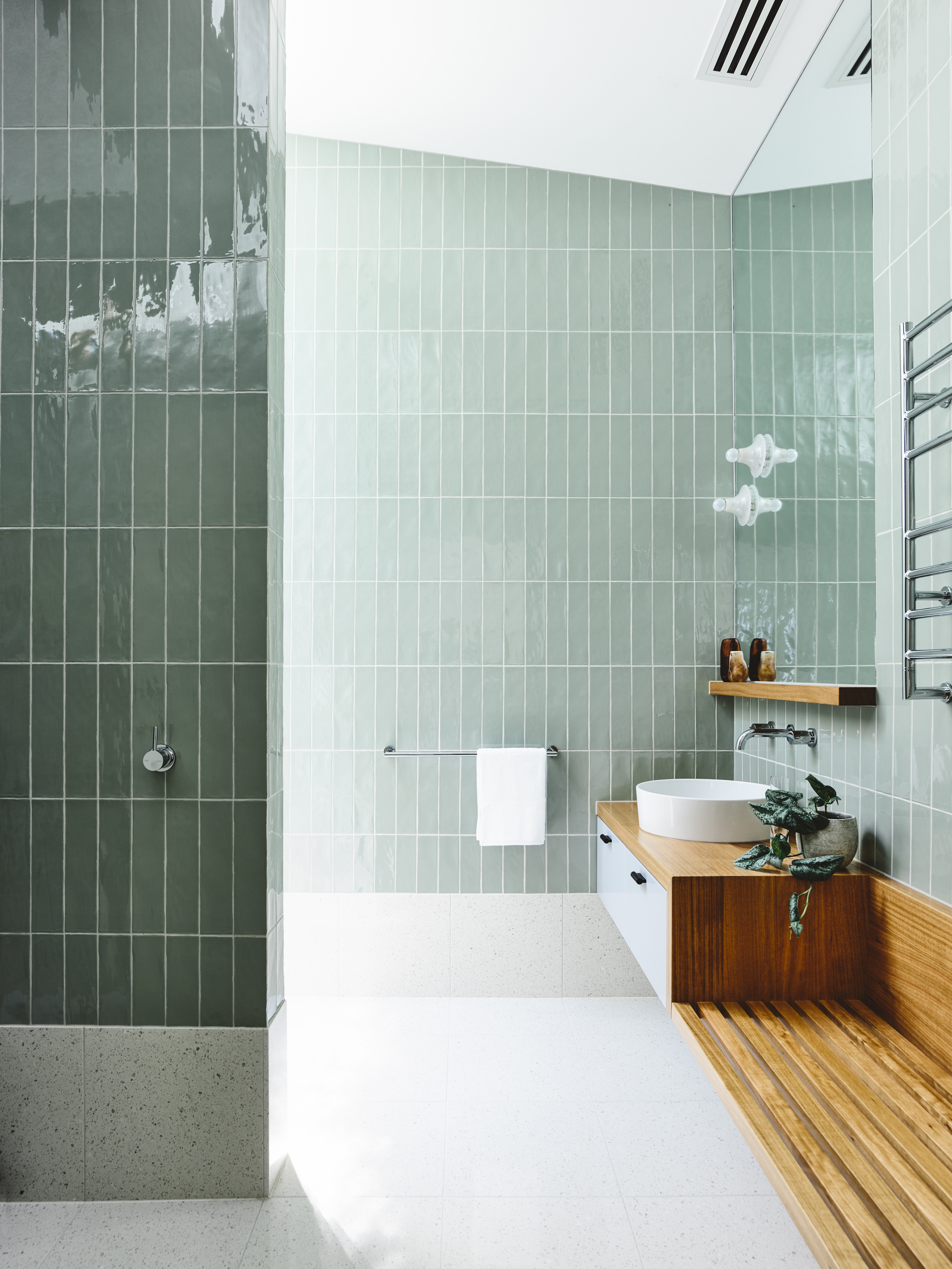
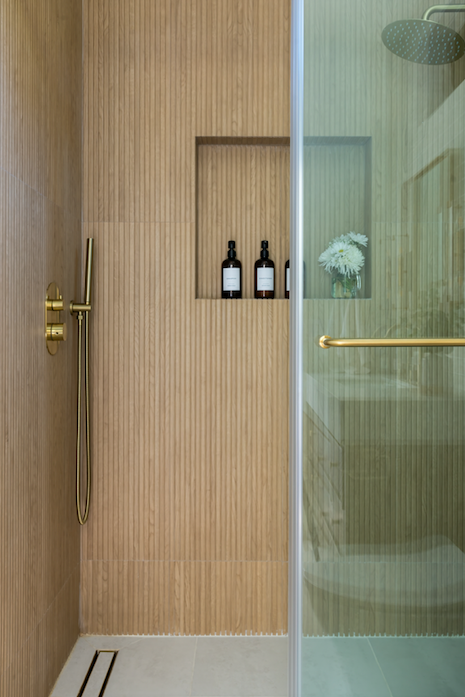
Travertine's adaptability allows for its application in diverse settings, from spa-inspired bathrooms and serene living areas to outdoor patios. It is particularly effective in spaces prioritizing relaxation and wellness, such as 'spathrooms,' where its tactile surface and calming tones enhance the natural and grounded atmosphere. To further emphasize this calming effect, travertine can be paired with atmospheric tones and natural materials like timber, plaster, muted metals (bronze, brass), and linen. For a more striking look, vein-cut slabs can be installed in a cross pattern, paired with brass, bronze, or black fixtures for contrast, or with pale woods for an organic feel. The stone's natural movement is best highlighted in well-lit areas, making it suitable for walls, floors, statement worktops, or vanities, demonstrating its potential to be a versatile and distinctive element in interior design.
#Travertine #NaturalStone #InteriorDesign #BathroomDesign #KitchenDesign #LuxuryMaterials #HomeDecor #OrganicDesign #TimelessStyle #Travertine #NaturalStone #InteriorDesign #BathroomDesign #KitchenDesign #LuxuryMaterials #HomeDecor #OrganicDesign #TimelessStyle
Há 0 comentários no total
 Ainda não há comentários
Você também pode gostar
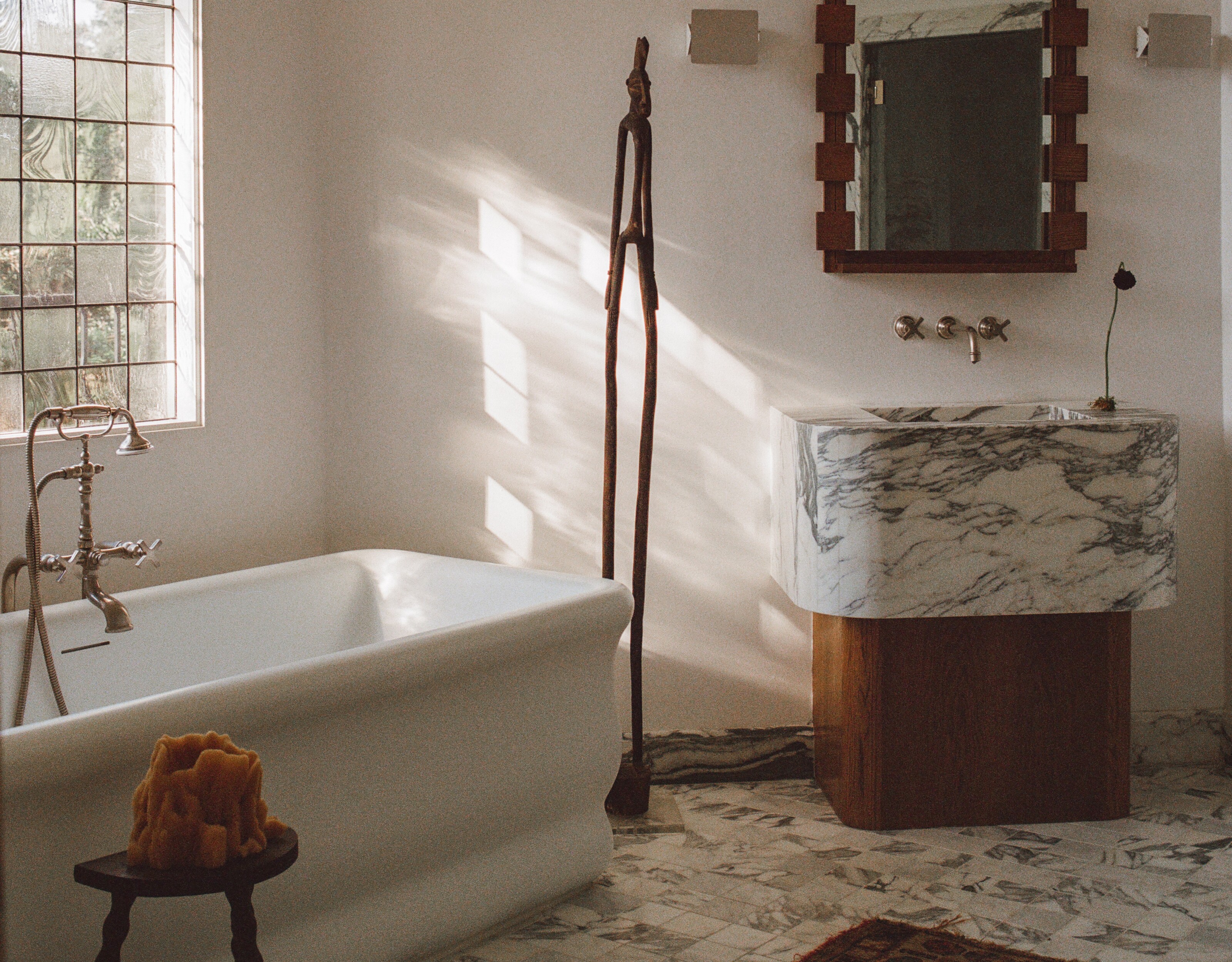
I've Looked at Hundreds of Bathrooms in 2023, But These are my 5 Favorites

Meet microcement, the minimalist finish you’re seeing everywhere

Top Stone Trends in 2025: Color Revival

atlas concorde emulates natural beauty in ceramic marvel travertine collection
What's replacing marble? Designers agree on the next big design trend we'll all be using instead
Minimalist Interior Design: Everything You Need to Know About This Intentional and Pared-Down Style

Why layering is the new minimalism in interior design: Experts give tips on how to ace the trend | Hindustan Times

Old-World Style Meets Modern Sentiments in These Flecked Surfaces

Move Over Quiet Luxury—Sculptural Stone Is Taking Over Design This Year
Inside The Trend | Statement Stone
Bathroom Tile Trends 2025 — What All the Best Dressed Bathroom Walls Are Wearing
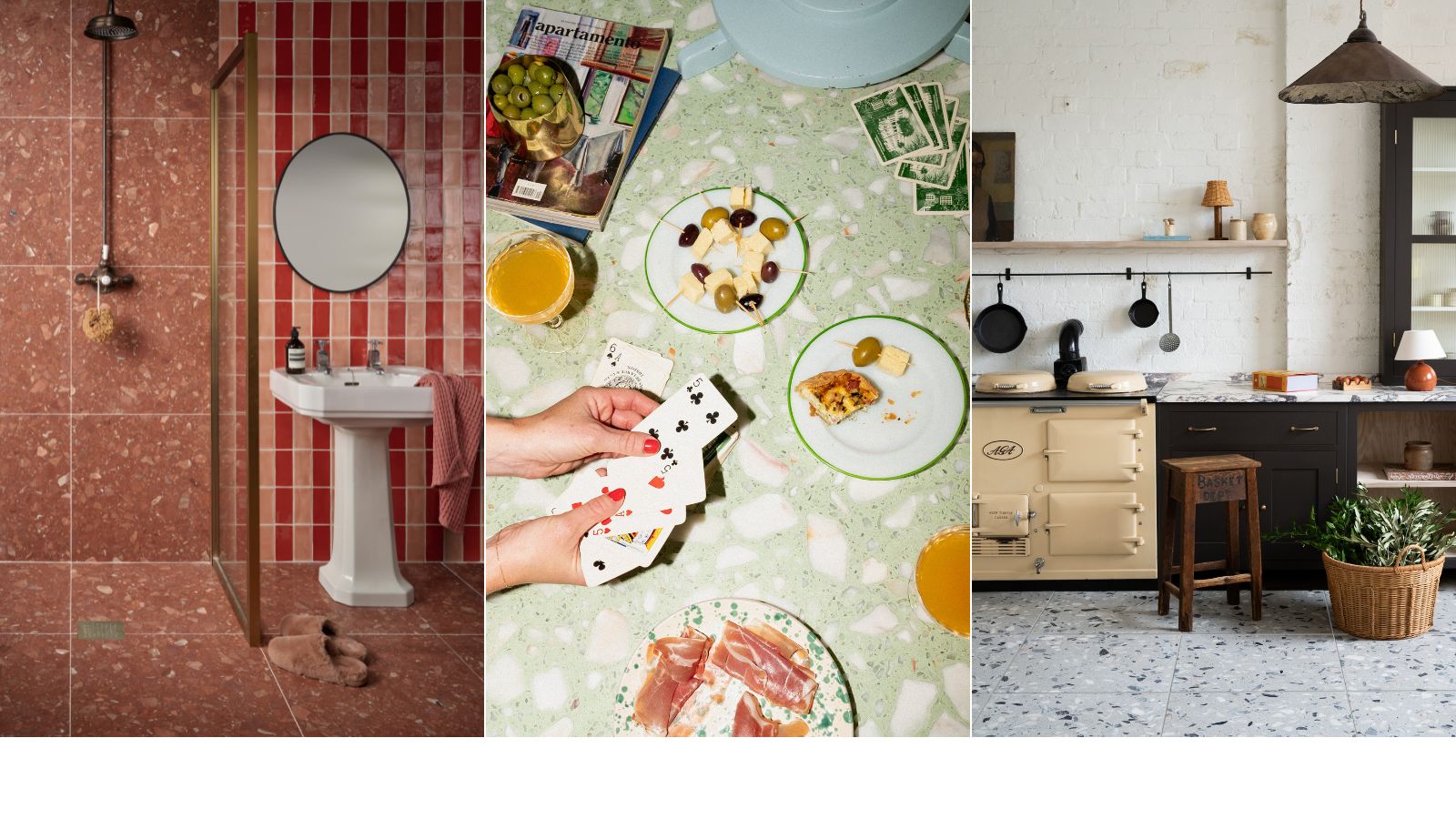
Interior designers say this dated tile trend is making a reappearance in 2024 – is terrazzo back on trend again?

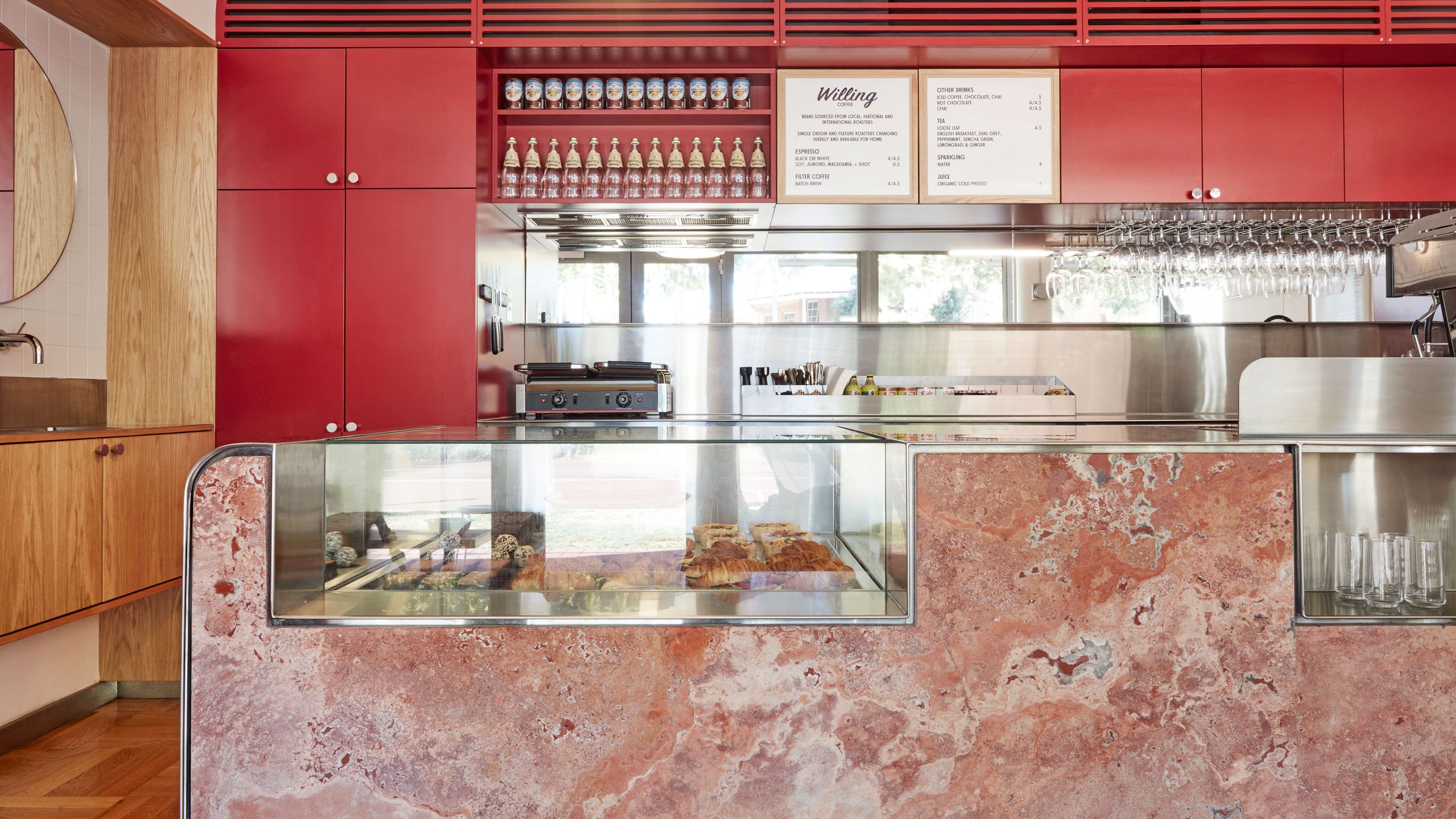
A Reminder That Travertine Isn't Just for Floors
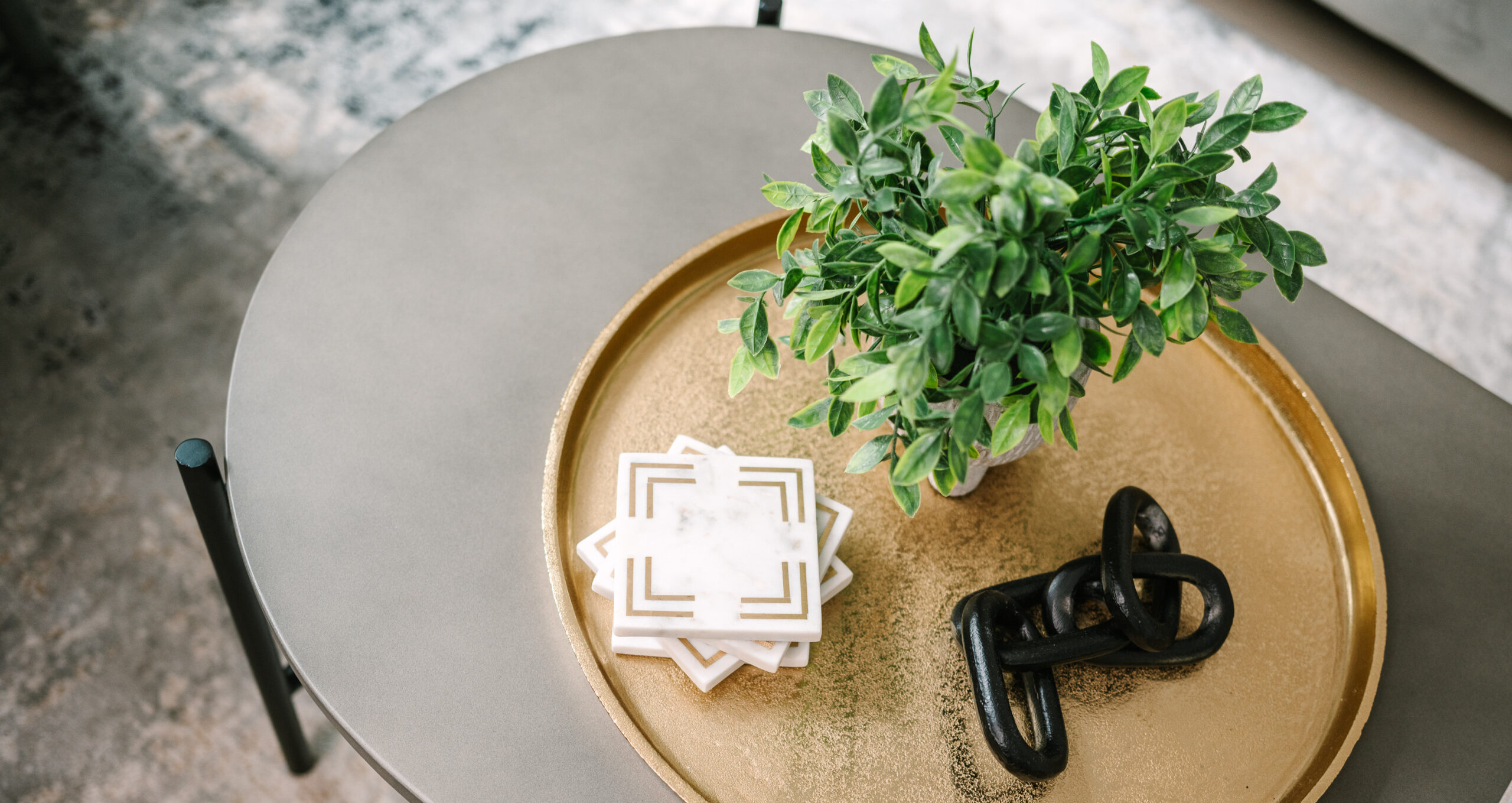
Home Design: Contemporary Minimalism

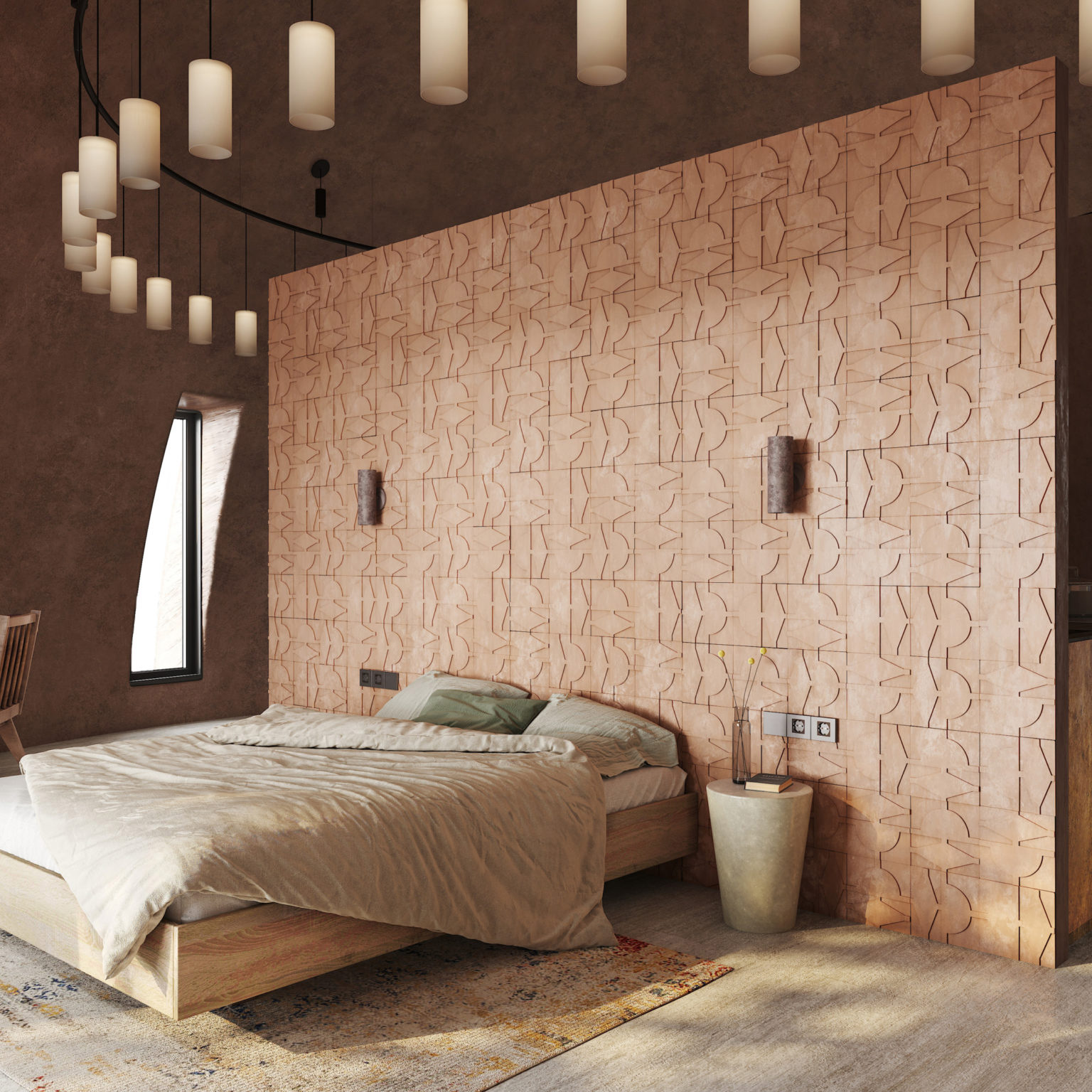
Surprising ways interior designers are using tiles
Ten contemporary interiors with innovative stone furniture
This Stone Is About to Be More Popular Than Marble, According to Designers

10 minimalist decor ideas – learn how to embrace minimalism while still having a home filled with character
Is marble still on trend? Interior designers have their say
Thin & Lightweight Engineered Stone