1/6
Rich colors and sumptuous textures are on designers' minds
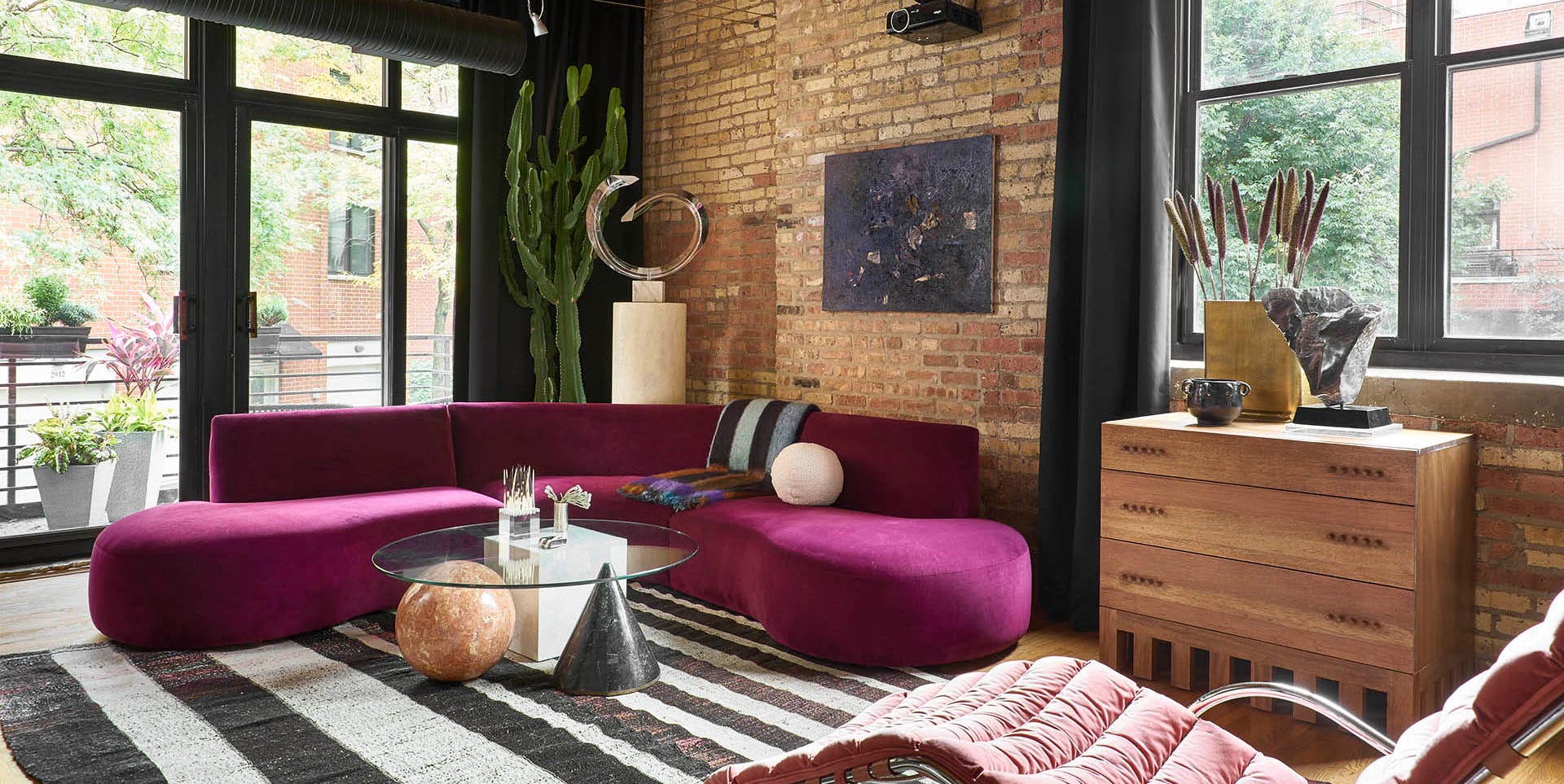
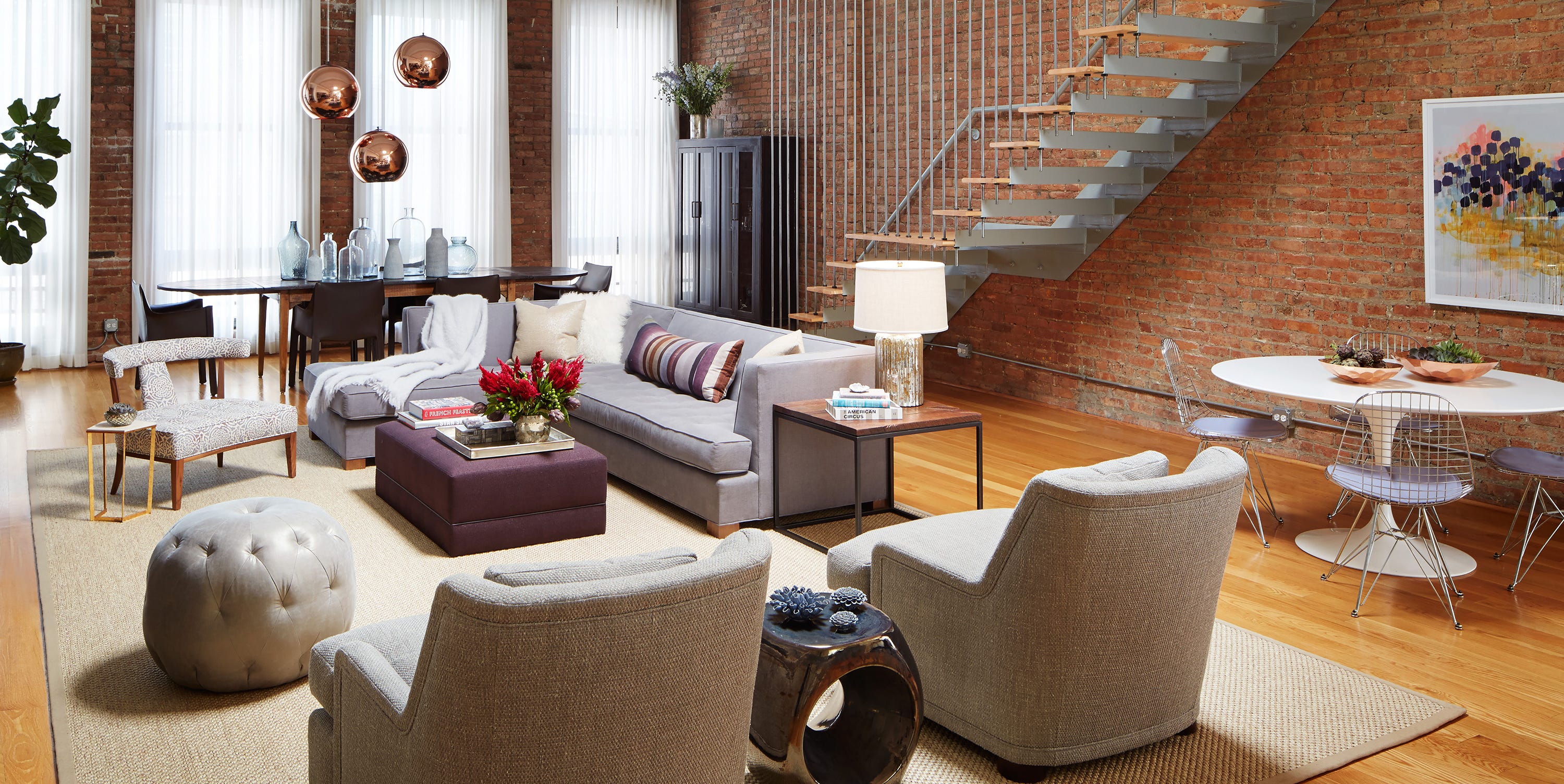
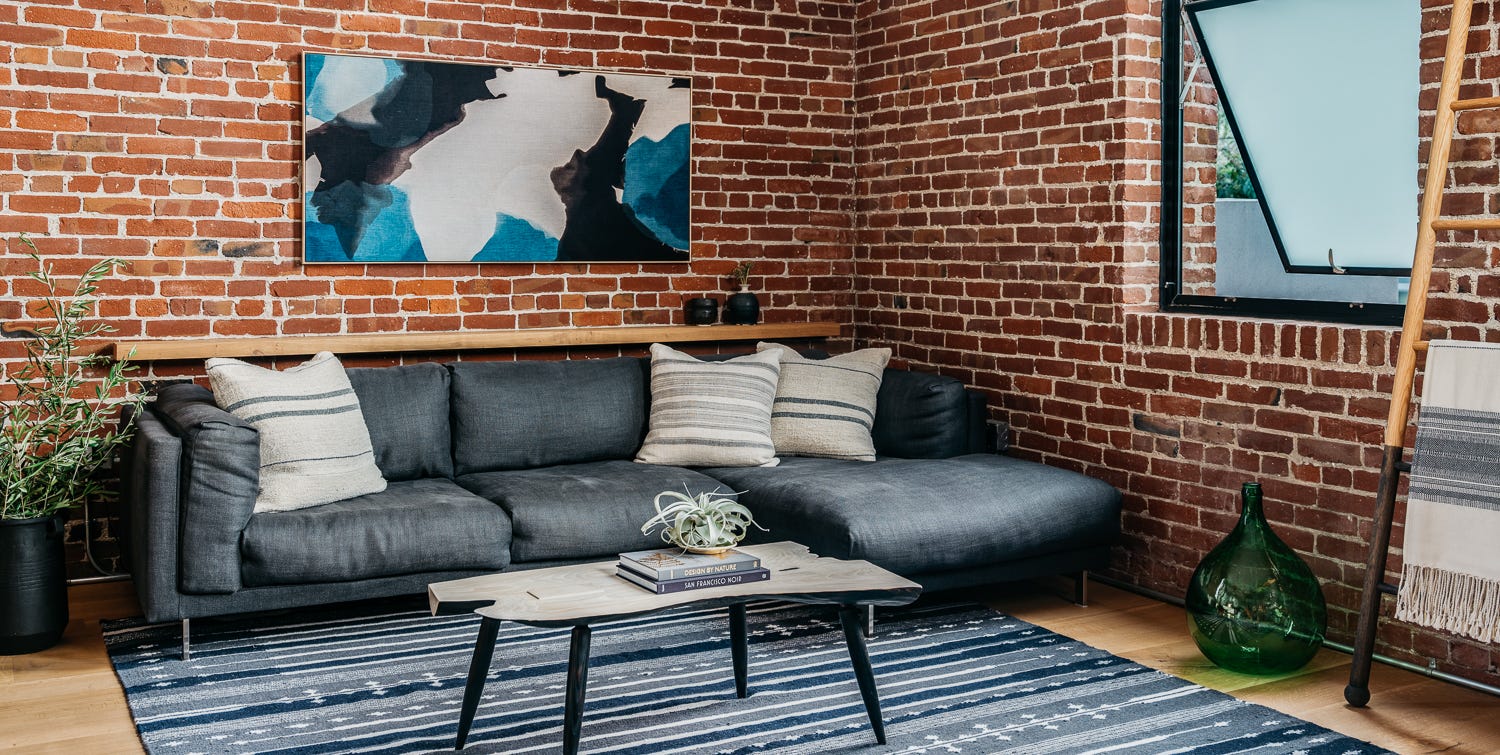
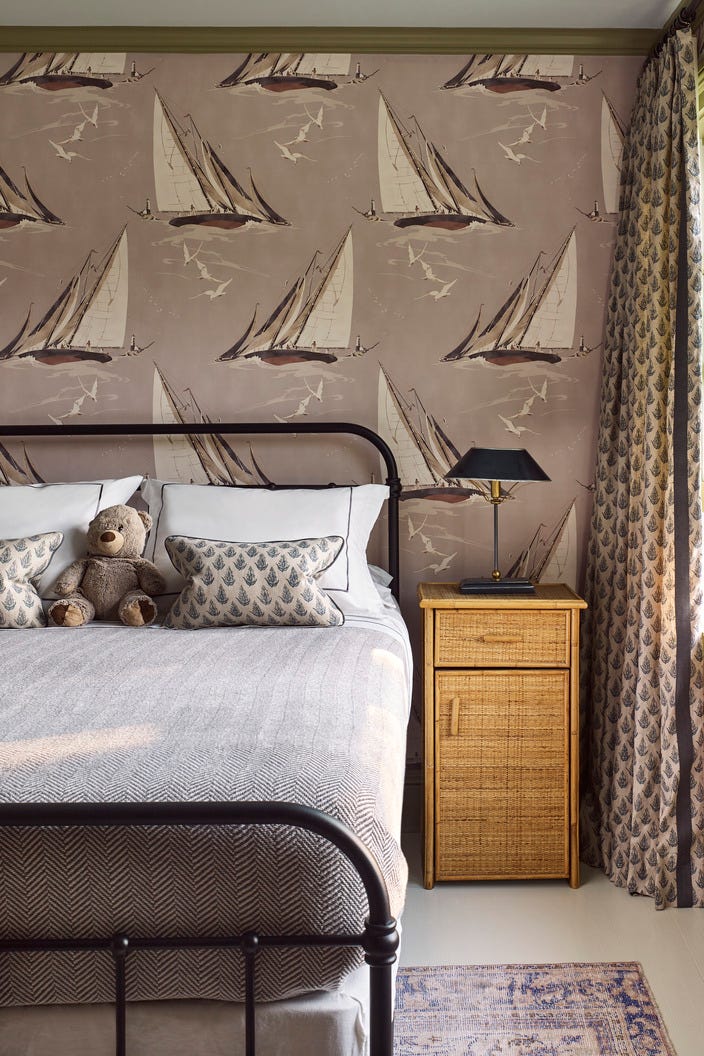
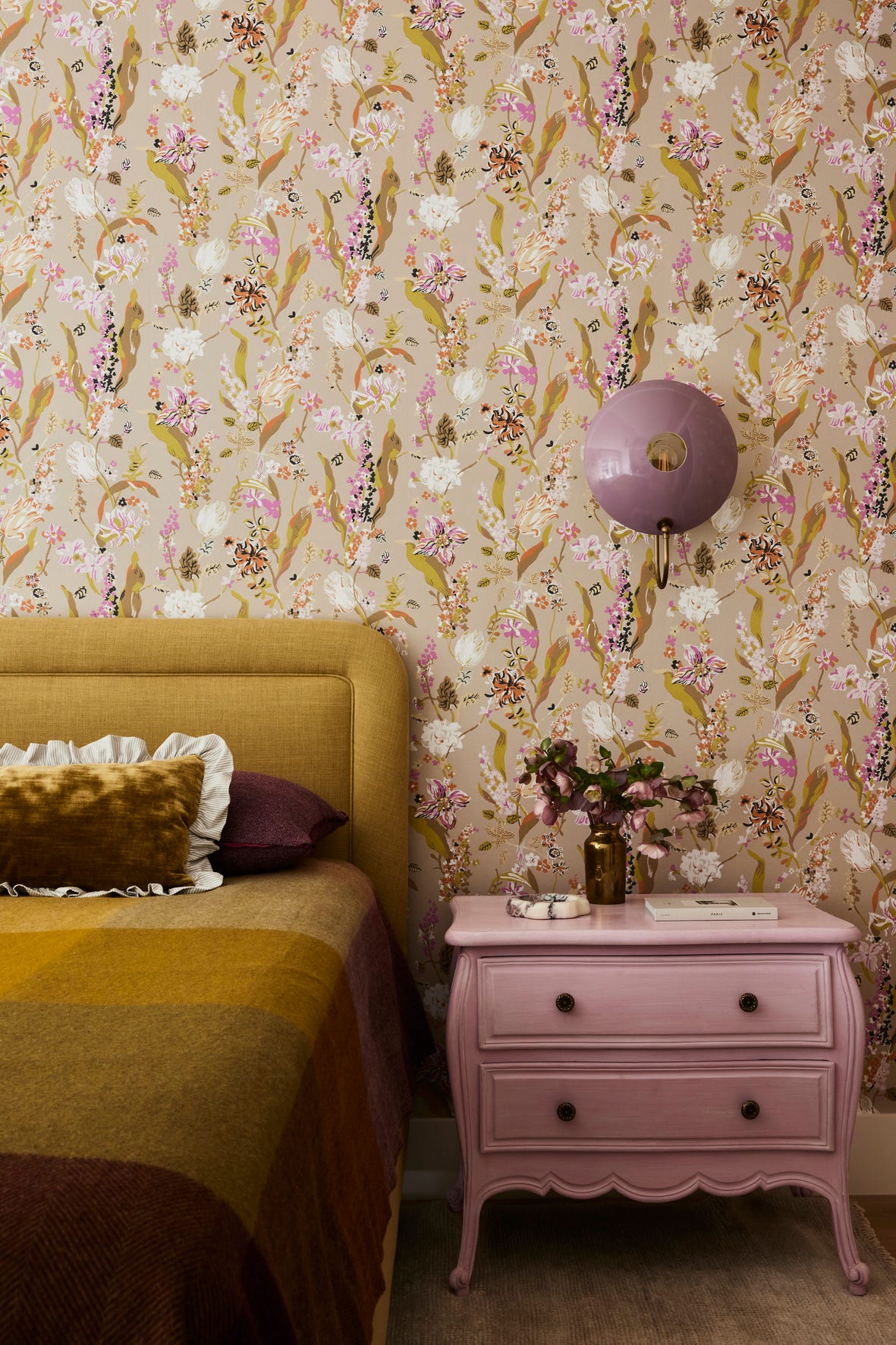
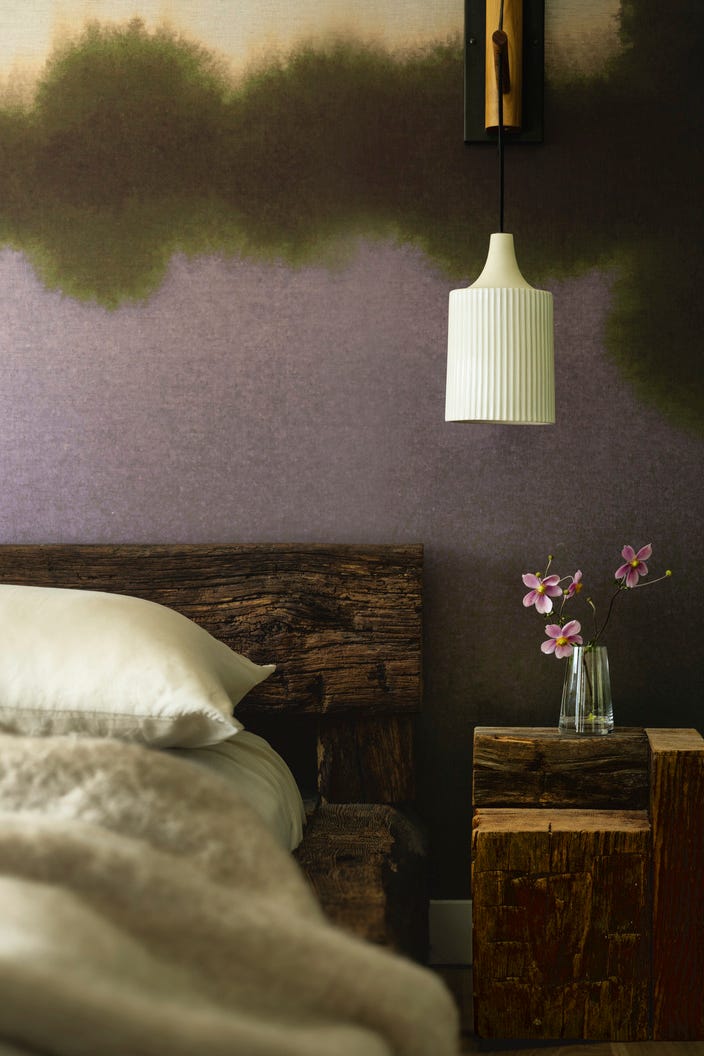
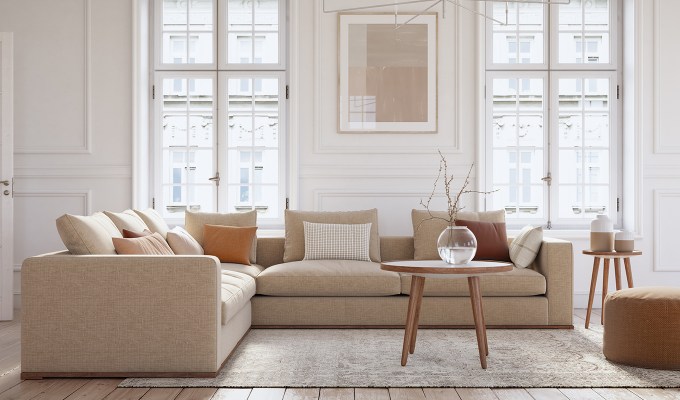
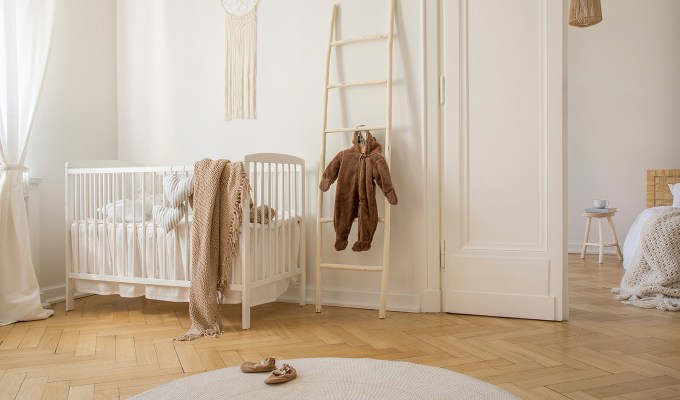
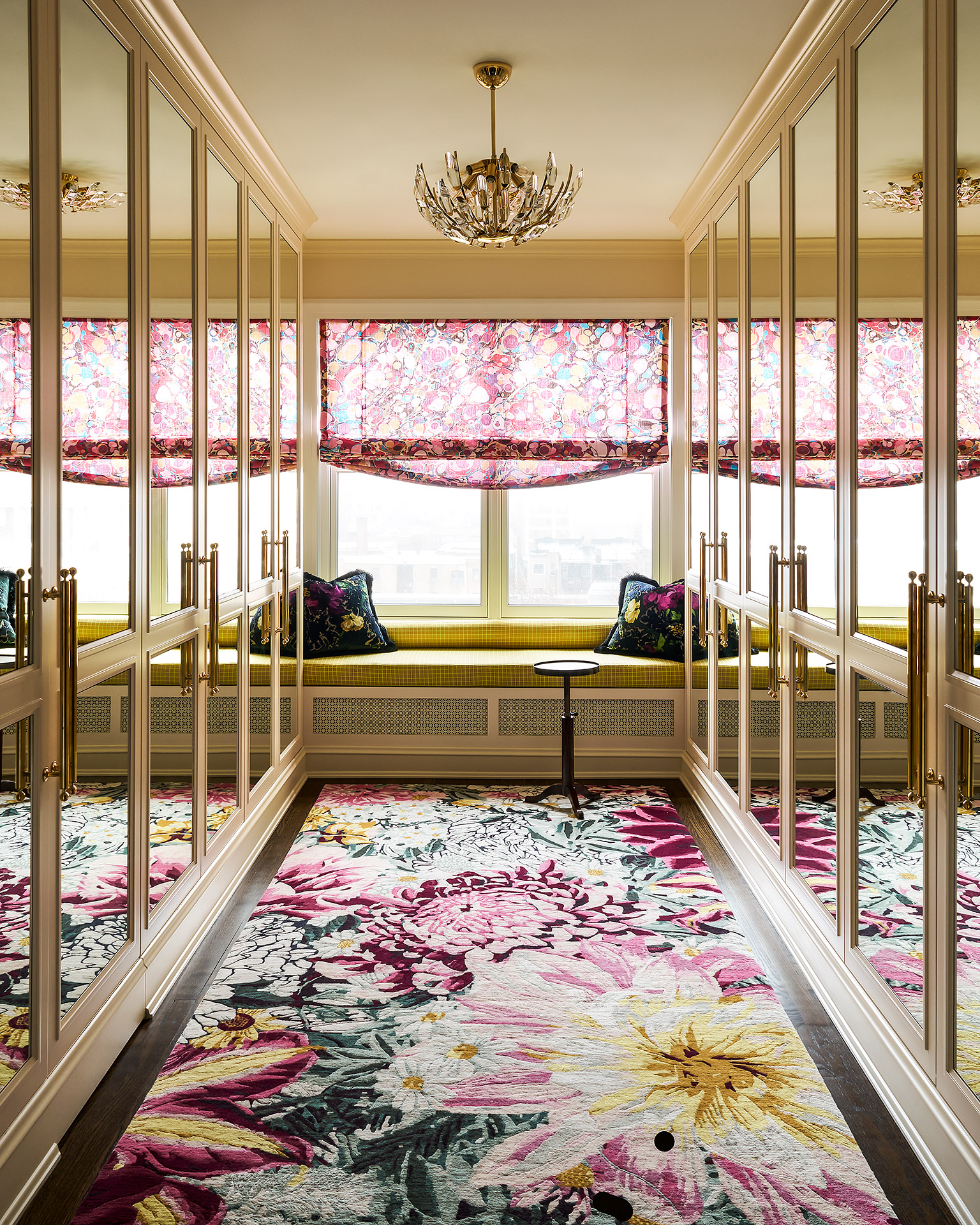
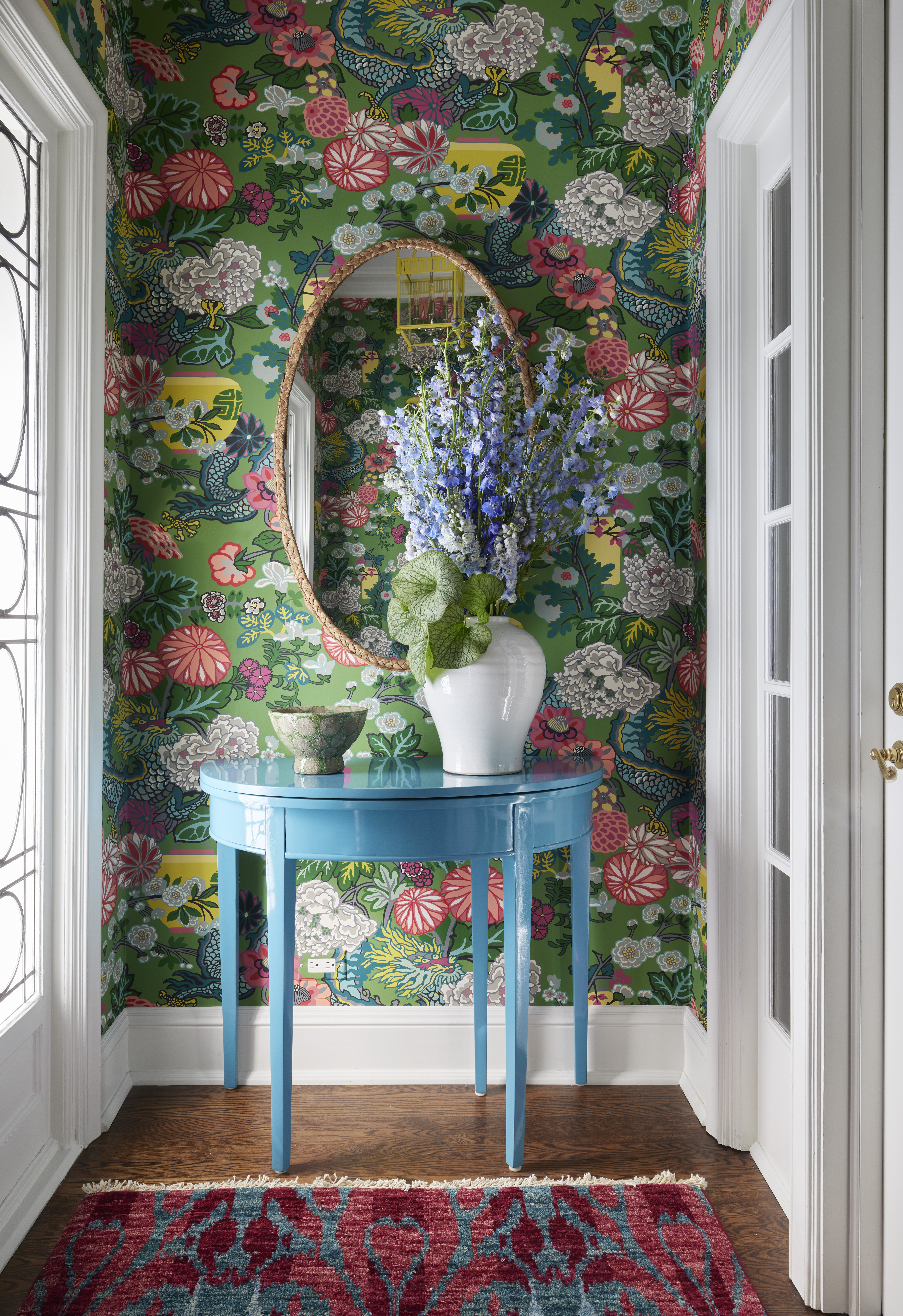
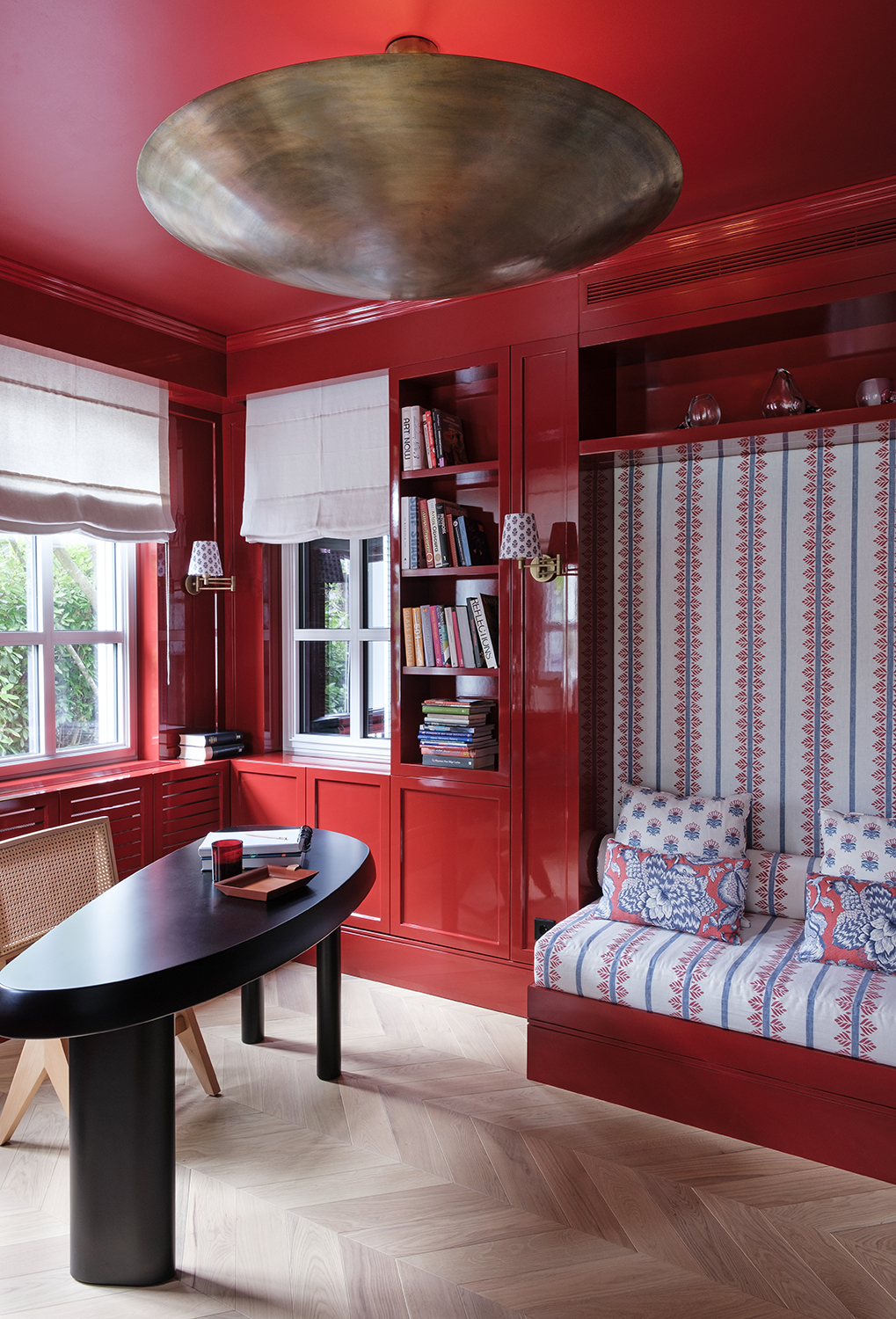
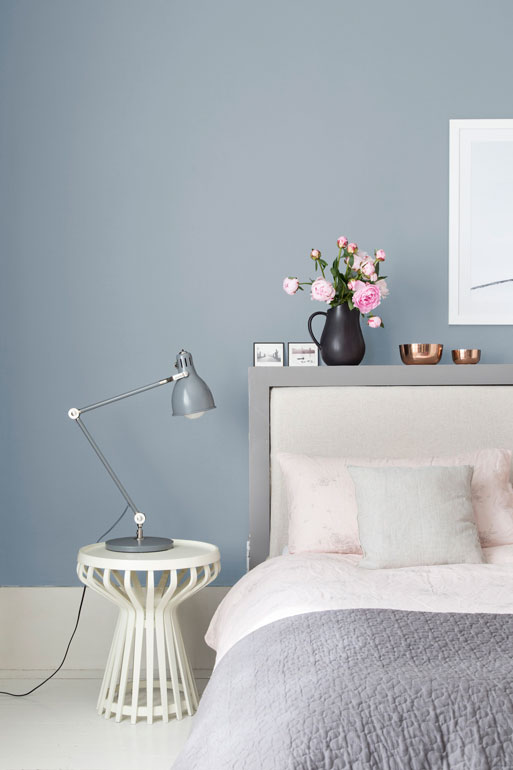
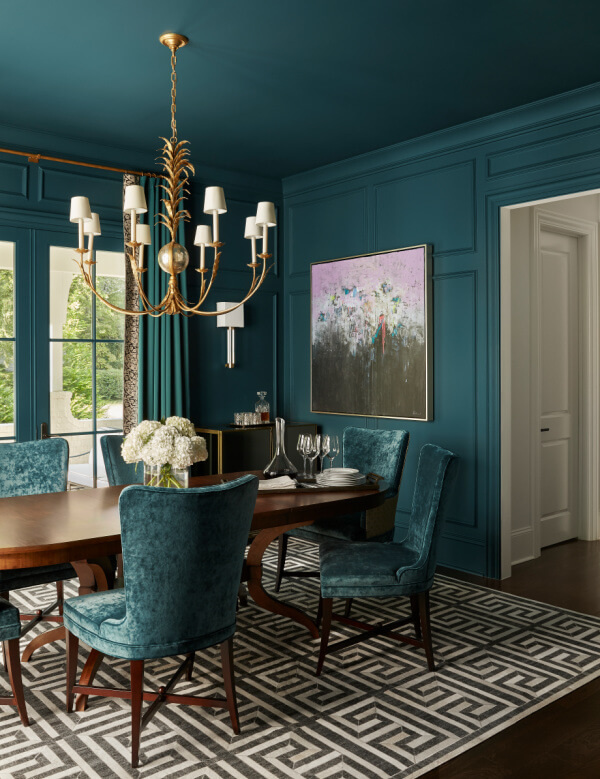
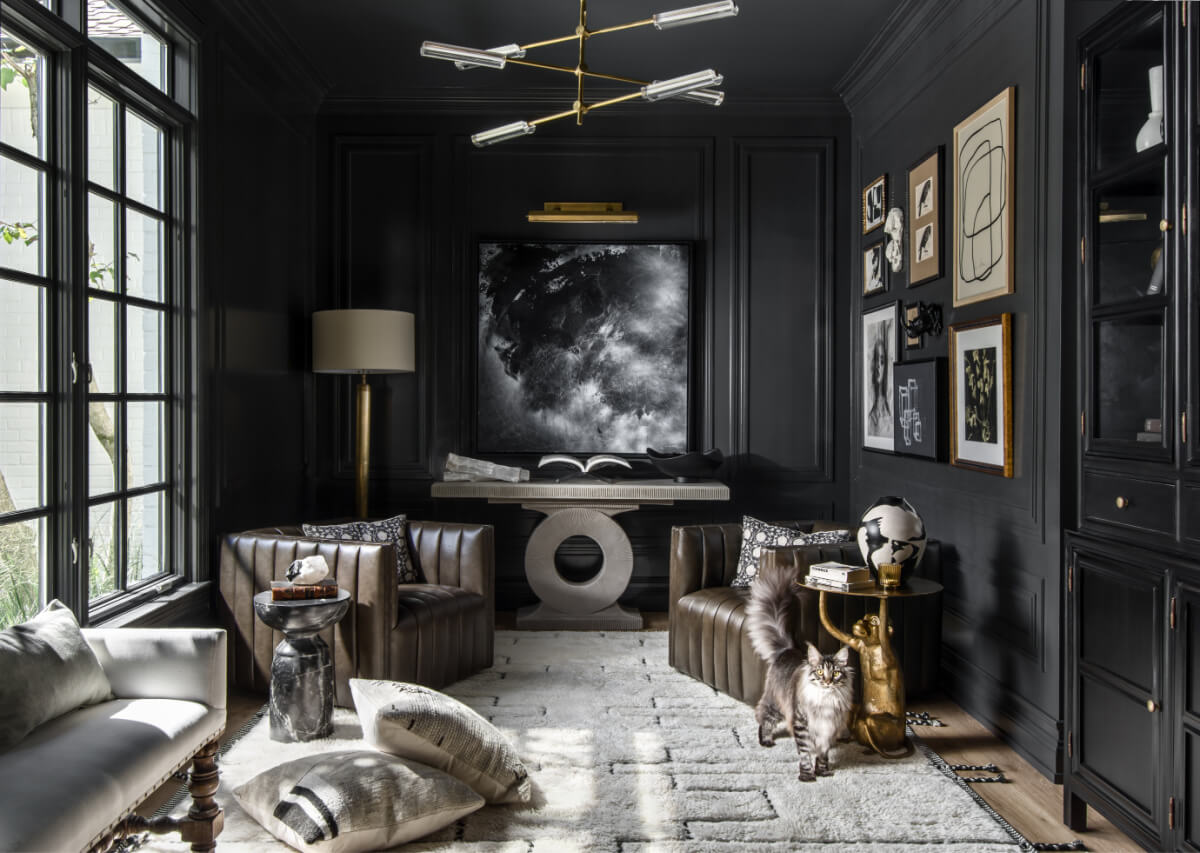
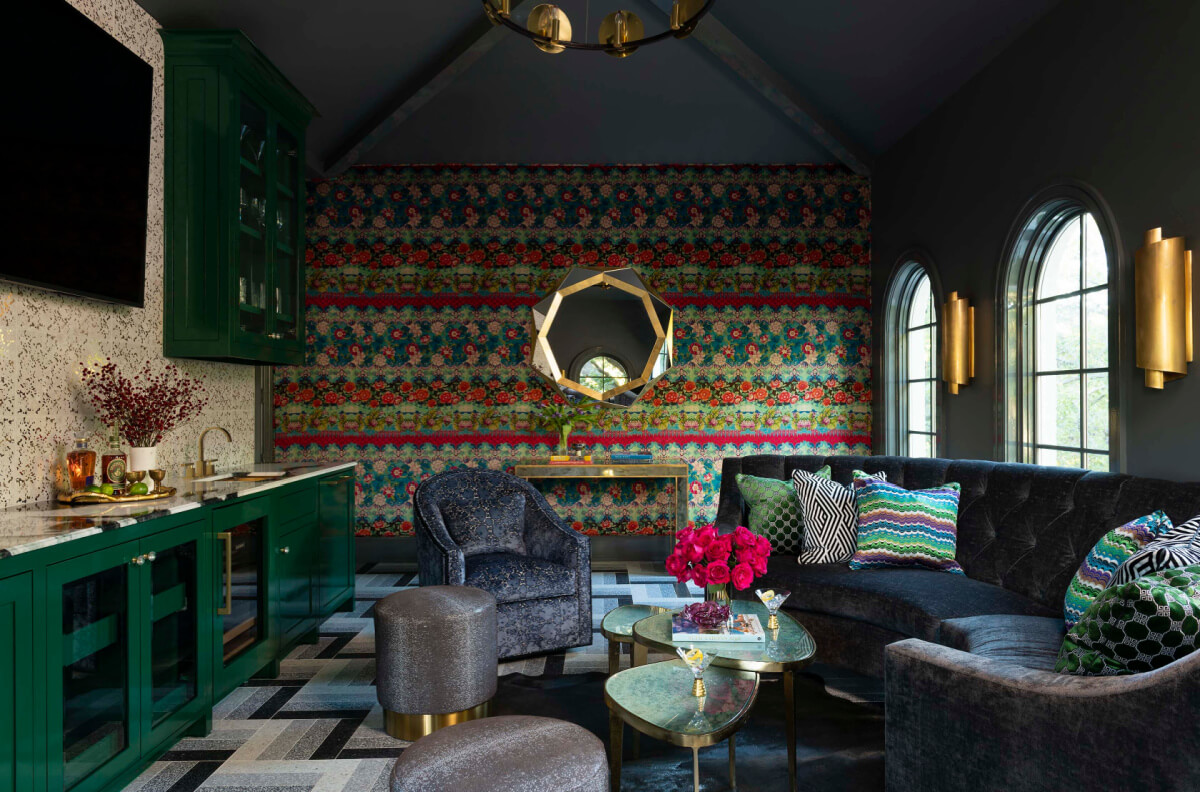
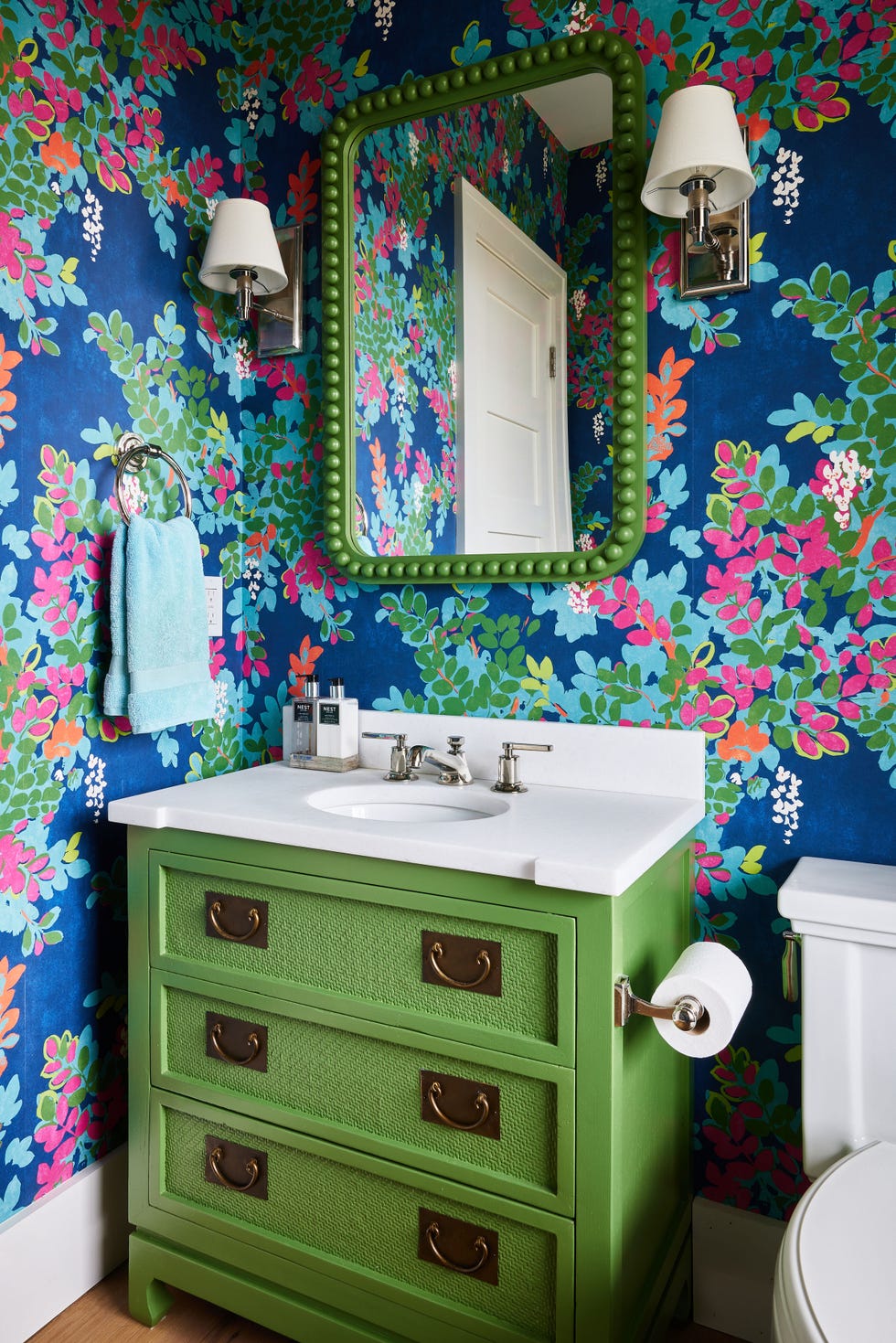
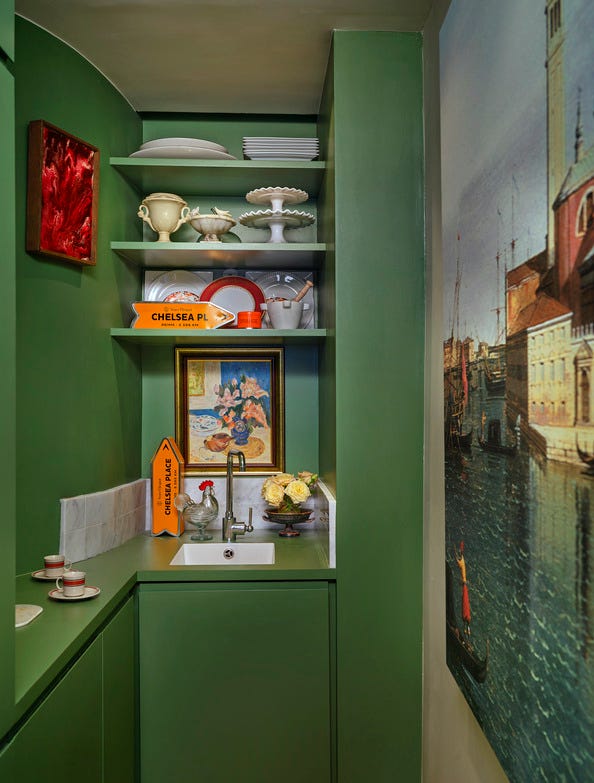
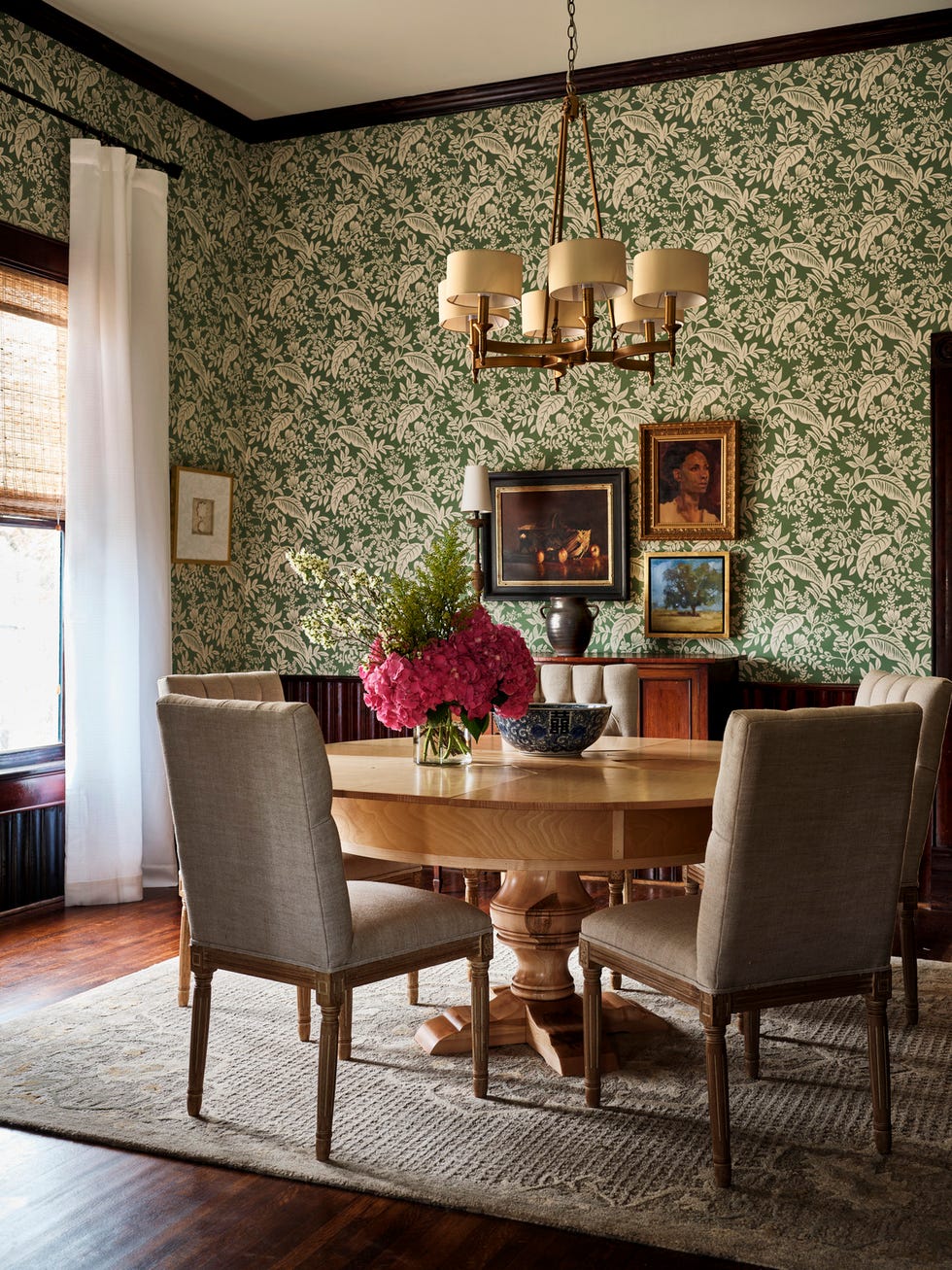
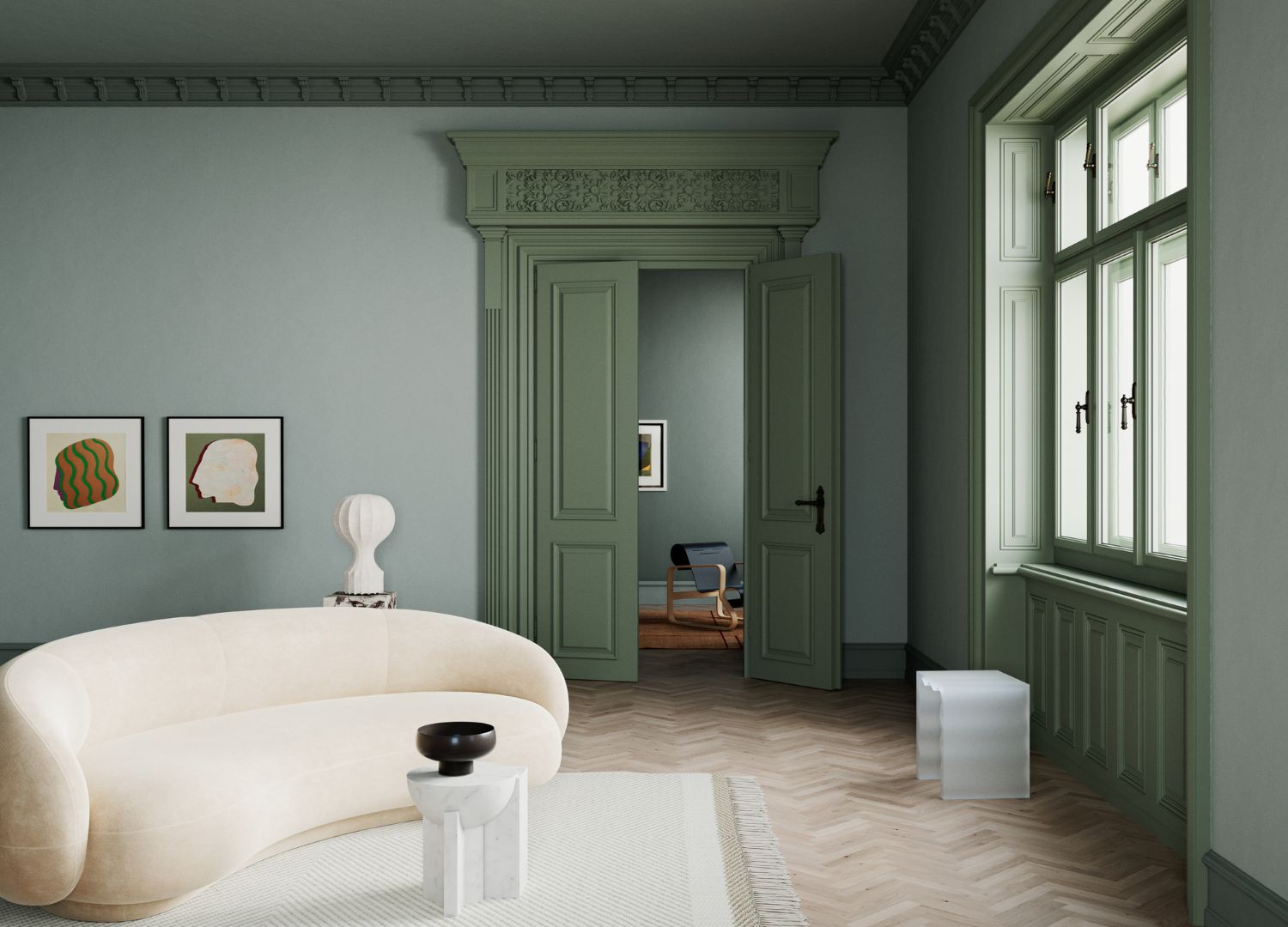
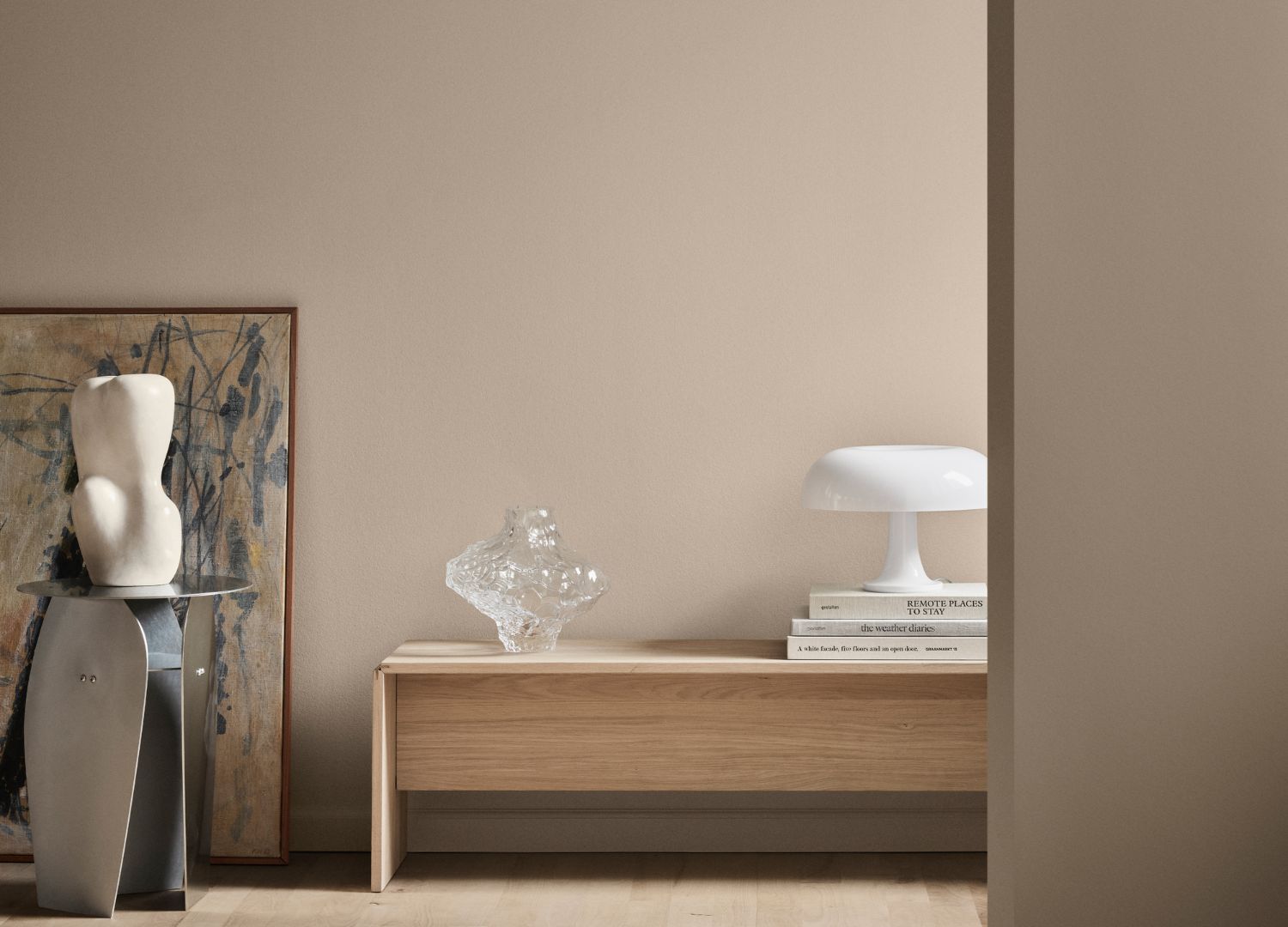
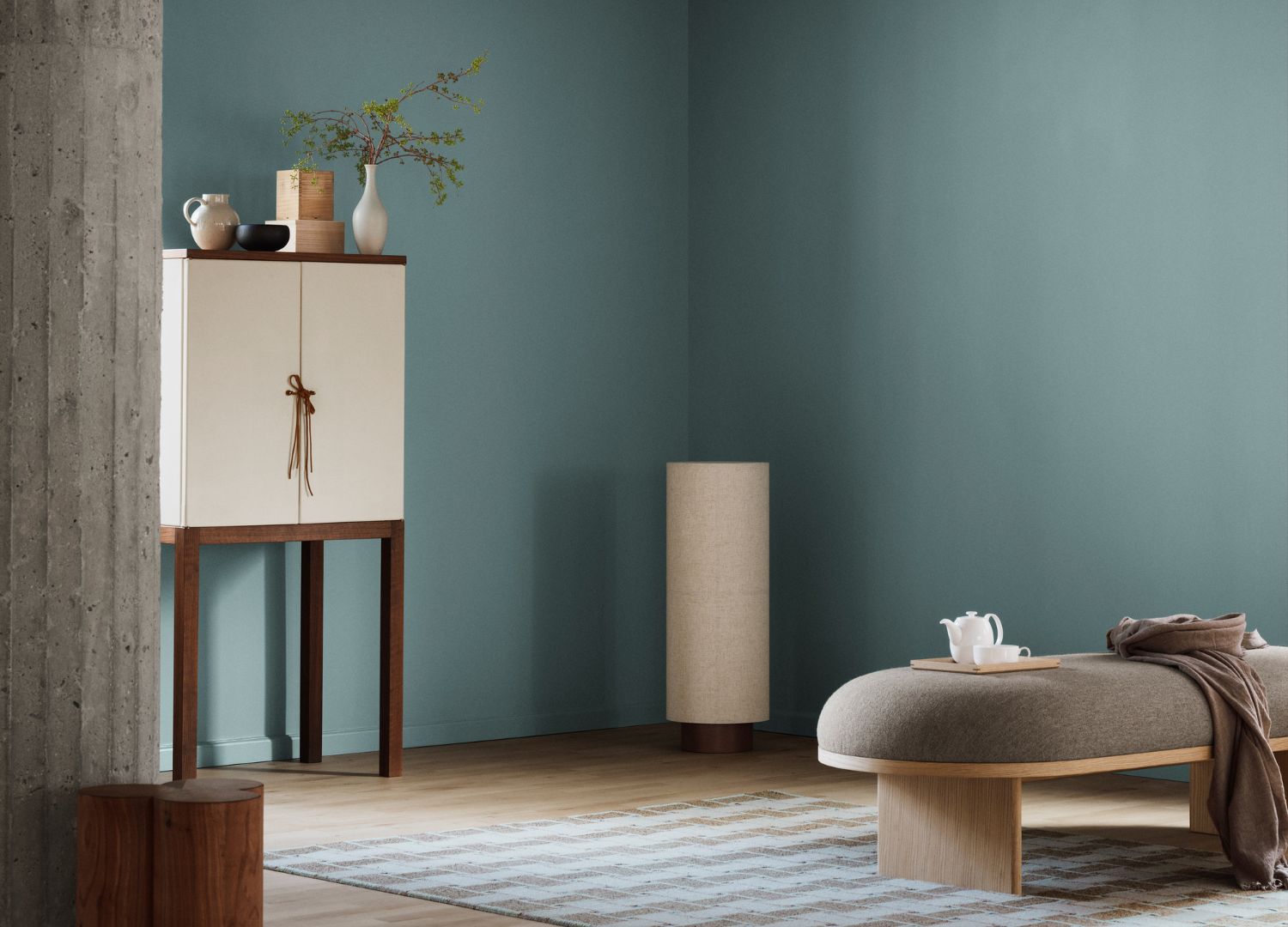
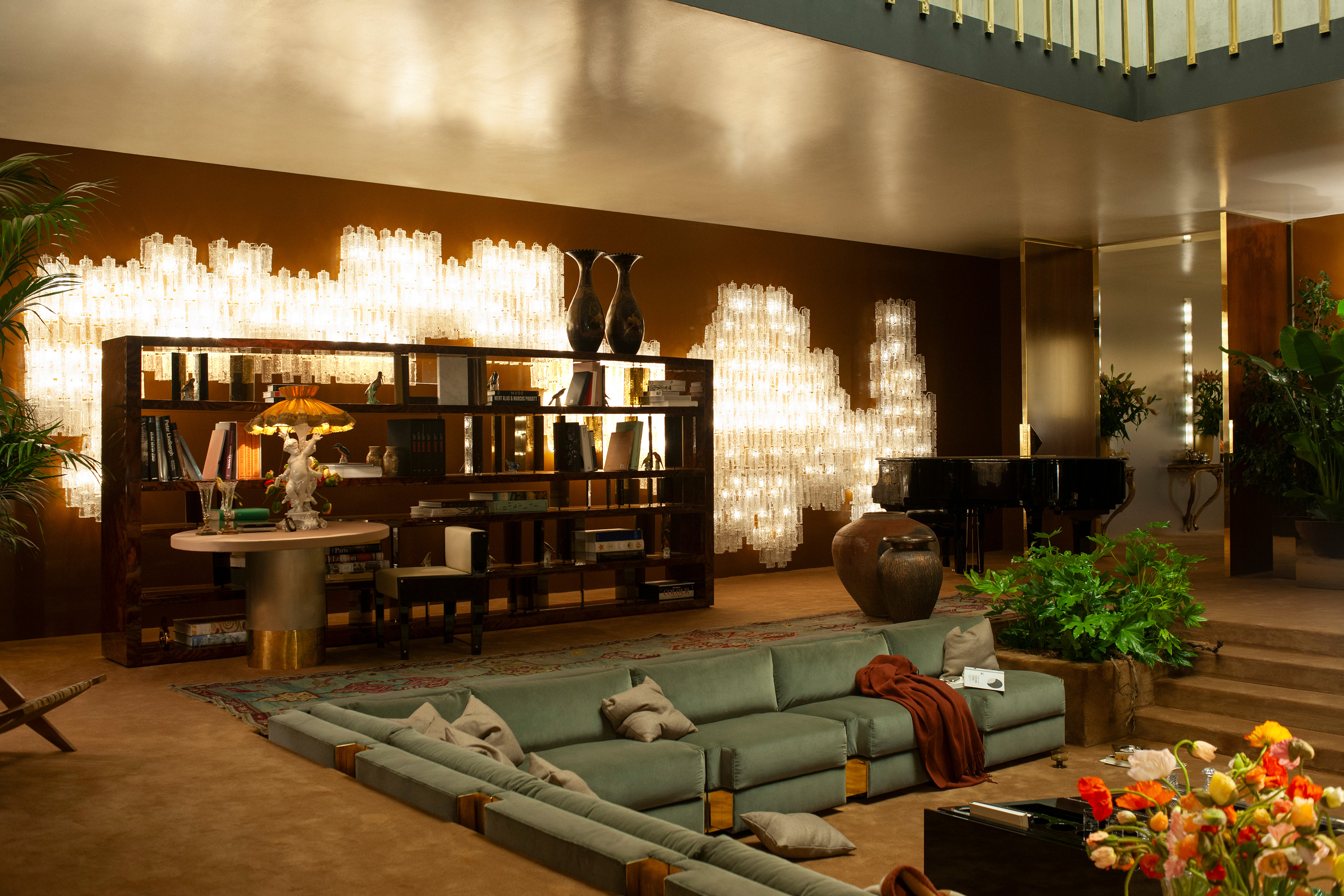
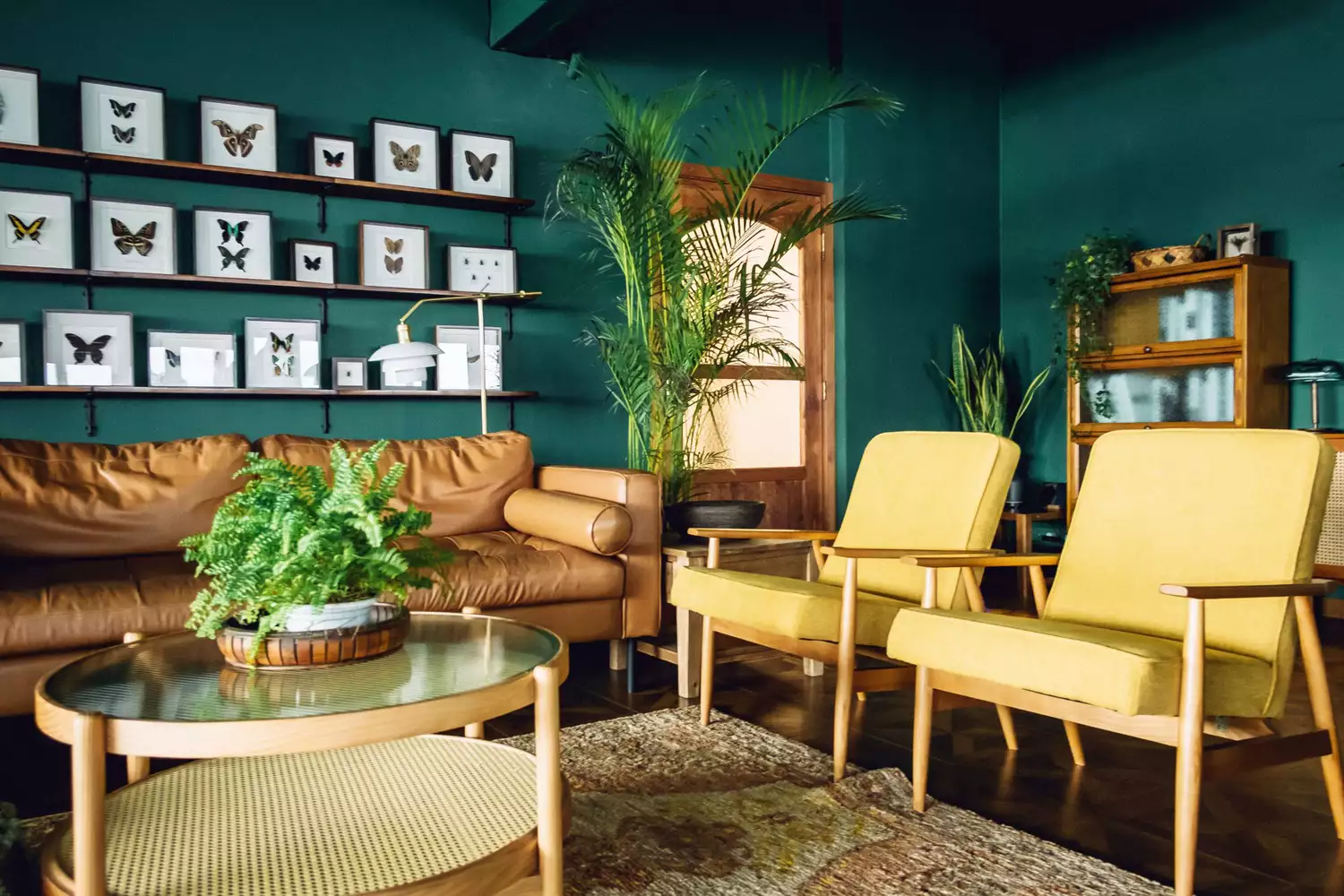
The interior design landscape is currently undergoing a significant shift from the previously dominant minimalist aesthetic of bright white walls, beige accents, and sparse decor. A new trend, dubbed "Dark Glamour" by Benjamin Moore, is emerging, characterized by deep, moody hues, rich jewel tones, dusky neutrals, and metallic accents, often with a gothic undertone. This shift emphasizes creating spaces with more color and emotional depth, moving away from a strictly neutral palette.
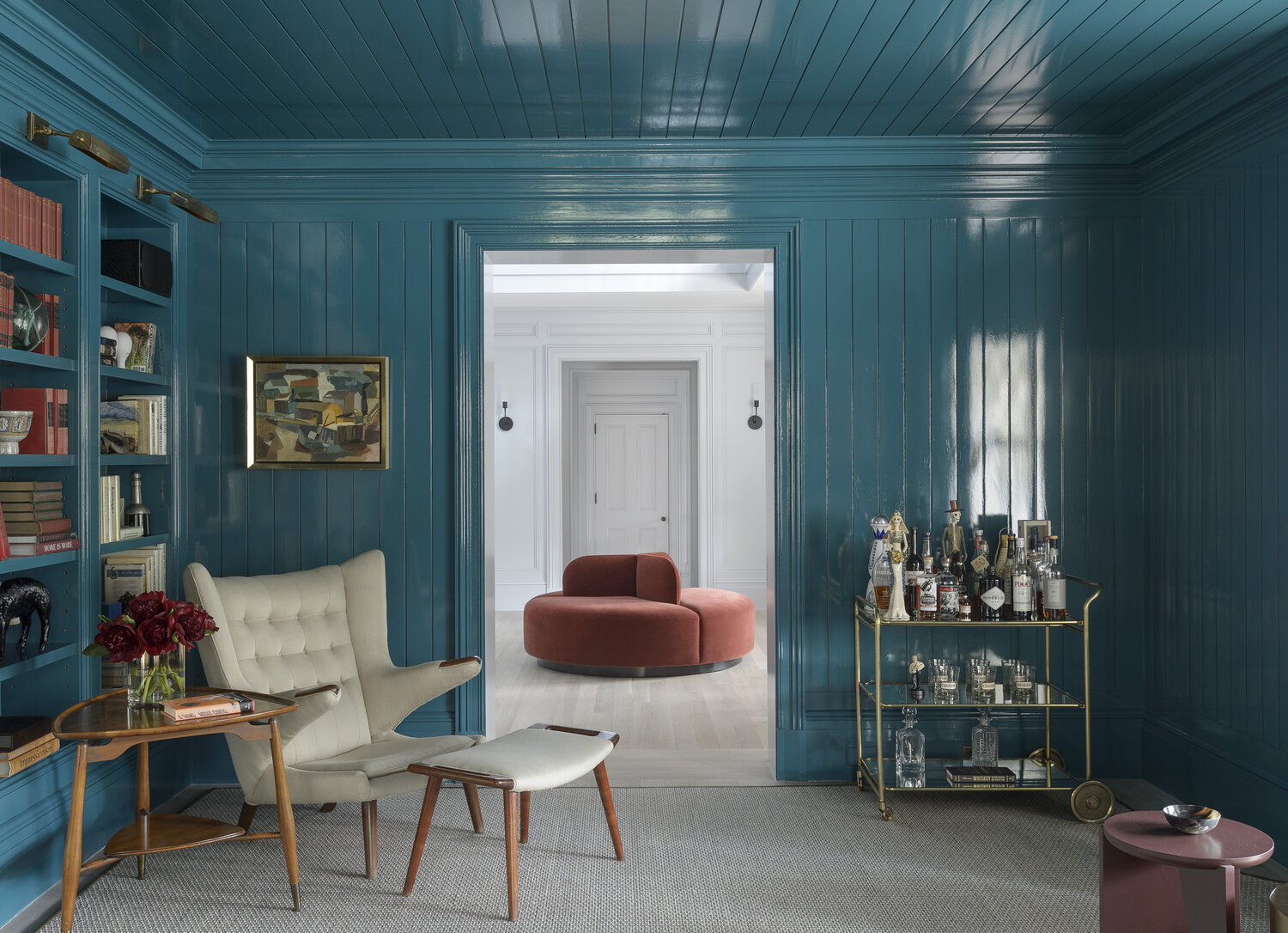
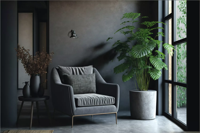
Local interior designers are embracing this change, offering insights into successfully integrating these richer palettes into home environments. Tammie Ladd, owner of Tammie Ladd Design, highlights the importance of incorporating living elements like plants to prevent dark spaces from feeling too heavy. She also stresses the significance of contrast, drawing parallels to black-and-white photography, where a balance between light and dark elements—such as a dark floor with white walls or dark cabinetry with lighter hardware—creates visual interest and energy. Ladd illustrates this by describing a home study she designed with midnight blue walls contrasted by an untouched warm-toned wood ceiling, noting the complementary energy between blue and orange tones.
Kasey Dobbins of Foxwood Design Co. shares a similar perspective, suggesting that for those hesitant to paint entire walls dark, painting the ceiling can be an effective alternative. She advises against an all-black-and-white scheme, preferring rooms within a mid-tone range for a more inviting feel. Dobbins encourages homeowners to select colors they are inherently drawn to, suggesting that personal comfort and preference should guide color choices, allowing homes to reflect individual personalities.
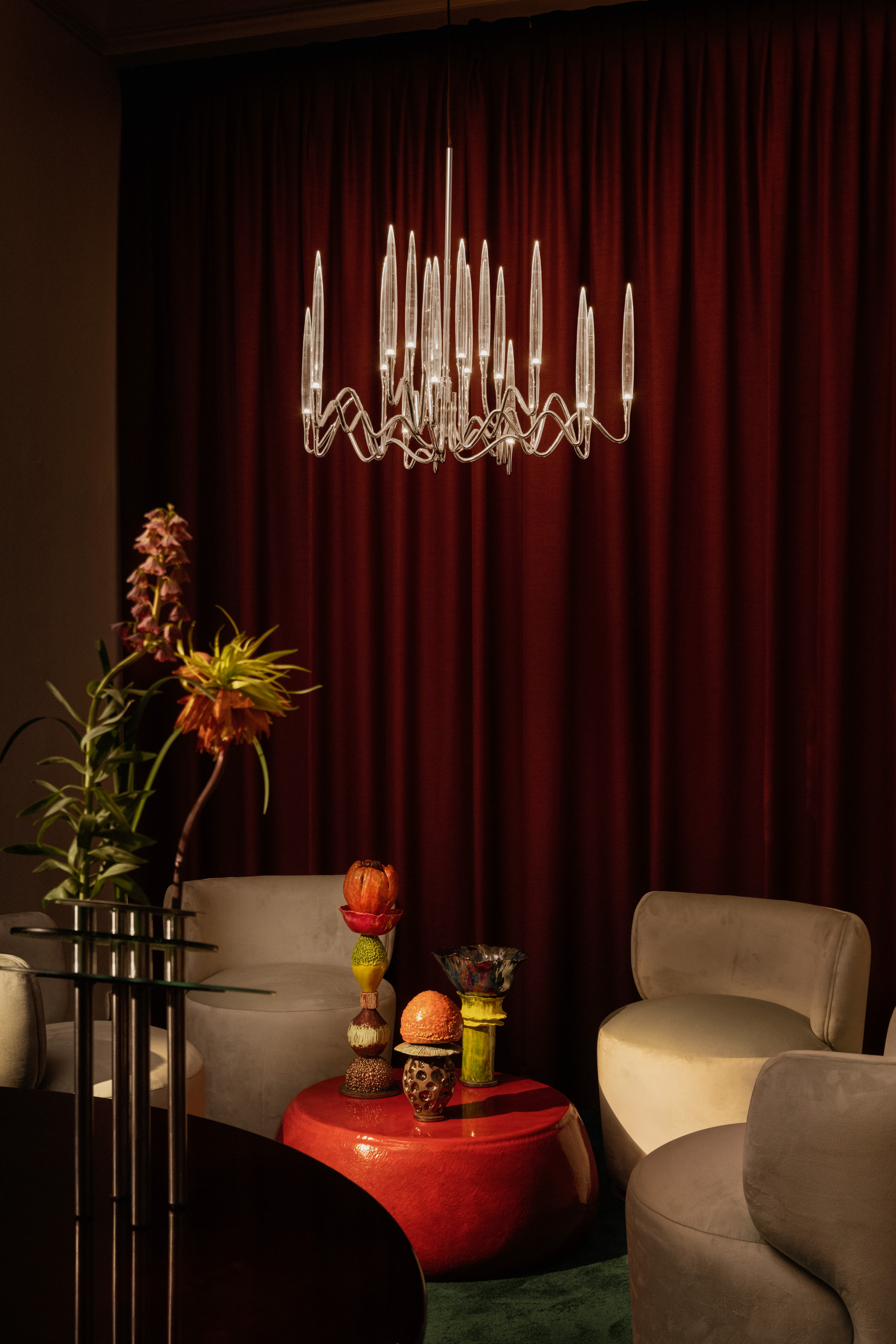
Lighting plays a crucial role in these richly colored spaces. Ladd acknowledges the contribution of lighting specialists, emphasizing that strategic lighting can transform a dark room. Dobbins advocates for a layered lighting approach, combining various sources such as can lights, ambient sconces, and table lamps to create depth and warmth. She also provides practical advice for naturally low-light areas like basements, recommending medium-tone colors over very dark or stark white options, as white can make such spaces feel institutional.
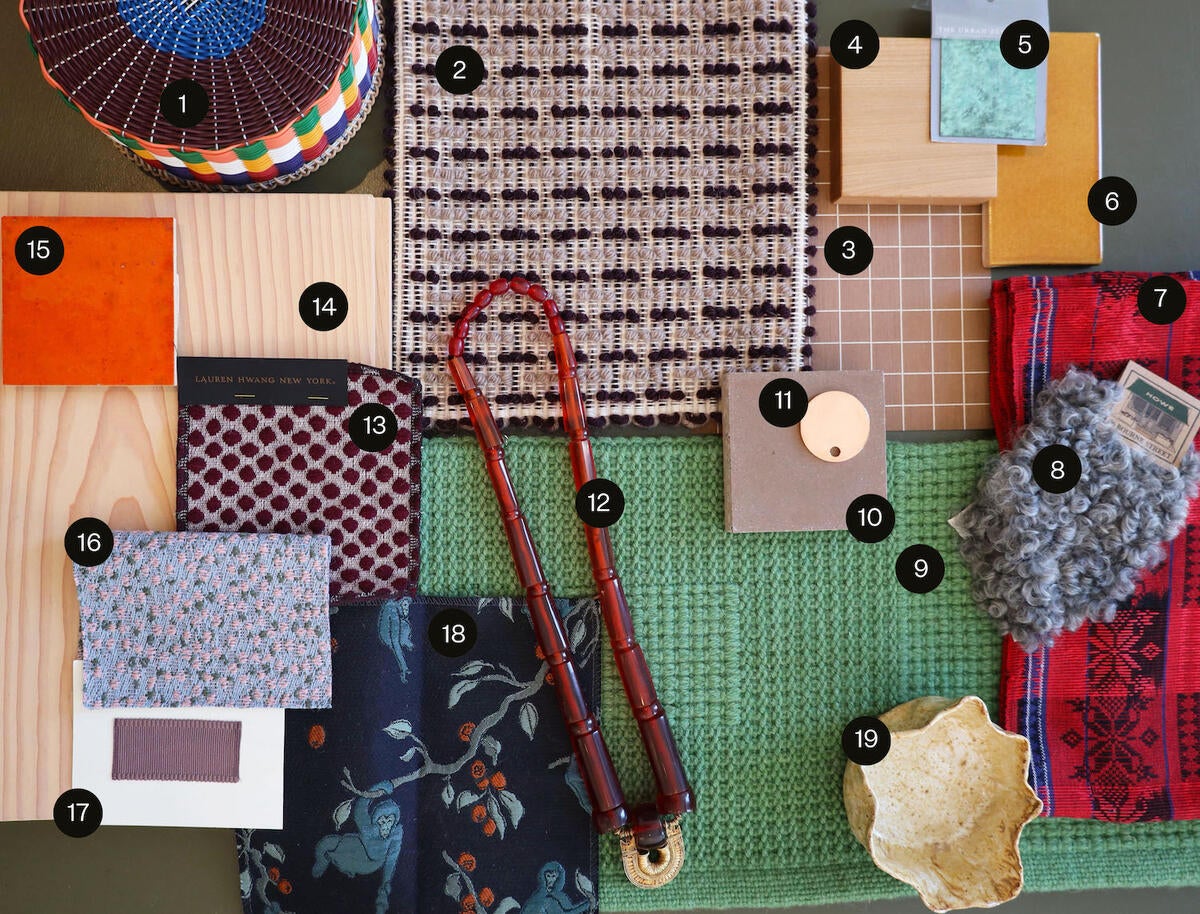
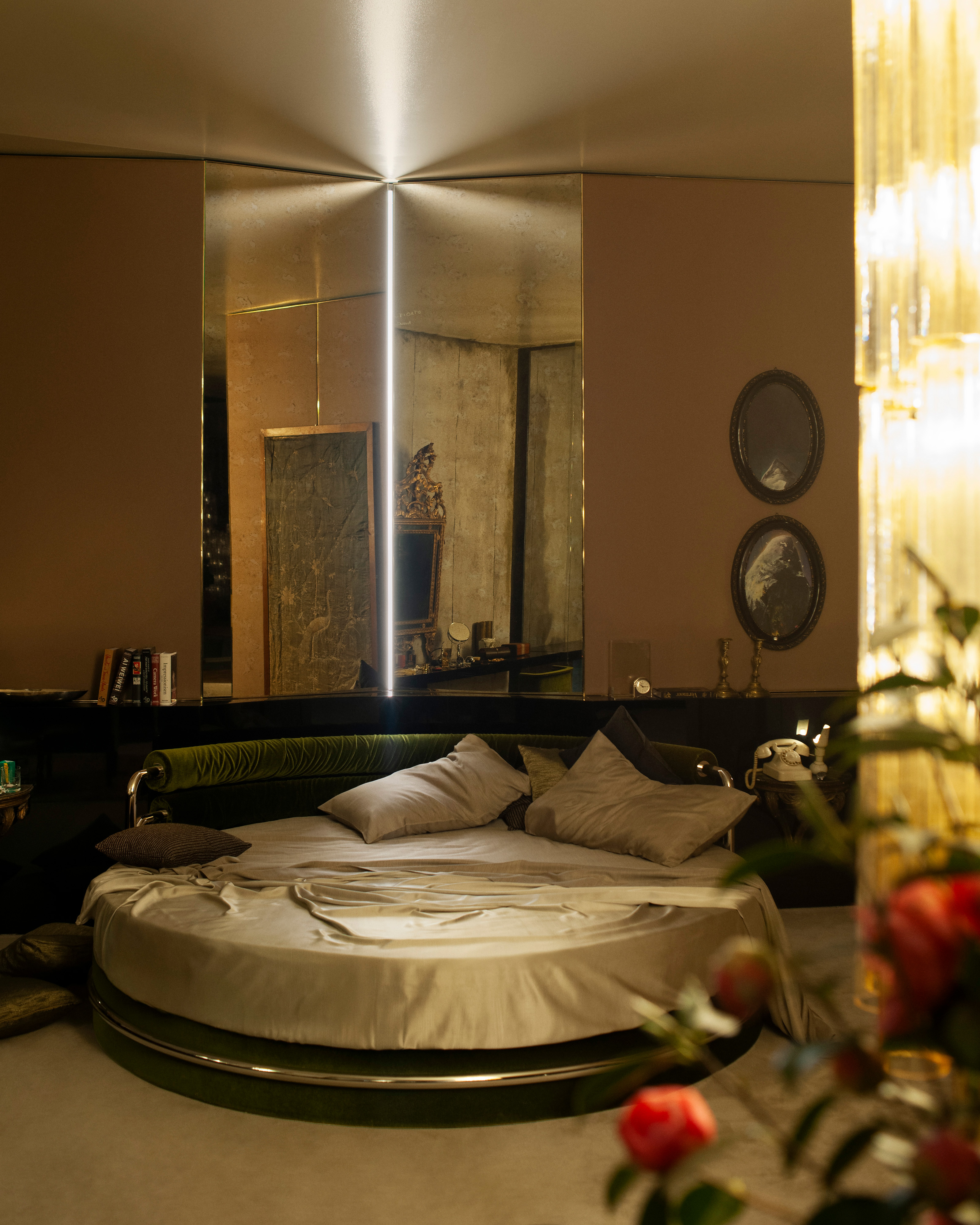
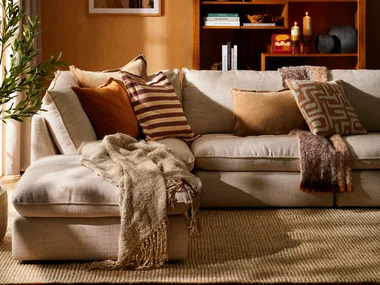
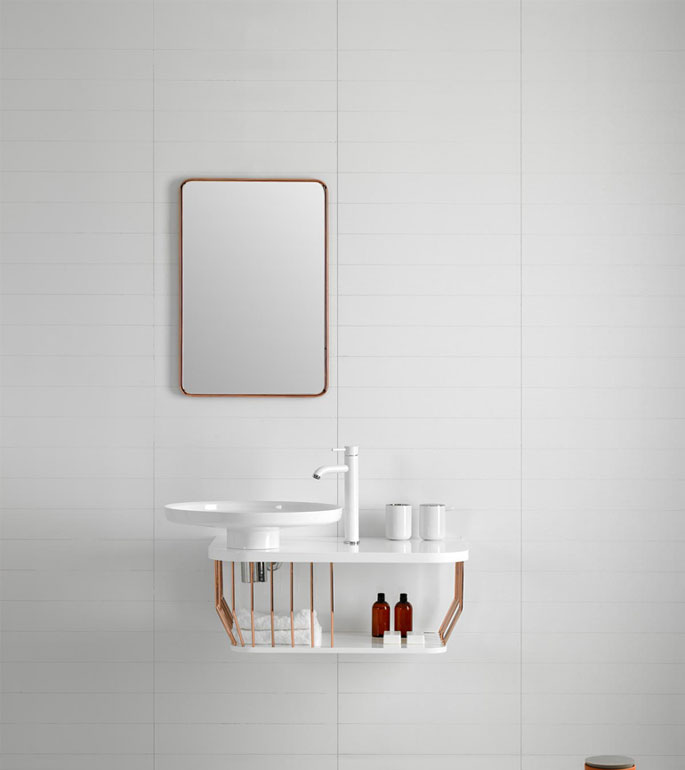
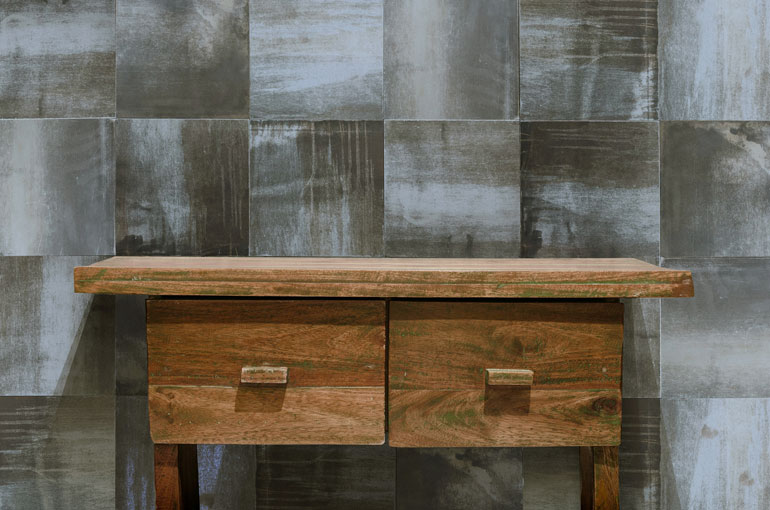
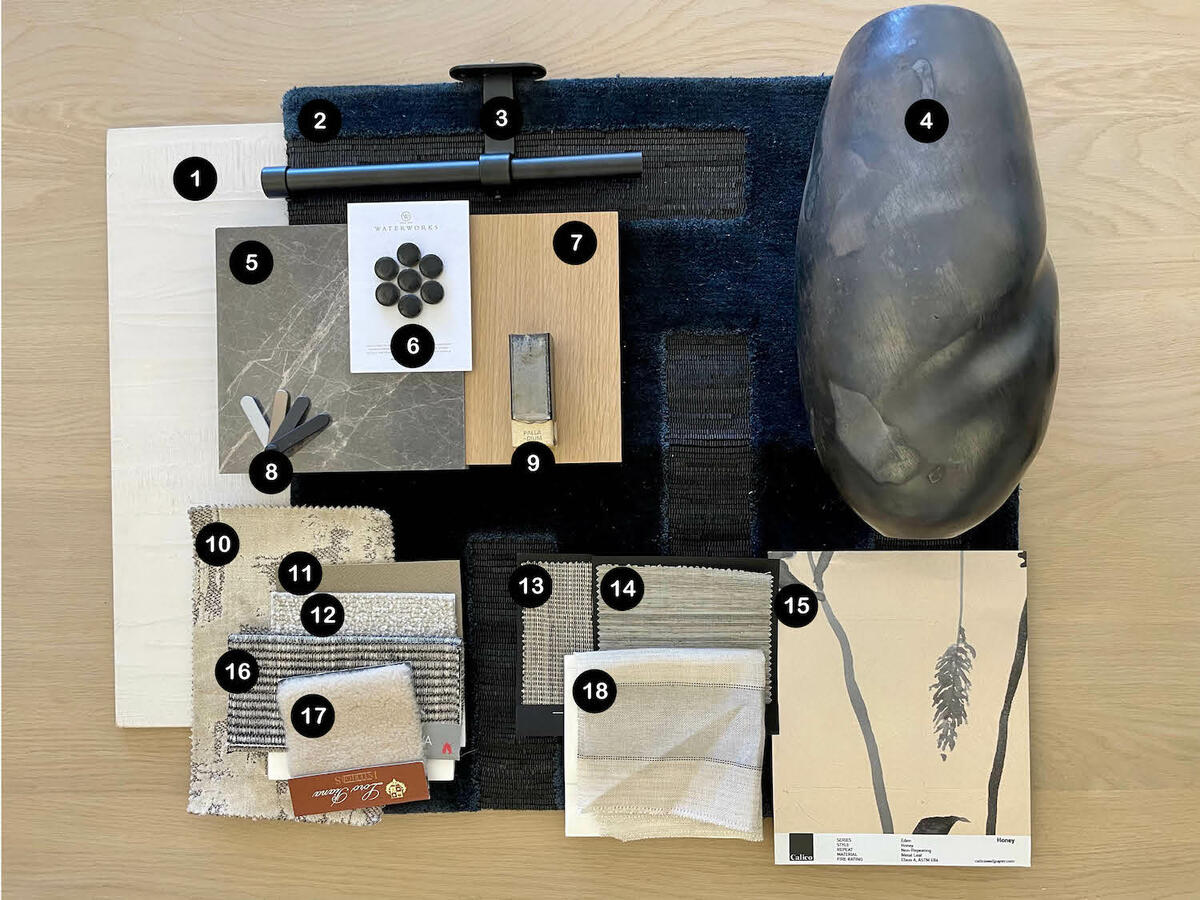
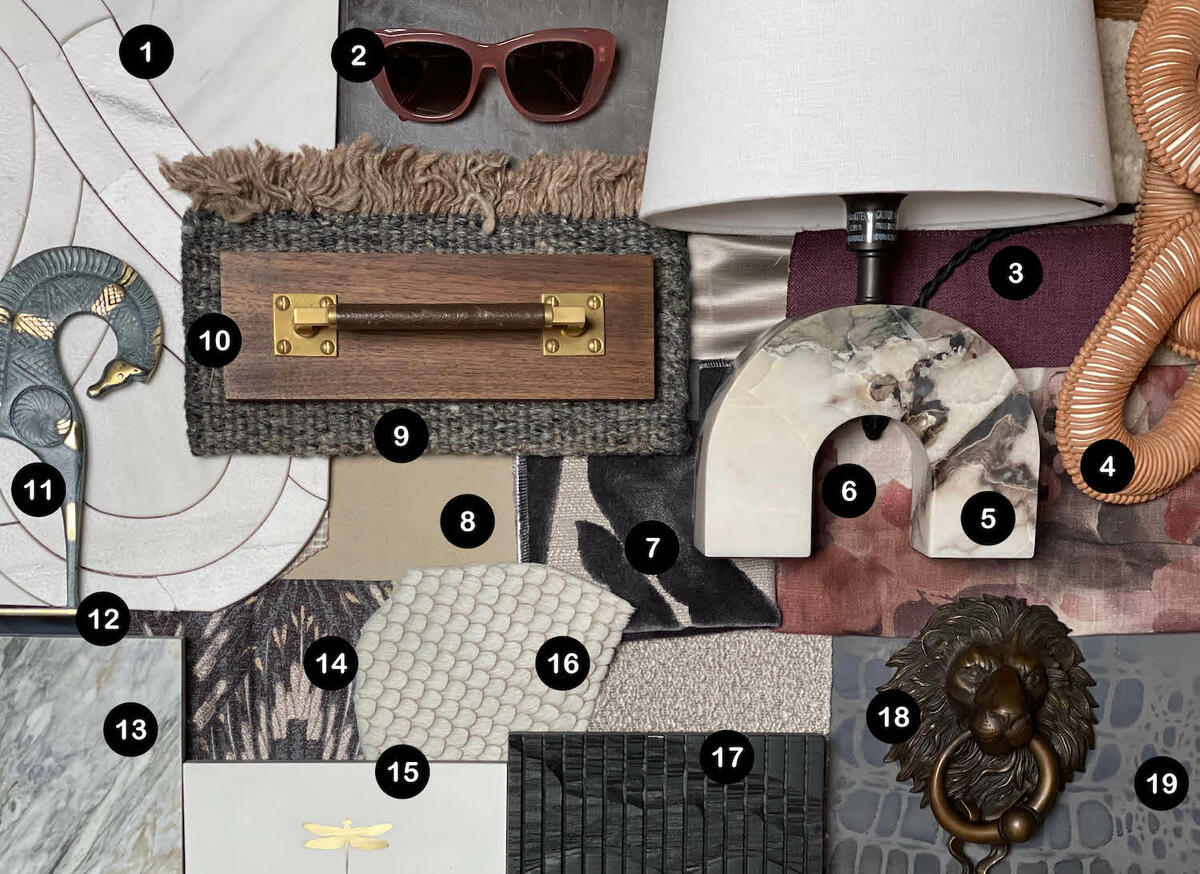
Beyond color and light, texture is another essential element for enhancing moody interiors. Ladd favors velvet for its calming properties and visual interest, while Dobbins is drawn to nubby bouclé fabric. Other textural elements like woven shades, sisal rugs, and waffle weave blankets can also enrich dark spaces. The article notes that even sheepskin throws, when used judiciously, can contribute to this textural complexity. Grasscloth wall coverings, reinvented with contemporary colors, are also recommended for adding a sophisticated textural layer. For luminous touches, natural stone, mirrored materials, and metals are suggested, particularly to complement candlelight. This trend towards rich colors and textures is seen as a corrective response to the previous monochromatic design extreme, aiming to reintroduce warmth and energy into living spaces, offering numerous options for homeowners to create refreshingly moody and personalized interiors.
#InteriorDesign #DarkGlamour #ColorTrends #HomeDecor #TexturalElements #LightingDesign #MoodPalette #DesignTips #SpokaneDesigners #InteriorDesign #DarkGlamour #ColorTrends #HomeDecor #TexturalElements #LightingDesign #MoodPalette #DesignTips #SpokaneDesigners
Há 0 comentários no total
 Ainda não há comentários
Você também pode gostar
What you didn’t know about colour

The Biggest Interior Design Trends for 2025

Design Forecast: 10 Trends to Watch for in 2016


Tineke Triggs’s dusk-driven blend of deep maroon, graphite gray and inky blue

Here's How to Add Warmth to Industrial-Style Design

The decorating trends everyone will be talking about in 2026

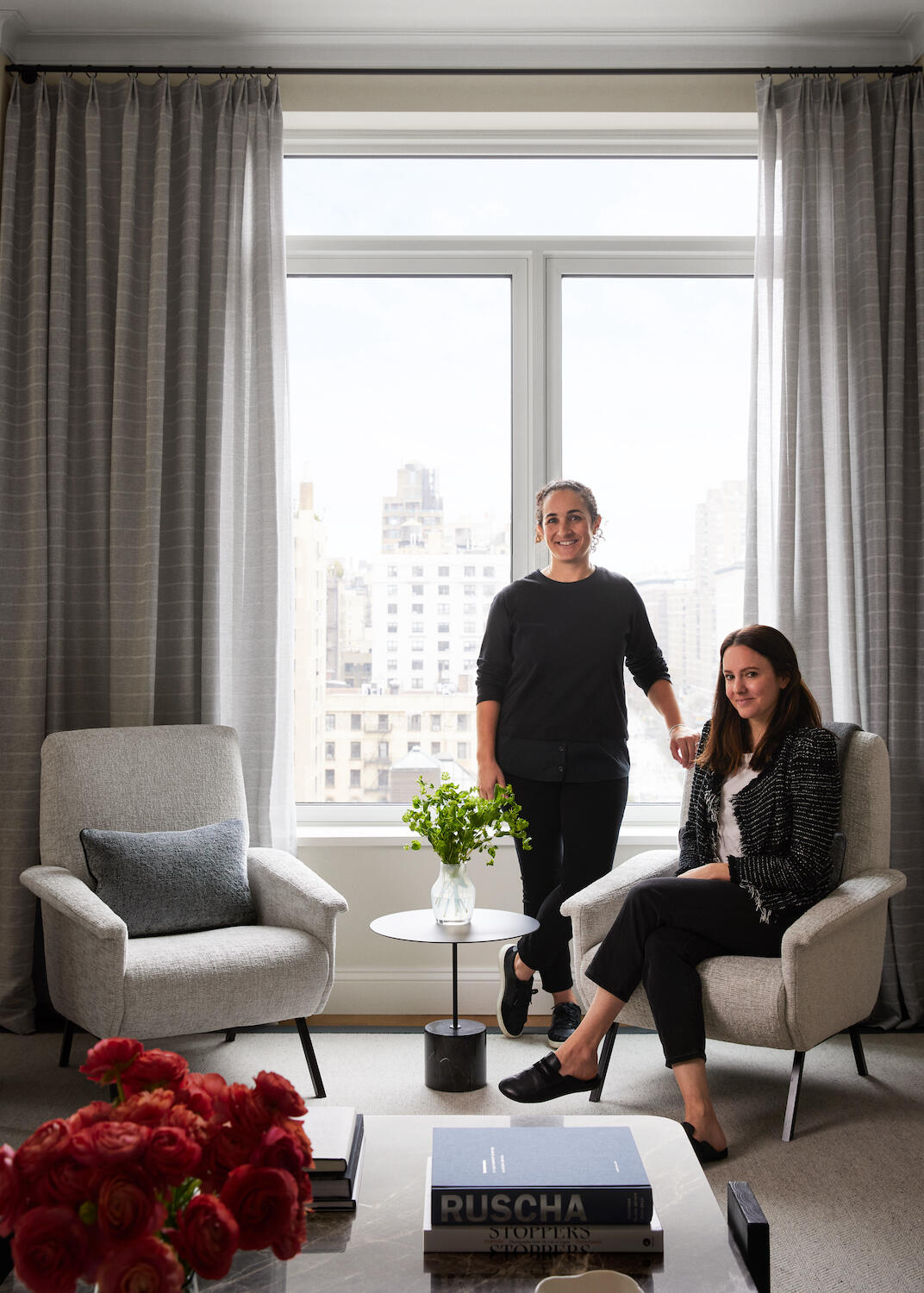
Studio AK’s touchable selection of polished marble, cut velvet and silk cashmere
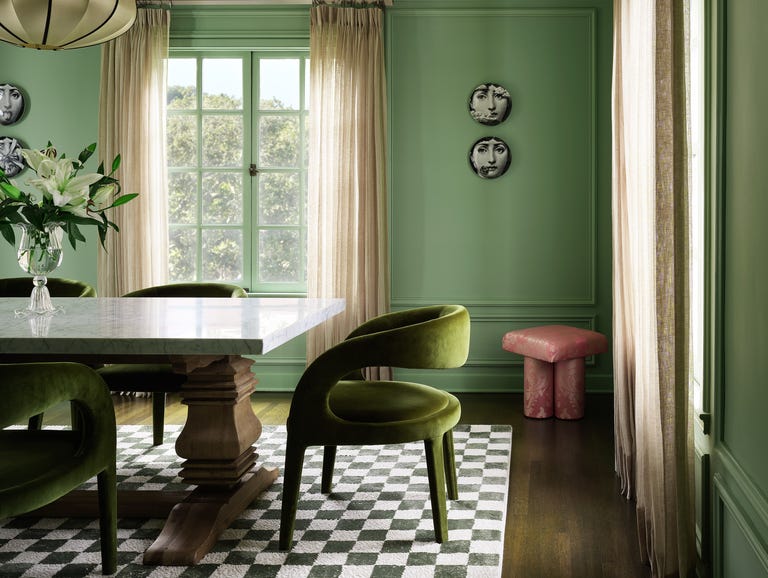
This SURPRISING Color Is About to Be Everywhere, According to Designers
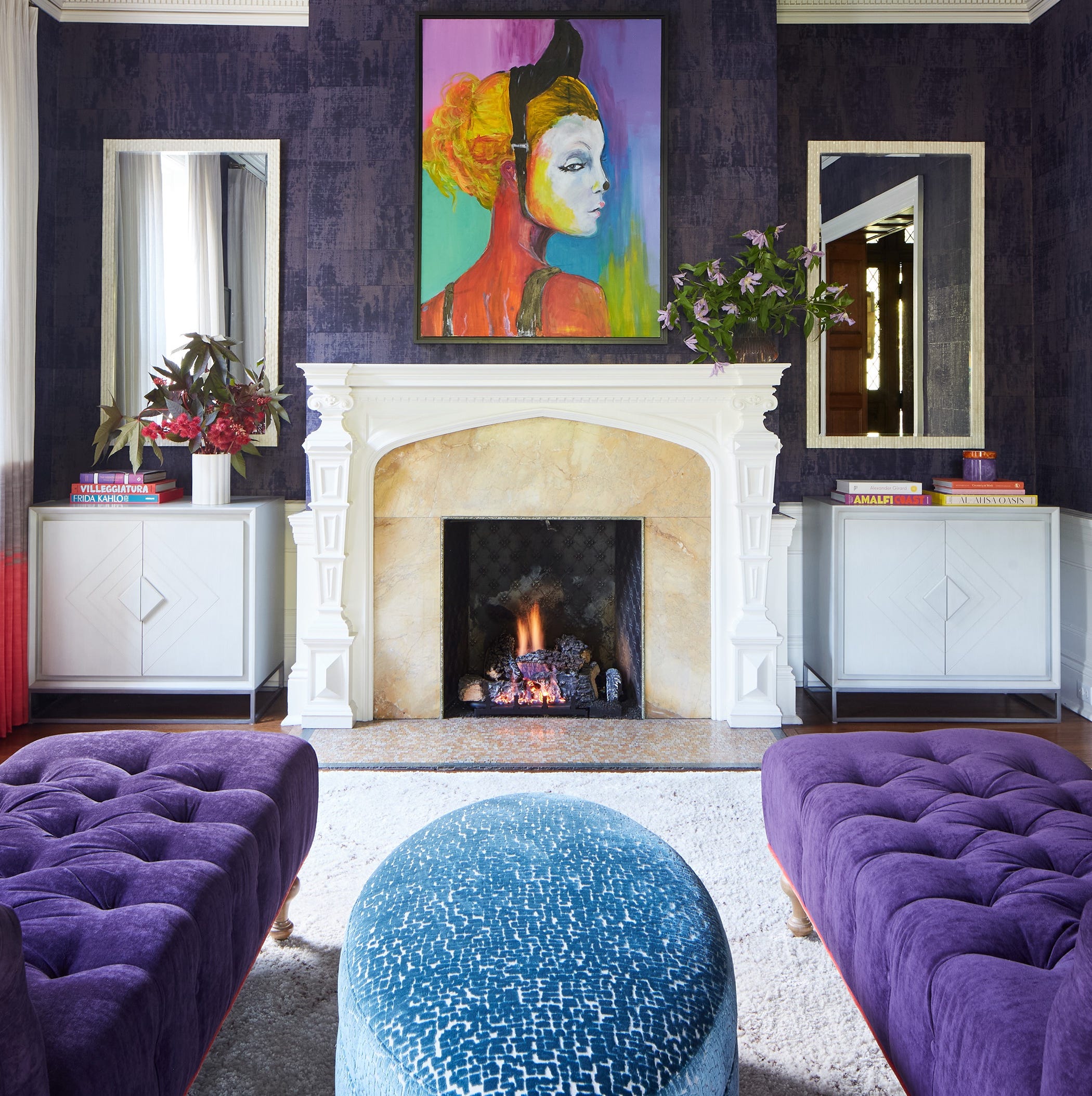
Designers LOVE Pairing These Unexpected Colors With This Sophisticated Hue
Madewell Is Selling Paint Now?
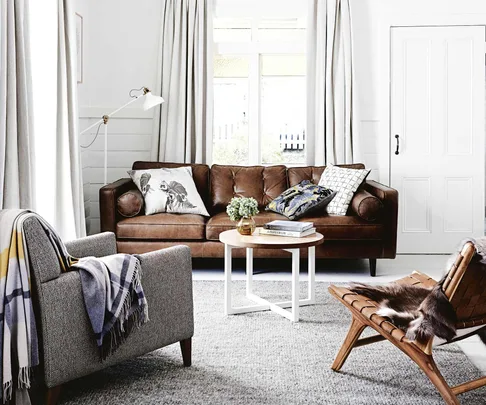
How to layer materials and add texture to your home decor

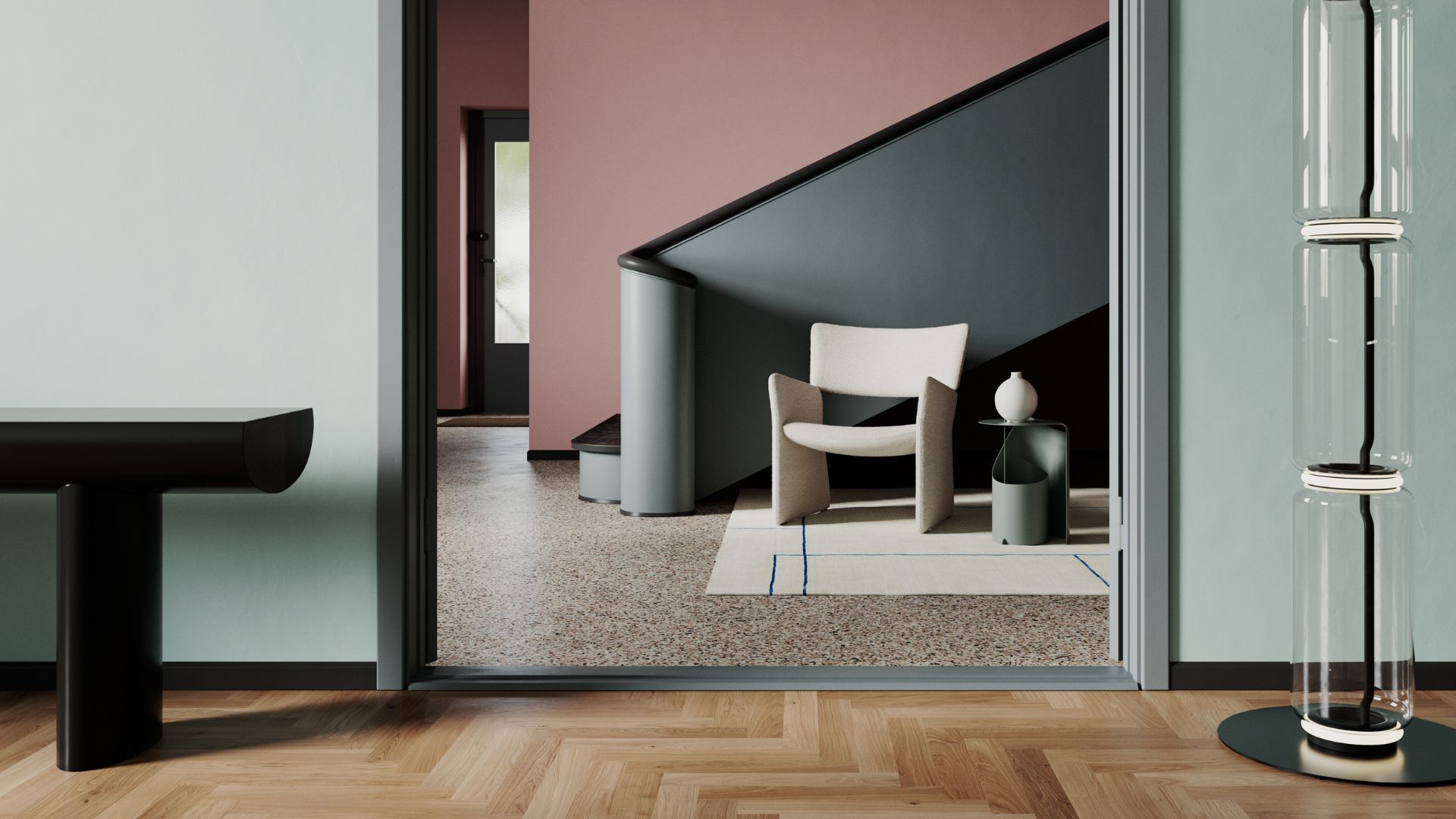
Notes: how to transform the paint industry with a brilliant idea

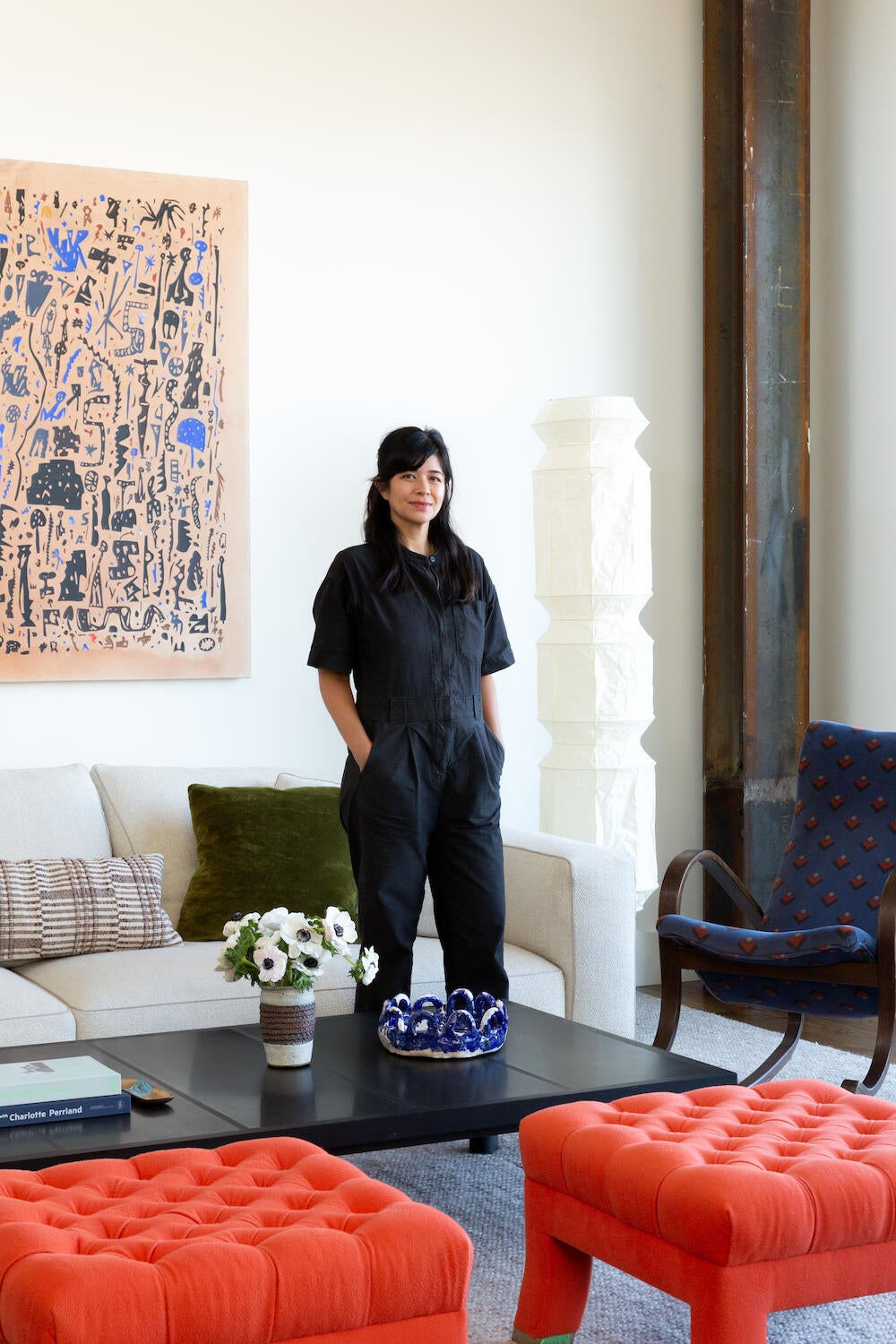
Julia Sobrepeña King’s contrary curation of orange zellige tile, bright green rugs and curly gray shearlings

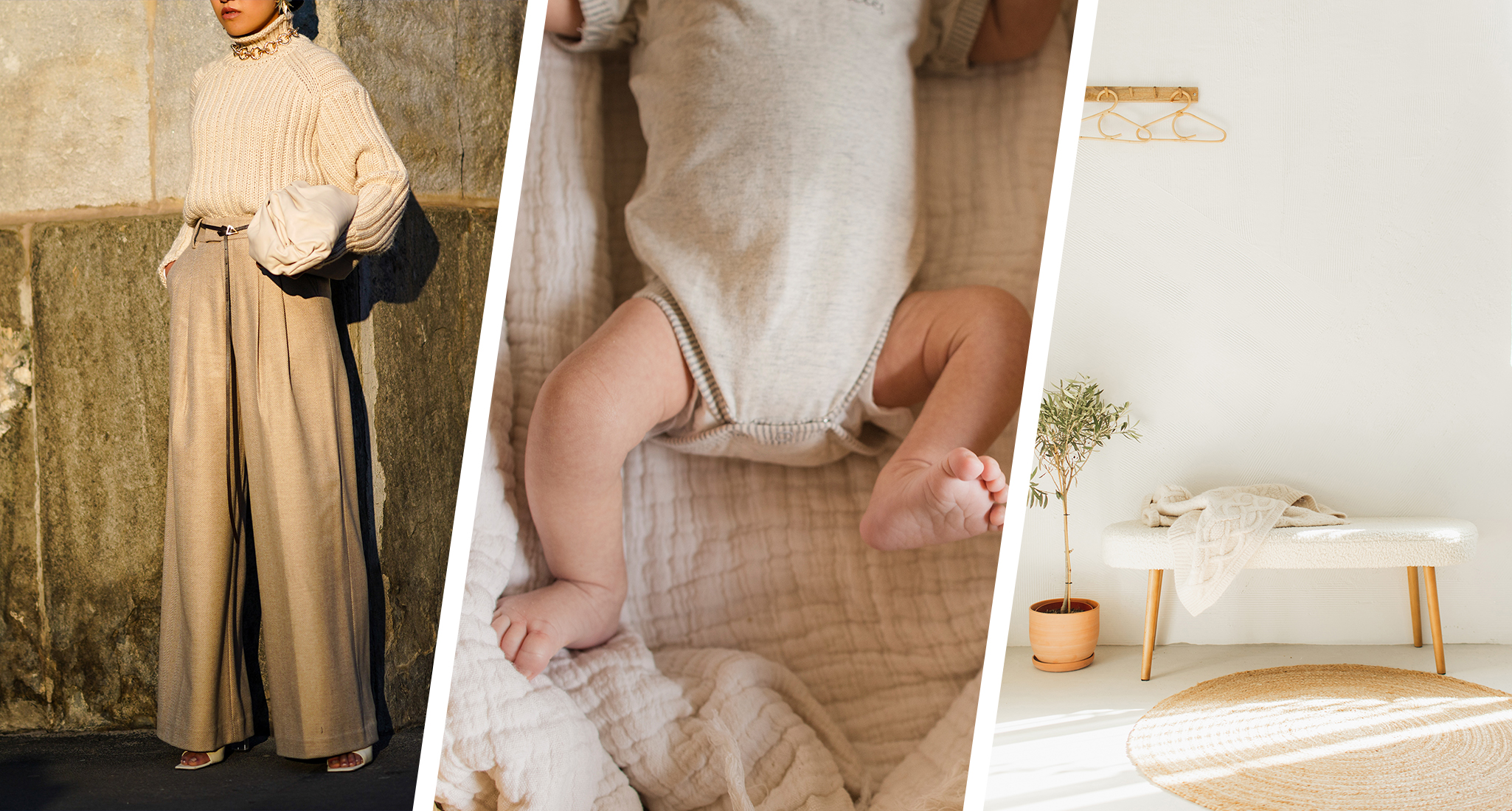
From Quiet Luxury to the Sad Beige Baby, When Will ‘Beigification’ End?


Deeper, moody colours and precious jewel tones are in style this year
15 Rising Stars of Product Design
9 ombre designs for a soft splash of color
5 Vibrant Color Palettes Designers Are Using to Add Energy and Excitement to Decor

10 Interior Design Trends to Watch in 2025

12 Jewel-Tone Paint Colors Designers Say Are Always On-Trend