1/6
Restoring a Chair Is Easier Than You Think. Ask the Brownstone Boys. (Published 2024)
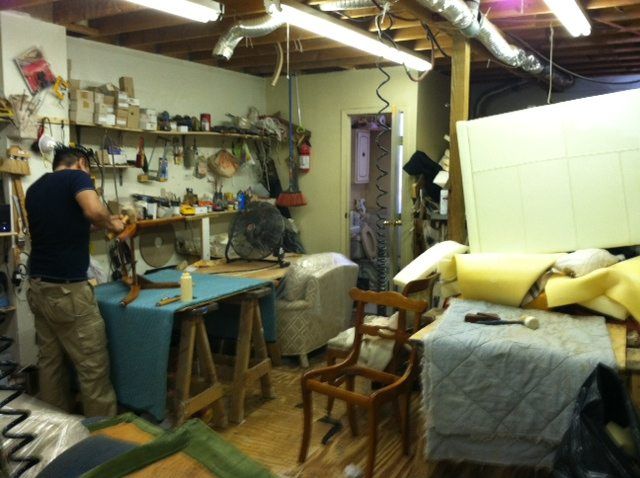
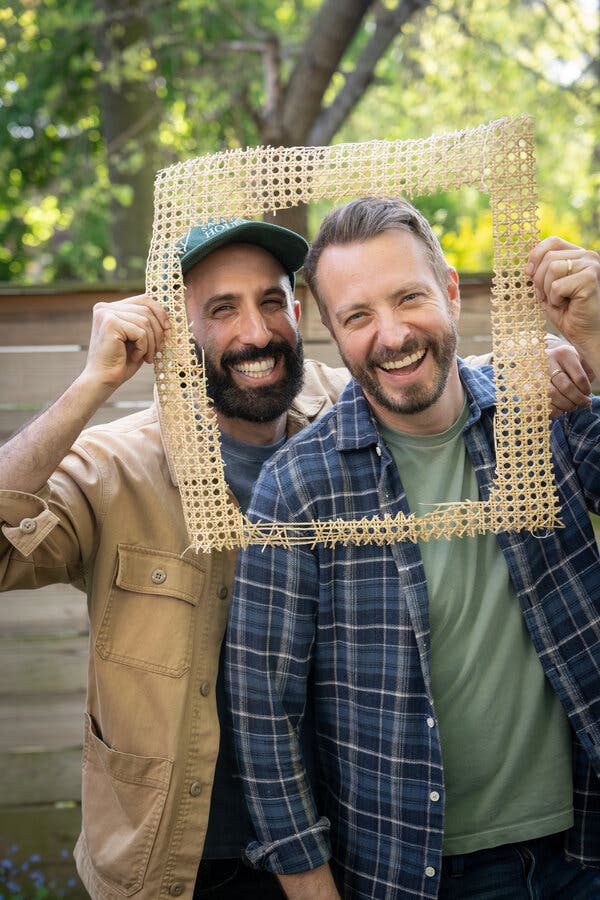
Furnishing a home with antique pieces does not necessarily have to be expensive, especially if one is willing to undertake restoration work. This approach is championed by Jordan Slocum and Barry Bordelon, known as the Brownstone Boys, who emphasize that while already restored pieces are costly, items needing significant attention can be acquired for much less. The Brooklyn-based designers, whose book “For the Love of Renovating” is due out soon, actively seek out furniture from vintage shops, architectural salvage yards, and even discarded items on sidewalks in New York. They recently rescued a wooden side chair with a damaged seat and multiple layers of old paint, which they then restored using techniques commonly applied to the woodwork of historic brownstones.
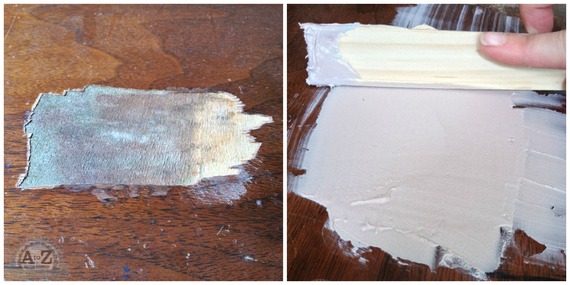
The restoration process begins with removing any existing upholstery to access the wooden frame. The initial step for paint removal involves using a heat gun to soften and scrape off as much paint as possible. This method is effective for primary paint removal, but it often leaves behind some remnants. For more stubborn paint, a liquid paint stripper, such as CitriStrip, is applied generously and allowed to sit for several minutes. After the stripper has worked, a metal tool is used to scrape off the softened paint, with steel wool and a rag employed for persistent areas.
Following paint removal, the chair is thoroughly cleaned with denatured alcohol and steel wool to eliminate any residue. The next crucial step is sanding the entire chair to remove any remaining paint flecks and to prepare the wood surface. The process involves starting with coarser sandpaper, such as 80-grit, and gradually progressing to finer grades, typically ending with 400-grit, to achieve a smooth, raw wood finish. While power sanders can be used for larger areas, hand sanding with ordinary sandpaper, sometimes taped to a wood block, is often necessary for intricate curves and crevices.
Once the bare wood is exposed, a wood stain of choice is applied. The Brownstone Boys used Varathane Early American stain, applying it with cheesecloth and working along the wood grain for even coloration. After the stain dries, the chair is sanded again to smooth any raised grain.
For the seat, while upholstery is an option, the Brownstone Boys chose pressed-cane webbing, which they purchased online. To install the cane, the material is cut slightly larger than required and soaked in water for about 20 minutes to make it pliable and easier to work with. Wood wedges or a screen-rolling tool are then used to secure the edges of the cane into the groove around the chair’s seat. Excess material is trimmed, and wood glue combined with a reed spline is used to lock the cane webbing securely in place.
The final stage of restoration involves applying a clear protective coat. The Brownstone Boys used Varathane matte polyurethane, applied with a fresh paintbrush or rag to prevent brushstrokes. A single coat may suffice, but additional coats can be applied for increased durability or a more even finish. Once completed, the restored chair is ready for use, with the Brownstone Boys planning to use theirs in their office, and potentially in a client's home, ensuring its enjoyment for years to come. This project illustrates that with a methodical approach, restoring an old piece of furniture can be a rewarding and cost-effective endeavor.
#FurnitureRestoration #DIYHomeImprovement #BrownstoneBoys #AntiqueFurniture #RefinishingTechniques #Woodworking #HomeDecor #ChairRestoration #FurnitureRestoration #DIYHomeImprovement #BrownstoneBoys #AntiqueFurniture #RefinishingTechniques #Woodworking #HomeDecor #ChairRestoration
Há 0 comentários no total
 Ainda não há comentários
Você também pode gostar

Repairing Our Stoop and Historic Ironwork

How to Keep Your Old Home From Becoming a Money Pit

Restoration Hardware’s RH Teen line is more playful and (slightly) less expensive

Walking On New Ground
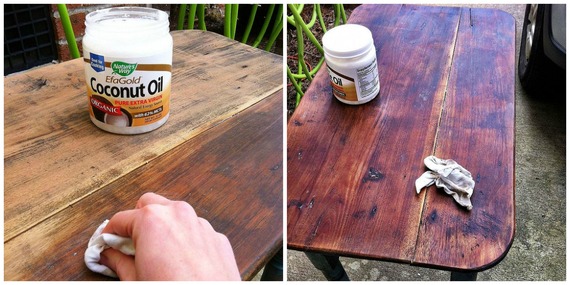
8 Tricks for Repairing and Restoring Wood Damage
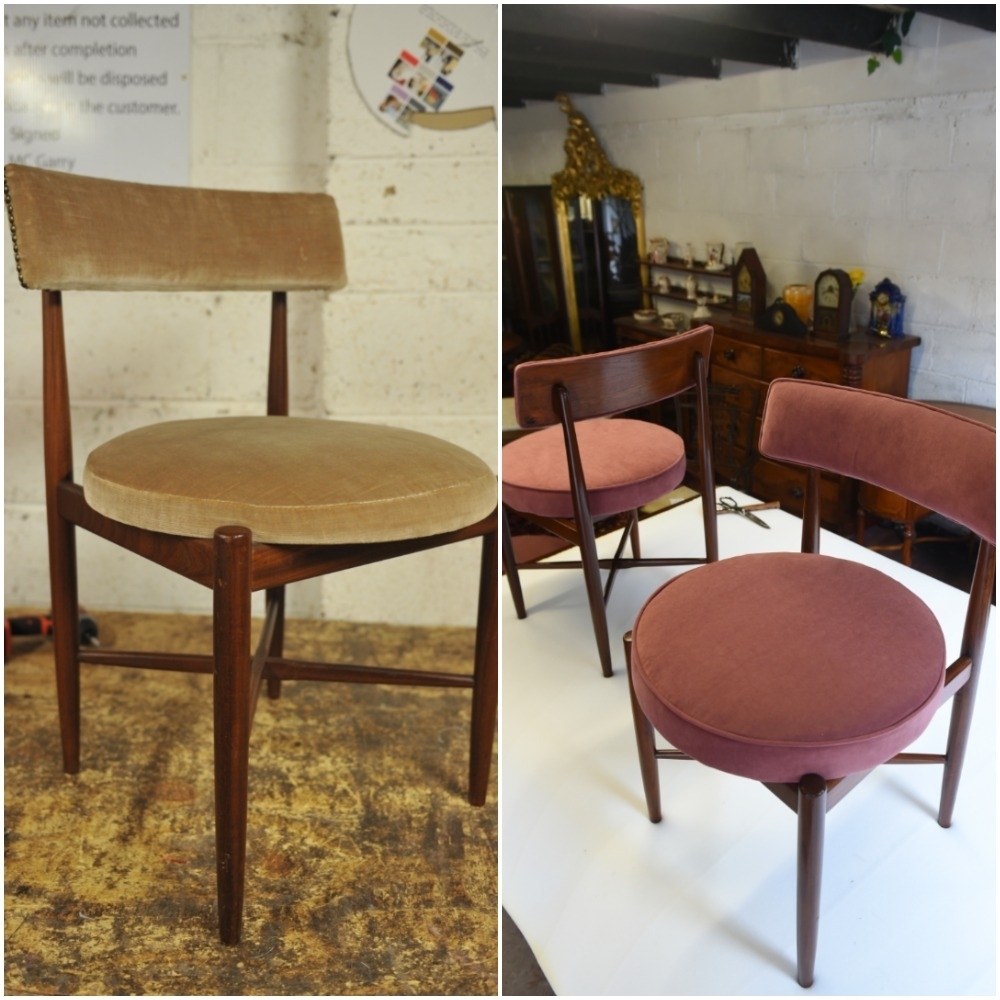
In the pink: Four old dining chairs get a makeover
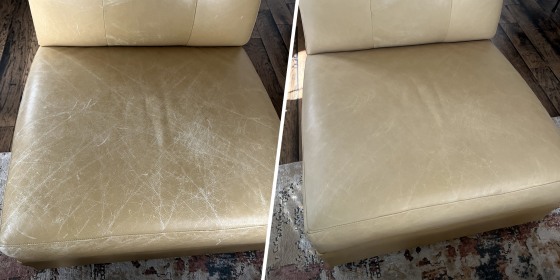
The Leather Furniture Repair Balm That Removed Years of Damage


Lone Fox's latest DIY project proves reupholstering old furniture can be easier than it looks

Franklin and Irving Will Fix or Flip Your Furniture

Want the next generation in your family to embrace old furniture? Try paint
How to restore life of damaged wood furniture yourself

Meet Das Upholstery’s Das Chunilall As He Brings A Rocking Chair Back To Life


Rearranging the Furniture, Minus the Aching Back (Published 2013)