1/14
Methods to Remove Staples from Subfloor
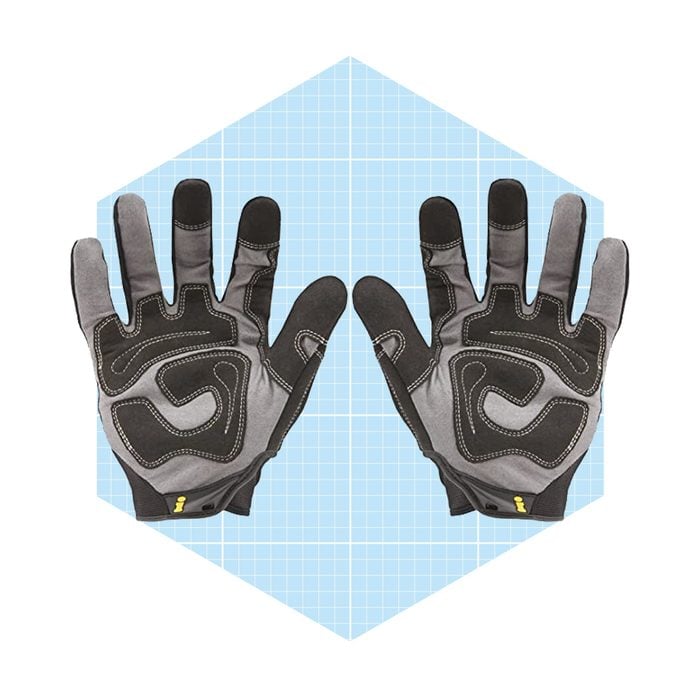
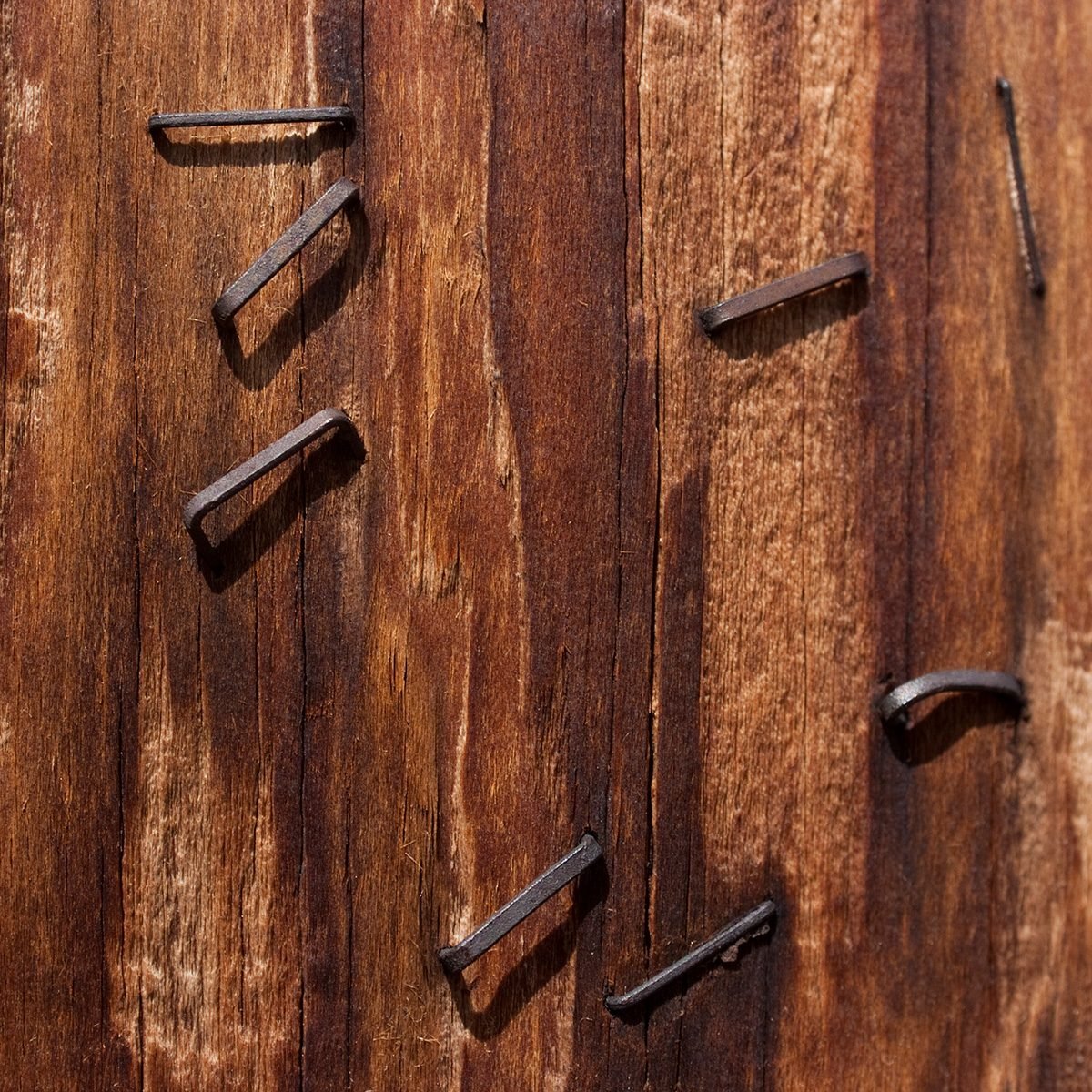
Removing subfloor staples can be a frustrating and time-consuming task, but various efficient methods exist beyond simply yanking them out one by one. Before beginning, safety precautions are essential, including wearing safety glasses and gloves, being aware of potential asbestos contamination in older subfloor layers, working in small sections with breaks, and properly disposing of staples in a sealed container for recycling.
For staples that protrude slightly from the subfloor, needle-nose pliers can be used. The technique involves gripping the staple close to the subfloor and gently rocking it back and forth while pulling upward to avoid damaging the wood. Similarly, channel locks can be employed by firmly gripping the staple and using a rolling action to extract it, which also minimizes subfloor damage.
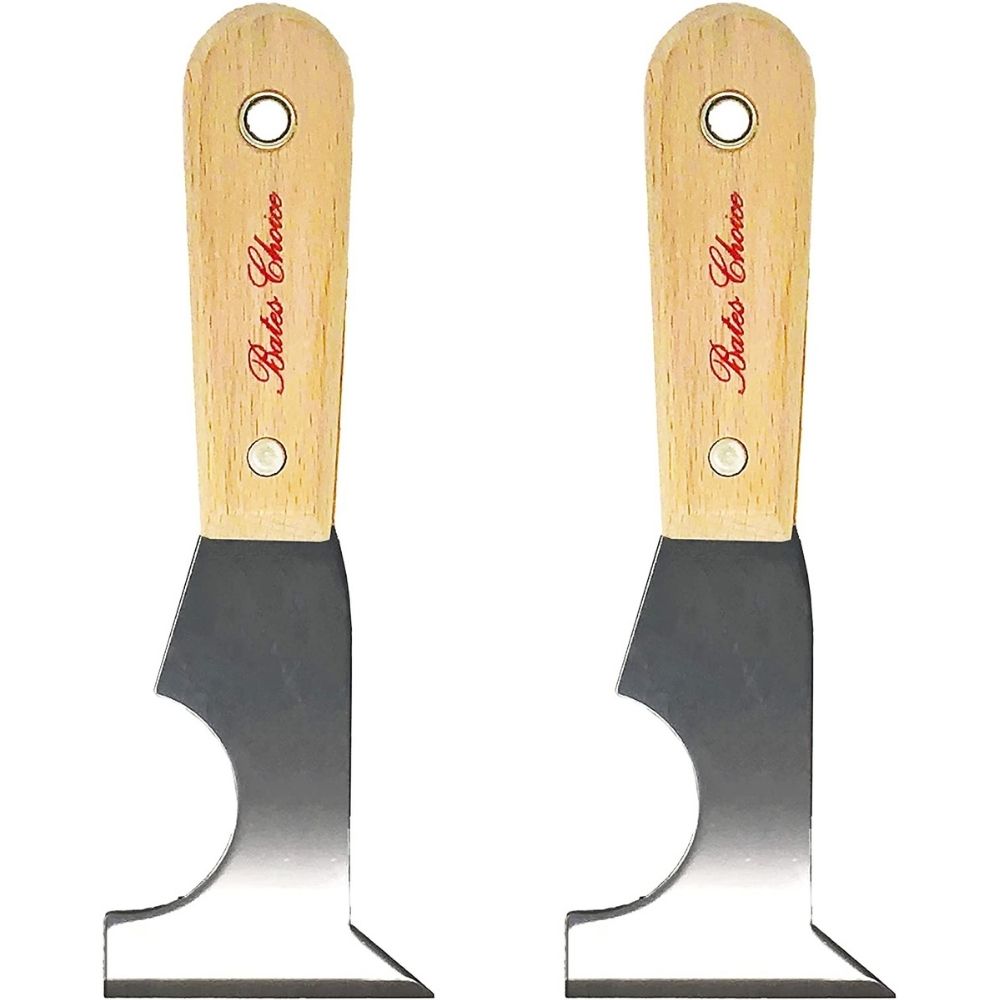
A floor scraper offers a quick method for removing numerous staples, especially immediately after carpet removal when staples are loosened. By flipping the blade to its dull side and pushing it along the floor at a low angle, many staples can be dislodged, though safety glasses are crucial due to flying debris, and pliers may be needed for stubborn remnants.
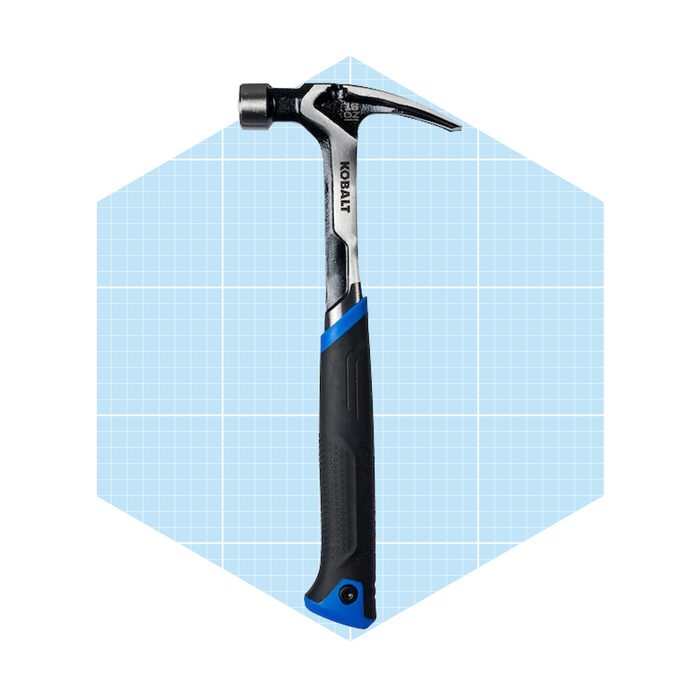
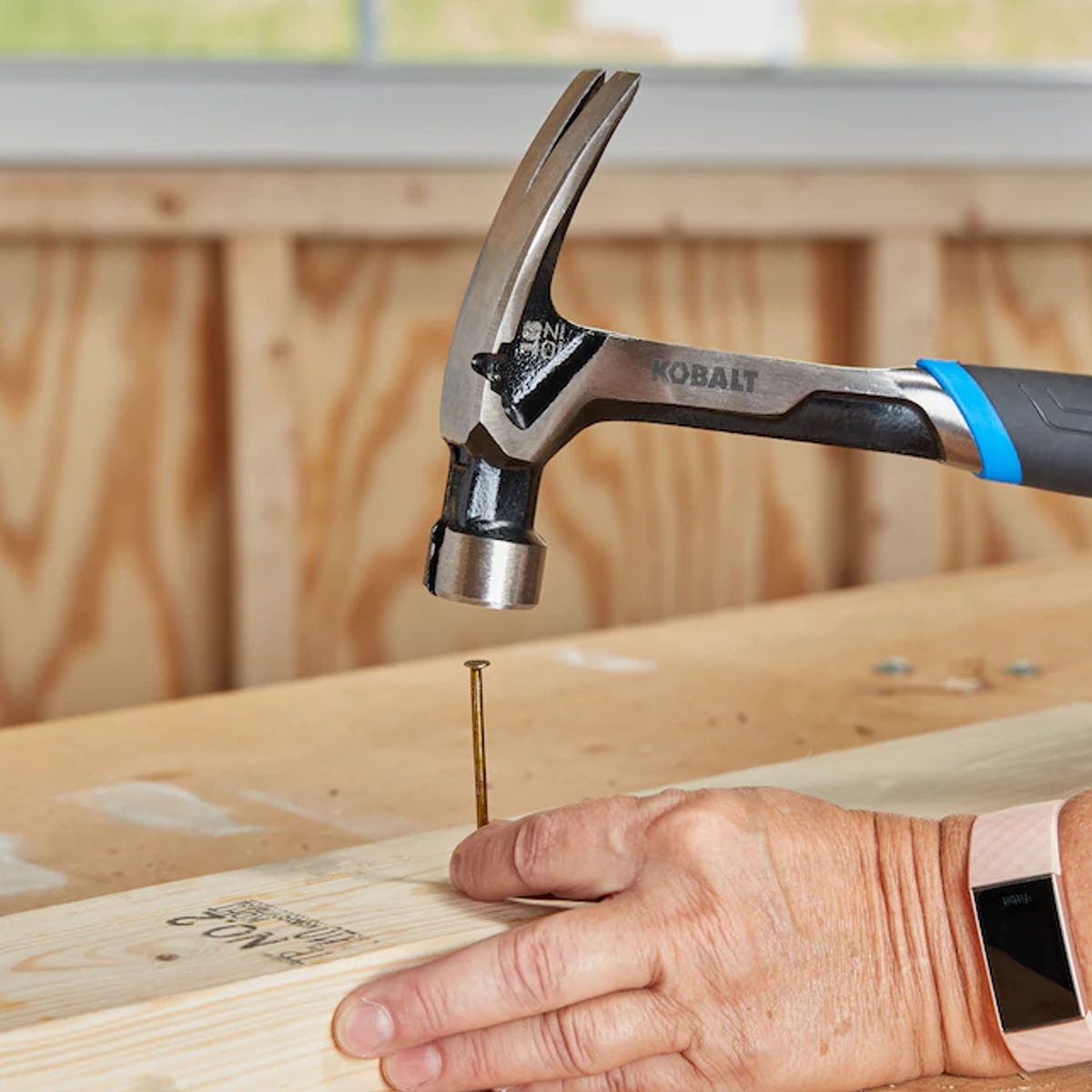
For staples flush with the floor, a flathead screwdriver and hammer can be effective. The screwdriver acts as a mini pry bar, inserted under the staple and gently twisted. A hammer can assist in tapping the screwdriver into place, and placing a scrap piece of wood under the screwdriver helps prevent subfloor dents. Specialized staple remover tools, often found in a flooring installer's kit, are also available and effective depending on the staple type and visibility, particularly those with a curved tip.
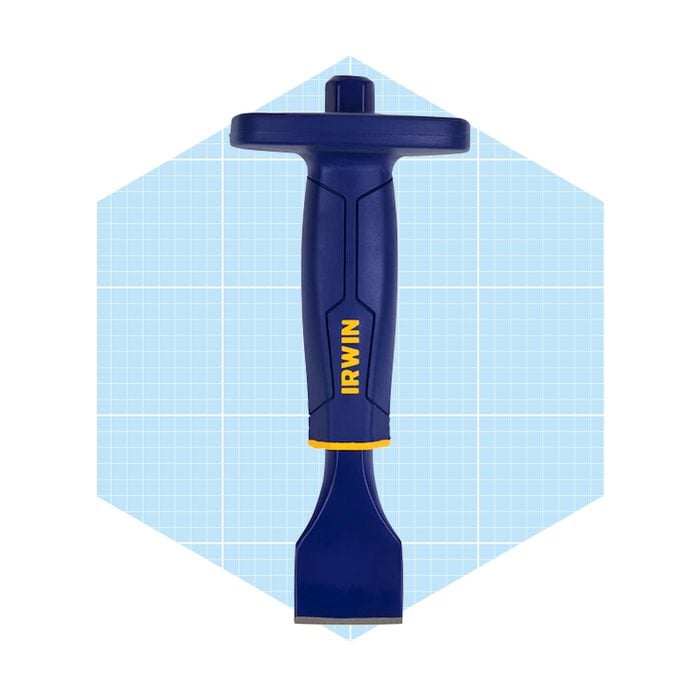
Deeply embedded staples can be addressed with a hammer and nail puller. Tapping the nail puller under the staple can raise it enough for a secure grip, and a thin scrap of wood should be used to protect the subfloor. For very deep staples, an oscillating multi-tool with a metal cutting blade can shear off the tops, requiring hearing and eye protection and a steady hand to avoid damaging the plywood.
Heat can be applied with a heat gun for rusted or adhesive-bound staples. The heat softens adhesive and wood fibers and causes the metal to expand, making removal easier. Continuous movement of the heat gun and proper ventilation are necessary to prevent scorching. A small crowbar, particularly a cat's paw pry bar, is effective for stubborn staples, sliding under them and gently lifting, often followed by pliers, with a scrap of wood protecting the subfloor.
If staples are broken off at the surface, diagonal cutters can snip them flush with the subfloor, followed by sanding to smooth any sharp edges. For large areas with shallowly buried staples, a coarse belt sander or hand sander can expose them for plier removal, though aggressive sanding and inhalation of dust should be avoided through proper technique and a dust mask.
Often, a combination of these techniques proves most efficient, such as lifting with a flathead, pulling with pliers, and finishing with a hammer or crowbar. Keeping a bucket or magnetic tray for staple disposal helps maintain safety and efficiency. In some cases, particularly in rental units where speed is prioritized over perfection, shallow staples can be snipped flush or hammered flat and then covered with new underlayment, provided nothing sharp remains.
#SubfloorStapleRemoval #FlooringInstallation #HomeImprovement #DIYProjects #HouseholdTools #FloorRenovation #HomeMaintenance #RemodelingTips #SubfloorStapleRemoval #FlooringInstallation #HomeImprovement #DIYProjects #HouseholdTools #FloorRenovation #HomeMaintenance #RemodelingTips
Há 0 comentários no total
 Ainda não há comentários
Você também pode gostar

The Floor Decluttering Method is so easy and works

How to remove wallpaper - expert-approved steps to prevent damage and ensure a smooth finish
I thought my mop was just OK – until a professional cleaner taught me the right way to use it
How to Clean Laminate Floors to Protect Their Shiny Finish

A Stress-Free Way to Remove Wallpaper

9 Best Wallpaper Removers
3 ways to remove wallpaper quickly

5 flooring sounds you shouldn't ignore - and what they mean
The Best Wallpaper Removers of 2025 for Updating Your Home’s Interior

Cleaning tile floors is an art — if you're patient, the results will shine

How to clean hardwood floors – experts reveal the best techniques

How to Clean a Slipcover, According to Experts
How to Install a Subfloor

5 Best Types of Flooring for Your Basement in 2022
How to Clean Every Type of Floor Quickly and Easily


How to Get Vinyl Off Your Shelf and Onto Your Wall

A Hardwood Floor Where You Can Actually Remove One Piece at a Time

11 Efficient Tile Removal Tools for Floor and Wall Projects
You're cleaning your bathroom floor wrong, experts warn – here's how to get it right

A former hoarding technician shares the best tips for cleaning wood floors and carpets