1/4
Light sizing – 5 essential expert tips for choosing the right size ceiling light
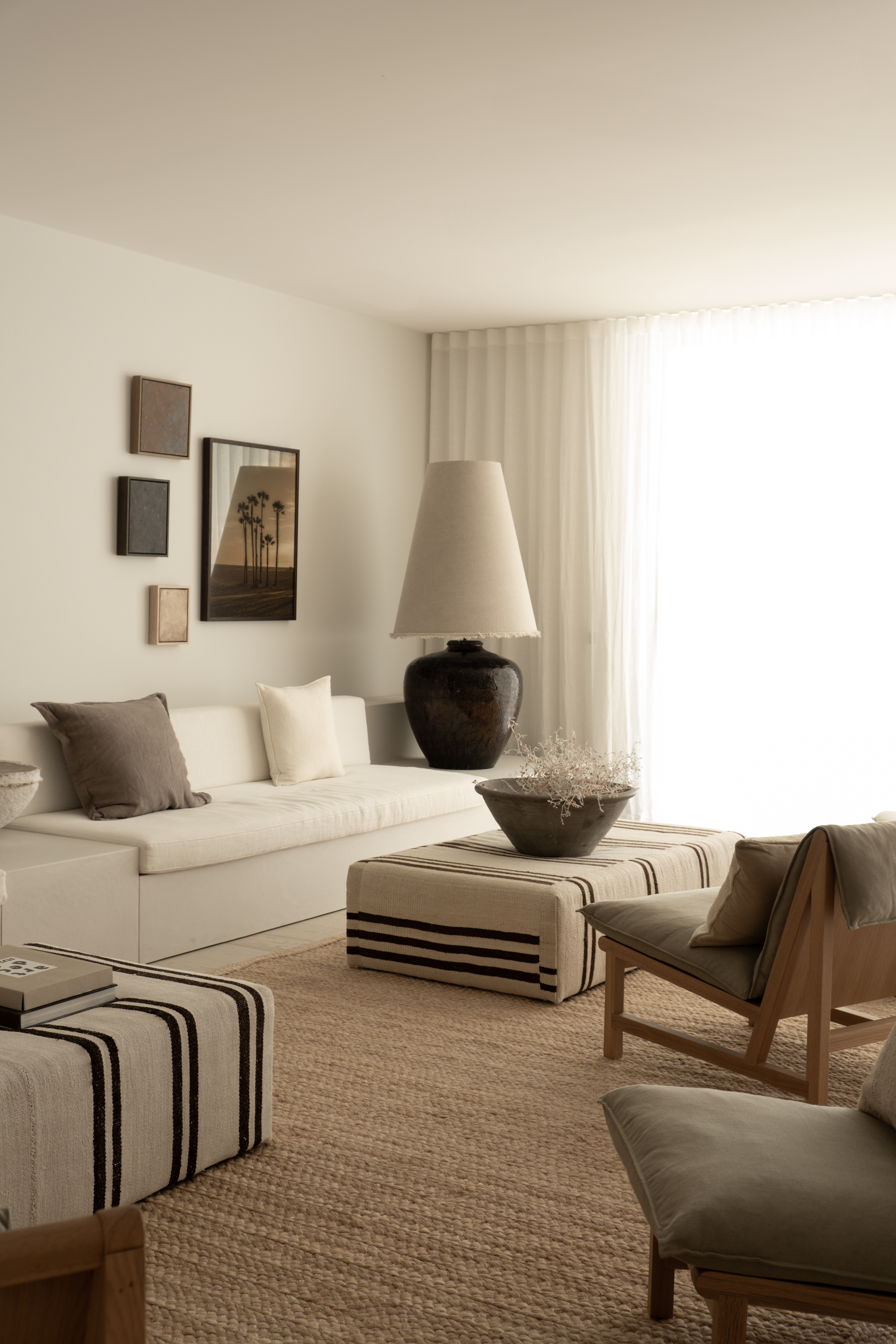
The article emphasizes the importance of light sizing in interior design, stating that the scale of lighting significantly impacts a room's aesthetic. Sally Storey, Creative Director of John Cullen Lighting, highlights that an undersized pendant in a large living room can appear inappropriate, advocating for statement pieces. Conversely, for corridors or hallways, multiple smaller pendants can be more effective than a single, potentially inadequate one. This article provides five expert tips for achieving proper light sizing.
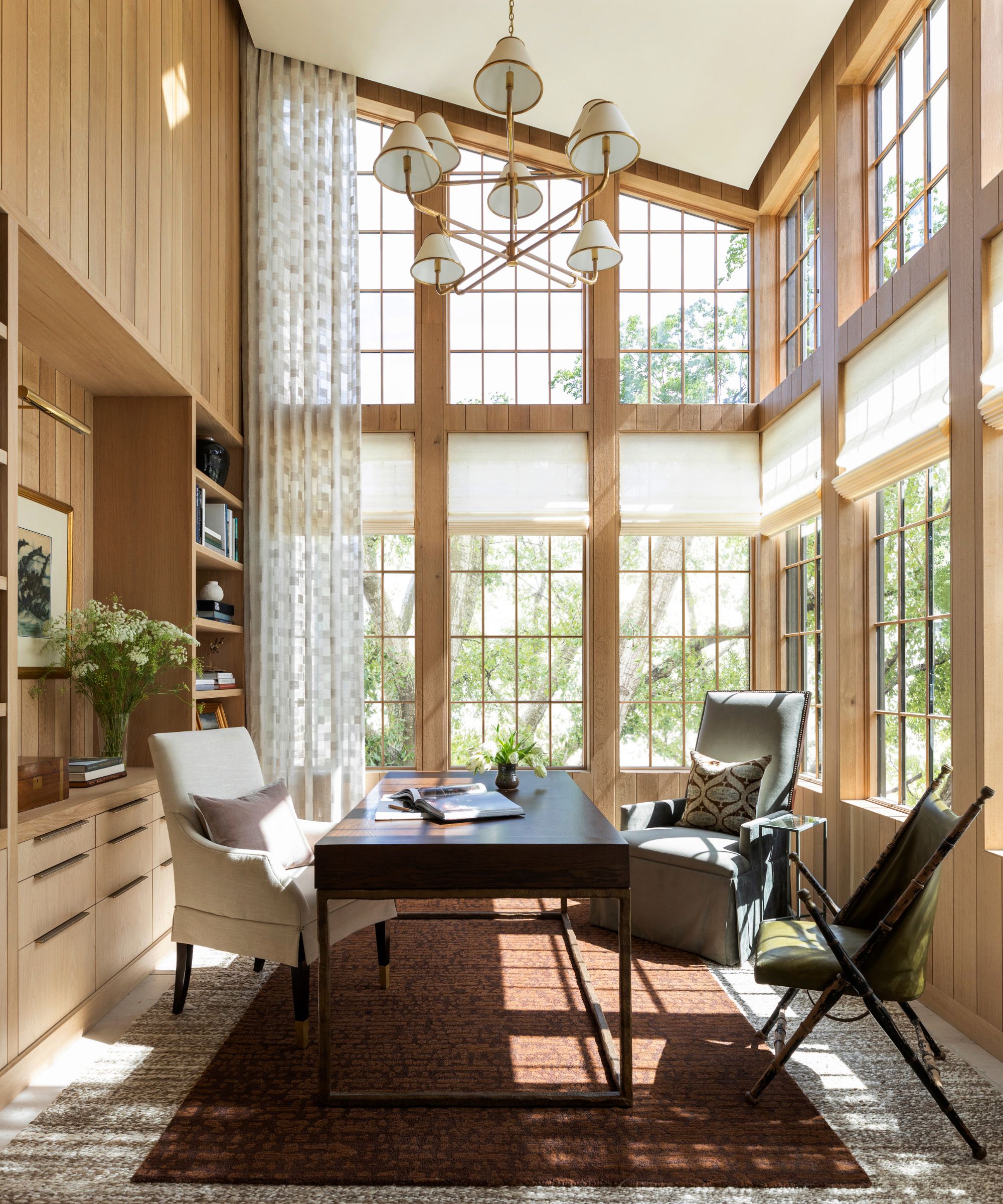
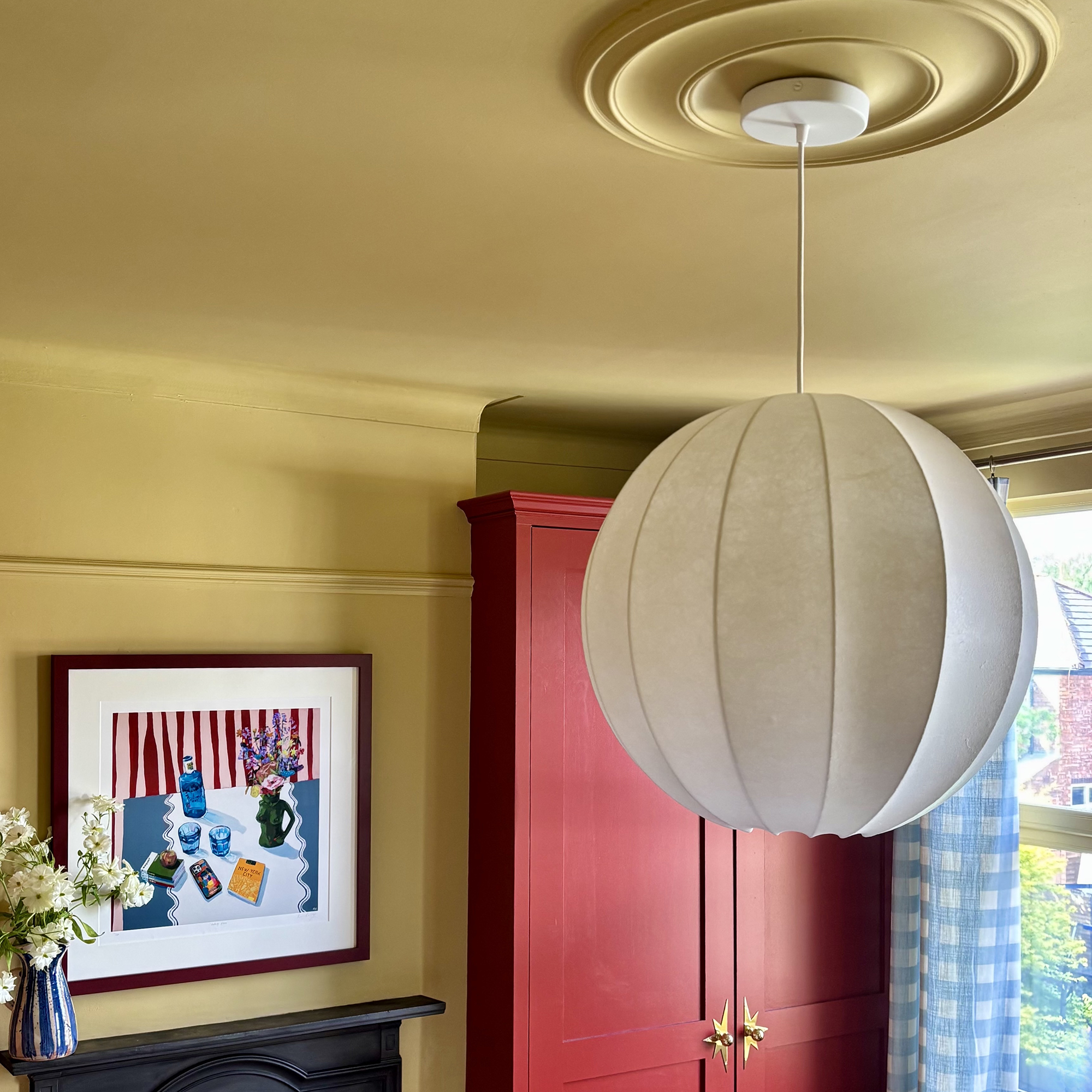
The first tip involves assessing living room light dimensions using a simple calculation. To determine the appropriate diameter or width for a pendant light, one should measure the room's length and width in feet, add these two figures, and then substitute inches for feet in the result. For instance, a 10-by-12-foot room would yield 22 feet, suggesting a pendant approximately 22 inches in diameter. Interior designer Emma Sims-Hilditch of Sims Hilditch encourages boldness with pendant sizing, especially in rooms with high ceilings, as larger fixtures can fill space and create a focal point. A general guideline for hanging height is to position the base of the light at one-third of the room's total height.
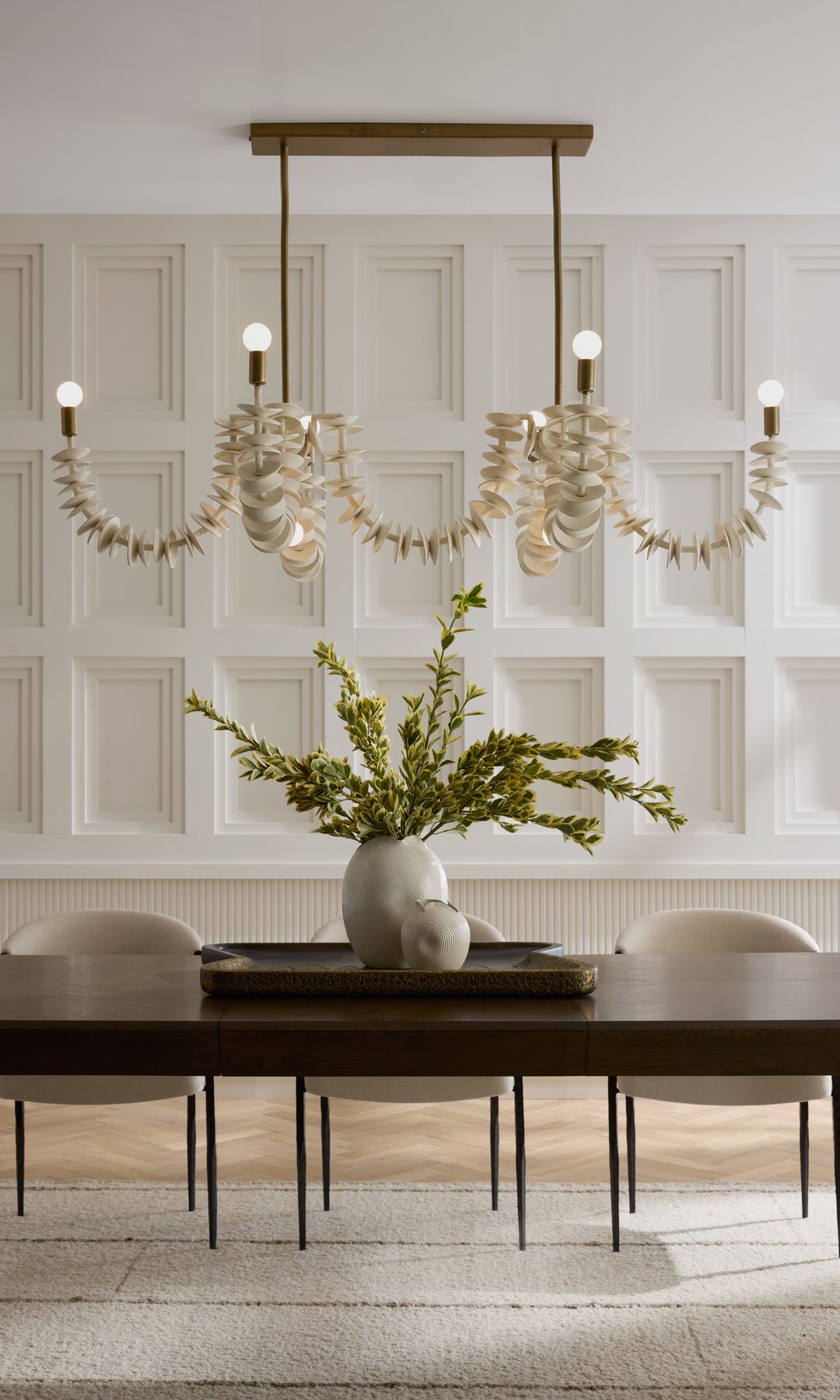
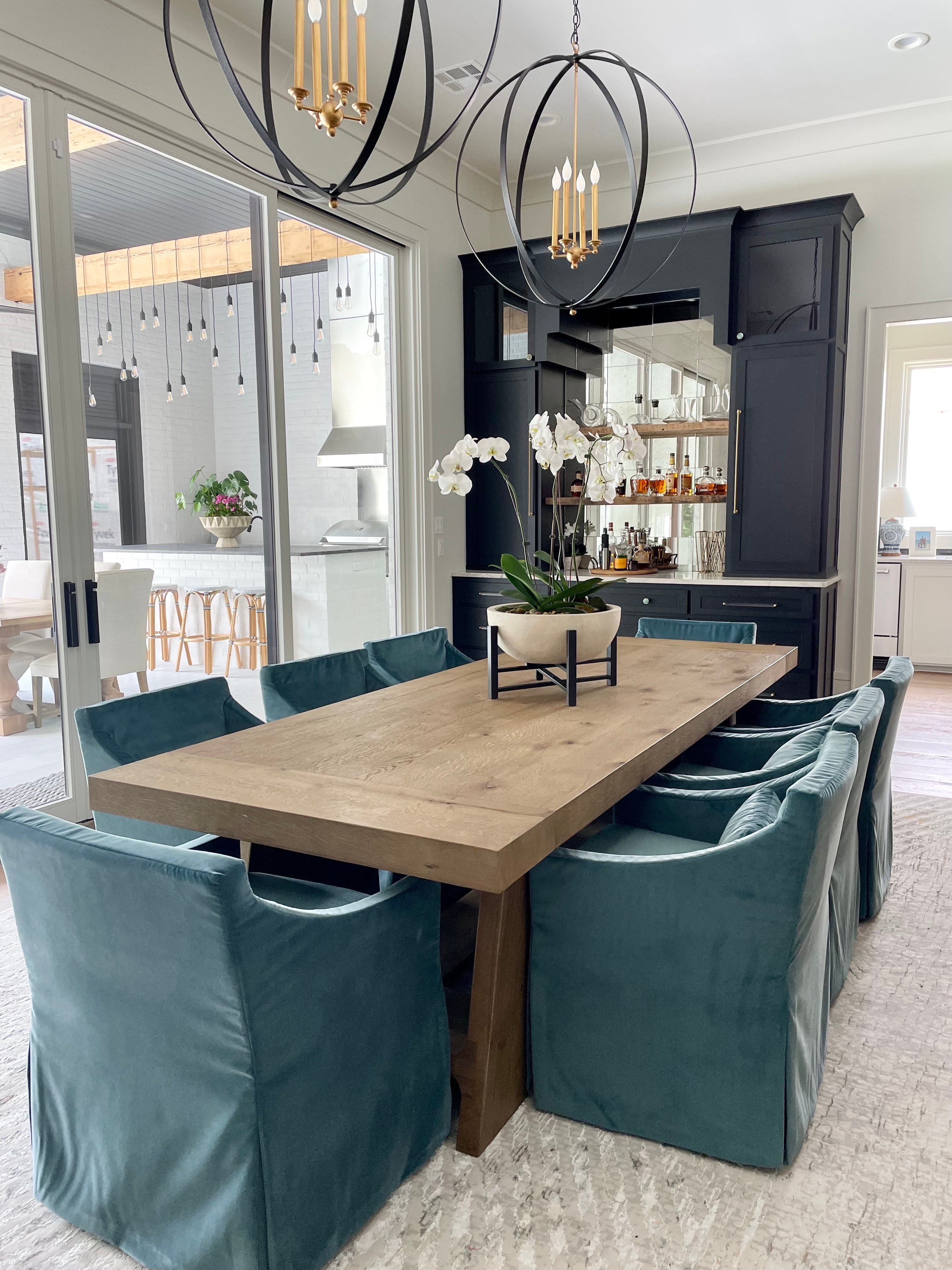
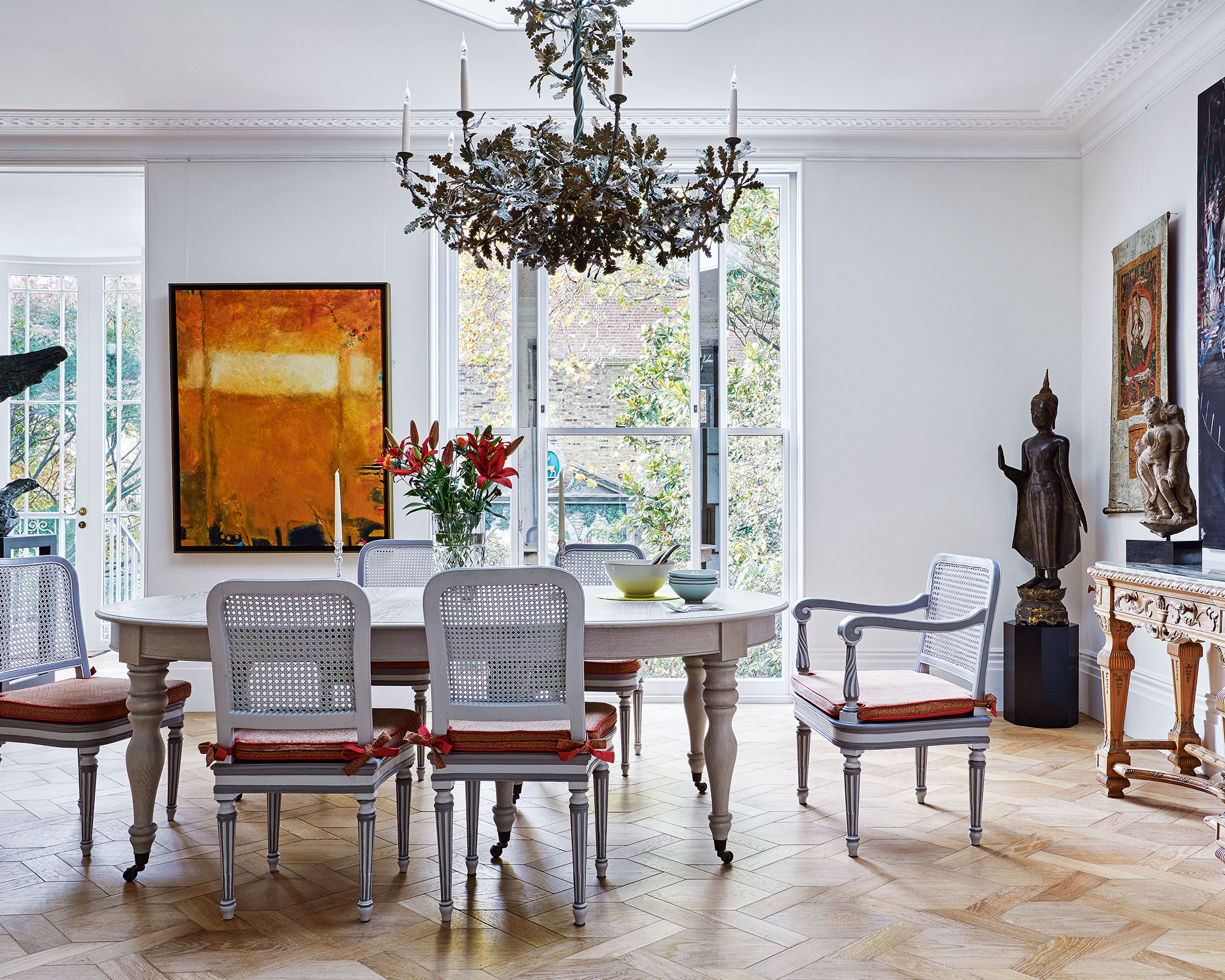
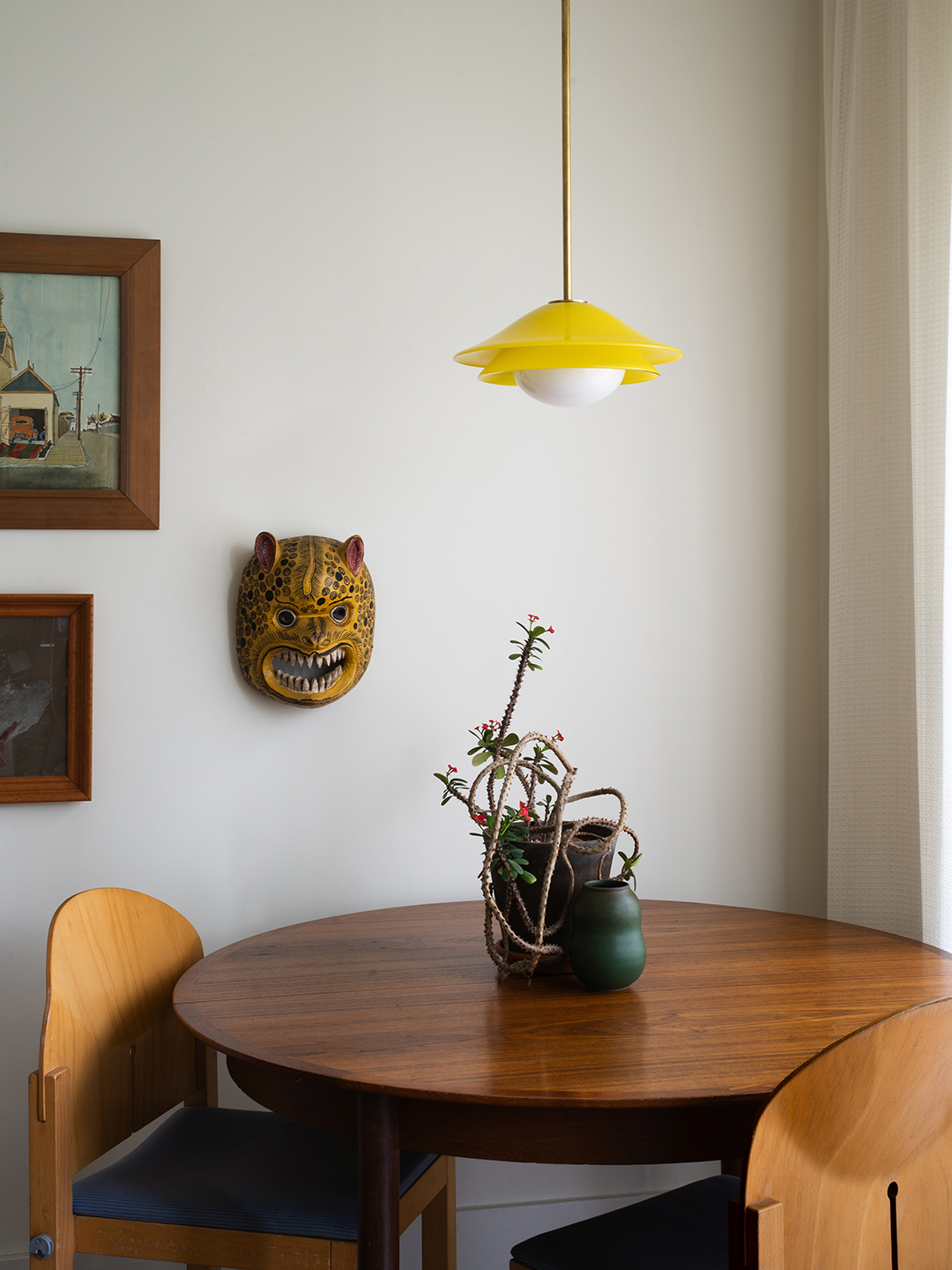
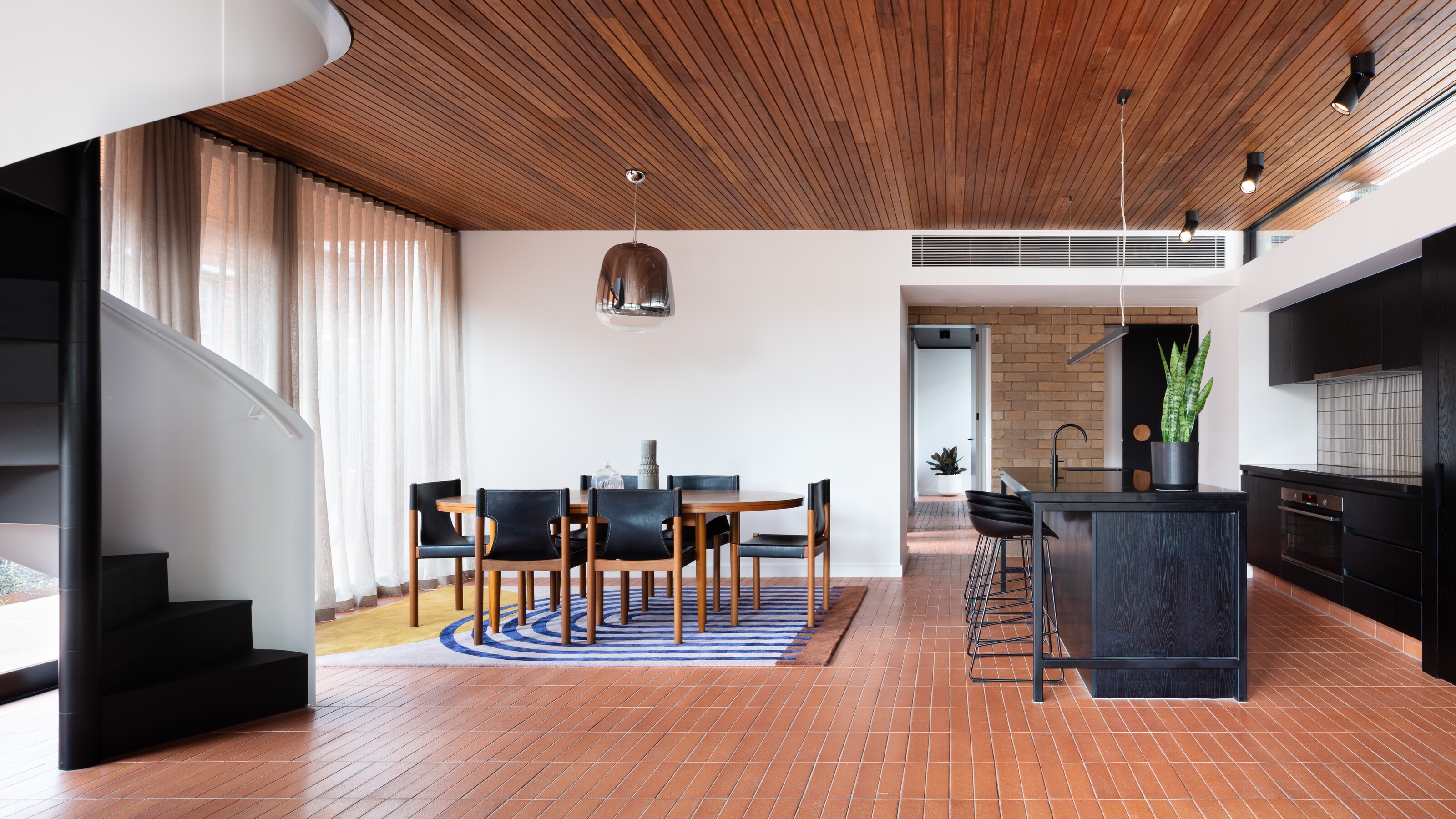
Secondly, when selecting lighting for a dining table, the table's proportions should guide the choice. A chandelier or a modern pendant should ideally be one-half to two-thirds the width of the table to make a statement without overwhelming the space. The hanging height is crucial; the light should not obstruct views across the table but must be visible enough to be impactful. A recommended distance is 32 to 36 inches (81 to 92 cm) between the table surface and the lowest part of the light. High ceilings allow for lower-hanging, larger pendants, or multi-tiered chandeliers.
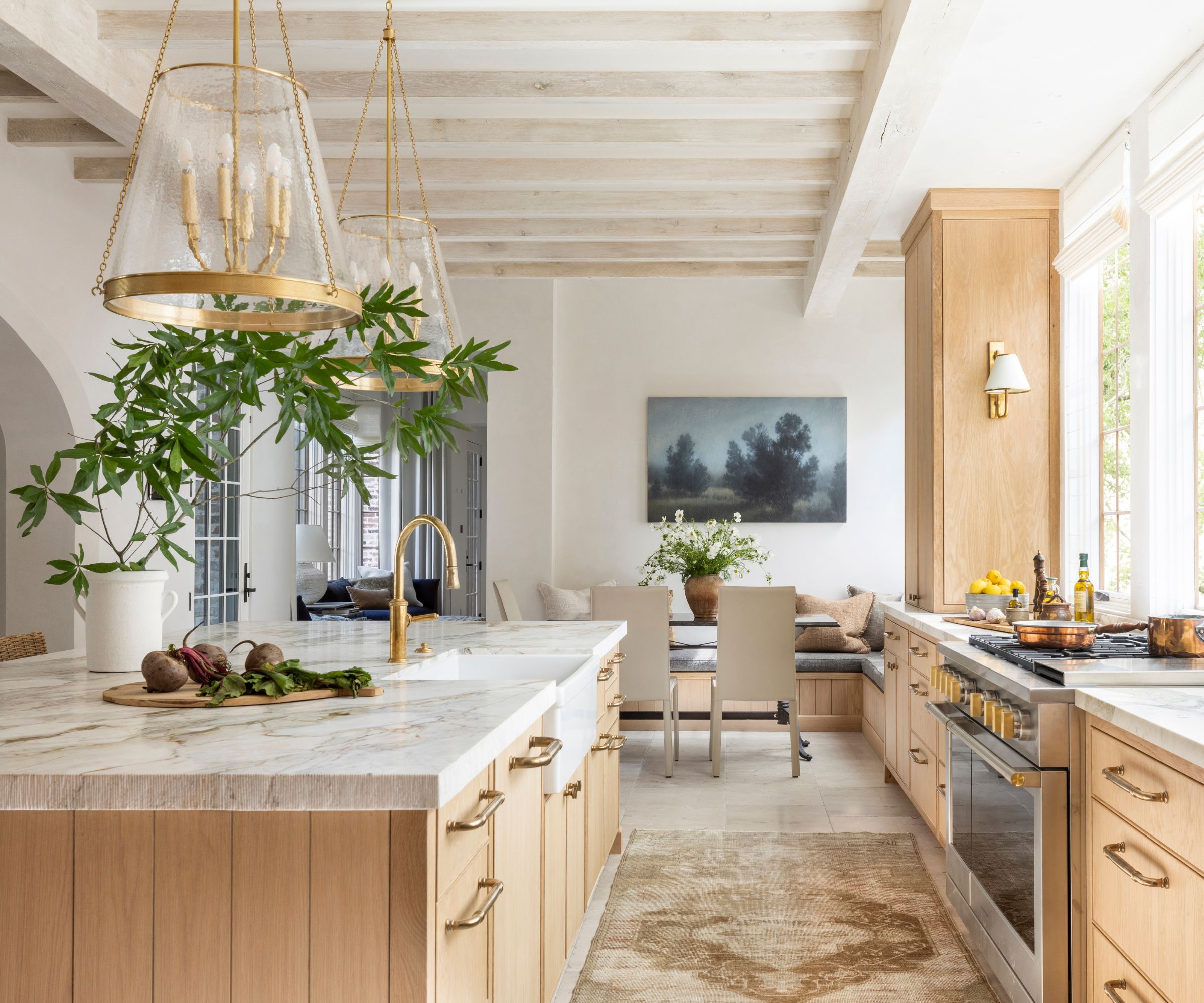
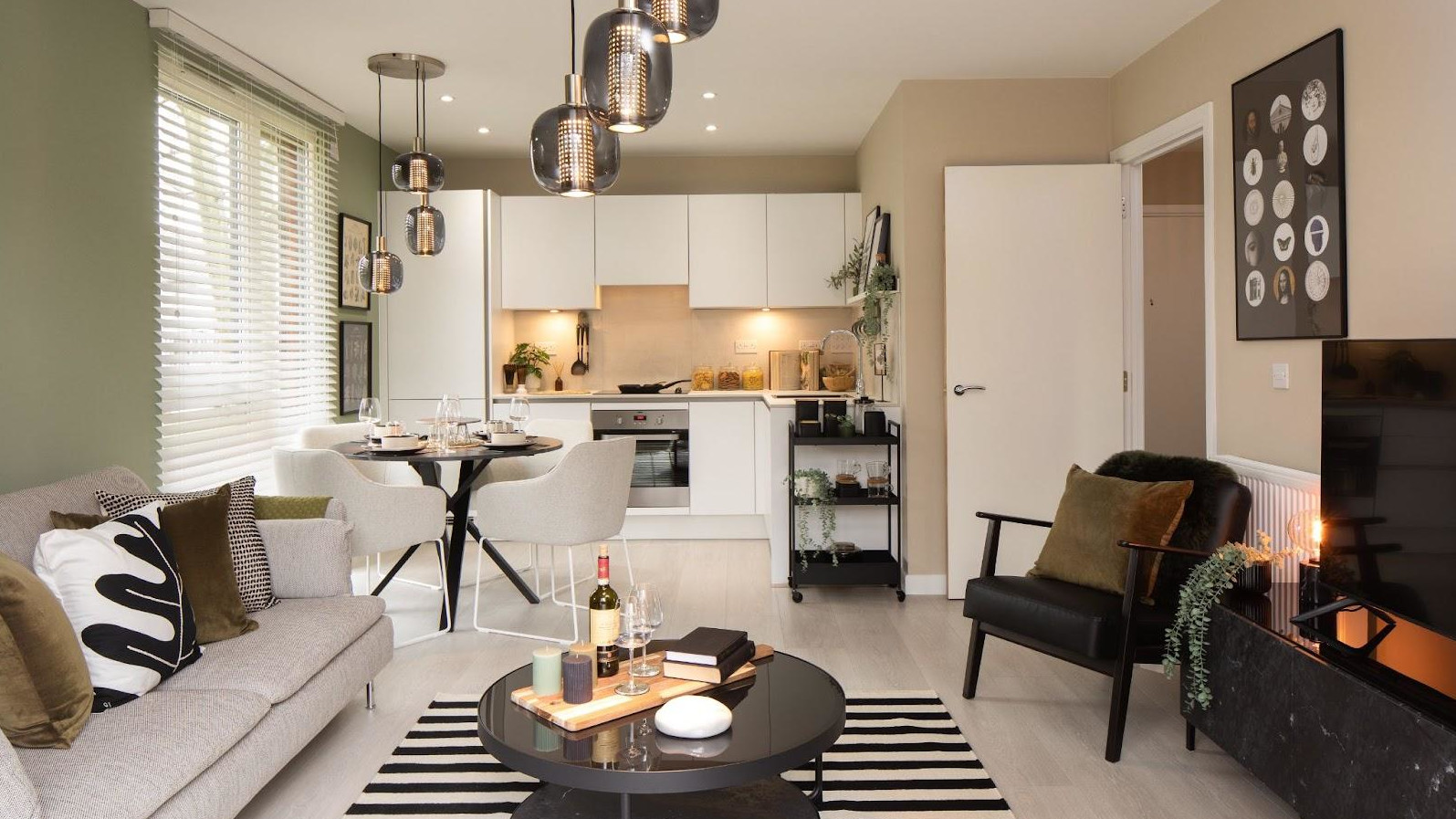
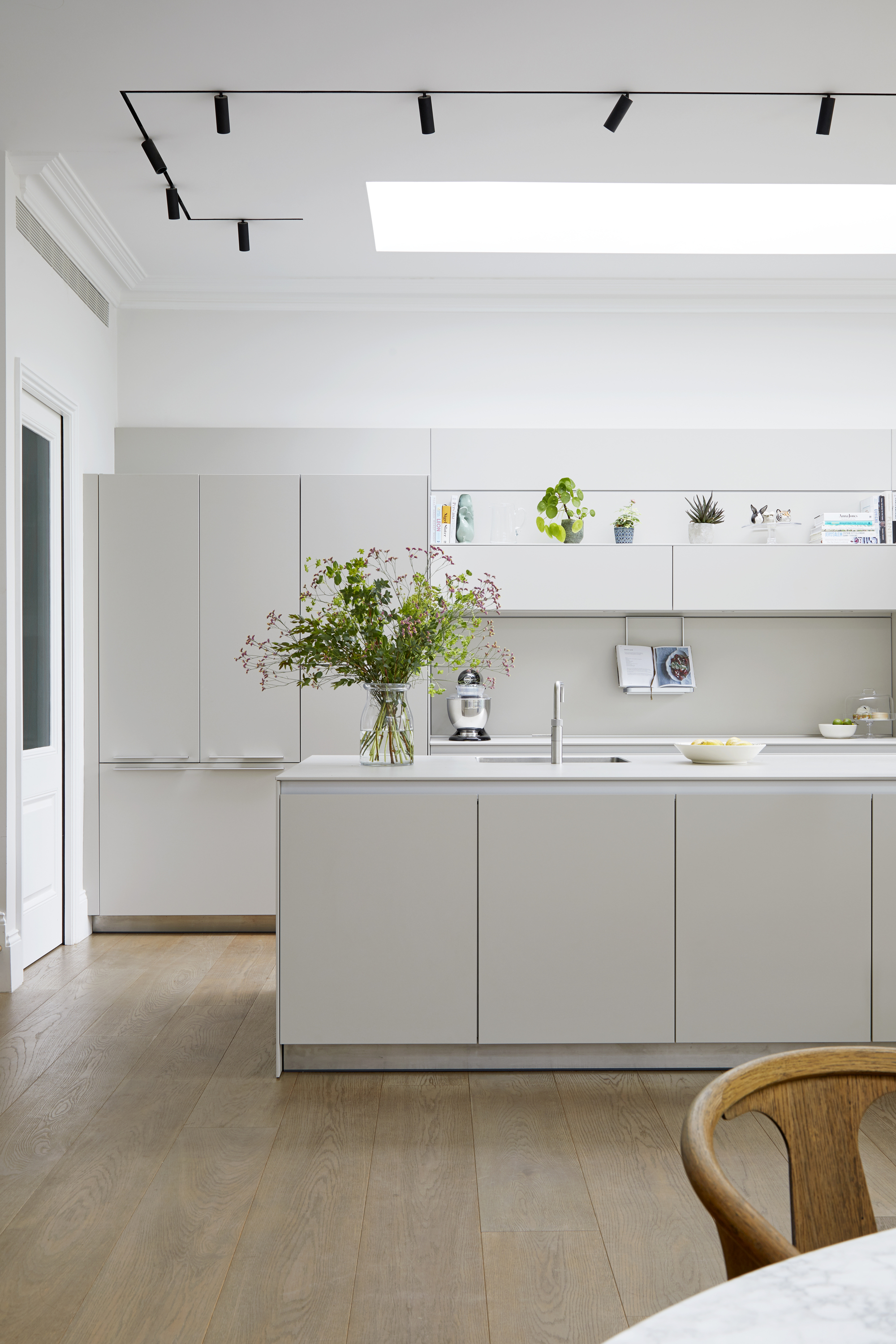
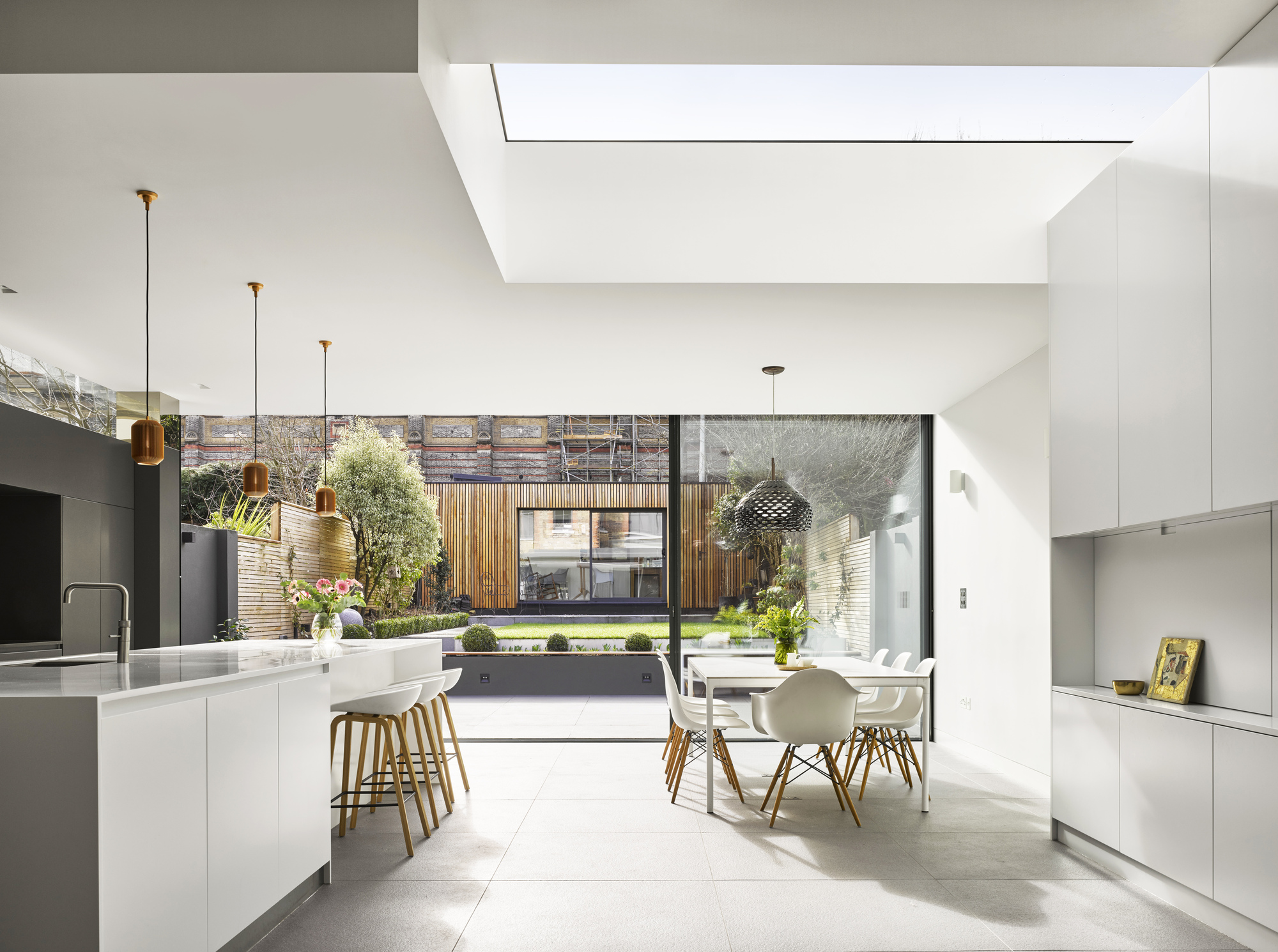
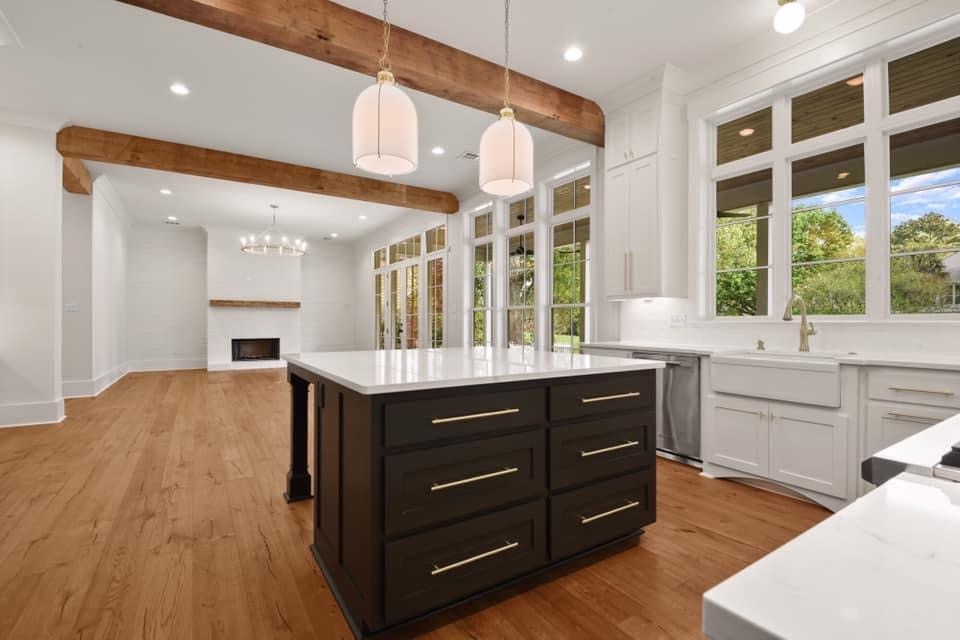
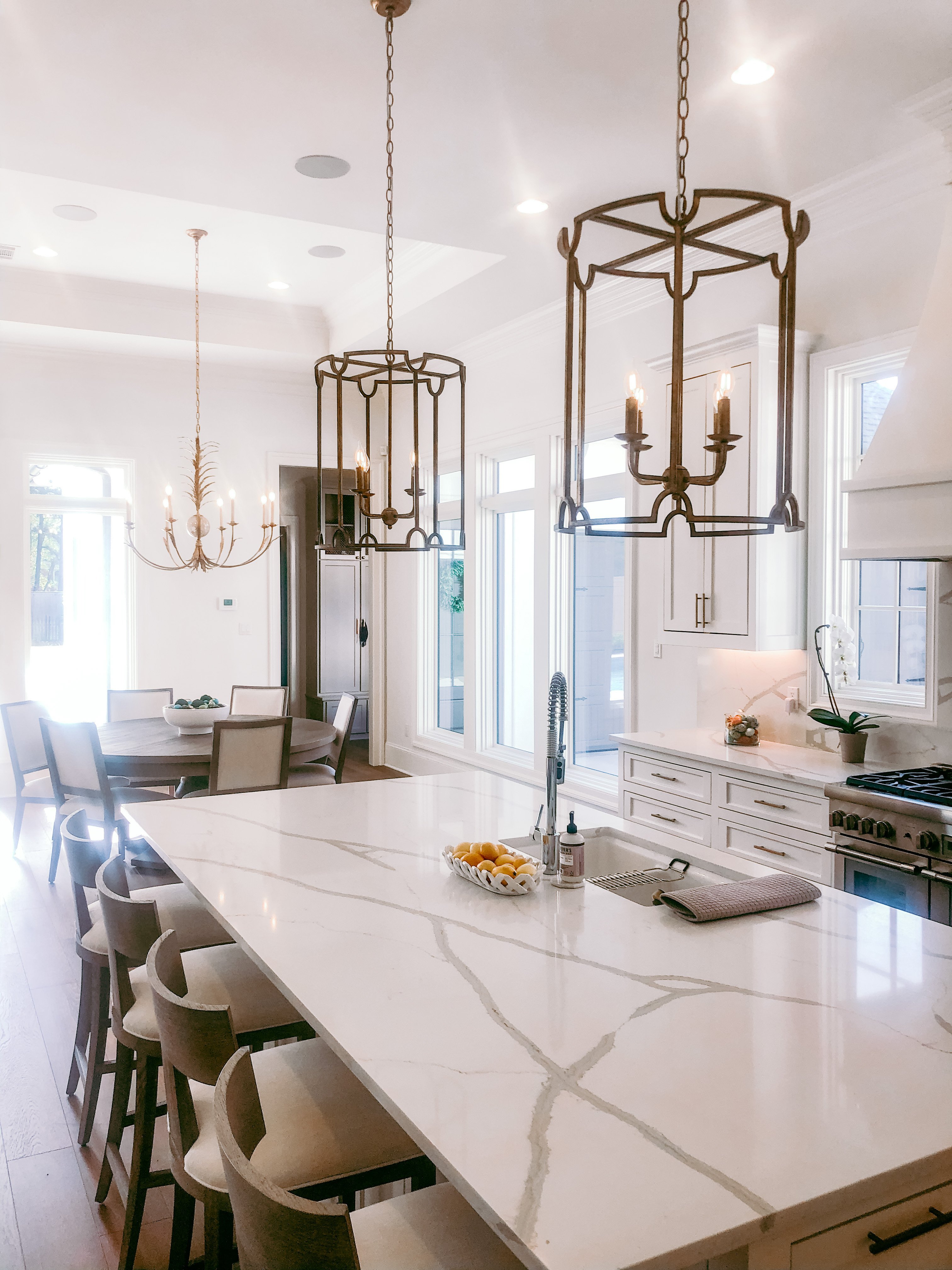
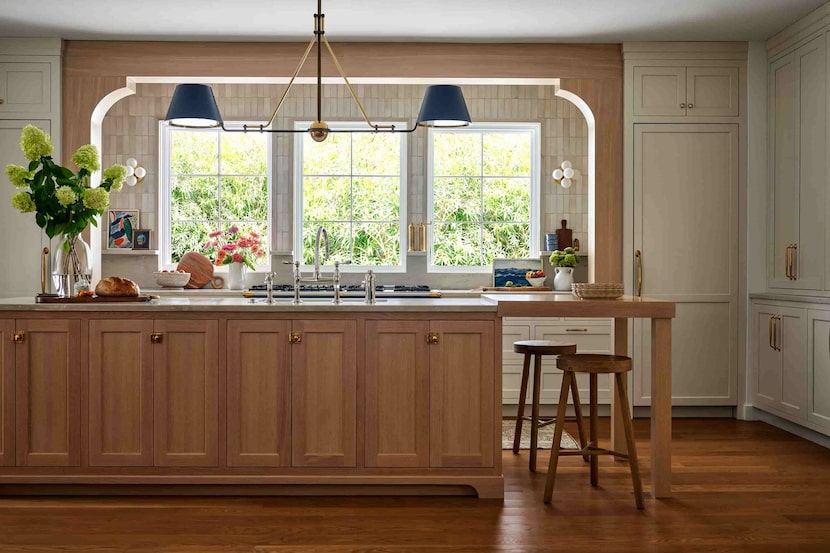
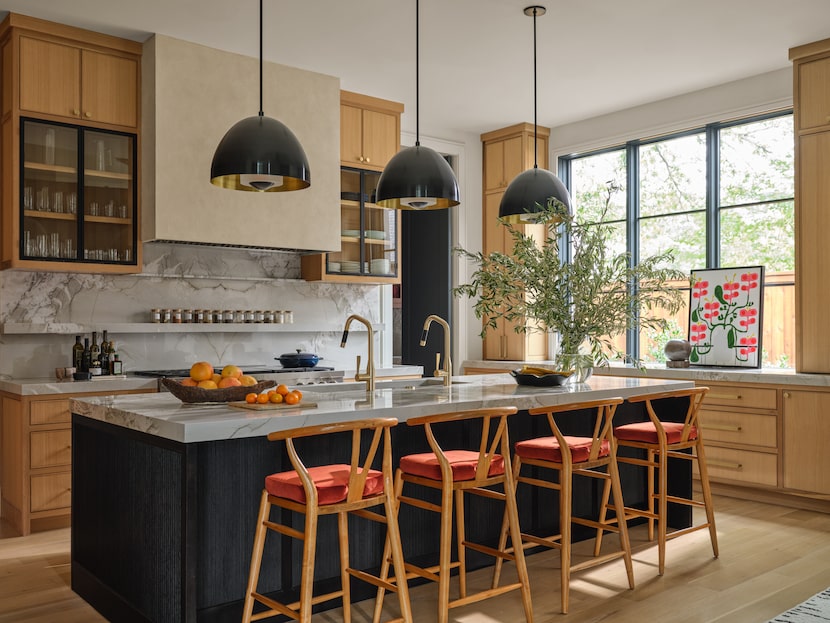
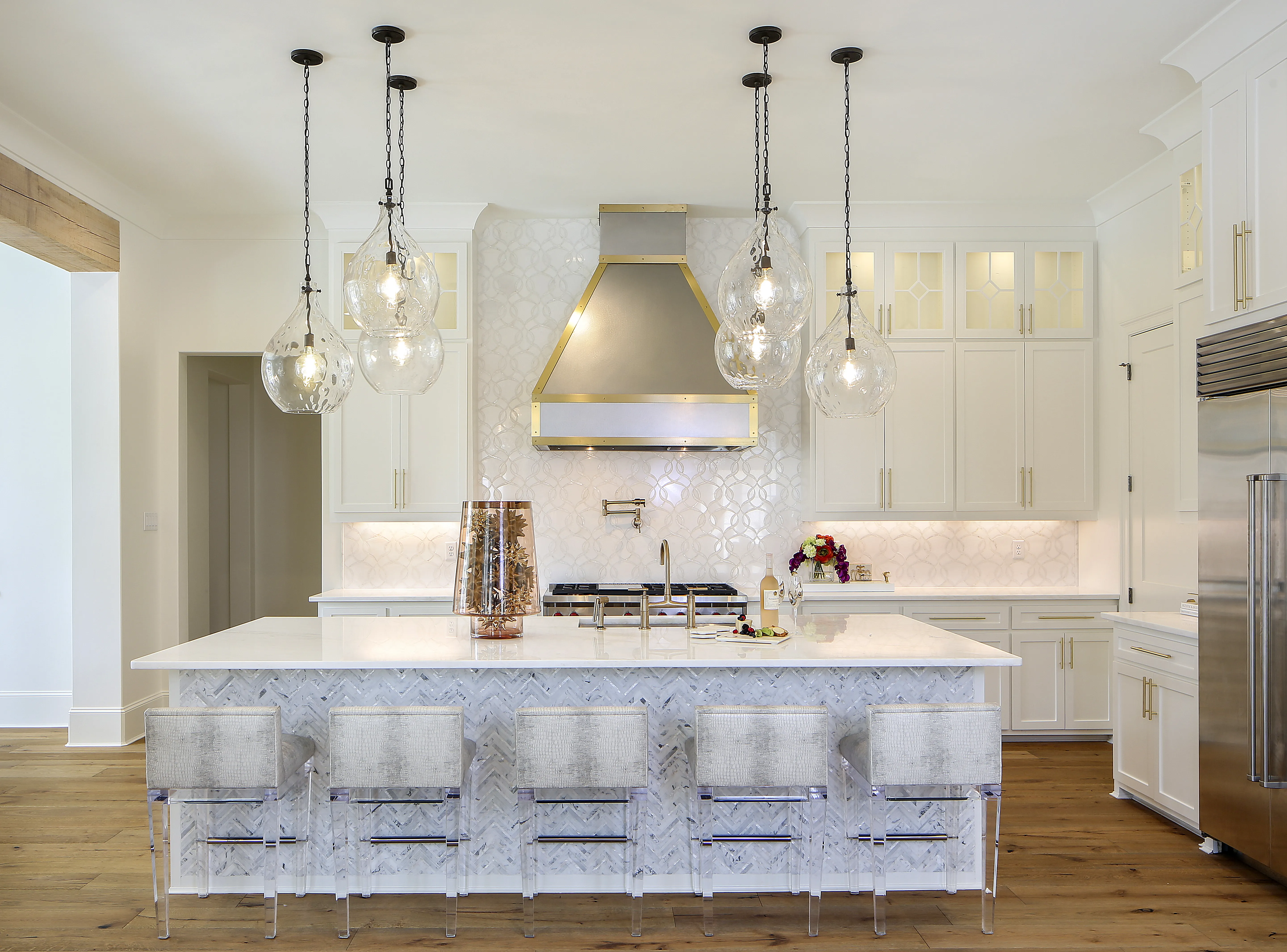
Thirdly, for kitchen islands, multiple smaller pendants can be more suitable than a single large one. Storey suggests that the scale of individual lights will dictate the number needed to adequately illuminate the entire island or dining area. To ensure impact, pendants should have a width roughly one-quarter of the island's length. These lights should be hung lower than those in living rooms or over dining tables, but still above eye level when standing, typically 32 to 36 inches (81 to 92 cm) above the counter.
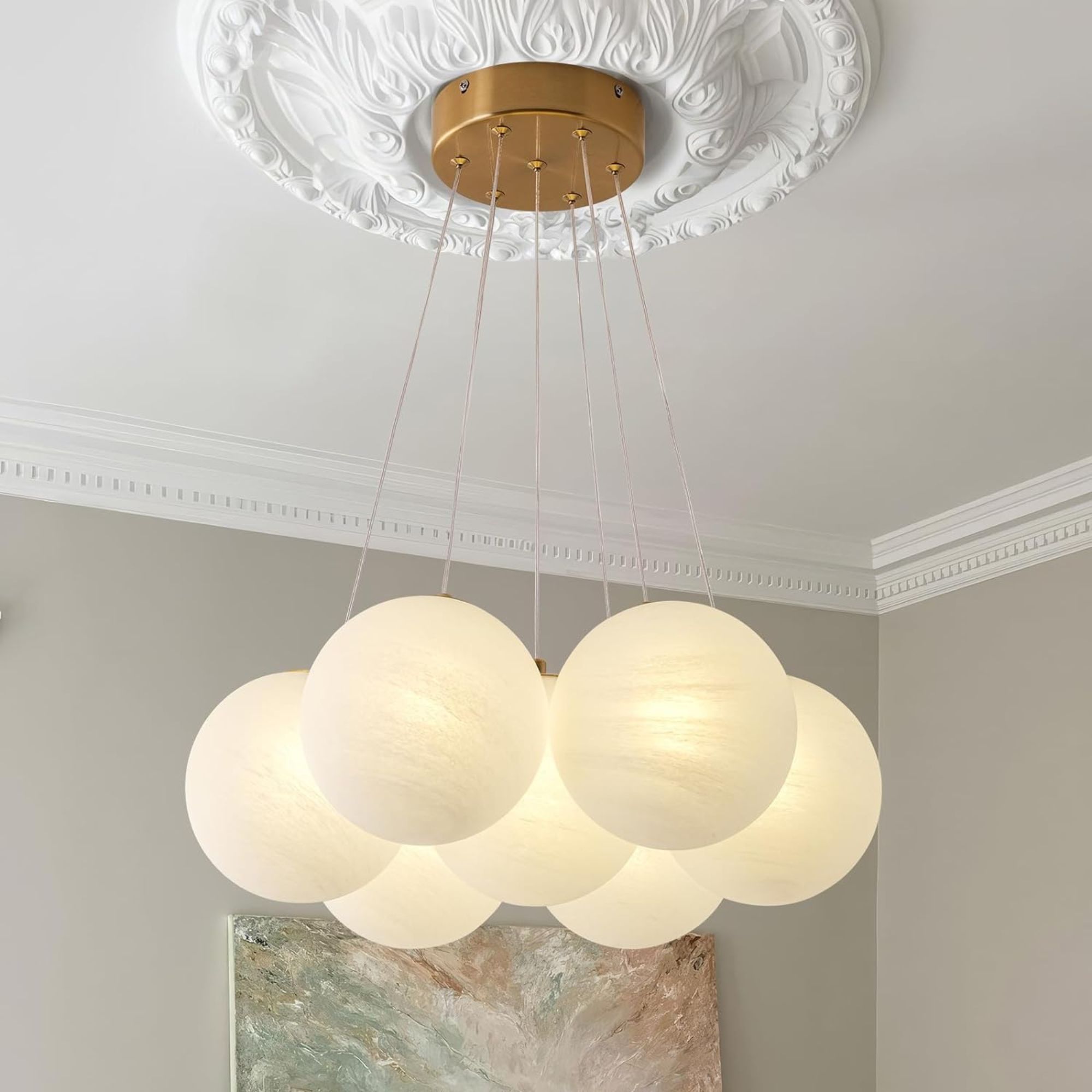
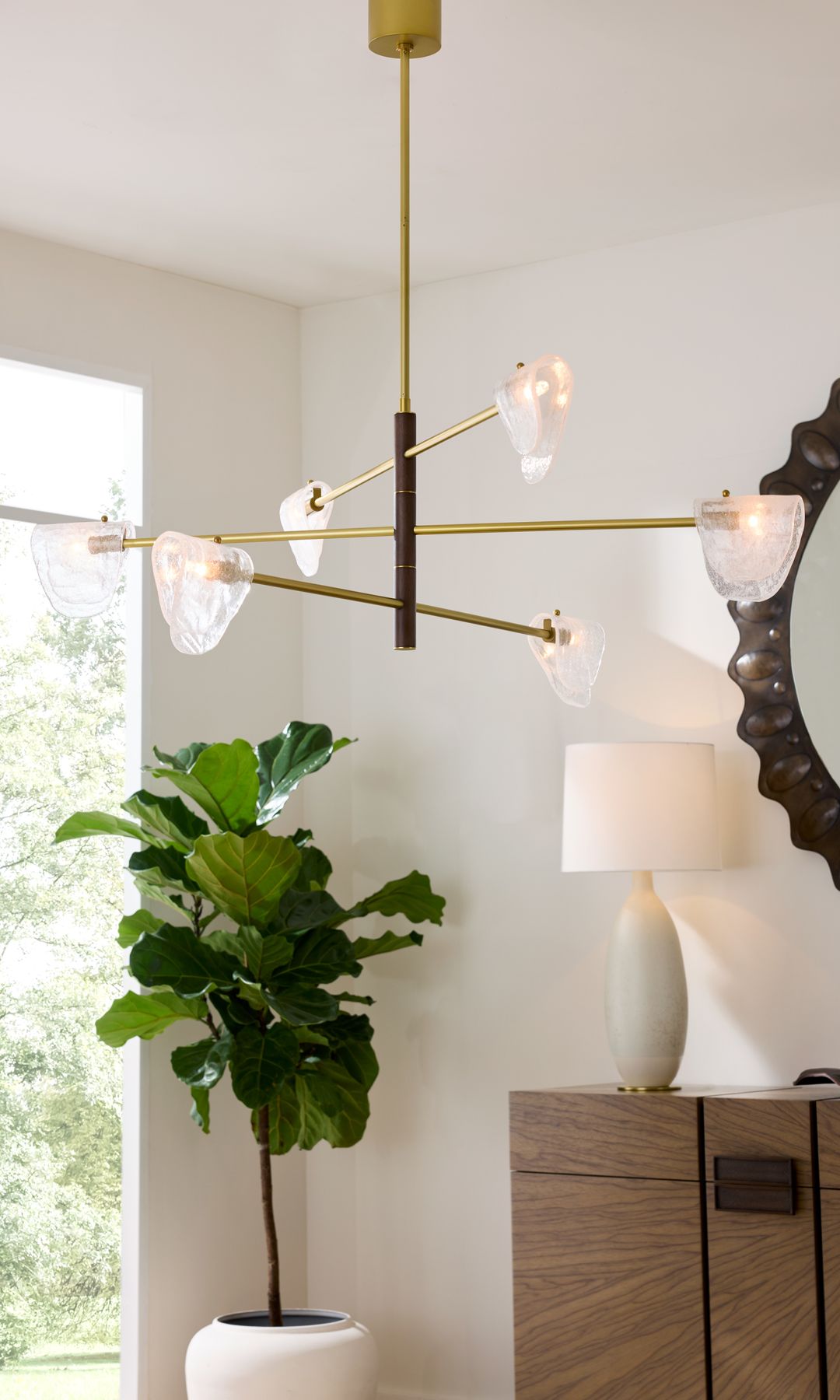
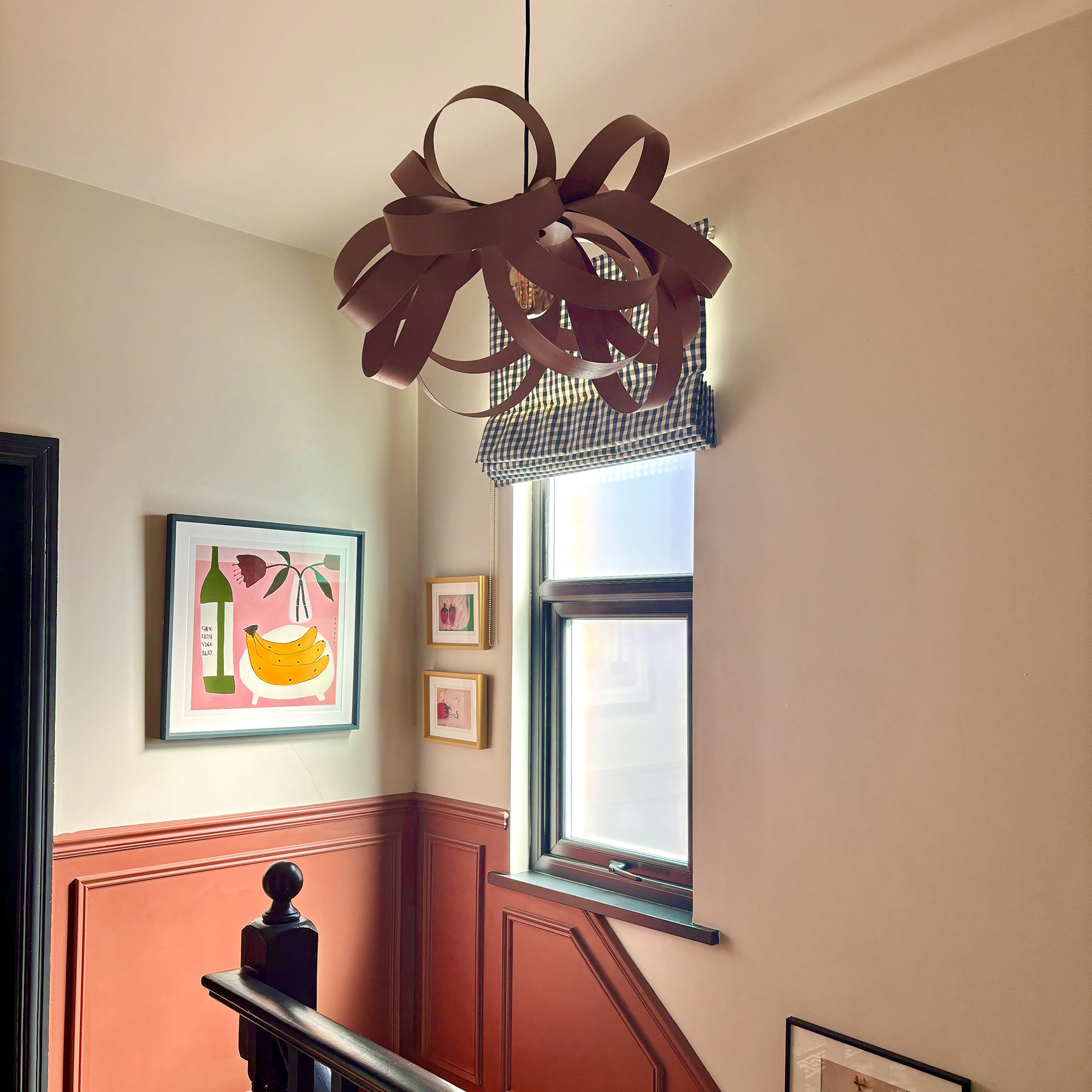
Fourthly, the shape of the light fitting significantly influences the perception of size. Globe-shaped pendants, for example, can be effectively oversized. Some modern designs allow for lateral movement across the ceiling or off-center placement, offering flexibility beyond traditional rules. The article stresses that the visual impact depends heavily on the style and design of the fixture.
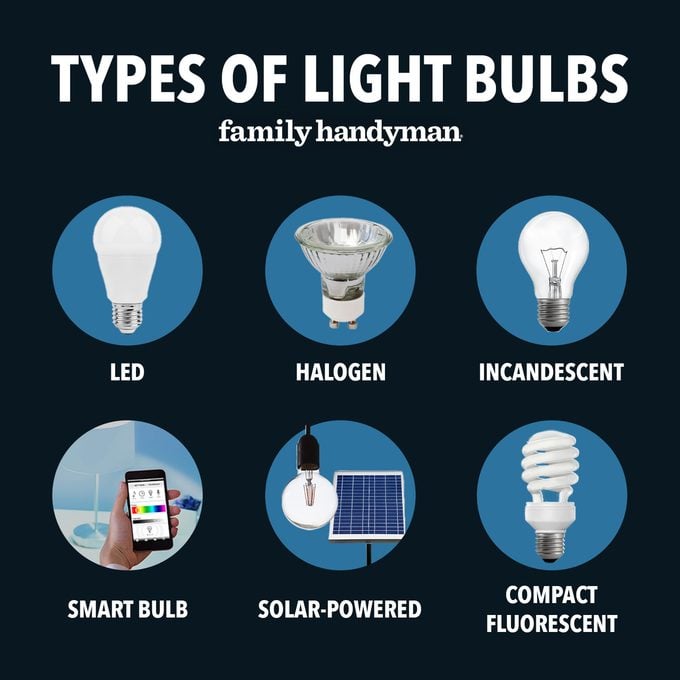
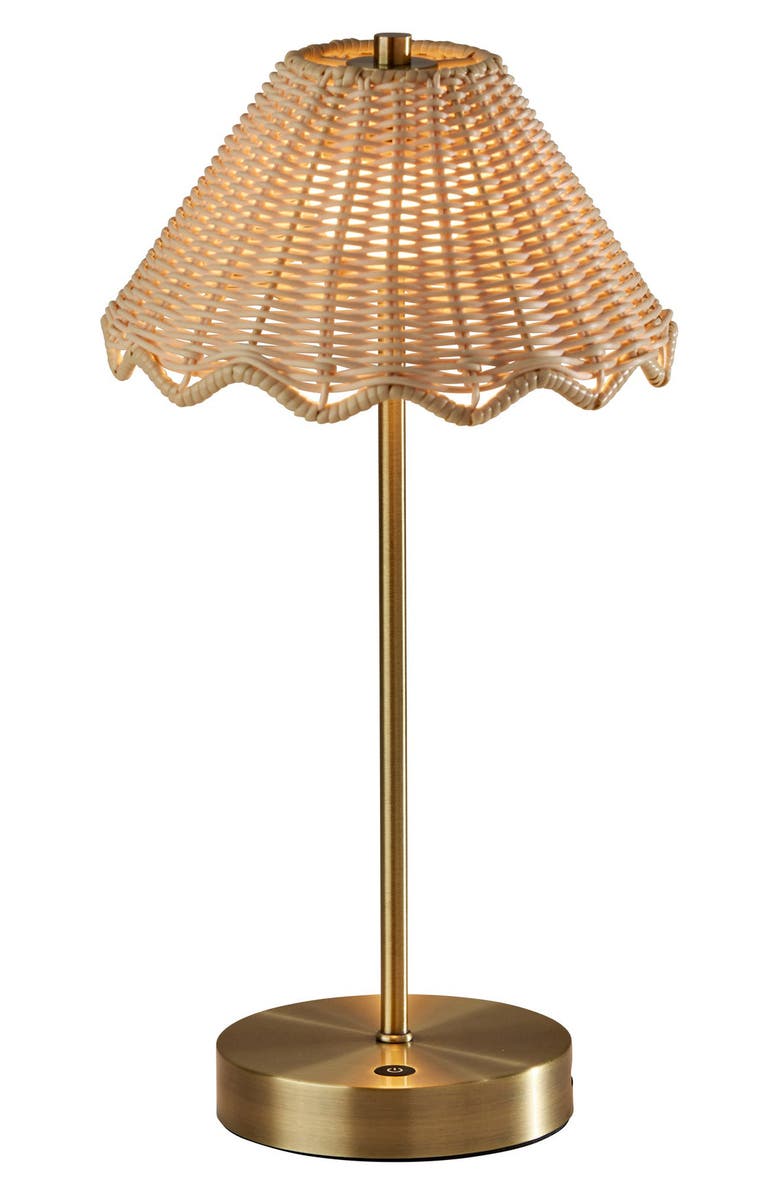
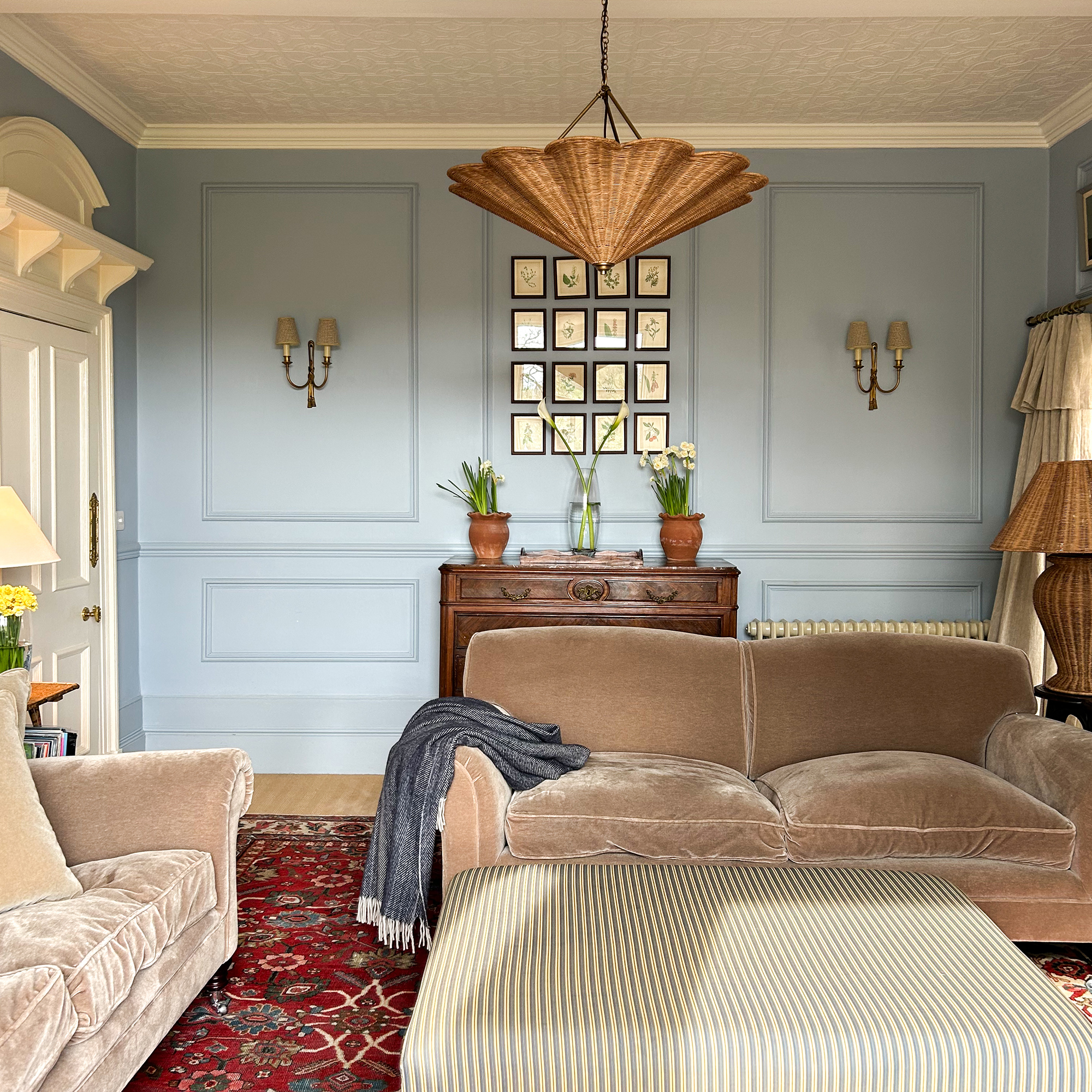
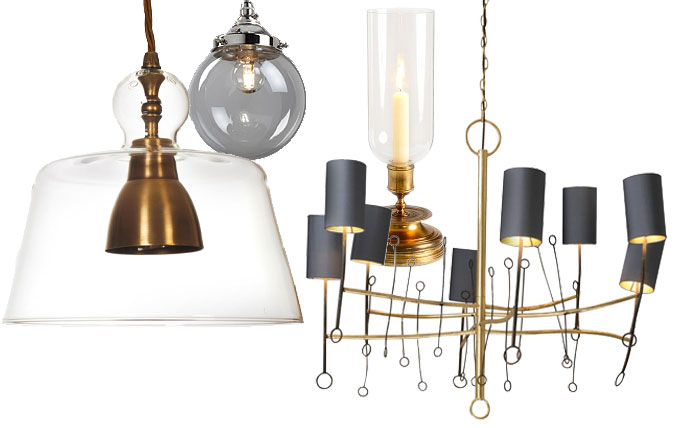
Finally, material considerations are vital for light sizing. Materials like glass or wicker, due to their transparency, can accommodate larger sizes without appearing too heavy. The article also advises on selecting the right light source, recommending bulbs with a color temperature of 2500K or 2200K for creating atmosphere, or dim-to-warm bulbs. It is important to verify the dimmability of any purchased pendant, especially with embedded LEDs. The article concludes by reiterating that while light fixtures can be too large, more often, designers find them to be too small, reinforcing the importance of the initial sizing calculation.
#LightingDesign #InteriorLighting #CeilingLights #HomeDecor #DesignTips #RoomProportions #PendantLights #KitchenLighting #DiningRoomLighting #LightingDesign #InteriorLighting #CeilingLights #HomeDecor #DesignTips #RoomProportions #PendantLights #KitchenLighting #DiningRoomLighting
Há 0 comentários no total
 Ainda não há comentários
Você também pode gostar
Ceiling fans 101: a guide to choosing the right one


Tips for Choosing the Best Bedroom Lighting


How to brighten any room in your home — 5 tips from a lighting expert

5 best-LED lights for residential applications

Marie Flanigan teaches us how to find the perfect light fixture diameter – she says it's 'the best design tip I've learned'

Forget the Ceiling Light — These Are the 5 Ways You Should Be Lighting Your Living Room

What You Need to Know About Lighting Your Home, from an Expert
These rules of thumb make hanging light fixtures easy
Finding the Perfect Light Fixture Is Complicated—These Architects Have the Answer

Light Bulb Moment: 5 Things to Consider When Switching to LED Bulbs


Get your home's lighting just right: Seven questions answered

Simple or sculptural, the right light fixture can make any room shine

Light Bulb Buyer’s Guide
4 rules for luxurious lighting according to interior design experts

How to choose the best ceiling fans for your home


Ceiling Lights

The 5 bathroom lighting rules design experts always follow for a bright and beautiful space

I'm sharing my little black book of lighting – where I find big statement pieces at prices much smaller than you'd imagine
How do you coordinate lighting in an open floor plan? 5 rules design experts live by
5 Easy, Designer-Approved Lighting Hacks to Brighten Up Your Home