1/4
I Asked My Furniture-Maker Dad How to Remove Water Stains From Wood — These Are His 3 "Tried and Tested" Tricks
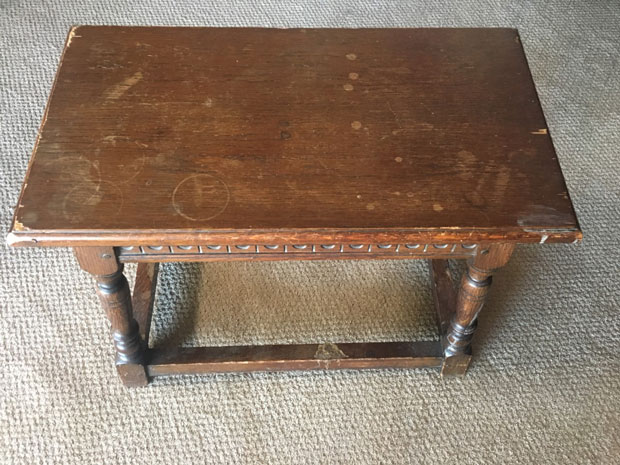
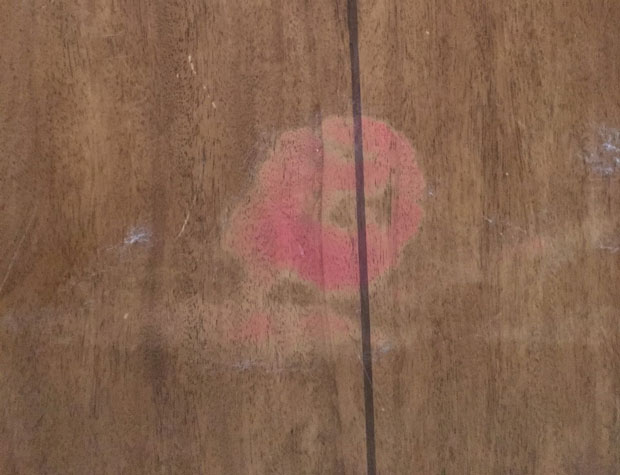
Water stains on wooden furniture are a common concern for homeowners, particularly during social gatherings. This article outlines three effective and reliable methods for removing these unsightly marks, as advised by an experienced furniture and cabinet maker. These techniques are presented in a progressive order, from least to most intensive, allowing individuals to address stains based on their severity.
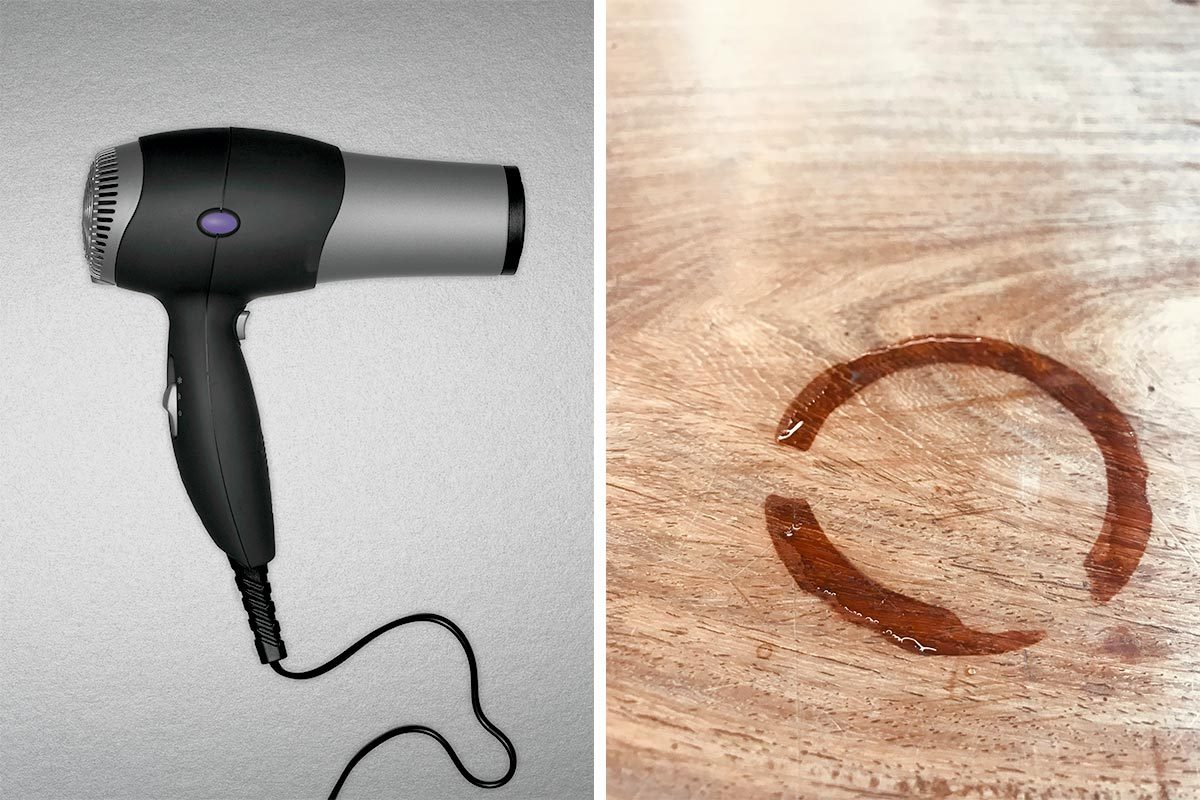
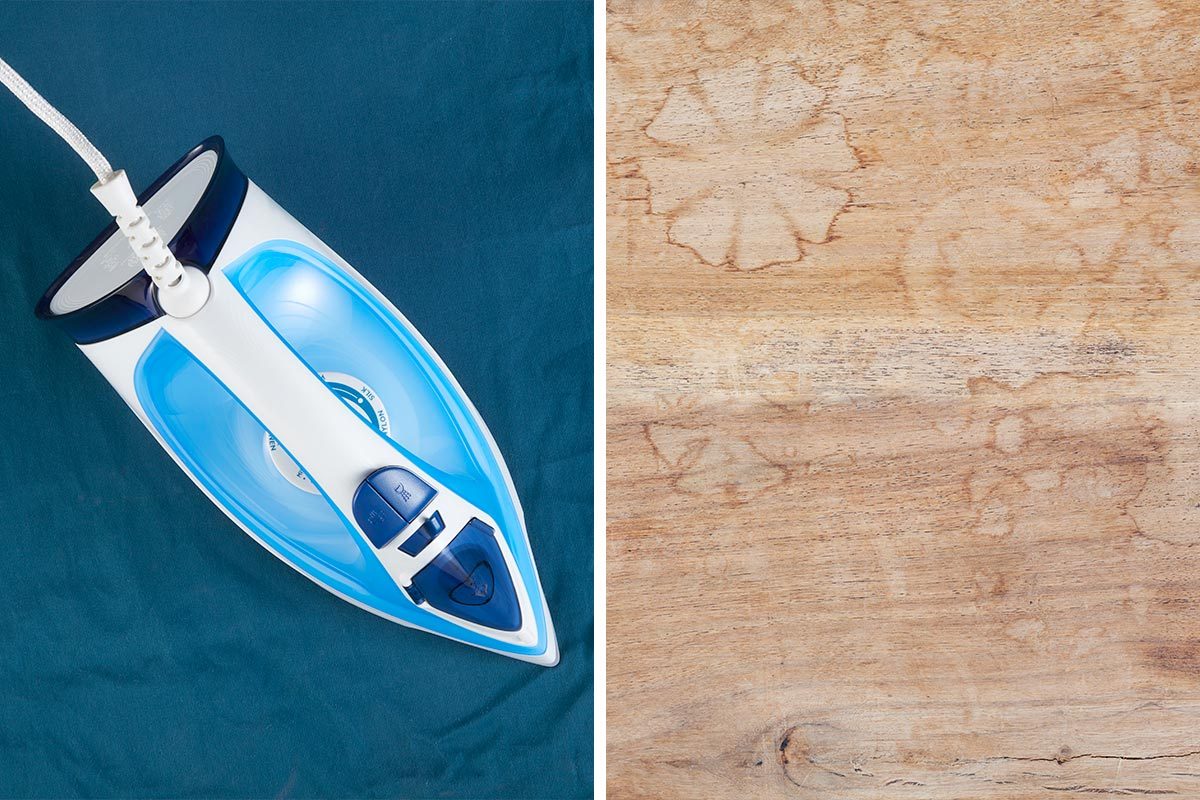
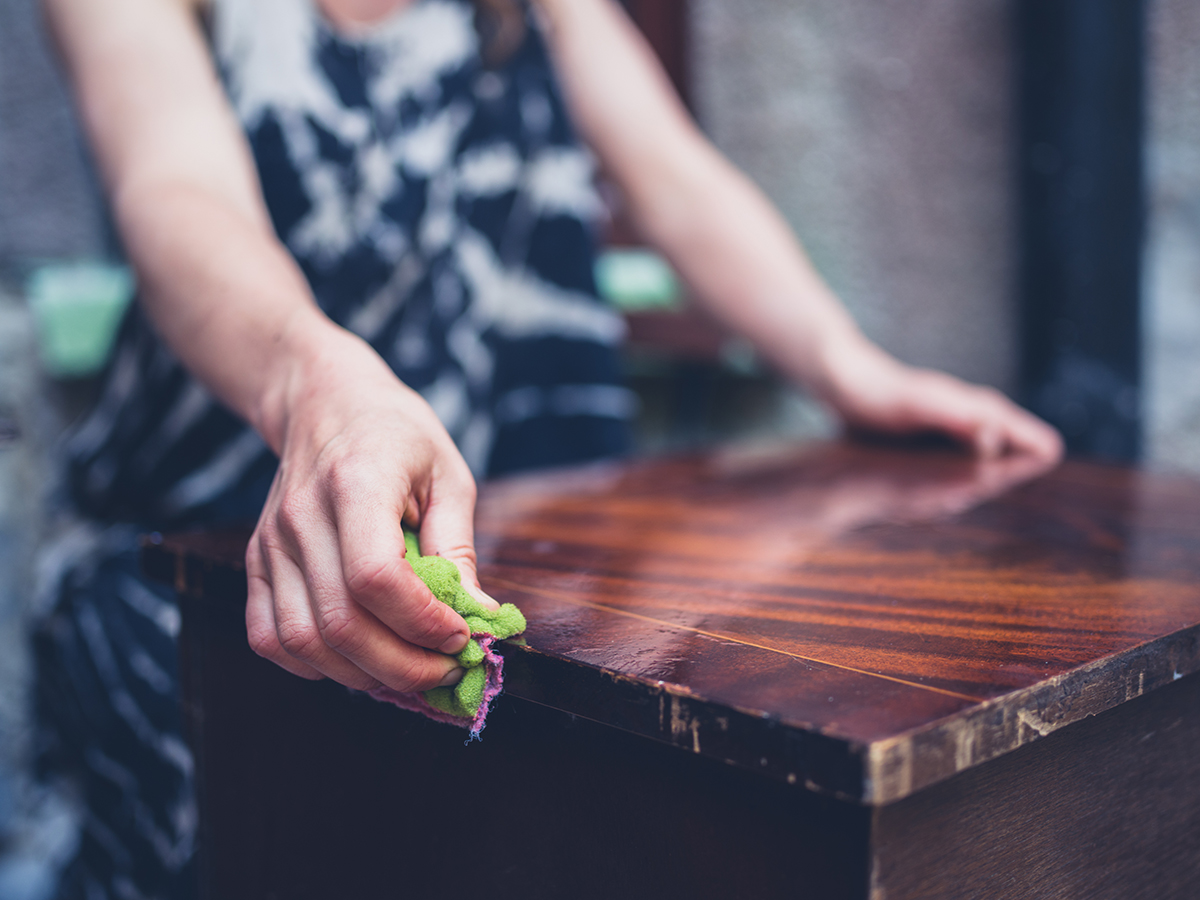
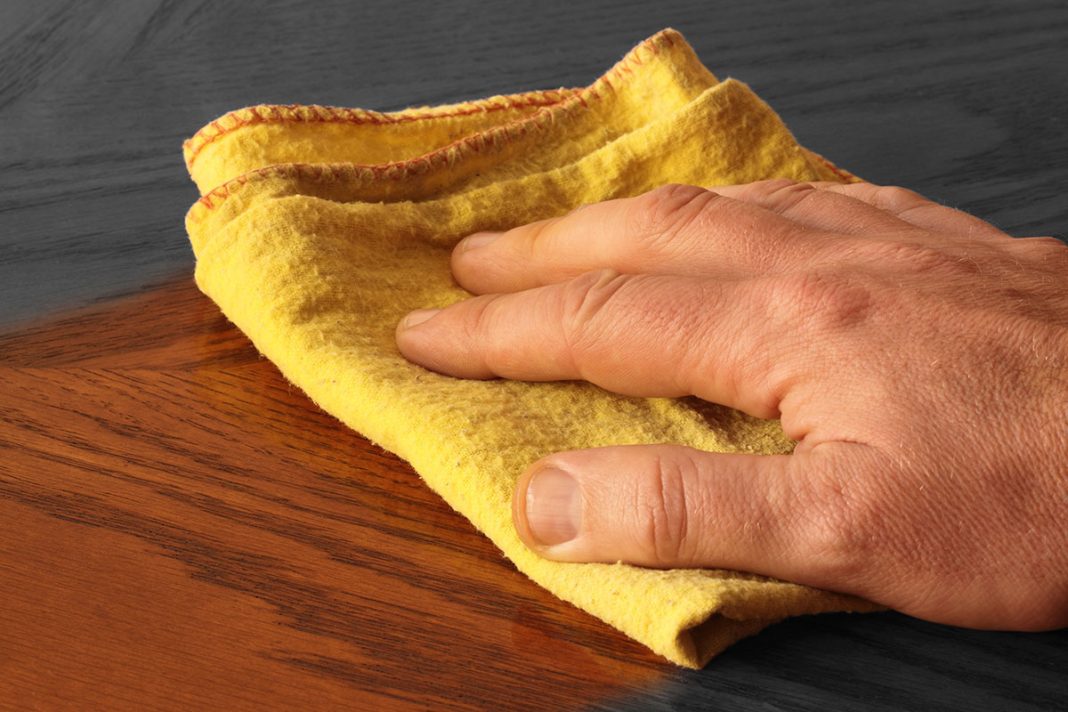
The initial method, referred to as the 'Heat Method,' utilizes an iron and a cotton cloth. This approach is recommended as a first step due to its simplicity and reliance on readily available household items. The process involves placing a cotton cloth over the water stain and gently heating it with an iron set to a medium temperature for 20 to 30 seconds, ensuring the iron is continuously moving to prevent scorching. It may require two to three repetitions for the stain to fade. This technique is suitable for both untreated and varnished wood furniture, but it's crucial to exercise patience and avoid excessive heat in one spot to prevent further damage.
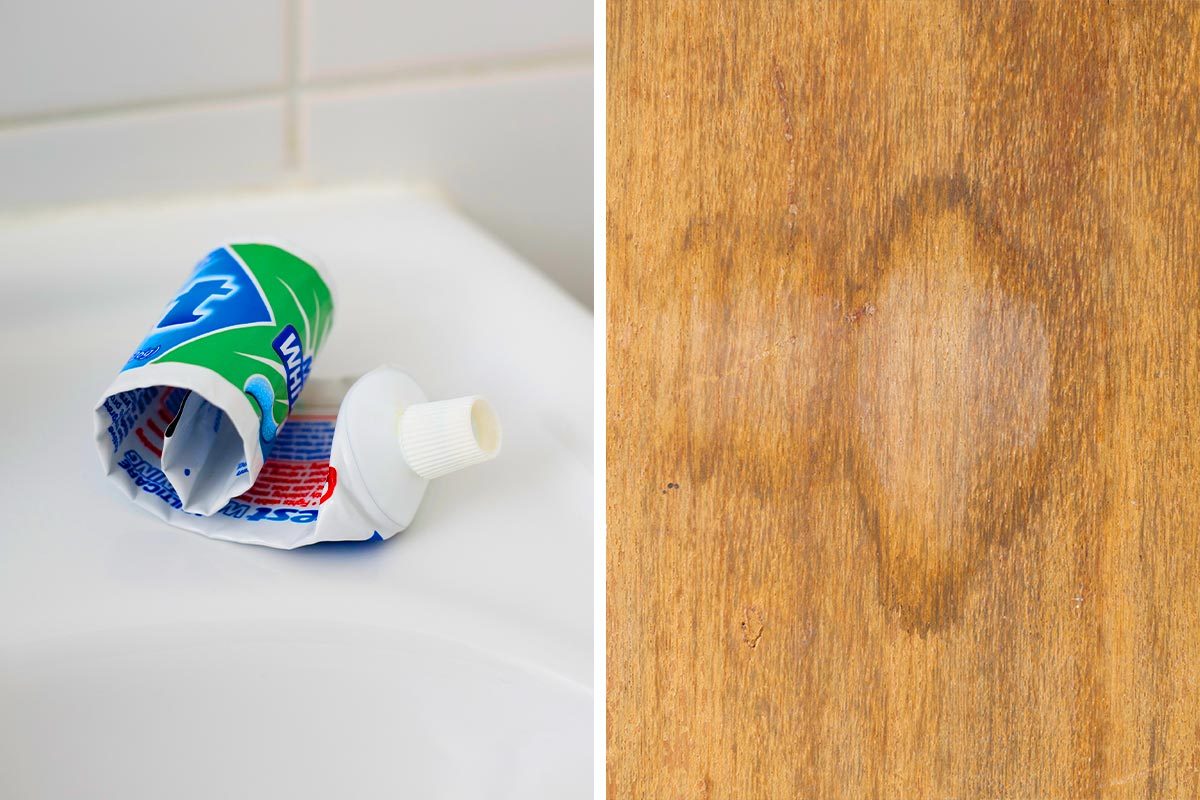
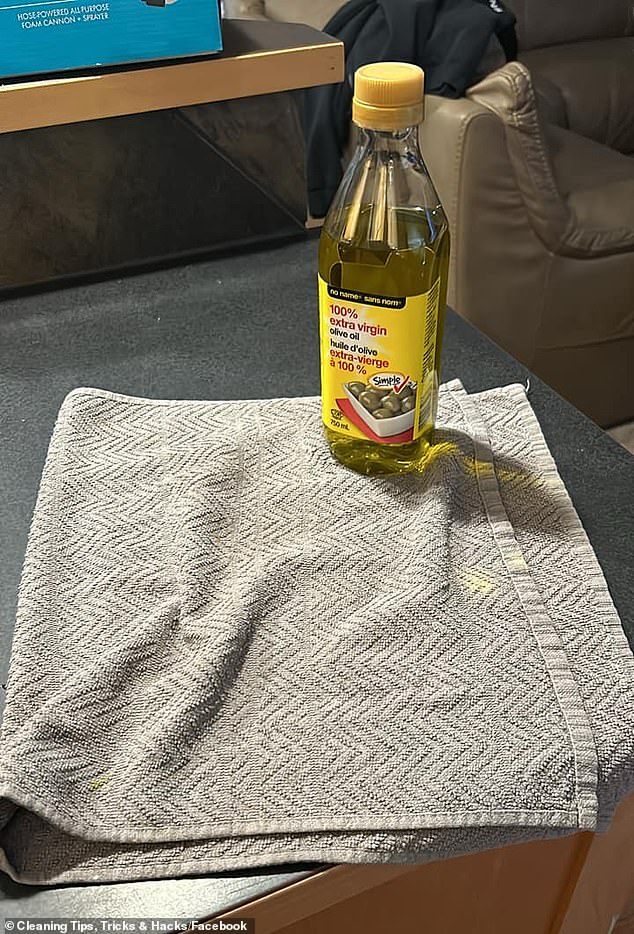
The second method, the 'Oil Method,' employs olive oil and fine wire wool to address water stains. This technique is designed to displace trapped moisture within the wood. The furniture maker specifically recommends using '0000 Grade' wire wool, which is the finest available and minimizes the risk of scratching the wood surface. The wire wool should be soaked in olive oil, and then gently rubbed with the grain of the wood. It is emphasized that rubbing against the grain can cause scratches, leading to more significant damage. While some online sources suggest mixing olive oil with salt or vinegar, the expert advises against this, advocating for plain olive oil to avoid abrasive effects on the wood.
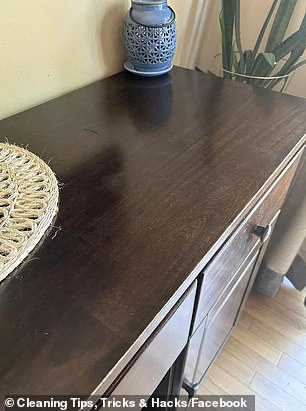
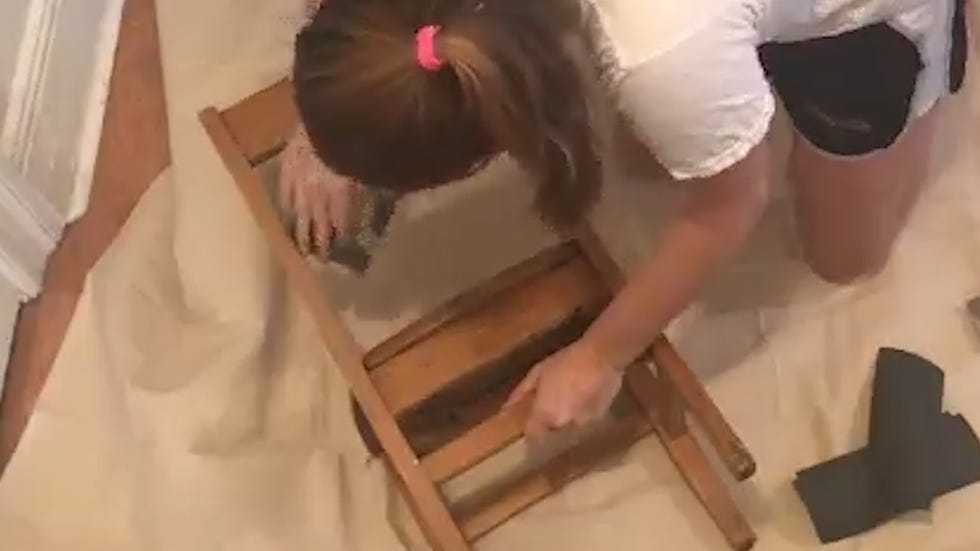
For persistent or deeply set water stains that do not respond to the heat or oil methods, the 'Final Resort' involves sanding the wood surface. This method is more labor-intensive but effective for stubborn stains. The article suggests using an electric sander for a more even and less strenuous application, though manual sanding with sandpaper is also an option. The recommended sanding progression starts with 120-grit sandpaper, followed by 180-grit, and finishing with 240-grit for a smooth finish. It's important to note that if sanding is chosen, the entire surface of the furniture piece must be sanded to ensure a uniform appearance after refinishing. If only the stained area is sanded, the reapplication of varnish or polish will likely result in a patchy color difference. Furthermore, after sanding, the wood will need to be refinished with a varnish or French polish, mirroring the original finish, or a light wax if the wood initially appeared unfinished but had a protective coating.
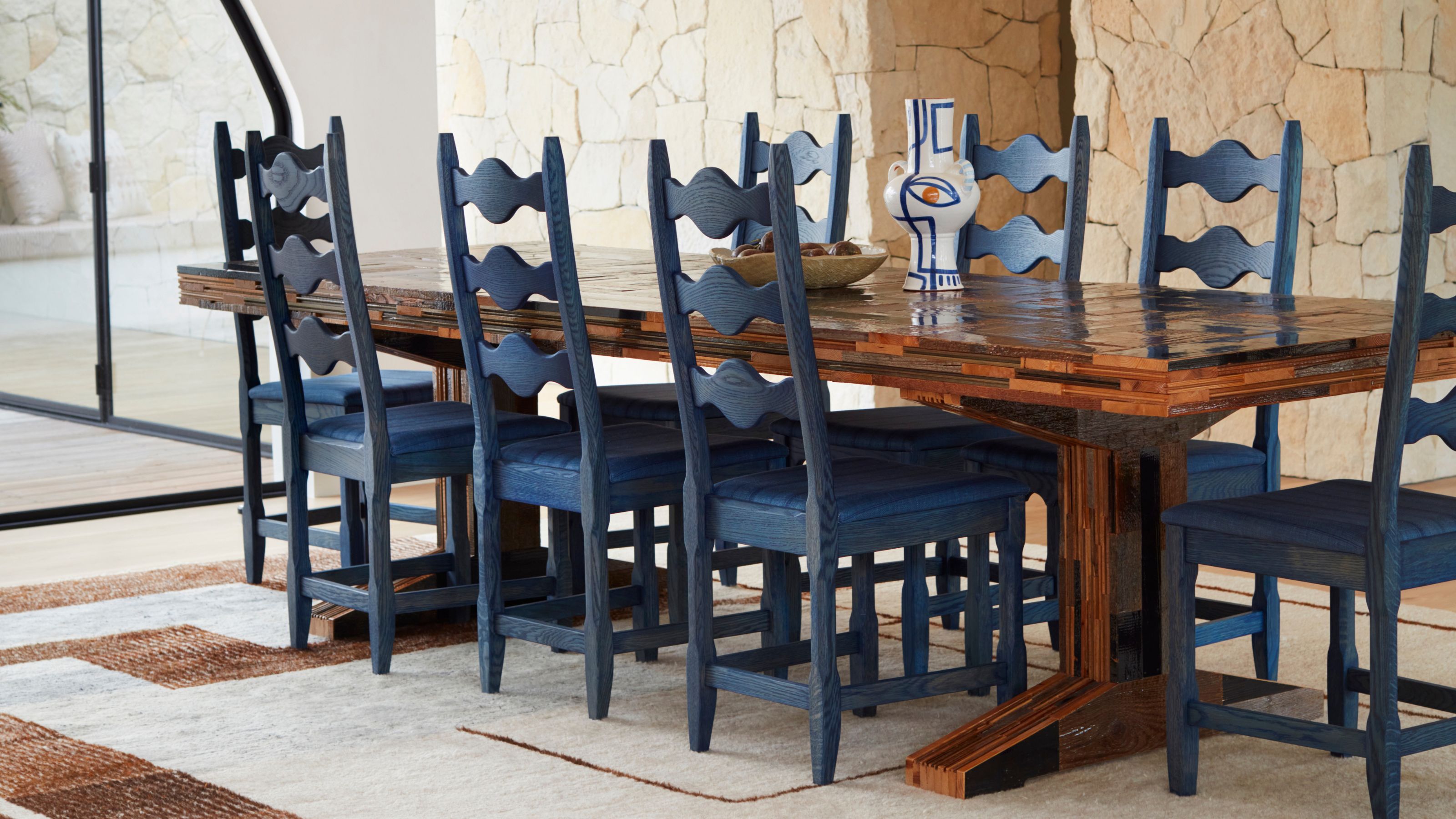
After successfully removing the water stains, the article suggests preventative measures to protect wooden furniture from future damage. These include using stylish coasters, tablecloths, runners, and placemats, with several product recommendations provided. These proactive steps can help maintain the pristine condition of wooden surfaces and minimize the worry of spills and stains during future gatherings.
#WaterStainRemoval #WoodFurnitureCare #DIYHomeRepair #FurnitureMaintenance #HouseholdTips #InteriorDesignAdvice #HomeImprovement #WoodworkingTechniques #PreventativeMeasures #WaterStainRemoval #WoodFurnitureCare #DIYHomeRepair #FurnitureMaintenance #HouseholdTips #InteriorDesignAdvice #HomeImprovement #WoodworkingTechniques #PreventativeMeasures
Há 0 comentários no total
 Ainda não há comentários
Você também pode gostar
How to Remove Water Stains from Wood with Common Household Products


The Ultimate Stain-Removal Guide

How to remove oil stains from a fabric sofa – experts reveal their tried and tested secret
This Common Pantry Snack Works Like a Charm to Get Water Stains Off Wood

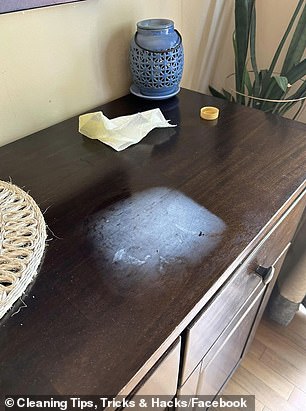
Mum's simple hack to remove stains from wooden furniture using a common pantry item
We Cleaned 200+ Stains and Scuffs to Find the Best Hardwood Cleaners

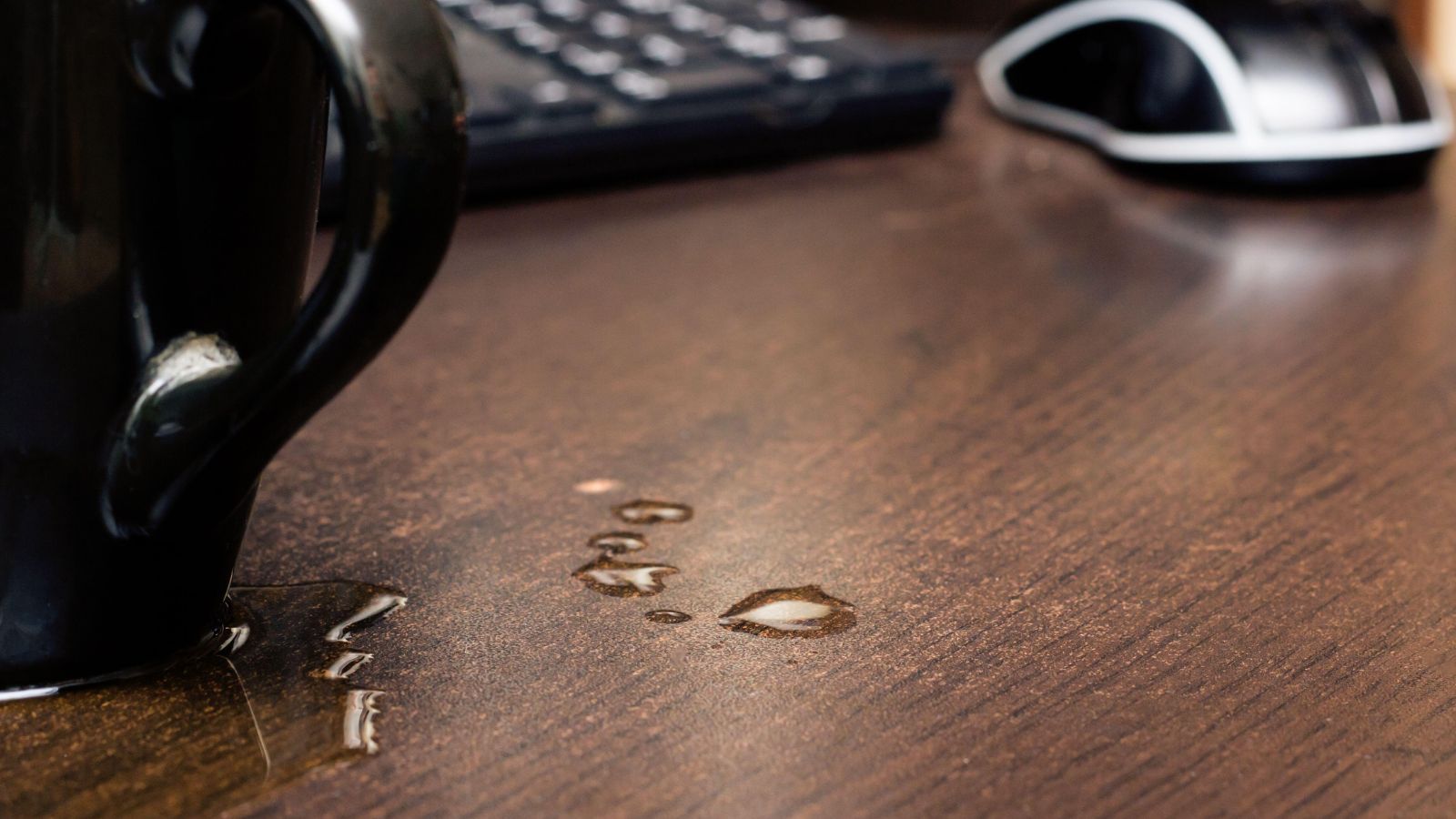
How to remove water stains from wood – 8 fixes you'll find in your pantry


How to clean a linen sofa to keep it in pristine condition – even in a busy family home
13 Top Reviewed Products That Will Help Remove Stains

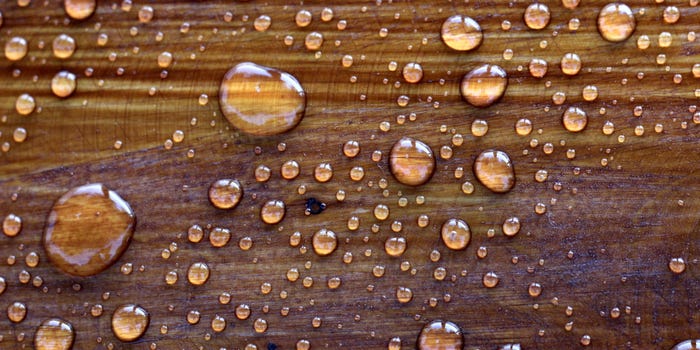
How to remove water stains from wood and keep your furniture looking great
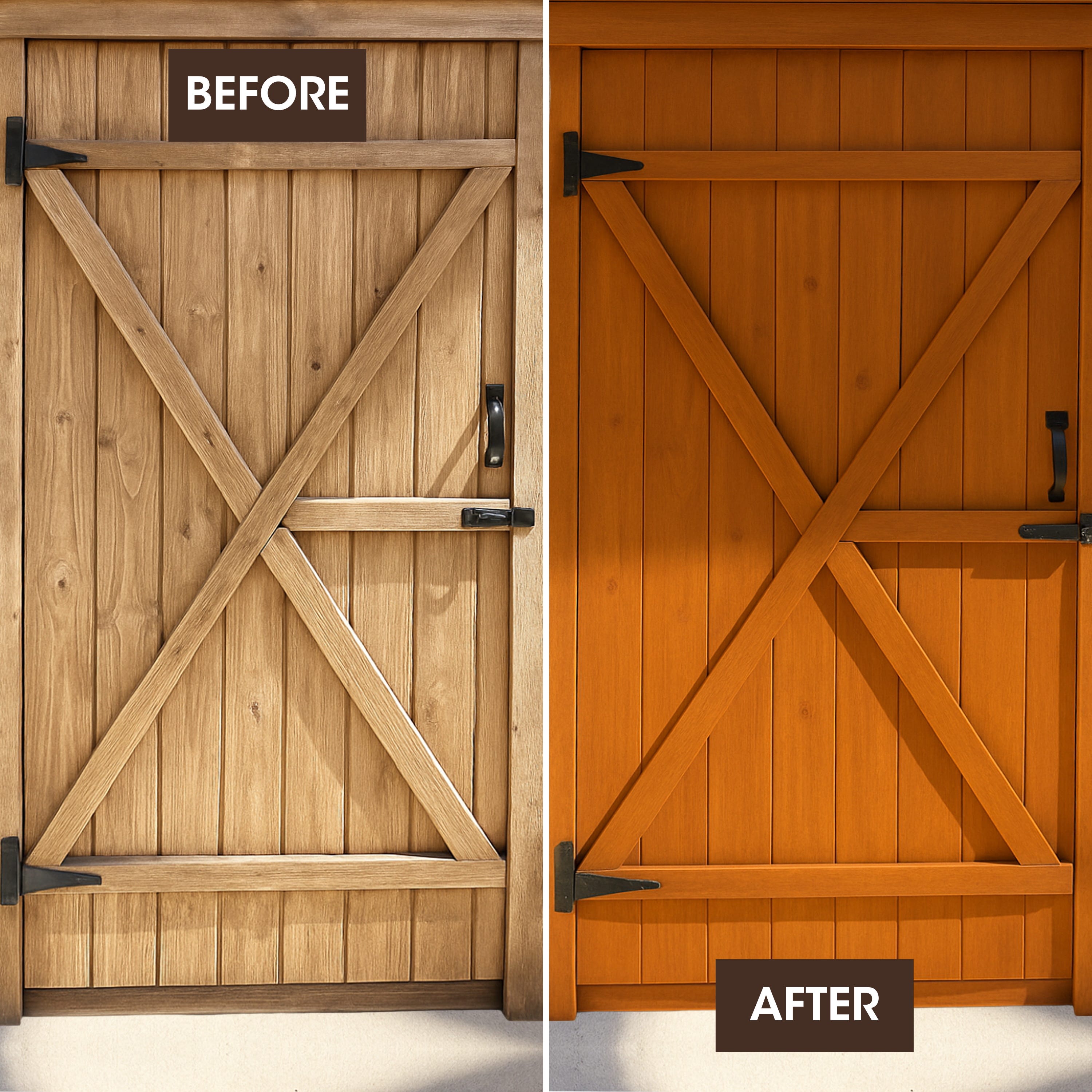
How to Fall in Love with Your Furniture (Again)

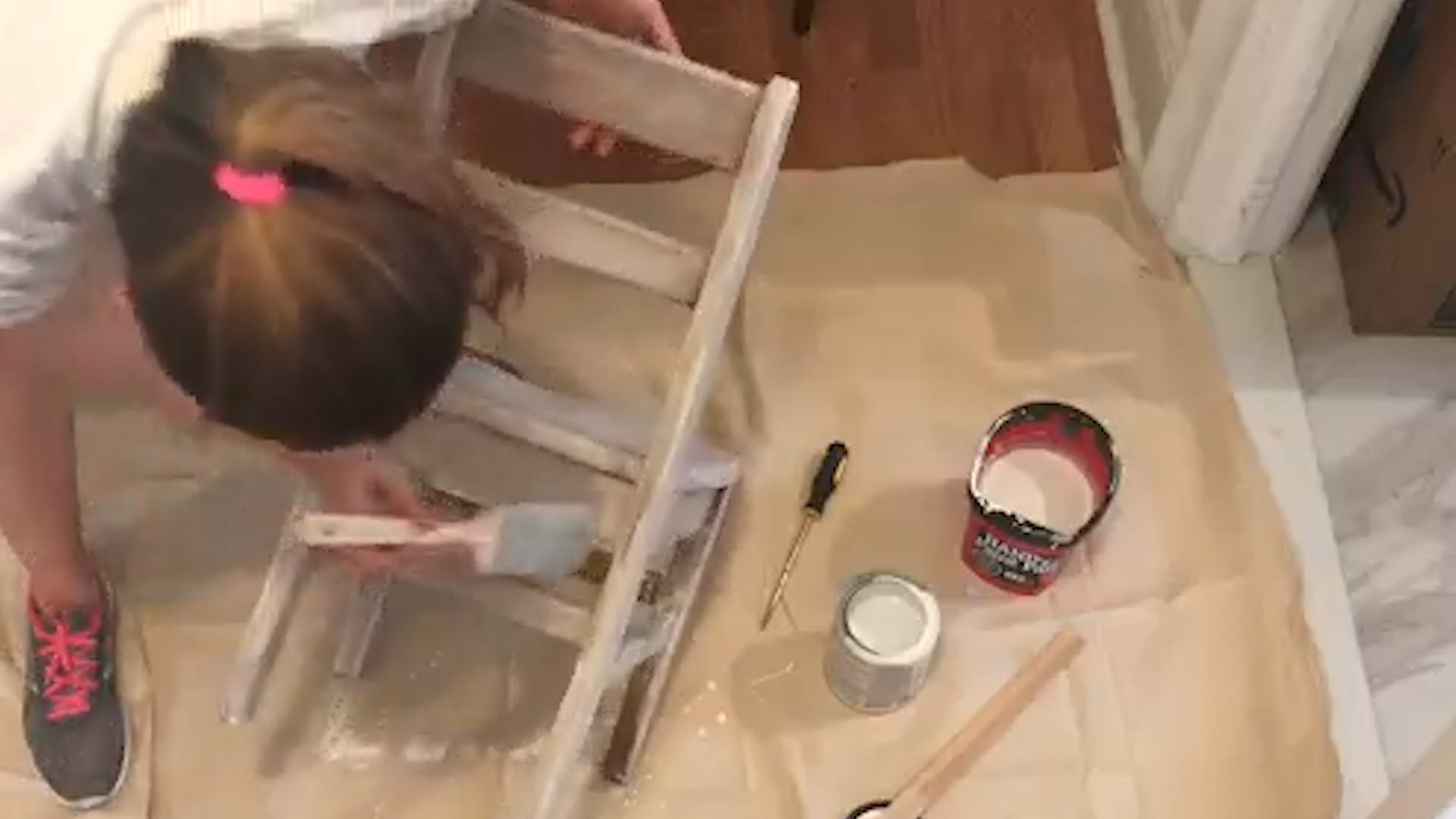
The Right Way To Whitewash Wood Furniture
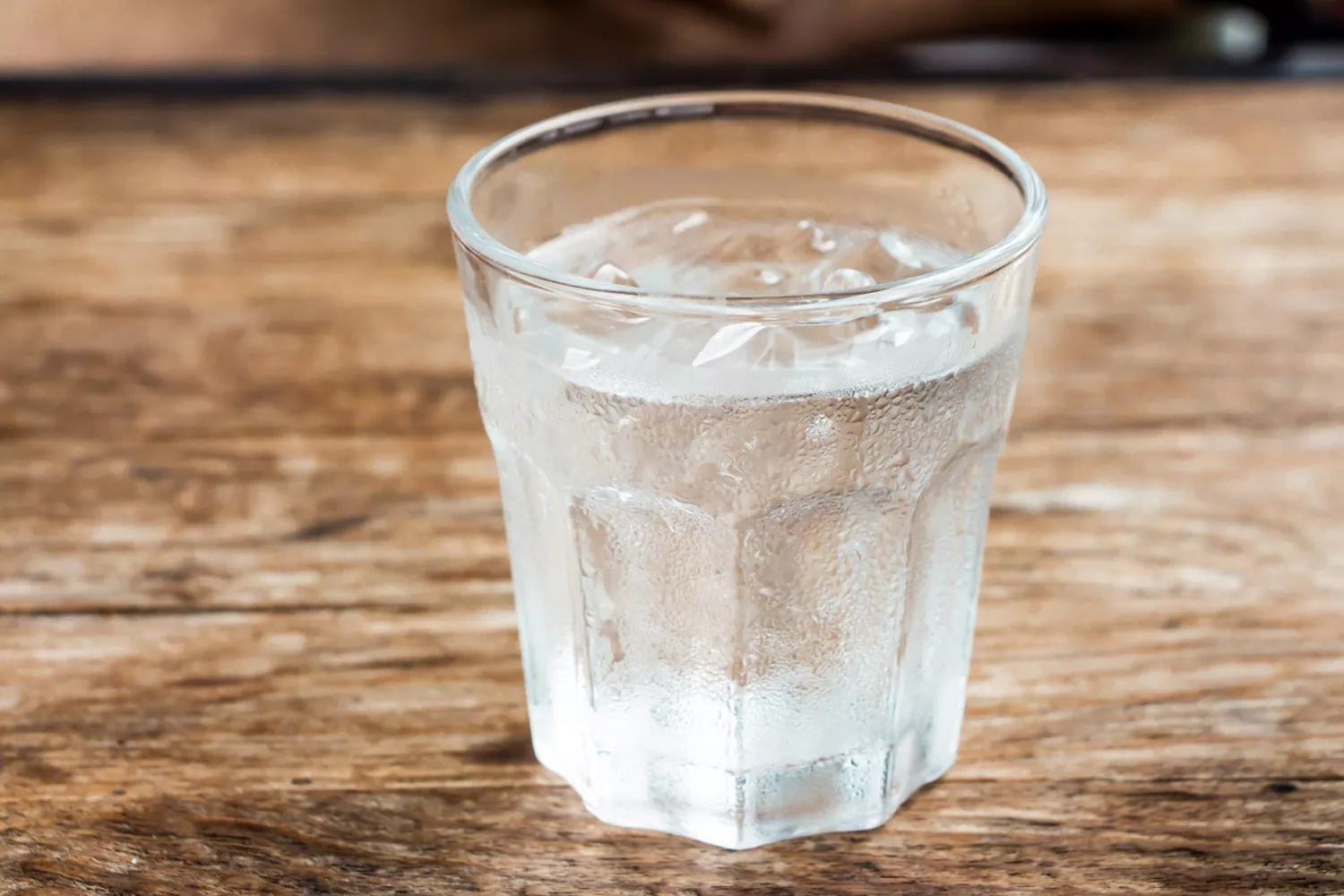
4 Ways to Remove Water Stains From Wood, According to Cleaning Experts

The Best Bathroom Cleaner for Targeting Hard Water Stains

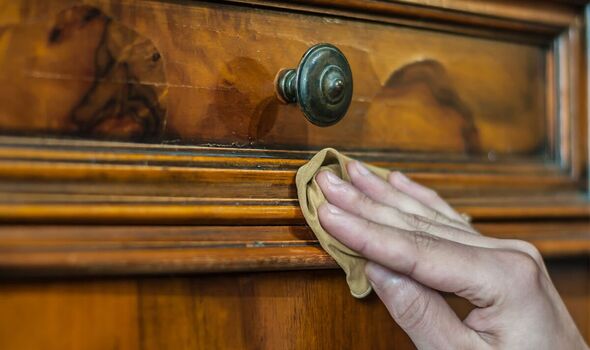
Expert's clever olive oil hack to 'protect and rejuvenate' furniture

5 Common Sofa Cleaning Mistakes You Might Be Making


How to clean outdoor furniture – 3 simple steps for wood, metal, resin and rattan

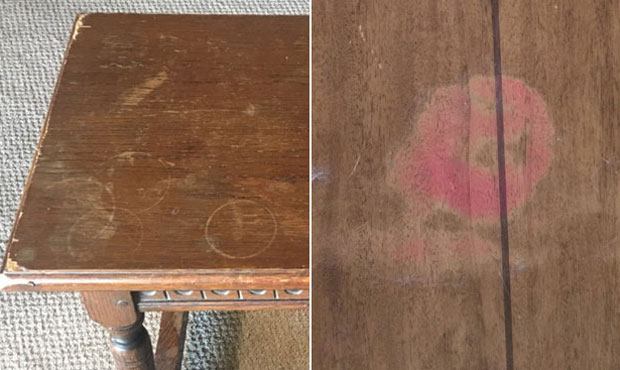
How to restore life of damaged wood furniture yourself

How to clean hardwood floors – experts reveal the best techniques
How to Clean Water and Surface Stains on Antique Furniture