1/6
How to clean a bathroom sink – expert tips for a well-scrubbed sink
Maintaining a pristine bathroom sink is crucial for both aesthetics and hygiene, as it is a high-traffic area in any home. Regular cleaning prevents the buildup of bacteria and blockages, contributing to a healthier environment. While many focus on cleaning toilets and showers, the bathroom sink often receives less attention despite its constant use. This guide offers expert cleaning tips to ensure bathroom sinks remain sparkling and functional.
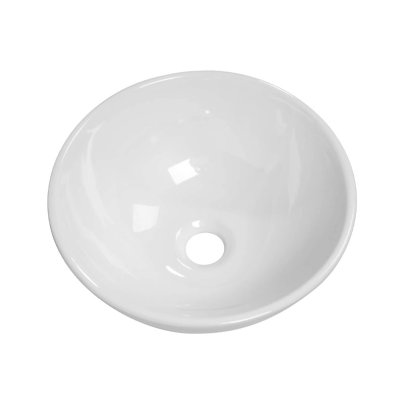
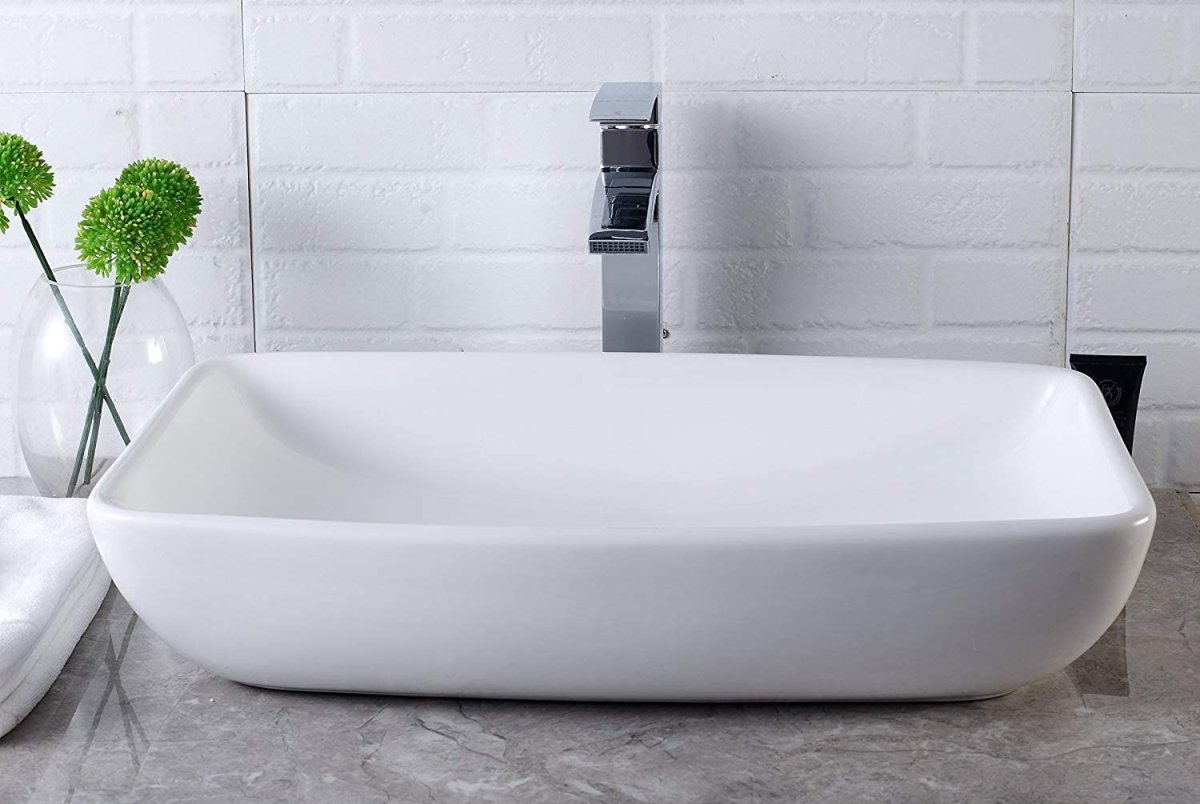
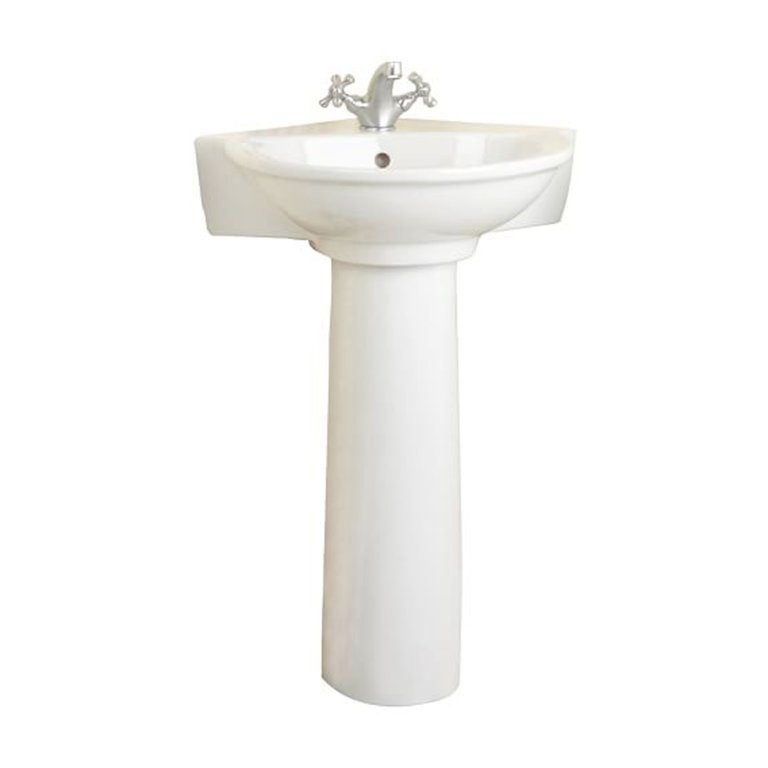
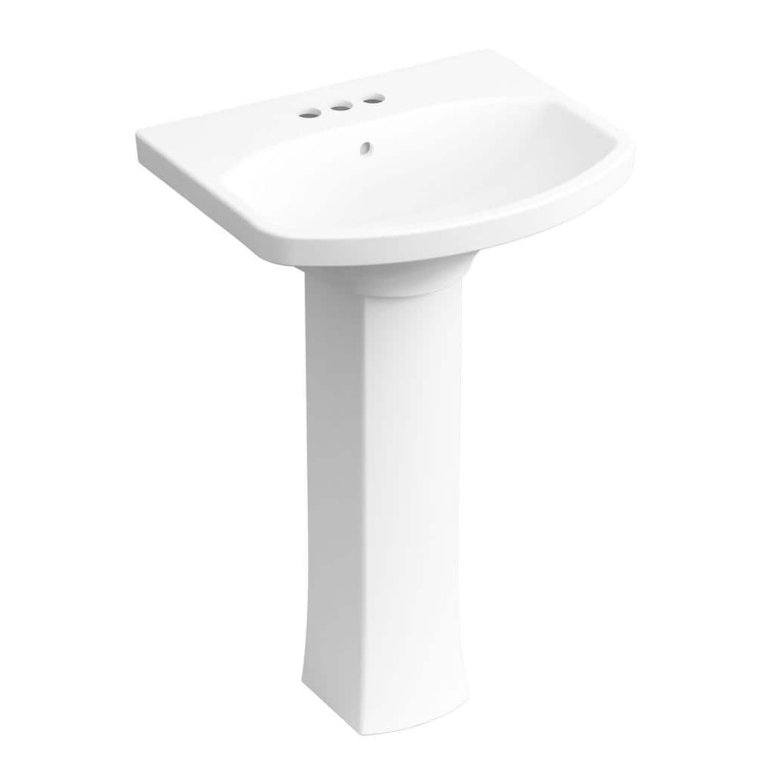
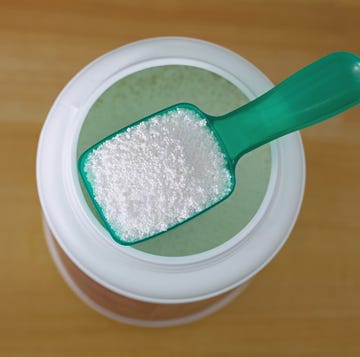
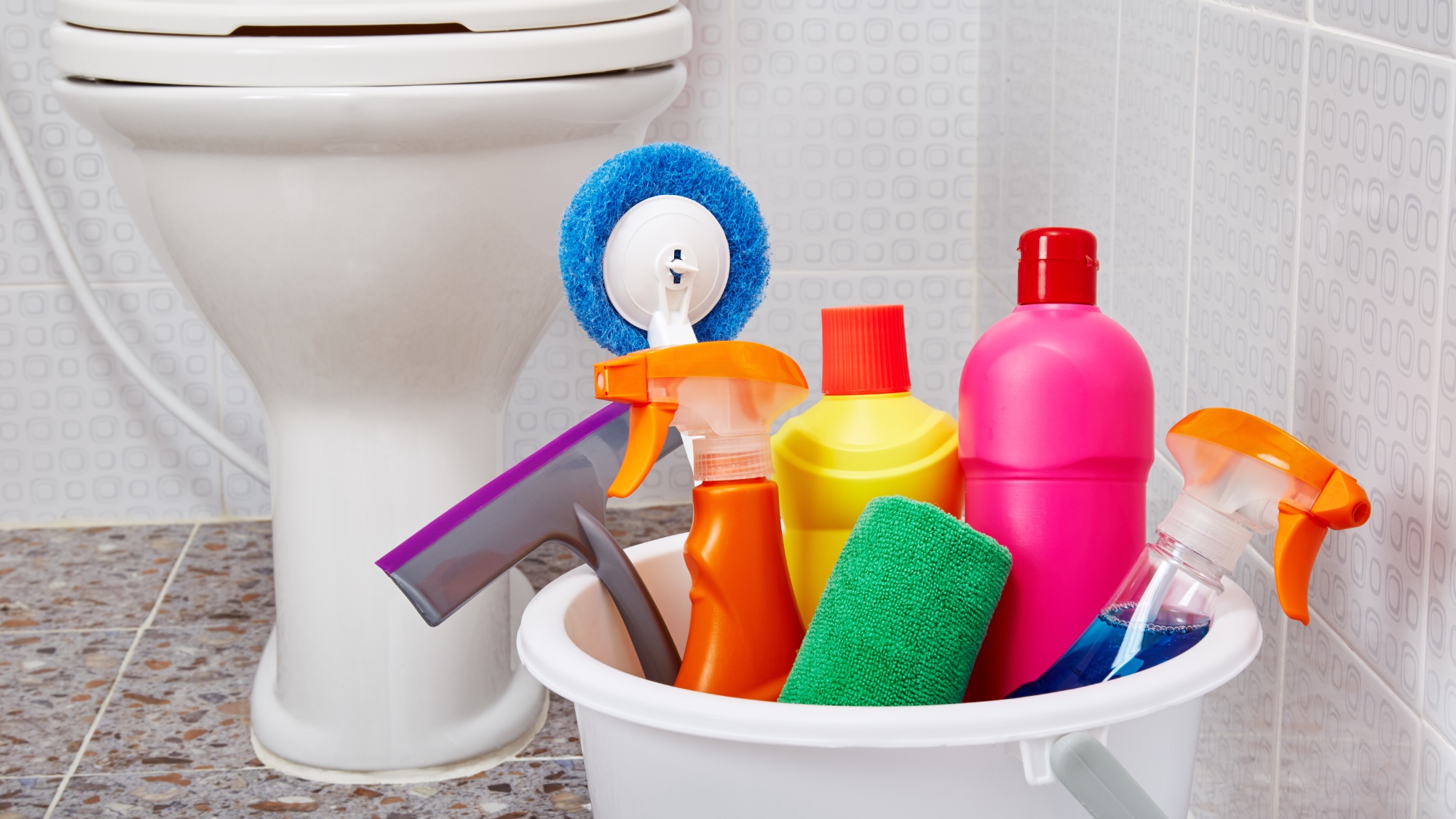
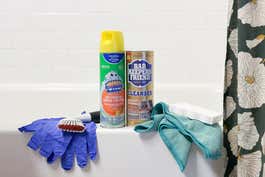
Porcelain and ceramic sinks are common and generally easy to clean. The primary challenge involves tackling soap scum and calcium deposits, which require a two-stage cleaning process. For regular maintenance, a good bathroom sink cleaner, such as Bar Keepers Friend, along with cleaning cloths, fine brushes (an old toothbrush is effective for tight spaces), and a drying cloth, are recommended. Professional cleaner Sara San Angelo emphasizes that weekly cleaning is necessary due to the sink's frequent use. Bar Keepers Friend is highly effective for cleaning porcelain and metal sinks, and it can also remove rust spots around the drain and on faucets, though it should be used cautiously on brushed nickel to avoid damage. Prior to scrubbing, it is advisable to let a bathroom cleaner soak on heavily soiled areas, particularly those with limescale, to facilitate easier removal with a soft cloth or sponge.
Soap scum, appearing as a white or gray chalky film, is common in areas with hard water and can detract from the sink's appearance. Specialized cleaners like Rejuvenate are effective for removing soap scum. Mike Head, director at Atlas Ceramics, advises allowing the product to work for up to 20 minutes before brushing and rinsing. For stubborn deposits, repeating the process on a dry surface is key. A homemade solution of equal parts vinegar and water with a tablespoon of liquid dish soap can also be used as a soap scum remover; it should be applied, left for 15 minutes, and then scrubbed with a soft-bristled brush.
Calcium deposits, or limescale, can be more challenging than soap scum. A limescale-specific cleaner, such as CLR Calcium, Lime & Rust Remover, is recommended. Depending on the severity of the deposit, the product can be diluted up to 1:15 or used undiluted for stubborn areas. It should be applied with a brush or sponge, allowed to work briefly, and then rinsed thoroughly with water.
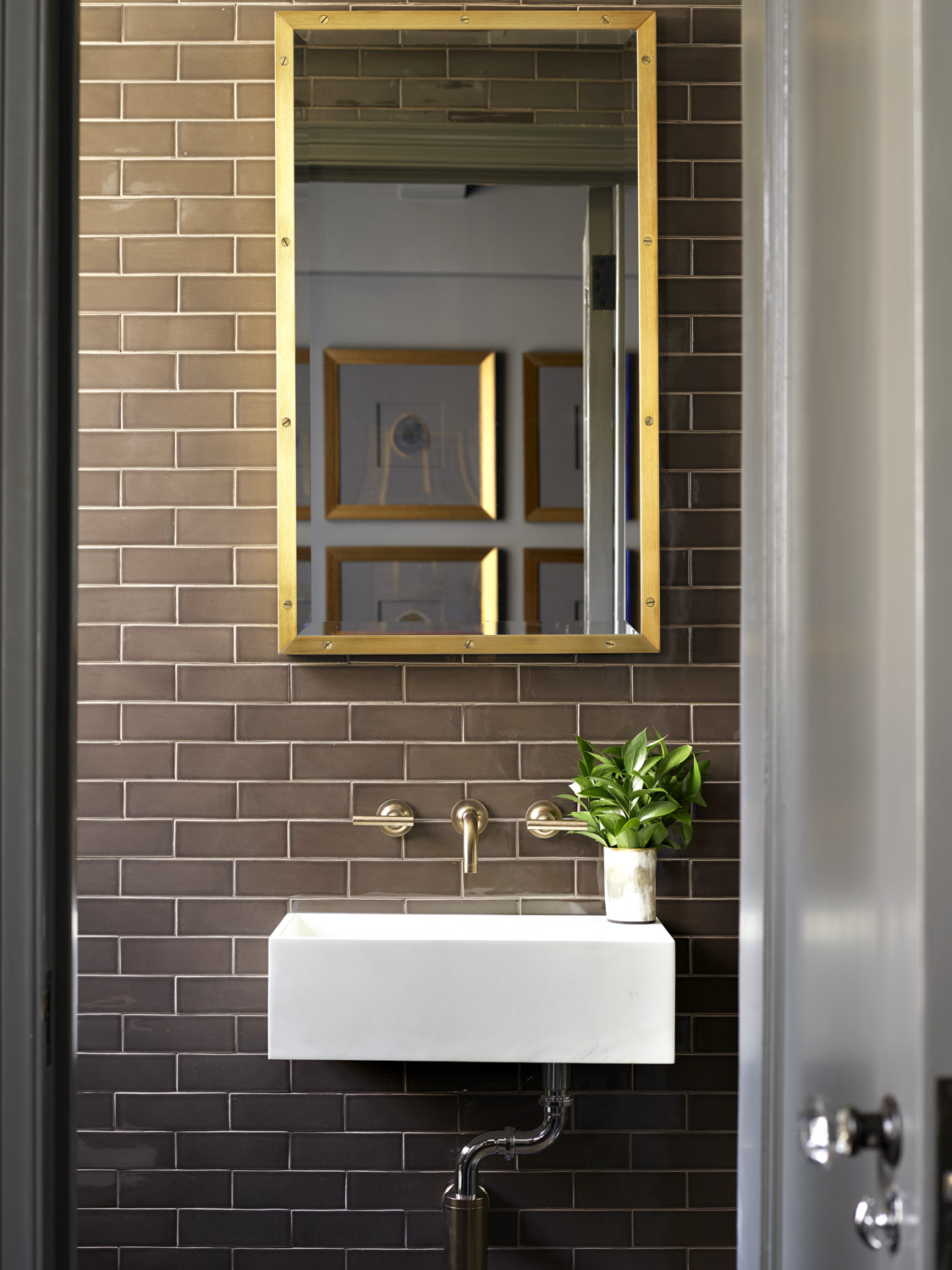
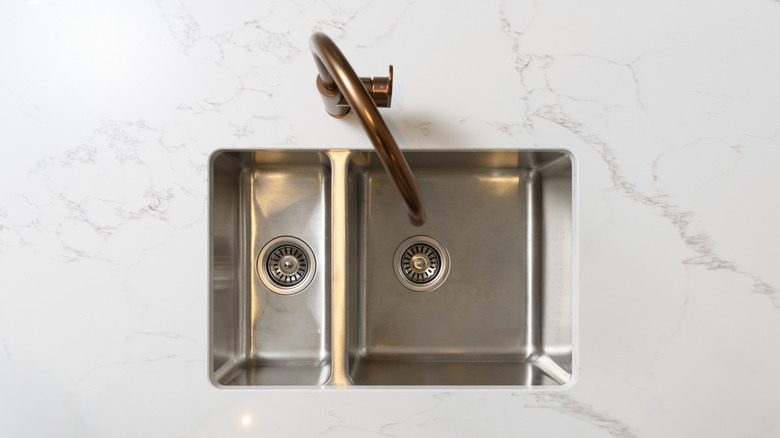
Cleaning metal bathroom sinks, such as copper, brass, or nickel, requires a different approach due to their susceptibility to chemical damage. Barrie Cutchie, design director at BC Designs, advises using warm soapy water and a non-abrasive cloth for unlacquered metal finishes, drying immediately after use. Harsh chemicals, dripping taps, and sharp objects should be avoided. Regular reapplication of a suitable wax seal, like Renaissance Wax, every four to six weeks helps maintain the finish and prevent oxidation. If oxidation occurs, a fine metal cleaner can be used before reapplying wax. For nickel-plated items, only mild soapy water and a non-abrasive cloth should be used, avoiding abrasive metal cleaners, though a small amount of Peek metal cleaner can address minor tarnishing. Tin basins are less demanding, only requiring Brillo Pads and warm soapy water.
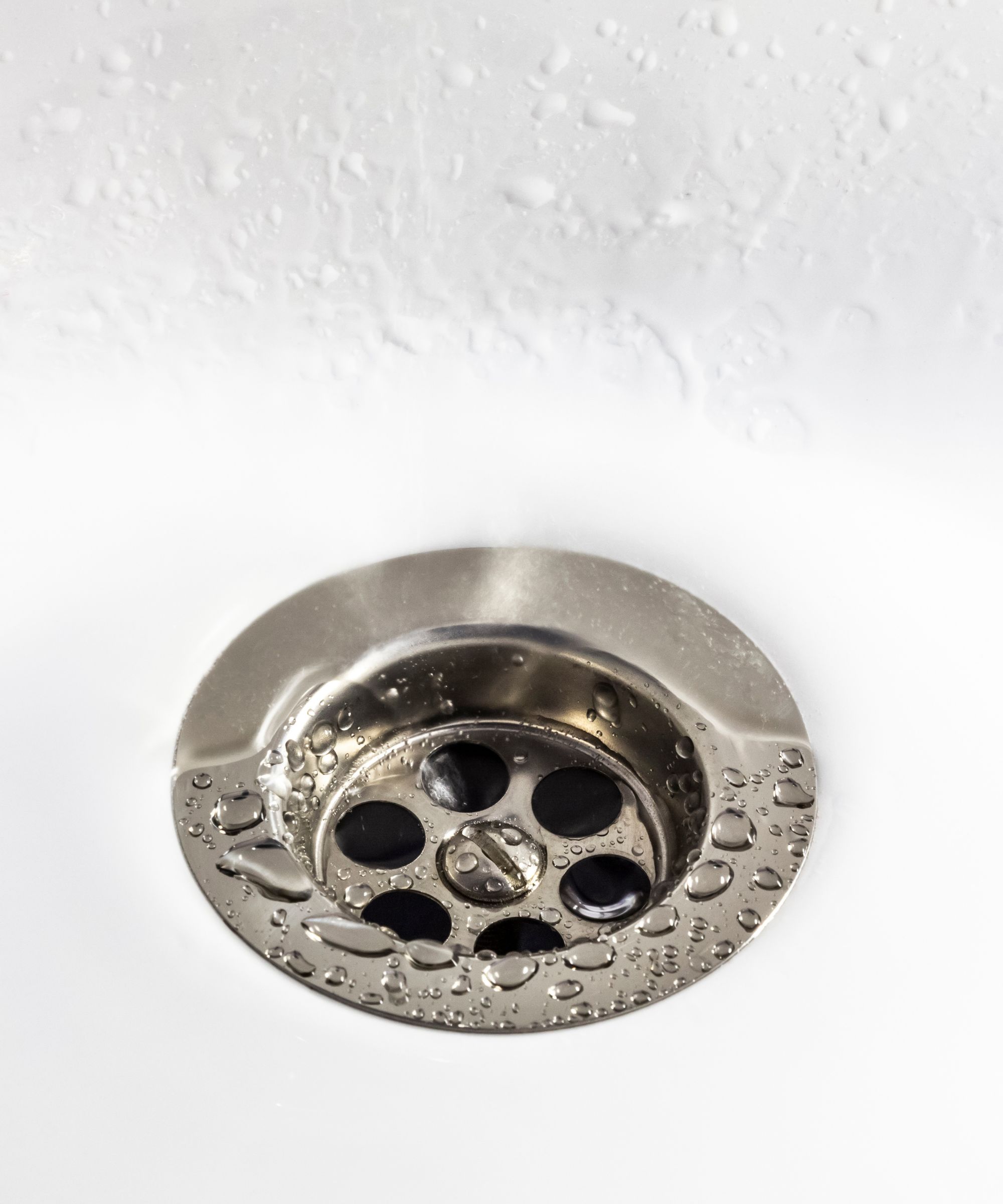
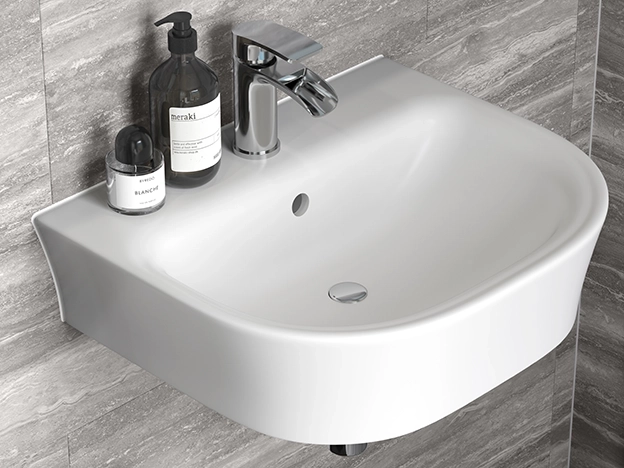
Finally, maintaining a clear drain is essential to prevent blockages and odors. Hair buildup is a common cause of blockages. Regular cleaning can prevent these issues. For existing blockages, methods include pouring boiling water, using a plunger, or employing white vinegar or caustic soda. Tom Drake, a bathroom expert at Drench, suggests pouring a cup of white vinegar down the drain, letting it sit for 30 minutes, and then rinsing with hot water. Alternatively, a 10% solution of caustic soda (sodium hydroxide crystals dissolved in water) can be poured down the drain, left for about half an hour to break down deposits, and then slowly rinsed with increasing water pressure until clear. Porcelain and ceramic are generally the easiest sink materials to clean due to their durable, stain-resistant, high-gloss finishes, though care must be taken to avoid abrasive cleaners or brushes that could cause scratches.
#BathroomCleaning #SinkMaintenance #HomeHygiene #CleaningTips #SoapScumRemoval #LimescaleTreatment #MetalSinkCare #DrainCleaning #PorcelainCare #BathroomCleaning #SinkMaintenance #HomeHygiene #CleaningTips #SoapScumRemoval #LimescaleTreatment #MetalSinkCare #DrainCleaning #PorcelainCare
Há 0 comentários no total
 Ainda não há comentários
Você também pode gostar
The Best Bathroom Sinks

Kitchen Sinks

Best Cleaning Advice & Tips

How To Clean Bathroom Tile, According To Professional Cleaners

Don't buy a bathroom sink without reading this first - the expert guide to picking the perfect one

Your Sink Is Dirtier Than Your Toilet Seat — Keep Your Sponge Clean With These 6 Caddies

A professional cleaner just revealed the most obvious bathroom cleaning hack, and I'm shocked I never thought of it


How to design a bathroom that’s easy to clean
The Ultimate Guide To Choosing A Sink For Your Kitchen

How To Clean Your Kitchen Sink Drain: 3 Steps
Bathroom Sinks, Basins and Accessories

'Organize Your Life': Tools and tips to keep your bathroom clean and tidy

Yes, You Need to Clean and Sanitize Your Kitchen Sink and Drain More Often

The Best Bathroom Sinks Go Beyond Porcelain to Concrete and Even Quartz


5 statement sink designs to bookmark for your next powder room renovation


Squeegee Every Time You Shower — and More Bathroom Cleaning Hacks | Reviews by Wirecutter

How to declutter a bathroom according to the experts


7 reasons your sink won't drain – plus expert tips to unclog a sink like a pro
How To Install A Kitchen Sink Like A Total Pro


How to Organize Under Your Bathroom Sink So That It's Both Tidy and Functional