How AI and Automation Are Transforming Home Textile Technology: The Future of Smart and Sustainable Living
Artificial intelligence (AI) and automation are fundamentally changing the home textile industry, leading to smarter, more efficient, and sustainable production. This transformation spans from AI-driven design and smart manufacturing to intelligent fabric innovations, impacting how home textiles are created, sold, and utilized. The increasing demand for personalized, high-quality, and eco-friendly home textiles positions AI and automation as essential tools. Beyond manufacturing, these technologies influence supply chains, consumer experiences, and the textiles themselves, with smart fabrics reacting to environmental conditions, AI-powered customization, and automated production lines establishing new benchmarks for innovation.
AI is pivotal in design and trend forecasting, moving beyond traditional methods by analyzing vast datasets from social media, e-commerce, and customer reviews to accurately predict upcoming trends. AI tools assist designers in identifying preferred colors, patterns, and materials based on real-time consumer behavior, while automated design software generates textile patterns, reducing manual effort. AI-driven recommendations enable brands to develop home textiles that align with consumer expectations, boosting sales and minimizing unsold inventory. This data-backed approach enhances customer satisfaction and reduces waste.
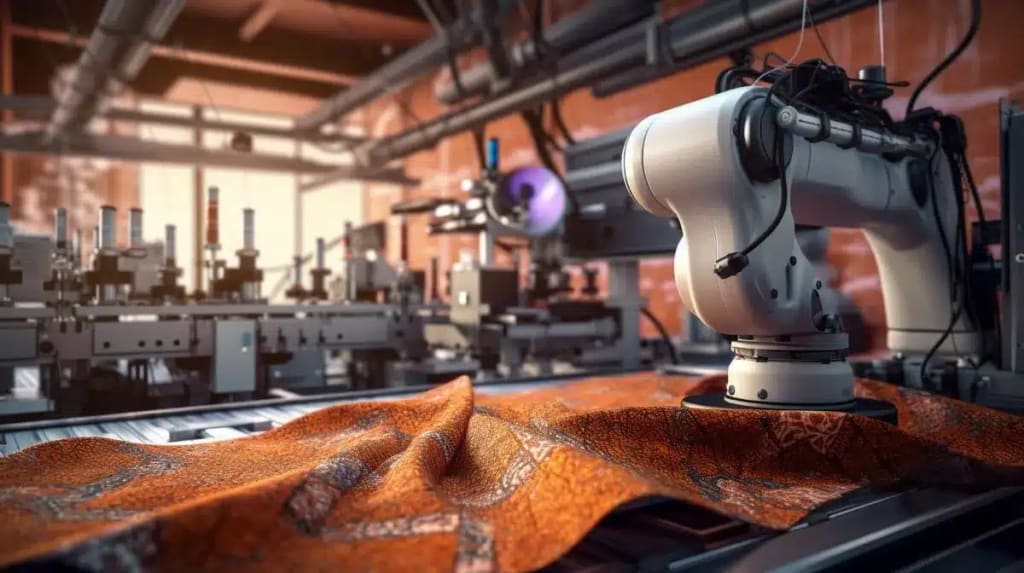
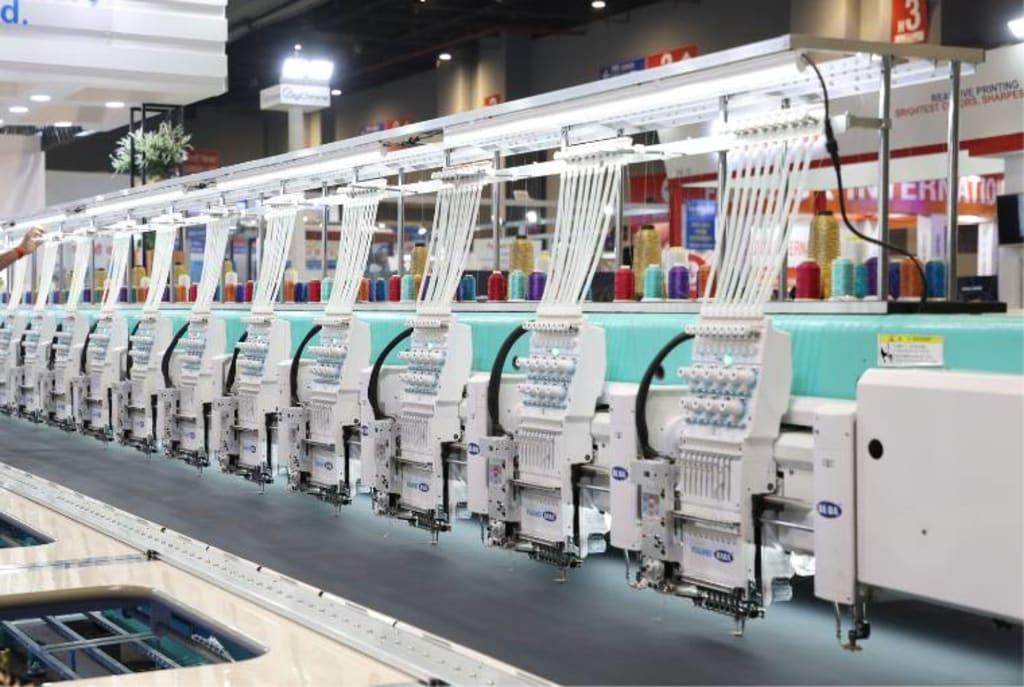
Automation significantly streamlines the production process, improving efficiency and precision. Smart factories integrate robotic machines, AI-driven quality control, and automated weaving and dyeing systems to reduce human intervention and production time. Robotic weaving and knitting create complex designs with speed and accuracy, automated cutting and sewing enhance fabric cutting precision and reduce waste, and smart textile printing allows for detailed, customized patterns without excessive dye or water consumption. Automation ensures consistent quality while lowering labor costs and production errors.
AI-powered quality control revolutionizes defect detection, moving from error-prone human inspection to precise AI detection of even the smallest fabric imperfections. AI-powered cameras scan textiles for misprints, uneven dyeing, or fabric inconsistencies, with machine learning algorithms continuously improving accuracy. Real-time feedback from automated systems allows for immediate adjustments, enhancing product consistency, reducing returns, and improving customer satisfaction.
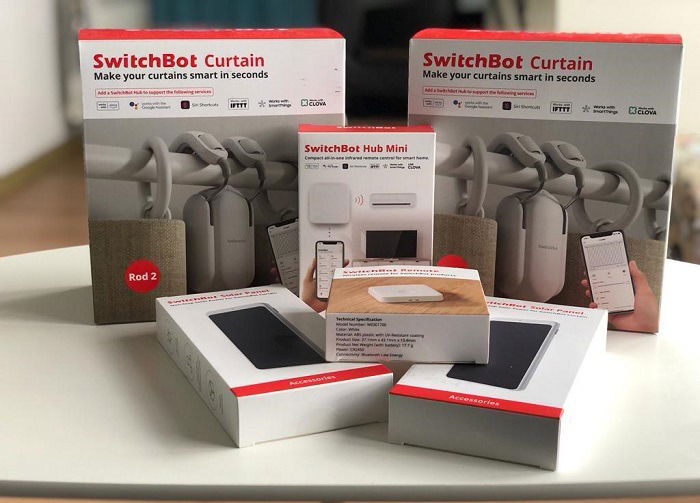
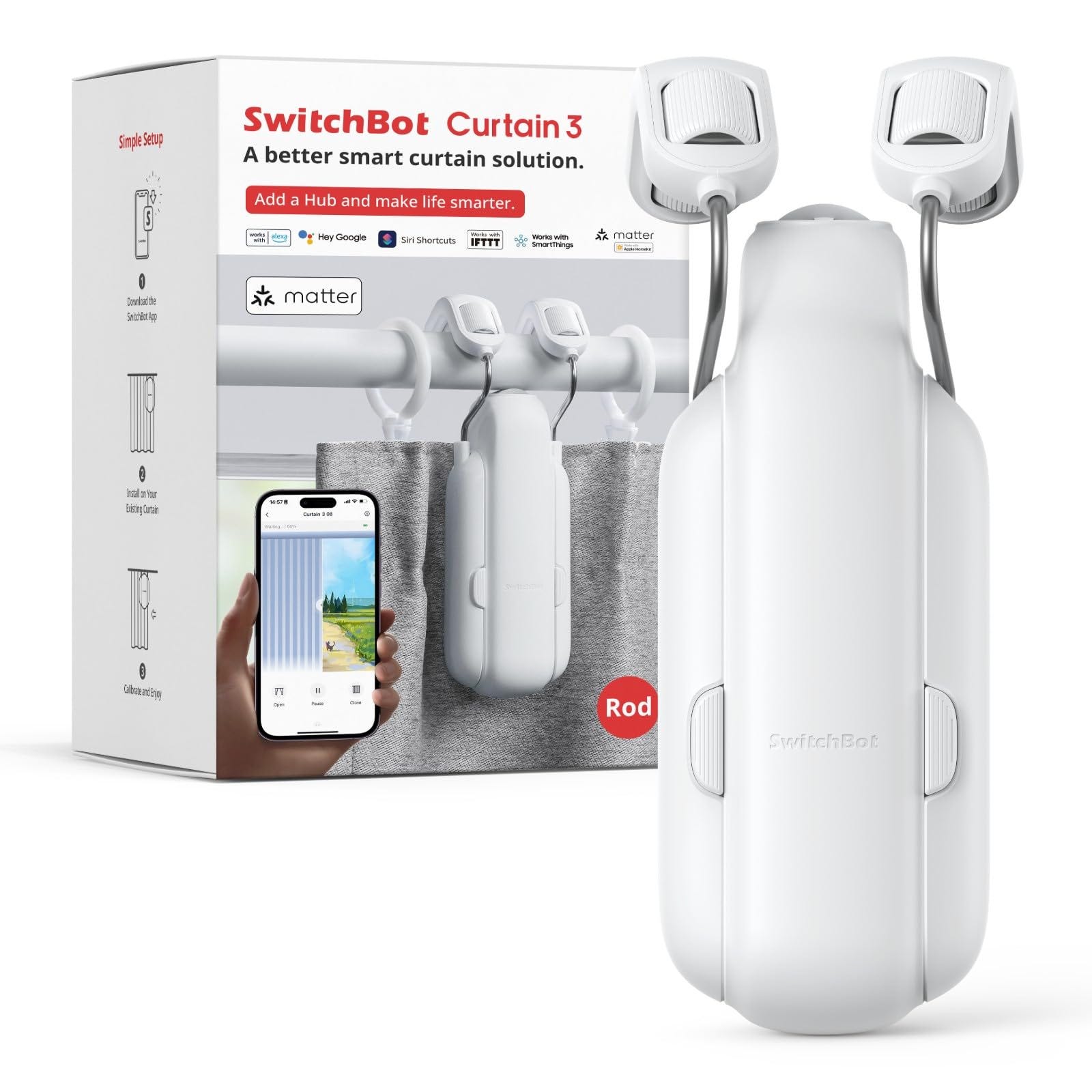
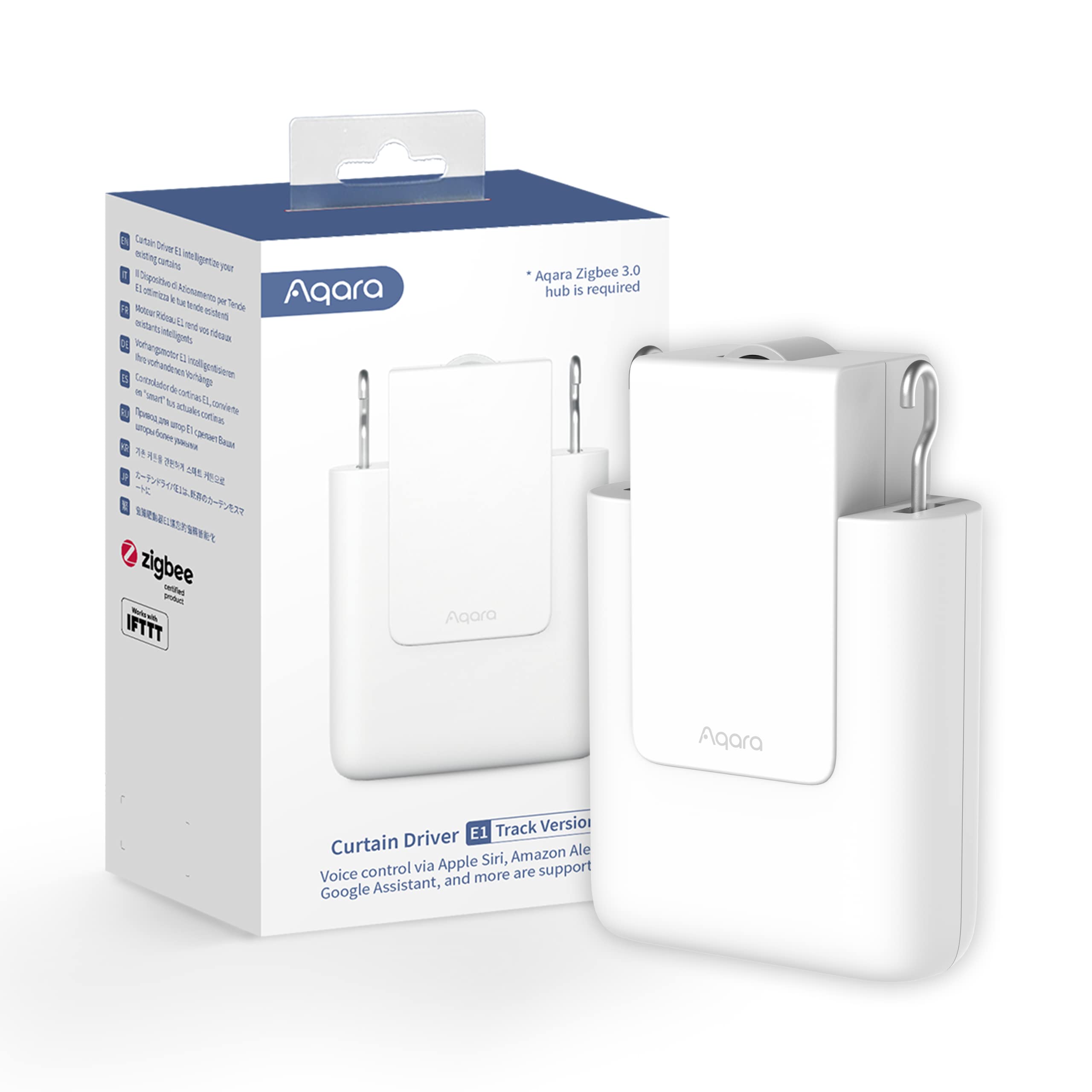
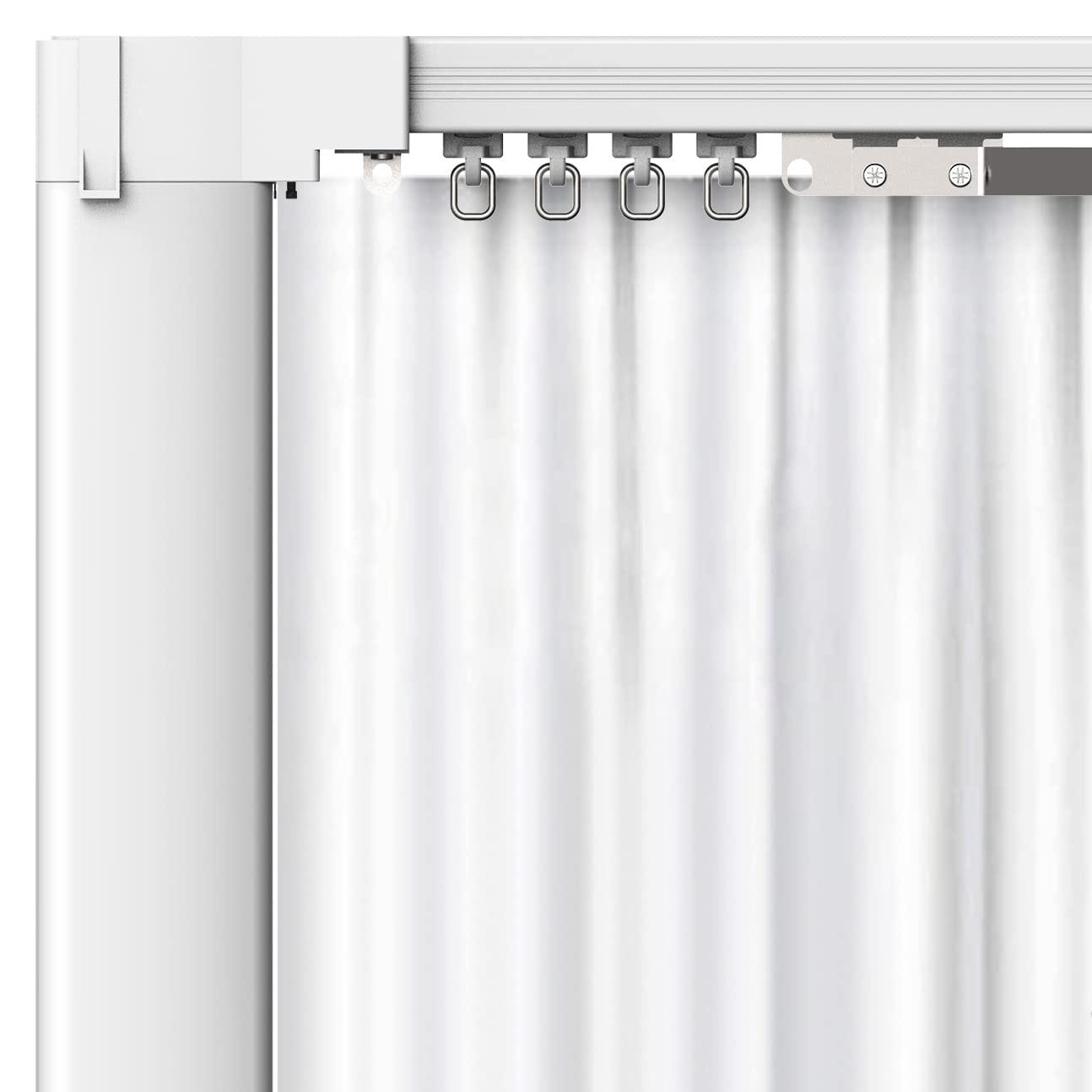
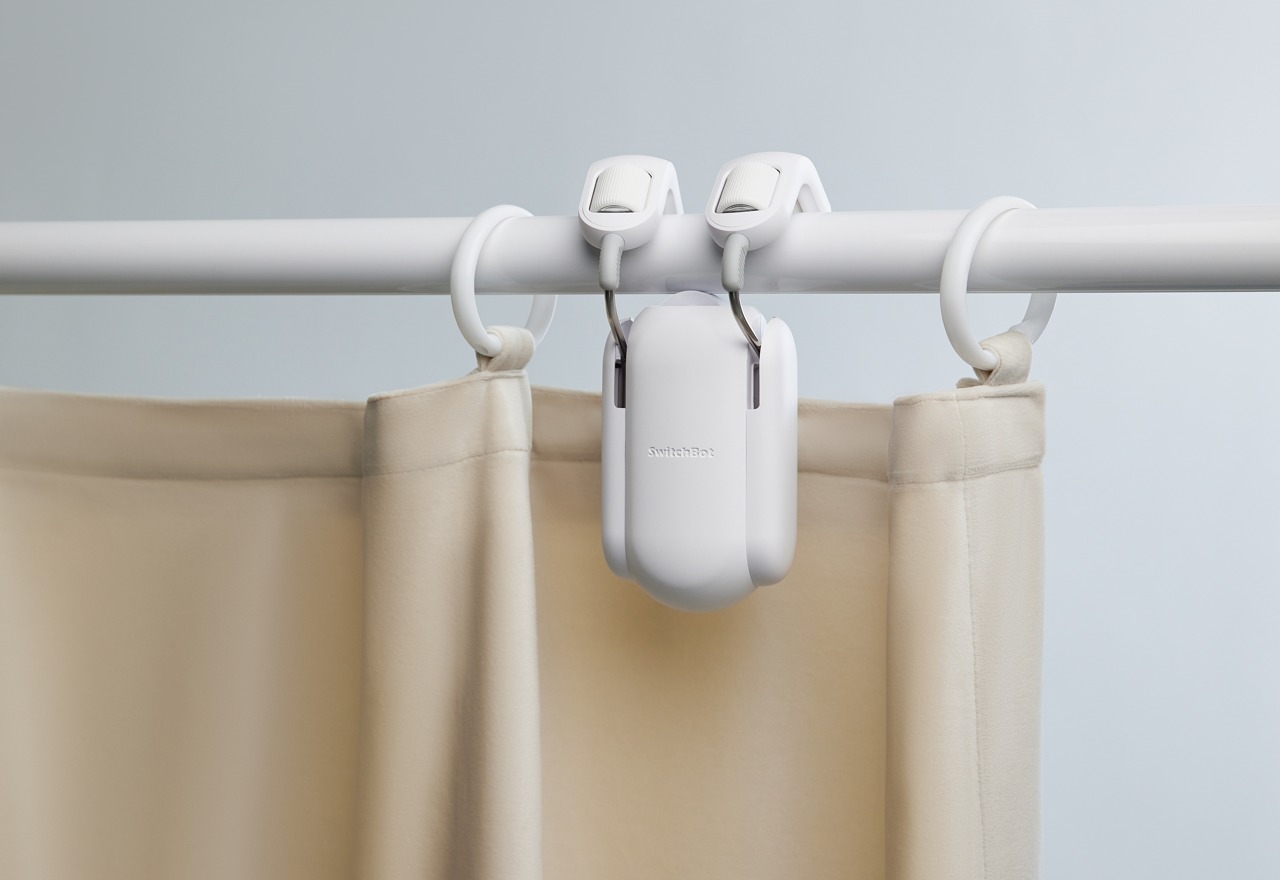
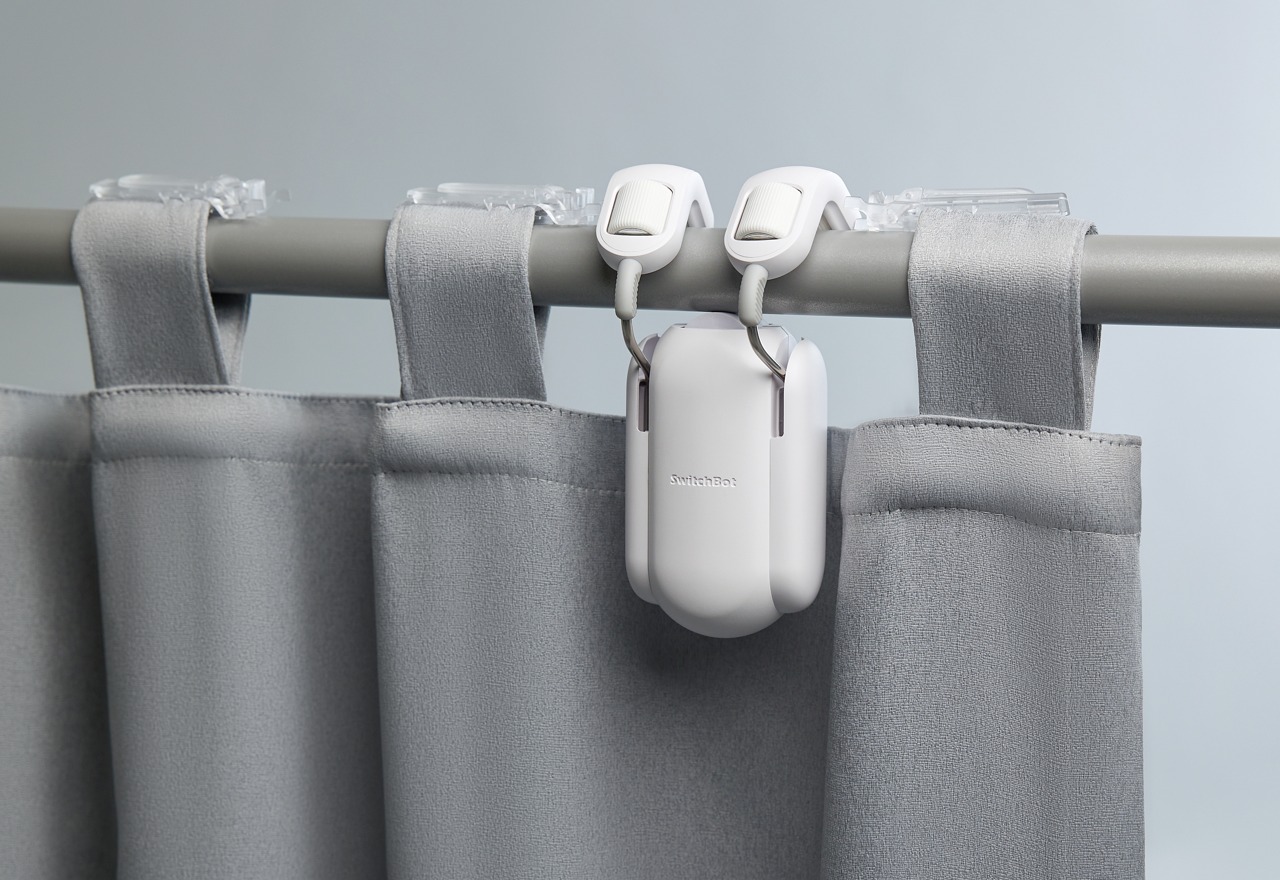
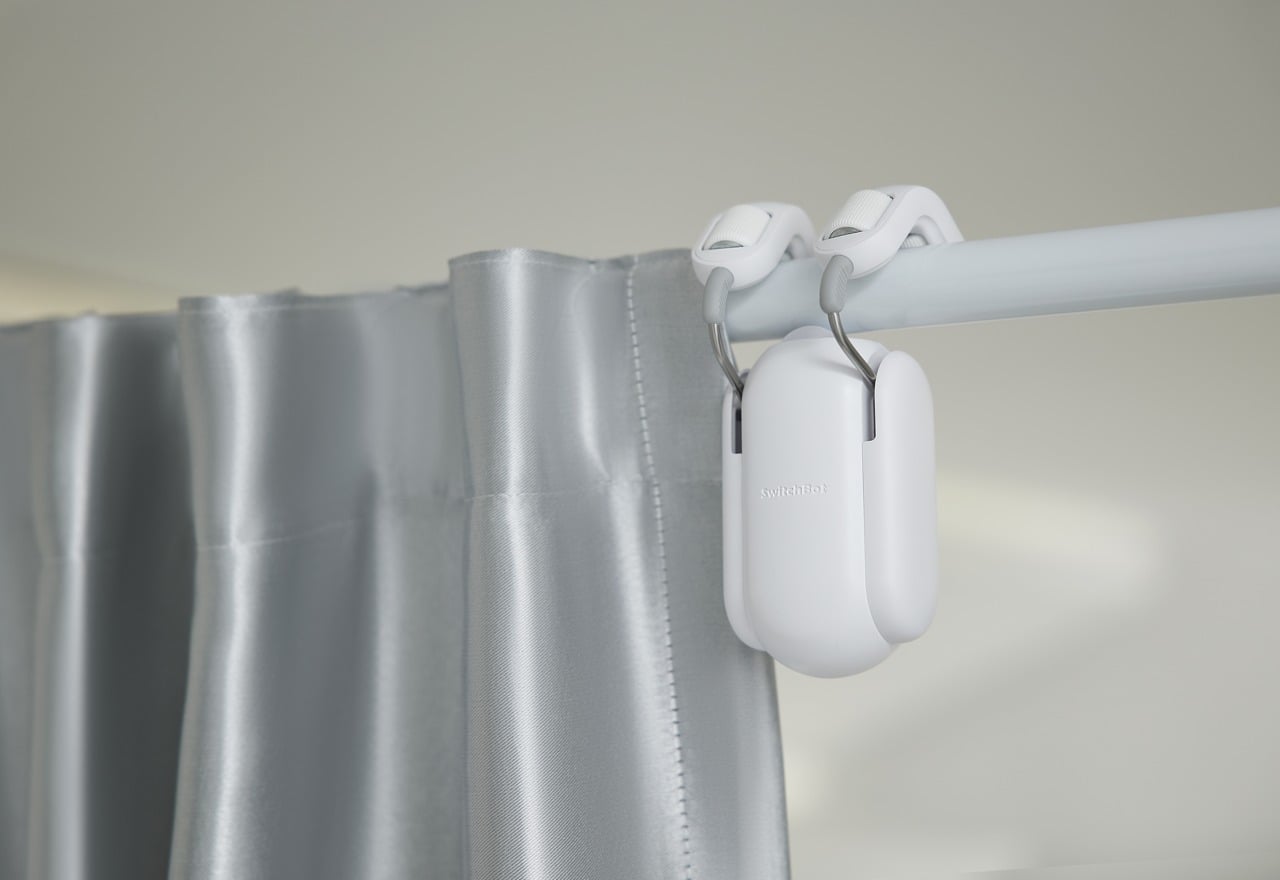
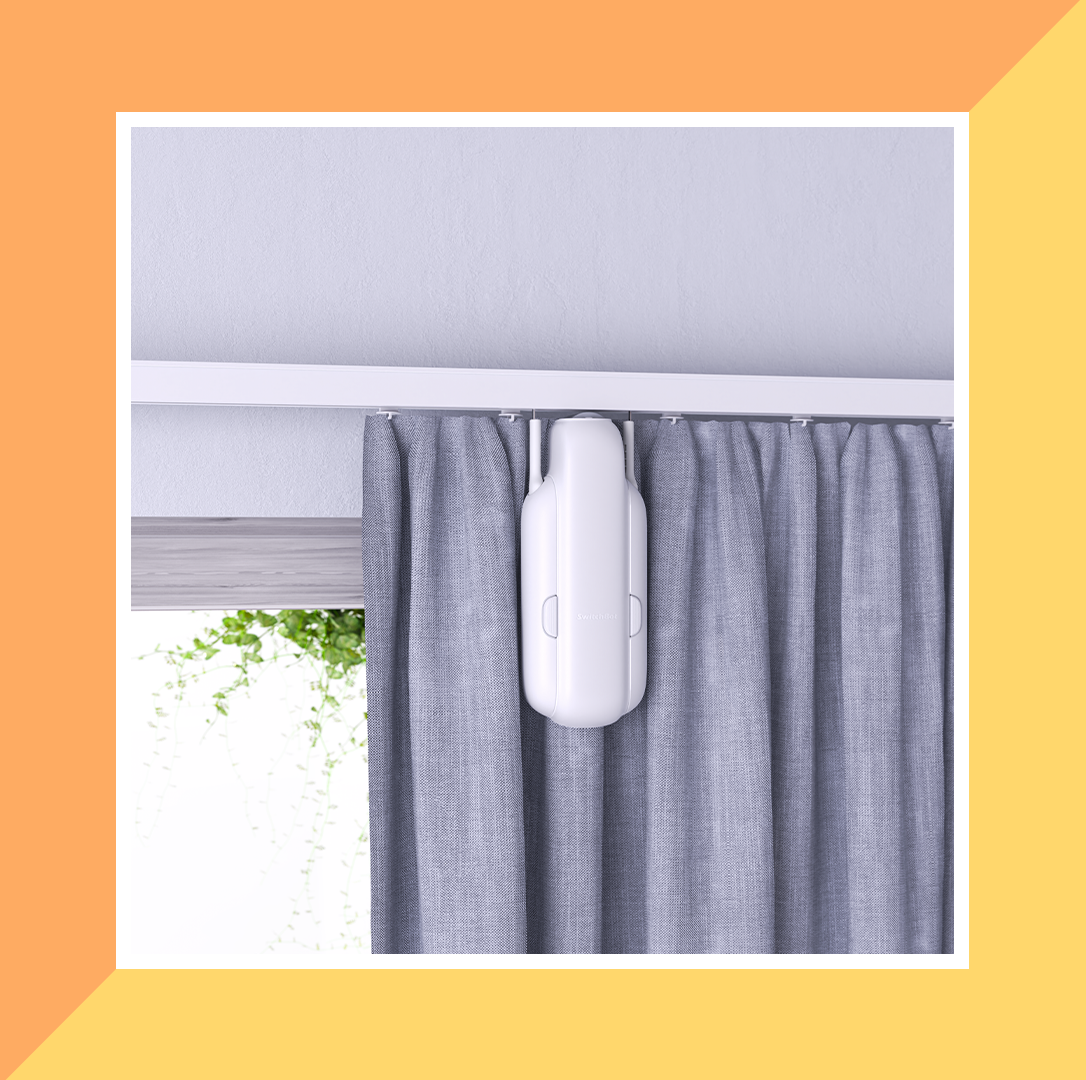
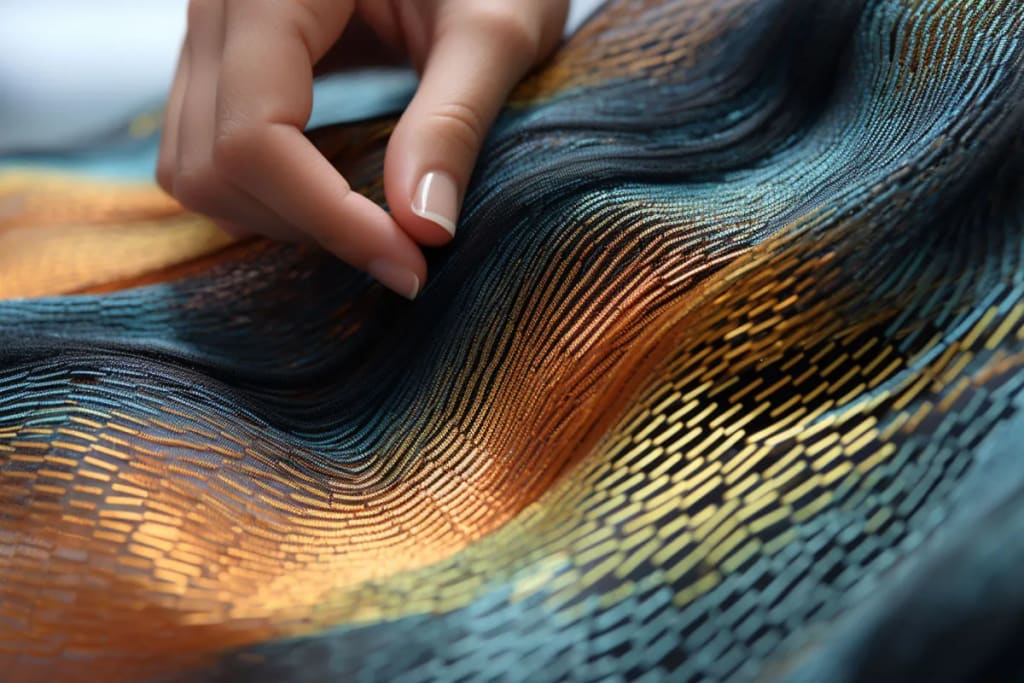
Smart home textiles incorporate AI innovation directly into homes. Intelligent fabrics with embedded sensors and responsive technology adjust thermal properties based on user temperature and environmental conditions, repel dirt and odors, and track sleep patterns or respond to voice commands for functions like curtain automation. These innovations improve comfort, energy efficiency, and hygiene.
Sustainability in the textile industry is also driven by AI, which helps reduce waste and optimize resource usage. AI-driven systems monitor dyeing and finishing processes to minimize water and energy consumption, analyze sustainable material alternatives, and optimize cutting patterns to reduce fabric waste, promoting a circular economy. AI integration in sustainability efforts helps brands reduce their carbon footprint and appeal to environmentally conscious consumers.
AI enhances personalization and customization, enabling tailored product offerings. AI-powered recommendation engines suggest fabrics, colors, and patterns, while virtual visualization tools allow customers to see textiles in their homes before purchase. On-demand production powered by AI reduces overproduction and waste. The combination of AI and blockchain technology increases transparency in the supply chain, recording every stage of production from raw materials to delivery, allowing consumers to verify authenticity and ethical practices.
AI also optimizes inventory and supply chain management through accurate demand forecasting and reduced overstocking. Algorithms analyze sales data and market trends, while AI-driven robotics in smart warehouses optimize storage and order fulfillment. Real-time tracking and predictive analytics prevent disruptions, enhancing productivity and reducing costs. In e-commerce, AI-driven chatbots, virtual assistants, and augmented reality tools improve the online shopping experience, offering personalized recommendations, virtual try-on features, and targeted promotions. The future will see further innovations like AI-powered robotic sewing machines, dynamic smart textiles, and advancements in biodegradable smart textiles, reinforcing AI and automation's role in creating a more sustainable, efficient, and consumer-centric home textile industry.
#AI #Automation #HomeTextile #SmartLiving #Sustainability #TextileTechnology #DesignInnovation #SupplyChainManagement #SmartFabrics #AI #Automation #HomeTextile #SmartLiving #Sustainability #TextileTechnology #DesignInnovation #SupplyChainManagement #SmartFabrics
Há 0 comentários no total
 Ainda não há comentários
Você também pode gostar
Twelve fabric-covered gadgets that show how technology can be more cosy

The Influence of AI in the Interior Design Industry
These smart curtain openers will make you feel like Kate Winslet in The Holiday

Innovations in Smart Textiles Transforming Home Décor
Smart home must-haves – the 8 smart products to upgrade your home and lifestyle


The 5 fabric trends ruling interiors now, according to the pros

Why Smart Textiles Are the Future of Home Furnishings: The Intersection of Innovation and Comfort

Beyond Aesthetics: How Tech is Redefining Interior Design

15 highlights from Heimtextil: spot the textile trends for 2025

How AI and Automation Are Transforming the Home Textile Industry: A New Era of Efficiency and Innovation

Smart home technology still isn't good enough for my latest home upgrade project and this is a huge problem


Hottest Home Trends in 2025
How AI and Automation Are Transforming the Home Textile Industry: A New Era of Efficiency and Innovation
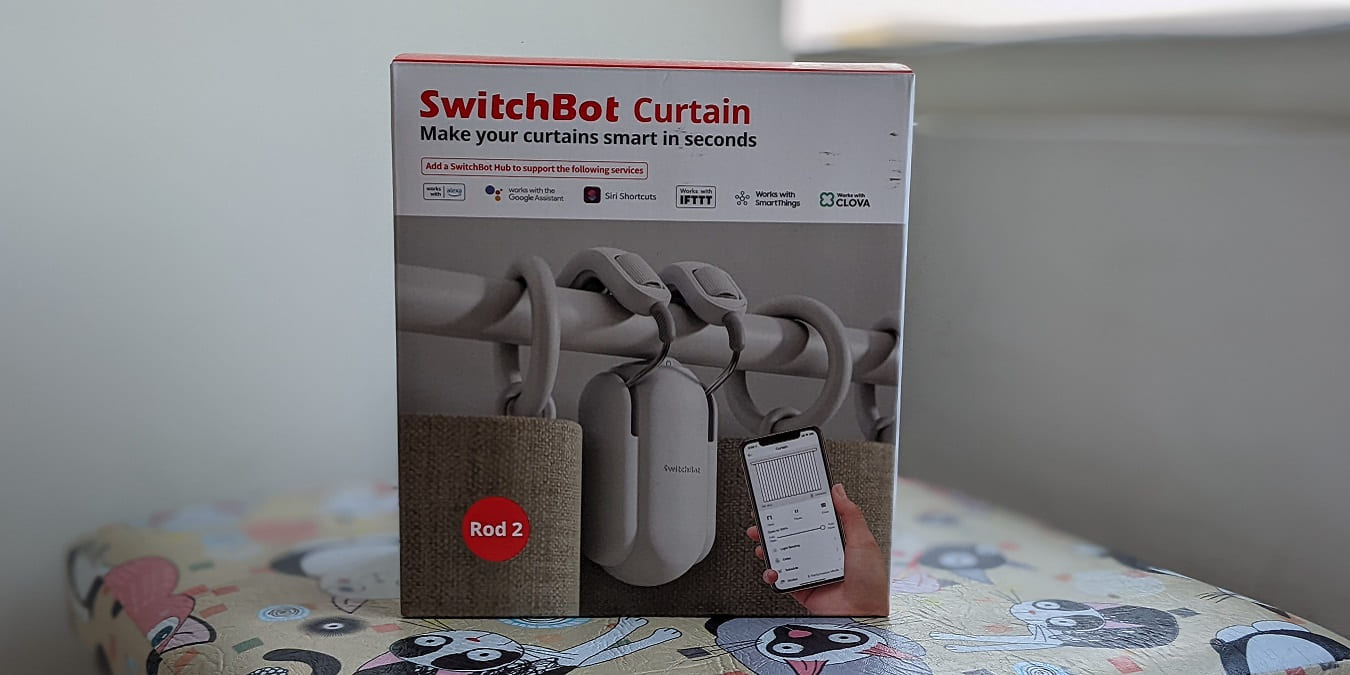
SwitchBot Curtain Rod 2 Review


This $99 gadget lets you voice-control your curtains - or even program to open automatically at sunrise

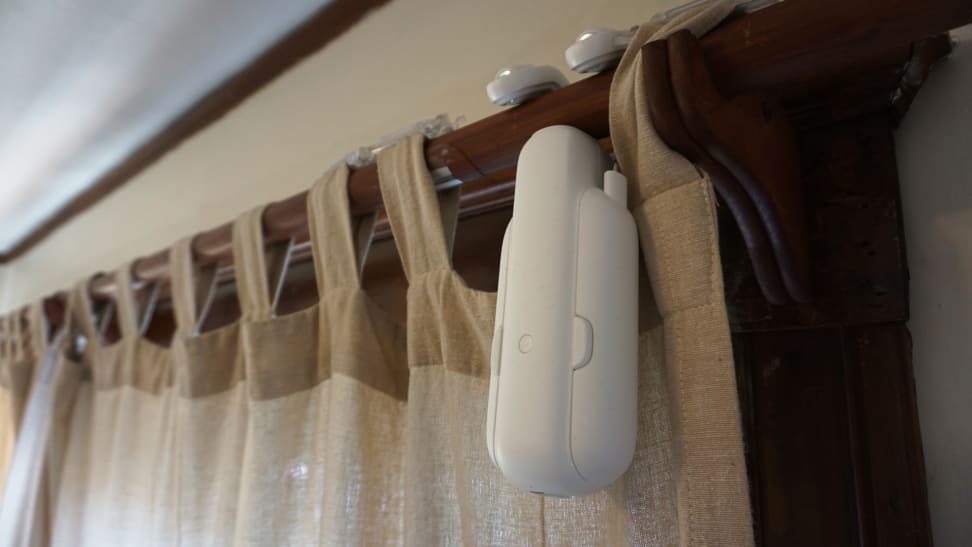
Open says me: Here's why an automatic curtain opener will change your life


30 Home Features That Jumped in Popularity This Year


The 4 Best Smart Retrofit Shade, Blind, and Curtain Openers of 2025 | Reviews by Wirecutter

These 10 Sustainable Home Technologies Will Change the Way We Live


Transforming Home Comfort