1/7
Here's How to Coordinate Paint Colors Throughout Your Home, so That It Looks Cohesive, Curated, but Still Creative
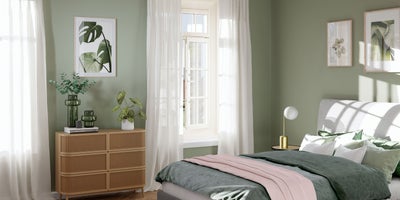
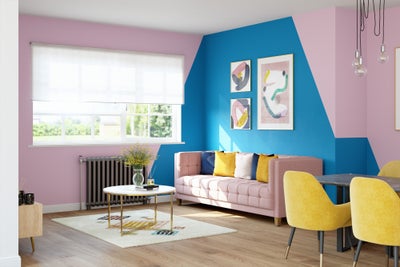
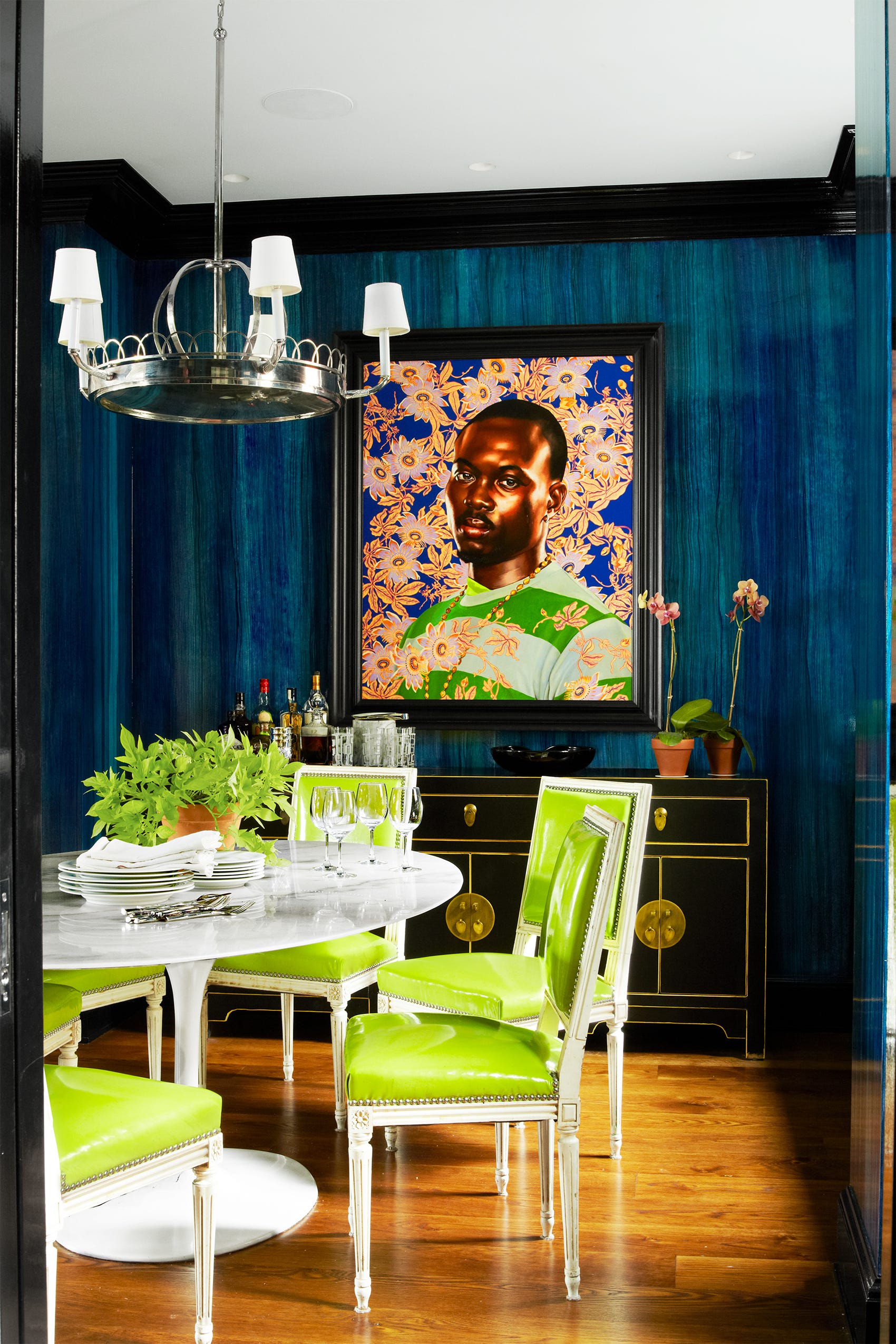
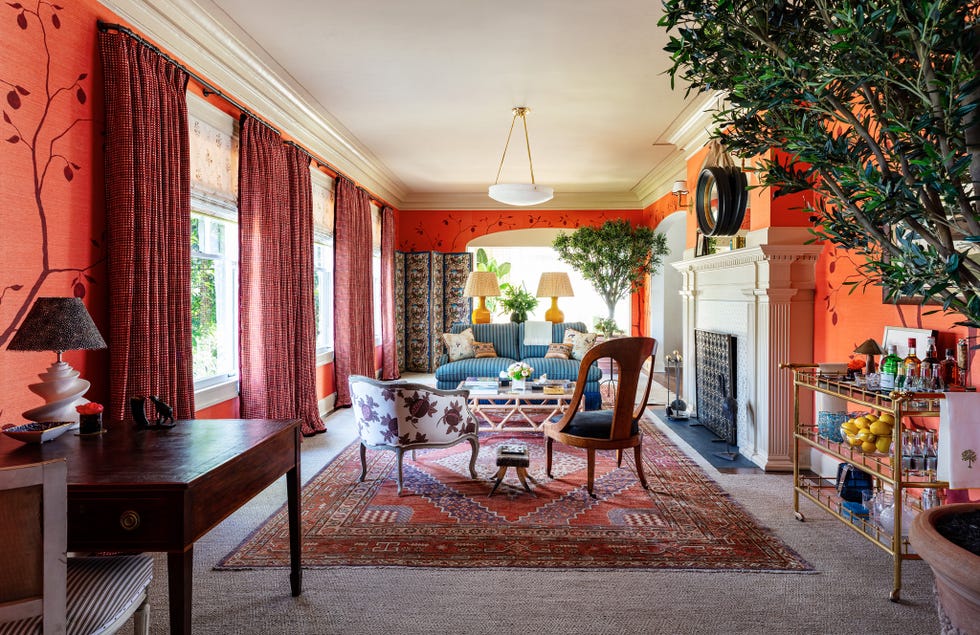
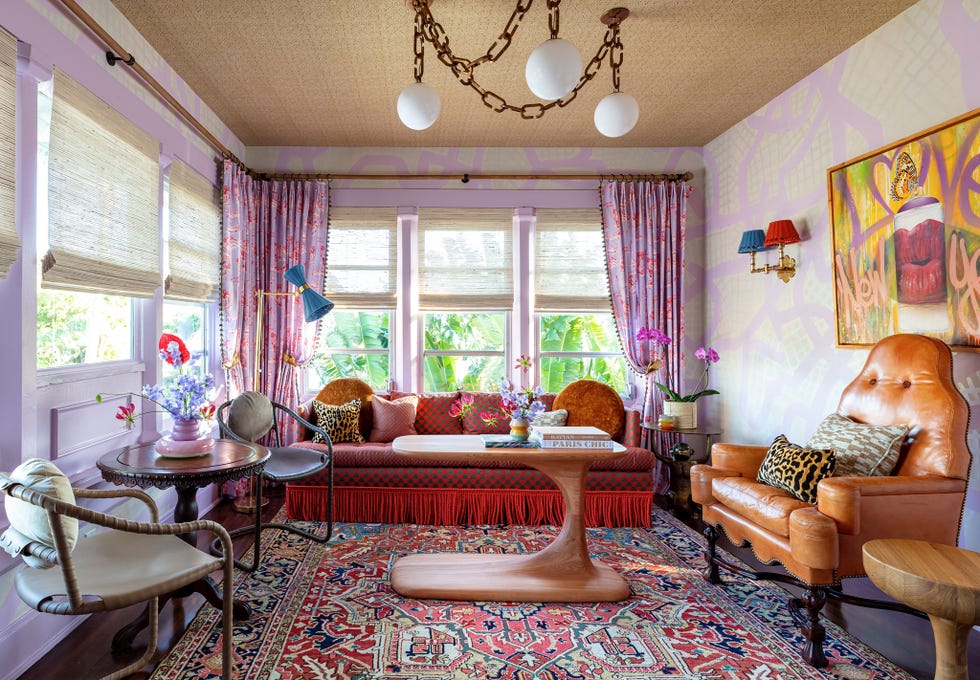
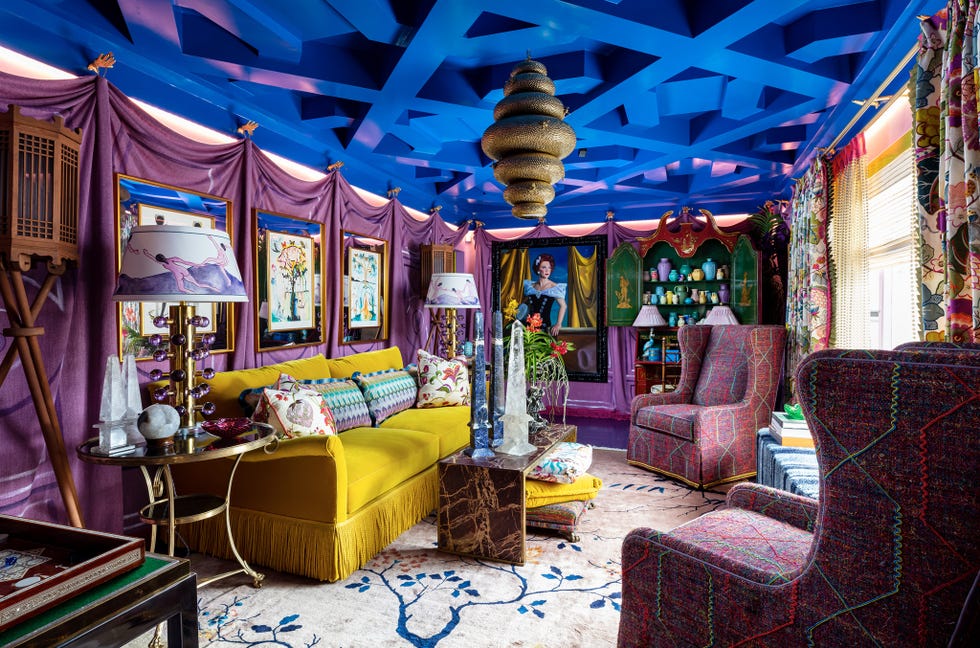
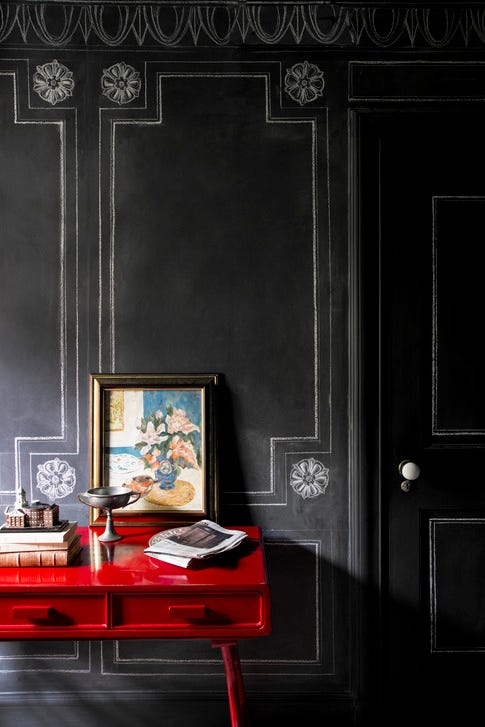
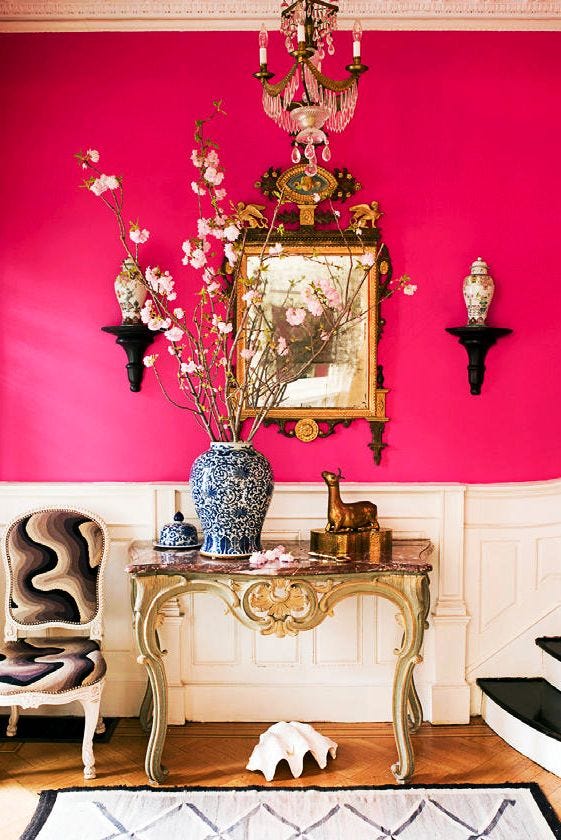
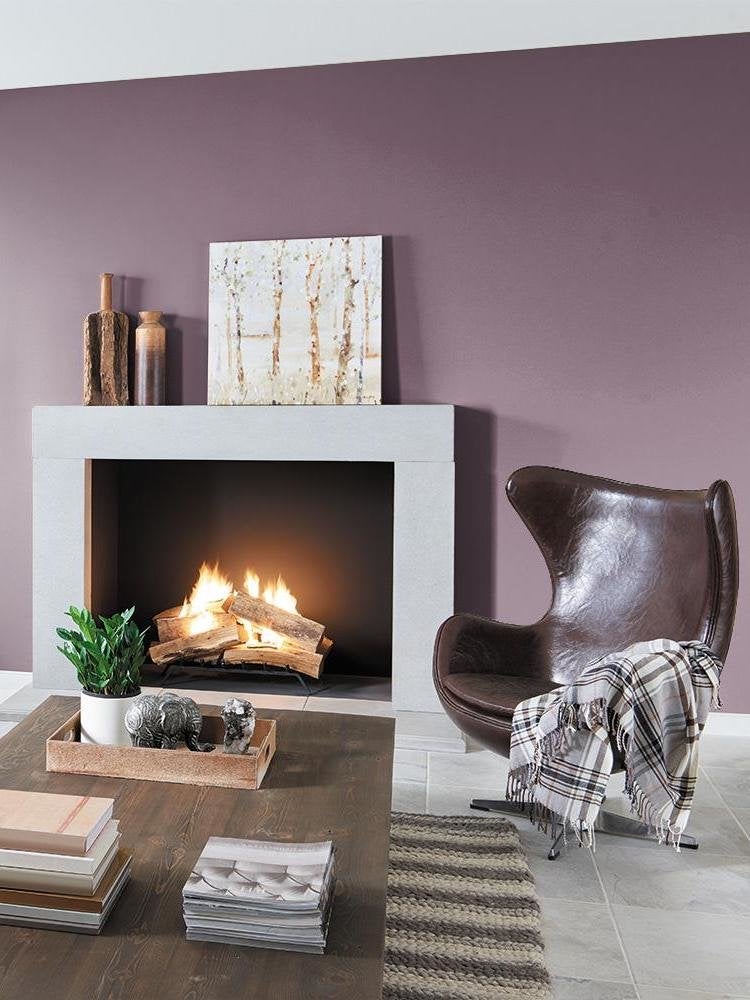
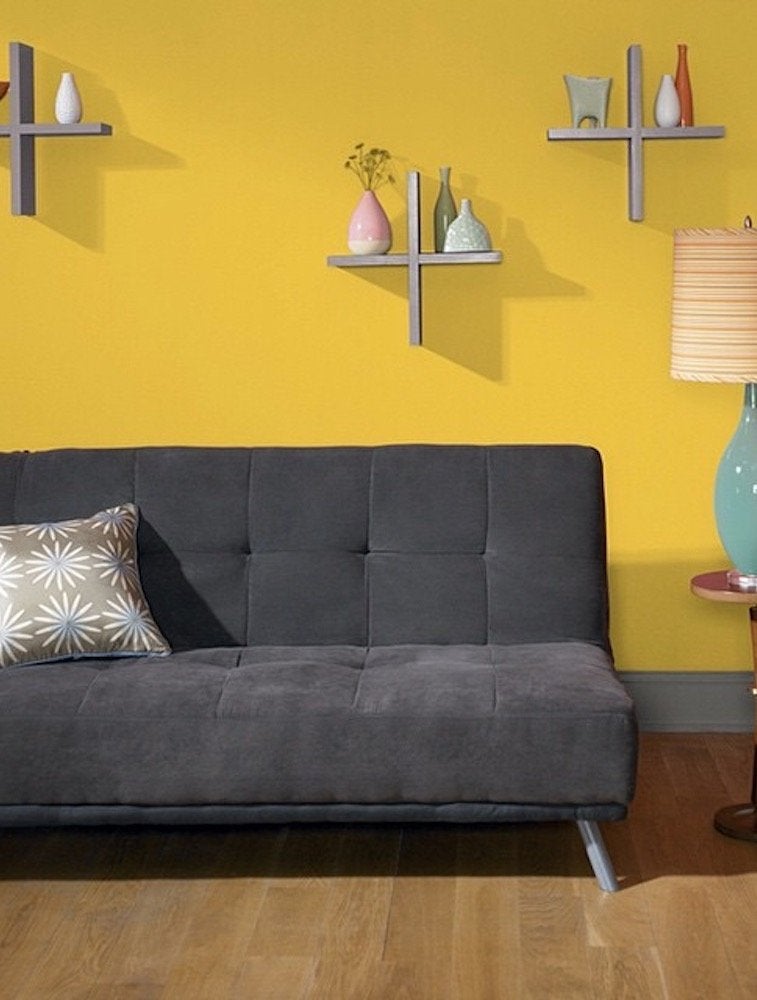
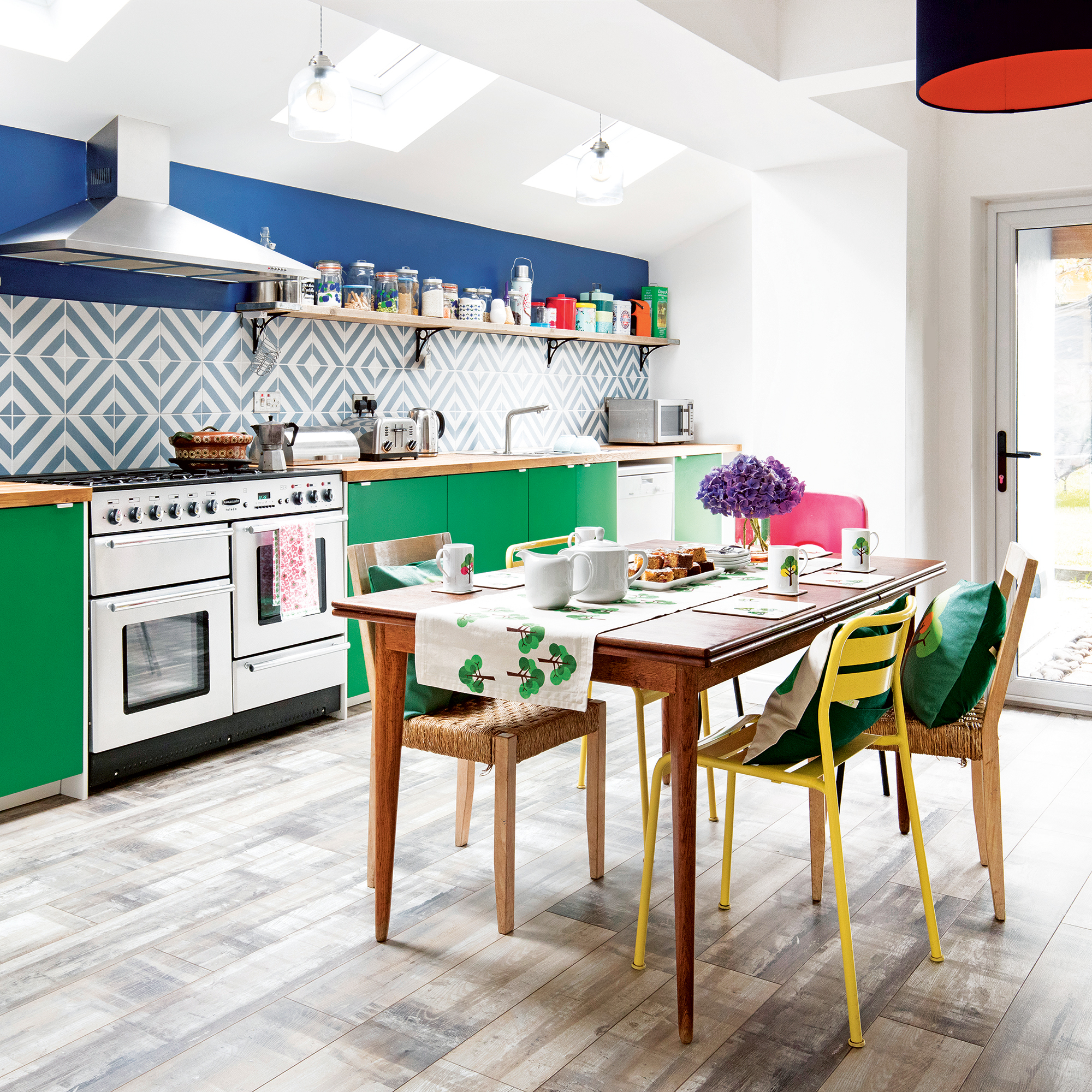
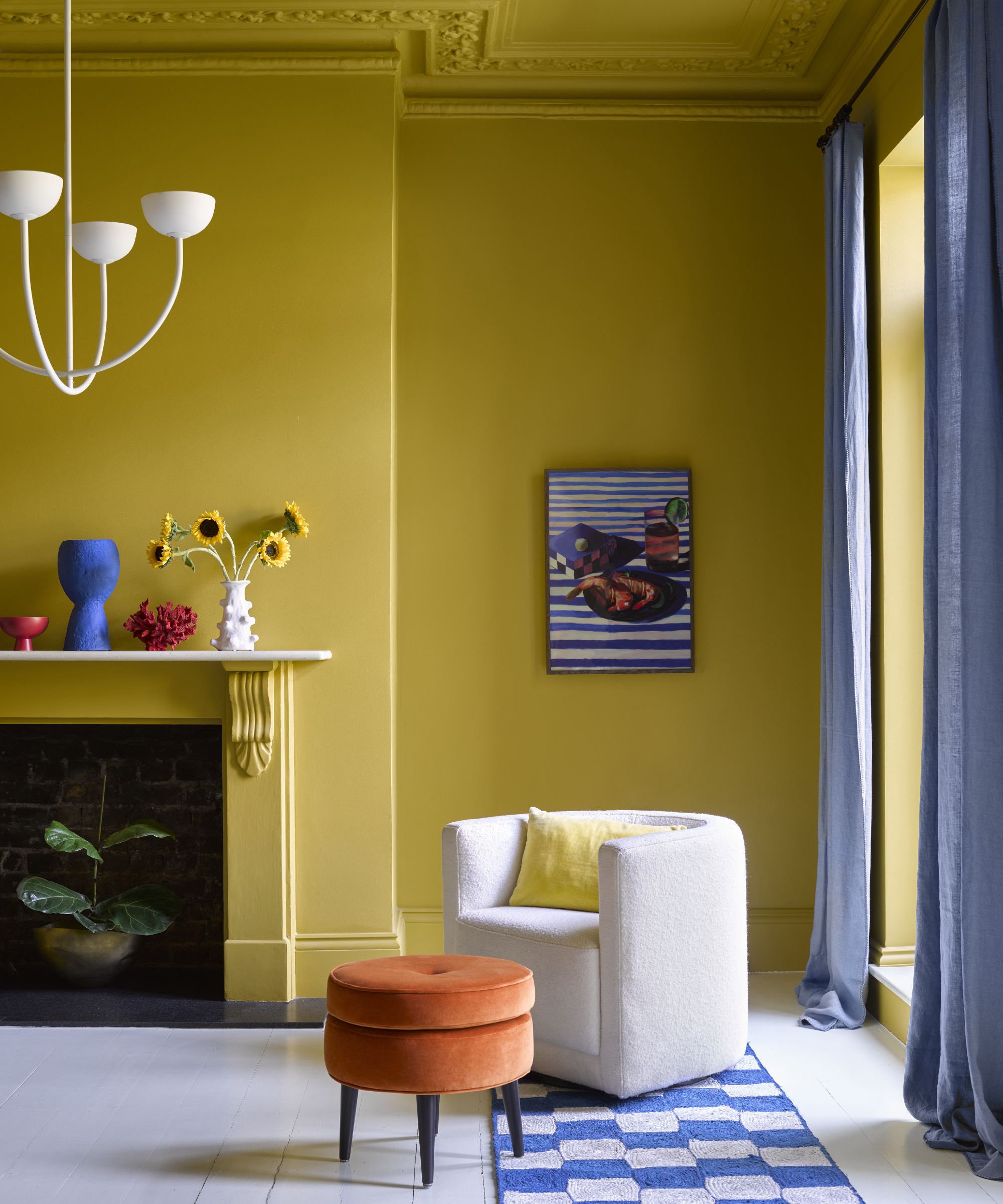
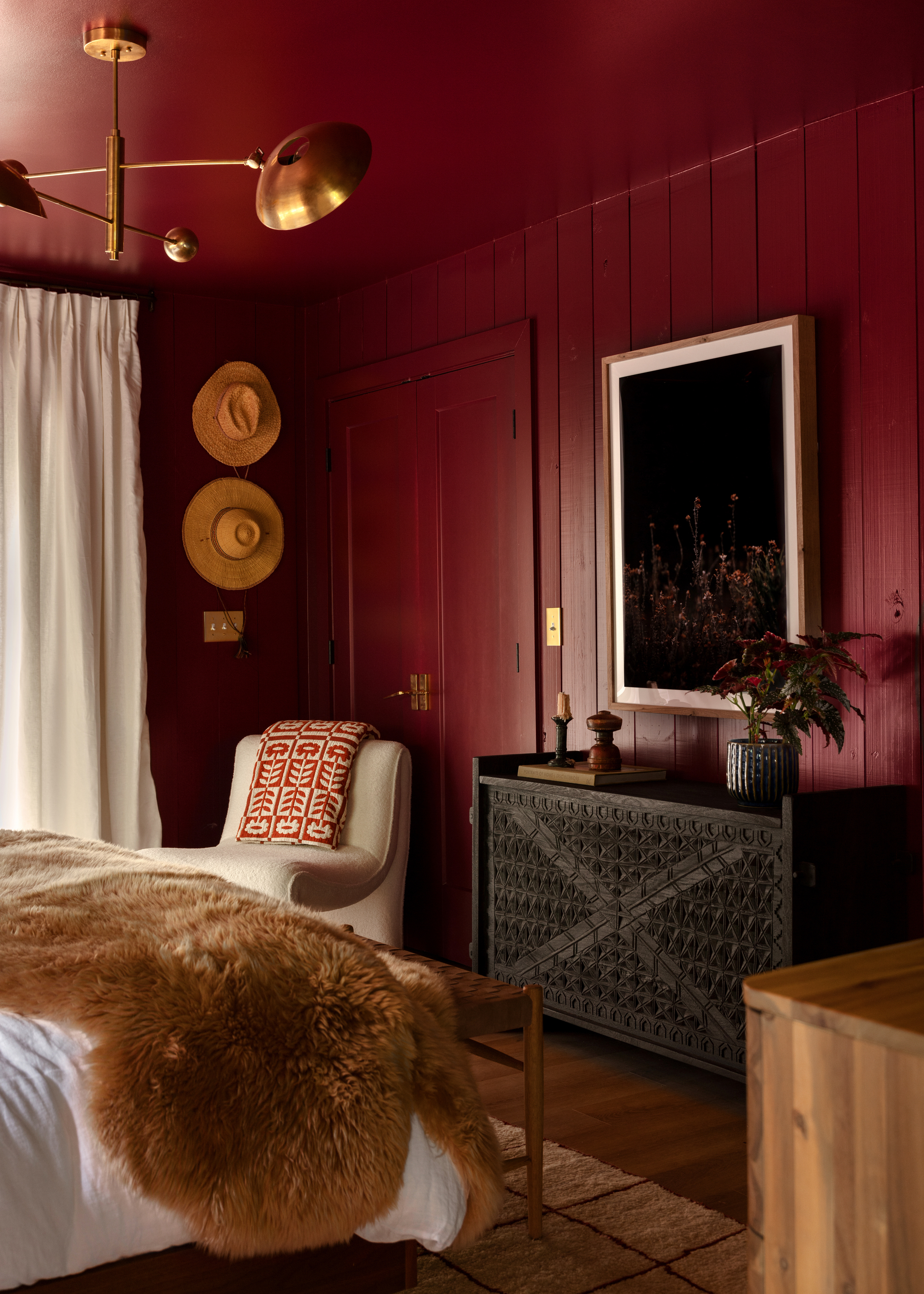
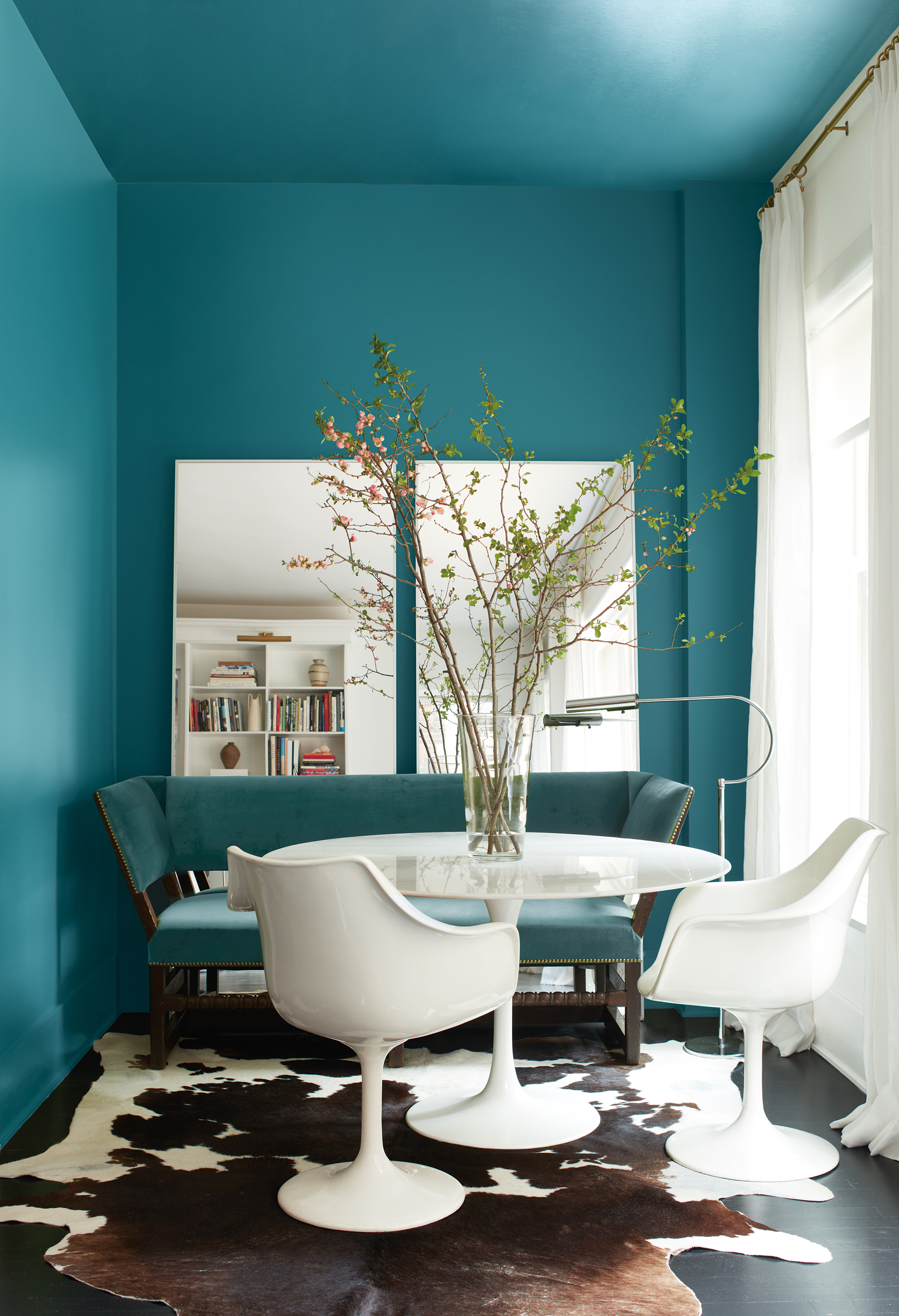
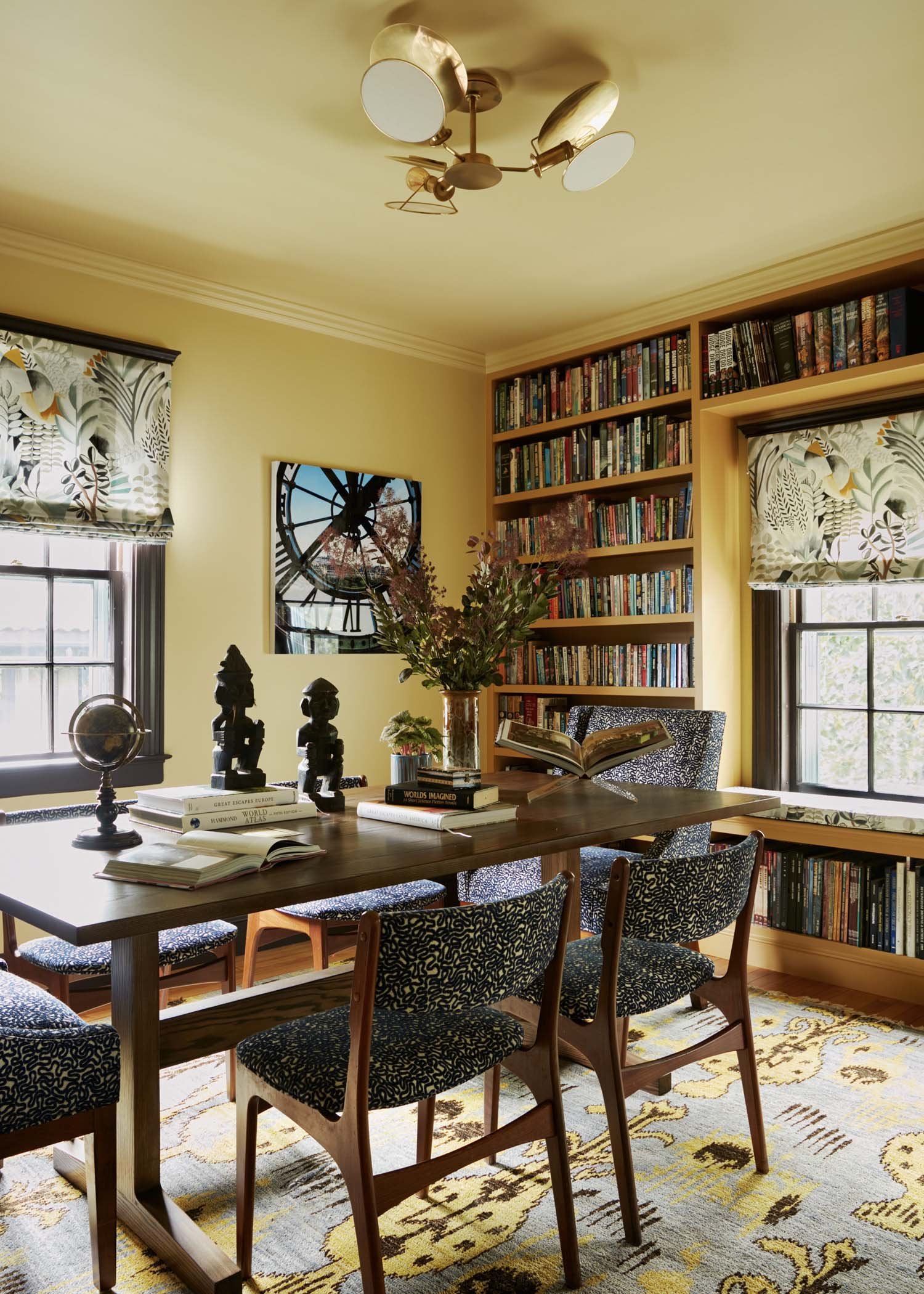
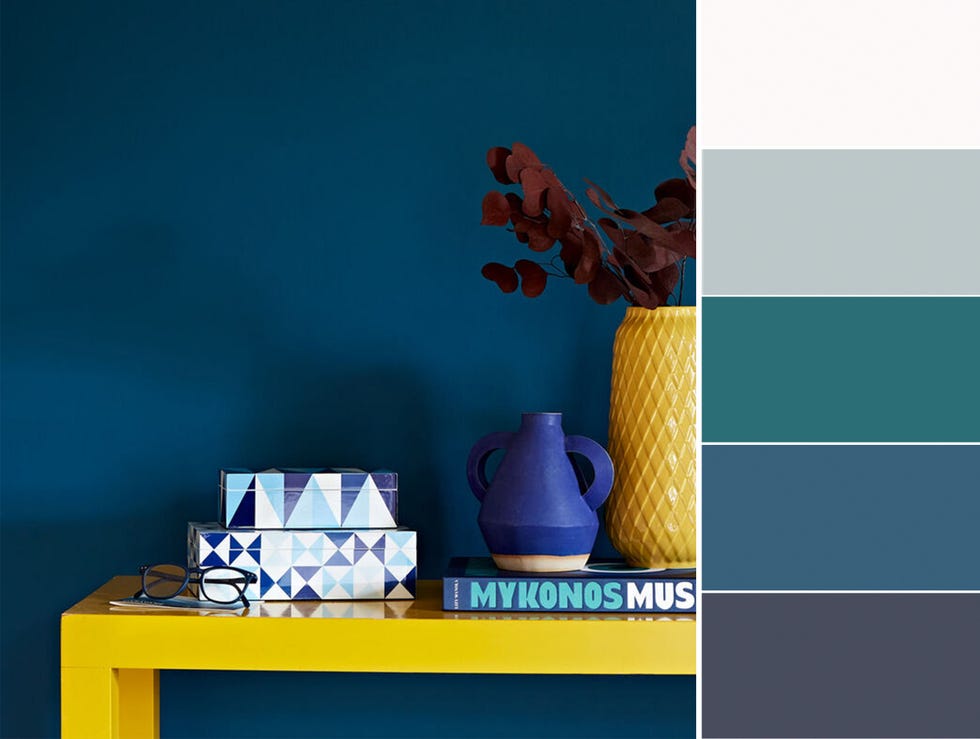
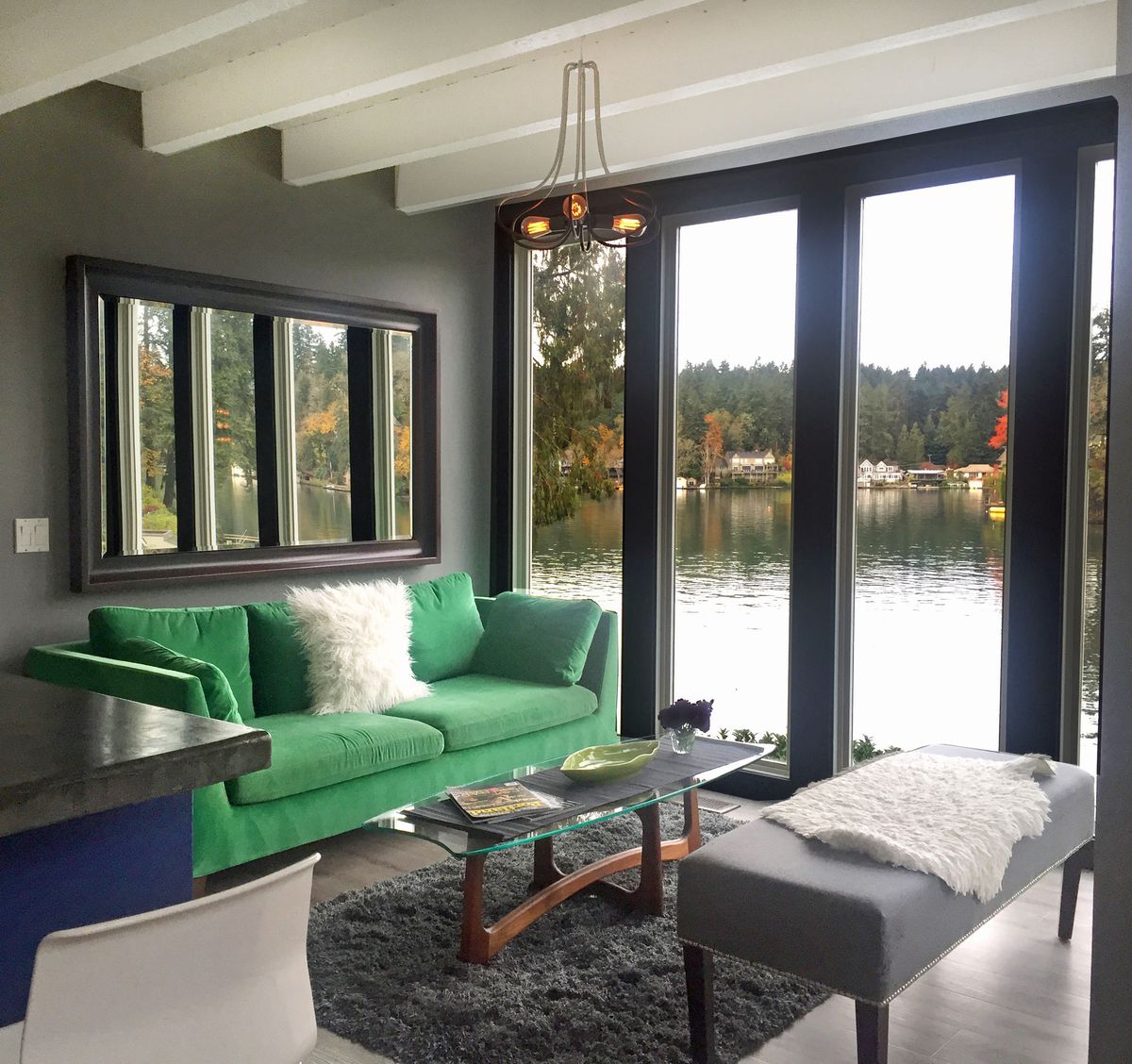
Coordinating paint colors throughout a home is a nuanced process that aims for cohesion and curation without enforcing rigid uniformity. Expert Jane Boddy from the Pantone Color Institute suggests that while paint colors in a house should not match exactly, they should complement each other, emphasizing the creation of a color palette comprising three to five colors to guide interior design decisions more intentionally. This approach helps in decorating with color and simplifies shade selection.
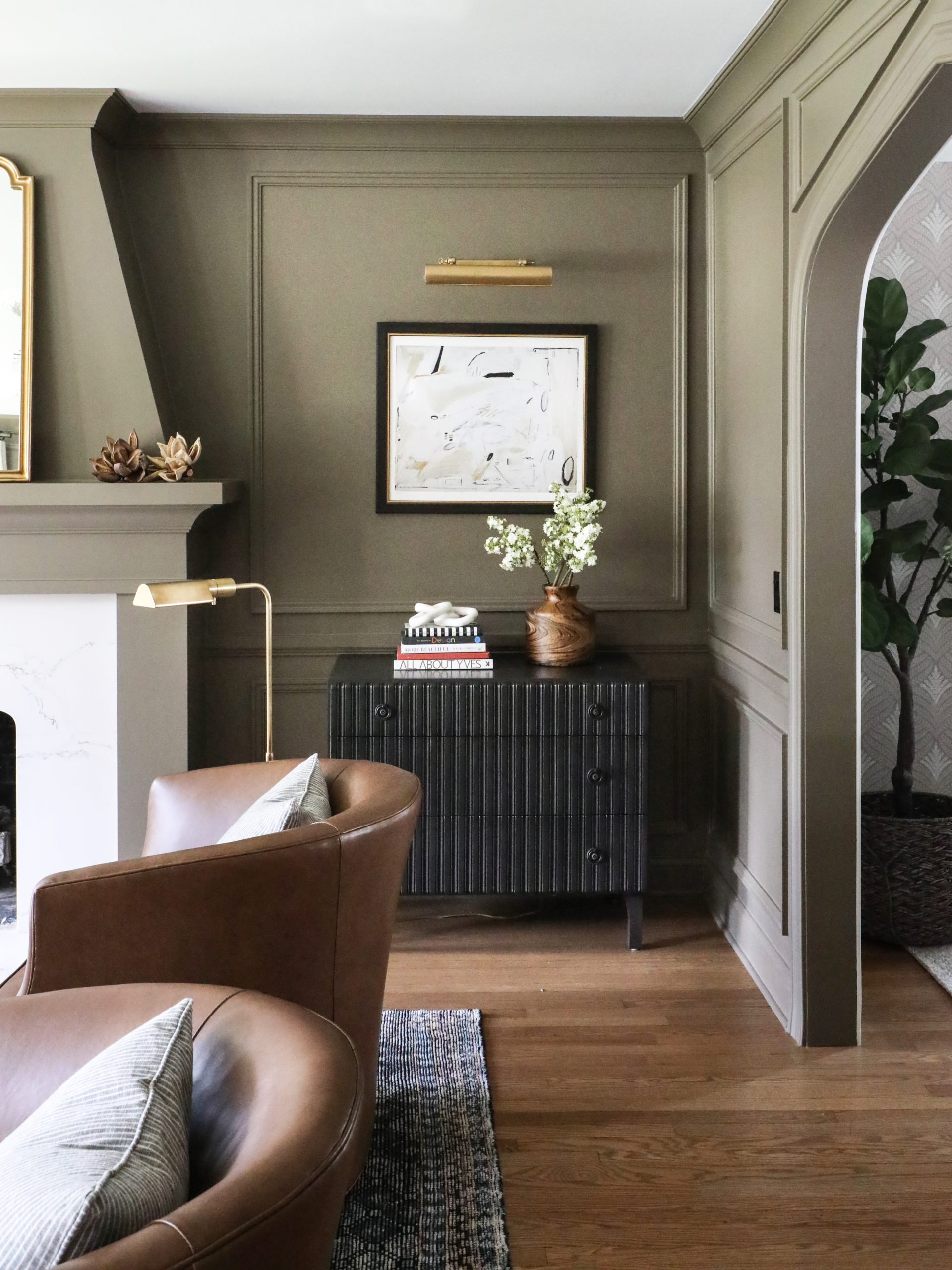
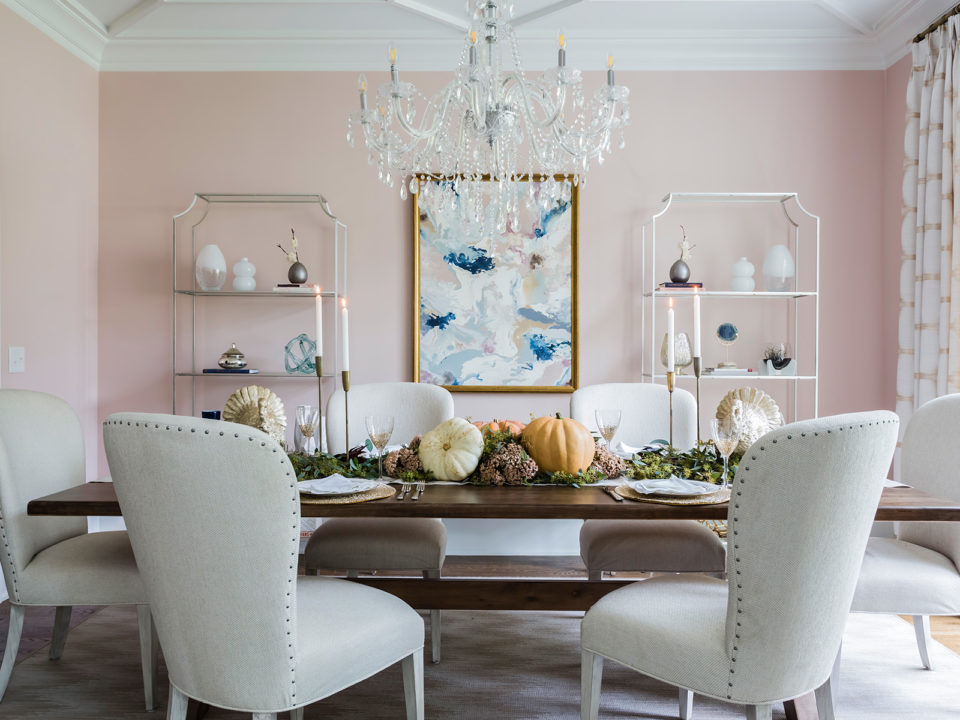
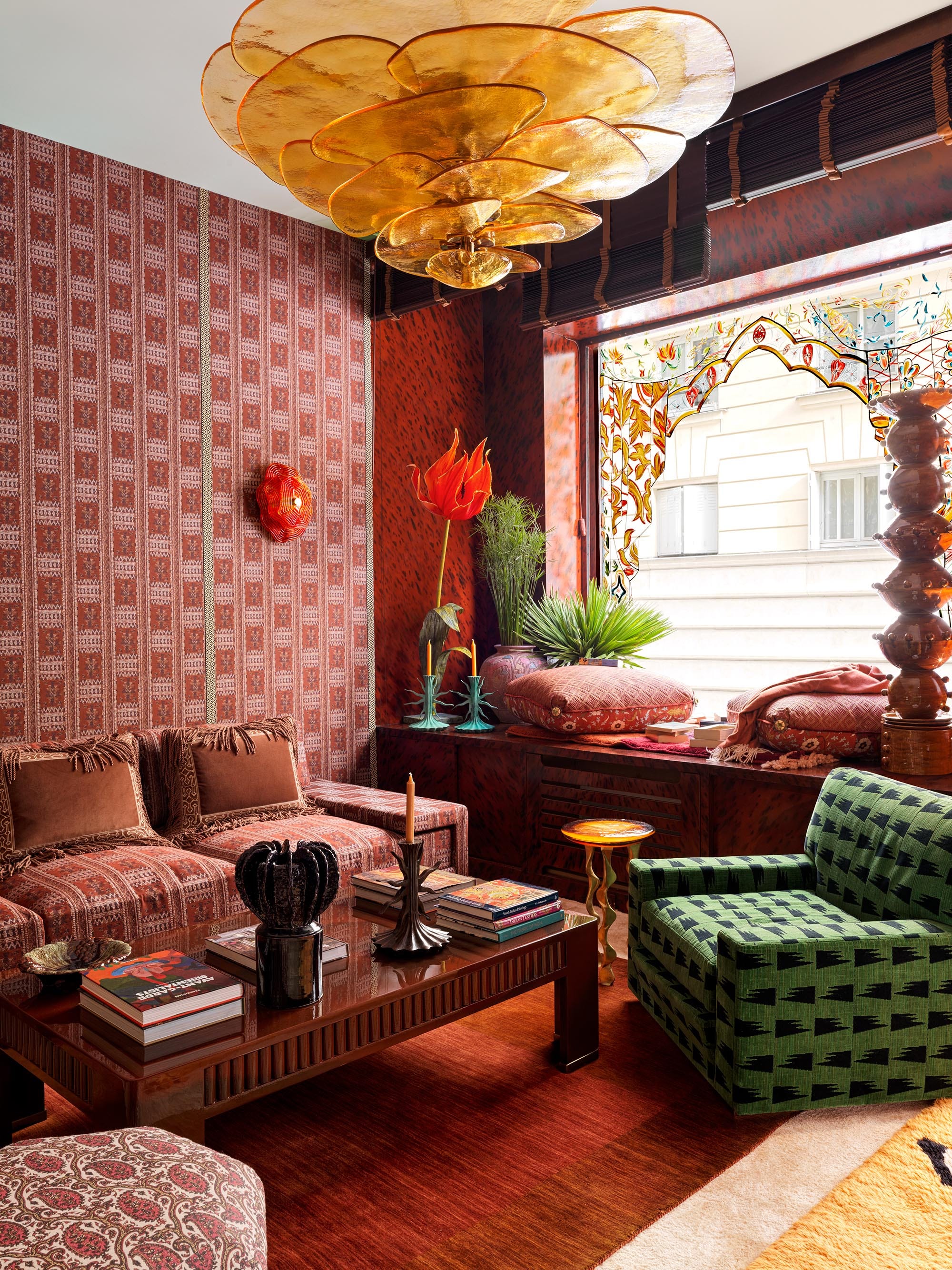
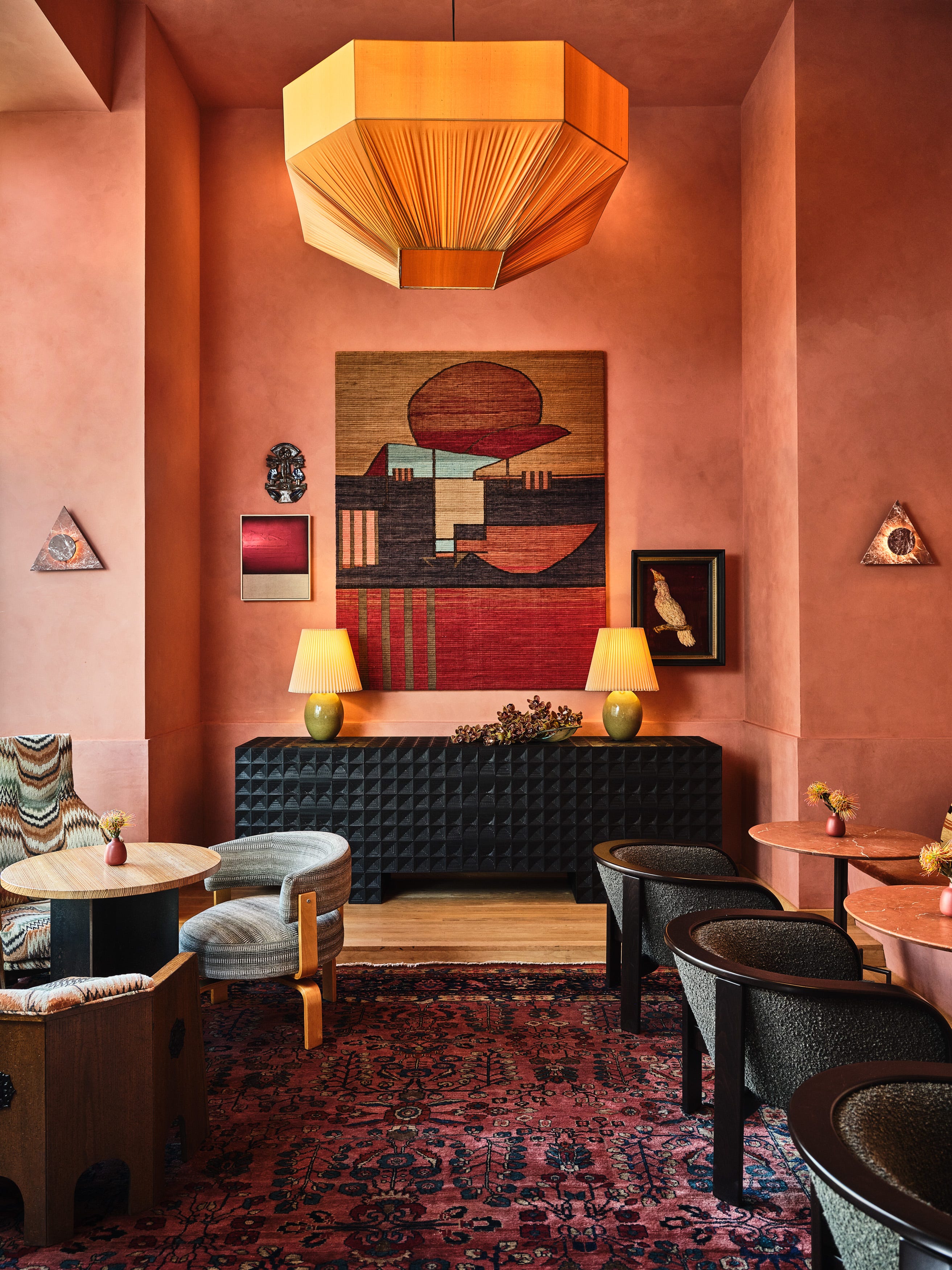
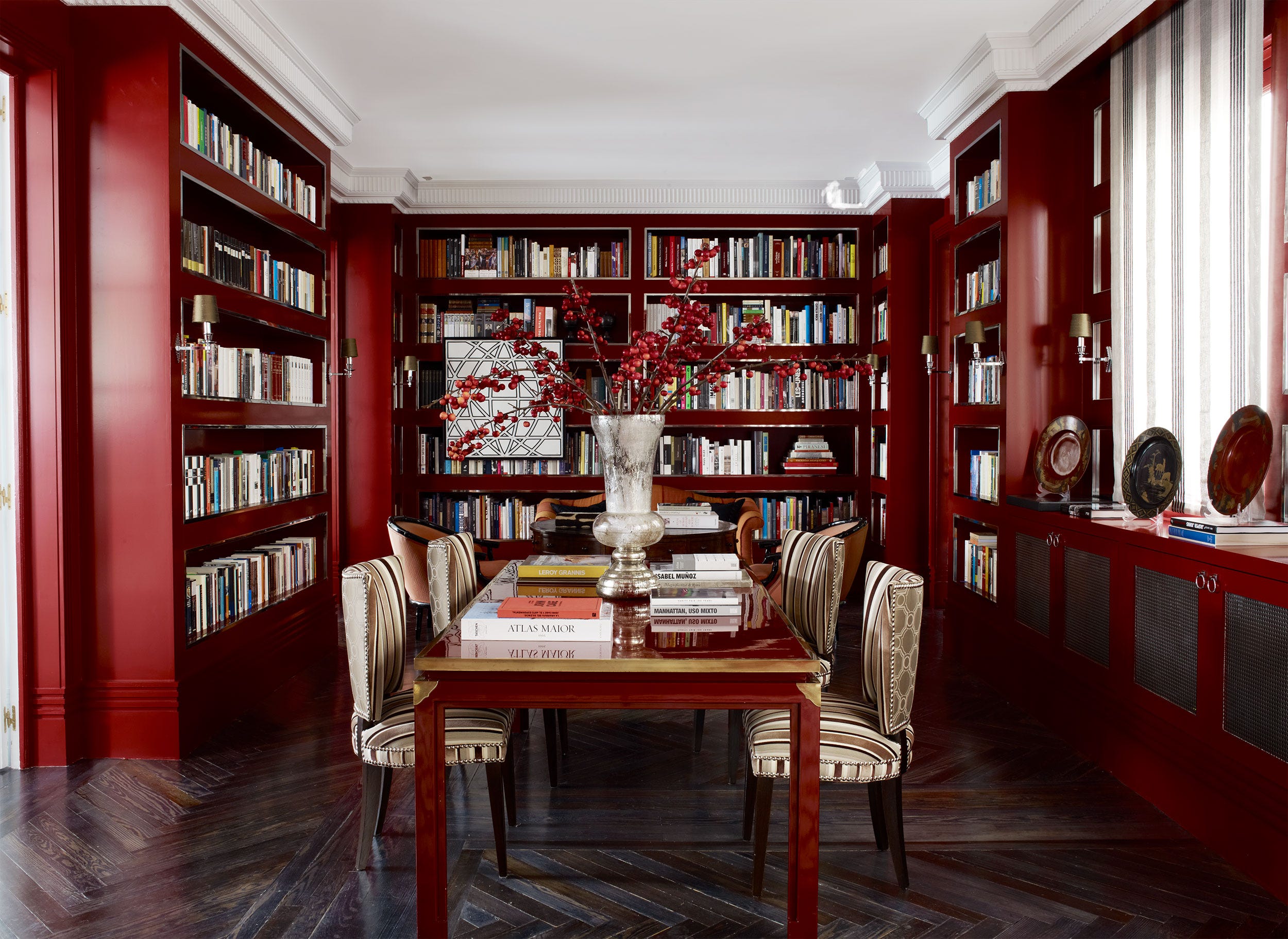
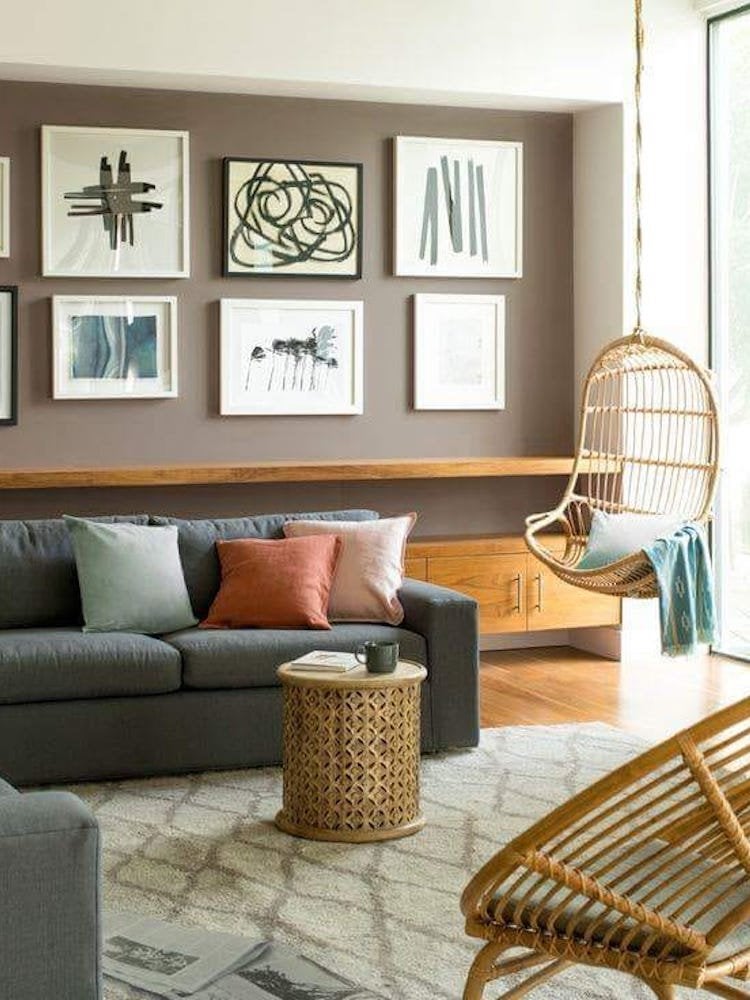
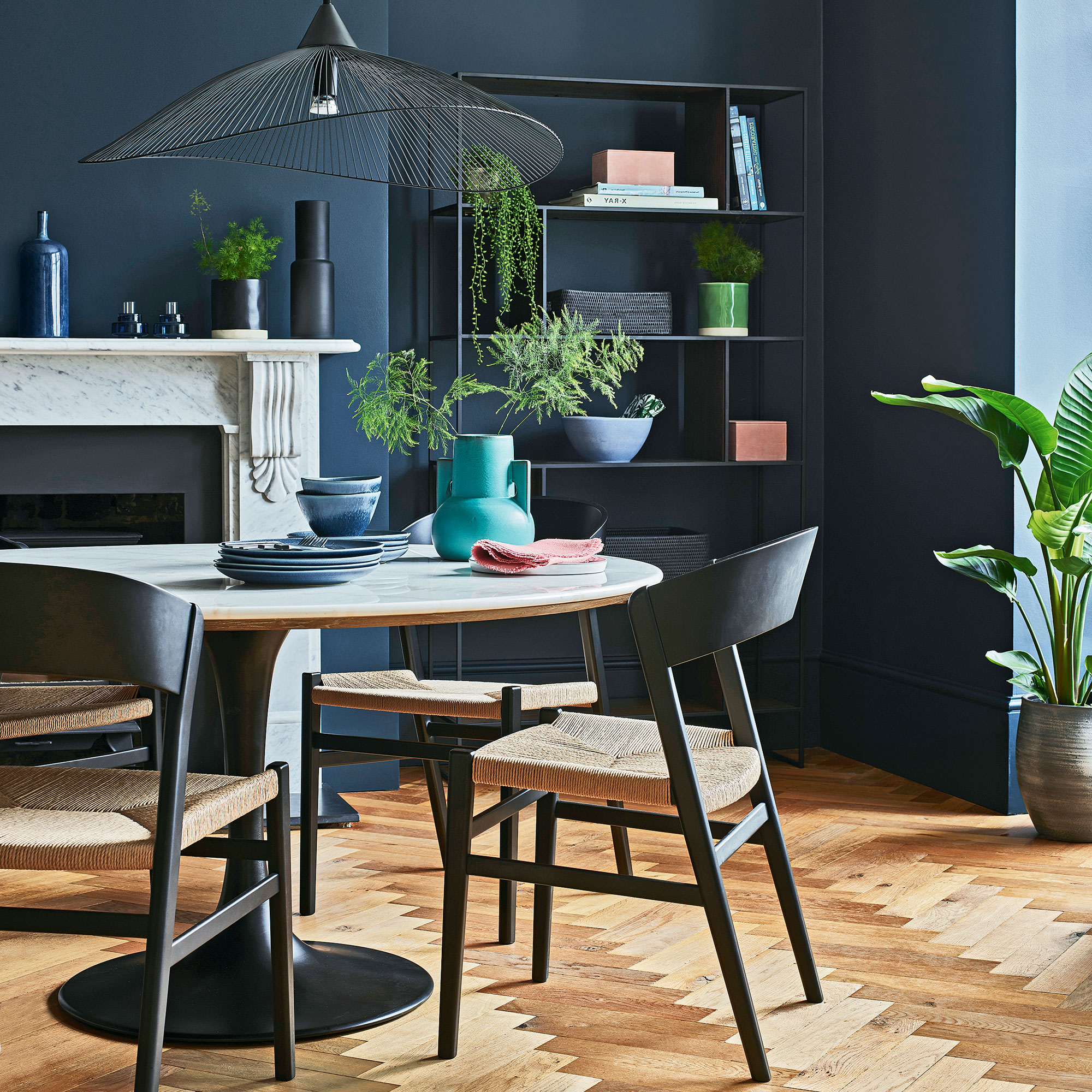
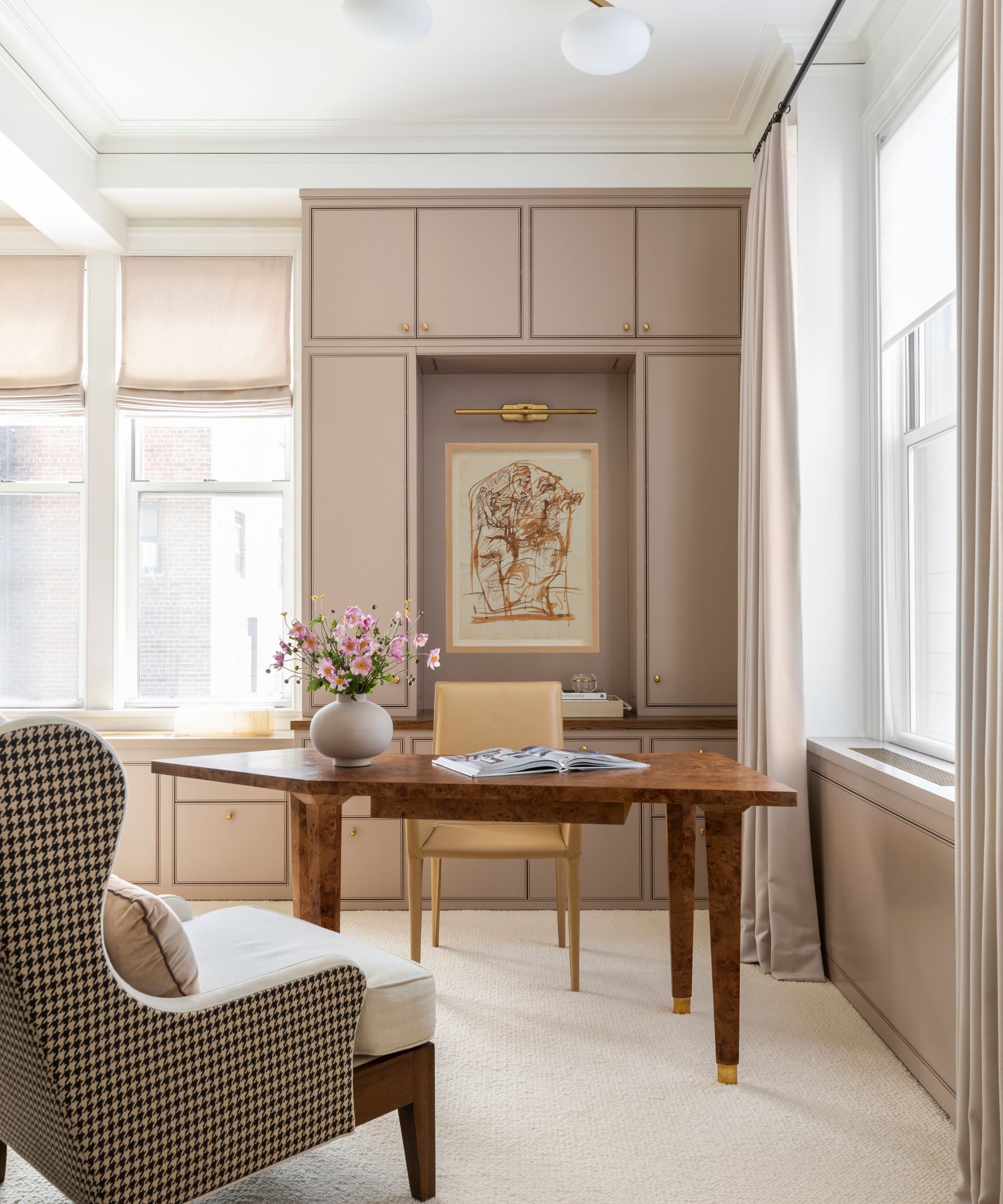
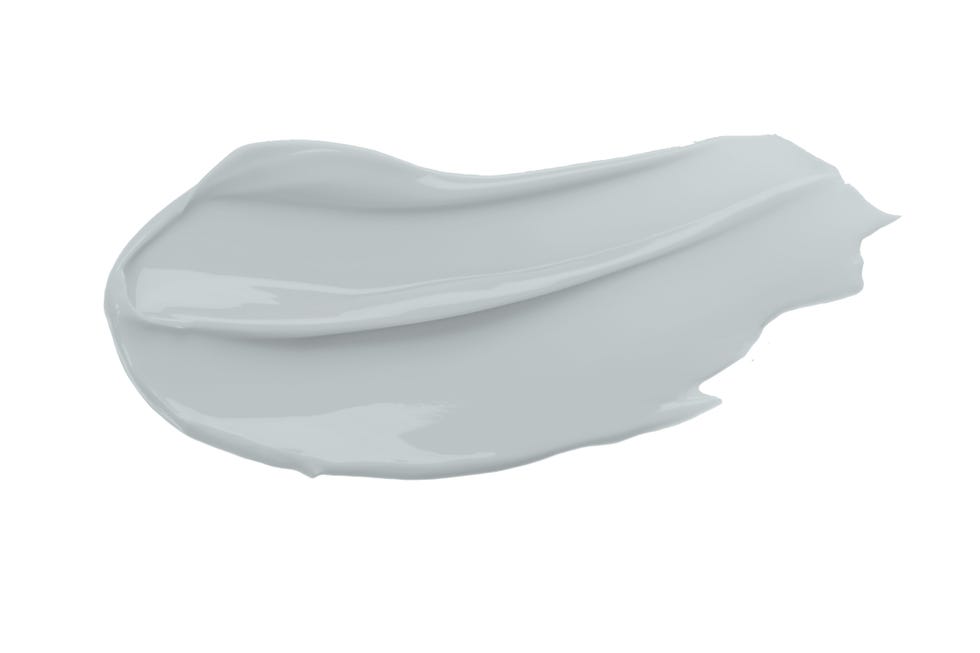
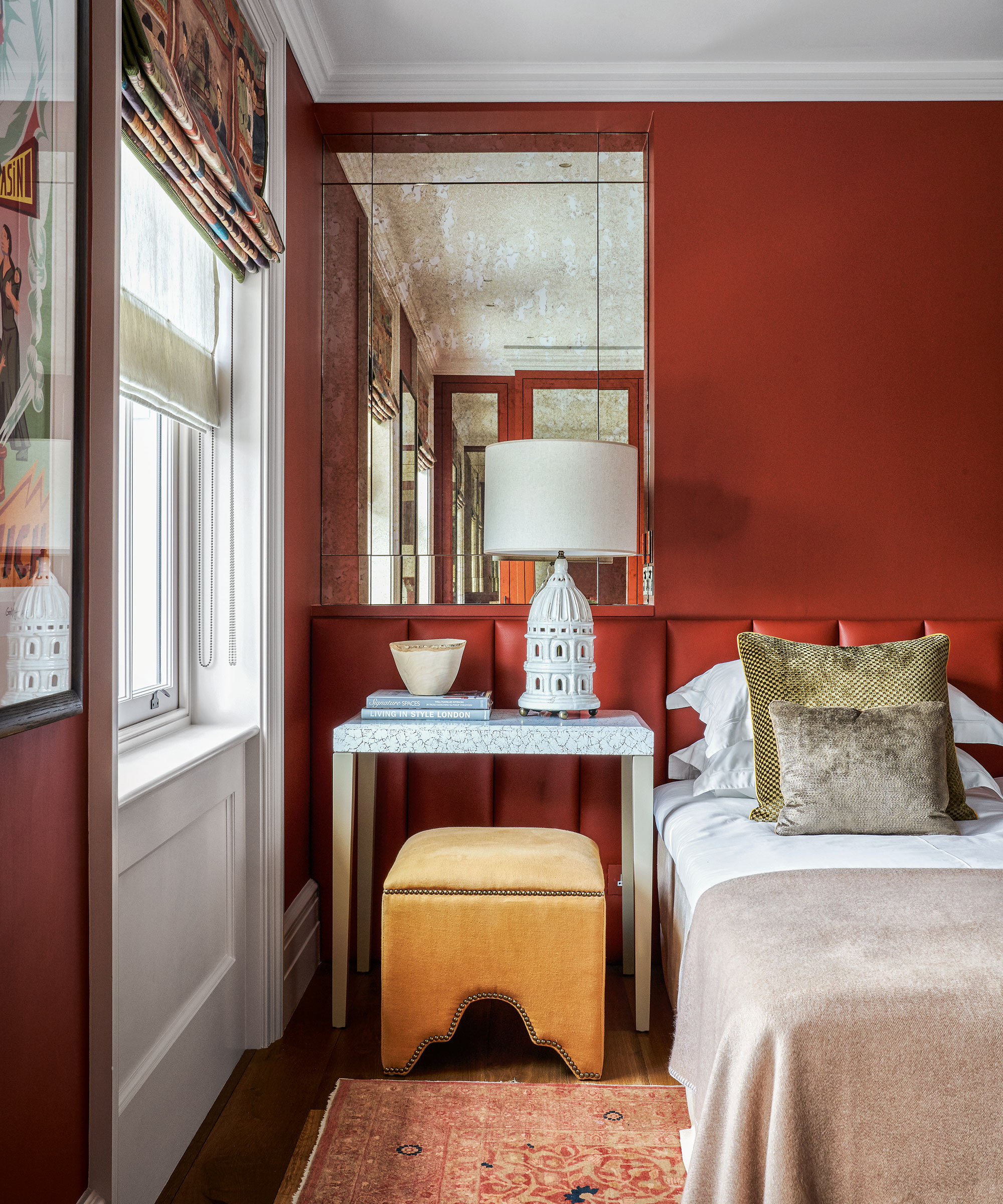
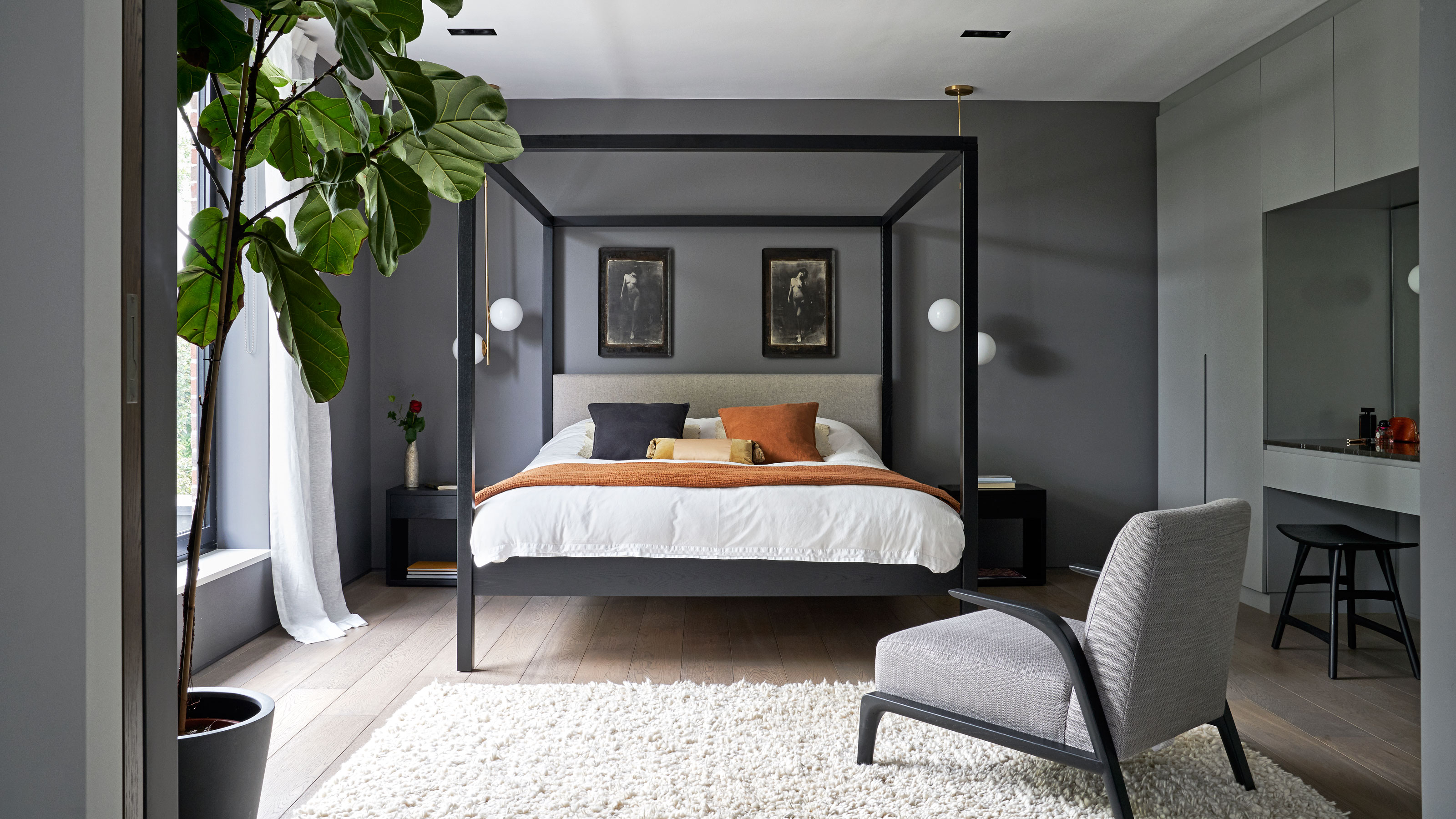
The initial step in coordinating colors involves designating a "lead" room, such as the entryway or living room, from which other rooms can draw their color variations. Paula Taylor, a senior stylist and trend specialist at Graham & Brown, advises identifying the undertone of the initial paint color—whether warm or cool—and maintaining that undertone family throughout the rest of the palette. This strategy allows for a harmonious combination of neutrals with various colors, ensuring a cohesive aesthetic across spaces. However, it is crucial to avoid a "matchy-matchy" outcome, as over-coordination is considered an outdated color rule. Instead, homes are increasingly embracing expressive, room-by-room designs where color palettes are linked by mood, material, and tone rather than strict repetition. A flexible palette, built around shared qualities like earthiness or softness, fosters cohesion without uniformity.
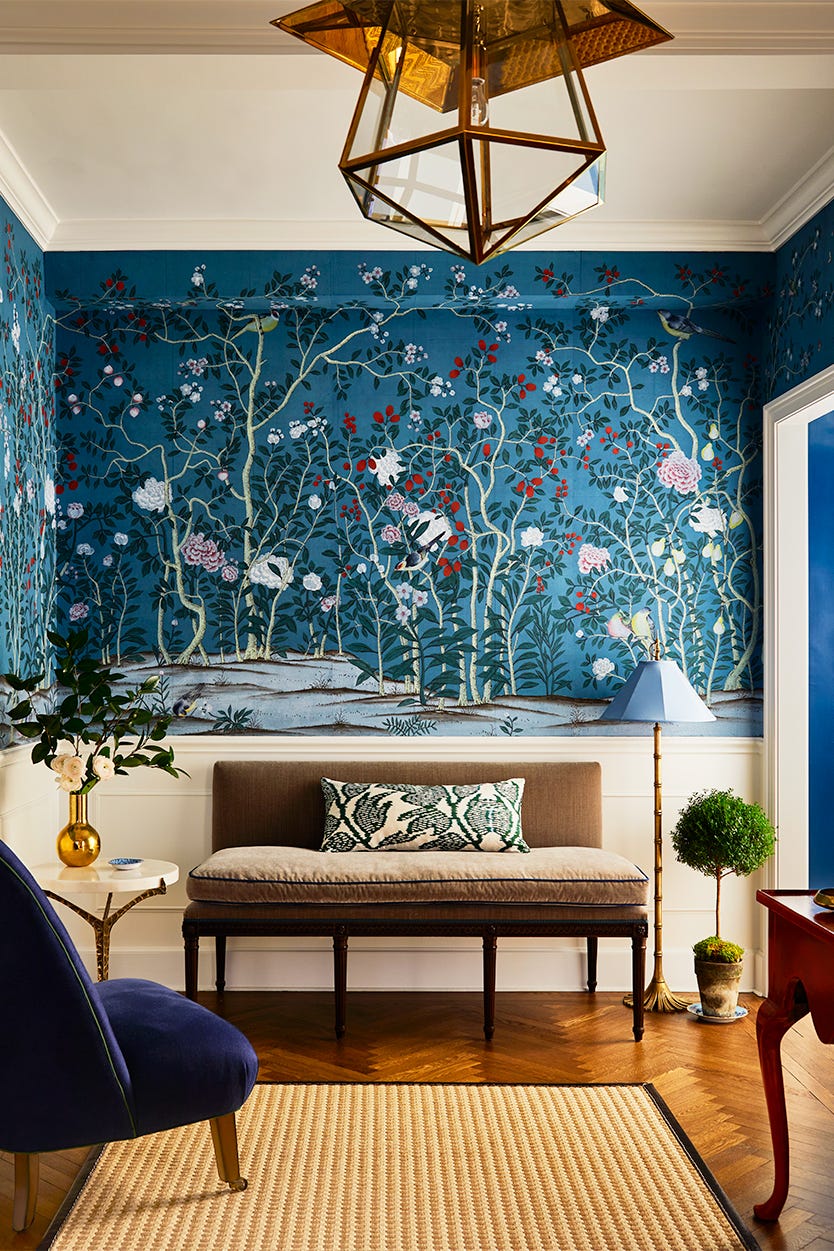
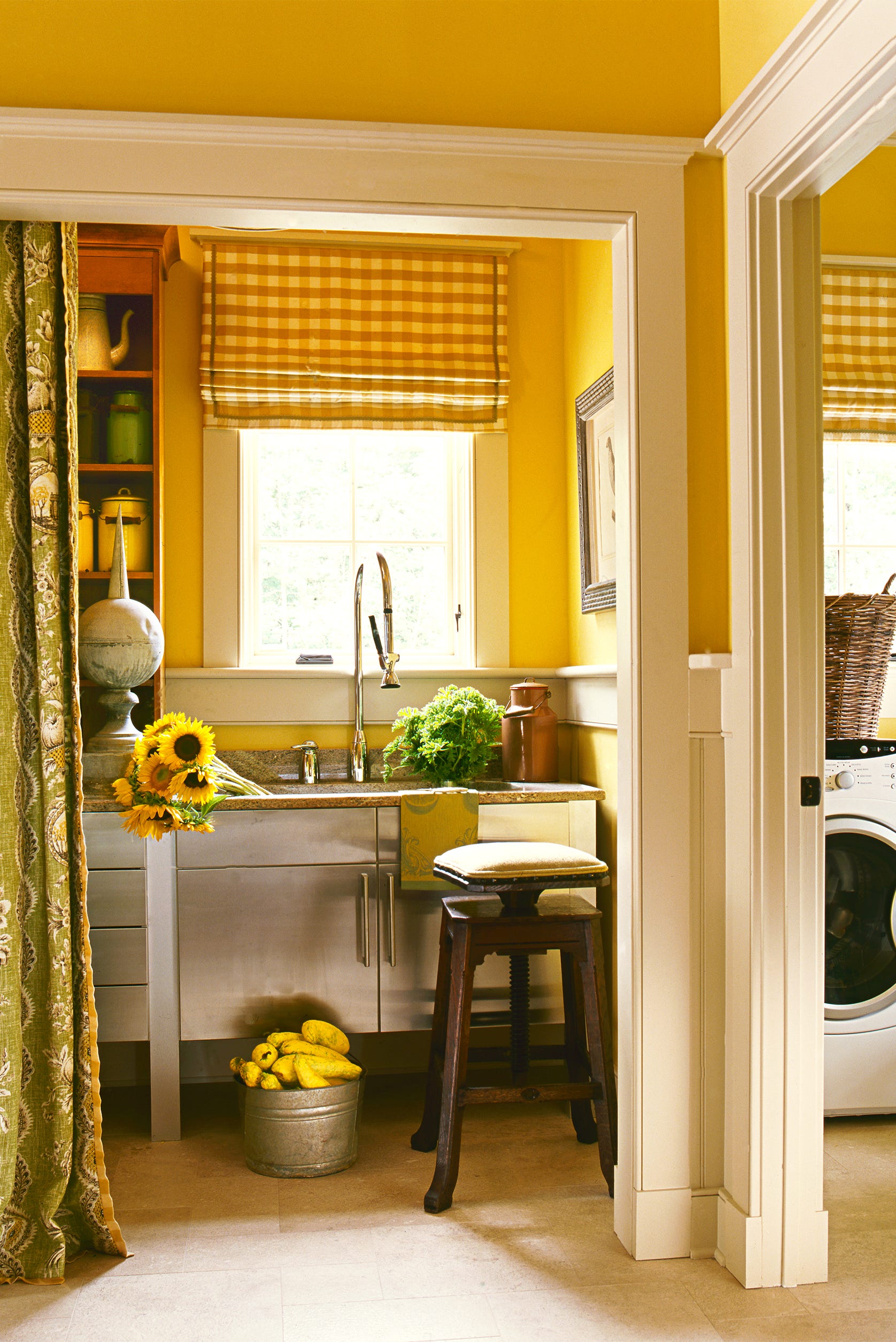
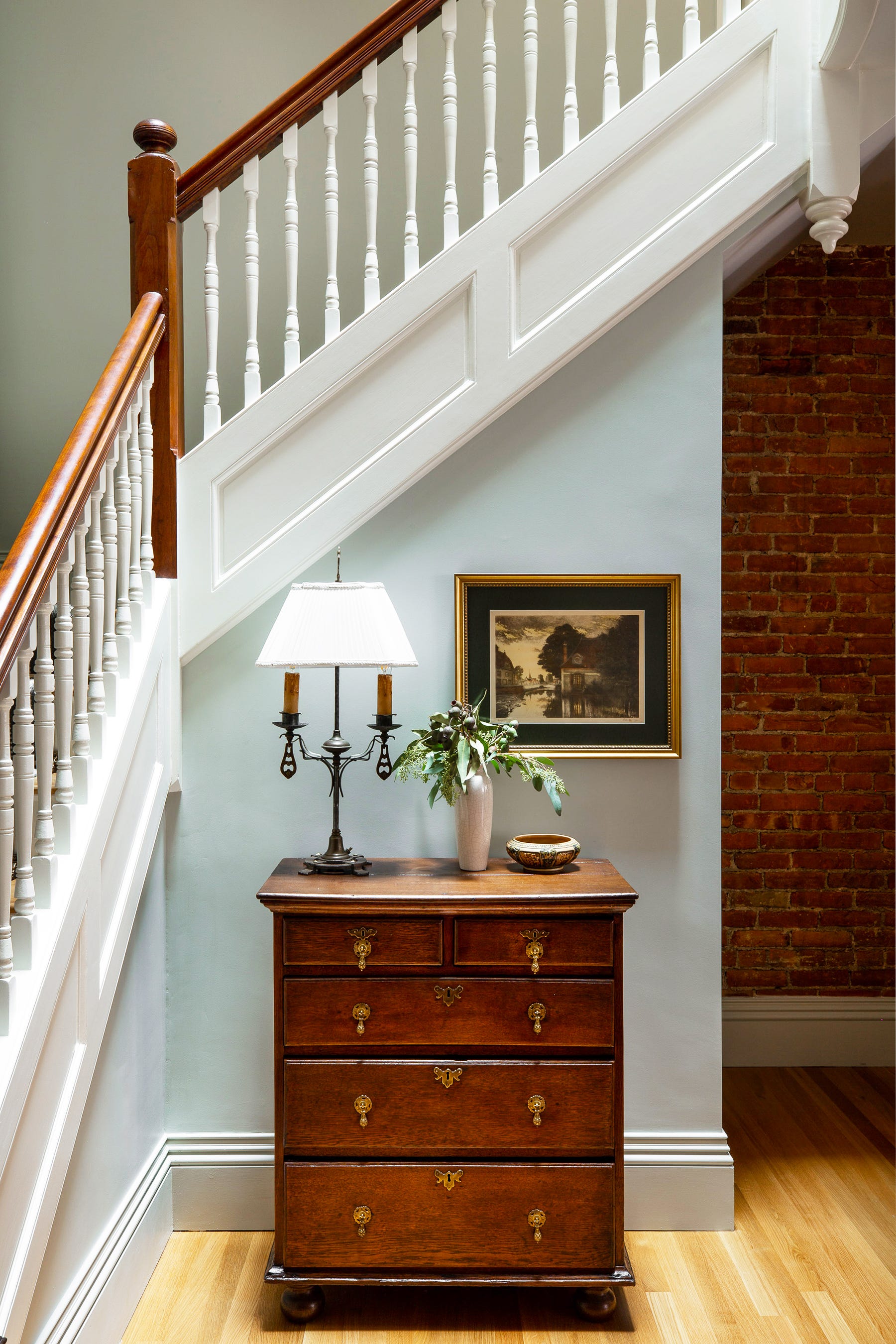
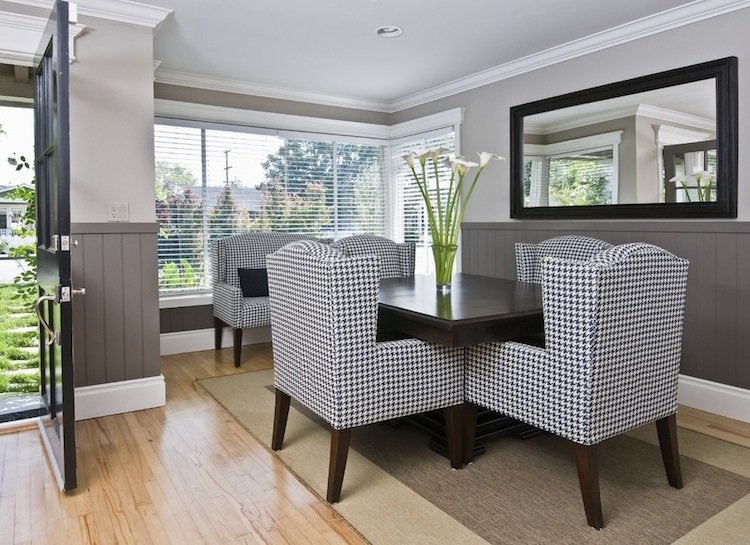
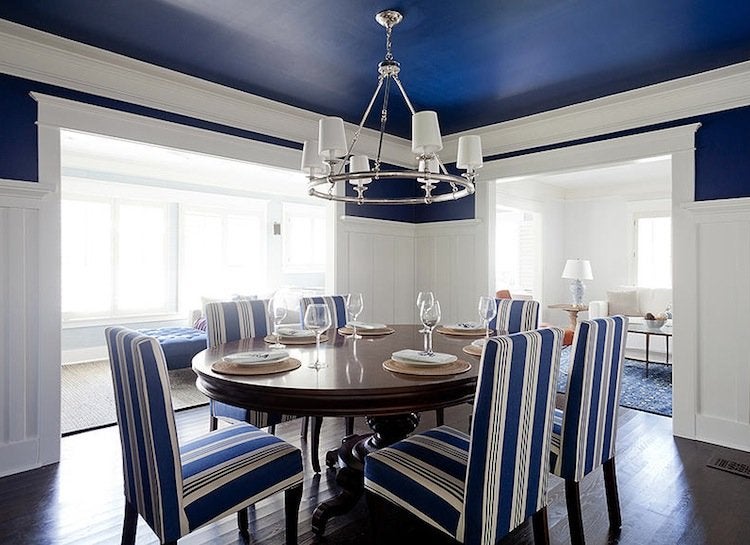
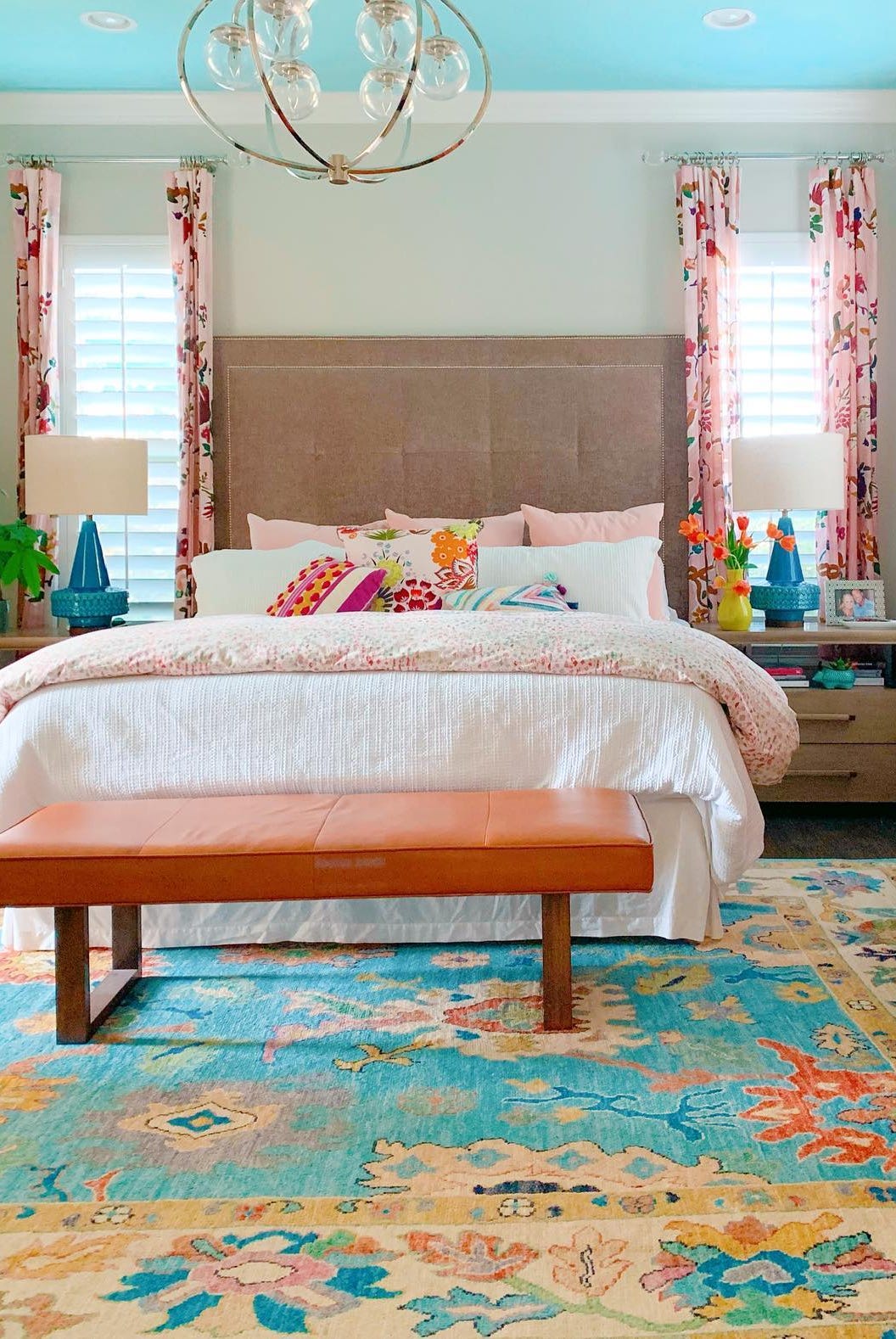
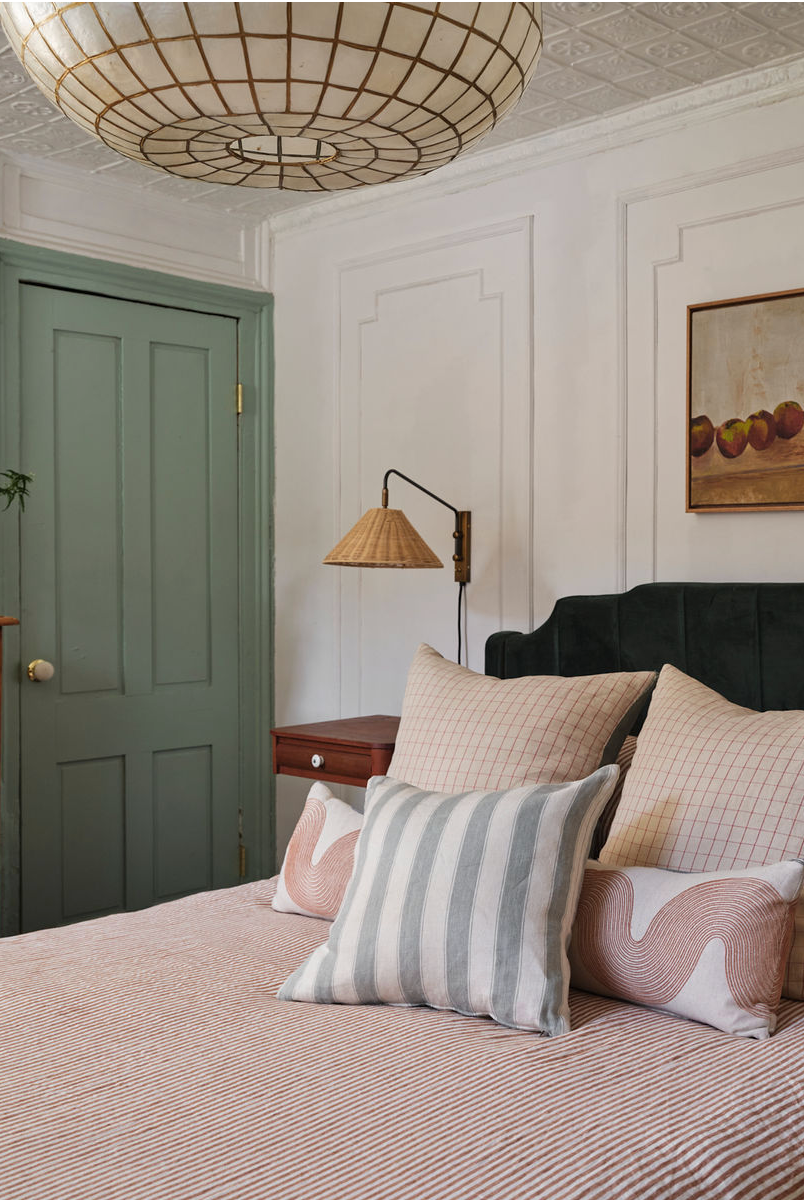
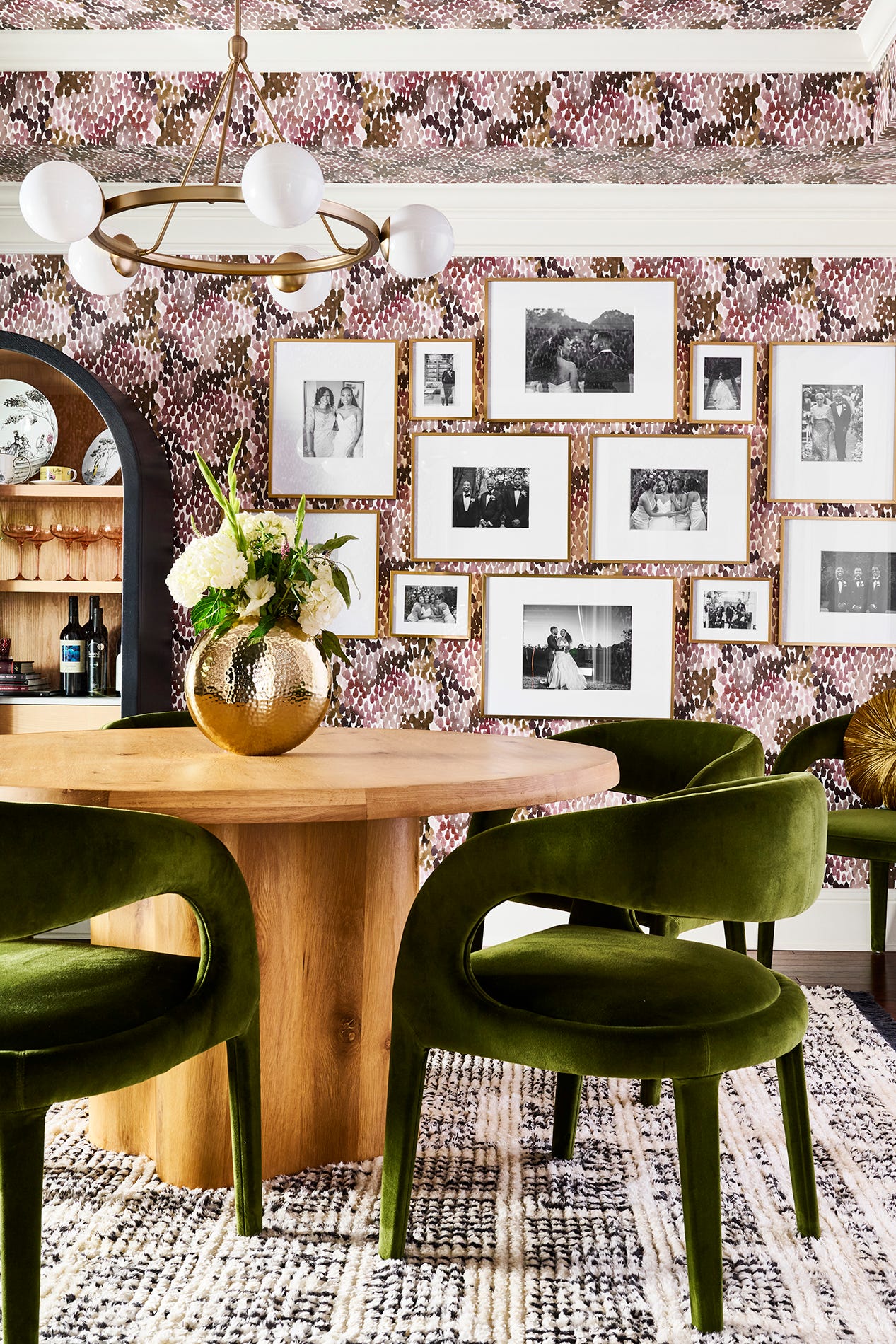
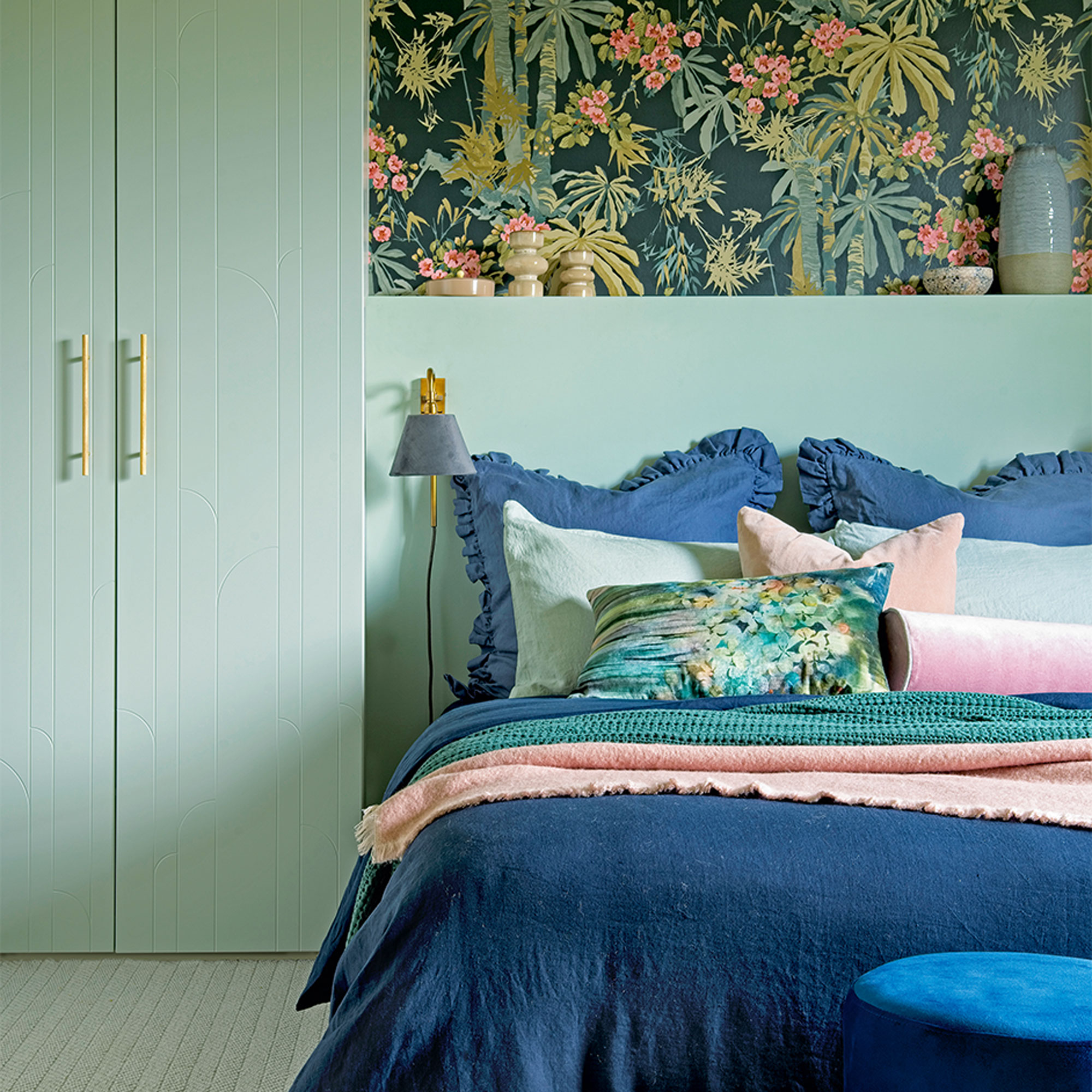
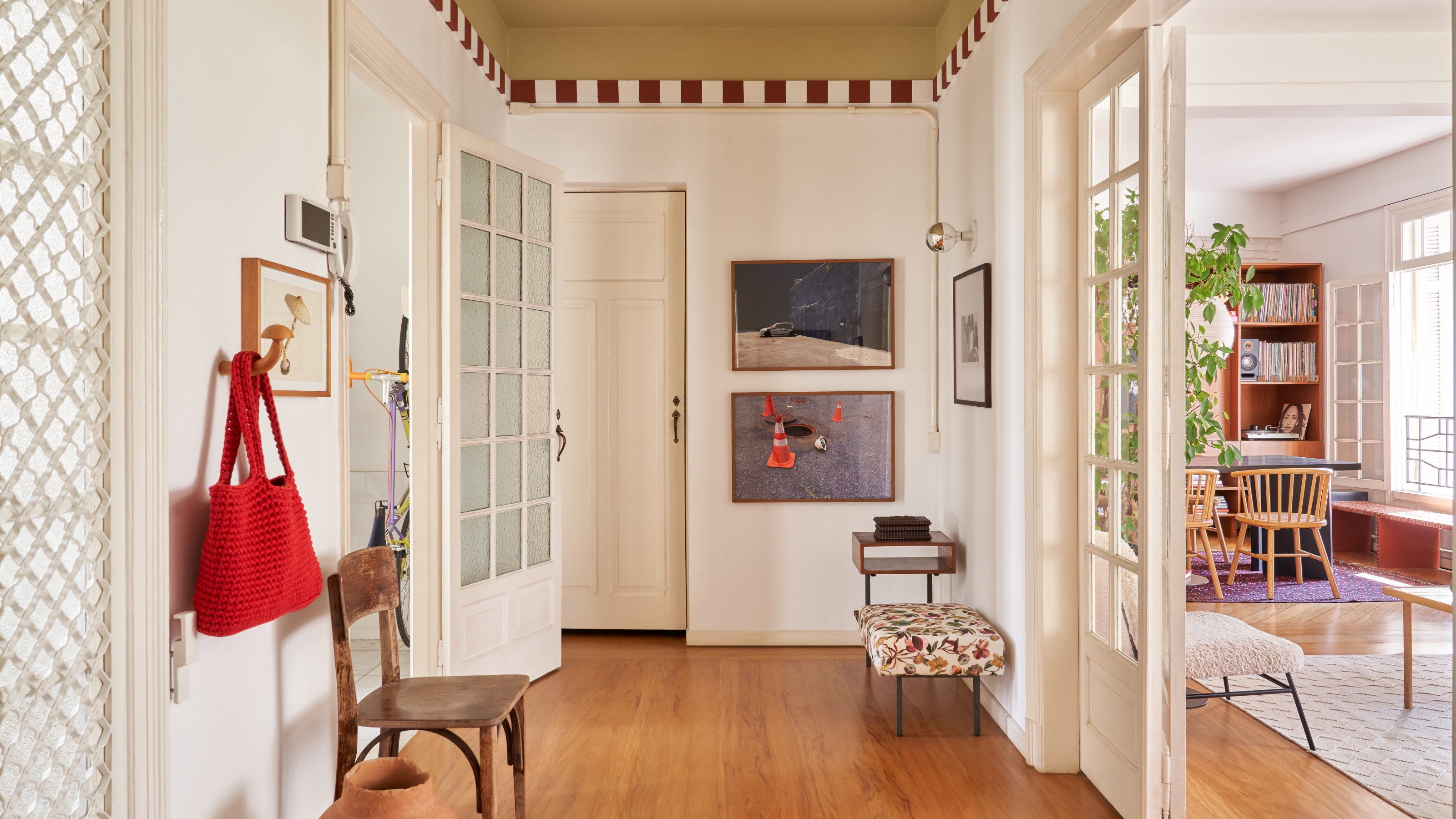
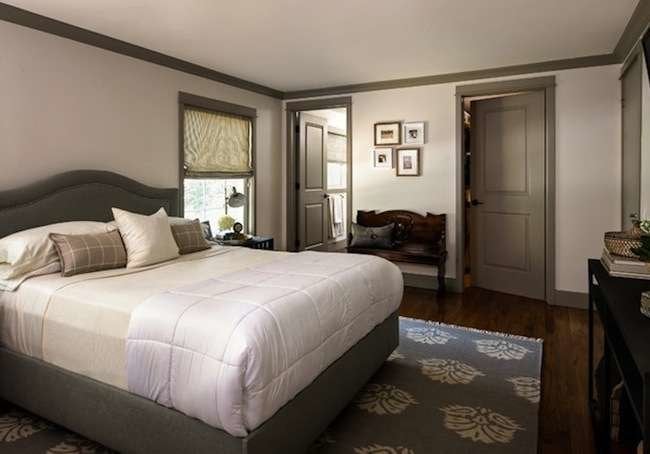
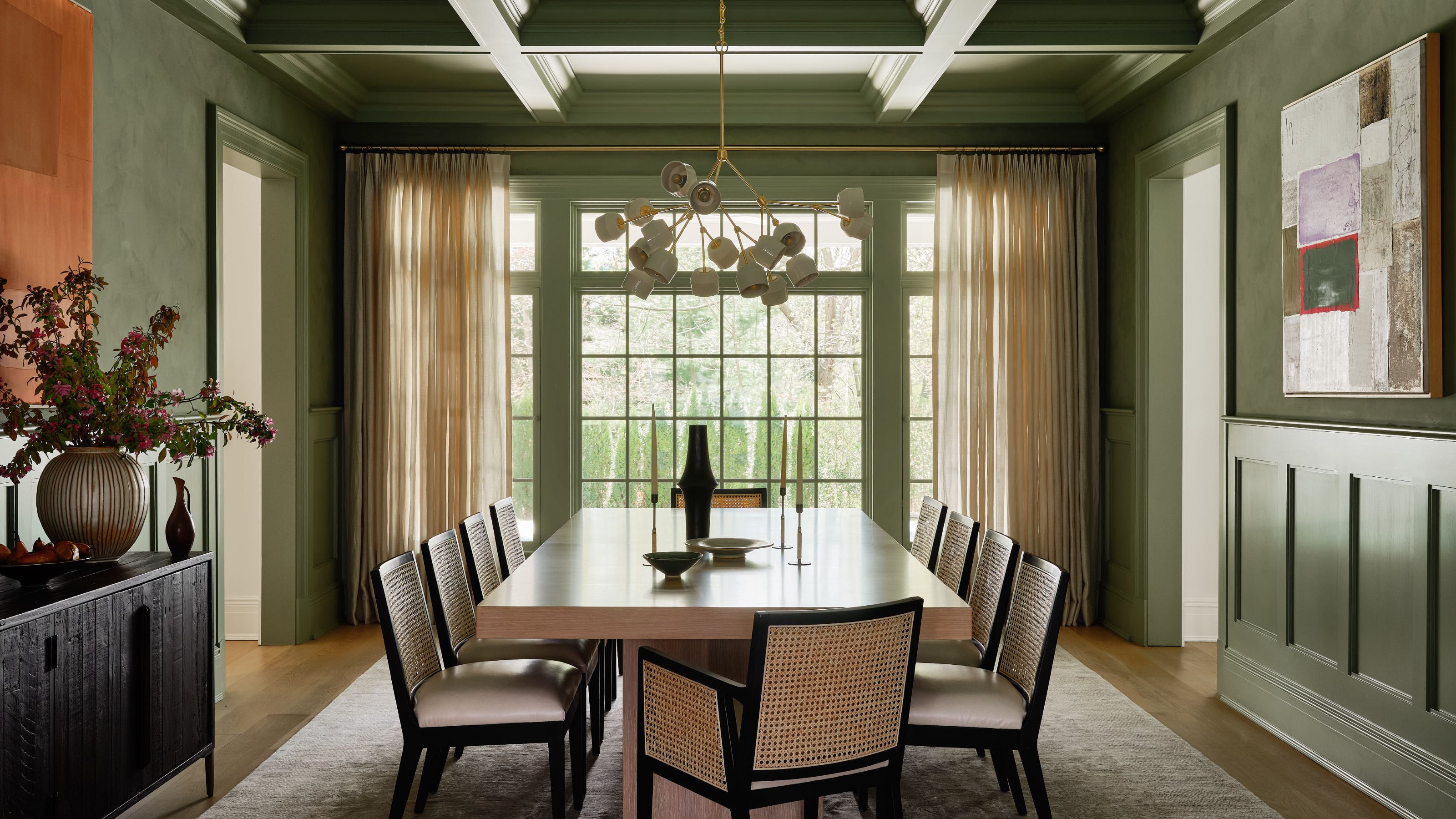
When transitioning between adjoining rooms, a smooth flow is paramount. While rooms do not need to perfectly match, techniques such as consistent ceiling and trim colors can effectively tie them together, even if wall colors differ. Incorporating a variety of textures, including wallpaper and soft furnishings, further unifies the space. The objective is to achieve balance in interior design, ensuring seamless movement from one area to the next.
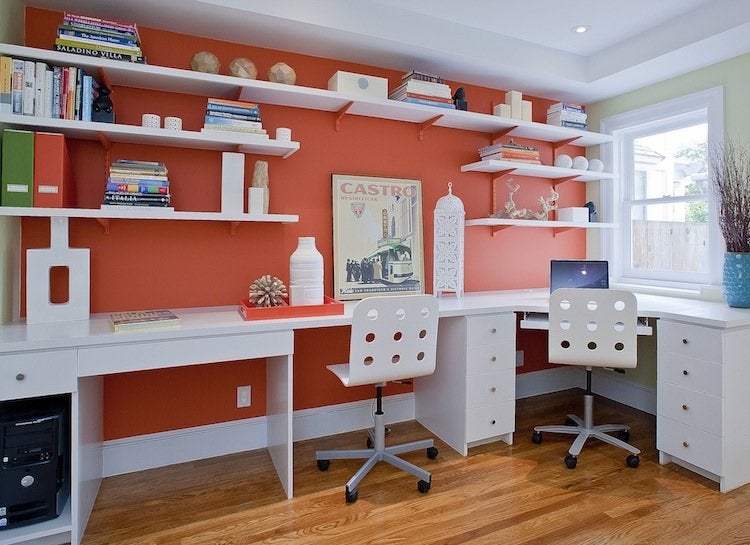
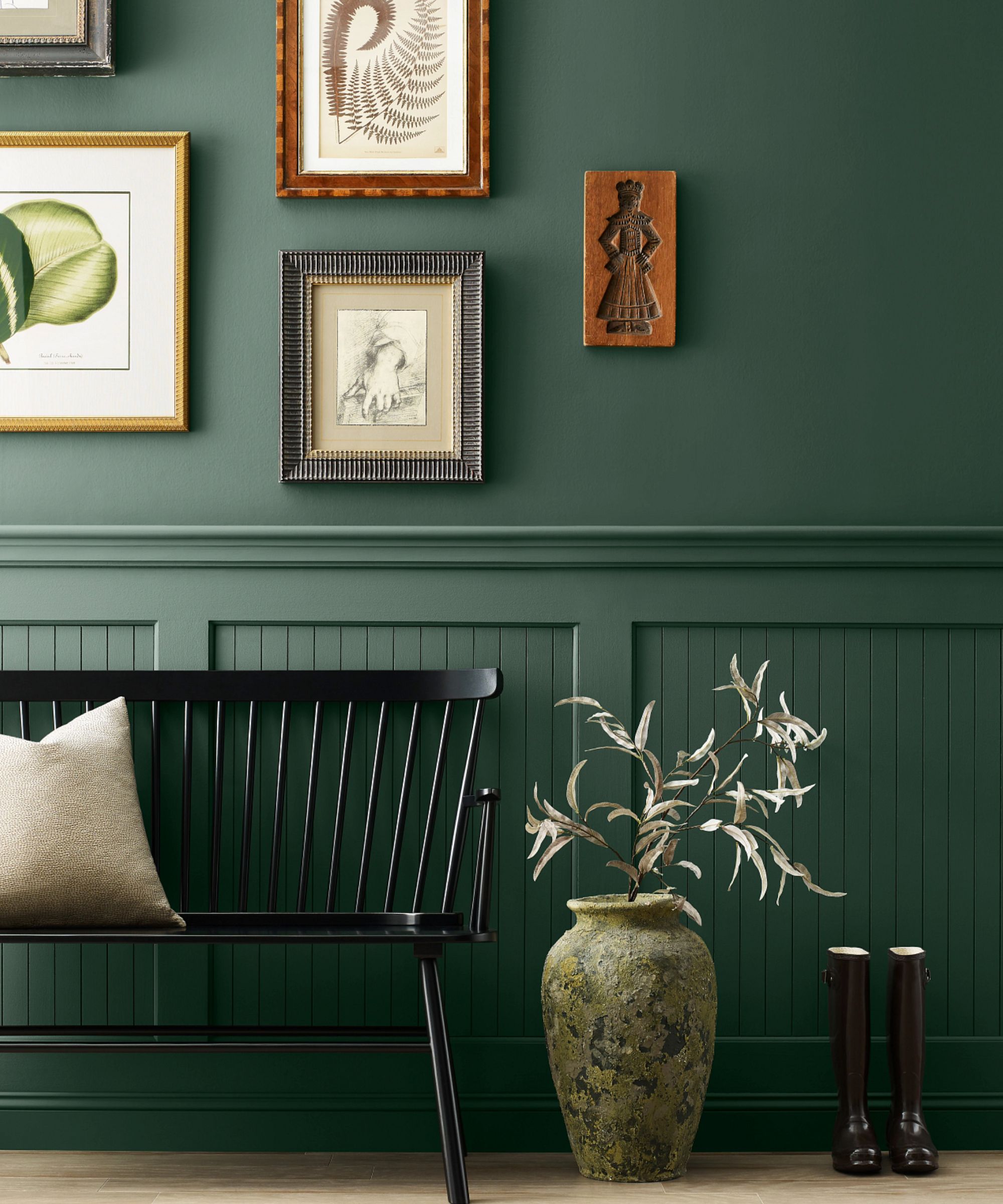
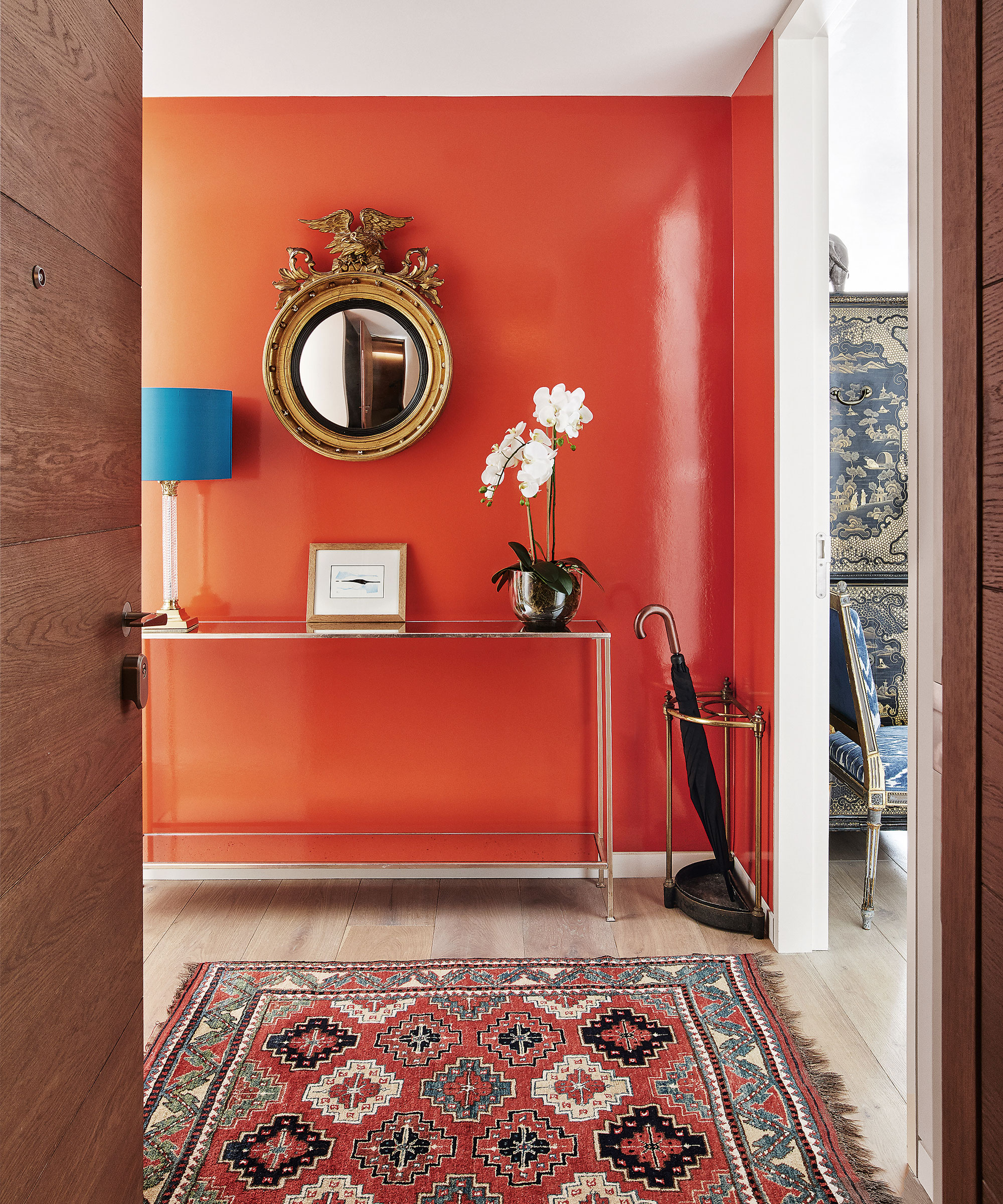
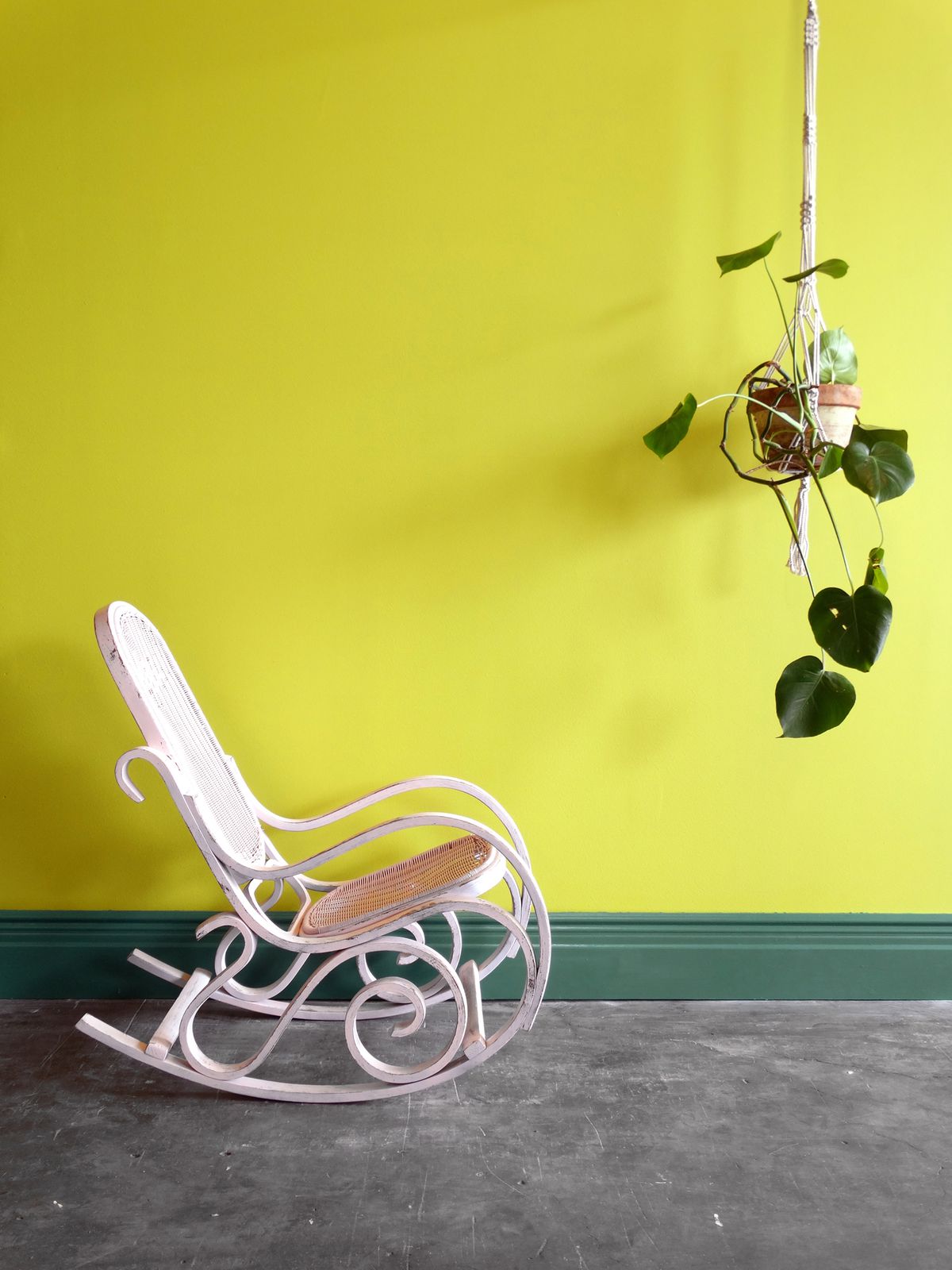
For an overarching house-wide color strategy, color zoning can be employed, where a wall color from one room is echoed in a curtain, blind, or soft furnishing in another part of the house. Color theory also plays a role in guiding decisions, suggesting warm and inviting tones for entryways to cultivate a sense of calm, while neutrals might be preferred for living rooms and bedrooms to create a less distracting environment. A single trim color used consistently throughout the house is an effective method for tying the entire home together. Adding character can be achieved by experimenting with different paint finishes for trims, such as mixing gloss or matte.
In essence, coordinating paint colors across a home does not necessitate exact matches but rather a thoughtful interplay of shades that are "in conversation" through shared warmth, depth, or tone. Leveraging current color trends can help streamline these decisions, ultimately contributing to a well-integrated and aesthetically pleasing living space.
#PaintColorCoordination #HomeDecor #InteriorDesign #ColorPalette #DesignTips #RoomTransition #ColorTheory #CohesiveDesign #PaintTrends #PaintColorCoordination #HomeDecor #InteriorDesign #ColorPalette #DesignTips #RoomTransition #ColorTheory #CohesiveDesign #PaintTrends
Há 0 comentários no total
 Ainda não há comentários
Você também pode gostar
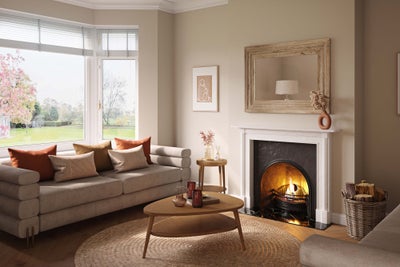
Decorating with paint

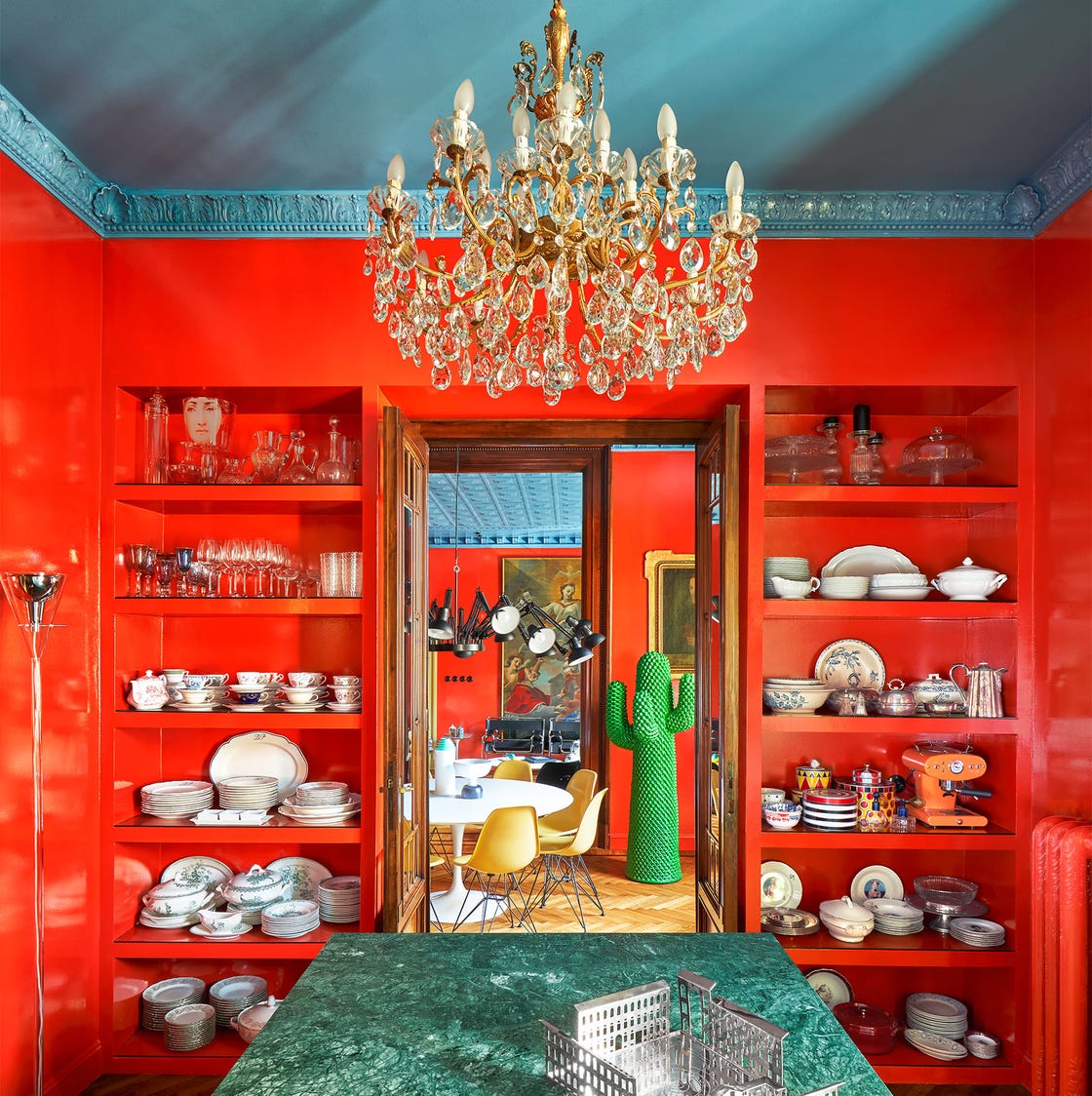
These 20 Rooms Use a Red Color Palette in All the Right Ways

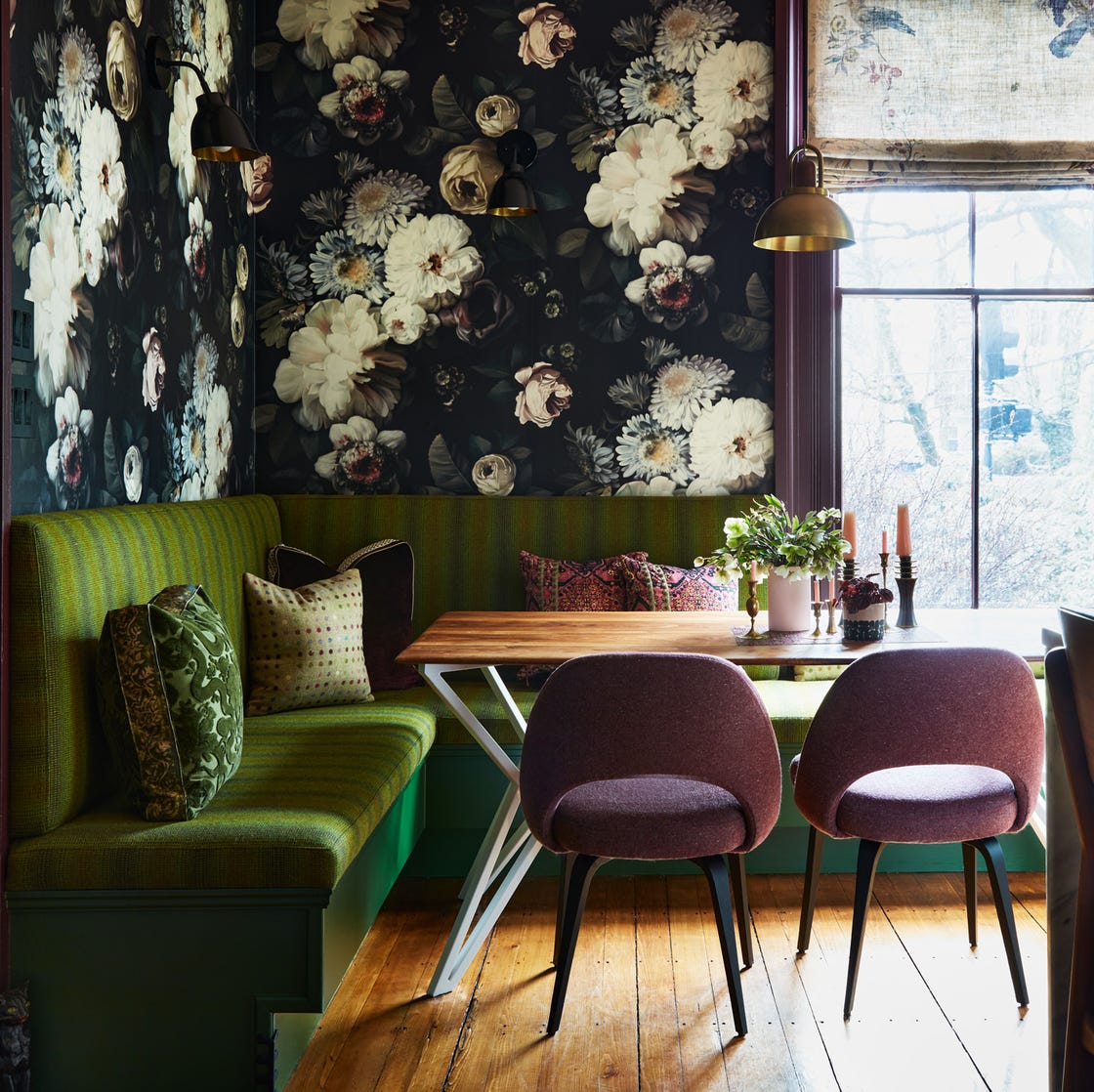
12 Color Schemes That Are Popping Off Right Now, According to Designers

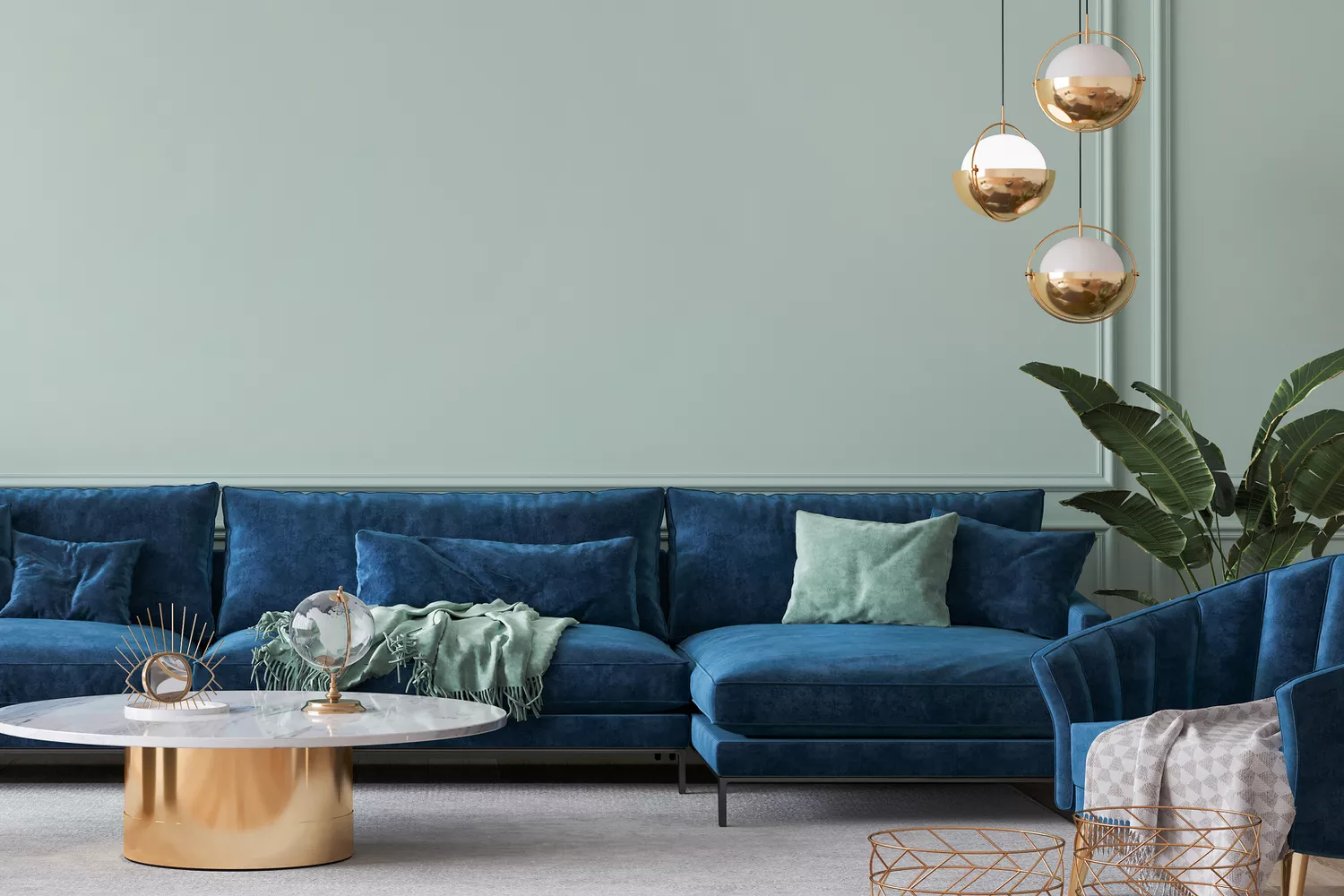
7 Color Combos That ALWAYS Look Good Together, According to Designers

How to Pick the Best Paint Colors for Every Space in Your Home

35 Paint Colors to Consider for Every Room in Your House
23 Expert Tips for Choosing the Right Paint Colors for Your Home

30 on-trend paint colours for every room in your home
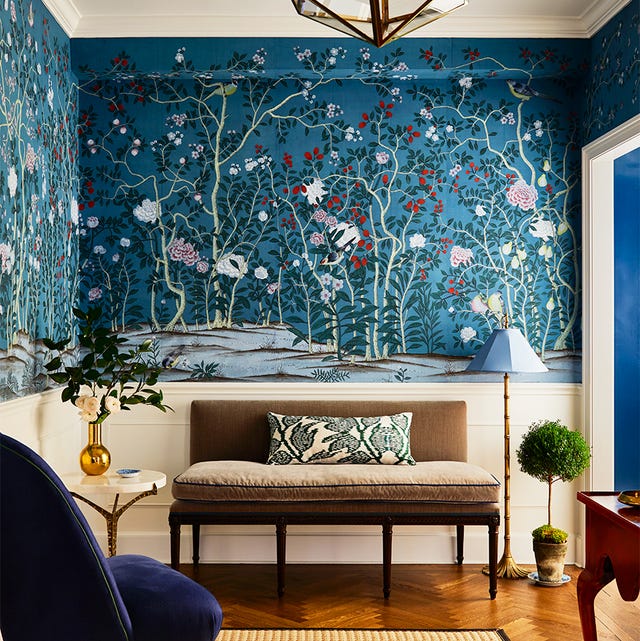
35 Unexpected Color Combos We Can't Get Enough Of
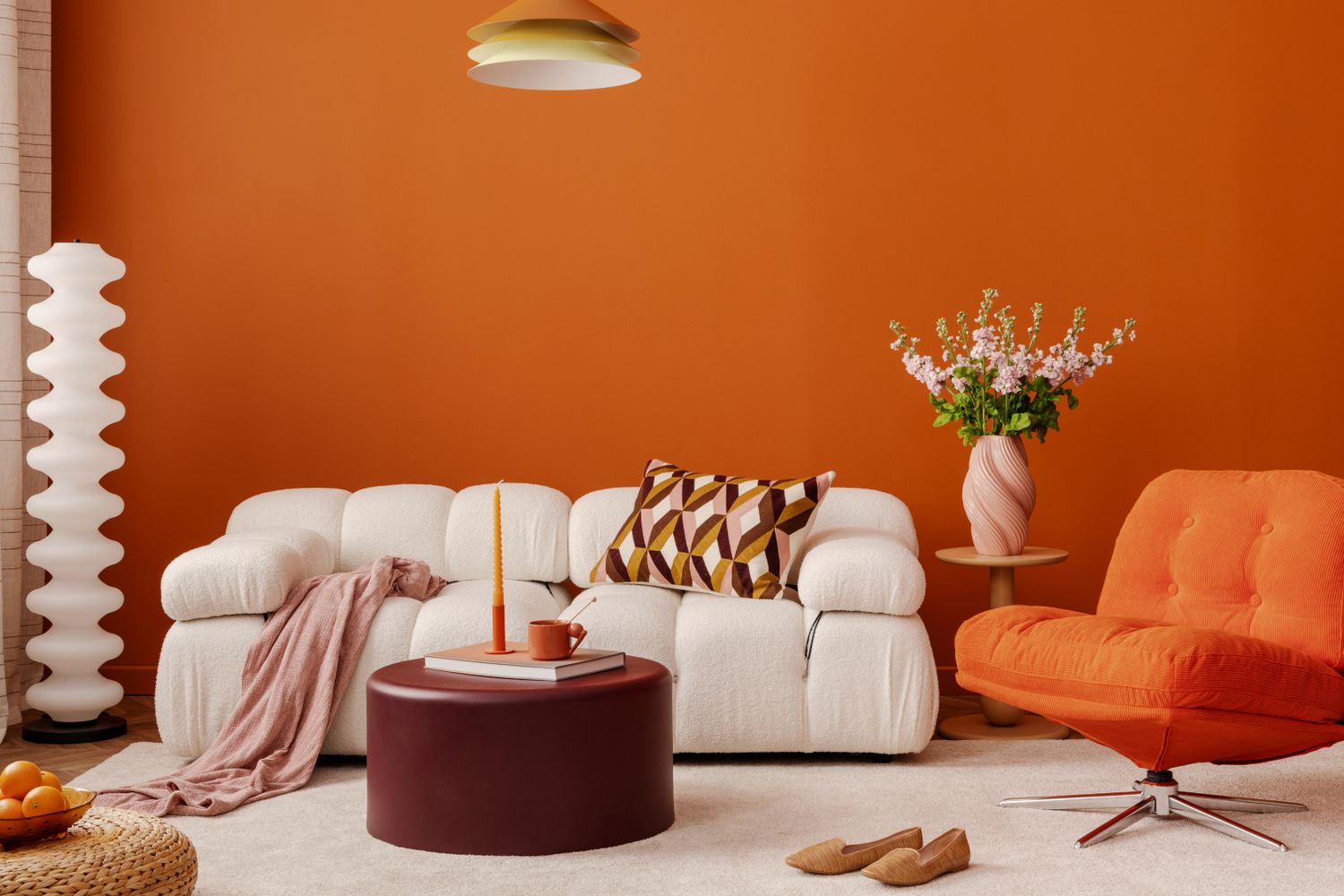
Never Regret a Paint Color Again—Avoid These 6 Common Mistakes
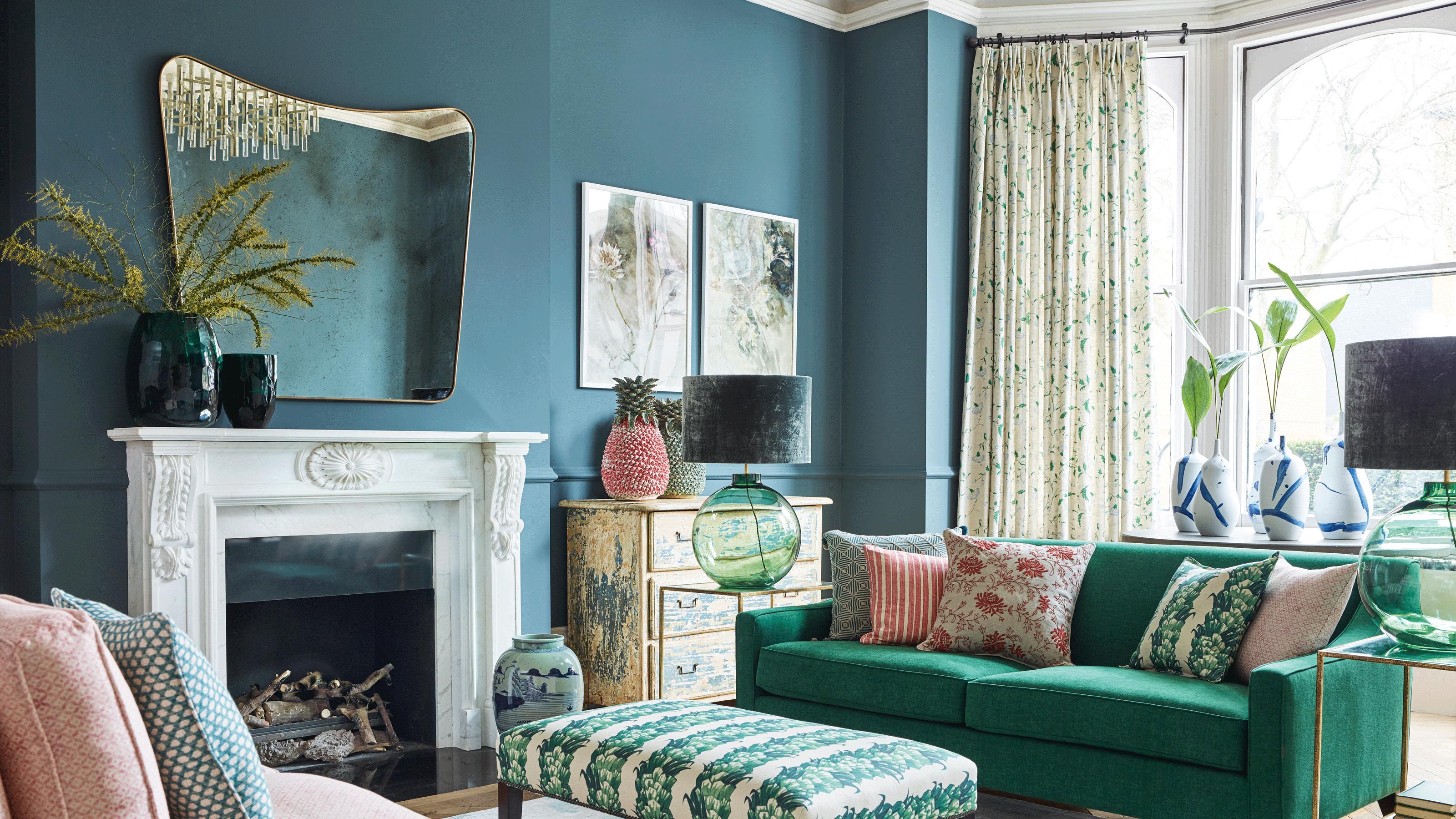
6 rooms that demonstrate why blue and green are this year's coolest colour pairing
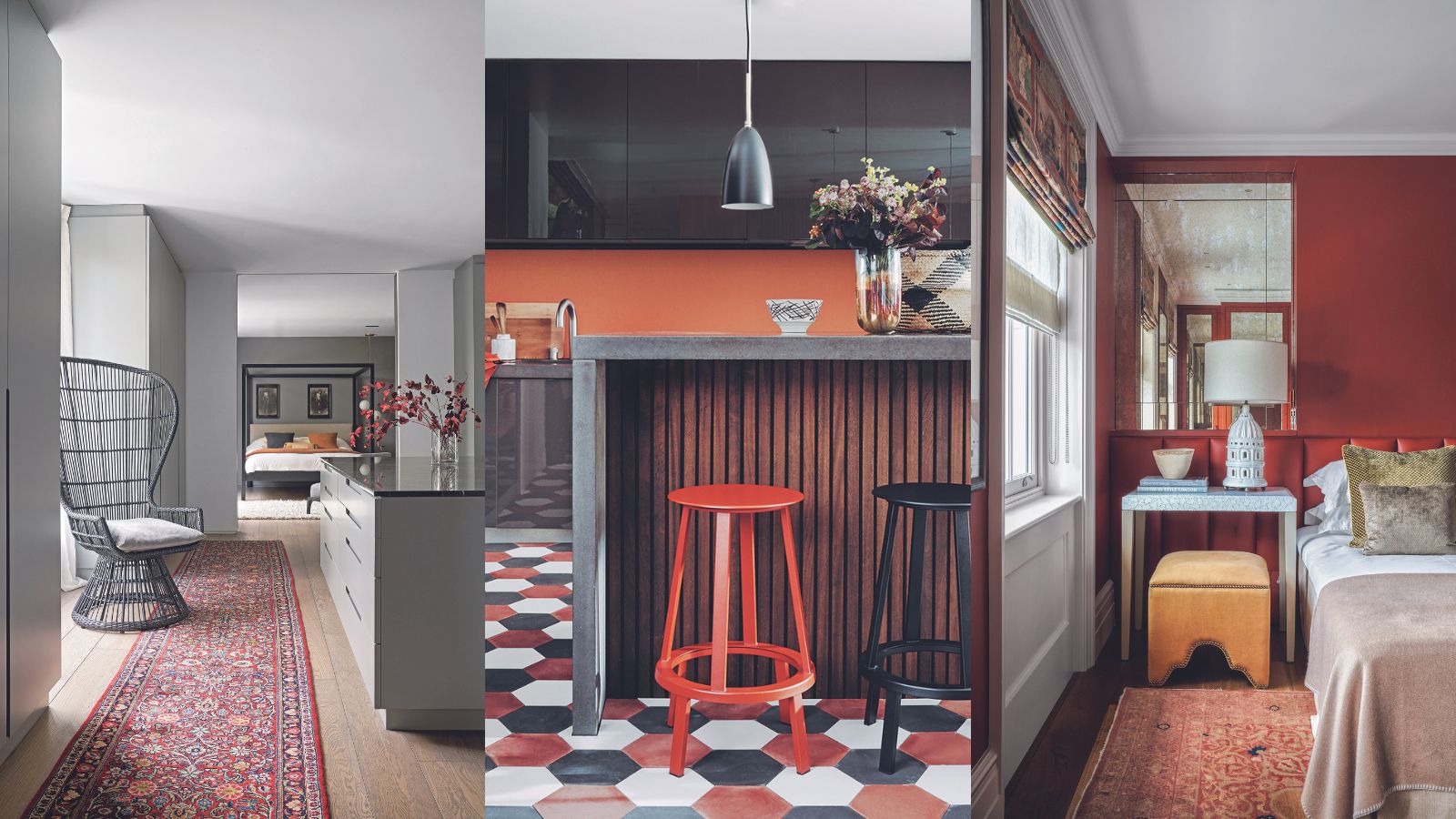
What are the worst colors to paint a room? The shades experts say you should never use


How To Choose The Right Paint Color For Your Home, According To An Interior Design Expert

14 Paint Colors That Can Make a Room Feel Instantly Cozy

Professional painters reveal the secret to color matching a paint shade from an image alone
How to choose the best paint color for any room in your house
How to Successfully Mix Bold Colors in Your Home Like an Interior Designer
If This, Then That: Your Guide to Pairing Paint Colors

A Complete Guide to Color Drenching a Room — The Tone-On-Tone Paint Style Taking Over Our Homes
Real Simple Home Designers Share Their Secrets for Picking the Perfect Wall Color