Hardwood Report 2025: The hardwood industry continues to improve its offering – March 2025
The hardwood flooring industry is engaged in a continuous effort to enhance its product offerings, focusing on competitive pricing, improved performance, and effective management of supply and demand for various wood species. In 2024, the consumption of hardwood saw a 3.5% decline in dollar value, reaching nearly $2.3 billion. Engineered hardwood increased its market share to 74% of total sales, a 2% rise from the previous year. Vietnam led hardwood imports at 28%, followed by Cambodia at 21%, Canada at 11%, Thailand at 7%, and Indonesia at 7%. China, previously a major supplier, dropped to 5% due to tariffs imposed by the U.S., which redirected production to other Asian nations. Discussions about potential new tariffs, possibly including Mexico and Canada, are a current concern, with Canada being a significant U.S. hardwood supplier. U.S. hardwood suppliers express hope for tariffs, anticipating an increase in their market share.
The hardwood industry emphasizes the long-term value of hardwood flooring, highlighting its durability, sustainability, and positive impact on indoor air quality, in contrast to wood-look alternatives. Hardwood is the most desired flooring among American homeowners, but faces challenges from its cost relative to imitators and the perception that LVT products offer superior waterproofing. The cost of hardwood installation ranges from $7,000 to $25,000 per 1,000 square feet, while LVT costs between $3,000 and $16,000 for the same area. Despite higher initial costs, hardwood offers long-term value through its refinishing capabilities, allowing it to last for centuries.
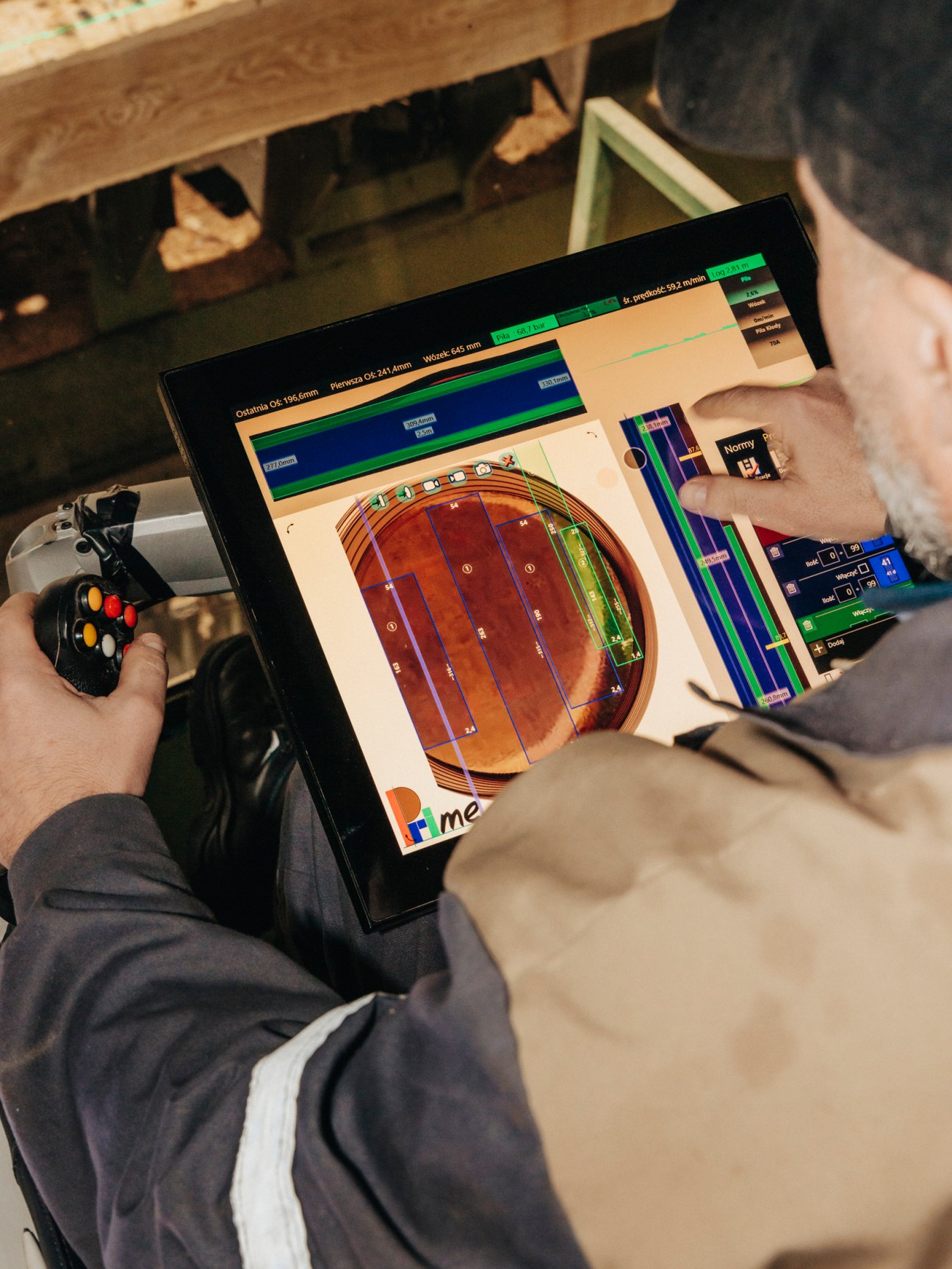
The Real American Hardwood Coalition (RAHC), comprising over 30 hardwood associations, is actively working to educate consumers and professionals on the benefits of real wood products. Their campaign has reached millions through television, social media, and their website, with plans to target architects, builders, and designers in 2025. Innovations in hardwood manufacturing, though less ostentatious than those in other flooring categories, are significant. These include developing stains that neutralize red oak's pink tones to mimic popular white oak, utilizing robotic technology for sorting and packaging to enhance quality control and address labor challenges, and improving product durability through wood compression technologies by companies like AHF and Bjelin. Enhanced finishes also contribute to a cleaner aesthetic, preserving the wood's natural qualities.
Raw material prices for hardwood have been stable, but a multitude of factors, such as weather, demand from other industries, and the state of sawmills, affect costs. A decline in sawmill operations over the past 30 years and competition from Asian imports have driven up the lowest price points for hardwood. The shifting preferences of consumers, from highly textured to lightly wire-brushed or smooth finishes, also impact manufacturers' investments and processes. The prospect of new tariffs generates varied opinions within the industry. Some manufacturers worry about increased lumber prices and their impact on home construction and renovation, while others, particularly U.S.-based producers, hope to gain market share. The uncertainty surrounding tariffs, especially for Canadian suppliers who source logs from the U.S., is a major concern.
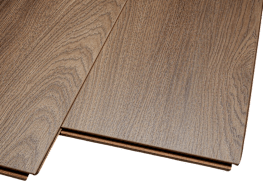
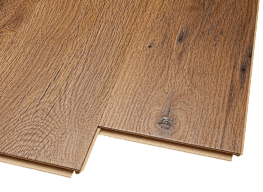
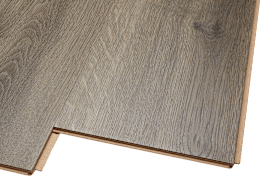
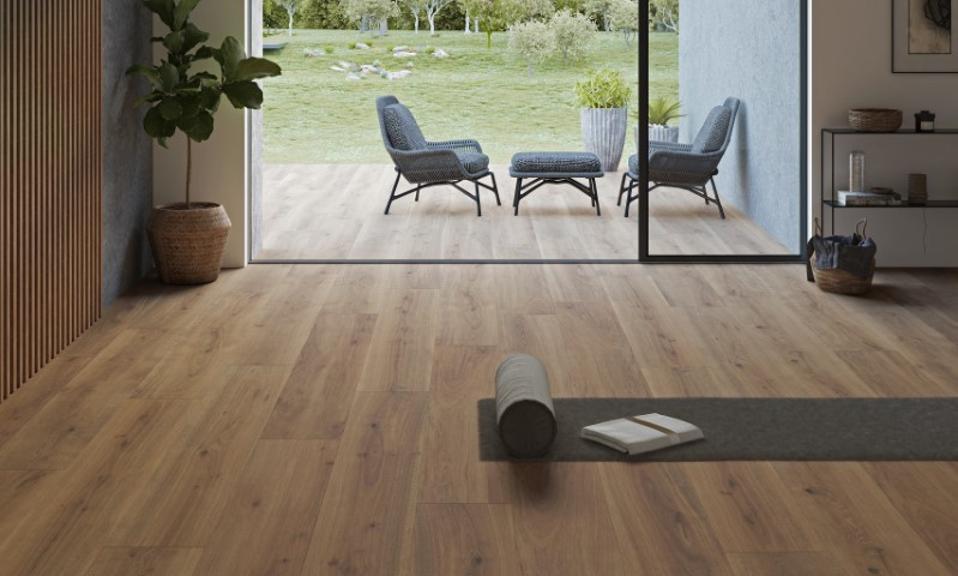
Regarding trends, white oak remains dominant, with hickory gaining popularity and maple holding steady. Greys in color palettes are being replaced by blondes and warm browns, aligning with a preference for natural wood aesthetics. Several companies, including AHF Products, Cali, Hallmark Floors, Home Legend, Johnson, Kährs, Lauzon, Mannington, Mercier, Mirage, Mohawk, Mullican, Preverco, Shaw Industries, and Somerset, are introducing new products and technologies. These innovations include densified commercial products, expanded engineered hardwood lines, wider plank formats, advanced finishes, and integrated supply chain management from forest to finished product. The unfinished hardwood market faces challenges due to thin margins and a shortage of skilled installers, despite its potential for long-term value through refinishing. The industry recognizes the critical need to train and involve more youth in hardwood installation to sustain this aspect of the business.
#HardwoodFlooring #FlooringIndustry #EngineeredHardwood #Tariffs #SupplyChain #ProductInnovation #SustainableMaterials #HomeRenovation #InteriorDesign #HardwoodFlooring #FlooringIndustry #EngineeredHardwood #Tariffs #SupplyChain #ProductInnovation #SustainableMaterials #HomeRenovation #InteriorDesign
Há 0 comentários no total
 Ainda não há comentários
Você também pode gostar
Best Flooring of 2025
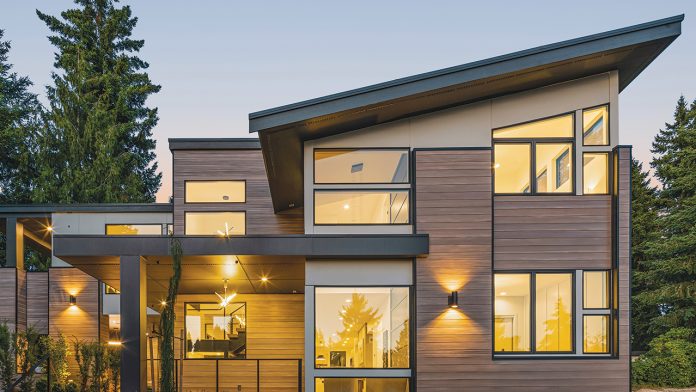
Manufacturers see a bright future driven by the repair and remodel categories

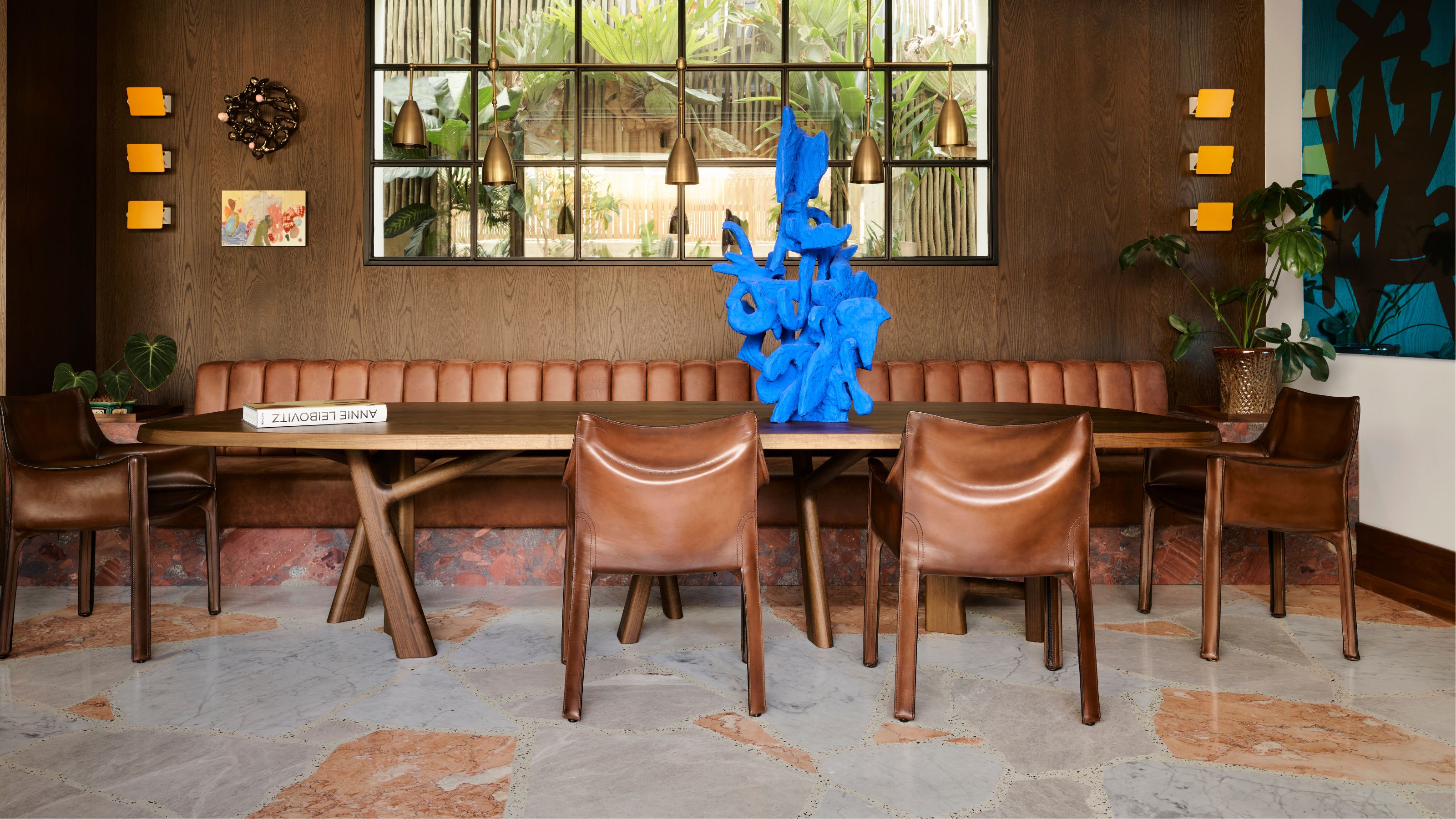
8 Flooring Trends for 2026 — The Designs, Materials, and Layouts Designers Are Predicting to Be the 'Next Big Thing'

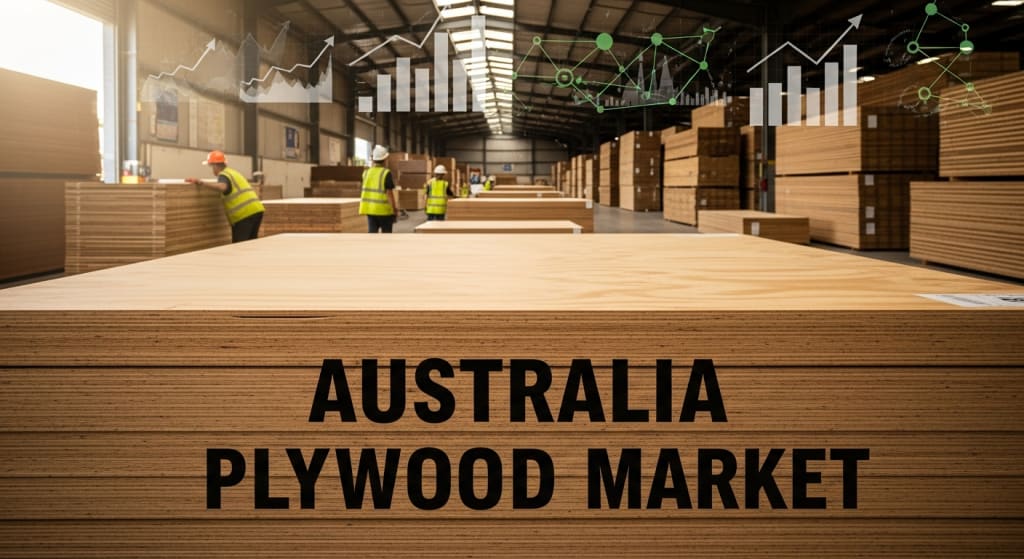
Australia Plywood Market: Construction Demand, Infrastructure Growth & the Role of Engineered Wood

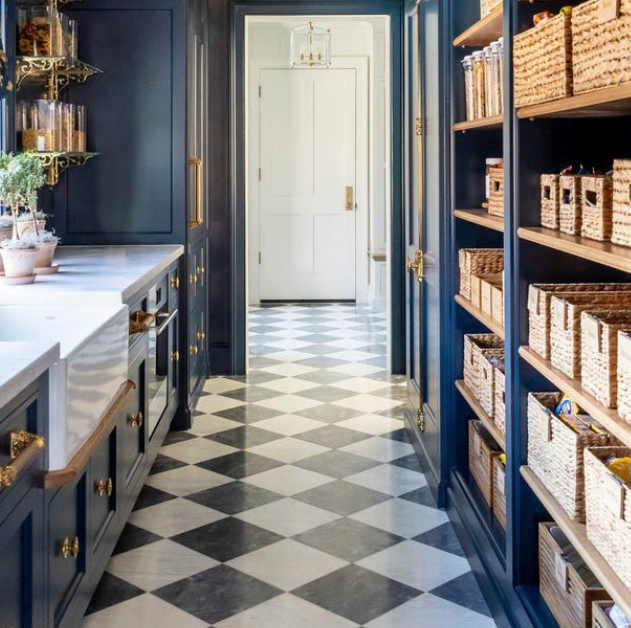
How to Get the High-End Flooring Look You See in LUXURY Homes

2020 Industry Trends | Part 3
Wood Coating Market Sees Strong Growth Driven by Demand for Sustainable and Durable Finishes

In Depth: Engineered wood products
Is mahogany wood back on trend in 2025?


Global Plywood Market Size and Forecast 2025–2033

How Hardwood Flooring is Made at Advantage Lumber

Designers Are Convinced These 4 Flooring Trends Will Rule 2026


Trends shaping the future of wood flooring

2023 Tile Trends Feature Wellness, Sustainability And Resilience

What's the most on trend wood to use in 2025? Designers reveal their top choices
The Top 10 Flooring Trends for 2022

Bold Flooring Is Making a Massive Comeback in 2024

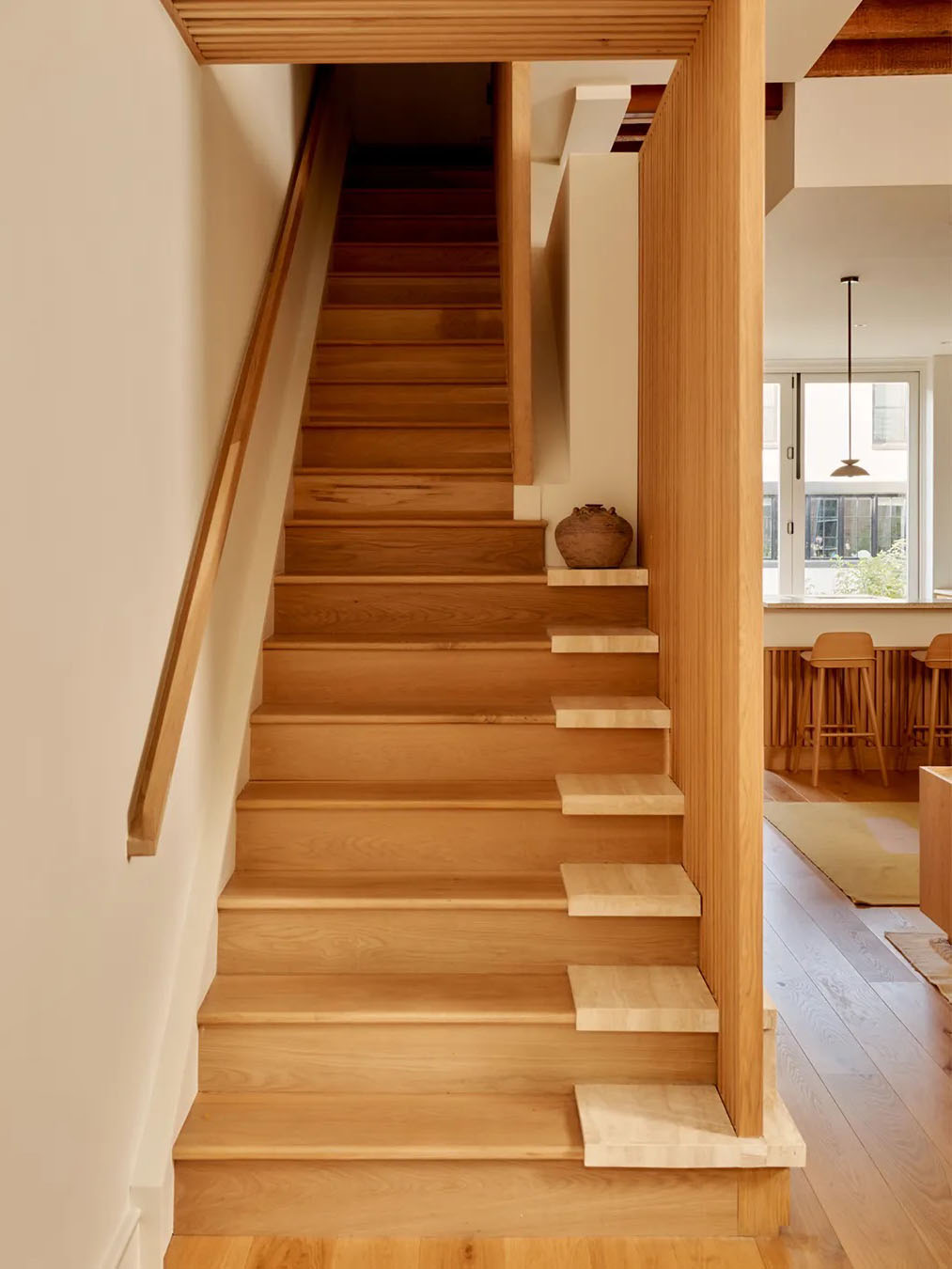
80% of Design Pros Agree This Pared-Back Material Will Rule Construction in 2025

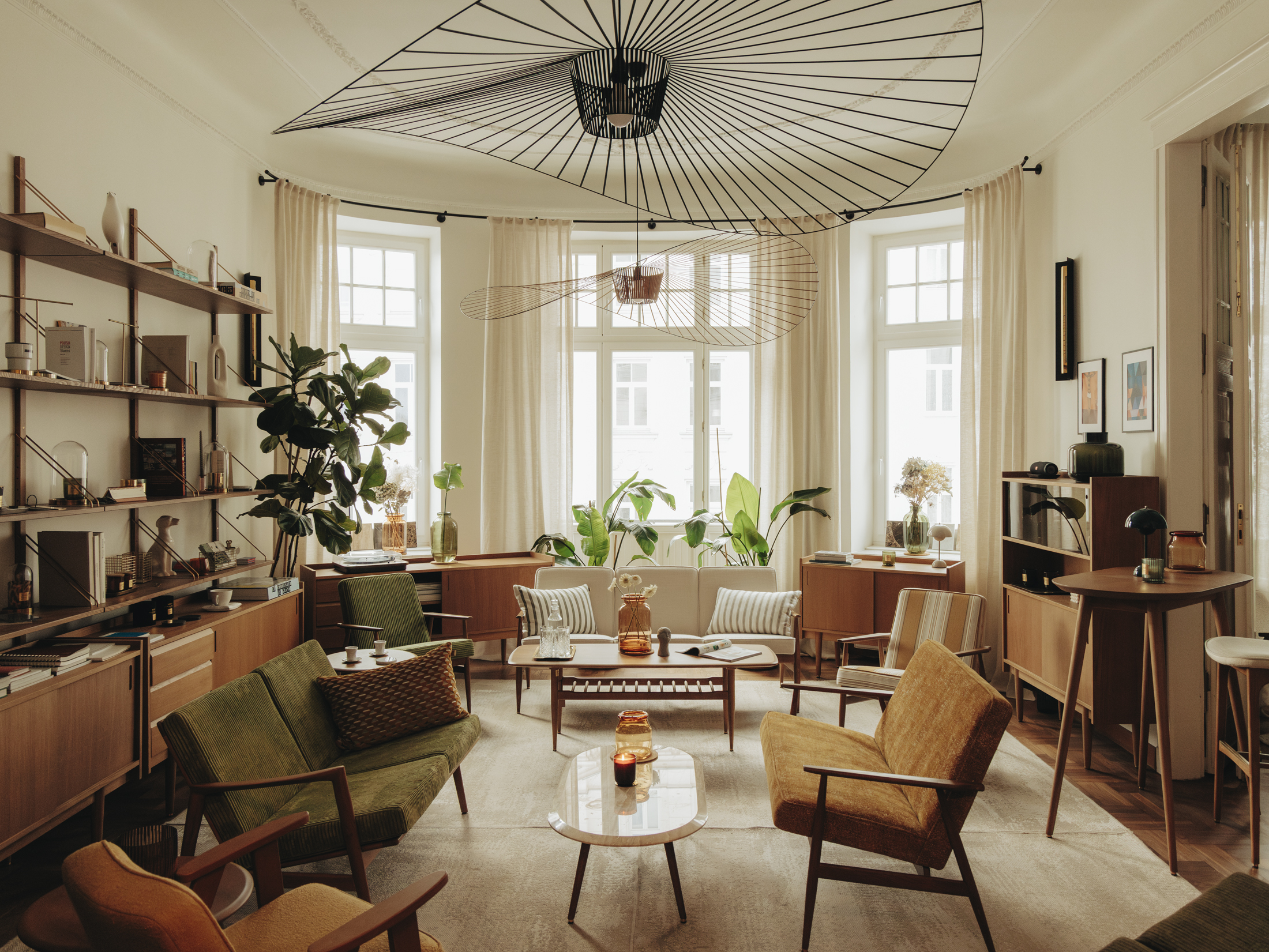
Carving out a niche in the timber-furniture industry
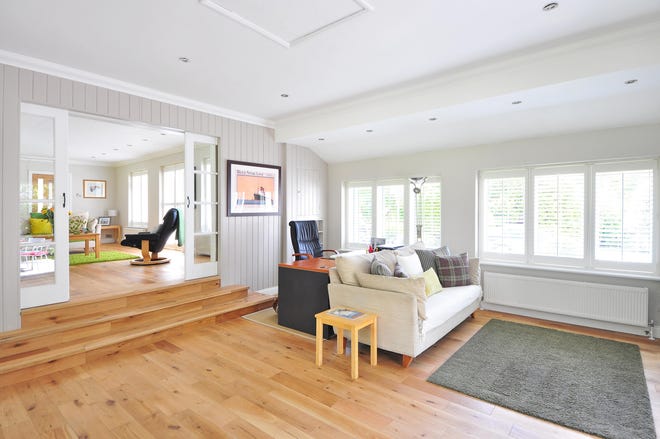
Today’s evolving hardwood floors offer myriad choices