1/3
Gas Fireplaces: Direct Vent vs. Vent-Free
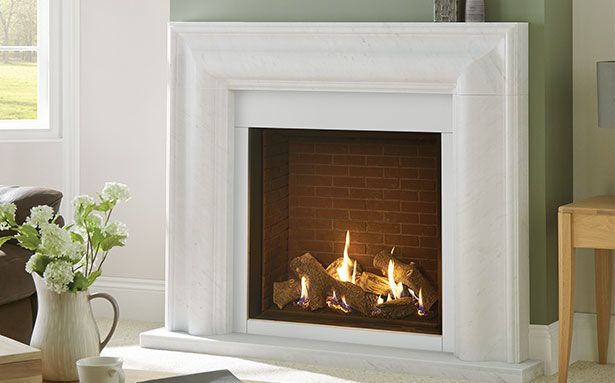
This article delves into the ongoing debate surrounding direct-vent versus vent-free gas fireplaces, sparked by polarizing feedback to an earlier comparison piece. The author highlights the contentious nature of vent-free appliances, which despite being permitted by various building codes with specific restrictions, raise significant safety and health concerns among professionals and homeowners. The discussion points to the International Fuel Gas Code, the Uniform Mechanical Code, and NFPA 54, all of which allow ventless heaters under certain conditions, though some jurisdictions have outright banned them for residential use.
One primary concern revolves around the potential for carbon monoxide (CO) poisoning. While manufacturers claim vent-free units are safe when installed correctly, relying on an oxygen depletion sensor (ODS) to shut off the appliance if oxygen levels drop, critics argue that an ODS cannot detect low-level CO. A 1-2% drop in oxygen could indicate dangerous CO levels without triggering the ODS, as CO itself displaces oxygen. Furthermore, dirty burners can produce CO even with adequate oxygen, posing a silent threat. The absence of documented illness cases related to properly installed ventless heaters is questioned, with experts suggesting that low-level CO poisoning symptoms often mimic common illnesses, making them difficult to attribute directly to the appliance.
Beyond CO, the issue of moisture vapor is frequently raised. Vent-free gas appliances release exhaust directly into the living space, a process that includes a significant amount of water vapor as a byproduct of combustion. This can lead to elevated indoor humidity levels, often exceeding 70% relative humidity, which can cause moisture problems in homes, even those with mechanical ventilation systems designed for typical household moisture. This is cited as a potential reason why some states, such as California, prohibit the sale and installation of vent-free fireplaces. High humidity can also damage building materials and promote mold growth.
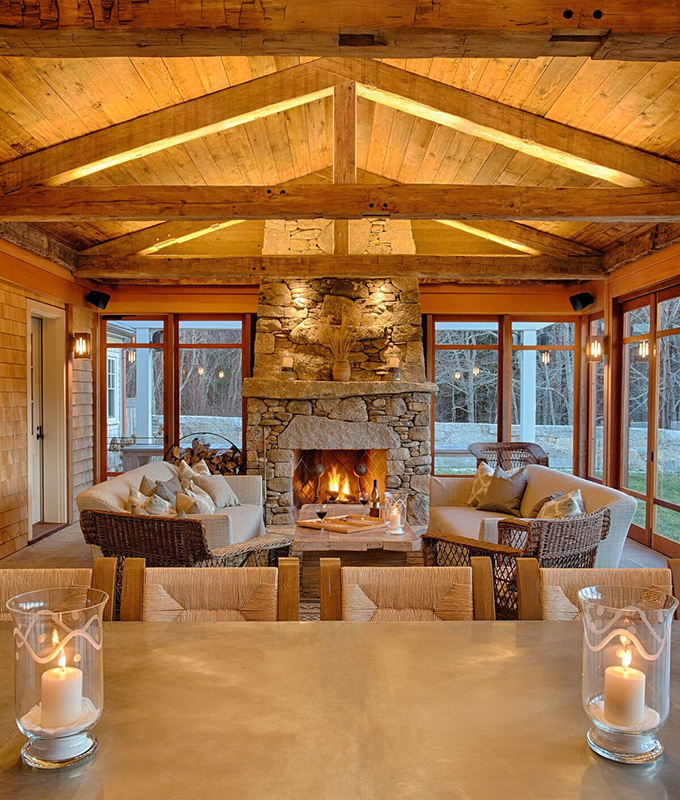
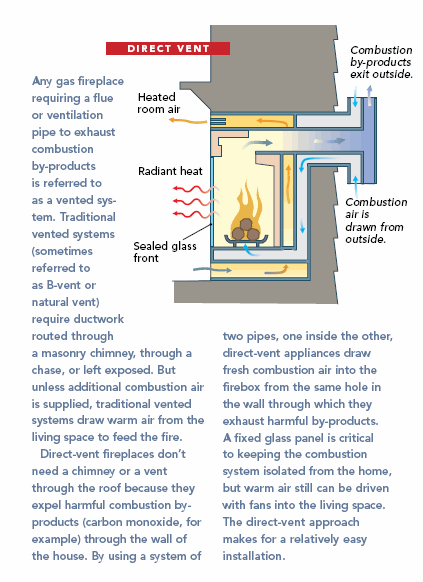
Conversely, direct-vent systems are presented as a safer and more energy-efficient alternative. These systems draw combustion air from outside the home and expel exhaust gases directly outdoors through a sealed system, preventing indoor air quality issues and moisture buildup. The article also touches upon the energy-saving benefits of direct-vent units, as they do not draw conditioned indoor air for combustion, thus preventing heat loss and maintaining indoor comfort. Some contributors propose scenarios where vent-free appliances might be acceptable, such as for occasional use in well-ventilated or leaky spaces like cabins, workshops, or garages, but strongly advise against their use as a primary heat source in continuously occupied, tightly sealed residences due to potential moisture damage and health risks.
The debate underscores the need for consumers to be well-informed about the differences between these technologies, moving beyond manufacturer claims to understand the real-world implications of each option on indoor air quality, health, and home integrity. The complexity of the issue, with differing opinions from code officials, manufacturers, and homeowners, highlights the importance of thorough evaluation before selecting a gas fireplace.
#GasFireplaces #DirectVent #VentFree #IndoorAirQuality #CarbonMonoxideSafety #MoistureControl #HomeHeating #BuildingCodes #ApplianceSafety #GasFireplaces #DirectVent #VentFree #IndoorAirQuality #CarbonMonoxideSafety #MoistureControl #HomeHeating #BuildingCodes #ApplianceSafety
Há 0 comentários no total
 Ainda não há comentários
Você também pode gostar
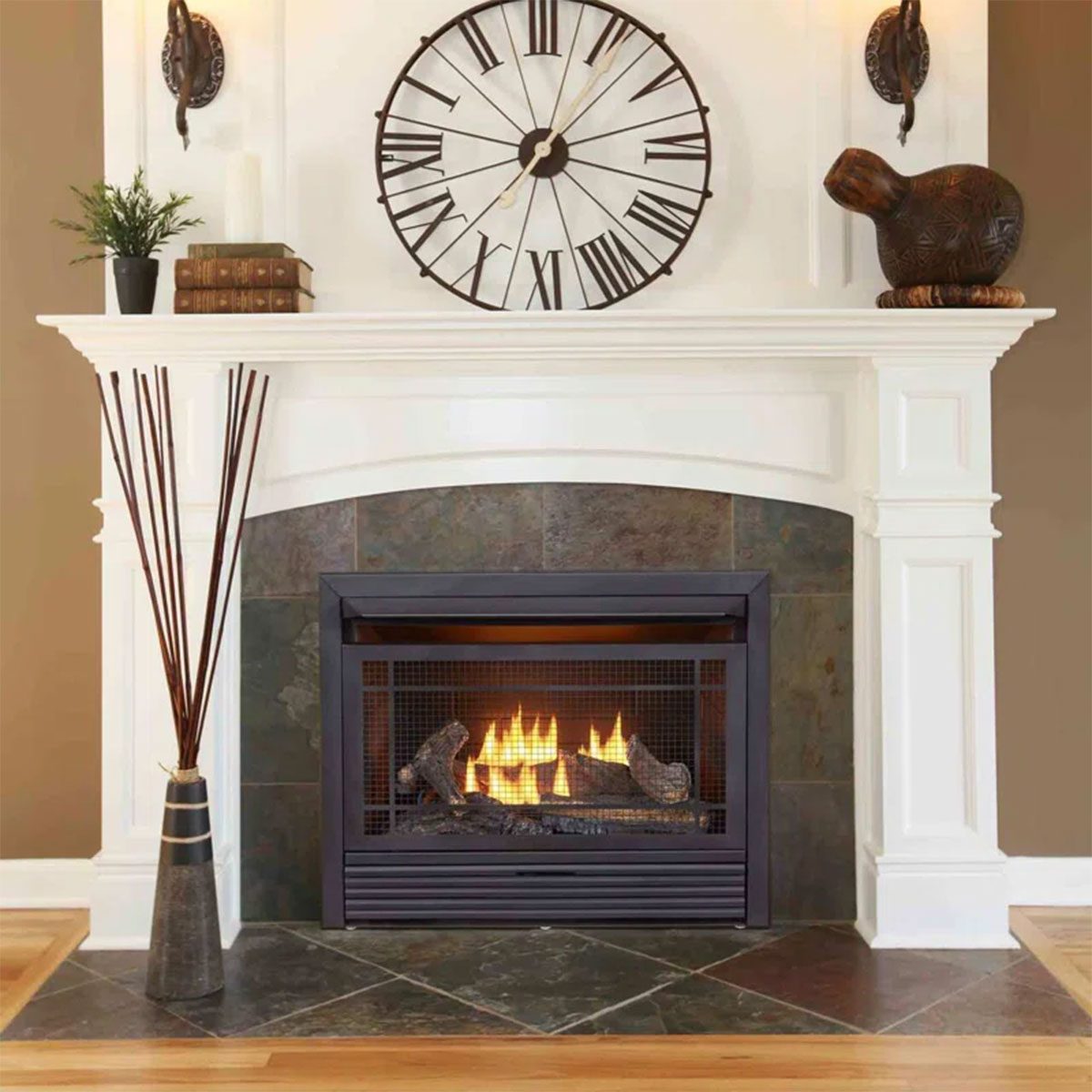
Best Gas Direct-Vent and Ventless Fireplace Inserts For Homeowners

The Best Range Hoods, Reviewed


The 5 Best Smokeless Fire Pits of 2026 | Reviews by Wirecutter

Stressed About Kitchen Pollution? A Window Fan Is a Cheap Fix.
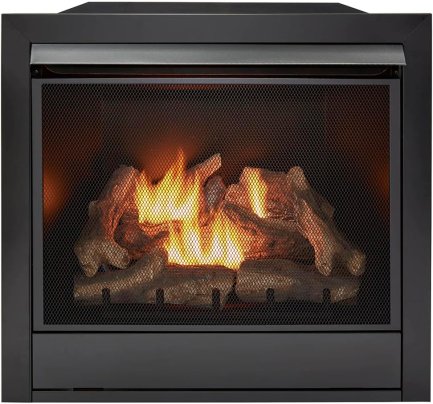
The Best Gas Fireplace Inserts Top Picks
Keep Your Kitchen Fresh With the Best Range Hoods


What You Need to Know About Fireplace Installation in Your Home


Design Q+A: Fireplaces
The 12 Best Indoor Fireplaces for Cozying Up this Winter

Home is where the hearth is
Complete guide to buying a gas fireplace
Keep Your Home Toastie With These Indoor Fireplace Ideas | W&H

These Gas Fireplace Inserts Will Get You Ready for a Cozy Fall

7 fireplace ideas for the home this winter
The best energy efficient fireplaces

Best Indoor and Outdoor Ethanol Fireplaces For Modern Warmth
Best Stovetop & Hanging Range Hoods For Optimum Kitchen Ventilation
Fires & Fireplaces

Fisher & Paykel Induction Cooktop Subtracts Need for Vent Hoods

Open fires v wood-burning stoves: The grate debate