1/6
5 dated living room layouts to always avoid and what designers are doing instead for 2025
The article discusses five dated living room layouts that designers recommend avoiding in 2025, offering contemporary alternatives to create more functional, aesthetically pleasing, and sociable spaces. A central theme is moving away from television-centric layouts towards designs that prioritize human interaction, flexibility, and natural light.
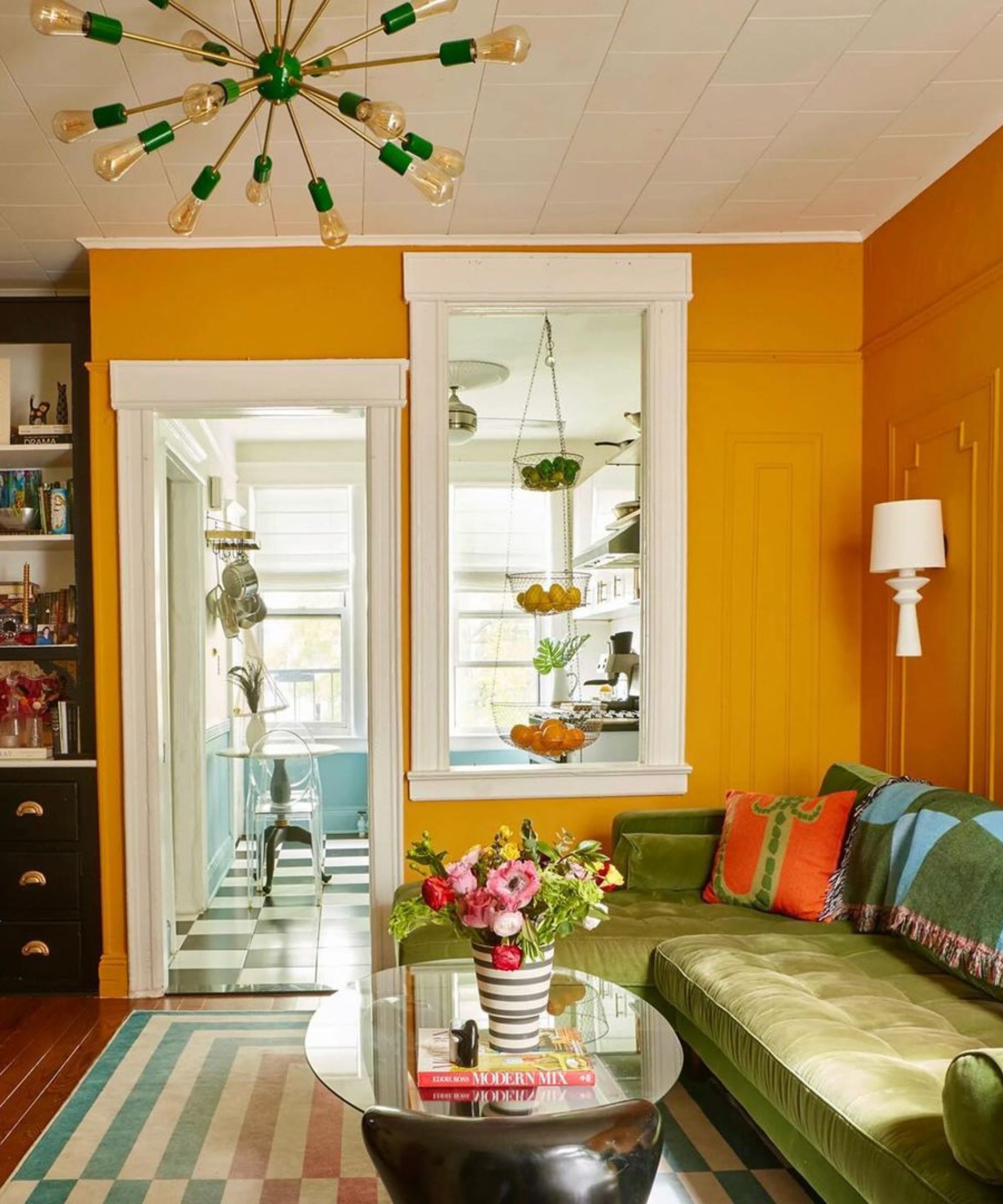
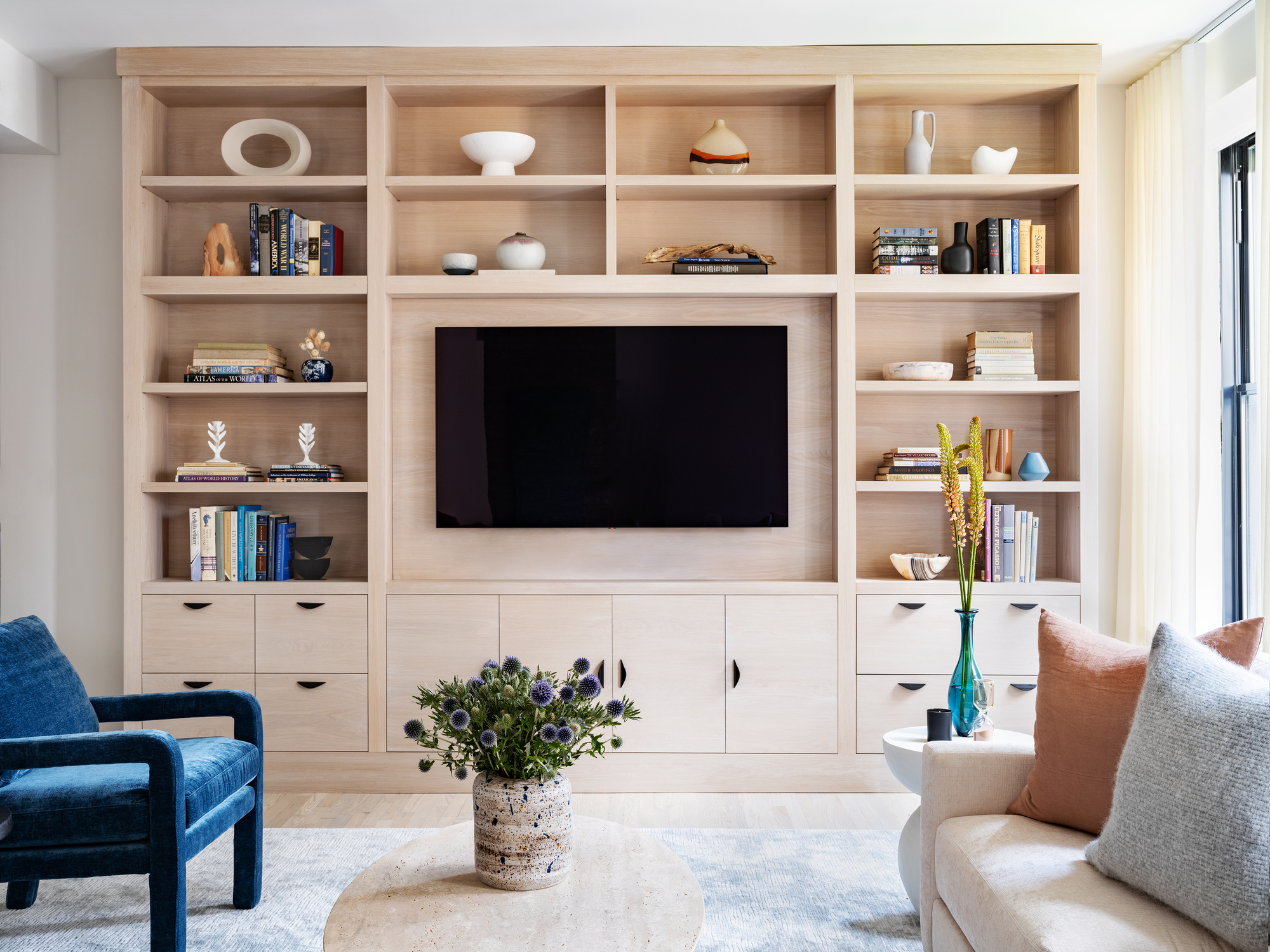
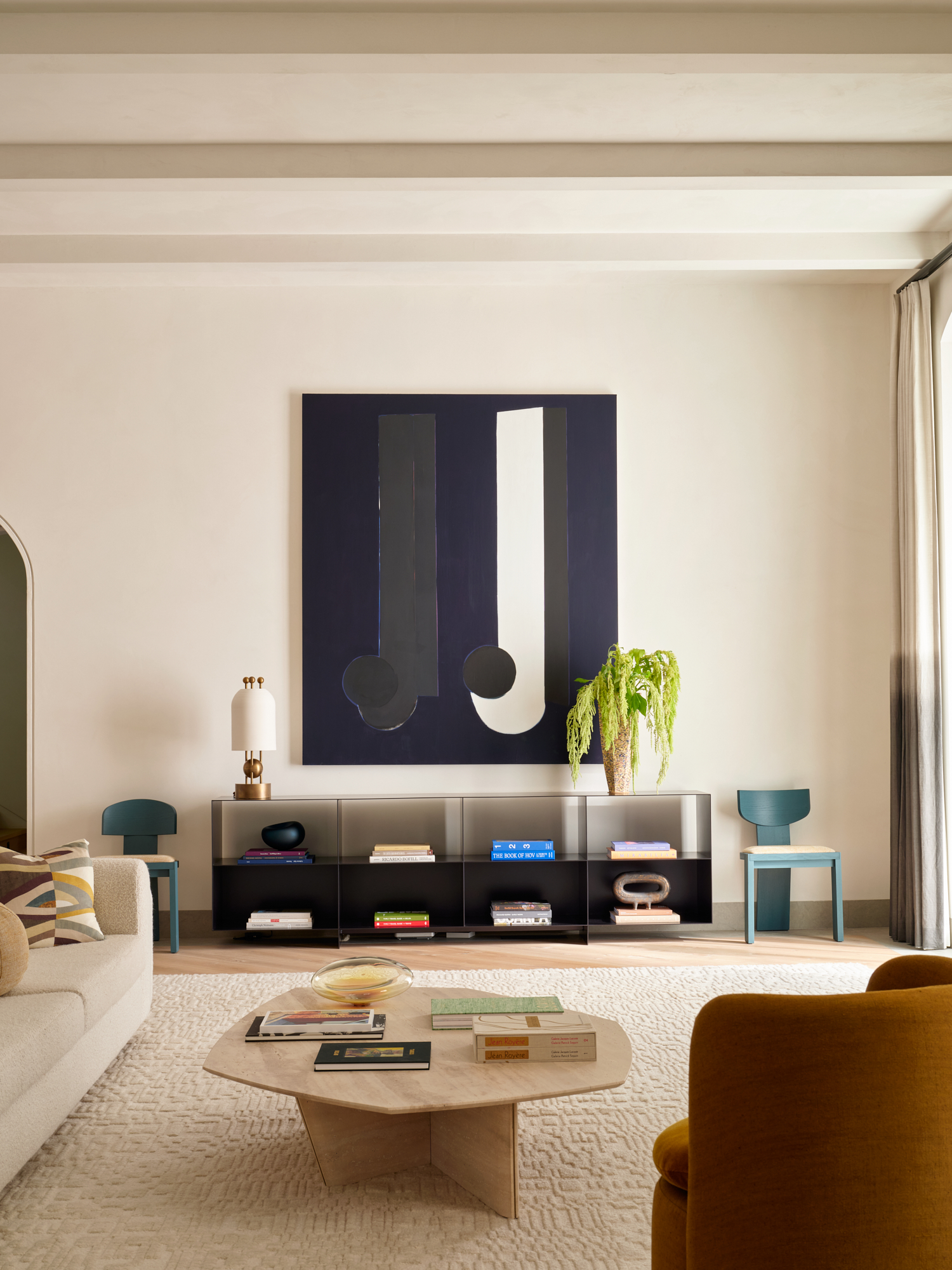
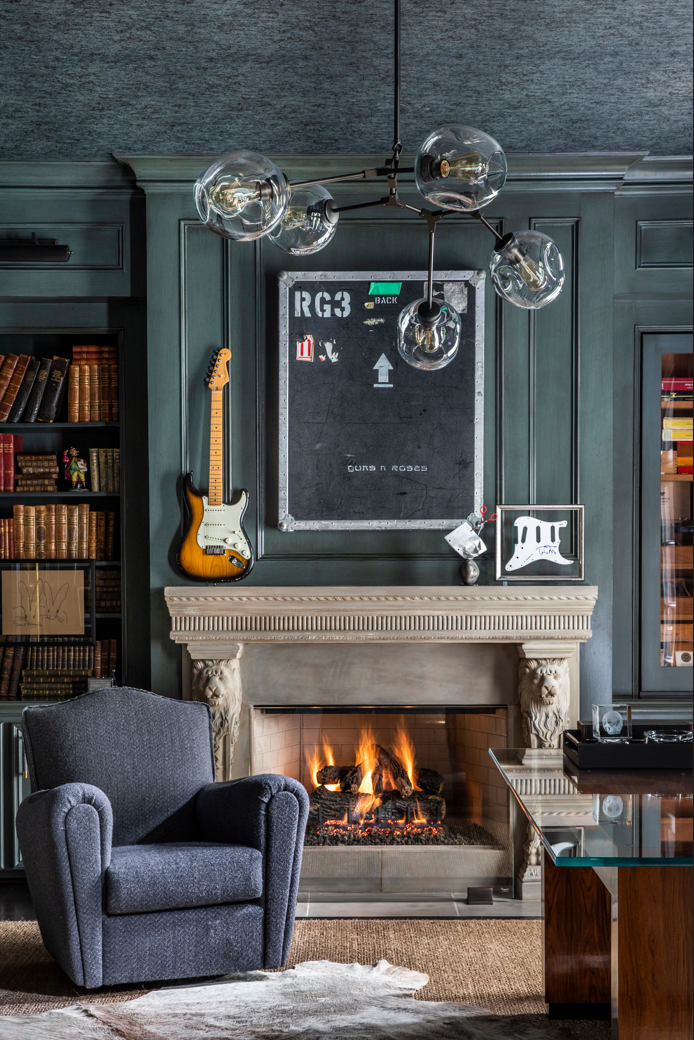
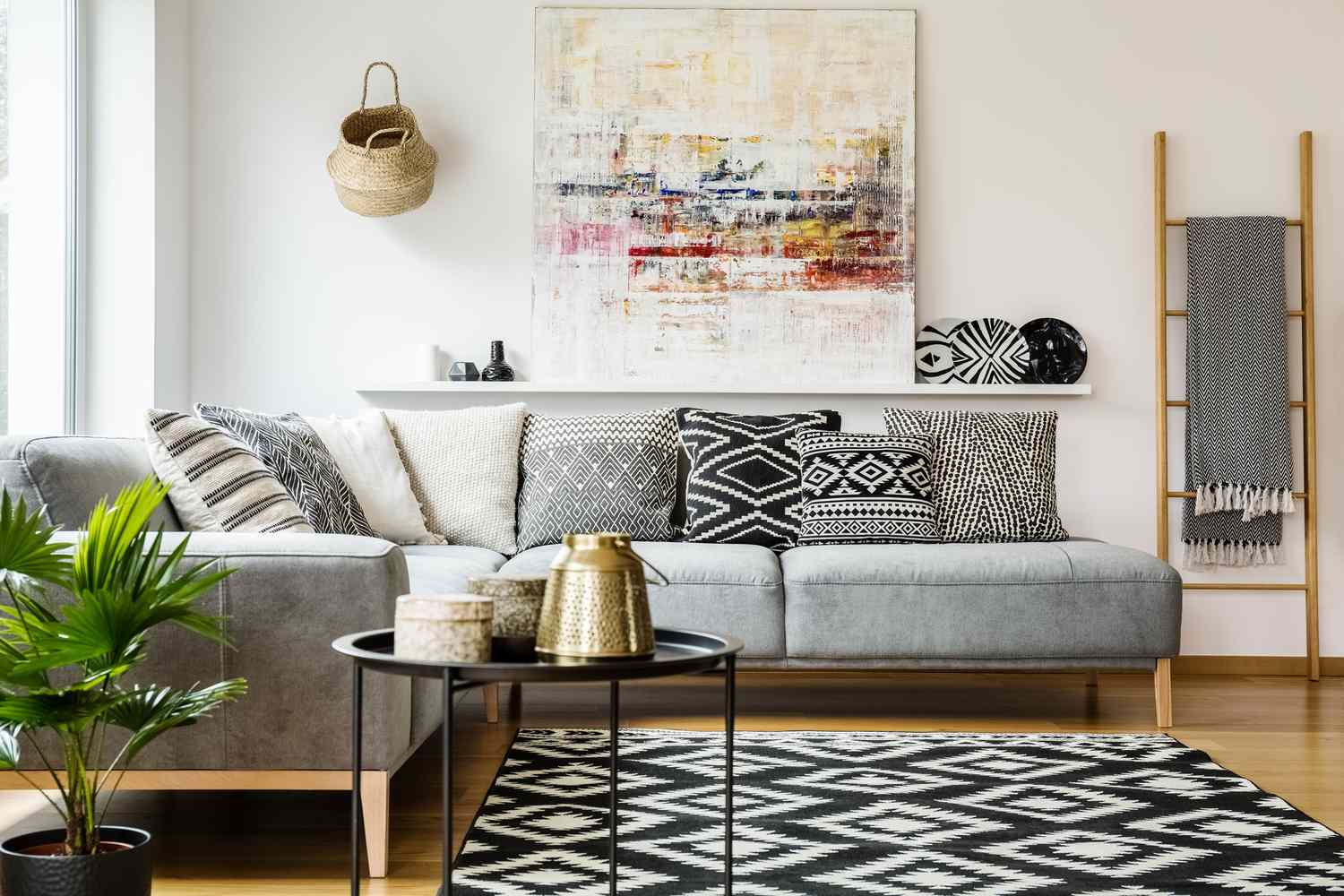
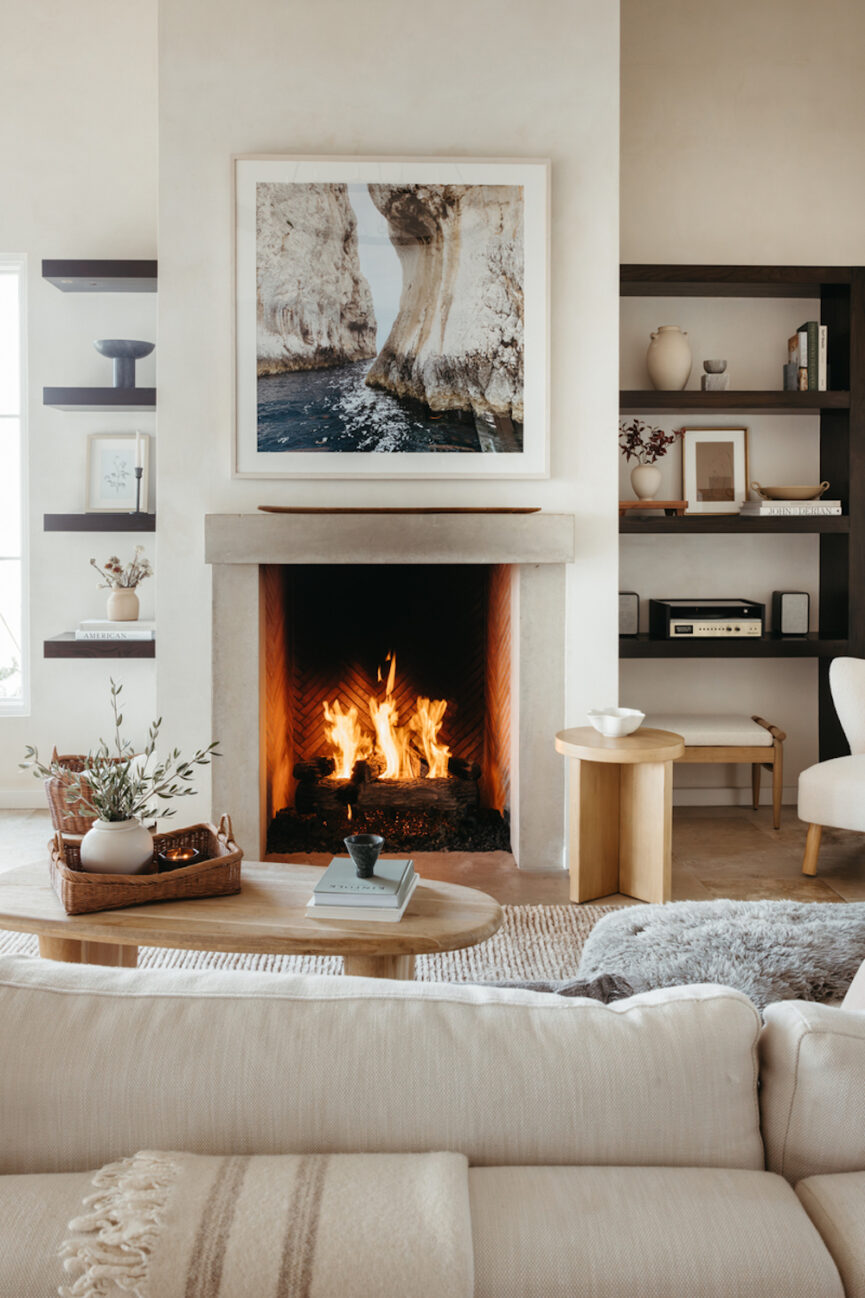
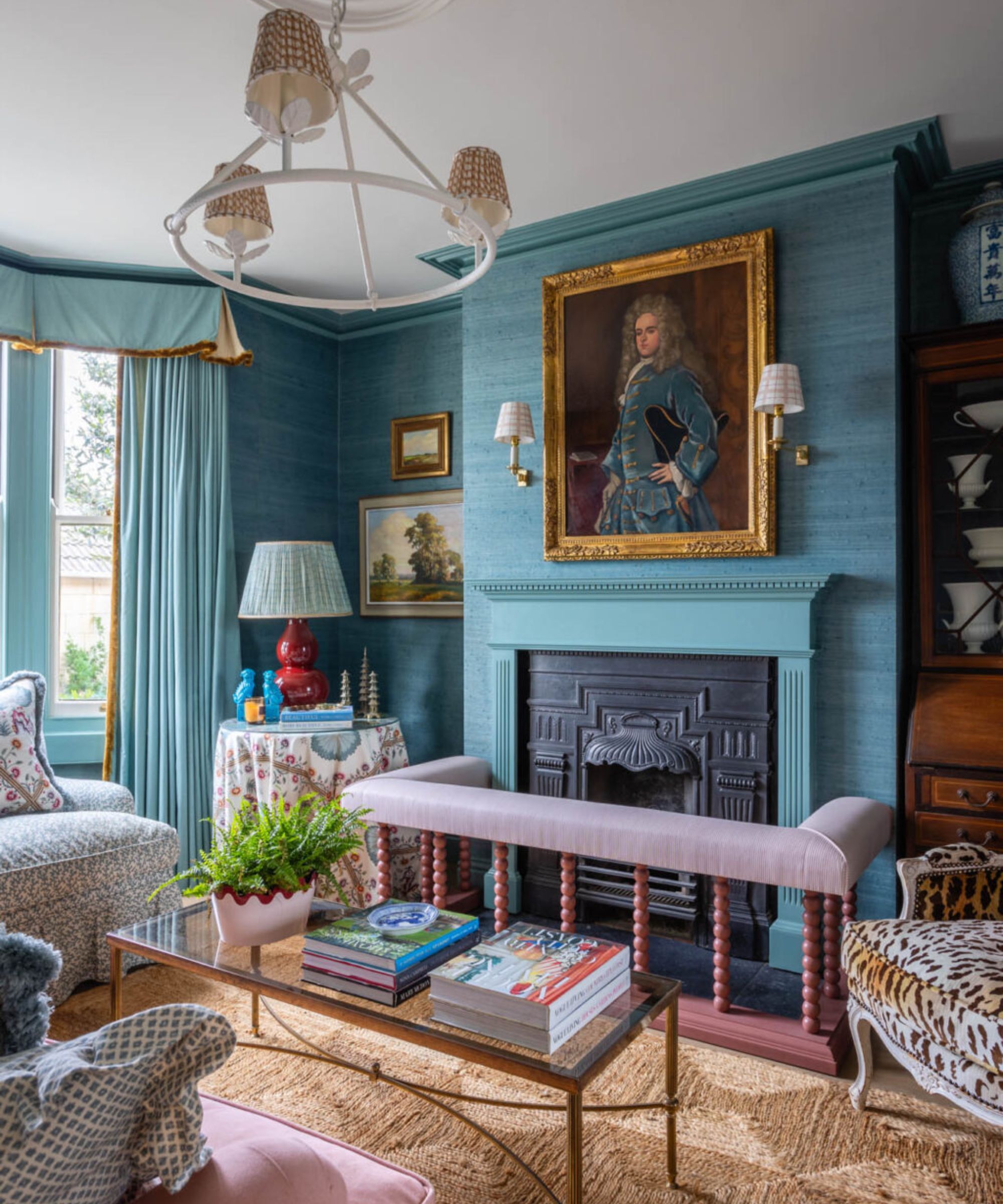
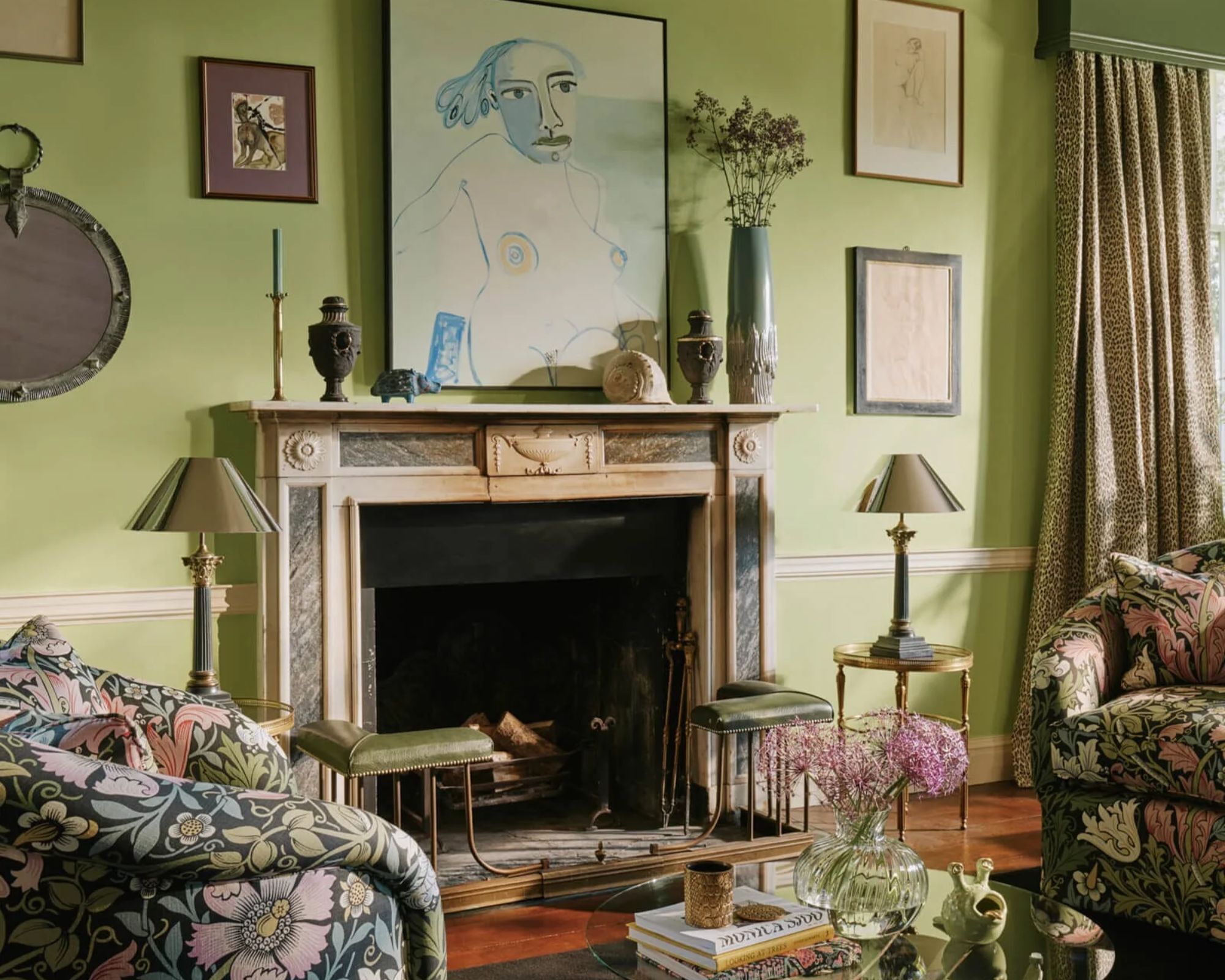
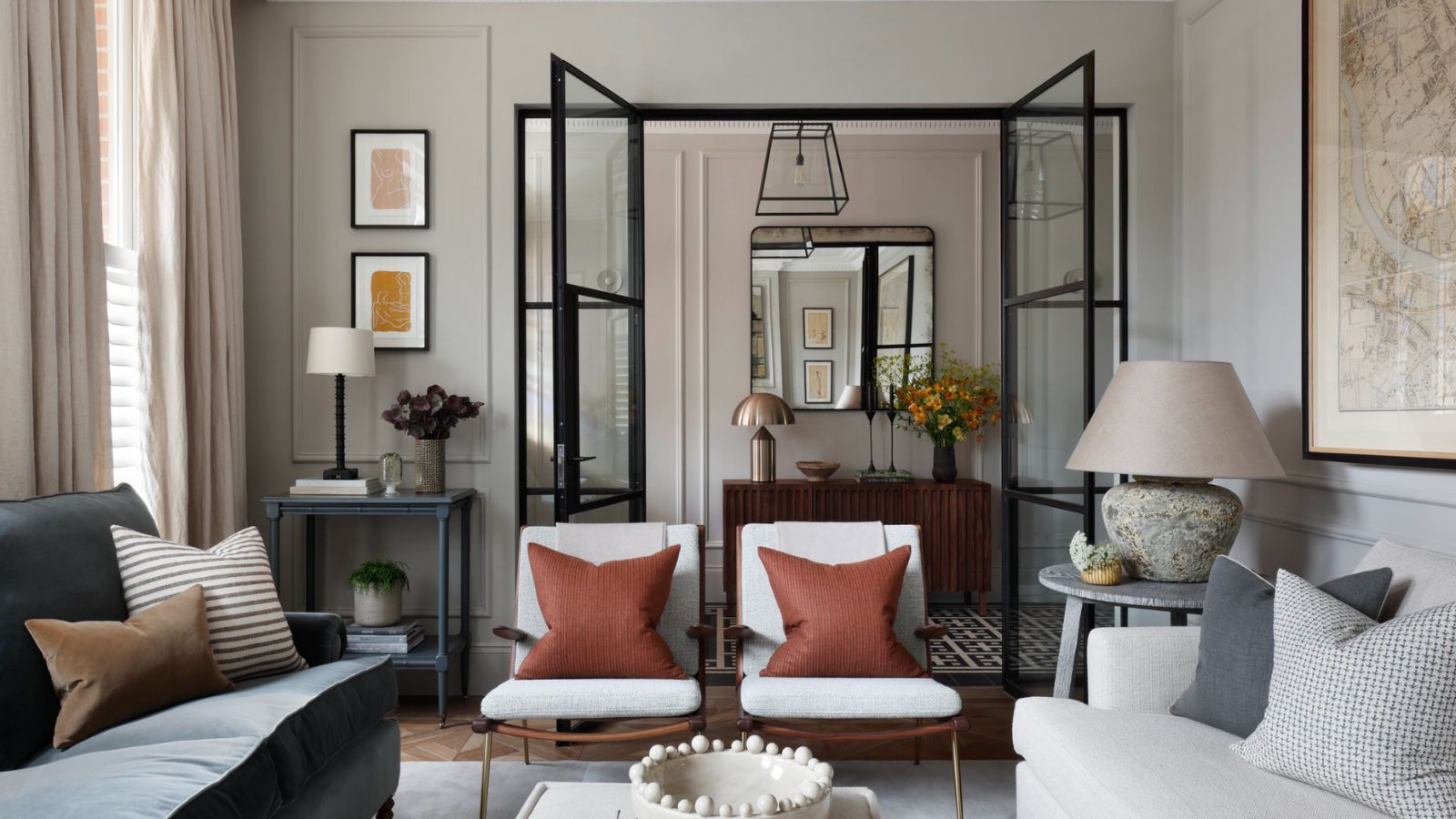
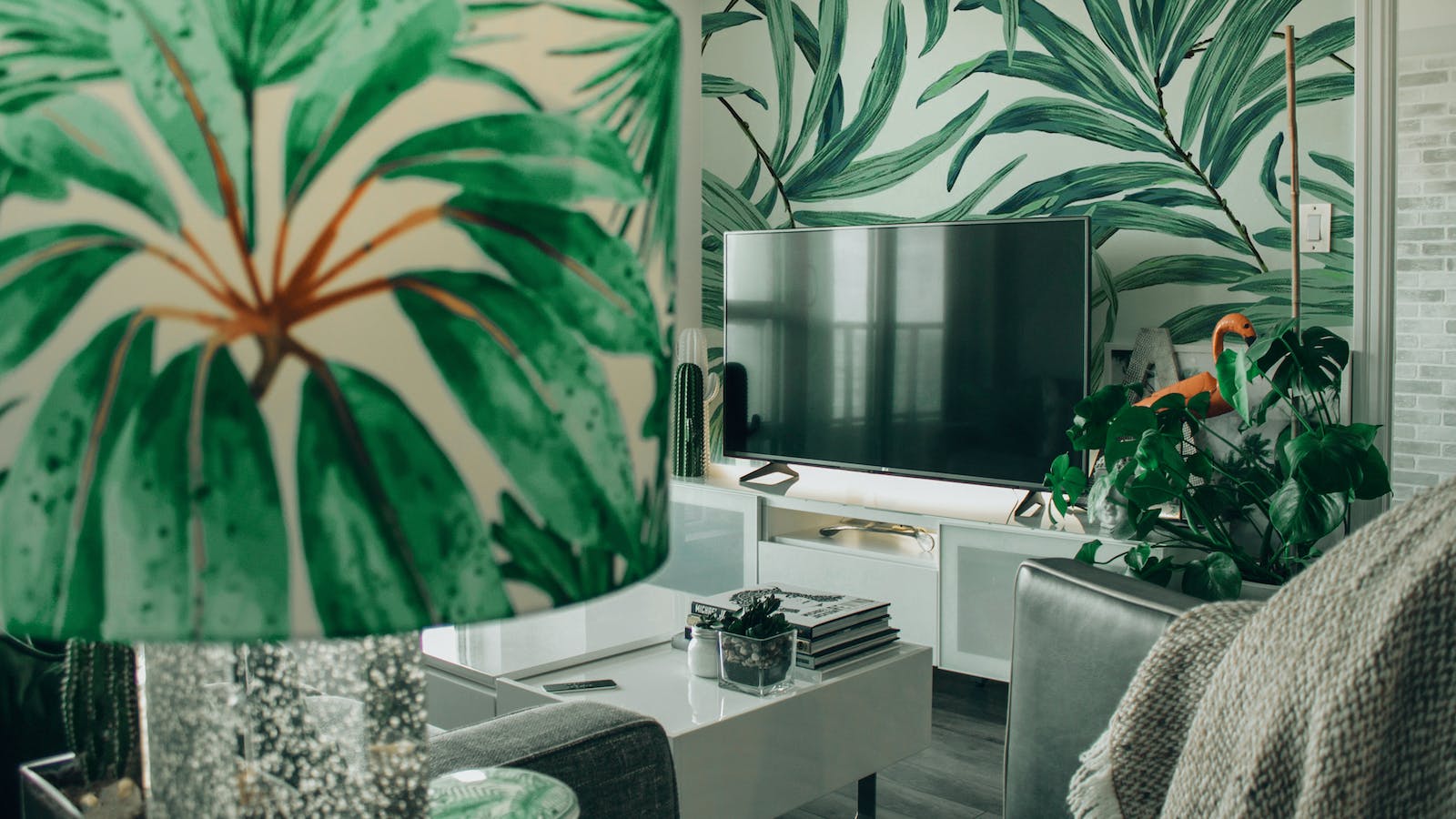
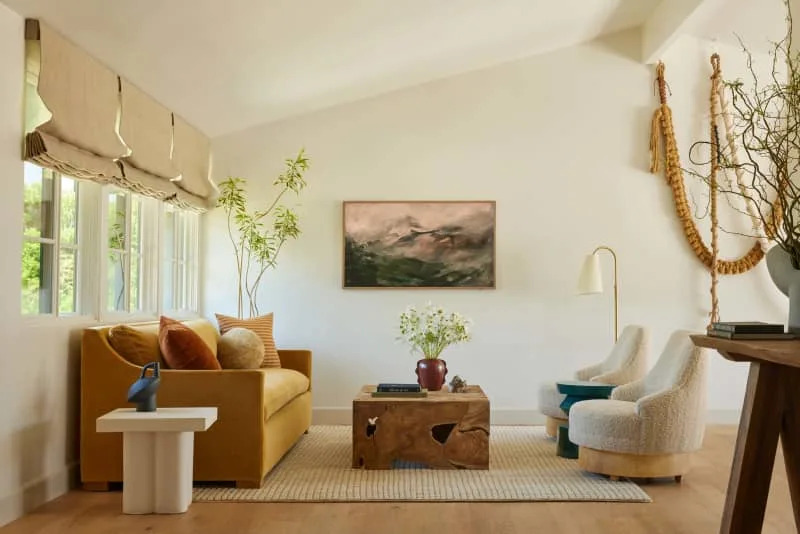
The first dated approach highlighted is a lack of order in furniture placement. Historically, living rooms were often arranged to give every piece of furniture a clear view of the TV, leading to spaces that were not conducive to entertaining. Instead, designers suggest centering furniture around a window or an architectural feature to establish a sense of order and symmetry. This method, exemplified by Bryan O'Sullivan, creates a visually satisfying and harmonious room where furniture is intentionally placed rather than merely fitting into available space.
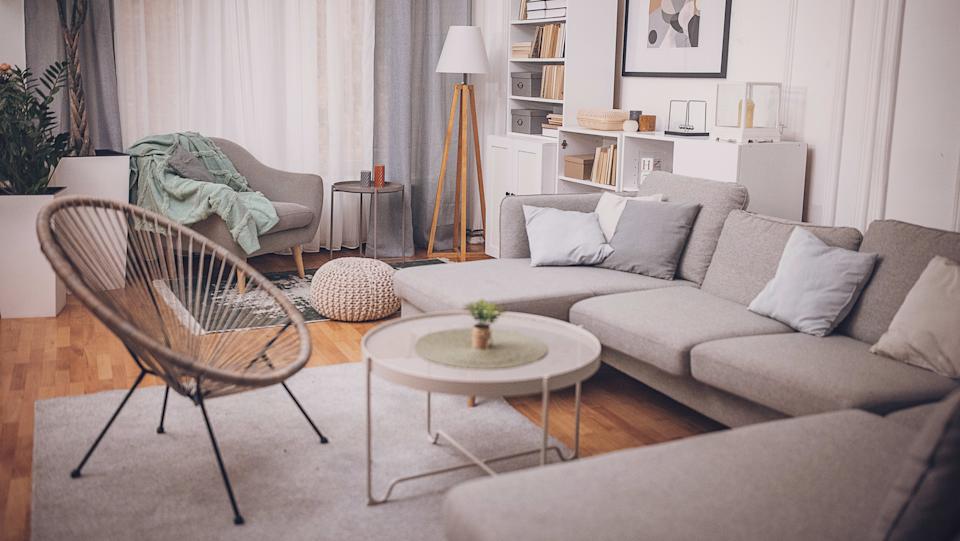
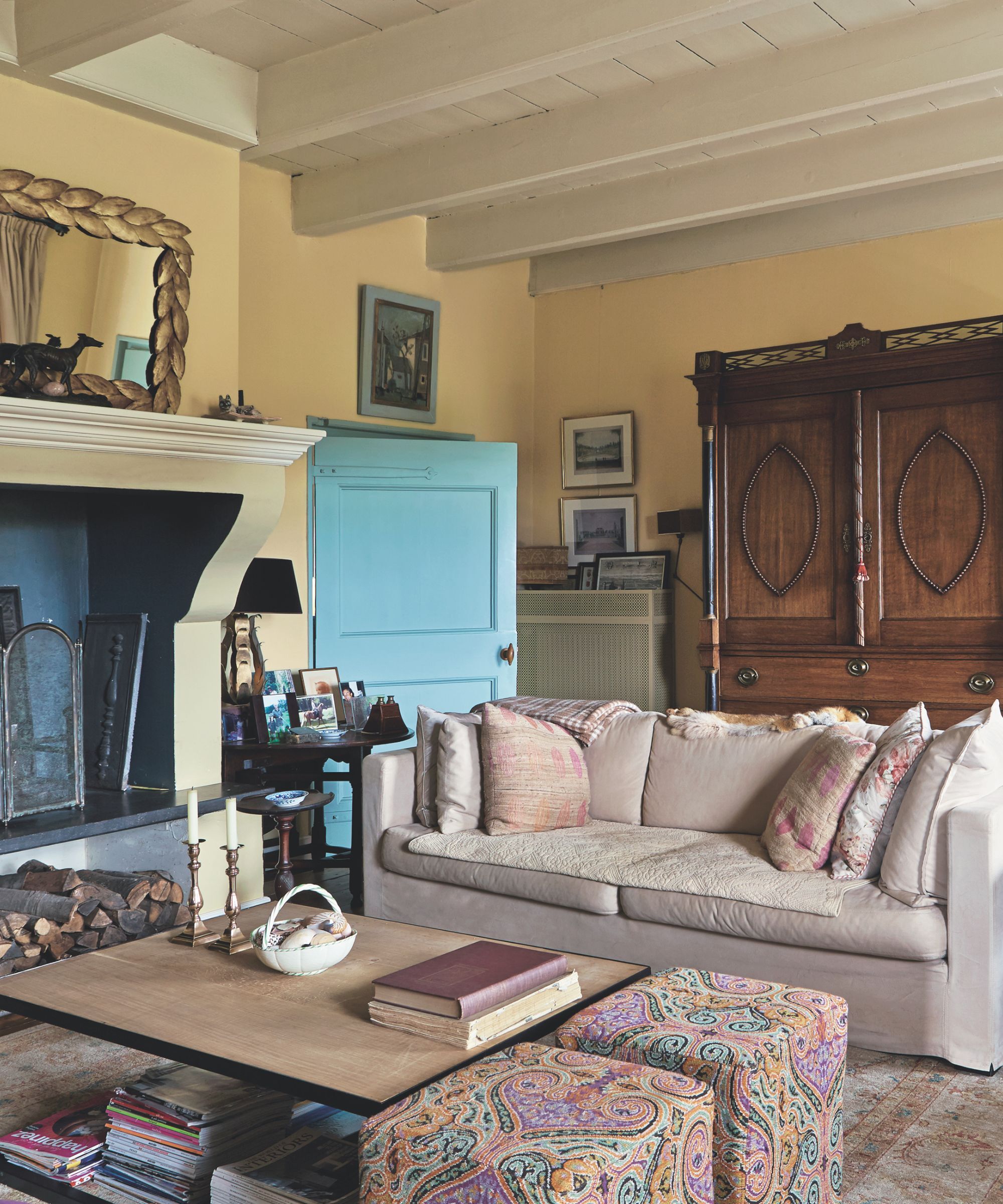
The second outdated layout involves static seating arrangements that do not accommodate modern lifestyles. With the increased reliance on personal devices, living rooms need to provide easy access to power outlets and adaptable seating options. Designers like Olga Ashby advocate for flexible furniture, such as movable stools and diverse seating options, that can be rearranged to suit different activities, lighting conditions, or guest numbers. This contrasts with older designs that aimed for an uncluttered floor space, which often resulted in less practical and less versatile living areas.
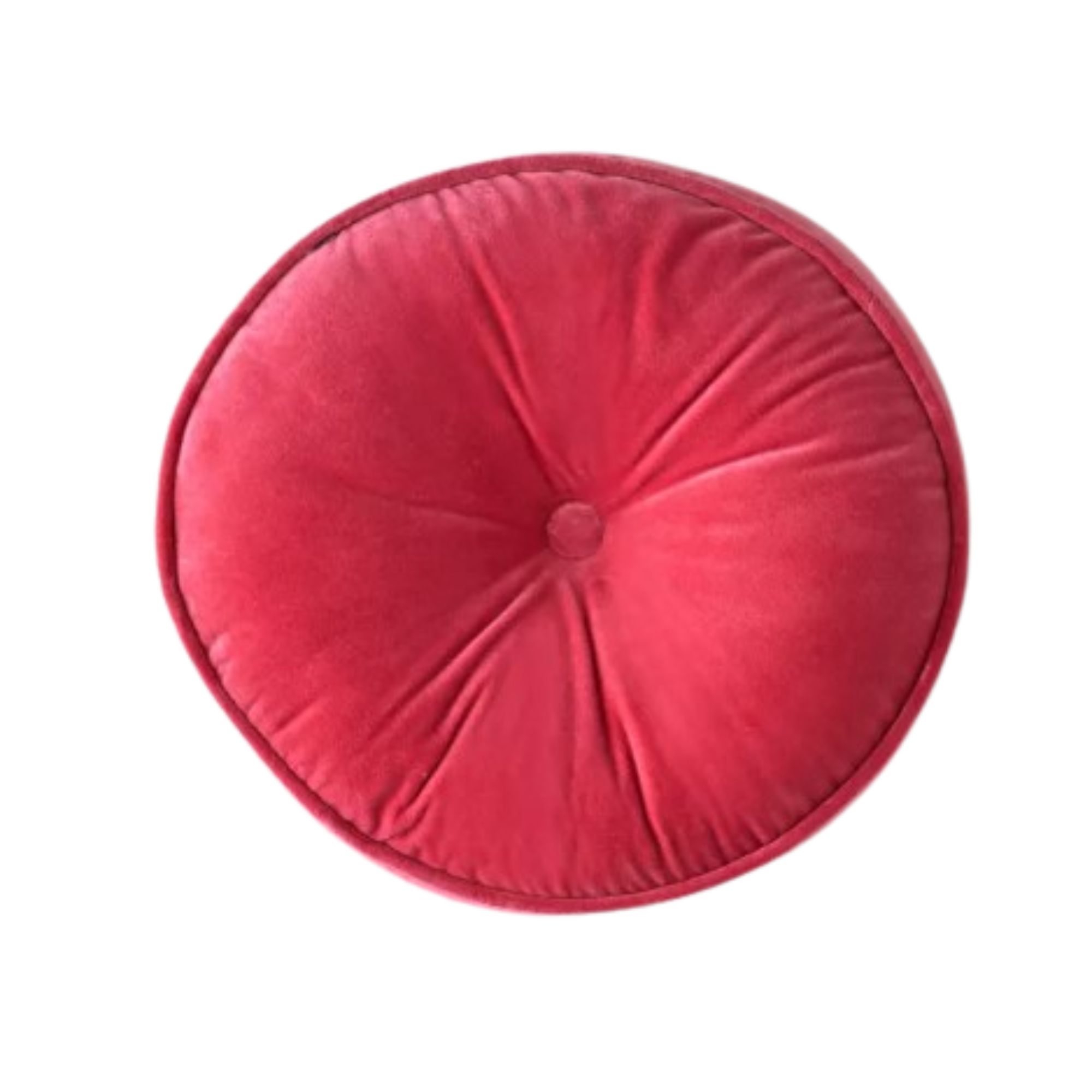
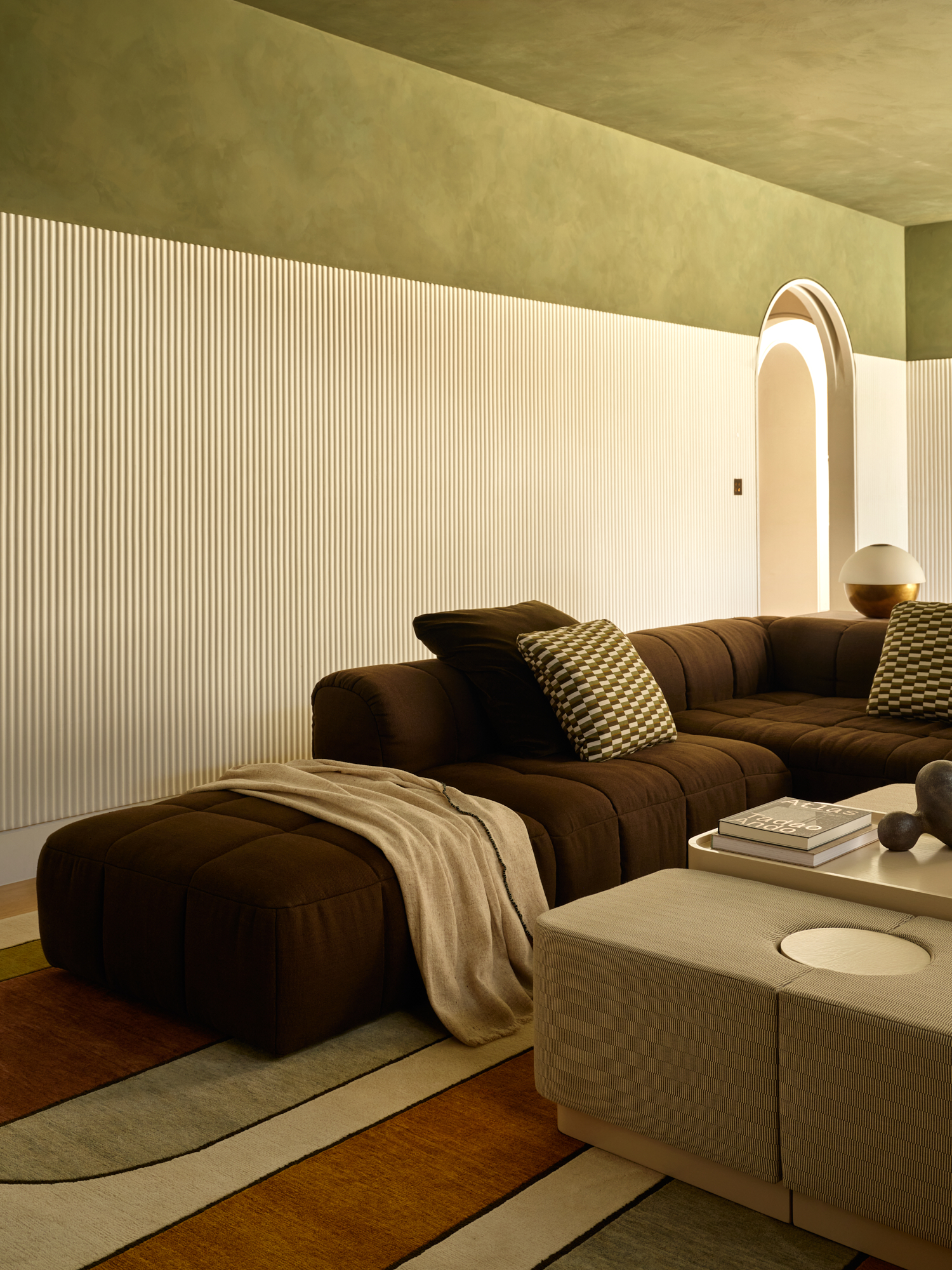
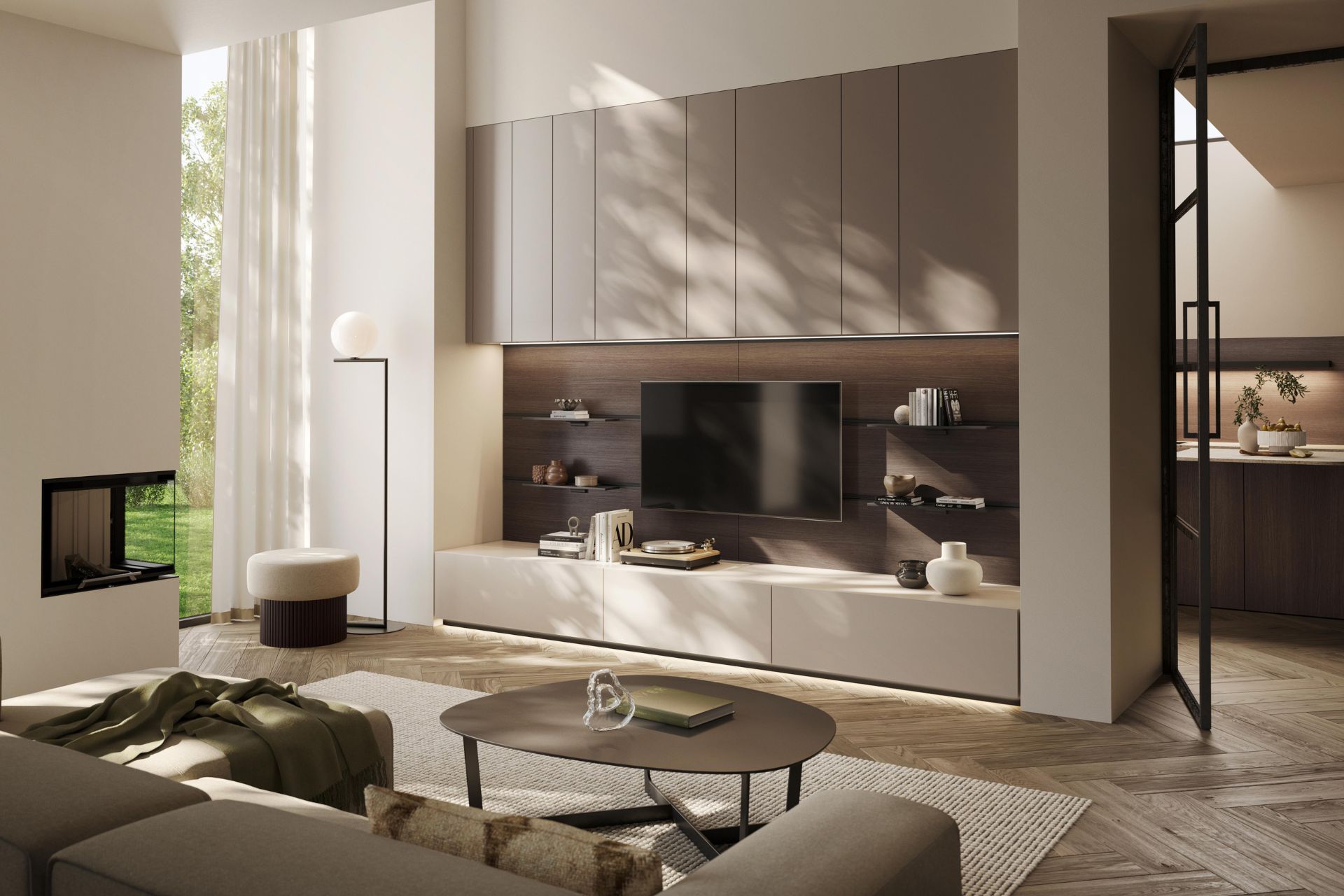
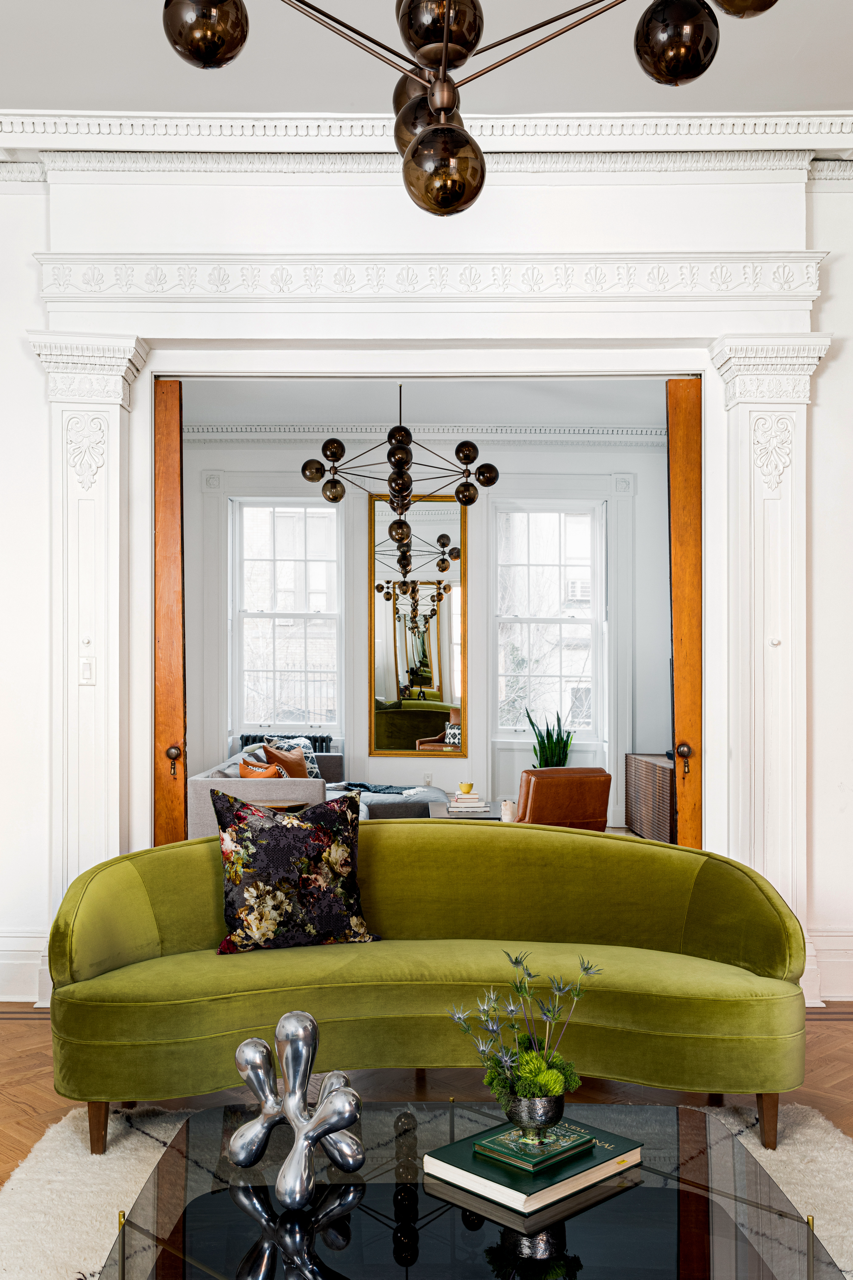
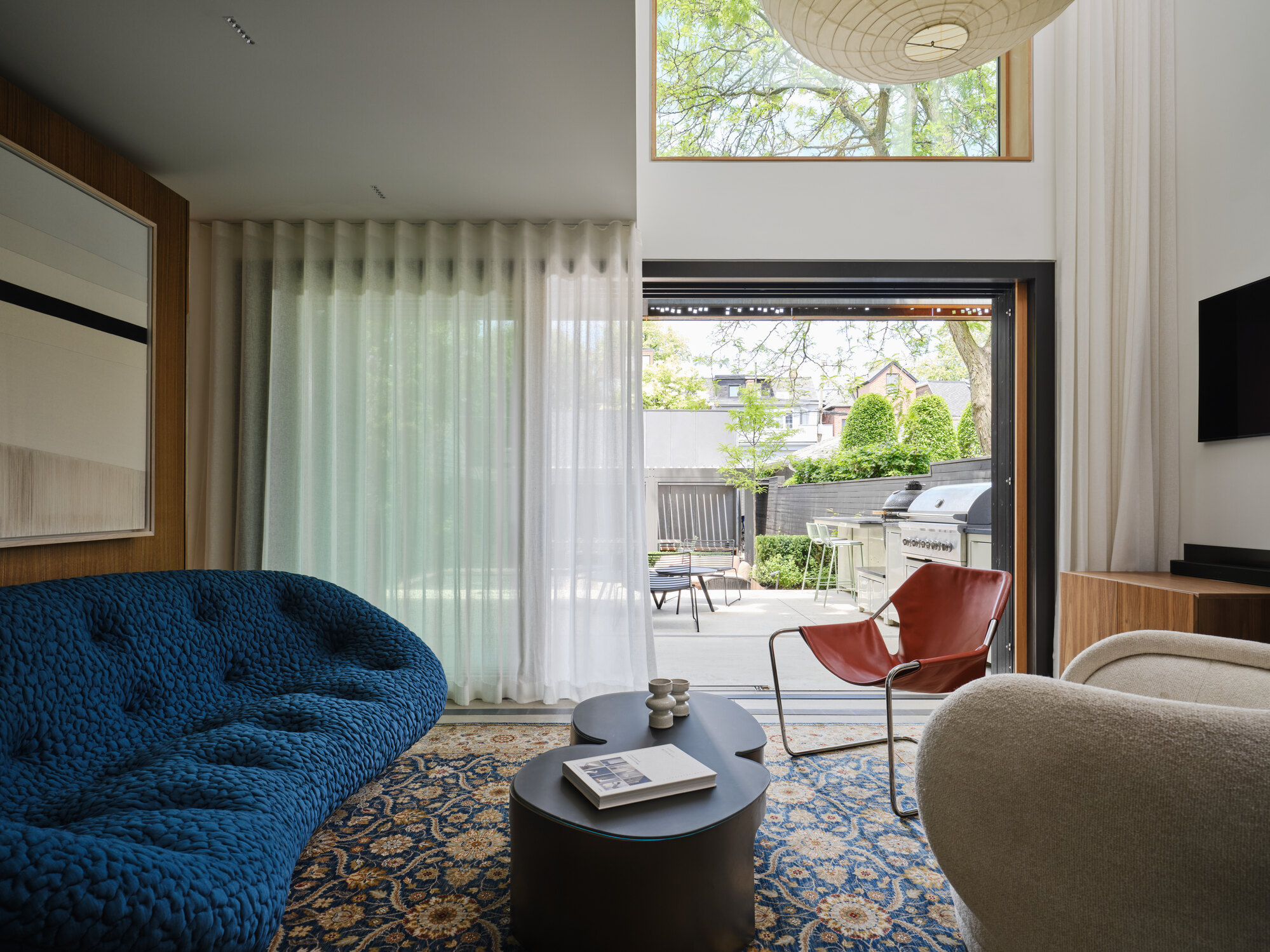
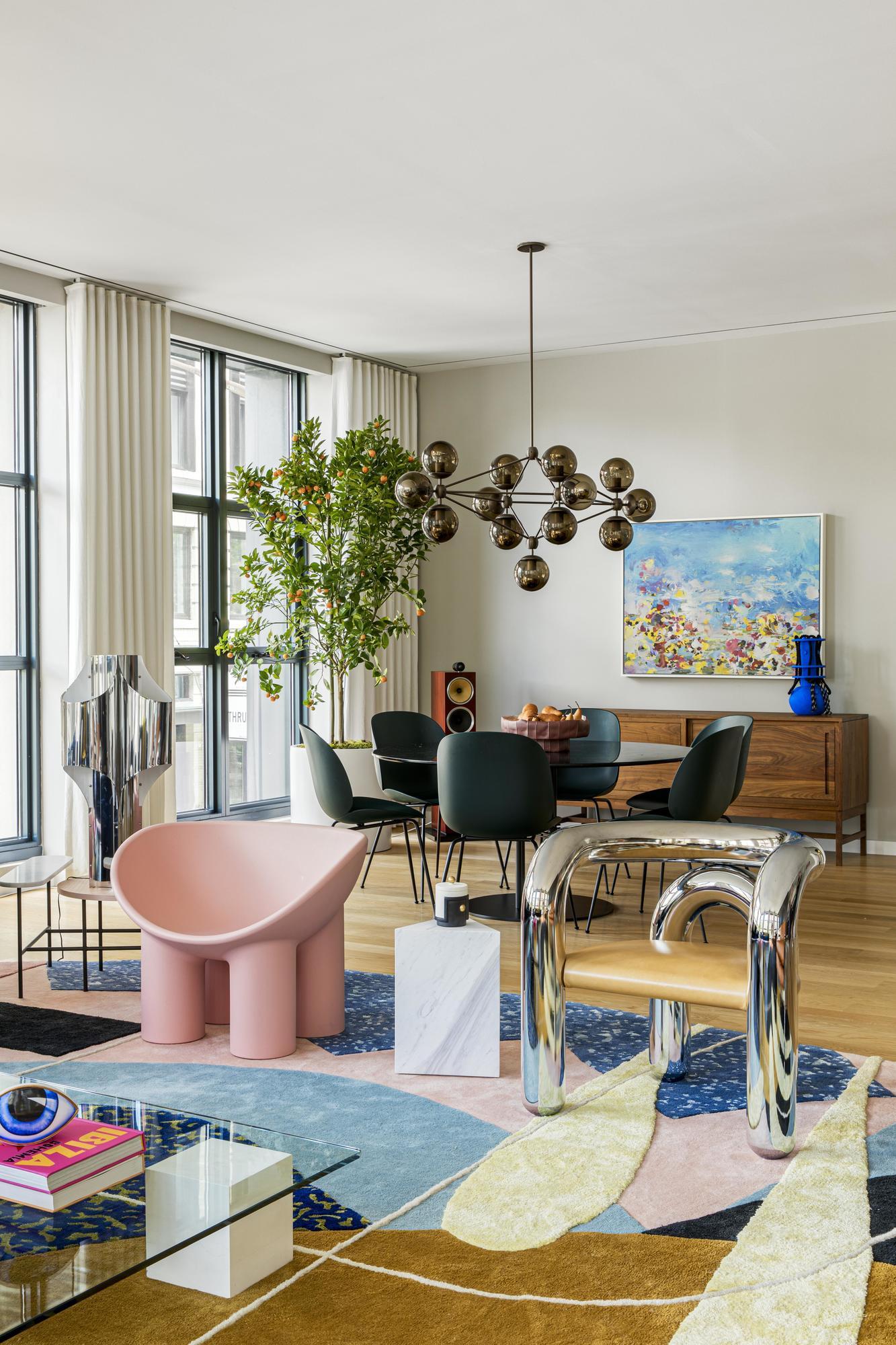
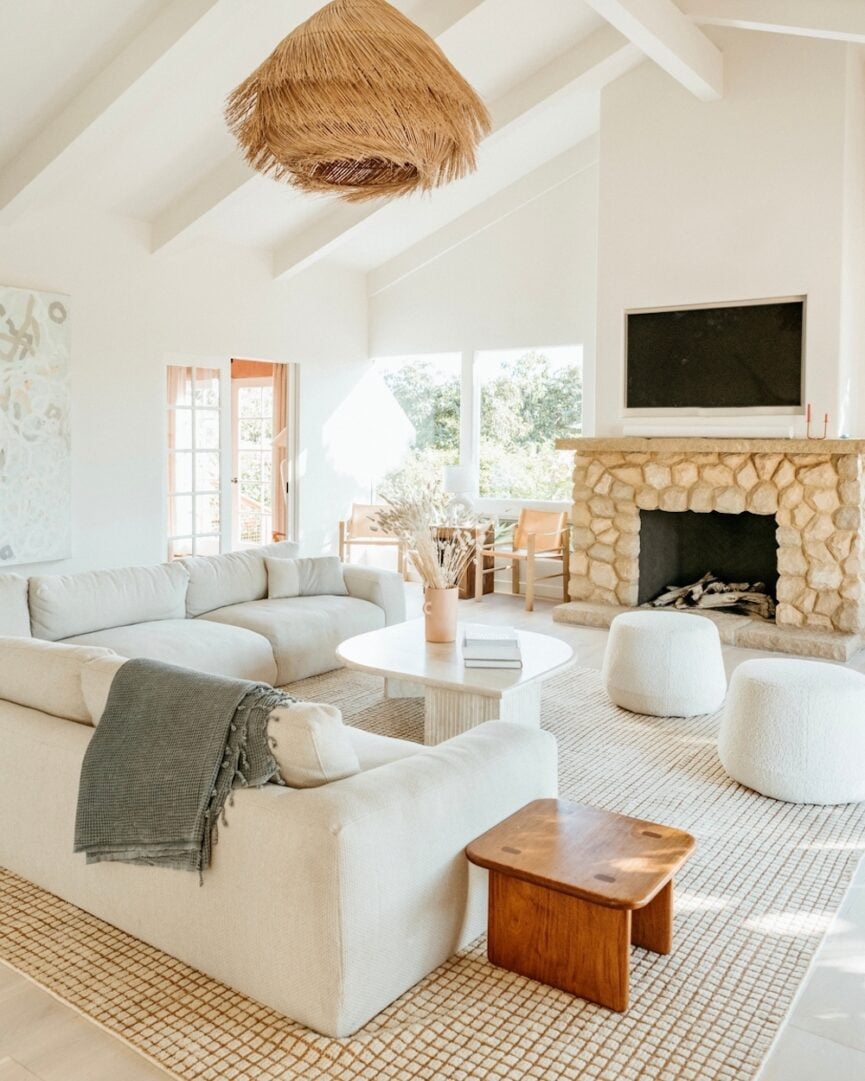
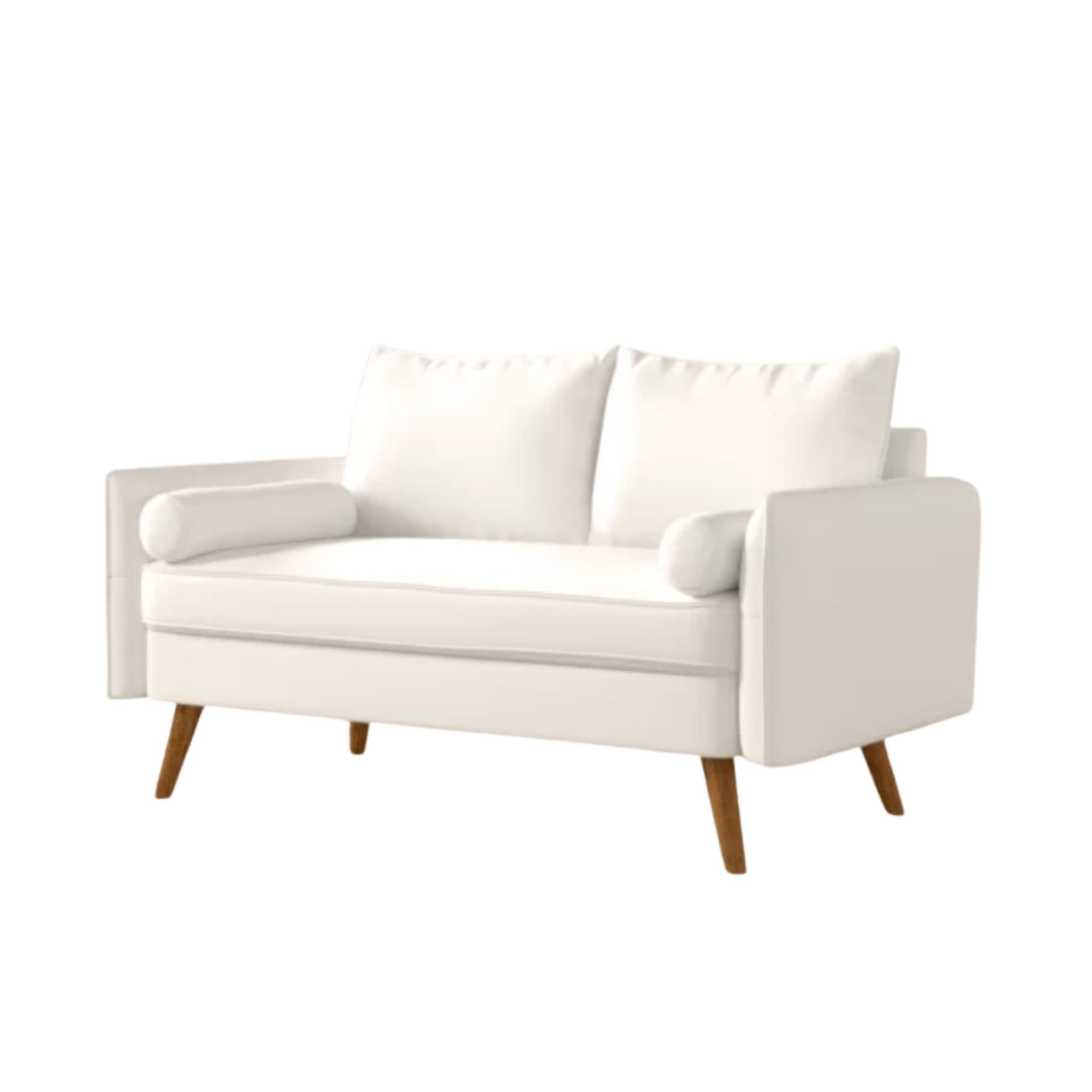
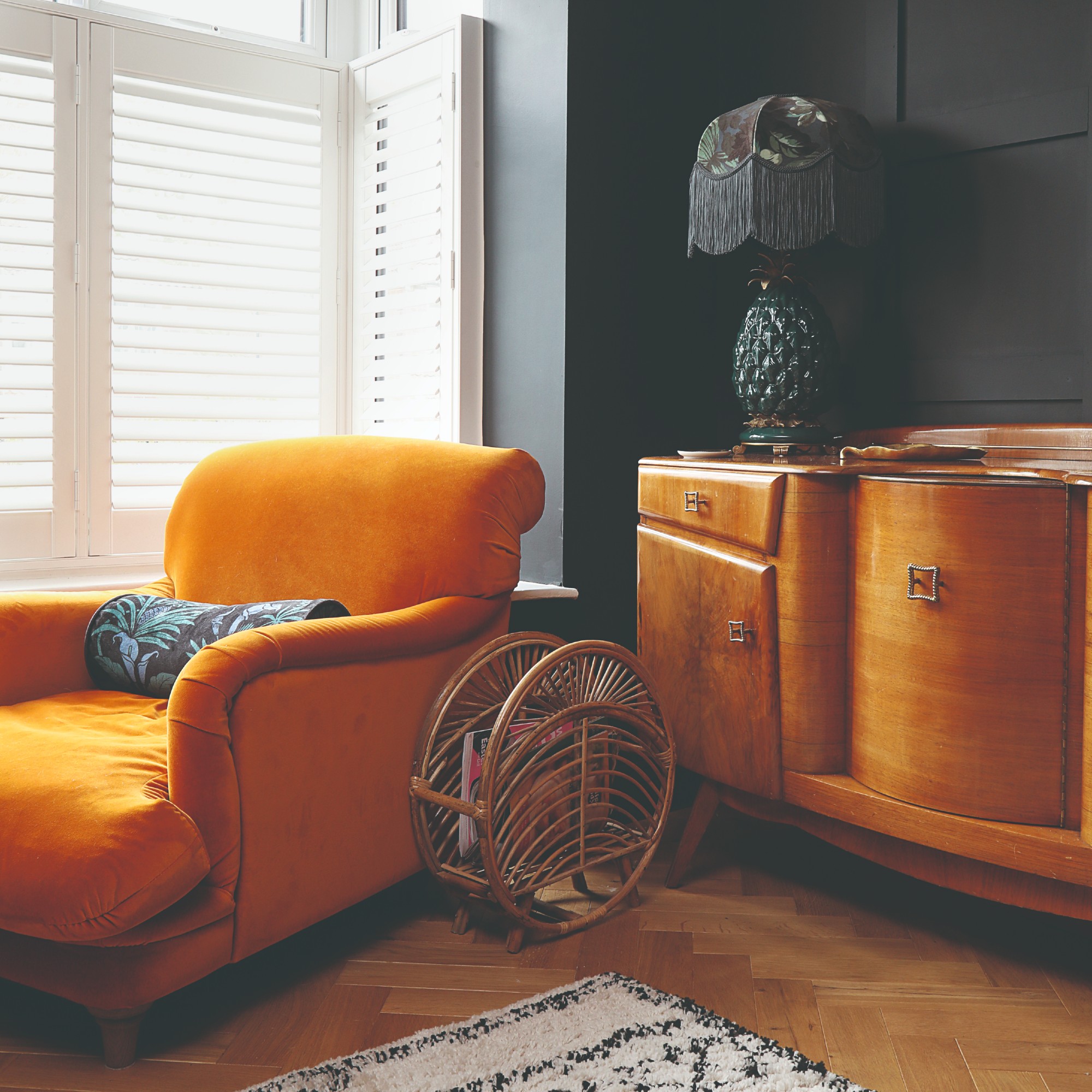
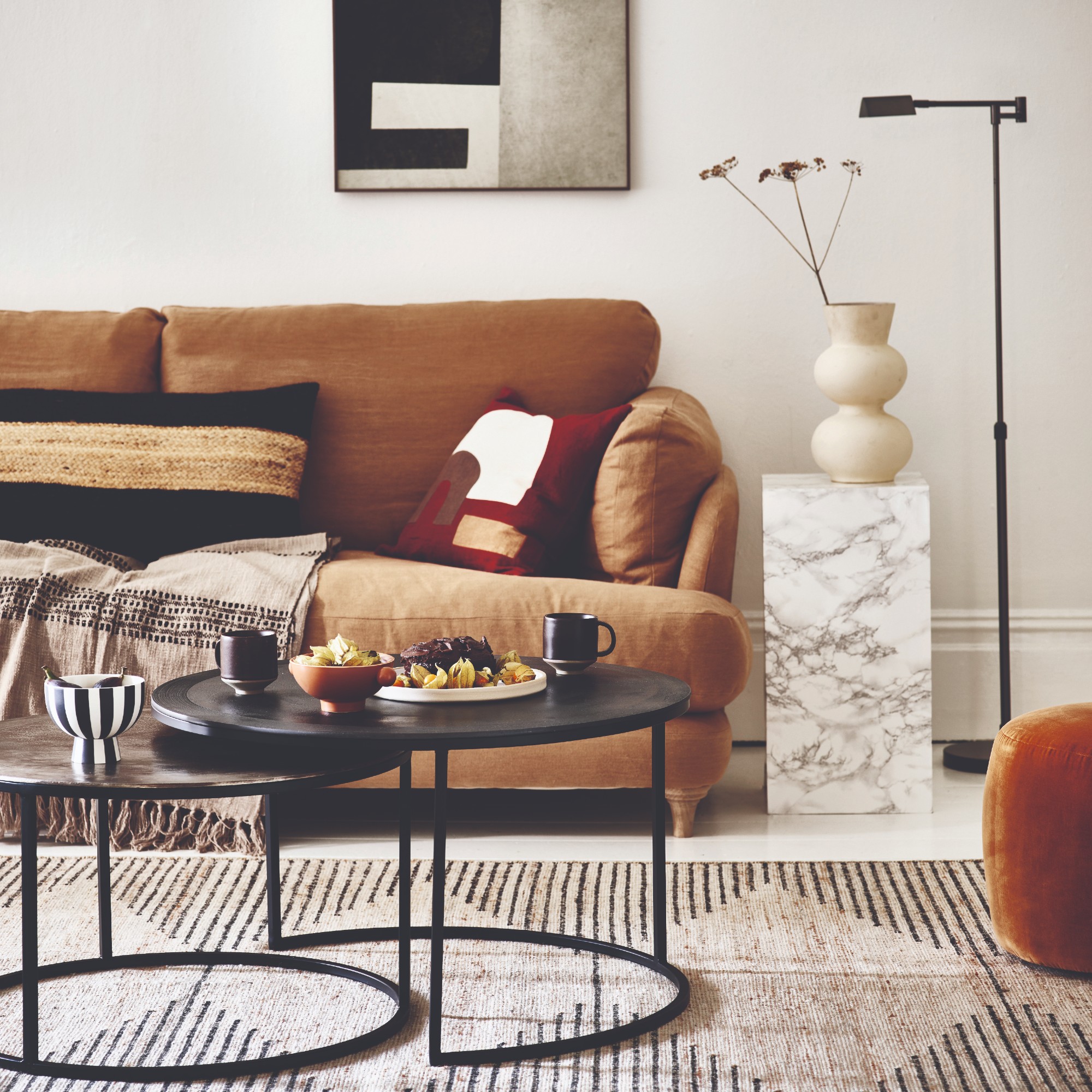
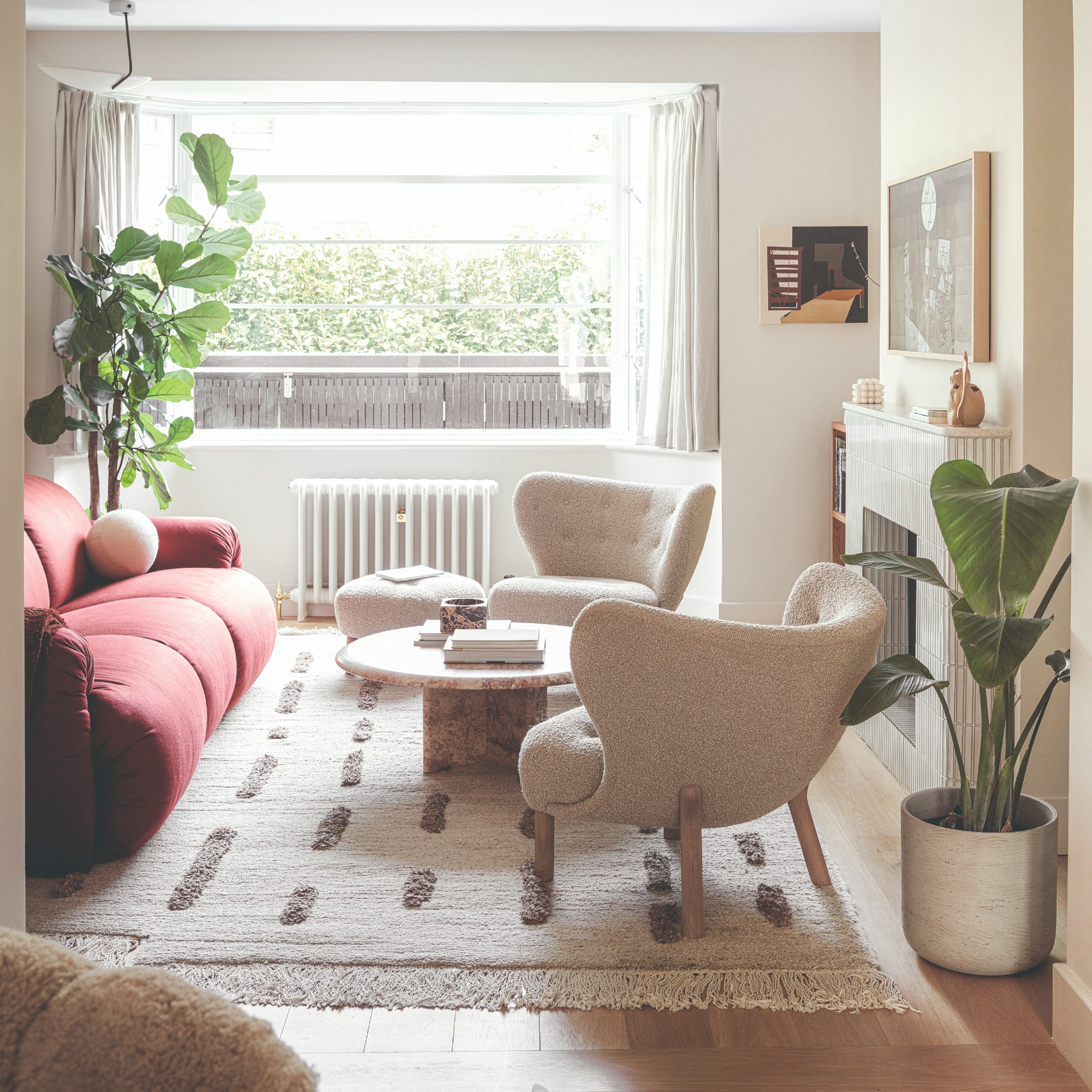
The third point addresses the outdated preference for boxy silhouettes and hard lines in living room furniture. Traditional living rooms often featured rigid sofas and chairs, alongside rectangular televisions. Contemporary design, however, embraces curved forms to create softer, more inviting, and visually dynamic spaces. Arianna Lelli Mammi of Studiopepe suggests using curved tables and armchairs to define mini-zones within a room without creating harsh divisions. These rounded shapes contribute to a more modern aesthetic and encourage a more relaxed atmosphere.
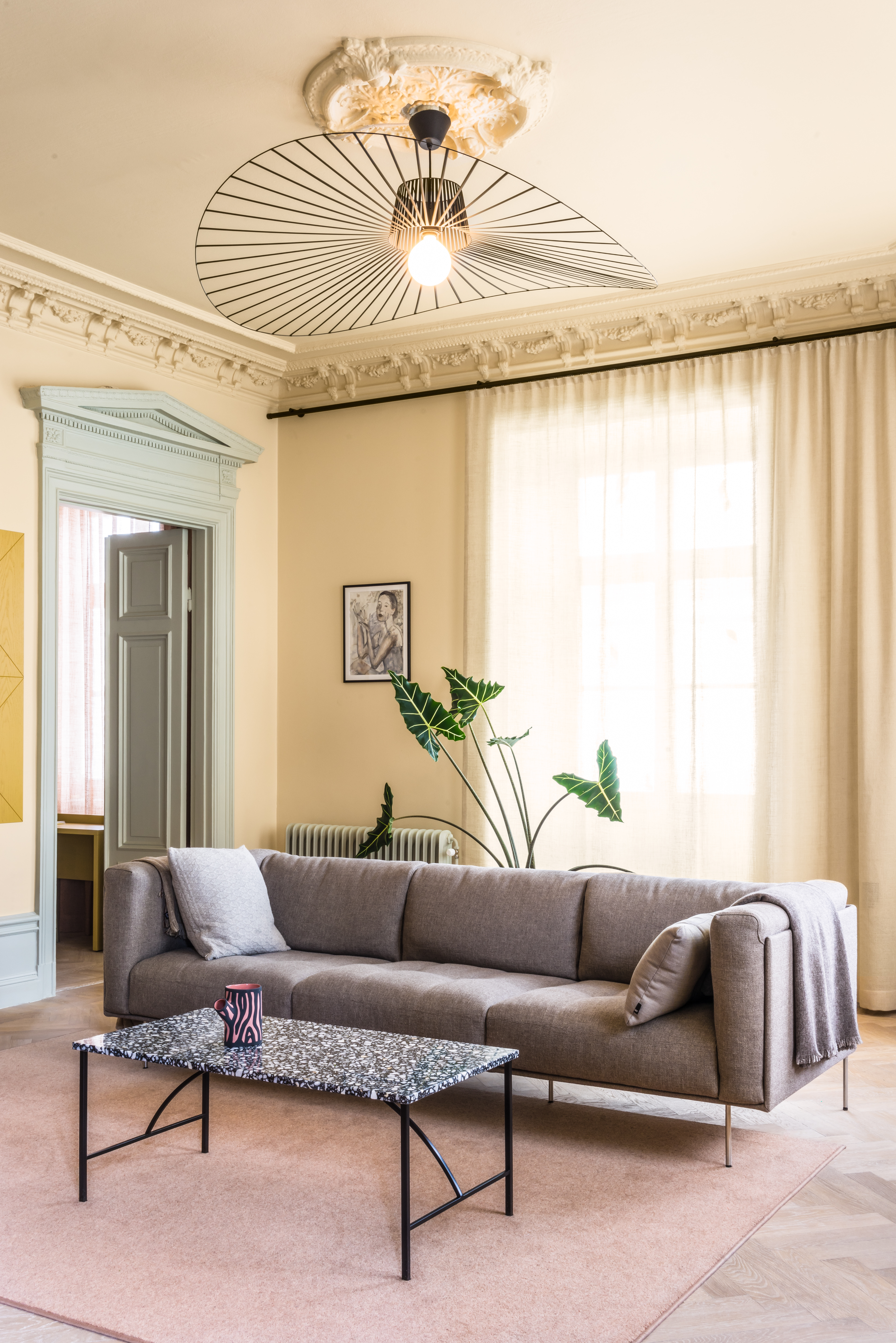
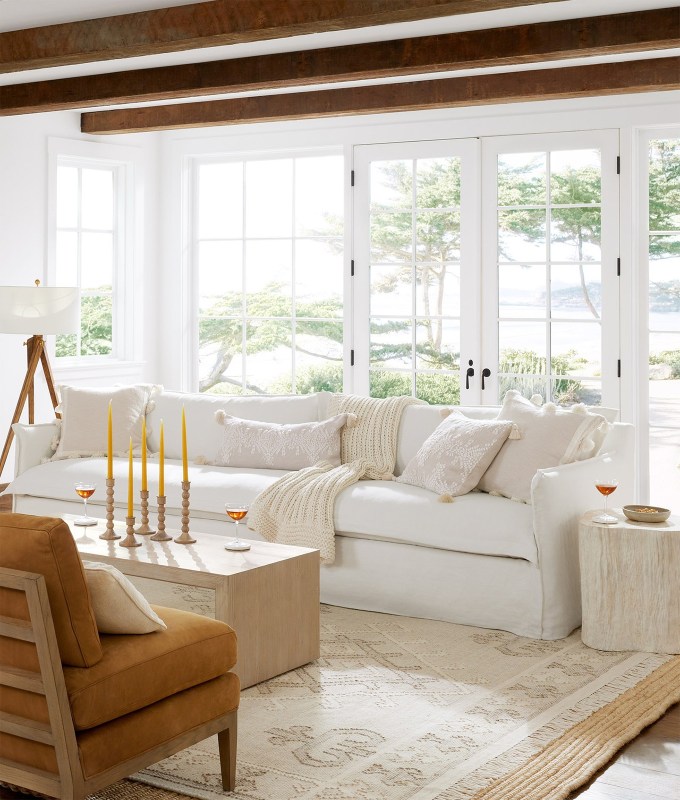
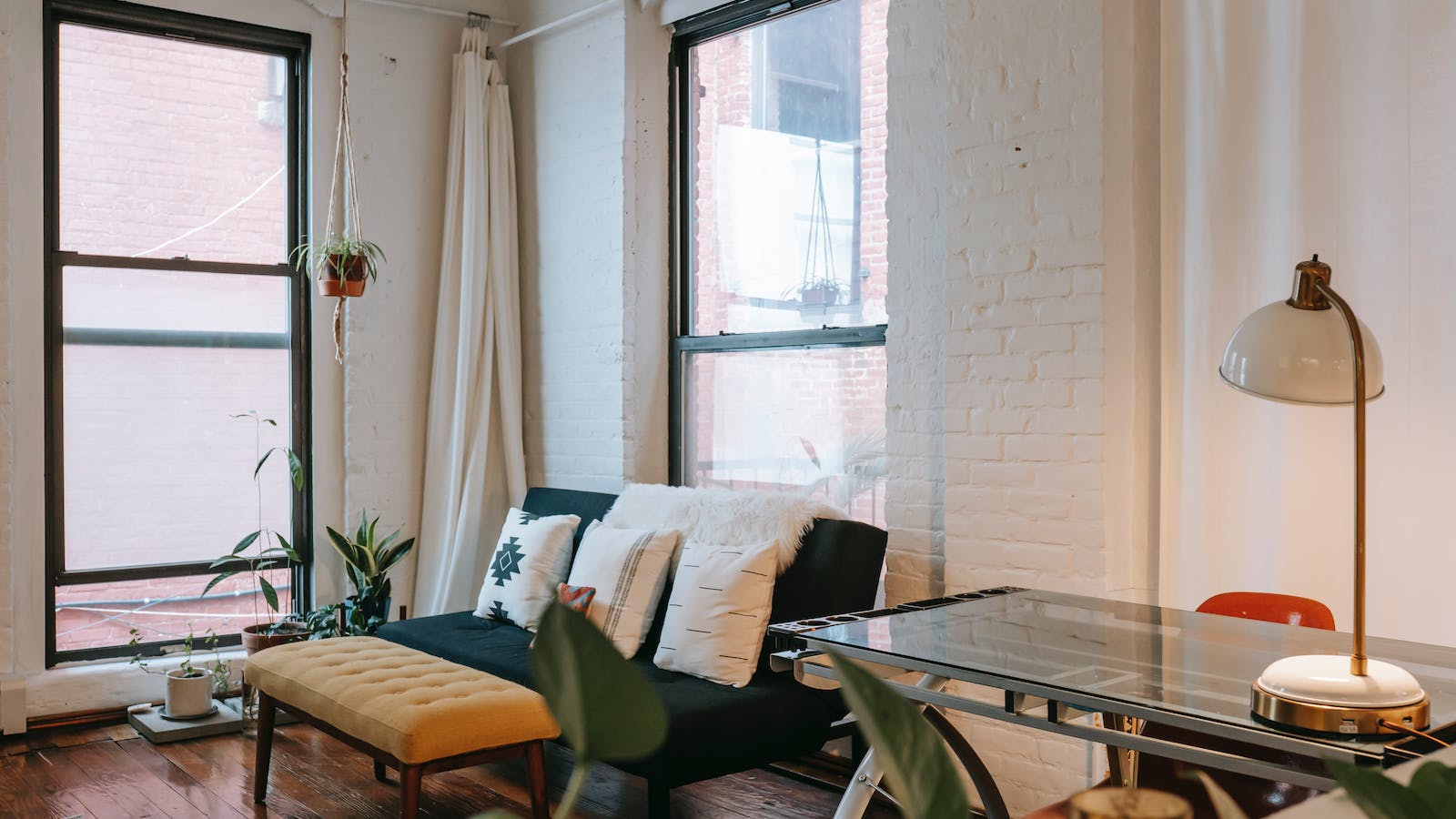
Fourth, the article points out the mistake of ignoring windows as focal points. While past layouts often centered around televisions or fireplaces, designers like Ash Wilson and Irene Gunter argue that windows offer a more modern and natural focal point. Window seats, for instance, invite relaxation and reading without directing attention solely to a screen. Angling chairs towards windows allows occupants to enjoy natural light and outdoor views, making the room feel more open and connected to its surroundings.
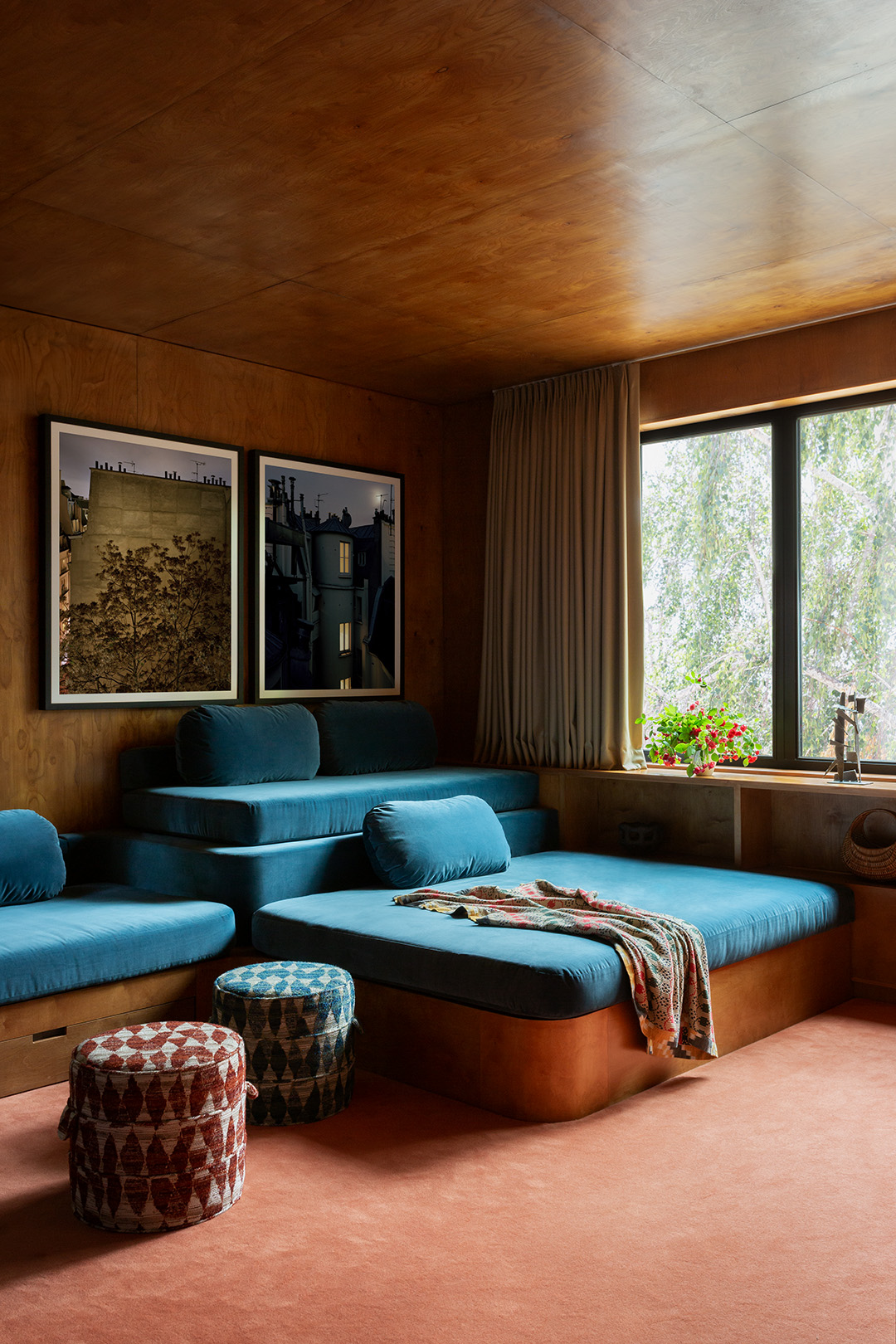
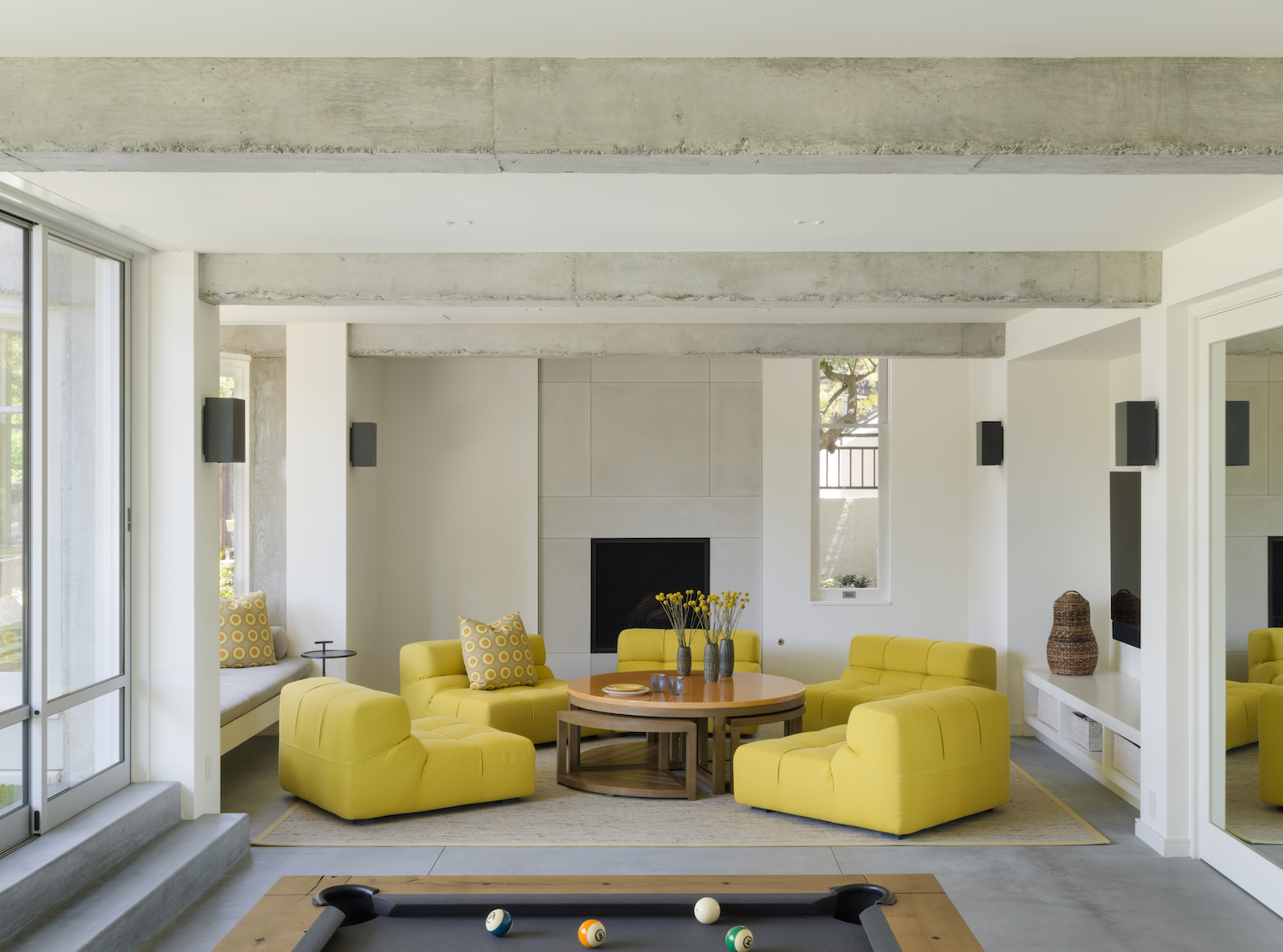
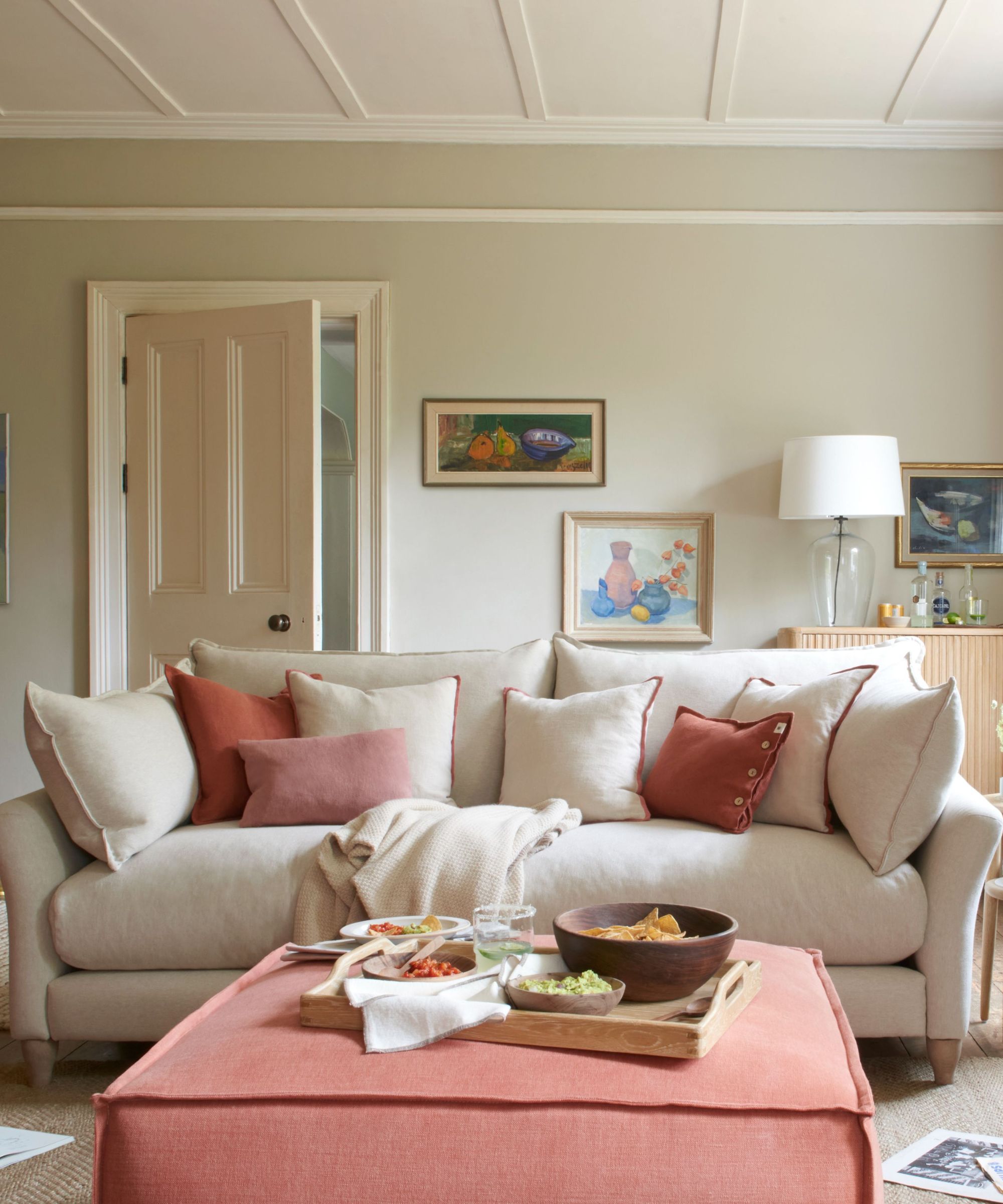
Finally, the article warns against having too much empty space between furniture. While clutter is undesirable, an overly sparse layout can make a living room feel disjointed and uninviting. Christian Bense emphasizes that proximity fosters intimacy and encourages conversation. He suggests arranging furniture to allow for both side-by-side and face-to-face seating, promoting diverse conversational opportunities. Instead of a three-sided arrangement focused on a TV or fireplace, adding a daybed or ottoman on the fourth side can offer additional relaxed lounging options without blocking views. The overarching advice is to move beyond TV-centric designs and create flexible, sociable layouts that prioritize the comfort and interaction of the people using the space.
#LivingRoomLayouts #InteriorDesignTrends #FurnitureArrangement #ModernLivingRoom #FlexibleSeating #HomeDecor #DesignTips #LivingRoomLayouts #InteriorDesignTrends #FurnitureArrangement #ModernLivingRoom #FlexibleSeating #HomeDecor #DesignTips
Há 0 comentários no total
 Ainda não há comentários
Você também pode gostar
6 outdated living room trends to steer clear of in 2025, and what to do instead

10 Living Room Design Trends You'll See Everywhere in 2025

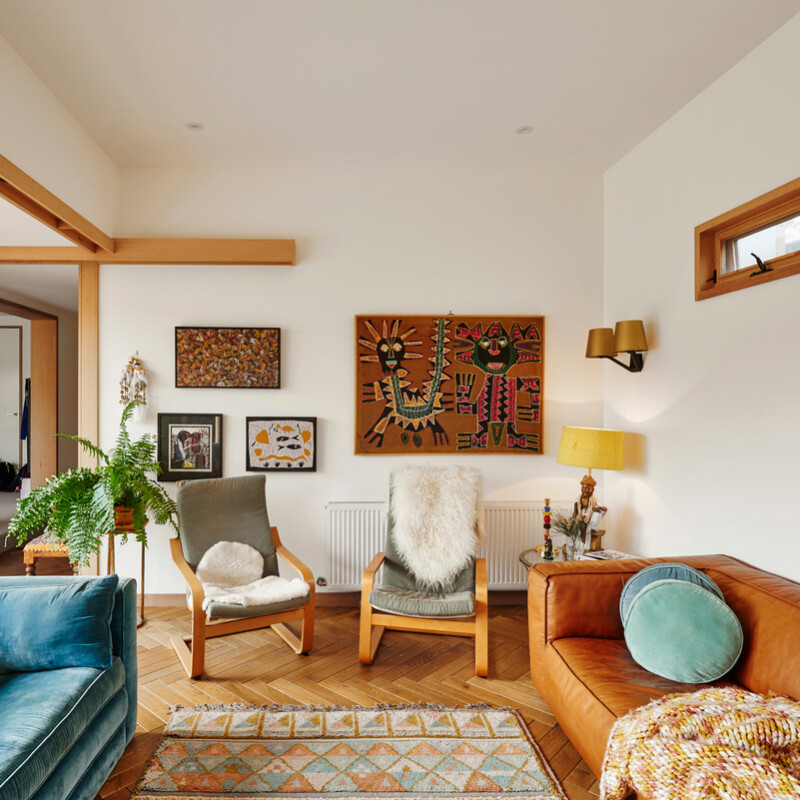
And Now, the Best Living Room Decor Ideas for 2025

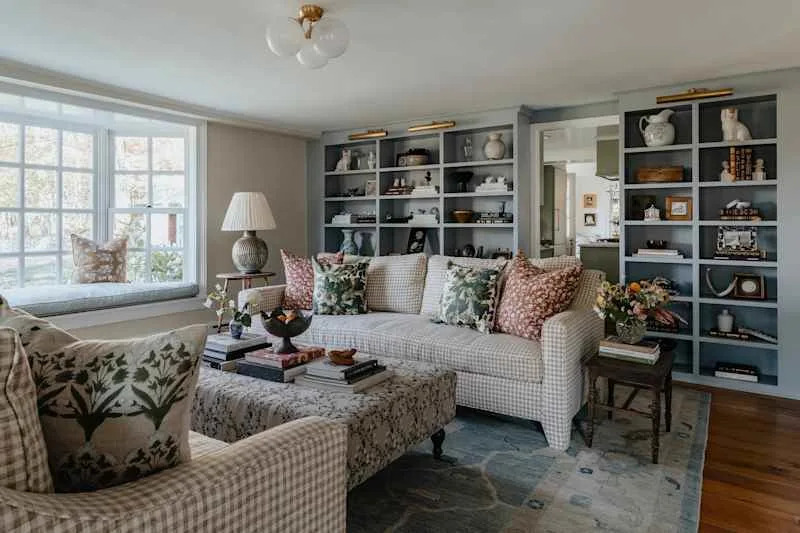
This Is the (Unexpected!) Living Room Layout Designers Love for 2025

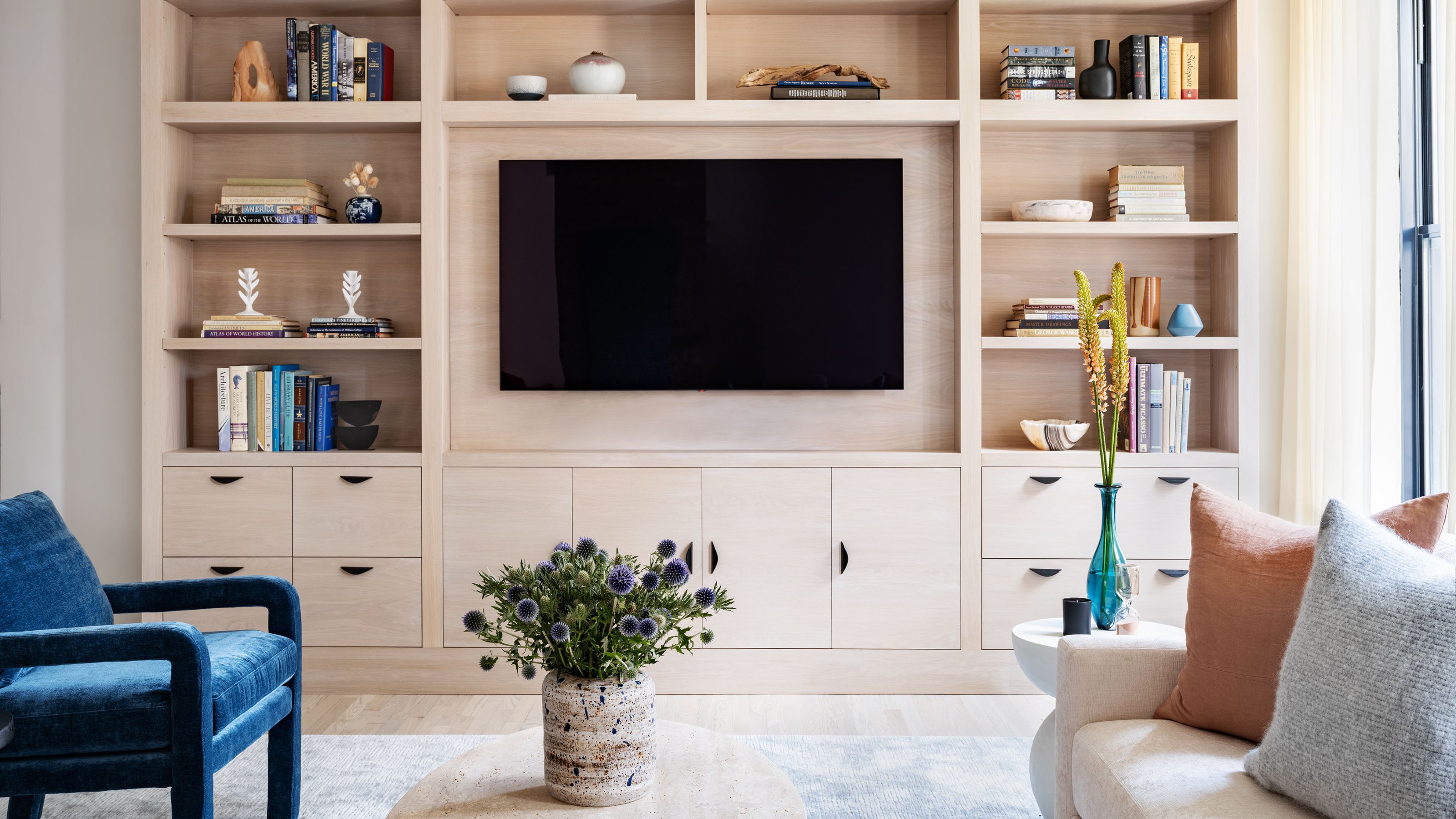
3 Dated Living Room Layouts That Have No Place in 2025 (and How to Fix It If You've Ended Up With One)

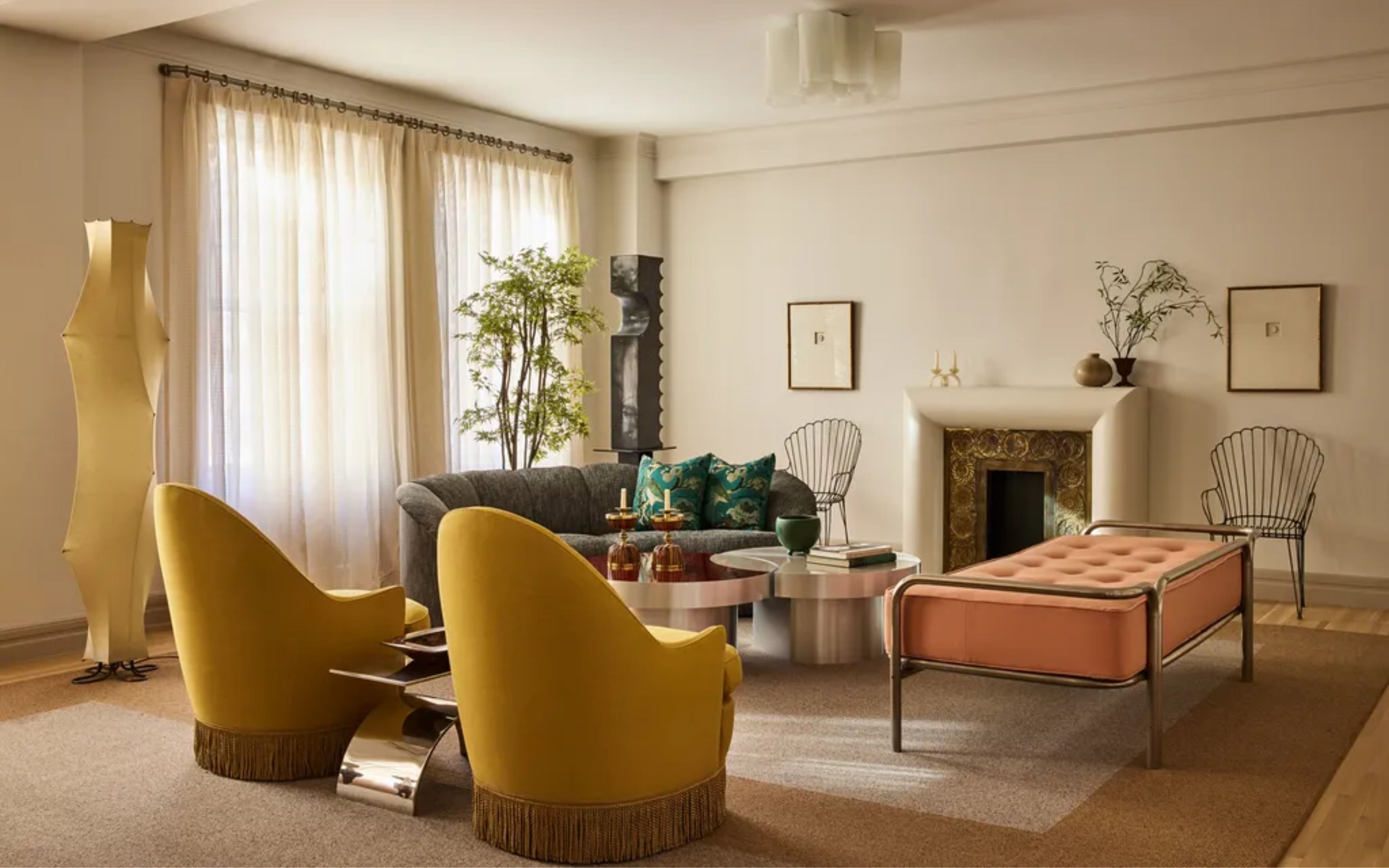
4 Outdated Living Room Trends Designers say you Should Move on From — and What to Replace Them With

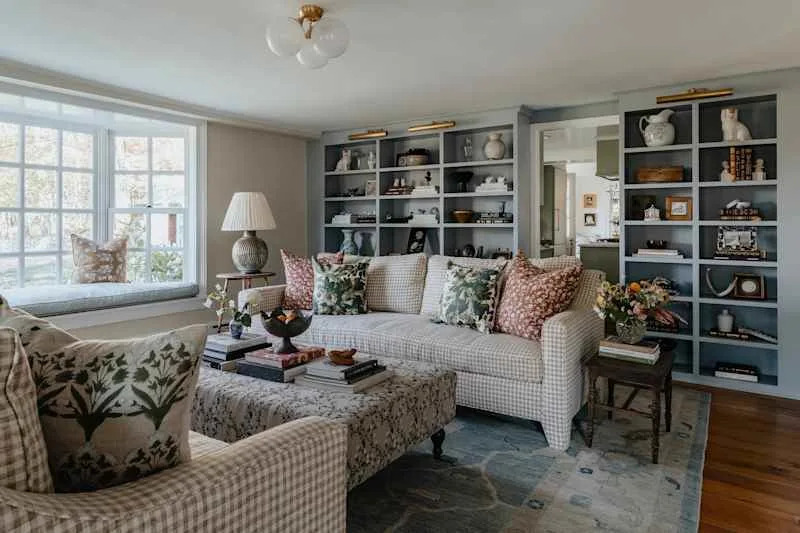
This Is the (Unexpected!) Living Room Layout Designers Love for 2025

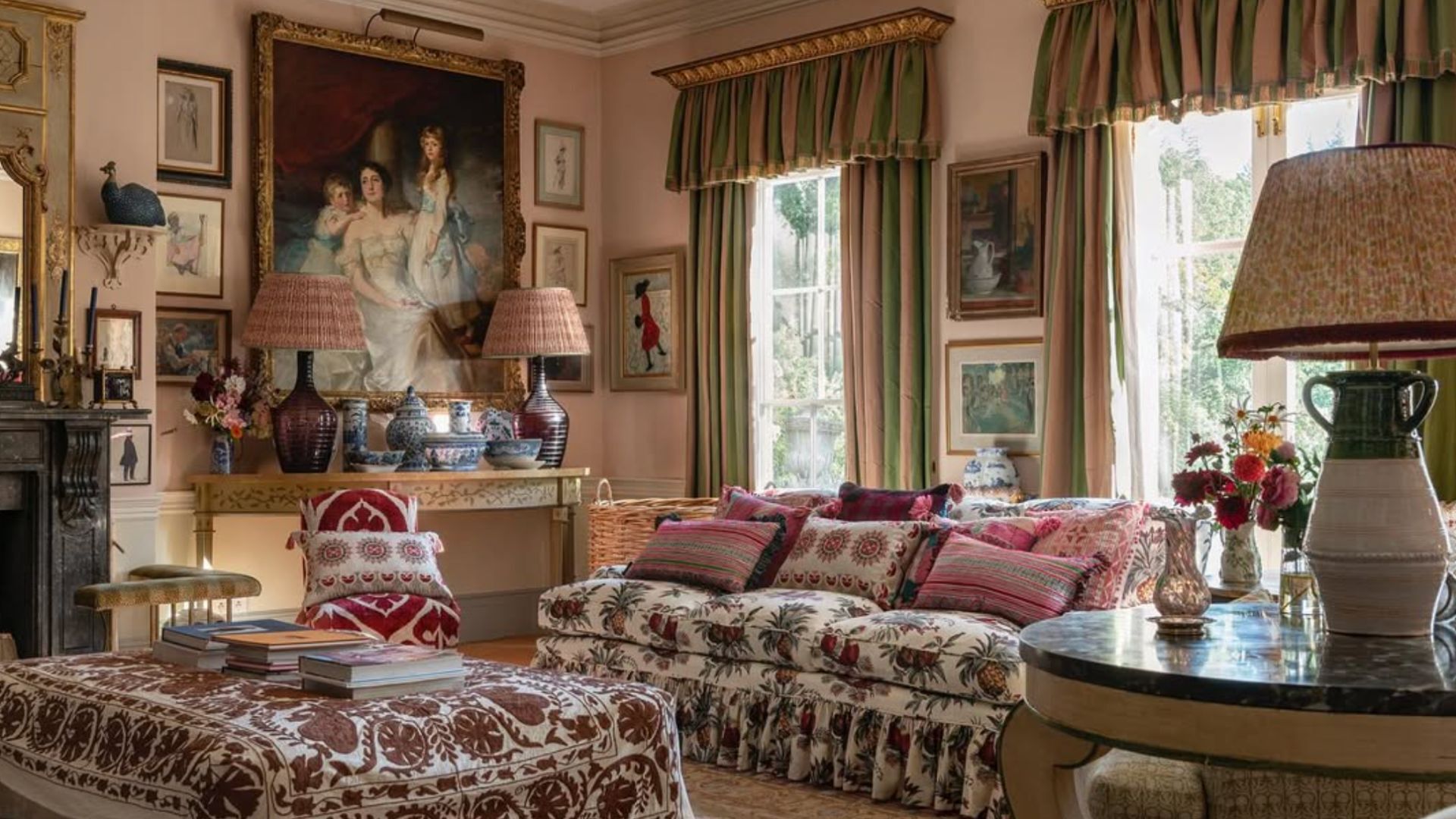
5 living room paint colors going out of style in 2025
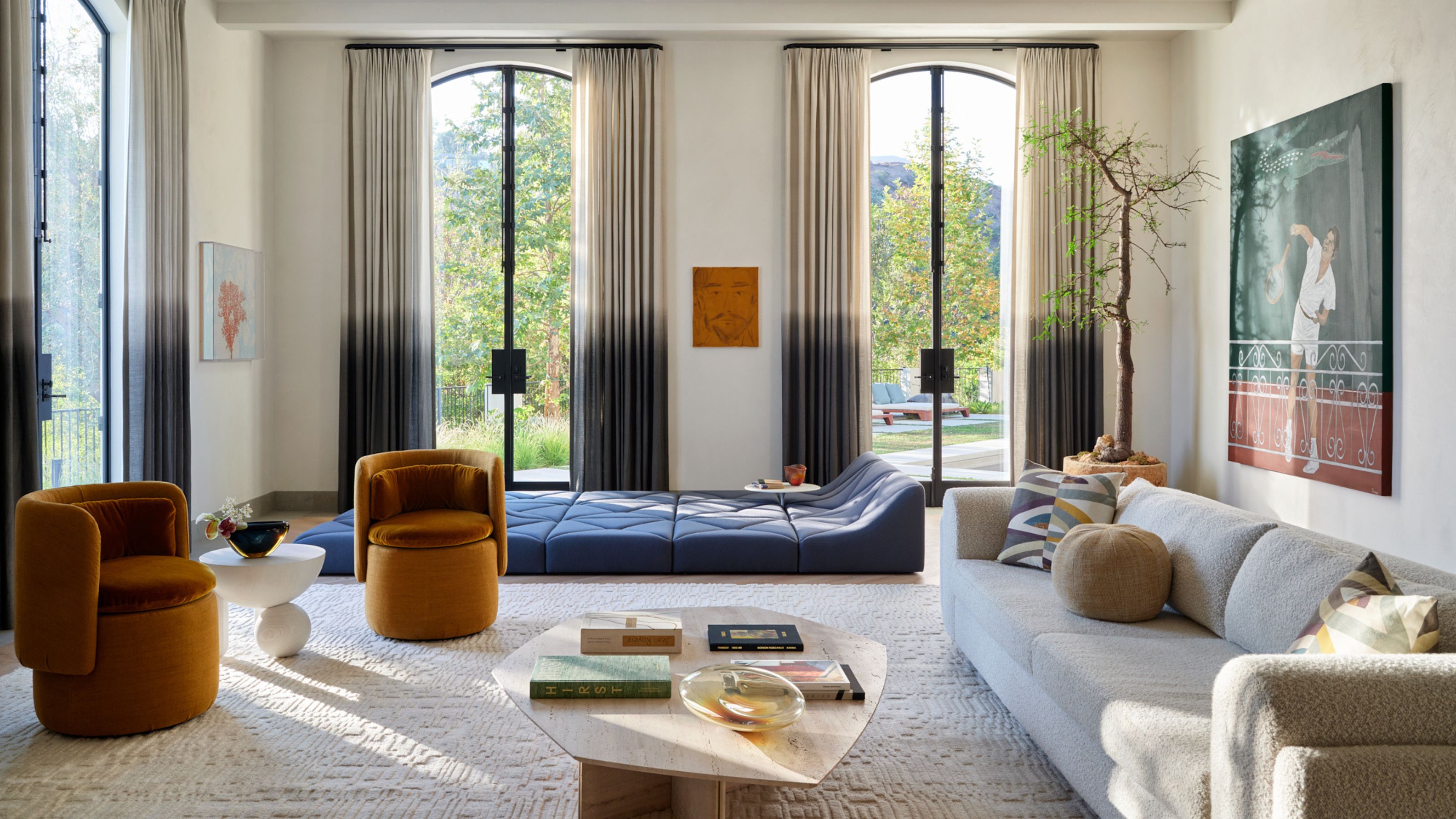
4 Dated Living Room Layouts That Simply Won't Work in 2026
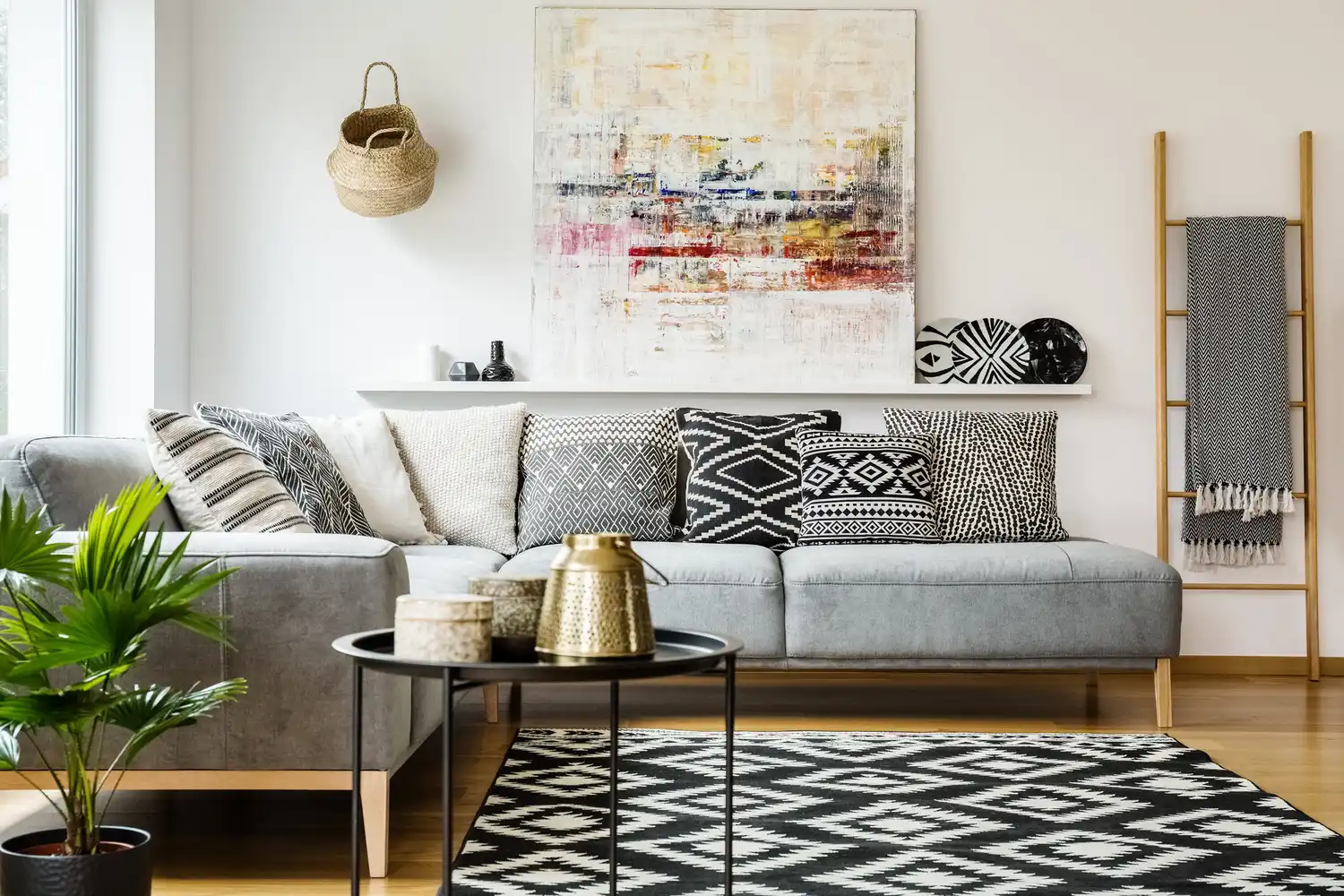
5 Living Room Design Styles That Are No Longer Trendy, Designers Share

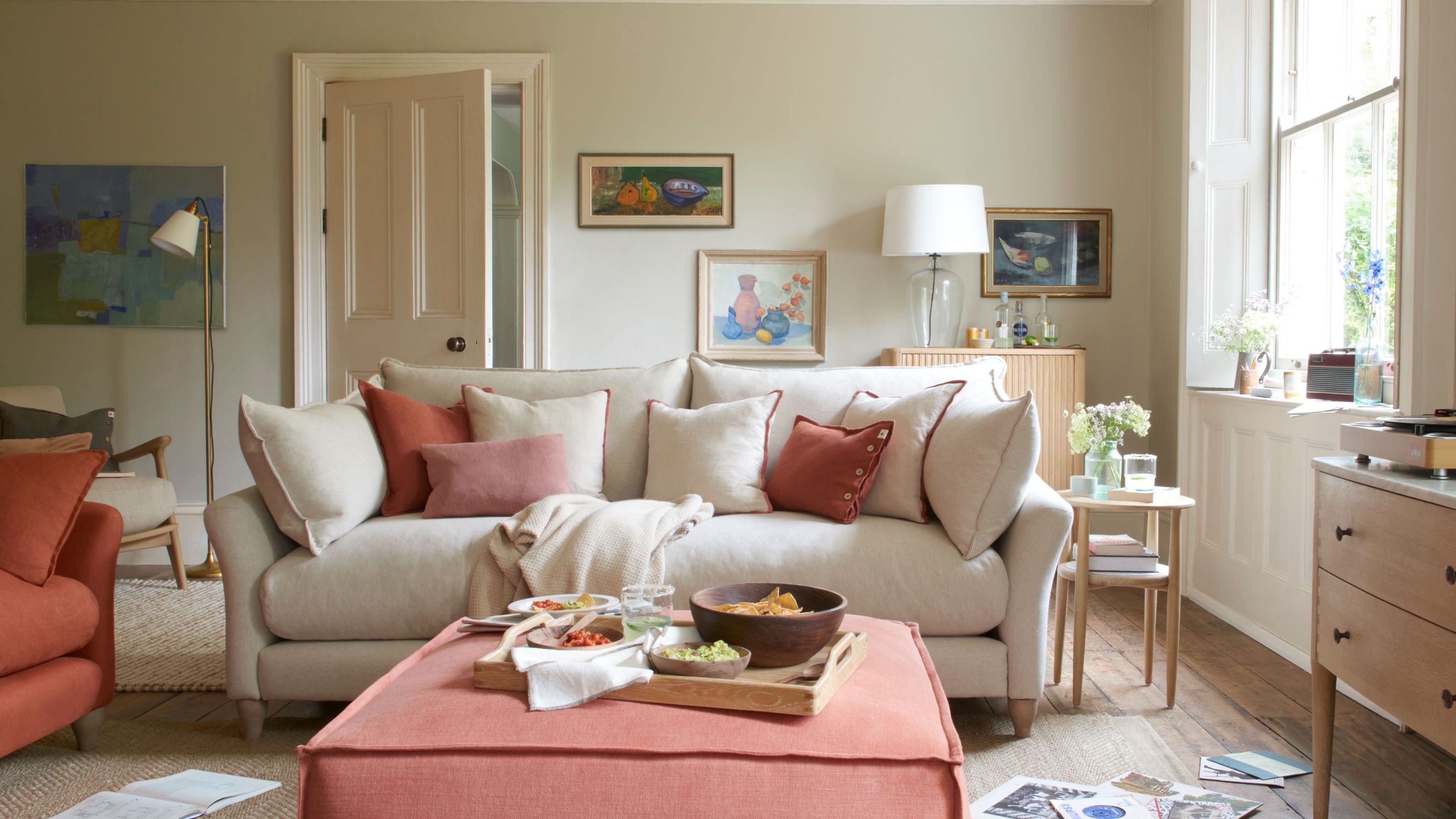
5 small living room trends for 2025 — designs experts love these stunning styles
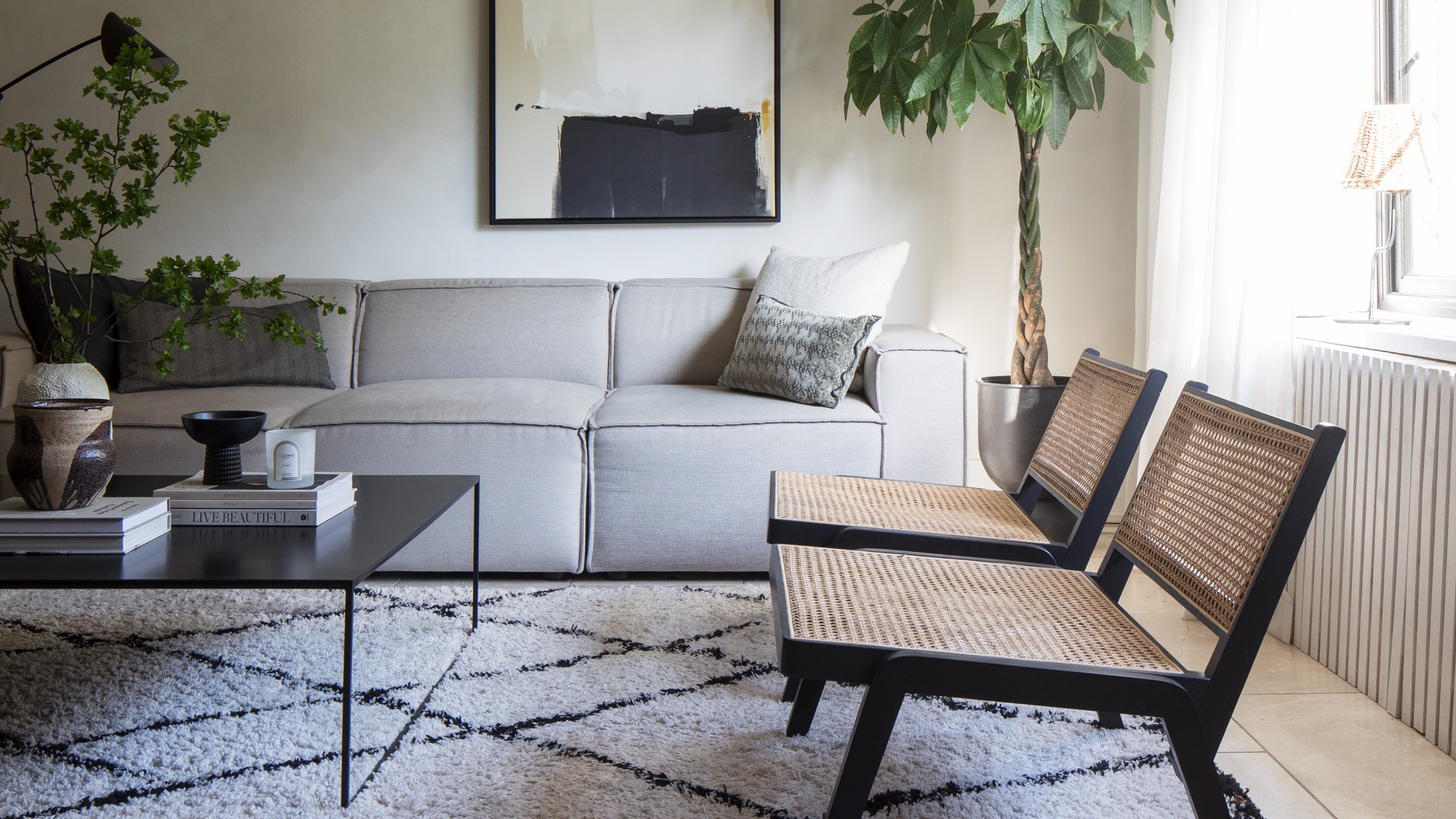
10 living room trends that should be on your radar in 2025 – the fresh styles that will transform your lounge
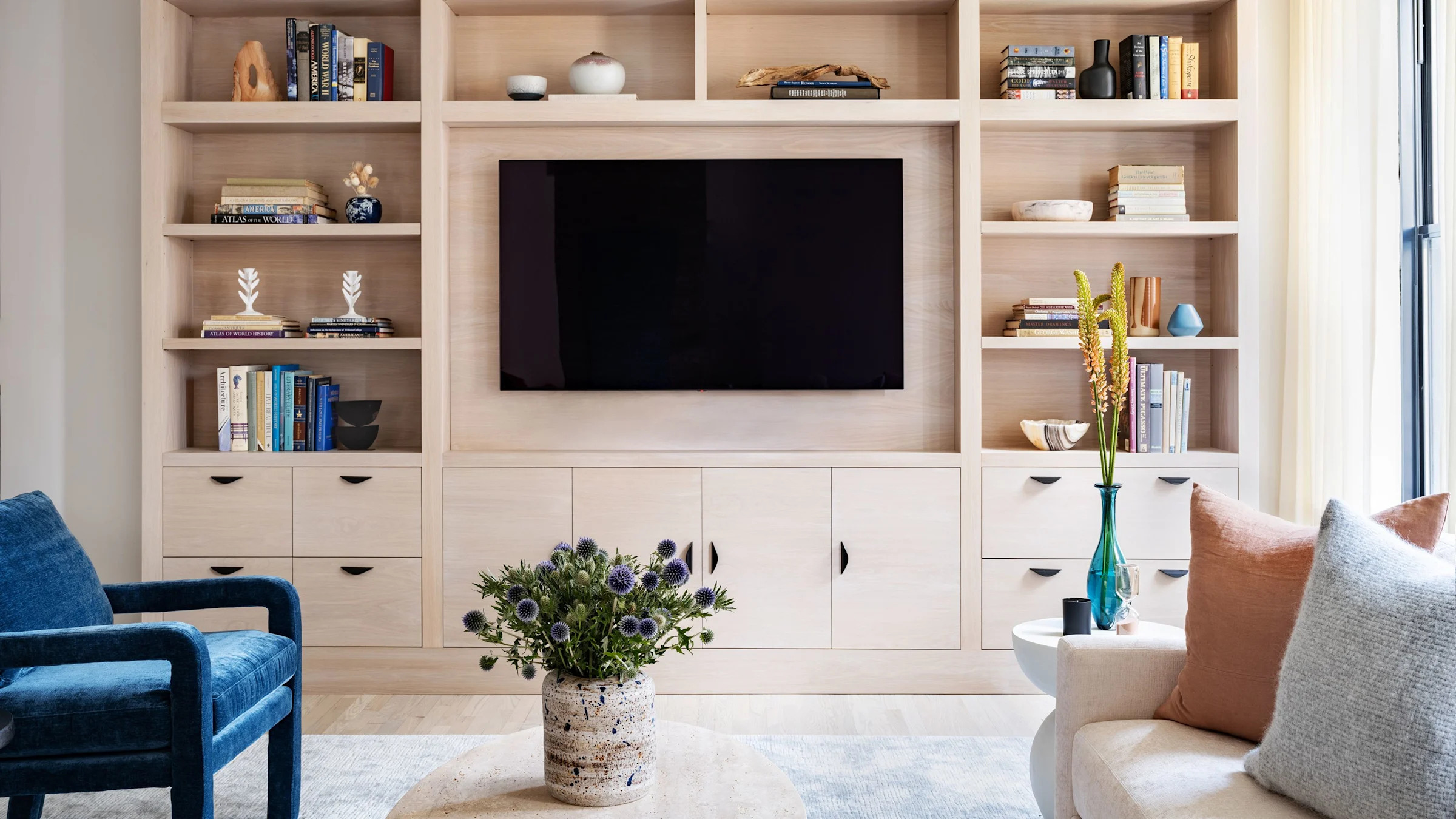
3 Dated Living Room Layouts That Have No Place in 2025 (and How to Fix It If You've Ended Up With One)
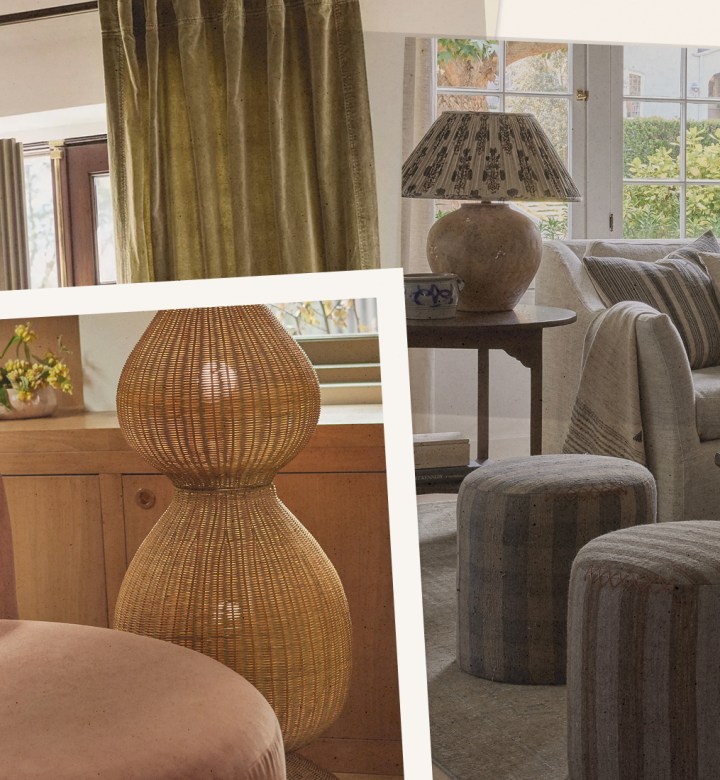
The 5 Rules of Decorating a Living Room in 2025 (Don’t Worry—They’ll Still Hold Up in 2030)

How to decorate in 2025: Skip these tired trends, interior designers say
These 5 Dated Bedroom Trends Are Giving Interior Designers Nightmares in 2026 – Here's Why You Should Avoid Them in Your Sleep Space

All The Living Room Trends To Look Out For In 2025
5 outdated home decor trends interior designers want you to kiss goodbye in 2024, and what to do instead
Elevate Your Space: Top Living Room Design Trends for 2025
5 Things All Trendy Living Rooms Will Have in 2025, According to Designers