Three experts on the best ways to retrofit housing
Making homes more sustainable is crucial for reducing carbon emissions and lowering energy bills, especially with rising energy prices and potential fuel shortages in Europe. However, implementing retrofit solutions like wall insulation is not universally applicable to all buildings. The process requires a nuanced understanding of building characteristics and a 'whole-building approach' to avoid unintended consequences.
Professor John Edwards FRICS emphasizes that simply insulating buildings to retain heat is an oversimplification. Current energy performance certificates (EPCs) often provide generalized recommendations that can overestimate savings and lead to unsuitable measures for older buildings. Edwards advocates for a holistic approach, using tools like the retrofit guidance wheel to consider all improvements. He highlights the importance of using vapour-permeable materials in traditional buildings, especially given that moisture causes about 80% of building problems in the UK. Additionally, retrofits should address climate change consequences such as overheating, through solutions like solar shading or shutters.
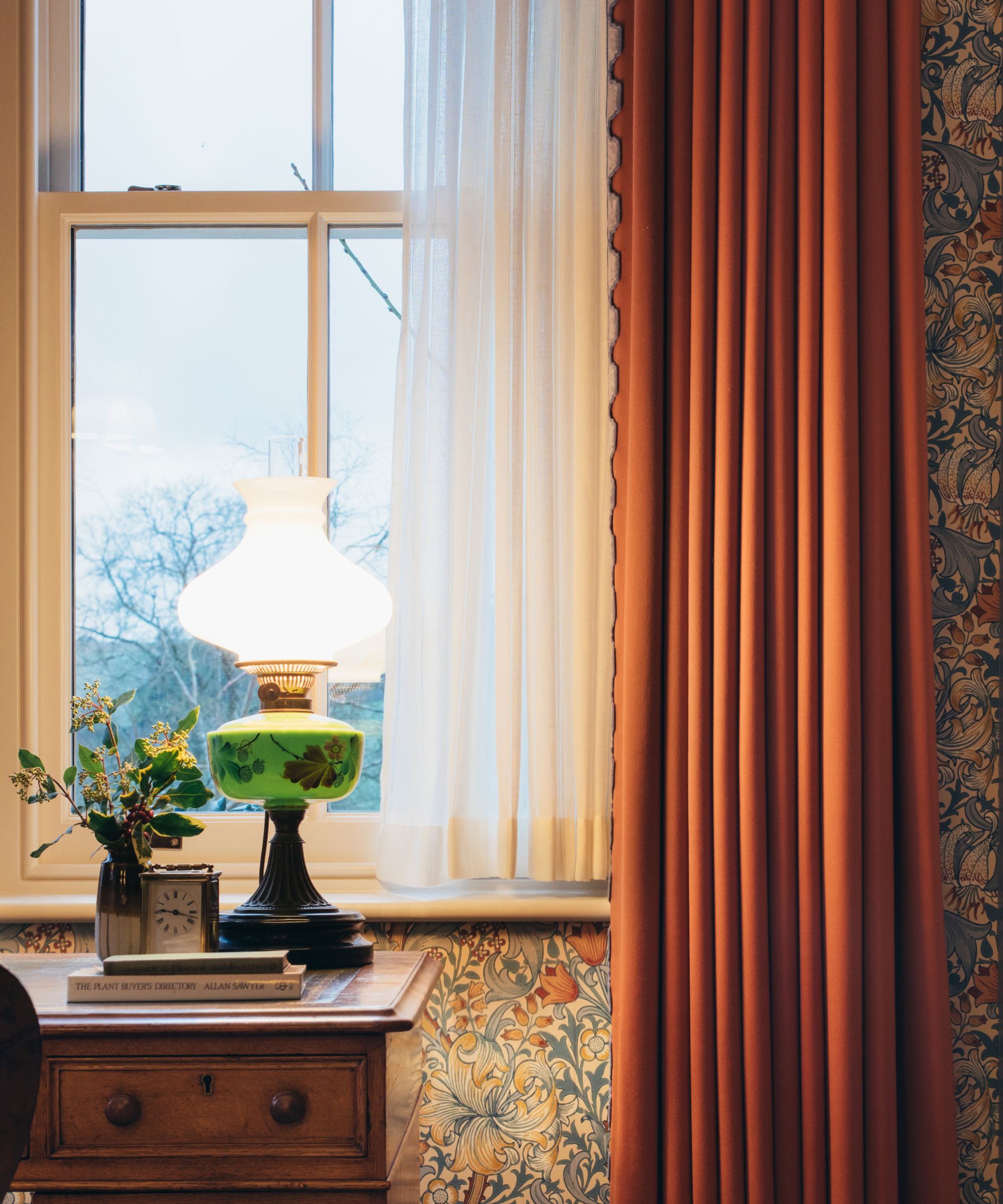
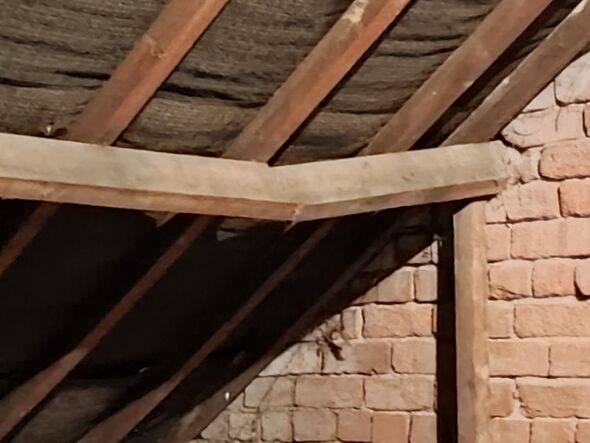
Dr. Chris Whitman, a senior lecturer at Cardiff University’s Welsh School of Architecture, suggests that wall insulation should not be the primary focus of retrofitting efforts. Instead, homeowners should first ensure lofts are adequately insulated, buildings are well-maintained, and doors and windows are properly sealed and draught-proofed. Simple measures like thicker curtains can significantly improve energy performance. He also notes that specific building types, such as barn conversions, were not designed to be weathertight, requiring careful consideration of their function. While improving airtightness is important for buildings like historic timber frames, complete airtightness can trap moisture. Whitman stresses that solid masonry can see significant improvements with proper insulation using vapour-permeable materials, but poor workmanship, often exacerbated by inconsistent government incentives, can lead to issues like mould growth.
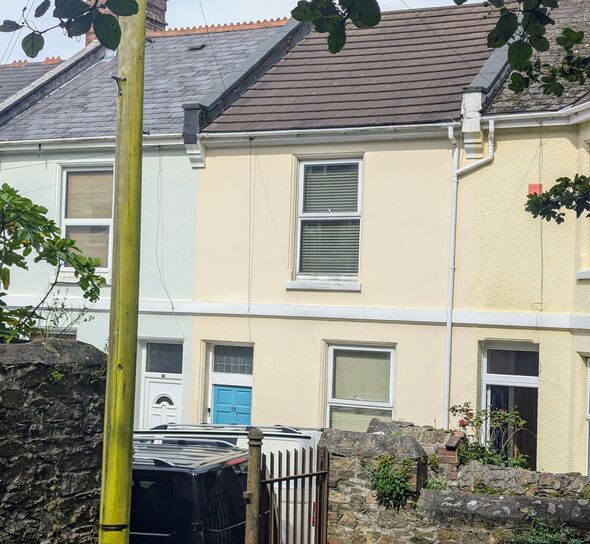
James Lemanis, director of architecture at ep projects, points out the high cost of deep retrofitting for pre-1920s buildings, estimating a minimum of £1000/m2. He argues for government incentives to make retrofitting accessible to those in fuel poverty, which would also help the UK achieve climate change targets and reduce winter deaths due to cold homes. Lemanis recommends aiming for a minimum internal surface temperature of 13°C, ideally 17°C, to prevent condensation. For solid walls, external wall insulation (EWI) is often more effective, and he suggests encouraging insulation in blocks of homes to achieve cost-effectiveness and consistent appearance, particularly in conservation areas. He further explains that retrofit strategies must be tailored to specific house types, ages, and conditions, considering factors like terraced or detached structures, glazing, roof types, and ventilation strategies. Implementing a heat pump, for instance, without other energy efficiency measures, could ironically increase fuel bills due to high running costs if power generation is not optimized. Overall, while clients are eager for energy efficiency, retrofitting older homes is a complex endeavor.
#ResidentialRetrofitting #EnergyEfficiency #ClimateChange #SustainableHousing #BuildingInsulation #MoistureControl #WholeBuildingApproach #GovernmentIncentives #FuelPoverty #ResidentialRetrofitting #EnergyEfficiency #ClimateChange #SustainableHousing #BuildingInsulation #MoistureControl #WholeBuildingApproach #GovernmentIncentives #FuelPoverty
0 komentarzy łącznie
 Brak komentarzy jeszcze
Możesz również polubić

Money-wasting home improvements to avoid

9 common home renovation mistakes to avoid

Is Knocking Through Walls Still the Right Choice? When and Where You Should, and Shouldn't, Do It for 2026 Projects

Home improvement: Remodeling trends and roof care


5 renovation projects that will add value to your home in 2024


3 affordable features that can increase the value of your home

6 Headache-Saving Tips You Should Know Before Starting a Remodel, According to Designers

This home was treated to a Goldilocks renovation

9 Things You Need to Know Before Renovating Your Home, According to Experts
10 Home Improvements That Experts Say Are a Waste of Money
Remodeling
Home Renovations Cost More Than You Think—Especially These 3 Projects
When Moving Isn't an Option, How to Turn Your Old Home Into Your Dream Home


Rogue builders quoted over £15k for a repair job that cost £185 to fix - my lessons learnt

11 Design Features That Make a Home Sell for More, According to a Real Estate Expert


Home Remodeling Projects That Pay Back The Most In Happiness

6 things you should look past when viewing a property, according to real estate experts and interior designers
Psychologists Reveal the MAJOR Impact of Home Renovations on Your Mental Health
These Under-$1,500 Renovations Could Help Sell Your Home Faster


Top 7 home renovations that can increase your property's value — and quality of life as you age