1/13
The 10 commandments for arranging living room furniture, according to this top designer
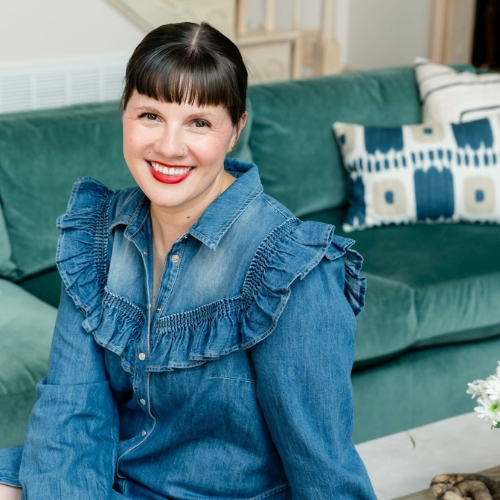
The article presents ten rules for arranging living room furniture, as advised by interior stylist and designer Abigail Ahern. These guidelines aim to enhance the aesthetics, functionality, and comfort of living spaces, regardless of their size. Ahern emphasizes that while her designs may appear spontaneous, they are meticulously planned to achieve specific effects.
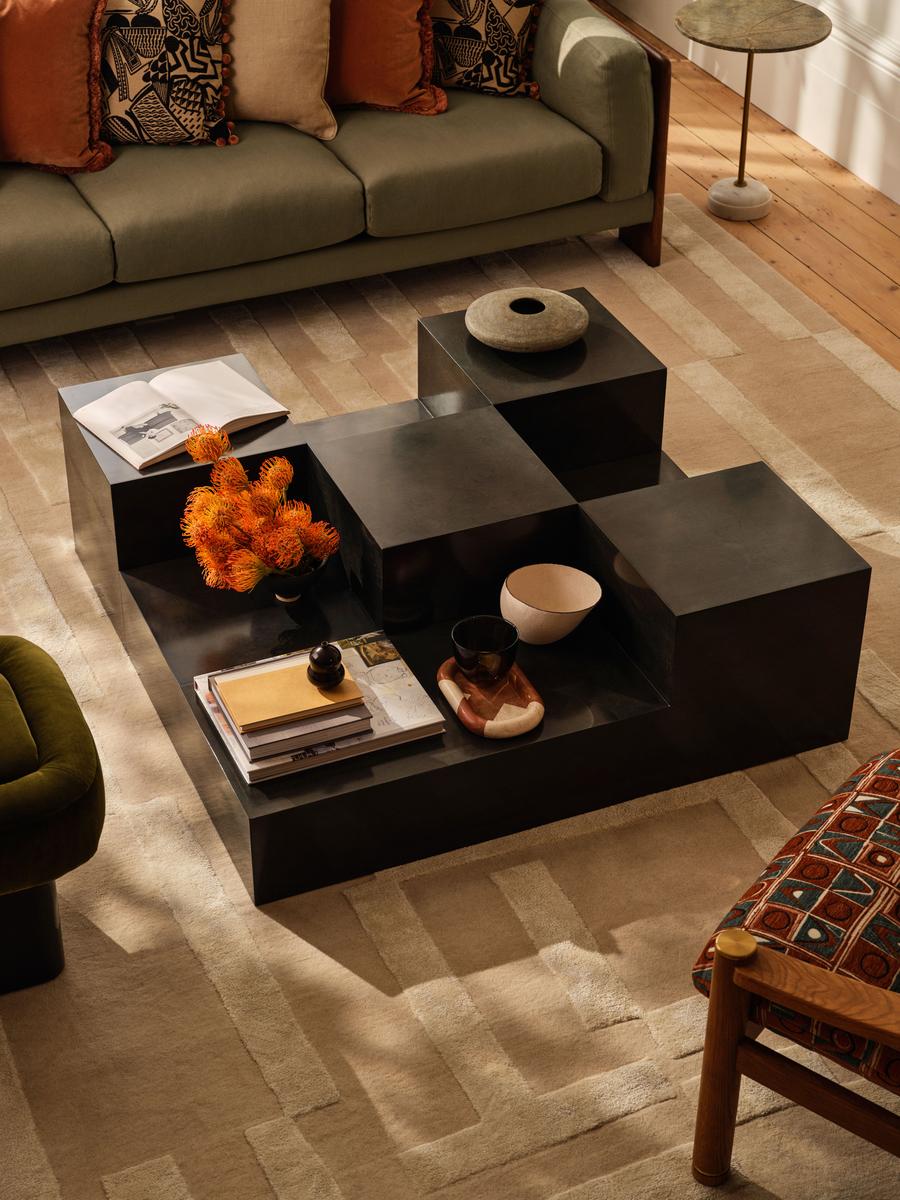
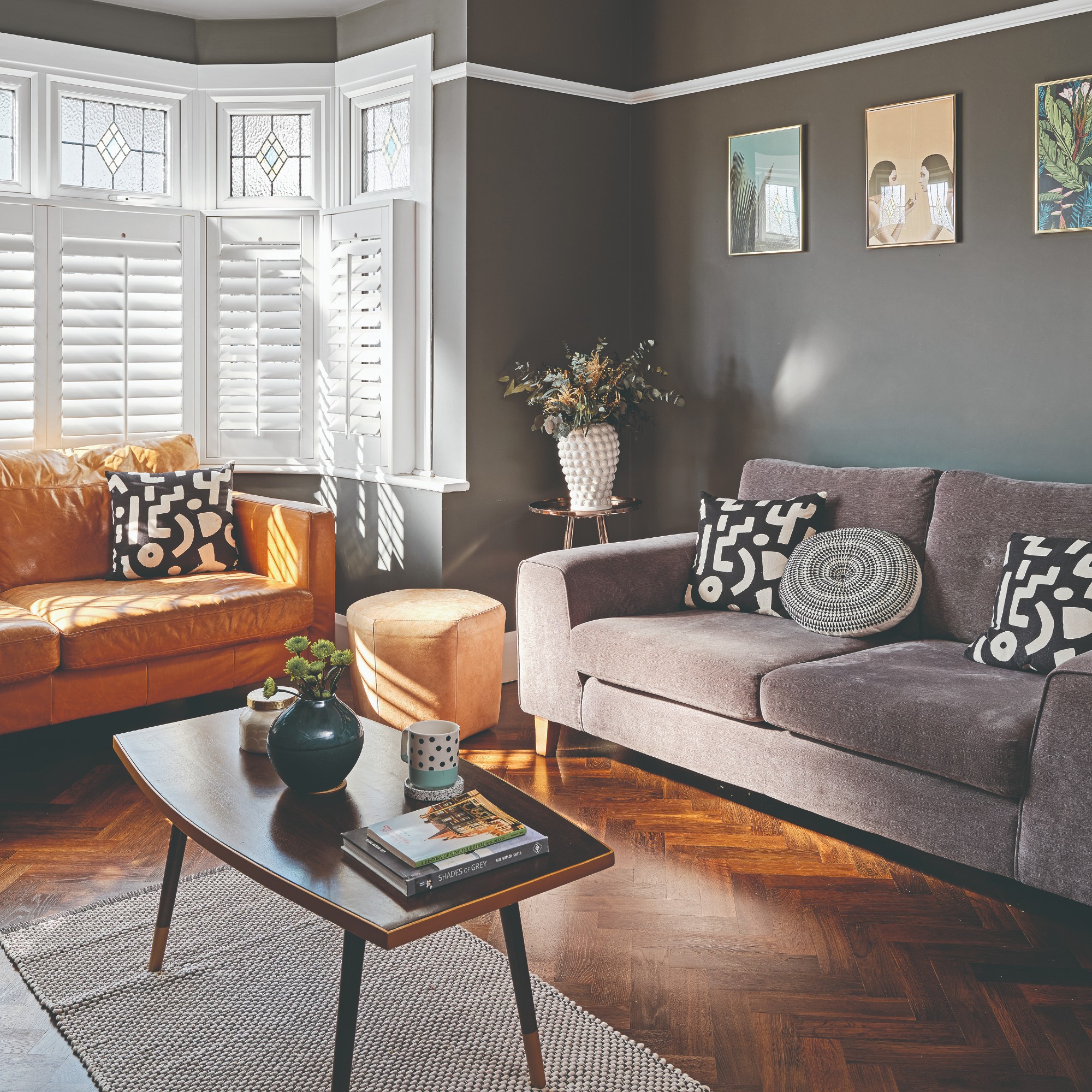
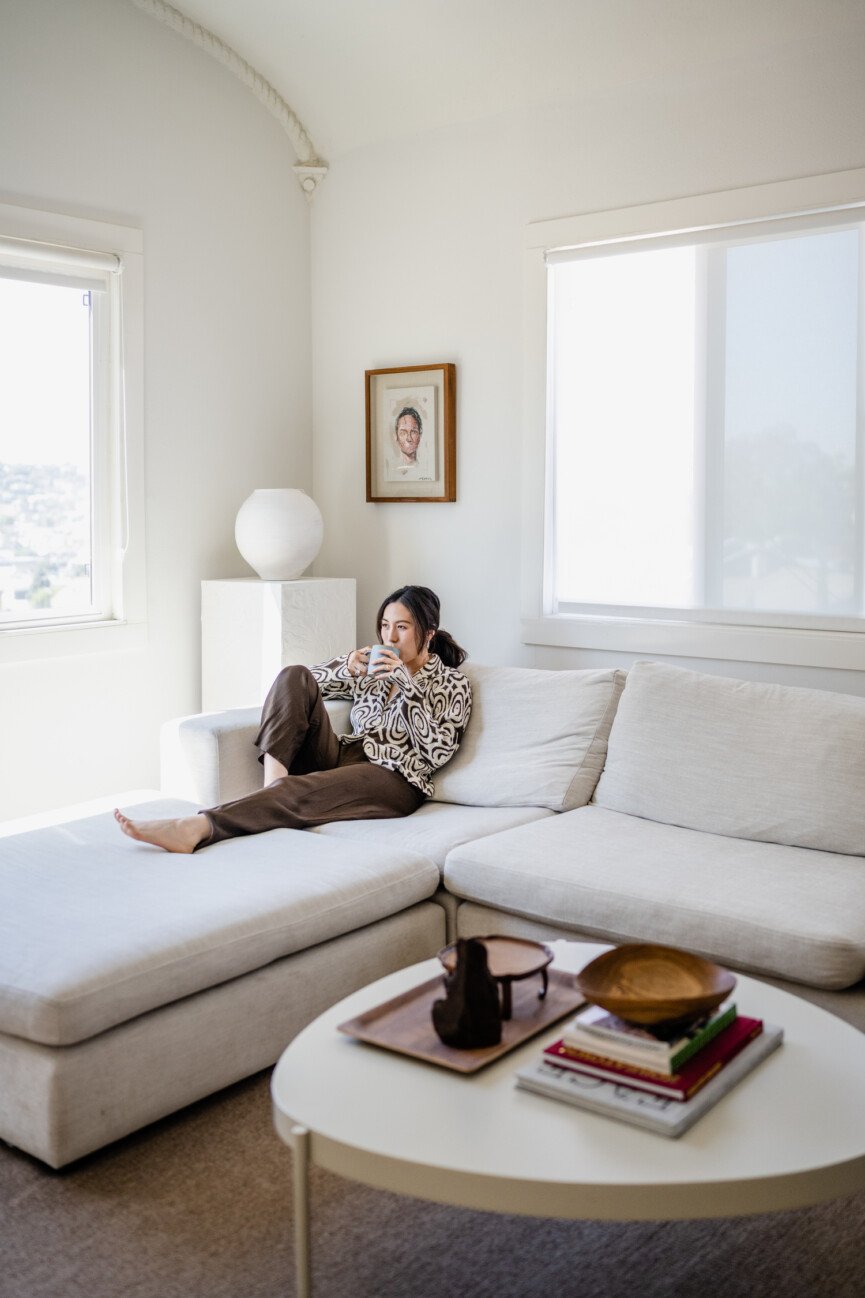
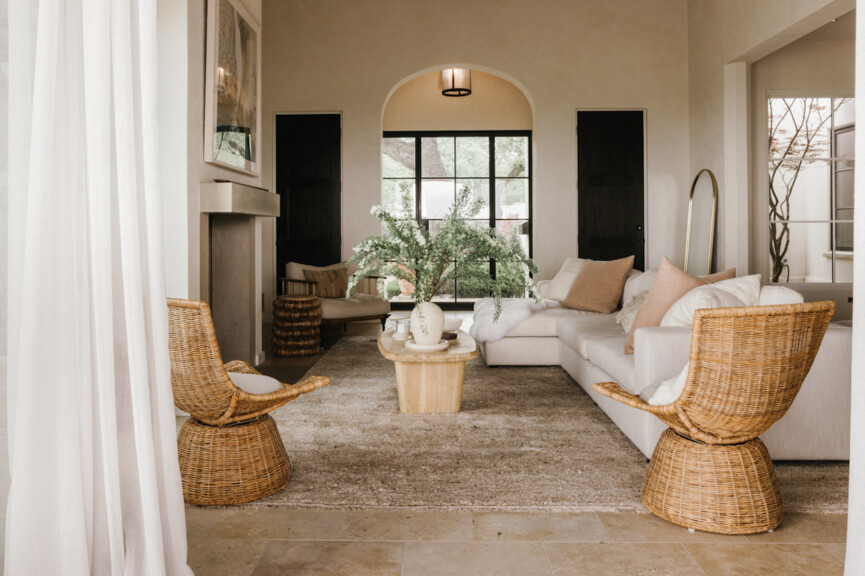
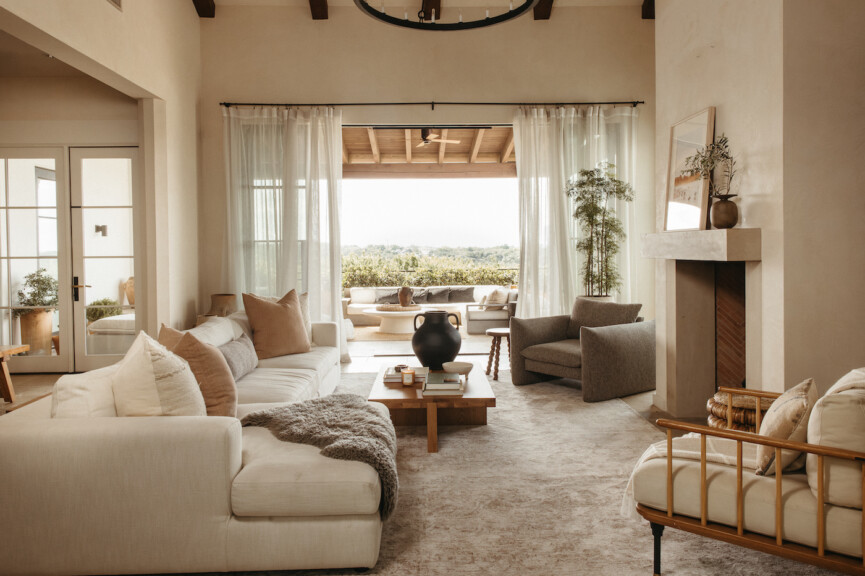
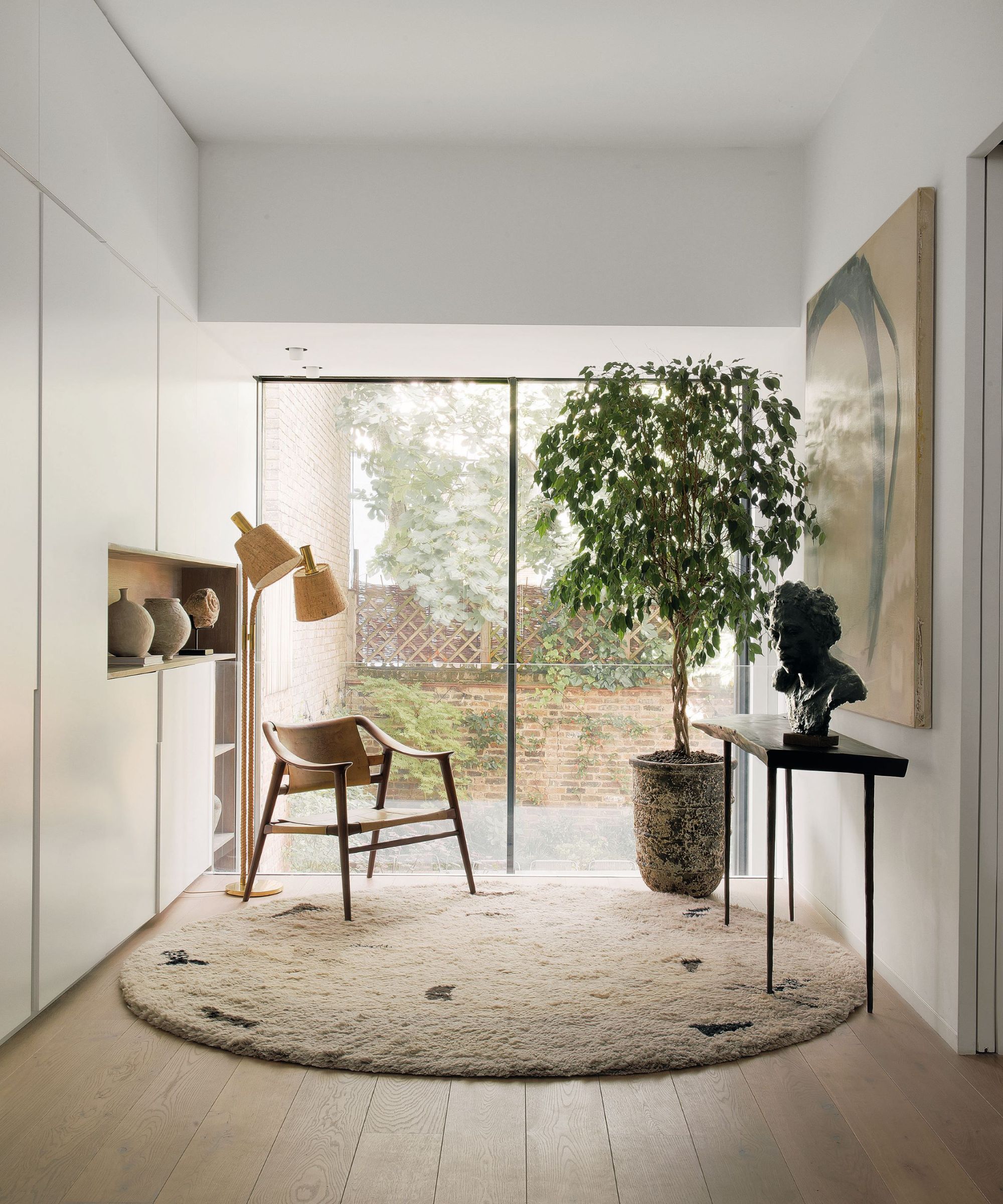
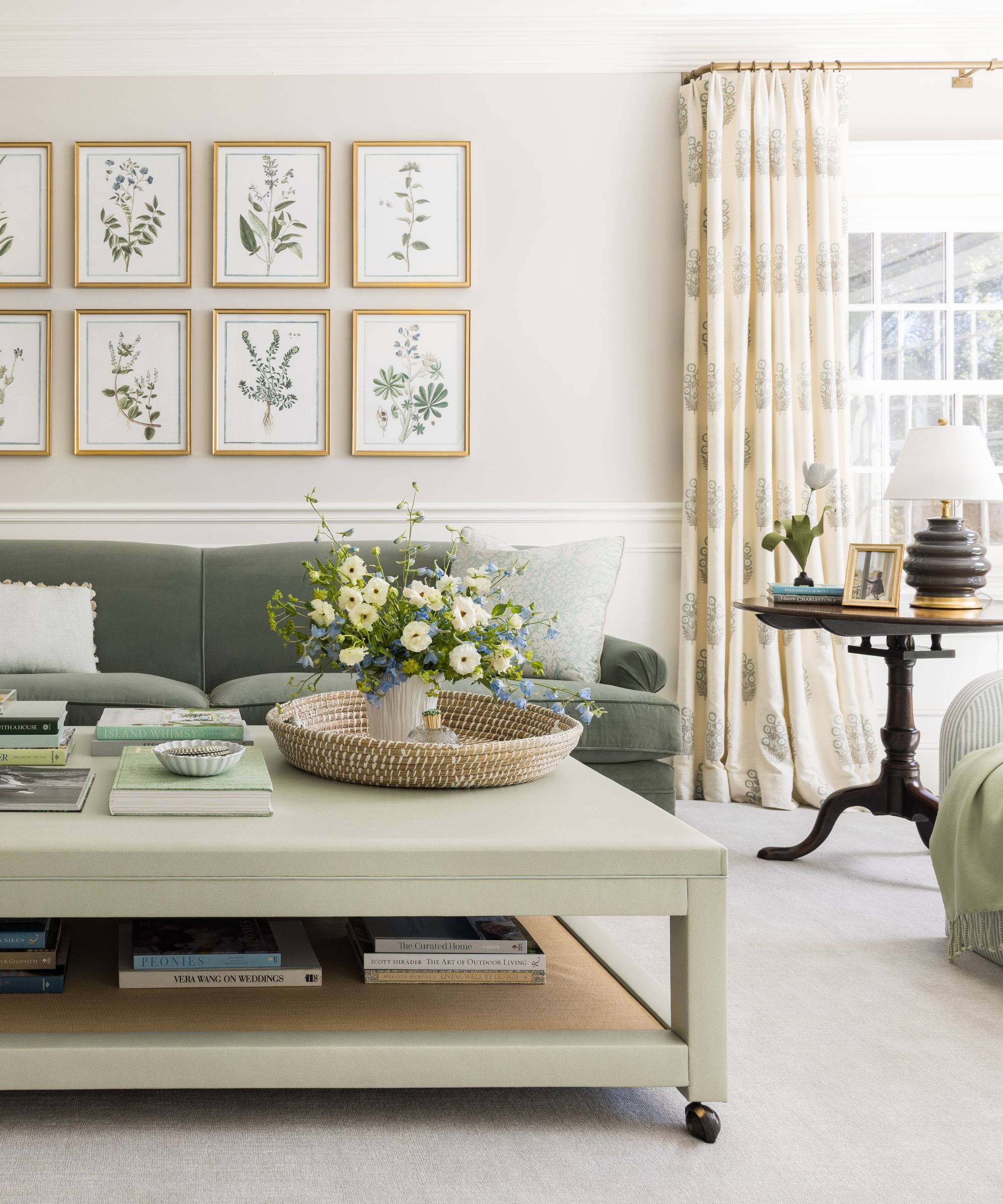
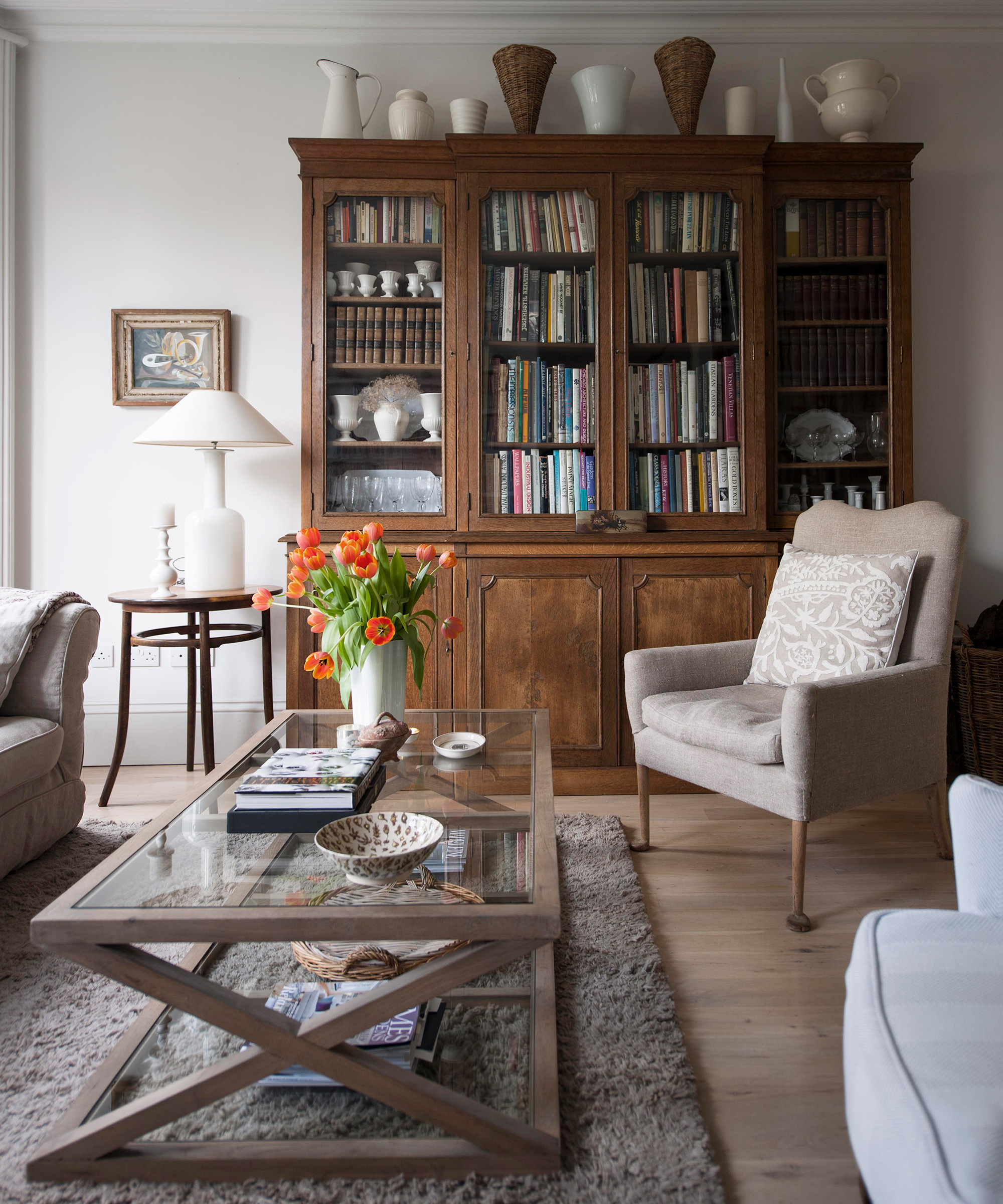
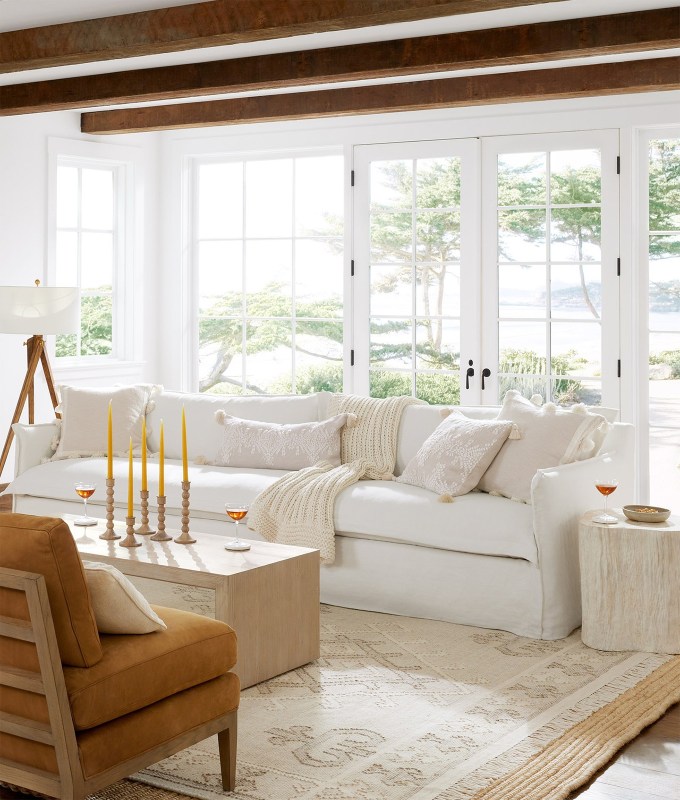
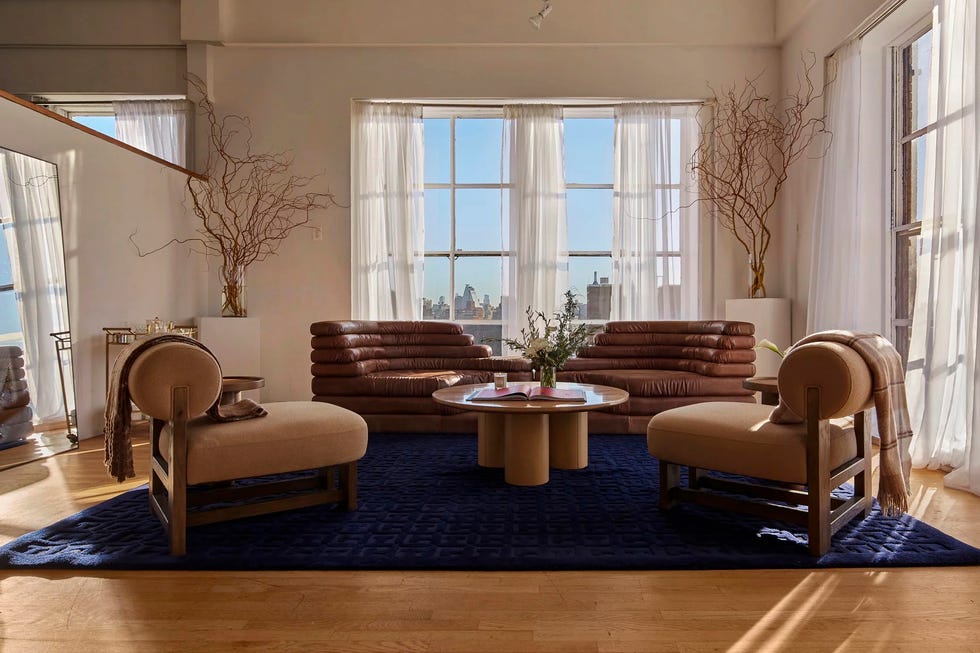
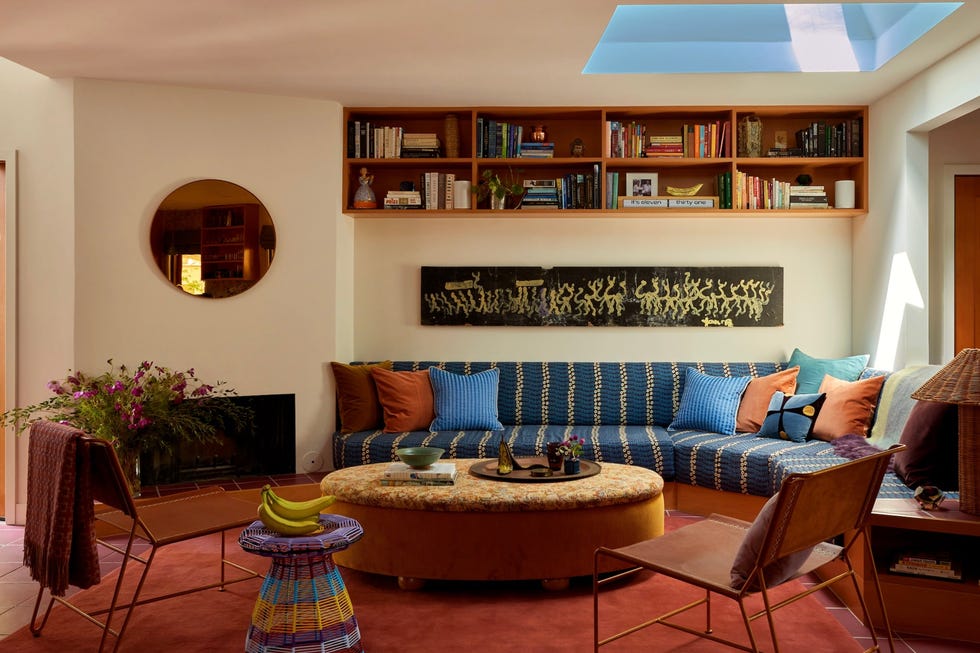
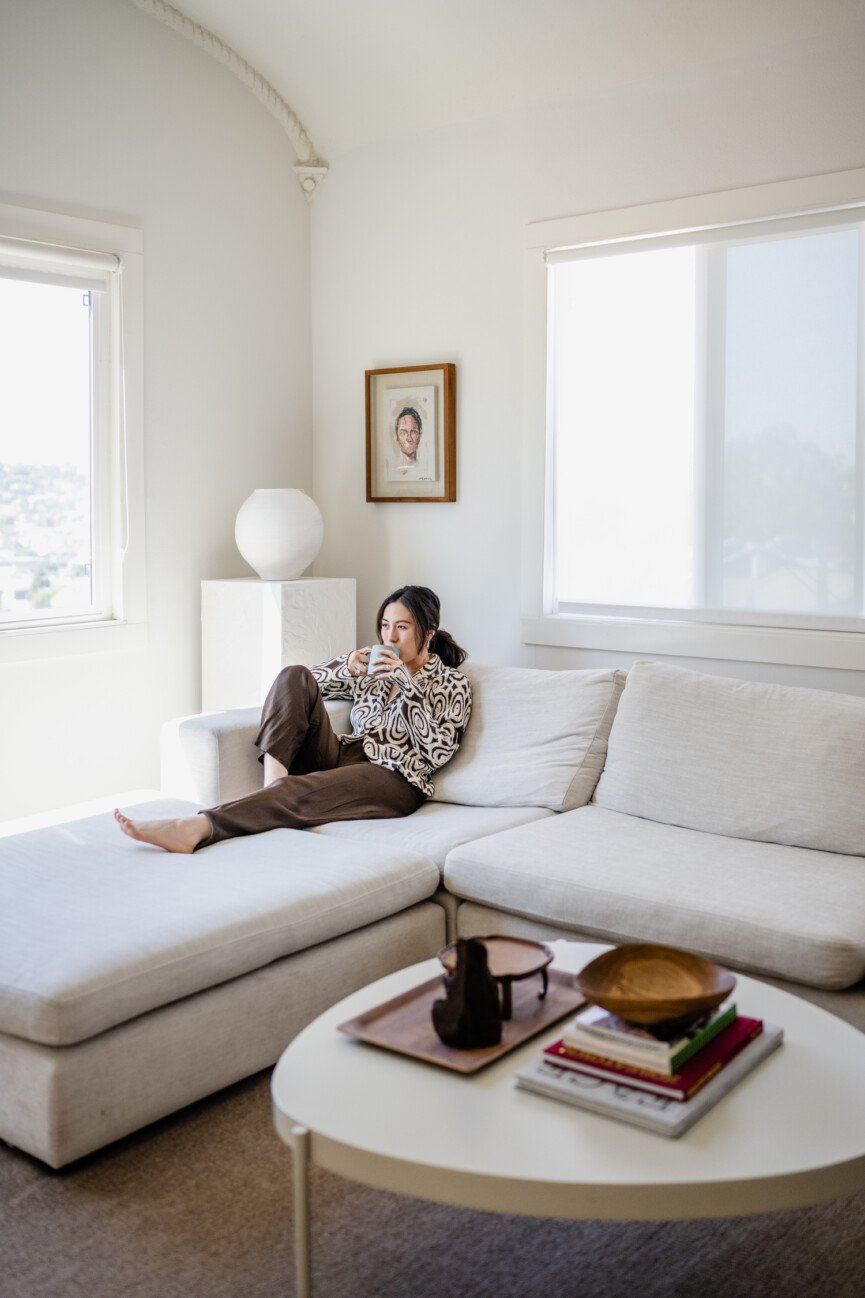
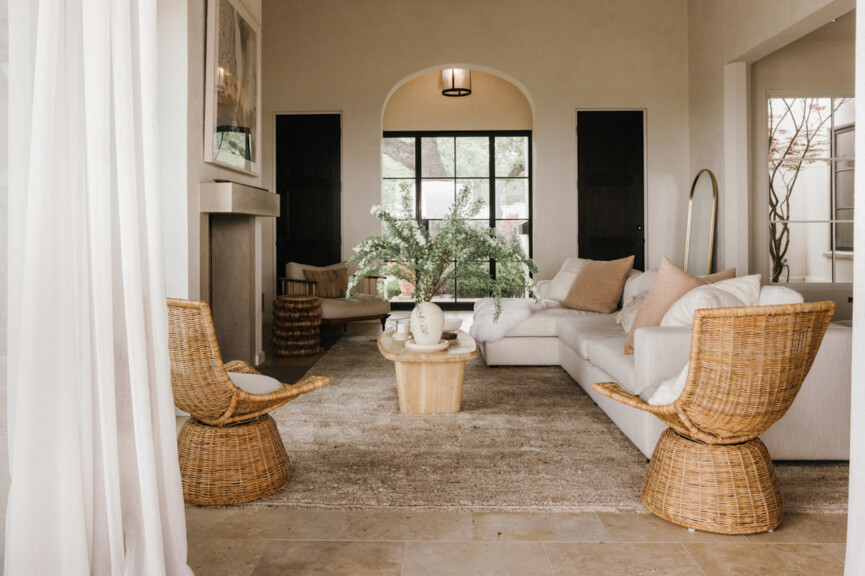
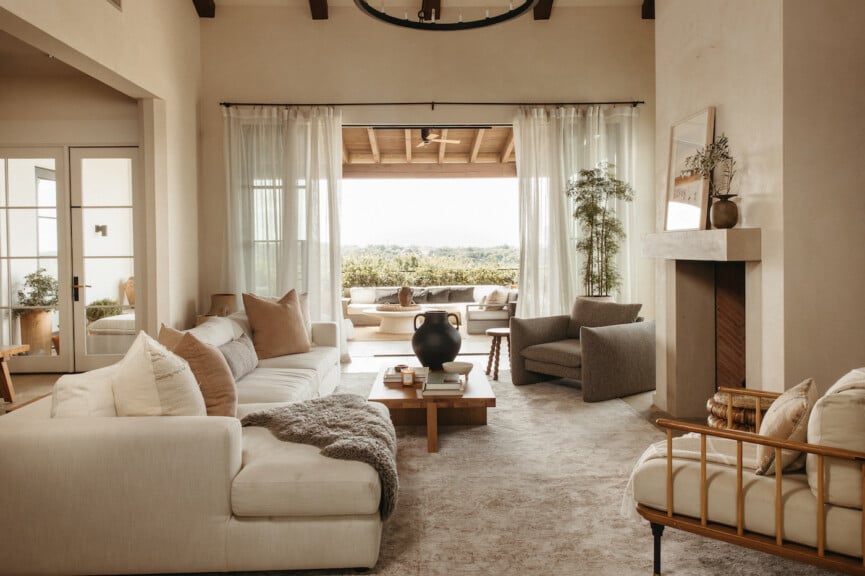
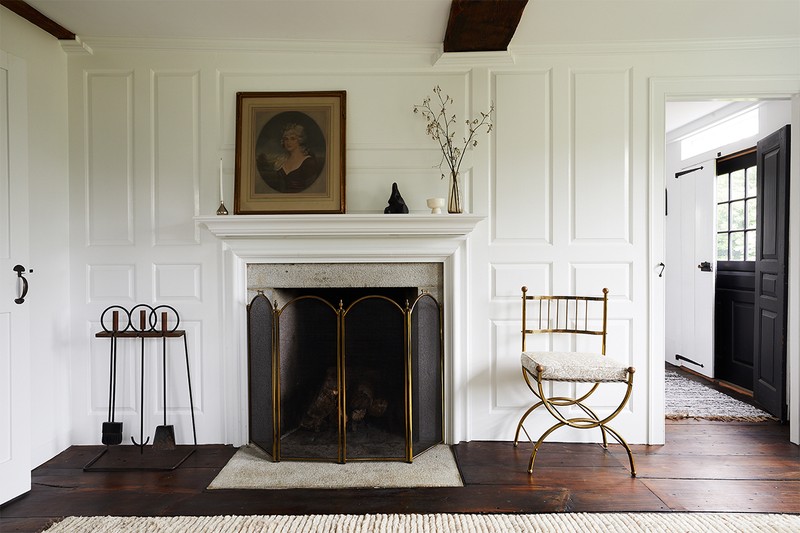
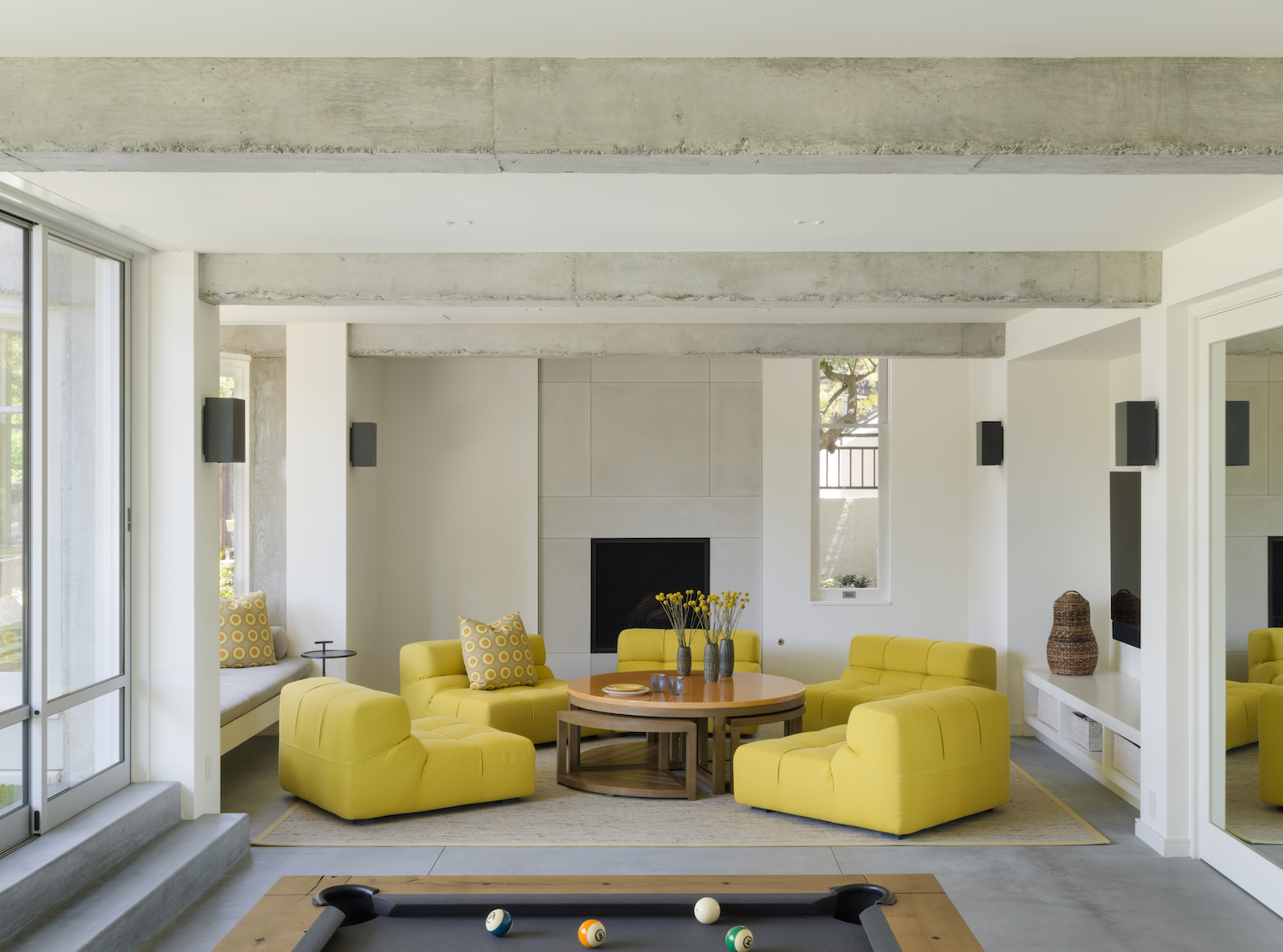
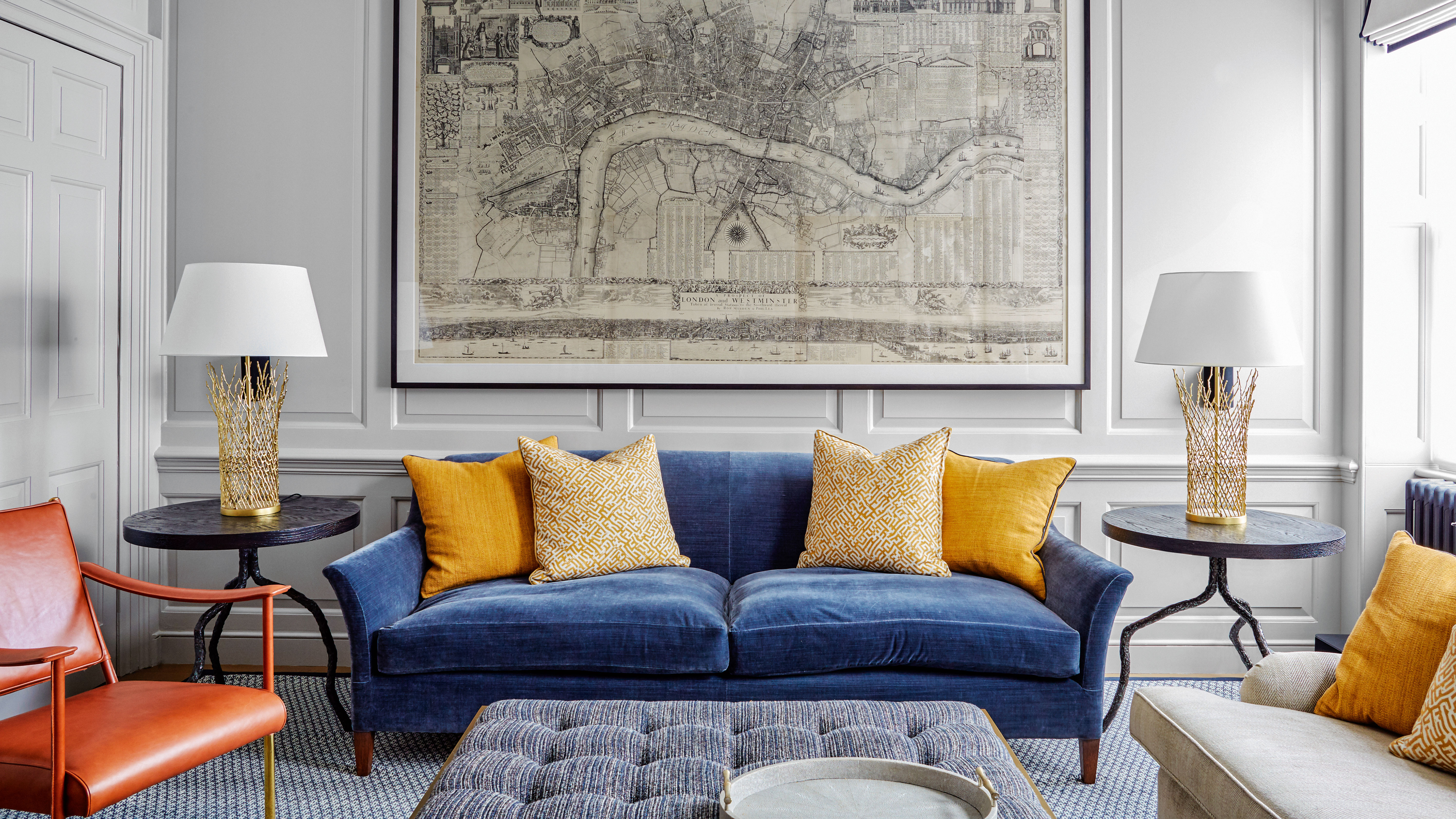
The first rule suggests placing furniture away from walls, even in compact rooms. Ahern argues that this creates a sense of openness and prevents the room from feeling cramped, even making small spaces appear larger. She encourages moving the main sofa into the middle of the room in larger areas to maximize this effect.
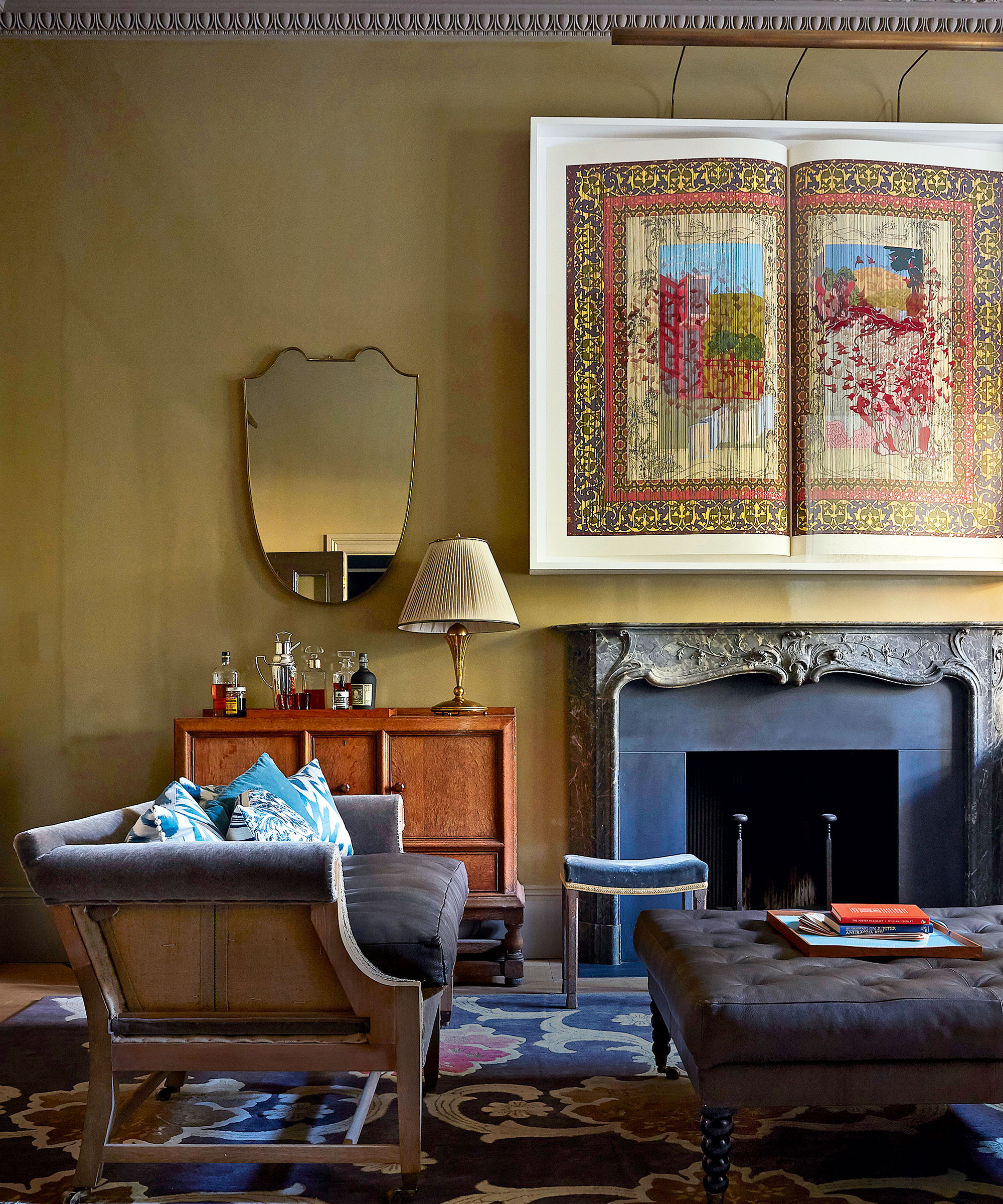
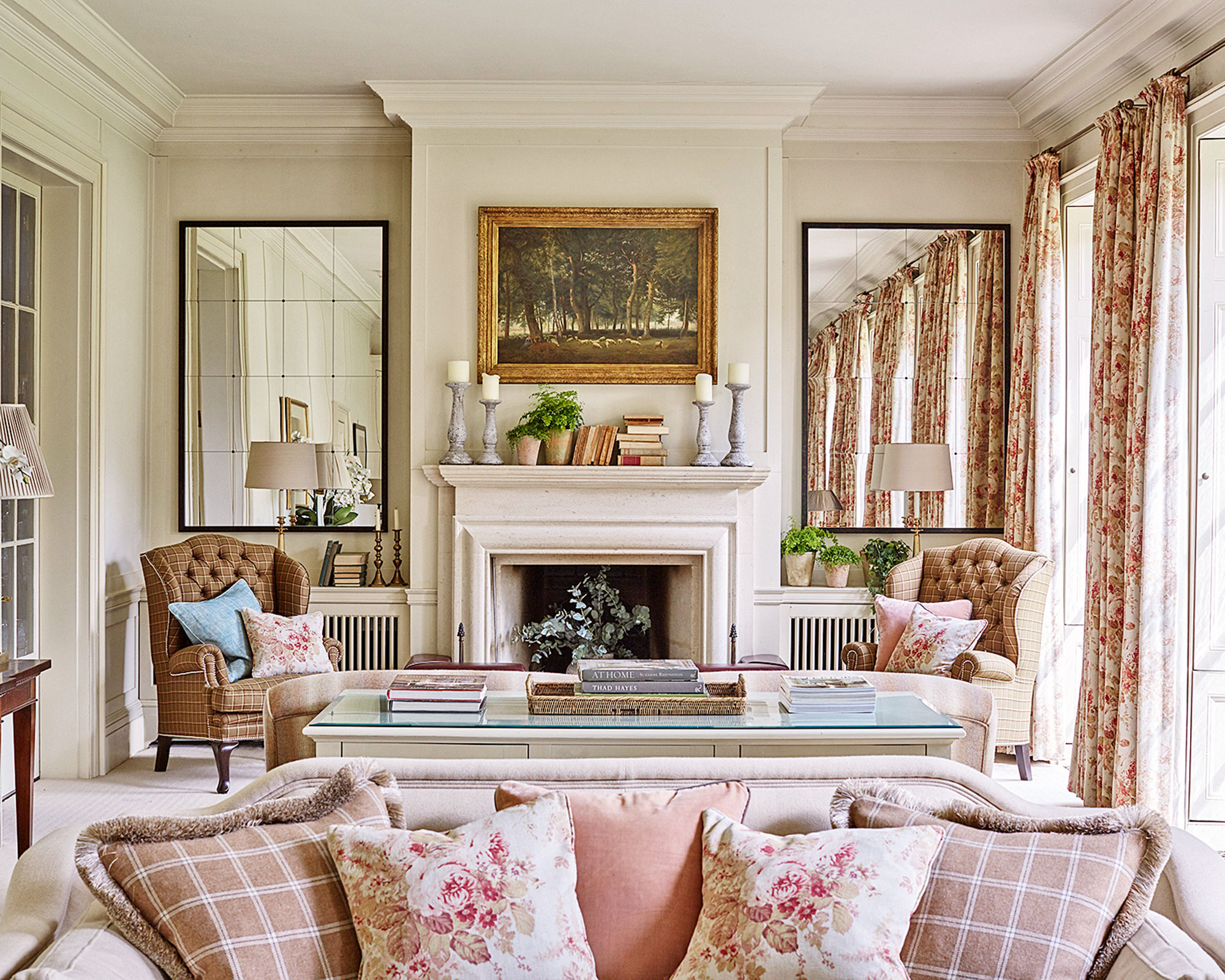
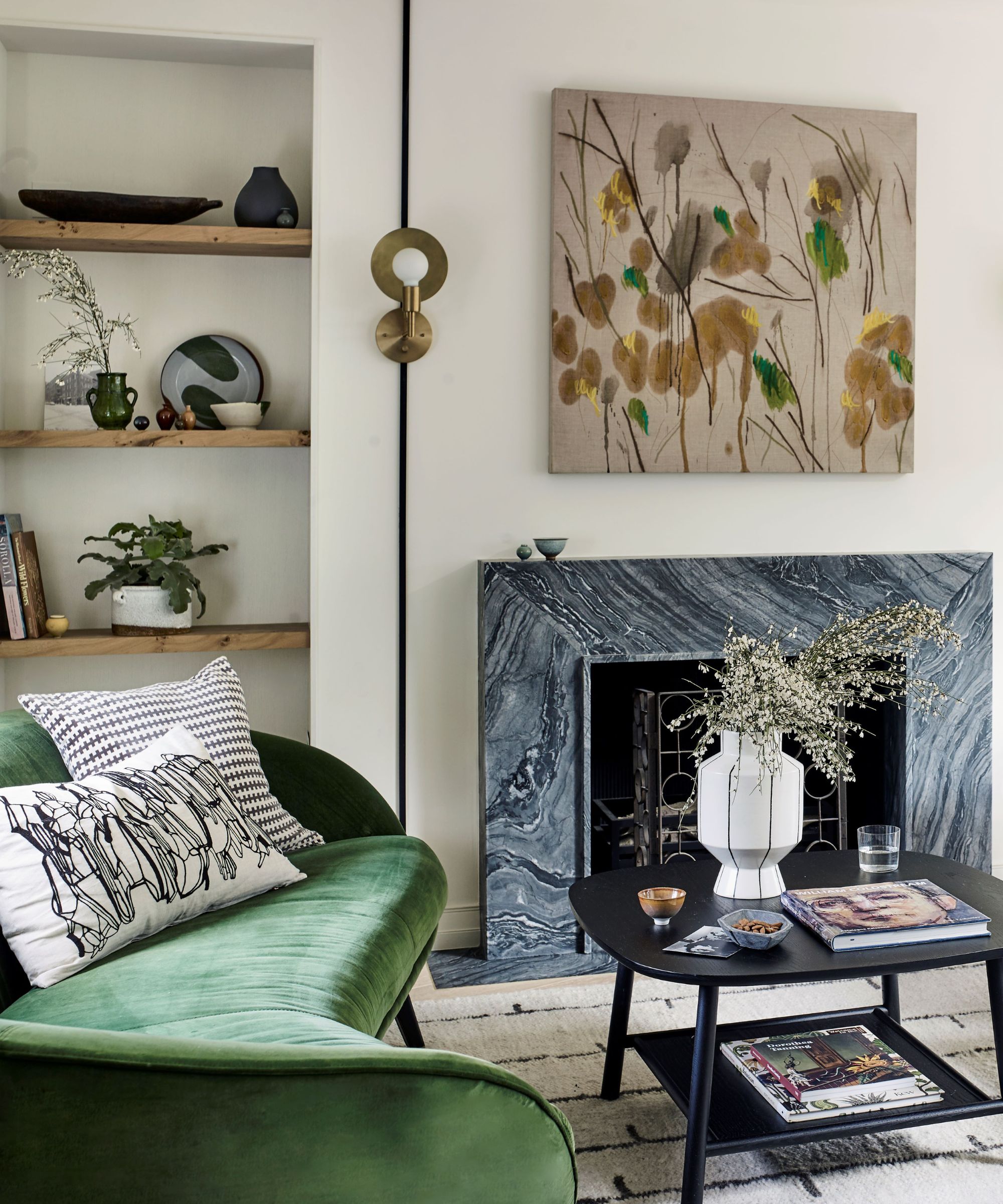
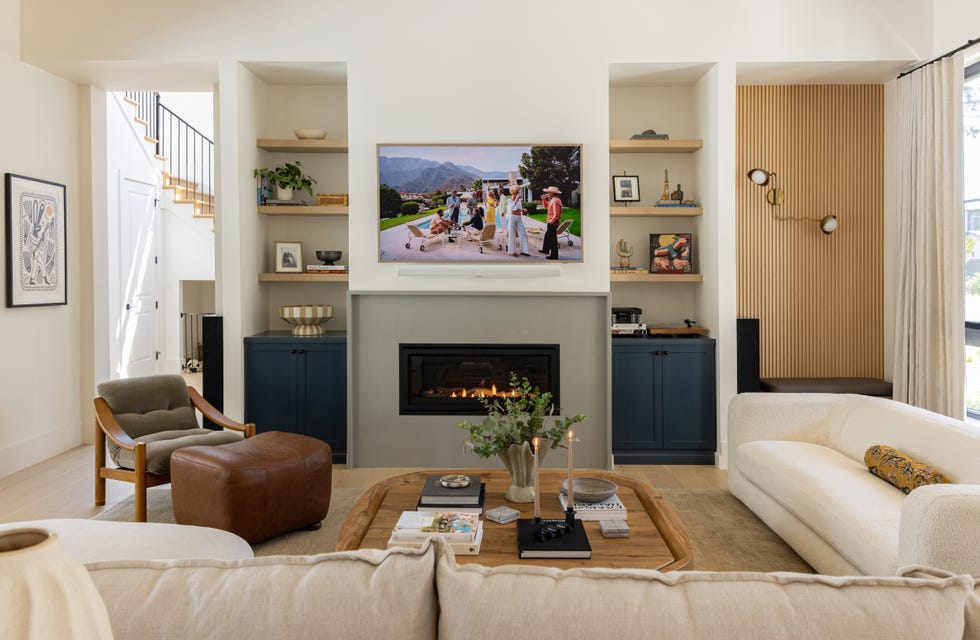
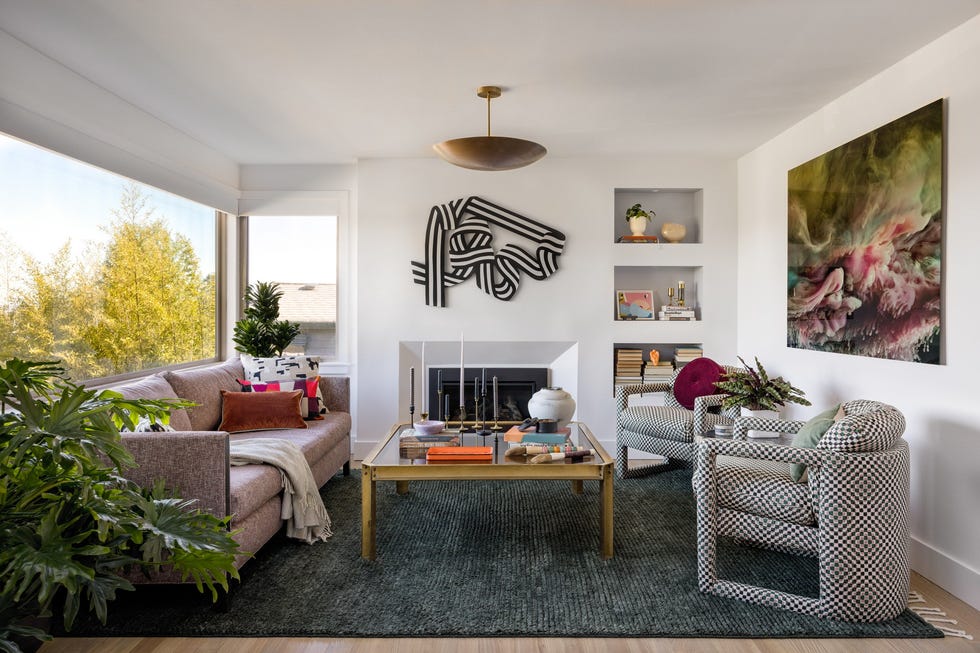
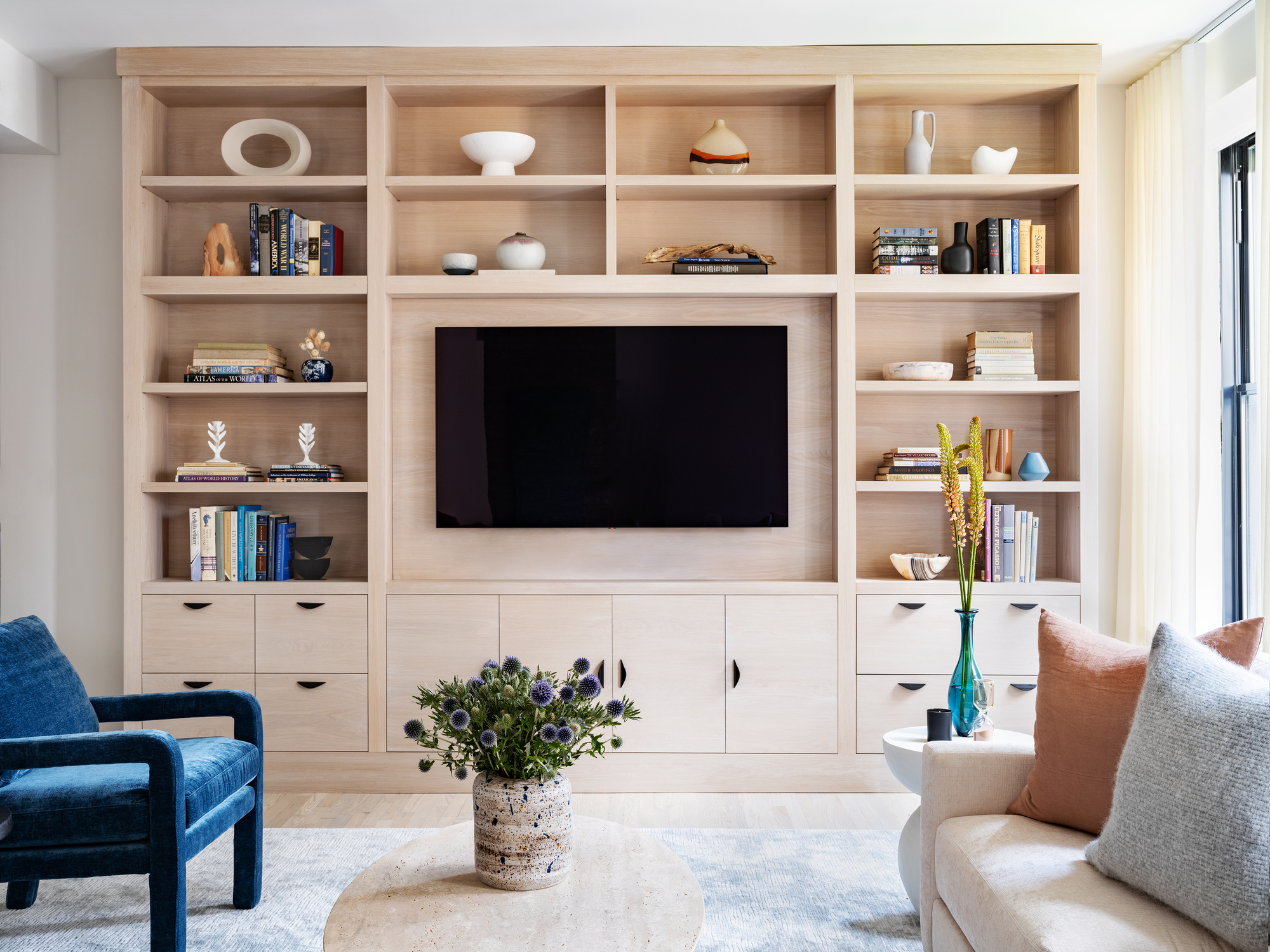
The second commandment focuses on creating focal points. Designers can either utilize existing features like fireplaces or windows or introduce new elements such as large mirrors, pendant lights, or oversized plants. The largest furniture piece, typically the sofa, should be oriented towards the primary focal point. Additionally, the article advises establishing two secondary focal points to guide the eye around the room, making the space feel more dynamic and engaging.
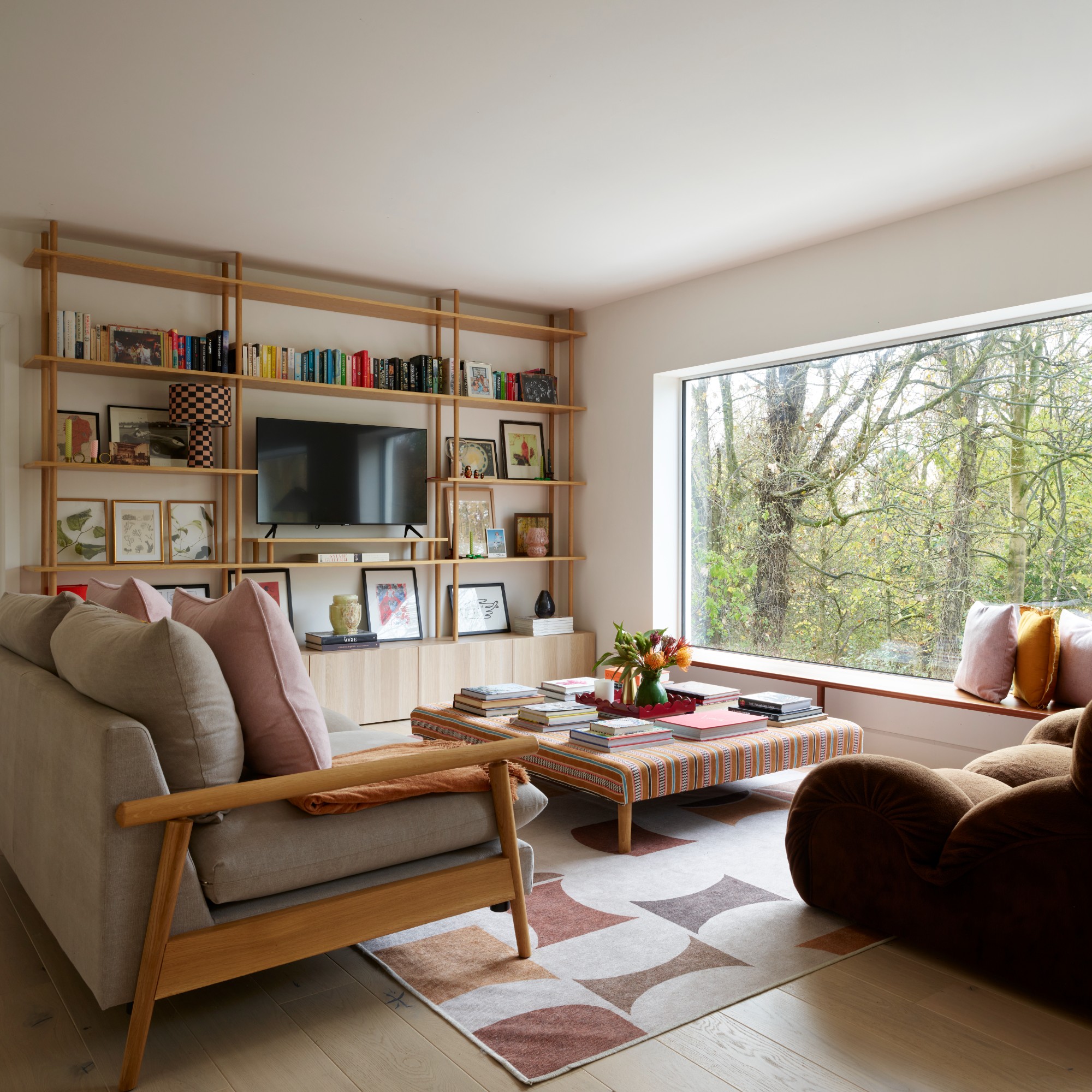
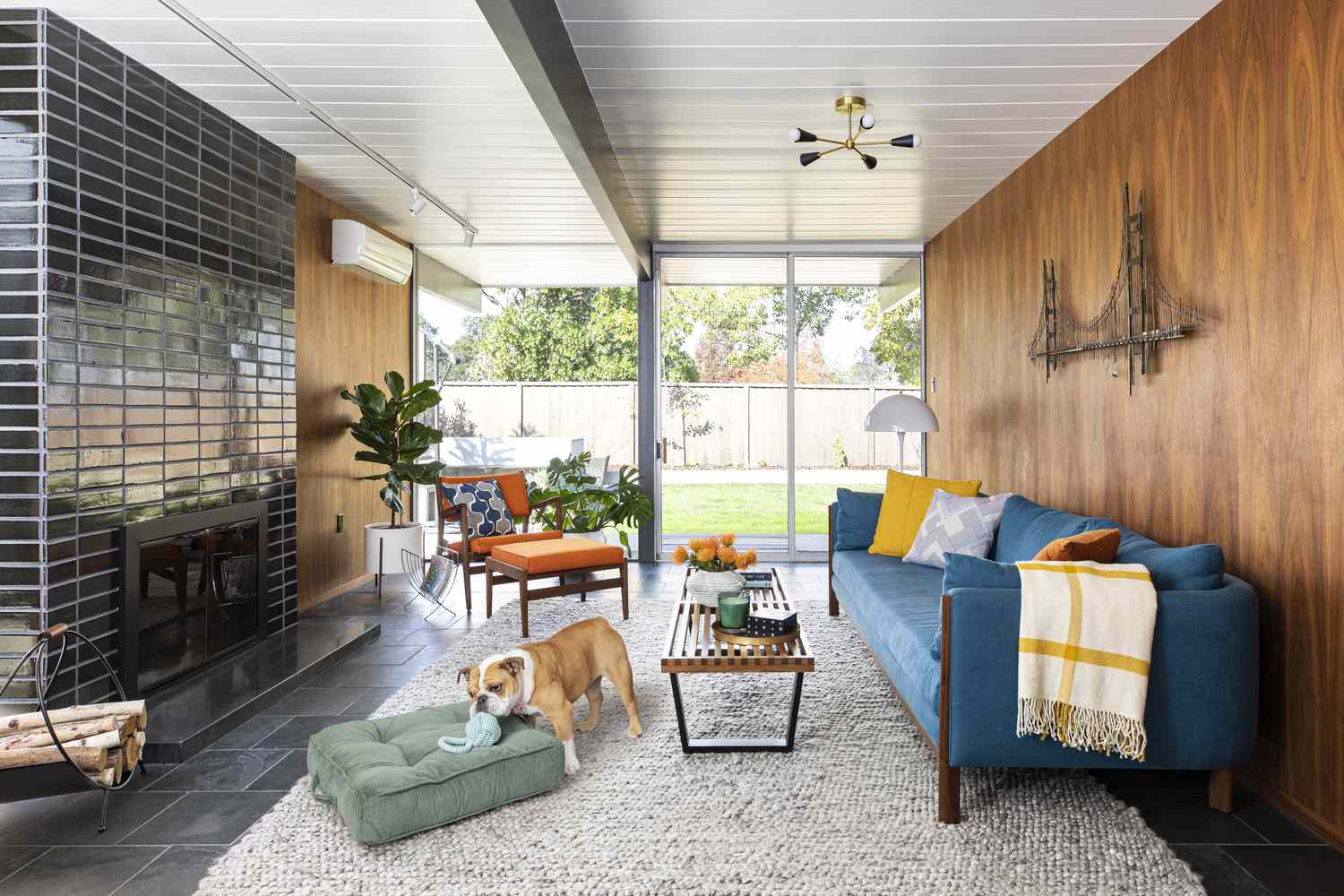
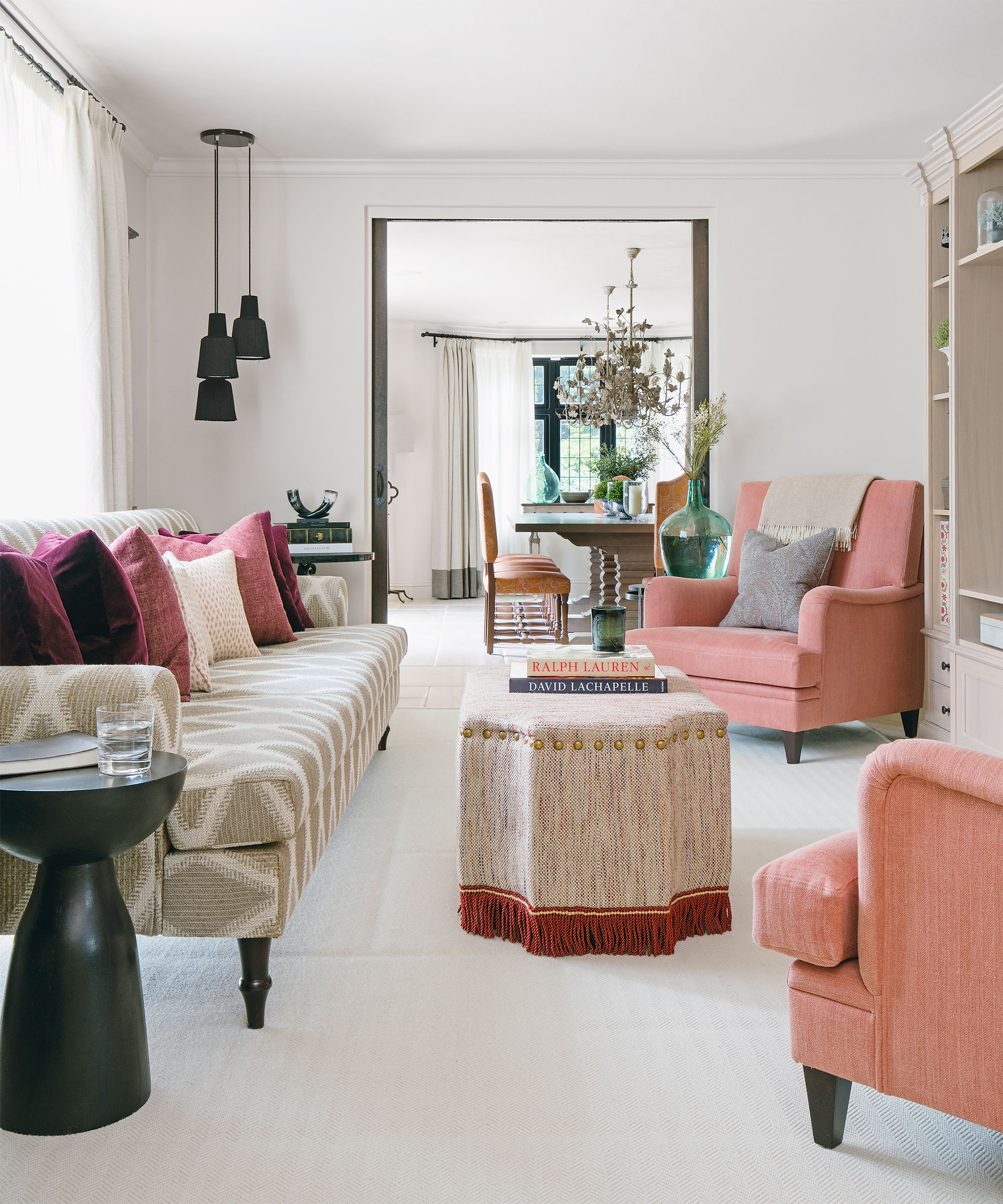
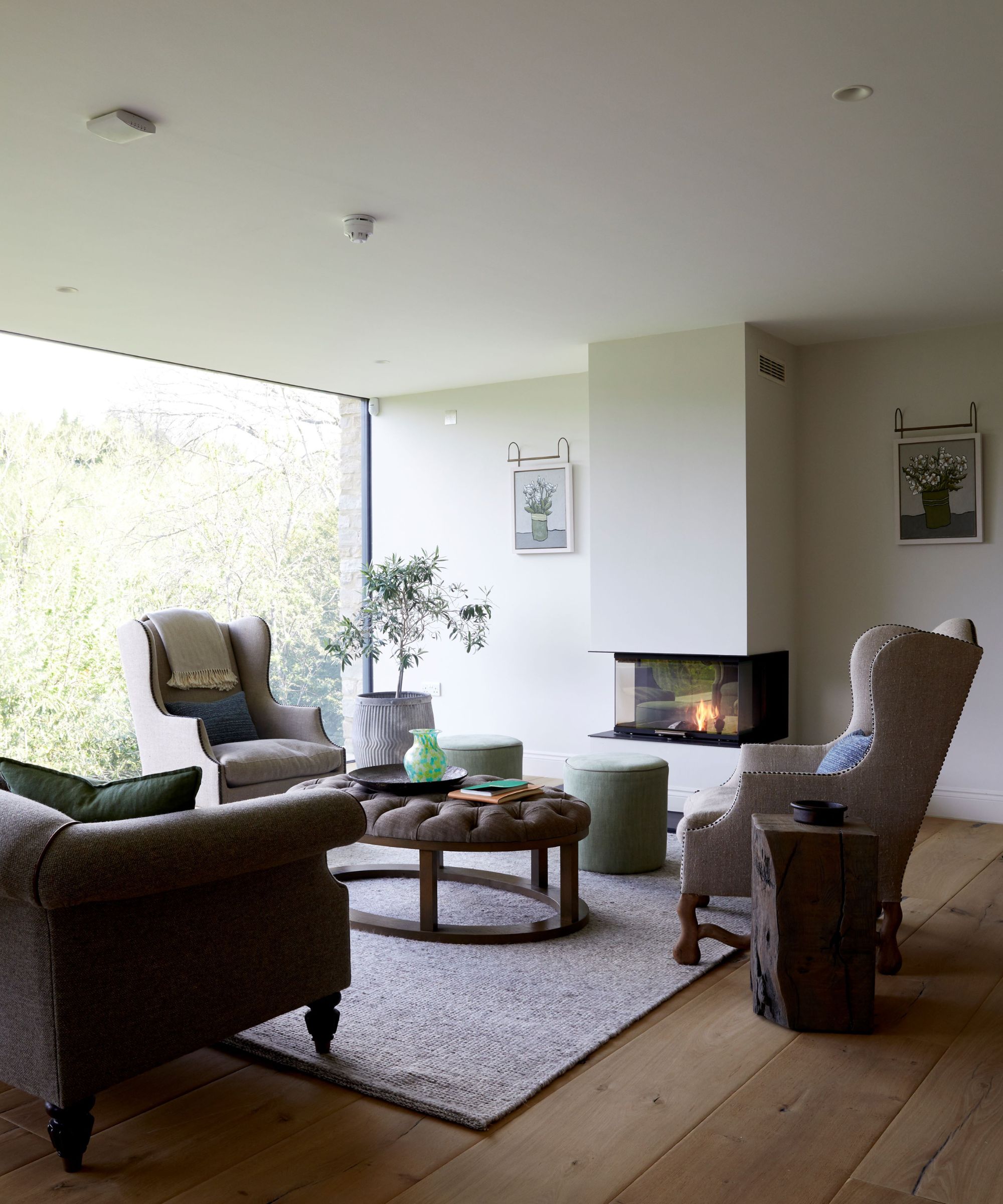
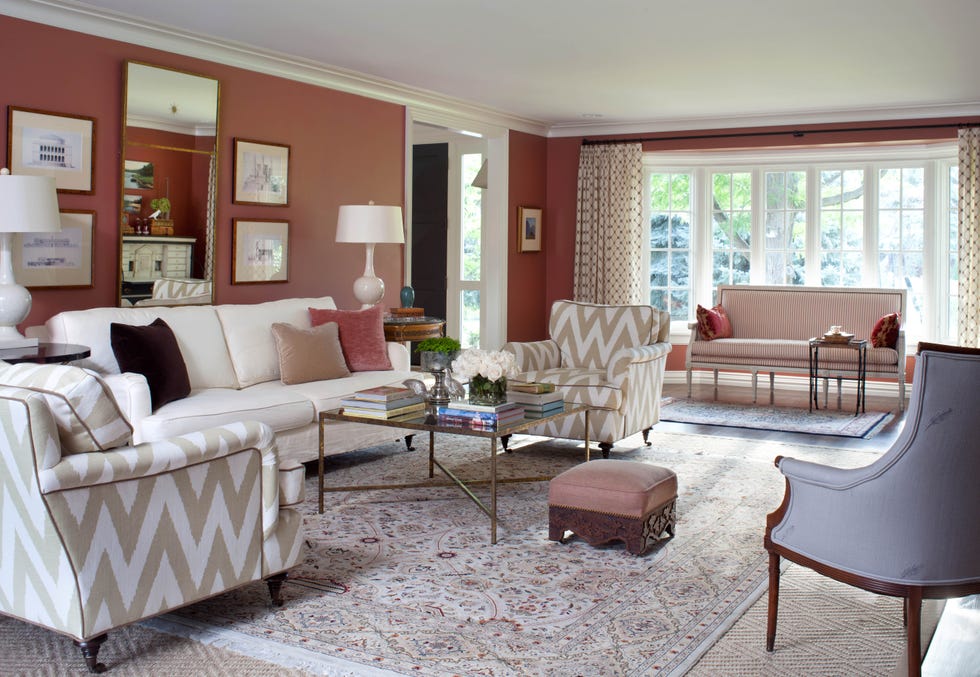
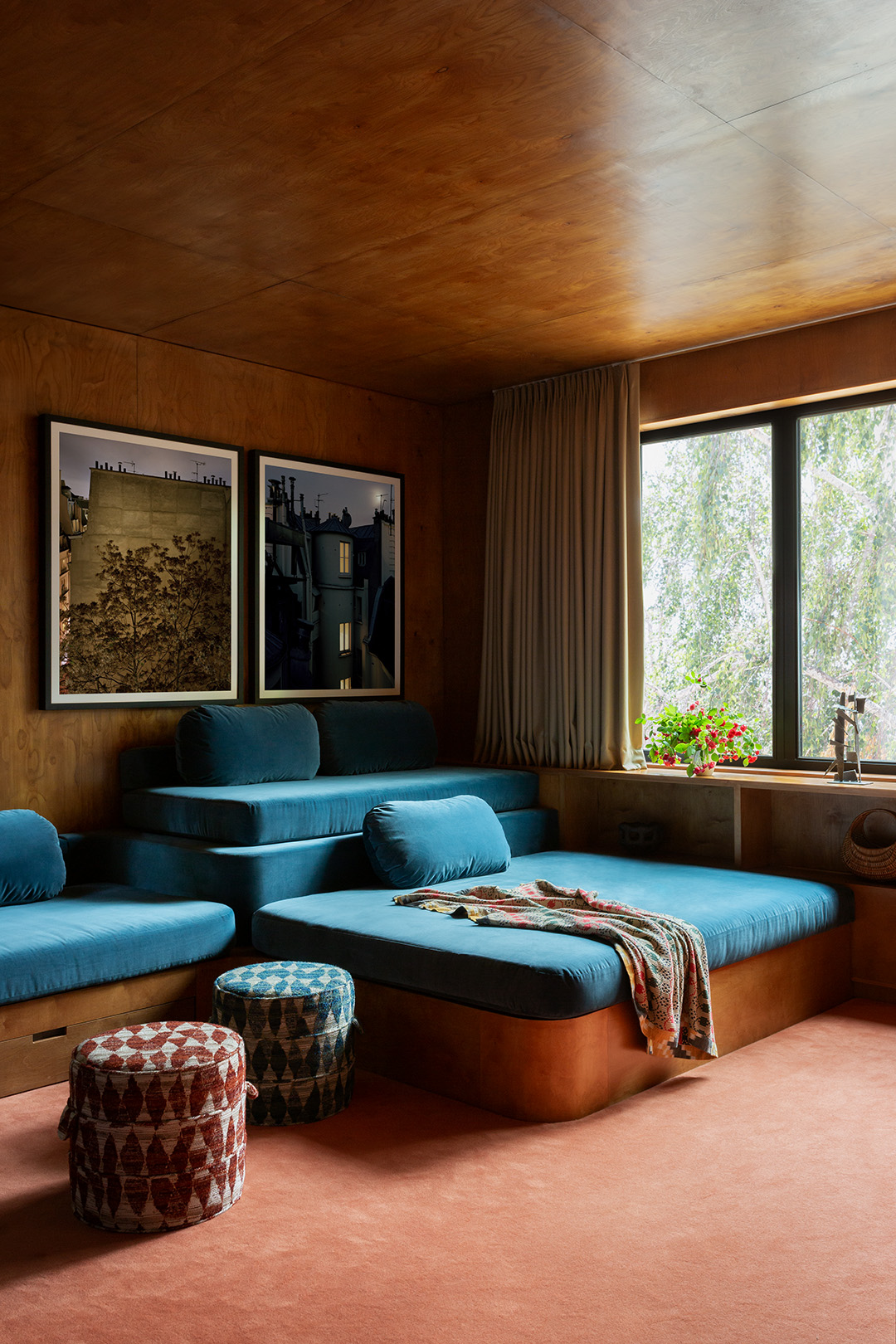
Third, the article stresses the importance of grouping seating to facilitate conversation. Chairs and sofas should be positioned close enough to encourage social interaction. For long and narrow living rooms, selecting leaner chairs without arms and incorporating ottomans or stools can provide additional seating without overcrowding. In contrast, larger rooms can benefit from multiple conversational areas, using diverse shapes and sizes of furniture to balance the space and create a cozy atmosphere.
Fourth, Ahern recommends avoiding straight lines in traffic flow. By strategically placing furniture to encourage a slight weaving path, the space becomes more engaging and stimulates peripheral vision, akin to the layout of retail stores. This rule supports the idea of not banking furniture against walls.
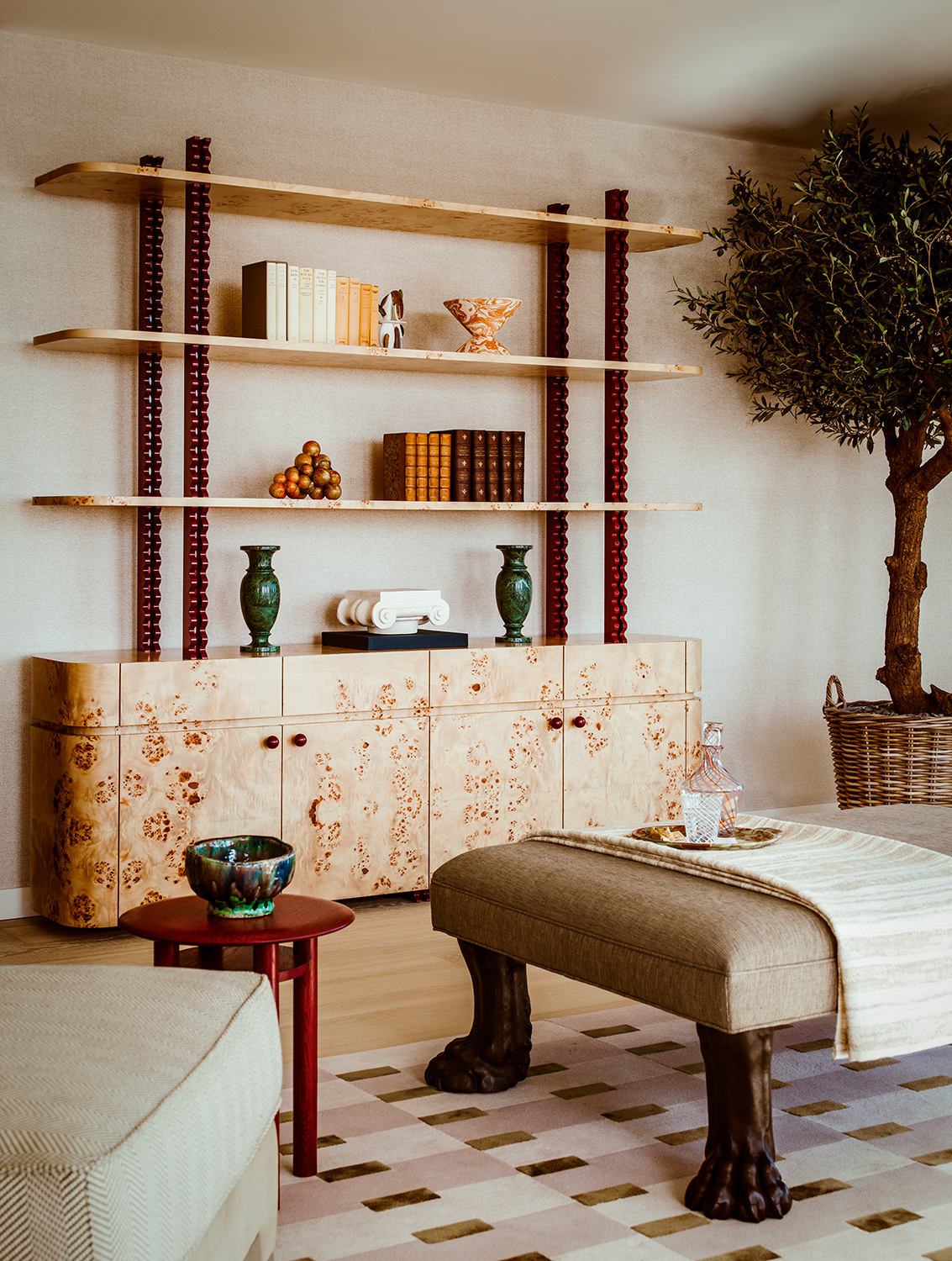
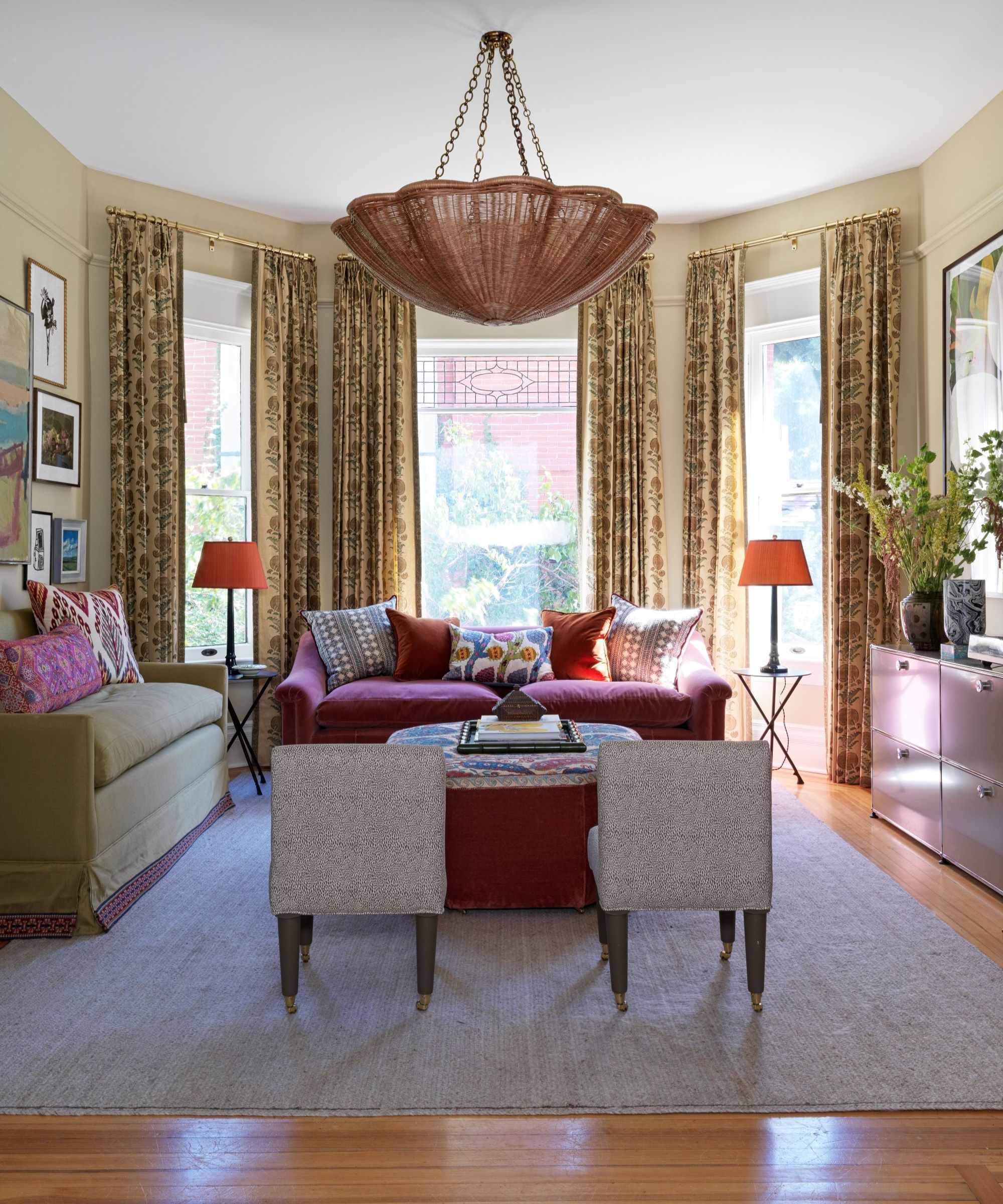
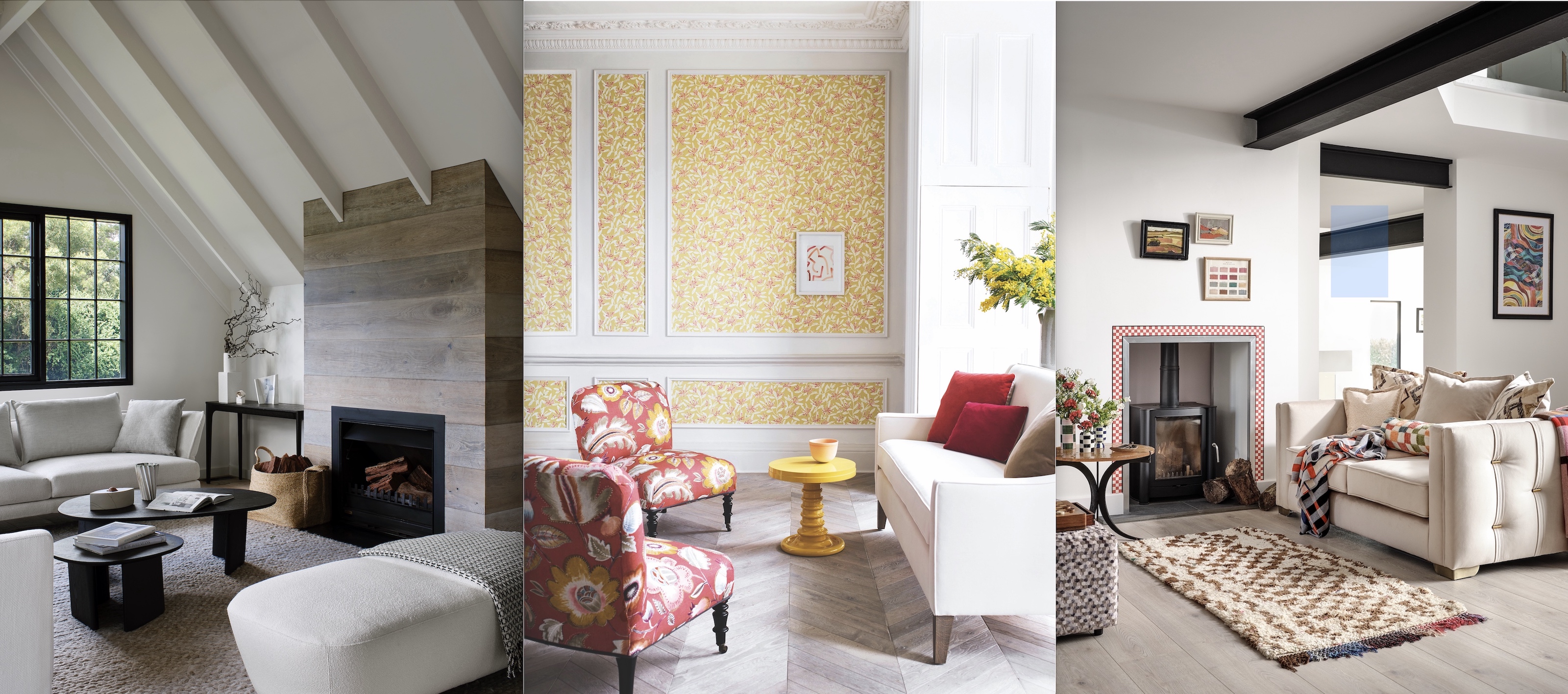
The fifth rule addresses symmetry, suggesting that while it can bring cohesion, excessive symmetry can make a room feel dull and stiff. Ahern advocates for asymmetry, noting its greater challenge but cooler outcome. She advises matching only one element, such as chairs or side tables, rather than everything, and using color, pattern, and scale to maintain balance.
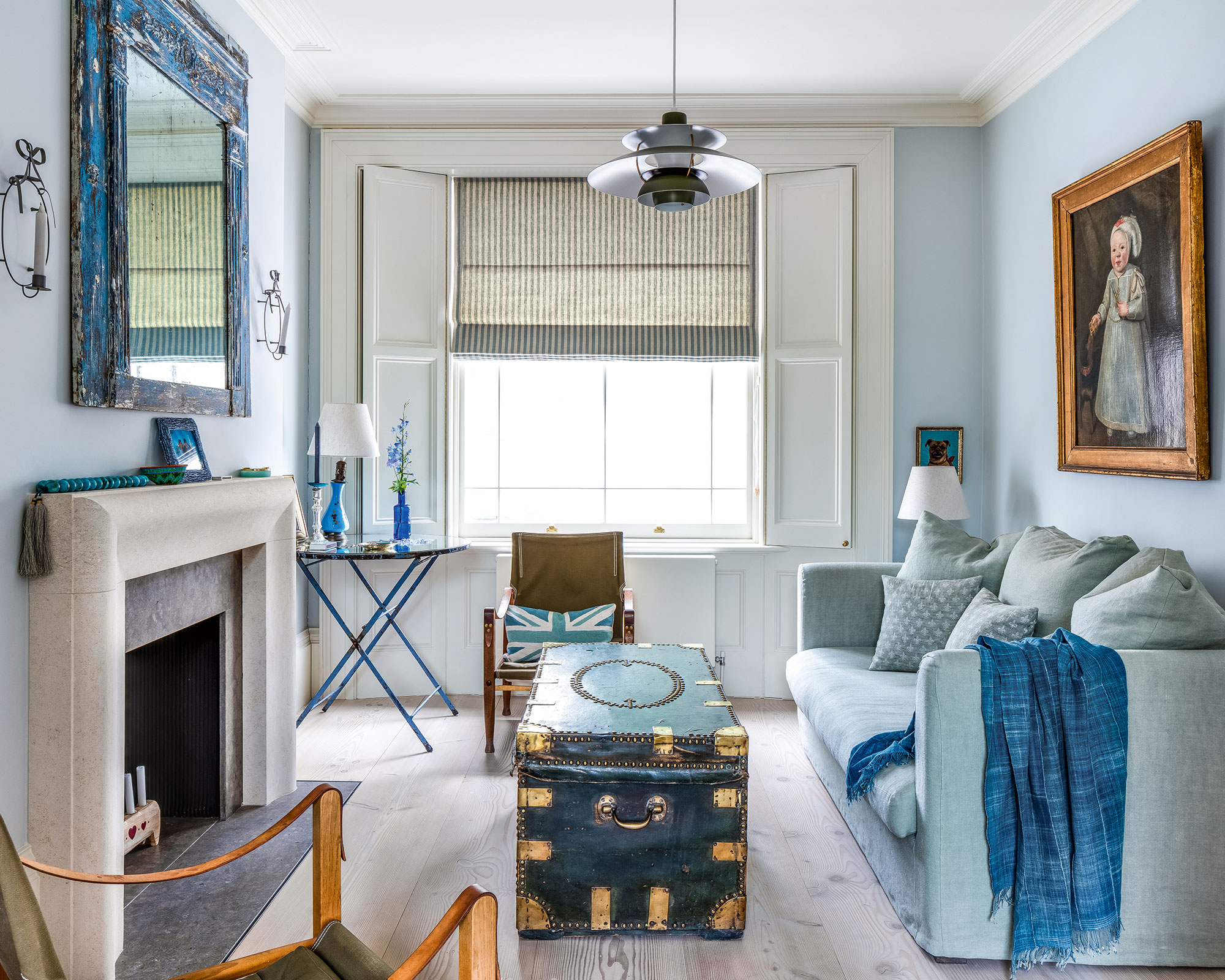
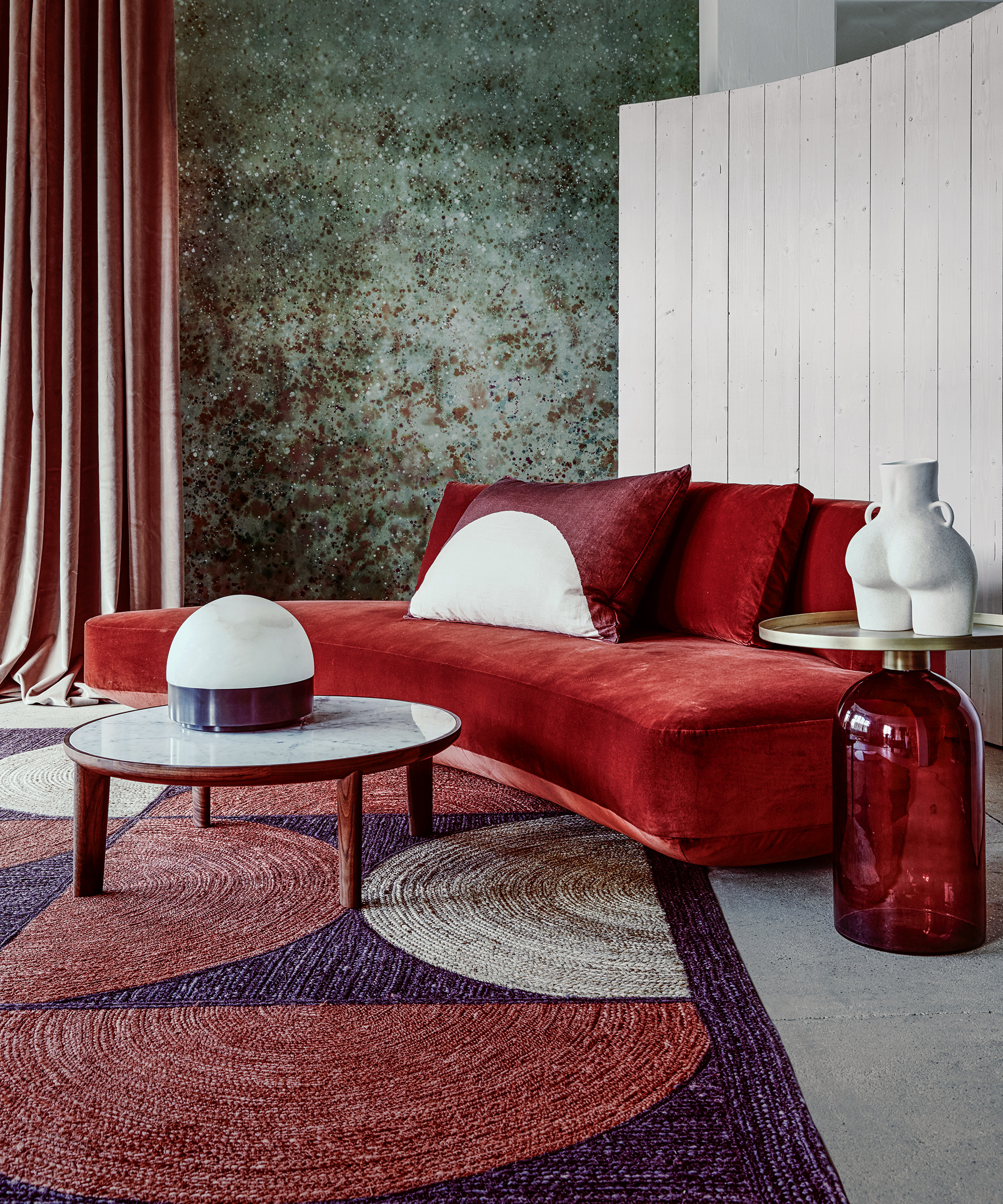
Sixth, for small or boxy rooms, the article proposes using diagonal arrangements to add dimension and intrigue. The sofa and coffee table can establish the diagonal axis, with other seating arranged along it.
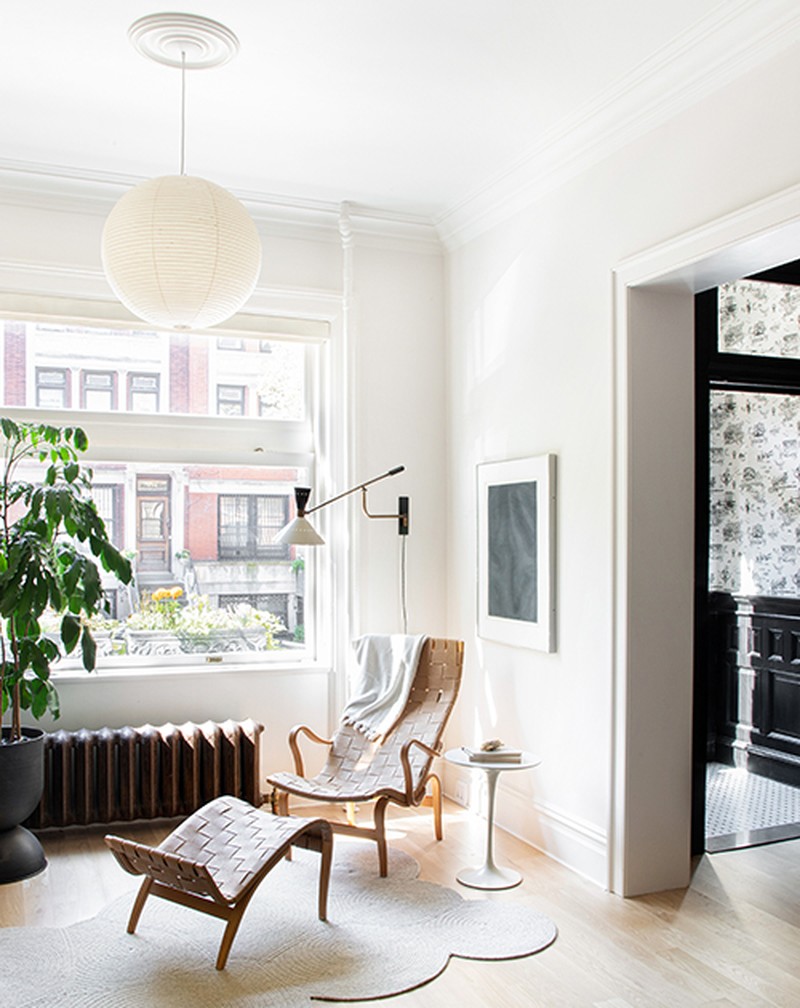
Seventh, each armchair or occasional seating should be paired with a small table or stool. This provides a convenient surface for drinks or books, making the seating area more inviting and less isolated.
Eighth, incorporating mirrors can enhance depth and create an illusion of space. Placing a large mirror opposite a window reflects light, making the room appear larger and serving as a focal point.
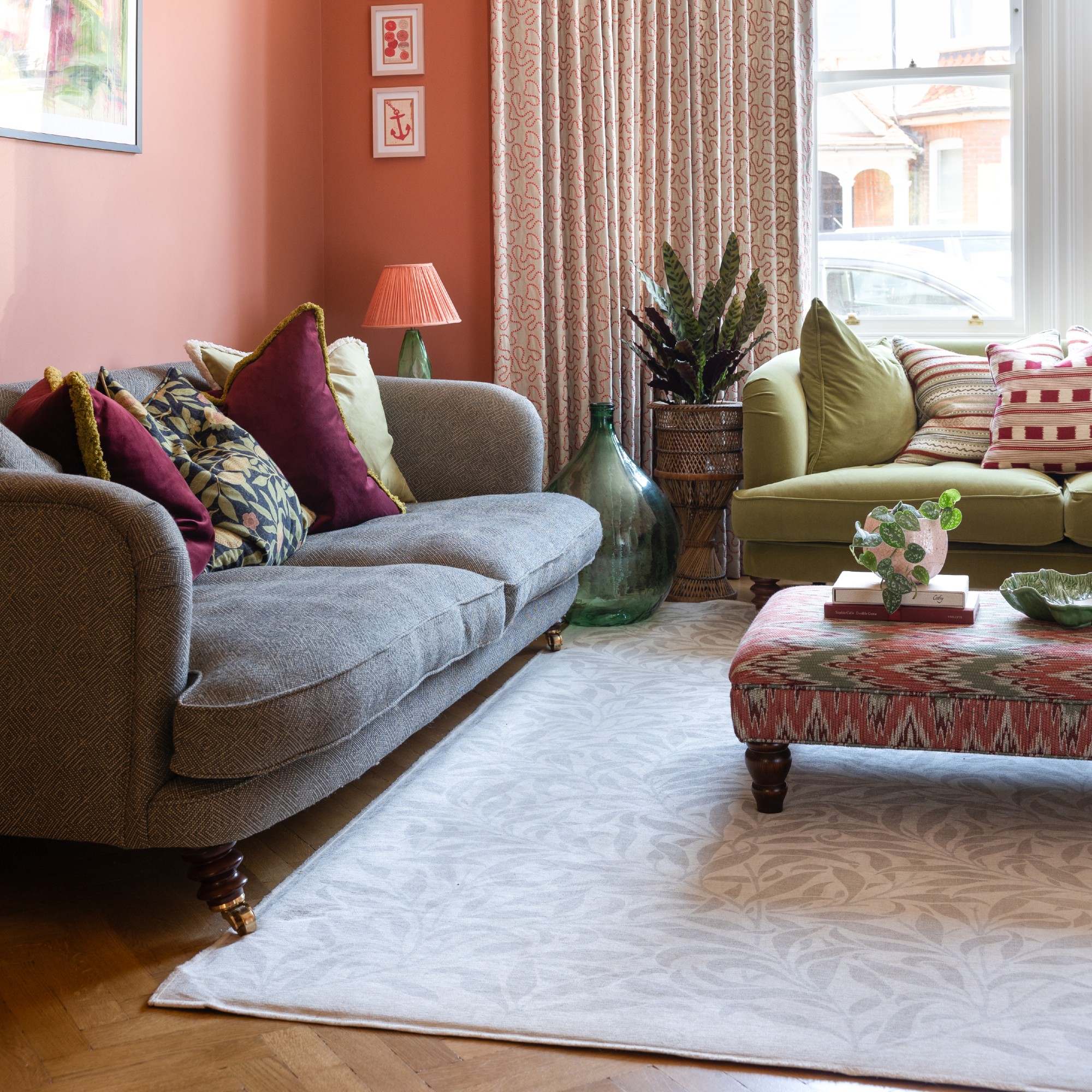
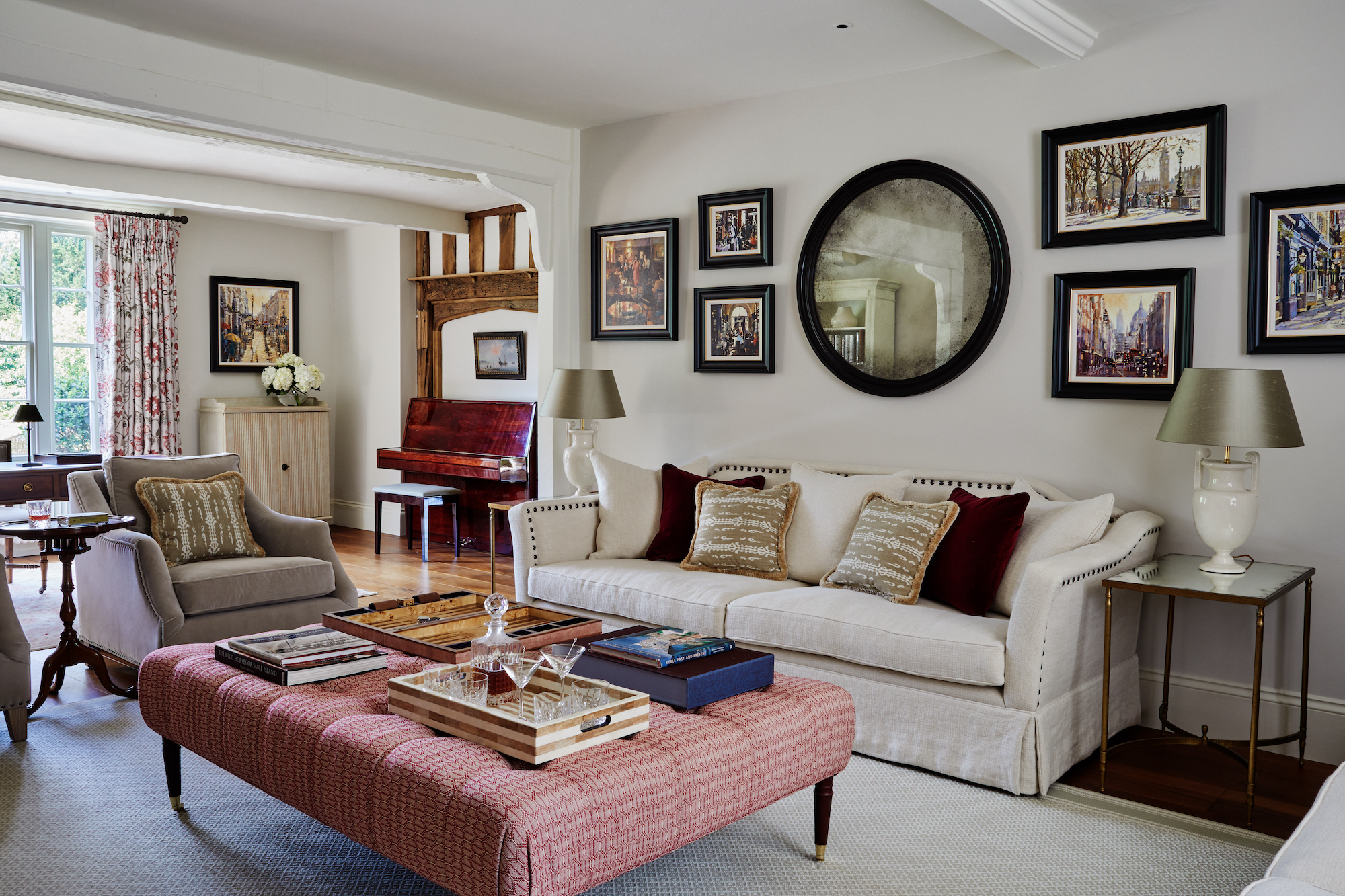
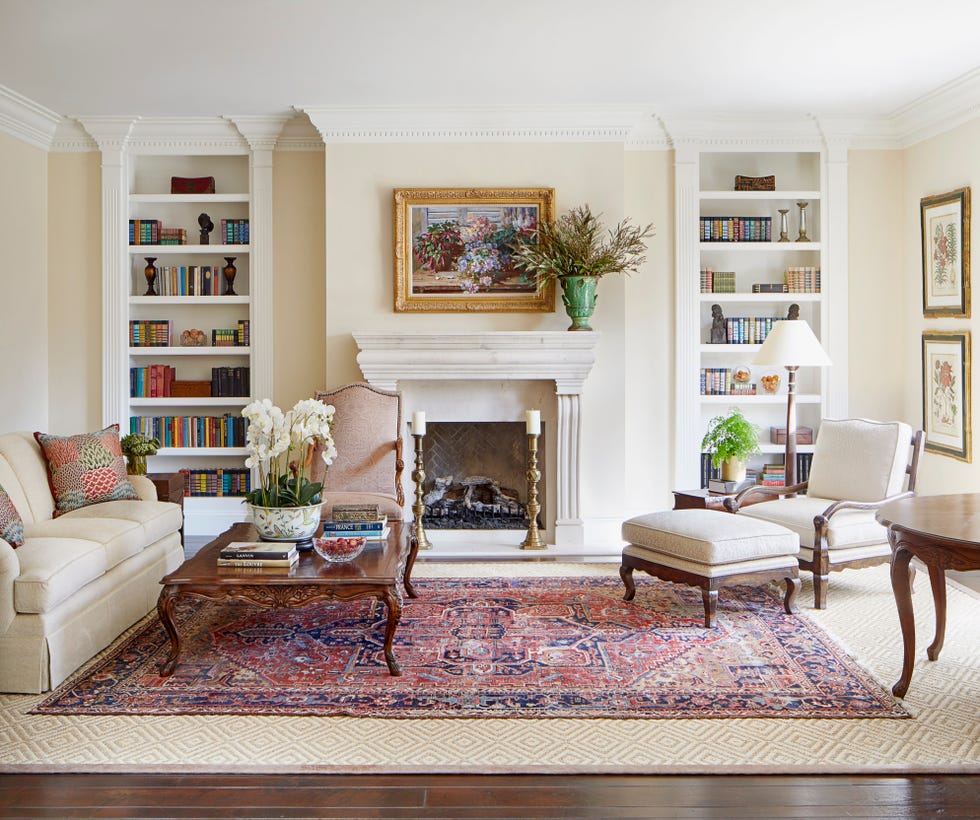
Ninth, rugs are crucial for anchoring a space. They help to define areas, add texture and pattern, and prevent a room from resembling a furniture showroom.
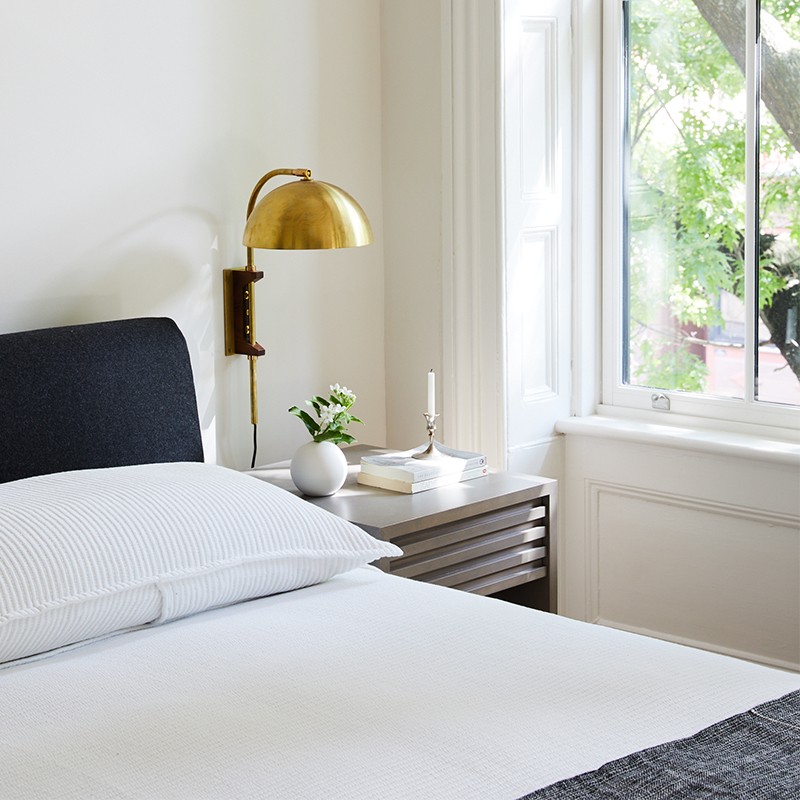
Finally, the tenth commandment involves using clever lighting to zone areas within a room. In large spaces, different lighting schemes can delineate zones for various activities like reading, watching TV, or entertaining. In smaller rooms, strategic lighting, combined with multifunctional furniture, can create the illusion of more space and make every inch count. Ahern concludes by stating that these rules are not rigid and can be broken to encourage experimentation and creativity in interior design.
#InteriorDesign #LivingRoomFurniture #FurnitureArrangement #HomeDecor #AbigailAhern #SpacePlanning #FocalPoints #ConversationalSeating #RoomLayout #LightingDesign #InteriorDesign #LivingRoomFurniture #FurnitureArrangement #HomeDecor #AbigailAhern #SpacePlanning #FocalPoints #ConversationalSeating #RoomLayout #LightingDesign
0 komentarzy łącznie
 Brak komentarzy jeszcze
Możesz również polubić
If You Don't Know the '18-Inch Seating Rule', It's What Could Be Making Your Living Room Feel Cramped, Unwelcoming, and Uncomfortable

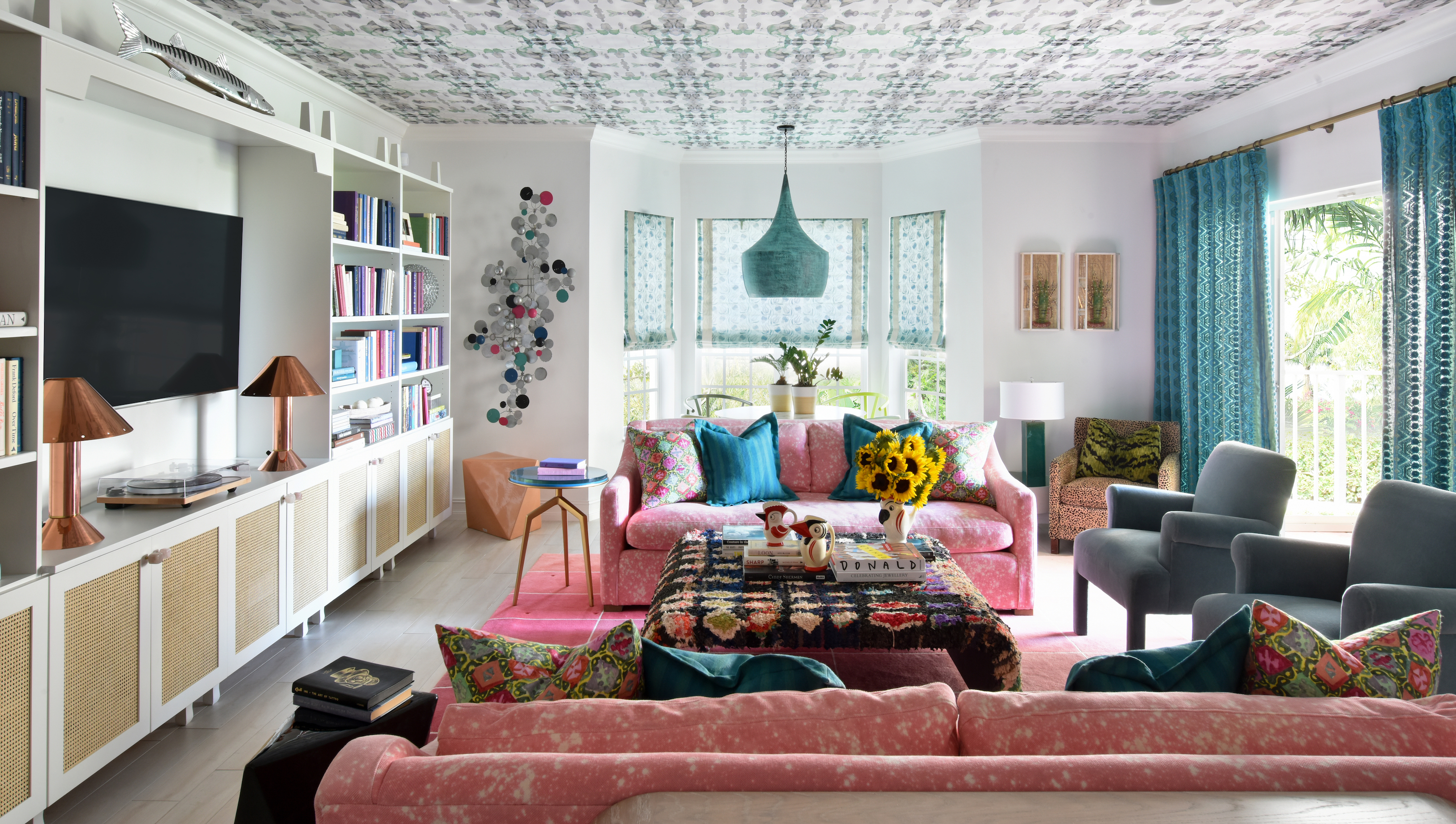
Should living room furniture be the same height? Experts give their verdict
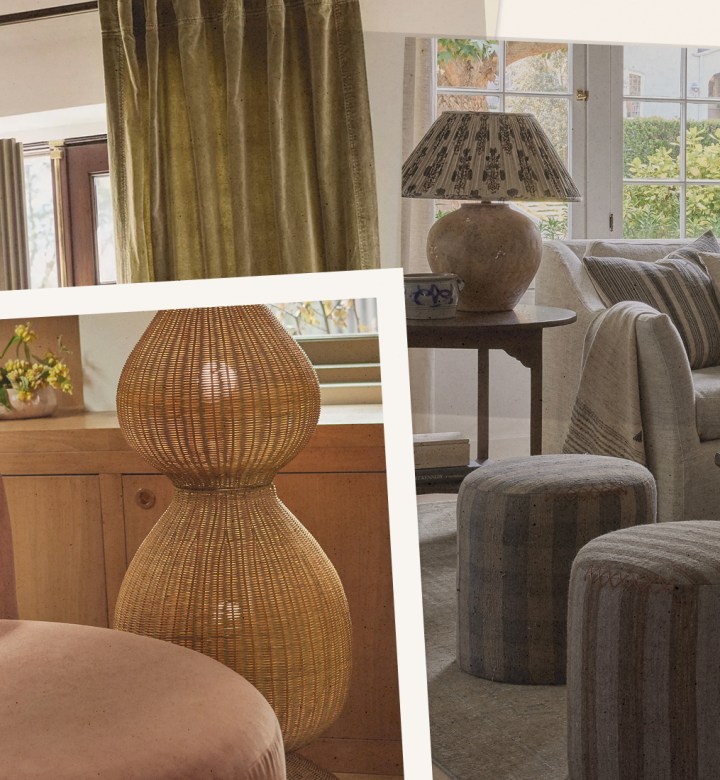
The 5 Rules of Decorating a Living Room in 2025 (Don’t Worry—They’ll Still Hold Up in 2030)

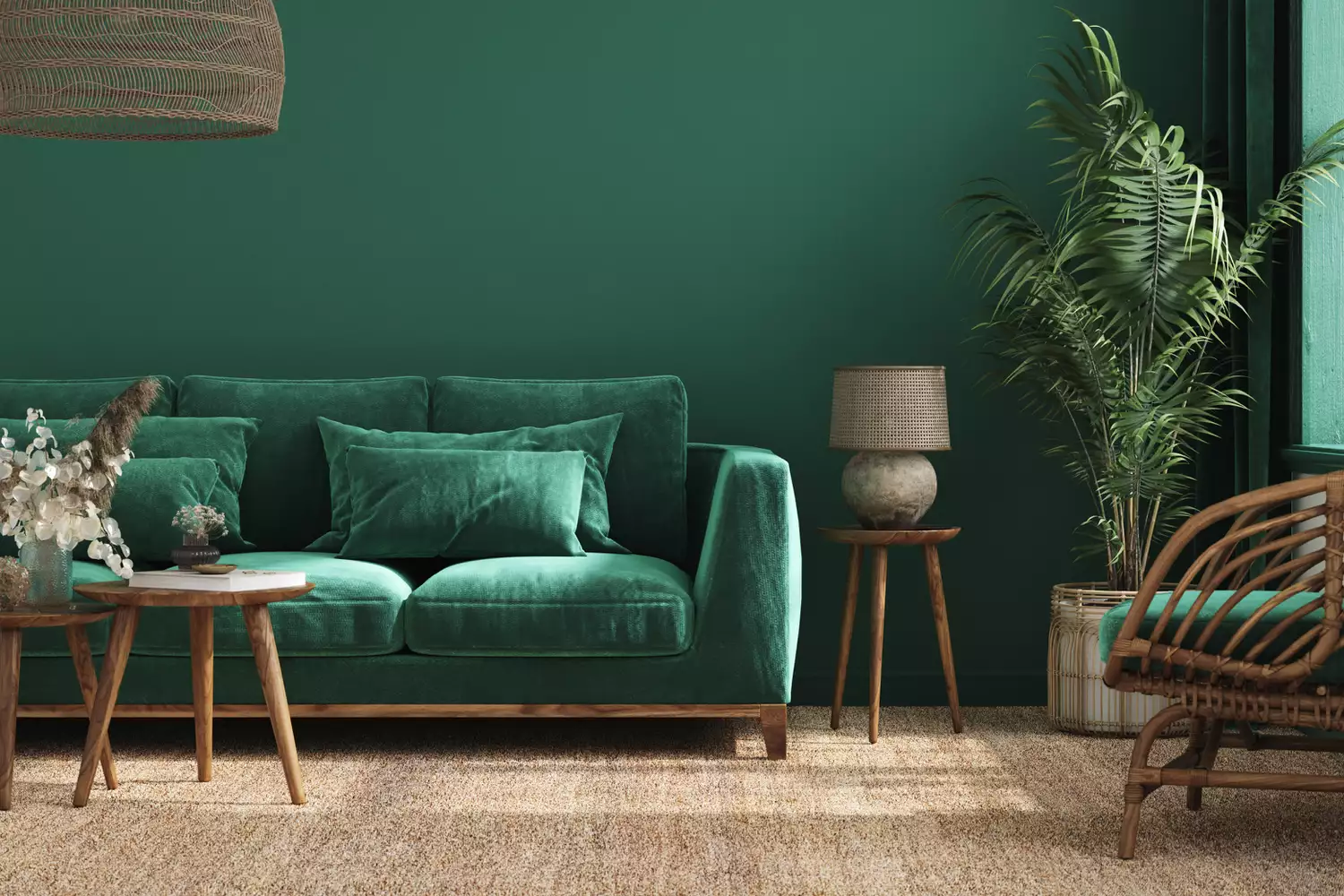
6 Golden Rules of Living Room Design for Creating a Cozy Yet Stylish Space, According to Pros

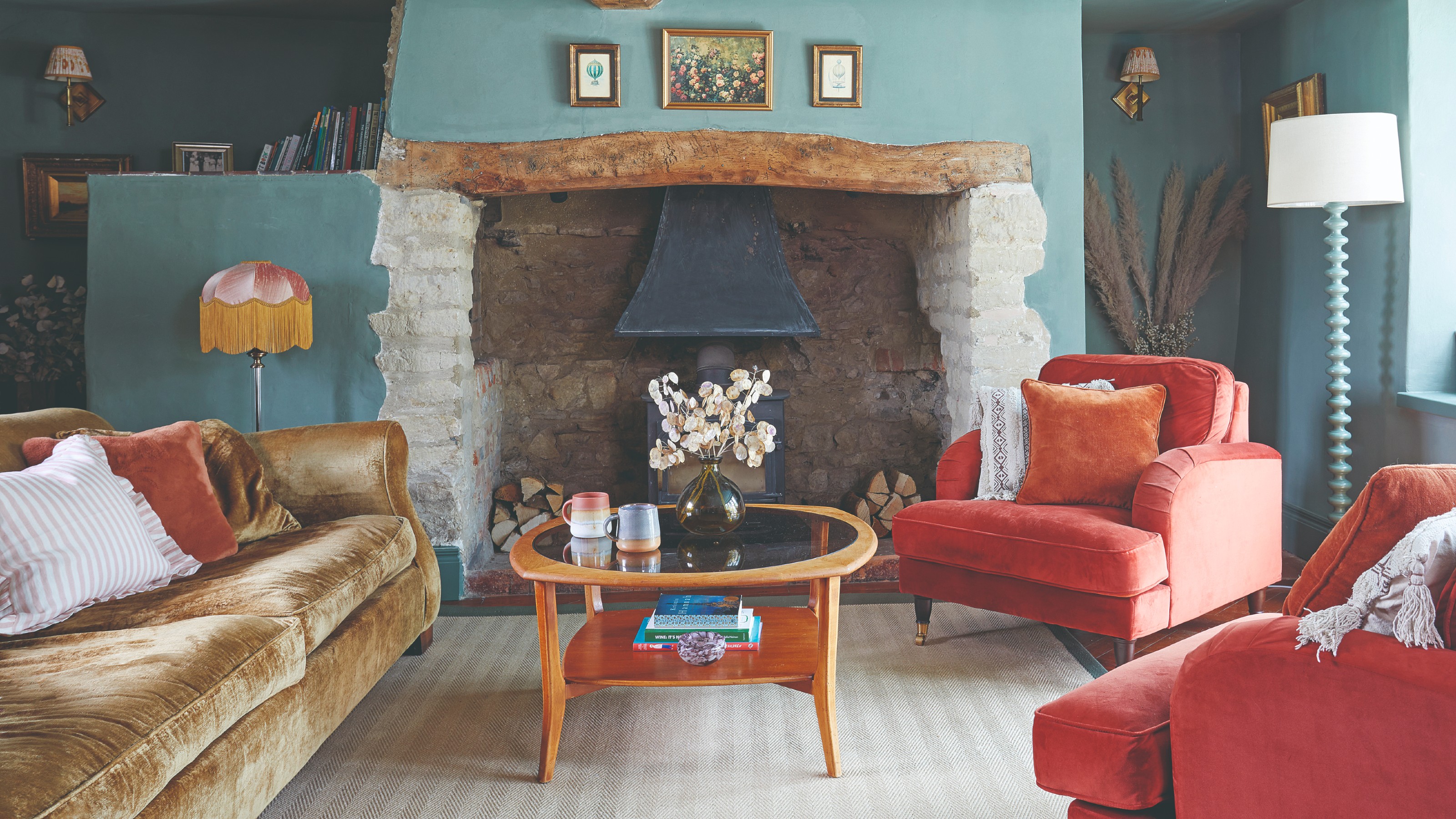
‘It makes your living room feel more connected and comfortable’ – the 4-inch seating rule is the trick interior designers have been using for years
Designers swear these 8 living room layout hacks will instantly elevate your space, no matter what the size
10 Things To Keep Out Of Your Living Room, According To Designers
Design experts on their living room decor ideas

How to Fix the Most Common Living Room Layout Mistakes

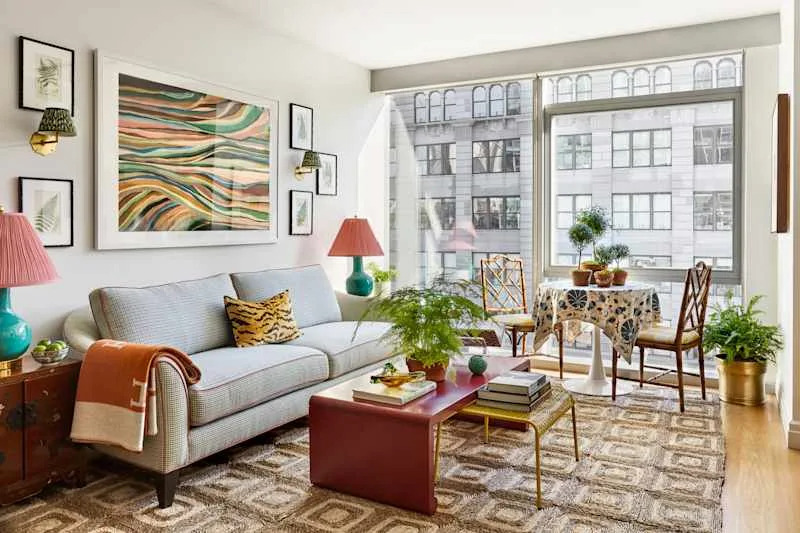
My Designer Friends Swear By the "Two-Thirds Rule" for Living Room Sofas and More

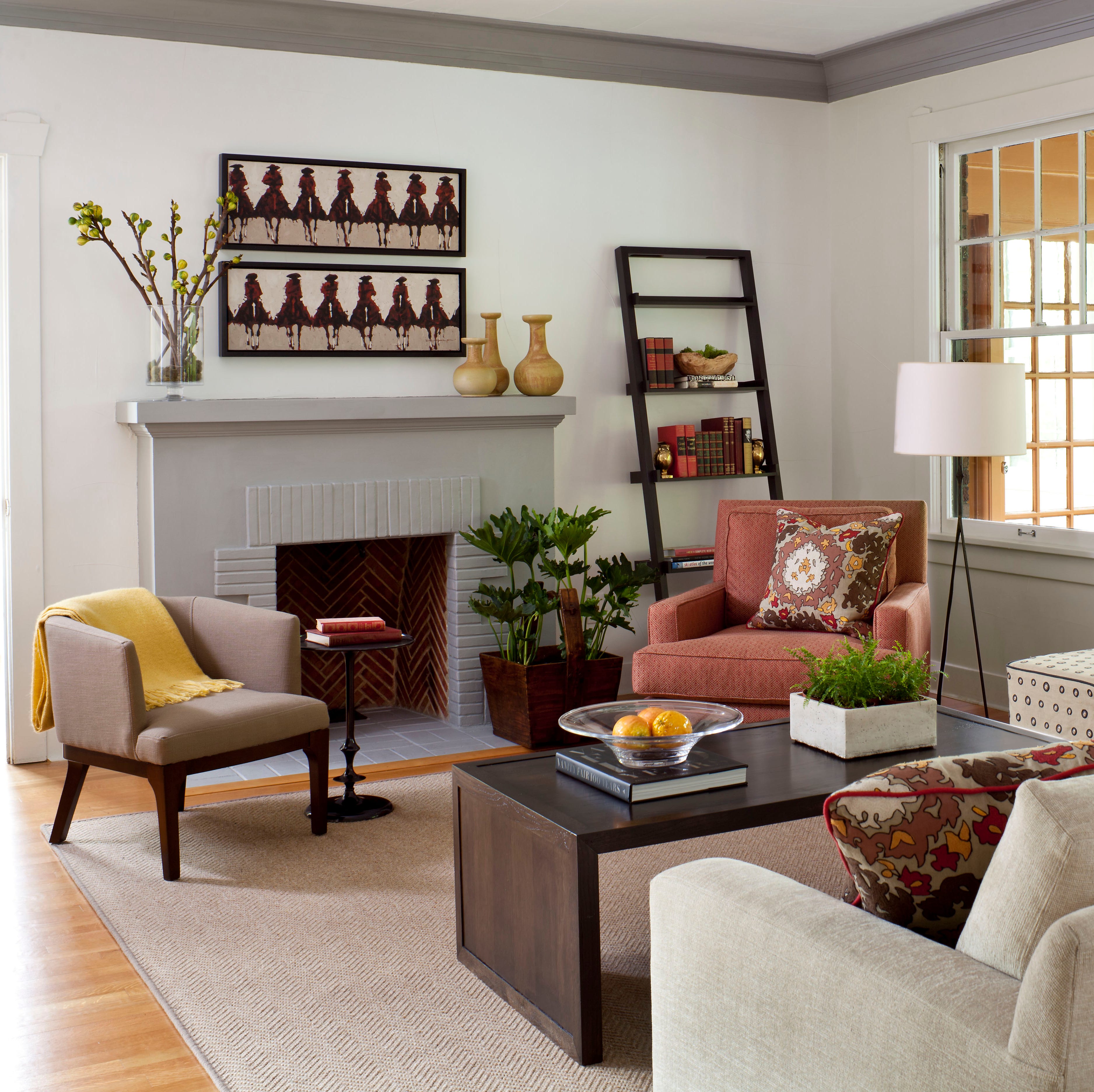
Designers Cracked the Code on the Perfect Living Room Seating Arrangement
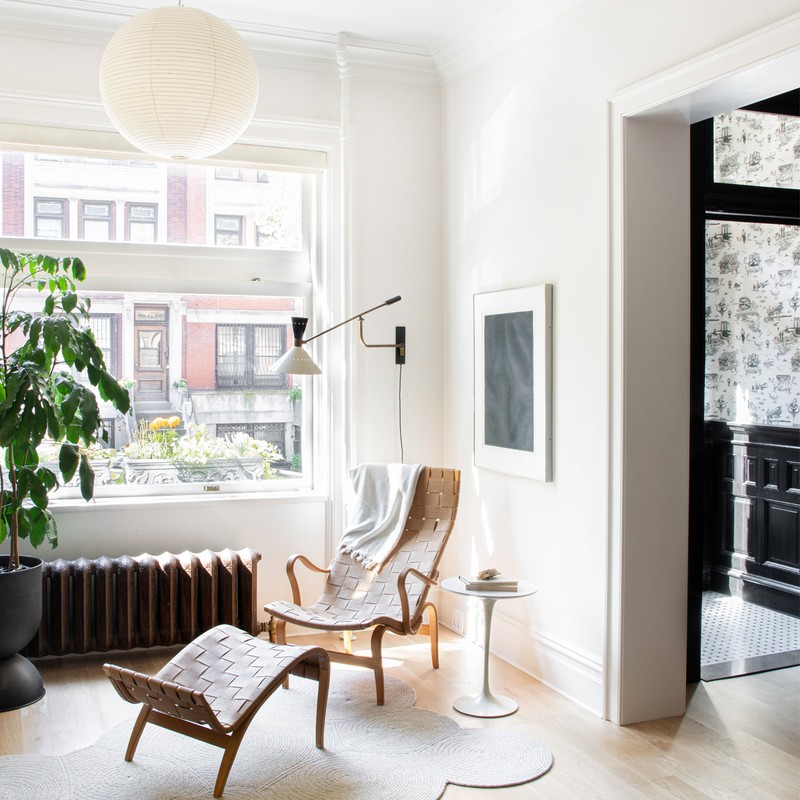
19 Tips From A Top Interior Designer

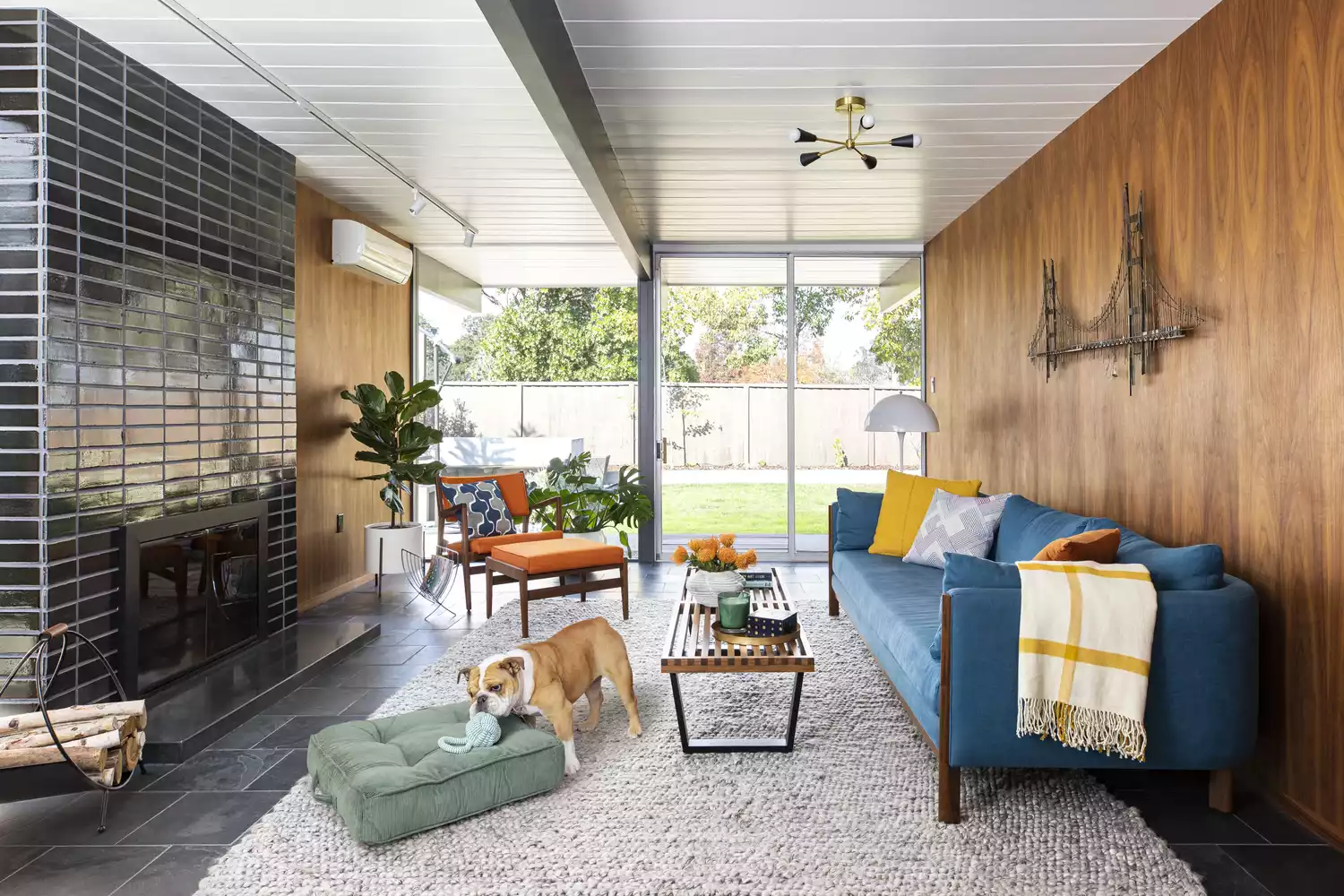
6 Genius Rules for Decorating Your Living Room That Designers Swear By

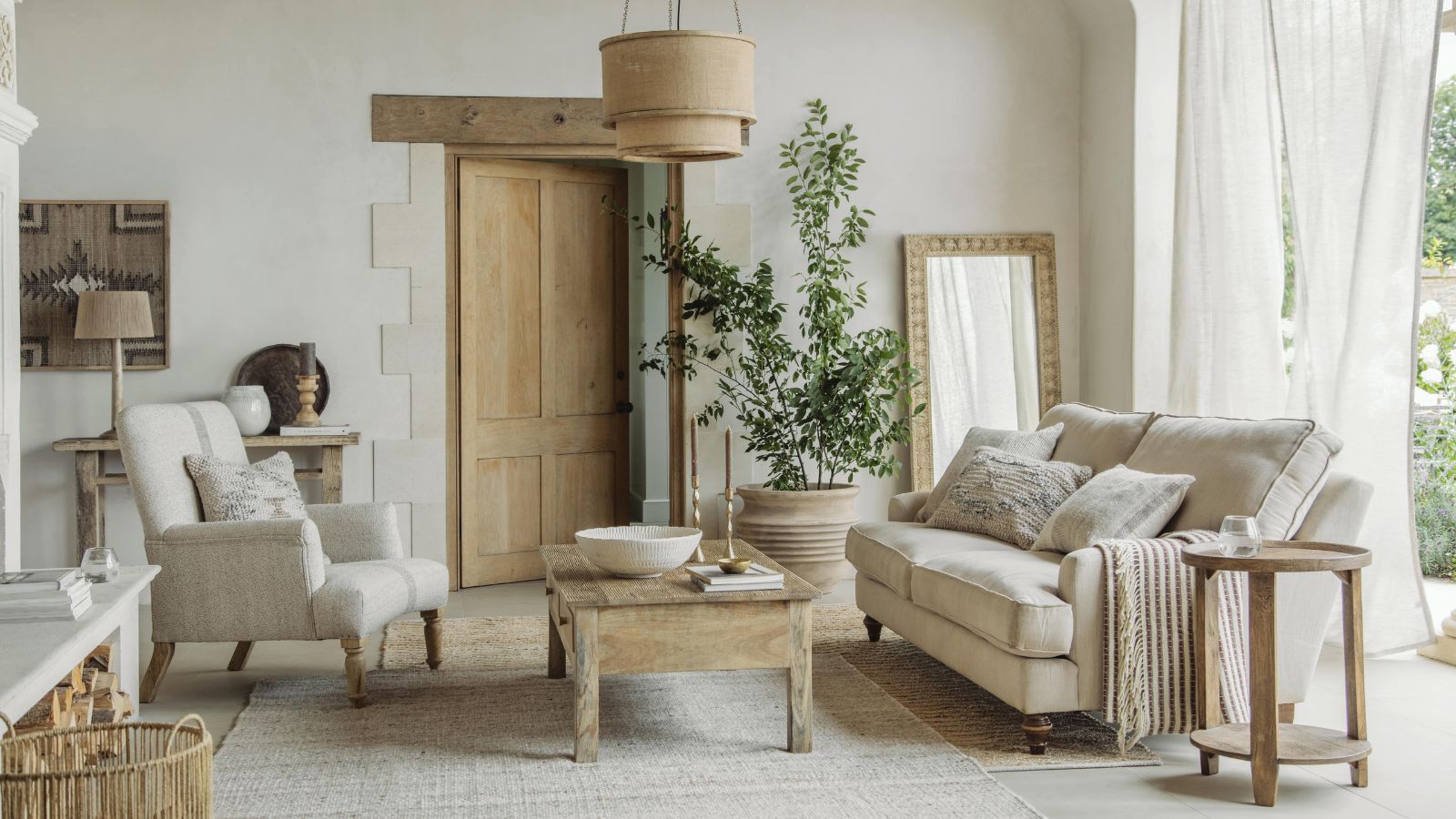
A guide to living room clearances, measurements, and spacing
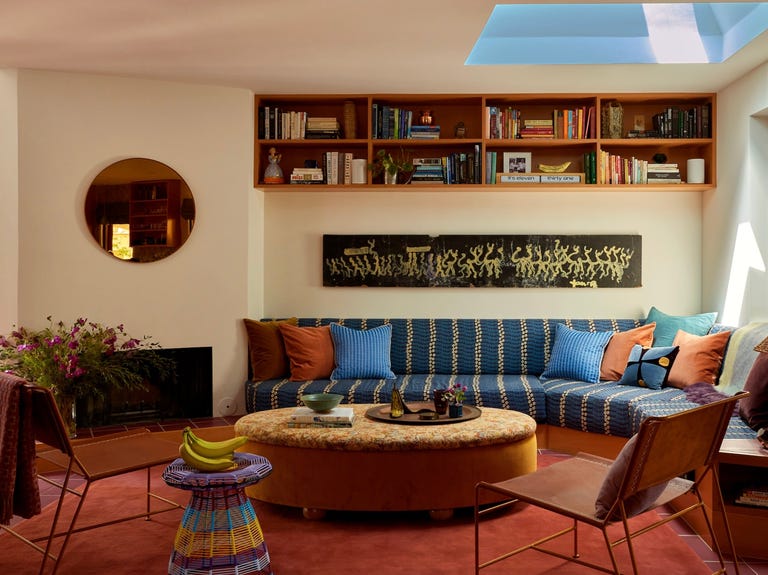
Designers Say This Is the "Perfect" Living Room Seating Arrangement

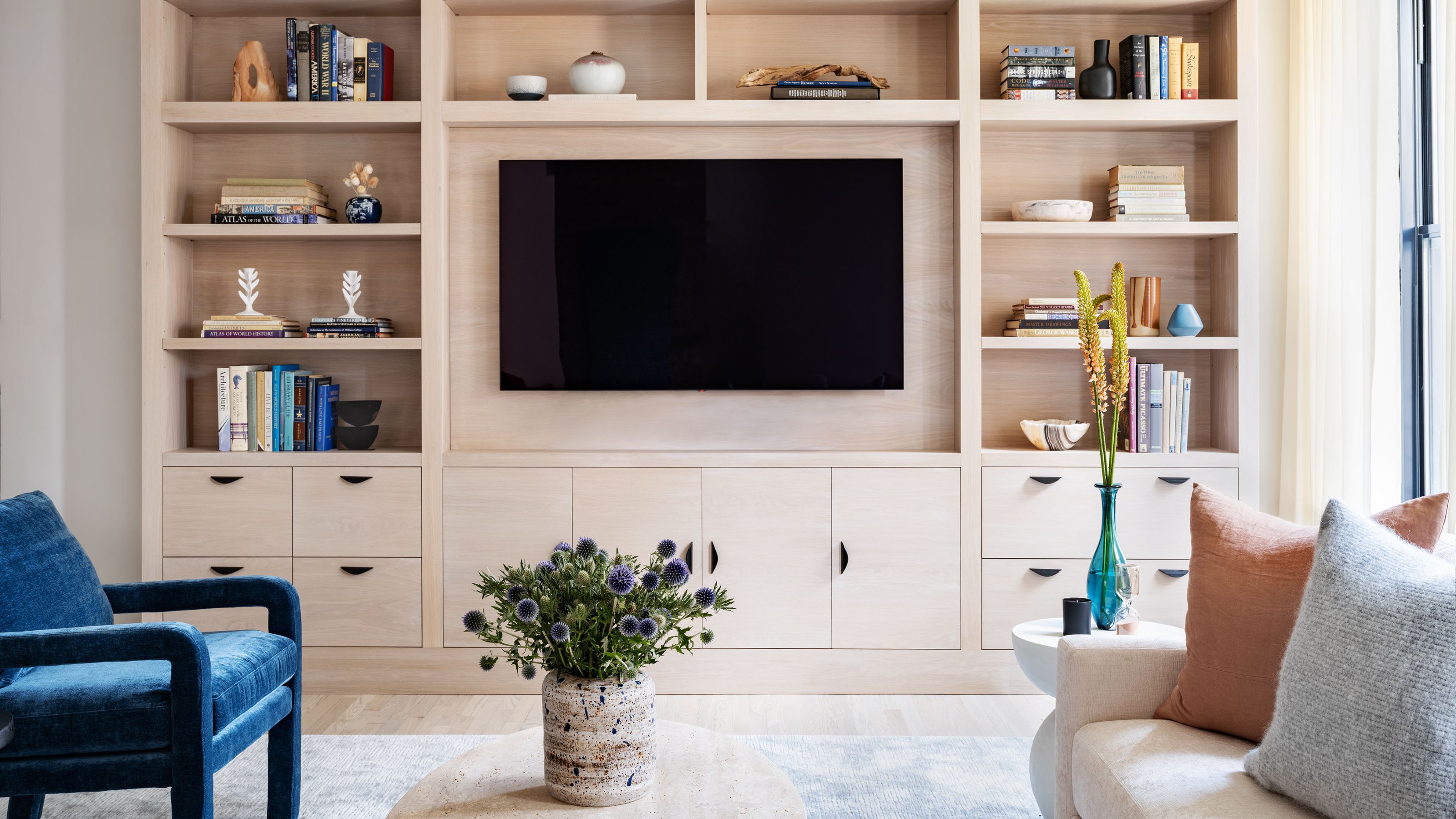
3 Dated Living Room Layouts That Have No Place in 2025 (and How to Fix It If You've Ended Up With One)
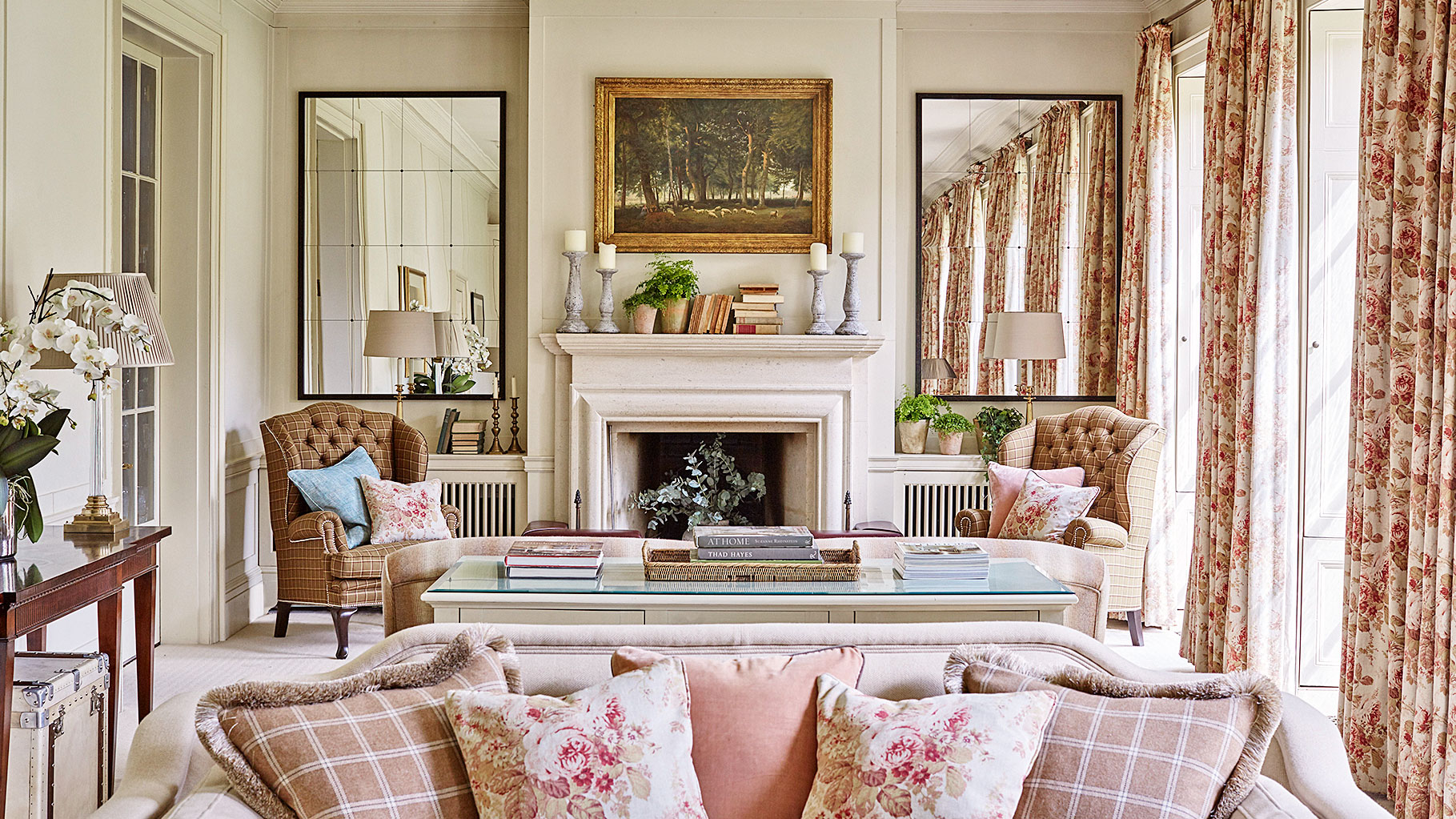
Luxury living room ideas – 10 essential design rules for creating a luxury lounge
Living room seating ideas – the essential design rules for sofa and chair layouts and trends
Designers Say This Is the #1 Living Room Mistake Everyone Makes
Why Designers Use the Rule of Thirds in Every Design Project