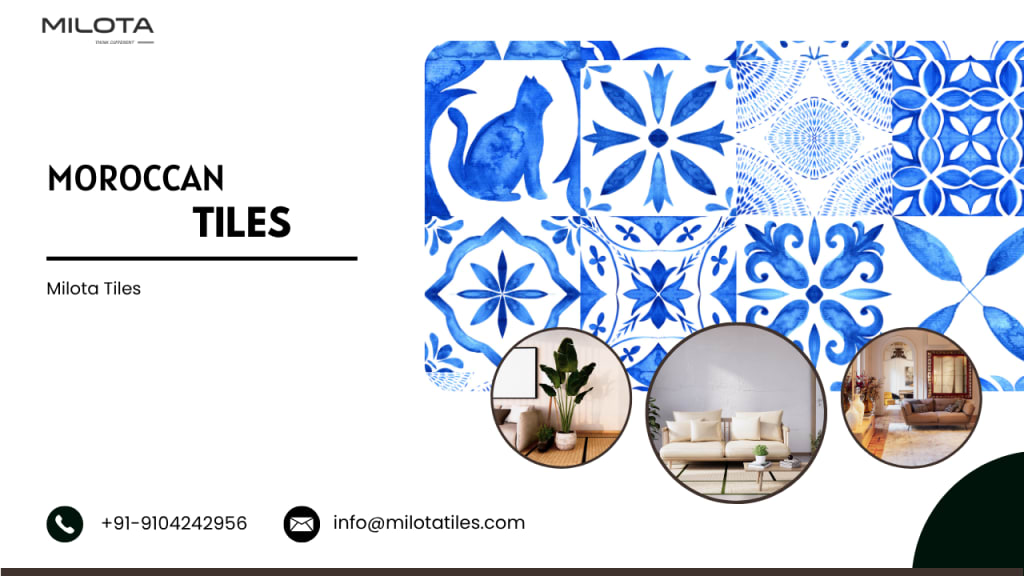
Moroccan Tile Trends 2025: What’s Hot in Artisan Tiling
Moroccan tiles, renowned for their vibrant expression of North African art and craftsmanship, are experiencing a growing global appreciation as we approach 2025, shaping design trends in both residential and commercial spaces. This article delves into the top Moroccan tile trends for 2025, highlighting innovative colors, styles, and layout applications that respect traditional roots while embracing modern aesthetics.
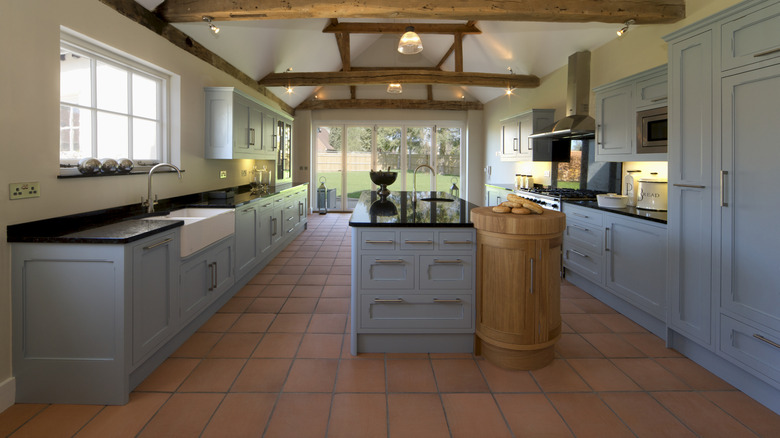
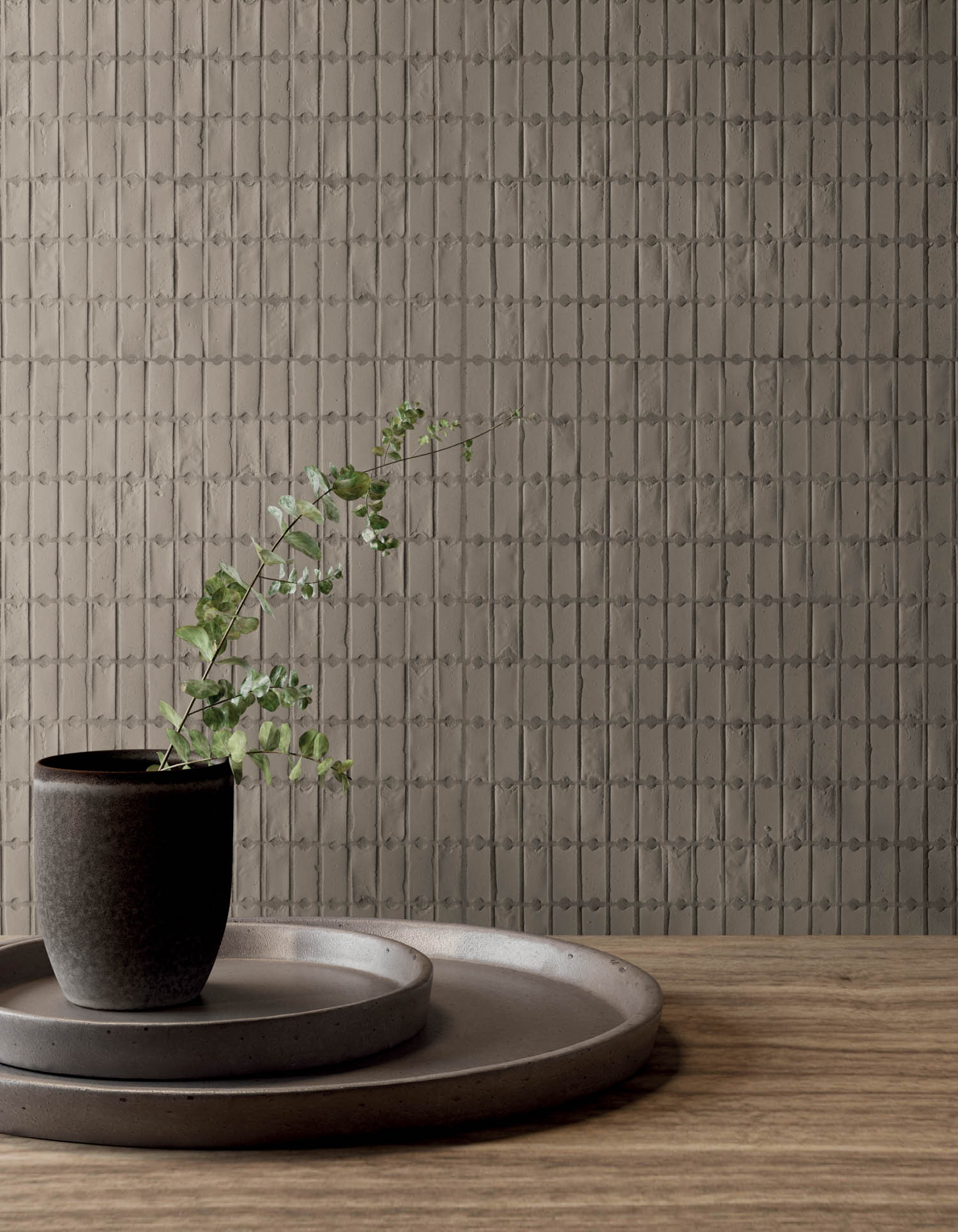
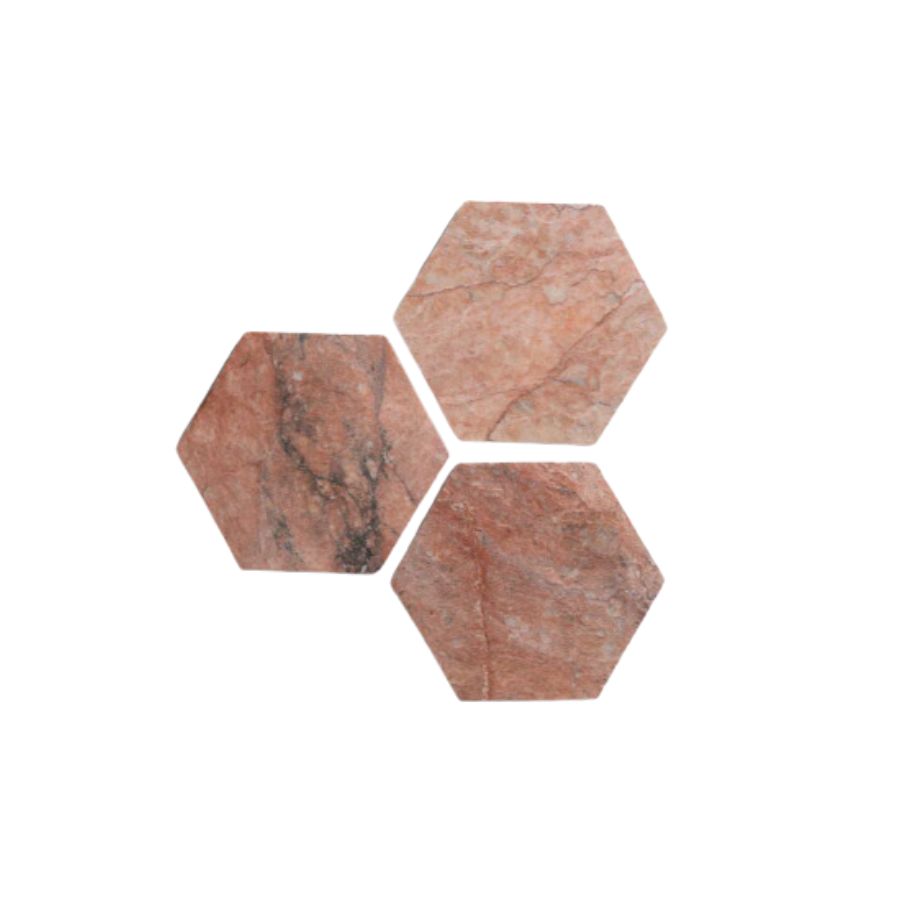
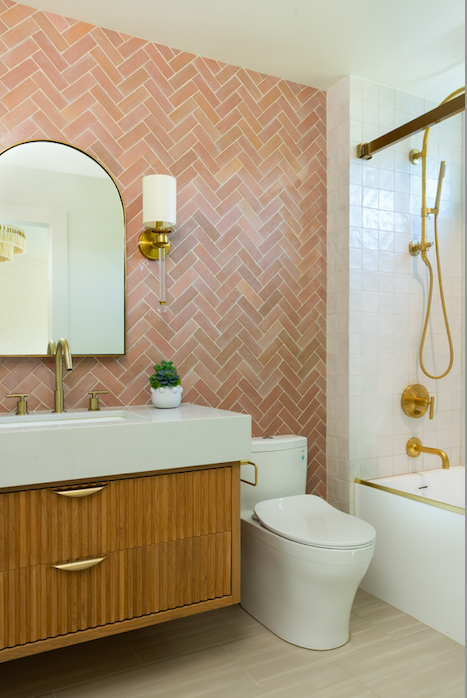
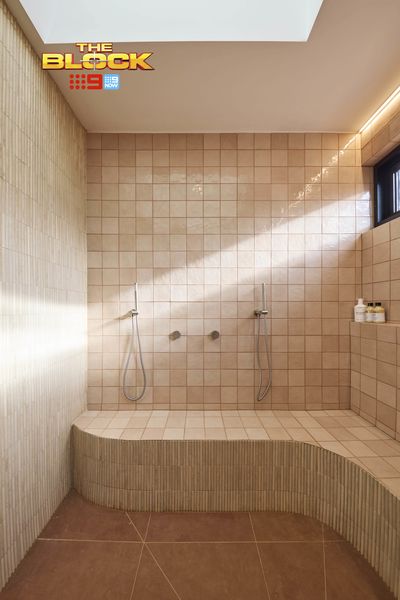
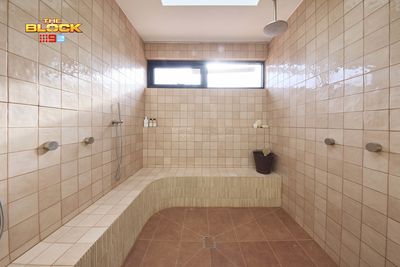
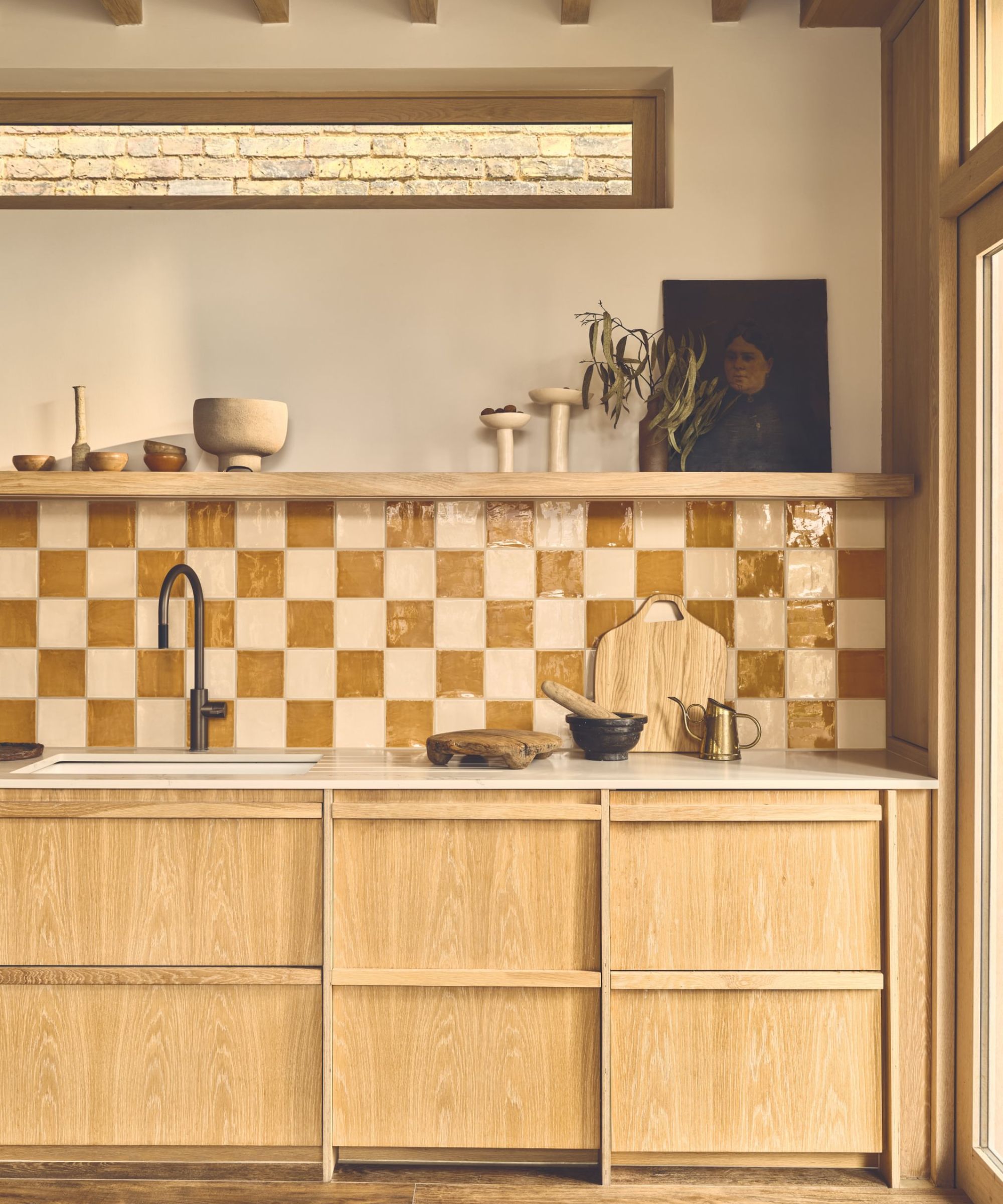
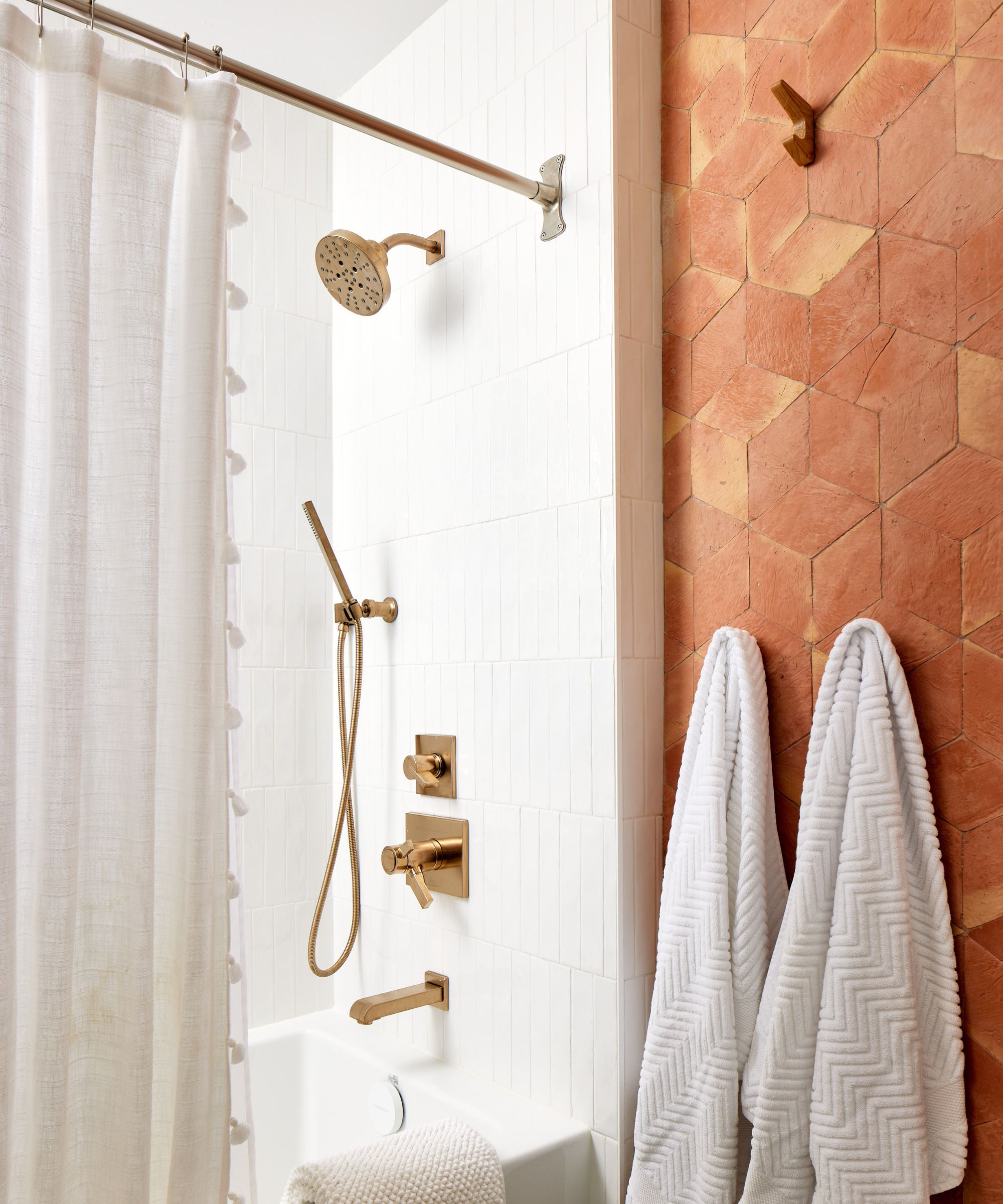
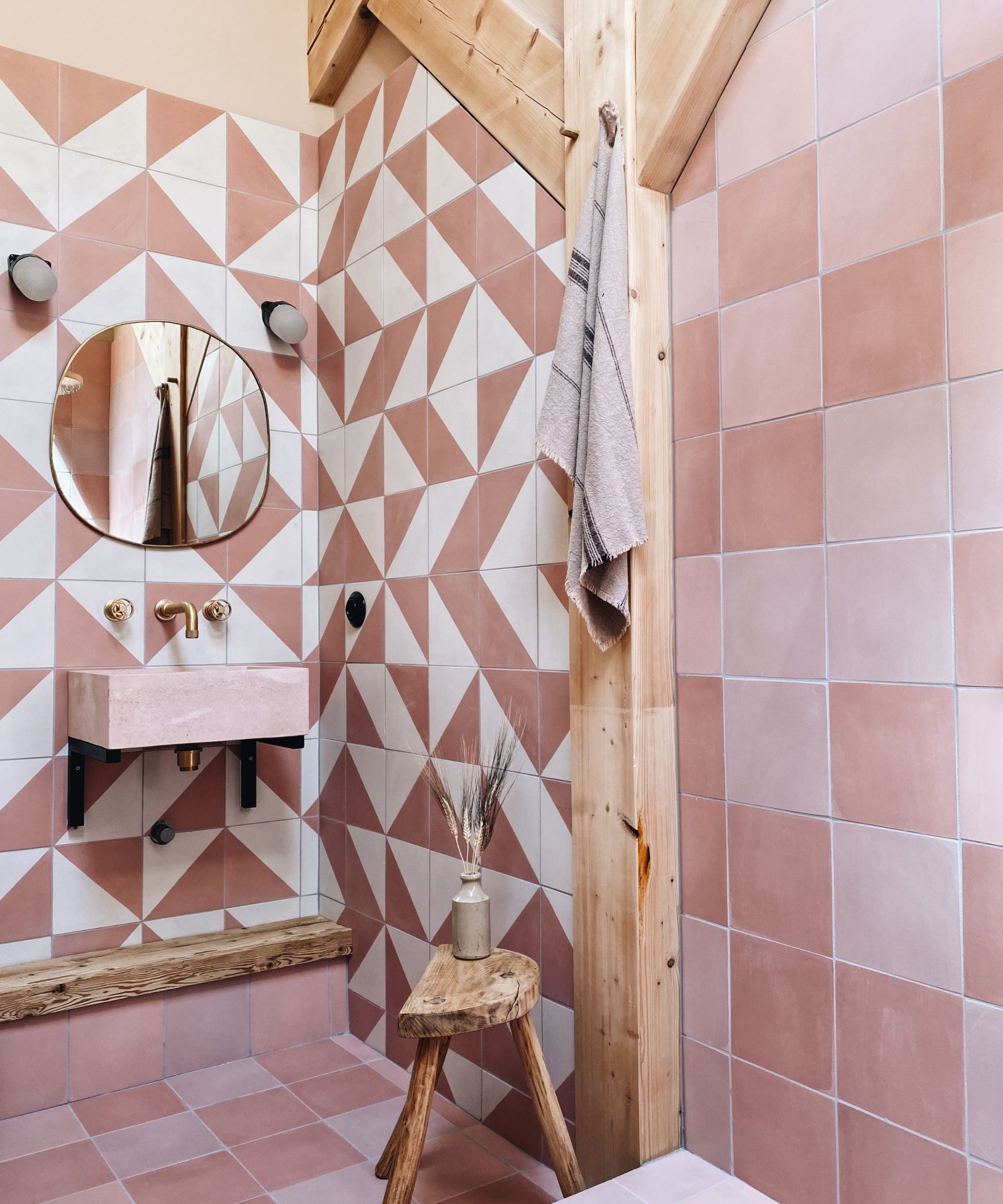
A significant shift is observed in color palettes, moving away from minimalistic whites and grays towards warmer, earthy tones. Inspired by Morocco’s natural landscapes, 2025 will feature terracotta, sand, ochre, clay red, and burnt orange. These colors are favored for their ability to introduce warmth and texture, and they seamlessly complement organic materials like wood, rattan, and raw stone, catering to a demand for biophilic and nature-inspired interiors.
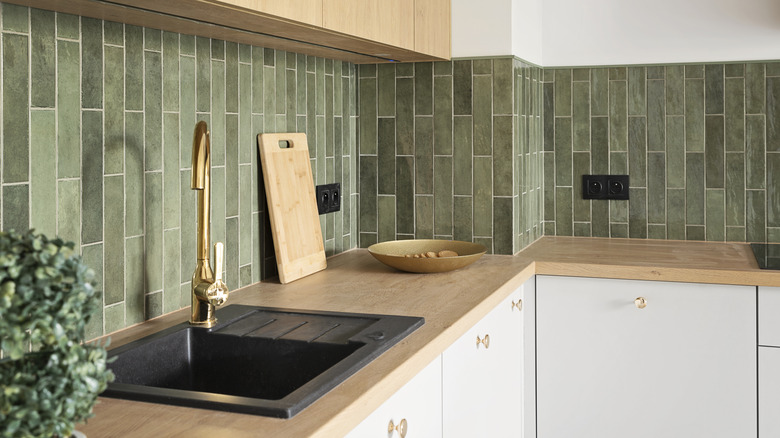
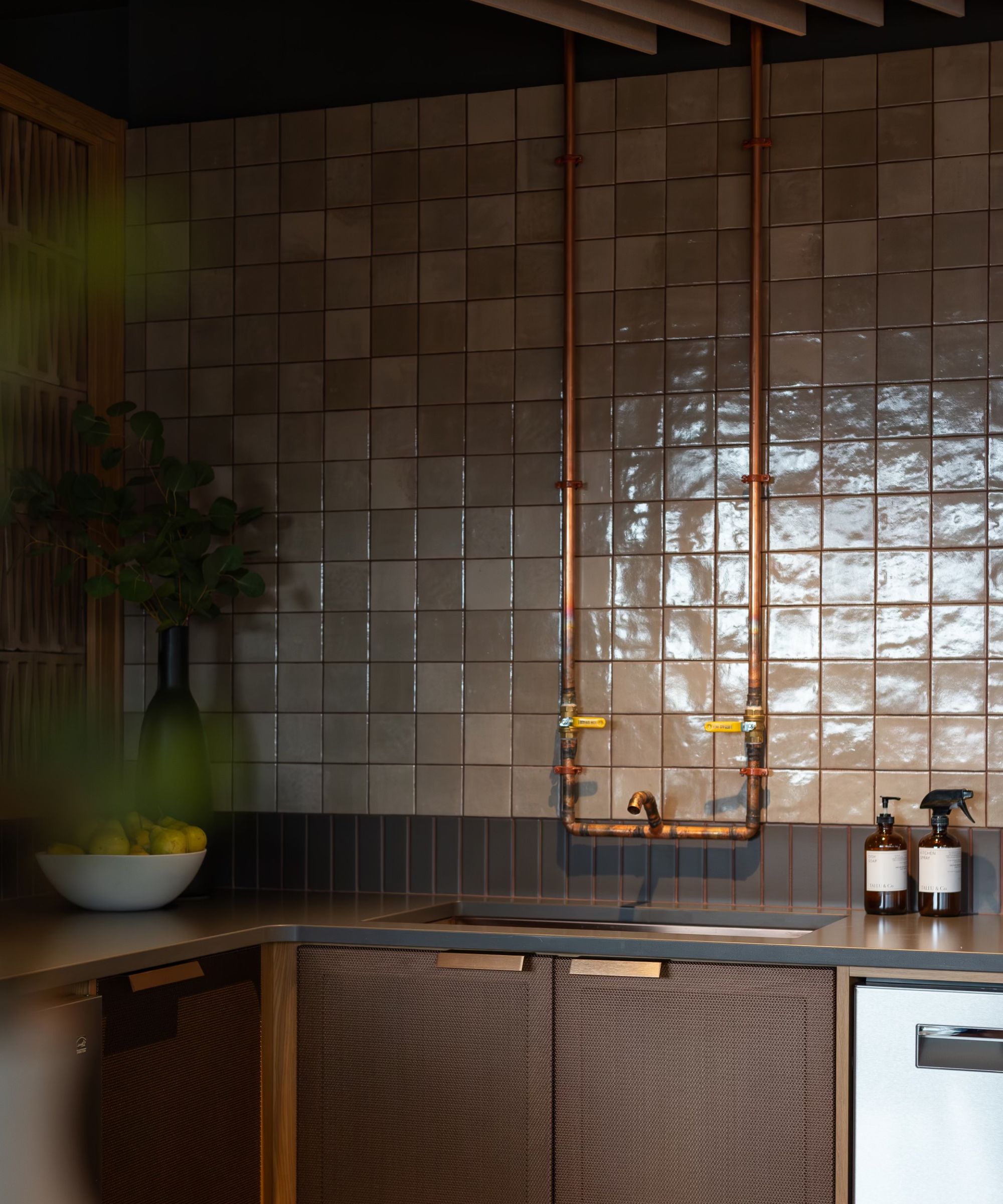
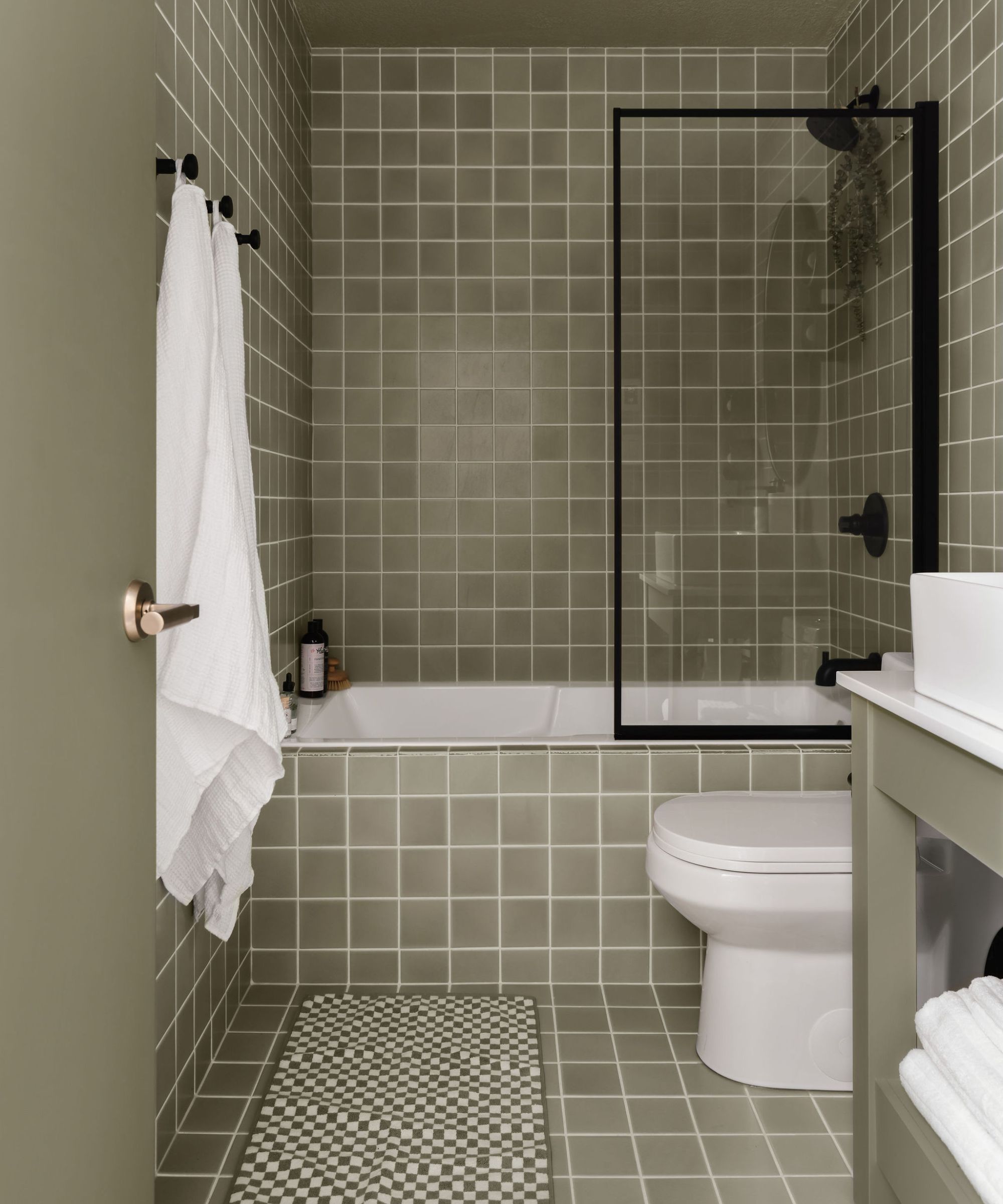
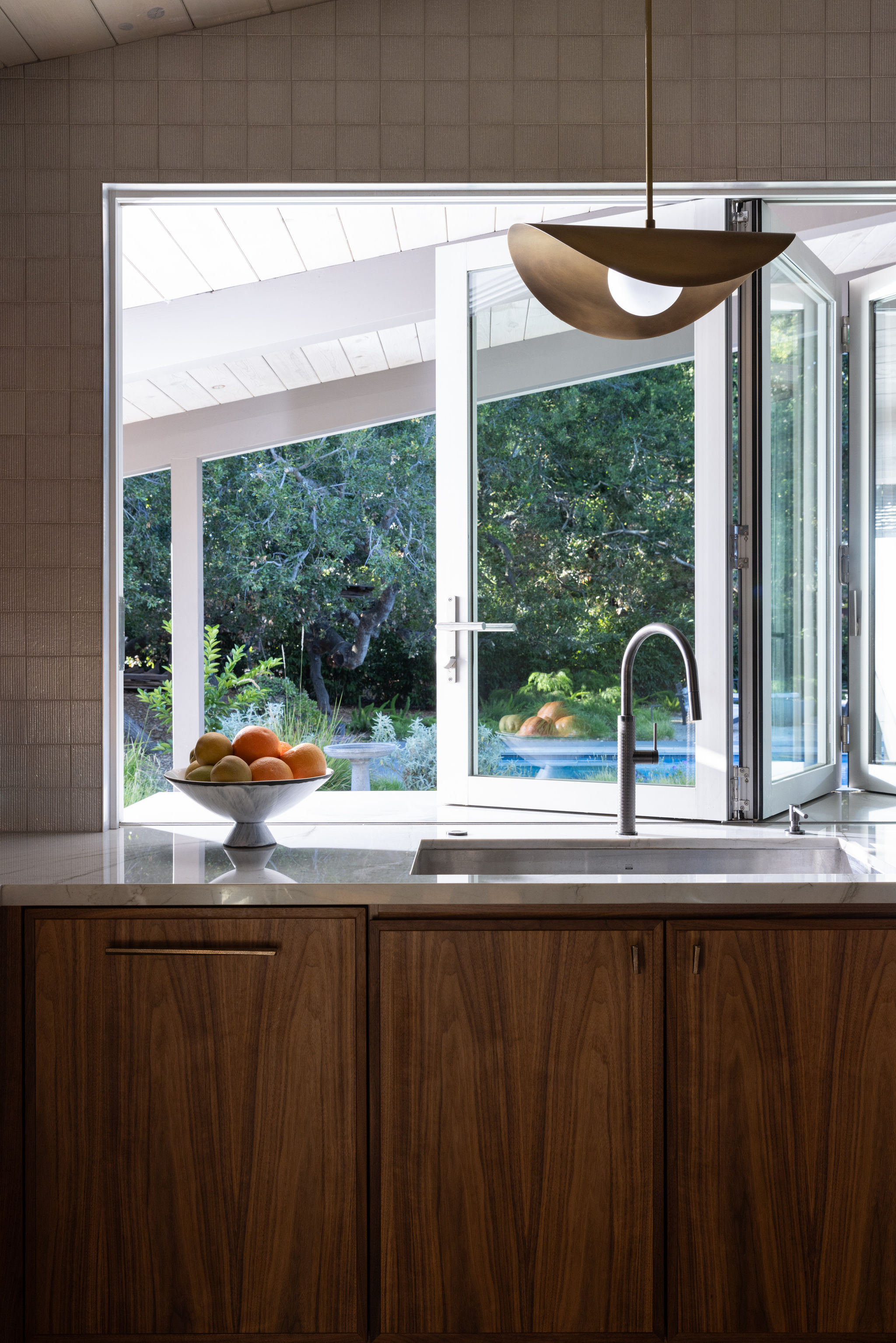
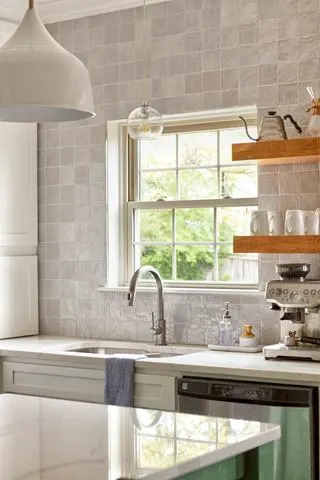
Traditional zellige tiles, known for their glossy surfaces and inherent irregularities, are being reinterpreted with matte finishes. Matte zellige tiles are gaining traction, particularly in muted shades such as sage green, ivory, and charcoal. This contemporary adaptation preserves the handcrafted essence of Moroccan zellige while aligning with modern minimalist designs, as matte finishes reduce reflection and allow the texture and craftsmanship of the tiles to be the focal point.
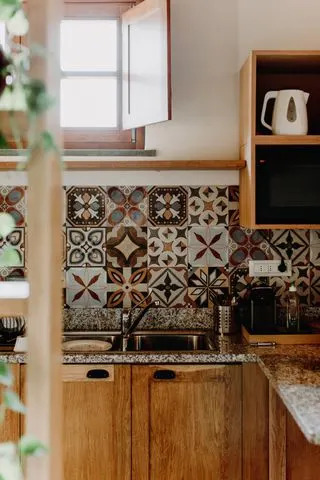
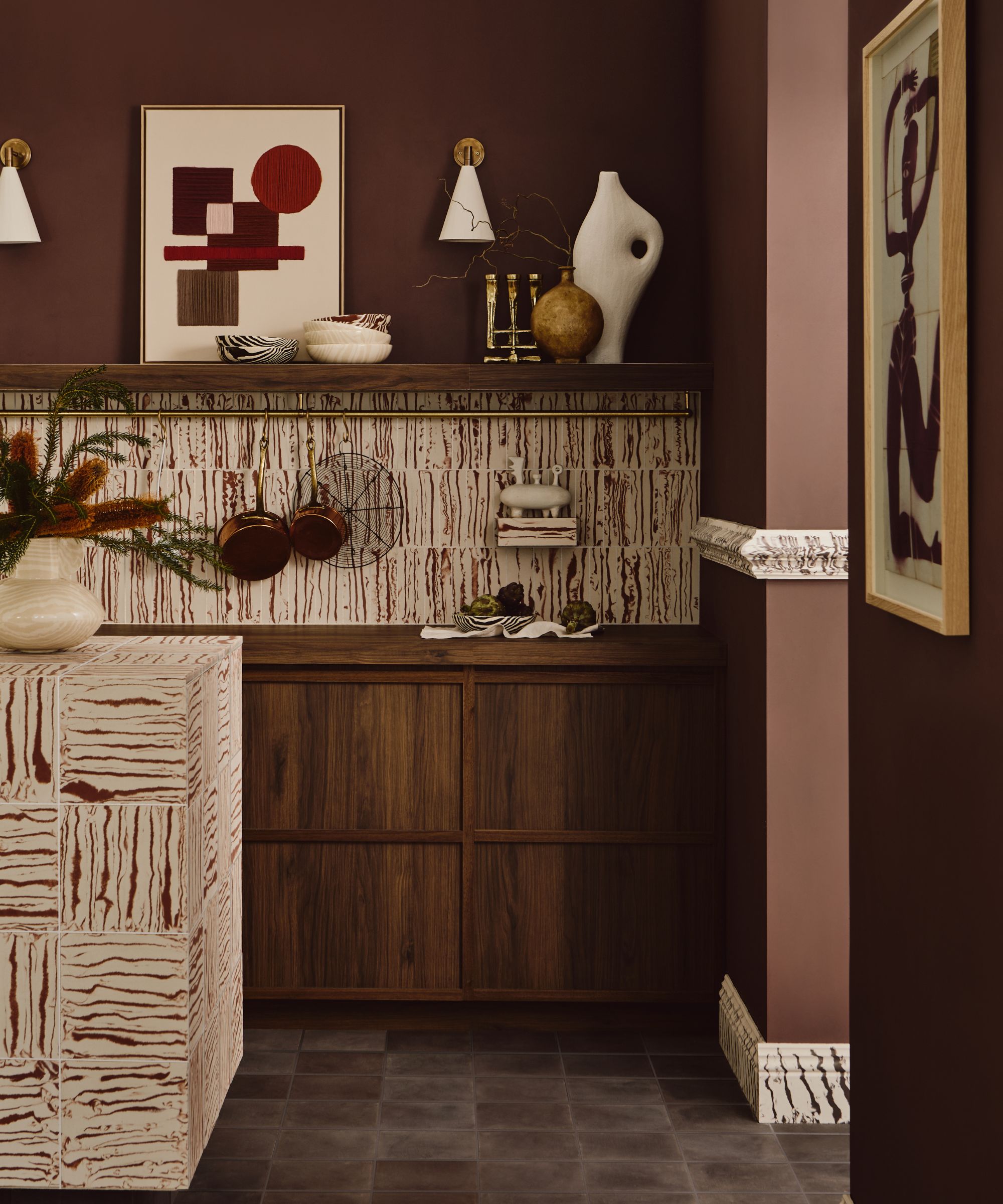
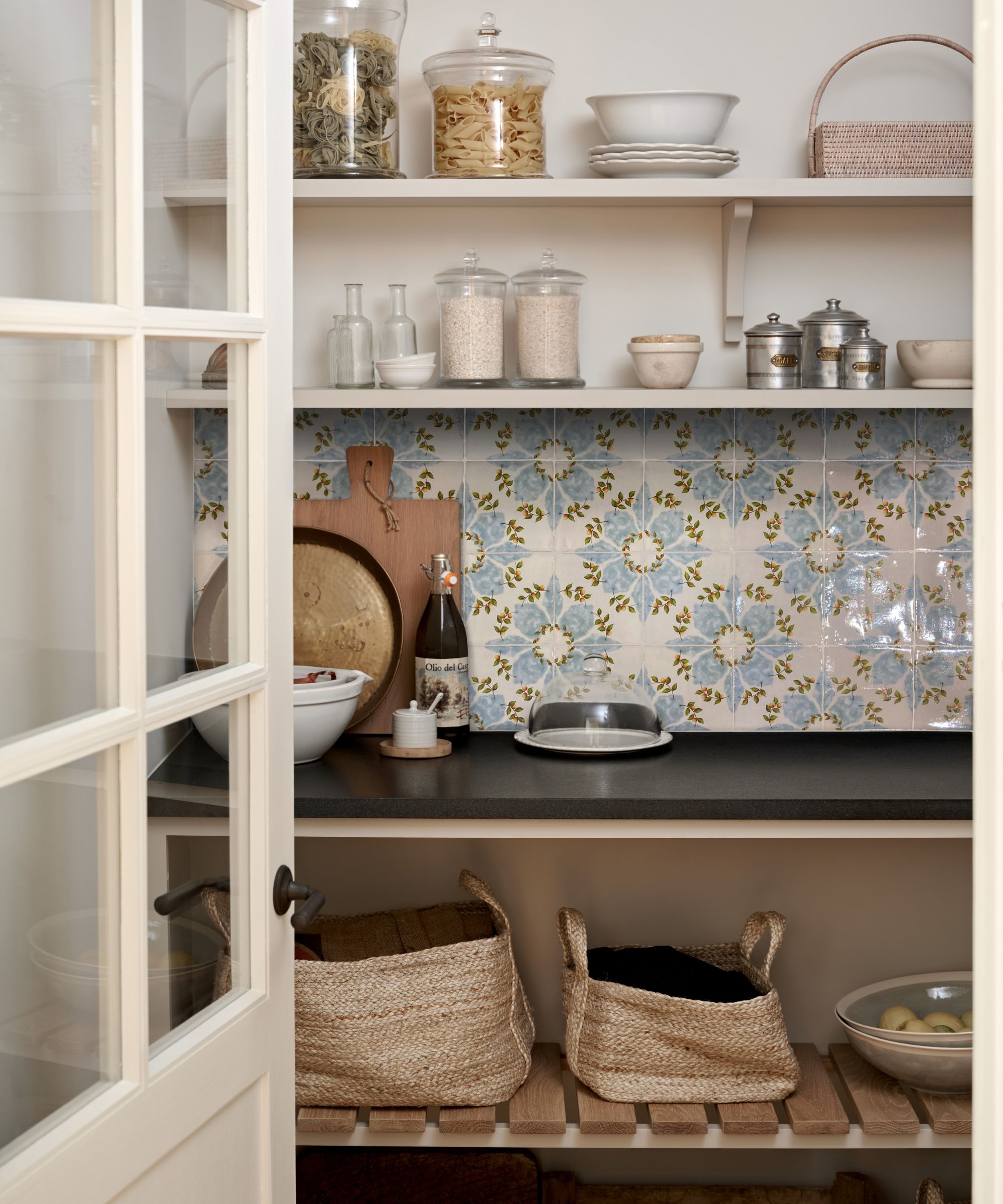
Personalization is a key theme for 2025, manifesting in mix-and-match Moroccan tile designs. Designers are moving beyond single patterns to create dynamic and visually rich compositions by combining various motifs, including floral, geometric, and tribal designs. This trend is especially impactful in smaller, high-visibility areas like entryways, powder rooms, and kitchen backsplashes, where unique and individualized statements are desired.
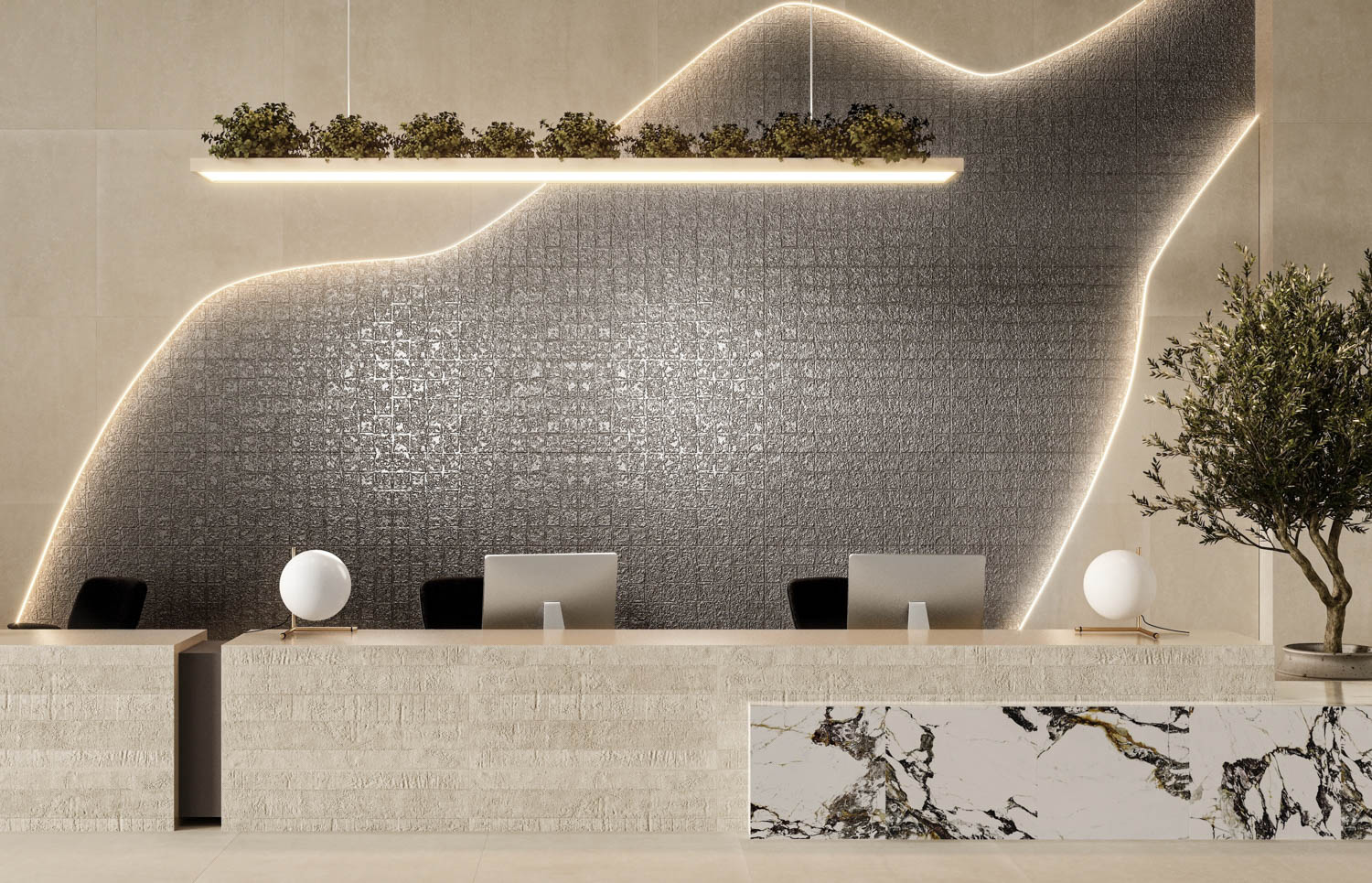
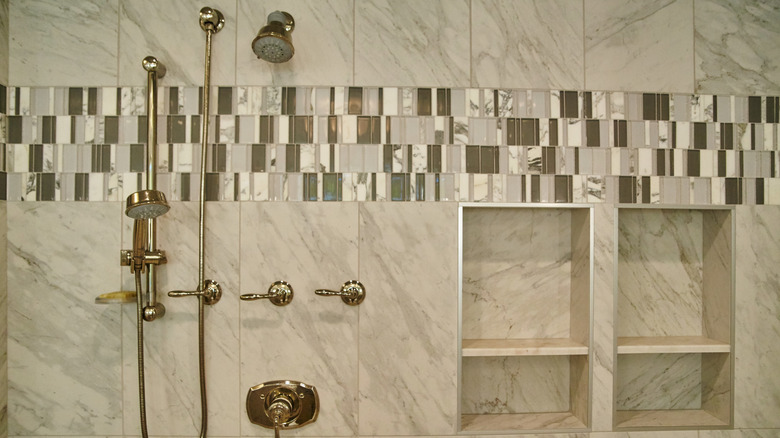
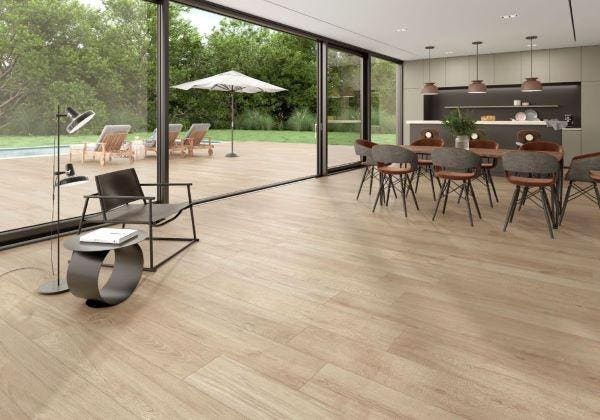
Another evolving trend is the use of large-scale Moroccan tiles. Historically, these tiles were smaller, typically 4x4 inches or less. However, 2025 will see an increase in oversized zellige or encaustic tiles, measuring 8x8 or 12x12 inches. These larger formats are becoming popular for expansive areas such as living rooms, patios, and restaurant interiors, offering a more seamless and contemporary look by minimizing grout lines while retaining their cultural identity.
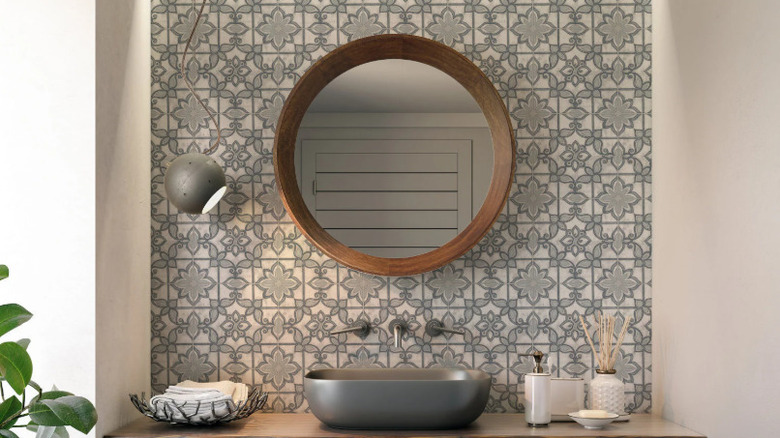
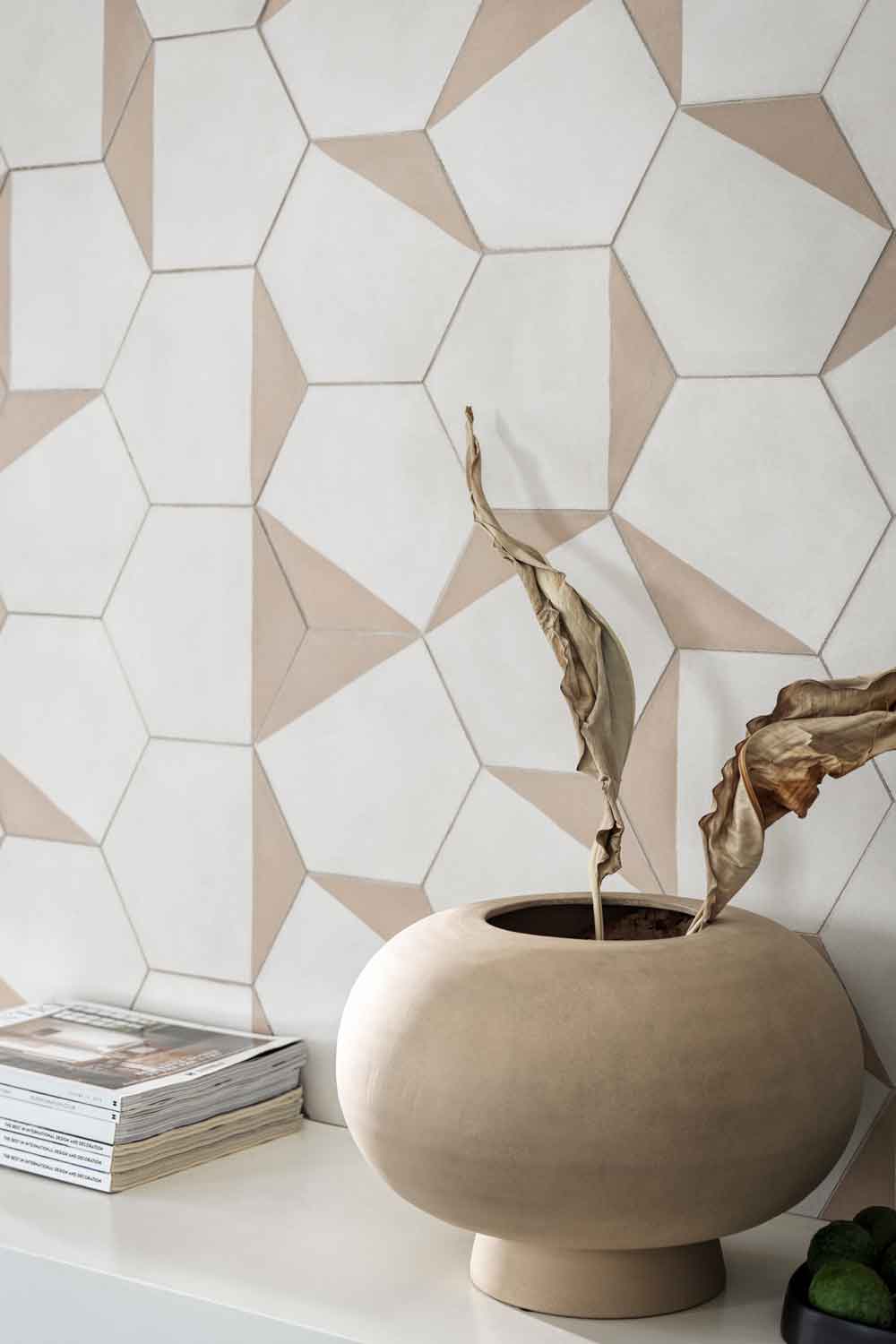
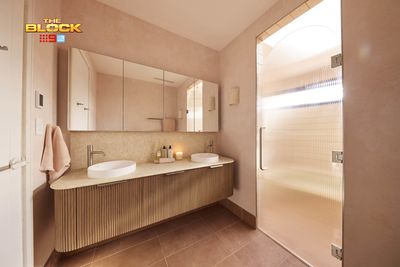
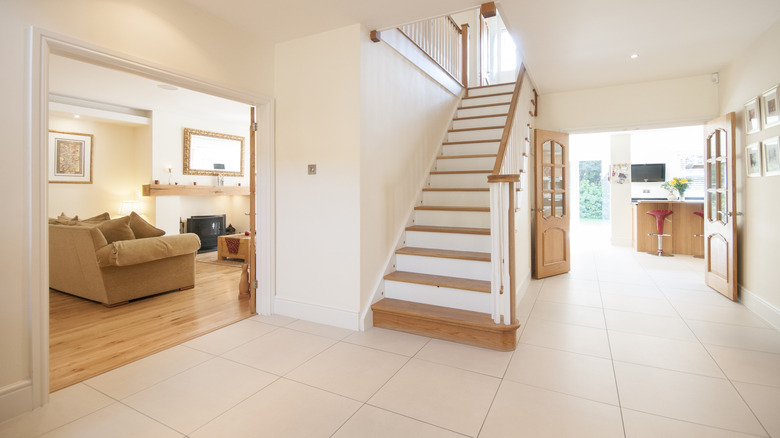
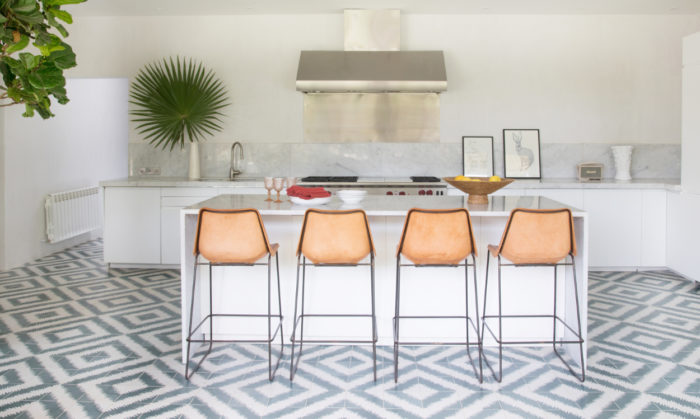
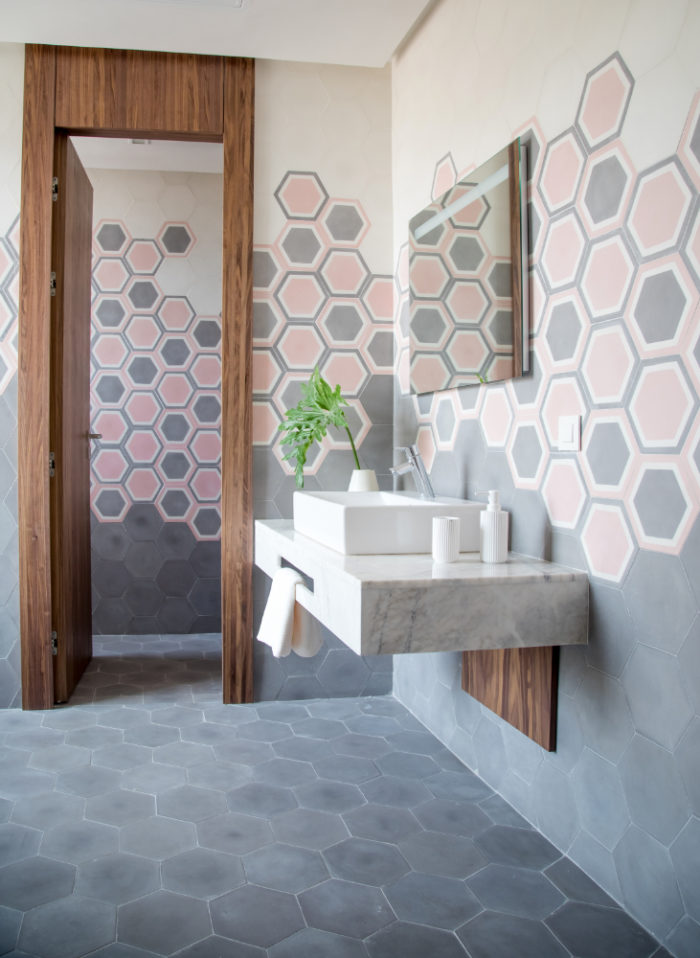
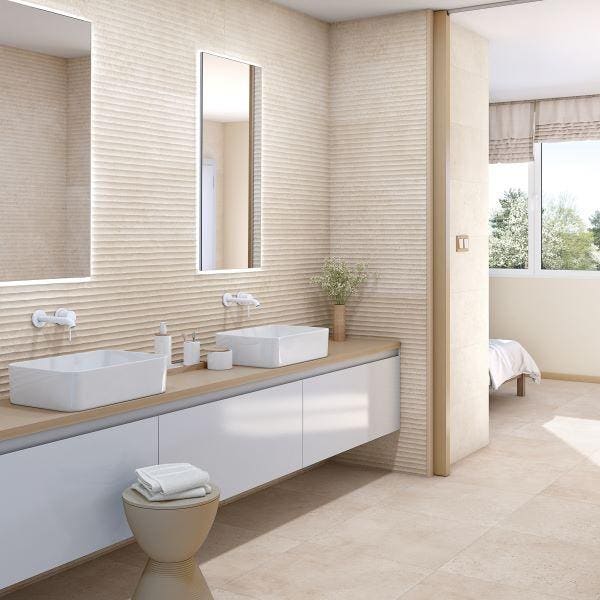
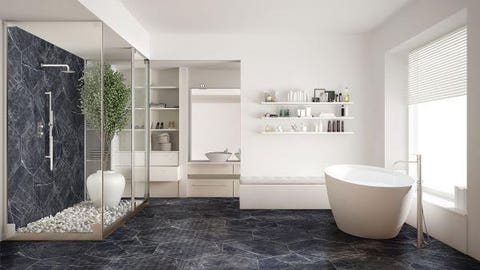
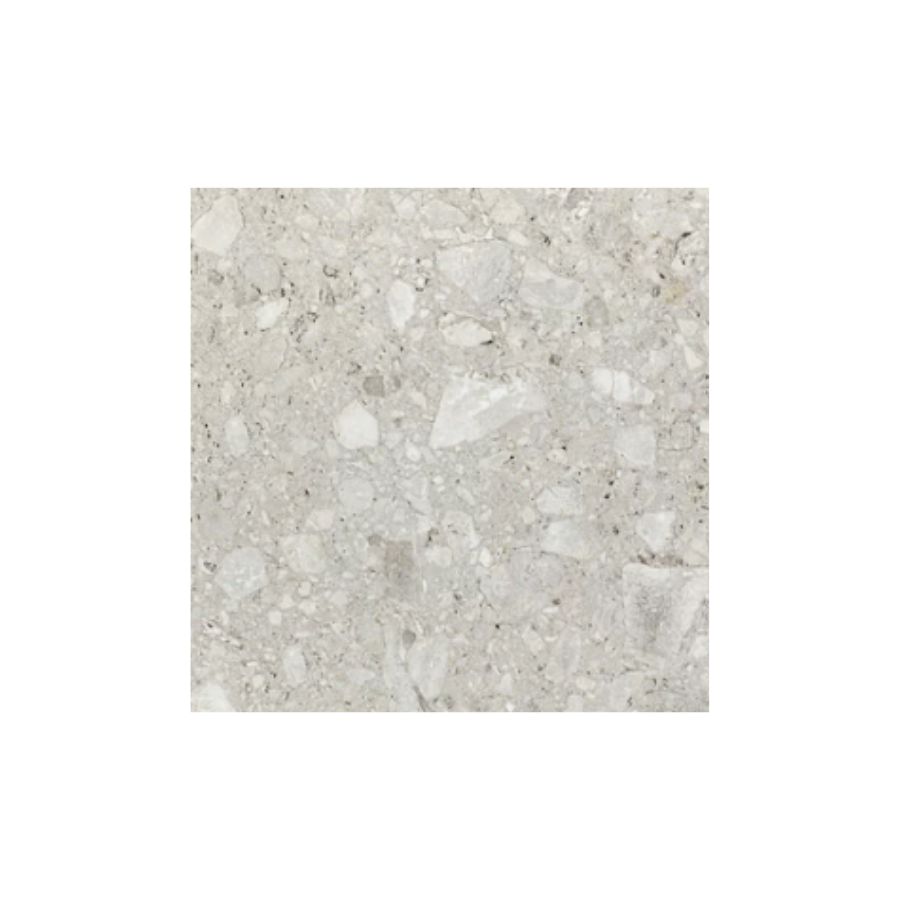
A cross-cultural aesthetic blending Moroccan design with Scandinavian minimalism is also emerging. This fusion emphasizes subdued color palettes, including soft gray, ivory, and pale blush, paired with minimalist Moroccan tile patterns. The result is light, airy interiors characterized by subtle texture and visual rhythm, making these neutral Moroccan tiles ideal for bathrooms, minimalist kitchens, and urban apartments where optimizing space and light is crucial.
In an era dominated by mass production, the handmade imperfections of Moroccan tiles are celebrated as a premium design detail. Each tile’s slight unevenness, glaze variations, or textural differences tell a unique story. In 2025, designers will embrace these details as part of a broader trend towards authenticity and sustainability, appreciating the craftsmanship, heritage, and the beauty of imperfection that adds soul to any space.
Moroccan tiles are also expanding their domain beyond interiors. In 2025, there will be a significant increase in their application in outdoor settings, including Mediterranean-style courtyards, water features, and swimming pools. Glazed zellige tiles in deep blues and aquas are used for pools, while terracotta-toned cement tiles are suitable for patios and walkways, chosen for their durability, weather resistance, and aesthetic appeal.
Sustainability is another driving force, with an increasing focus on eco-friendly production methods for Moroccan tiles. This includes the use of low-energy firing techniques, recycled clay, natural pigments, and non-toxic glazes. Many Moroccan tile manufacturers are also committed to fair-trade practices, ensuring equitable compensation for artisans and the preservation of traditional methods.
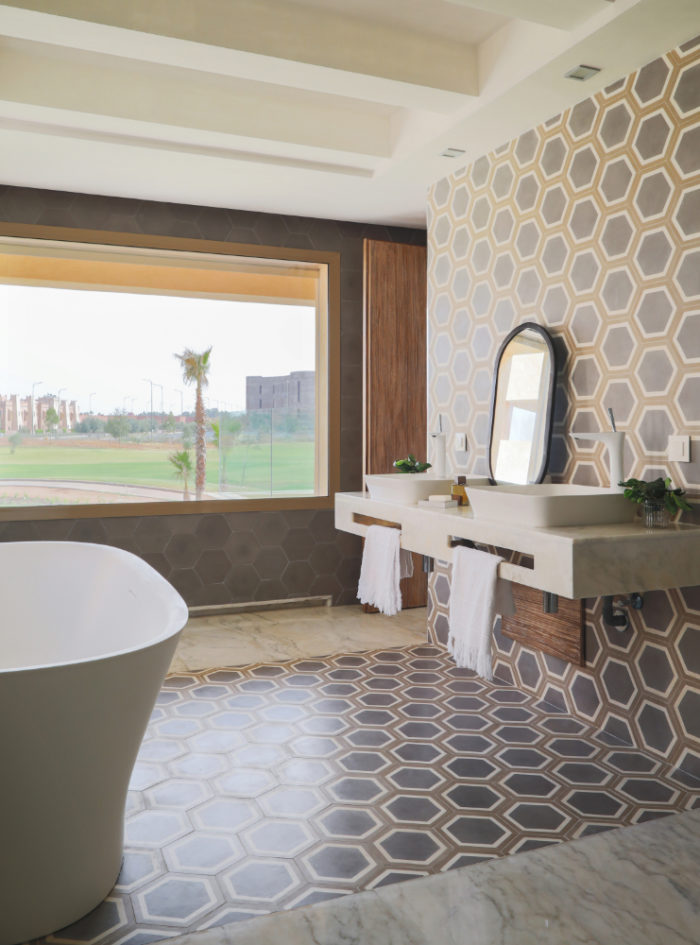
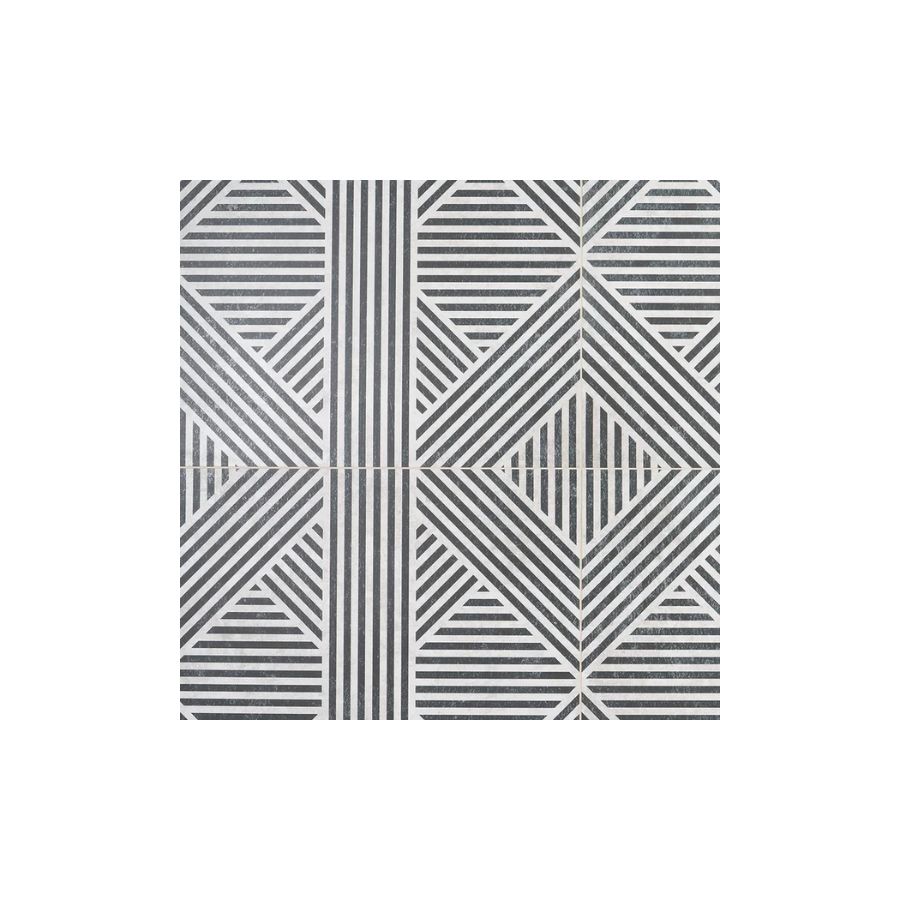
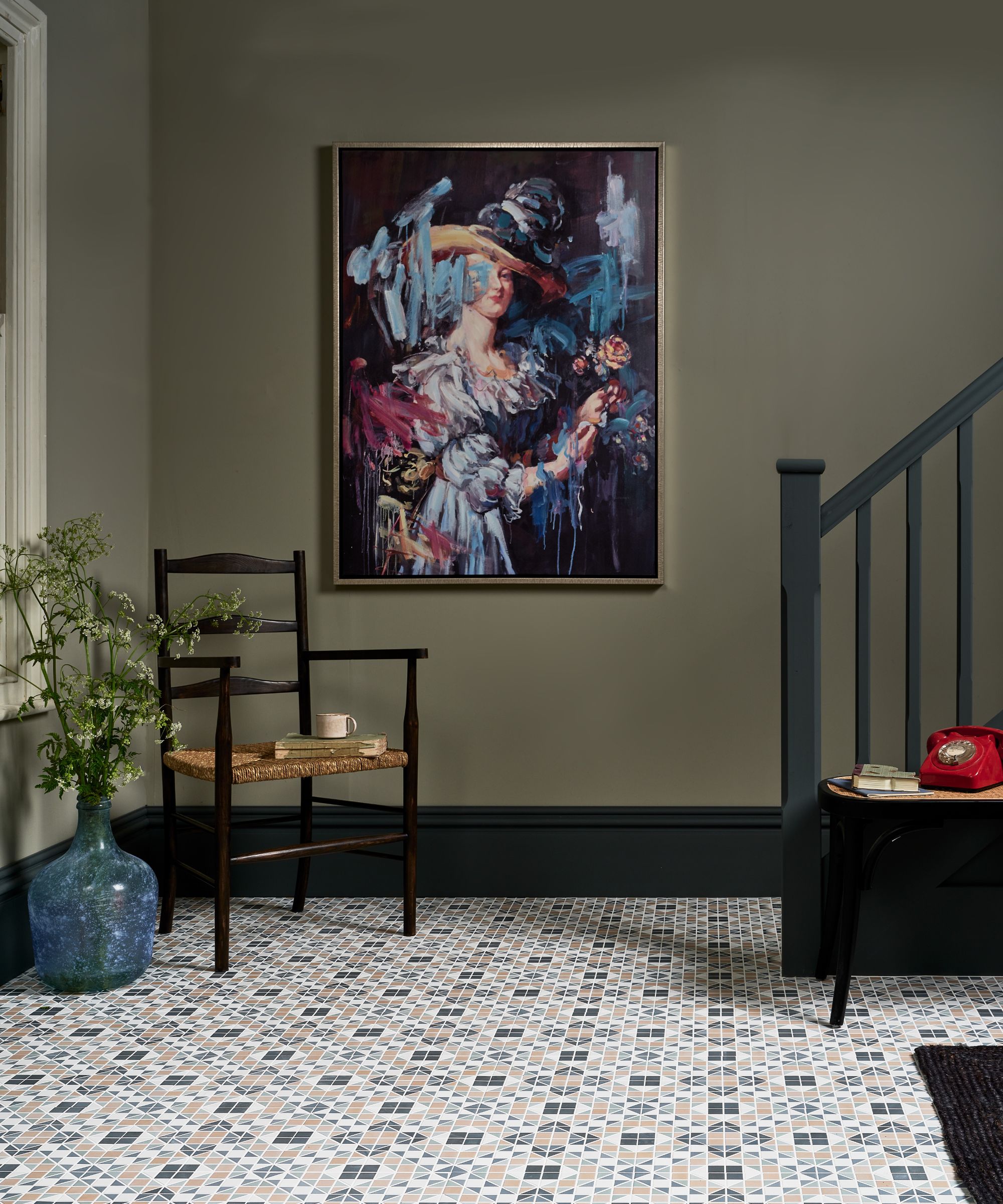
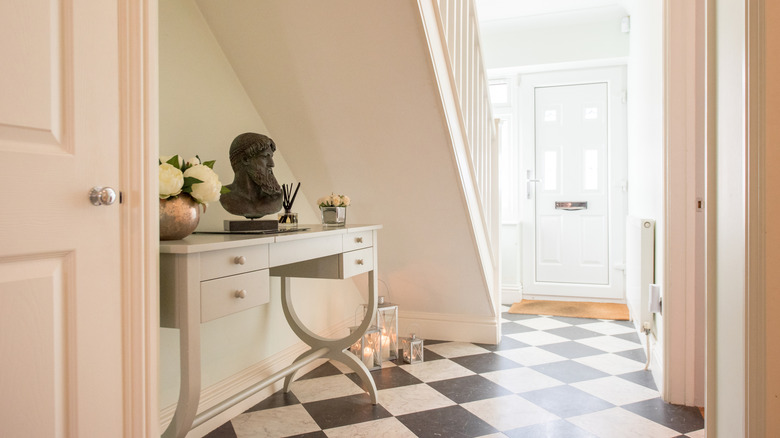
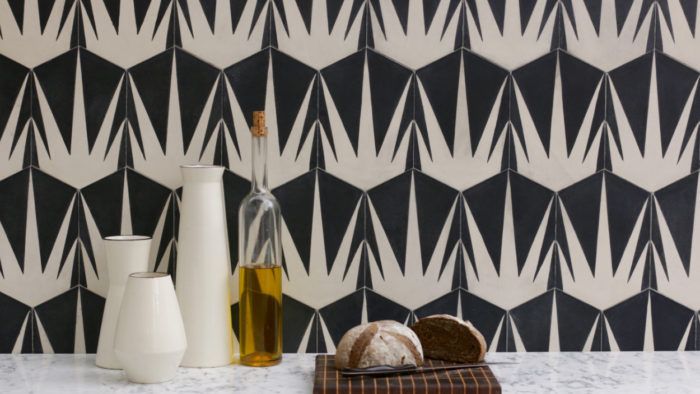
High-contrast black and white Moroccan patterns are experiencing a bold resurgence, appealing to those who favor dramatic aesthetics. These patterns are particularly effective in modern monochrome interiors, providing intricate detail without introducing additional colors. They are frequently used in checkerboard layouts or bold geometric designs for flooring in hallways, stair risers, or as statement walls.
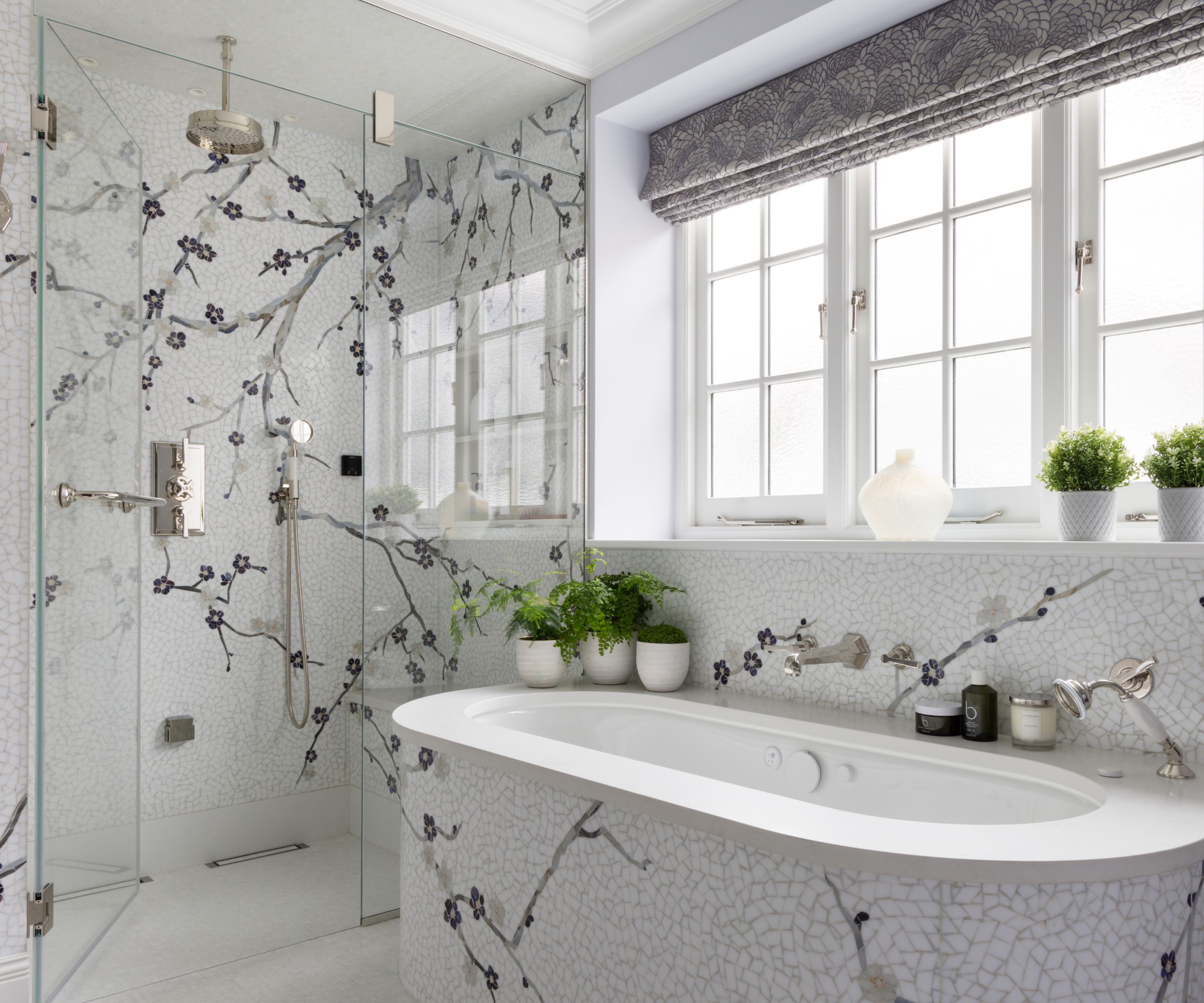
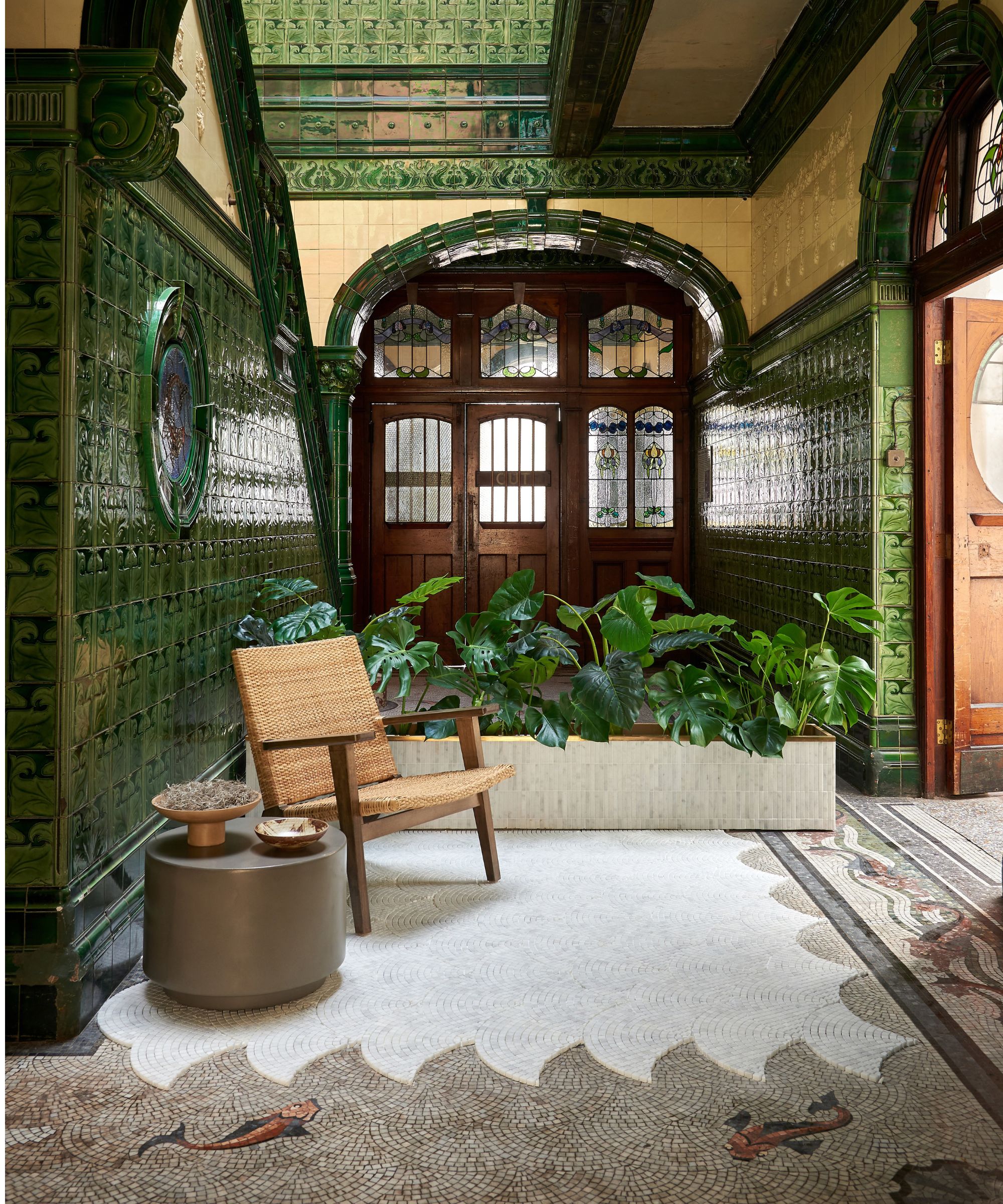
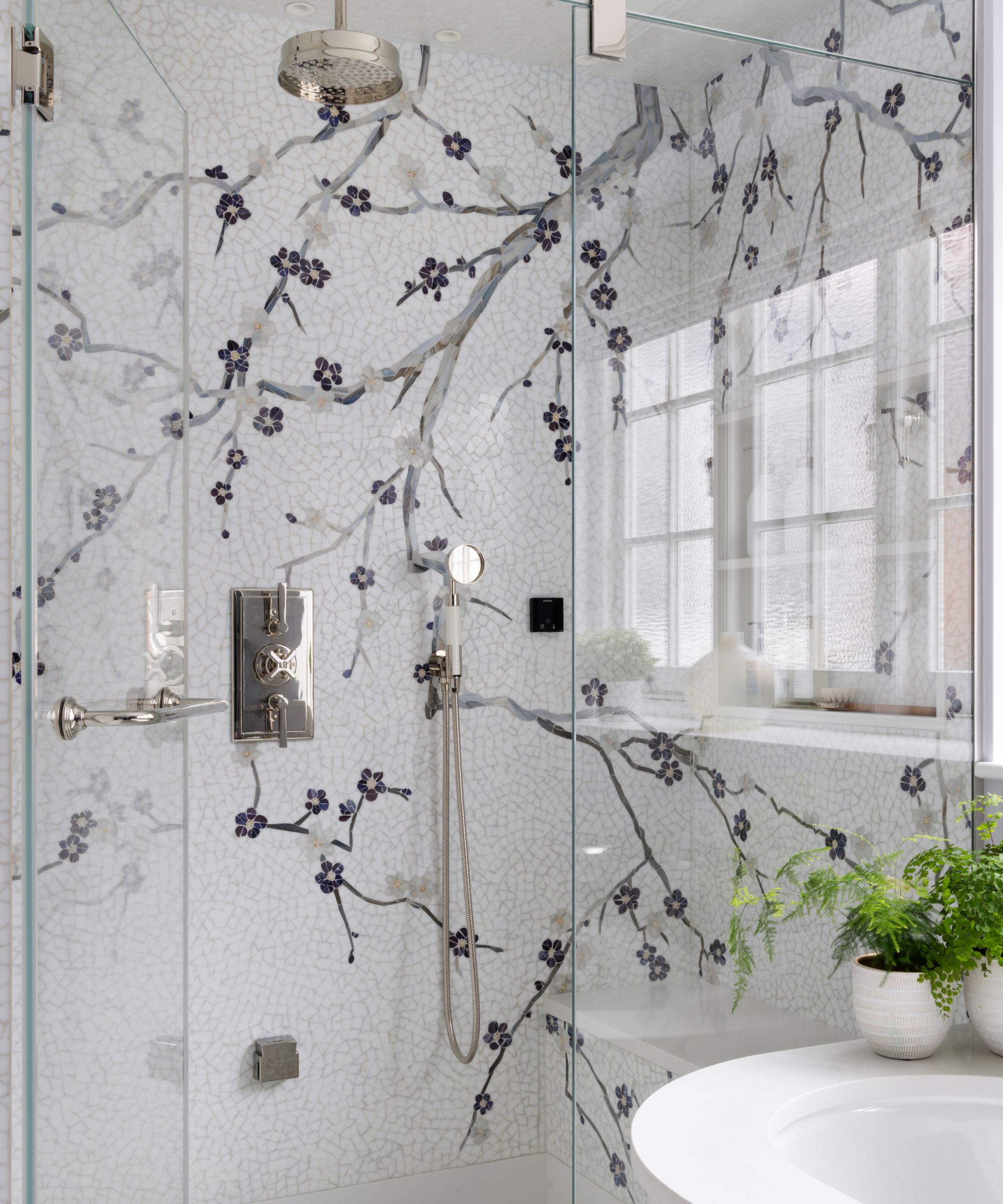
Beyond their functional roles, Moroccan tiles are increasingly utilized as standalone art pieces and decorative features. Interior designers are framing individual tile sets or creating elaborate mosaic installations to serve as focal points. Whether placed above a fireplace, as a tile headboard, or on stair risers, Moroccan tiles demonstrate their versatility as architectural art. This enduring appeal underscores that Moroccan tiles are not just a fleeting trend but a lasting celebration of culture, tradition, and craftsmanship, bridging the past and future with their artisanal value, personalization, and sustainability.
#MoroccanTiles #TileTrends2025 #ZelligeTiles #MatteFinishes #EarthyTones #BiophilicDesign #MixAndMatchPatterns #LargeFormatTiles #ScandinavianMoroccan #HandmadeImperfections #OutdoorTiles #SustainableTiles #BlackAndWhitePatterns #ArchitecturalArt #HomeDecor #MoroccanTiles #TileTrends2025 #ZelligeTiles #MatteFinishes #EarthyTones #BiophilicDesign #MixAndMatchPatterns #LargeFormatTiles #ScandinavianMoroccan #HandmadeImperfections #OutdoorTiles #SustainableTiles #BlackAndWhitePatterns #ArchitecturalArt #HomeDecor
0 komentarzy łącznie
 Brak komentarzy jeszcze
Możesz również polubić
Tile Trends That Will Be Dominating In 2025
Discover The Top 10 Tile Trends Discusses at Coverings 2025
Modern Tiles Keep Morocco’s Artisanal Culture Alive

These Are the 9 Tile Trends You Need to Know for 2025

Top Tile Trends Spotted At Coverings 2025
Outdated Tile Trends That Are Going Away In 2025
Kitchen Tile Trends in 2025
Kitchen tile trends 2025 – 10 looks interior designers say will be everywhere this year

Tile Trends 2025 — Every Design-Forward Look to Have on Your Radar

Moroccan Tiles for Kitchens: Patterns that Wow in 2025
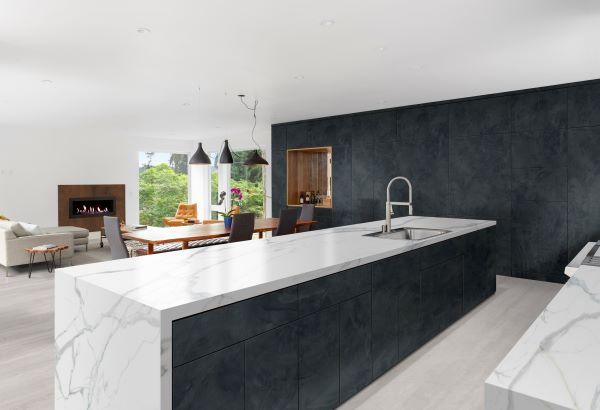
7 Top Tile Trends And Styles For 2021

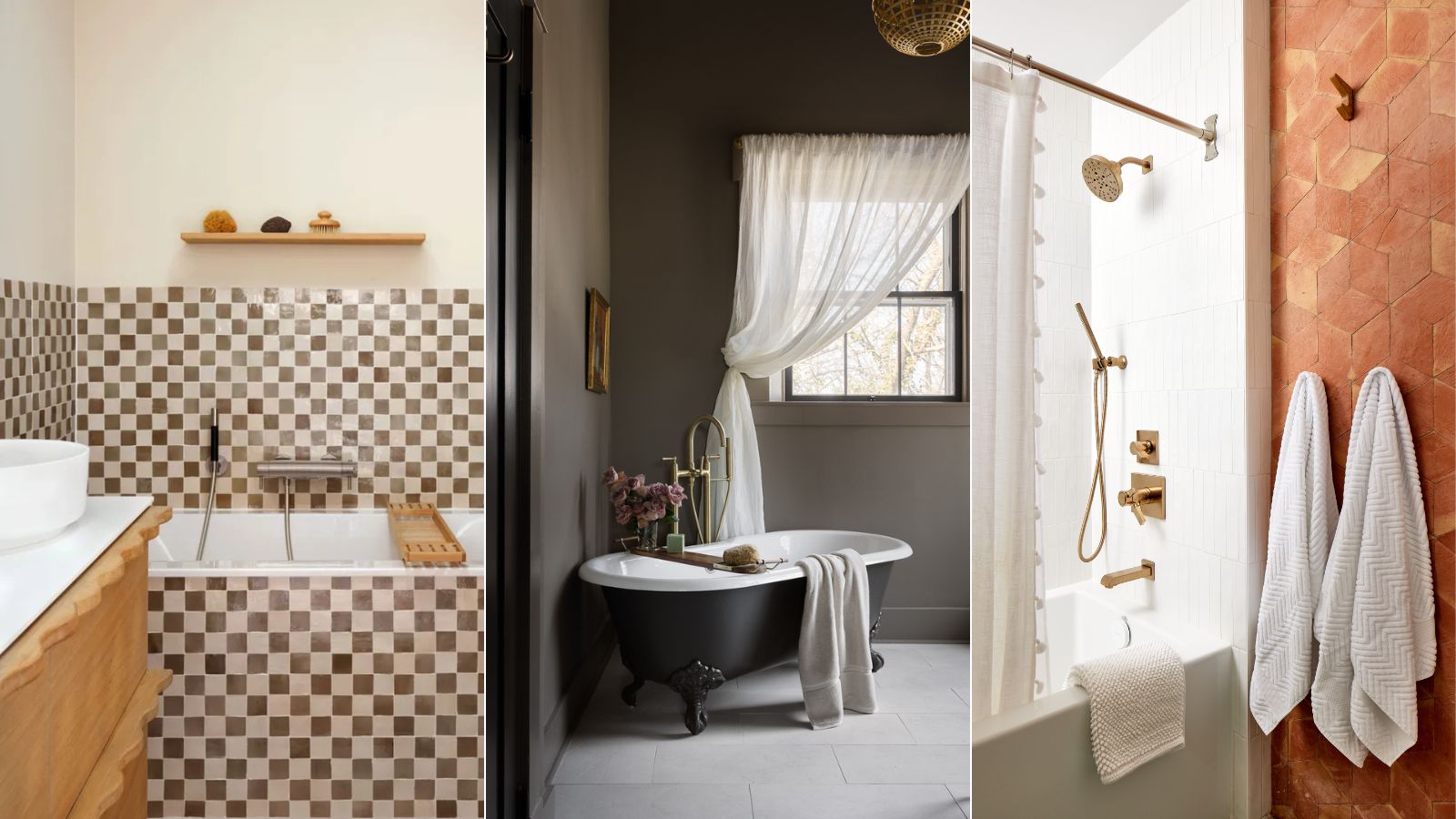
These are the bathroom tile trends designers say will be everywhere in 2025
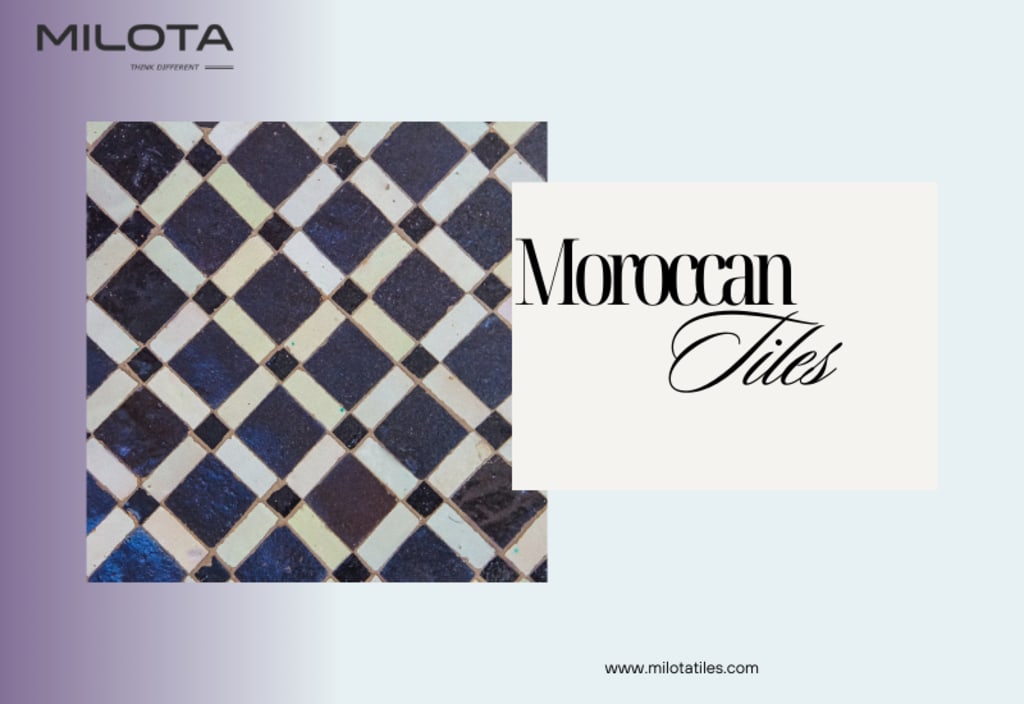
Moroccan Tiles in Global Architecture: A Rising Trend in 2025

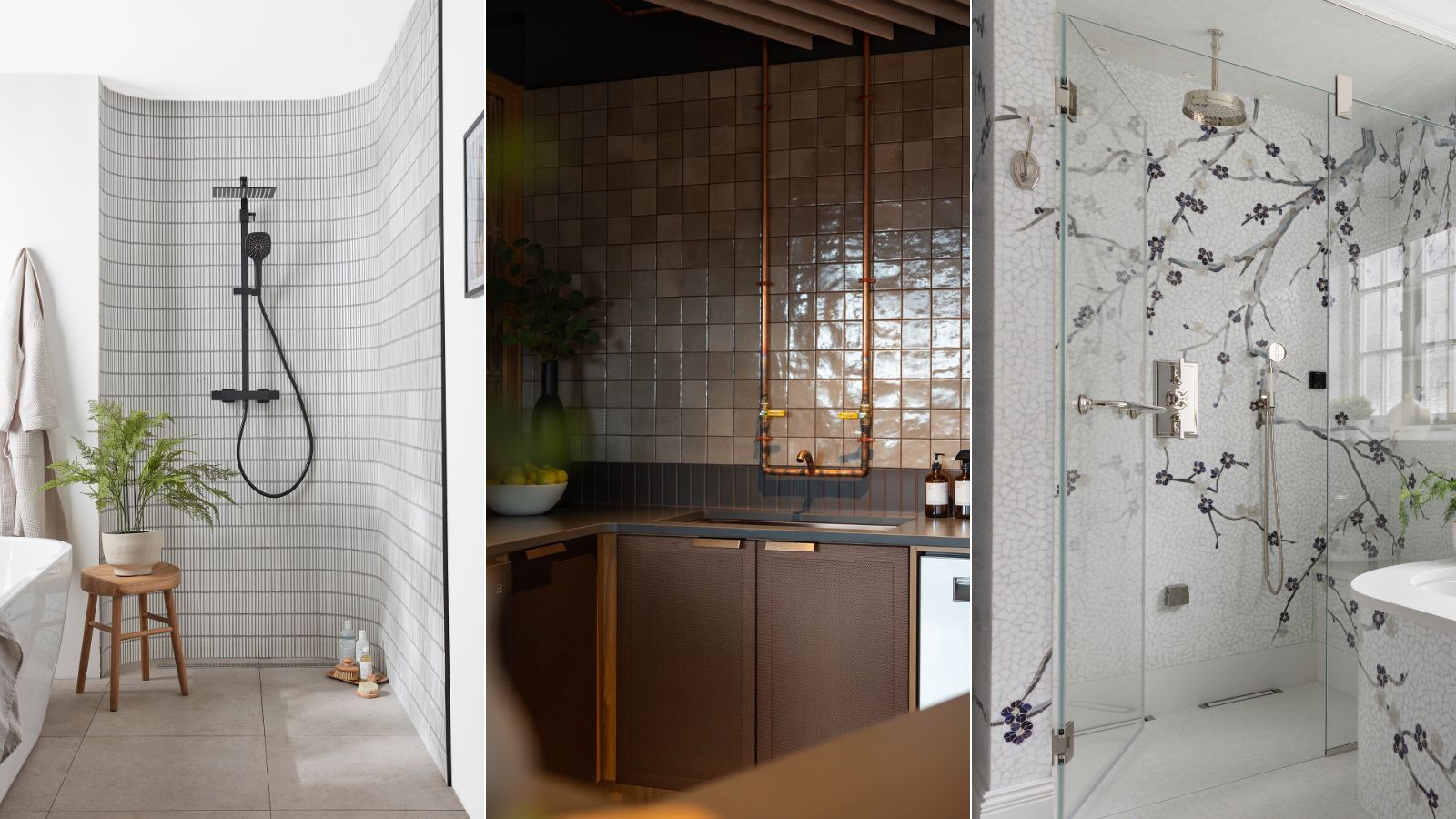
9 tile trends for 2025 that add character, interest, and style to your home
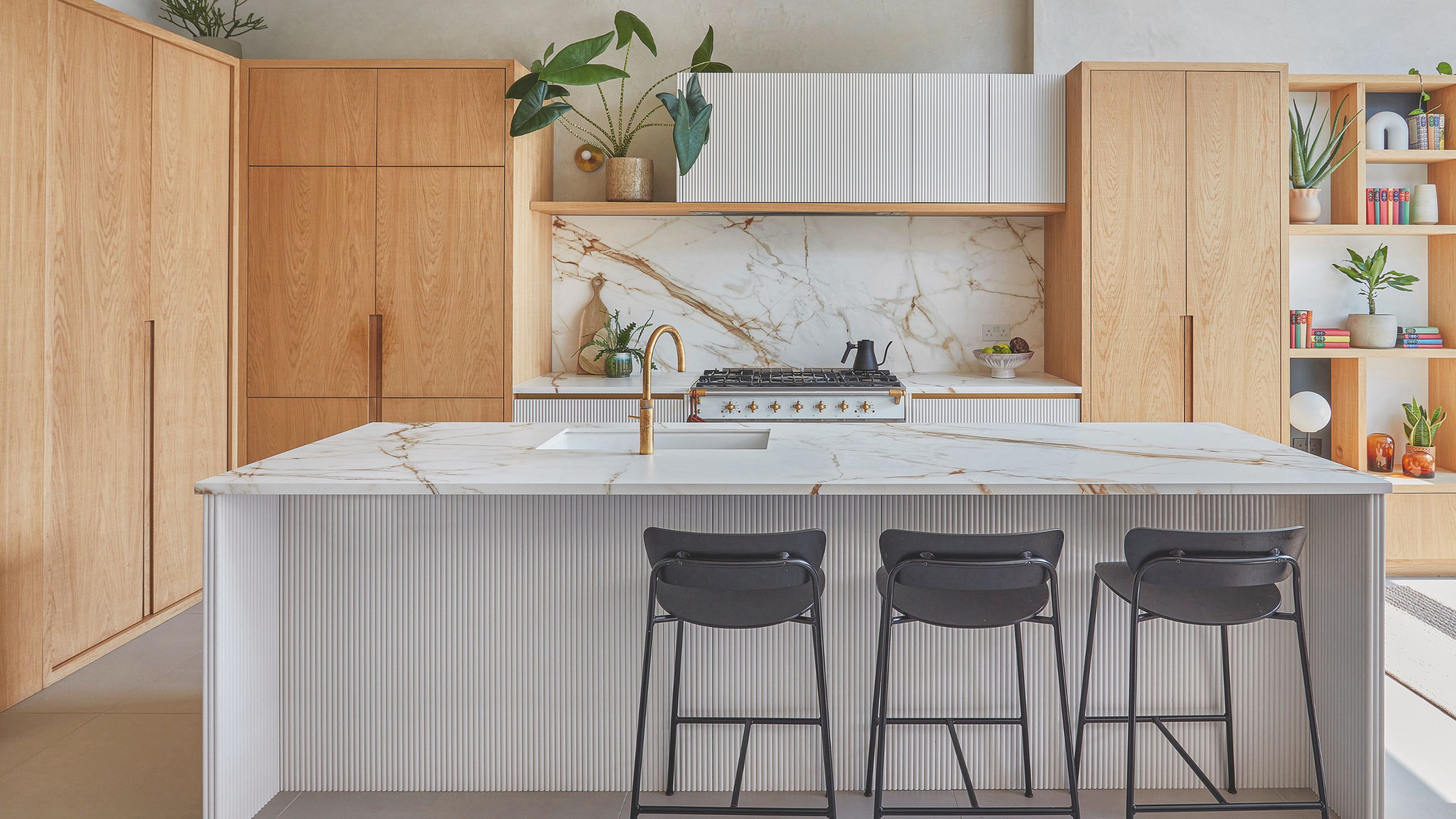
Kitchen Tile Trends for 2025 — 5 Popular New Styles That "Blend Artistry With Function"
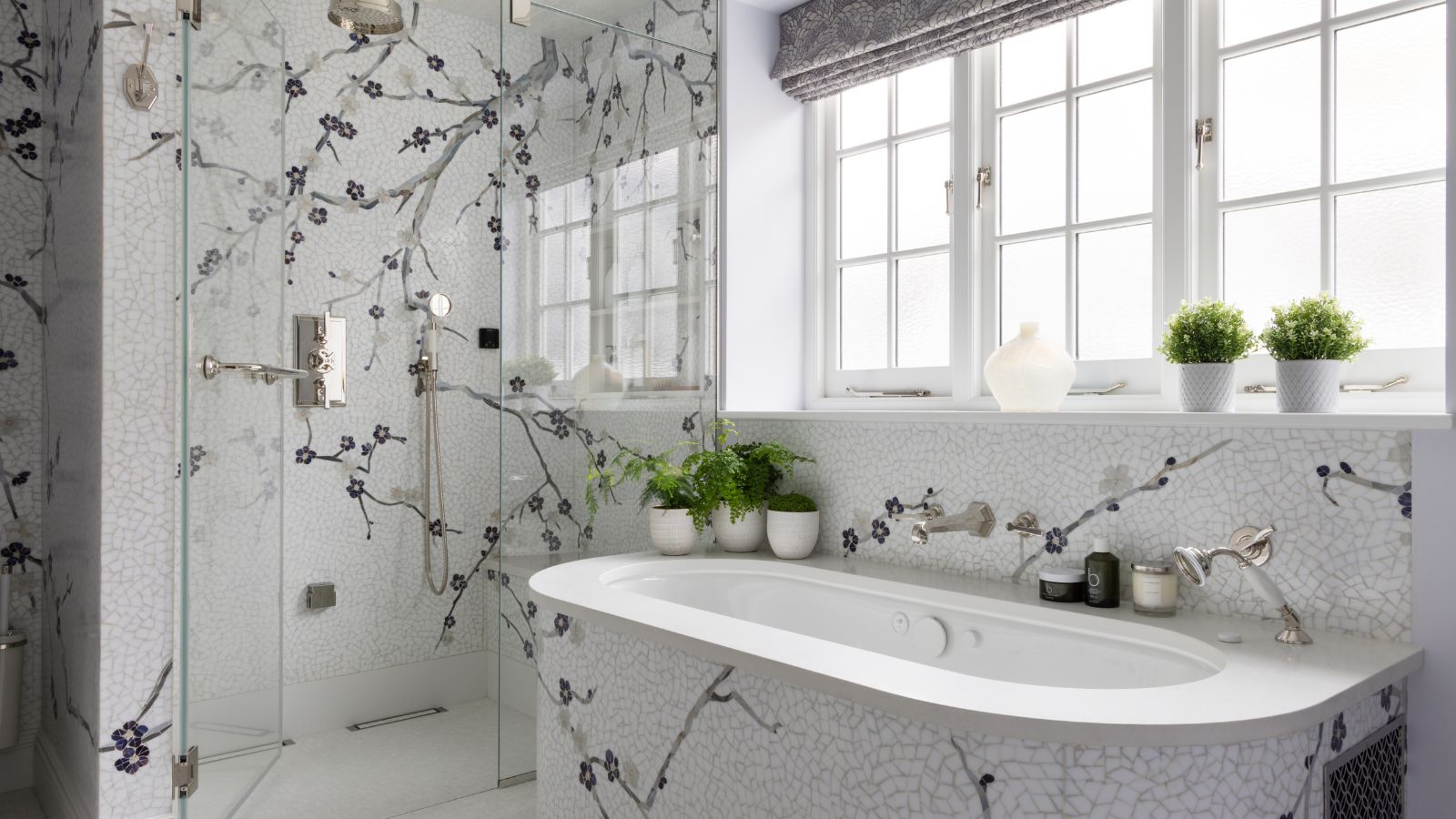
Are mosaic tiles making a comeback? Here's how designers are making this once-dated look work in 2025
Need inspo? The biggest tile and design trends taking over The Block 2025

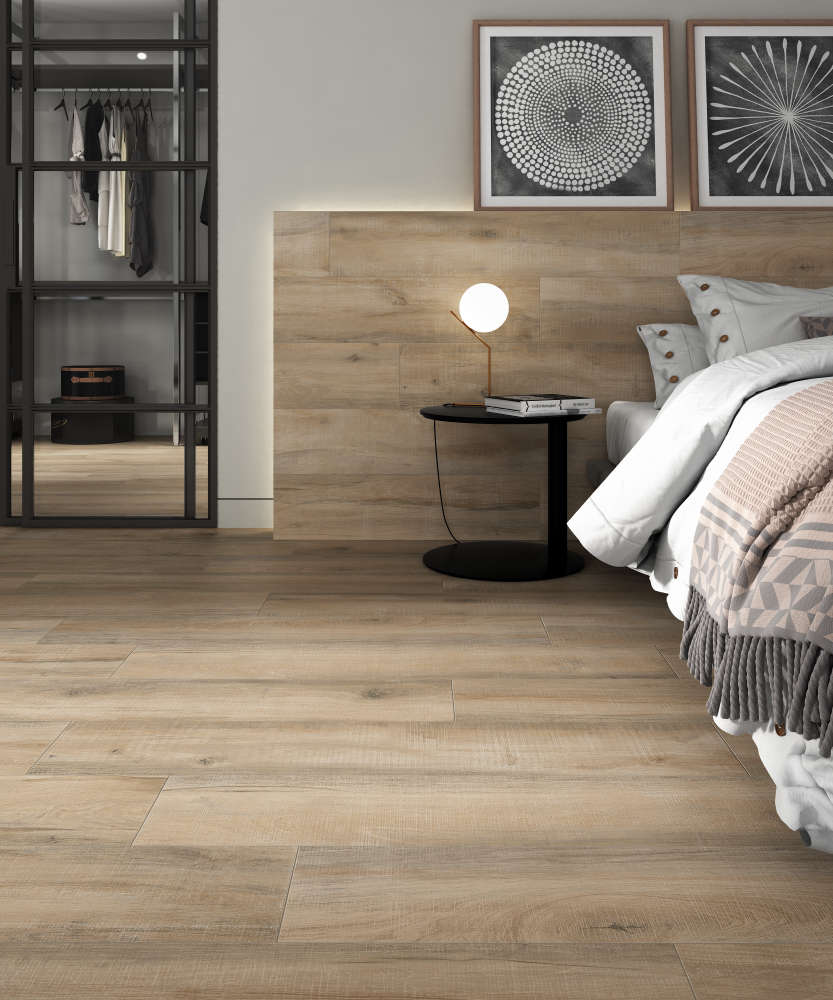
Tile and Wood Flooring Trends 2022 - World of Tiles
These Kitchen Tile Trends Will Transform Your Backsplash and Countertops in 2025

7 Kitchen Tile Trends You're About to See Everywhere in 2025, According to Designers