Moroccan Tiles in Global Architecture: A Rising Trend in 2025
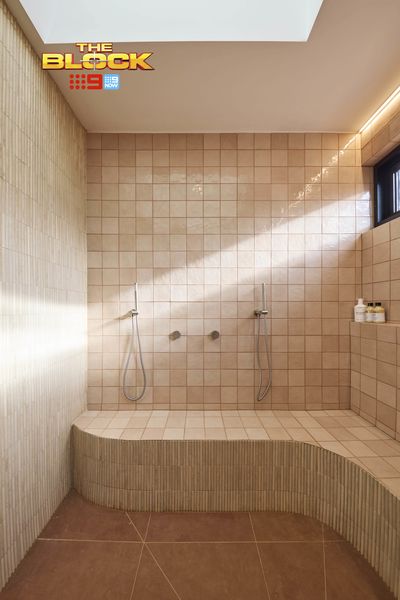
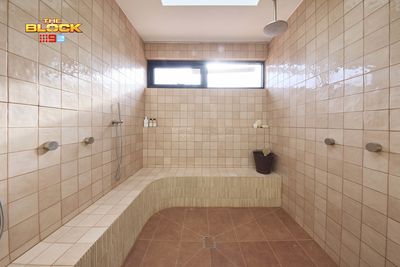
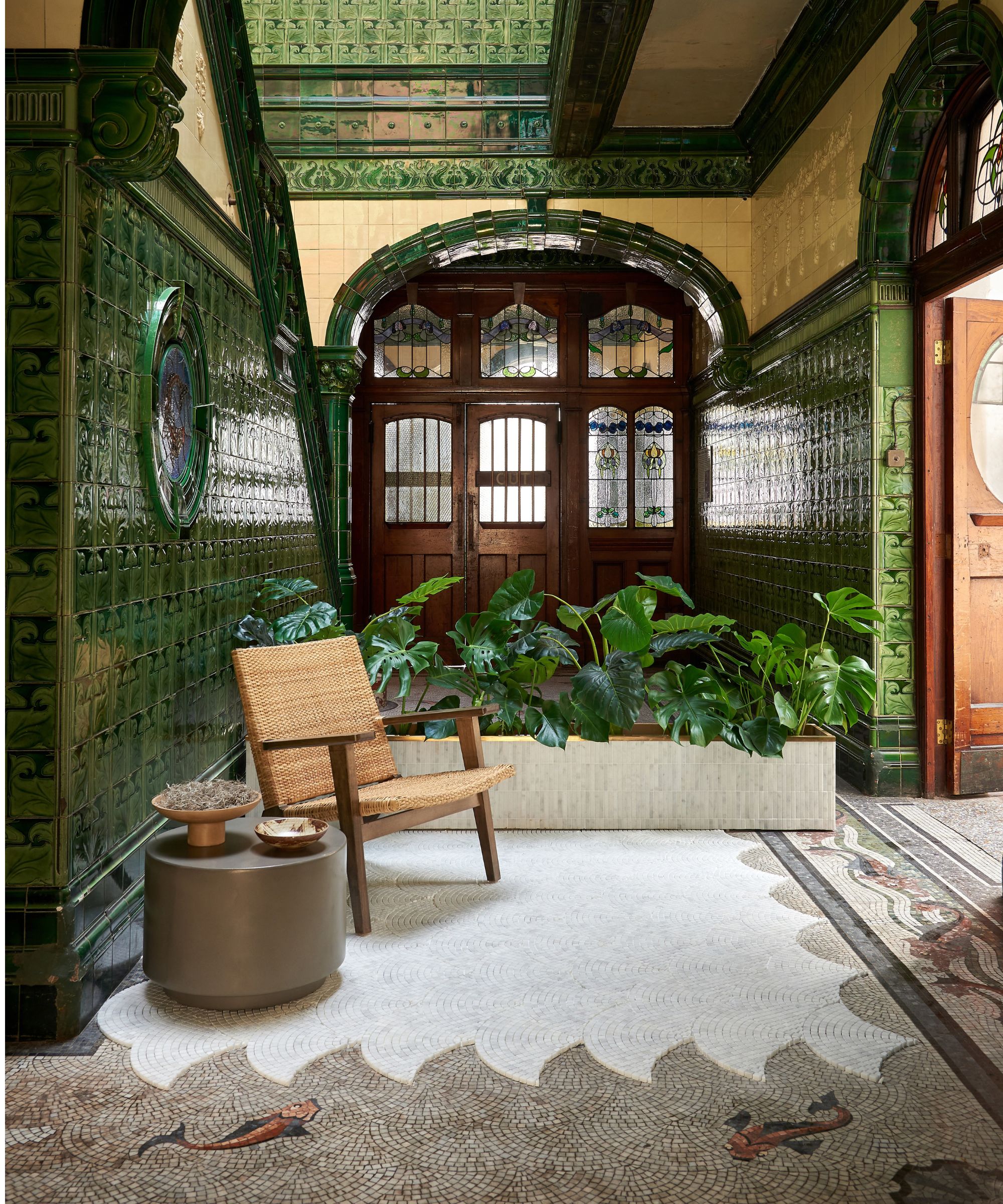
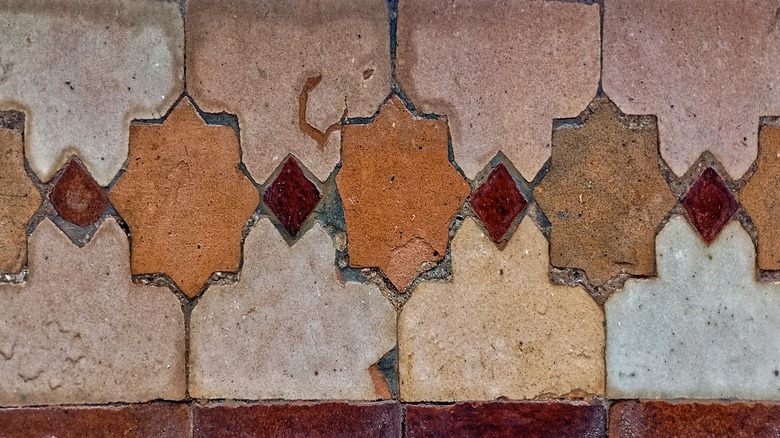
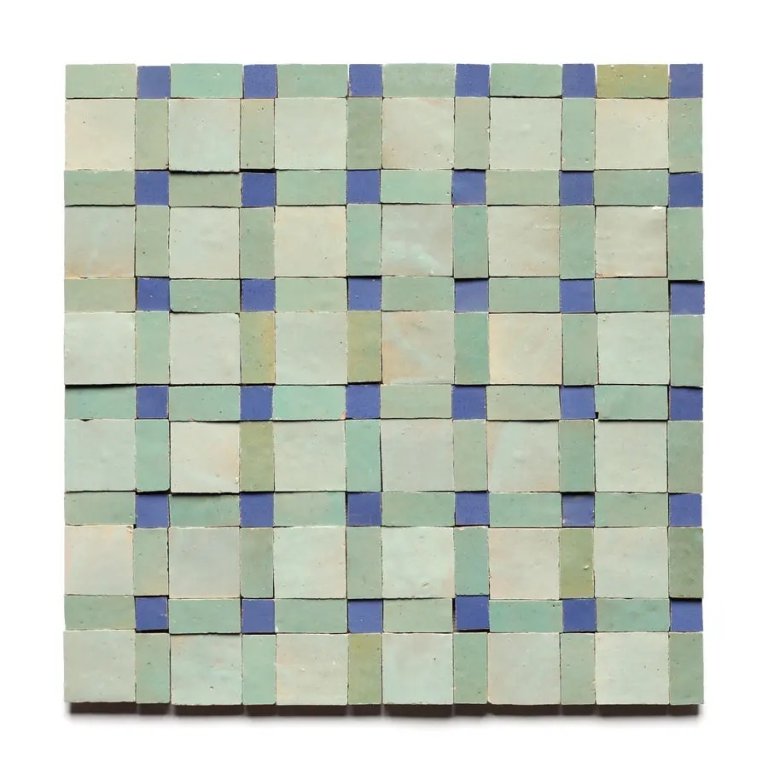
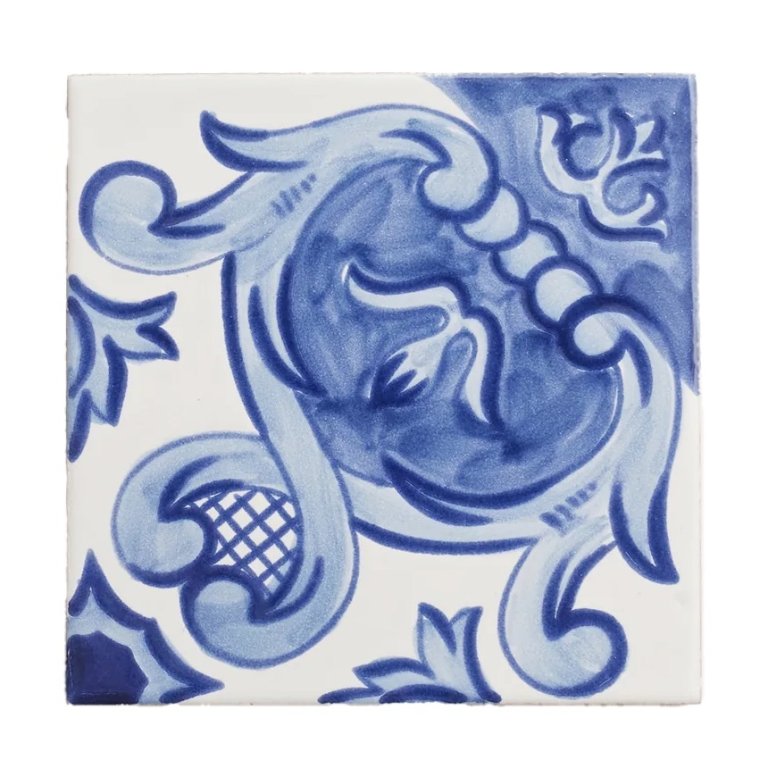
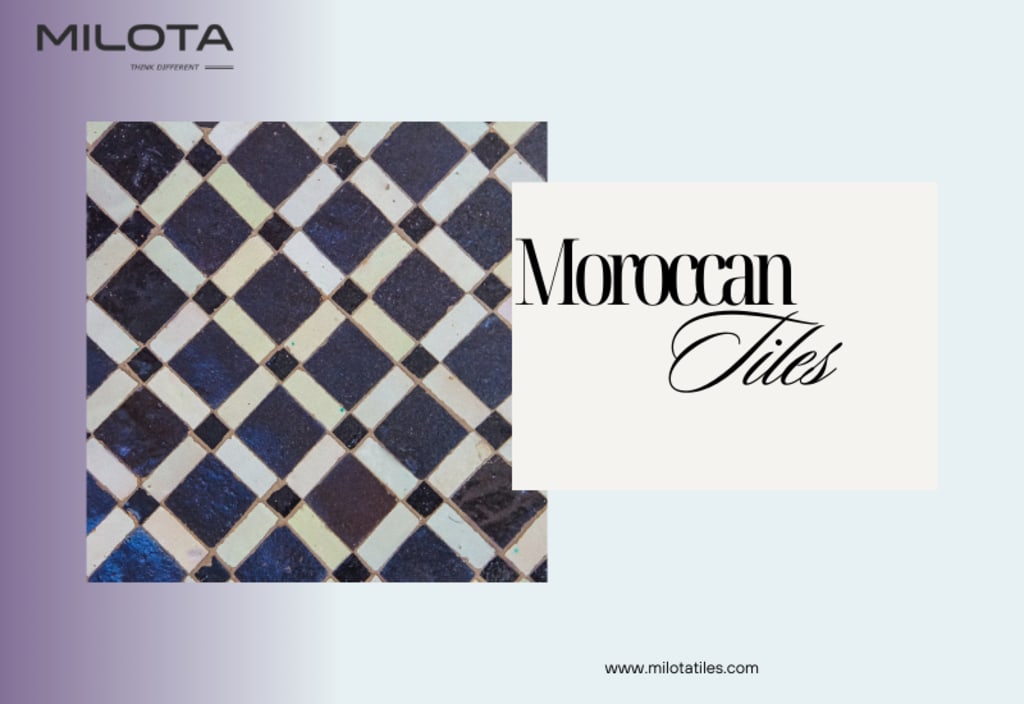
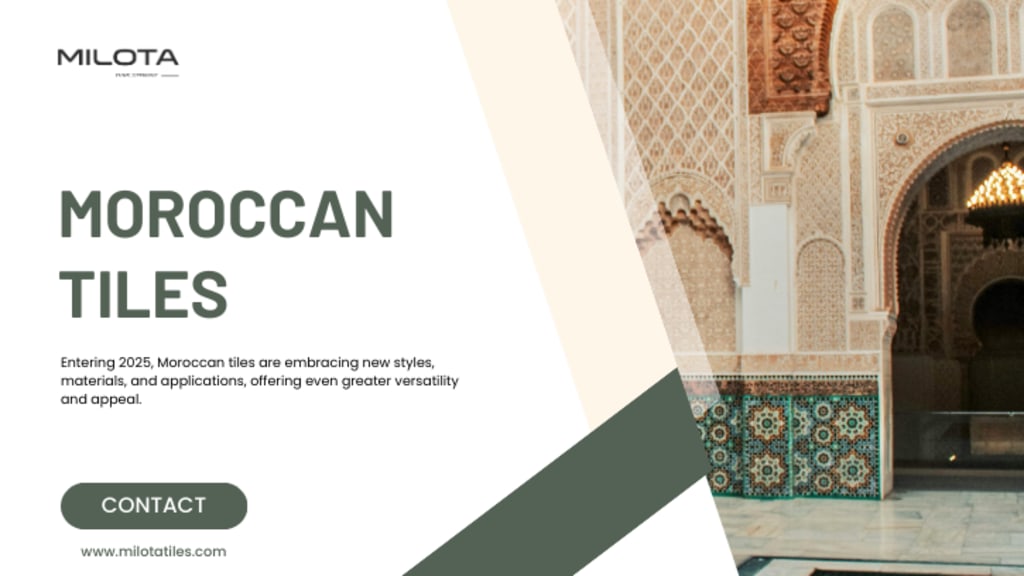
Moroccan Tiles, known for their intricate patterns, vibrant colors, and centuries-old heritage, are experiencing a significant resurgence in global architectural design in 2025. These tiles, often referred to as zellige tiles, originated in Morocco in the 10th century, where skilled artisans meticulously crafted and glazed each piece by hand. Historically, they adorned mosques, palaces, and courtyards, symbolizing cultural pride and harmony through their geometric precision, vivid color palettes inspired by nature, and remarkable durability.
This timeless heritage continues to influence modern design, positioning Moroccan Tiles not merely as a functional material but as an art form that connects historical craftsmanship with contemporary living. Several factors contribute to their growing popularity in 2025. There is a discernible shift in design preferences towards cultural aesthetics, with homeowners and architects moving away from minimalist monotones to embrace bold designs that convey identity and storytelling. Moroccan Tiles perfectly align with this trend, injecting vibrant personality into spaces.
Sustainability and craftsmanship are also key drivers. These tiles, often made from natural clay and glazed with eco-friendly finishes, fit well within green building practices. Their handcrafted nature further supports artisan communities, a value increasingly emphasized in global architecture. Furthermore, Moroccan Tiles offer remarkable versatility, being adaptable to various settings from kitchens and bathrooms to luxury hotel lobbies and outdoor patios. Architects in 2025 are creatively blending them with modern materials like concrete, steel, and glass to create striking contrasts and elevate design.
The tiles also serve as a statement of luxury due to their unique, handcrafted nature, ensuring no two installations are identical, thus symbolizing exclusivity in high-end design.
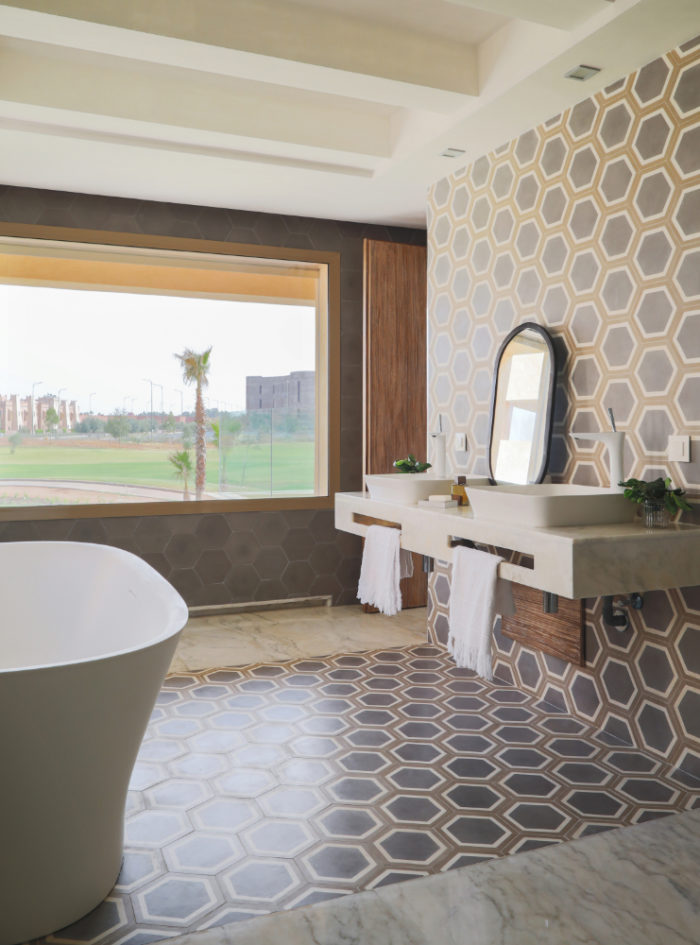
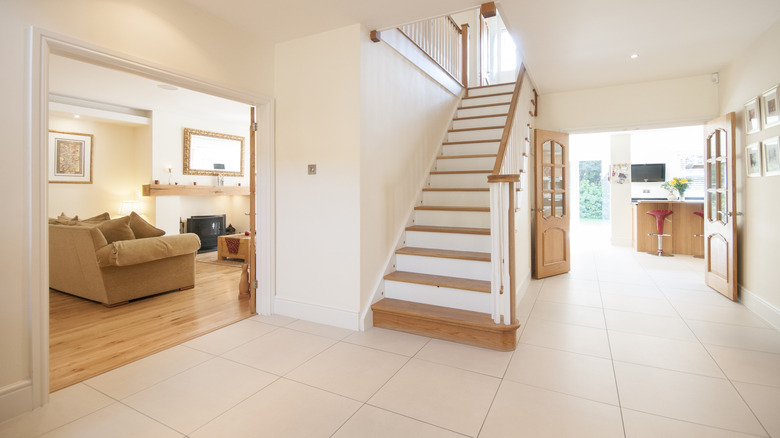
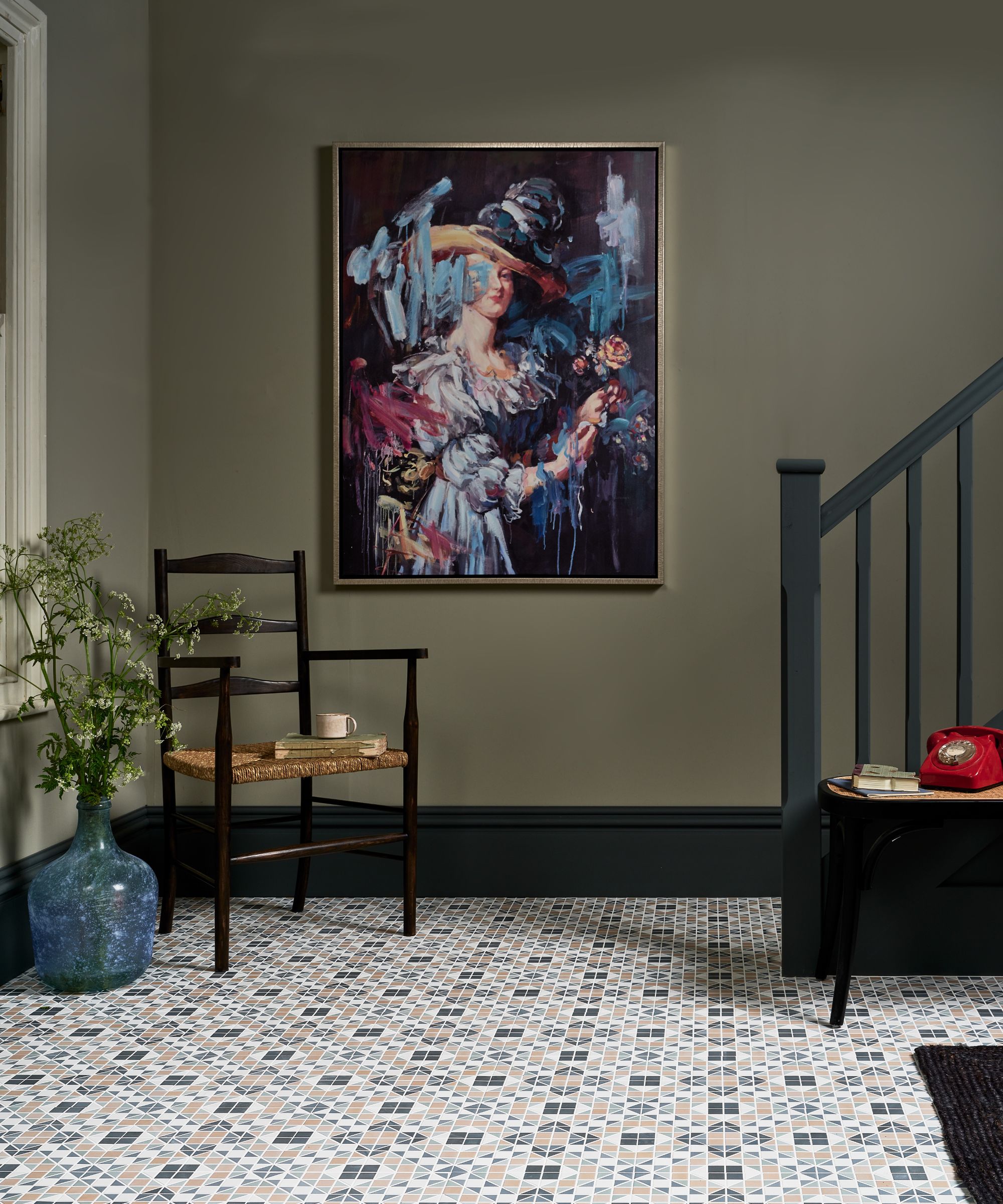
Geographically, European designers are incorporating Moroccan Tiles to add warmth and richness to interiors, particularly in Mediterranean villas and French farmhouses. In North America, they are trending in urban apartments and suburban homes, appearing as backsplashes, entryway flooring, and spa-like bathroom features. Luxury resorts in the Middle East and Asia are embracing their exotic appeal to complement tropical landscapes and opulent styles. Even in Africa, architects are blending traditional artistry with modern African architecture using these tiles.
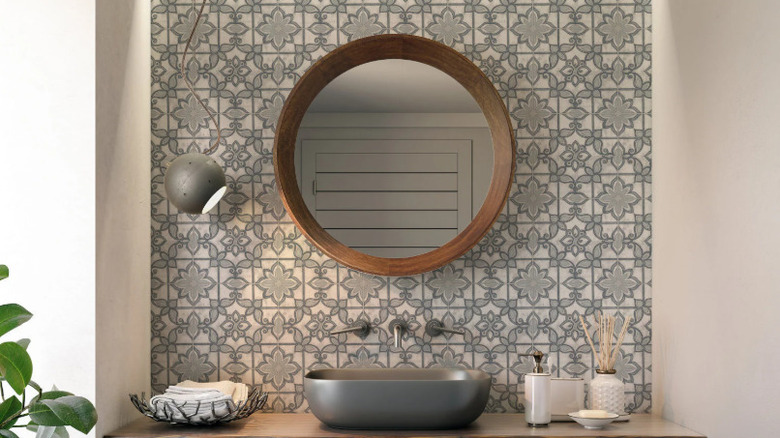
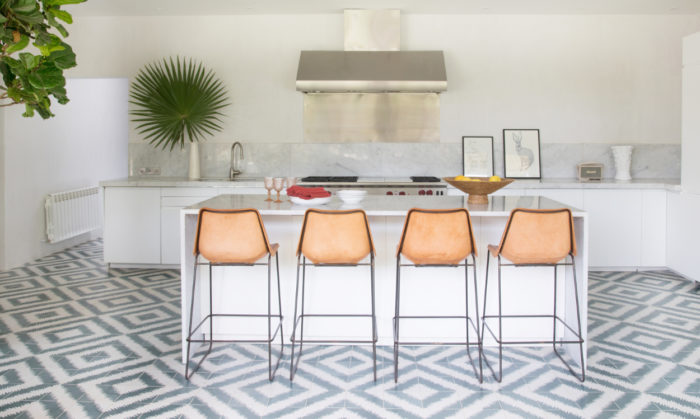
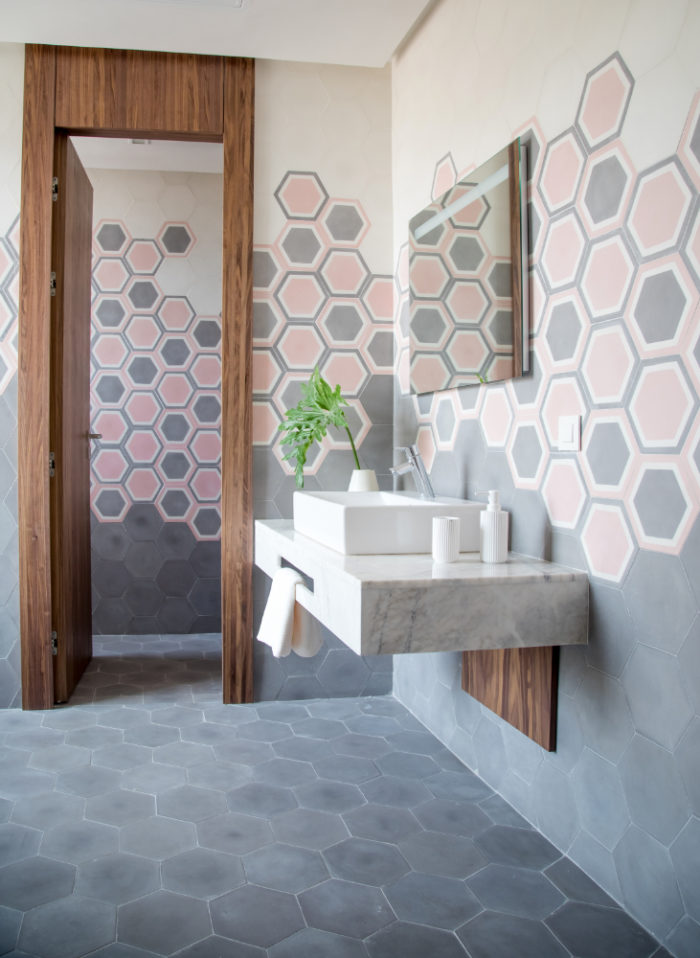
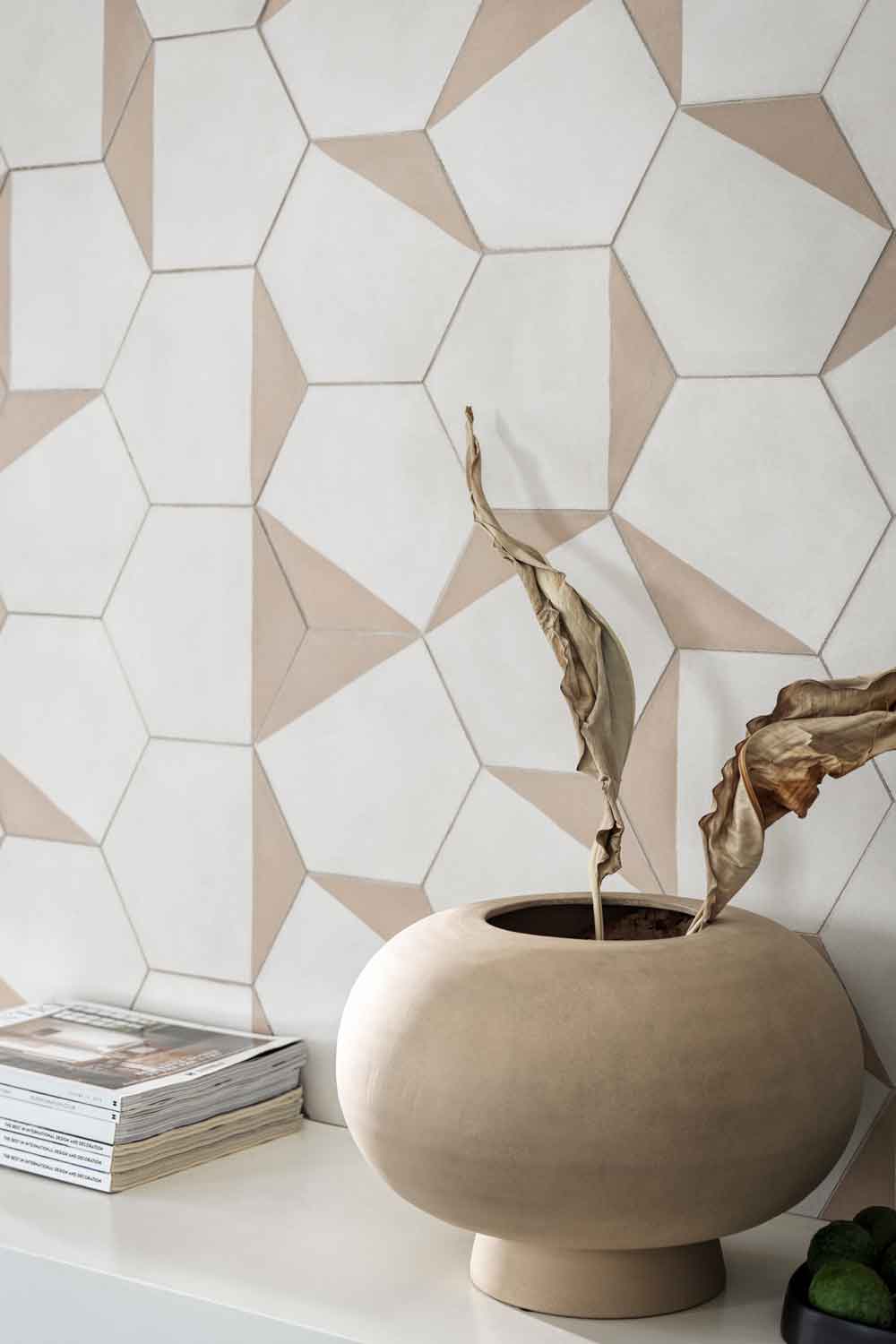
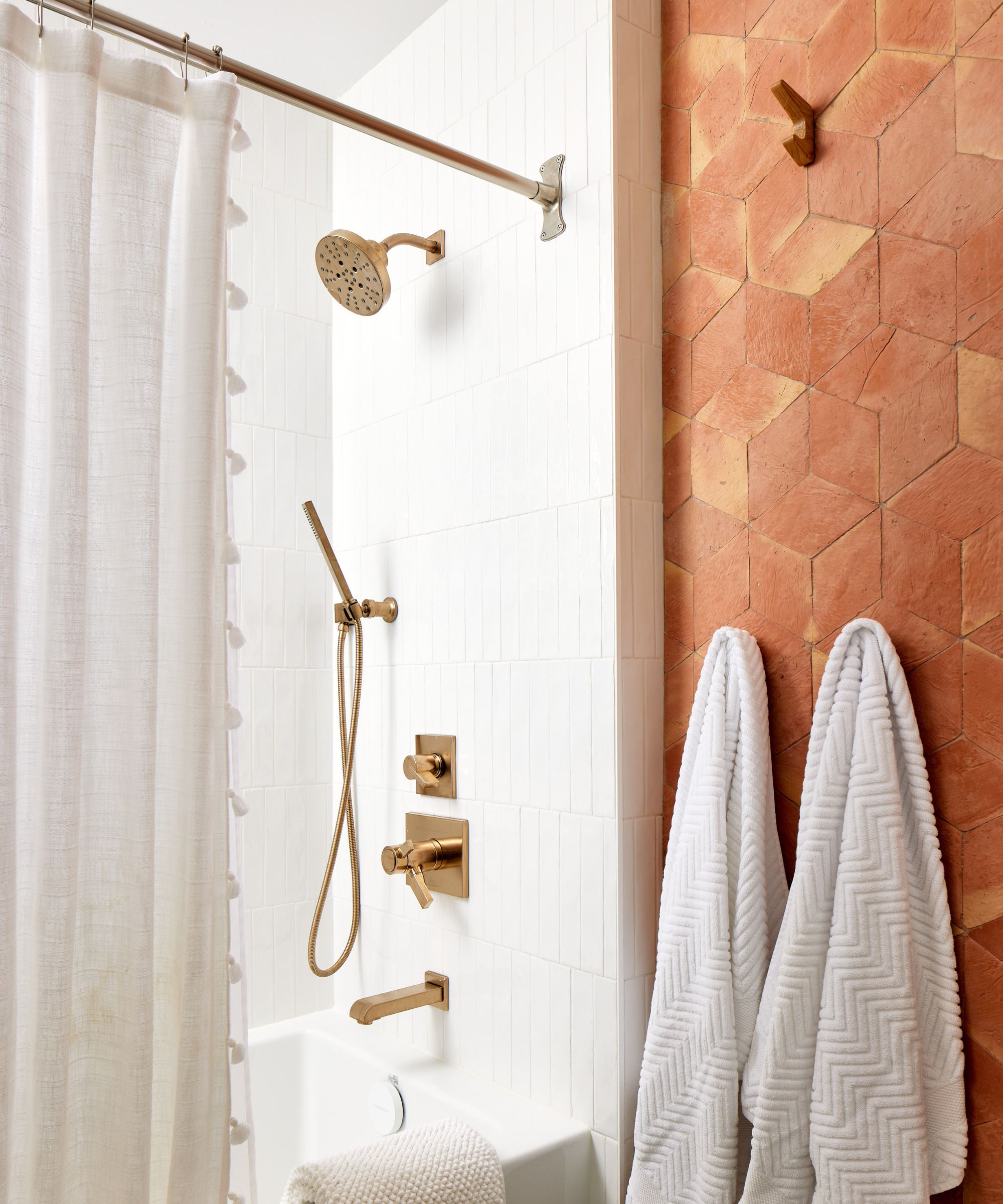
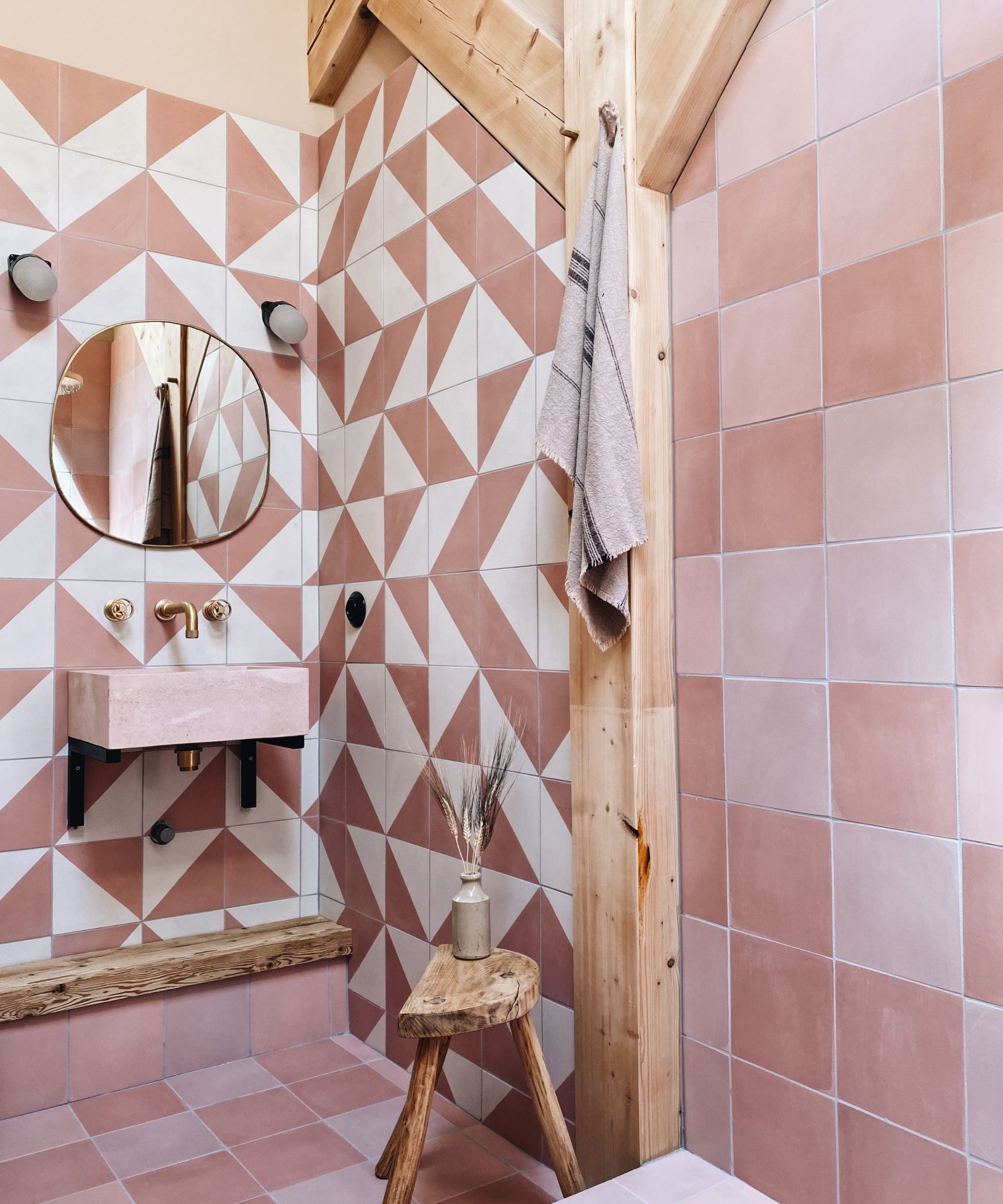
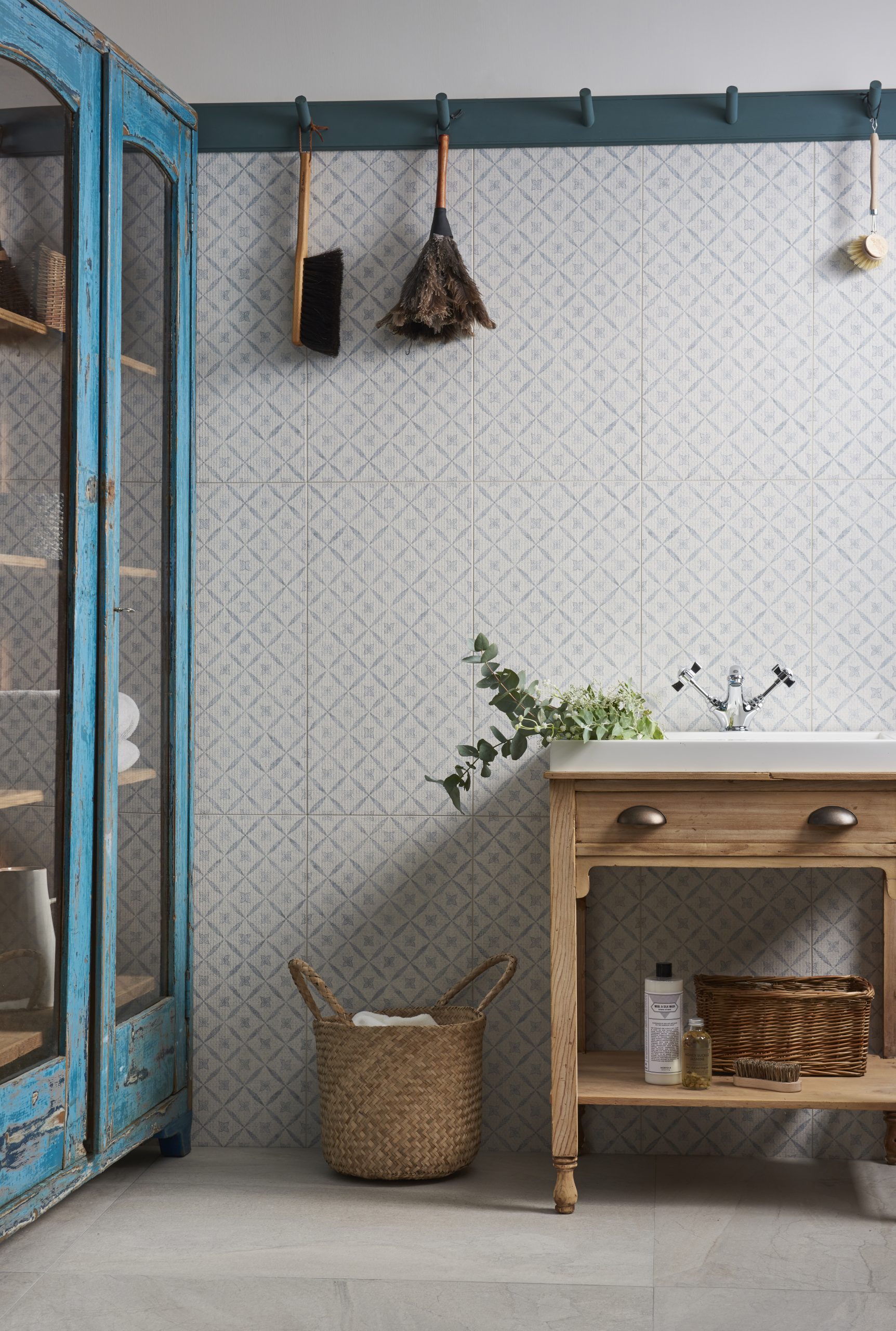
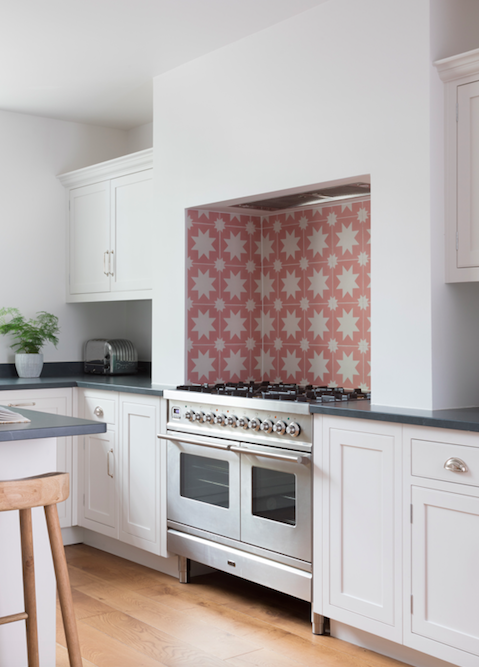
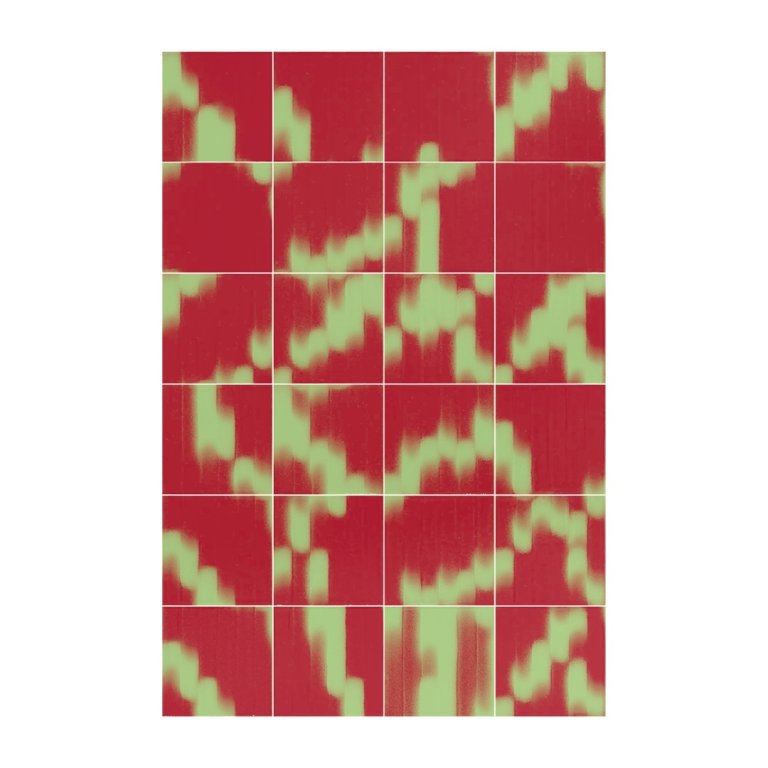
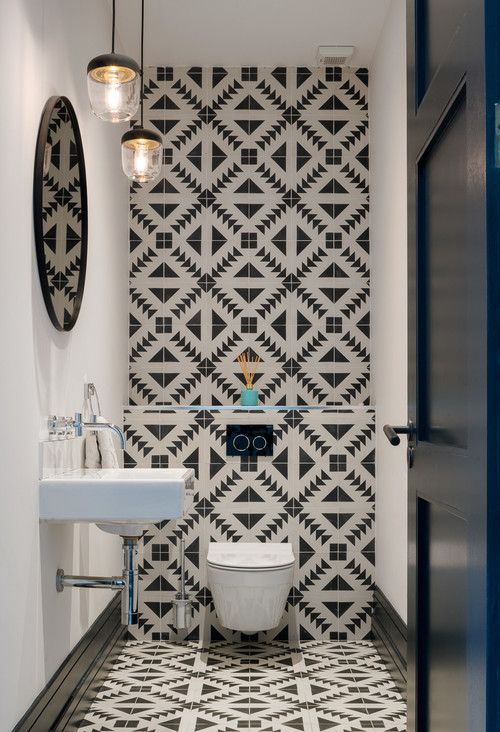
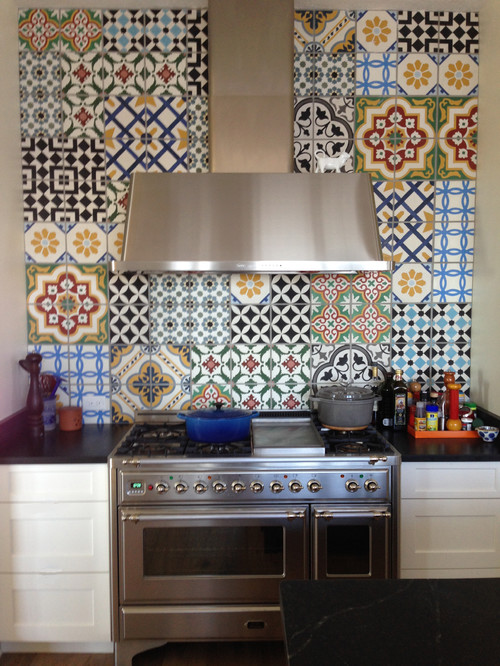
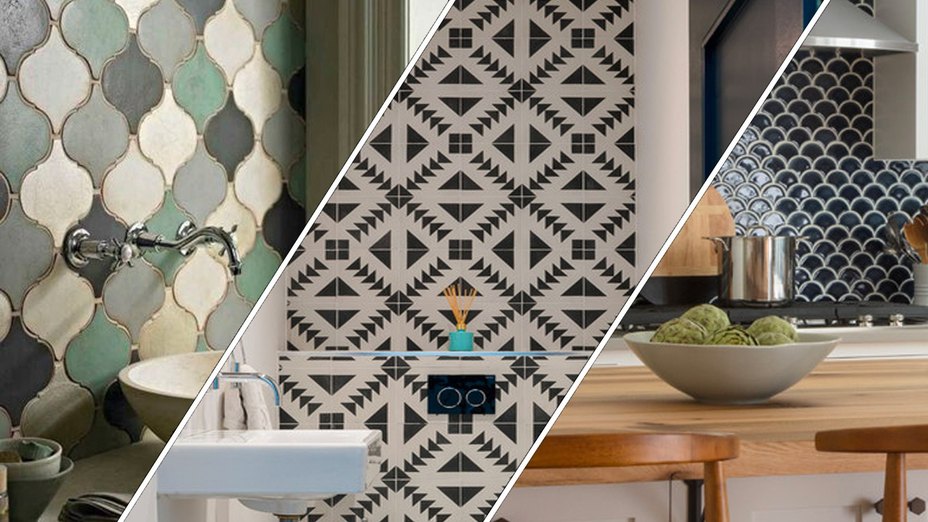
Popular design trends for Moroccan Tiles in 2025 include geometric flooring in living rooms and commercial spaces, color fusion using vibrant palettes like turquoise, cobalt blue, terracotta, and white, and the creation of accent walls in various rooms. They are also being used to bring luxury to outdoor spaces such as courtyards and pool areas, and interestingly, they are being blended with minimalist aesthetics by pairing them with muted walls and modern furniture.
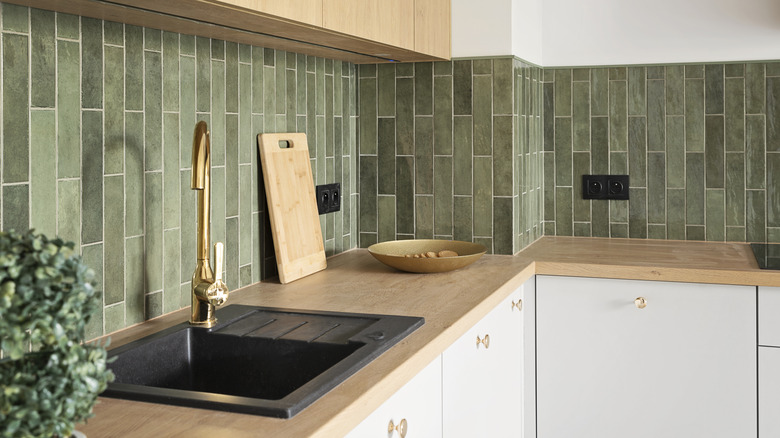
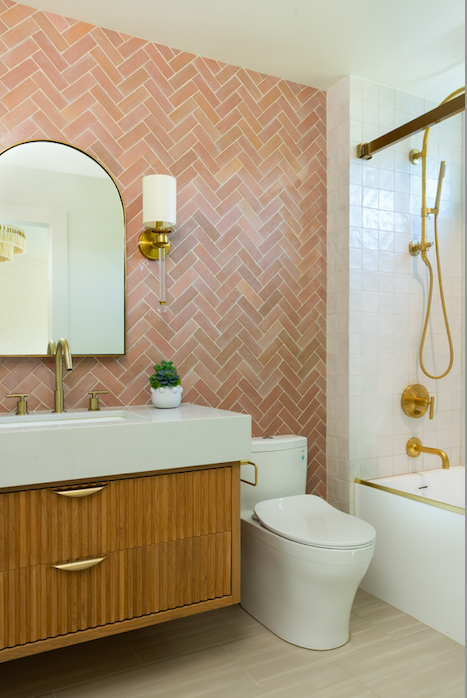
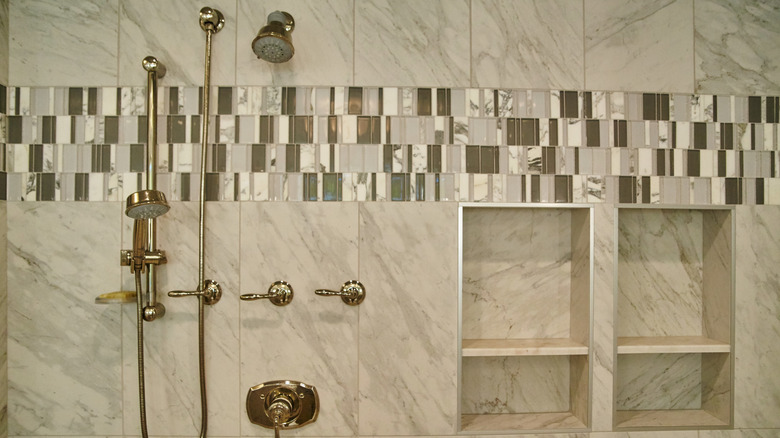
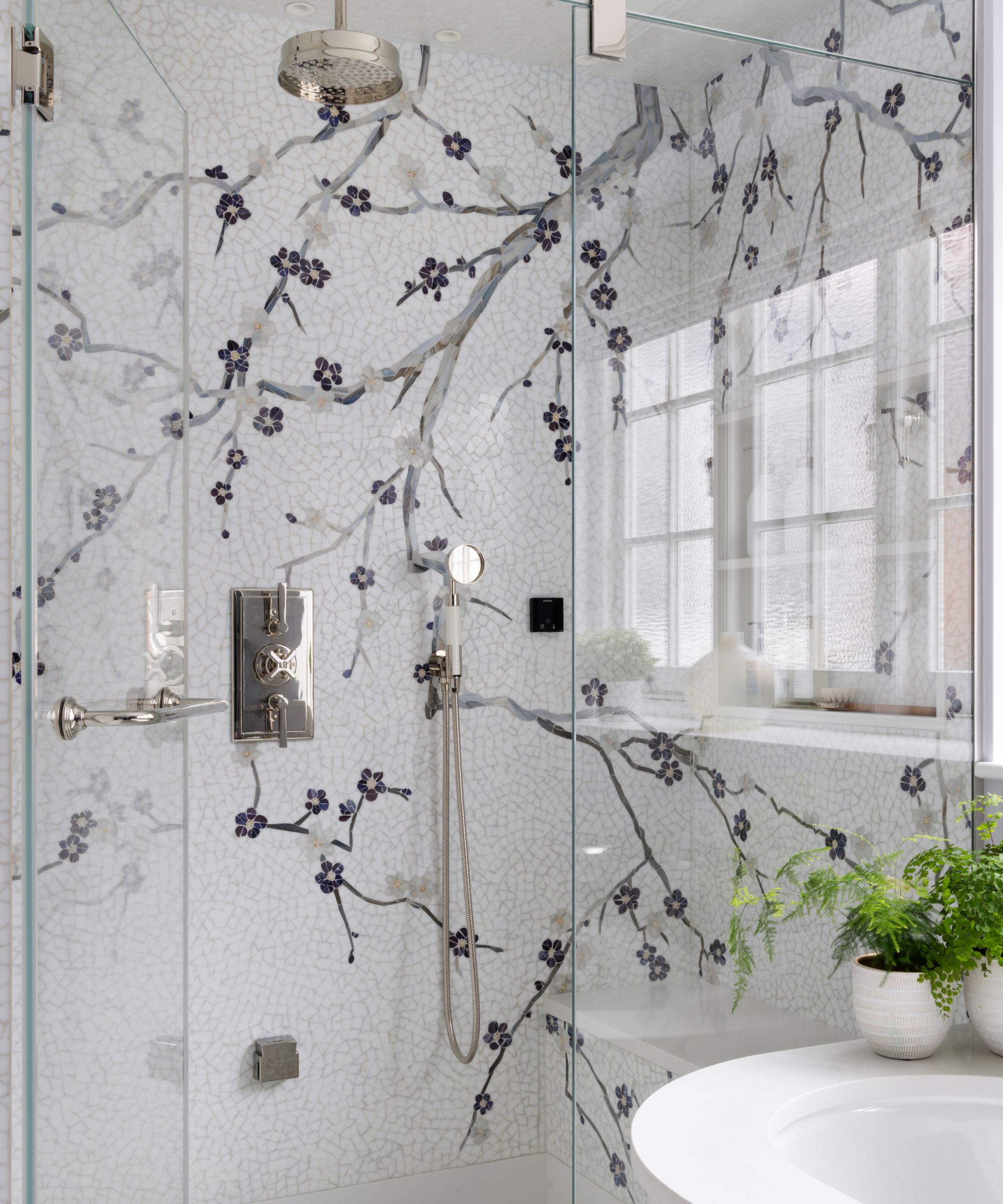
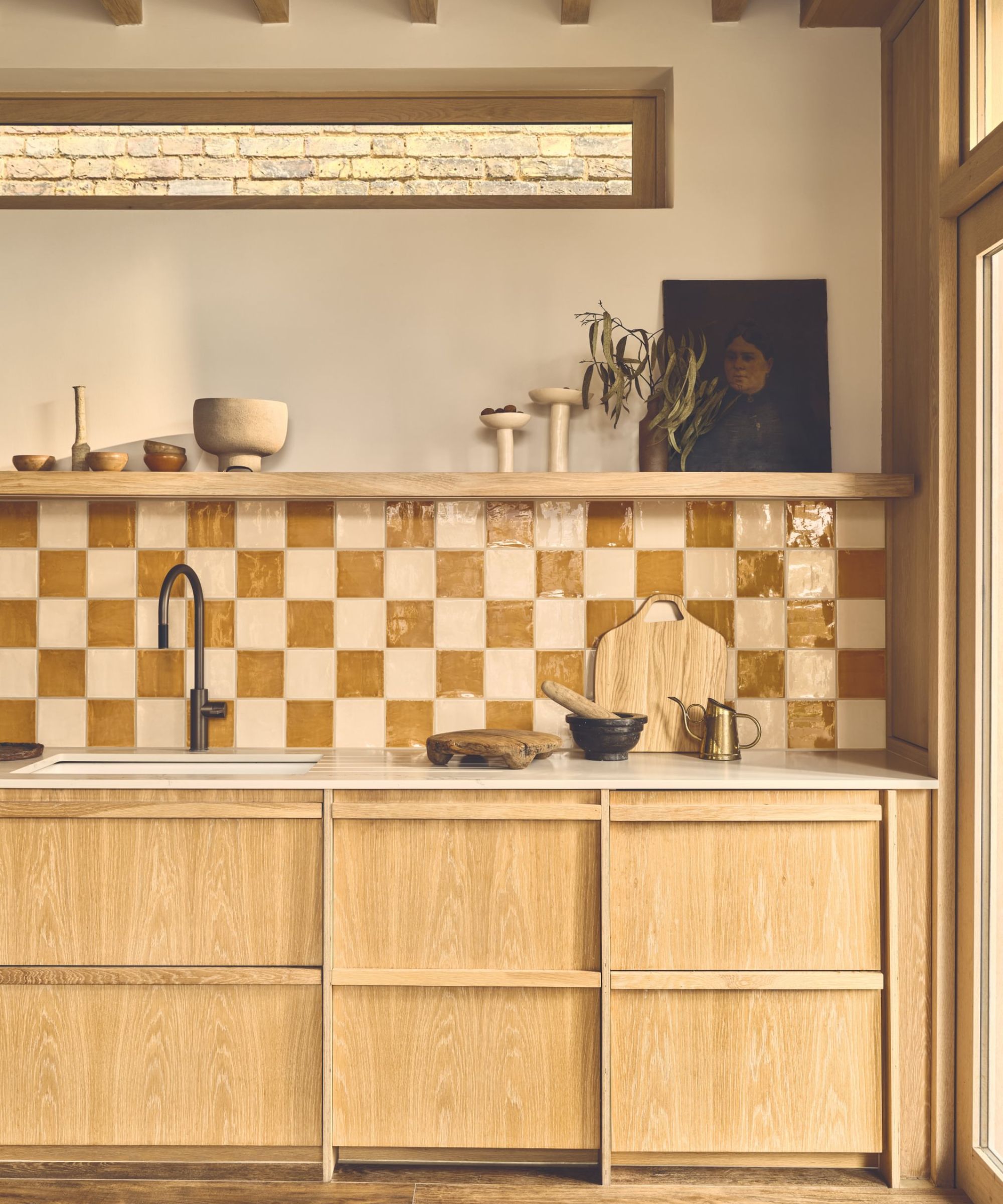
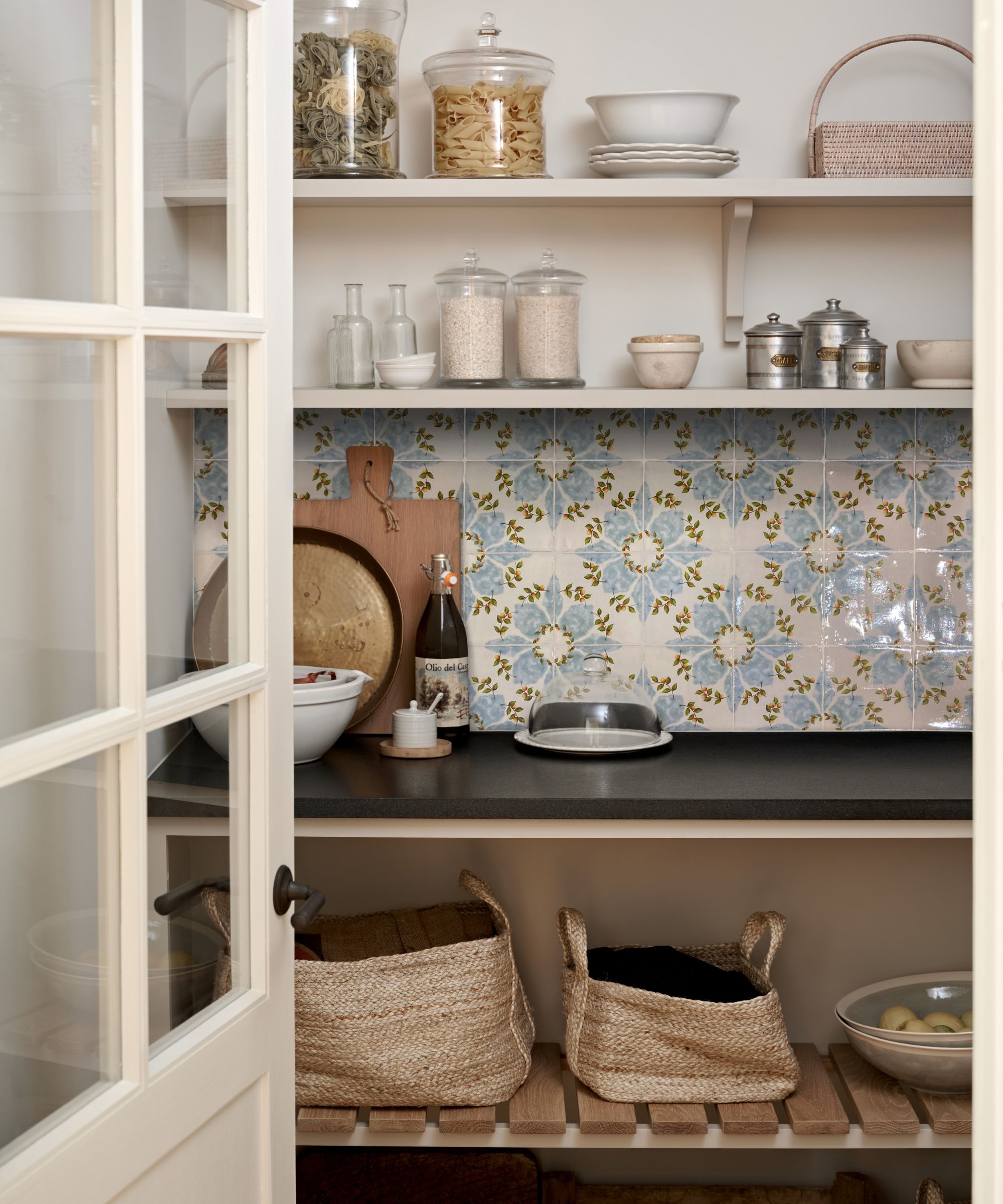
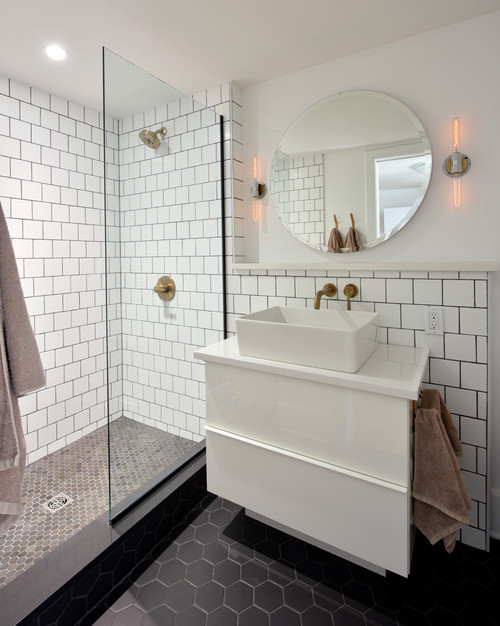
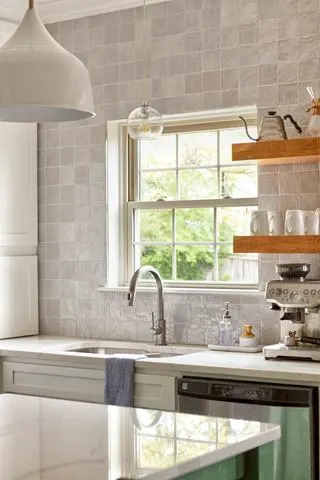
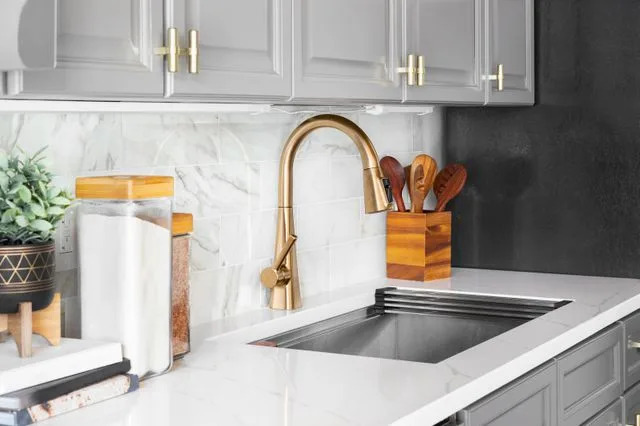
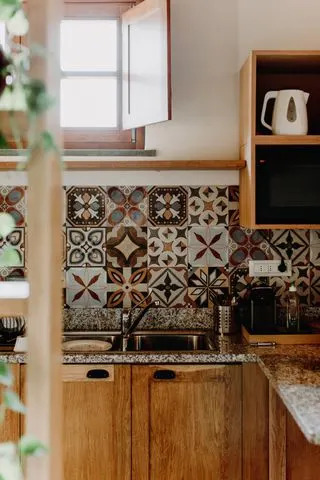
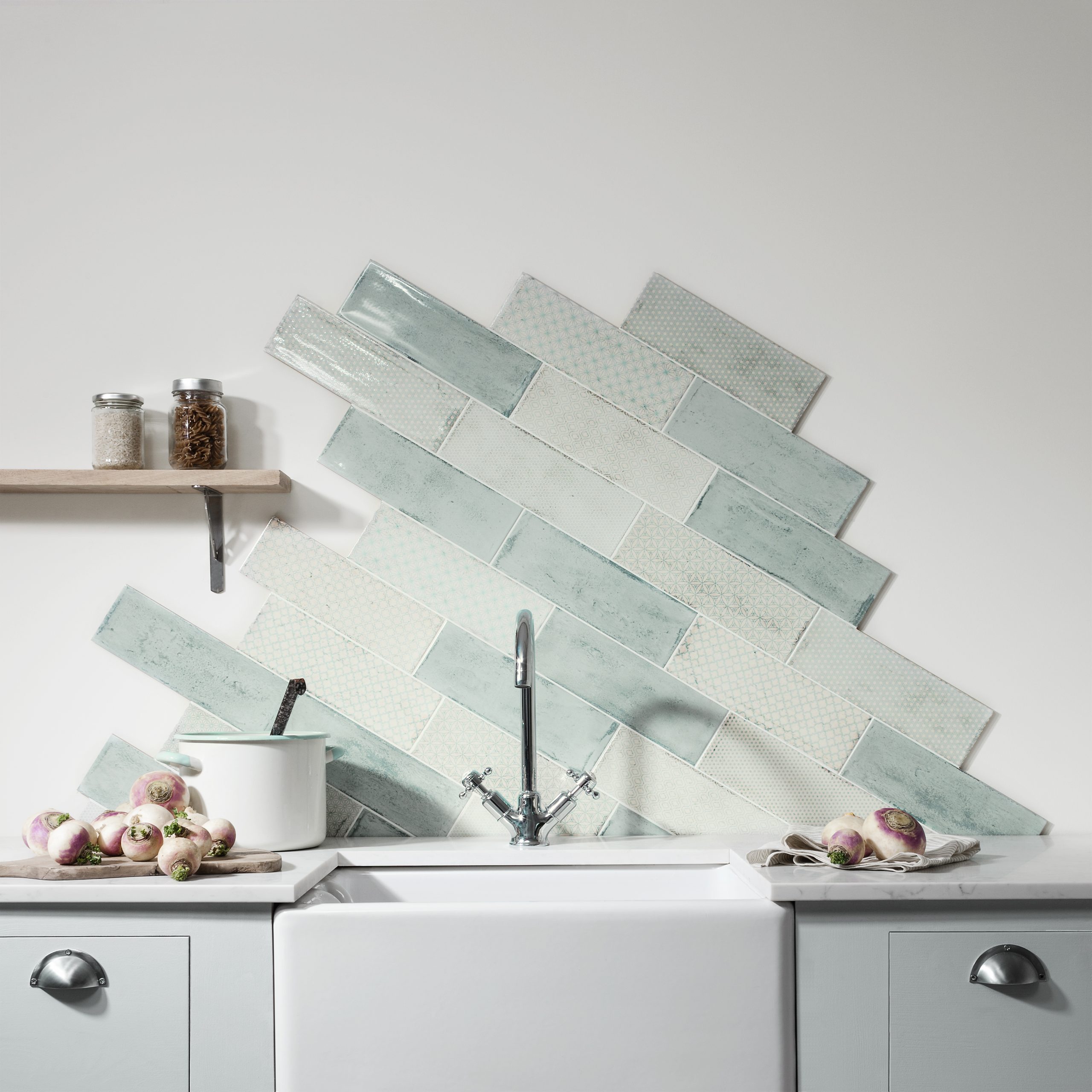
Homeowners can integrate Moroccan Tiles in diverse ways, from kitchen backsplashes and bathroom shower walls to patterned entryway flooring, living room feature walls, and elegant outdoor enhancements. Companies like MILOTA Tiles aim to provide authentic craftsmanship and modern quality, offering a wide range of colors, patterns, and finishes to cater to various project needs. The ongoing trend highlights Moroccan Tiles as more than a design element; they represent a cultural movement that is reshaping global architecture, bringing color, identity, and luxury to spaces worldwide.
#MoroccanTiles #GlobalArchitecture #InteriorDesignTrends #ZelligeTiles #HomeDesign #SustainableMaterials #CulturalAesthetics #LuxuryDesign #HandcraftedTiles #MoroccanTiles #GlobalArchitecture #InteriorDesignTrends #ZelligeTiles #HomeDesign #SustainableMaterials #CulturalAesthetics #LuxuryDesign #HandcraftedTiles
0 comment in total
 No comments yet
You may also like
Tile Trends That Will Be Dominating In 2025
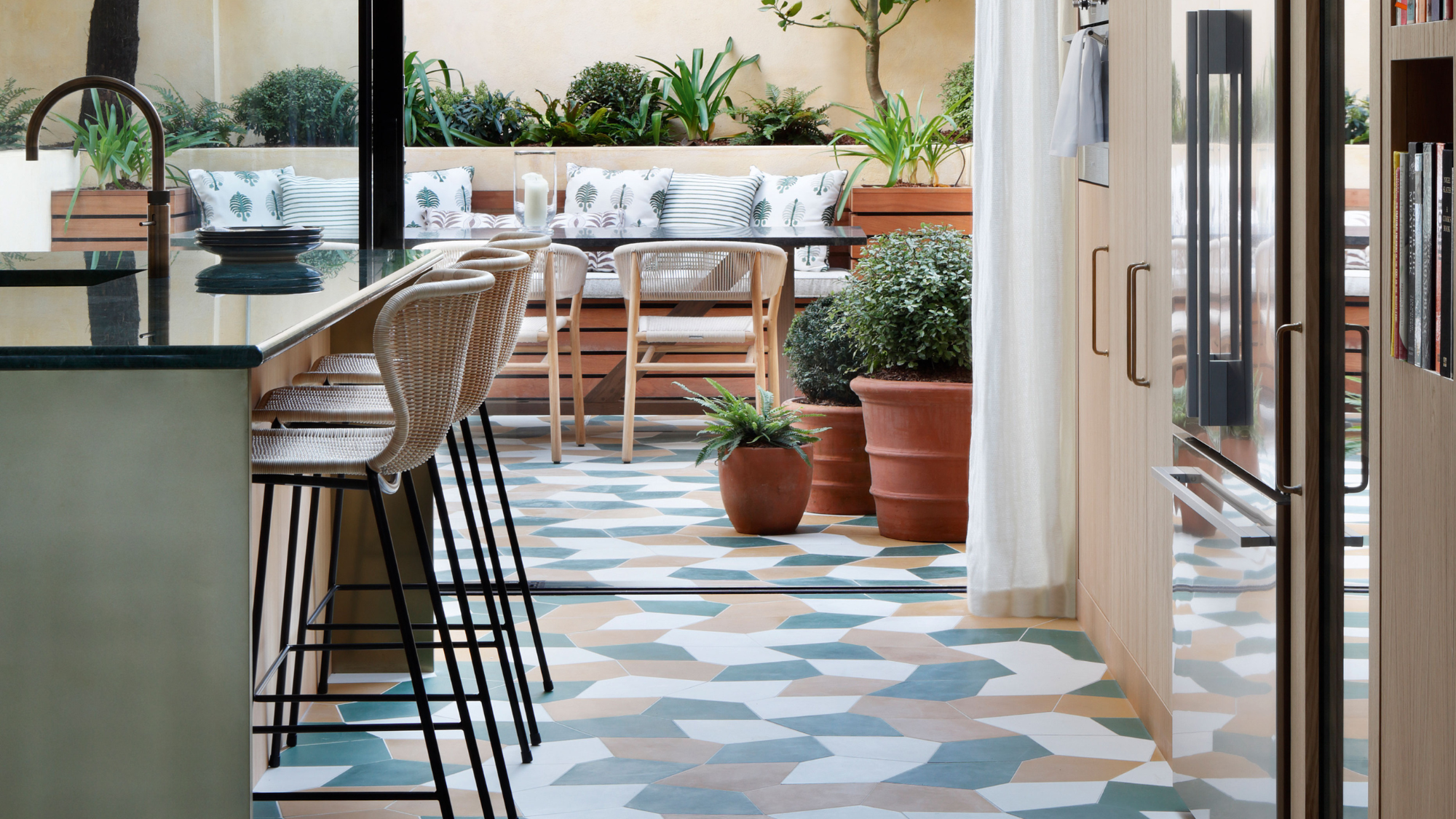
Tile Trends 2025 — Every Design-Forward Look to Have on Your Radar

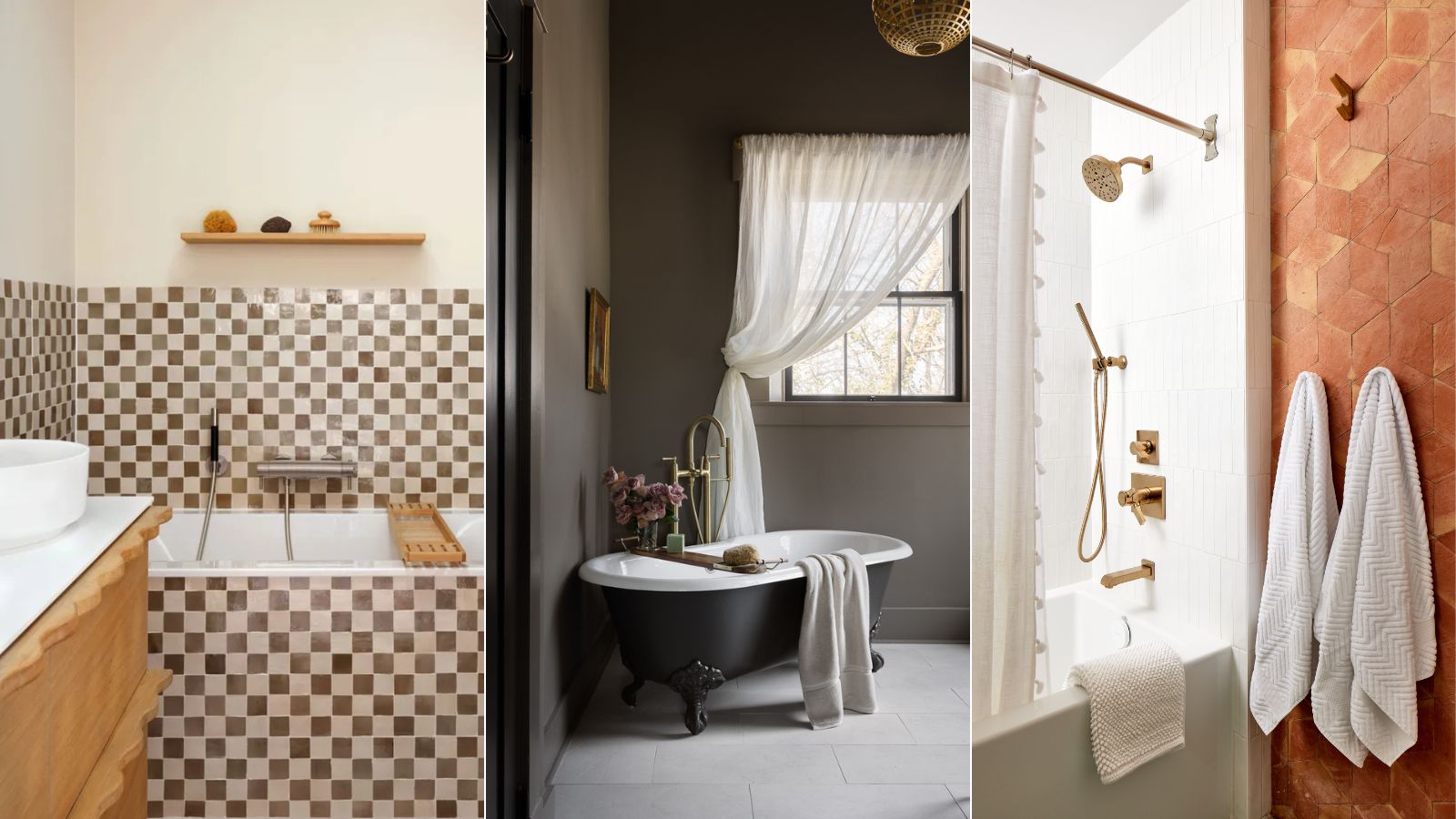
These are the bathroom tile trends designers say will be everywhere in 2025

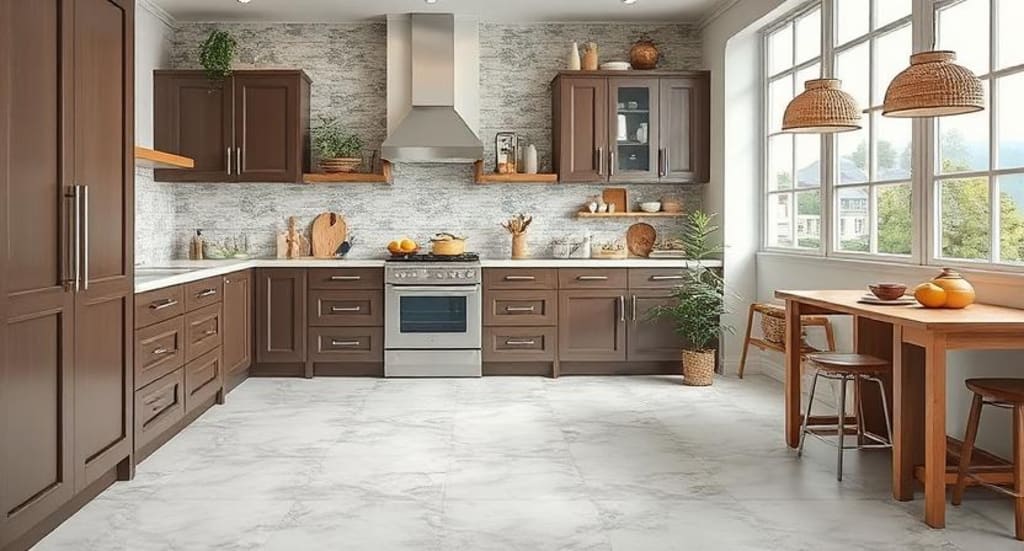
Kitchen Tile Trends in 2025

Need inspo? The biggest tile and design trends taking over The Block 2025

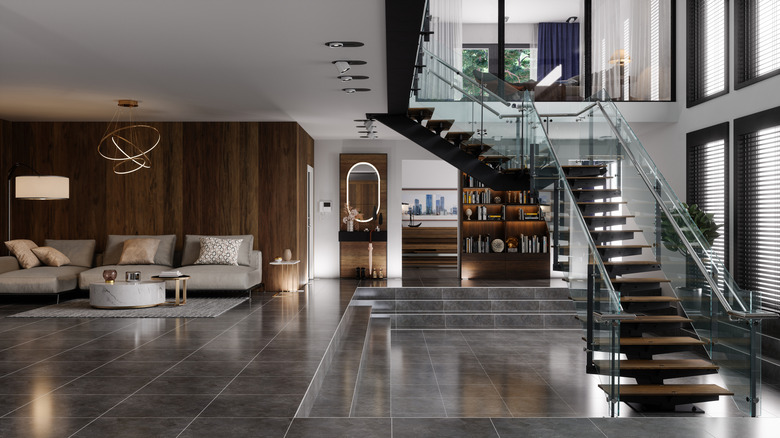
Outdated Tile Trends That Are Going Away In 2025
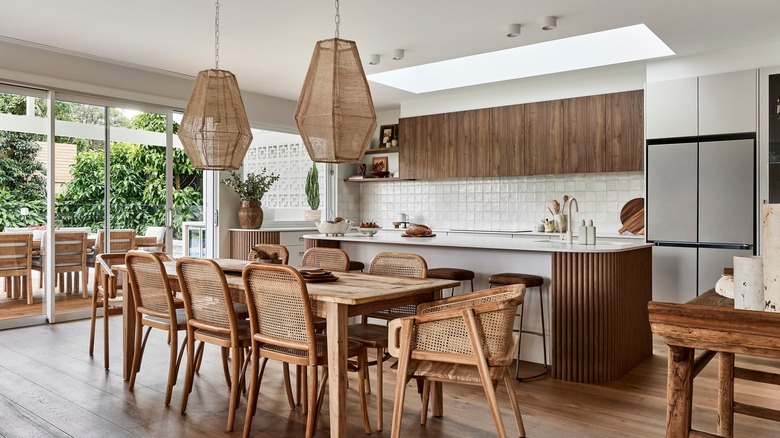
The Moroccan Backsplash Style That's Bouncing Back In 2026 (It Adds So Much Character)

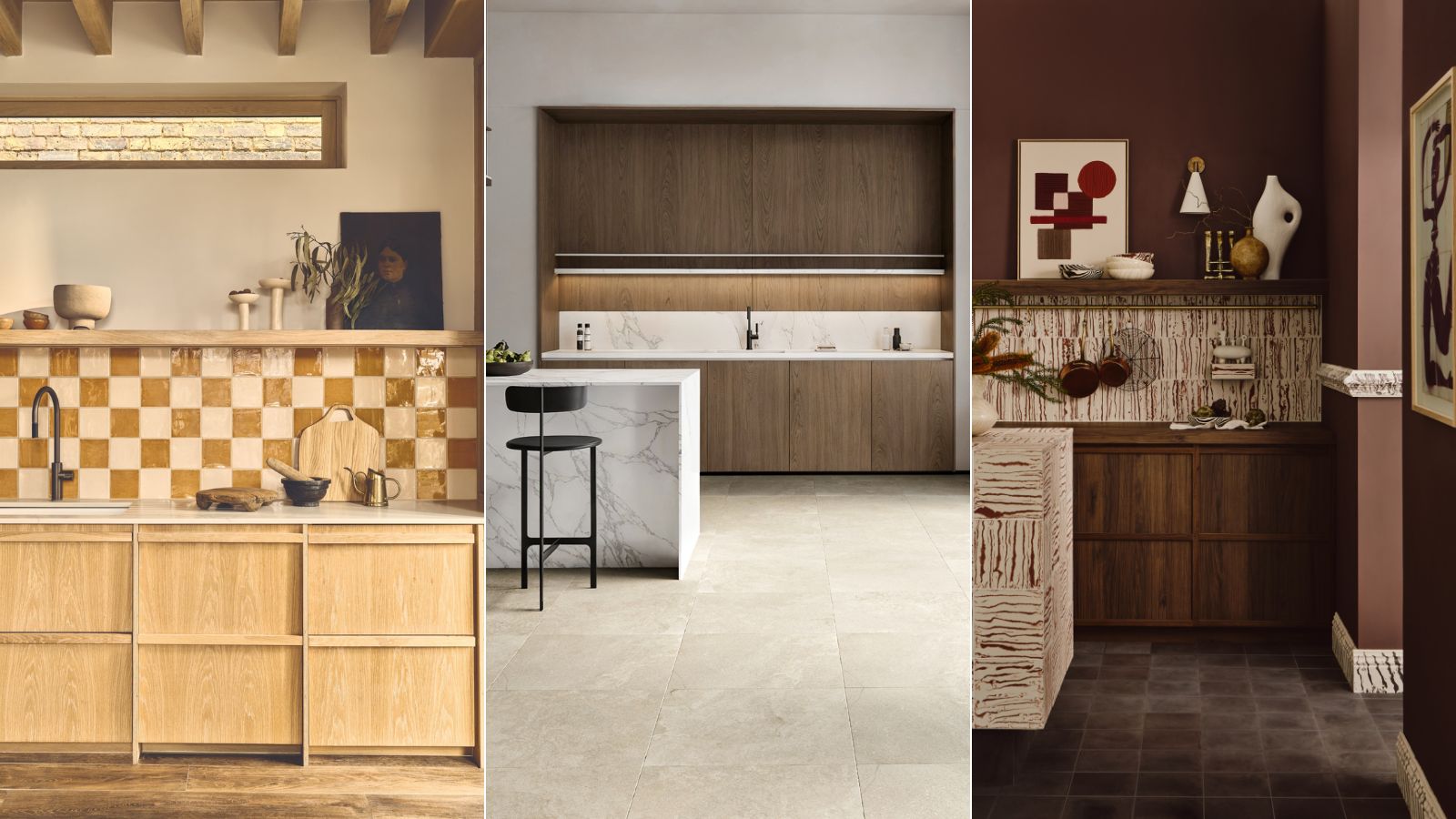
Kitchen tile trends 2025 – 10 looks interior designers say will be everywhere this year
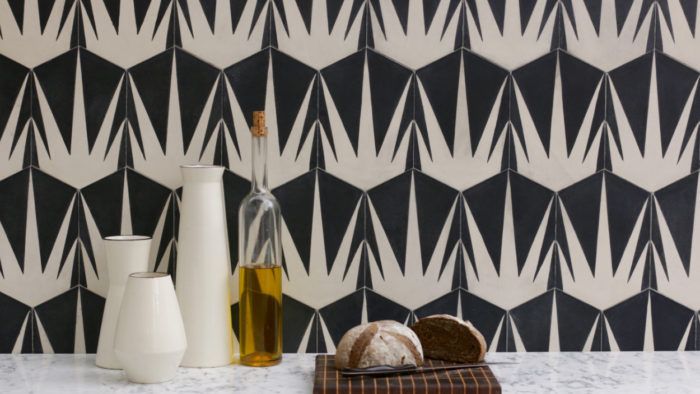
Modern Tiles Keep Morocco’s Artisanal Culture Alive

Moroccan Tiles for Kitchens: Patterns that Wow in 2025
Wall tile trends – from daring colour choices to creative combinations for walls
Subway Tile Is Leaving the Station: 8 New Looks for the Kitchen, Bathroom, and Beyond
Moroccan Tile Trends 2025: What’s Hot in Artisan Tiling
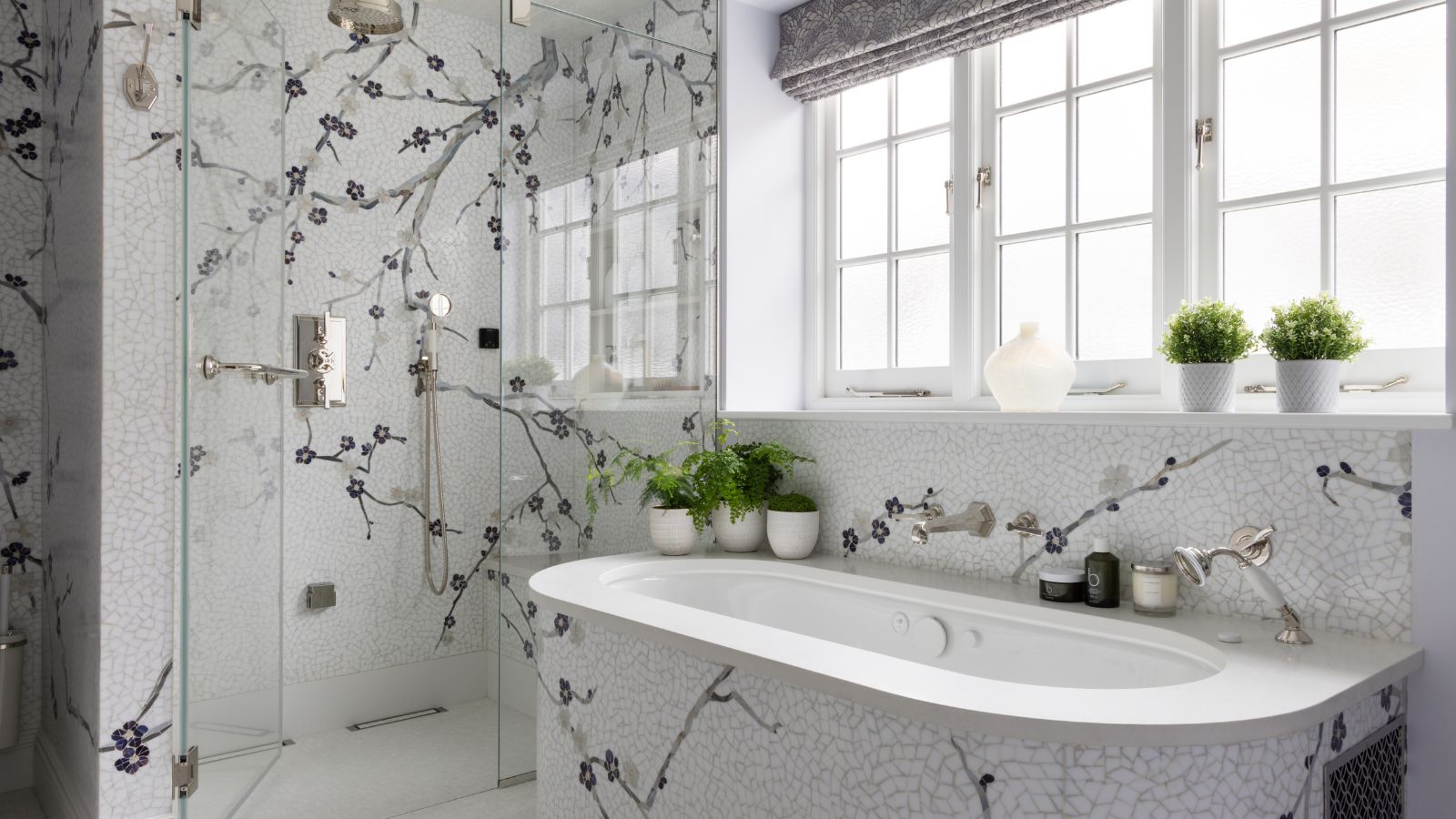
Are mosaic tiles making a comeback? Here's how designers are making this once-dated look work in 2025
This Opulent Decor Choice Is Poised to Become the Biggest Design Trend of 2025
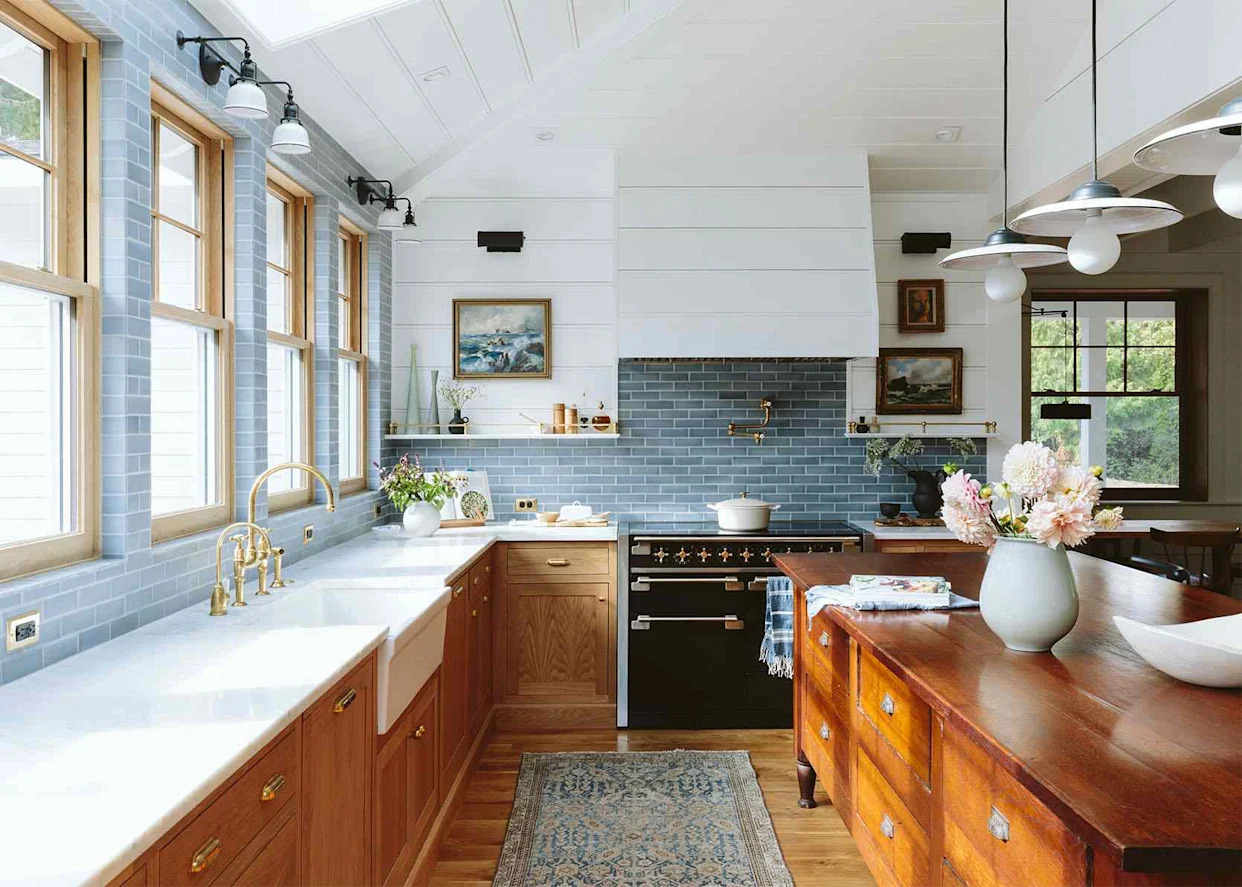
These Kitchen Tile Trends Will Transform Your Backsplash and Countertops in 2025

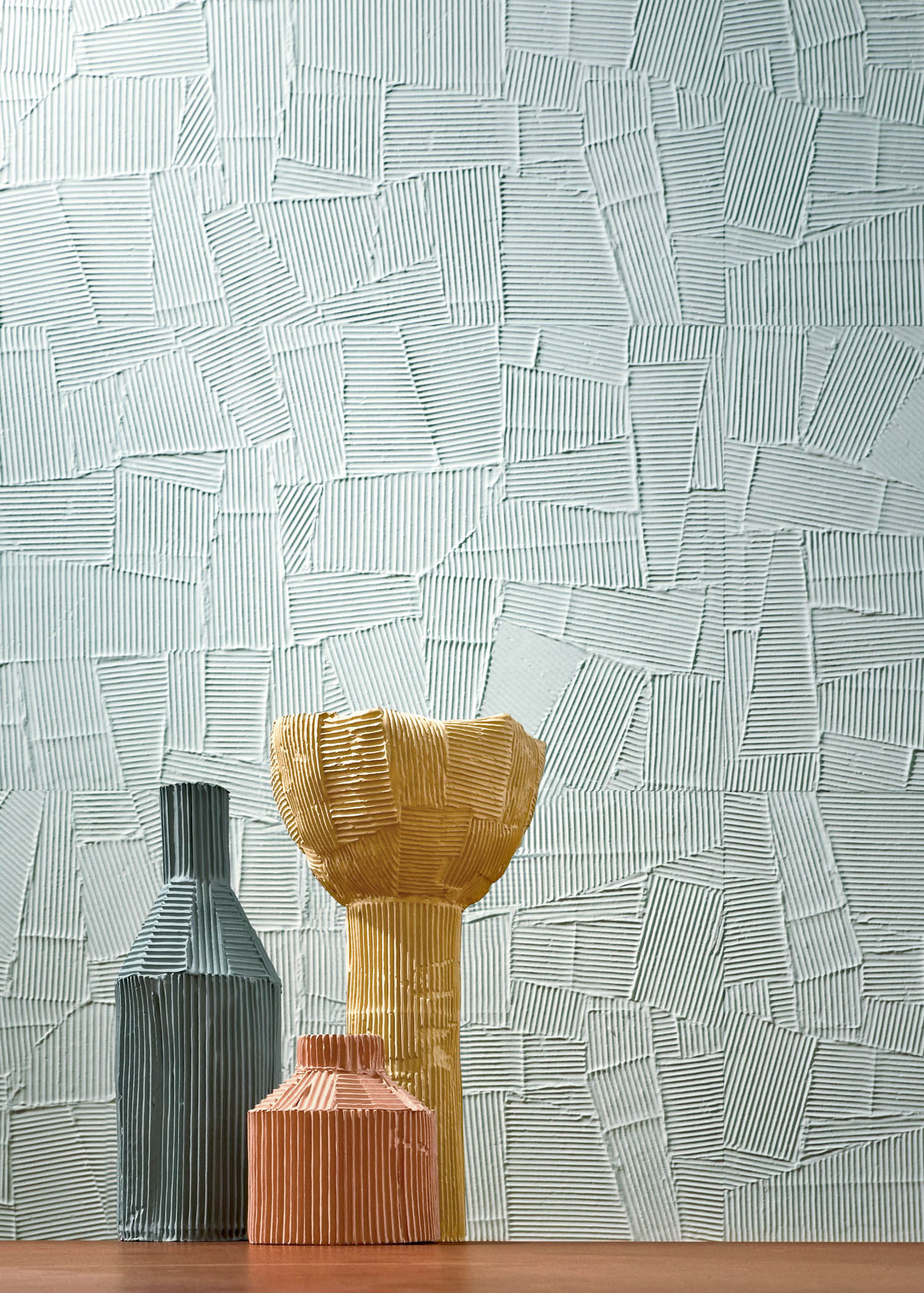
Top Tile Trends Spotted At Coverings 2025
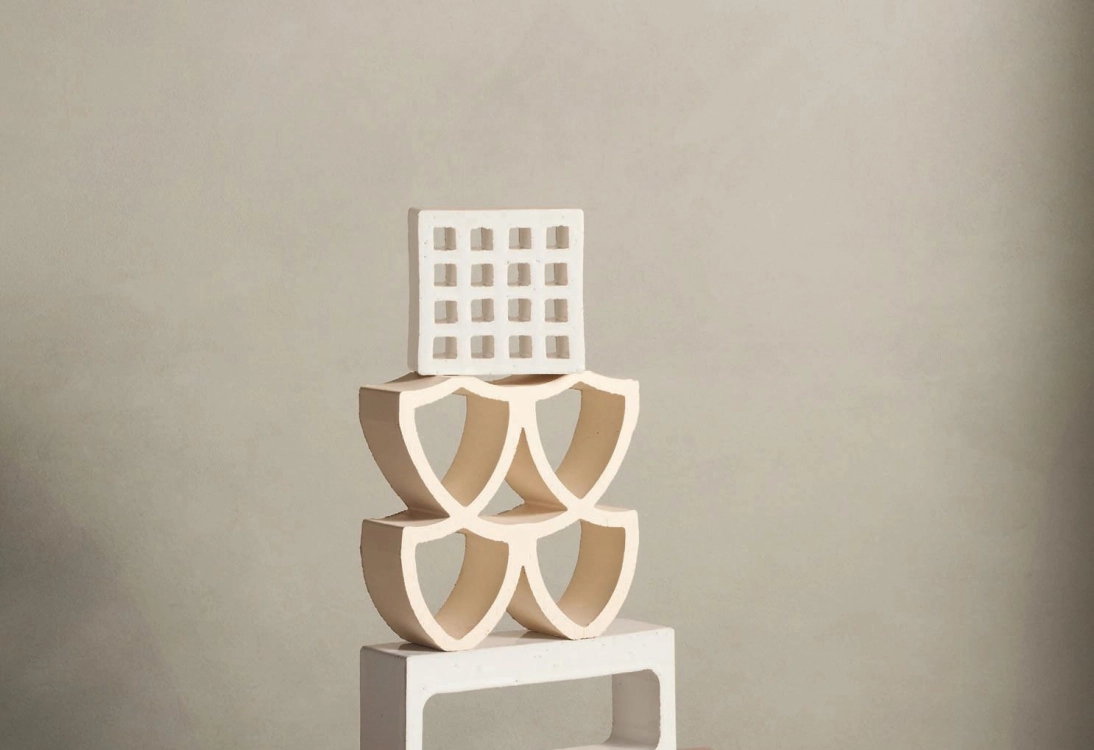
Discover The Top 10 Tile Trends Discusses at Coverings 2025
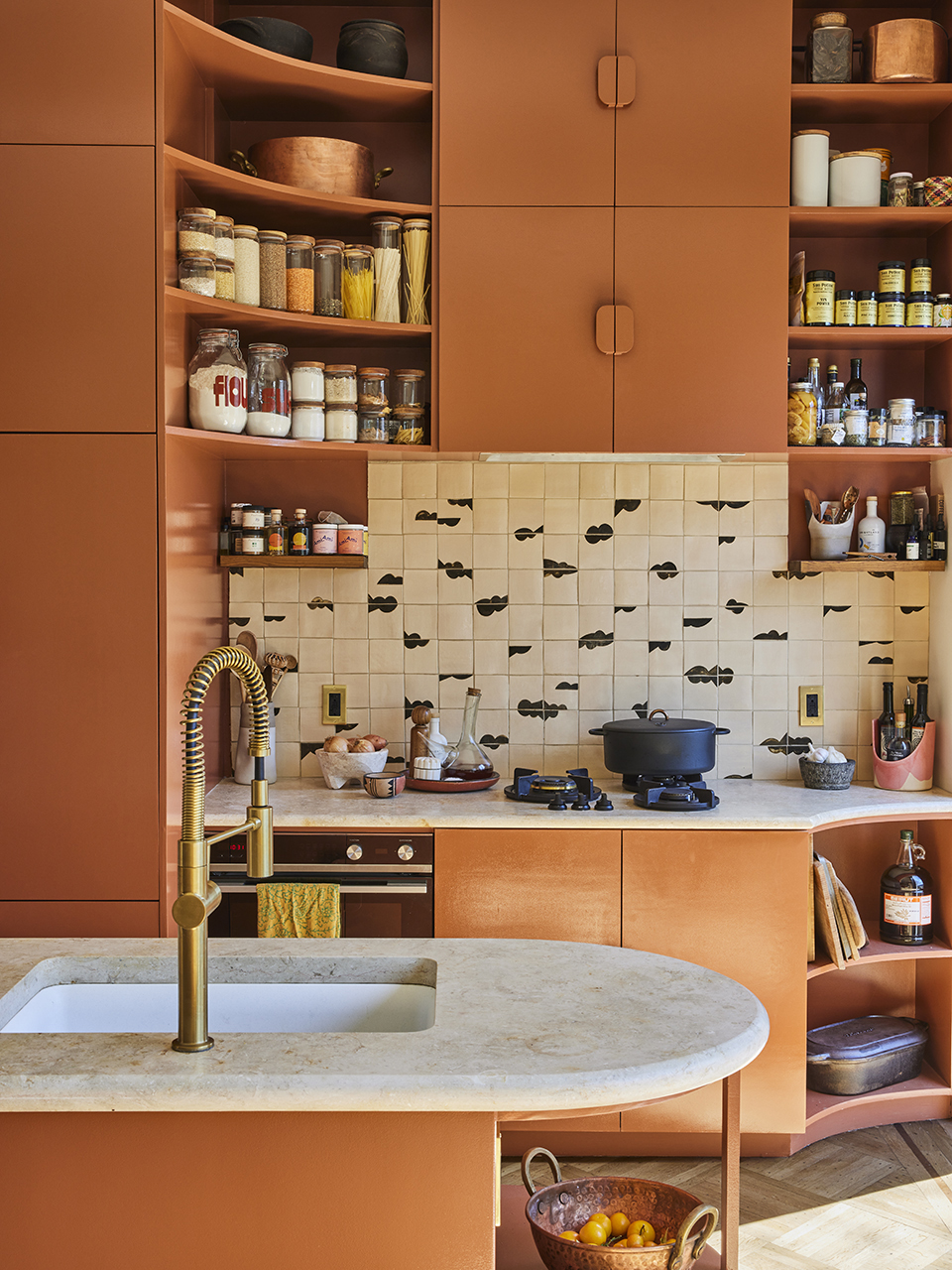
The Tile Designers Can’t Wait to Use in 2025

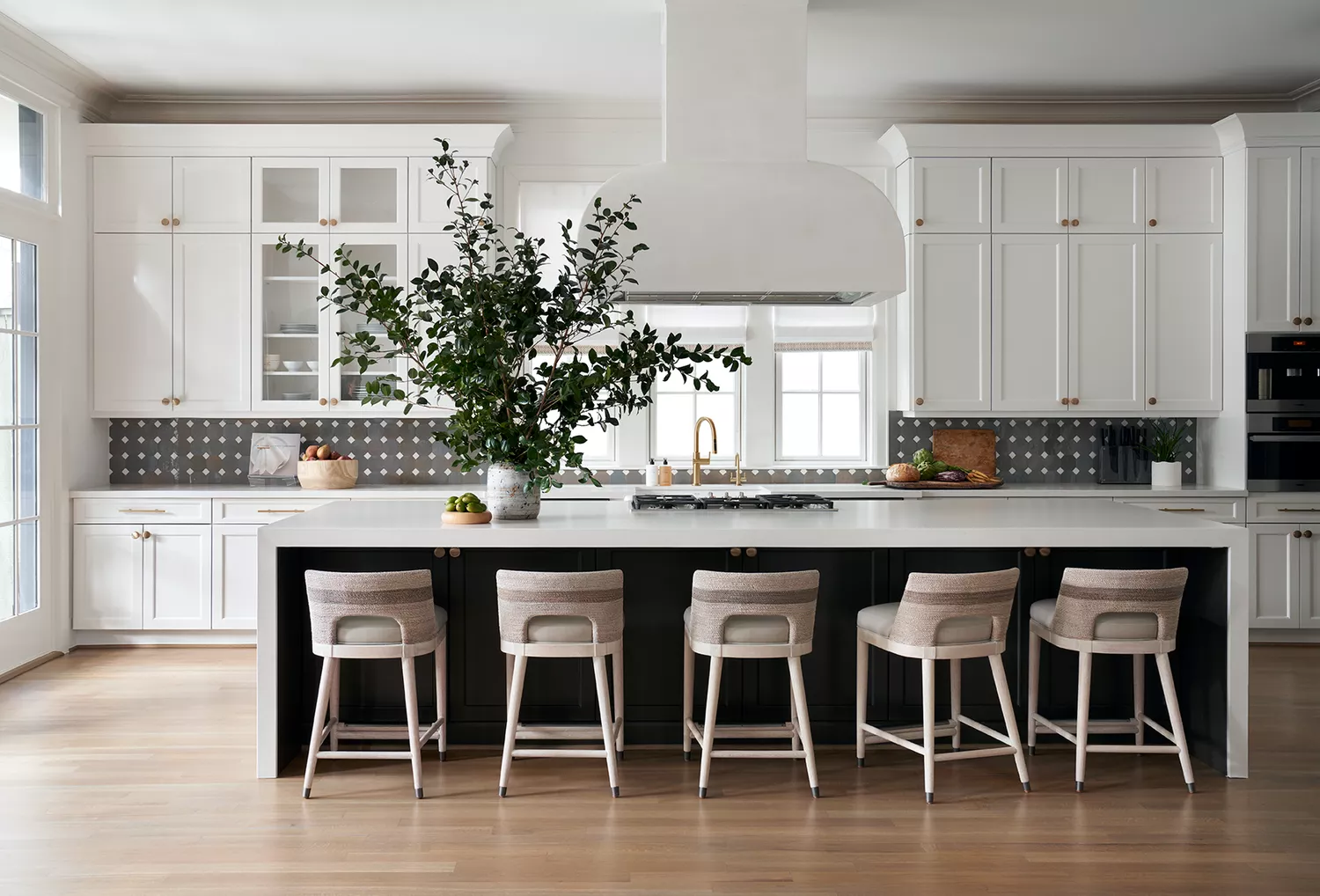
7 Kitchen Tile Trends You're About to See Everywhere in 2025, According to Designers