1/7
Is Your Soundbar Ruining Your Living Room’s Aesthetic? Here’s How to Conceal It Like a Designer
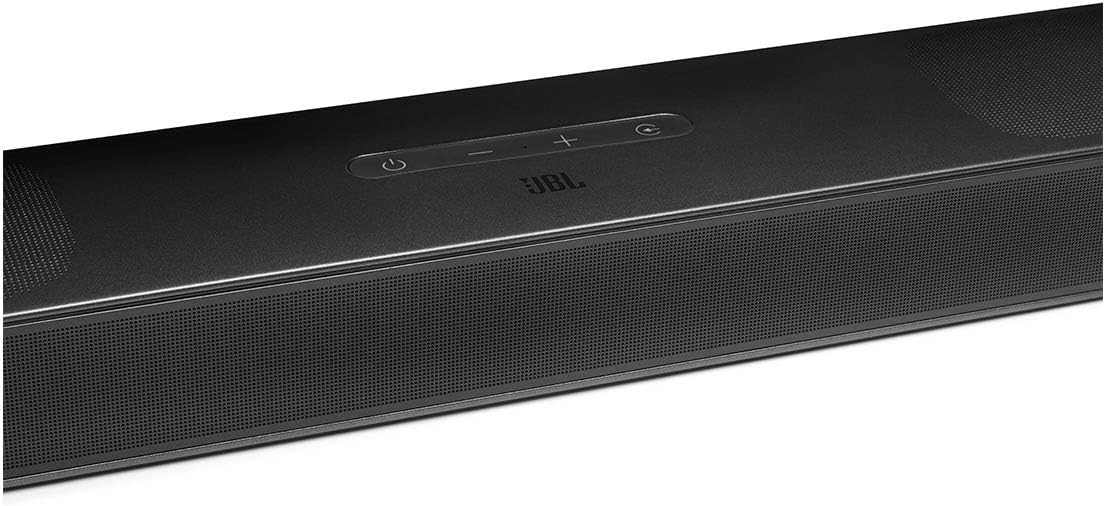
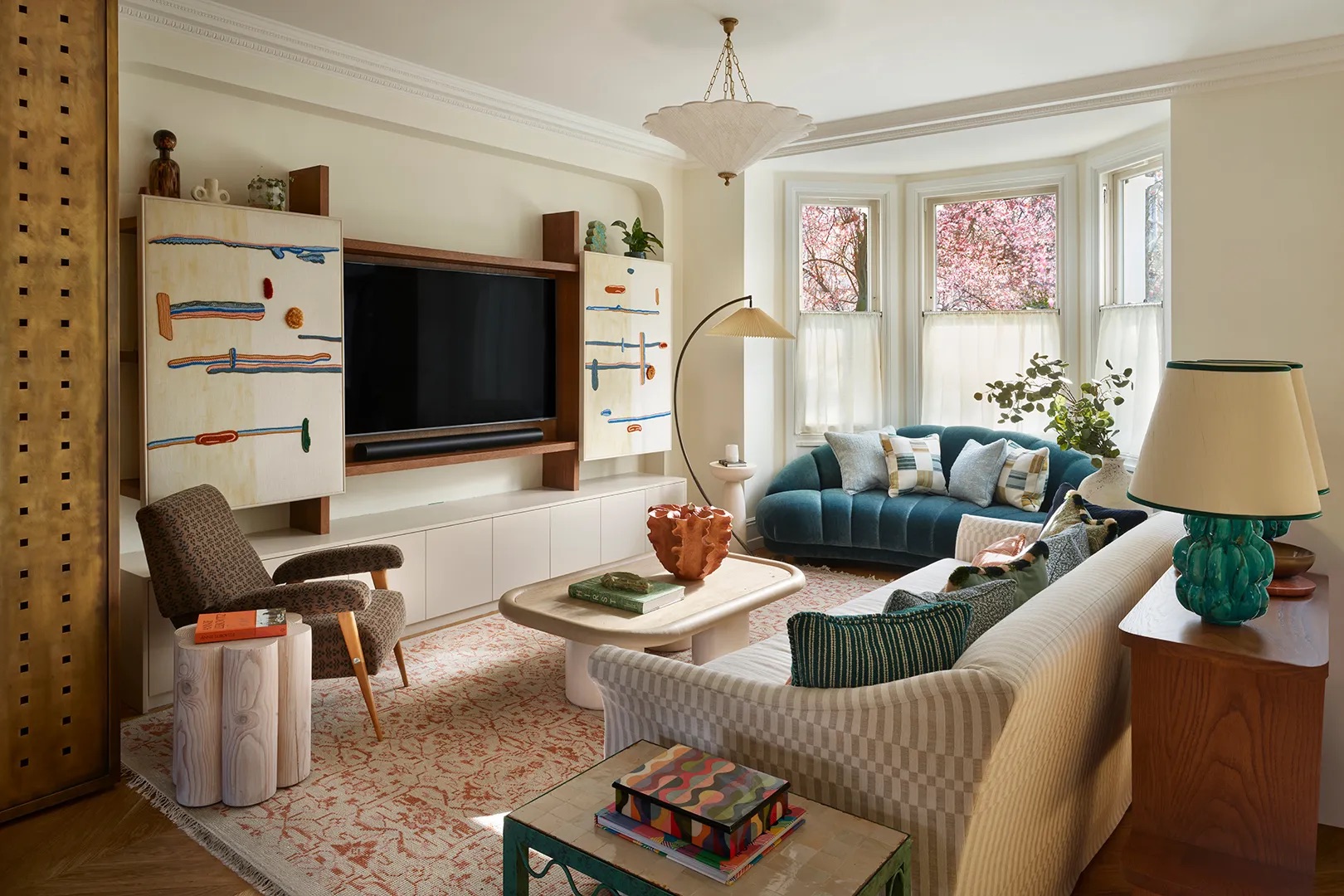
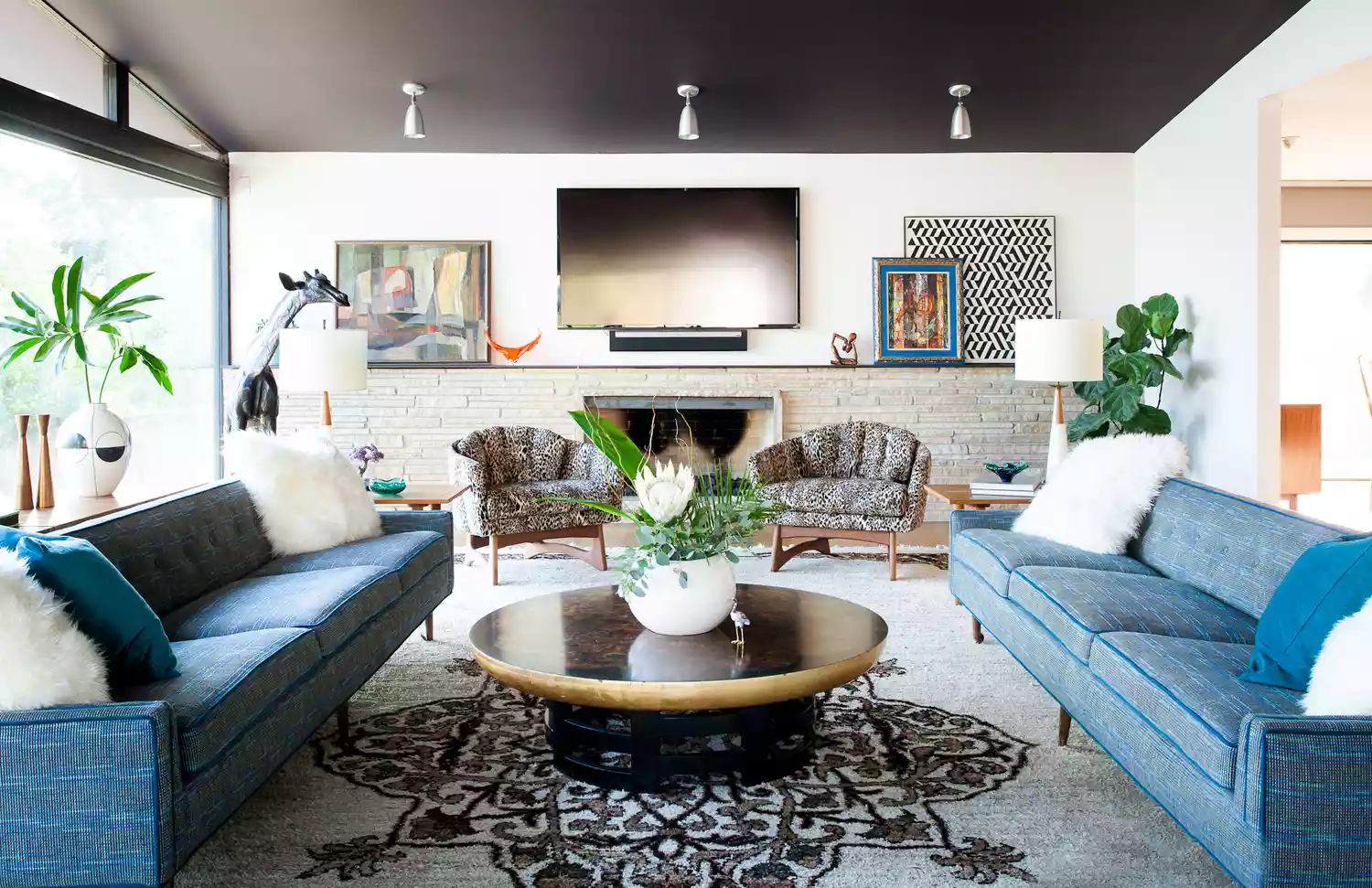
In today's increasingly tech-centric homes, the integration of electronic devices into interior design is a significant consideration. Soundbars, while enhancing television audio, present a challenge in maintaining a cohesive and uncluttered living room aesthetic. This article explores two primary methods for concealing a soundbar, offering solutions that prioritize both visual harmony and sound quality, without requiring extensive custom renovations or bespoke cabinetry. The goal is to transform the living room into a space where design elements, such as artwork, bookshelves, and furniture, are the focal point, rather than technological devices.
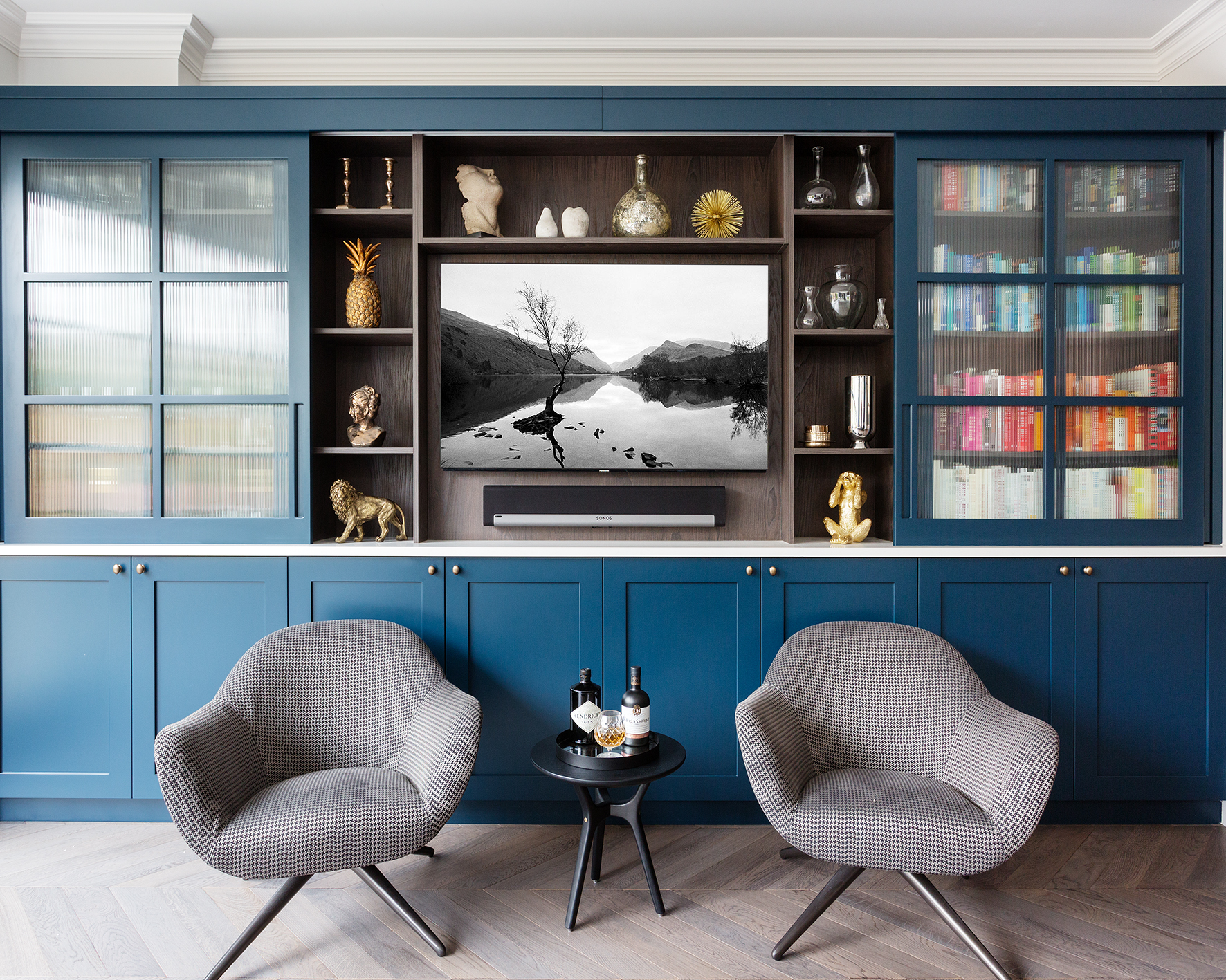
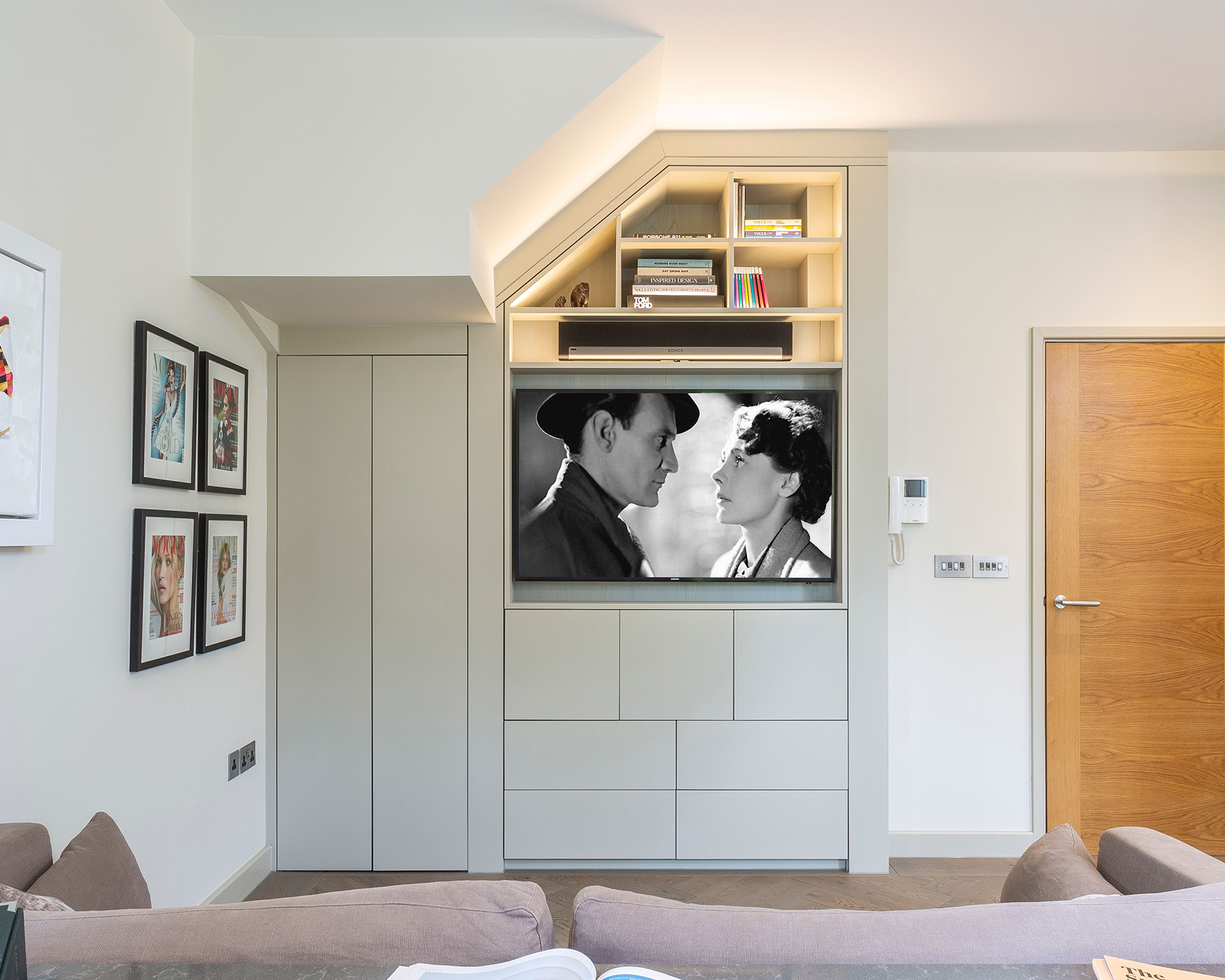
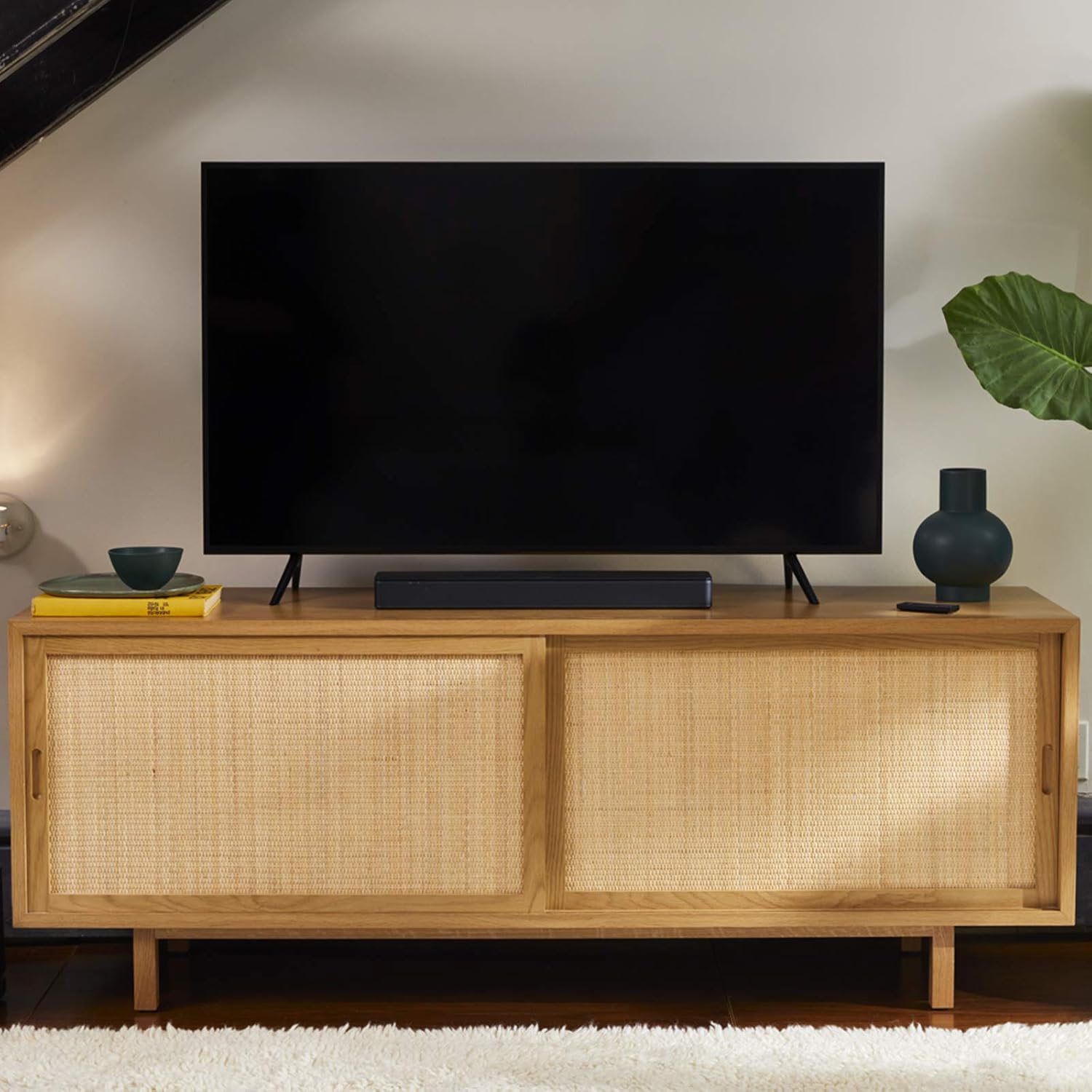
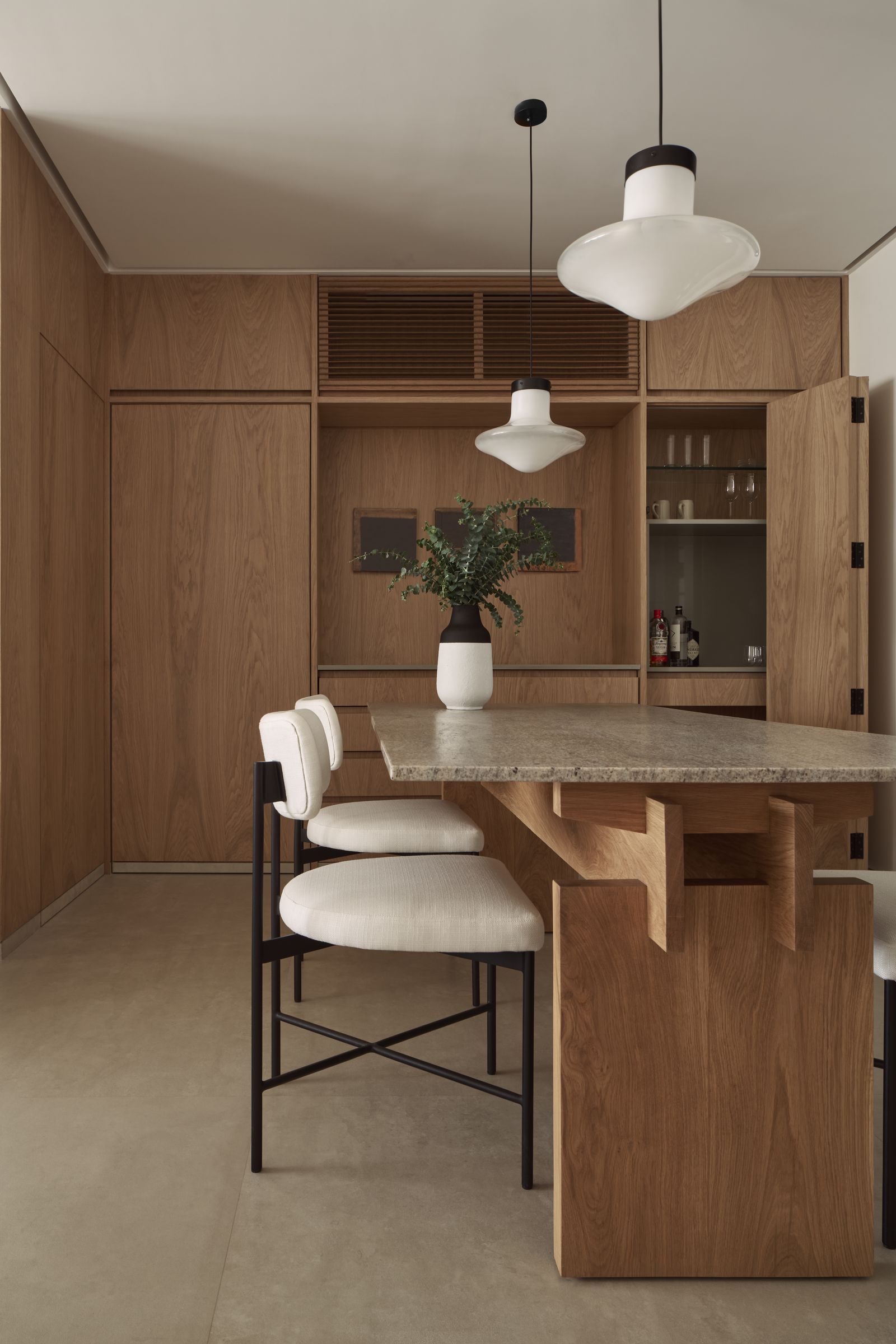
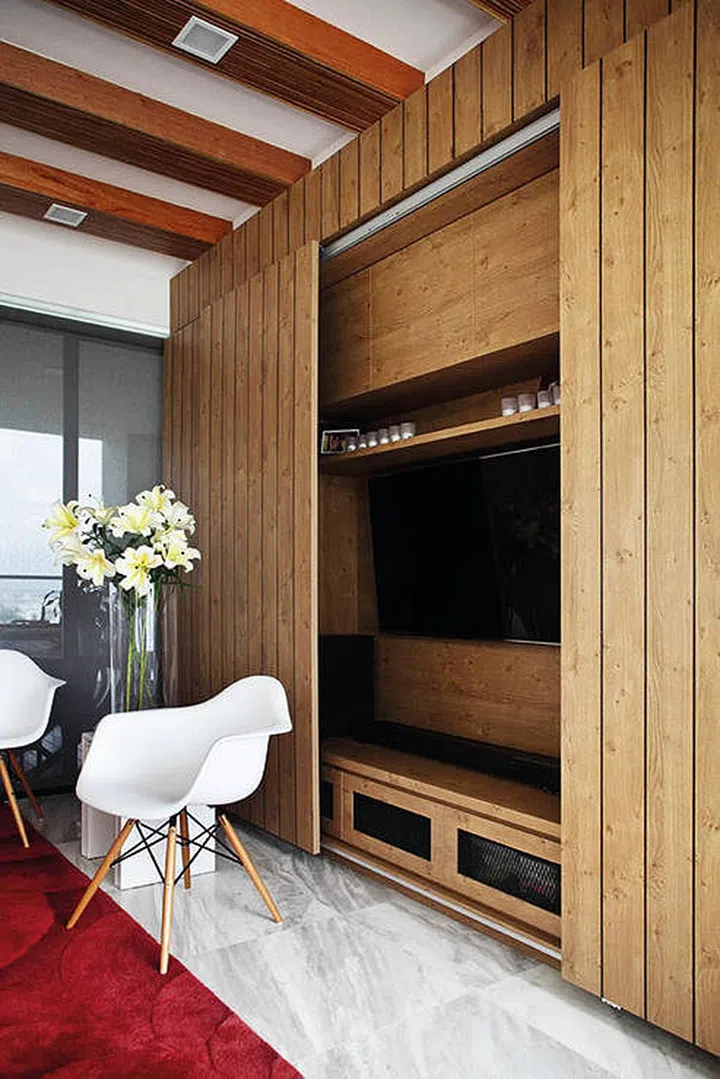
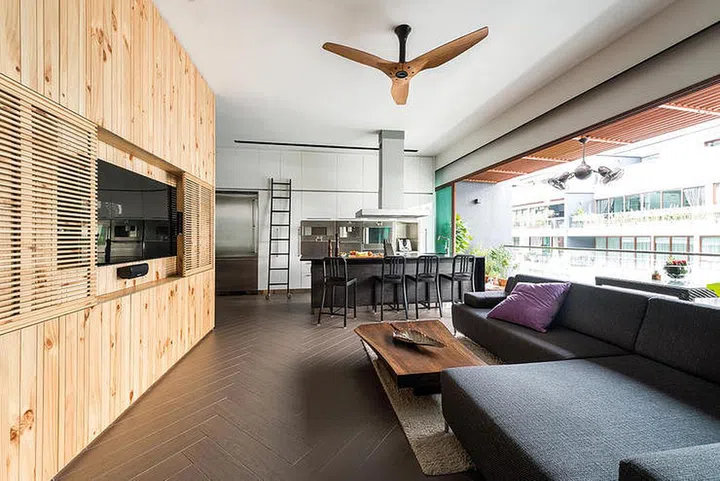
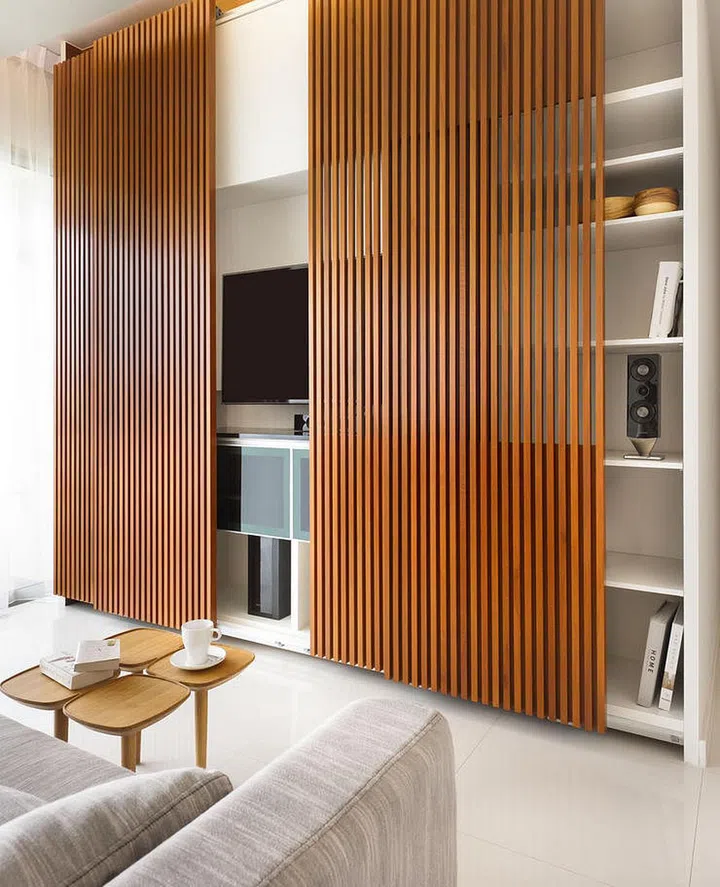
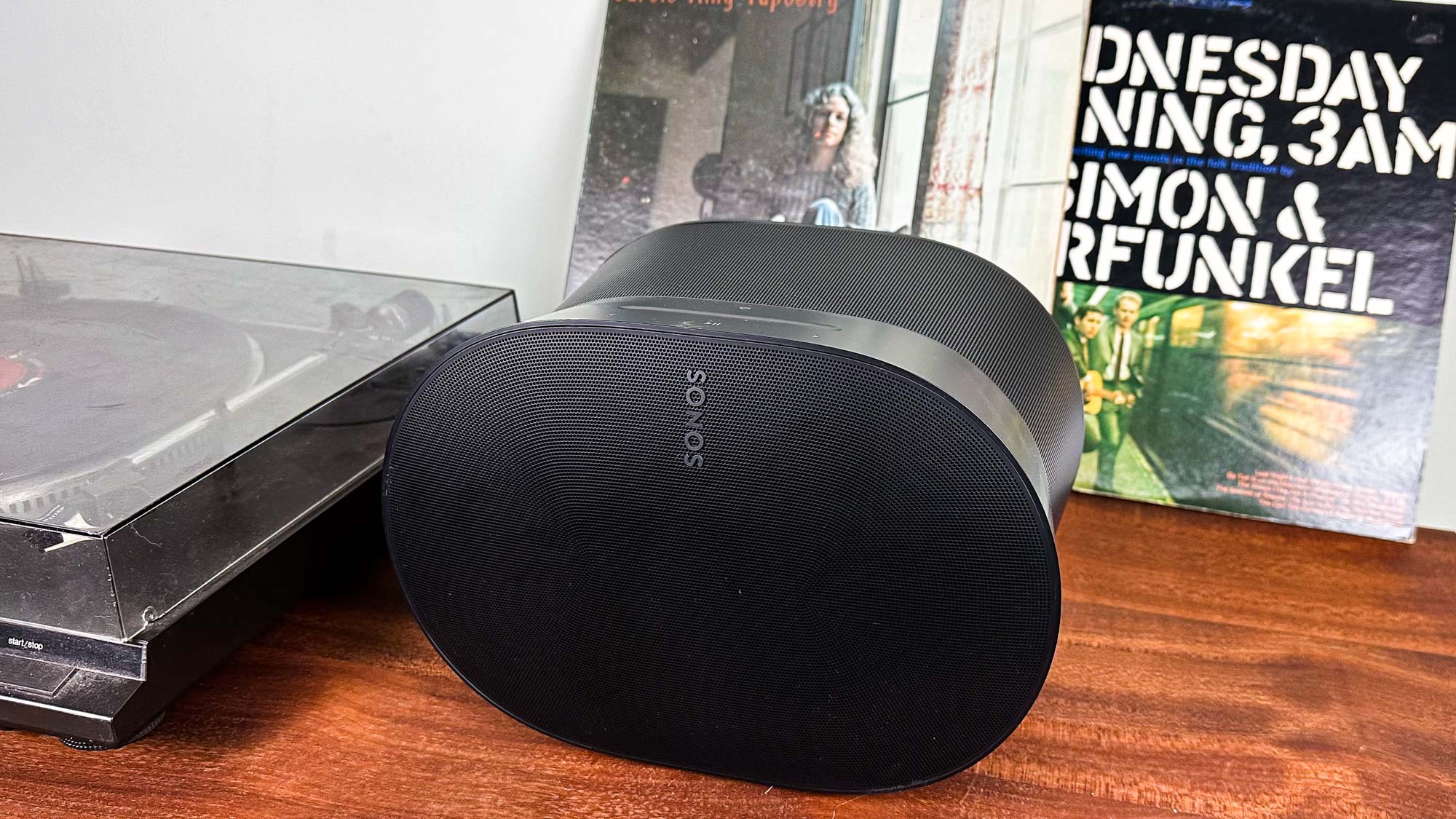
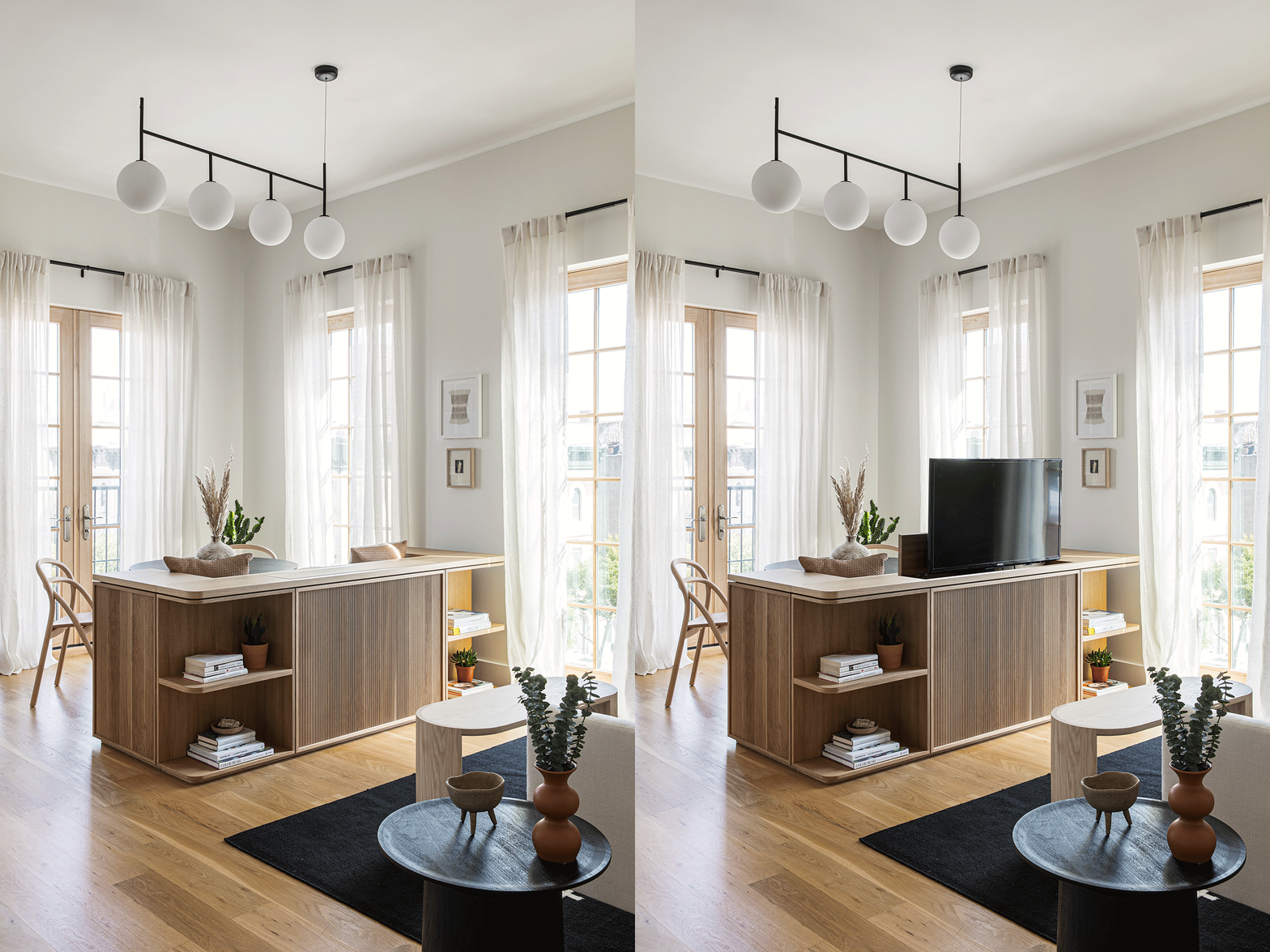
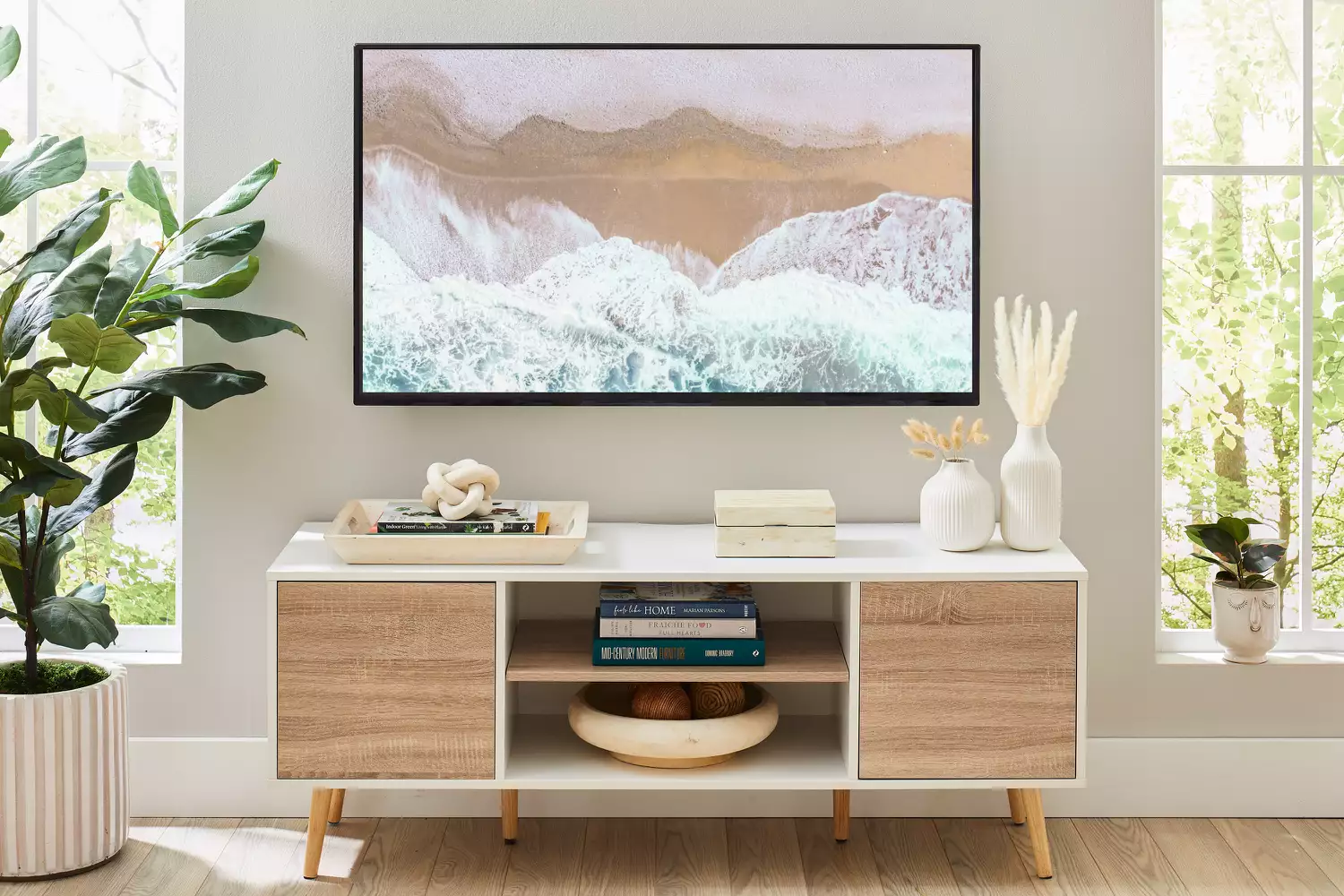
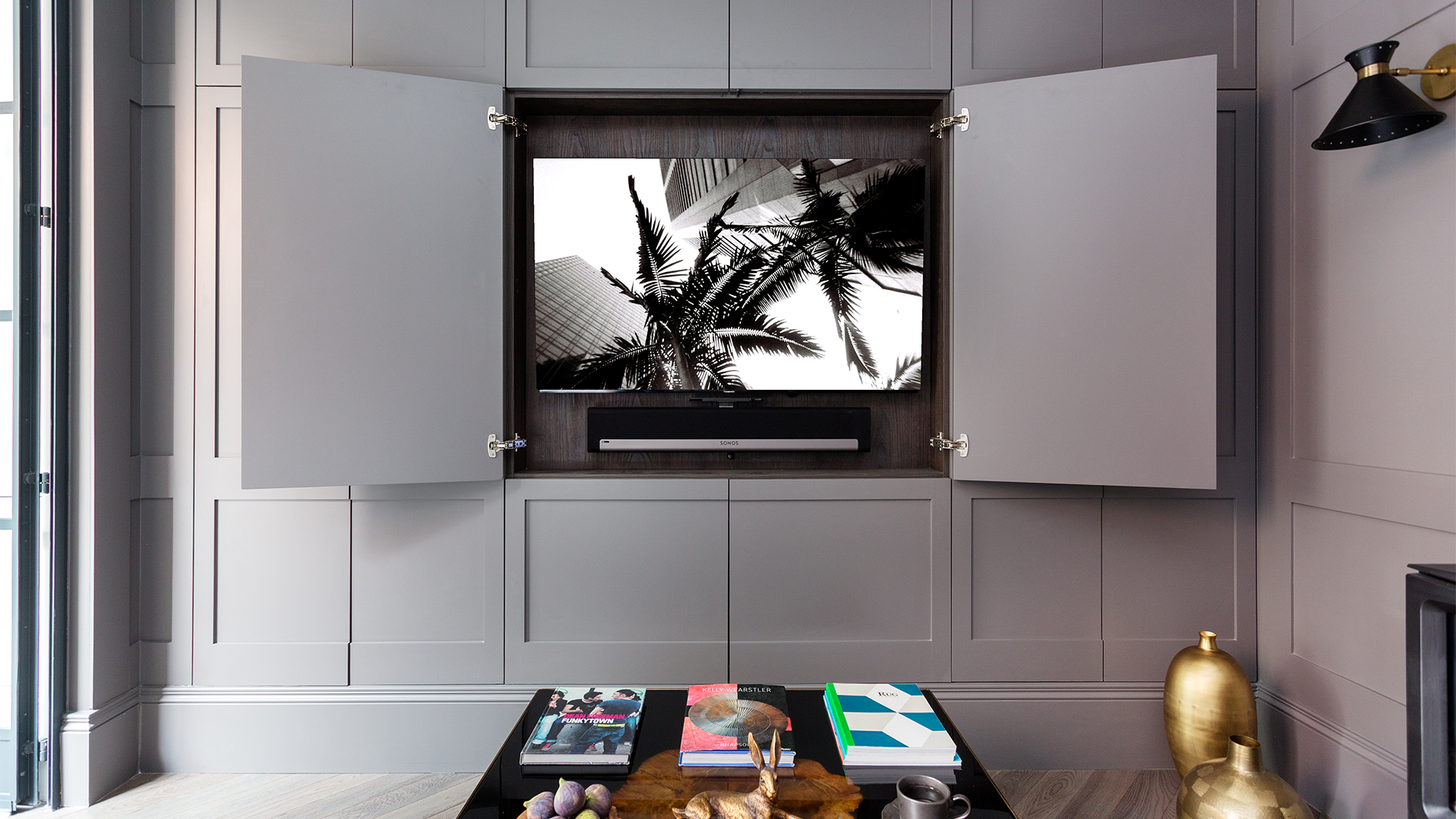
The first method discussed involves hiding the soundbar inside a cabinet. While this approach effectively conceals the device, special attention must be paid to its impact on sound quality. Chad Hogan, an interior designer and co-founder of Chandler Farms, suggests using a mesh substrate on cabinet doors to allow sound to pass through. However, the article notes that mesh might not always be the most aesthetically pleasing option. A more practical and versatile solution involves utilizing wide cabinets with sliding doors. This design choice offers several advantages: it can accommodate various soundbar sizes, including larger models like the Sonos Arc Ultra, and the sliding doors can be opened during use to ensure unobstructed sound projection. Examples of suitable media consoles are provided, such as the Burrow Opera Media Console, which features a 70-inch-wide shelf, and the Pottery Barn Arcadia Media Console, which includes a dedicated soundbar shelf. The Everly Quinn Camylle TV Stand at Wayfair is presented as a more budget-friendly alternative with an open shelf capable of fitting ultra-wide soundbars. A crucial tip for cabinet storage is to position the soundbar as far forward as possible to allow up-firing speakers, essential for Dolby Atmos and surround sound, to function effectively.
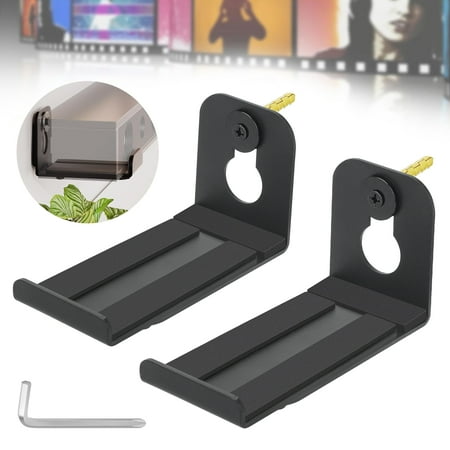
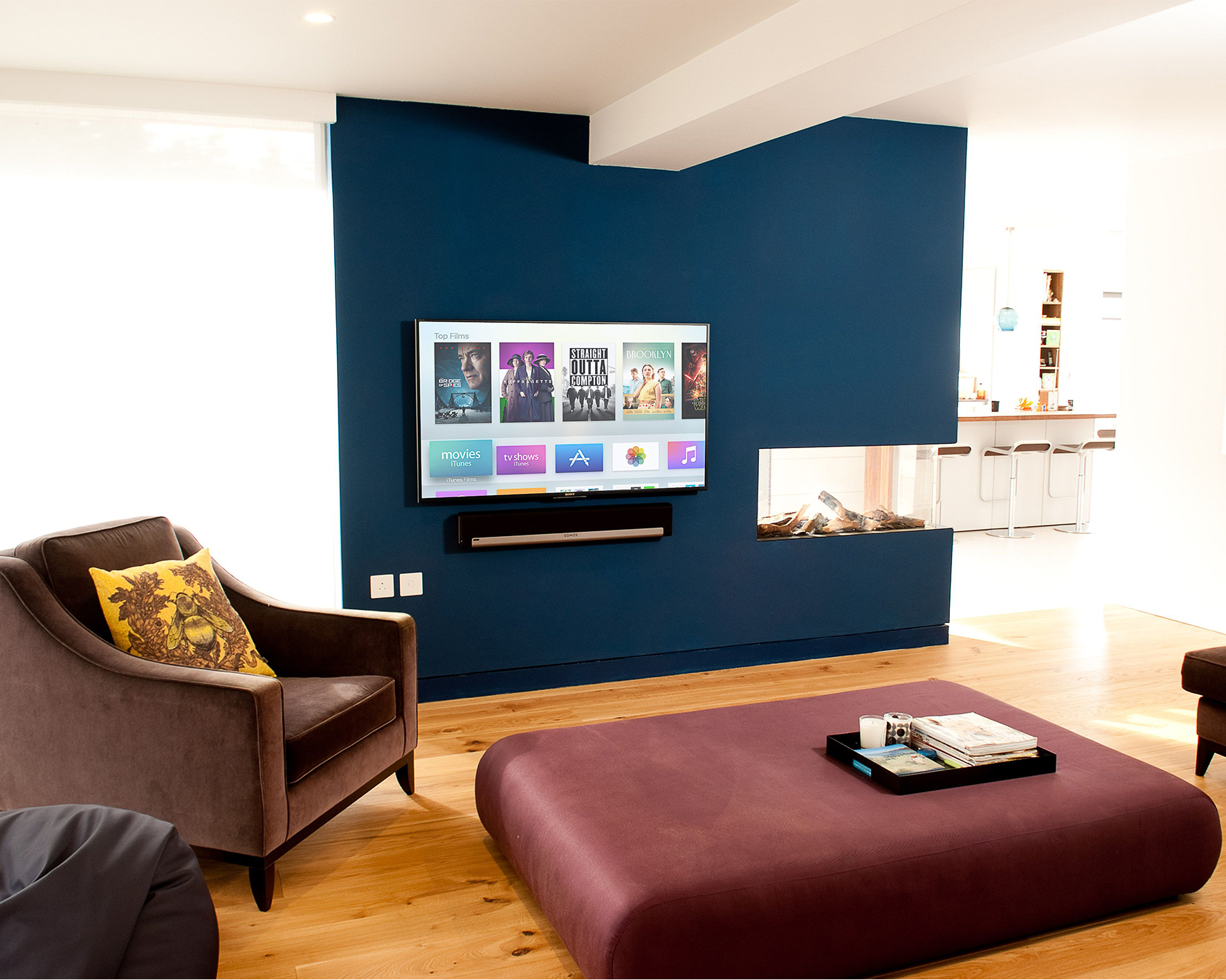
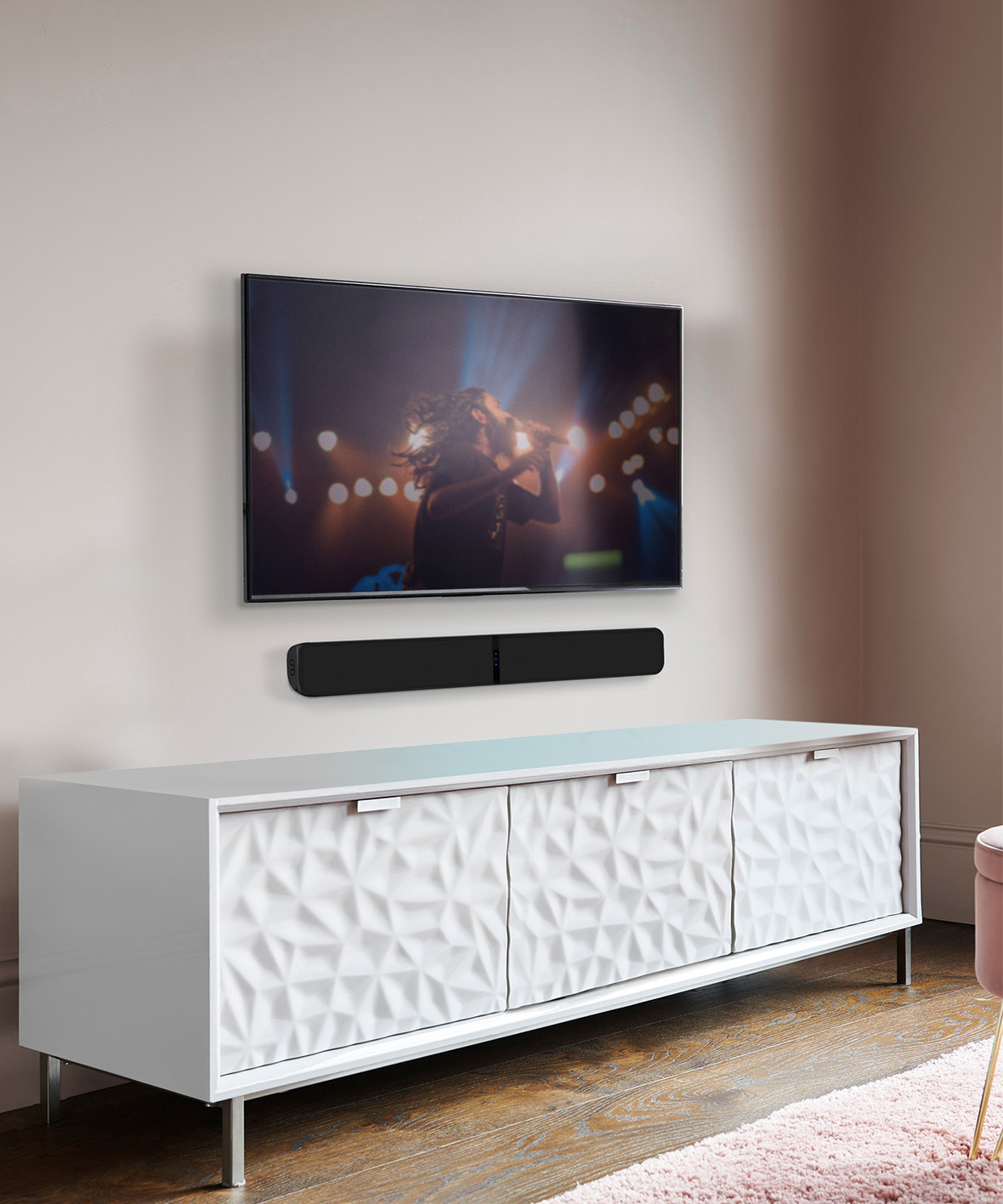
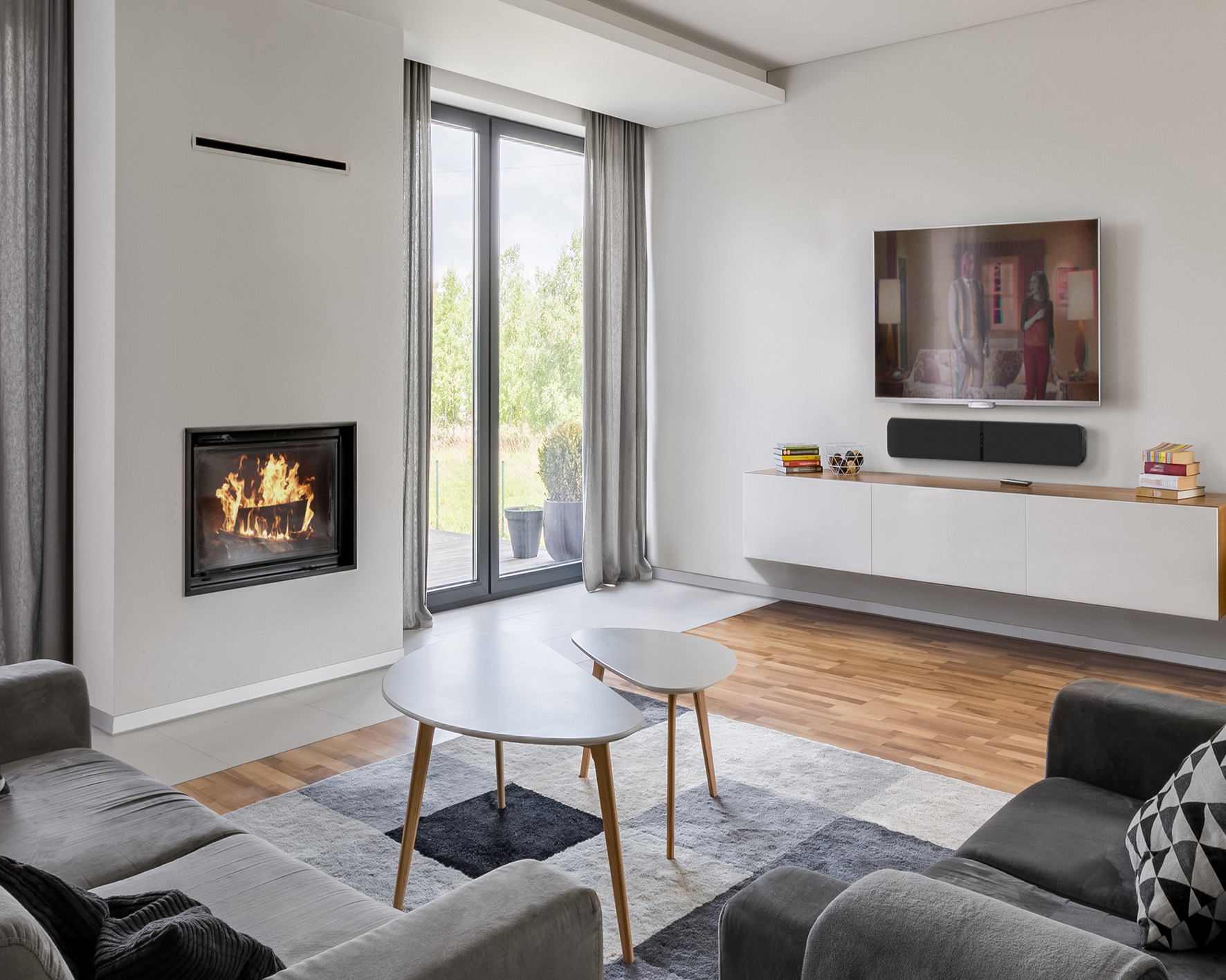
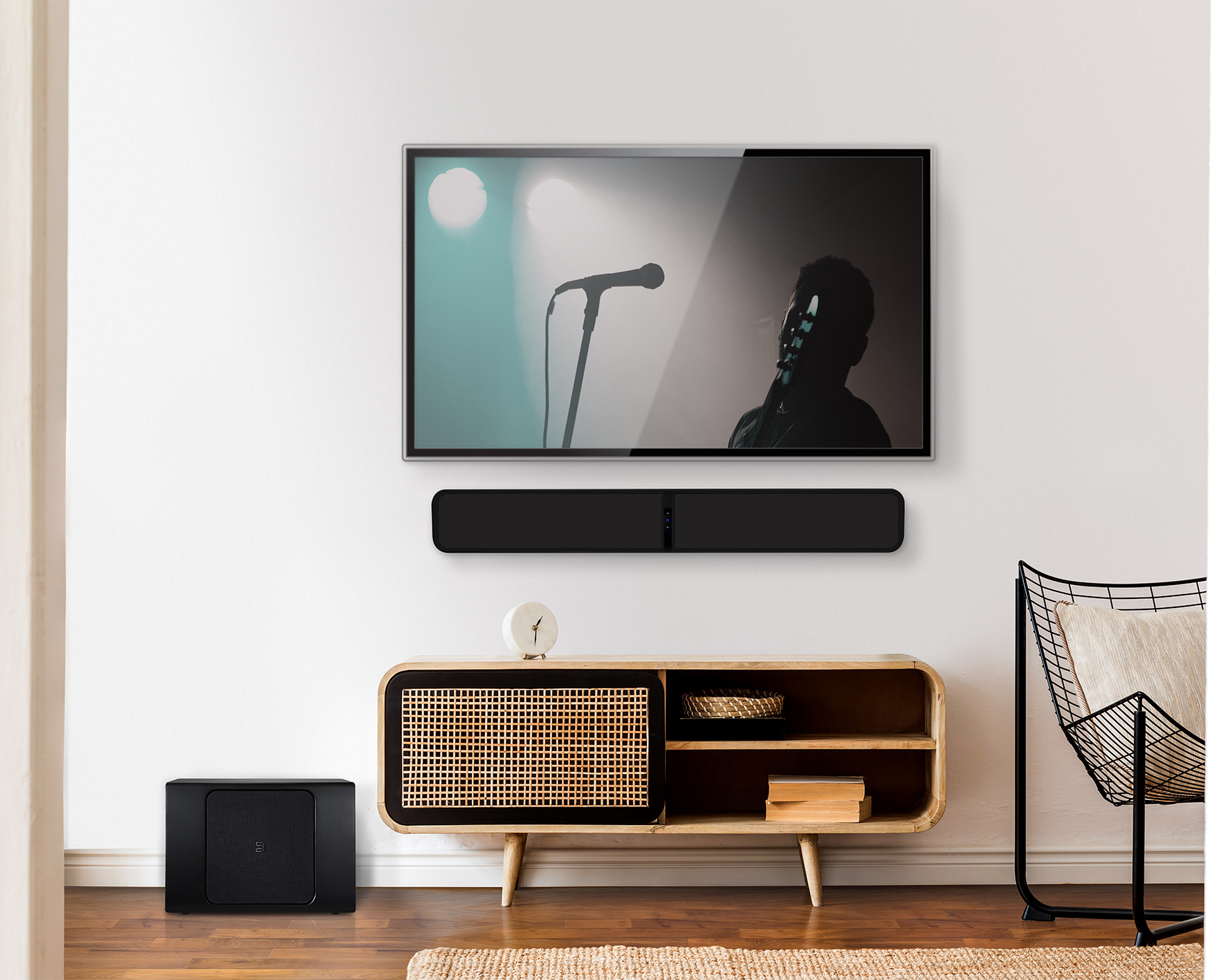
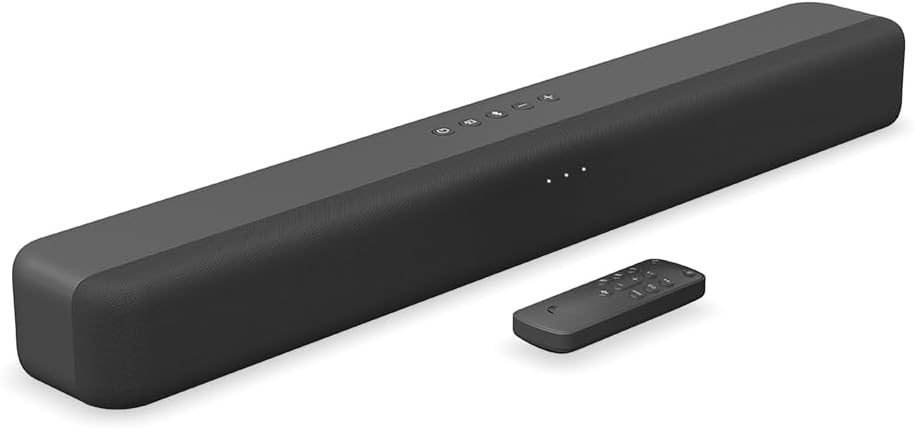
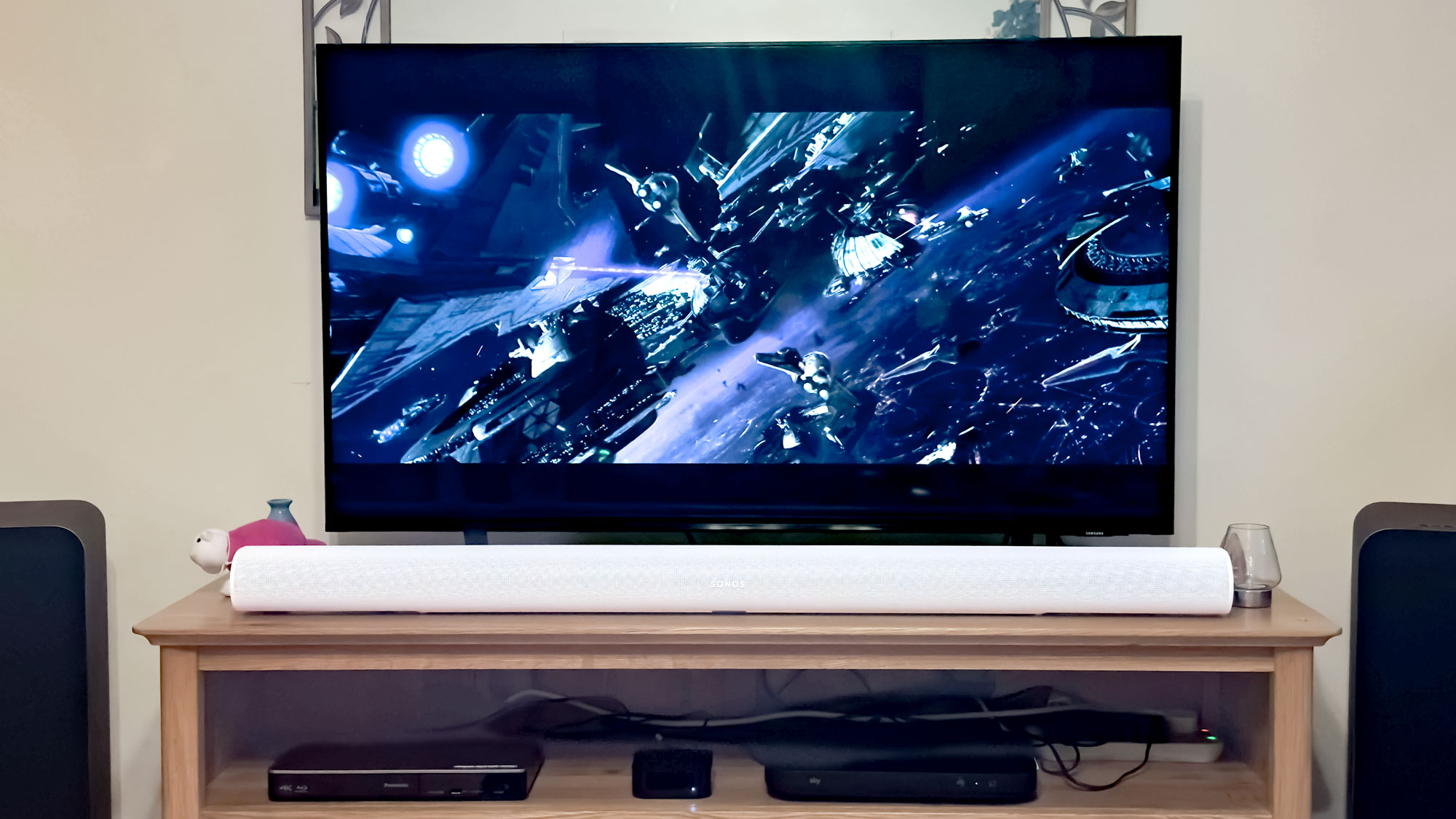
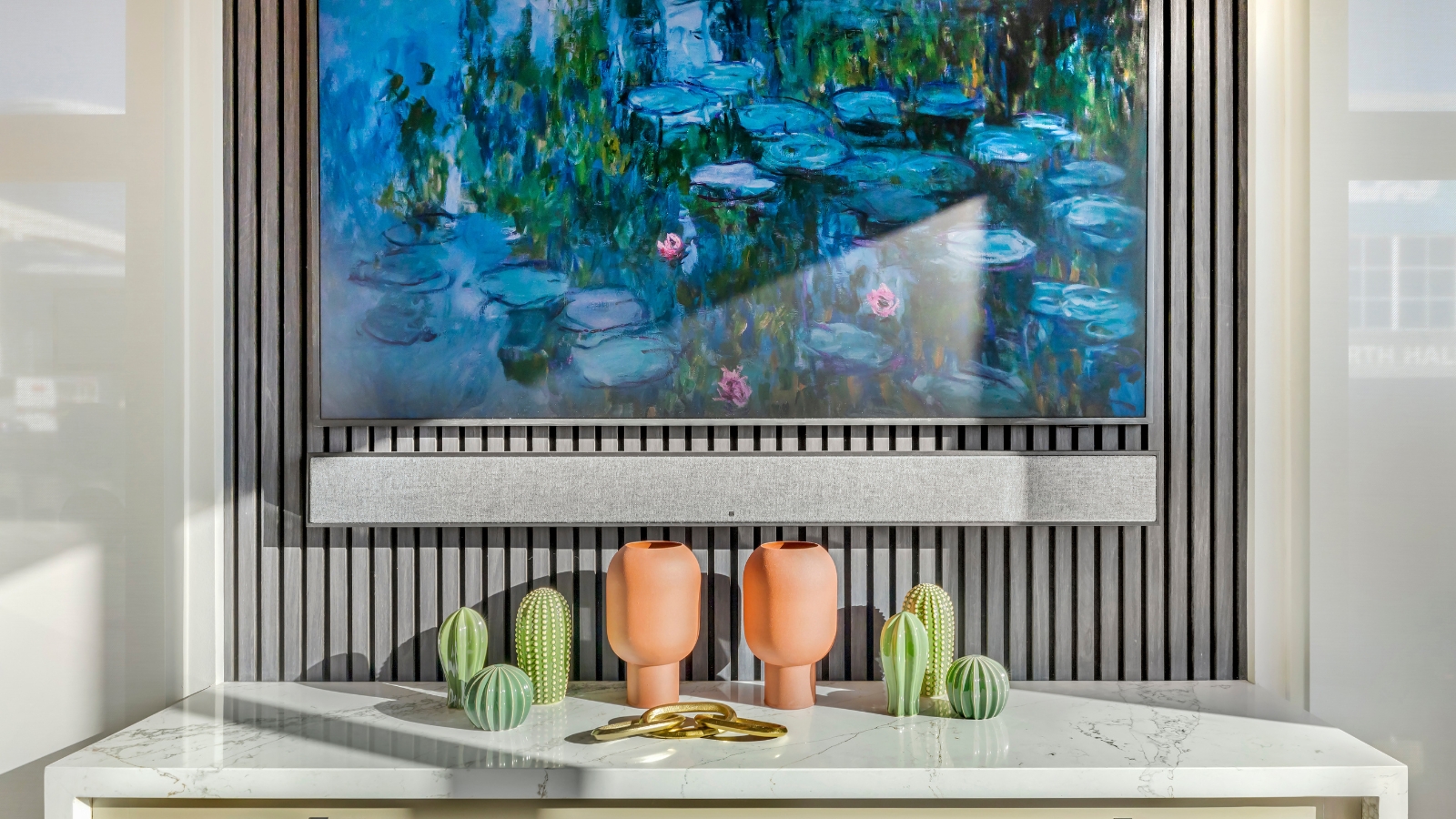
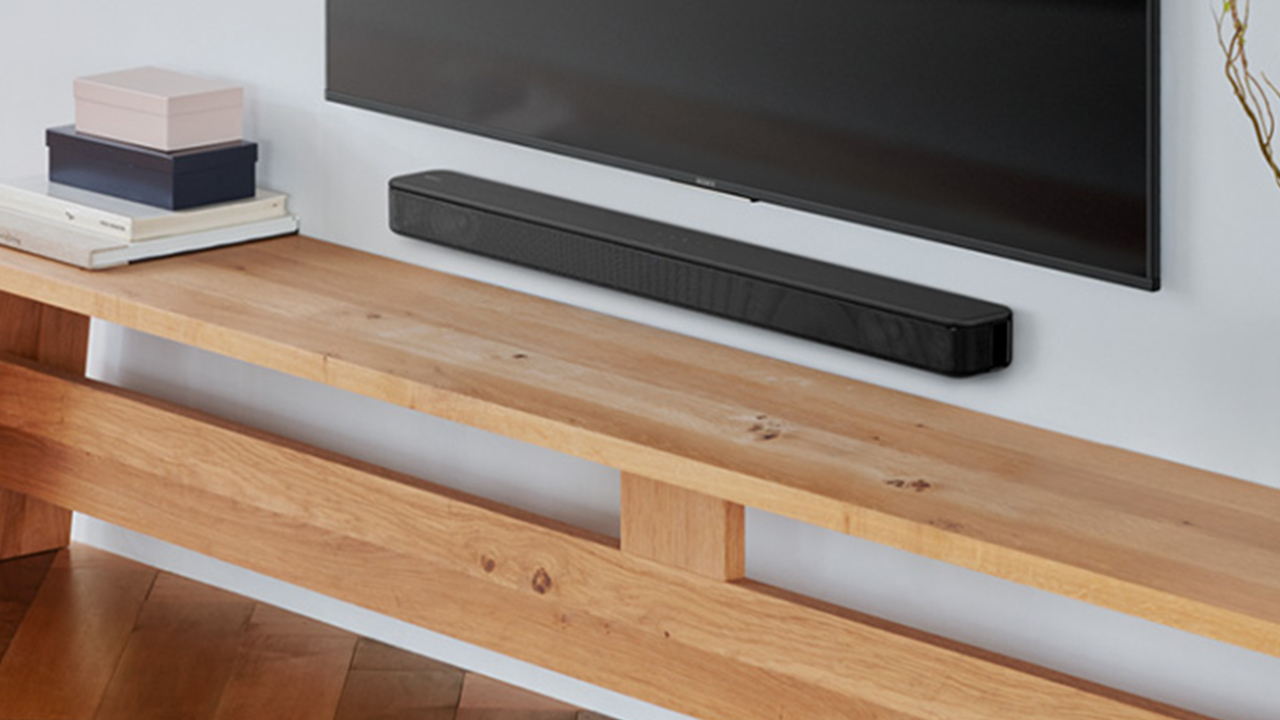
The second method for concealing a soundbar involves mounting it below the television and managing its wires. This approach leverages brackets or floating shelves to create a seamless, integrated look between the TV and the soundbar. Mounting the soundbar directly beneath the TV not only saves space but also visually unifies the two components, making them appear as a single entertainment unit. Tanner Fischbeck, a technology consultant at Automated Environments, highlights that this method prevents the soundbar from occupying additional surface area. While it does necessitate drilling into walls, the benefit is a minimalist setup where the soundbar appears to float, contributing to a modern and clean aesthetic. Tech expert Allen Liu emphasizes that brackets and floating shelves, when combined with effective cable management tools, result in a tidy appearance free from unsightly cords. The article suggests exploring mounts and floating shelves at retailers like Home Depot, Walmart, and Best Buy, and recommends an in-wall cable management kit, such as the ECHOGEAR kit from Amazon, to ensure that all wires are completely hidden. This creates a refined home theater experience where technology enhances rather than detracts from the room's design.
#SoundbarConcealment #LivingRoomDesign #HomeTheaterSetup #InteriorDesign #TechIntegration #CableManagement #HomeAesthetics #MediaConsole #MountingSolutions #SoundbarConcealment #LivingRoomDesign #HomeTheaterSetup #InteriorDesign #TechIntegration #CableManagement #HomeAesthetics #MediaConsole #MountingSolutions
0 komentarzy łącznie
 Brak komentarzy jeszcze
Możesz również polubić
3 Simple Ways to Highlight Your Soundbar in a Small Space

Stylish sound-absorbing artwork for a quieter home

Six Chic Home Bar Areas Worth Raising a Glass To

Is Your TV an Eyesore? Designers Use These 41 Tricks to Help It Blend In

Soundbar mounting ideas to enhance your TV's audio

5 best soundbars to add to your home entertainment center


The art of making a room soundproof: woman turns pictures and canvases into sound-absorbing decor
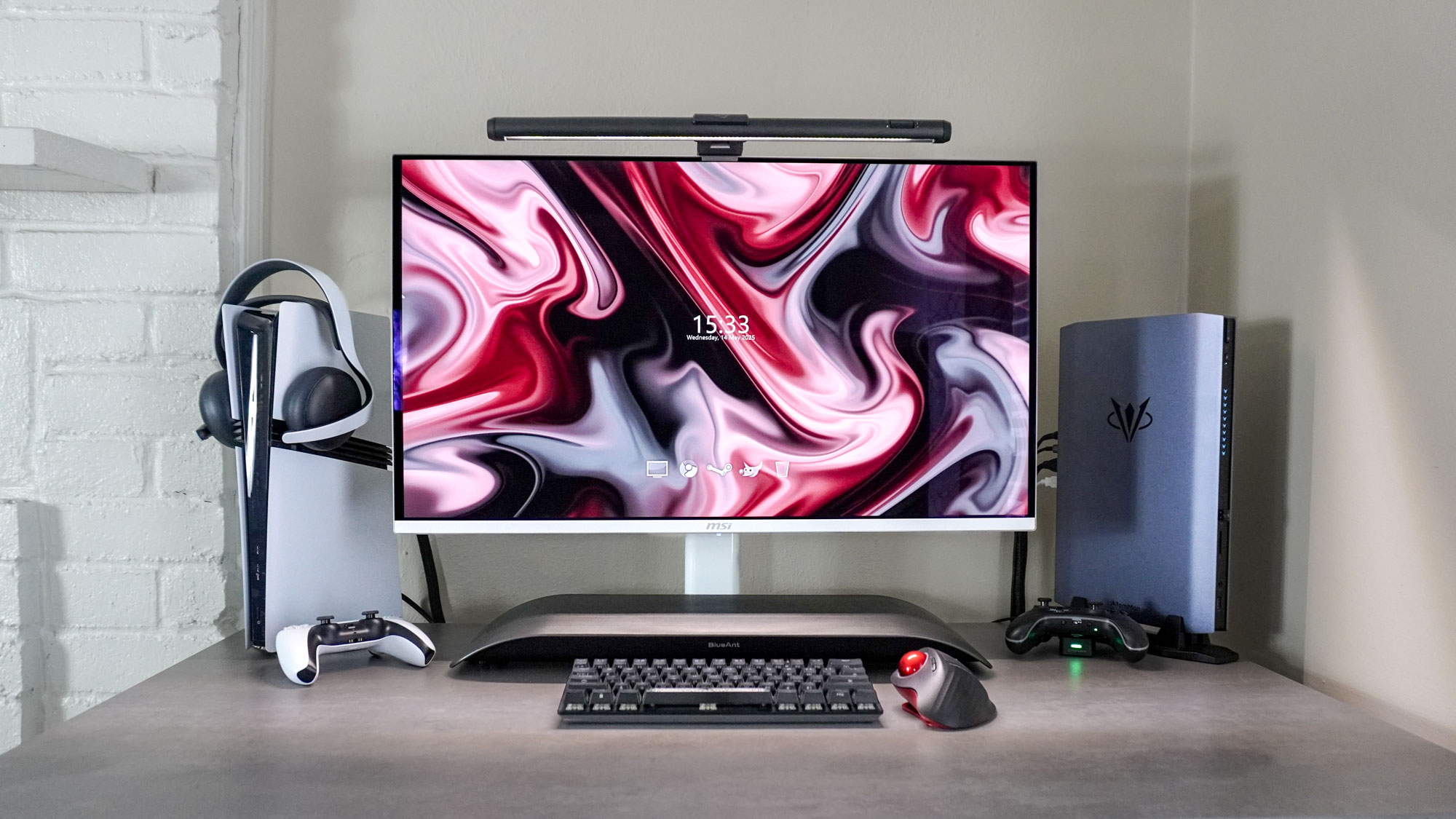
I added this under-monitor soundbar to my desk setup — and it's the perfect space saver

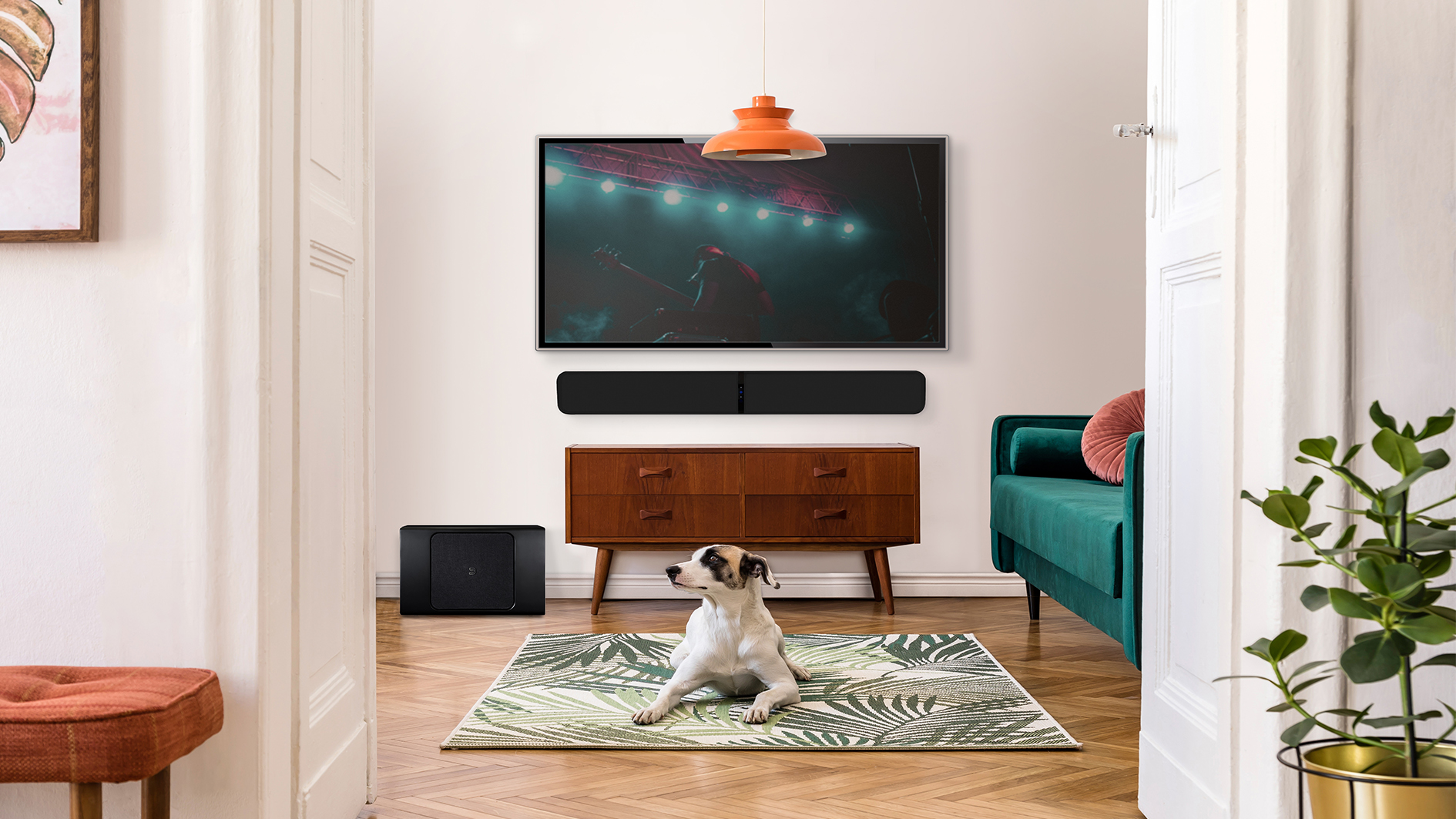
How to mount a soundbar on a wall for a fabulous music and TV experience
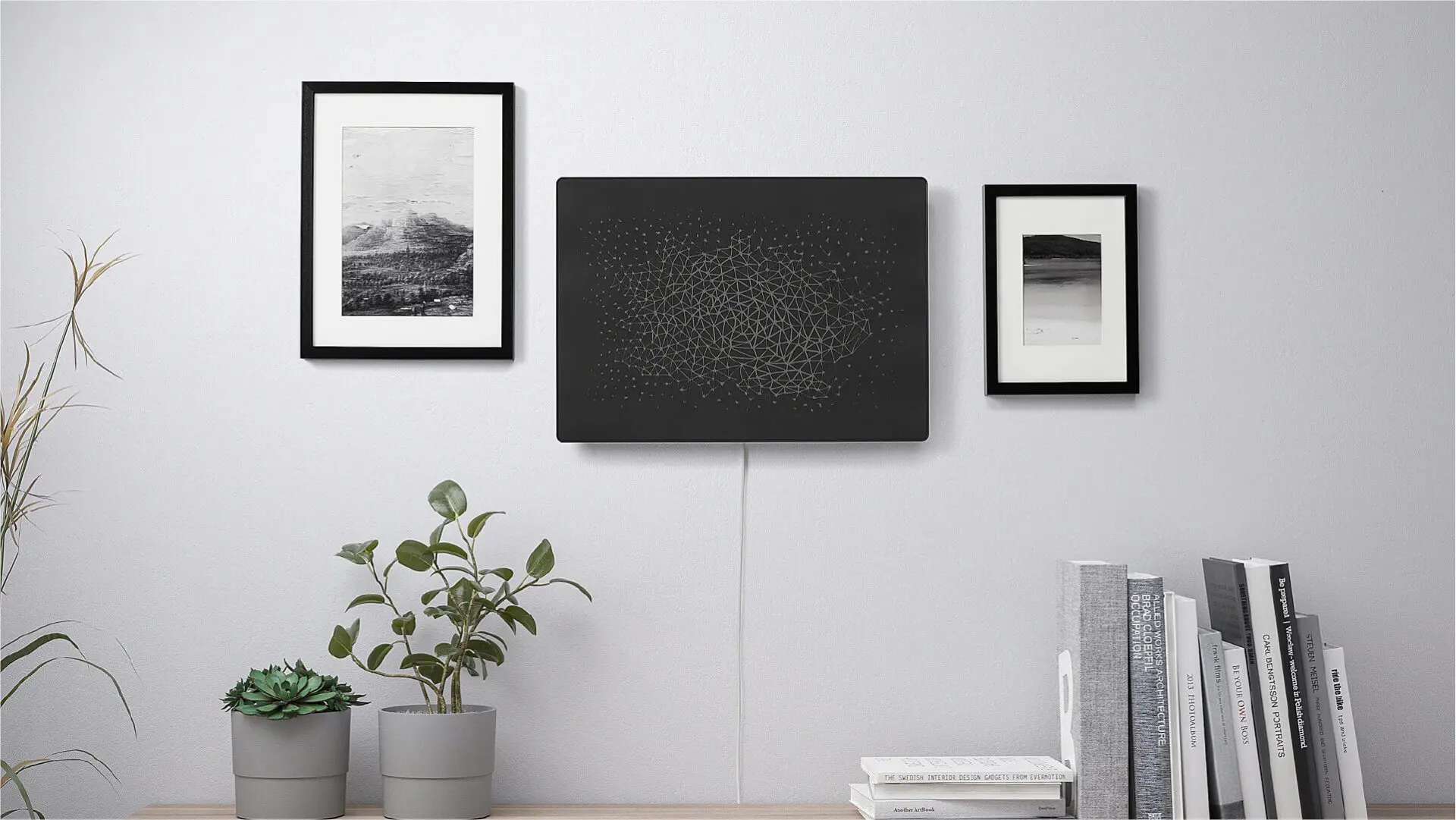
IKEA hides a Sonos speaker inside the SYMFONISK picture frame

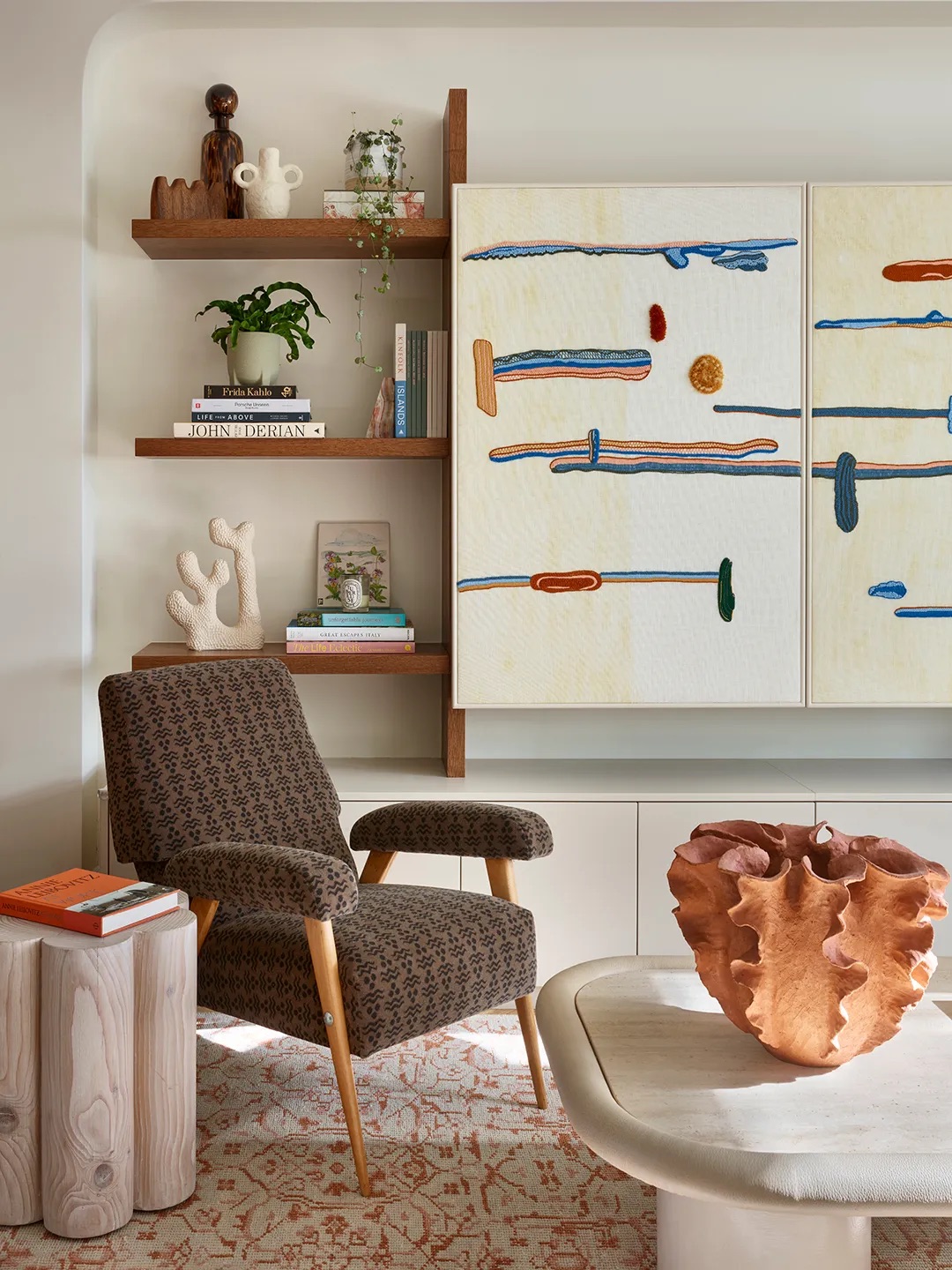
24 Ways to Hide Your TV in Plain Sight

How to soundproof a room according to an expert

10 Clever Ways to Hide a TV in Plain Sight


7 concealed home bar designs for your own personal speakeasy

Living room design ideas: 6 ways to conceal your TV
This Is the Ultimate Way to Hide Your TV

9 expert tips for soundproofing a room – how to sort acoustics while losing nothing of the aesthetics
How to hide an ugly extractor fan for a sleek and stylish kitchen

I set up an incredible Dolby Atmos soundbar experience in my living room — unfortunately, it's really annoying to live with

Designers Say This Tiny Tweak Could Save Your Living Room From Looking Tacky (And It's Free)