1/4
Is carpet out of style? Designers share how they’re using it now – and what to try instead
The article explores the ongoing debate among interior designers regarding the contemporary relevance of carpet in home interiors. Historically, carpets have been valued for their warmth, texture, and ability to add color, with origins in ancient floor coverings and a shift towards synthetic materials in the 20th century. However, concerns about the environmental impact of these synthetic materials and their practical drawbacks, such as difficulty in cleaning and susceptibility to wear in high-traffic areas, have led some to question carpet's place in modern design.
Interior designers hold mixed opinions on the matter. Shoshanna Shapiro, for instance, views carpeting as a remnant of the 1970s and 1980s, often chosen for its affordability and neutral palette. She notes that synthetic carpets can easily discolor and stain but acknowledges their viability for low-traffic areas like guest rooms, especially for those on a budget. Tom Lawrence-Levy expresses a strong preference against wall-to-wall carpeting, arguing that it can visually overwhelm a space, detract from furniture, and is challenging to maintain, ultimately reducing a room's luxurious appeal.
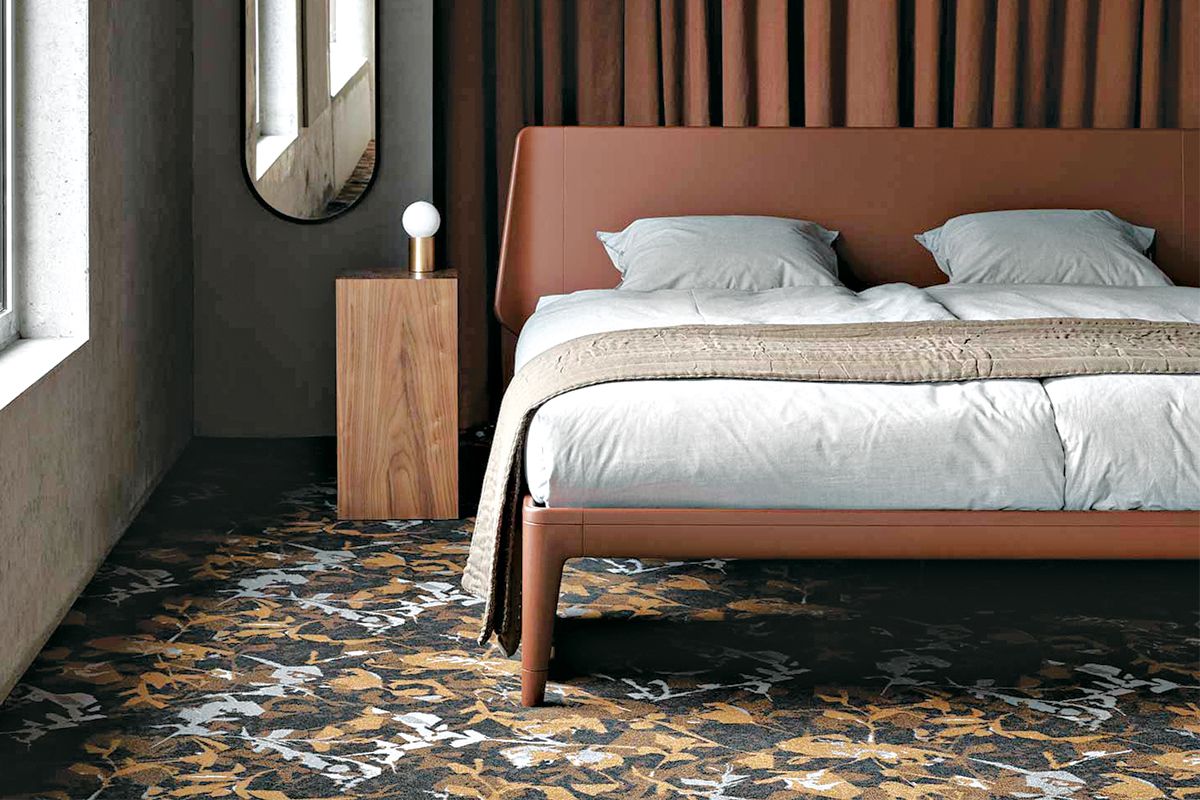
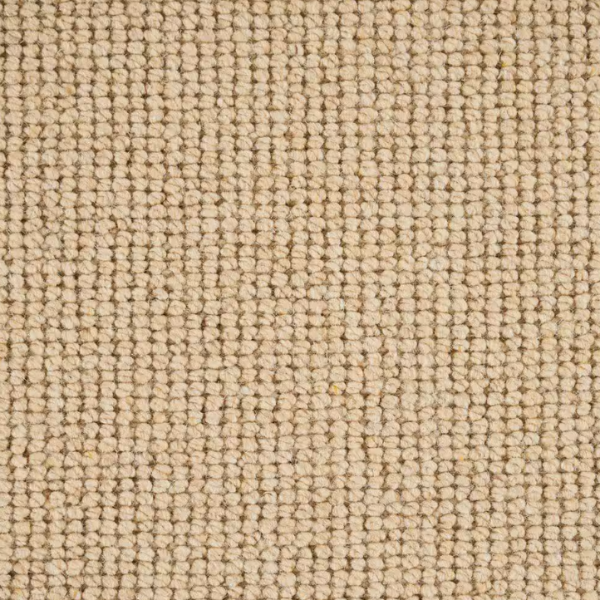
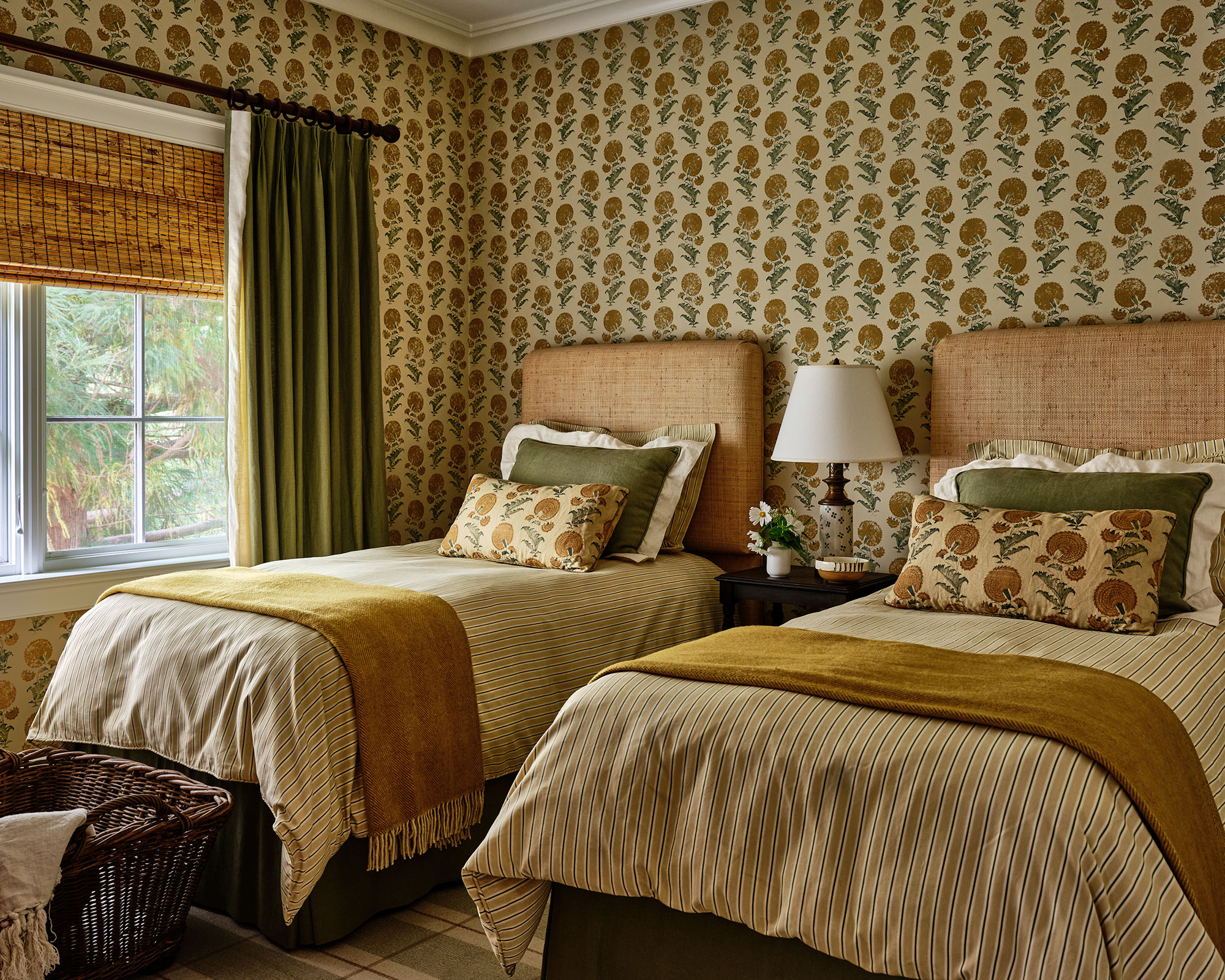
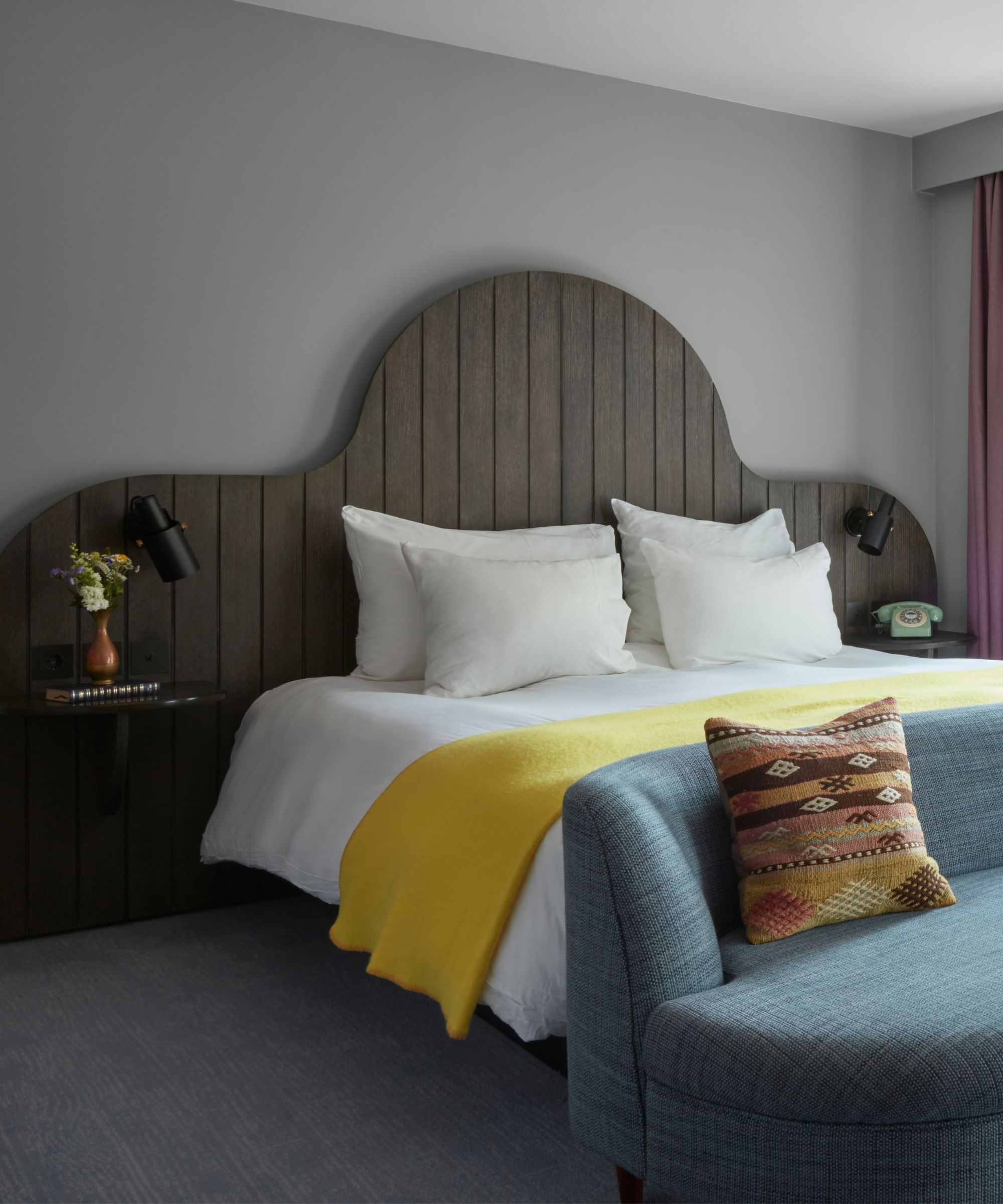
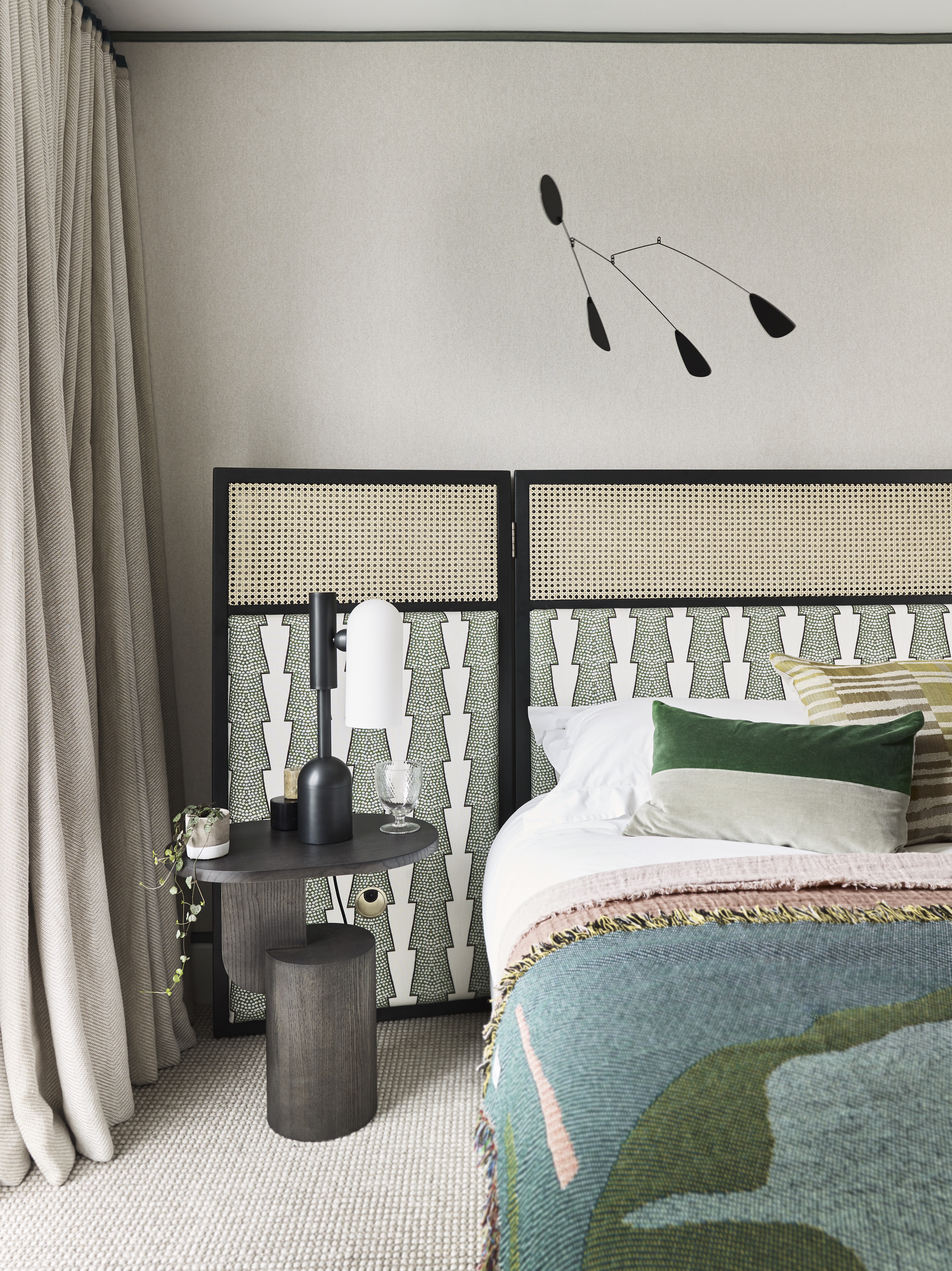
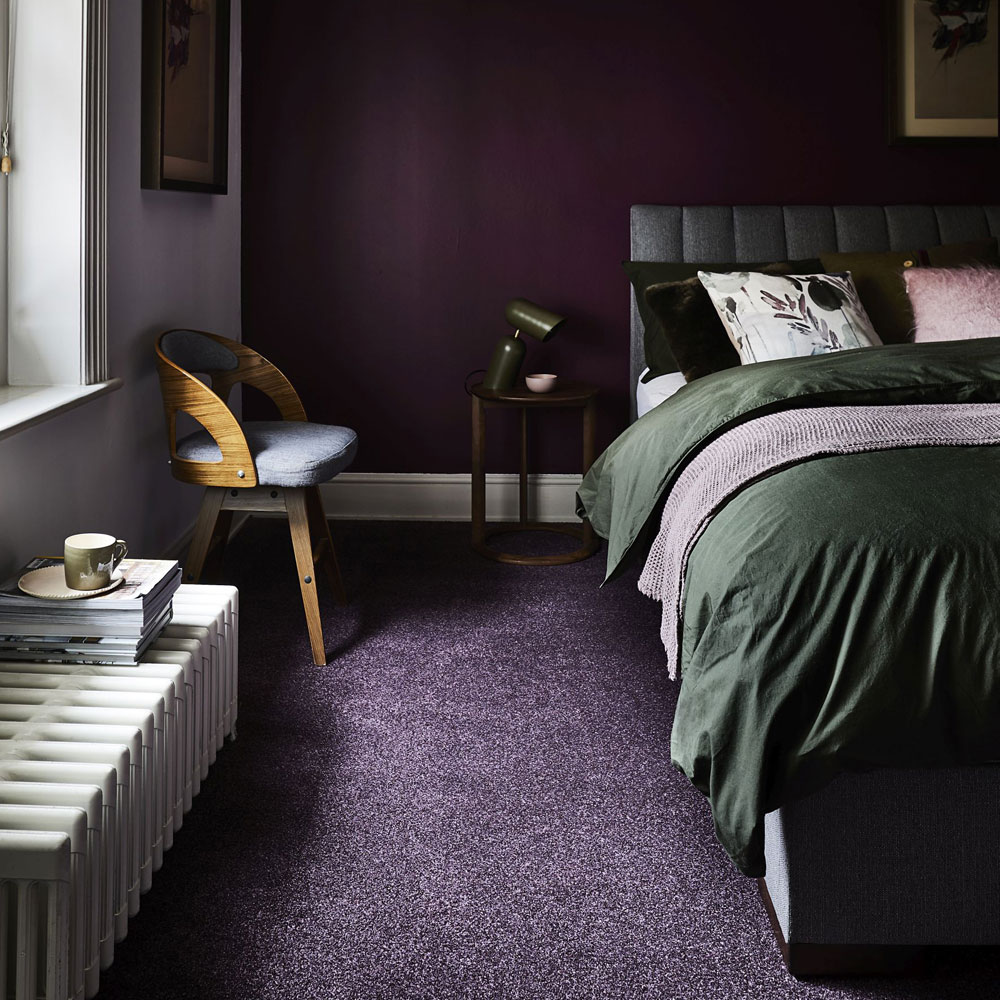
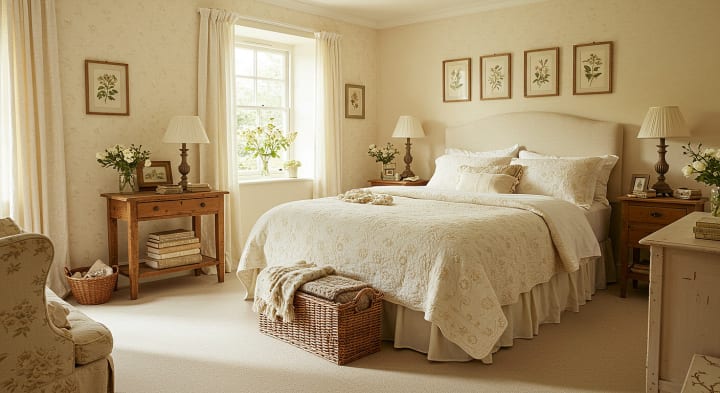
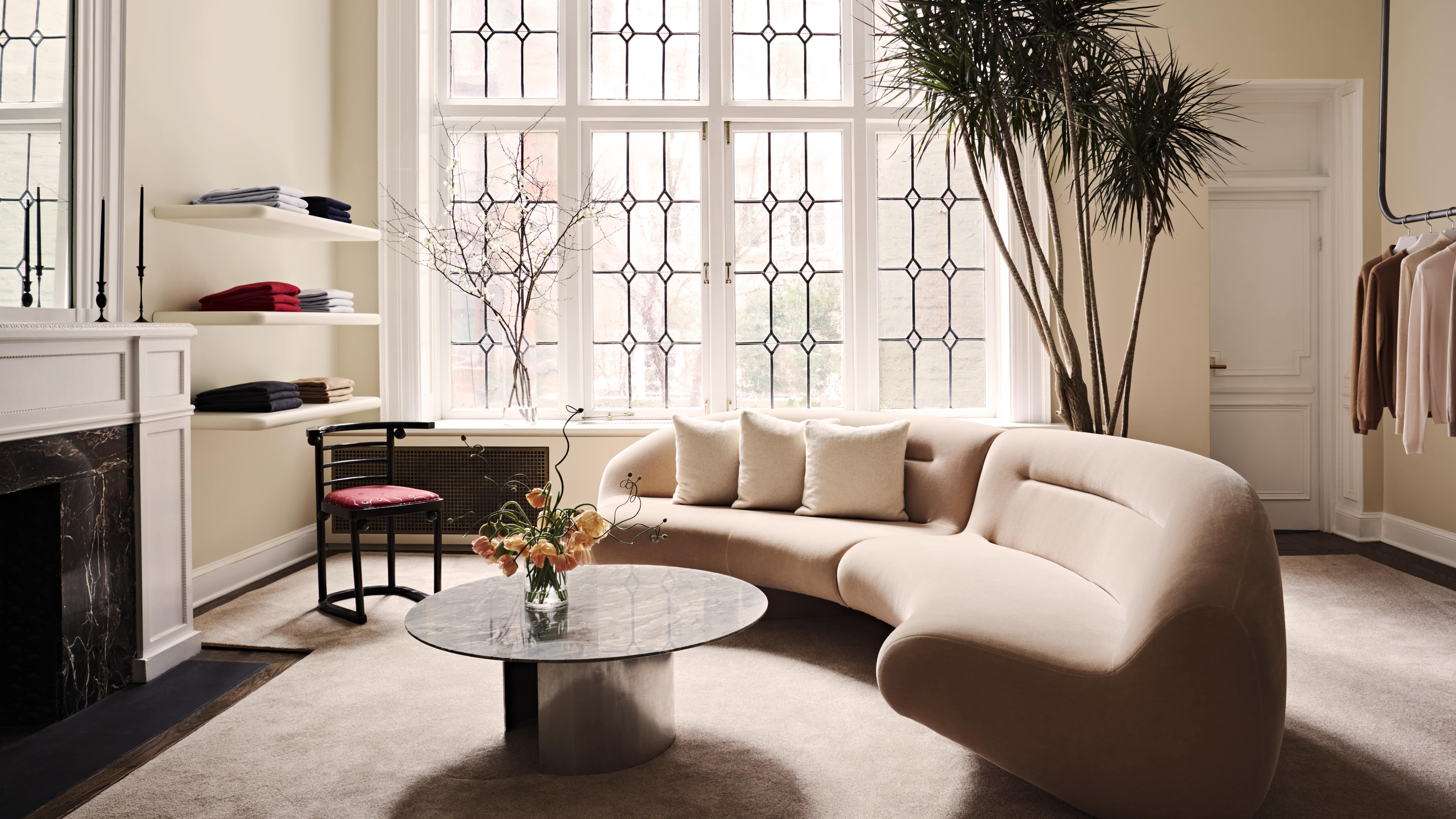
Conversely, designers like Vicente Wolf maintain that broadloom carpet, particularly in bedrooms, remains a valuable element. Wolf emphasizes its contributions to comfort, warmth, and sound absorption, suggesting it can either harmoniously blend with a room's existing scheme or introduce an accent color. Darren Jett also advocates for carpet, asserting that its dated perception stems from poor contemporary application. He believes carpet can be luxurious and transformative when used effectively.
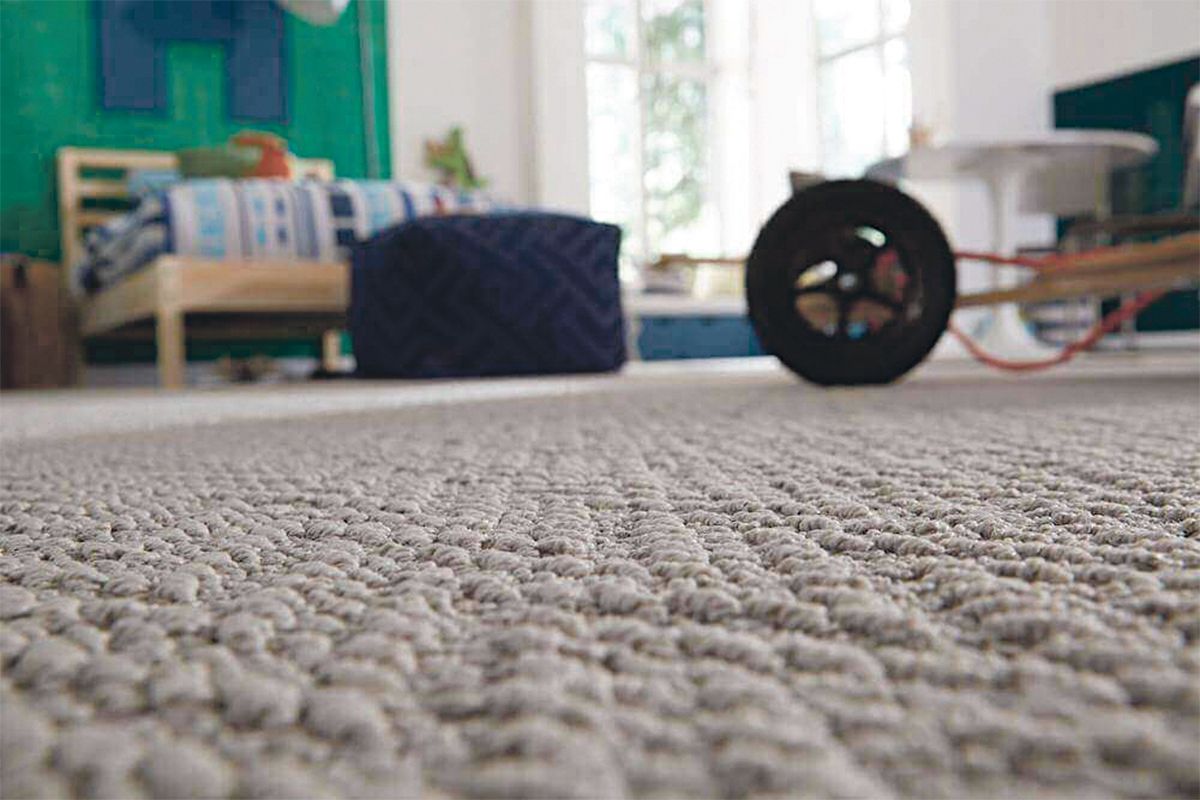
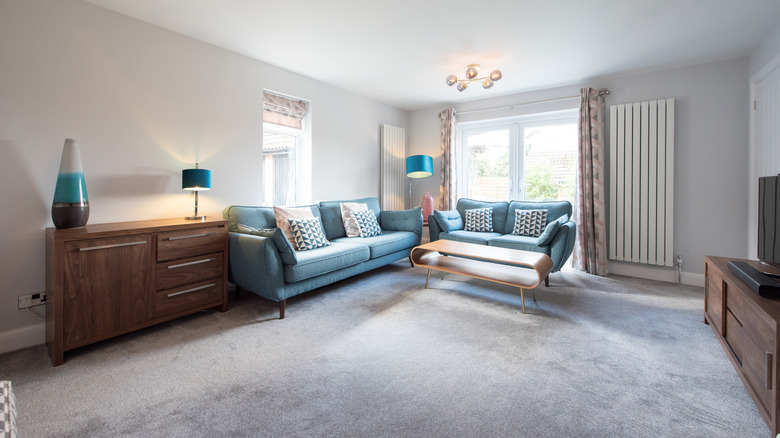
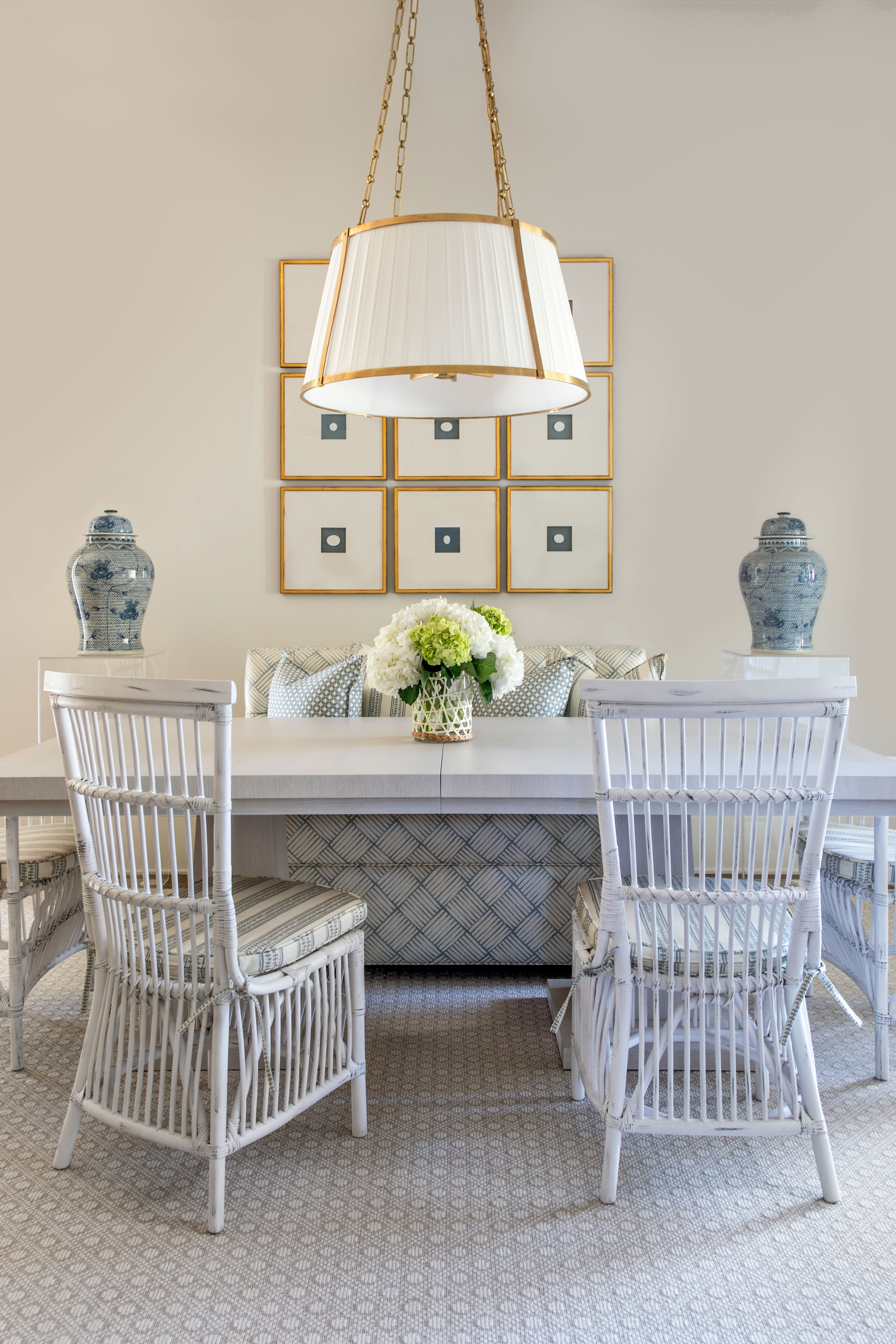
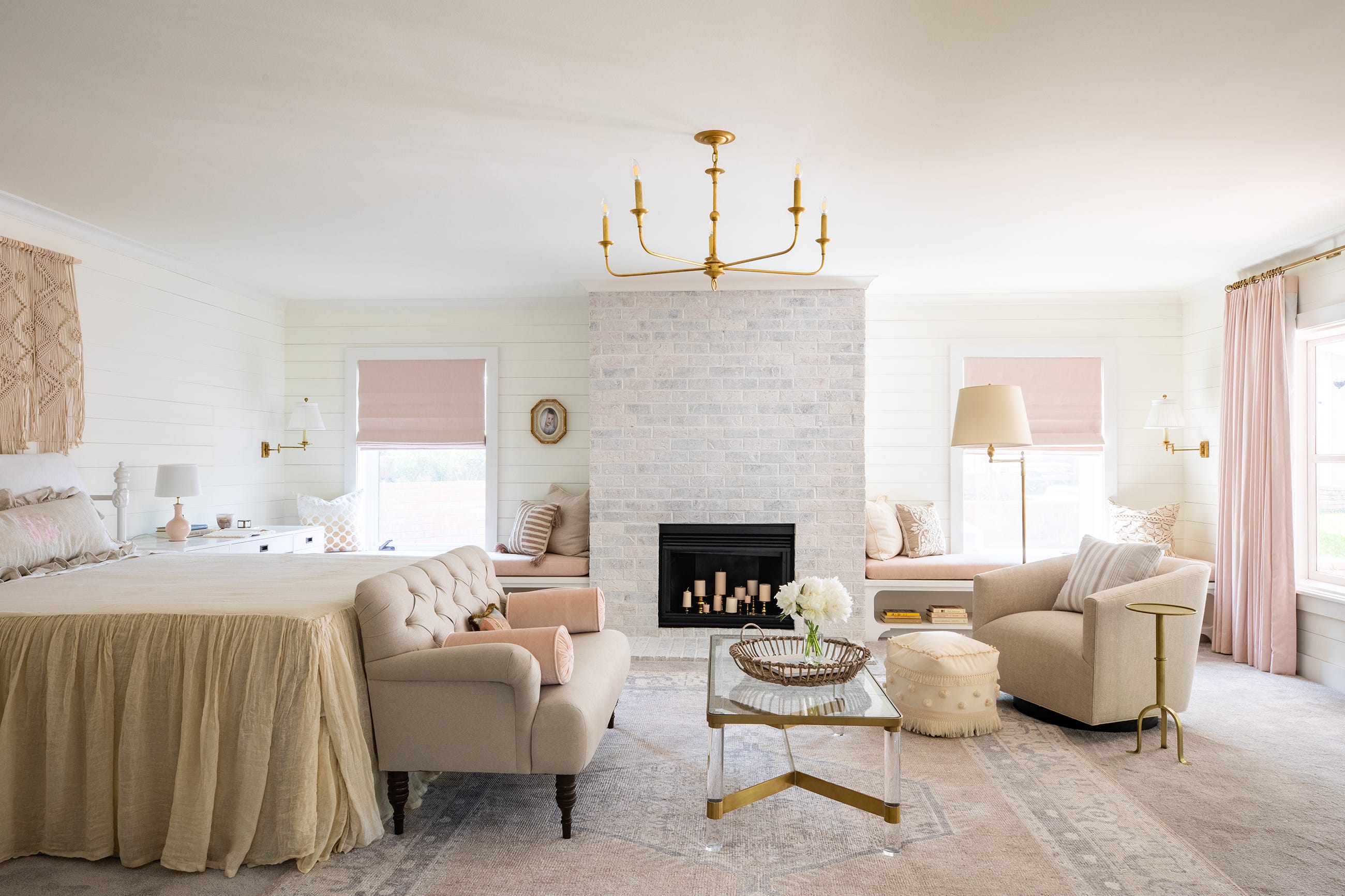
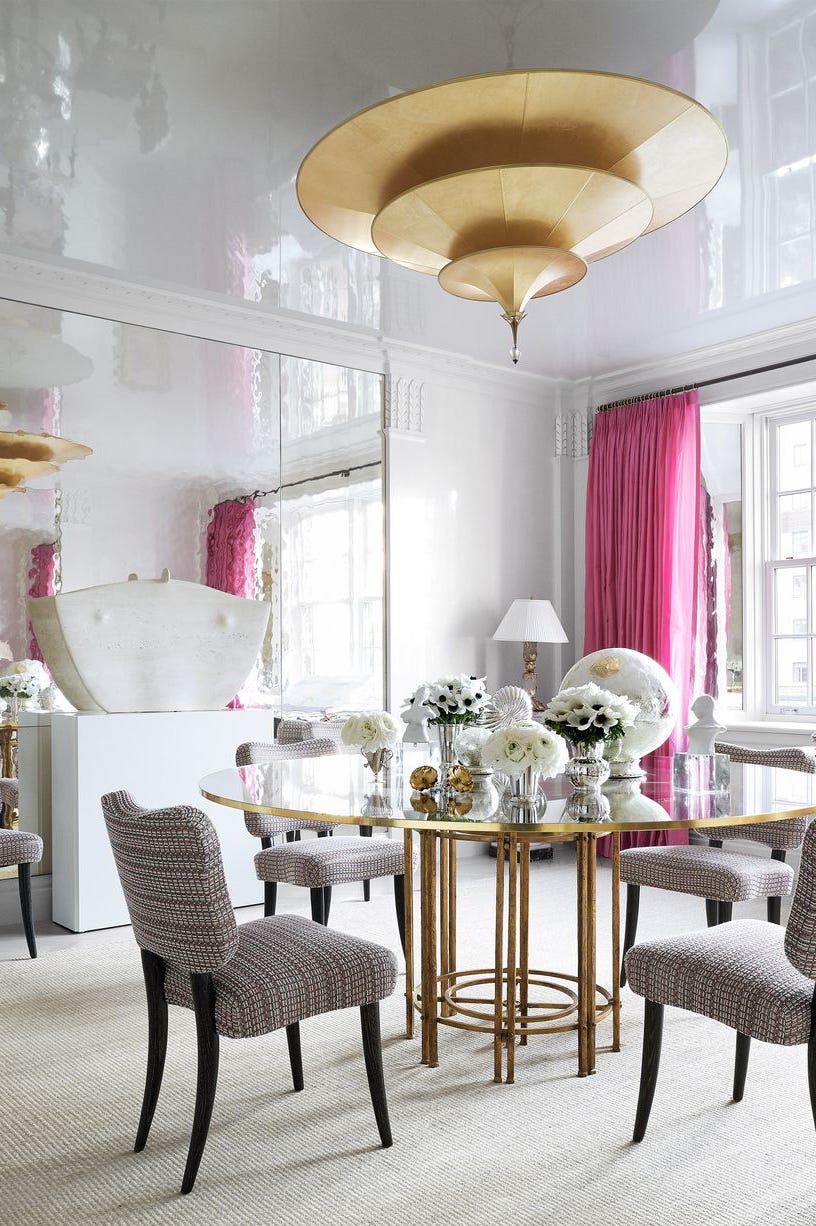
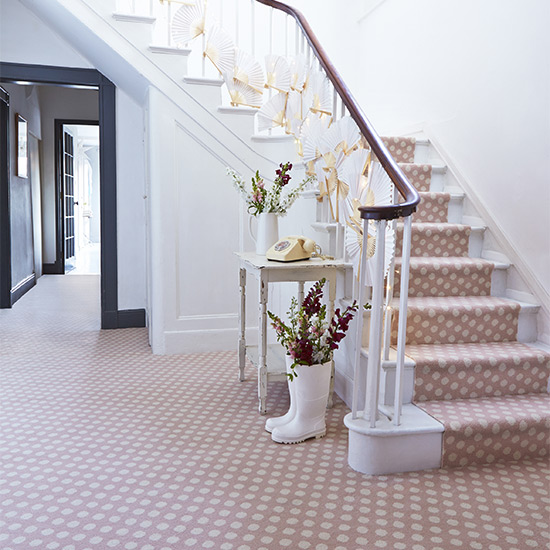
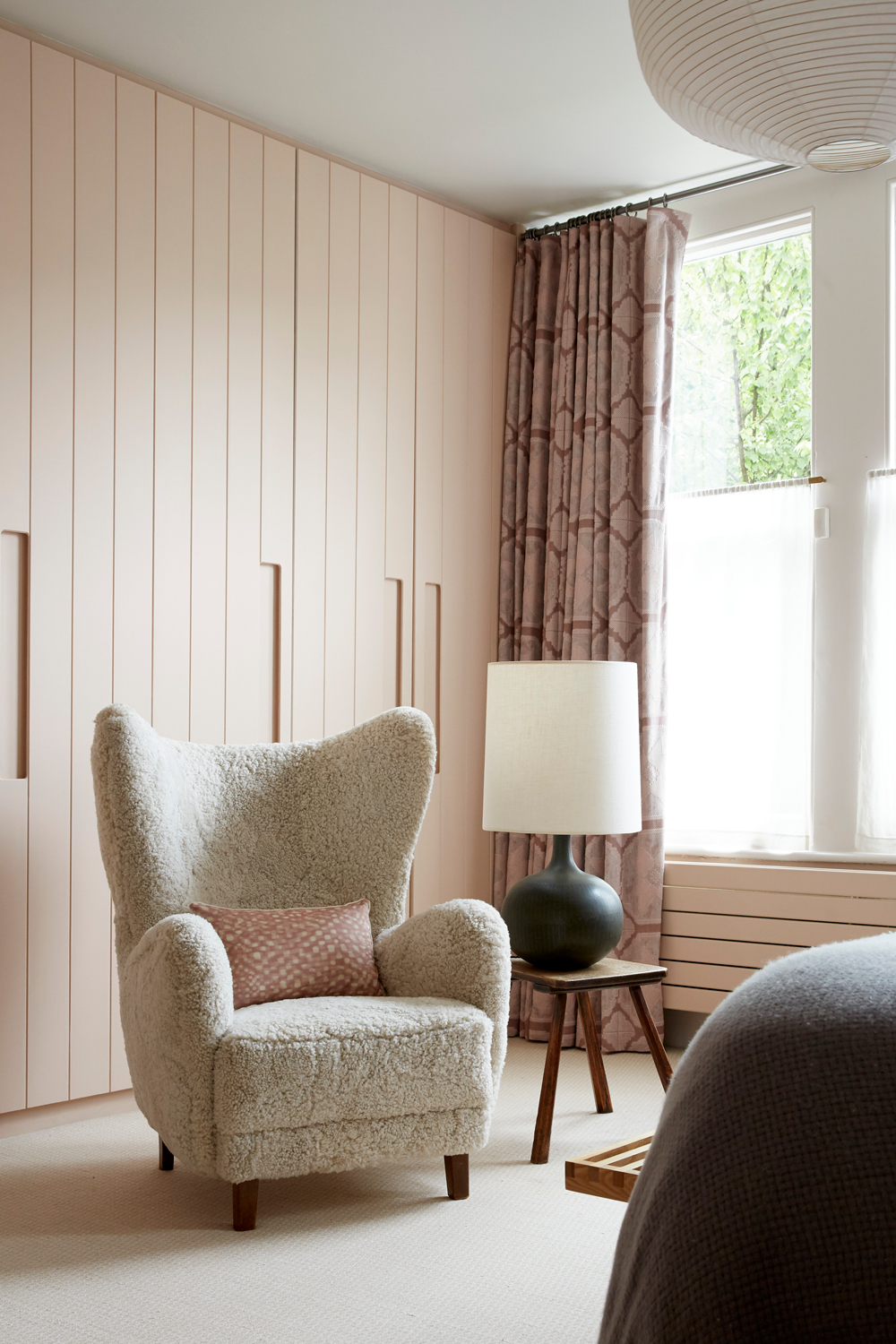
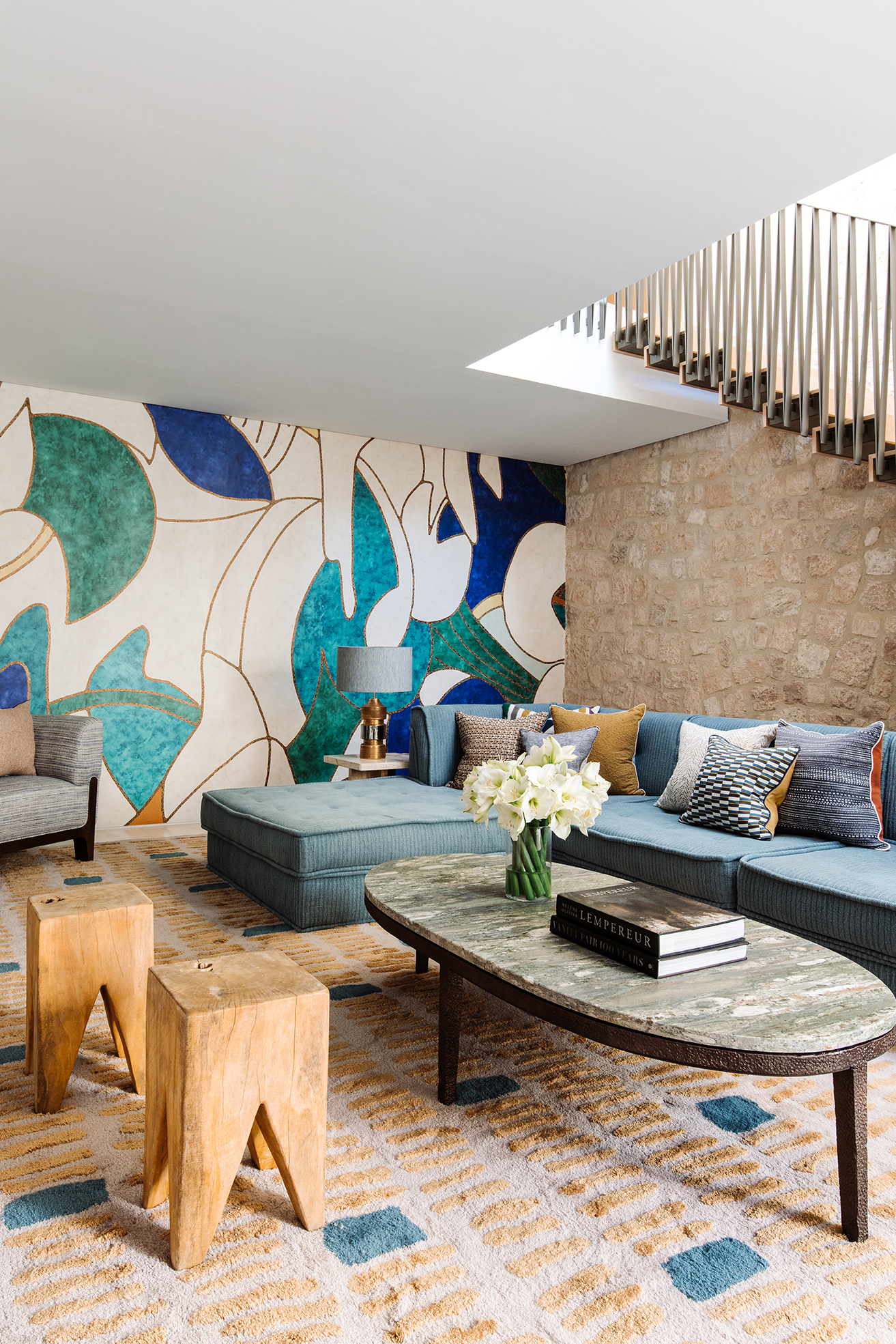
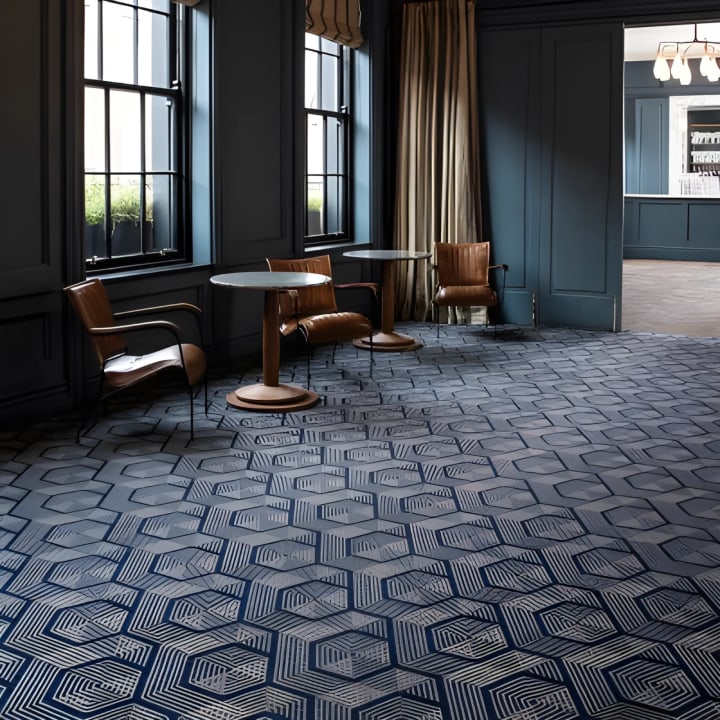
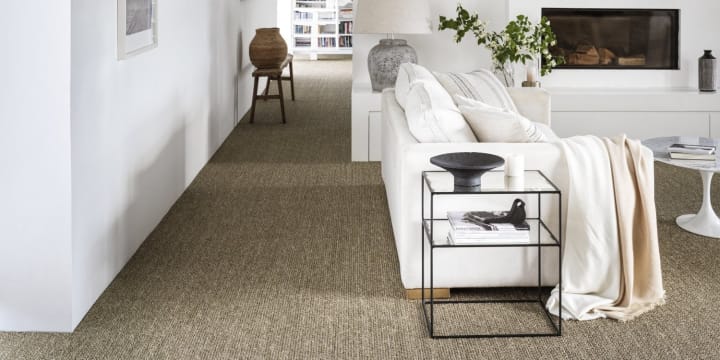
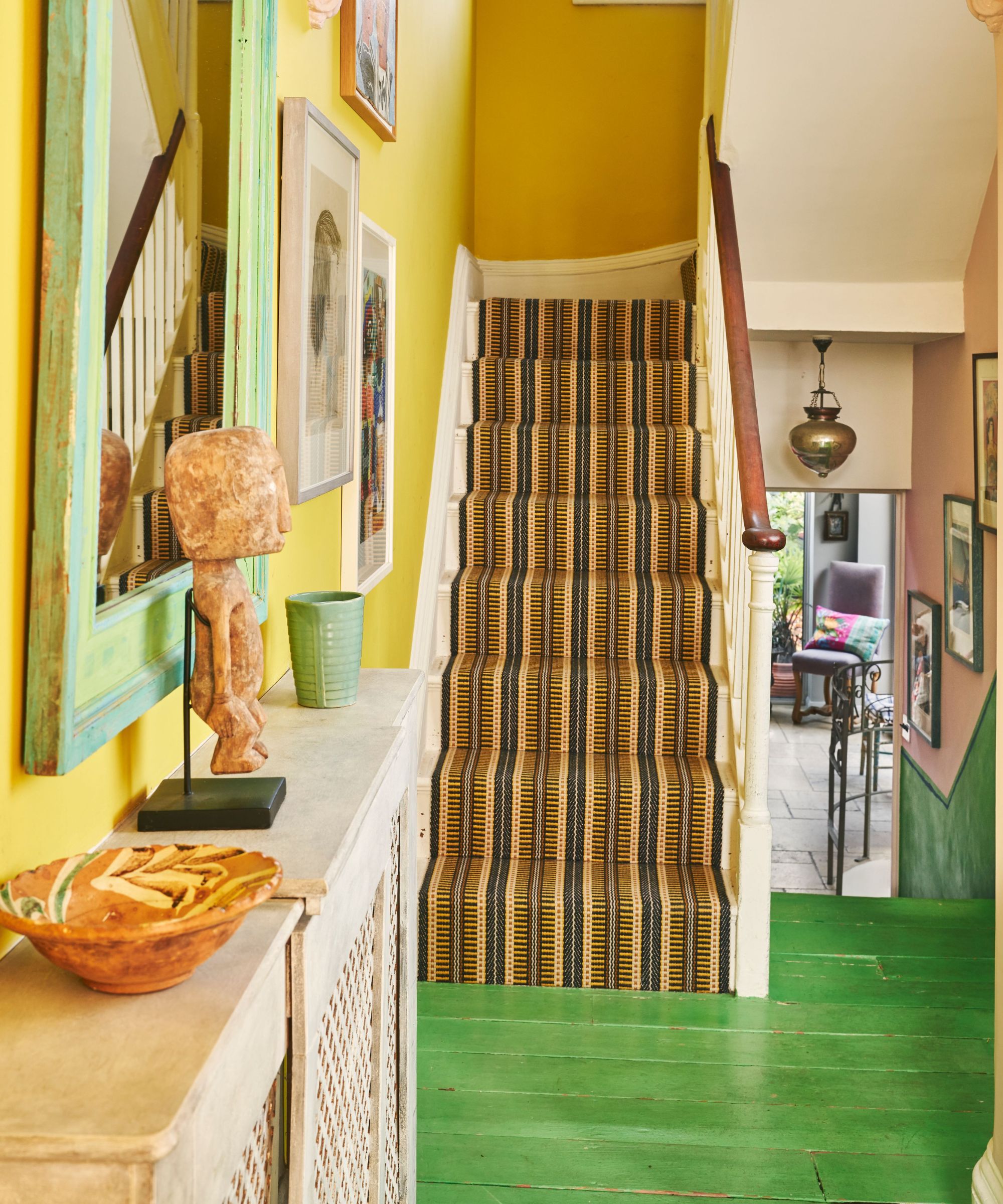
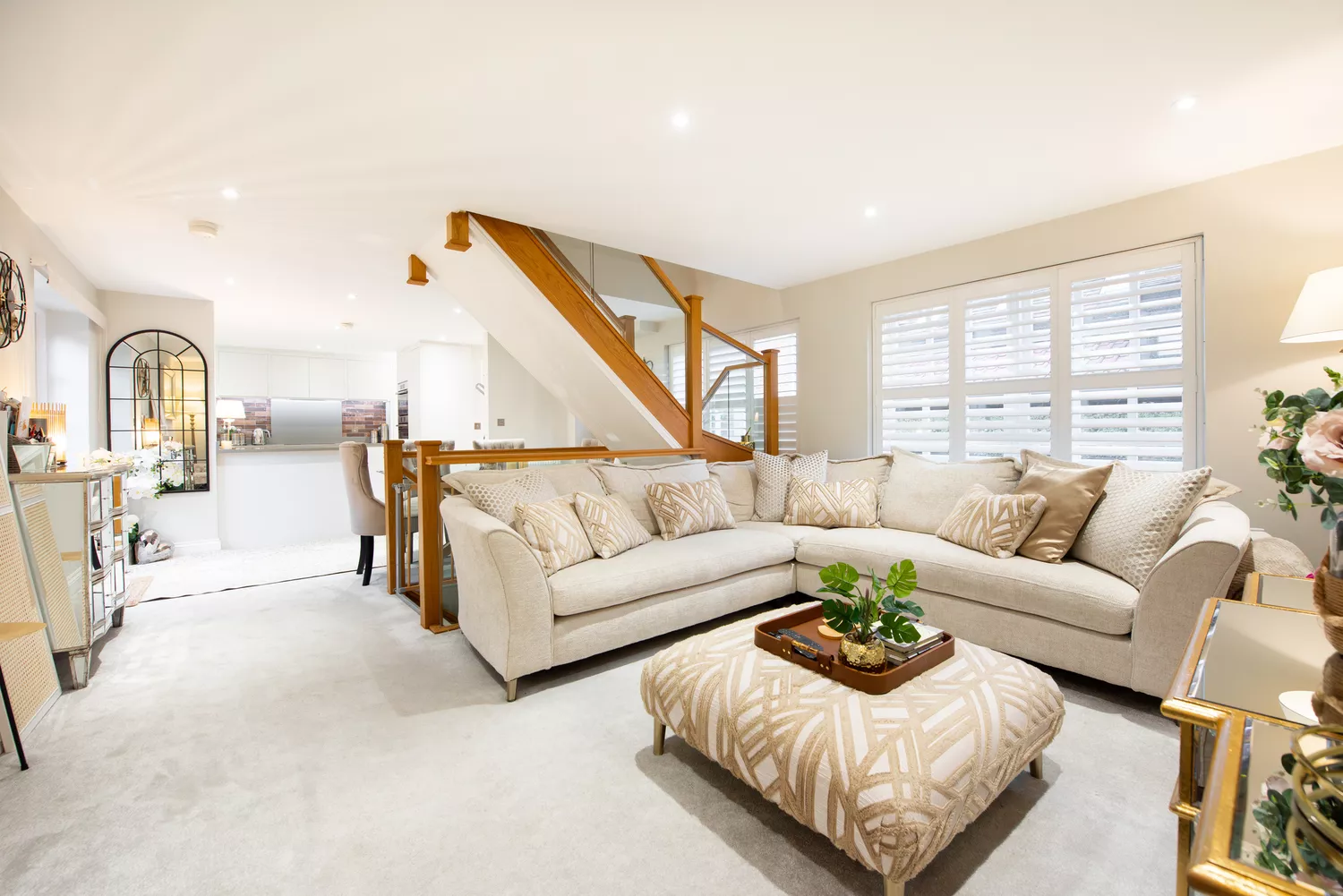
For those looking to integrate carpet into a modern aesthetic, designers suggest focusing on specific areas and adopting refined approaches. Amy Leferink recommends using beautiful, neutral carpets in rooms where a cozy and soft atmosphere is desired, such as sitting rooms, libraries, or dens, rather than exclusively in bedrooms. Grace Baena highlights the trend of using modern, low-profile carpeting in contemporary colors like neutrals or greys, suitable for living rooms or bedrooms where comfort is prioritized over hardwood or tile.
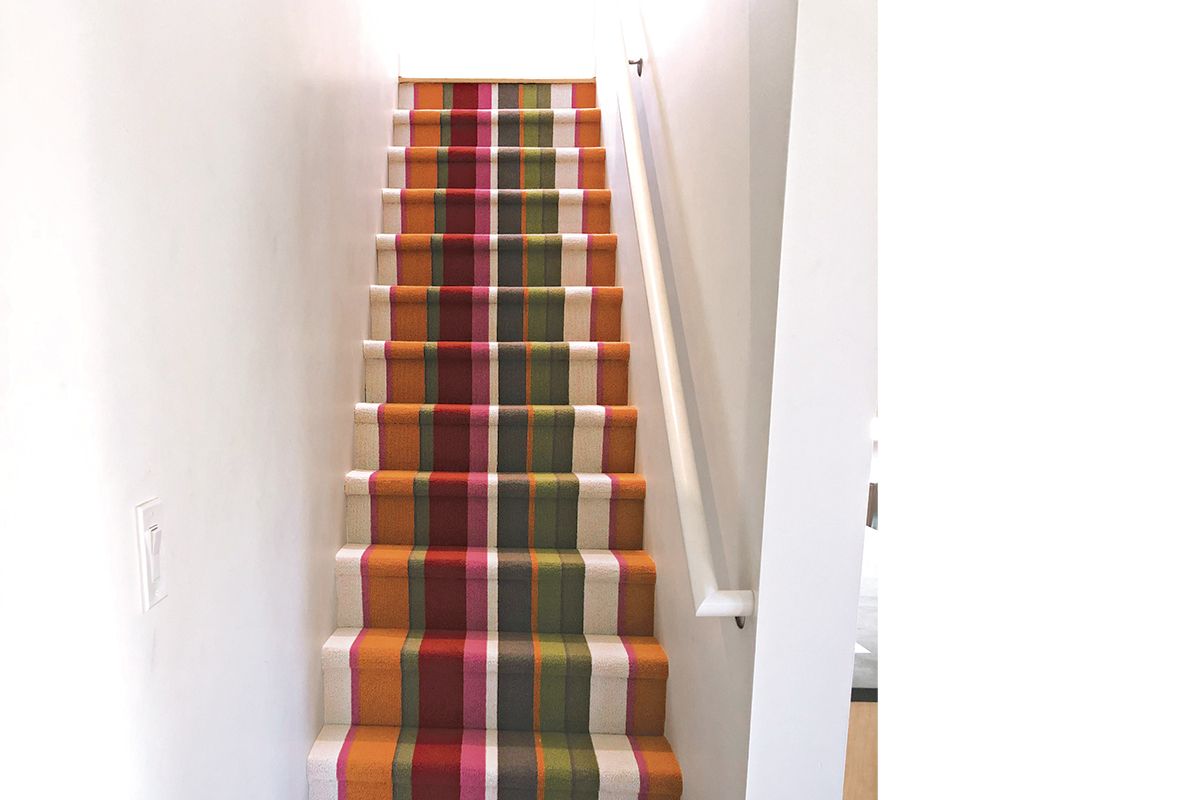
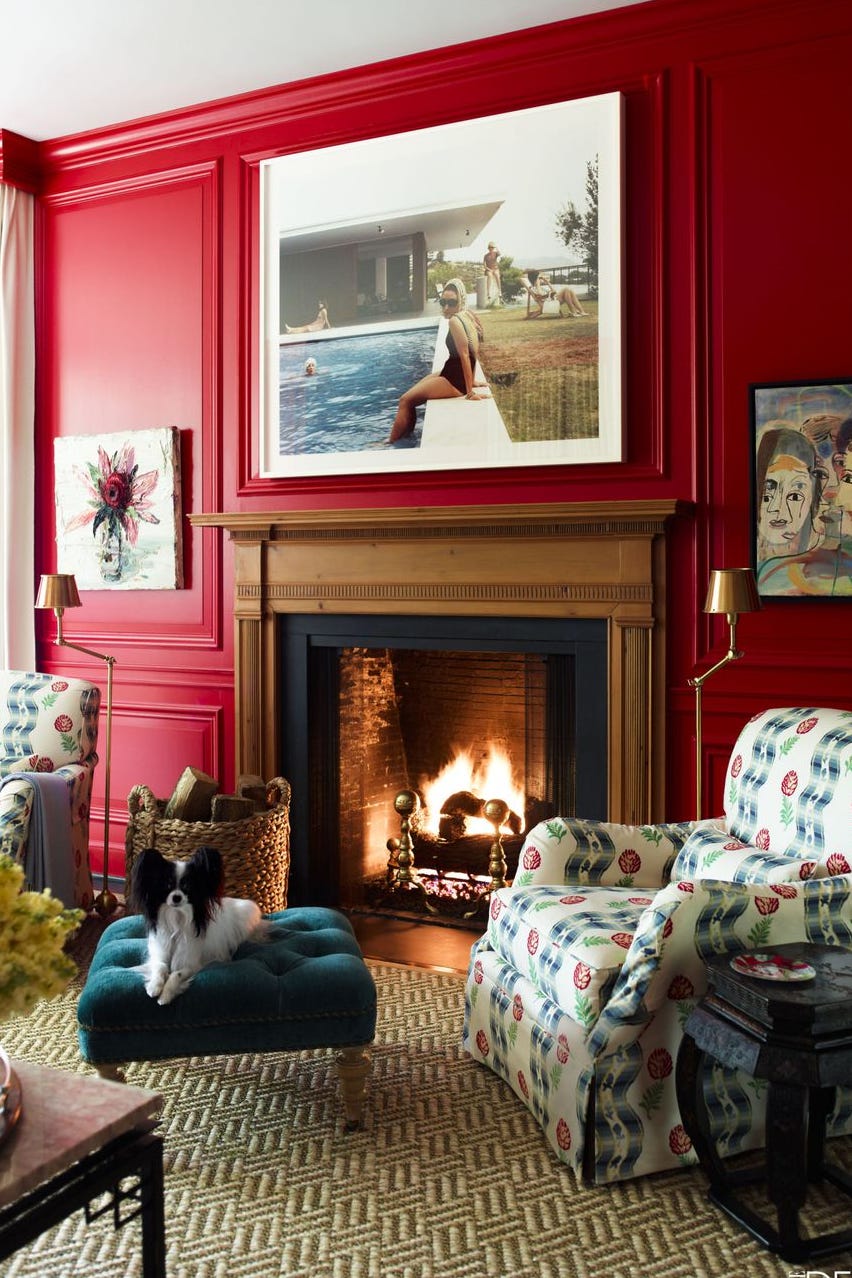
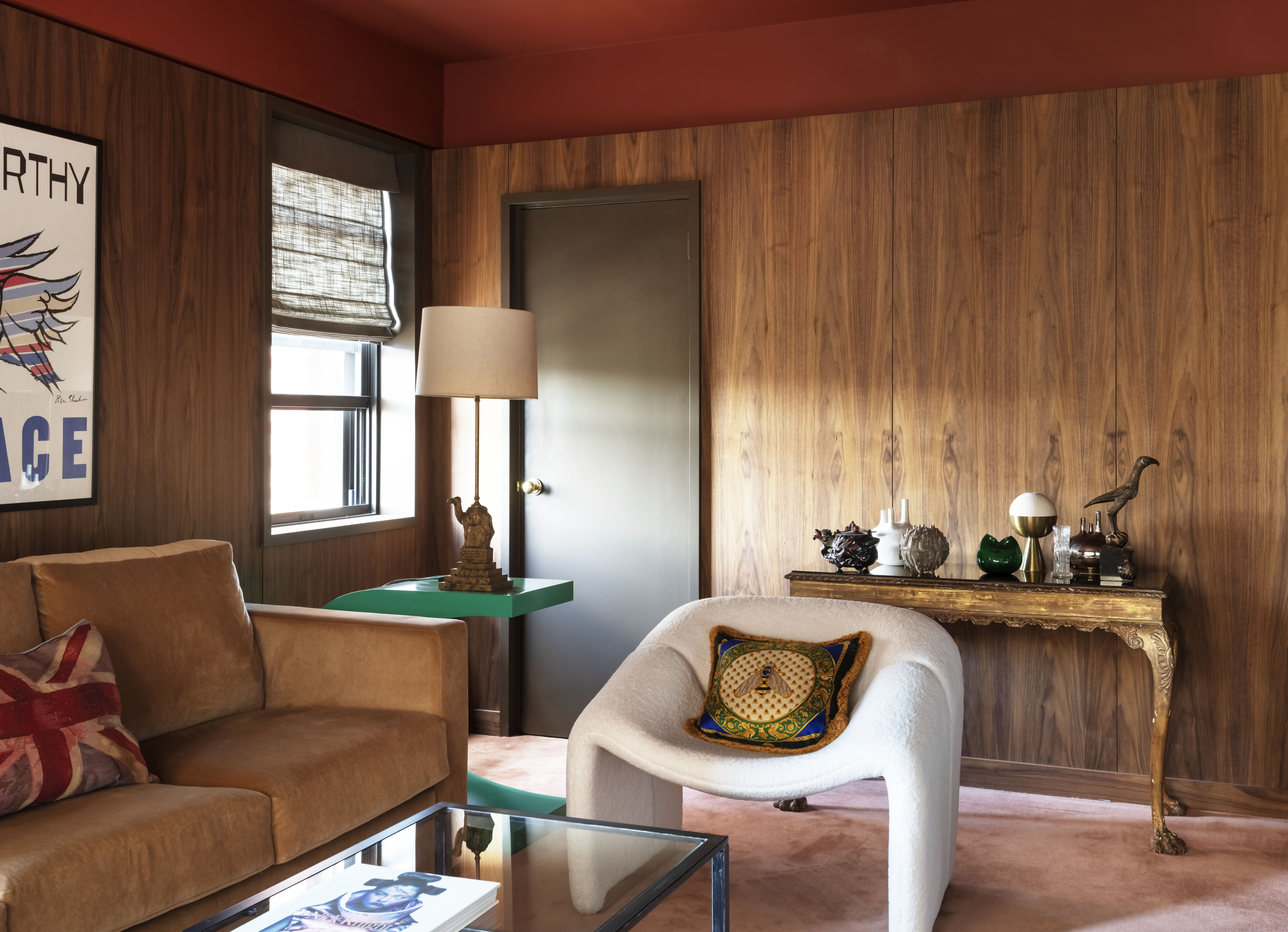
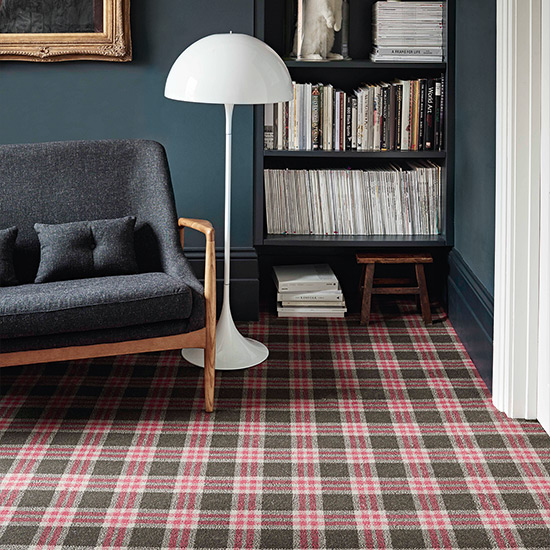
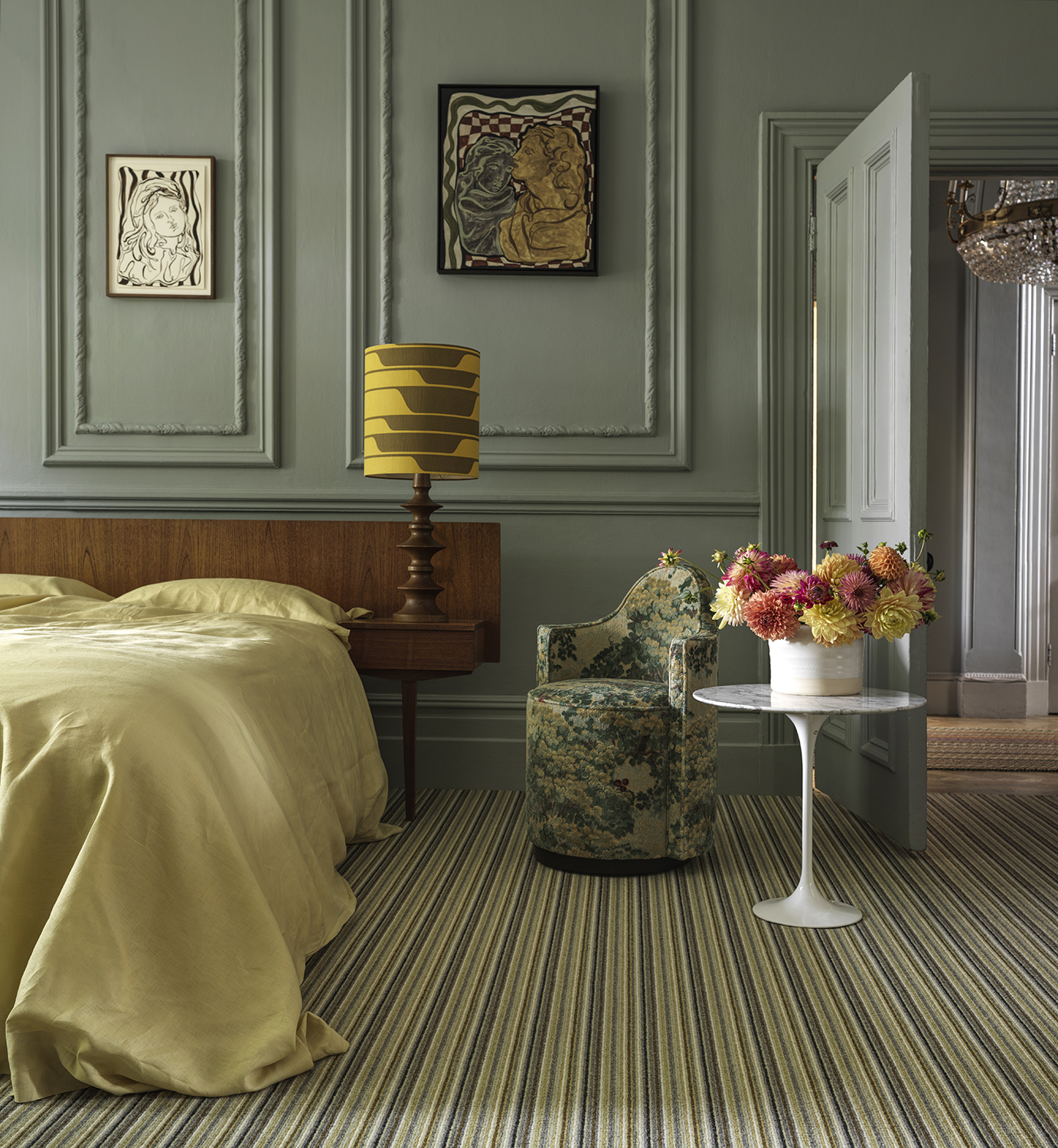
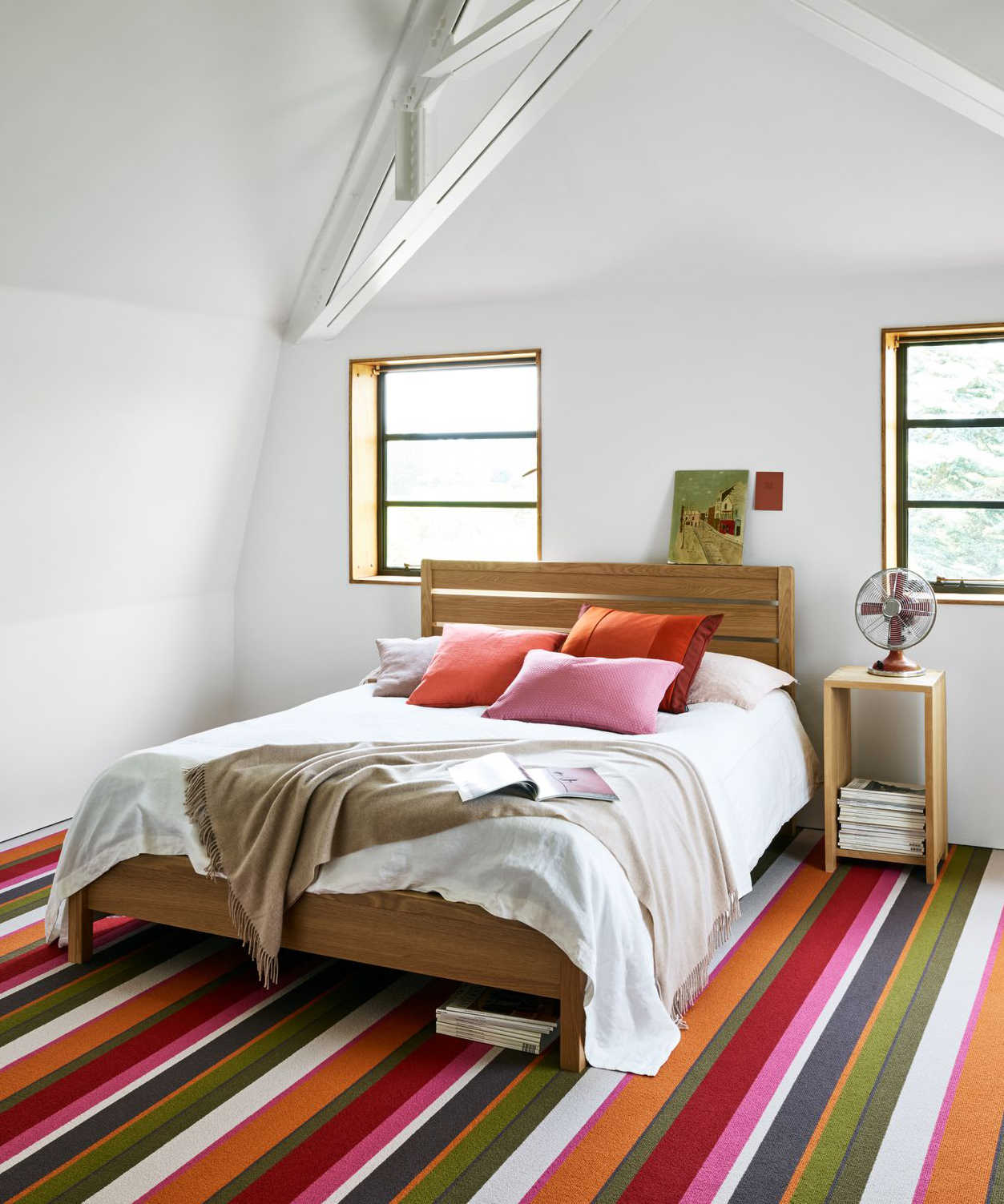
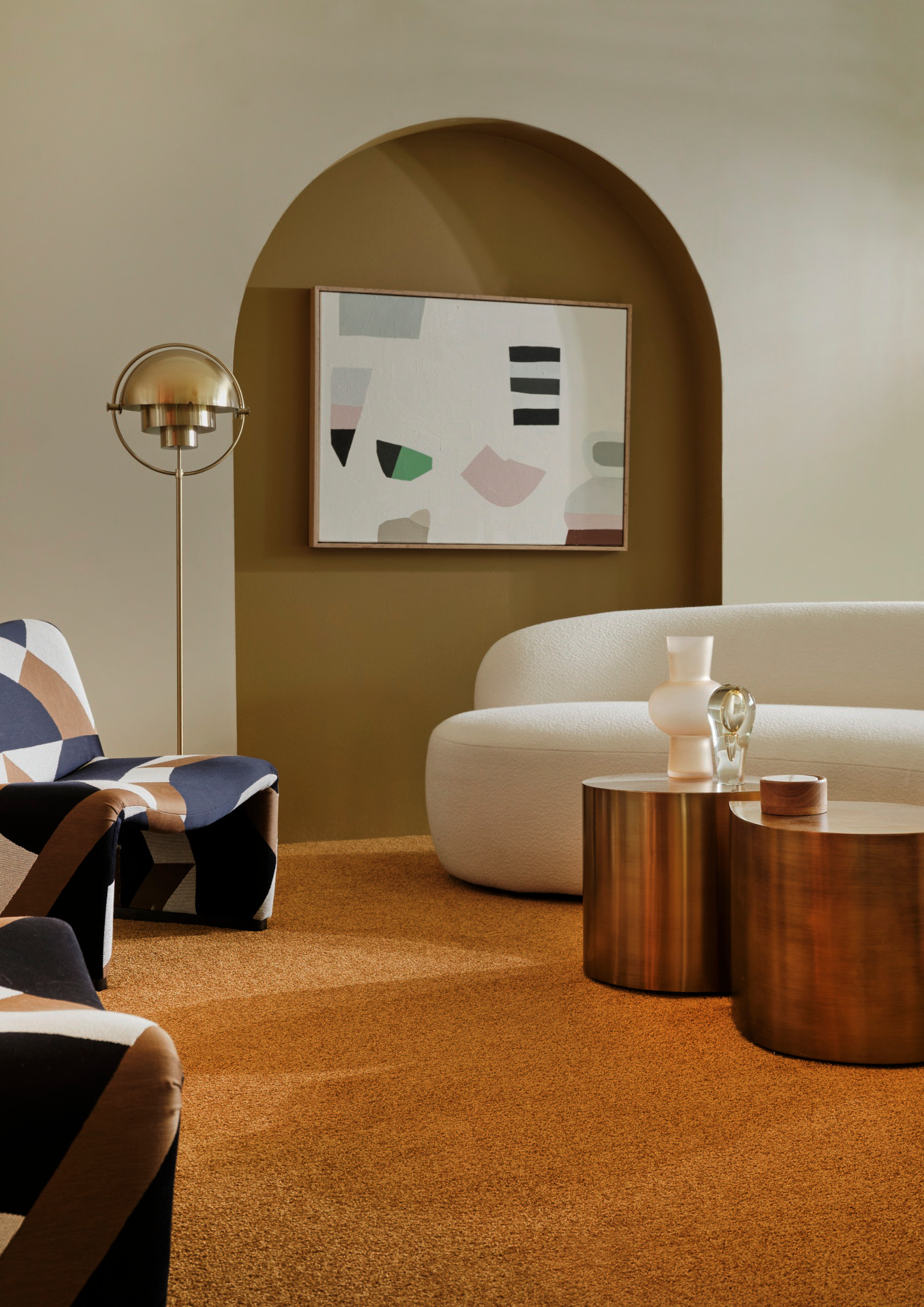
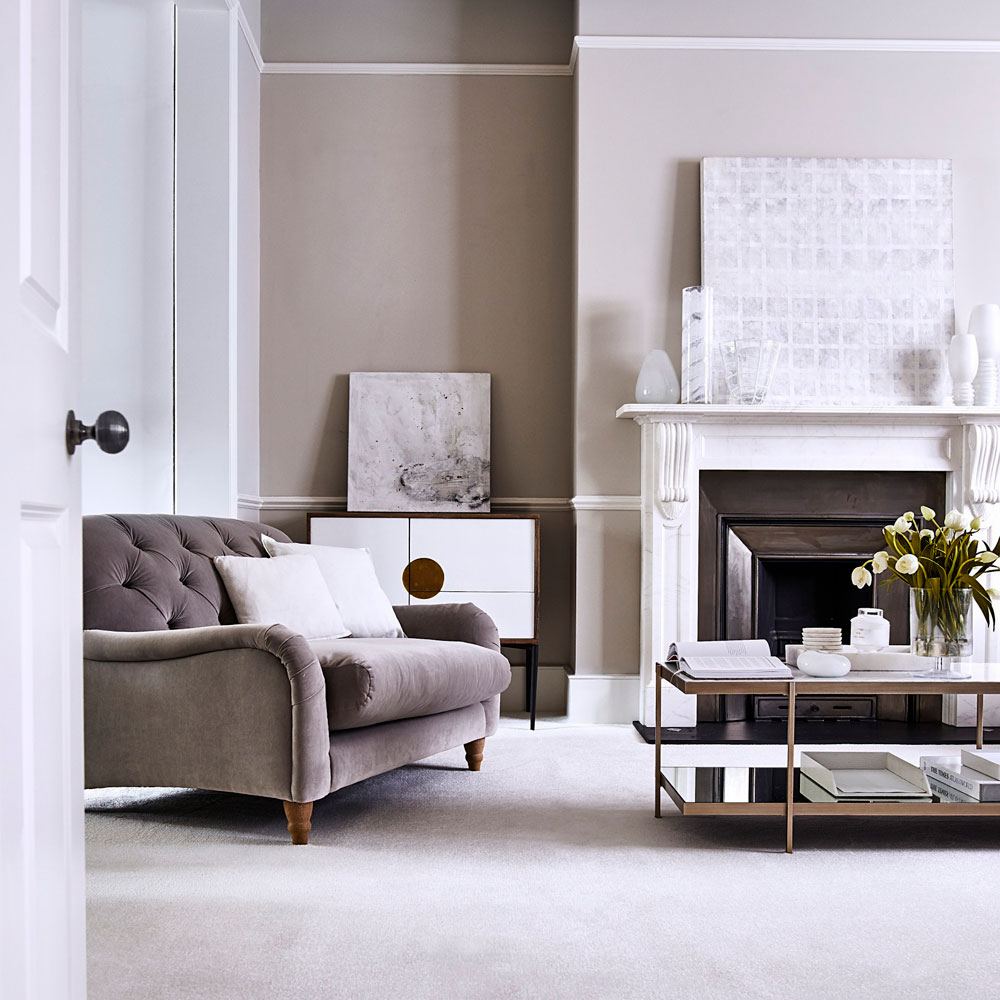
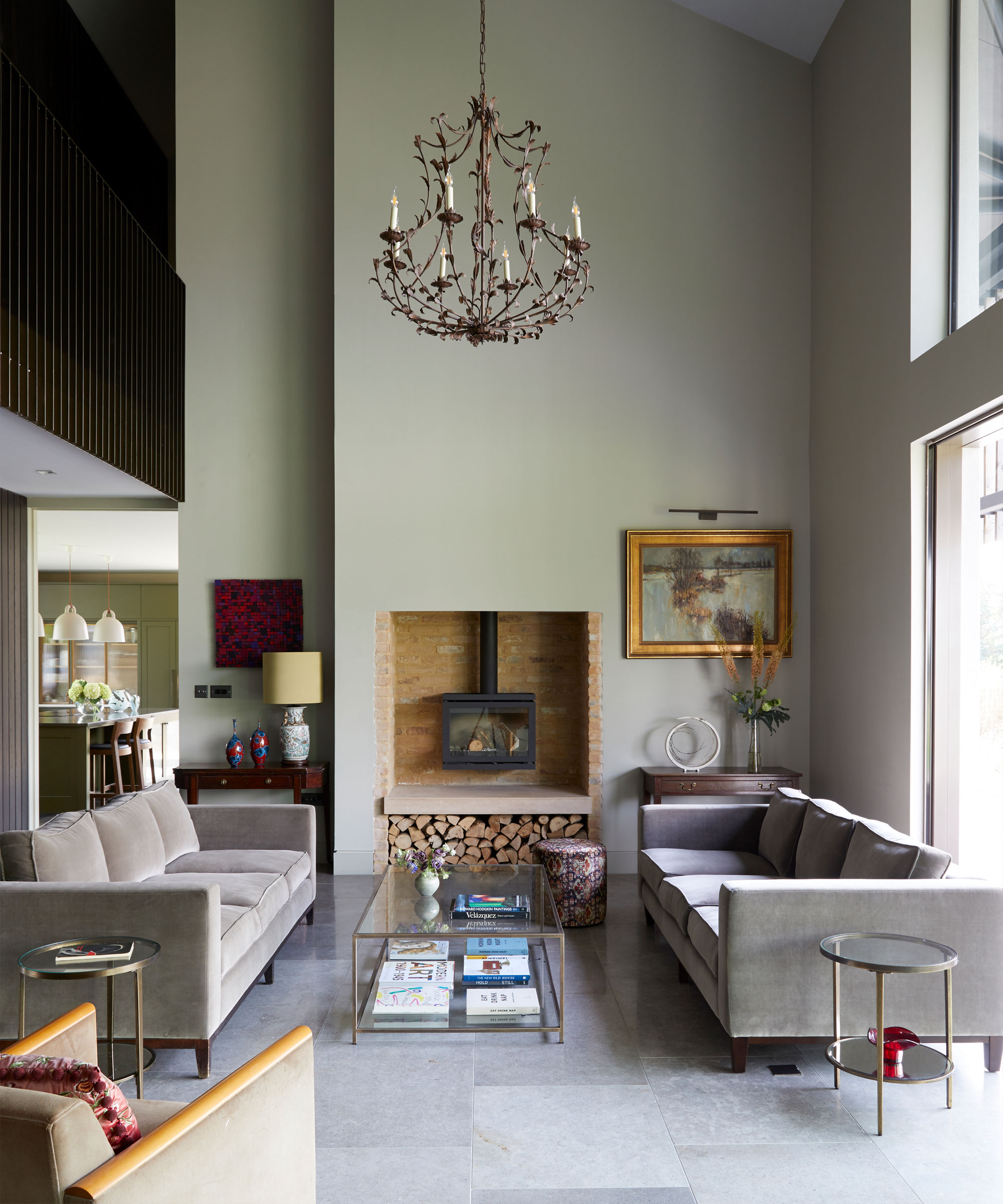
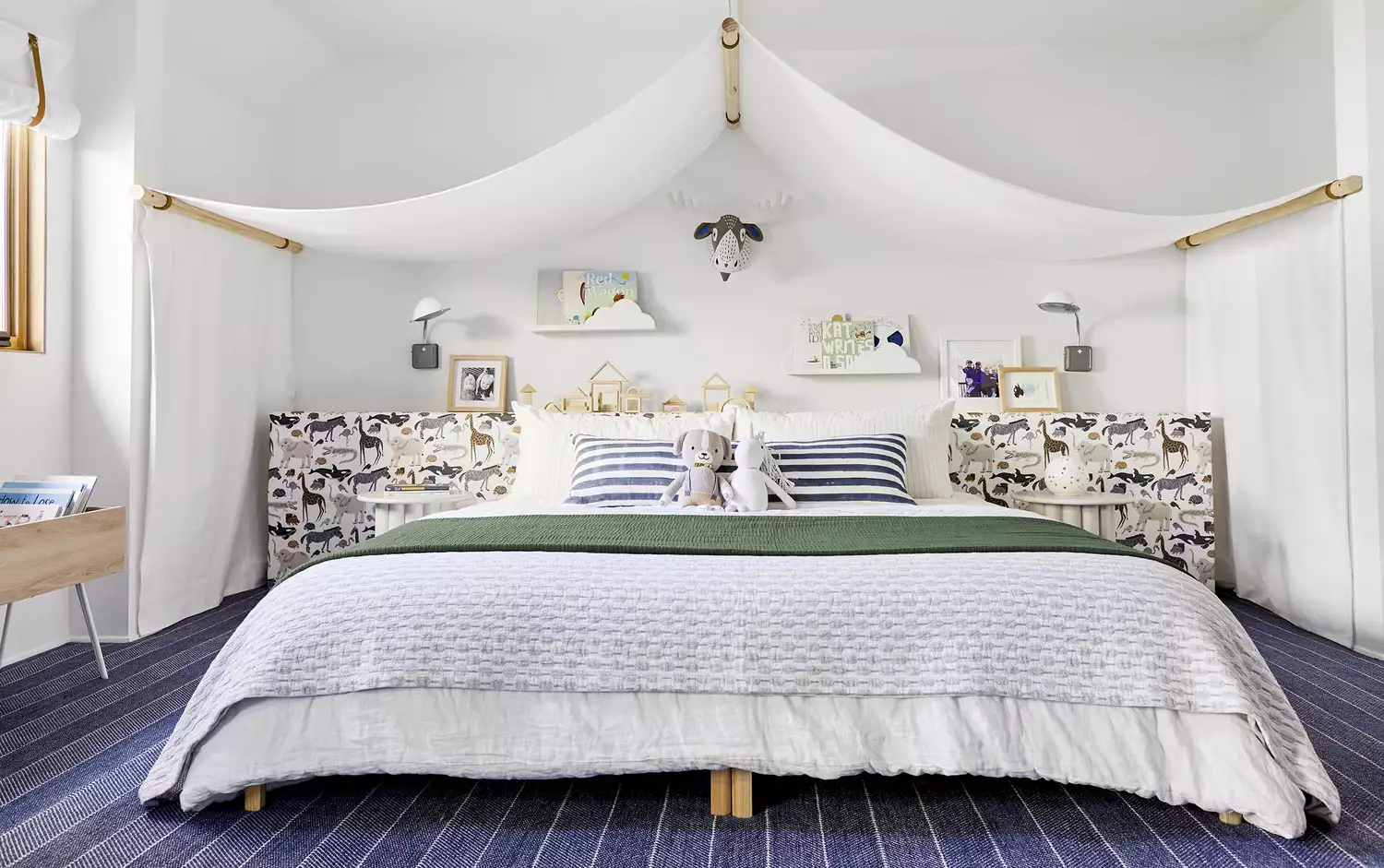
Darren Jett further advises using carpet as a unifying element in tonal interiors, where a solid velour wool carpet closely matches wall colors and furniture fabrics to create a calm and cohesive environment. He also encourages experimental uses, such as incorporating bold patterns or colors, or even unconventional laying techniques like an 'almost' wall-to-wall installation that reveals the underlying wood floor. For durability, he suggests using high-quality wool with crypton-type sealers or commercial-grade carpet for budget-conscious projects. He also mentions innovative applications like carpeted bases for sunken sofas and beds.
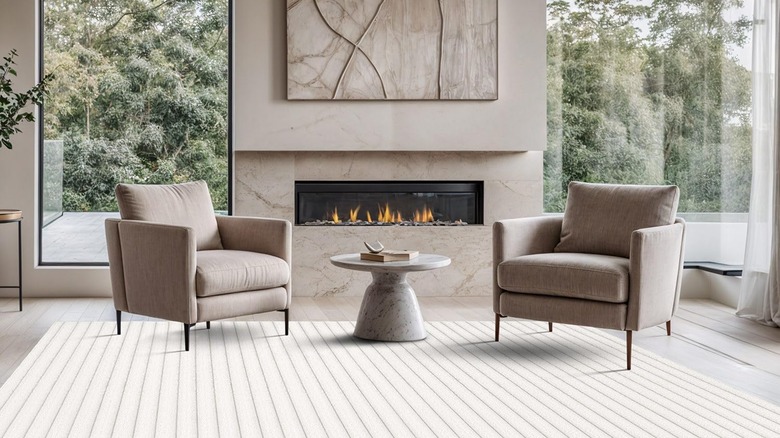
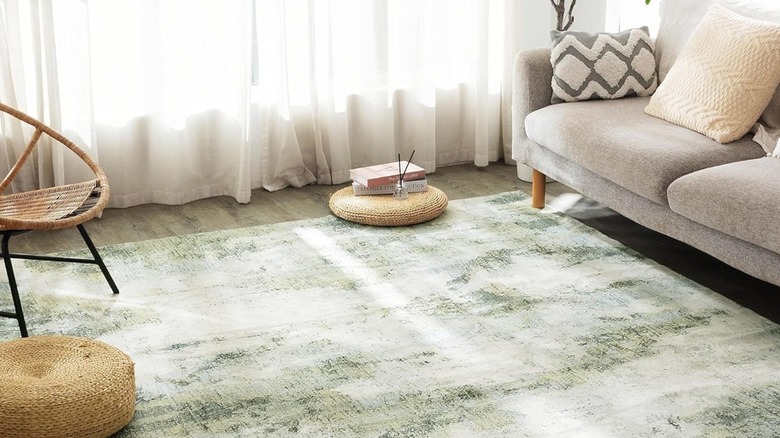
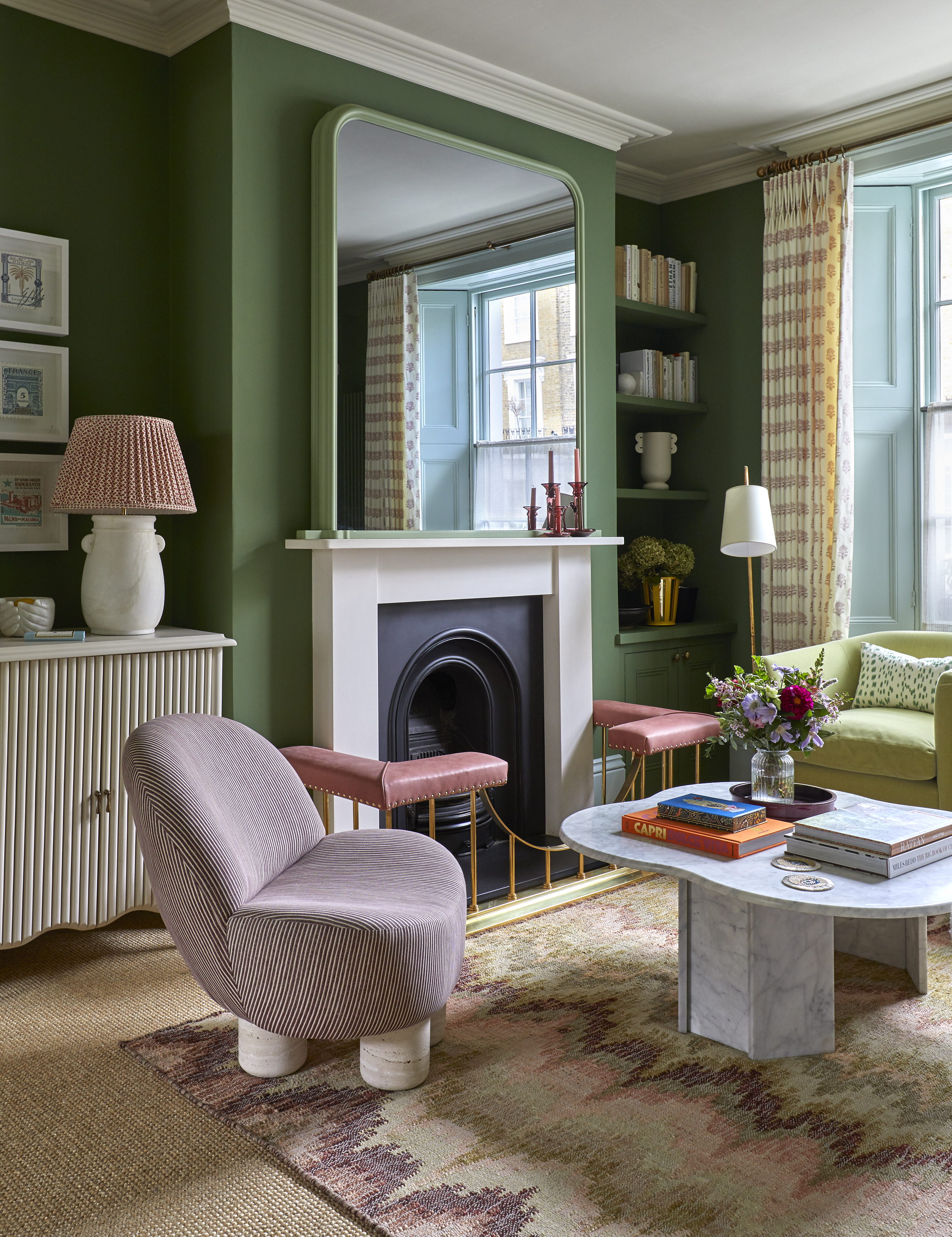
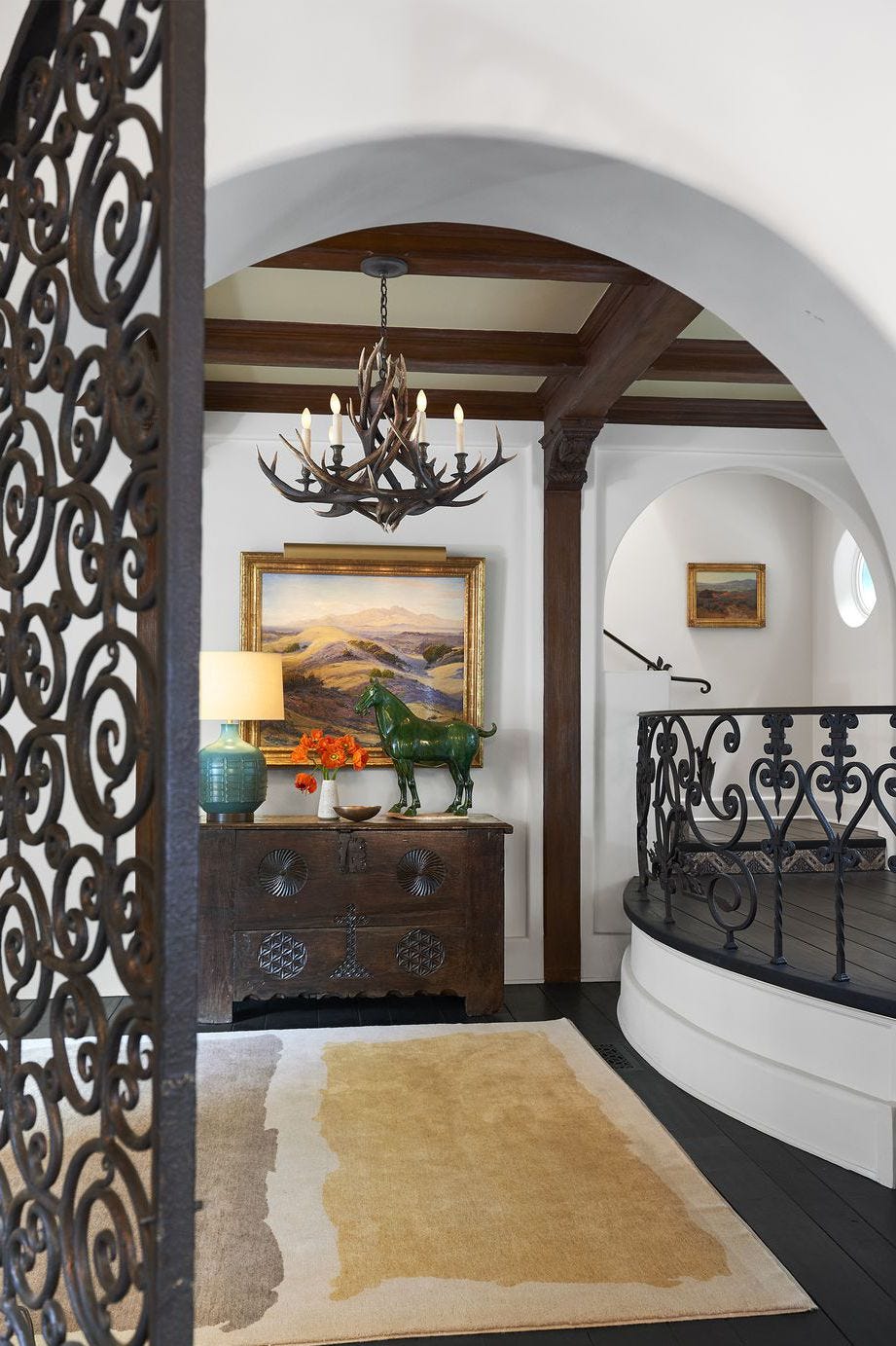
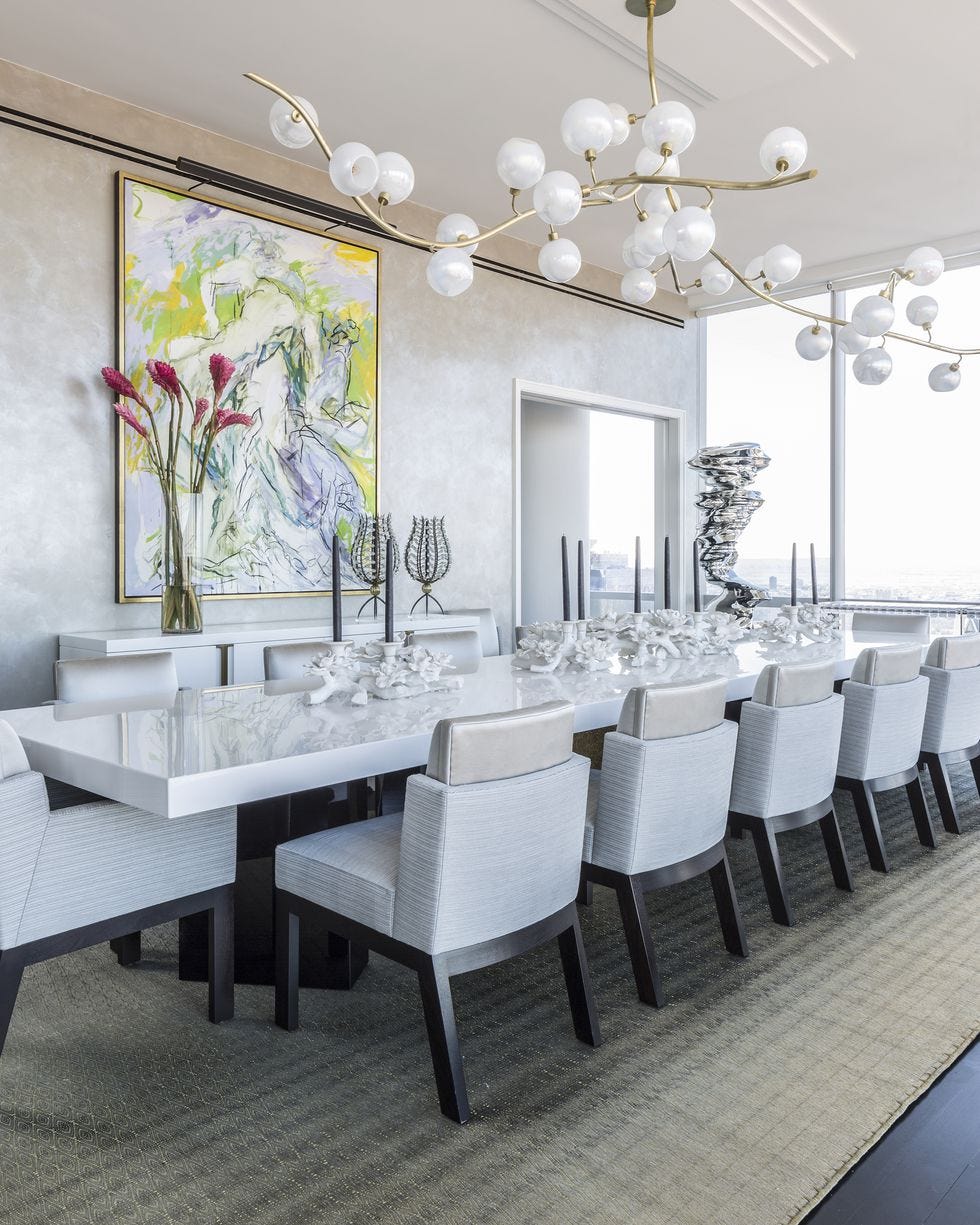
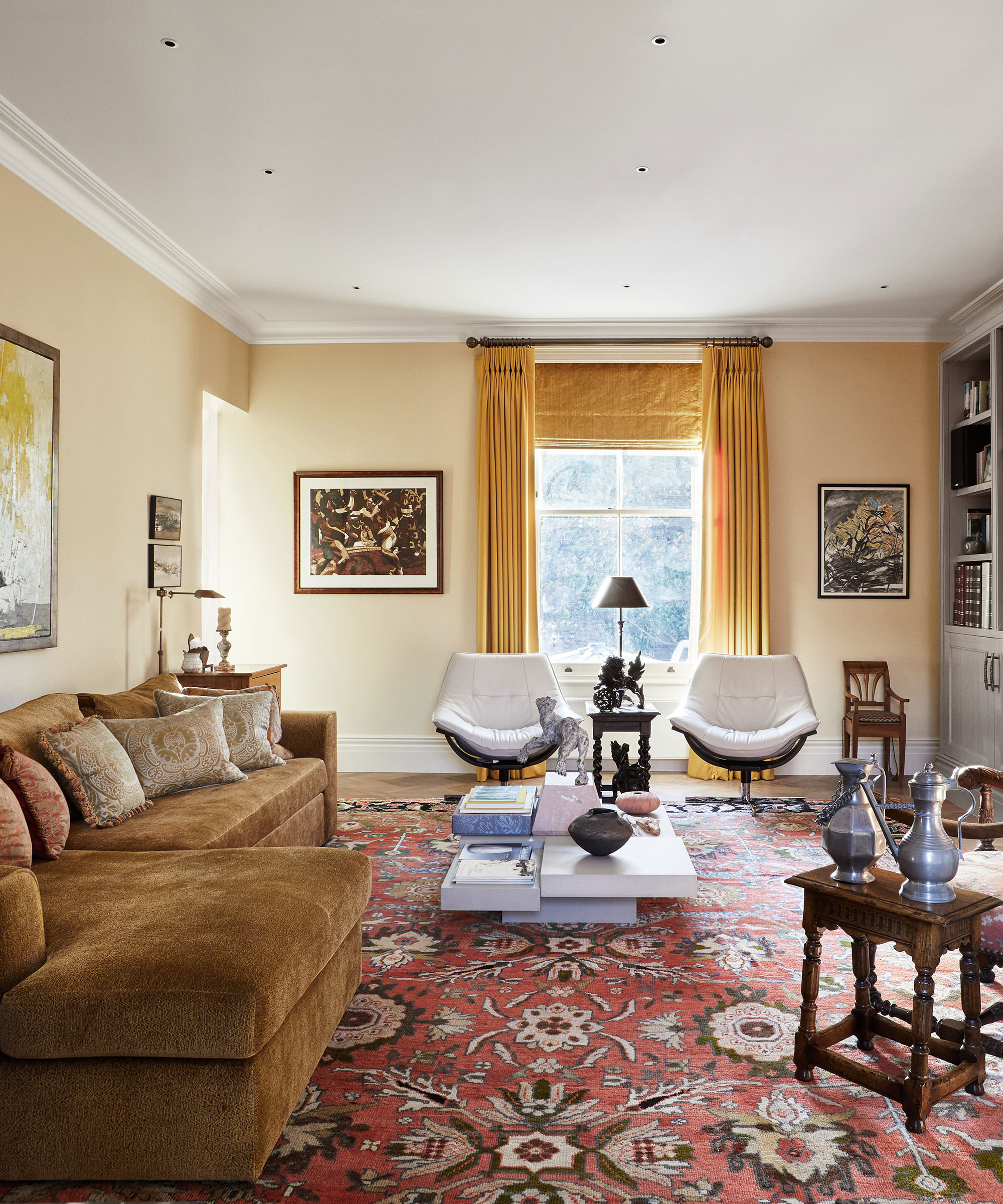
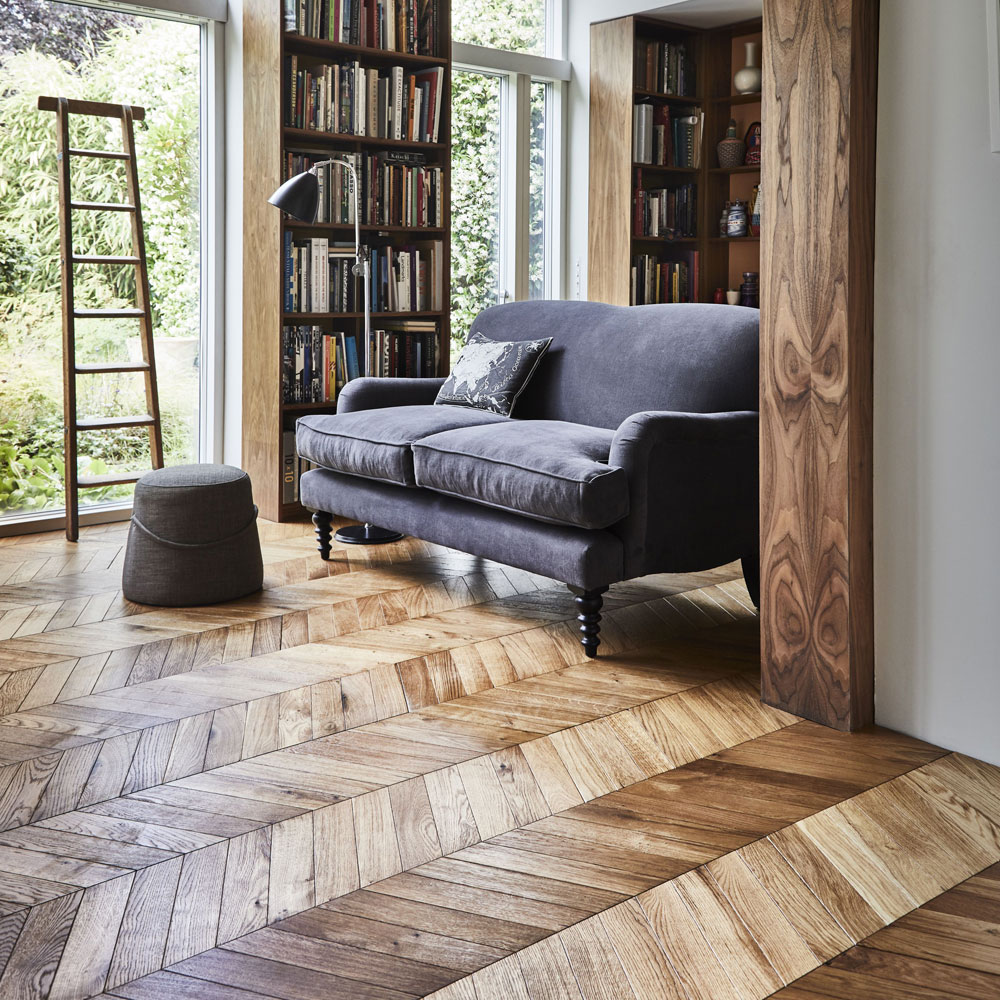
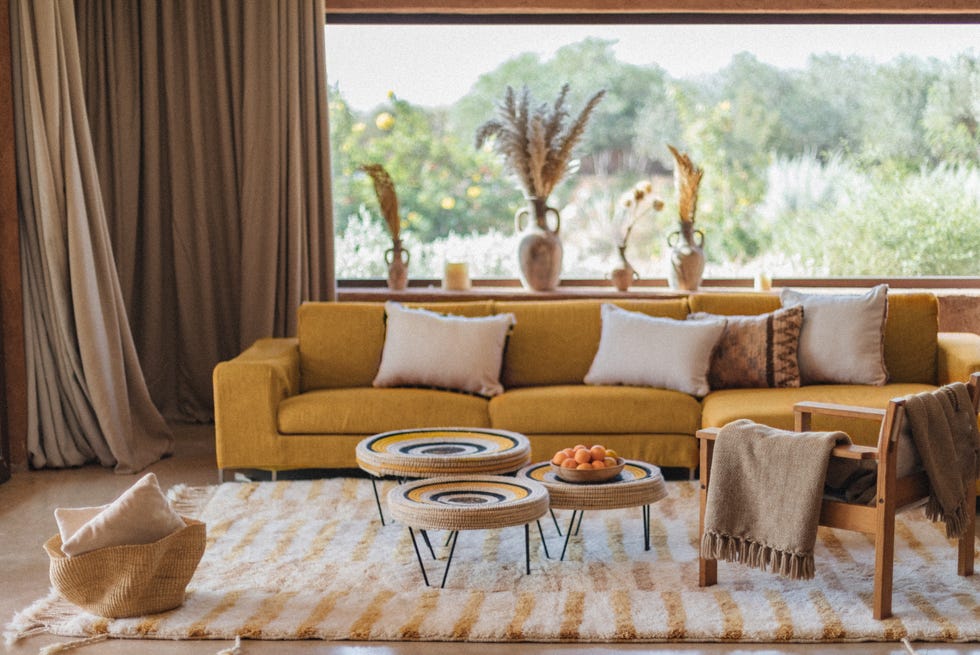
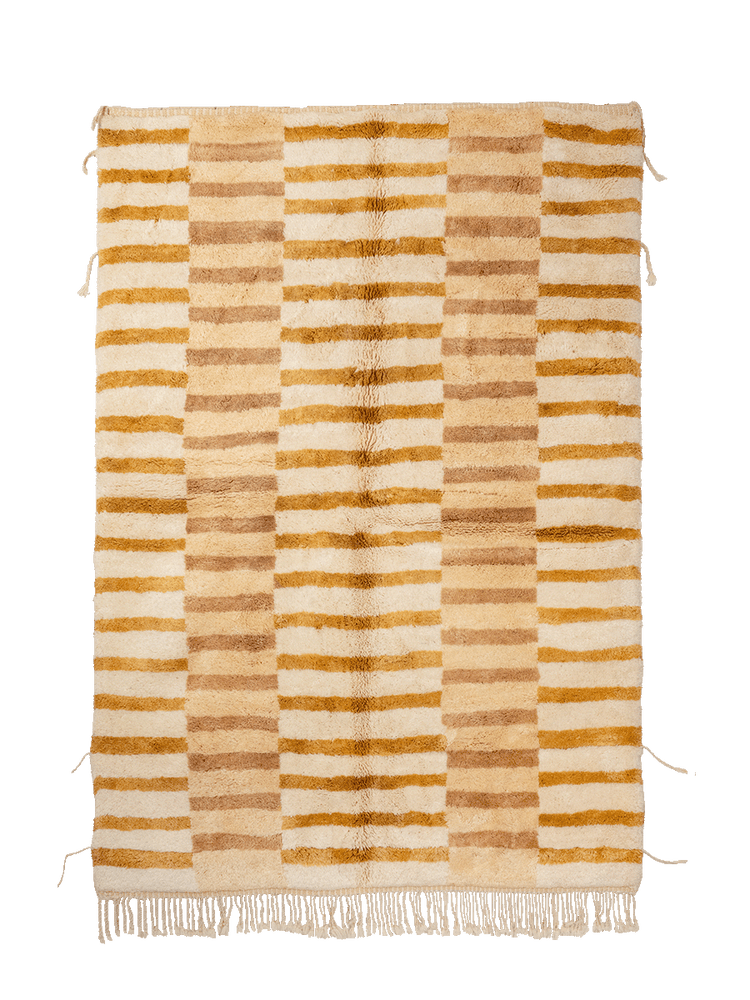
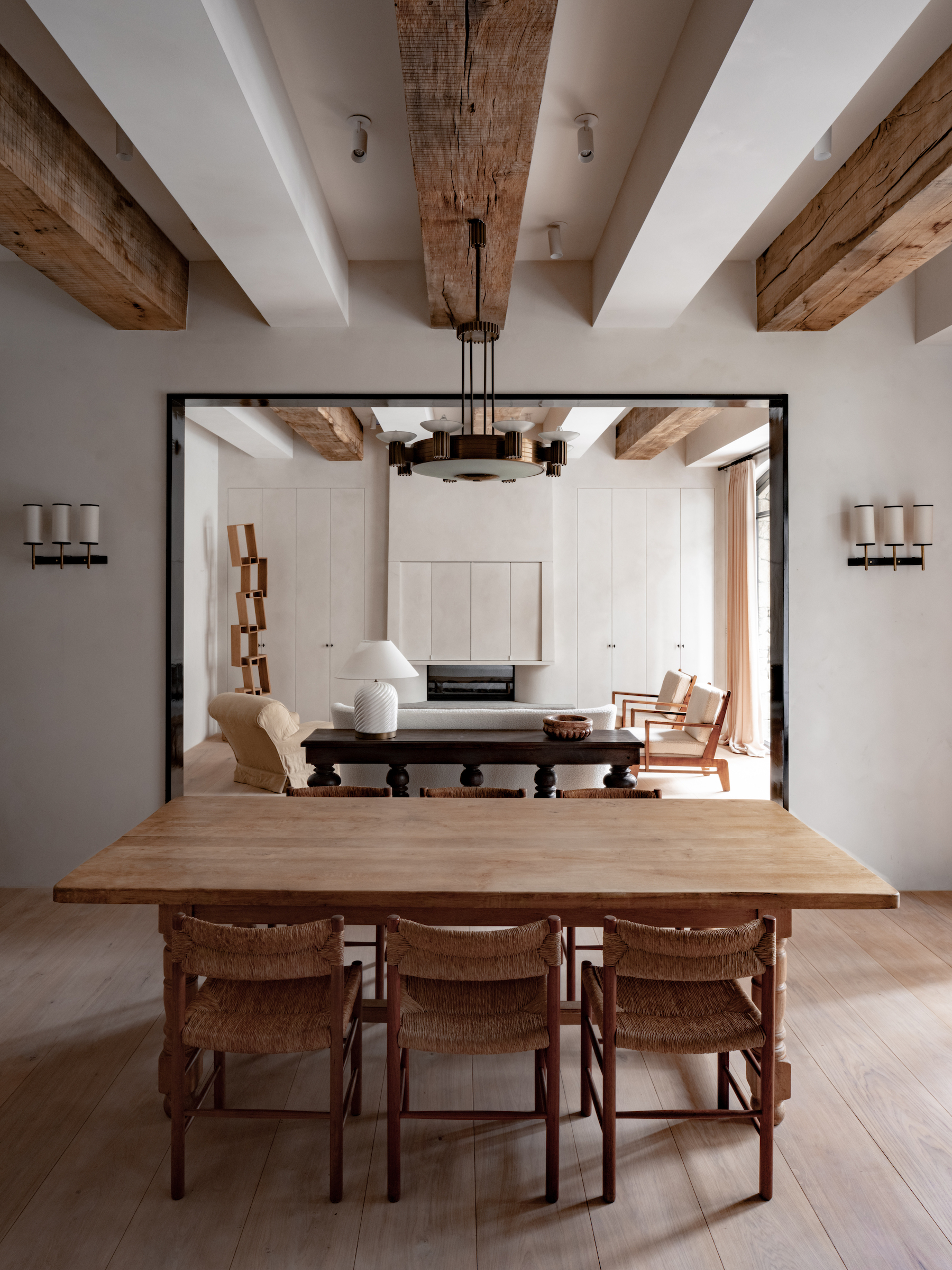
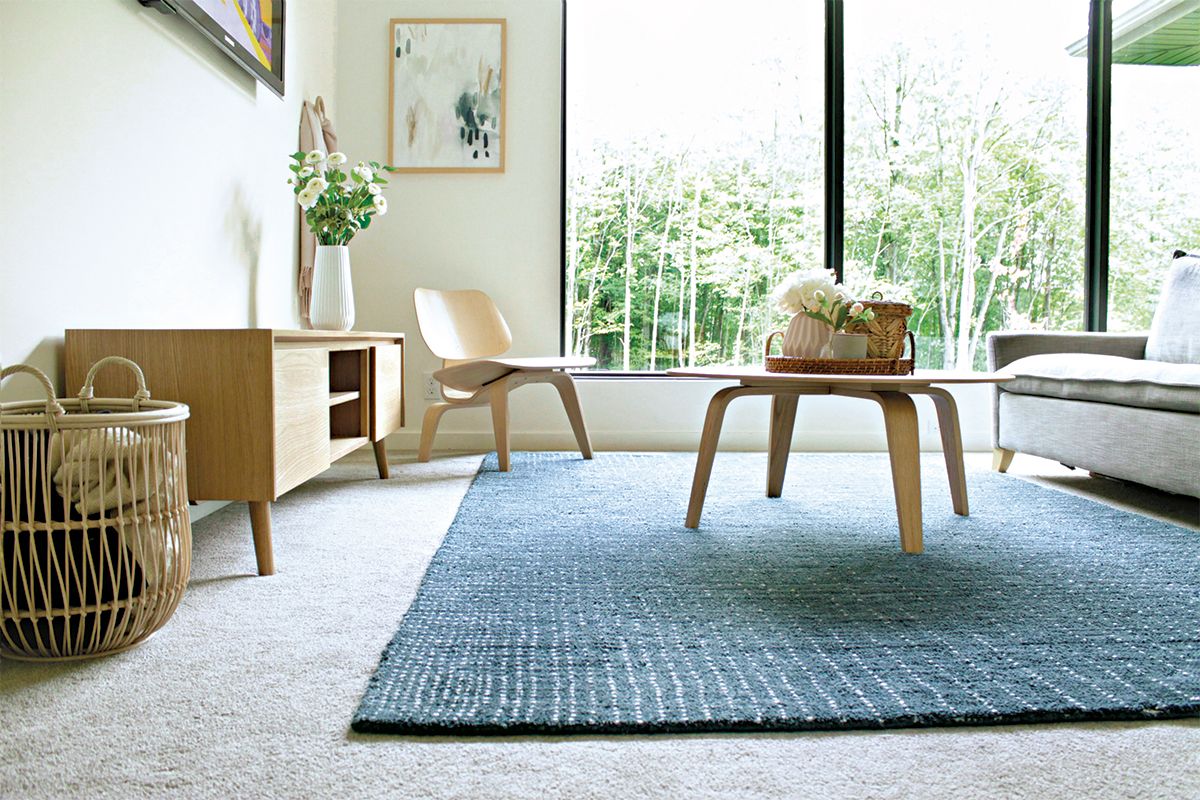
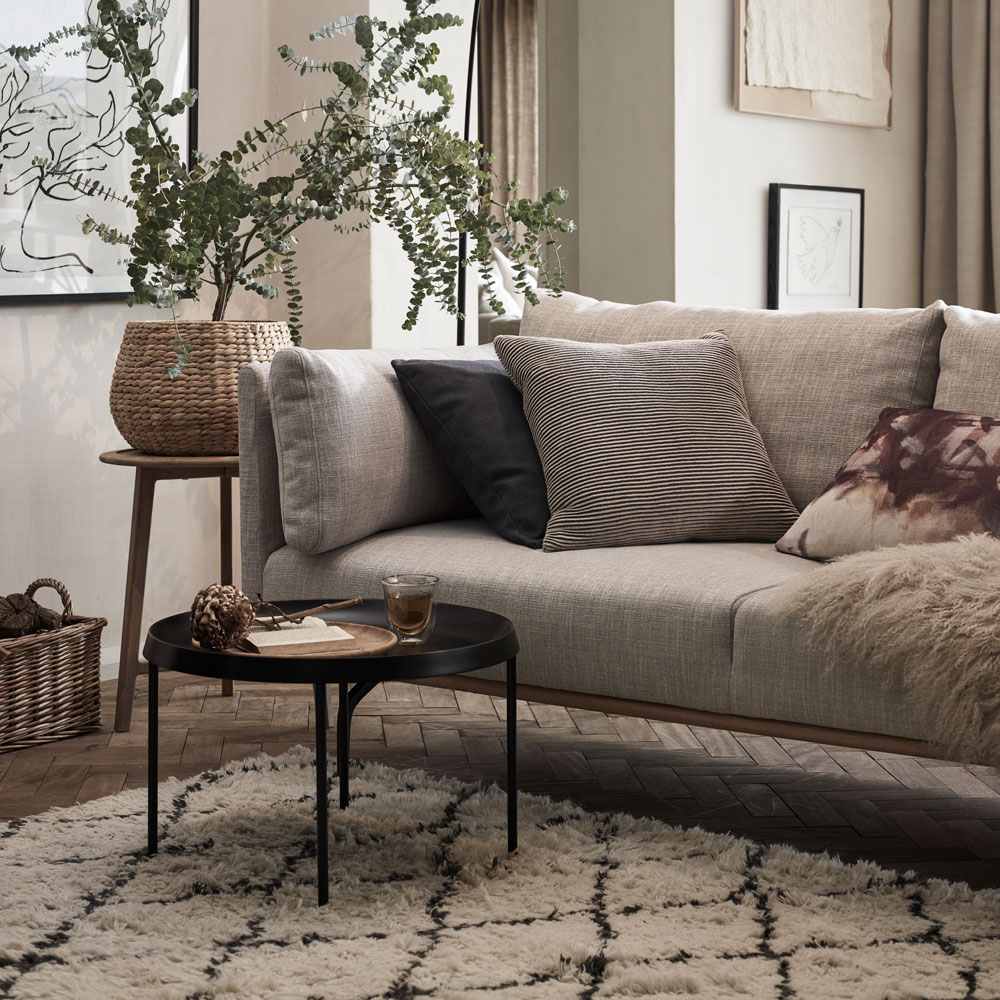
For those disinclined towards carpet, several alternatives are popular among designers. Rugs are a prominent choice, offering warmth and texture. Marie Flanigan advocates for layering rugs, placing a large neutral rug beneath a complementary, smaller rug to define areas within a space. Tom Lawrence-Levy sees area rugs as essential in every room, providing texture, warmth, contrast, and framing elements. He cautions against layering rugs over existing carpets, as it can disrupt the visual appeal. Shoshanna Shapiro favors natural elements like wood flooring for its variety and longevity, suggesting that strategically placed area rugs can accent wood tones and unify a room's color palette. Darren Jett offers a creative alternative: painted floors using outdoor-grade glossy oil paint for a tonal look, particularly effective in spaces without appealing wood floors, offering durability and easy maintenance.
#InteriorDesign #CarpetTrends #FlooringOptions #HomeDecor #DesignDebate #ModernInteriors #RugLayering #RenovationAdvice #InteriorDesign #CarpetTrends #FlooringOptions #HomeDecor #DesignDebate #ModernInteriors #RugLayering #RenovationAdvice
0 komentarzy łącznie
 Brak komentarzy jeszcze
Możesz również polubić
Comfy carpet, once dismissed as out-of-date, is back in vogue

These Are the Top Carpet Trends to Know for 2019
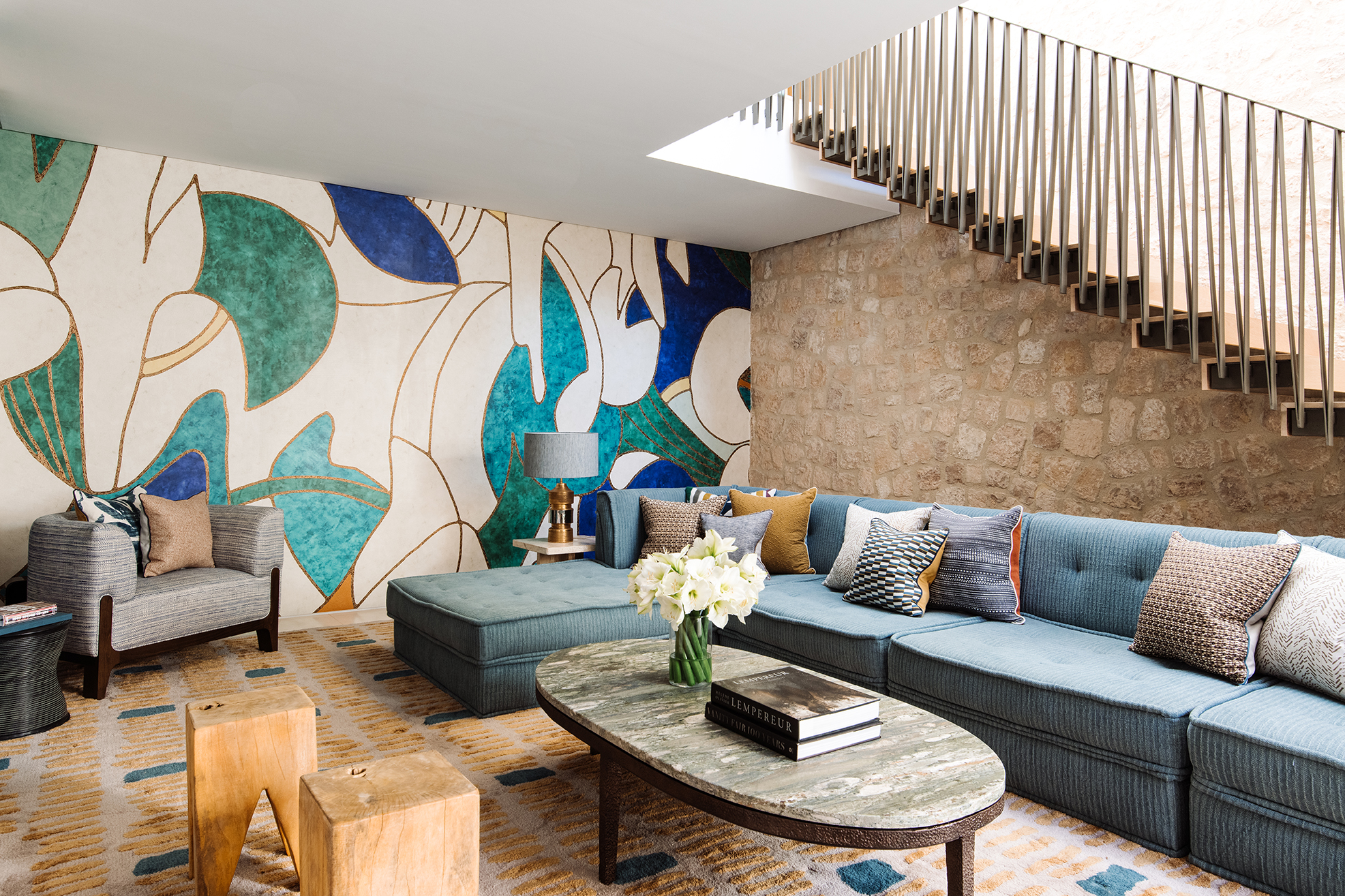
These designer-approved wall-to-wall carpet ideas will change your mind about flooring trends
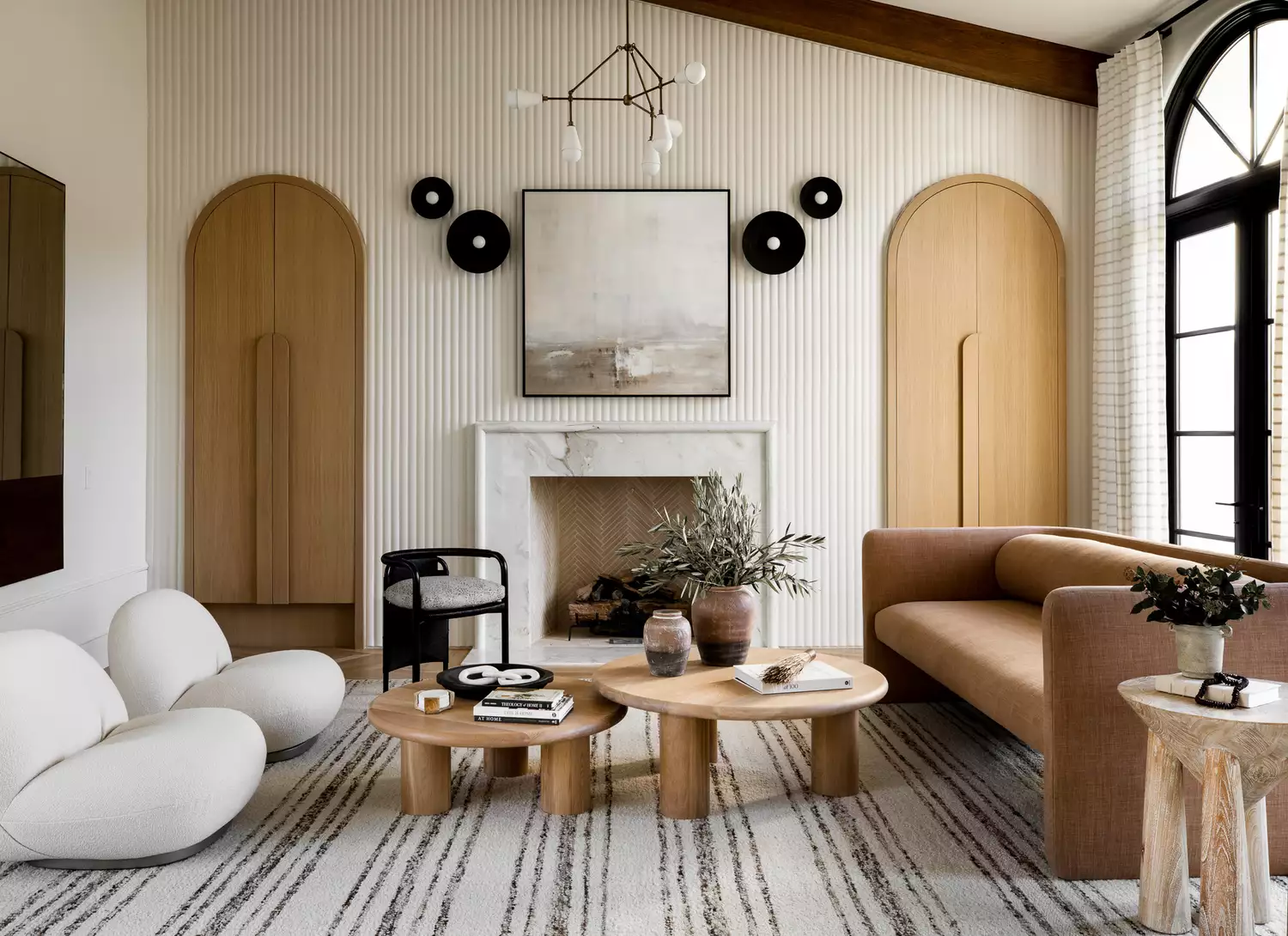
6 Carpet Trends for 2025 That Will Transform Every Room in Your Home

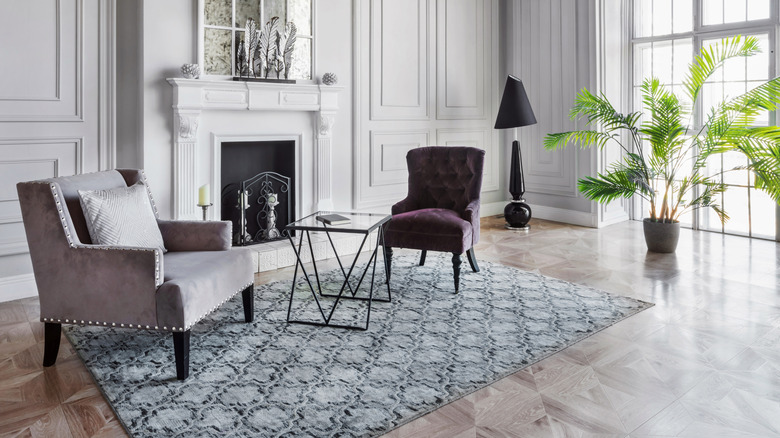
8 Carpet Floor Trends That Are Having A Moment In 2025
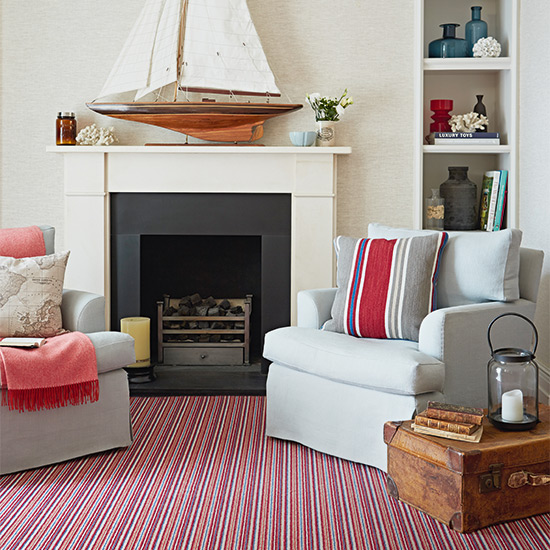
The latest looks for patterned carpet
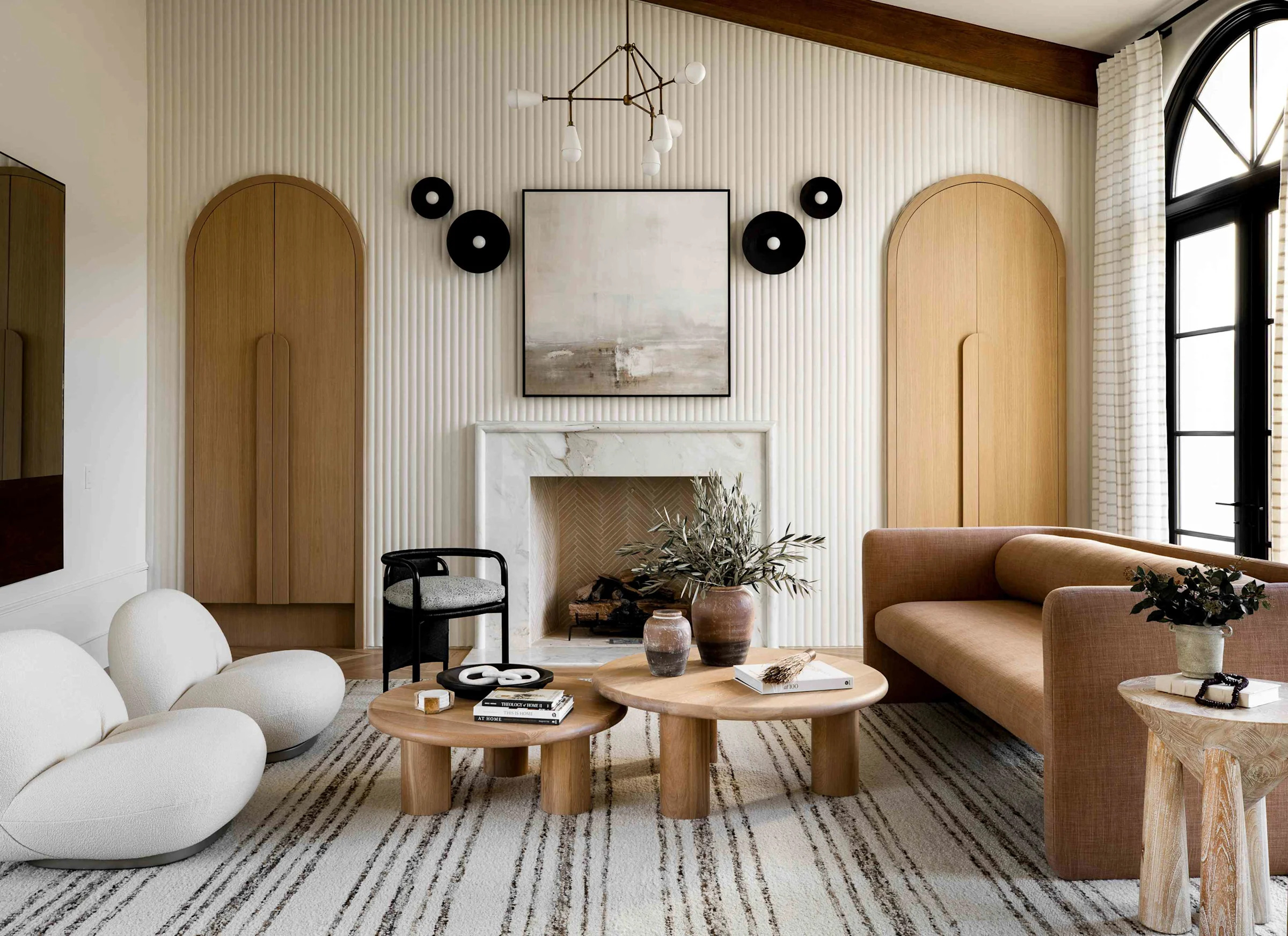
6 Carpet Trends for 2025 That Will Transform Every Room in Your Home

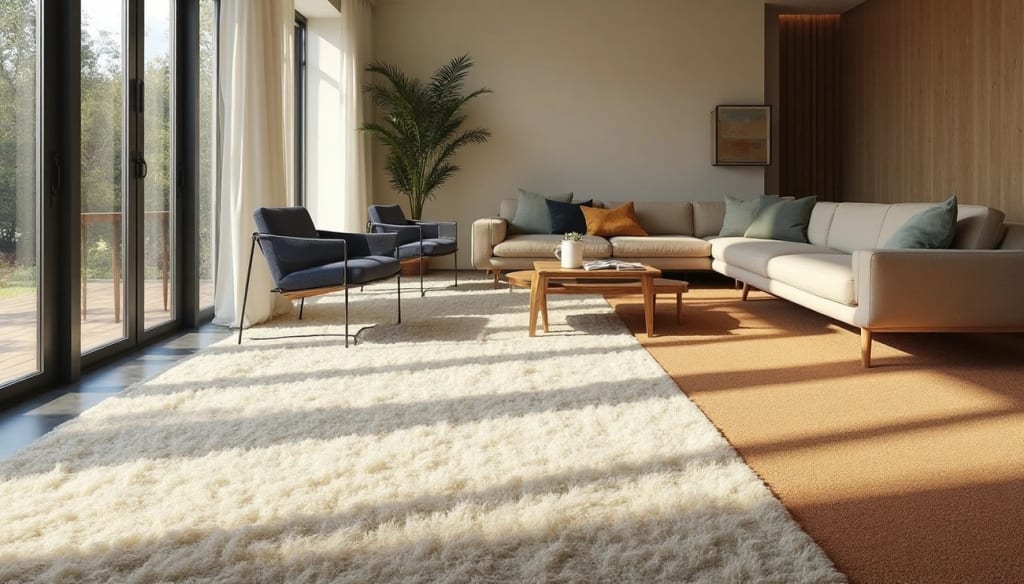
How to Choose the Perfect Carpet: Expert Guide to 2025 Trends

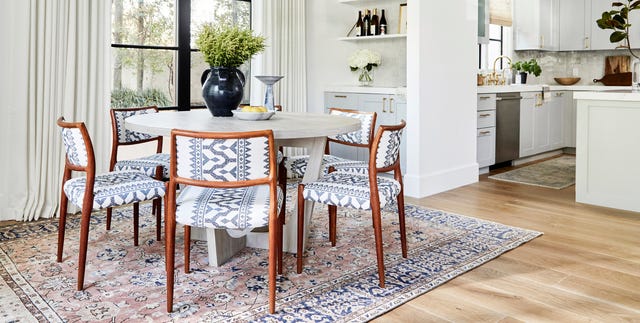
Top Designers Reveal the Carpet Trends We'll See in 2020
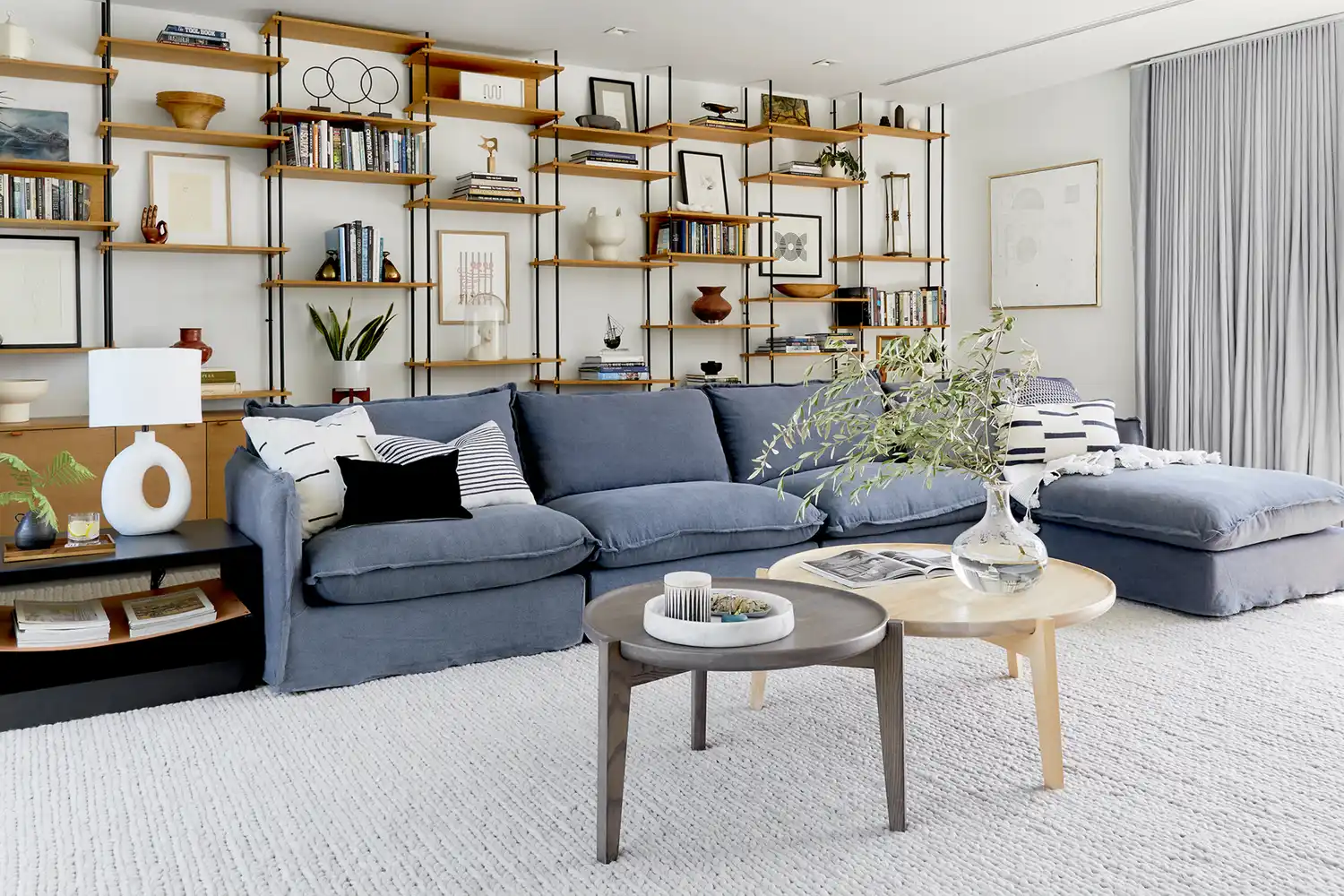
6 Carpet Trends Interior Designers Can't Stop Talking About for 2026
Flooring expert reveals the only downstairs room you should be using carpet in
Are your floors passé? Find out from these 8 outdated flooring trends designers are leaving behind in 2025
Is Wall-to-Wall Carpeting Coming Back in Style? Designers Didn't Hold Back

10 carpet trends interior designers are embracing in 2025

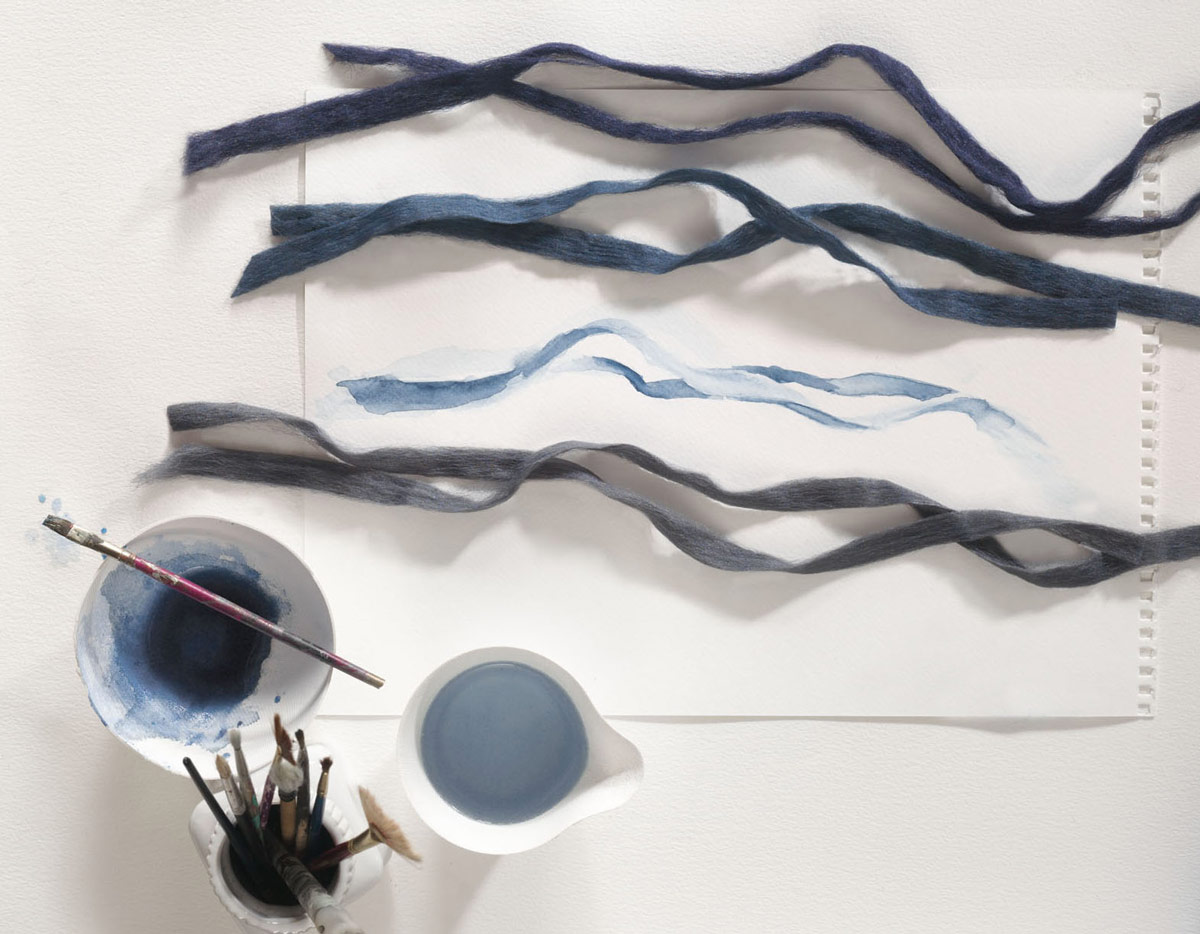
Q&A: Designer Kristin Stallings Looks to the Future of Carpet Fiber


These are the best carpet designs of the year

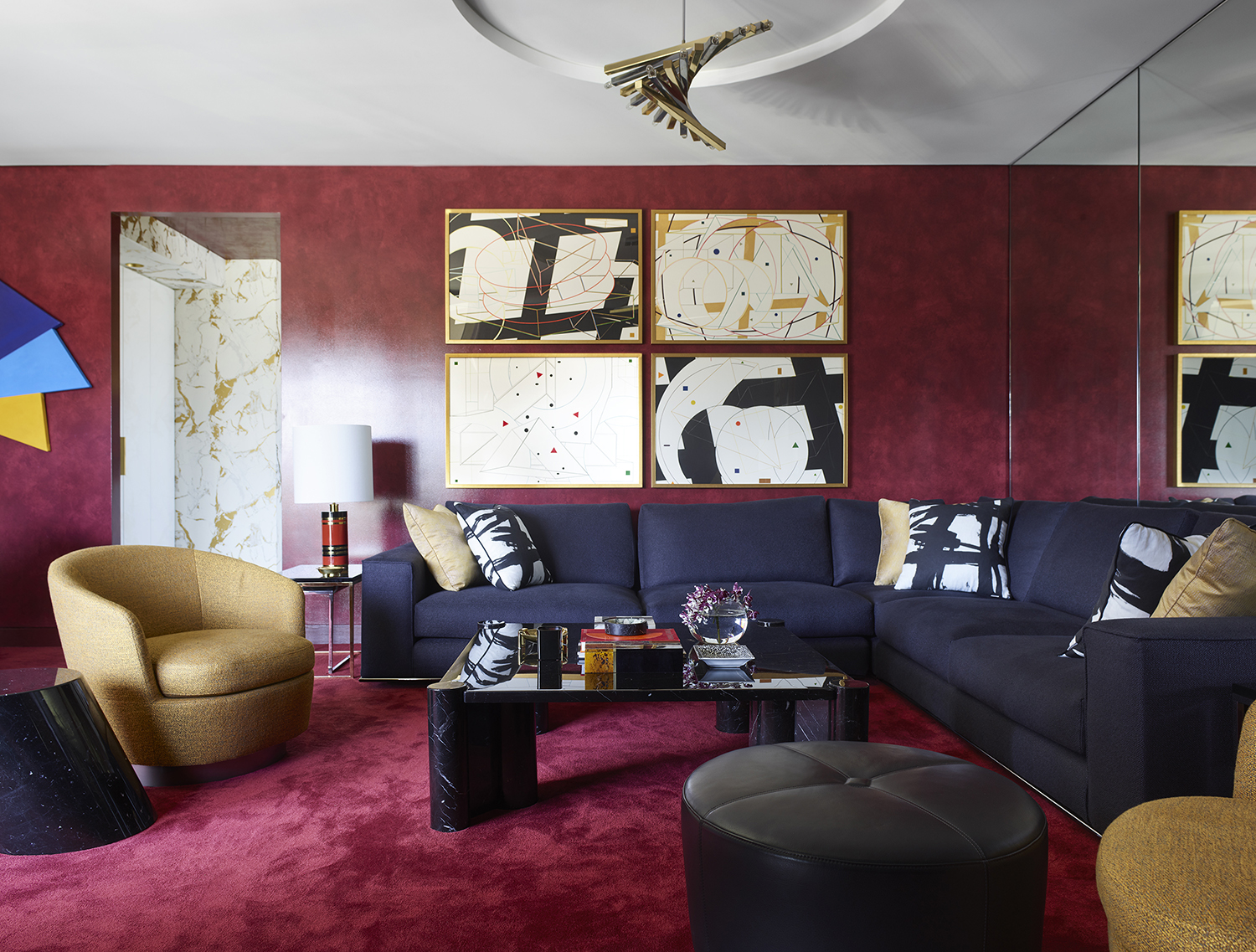
Carpet Trends — 17 Styles, Prints, and Designs Taking Over 2025
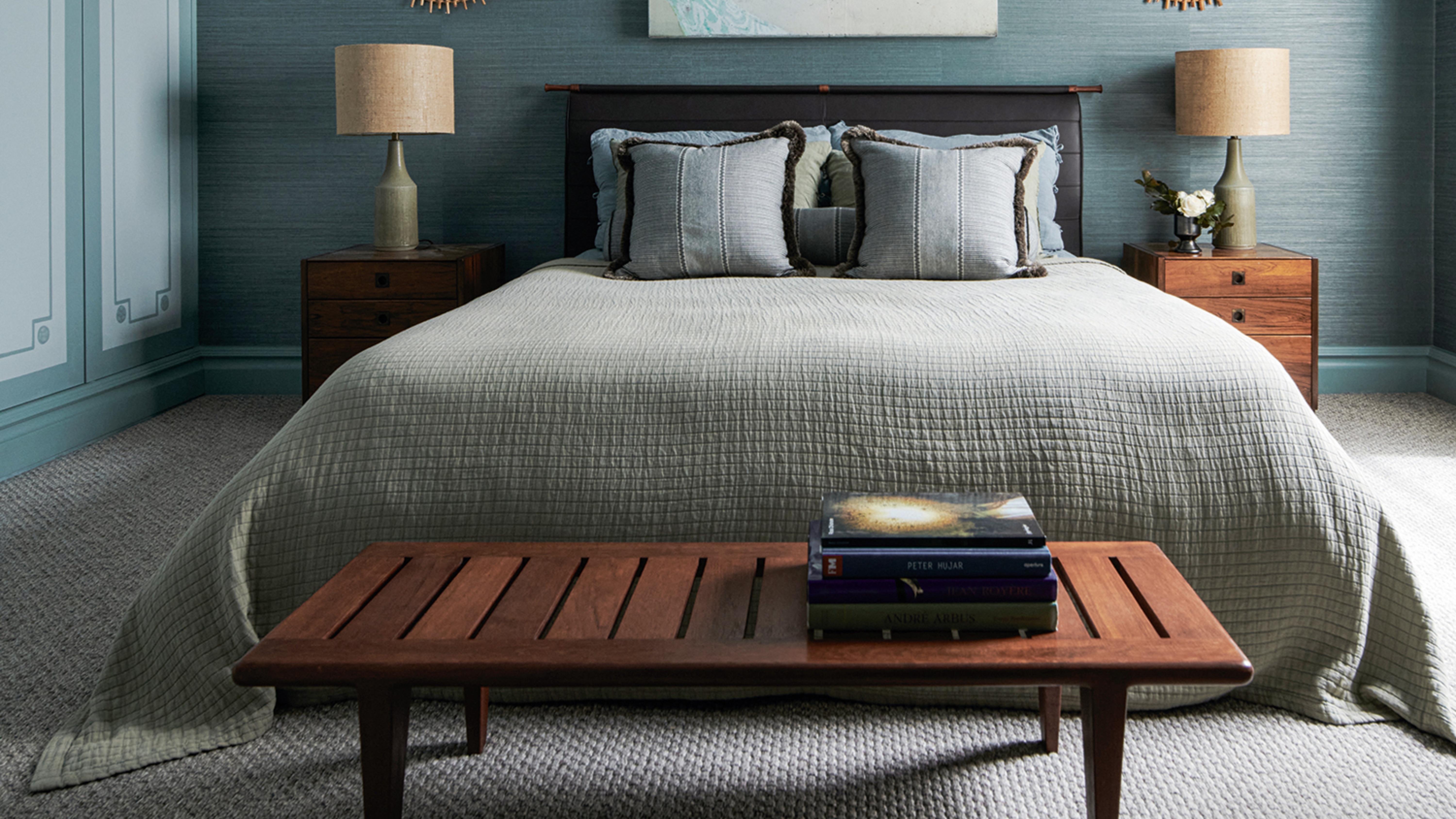
Is Carpets in Bedrooms Out of Style? We Discuss the Design
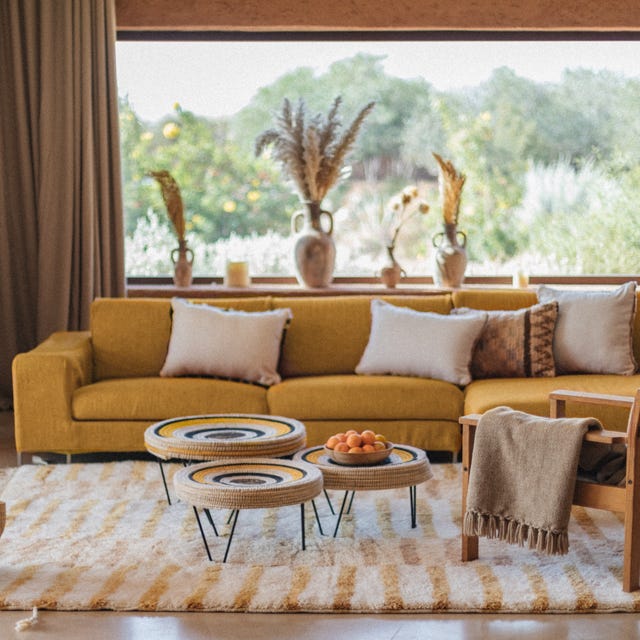
6 Rug Styles That Are Everywhere Right Now, According to Designers
5 Carpet Colors That Are So Outdated, According to an Interior Designer