1/9
How to make a backyard look bigger – 8 space-enhancing tricks that work every time
The illusion of a larger backyard can be achieved through various design strategies without necessarily expanding its physical footprint. By implementing specific choices in furniture, landscaping, and color, individuals can create a more expansive and harmonious outdoor living space. The article provides eight expert-backed suggestions to help homeowners visually extend their backyard.
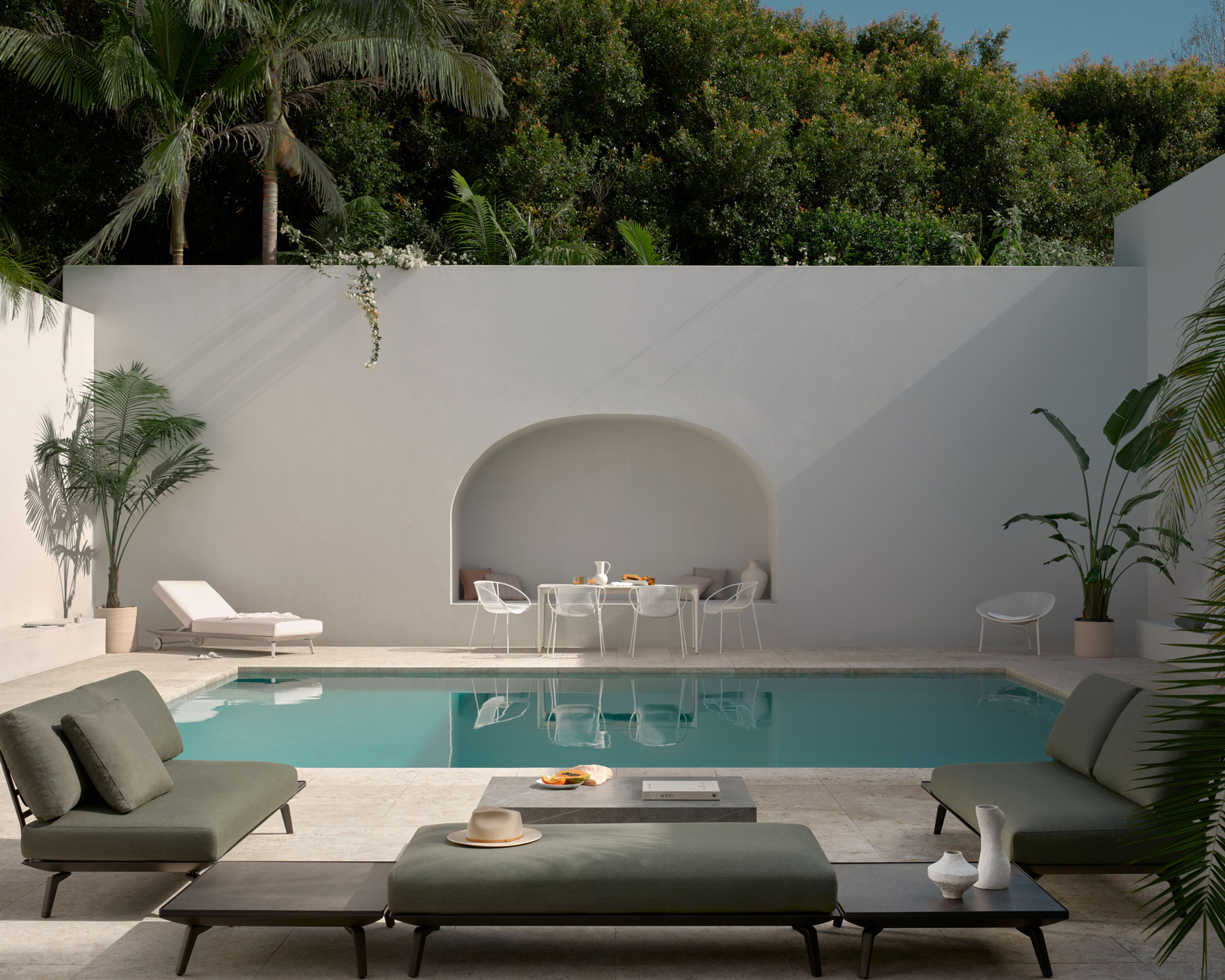
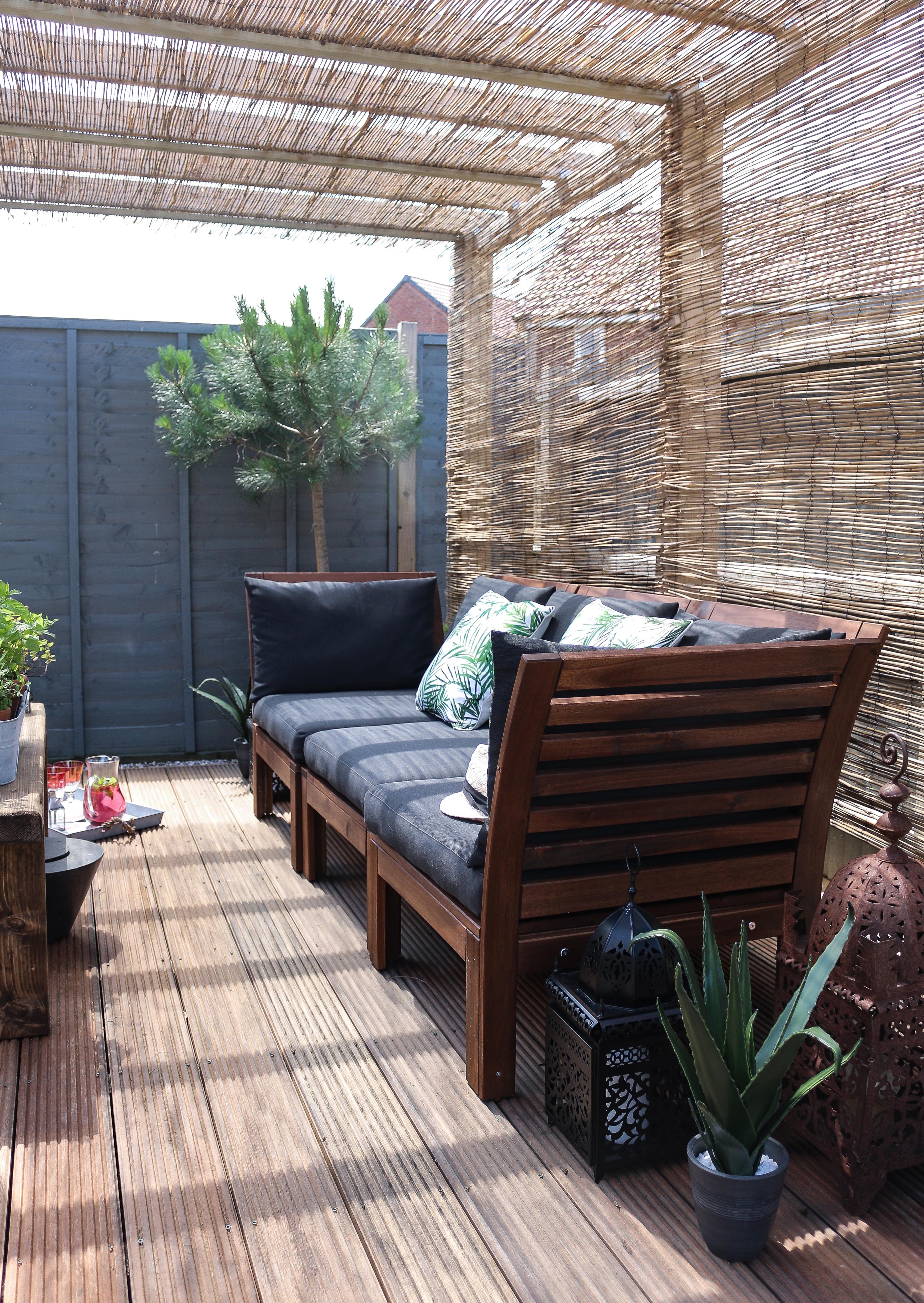
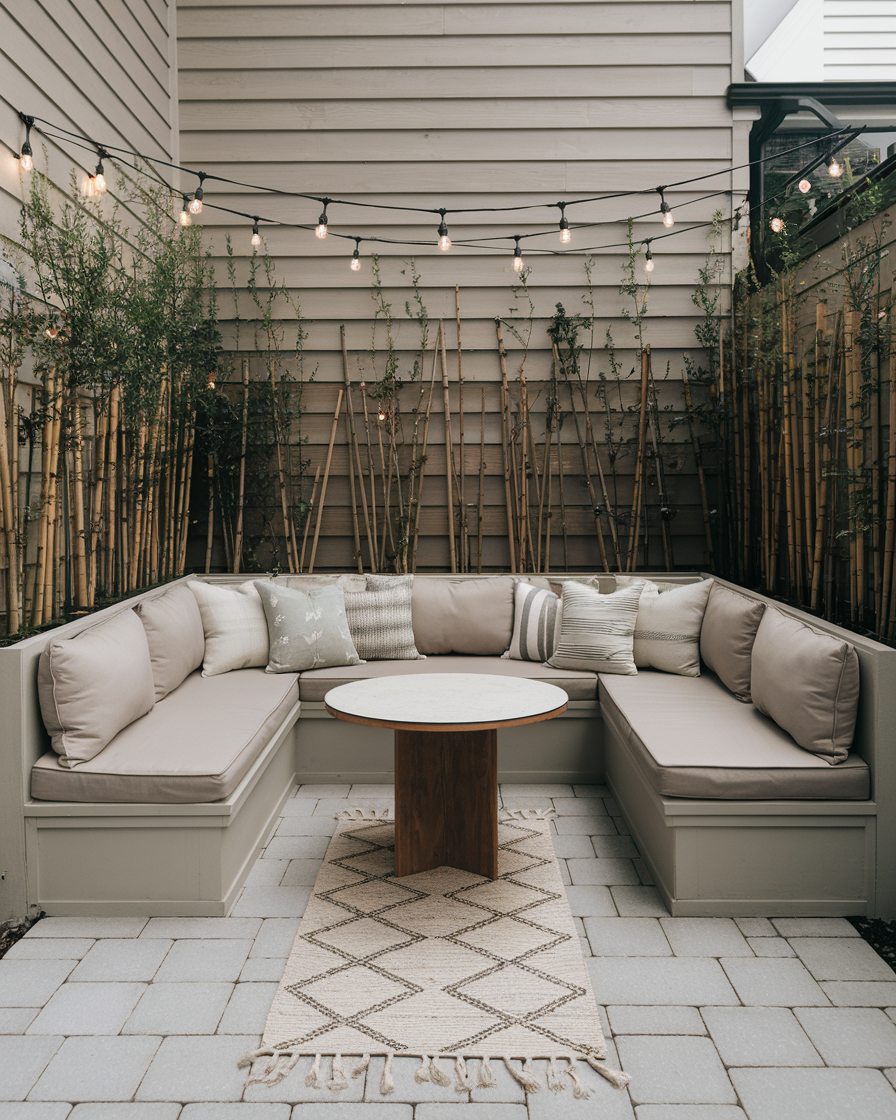
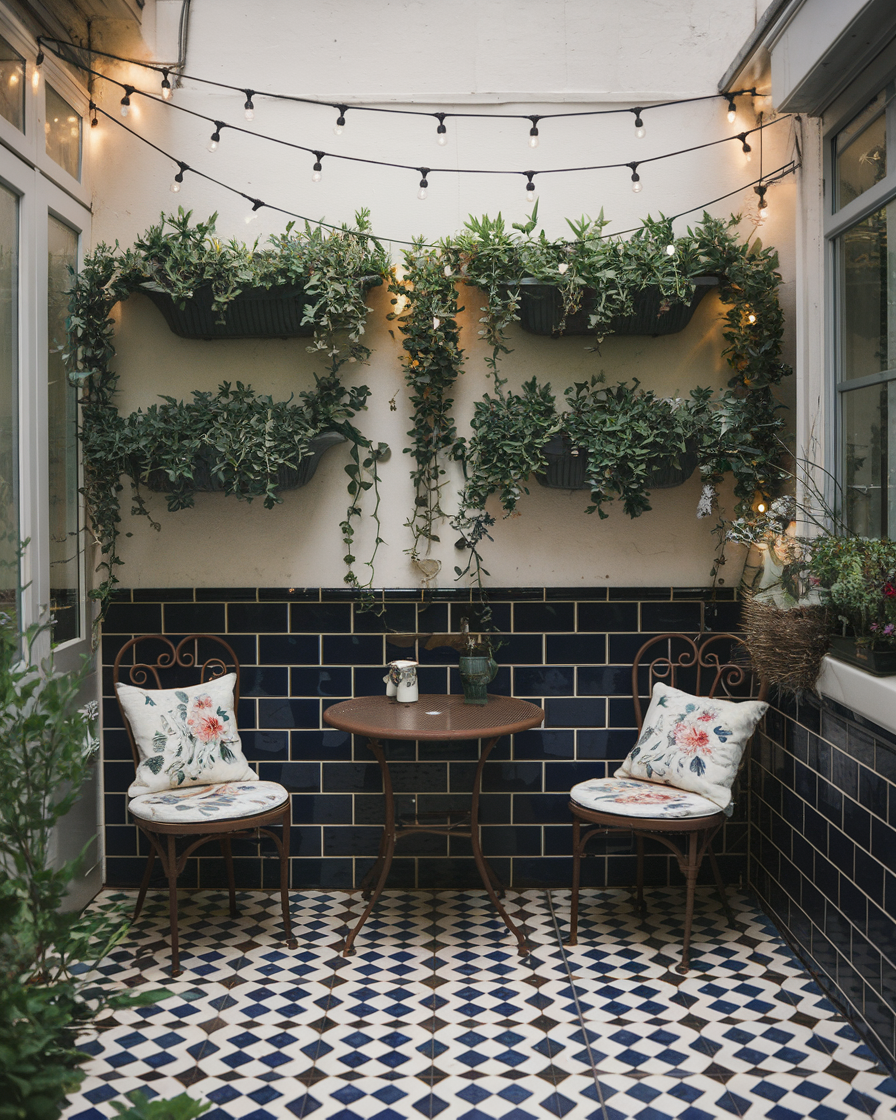
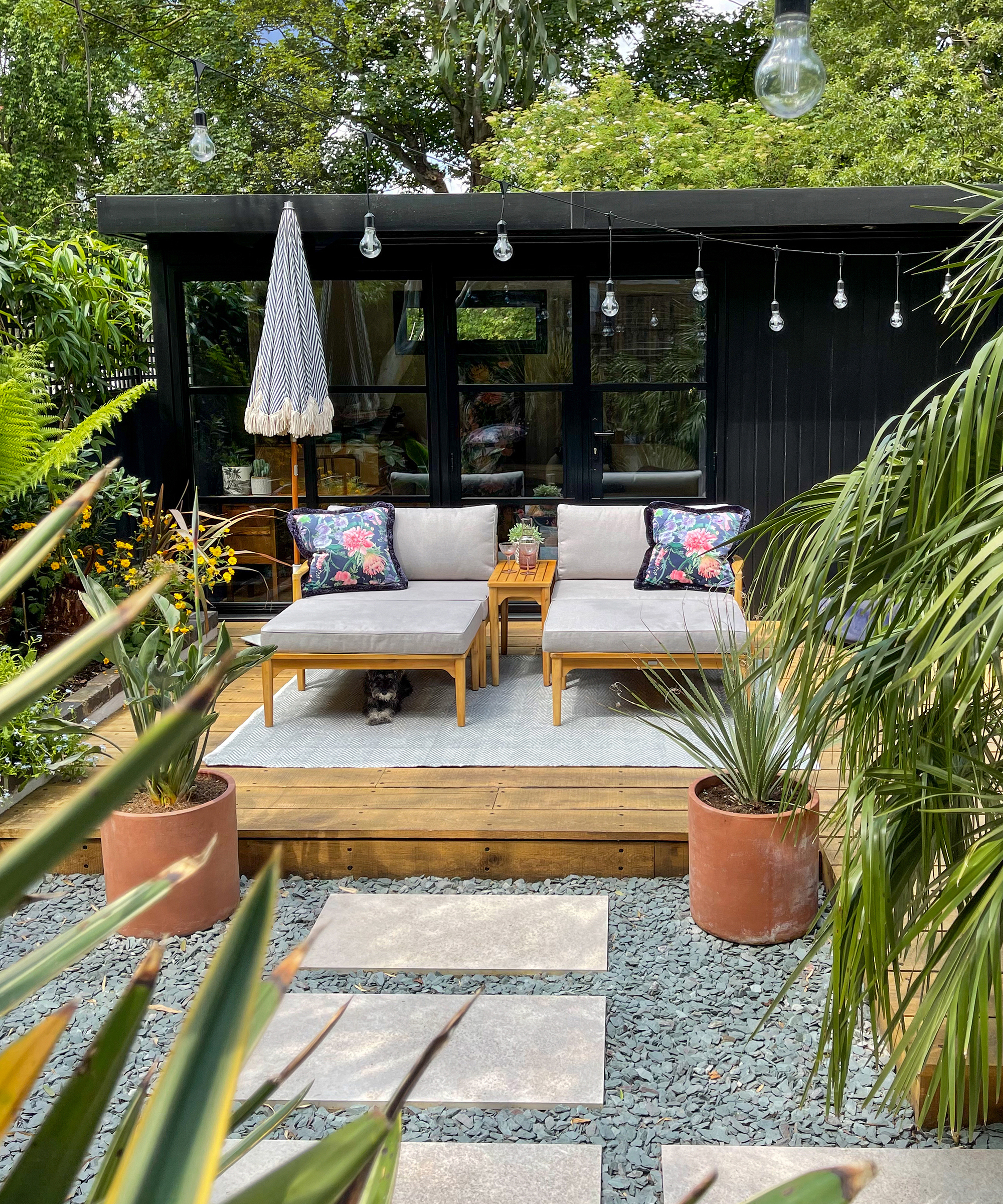
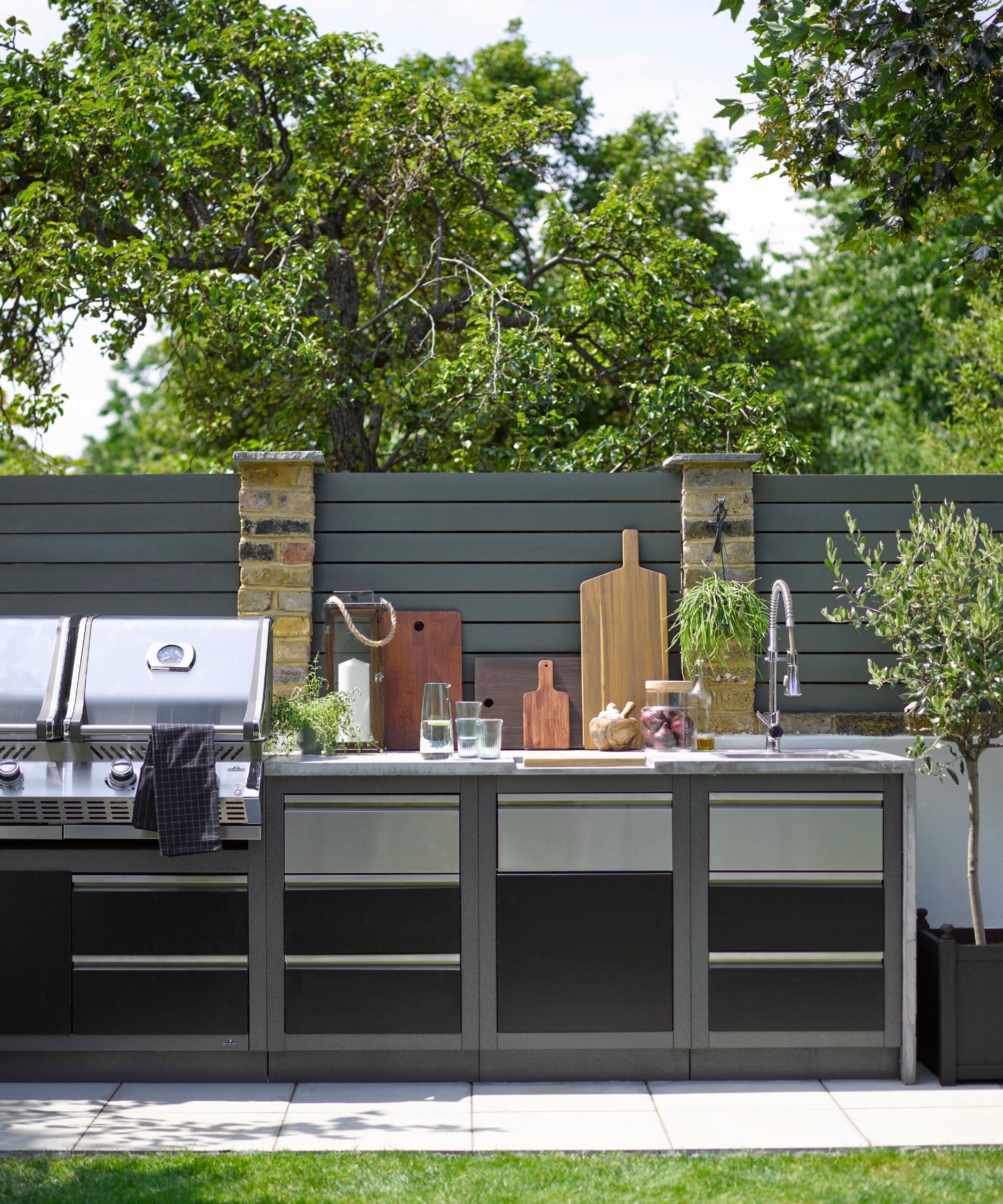
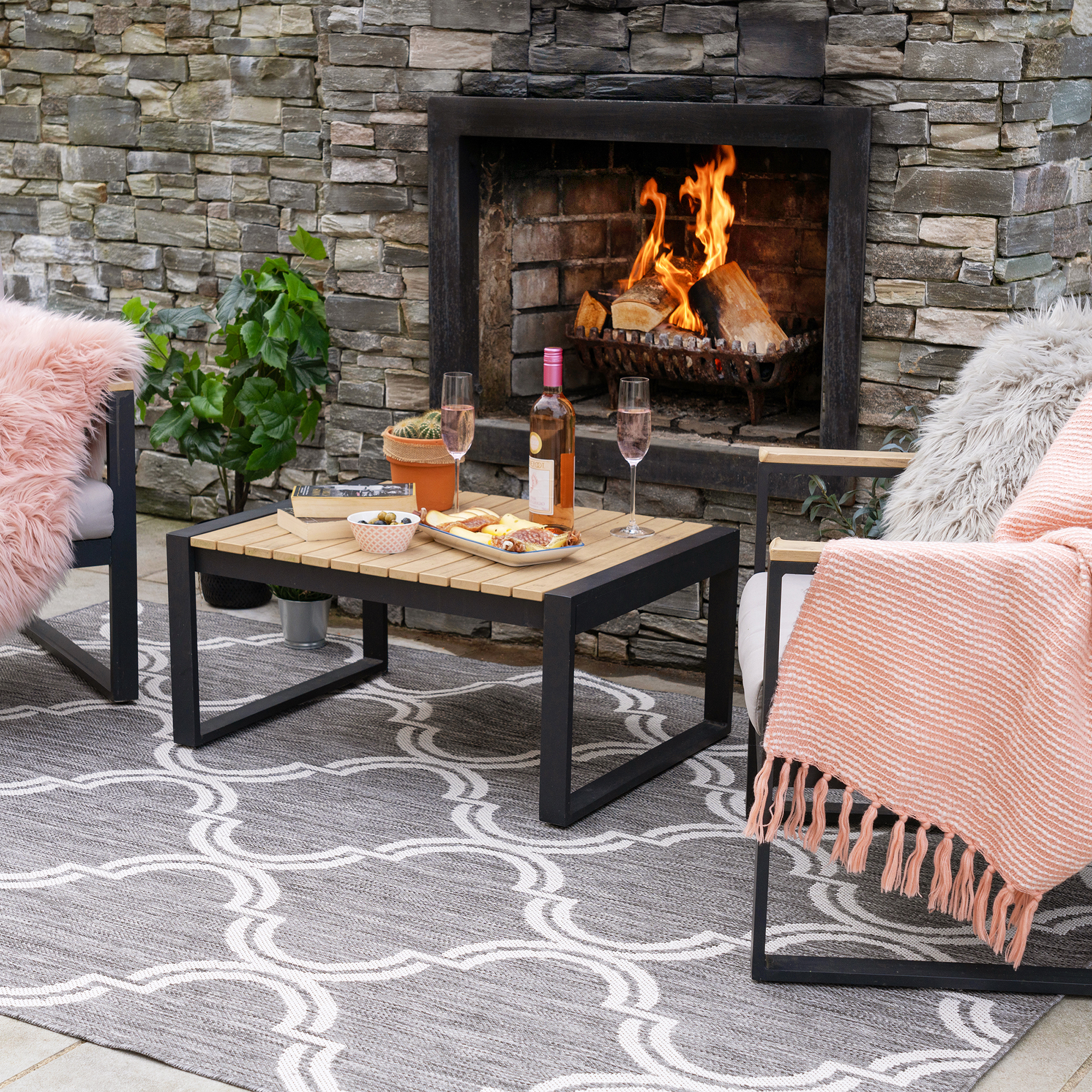
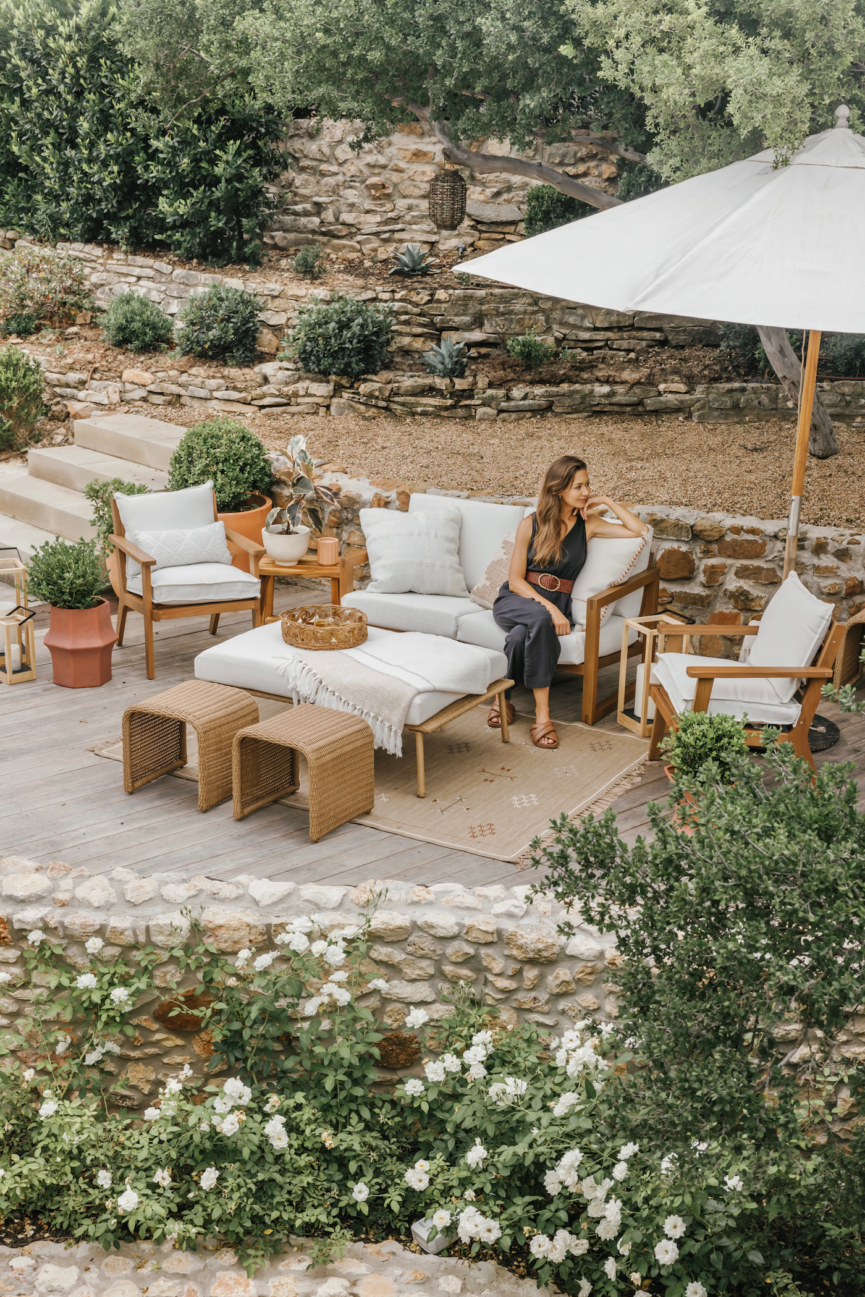
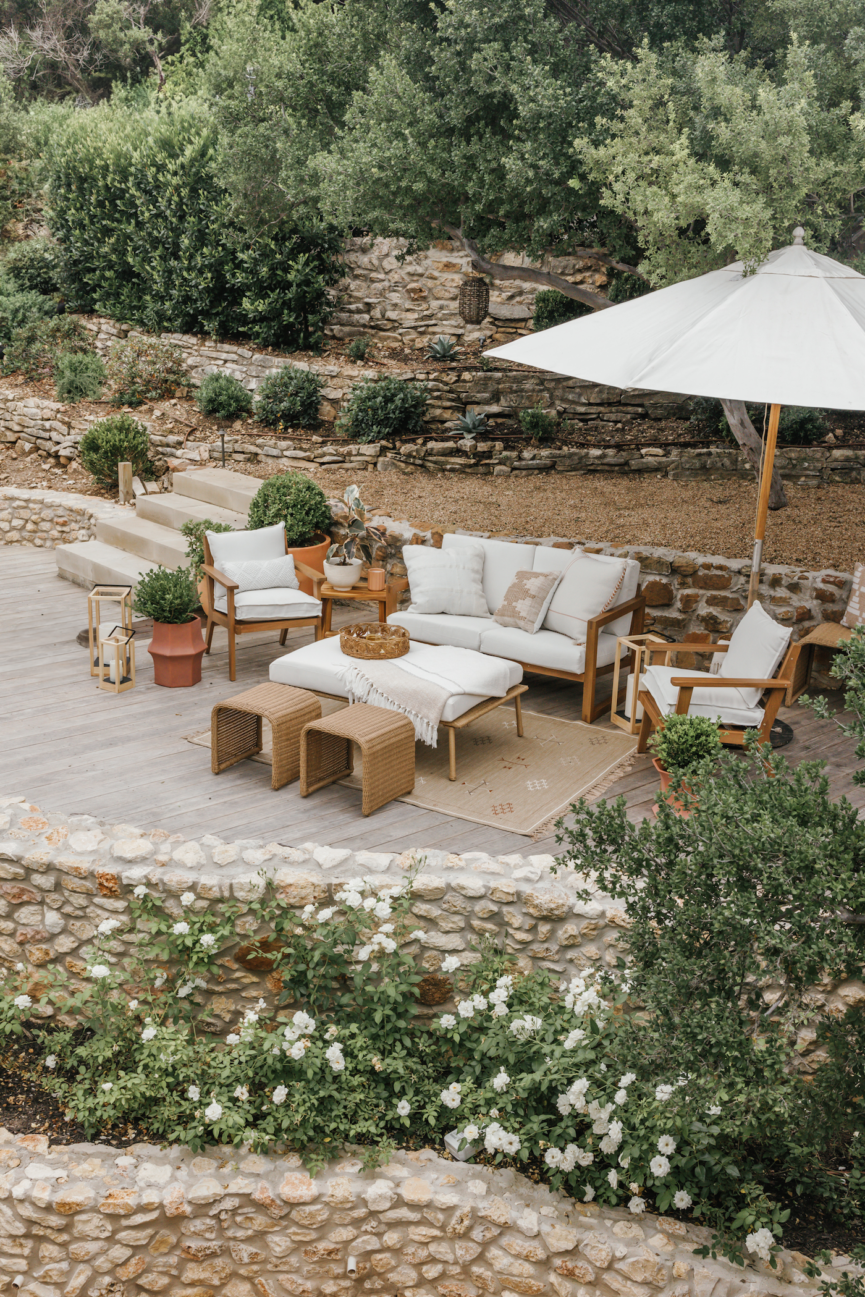
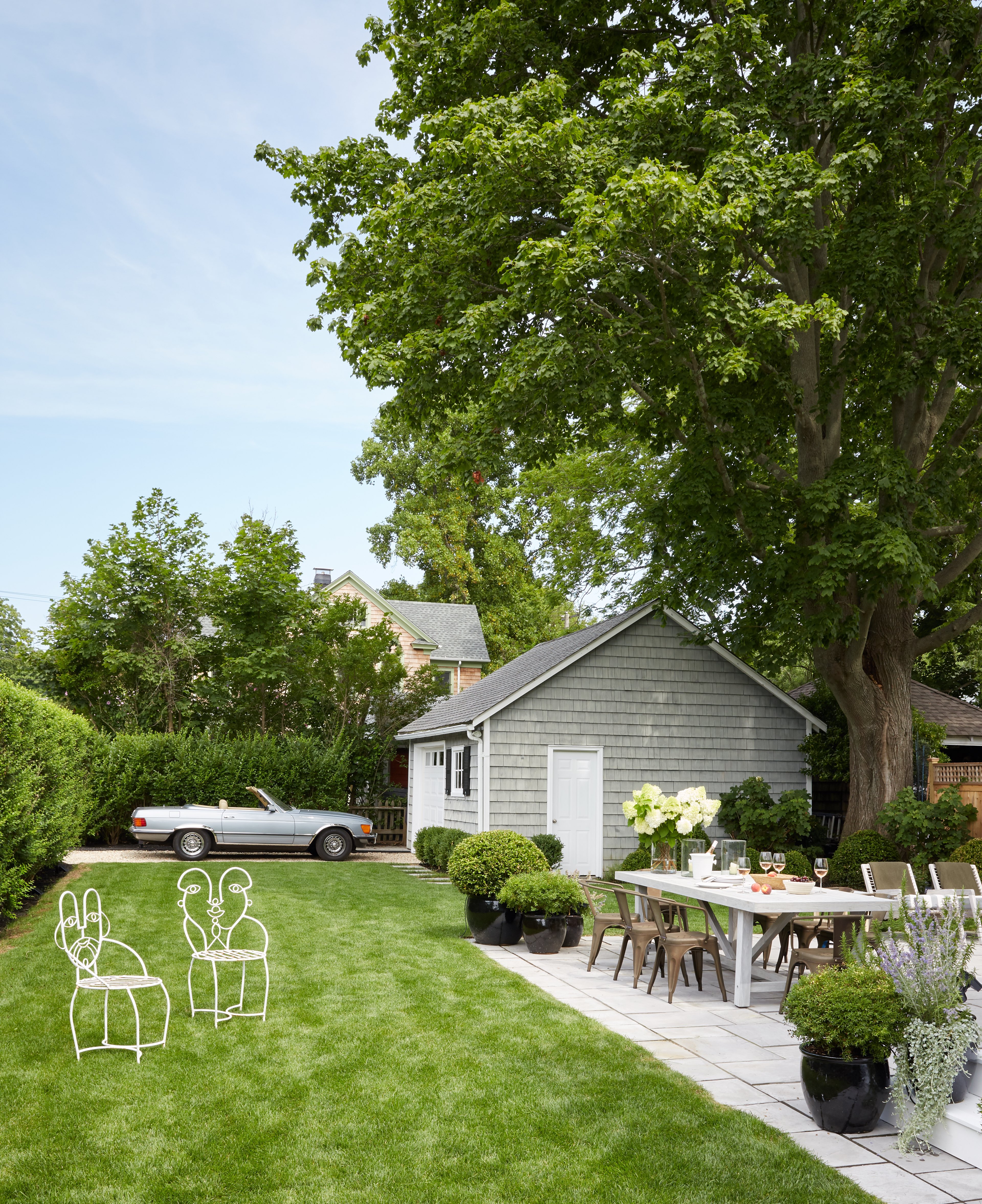
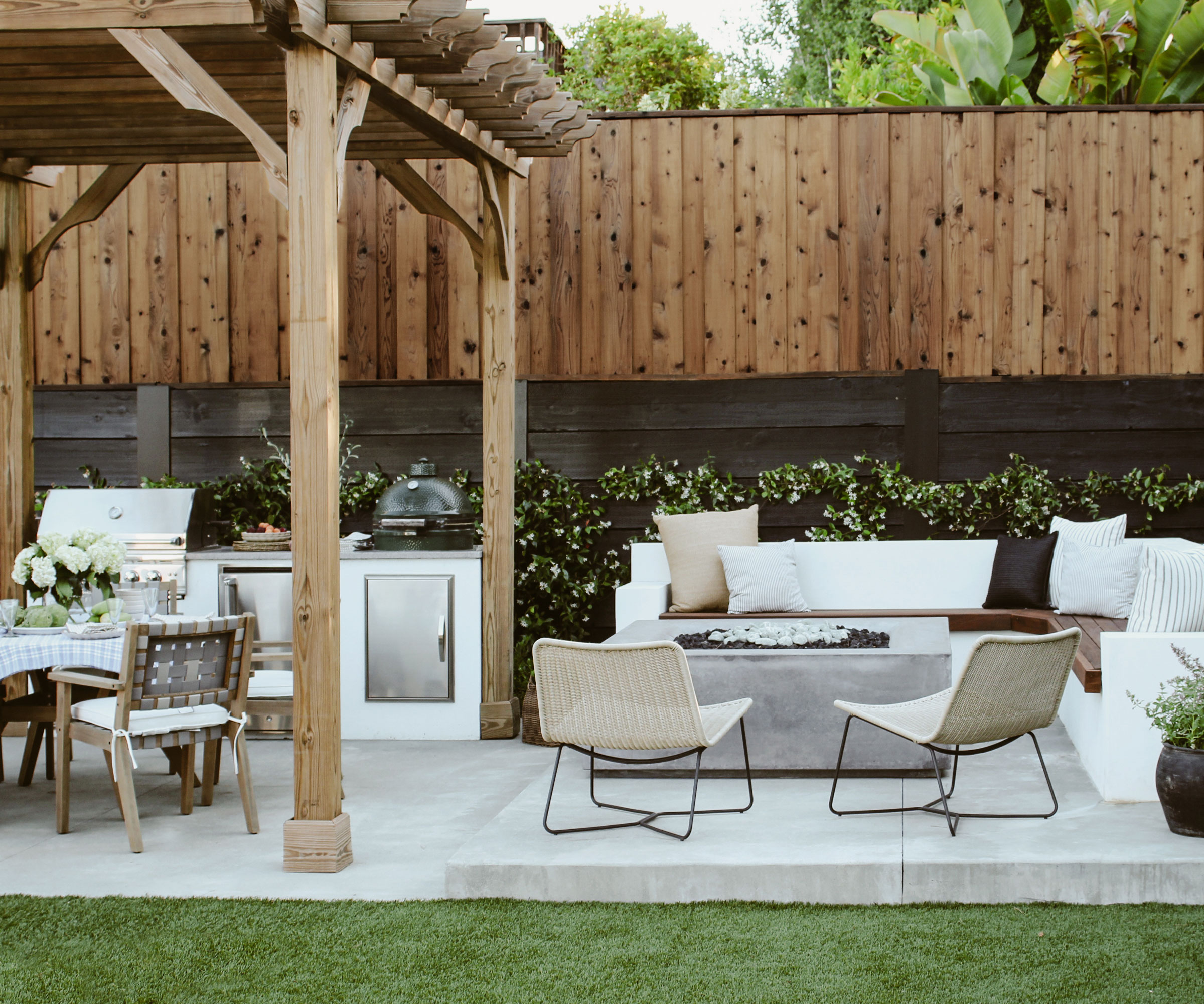
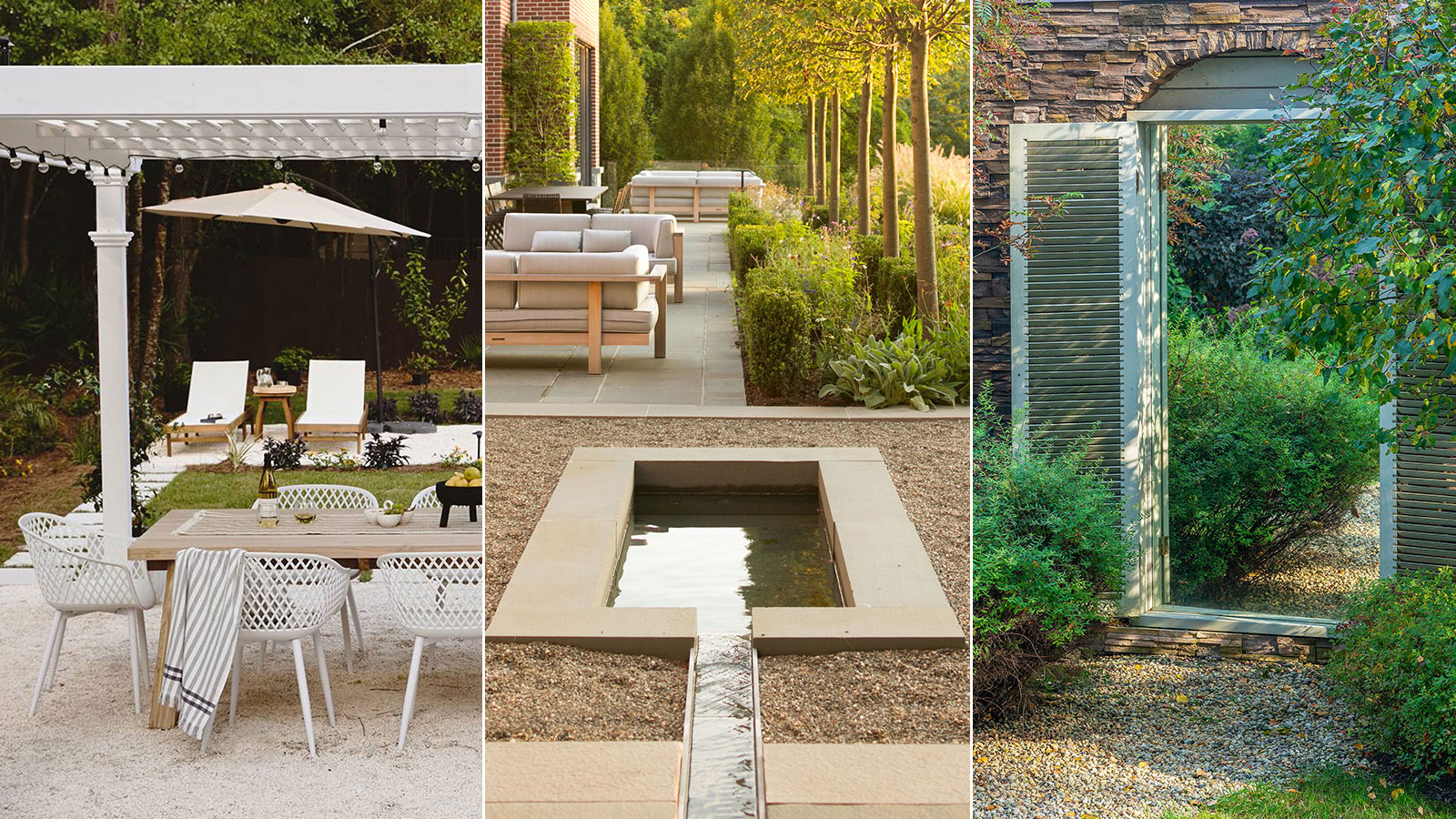
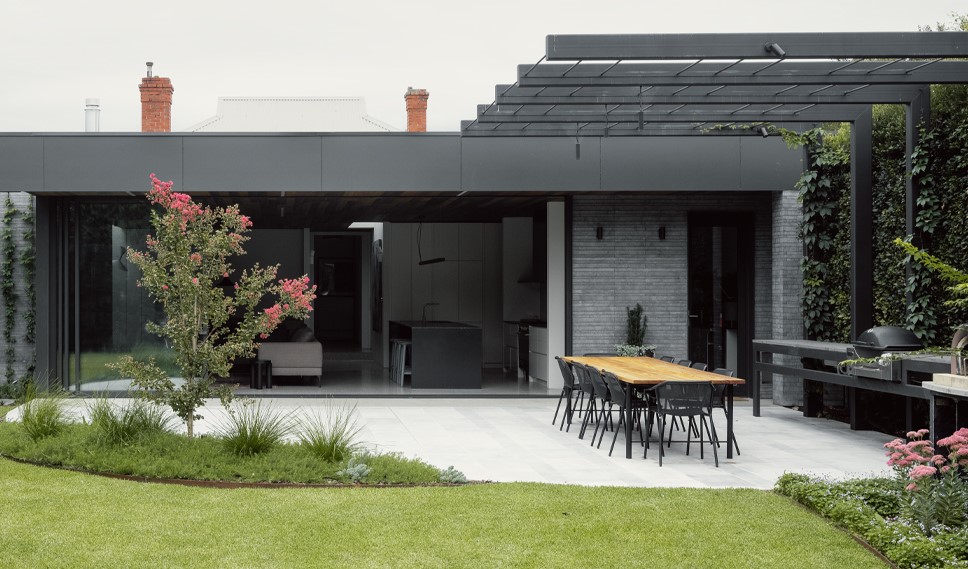
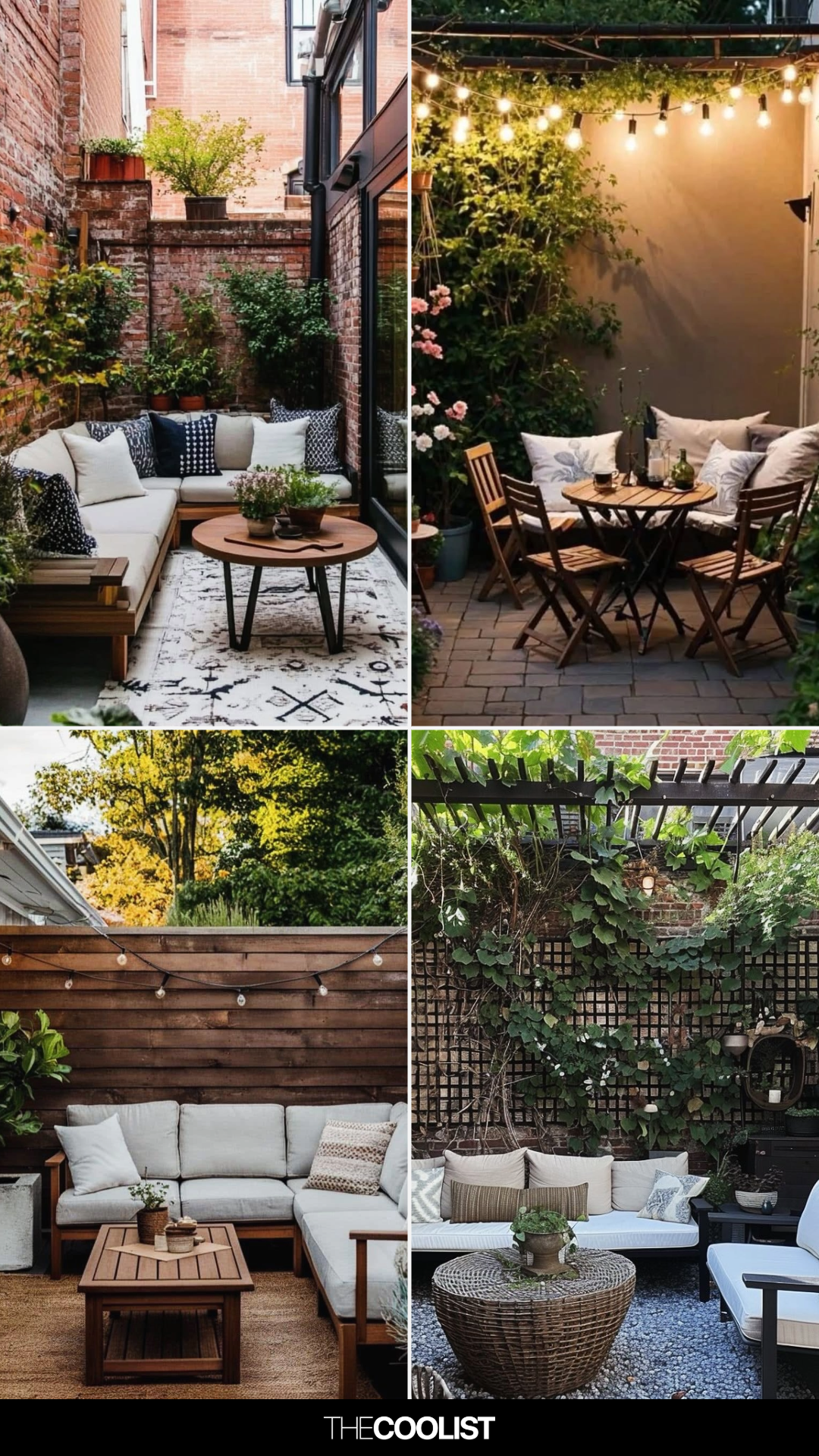
One effective technique involves zoning the yard into purposeful spaces. Creating distinct areas for different activities, such as relaxing or dining, can make the overall space feel larger and more organized. This approach treats the backyard as a series of separate 'rooms,' enhancing its functional and visual dimensions. Elements like pergolas, modular furniture, outdoor rugs, and decorative screens can help define these zones, providing structure and depth to the layout.
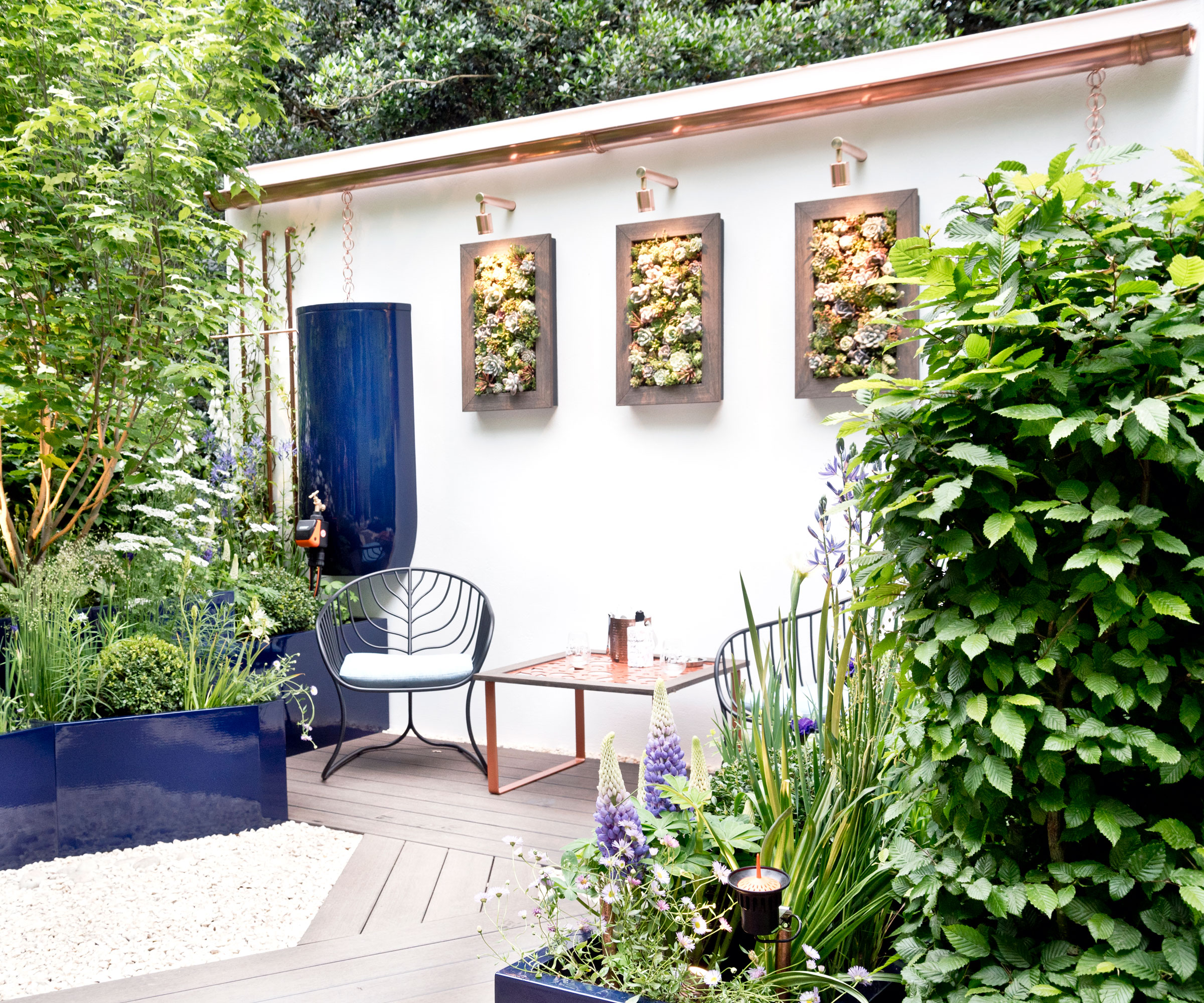
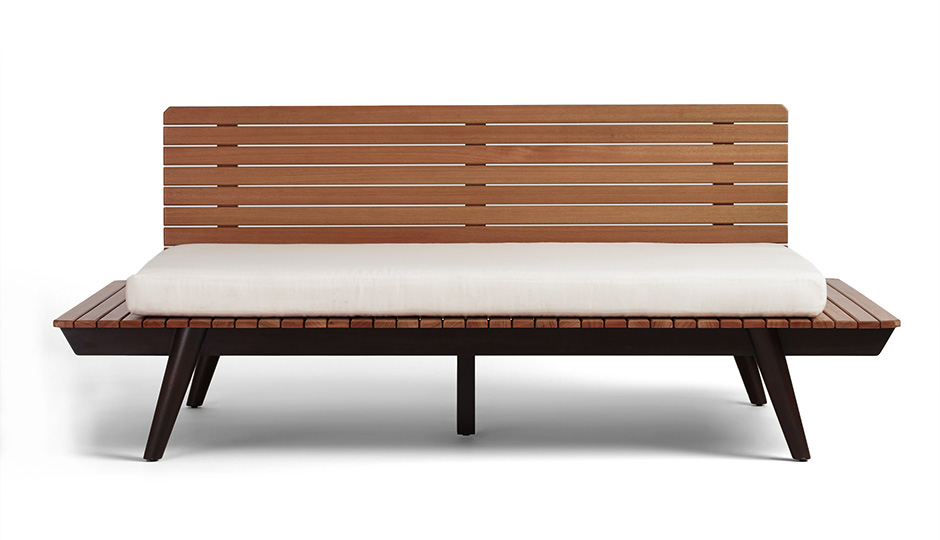
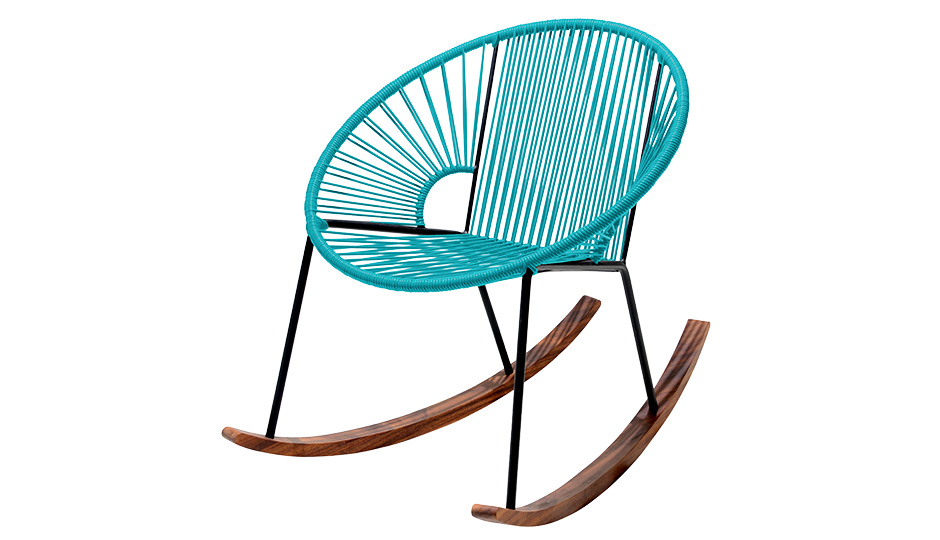
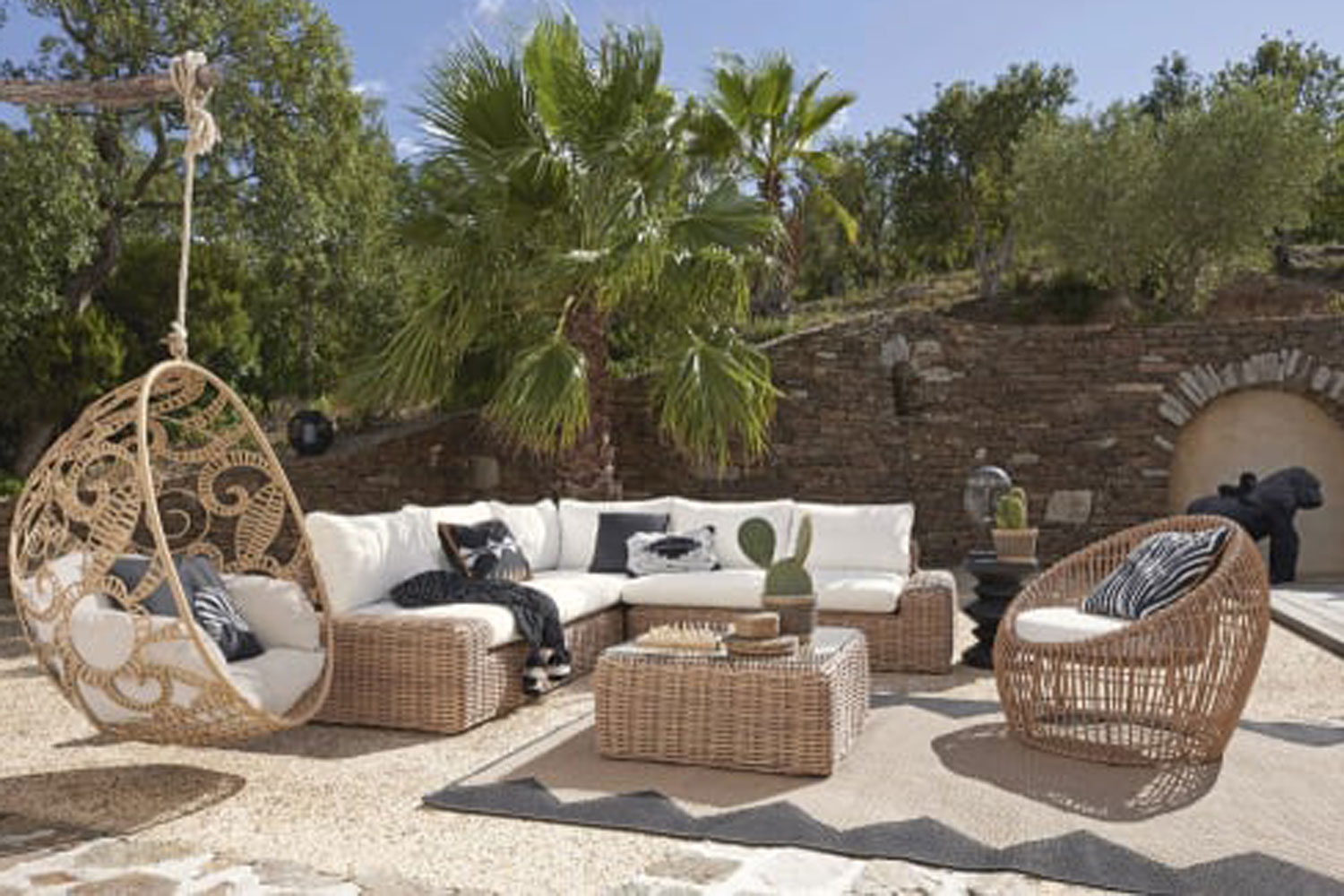
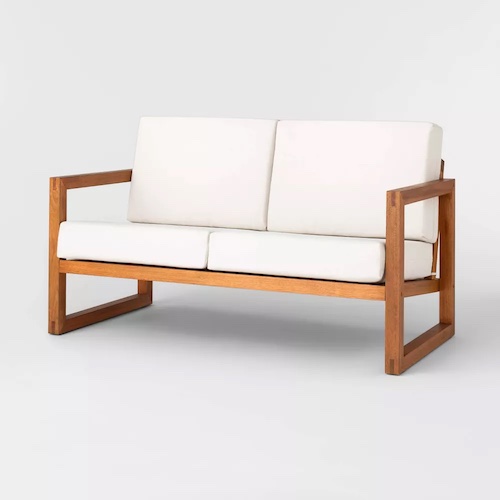
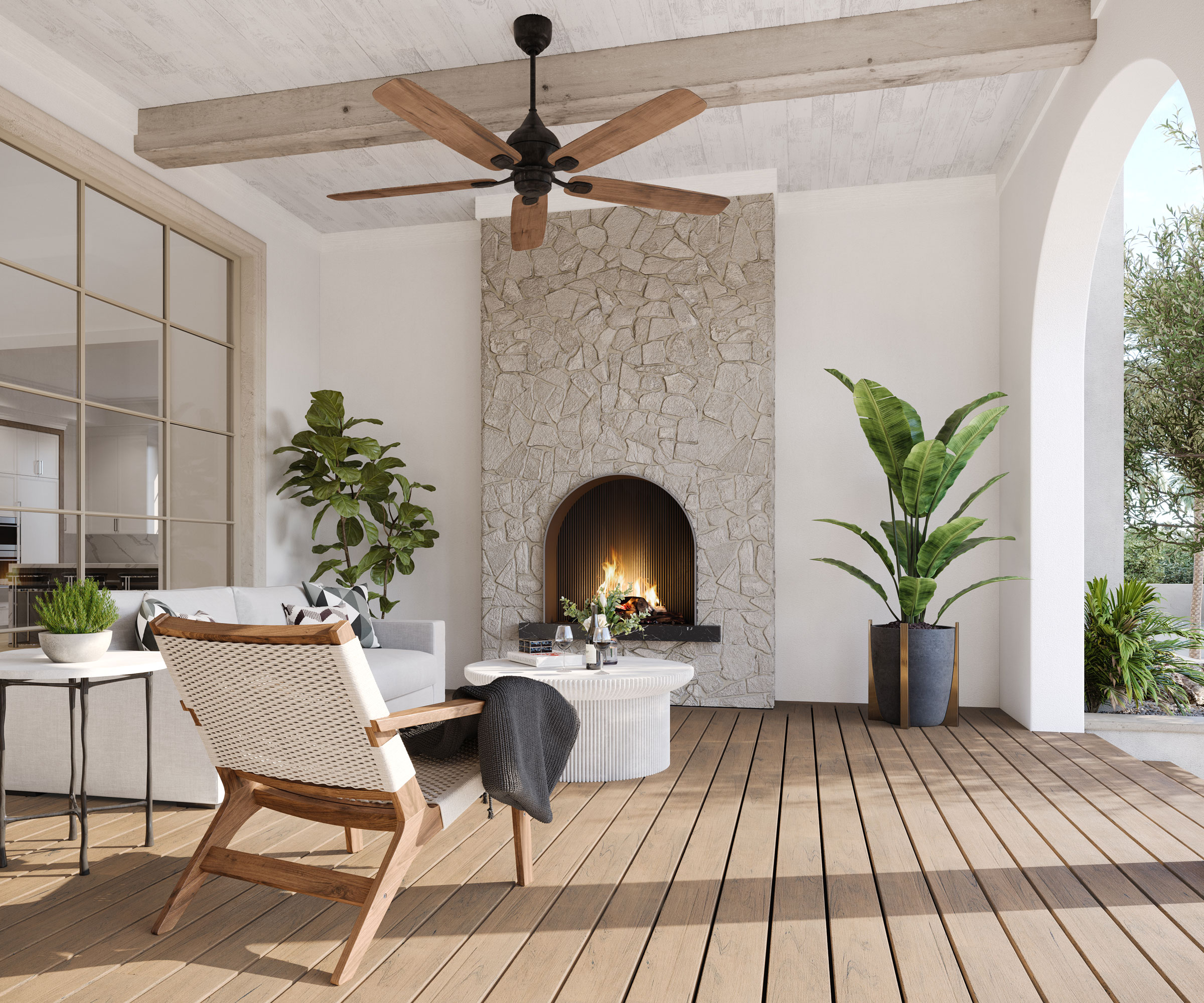
Furniture selection and placement also play a crucial role in maximizing perceived space. It is advisable to opt for slimline, airy, and light-colored furniture rather than bulky, solid pieces, as these allow light and air to pass through, creating an open feel. Multi-purpose furniture, such as benches with storage or foldable tables, is particularly beneficial for small gardens, offering functionality without occupying excessive space.
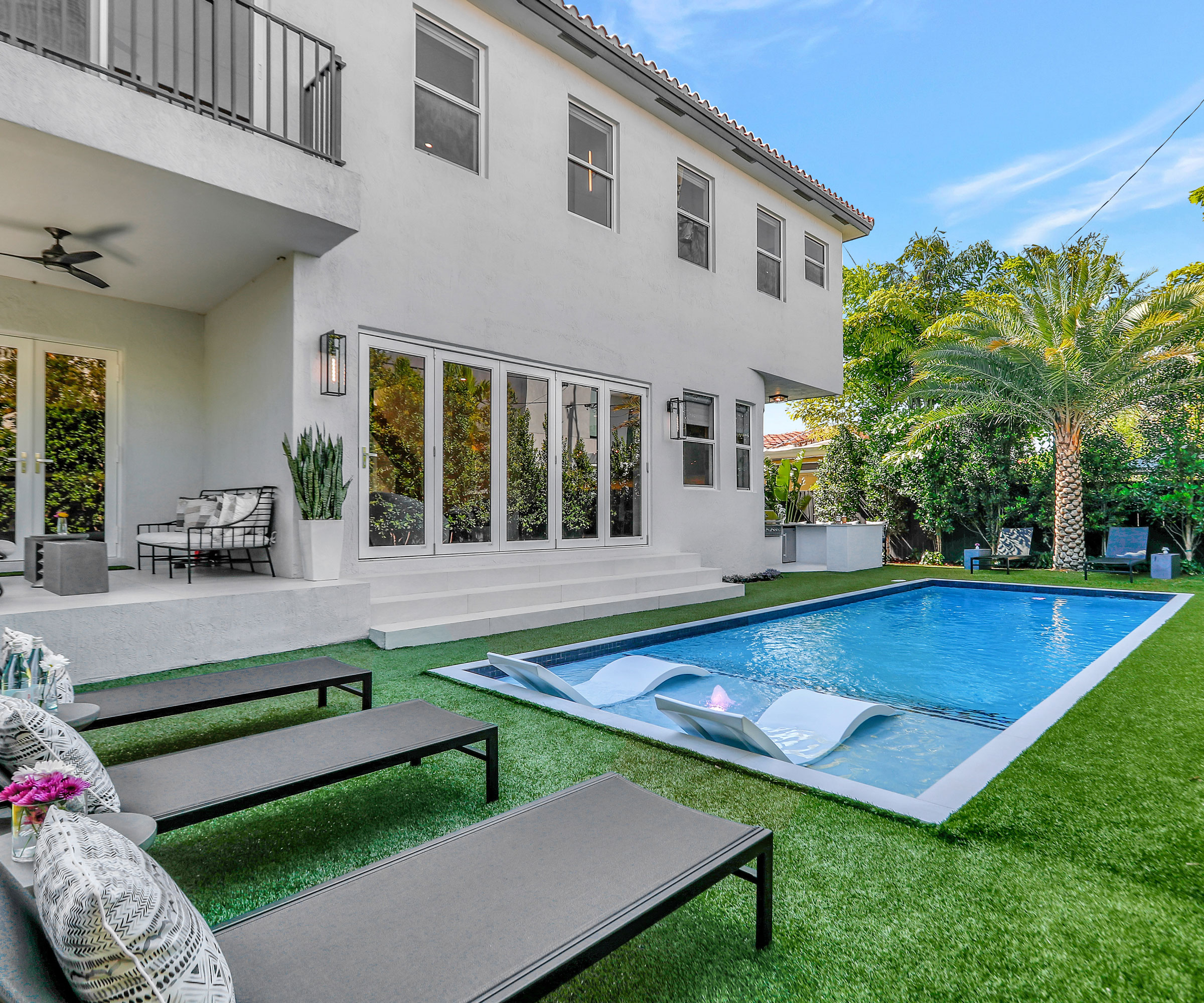
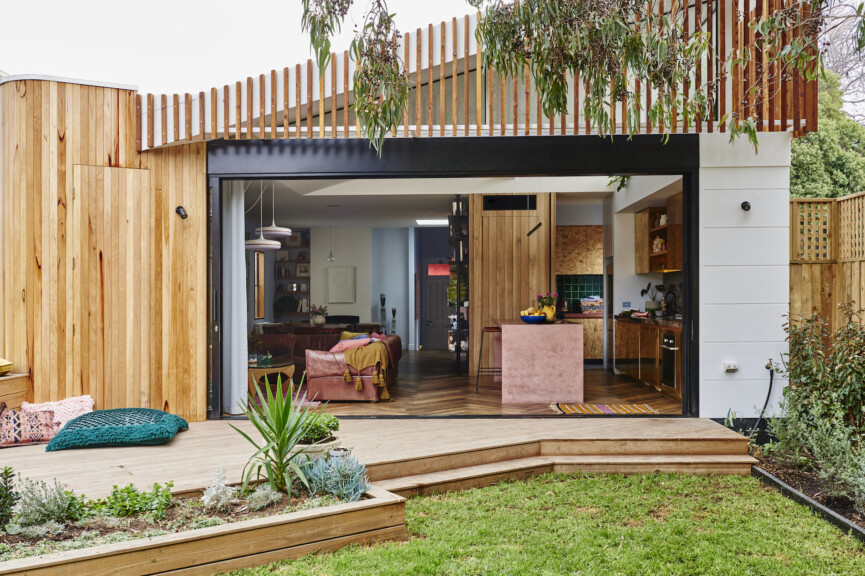
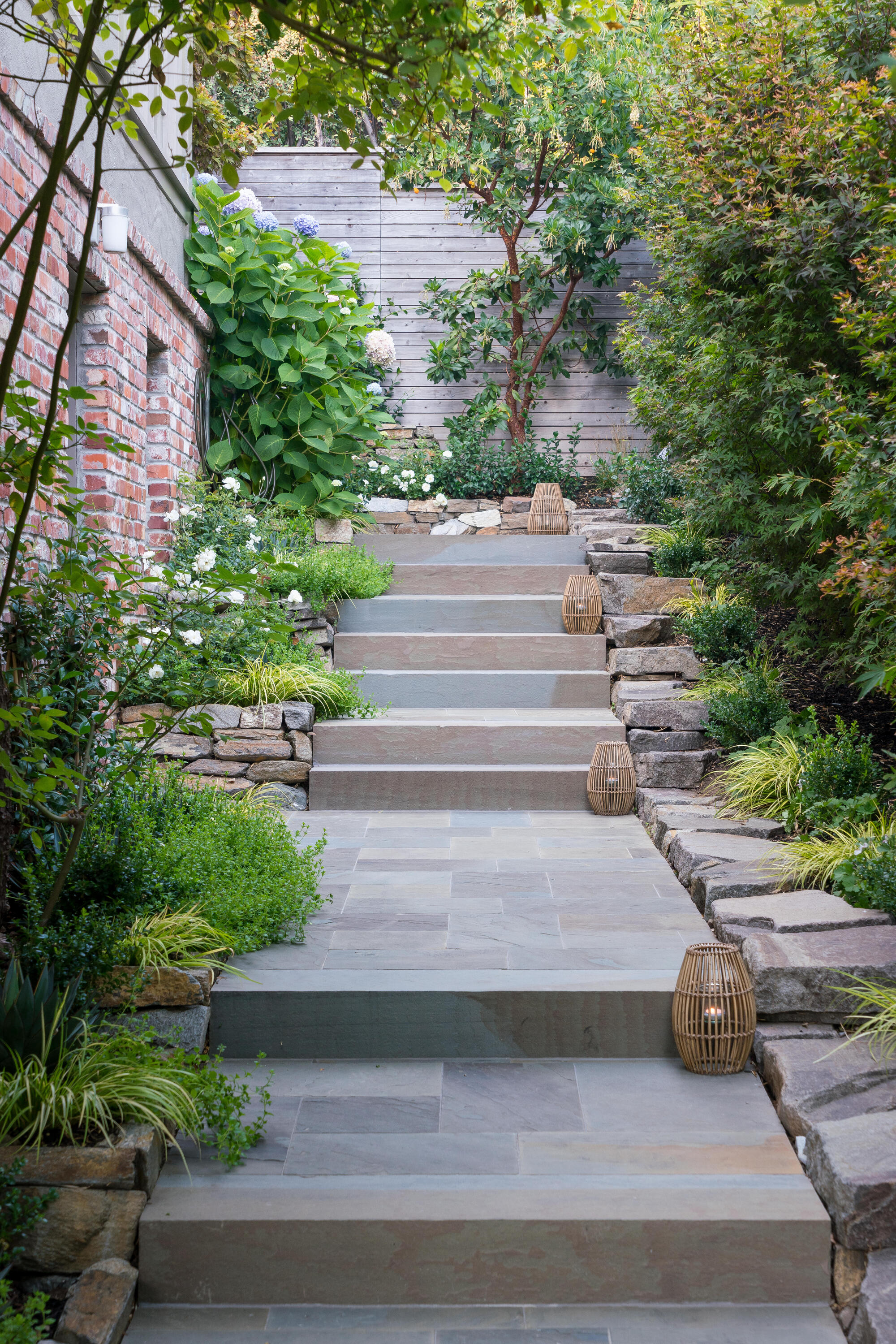
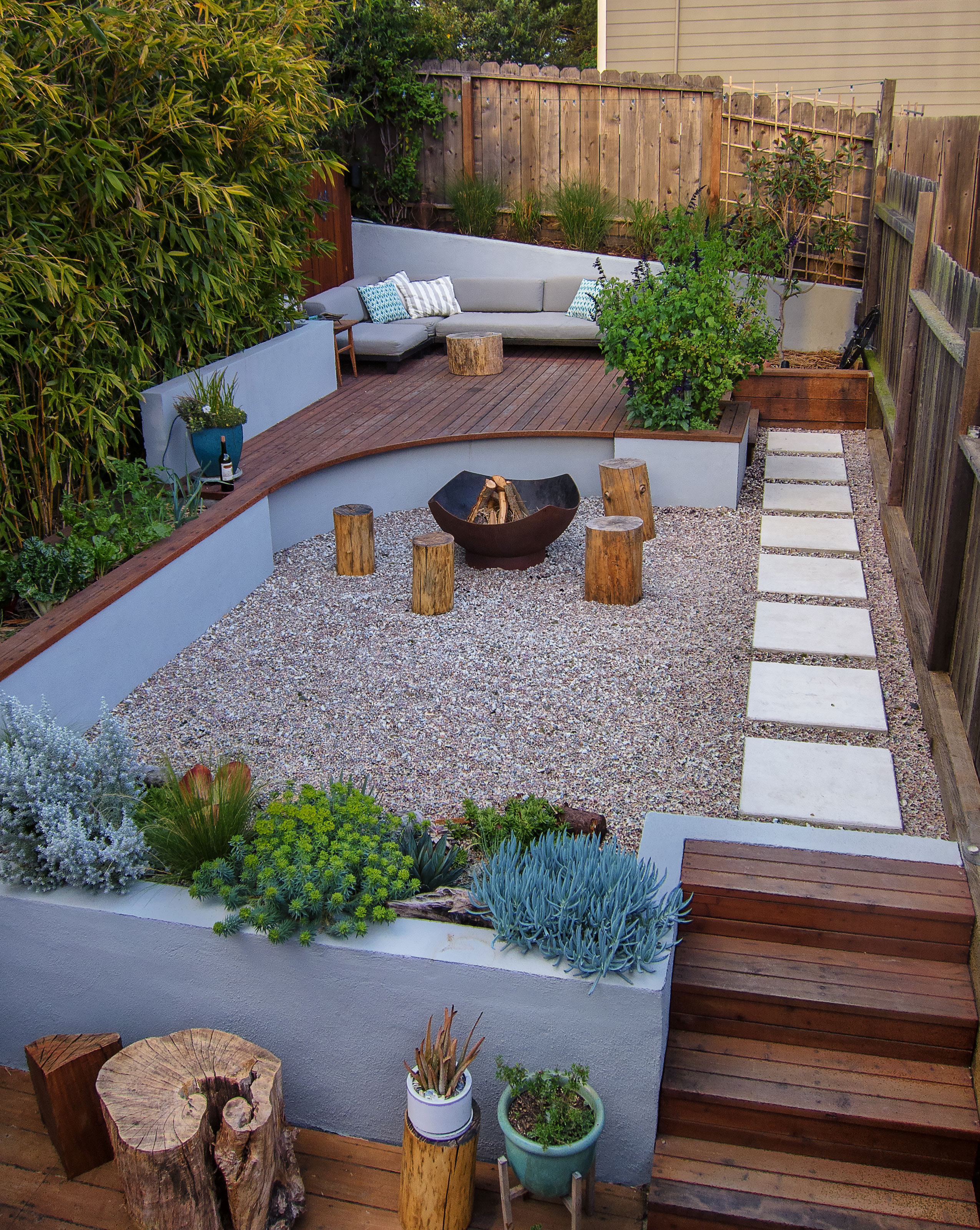
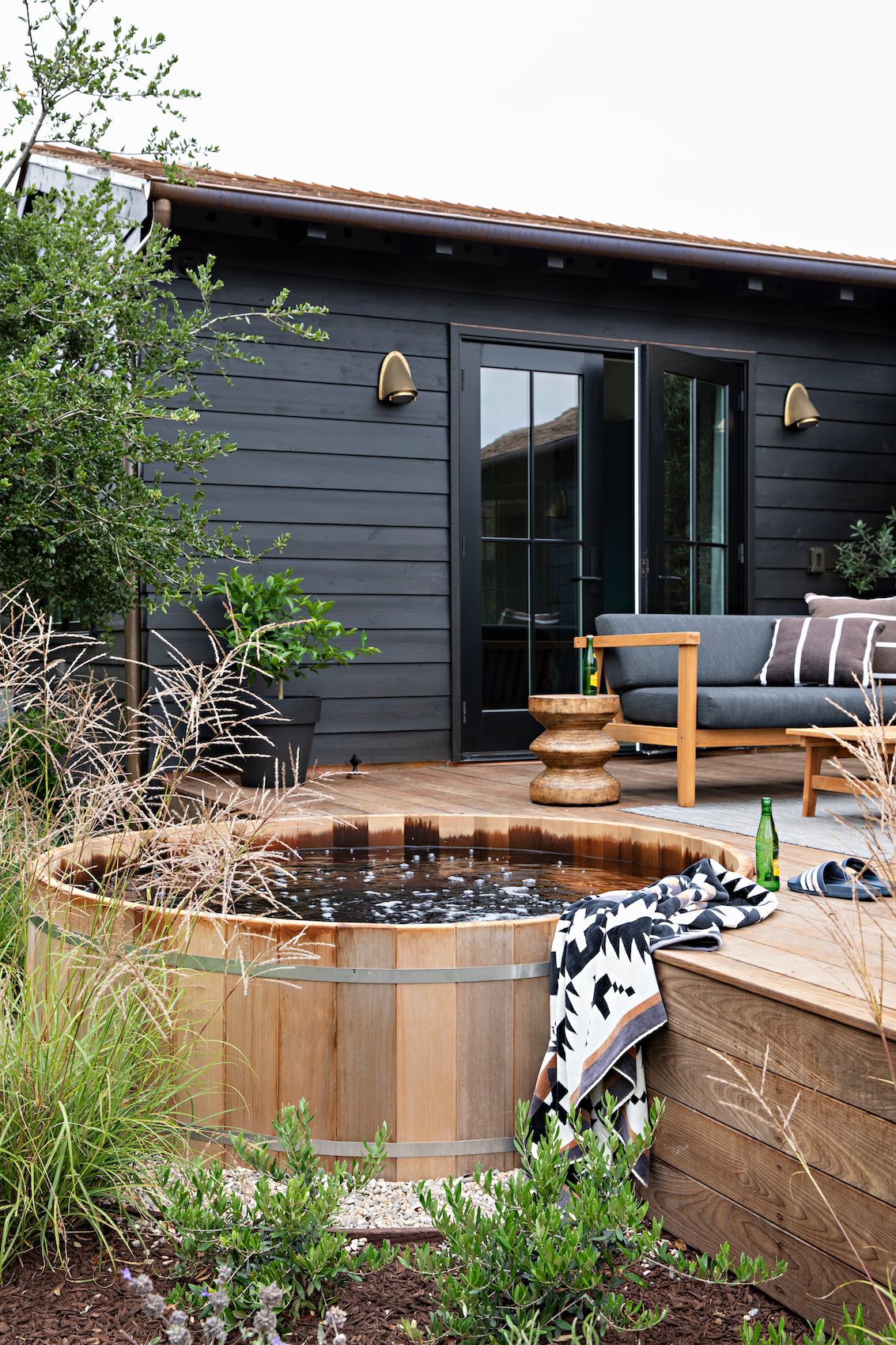
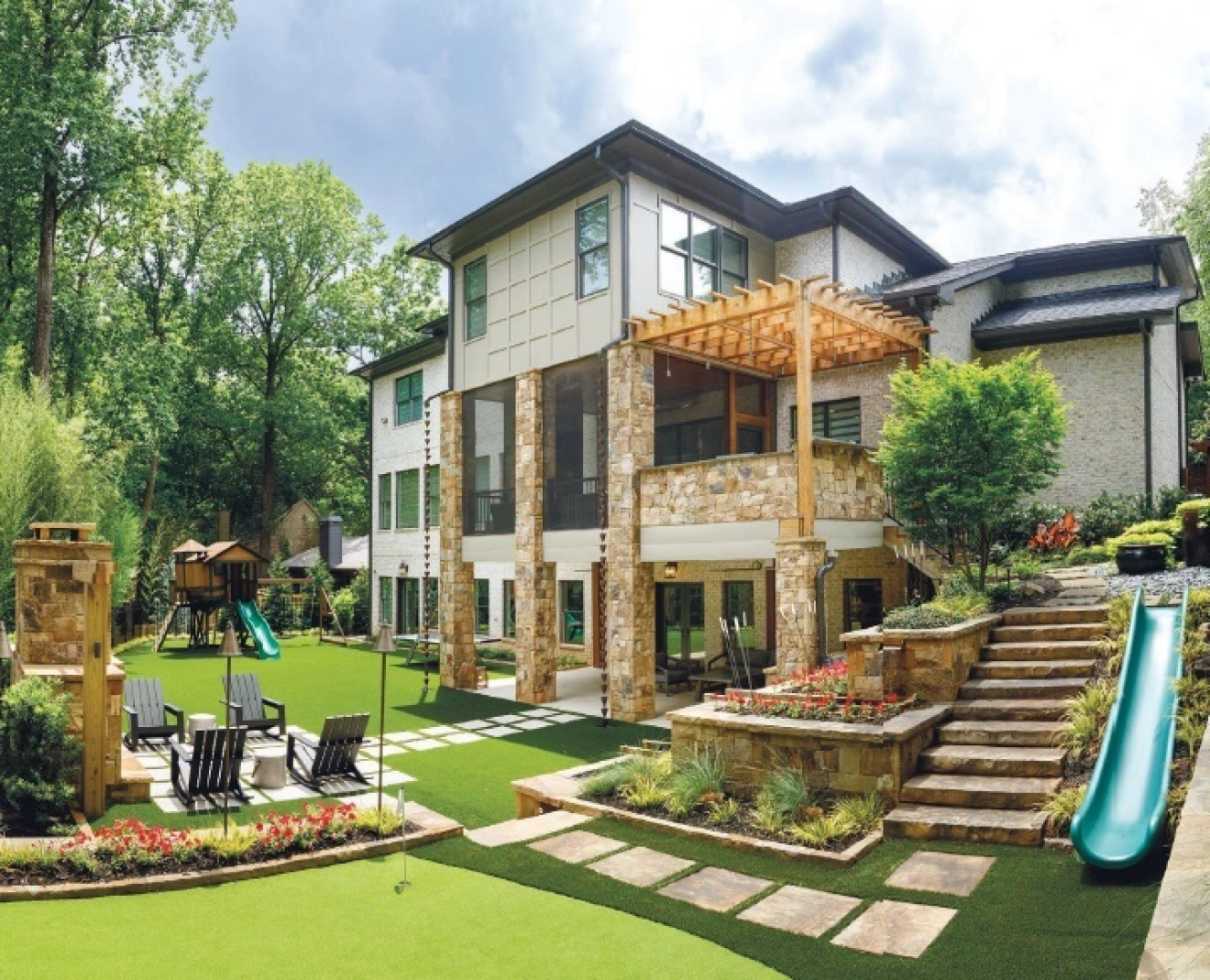
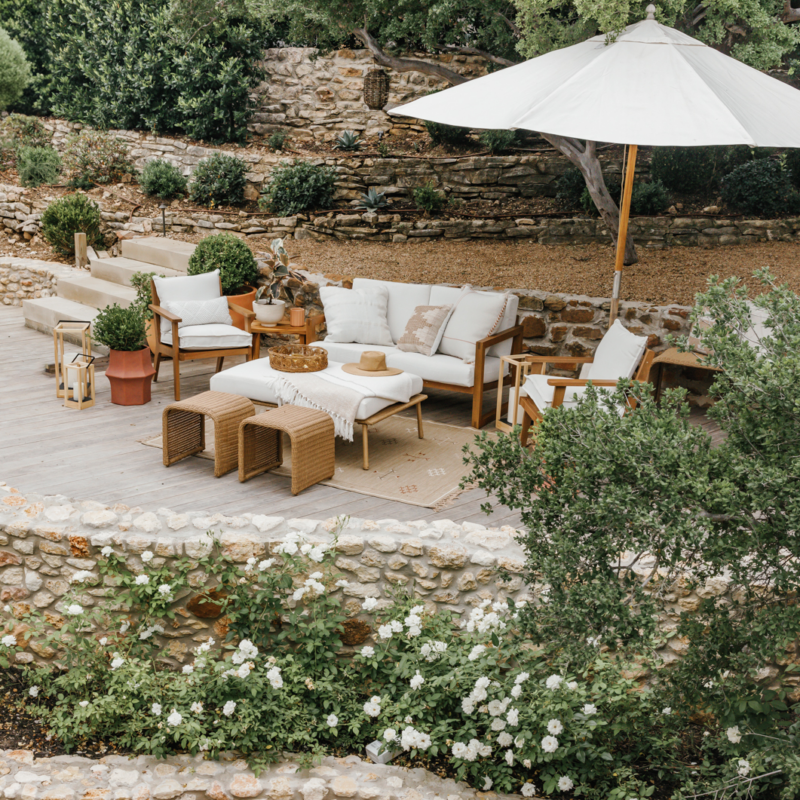
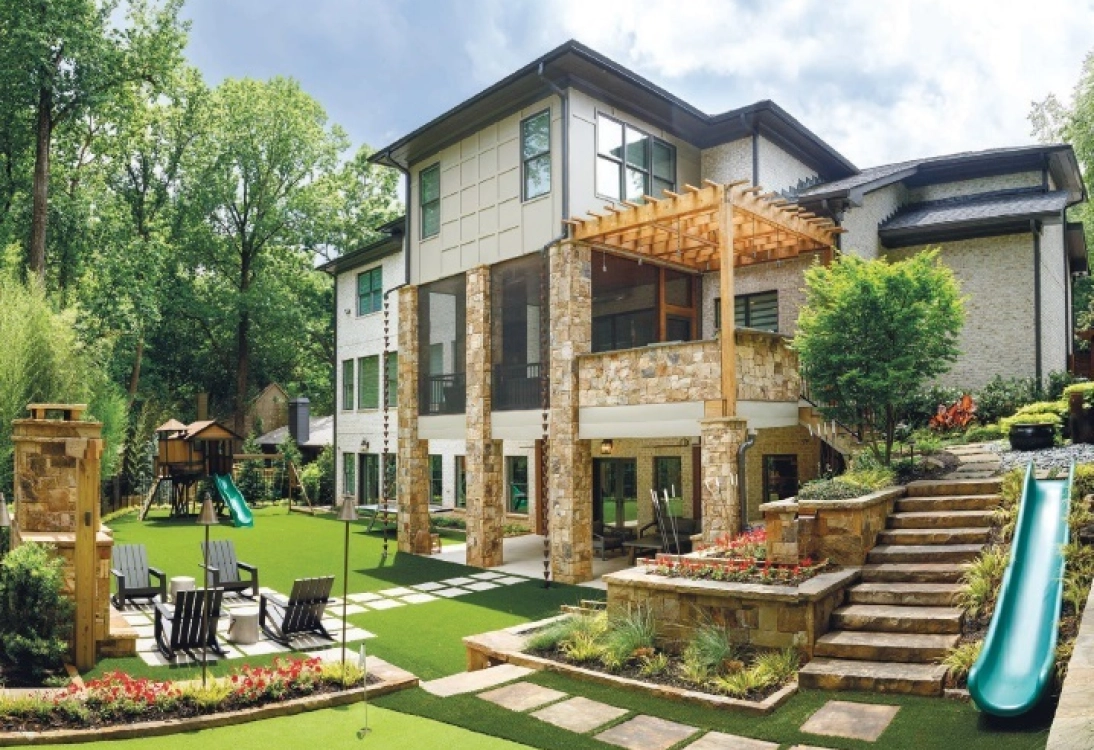
Incorporating different levels or changes in elevation is another powerful method to make a backyard appear larger. Split-level designs, raised decks, sunken patios, or even slightly elevated platforms add visual interest and break up a standard, flat rectangular area. These variations in height create depth and a sense of richness, making the space feel more diversified and extensive.
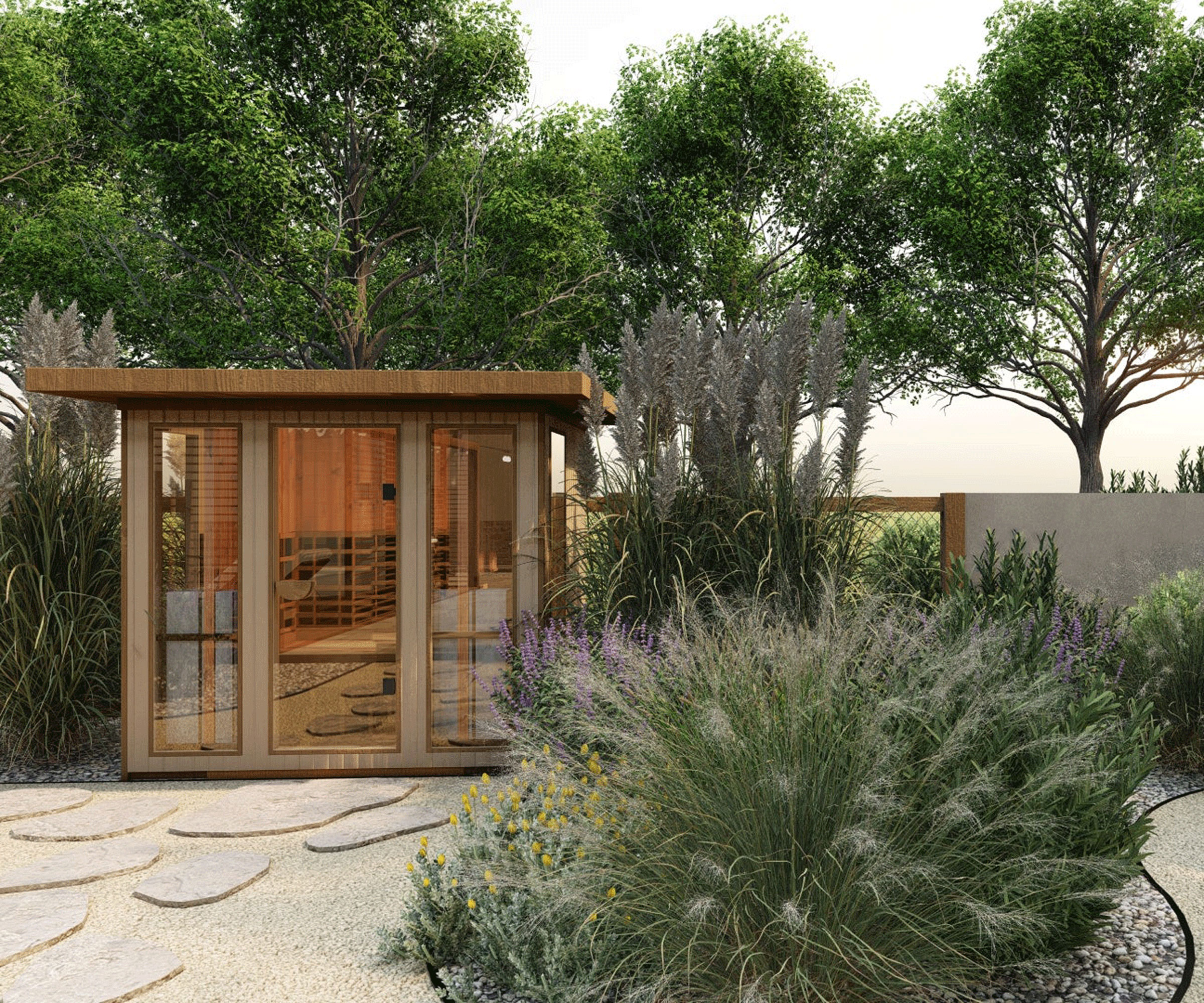
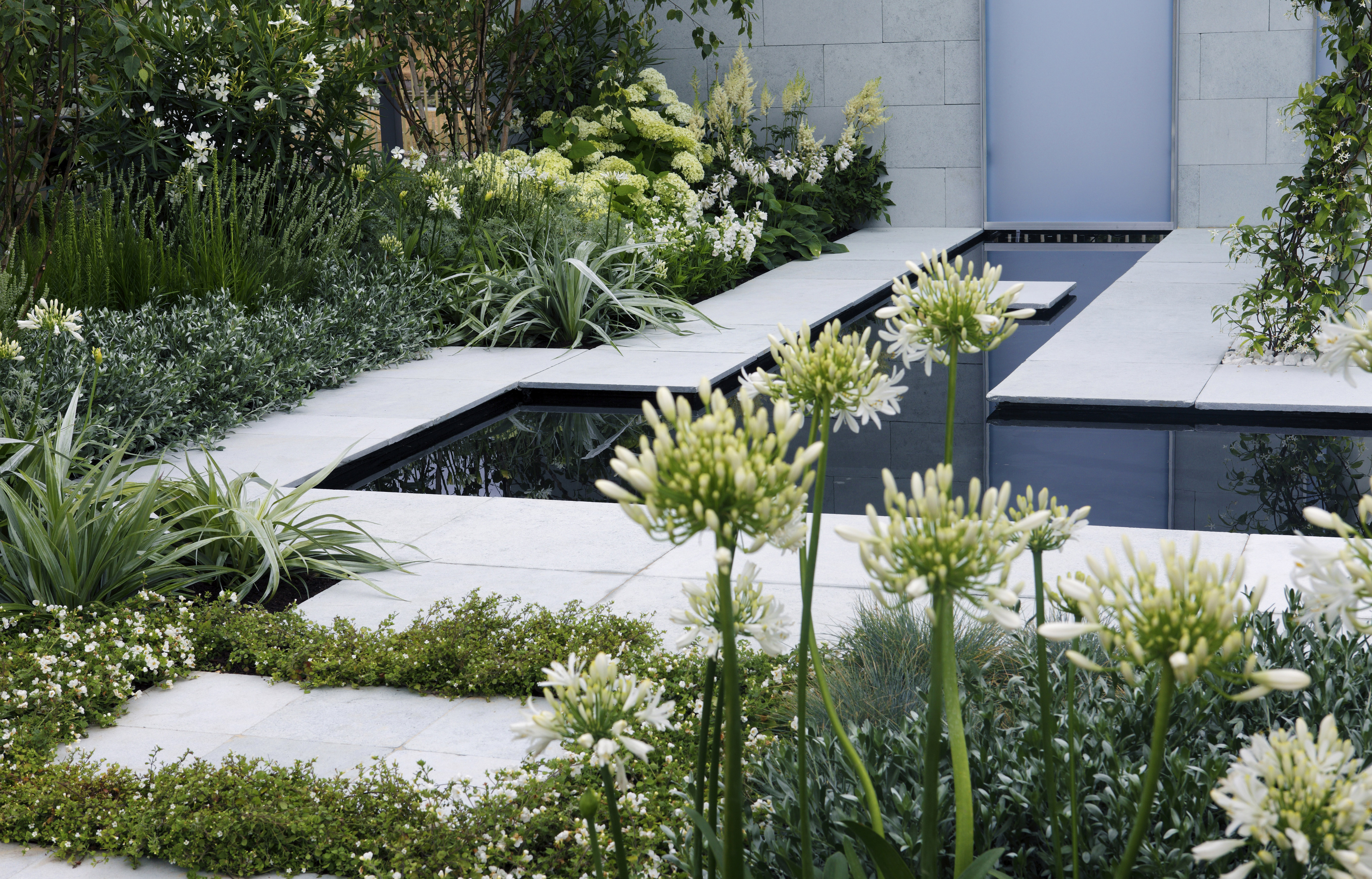
Limiting the lawn area and maximizing planting can significantly enhance the perception of space. Replacing traditional lawns with low-maintenance alternatives like ground cover plants, gravel, or textured hardscaping with planting pockets can prevent a small patch of grass from looking ordinary and instead create a more sustainable and aesthetically pleasing environment. When choosing plants, selecting species with open branching structures and considering their mature size can prevent the garden from appearing overgrown and cramped.
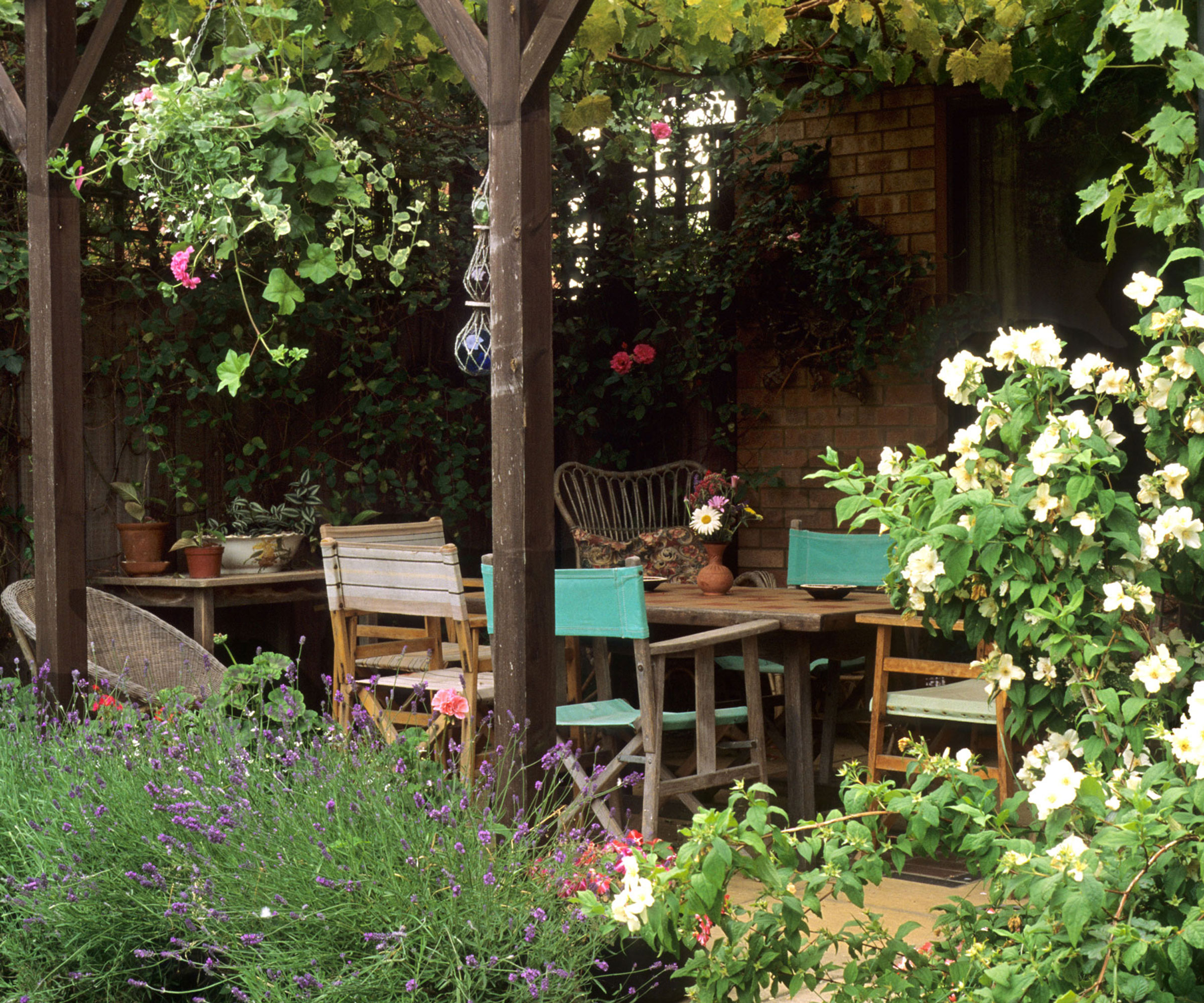
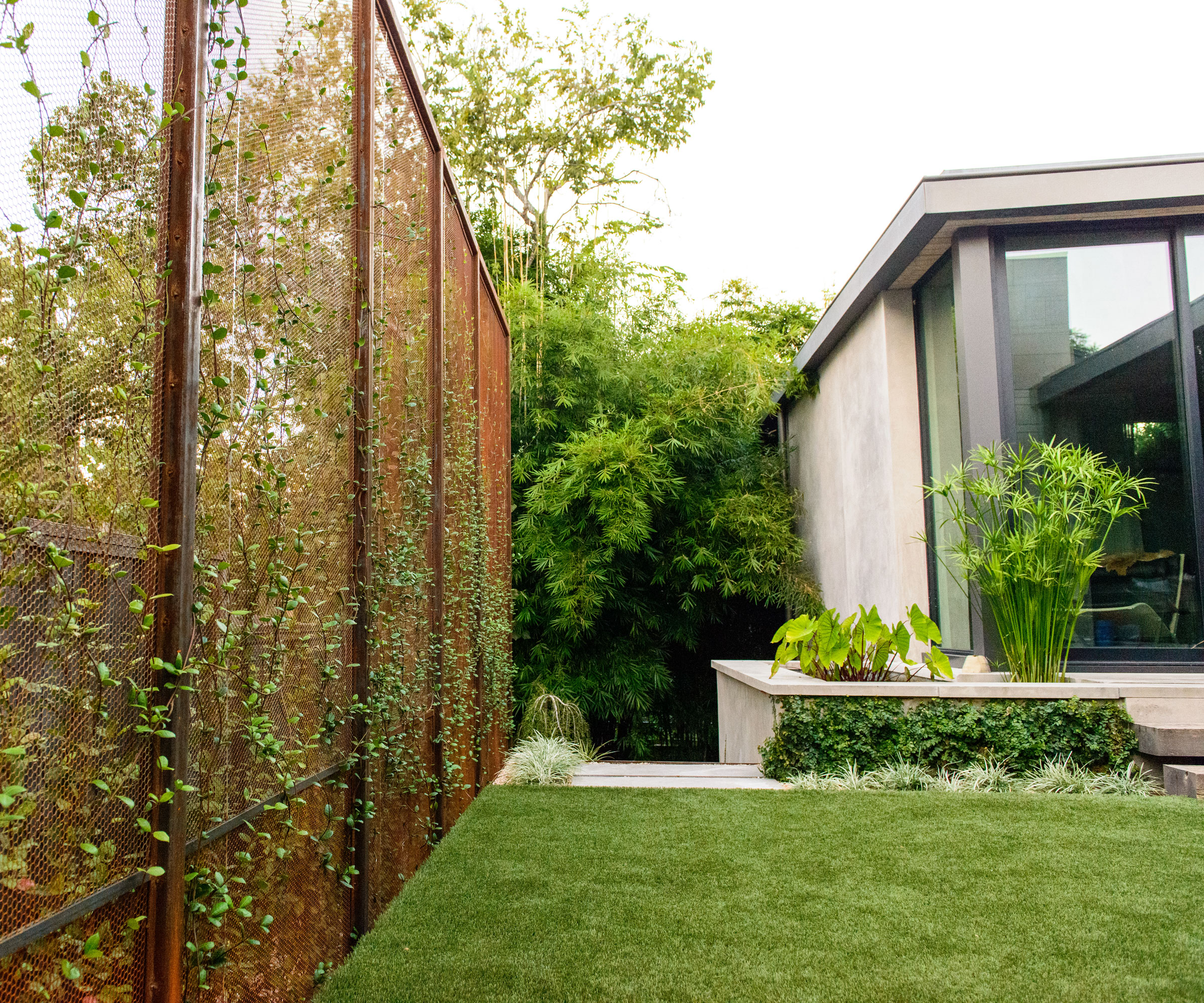
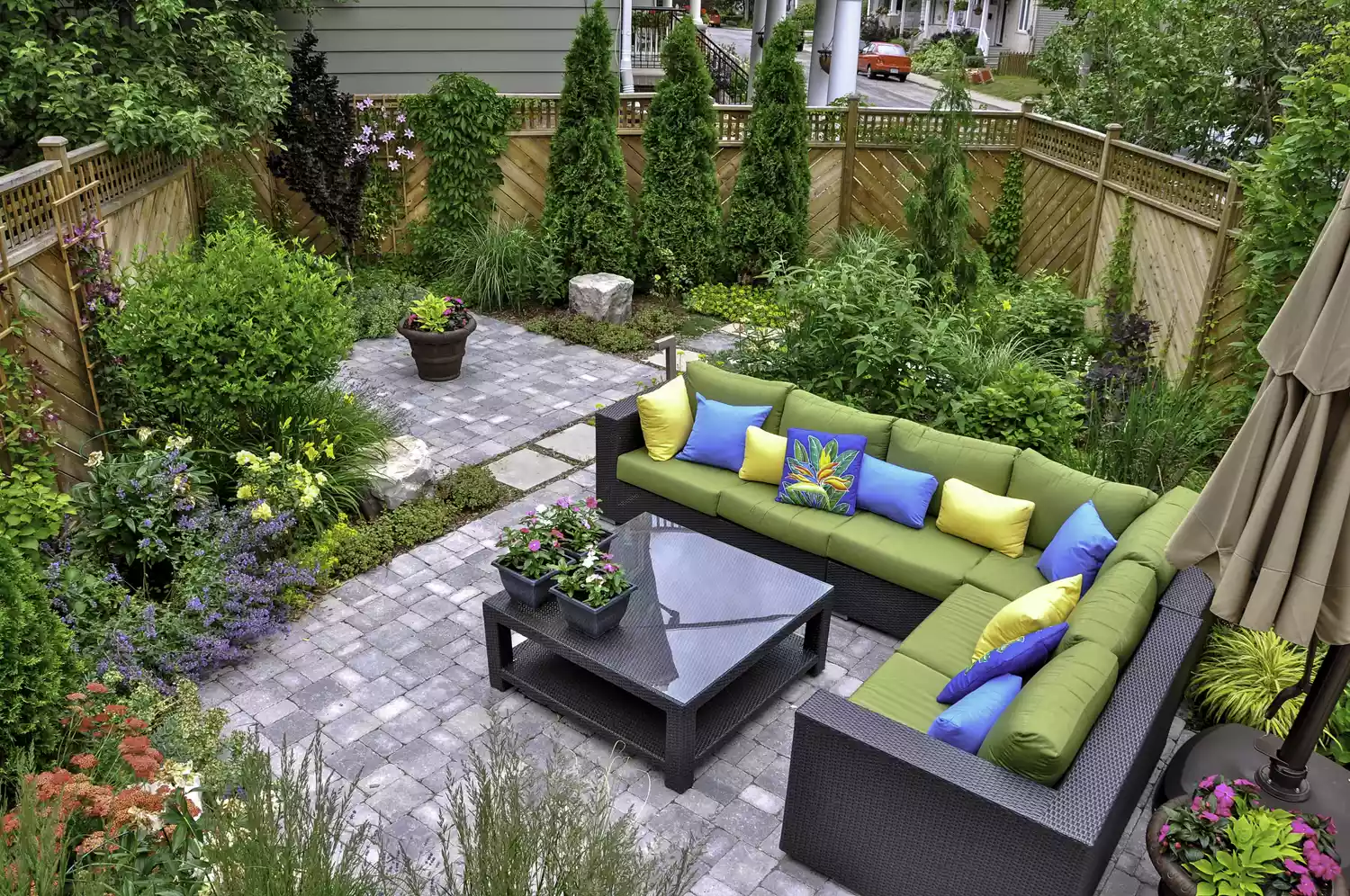
Blurring backyard boundaries is a strategic way to disguise the true dimensions of the space. Instead of solid fences or walls that clearly demarcate the perimeter, homeowners can use layered planting, climbing plants, or tall screening plants to soften the edges and make it difficult to determine where the yard ends. This creates a continuous, uninterrupted visual flow that expands the perceived space.
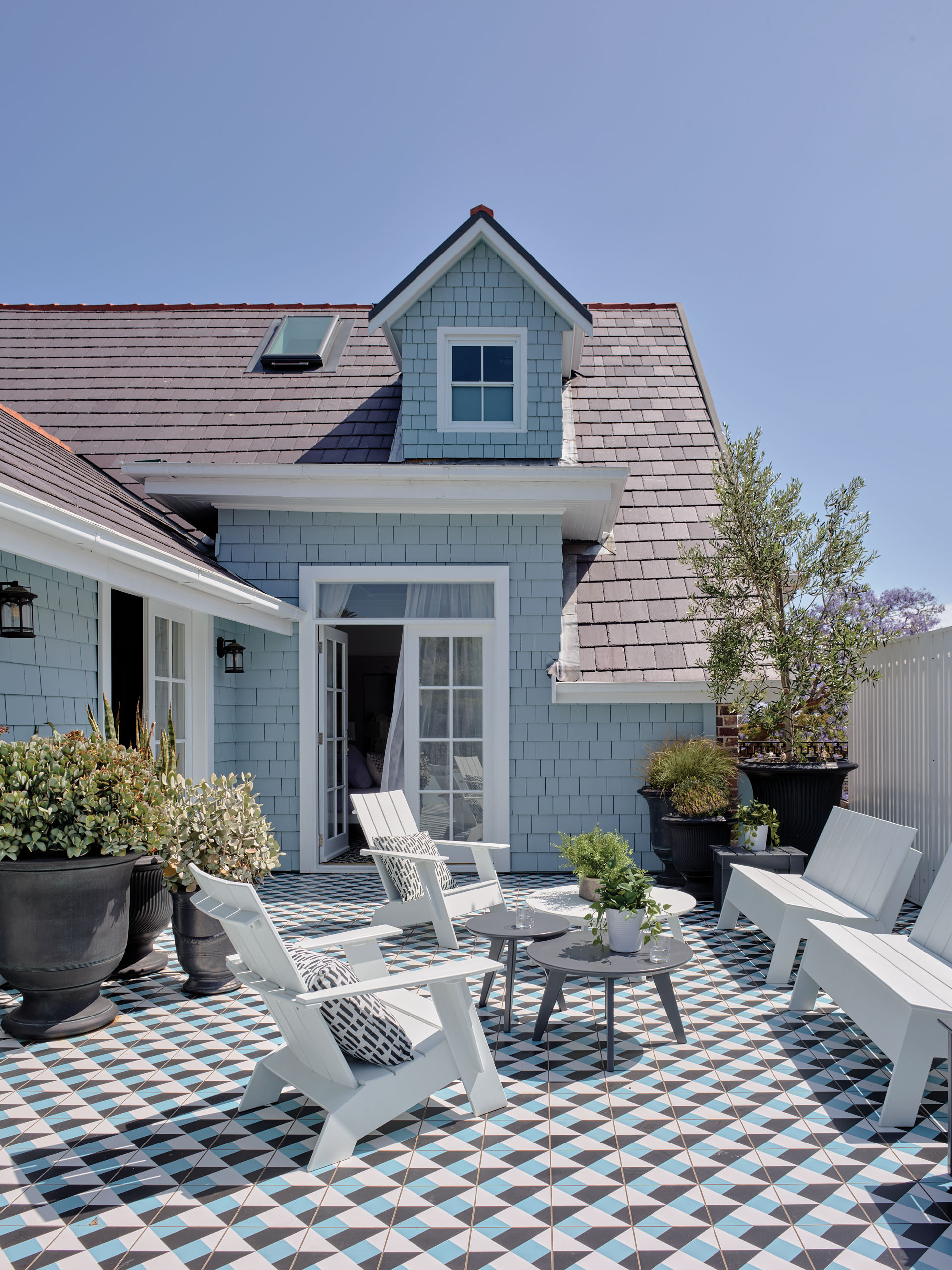
Playing with perspective can trick the eye into seeing a larger backyard. Designing with curved lines for flower beds, rather than straight, geometric ones, draws the eye across the space. Additionally, incorporating diagonal lines, patterns, and shapes in paving or planting can create a sense of movement and distance. Vertical elements like pathways, arbors, trellises, and gazebos also amplify the visual impact by drawing the gaze upwards and through the yard.
The choice of colors for fences and walls significantly impacts how large a backyard feels. Counterintuitively, white or light-colored fences can make the perimeter more noticeable, highlighting the smallness of the space. Instead, selecting greens that blend with natural foliage or darker, natural brown or gray tones can make boundaries less conspicuous. Blue-toned greens are particularly effective as they are recessive colors, contributing to a sense of greater distance.
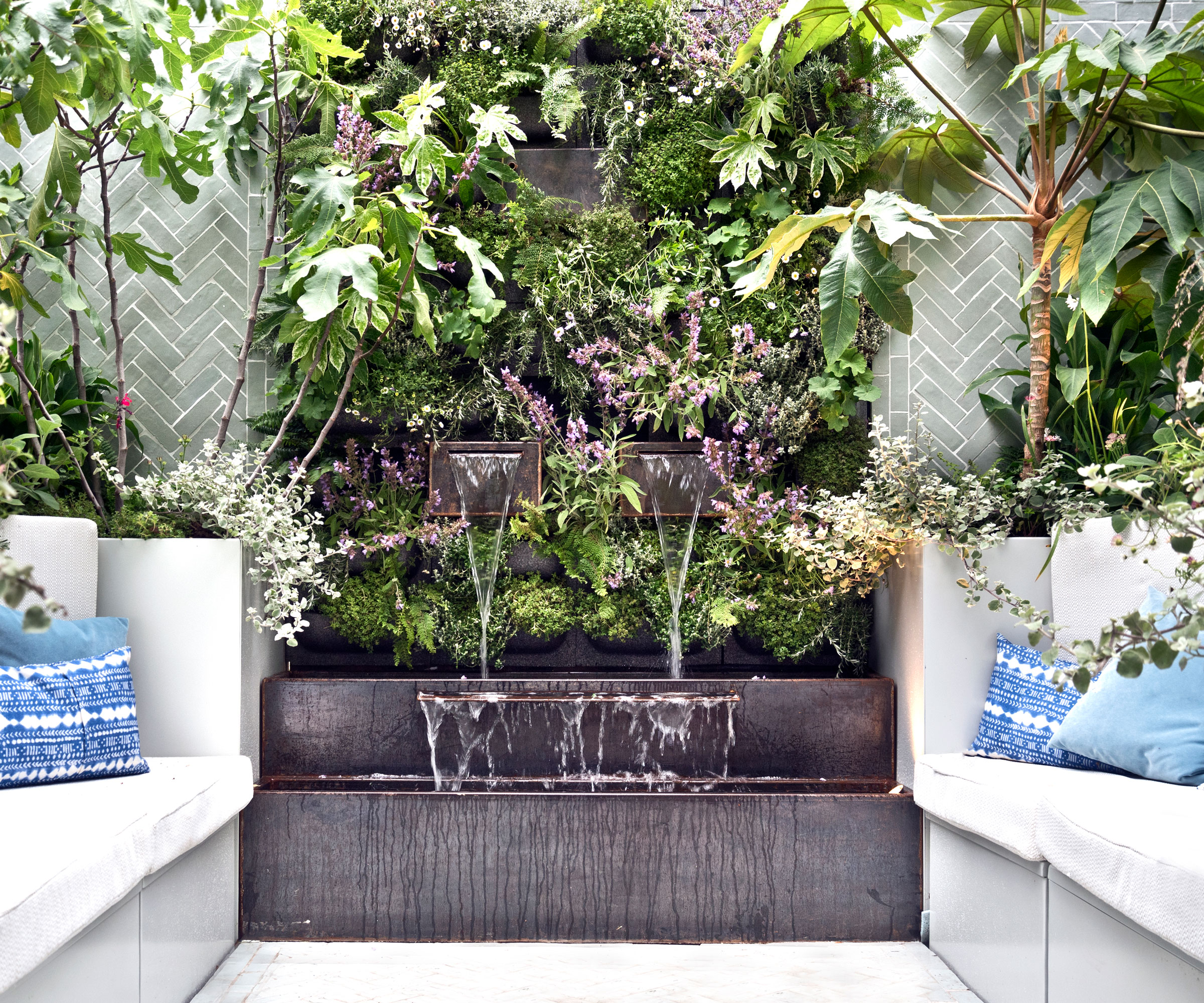
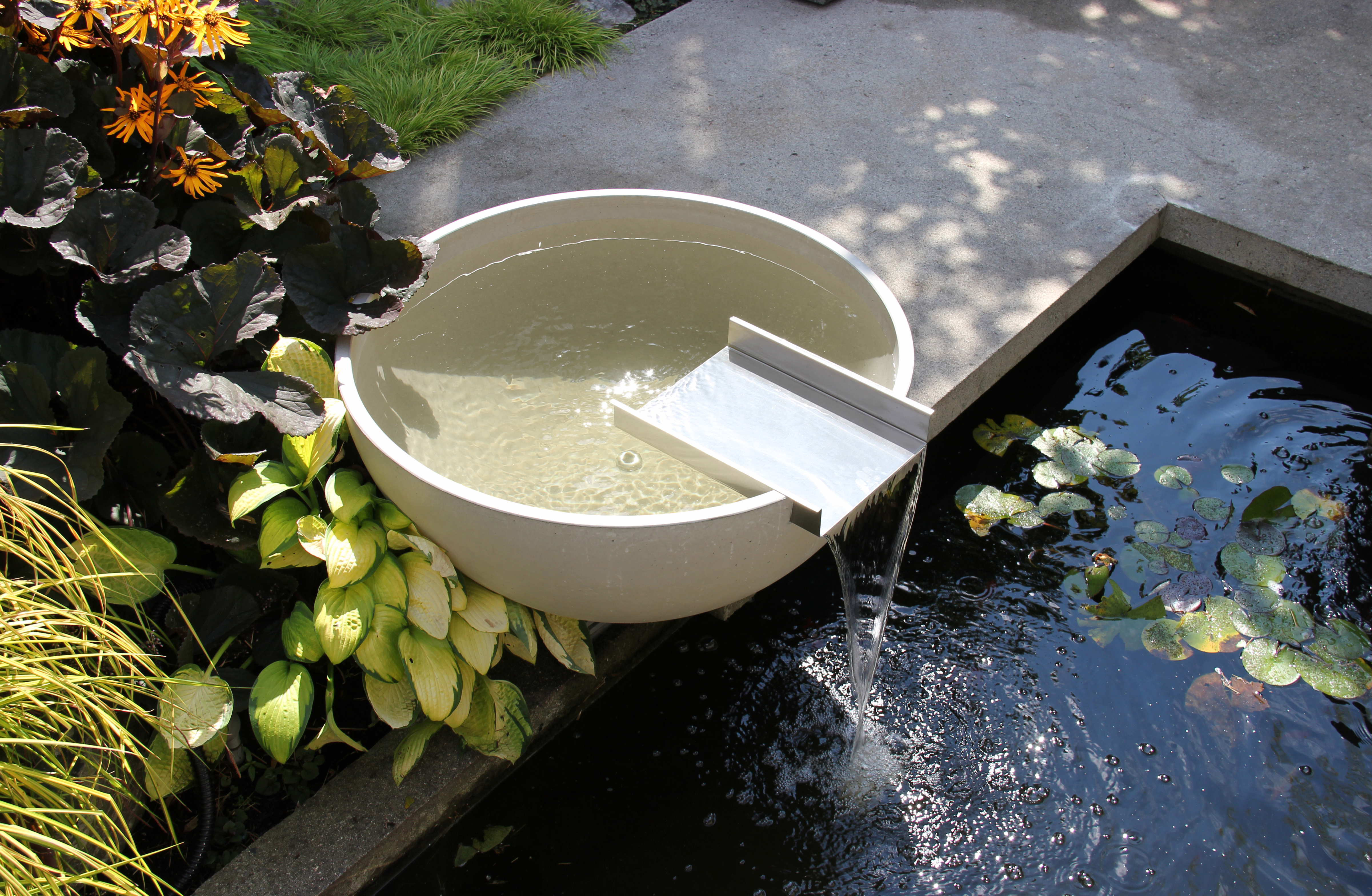
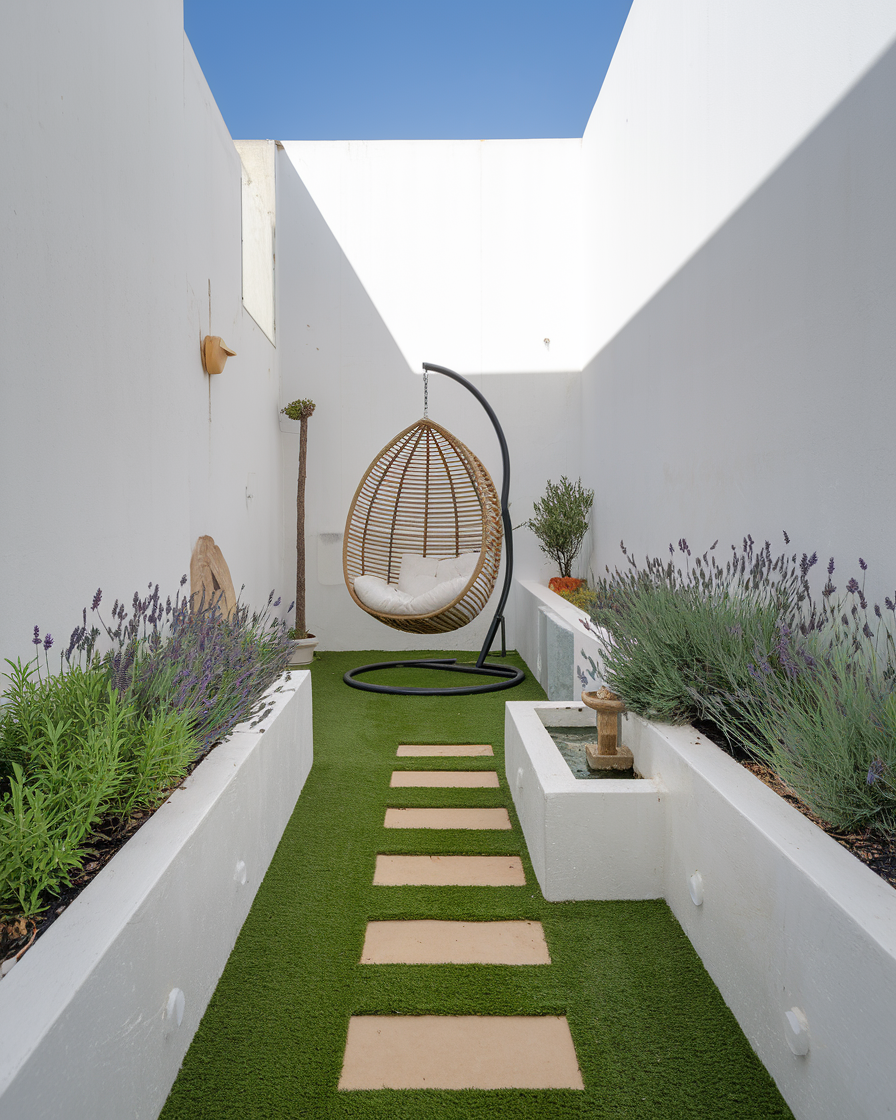
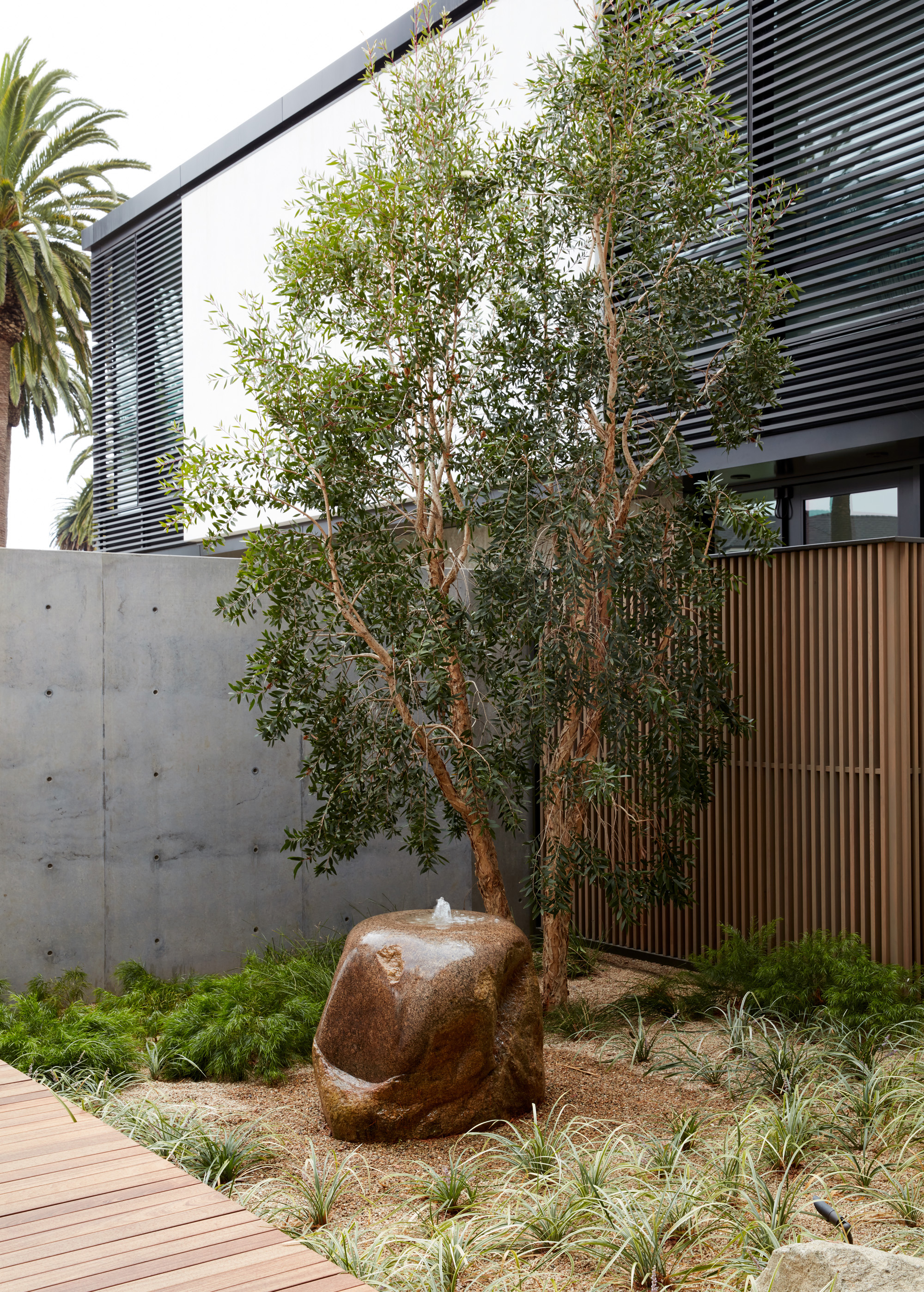
Finally, focusing attention with a statement piece can divert the eye from the yard's limited dimensions. A striking garden sculpture, a unique water feature, an accent tree, or an oversized planter can serve as a focal point, drawing attention and creating an illusion of depth and expansiveness. This strategy leverages visual impact to create a seamless transition between the backyard and its surrounding environment, making the space feel more substantial.
#BackyardDesign #SmallSpaceLandscaping #GardenZoning #OutdoorFurniture #LandscapeArchitecture #BoundaryBlurring #ColorPsychology #FocalPoints #BackyardDesign #SmallSpaceLandscaping #GardenZoning #OutdoorFurniture #LandscapeArchitecture #BoundaryBlurring #ColorPsychology #FocalPoints
0 komentarzy łącznie
 Brak komentarzy jeszcze
Możesz również polubić
How to make a small backyard look bigger – 10 clever ways to max out your space
8 Designer-Approved Tips for Turning a Small Backyard Into an Outdoor Oasis

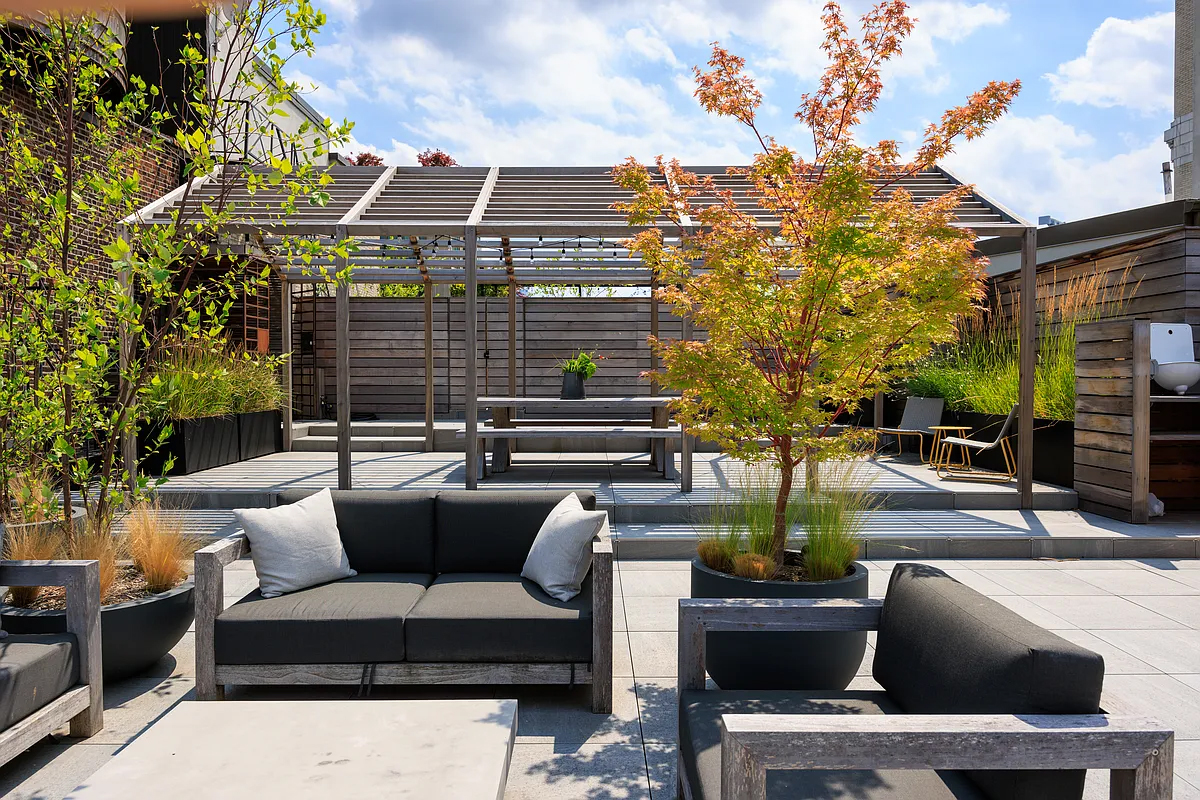
6 Easy Design Ideas to Add Height to a Backyard That Feels Flat

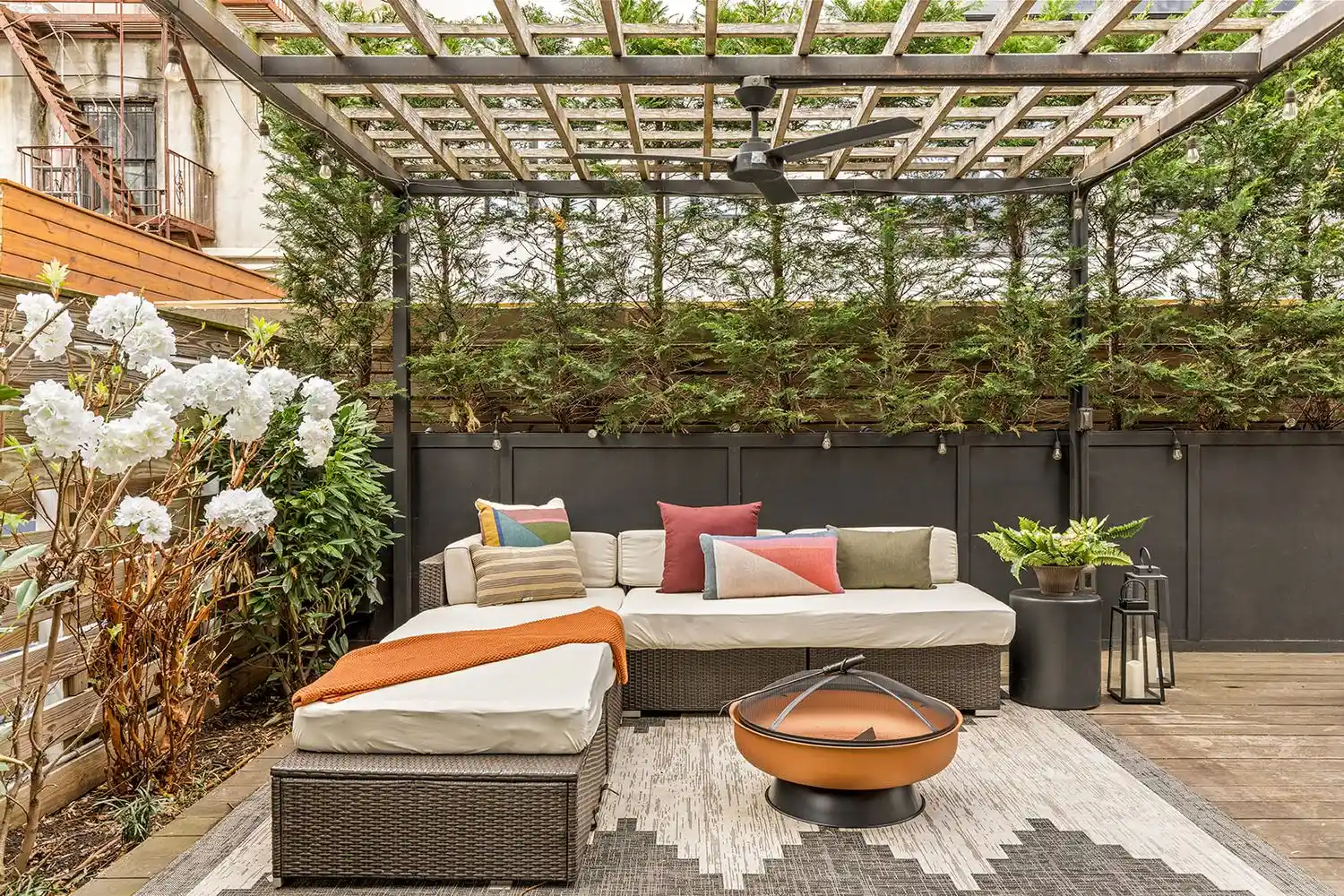
10 Backyard Ideas That Will Instantly Elevate Your Outdoor Space—and Won't Break the Bank
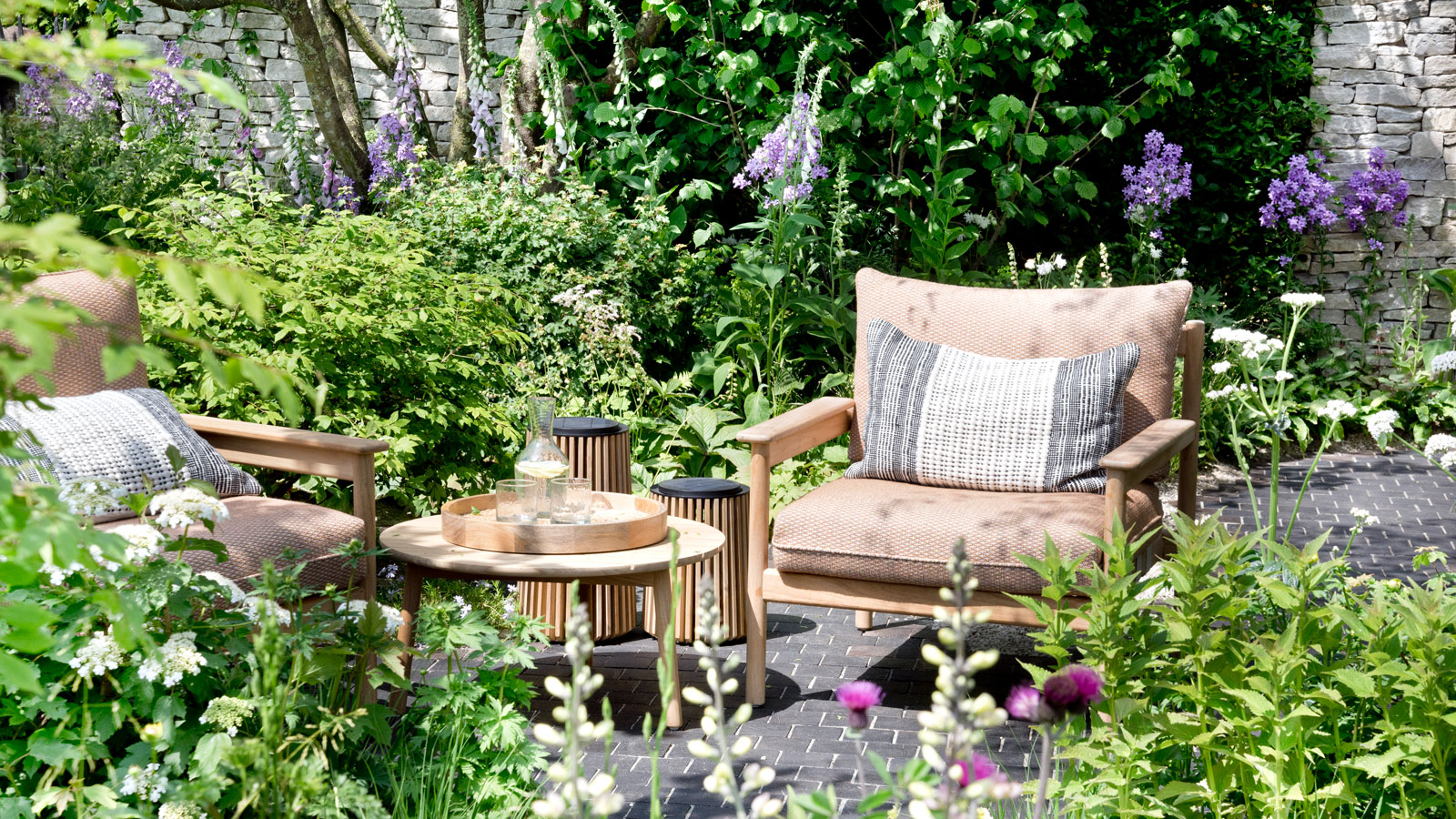
How to make a courtyard garden look bigger – 8 tips and tricks from the experts to utilize every inch of your city yard
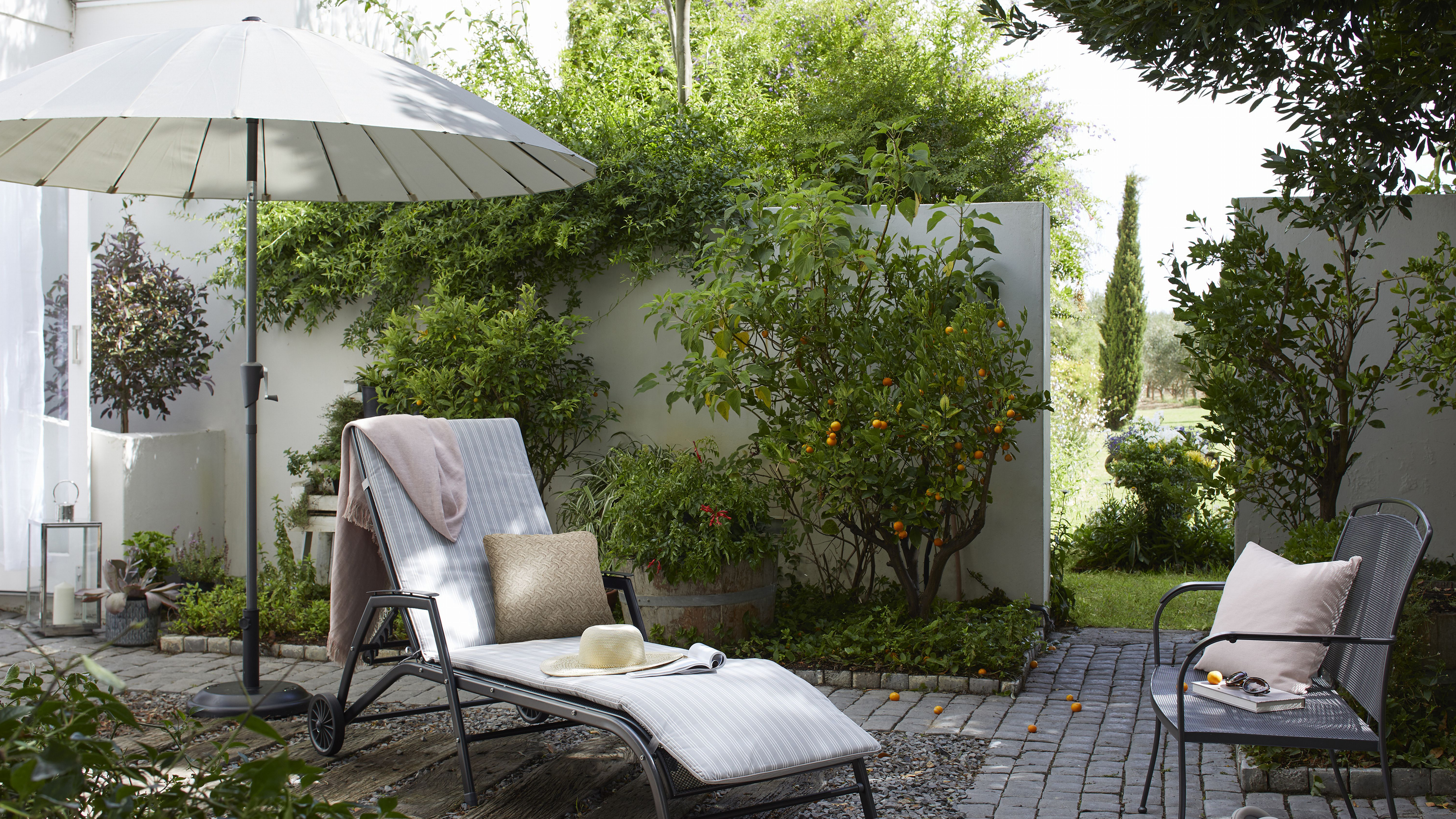
How to make a small garden look bigger –25 ideas that are simple but effective

13 Big Ideas to Make Your Small Backyard Better

6 simple ways you can make your front yard look beautiful without having to plant anything new


42 Backyard Upgrades That’ll Turn Even The Smallest Space Into An Outdoor Oasis
Interior designers share 11 low-cost ways to make a small outdoor space feel bigger
Garden decorating ideas – 24 ways to update your backyard
Backyard Ideas — 15 Brilliant Ways to Make the Outdoors Fun and Functional
6 Underrated Designer Tips to Make Any Outdoor Space Look Ten Times Bigger

21 Genius Small Patio Ideas That Make Your Backyard Feel 10x Bigger
How to Make Your Backyard Look Amazing—Without Spending a Fortune
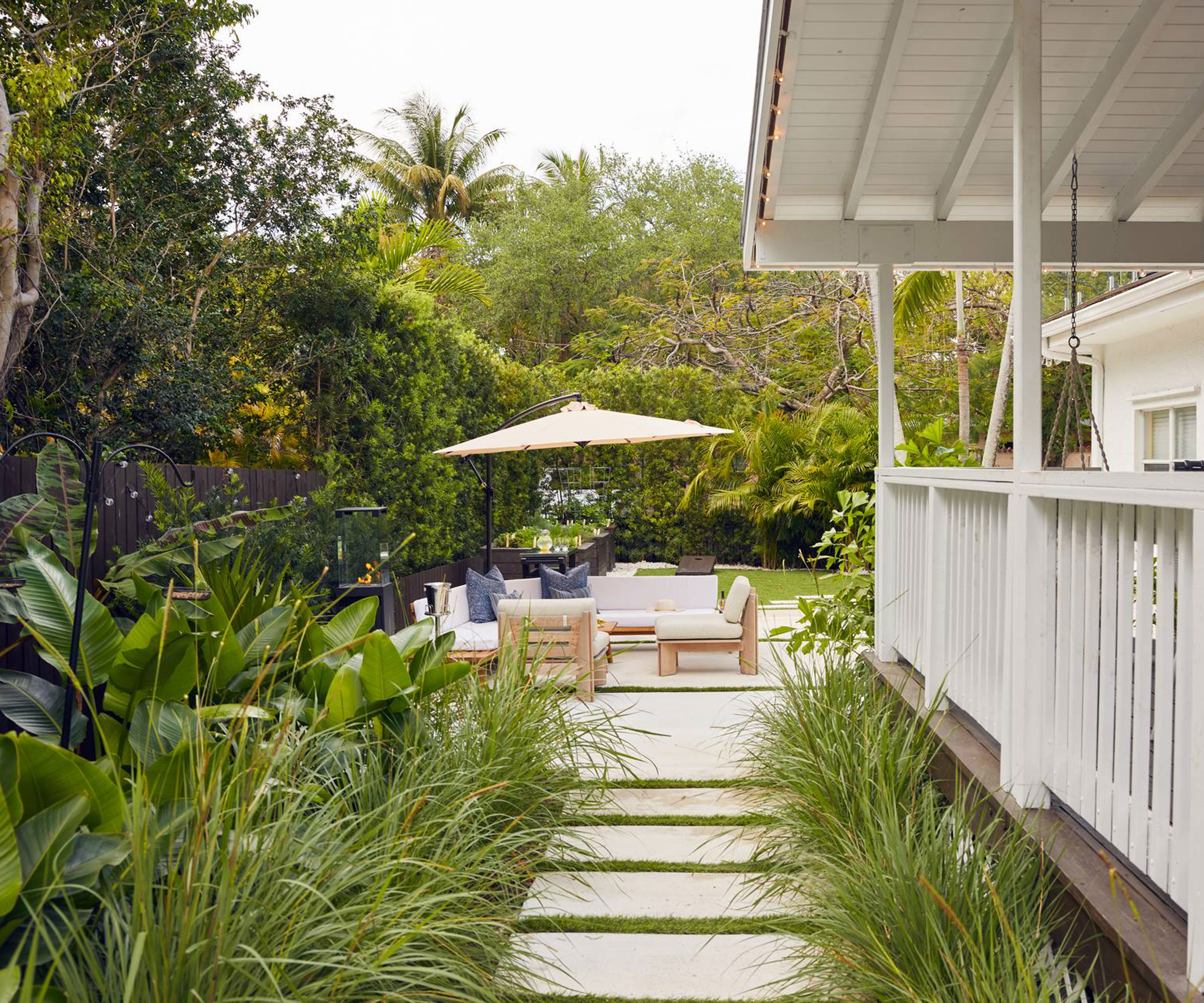
Townhouse backyard ideas – 10 designer-approved schemes to max out your space
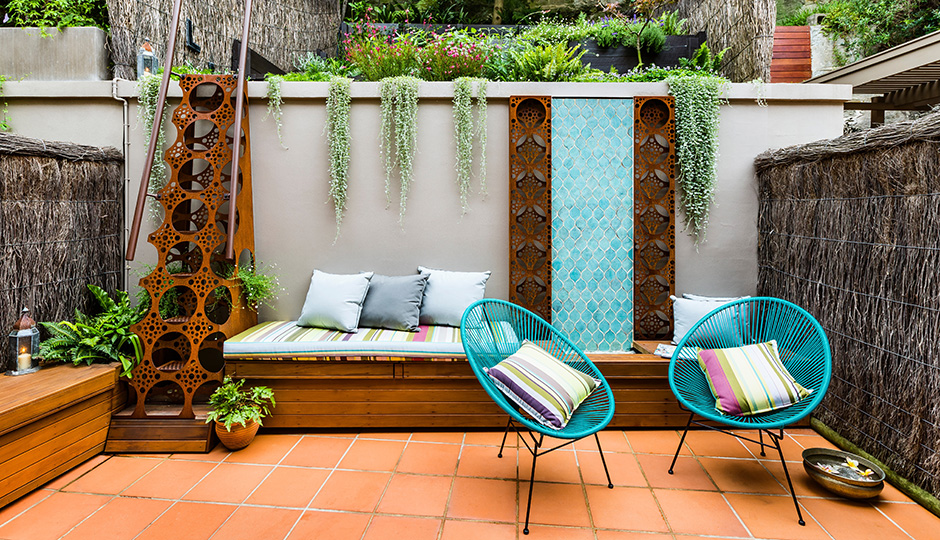
8 Ways to Turn Your Tiny Back Patio Into a Gorgeous Oasis

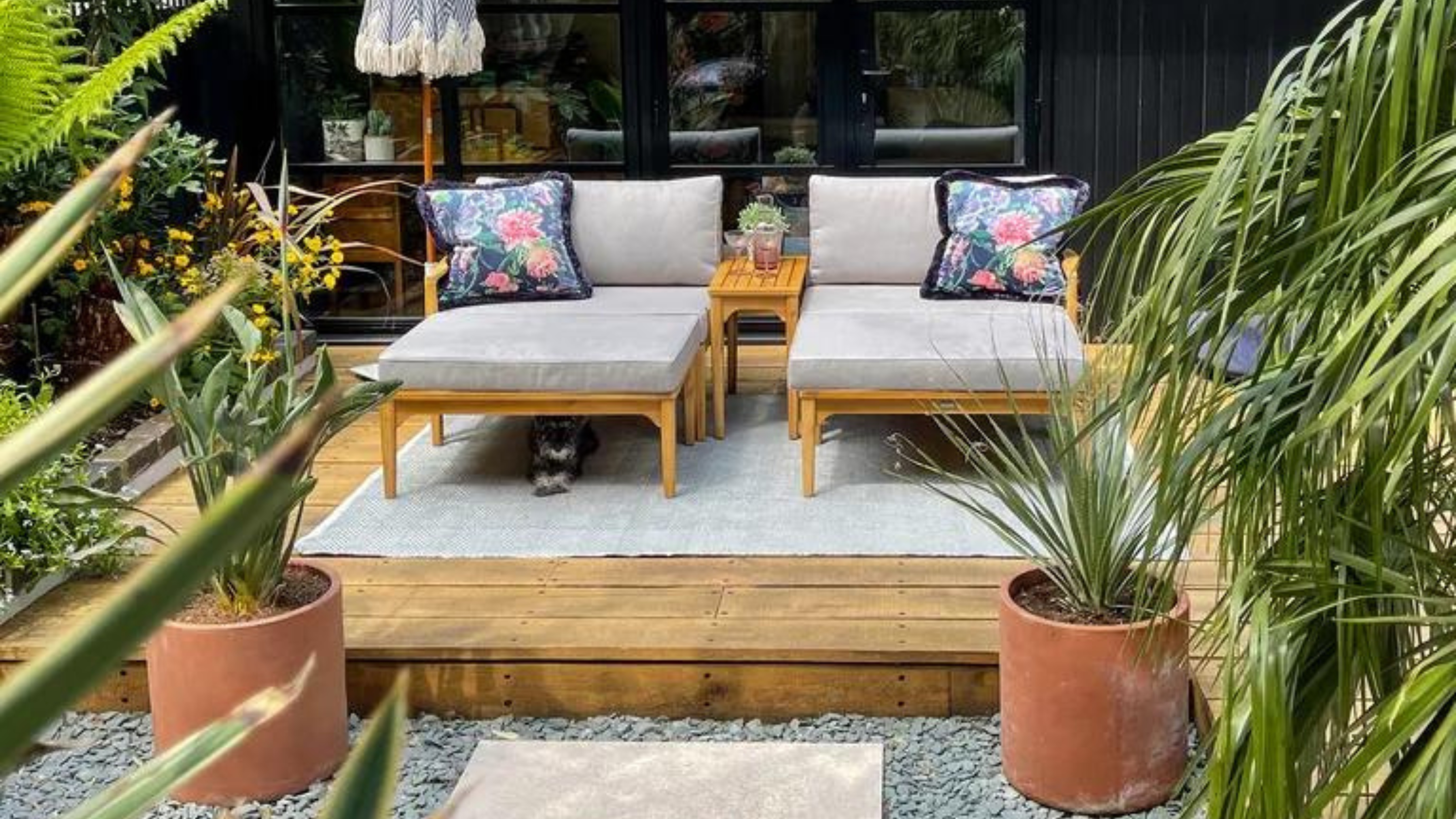
10 easy DIY landscaping ideas to elevate your backyard
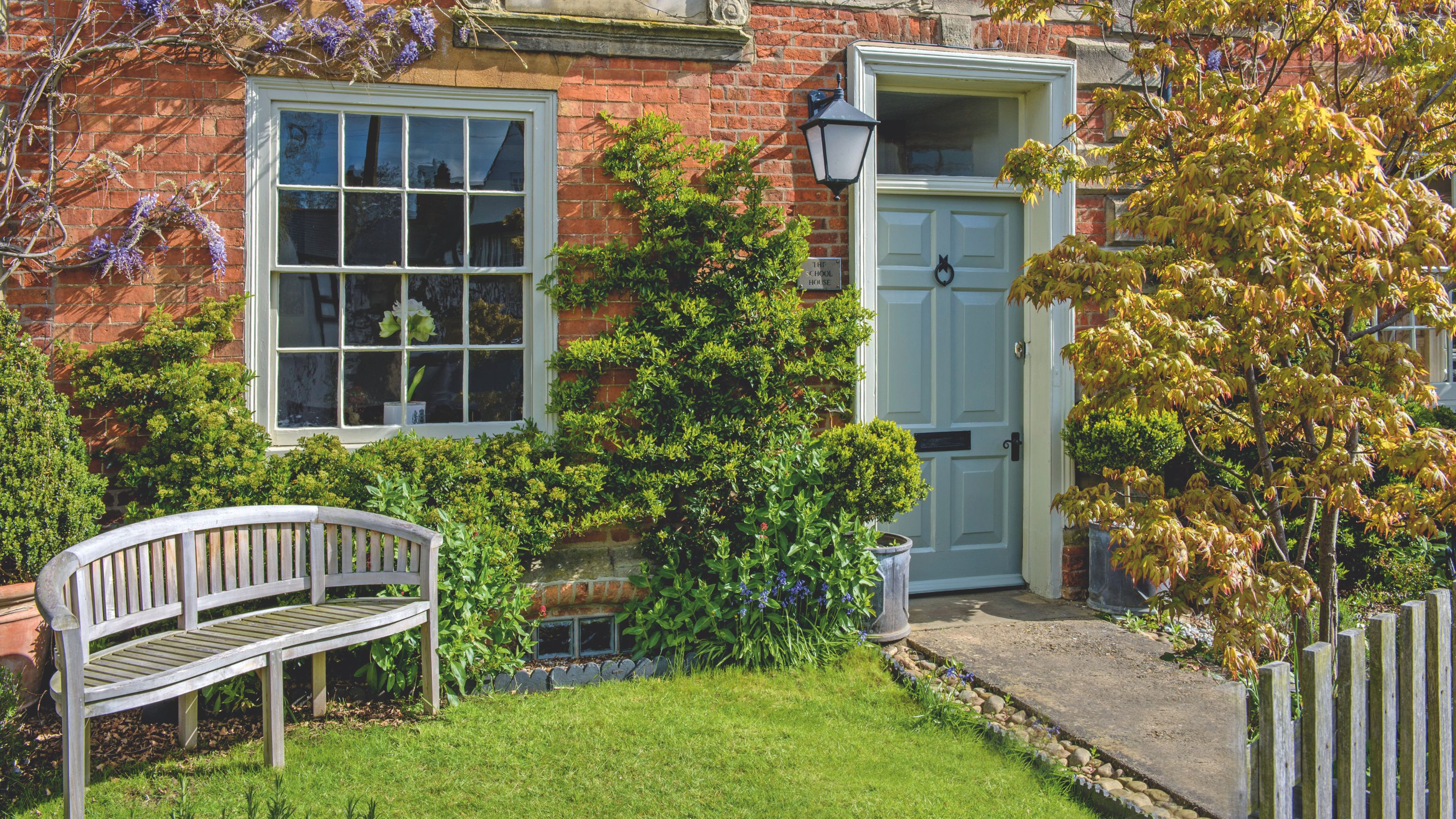
Front garden ideas – 32 ways to transform your space for the ultimate kerb appeal

Transform Your Backyard with Outdoor Makeovers