1/4
Here’s What Transitional Style *Actually* Means (and 6 Tips to Nail the Look)
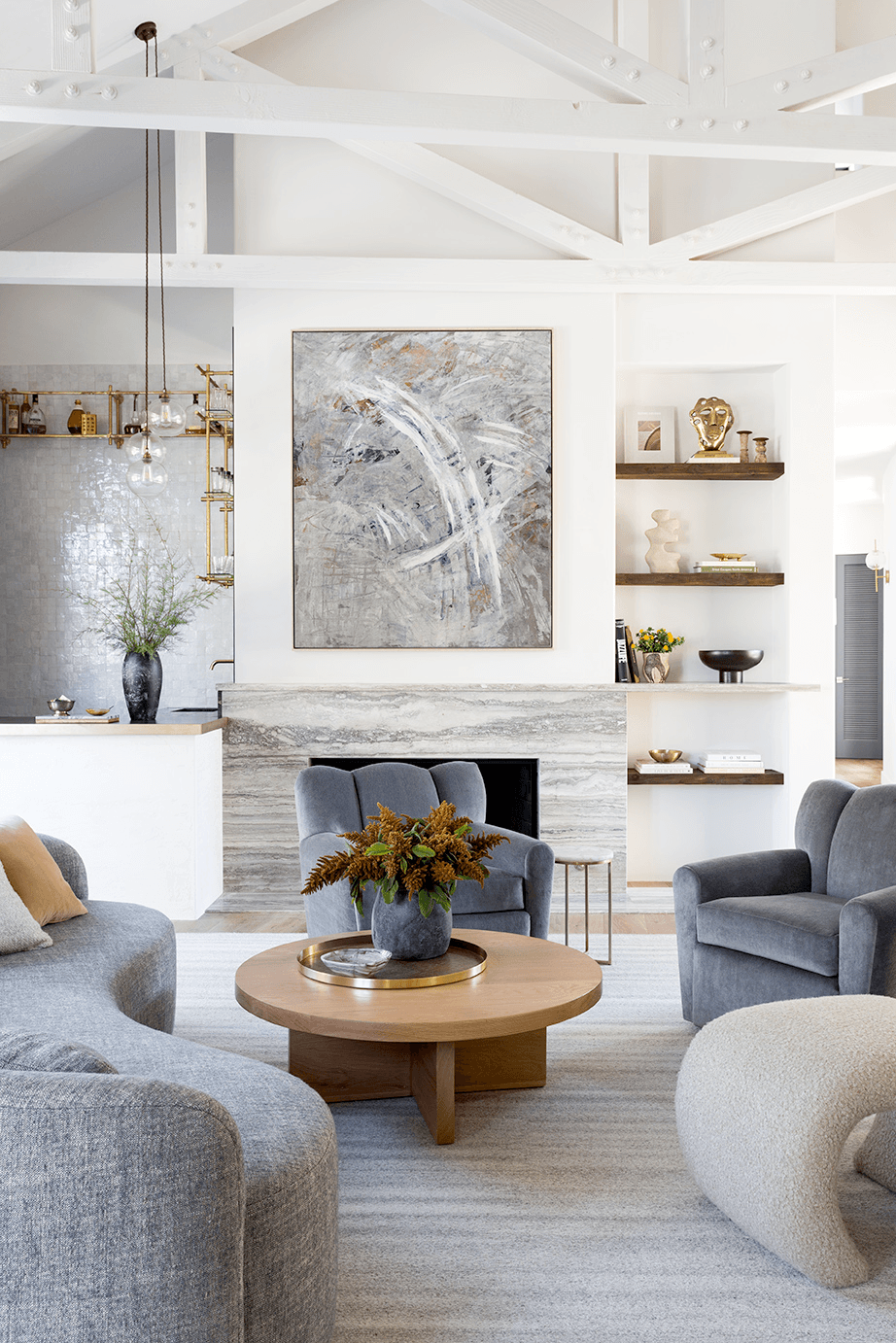
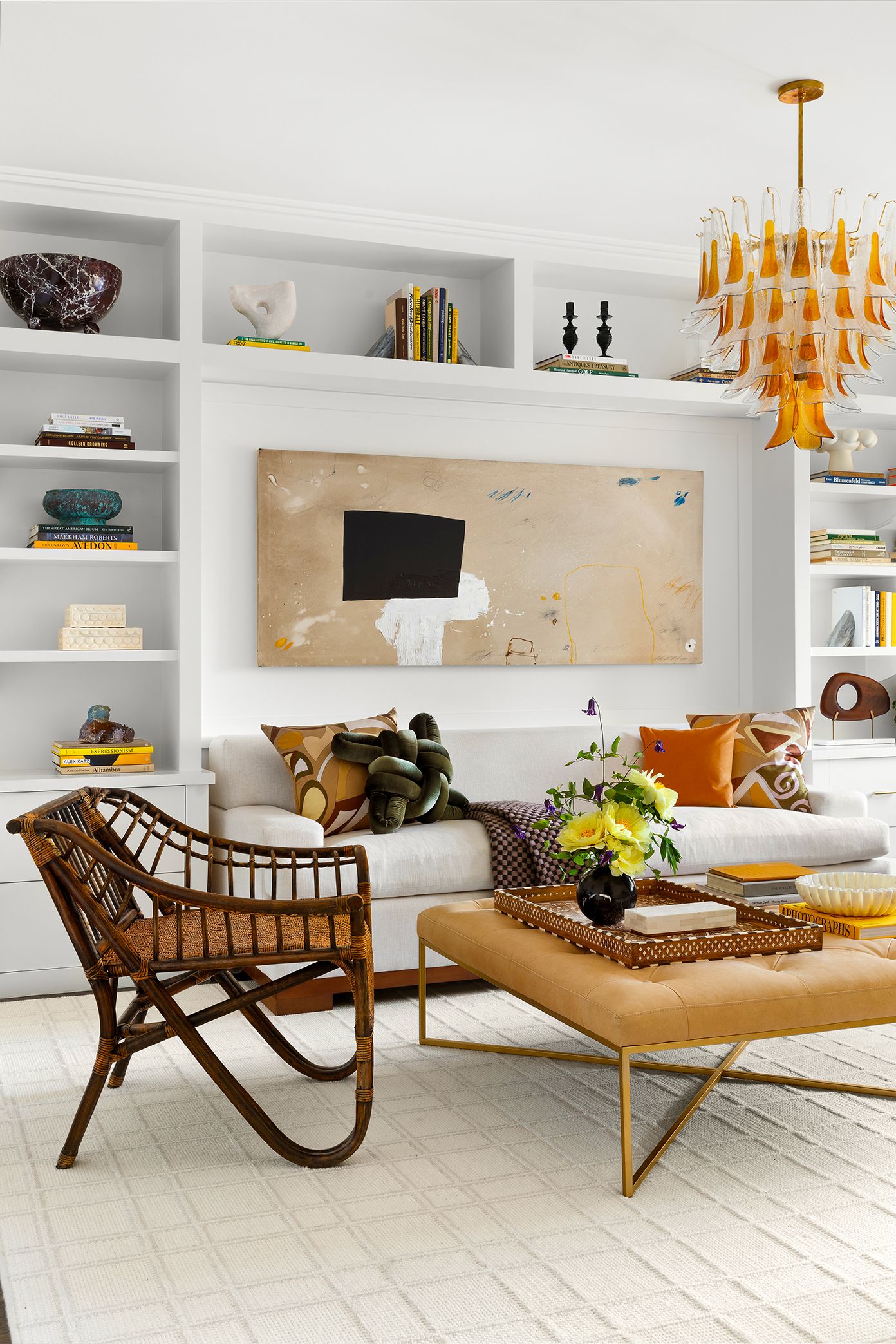
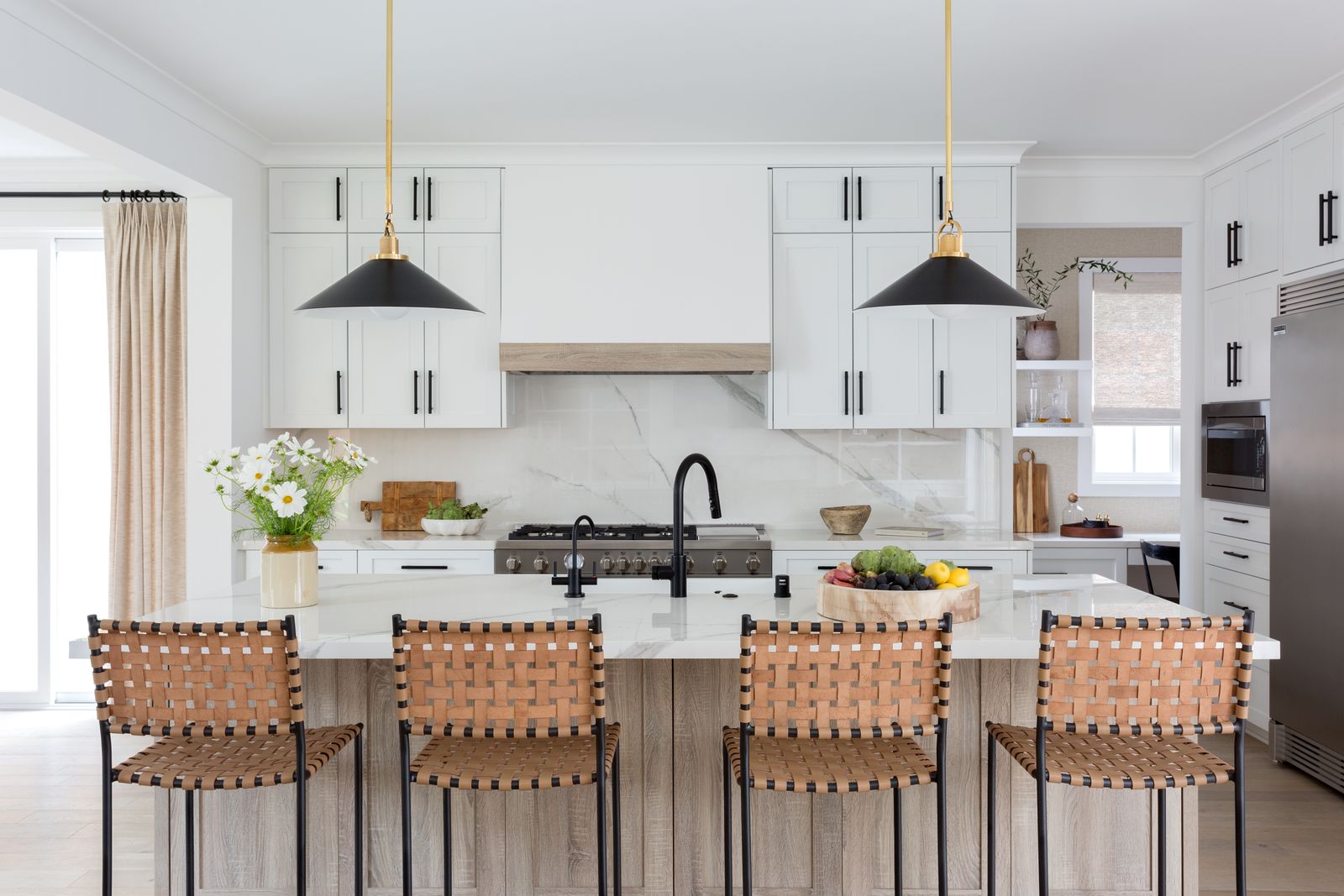
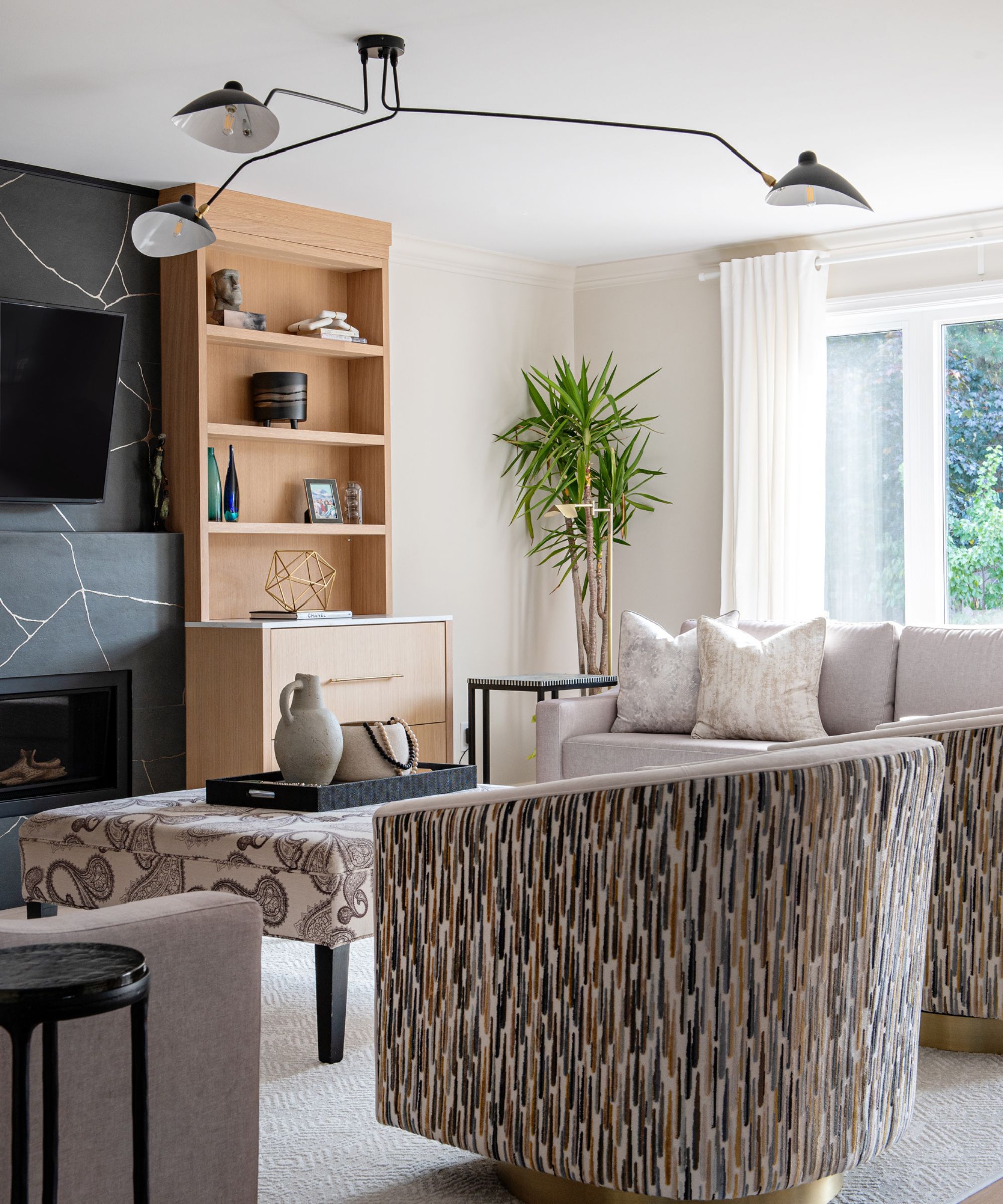
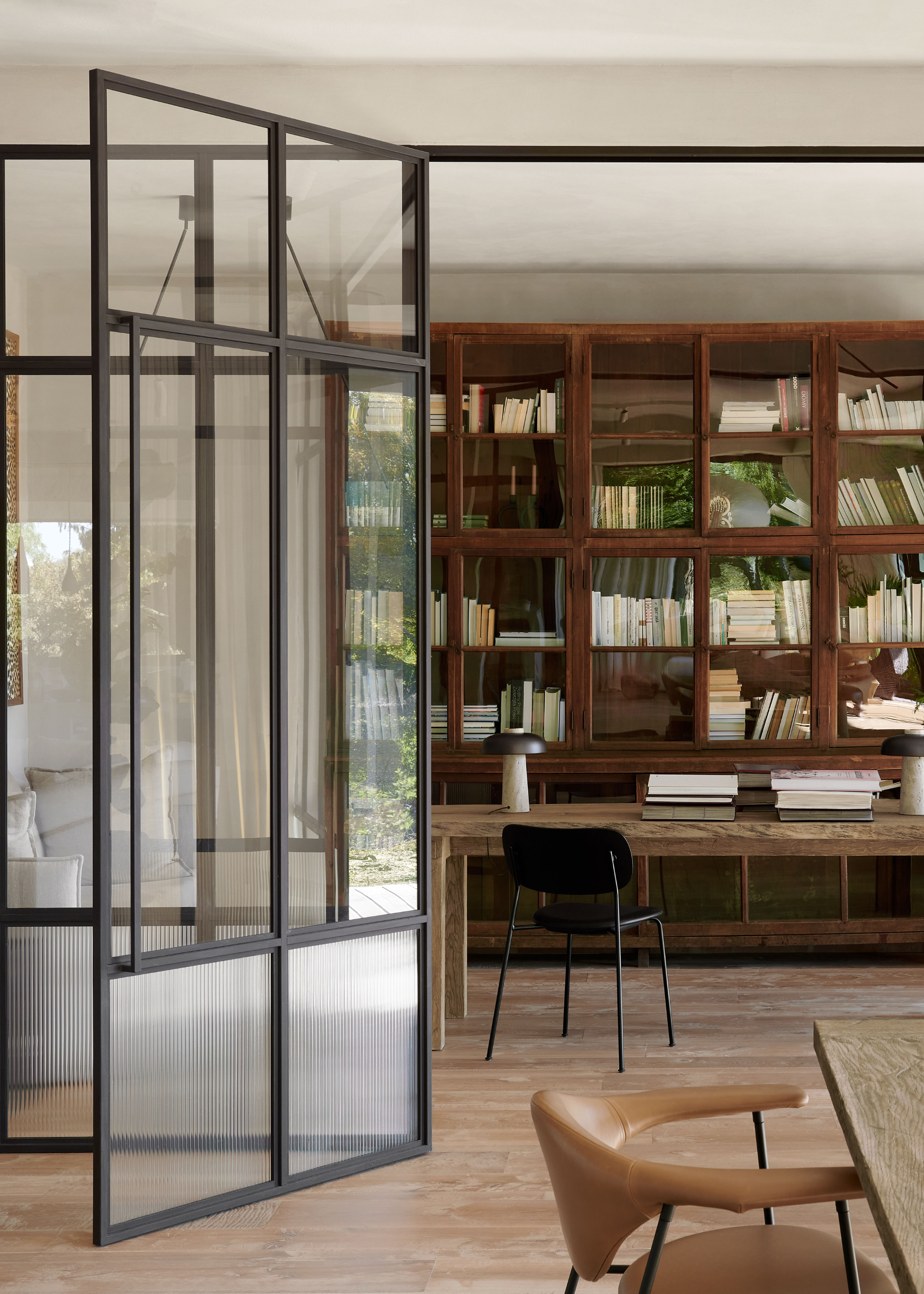
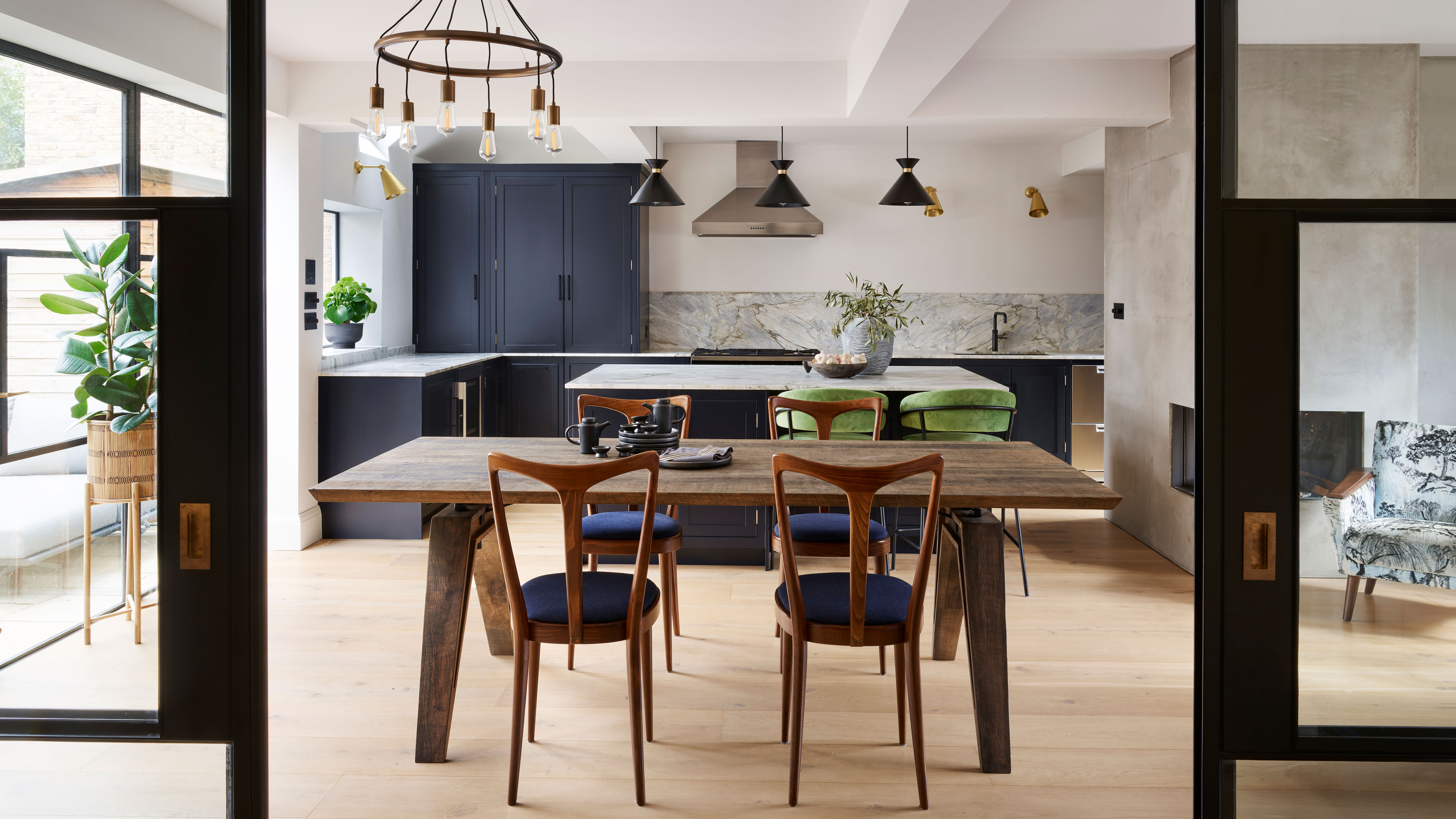
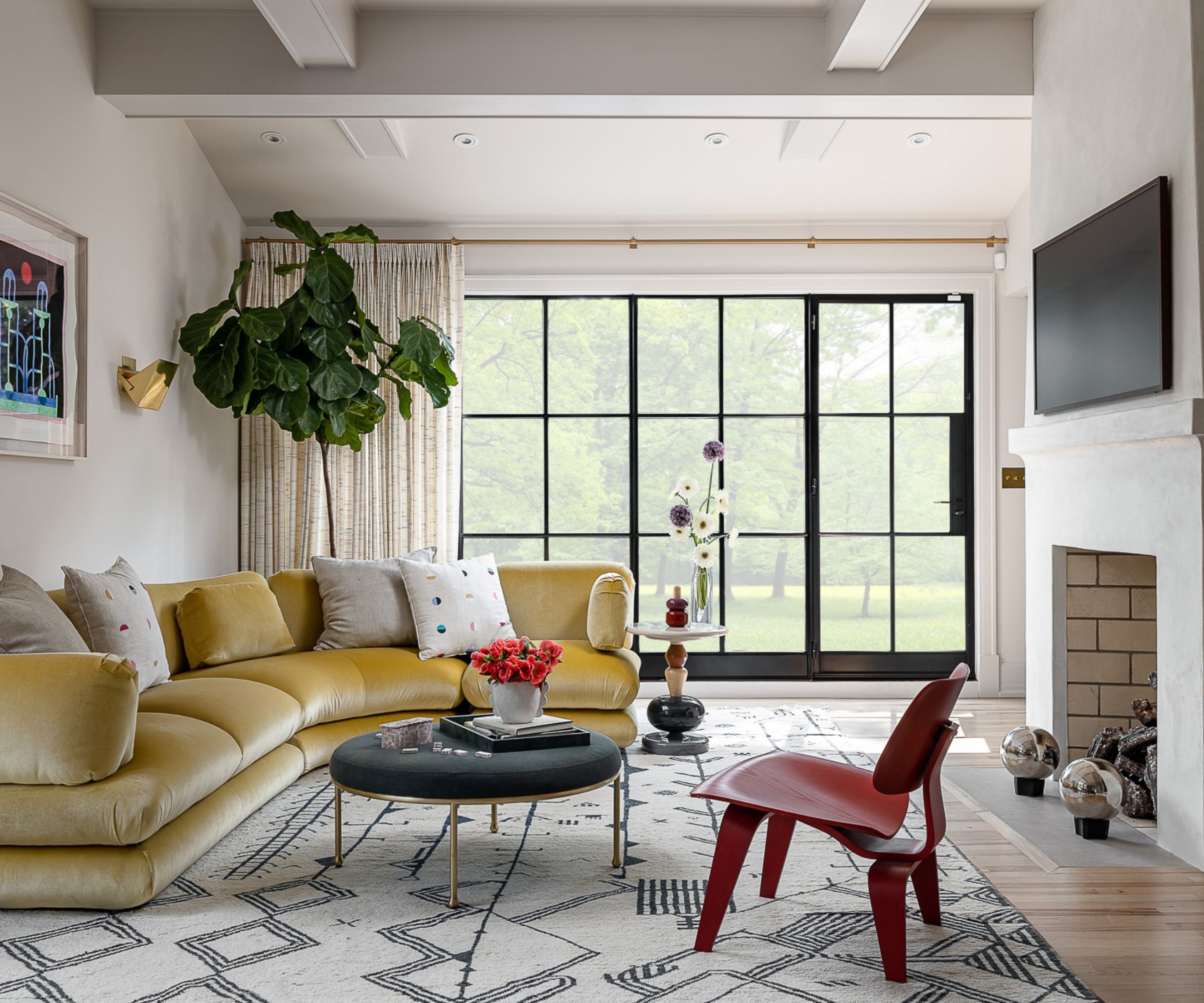
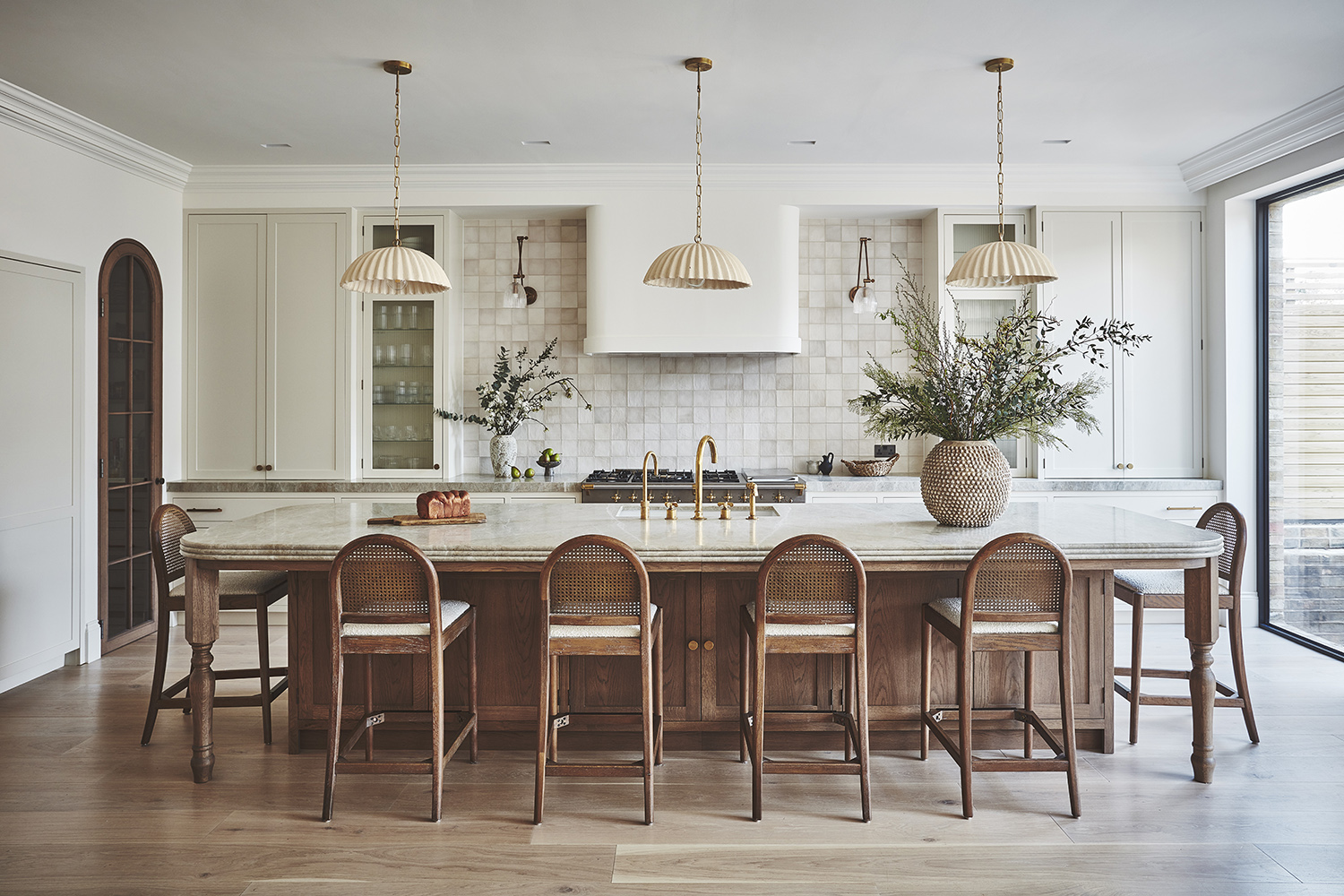
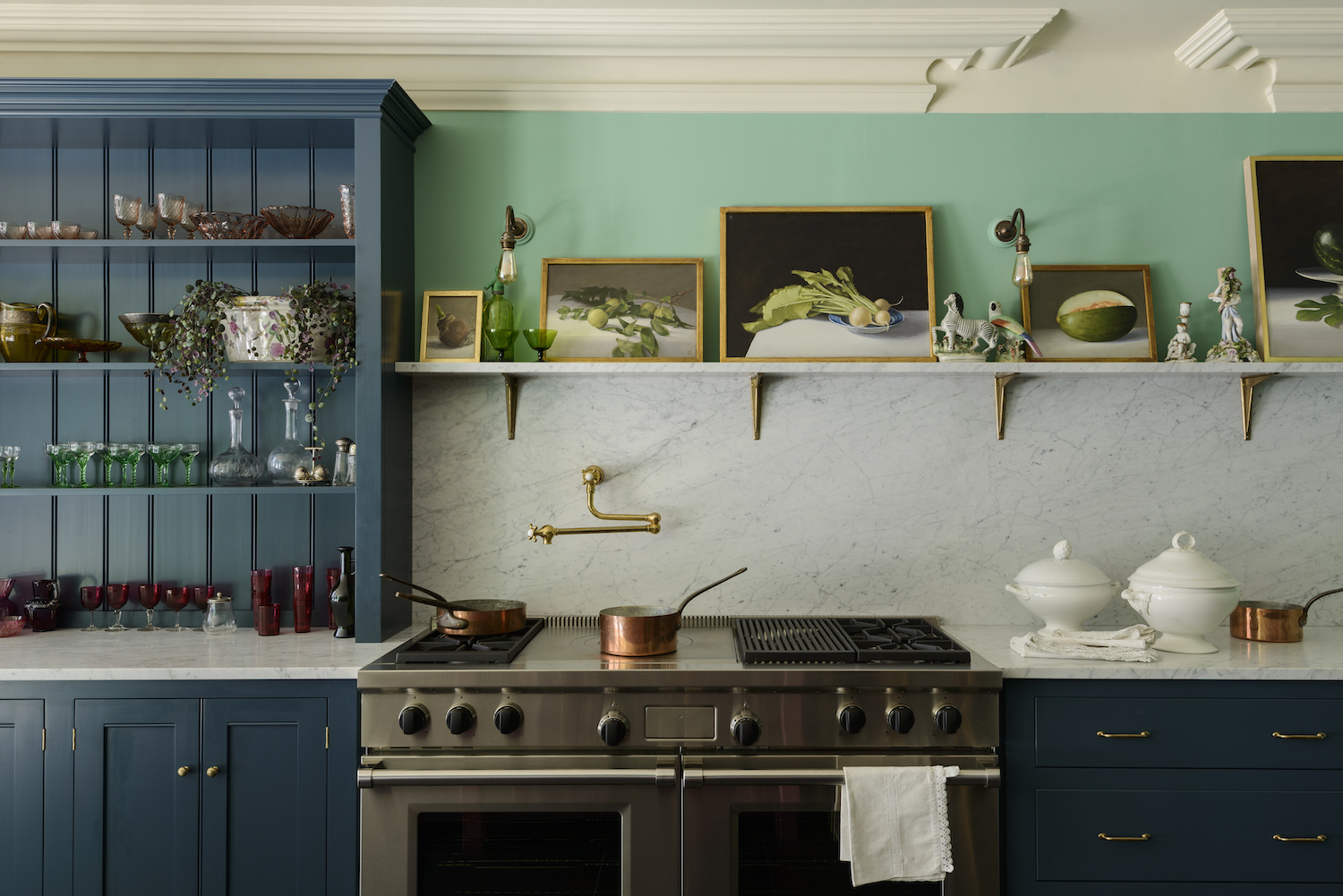
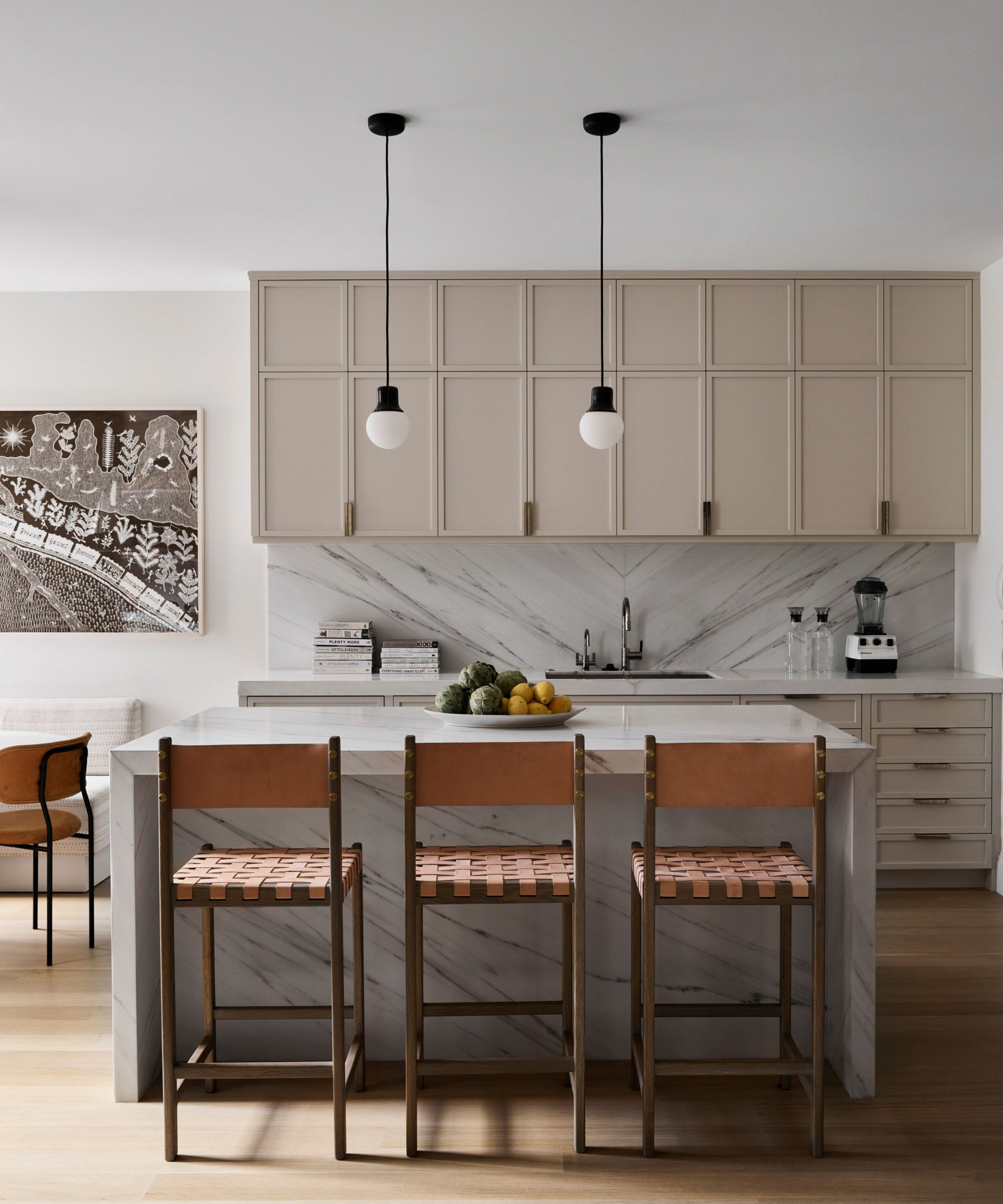
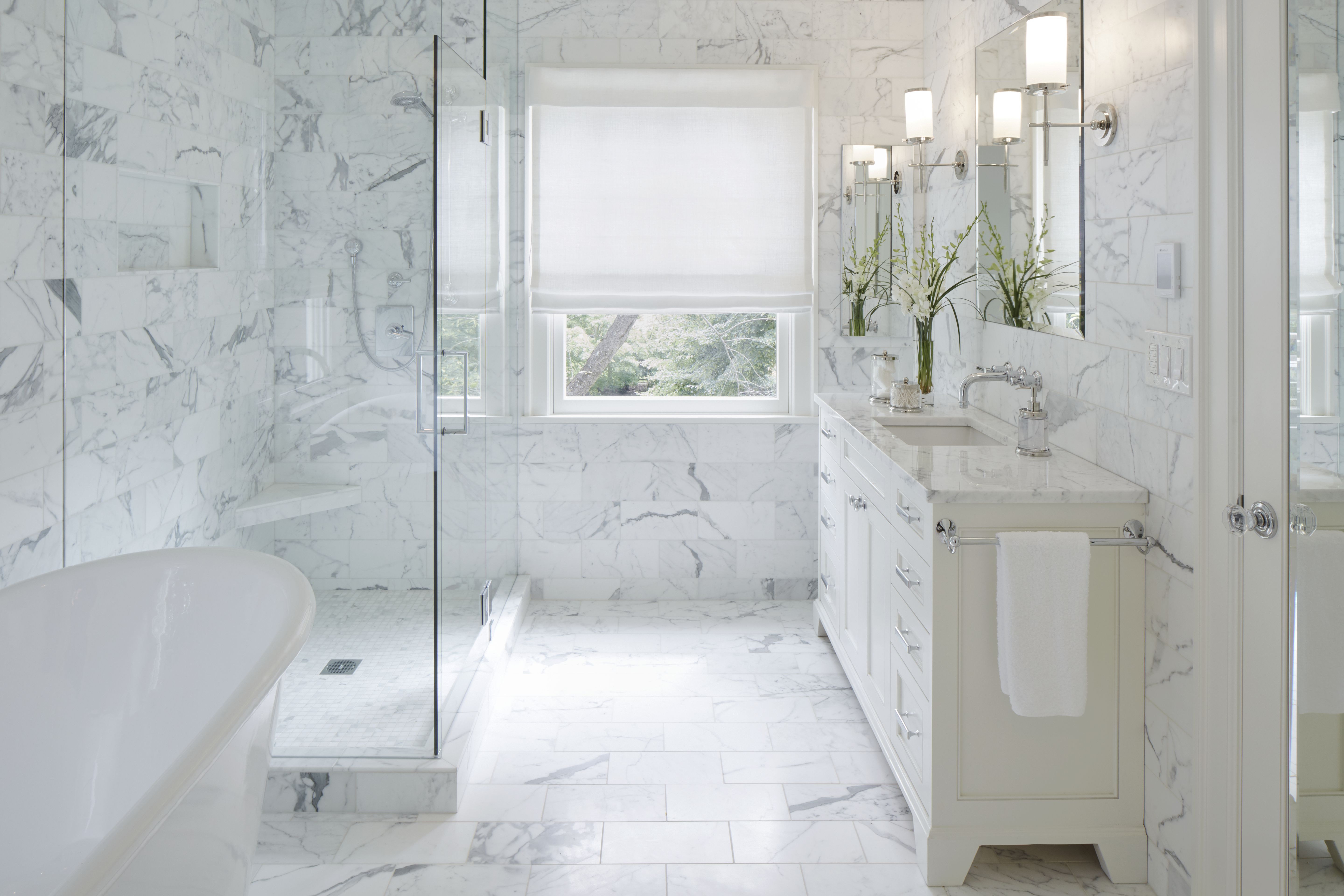
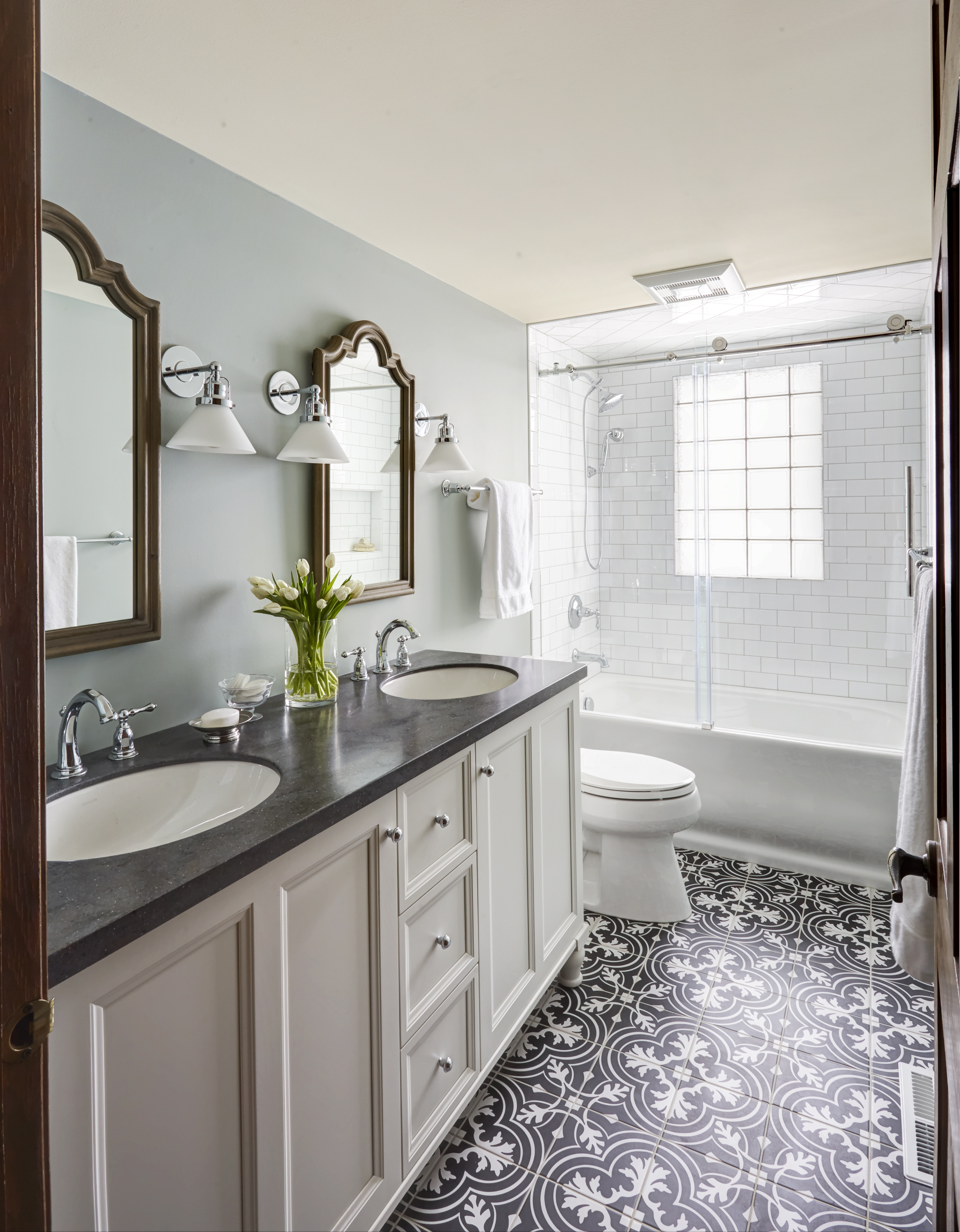
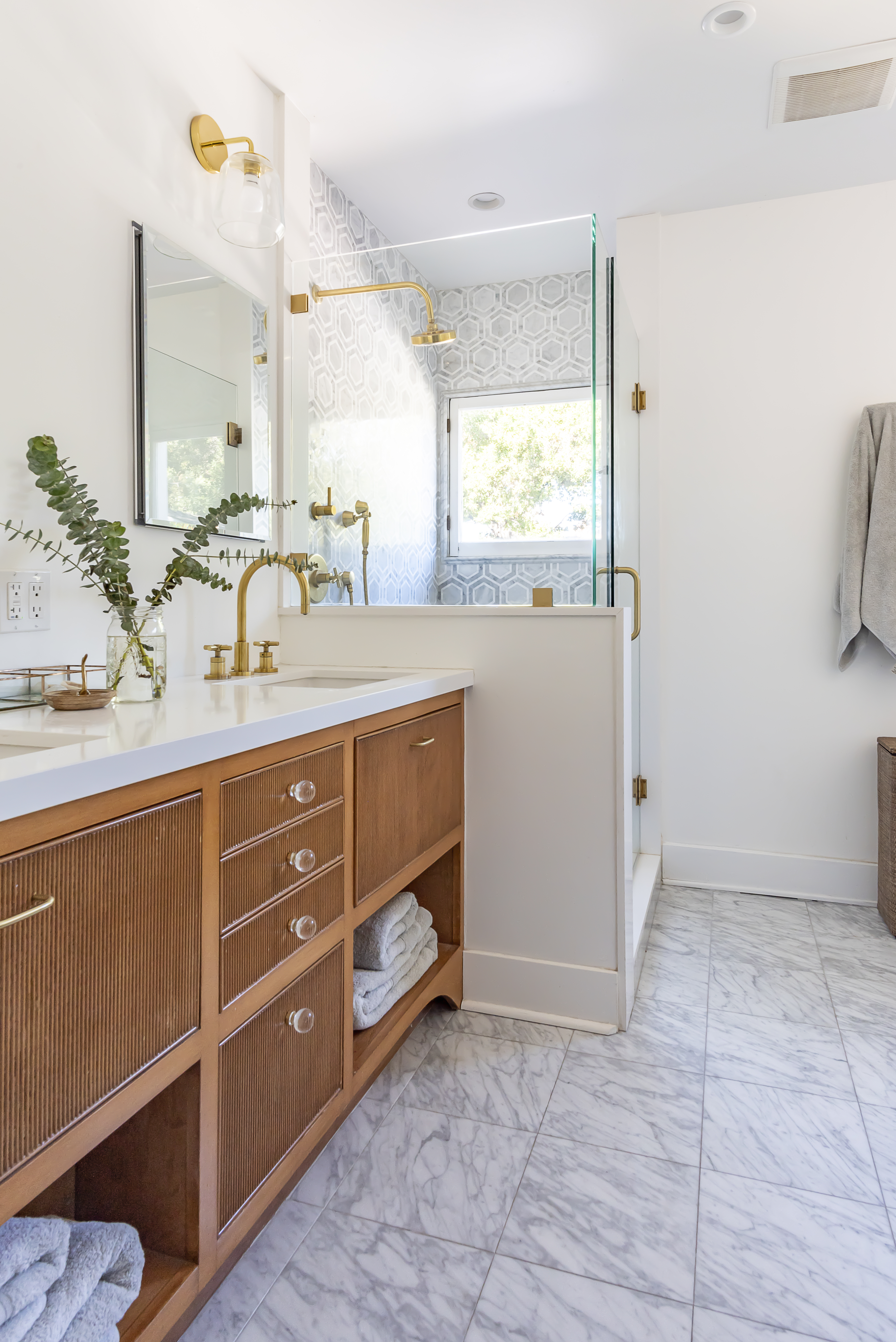
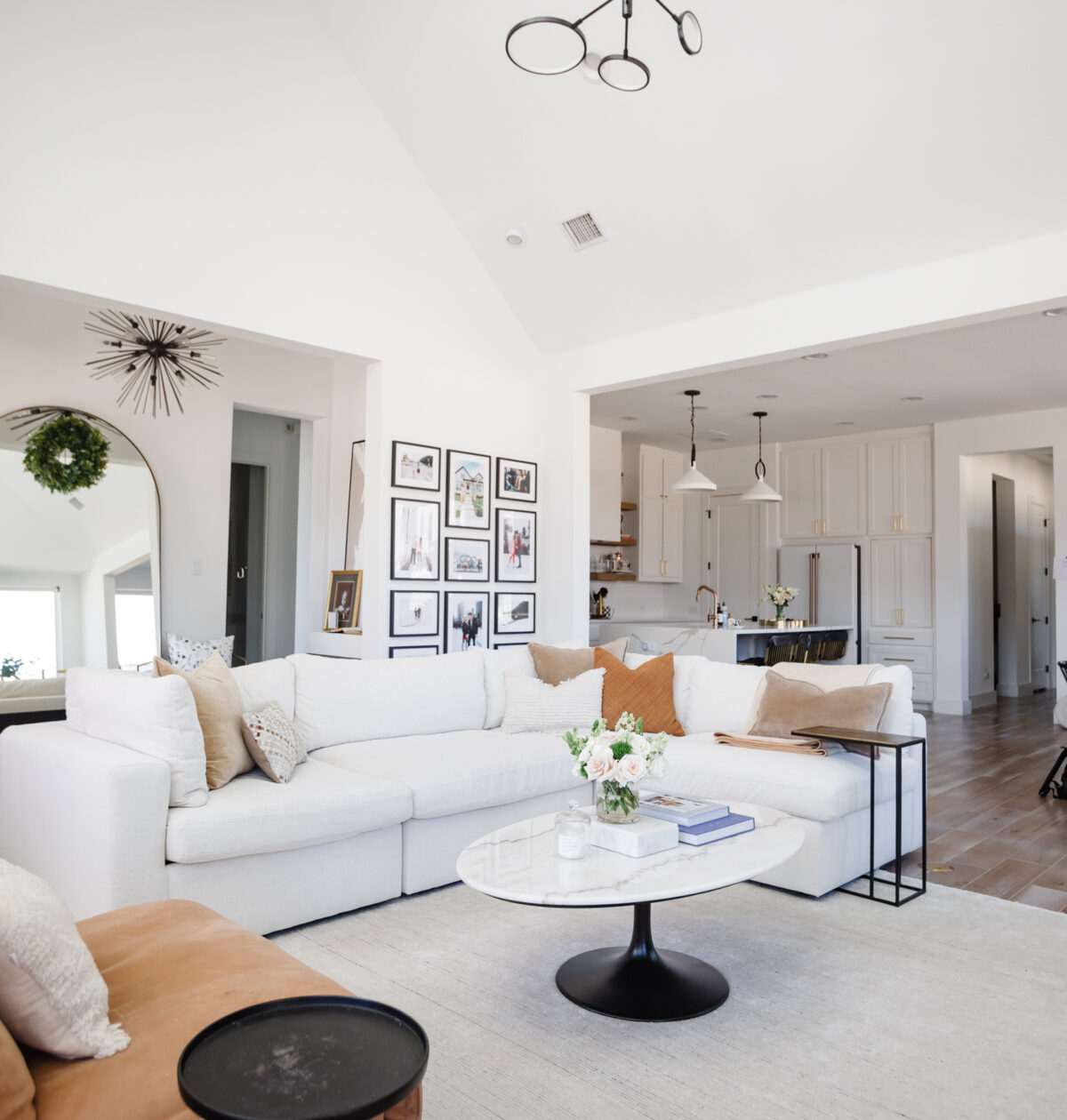
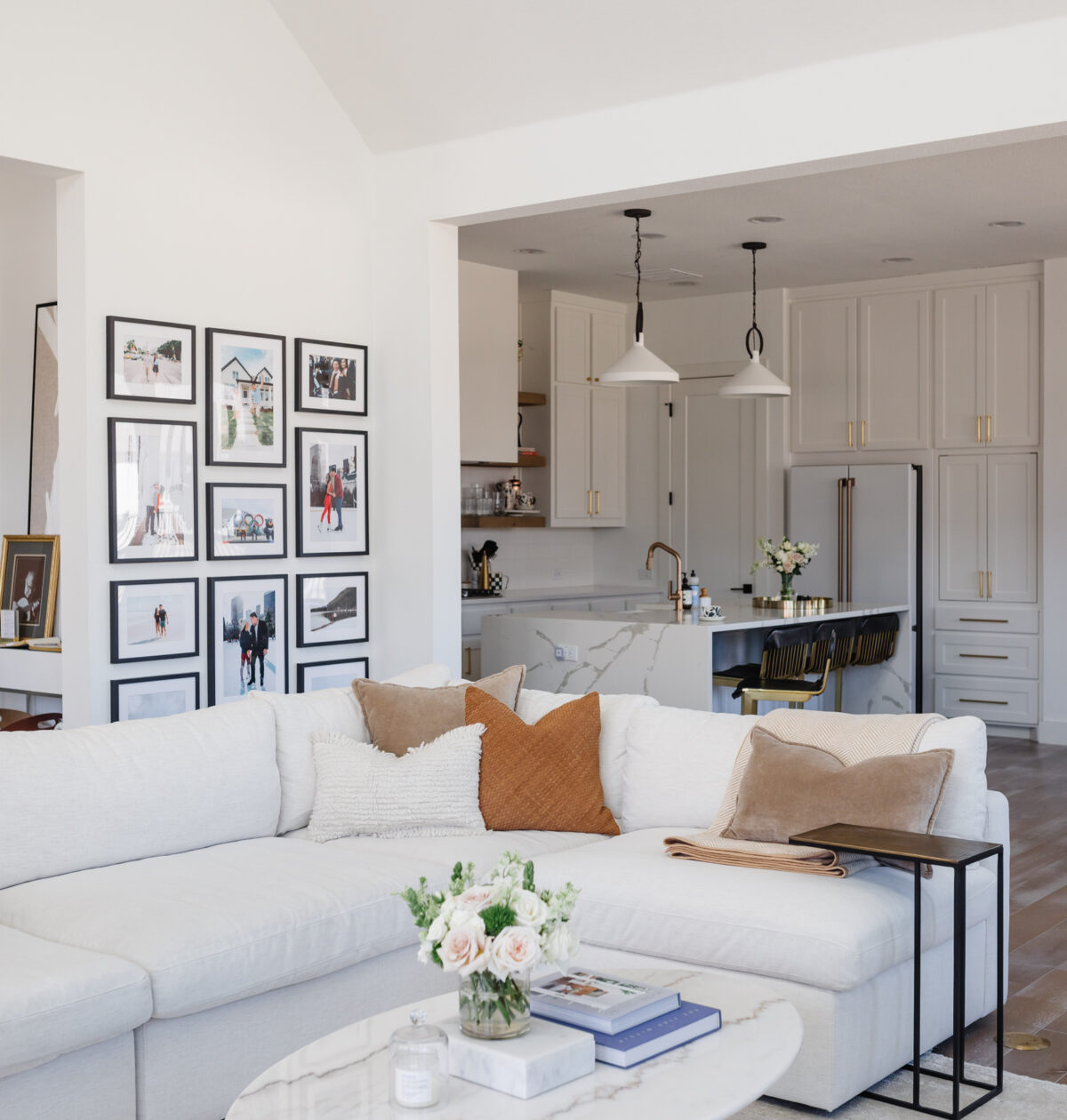
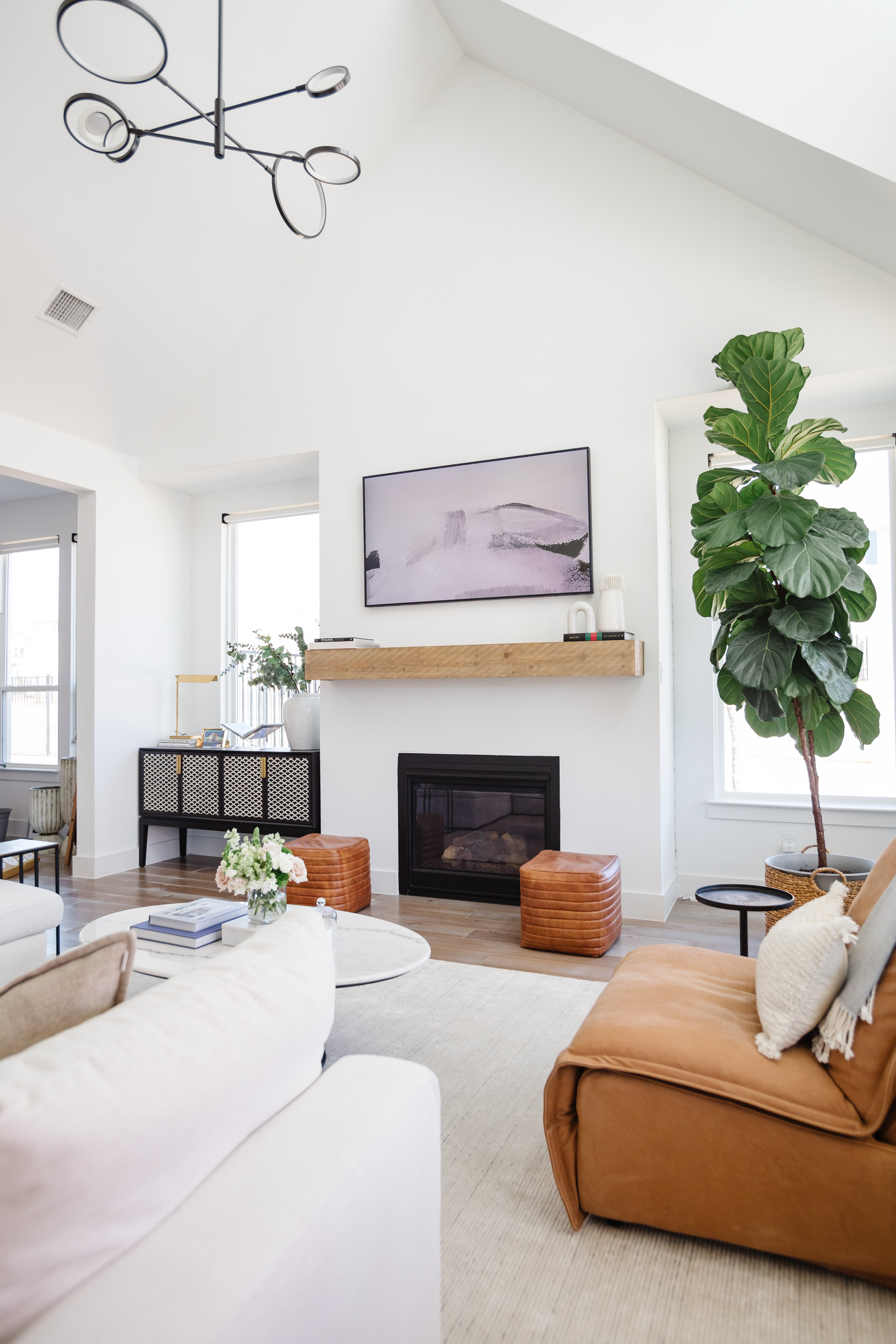
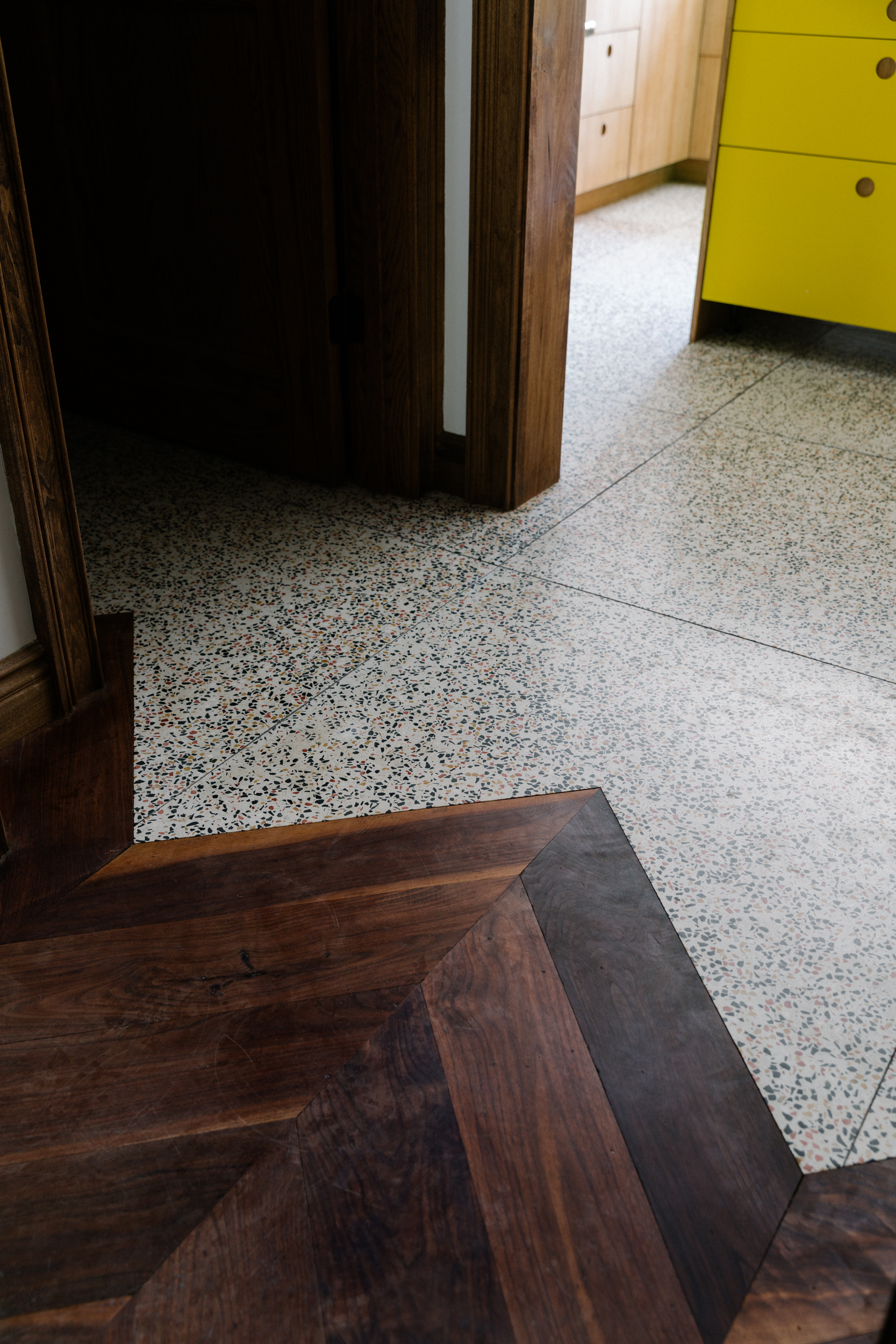
Transitional style in home design represents a fusion of traditional and contemporary elements, offering a balance that is both timeless and adaptable. It emerged in the 1950s as a response to the starkness of mid-century modern design, incorporating the clean lines and bright aesthetic of the era while adding the warmth and character found in traditional styles. Unlike purely traditional design, which is deeply rooted in 18th and 19th-century aesthetics with a strong emphasis on symmetry, order, and often heavier, darker furniture, transitional style offers a more relaxed and playful approach.
Casey Hardin, a designer from Decorist, describes transitional style as having its roots in traditional design but being more laid-back. It uses traditional design as a foundation, then integrates contemporary pops of color and accent pieces. This blend ensures the space remains timeless without feeling as formal or stuffy as a strictly traditional room. Traditional design prioritizes symmetry, creating a peaceful environment with often neutral color palettes and a sense of predictability. Its furniture tends to be darker and heavier, and it features ornate patterns and heavy drapery, which can sometimes feel too intense for modern sensibilities.
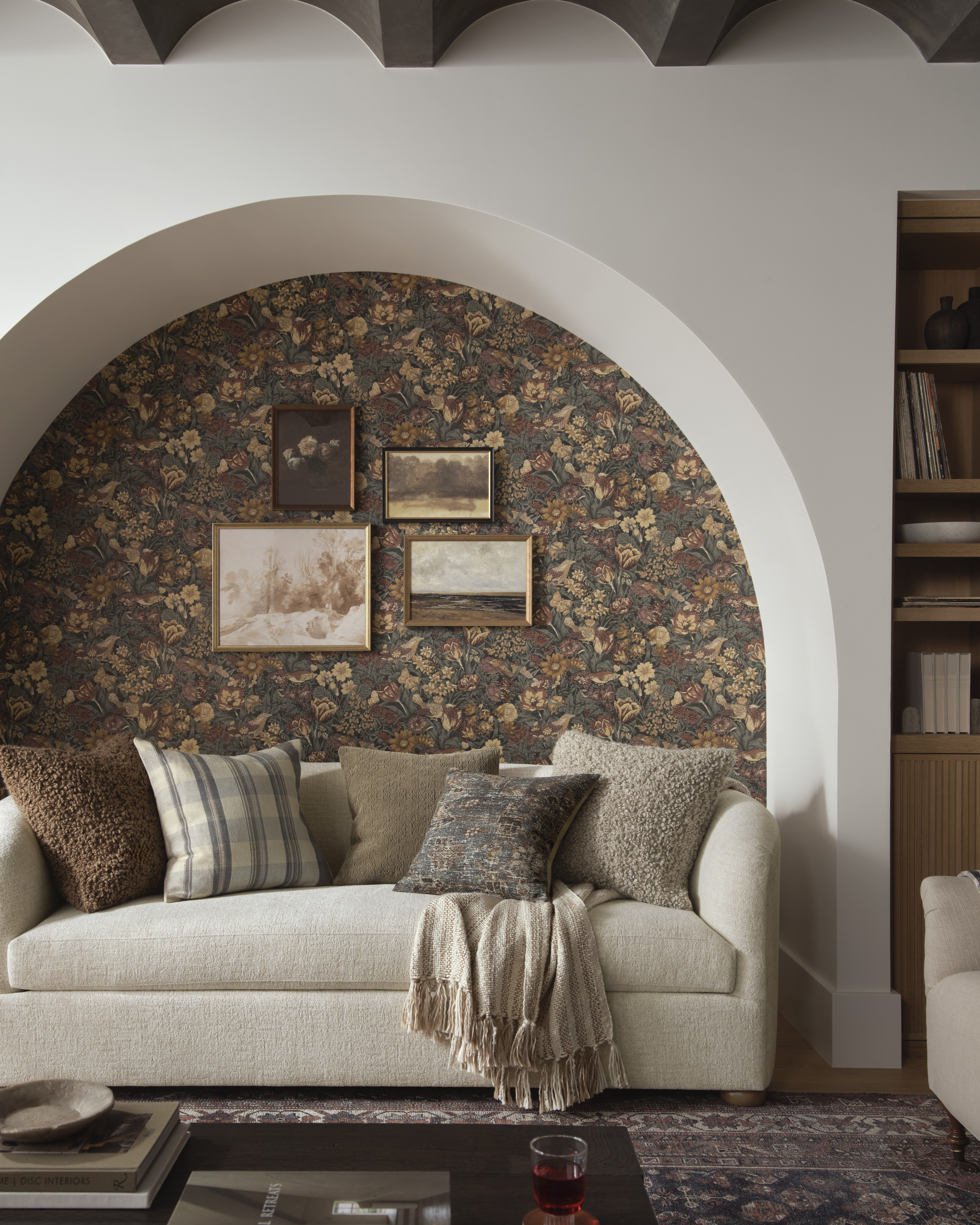
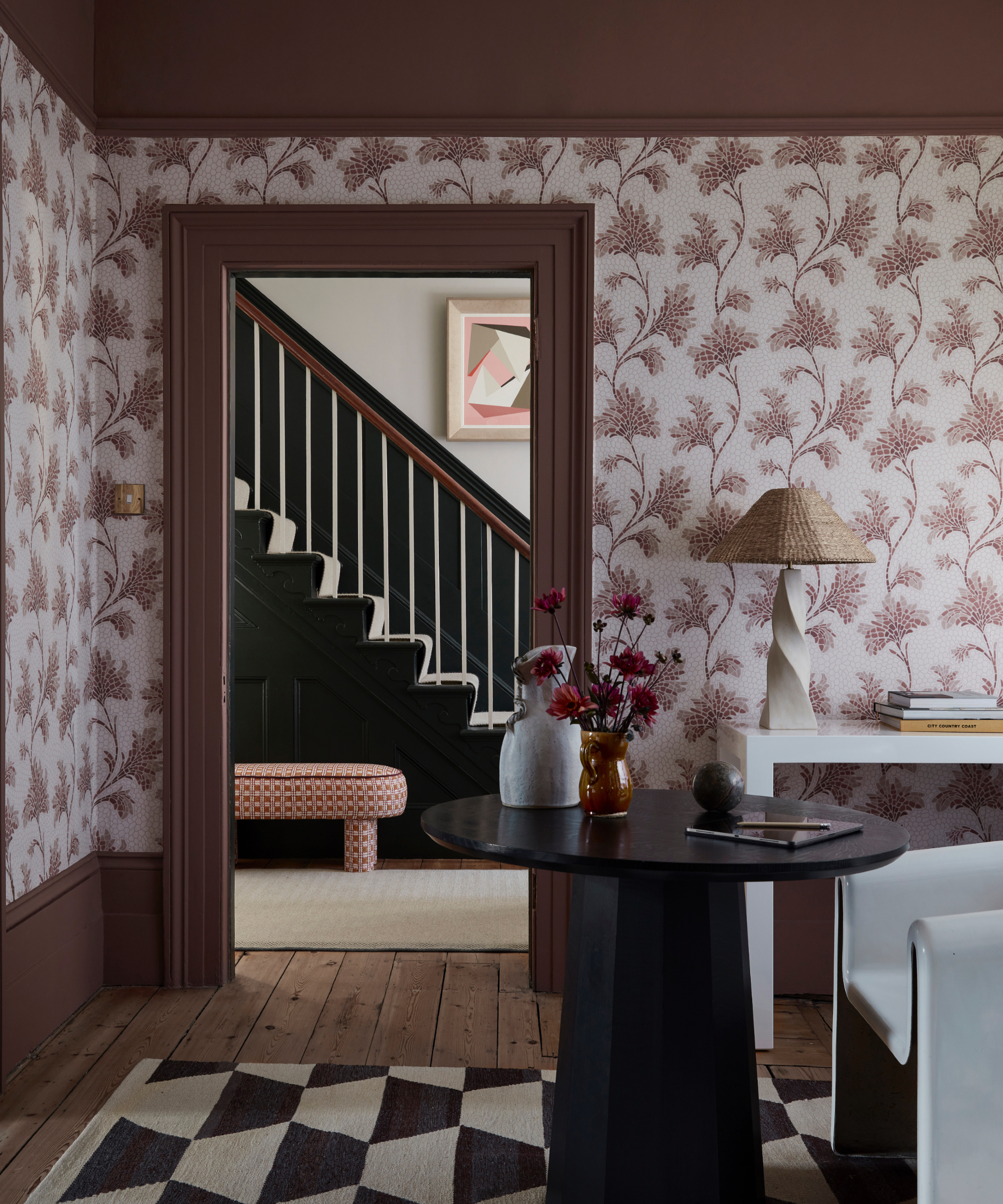
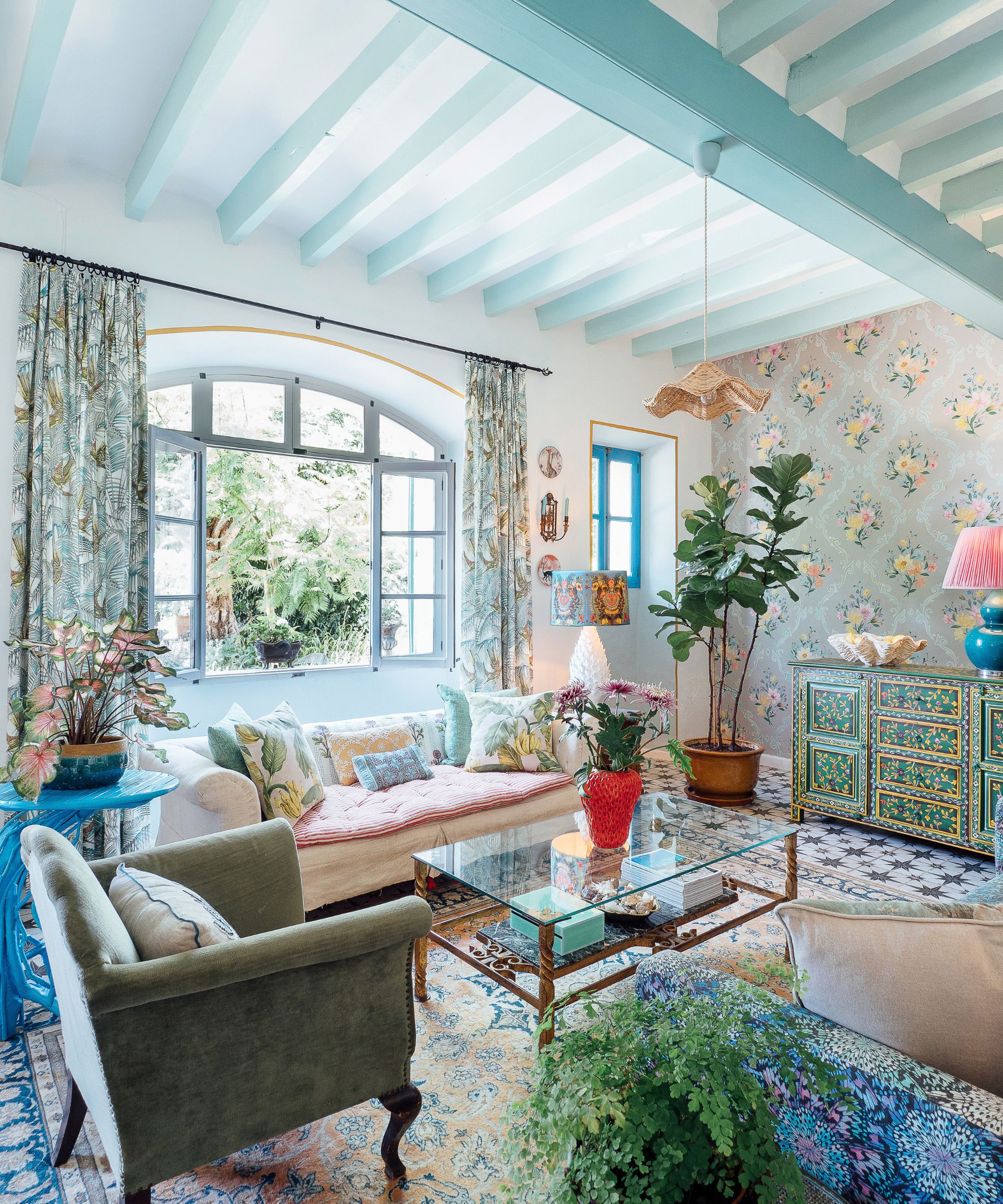
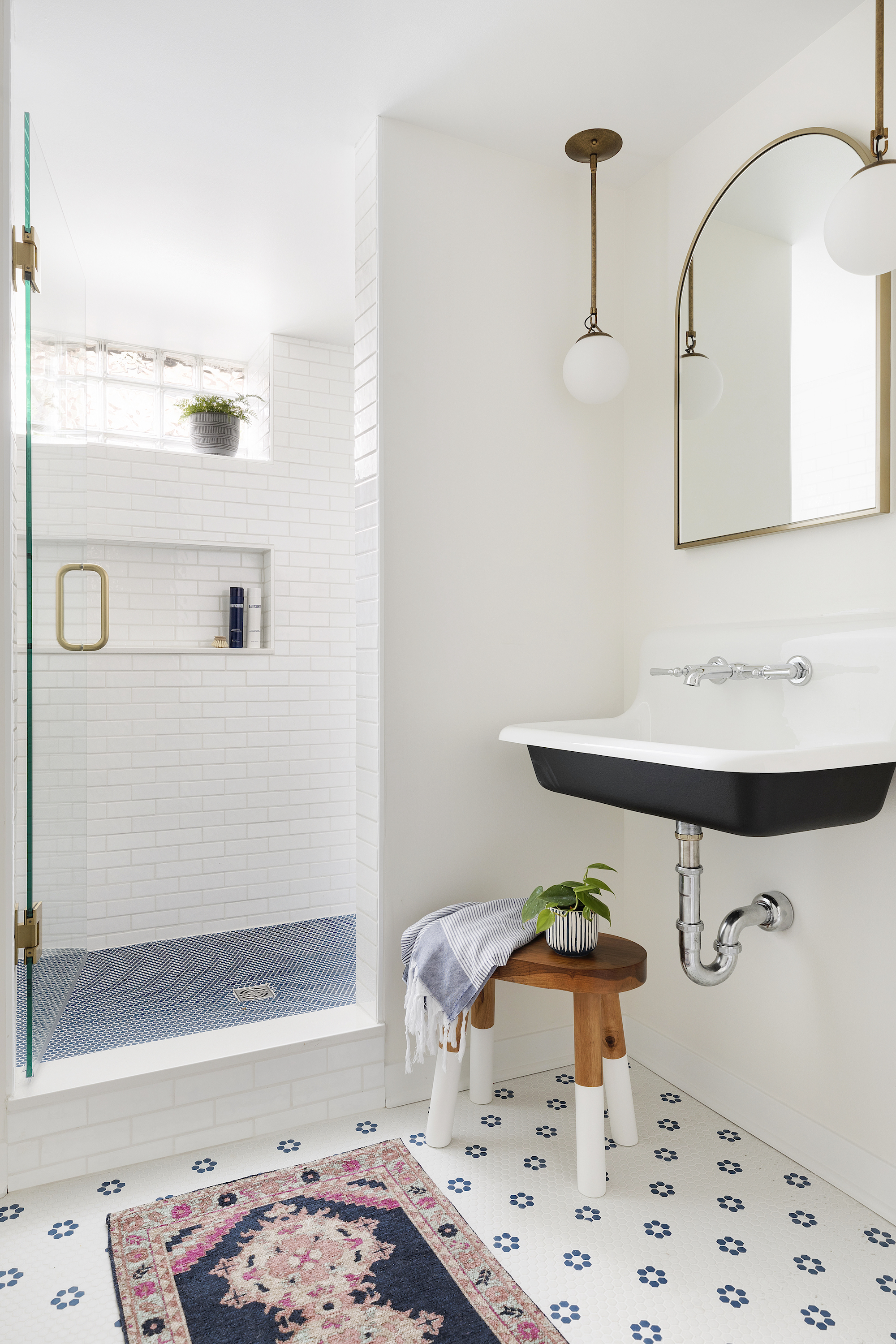
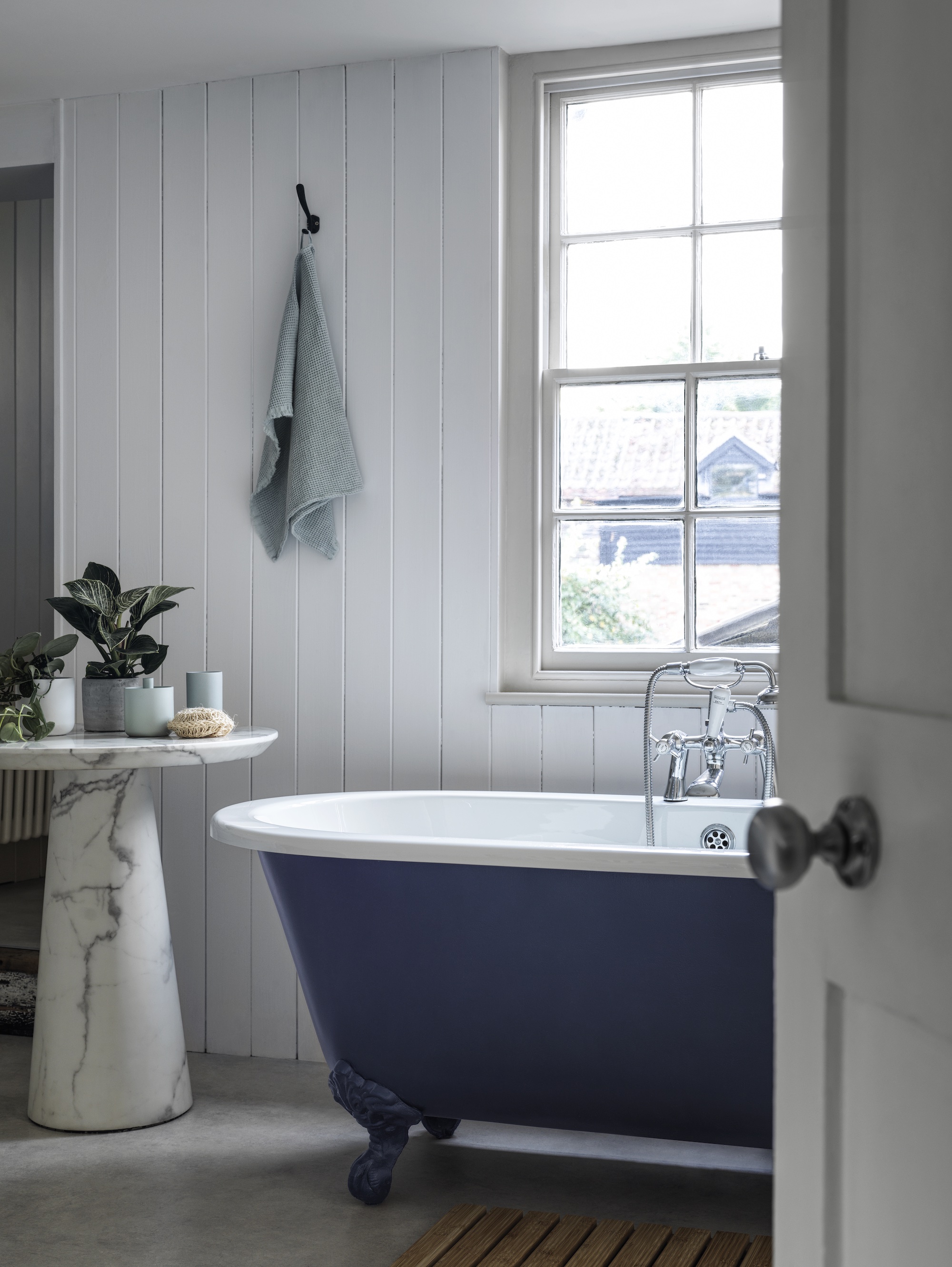
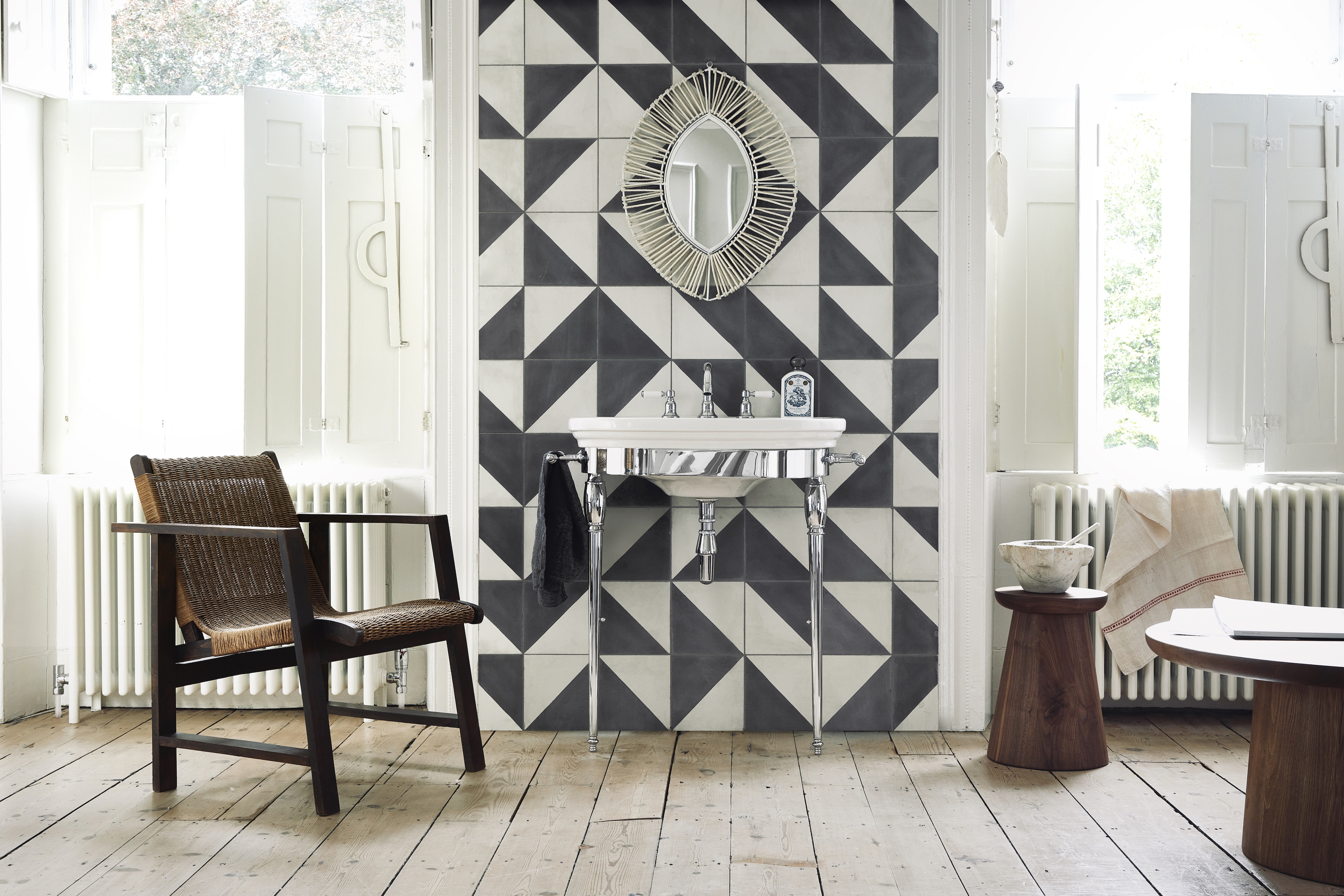
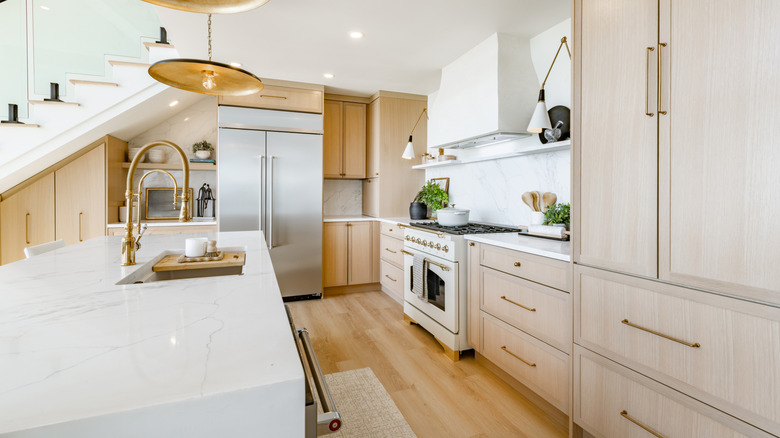
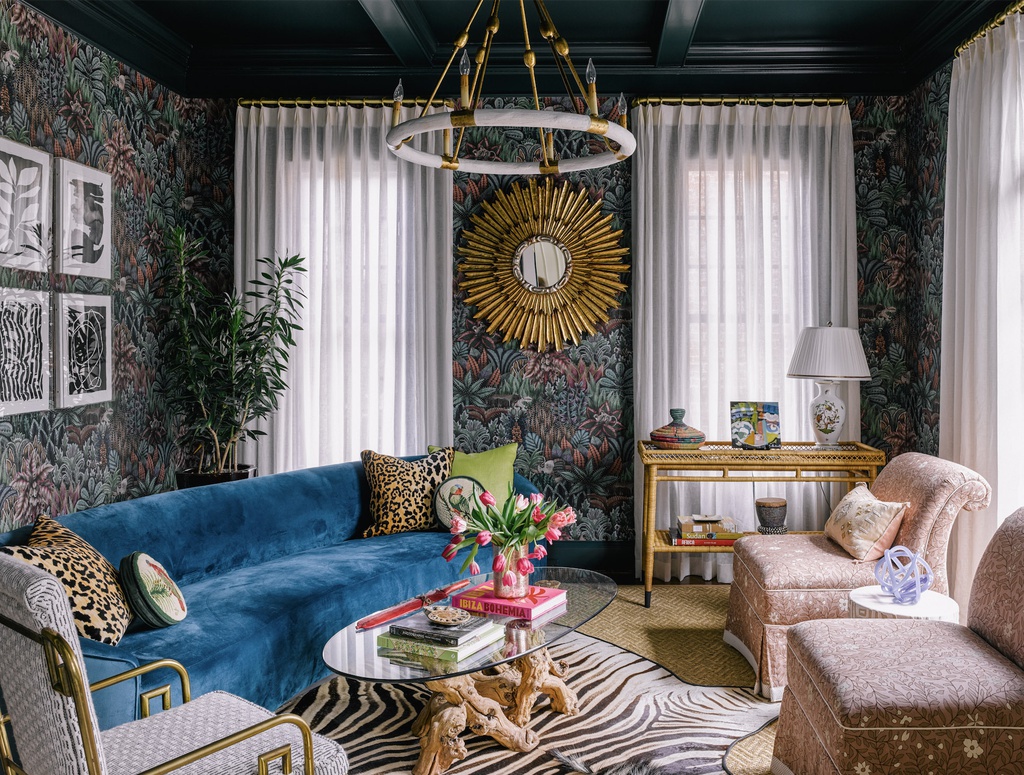
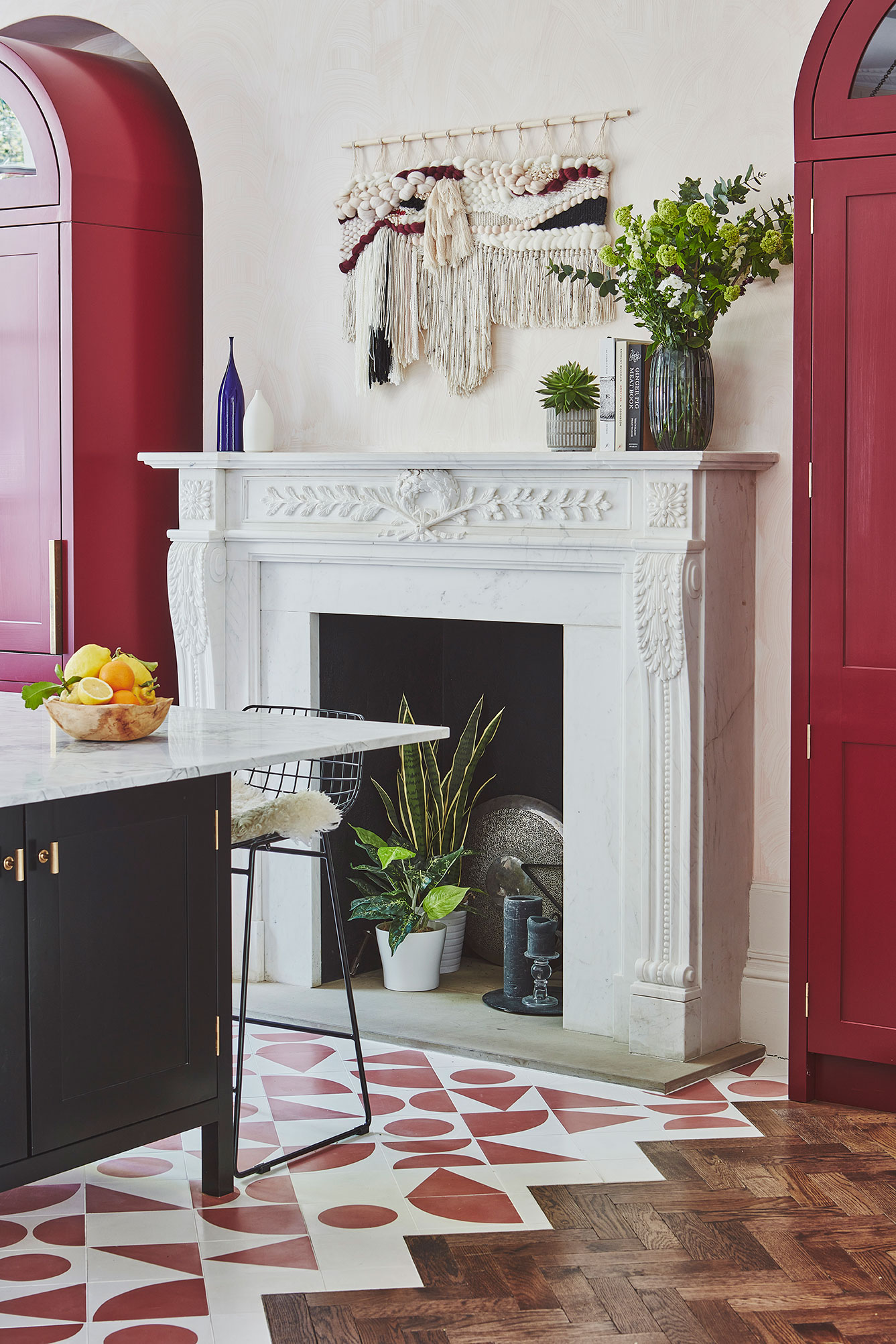
The key distinction between traditional and transitional style lies in the latter's brighter and more playful nature. Transitional design allows for the incorporation of modern elements such as funky wallpaper, mixed-metal tables, or tables combining wood bases with marble tops. This flexibility enables homeowners to experiment with current trends without the risk of the room becoming quickly dated. The goal is to achieve a look that remains relevant for several years, essentially a traditional style with a contemporary twist, allowing for a gradual transition rather than a complete overhaul.
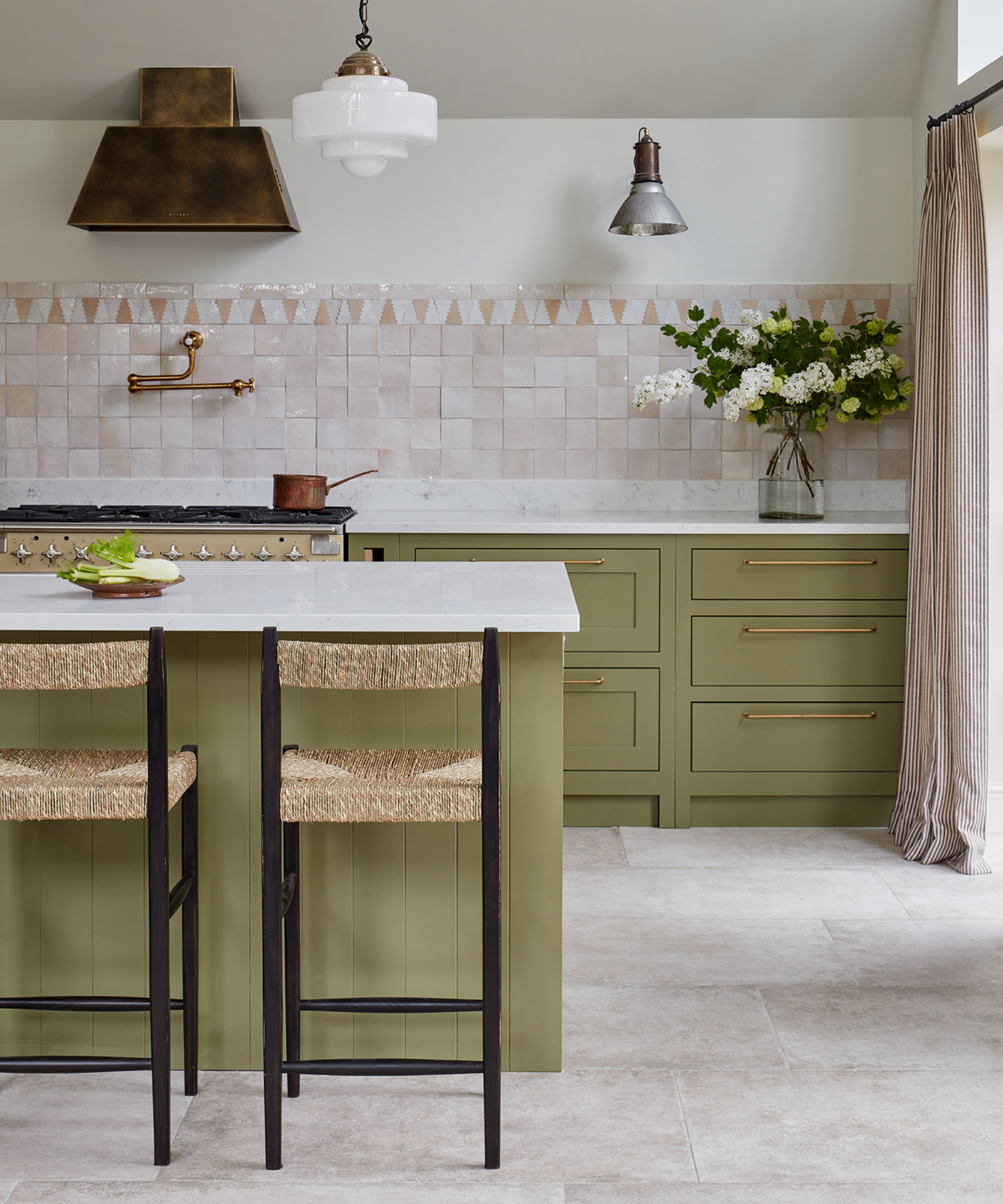
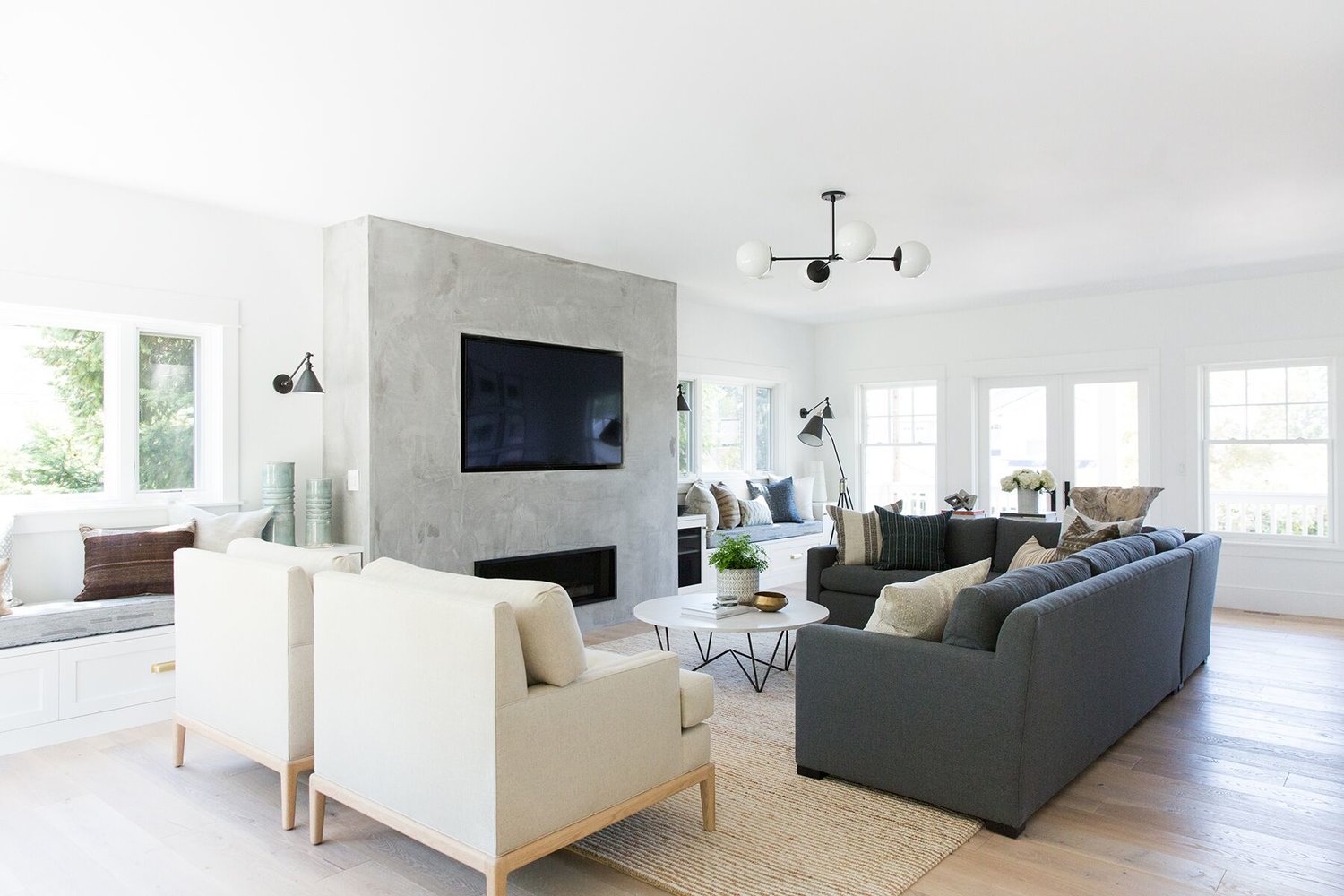
To successfully achieve a transitional look in a home, the advice centers on a strategic mix of old and new. It is recommended to select large furniture and investment pieces in a traditional style to ensure longevity and avoid quick regret. Complementing these with contemporary accents like throw blankets, pillows, side tables, and lighting allows for trendy updates without significant financial commitment. Retailers such as Target's Threshold collection, Pottery Barn, and Bed, Bath & Beyond are suggested for affordable transitional furniture and accents, while Lulu & Georgia and West Elm offer more contemporary pieces.
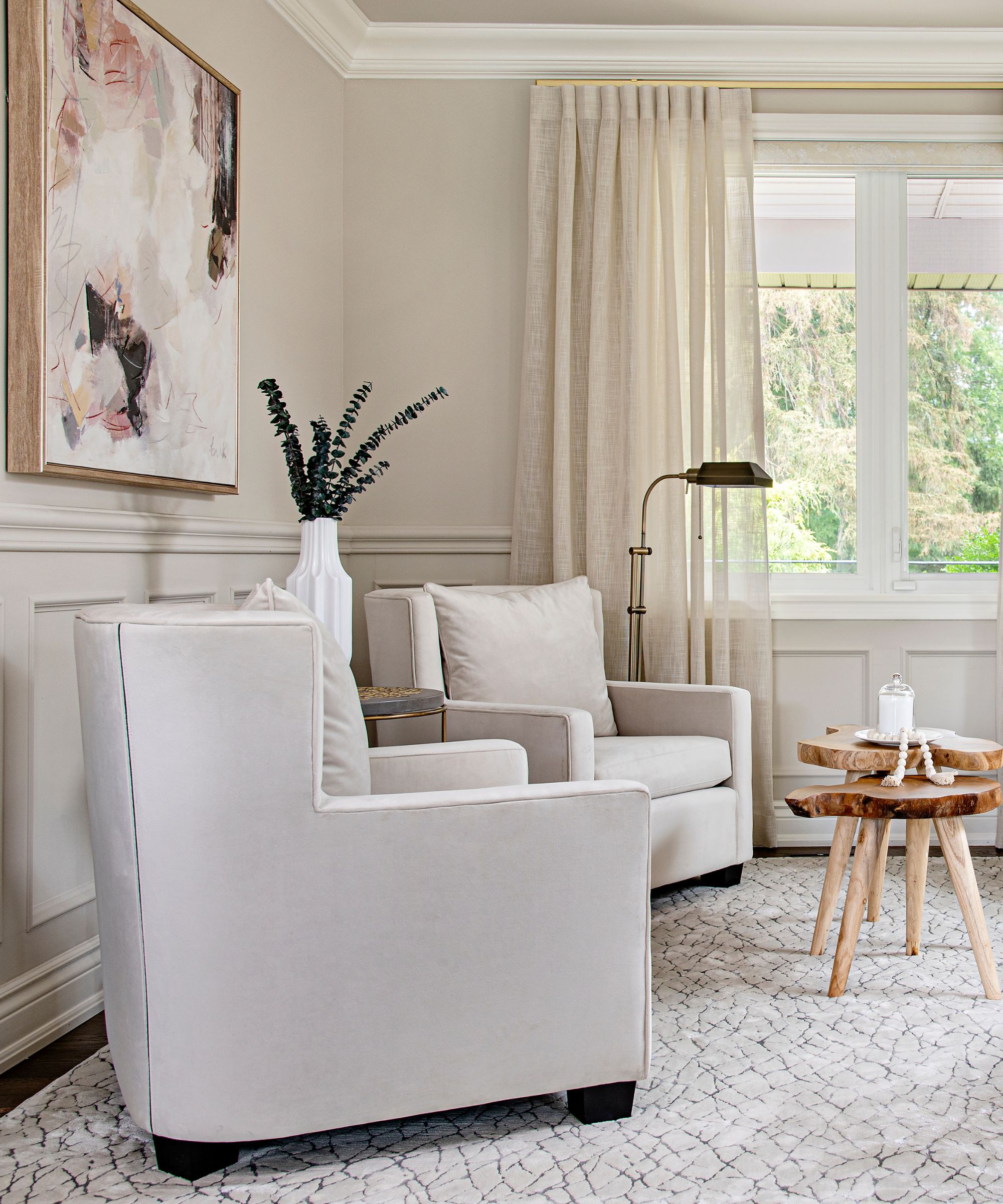
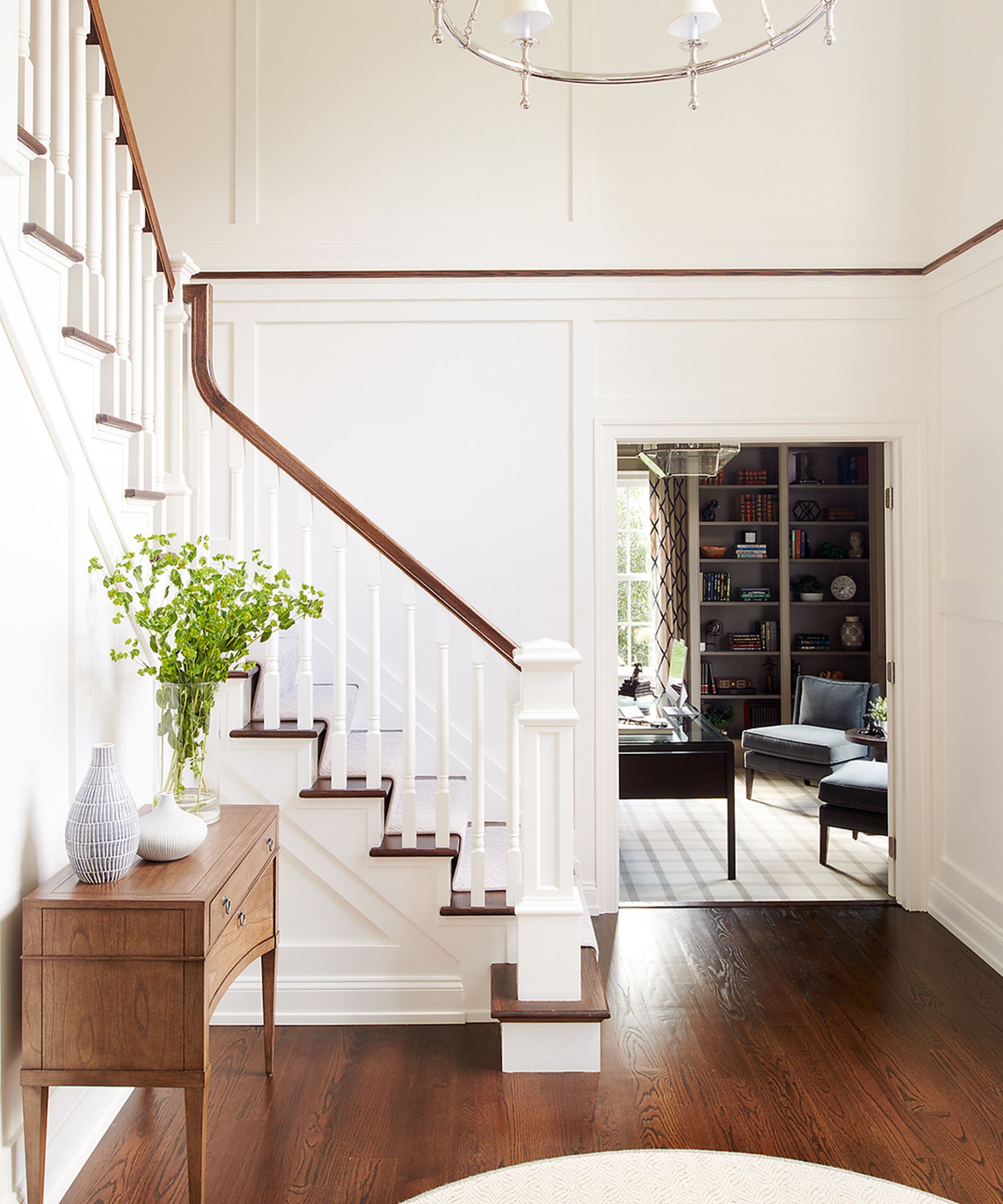
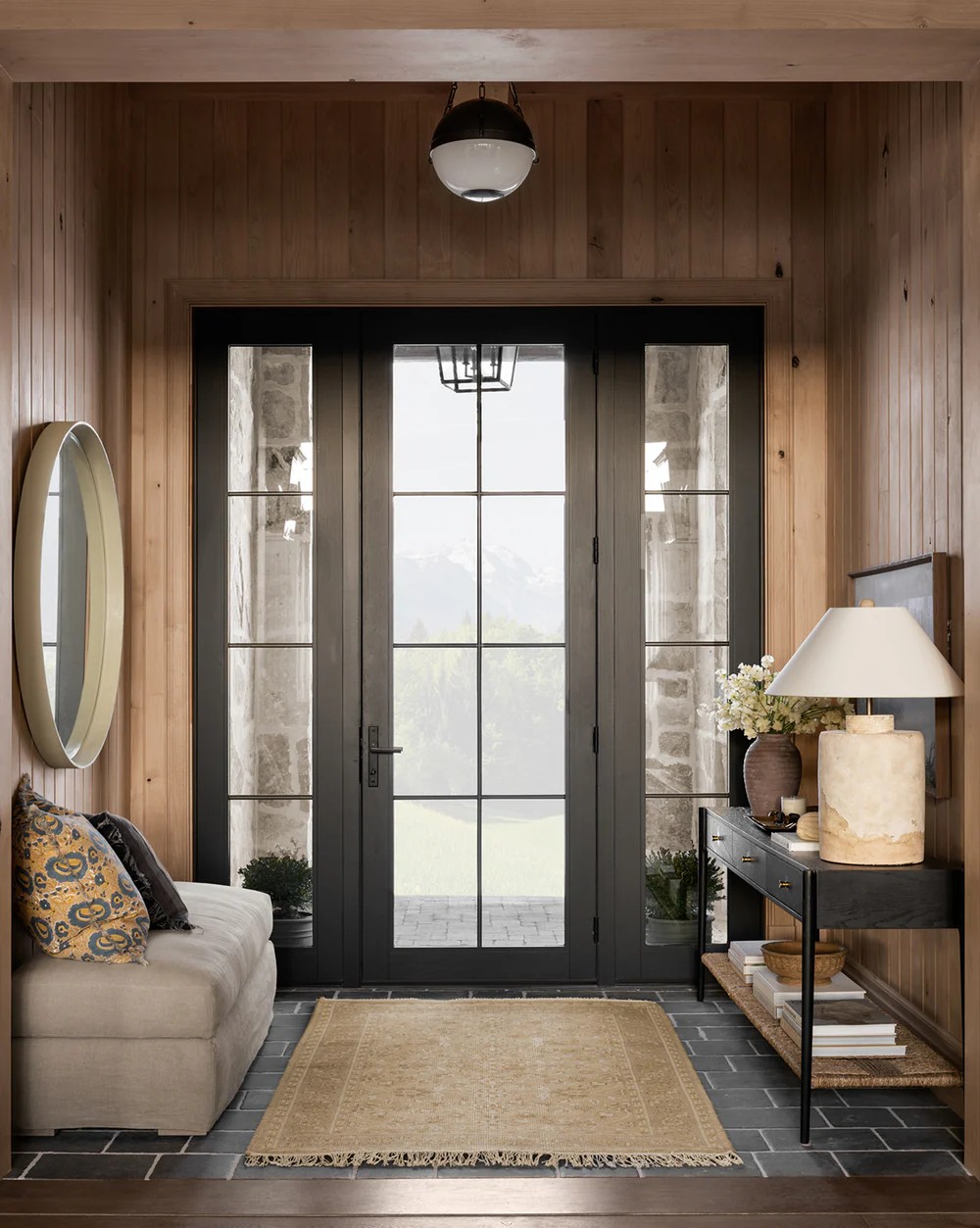
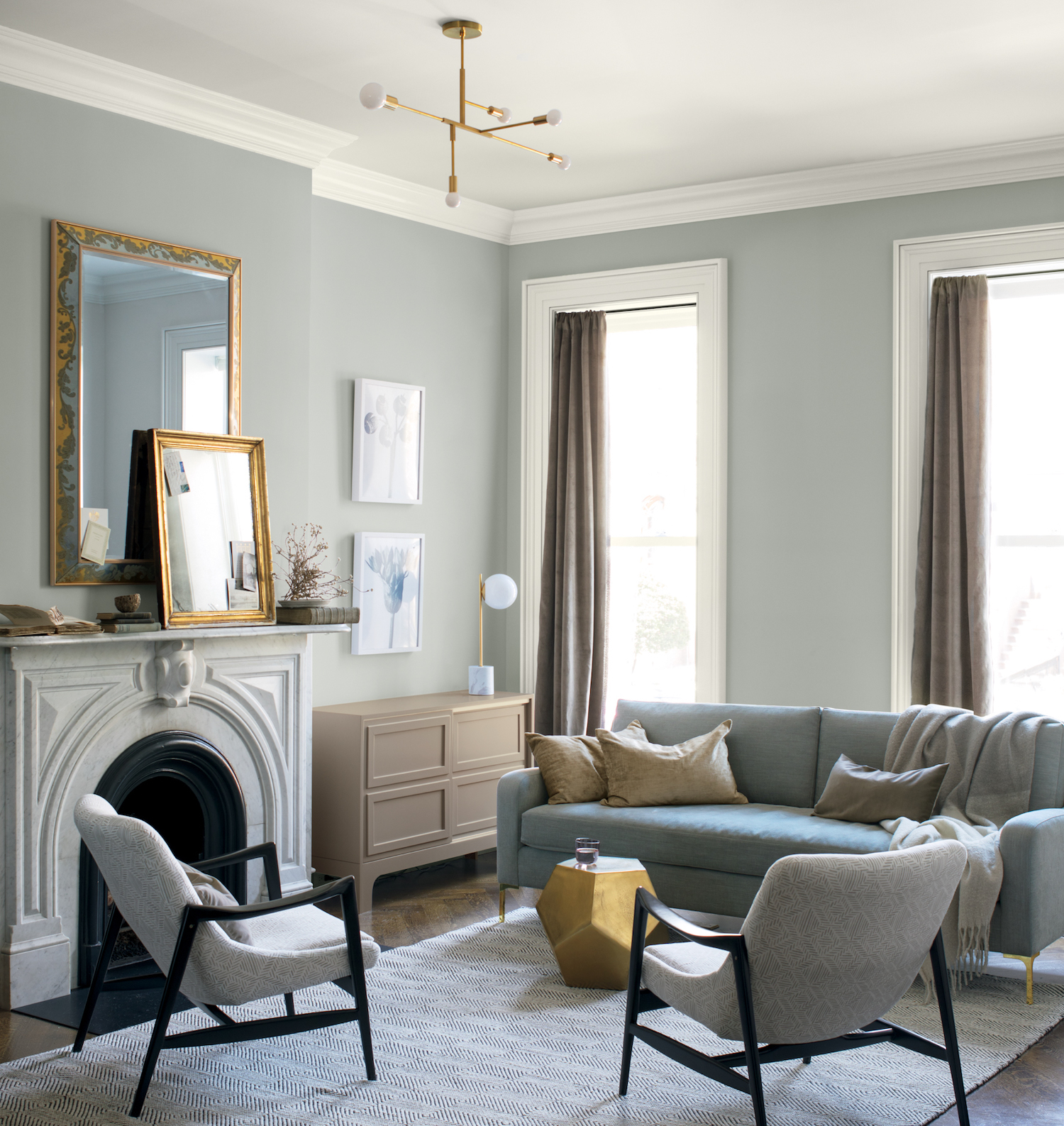
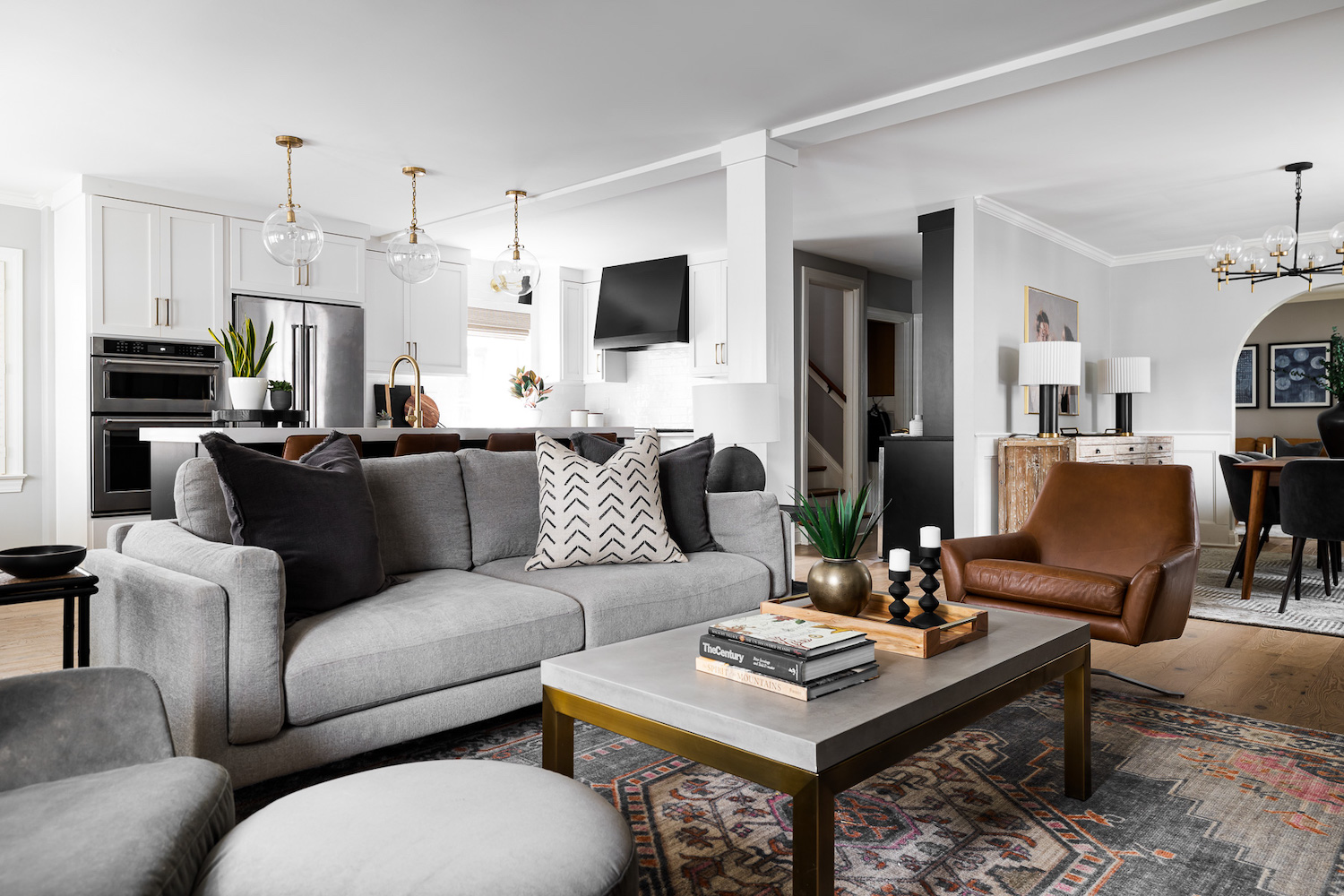
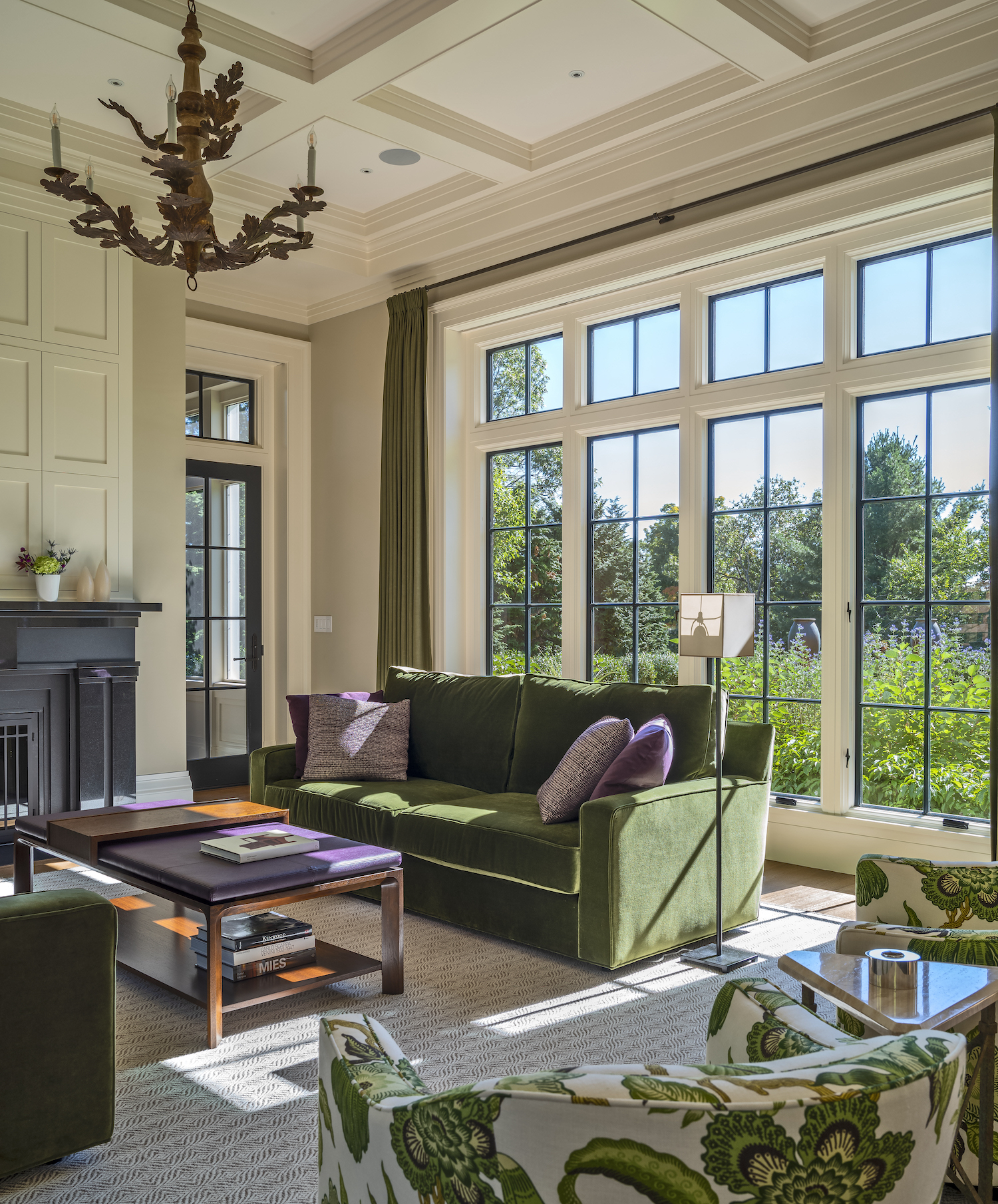
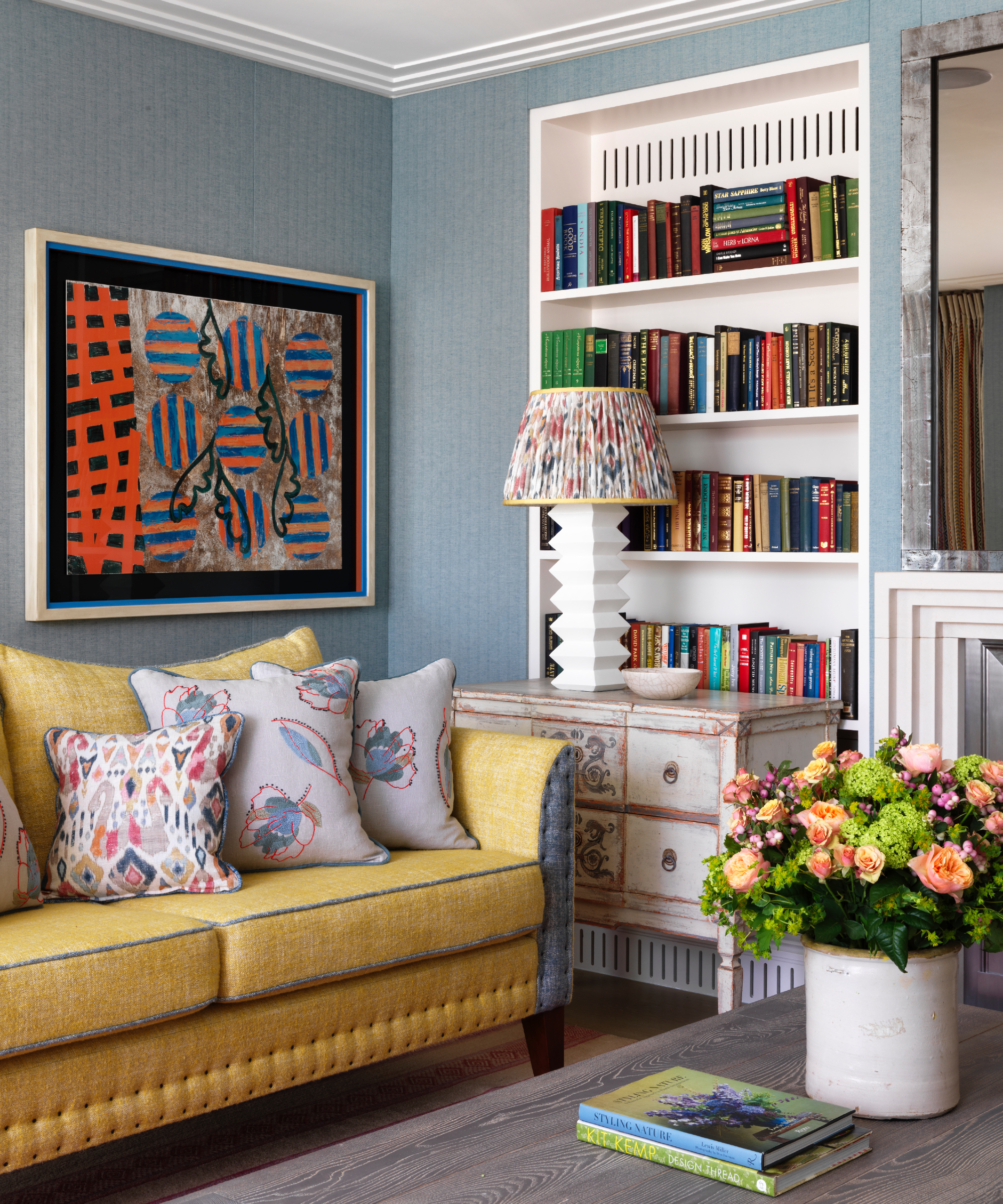
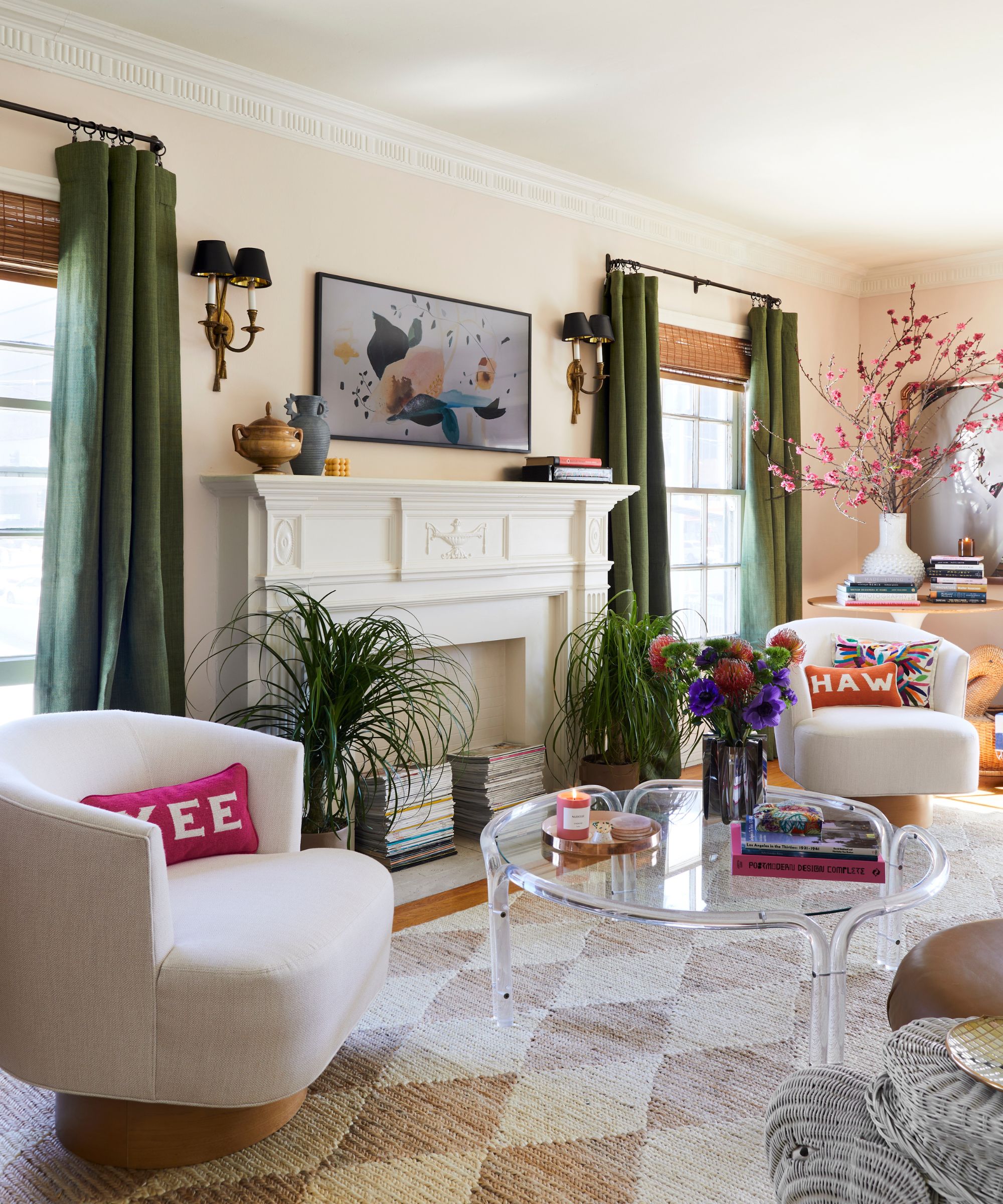
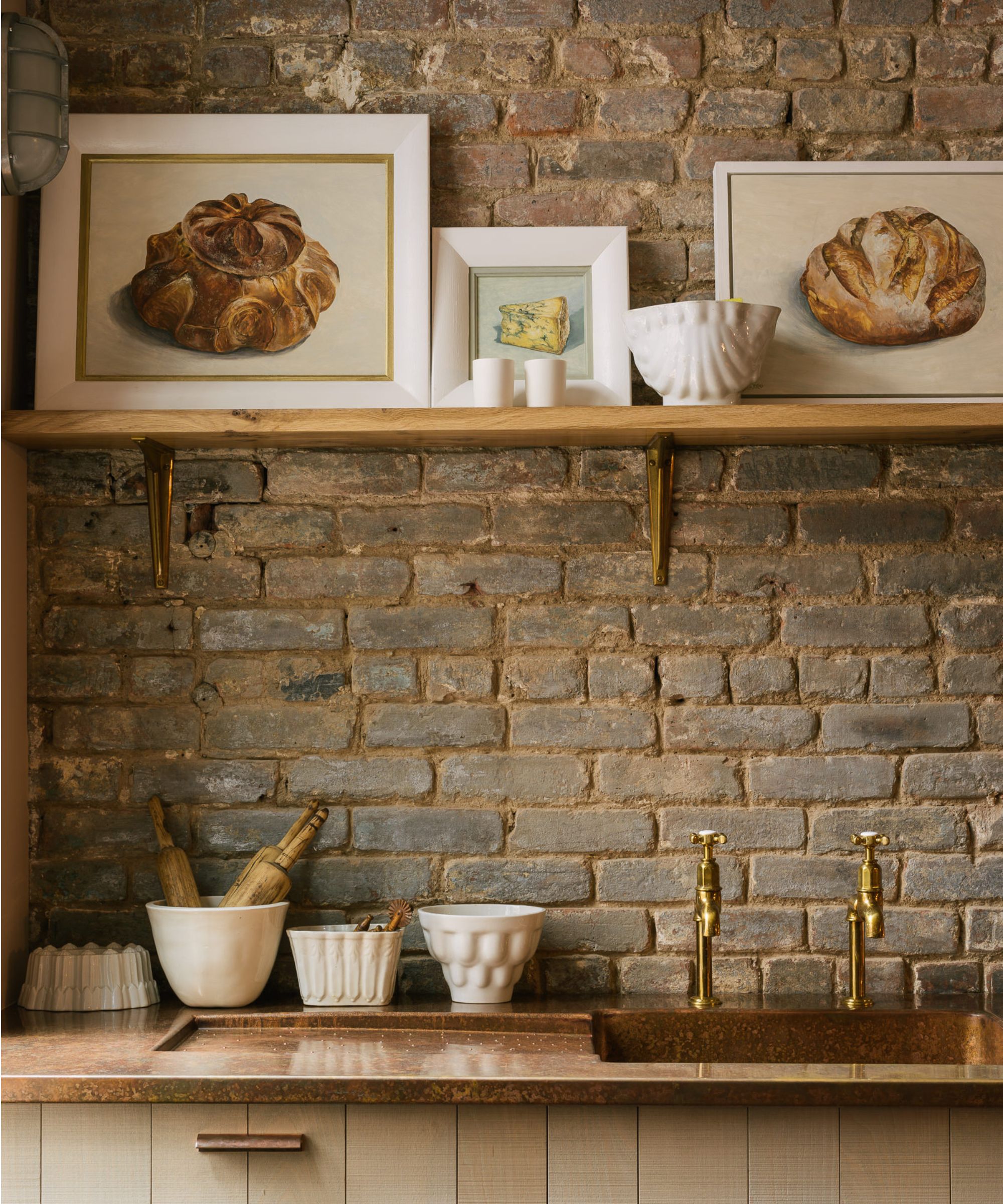
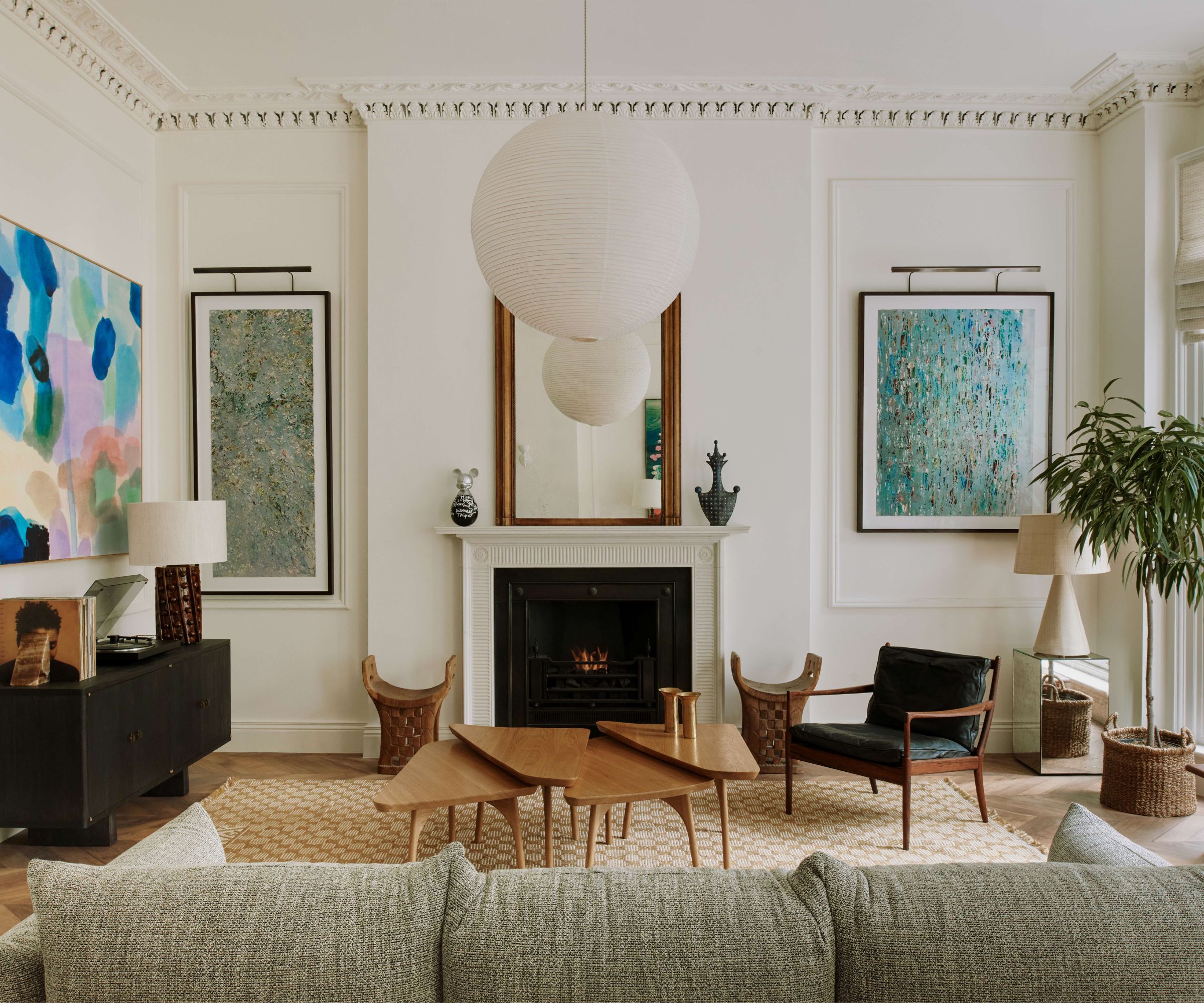
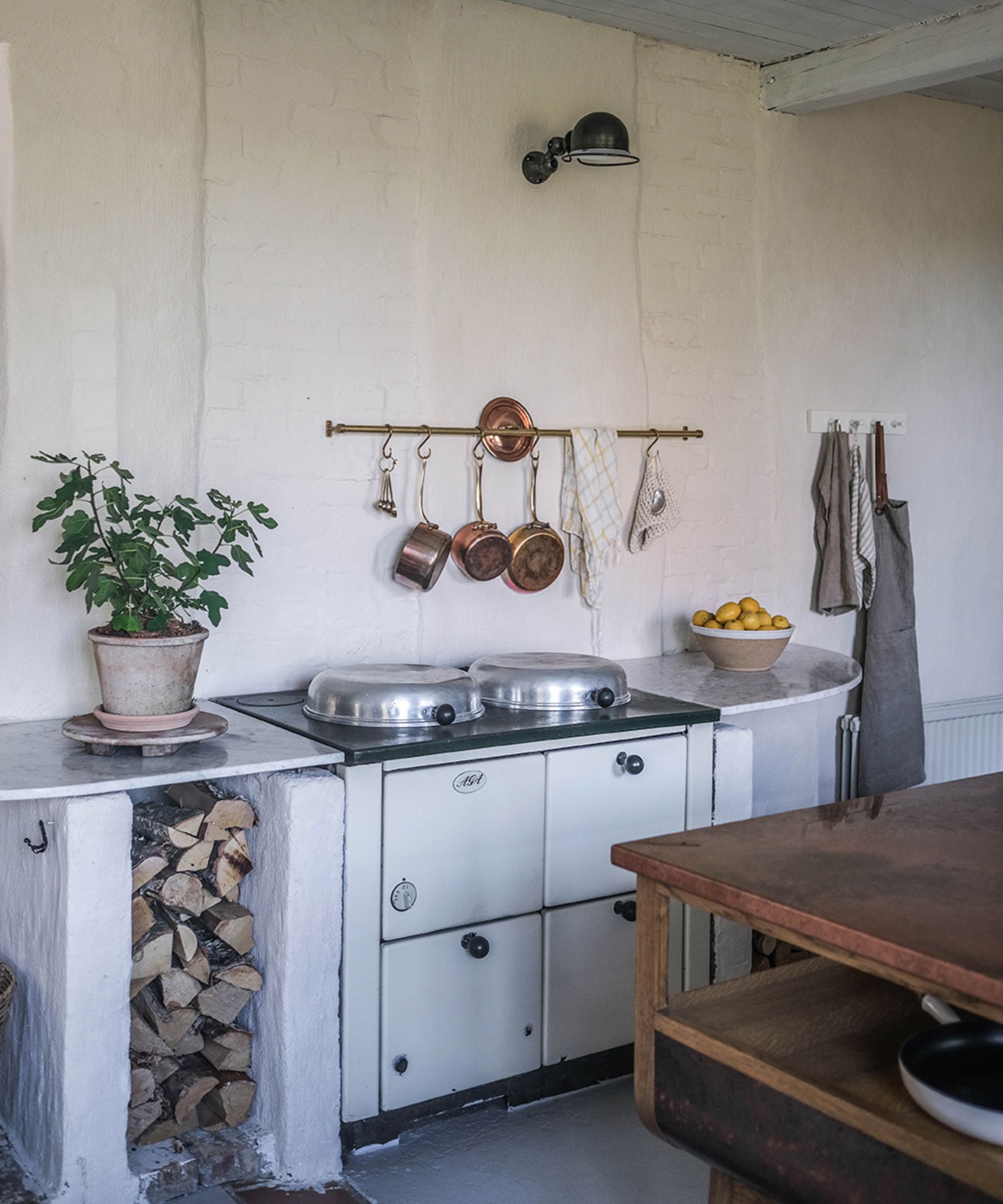
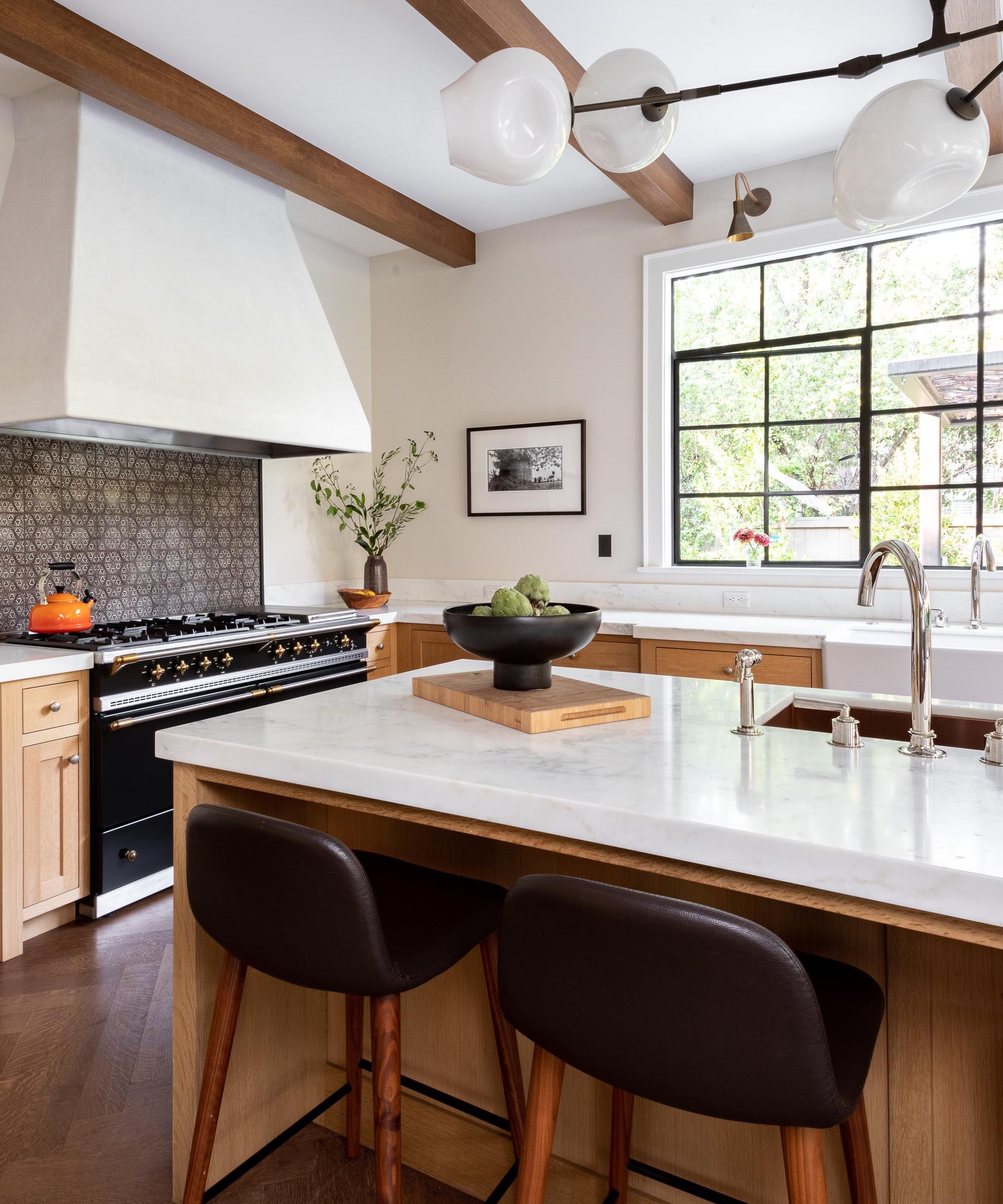
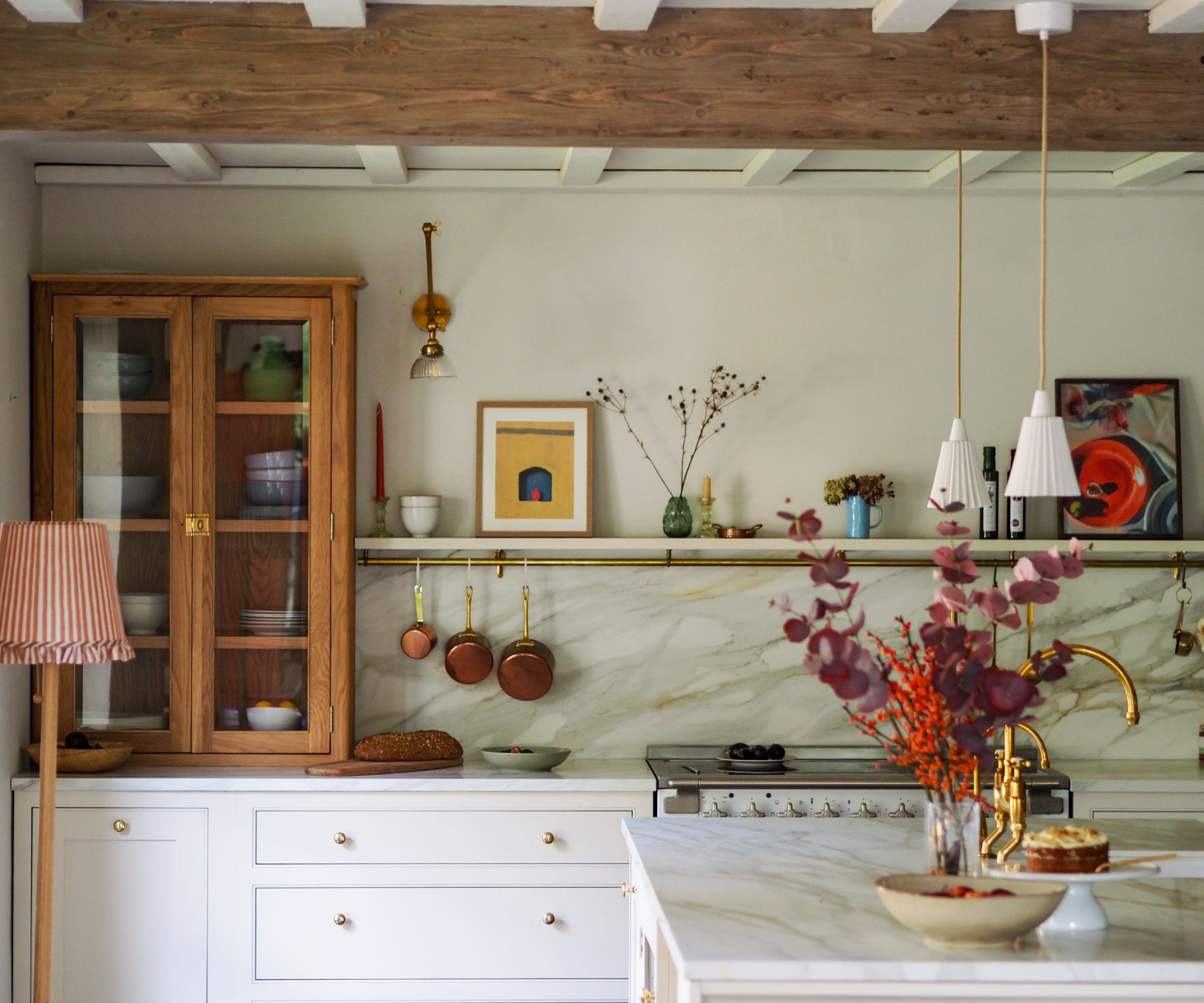
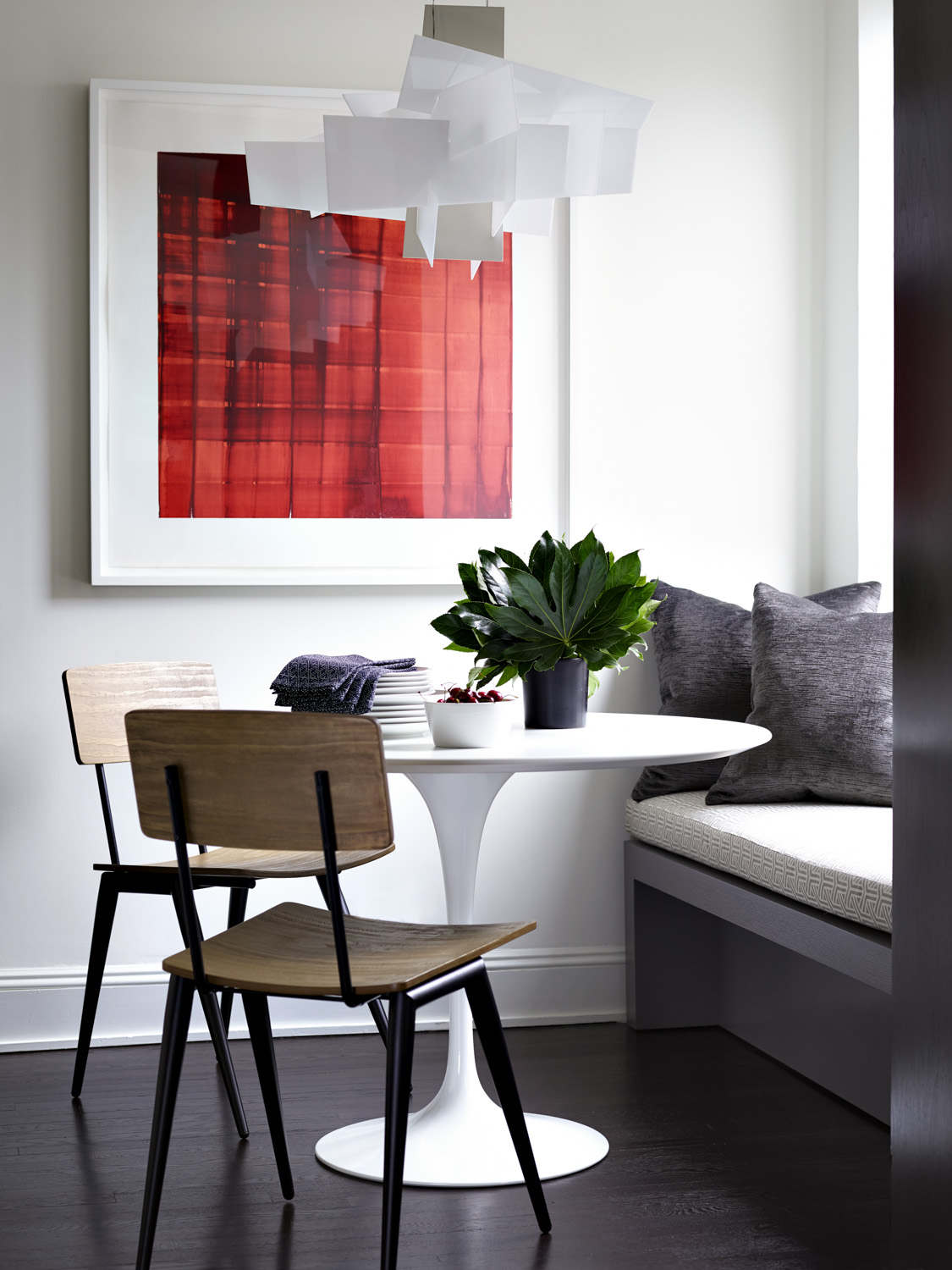
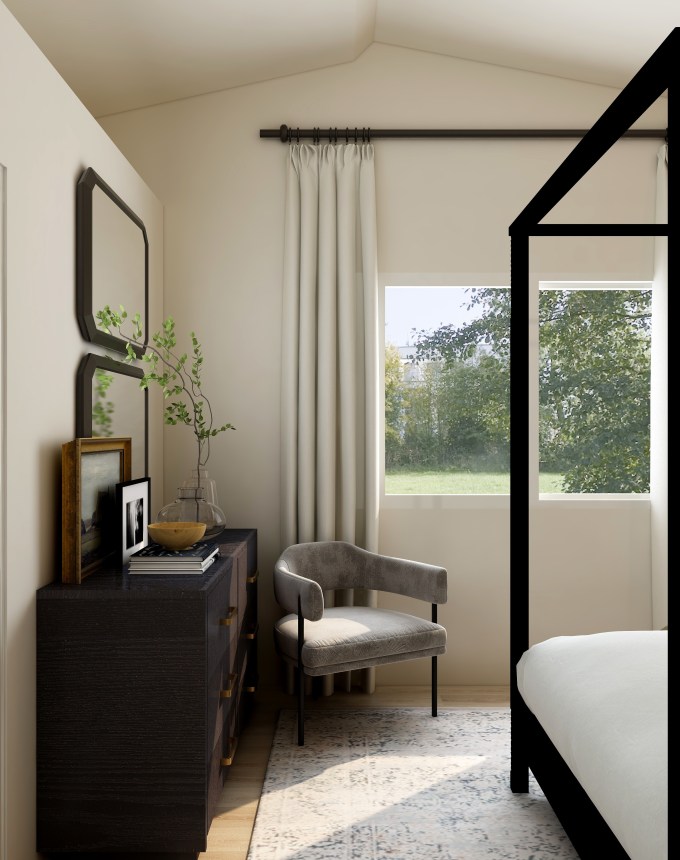
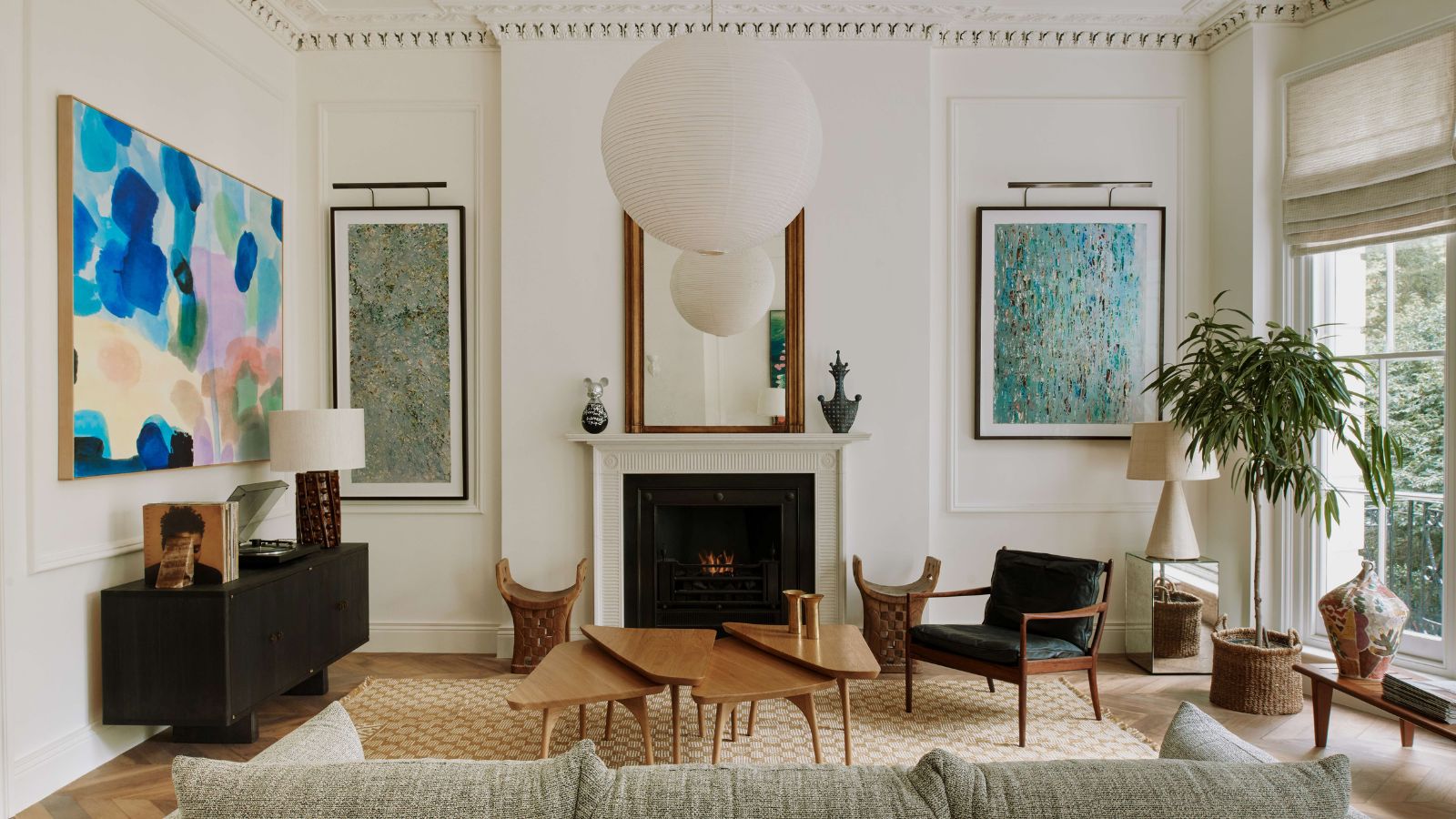
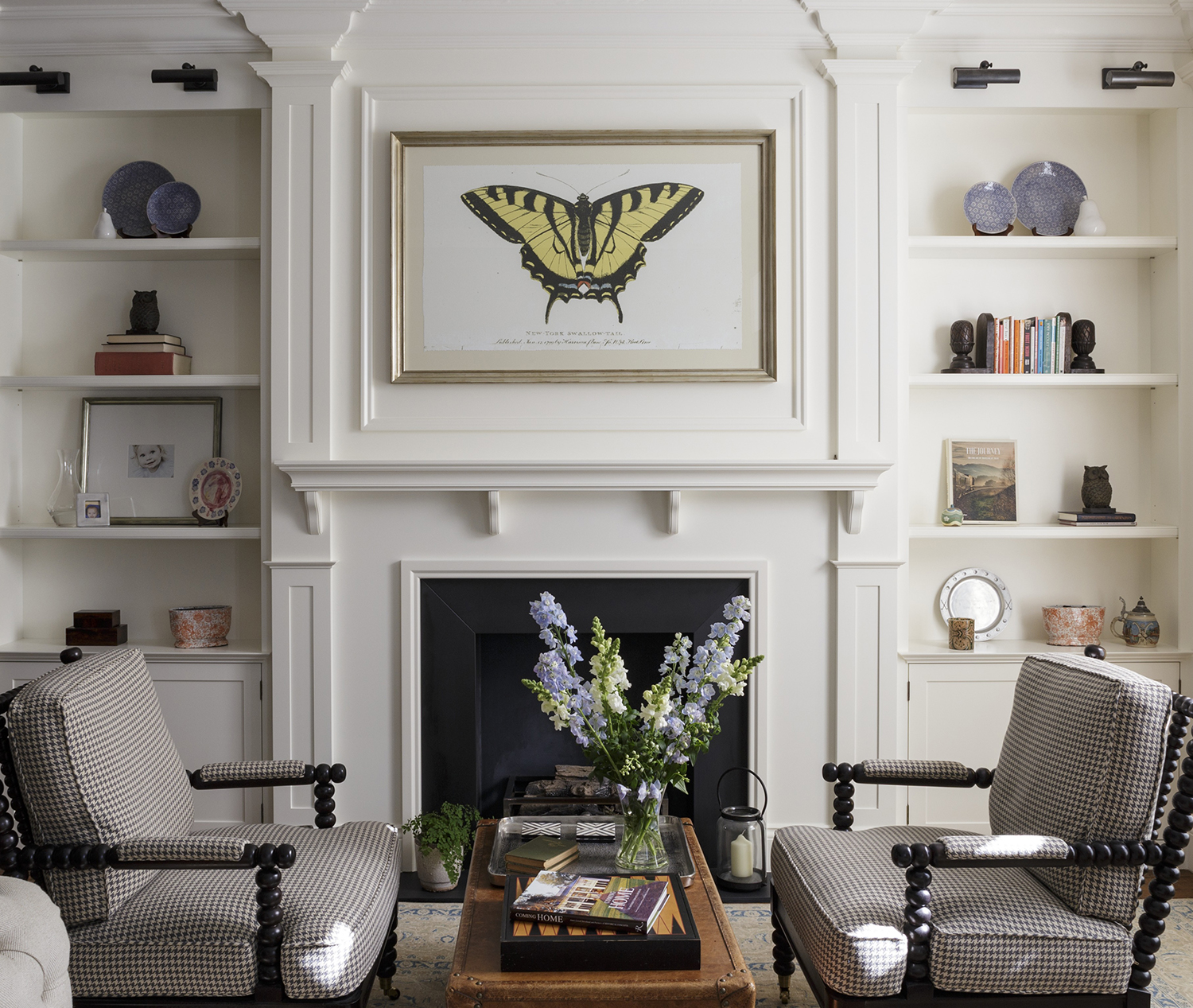
Six specific tips for nailing the transitional aesthetic include: focusing on a few traditional statement pieces, highlighting original architectural features like exposed beams or crown molding, using modern accent pieces for contrast (especially light fixtures), adding coordinated pops of color to liven up the room, varying textures and tones in fabrics for a polished look, and blending contemporary art with traditional frames or mirrors. This last tip encapsulates the essence of transitional design, creating an inviting atmosphere that combines sophistication with approachability, signaling that the space is beautiful yet comfortable enough for relaxation.
#TransitionalStyle #HomeDesign #InteriorDesign #DecorTips #TraditionalStyle #ContemporaryDesign #HomeDecor #DesignTrends #TransitionalStyle #HomeDesign #InteriorDesign #DecorTips #TraditionalStyle #ContemporaryDesign #HomeDecor #DesignTrends
0 komentarzy łącznie
 Brak komentarzy jeszcze
Możesz również polubić
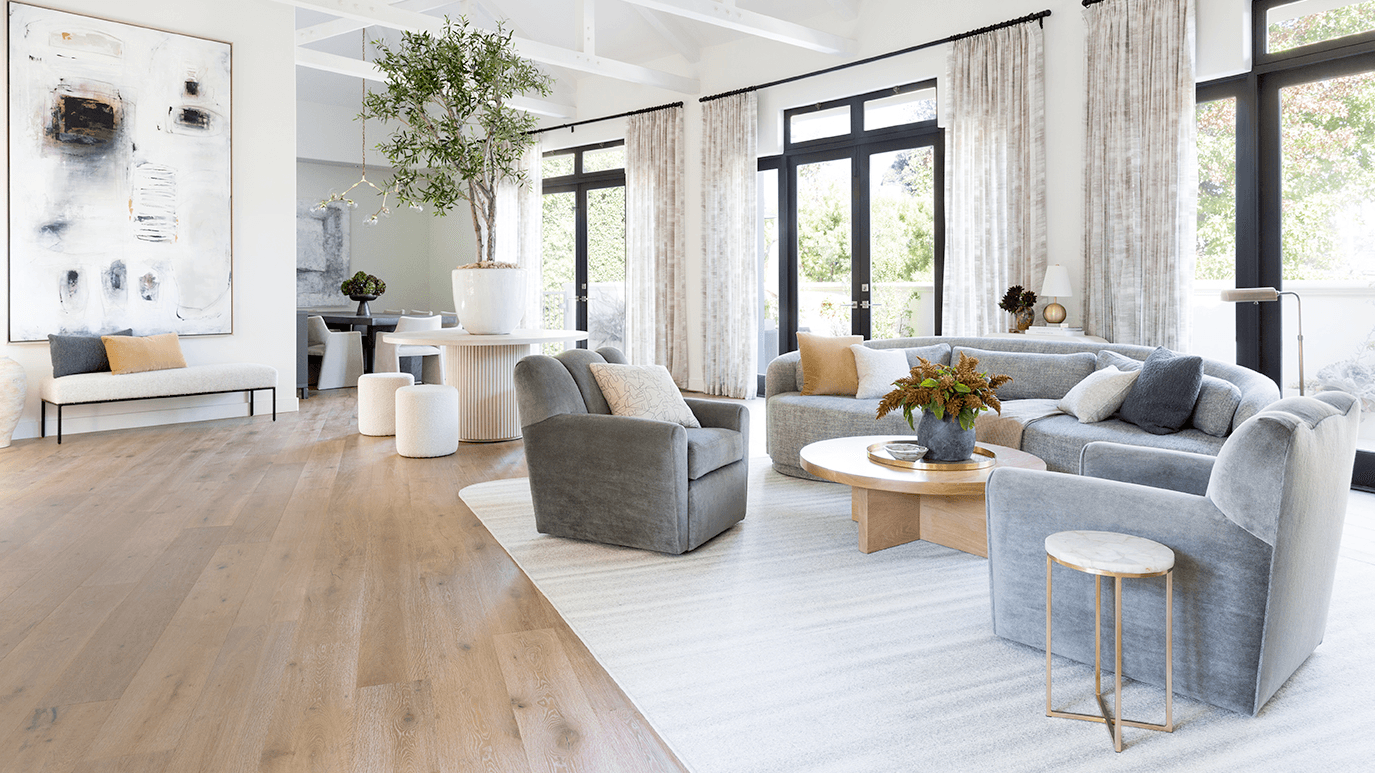
Transitional Design: Everything You Need to Know About This Traditional and Modern Style

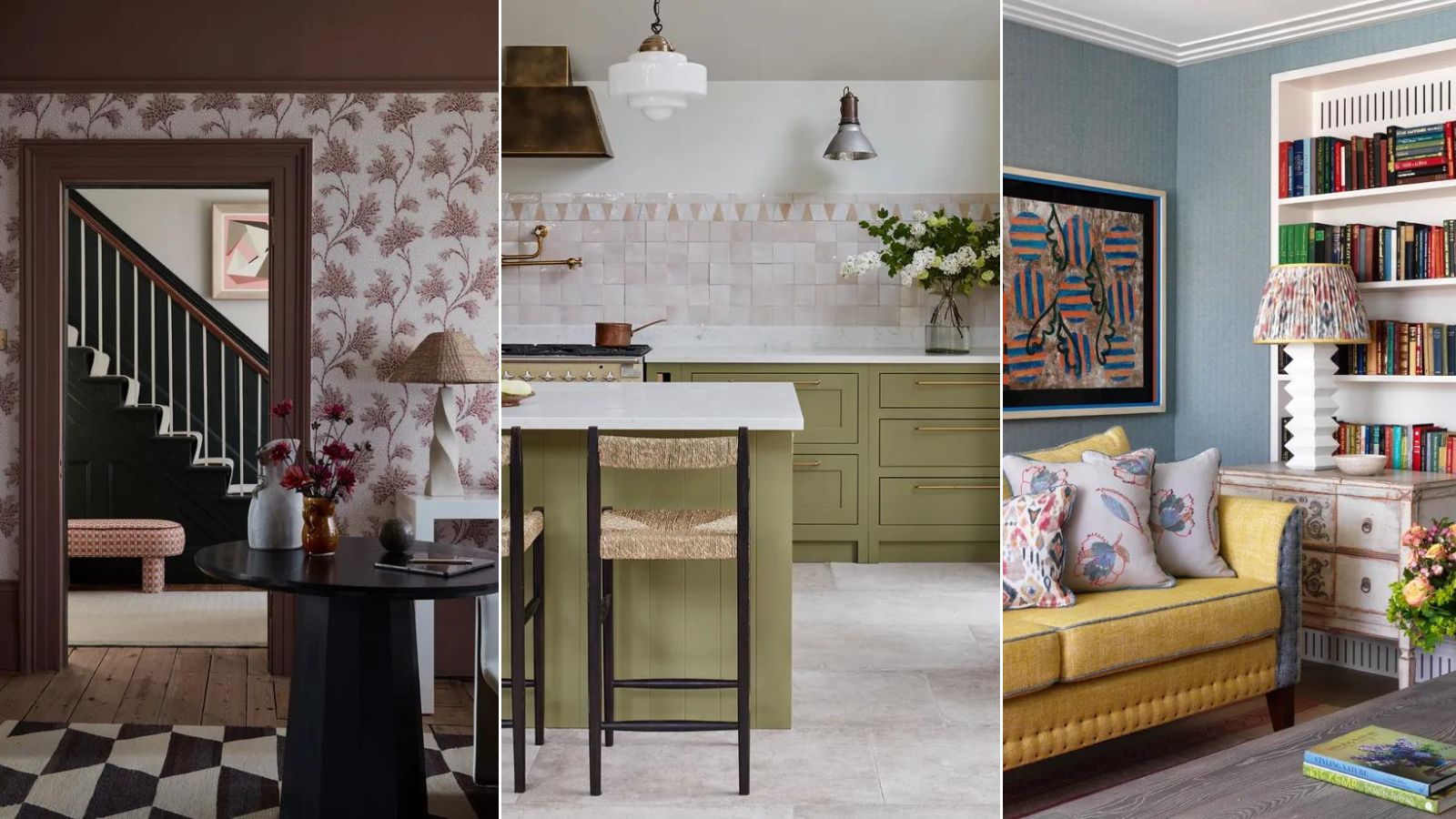
10 beautiful transitional color schemes for every room in the house

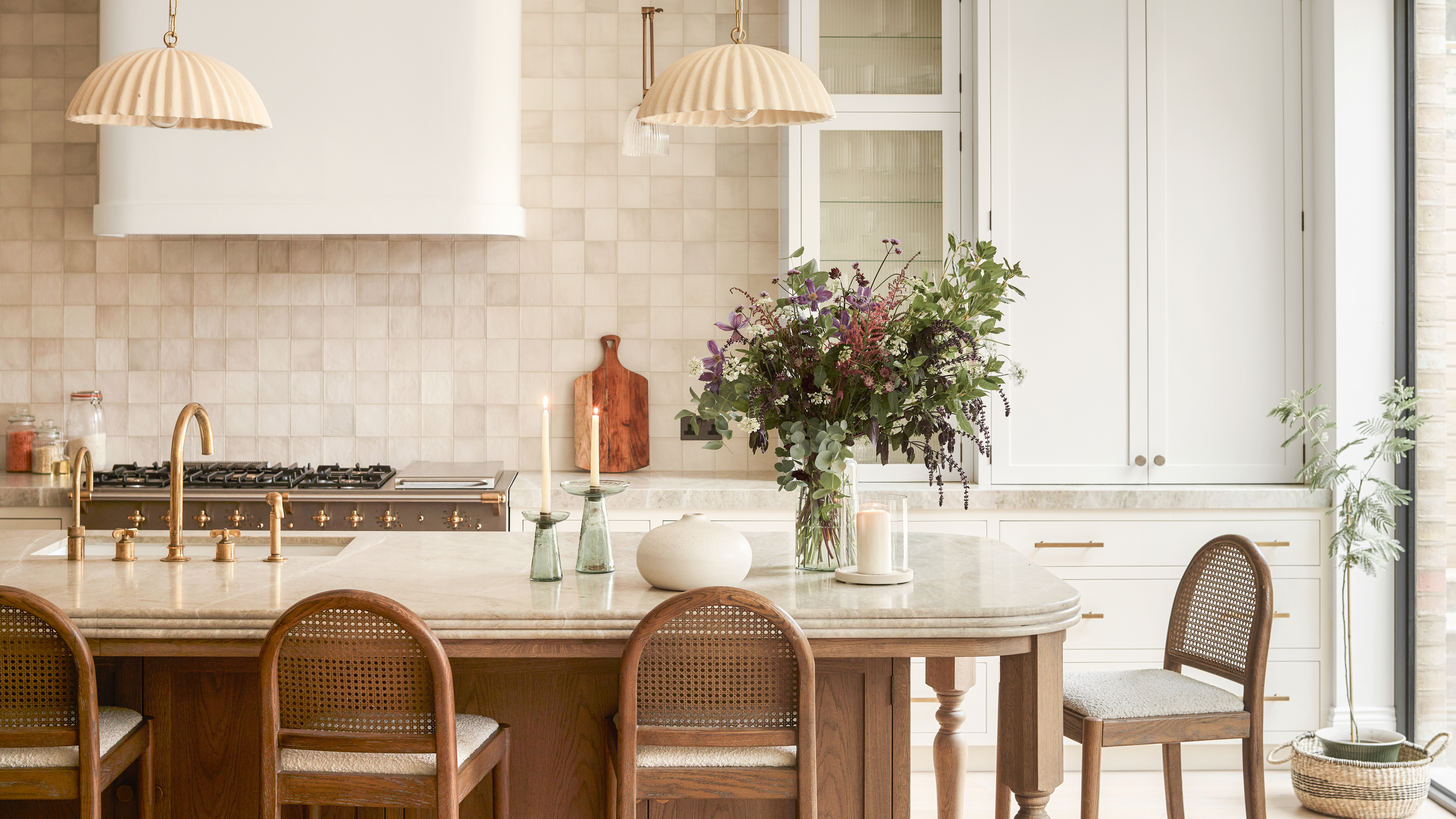
Transitional-Style Kitchens — 13 Ideas to Blend the Best of Traditional and Modern Elements in Your Design

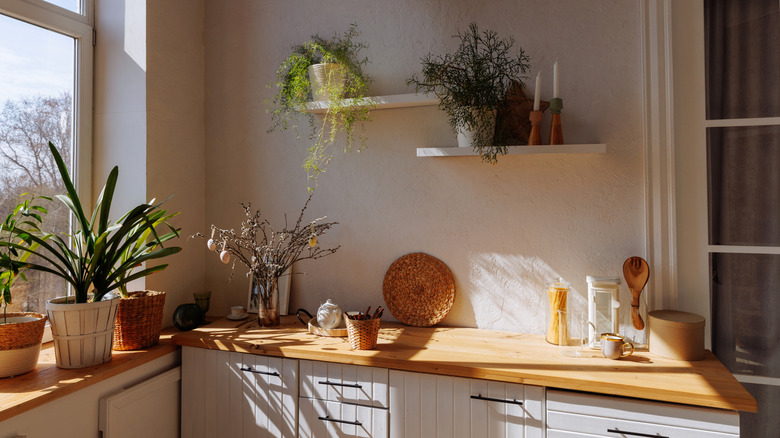
The Popular Kitchen Style You'll See Everywhere In 2026
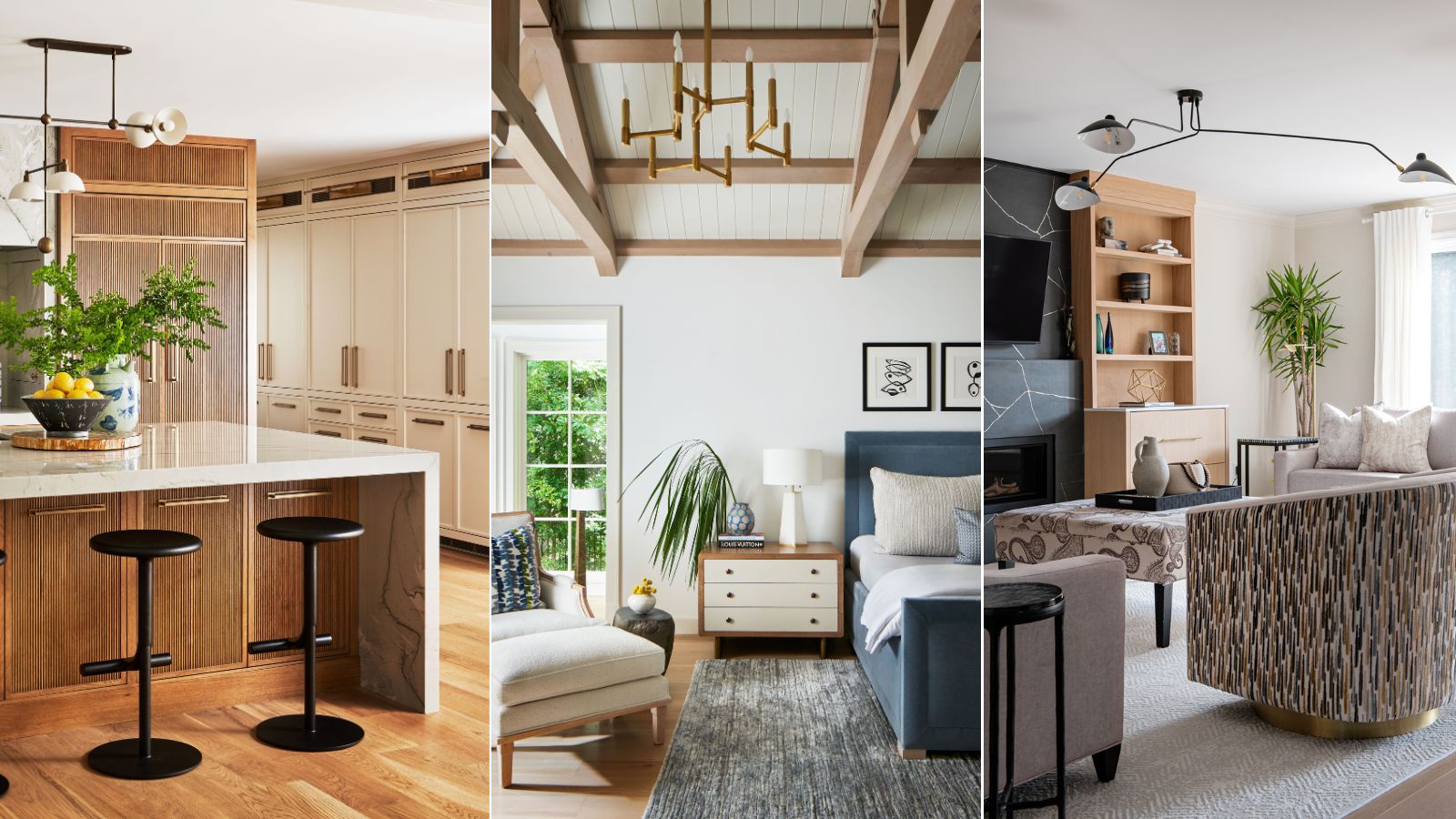
9 transitional style decorating rules – the ultimate checklist to channel the perfect old-meets-new look
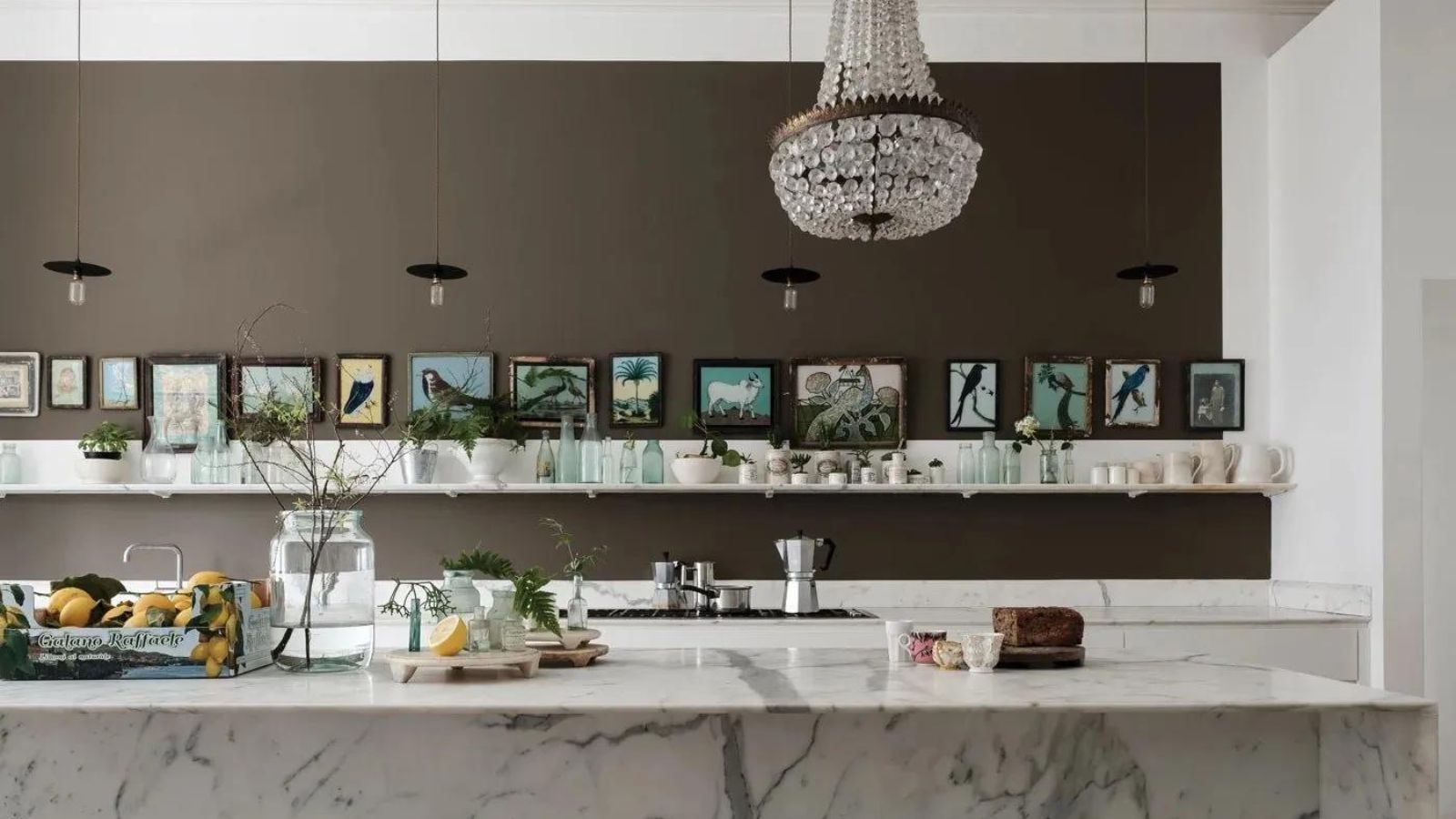
7 mistakes you are making with transitional style – and expert strategies for avoiding them
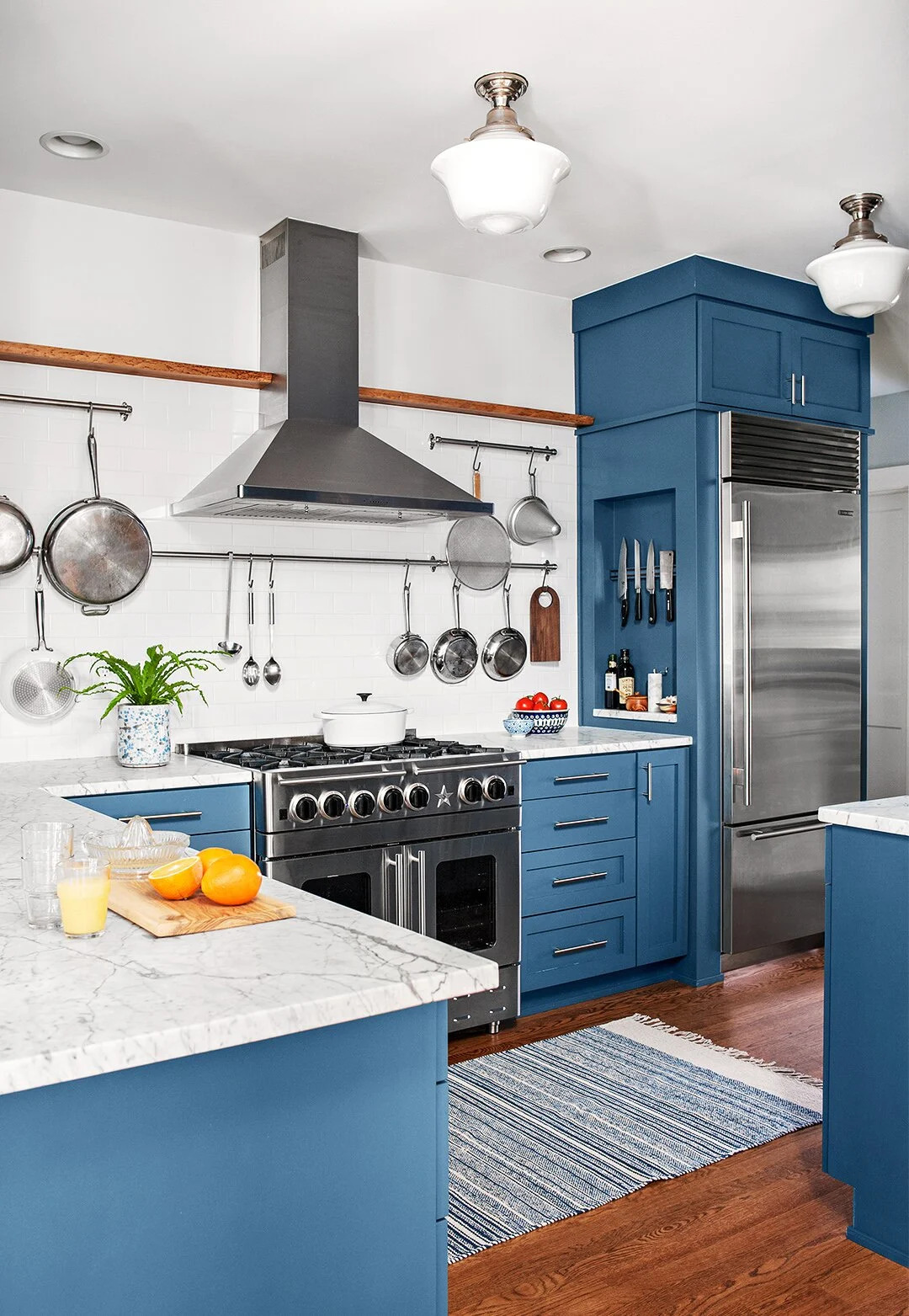
Transitional Style Kitchens Are Most Popular—Here's How to Ace the Look

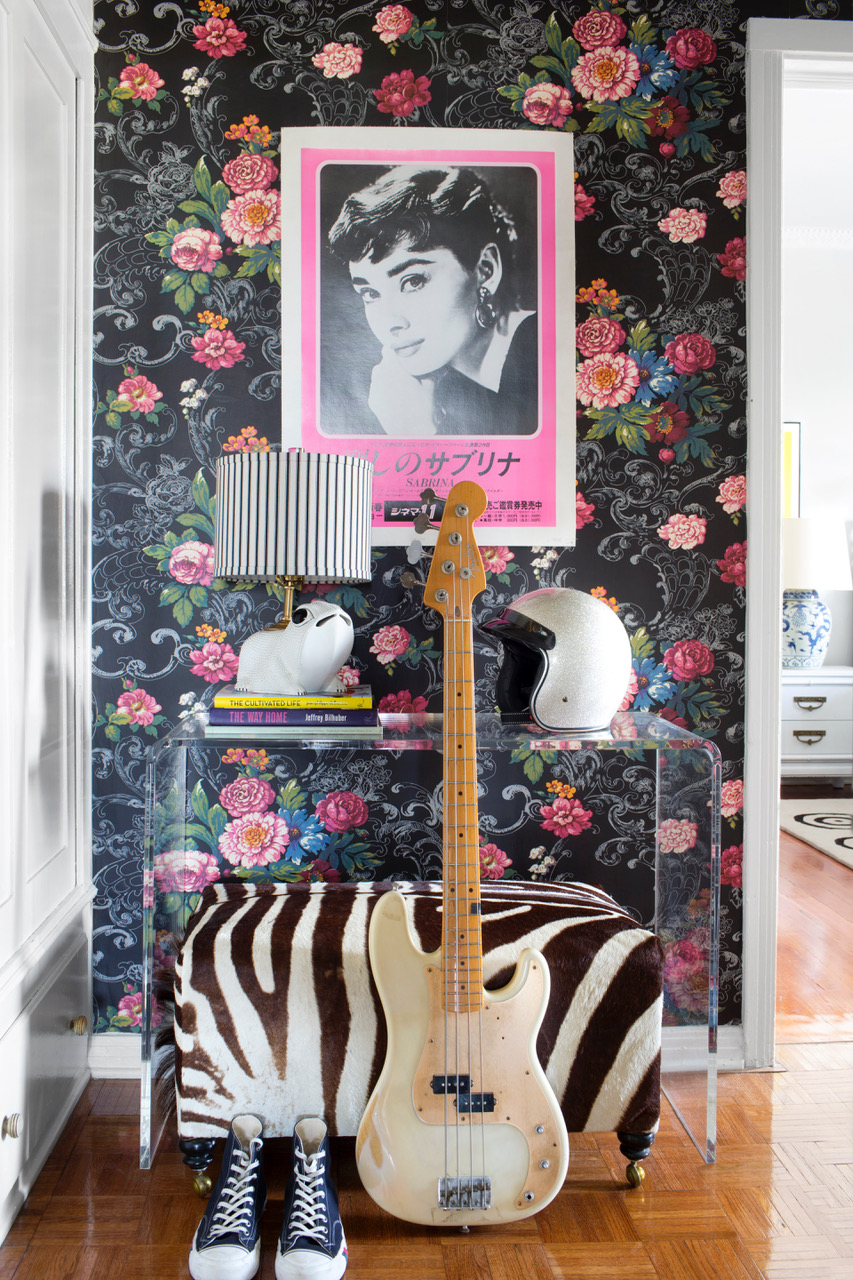
Don’t Know Your Design Style? These Are the 5 Most Popular Ones
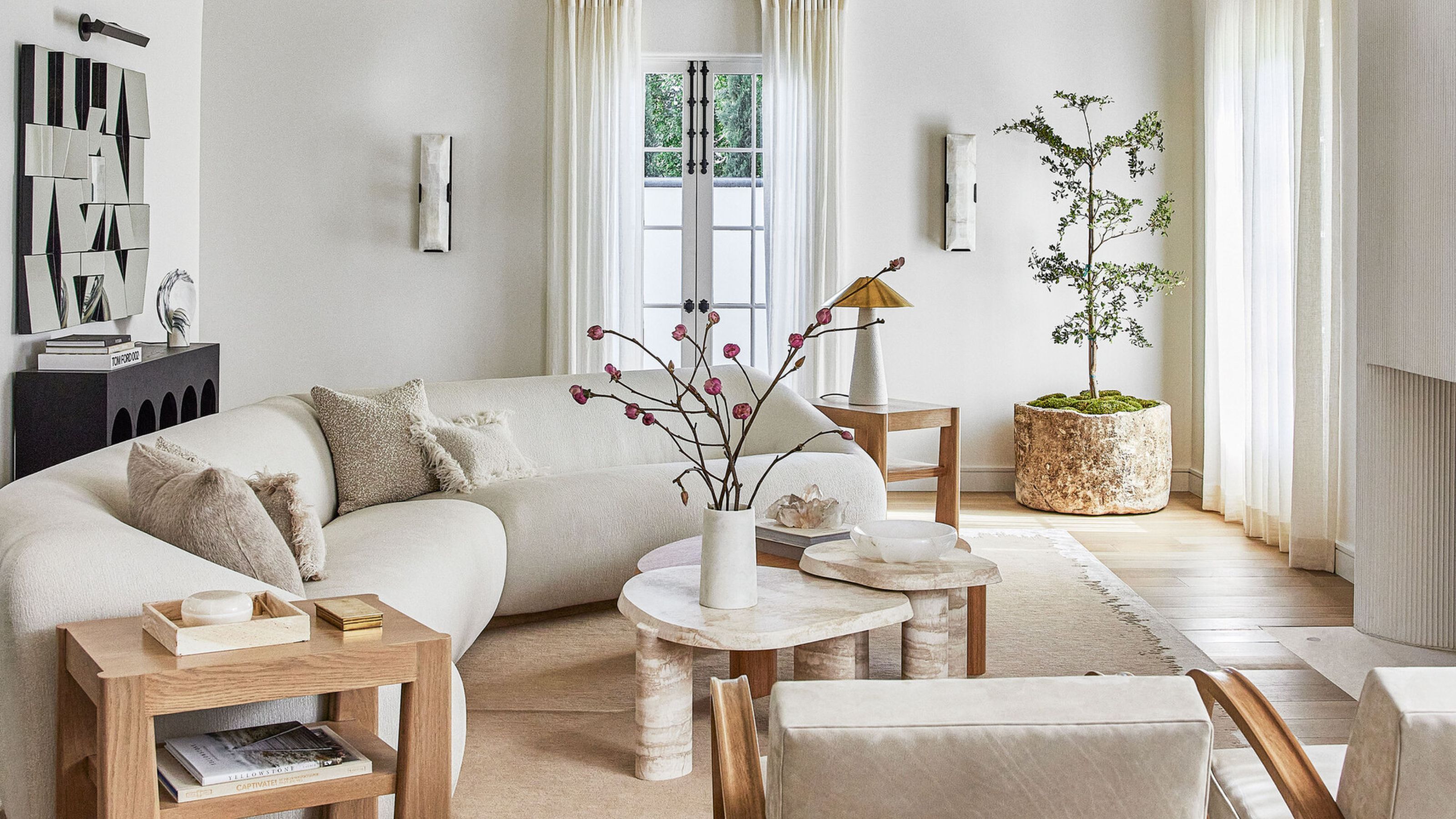
How to Achieve Transitional Style — 14 Designer Tips to Capture the Trend Taking Over Interiors
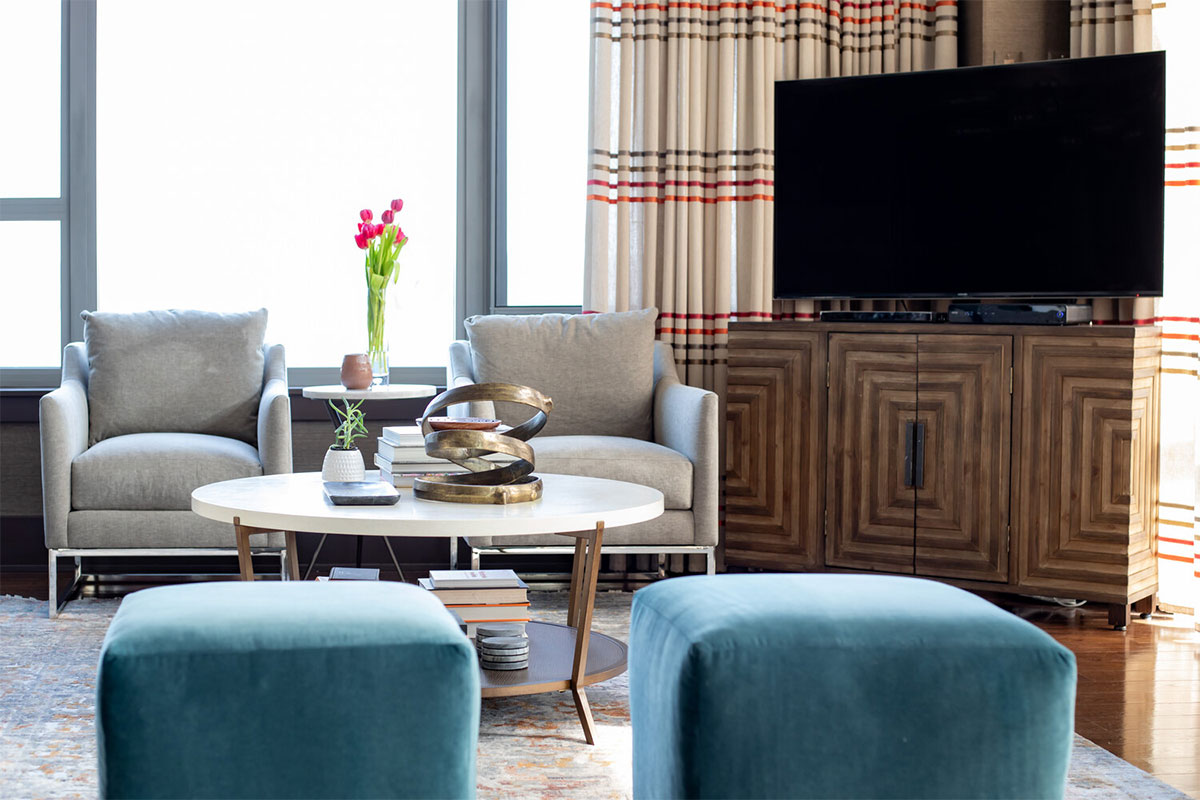
What is transitional design? Get the scoop on the trend from a local expert
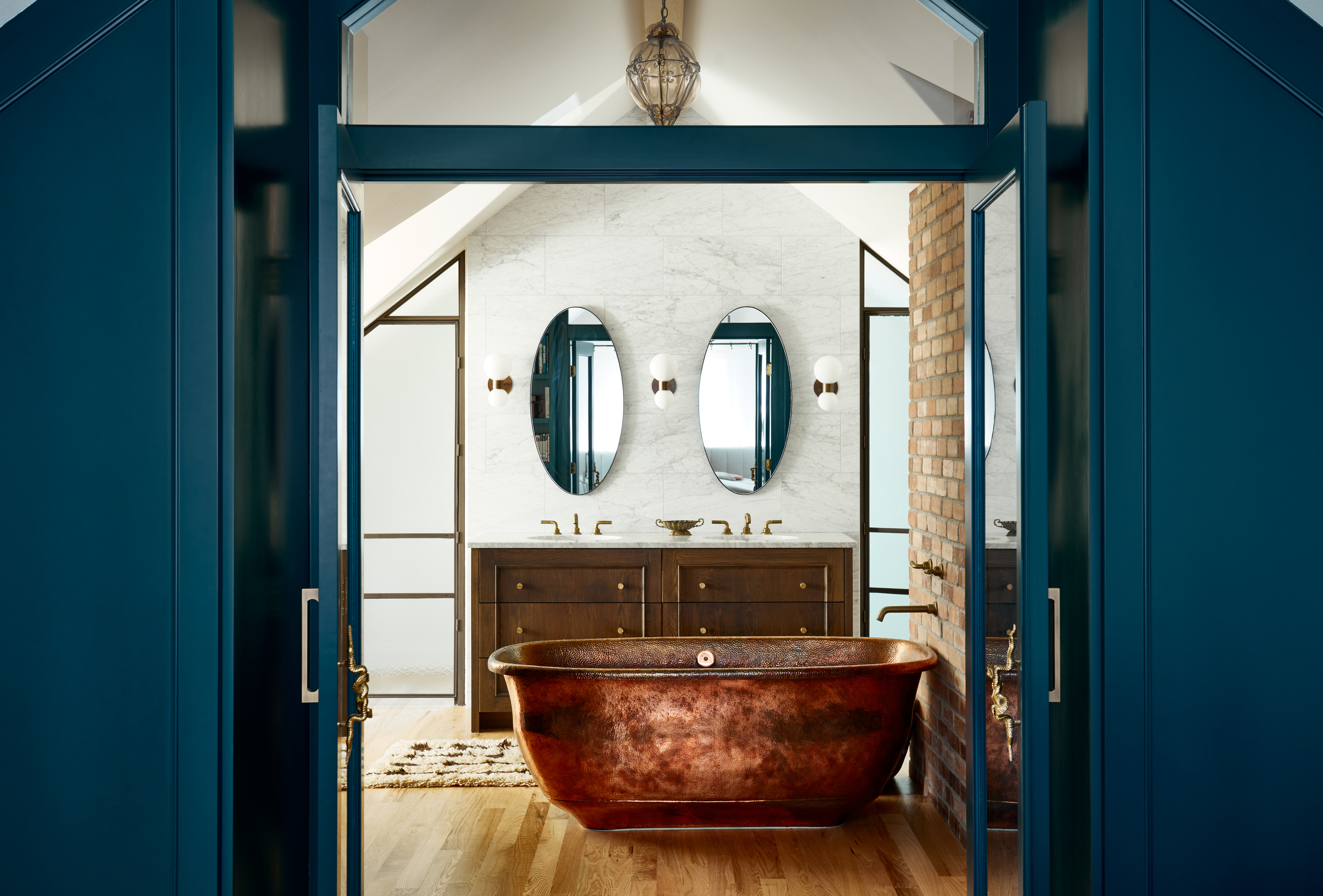
'Transitional' bathrooms combine the best parts of traditional and modern style – here's how the experts get the mix right
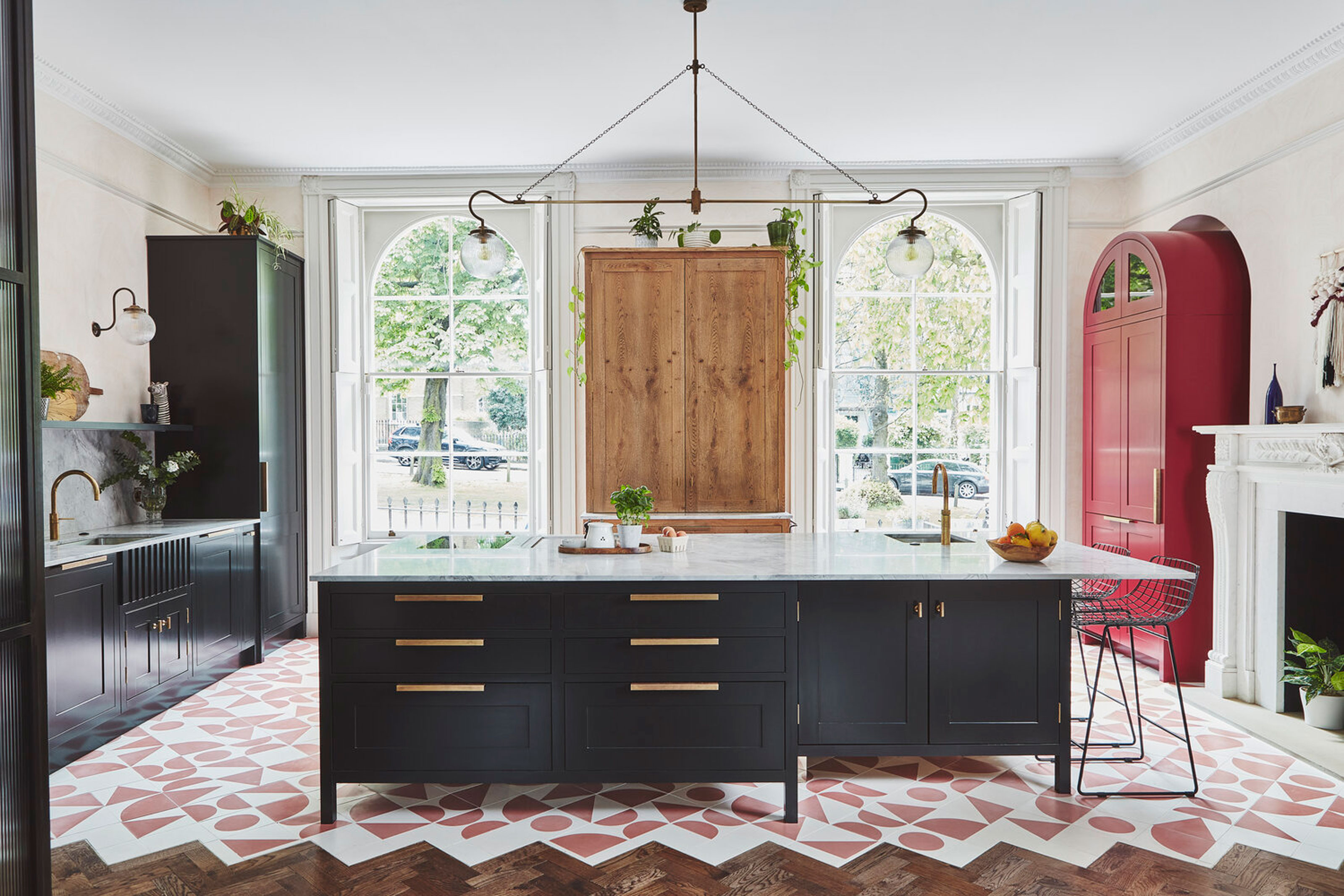
Hold everything - these 11 flooring transitions are reinventing decor, zoning spaces and looking incredibly luxe
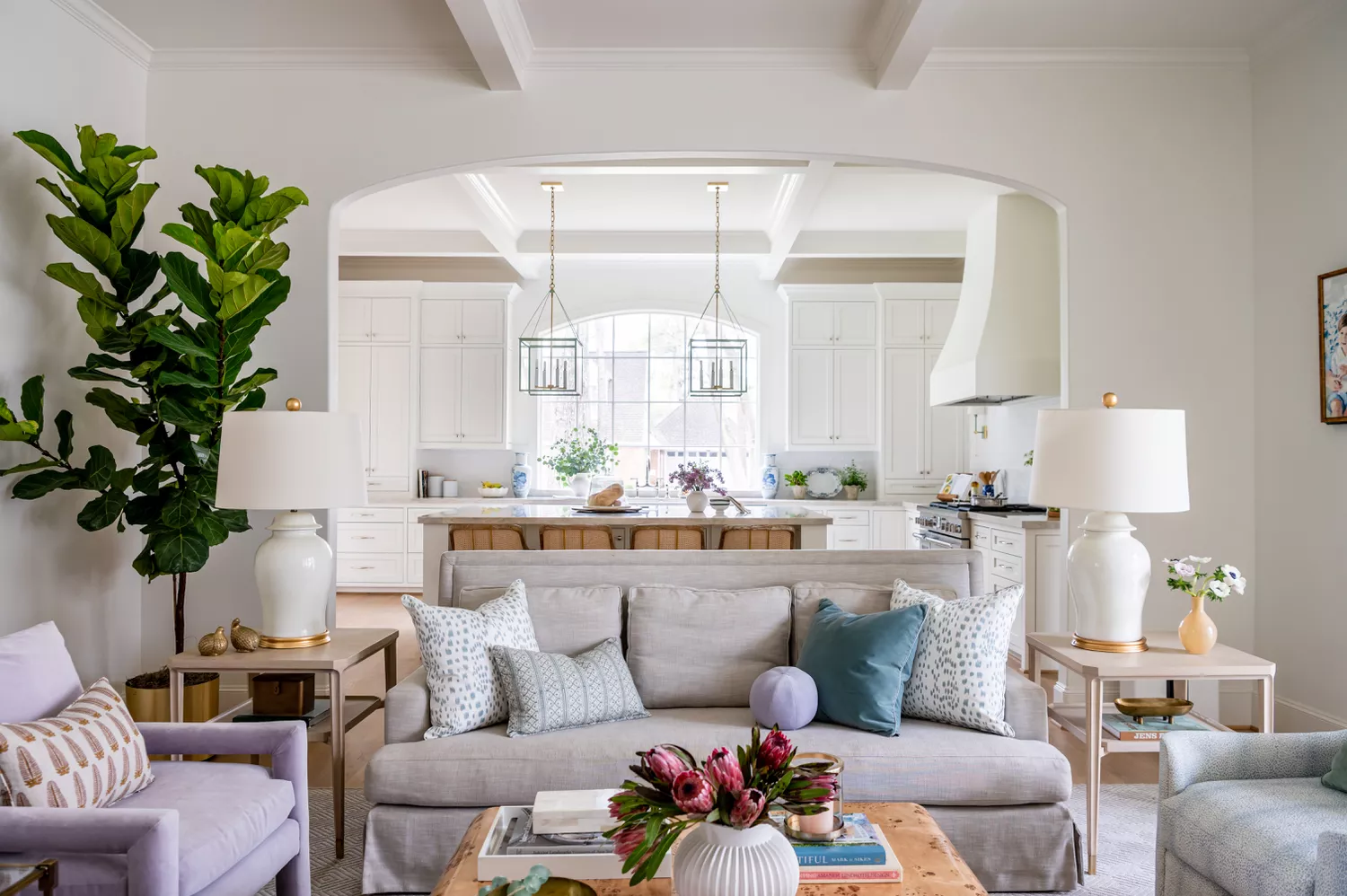
What Is Transitional Style? Designers Share Why They Love It and How to Get the Look

9 transitional living room ideas that nail this old-meets-new style
Transitional Style Home Living Room Tour
Room for Change: Interior Design that Adapts with Style

9 perfect color palettes for transitional- style living rooms - the design trend of the moment
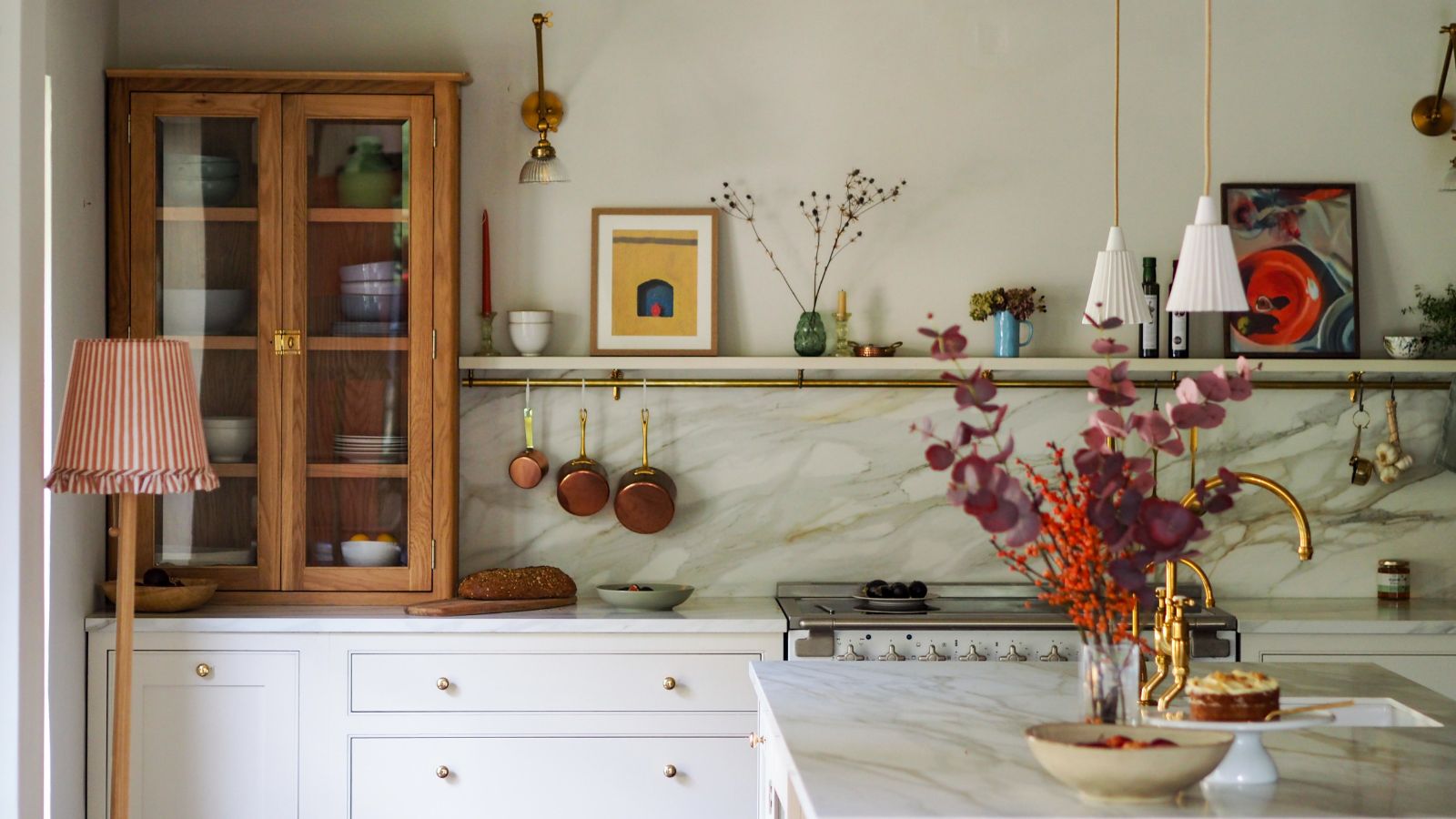
13 transitional kitchen ideas that effortlessly blend old and new
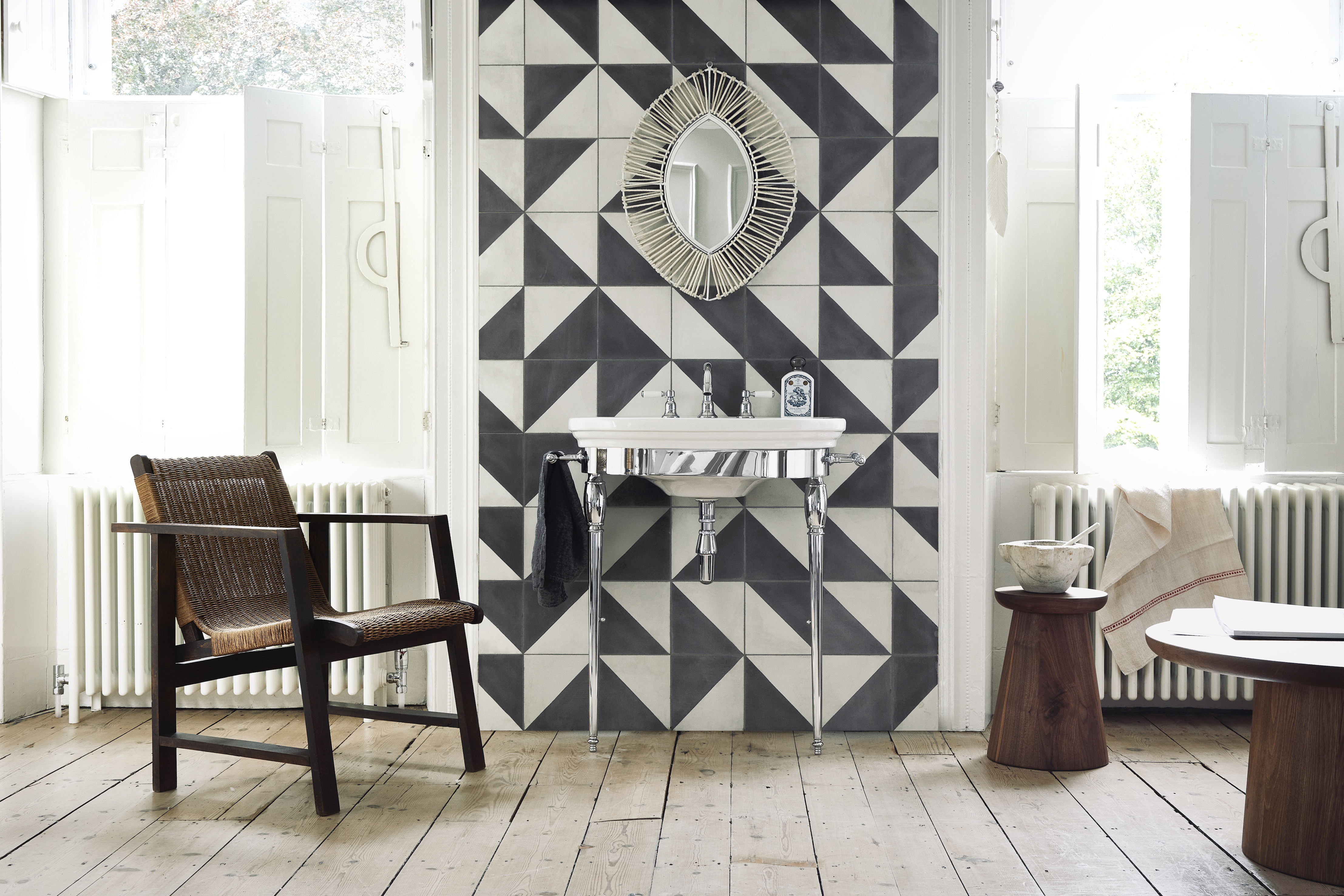
Transitional bathroom ideas – 12 ways to embrace this increasingly popular style

Bear Witness to Khaki’s Style Transformation