1/2
Here's the Truth About Wood Veneers
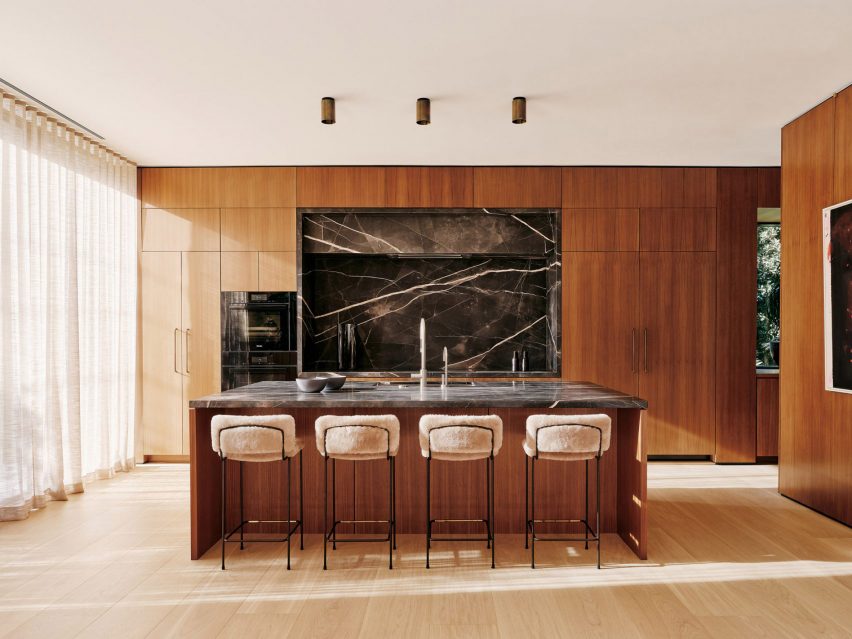
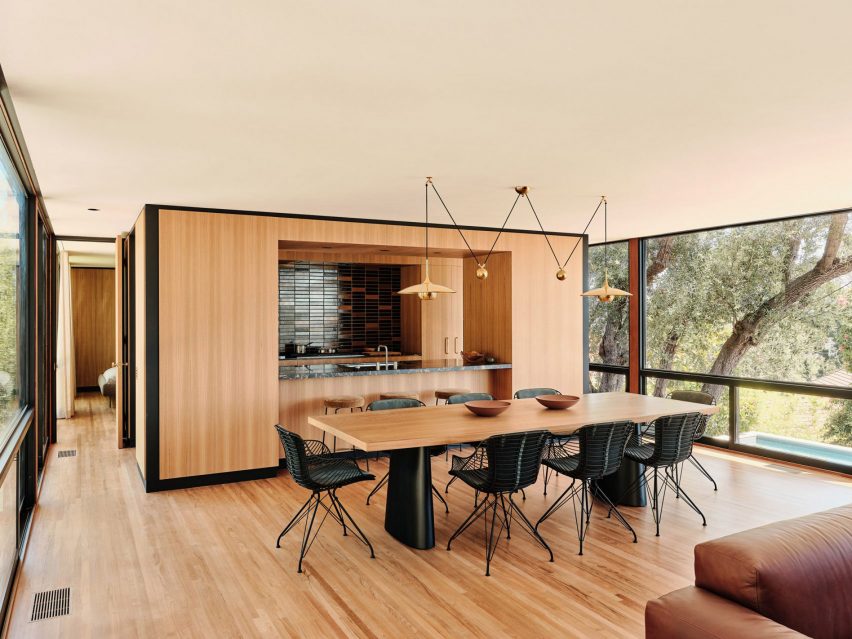
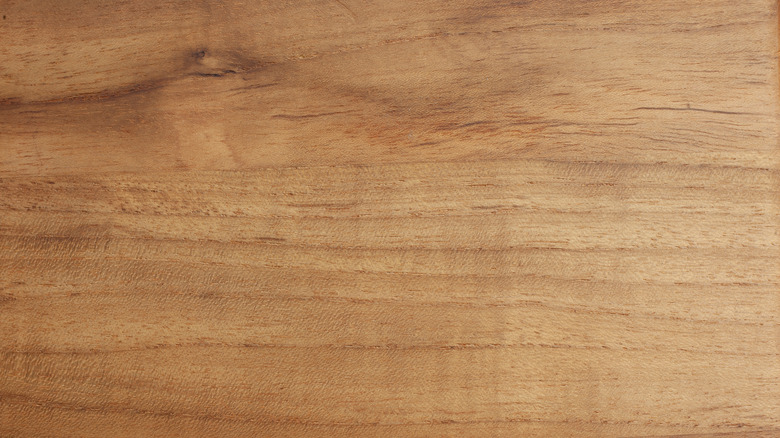
Wood veneers are often misunderstood and sometimes associated with cheap furniture. However, interior designers, such as Cate Caruso of Studio C, explain that wood veneers have a rich history in furniture-making and millwork, spanning over 200 years. They are not merely a cost-cutting measure but a structurally significant aspect of design, crucial for sealing and stabilizing a strong core surface like furniture-grade MDF. This process addresses the natural expansion and contraction of solid wood with temperature changes, which can compromise the integrity of furniture, especially pieces with moving parts like kitchen cabinetry or drawers.
The common misconception that veneers are inherently cheap stems from confusion with laminate materials. Laminates are typically made from plastic, paper, or foil, printed with a wood grain pattern, and are prone to wear at the edges, revealing their artificial nature. In contrast, genuine wood veneers are thin cuts of real wood. The quality of veneered furniture, like any woodworking, depends on the craftsmanship. Expert millworkers ensure seamless application with perfect corners, dispelling the notion that veneers are inferior.
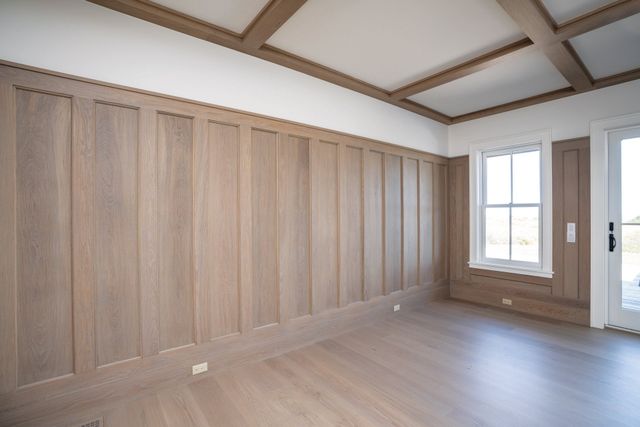
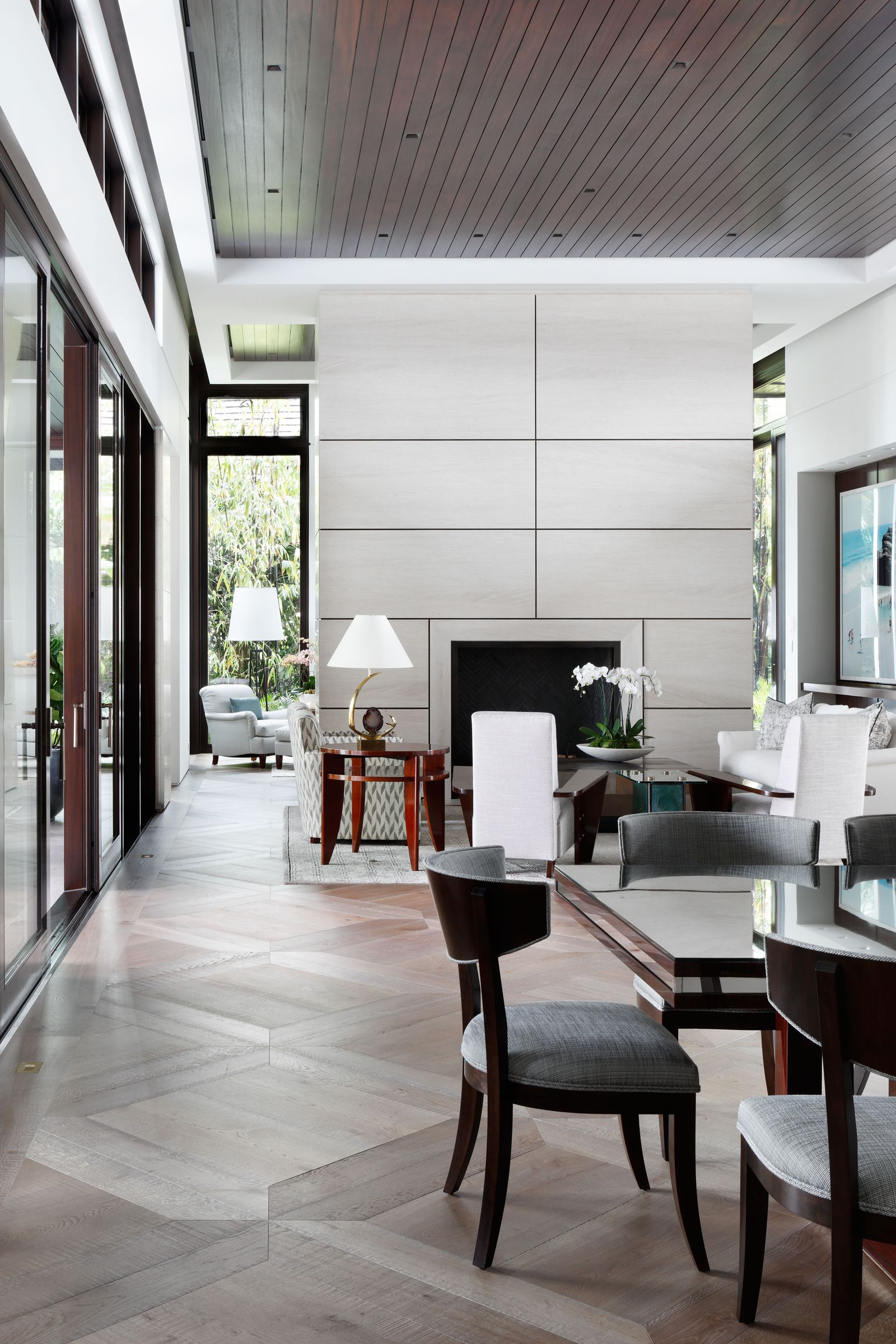
Beyond structural stability, veneers offer several advantages. They are considered an environmentally conscious option because they maximize the use of a single log by producing multiple thin sheets, with the core often made from furniture-grade MDF or other substrate materials. In certain cases, veneers can also significantly reduce costs, particularly when working with rare and expensive woods like Brazilian rosewood. Achieving a paneled room in solid rosewood, for example, would be exorbitantly expensive, making veneers a more accessible alternative.
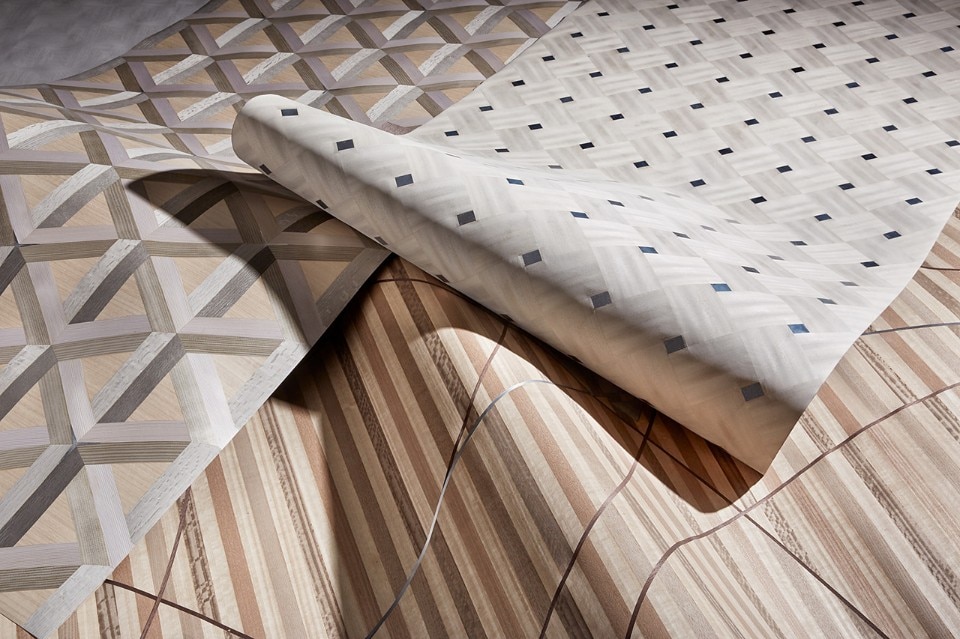
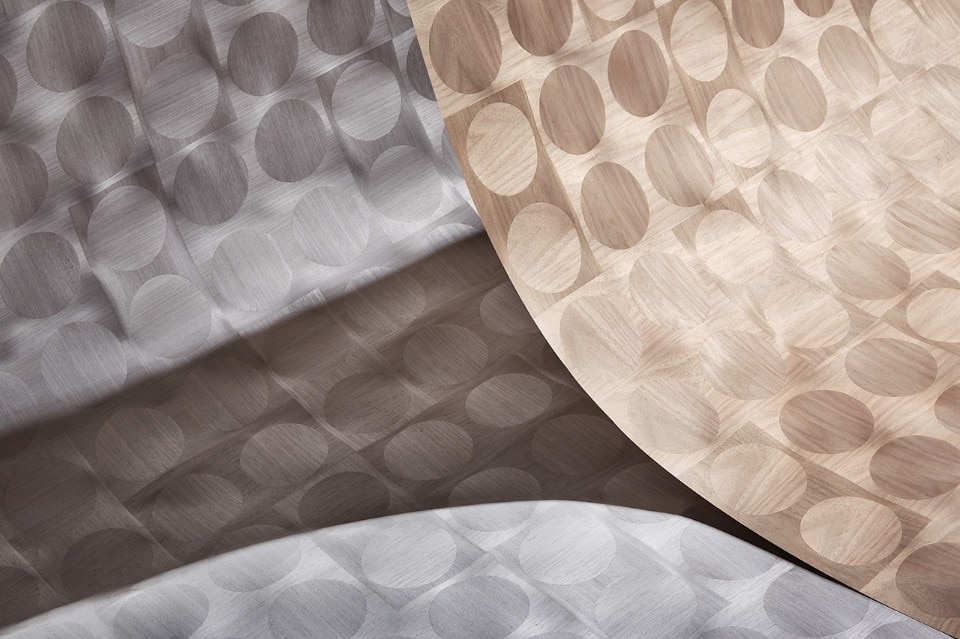
Veneers are also indispensable for specialized woodworking techniques. Book-matching, where wood grains are mirrored to create symmetrical patterns, relies on veneers cut from the same log, as finding naturally matching solid wood planks is virtually impossible. Similarly, intricate inlay arts such as marquetry and parquetry, which involve fitting precisely cut wood pieces into a surface, necessitate the use of veneers. These sophisticated applications highlight the versatility and artistic potential of veneers, demonstrating their distinction from less durable laminate surfaces.
#WoodVeneers #FurnitureMaking #InteriorDesign #Millwork #SustainableDesign #Craftsmanship #HomeDecor #WoodworkingTechniques #MaterialScience #WoodVeneers #FurnitureMaking #InteriorDesign #Millwork #SustainableDesign #Craftsmanship #HomeDecor #WoodworkingTechniques #MaterialScience
0 komentarzy łącznie
 Brak komentarzy jeszcze
Możesz również polubić
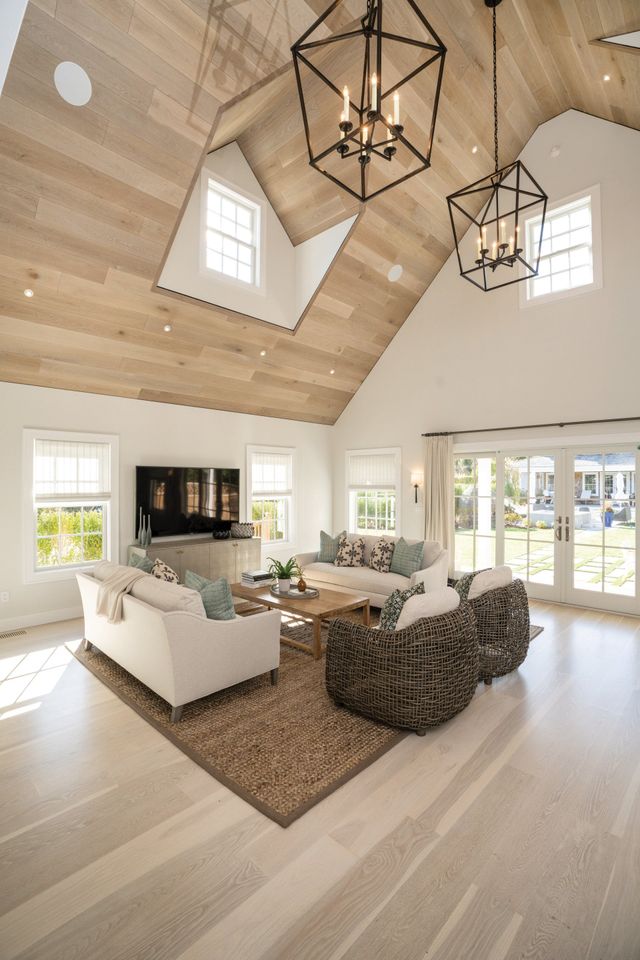
BEHIND THE VENEER


Got chipped wood veneer furniture on your hands? 3 easy ways to restore it to its former glory

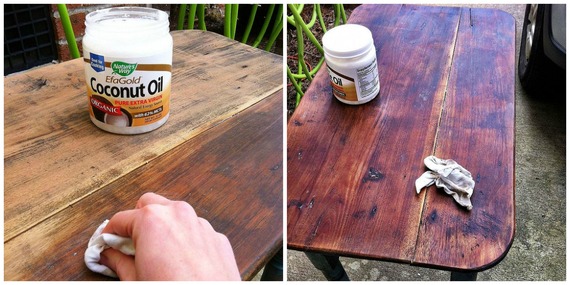
8 Tricks for Repairing and Restoring Wood Damage

Finishes preserve wood and are food-safe: Ethan reviews

Wood Treatments

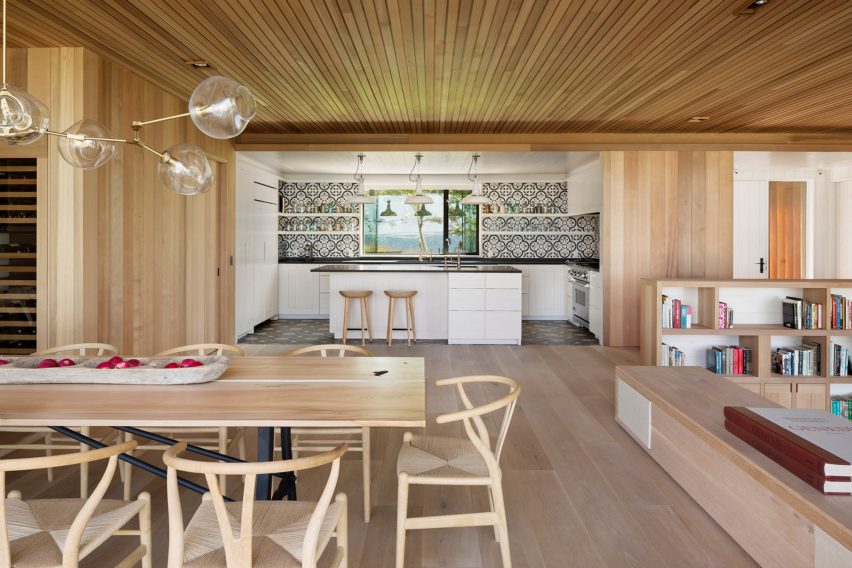
Ten projects that seamlessly integrate wood into the design

Erin And Ben Napier Clash Over One Design Trend (& Ben Predicts Its Comeback)
Ronseal Woodcare | Paints, Stains & Varnishes

Timber
What is brick veneer?

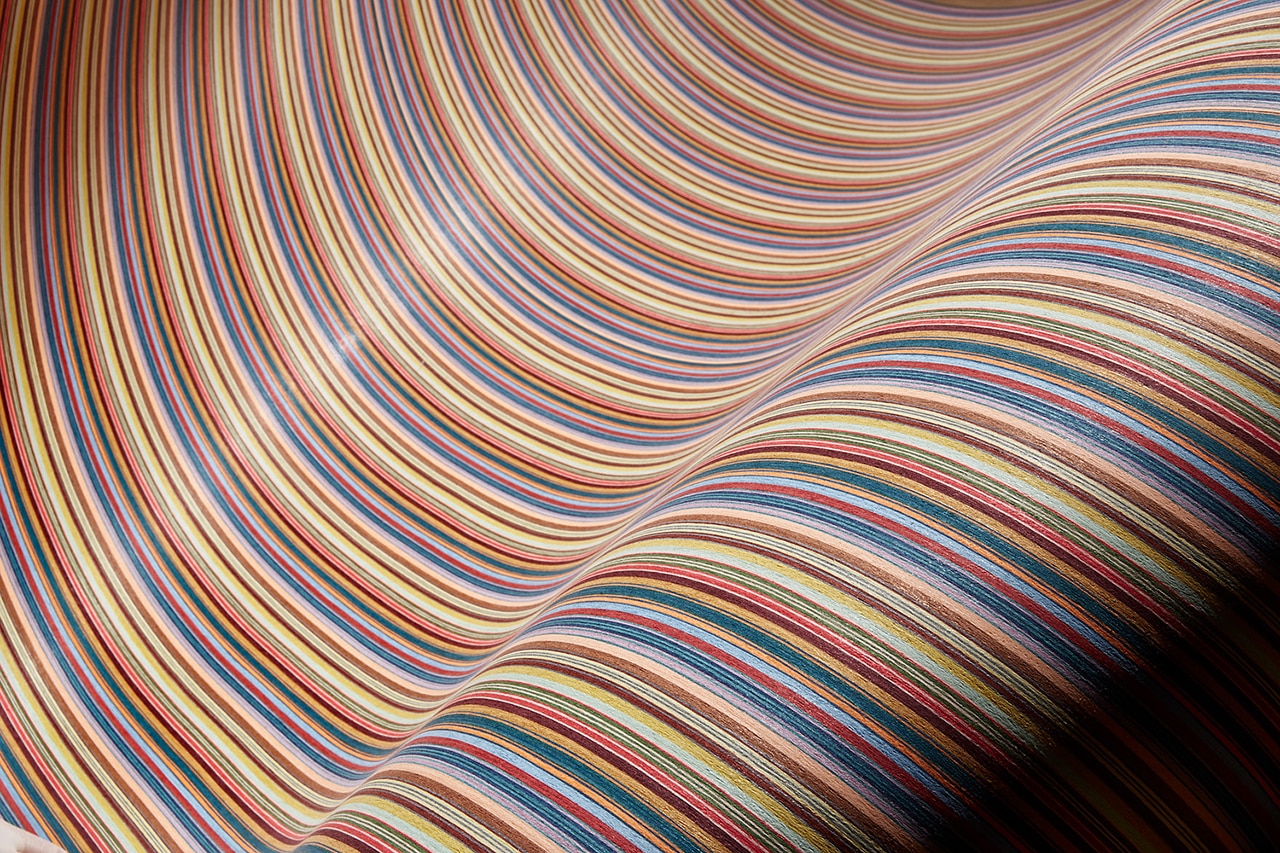
The innovative inlays of Tabu dyed veneers


15 Types Of Wood That Are Easy To Build With
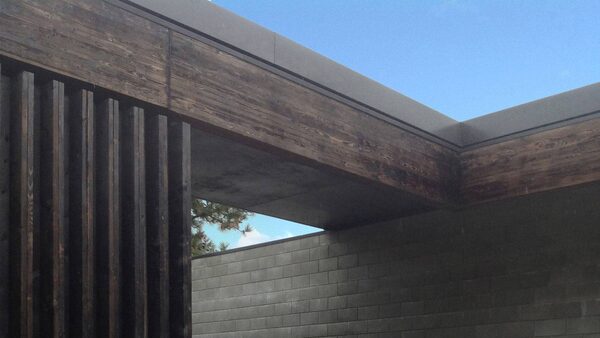
The value in charring wood surfaces goes beyond visual effect

In Depth: Engineered wood products


Wood Paneling Is Back—and Better Than Ever


Plywood Sheets
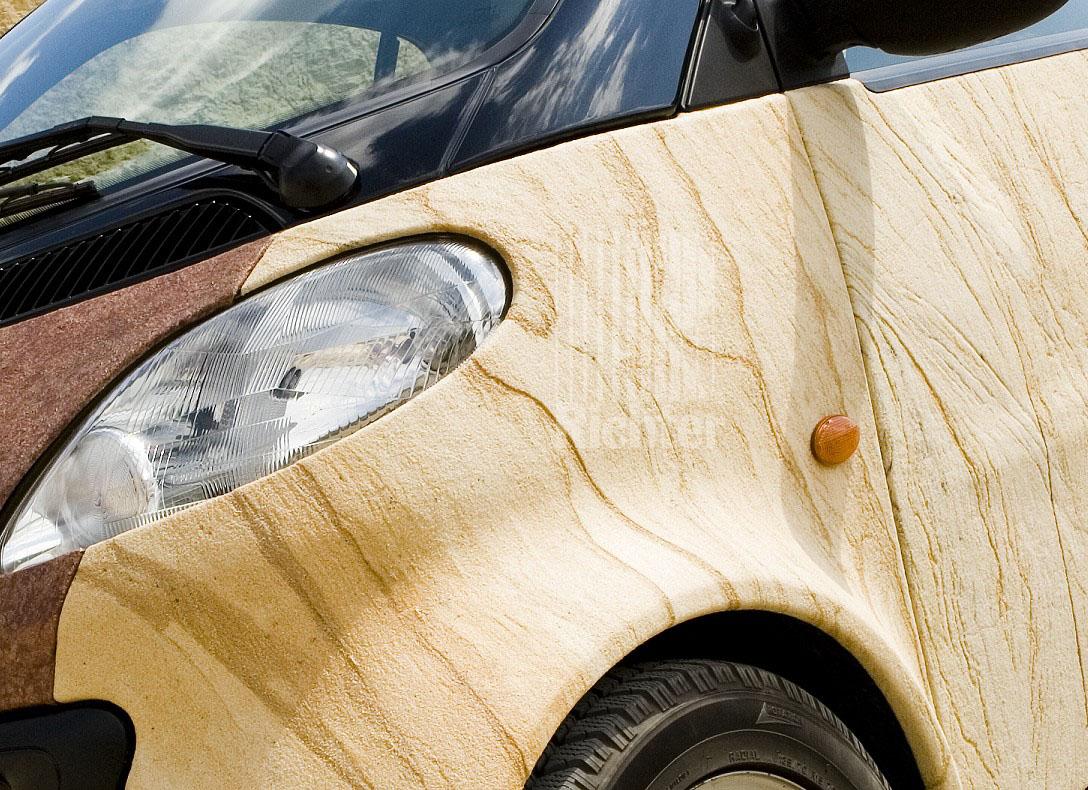
Stone Veneer Works Like Wood Veneer
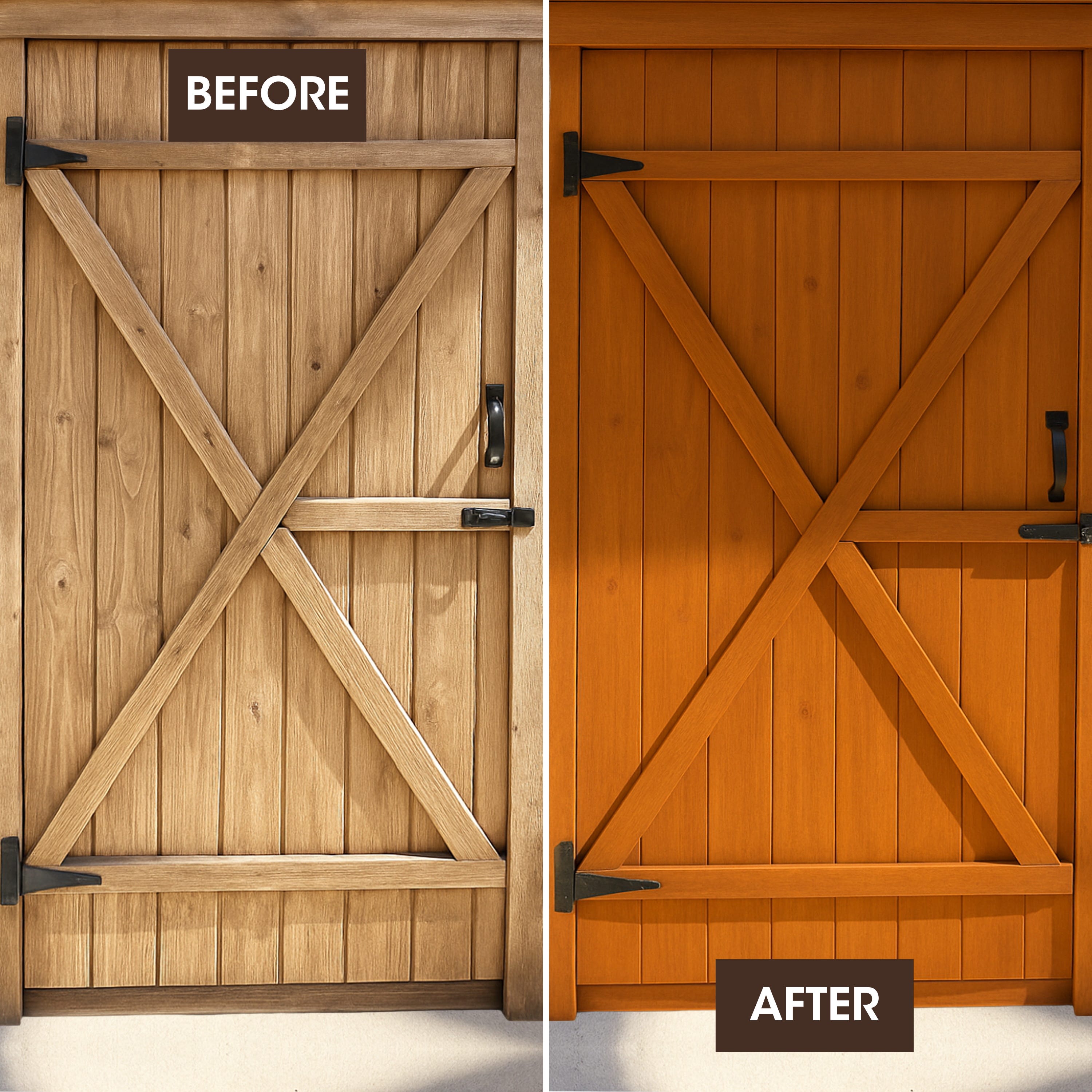
How to Fall in Love with Your Furniture (Again)


It's Only a Paper Floor, But You'd Believe It's Real -Wood Planks
Materials 101: The Versatility of Wood with Manomin Resawn Timbers